Weathering record breaking torrential rains, participants of the thirteenth World Urban Forum (WUF13) gathered on the day before WUF13’s official opening to attend a High-level Ministerial meeting and the WUF Assemblies.
The high-level meeting presented an opportunity for ministers and other state officials to discuss their expectations and priorities for the upcoming review of the New Urban Agenda (NUA). Adopted in 2016 with a 20-year time frame, the NUA aims to transform how cities are planned, managed, and financed in the context of rapid urbanization and increasing impacts of climate change.
Want to dig deeper into today's talks? Read the full Earth Negotiations Bulletin daily report.
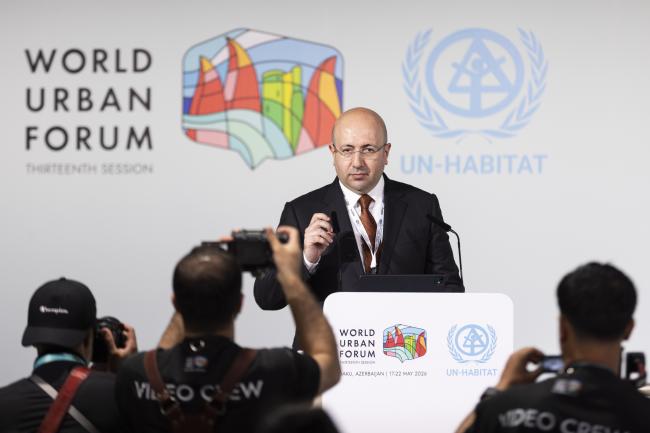
Anar Guliyev, Chairman of the State Committee for Urban Planning and Architecture of Azerbaijan and National Coordinator of WUF13, invited participants to share global perspectives and national and local experiences of implementing the NUA.
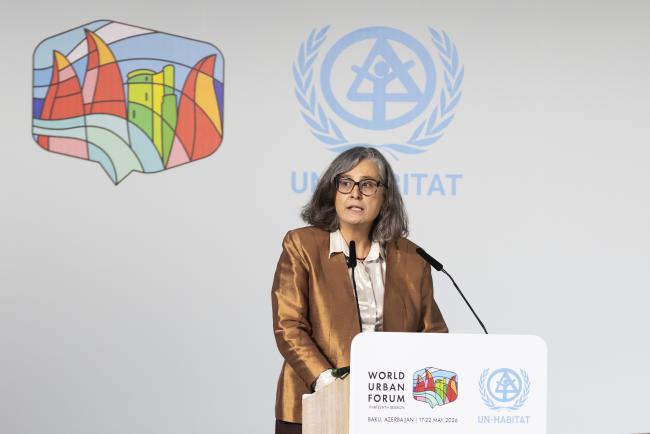
UN-Habitat Executive Director Anacláudia Rossbach said the NUA has achieved real progress, with more than two-thirds of NUA countries having introduced national housing policies. She noted, however, that implementation has been uneven. She called for greater action in the coming decade on housing affordability, which is affecting all regions and often impacts the most vulnerable.
In a video message delivered on behalf of UN Secretary-General António Guterres , Guy Bernard Ryder, UN Under-Secretary General for Policy, stressed that achieving adequate, safe, and affordable housing requires stronger partnerships, effective multilateral governance, and improved access to finance.
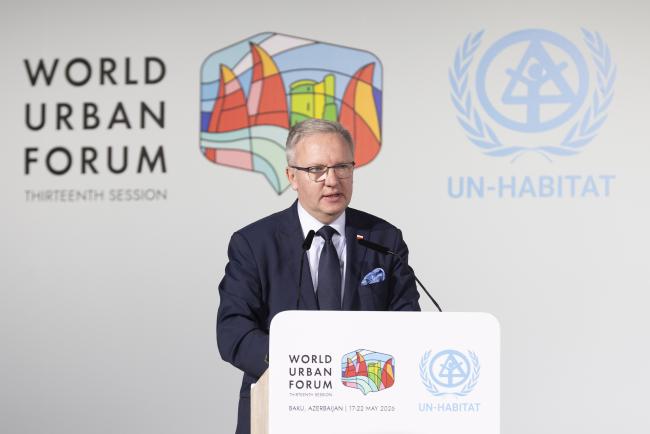
In a series of panels, participants deepened discussions on key issues relating to WUF13’s theme of “Housing the World: Safe and resilient cities and communities.” In a panel on housing for inclusion and ending poverty, participants shared experiences with interventions such as social funding programmes for low-income areas or opening land ownership rules to unlock private housing investment that improves social inclusion. The panel on housing for urban prosperity and opportunities for all examined the role of housing as a powerful social and economic investment that can have wide ranging impacts on human wellbeing and the environment.
Participants highlighted the need to align policy frameworks at national and local levels, treating housing as an investment in growth, prioritizing the needs of children, and pursuing solutions led by and implemented for the poorest residents.
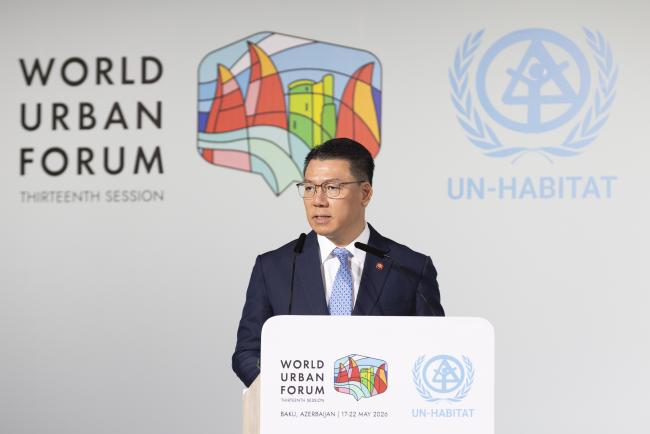
Discussions in the panel on housing for environmentally sustainable and resilient urban development revolved around the linkages between decarbonization, climate change, and inclusive urban development. Participants’ interventions focused on: achieving efficiencies in housing policy; water as a critical resource for sustainable cities; and how climate change threatens human life and imposes limits on development.
The WUF Assemblies serve as a forum for key urban stakeholders to exchange experiences and develop joint commitments. Moderator Aditya Kumar, UN-Habitat, framed the Assemblies as opportunities to co-create solutions for current crises and urged participants to carry home the messages emerging from the conversations.
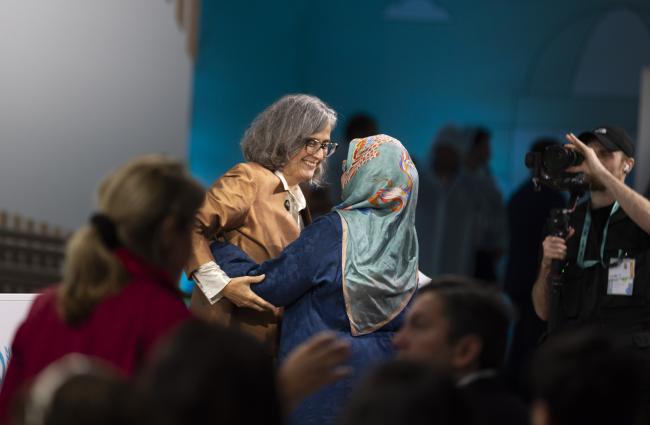
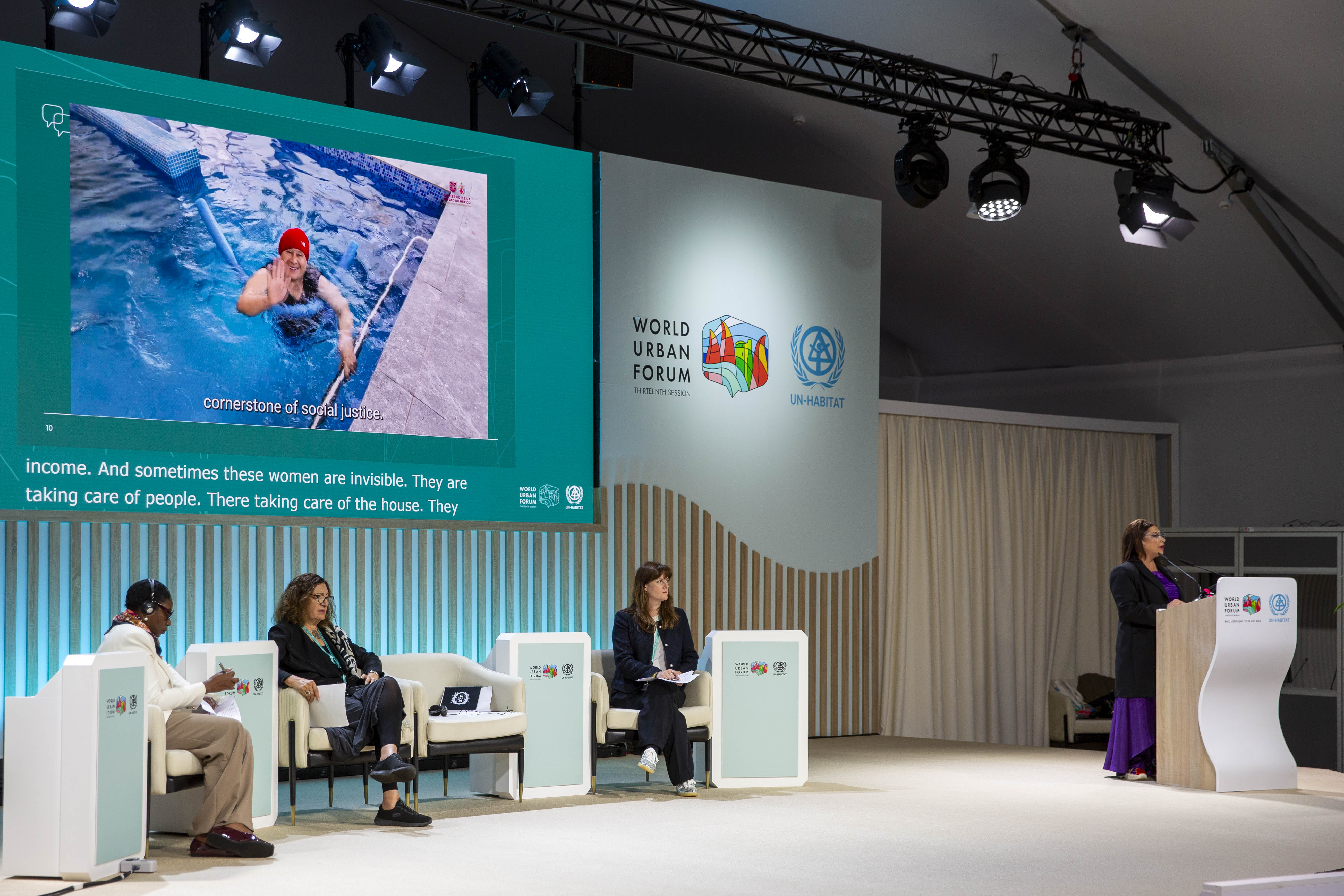
Clara Brugada, Mayor of Mexico City, WUF14 host in 2028, underscored the need to build cities that take care of vulnerable groups and highlighted connections between social inequalities, the climate emergency, and the housing crisis. Assembly participants discussed approaches to improve relationships between urban stakeholders and decision makers, such as onboarding youth perspectives in policymaking and strengthening relationships between the poor and those in power.
Participants then split into specific stakeholder groups for local and regional governments, youth, businesses, civil society organizations, and women to share urban sustainability experiences and discuss solutions to challenges ranging from infrastructure to climate justice.
To receive free coverage of global environmental events delivered to your inbox, subscribe to the ENB Update newsletter.
All ENB photos are free to use with attribution. For the WUF13 meeting, please use: Photo by IISD/ENB | Natalia Mroz
Opening Segment
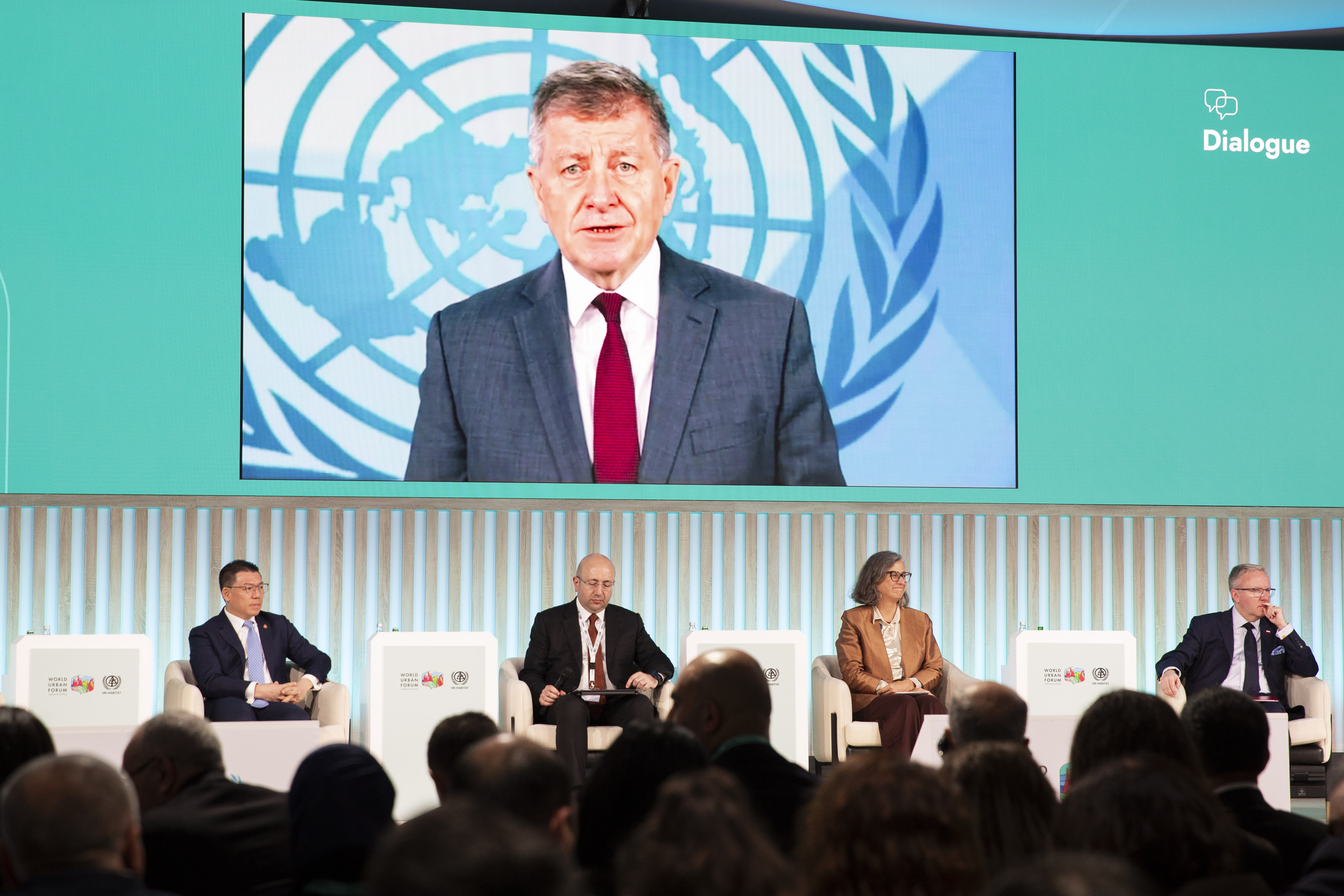
Guy Bernard Ryder, UN Under-Secretary General for Policy
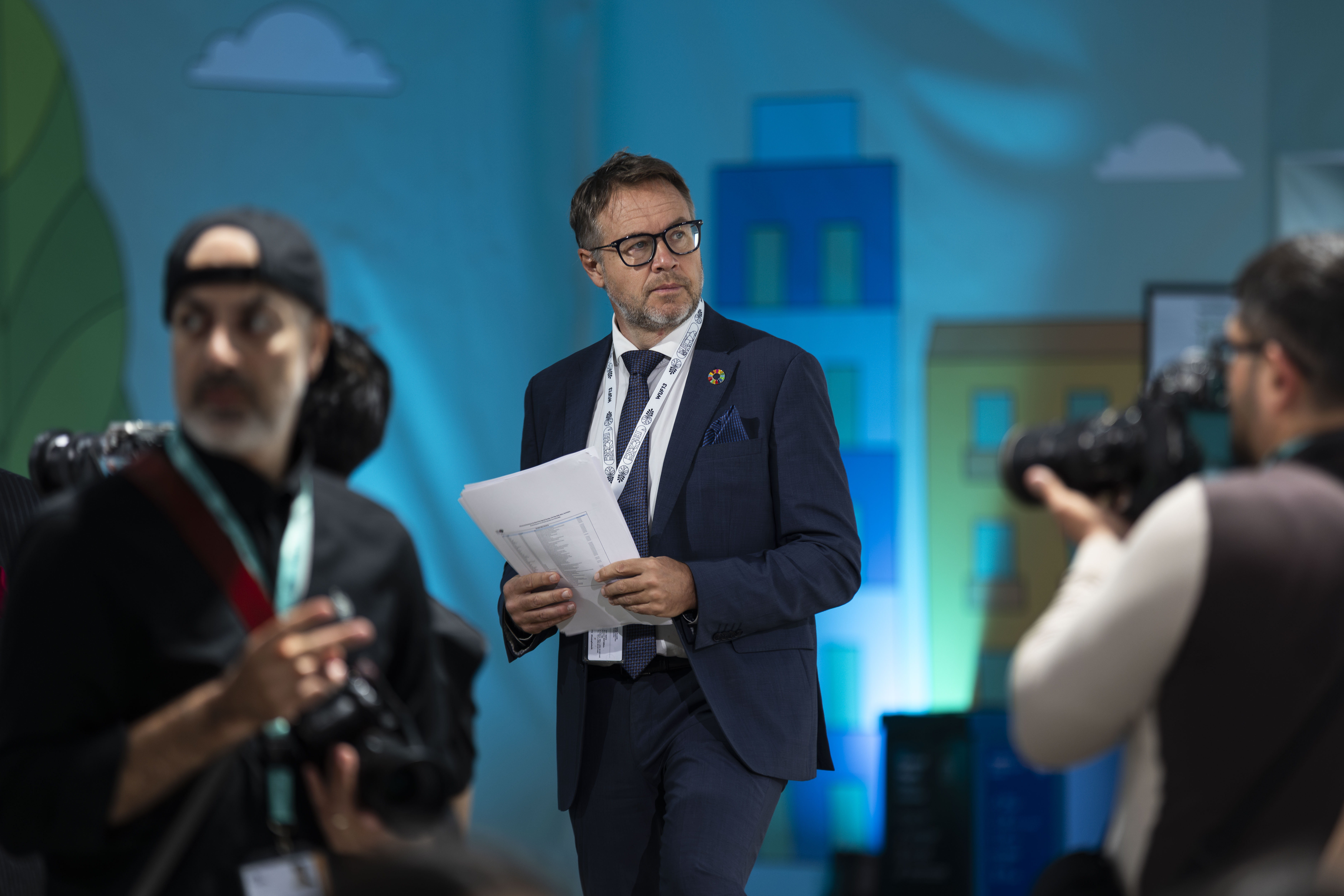
Ulf Björnholm, UN-Habitat
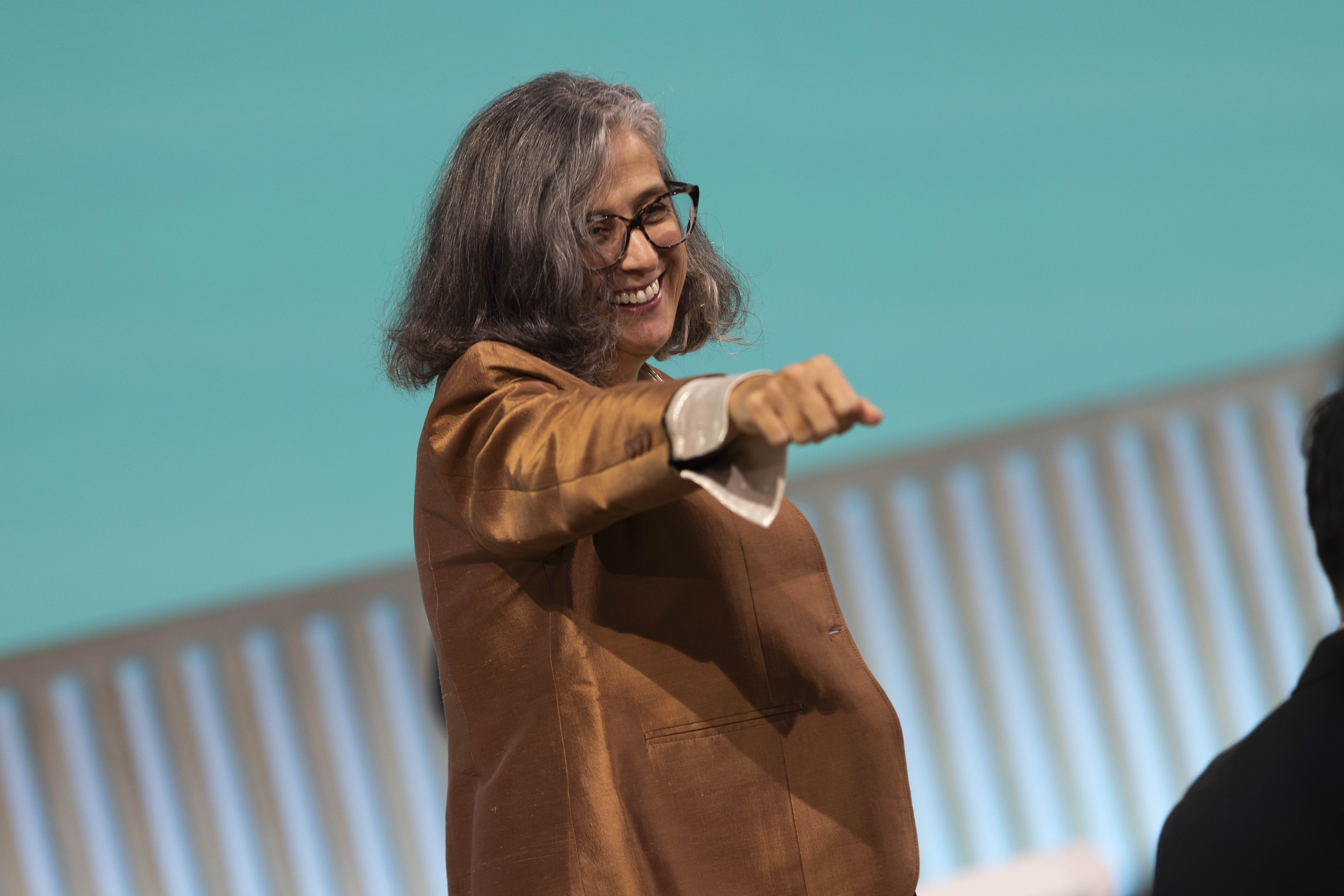
Anacláudia Rossbach, Executive Director, UN-Habitat
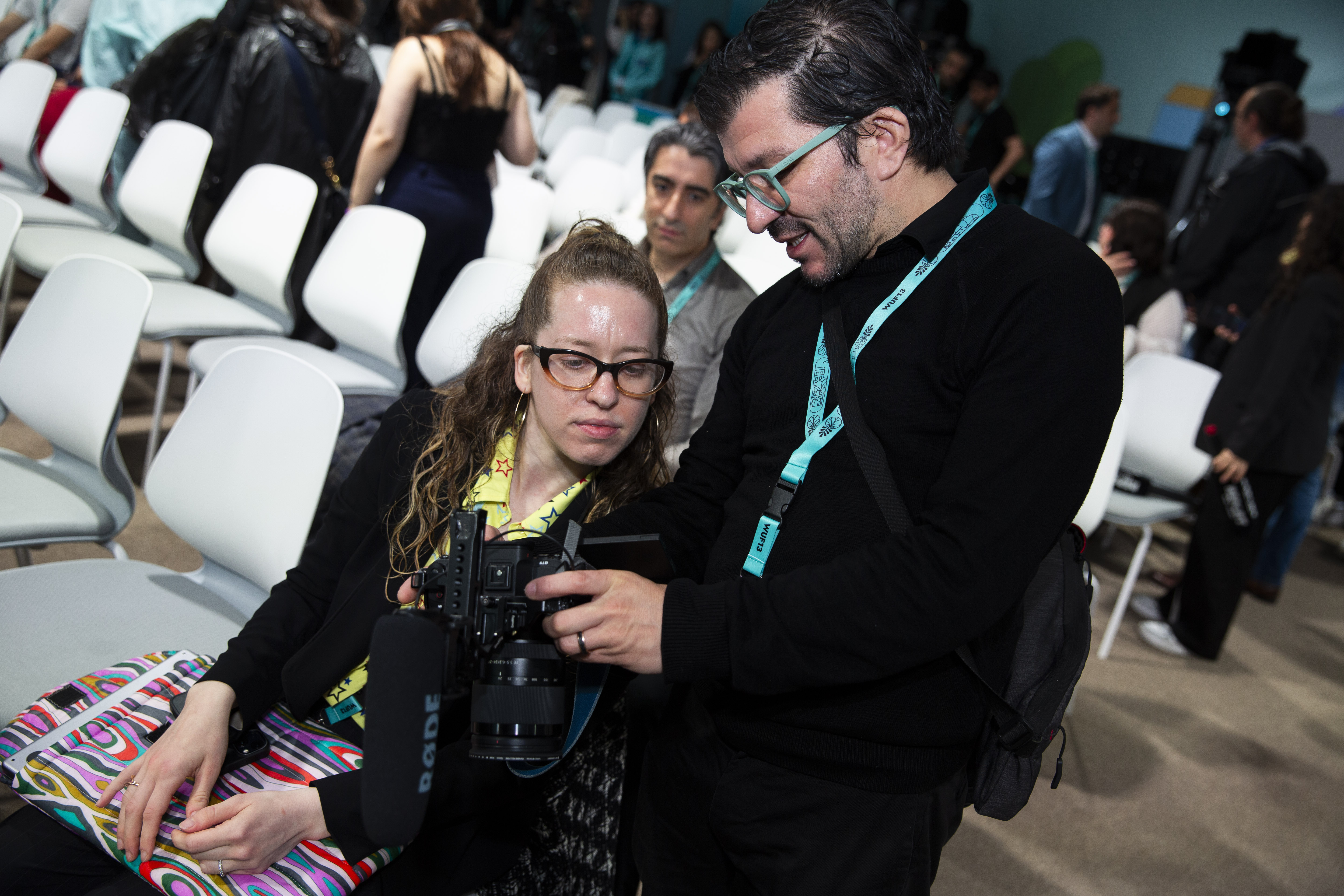
Rosalie Boyle and Andres Carvajal, Earth Negotiations Bulletin
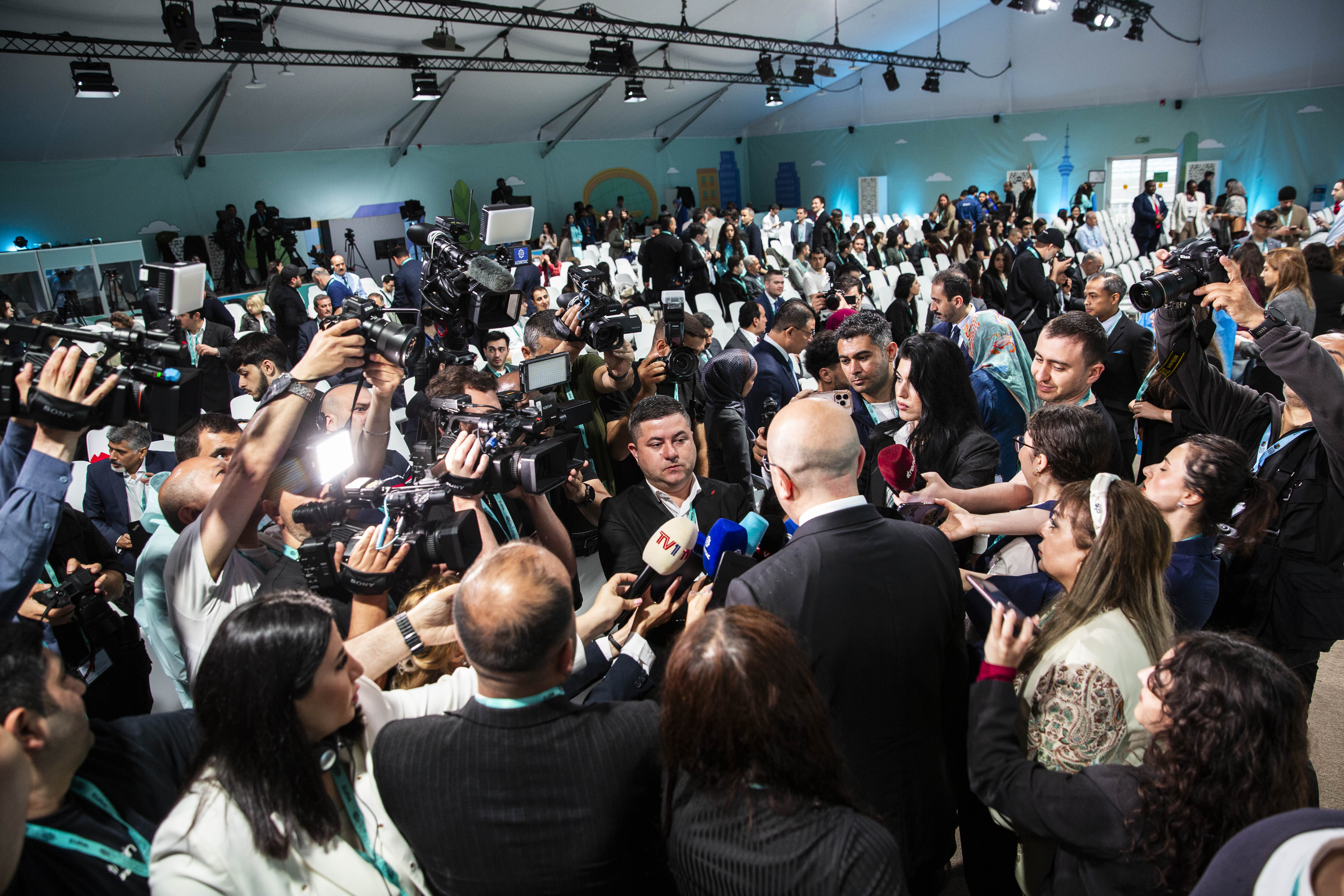
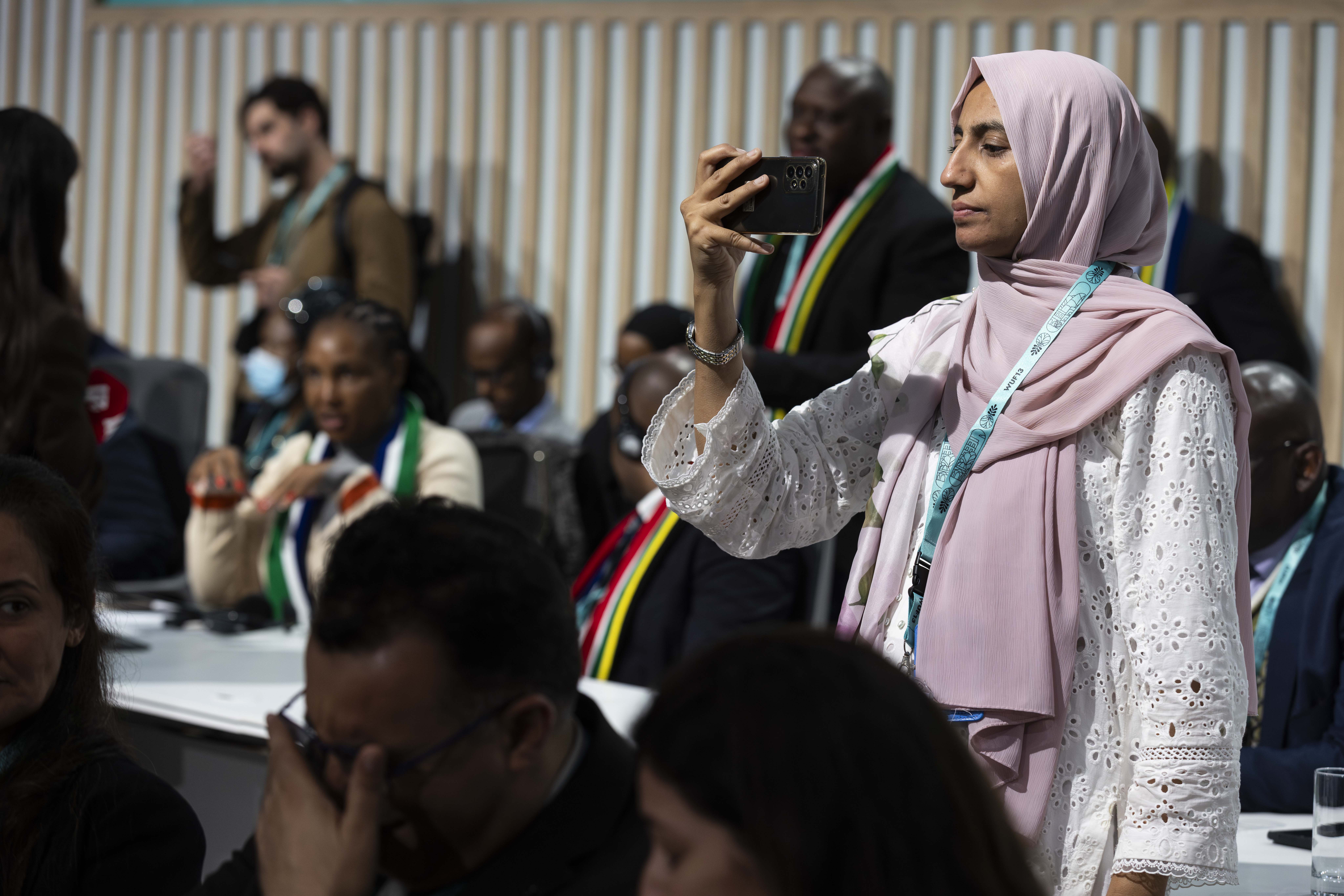
Members of the media
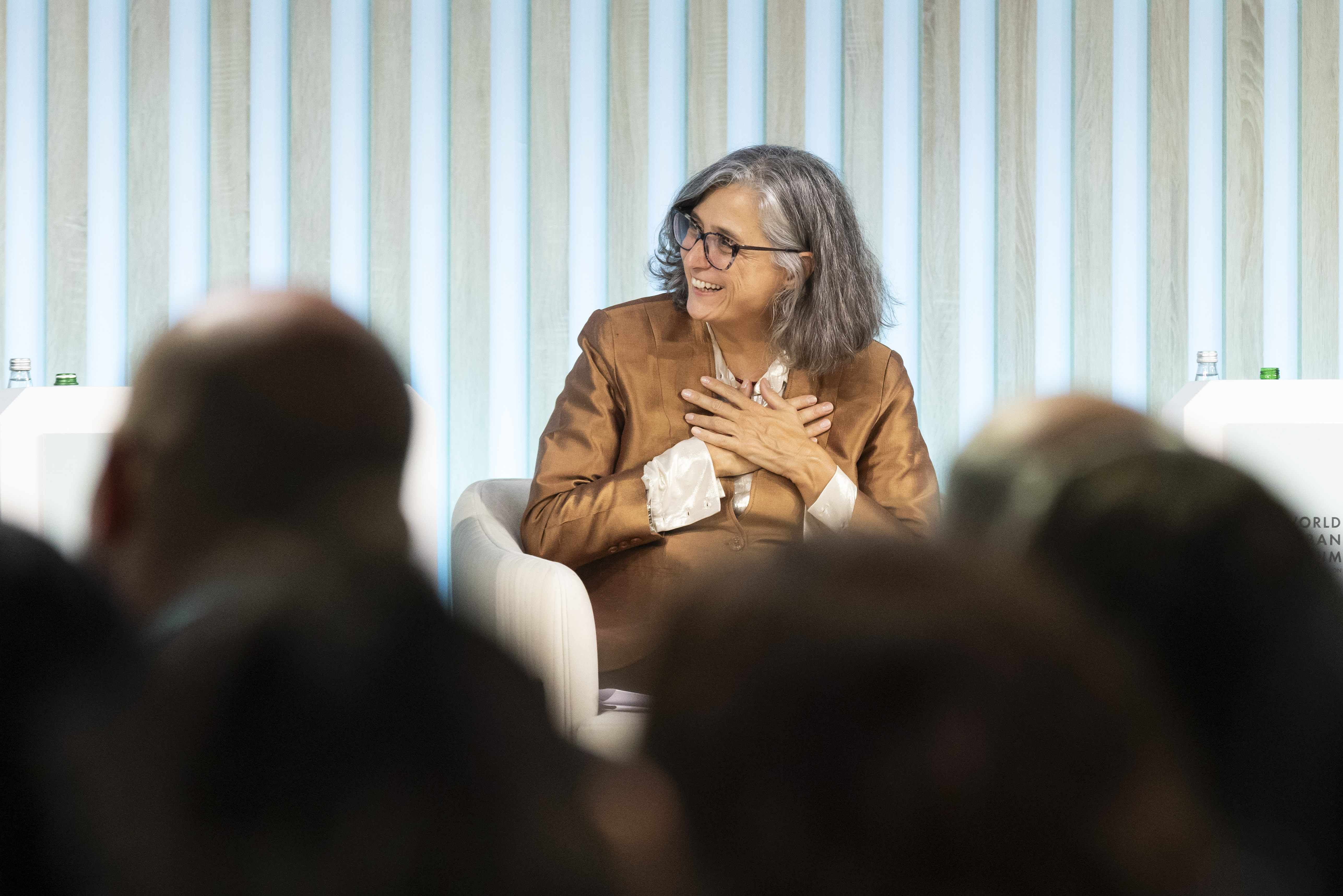
Anacláudia Rossbach, Executive Director, UN-Habitat
National Ministerial Statements
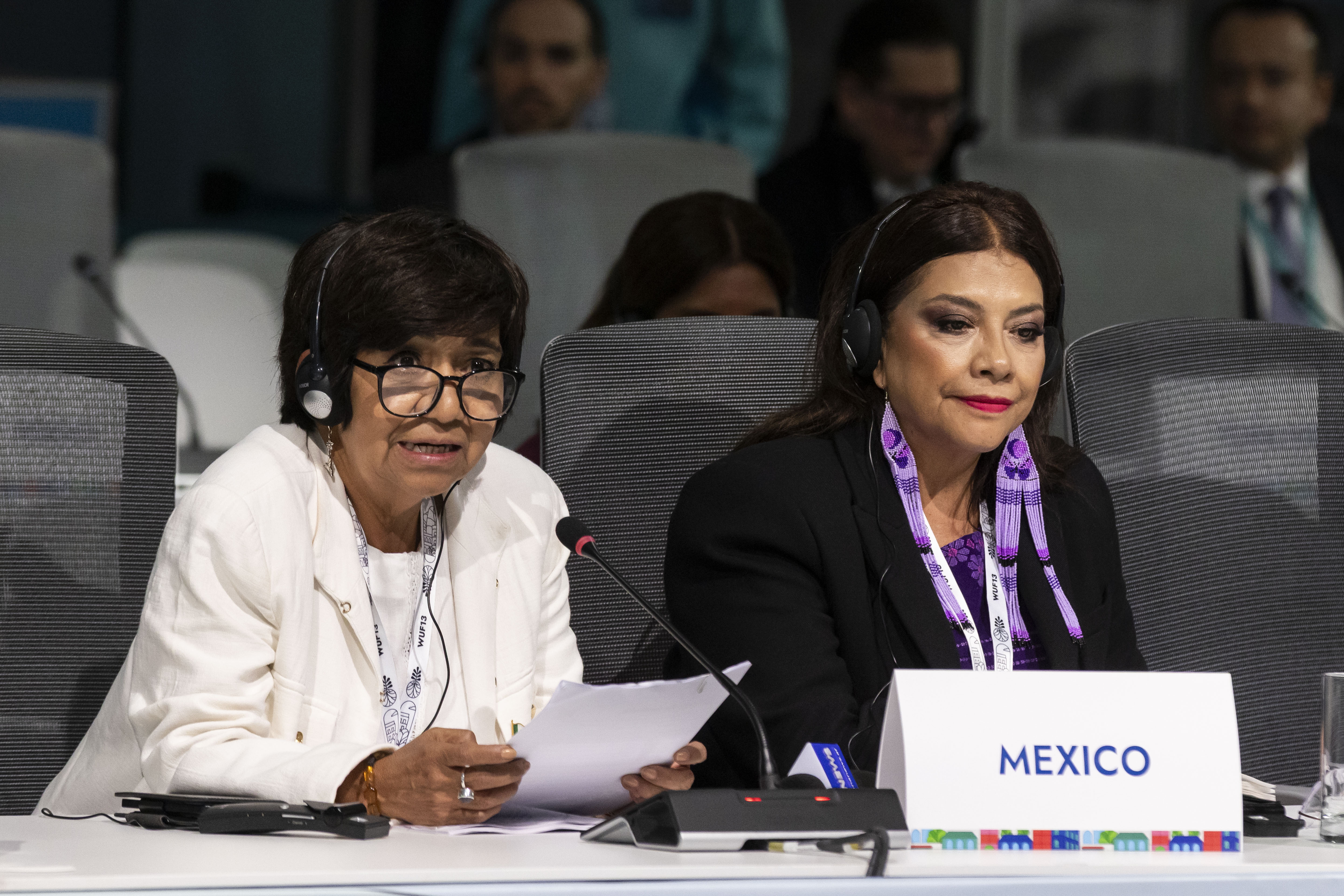
Edna Elena Vega Rangel, Mexico
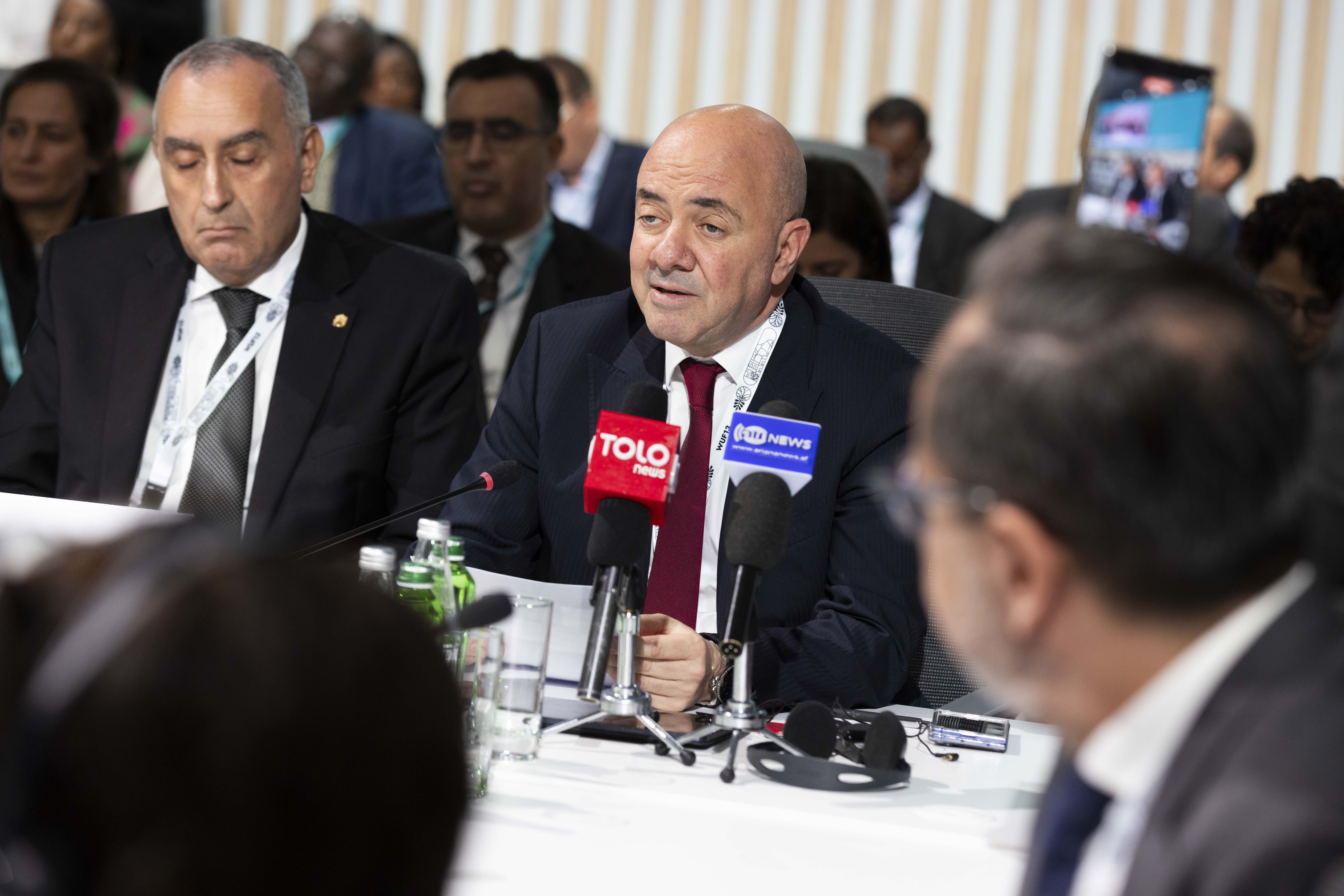
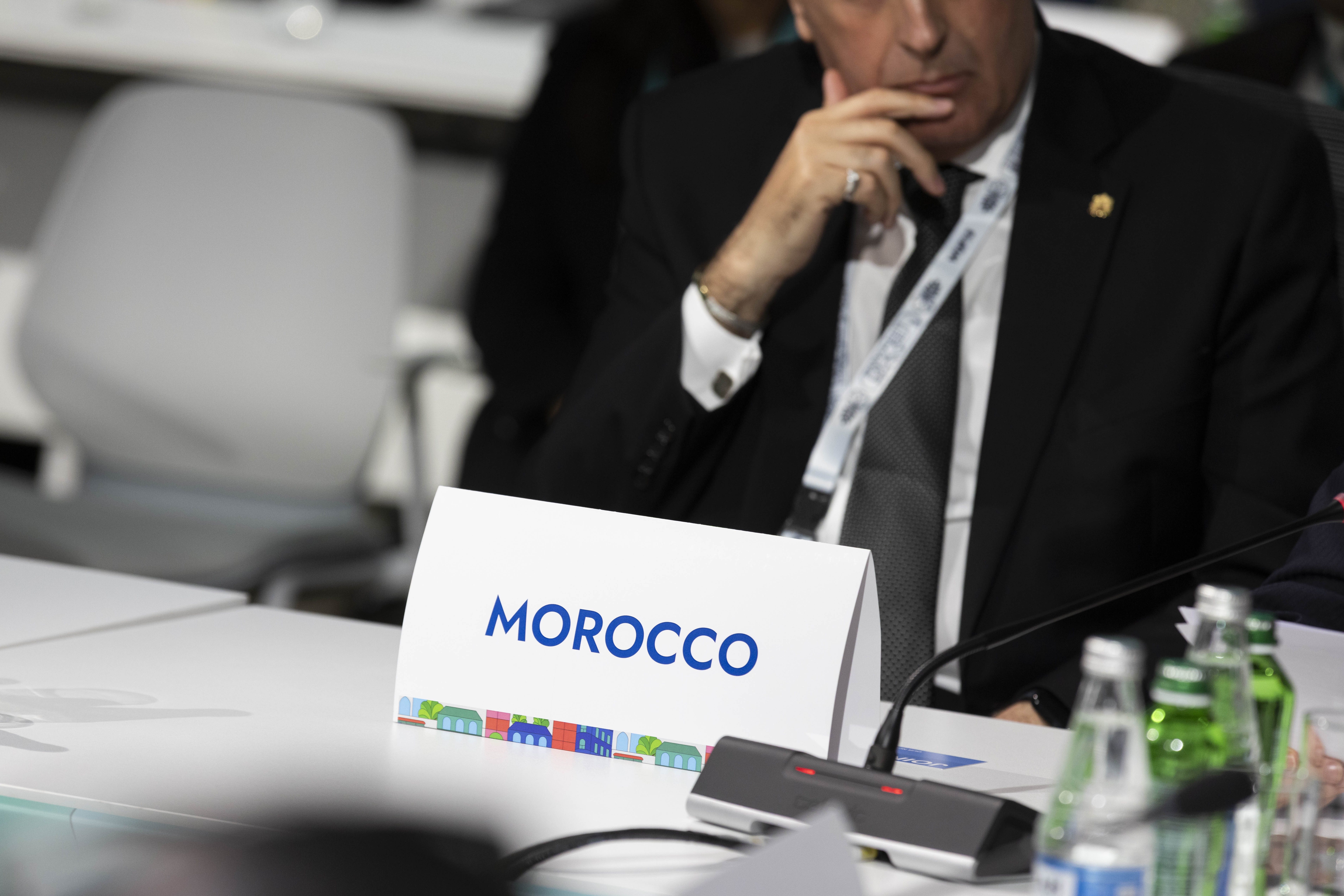
Delegates from Morocco
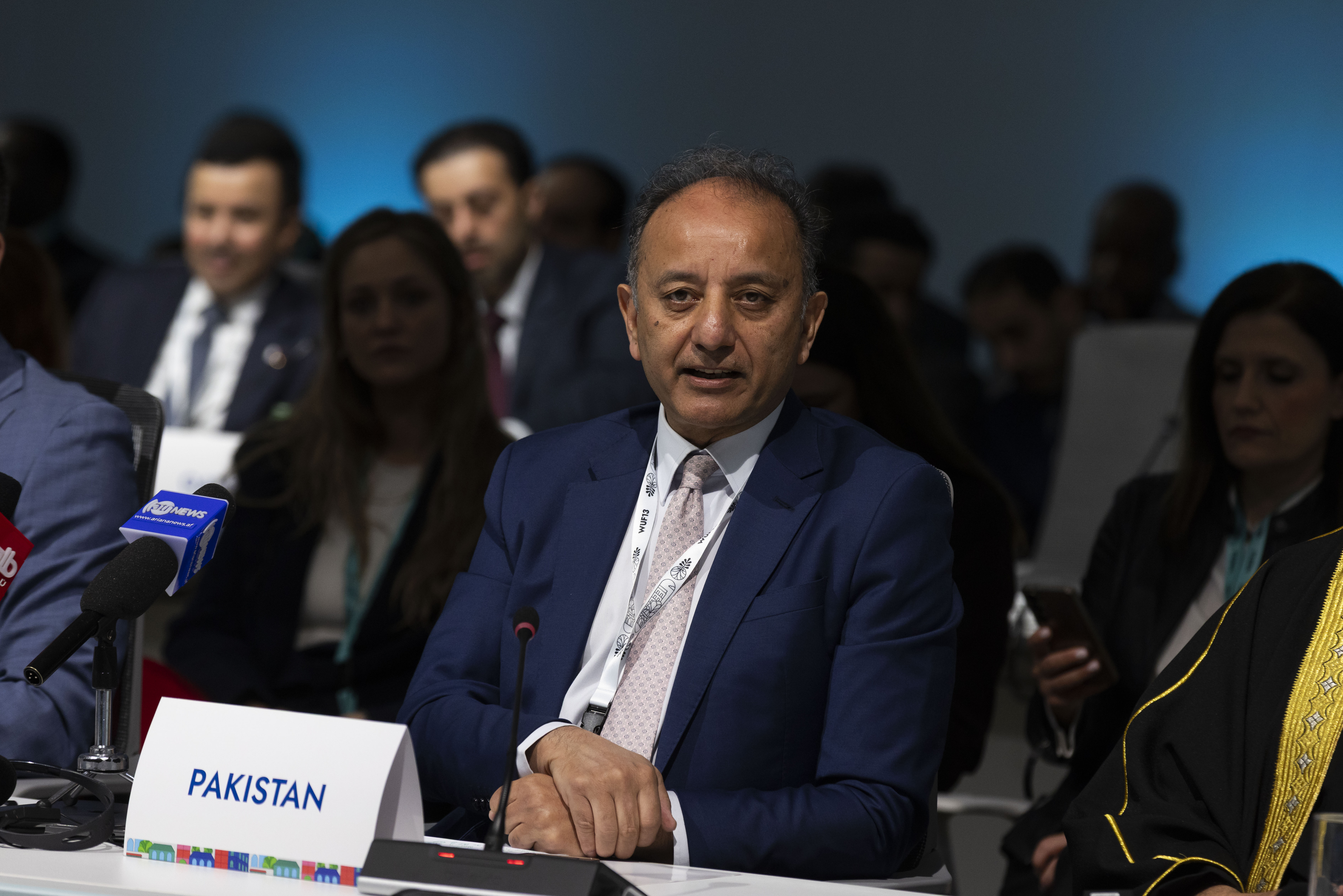
Musadik Malik, Pakistan
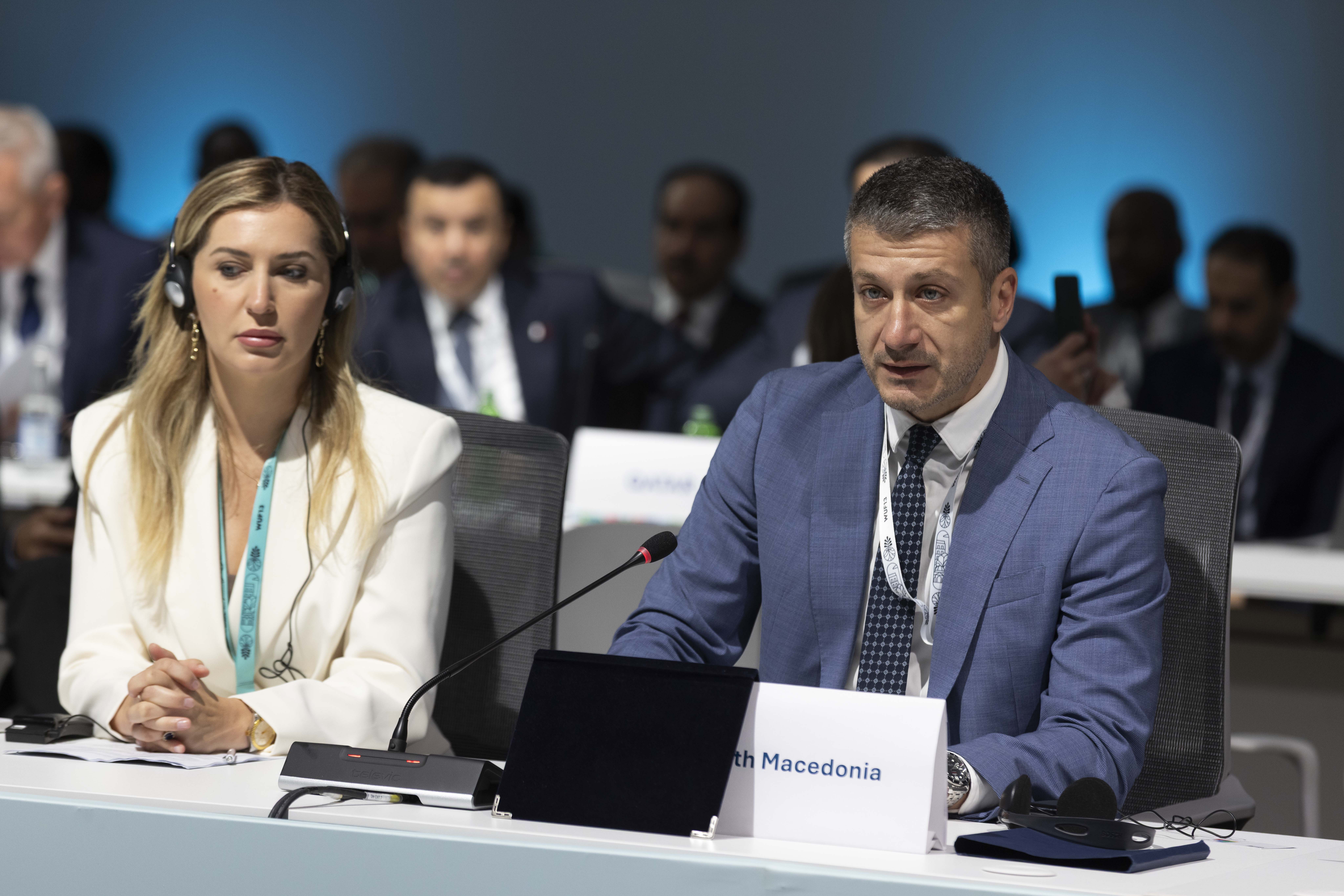
Delegates from North Macedonia
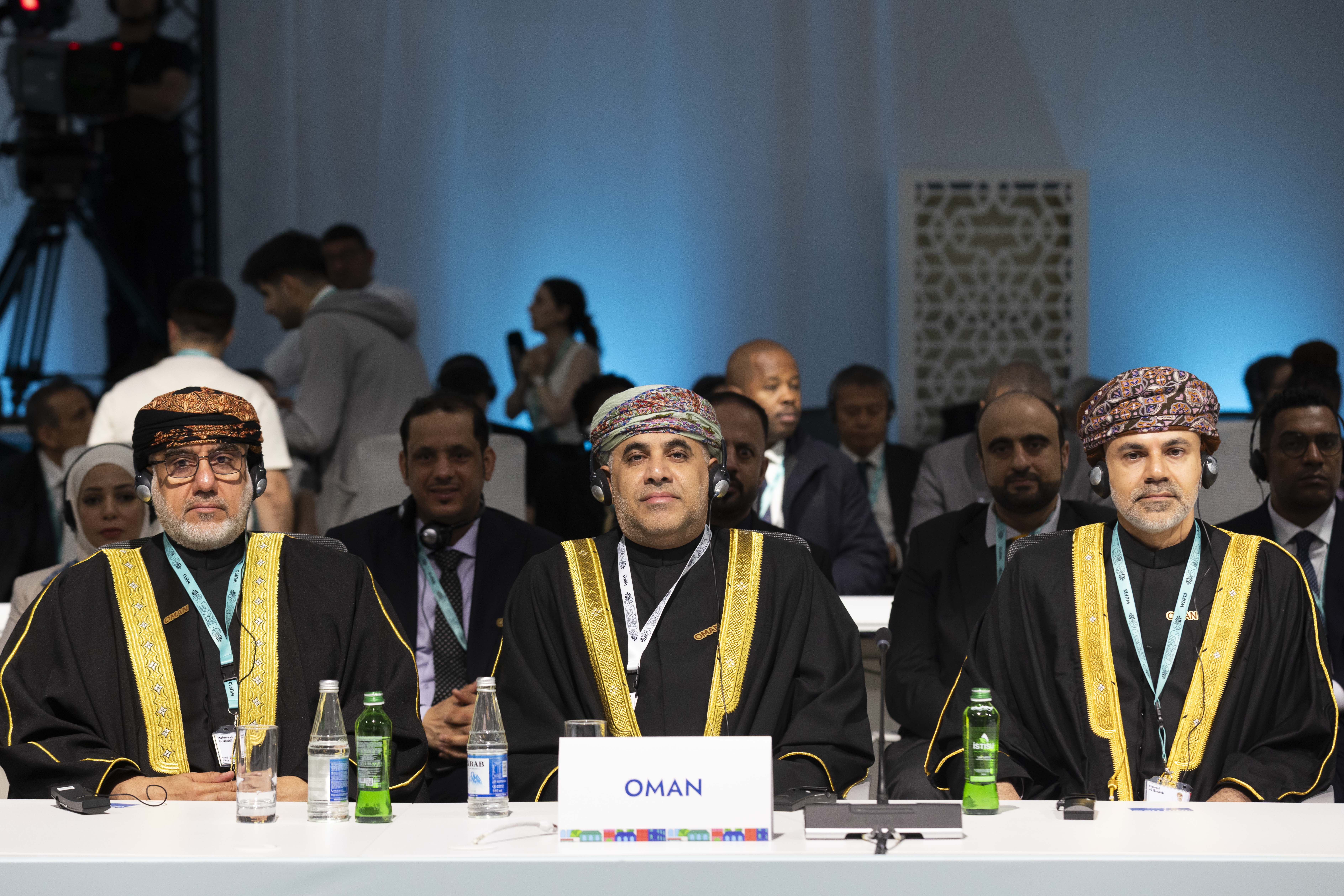
The delegation from Oman
World Assembly of Local and Regional Governments
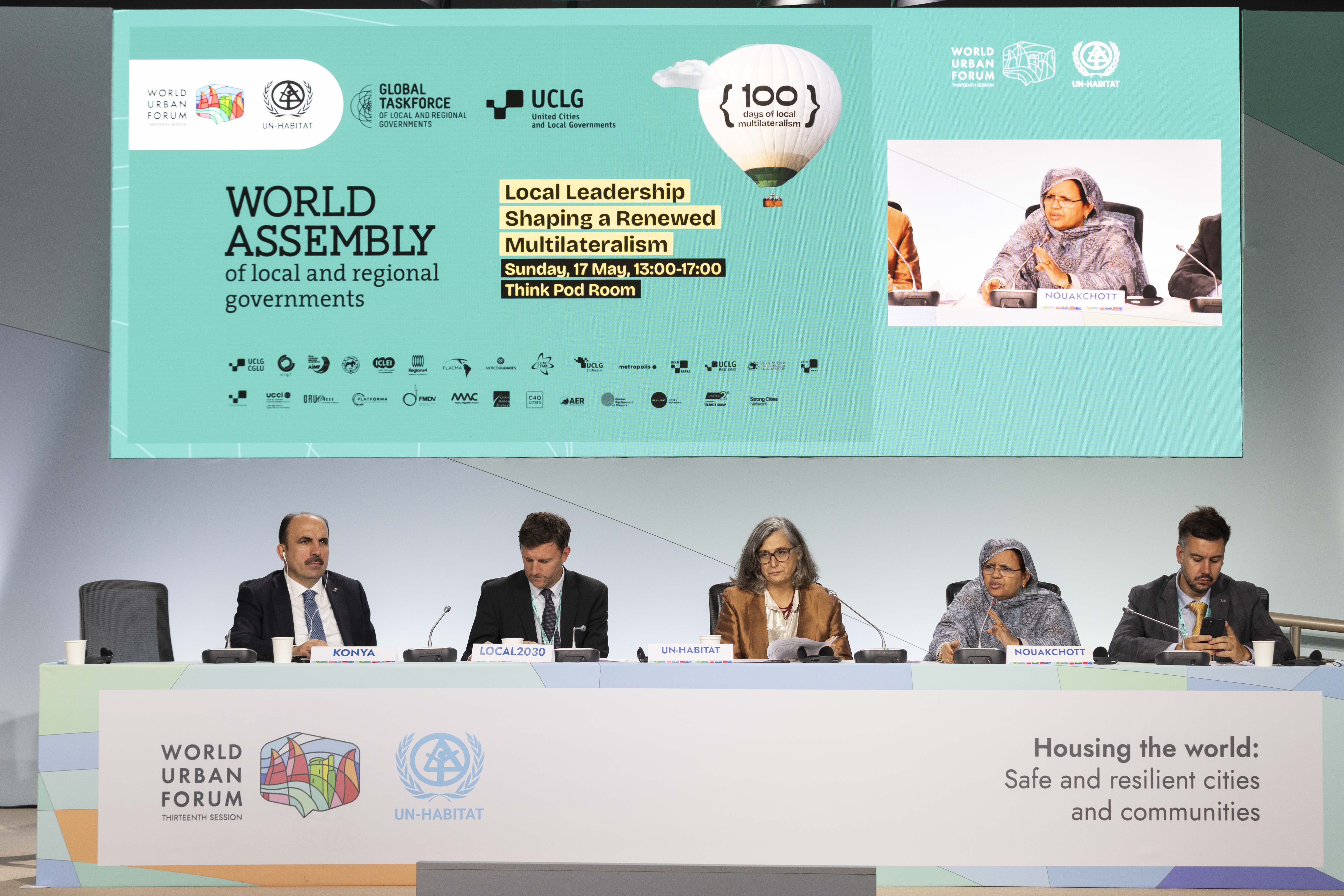
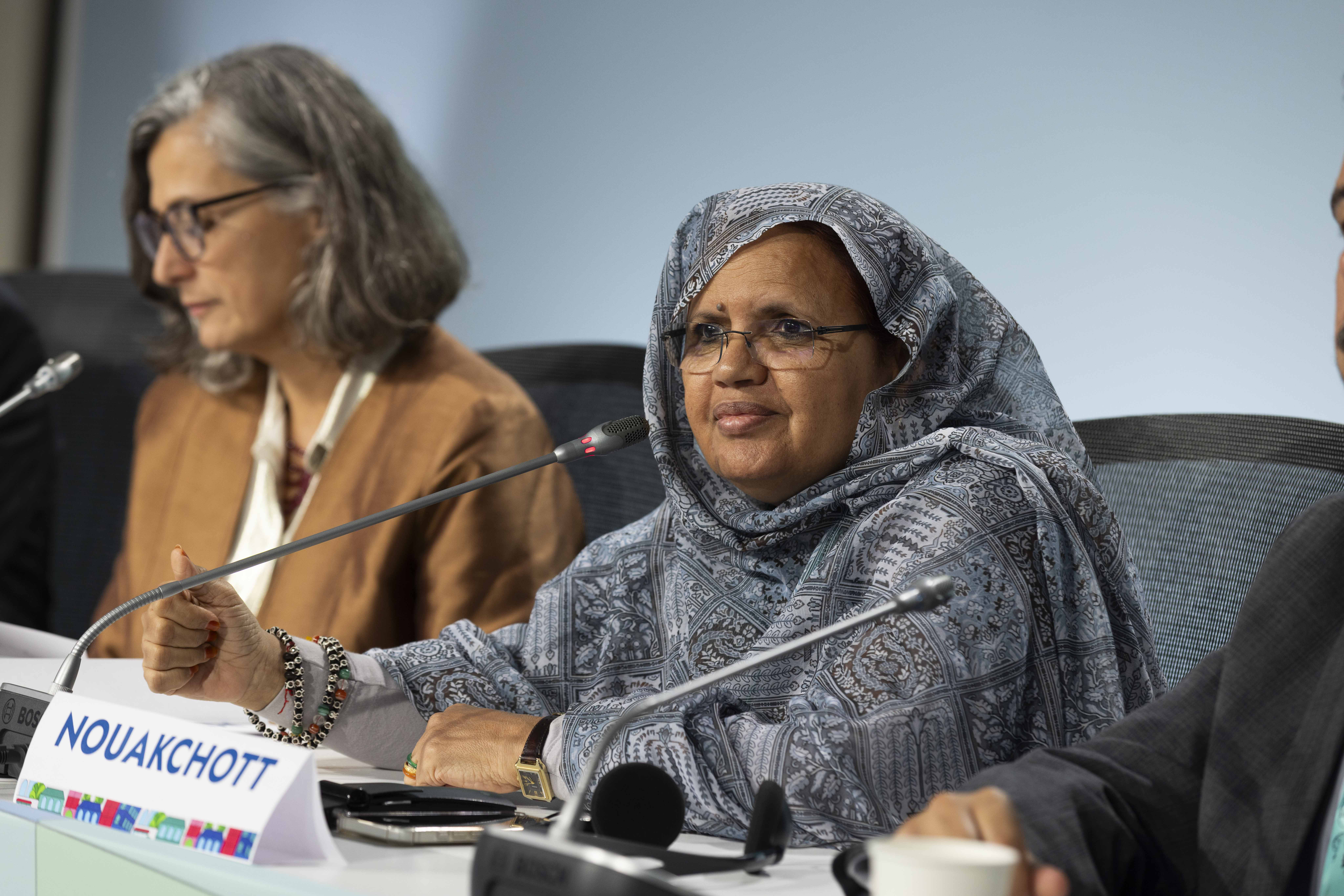
Fatimatou Mint Abdel Malick, Mauritania
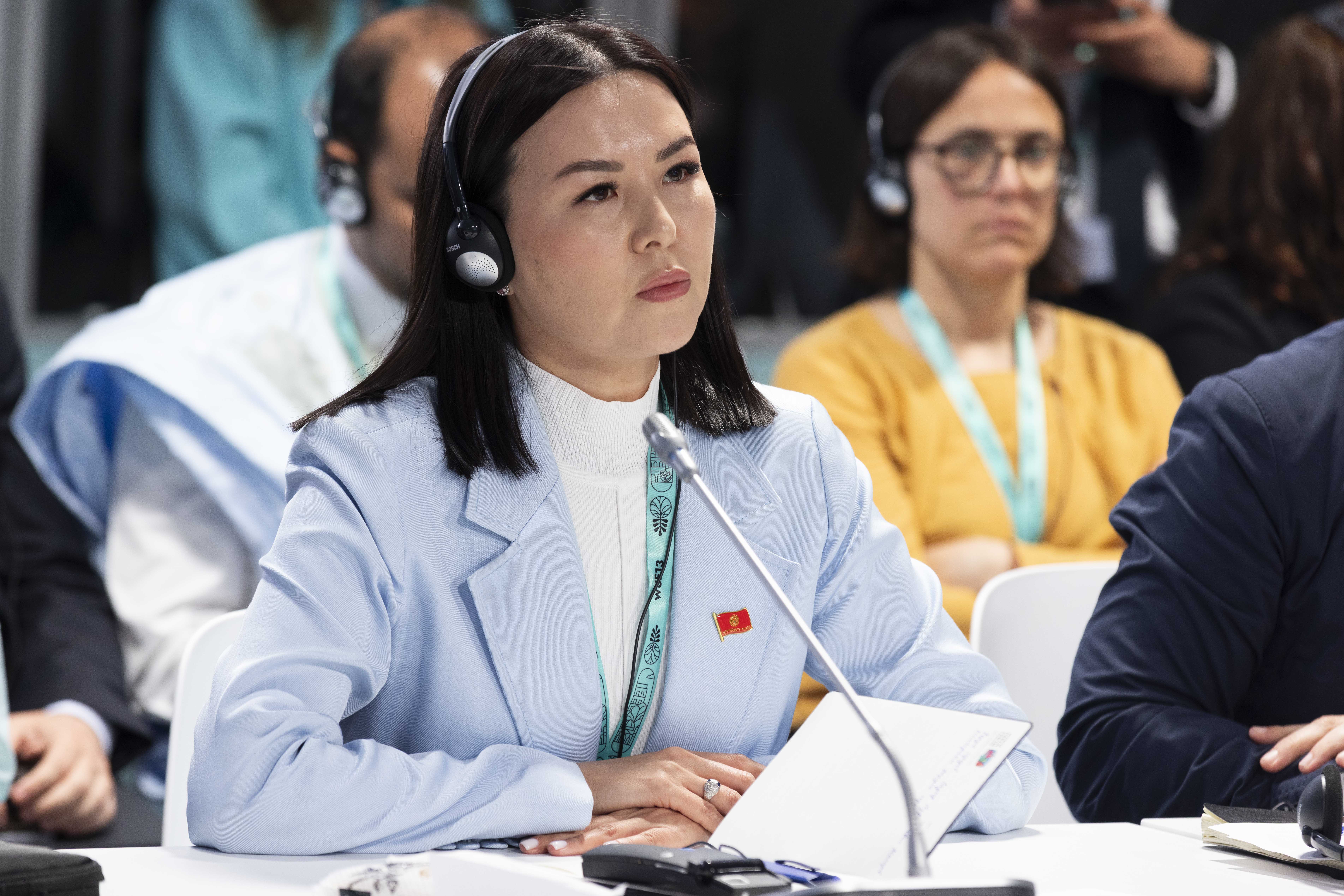
Elnura Duyshekeeva, Kyrgyzstan
Women's Assembly
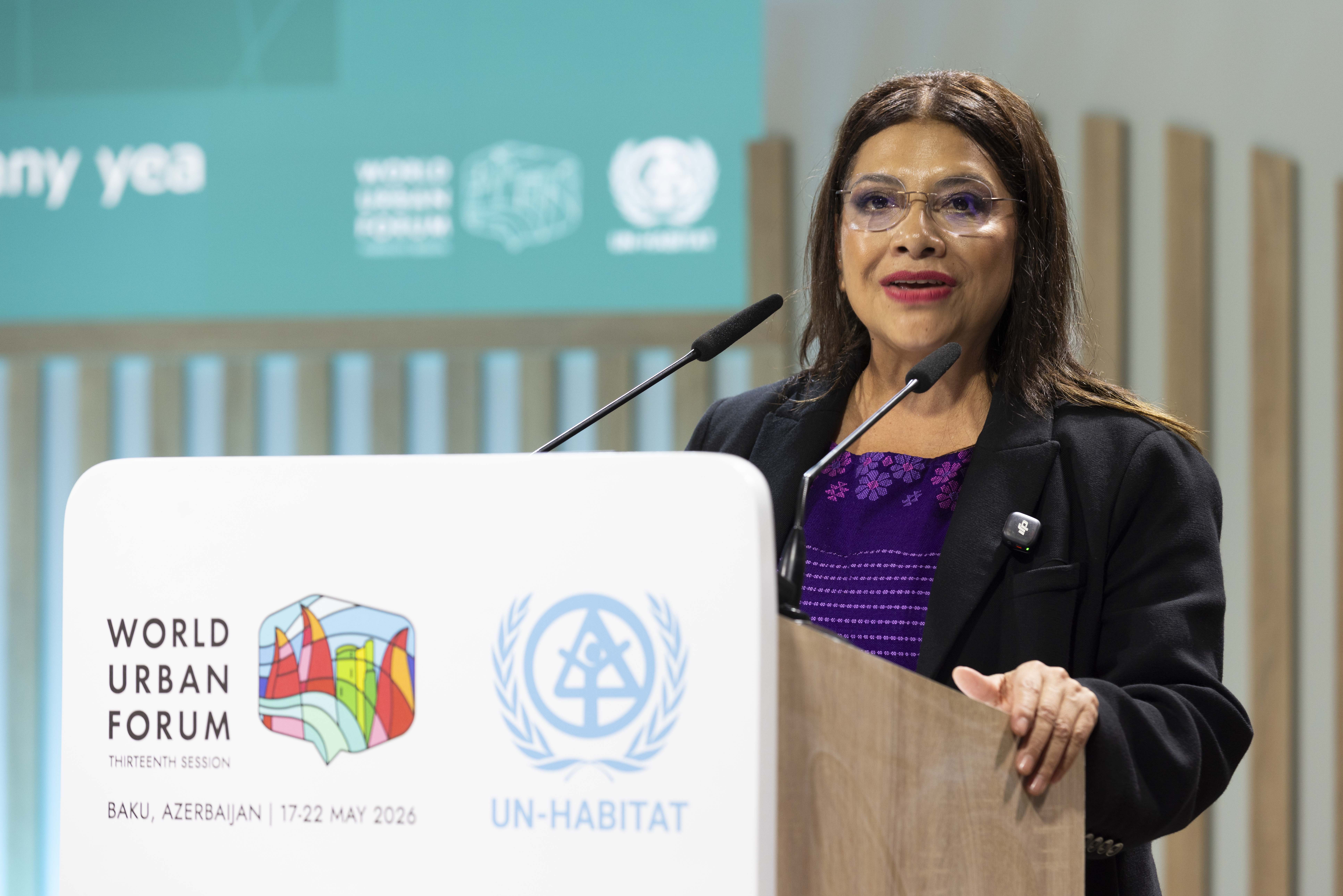
Clara Brugada, Mexico
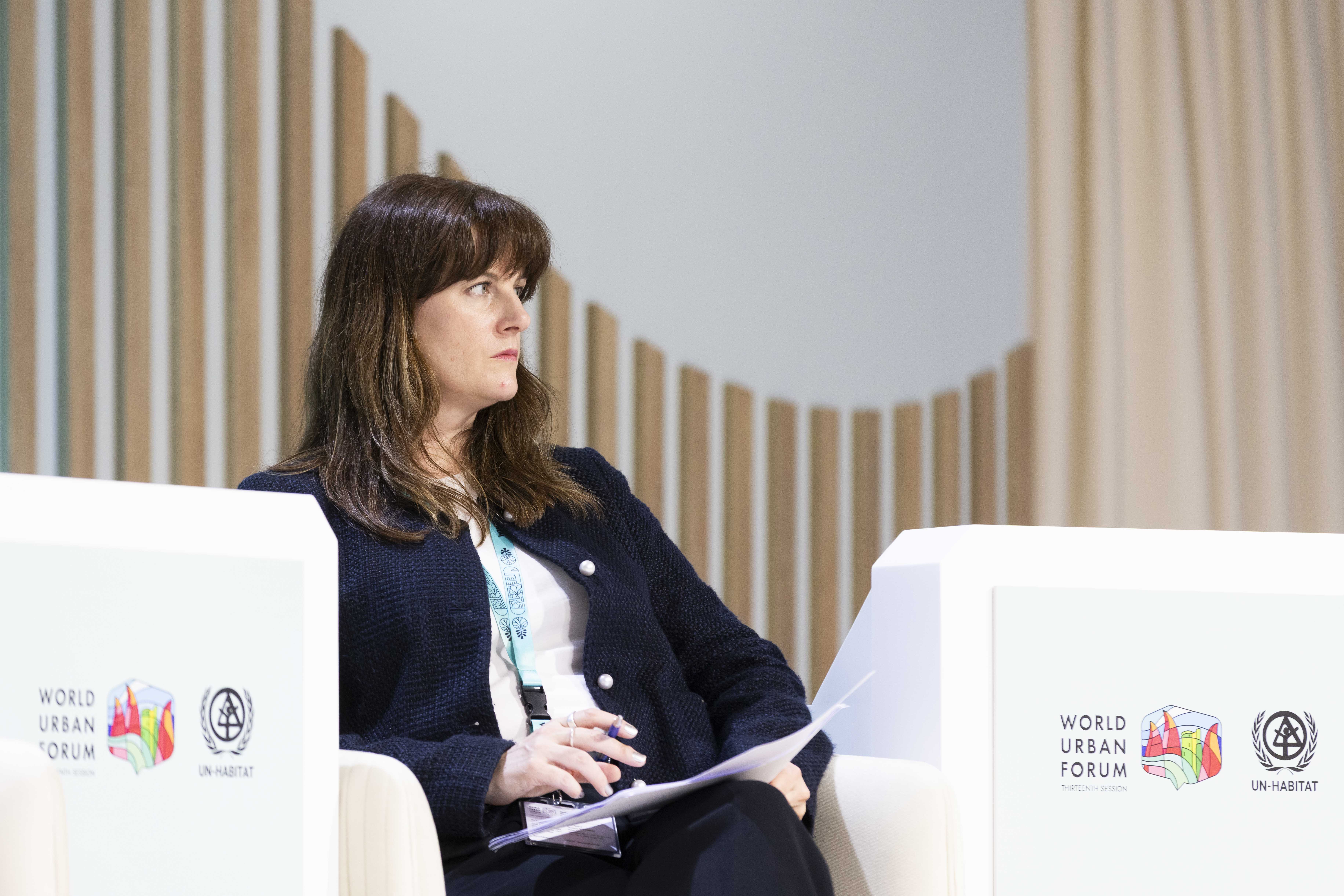

Ministerial Meeting on the New Urban Agenda
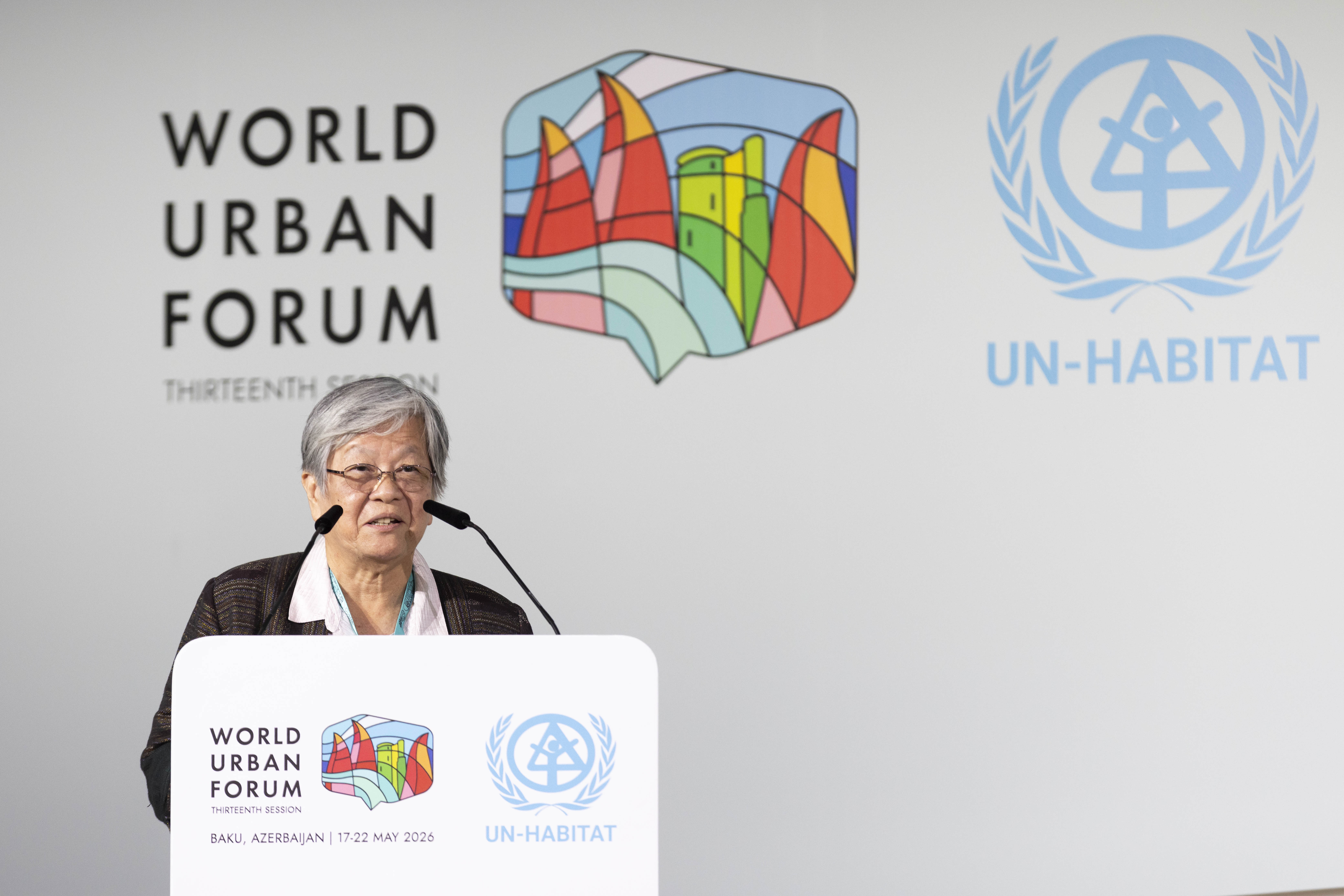
Somsook Boonyabancha, Asian Coalition for Housing Rights
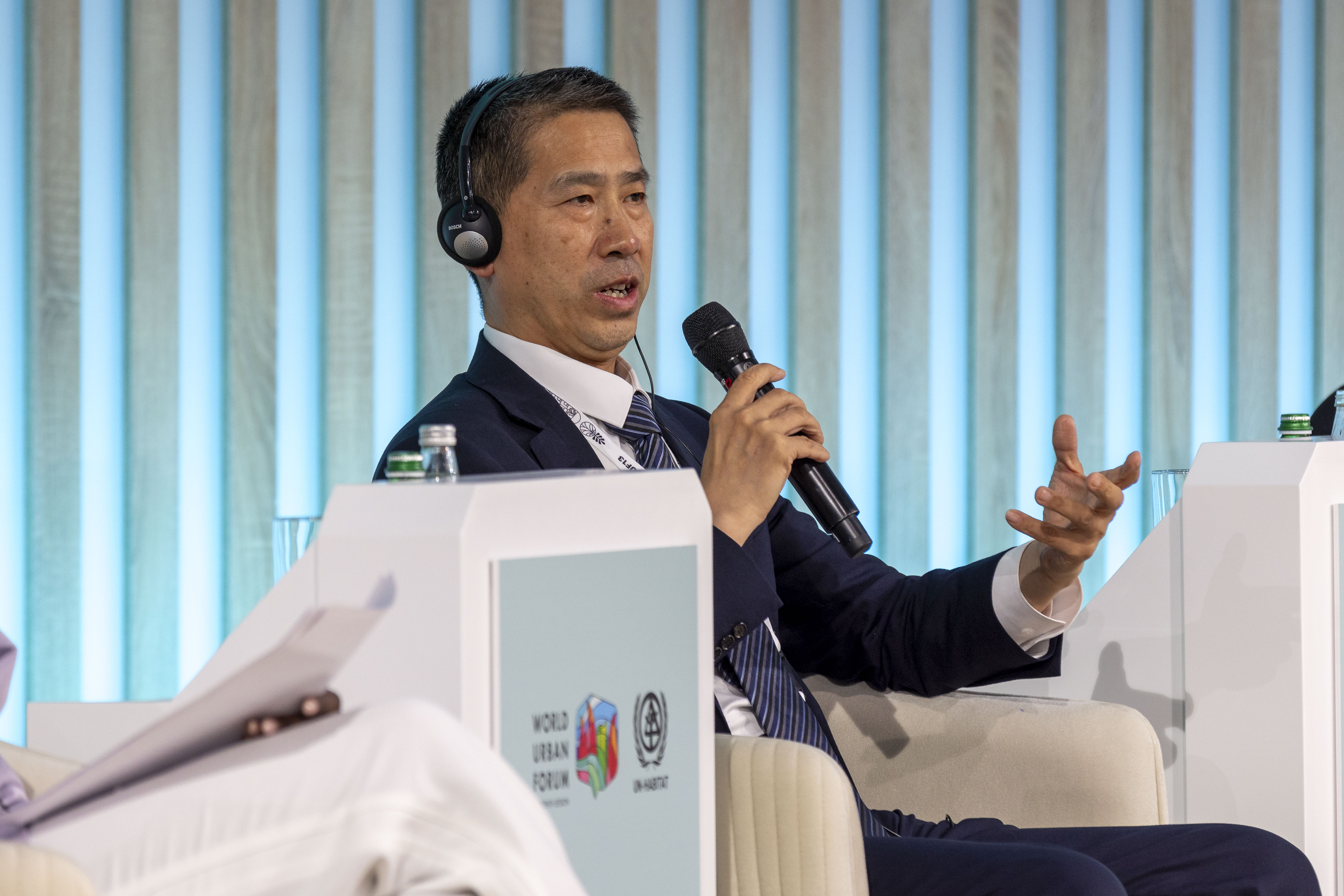
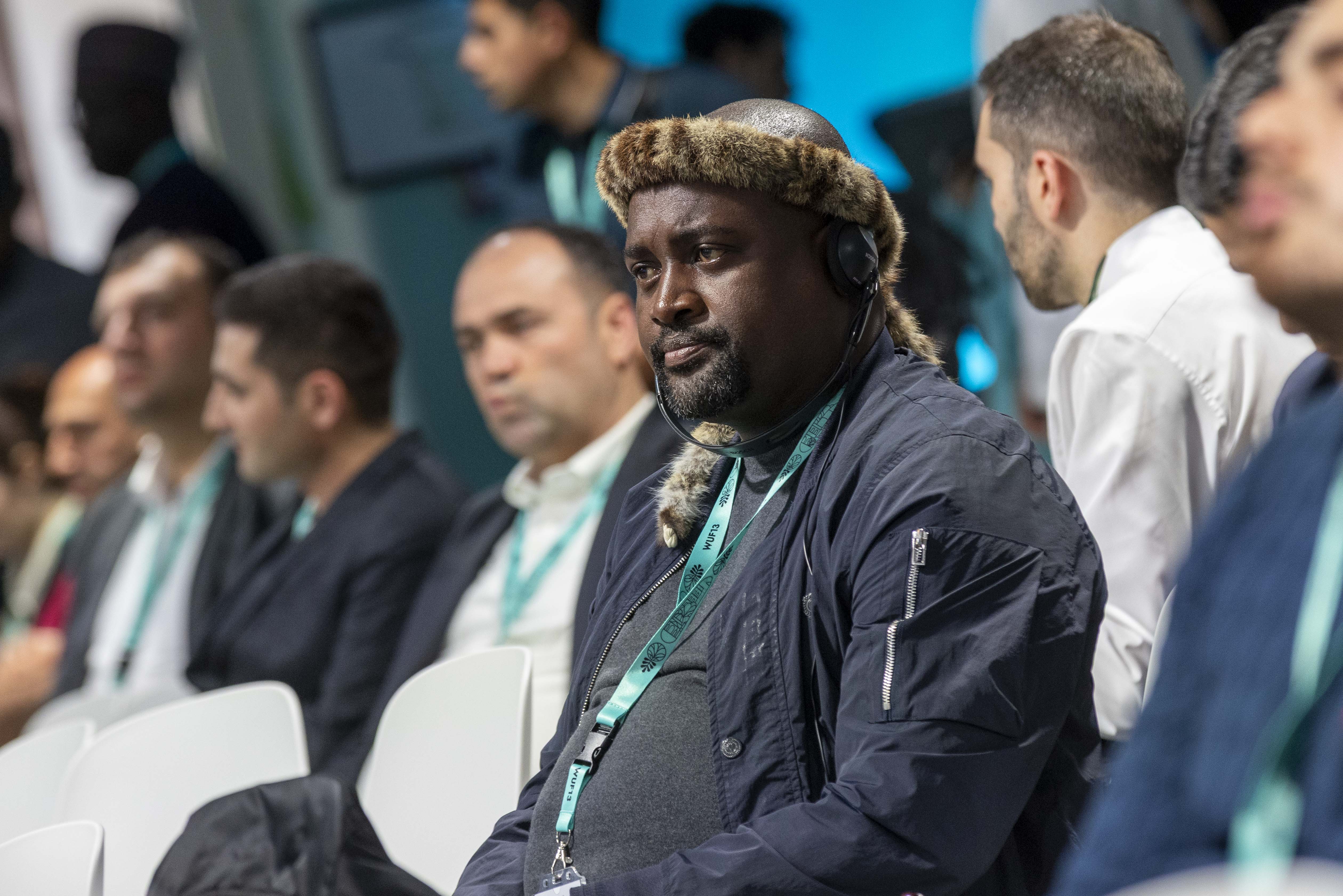
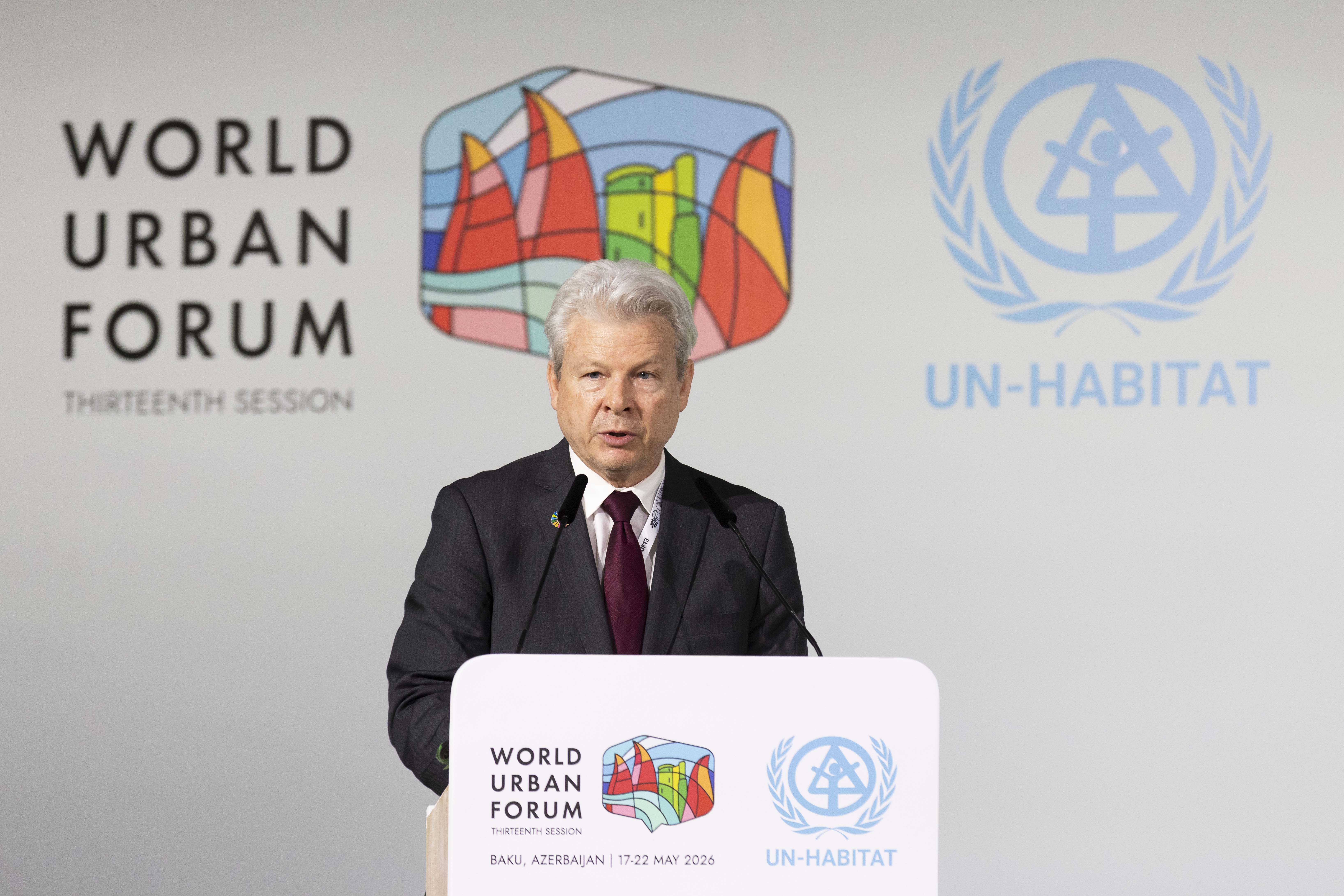
Rafael Tuts, UN-Habitat
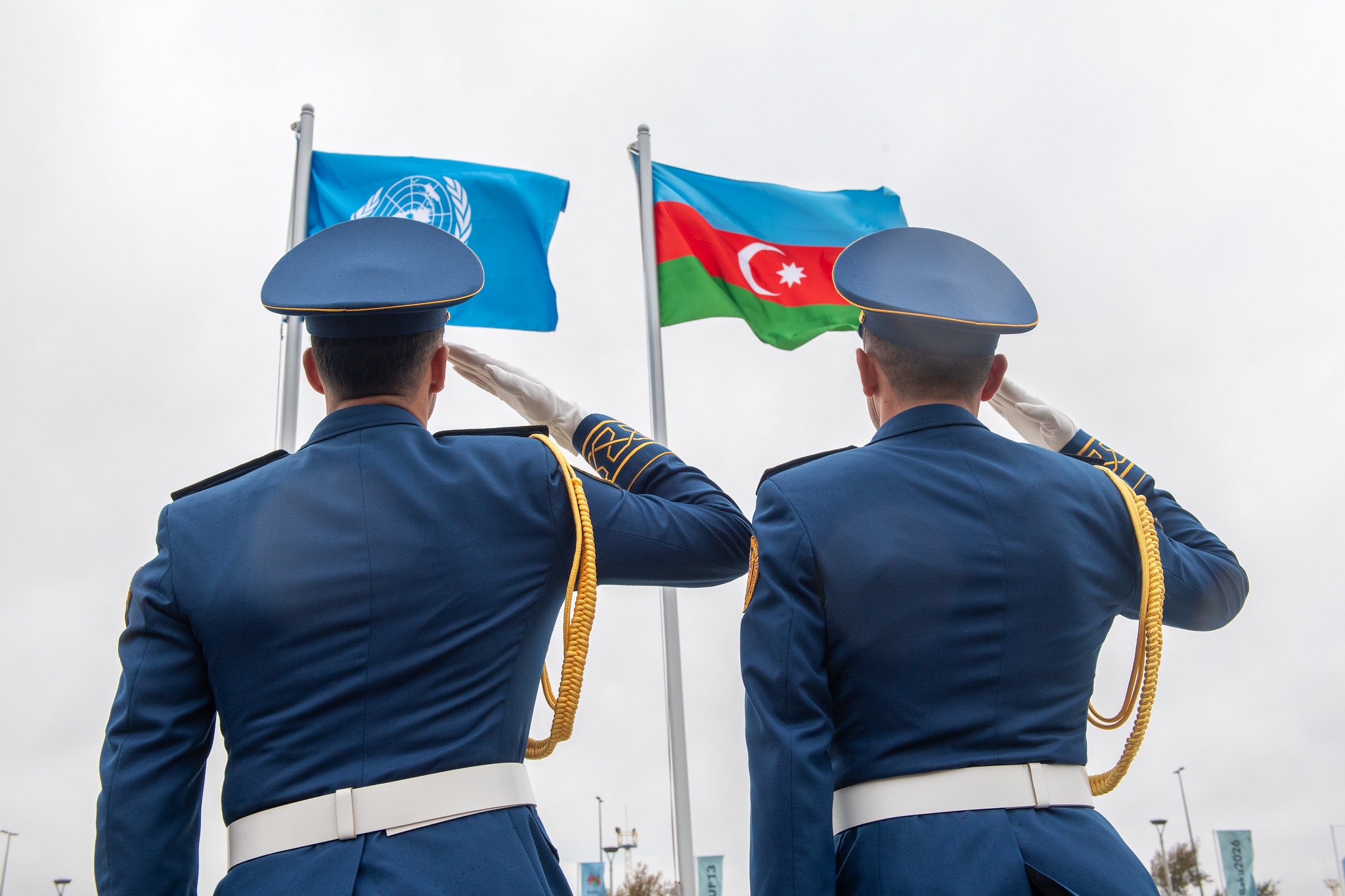
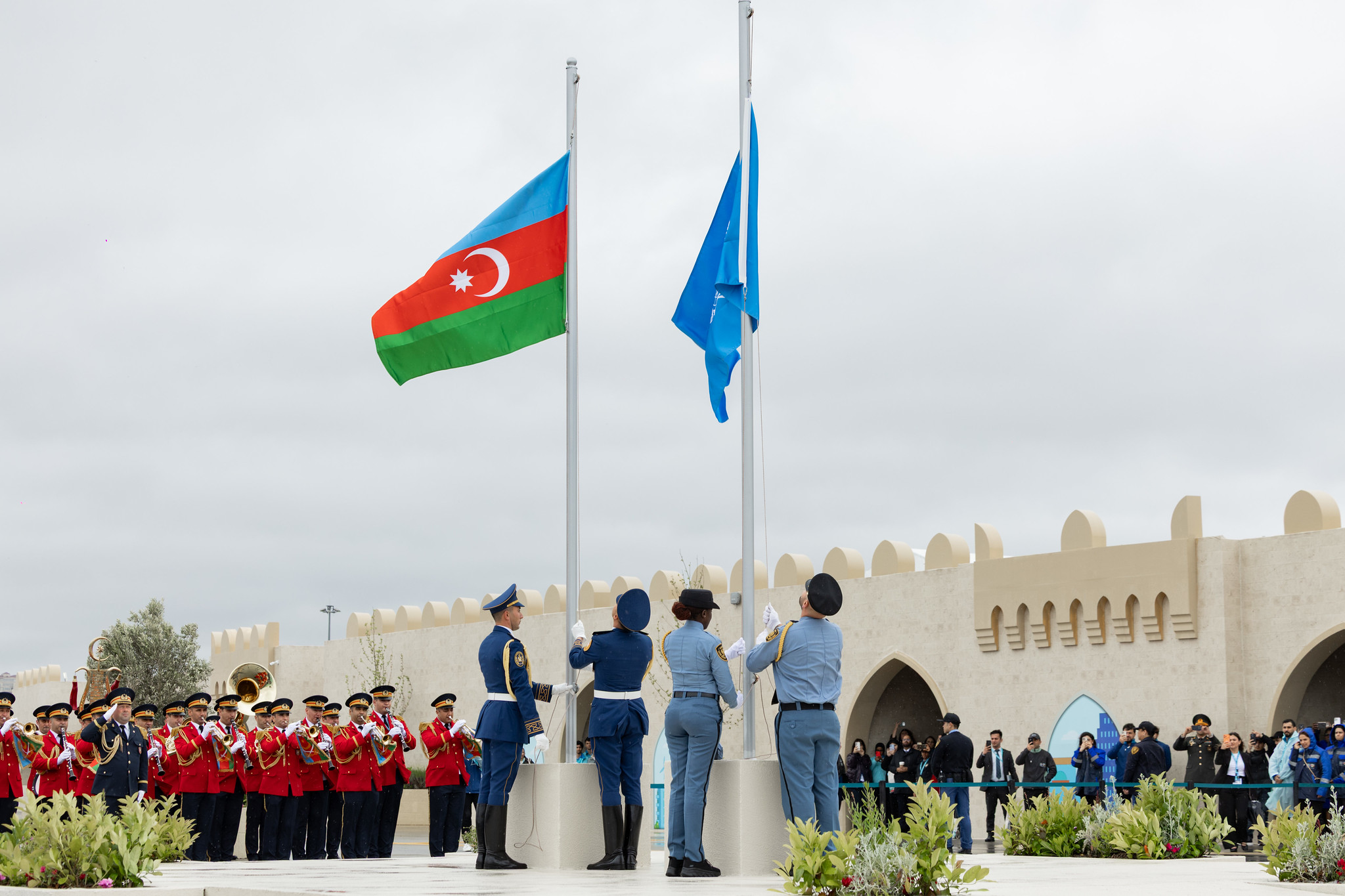
Flag Raising Ceremony
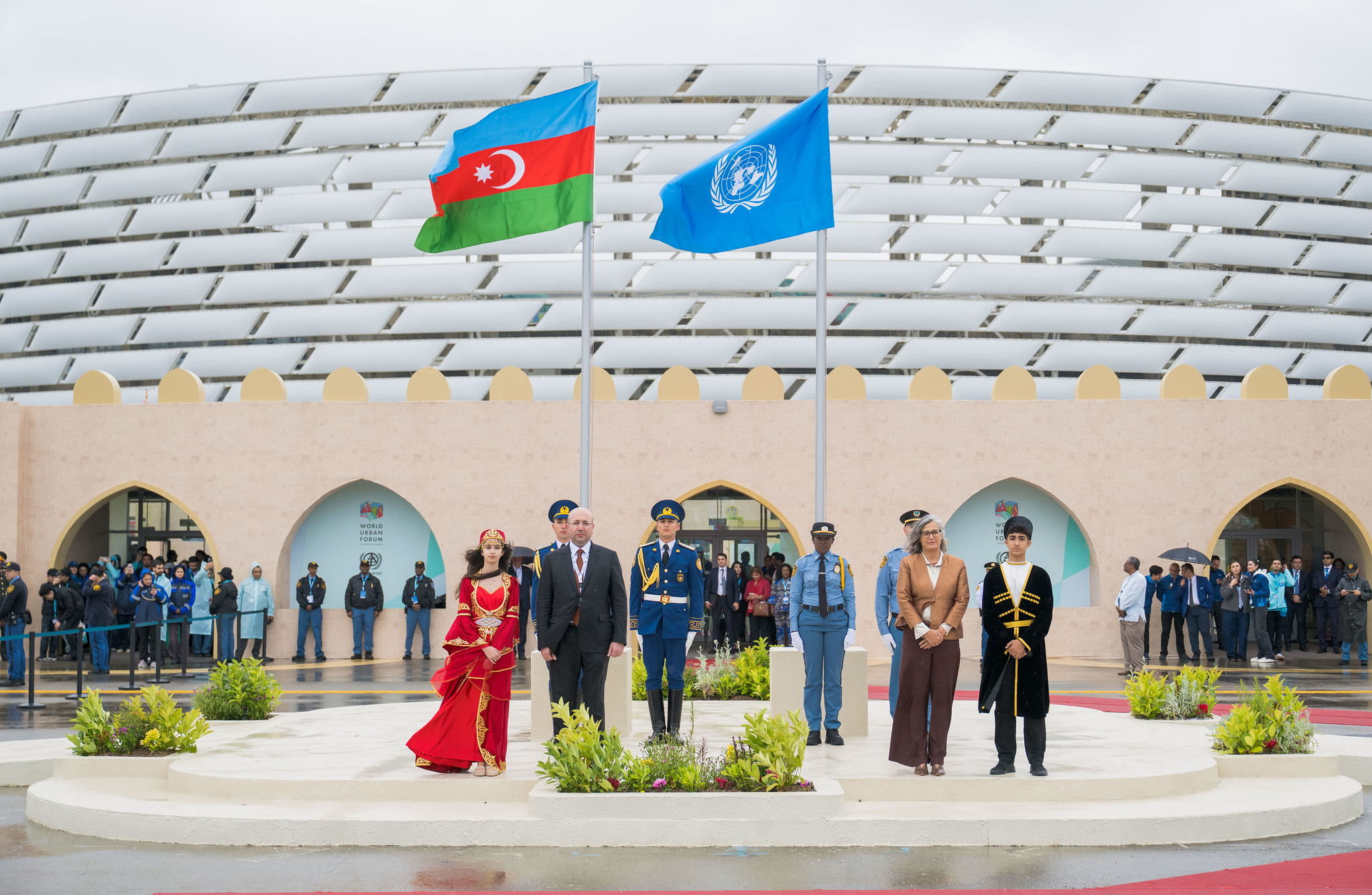
Images courtesy of UN-Habitat
Around the venue
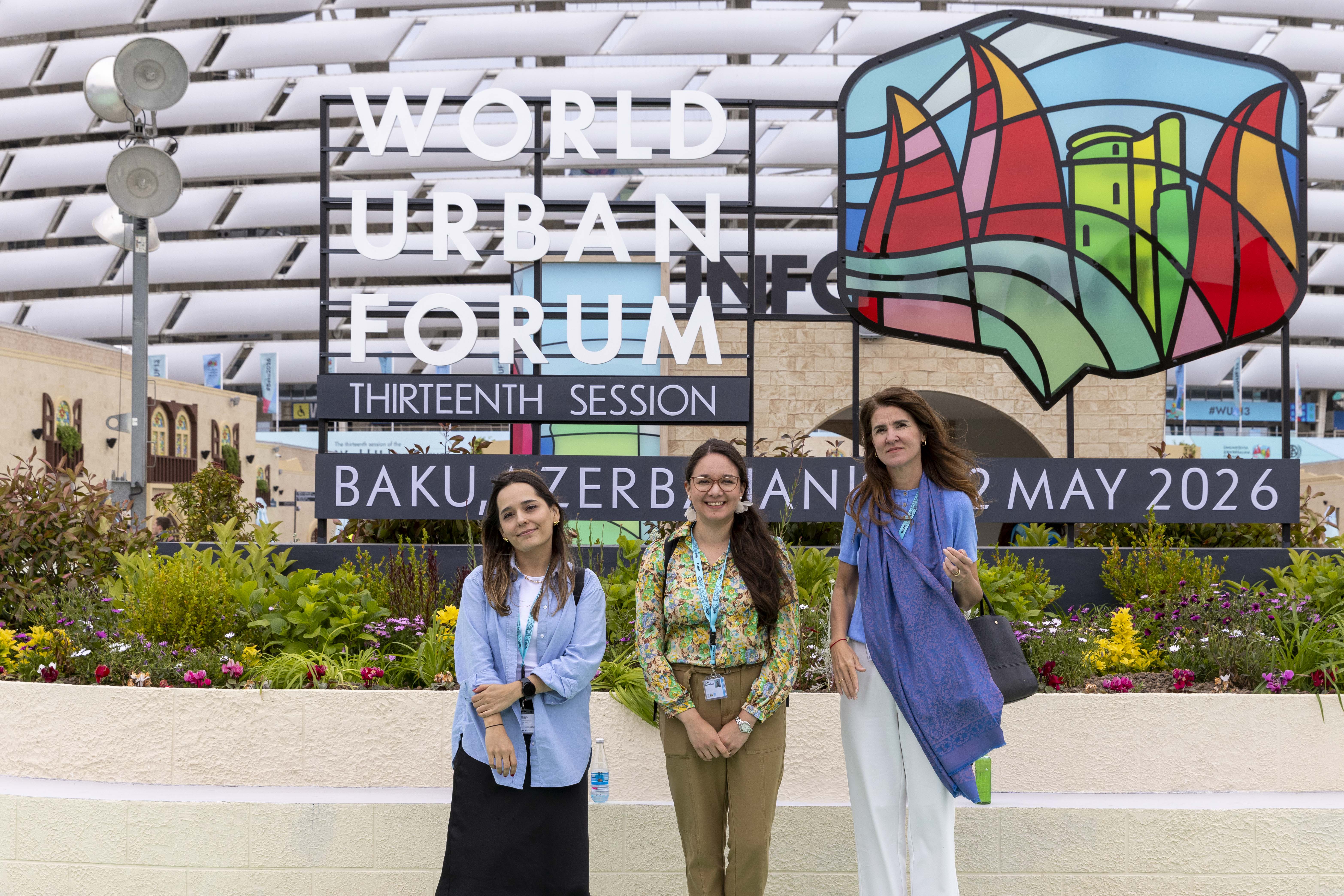
UN-Habitat delegates pose for a photo