Crisis prevention and recovery from crises were two cross-cutting themes on the penultimate day of WUF13, as multiple sessions addressed the challenge to make cities more resilient against severe weather, disasters, and conflict. Other sessions discussed the best approaches to rebuilding and regeneration in cases where damage has already occurred.
The dialogue on housing at the center of crisis recovery and reconstruction discussed approaches to urban recovery that restore safety, dignity, livelihoods, and social cohesion when rebuilding communities after natural disasters and conflicts. Emin Huseynov, Special Representative of the President of Azerbaijan in the Aghdam, Fuzuli and Khojavand districts, emphasized that “rebuilding homes means rebuilding belonging” and that housing must come first in recovery efforts and with the full involvement of communities from the start. Barham Salih, UN High Commissioner for Refugees, stressed the need to move from temporary shelter to long-term solutions and from parallel systems to inclusive national frameworks. Participants urged systemic shifts and rights-based efforts, also noting that housing investments have multiplier effects in social and economic dimensions.
Want to dig deeper into today's talks? Read the full Earth Negotiations Bulletin daily report.
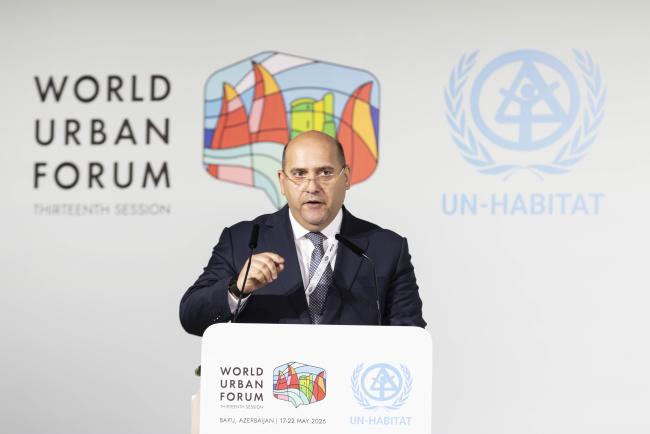
The second dialogue considered housing finance, focusing on opportunities for more effective and inclusive systems that can better deliver affordability, particularly in low- and middle-income countries. Anar Karimov, First Deputy Minister of Finance of Azerbaijan, noted that investment in affordable housing aligns closely with his country’s industrial policy to support sectoral growth, and that concessional finance for various groups, including nurses and teachers, contributed to stronger communities. Tamara Paseyro Marin, Minister of Housing and Territorial Planning, Uruguay, highlighted tax breaks to incentivize private sector supply and direct support and capping of prices for low-income families as key elements for a successful affordable housing programme.
A special session on the blue economy and sustainable tourism in small island developing states (SIDS) investigated how SIDS can scale climate resilient housing and inclusive urban development. UN-Habitat Regional Director for Asia and the Pacific, Kazuko Ishigaki, noted SIDS are among the first to feel the impacts of climate change, and therefore issues such as housing and urban resilience, blue economy, and sustainable tourism are of particular importance for them. Participants recognized linkages and tensions between tourism and housing investments and recommended considering both for integrated urban planning.
A high-level special session showcased the Africa Affordable Housing Compact, a strategic, multi-stakeholder initiative designed to transform Africa’s housing sector. UN-Habitat Executive Director Anacláudia Rossbach said Africa’s finance gap of more than USD 1.4 trillion represents a significant green investment opportunity. UN Deputy Secretary-General Amina Mohammed stressed the value of the Compact’s delivery platform for channeling bankable affordable housing pipelines. She urged multilateral funds to use their financial heft to crowd in the private sector to deliver affordable, sustainable housing at scale. Ministers and high-level representatives from six African countries presented updates on housing activities in their countries.
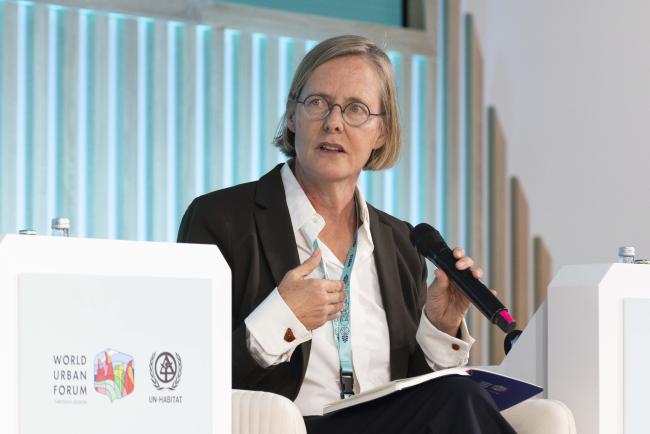
At the academia and research roundtable, participants explored how to translate research into action in a rapidly urbanizing world facing the complex crises of housing. UN-Habitat Executive Director Rossbach called for a joint research programme that can benefit the New Urban Agenda (NUA) and the UN-Habitat strategy and practitioners. Researchers pointed to housing-related research and knowledge gaps in areas such as improving existing housing stock, mobile populations, and how housing issues have changed over time. Enrique Silva, Harvard University, urged creating a “pipeline” of professionals and promoting “lifelong learning” to keep pace with rapid changes in urban environments.
In another roundtable session, grassroots and civil society organizations focused on rights-based approaches, reframing housing as a public good rather than as a commodity, and follow-up to commitments made at WUF13. Massa Kone, Habitat International Coalition, stressed that “business models” do not think about the rights of people and urged social housing that is accessible to everybody. Summarizing the discussion, André Dzikus, UN-Habitat, urged creating a roadmap to measure progress on implementing actions from one WUF to the next, through to Habitat IV in 2036.
Throughout WUF13, One UN sessions provided an opportunity to display how the work of institutions across the UN system ties to the NUA and discuss how to improve coordination and joint delivery.
In a session on priorities for the new Special Rapporteur on the Right to Adequate Housing, stakeholders recommended, among other issues: integrating the Right to Adequate Housing and the Right to Adequate Food by recognizing that urbanization can destroy agricultural land; considering the criminalization of the use of traditional building materials; and access to legal protection against the abuse of public authorities.
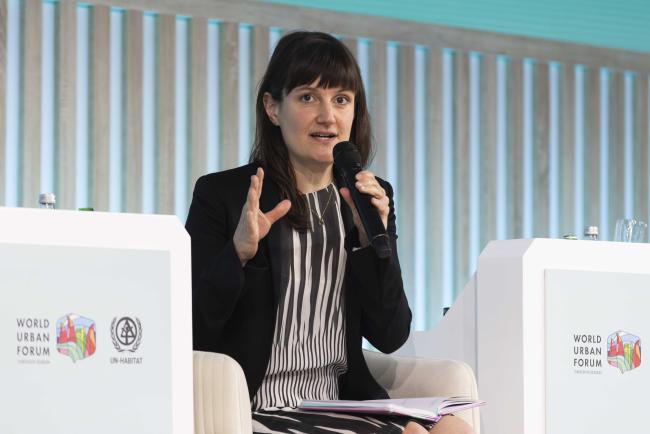
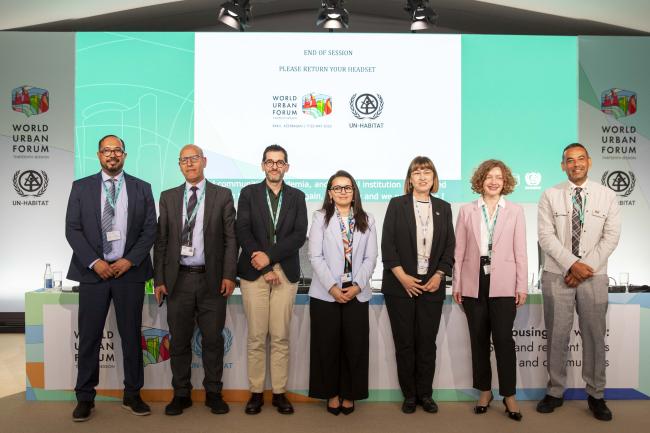
In a session on regenerating historic settlements for adequate housing, panelists showcased success stories from Morocco, Egypt, and Georgia. They highlighted that regeneration must be co-created and co-owned by the communities living in historic settlements and must ensure that benefits flow to them so communities can maintain a sense of belonging and see themselves as the long-term custodians of cultural heritage.
Community ownership was also highlighted in a session on nature-based solutions (NbS) for African cities, where participants explored how NbS can be part of a strategy to risk- proof cities with water-resilient infrastructure. Participants highlighted co-designed solutions as particularly relevant for interventions in informal settlements.
To receive free coverage of global environmental events delivered to your inbox, subscribe to the ENB Update newsletter.
All ENB photos are free to use with attribution. For the WUF13 meeting, please use: Photo by IISD/ENB | Natalia Mroz
Dialogue - Housing at the Center of Crisis Recovery and Reconstruction
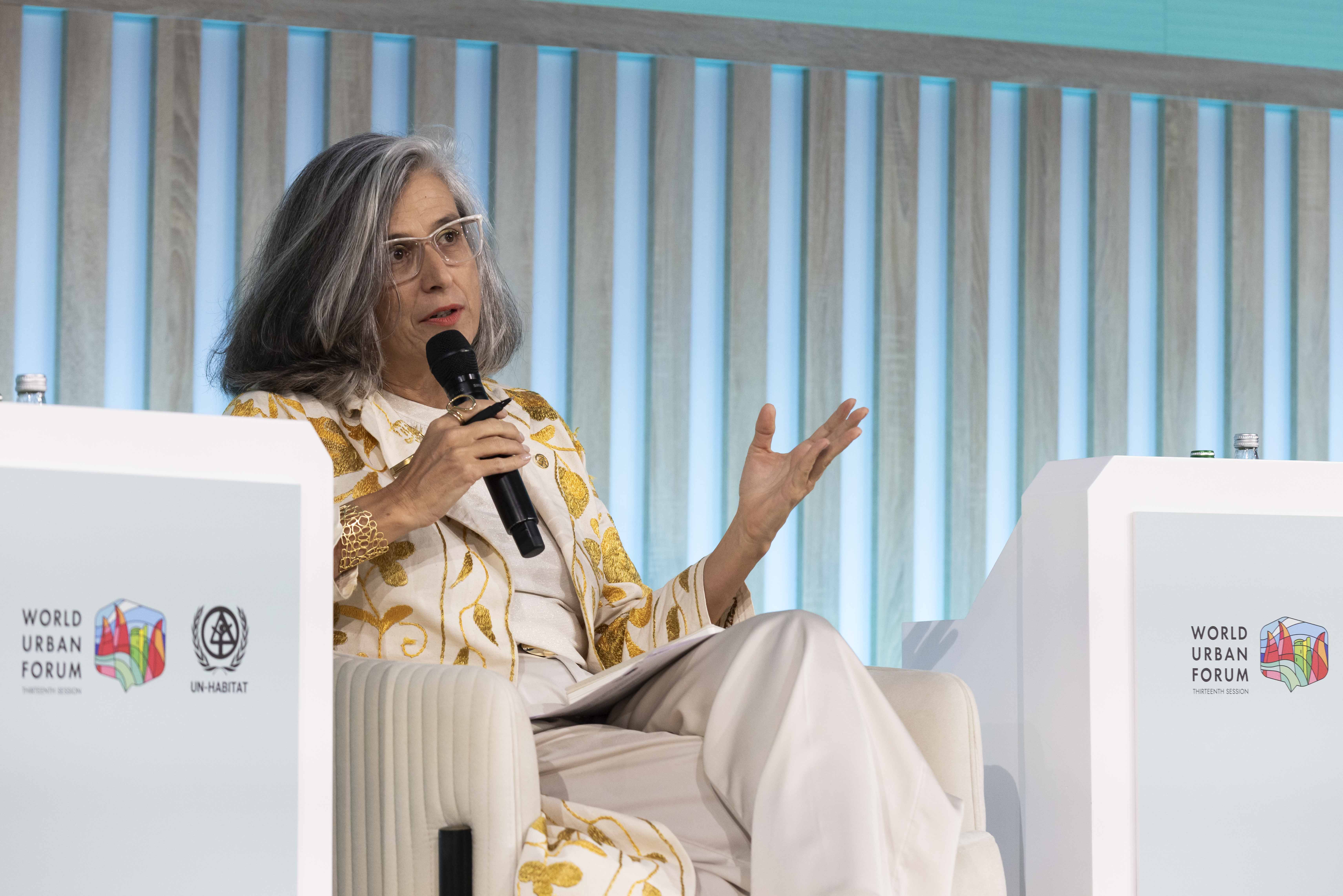
Anacláudia Rossbach, Executive Director, UN-Habitat
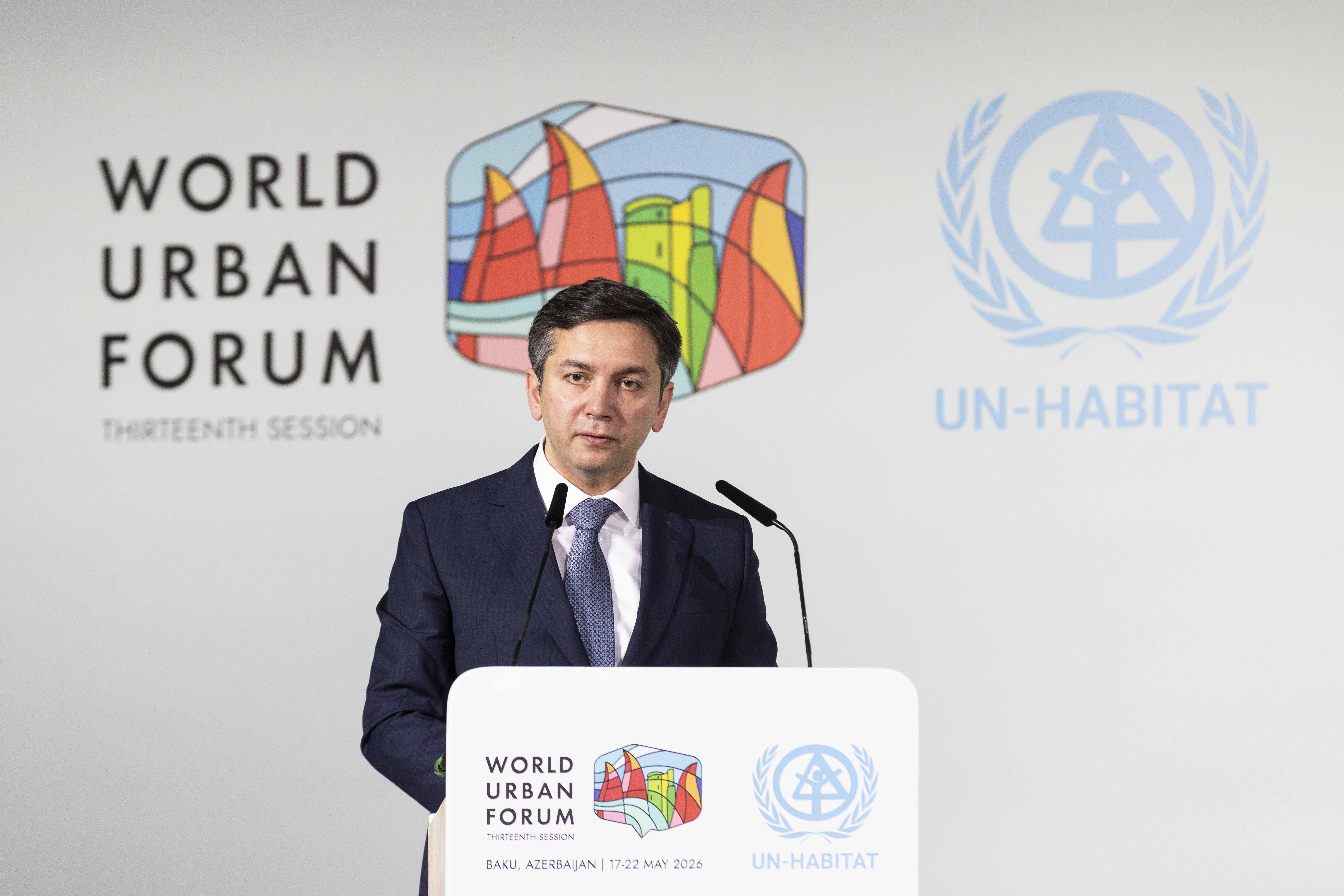
Yalchin Rafiyev, Deputy Minister of Foreign Affairs of Azerbaijan
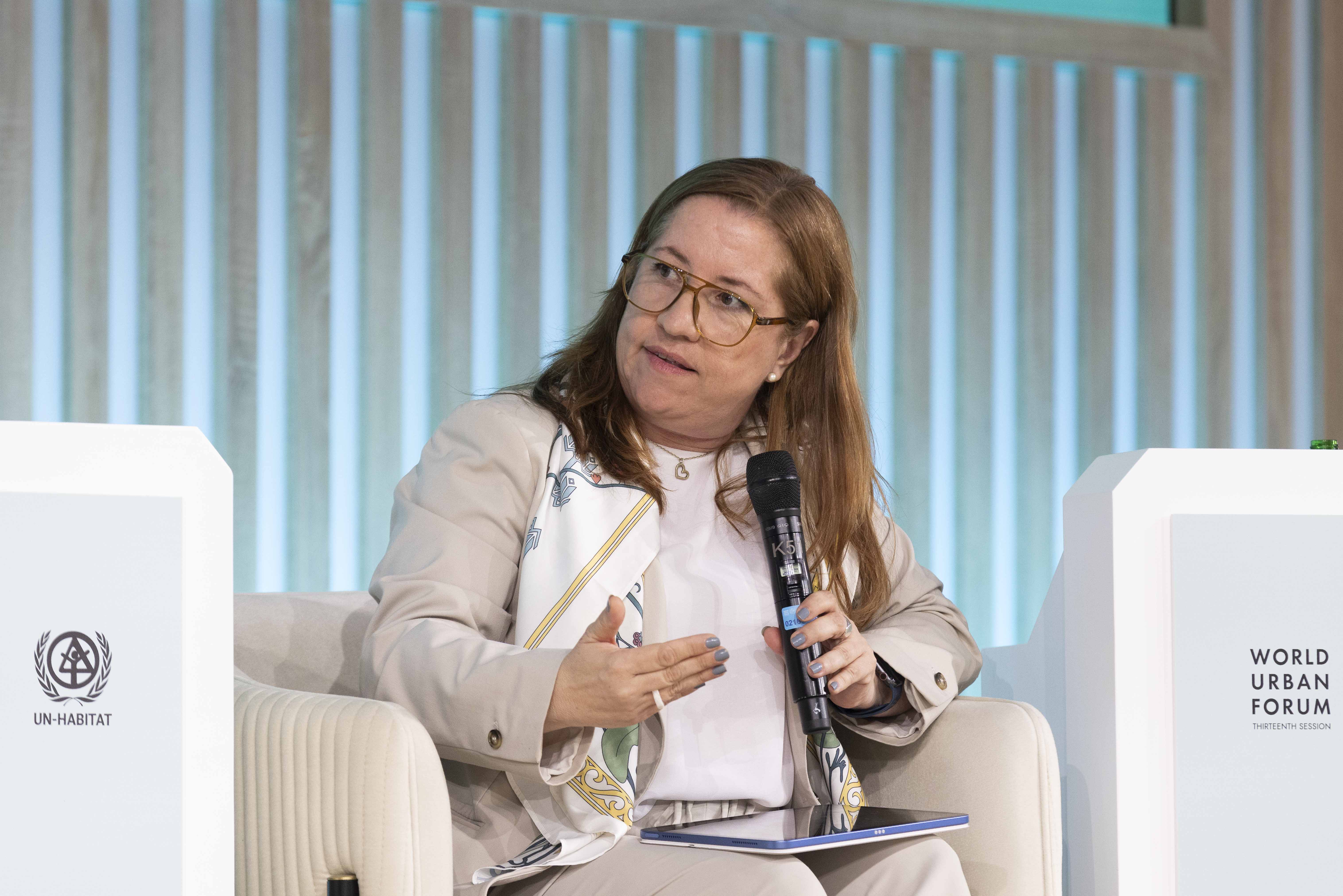
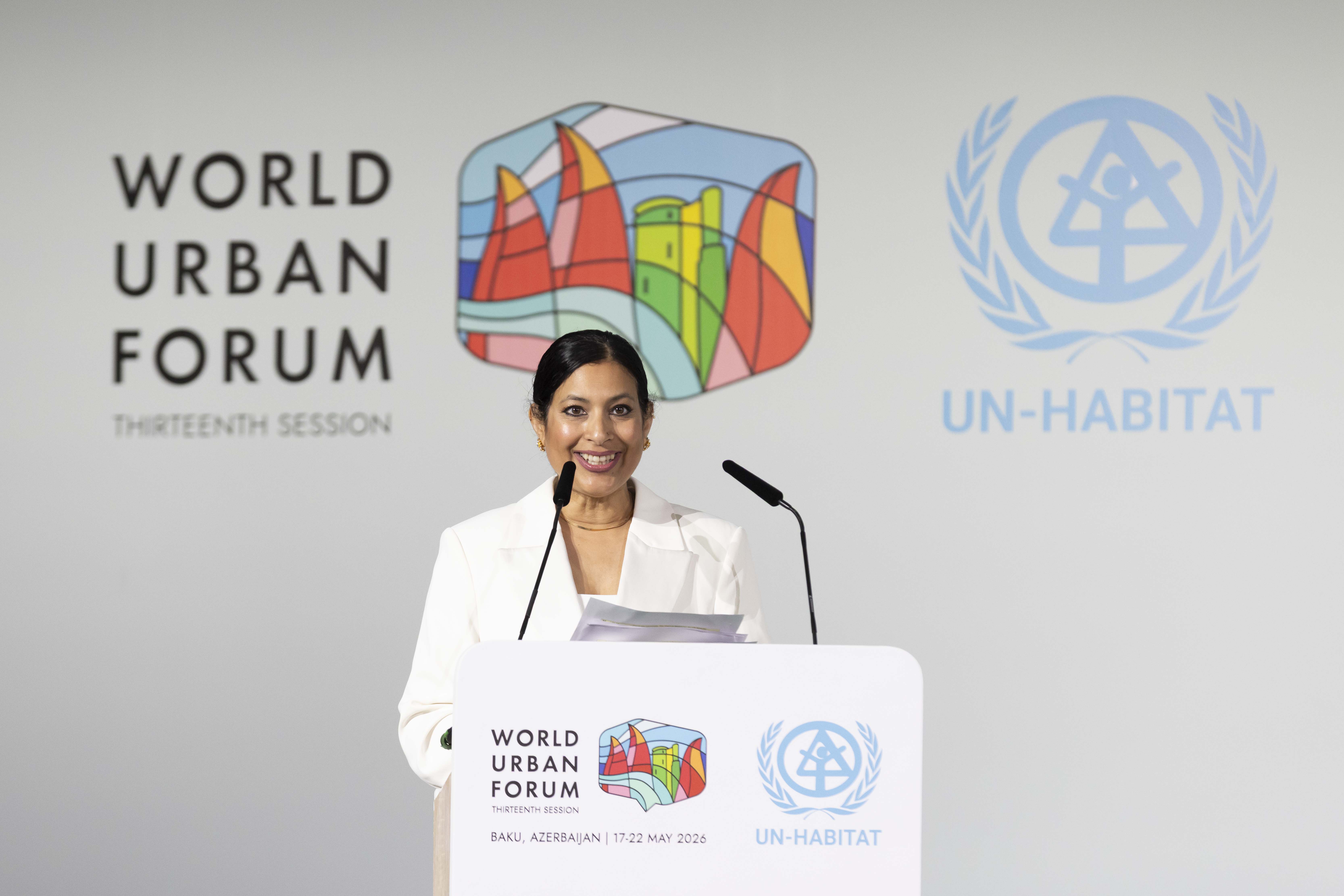
Nadira Tudor, Euronews
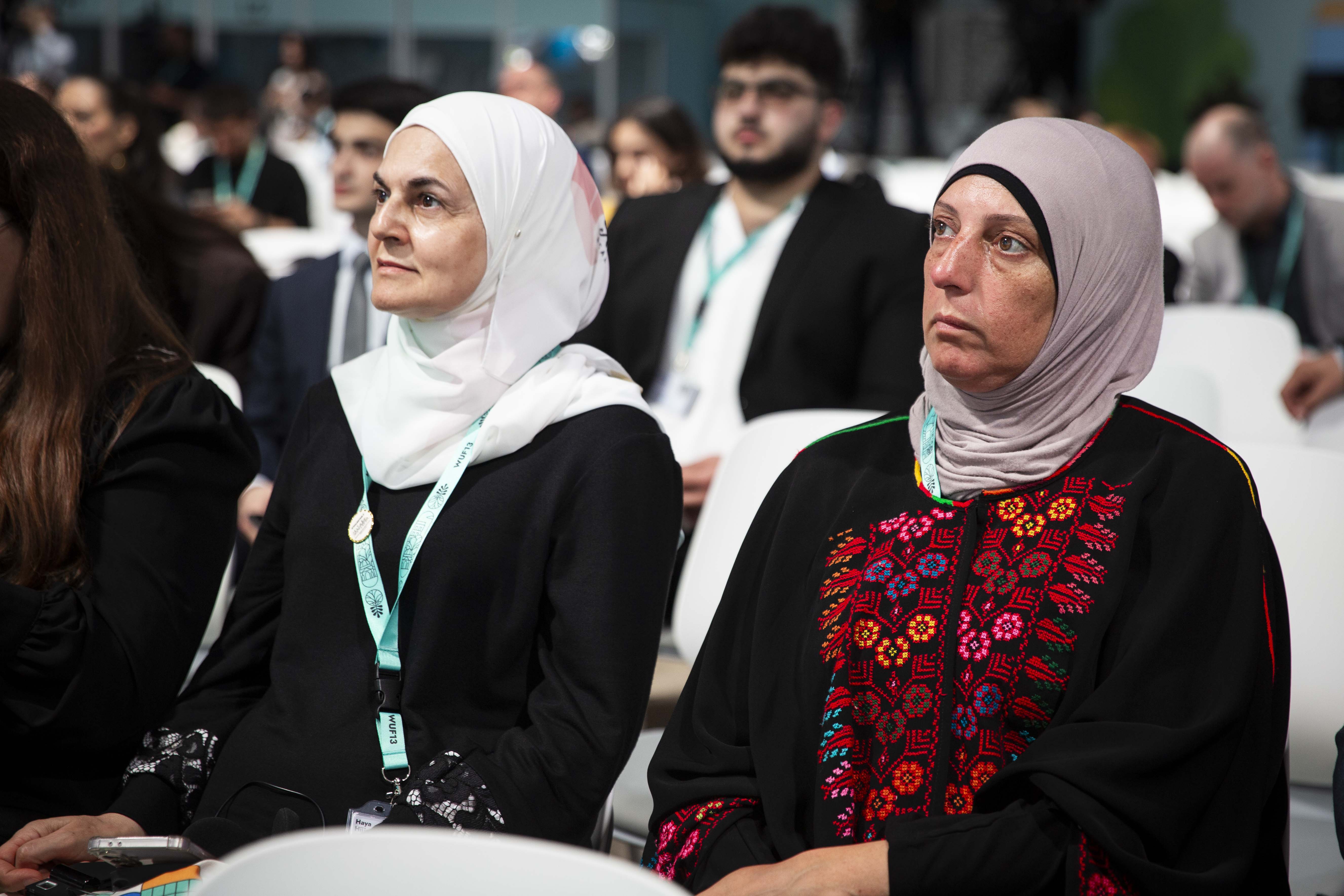
Dialogue - A New Deal for Housing Finance
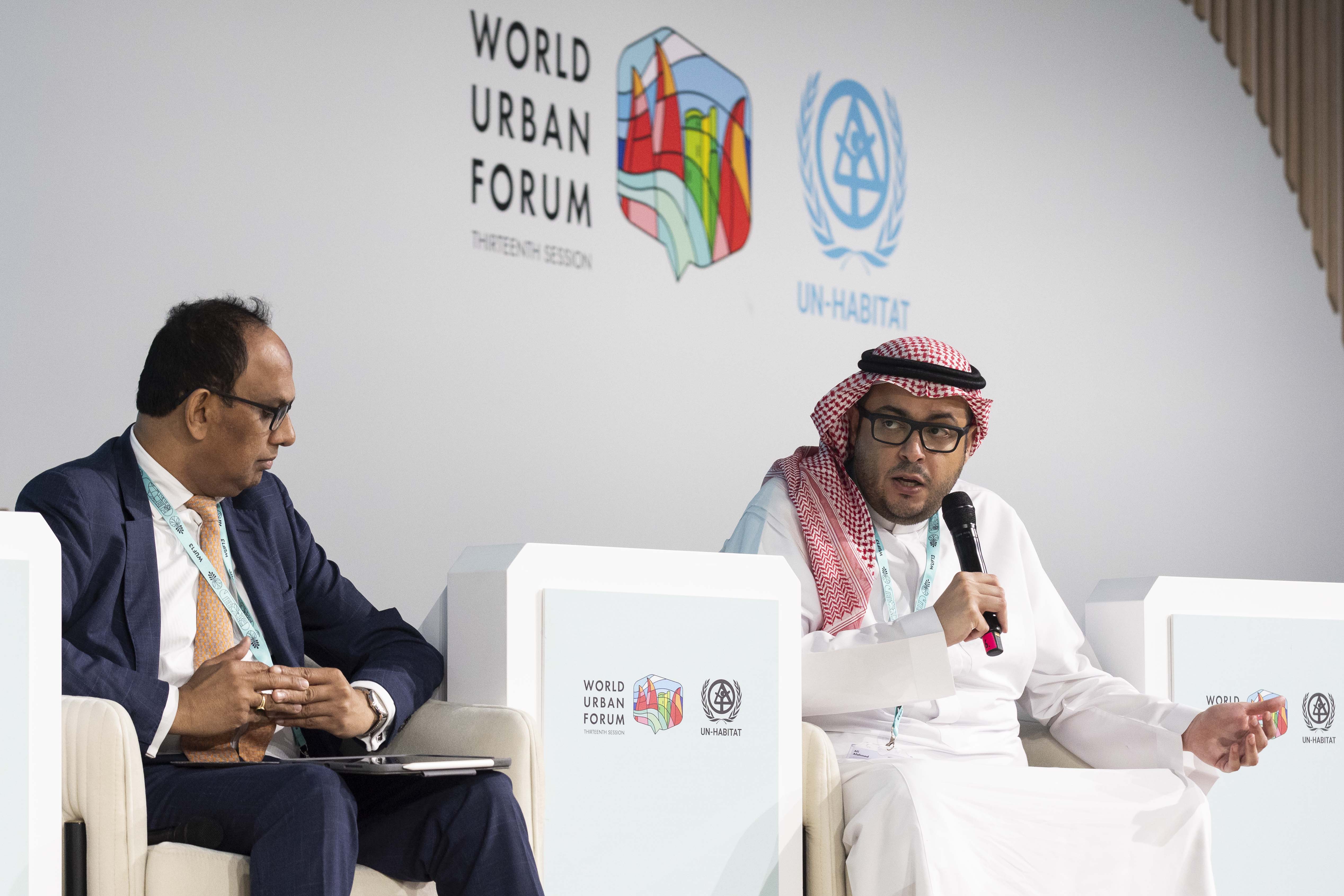
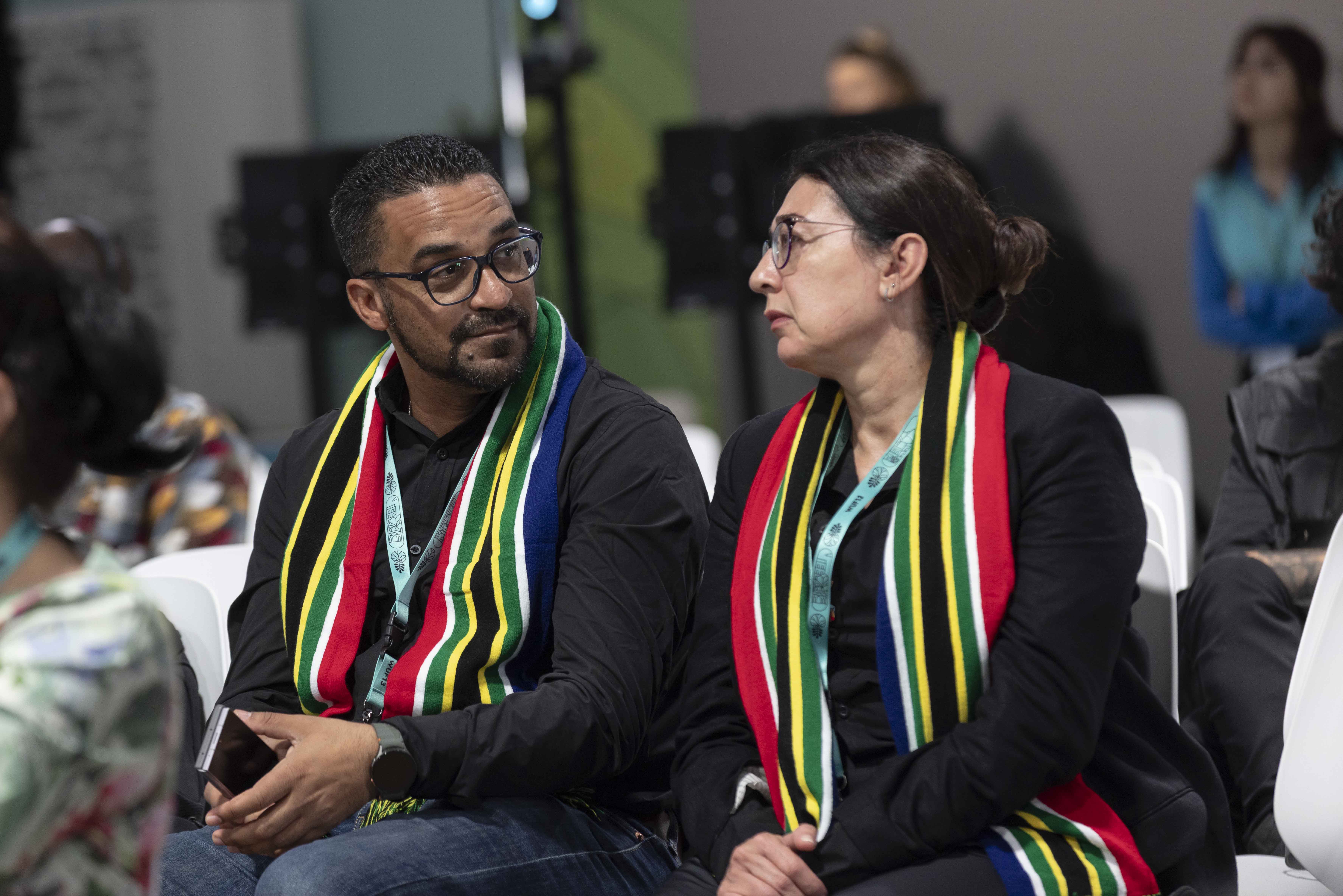
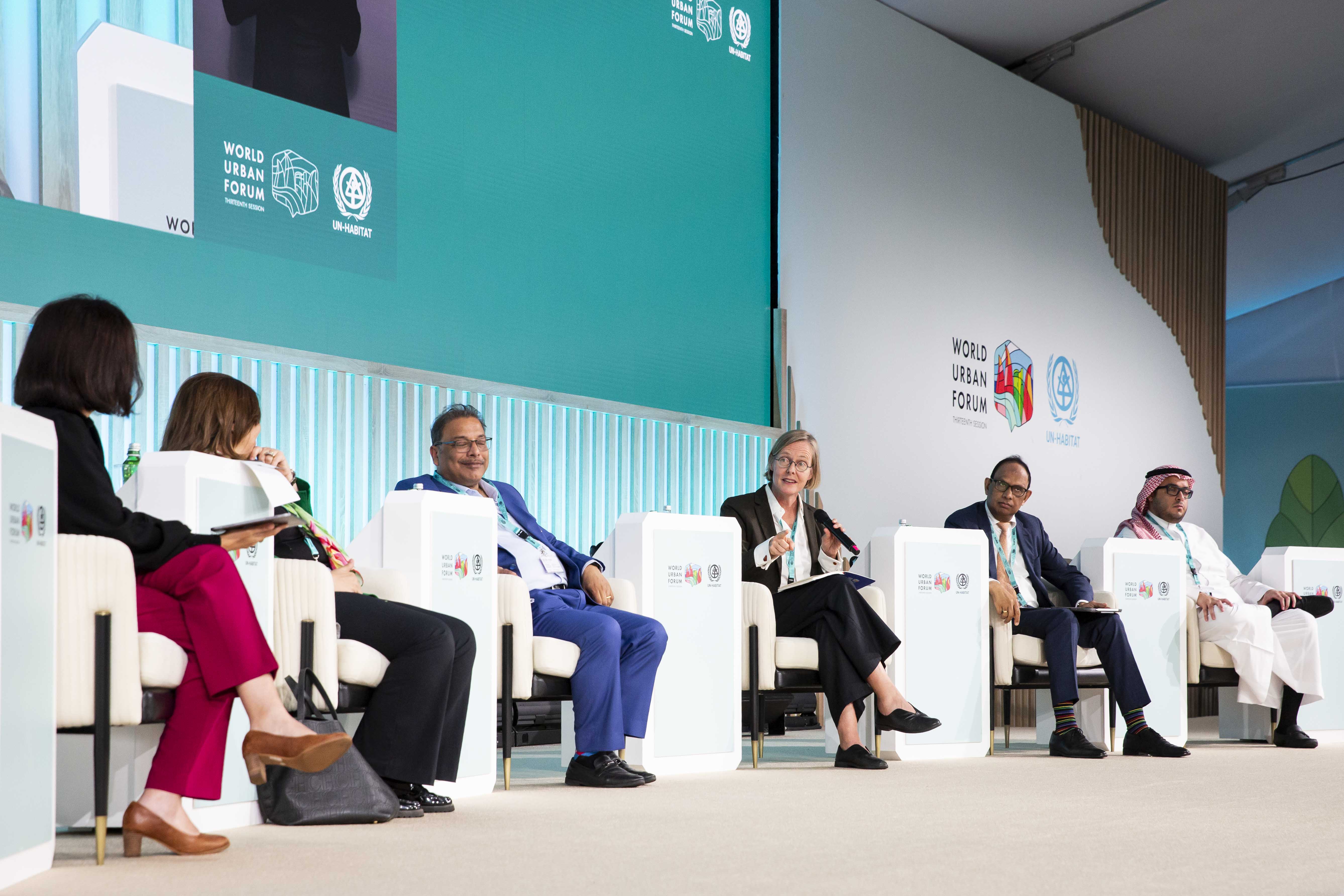
One UN Session - Priorities of the New Special Rapporteur on the Right to Adequate Housing - Consultation for Stakeholders
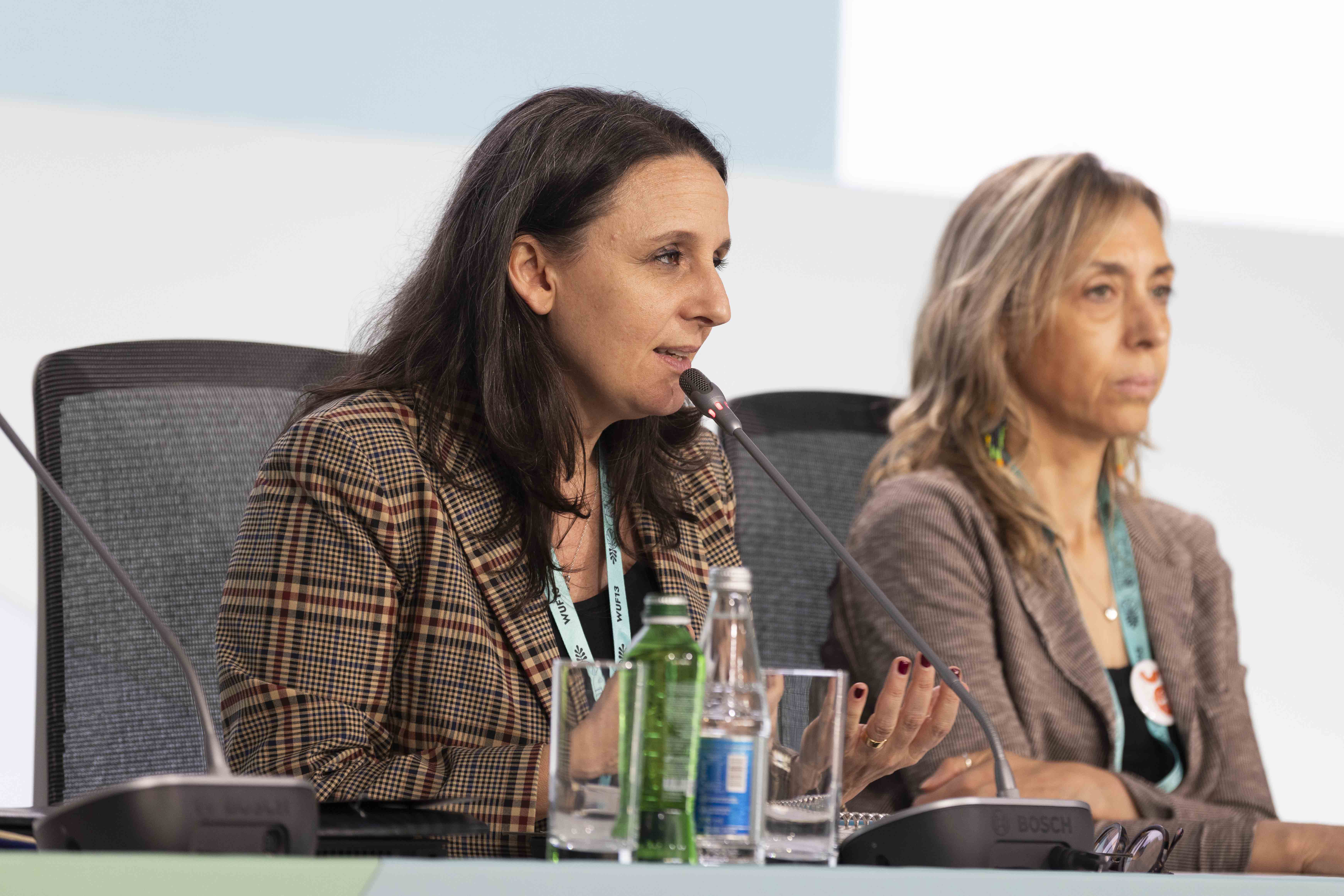
Ombretta Tempra, UN-Habitat
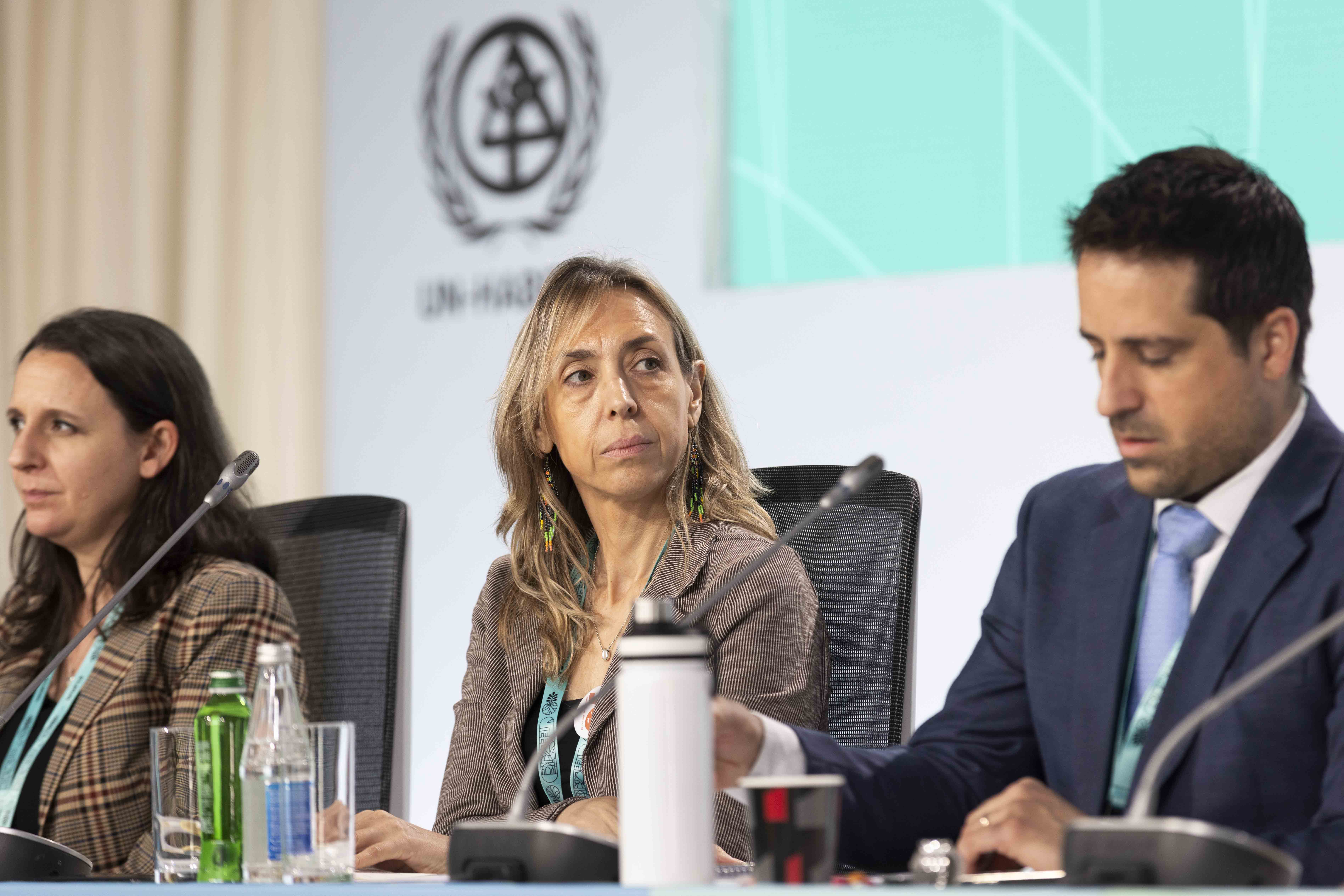
One UN Session - Regenerating Historic Settlements for Adequate Housing: Traditional Techniques, Value Chains, Resilient Homes
Ana Sakhokia, Spatial and Urban Development Agency, Georgia

Elena Panova, UN Resident Coordinator, Egypt
Inclusive Urban Resilience, Blue Economy and Sustainable Tourism in SIDS
Carol Archer, University of Technology, Jamaica
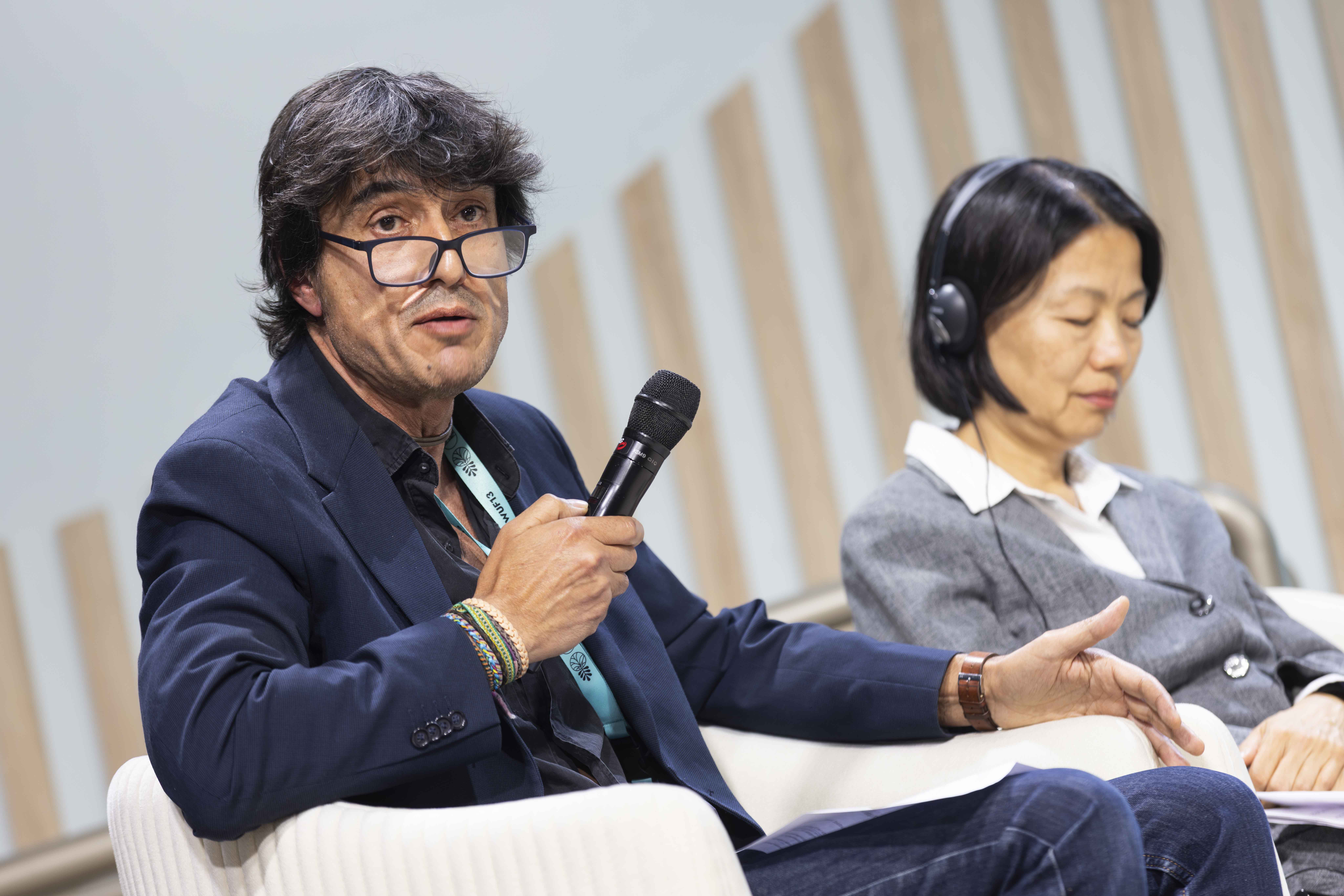
Jesús Manuel González Pérez, University of the Balearic Islands
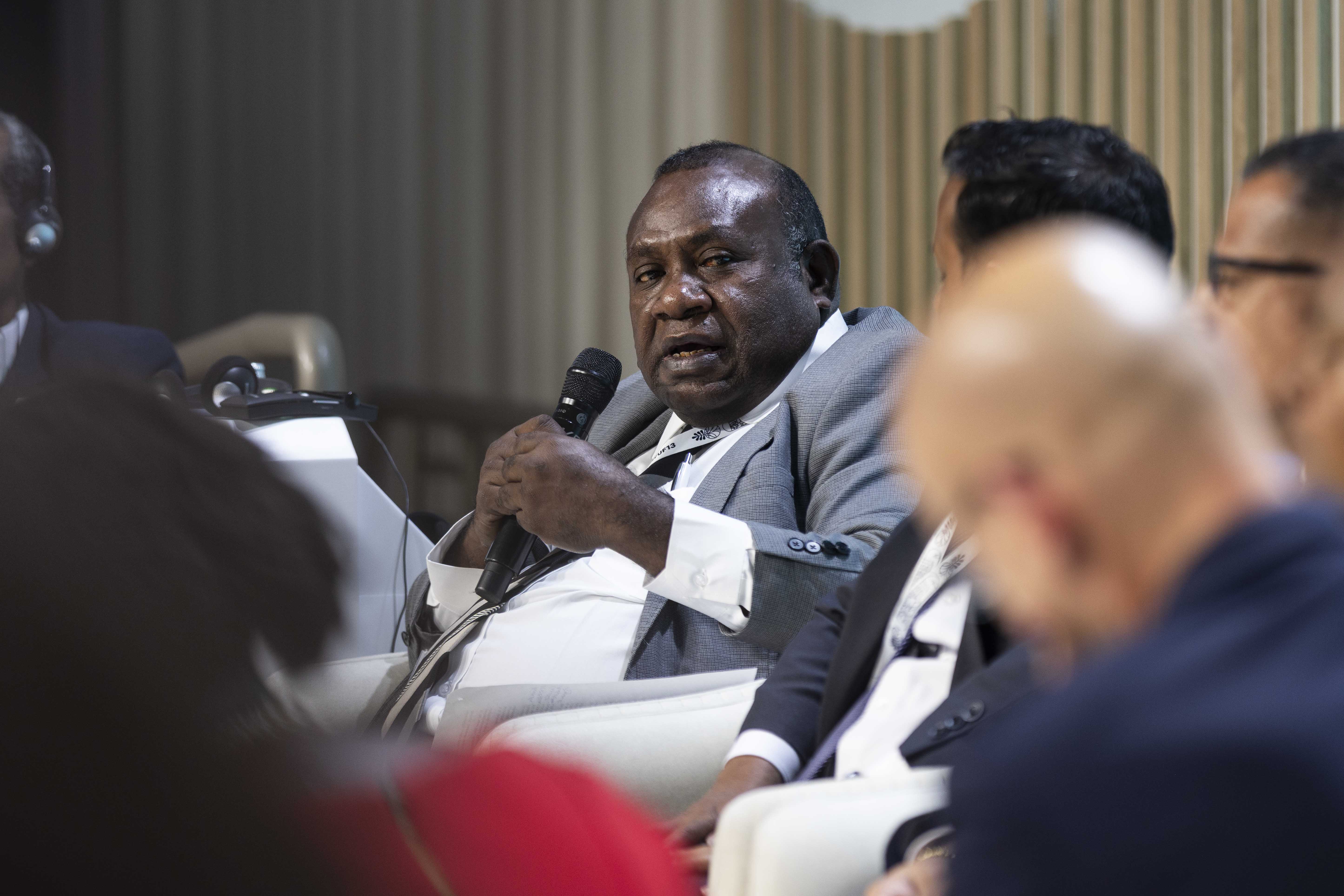
Kobby Bomareo, Minister for Housing and Urbanisation, Papua New Guinea
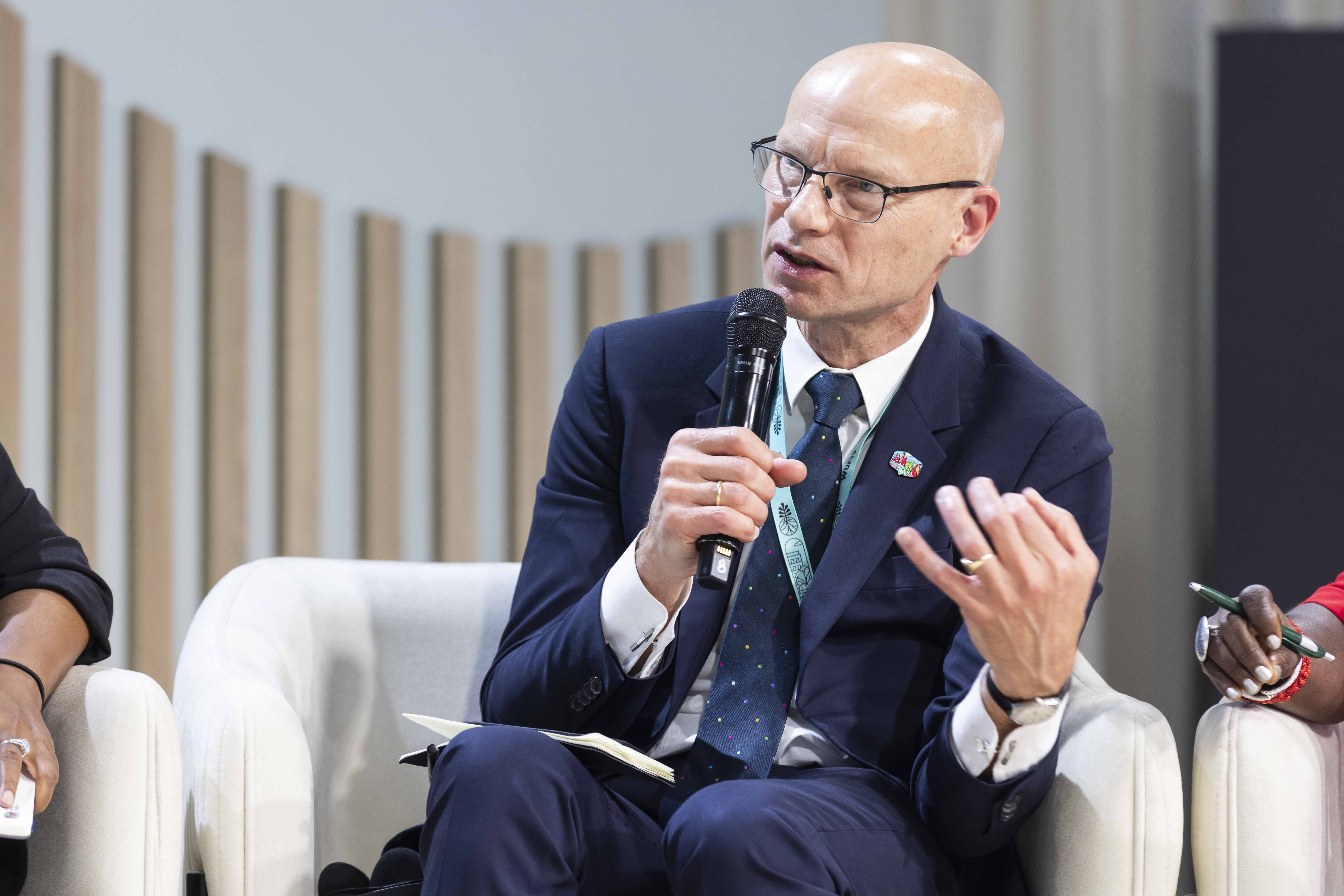
Henk Ovink, Global Commission on the Economics of Water
Academia and Research Roundtable
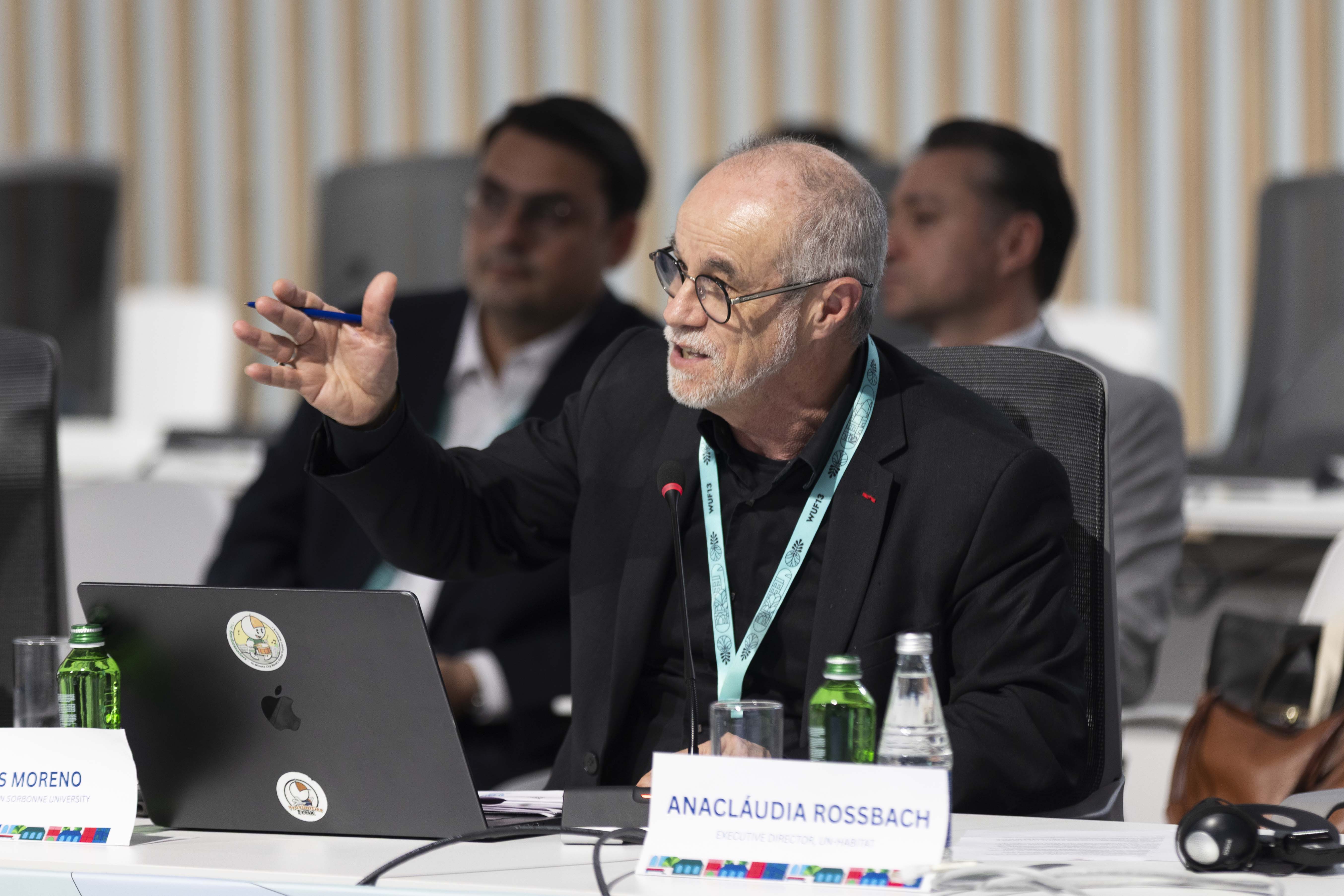
Carlos Moreno, Université Paris 1 Panthéon-Sorbonne
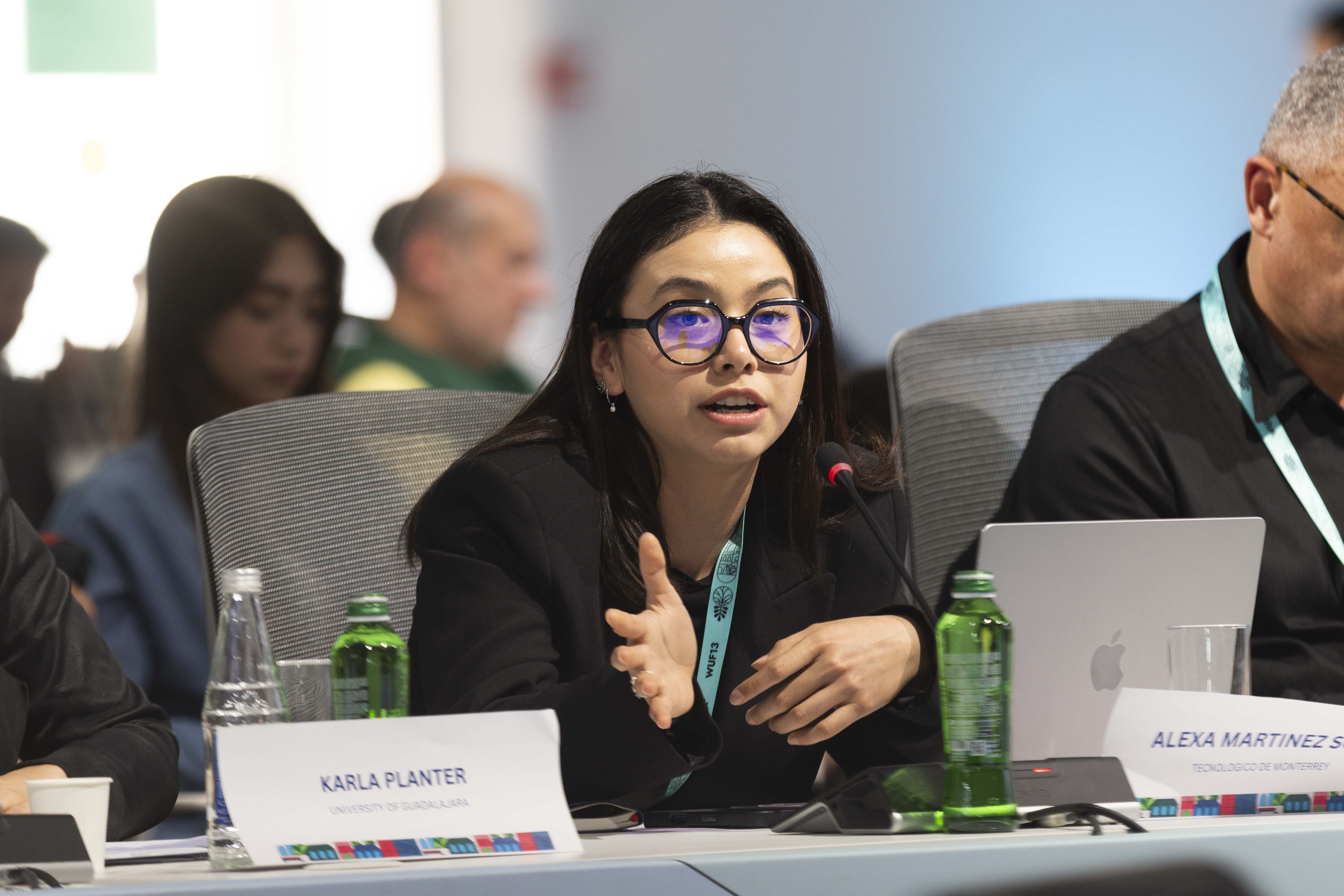
Alexa Martinez Soto, Tecnológico de Monterrey
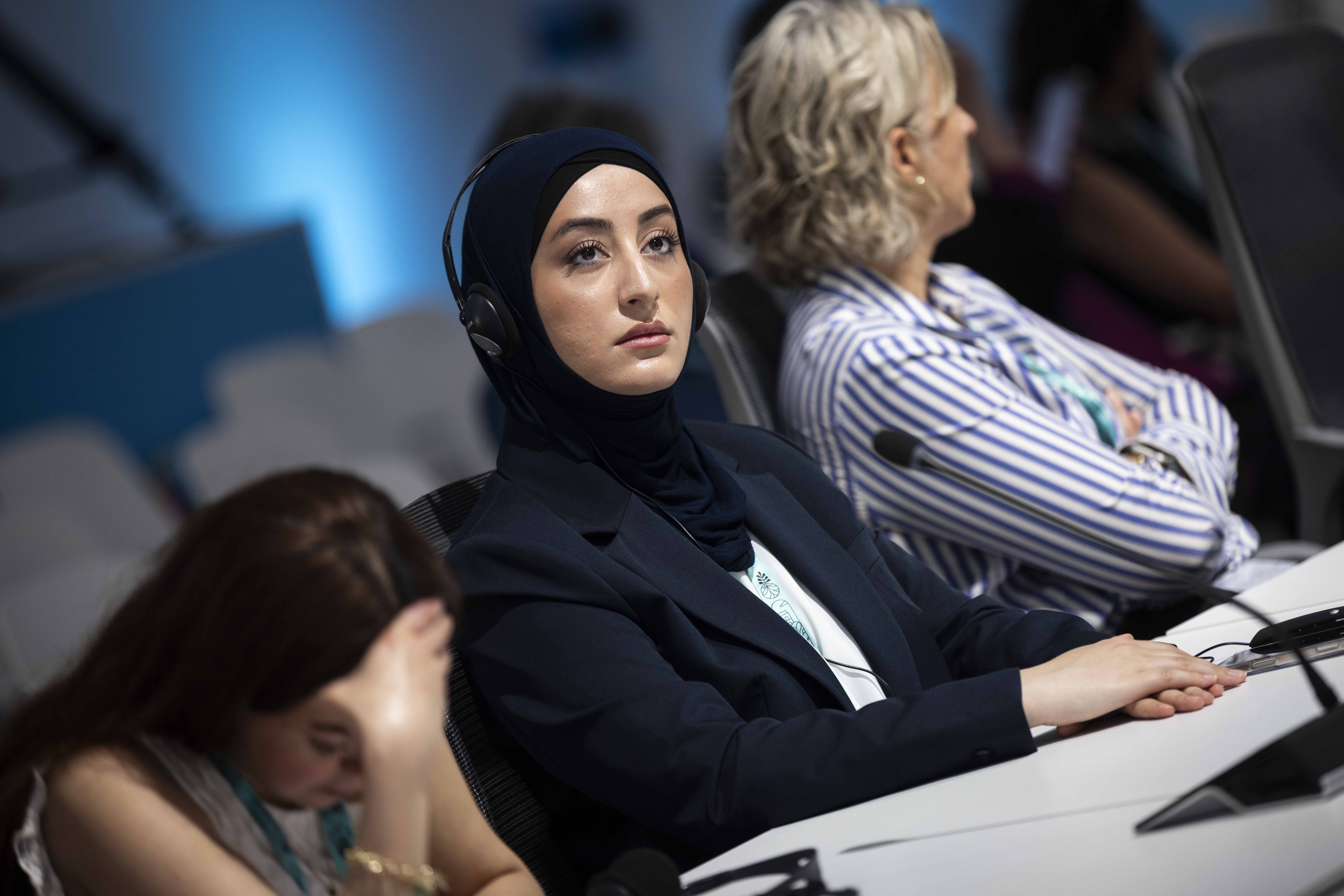
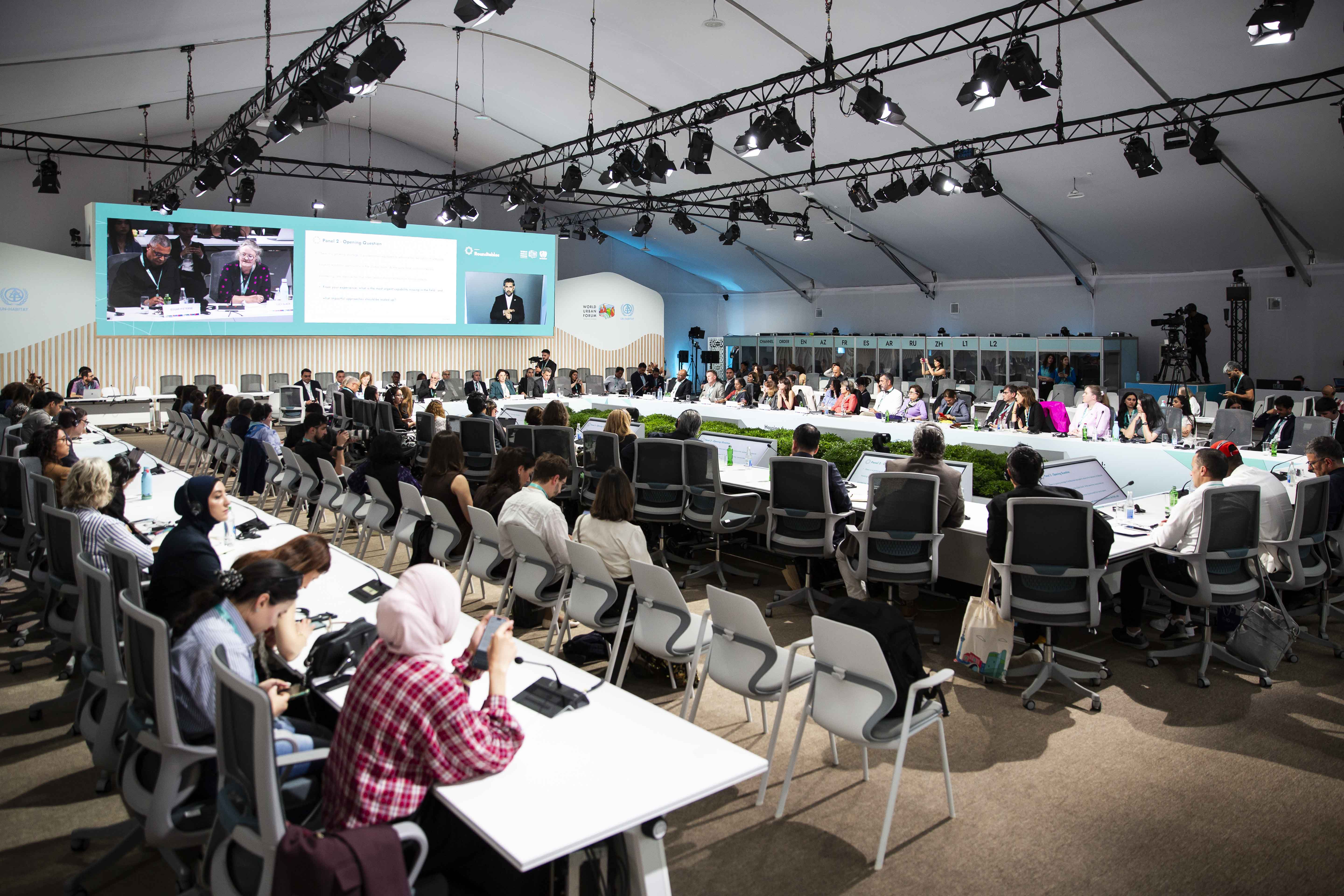
One UN Session - From Grey to Blue-Green, Water Responsive Urbanism for African Resilient Cities
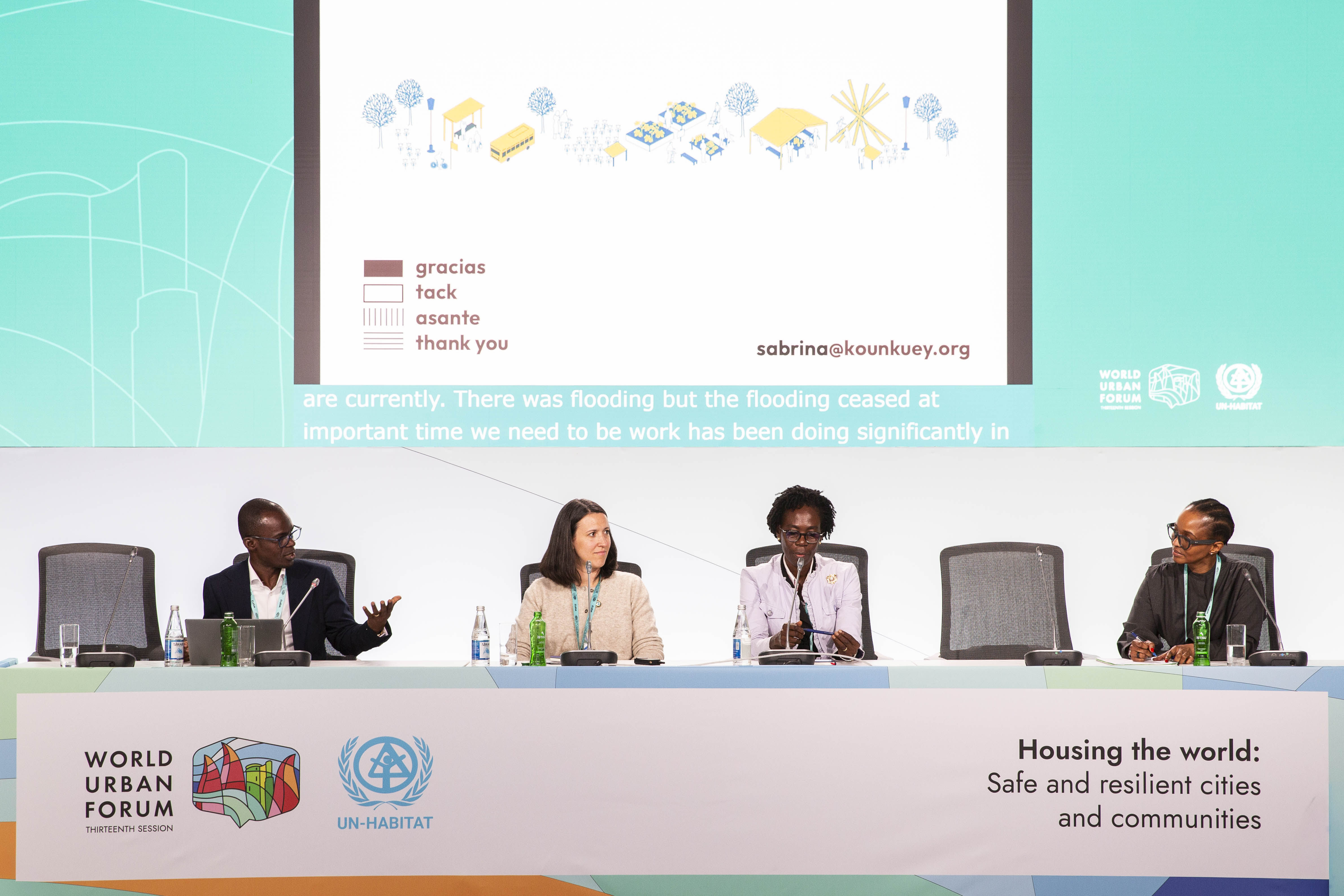
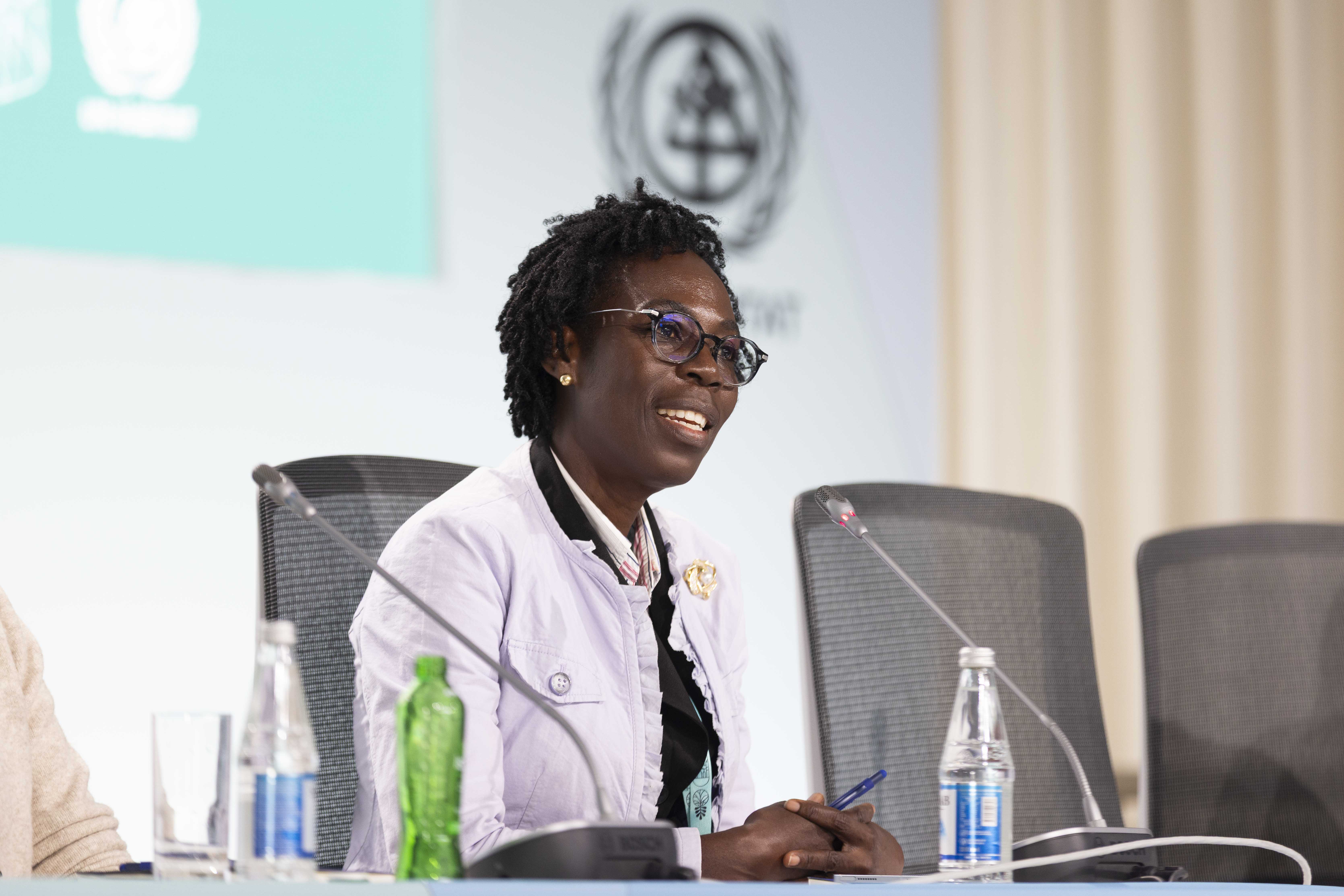
Faustina Boachie, Global Water Operators’ Partnerships Alliance
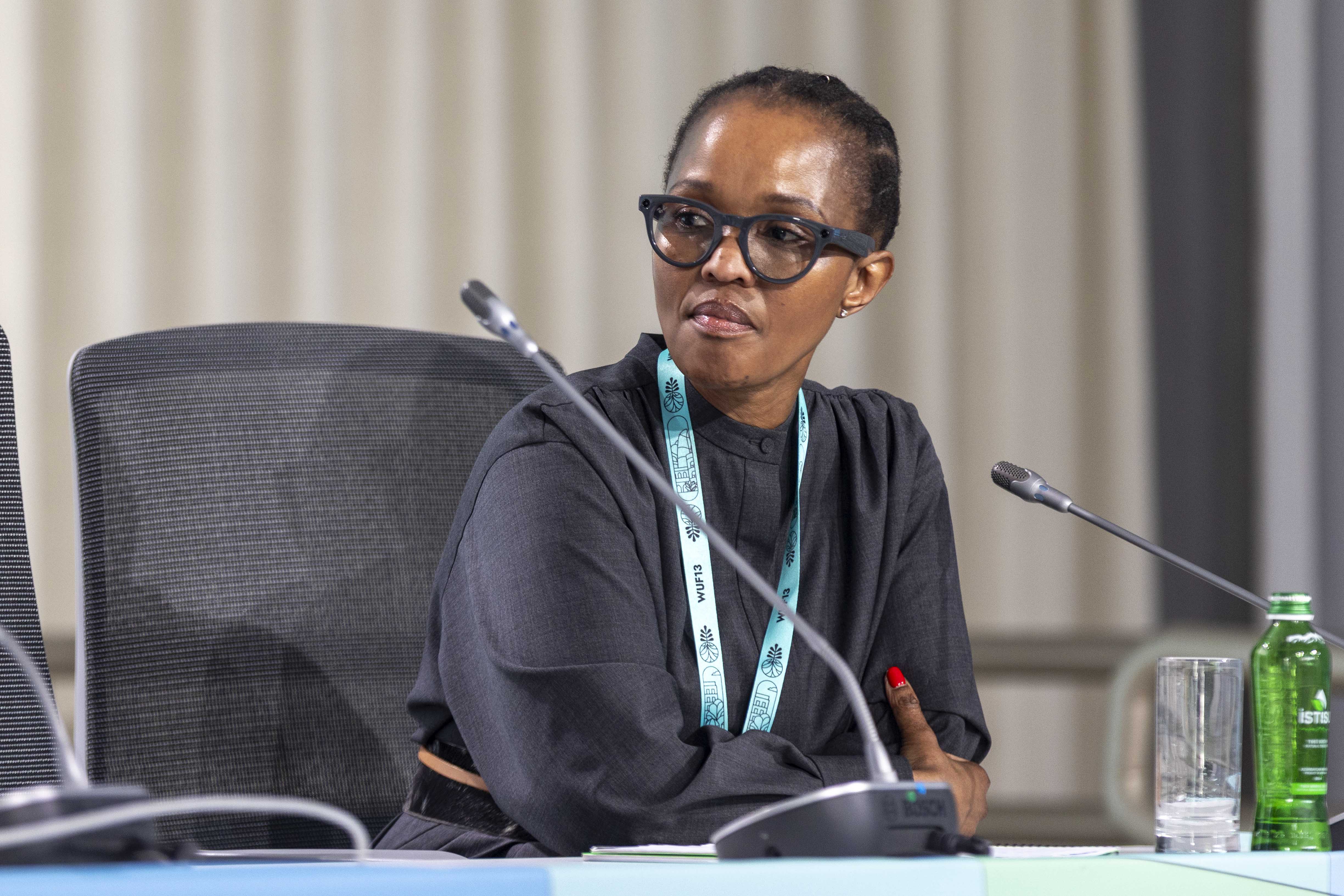
Yondela Tembakazi Silimela, World Bank Group
Grassroots and Civil Society Organizations Roundtable
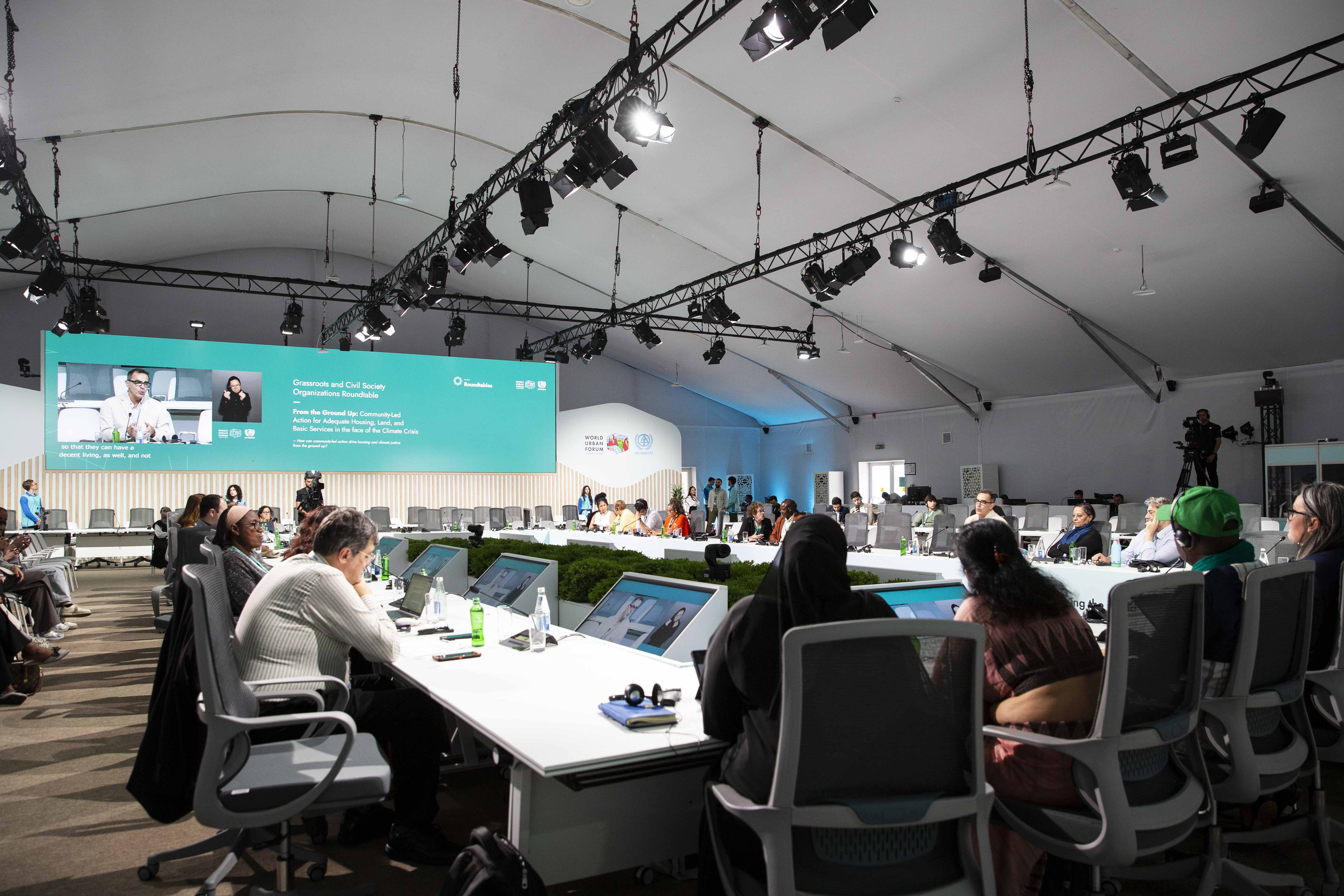

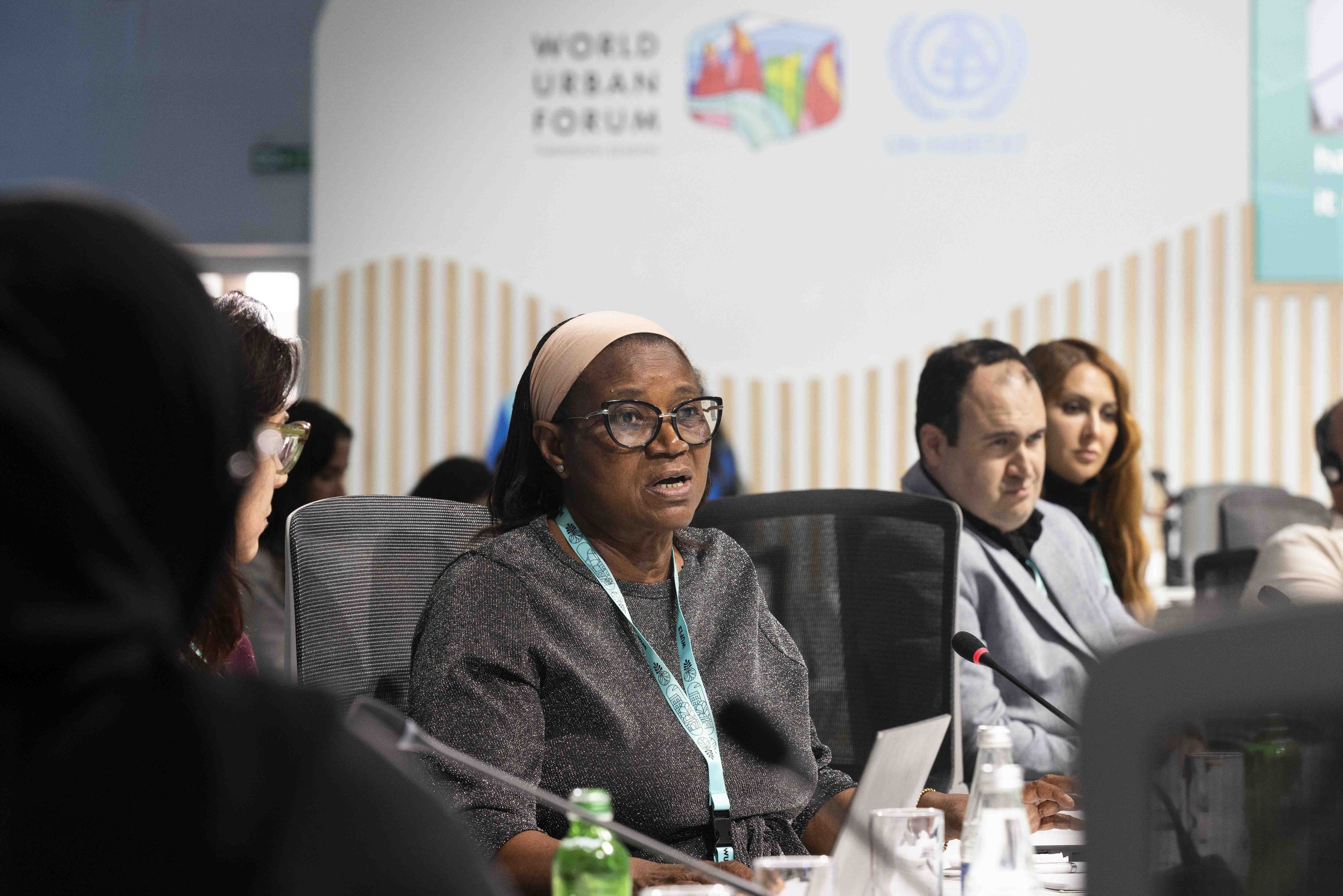
Rose Molokoane, Slum Dwellers International
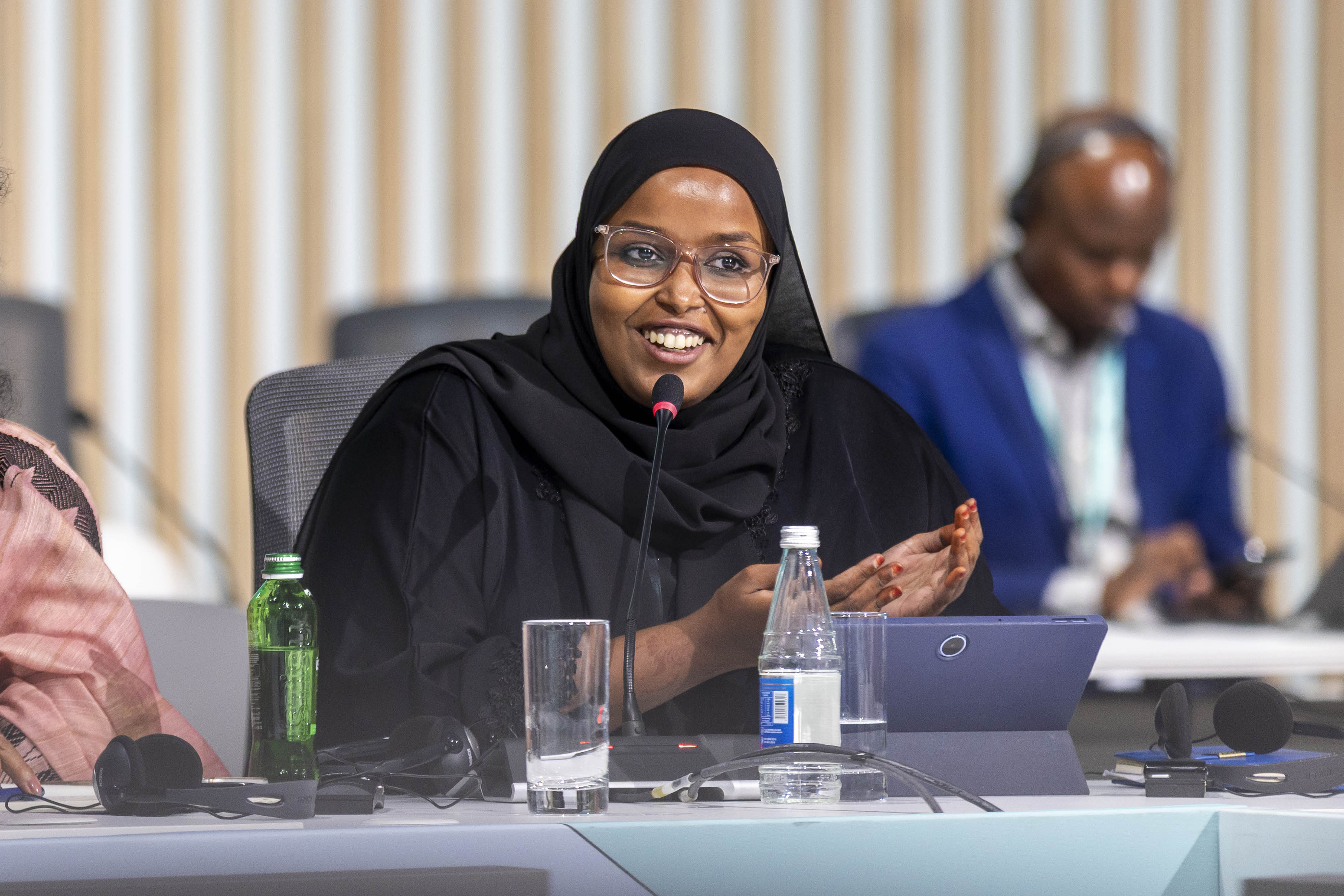
Africa Affordable Housing Compact – Deal Room Investor Session
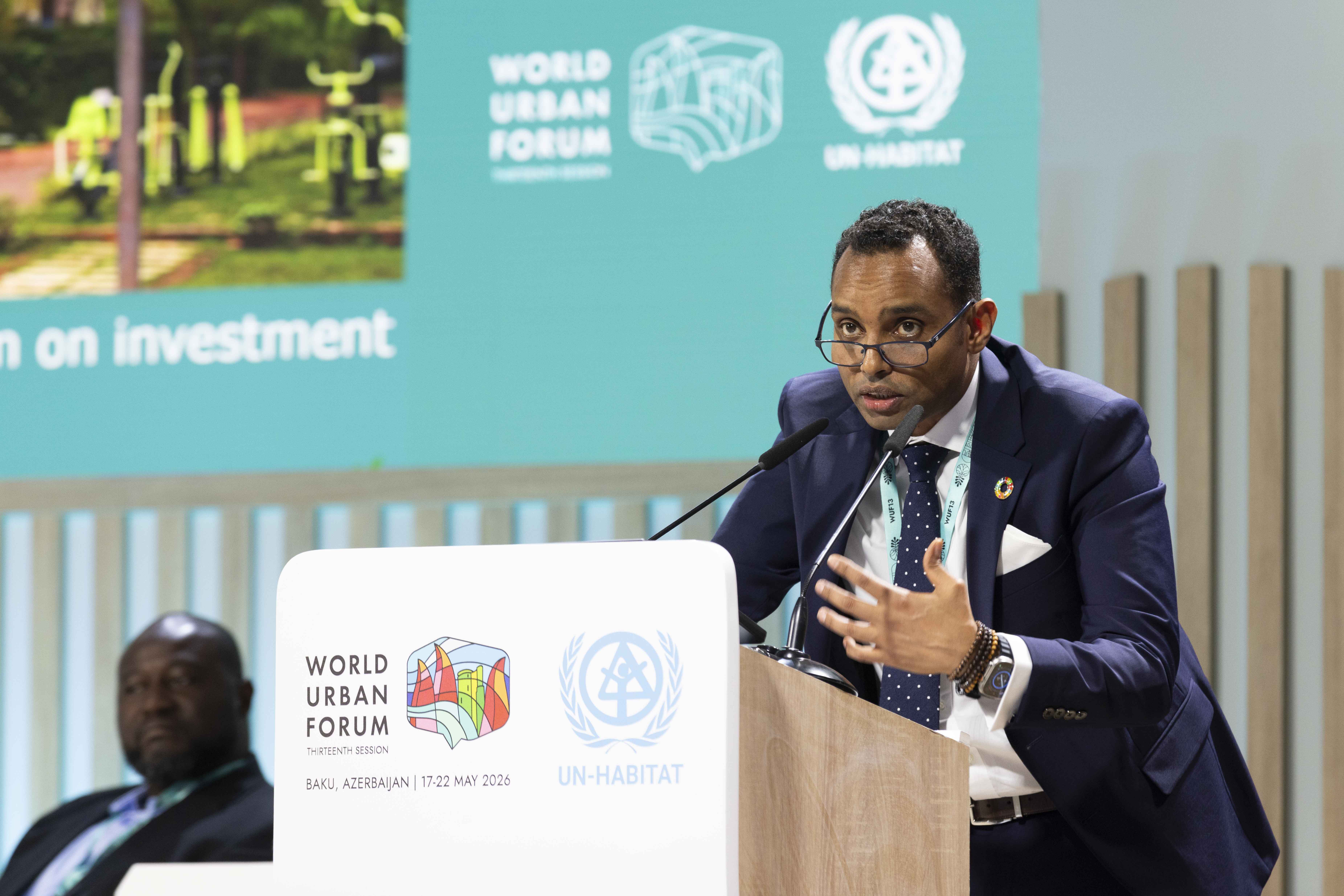
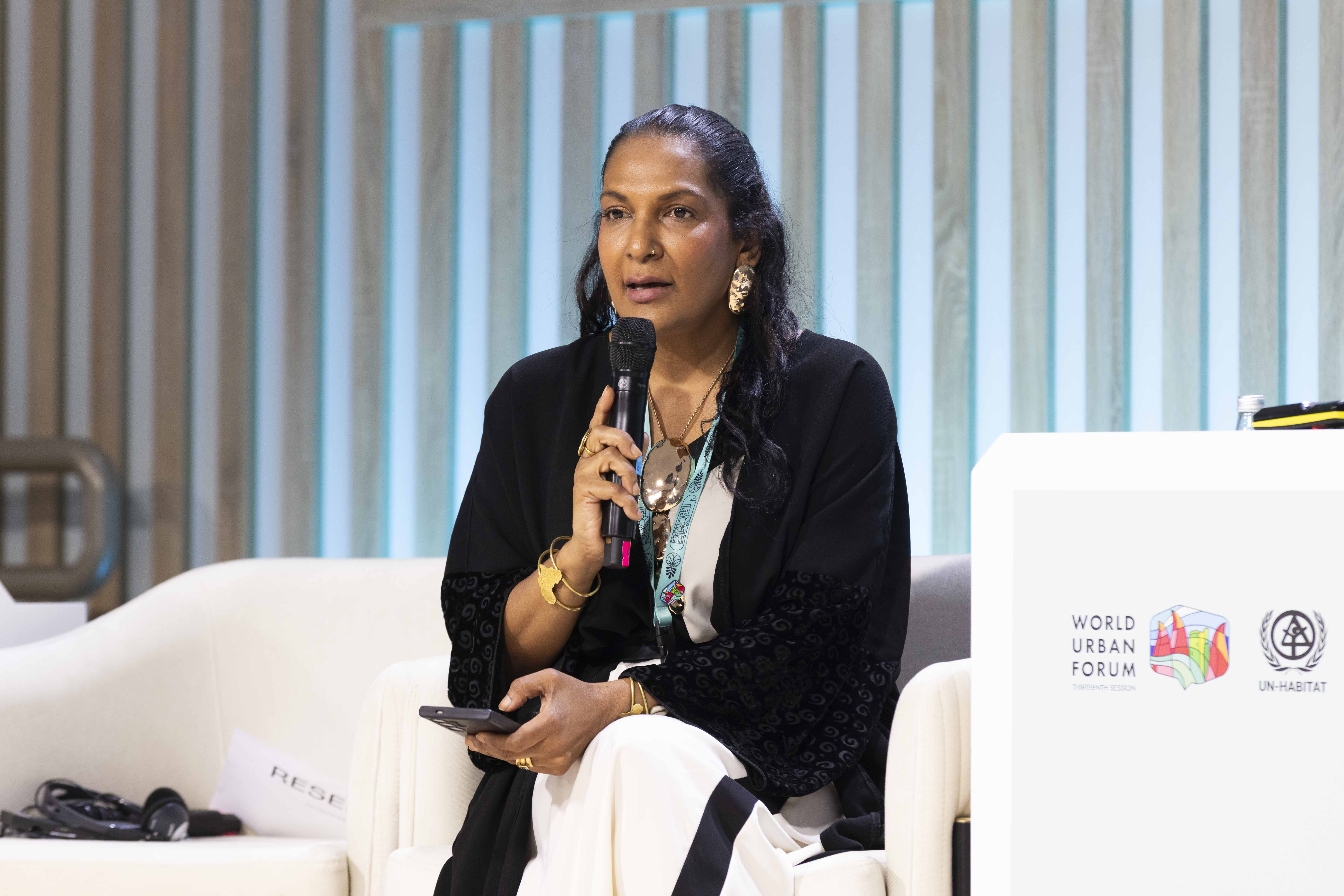
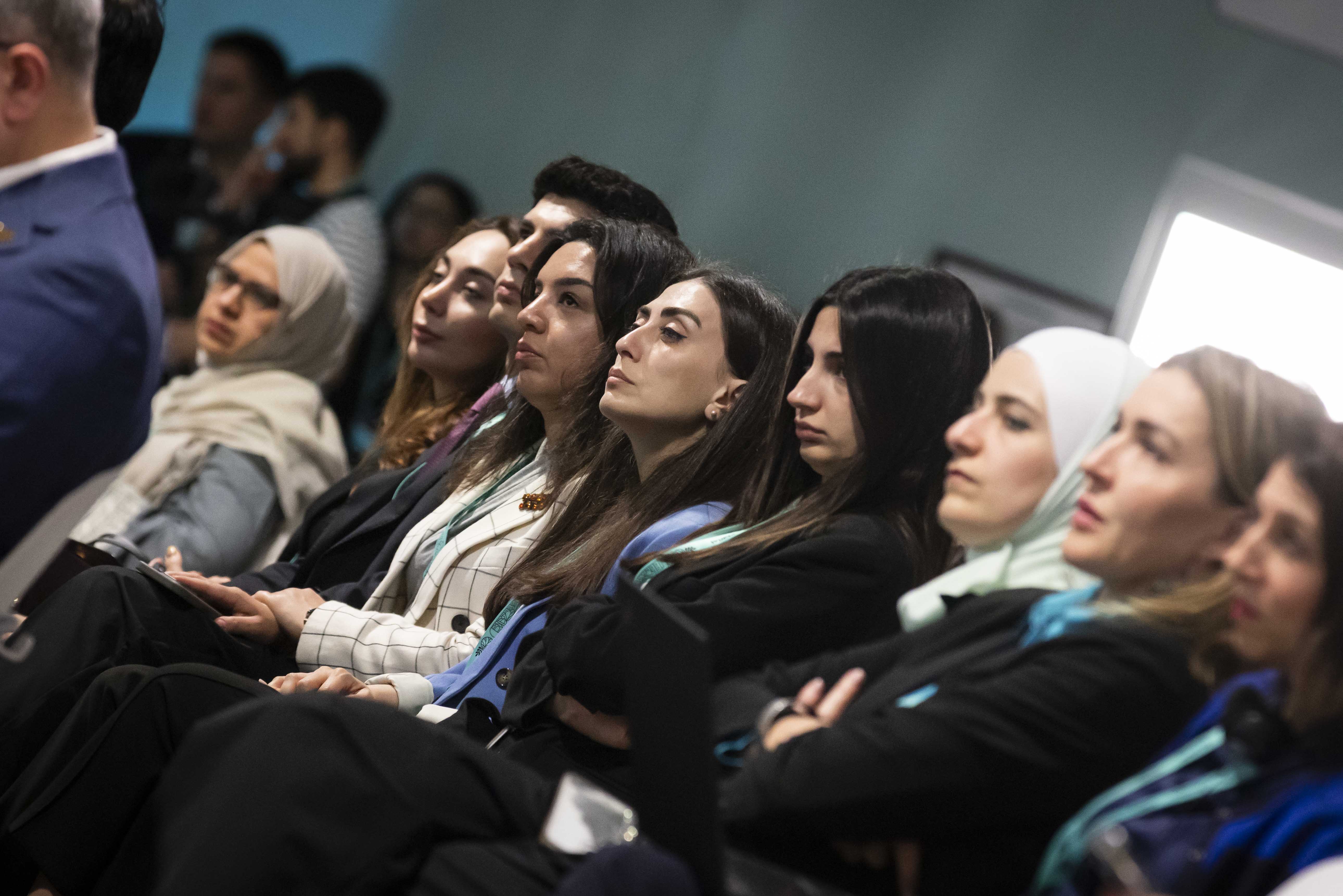
Around the Venue