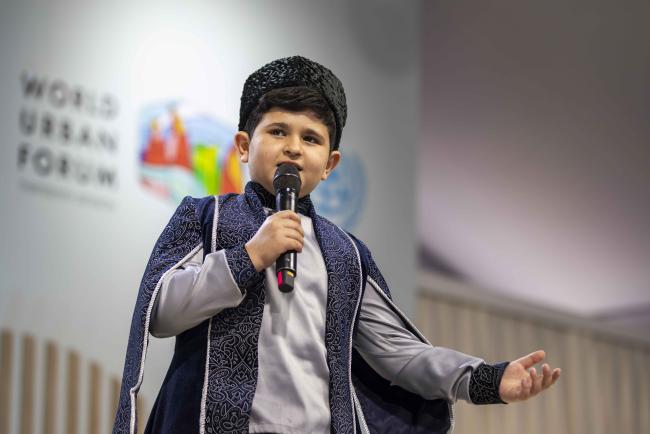
A key feature of housing is that it affects so many aspects of human wellbeing and the environment, generating complex, challenging interactions in housing policies, as well as opportunities to deliver multiple social, economic, and environmental benefits with a single, well-designed intervention.
On Wednesday, WUF13 delegates attended dialogues, special sessions, and roundtables that explored these complex interactions from various angles.
Want to dig deepern into today's talks? Read the full Earth Negotiations Bulletin daily reports.
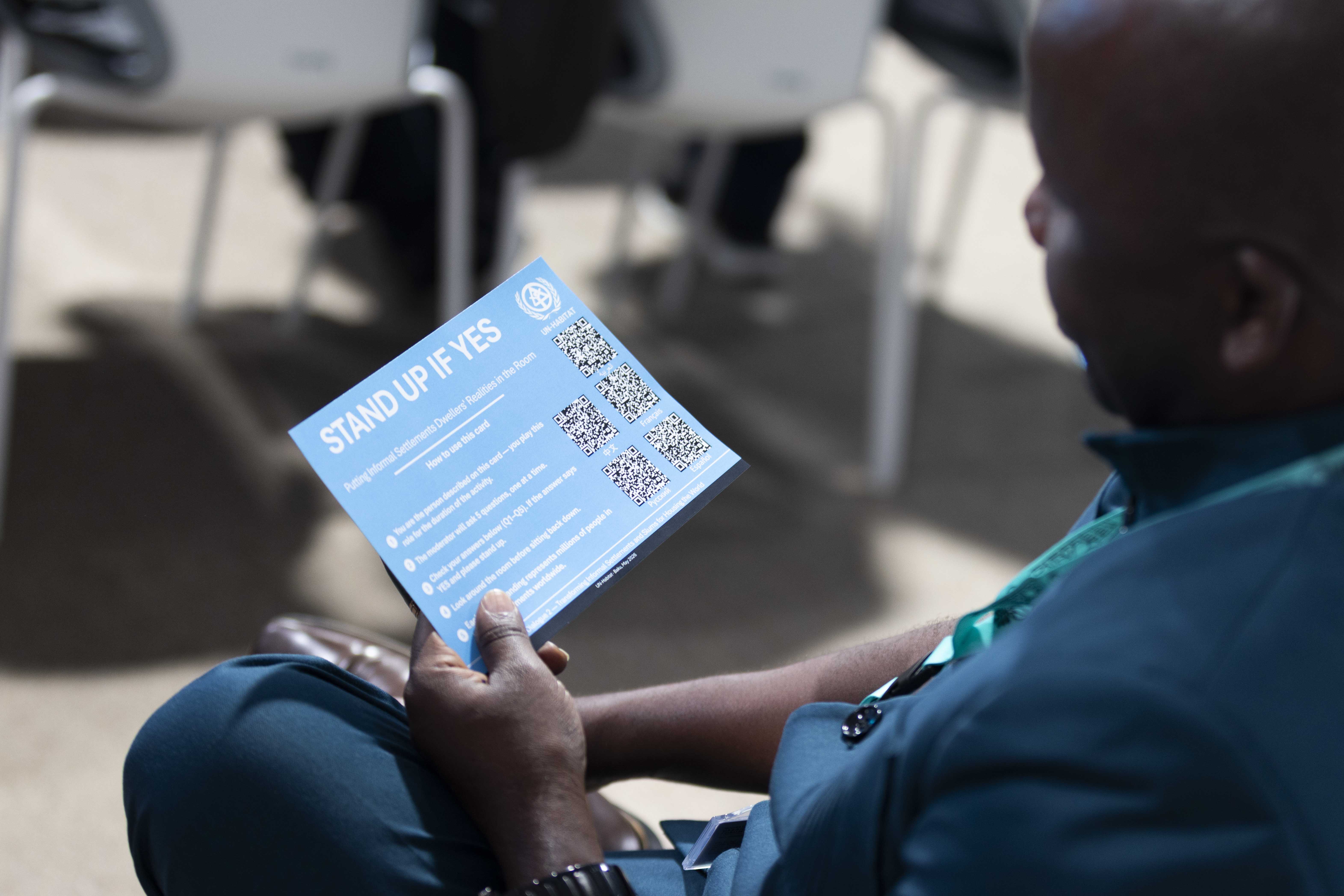
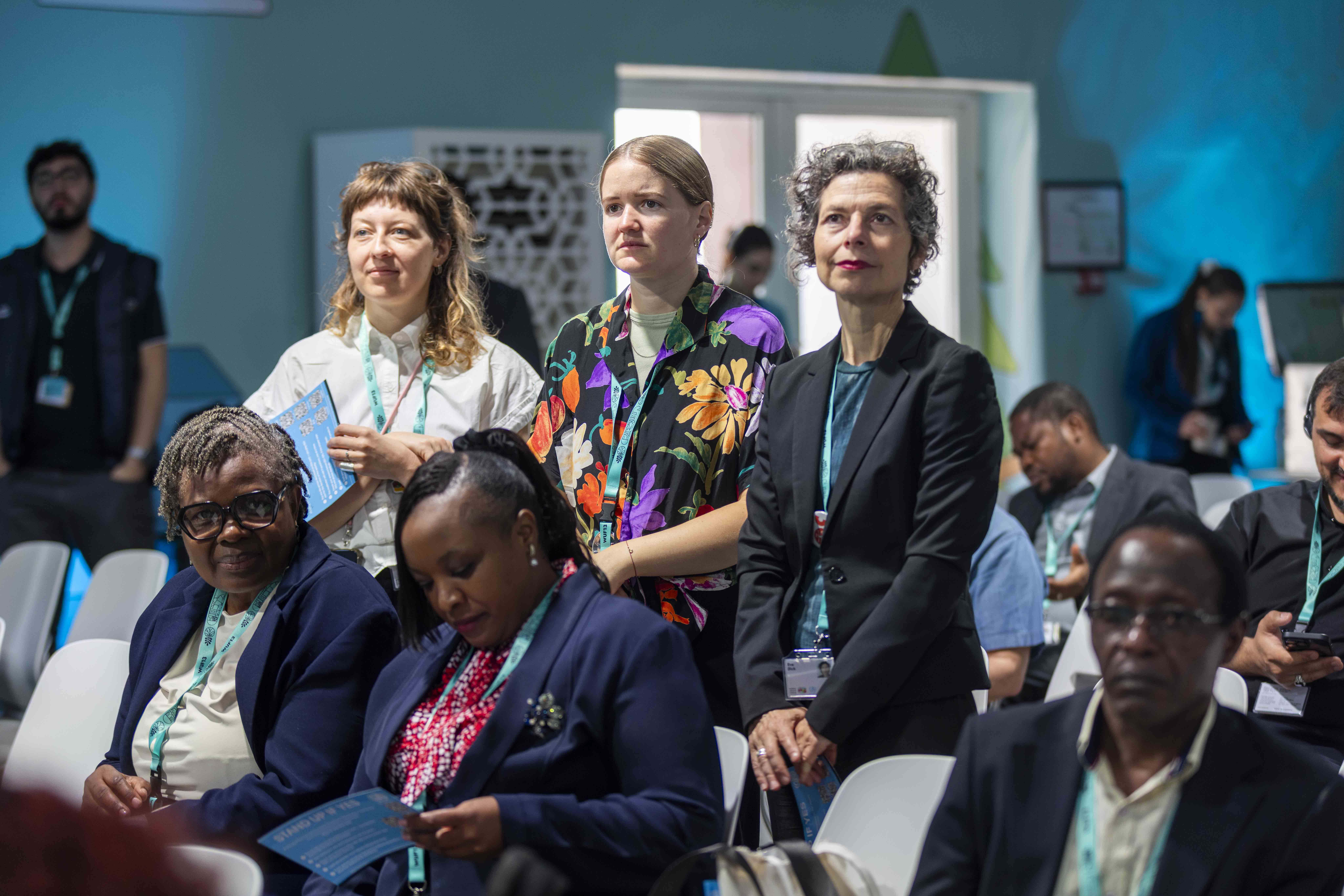
A dialogue on transforming informal settlements and slums addressed challenges for upgrading informal settlements into connected, serviced, and equitable neighborhoods around the world. UN-Habitat Executive Director Anacláudia Rossbach lamented that “we have failed as a society” when it comes to addressing the growing plight of those living in informal settlements, stressing the need for greater political will to scale up solutions and multiply social and economic benefits.
Solutions discussed by experts included: city-wide mapping of communities through participatory planning of critical services; demand-led slum upgrading that produces alternatives that fit with communities’ needs and conditions; and community housing cooperatives. Participants also noted that this transformation can take diverse forms depending on specific contexts and that city-wide community-led collaboration with informal settlements’ residents is pivotal to success.
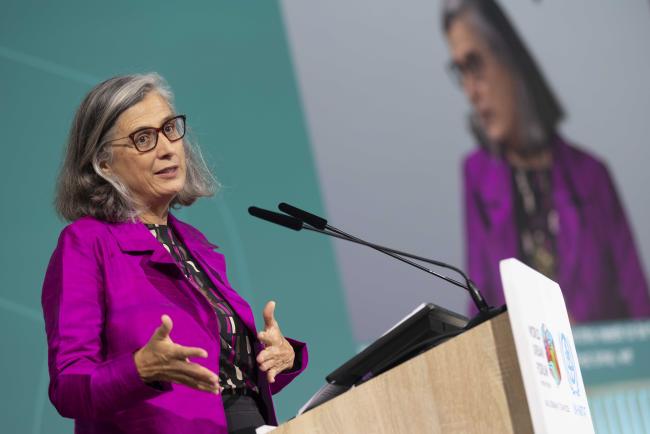
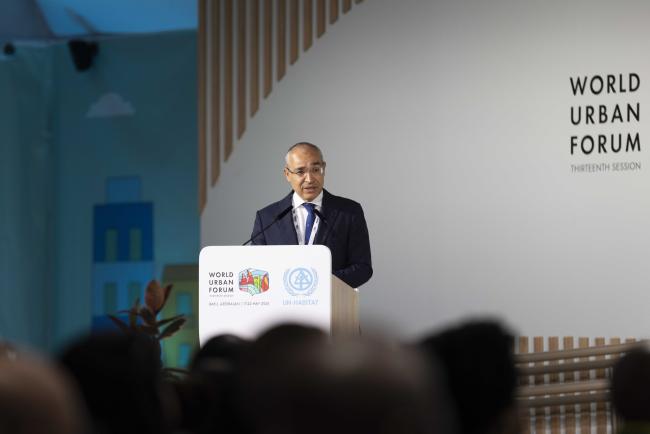
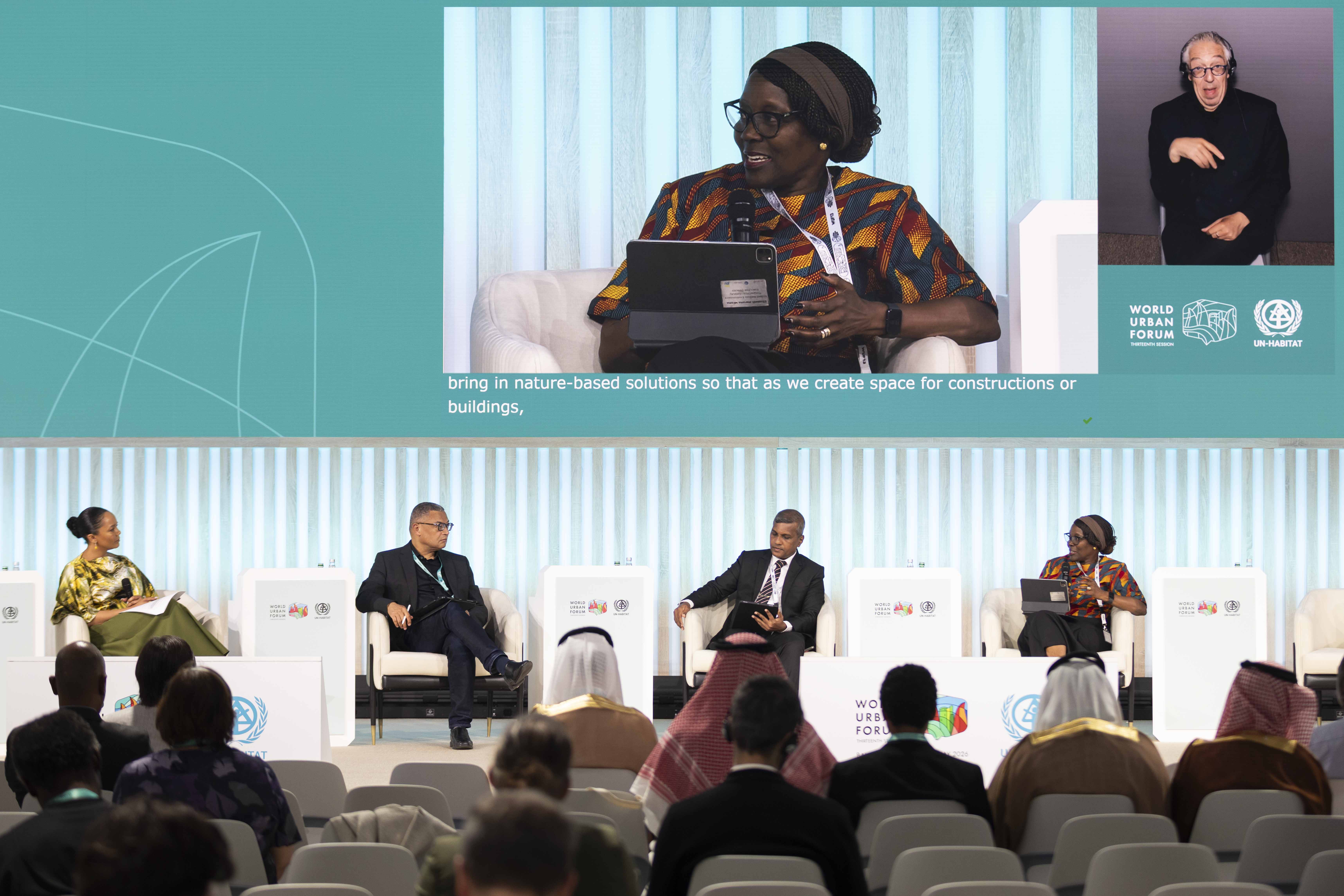
In a dialogue on the housing-climate nexus, experts considered how housing can be inclusive, resilient, and affordable while also contributing to climate change mitigation. They discussed, among other solutions, the use of local building materials, nature-based solutions, and the role of data in planning resilient cities that are also affordable and sustainable. Rashad Ismayilov, Azerbaijan’s Minister of Ecology and Natural Resources, shared his country’s experiences with nature-based solutions, noting they must be included at every stage of urban planning. Adding that climate resilience must include everyone, he underscored the importance of multi-hazard early warning systems.
Wednesday’s special sessions covered services and concerns beyond housing that cities must address to be resilient, healthy and attractive for their citizens.
Participants at the special session on rethinking cultural heritage considered how heritage-led regeneration can address housing challenges in historic neighborhoods and settlements, improve living conditions, safeguard affordability, strengthen resilience, and support more inclusive urban futures. Panelists underlined the need to involve community stakeholders in conservation and regeneration efforts to ensure residents are not alienated from their neighborhoods or unintentionally priced out of their houses through appreciating property values.
A special session on cities as playing fields included discussions on the importance of sports and physical activity for resilience, health, and wellbeing, and how cities can deliver more services for an active lifestyle to their citizens. Laura Chinchilla, International Olympic Committee, stressed that sports is a “low-cost, big impact” mechanism to accelerate social, environmental, and economic goals. Ileana Rodriguez, an architect and paralympic swimmer, told participants that sports can be a healing process for people with disabilities and urged building urban spaces that provide “sports for all.”
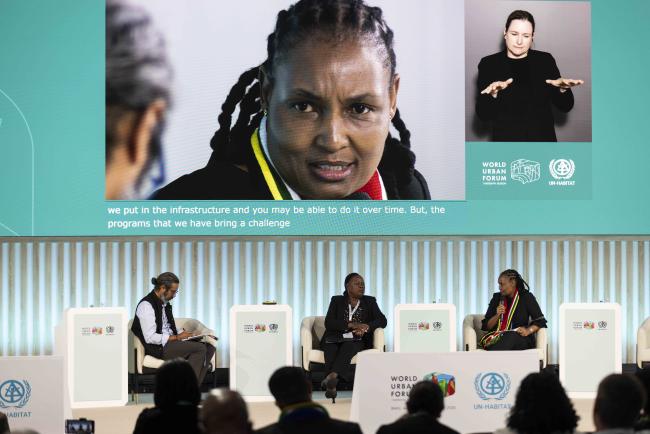
During a session on the opportunities and challenges of rapidly improving cities with modern waste management systems, participants considered the economic rationale for public investment, with one expert noting such investments could yield savings of up to USD 150 billion annually.
The special session on stories from the climate frontlines provided an opportunity to share accounts of ongoing or successful adaptation efforts from cities that are especially vulnerable to climate impacts. Juan Pablo Bonilla, Inter-American Development Bank, highlighted regional projects in the Amazon and Caribbean that move away from isolated projects to more integrated solutions. Paola Bances Chávez, Mayor of Maynas, Peru, highlighted the Amazon Cities Forum, which is working to improve access to finance and share good practices. Panelists also emphasized the need to achieve a just transition away from fossil fuels, tailored approaches to infrastructure, and co-producing knowledge with Indigenous Peoples.

In a series of roundtables, WUF13 participants continued exchanging ideas on the perspectives of specific stakeholders.
The business roundtable discussed opportunities to unlock private capital for adequate housing at scale, with participants outlining conditions for increased private capital flows, such as stable market environments, de-risking investments, and ensuring stronger project discipline. The roundtable on the rights of older persons discussed how the right to adequate housing can be realized for older people in the context of rapid urbanization and ageing populations. The roundtable on the rights of persons with disabilities discussed moving beyond accessibility as regulatory compliance and towards more holistic governance that serves the needs of persons living with disabilities in urban areas. The parliamentarians roundtable considered how national legislation can turn global housing commitments into real outcomes.
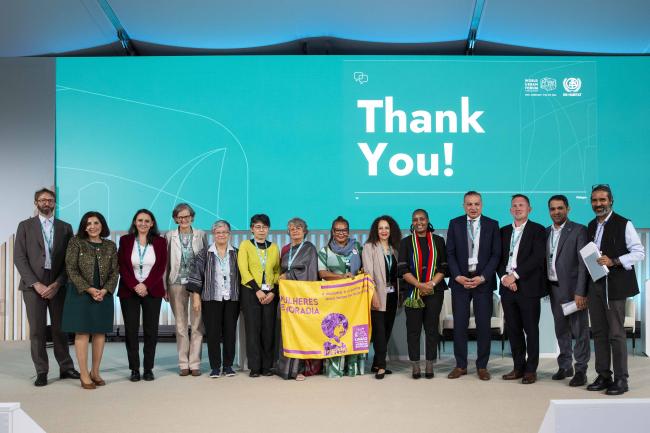
To receive free coverage of global environmental events delivered to your inbox, subscribe to the ENB Update newsletter.
All ENB photos are free to use with attribution. For the WUF13 meeting, please use: Photo by IISD/ENB | Natalia Mroz
Dialogue - Transforming Informal Settlements and Slums for Housing the World
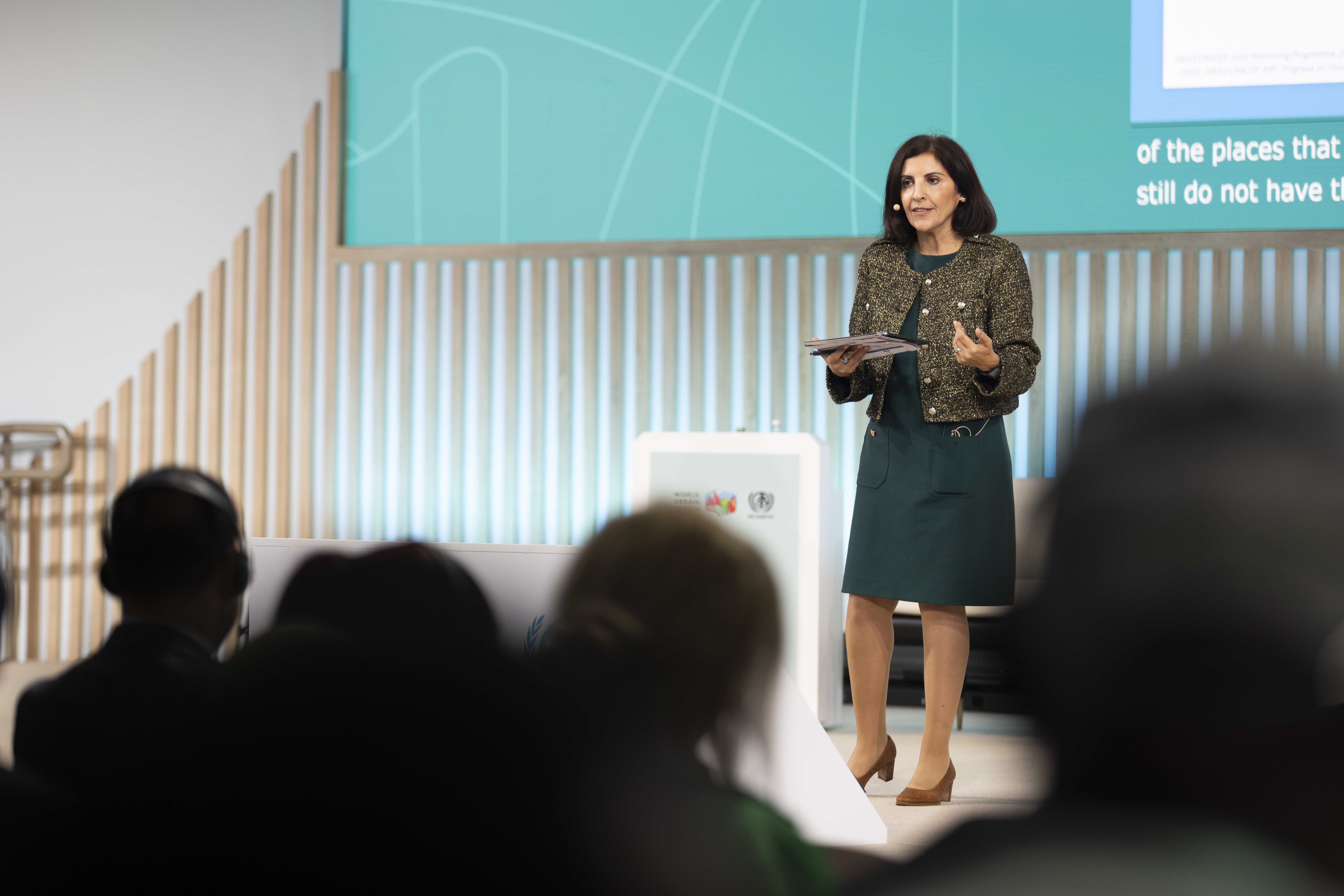
Nazanine Moshiri, Berghof Foundation
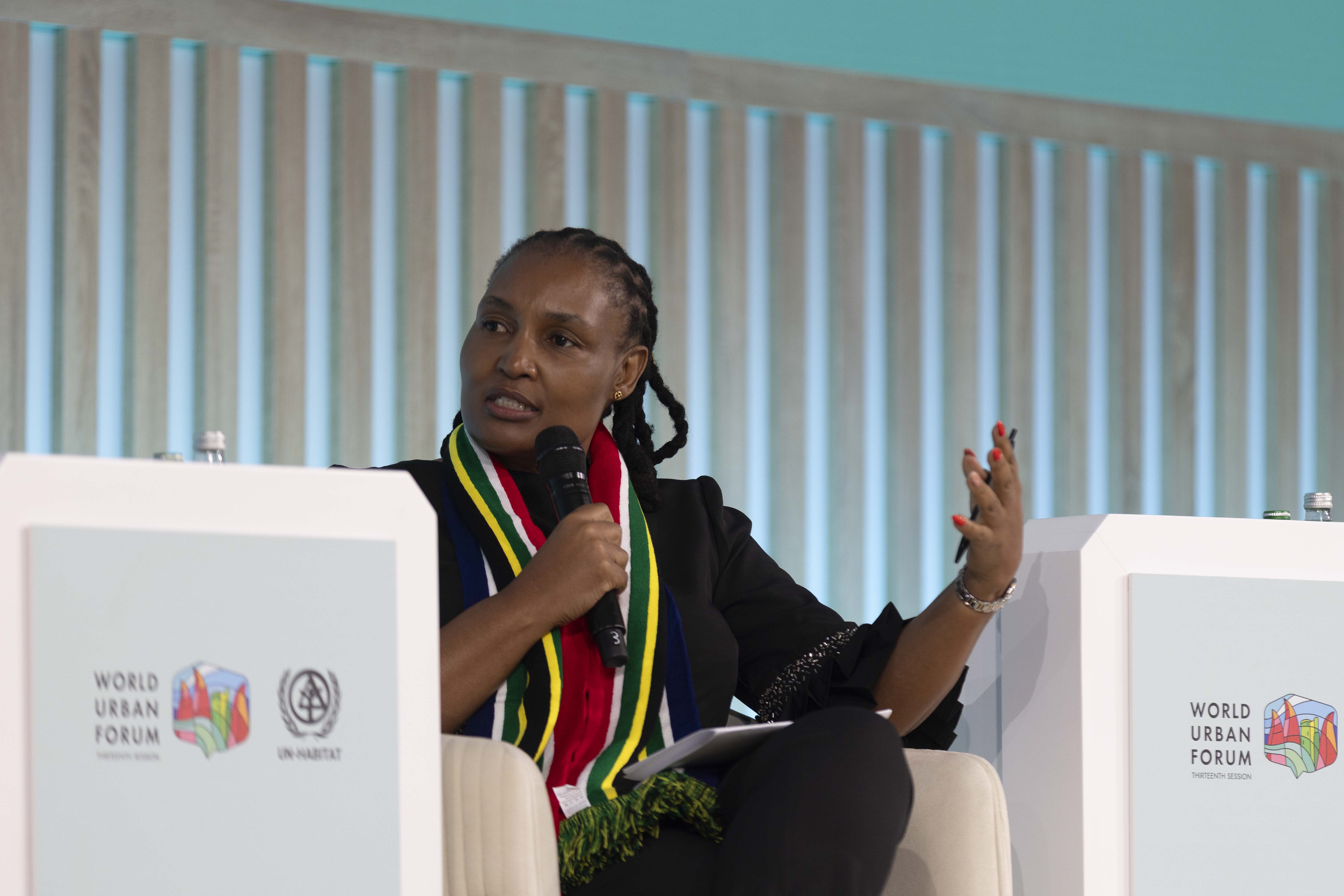
Thembisile Simelane, Minister of Human Settlements, South Africa
Dialogue - The Climate-Housing Nexus
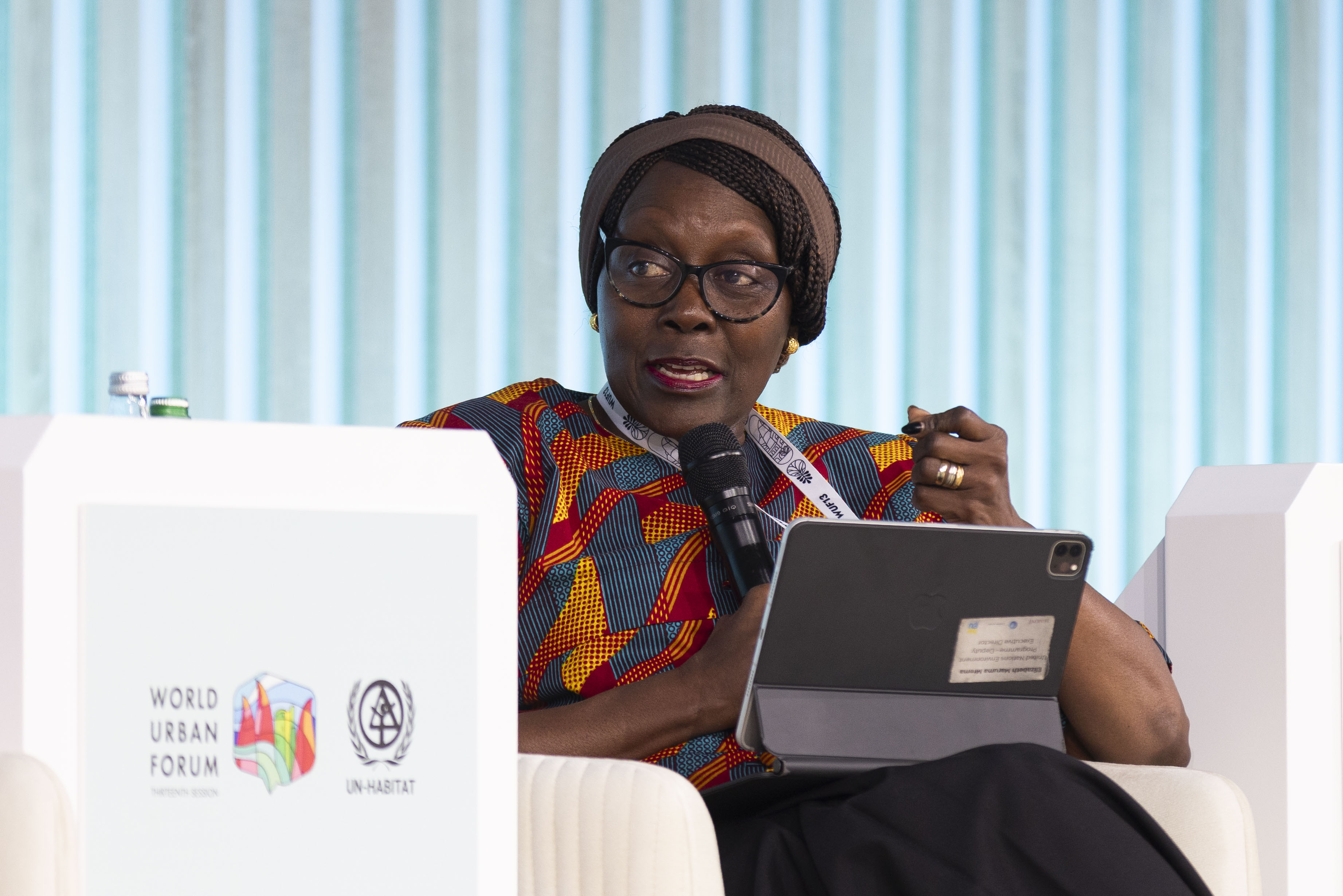
Elizabeth Maruma Mrema, Deputy Executive Director, UNEP
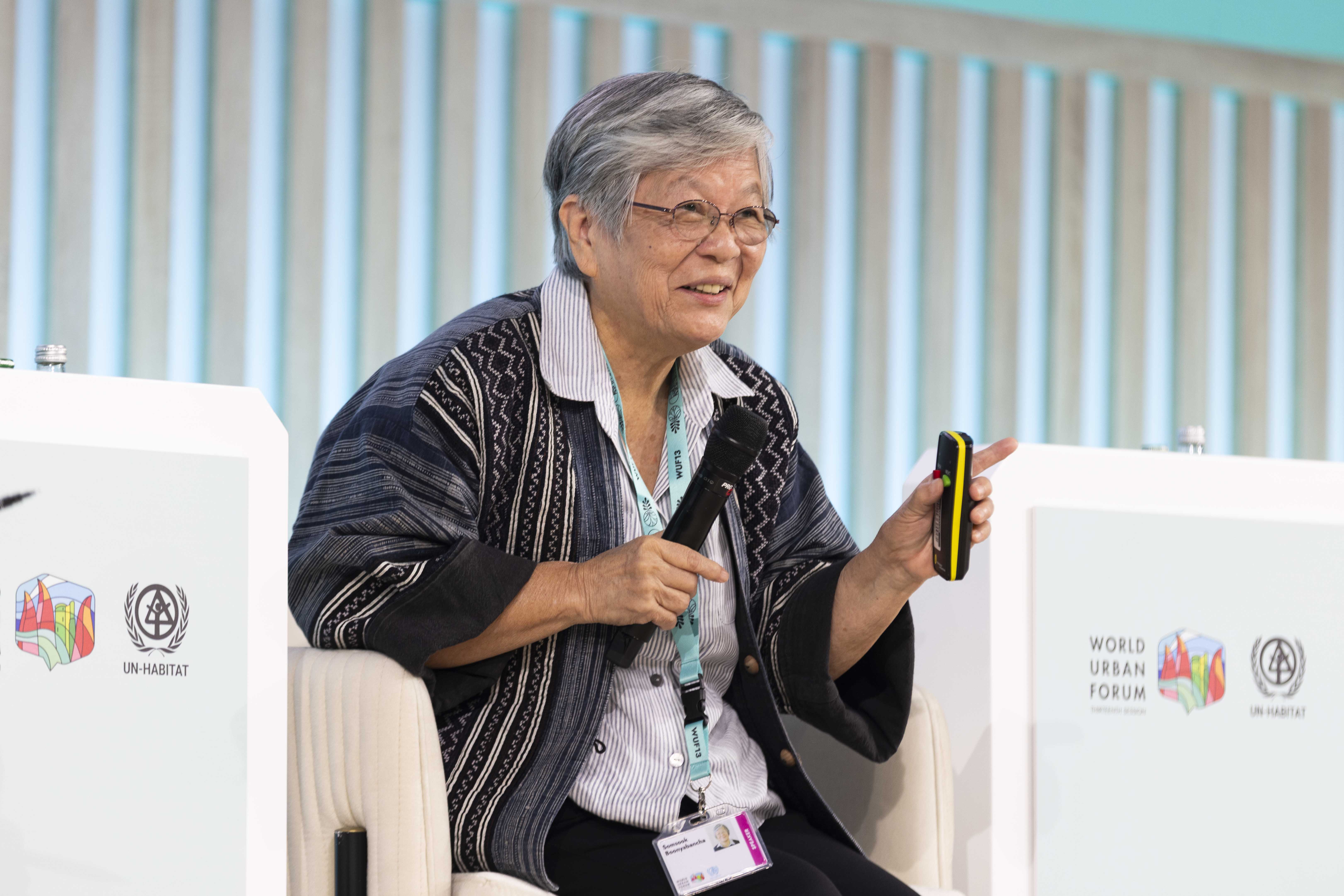
Somsook Boonyabancha, Asian Coalition for Housing Rights
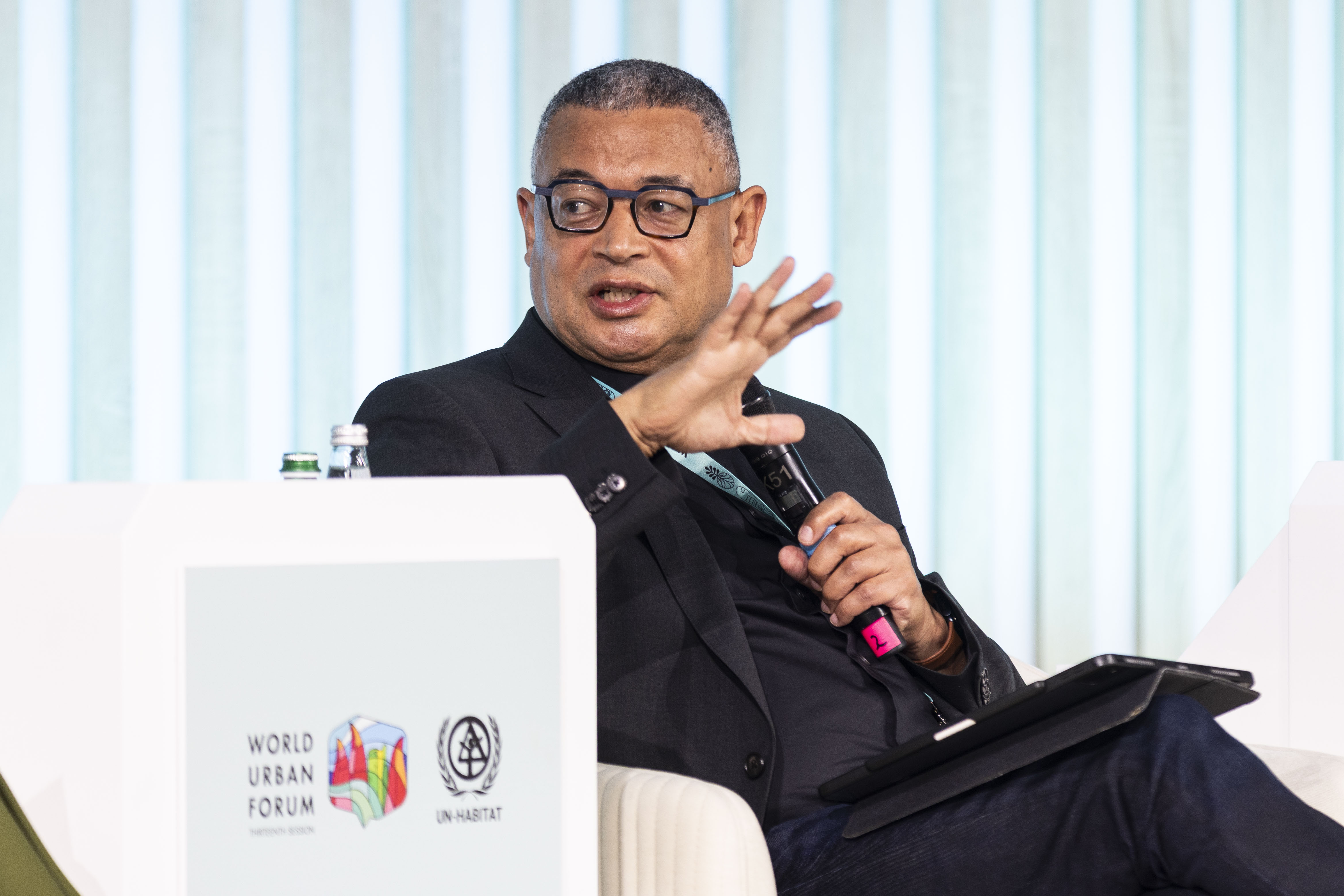
Edgar Pieterse, African Centre for Cities
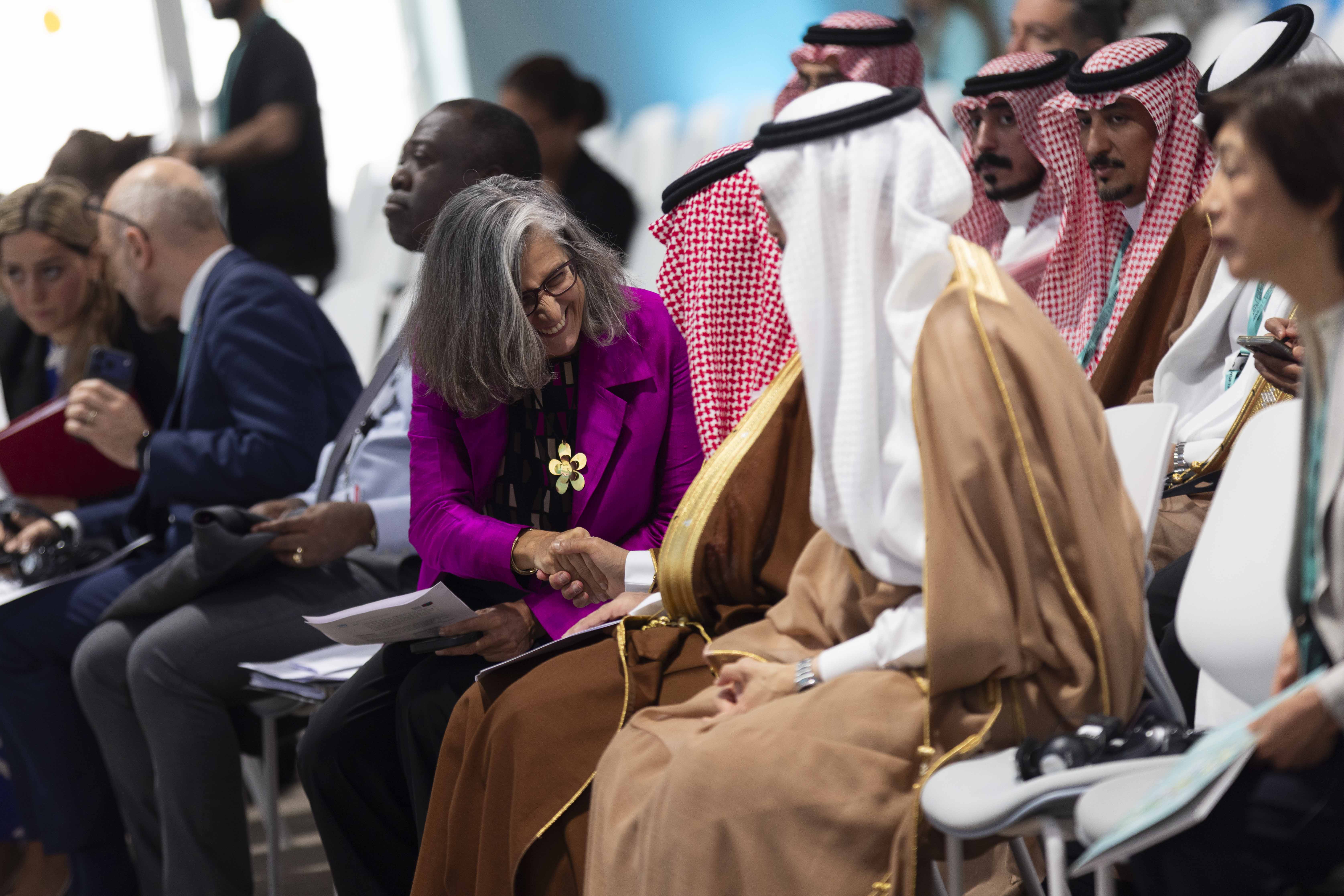
Anacláudia Rossbach, Executive Director, UN-Habitat, greets participants
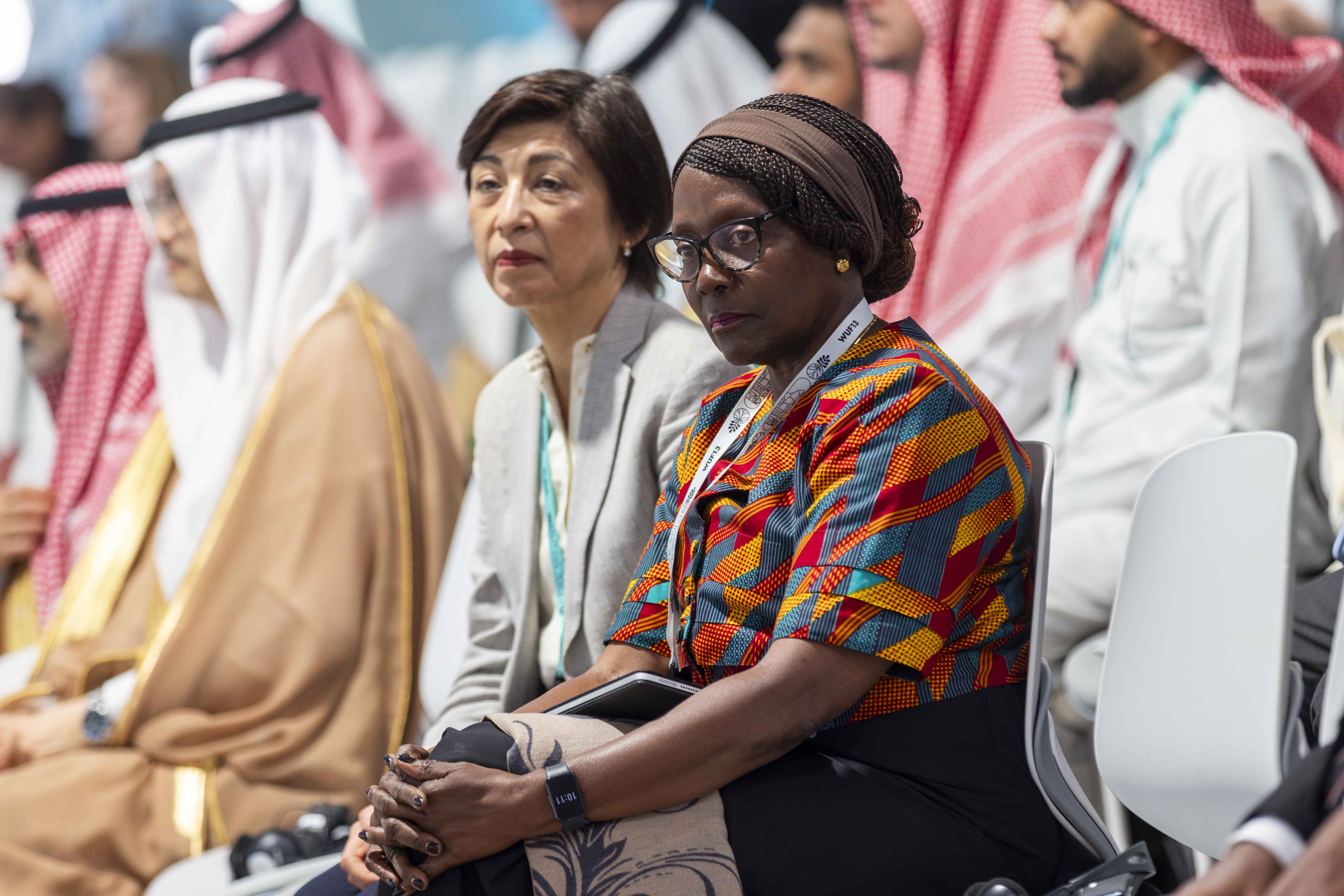
Elizabeth Maruma Mrema, UNEP
Special Session - Cities as Playing Fields
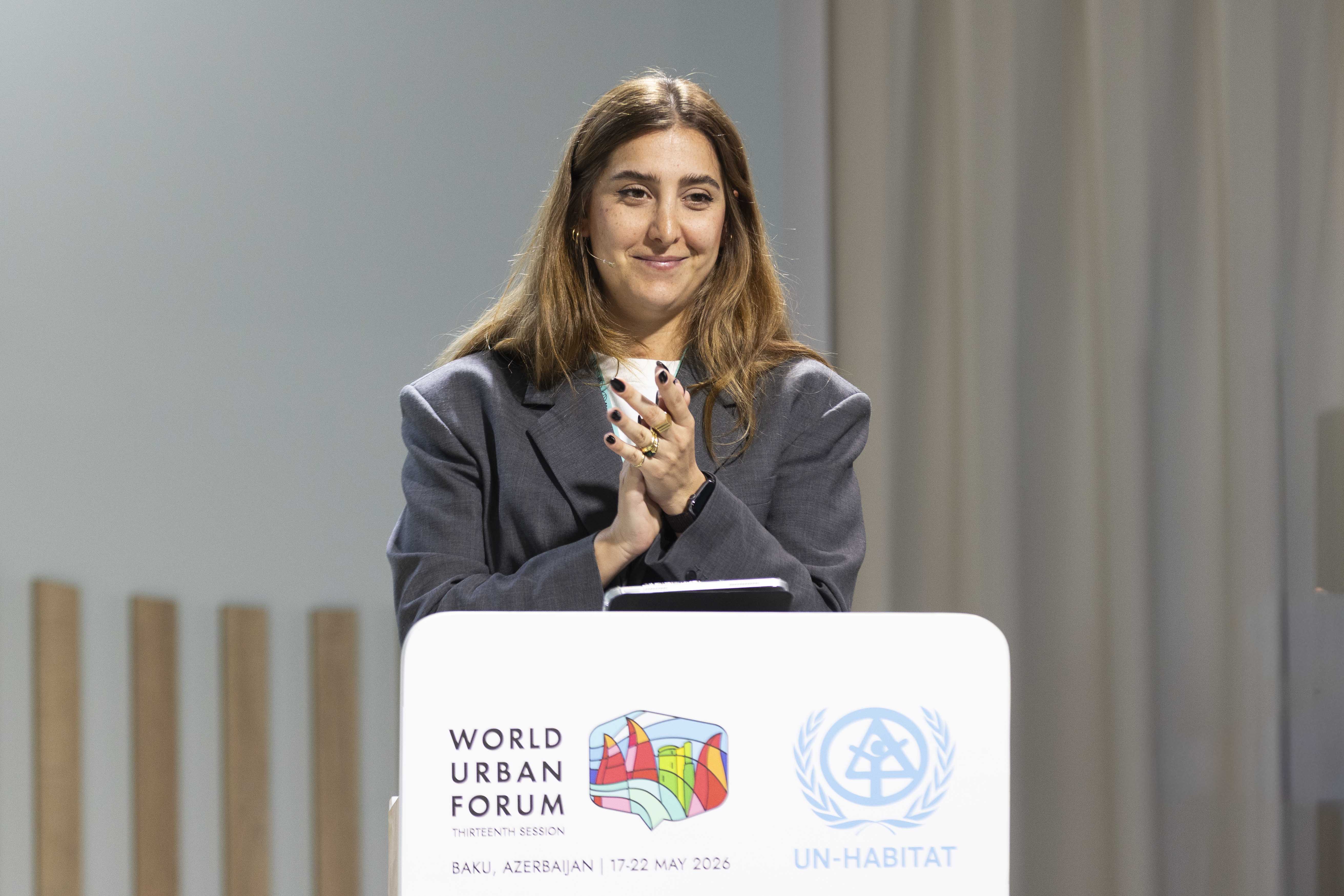
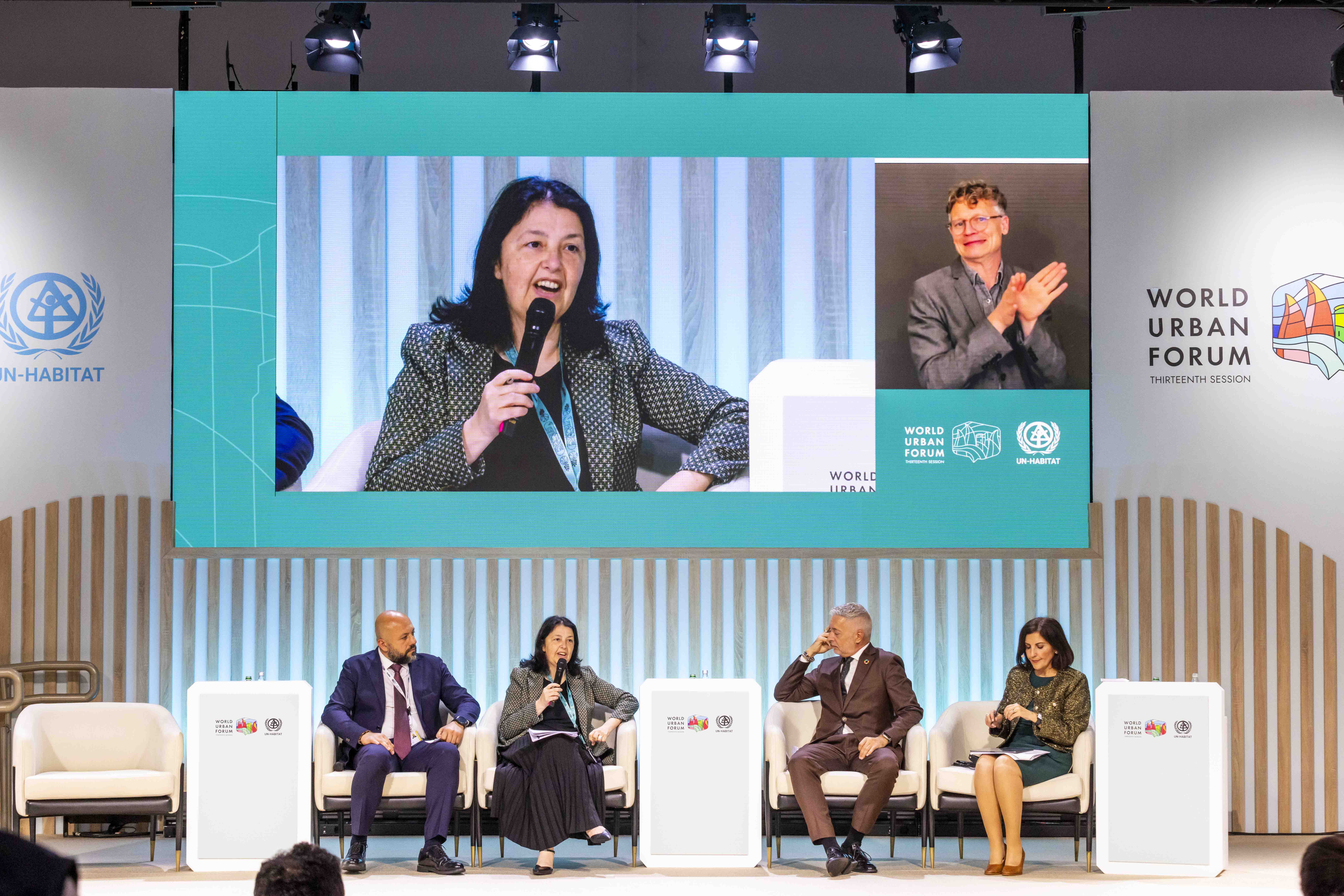

Huseynzada Rubabe and Malak Najafova, Azerbaijan Judo Federation
Special Session - Rethinking Cultural Heritage and Inclusive Urban Regeneration
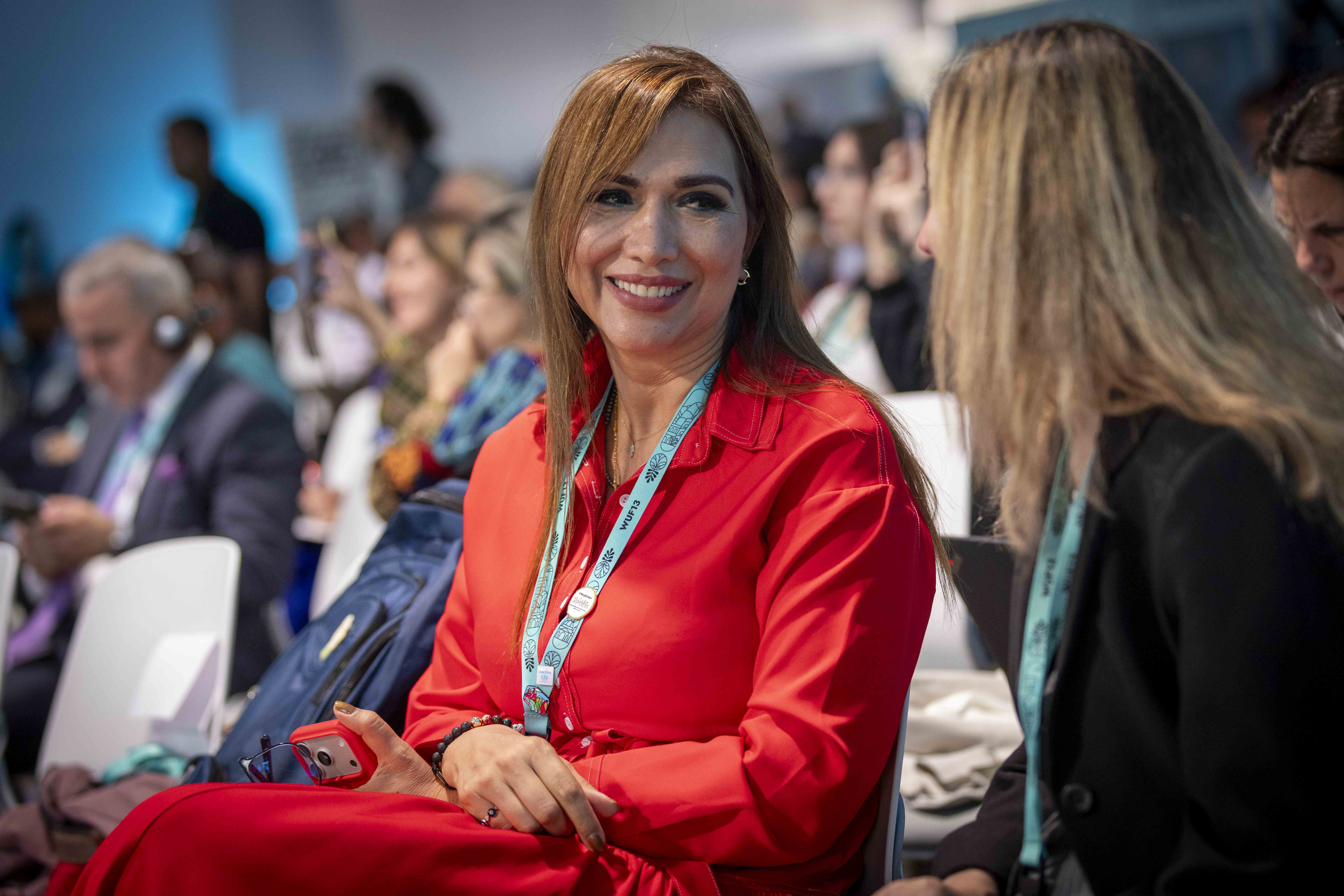
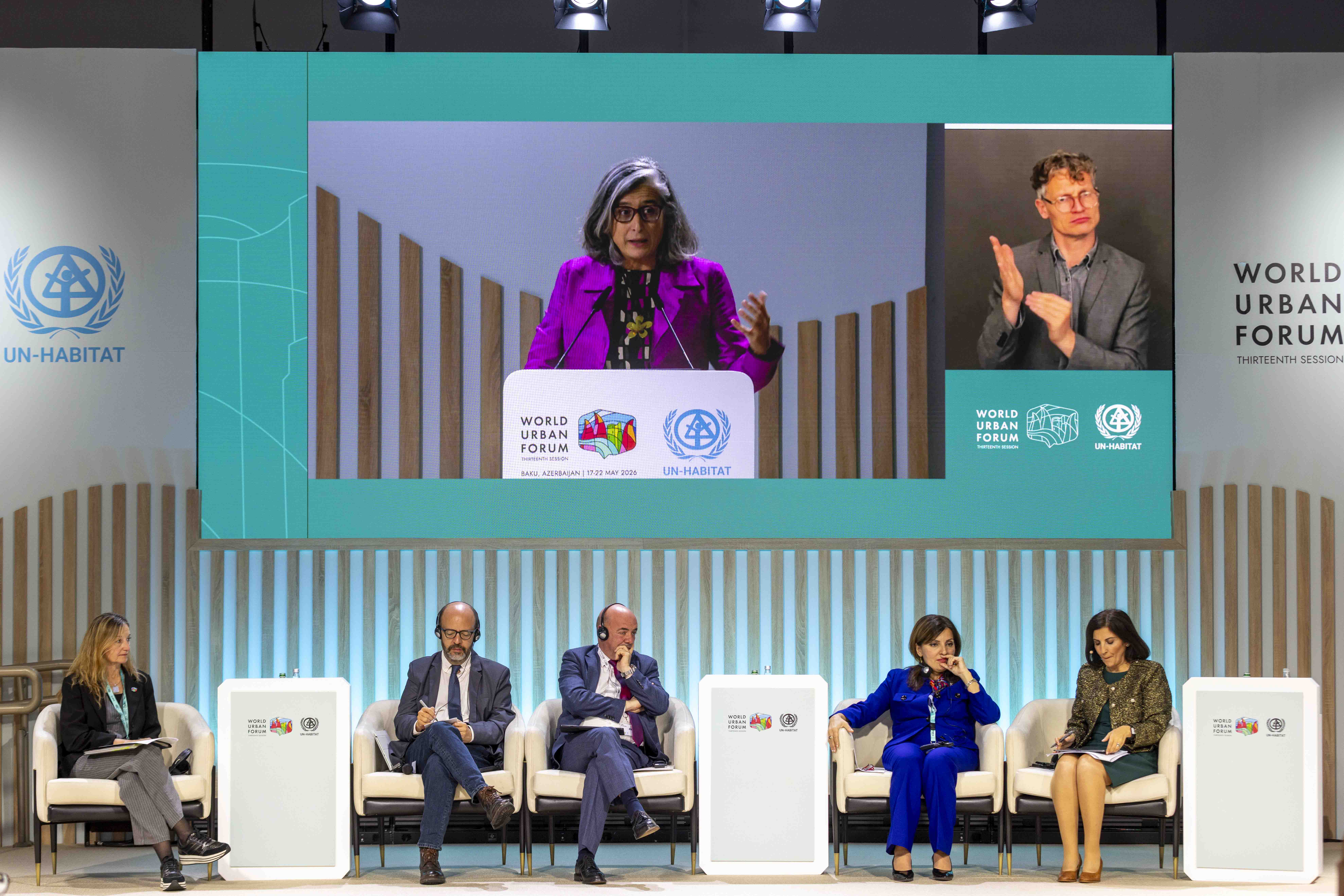
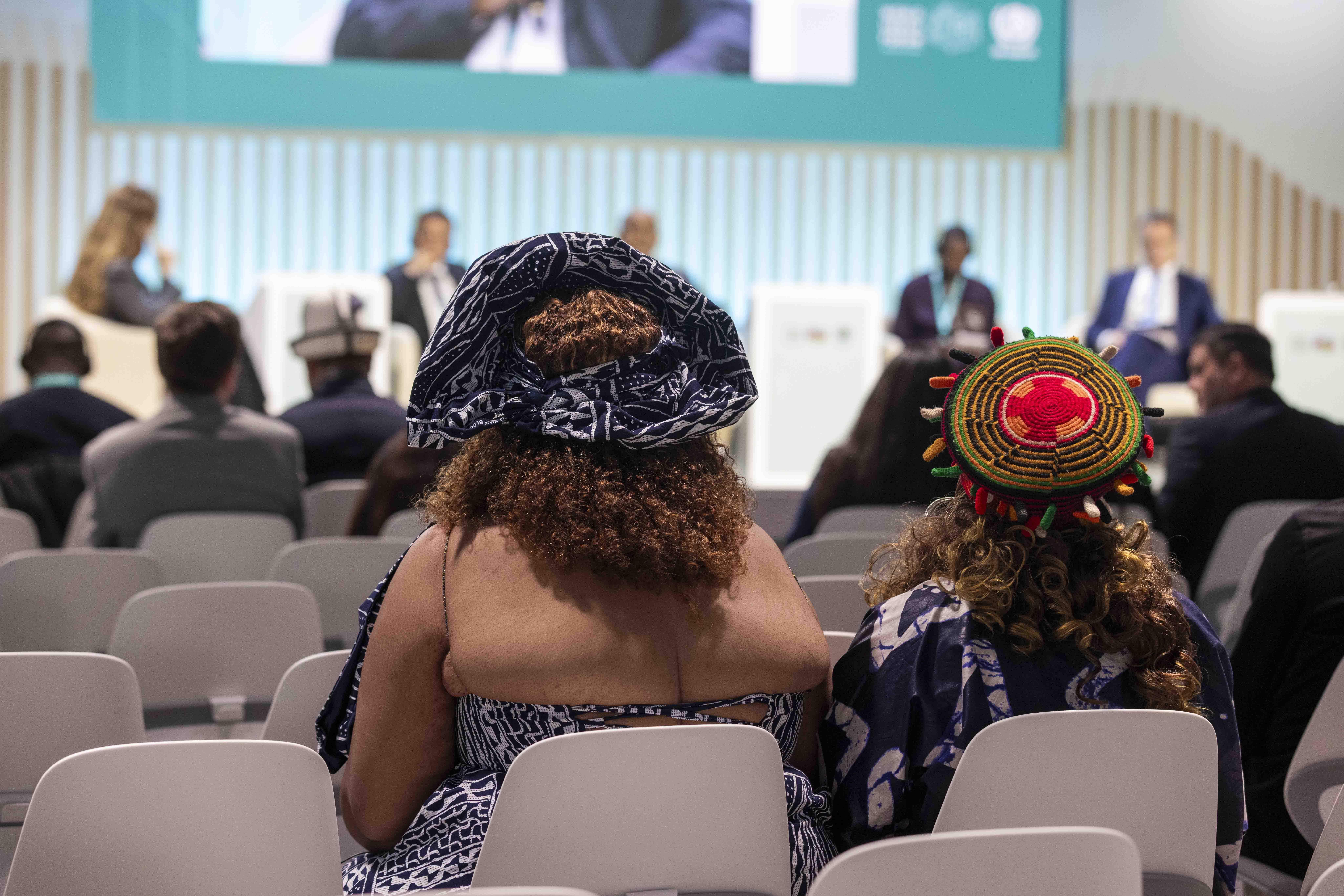

Anacláudia Rossbach, Executive Director, UN-Habitat
Business Roundtable
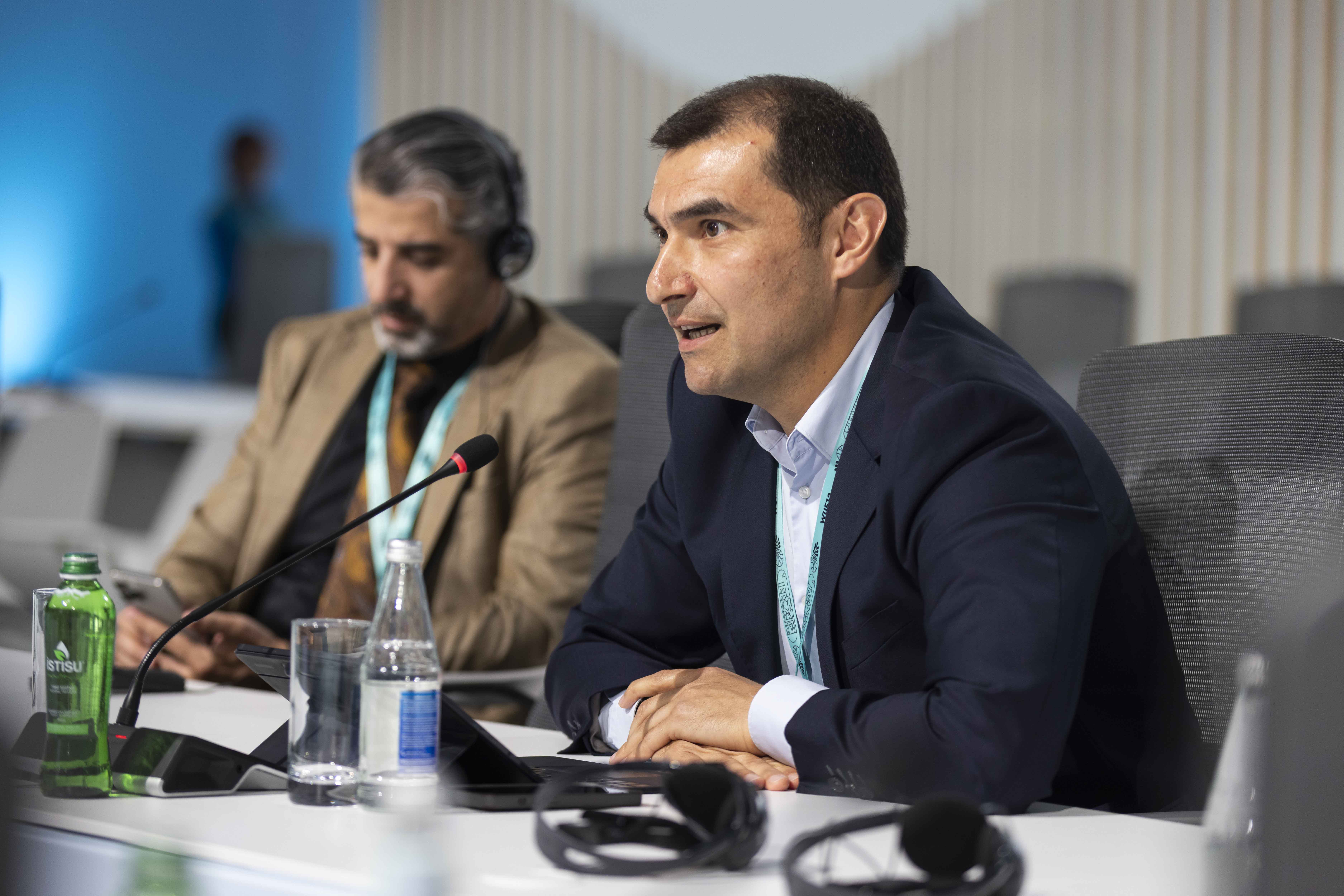
Kamil Aliyev, PMD Group, Azerbaijan
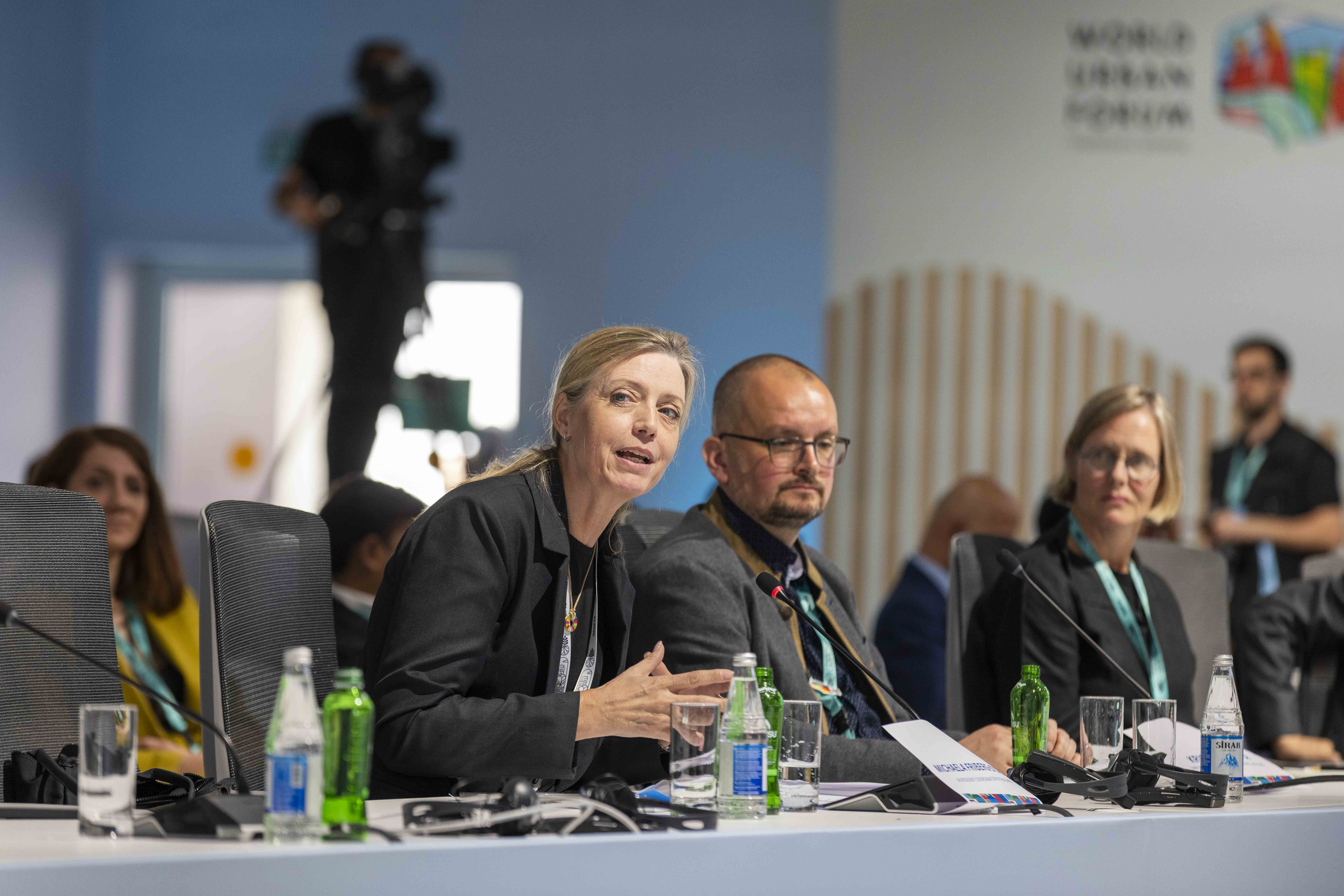
Michaela Friberg-Storey, UN Resident Coordinator in Thailand
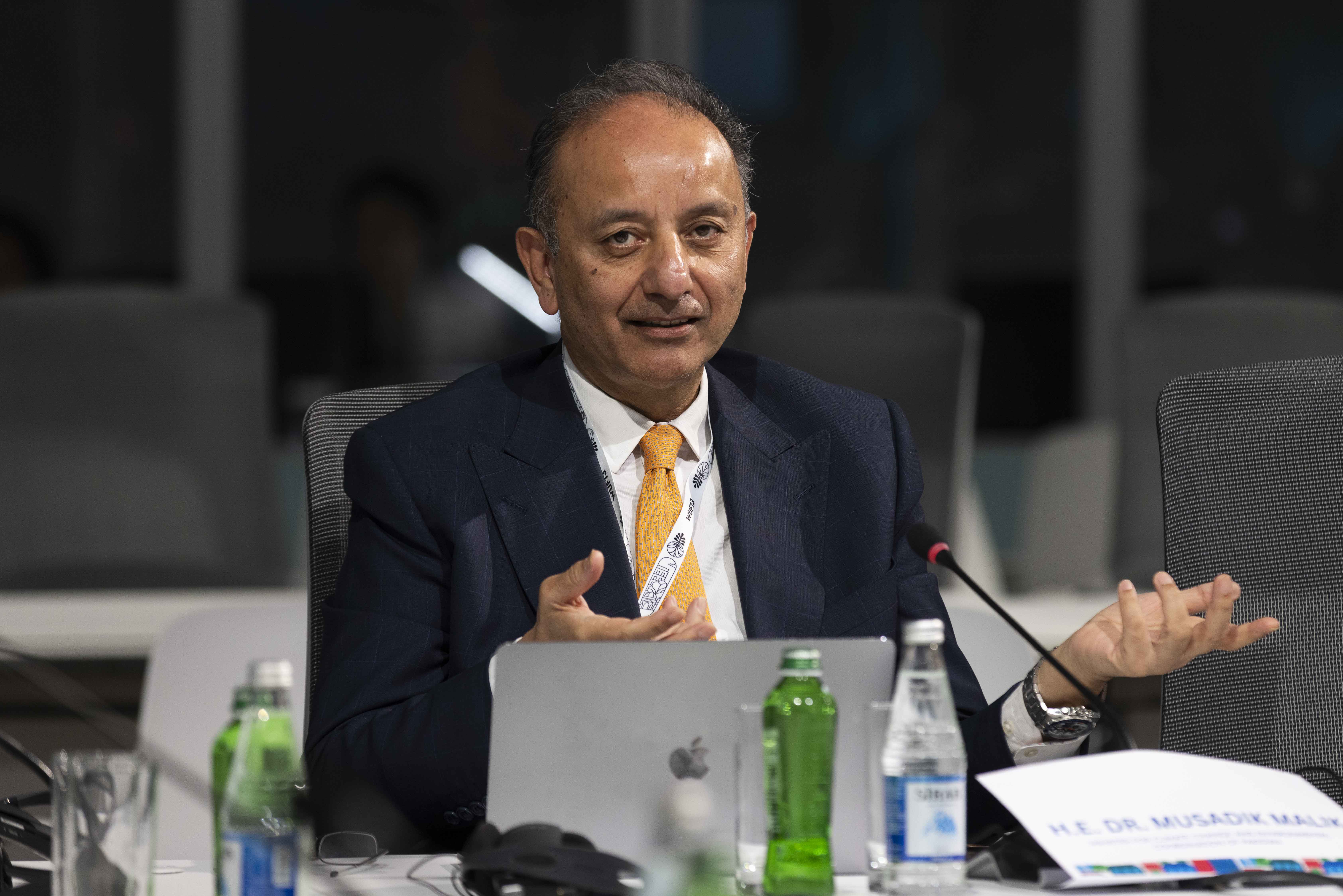
Musadik Malik, Pakistan
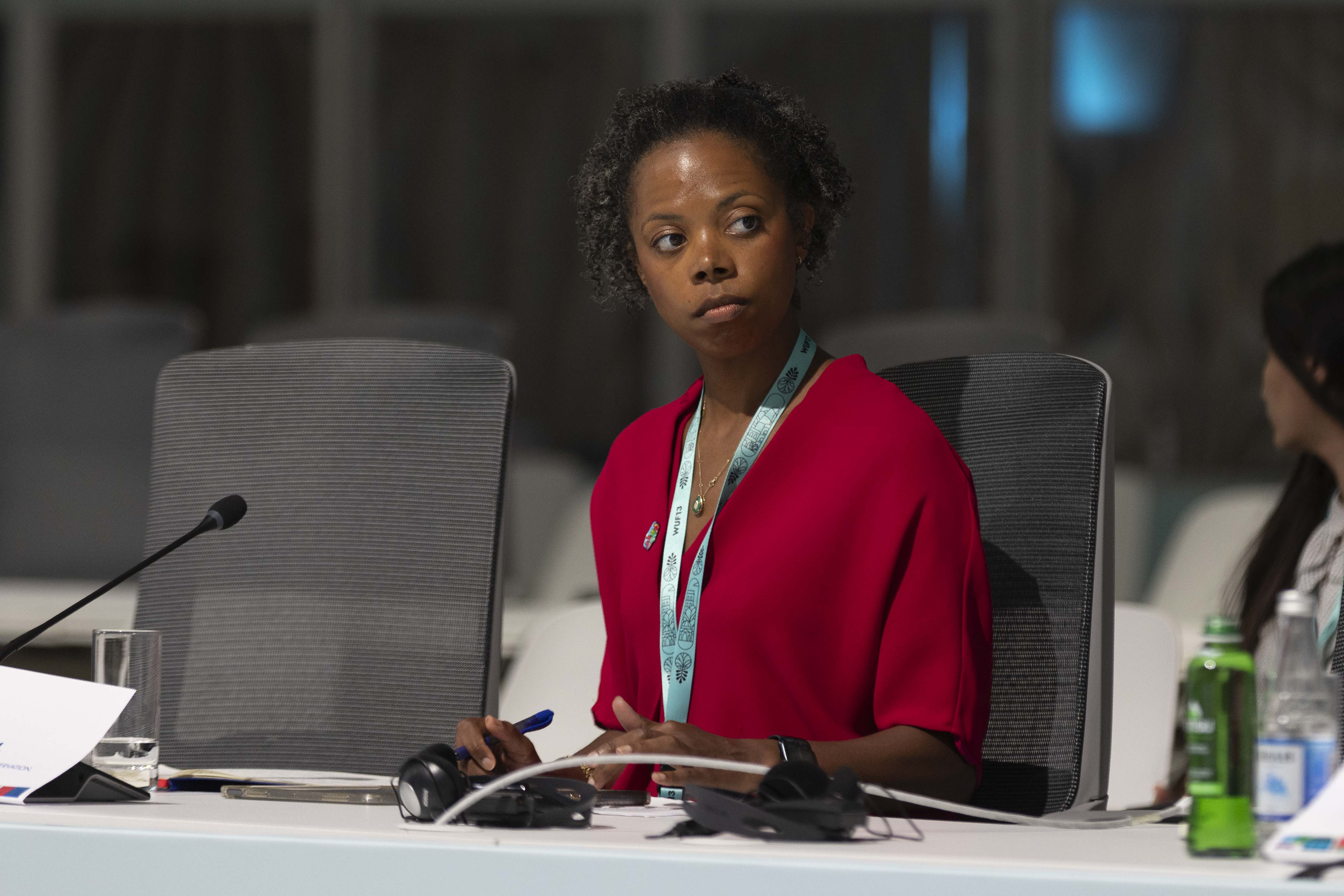
Alecia Hill, Federal Capital Partners, US
The Rights of Persons with Disabilities Roundtable
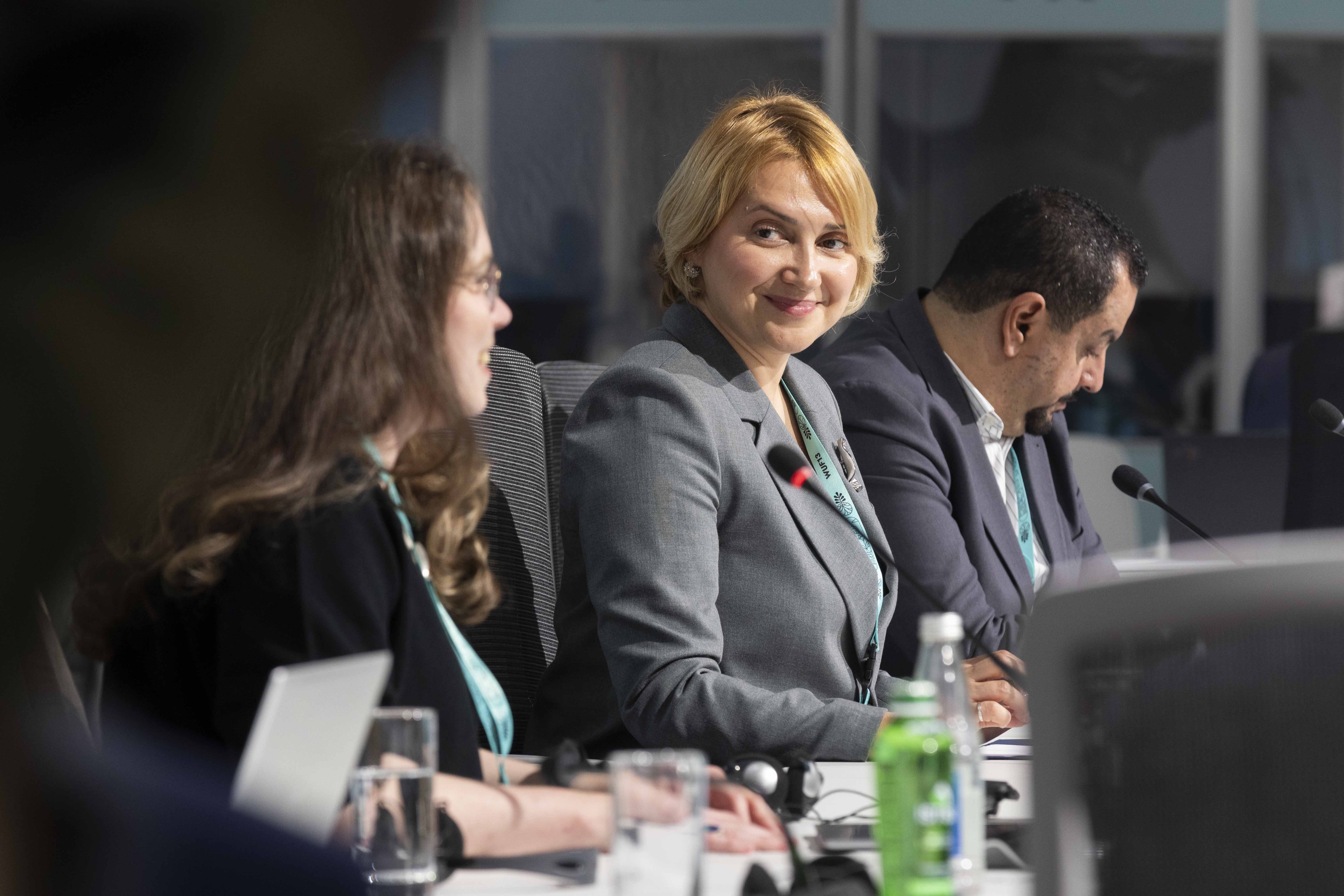
Elnara Ansari, Ministry of Labour and Social Protection of the Population, Azerbaijan
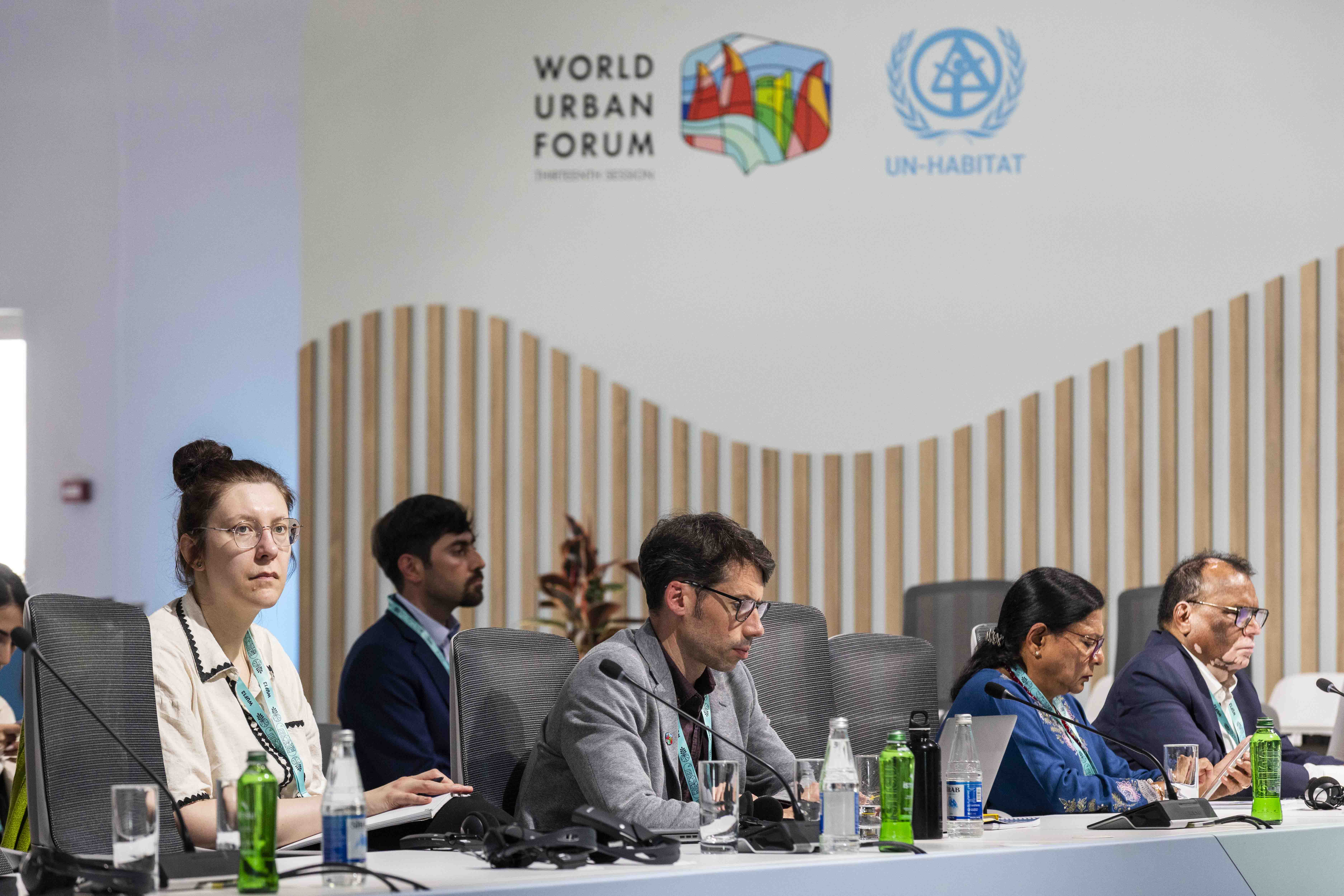
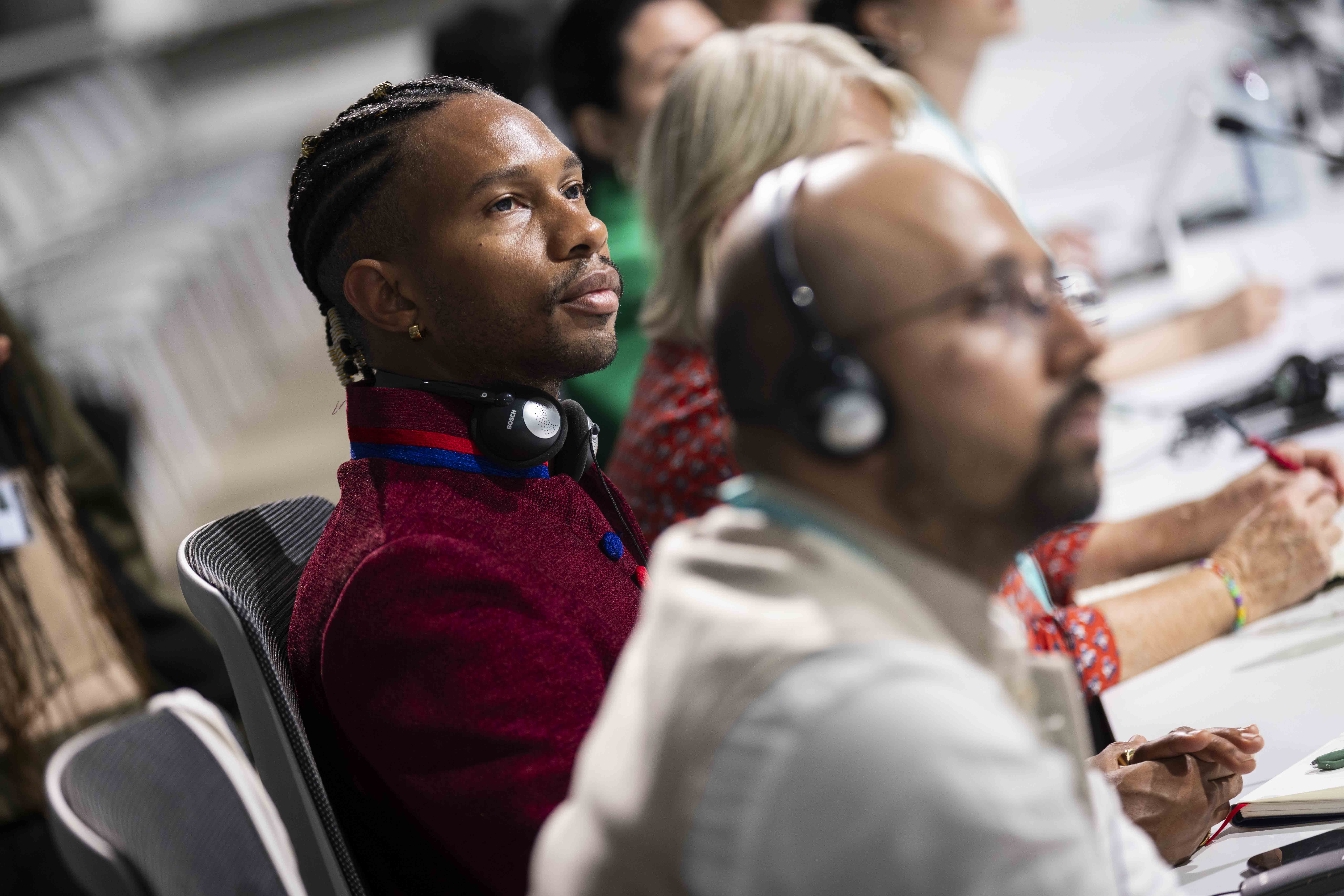
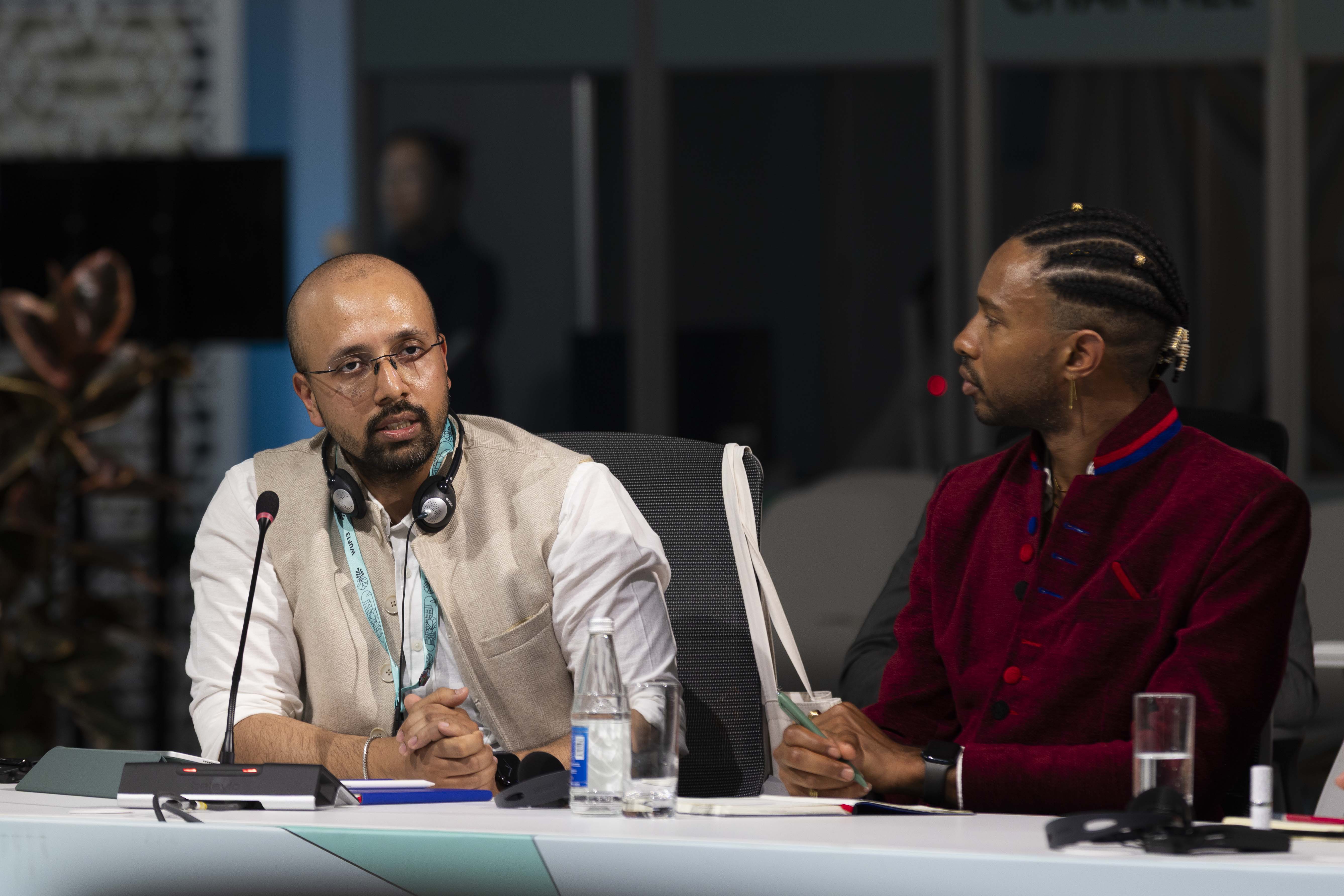
Federico Batista Poitier, United Cities and Local Governments
Special Session - Closing the Loop: Advancing Waste Management Towards Circular Economy
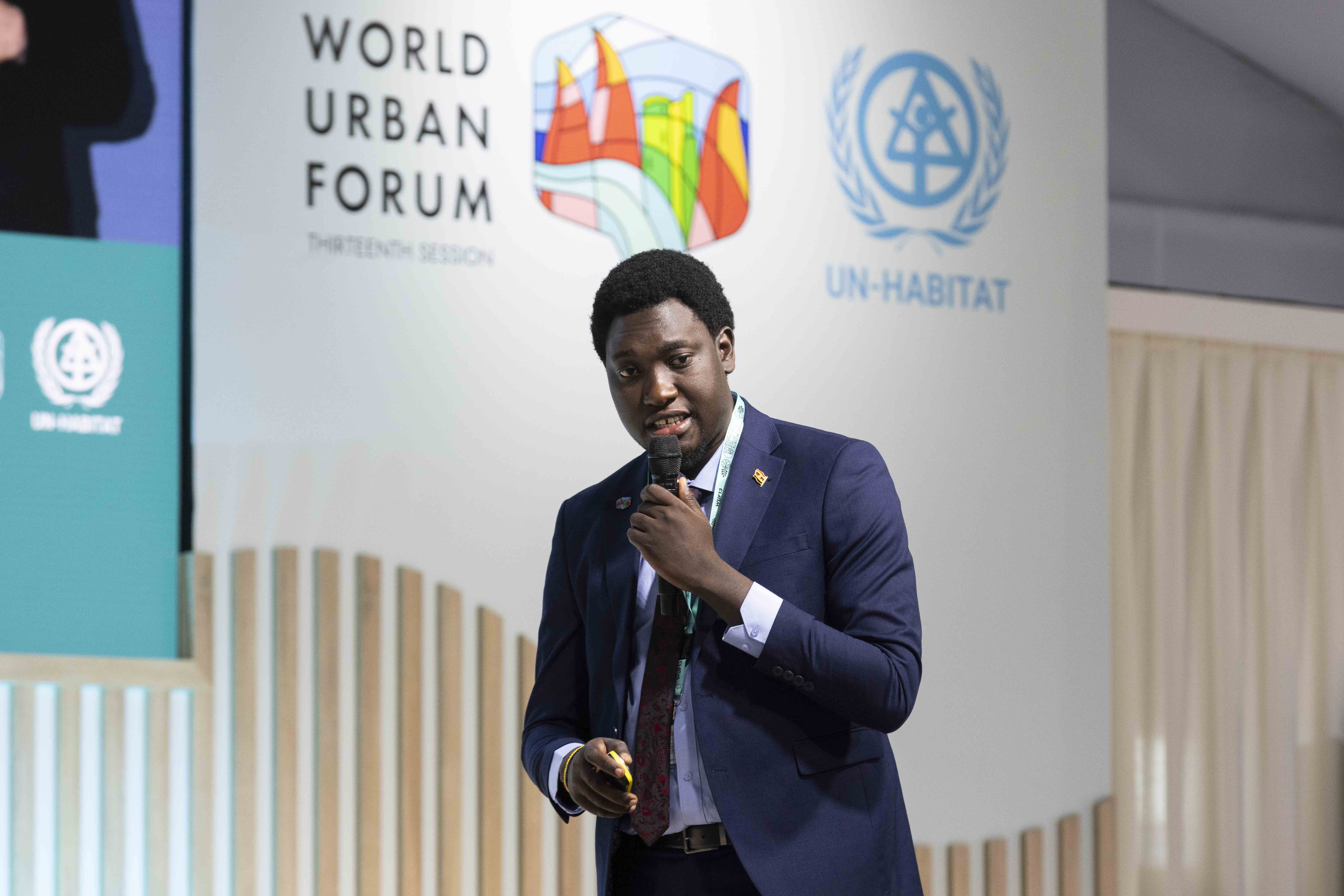
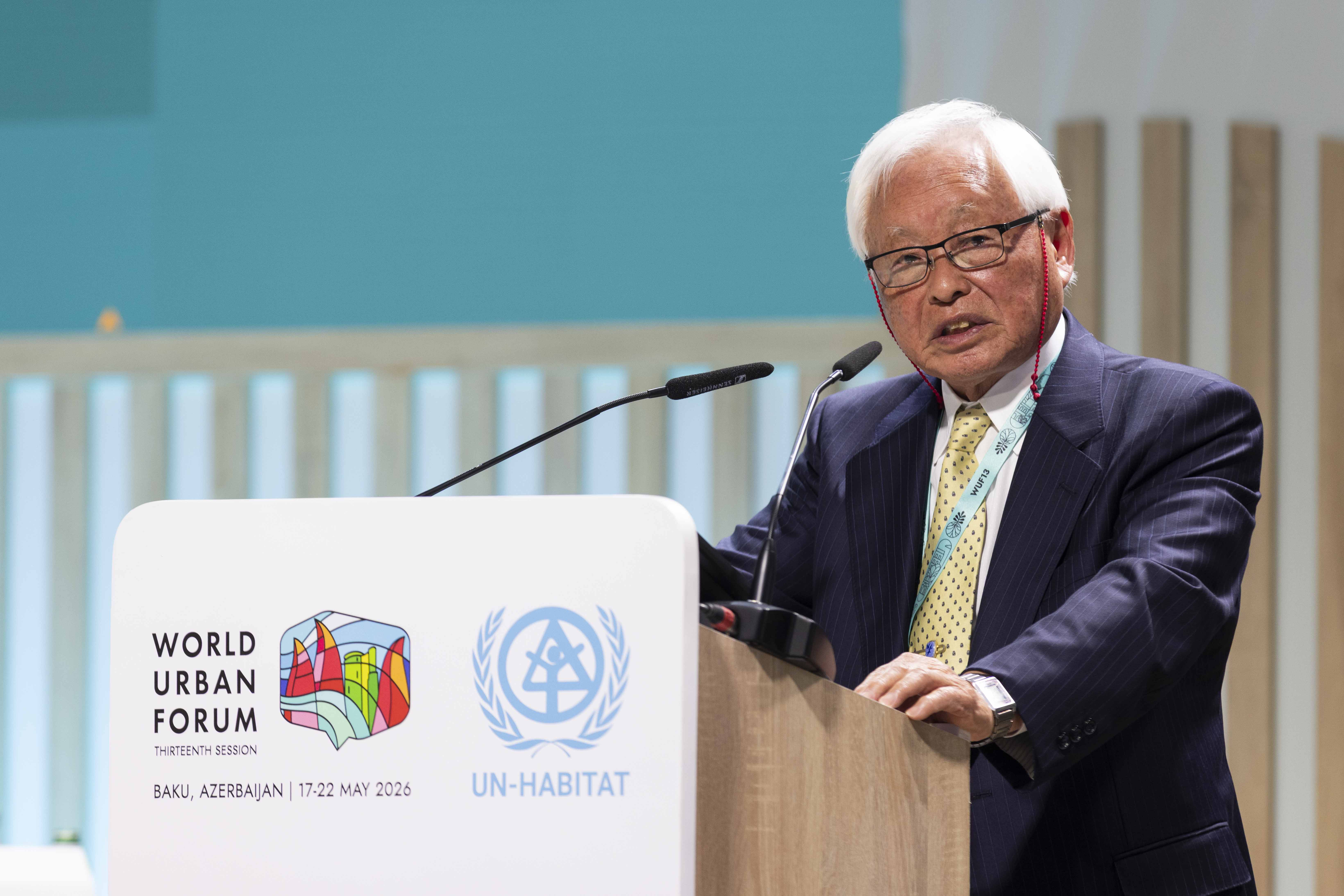
Yasushi Matsufuji, Fukuoka University
Special Session - Stories from the Climate Frontlines
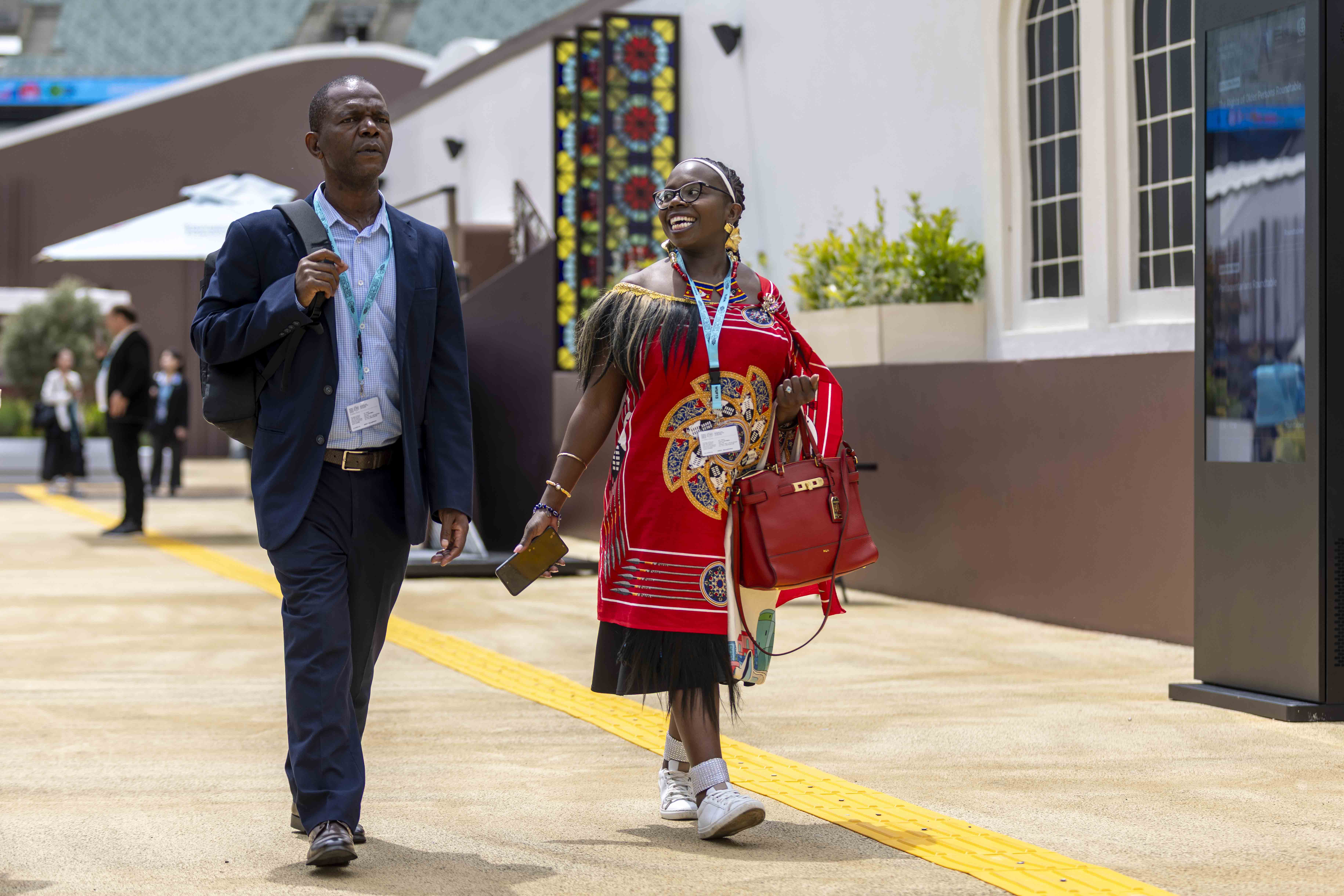
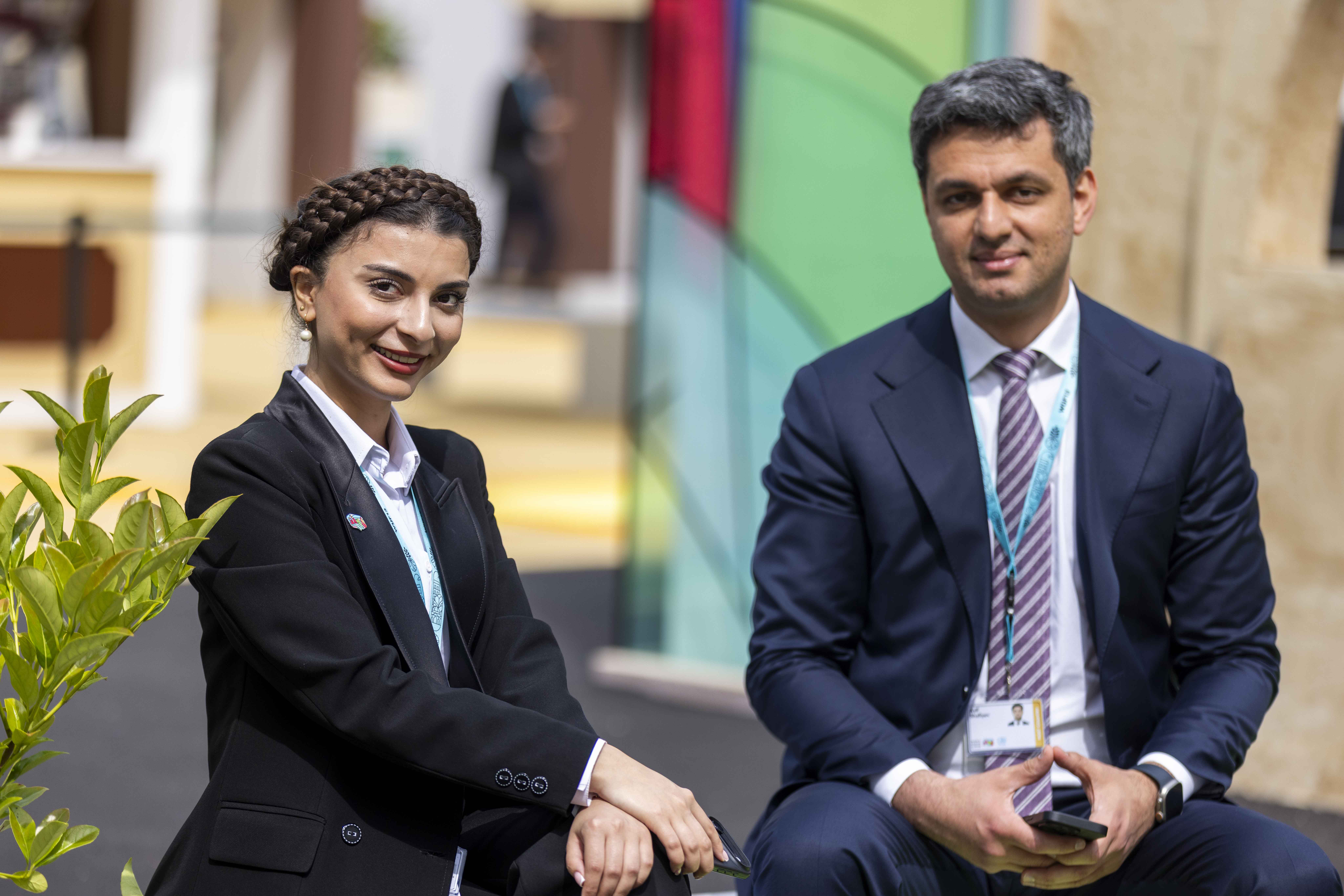
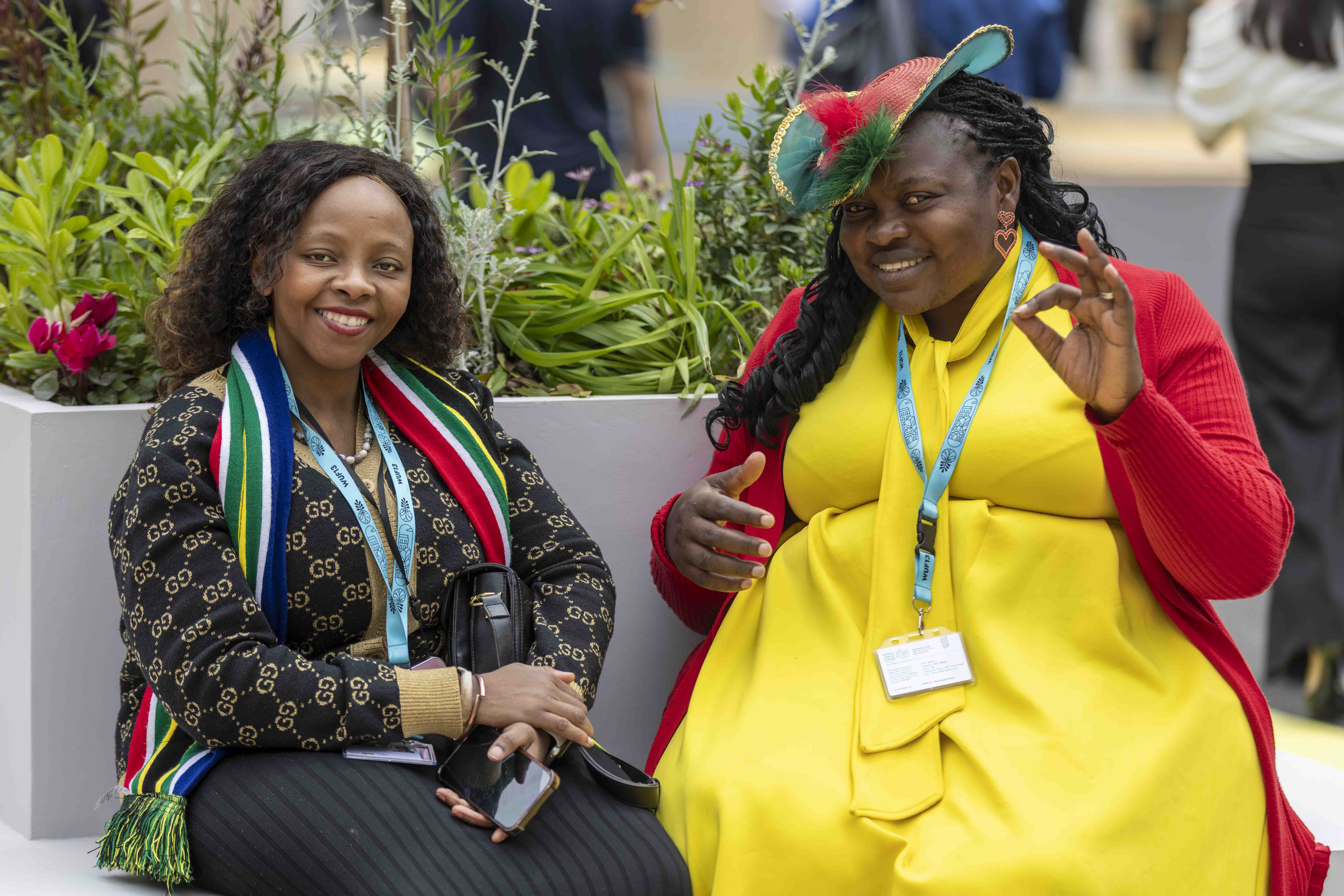
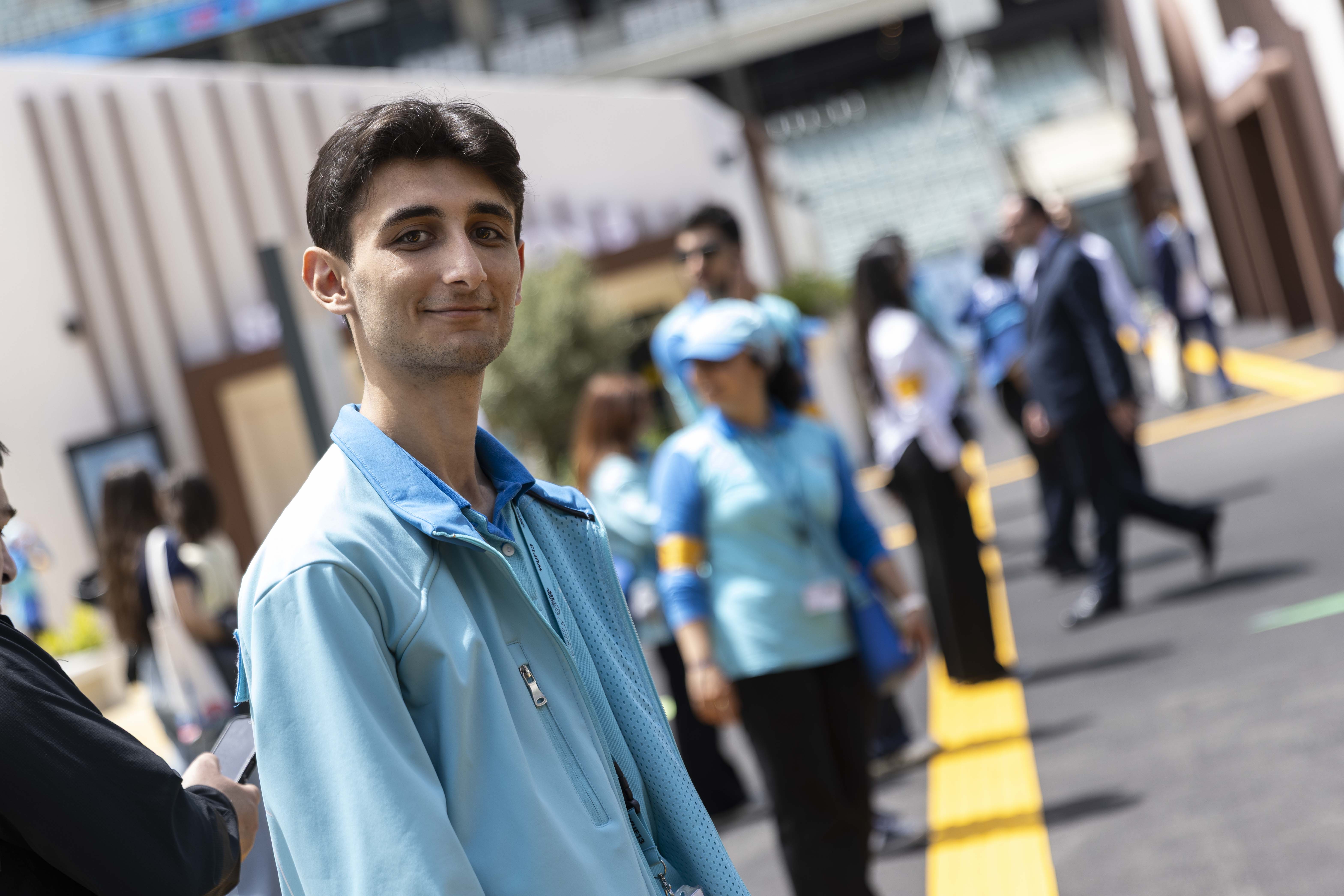
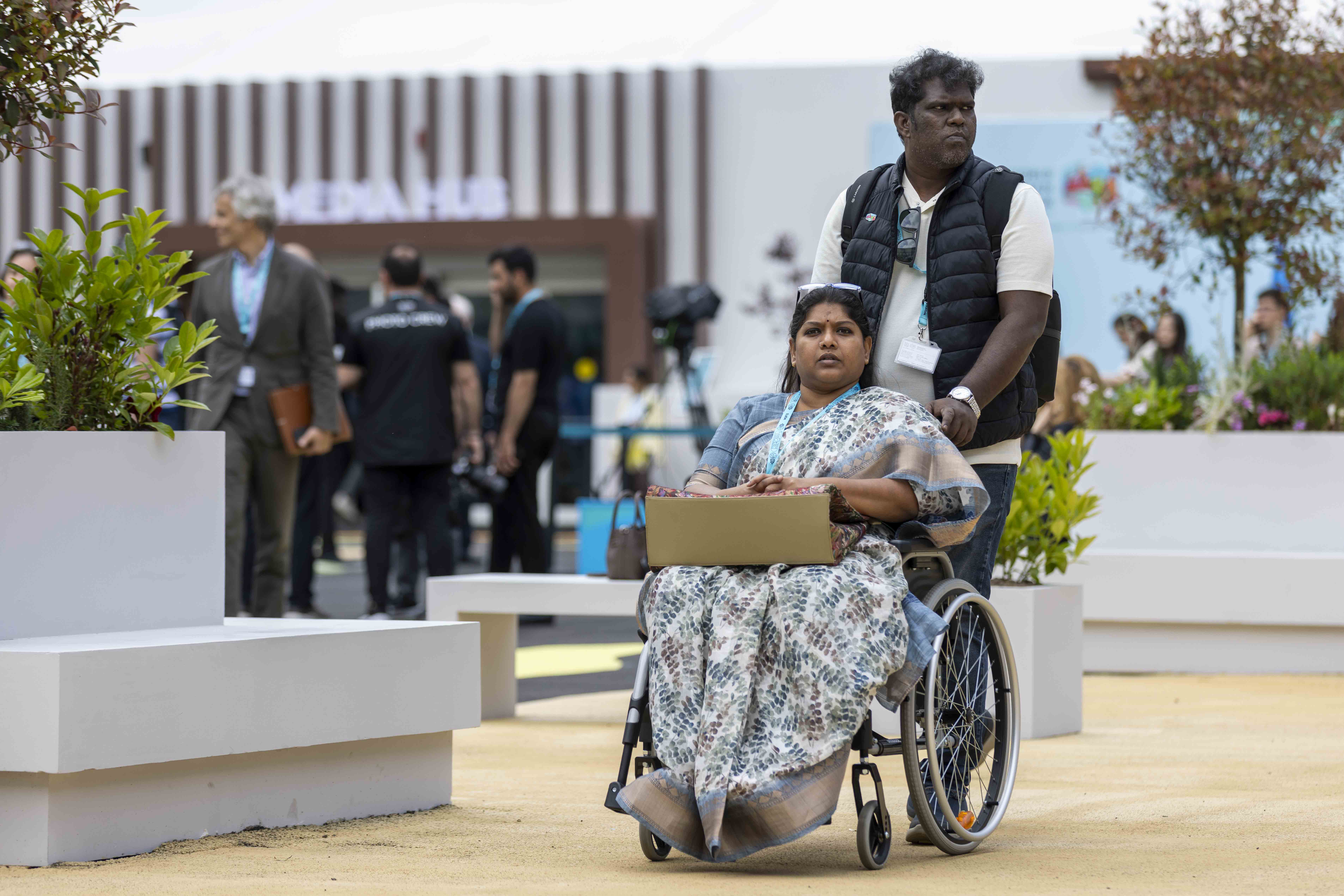
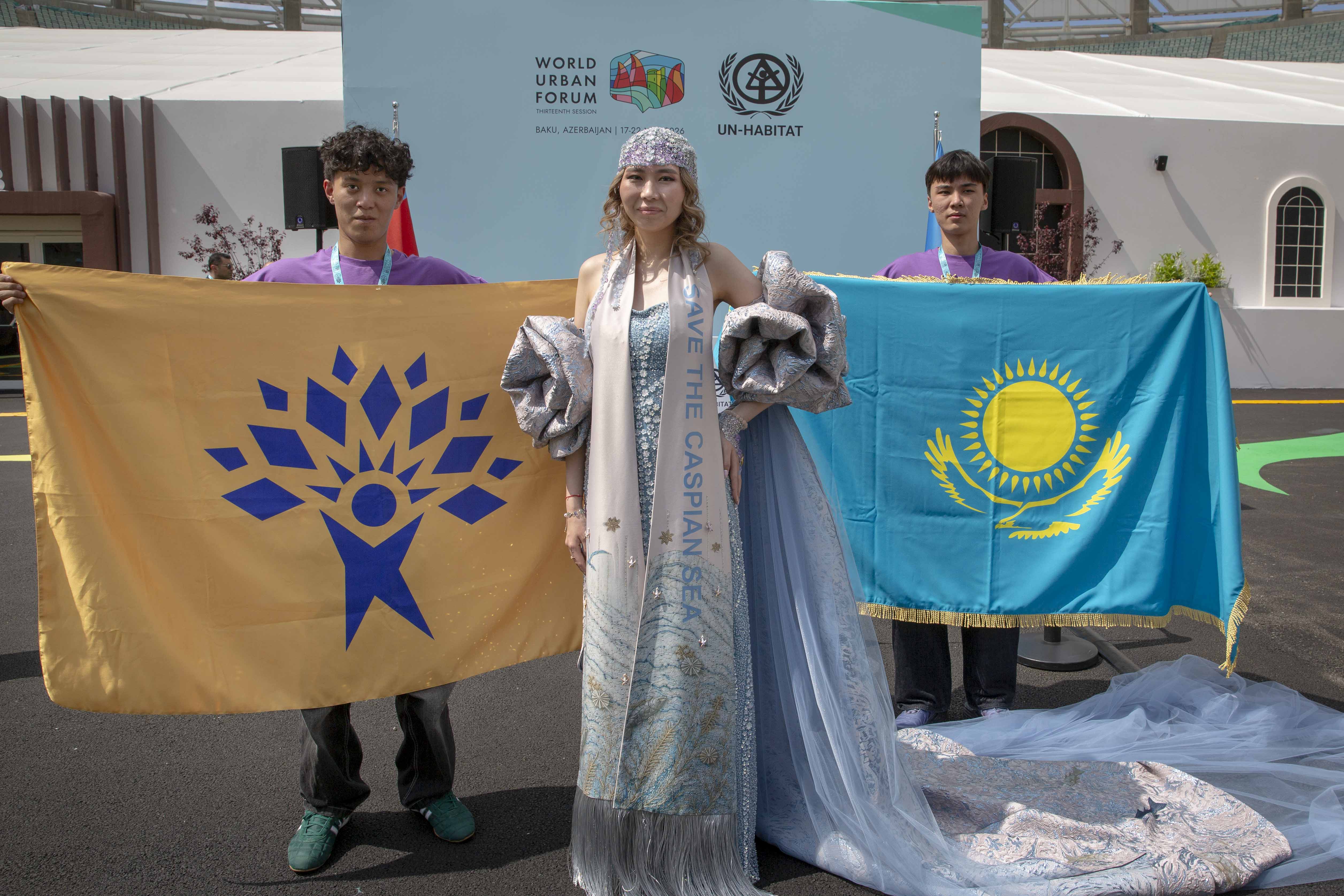
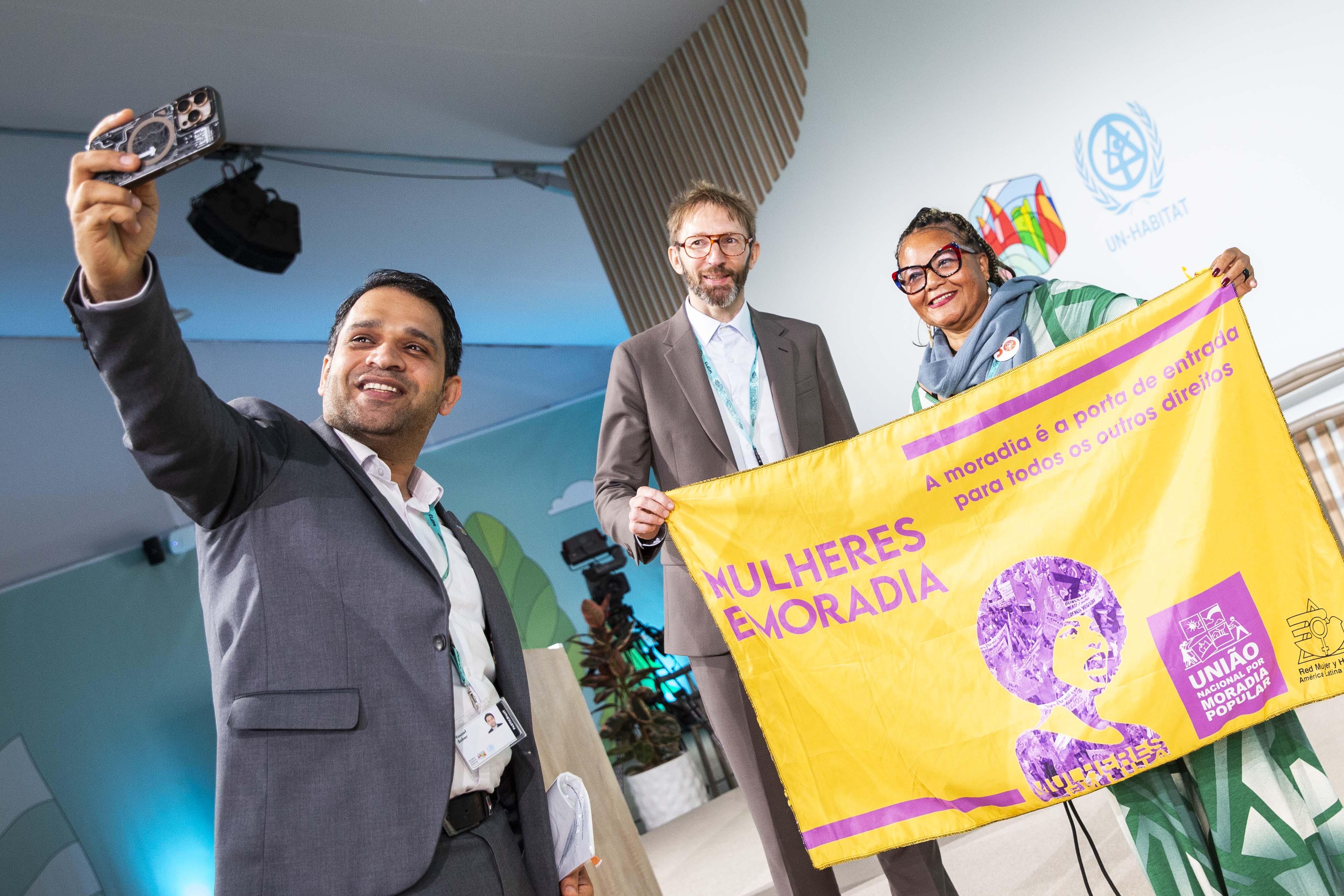
Around the Venue