Adequate housing is a human right; yet around the world almost three billion people live in inadequate housing. More than 1.1 billion people live in informal settlements, and 300 million are homeless. The housing crisis goes far beyond the need for more buildings and shelter, as housing affects health, safety, equality economic productivity, political stability, and many other aspects of human wellbeing.
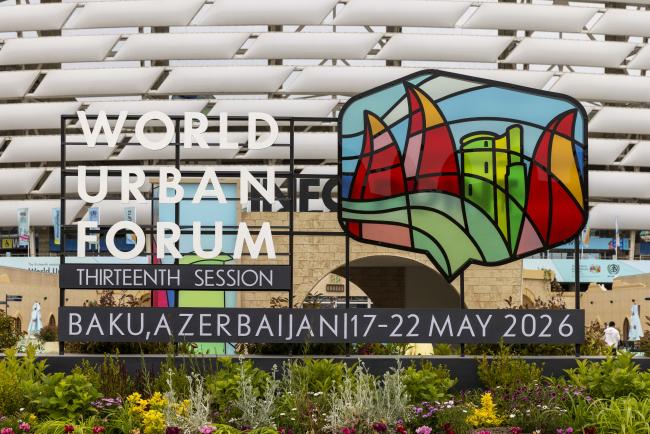
The official opening of WUF13, under the theme “Housing the world: Safe and resilient cities and communities,” was marked by empathic statements by Heads of State and other leaders, who shared experiences and best practices in sustainable urbanization, with many calling for accelerated and effective action.
Want to dig deeper into today's talks? Read the full Earth Negotiations Bulletin daily report.
In the morning, during the official WUF13 opening press conference, UN-Habitat Executive Director Anacláudia Rossbach highlighted WUF13 as a pivotal moment as the scale and urgency of today’s urban challenges demand faster, more coordinated, and inclusive action in the face of both crisis and opportunity alike. Nga Kor Ming, President of the UN-Habitat Assembly, added that the Forum is an opportunity both to strengthen international cooperation and political momentum around sustainable urbanization and to generate practical solutions that can be adapted to local contexts. National WUF13 Coordinator Anar Guliyev (Azerbaijan) outlined Azerbaijan’s efforts to advance urban transformation by rebuilding through smart urban planning, green growth, and human dignity, such as “the reconstruction of villages in the liberated territories of Karabakh and East Zangezur.”
Also in the morning, the WUF Assemblies of major urban stakeholder groups held their Joint Closing Session, with speakers providing key insights and recommendations from their deliberations, which were held the previous day.
Opening Ceremony
Gulshan Rzayeva, Deputy National WUF13 Coordinator, Azerbaijan, said the Assemblies highlighted that the future of cities must be shaped together with stakeholders. She expressed hope that WUF13 deliberations will be reflected in the New Urban Agenda (NUA) mid-term review and the review of SDG11 (sustainable cities and communities) at the High-level Political Forum in July 2026. Anna Solave, UN-Habitat, added the Assemblies underscored that we need better alliances among sectors to prepare for stormy days, and that cities are diverse and dynamic, requiring flexible approaches and adaptive governance mechanisms to catalyze a better urban future. Krzysztof Szczerski, Permanent Representative of Poland to the UN and co-facilitator of the NUA mid-term review, highlighted the importance of stakeholder consultations for NUA review and the need for multi-stakeholder and multi-level partnerships in advancing urban development.
The official opening ceremony, which was live streamed due to inclement weather the previous day, began with a video presentation and a live dance performance depicting themes around the importance of adequate, affordable housing for human dignity.
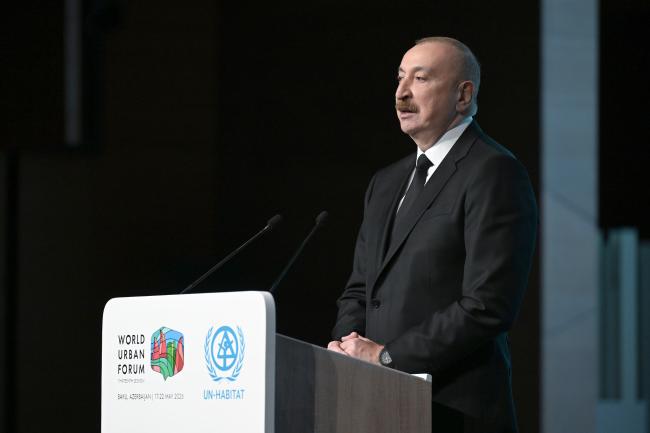
In his opening remarks, Azerbaijan’s President Ilham Aliyev outlined his country’s commitment to improving people’s lives through urban planning. He stressed the need to be brave in taking on significant urban planning challenges while also being cautious to preserve heritage. Aliyev highlighted a major reconstruction programme in western Azerbaijan since 2020, that is rehabilitating severely damaged buildings and communities after decades of conflict. Aliyev also noted that Baku, parts of which were previously known as “Black City” due to pollution from oil production, is now an environmentally friendly city, with model urban areas and a sustainable transport system.
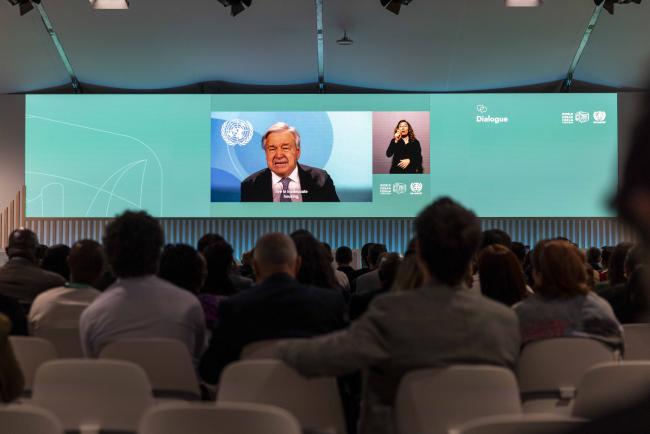
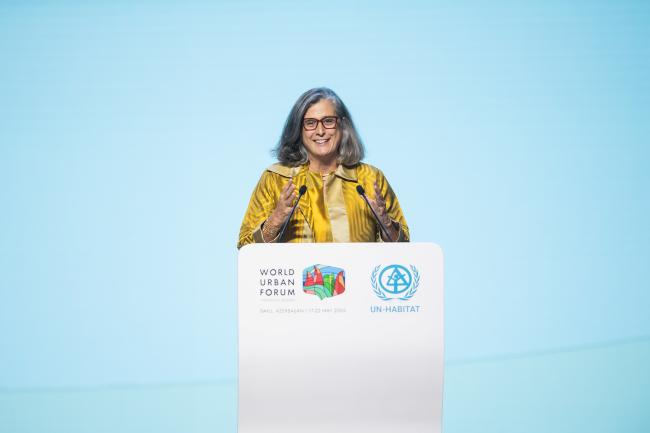
Framing the housing crisis as a “crisis of equity, resilience, and human rights” and emphasizing that the future of cities will be shaped “not by exclusion but by inclusion,” UN-Habitat Executive Director Anacláudia Rossbach declared WUF13 officially open. Rossbach underscored housing as a “social necessity and powerful economic engine” that requires finance systems, which finance “homes, not speculation.” She urged WUF13 to send the message that it is time to accelerate implementation. She voiced the hope that “we leave Baku with renewed confidence that despite today’s global challenges, adequate housing can be within reach for all, without exception.”
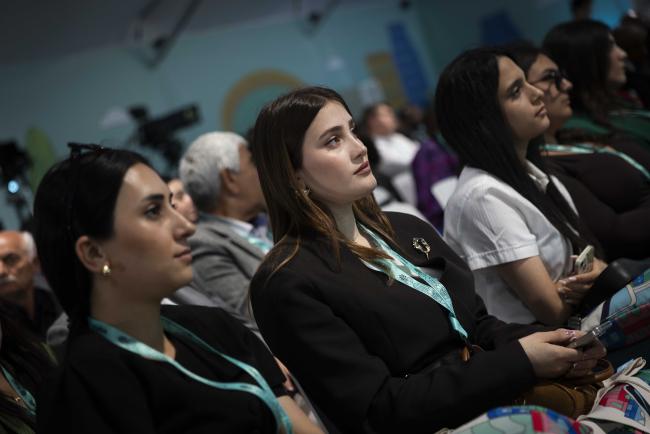
In their statements, Heads of State and other high-level level representatives shared success stories and described challenges related to sustainable urbanization, with several noting the impact of past and present conflicts on adequate housing. Some described environmental challenges and barriers to implementation, while others focused on opportunities arising from collaboration and the use of modern digital technologies.
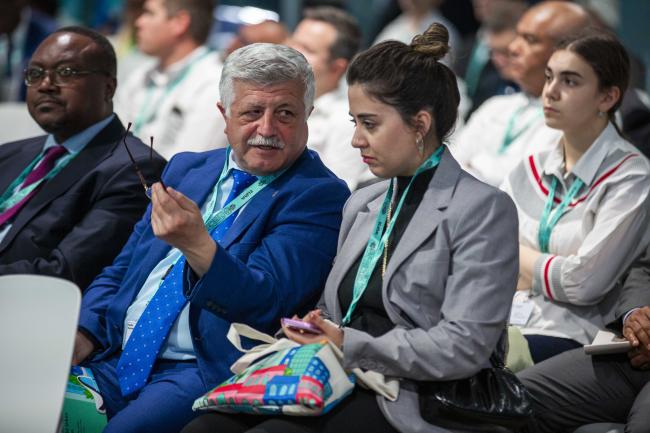
To receive free coverage of global environmental events delivered to your inbox, subscribe to the ENB Update newsletter.
All ENB photos are free to use with attribution. For the WUF13 meeting, please use: Photo by IISD/ENB | Natalia Mroz
Opening Ceremony - Live Stream
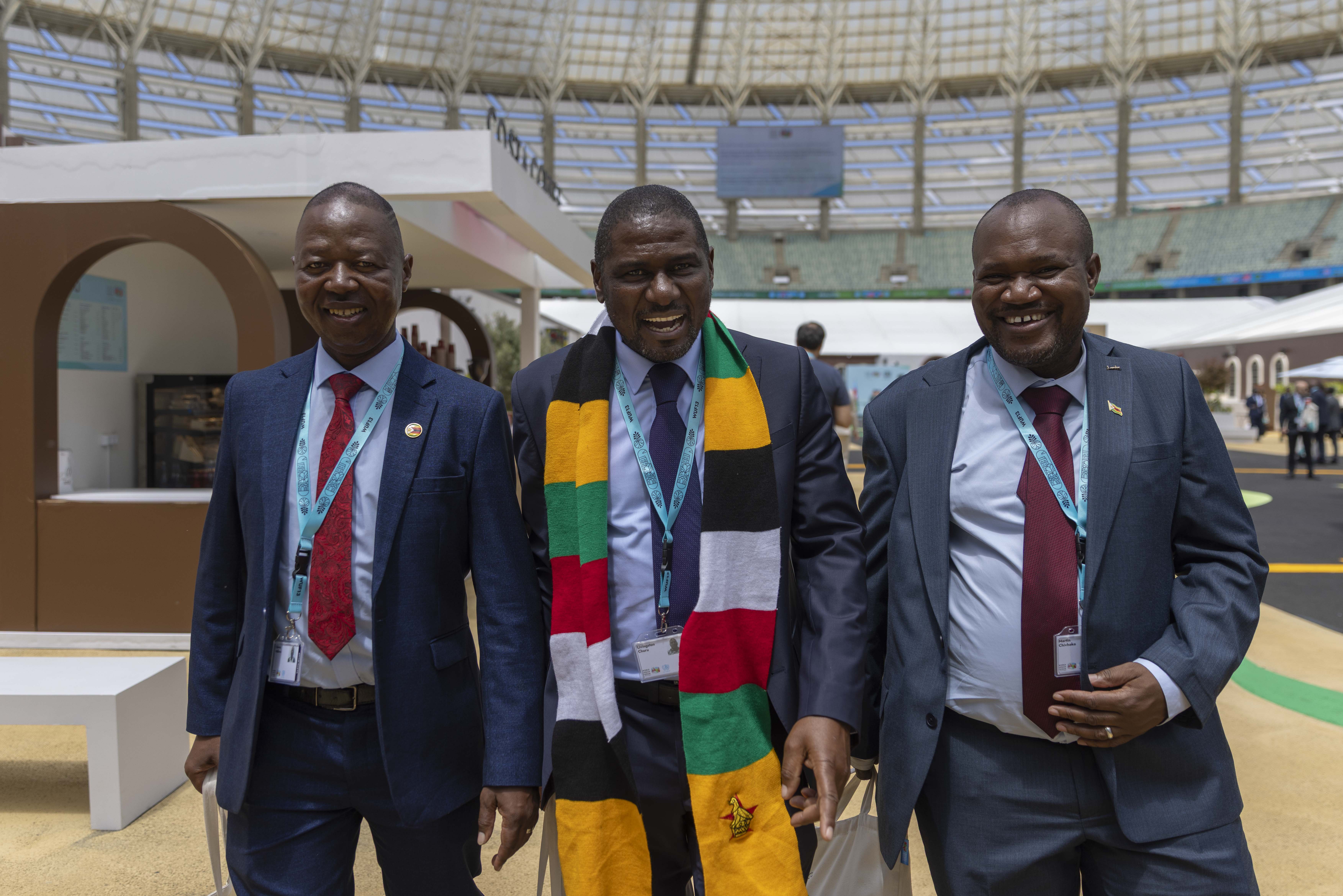
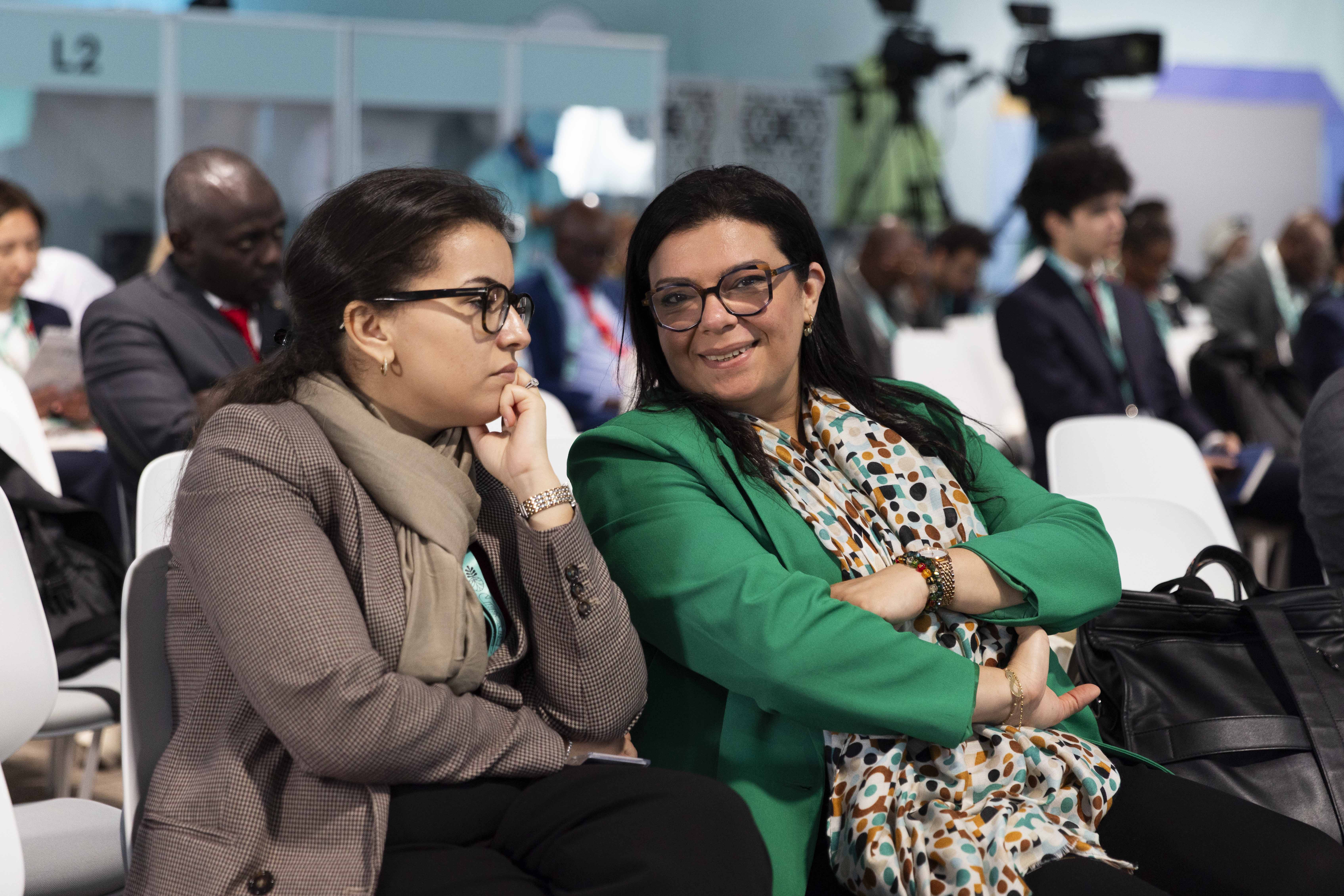
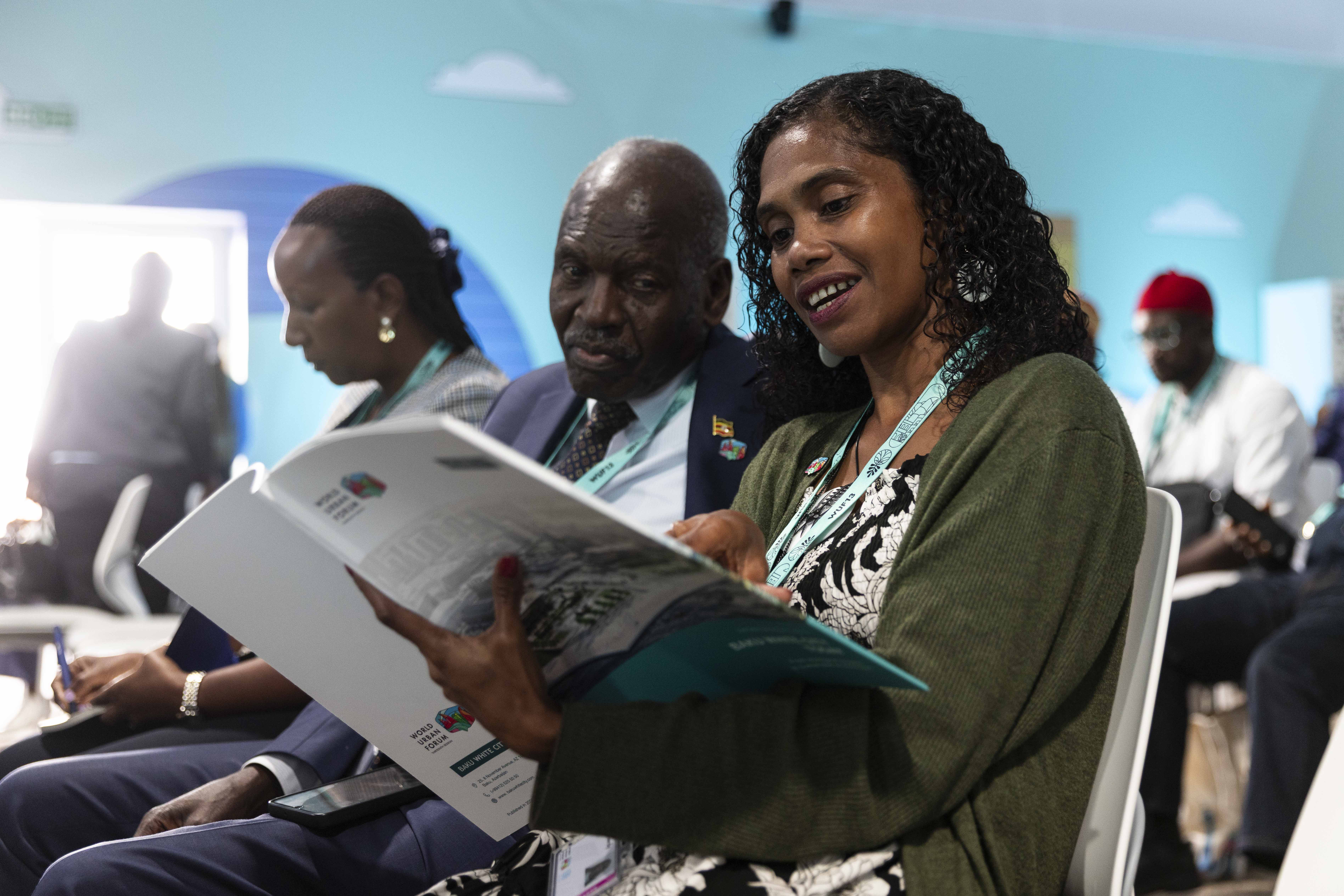
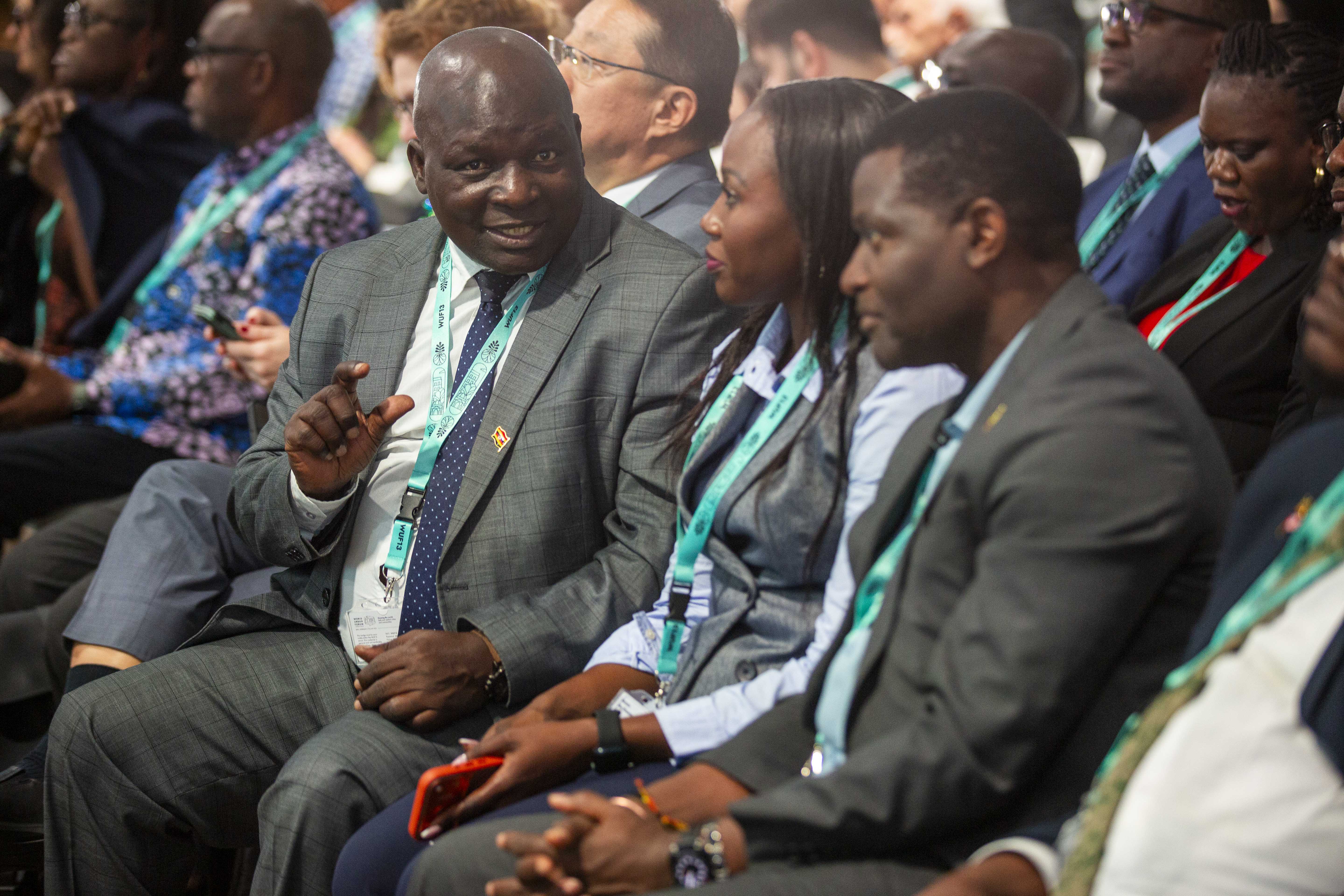
Delegates arrive to view the live stream of the Opening Ceremony
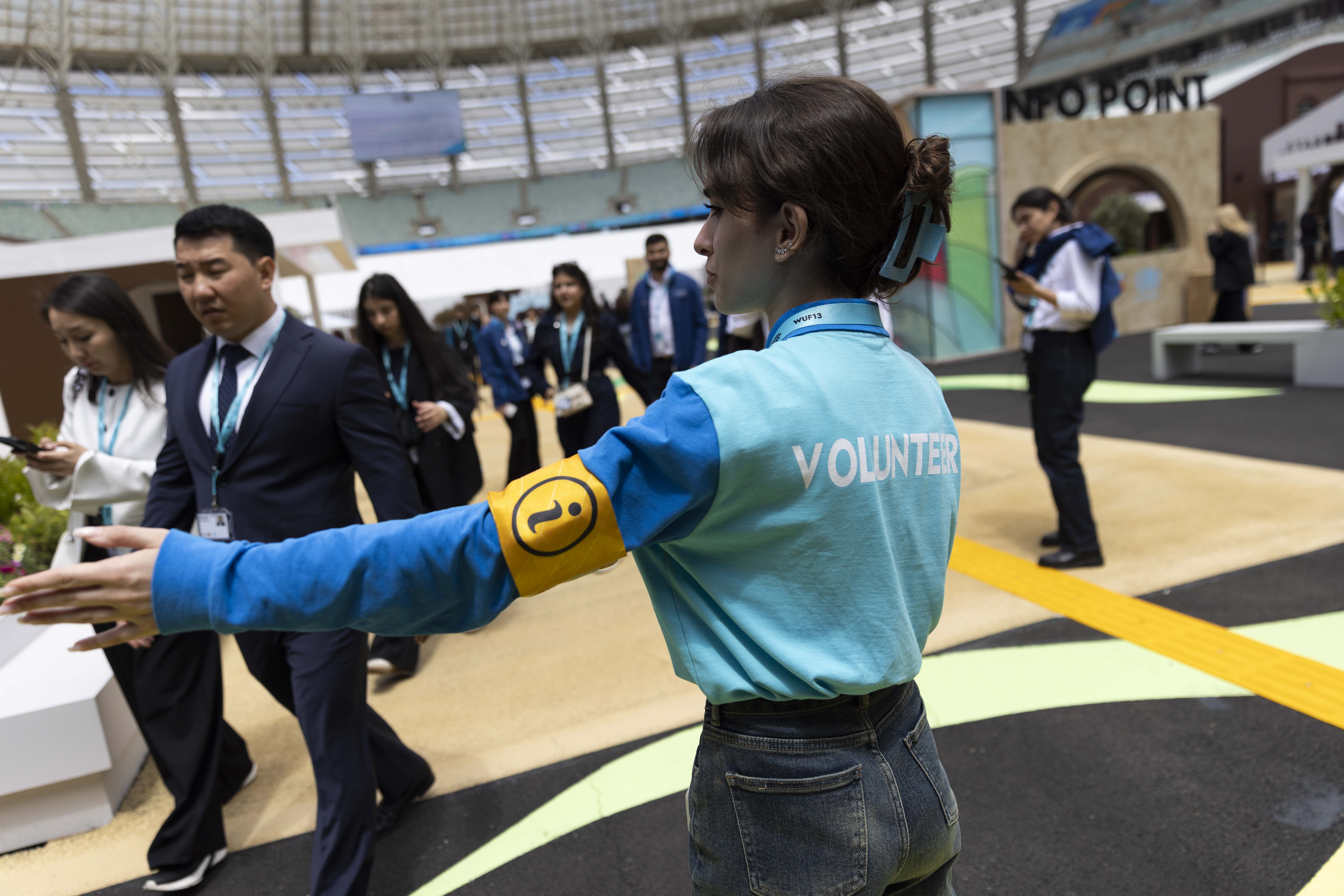
Volunteers direct delegates to the live stream of the Opening Ceremony
Leaders’ Statements - Live Stream
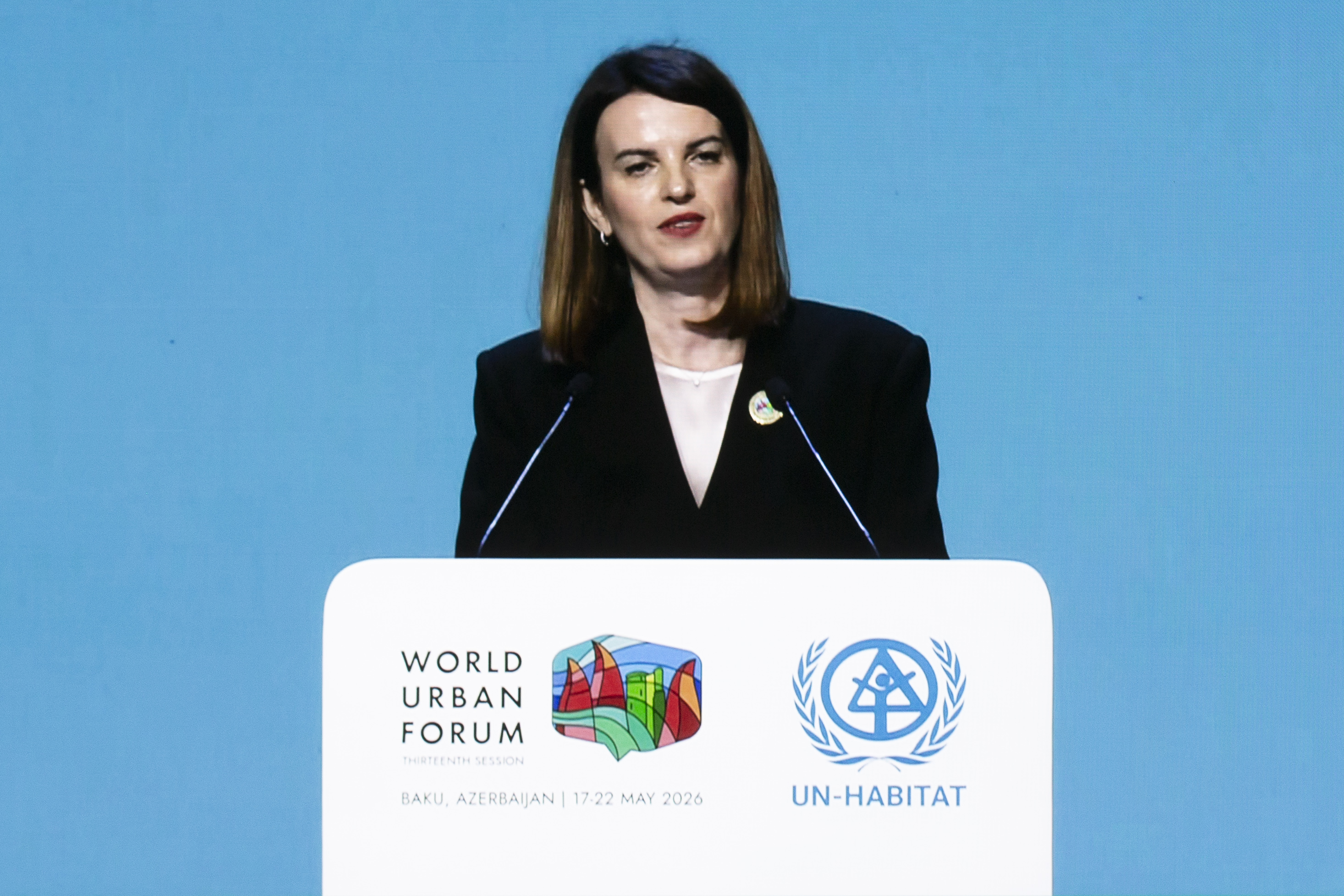
Albana Koçiu, Deputy Prime Minister of Albania
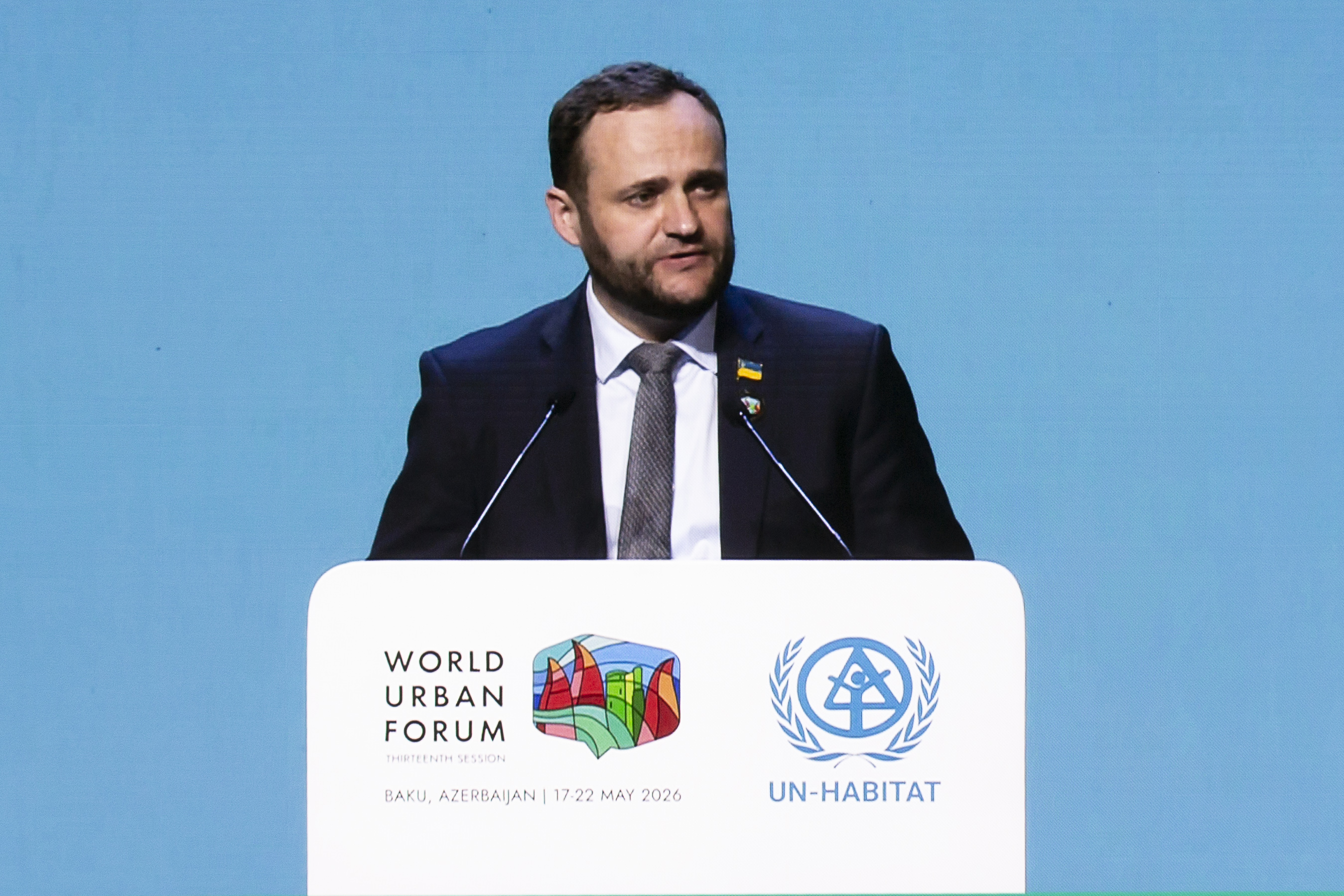
Oleksiy Kuleba, Deputy Prime Minister of Ukraine
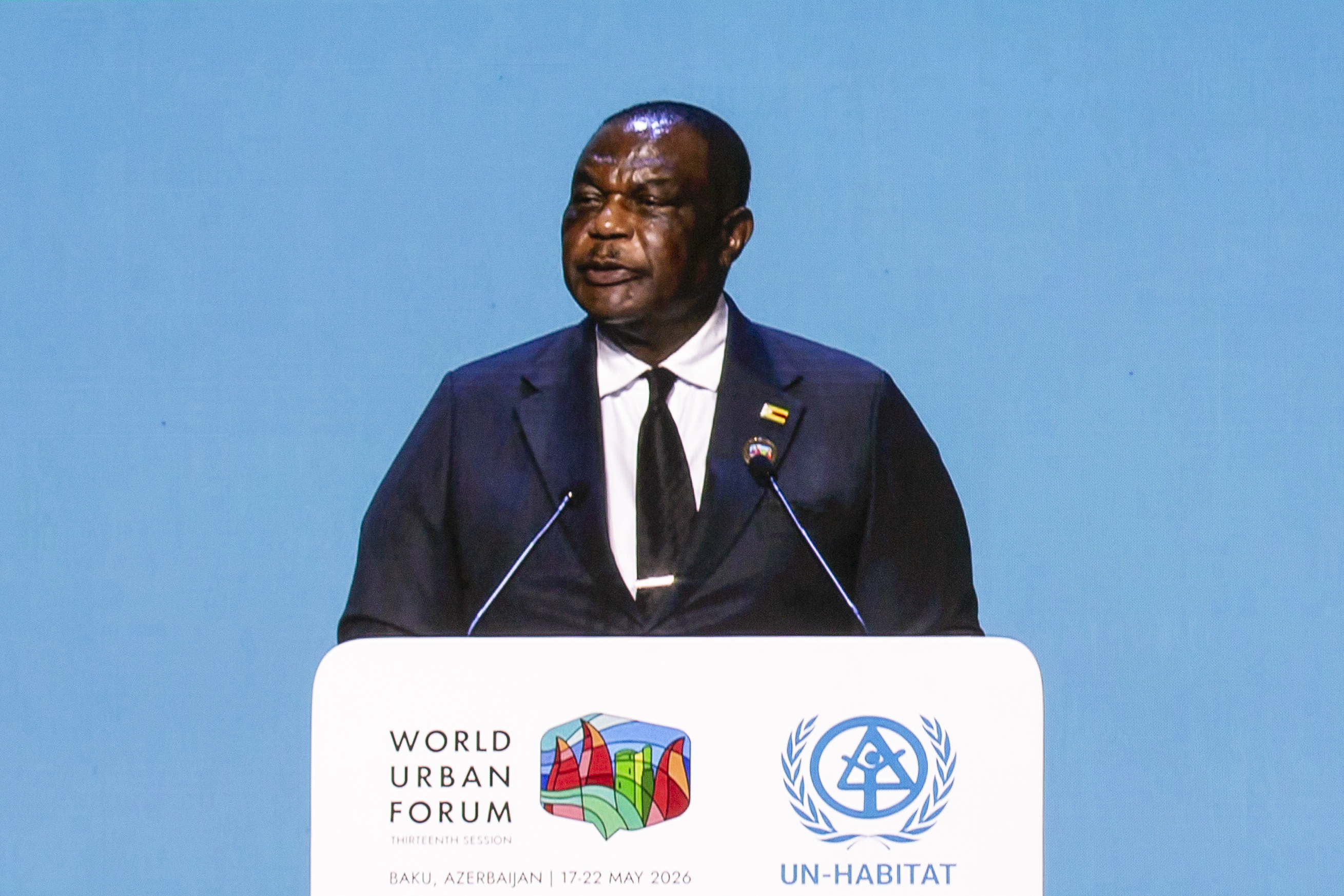
Constantino Chiwenga, Vice-President of Zimbabwe
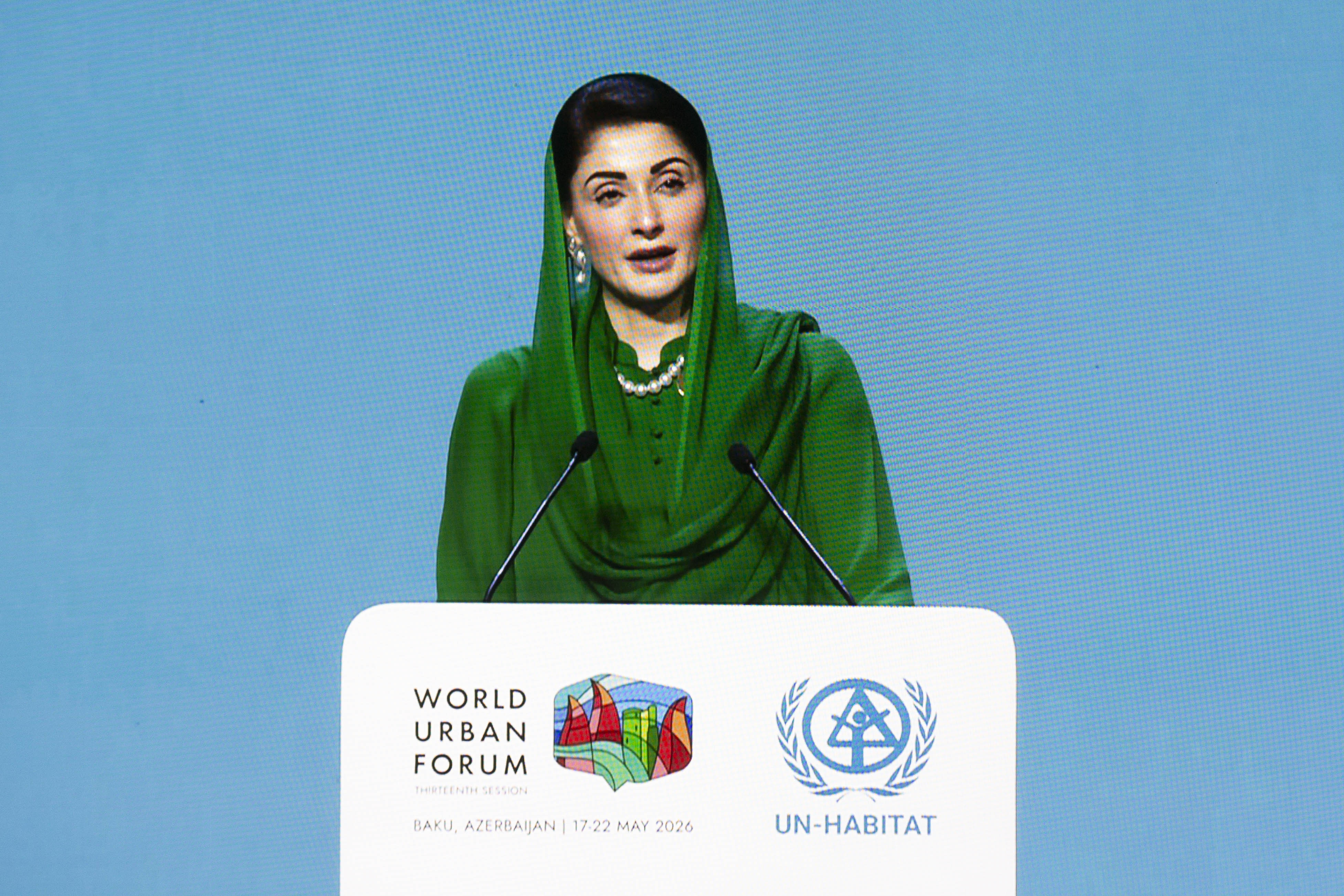
Maryam Nawaz Sharif, Chief Minister of Punjab, Pakistan
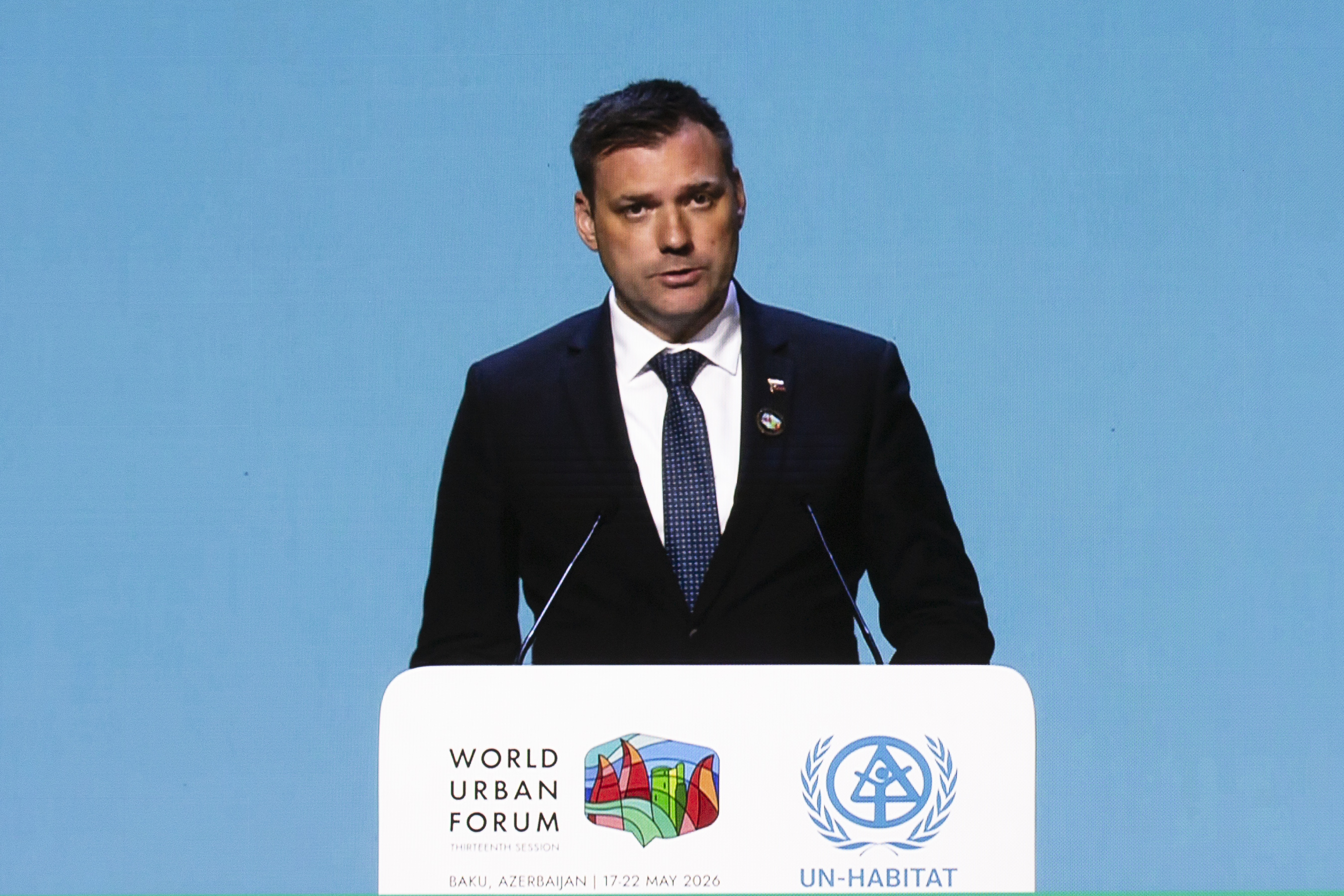
Tomáš Taraba, Deputy Prime Minister of Slovakia
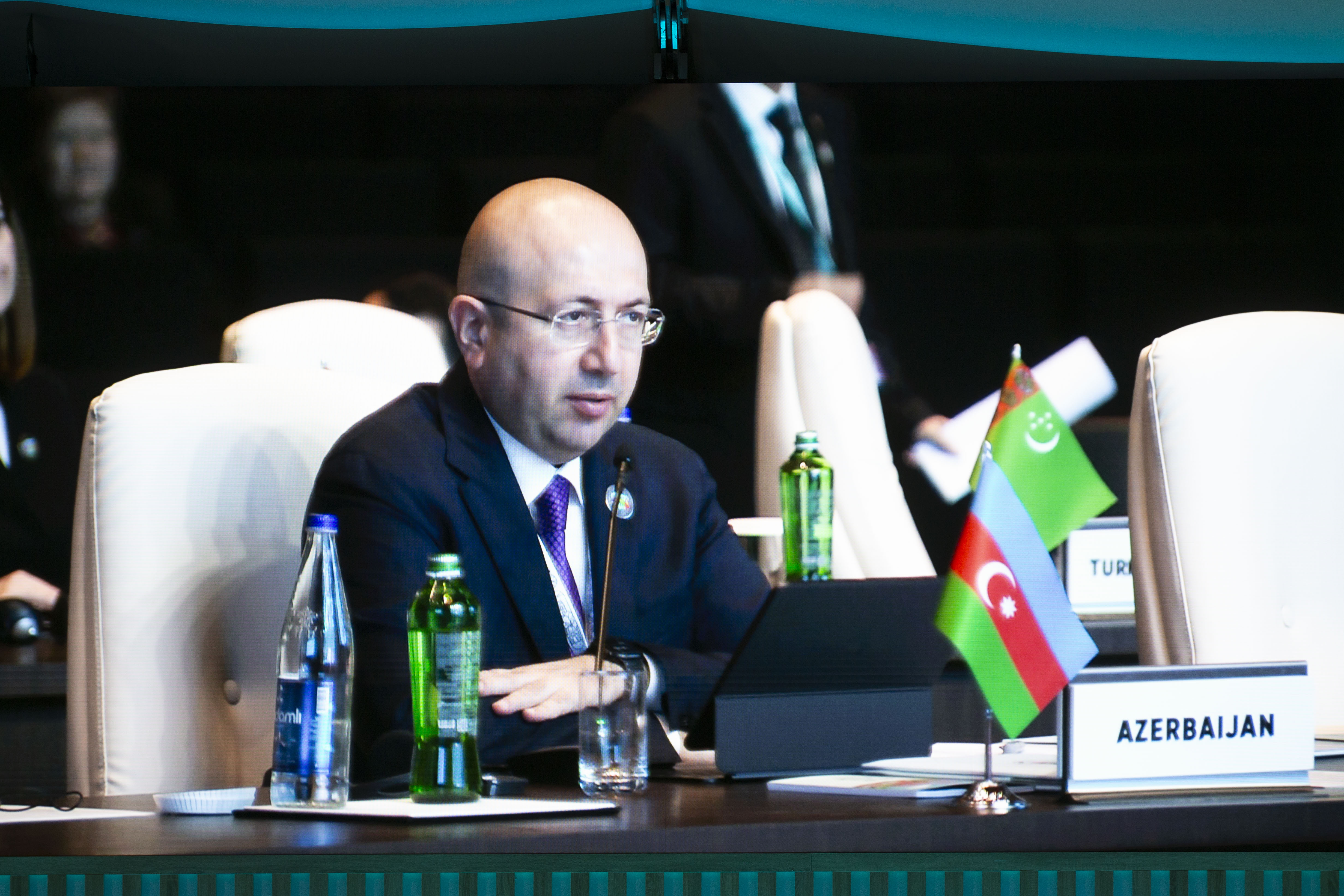
Anar Guliyev, Chairman of the State Committee for Urban Planning and Architecture of Azerbaijan and National Coordinator of WUF13
Around the Venue
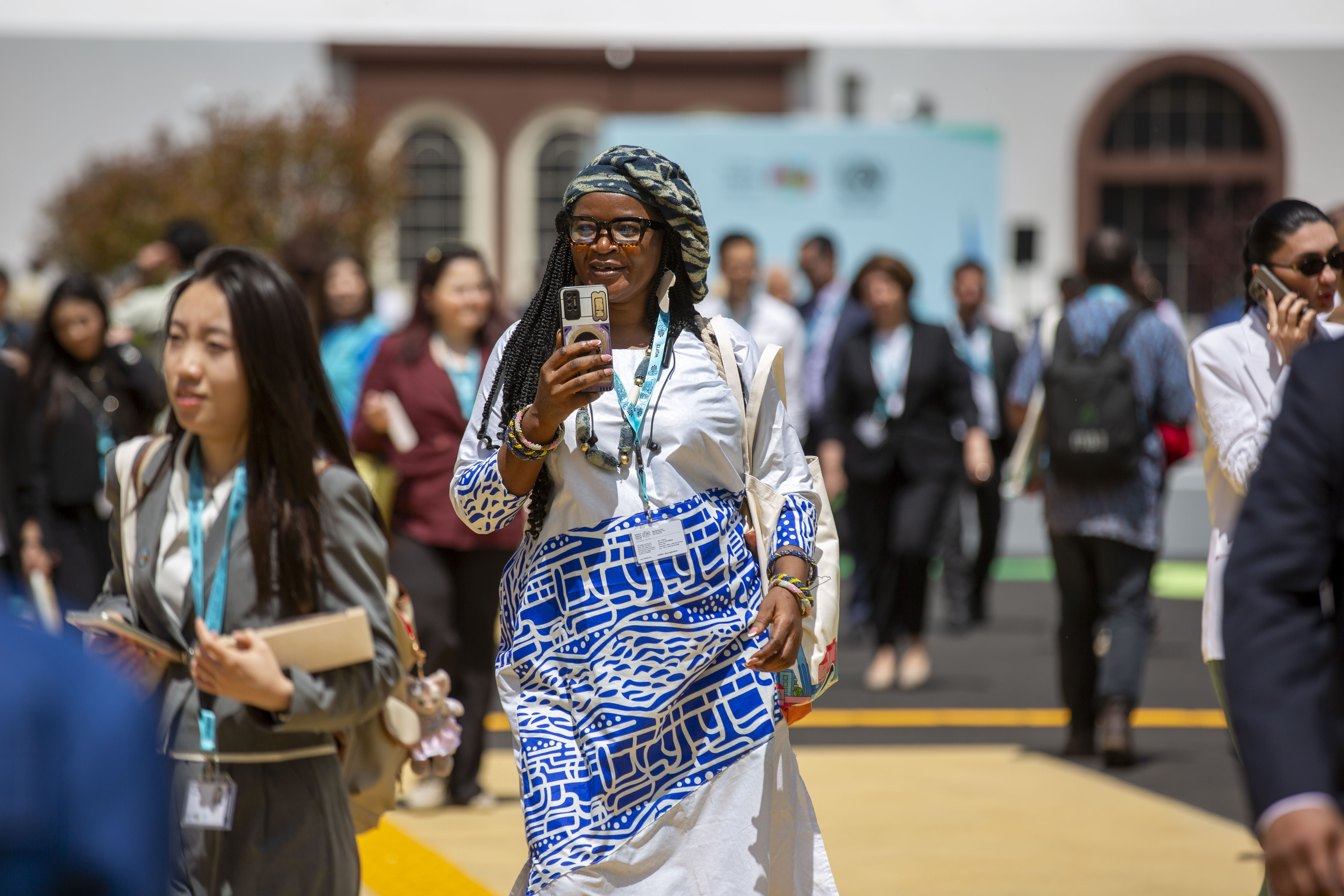
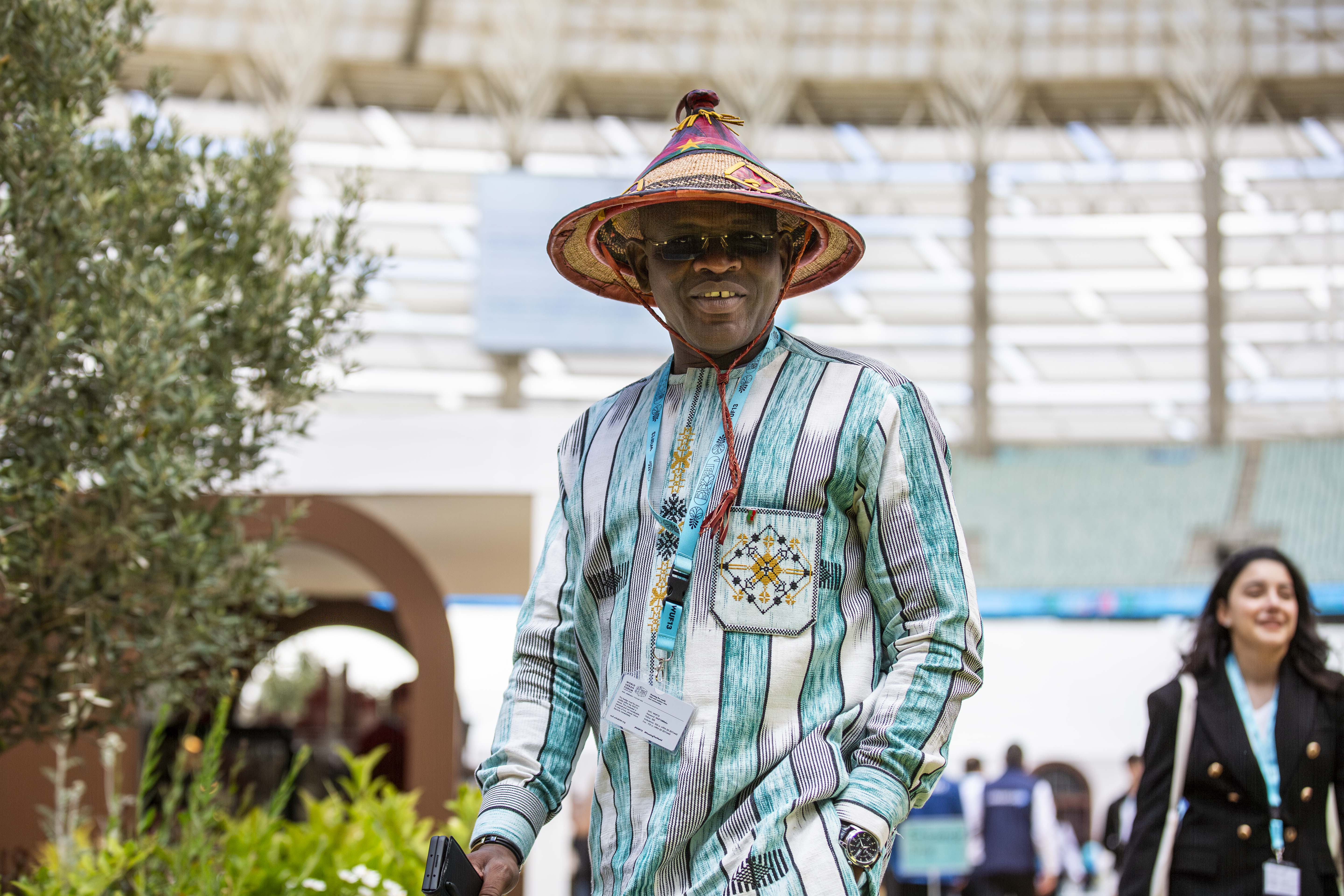
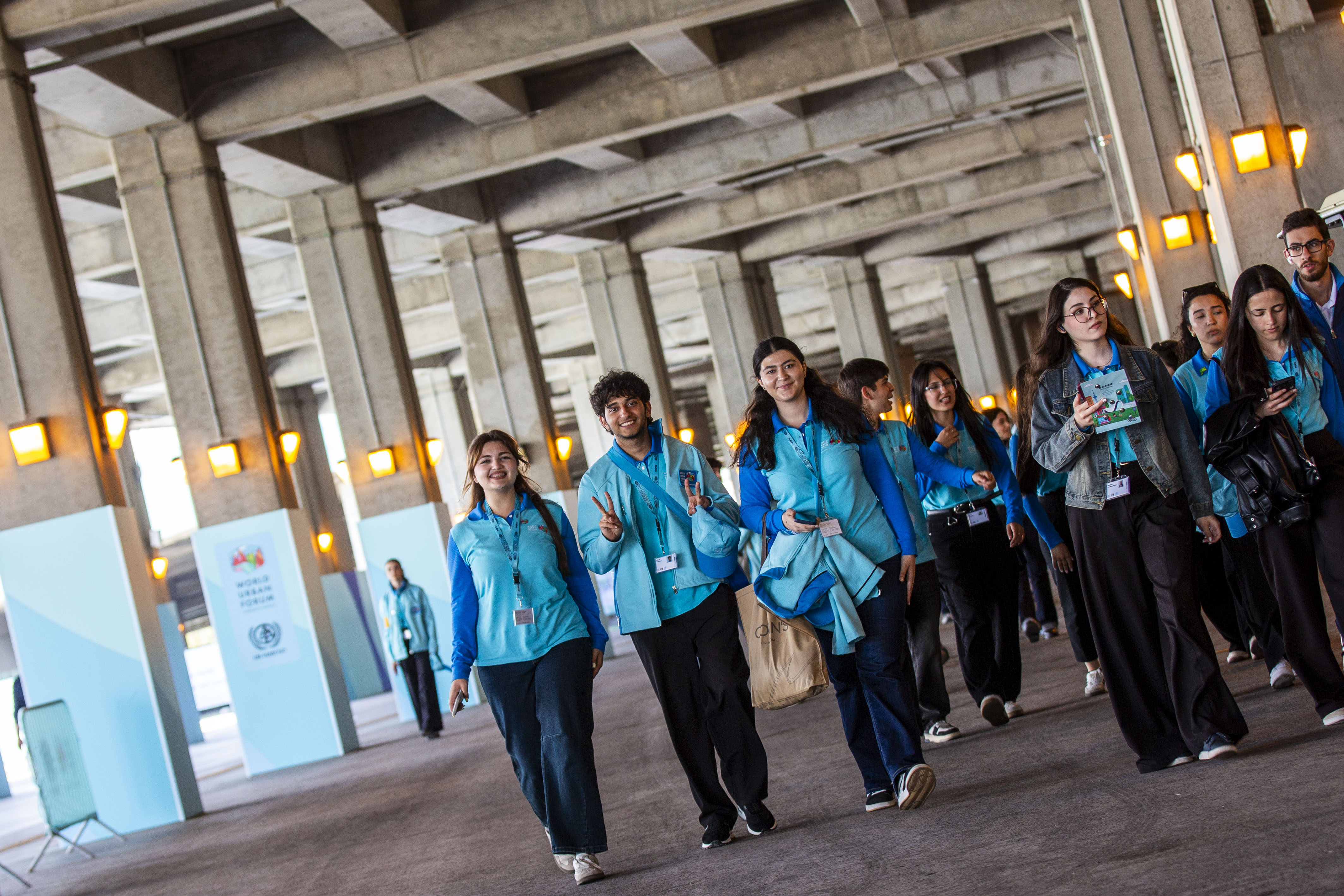

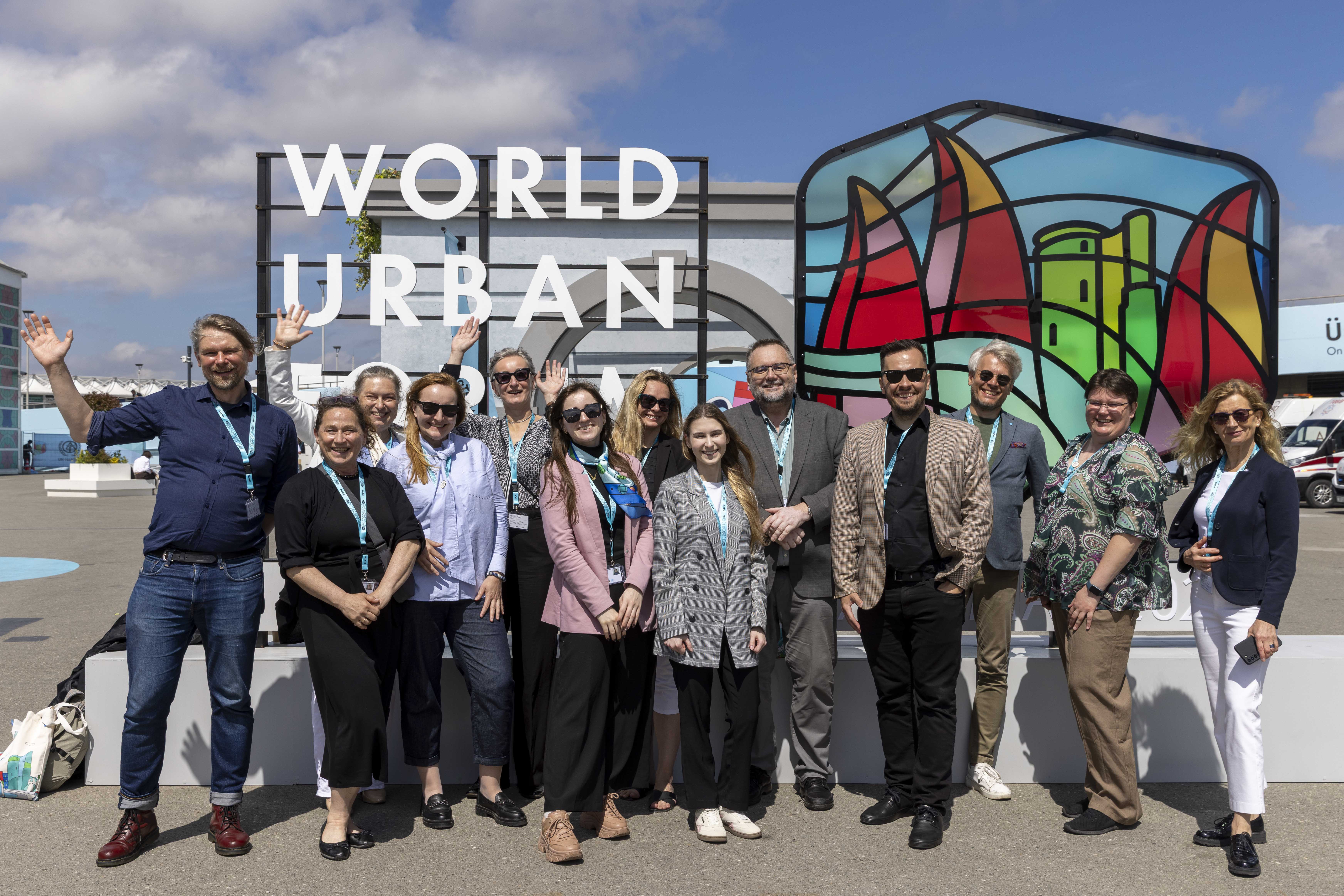
Delegates from Gdańsk University of Technology, Poland
Urban Expo