“Integration” was the most prominent word at the World Urban Forum on Tuesday, as participants began discussing how to address the global housing crisis from various angles in dialogues, special sessions, and roundtable discussions
The dialogue session titled “The Global Housing Crisis: What is the Plan?” took a bird’s eye view in framing housing as a rights-based priority that requires scaling up a diversity of community-led solutions that consider diverse contexts. The discussion was aptly summarized by former Secretary-General of the Commonwealth, Patricia Scotland, who underscored the need for listening and for diverse approaches, because a “sustainable diet will be flavored in different ways in different places.”
Want to dig deeper into today's talks? Read the full Earth Negotiations Bulletin daily report.
In the dialogue session on the social and economic power of housing, participants explored how housing systems can both be a driver of economic growth and a “social equalizer,” meaning they deliver benefits to all. Many cities experience unequal growth as social benefits do not reach middle and lower-income households, creating a need to transition towards more inclusive housing strategies that deliver both economic performance and social benefits. Rafael Tuts, UN-Habitat, concluded that such a transition can be achieved, for example, by balancing market-driven with more equity-focused housing systems such as scaled up rental markets or shifting towards integrated housing systems.
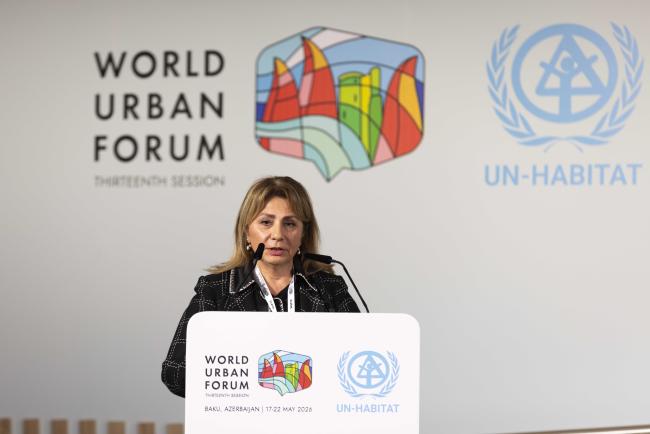
During the special session on building global coalitions for housing affordability, participants discussed how commitments can be converted to action at scale. As explained by Patrick Canagasingham, Regional Programme Division at UN-Habitat, such global housing coalitions are needed because no single institution or sector can solve the complexity of the global housing crisis on its own. Participants’ recommendations included linking housing with service provision, strengthening zoning regulations that pre-empt land speculation, and de-risking investment in affordable housing.
In the special session on connectivity, urban reconstruction, and regional cooperation, ministers and urban consultants showcased projects to build new regional connections and regenerate urban areas, foregrounding visions of cities as platforms of technology, climate action, regional cooperation, and economic and cultural development. Azerbaijan housing and development ministers outlined their sustainability approaches and visions in reconstructing cities in post-conflict zones across economic, digital services, transportation, and energy sectors. Other recommendations included identifying and reinforcing traditional strengths and making clear choices when facing trade-offs.
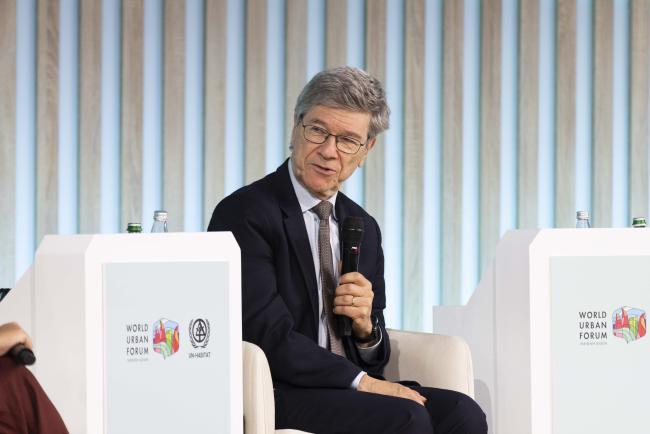
In a special session on community-led housing initiatives, community project leaders and experts shared on-the-ground experiences and best practices for centering people as key actors in achieving affordable and quality housing for all. Somsook Boonyabancha, Asian Coalition for Housing Rights, urged demand-side perspectives and opening spaces for people to organize and become active contributors to housing policy. Koldo Casla, UN Special Rapporteur of the Right to Adequate Housing, urged inclusive institutional frameworks that democratically regulate property and fulfill the right to adequate housing. Mariana Gallo, World Habitat, emphasized that the core question is “not about whether these models work; it is about whether there is a political will to resource and scale them.”
Two roundtable discussions served as fora for stakeholder groups to discuss their contributions to addressing the housing crisis. During the One UN Roundtable, representatives of UN organizations and programmes discussed ways to improve coordination and enable the UN system to support systemic and localized implementation pathways. Yalchin Rafiyev, Deputy Minister of Foreign Affairs, Azerbaijan, said integrated solutions require UN system coordination and multi-stakeholder partnerships. UN-Habitat Executive Secretary Annacláudia Rossbach said the WUF can bring the UN system together for systemic change. Recommendations included institutionalizing multi-level governance, establishing long-term financial arrangements that bring together multilateral development banks and the private sector, and using the system of UN Resident Coordinators to support technical integration for systemic solutions and developing integrated localized strategies.
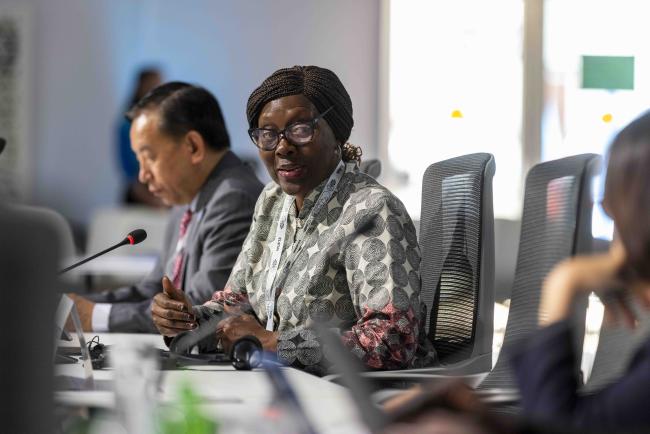
The Local and Regional Governments Roundtable explored how local and regional governments can lead the transition towards adequate housing and resilient communities. Participants noted, among other issues, that cities and local governments are expected to deliver global goals with inadequate budgets and problematic governance arrangements, calling for long-term financial arrangements. Anacláudia Rossbach said the messages from this roundtable would inform the mid-term review of the New Urban Agenda (NUA) by the UN General Assembly in July 2026.
To receive free coverage of global environmental events delivered to your inbox, subscribe to the ENB Update newsletter.
All ENB photos are free to use with attribution. For the WUF13 meeting, please use: Photo by IISD/ENB | Natalia Mroz
Dialogue - The Global Housing Crisis: What’s the Plan?
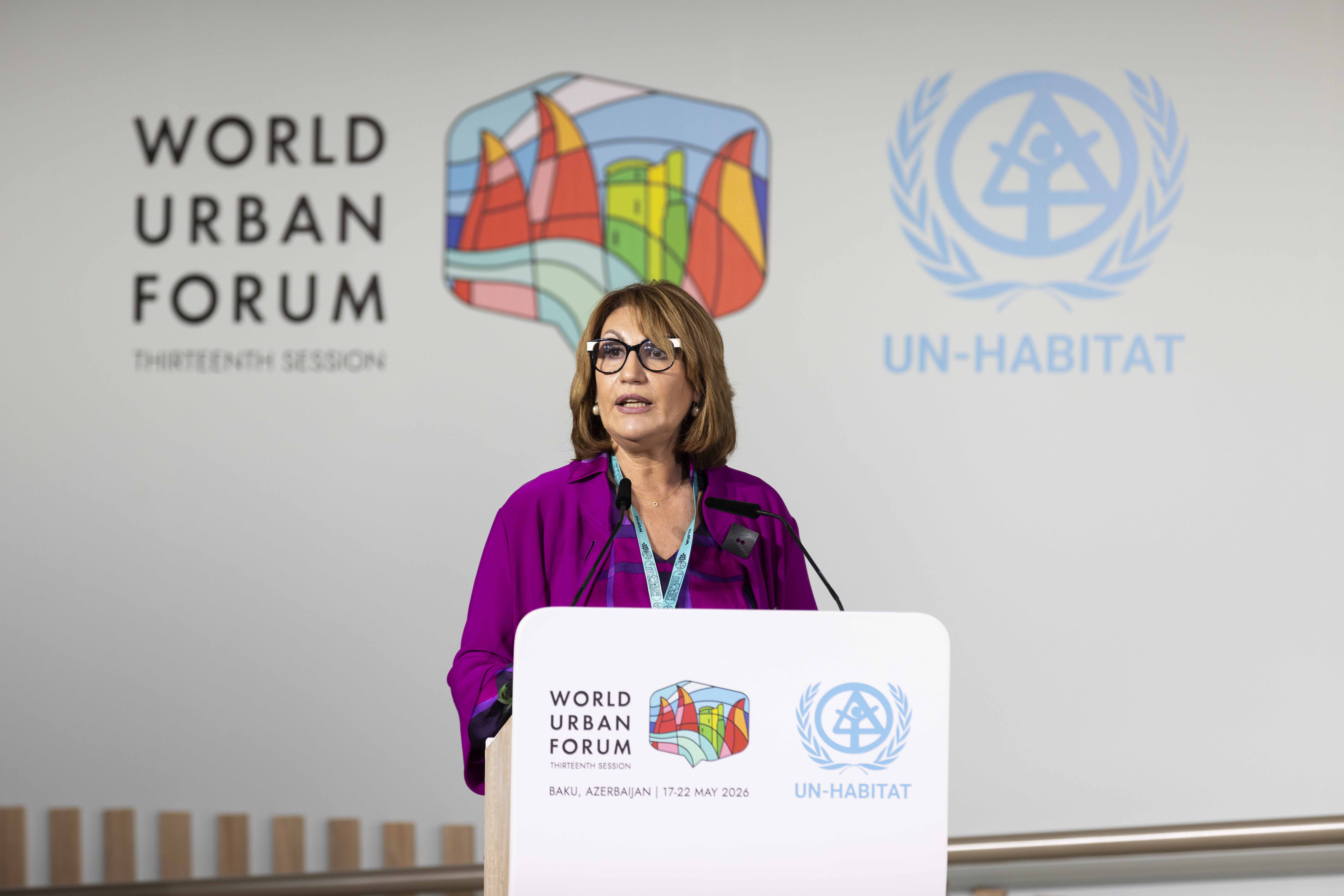
Emilia Sáiz, Secretary General of United Cities and Local Governments
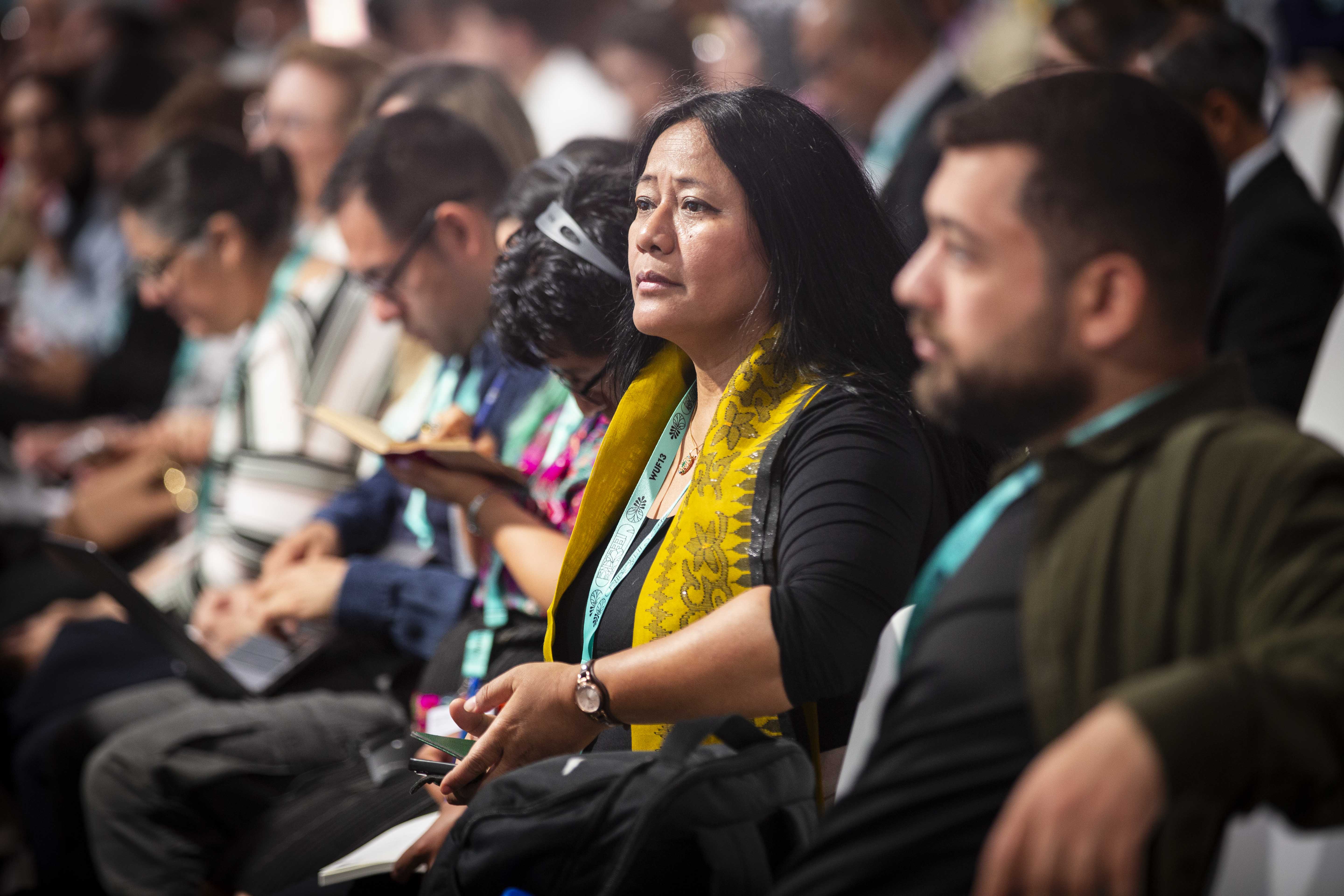
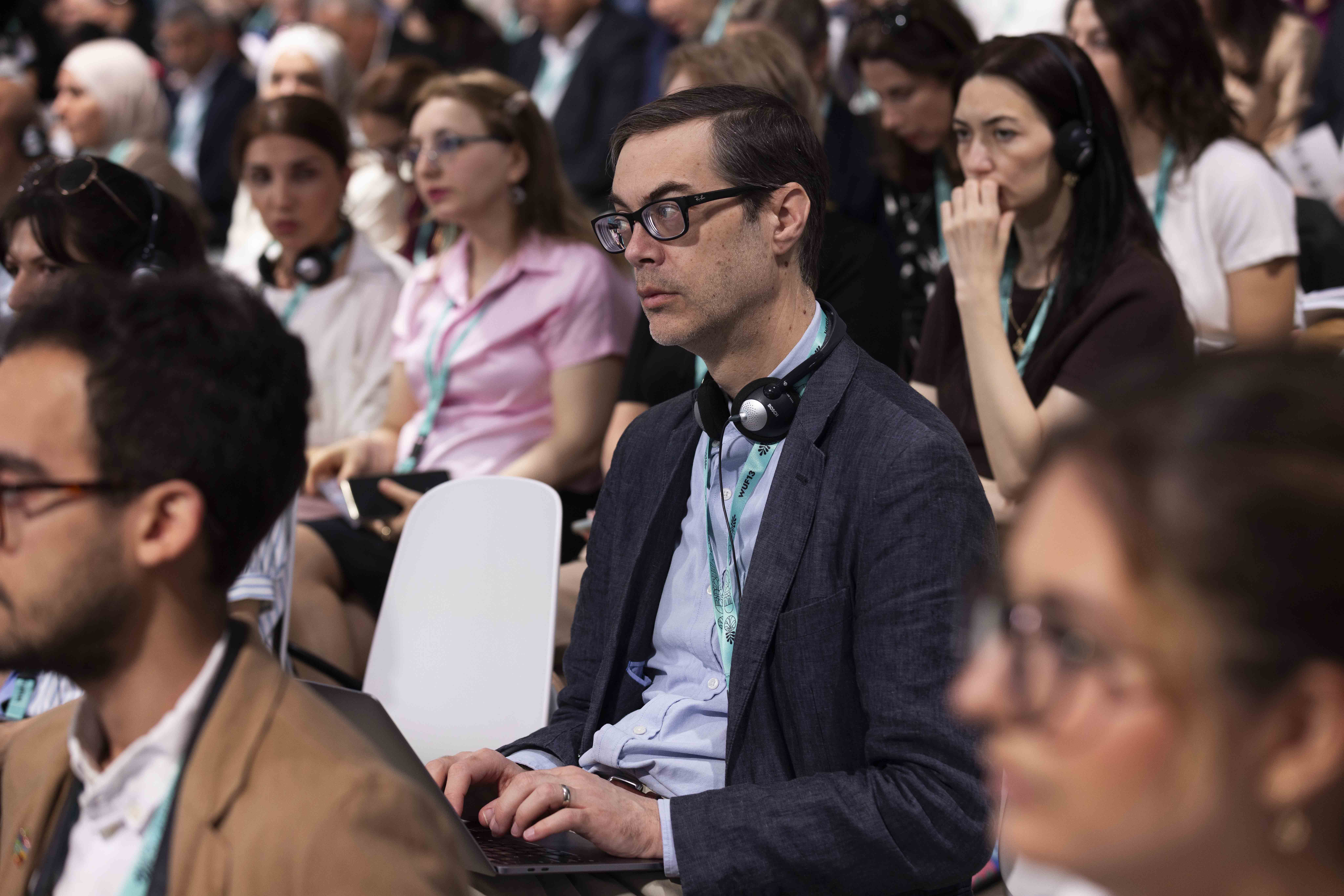
Tim Neff, Earth Negotiations Bulletin
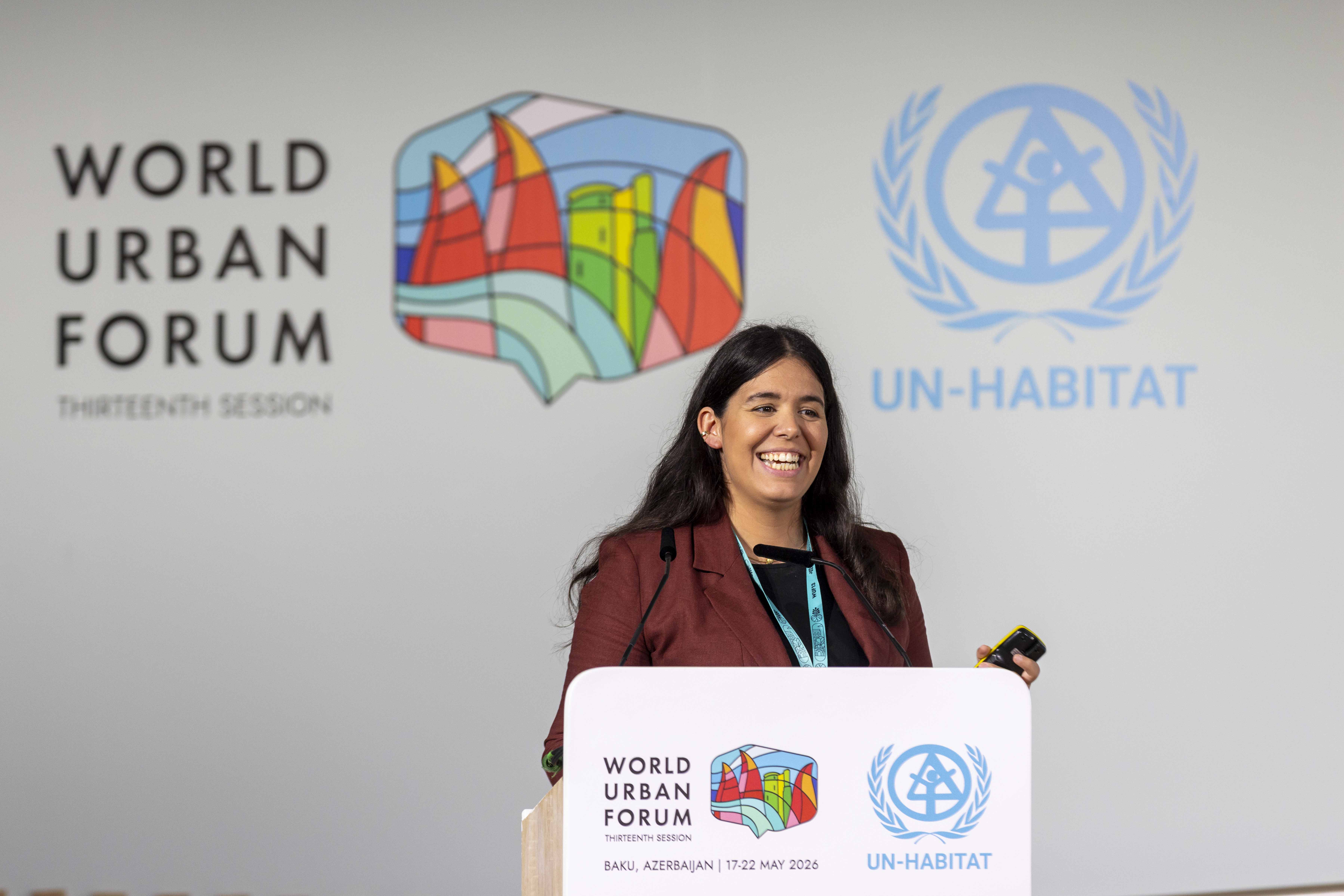
Carlota Miguel Carreira Rebelo, Monocle
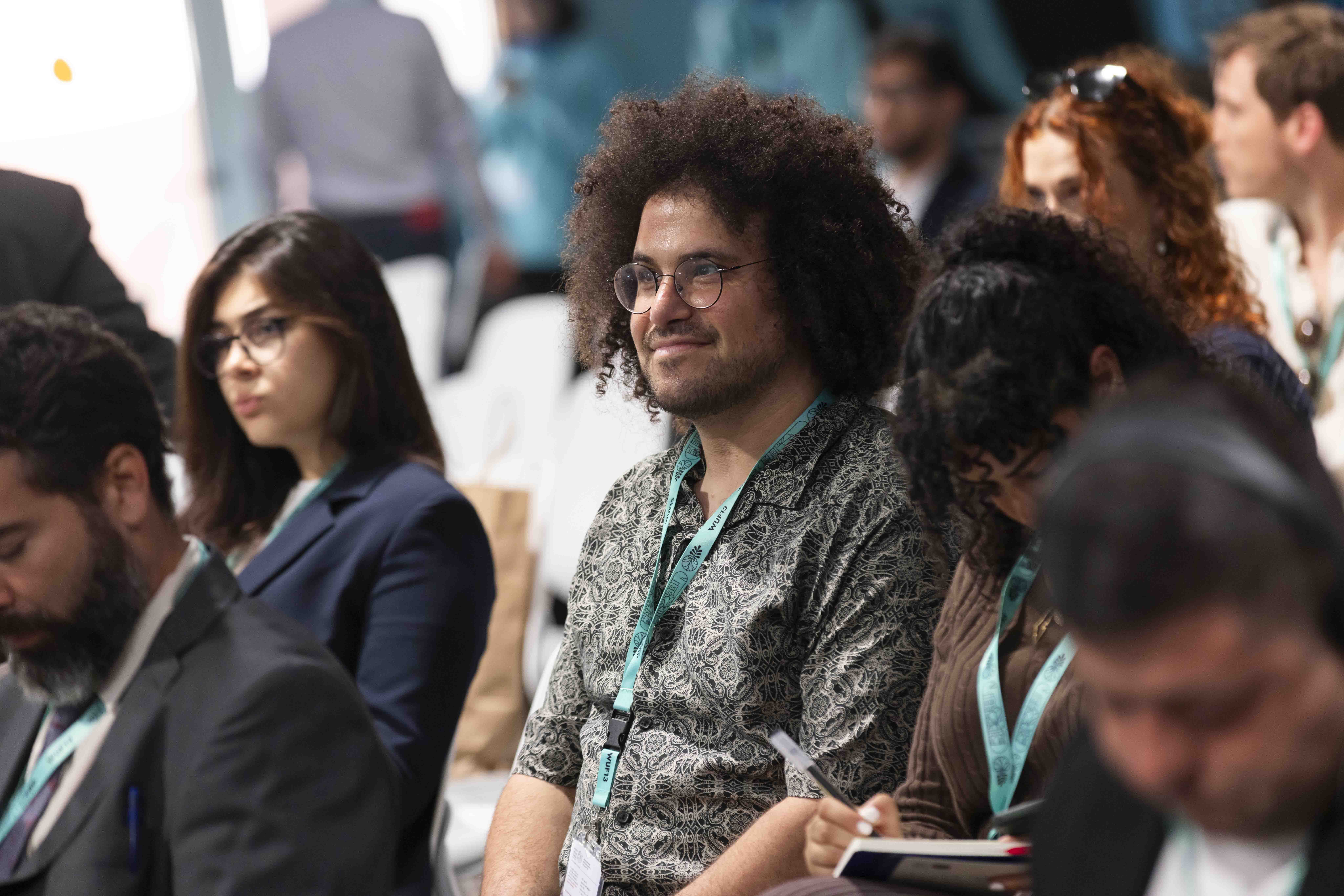
Ali Mokad, University of Windsor
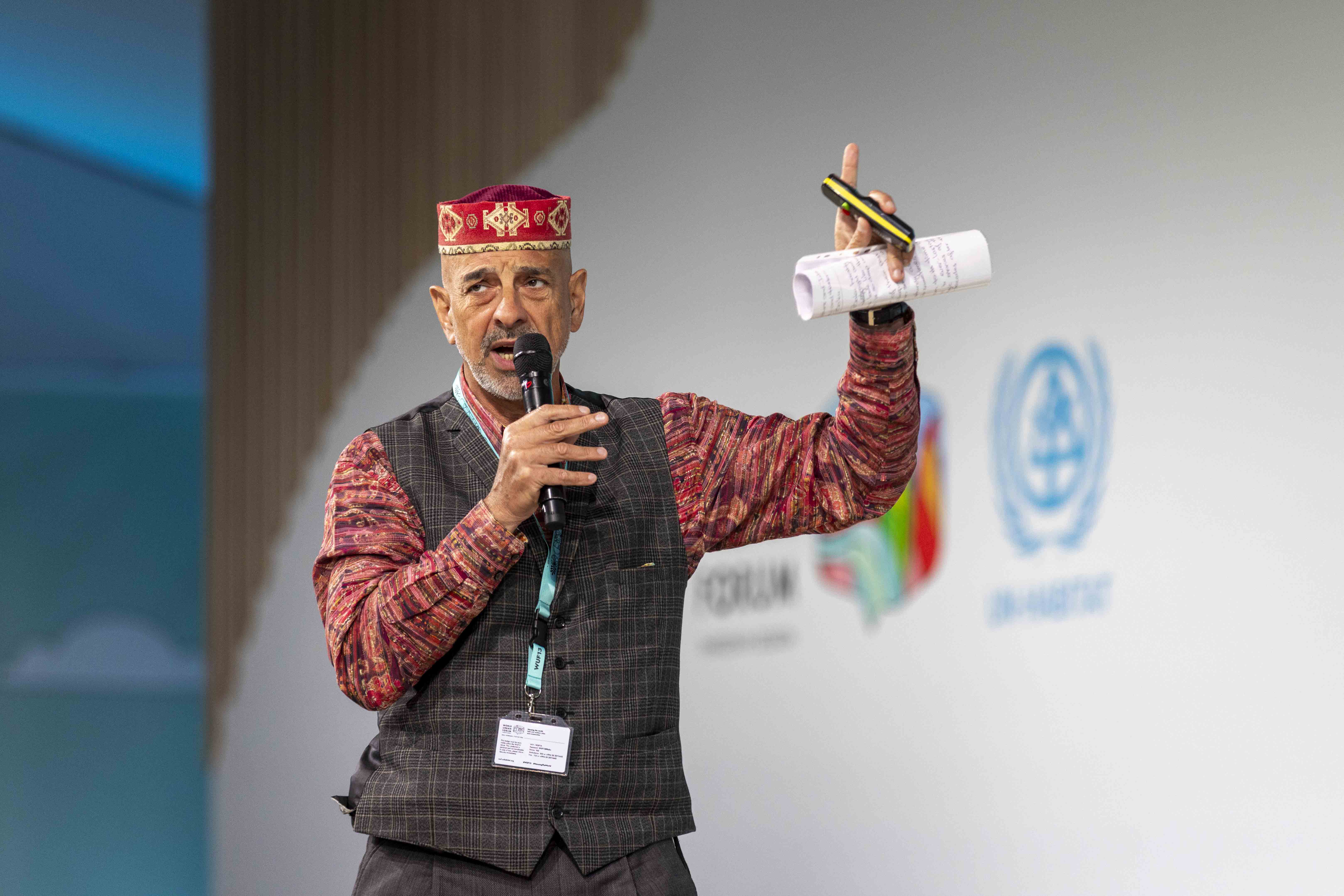
Fuad Akhundov, historical researcher
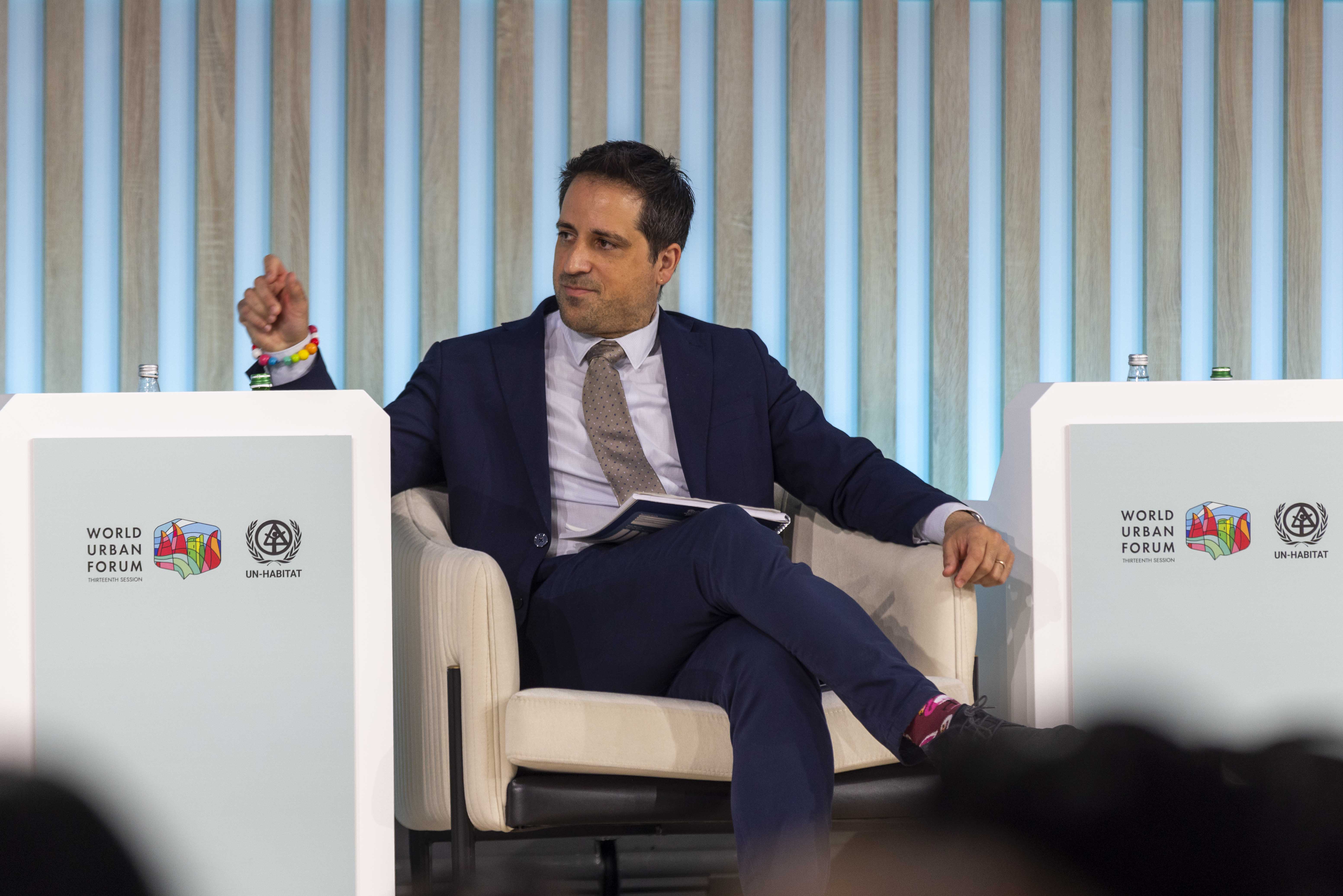
Koldo Casla, UN Special Rapporteur on the Right to Adequate Housing
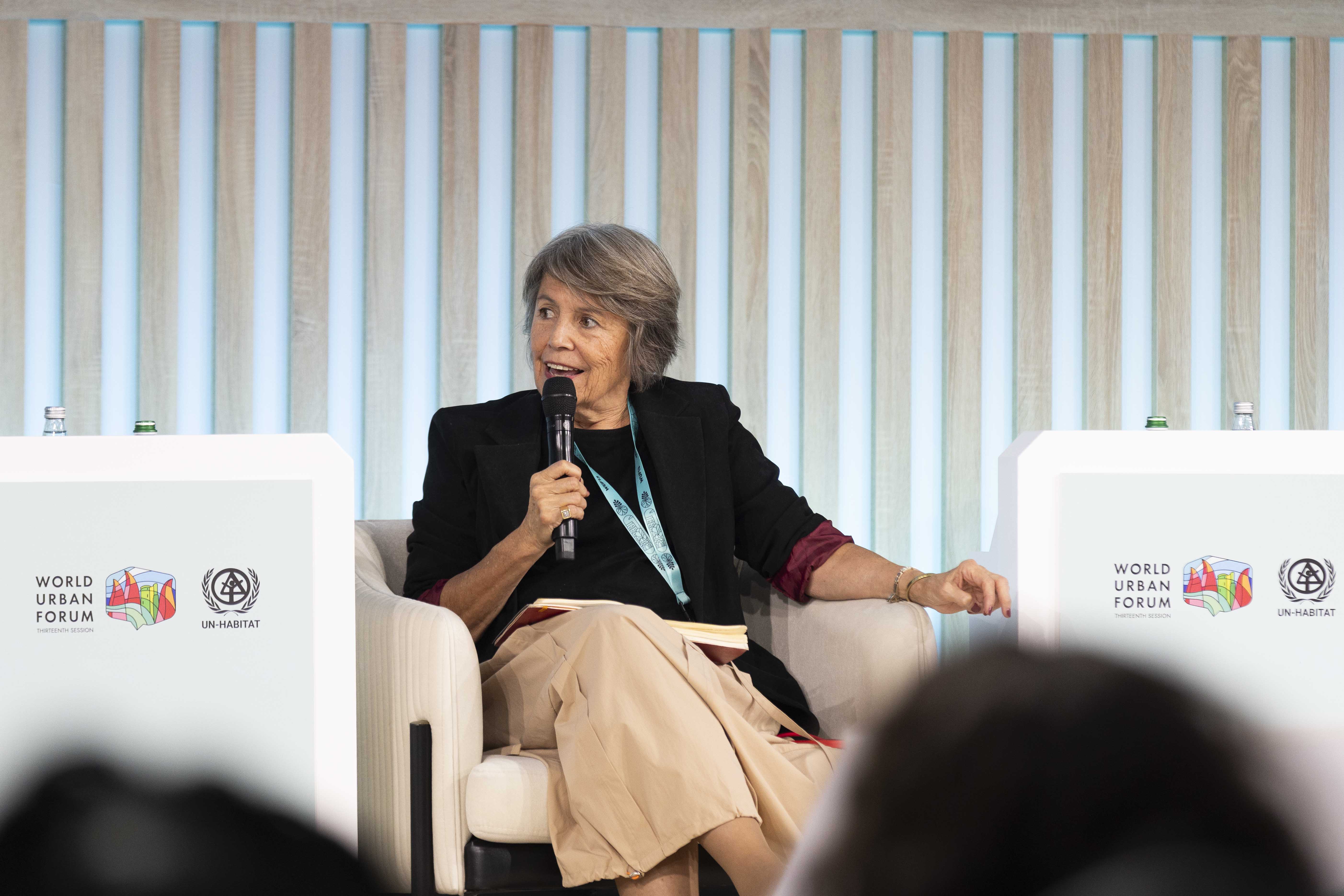
Margarita Greene, Pontificia Universidad Católica de Chile
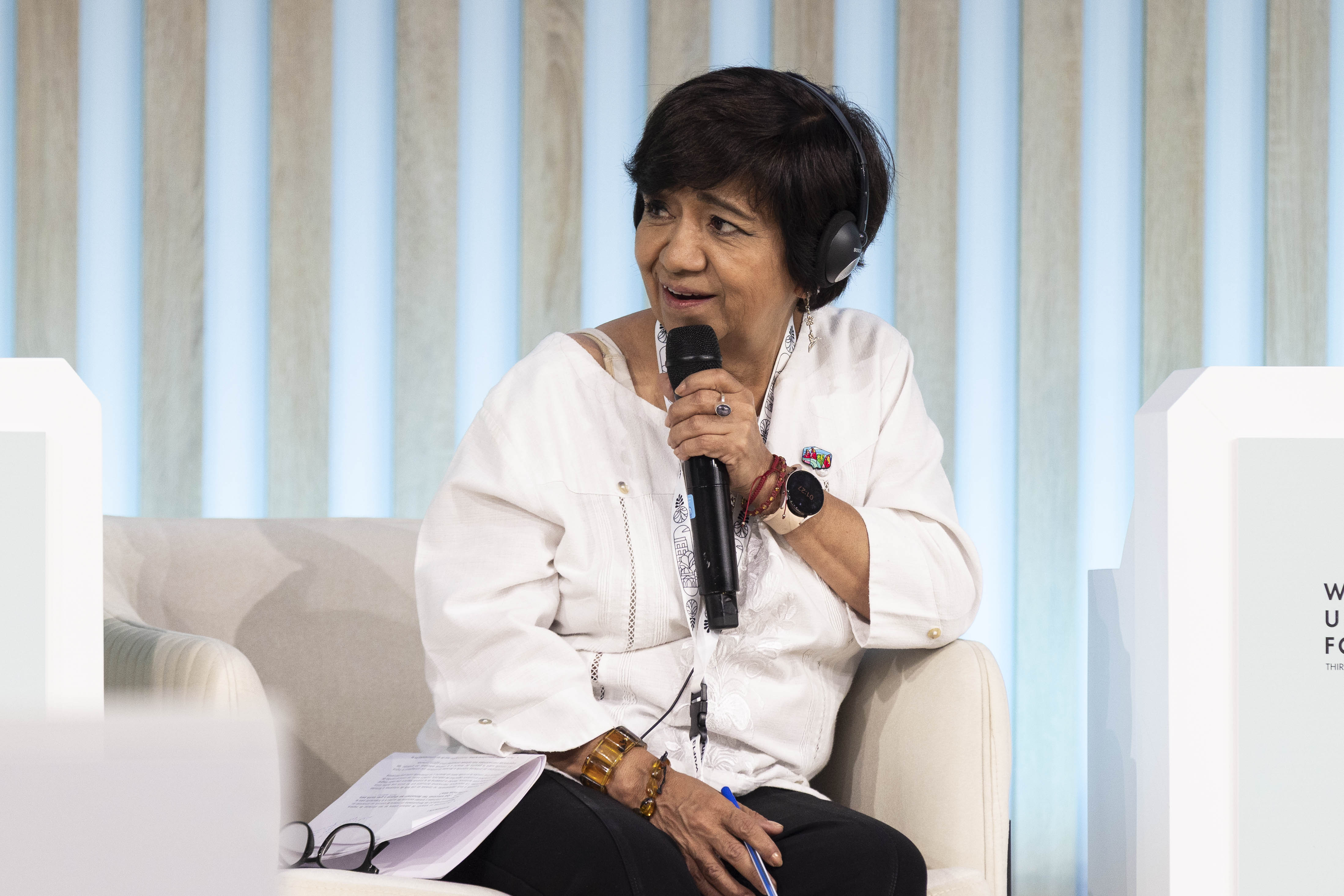
Edna Elena Vega Rangel, Minister of Agrarian, Urban and Territorial Development, Mexico
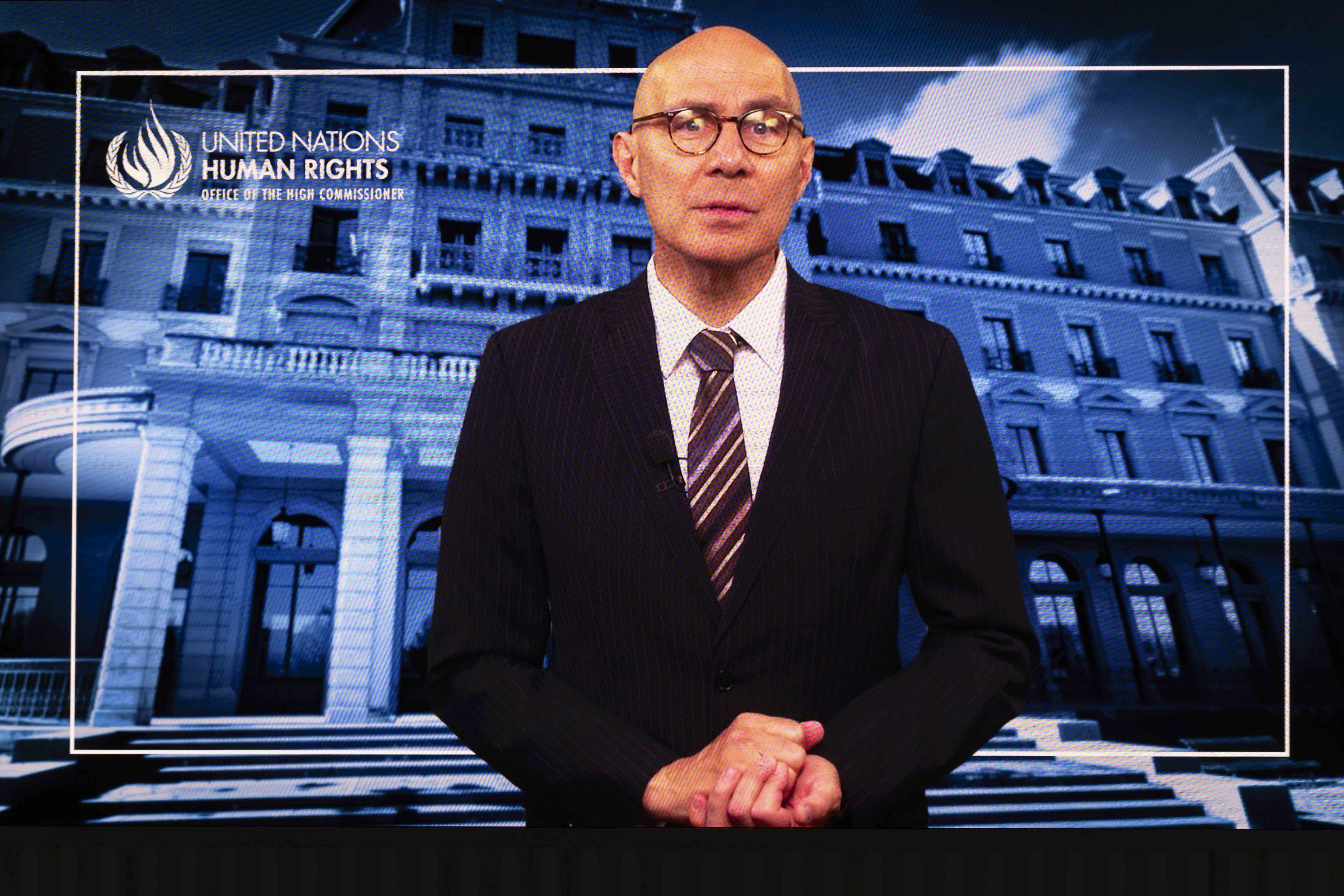
Volker Türk, UN High Commissioner for Human Rights
Dialogue - The Social and Economic Power of Housing
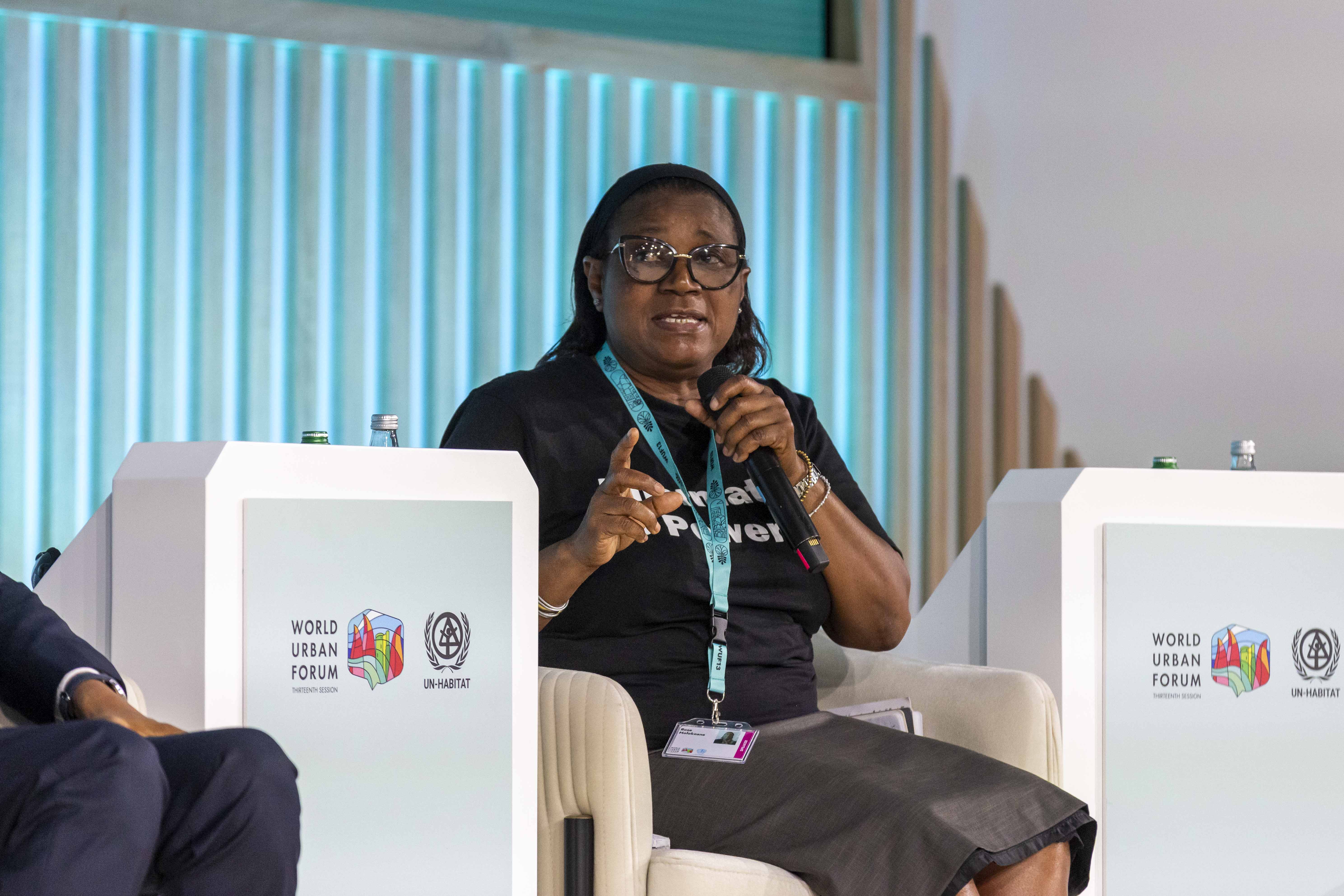
Rose Molokoane, Slum Dwellers International
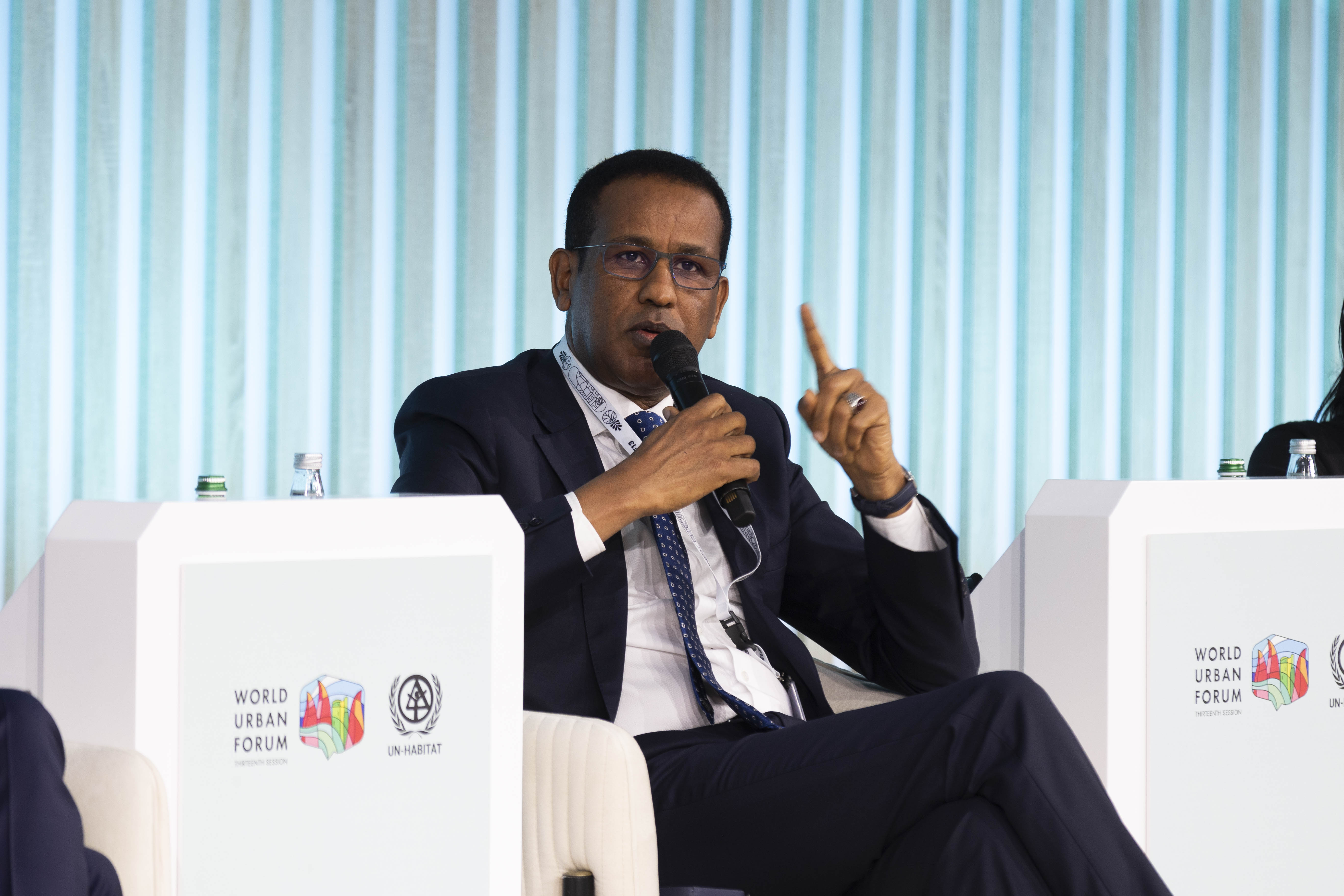
Jabril Ibrahim Abdulle, Somalia
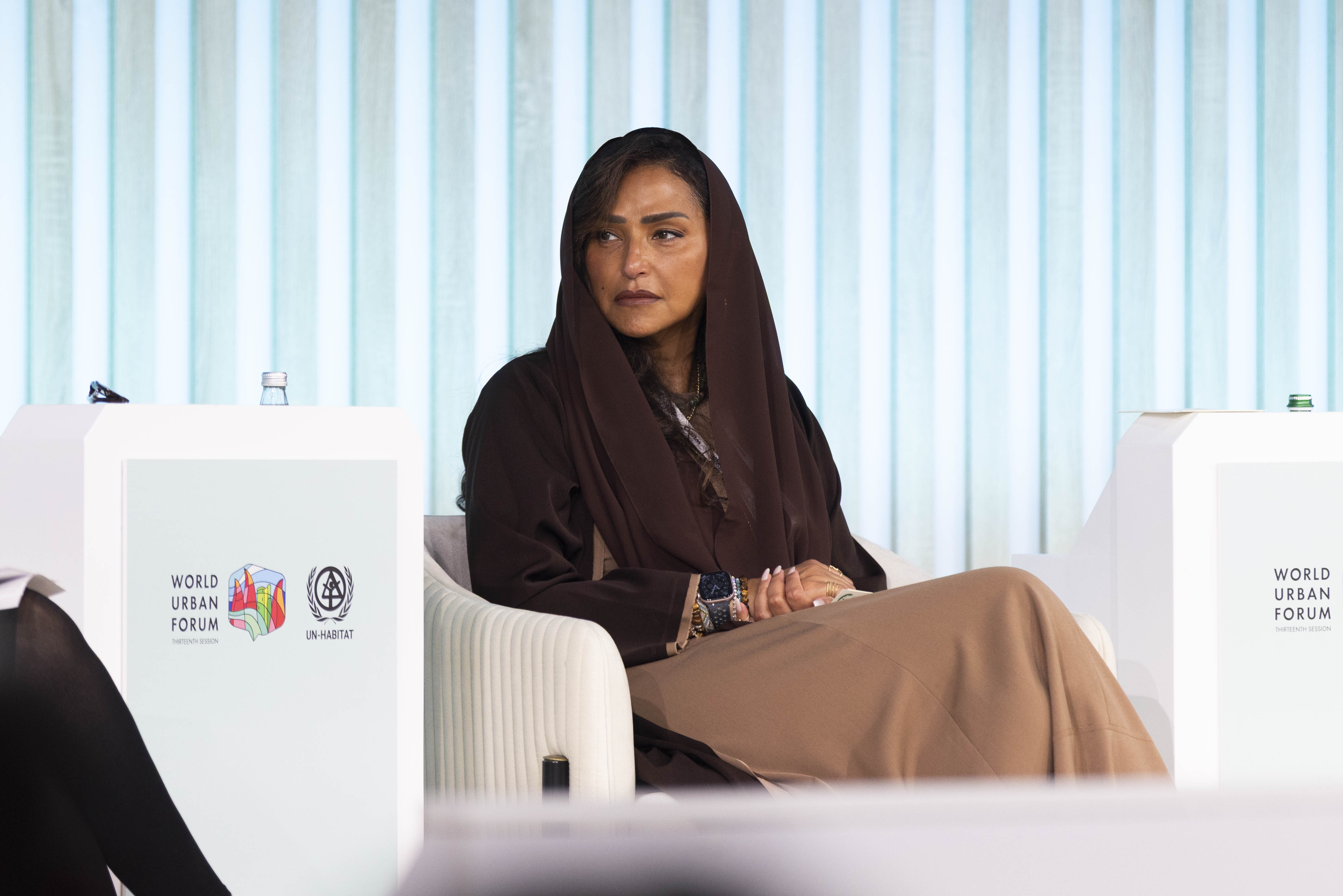
HRH Princess Lamia bint Majed Al Saud, Saudi Arabia
Roundtable - One UN
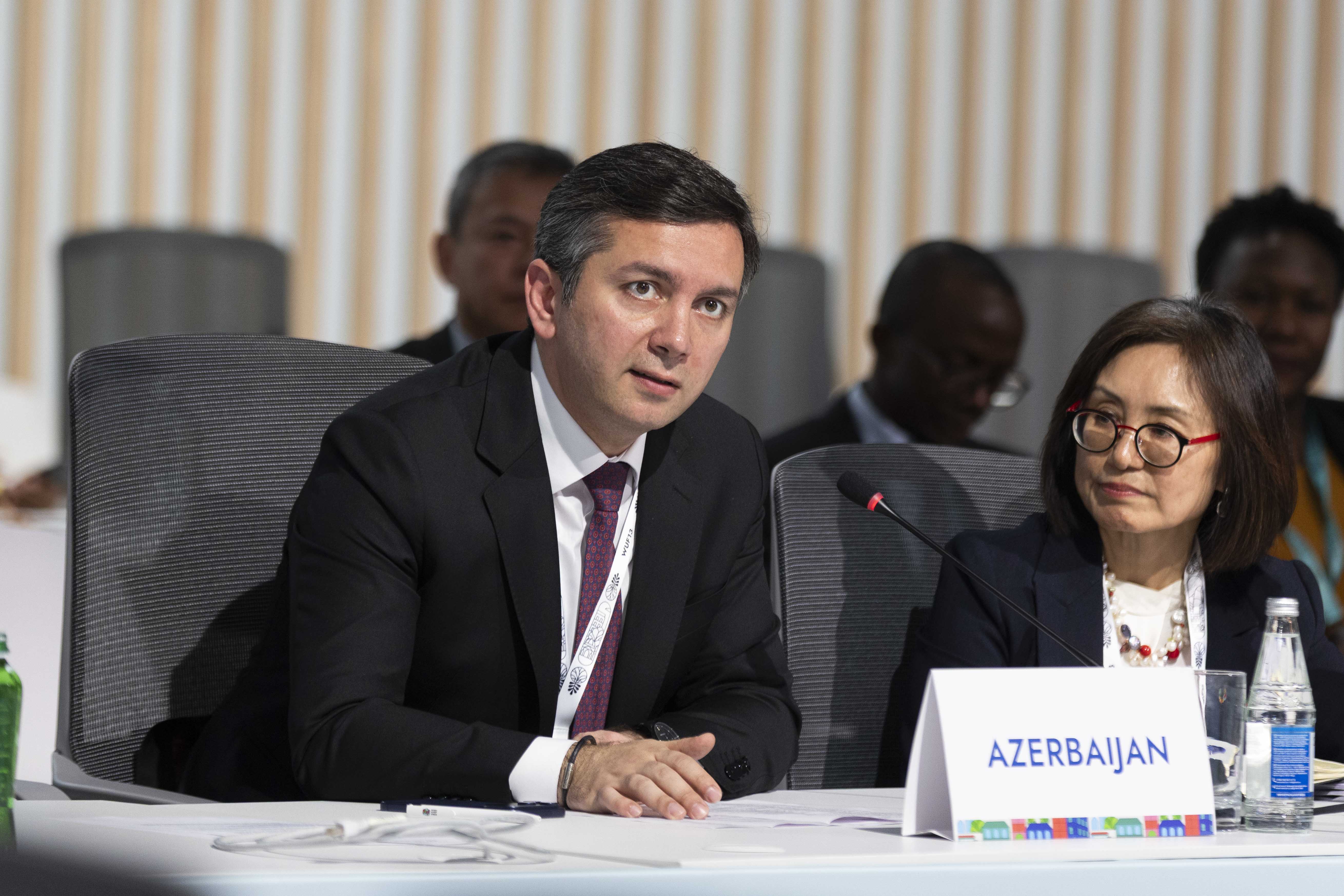
Yalchin Rafiyev, Deputy Minister of Foreign Affairs of Azerbaijan
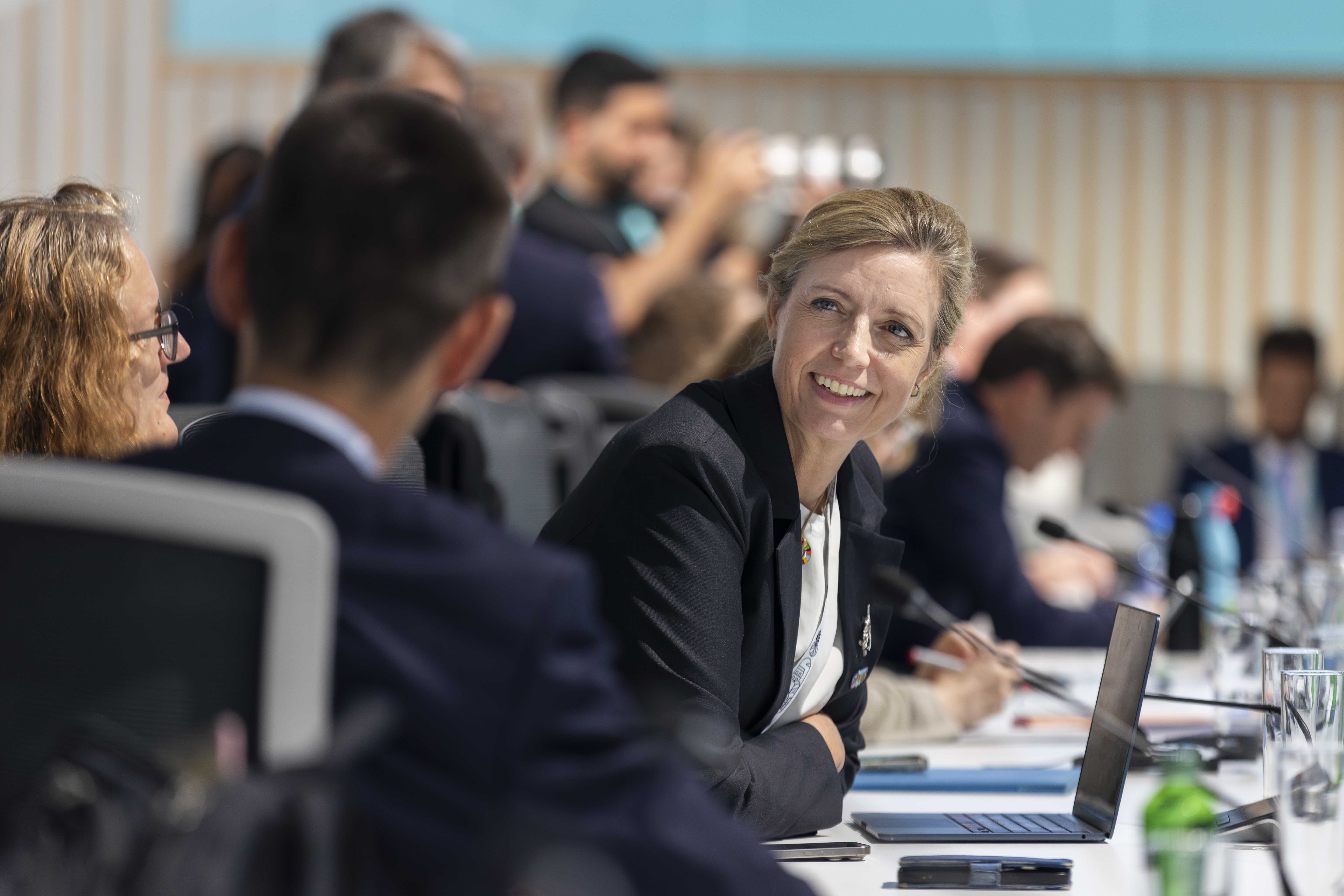
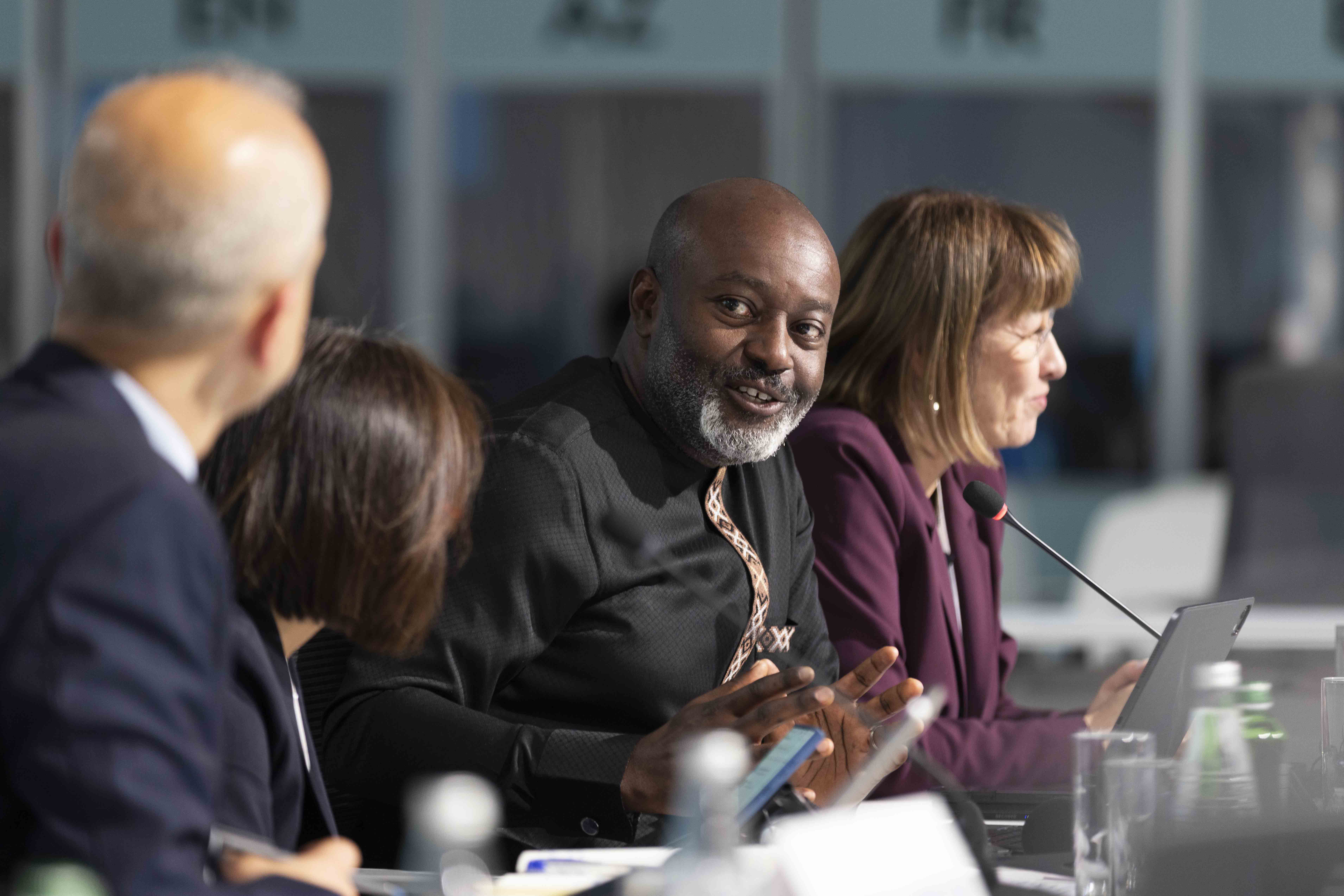
Nelson Muffuh, UN Resident Coordinator in South Africa
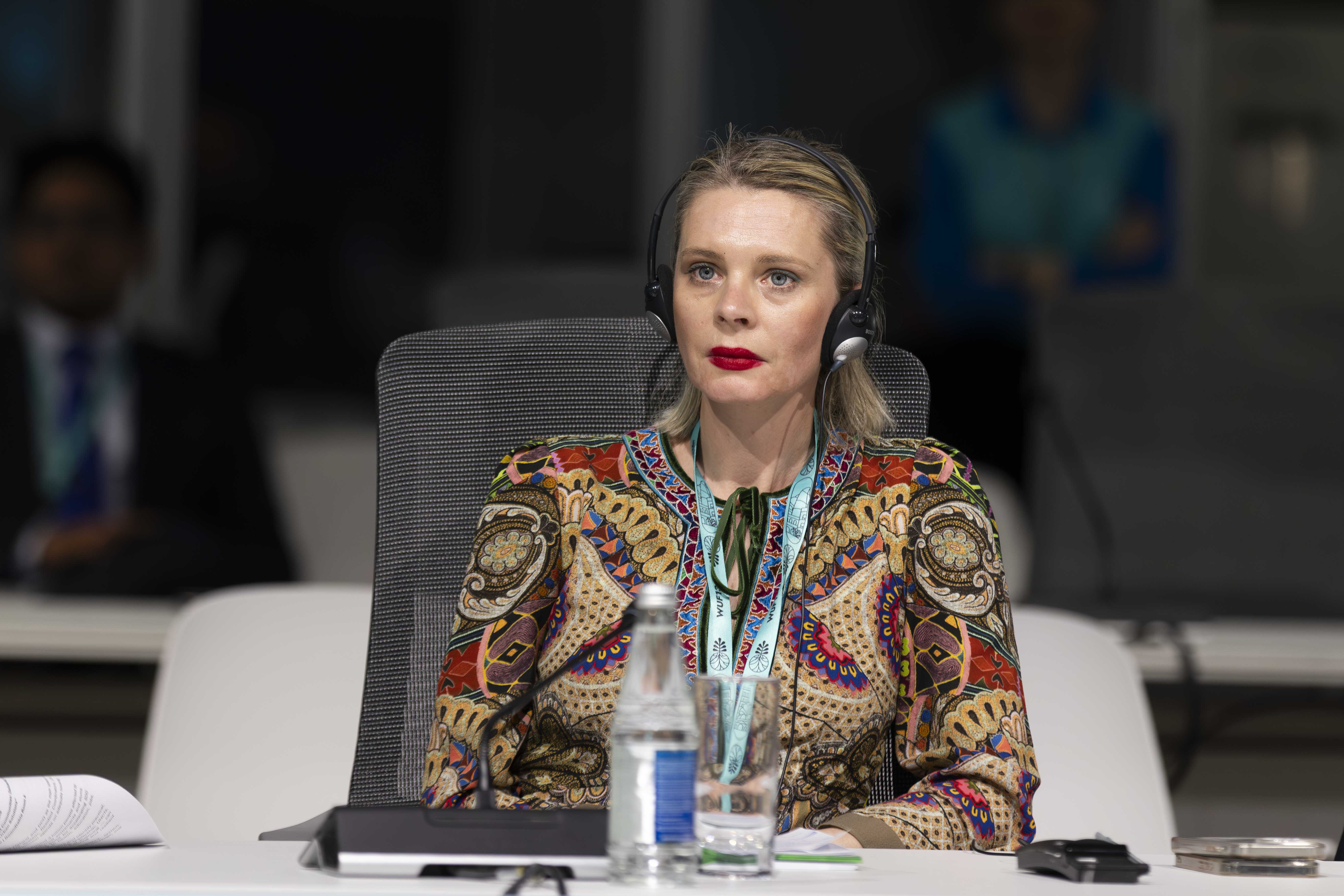
Xenya Scanlon, UN Convention to Combat Desertification (UNCCD Secretariat)
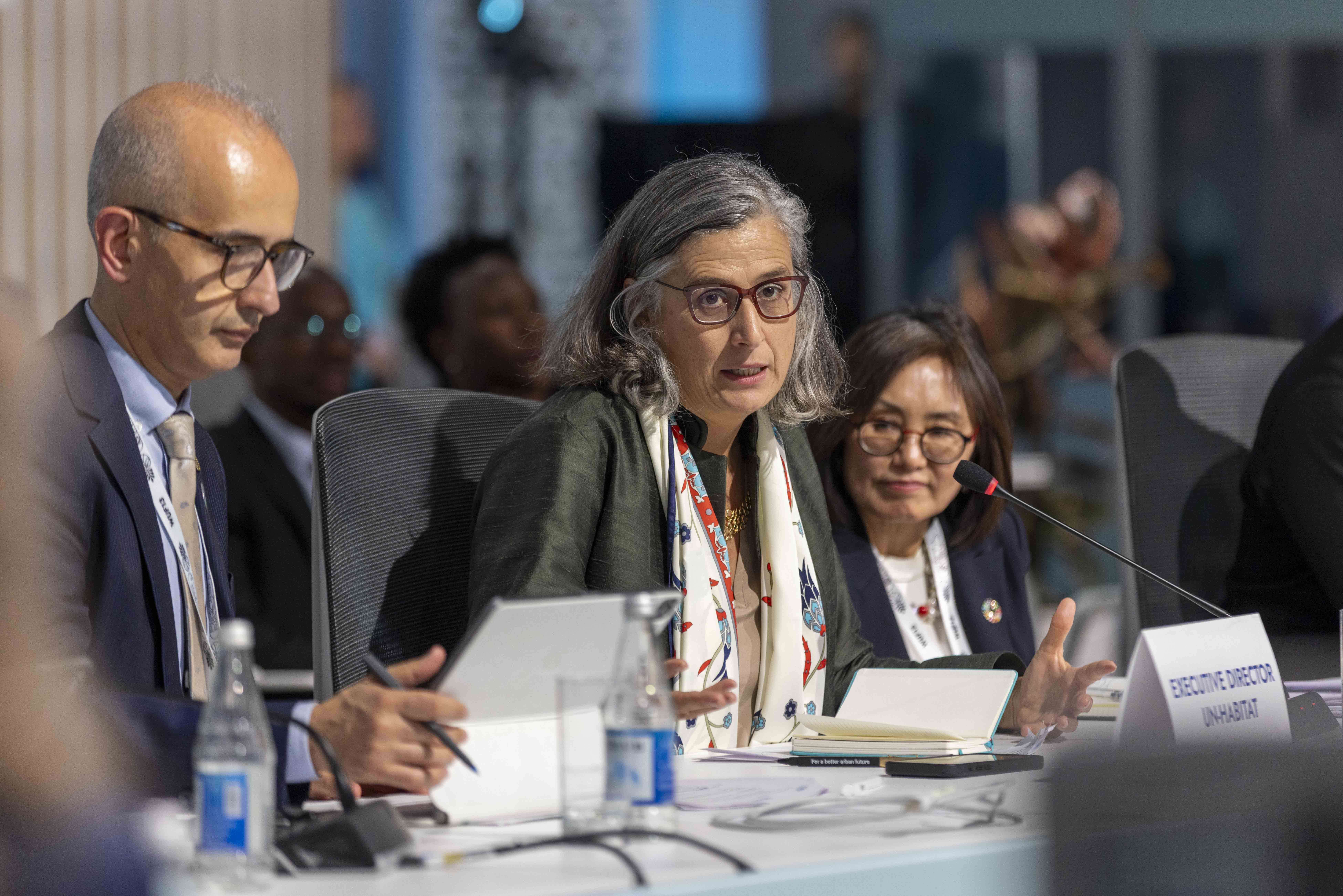
Anacláudia Rossbach, Executive Director, UN-Habitat

Stefan Jungcurt, Earth Negotiations Bulletin, and Xenya Scanlon, UNCCD Secretariat
Special Session - Housing at the Centre of Global Coalitions
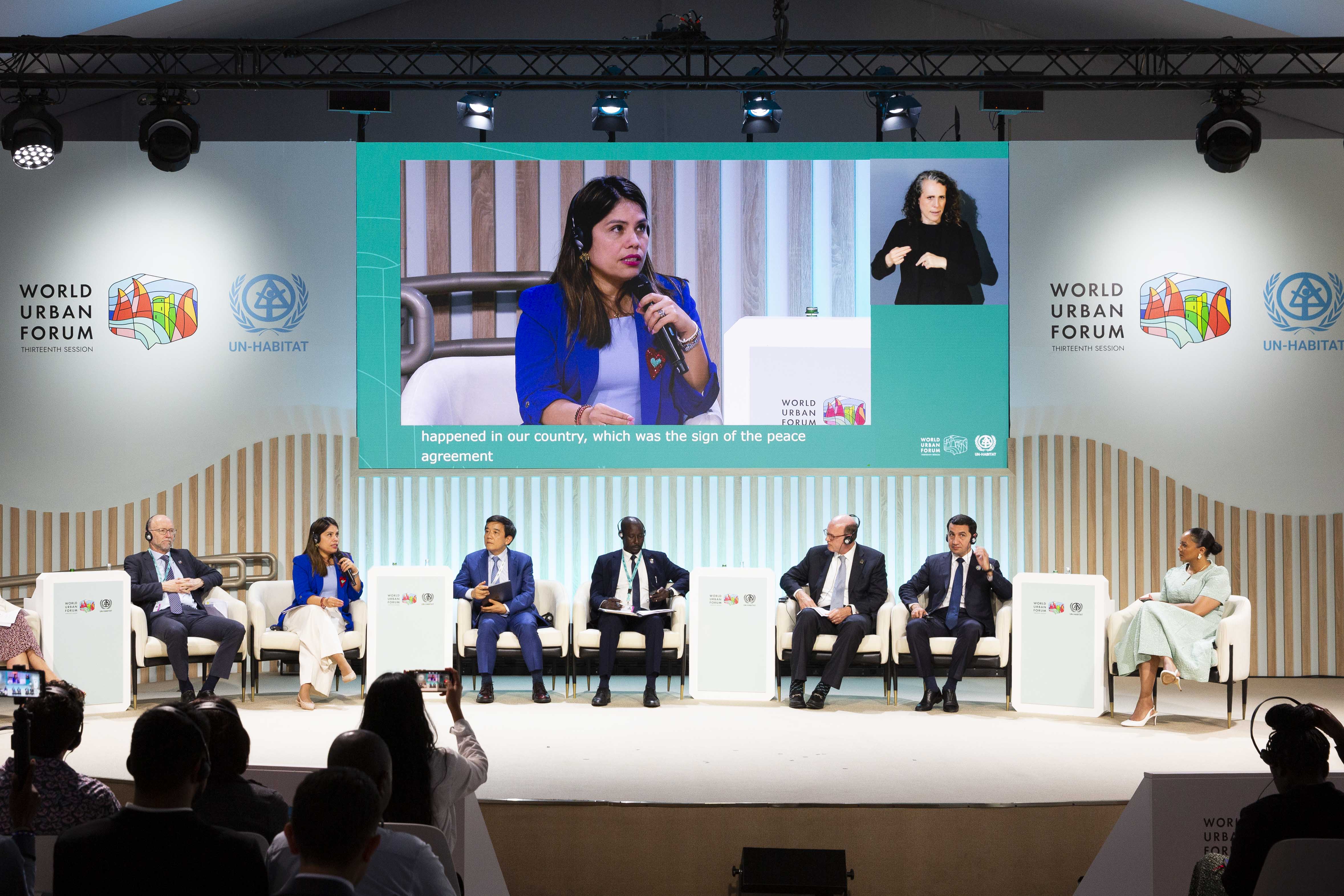
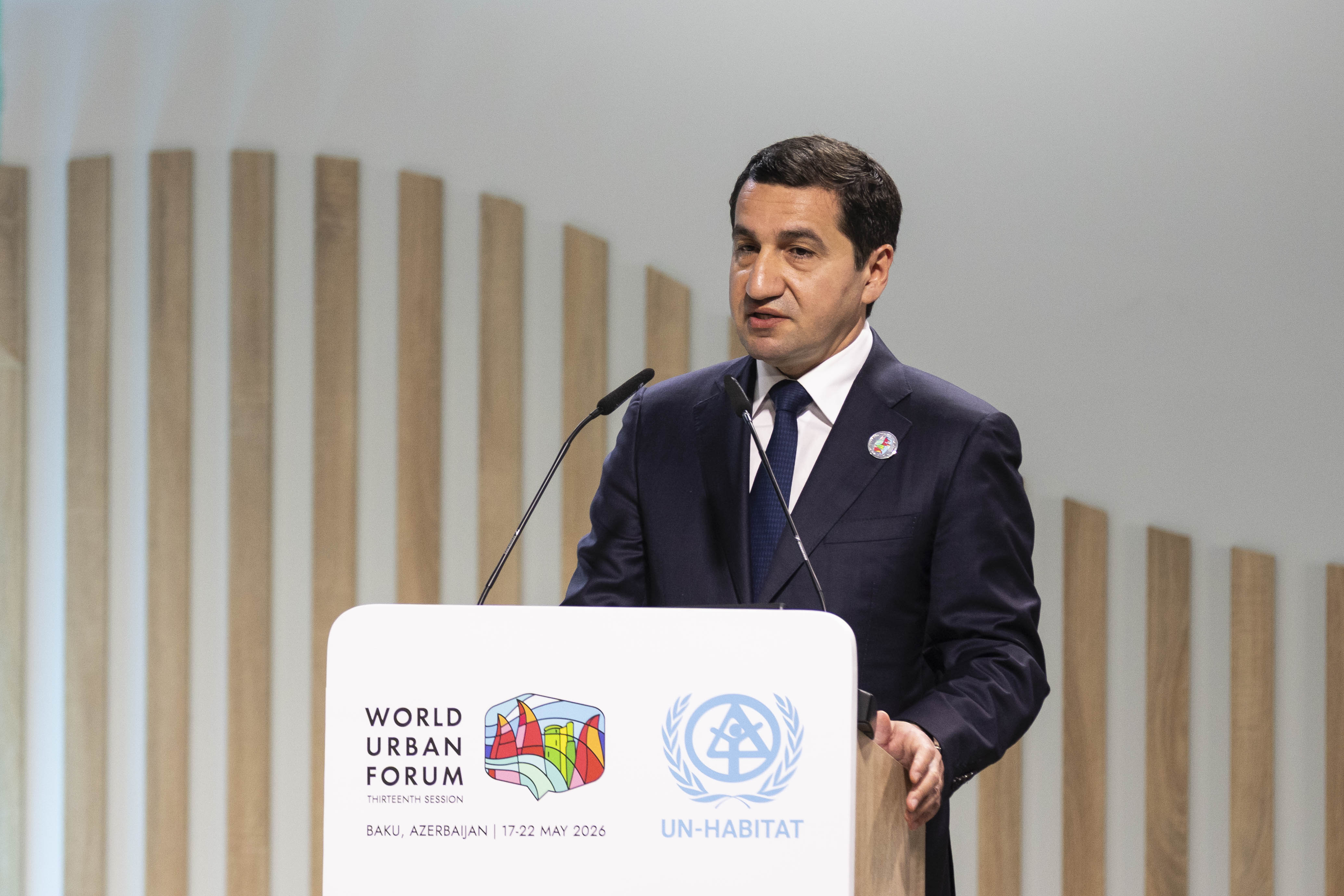
Hikmet Hajiyev, Foreign Policy Affairs Department, Azerbaijan
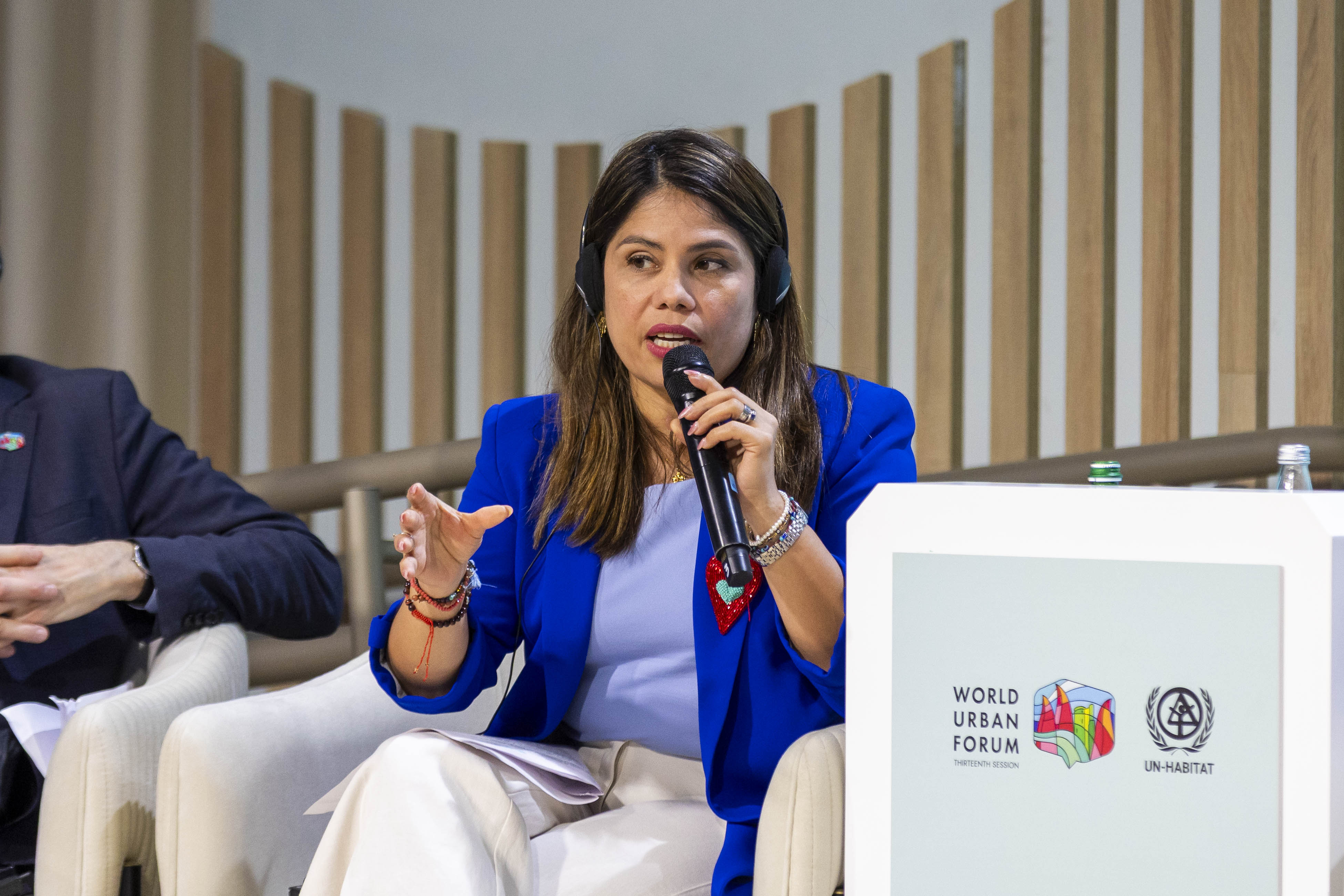
Aydeé Marsiglia Bello, Vice Minister of Housing, City, and Territory, Colombia
Special Session - Cities at the Heart of Connectivity: Urban Reconstruction and Regional Cooperation
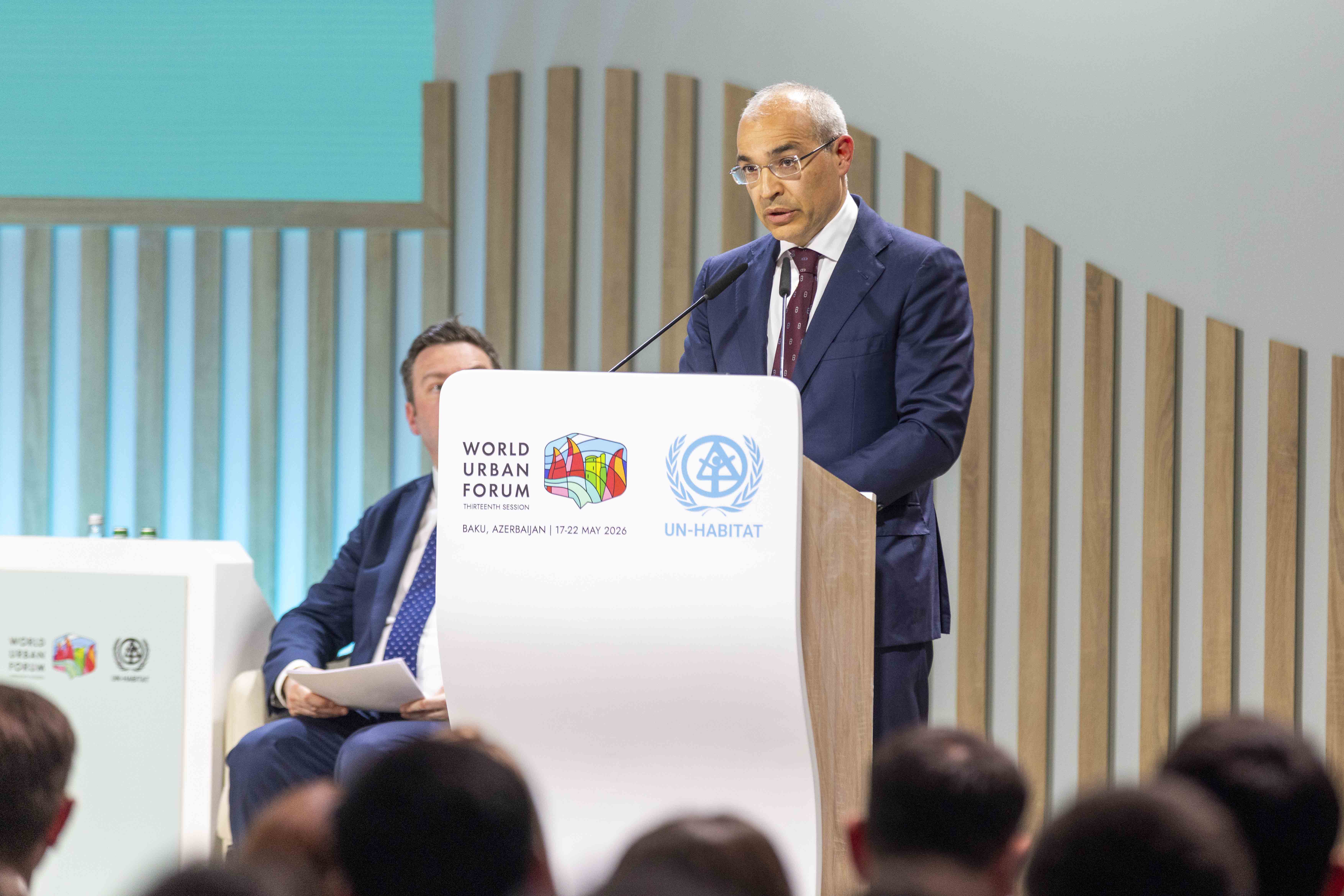
Mikayil Jabbarov, Minister of Economy, Azerbaijan
Roundtable - Local and Regional Governments
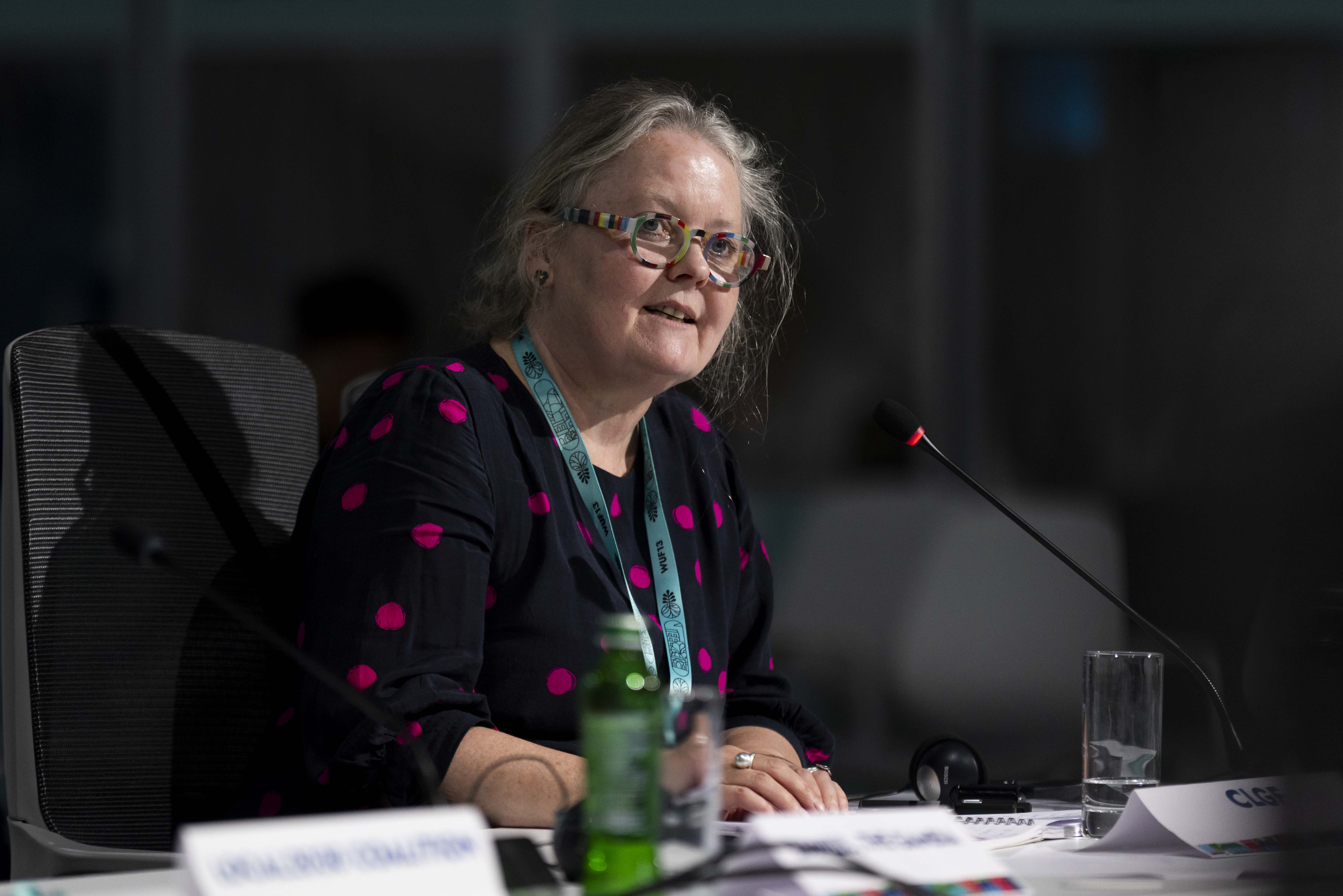
Lucy Slack, Commonwealth Local Government Forum
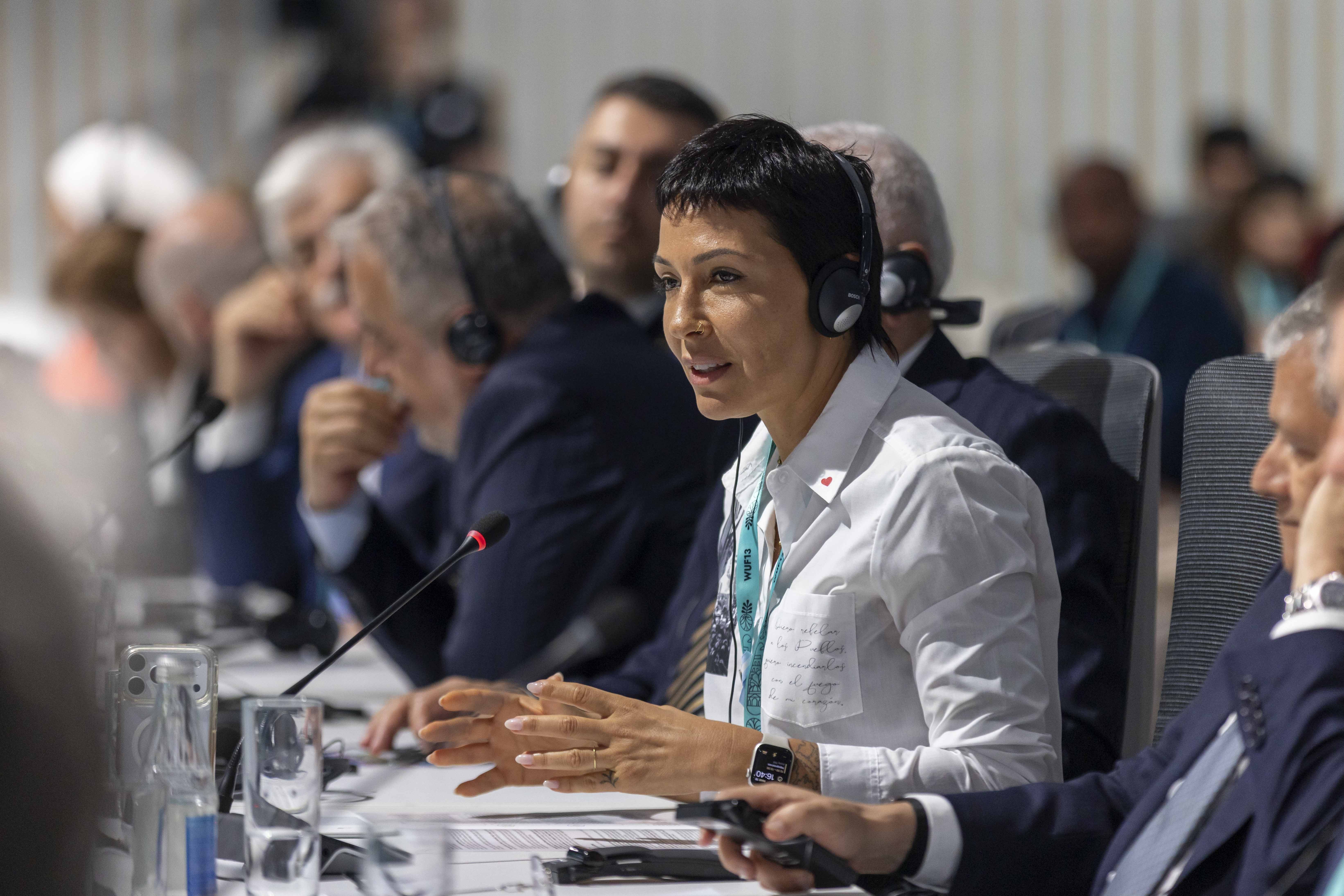
Mayra Mendoza, Provincial Deputy of Buenos Aires
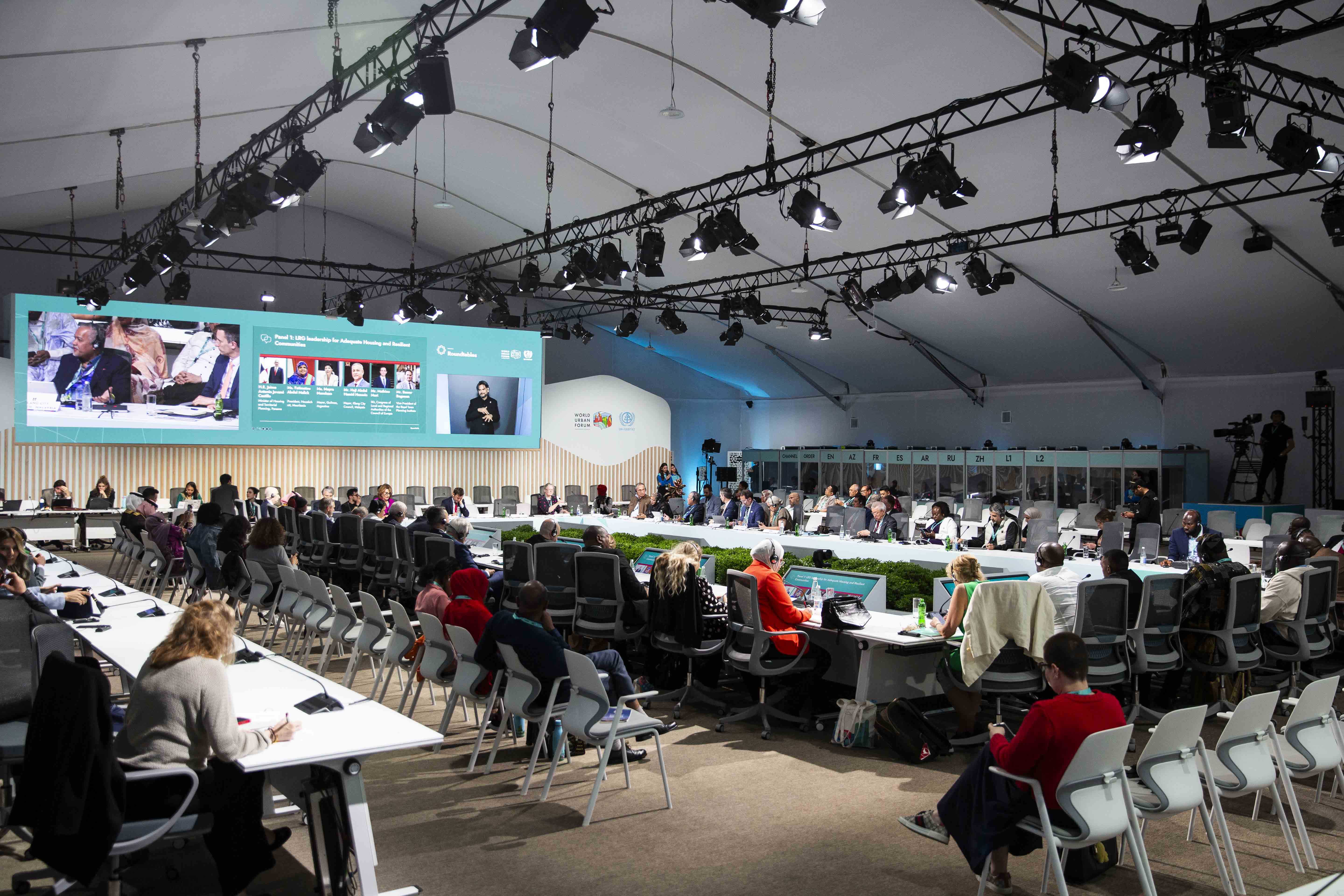
Special Session - Pulse of Healthy Homes
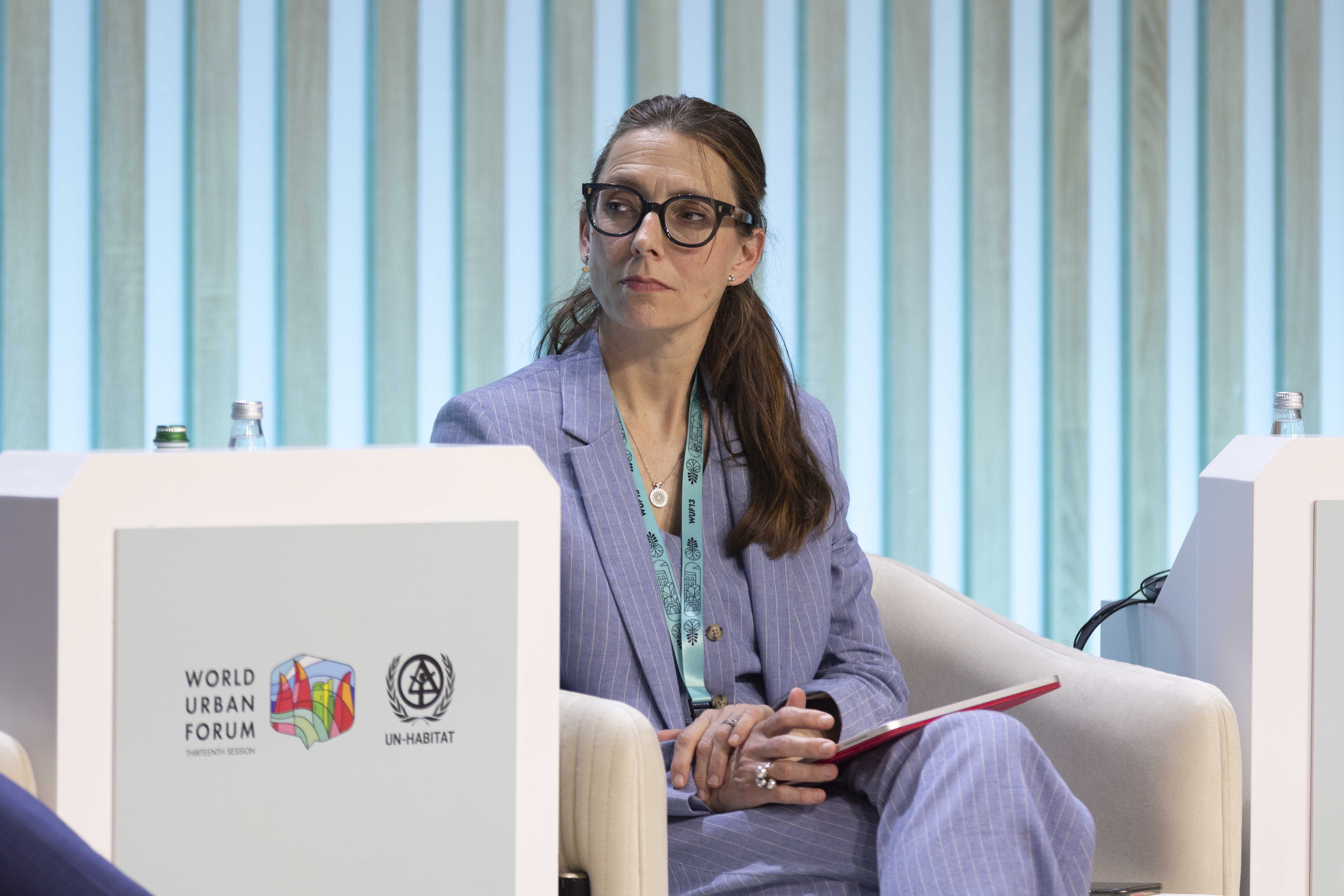
Nathalie Roebbel, World Health Organization (WHO)
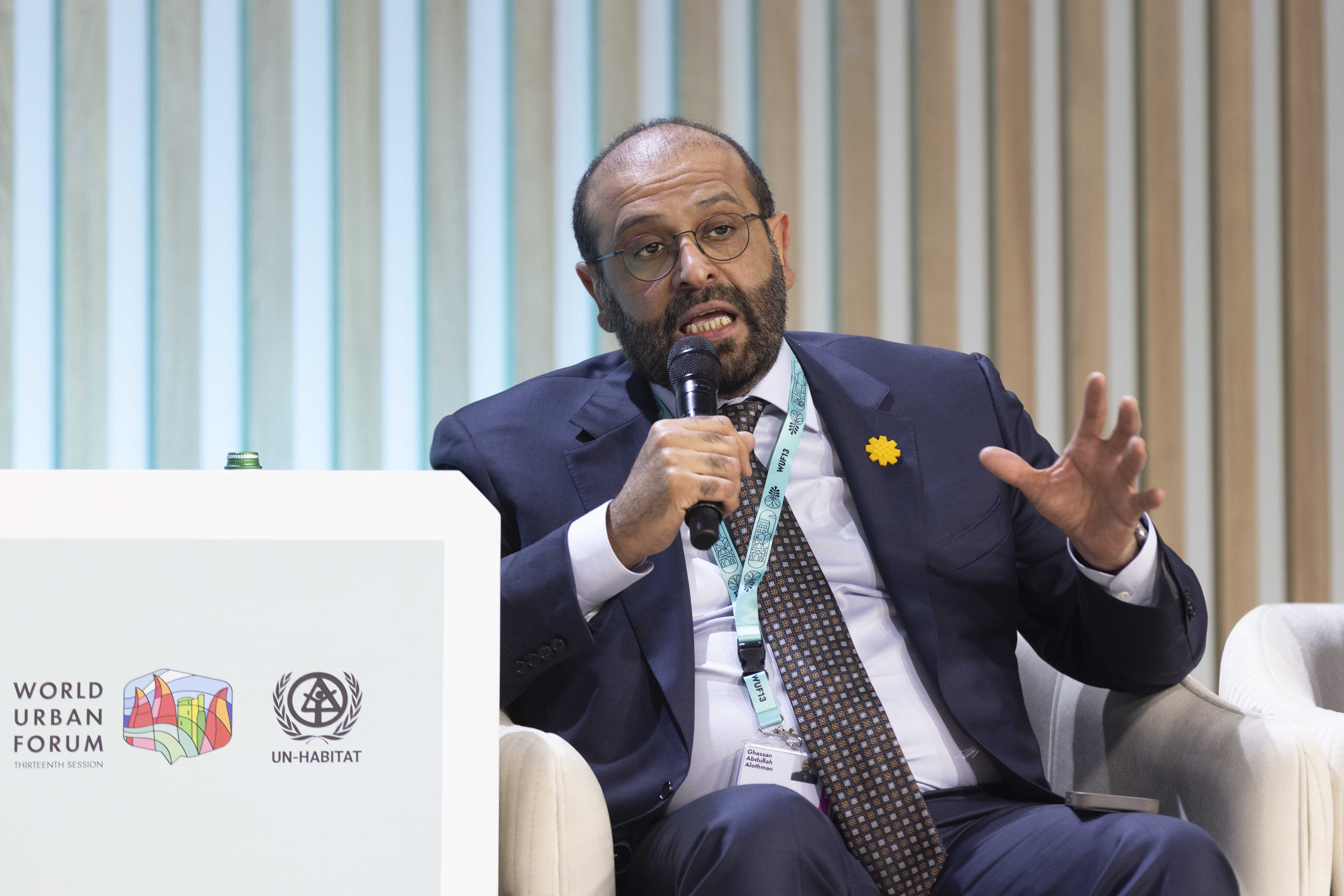
Ghassan Abdullah Alothman, Athr Community
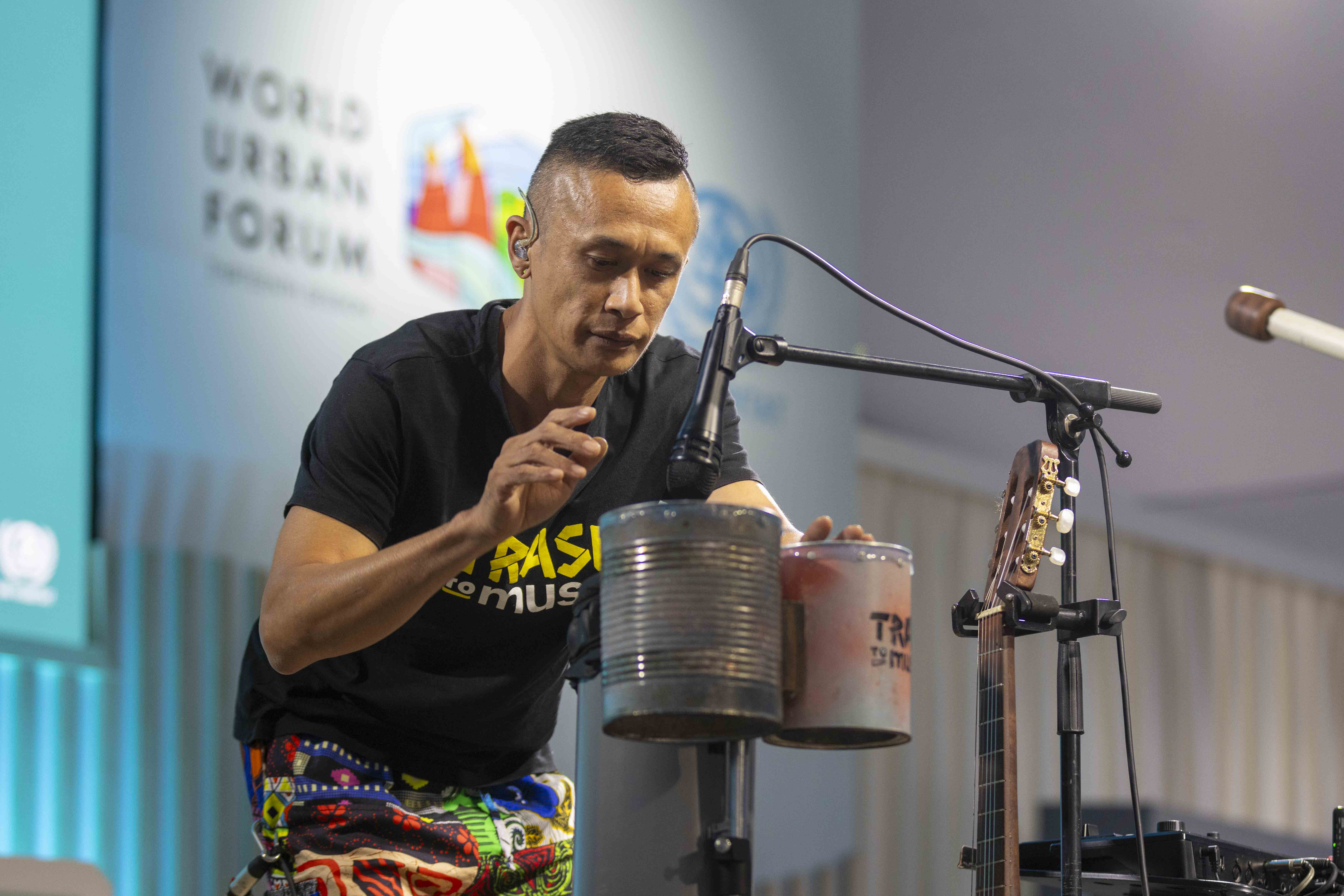
Kan Chan Kin, Trash to Music
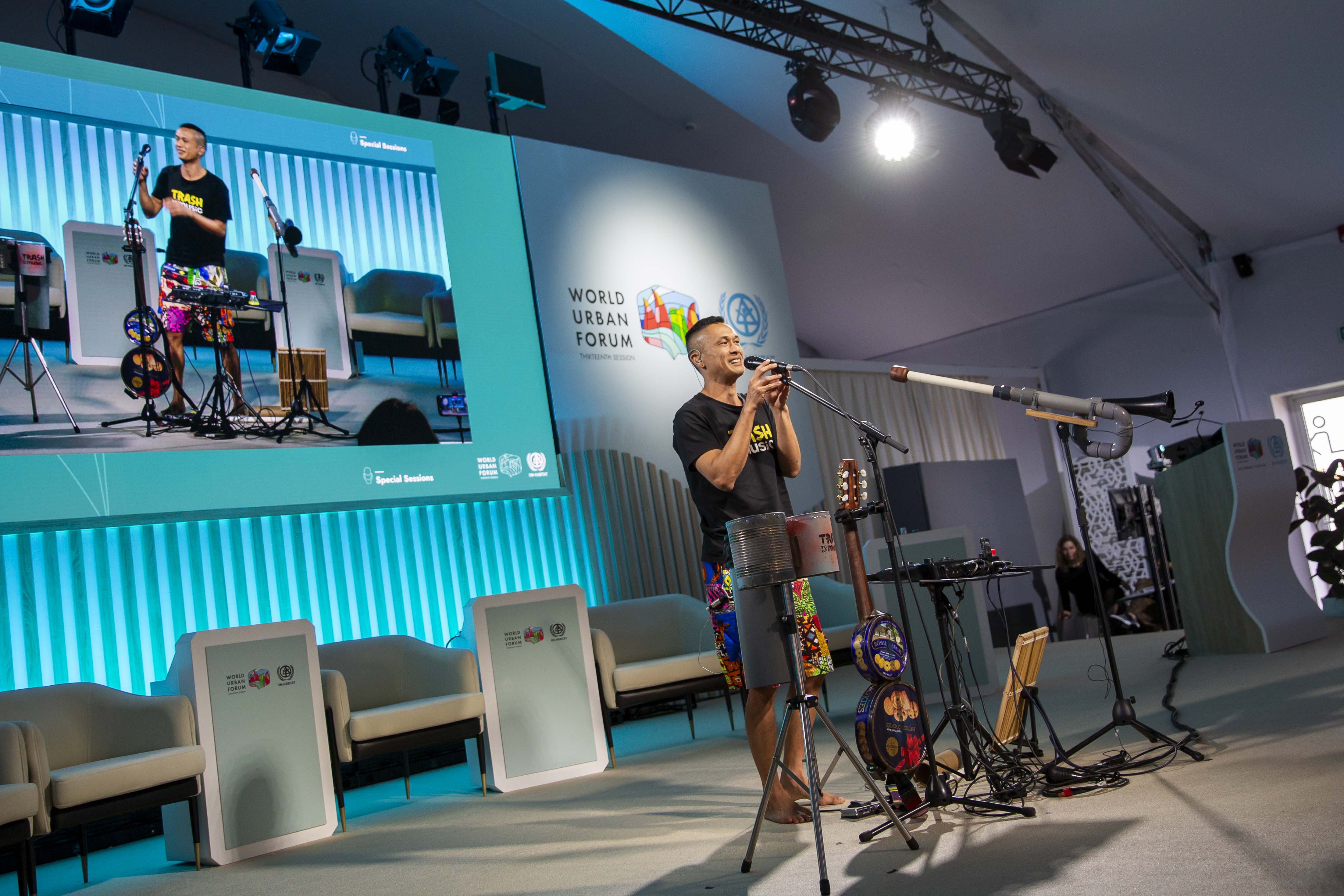
Special Session - Building From the Ground-up: From Resistance to Alternatives
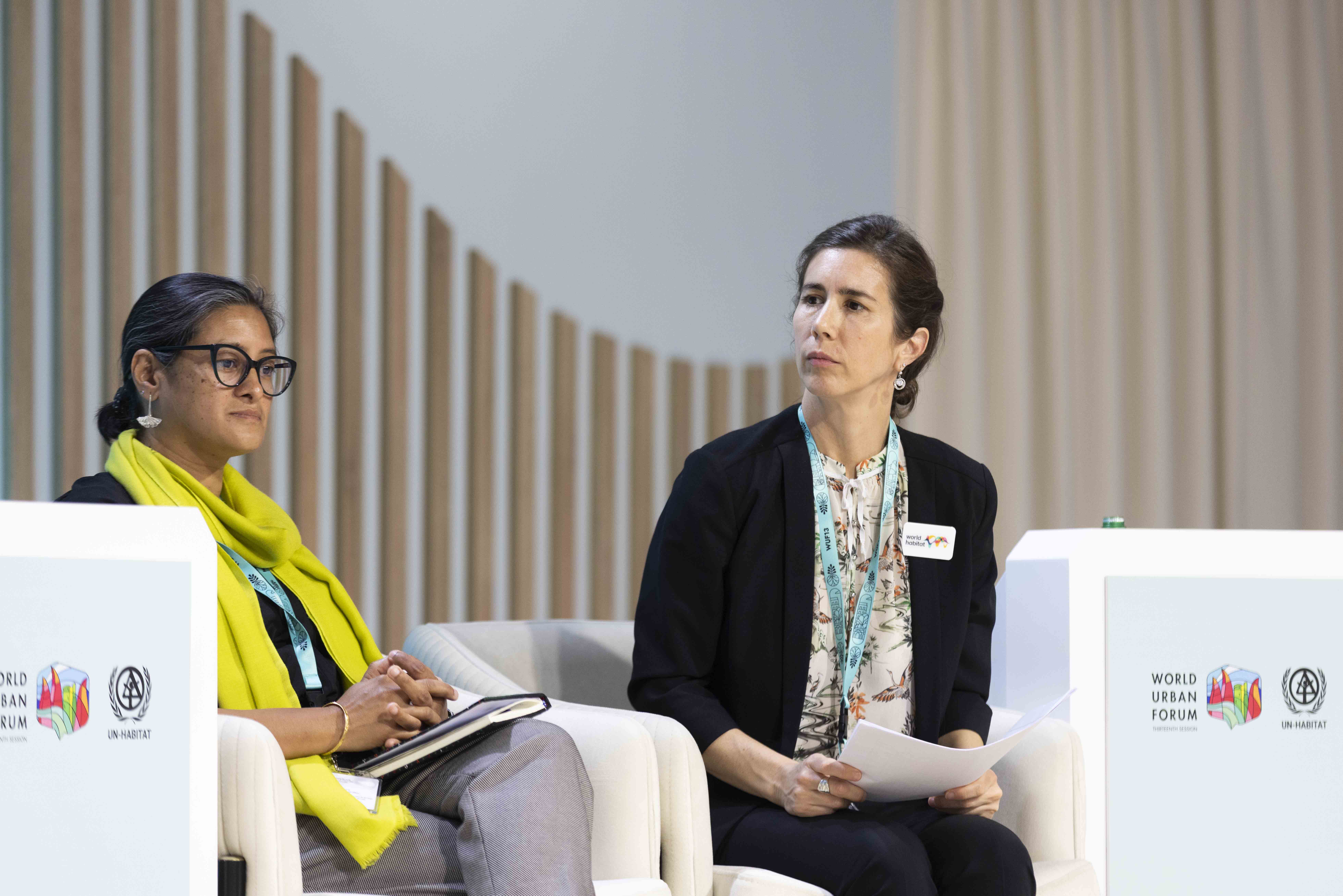
Lumanti Joshi, Lumanti Support Group for Shelter, and Mariana Gallo, World Habitat
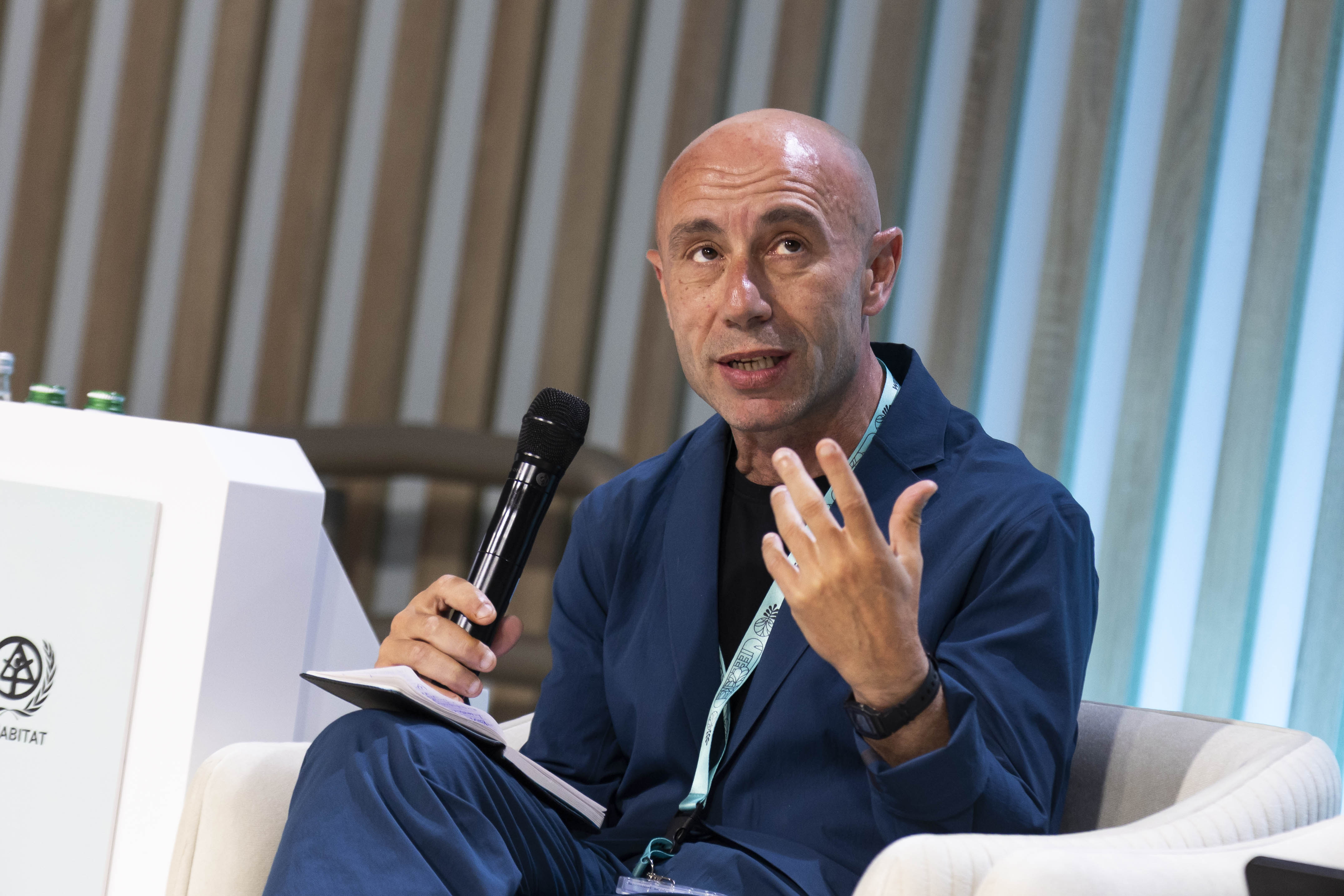
Josep Maria Borrel Bru, IMPSOL
Around the Venue
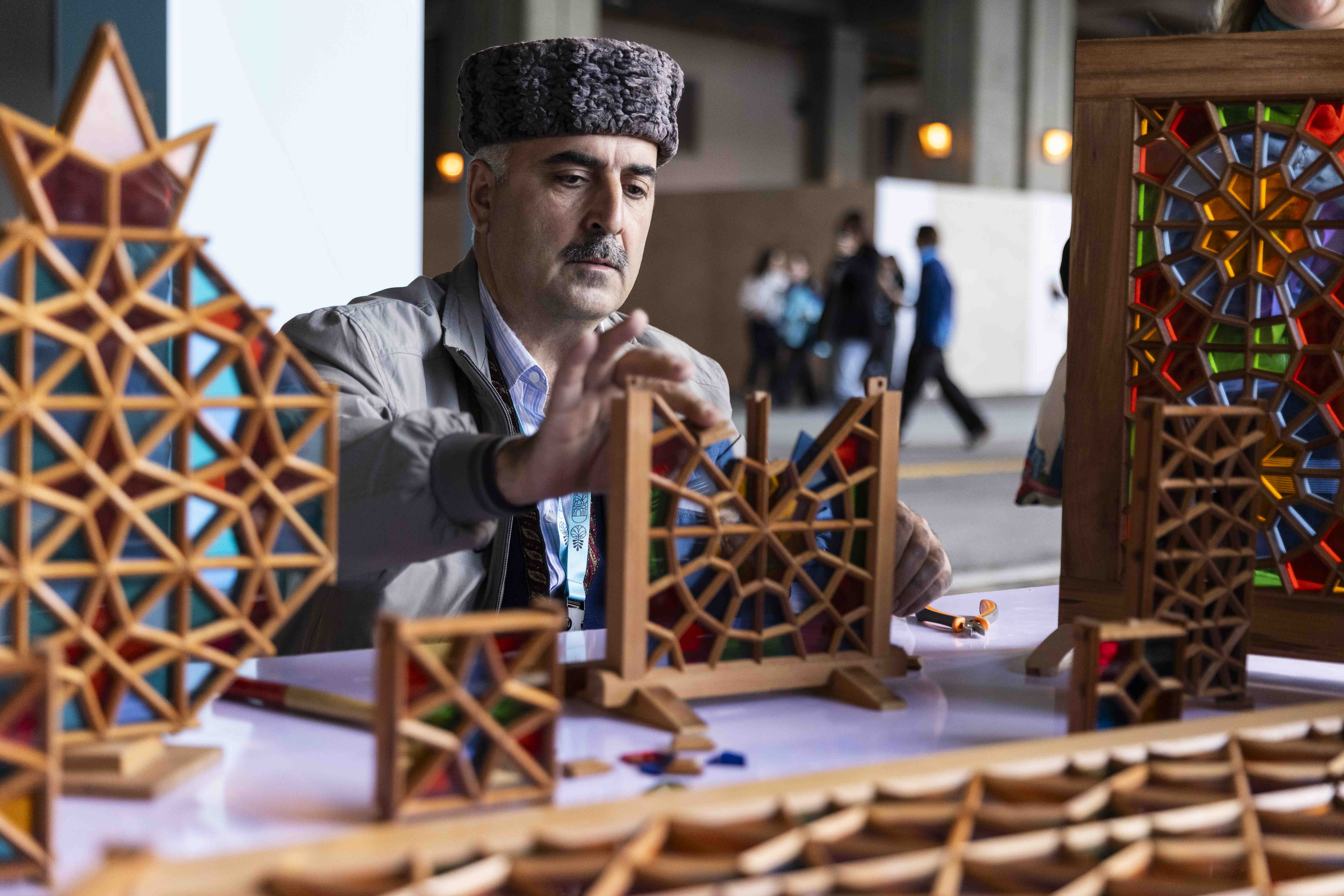
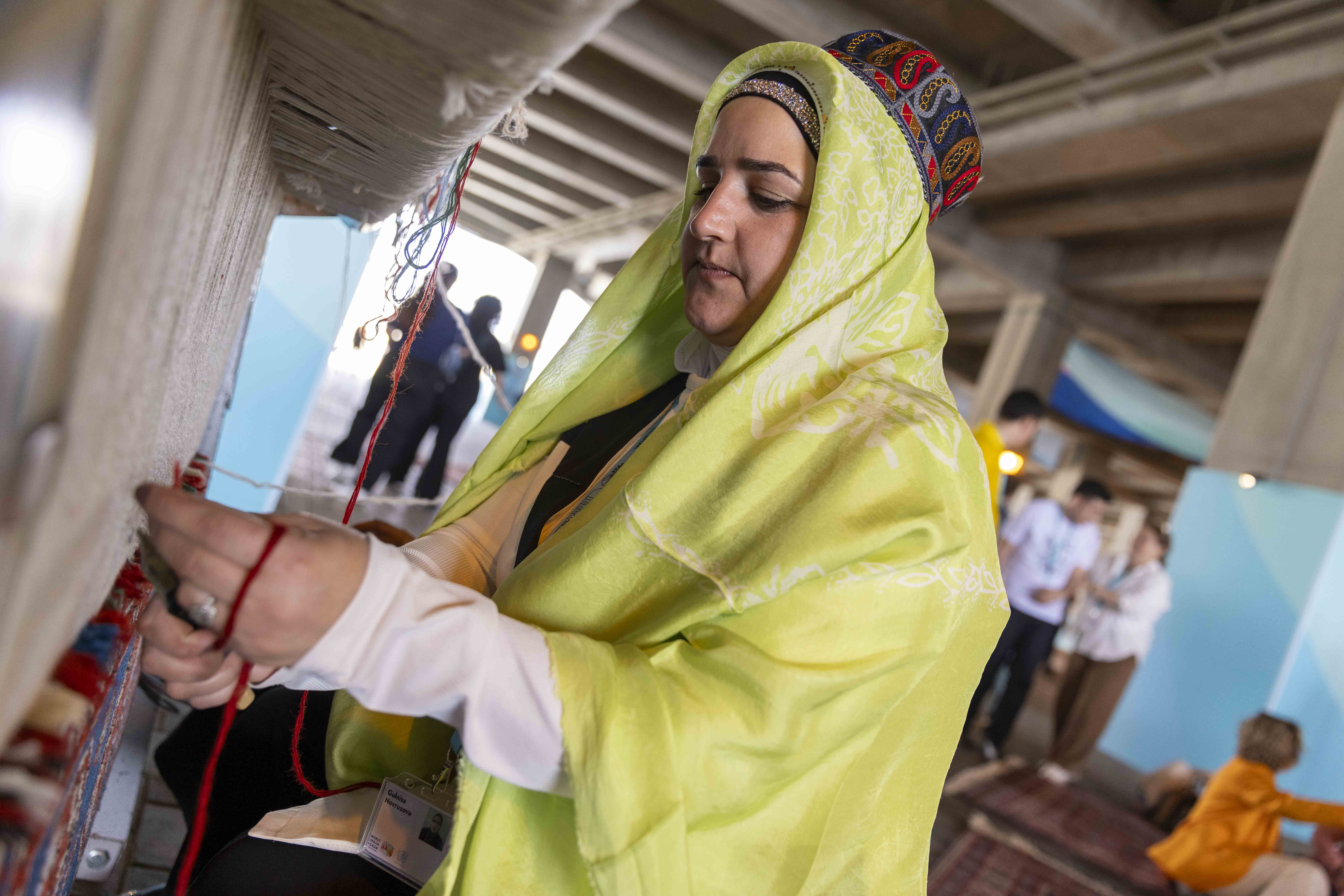
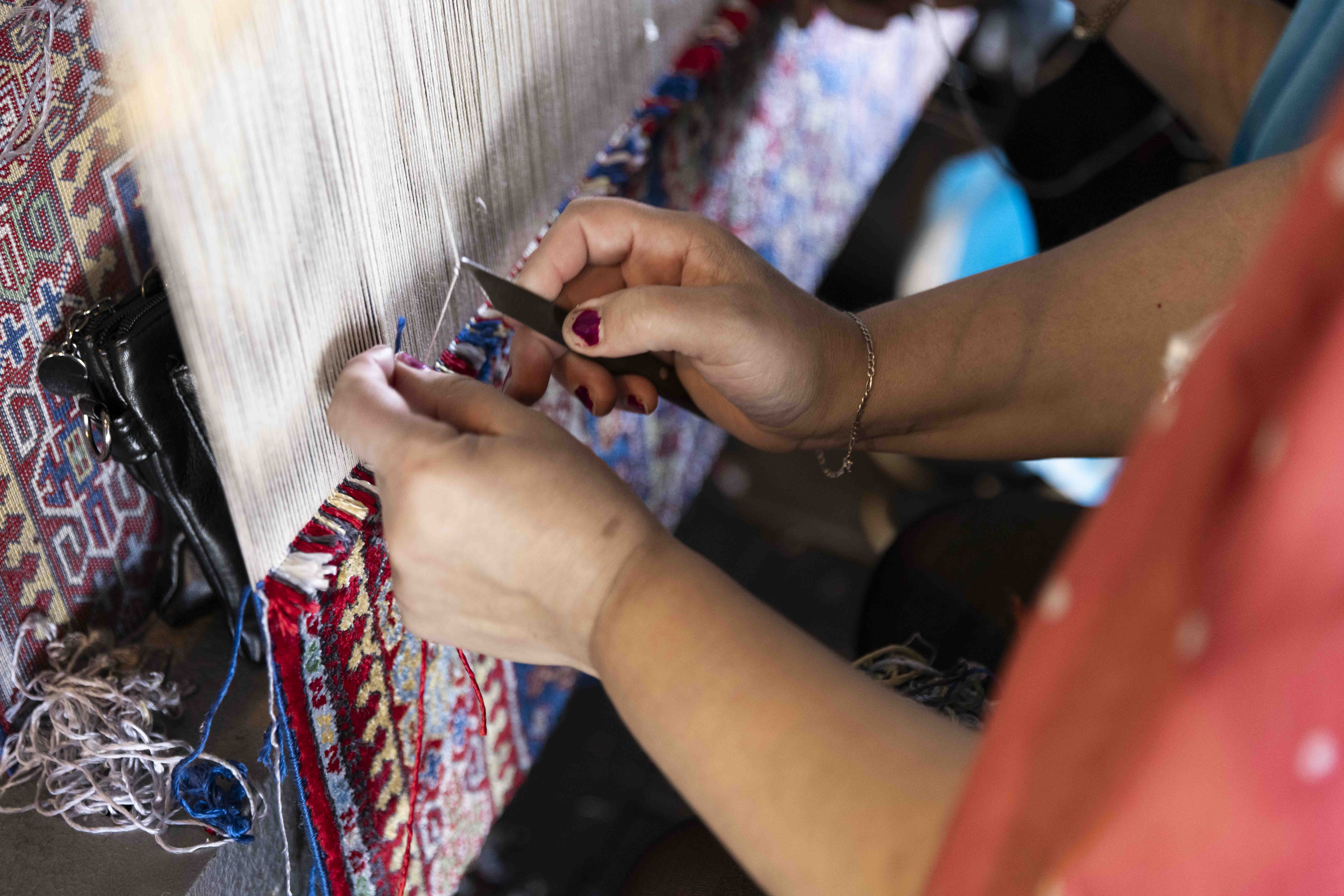
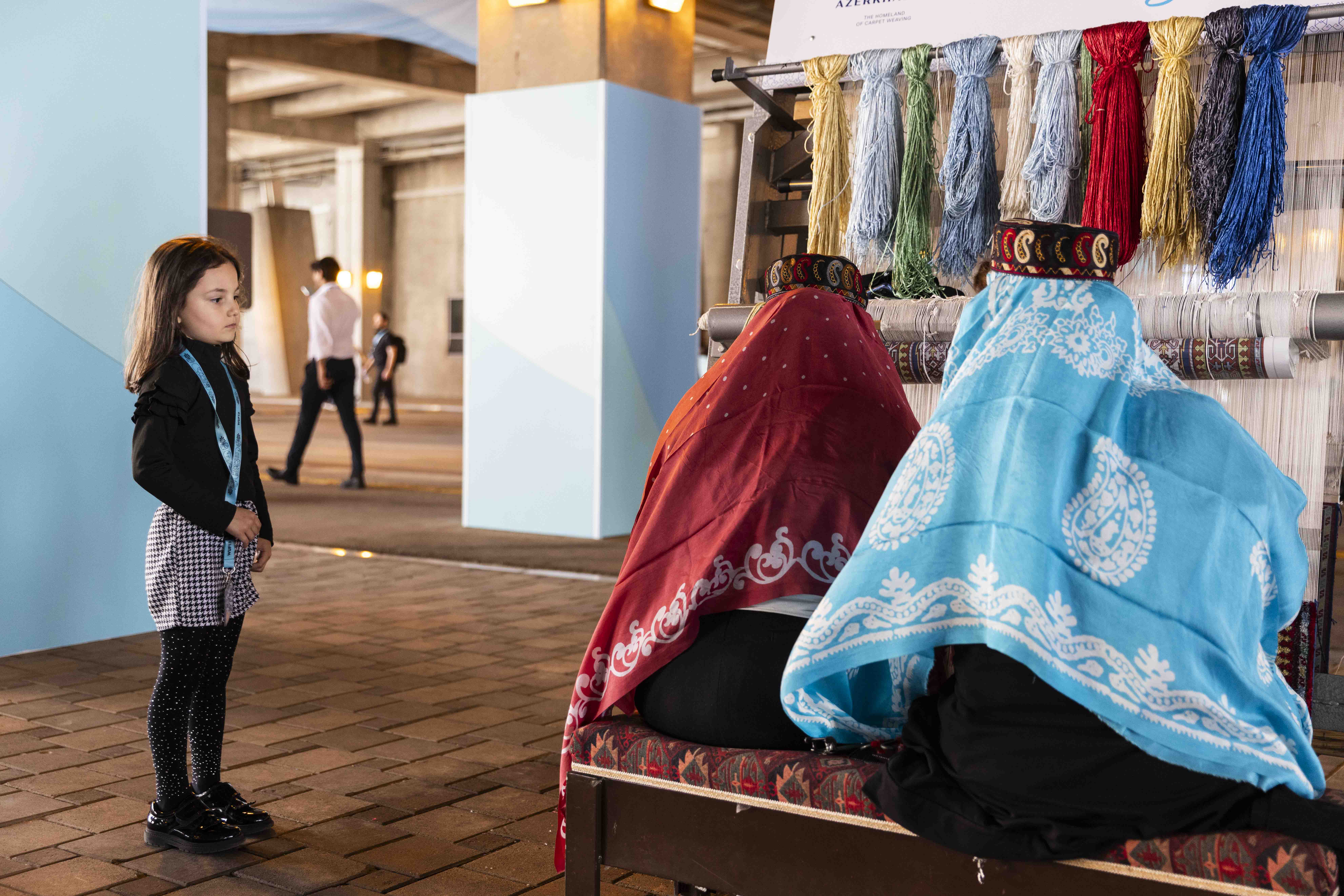



Urban Expo