

Housing is far more than four walls, it is the foundation of dignity, inclusion, opportunity, and climate resilience. The human right to adequate housing not only refers to shelter but firmly embeds the right to a home within a list of criteria that includes secure tenure, availability of services, affordability, habitability, accessibility, location near employment opportunities, and cultural connection. It is not surprising, then, that the human right to adequate housing featured in discussions throughout the week and is highlighted in the Baku Call to Action that was released on the final day of WUF13.
In the morning of the last day, two roundtables touched on the intersection of the human right to adequate housing with other rights for women and Indigenous Peoples.
The roundtable on women discussed how housing policies can advance gender equality and empower women in all their diversity. Bahar Muradova, Chairperson of Azerbaijan’s State Committee for Family, Women and Children Affairs, lamented that too many women around the world still face the dreadful choice between staying with a violent partner or facing homelessness. Participants discussed the fundamental role of securing land tenure, property title, and finance for women, without which urban and housing policies risk perpetuating power imbalances in housing access. Summarizing the session, UN Trade and Development (UNCTAD) Secretary-General Rebeca Grynspan encouraged housing policies that empower women as citizens and urged all to work for a world in which every woman can look at her home and say: “This is mine!”
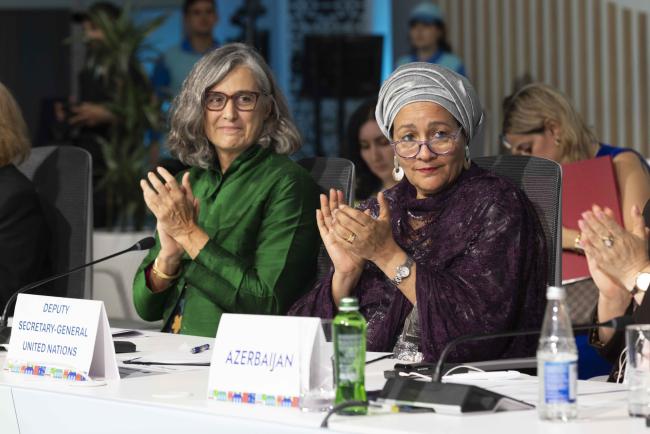
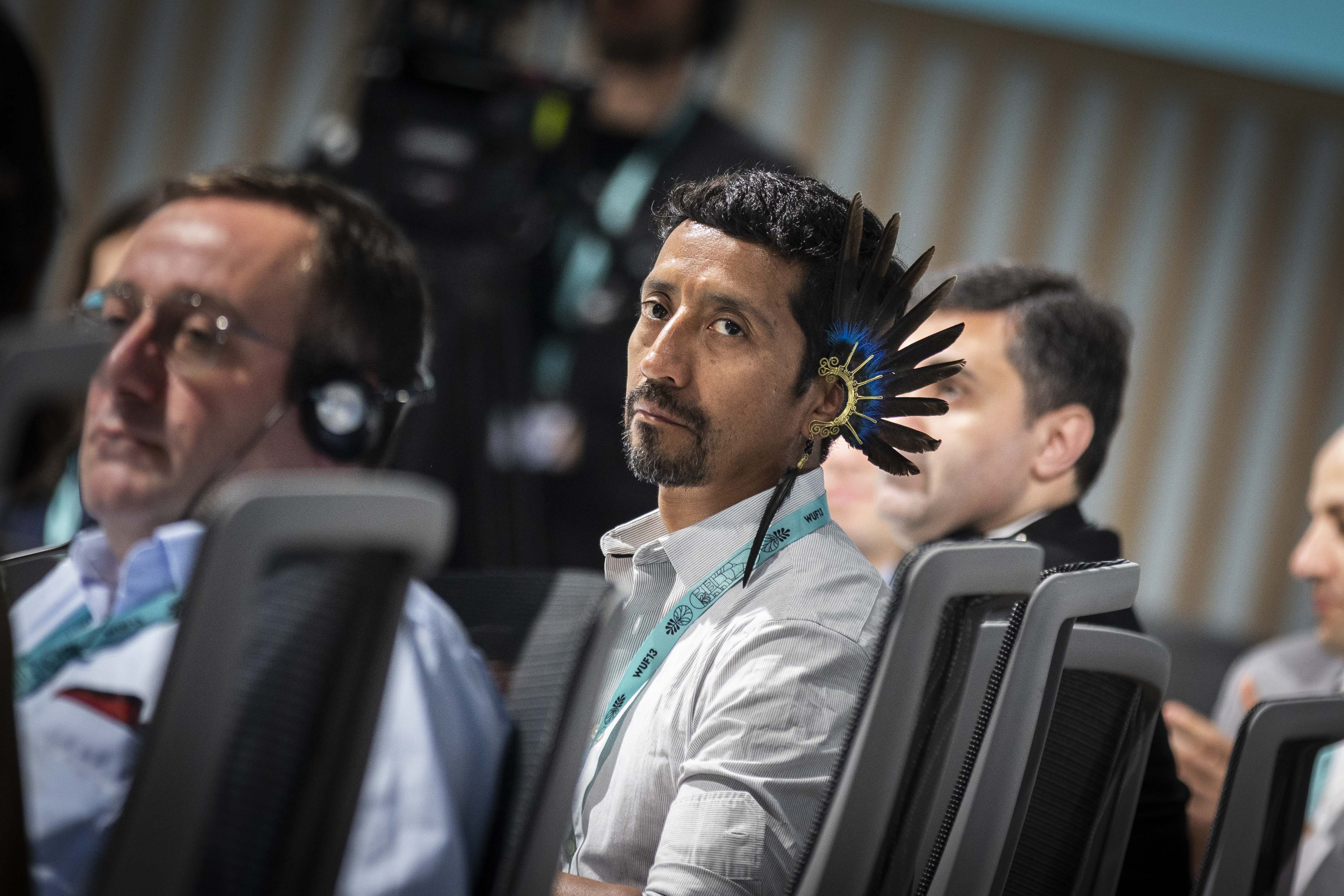
In the first roundtable dedicated to the rights of Indigenous Peoples during a WUF, participants discussed key issues that need to be in place to put Indigenous Peoples’ concerns at the heart of urban housing policy, including: decolonizing urban planning; consistent application of the right to prior and informed consent; and ensuring meaningful participation of Indigenous Peoples in all aspects of urban planning.
Several “One UN” events highlighted, for example, the work under way to localize the Global Digital Compact at the city level. Adopted nearly two years ago, the Compact commits governments to uphold international and human rights in digital spaces. For cities, the transition towards digital services can create financial savings and other benefits, but the transition must be inclusive and grounded in the realities of the people where they live, participants affirmed.
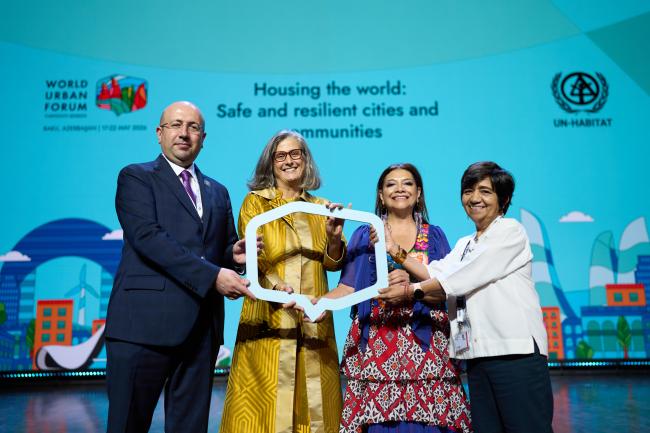
In the afternoon, WUF13 concluded with a dazzling ceremony that featured an immersive performance of Azerbaijani dance and music.
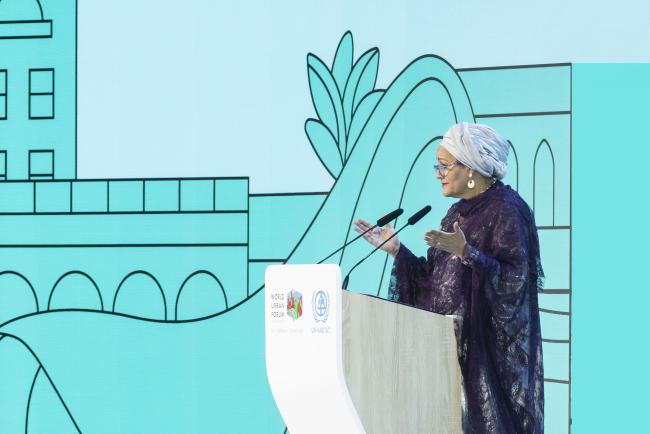
Lauding the Forum’s resilience in the face of record-breaking torrential rain on its opening day, UN Deputy Secretary-General Amina Mohammed emphasized that while there has been “remarkable progress” in cooperation among governments, civil society, and the private sector, more investment in resilient territorial planning is needed in an era of unprecedented conflicts.
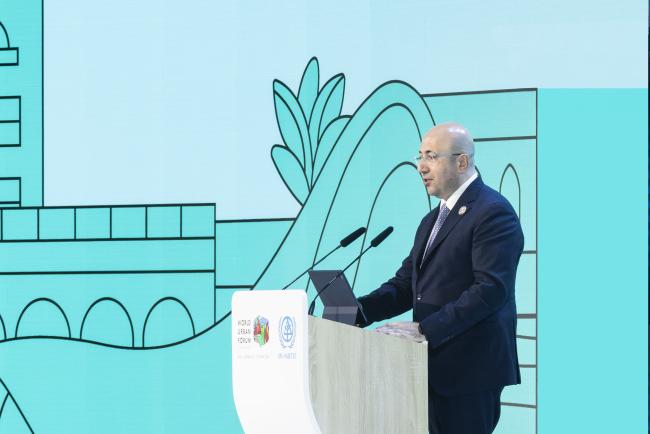
In his closing remarks, Anar Guliyev, National WUF13 Coordinator, said that: WUF13 was the largest ever, with over 58,000 participants from 176 countries; the inauguration of the innovative Business-Innovation Hub created meaningful dialogue for urban solutions; and sustainable urban futures require solidarity, cooperation, and shared responsibility.
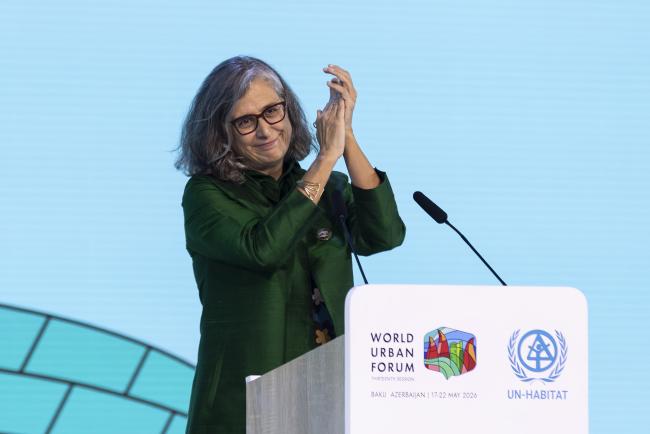
UN-Habitat Executive Director Anacláudia Rossbach declared “we must move from marginal progress to systematic transformation,” underscoring that WUF13 stakeholders came together around the truth that housing is a human right. She outlined key messages of WUF13, including the need to restore housing as a public responsibility, empower cities, end forced evictions, transform housing finance, and strengthen implementation systems that deliver with co-creation, clear targets, and accountability.
Rohey Malick Lowe, Mayor of Banjul, The Gambia, speaking on behalf of the Local and Regional Governments constituency, underscored that adequate housing requires universal, accessible, and fair public services. She called for including local and regional governments in political decisions that shape the commitments communities are expected to deliver, emphasizing “this is not only about policy; this is about trust, democracy and multilateralism itself.”
Ana Falú, Women and Habitat Network of Latin America, celebrated the contribution of women at WUF13, emphasizing that housing policies should be centered around women’s contributions to society.
Lajana Manandhar, Lumanti Support Group for Shelter, outlined key civil society demands at WUF13, namely: stop forced evictions; prioritize inclusive approaches and climate resilience; increase housing financing; and ensure women- and community-led housing policies.
Jonathan Oriki Some, UN-Habitat Youth Advisory Board, said one in four urban children around the globe grow up in slums and emphasized that ambition alone cannot build the housing needed to address that.
Anar Valiyev, ADA University, highlighted key points of the Baku Call to Action, including trackable commitments and shared implementation pathways, prioritizing housing as a human right, challenging discriminatory housing practices, and stopping forced evictions.
After a short video marking the handover to WUF14 host Mexico City, Rocío Lombera, Municipality of Mexico City, invited participants to attend WUF14 in 2028, promising to ensure commitment to participatory spaces and inclusivity to transform ideas into action.
UN-Habitat Executive Director Anacláudia Rossbach declared the Forum closed at 5:10 pm.
To receive free coverage of global environmental events delivered to your inbox, subscribe to the ENB Update newsletter.
All ENB photos are free to use with attribution. For the WUF13 meeting, please use: Photo by IISD/ENB | Natalia Mroz
Women’s Roundtable
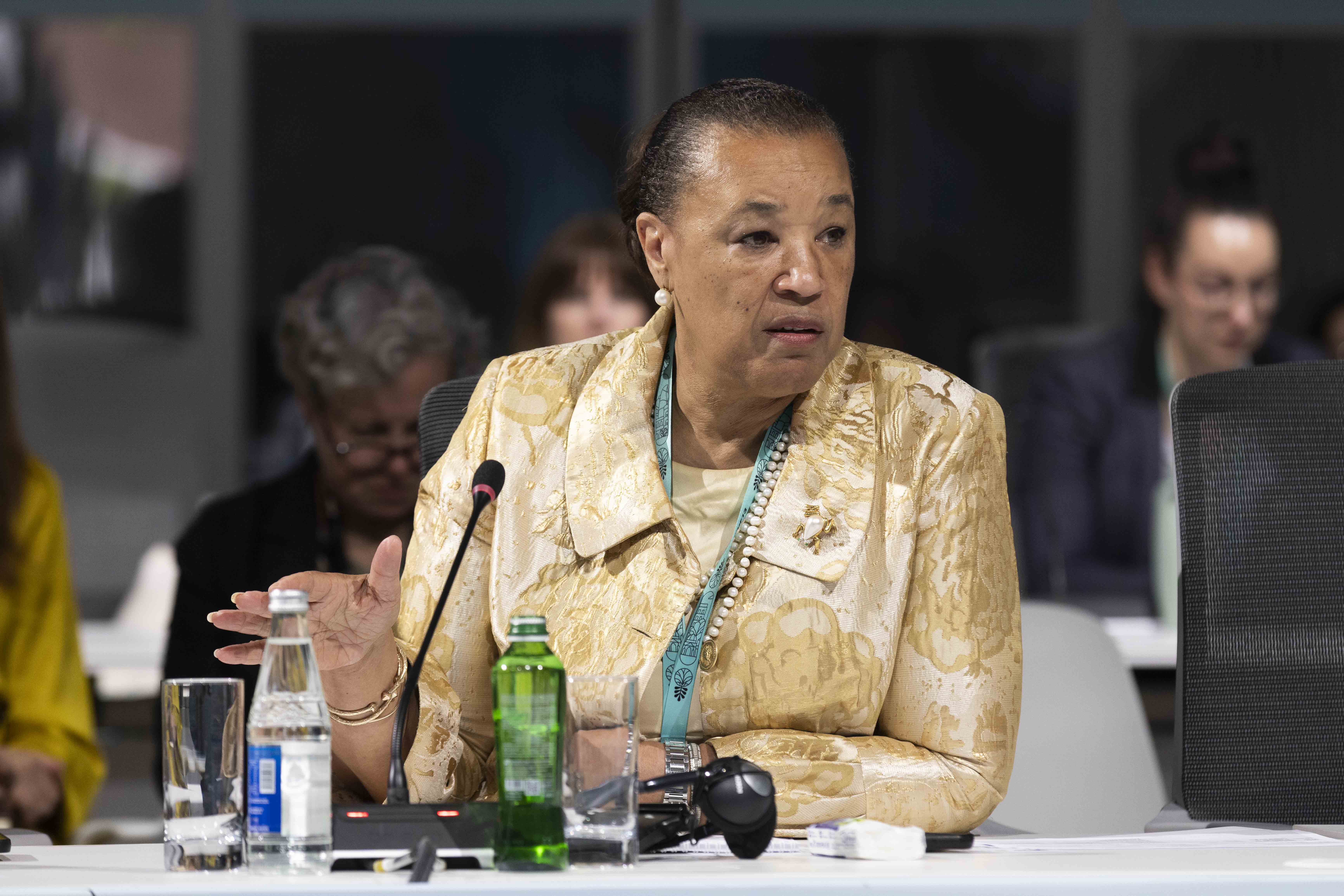
Patricia Scotland, UK
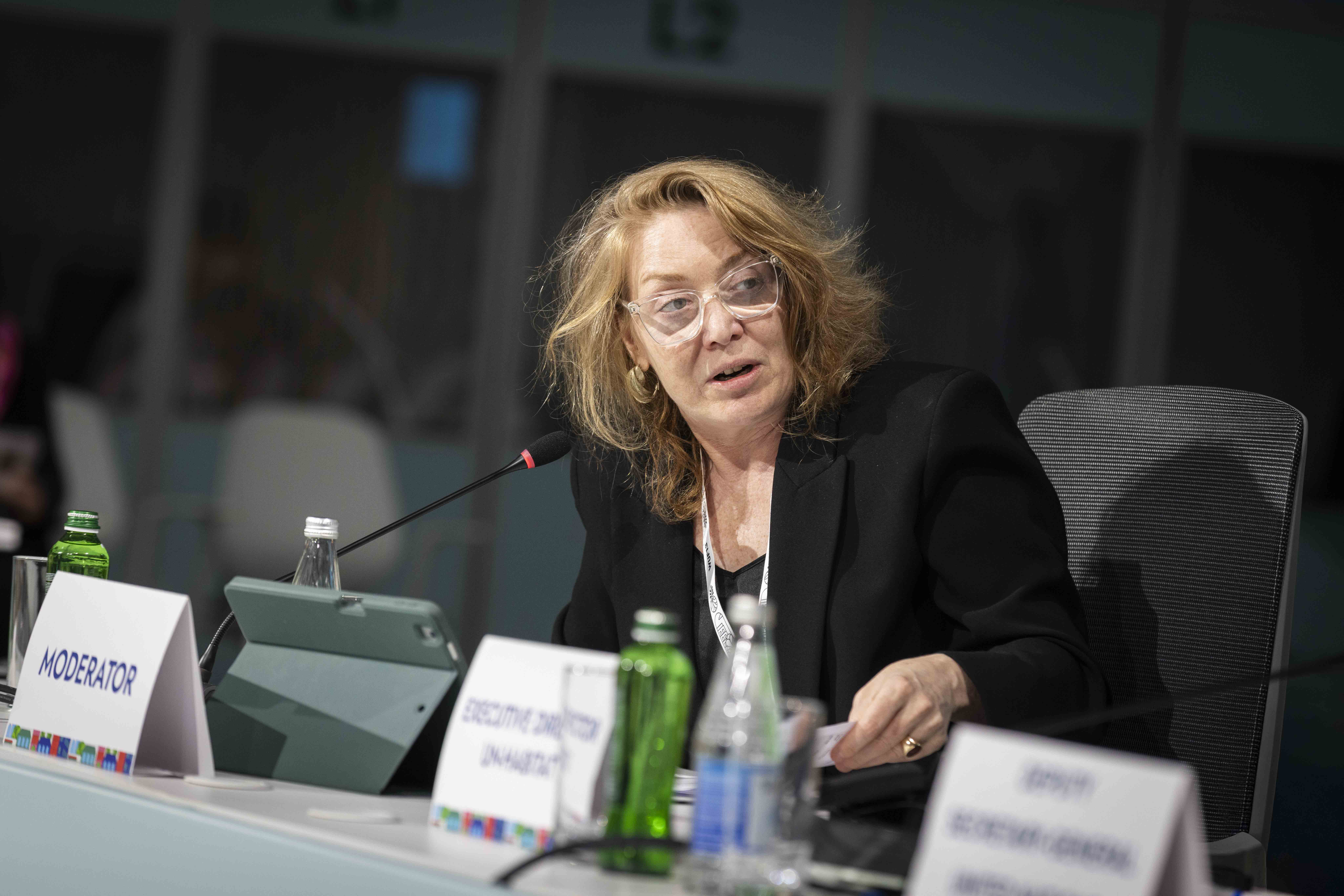
Allegra Maria del Pilar Baiocchi, UN Resident Coordinator, Mexico

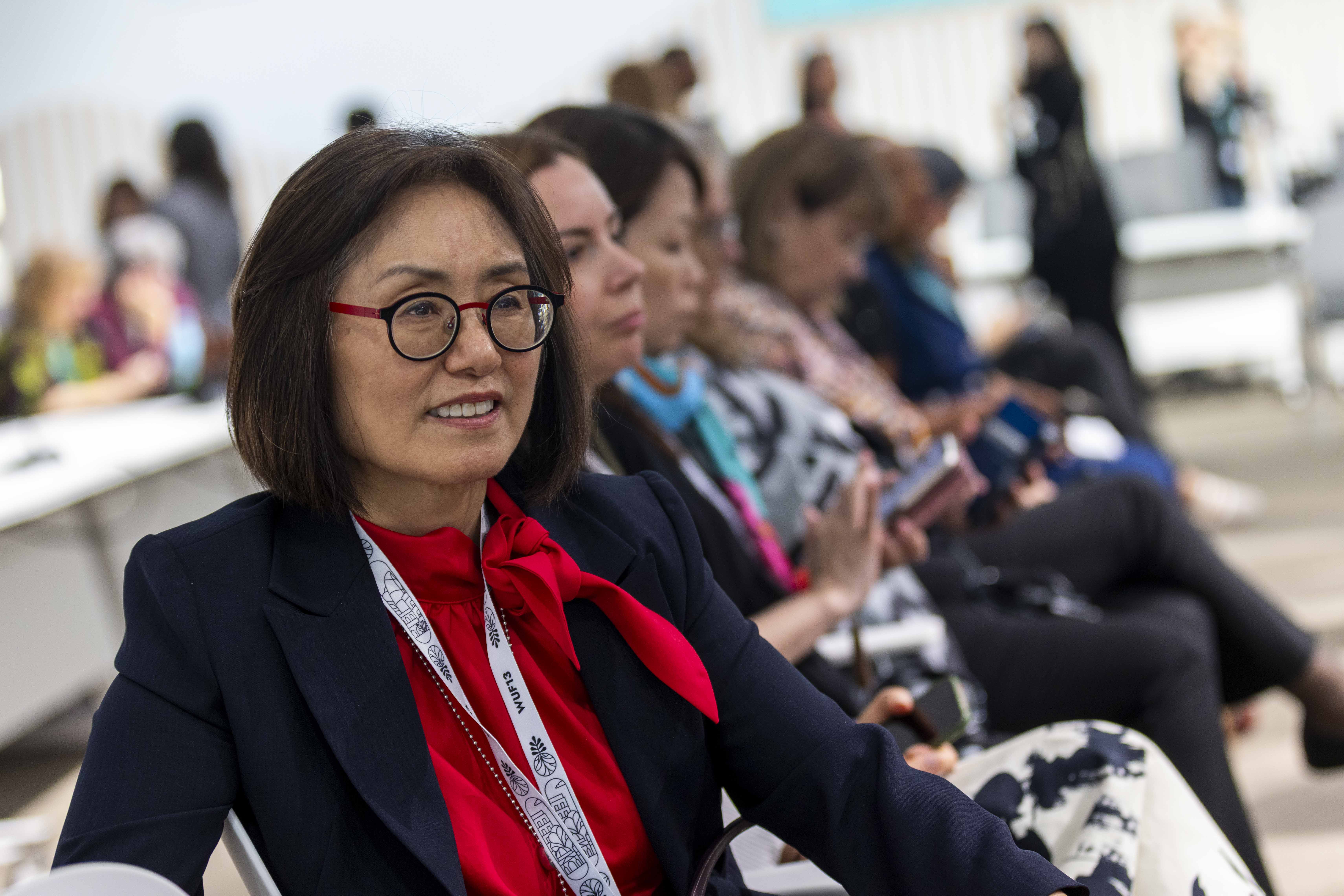
The Rights of Indigenous Peoples Roundtable
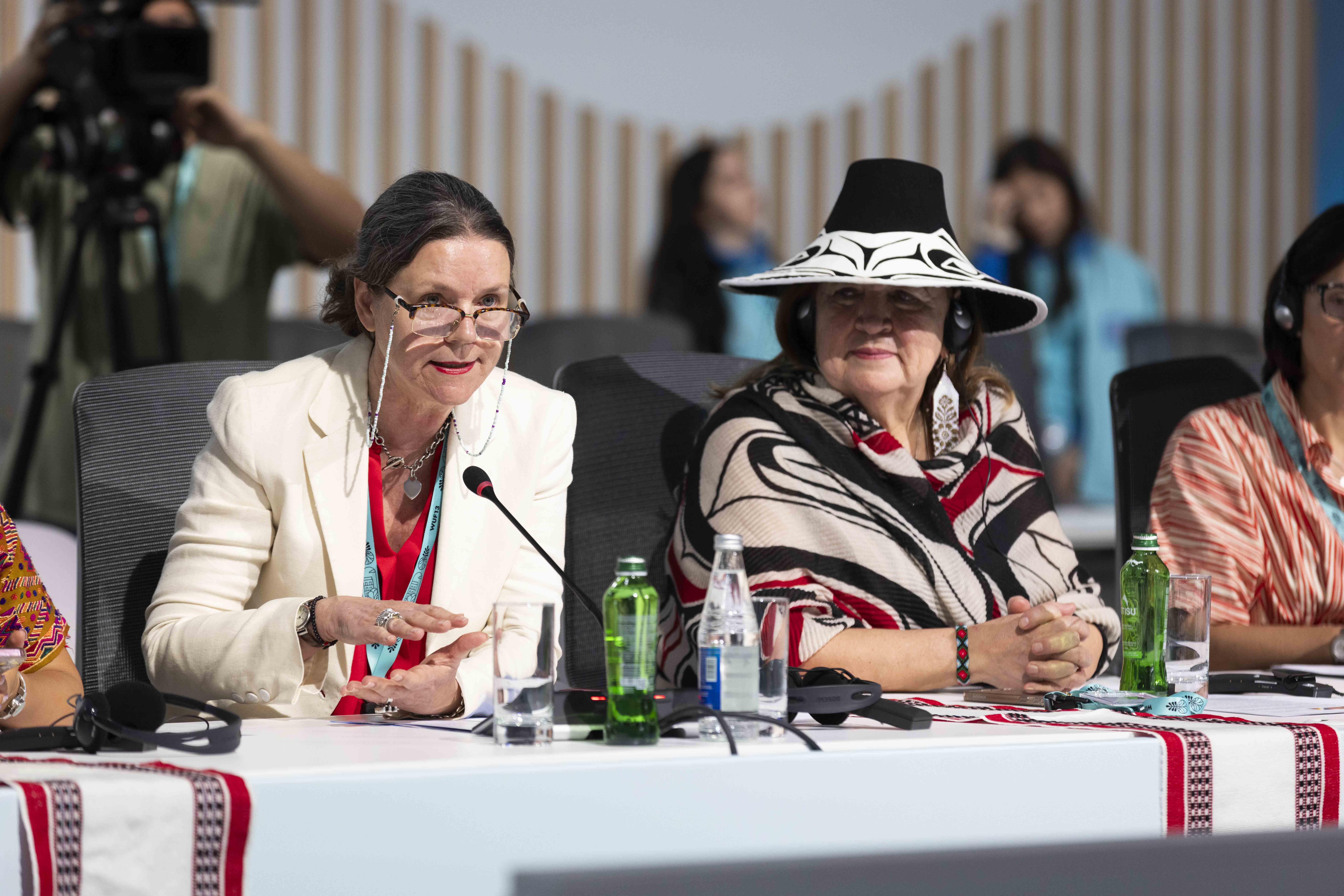
Mariana Posada Lombana, Ministry of Foreign Affairs, Mexico
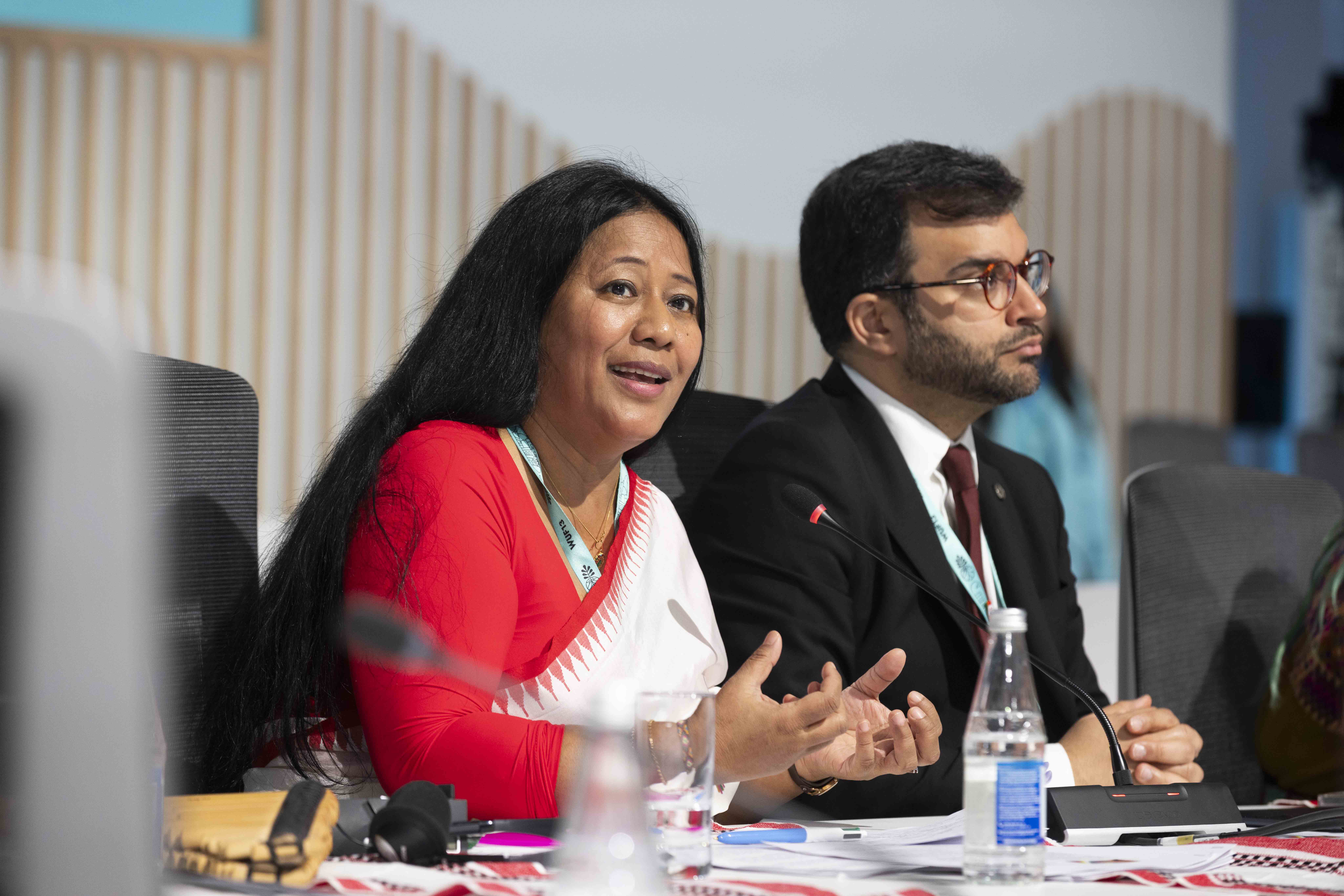
Binalakshmi Nepram Mentschel, Global Alliance of Indigenous Peoples, Gender Justice and Peace
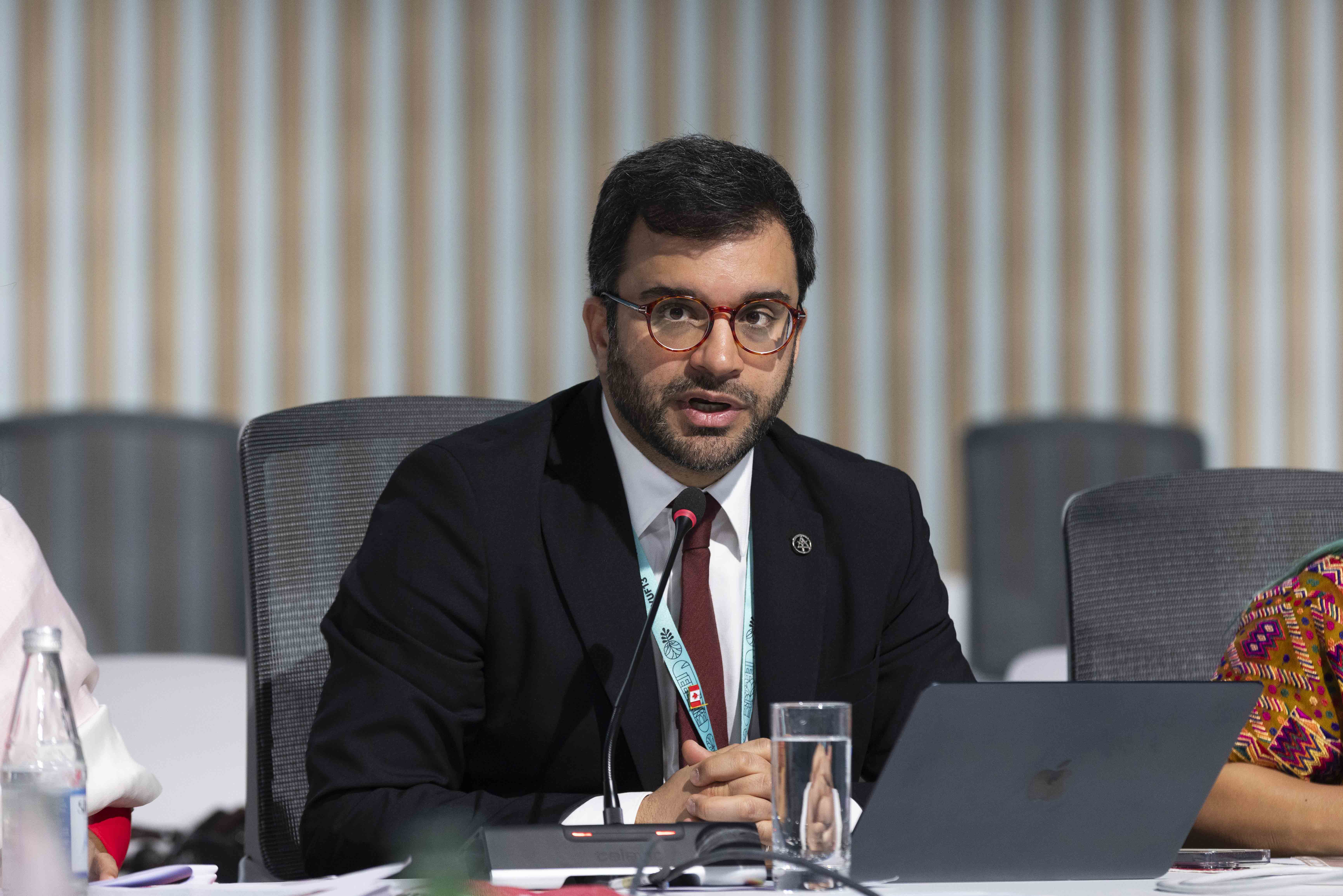
Omar Siddique, UN-Habitat
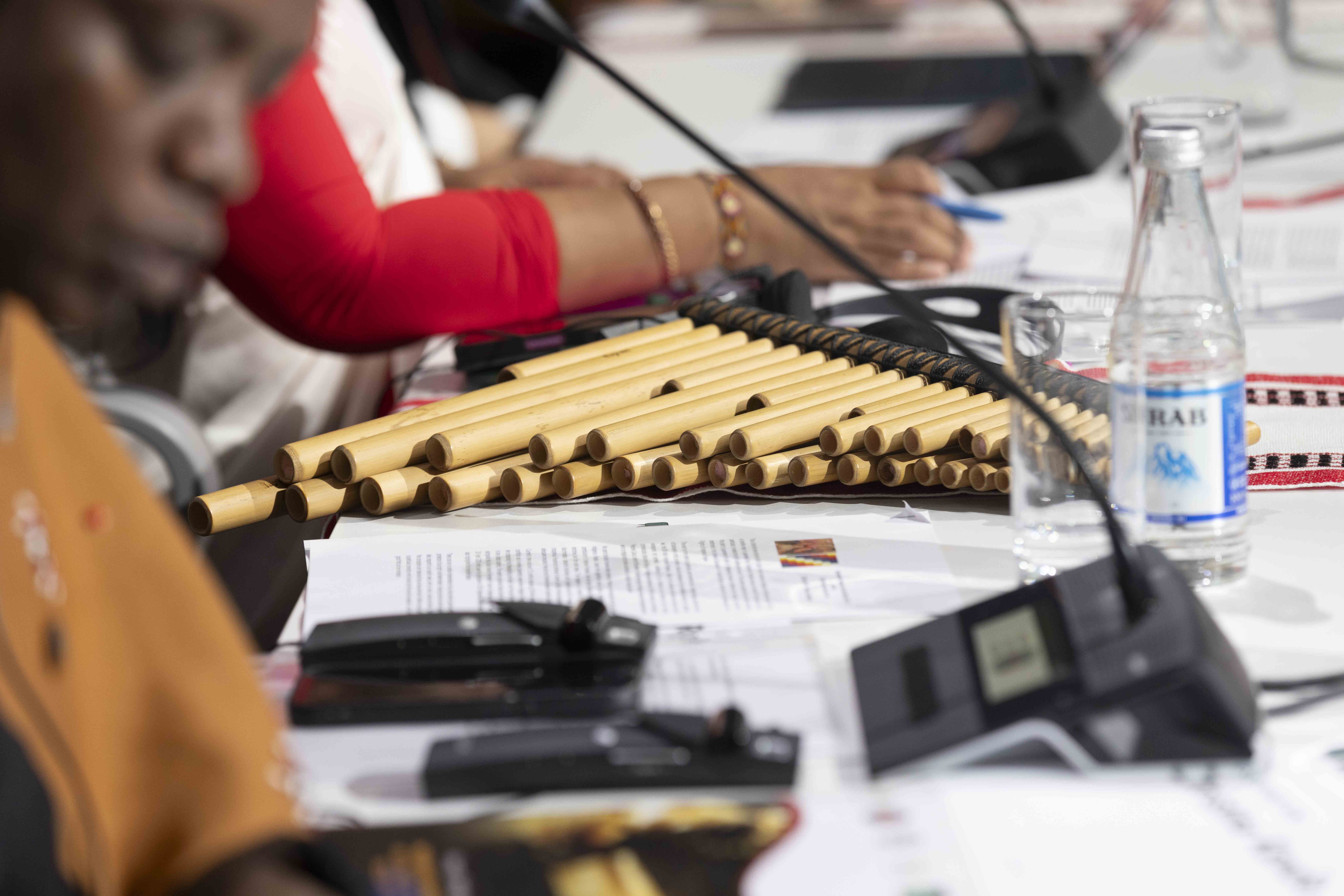
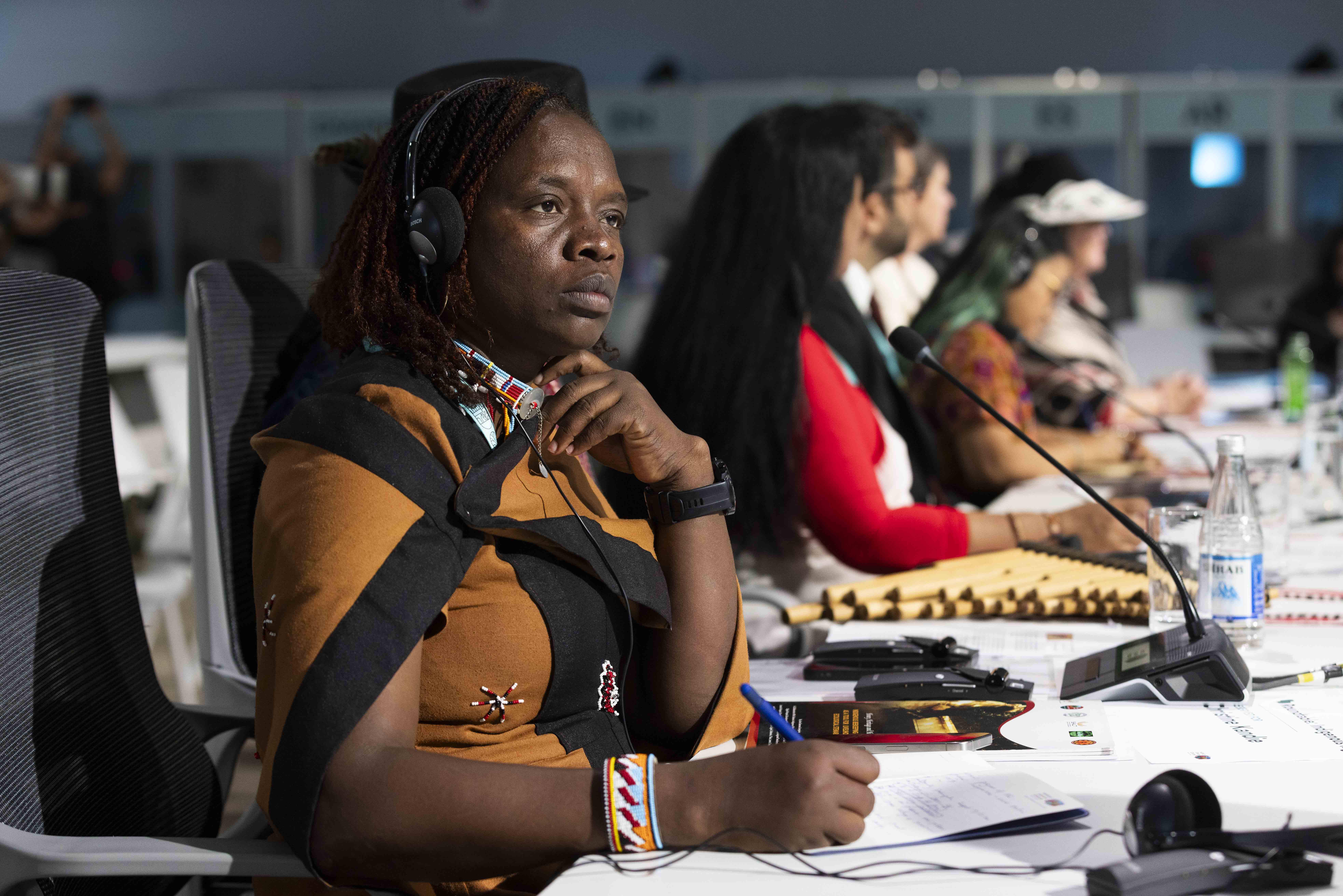
Christine Kandie, Endorois Indigenous Women Empowerment Network
One UN - Housing at the Intersection of Resource Efficiency and Resilience
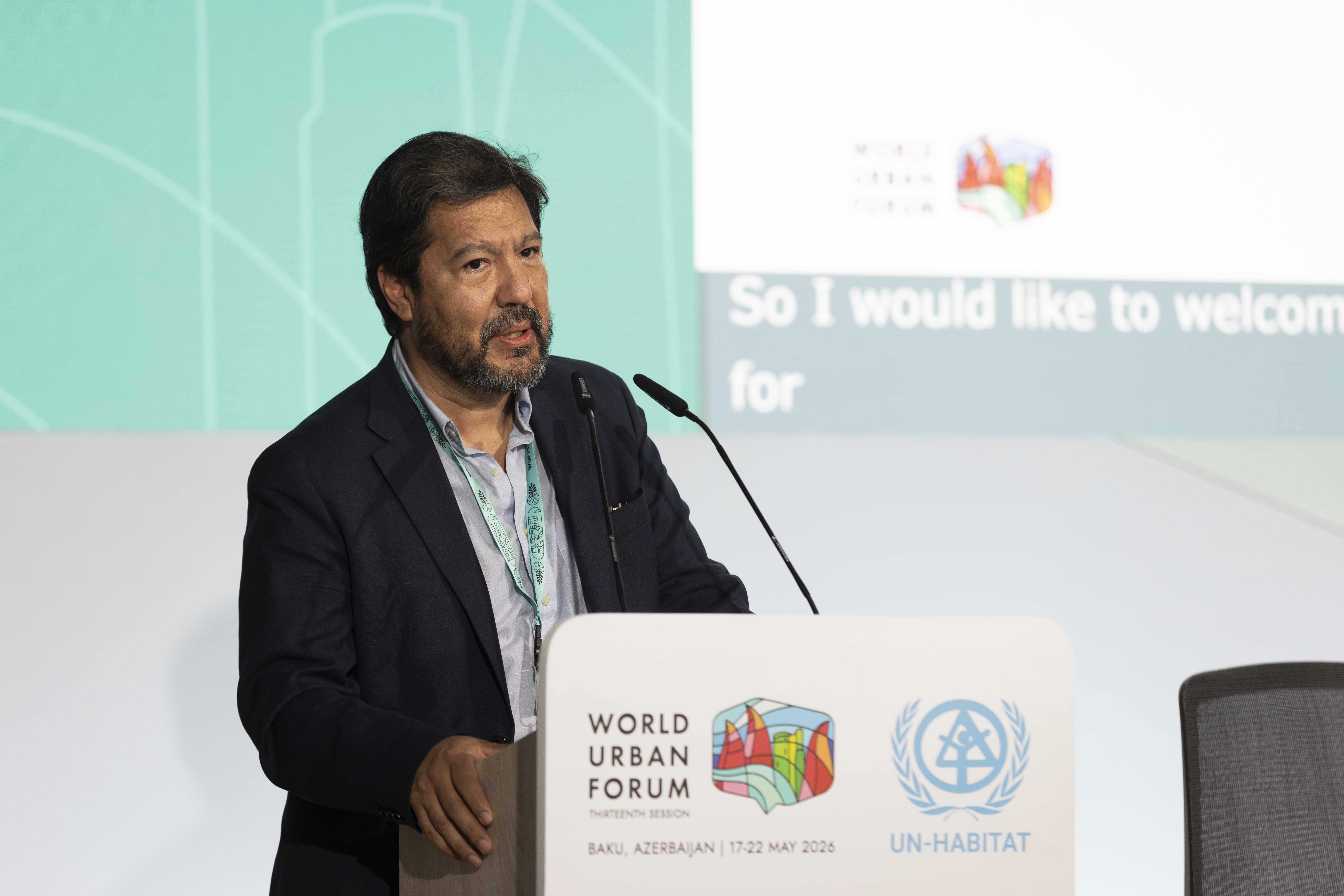
Esteban León, UN-Habitat
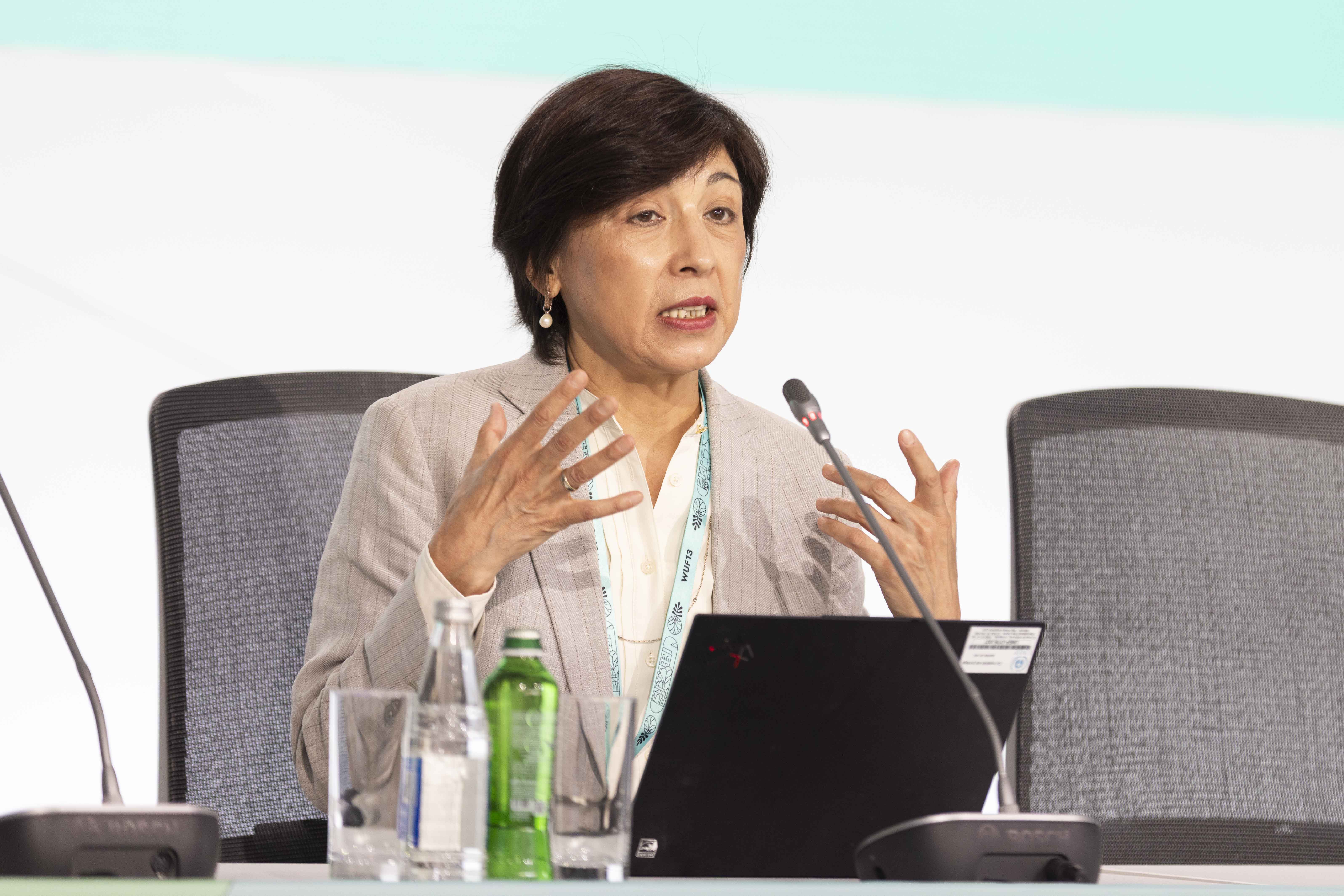
Gulnara Roll, UNEP
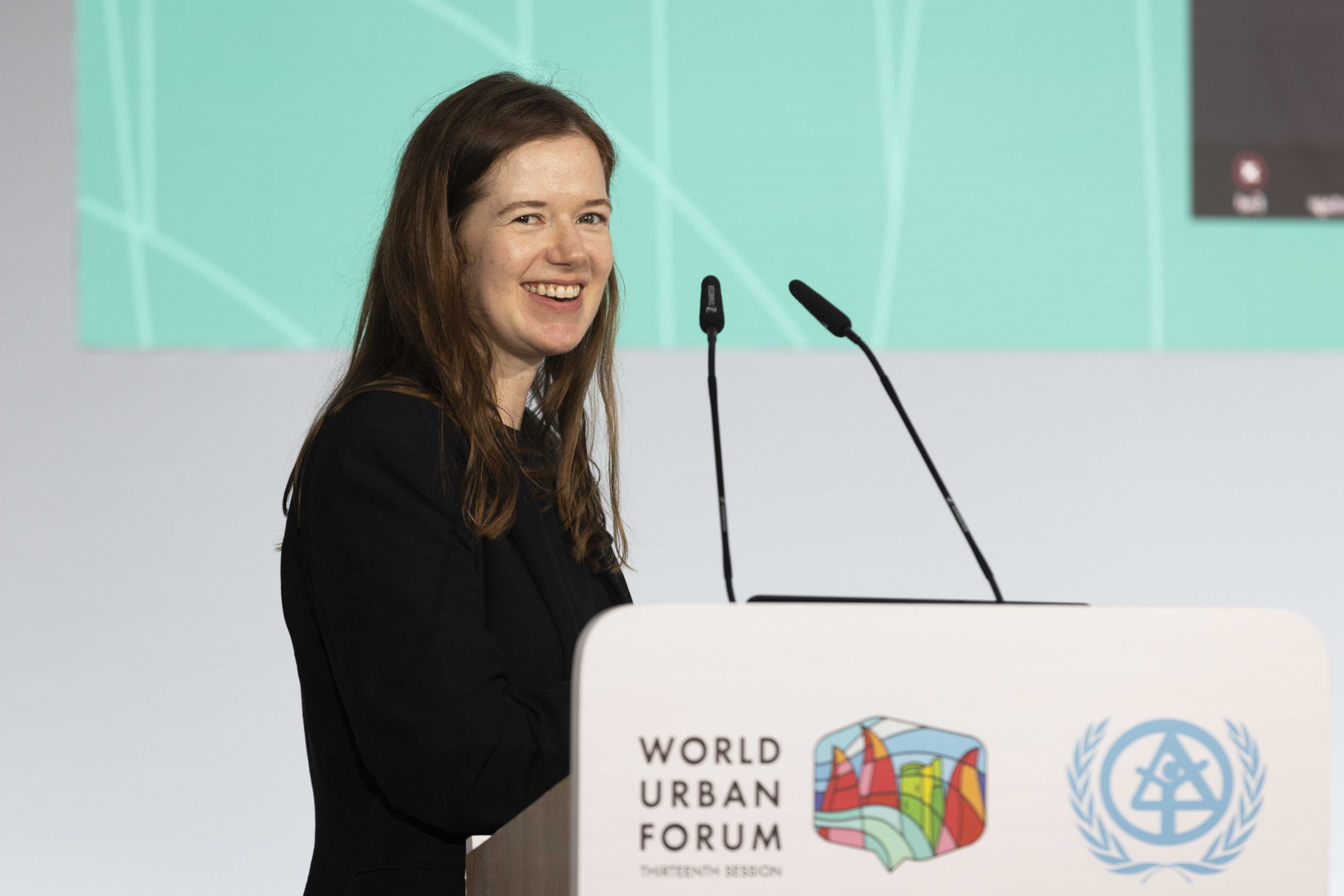
Jessica Jones-Langley, UN-Habitat
One UN - Localizing the Global Digital Compact at the City Level
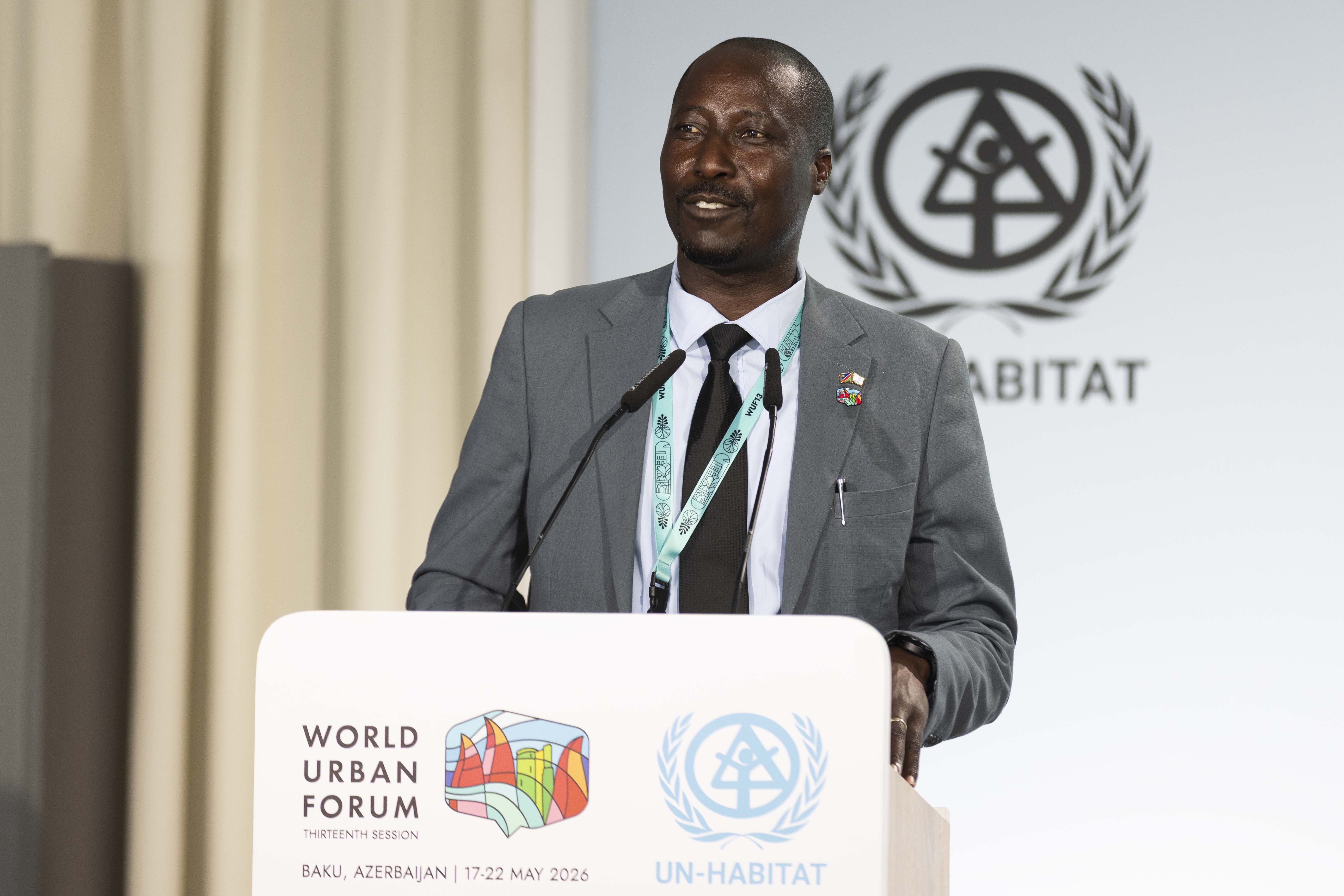
Sakarias Uunona, Mayor of Windhoek, Namibia
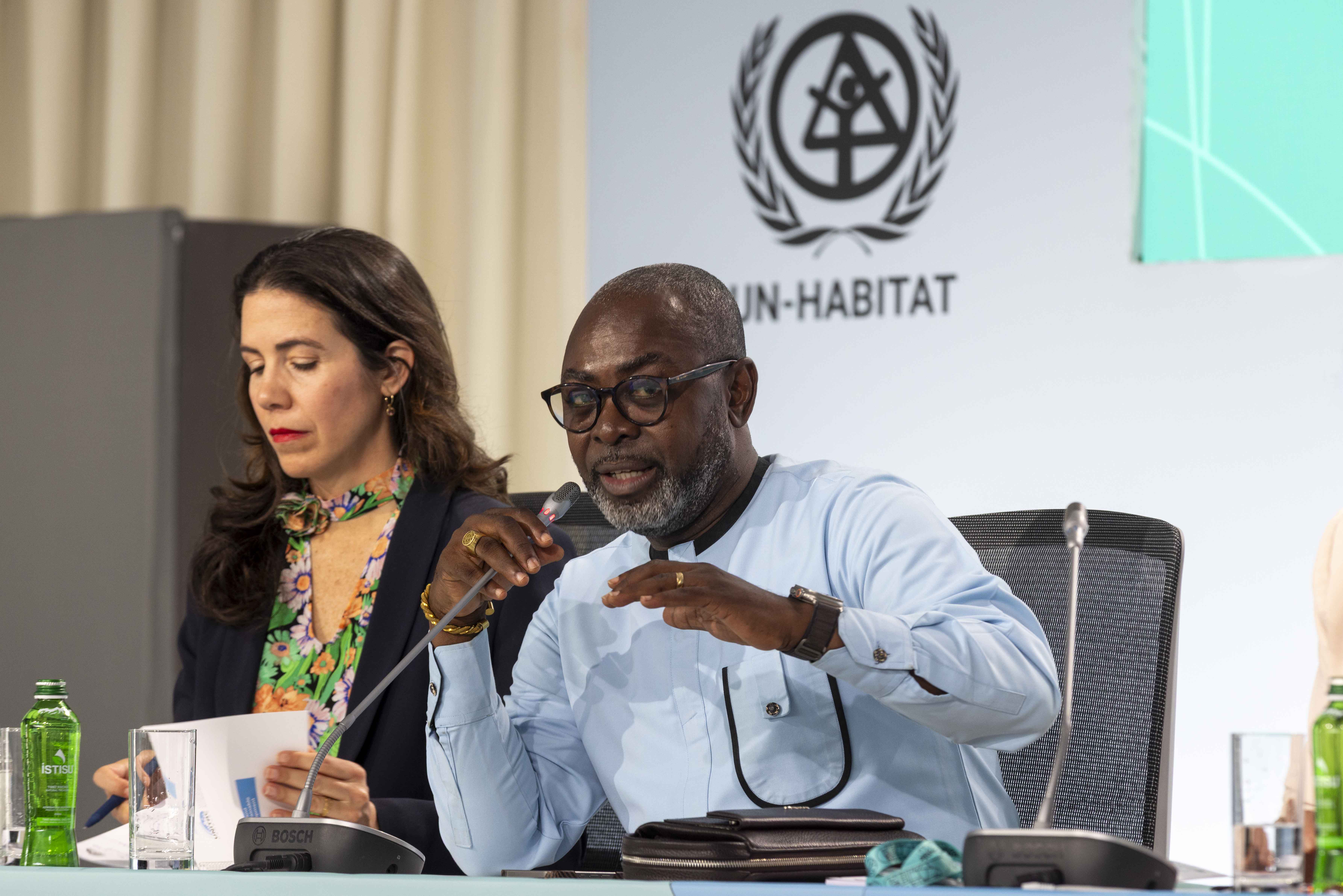
Isabel De Sola, UN Office for Digital and Emerging Technologie, and Samuel Seth Passah, Ministry of Local Government, Ghana
Closing Ceremony
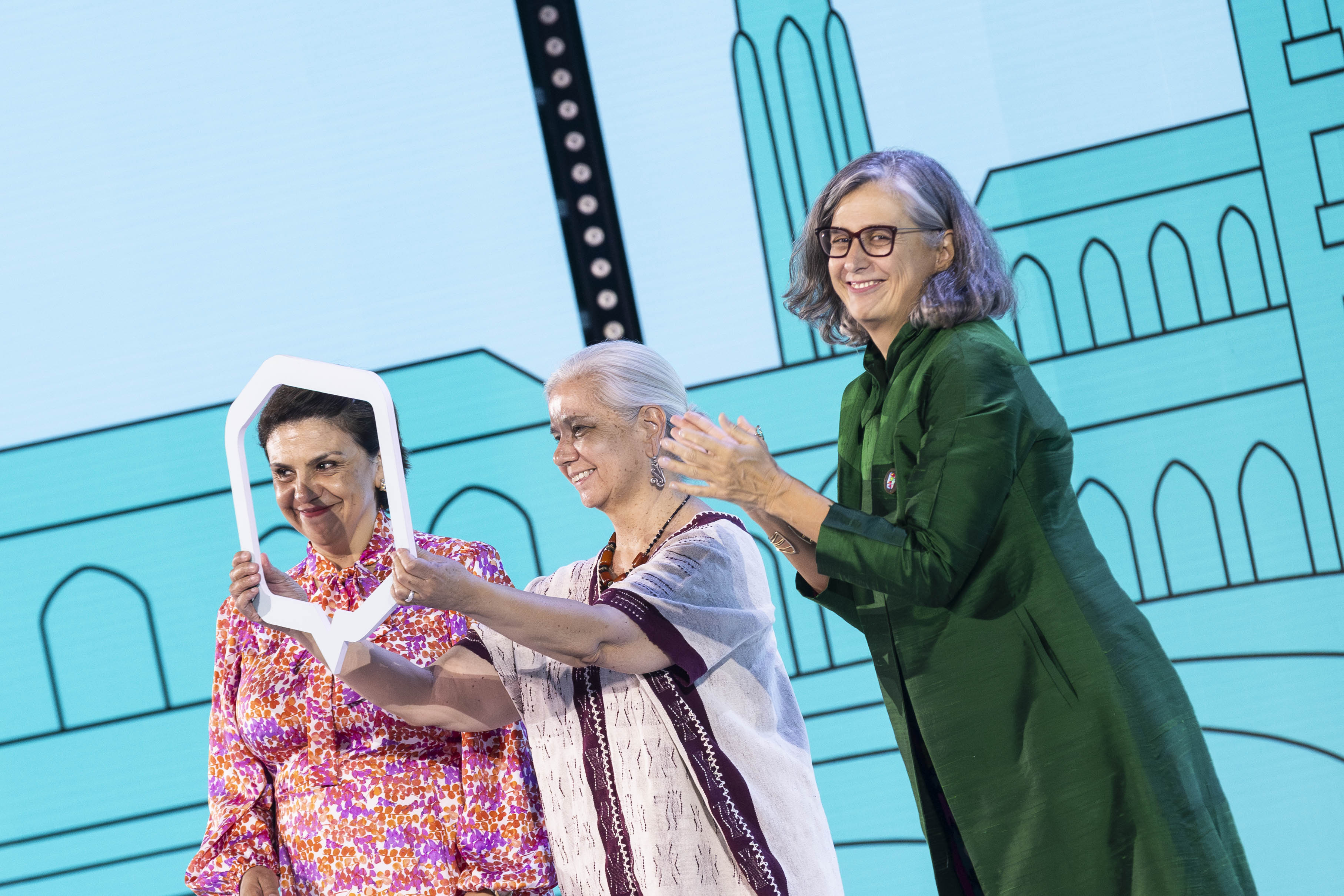
Official handover to the WUF14 host, Mexico


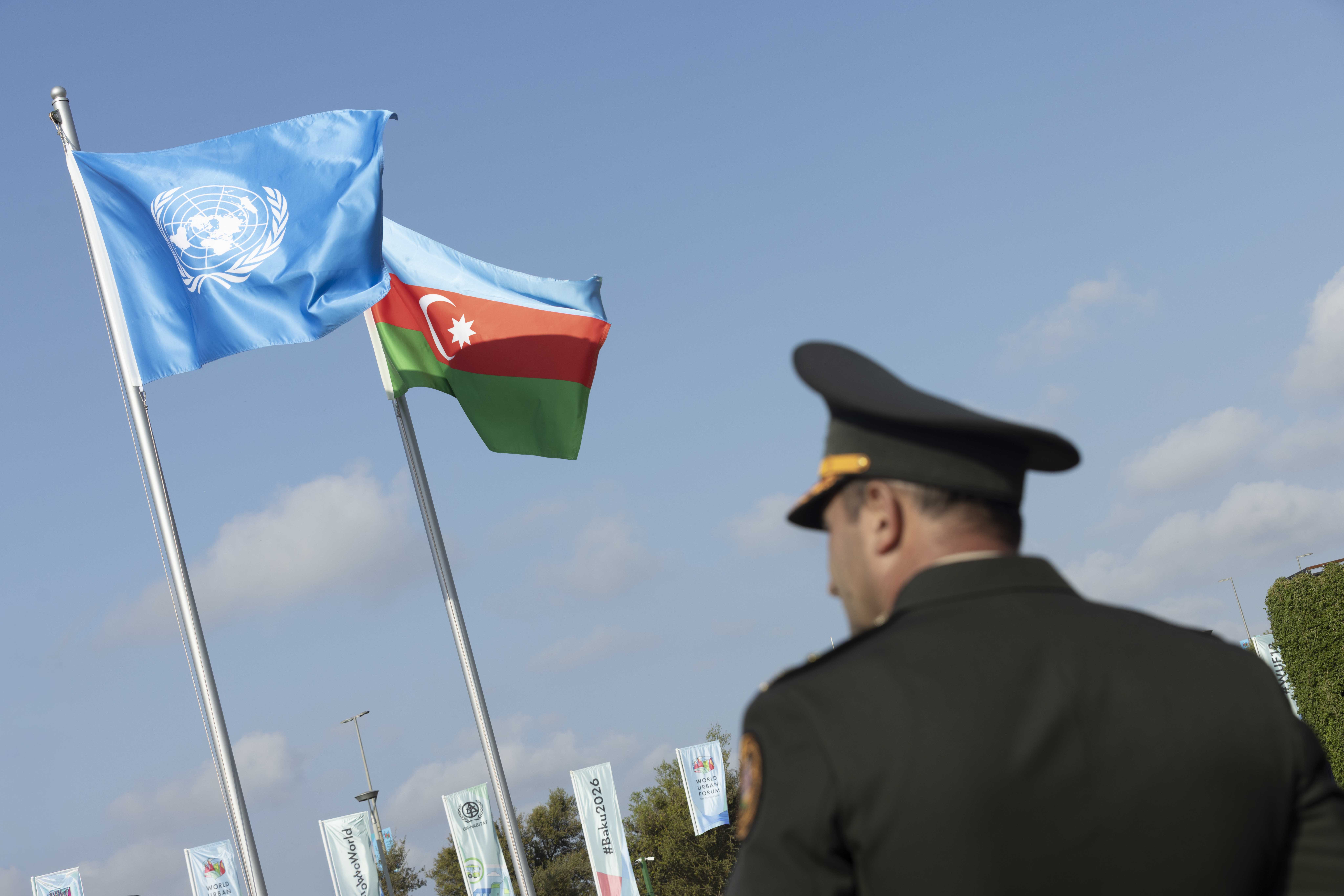
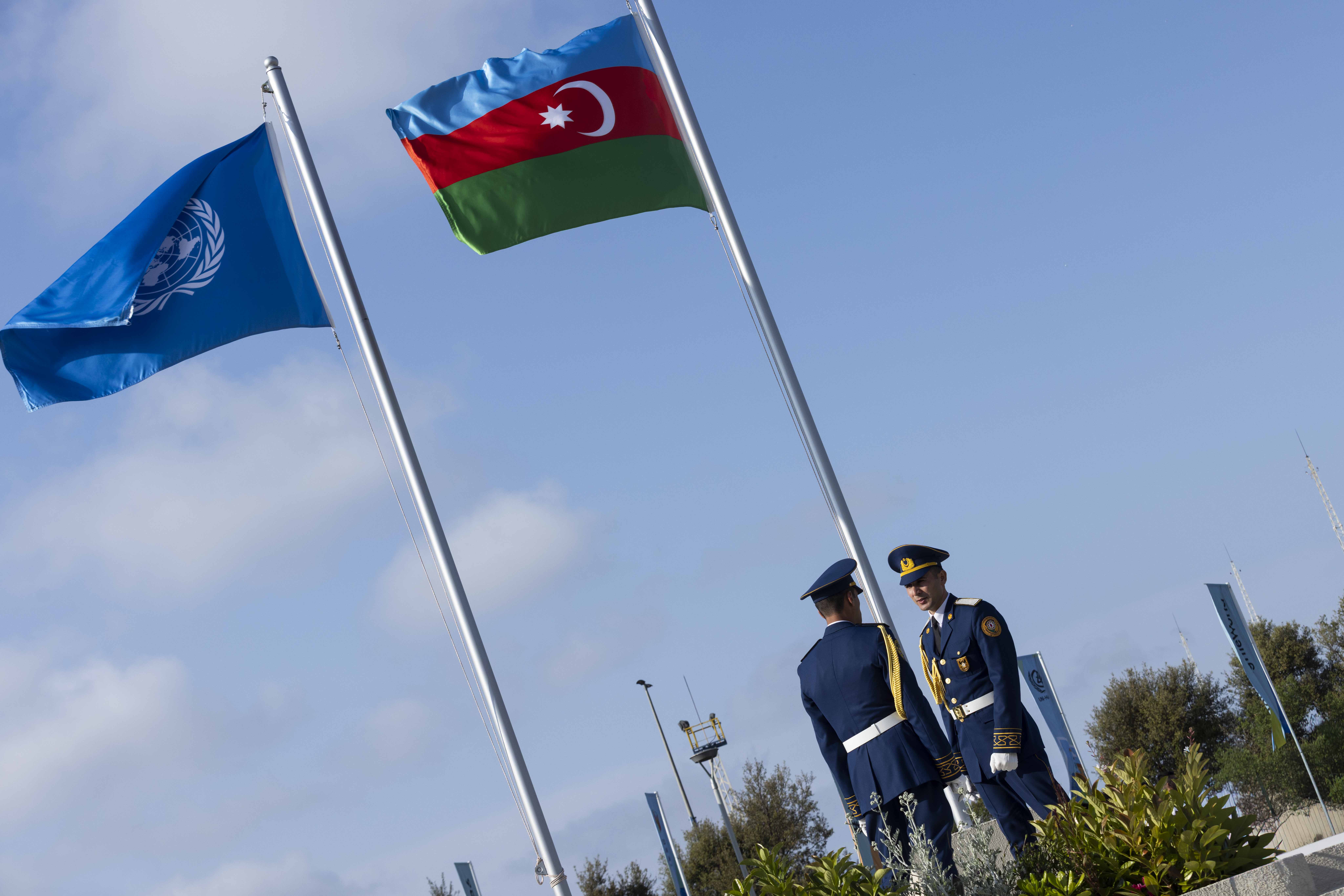
Flag Lowering Ceremony

Urban Expo







Around the Venue




The ENB/IISD Team (L-R): Annelies van Gaalen, Rosalie Boyle, Vijay Kolinjivadi, Tim Neff, Richard de Ferranti, Stefan Jungcurt, Andres Carvajal and Natalia Mroz
