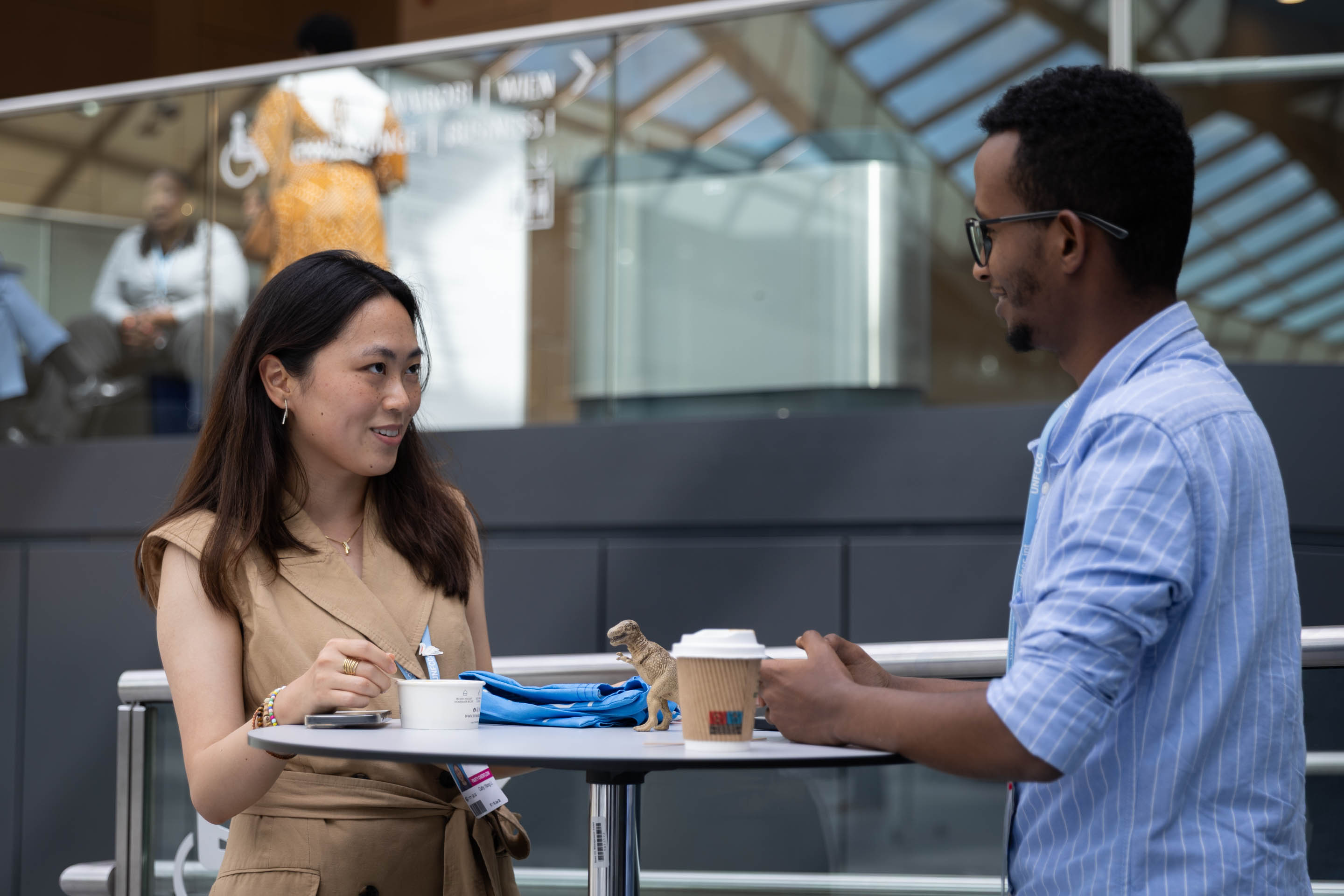
Negotiations under the UN’s climate process take place in a range of formats. They typically start in plenary with everyone—Parties and observers—present. This is when they agree on the agenda of the meeting. Then, different agenda items are pushed out to smaller groups known as contact groups or informal consultations, which are typically also open to both Parties and observers.
Want to dig deeper into today's talks? Read the full Earth Negotiations Bulletin daily report.
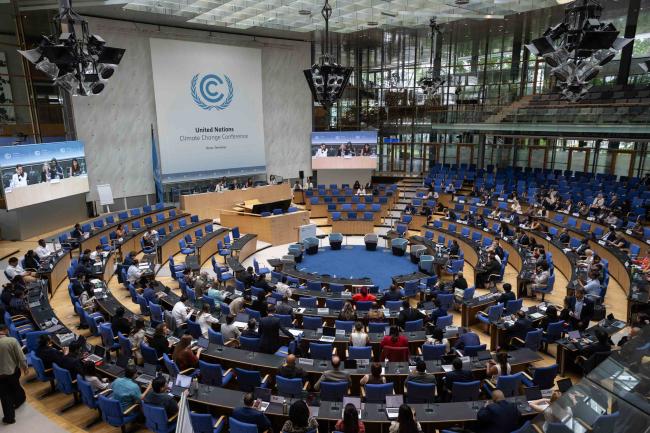
Even this is rarely sufficient: many knotty or particularly difficult issues are taken up in “informal-informals,” which are only open to government representatives. Parties also convene in so-called “huddles.” From a distance, these look like a gathering of friends, as delegates sit or stand close together. But they actually allow negotiation coalitions to devise a common position or engage with opposing groups to come up with a compromise. Huddles give way to the most earnest and intense negotiations.
The penultimate day of the 2026 June Climate Meetings saw discussions in all these different formats as Parties labored hard to finish their work.
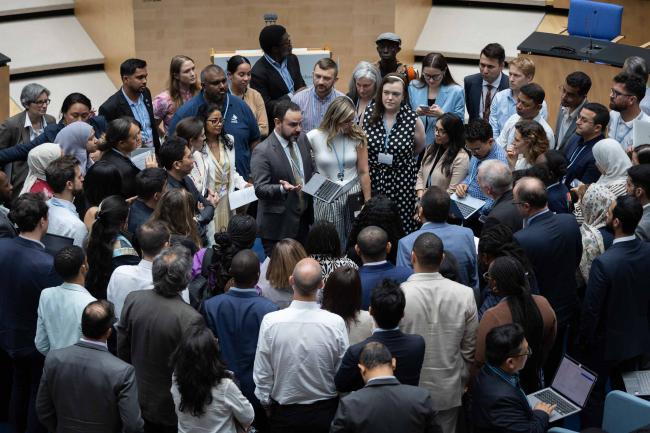
Delegates negotiating text on the work programme on mitigation saw some progress, achieved after an almost two-hour huddle, with Parties trying to decide if and how to forward a record of their discussions to the next session in Türkiye. A “non-exhaustive reflection” of Parties’ views, prepared by the Co-Facilitators, was met with resistance from several groups. Ultimately, though, the huddle worked and Parties tasked Brazil, in its national capacity, to produce a collection of Parties’ views for their consideration.
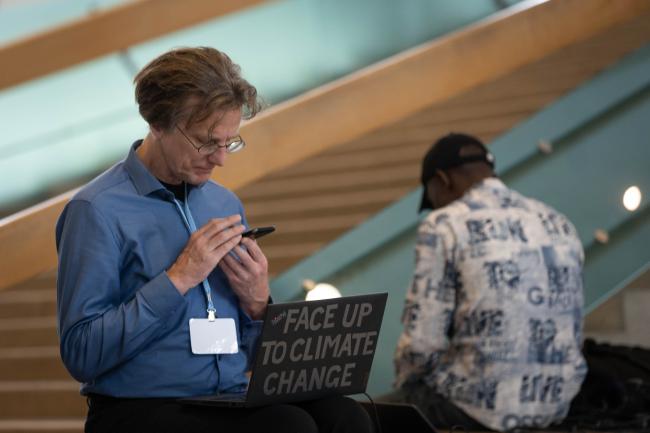
On the Global Goal on Adaptation, despite several huddles, Parties were unable to resolve outstanding issues. Discussions on the Adaptation Fund fared somewhat better. After many rounds of amendments and huddles in various constellations, Parties were able to reach agreement on capturing progress made in Bonn.
Other negotiations were even more successful. After a marathon session, a group working on just transition finally agreed on the terms of reference for the work programme’s review. Again, huddles helped, although in this case a very timely intervention from the contact group Co-Chair, who suggested compromise language everyone could accept, was what was needed for Parties to reach agreement.
The last day of the June Climate Meetings will see Parties try to likewise conclude discussions on the outstanding issues. It is expected to be a long day.
To receive free coverage of global environmental events delivered to your inbox, subscribe to the ENB Update newsletter.
All ENB photos are free to use with attribution. For SB64 please use: Photo by IISD/ENB - Kiara Worth
Informal Consultations Throughout the Day
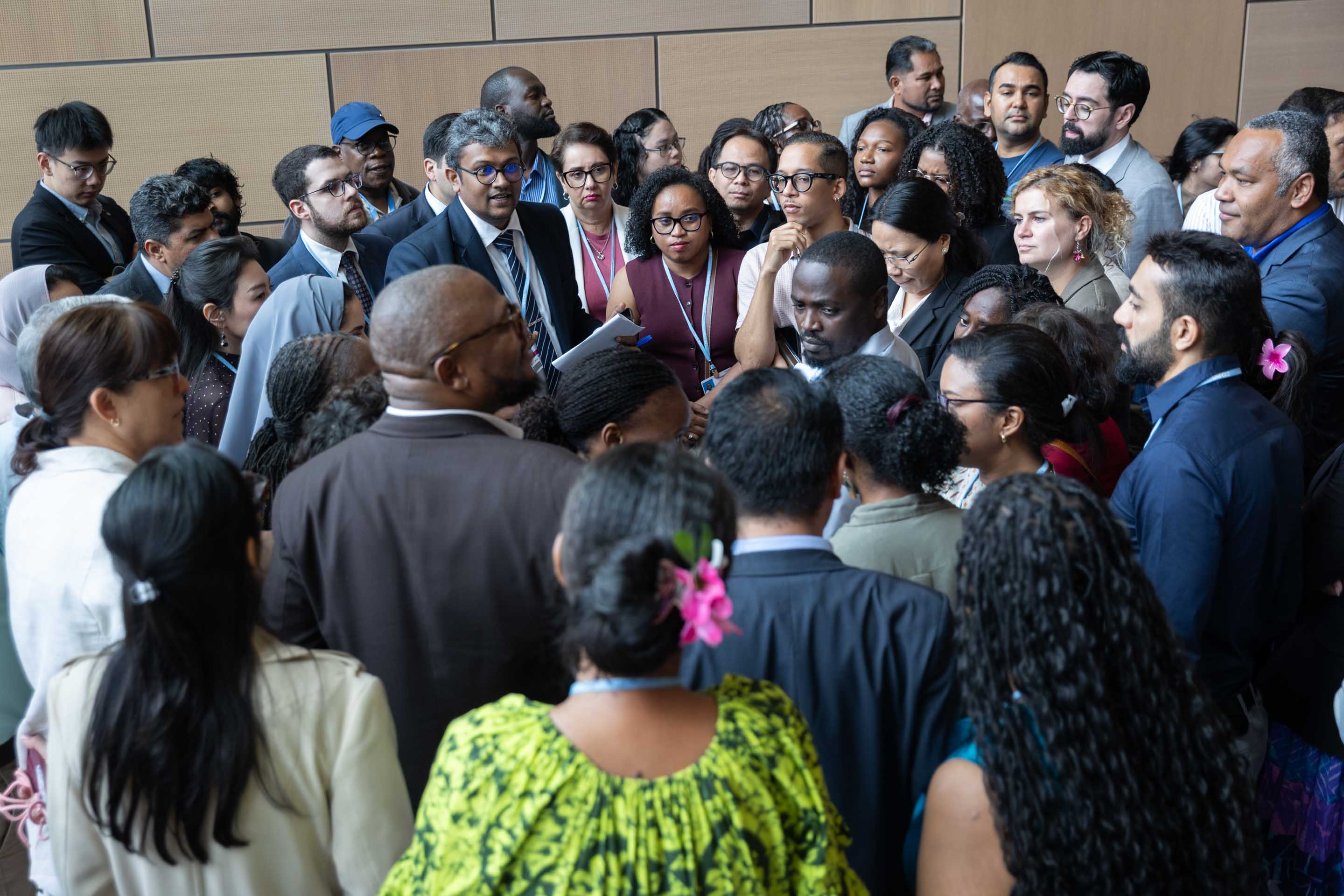
Delegates huddle during the informal consultations on the Global Goal on Adaptation (GGA)
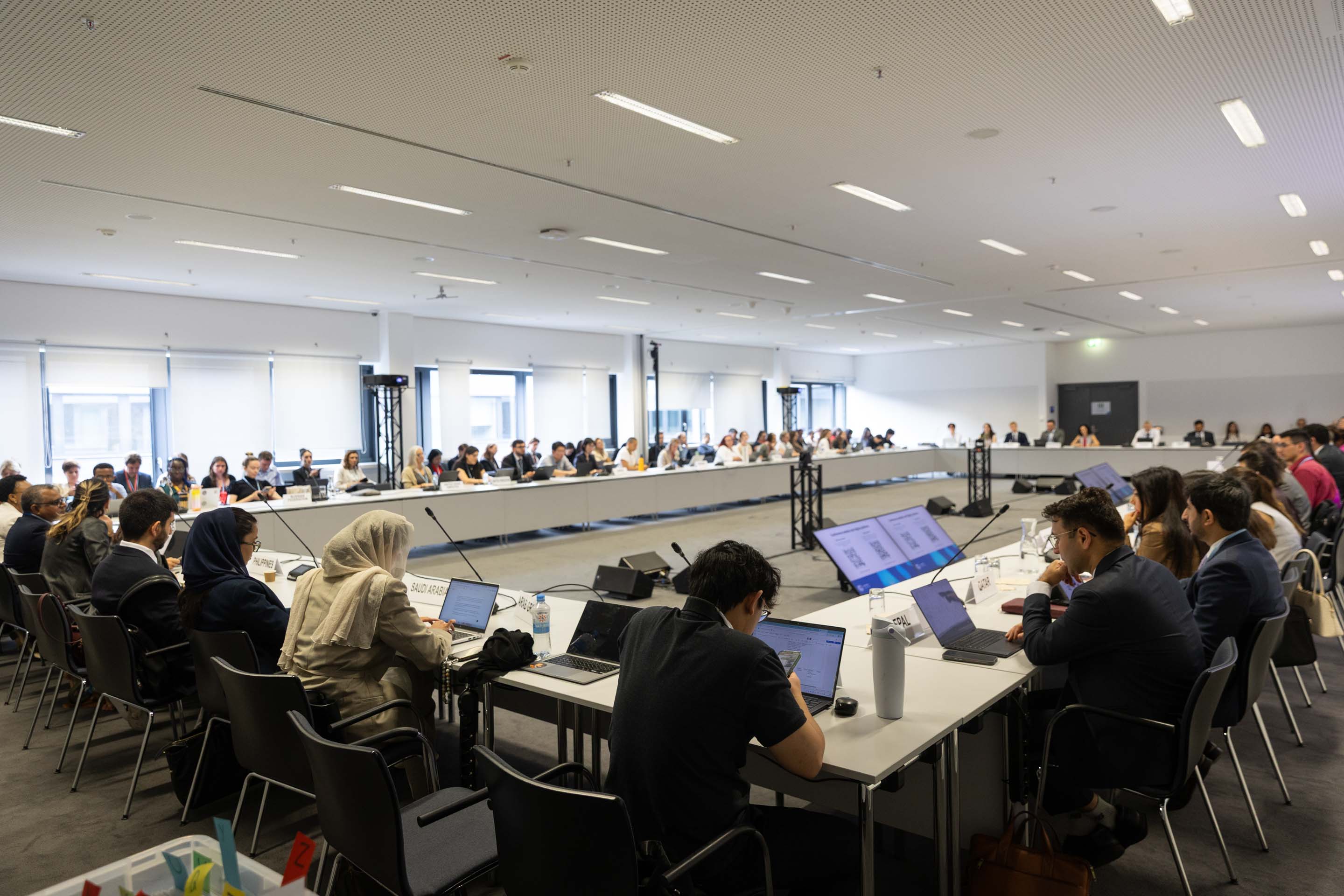
Informal consultations on arrangements for intergovernmental meetings (AIM)
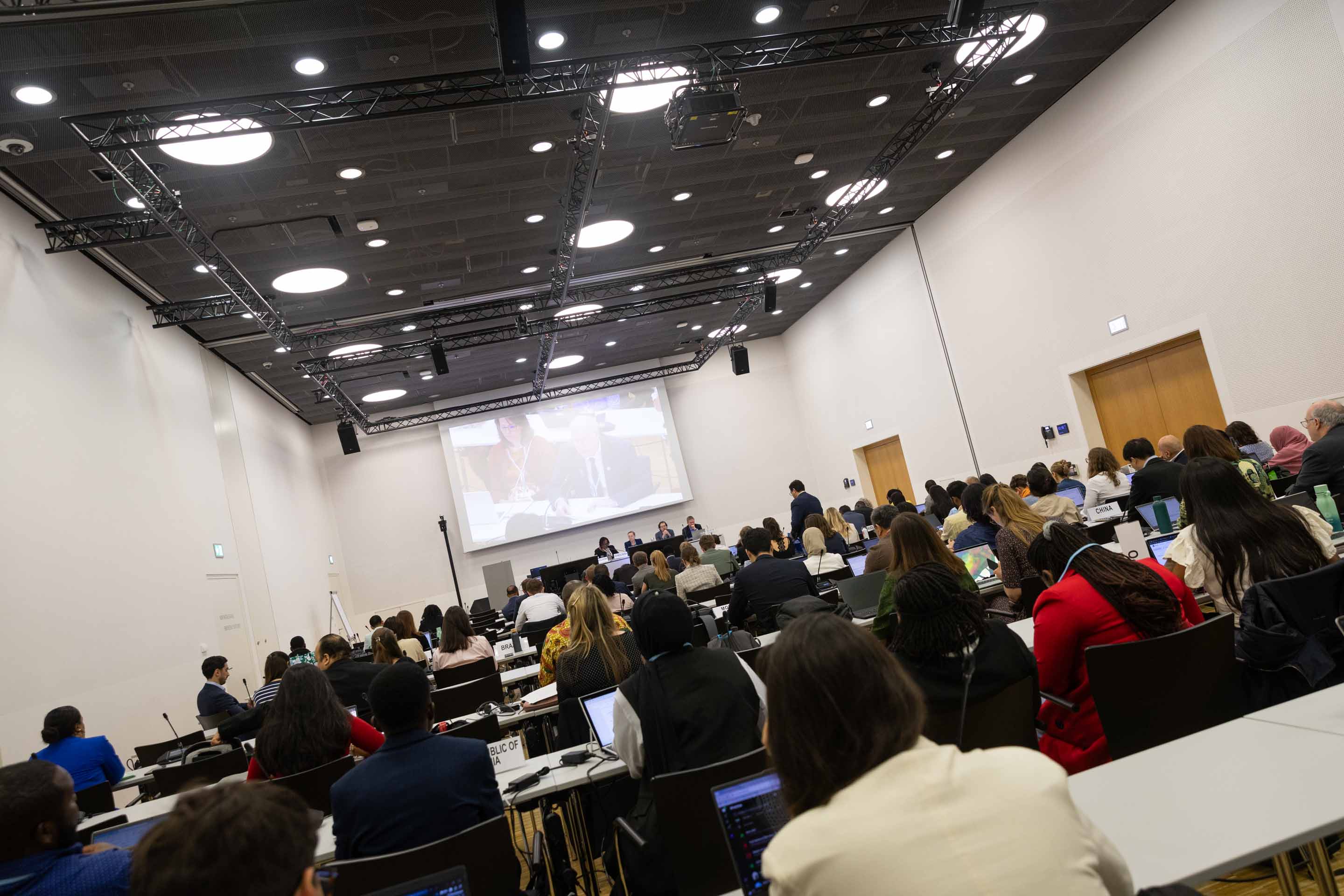
Informal consultations on agriculture and food security
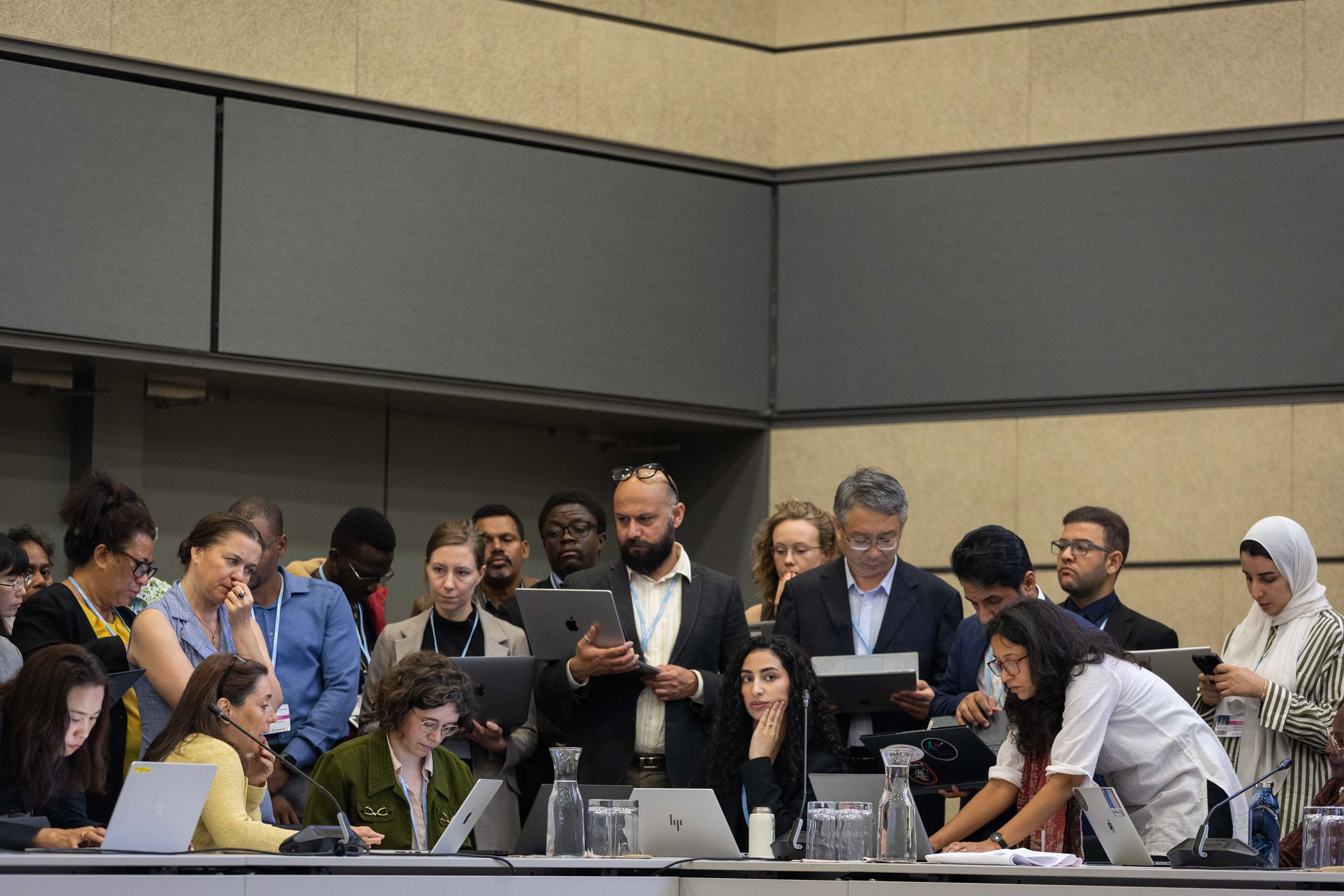
Delegates huddle during the informal consultations on research and systematic observation
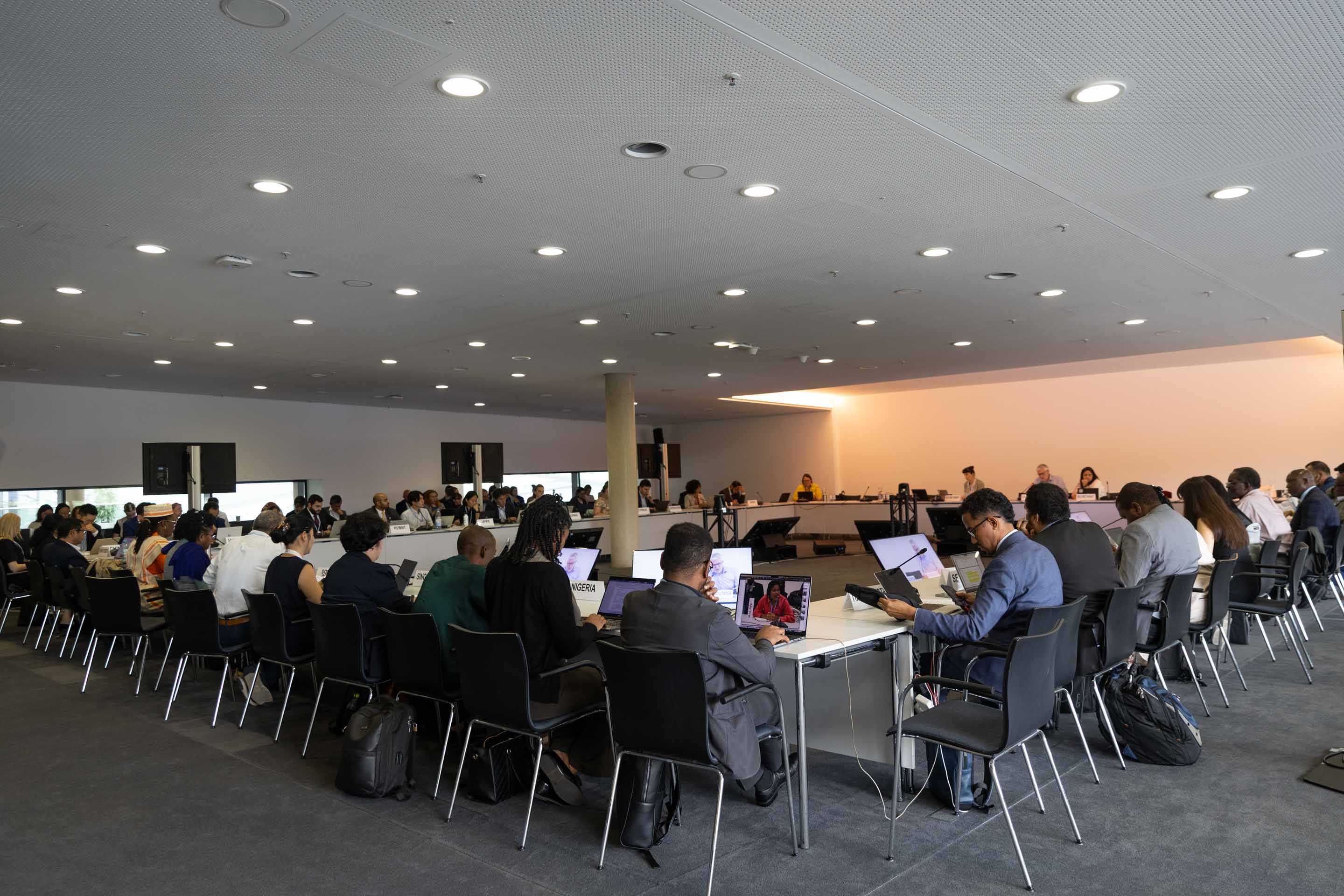
Informal consultations on the Climate Technology Centre (CTC)
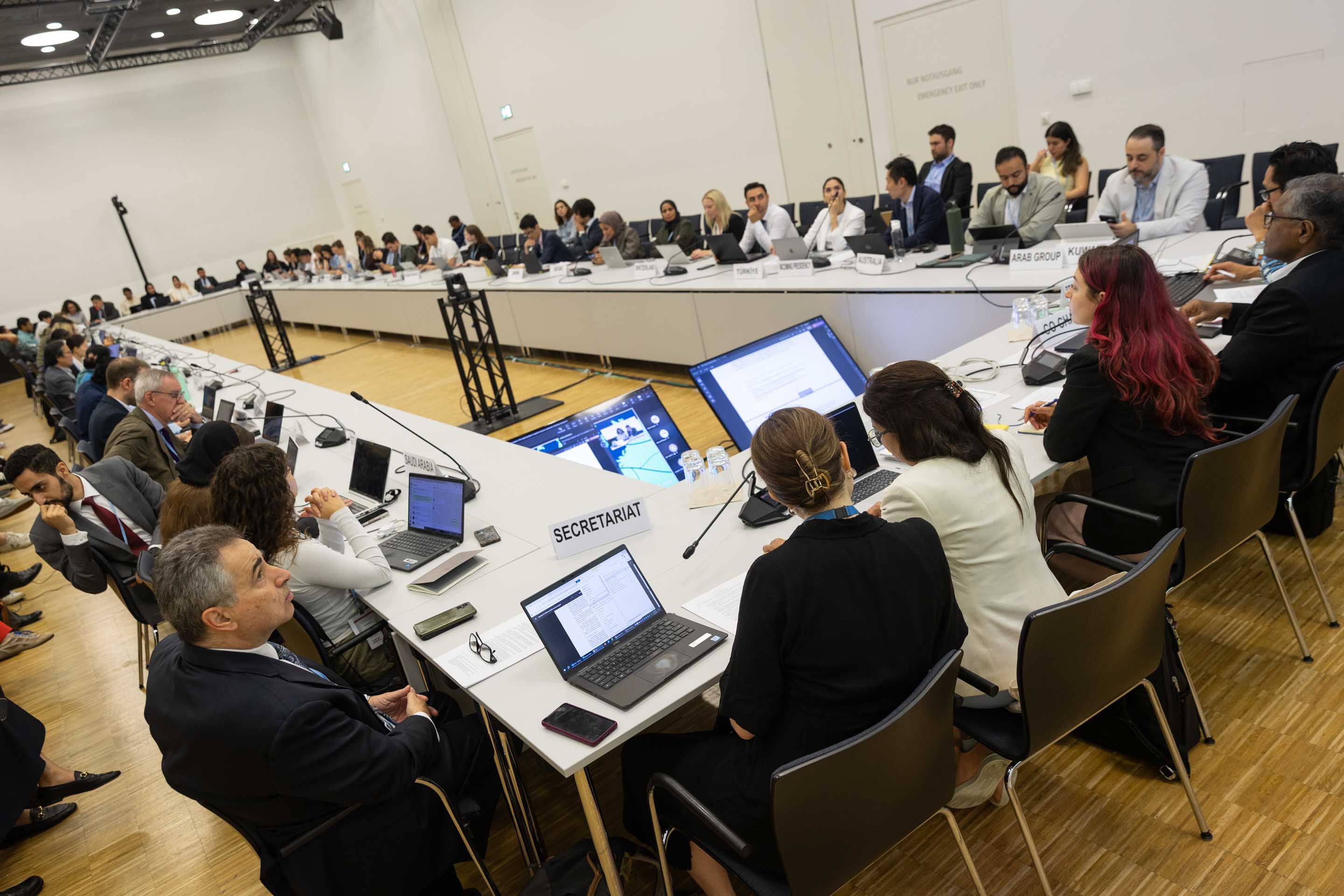
Informal consultations on response measures
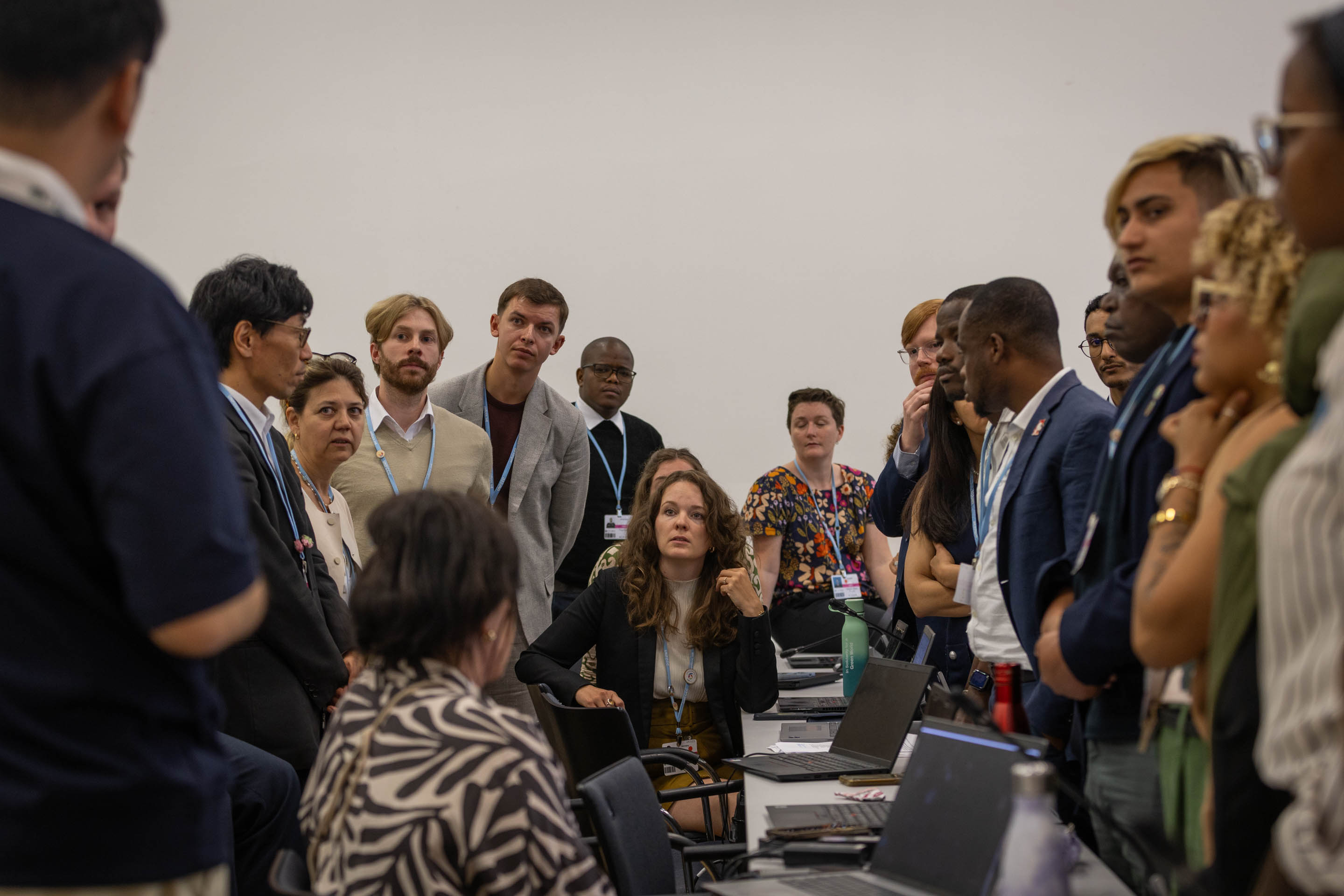
Delegates huddle during the informal consultations on matters relating to Action for Climate Empowerment (ACE)
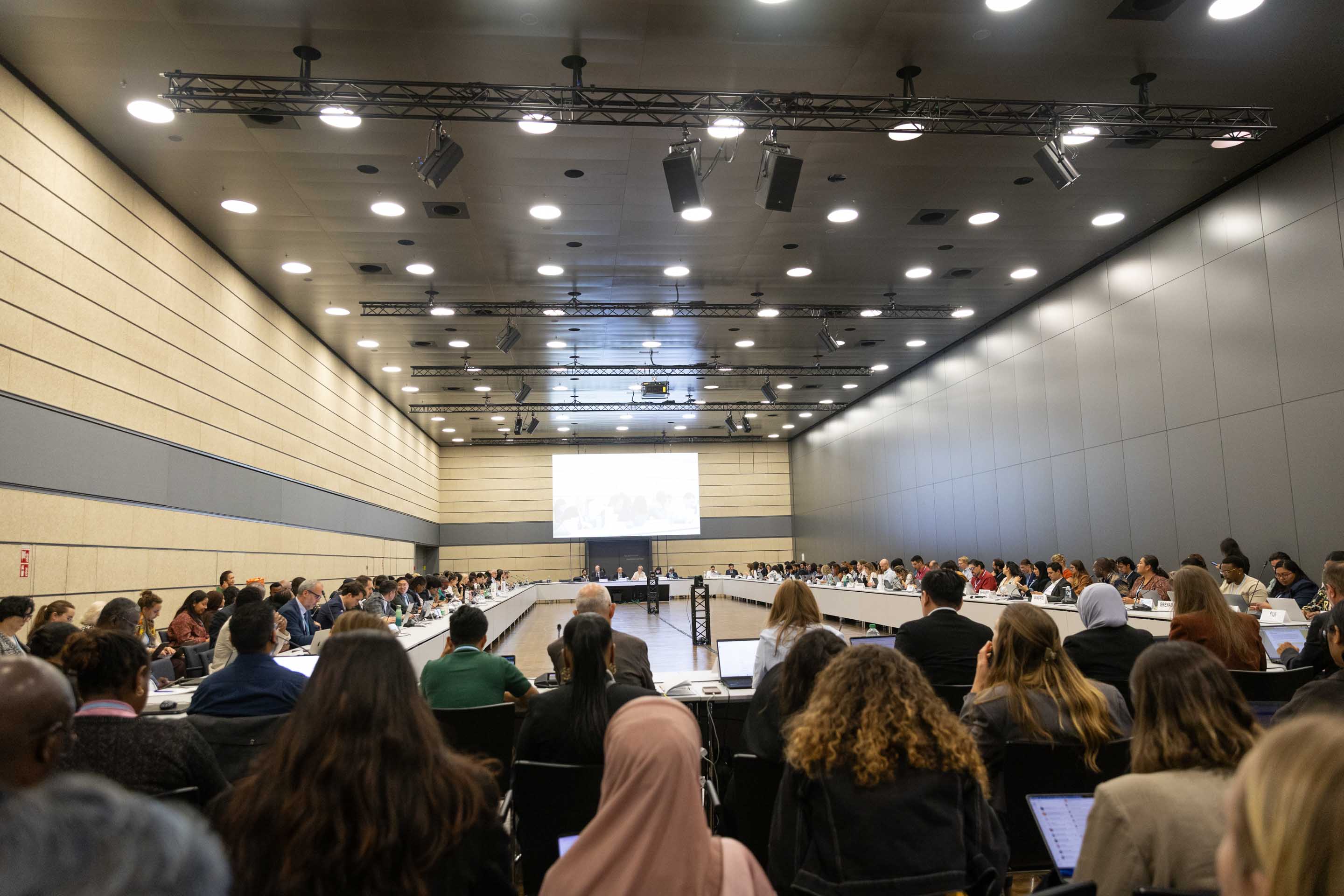
Informal consultations on the Just Transition Work Programme (JTWP)
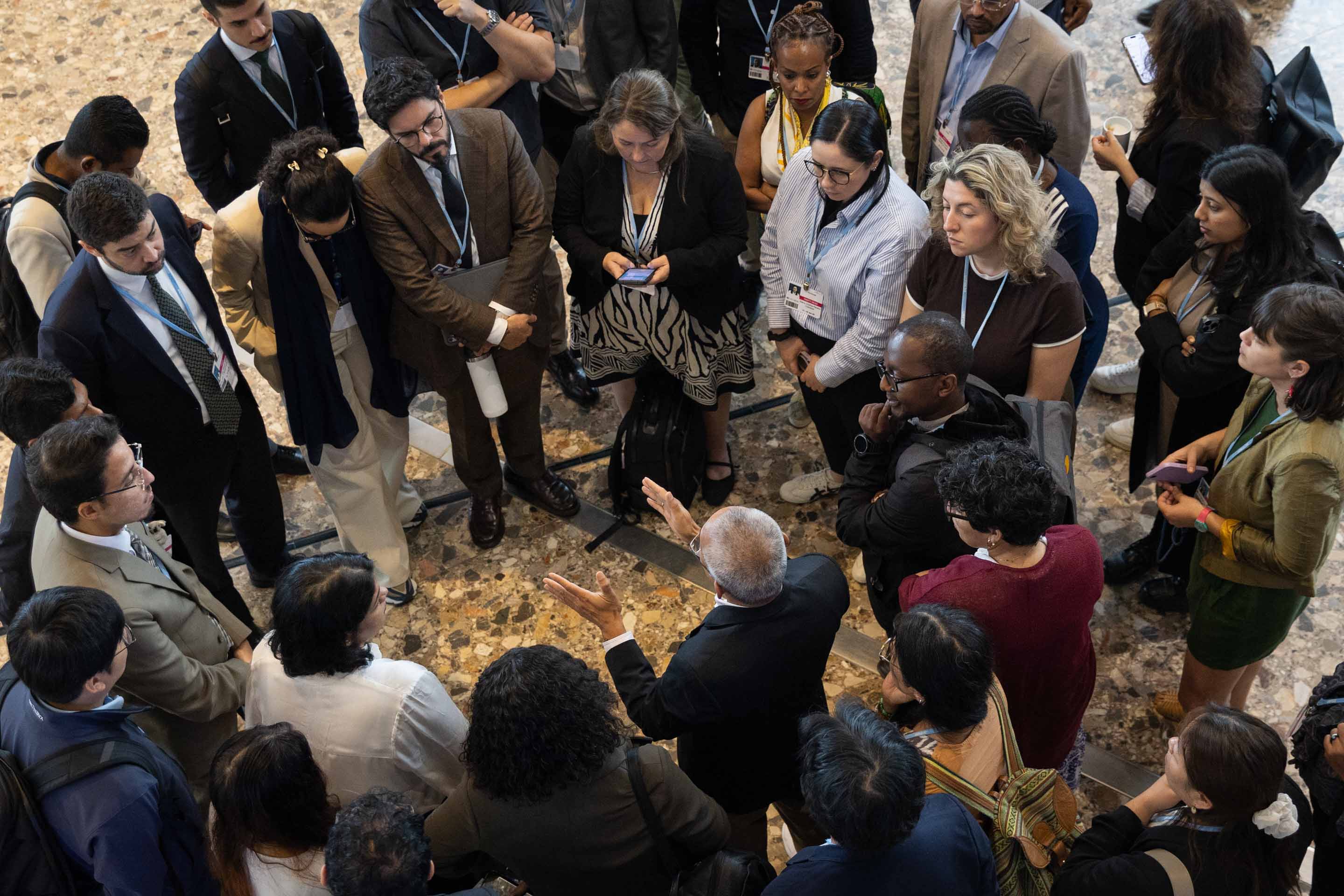
Members of the G-77/China huddle in the corridors
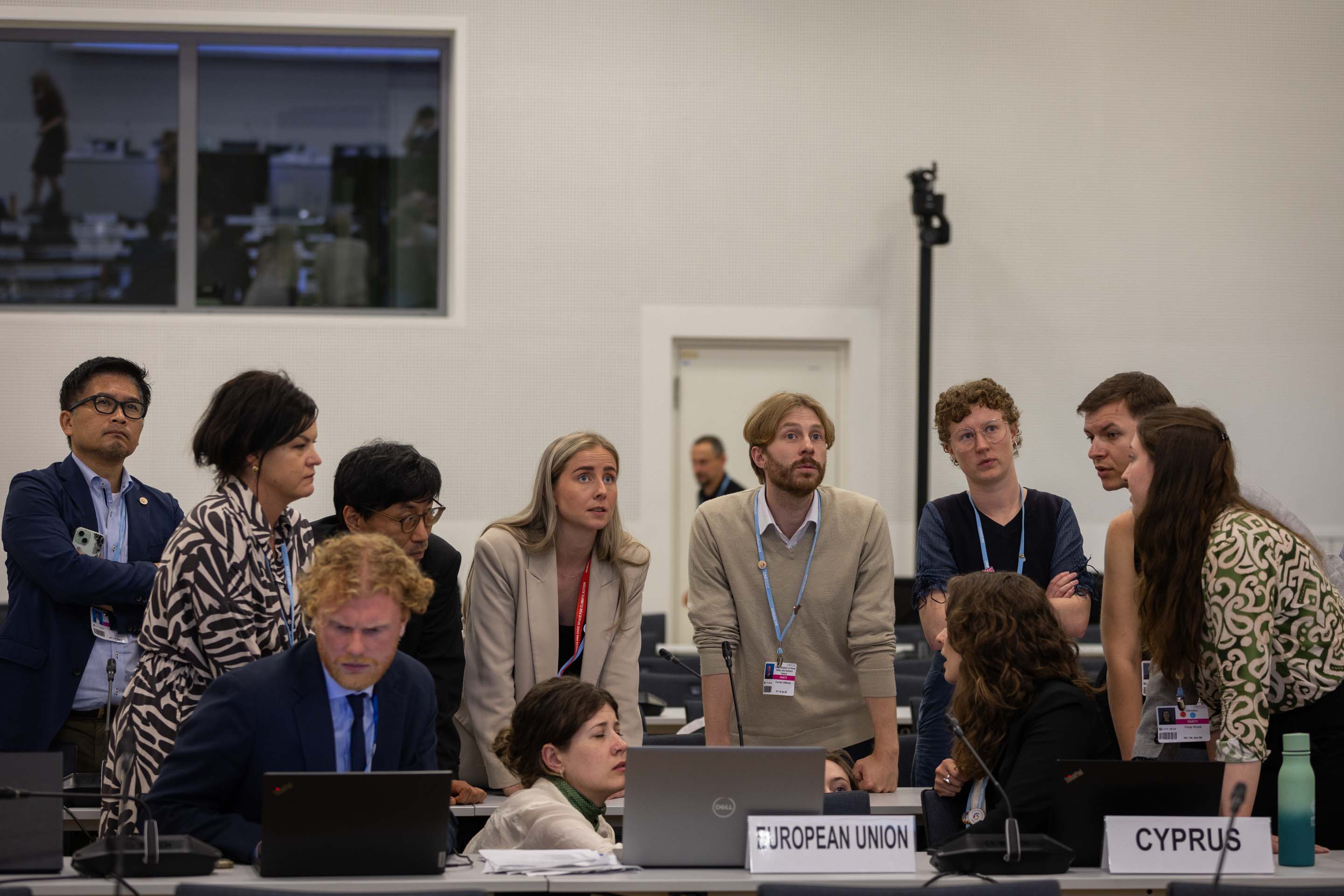
Delegates from the EU huddle informally
High-Level Consultative Roundtable
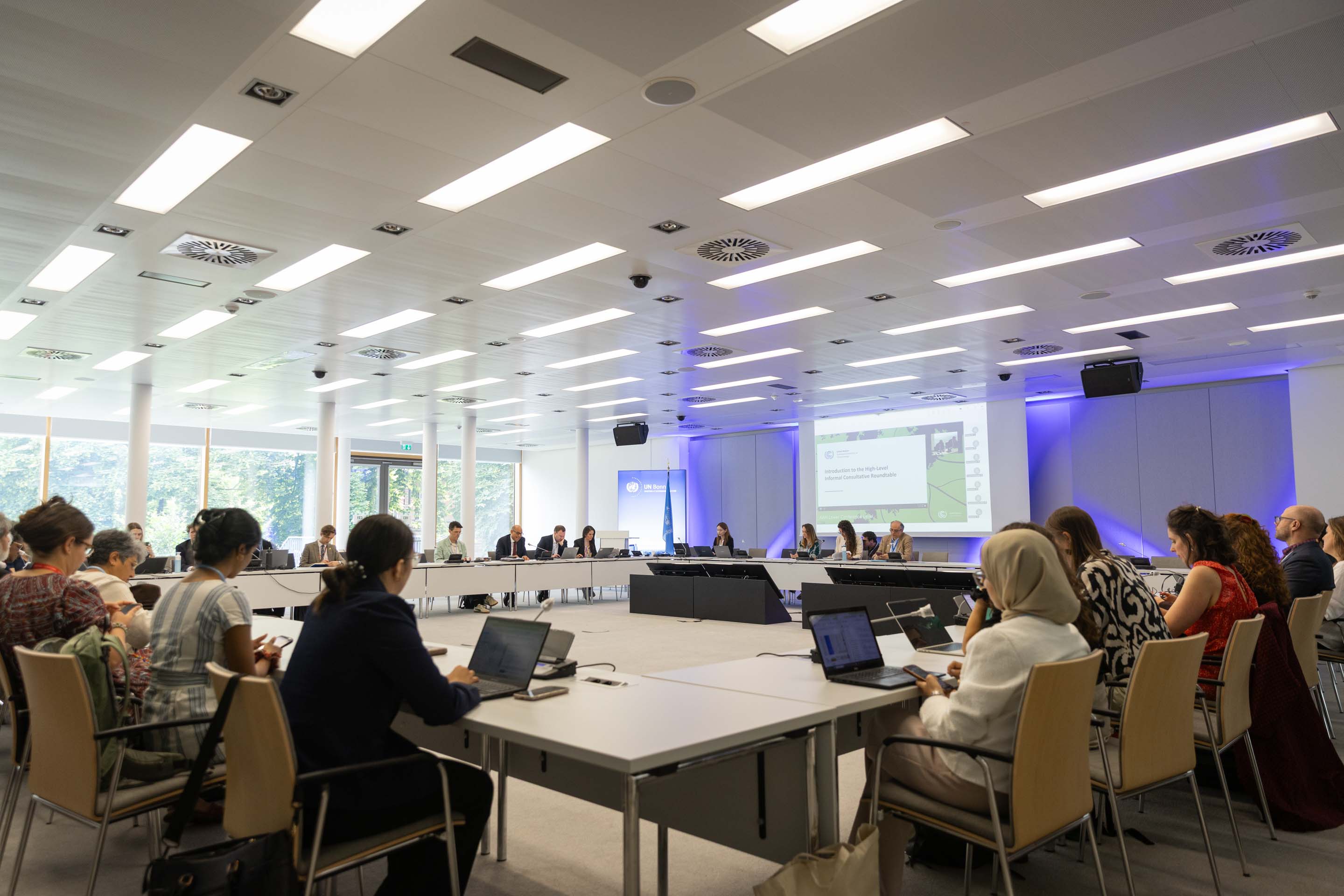
Delegates gather for a special session focused on introducing the High-Level Consultative Roundtable
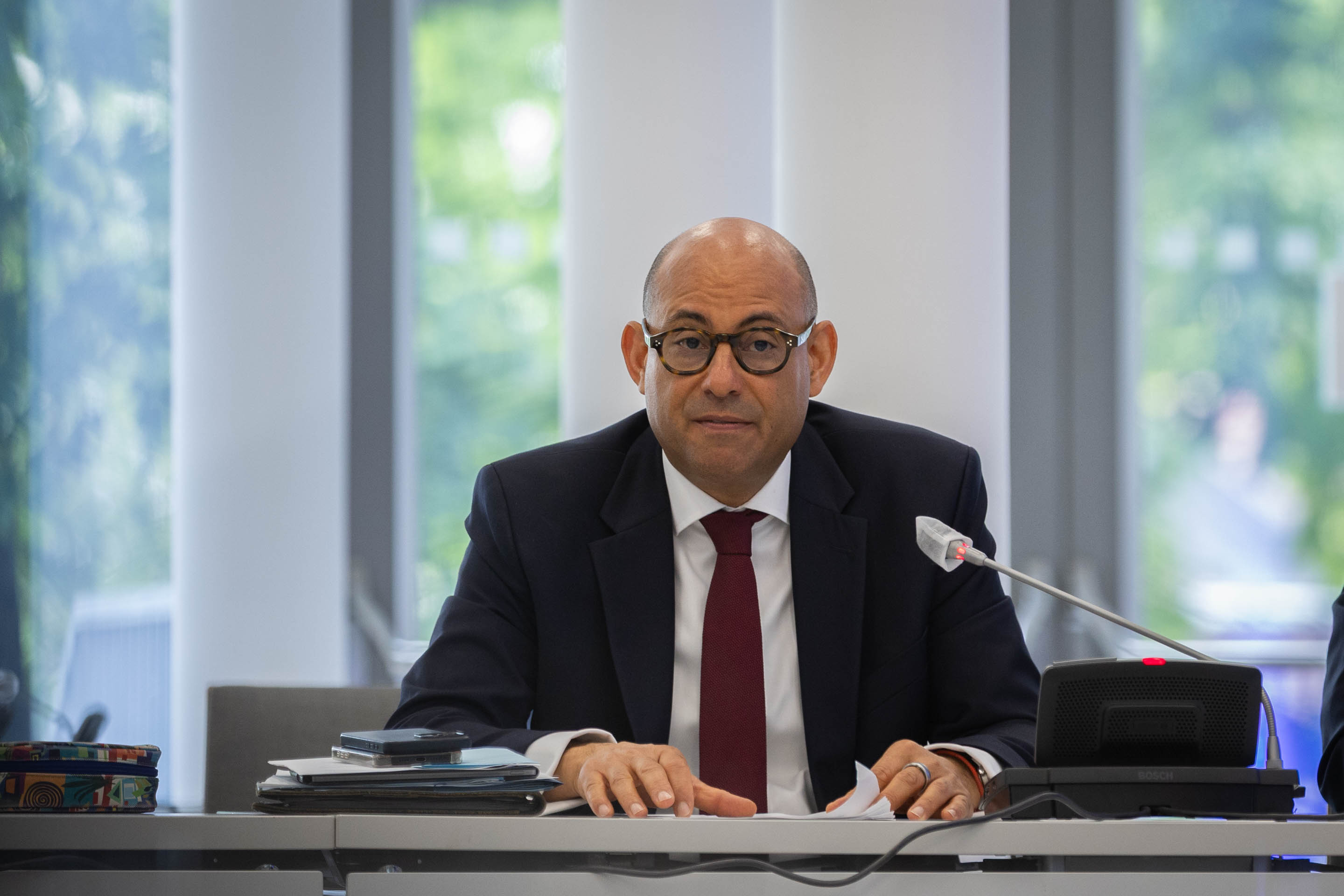
UNFCCC Executive Secretary Simon Stiell
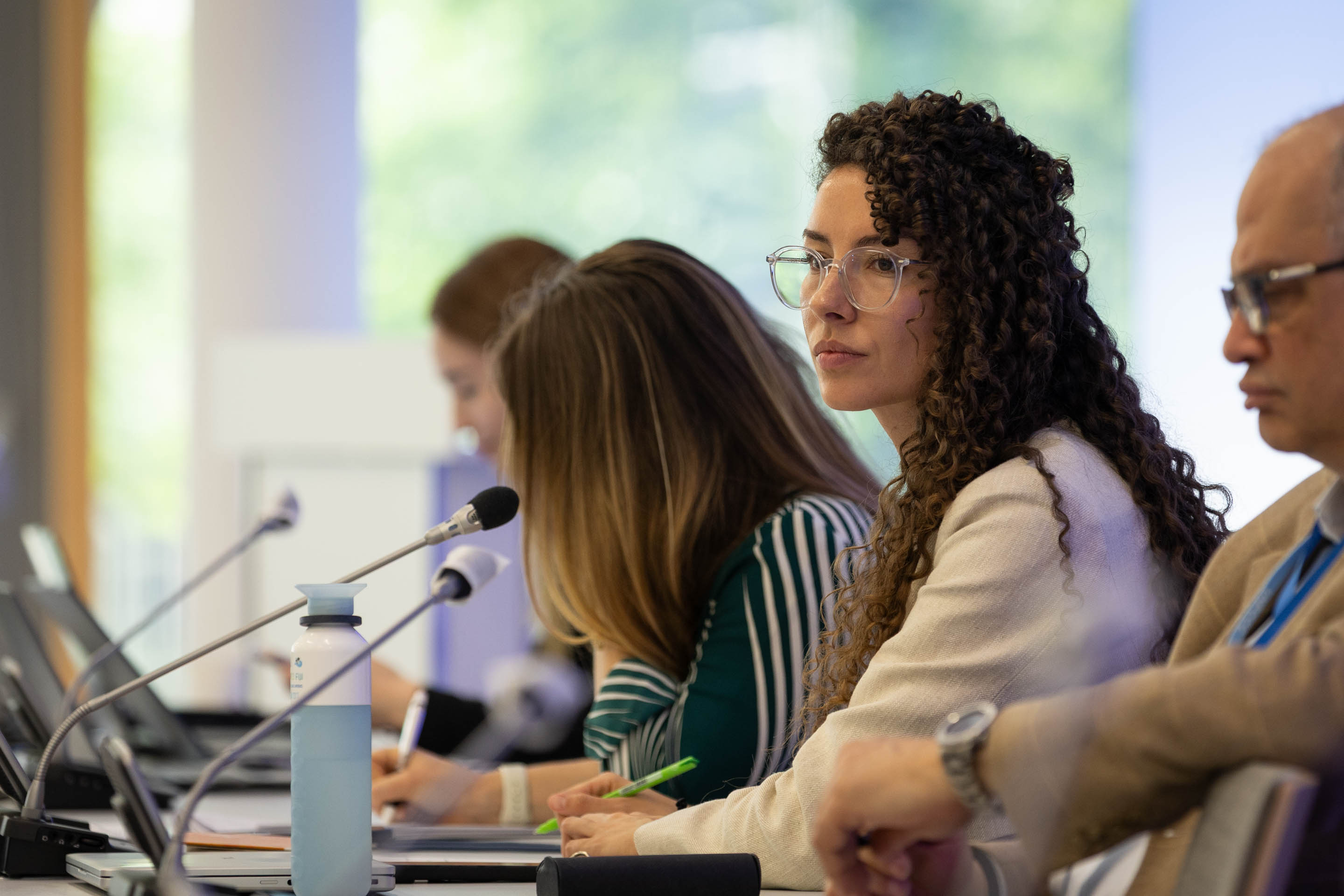
Joanna MacGregor, UNFCCC Secretariat
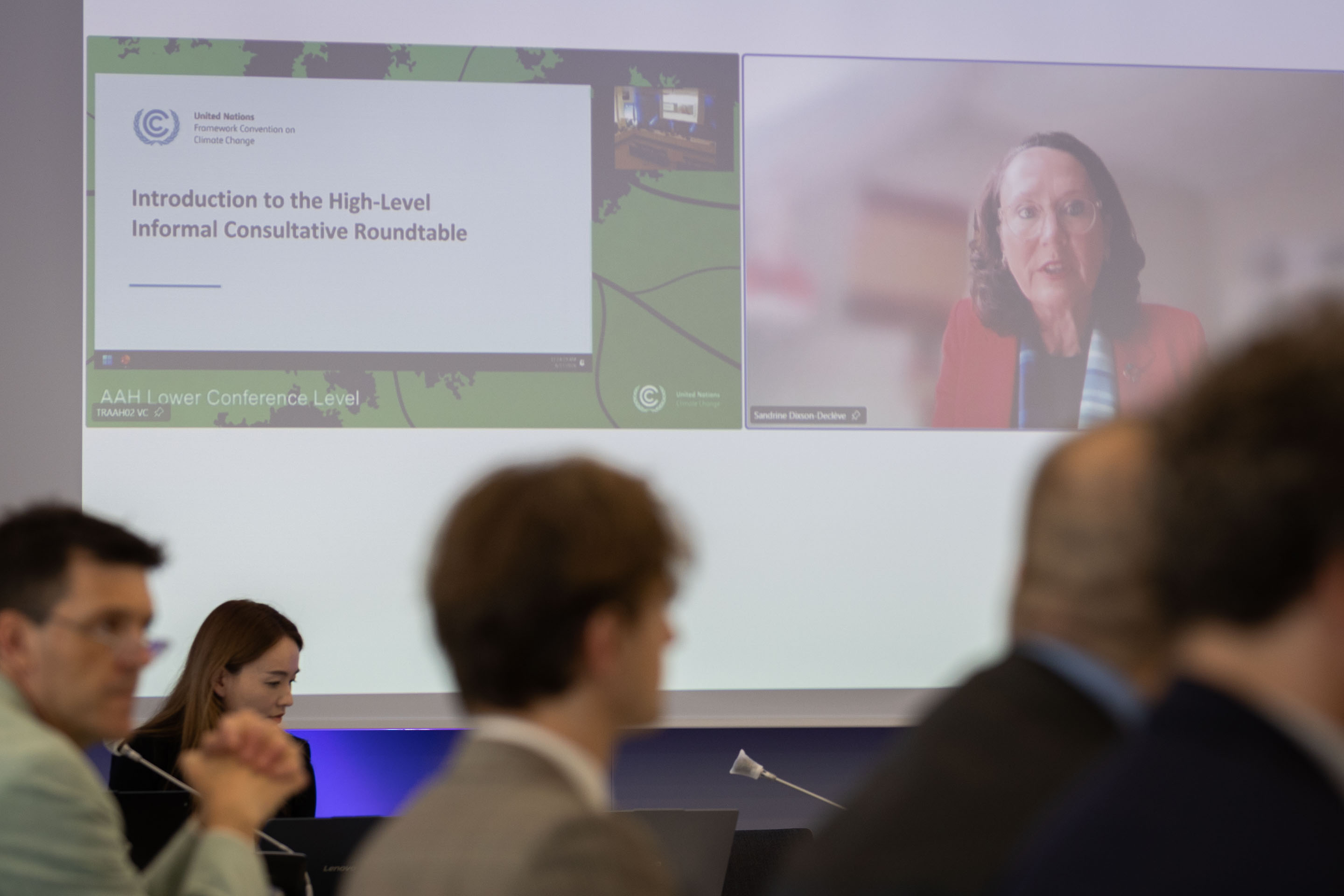
A variety of speakers present virtually
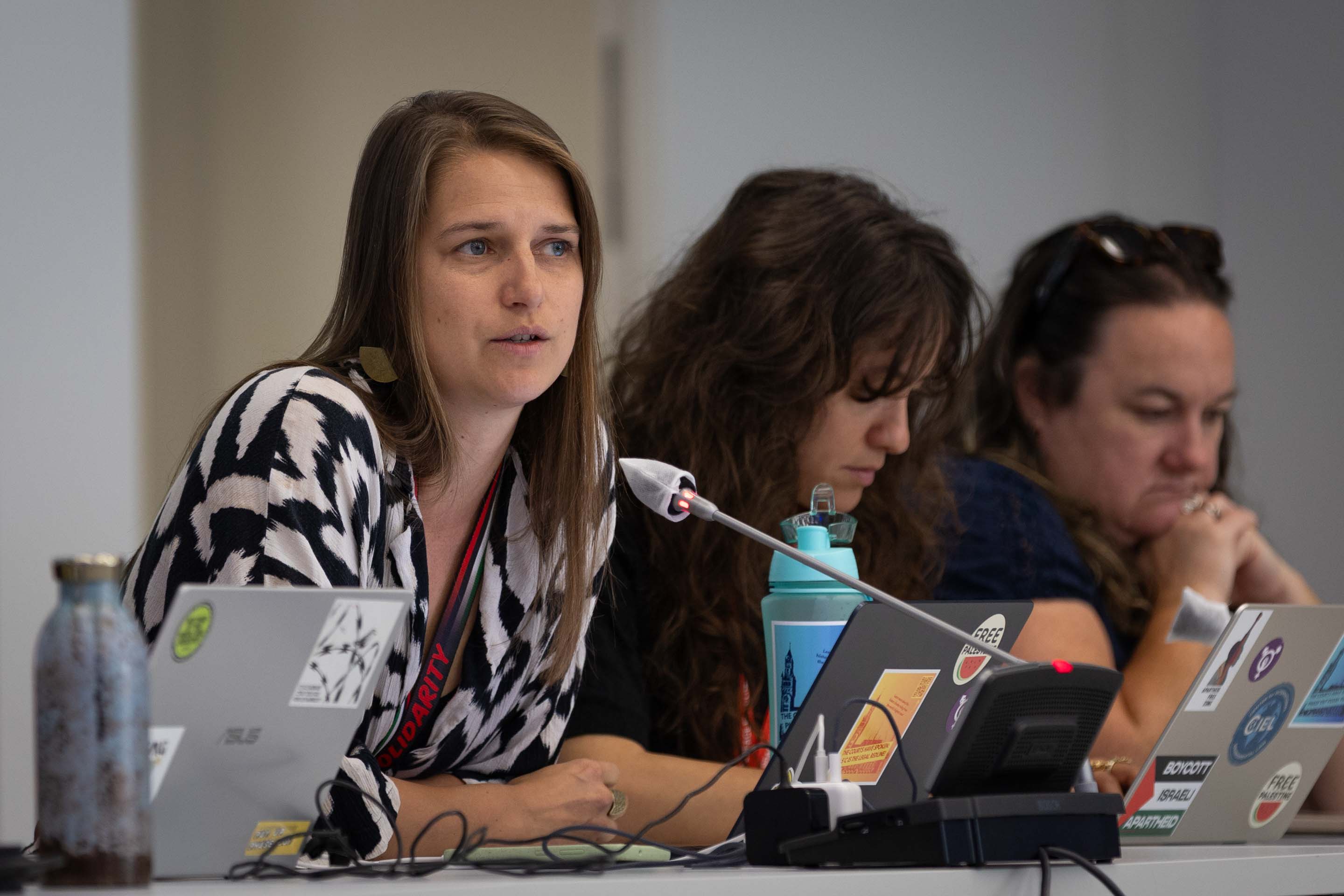
Kasia Wrona, Poland
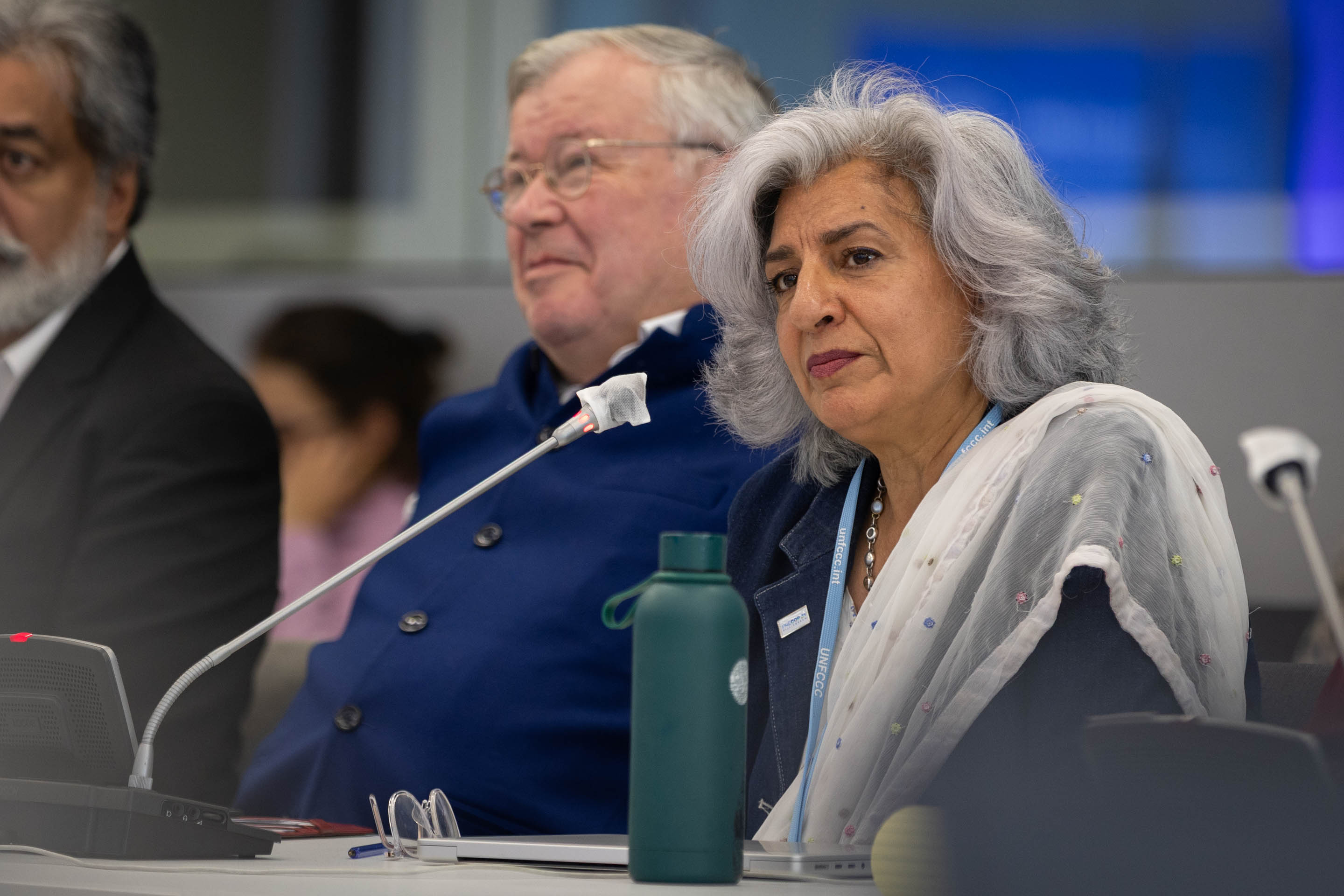
Farhana Tabassum Yamin, Sabanci University
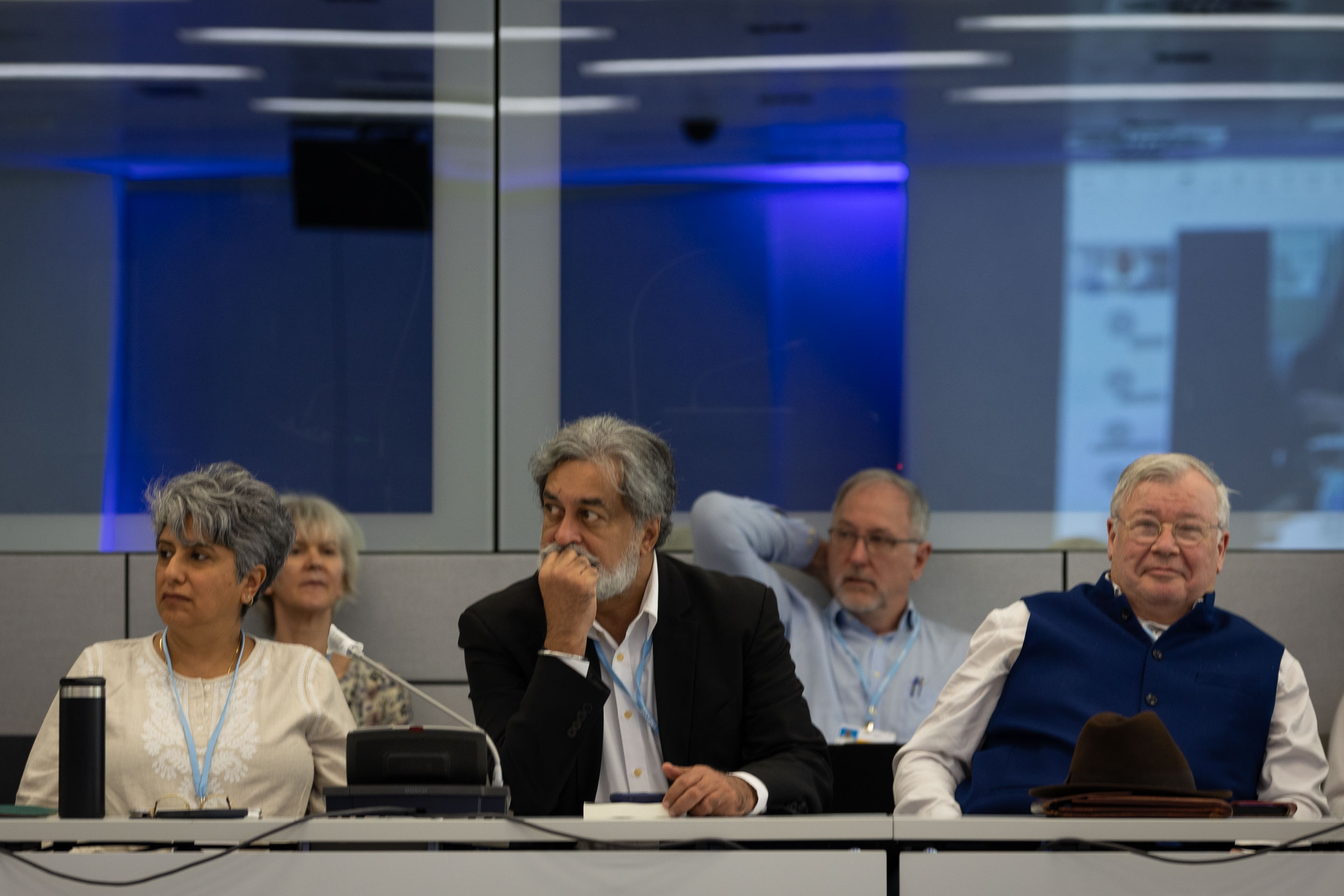
Anju Sharma, Kishan Kumarsingh, and Benito Müller, European Capacity Building Initiative (ECBI)
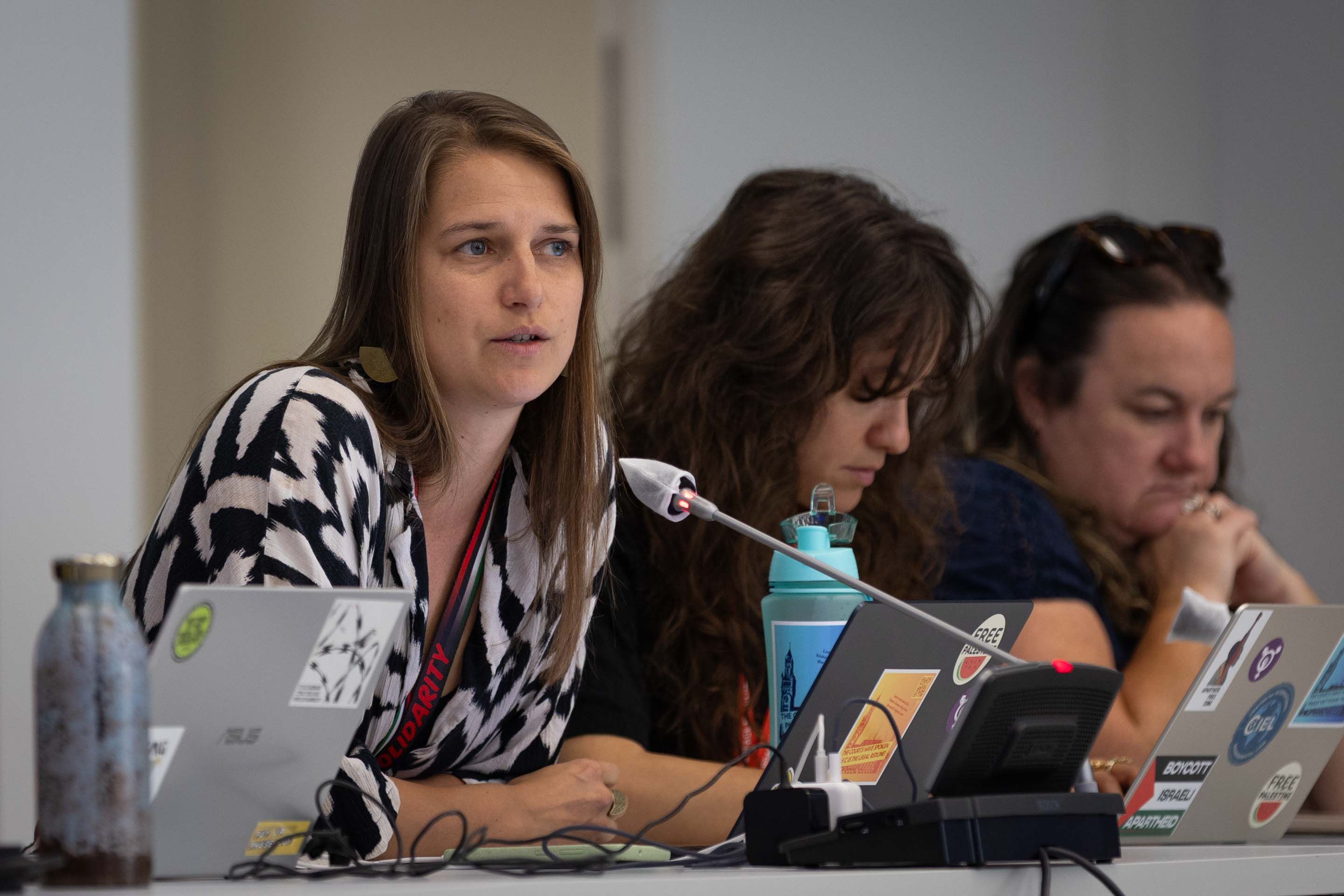
Lien Vandamme, Center for International Environmental Law (CIEL)
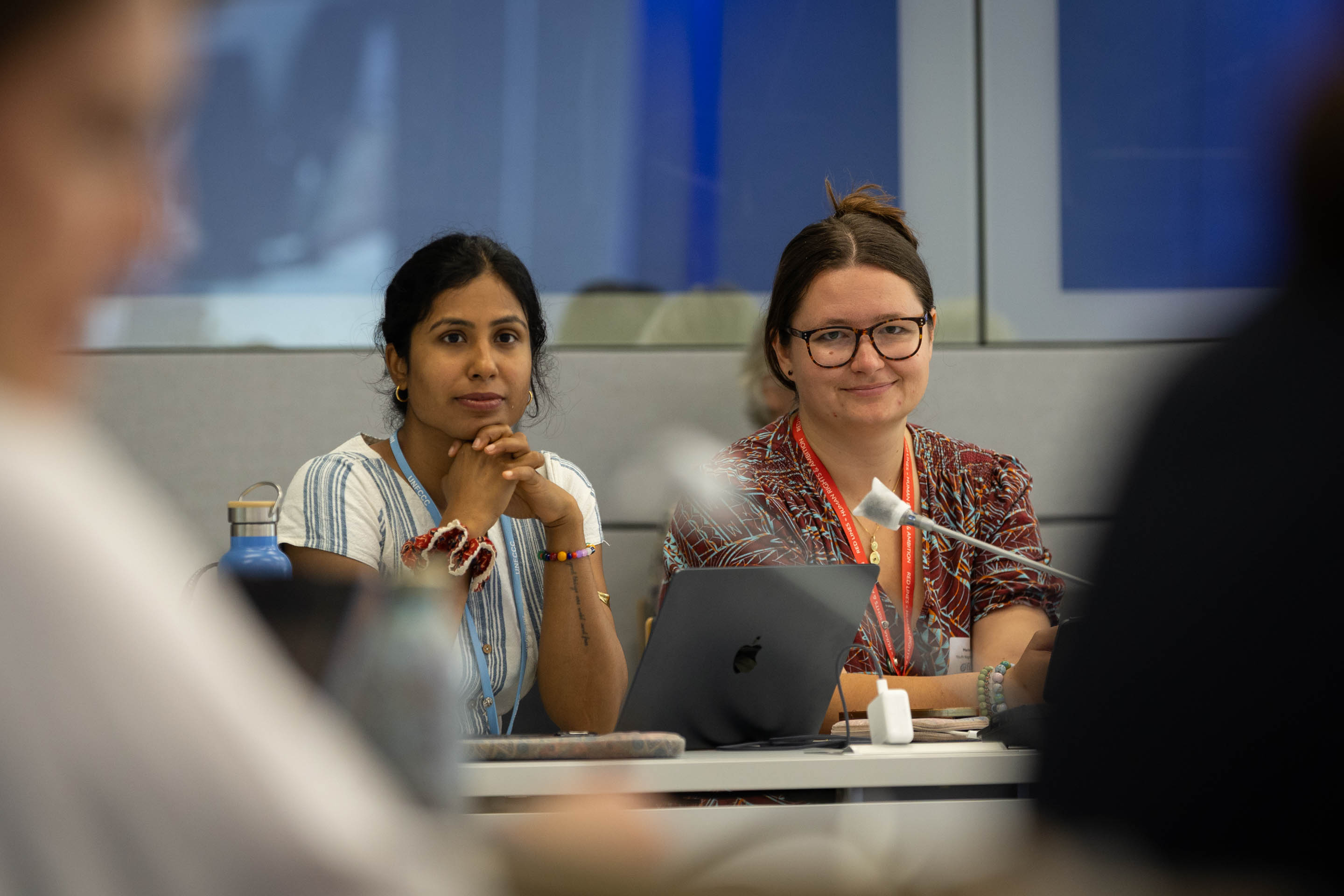
Veena Balakrishnan and Marie-Claire Graf, Co-Founders, Climate Youth Negotiators Programme (CYNP)
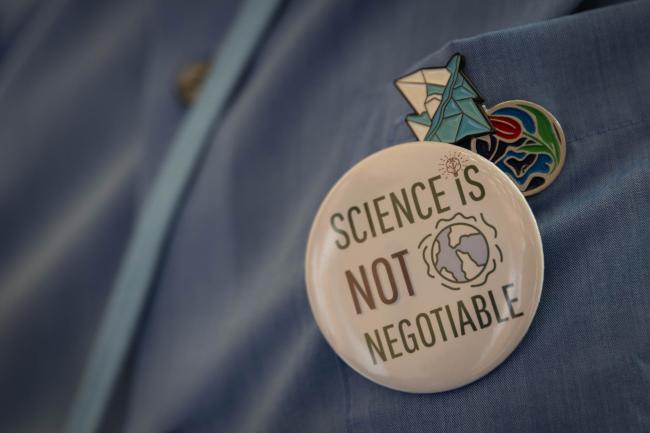
Defend the Science: Friends of Science Press Conference
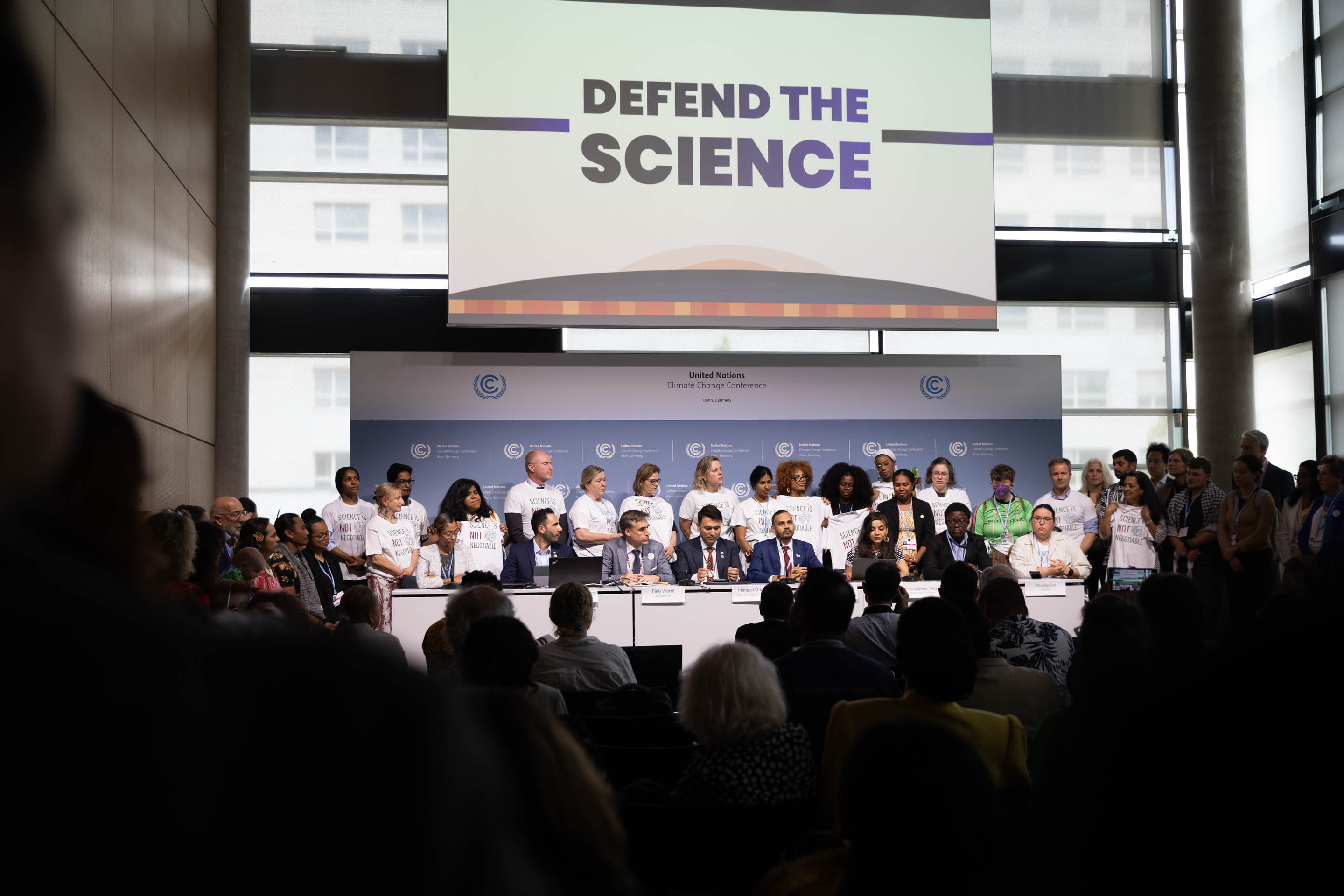
As delegates struggle to reach agreement on a range of issues, a press conference is held to remind delegates to 'defend the science'
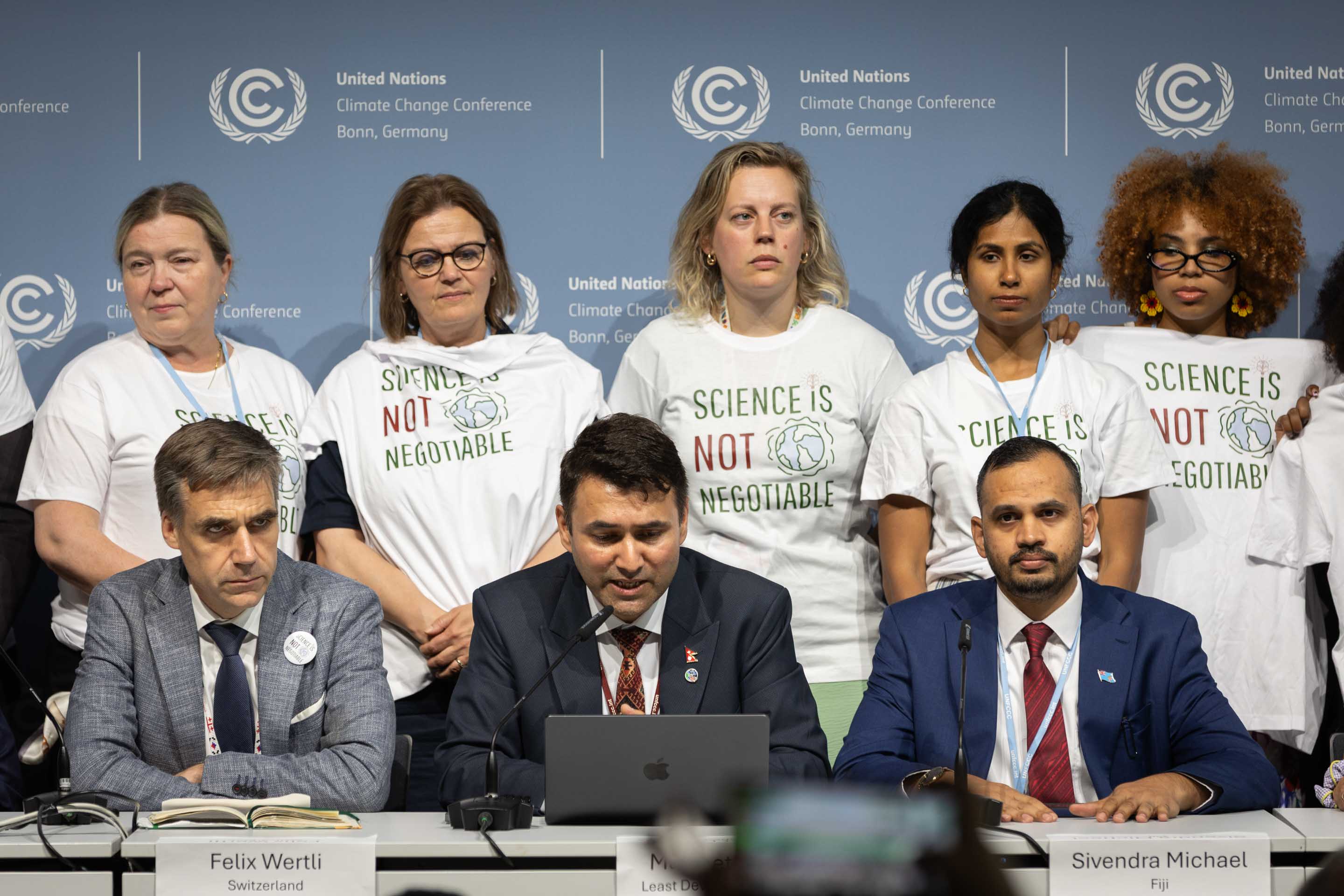
Felix Wertli, Switzerland, Manjeet Dhakal, Nepal, on behalf of Least Developed Countries (LDCs), and Sivendra Michael, Fiji, on behalf of Pacific Small Island Developing States (P-SIDS)
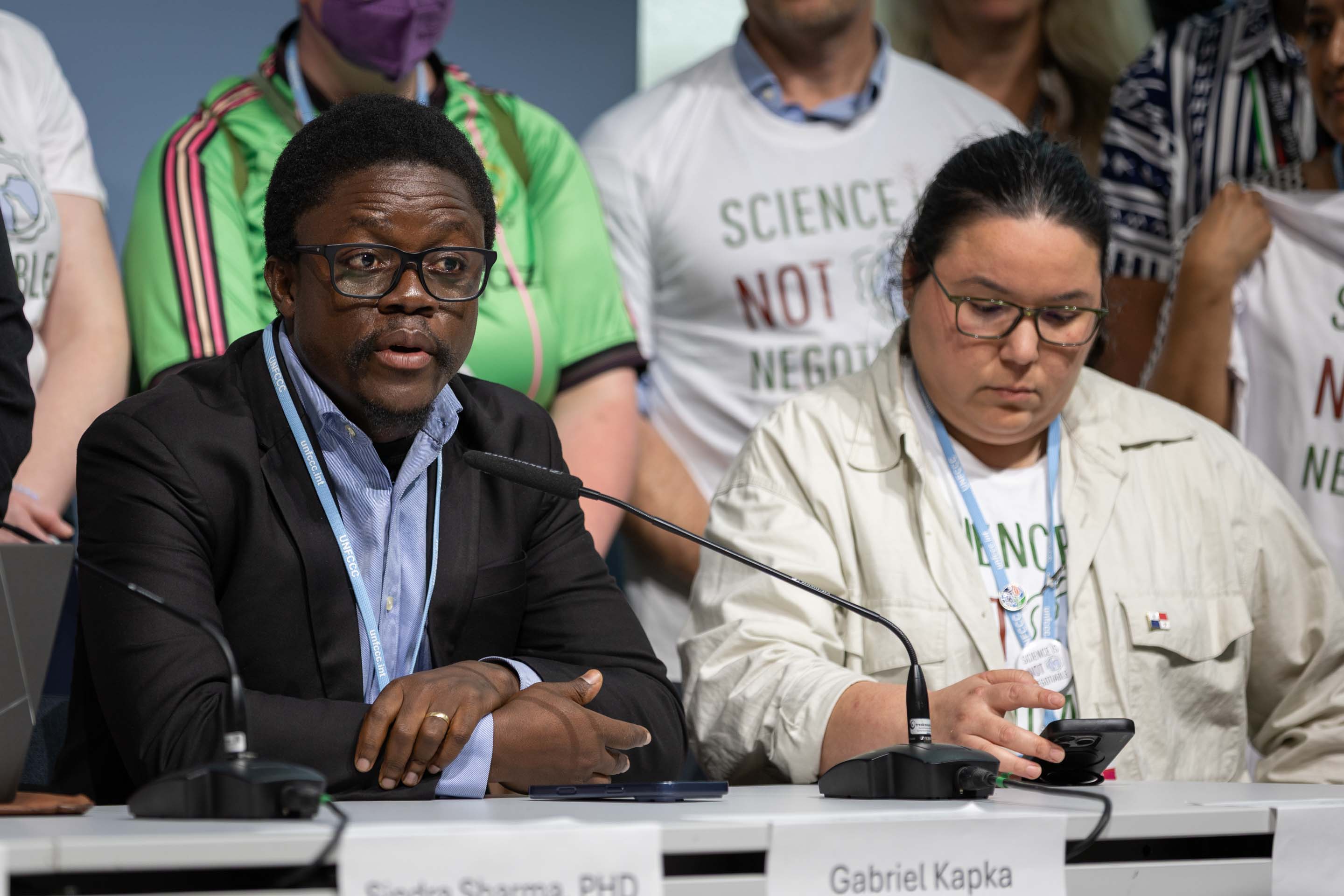
Gabriel Kapka, Sierra Leone, and Ana Aguilar, Panama
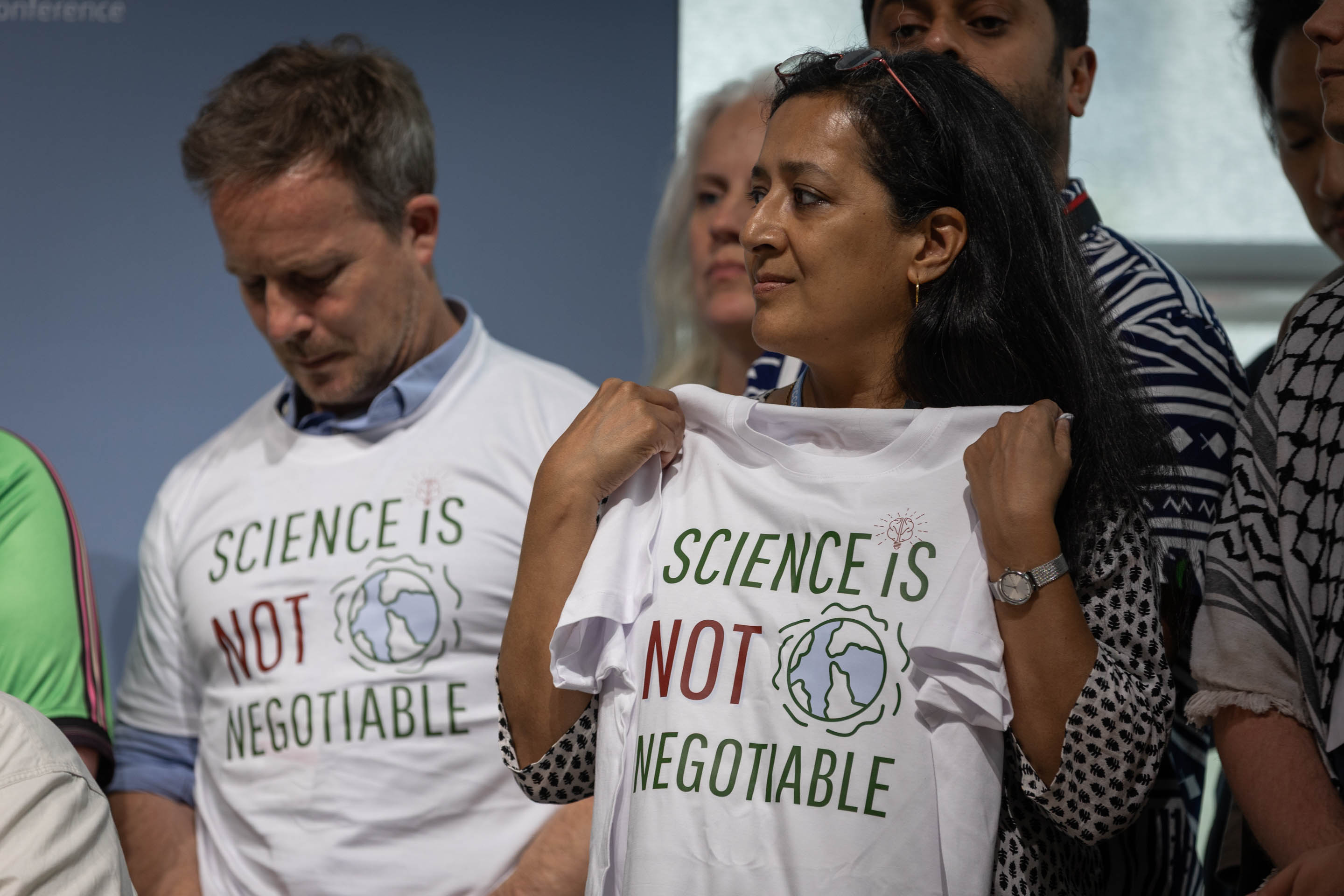
Civil Society Actions
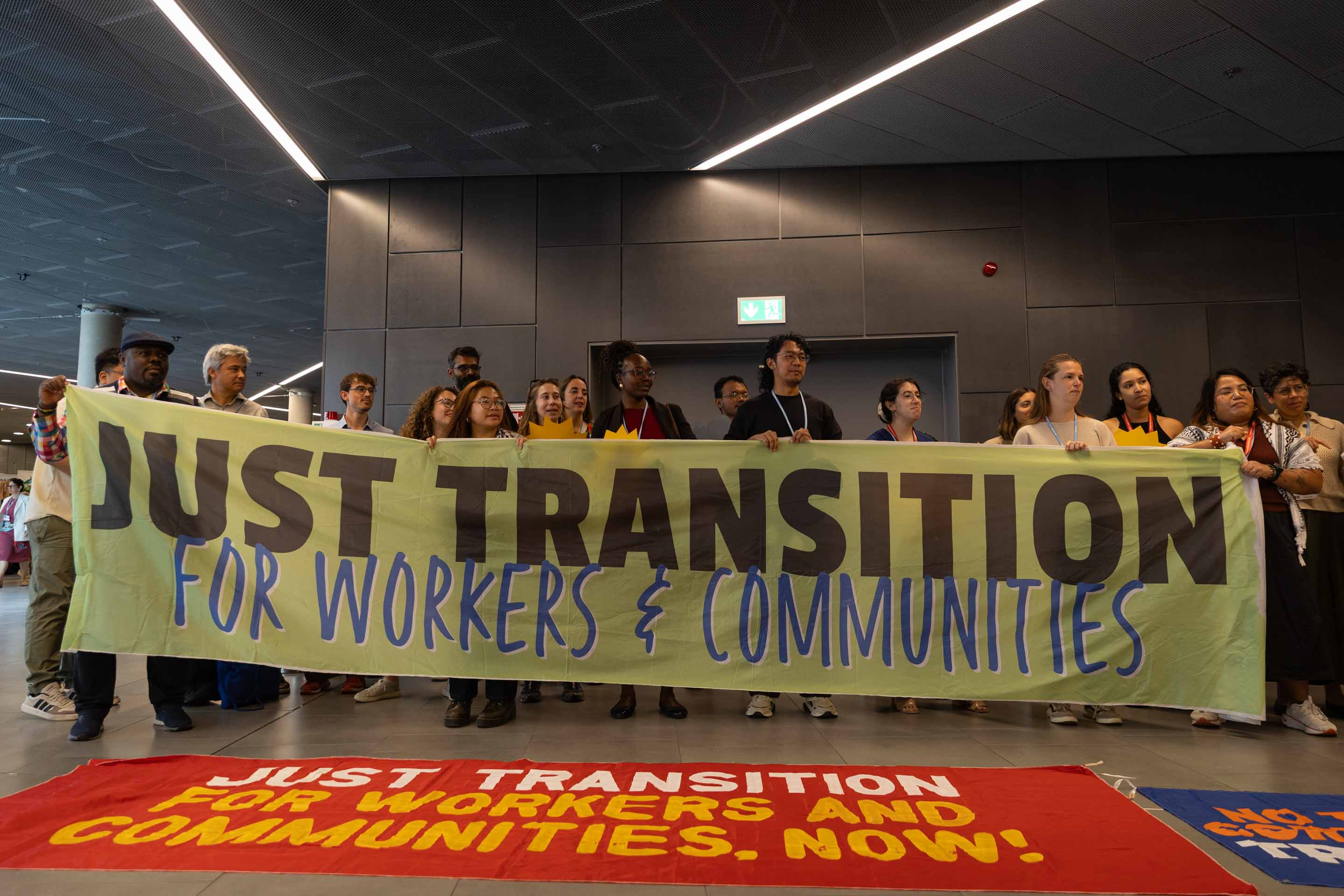
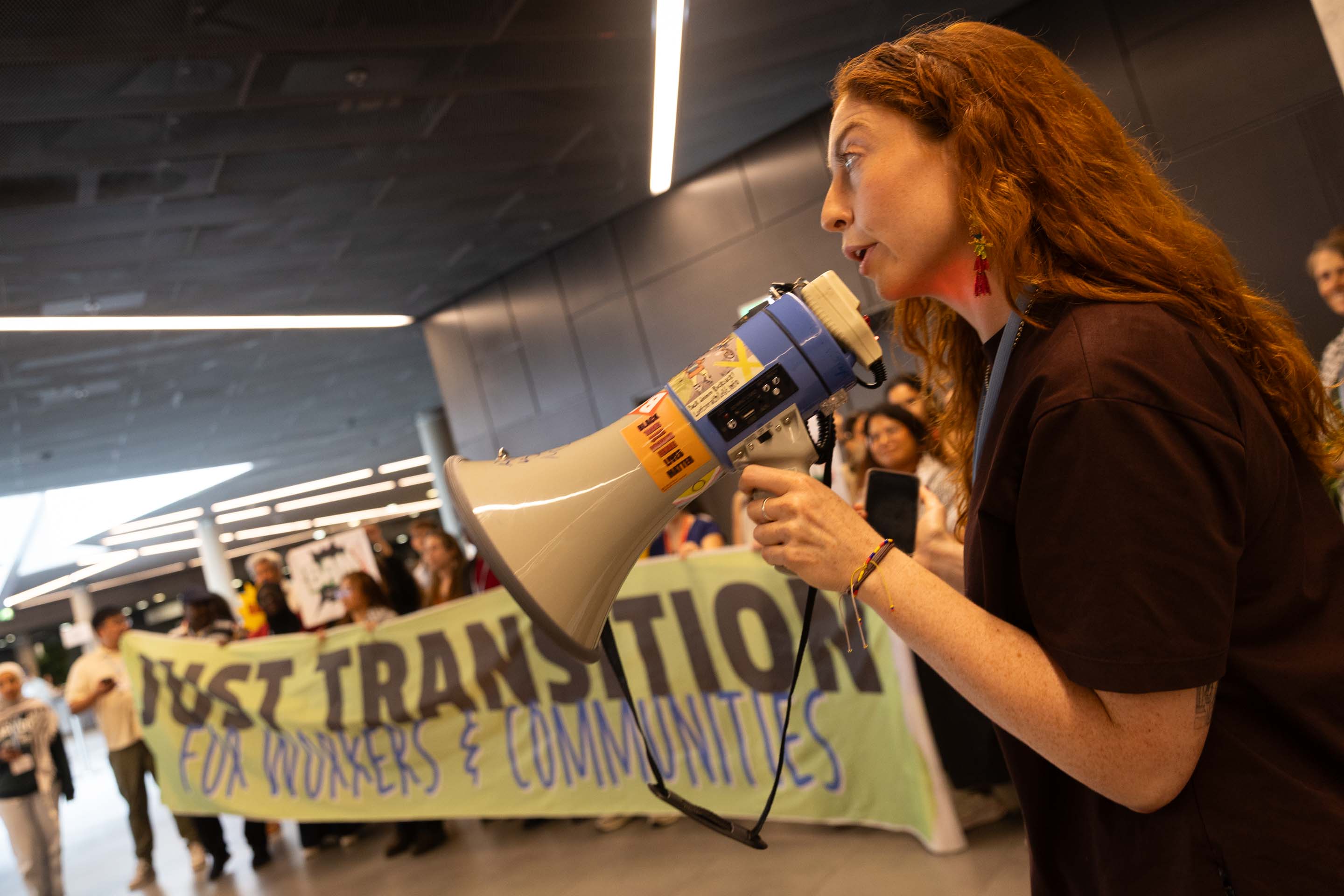
Members of civil society demonstrate in the corridors, calling for a just transition for workers and communities
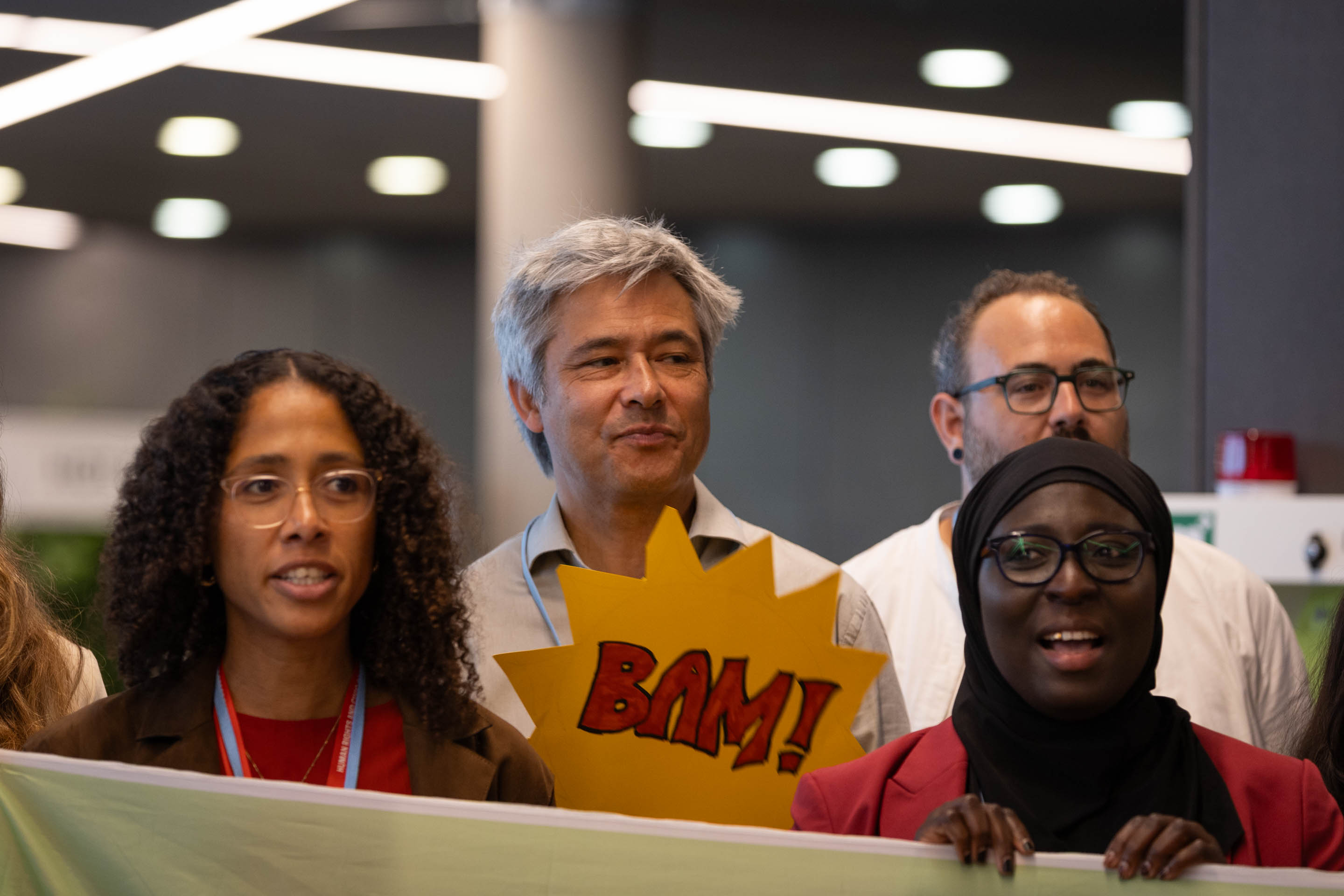
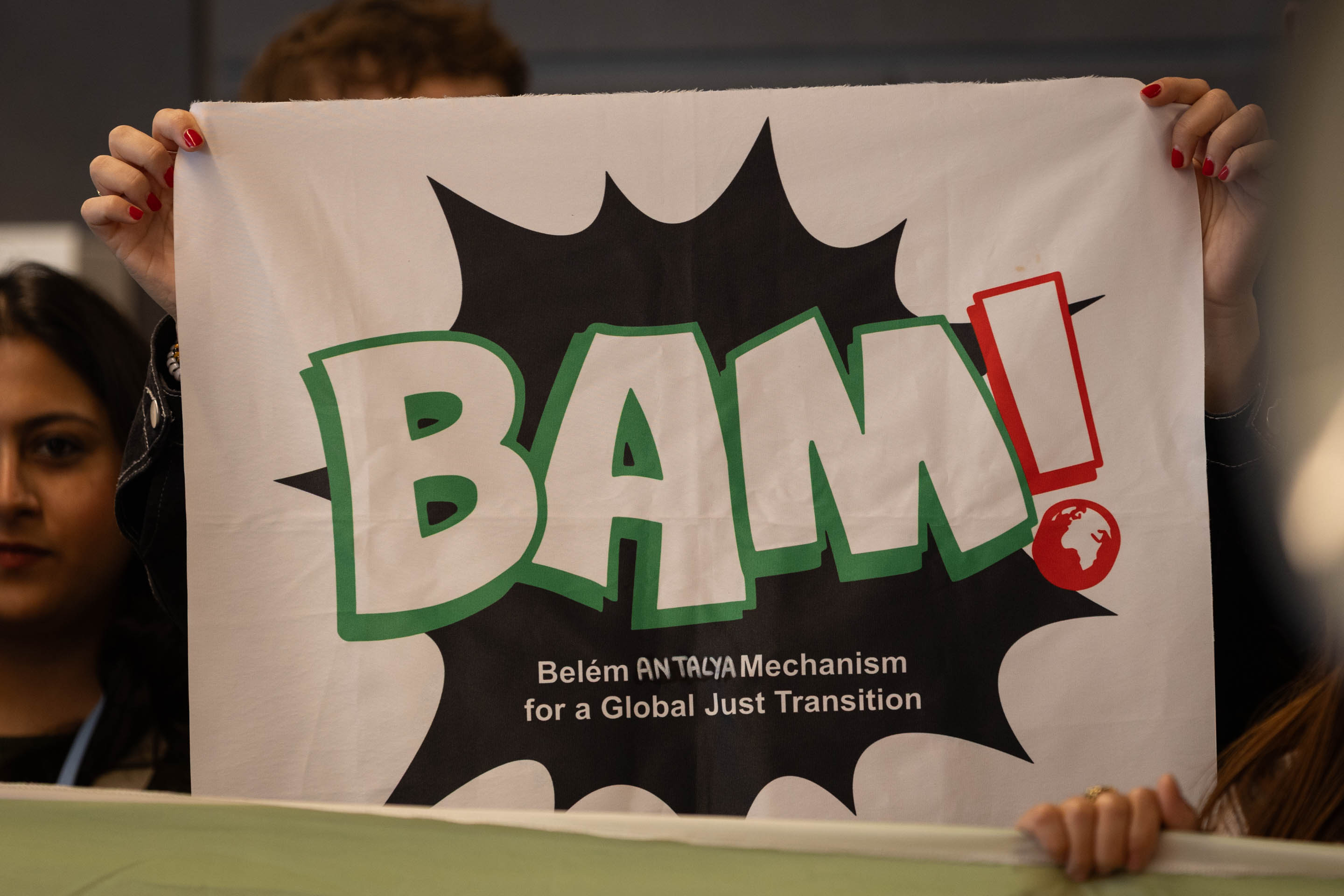
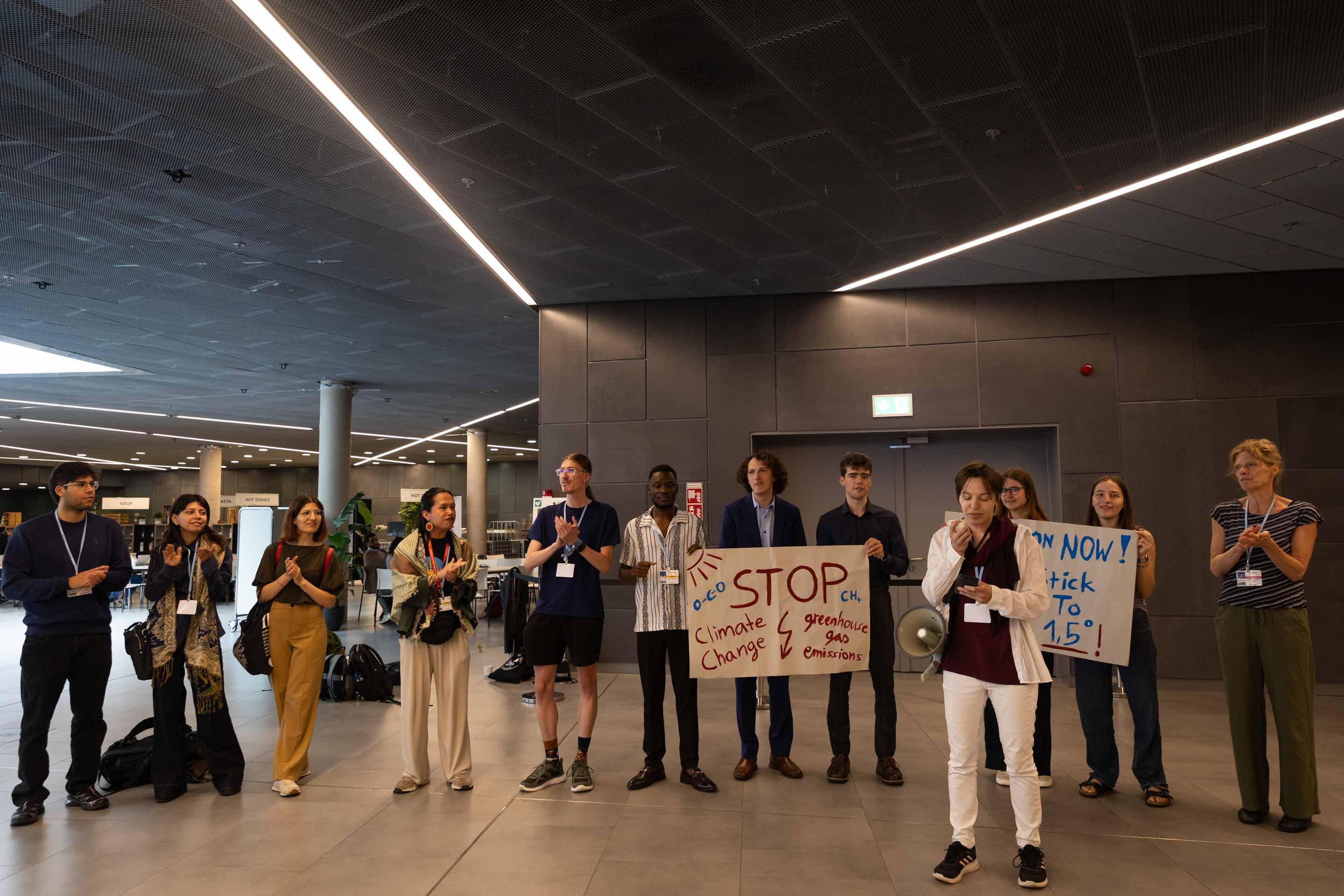
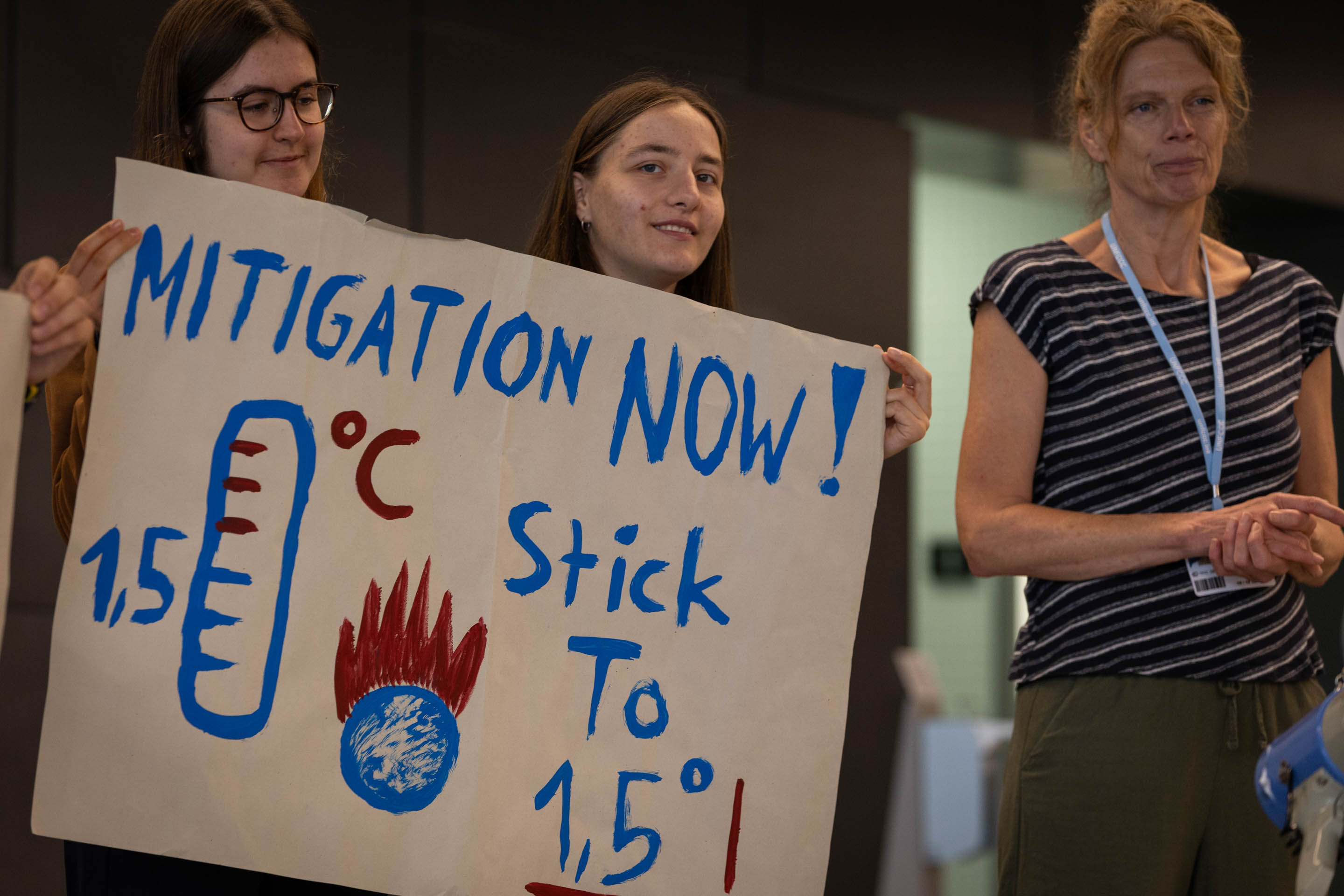
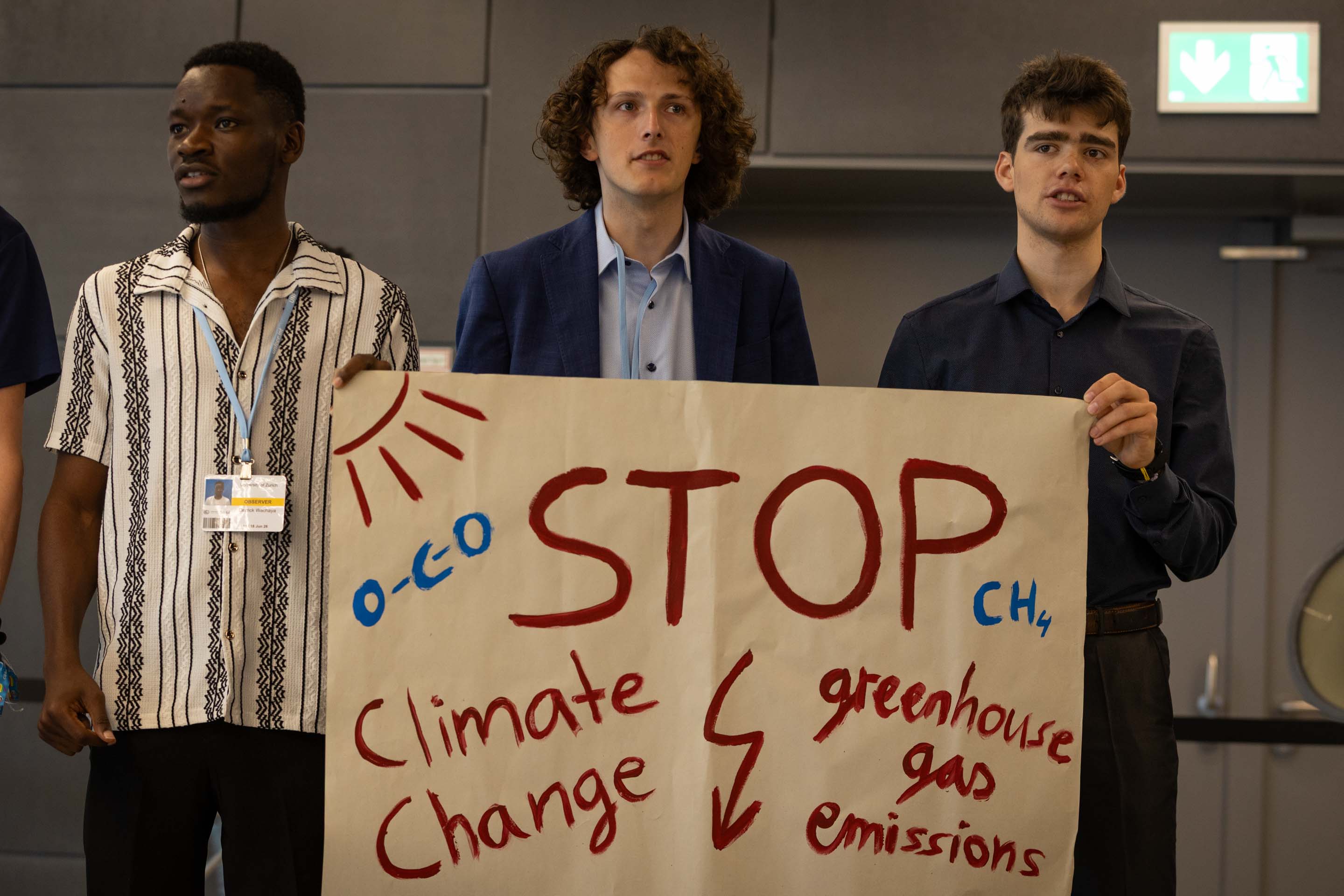
Members of civil society demonstrate, calling for ambitious mitigation action to keep 1.5°C alive
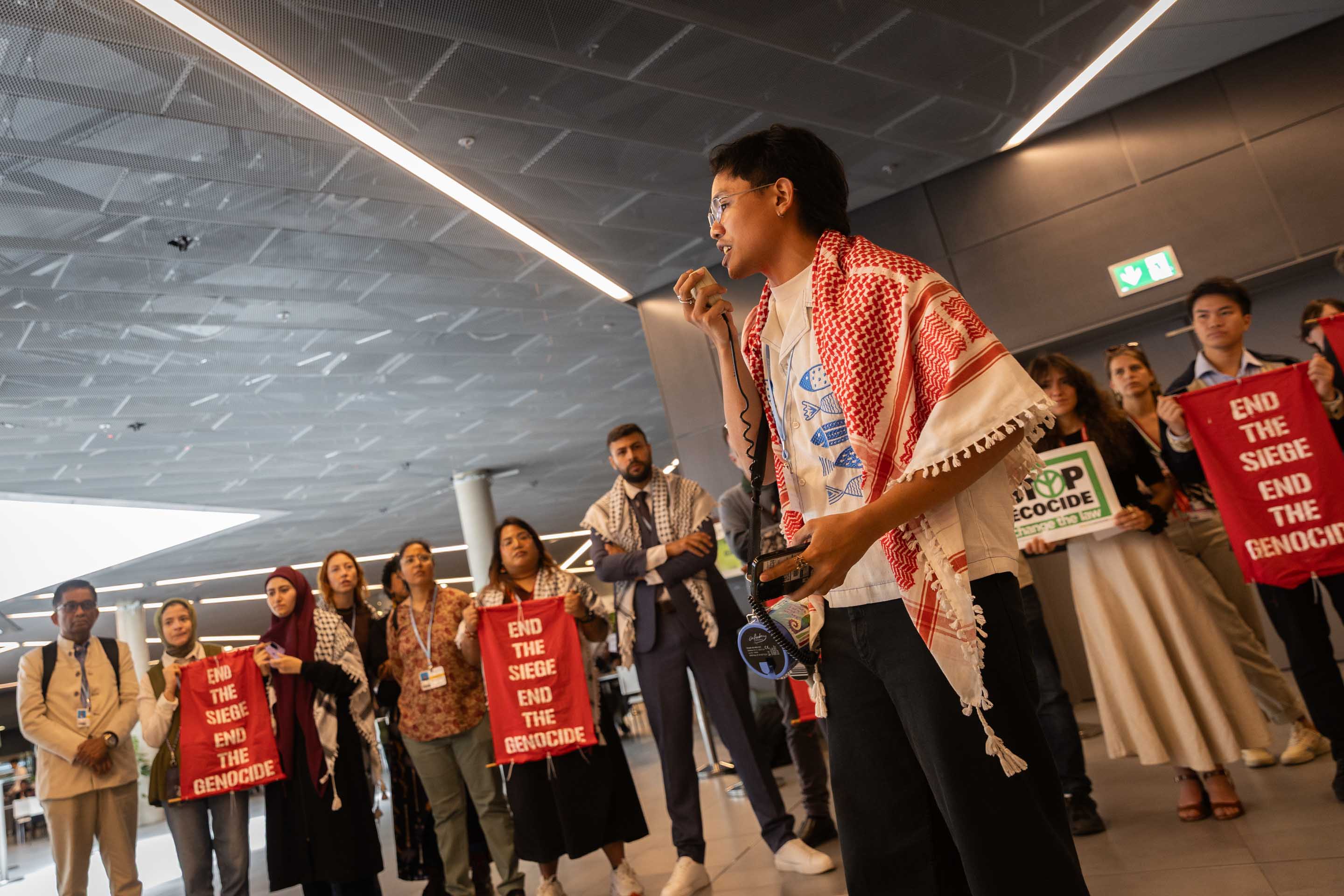
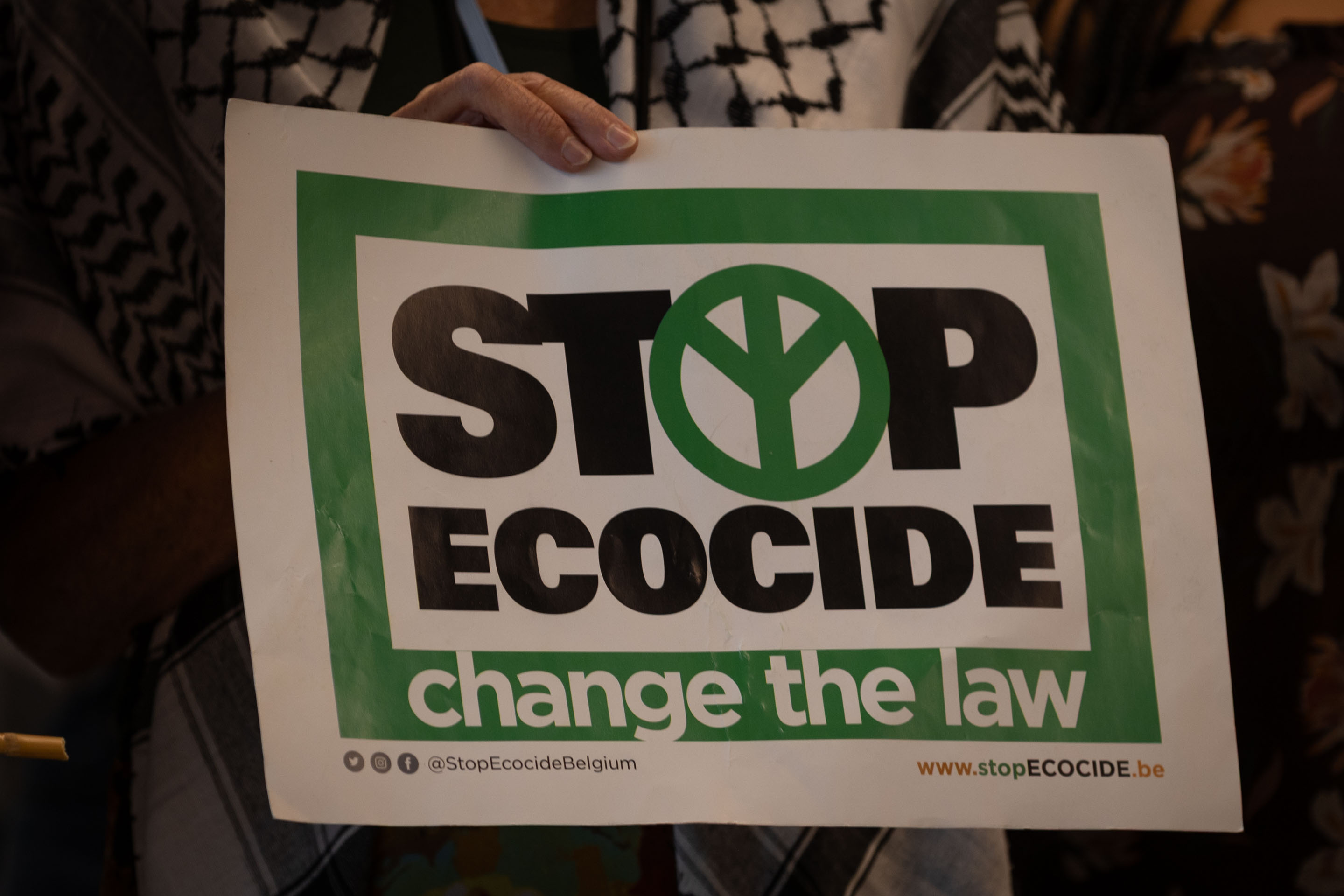
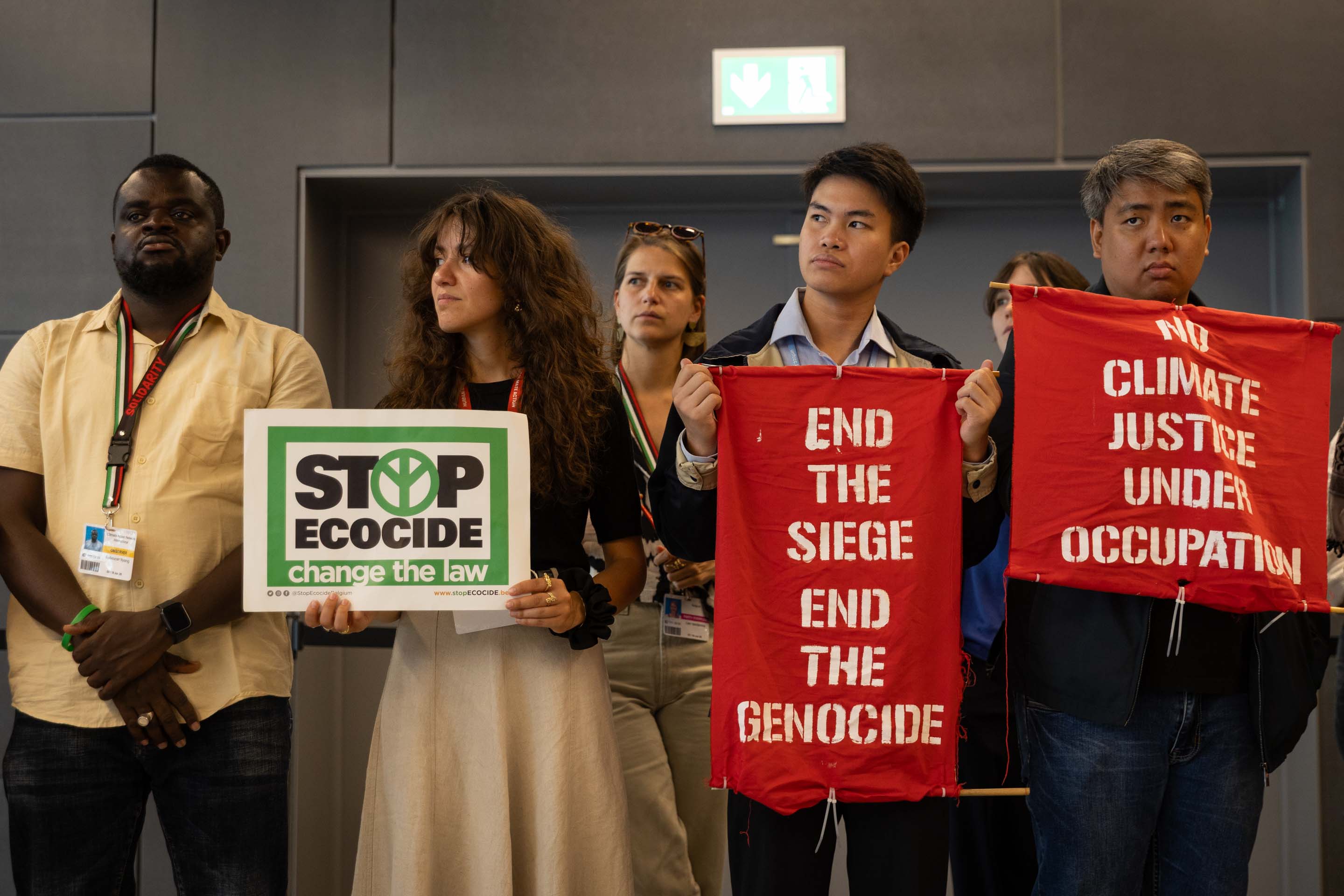
Members of civil society demonstrate, calling to 'end genocide everywhere', and highlighting the link between militarism, military spending, and climate justice
Around the Venue
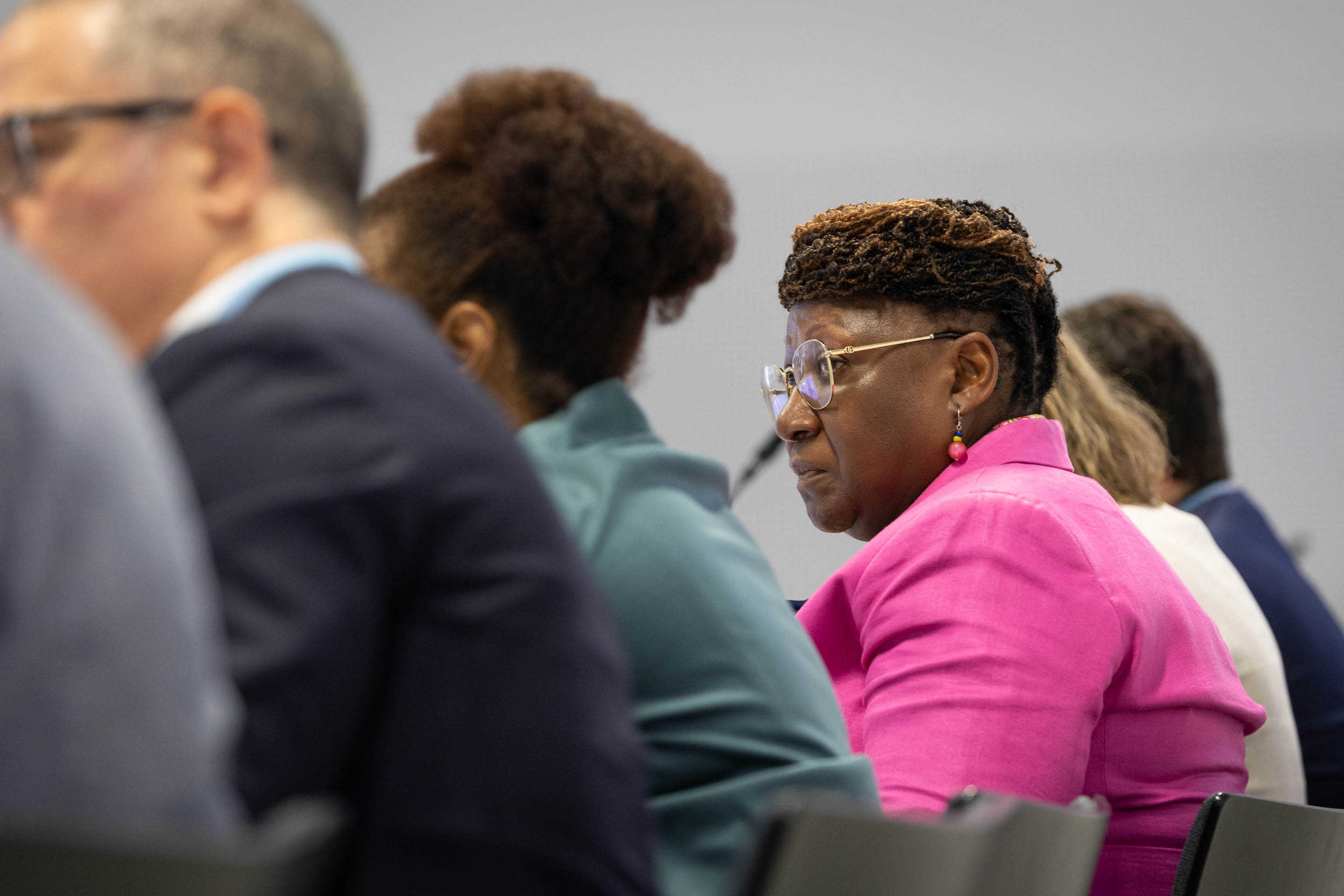
Cecilia Kinuthia-Njenga, UNFCCC Secretariat
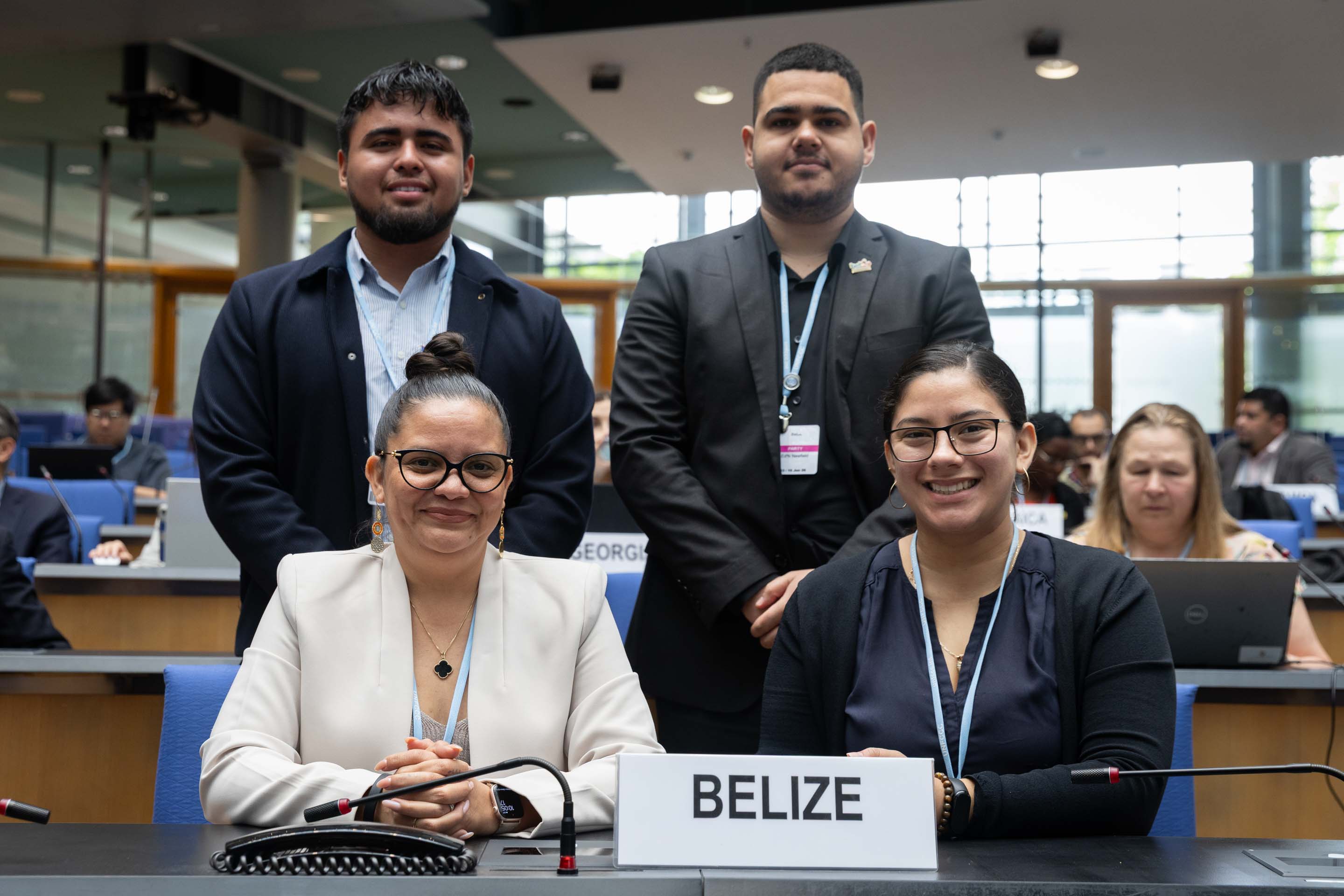
Delegates from Belize
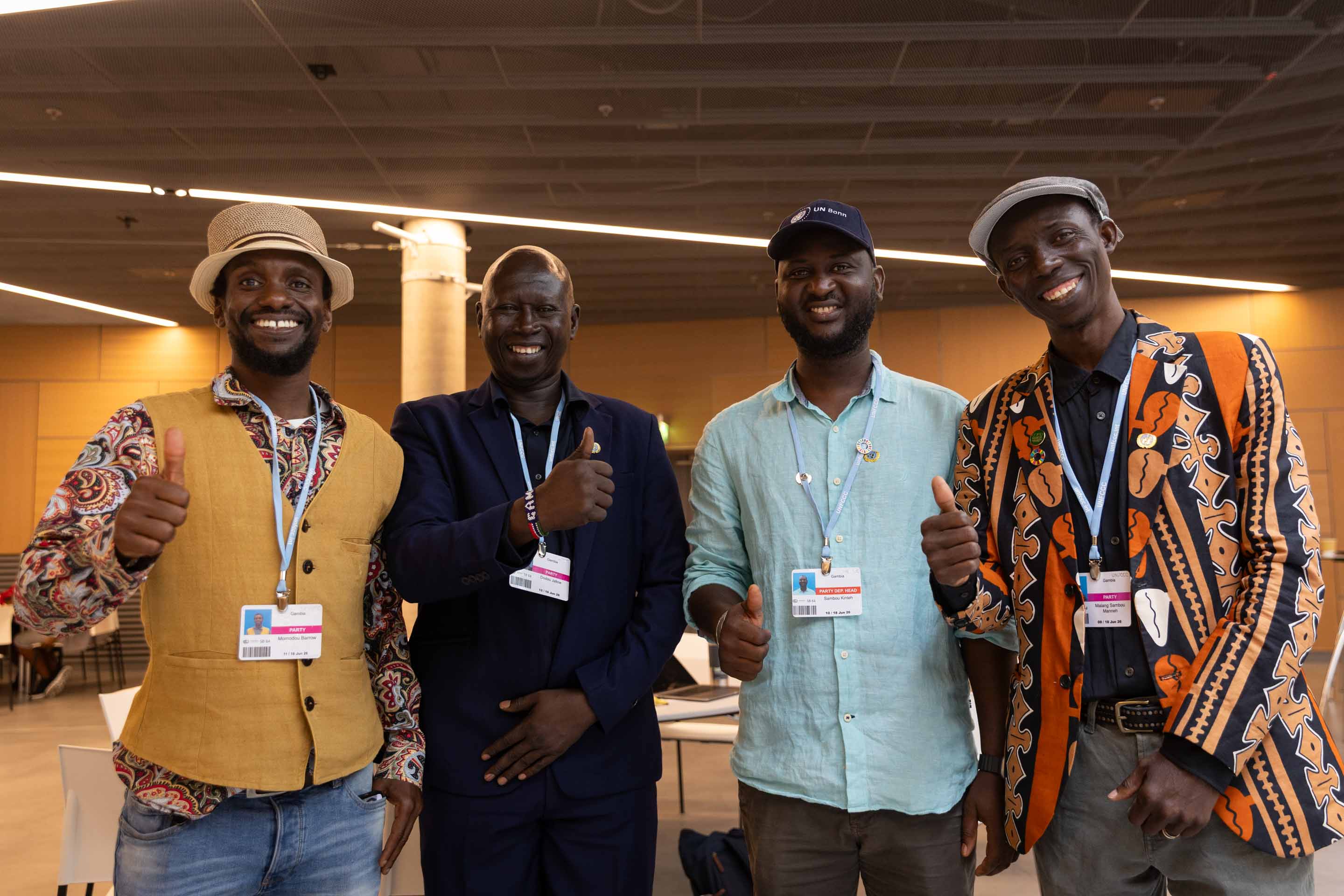
Delegates from The Gambia
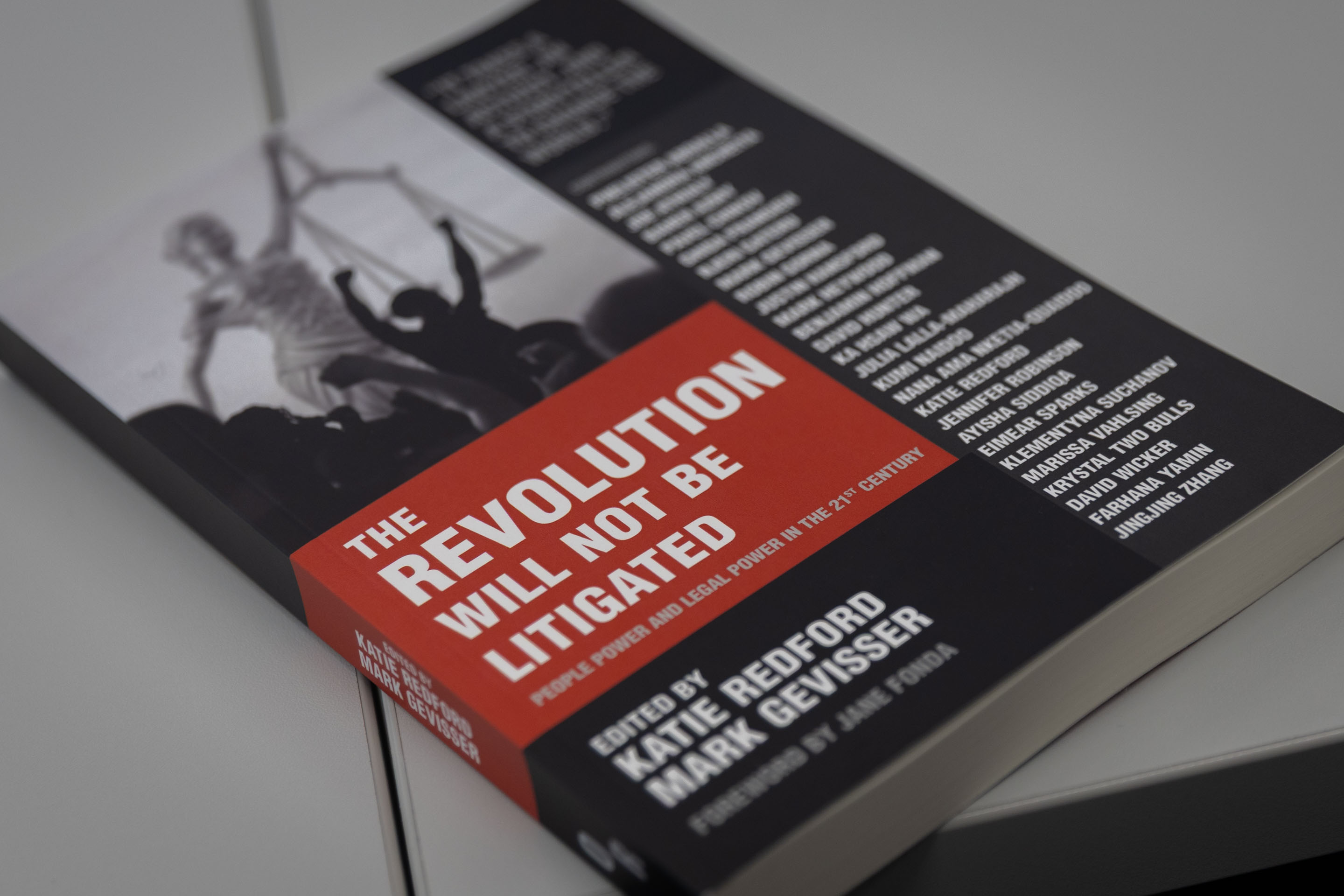
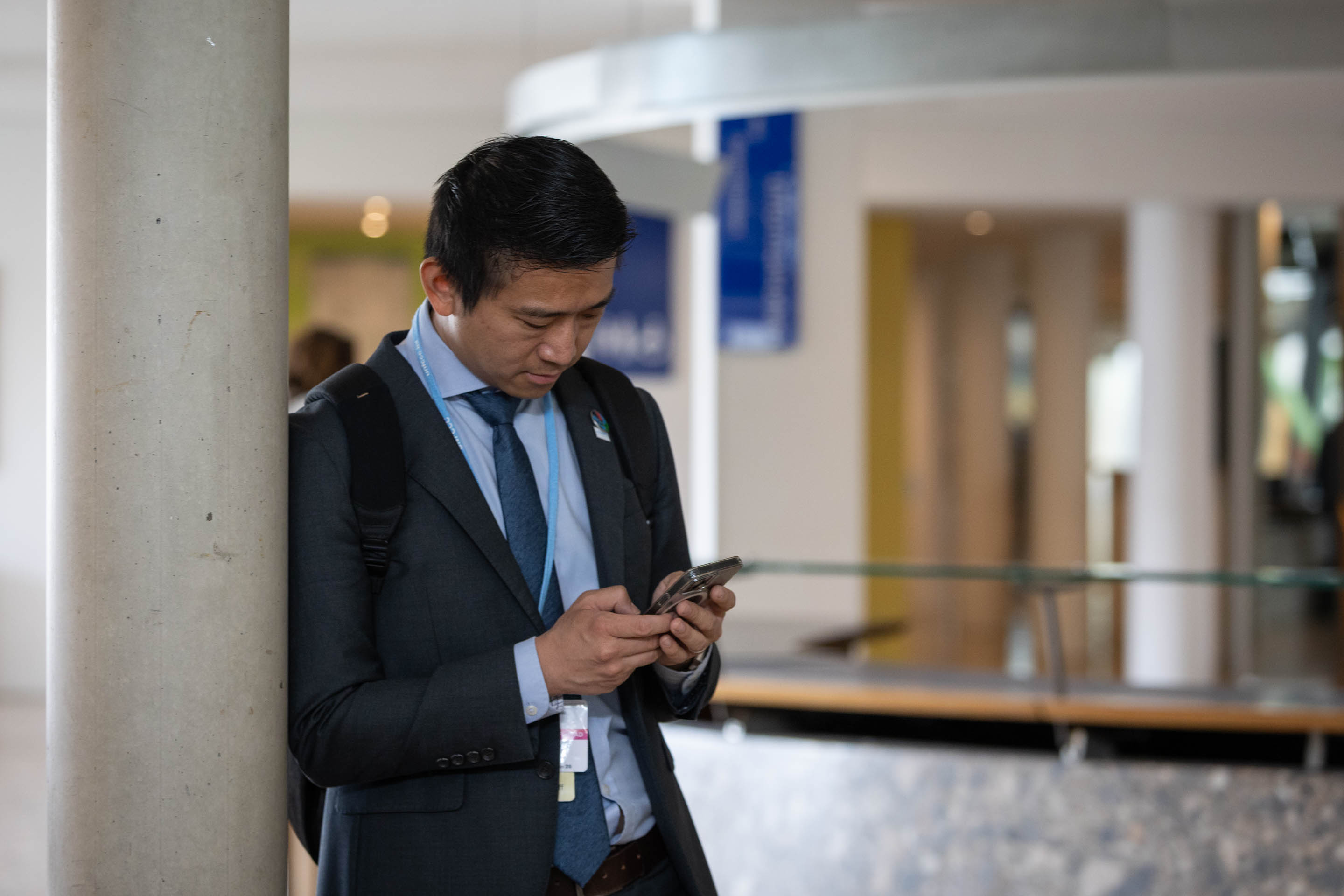
Chao Feng, incoming COP 31 Presidency of Negotiations
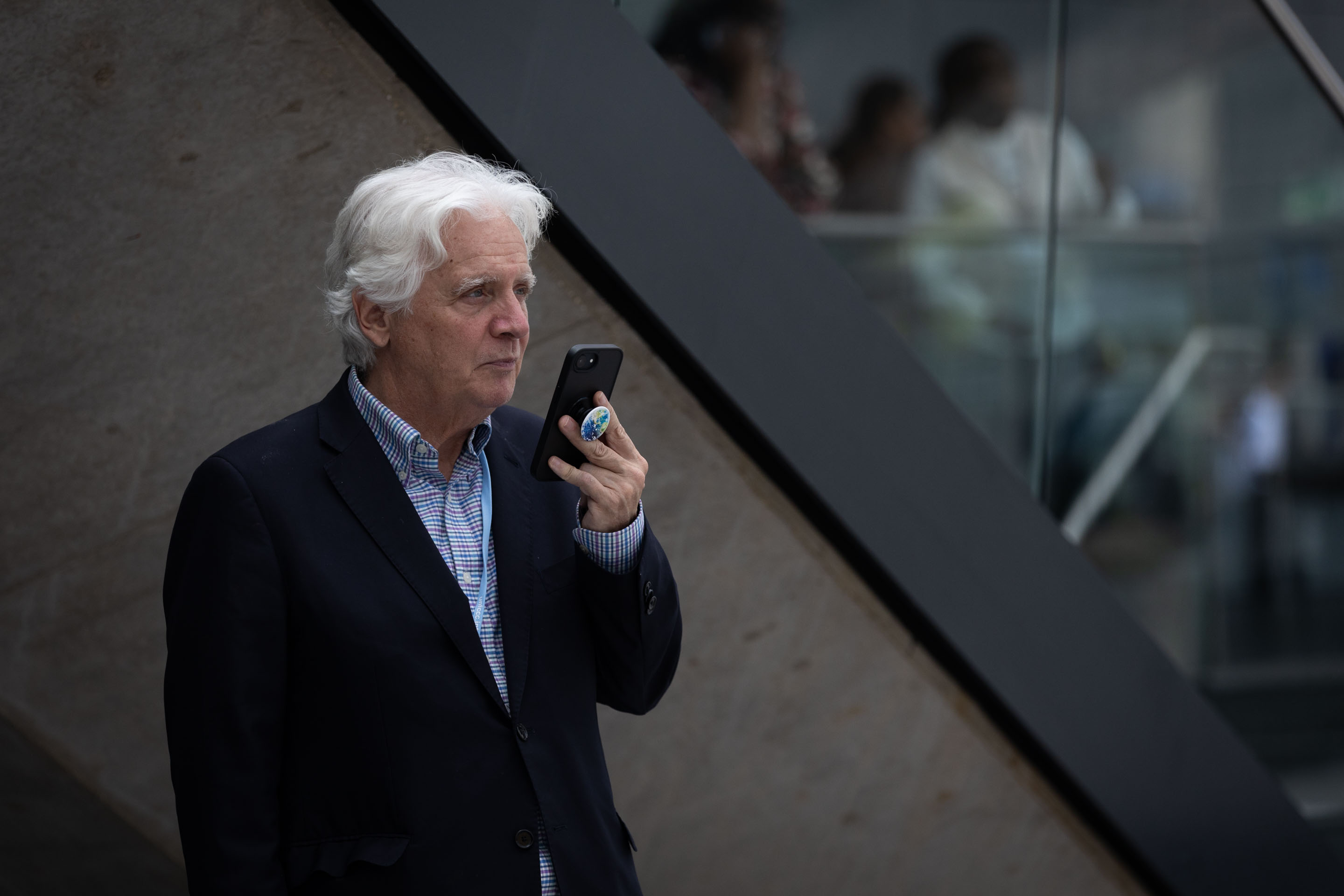
Trigg Talley, University of Maryland
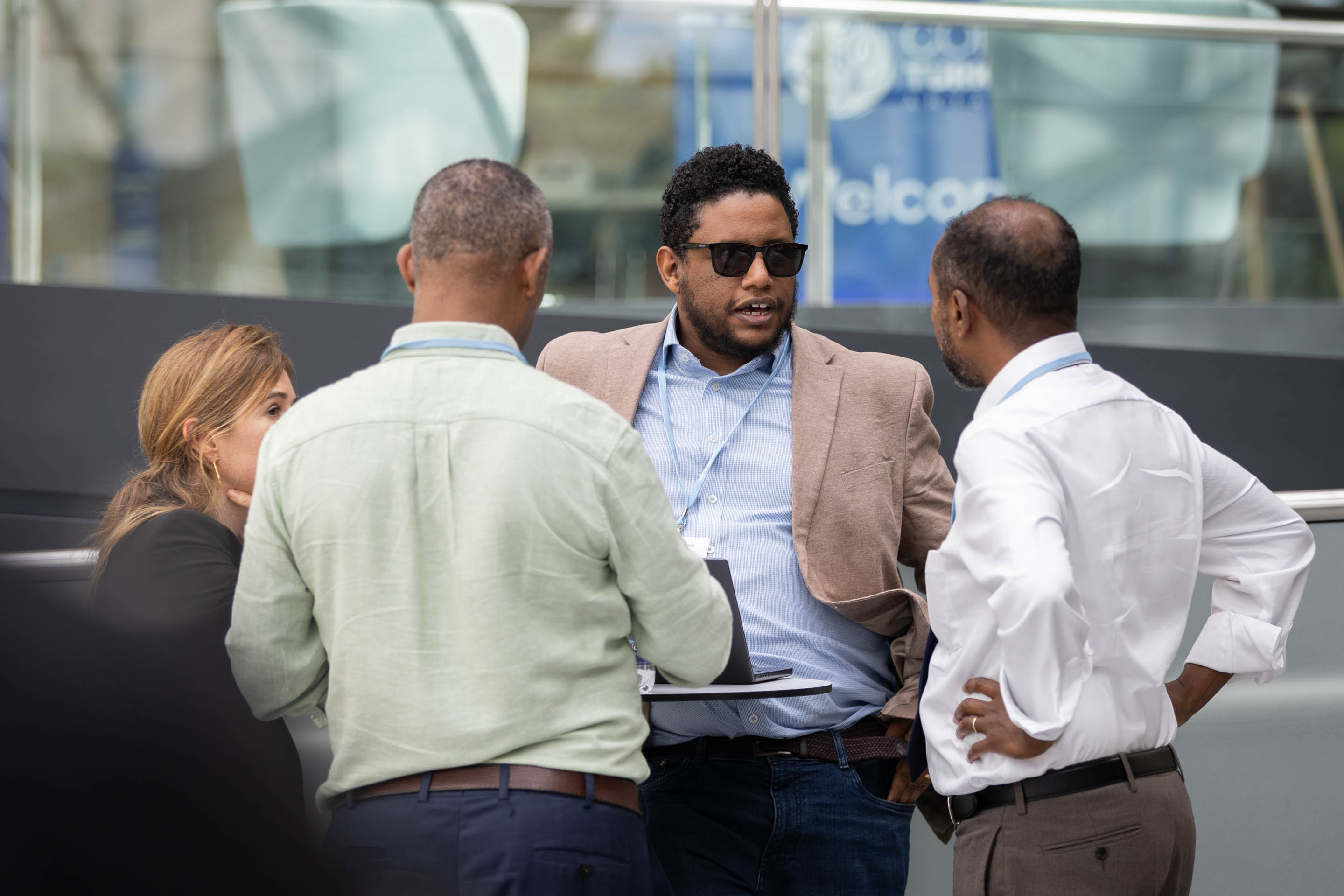
Delegates speak informally