It was clear from the outset that the last day of the 2026 June Climate Meetings would be a long and difficult one. Parties had yet to reach agreement on a range of issues, including several technology-related items, research and systematic observation, the mitigation work programme (MWP), response measures, and the Global Goal on Adaptation (GGA). With this in mind, the closing plenary was scheduled to last until 10:30 pm.
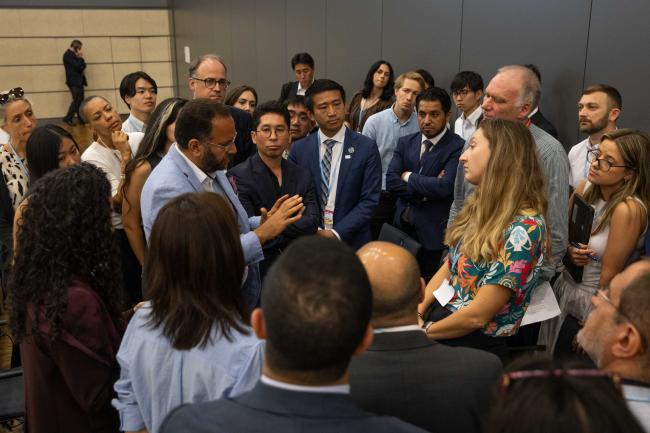
First up were the technology items. Negotiators managed to agree on a “package solution” which allowed them to salvage agreement on, among others, recommending that the UN Environment Programme (UNEP) continue to host the Climate Technology Centre. This brought about broad relief, as lack of agreement on this matter would have compromised the delivery of technical support to developing countries in 2027—something that developed and developing countries alike were very keen to avoid.
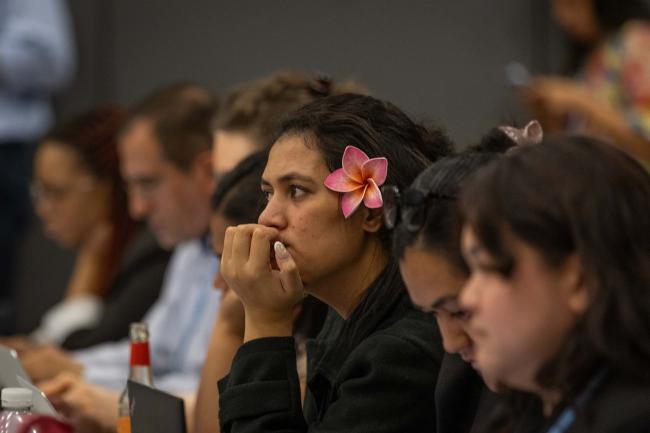
Negotiations on the other outstanding items did not proceed so smoothly, however. Delegates went back and forth between negotiation formats. The Chairs of the Subsidiary Bodies (SBs) held bilateral consultations with some groups. Other discussions proceeded in huddles of various compositions. Resumed informal consultations were pushed back several times over to offer Parties a chance to make progress in informal-informals.

In the afternoon, delegates convened to hear closing statements. However, the SBs had still not adopted any conclusions and negotiations were still ongoing on the MWP, response measures, and the GGA.
Groups, Parties, and observers voiced their keen disappointment with the progress—or lack thereof—made in Bonn. Many of them:
- denounced push-back against science, including with respect to references to keeping 1.5°C in reach, limiting overshoot, and ensuring that the Intergovernmental Panel on Climate Change’s Seventh Assessment Report feeds into the second Global Stocktake;
- lamented lack of progress on the MWP and GGA; and
- expressed disappointment at the tone of the negotiations.
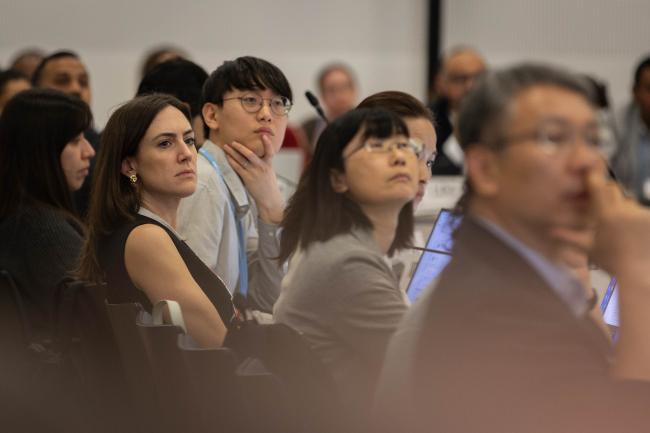
In the evening, the three outstanding issues—the MWP, GGA, and response measures—were raised to the level of Heads of Delegation (HOD). Seeing the lack of progress at HOD level and the late hour, the SBs reconvened their closing plenaries shortly before 10:00 pm to go through the conclusions that were ready for adoption. Eventually, HODs made their way to plenary and it transpired that no substantive agreement was reached on any of the three issues. This sparked further expressions of disappointment by various groups.
The meeting closed at 11:37 pm.

To receive free coverage of global environmental events delivered to your inbox, subscribe to the ENB Update newsletter.
All ENB photos are free to use with attribution. For SB64 please use: Photo by IISD/ENB - Kiara Worth
Informal Consultations Throughout the Day
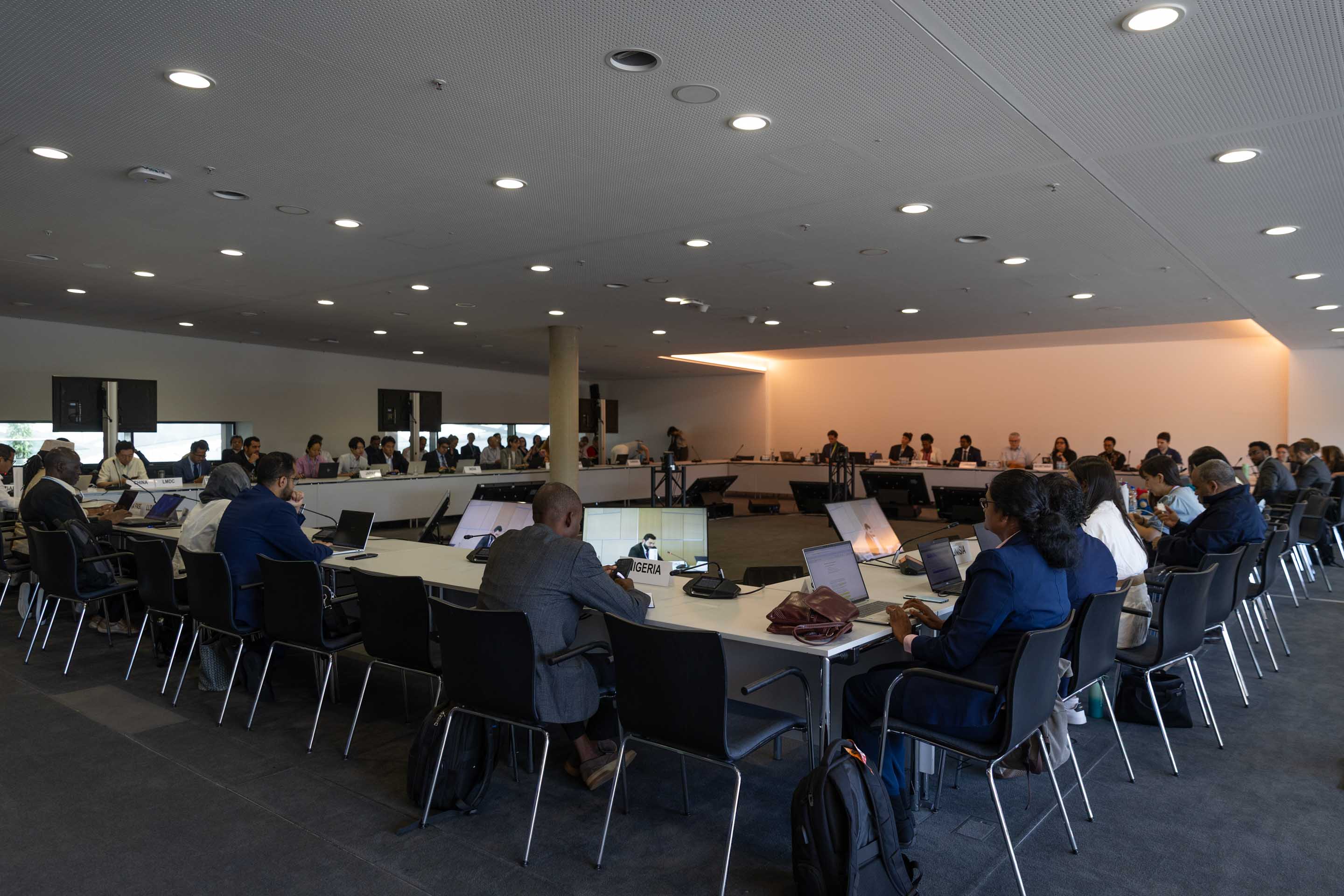
Informal consultations on the Climate Technology Centre (CTC)
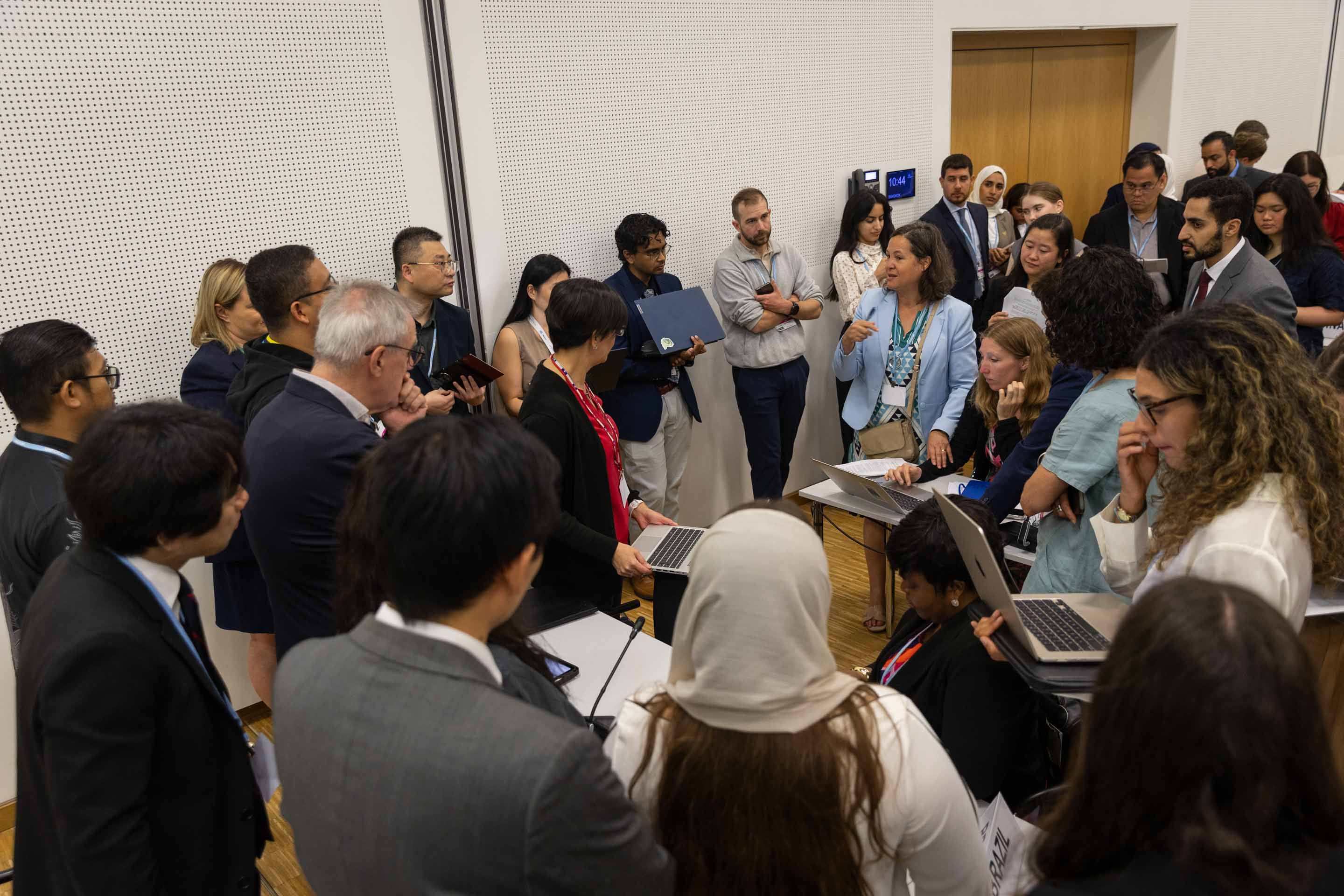
Delegates huddle during the informal consultations on response measures
Informal consultations on the mitigation work programme
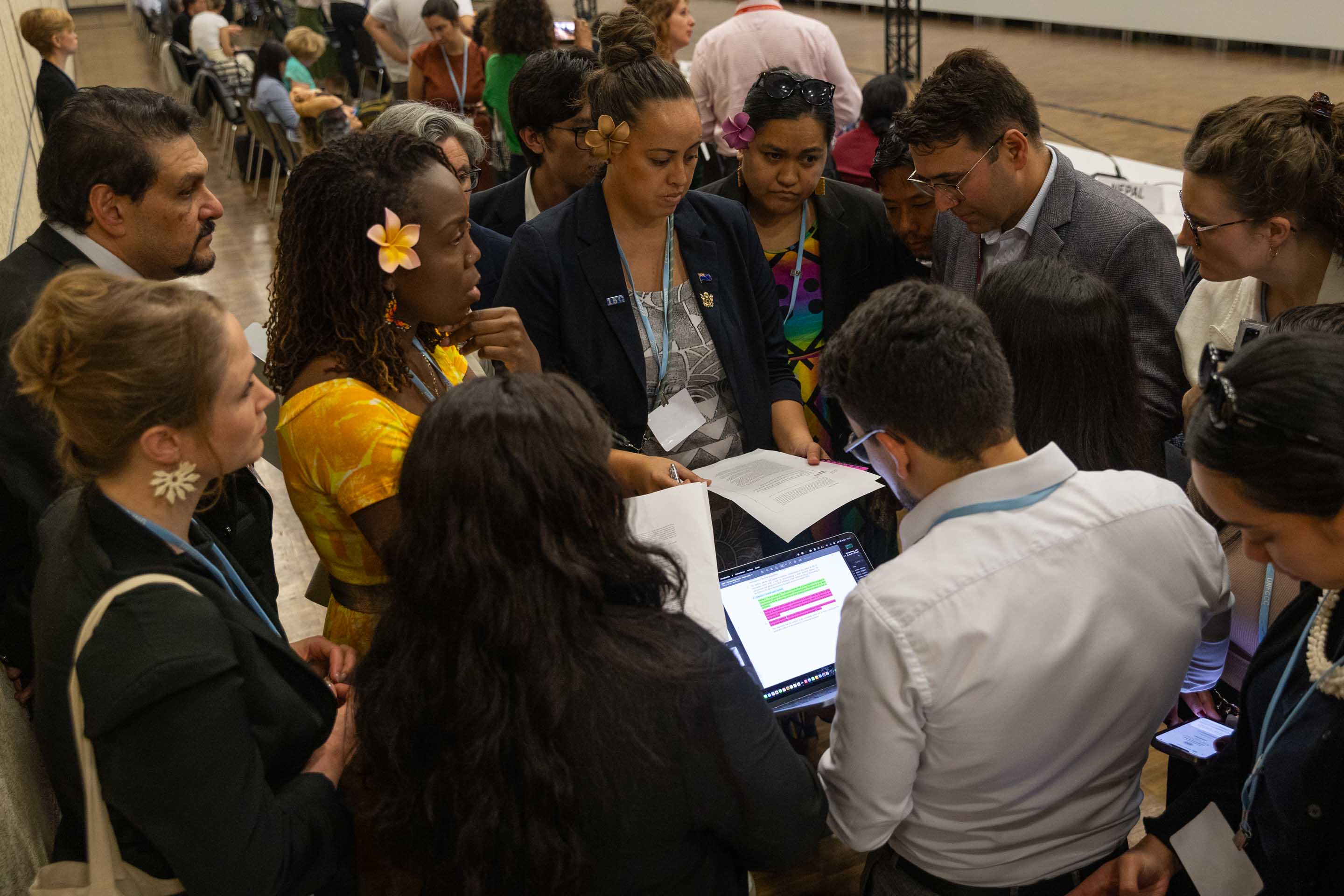
Delegates from the Alliance of Small Island States (AOSIS) and Least Developed Countries (LDCs) huddle informally
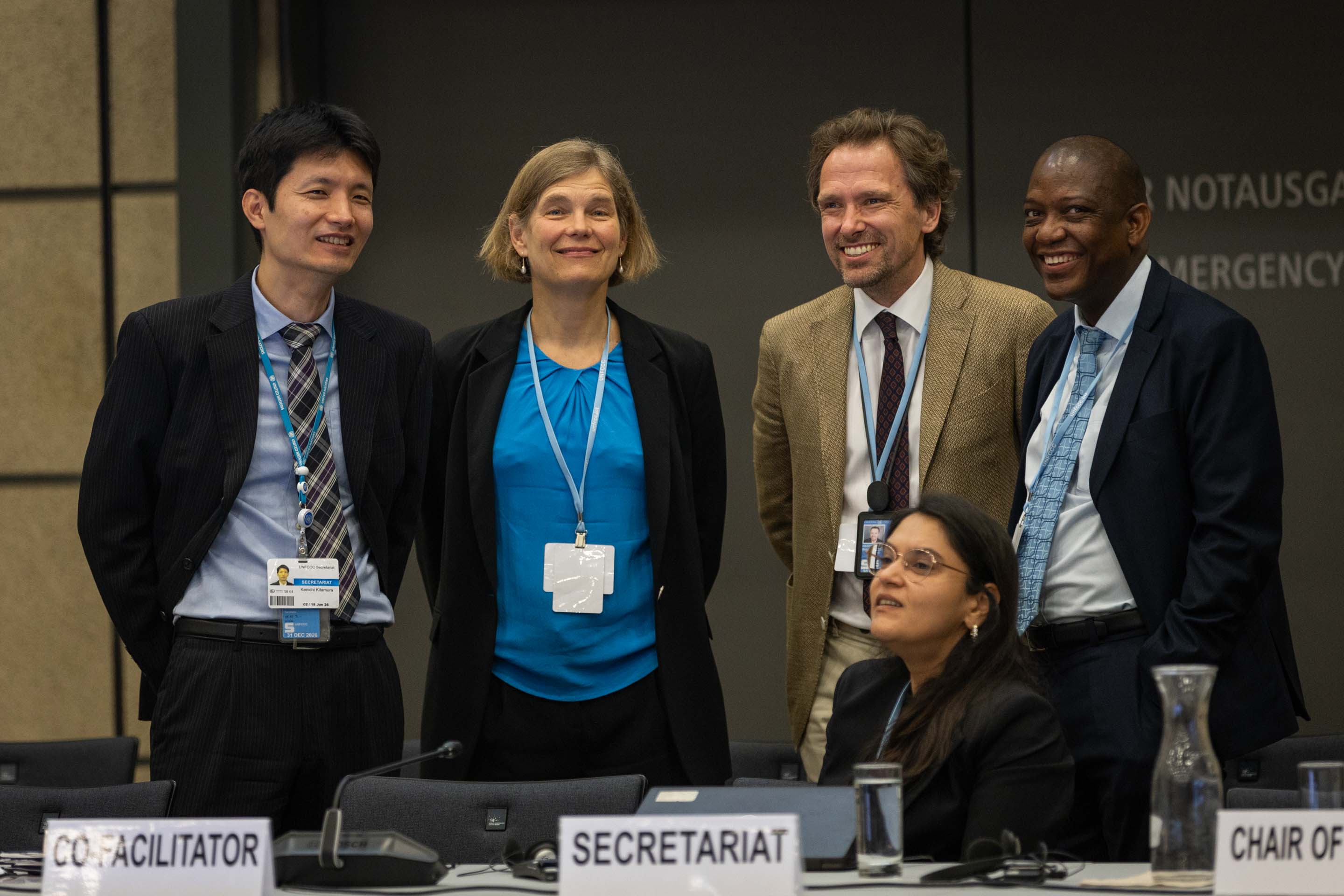
Co-Facilitators for the informal consultations on the mitigation work programme Ursula Fuentes Hutfilter, Germany, and Maesela John Kekana, South Africa, and the UNFCCC Secretariat, wait while delegates huddle
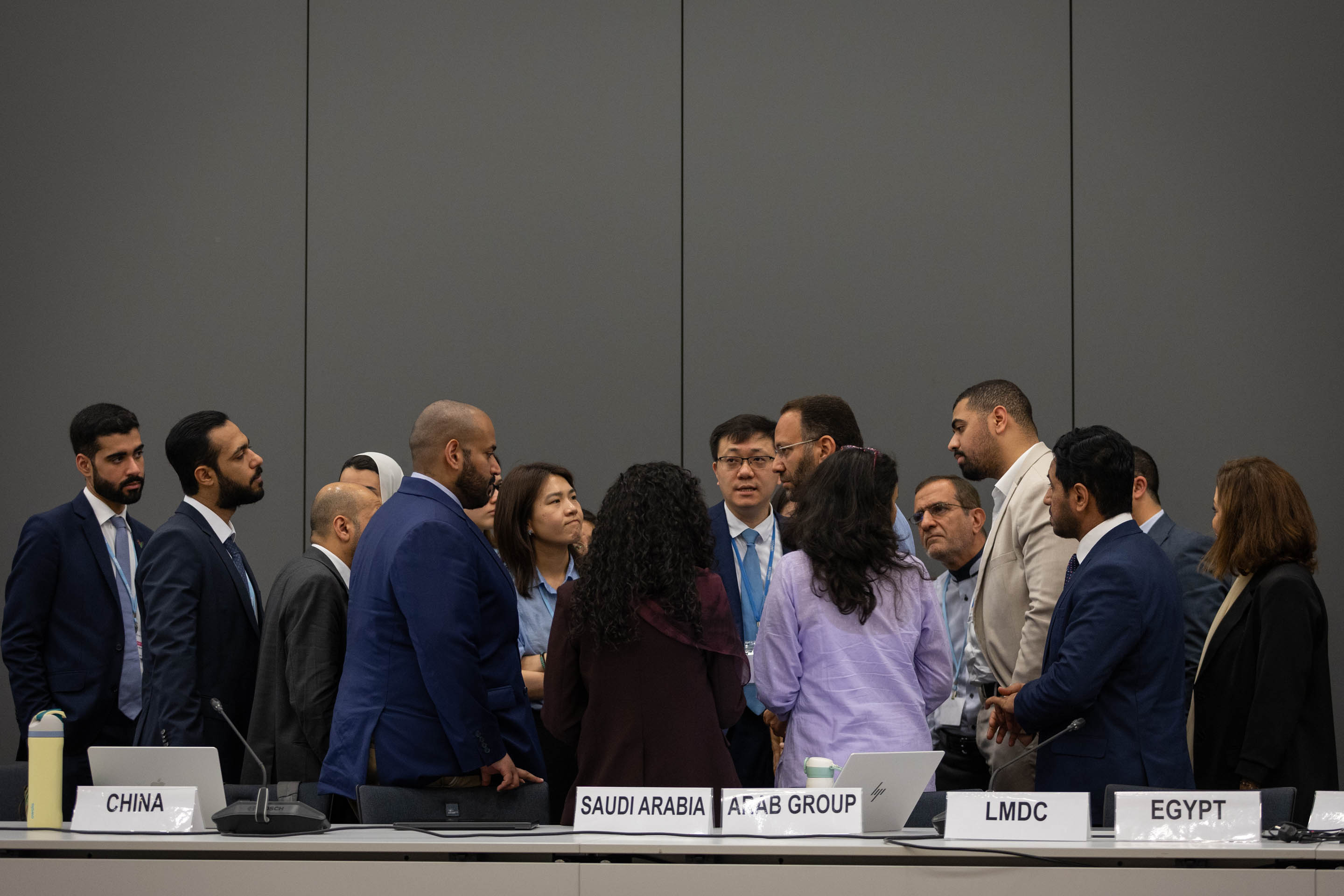
Delegates from the Like-Minded Developing Countries (LMDCs) huddle
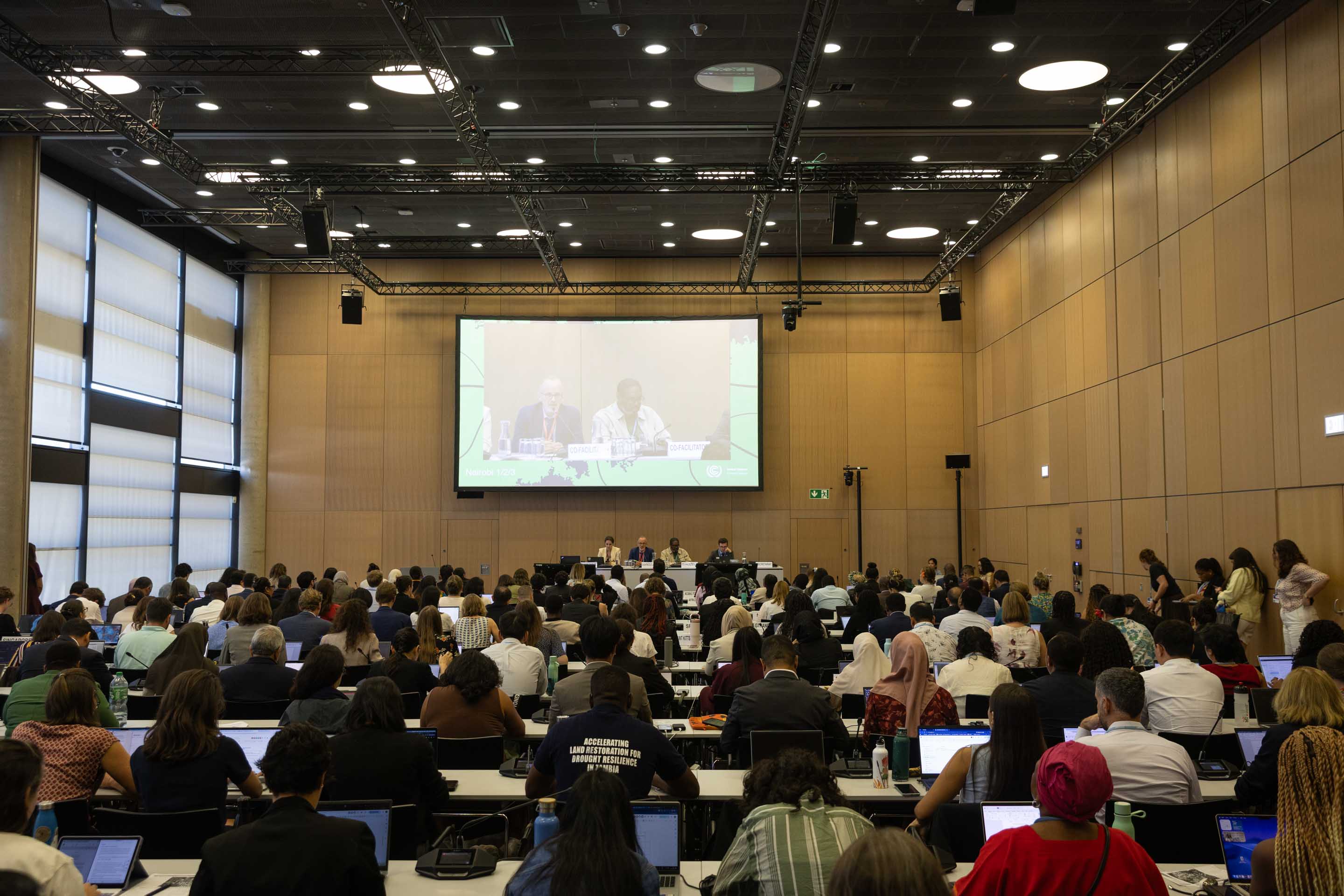
Informal consultations on the Global Goal on Adaptation (GGA)
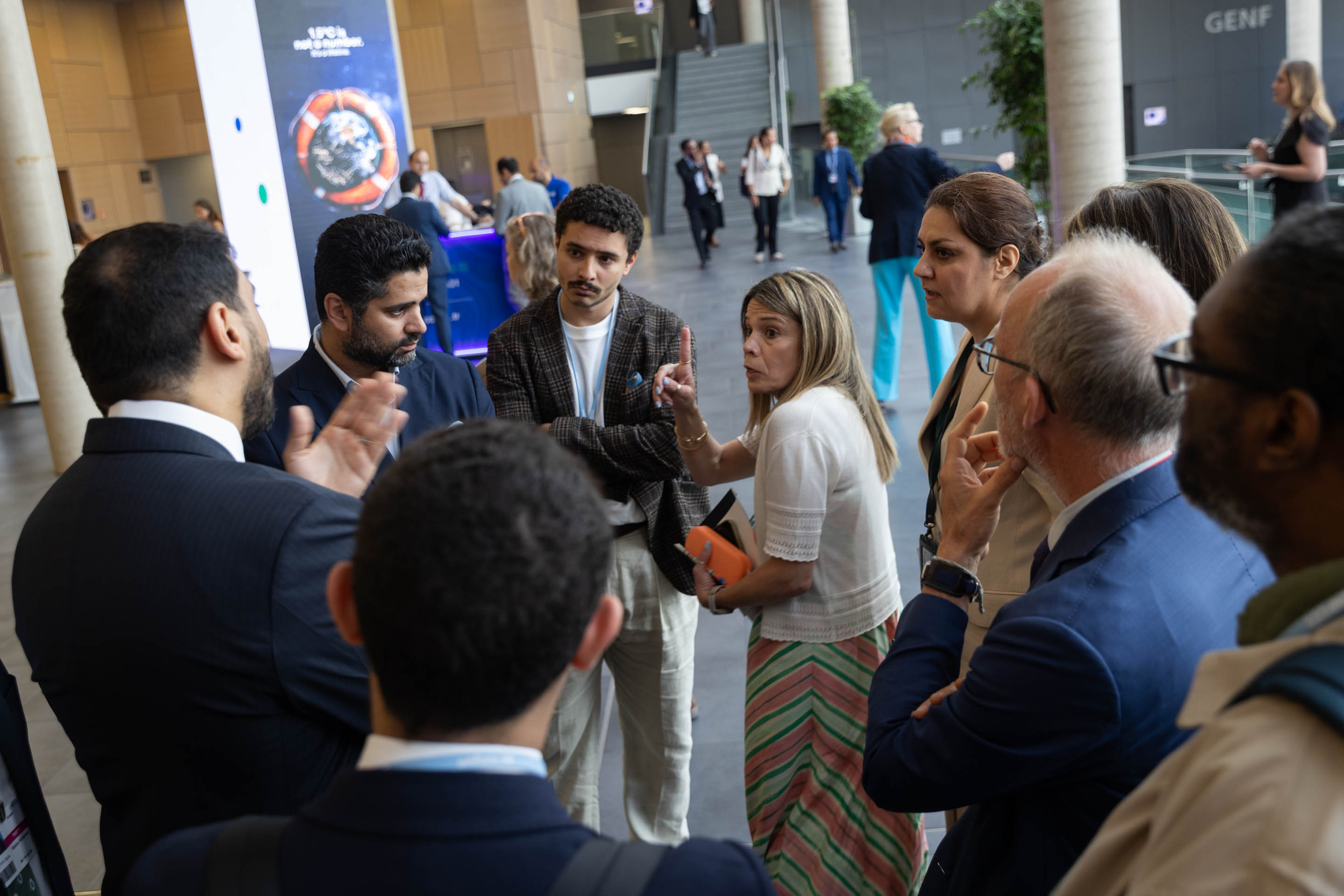
The SB Chairs consult with delegates from Saudi Arabia in the corridors
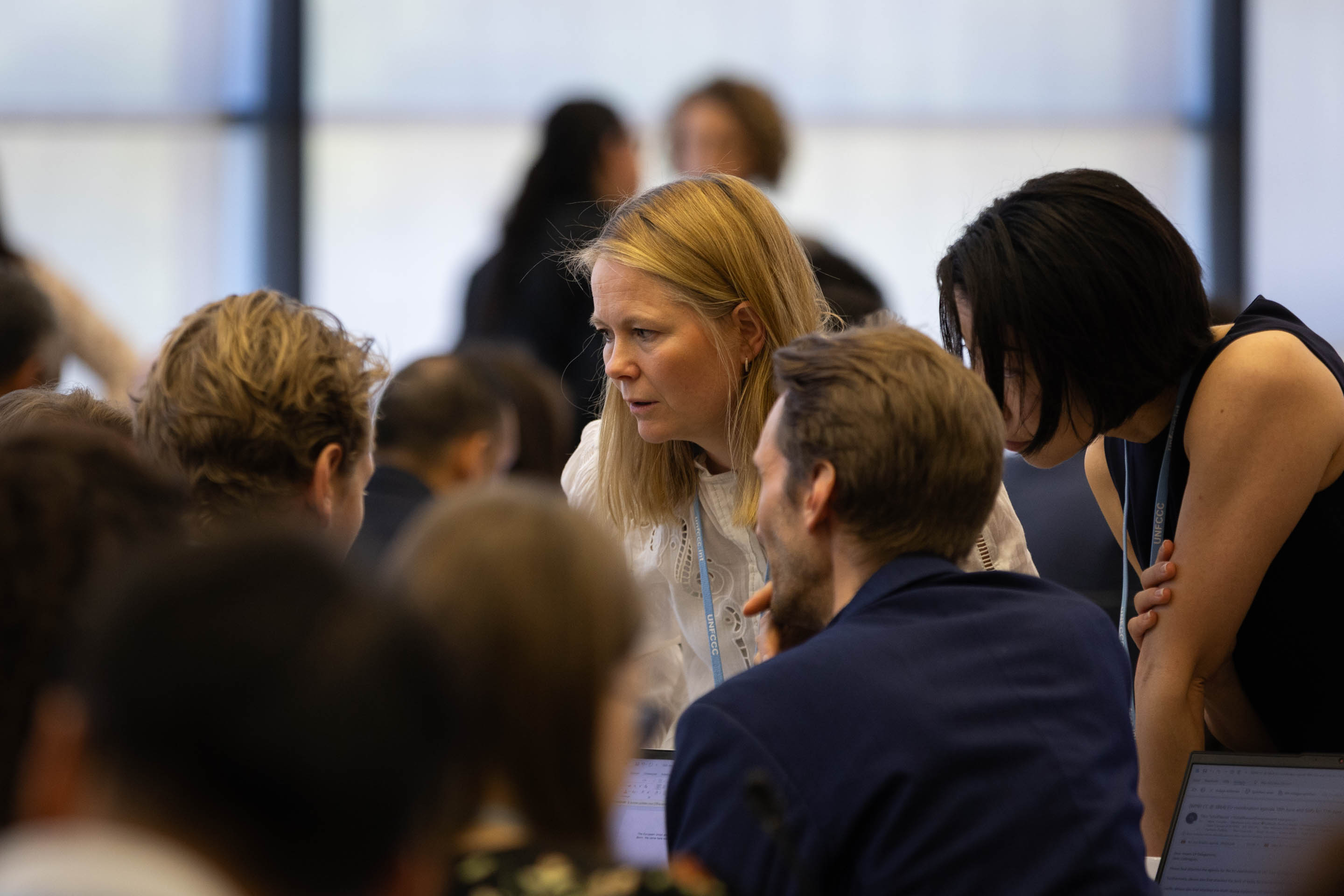
Delegates from the EU consult informally
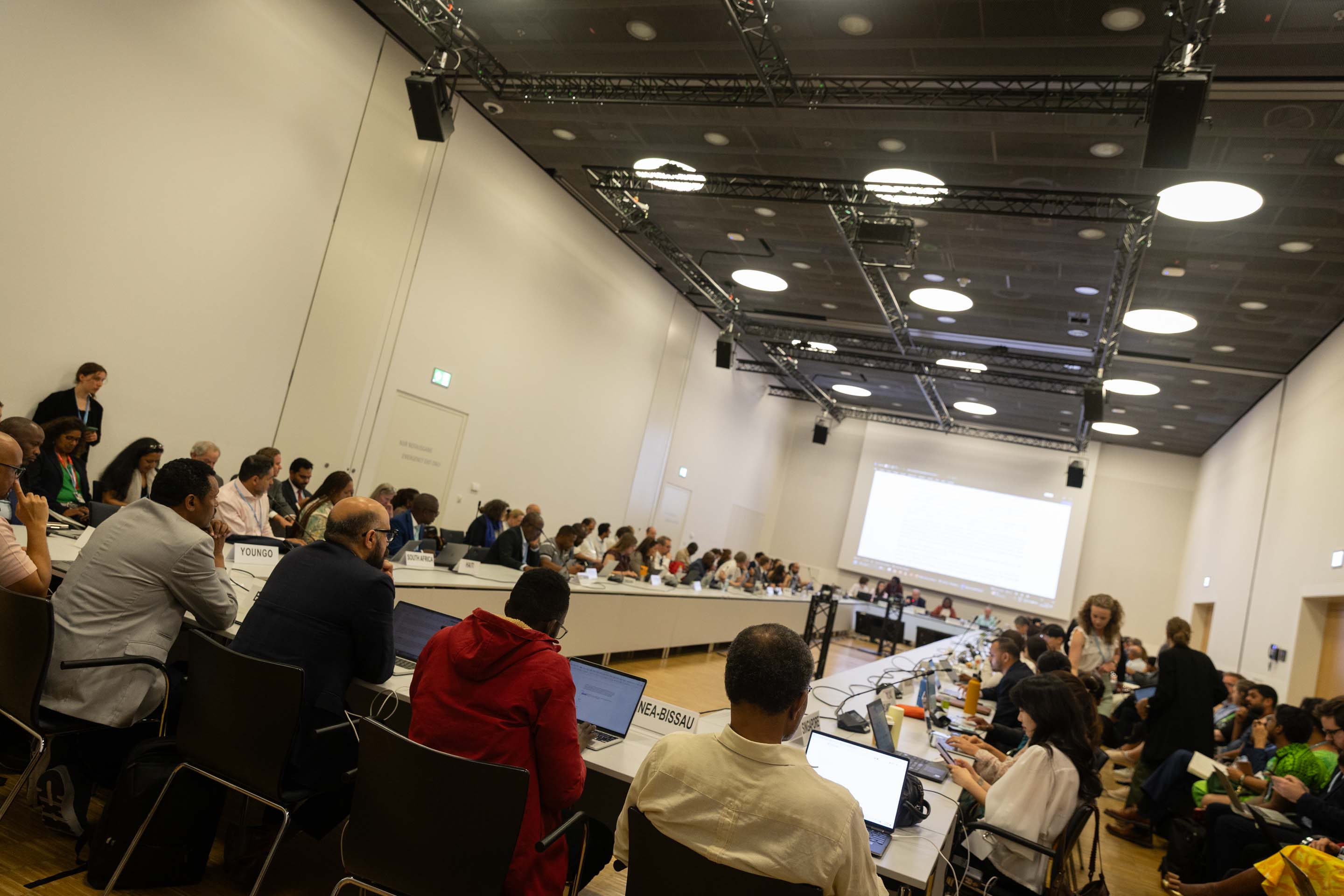
Informal consultations on research and systematic observation
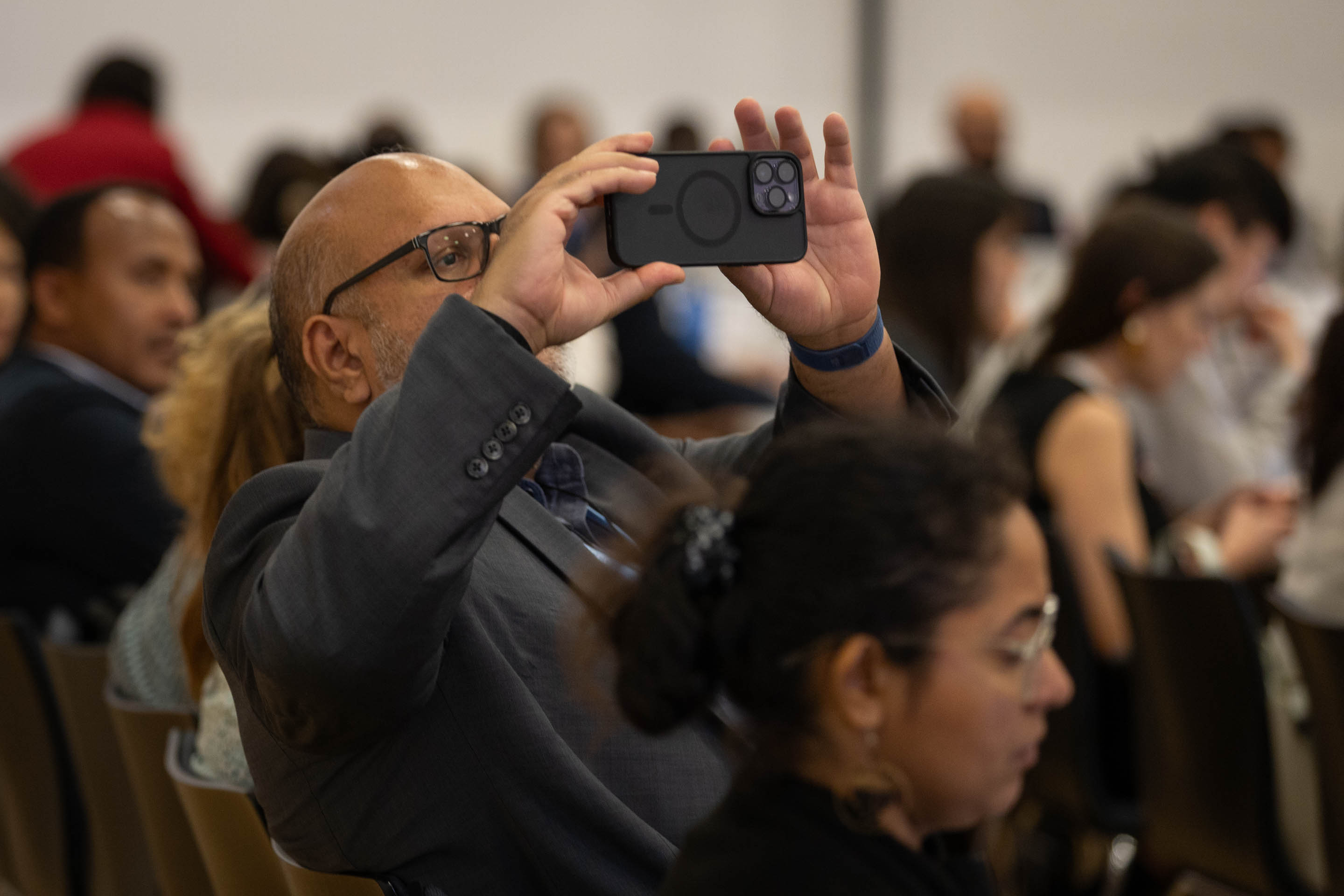
Delegates record the negotiating text projected on screen
Closing Plenary
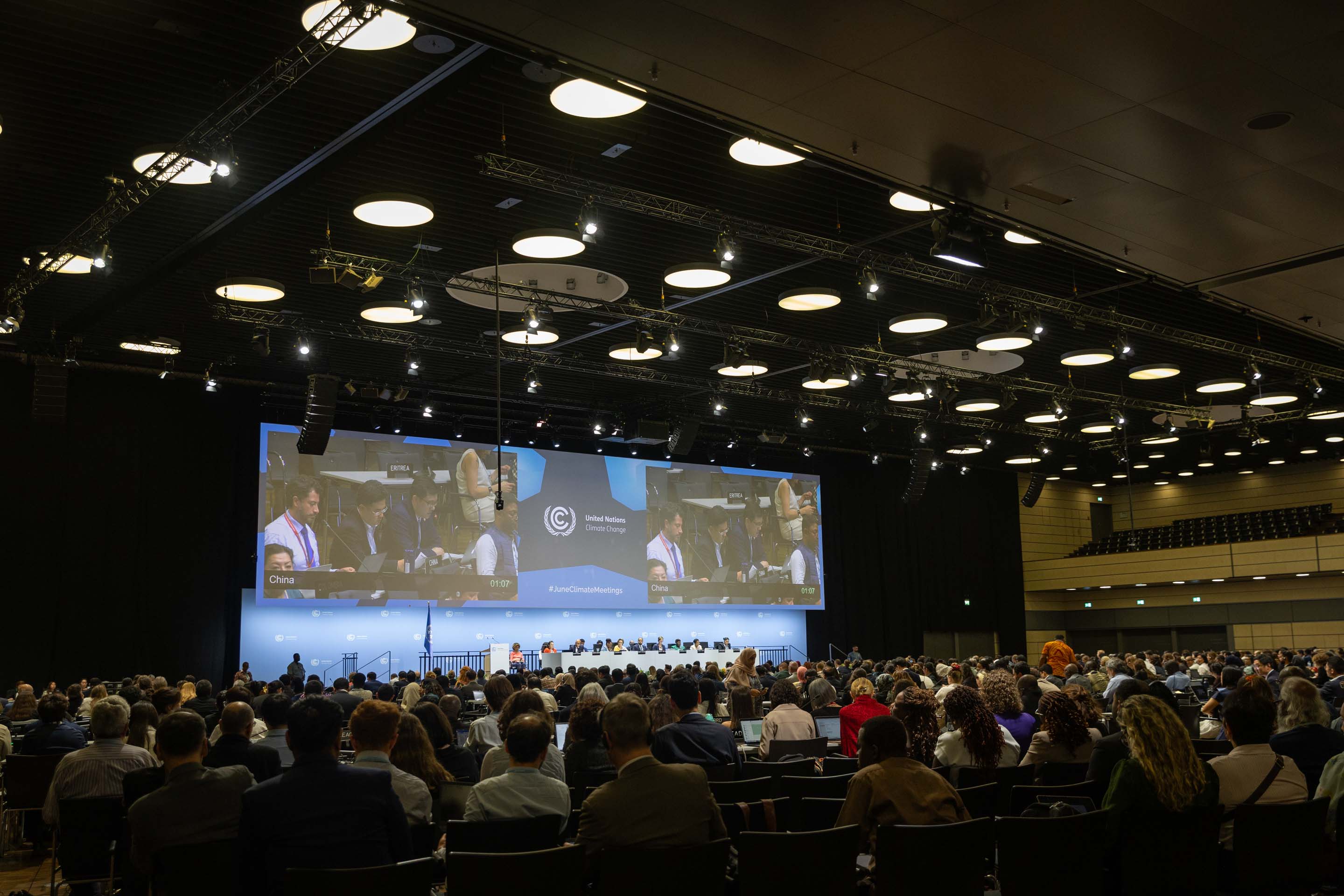
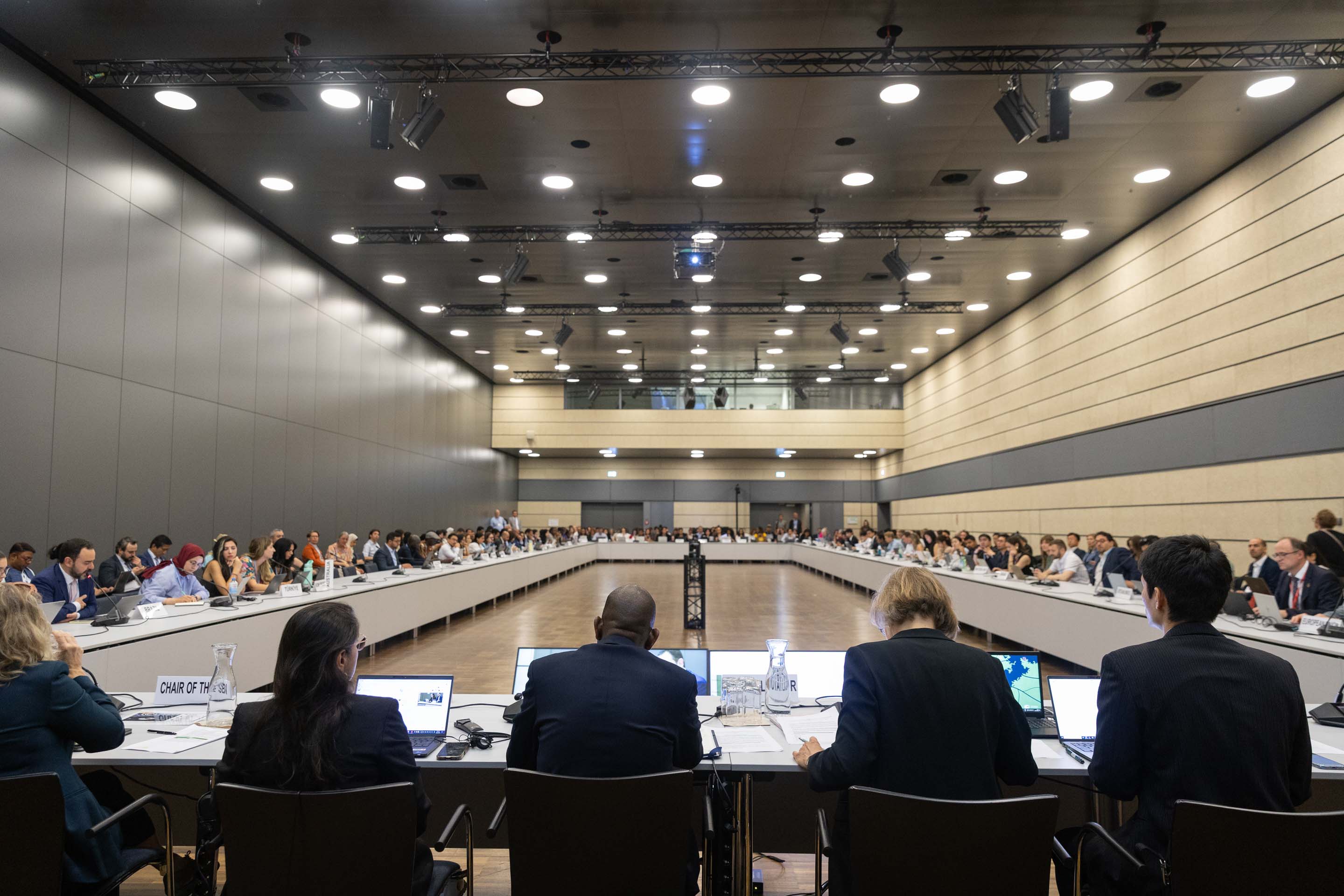
Delegates gather for the closing plenary of the June Climate Meetings
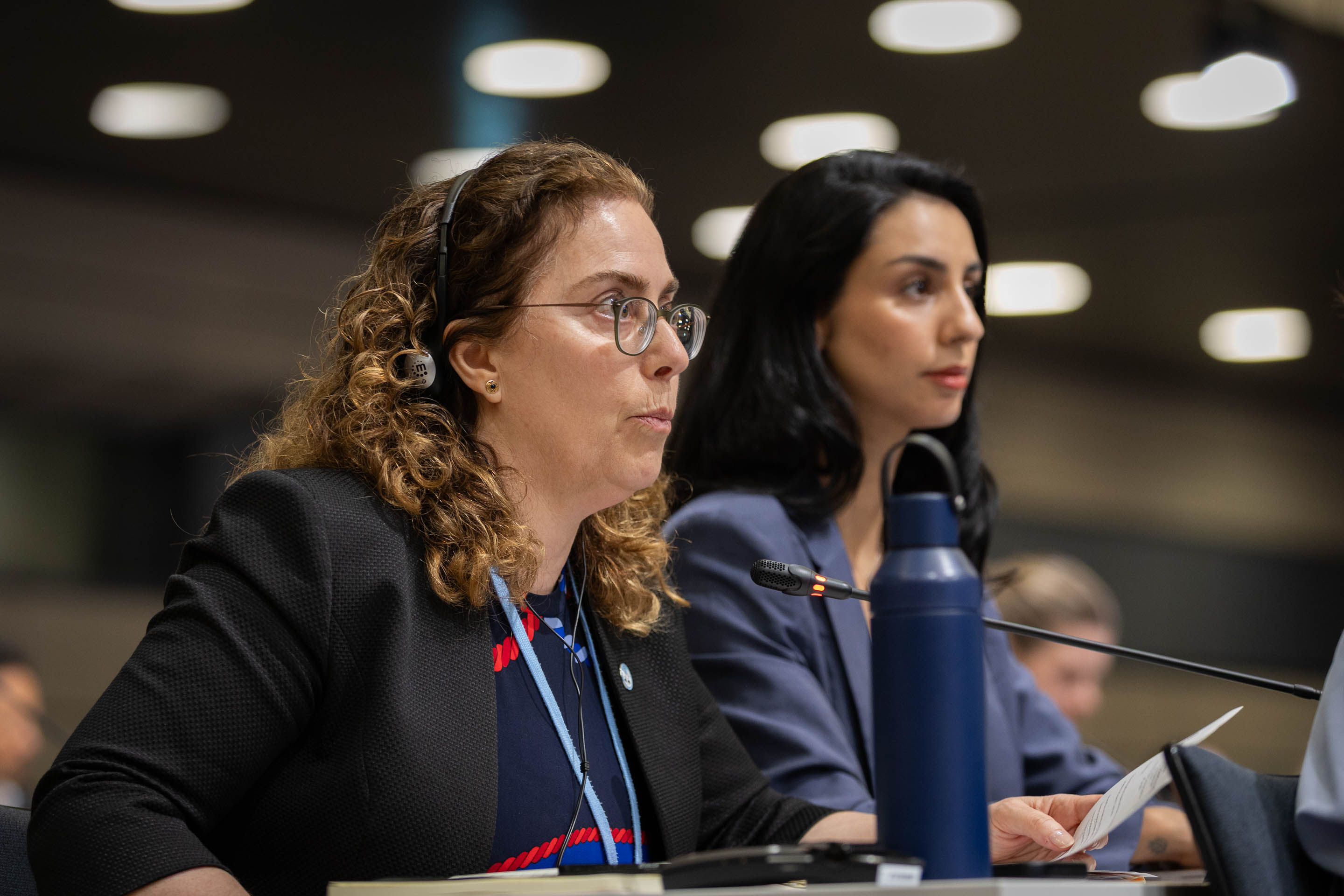
Laura Dupuy, Uruguay, on behalf of the G-77/China
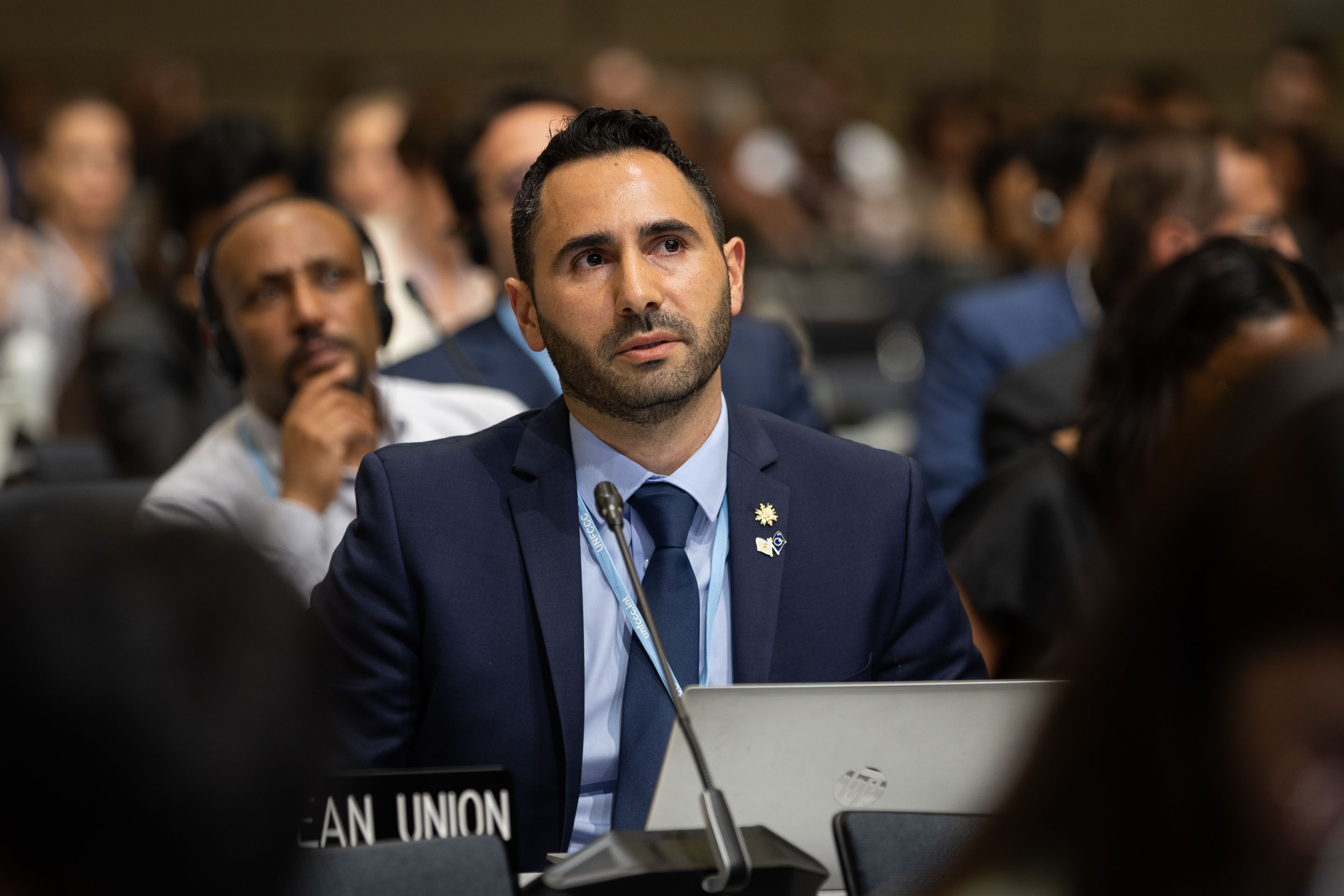
Demetris Psyillides, EU

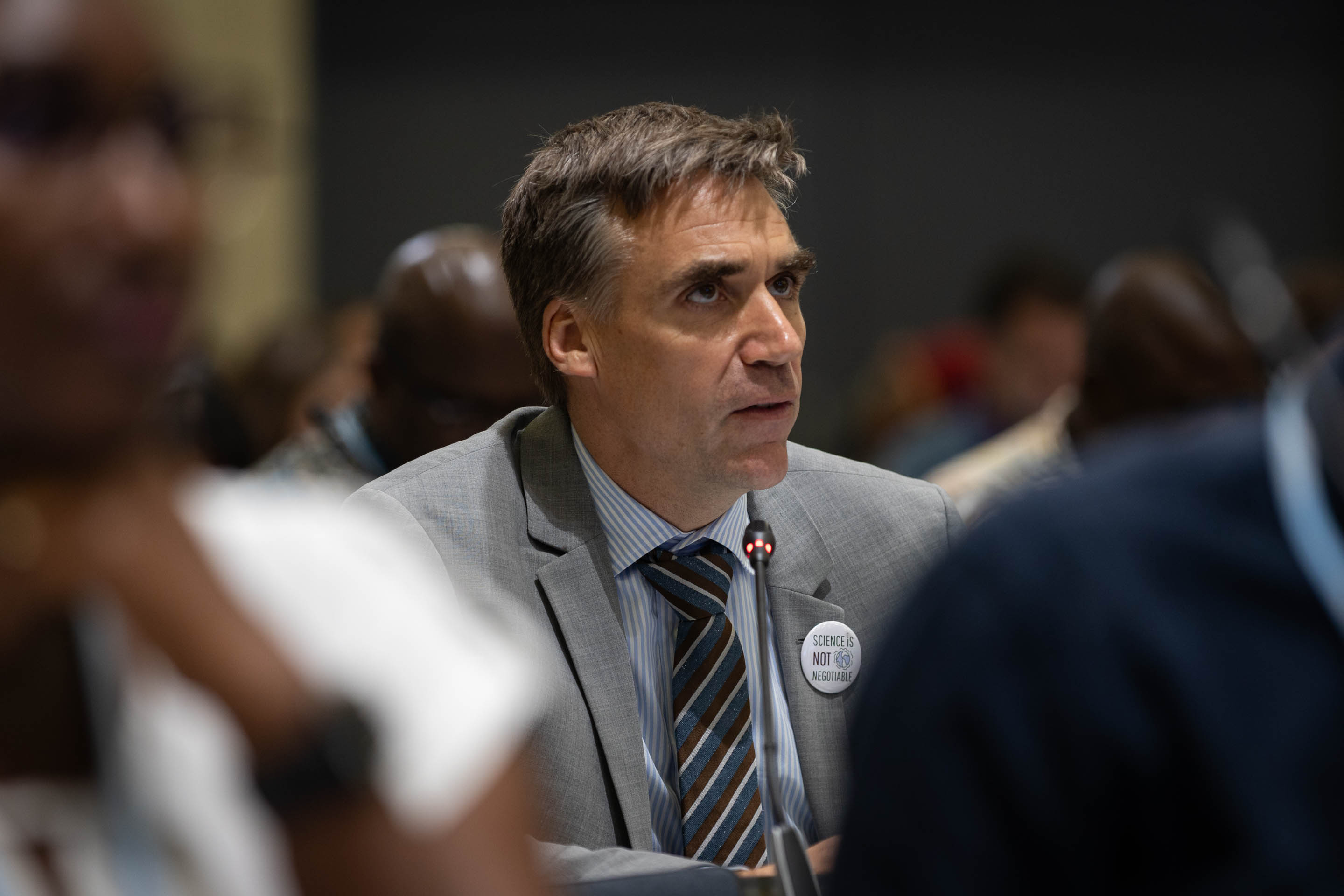
Felix Wertli, Switzerland, on behalf of the Environmental Integrity Group (EIG)
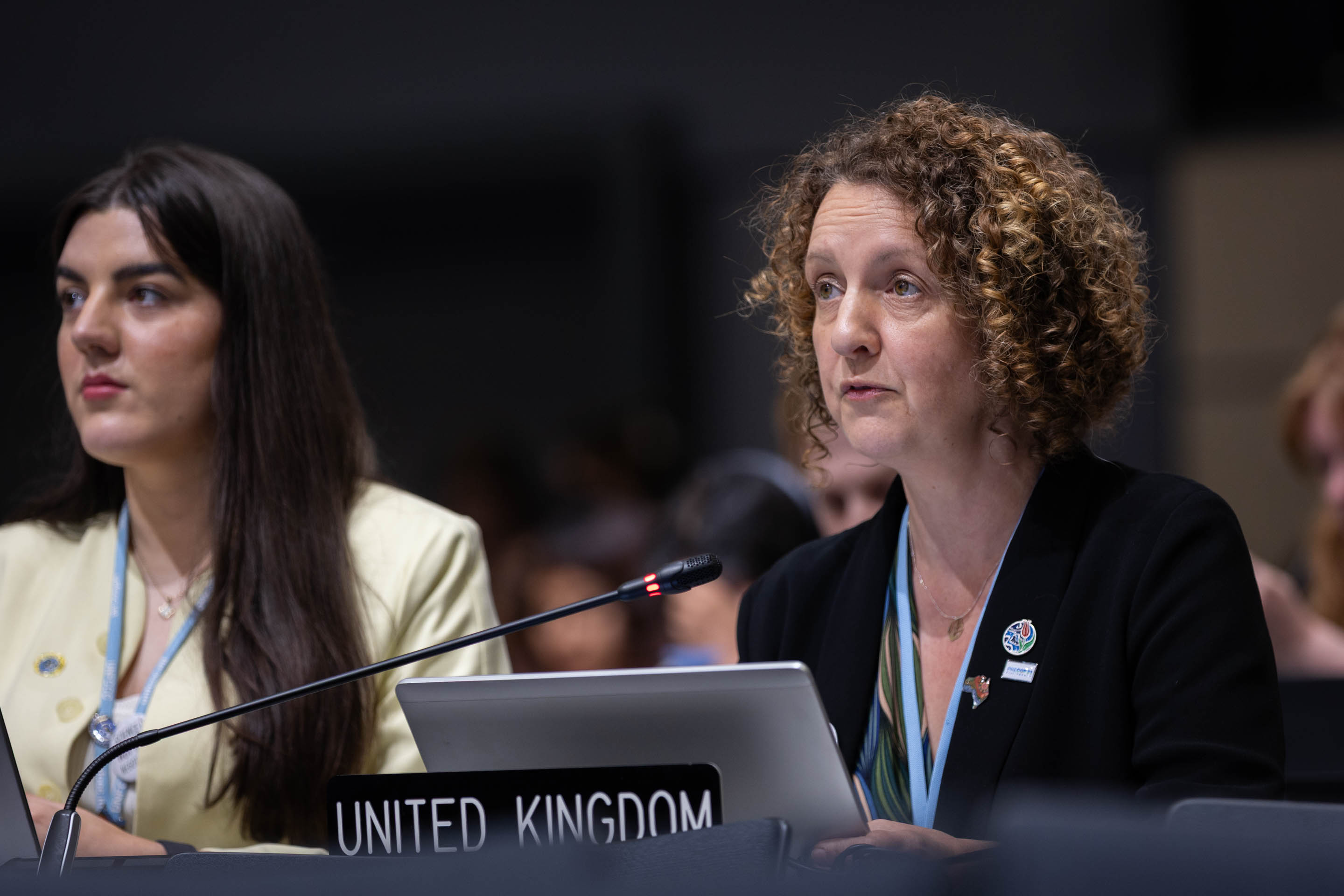
Kate Hughes, UK, on behalf of the Umbrella Group
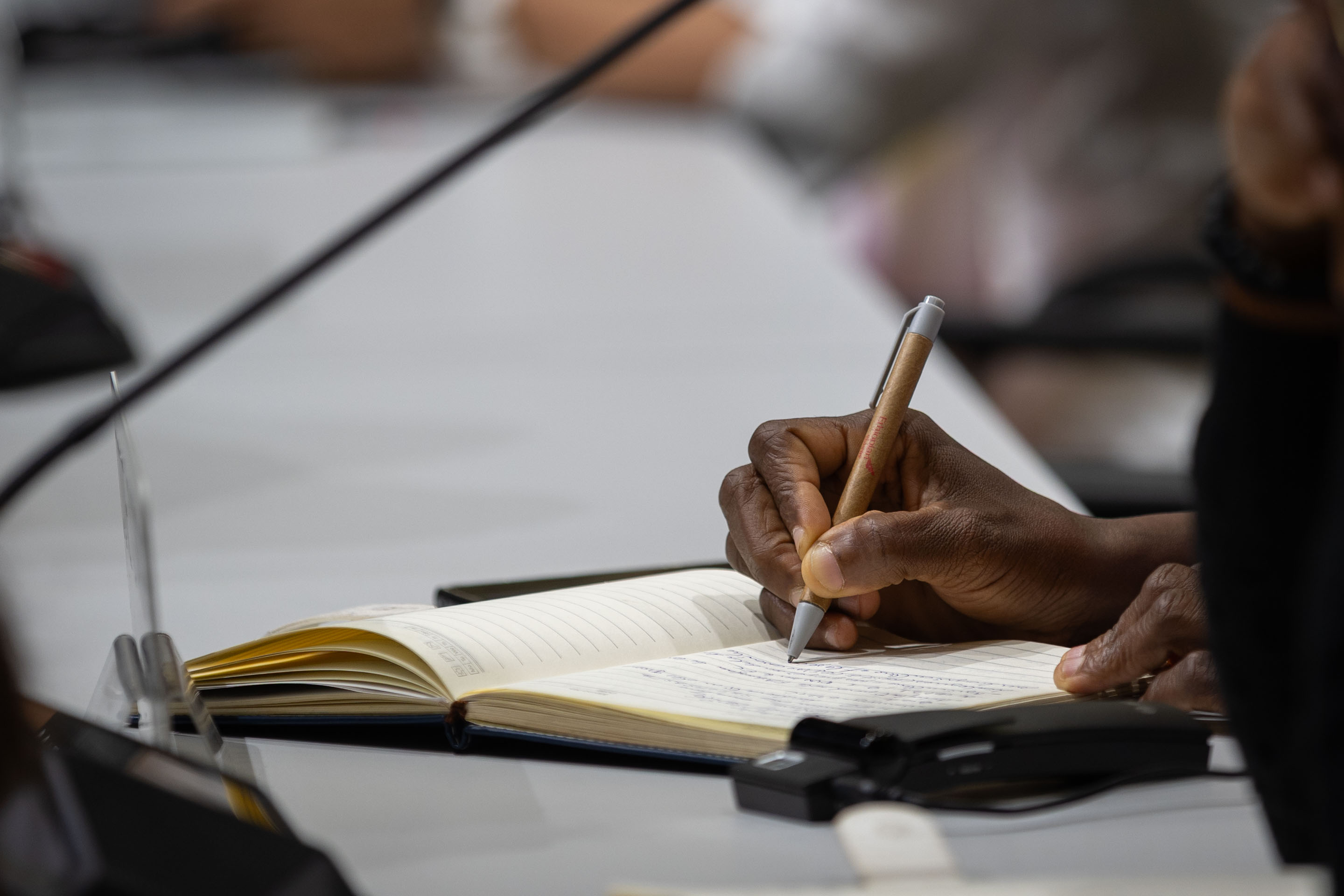
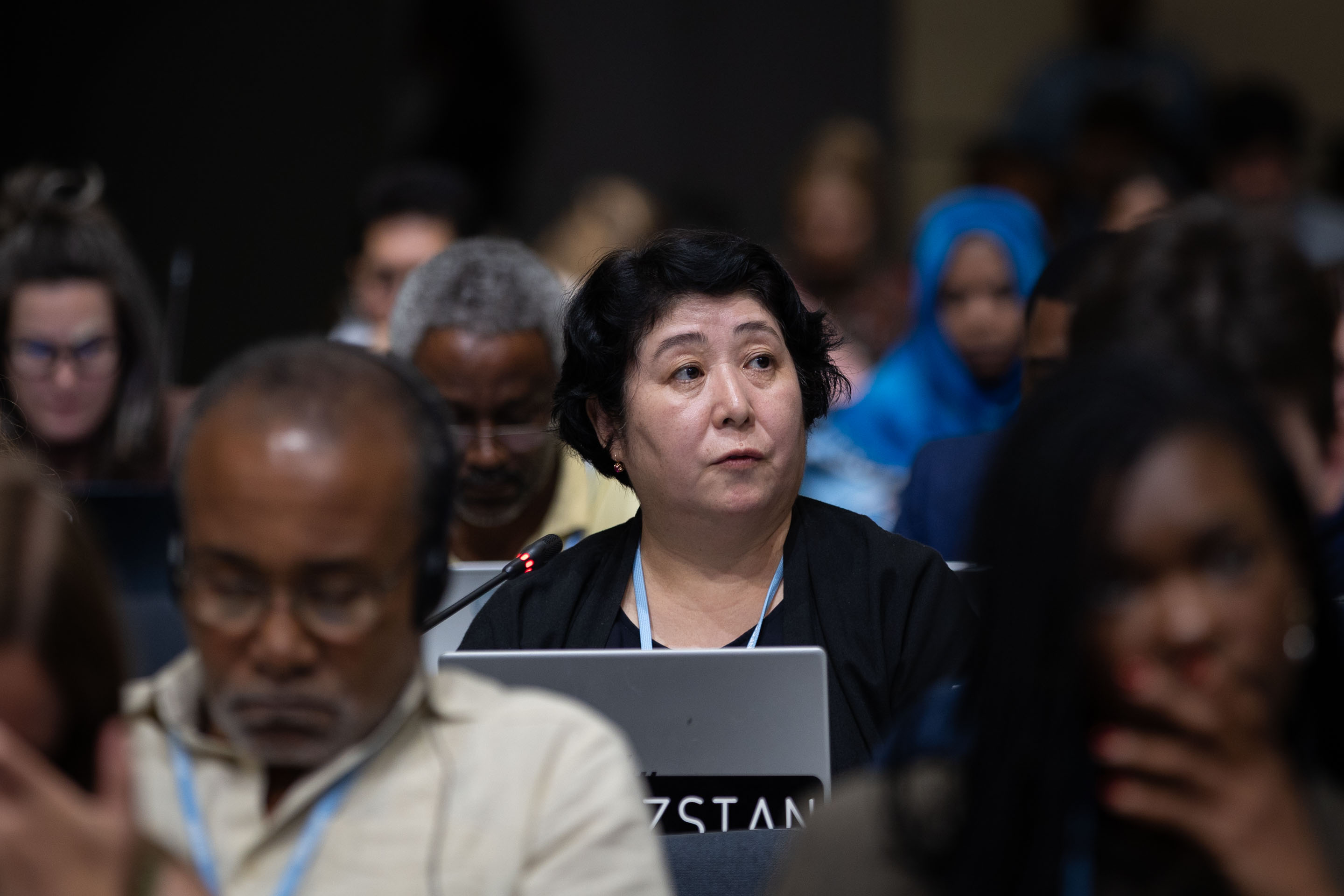
Dinara Kemelova, Kyrgyzstan, on behalf of the Mountain Group
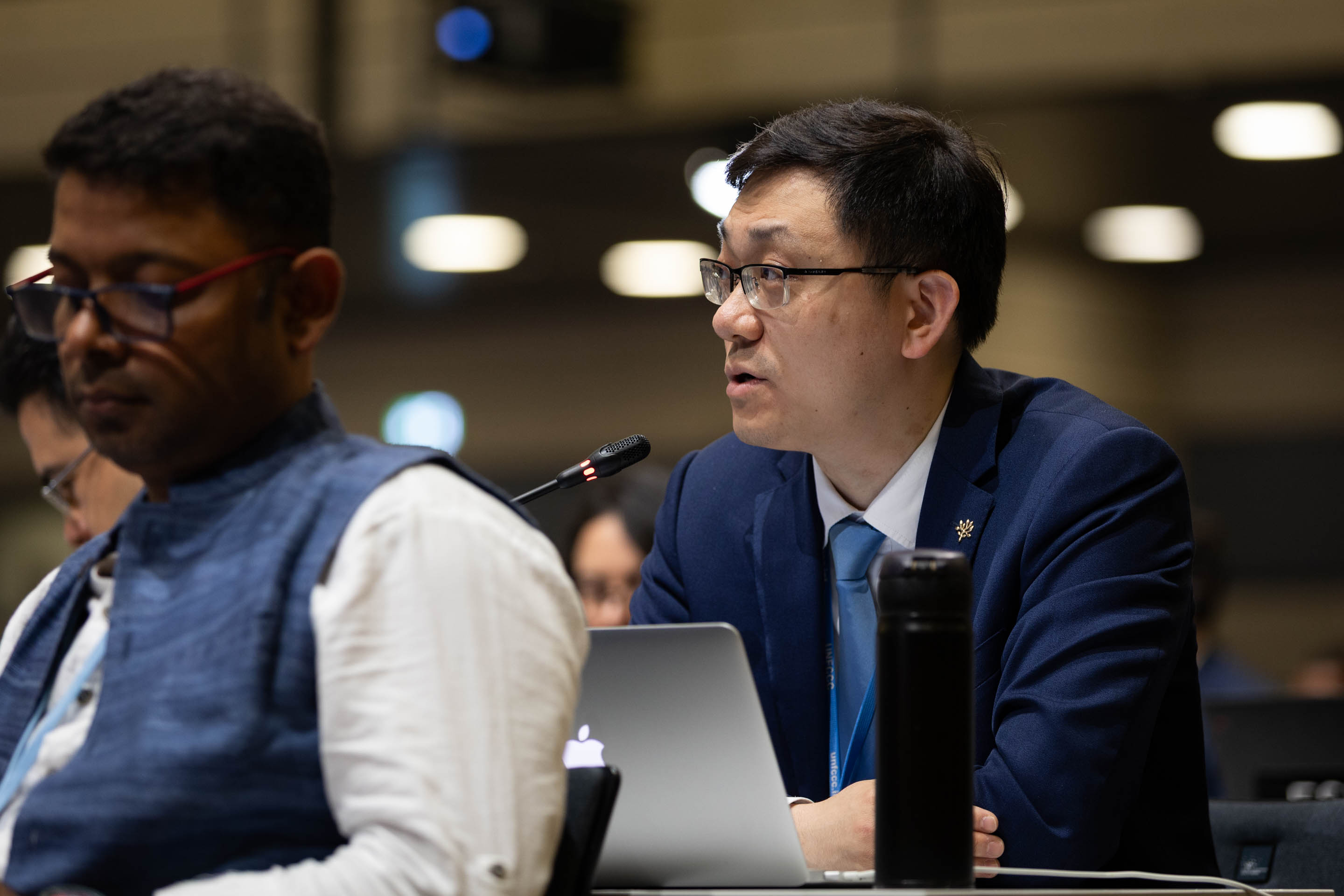
Liang Pei, China, on behalf of the LMDCs
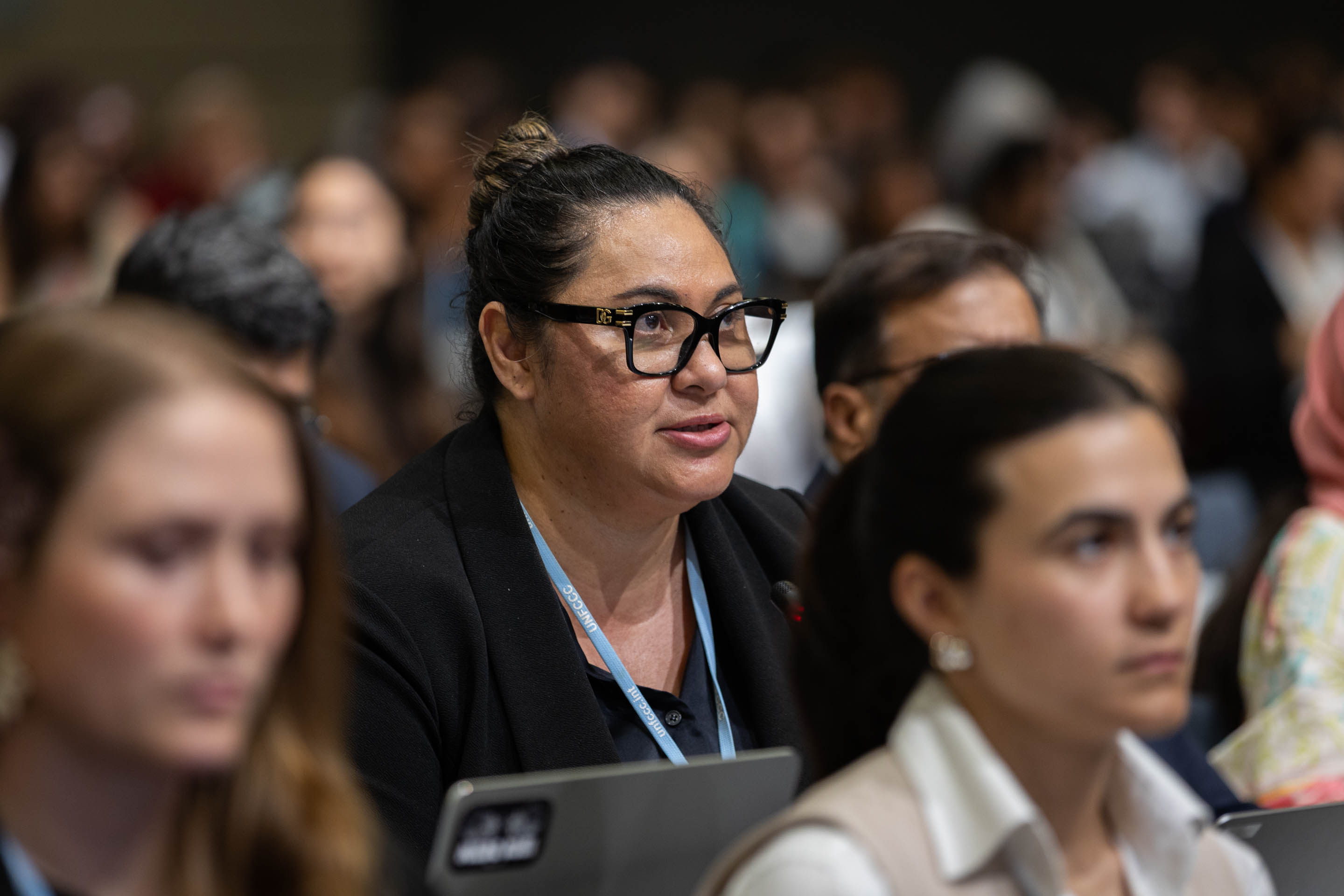
Anne Rasmussen, Samoa, on behalf of AOSIS
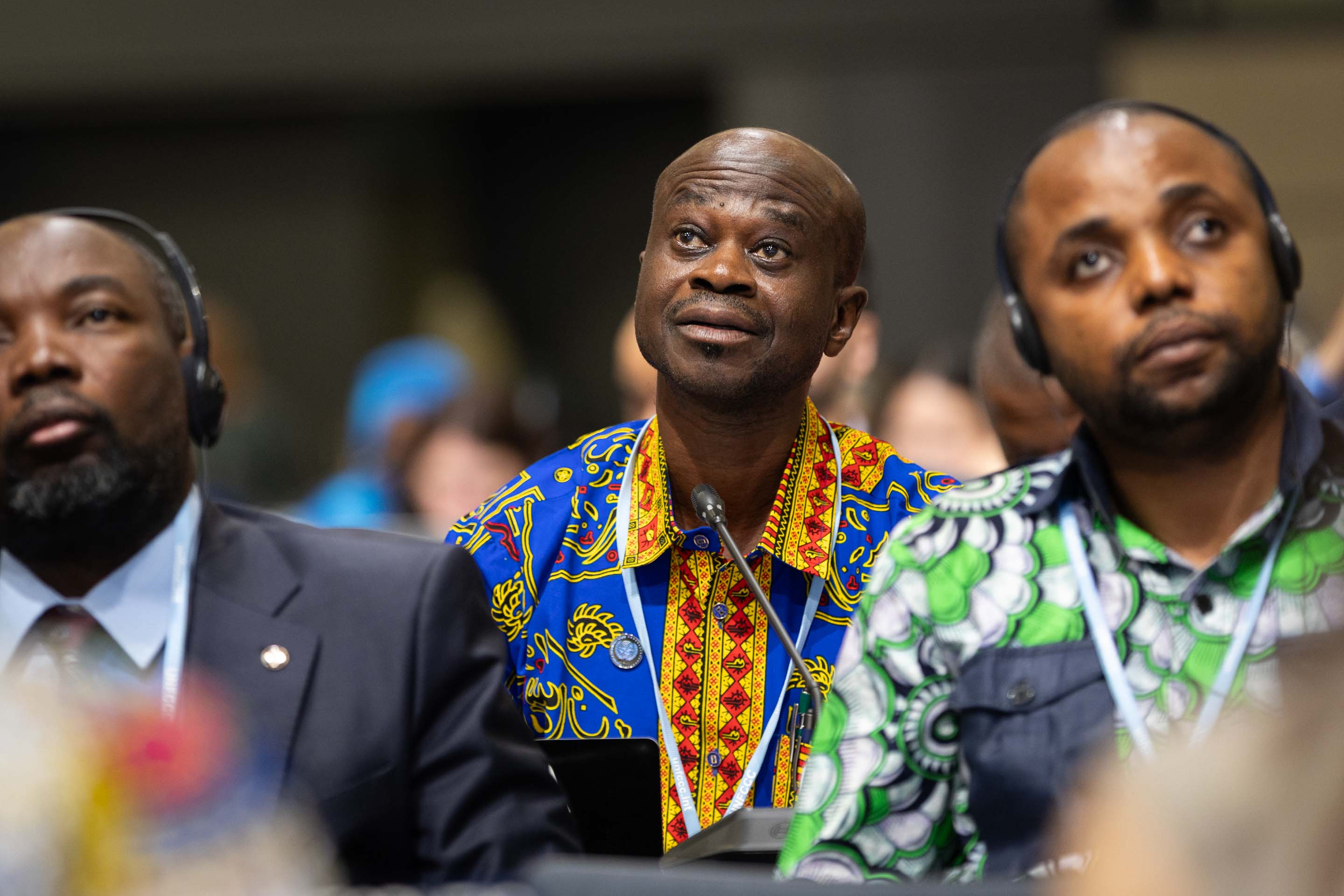
Antwi-Boasiako Amoah, Ghana, on behalf of the African Group
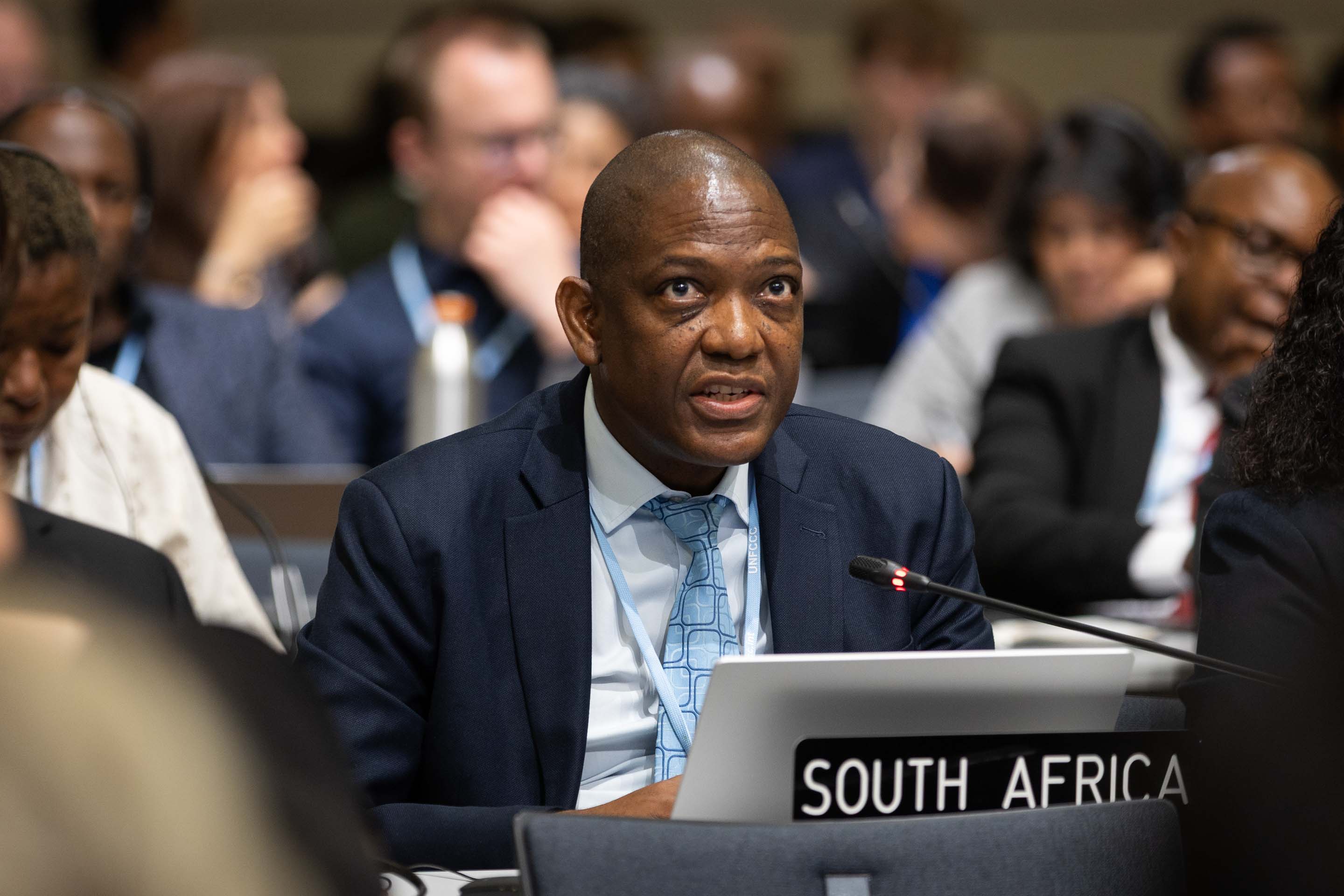
Maesela John Kekana, South Africa, on behalf of Brazil, South Africa, India, and China (BASIC)
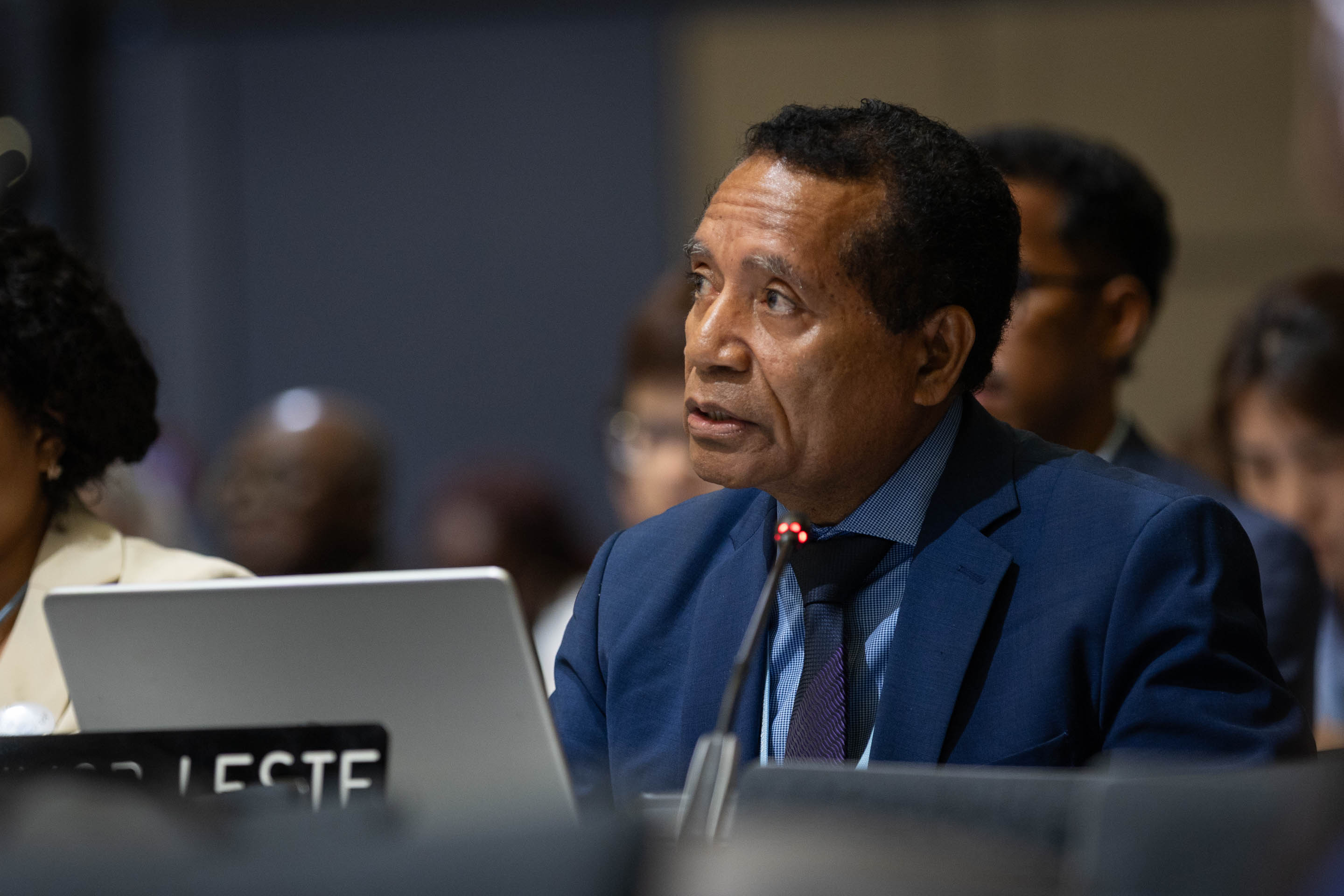
Adao Soares Barbosa, Timor Leste, on behalf of the LDCs

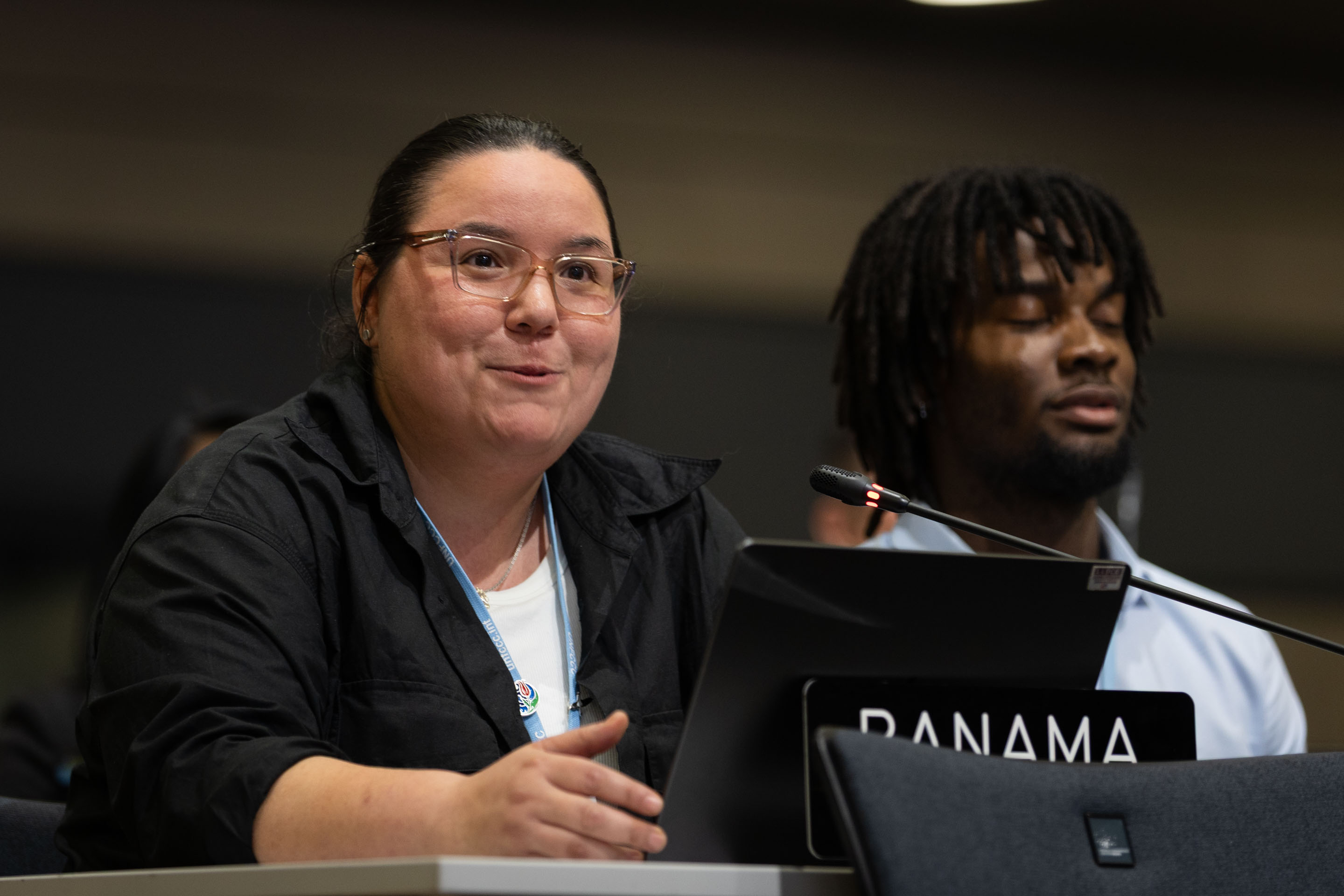
Ana Aguilar, Panama, on behalf of AILAC
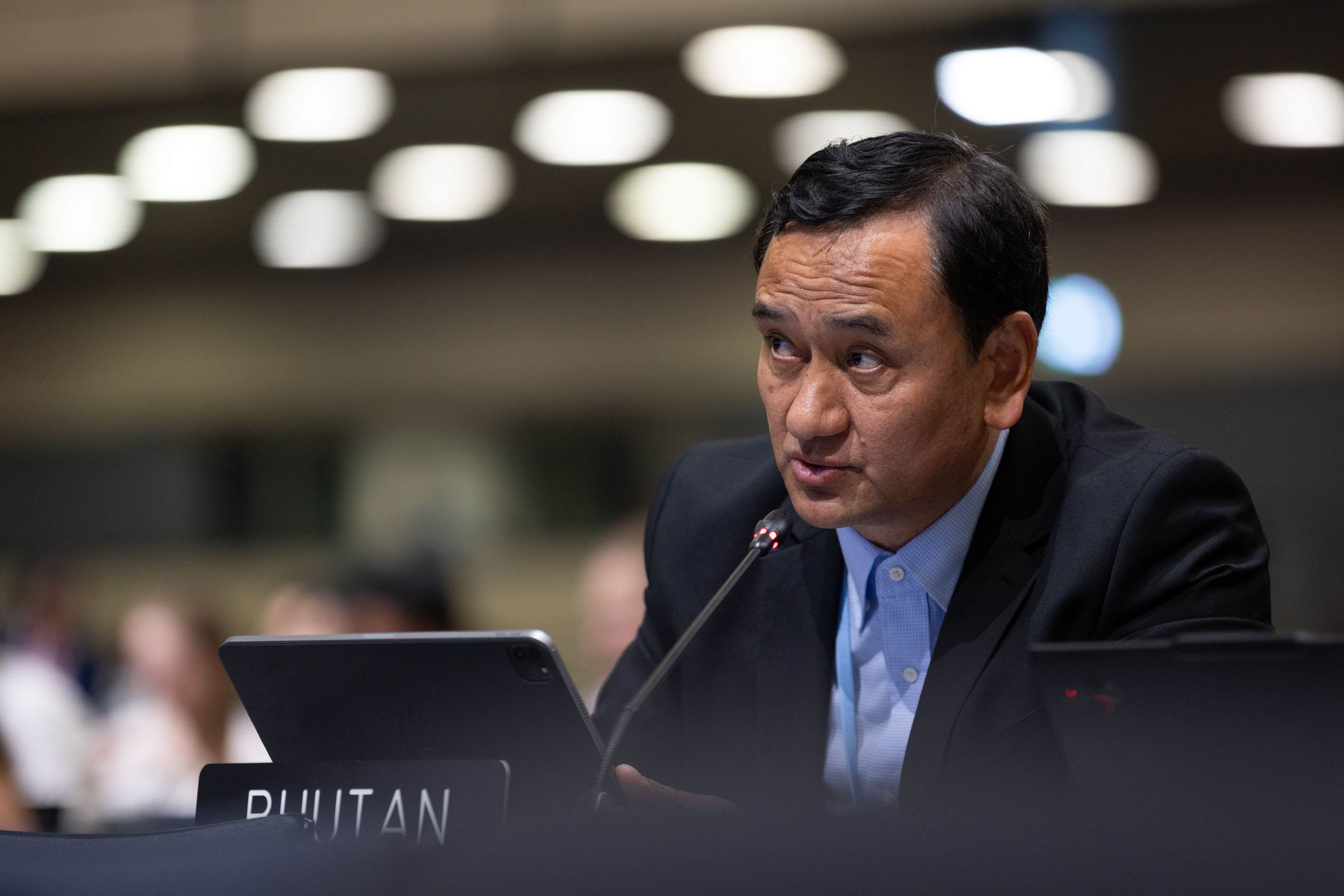
Karma Tshering, Bhutan, on behalf of Landlocked Developing Countries (LLDCs)
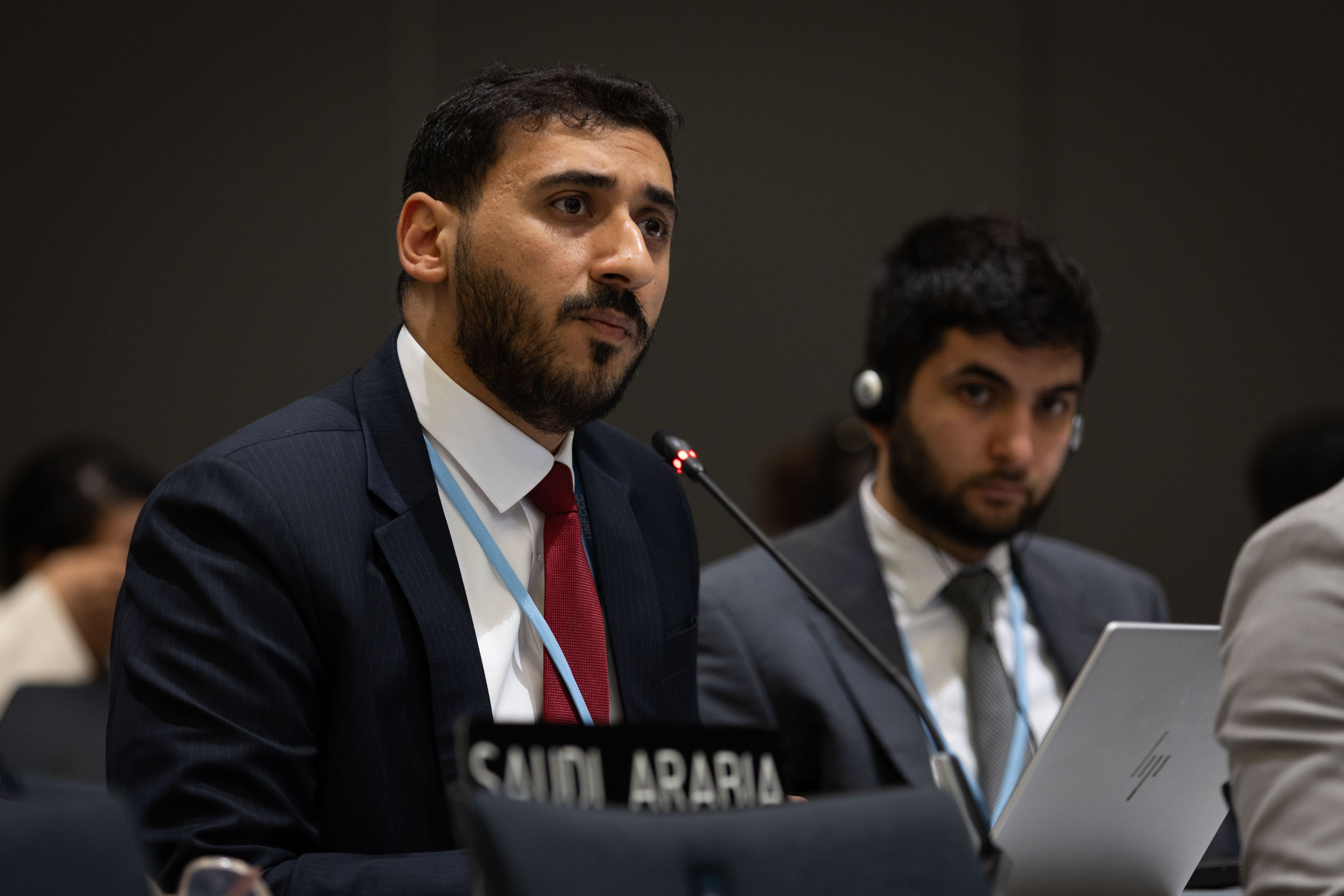
Abdulaziz Abdallah Albutti, Saudi Arabia, on behalf of the Arab Group
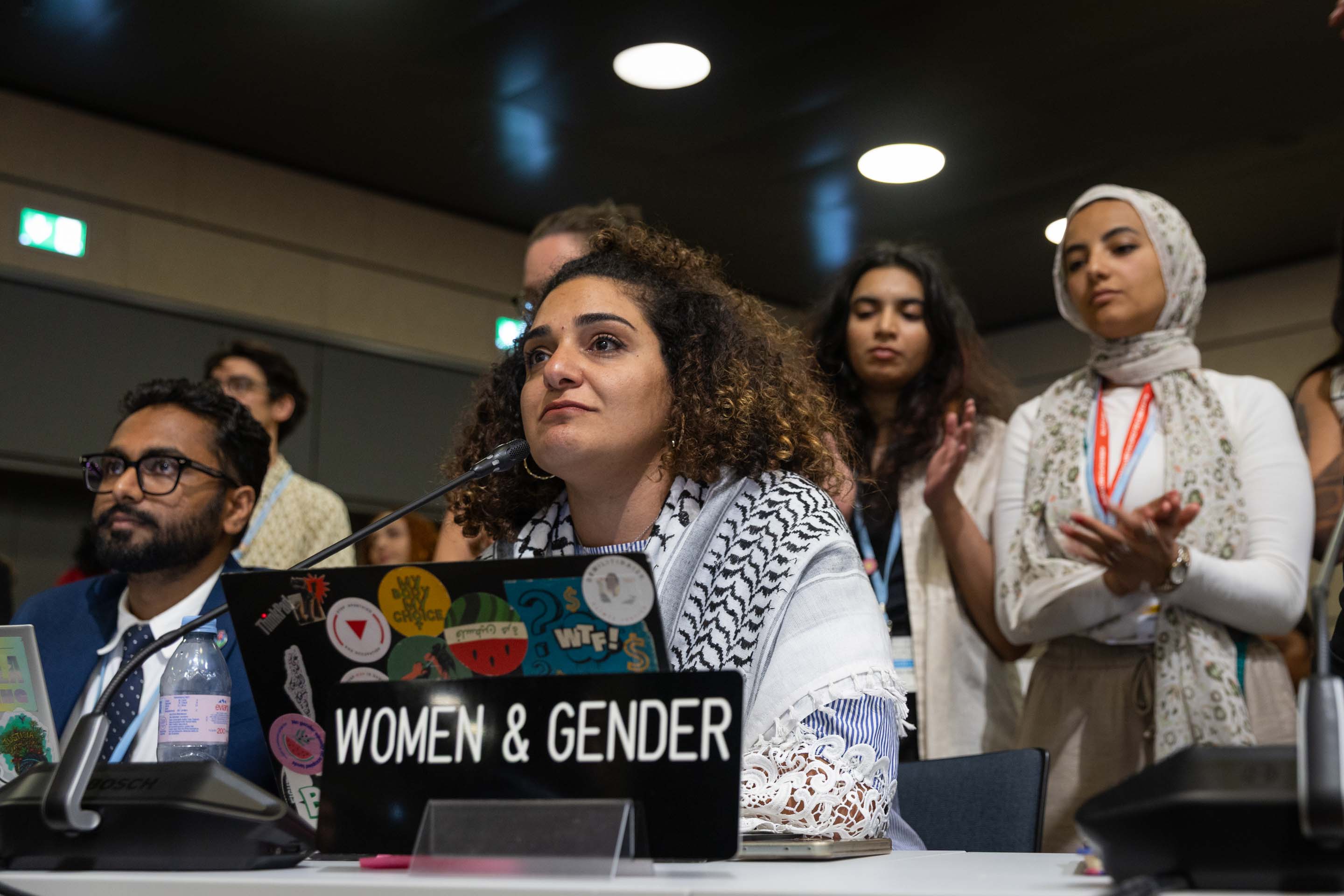
Haneen Hamed, Women and Gender
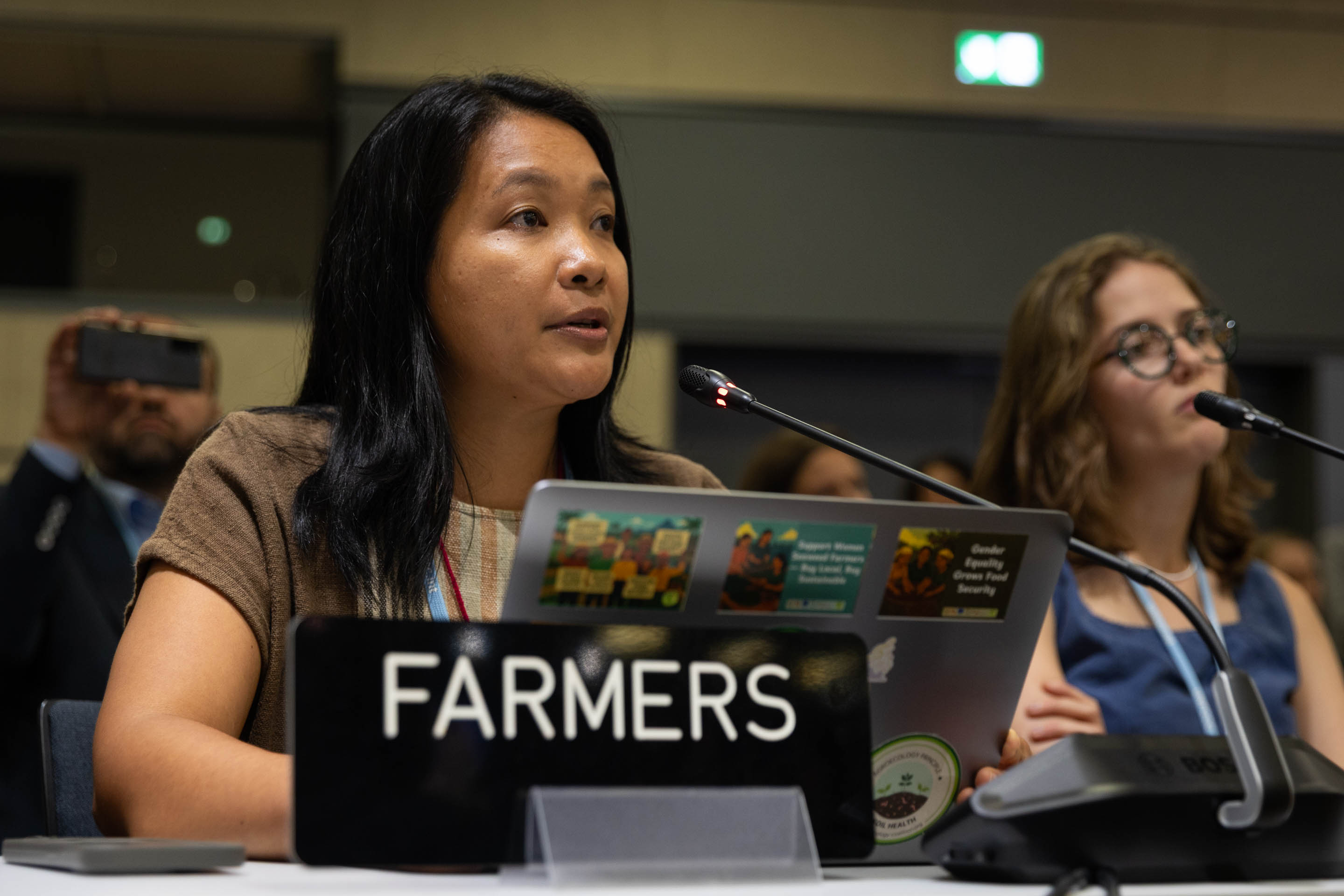
Irish Baguilat, Farmers
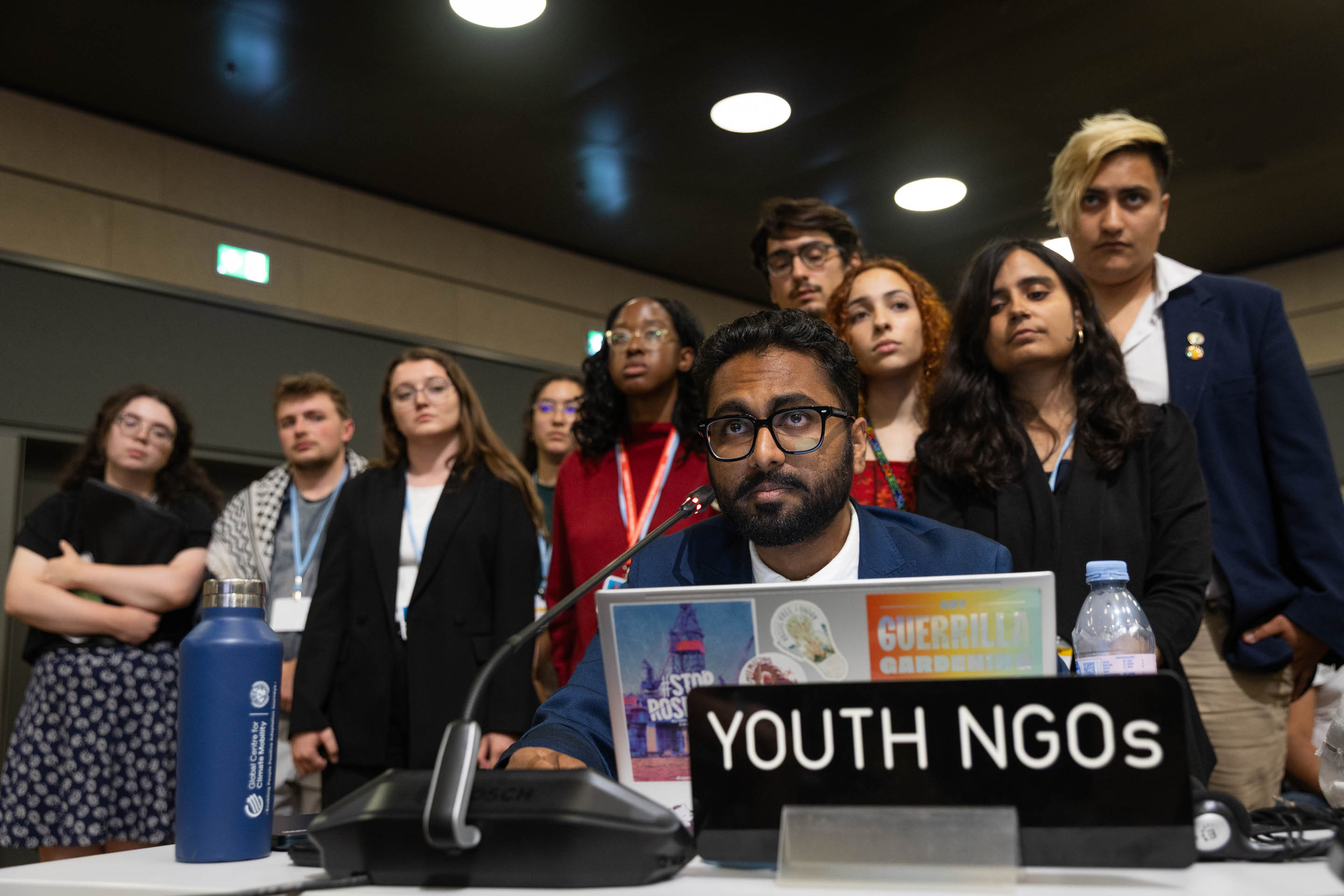
Atif Jawed, Youth NGOs (YOUNGO)
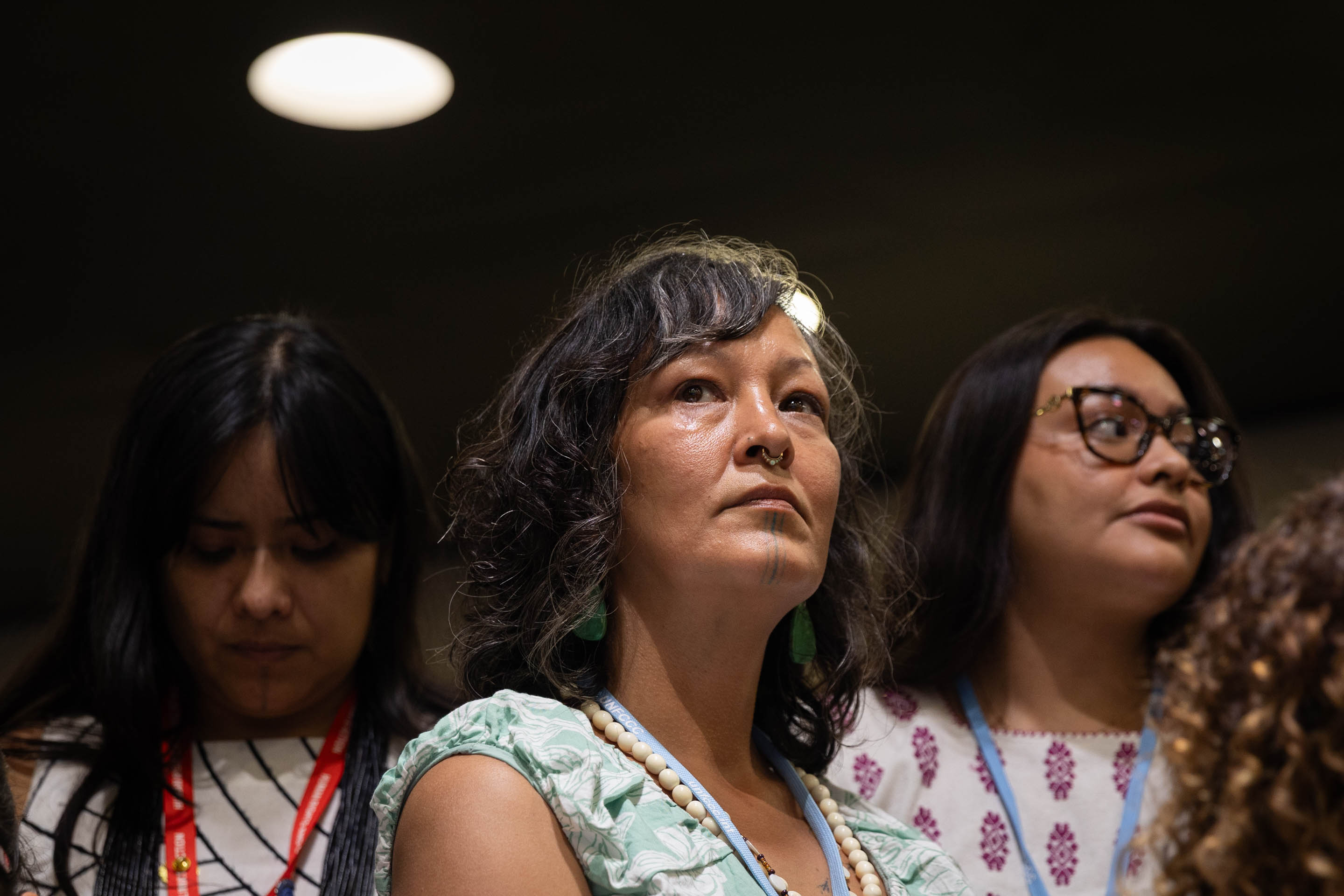

After only a few conclusions are adopted, closing plenary is suspended to allow for informal consultations to continue
Evening Informal Consultations
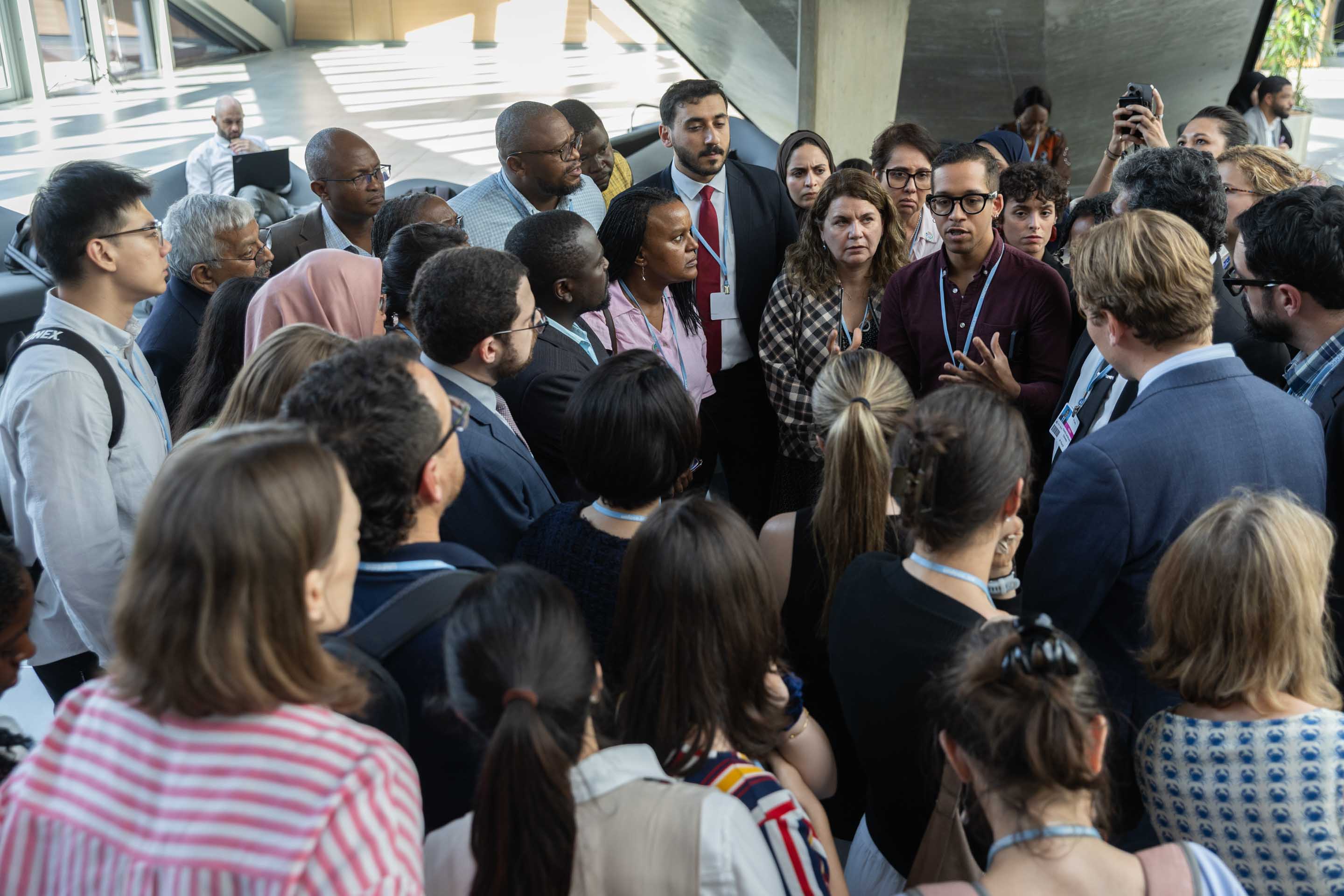
As closing plenary continues, delegates huddle informally in the corridors to find a way forward on outstanding issues
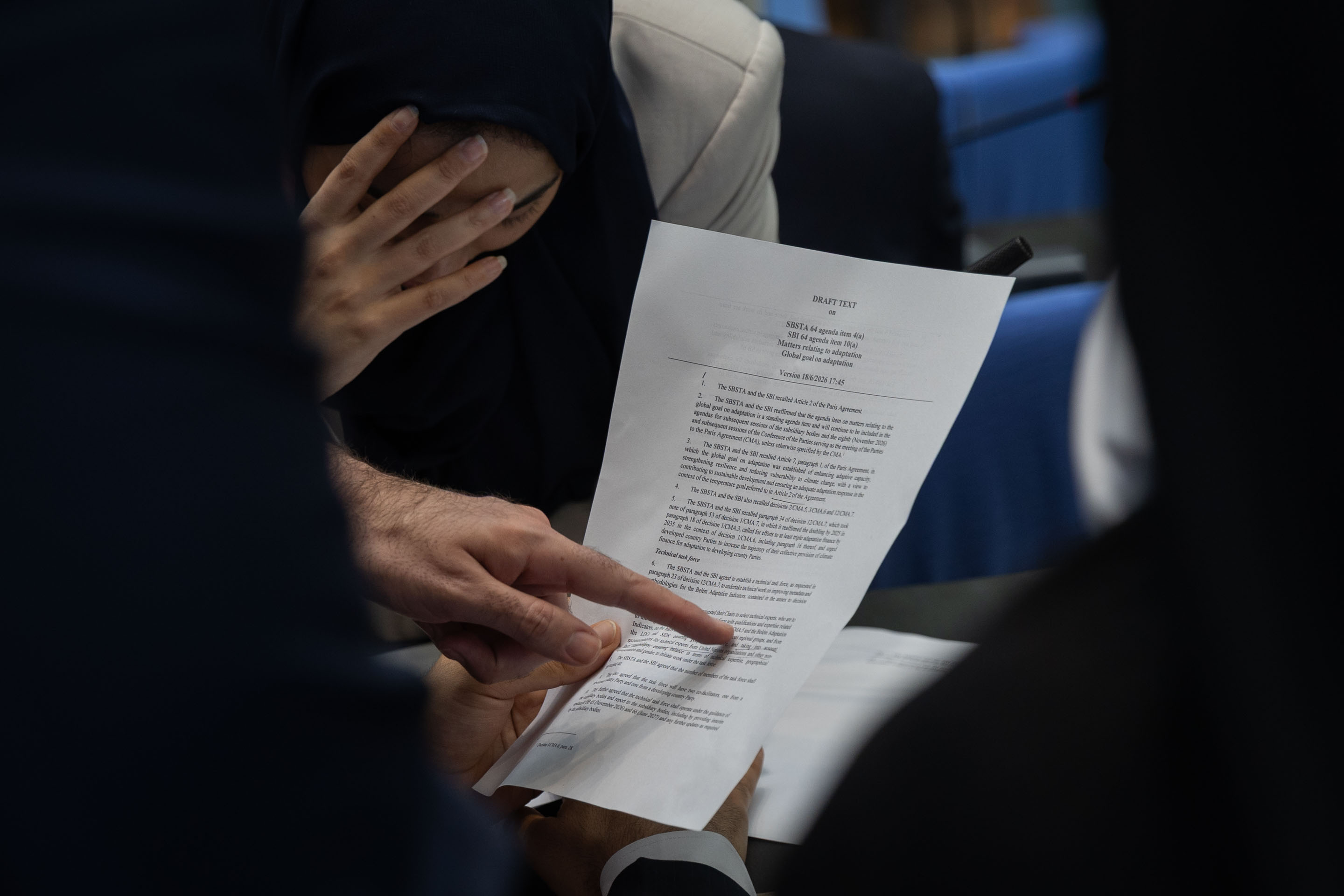
As informal consultations on the GGA continue, delegates refer to their red lines in the draft text
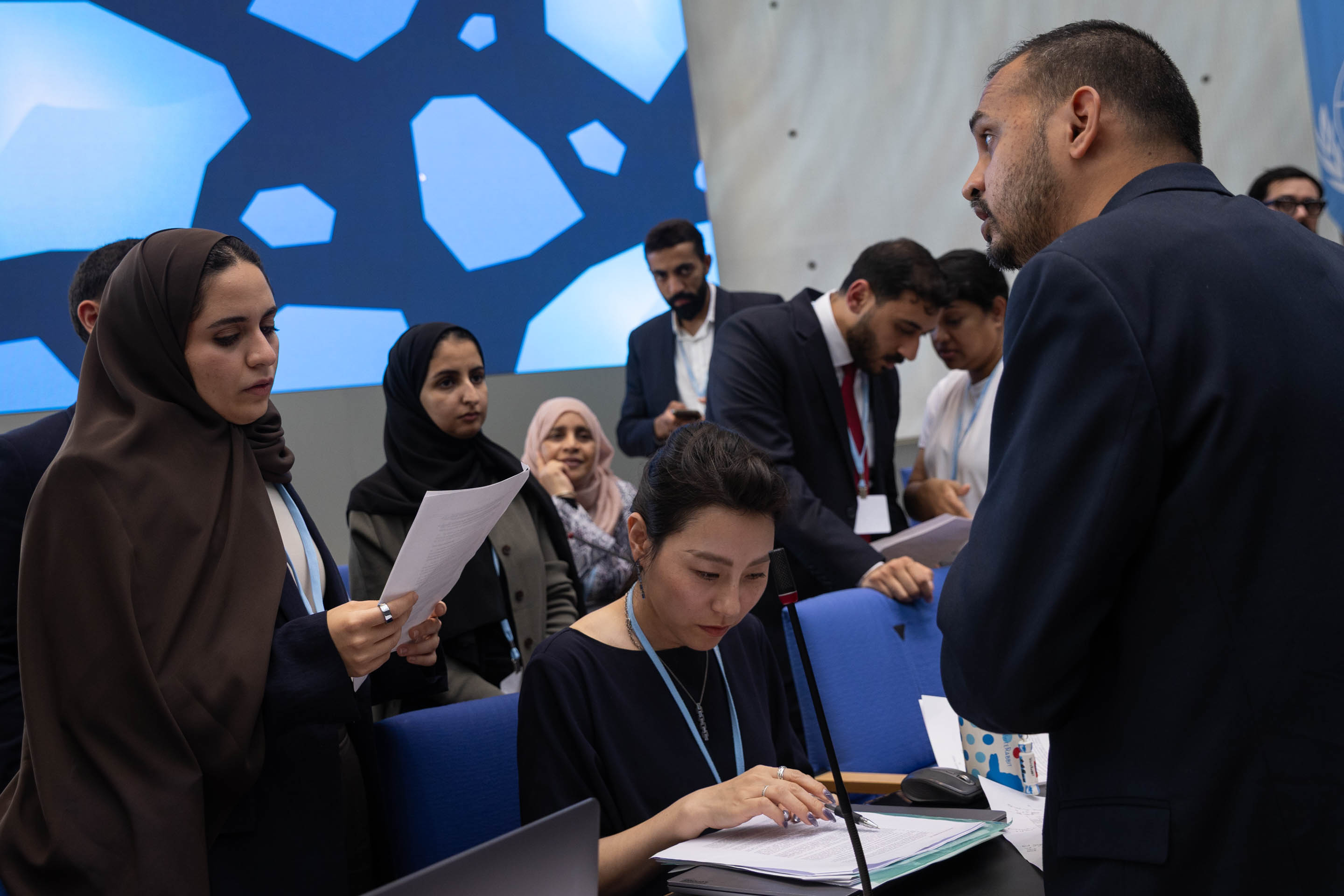
Delegates from the UAE, China, Saudi Arabia, and Fiji consult
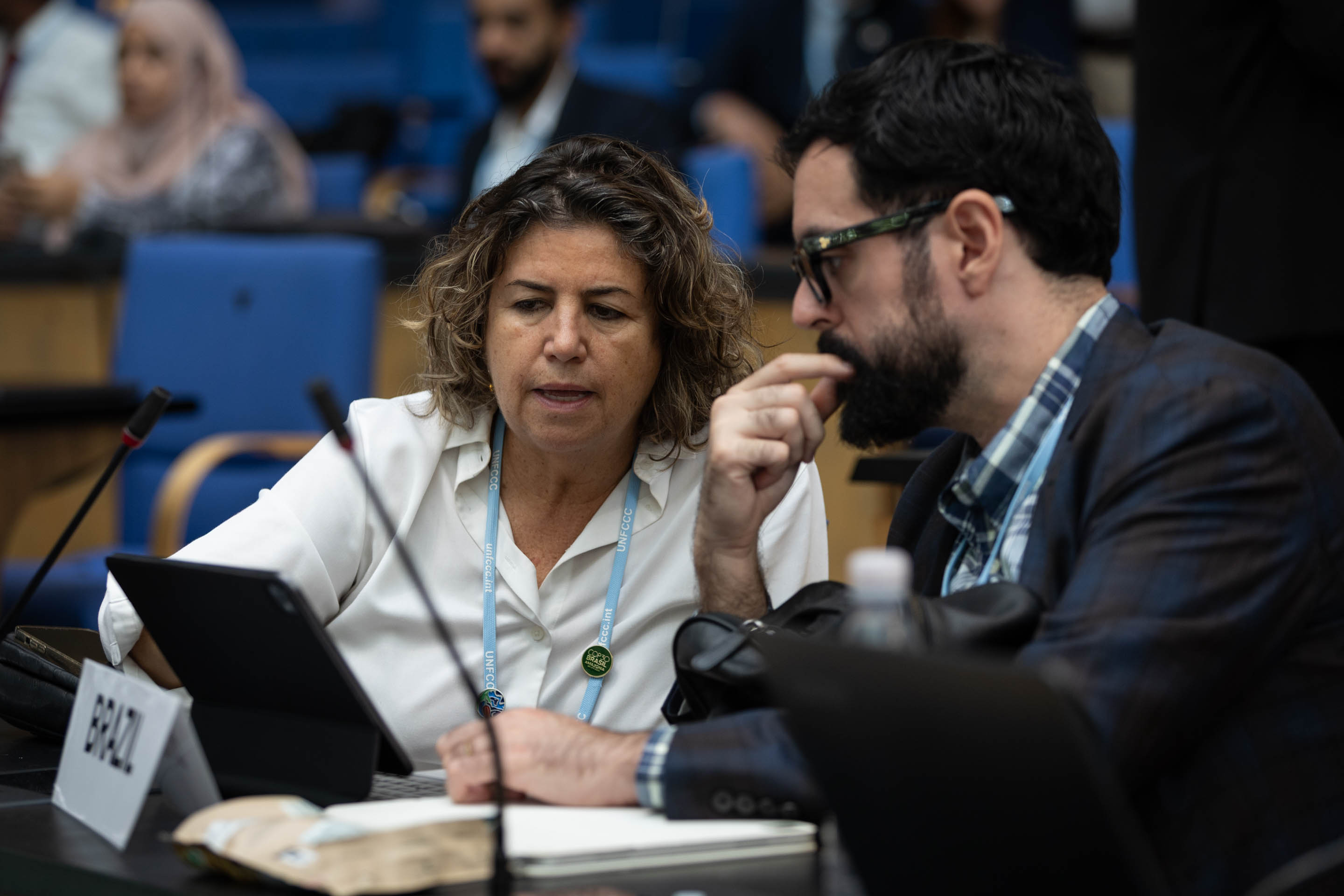
Delegates from Brazil review the draft GGA text
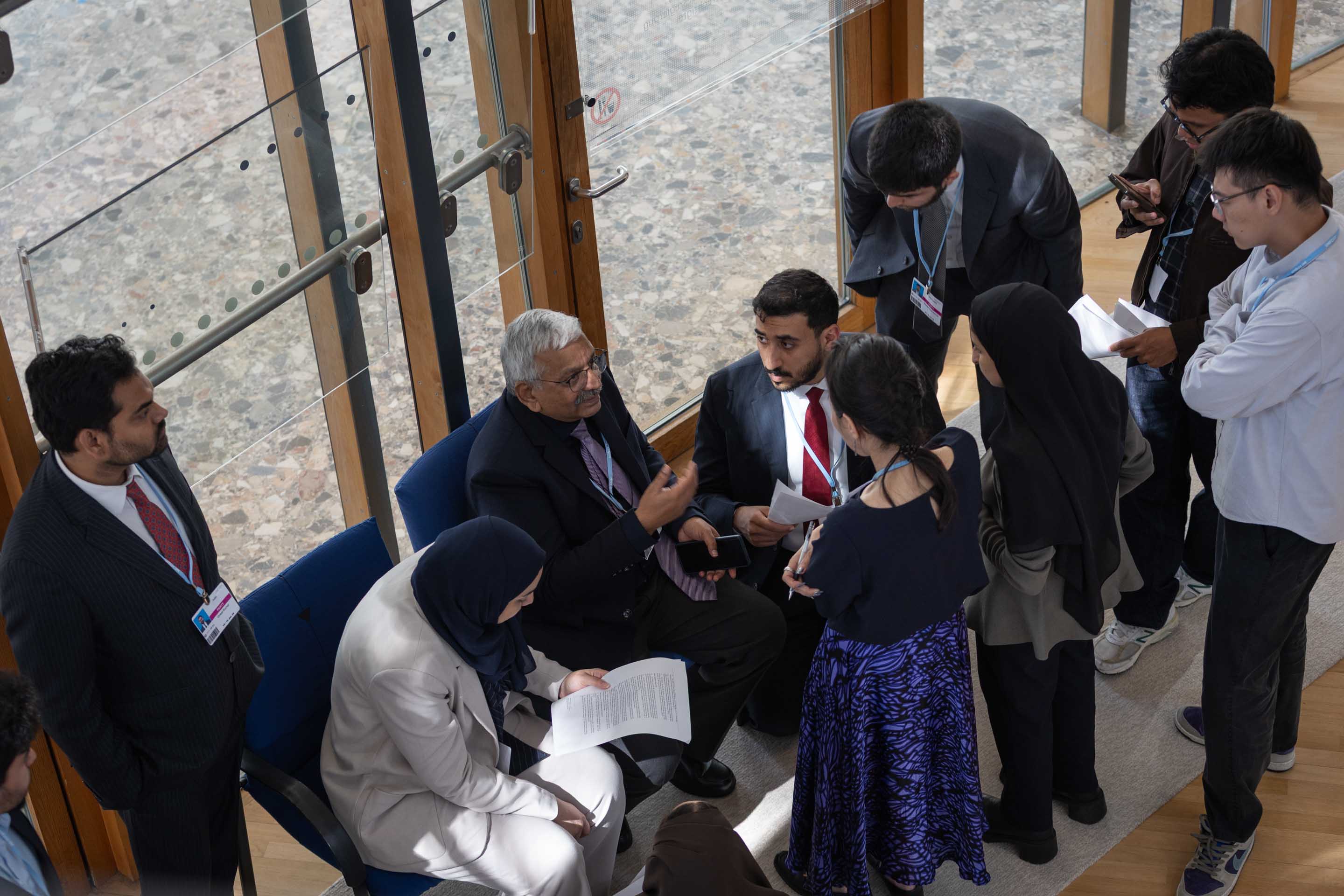
Delegates from India, Saudi Arabia, UAE, and China consult
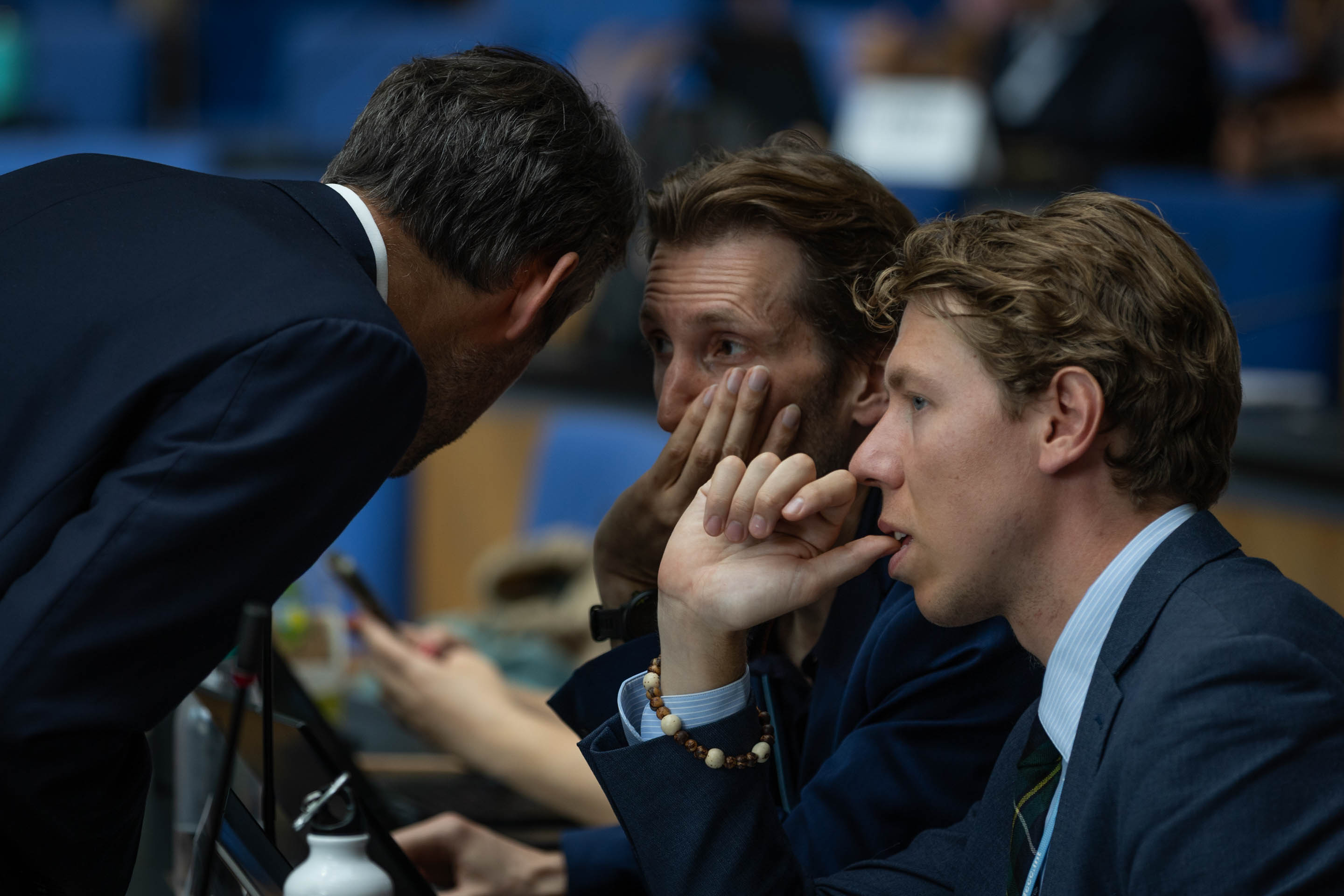
Delegates from the EU consult
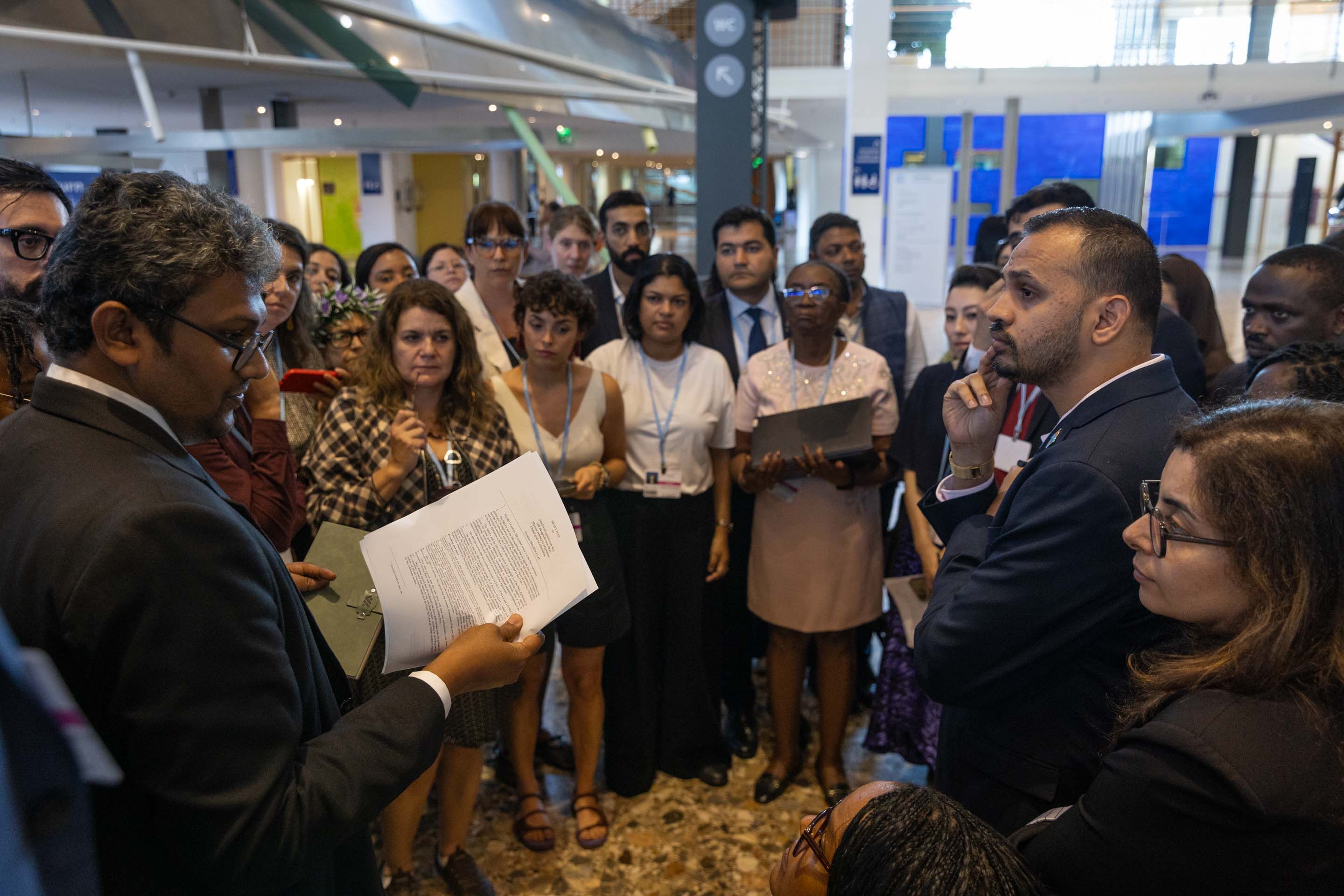
Delegates from the G-77/China consult
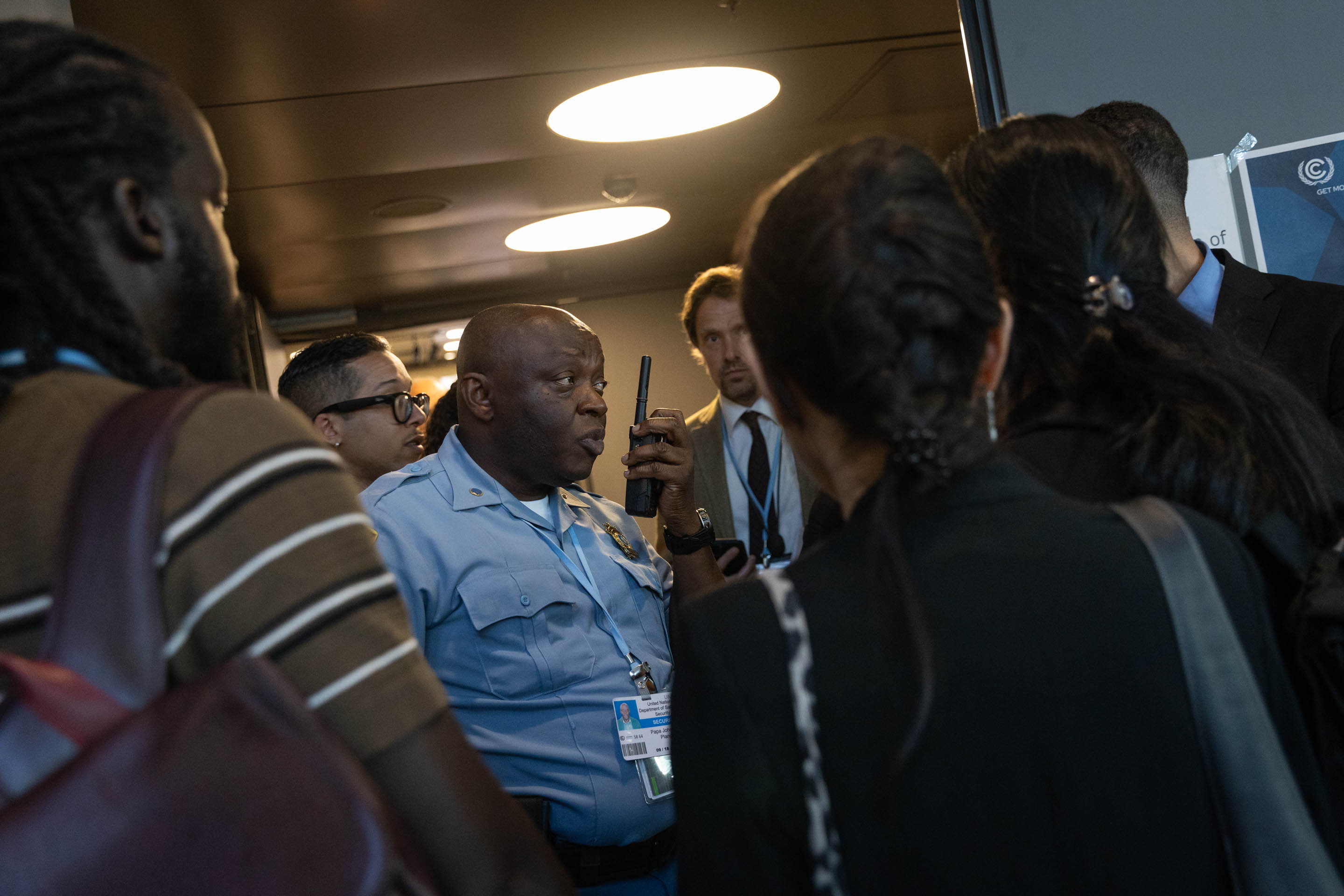
Delegates arrive for the Heads of Delegation meeting to find a way forward on outstanding issues
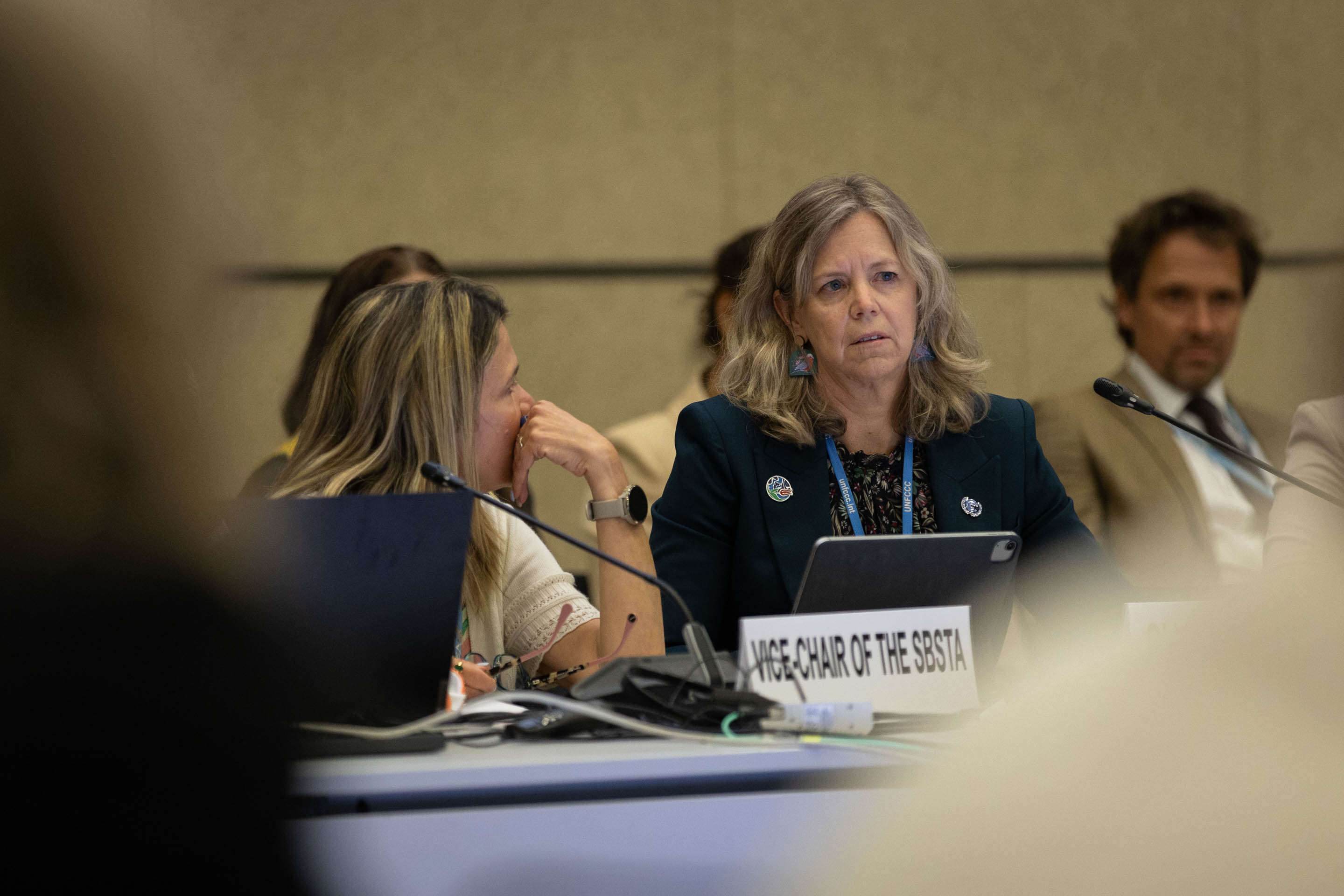
Carol Franco, SBSTA Vice-Chair, and Julia Gardiner, SBI Chair
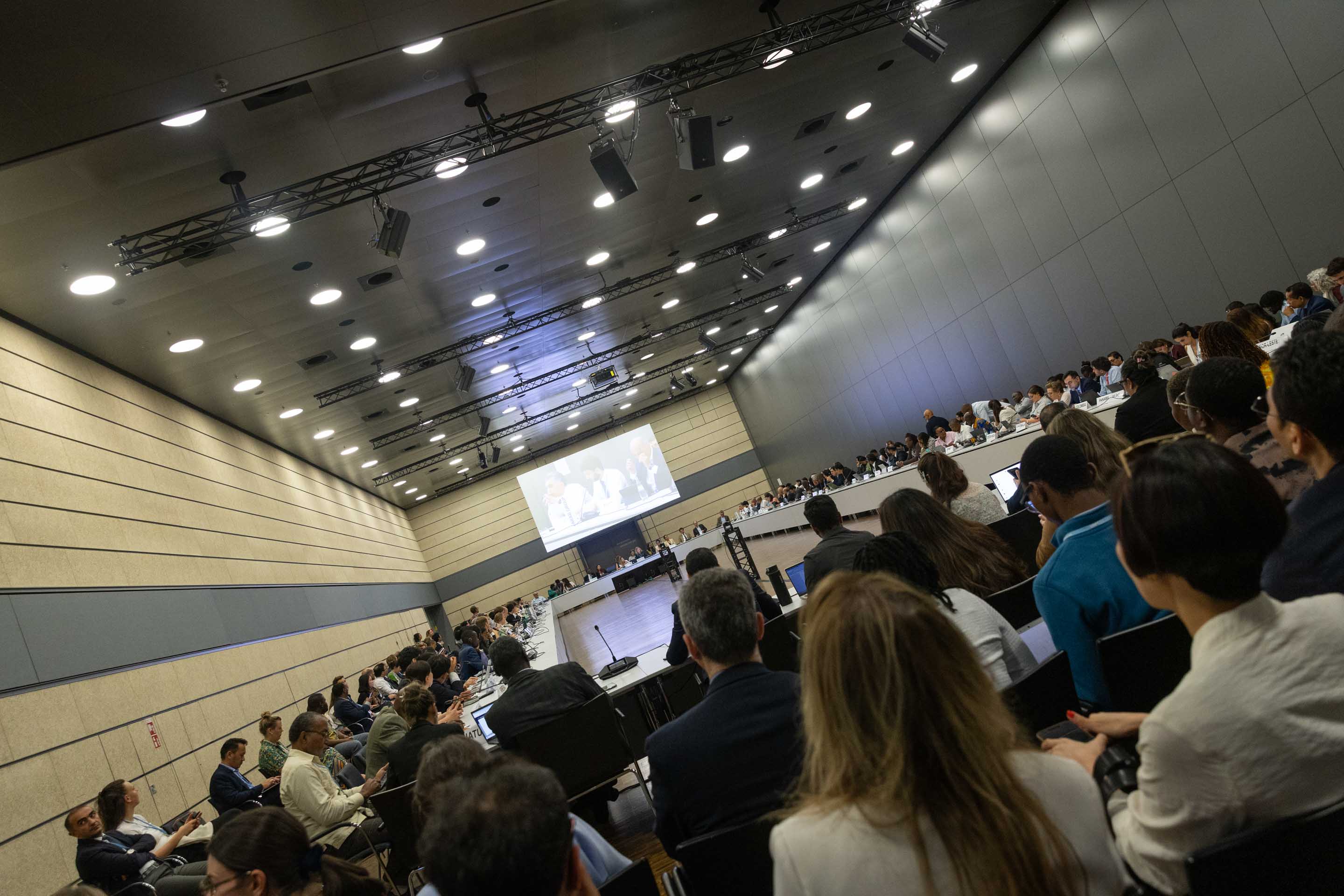
The Heads of Delegation meeting continues late into the night
Around the Venue
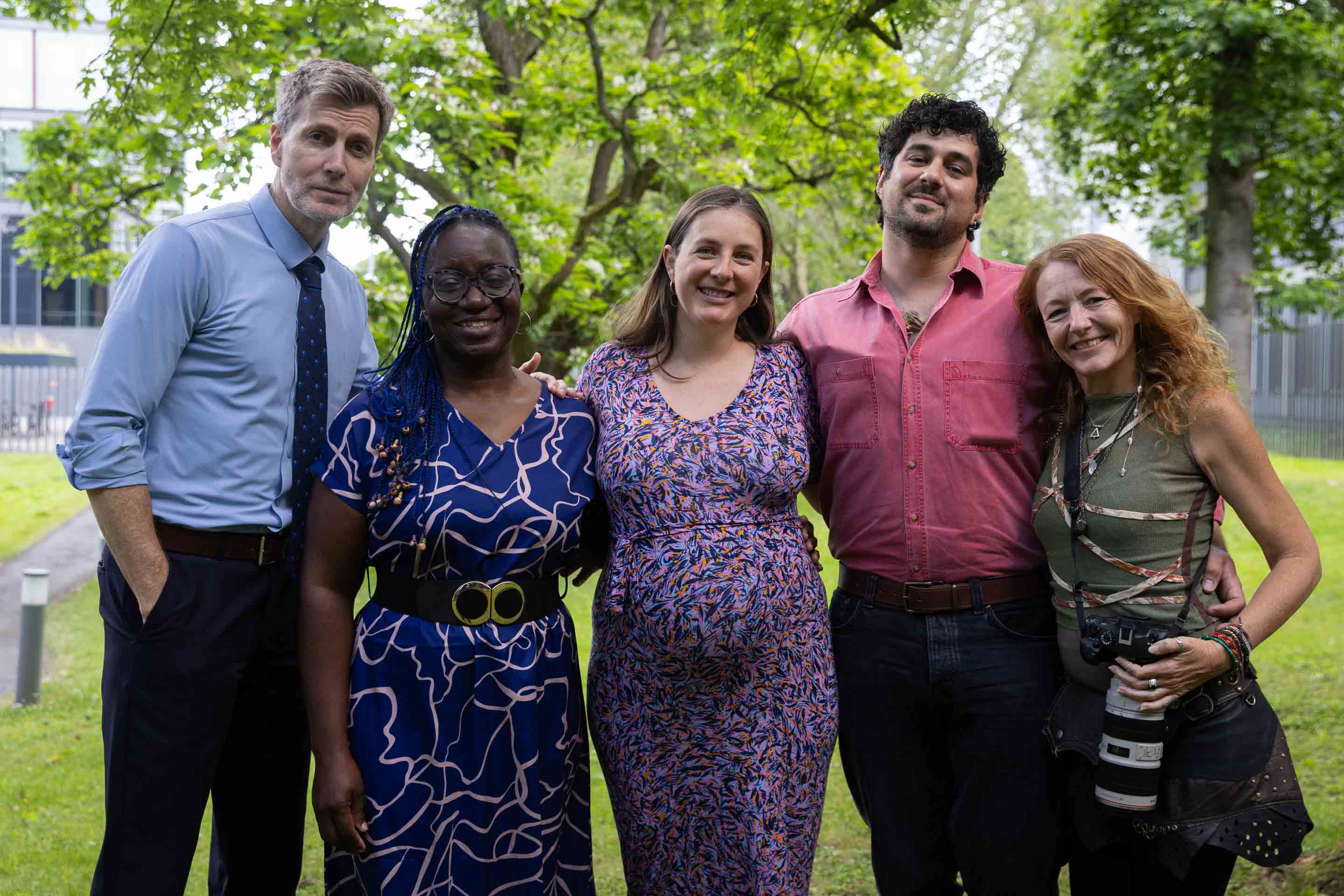
The IISD/ENB team covering the 2026 June Climate Meetings: Chris Spence, UK/New Zealand; Tomilola Akanle Eni-ibukun, UK/Nigeria; Jennifer Bansard, Germany/France; Marc Calabretta, Canada; and Kiara Worth, South Africa
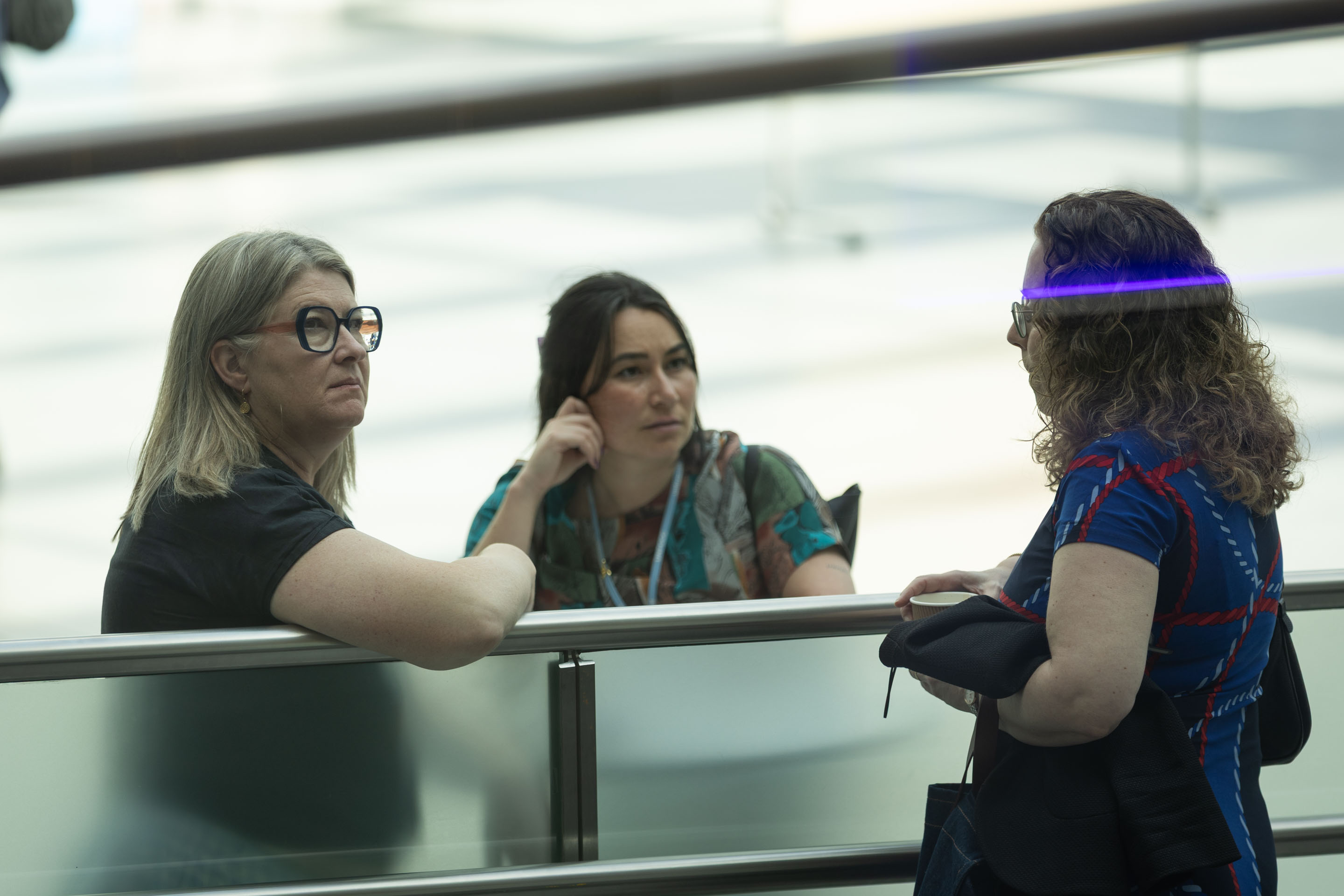
Sally Box, Incoming COP 31 Presidency of Negotiations, speaks with delegates
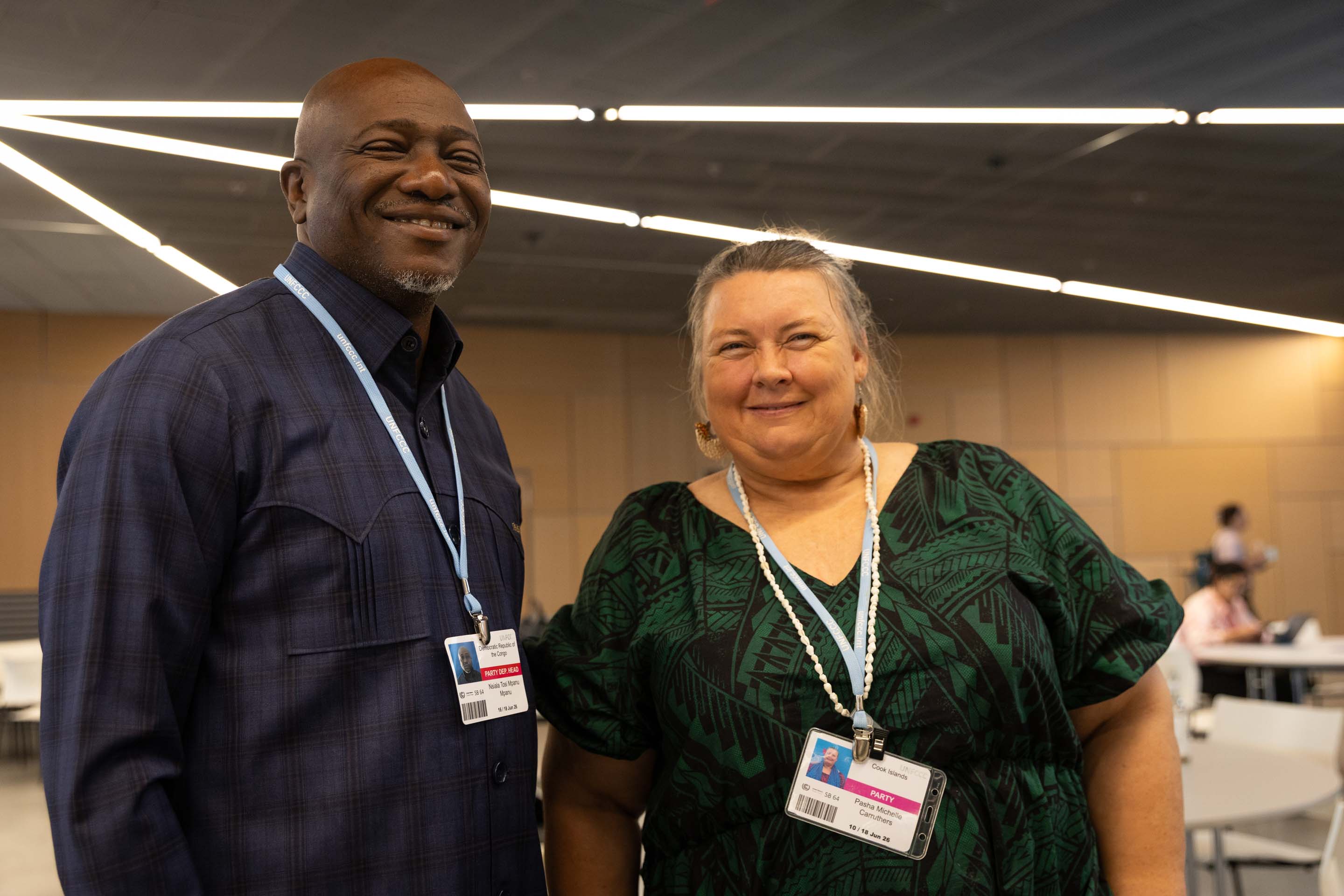
Tosi Mpanu-Mpanu, Democratic Republic of the Congo (DRC), and Pasha Michelle Carruthers, Cook Islands
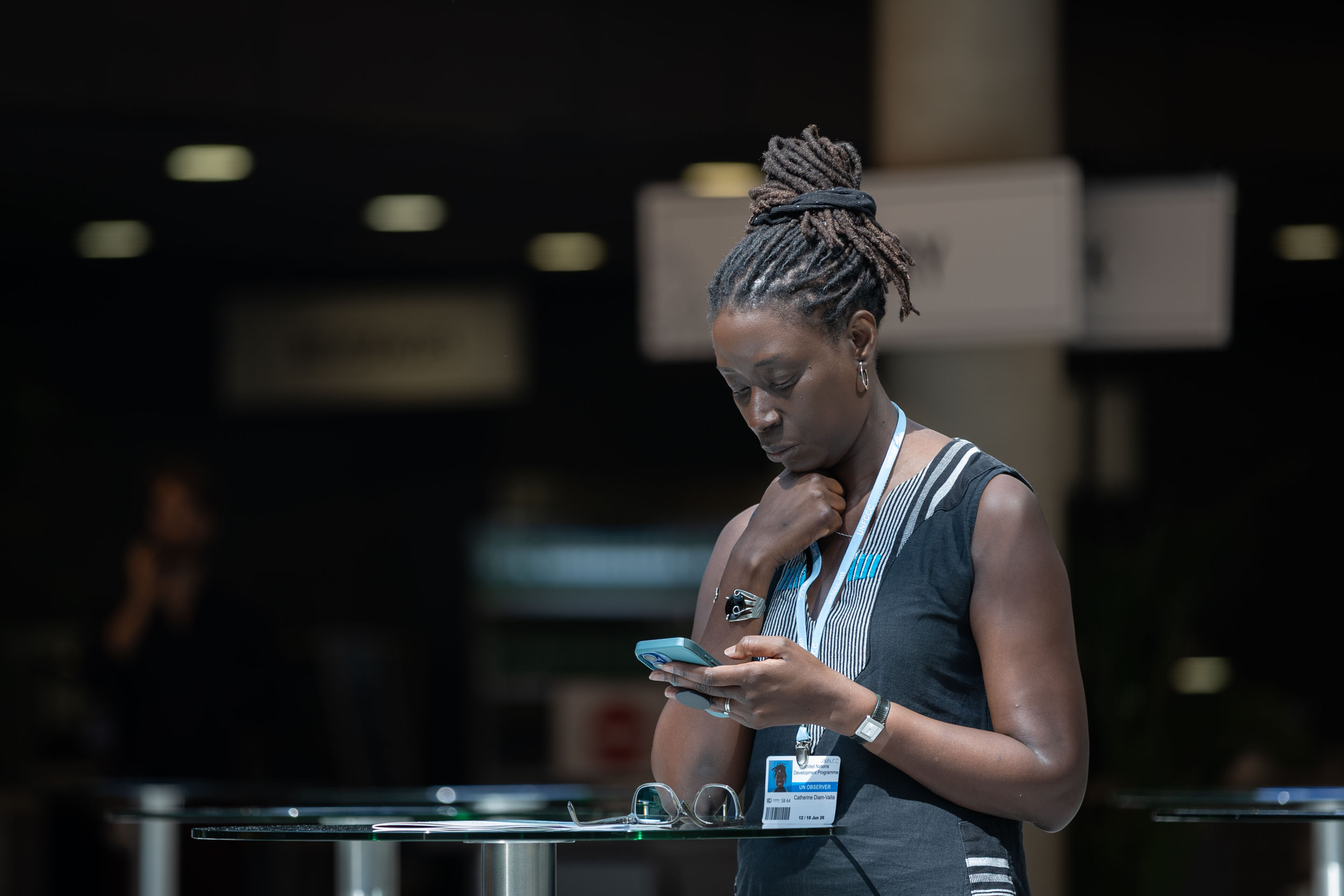
Catherine Diam-Valla, UN Development Programme (UNDP)
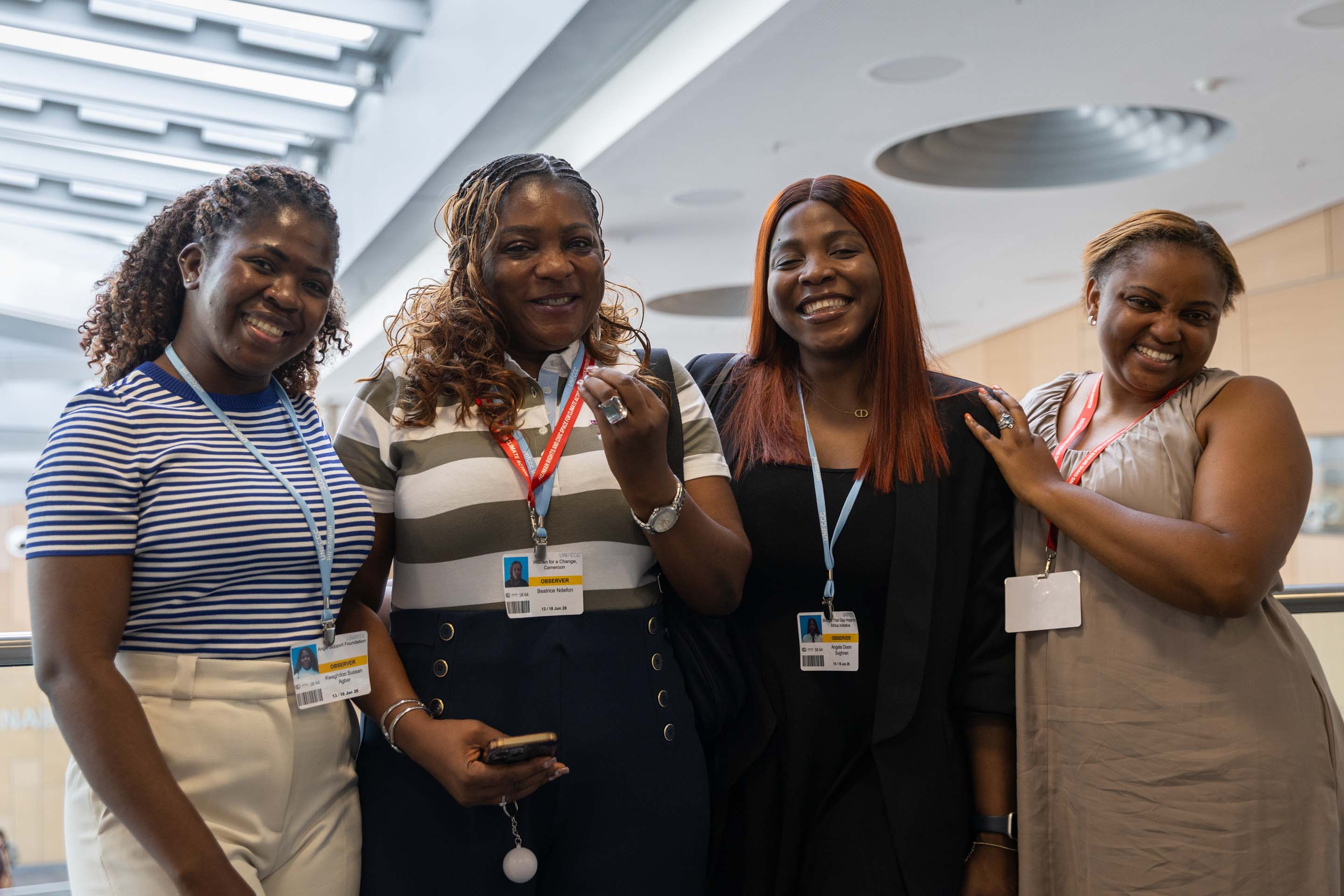
Delegates from Cameroon, Canada, and the UK
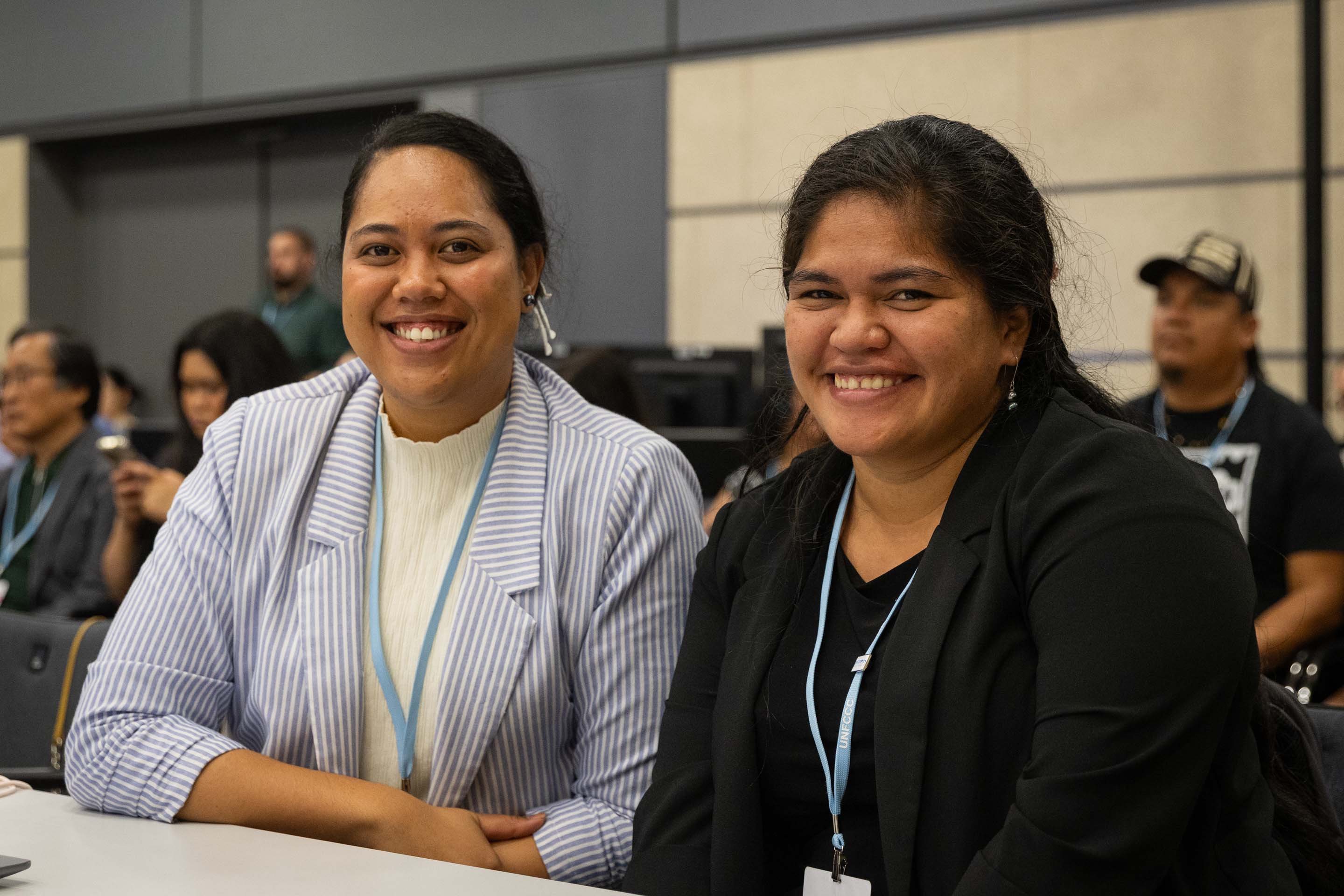
Delegates from Fiji
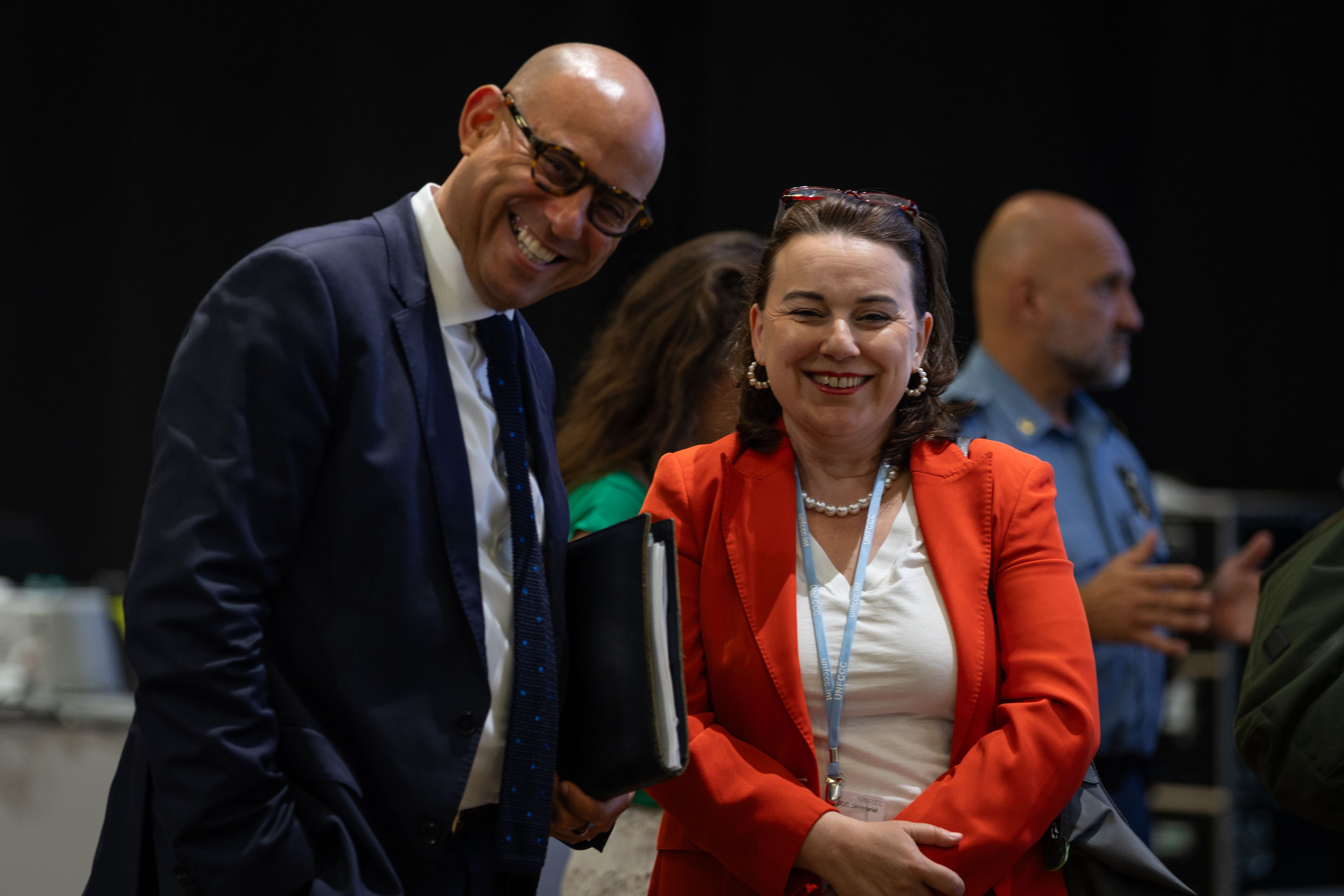
UNFCCC Executive Secretary Simon Stiell and Noura Hamladji, Deputy Executive Secretary, UNFCCC
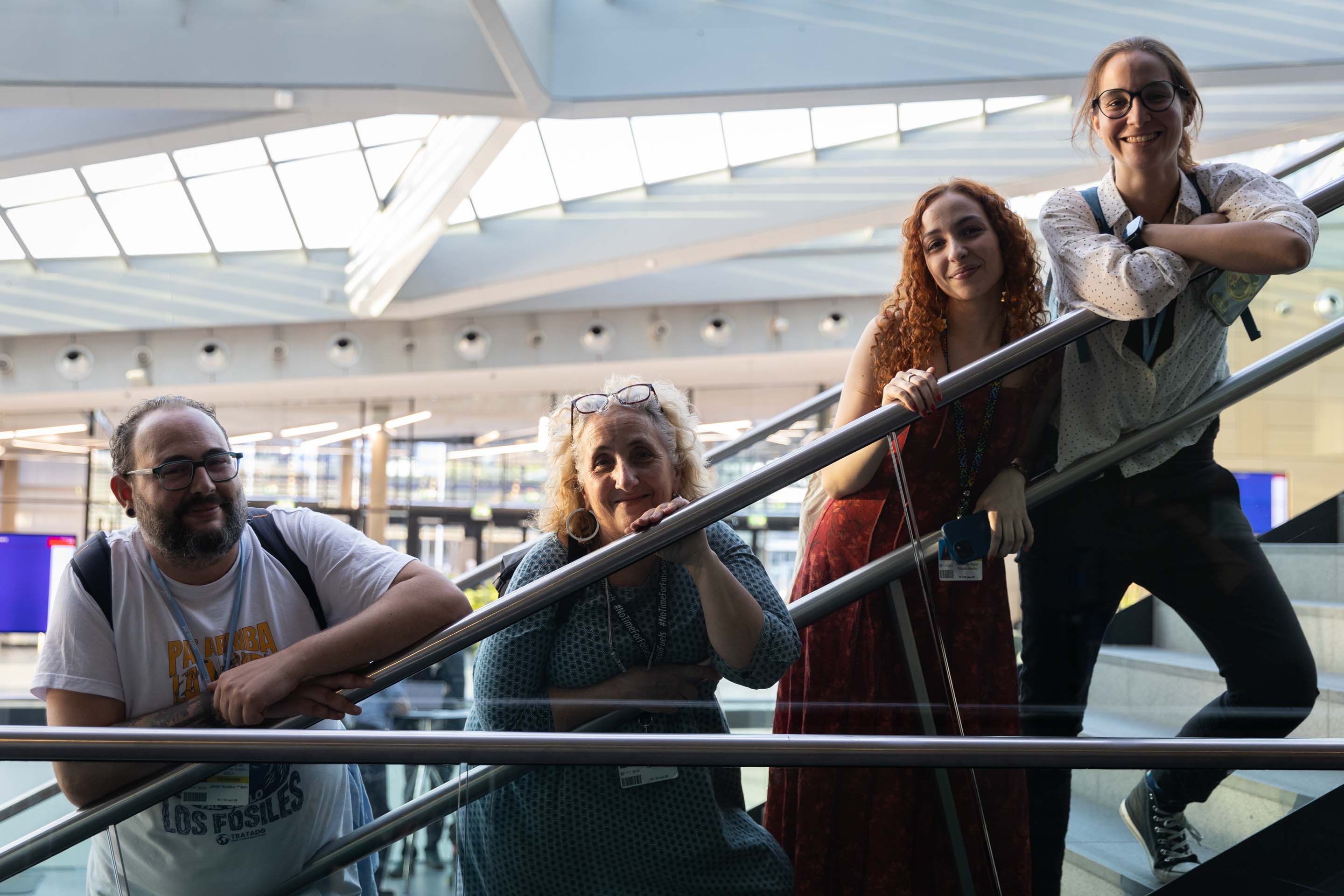
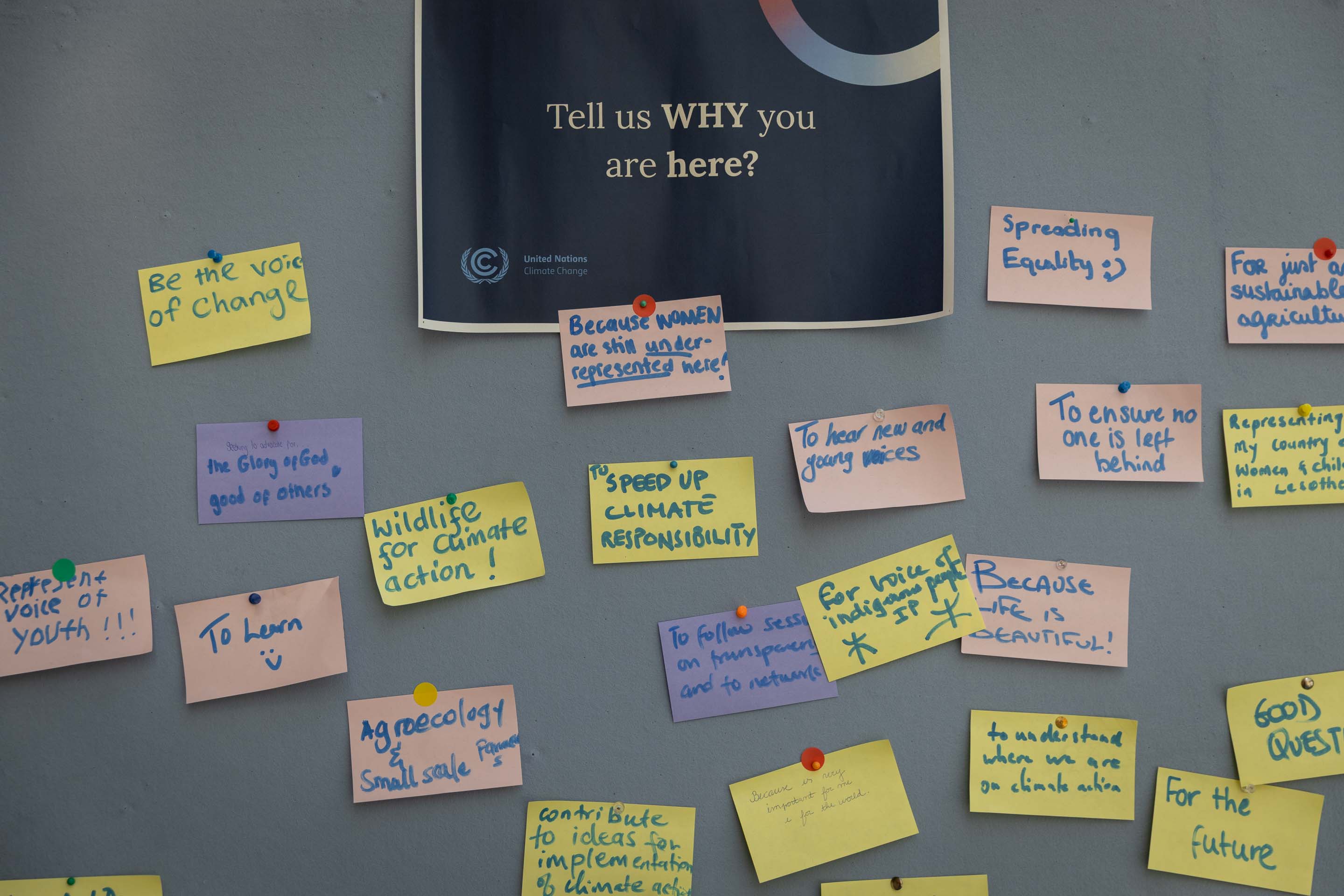
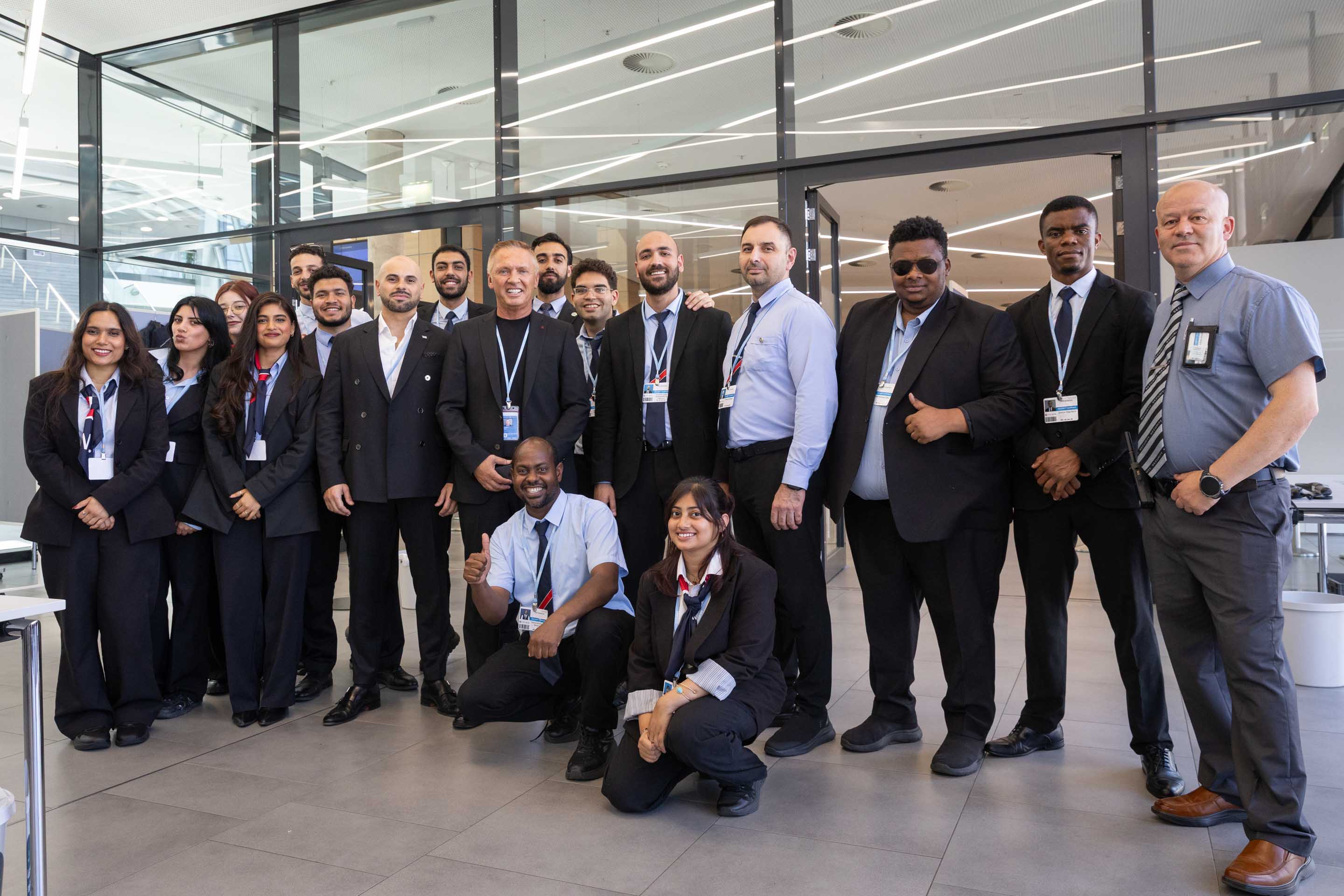
Family photo of the support staff at World Conference Center Bonn
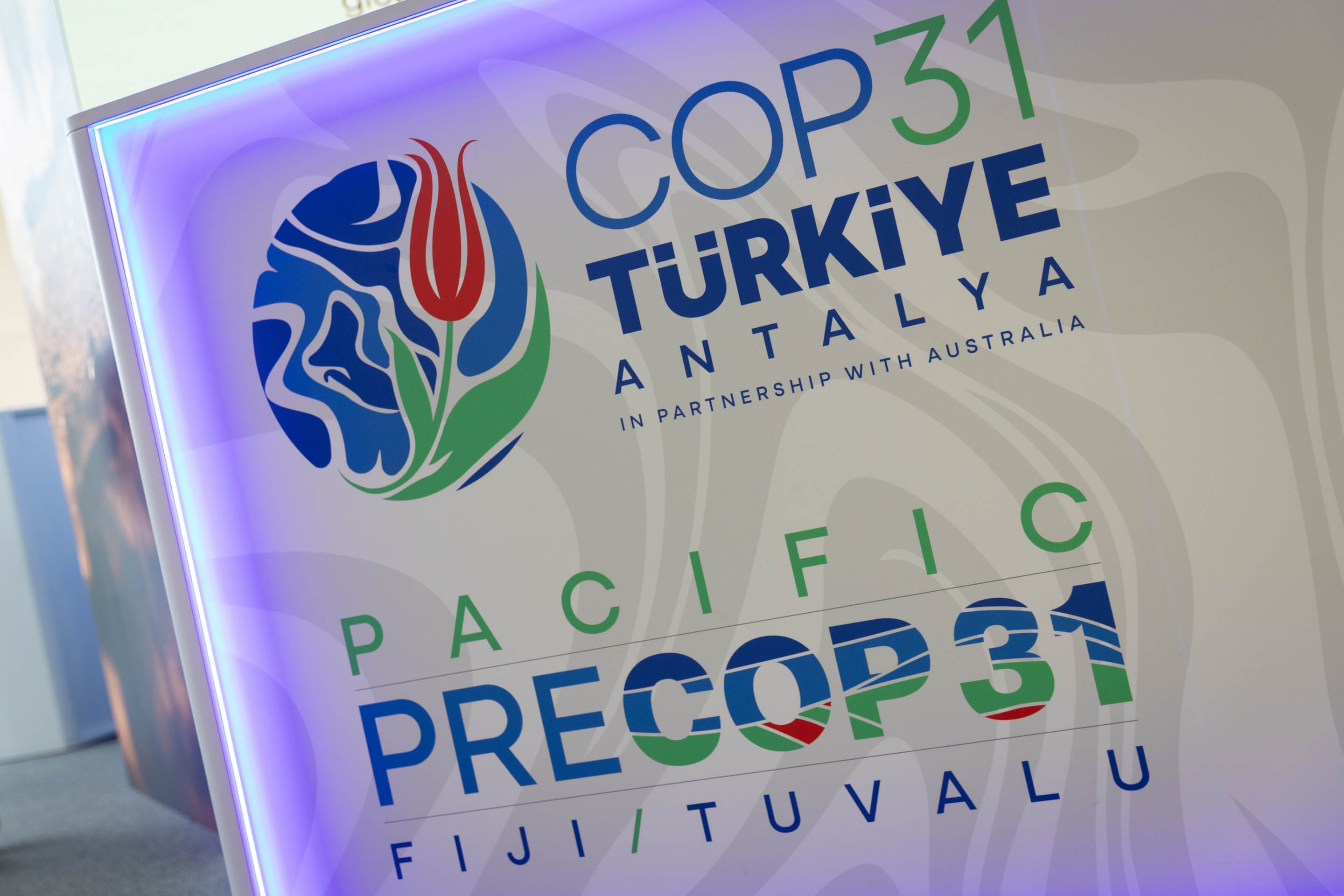
As the 2026 June Climate Meetings conclude, all attention turns to COP 31 in Türkiye