The 2030 Agenda calls for a whole-of-society-approach – the active engagement and meaningful participation of all stakeholders in achieving the Sustainable Development Goals (SDGs). With four years to go until the 2030 deadline, the session on strengthening alliances for SDG implementation was both a stocktake on how far stakeholder engagement has come and a critical reflection on how the UN system can be improved to support inclusion more actively as part of the ongoing UN80 reform initiative.
Guy Ryder, Under-Secretary-General for Policy, Executive Office of the Secretary-General, said successful inclusion has three components: stakeholder capacity, member state attitudes, and the space created by the UN system. These components may be insufficient if stakeholders do not feel safe raising their voices, as was pointed out by Claudia Fuentes Julio, Assistant Secretary-General for Human Rights, who emphasized that protecting activists and advocates is a key priority.
She also pointed to another key concern: the need to move from consultation to co-creation. Consultation, as Major Groups often state, means hearing stakeholders’ opinions without commitment to follow up. True participation means creating space where stakeholders can actively influence outcomes and co-create solutions, such as participatory budgeting, community-led development, or stakeholder-driven development of Voluntary National Reviews (VNRs).
Stakeholders suggested ways the UN system can support more effective and meaningful participation. Yugratna Srivastava, Major Group for Children and Youth, urged institutionalizing stakeholder participation across all pillars of the UN, including by making it a standing agenda item in the High-level Committee on Programmes.
Denisse Cufré, LGBTI Stakeholder Group, explained that exclusion often happens unintentionally because processes are not designed around their ability to contribute. She illustrated this with the example of a young woman in Argentina who, due to two jobs and unpaid care obligations, is unable to arrive on time to a council meeting that was planned by someone unfamiliar with her situation.
Participants also recognized that there are many examples of successful stakeholder engagement in UN processes. Srivastava and Ryder pointed out that stakeholders made significant contributions to the Pact for the Future, noting the follow-up should be equally participatory.
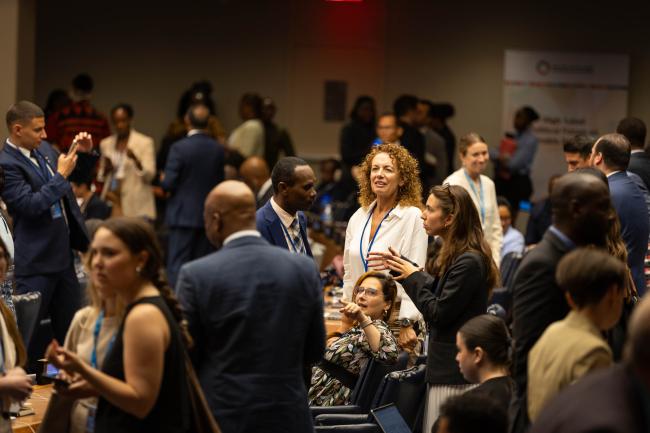
The remainder of the day offered an immediate opportunity to observe stakeholder participation in practice as HLPF launched into the first set of VNR presentations. Established as a key mechanism for countries to assess national progress on SDG implementation, broad engagement of stakeholders in the reporting process is highly recommended to ensure a complete and honest picture of implementation and how progress impacts people’s lives.
Most of the eleven countries presenting on Friday described their engagement processes to some extent; however, the dialogue was dominated by discussions on how countries can make progress in the context of repeated shocks caused by conflict and environmental disasters. Burkina Faso, Estonia, and Mozambique outlined how terrorism or international conflict have affected their progress and strategic planning directly or indirectly. Jamaica and the Marshall Islands showed how advancing the SDGs and building resilience can be possible even under the constant threat of climate-related disaster.
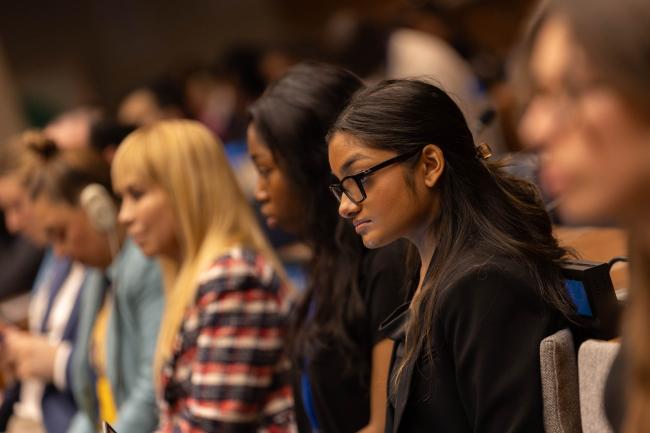
Another common theme was that even though laudable progress is made in many places, the speed of improvement is too slow to achieve many SDG targets by 2030. The question how to accelerate can thus be expected to resurface again next week when HLPF kicks into high gear with the ministerial segment and many more VNR presentations.
To receive free coverage of global environmental events delivered to your inbox, subscribe to the ENB Update newsletter.
All ENB photos are free to use with attribution. For HLPF 2026 please use: Photo by IISD/ENB - Kiara Worth
Strengthening Alliances for SDG Implementation: Stakeholder Engagement for the 2030 Agenda
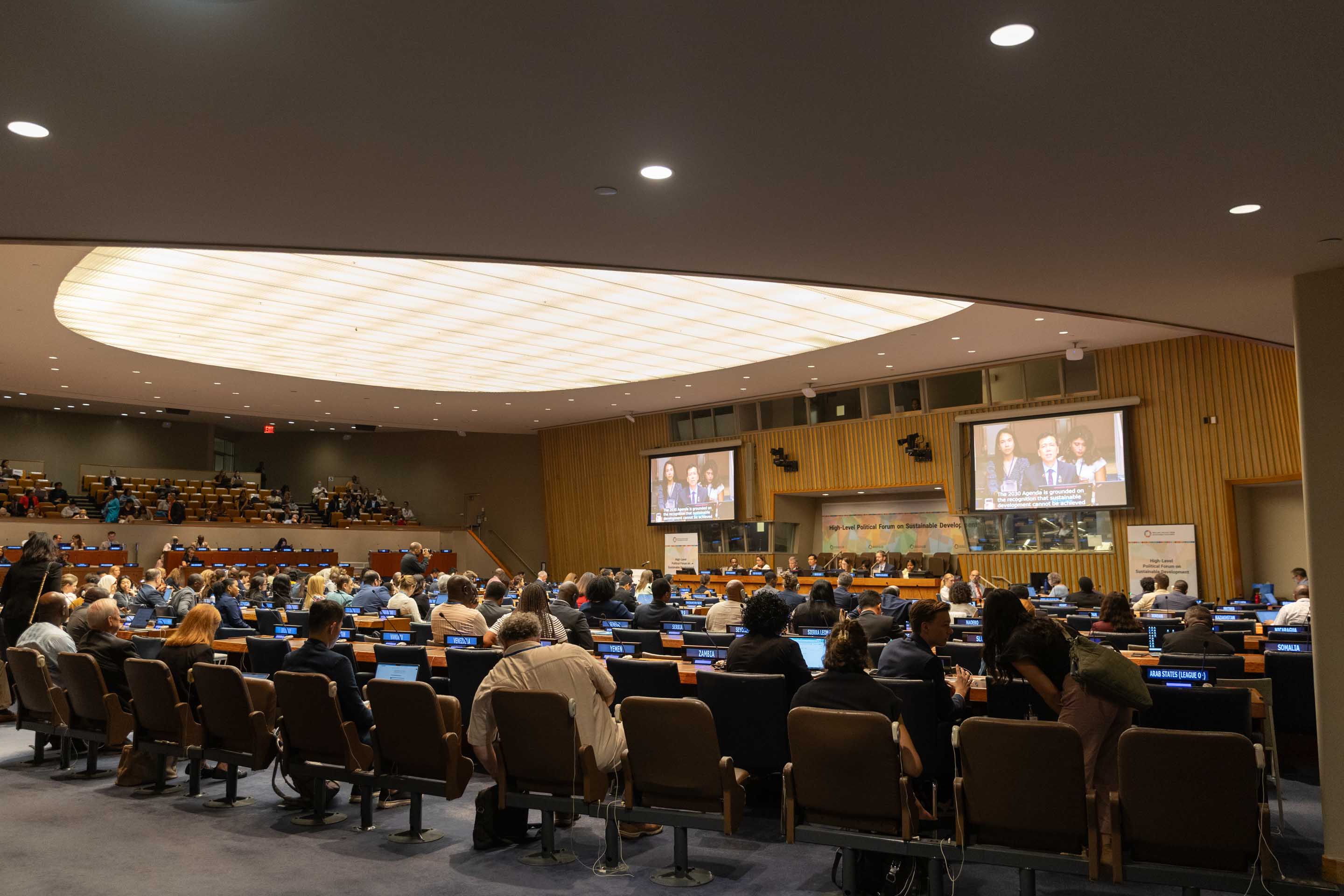
Delegates gather for an interactive discussion on how to strengthen alliances for SDG implementation
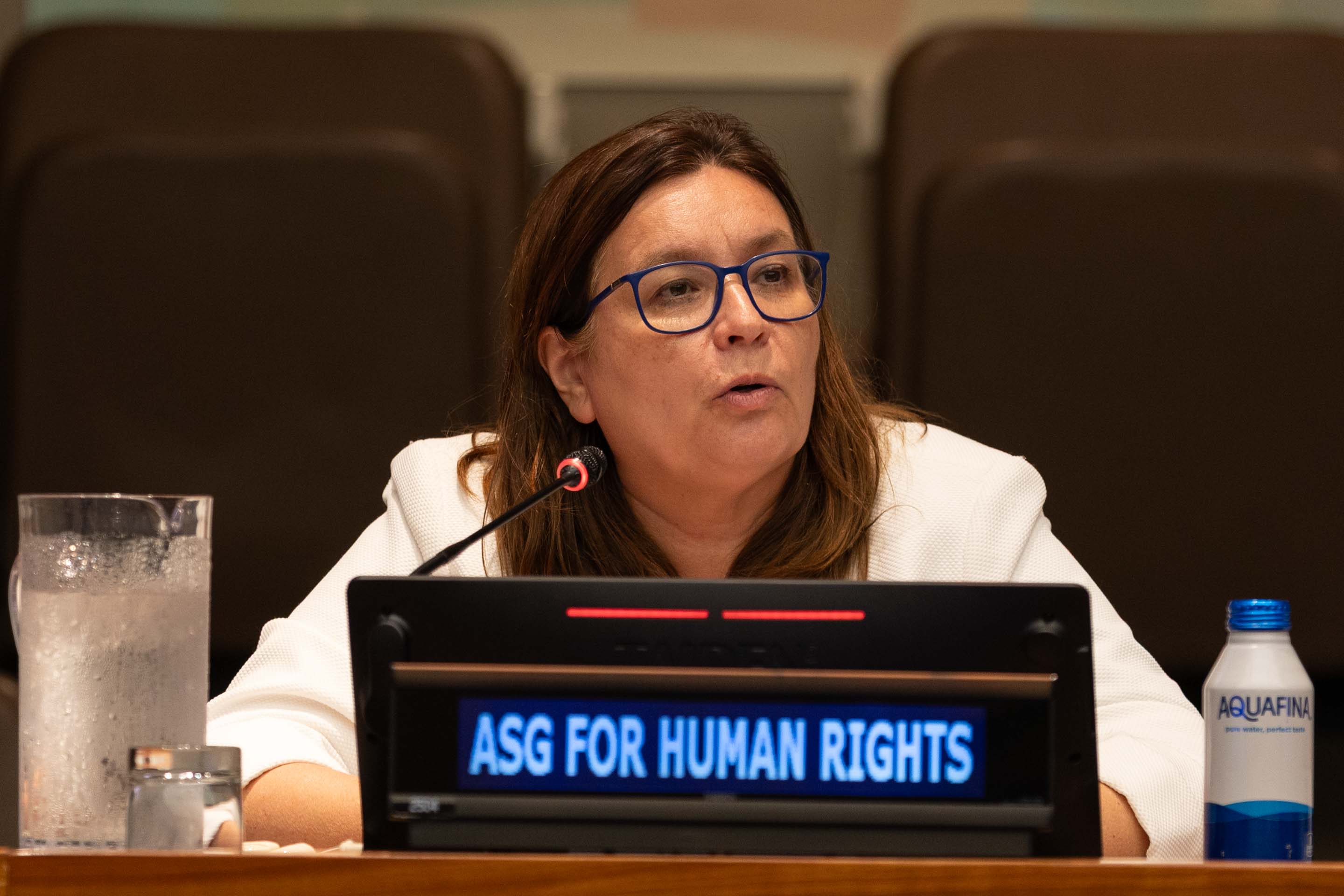
Claudia Fuentes Julio, Assistant Secretary-General for Human Rights
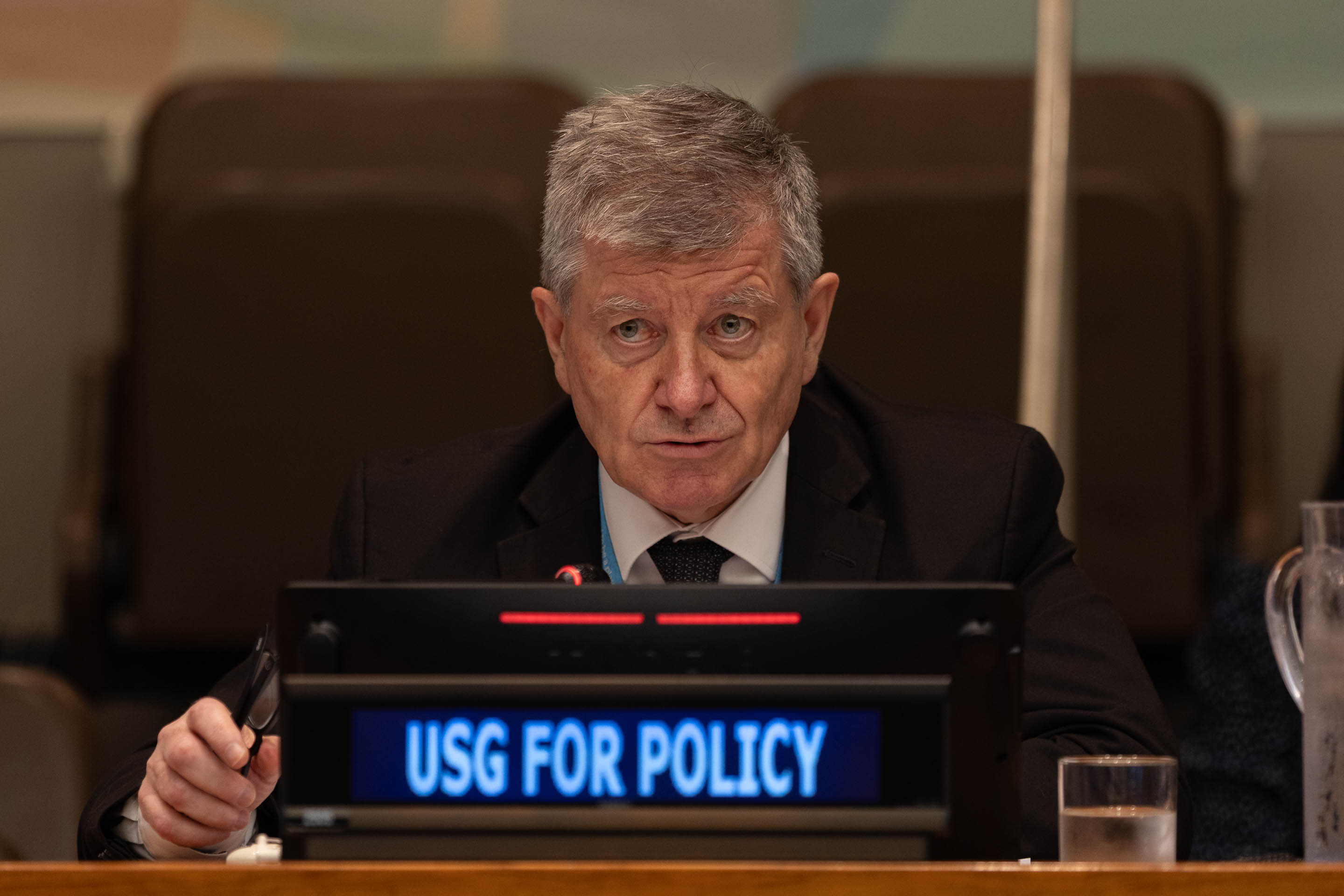
Guy Ryder, Under-Secretary-General for Policy, Executive Office of the Secretary-General (EOSG)
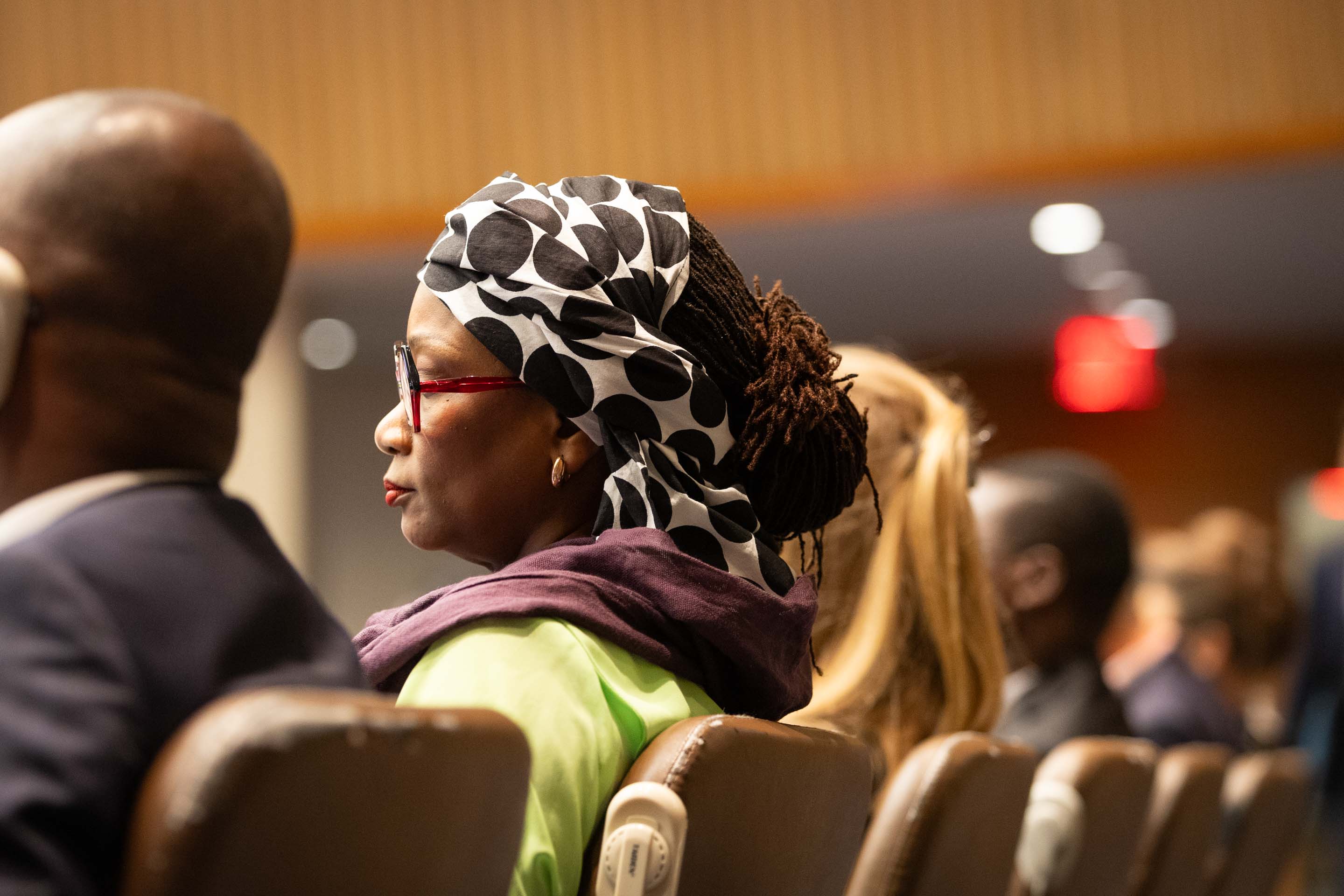
Delegates listen to the interventions
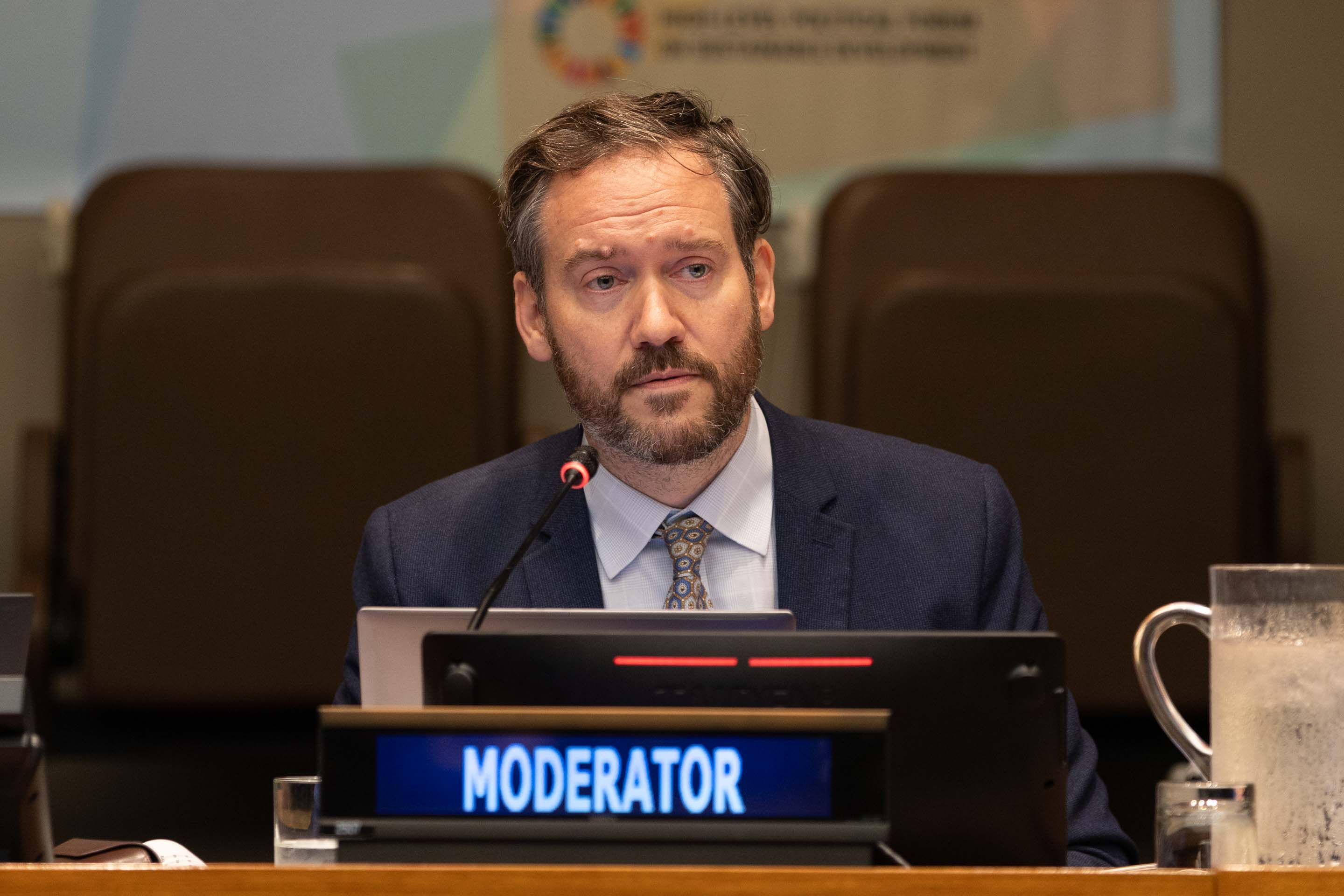
Oliver Henman, Co-Chair, Major Groups and other Stakeholders (MGoS) Coordination Mechanism
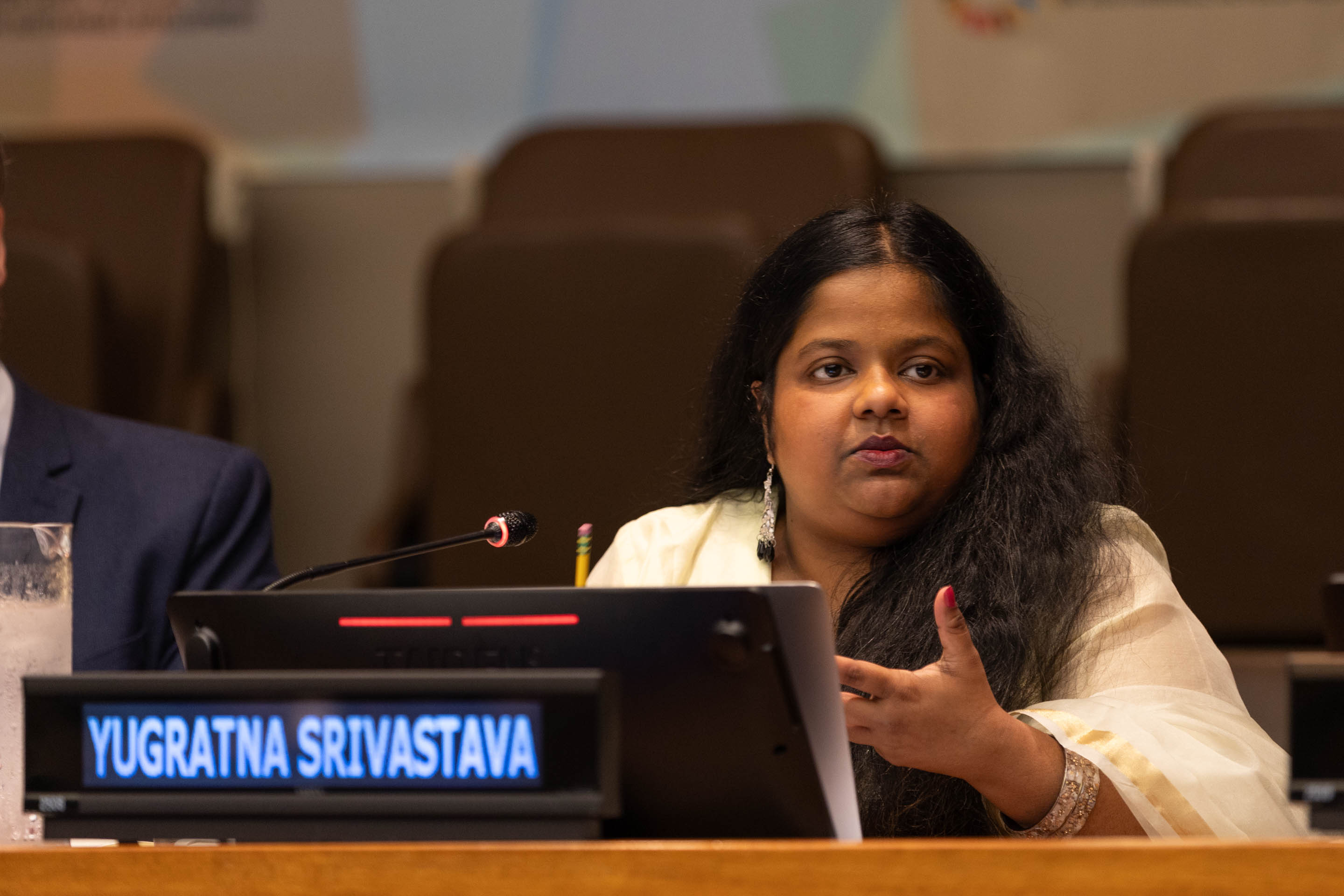
Yugratna Srivastava, Major Group for Children and Youth (MGCY)
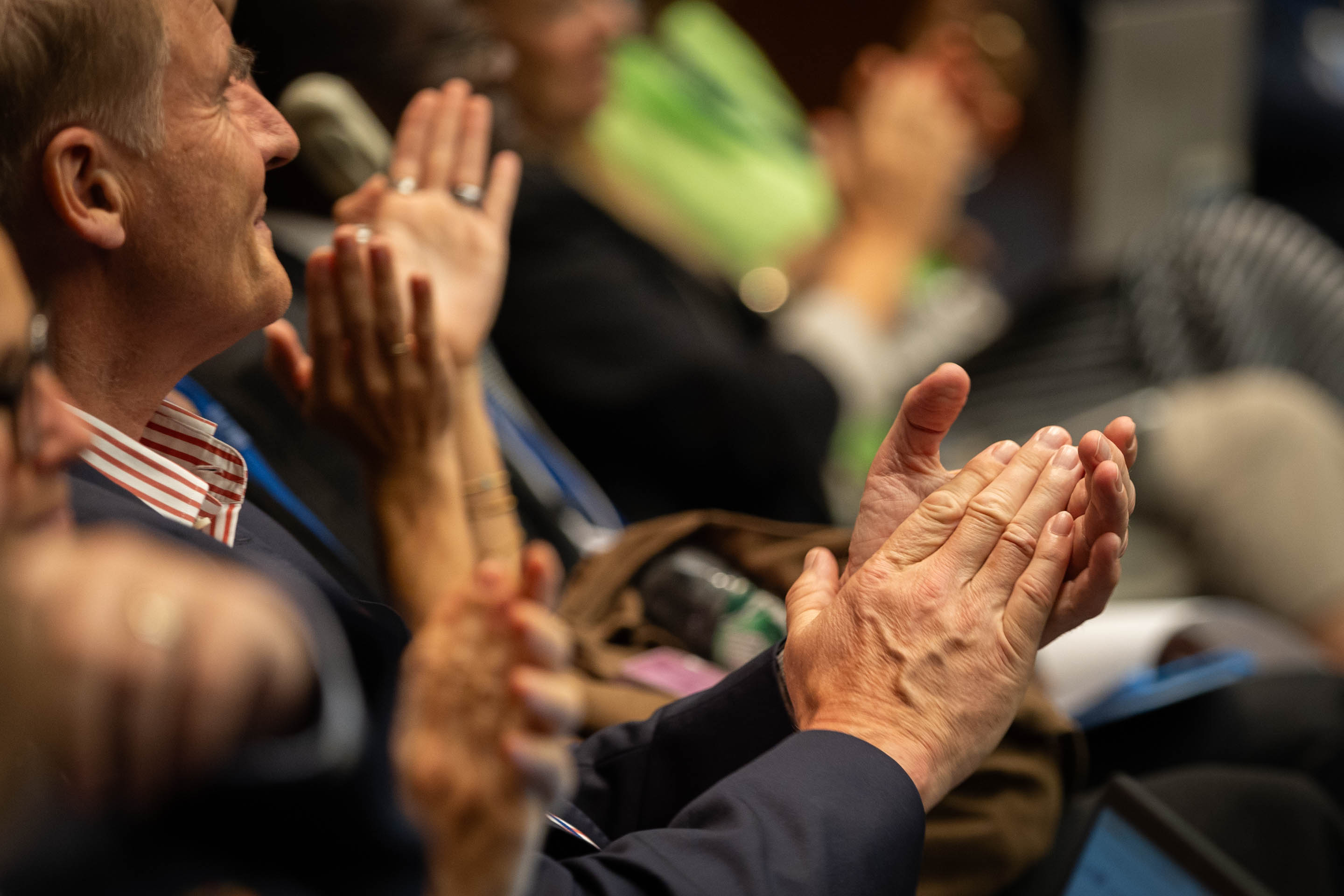
Delegates applaud the statements made by civil society
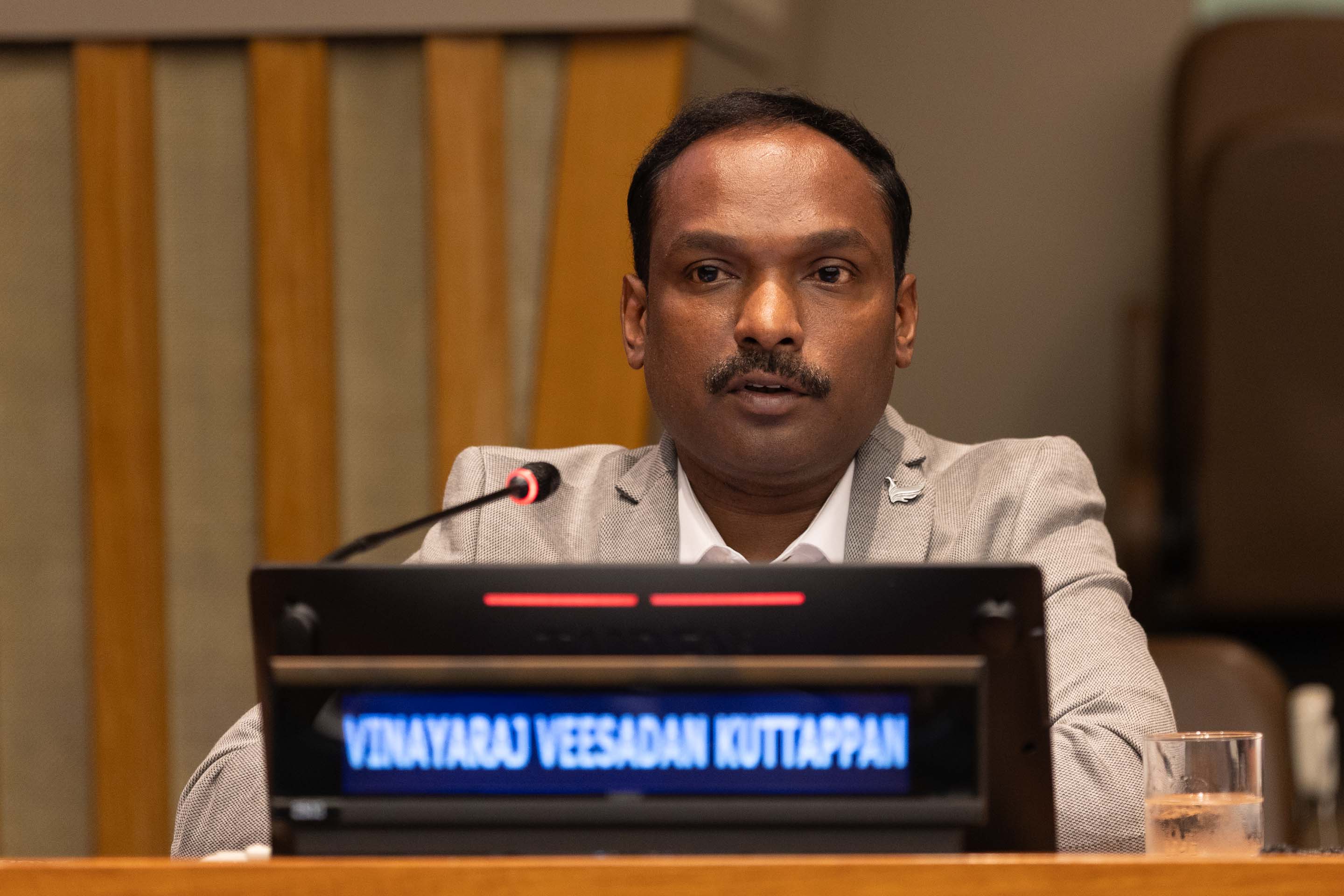
Vinayaraj Veesadan Kuttappan, Stakeholder Group for Communities Discriminated on Work and Descent
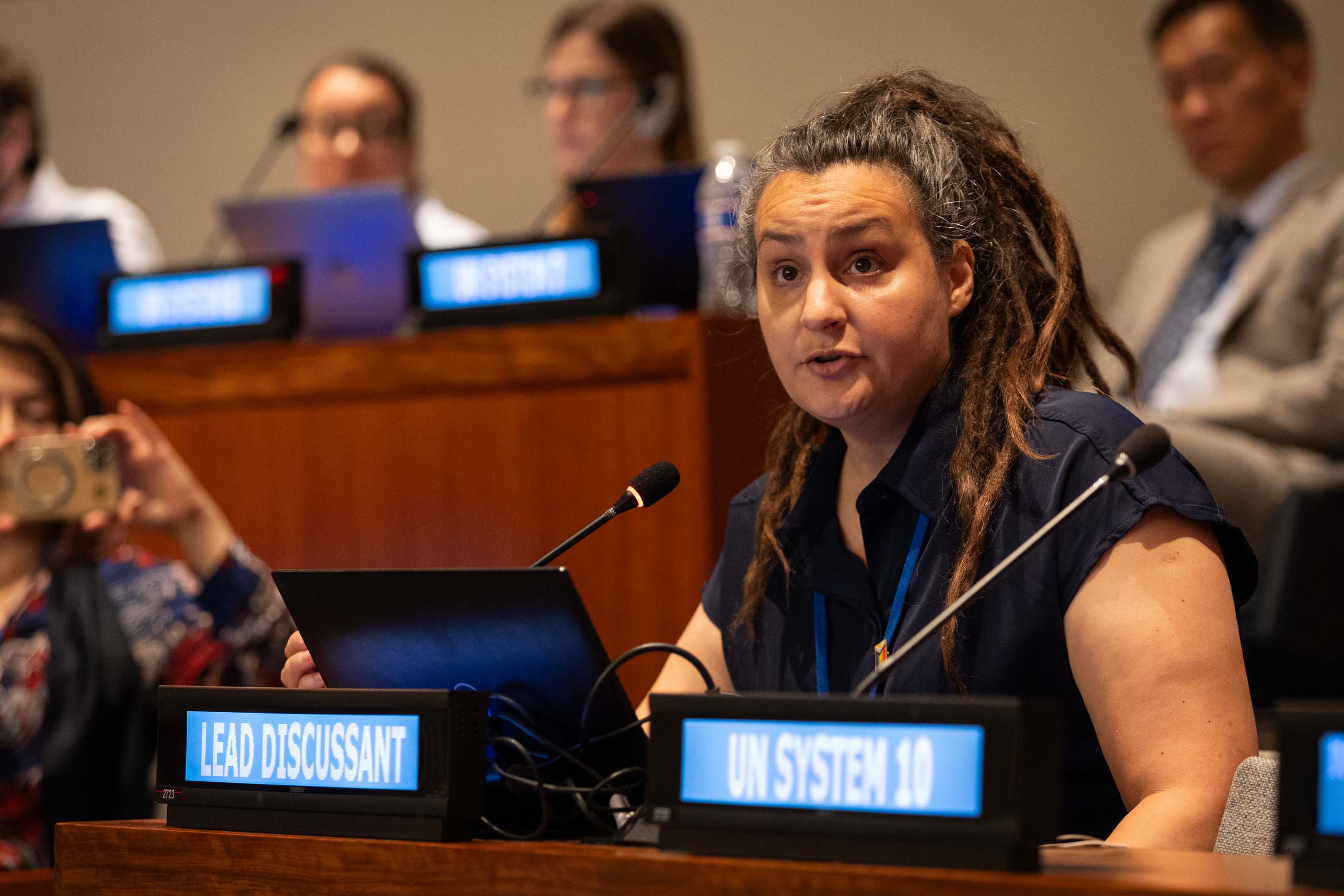
Denisse Cufré, LGBTI Stakeholder Group
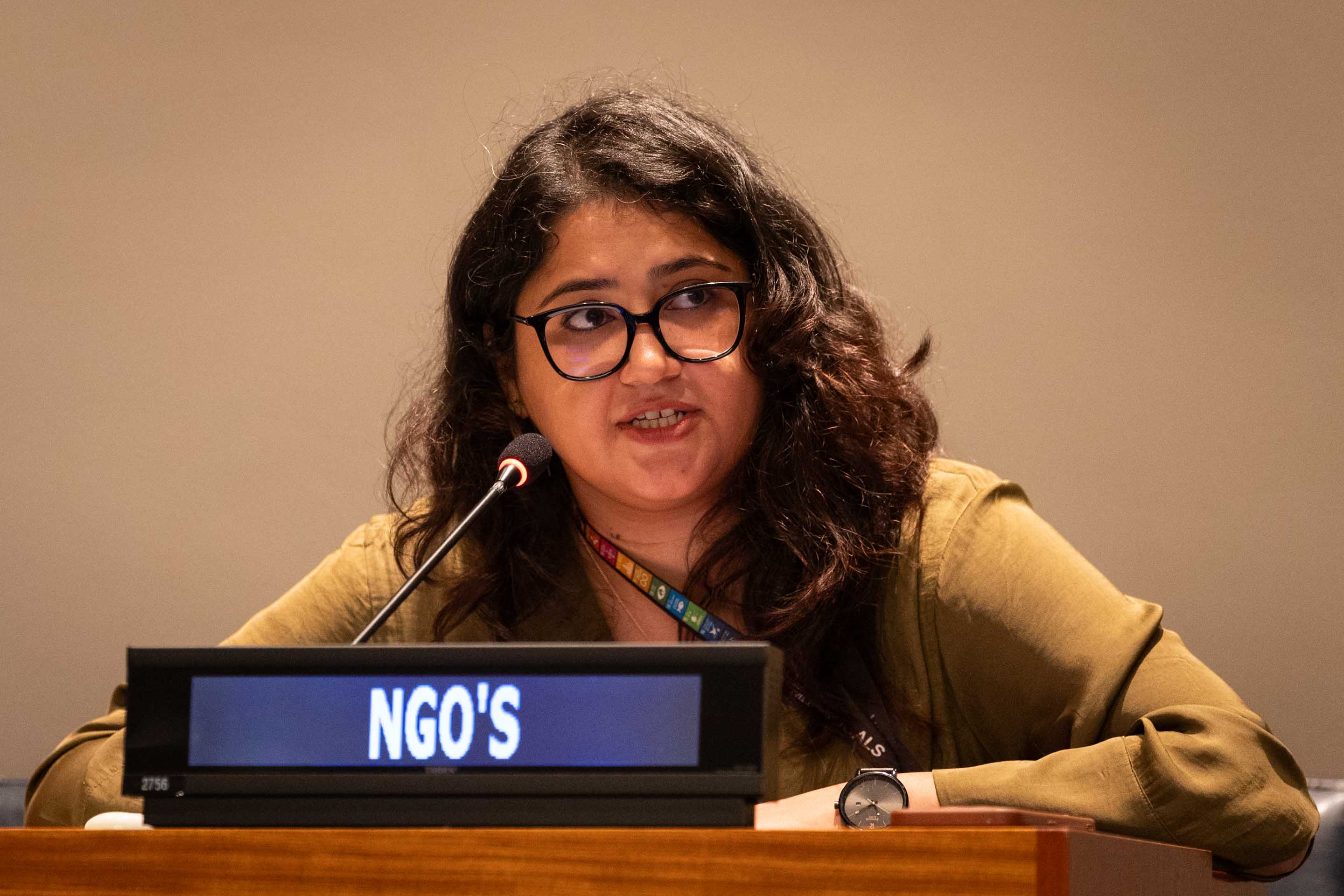
Meera Bhardwaj, NGOs Major Group
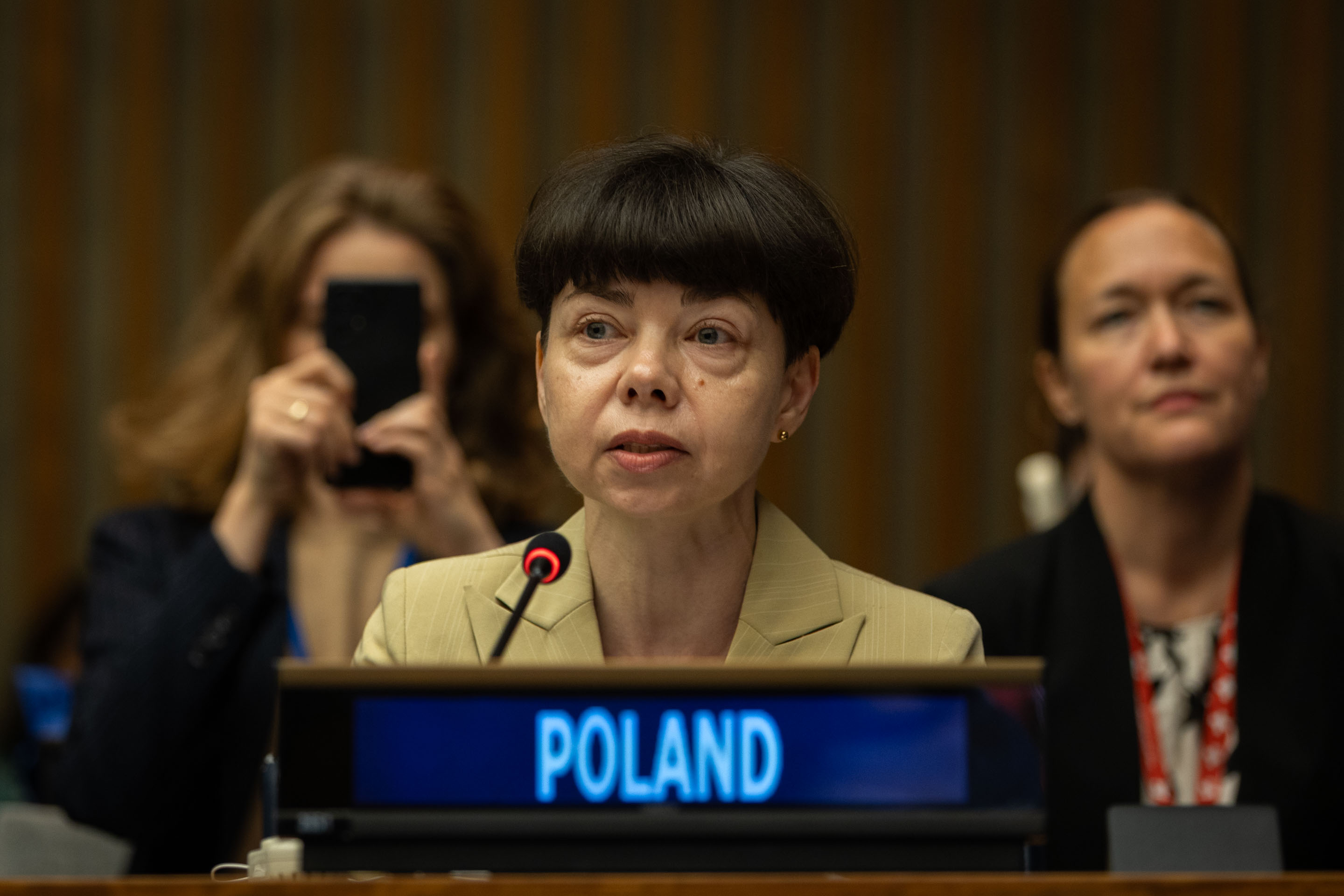
Monika Gorzelak, Poland
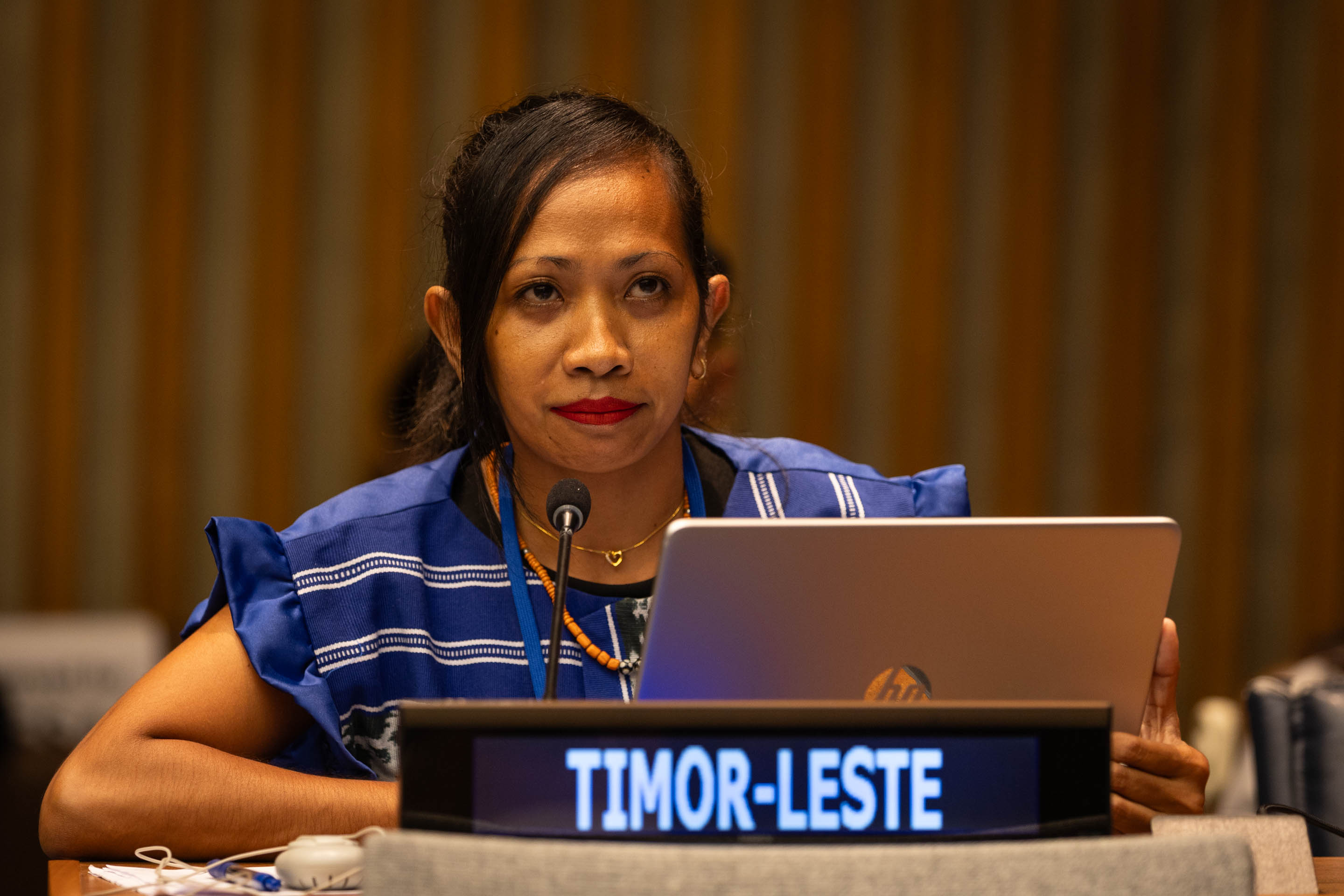
Diva Auxiliadora Do Rego Magno, Timor-Leste
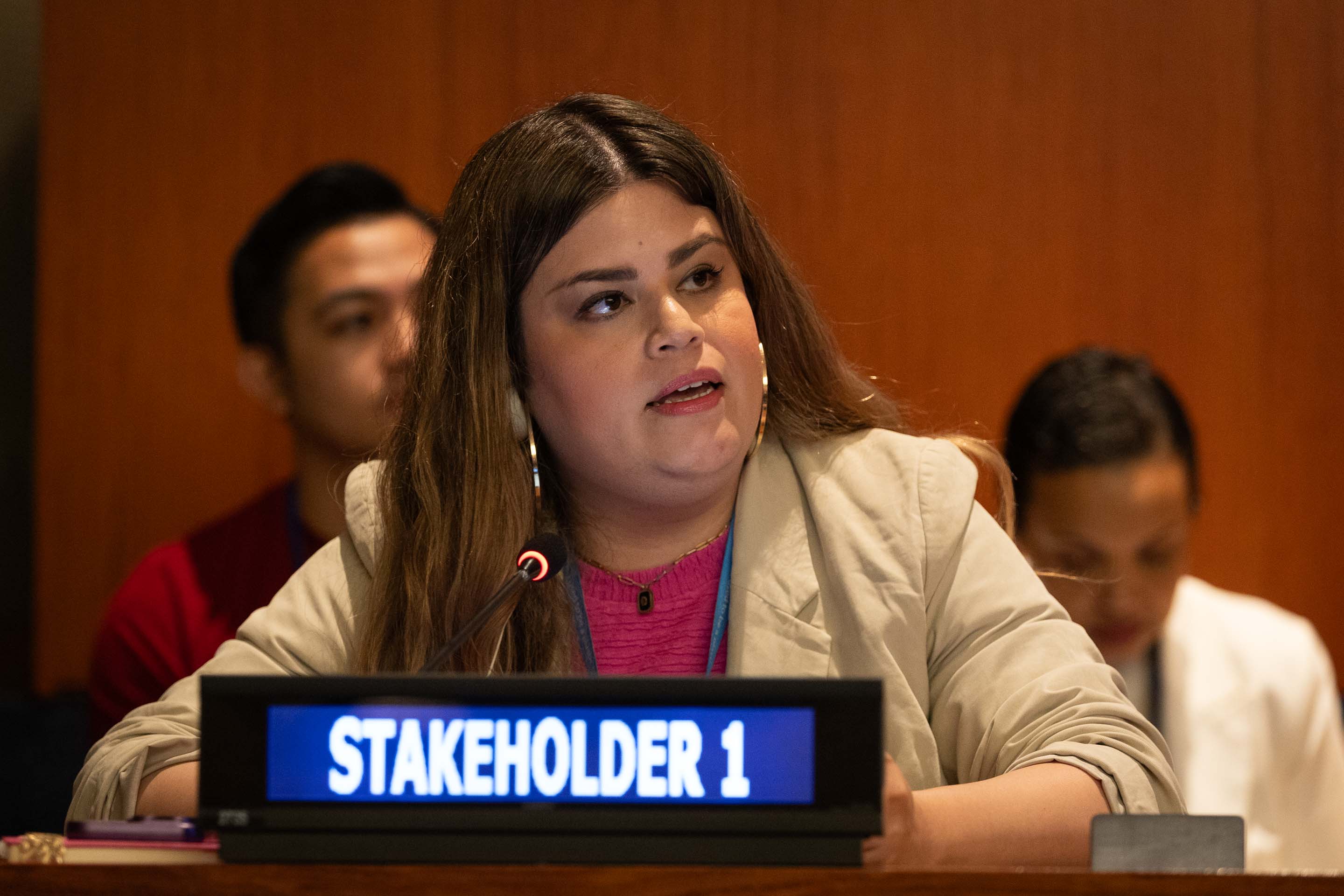
Karol Arámbula, Volunteer Stakeholder Group
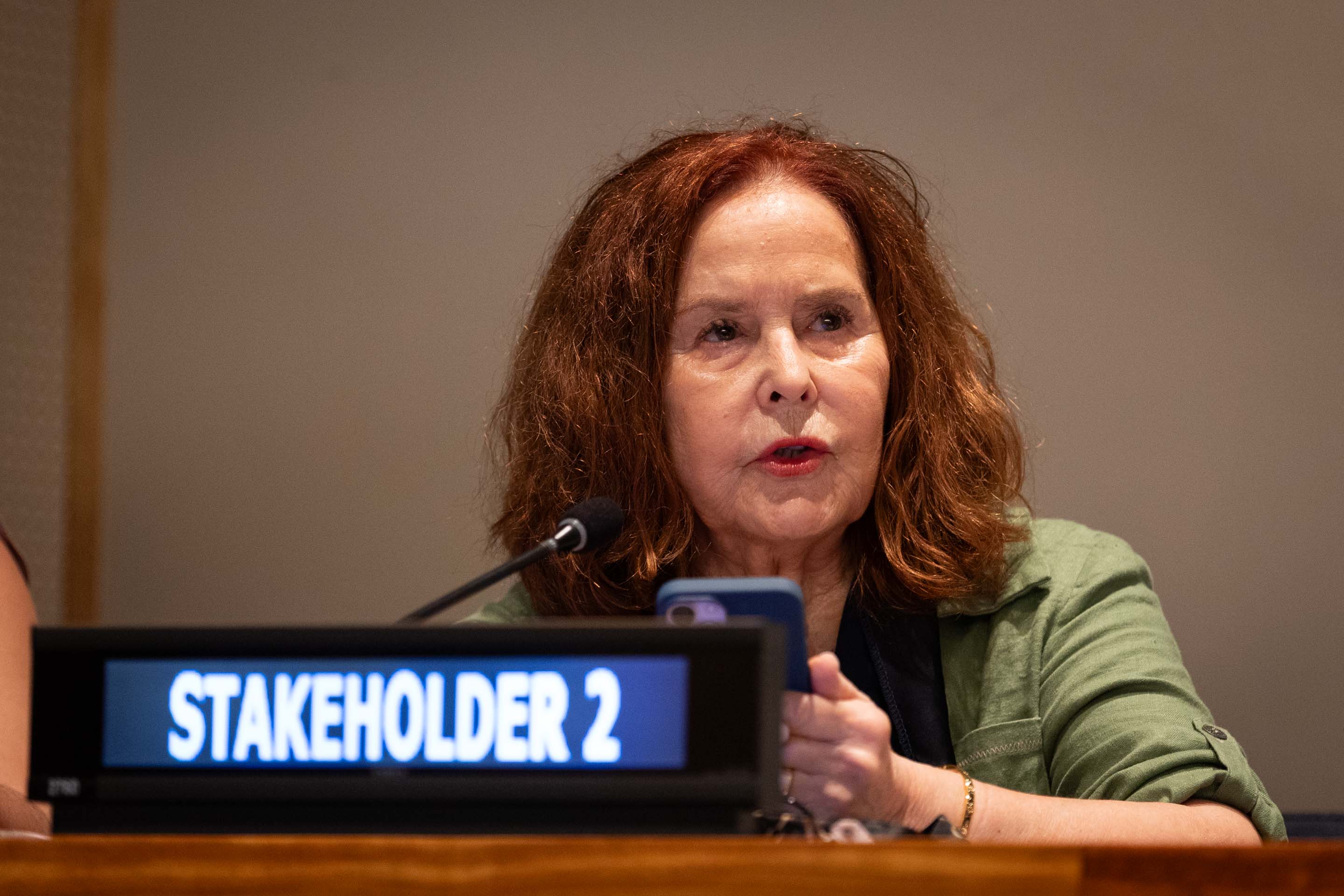
Ana Lima, Latin American and Caribbean Civil Society
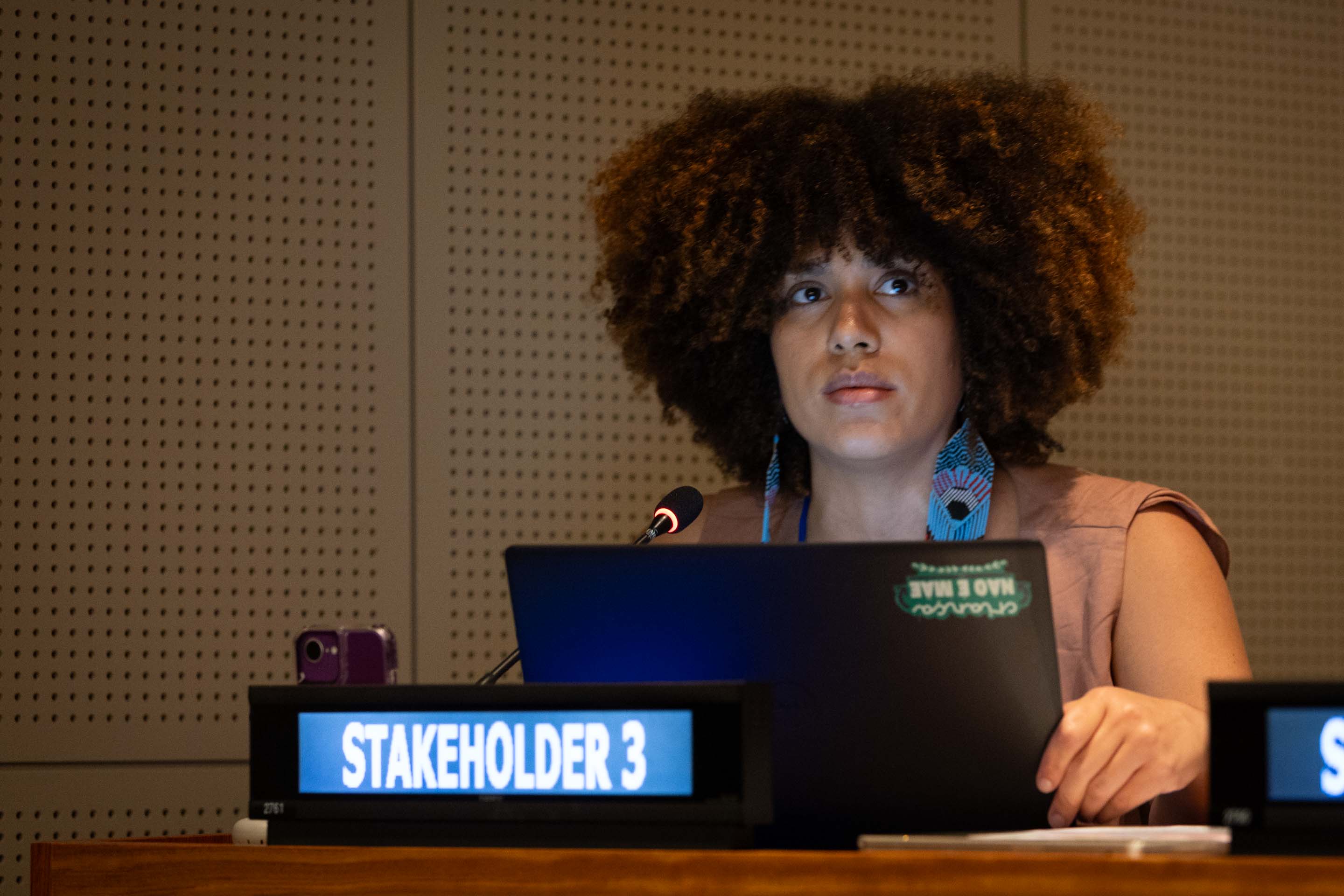
Lia Maria Manso Siqueira, People of African Descent Stakeholder Group
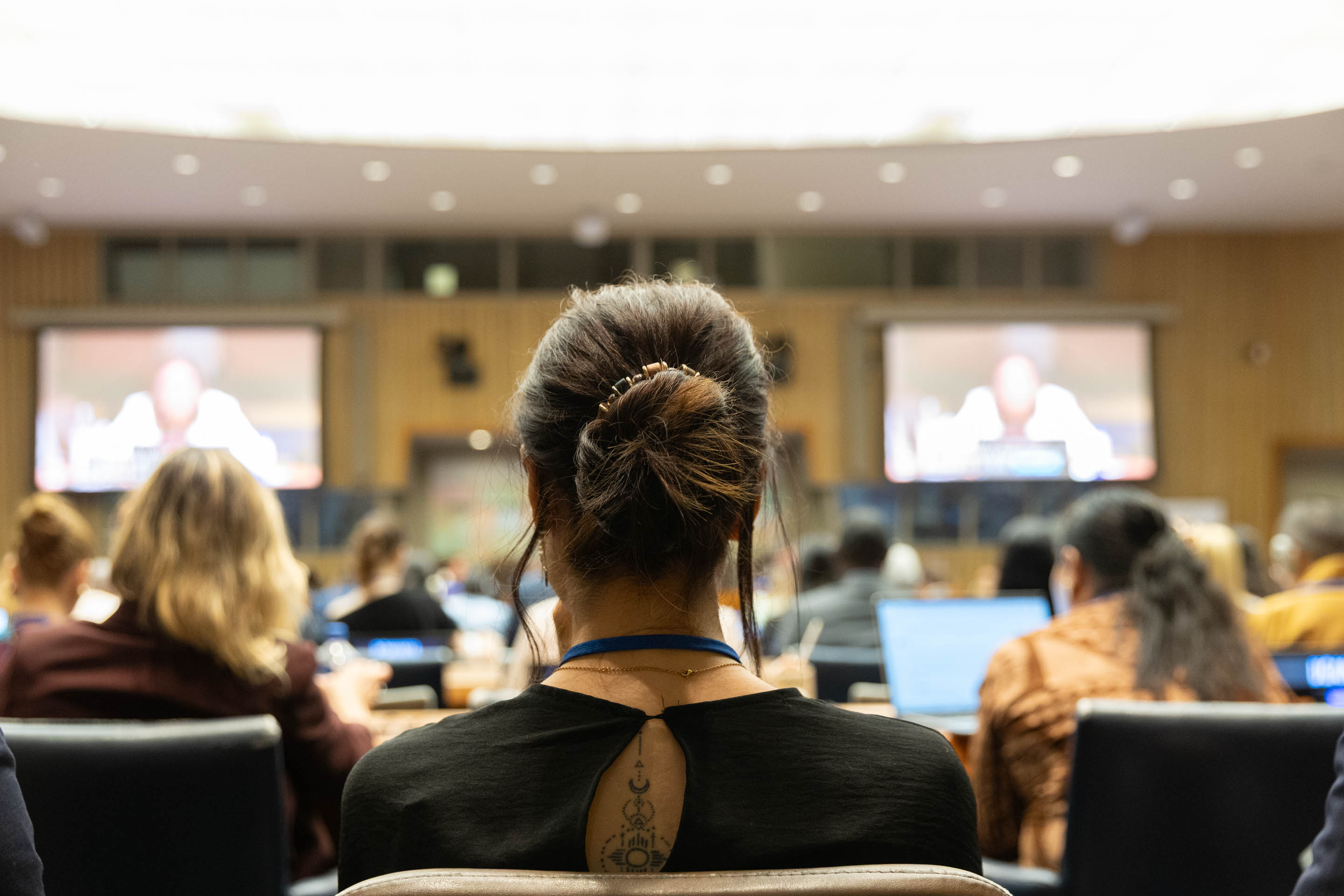
Voluntary National Reviews
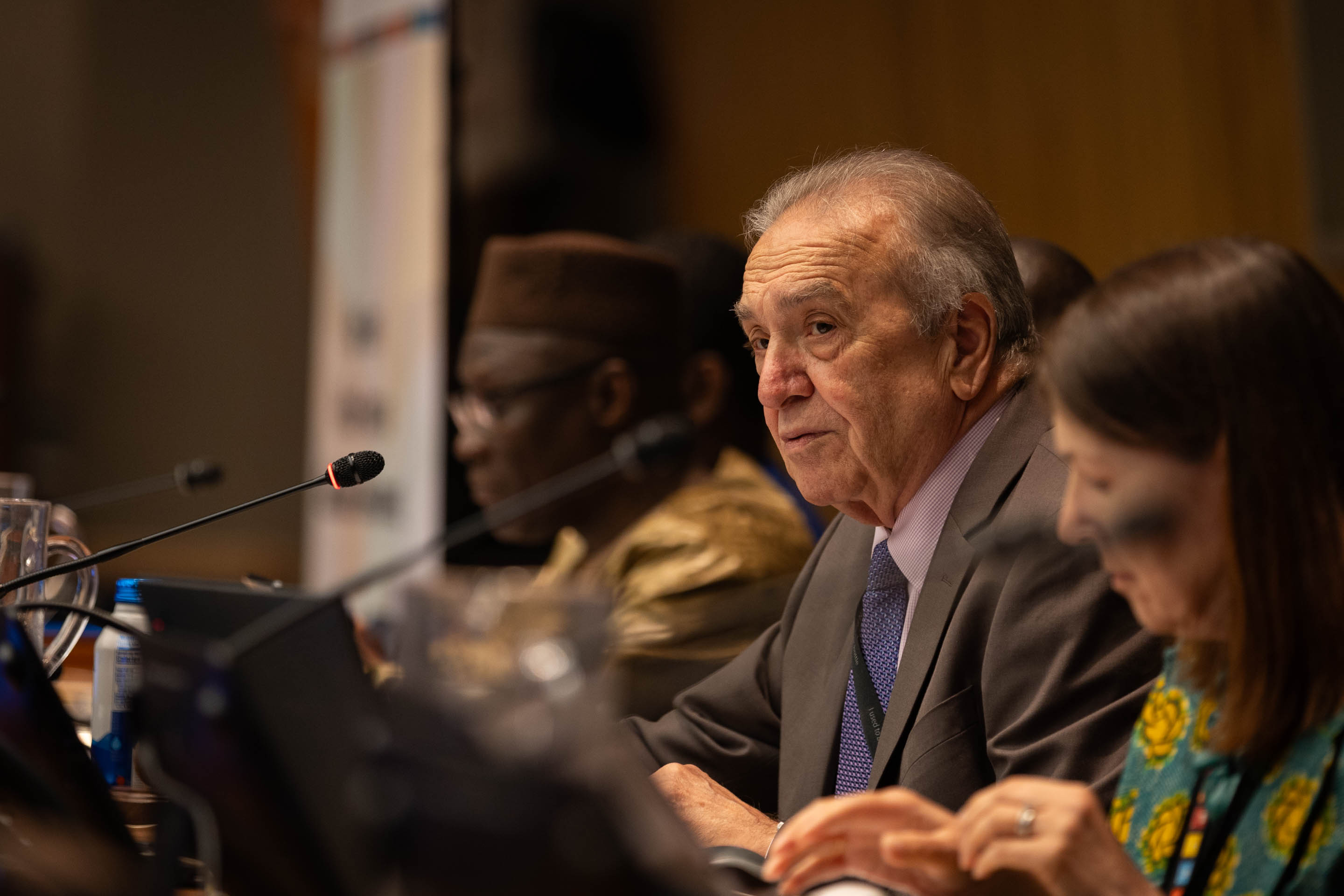
Amar Bendjama, Vice President, ECOSOC
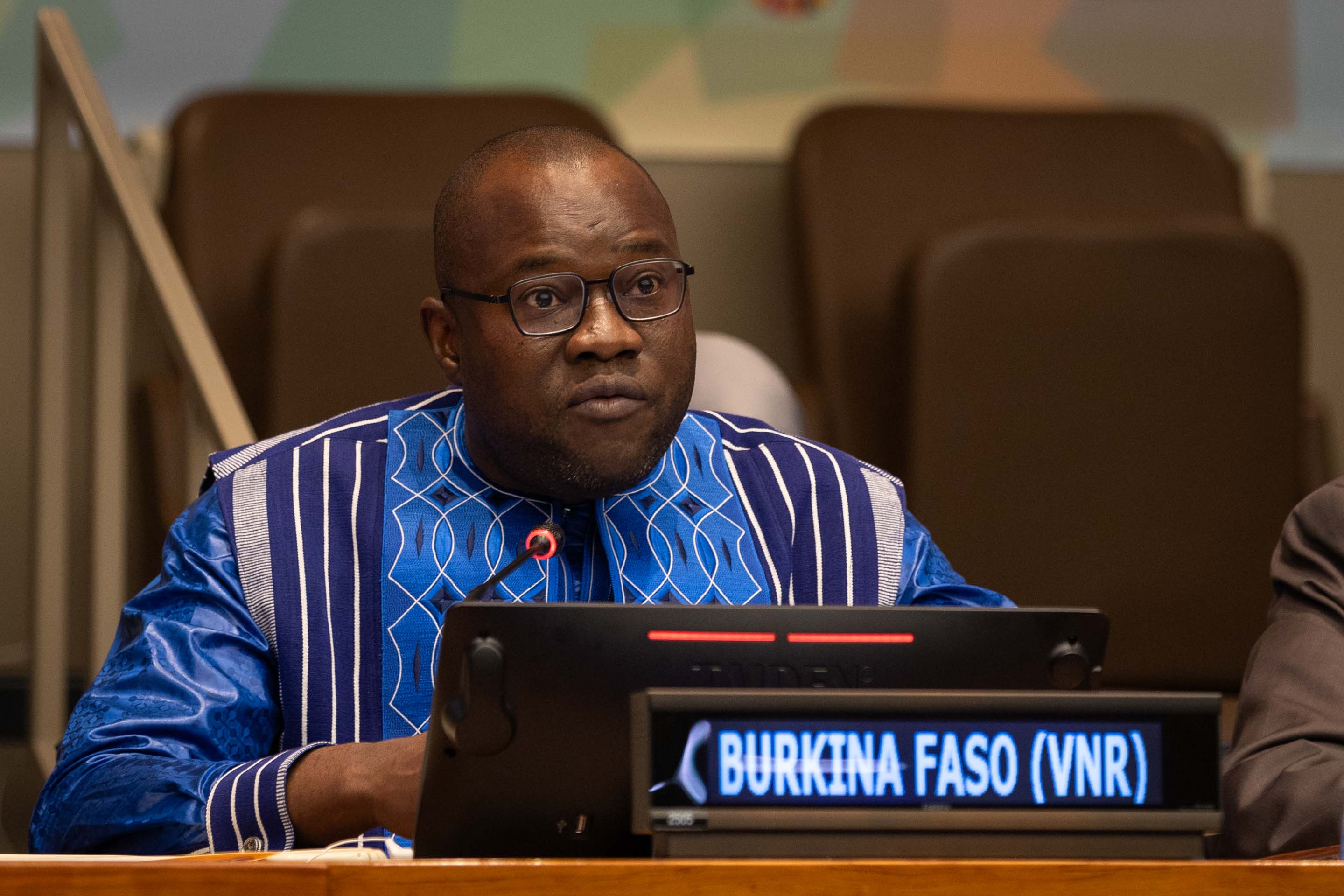
Aboubakar Nacanabo, Minister of Economy, Finance, and Foresight, Burkina Faso
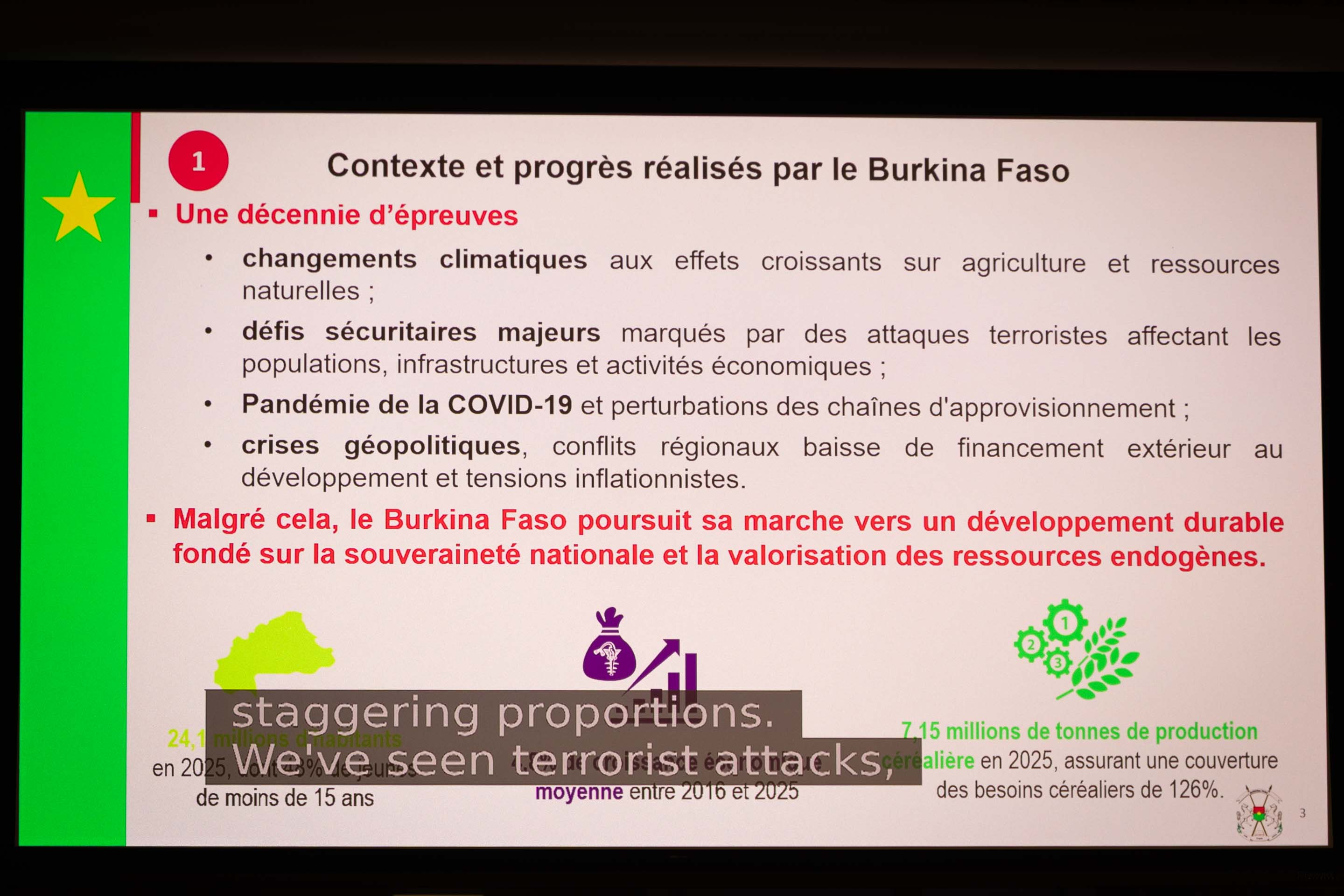
Burkina Faso's VNR presentation highlights the enormous external challenges faced while trying to implement the SDGs
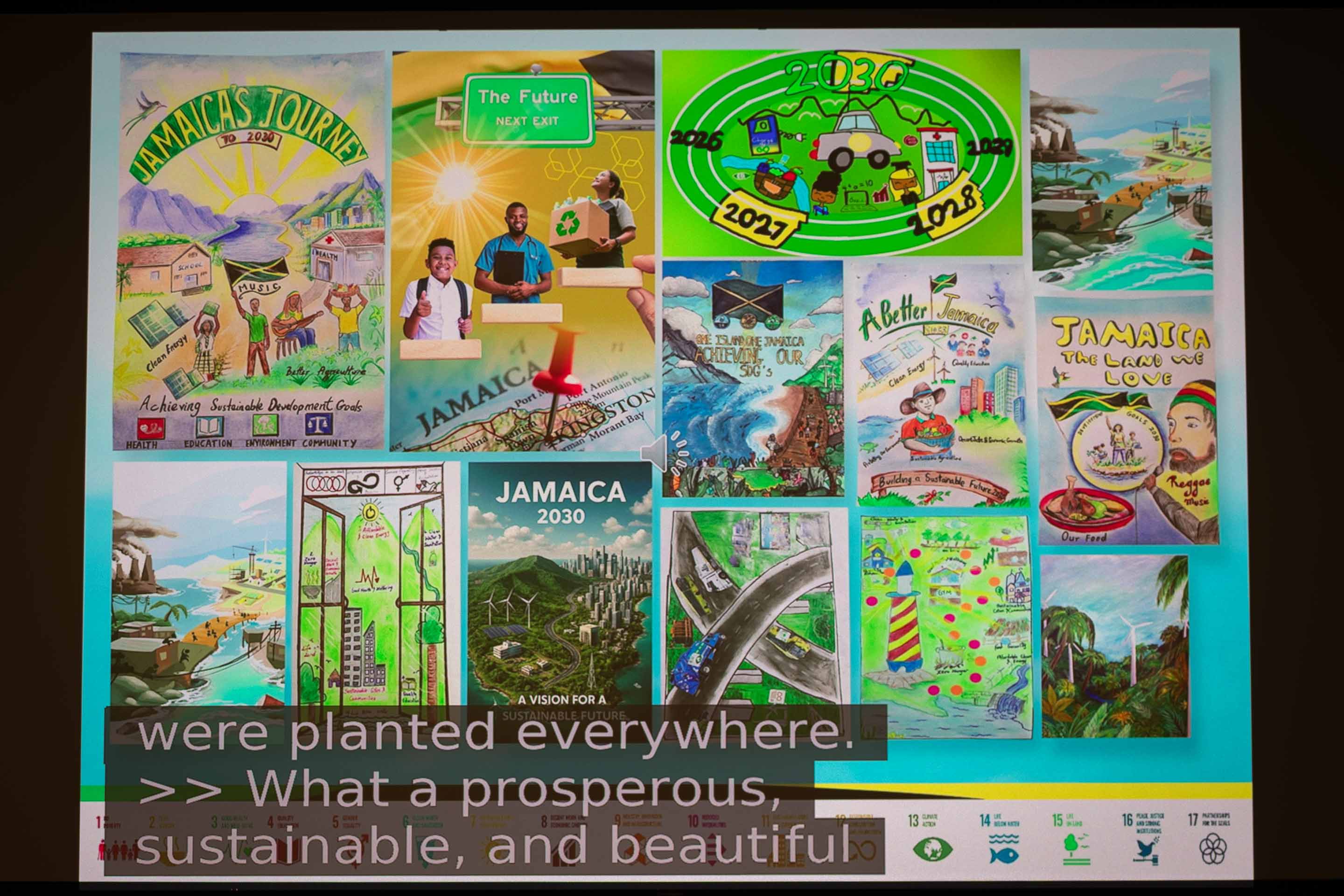
Jamaica's VNR highlights the kind of society they are trying to create
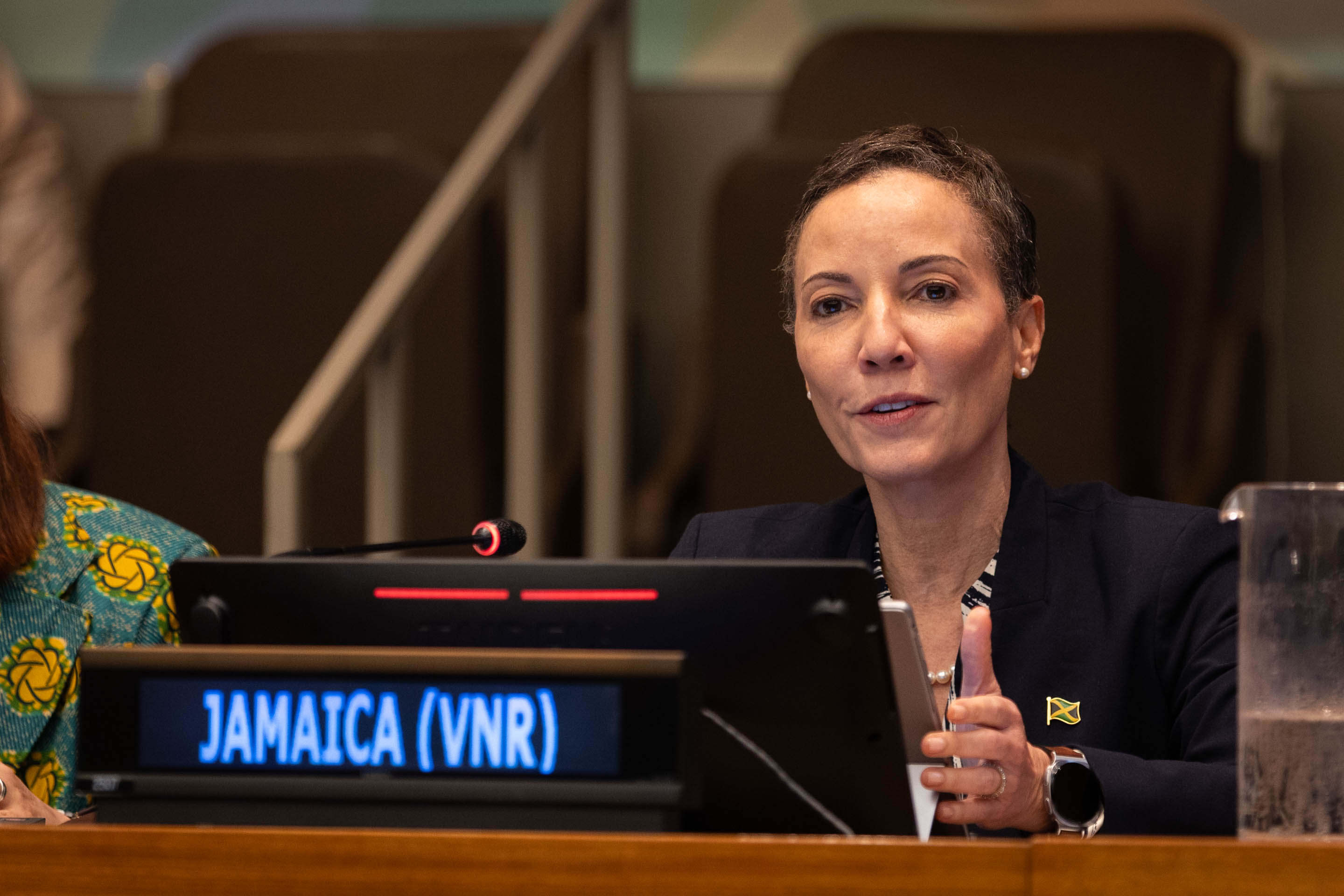
Kamina Johnson Smith, Minister of Foreign Affairs and Foreign Trade, Jamaica
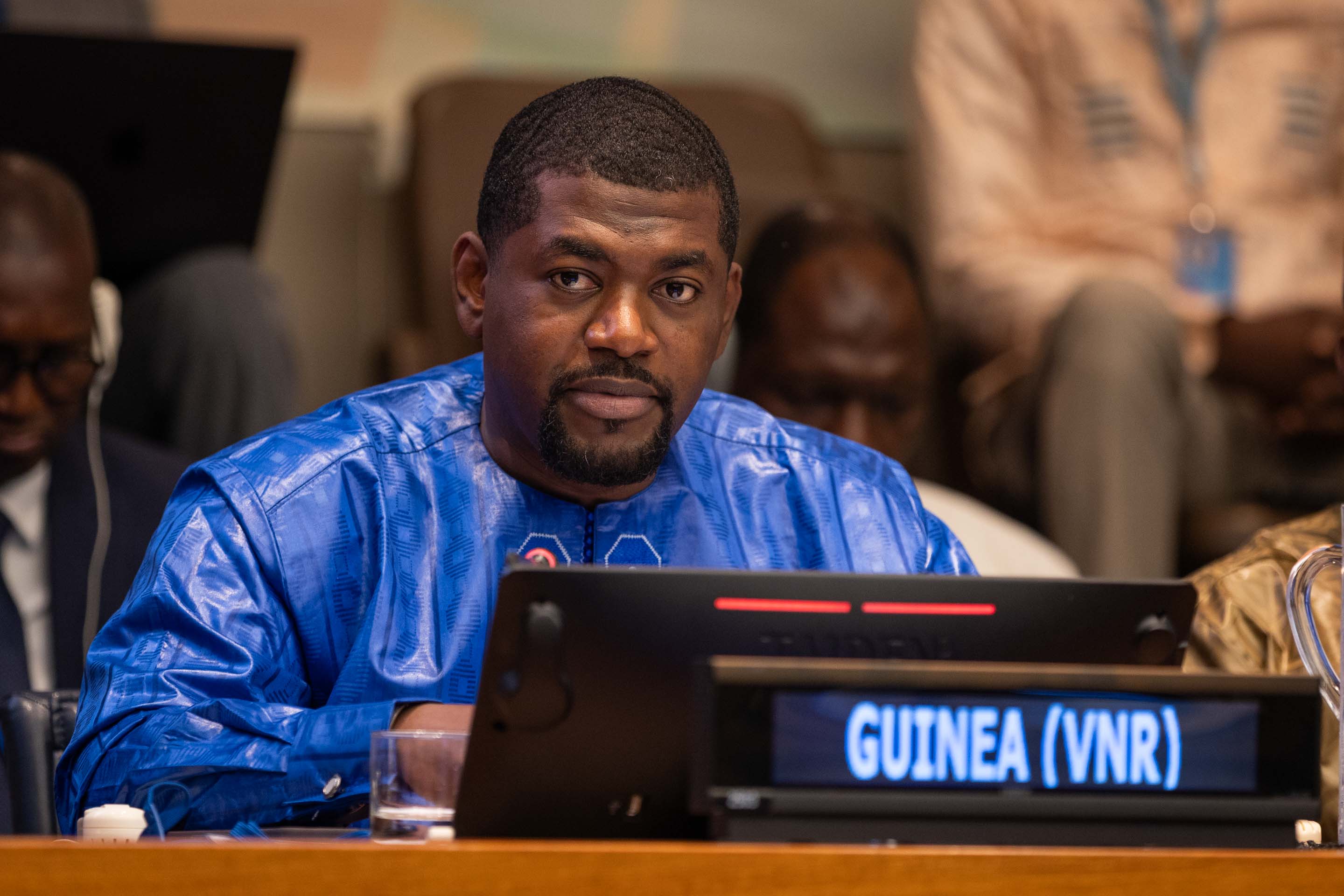
Mohamed Dabo, Permanent Representative of Guinea to the UN
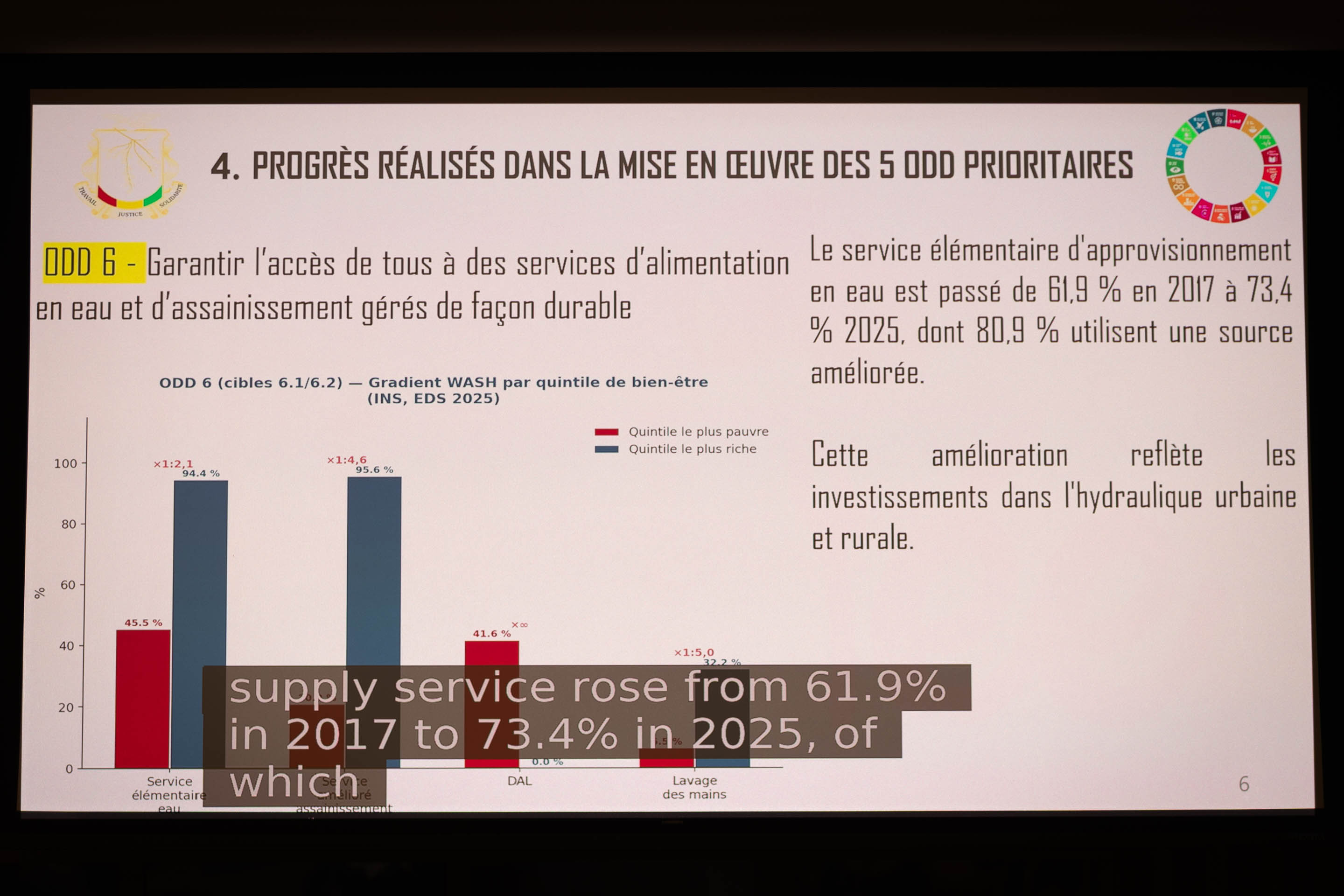
Guinea's VNR highlights progress made with achieving SDG 6 (clean water and sanitation)
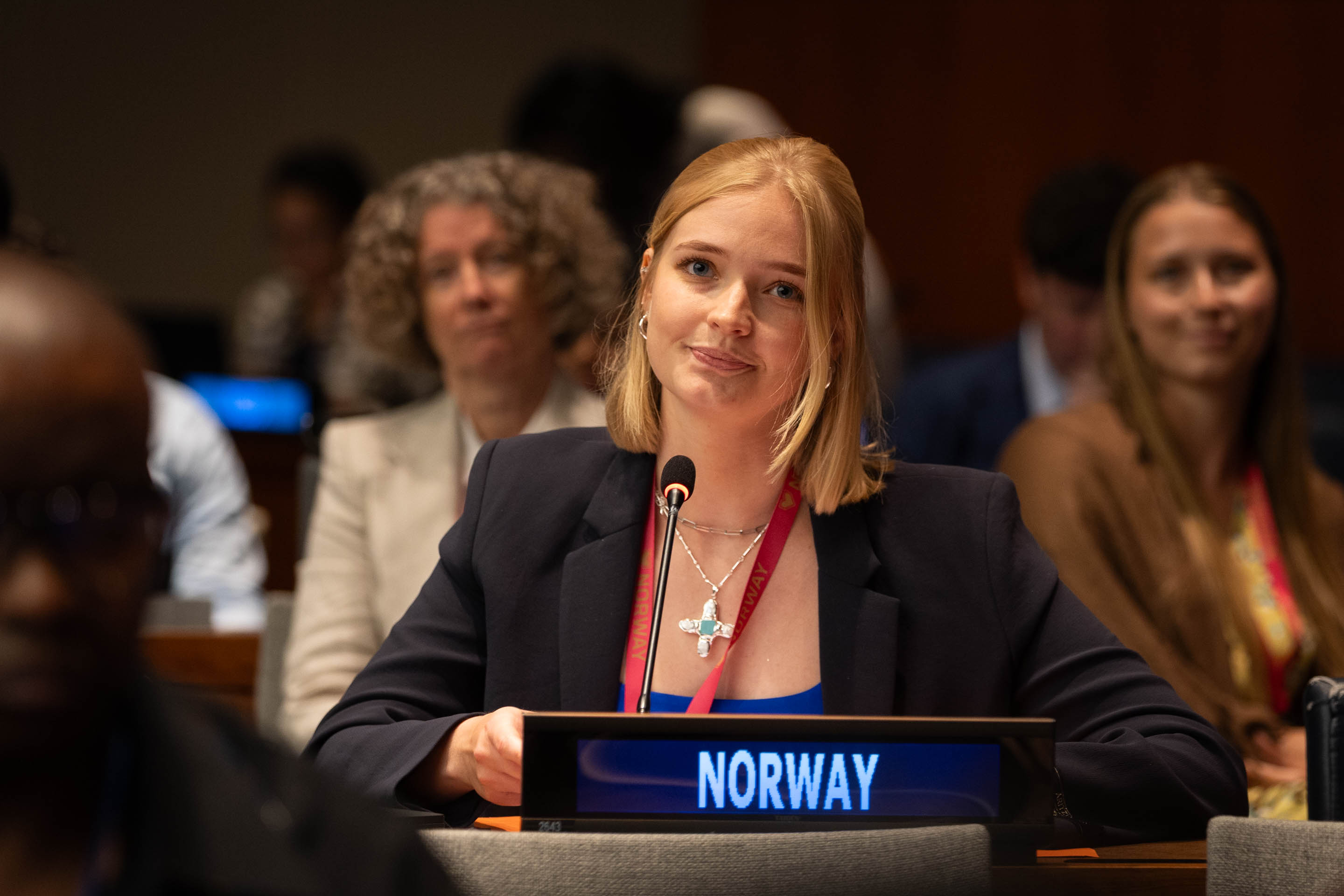
Maria Aarre Hanes, Norway
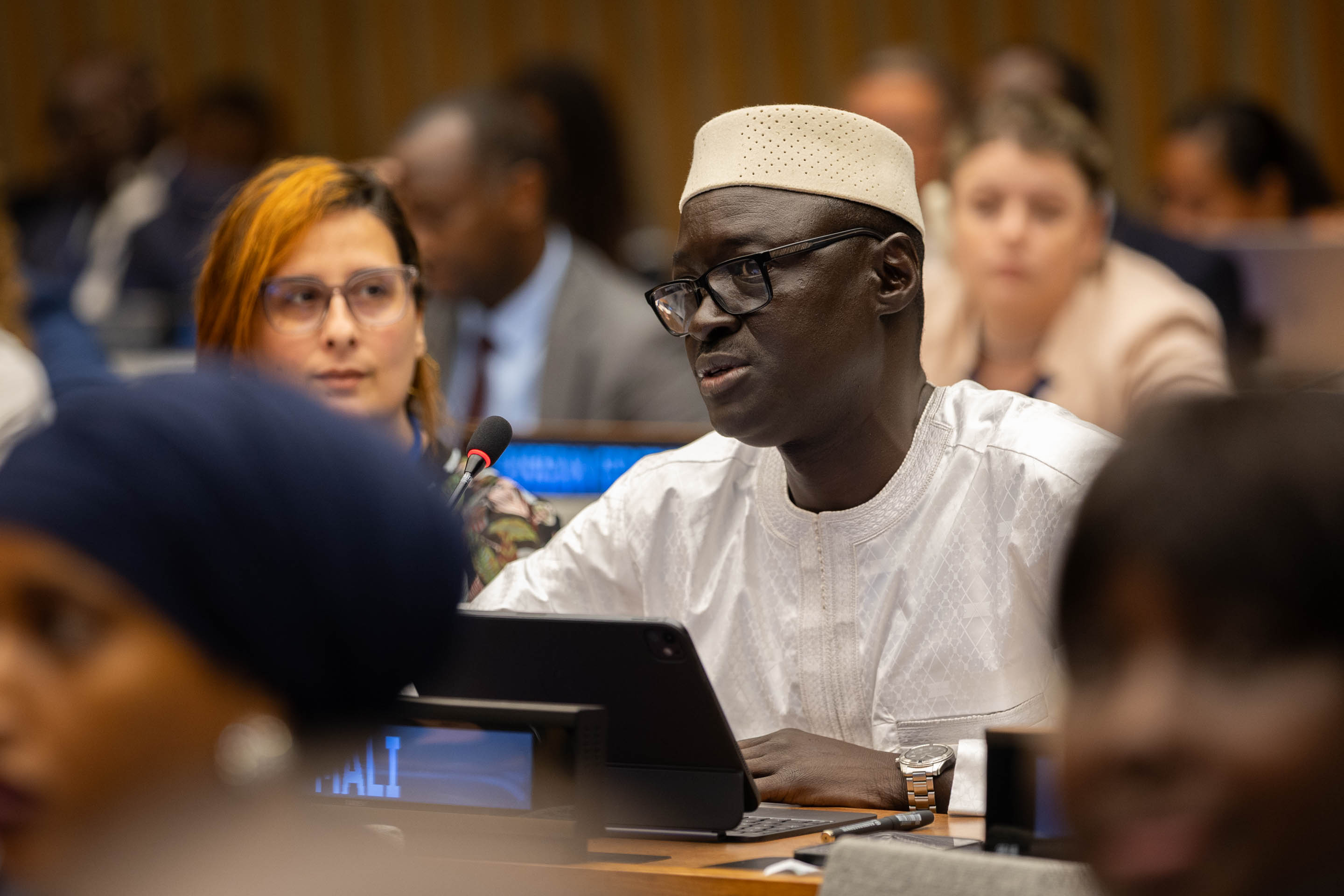
Issa Konfourou, Permanent Representative of Mali to the UN
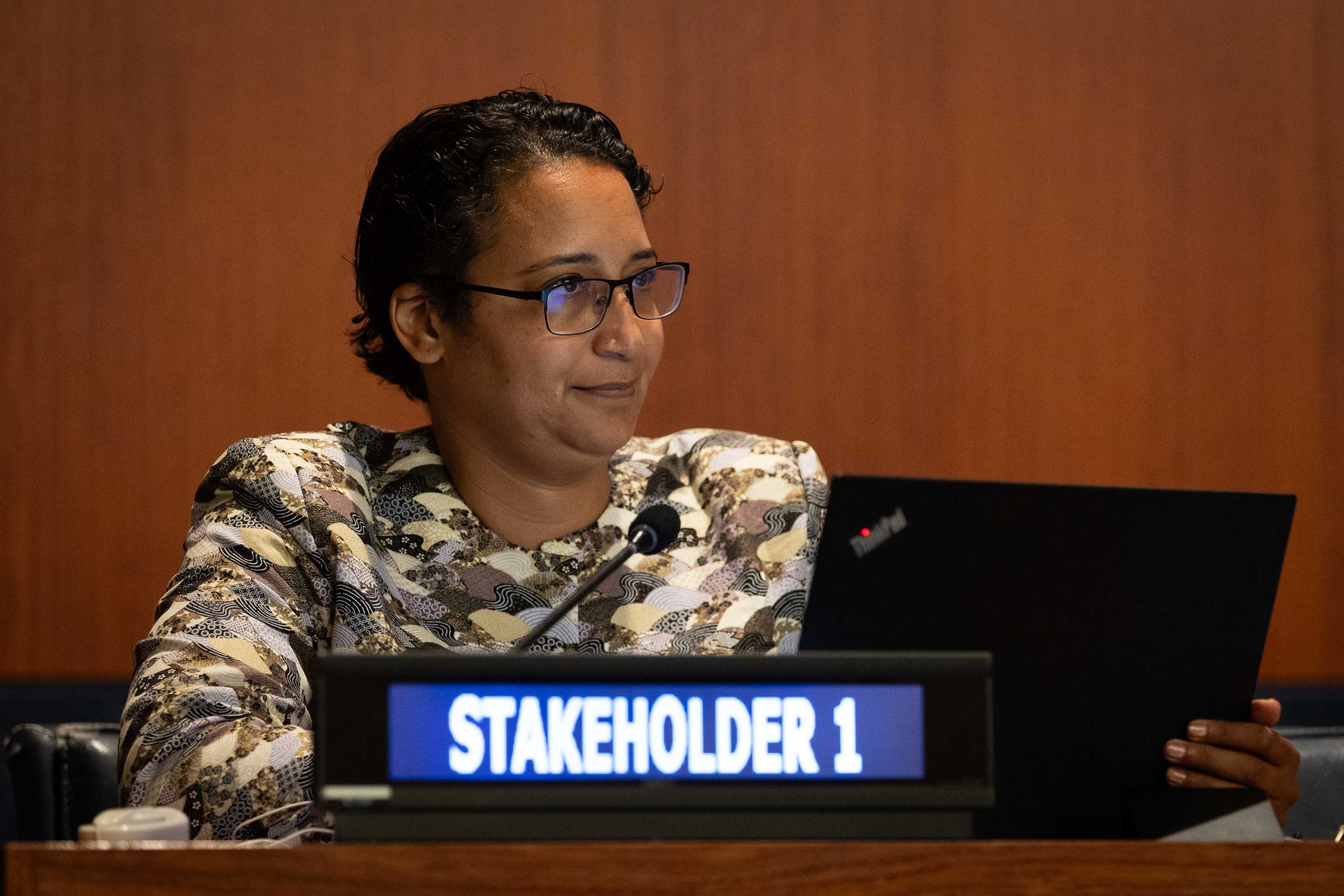
Aissata N'Diaye, Together 2030 Stakeholder Group
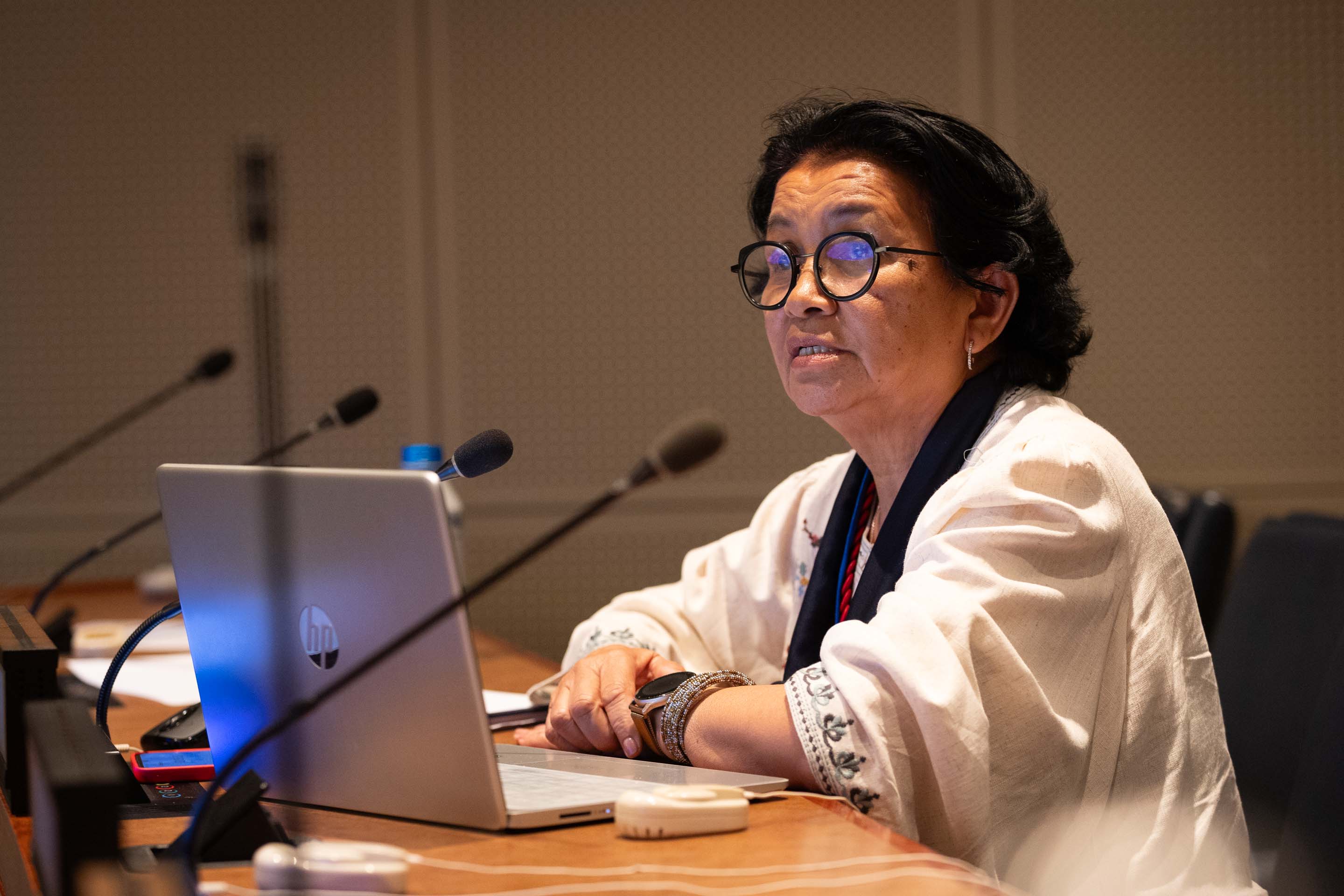
Danièle Marie Ramiaramanana, Women's Major Group
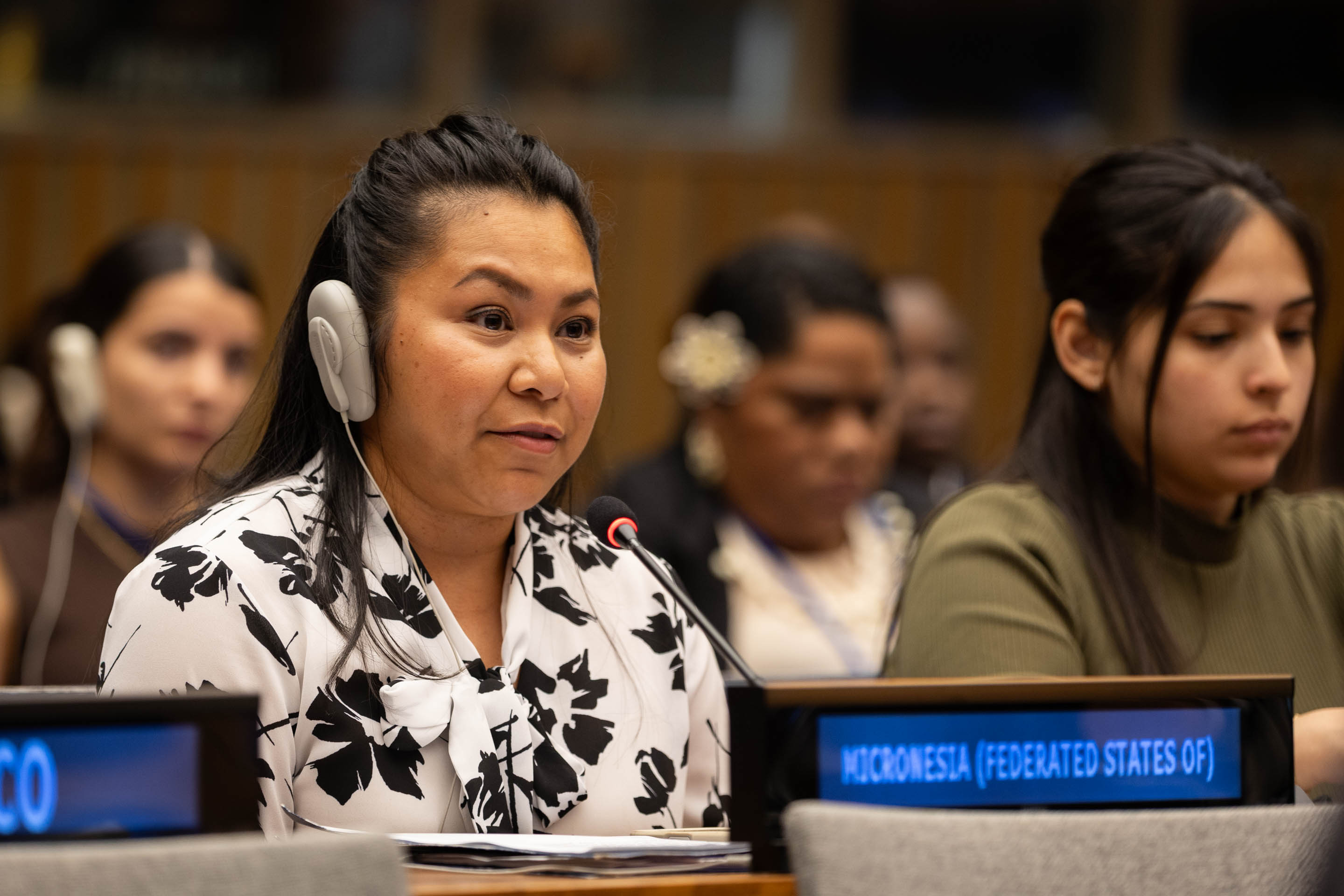
Universe Lawrence, Federated States of Micronesia
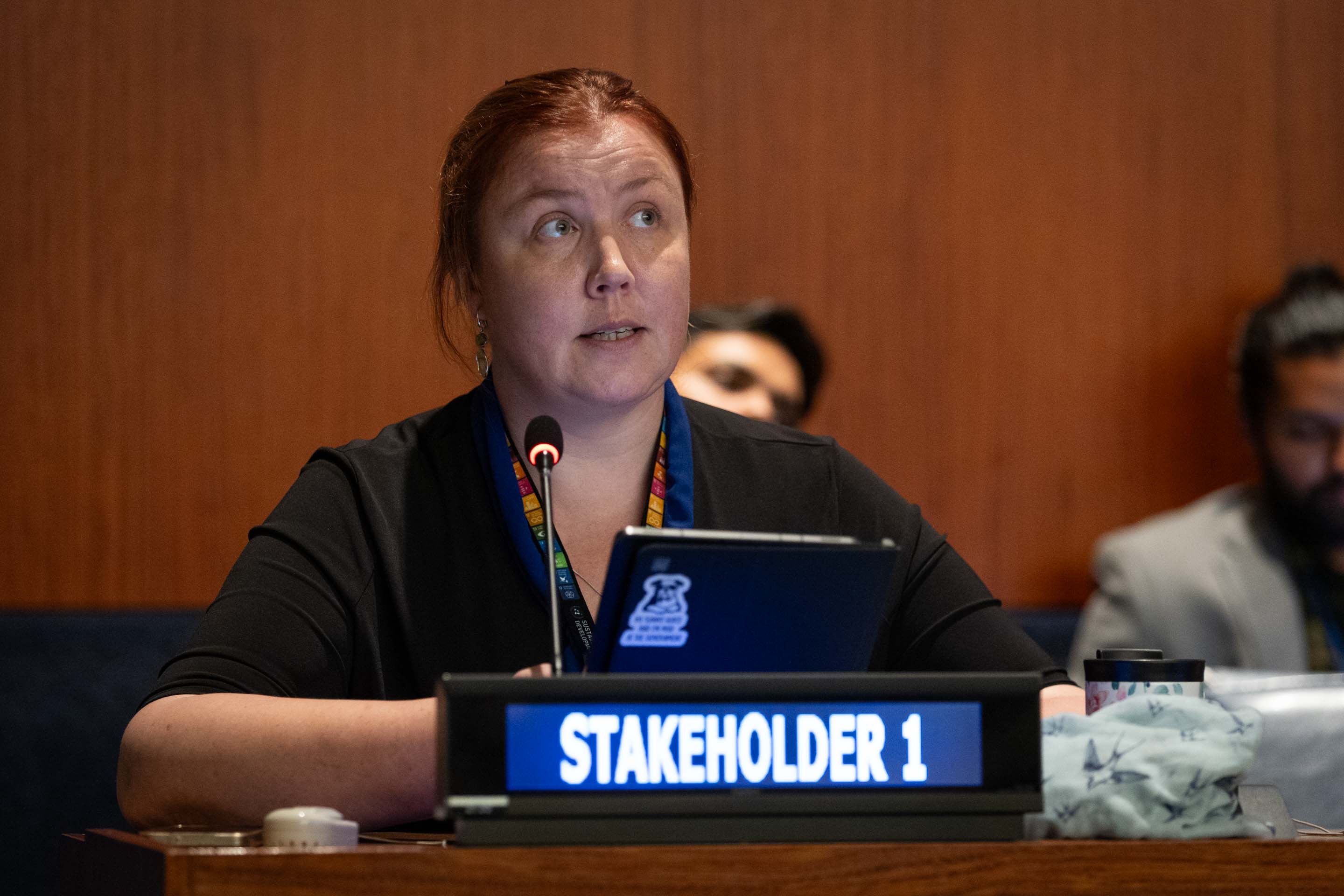
Elis Vollmer, European Regional Civil Society Engagement Mechanism
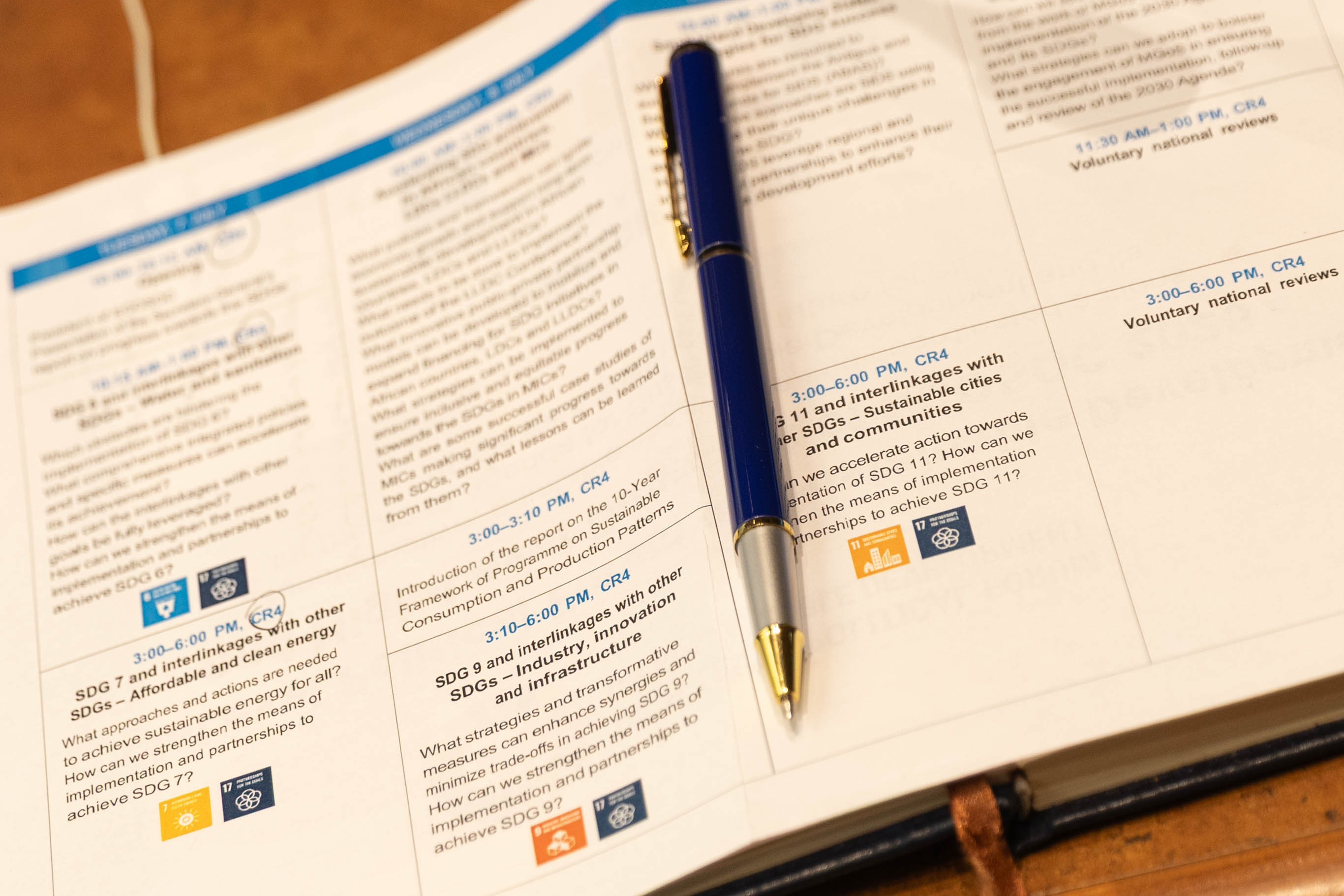
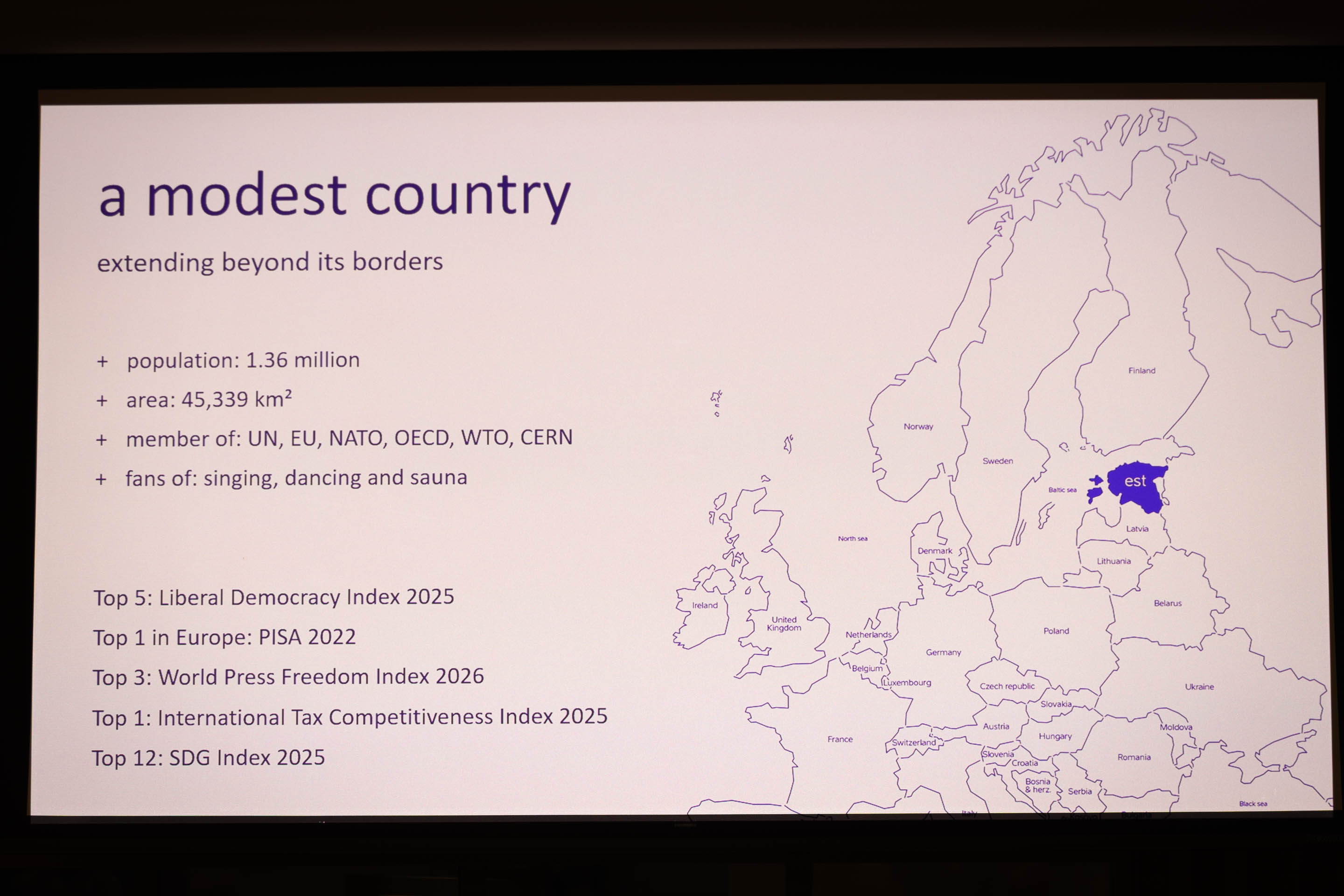
Estonia's VNR highlights that it is a modest country, extending beyond its borders
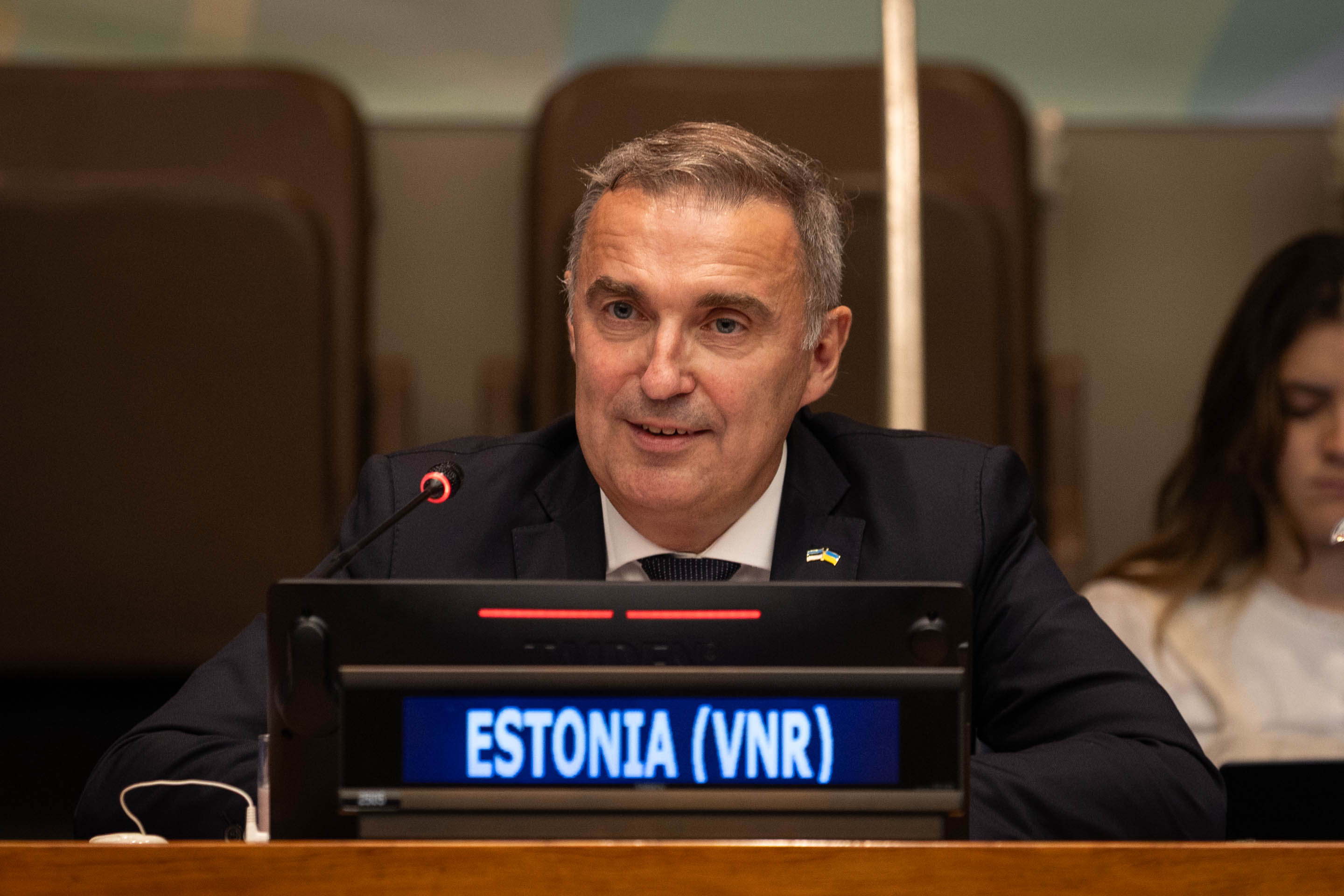
Andres Sutt, Minister of Energy and the Environment, Estonia
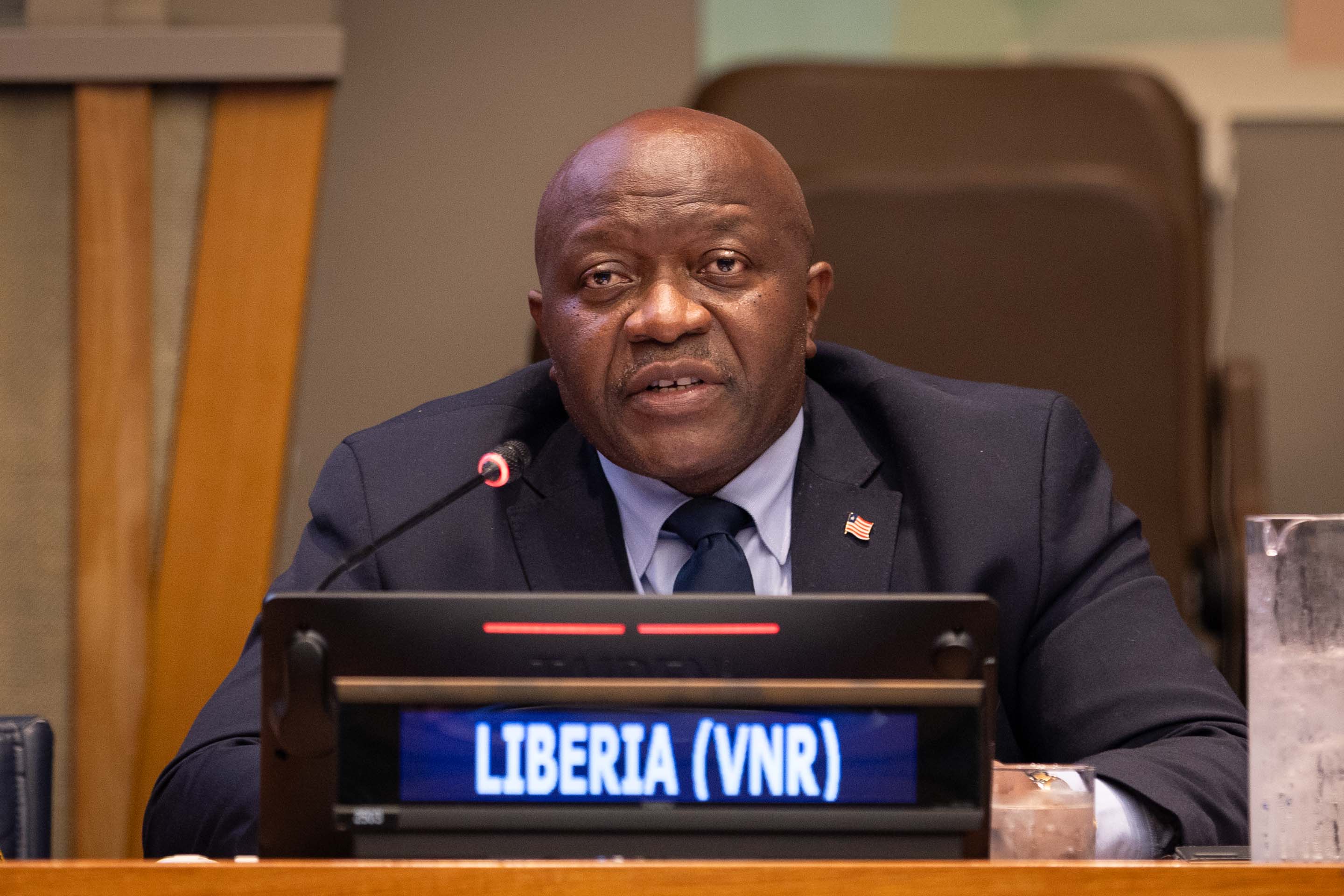
Augustine Kpehe Ngafuan, Minister of Finance and Development Planning, Liberia
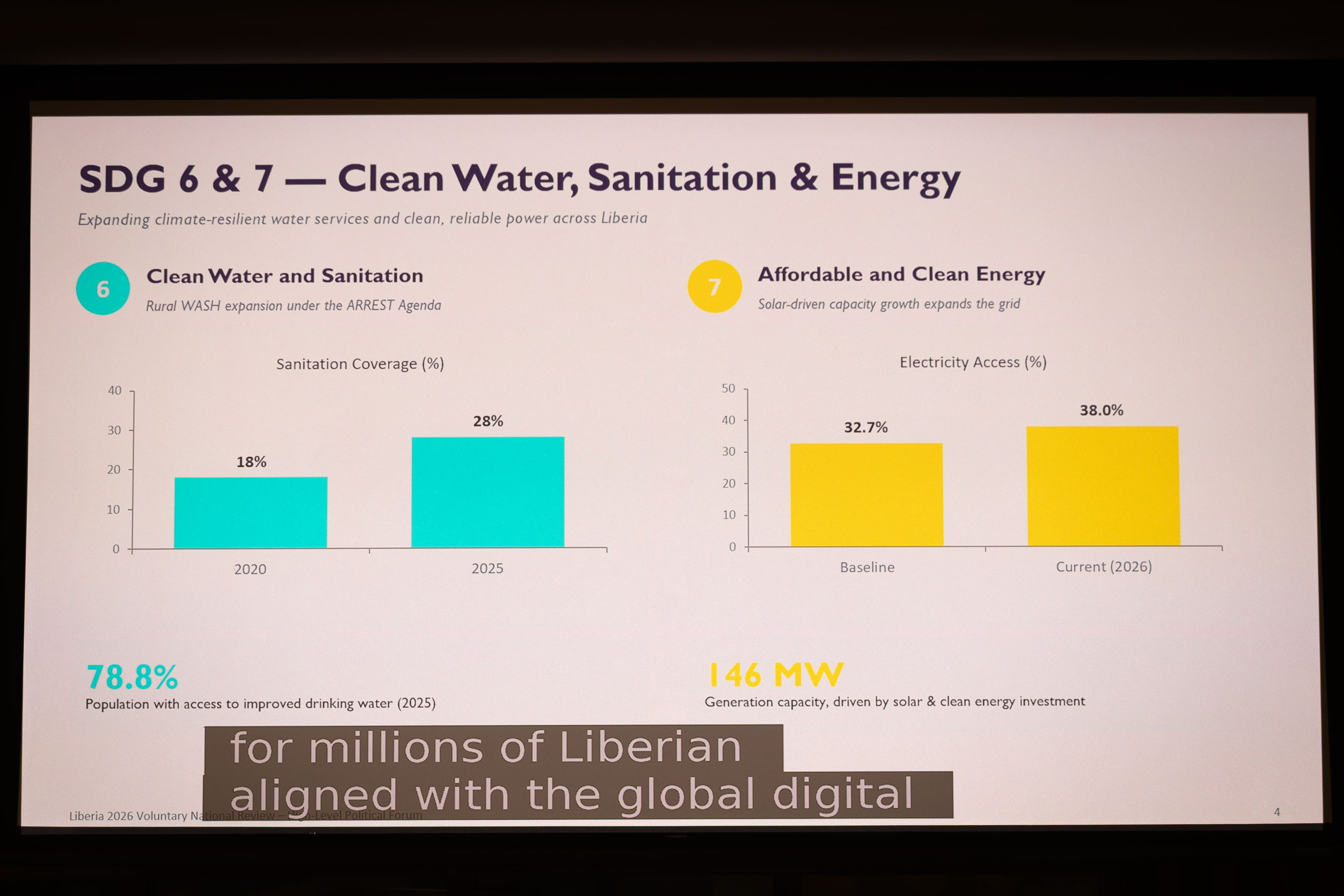
Liberia's VNR highlights progress made in SDG 6 (clean water and sanitation) and SDG 7 (energy)
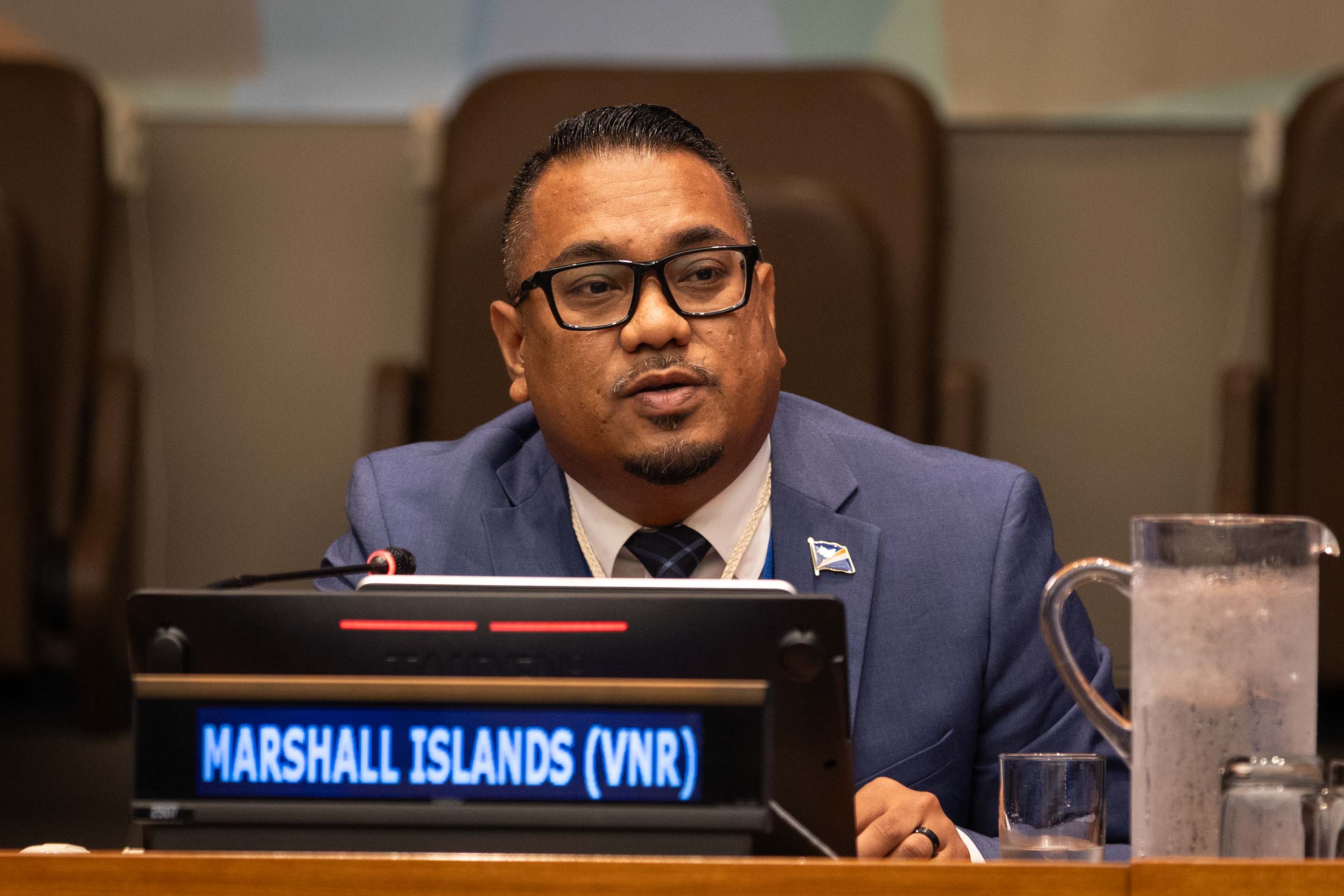
Jess Gasper Jr., Minister-in-Assistance to the President and Environment, Marshall Islands
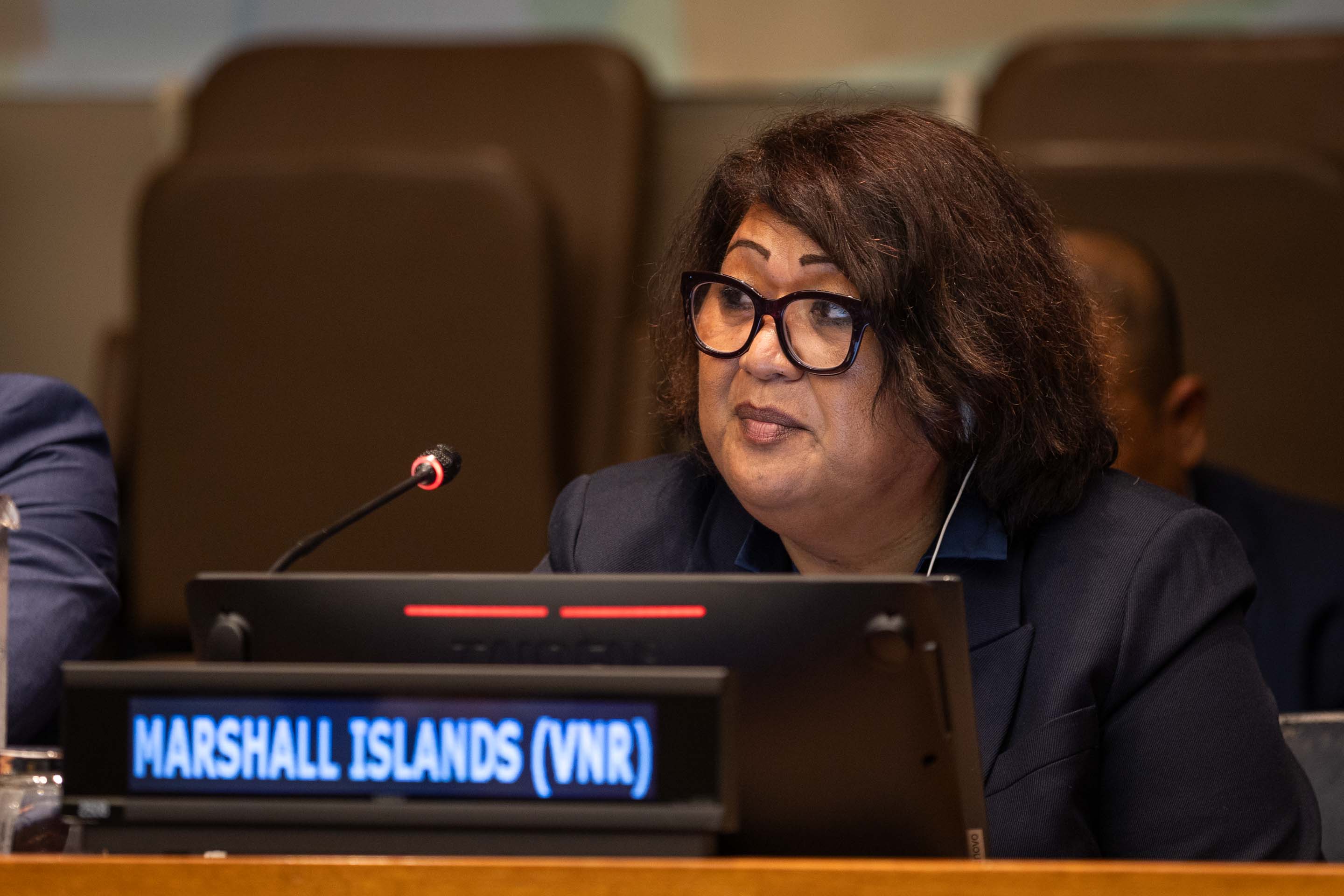
Abacca Anjain-Maddison, Deputy Chief Secretary, Marshall Islands
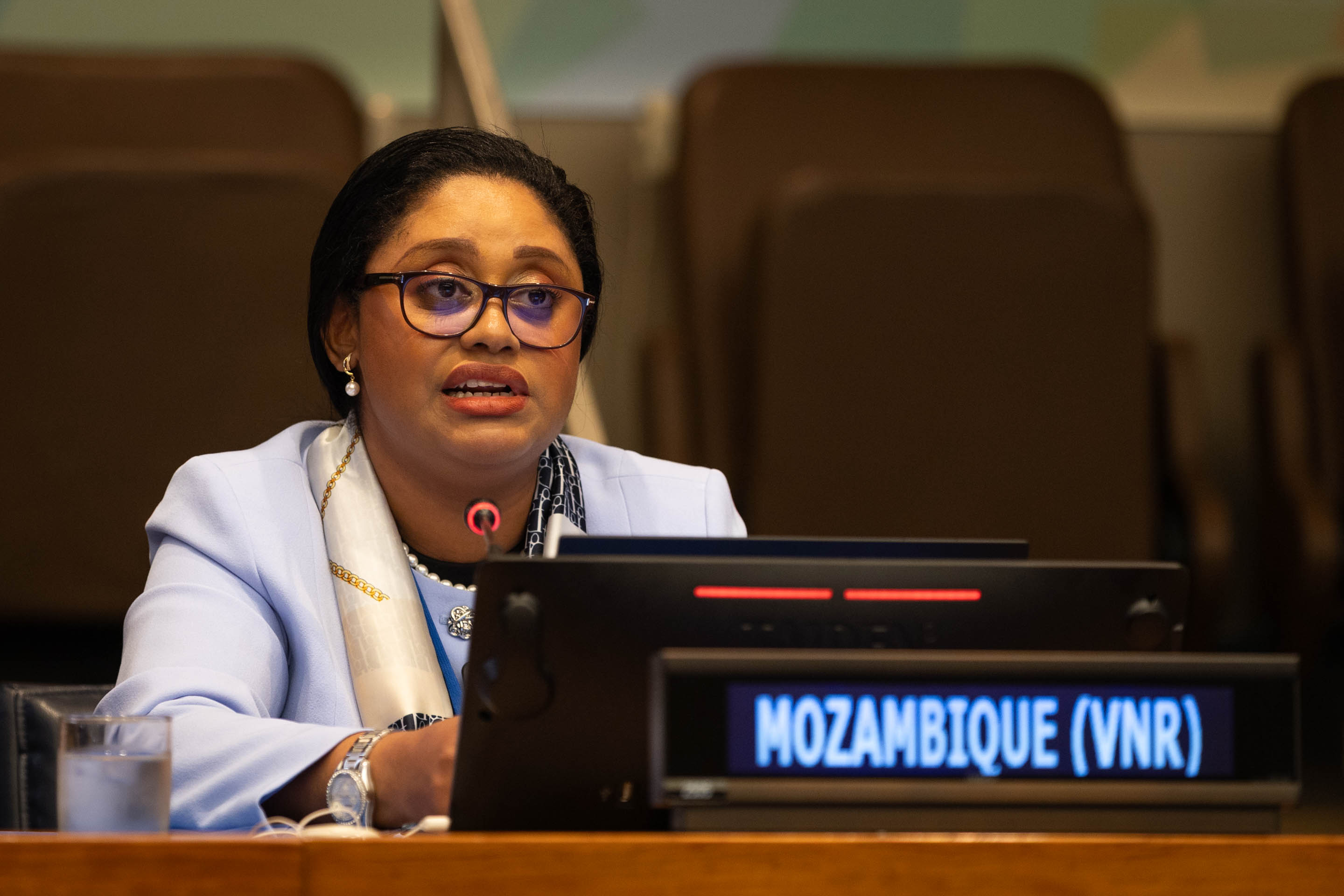
Carla Loveira, Minister of Finance, Mozambique
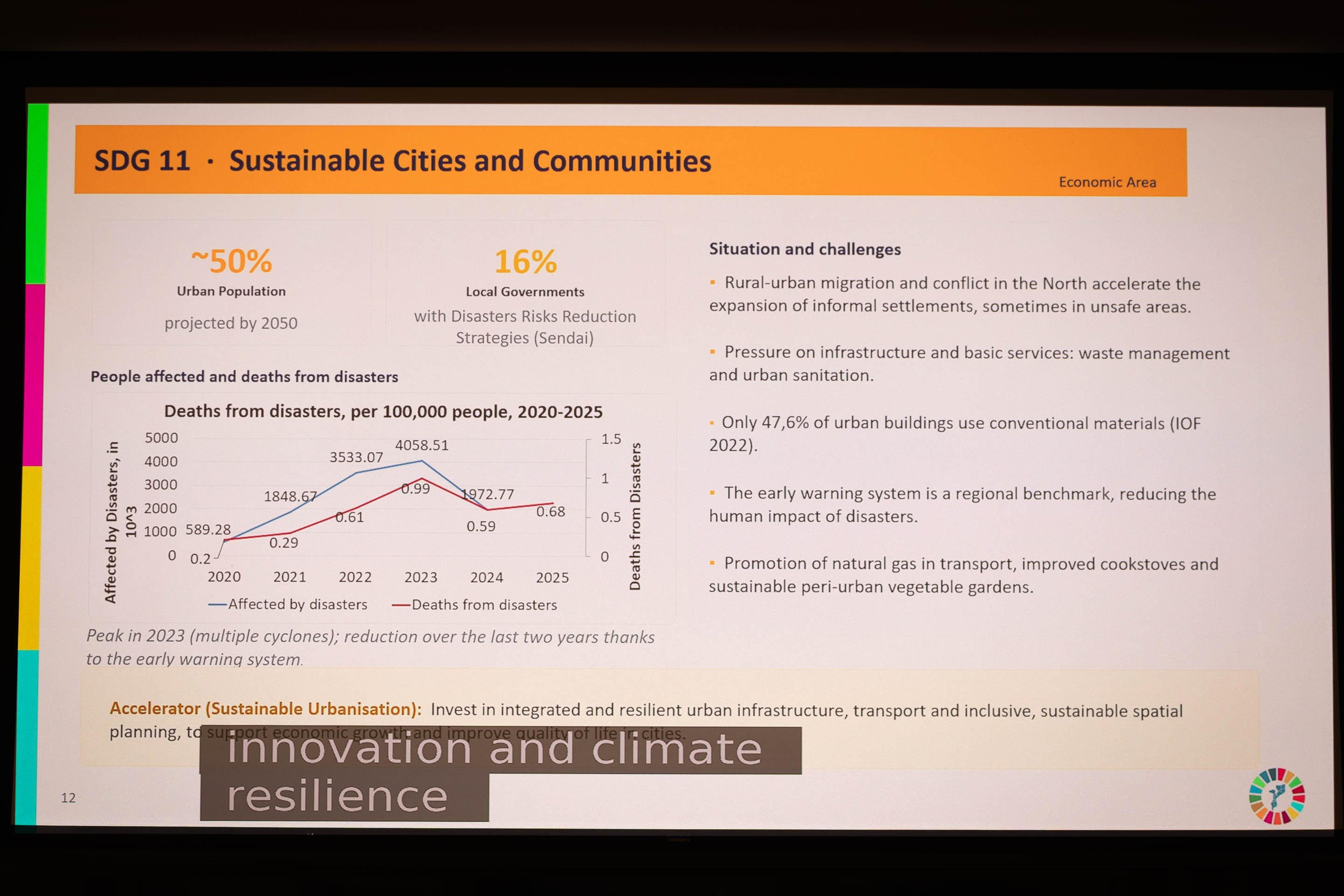
Mozambique's VNR highlights progress on SDG 11 (sustainable cities)
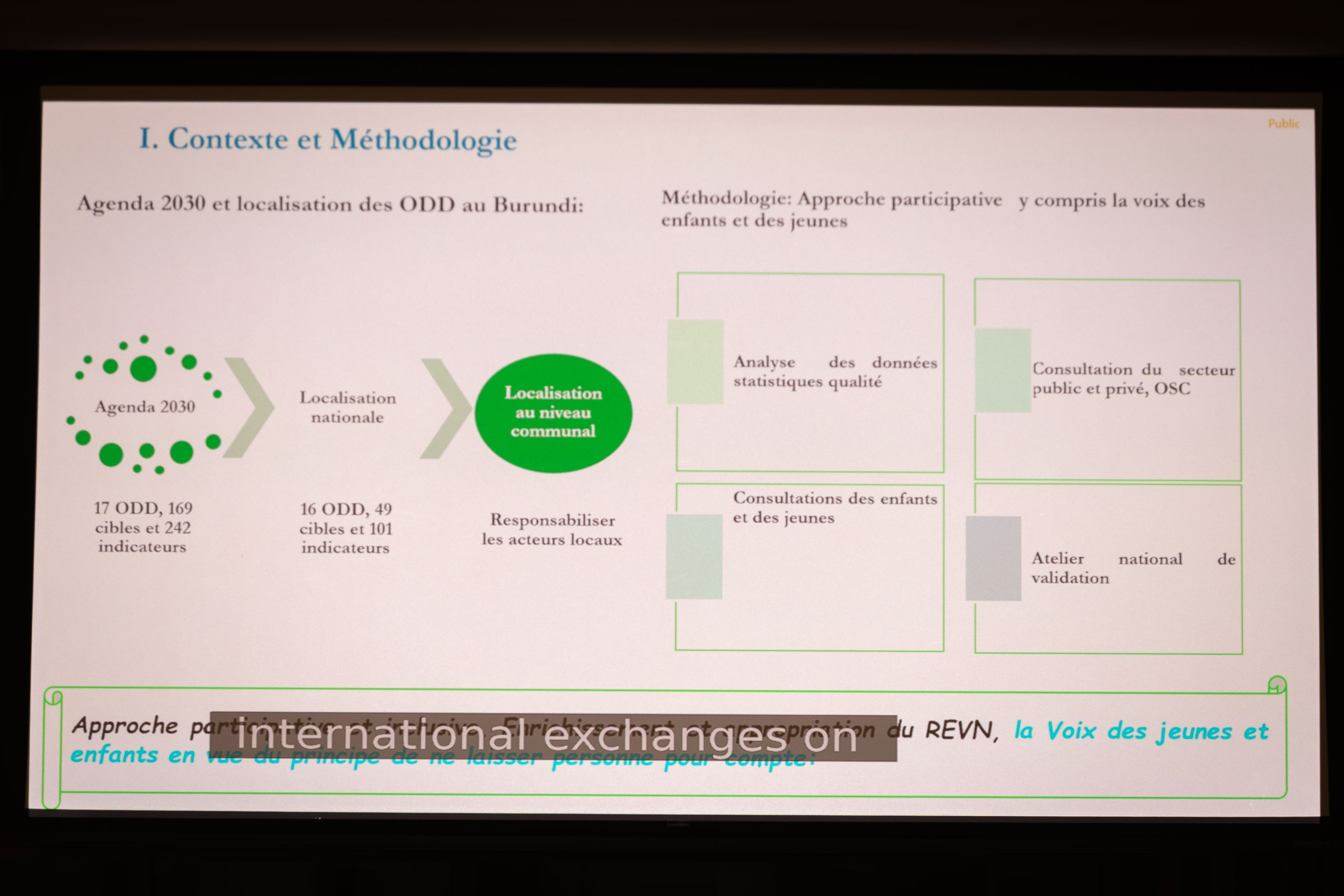
Burundi's VNR highlights the methodology followed to gather information
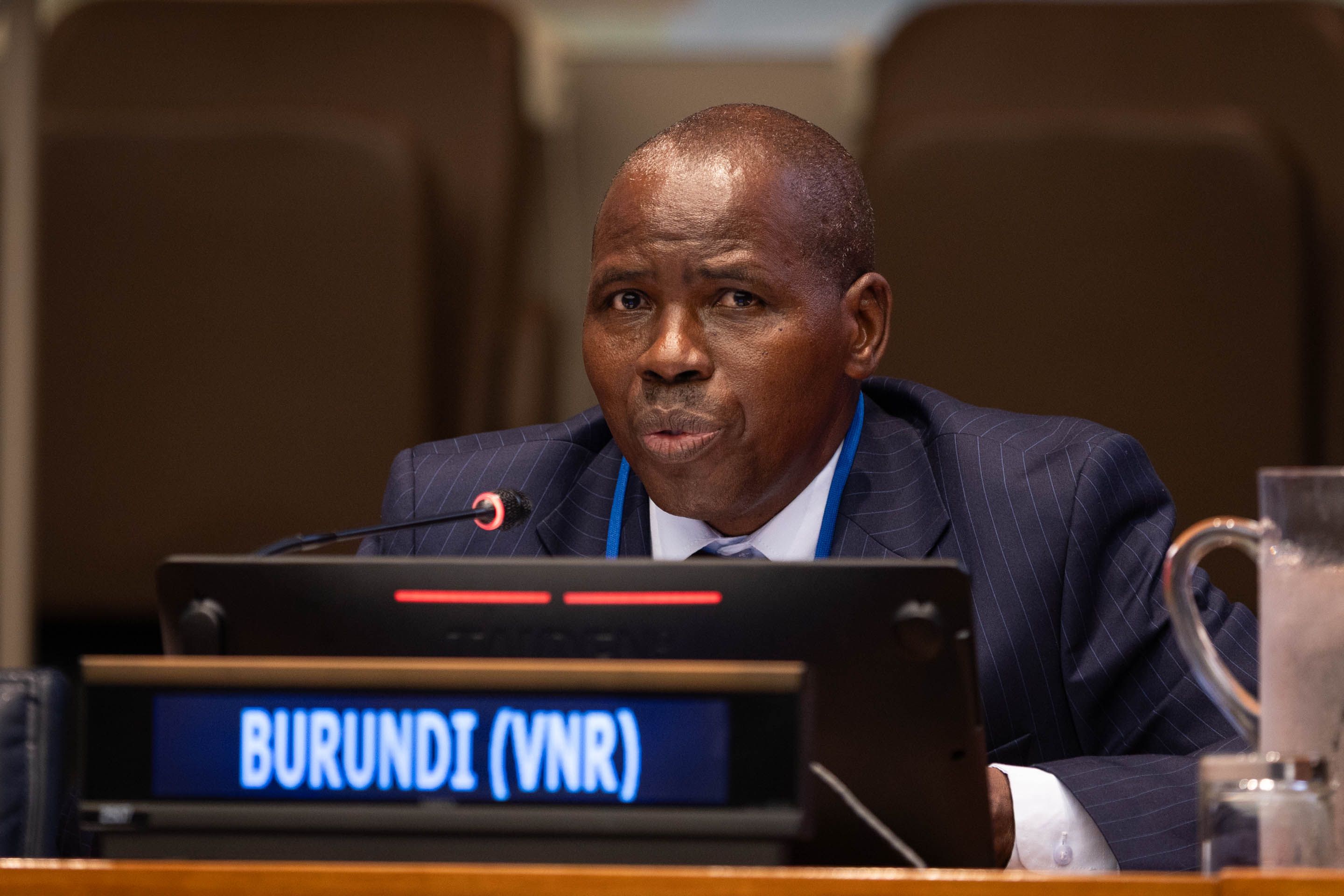
Frédéric Nimunona, Deputy Chief of Staff to the Prime Minister, Burundi
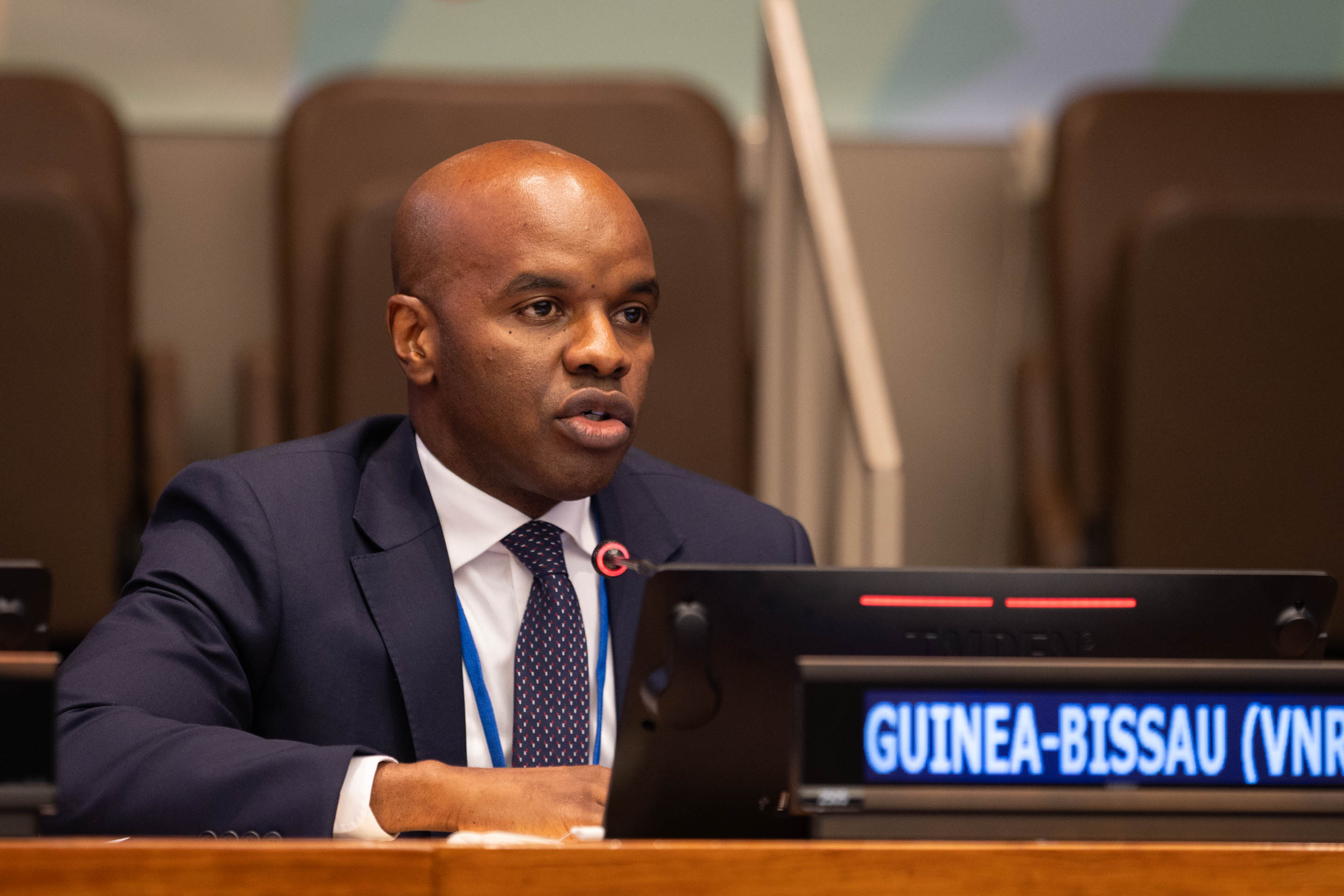
Mamadu Djaló, Ministry of Economy, Planning and Regional Integration, Guinea-Bissau
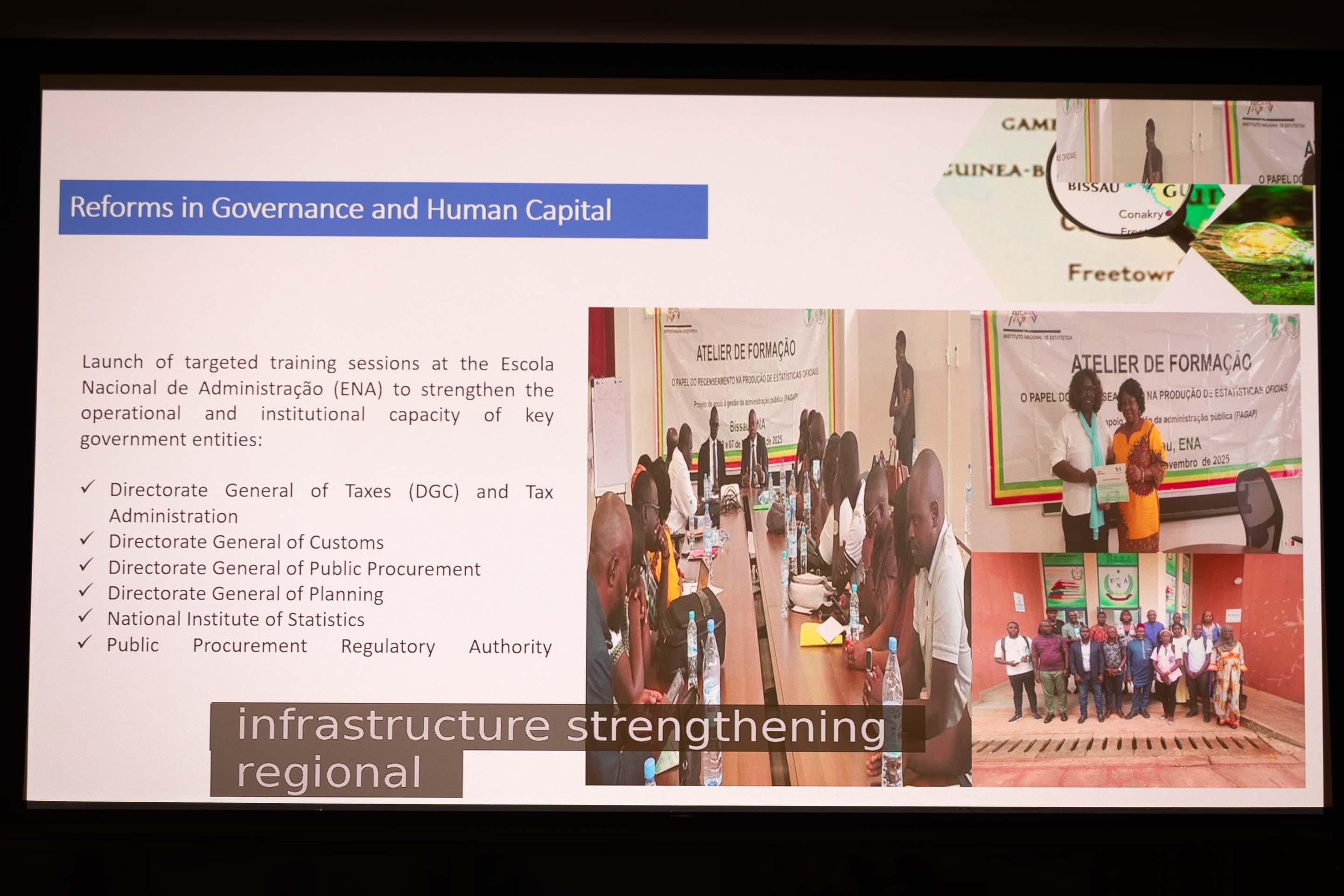
Guinea-Bissau's VNR highlights reforms made in governance and human capital
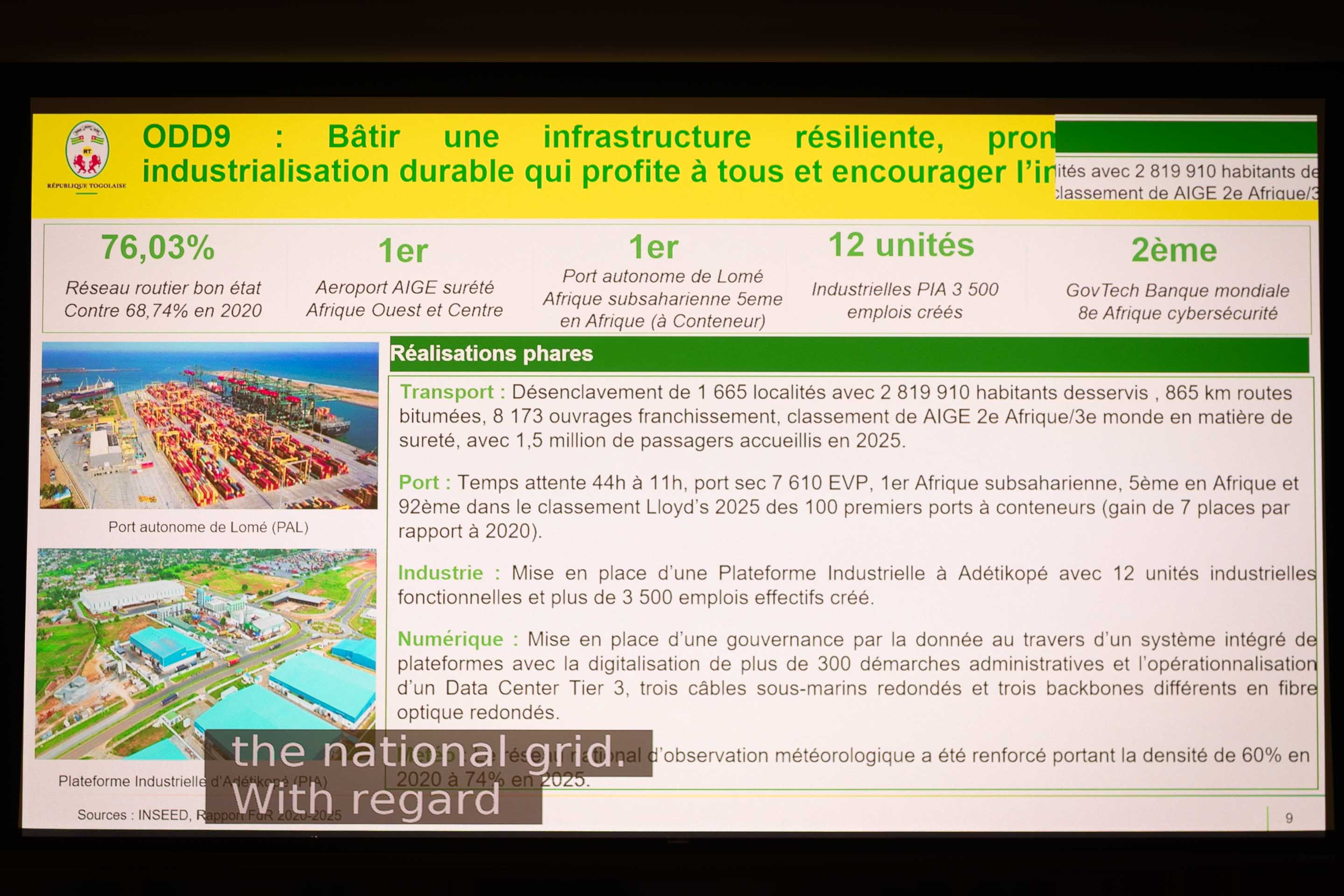
Togo's VNR highlights progress on SDG 9 (industry, innovation, and infrastructure)
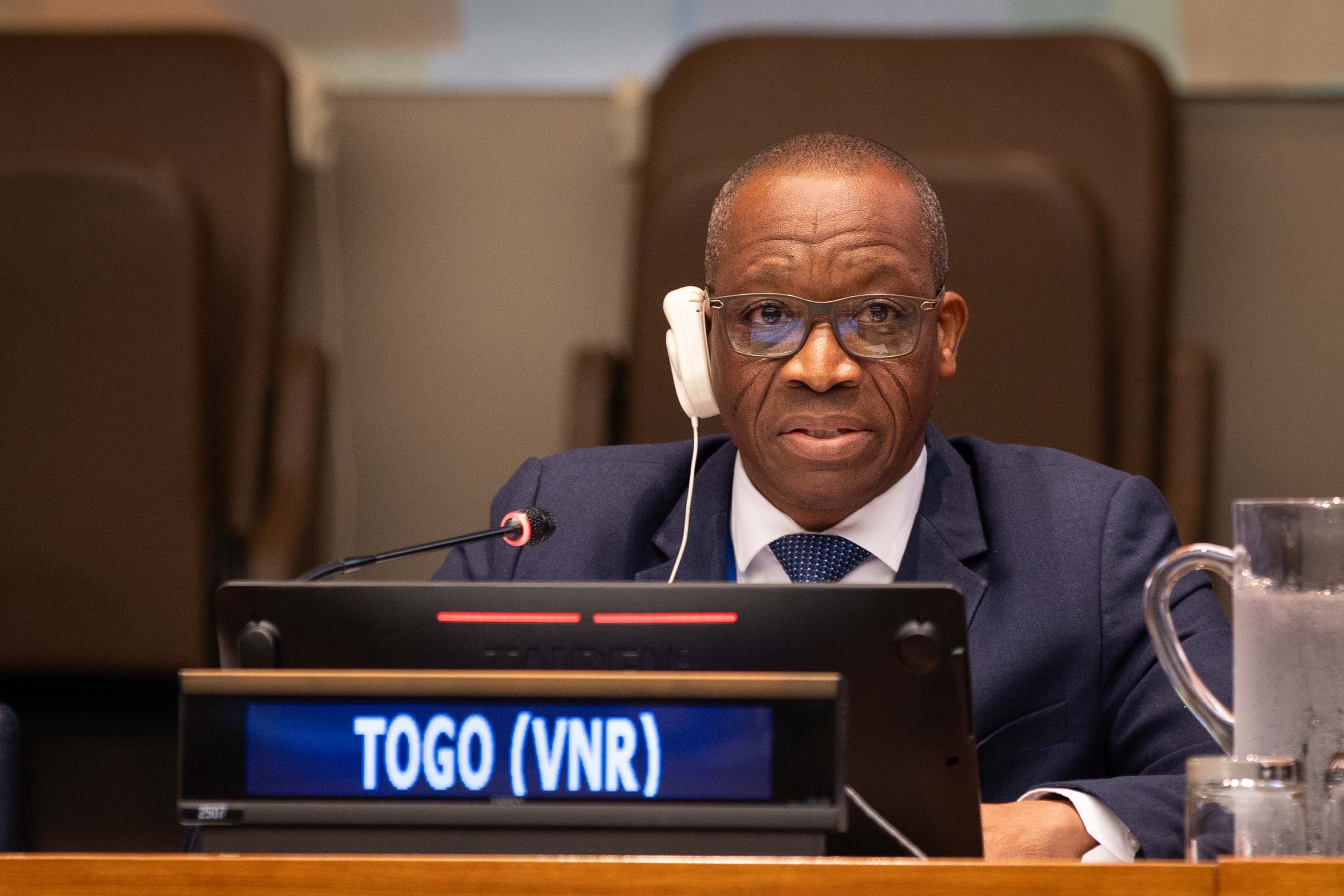
Paneto Bèguèdouwè, Secretary General, Ministry of Development Planning and Cooperation, Togo
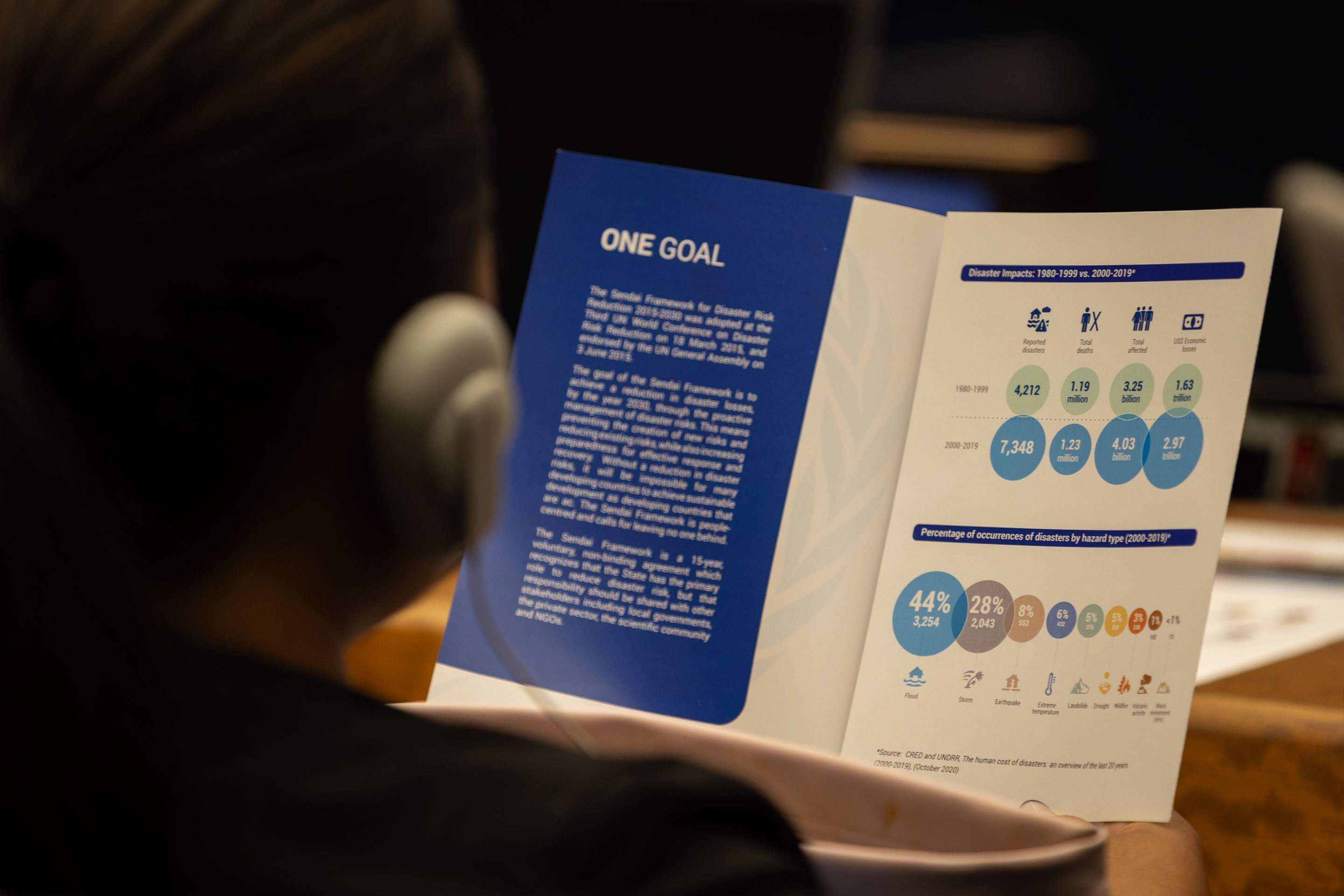
Around the Venue
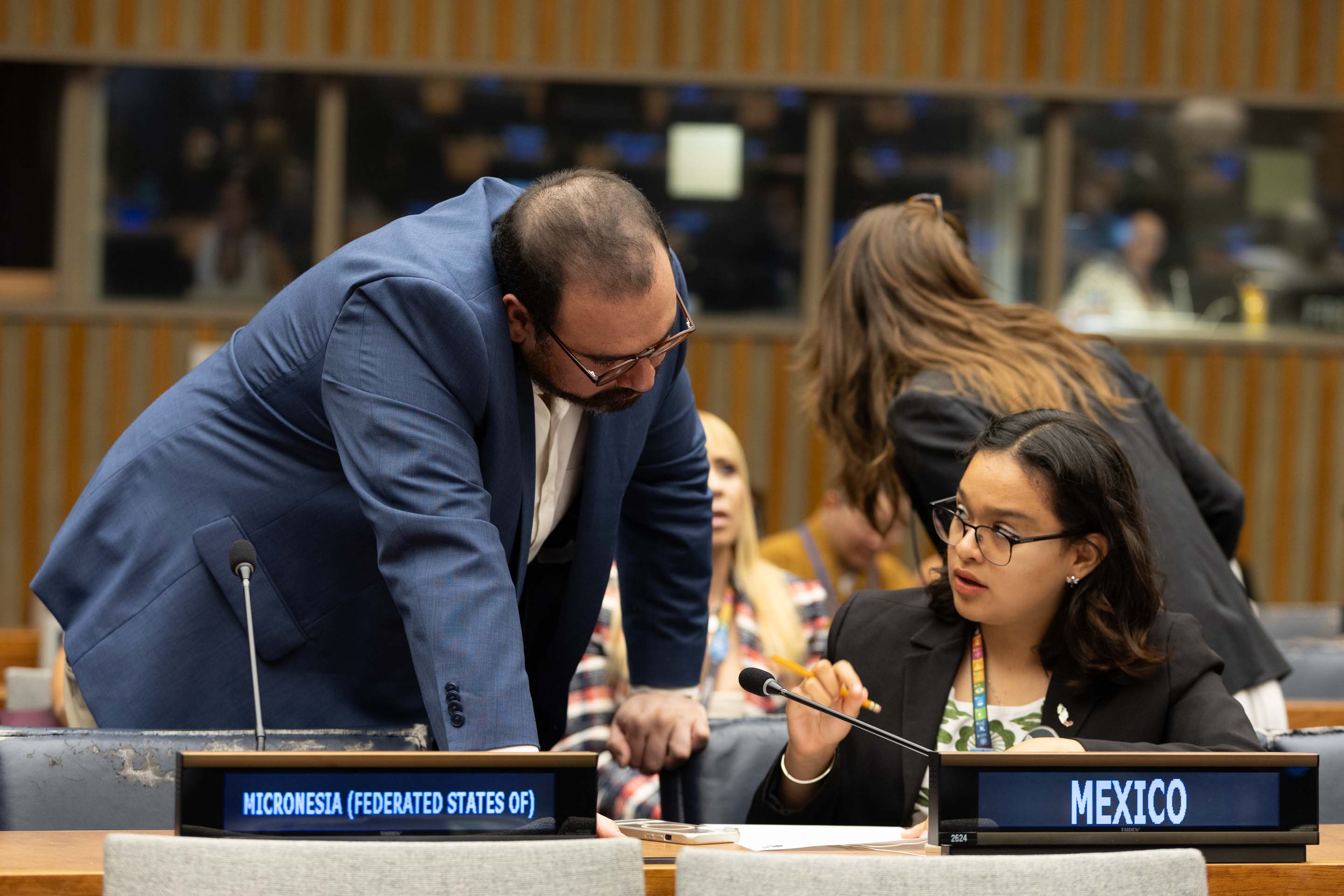
Delegates from Mexico consult at the start of the day
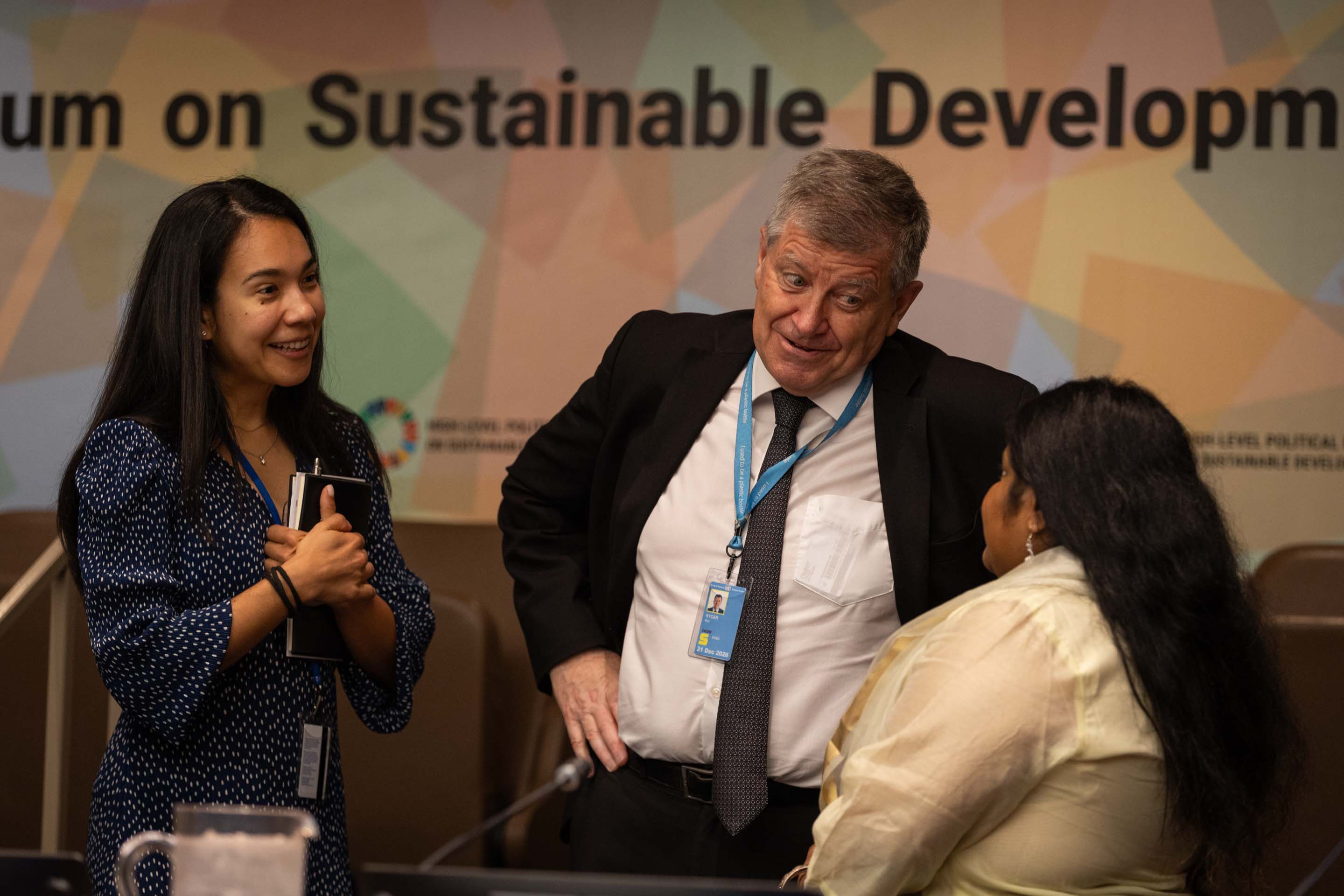
Guy Ryder, Under-Secretary-General for Policy, EOSG, speaks with delegates
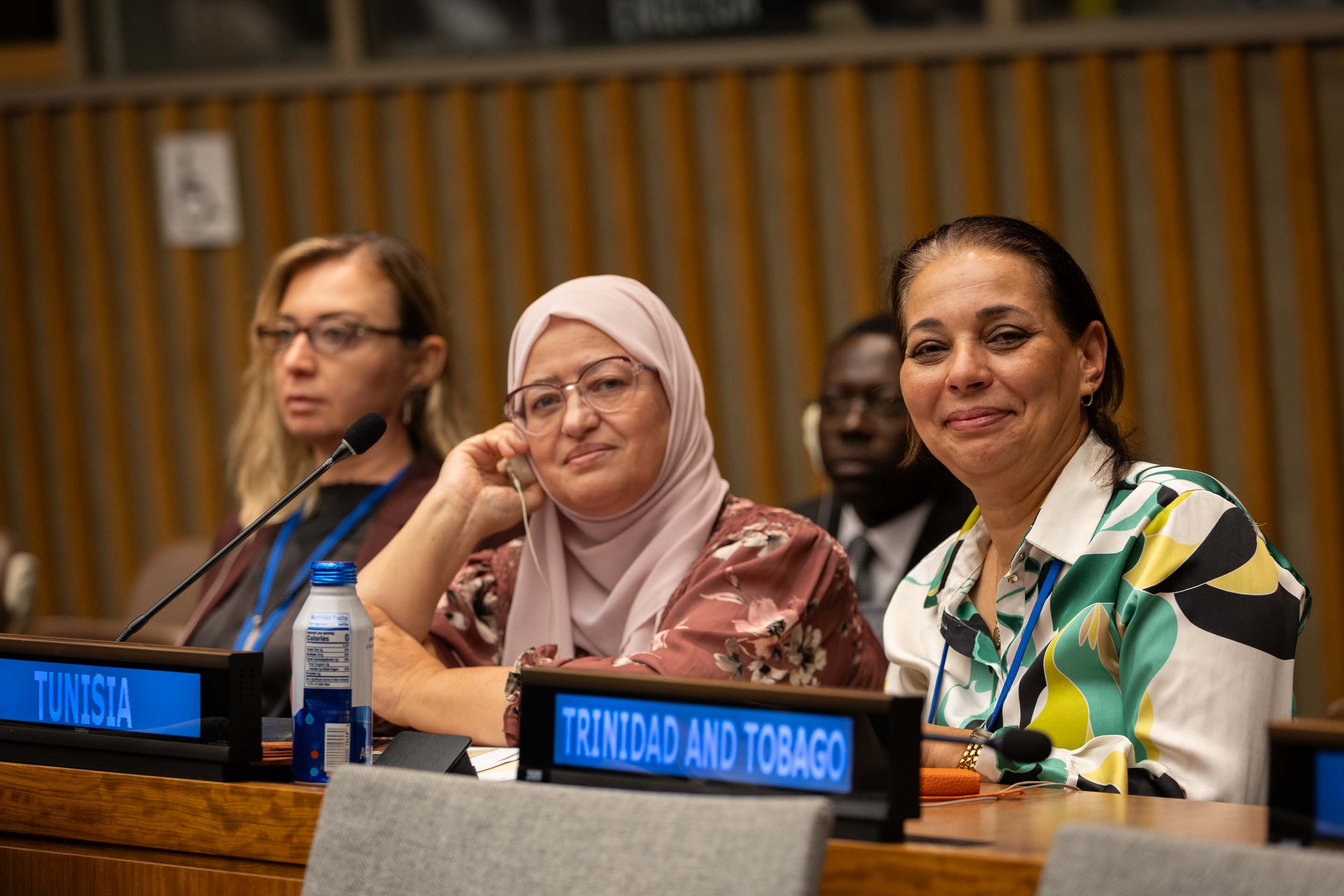
Delegates from Tunisia
Tonya Vaturi, UN Department of Economic and Social Affairs (UNDESA)
Delegates from Malta
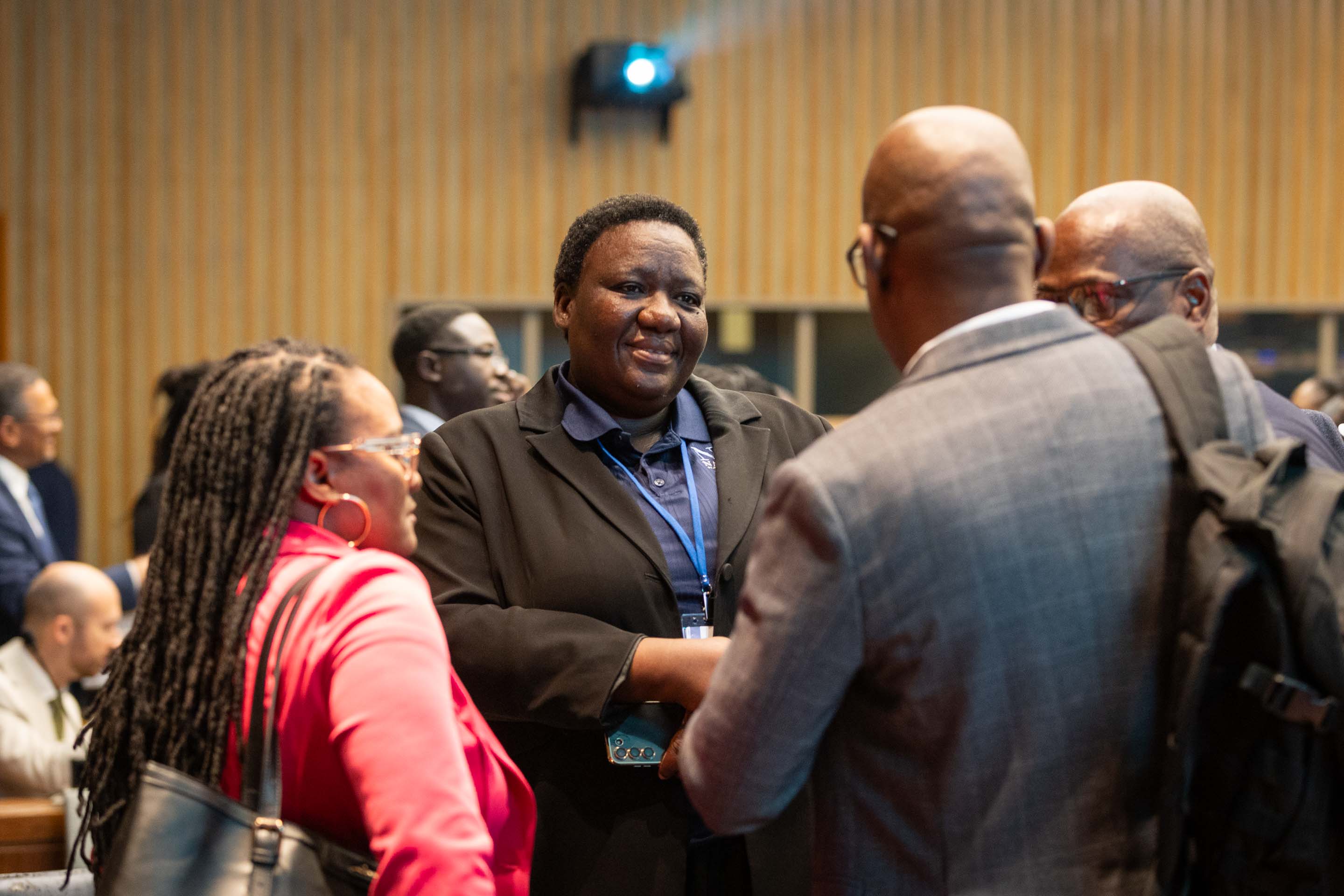
Delegates from Botswana consult
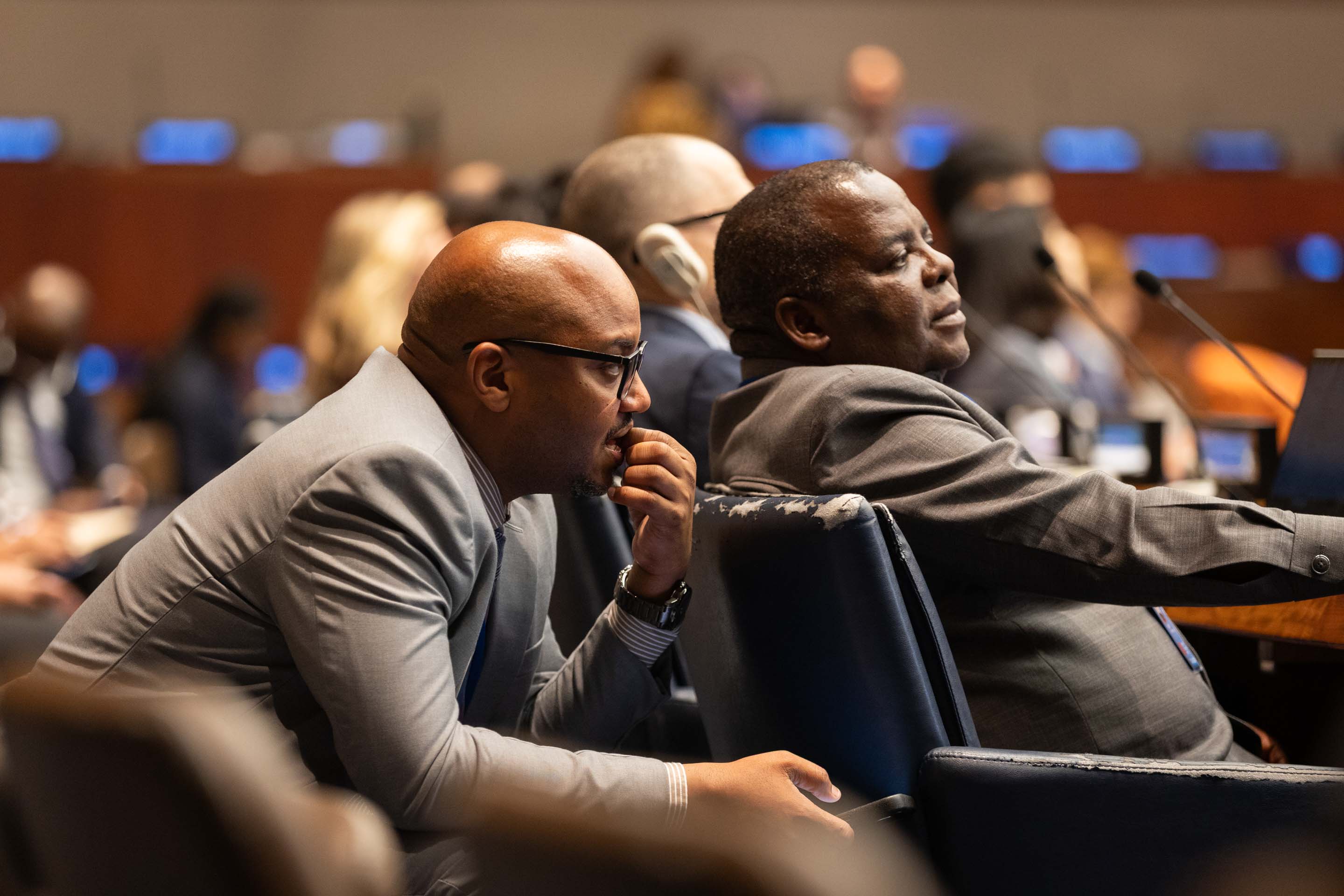
Delegates from Tanzania consult