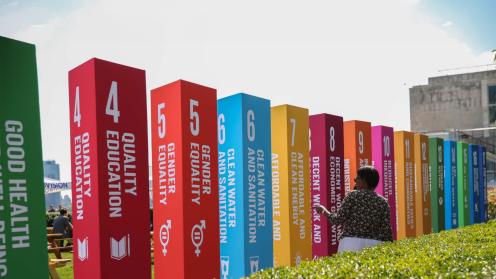
The outcomes of the High-level Political Forum on Sustainable Development (HLPF), despite what its name might suggest, are not intended to be political. The 2030 Agenda is a voluntary commitment by UN Member States to collaborate for sustainable development and so is the Ministerial Declaration adopted at the end of each HLPF session. What is seen as political, however, lies in the eyes of the beholder.
One issue that turned out to be political at this year’s HLPF is the UAE Consensus, a landmark agreement on fossil fuels named after the host country of the 28th Conference of the Parties to the UN Convention on Climate Change (UNFCCC) in Dubai in 2024. Adopted with unanimous support, it calls on countries to transition away from fossil fuels in energy systems in a just, orderly, and equitable manner, with the goal of achieving net-zero emissions by 2050. The link to Sustainable Development Goal 7 (SDG 7, clean and affordable energy) is obvious, so few delegates were surprised to see a reference to the UAE Consensus in the section on measures to accelerate SDG 7 implementation.
During the closing session, the Group of 77 and China introduced an amendment to remove the reference, noting that the HLPF should not mention specific UNFCCC initiatives. The amendment was accepted by vote, following which the EU, UAE, and Brazil expressed their full continued commitment to the UAE Consensus.
Anther political issue that was prominent in the general debate is the role of conflict and its impact on sustainable development, either directly through harm to humans and damage to infrastructure and ecosystems, or indirectly through market distortions like the recent spike in fuel prices caused by the closure of the Strait of Hormoz.
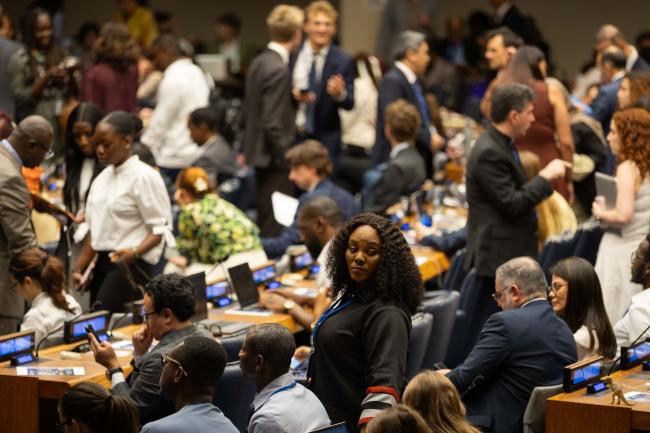
Delegates repeatedly stated that there can be no sustainable development without peace and no peace without sustainable development. In their Voluntary National Review (VNR) presentations, many representatives described the setbacks conflict can cause across many SDGs and the challenges of re-establishing the basic conditions for a life in dignity and safety in post-conflict zones.
The Declaration reflects these concerns in a paragraph stating that factors that can give rise to conflict, such as inequality, corruption, poor governance, and illicit financial and arms flows are addressed in the 2030 Agenda. The reference asks Member States to redouble their efforts to resolve or prevent conflict and support post-conflict countries.
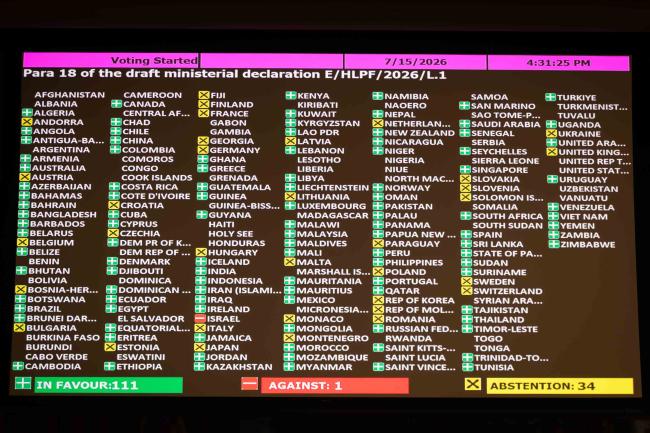
Israel requested deleting the paragraph, stating it cannot support a declaration that contains “politicized elements.” This amendment was rejected and the paragraph remains in the declaration.
With these “political” issues resolved, HLPF delegates adopted the Ministerial Declaration by acclamation. The HLPF 2026 Ministerial Declaration is a 64-paragraph document structured around two main sections:
- An opening section titled “Current trends, successes, challenges and their impacts on accelerating the implementation of the SDGs;” and
- A section outlining transformative, equitable, innovative and coordinated actions for the 2030 Agenda and the SDGs, including general considerations on how to accelerate SDG implementation, as well as specific actions for each of the SDGs under review.
Following the adoption of the Declaration, Navid Hanif, Assistant Secretary-General for Economic Development, UN Department of Economic and Social Affairs, delivered closing remarks on behalf of UN Secretary-General António Guterrez. He said while HLPF 2026 showed that progress on many SDGs is stagnating or reversing, it also demonstrated that progress is possible, noting that the world is expanding renewable energy at record speed.
He added that more than 400 VNRs to date show that development works best when policies are integrated, country-led, and aligned with national priorities. Noting that reducing debt and sustainable financial management are essential, he urged countries to rapidly implement the Sevilla Commitment to close the SDG financing gap.
Reminding delegates that multilateralism can succeed if countries are willing to compromise and follow up their commitments with tangible action, Economic and Social Council President Lok Bahadur Thapa gaveled HLPF 2026 to a close at 5:22 pm.
To receive free coverage of global environmental events delivered to your inbox, subscribe to the ENB Update newsletter.
All ENB photos are free to use with attribution. For HLPF 2026 please use: Photo by IISD/ENB - Kiara Worth
Voluntary National Reviews
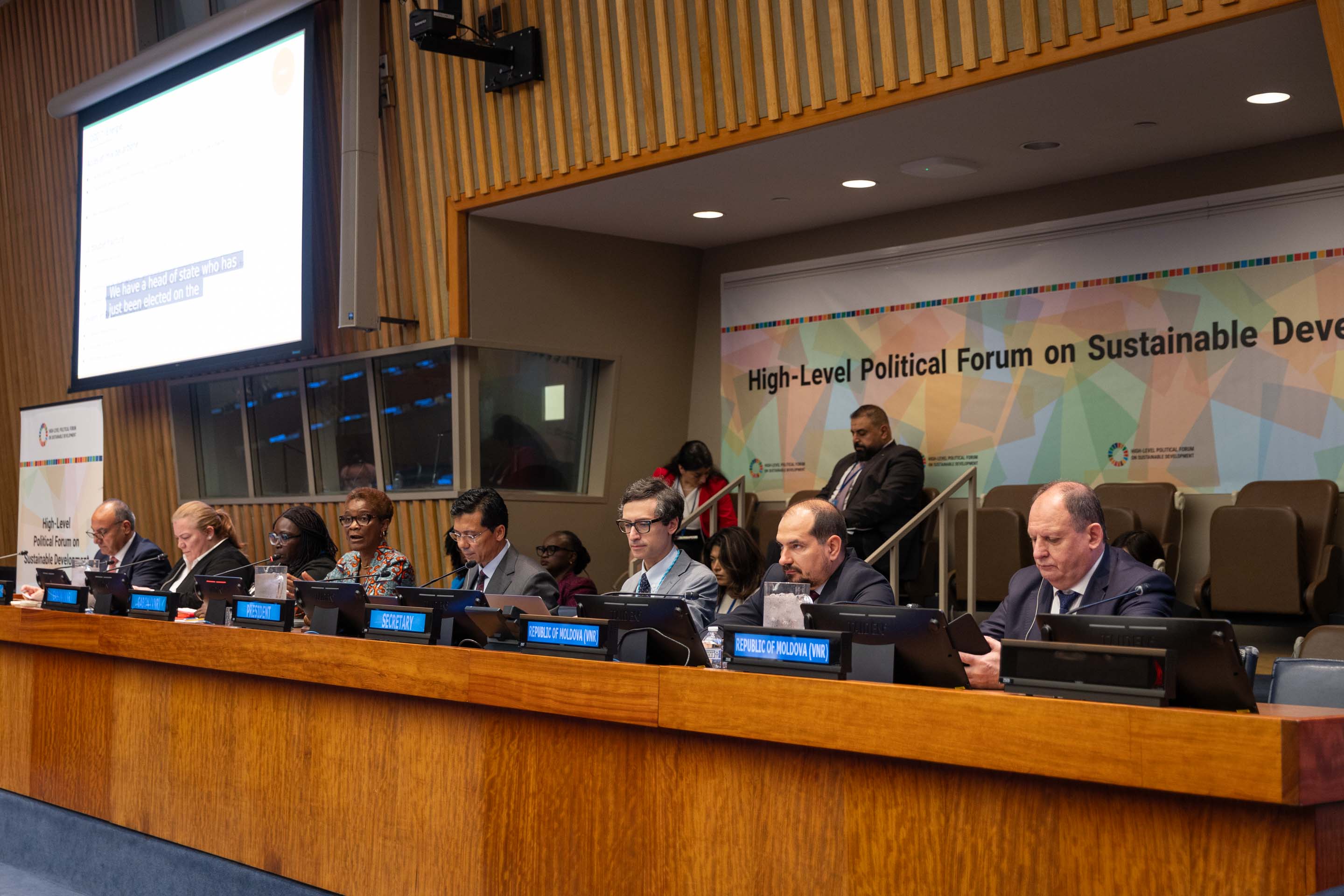
Delegates gather for the final round of VNR presentations
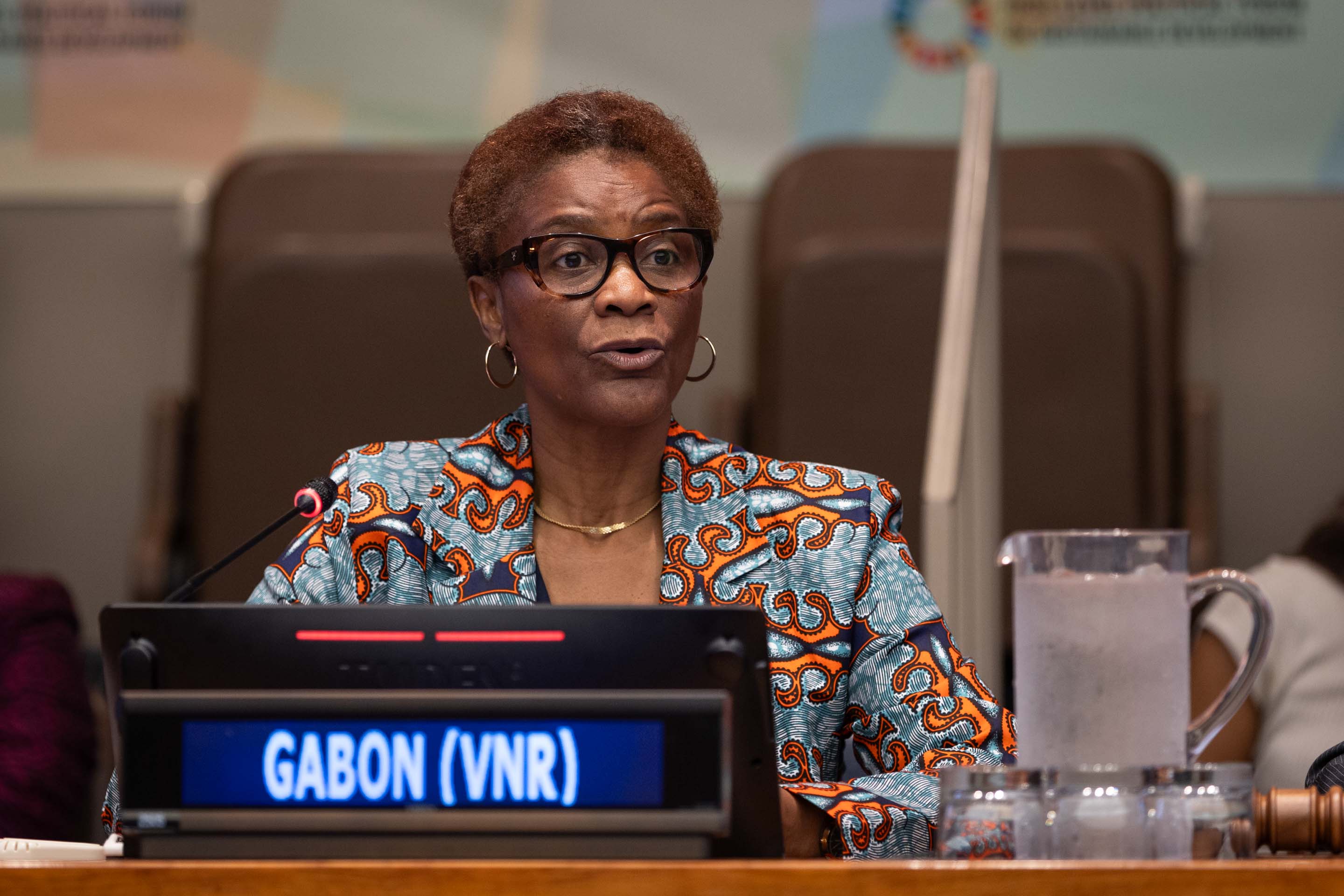
Louise Pierrette Mvono, Minister of Planning and Foresight, Gabon
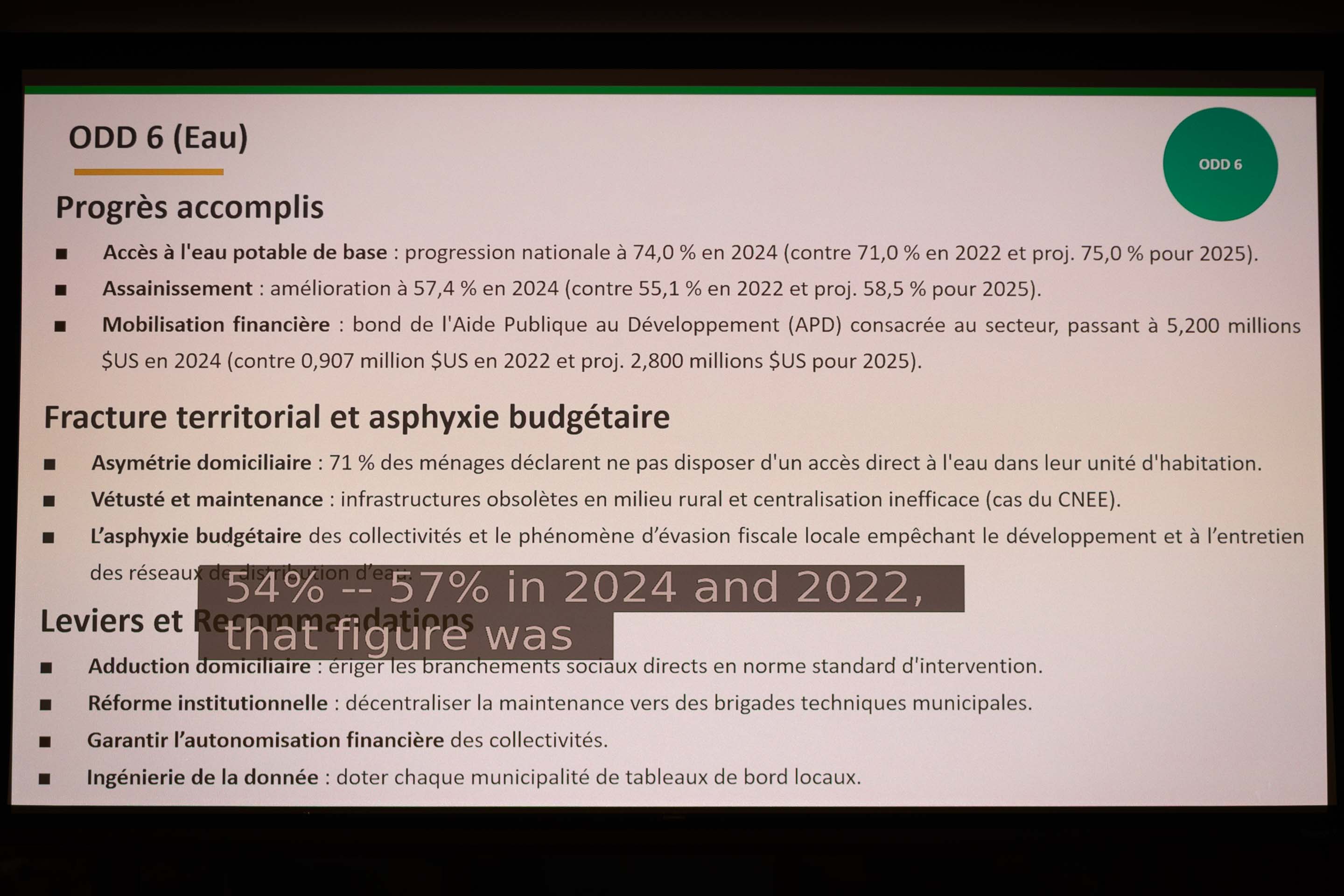
Gabon's VNR highlights progress made on SDG 6 (water and sanitation)
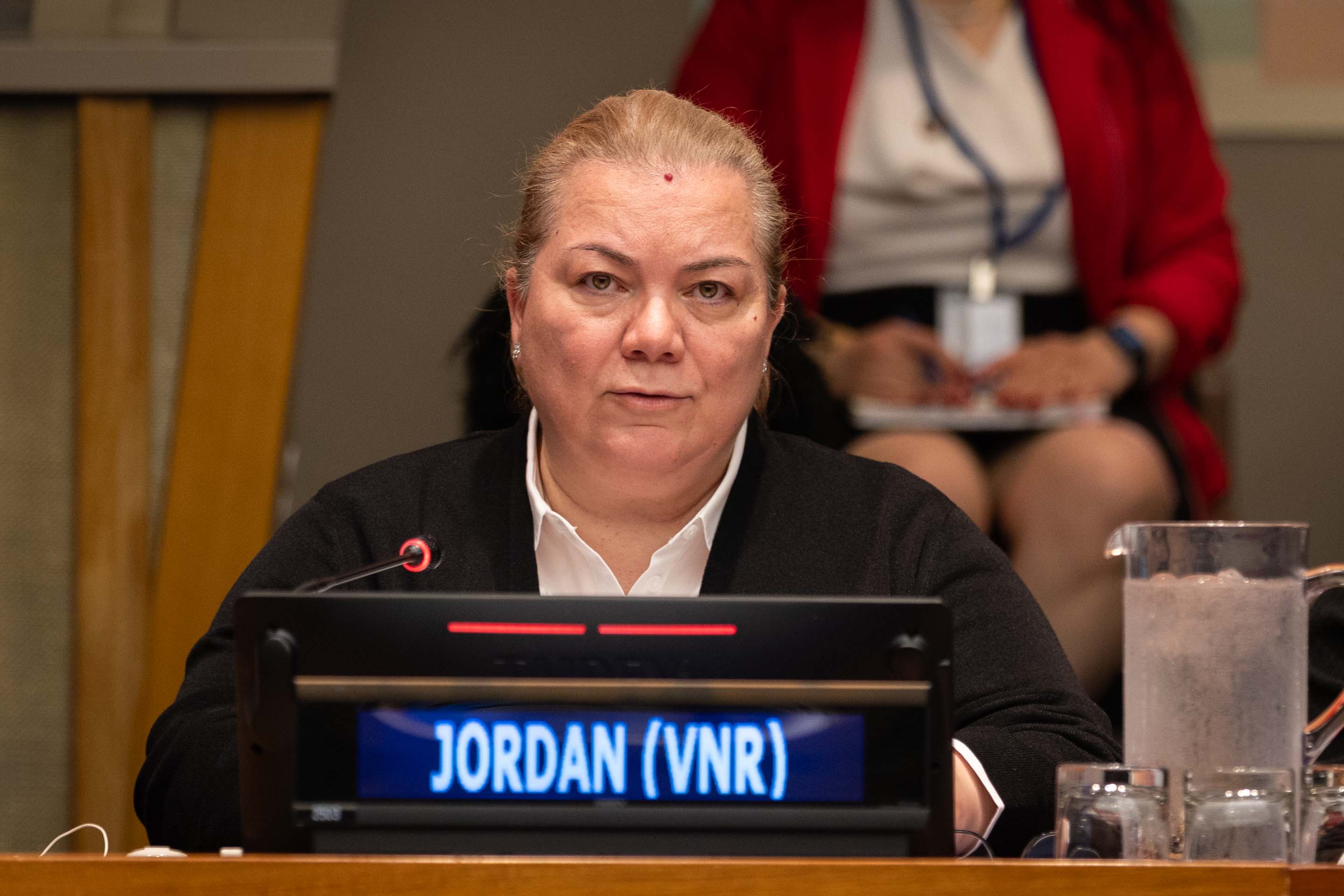
Zeina Toukan, Minister of Planning and International Cooperation, Jordan
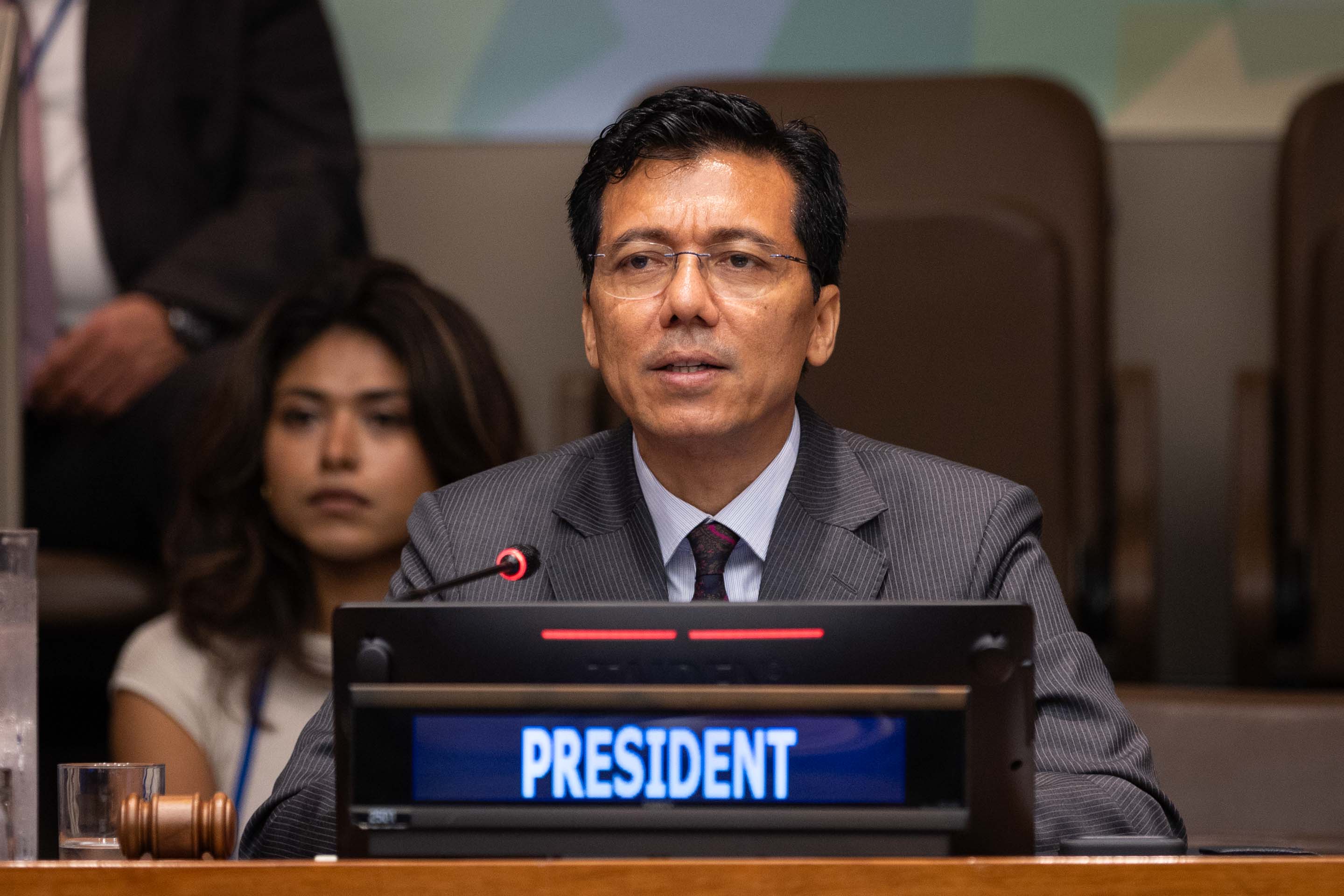
Lok Bahadur Thapa, President, UN Economic and Social Council (ECOSOC)
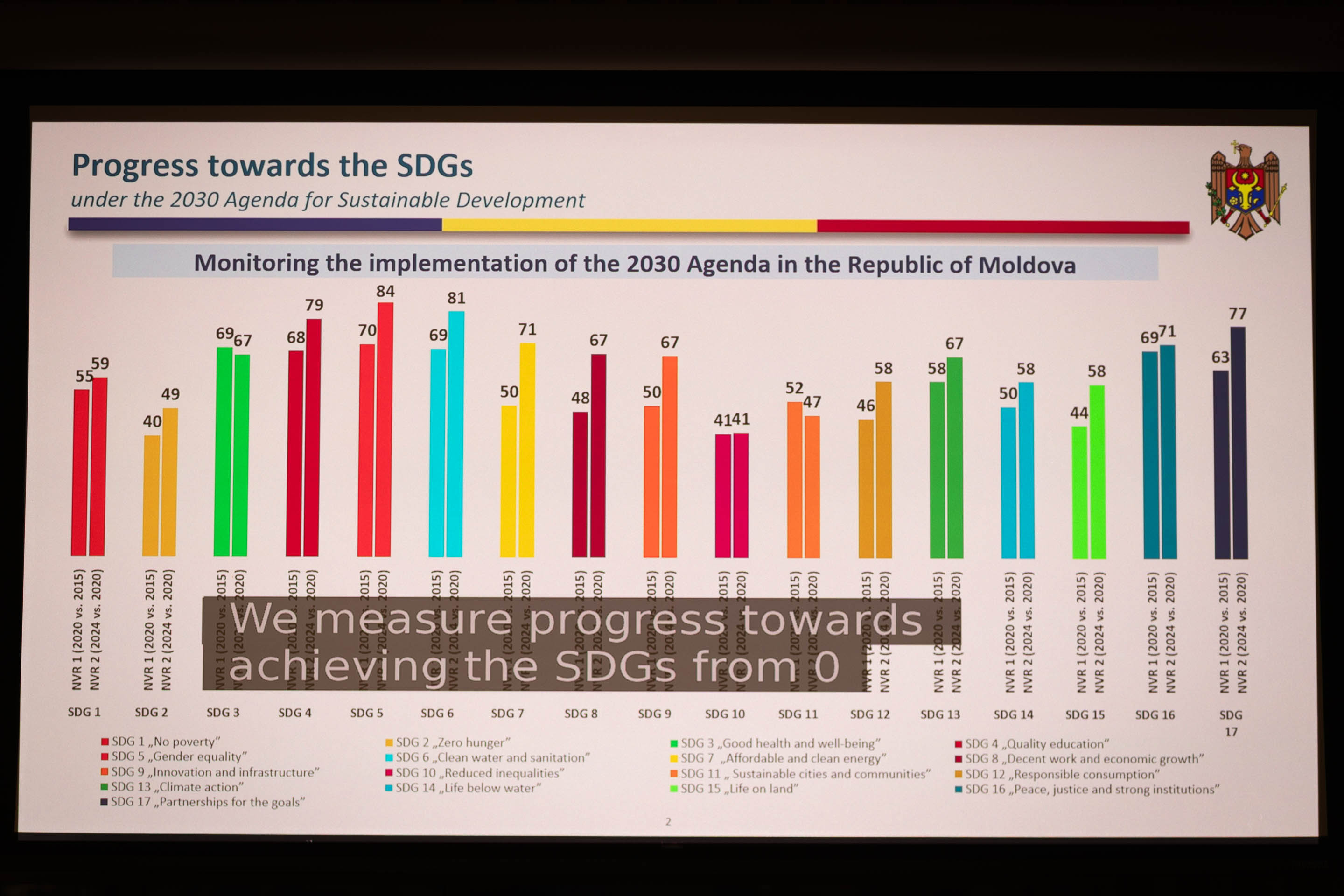
Moldova's VNR highlights progress across all the SDGs
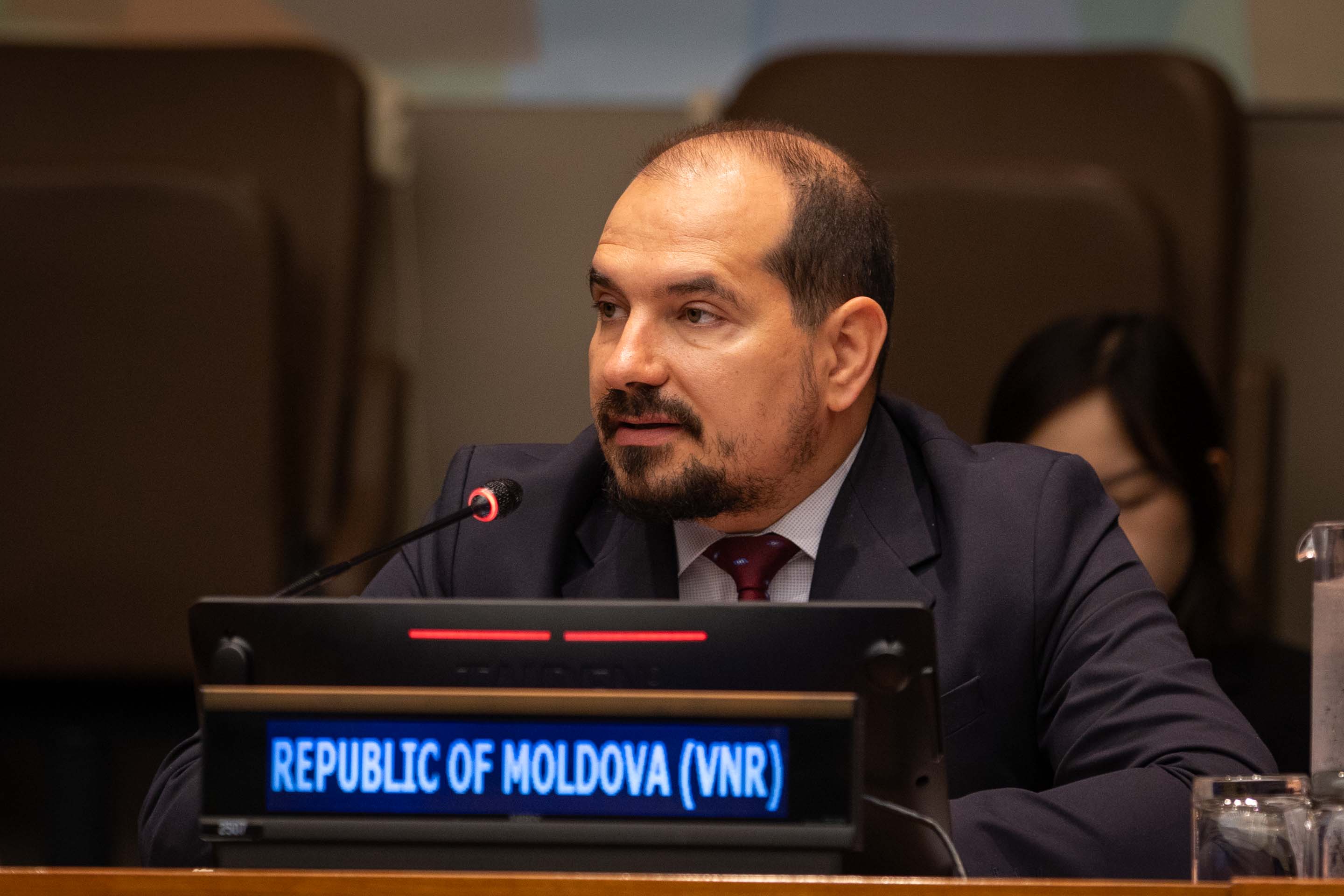
Alexei Buzu, Secretary-General of the Government, Moldova
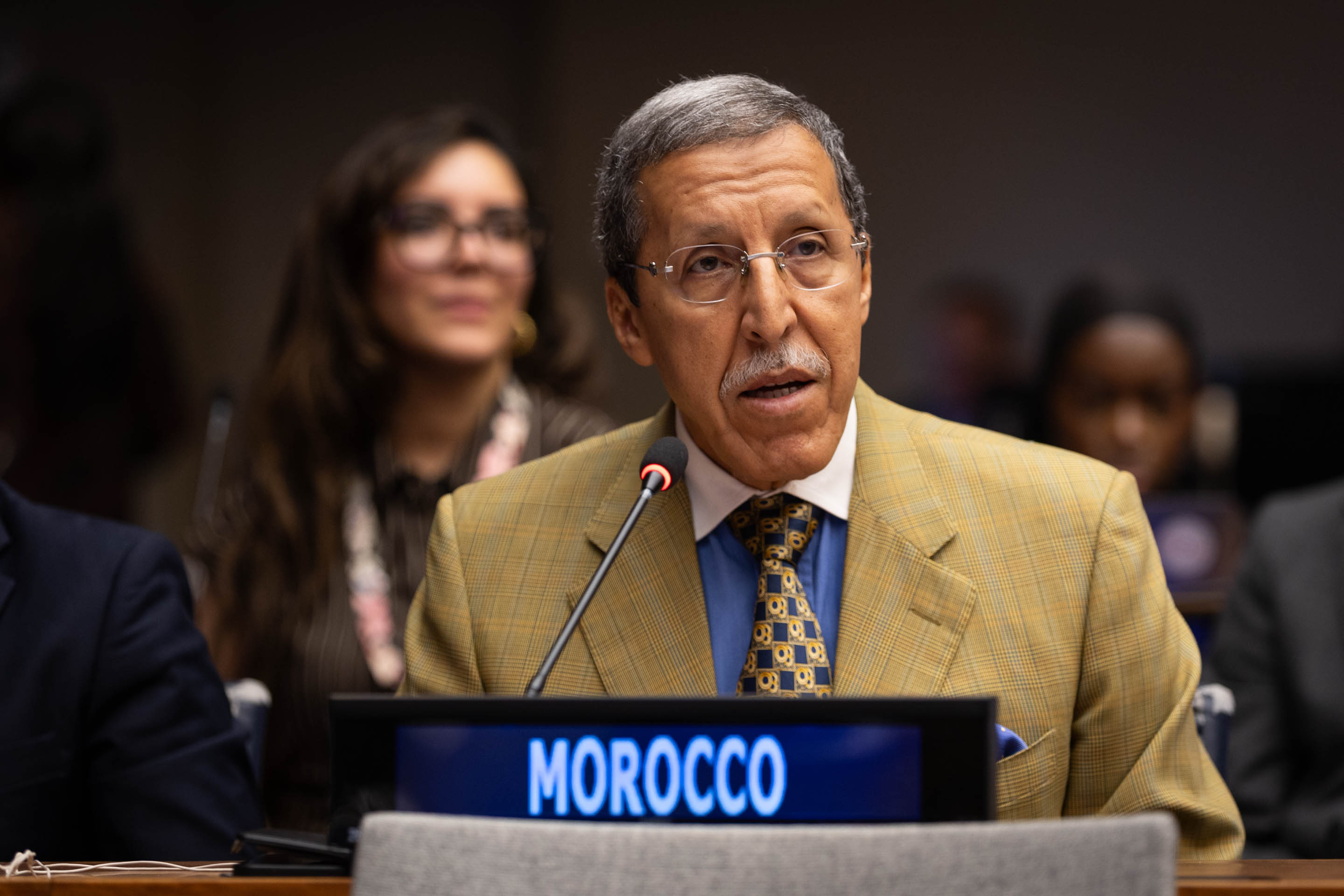
Omar Hilale, Permanent Representative of Morocco to the UN
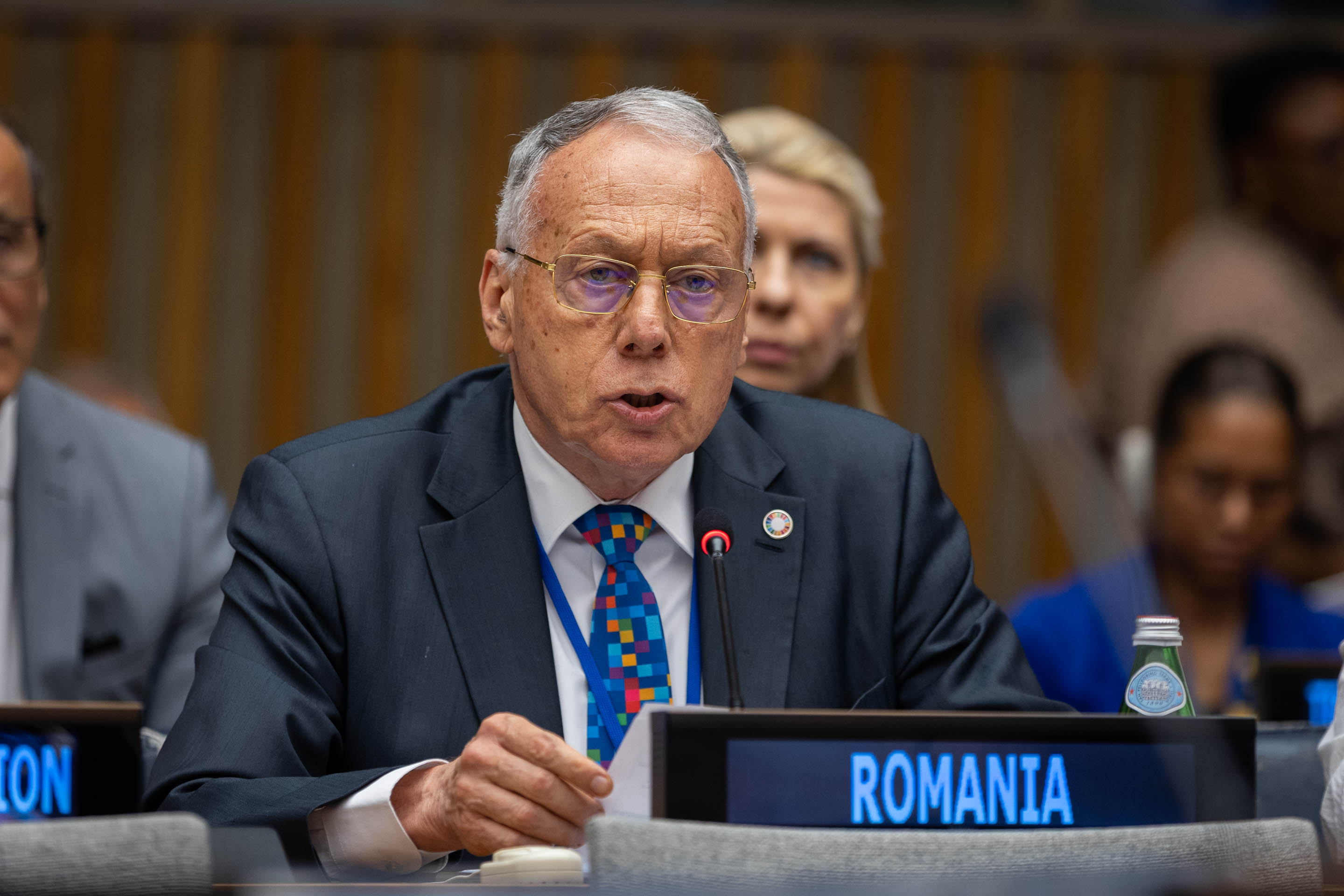
Làszló Borbély, Romania
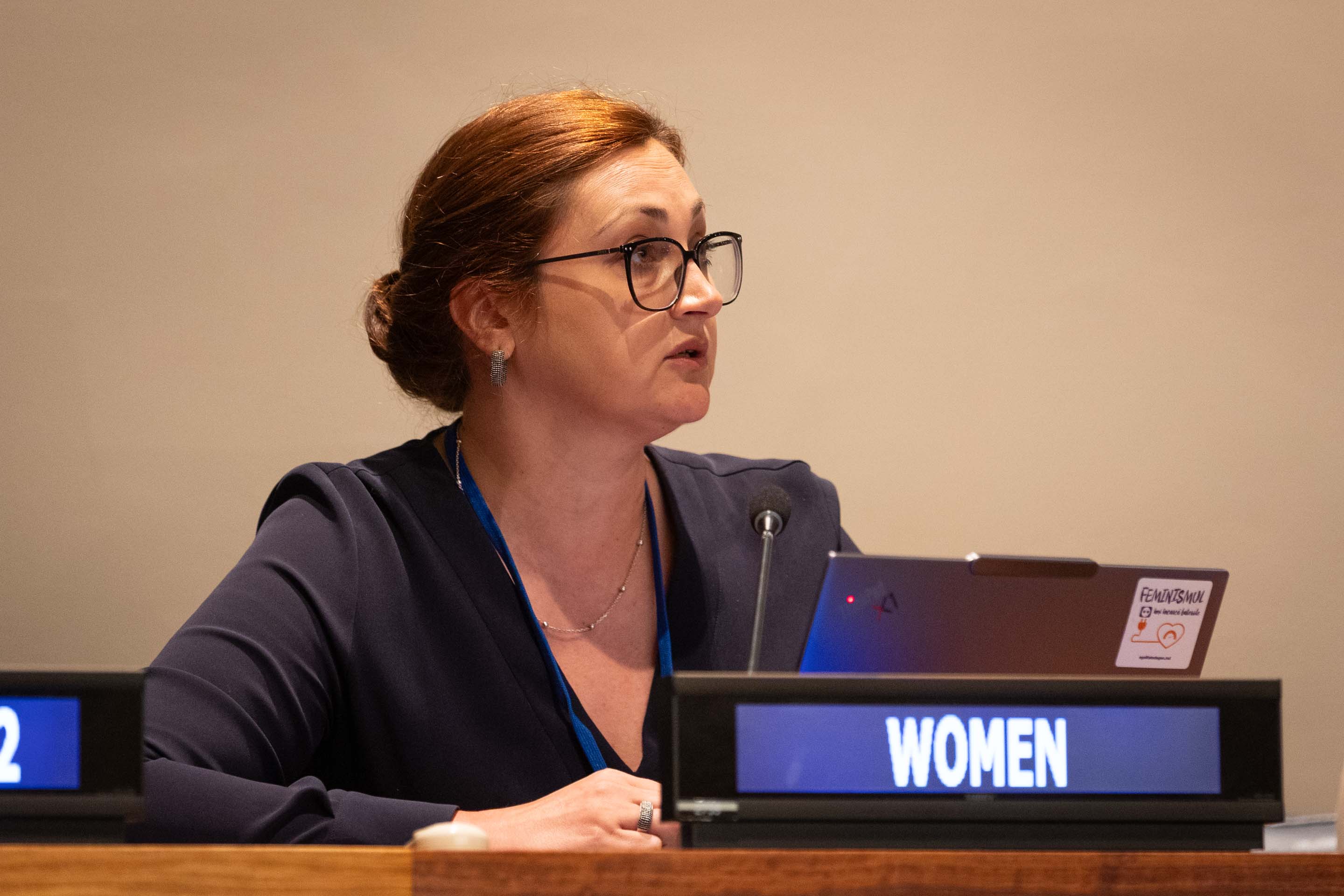
Nina Lozinschi, Women's Major Group
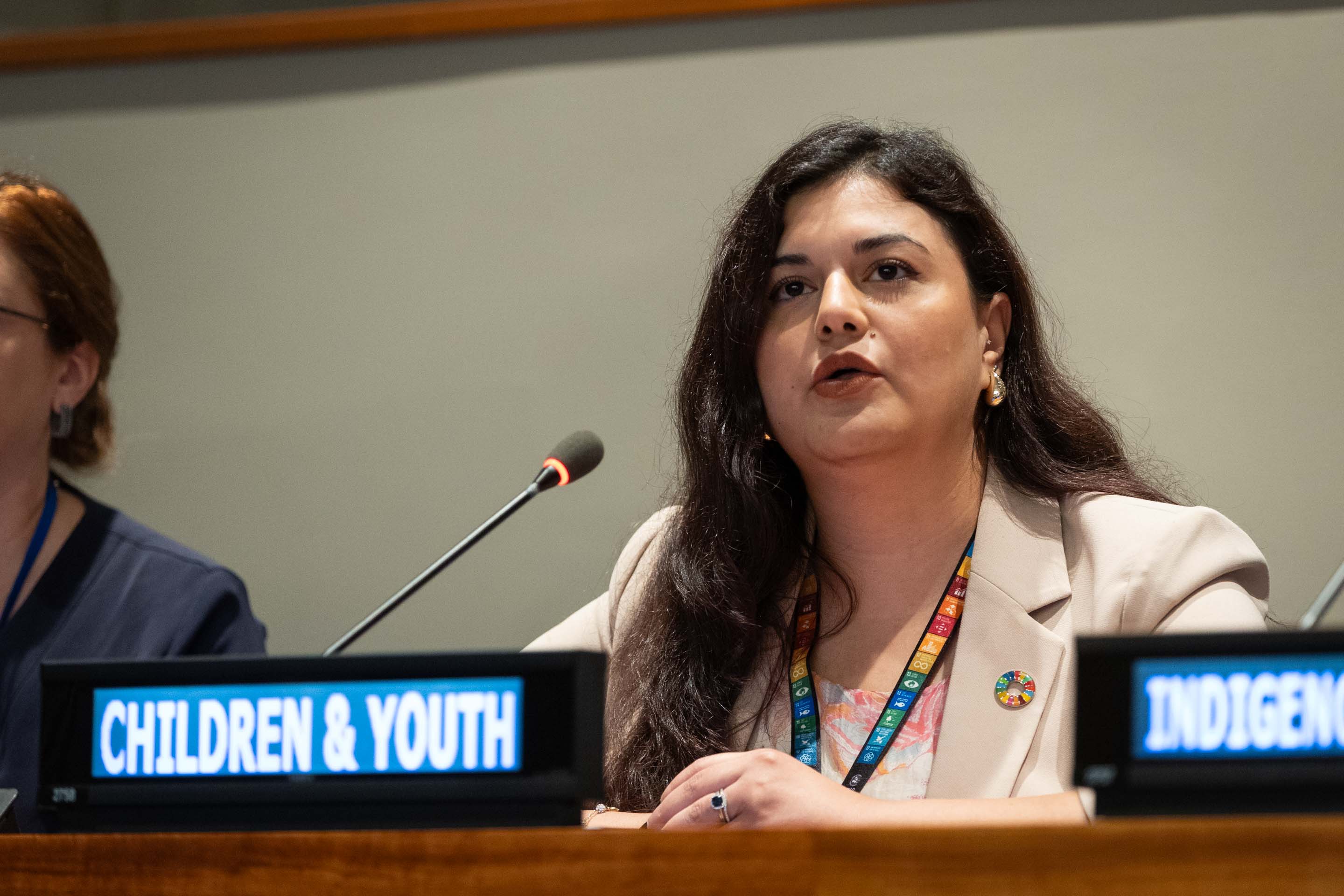
Sahba El-Shawa, Major Group for Children and Youth (MGCY)
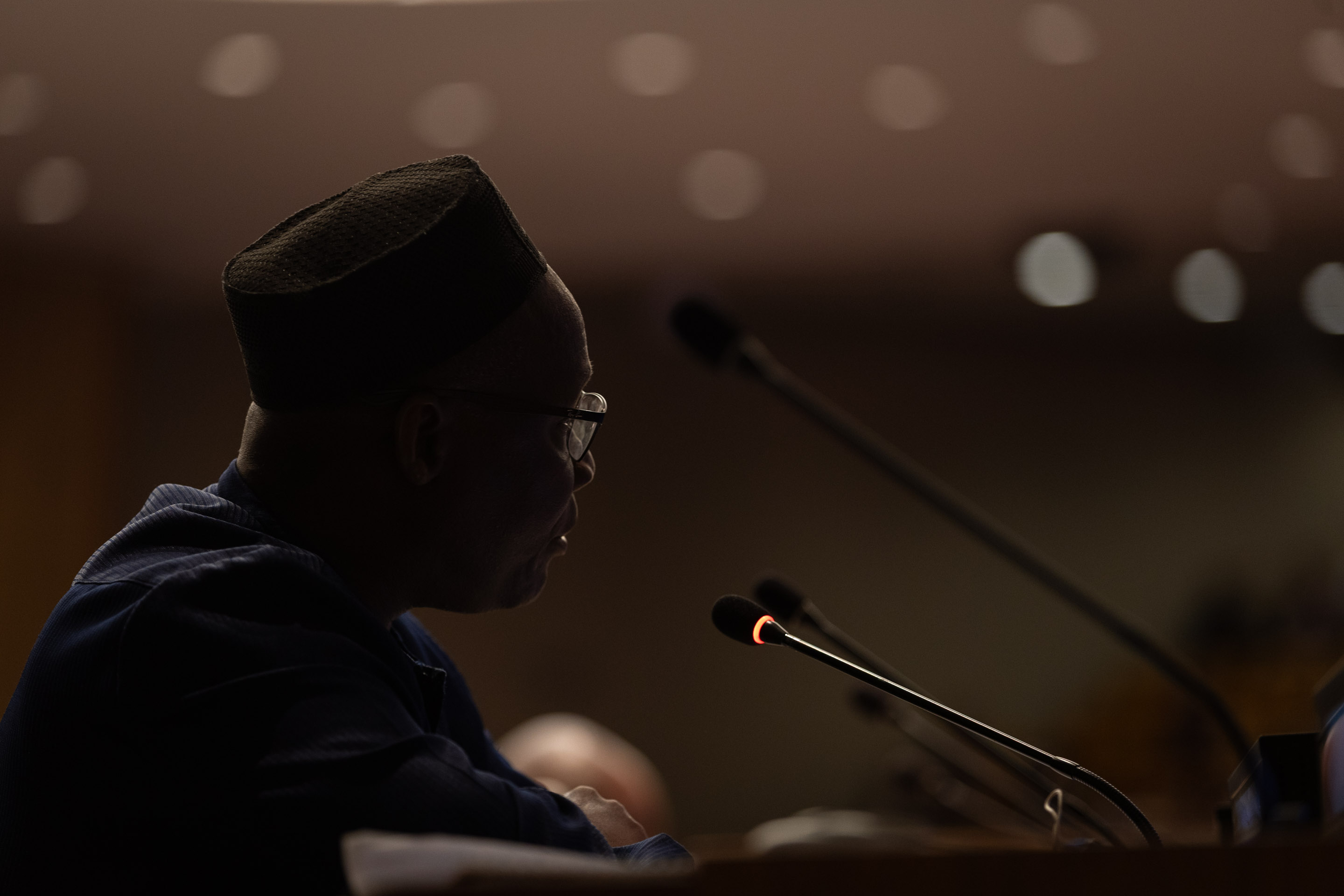
Saïdou Zongo, Permanent Representative of Burkina Faso to the UN
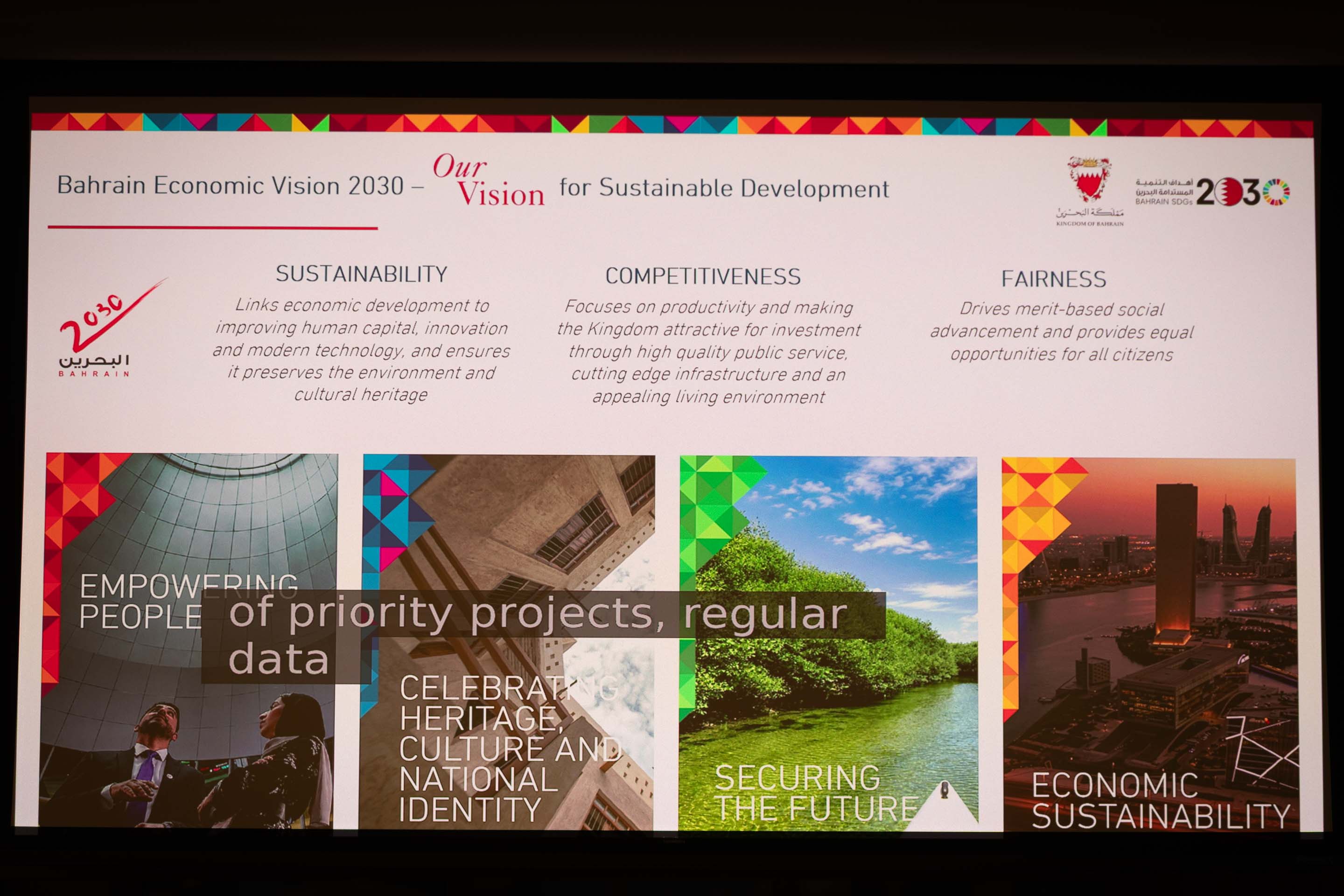
Bahrain's VNR highlights their four pillar approach to achieving the SDGs
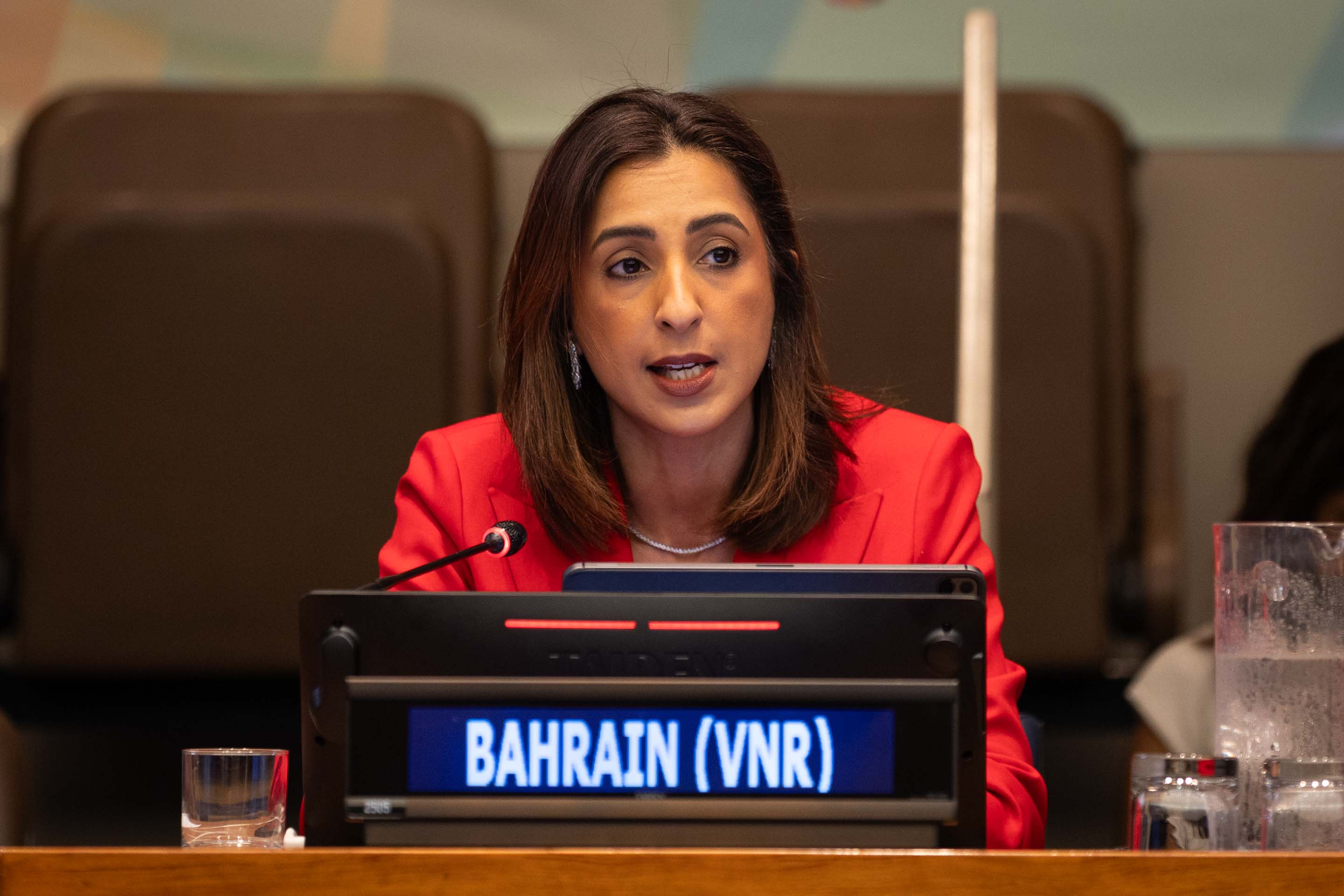
Noor bint Ali Alkhulaif, Minister of Sustainable Development, and Chief Executive, Bahrain Economic Development Board
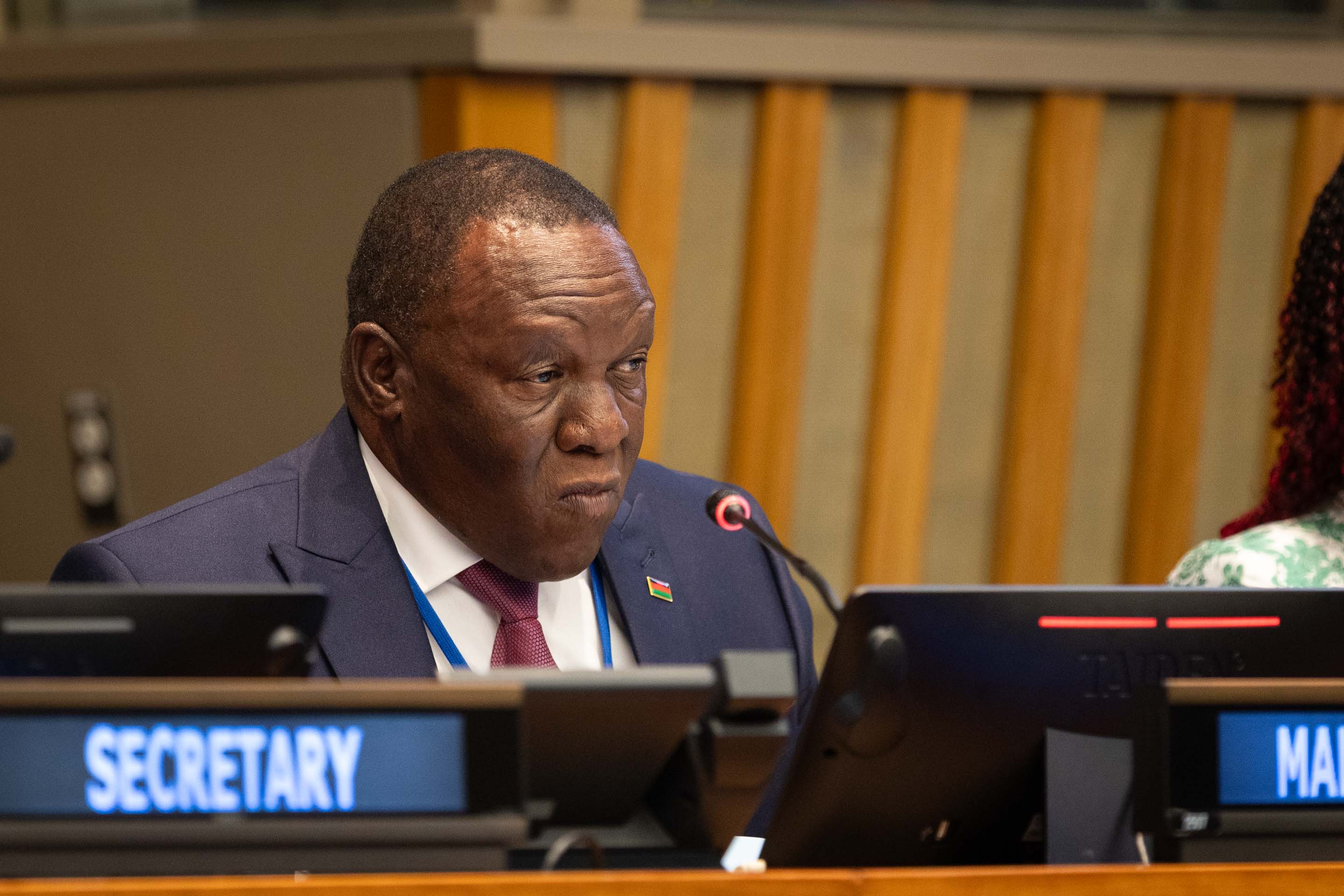
Cliff Kenneth Chiunda, Secretary to Treasury, Malawi
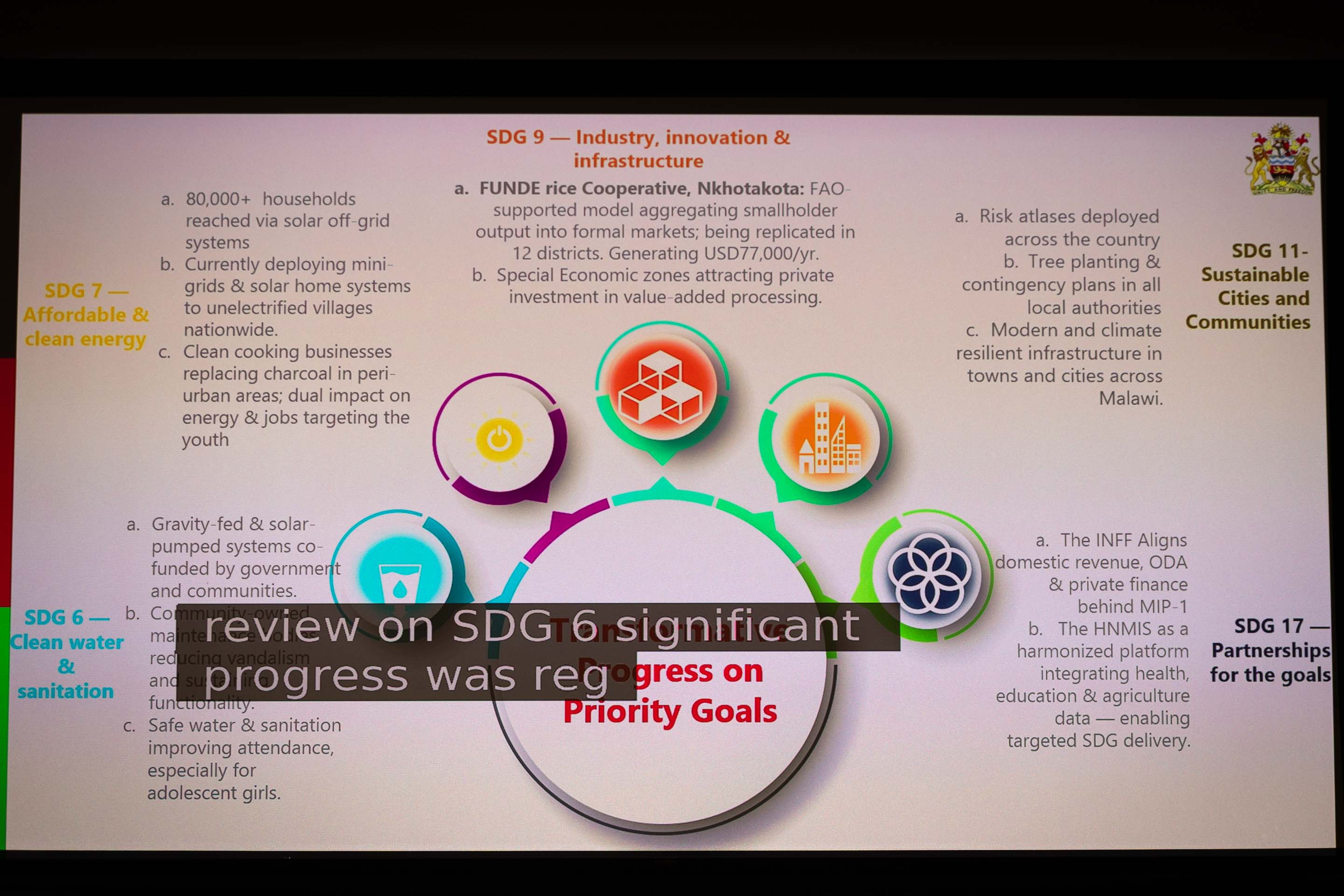
Malawi's VNR highlights progress made across a number of SDGs
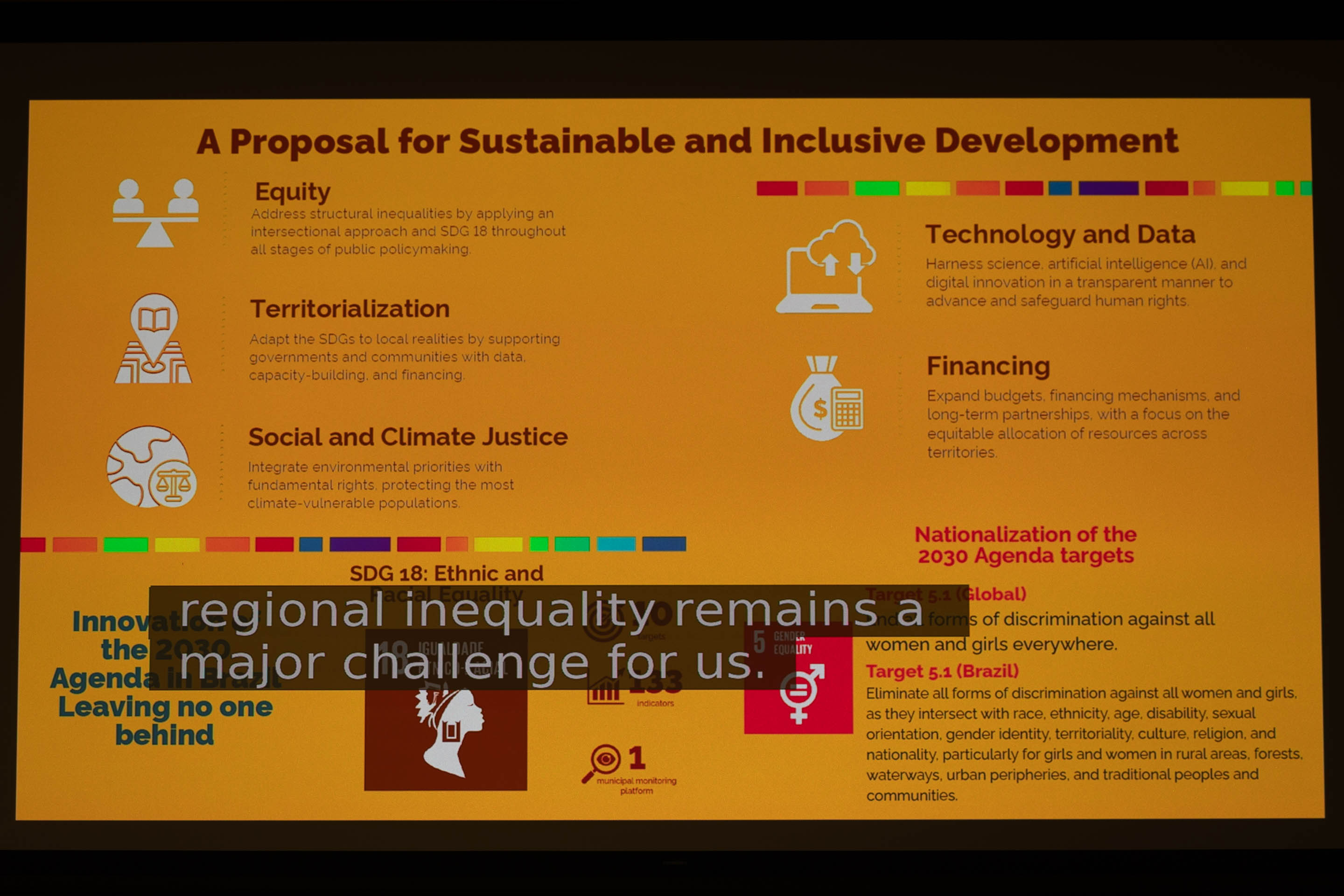
Brazil's VNR highlights their proposal for achieving sustainable and inclusive development
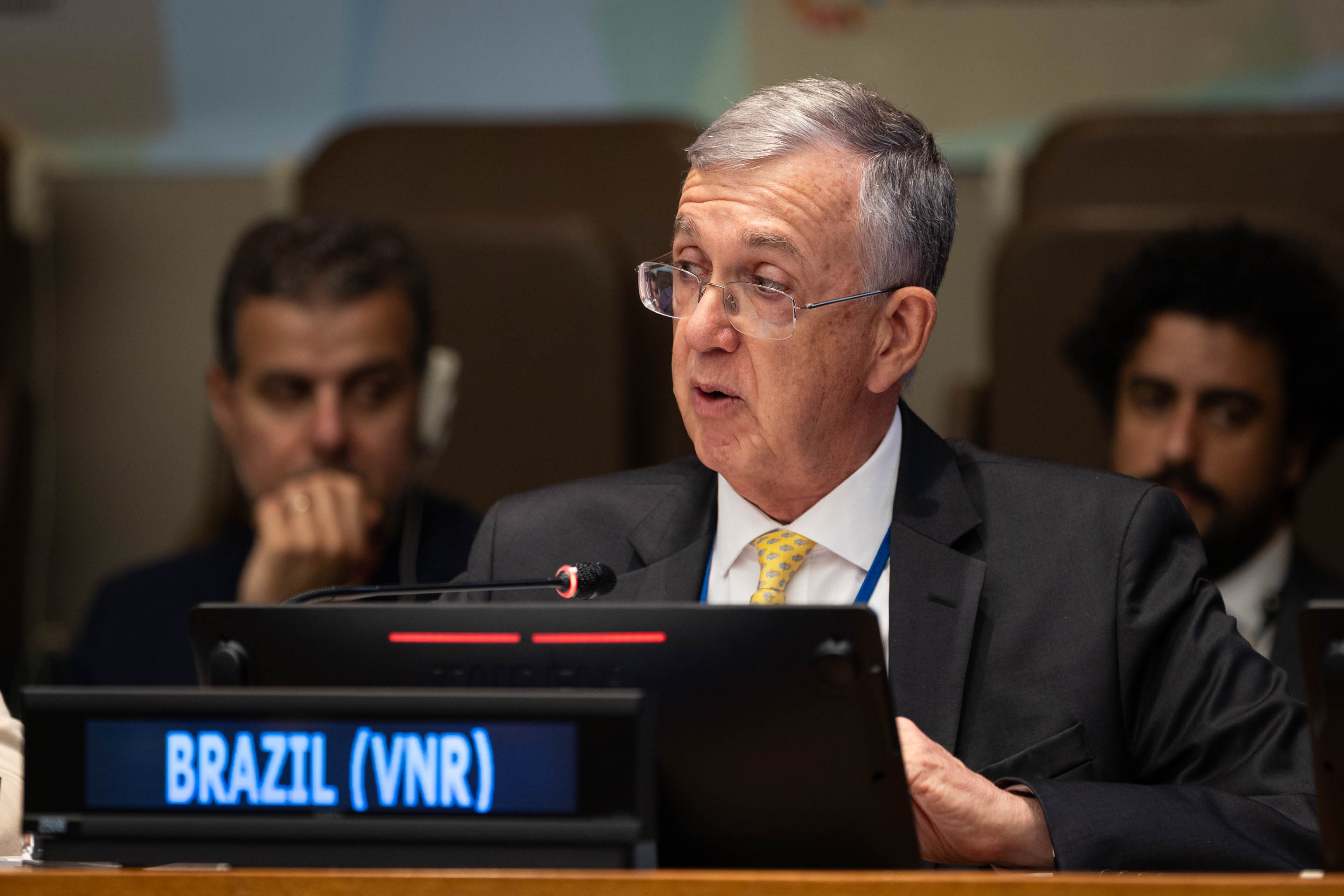
Sérgio França Danese, Permanent Representative of Brazil to the UN
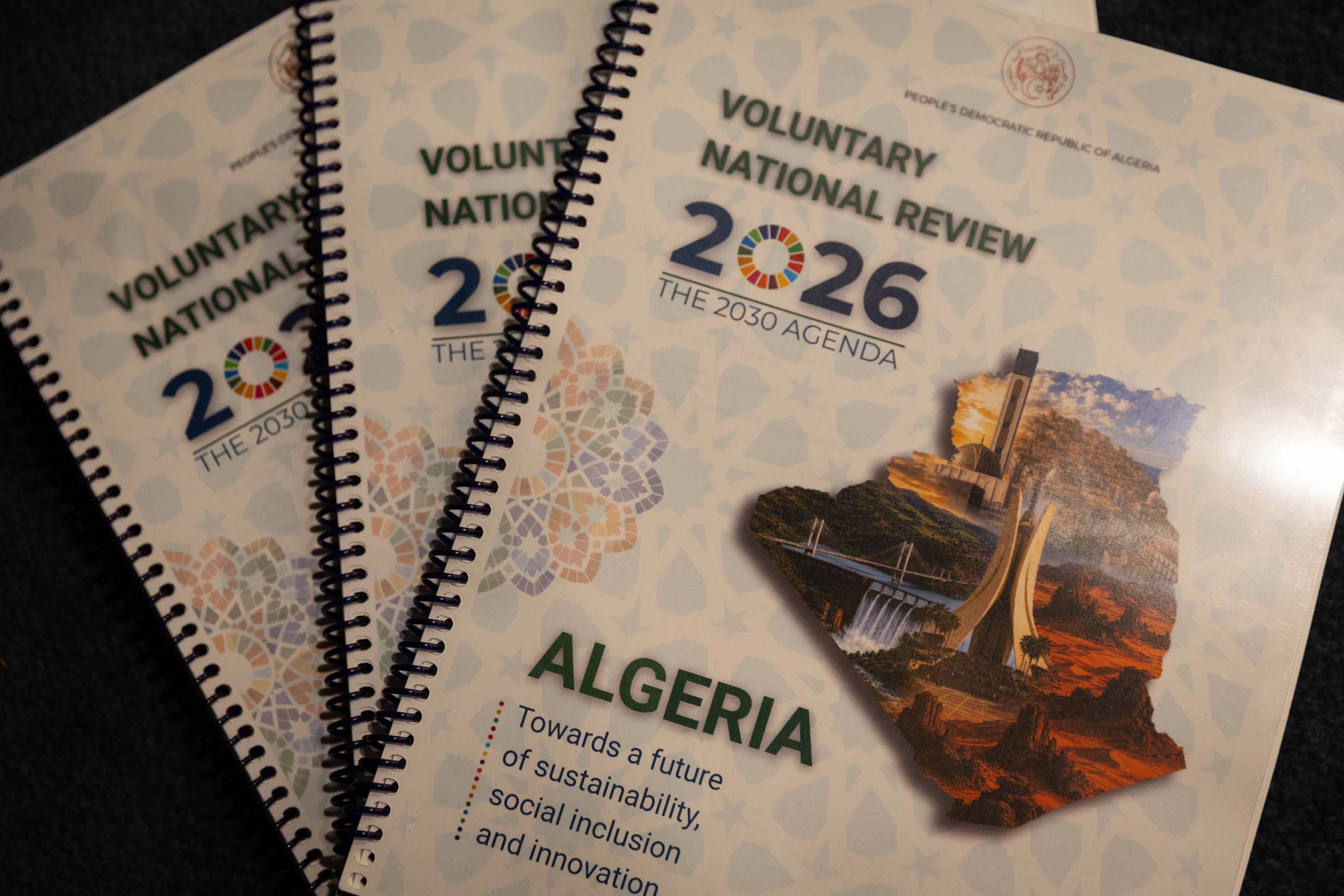
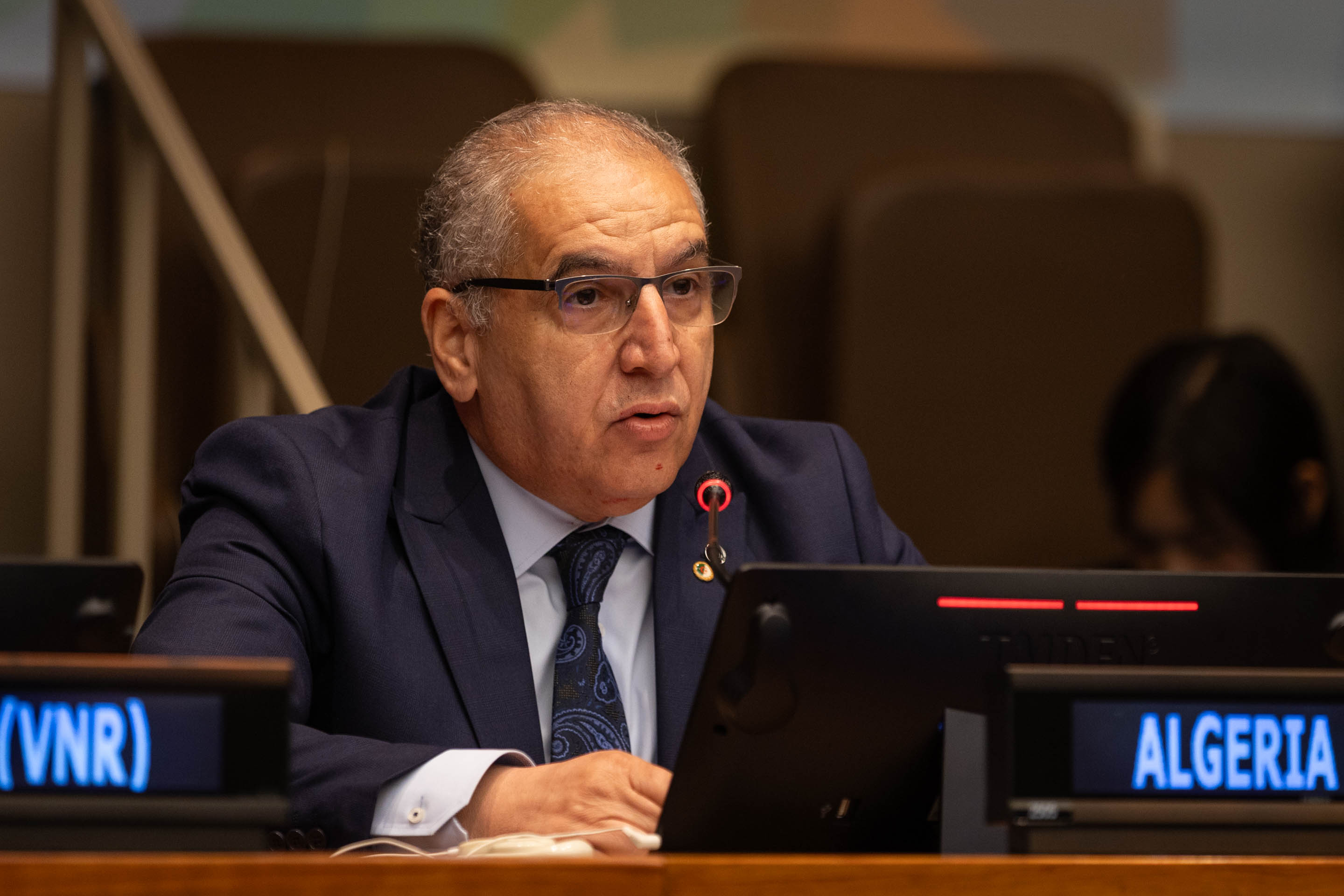
Lounges Magramane, Secretary General, Ministry of Foreign Affairs, National Communication Abroad and African Affairs, Algeria
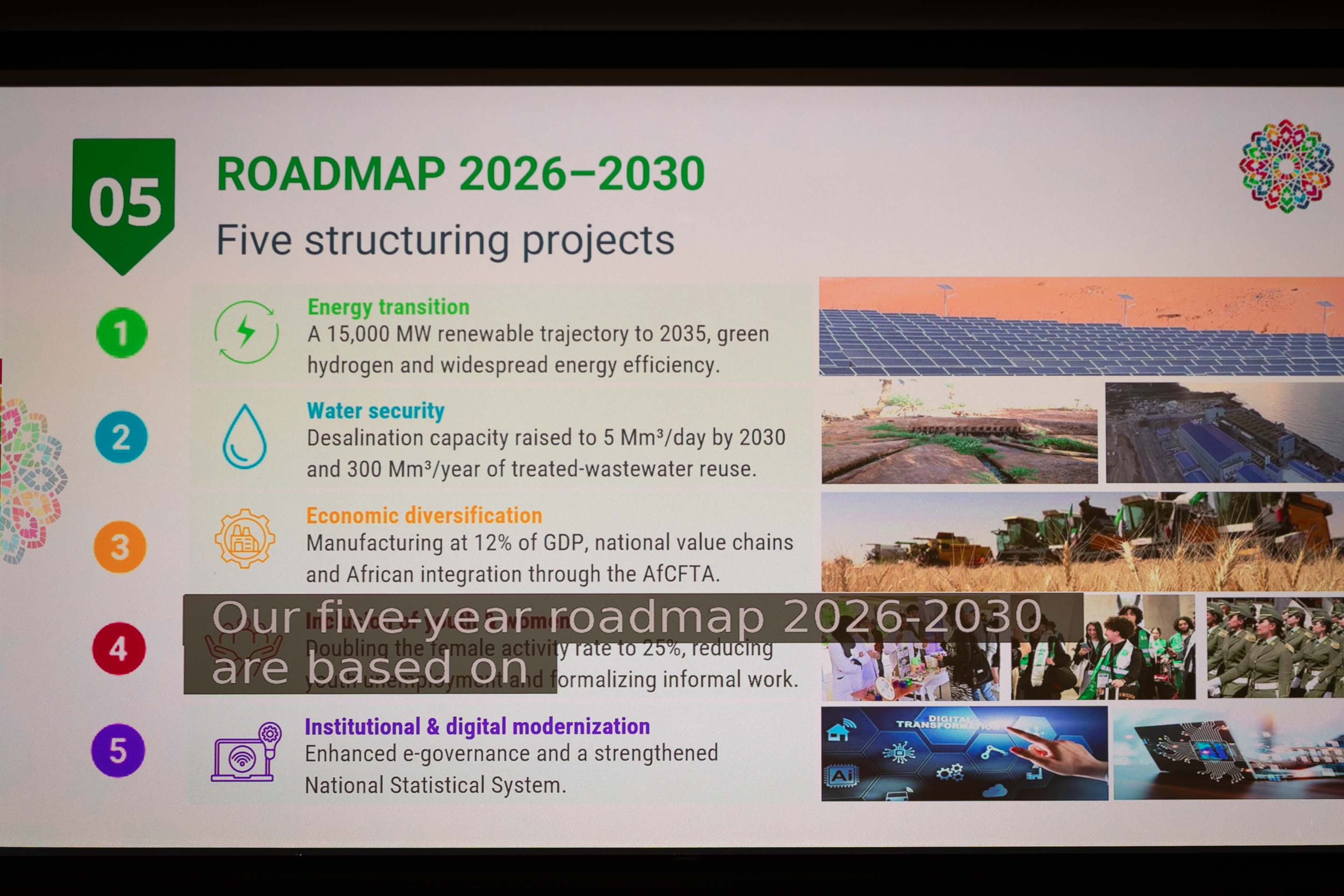
Algeria's VNR highlights their roadmap for greater progress with the SDGs
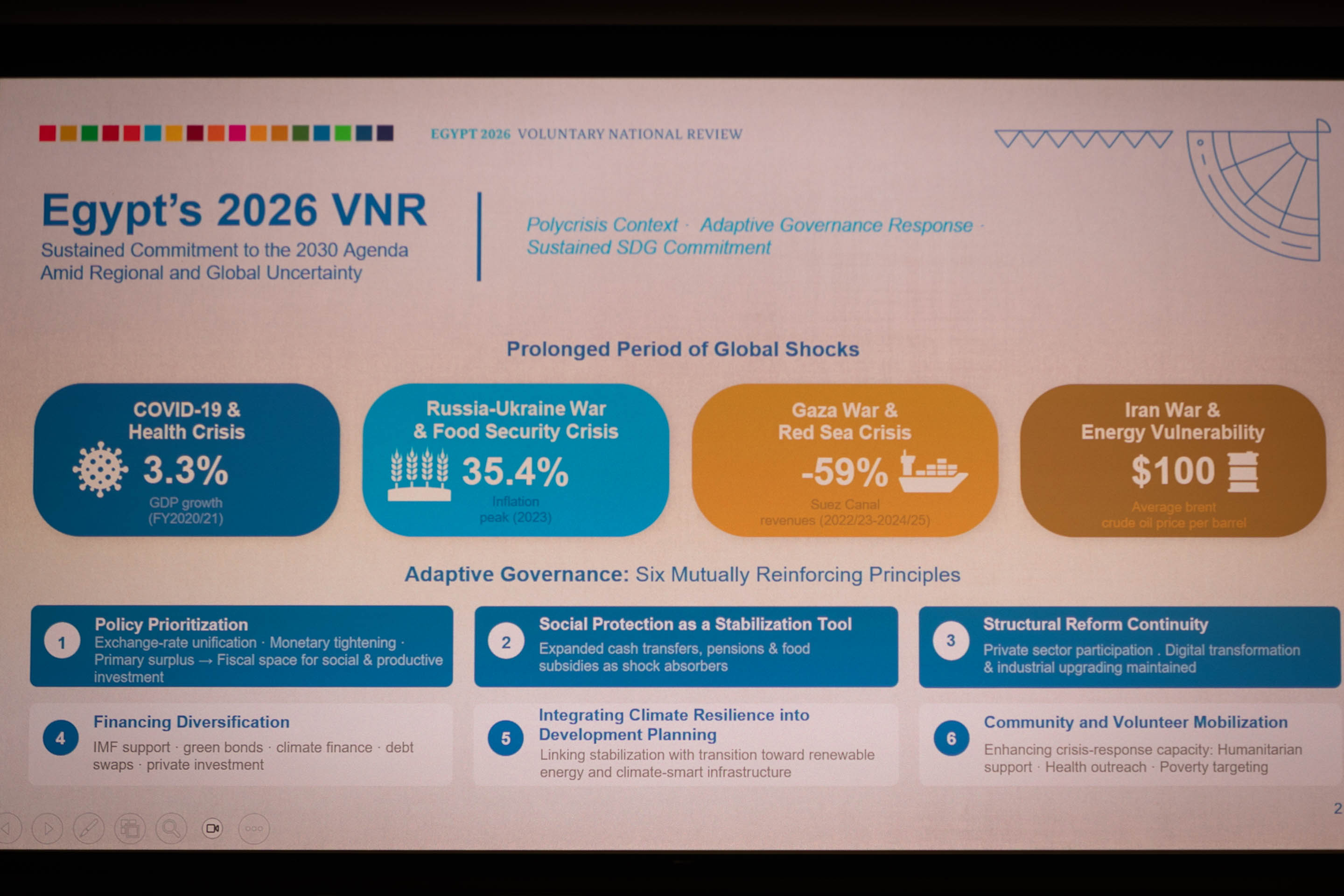
Egypt's VNR highlights the impact that war and conflict have had on achieving the SDGs
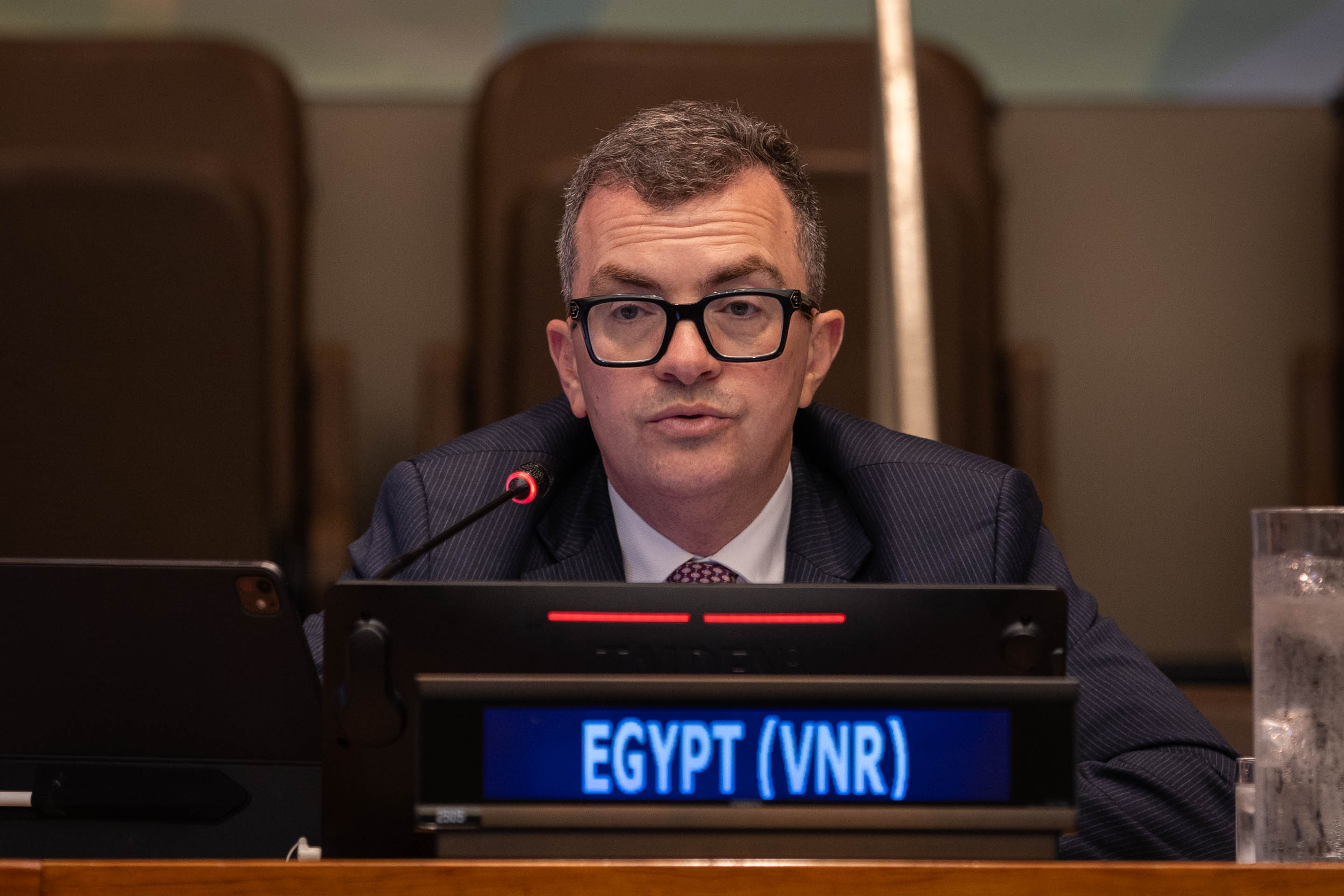
Ahmed Mohammed Tawfiq Rustum, Minister of Planning and Economic Development, Egypt
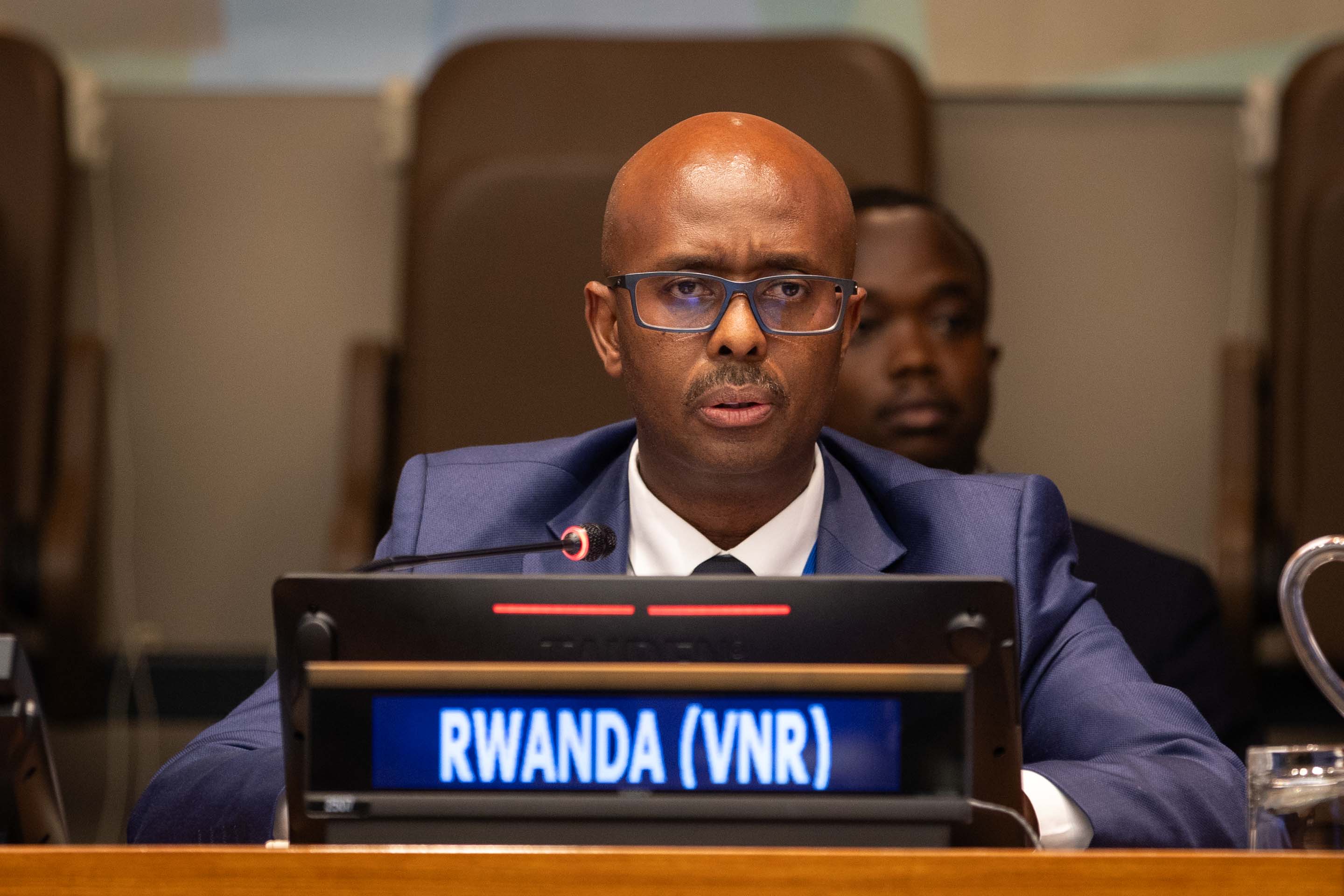
Yusuf Murangwa, Minister of Finance and Economic Planning, Rwanda
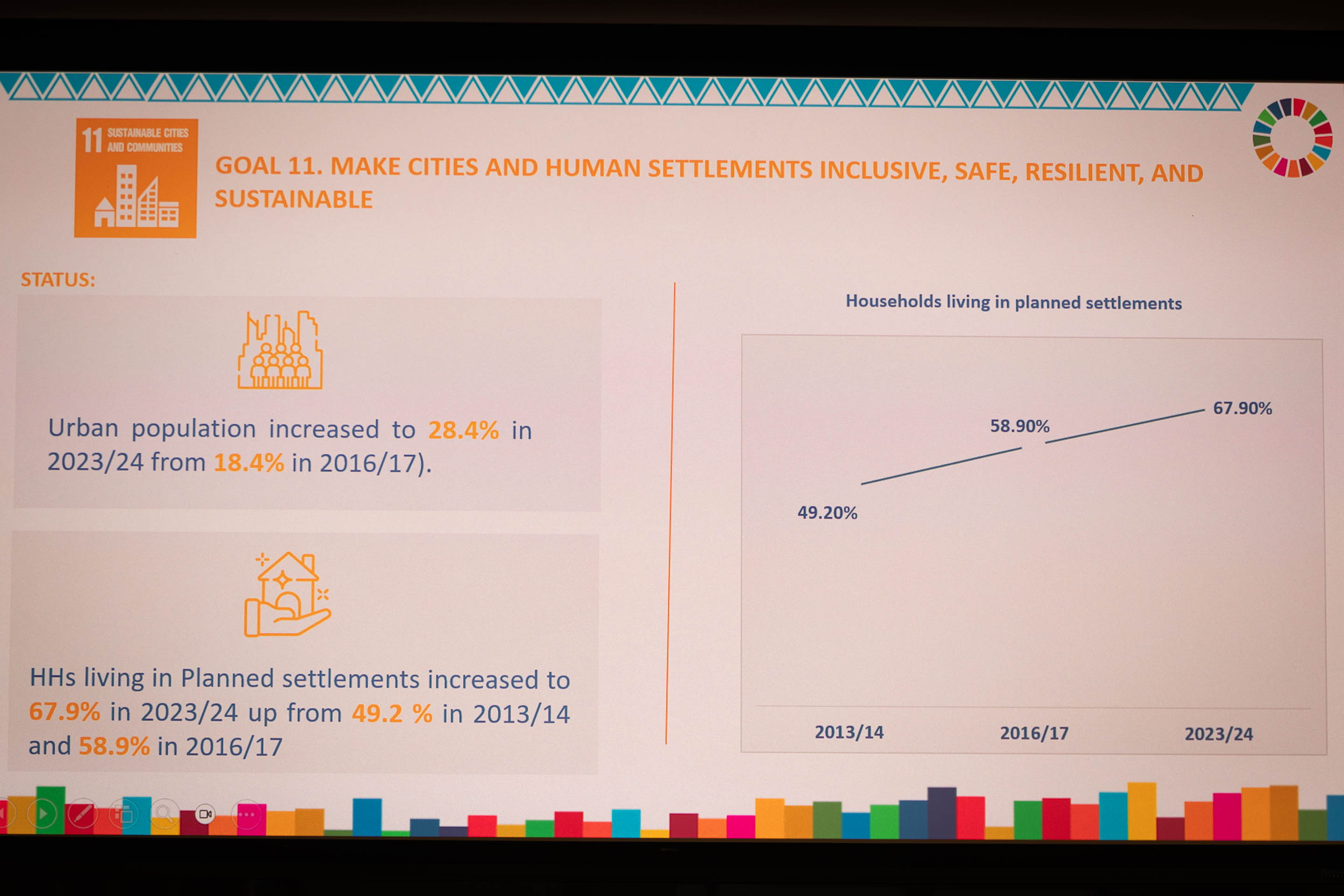
Rwanda's VNR highlights progress on SDG 11 (sustainable cities)
Closing of HLPF
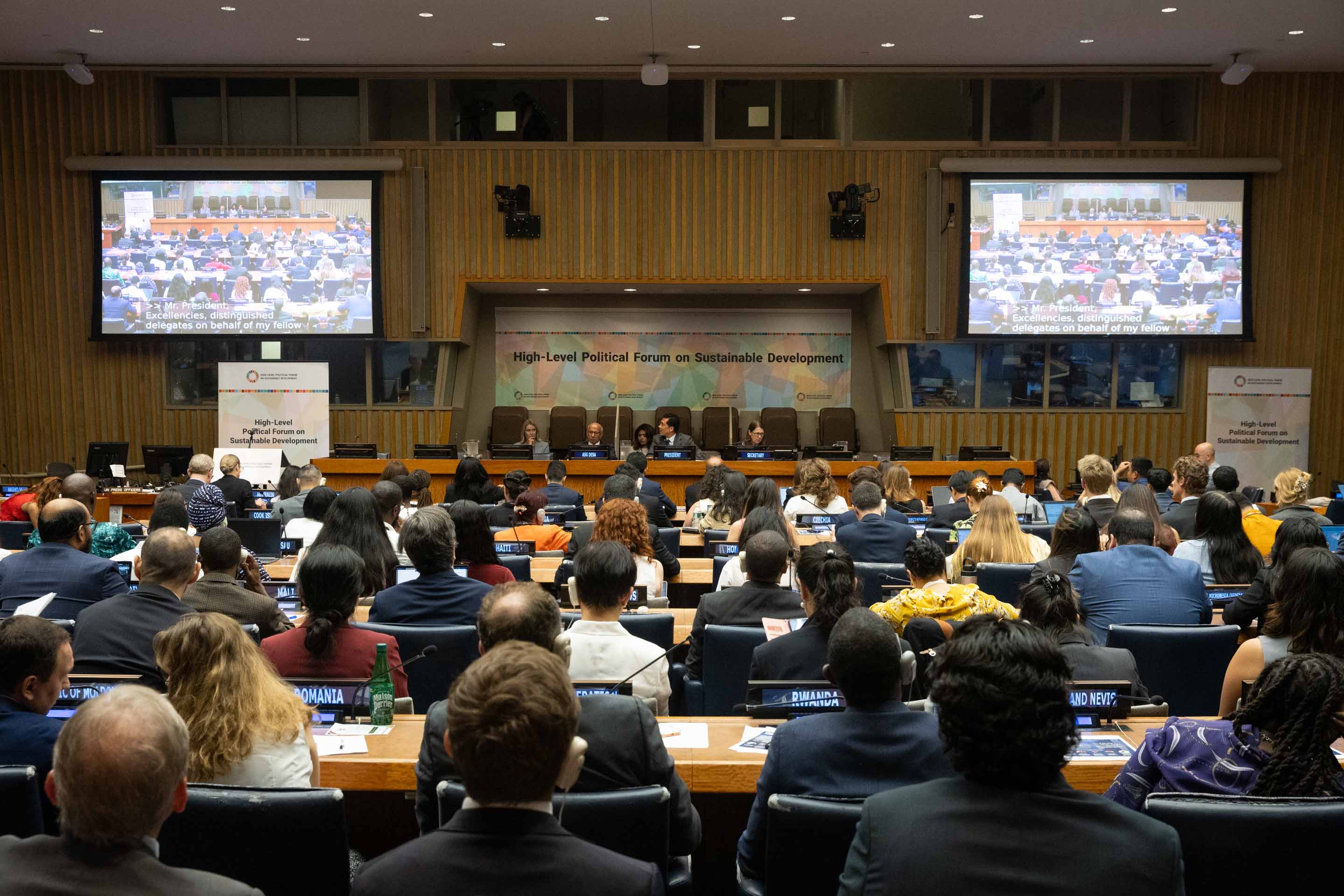
Delegates gather for the closing of HLPF 2026
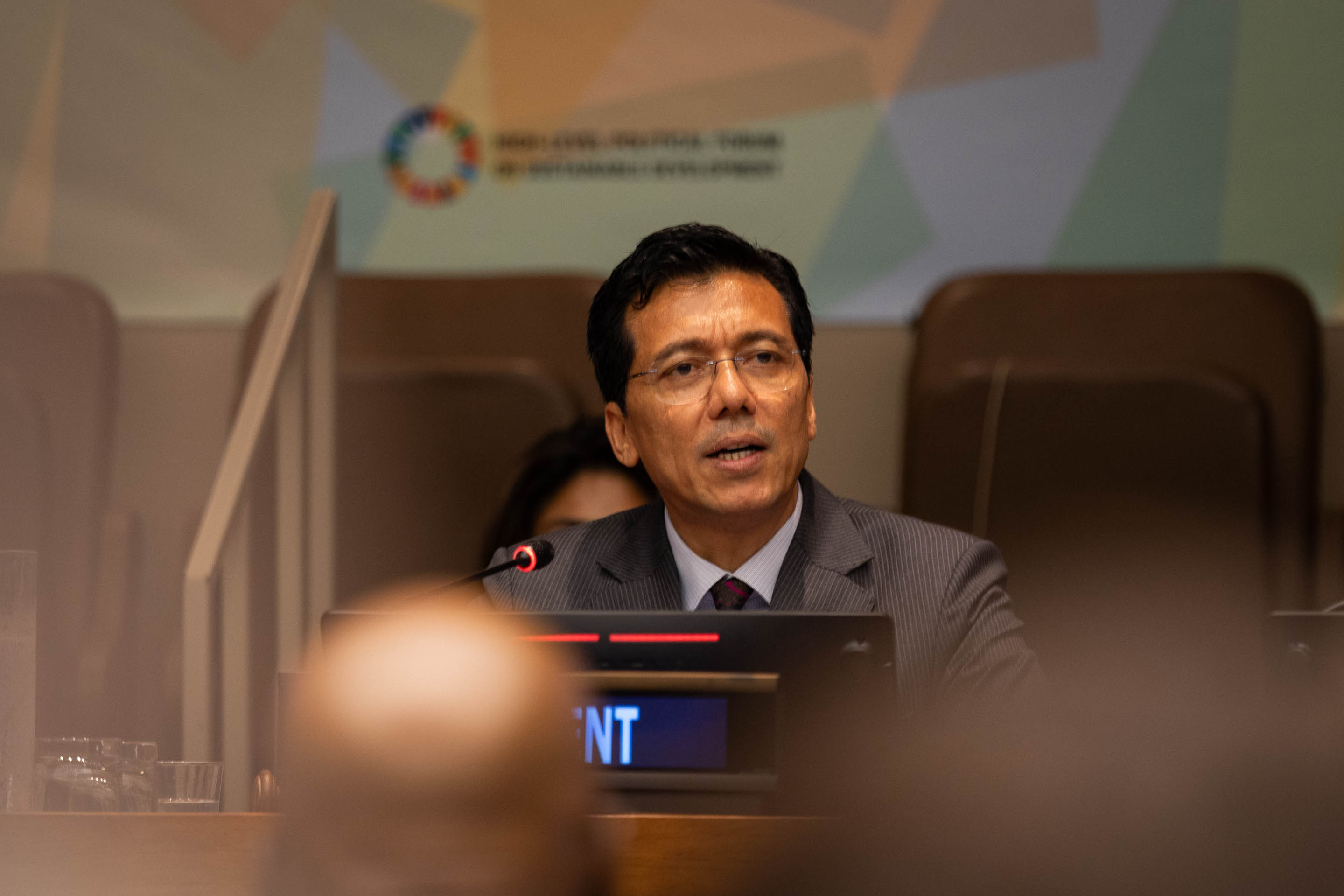
Lok Bahadur Thapa, President, ECOSOC
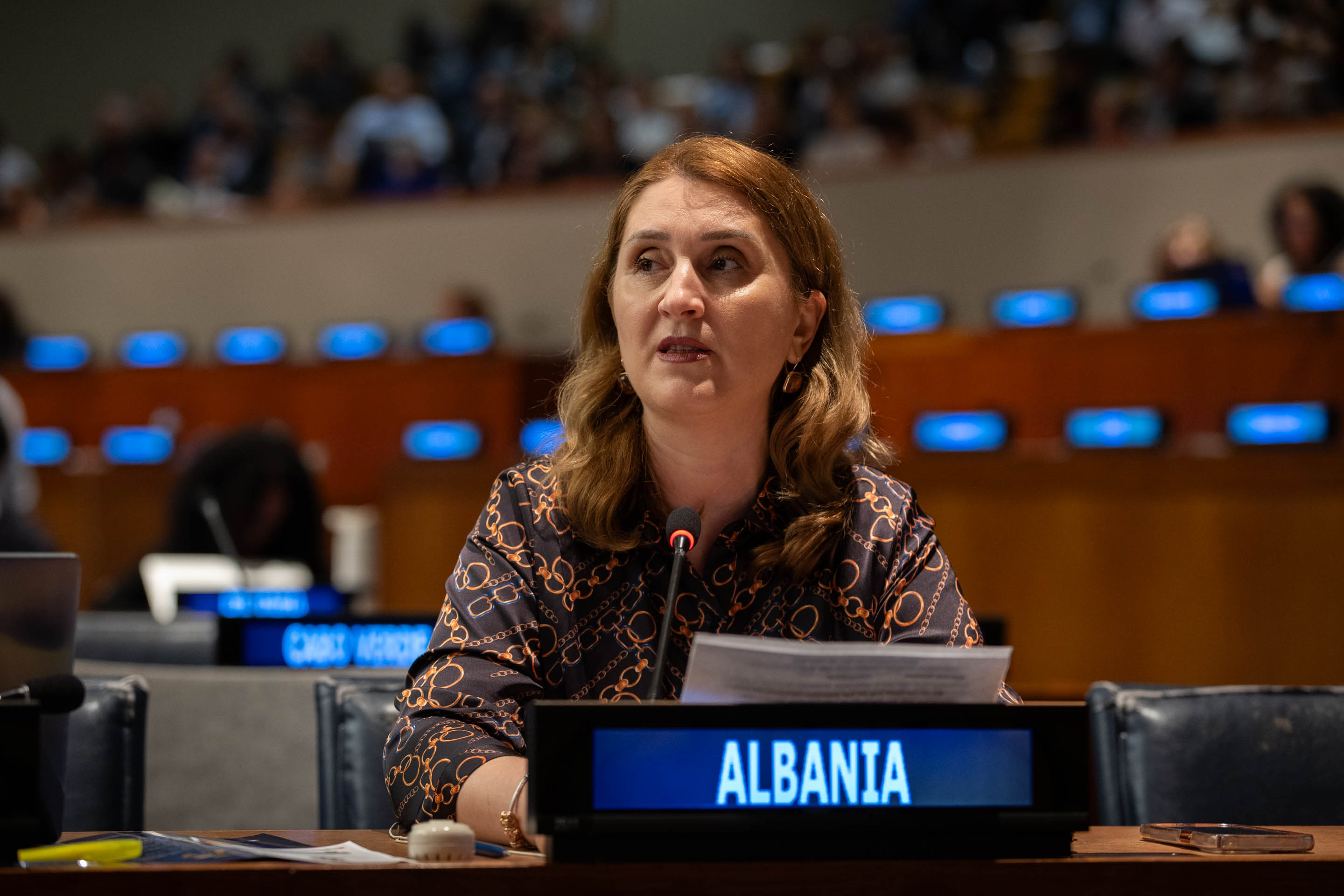
Suela Janina, Permanent Representative of Albania to the UN, and Co-Facilitator for the Ministerial Declaration
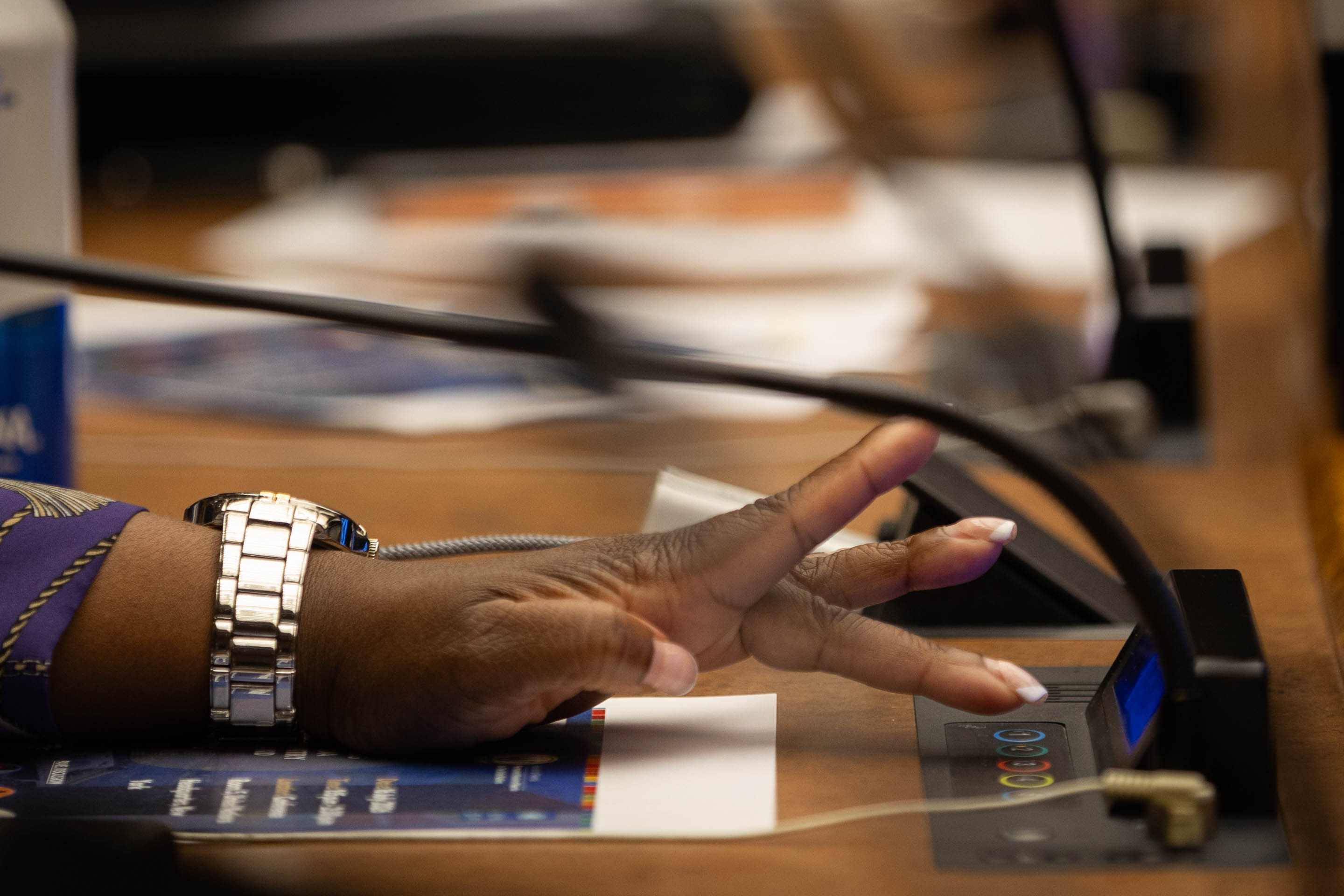
Delegates vote on two amendments to the Ministerial Declaration
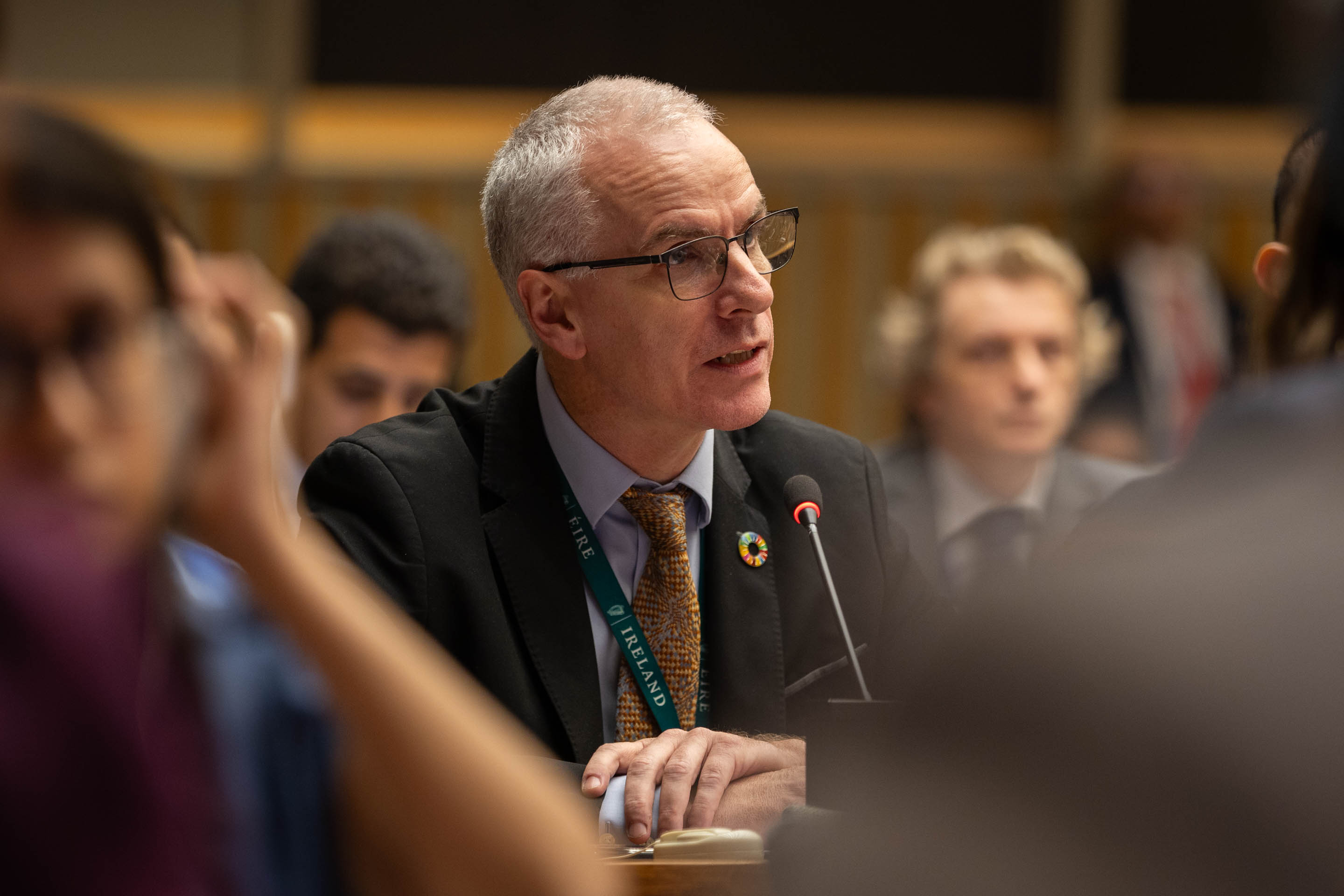
Dónal Cronin, Ireland, on behalf of the EU
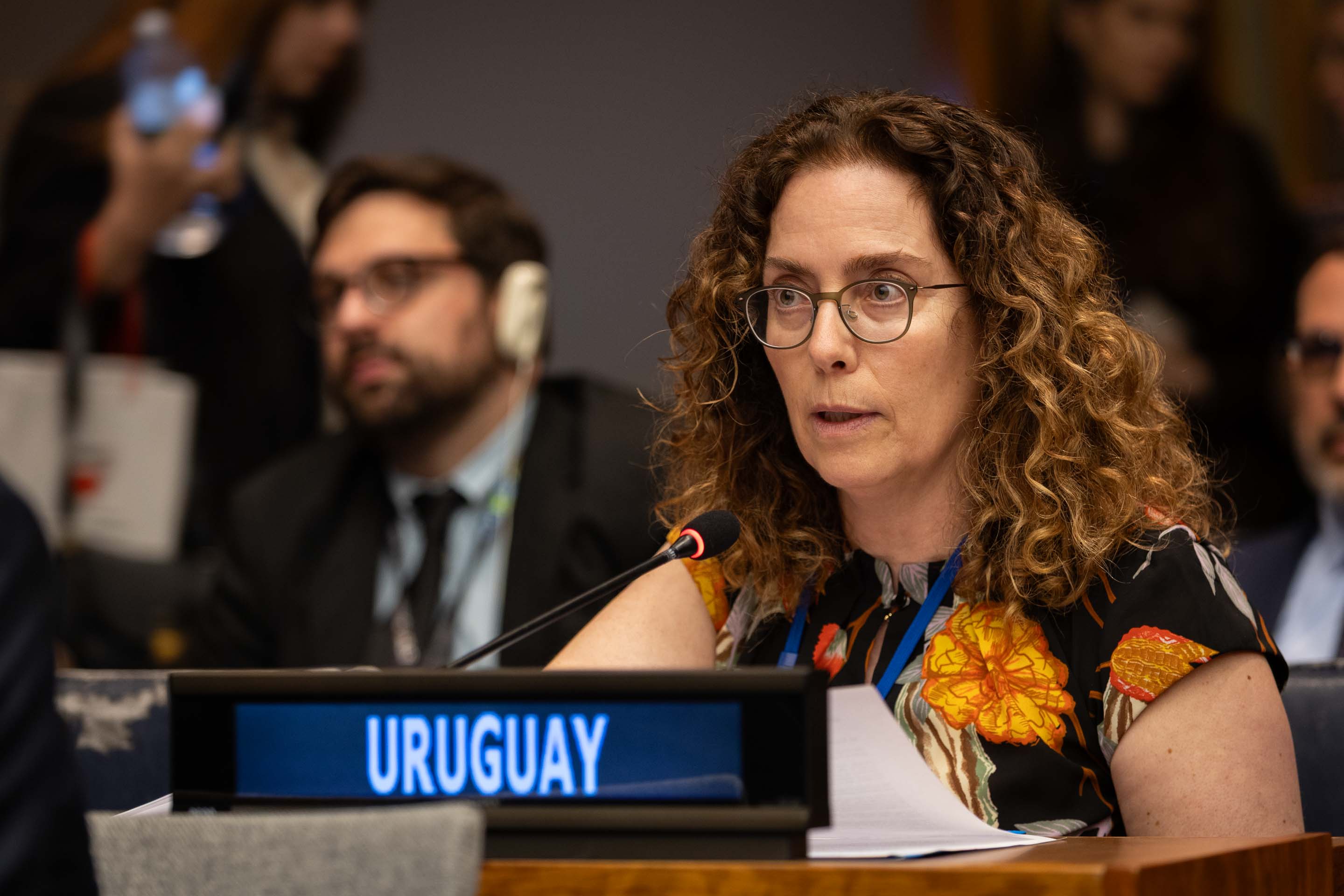
Laura Dupuy Lasserre, Uruguay, on behalf of the G-77/China
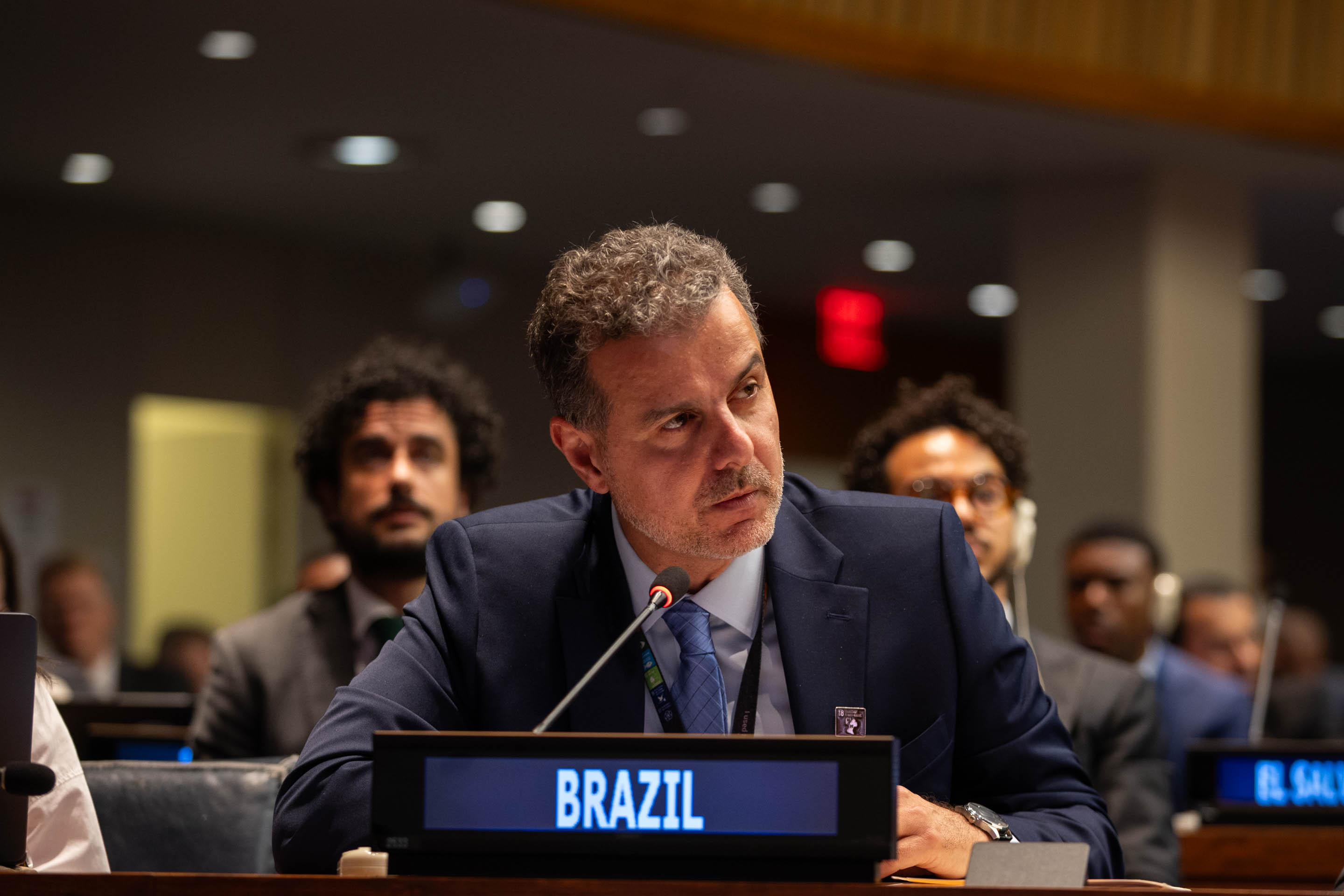
José Gilberto Scandiucci, Brazil
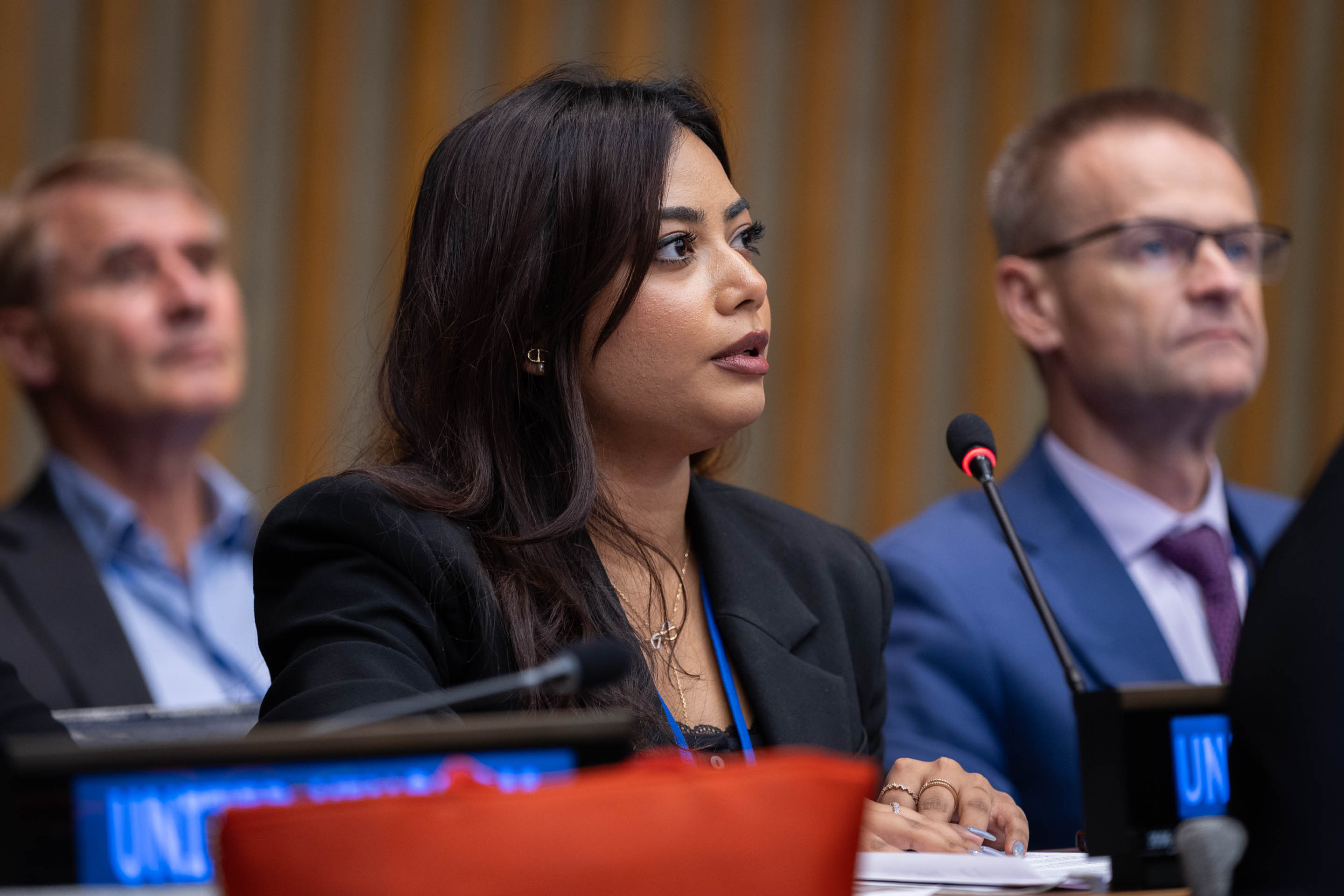
Nora Alawadhi, UAE
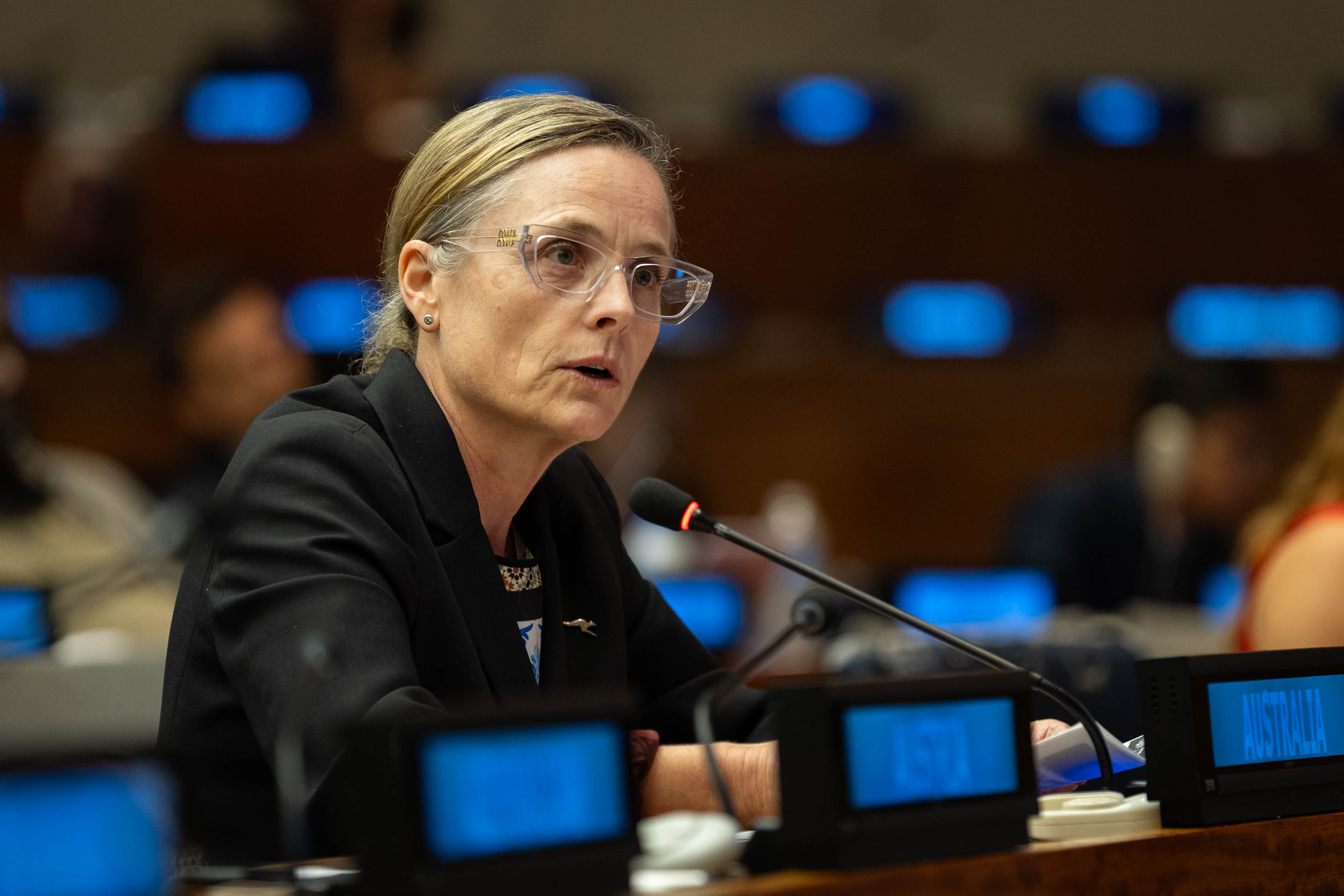
Beth Delaney, Australia, on behalf of Australia, Canada, and New Zealand (CANZ)
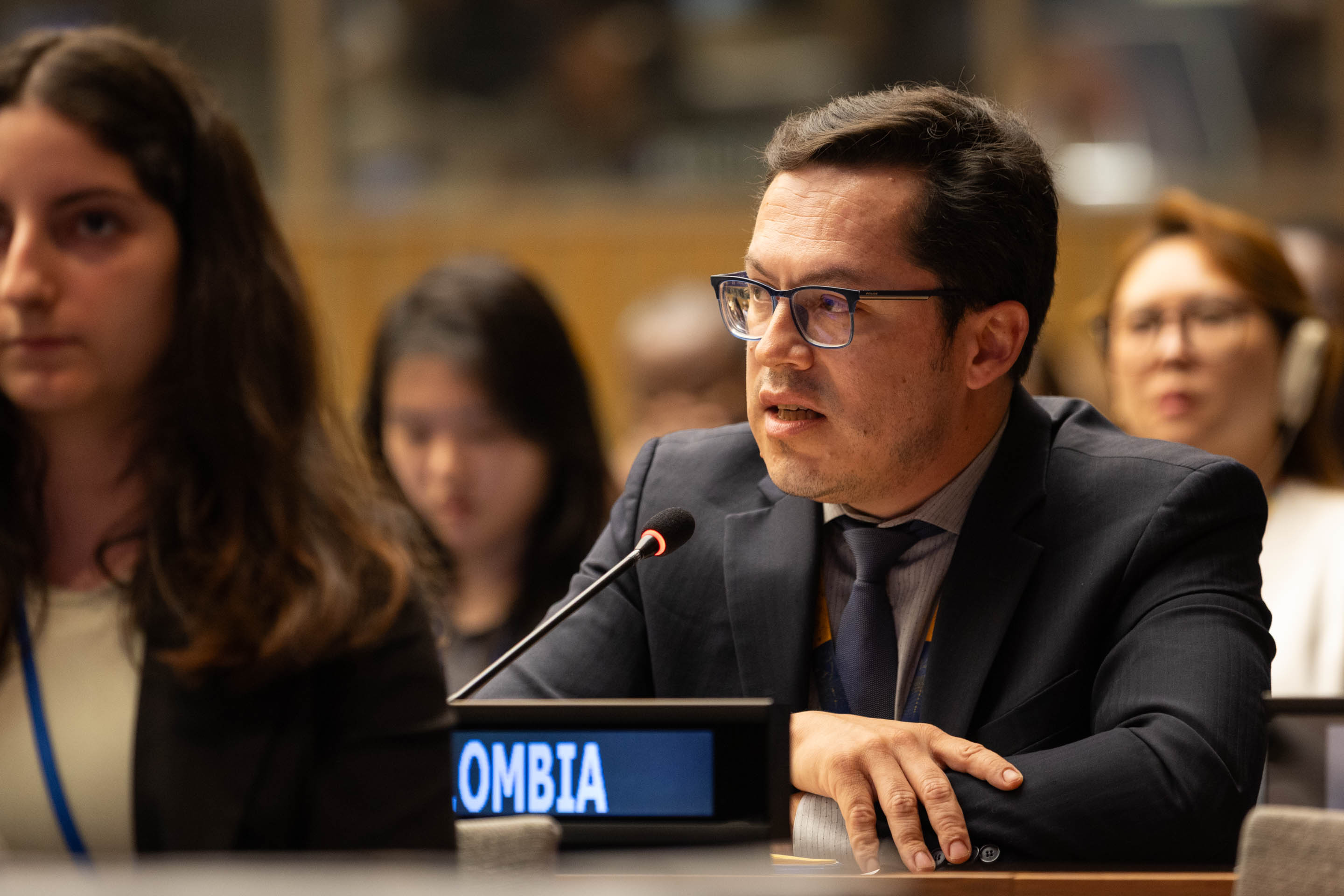
Miguel Angel Gonzalez Ocampo, Colombia
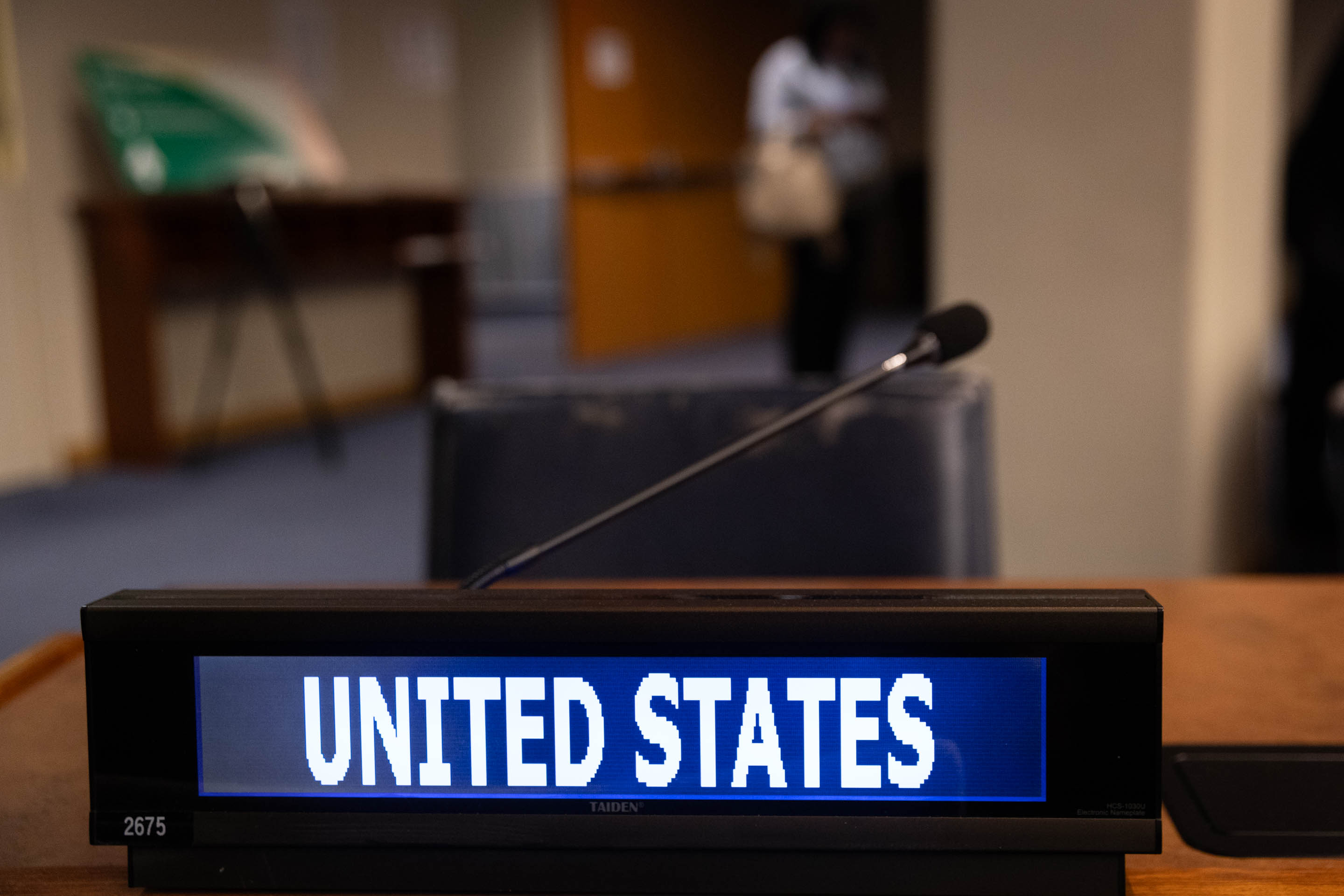
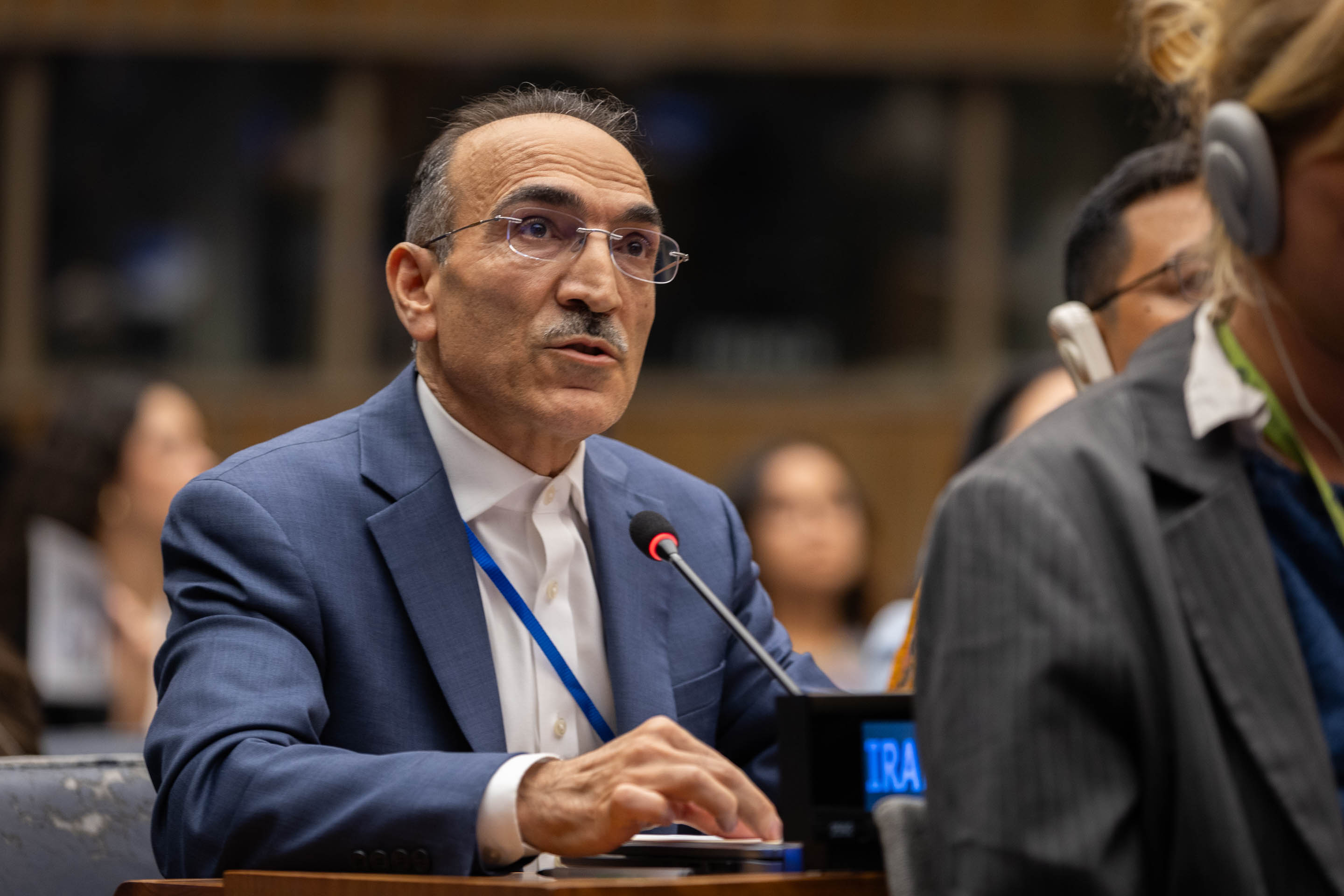
Javad Momeni, Iran
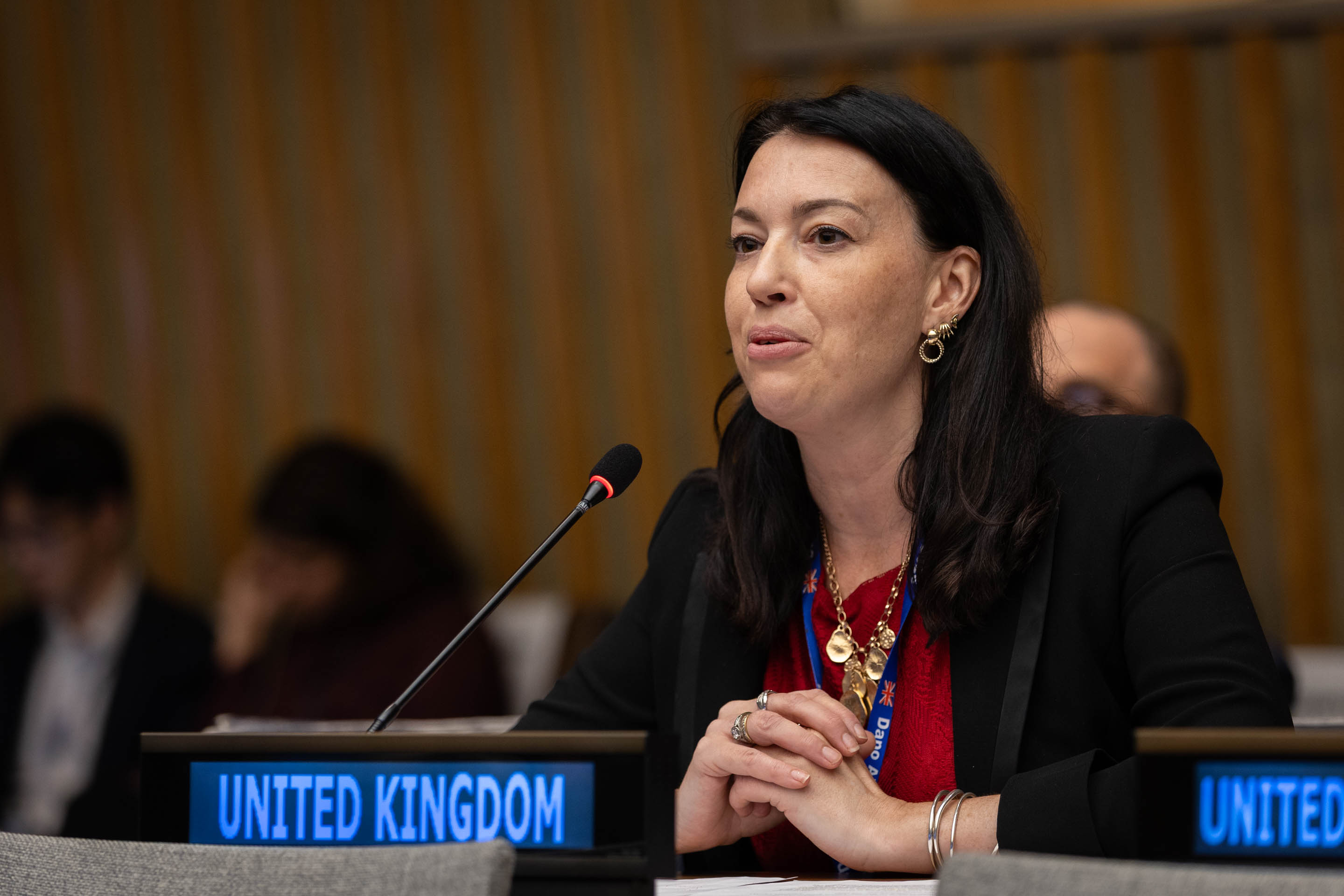
Helen King, UK
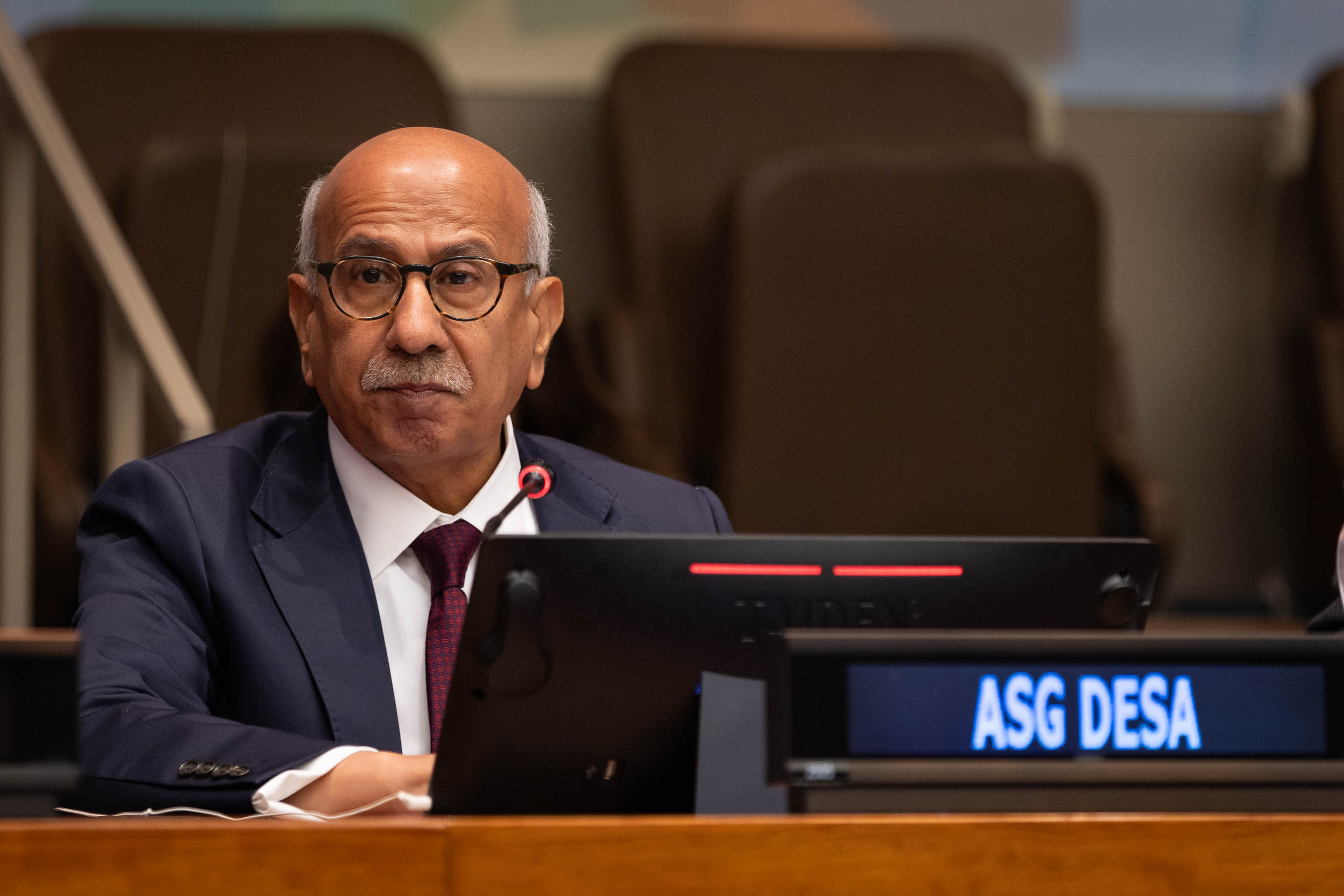
Navid Hanif, Assistant Secretary-General, Economic Development, UN DESA
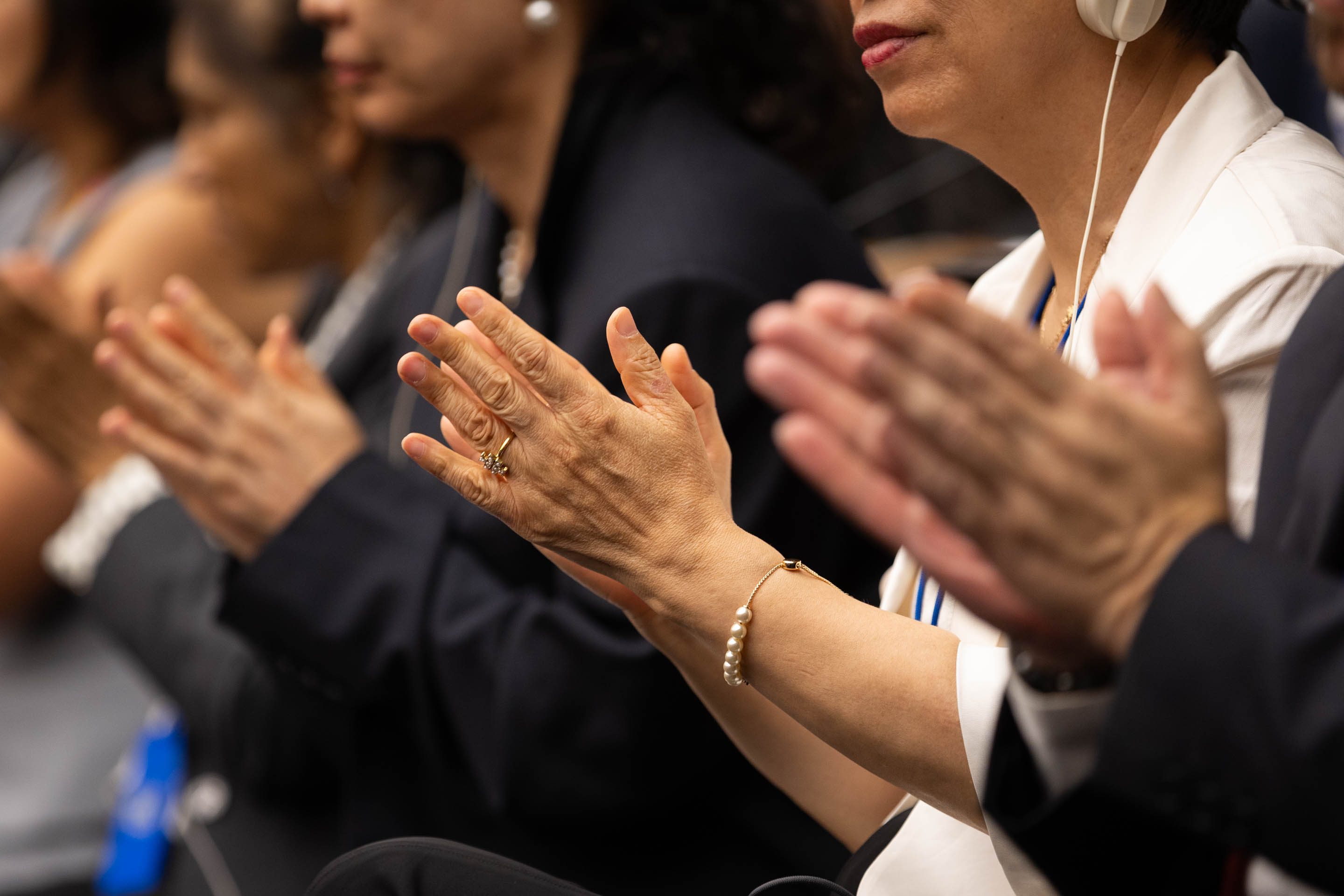
Delegates applaud the adoption of the Ministerial Declaration
Around the Venue
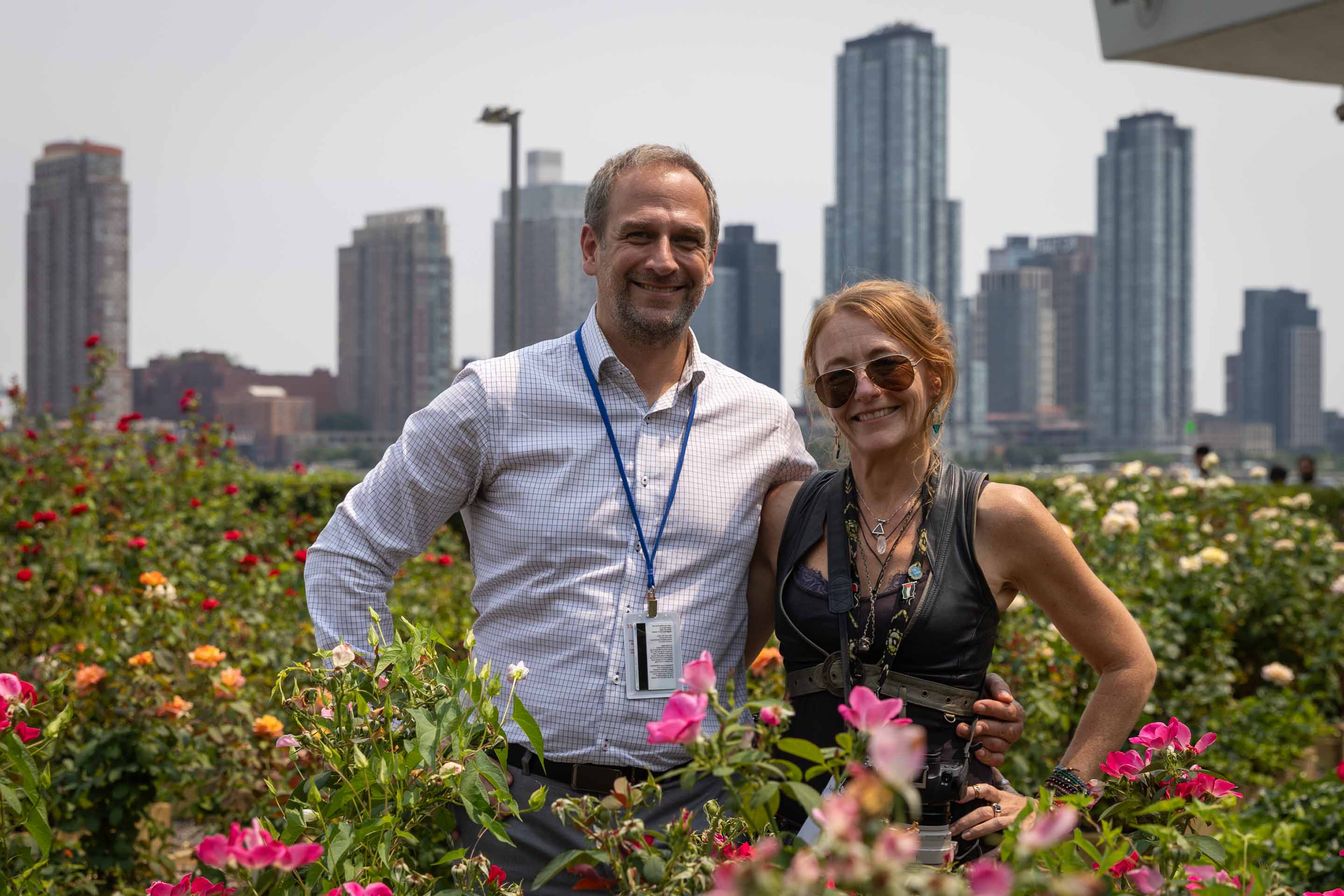
The IISD/ENB team covering HLPF 2026: Stefan Jungcurt, Germany/Canada, and Kiara Worth, South Africa
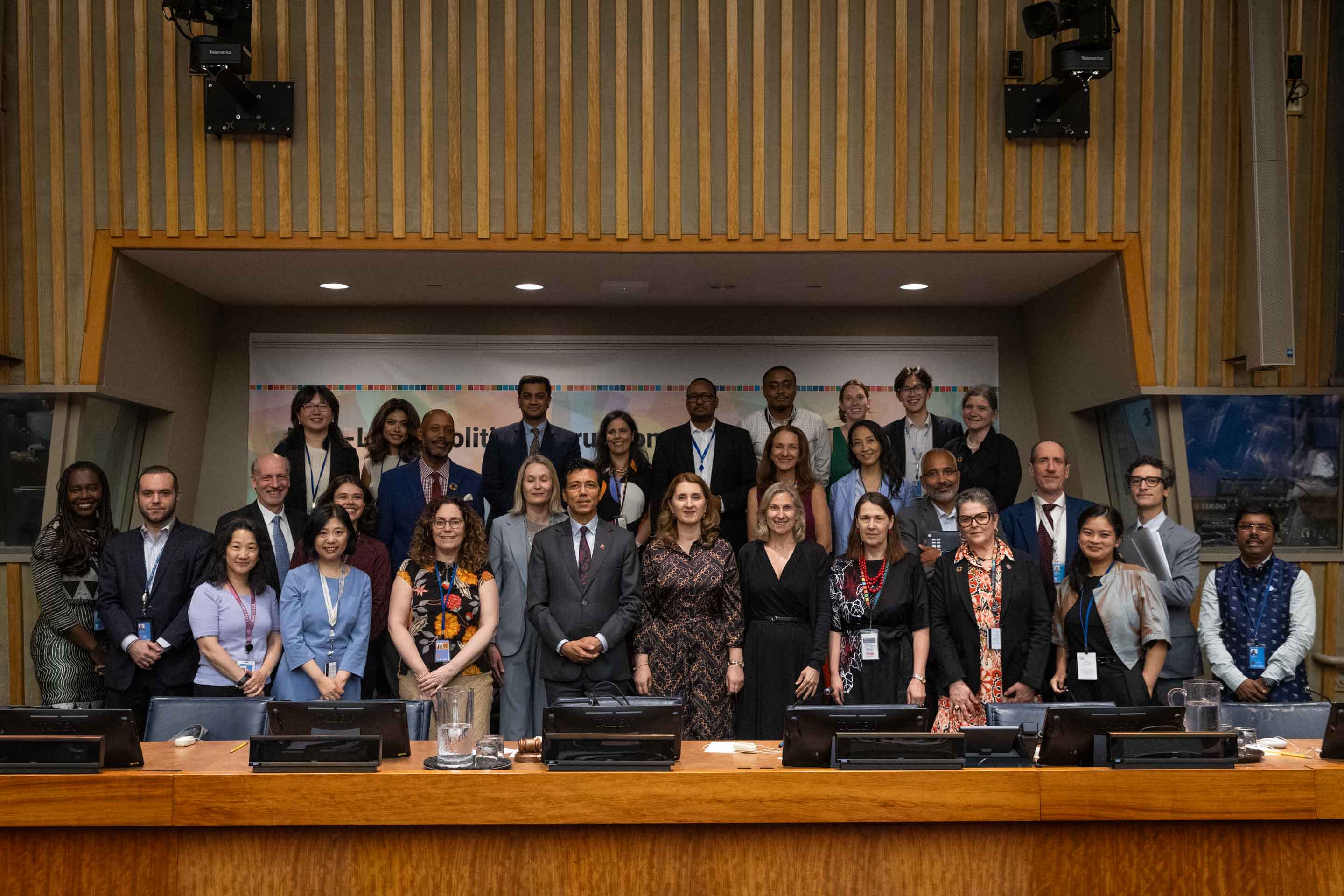
Family photo of the UN DESA Secretariat supporting HLPF 2026
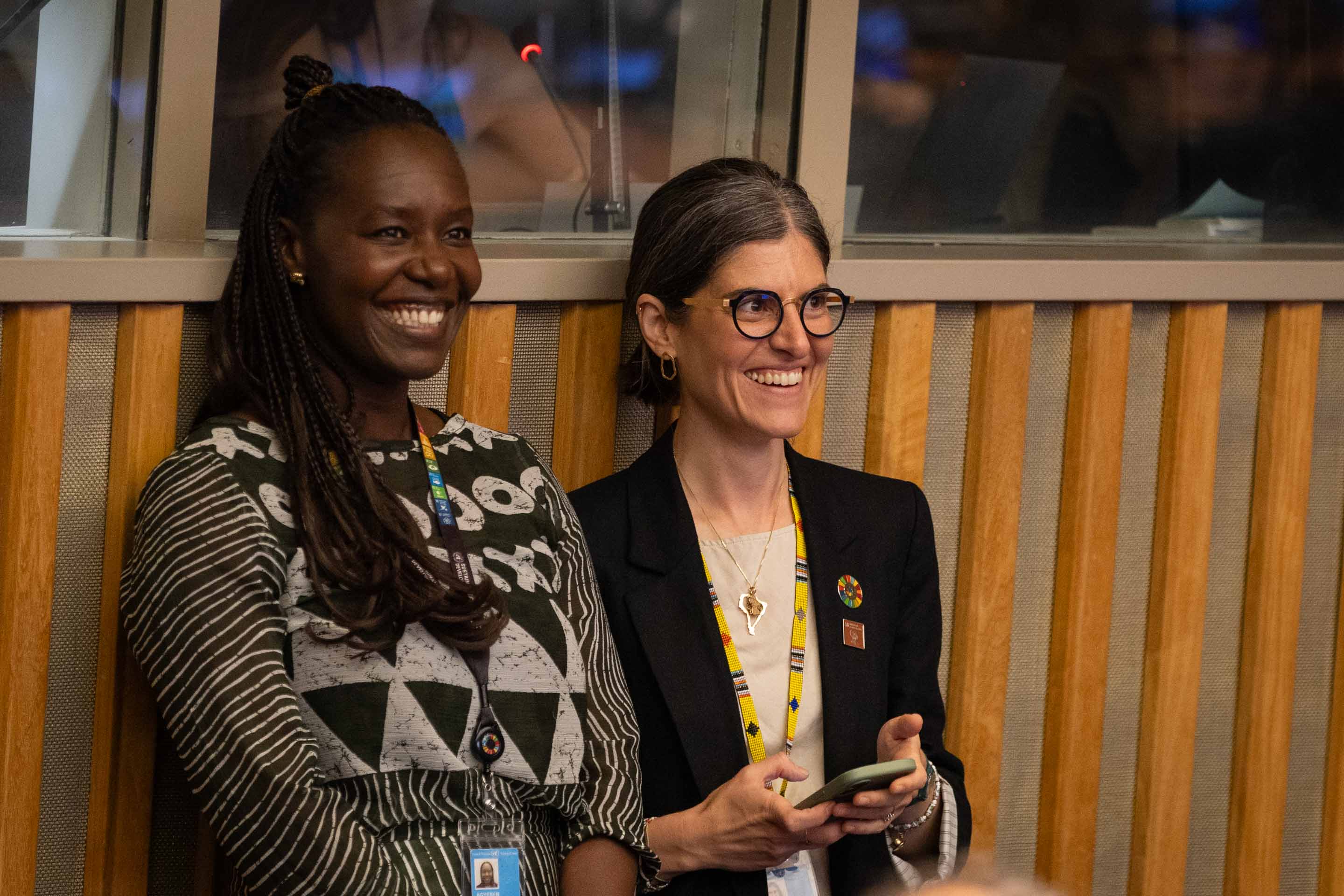
Members of UNDESA enjoy a moment
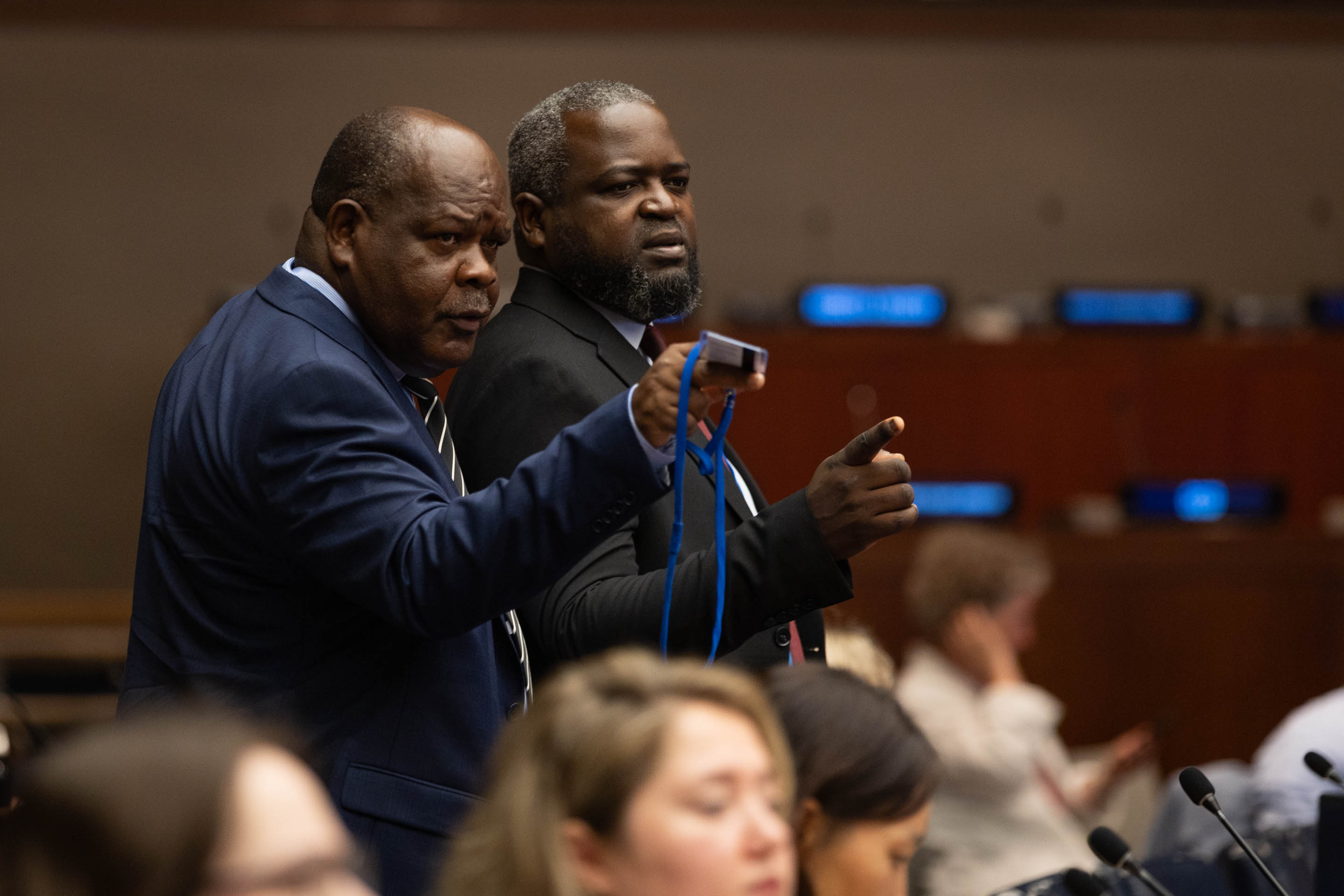
Delegates between sessions
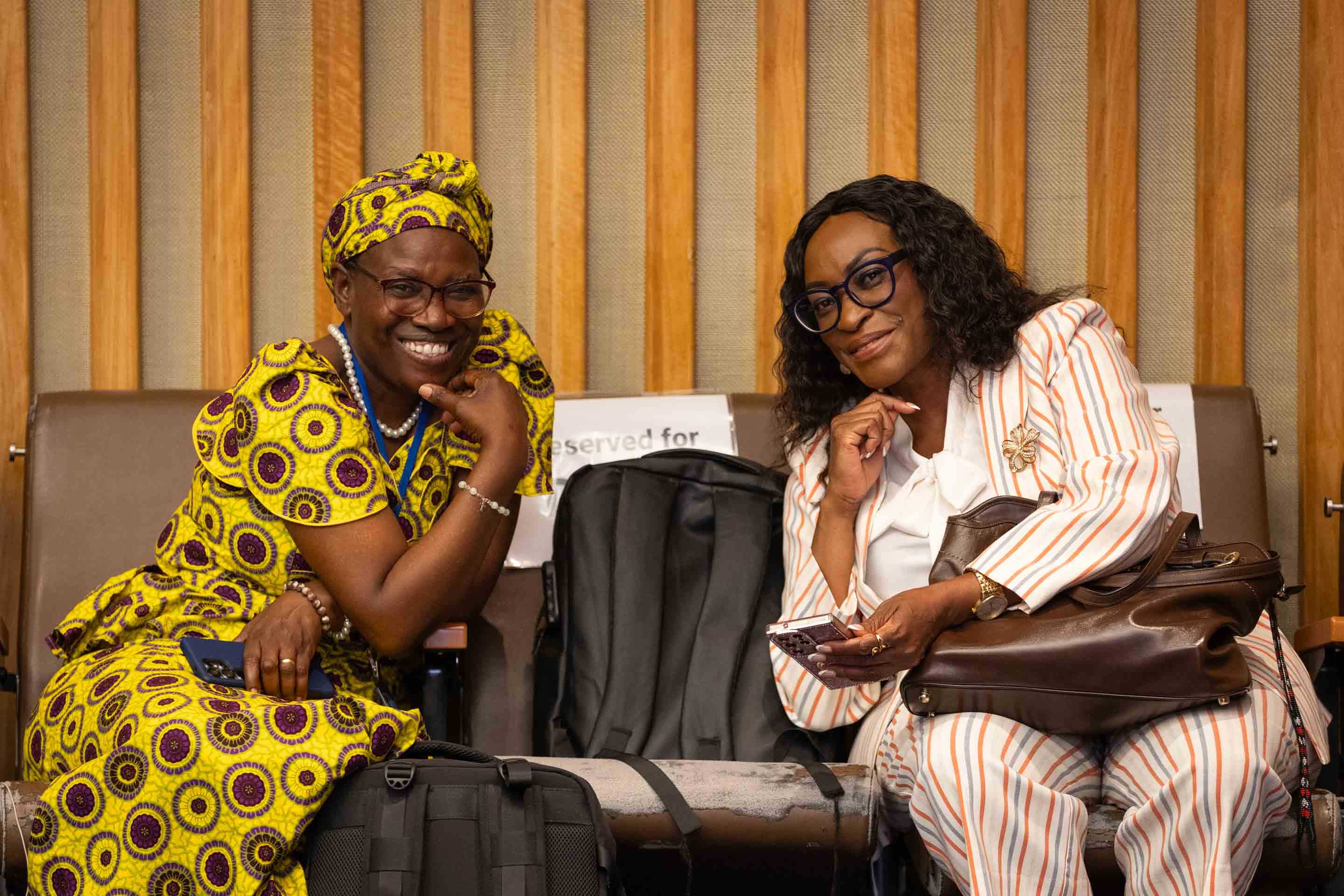
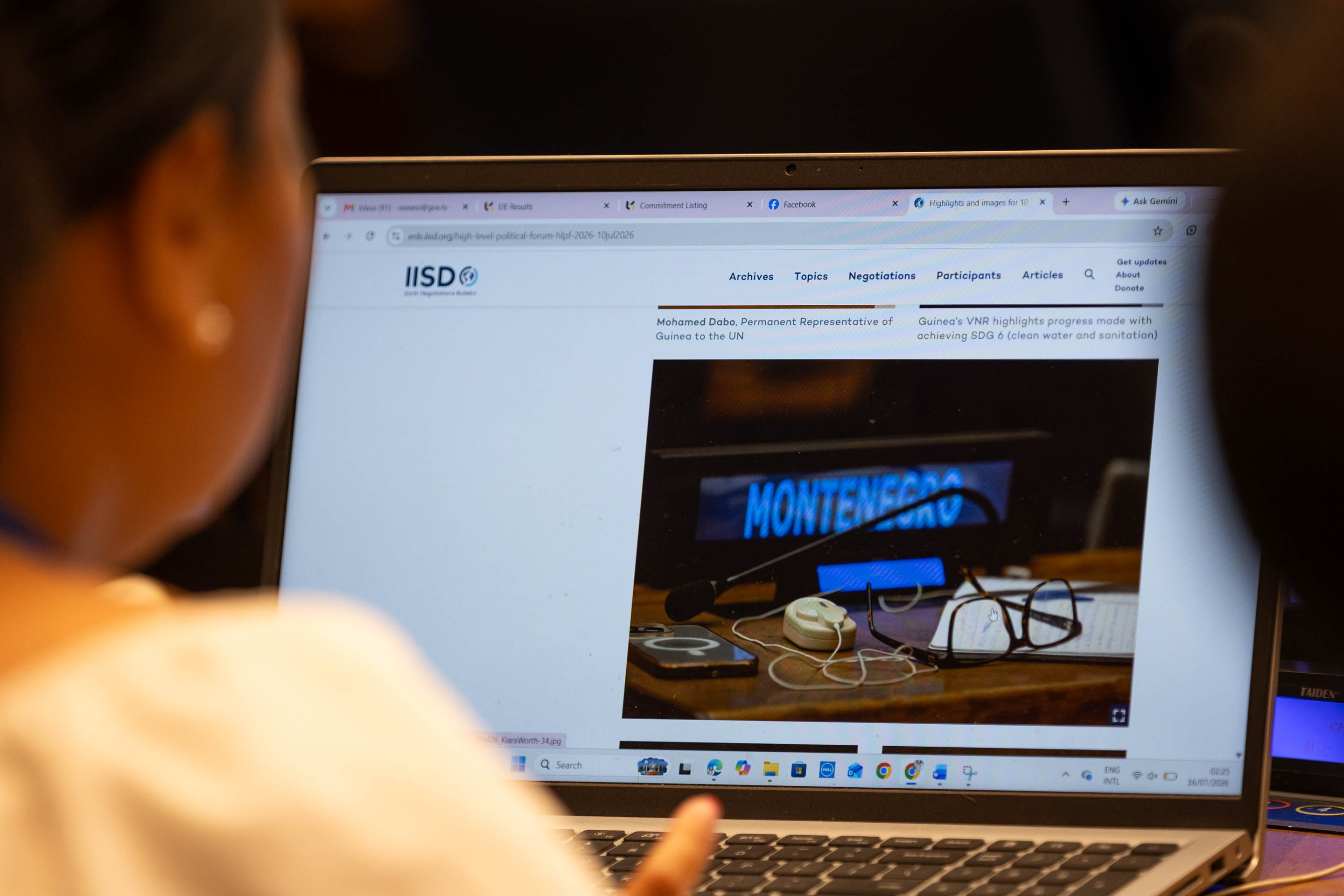
Delegates visit the ENB webpage to see photos of the day
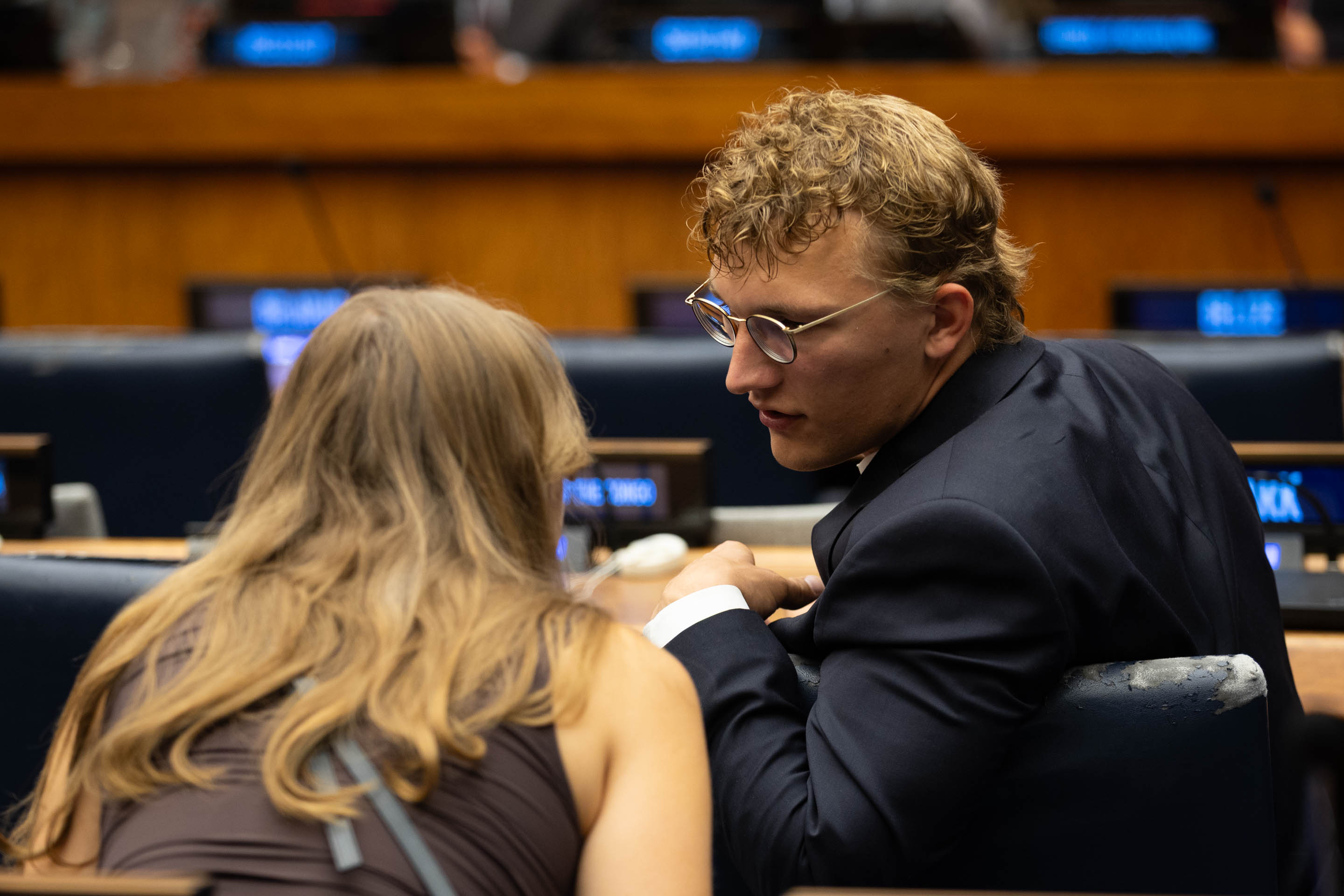
Delegates from Denmark consult
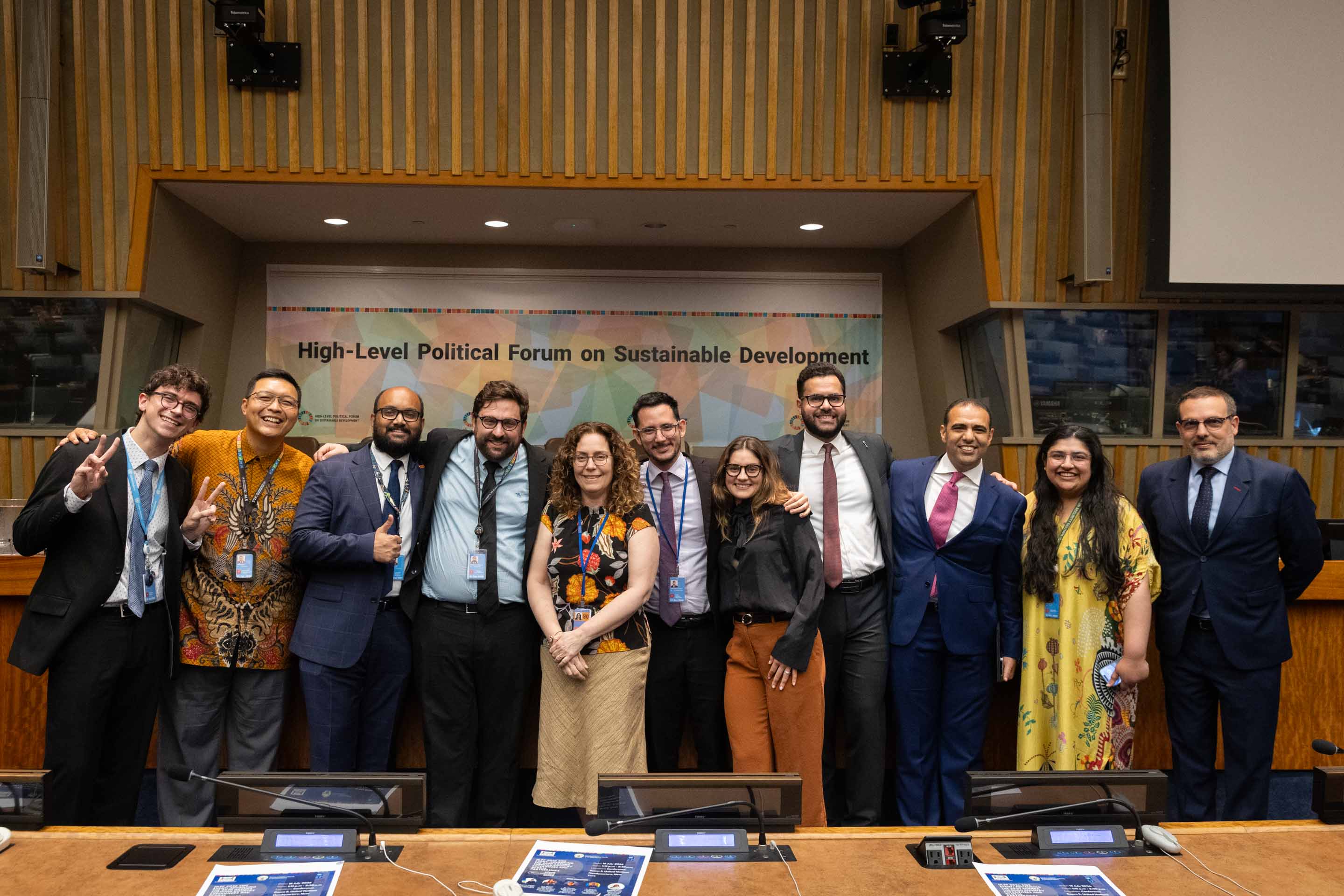
Family photo of the G-77/China coordinating team
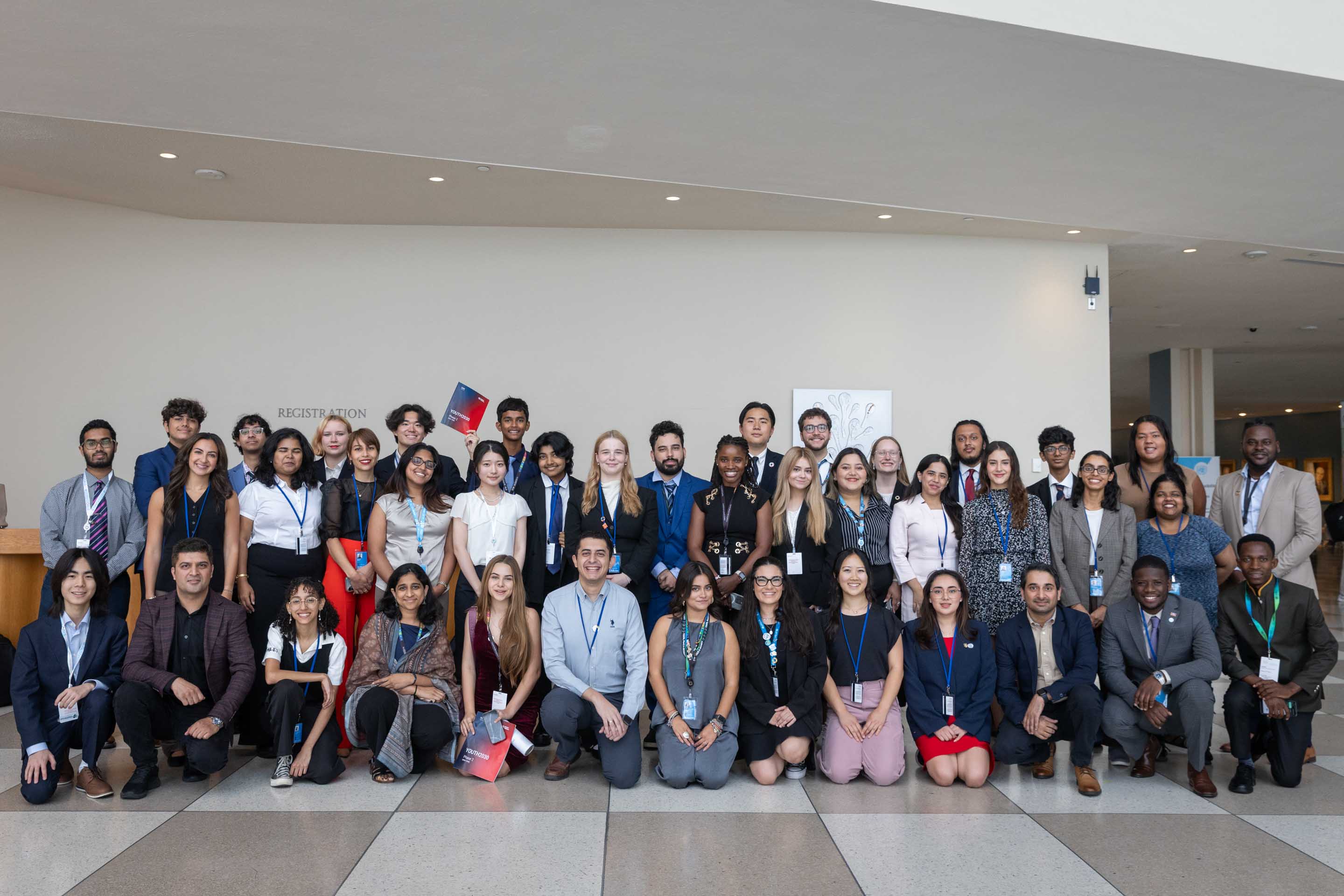
Family photo of the Major Group for Children and Youth (MGCY)