“Every VNR tells two stories, a story of policies, frameworks, and indicators, and a story of the lives that have been transformed.”
The words that Konris Maynard, the Minister of Public Infrastructure of St. Kitts and Nevis, chose to present his country’s voluntary national review (VNR) invited delegates to consider the human stories behind the data-laden reports countries use to show their progress towards the Sustainable Development Goals (SDGs) at the High-level Political Forum on Sustainable Development (HLPF).
A majority of the VNRs this year have been presented by small island developing states (SIDS) and African countries, many affected by conflict, climate disasters, or spikes in energy prices.
Tonga, for example, recalled that damage caused by the 2022 eruption of the Hunga Tonga–Hunga Haʻapai volcano and a subsequent tsunami affected progress in urban reconstruction, noting that his country also established a trust fund for early warning disaster risk reduction.
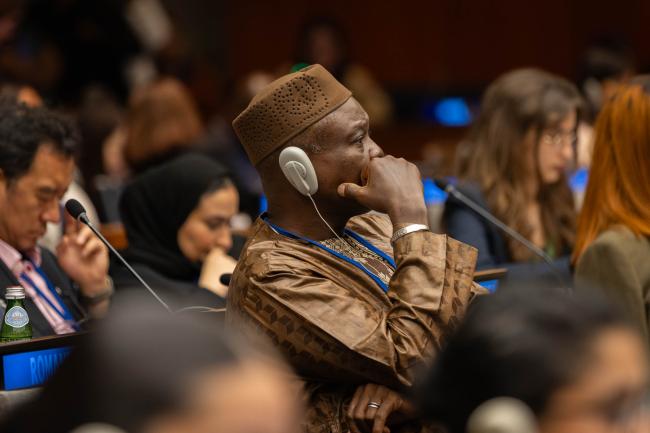
Somalia, a post-conflict state currently affected by a drought that is threatening to push millions of people into hunger, reported moderate progress in access to water and electricity, adding that addressing food insecurity is a priority. He also mentioned that Somalia recently received significant debt relief after substantial governance reform, which now opens fiscal space to invest in infrastructure for the first time in years.
Cameroon reported that it is advancing the installation of new renewable energy capacity but can’t keep up with raising demand from population growth. So, despite the effort, the percentage of people with access to electricity is declining.
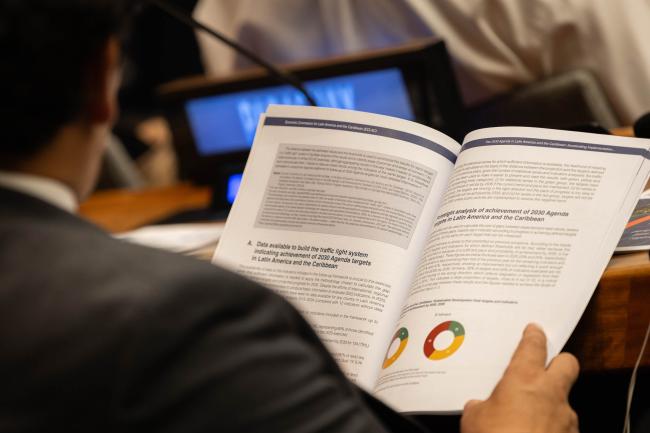
Many of the VNRs show slow or uneven progress on key measures such as access to water and sanitation or electricity, raising concerns that countries either won’t achieve the SDGs by 2030 or that progress reinforces inequalities. But still those who do benefit see their lives transformed.
Throughout the past week, speakers have been reminding delegates that slow progress is progress, nonetheless. In some cases, countries are also trying to establish the conditions for accelerating implementation through fiscal or policy reform, but these efforts are not easily visible in the SDG indicator framework.
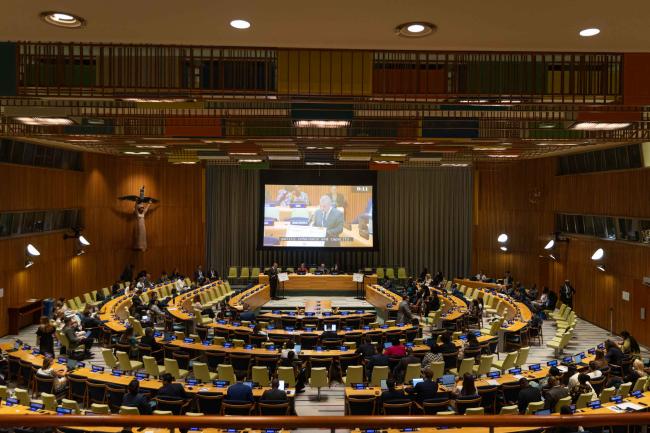
During the session on regional perspectives, José Manuel Salazar-Xirinachs, Executive Secretary, Economic Commission for Latin America and the Caribbean, urged countries to strengthen the economic foundation for development to accelerate implementation amid external shocks while resisting pessimistic narratives. His colleague, Zoran Dimitrovski, Co-Chair of the UN Economic Commission for Europe Regional Forum on Sustainable Development, said the SDGs remain achievable if political leaders focus on policy coherence and delivery.
While the SDG indicator framework is useful and necessary to compare the results of national actions with global ambition, the day’s discussions seemed to point to a significant gap in the framework. The indicators can’t capture how progress transforms individual lives nor can they measure optimism and resolve in the face of setbacks.
Konris Maynard of Saint Kitts and Nevis had a recommendation delegates may be inclined to consider. “Sustainable development is measured by the hope it creates for the next generation.”
To receive free coverage of global environmental events delivered to your inbox, subscribe to the ENB Update newsletter.
All ENB photos are free to use with attribution. For HLPF 2026 please use: Photo by IISD/ENB - Kiara Worth
Messages from the UN Environment Assembly
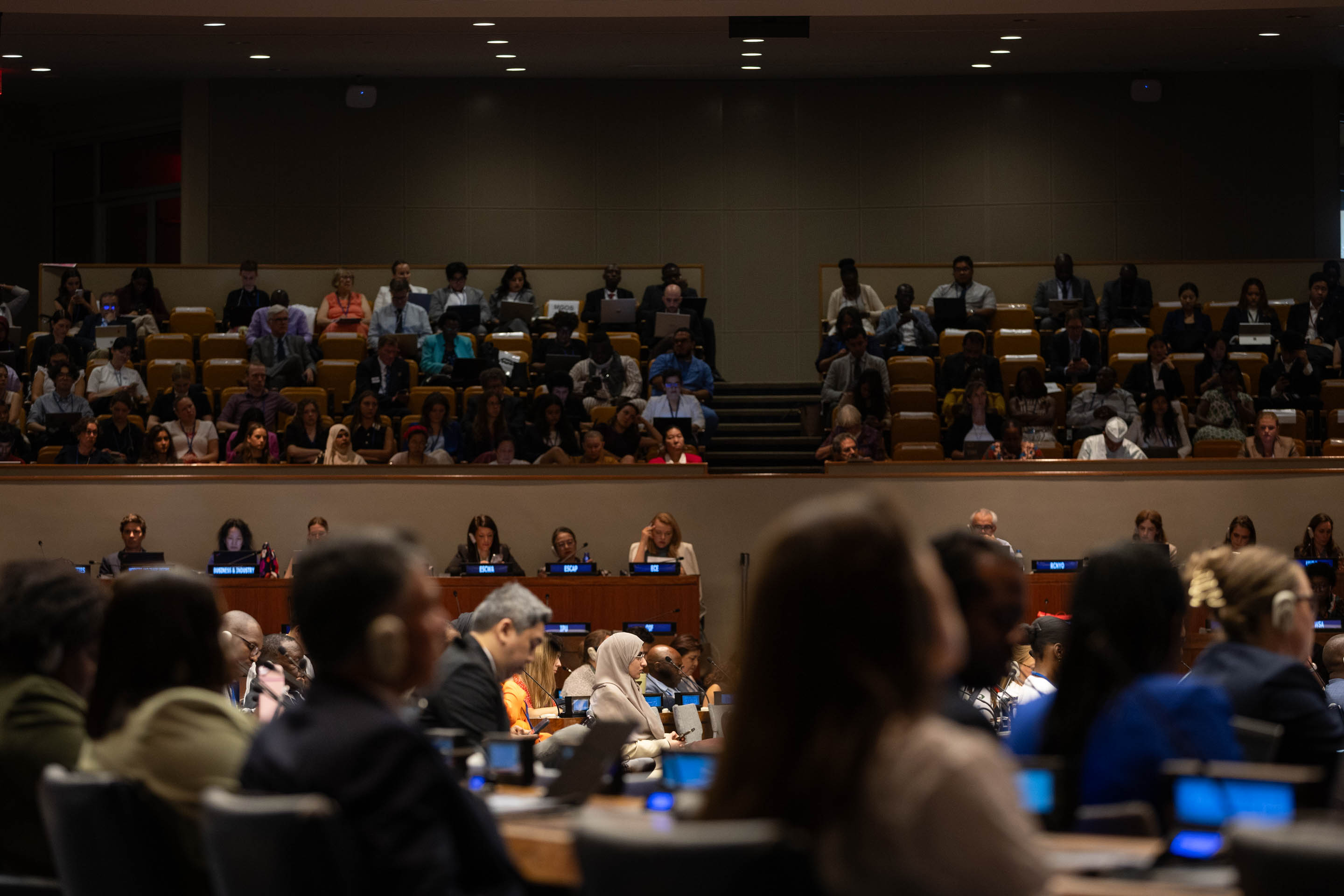
Delegates listen to key messages from the UN Environment Assembly (UNEA)
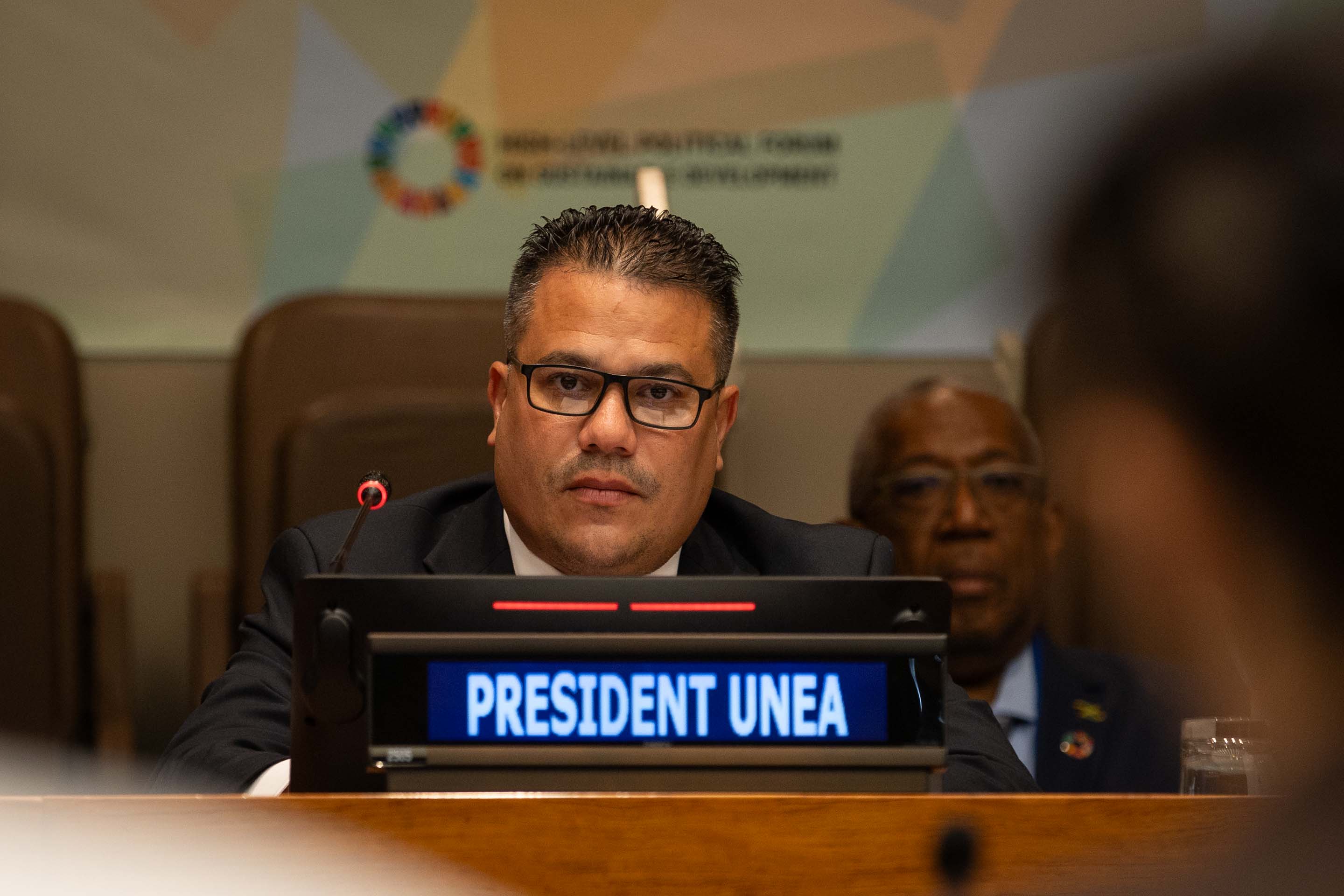
Matthew Samuda, President of UNEA-8, and Minister of Water, Environment, and Climate Change, Jamaica
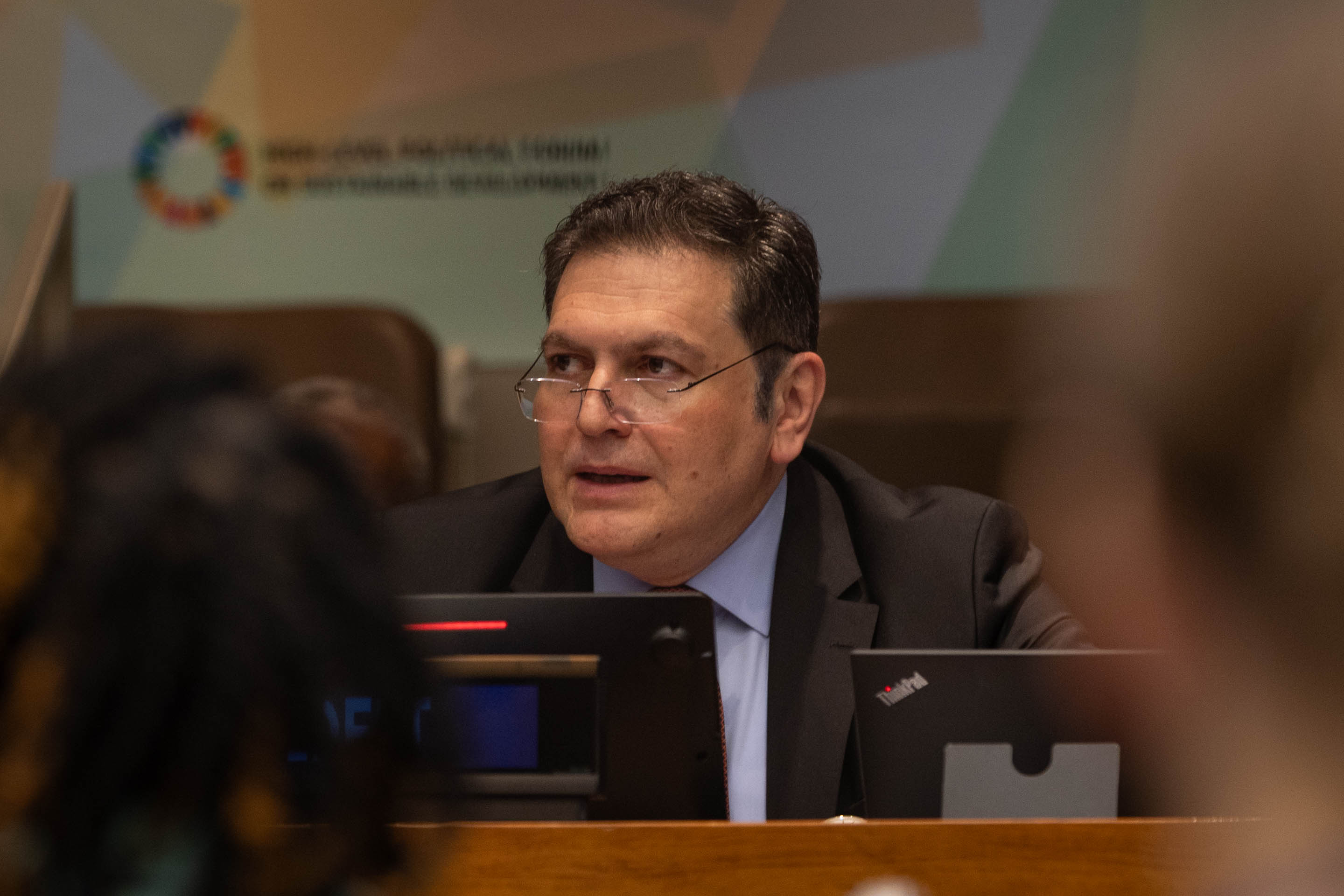
Paruyr Hovhannisyan, Vice-President, Economic and Social Council (ECOSOC)
Regional Perspectives on SDG Implementation
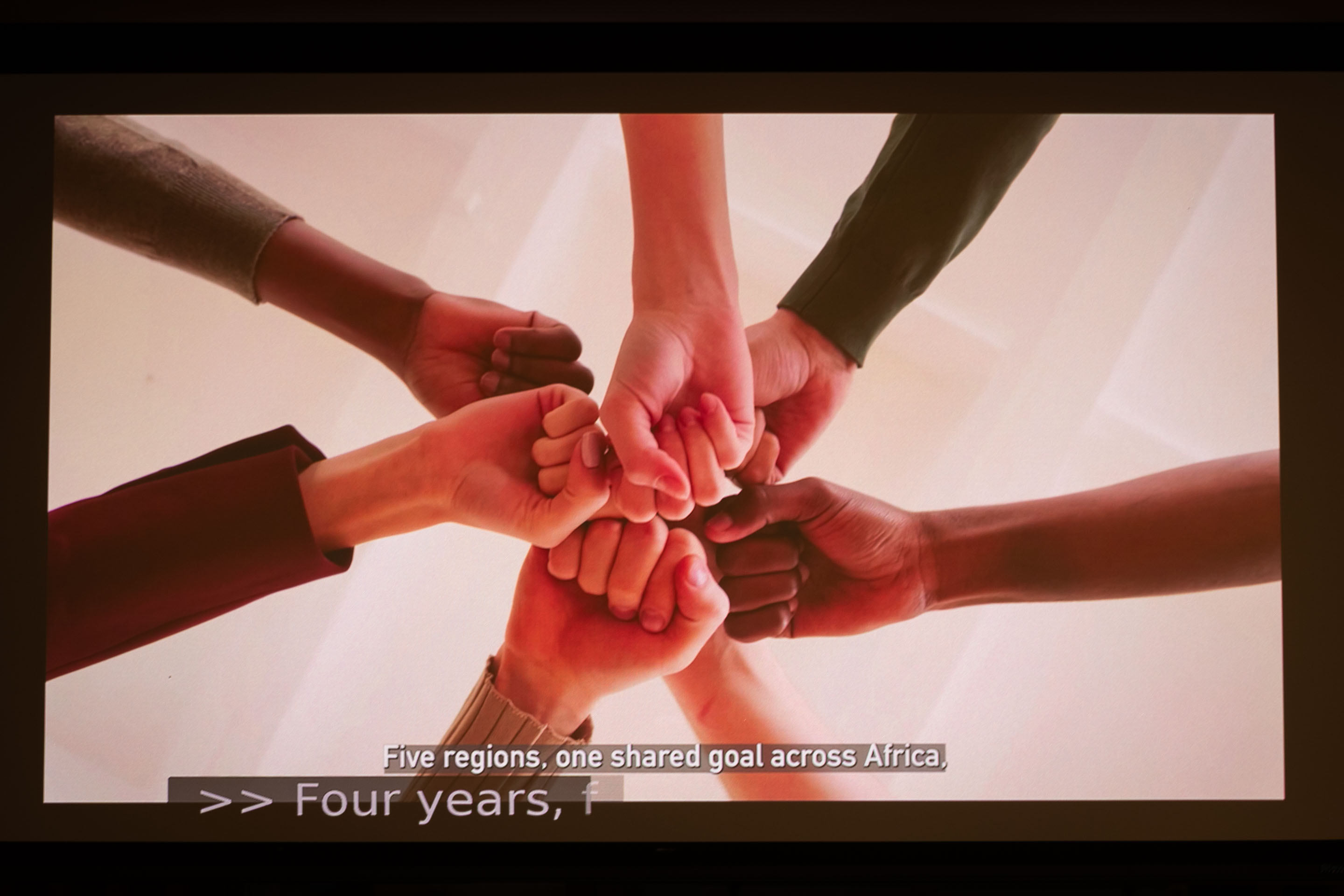
Delegates discuss how to accelerate SDG implementation with an emphasis on inter-regional interventions, localization of the SDGs, leveraging water–energy–food nexus approaches, innovative financing, and digital transformation, while identifying emerging issues, and key priorities for 2030 and beyond.
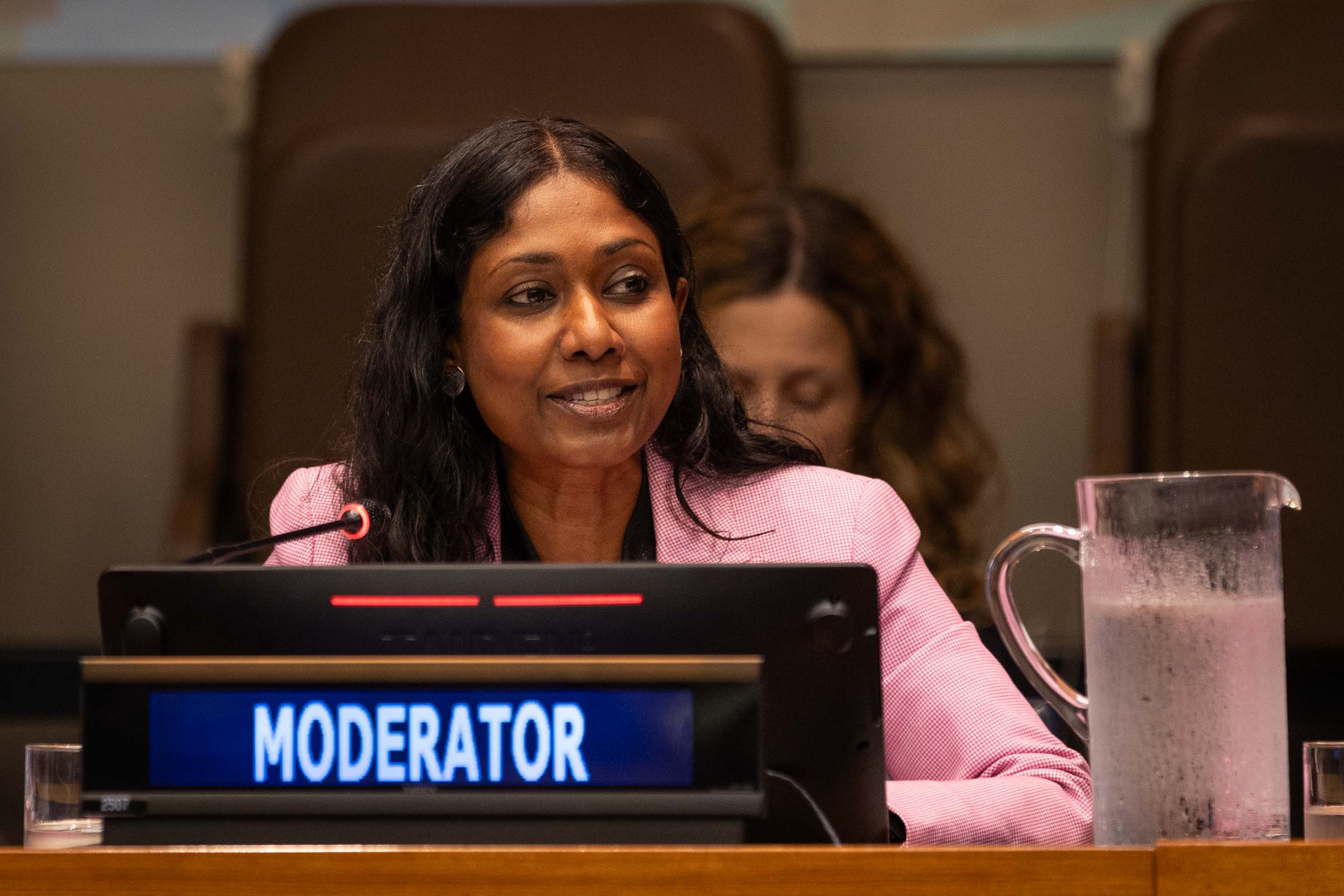
Thilmeeza Hussain, Director, Regional Commissions New York Office
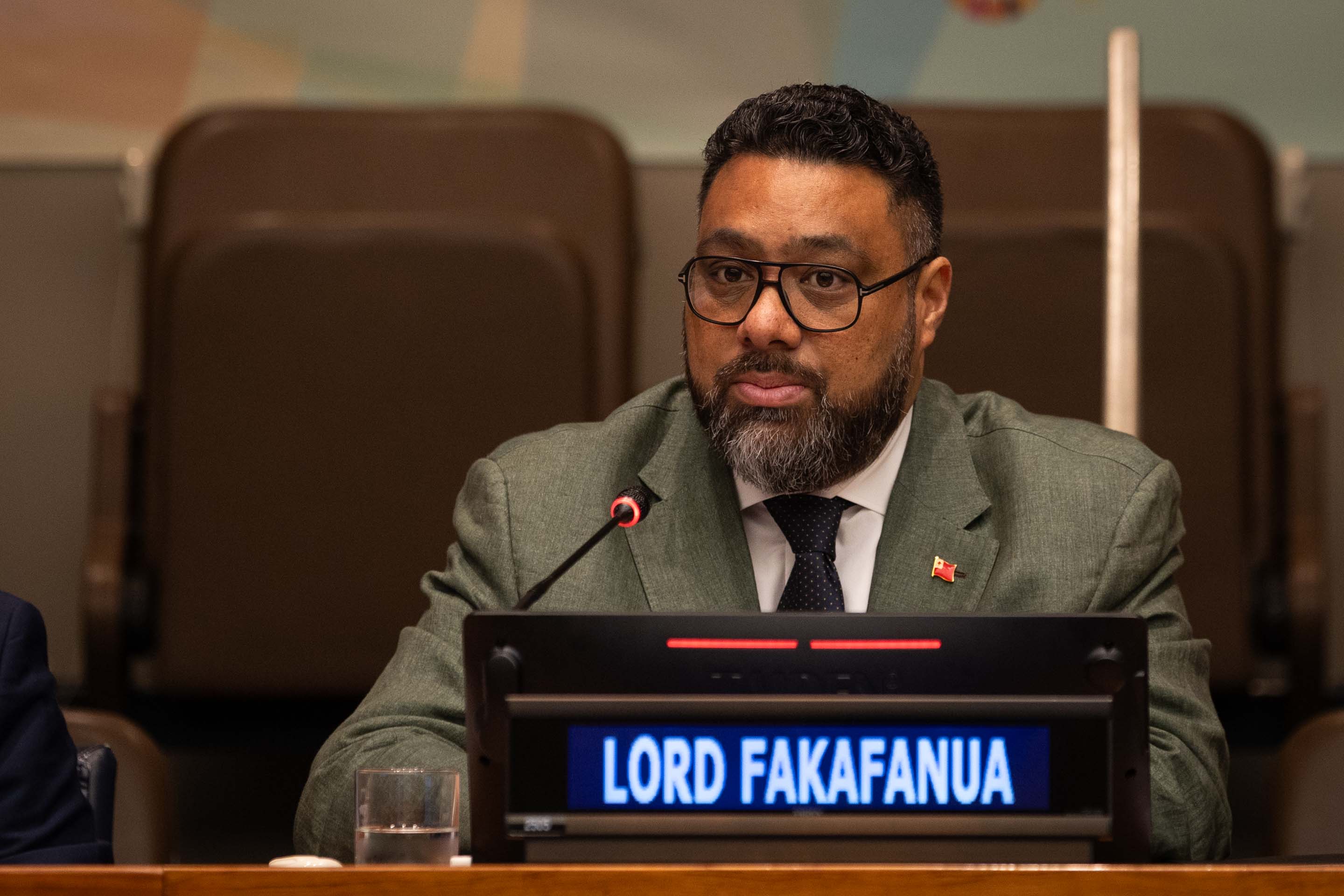
Fatafehi Fakafānua, Prime Minister of Tonga, on behalf of the Asia-Pacific Regional Forum
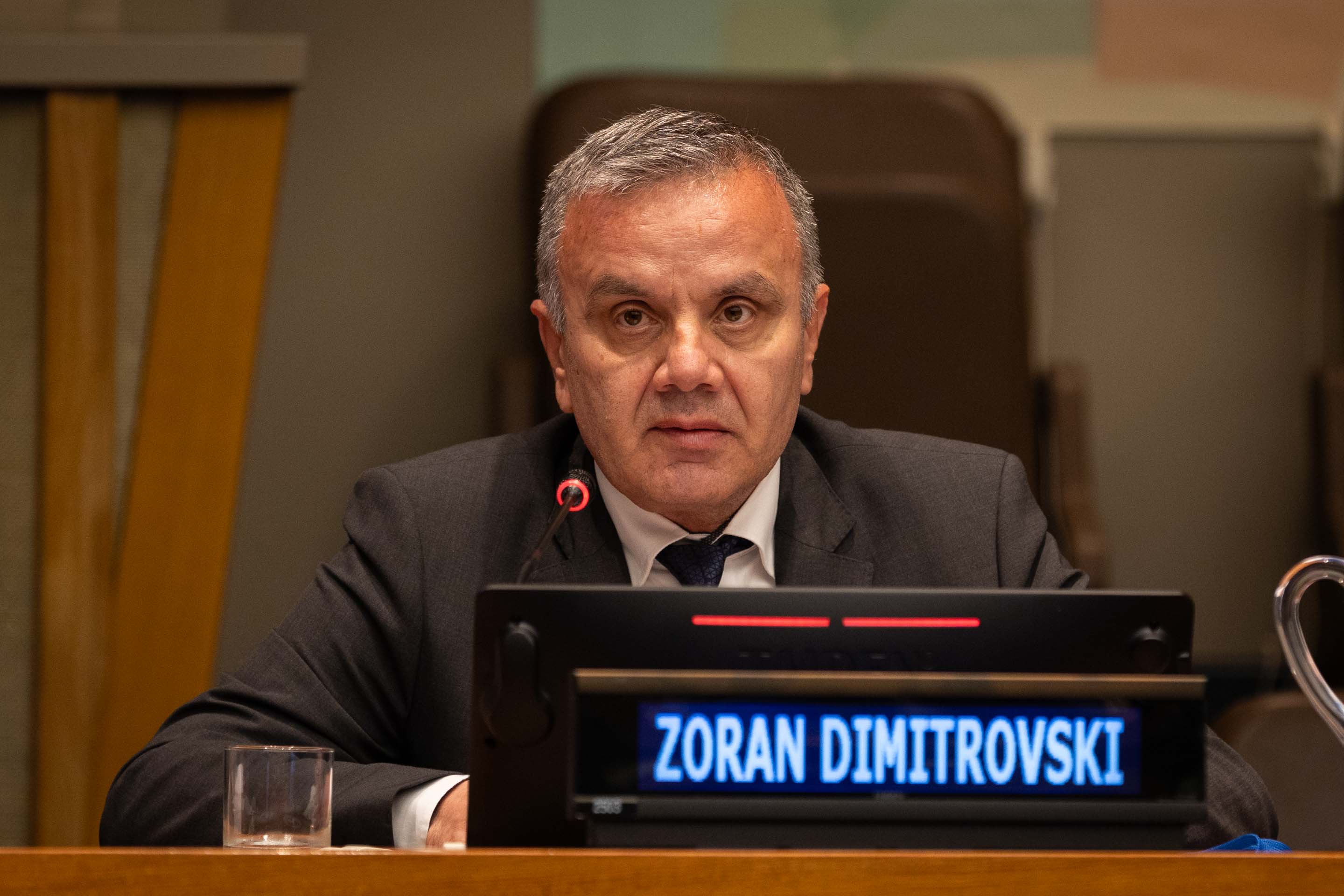
Zoran Dimitrovski, Deputy Minister of Foreign Affairs and Foreign Trade, North Macedonia, and Co-Chair, UNECE Regional Forum on Sustainable Development
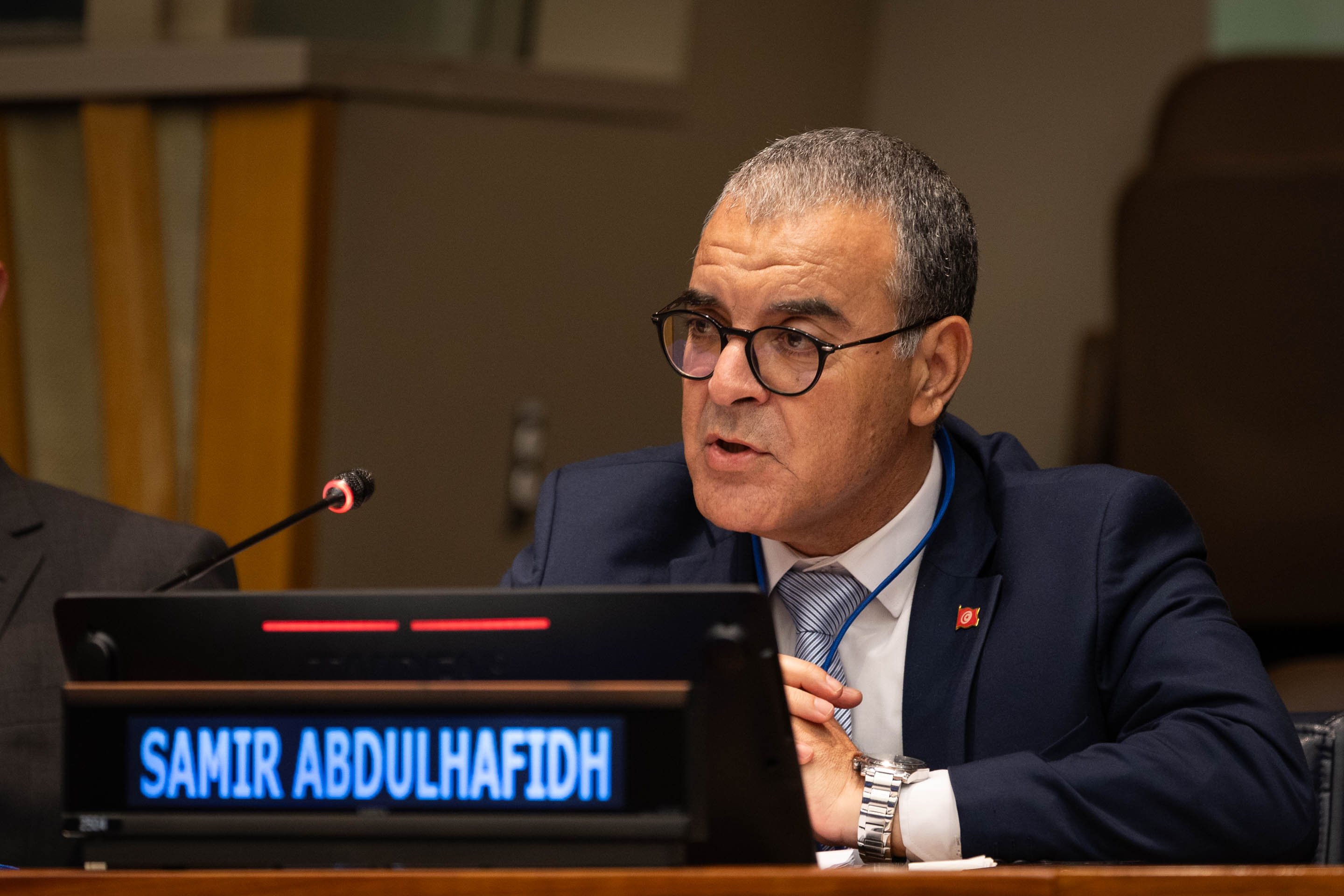
Samir Abdulhafidh, Minister of Economy and Planning, Tunisia, and Chair, Arab Regional Forum on Sustainable Development
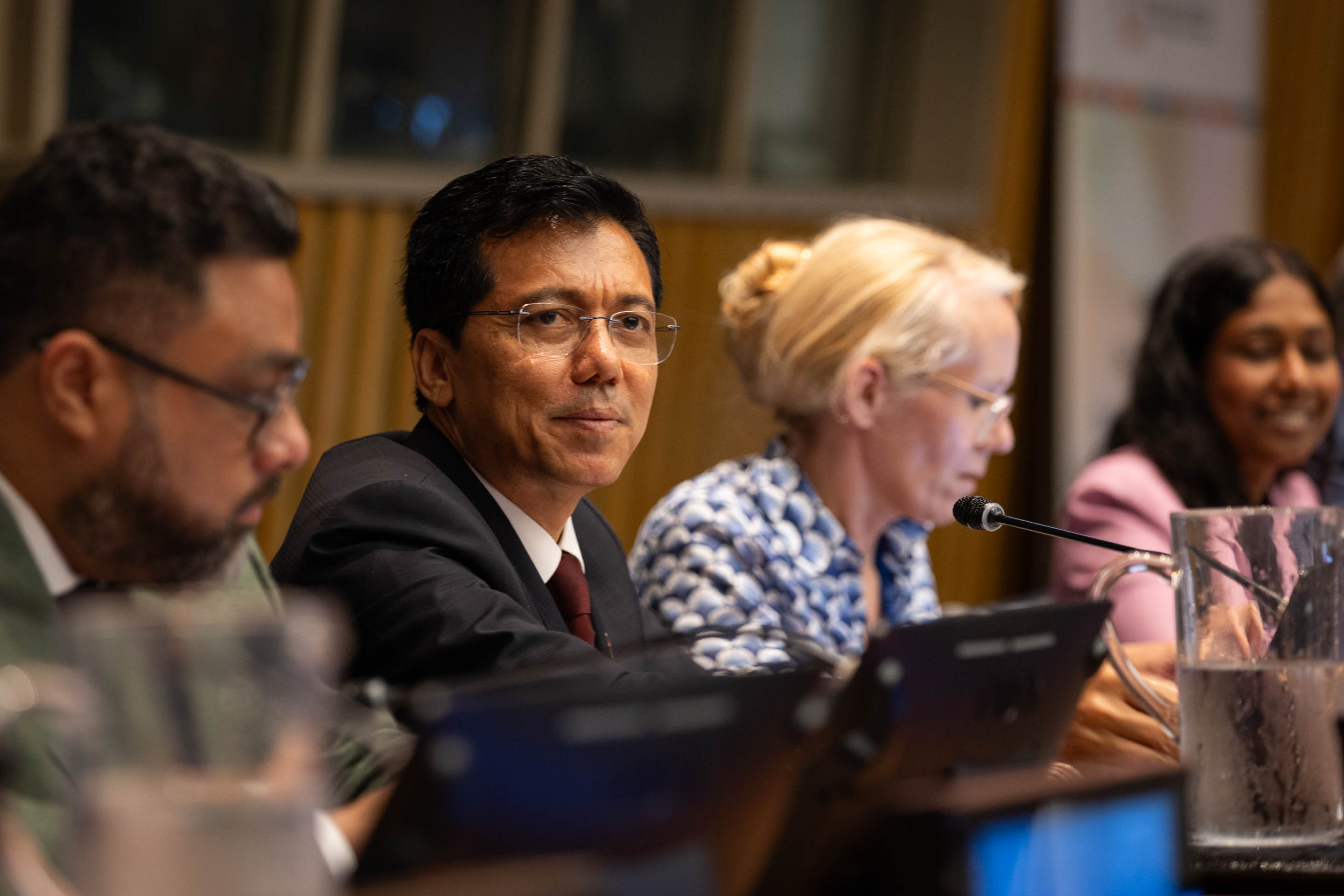
Lok Bahadur Thapa, President, ECOSOC
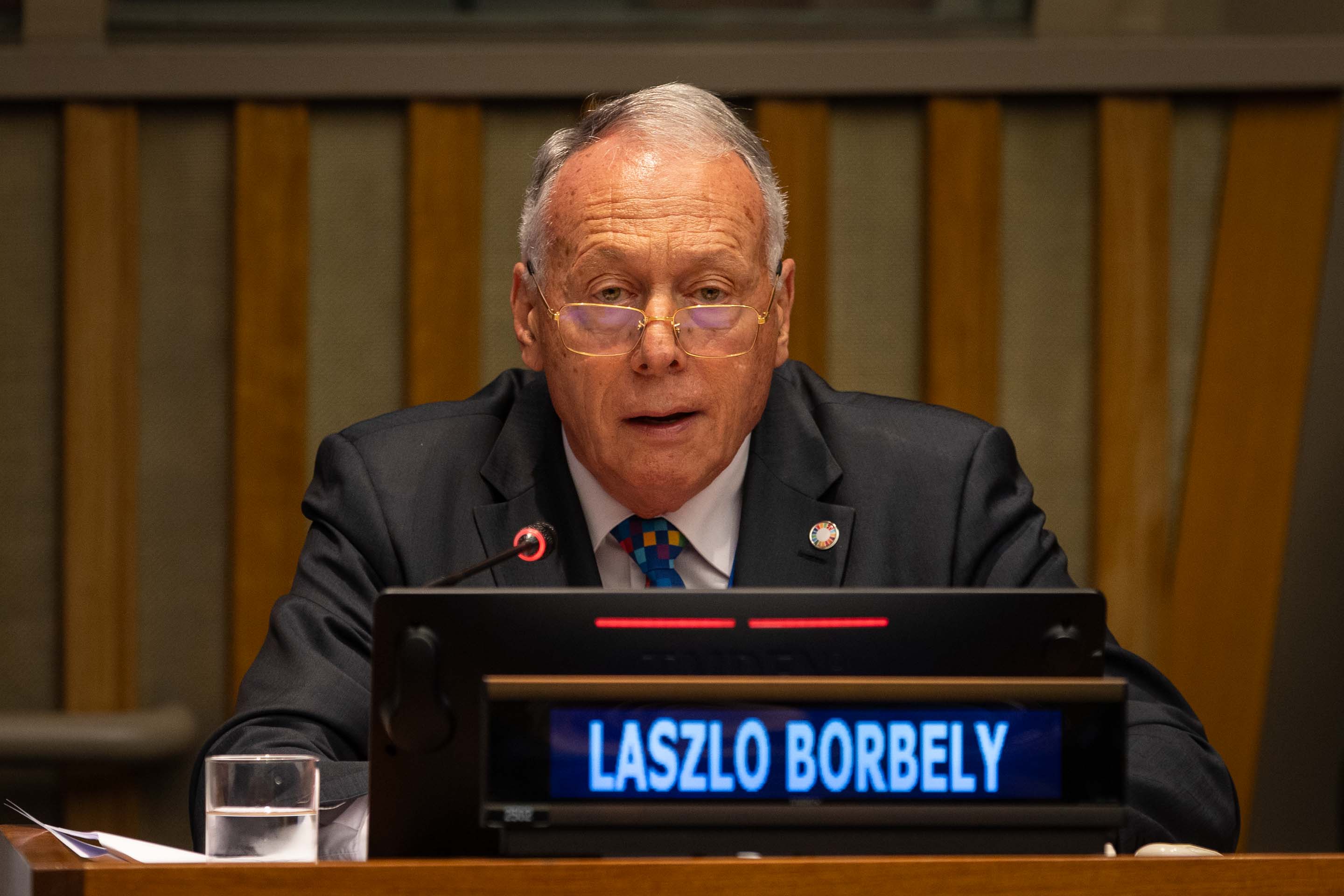
Làszló Borbély, State Secretary, Government Counsellor, and Head, Sustainable Development Department, Romania, and Co-Chair, UNECE Regional Forum on Sustainable Development
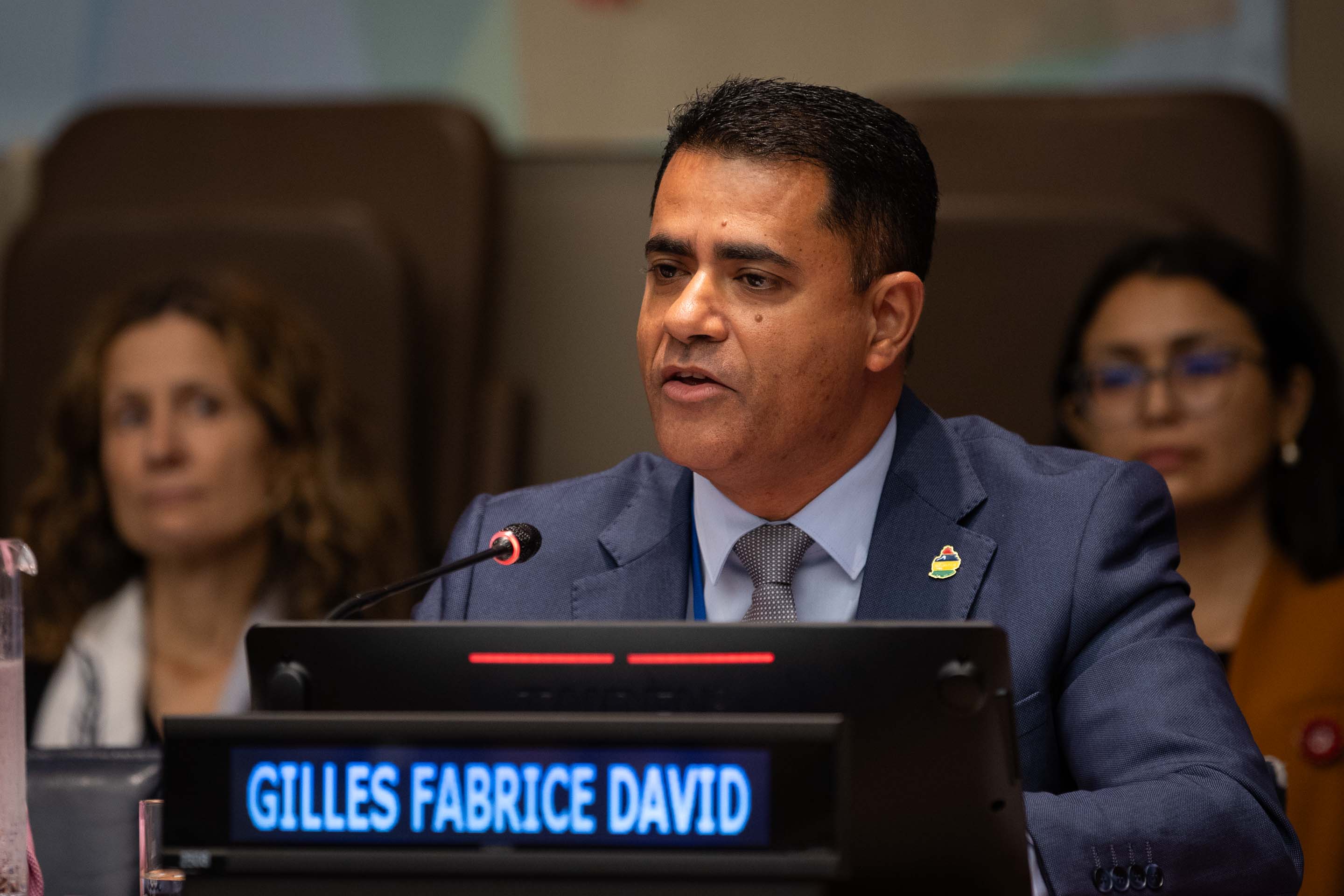
Gilles Fabrice David, Ministry of Agro-Industry, Food Security, Blue Economy, and Fisheries, Mauritius, and Chair, Africa Forum on Sustainable Development
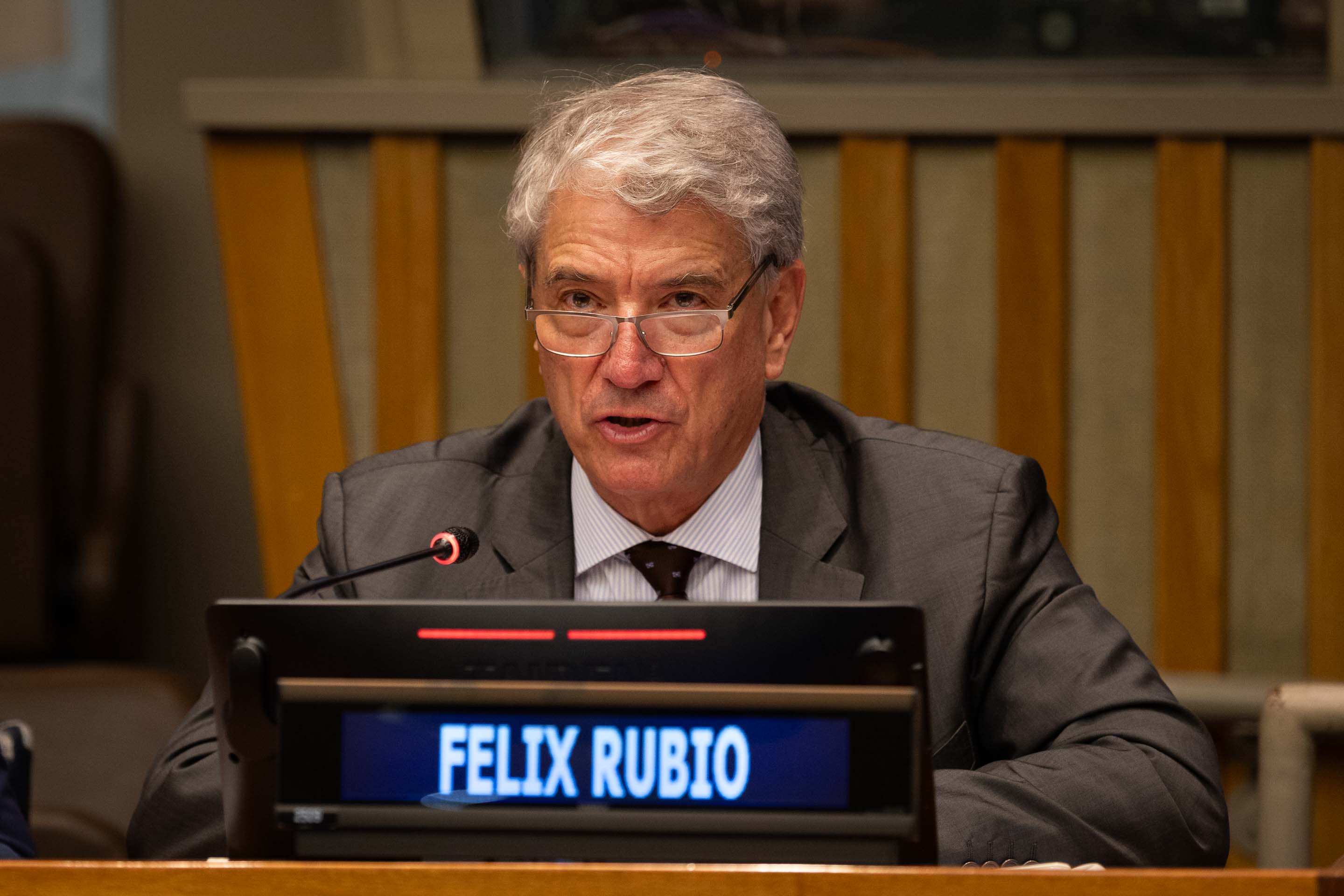
Félix Rubio, Director General for Economic Affairs, Ministry of Foreign Affairs, Peru, and Chair, Latin American and Caribbean Regional Forum on Sustainable Development
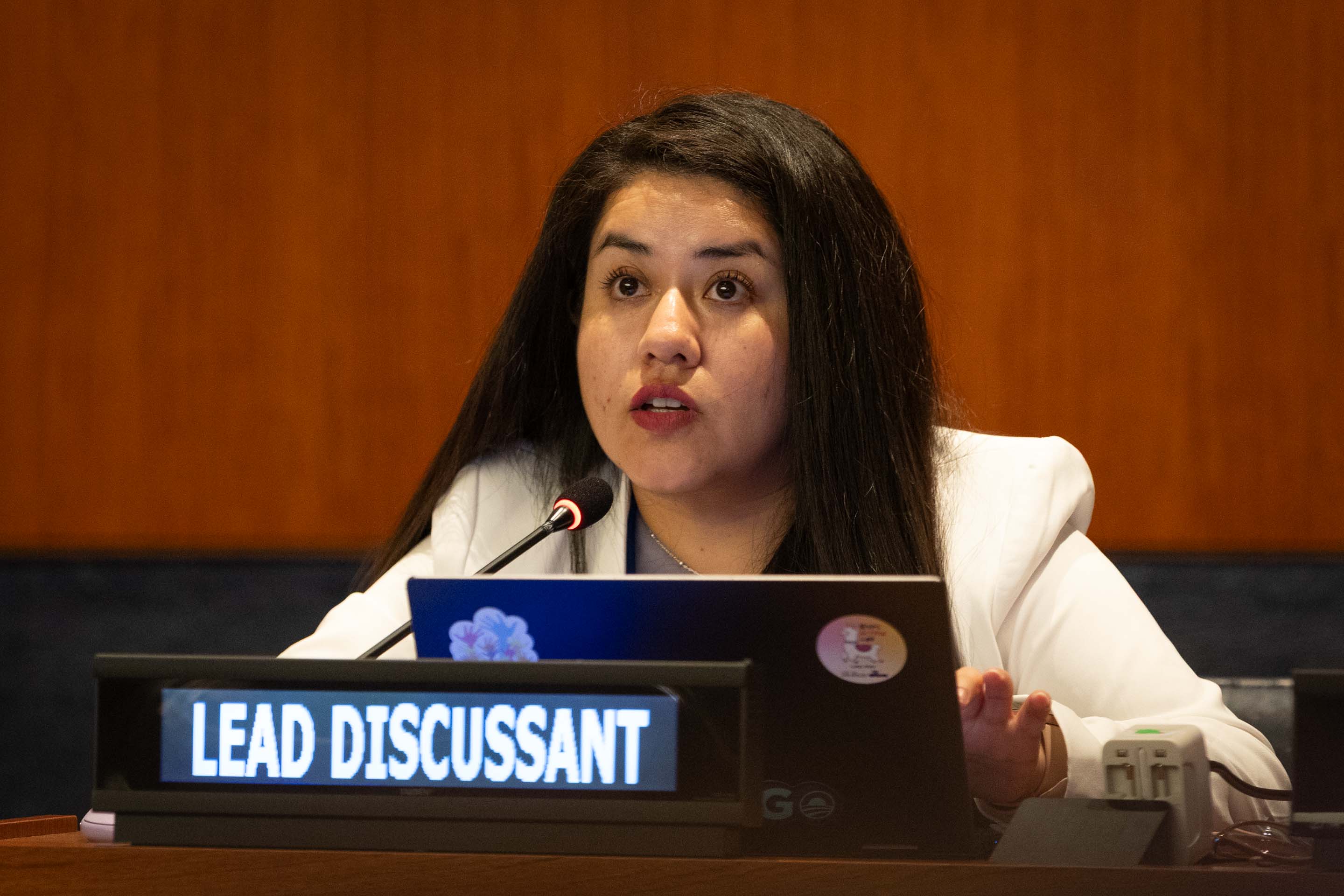
Rosario Diaz Garavito, Founder and CEO, The Millennials Movement
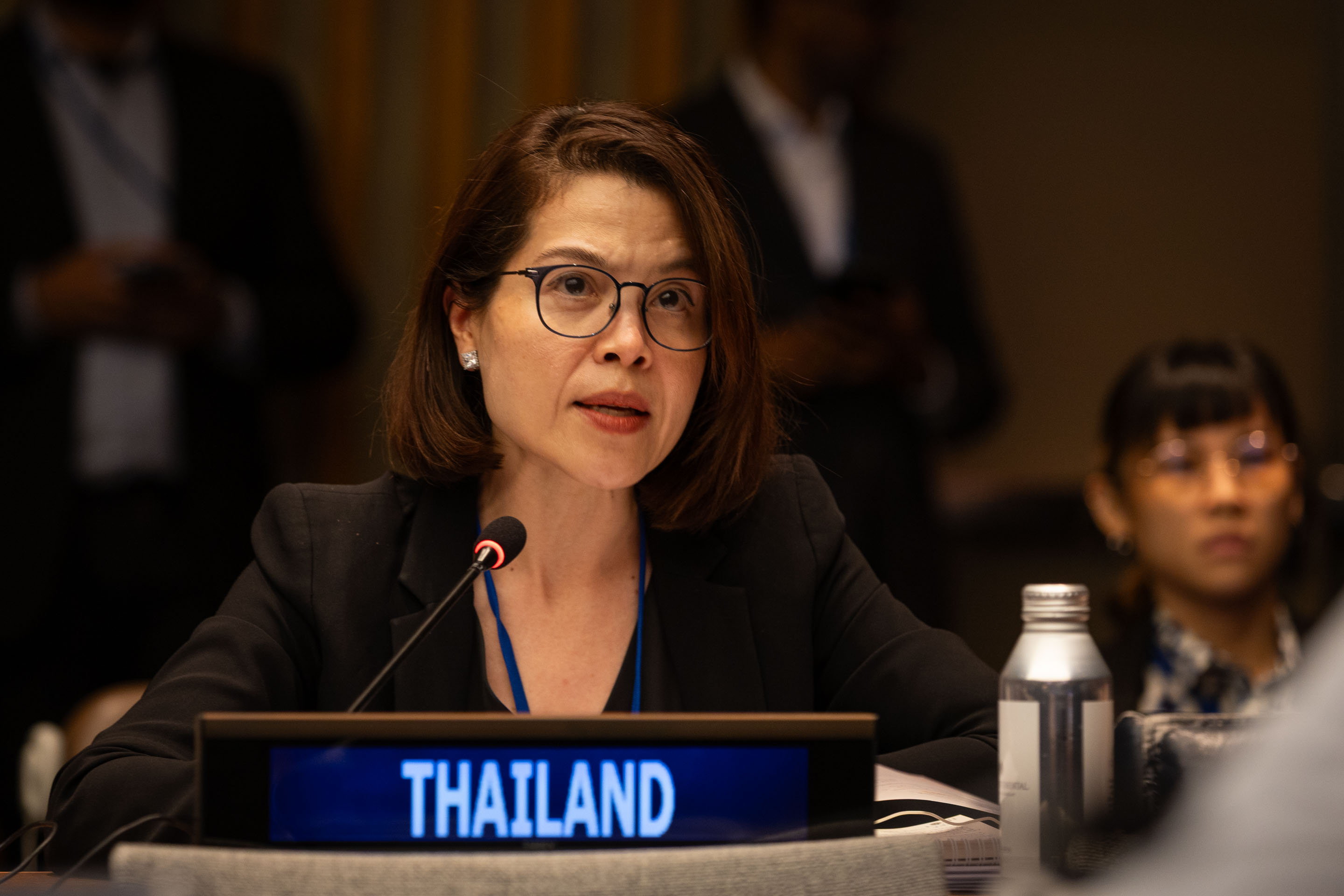
Cataleya Phatoomros, Thailand
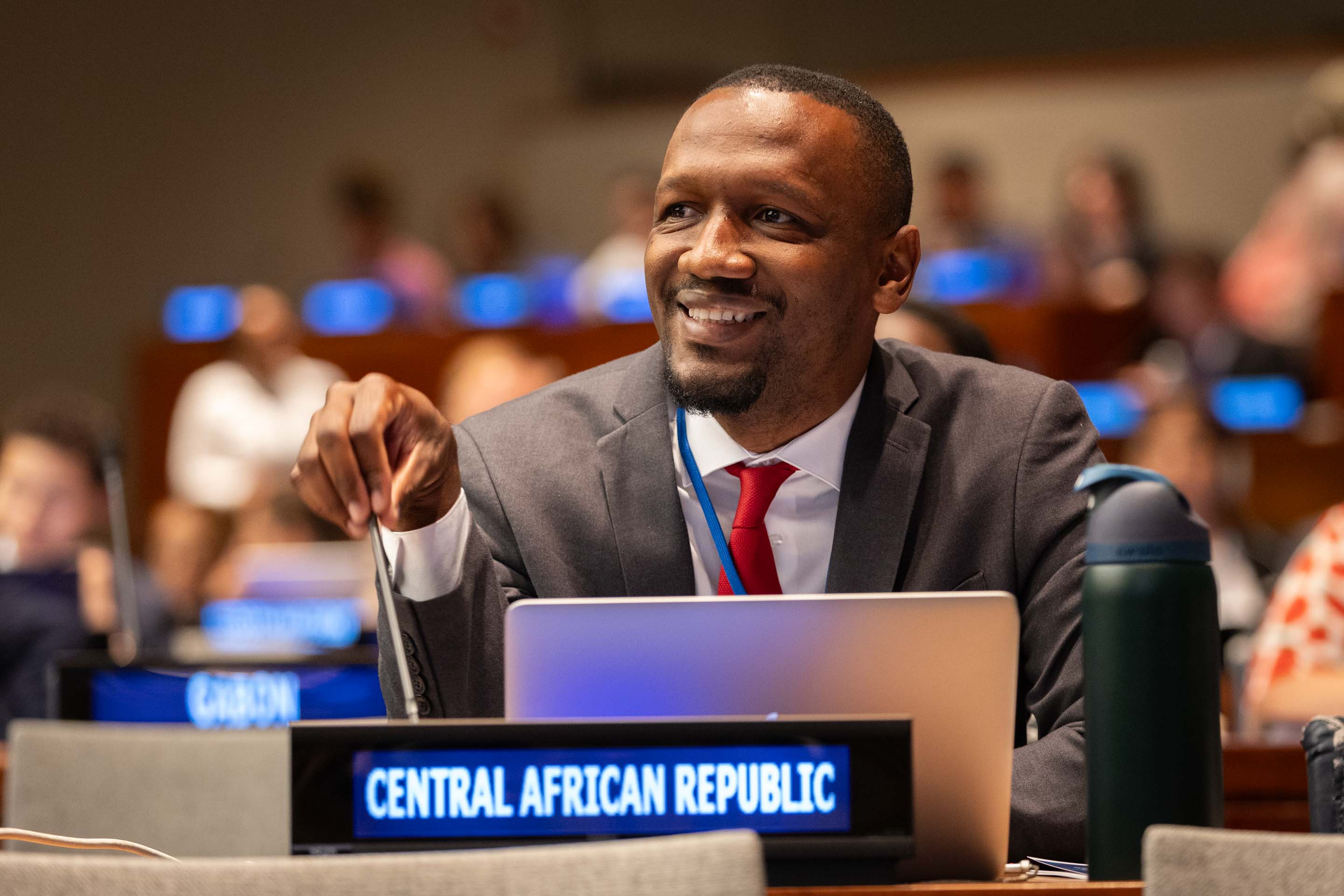
Rhossy Ouanzin Gbebri, Central African Republic
Voluntary National Reviews
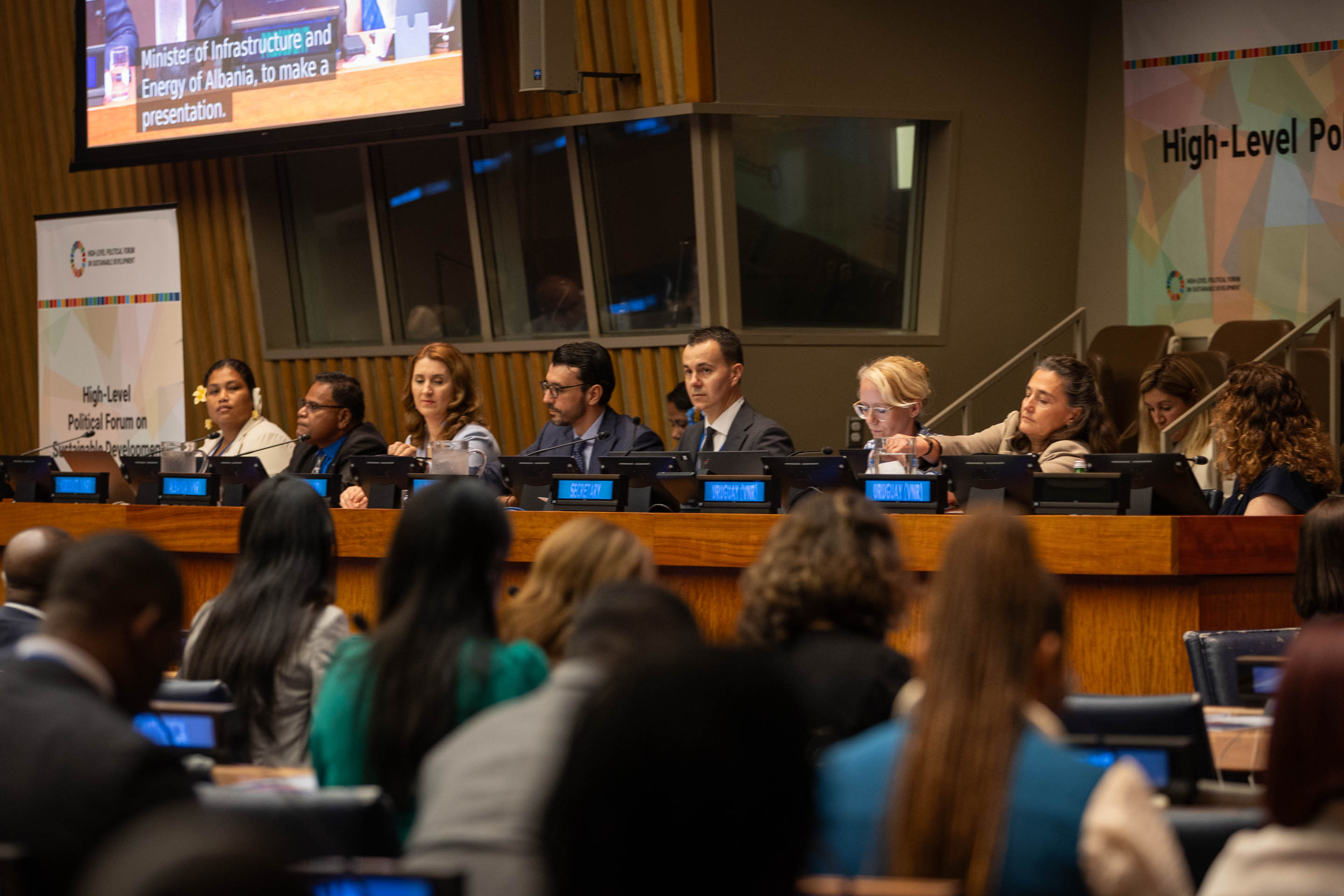
Delegates gather for the next round of VNR presentations
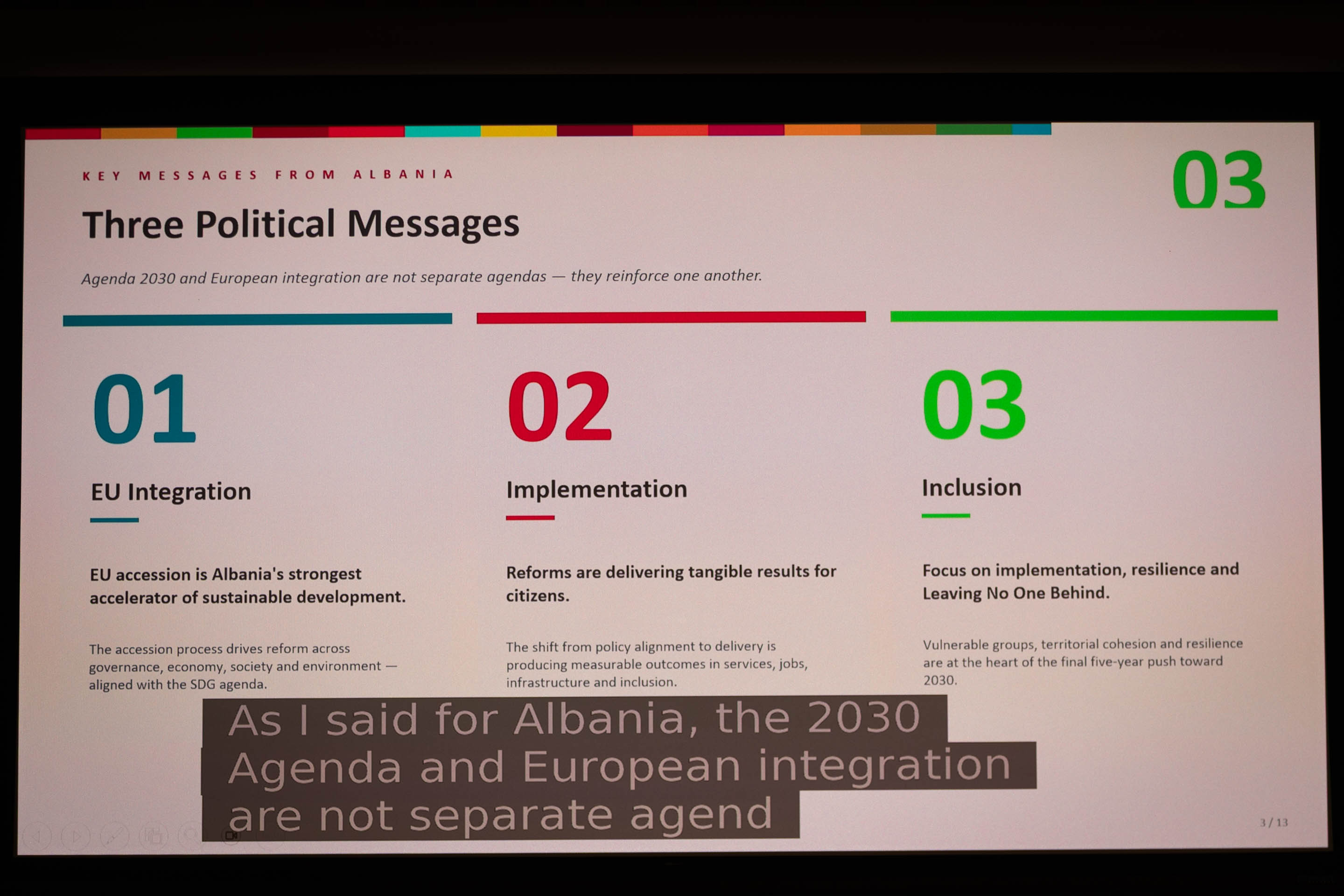
Albania's VNR highlights their three political messages
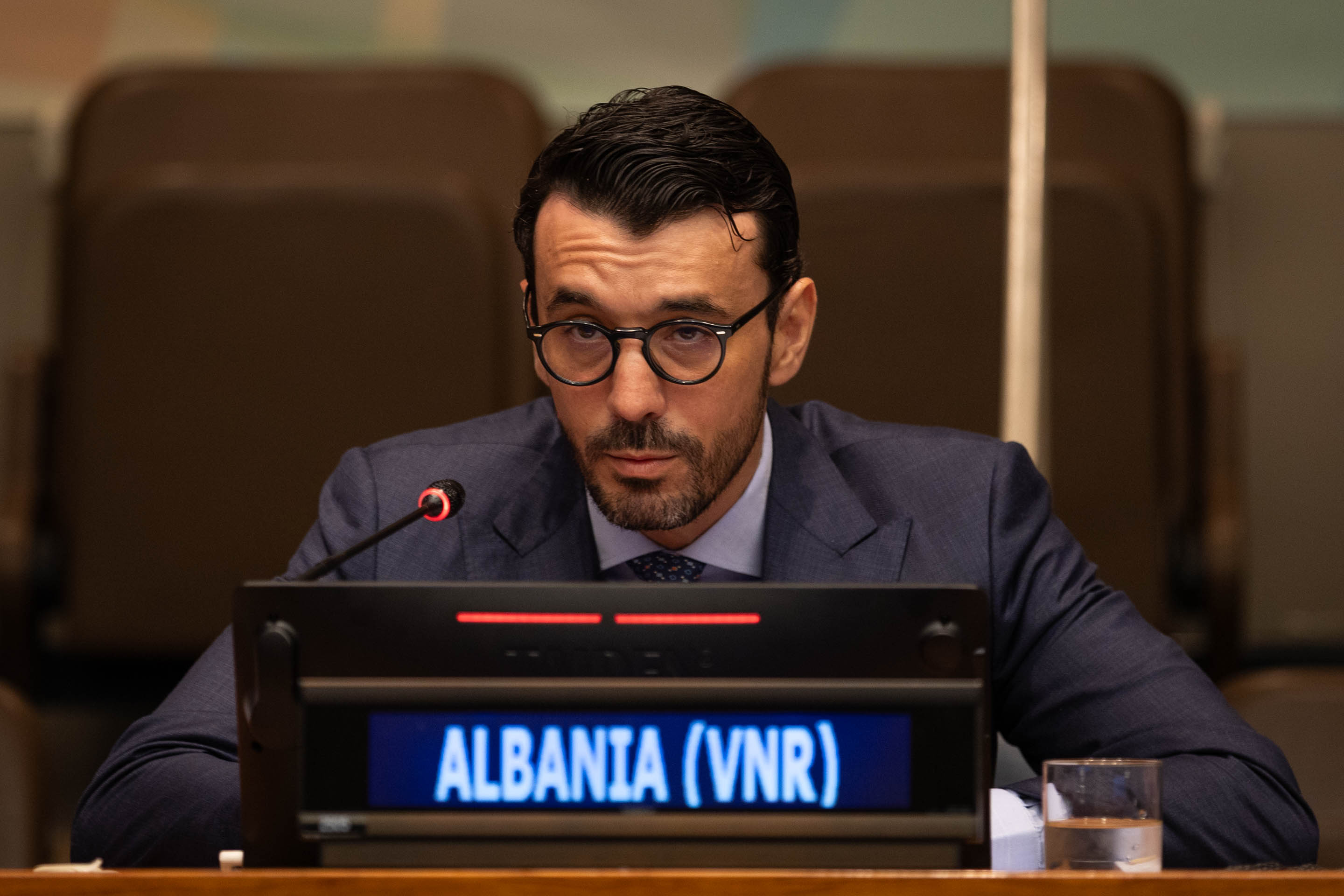
Enea Karakaçi, Minister of Infrastructure and Energy, Albania
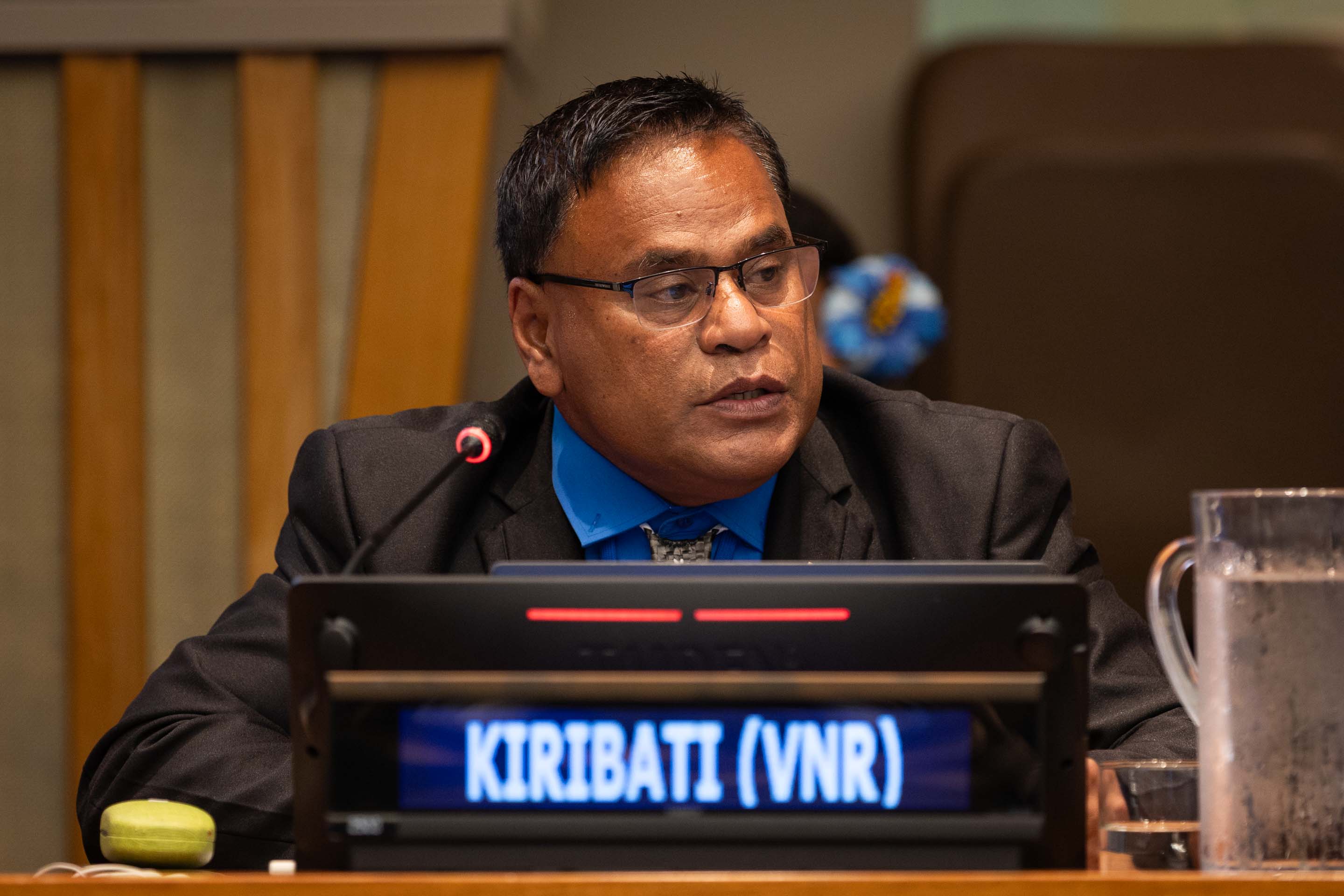
Ruateki Tekaiara, Minister of Education, Kiribati
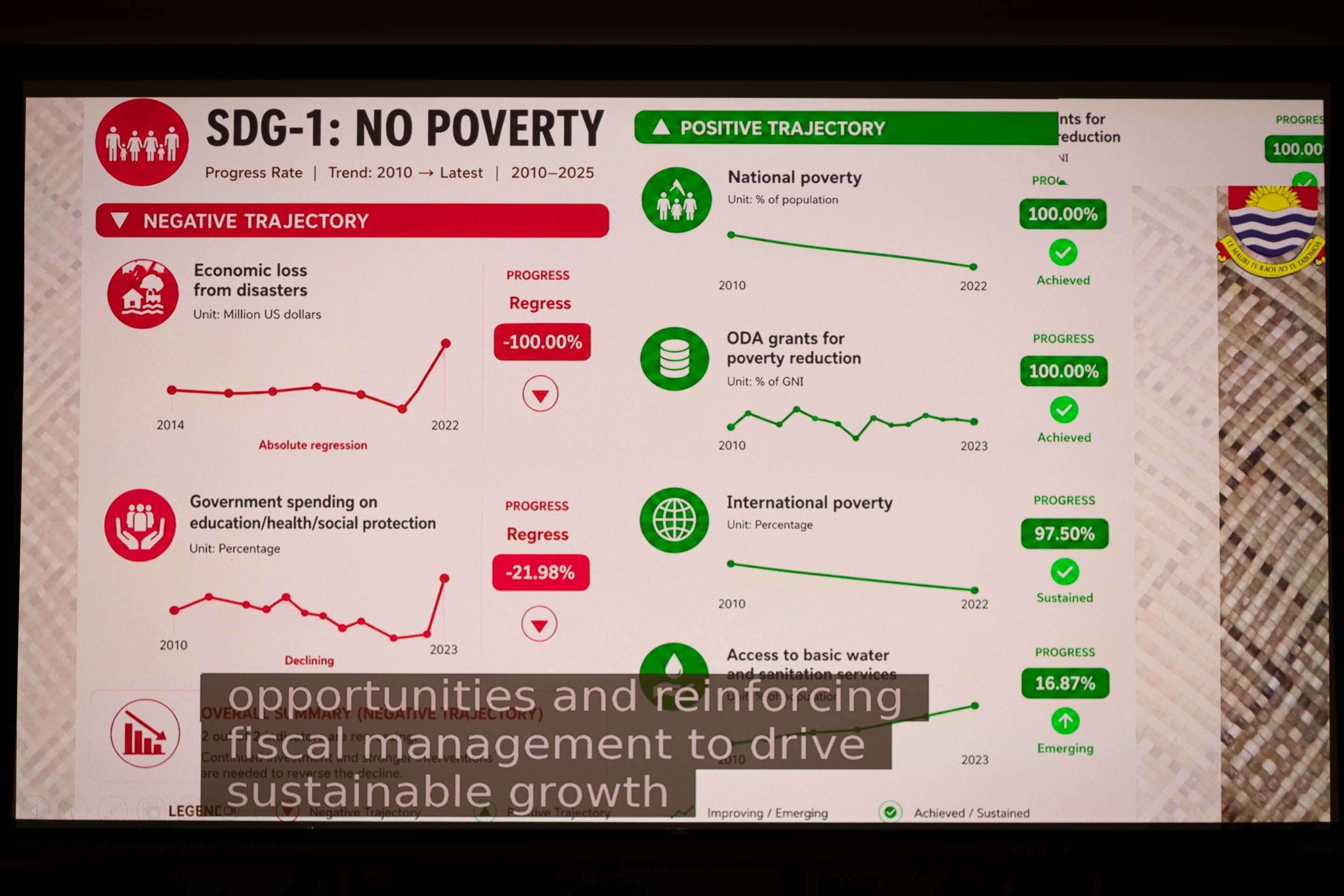
Kiribati's VNR highlights their progress on SDG 1 (no poverty)
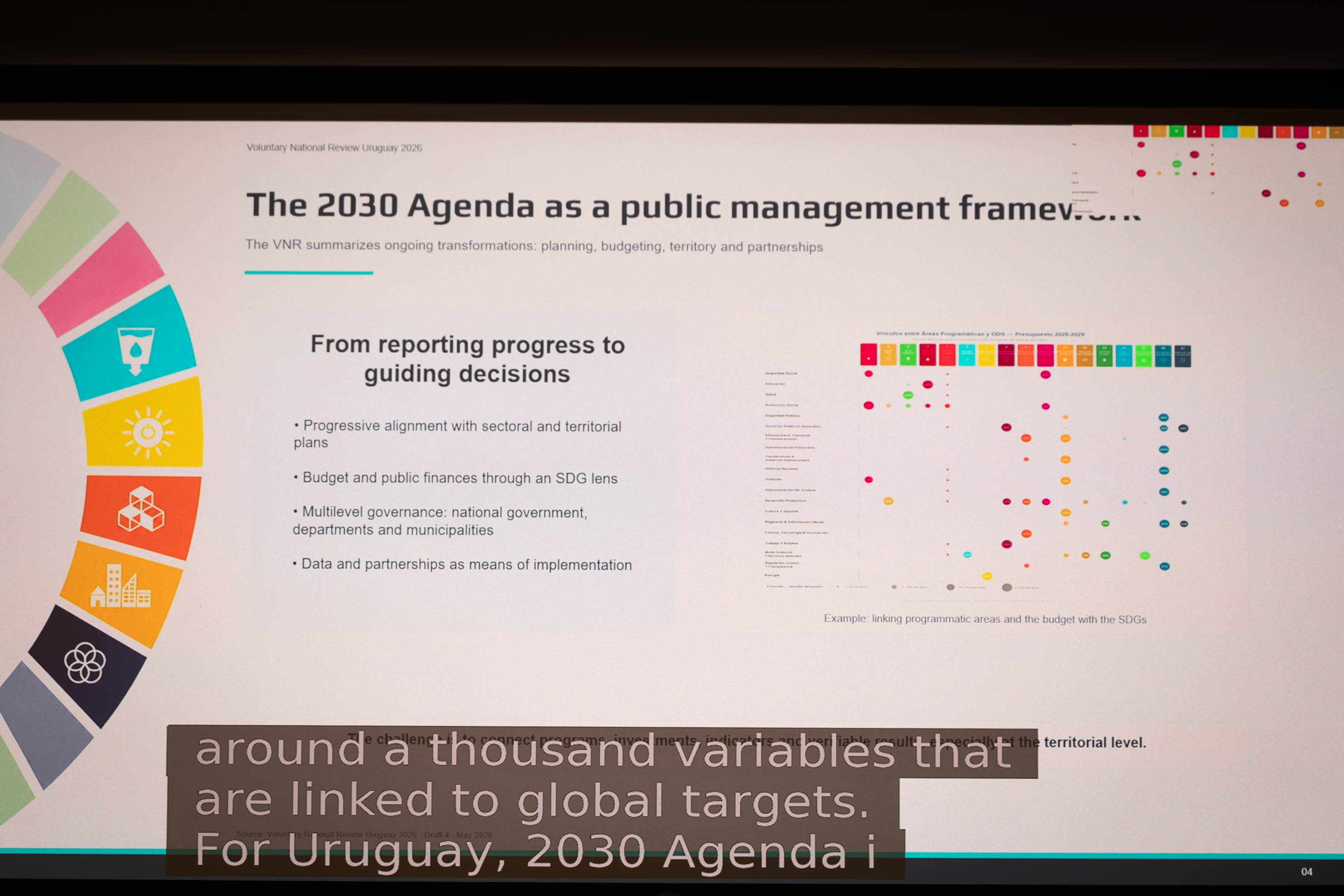
Uruguay's VNR highlights how they use the 2030 Agenda as a public management framework
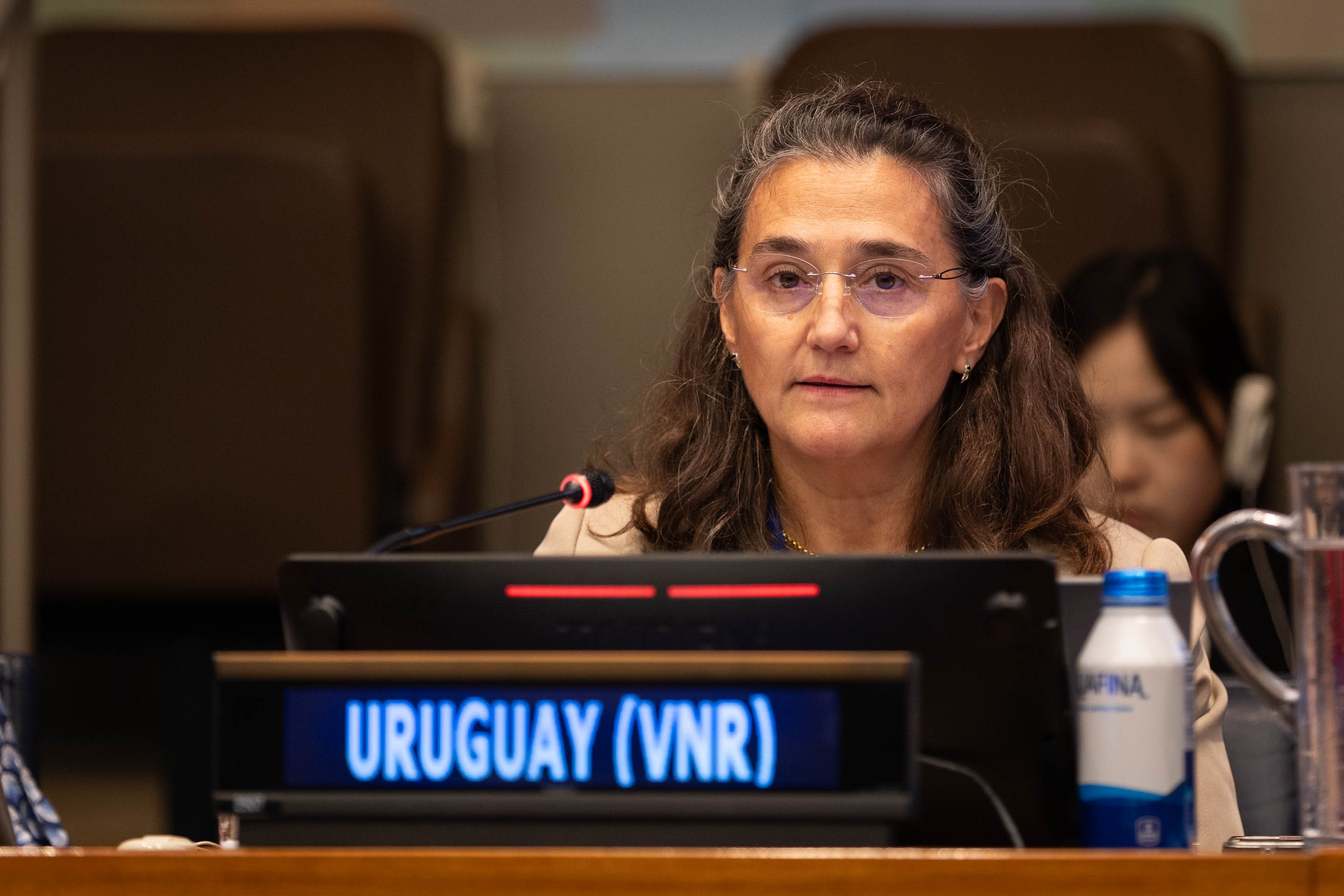
Elizabeth Bogosian, Director-General of International Cooperation, Ministry of Foreign Affairs, Uruguay
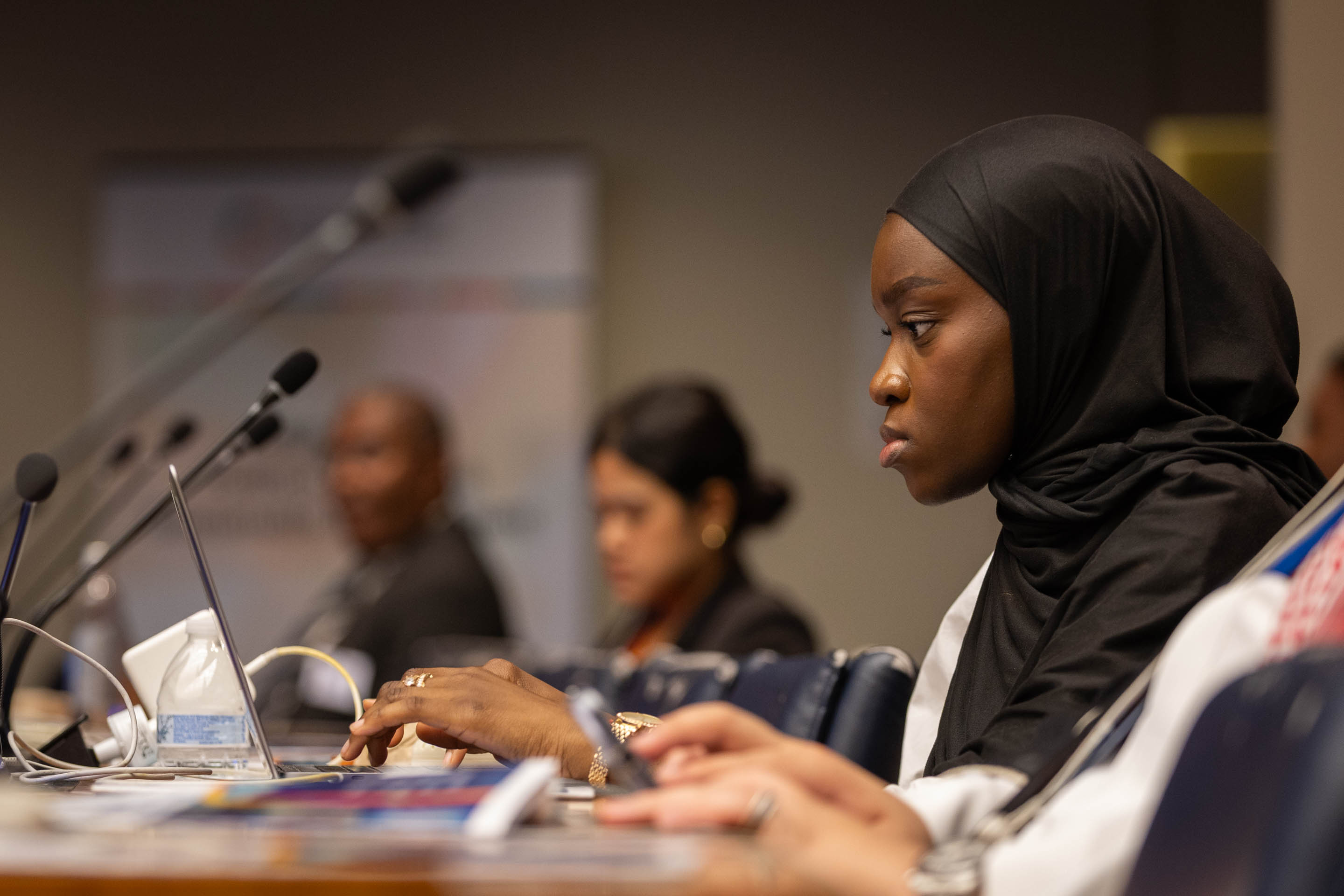
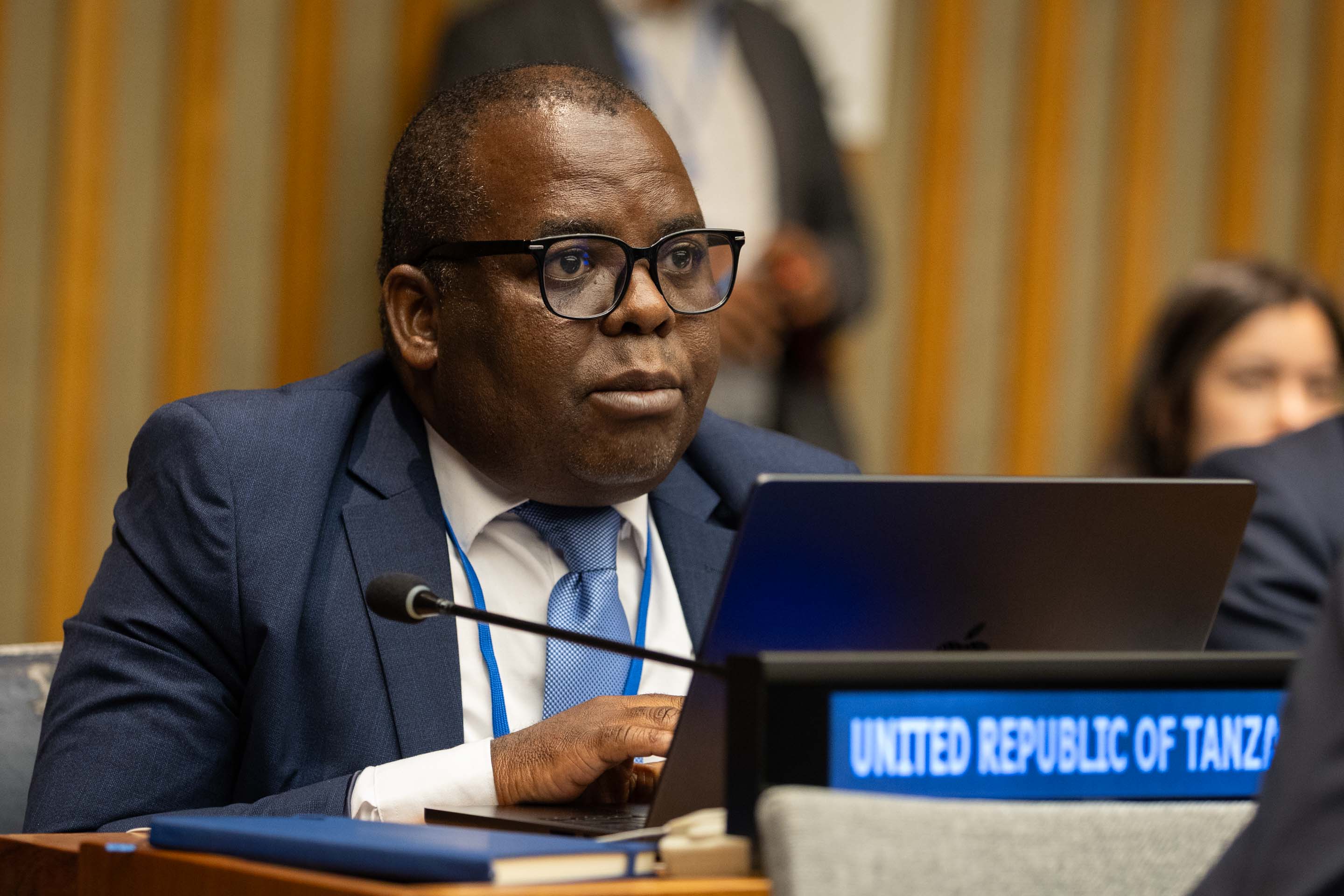
Mursali Ally Milanzi, Tanzania
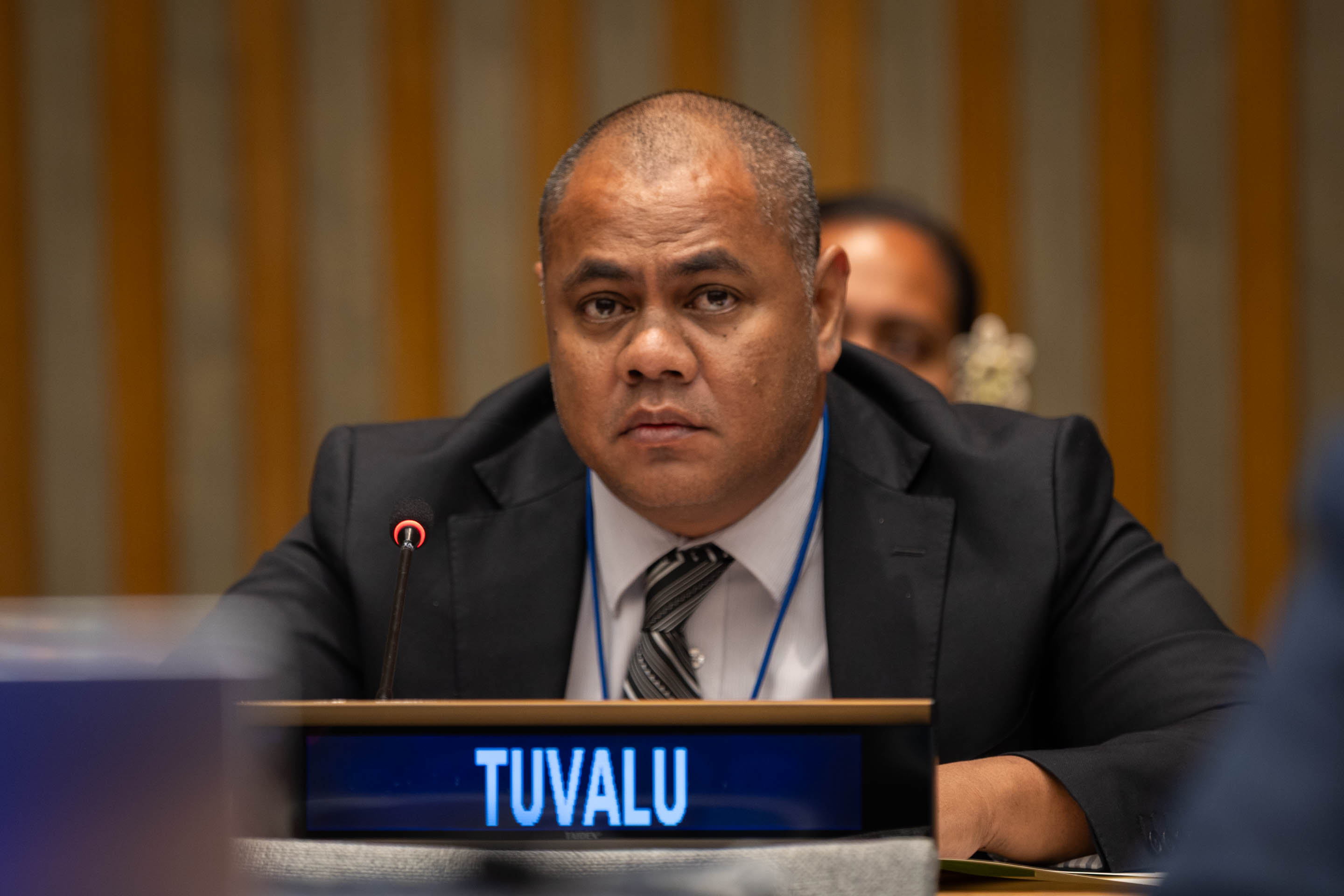
Nuausala Nuausala, Tuvalu
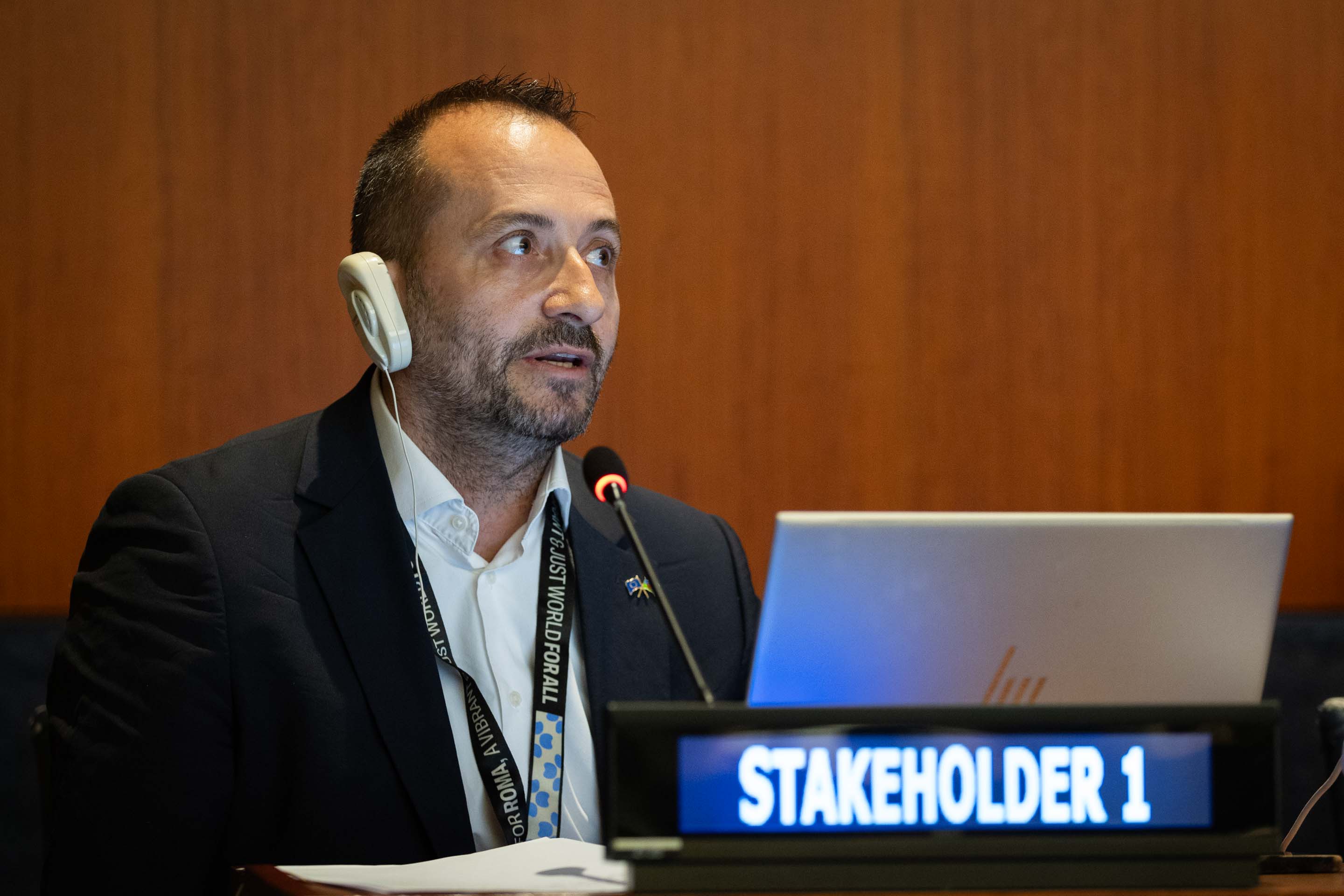
Adriatik Hasantari, Stakeholder Group of Communities Discriminated on Work and Descent
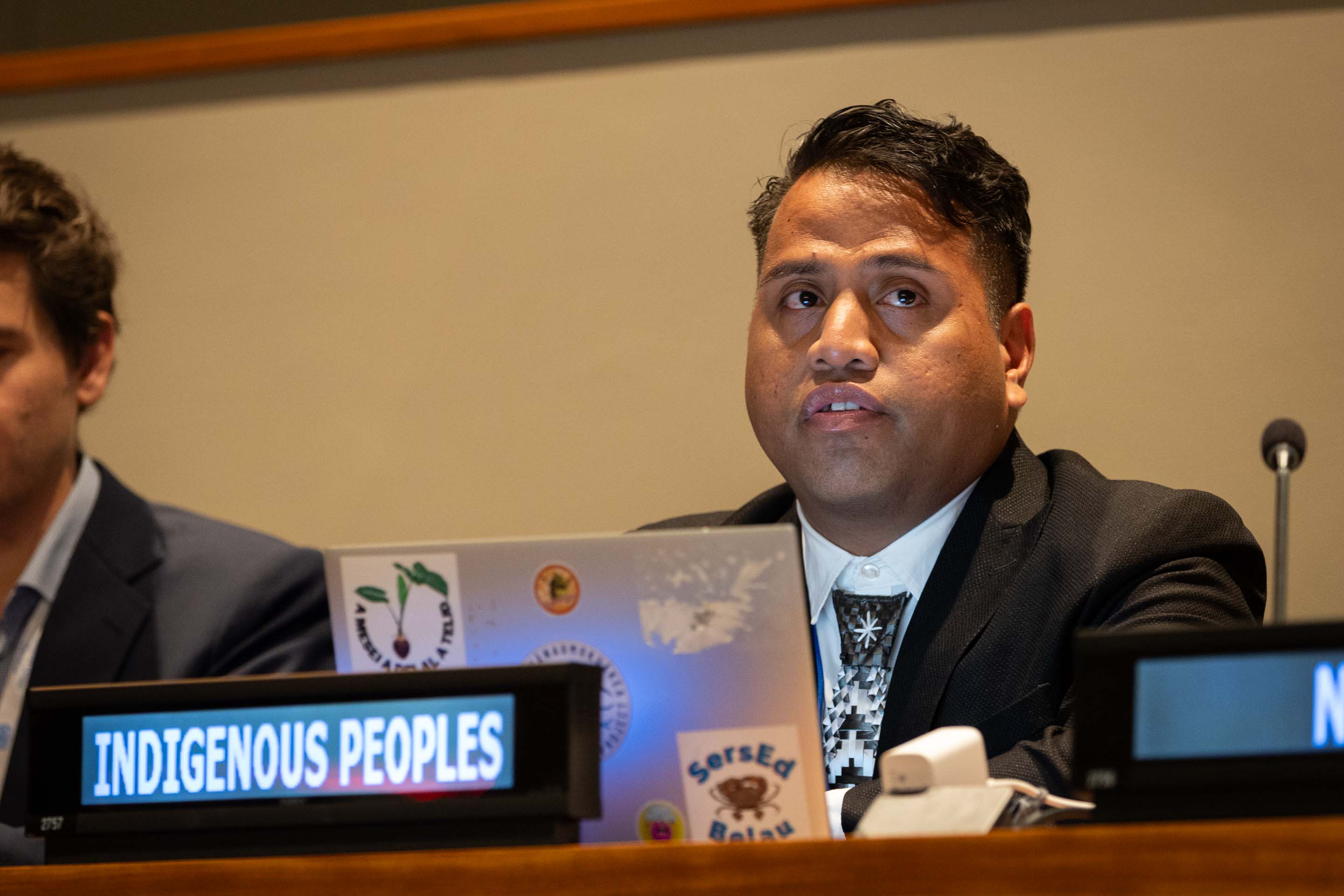
Tebeio Tamton, Indigenous Peoples
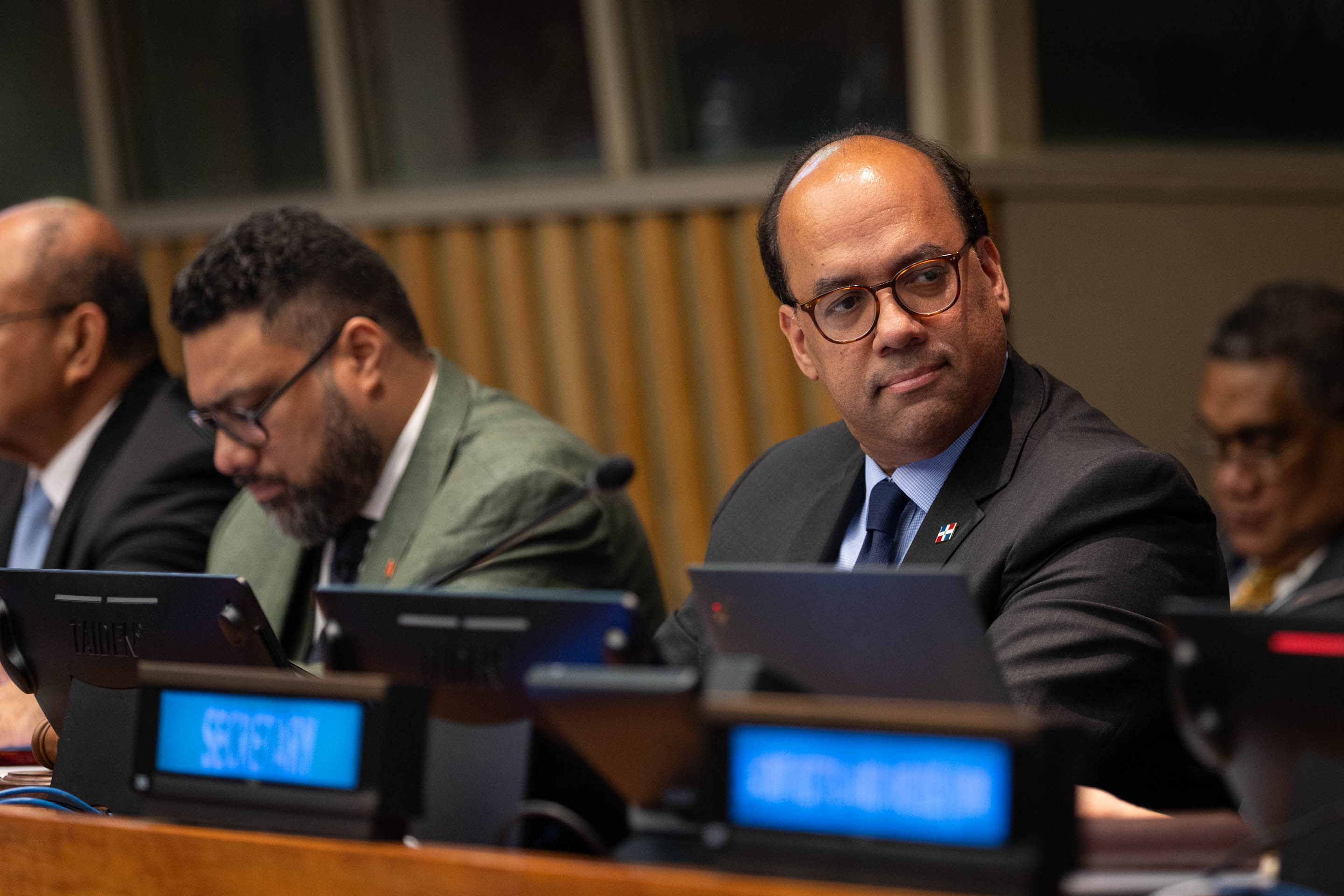
Wellington Darío Bencosme Castaños, Vice-President, ECOSOC
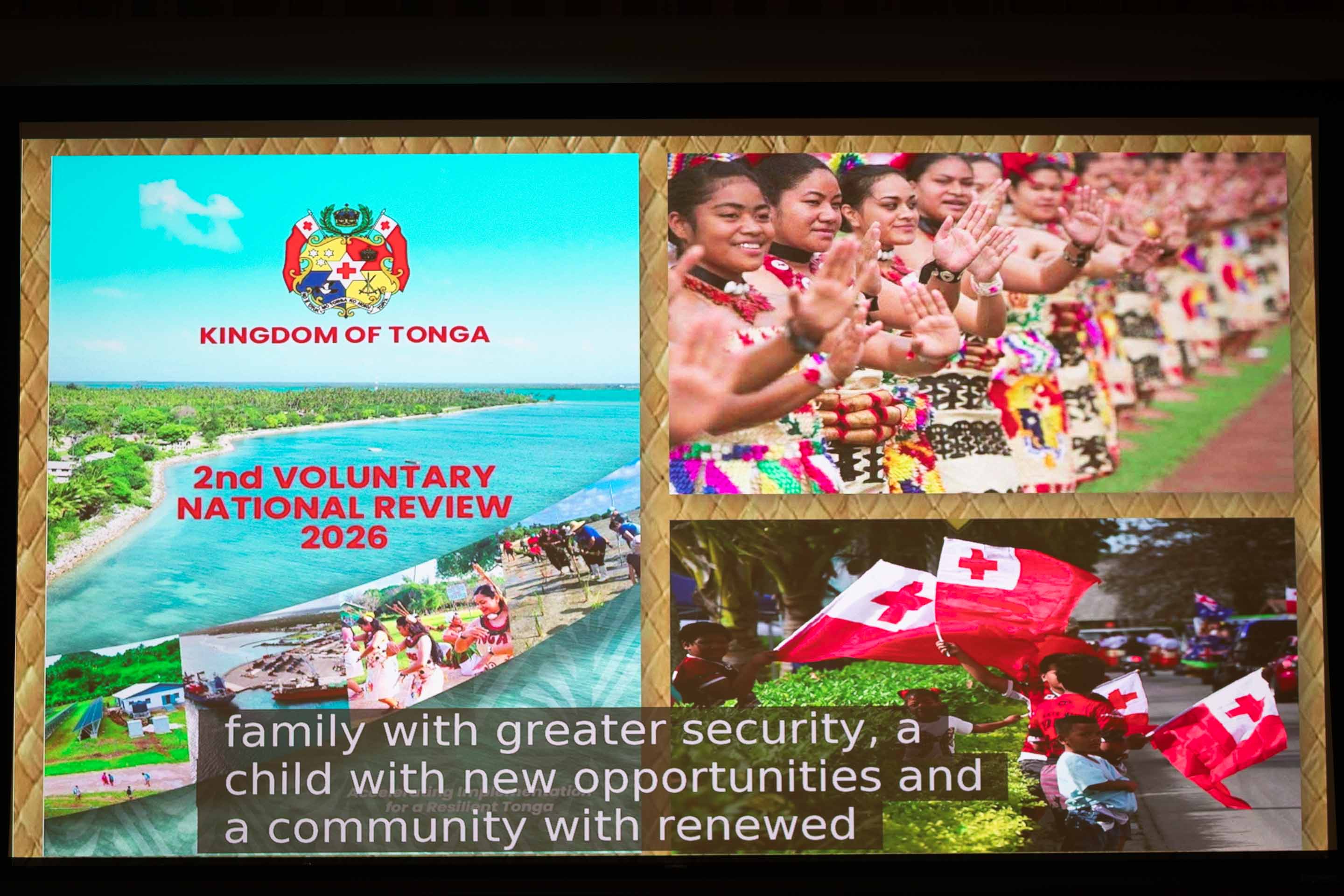
Tonga presents its second VNR
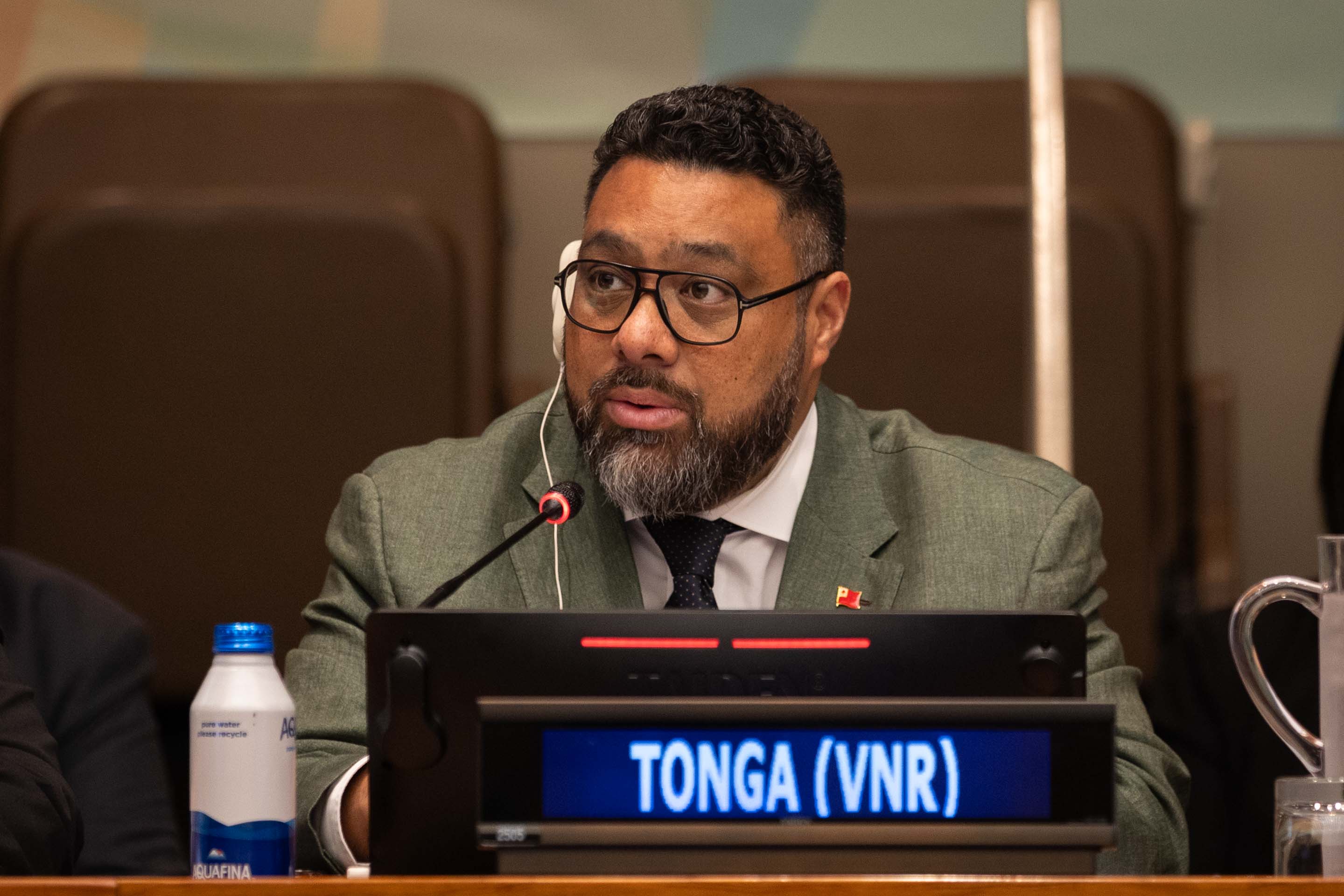
Fatafehi Fakafānua, Prime Minister of Tonga
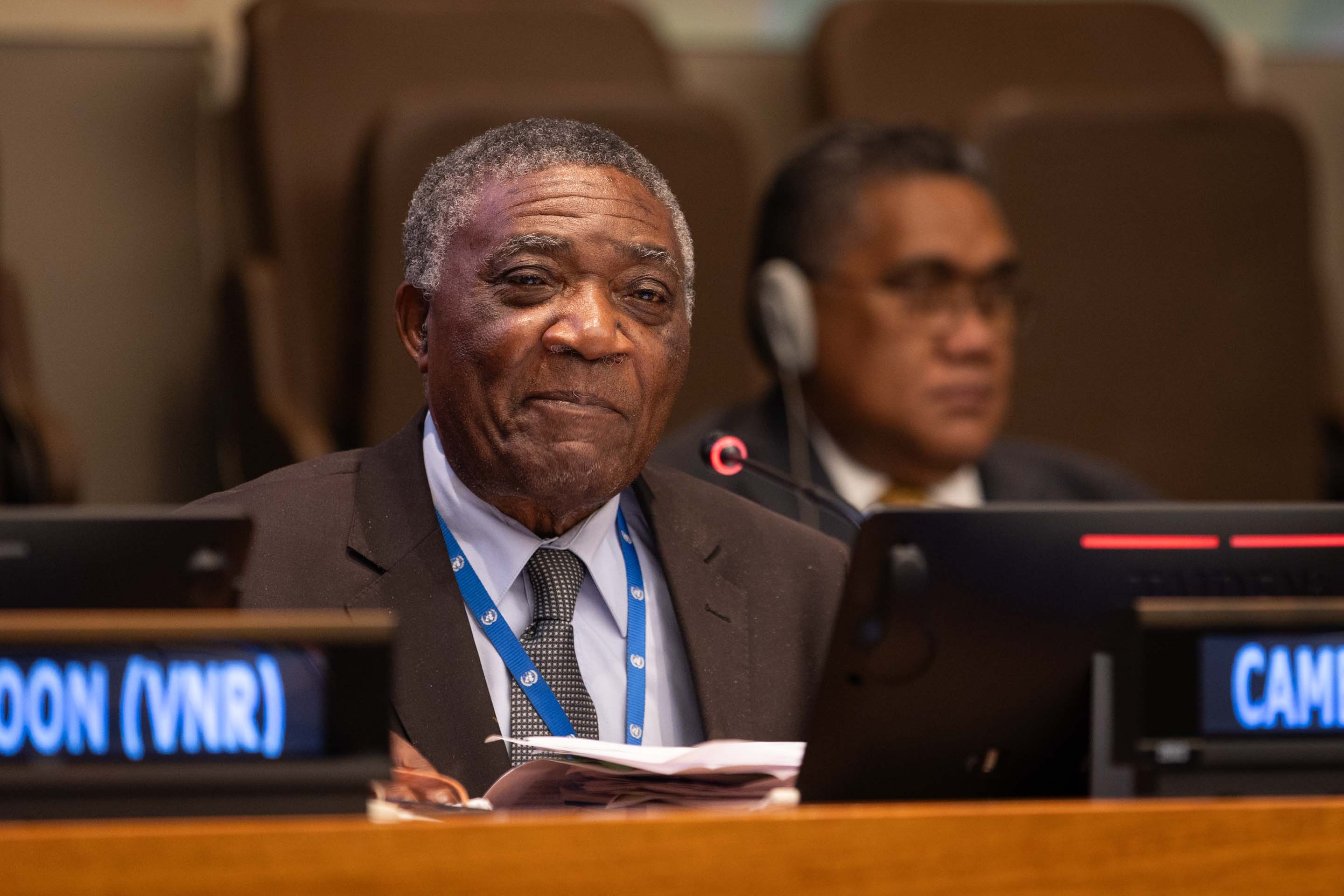
Michel Tommo Monthé, Permanent Representative of Cameroon to the UN
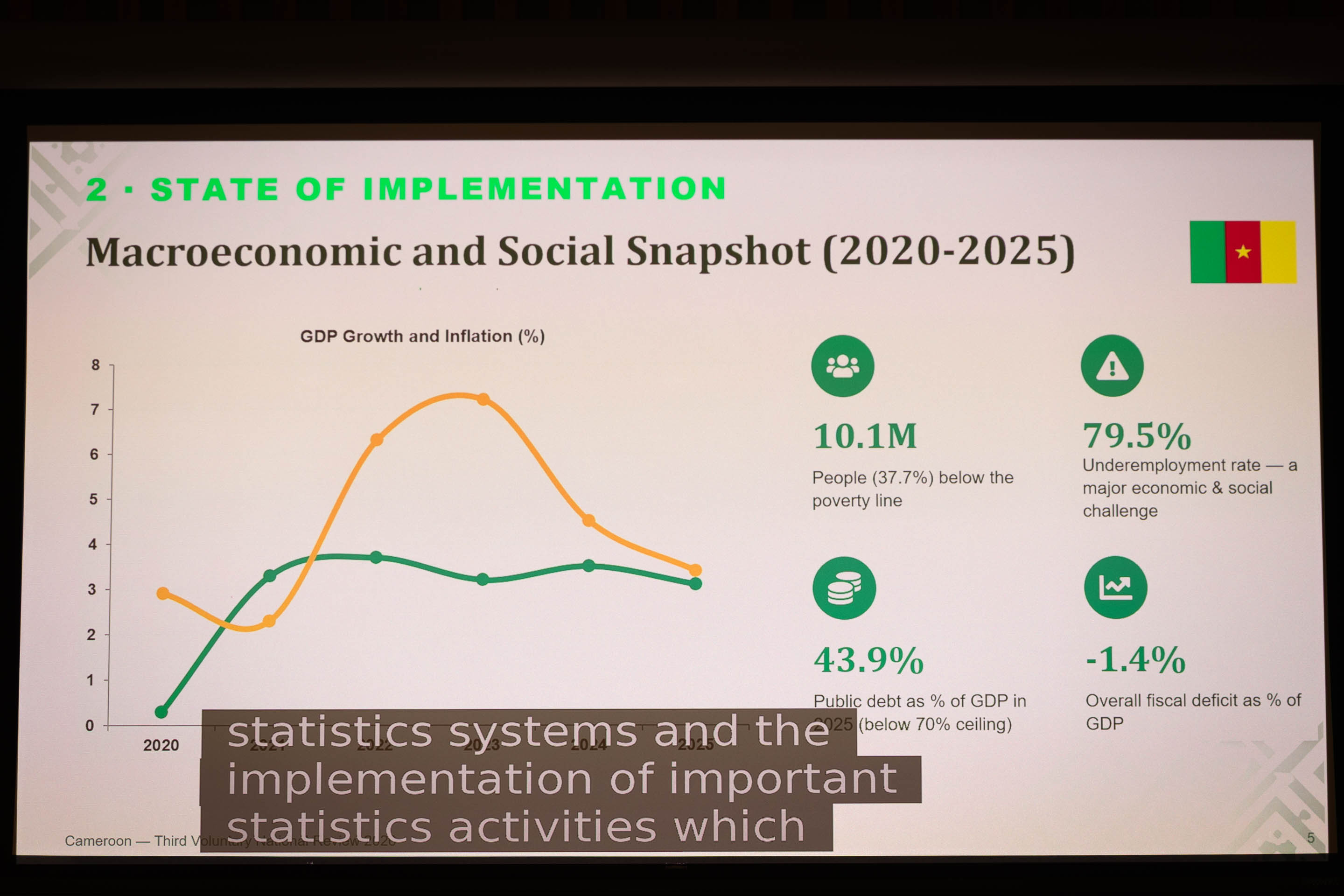
Cameroon's VNR highlights their macroeconomic and social snapshot for SDG implementation
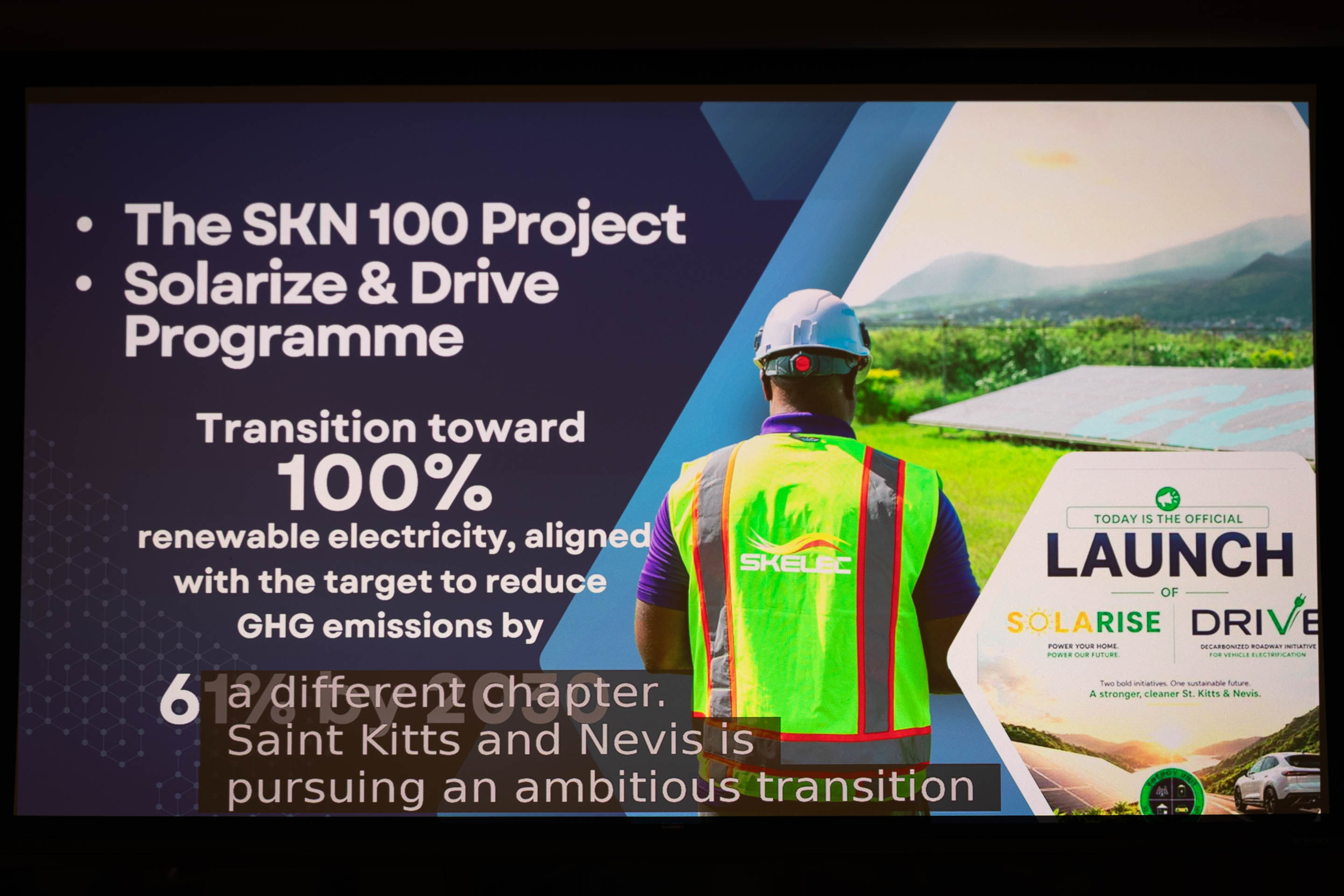
St. Kitts and Nevis's VNR highlights their progress on SDG 7 (affordable energy)
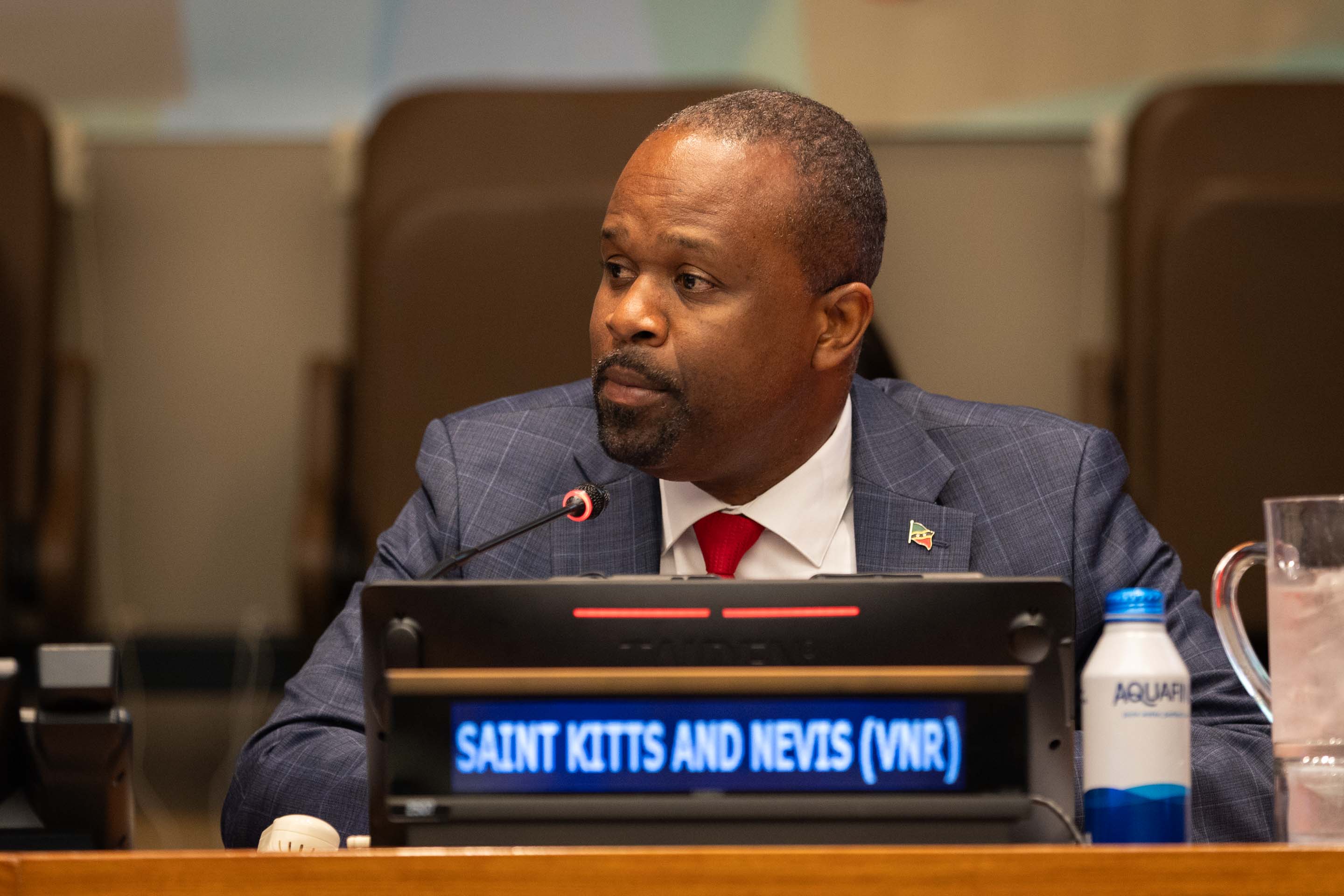
Konris Maynard, Minister of Public Infrastructure, Energy and Utilities, Domestic Transport, Information, Communication and Technology, and Posts, St. Kitts and Nevis
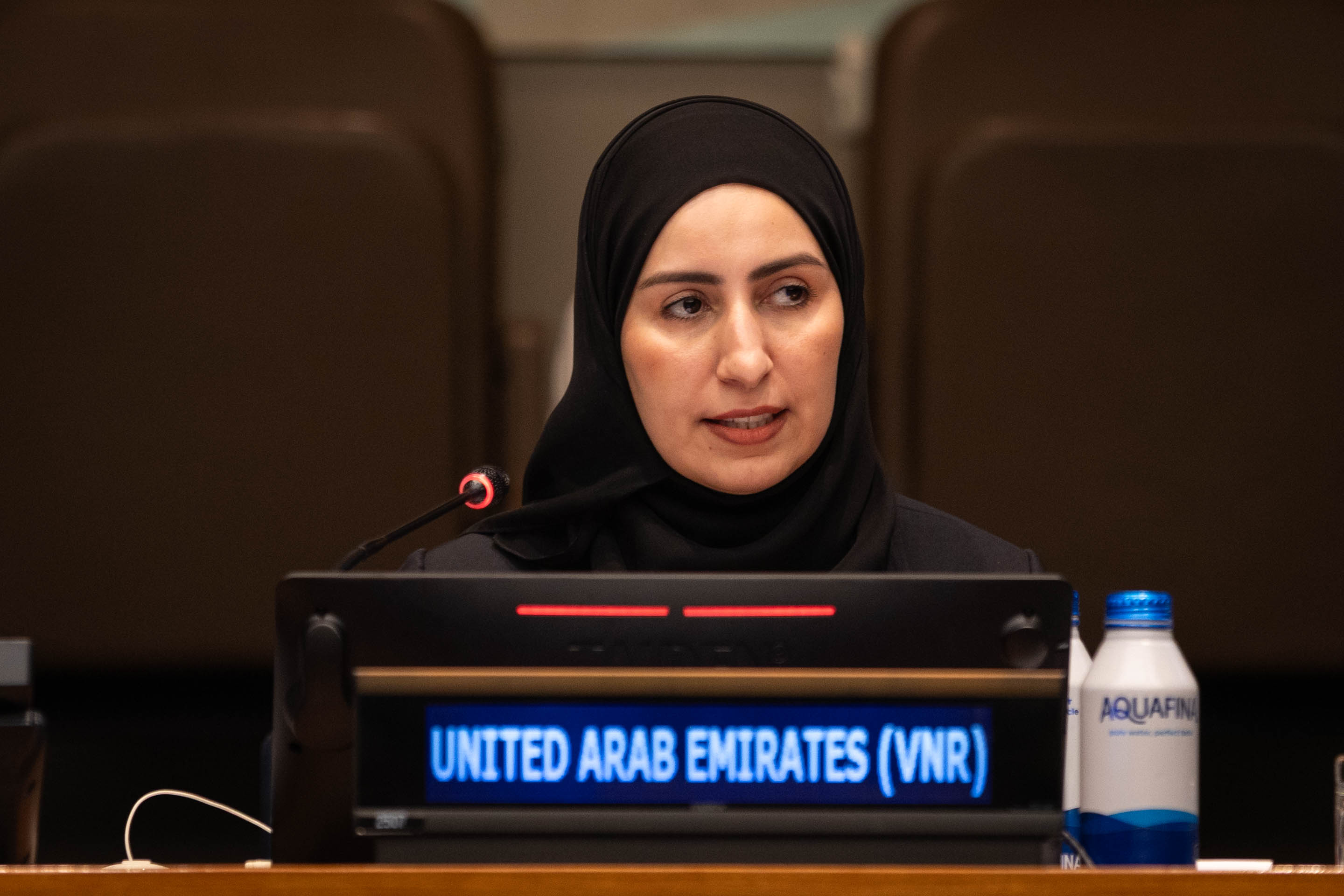
Hanan Ahil, Managing Director, Federal Competitiveness and Statistics Center, and Chair, UAE National Committee on SDGs, UAE
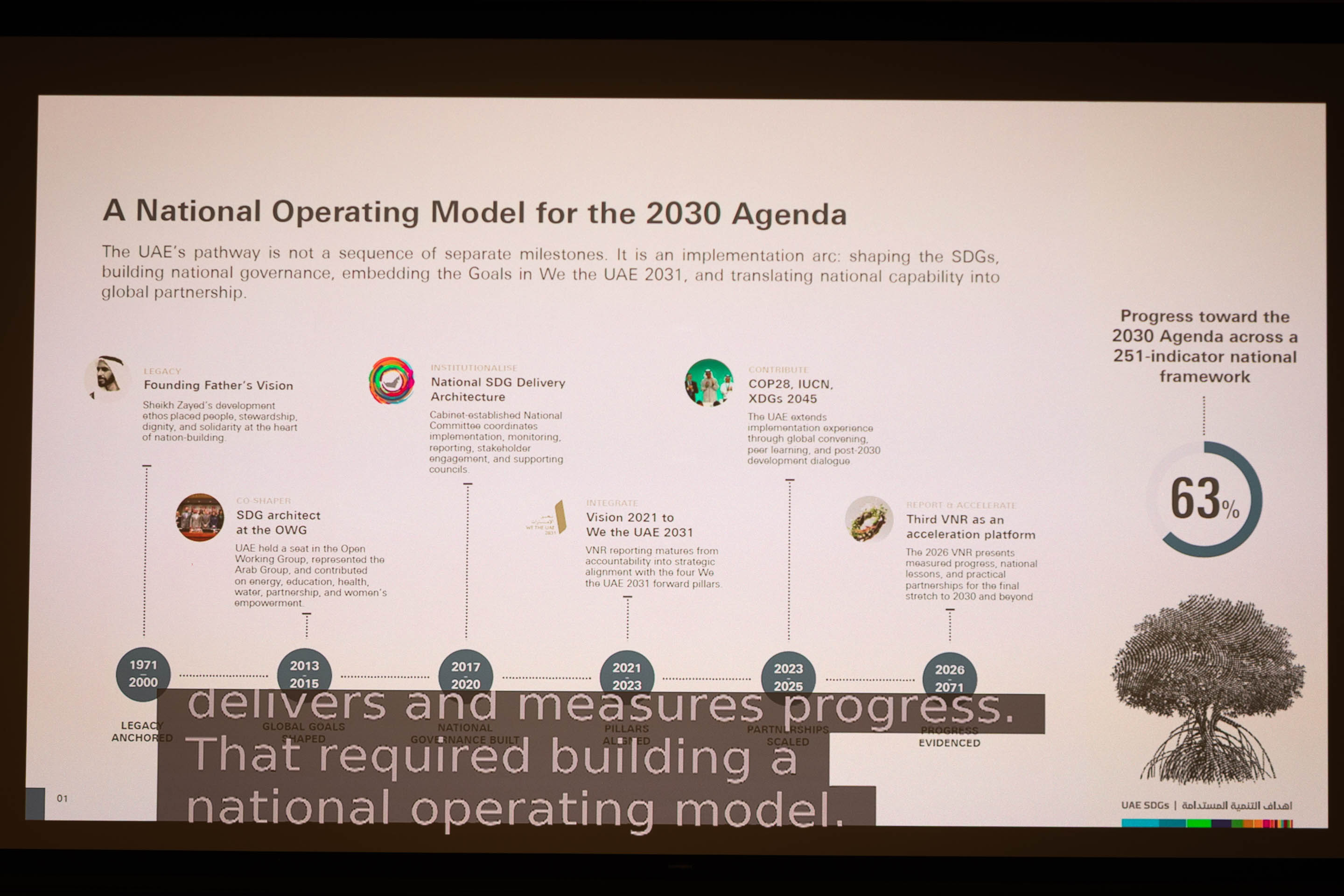
UAE's VNR highlights how they have a national operating model for the 2030 Agenda
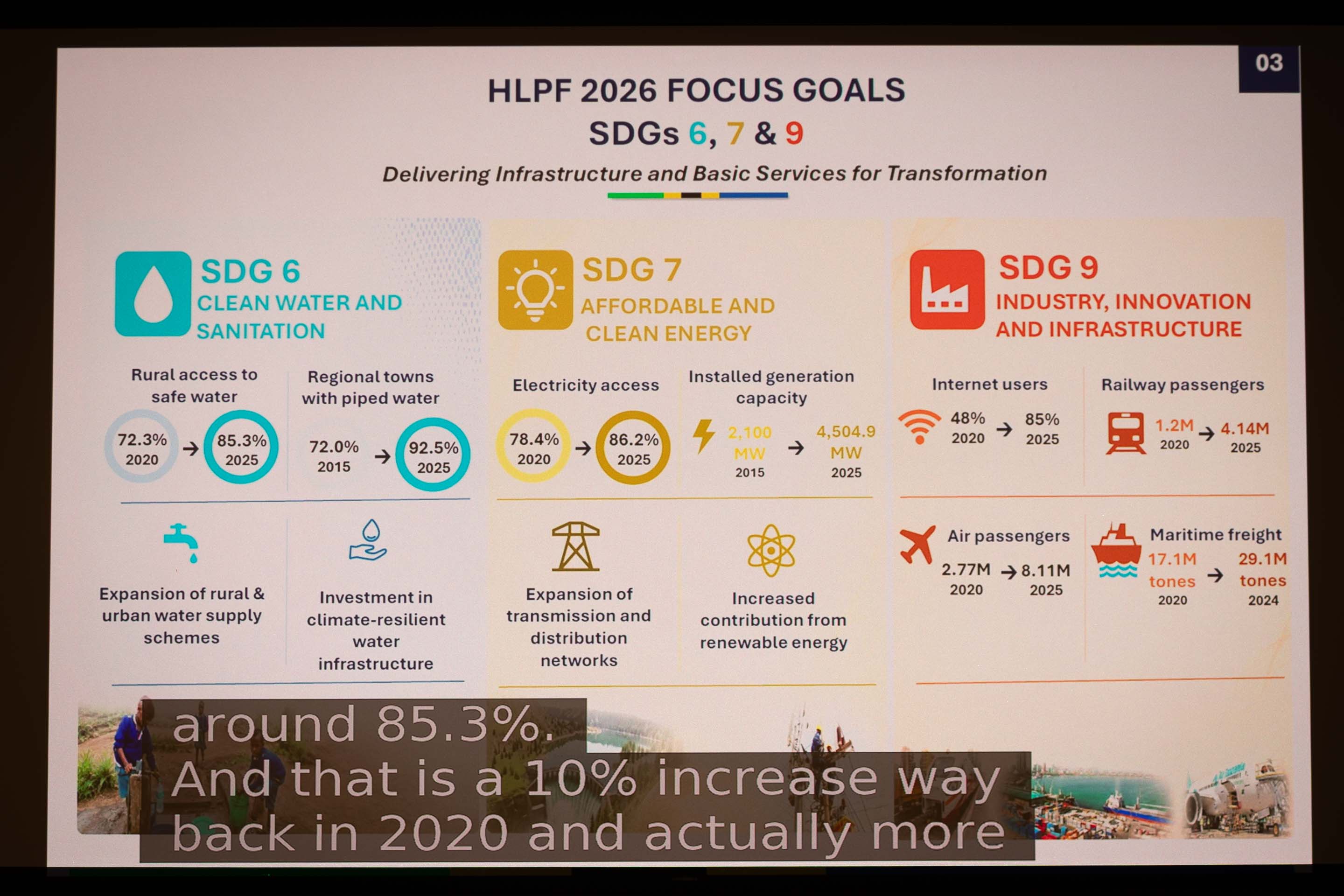
Tanzania's VNR highlights their progress on SDG 6 (water and sanitation), SDG 7 (affordable energy), and SDG 9 (industry, innovation, and infrastructure)
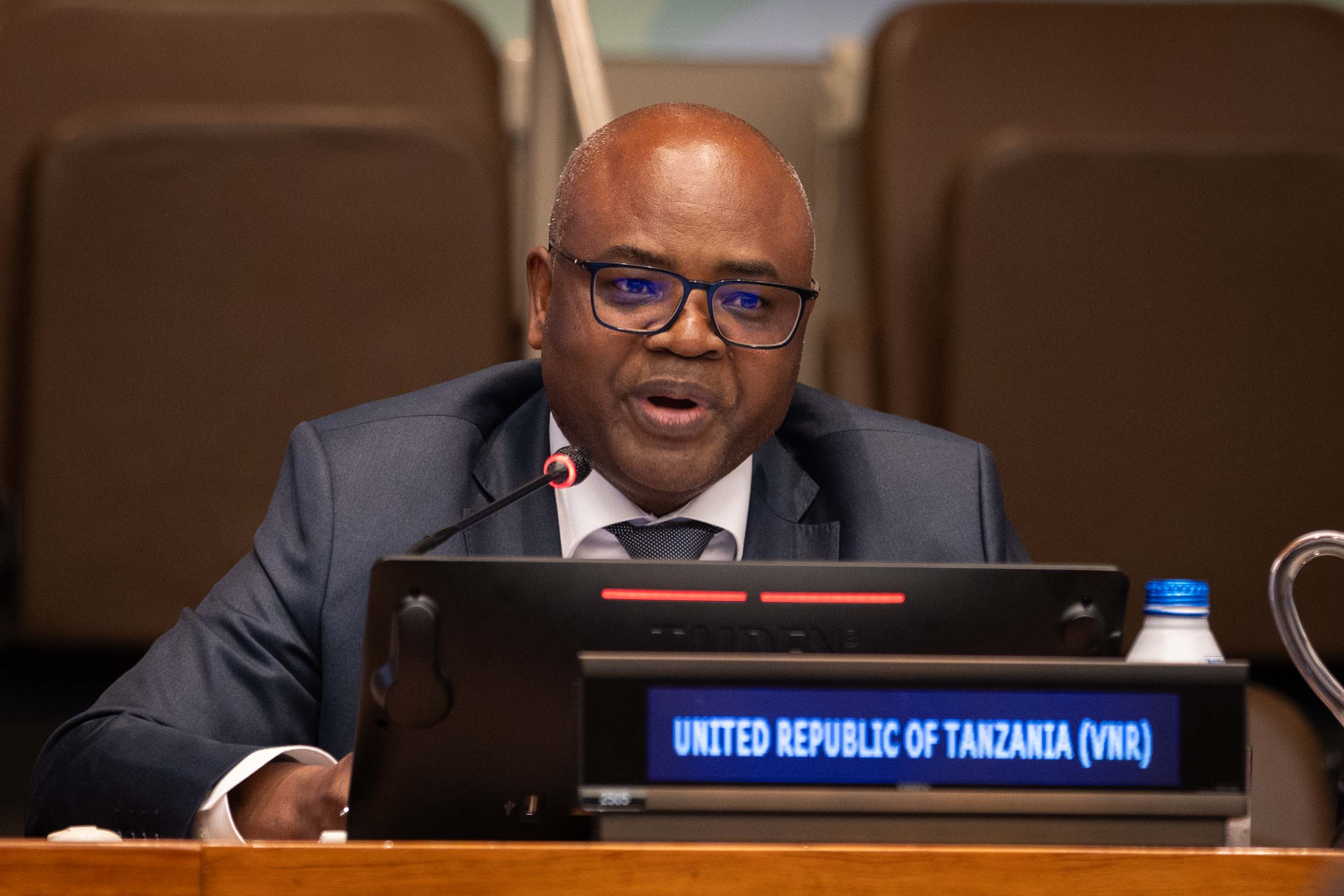
Kitila Mkumbo, Minister of State, President’s Office, Planning and Investment, Tanzania
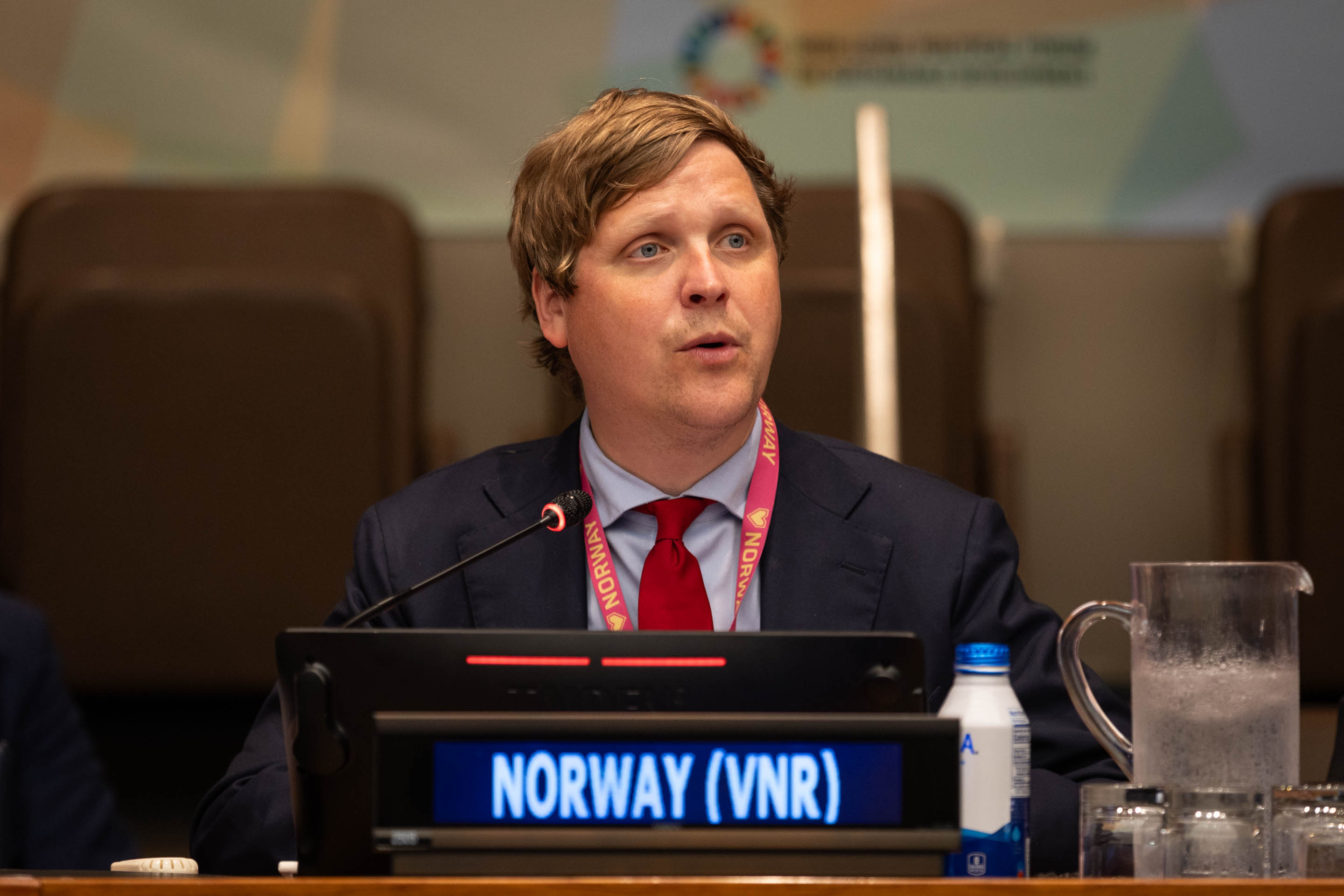
Åsmund Grøver Aukrust, Minister of International Development, Norway
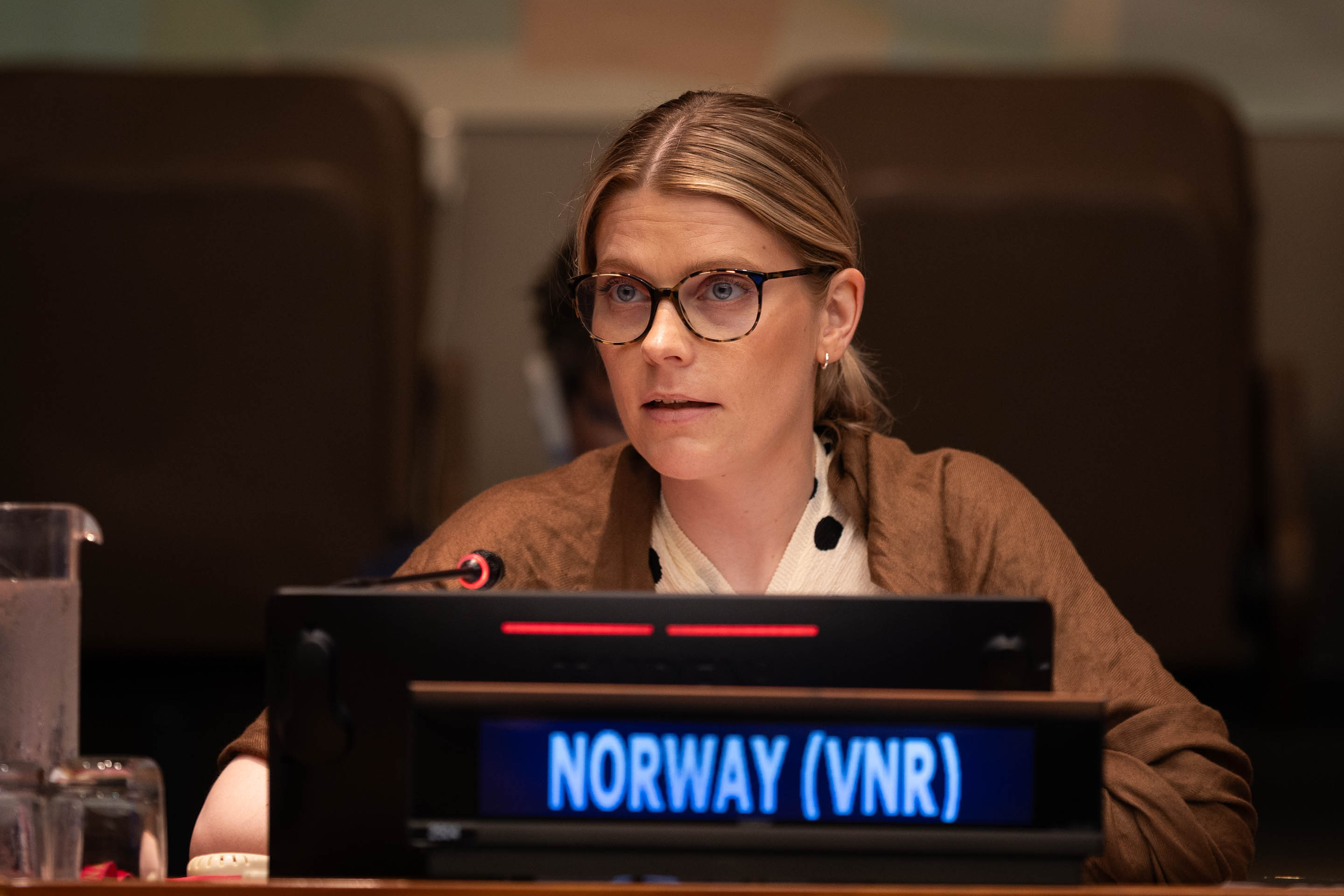
Annette Davidson, State Secretary, Ministry of Digitalization and Public Governance, Norway
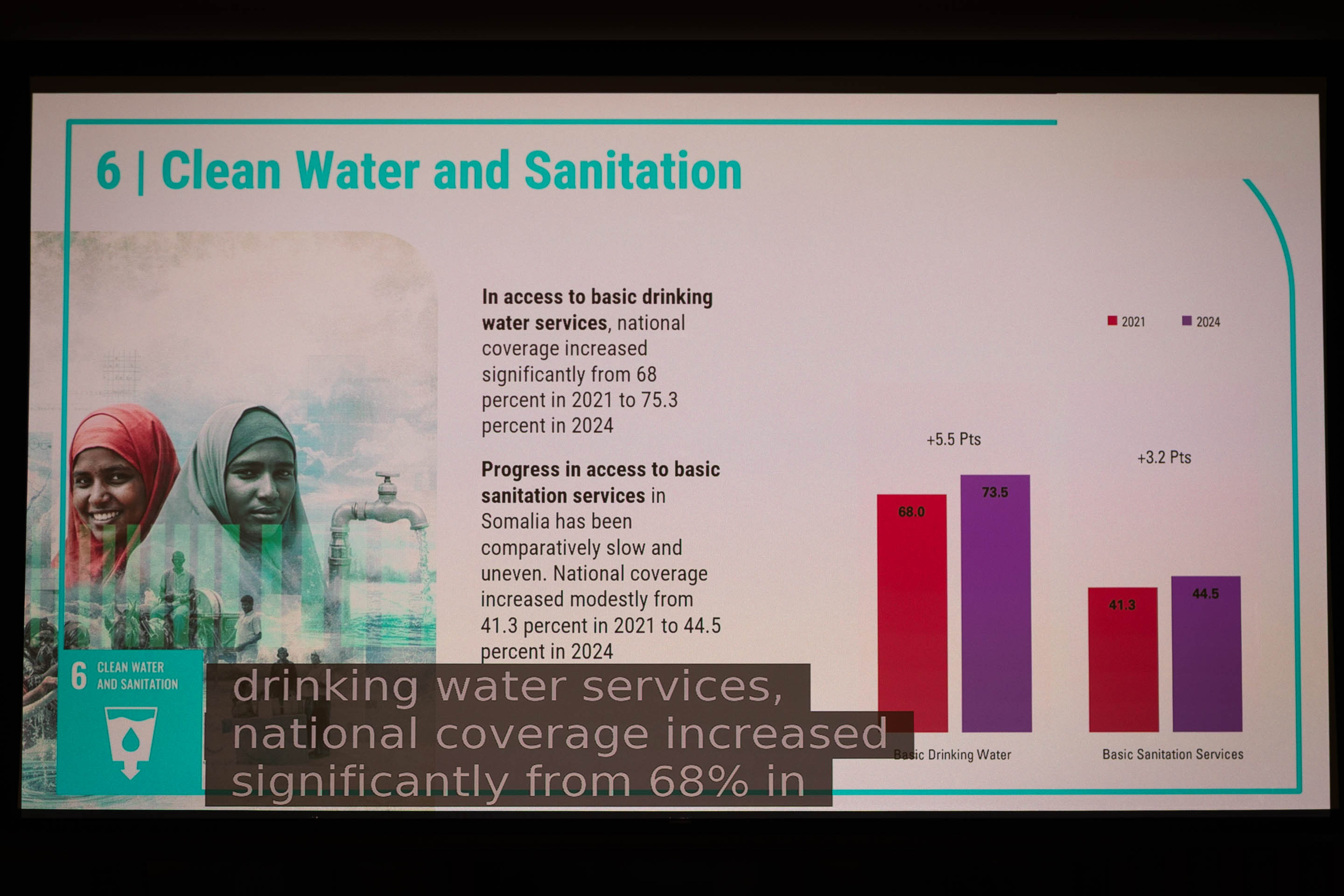
Somalia's VNR highlights progress made on SDG 6 (water and sanitation)
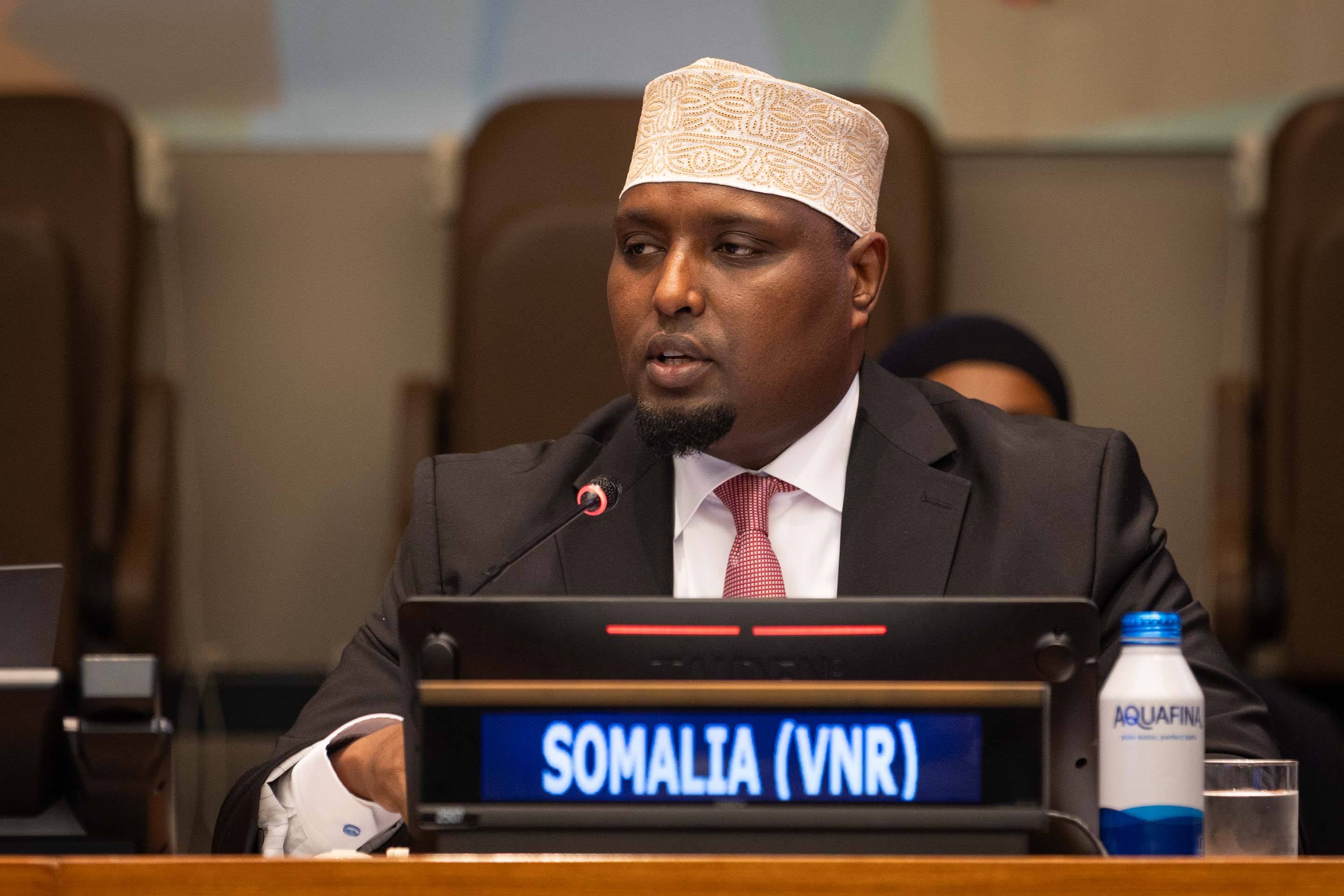
Mohamud Abdirahman Sh. Farah, Minister of Planning, Investment, and Economics, Somalia
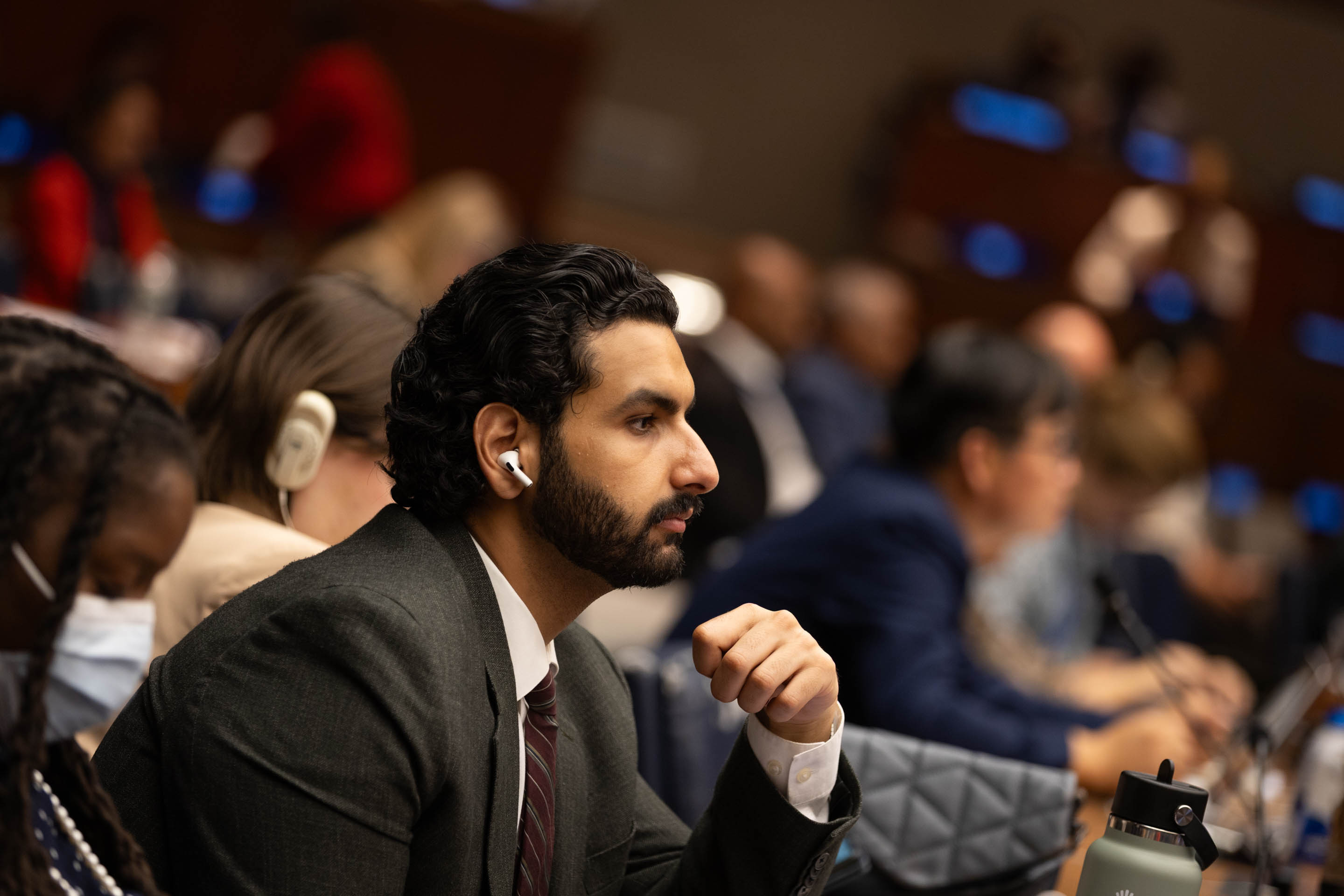
General Debate
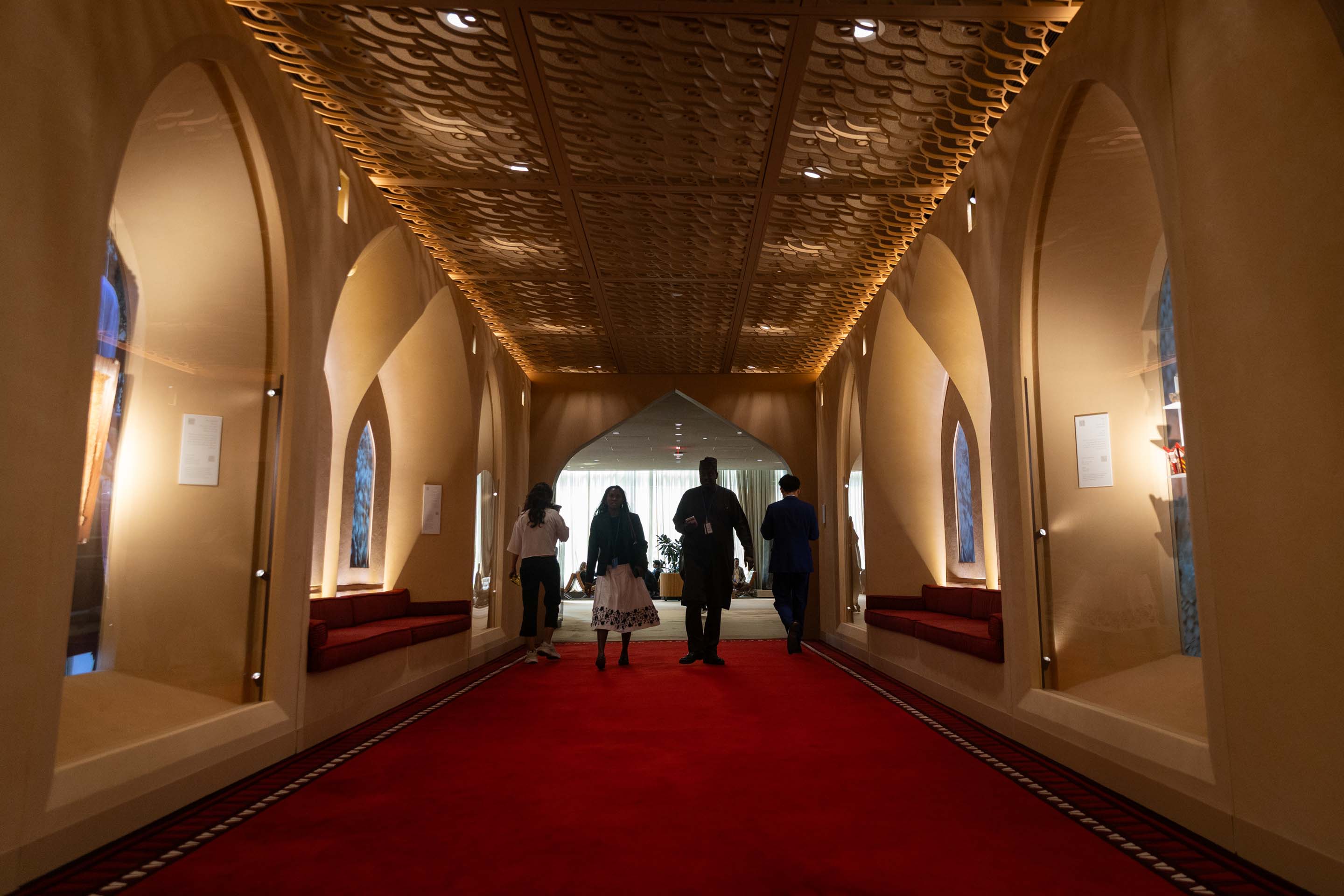
Delegates walk to the Trusteeship Council to continue the General Debate
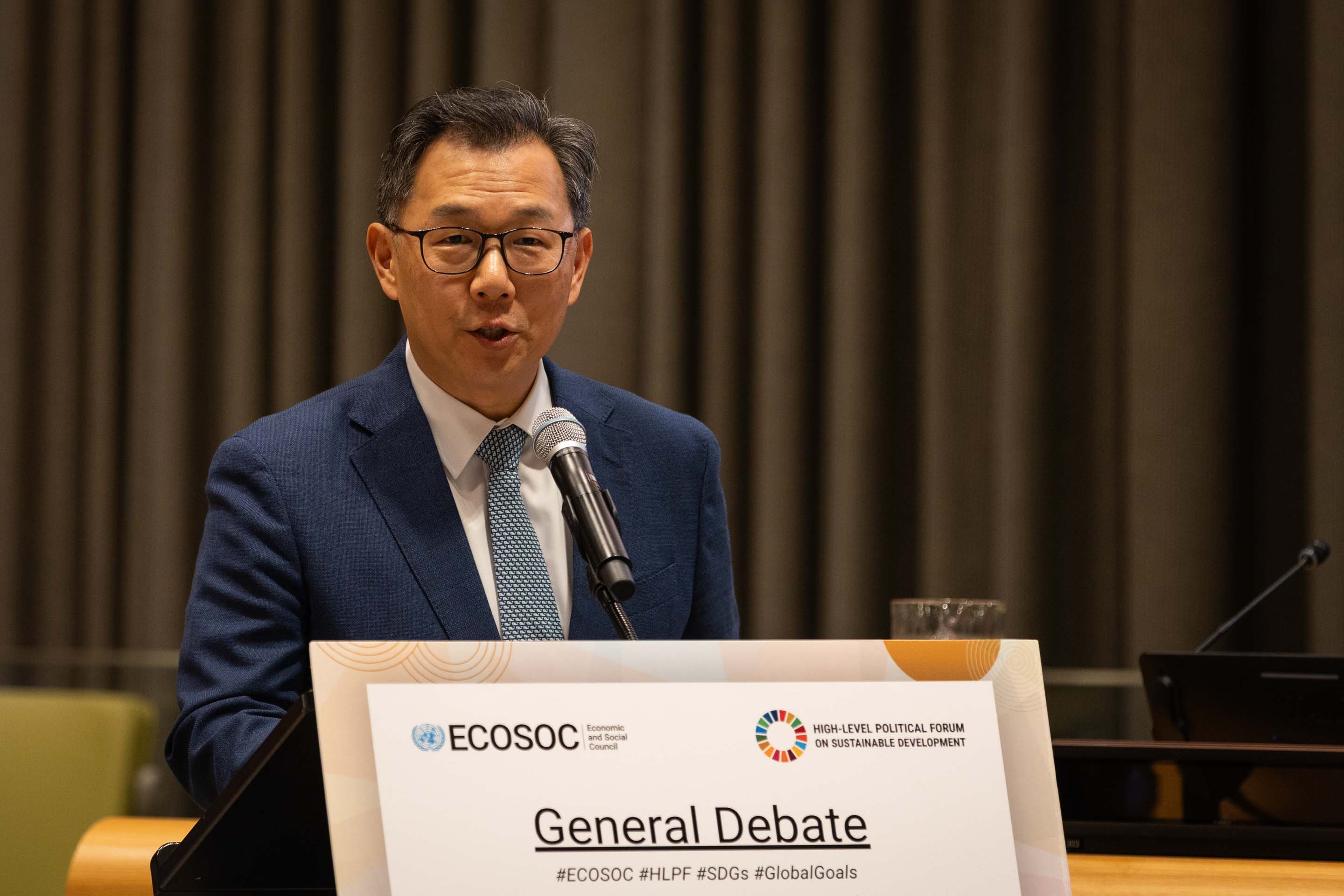
Wook-jin Chang, Deputy Minister for Multilateral and Global Affairs, Republic of Korea
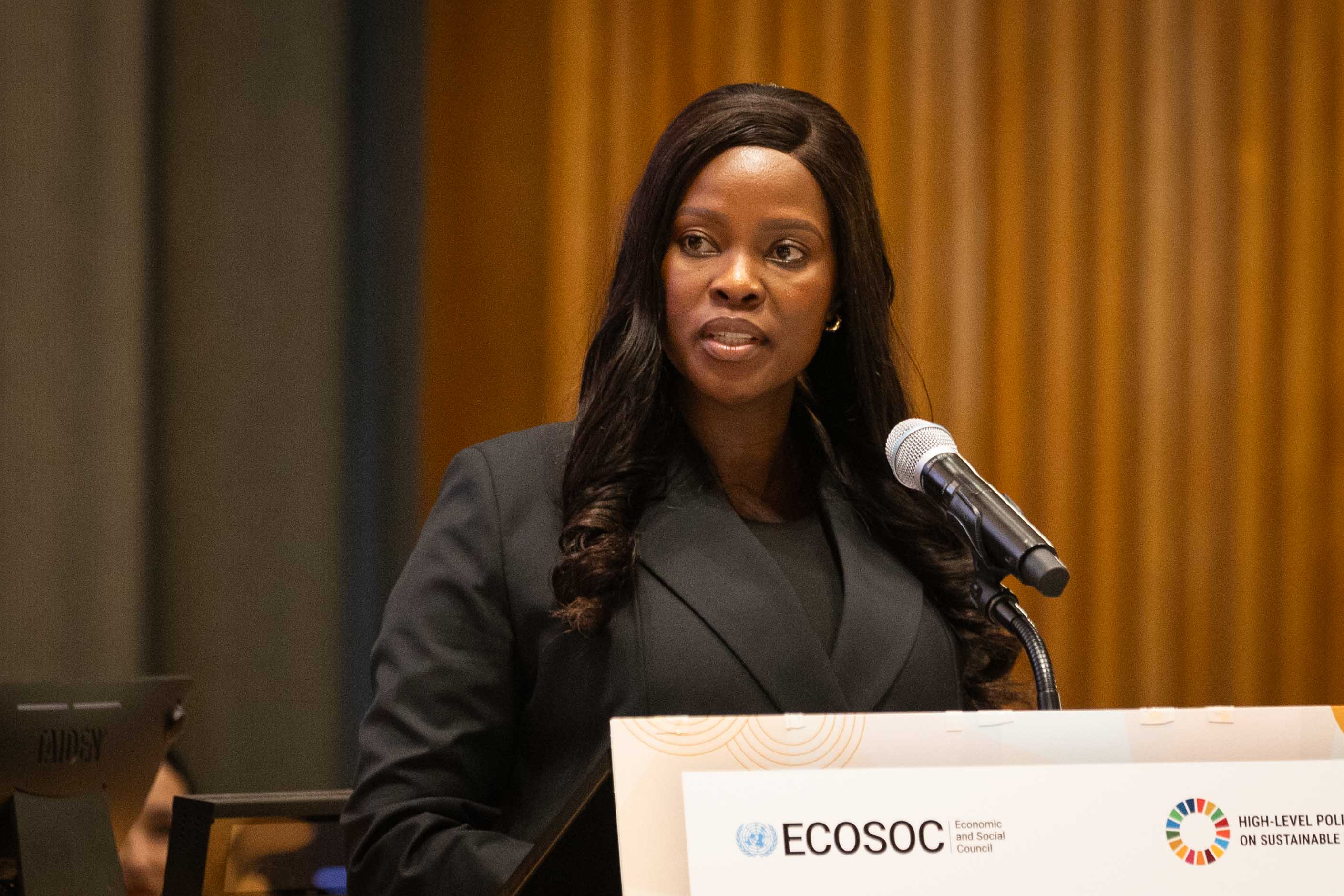
Maipelo Mophuting, Assistant Minister for State President Defence and Security, Botswana

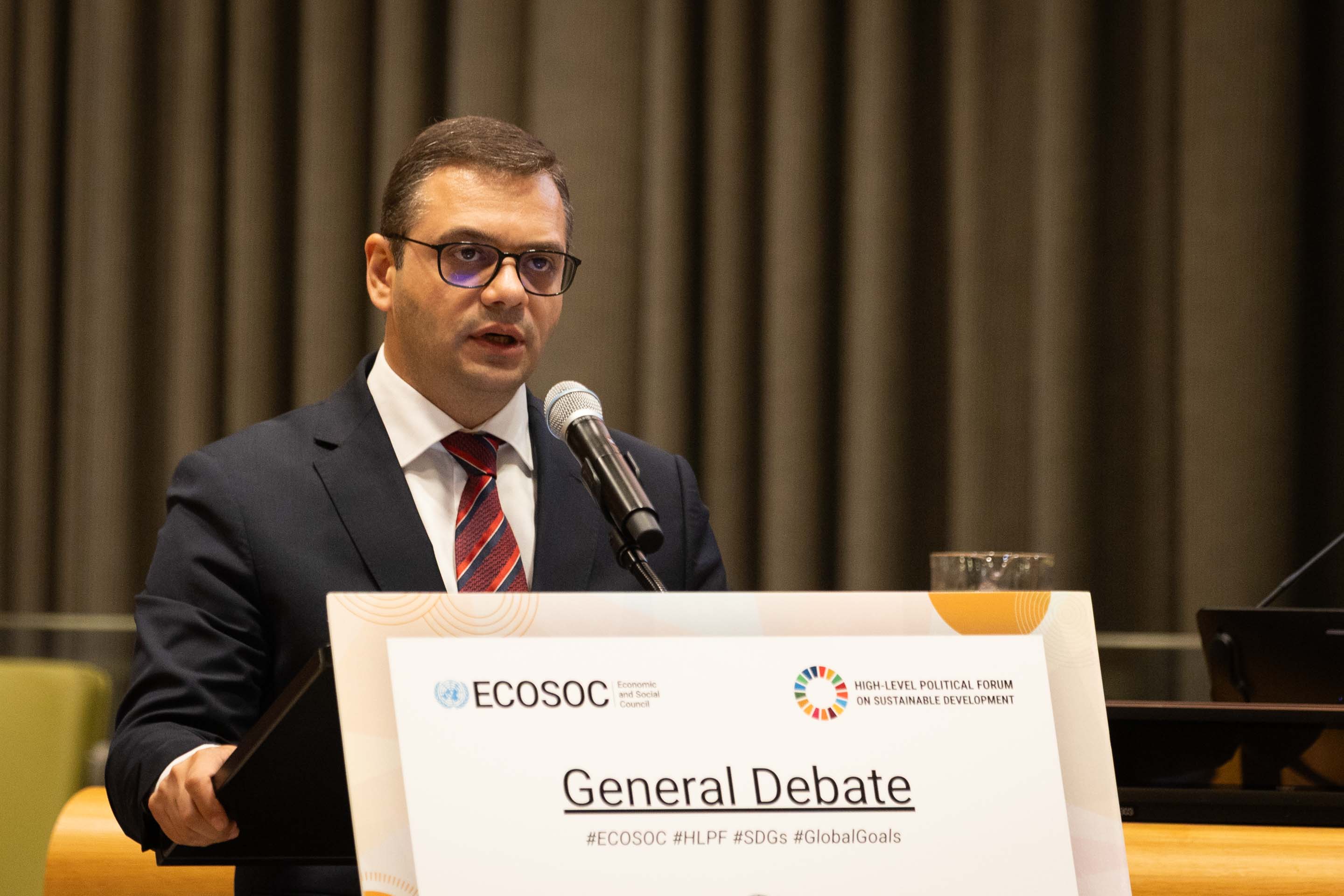
Robert Abisoghomonyan, Deputy Minister of Foreign Affairs, Armenia
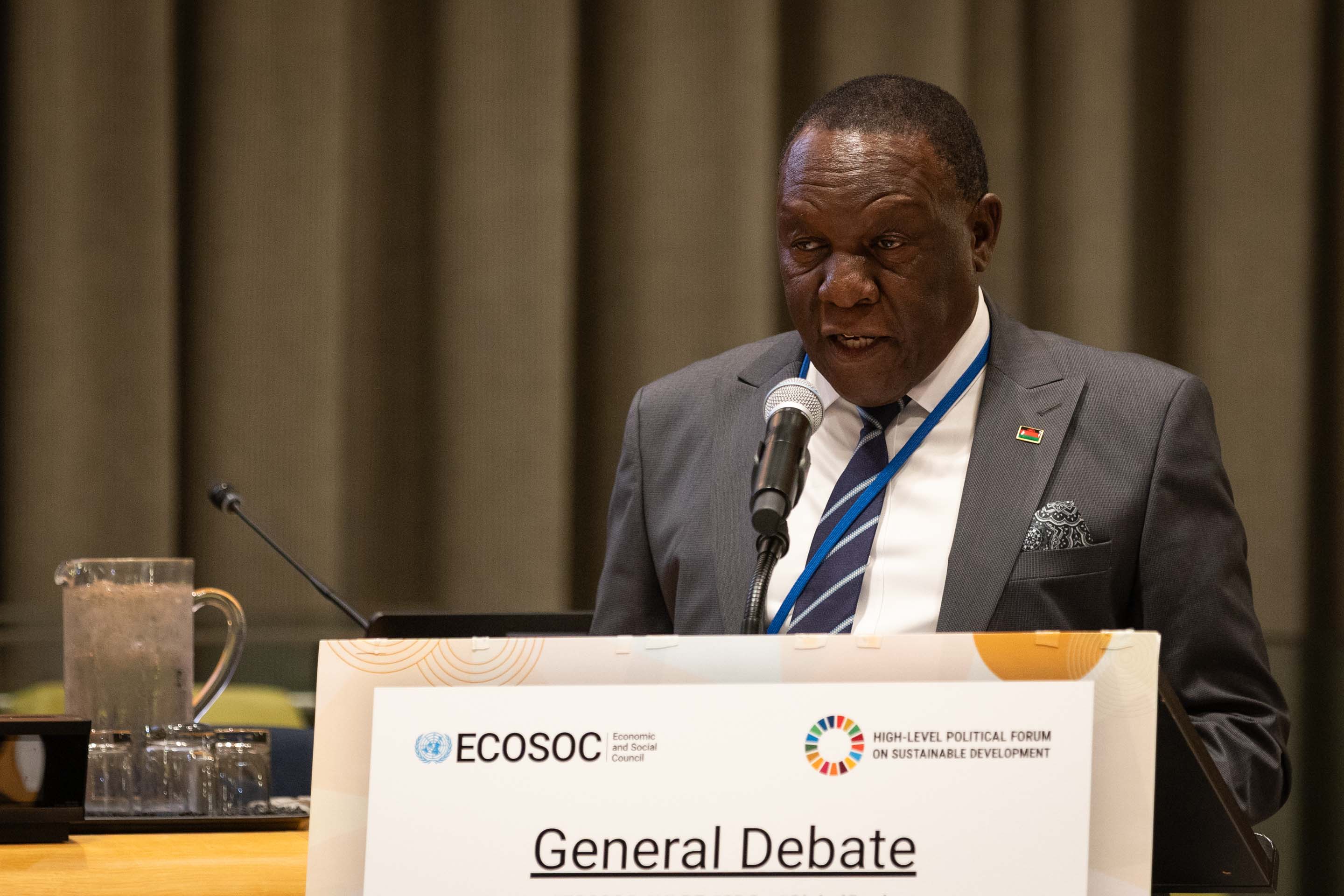
Cliff Kenneth Chiunda, Secretary to Treasury, Malawi
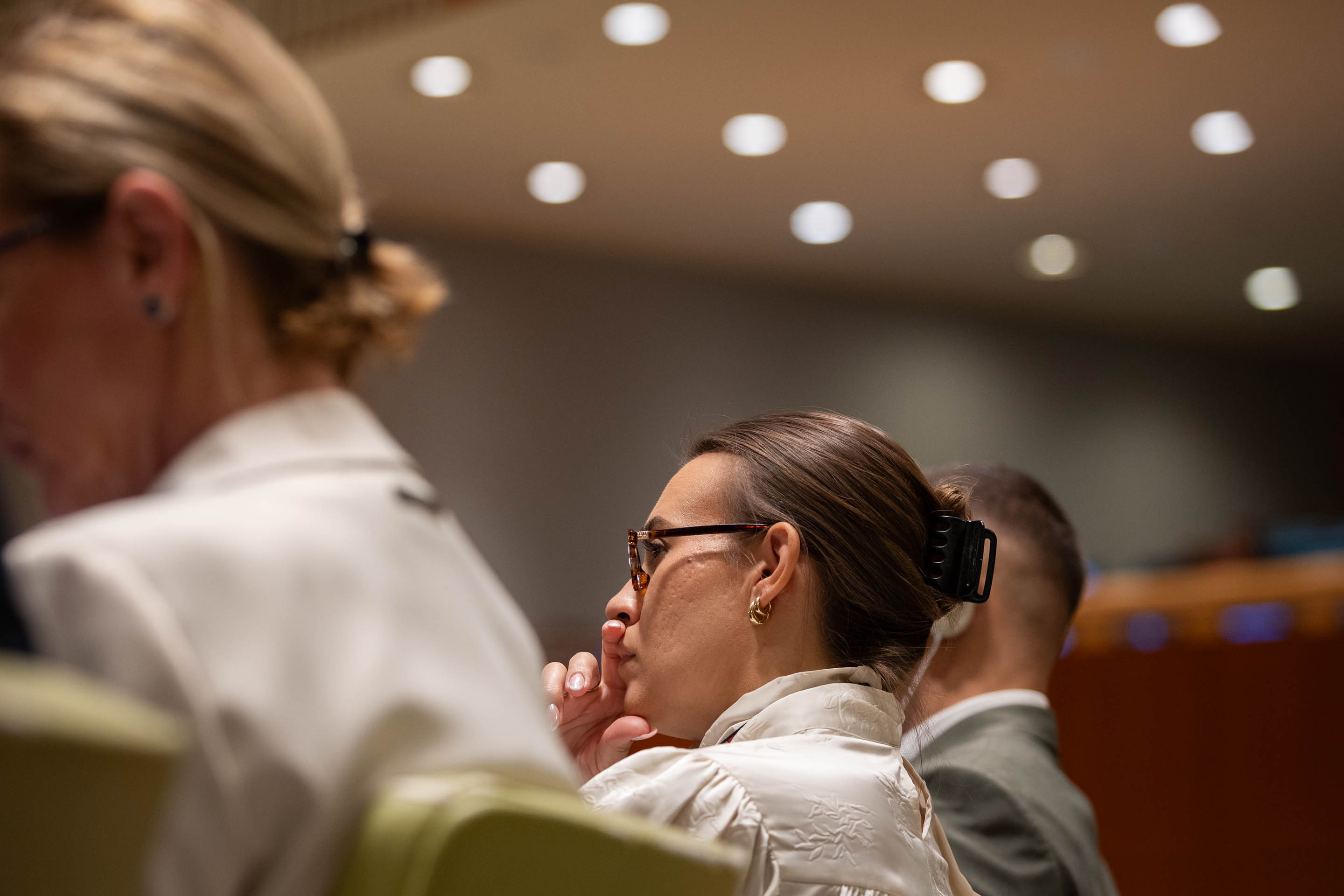
Delegates listen to the statements
Around the Venue
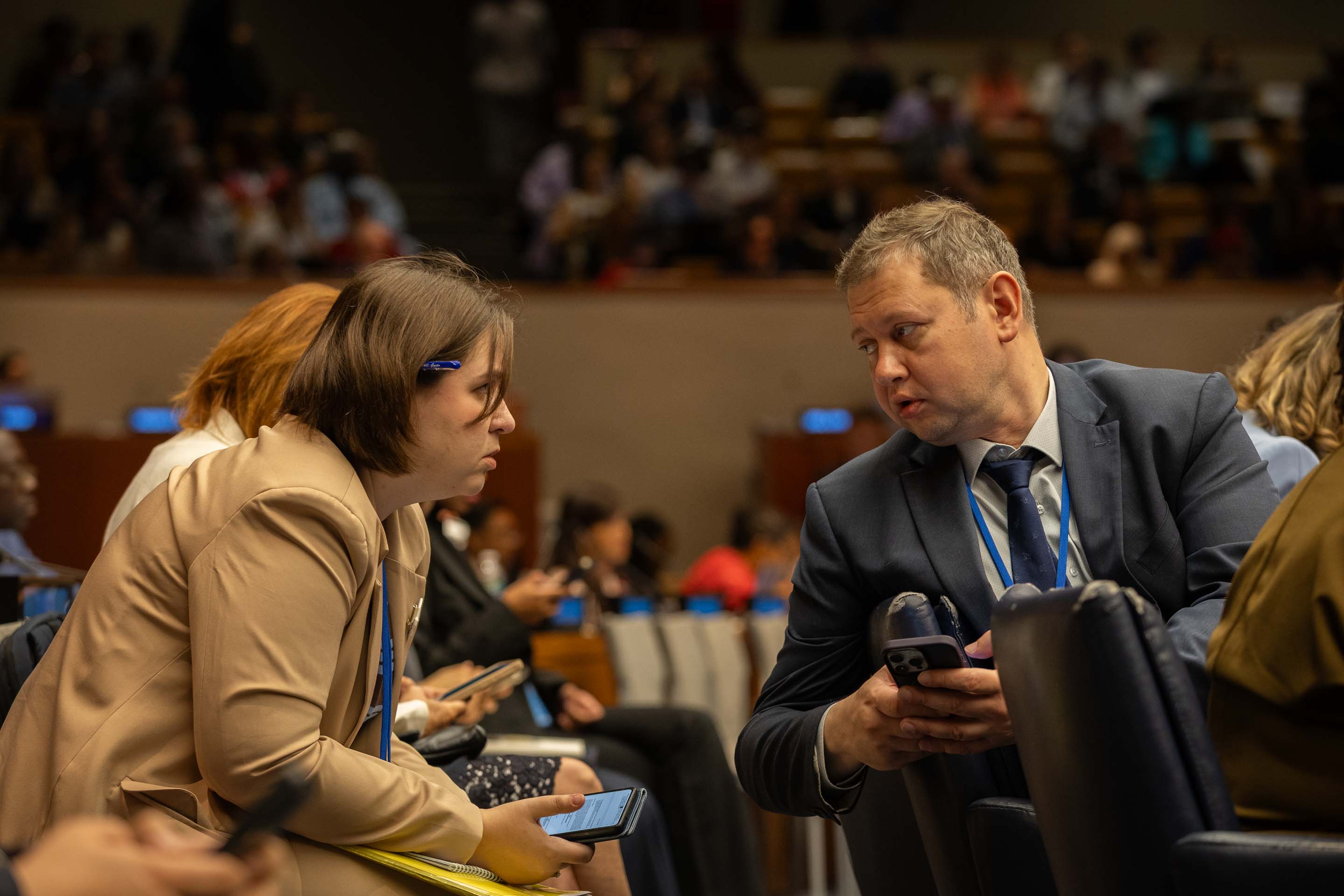
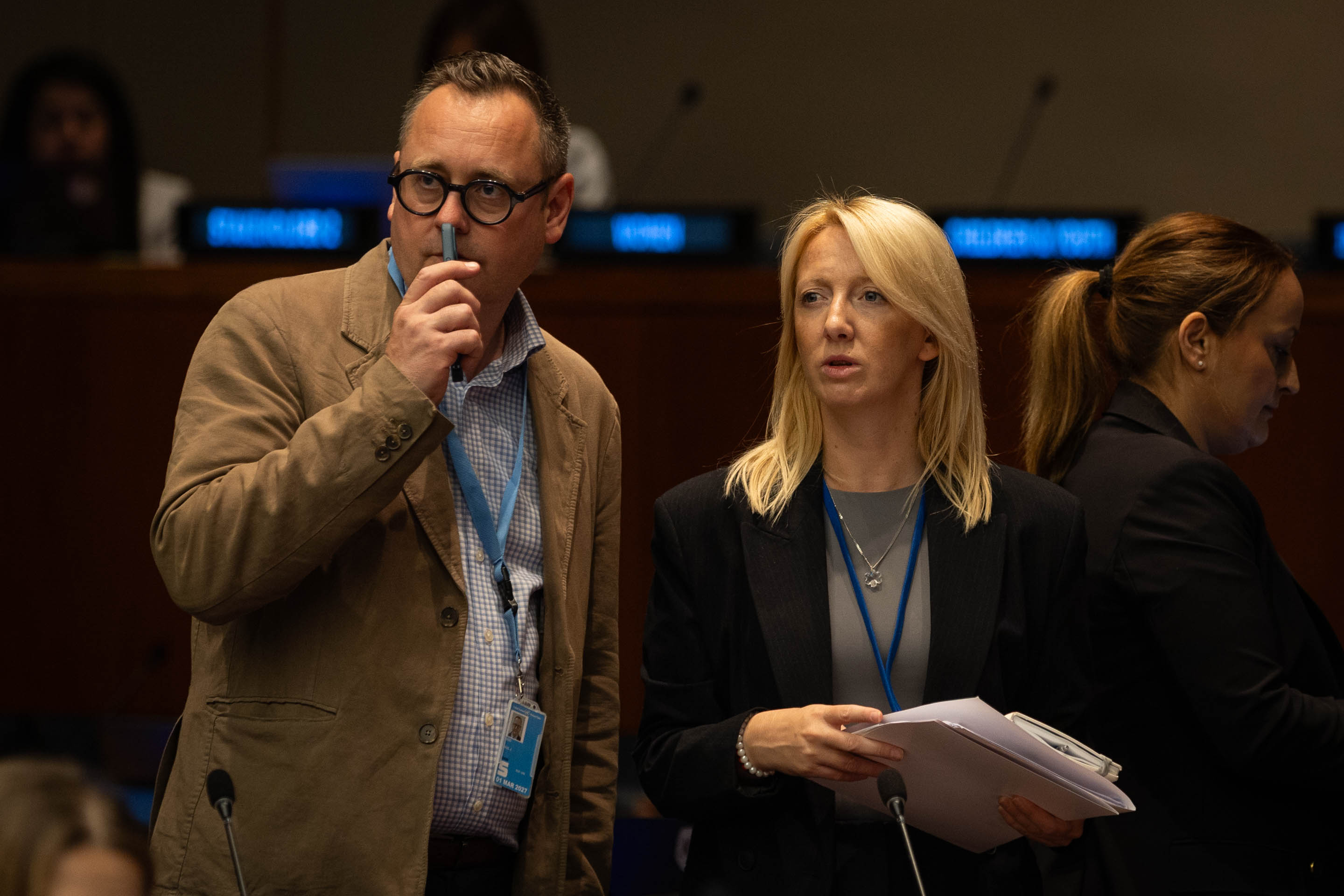
Delegates consult during the session
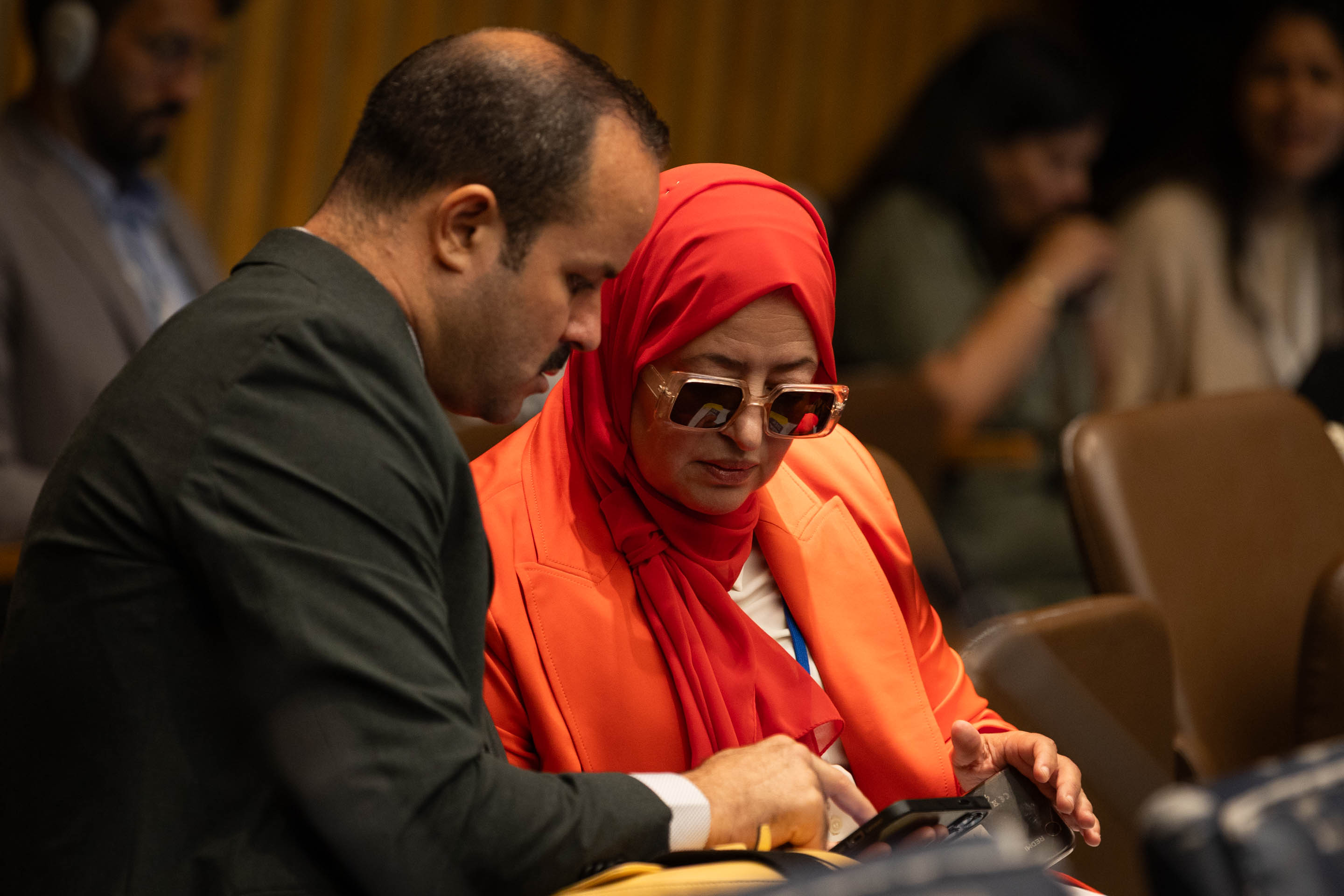
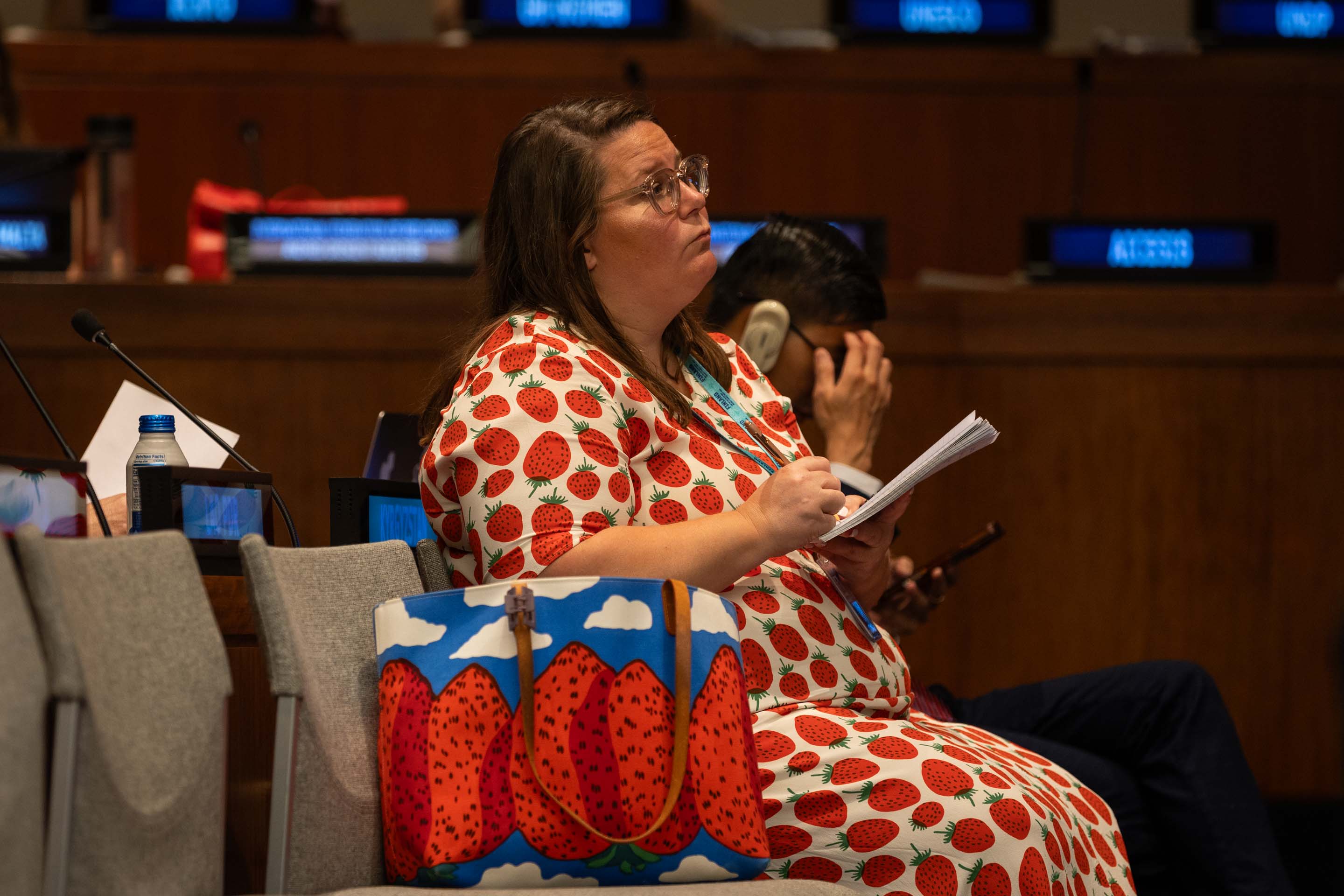
Delegates speak informally
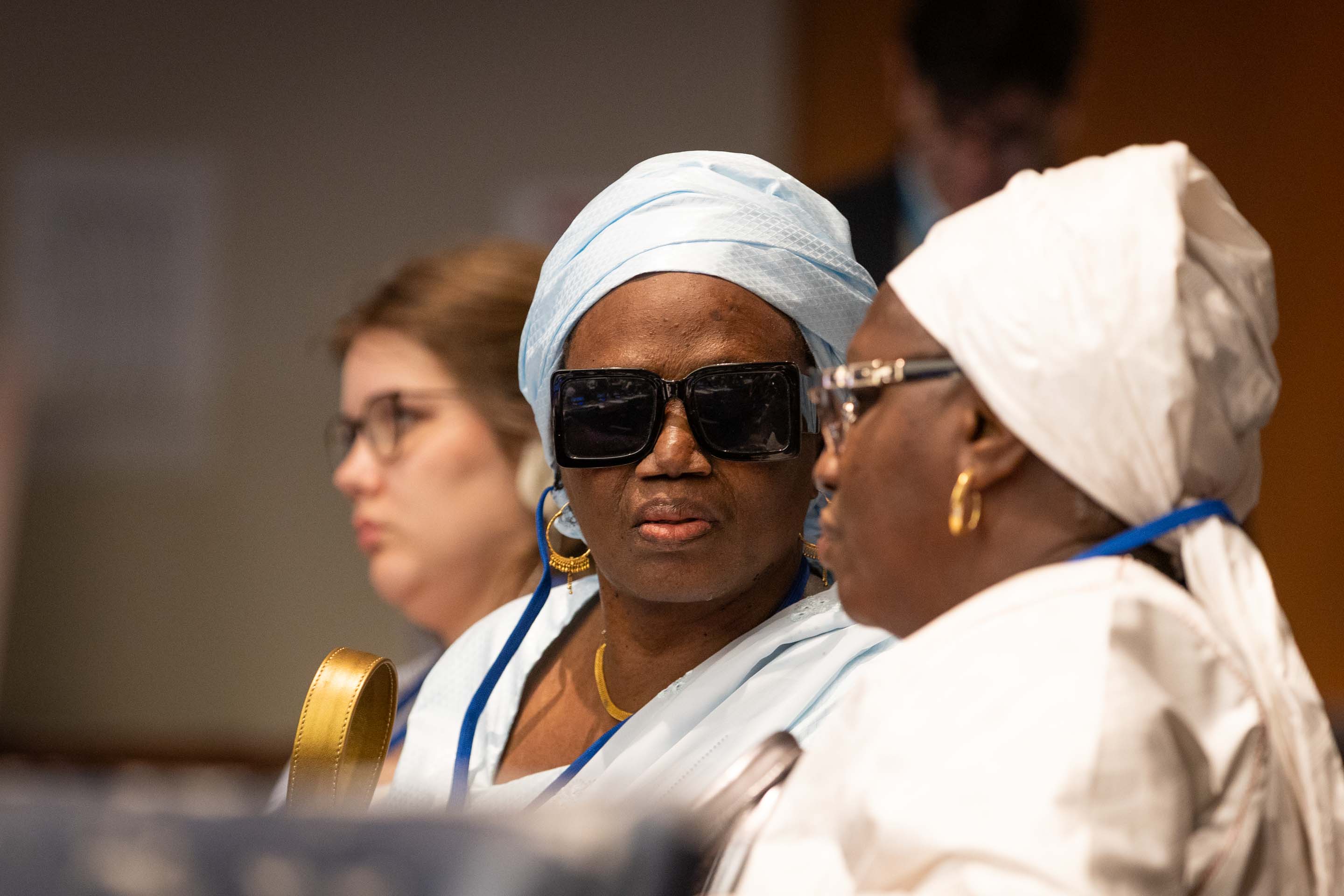
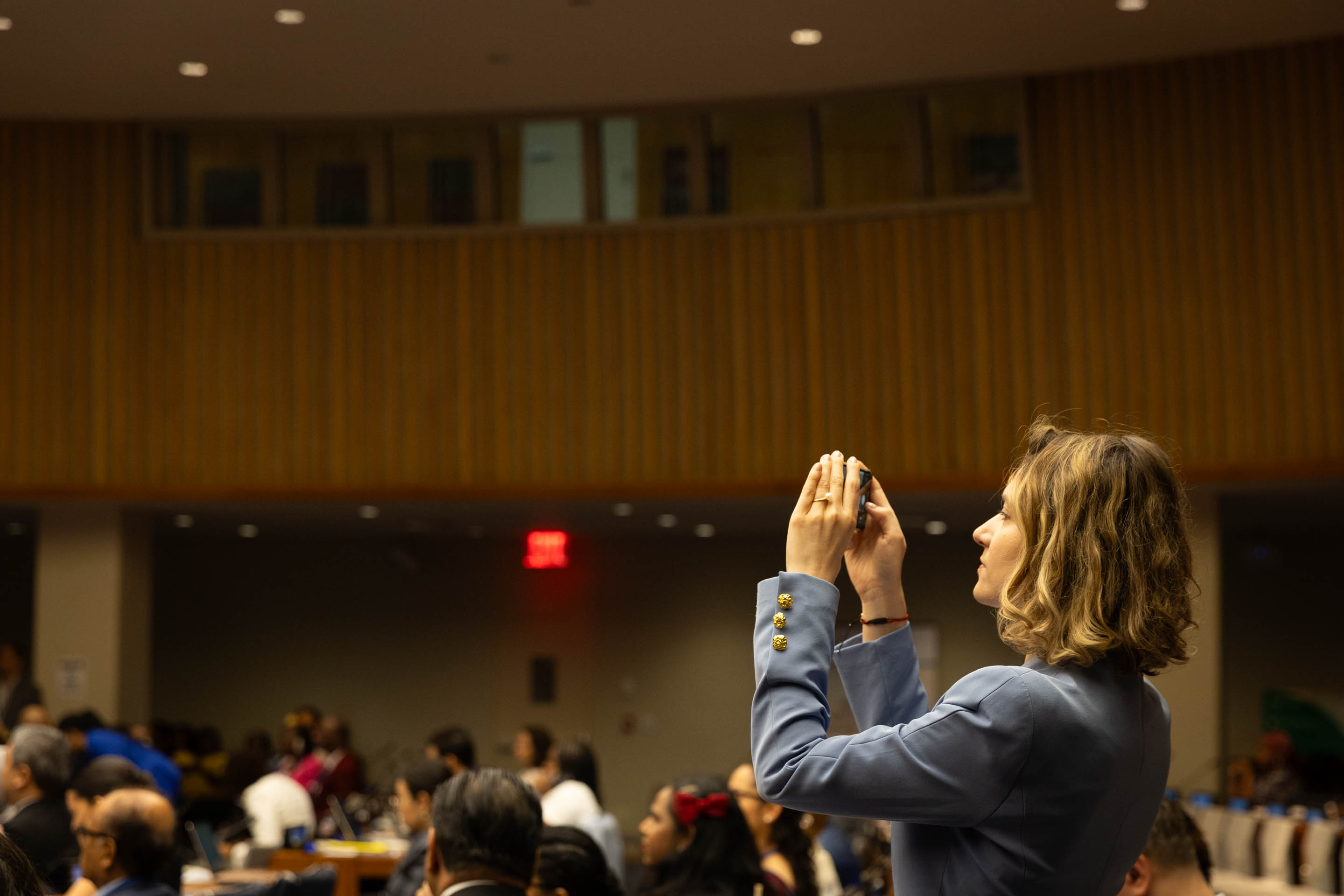
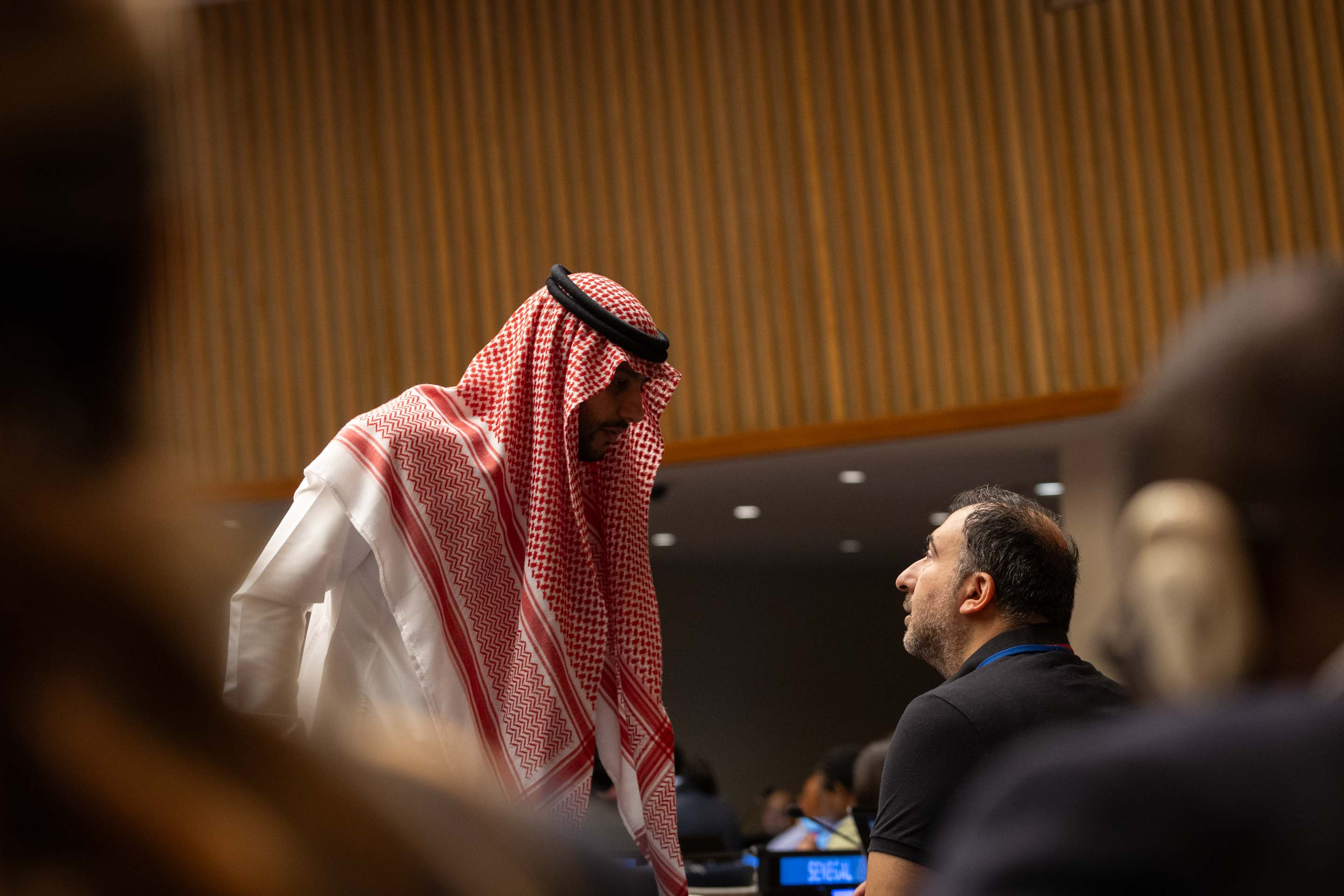
Delegates between sessions
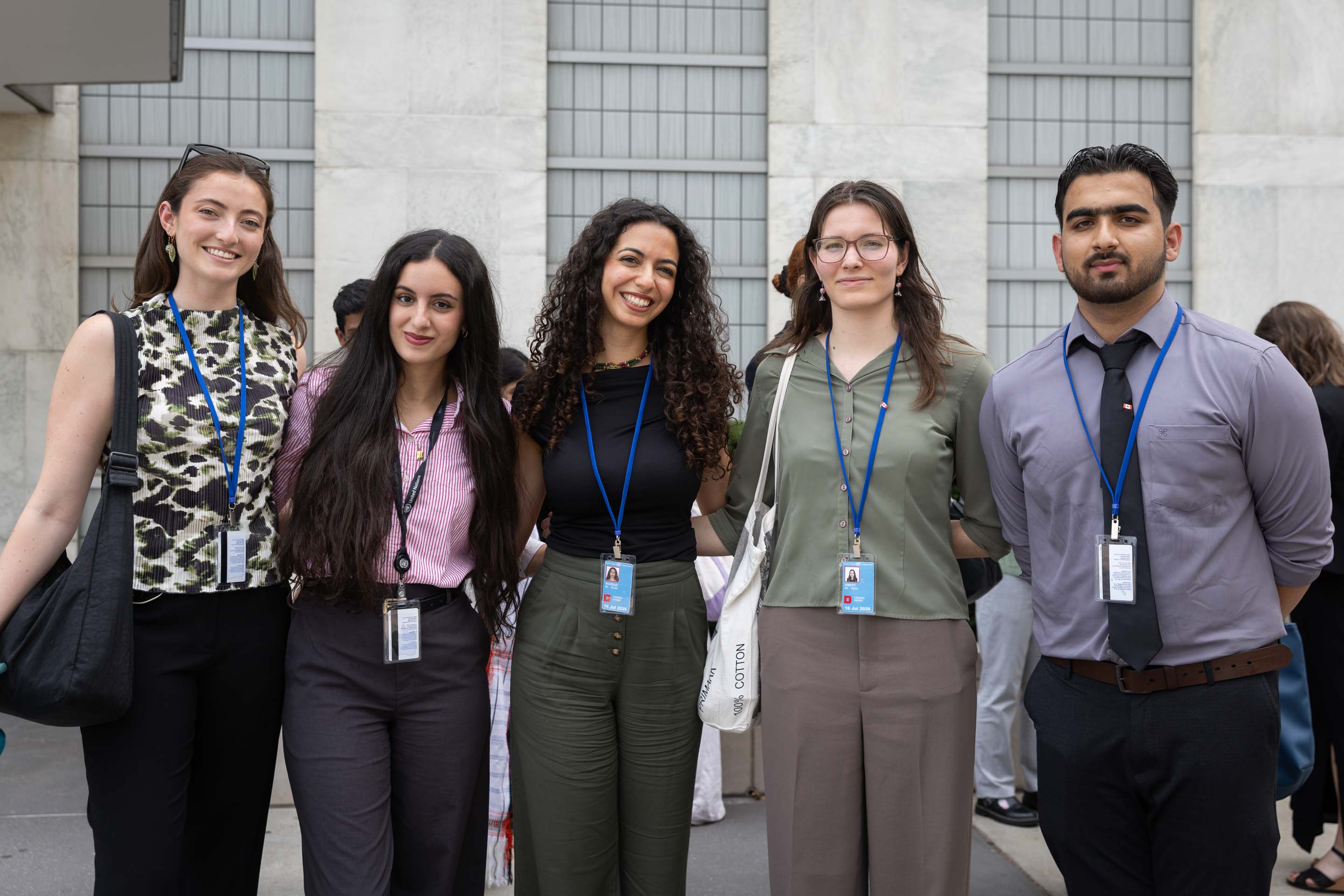
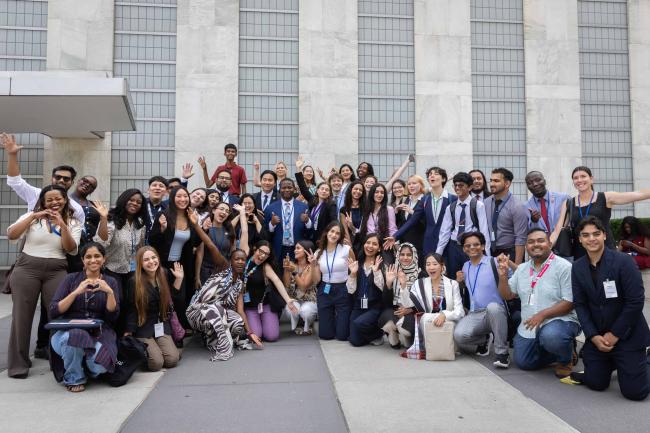
Canadian youth delegates
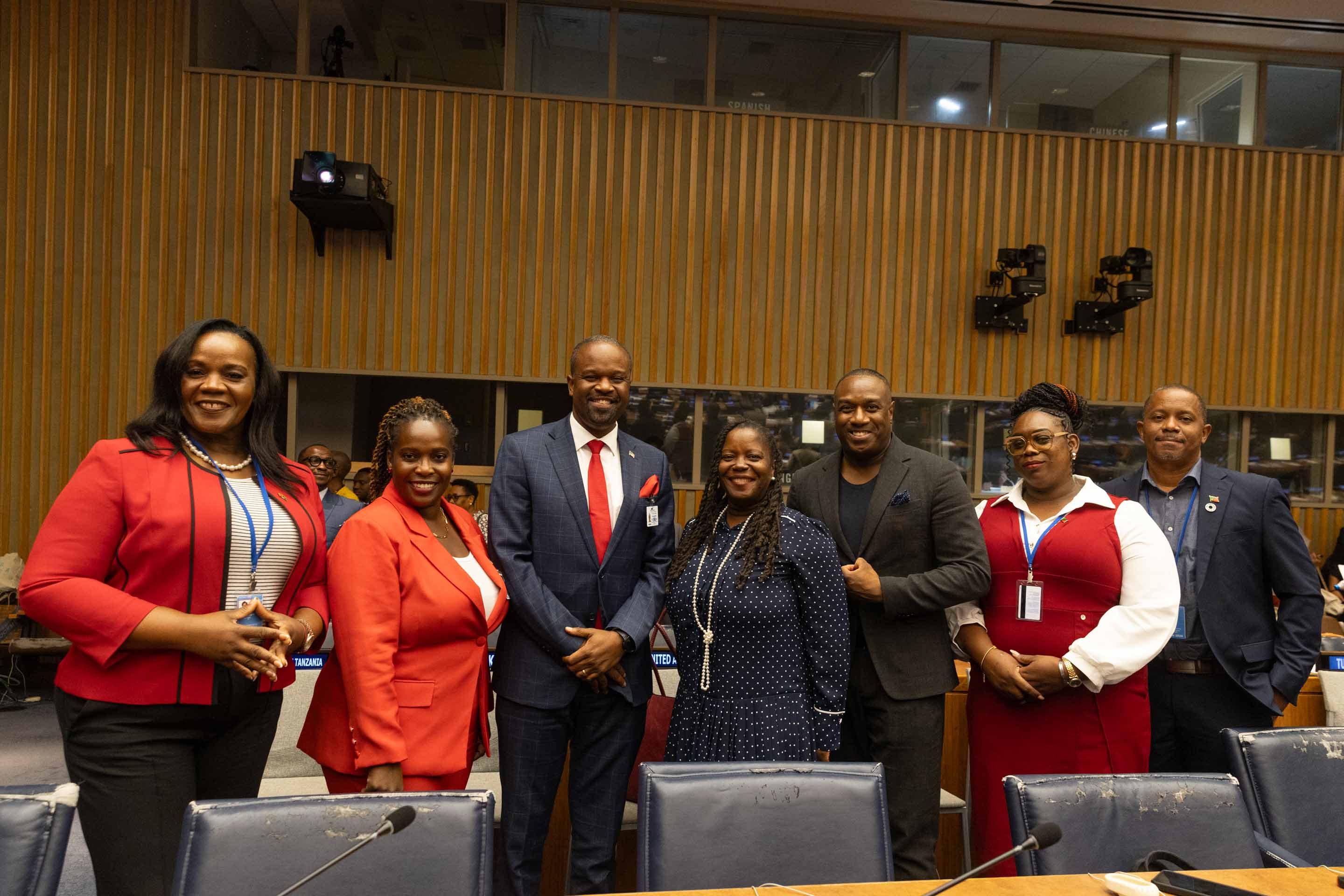
Delegates from St. Kitts and Nevis