The 2026 High-level Political Forum on Sustainable Development (HLPF) opened with the familiar ritual of parsing the latest update on progress towards the Sustainable Development Goals (SDGs). In a nutshell, roughly one-third of targets for which reliable data are available are on track to meet their 2030 benchmarks or are making significant progress. The remainder are increasingly out of reach, and one in seven targets have dropped below their 2015 baseline.
Delegates did not get a chance to discuss these overall findings as they quickly turned to the review of two SDGs that are the “delivery system” for all other SDGs: water and energy. Access to water, sanitation and hygiene (SDG 6) is essential for food production, health, and climate resilience. Access to clean energy (SDG 7) enables economic development, education, and health services, and the transition away from fossil fuels is essential to tackle climate change.
It was encouraging, then, that on both water and energy, keynote speakers reported consistent, albeit uneven, progress towards ensuring universal access to these fundamental services. The discussion on both goals showed however that “uneven” progress in many cases also means inequitable and that much remains to be done to remove barriers to ensure continued progress.
Since 2015, access to water, sanitation and hygiene services (WASH) has expanded significantly, transforming the lives of millions, yet at the current pace of progress, achieving universal access to WASH will exceed the 2030 deadline by roughly 20 years. More than 2 billion people still lack safely managed drinking water, 3.4 billion are without safe sanitation and 1.7 billion lack hygiene services.
Panelists focused on remaining challenges and opportunities. Moderator Jan Beagle, International Labor Organization (ILO), stressed that SDG 6 progress requires better governance and inclusion. UN Special Envoy on Water Retno Marsudi highlighted opportunities from technology and innovation, noting that technologies must remain accessible. Saroj Jha, Global Director, Water, World Bank, said underinvestment in water infrastructure is a key barrier that can be overcome through stronger private sector engagement.
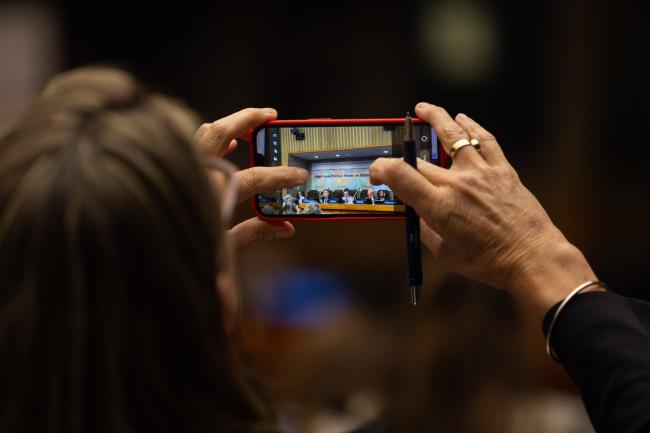
Looking ahead, panelists and delegates highlighted that the UN Water Conferences scheduled for 2026 and 2028 and the conclusion of the International Decade of Action on Water for Sustainable Development (2018–2028) will build momentum for multilateral action on water governance towards 2030 and beyond.
The panel discussion on SDG 7 focused on the intricacies of getting energy access right. Falling prices of renewable energy technologies enable more countries to take energy generation into their own hands, however generation does not ensure equal or resilient access. Moderator Hans Olav Ibrekk, Special Envoy on Climate and Security, Section for Energy, Climate and Food Security, Ministry of Foreign Affairs, Norway echoed by many delegates, underscored that leveraging cheaper renewables requires sound regulatory frameworks, robust institutions. and stable finance.
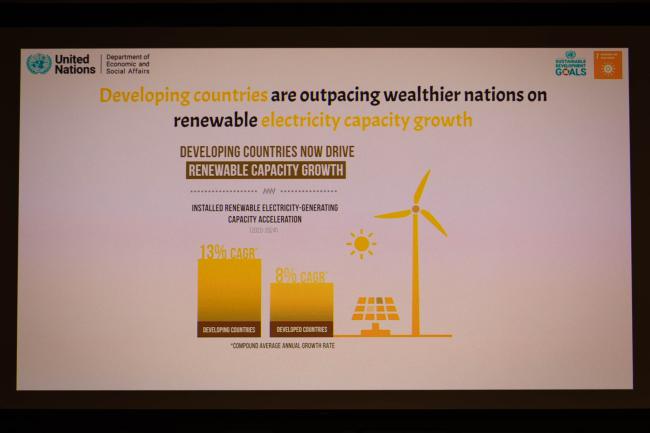
The price of energy and how access is measured also matter. Vijai Modi, Columbia University, explained that household-level data underestimate access to energy and clean cooking in urban informal settlements, and highlighted the need for data on affordability as high prices can block energy access for poor people.
Francesco La Camera, Director-General, International Renewable Energy Agency (IRENA), argued that to address both access and affordability, countries must plan for the short-, medium-, and long-term. Distributed renewable generation can make electricity available quickly at local scale, but to level the playing field for all, he said, countries must tackle bottlenecks in transmission and build large-scale, flexible systems that can adapt to high shares of renewable energy and growing electricity demand.
To receive free coverage of global environmental events delivered to your inbox, subscribe to the ENB Update newsletter.
All ENB photos are free to use with attribution. For HLPF 2026 please use: Photo by IISD/ENB - Kiara Worth
Opening Plenary
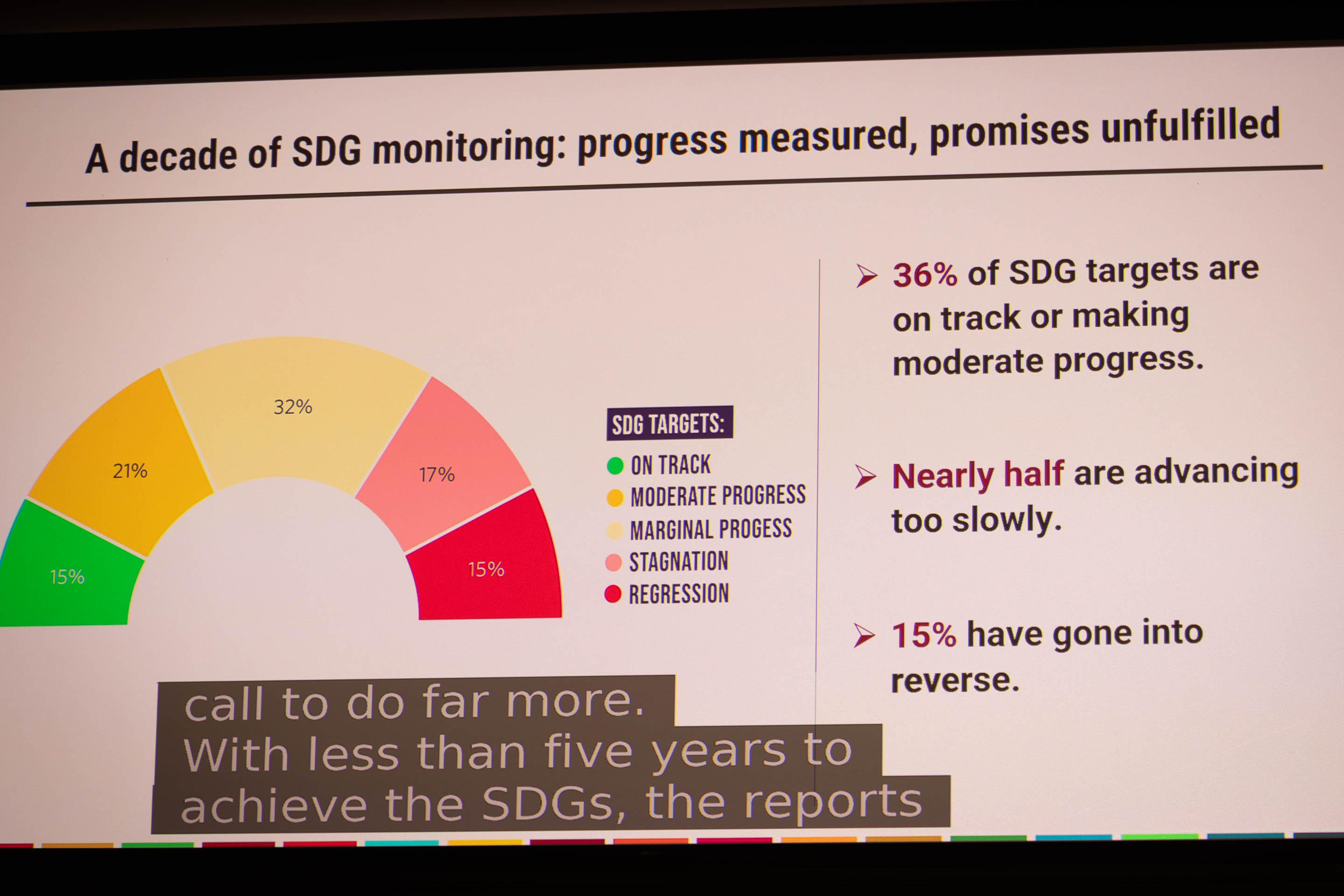
A slide from the UN Secretary-General's report indicates that 36% of SDG targets are making progress
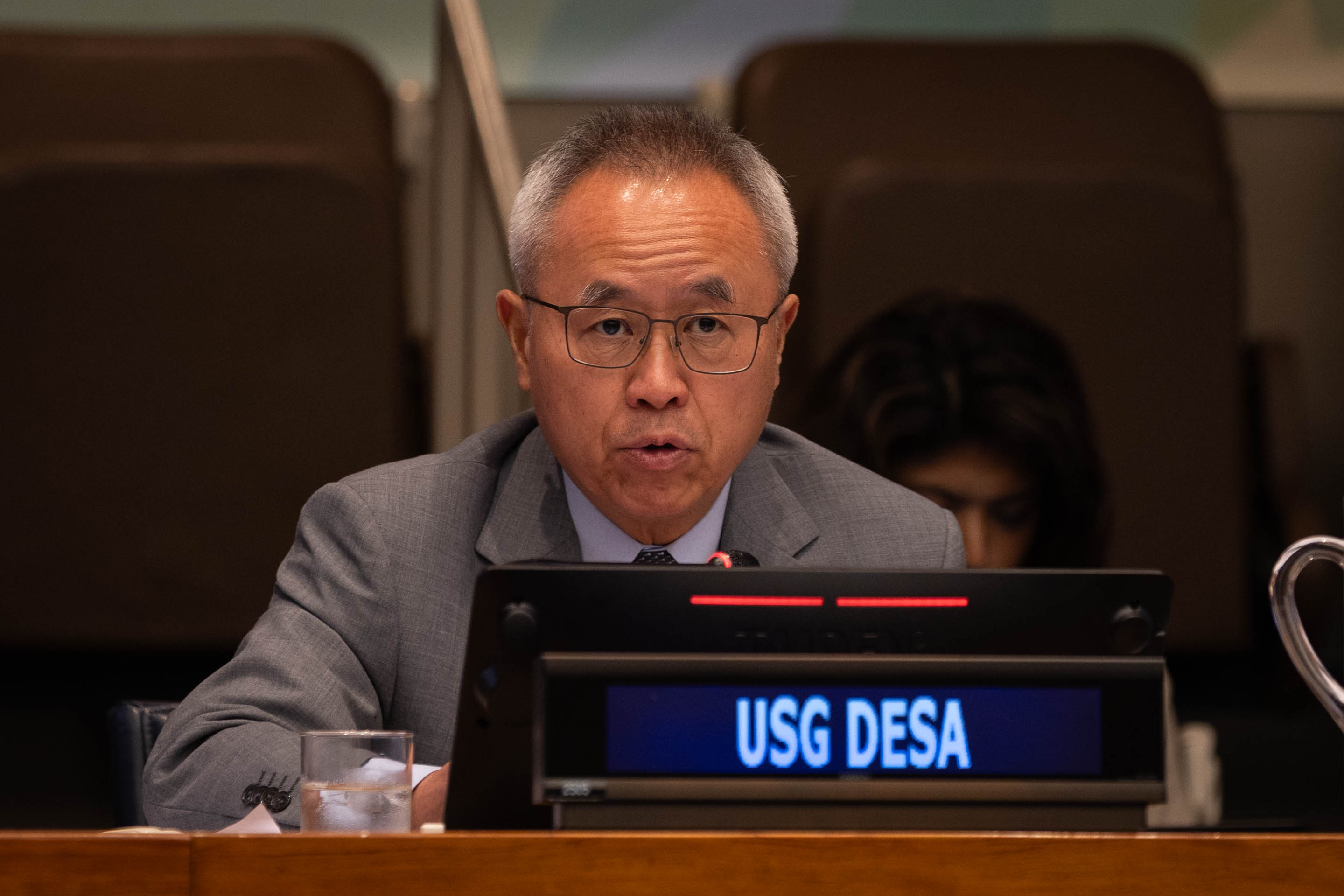
Li Junhua, UN Under-Secretary General, Economic and Social Affairs
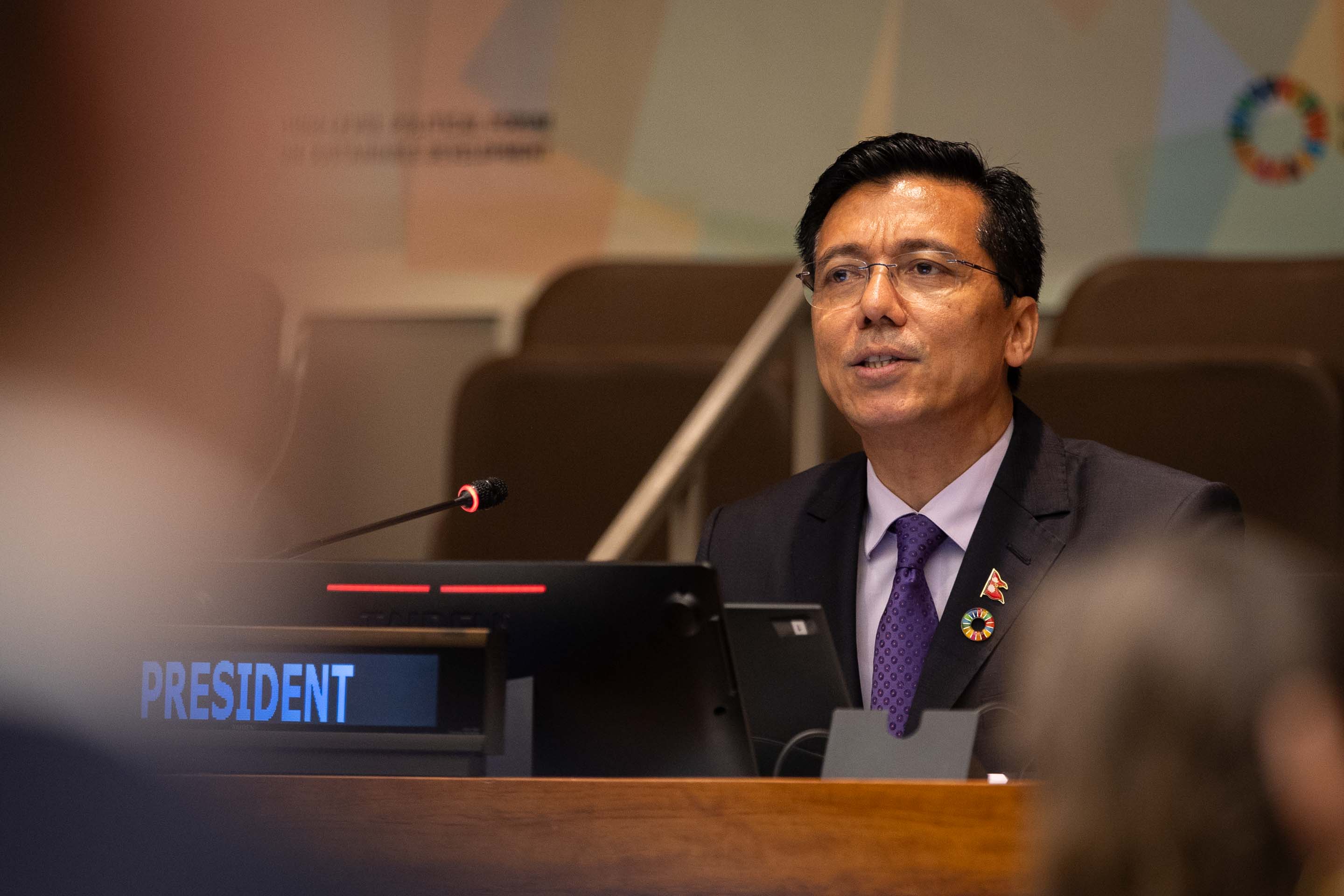
Lok Bahadur Thapa, President, UN Economic and Social Council (ECOSOC)
SDG 6: Water and Sanitation
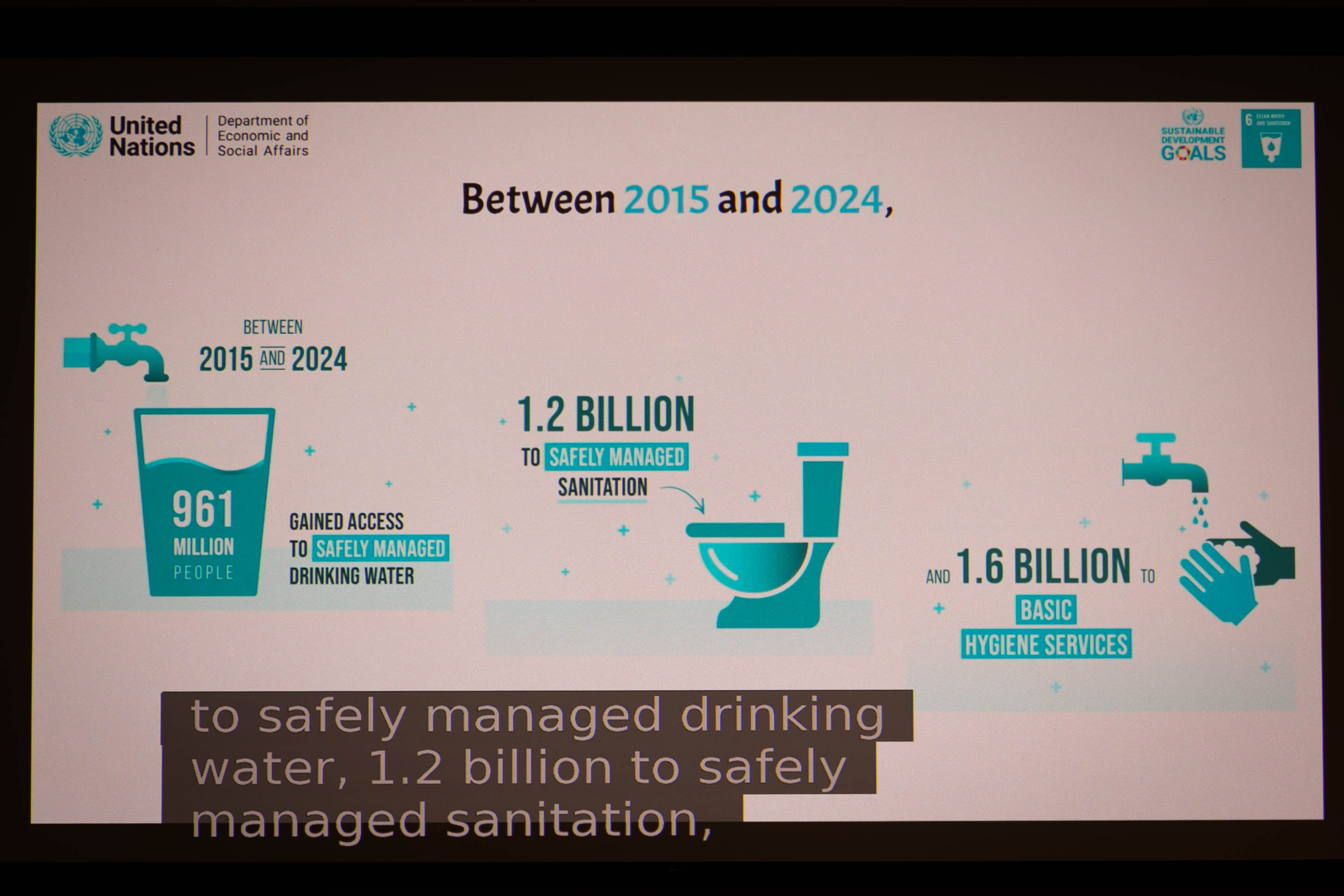
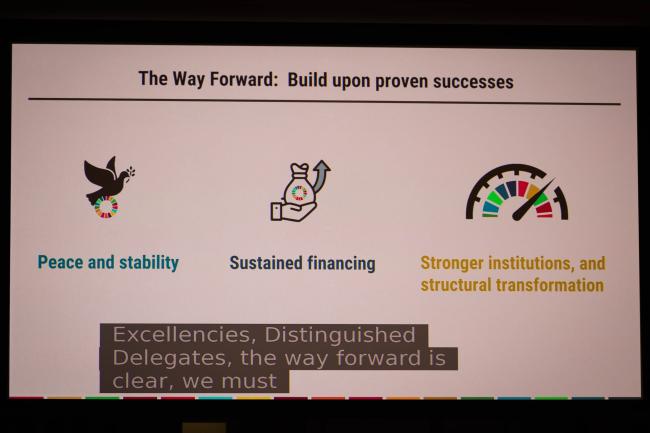
A slide highlights the progress made in achieving SDG 6 over the past decade
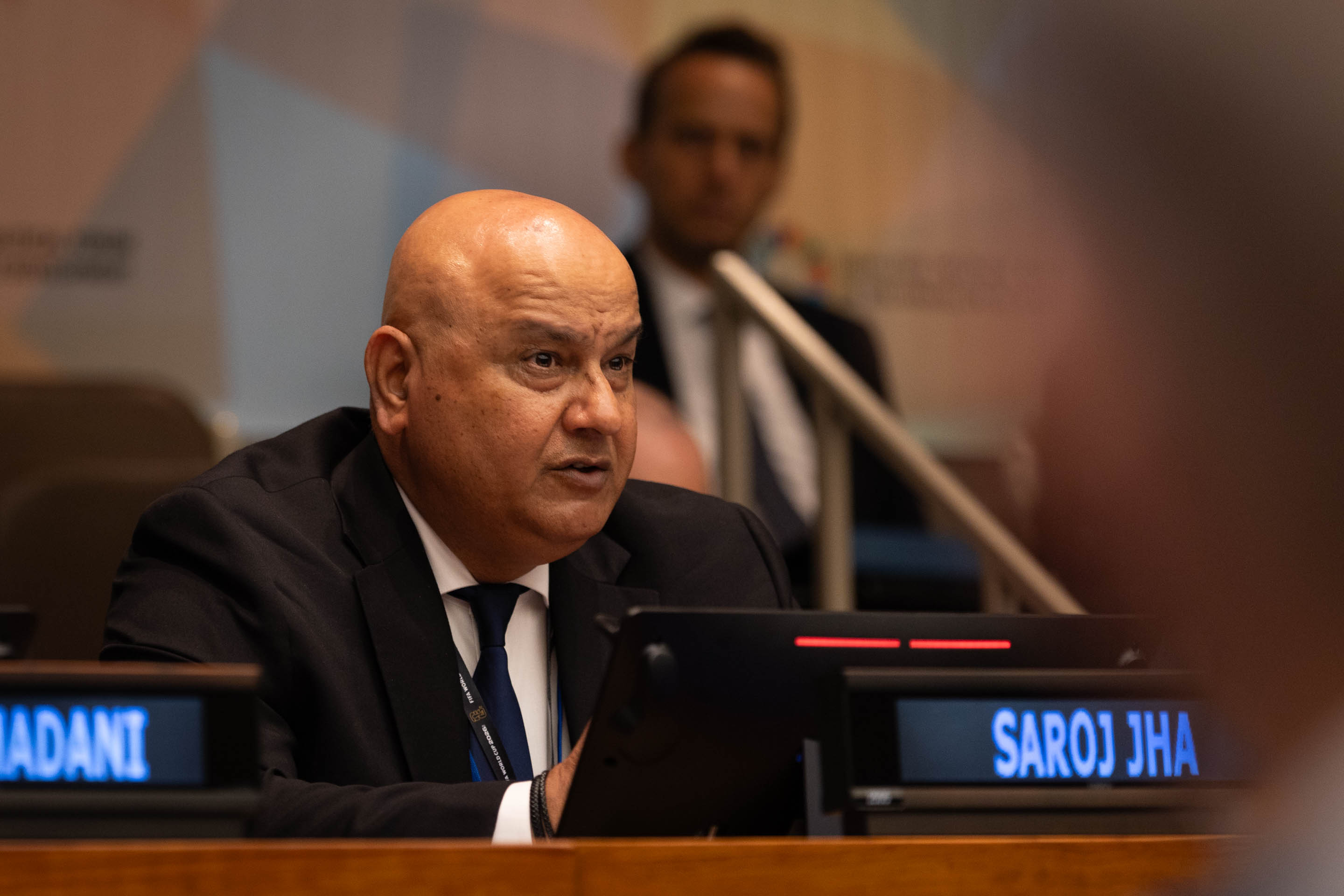
Saroj Kumar Jha, Global Director, Water, World Bank
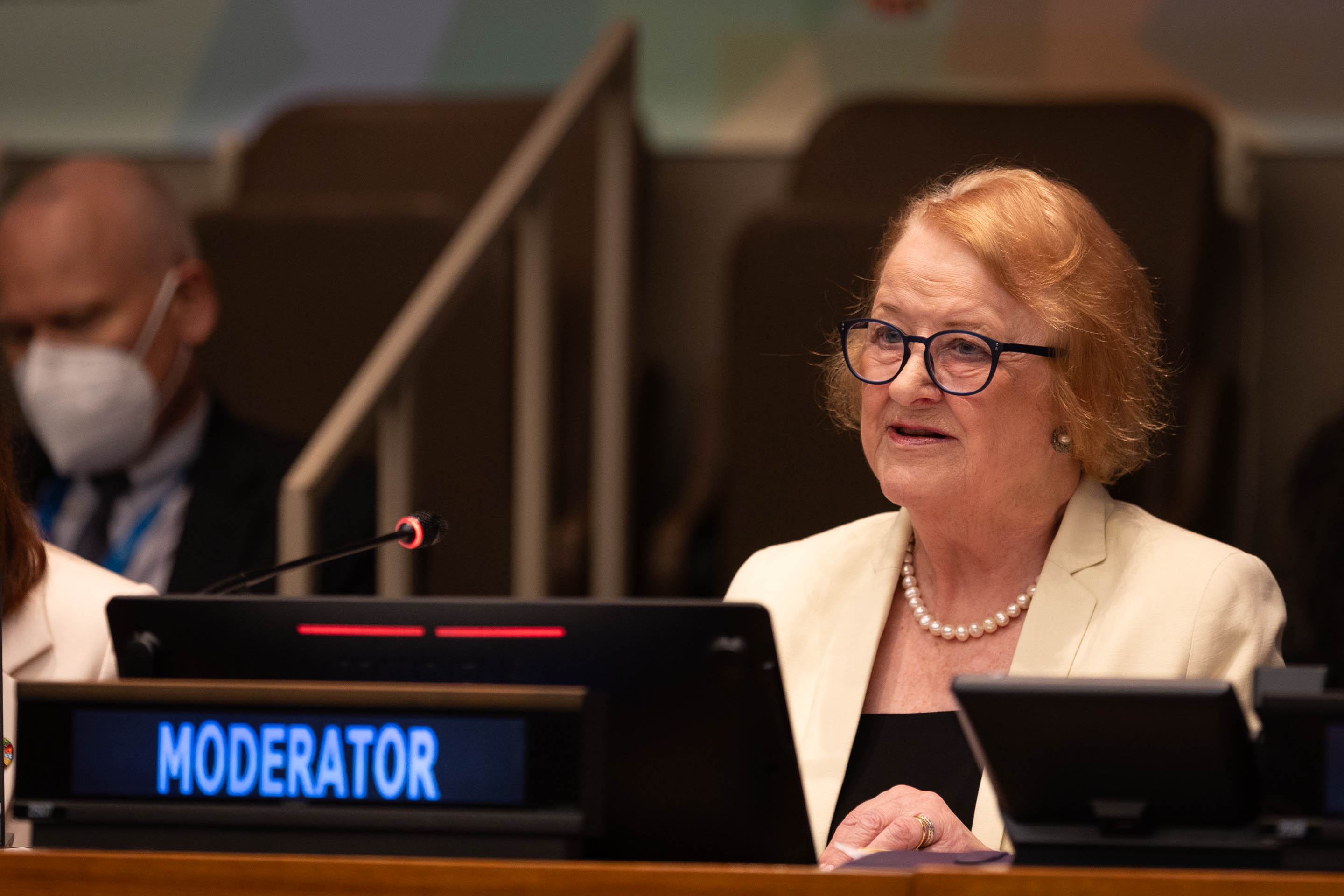
Jan Beagle, Director General, International Development Law Organization (IDLO)
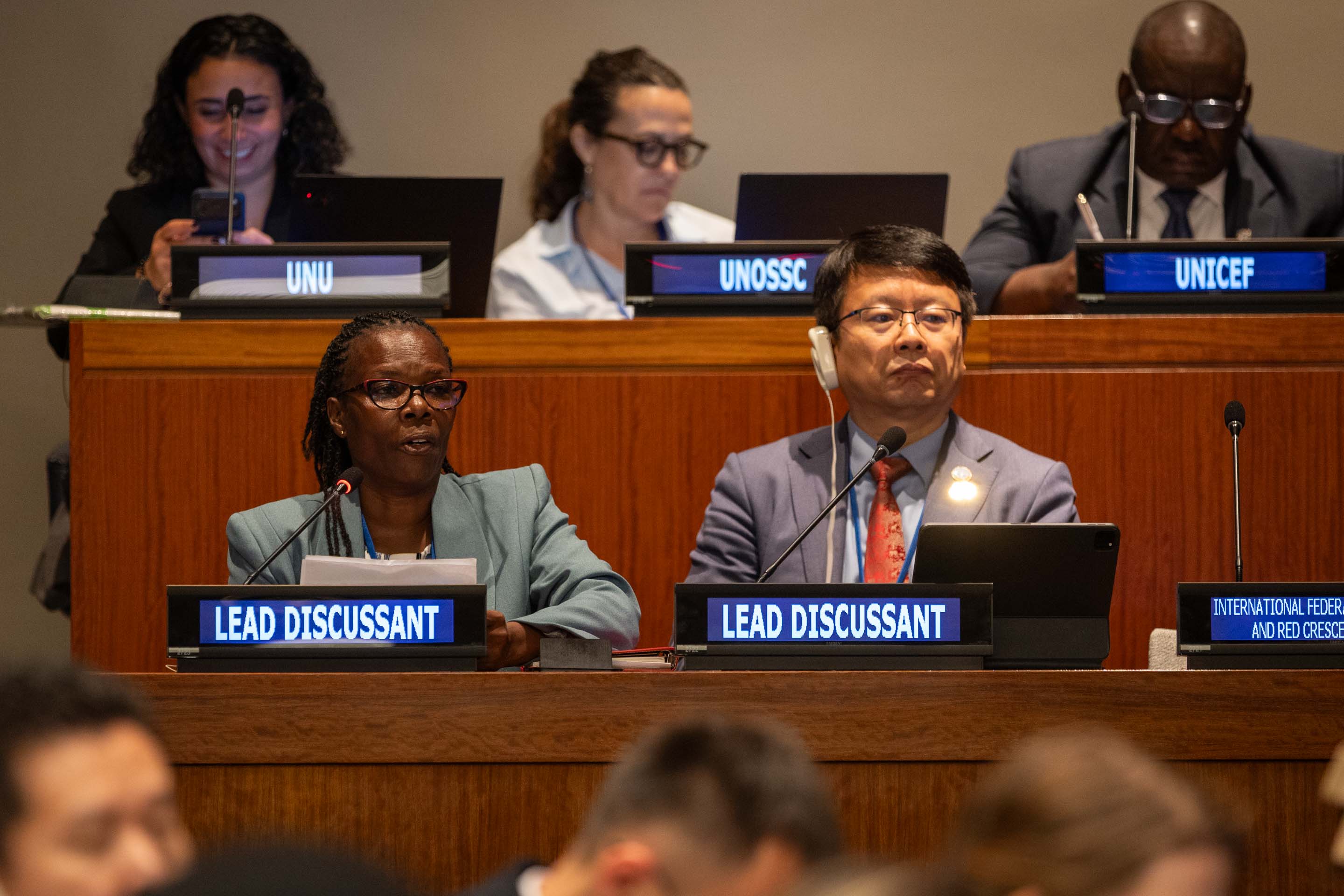
Lead Discussants Margaret Maina, Executive Officer and Founding Member, Women in Water and Sanitation Association (WIWAS), and Lifeng Li, Director, Land and Water Division, Food and Agriculture Organization of the UN (FAO)
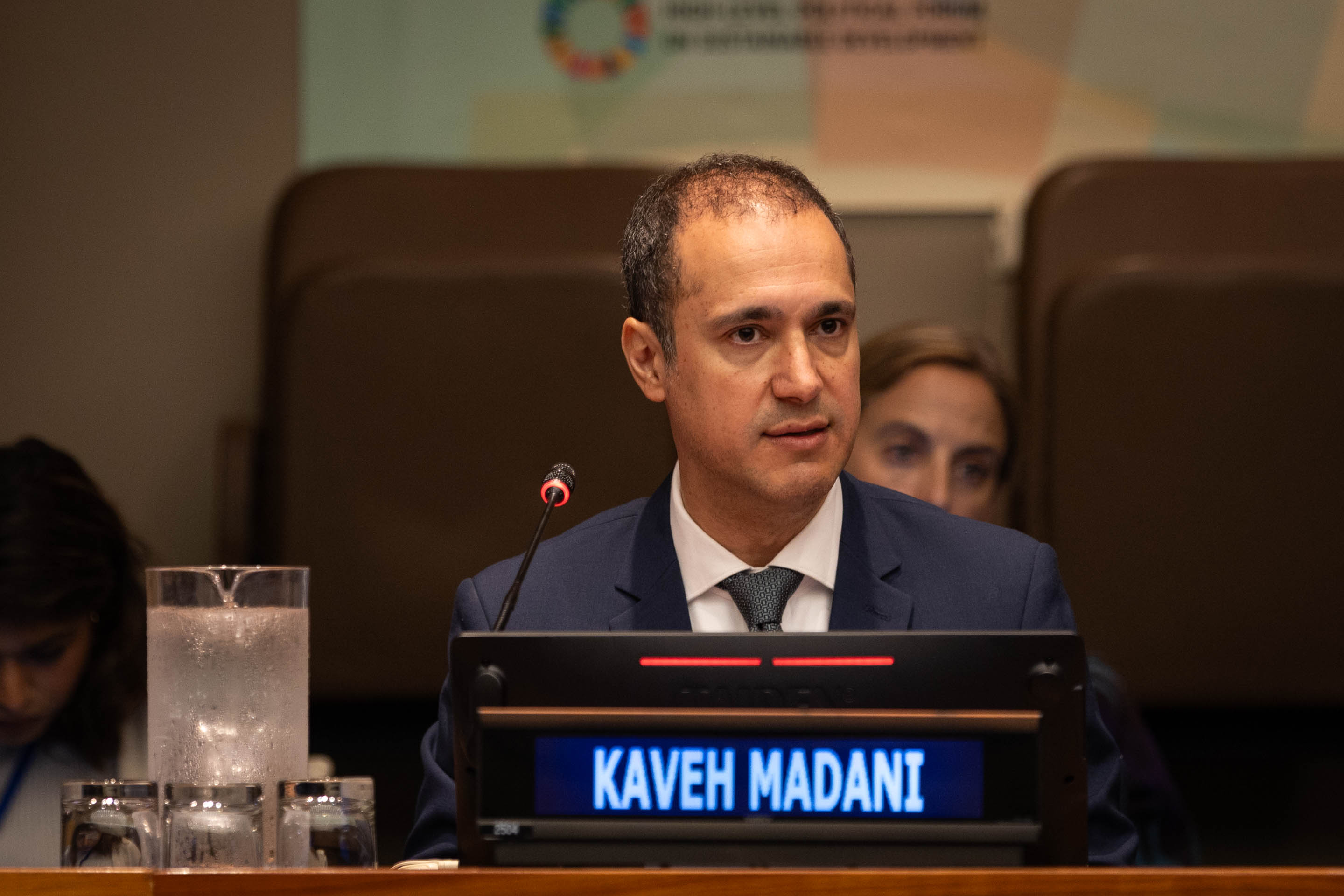
Kaveh Madani, Director, UN University Institute for Water, Environment and Health
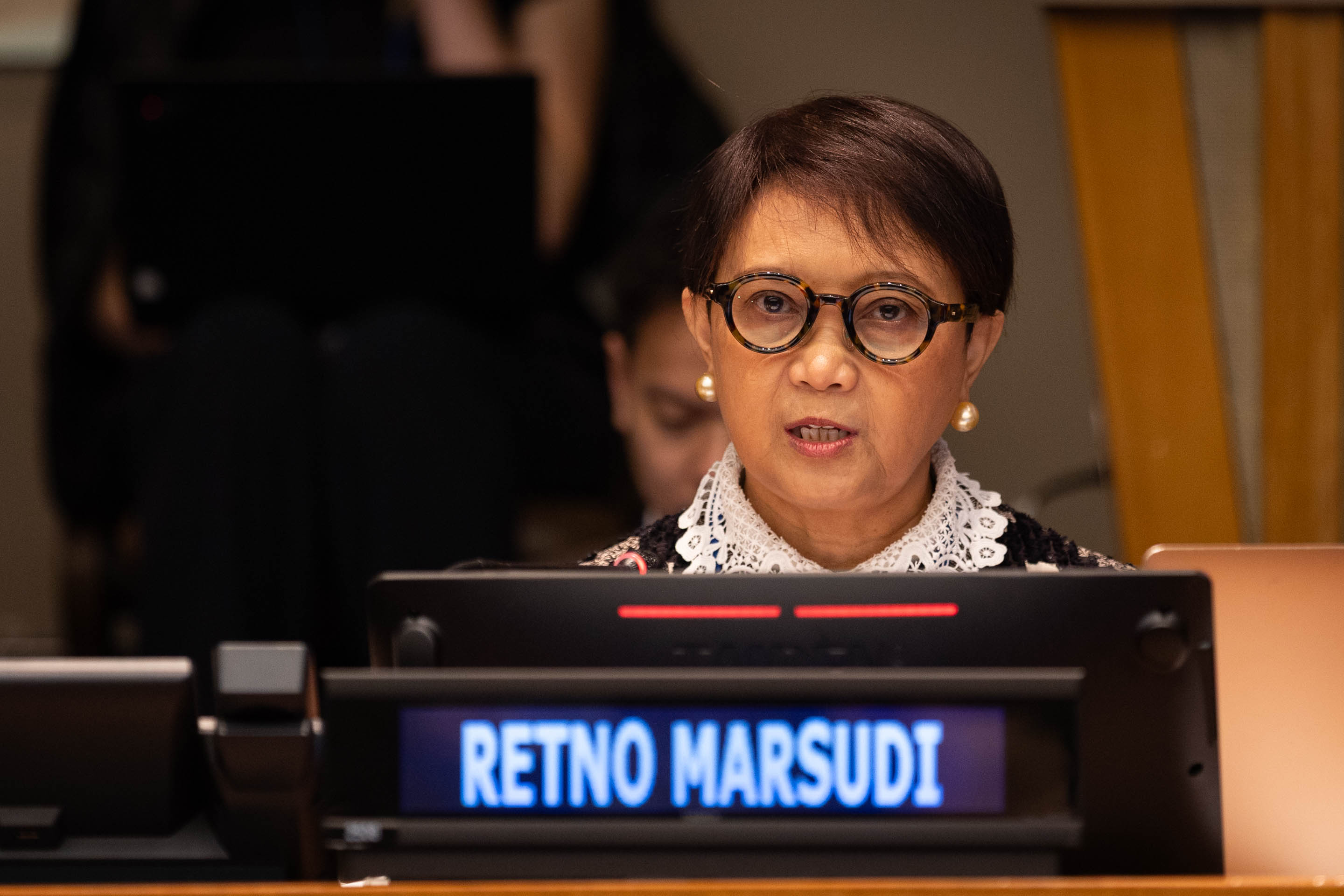
Retno Marsudi, UN Special Envoy on Water
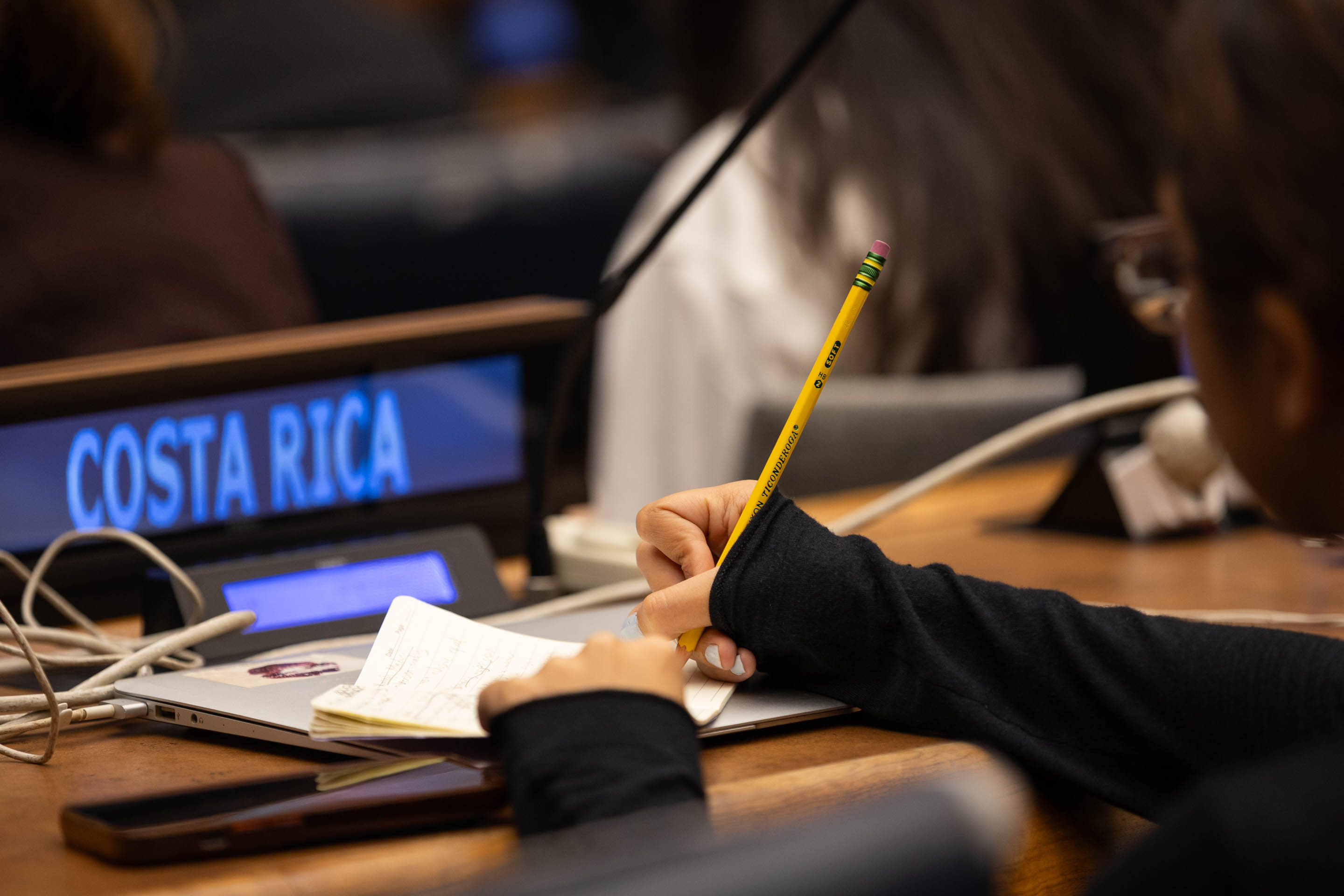
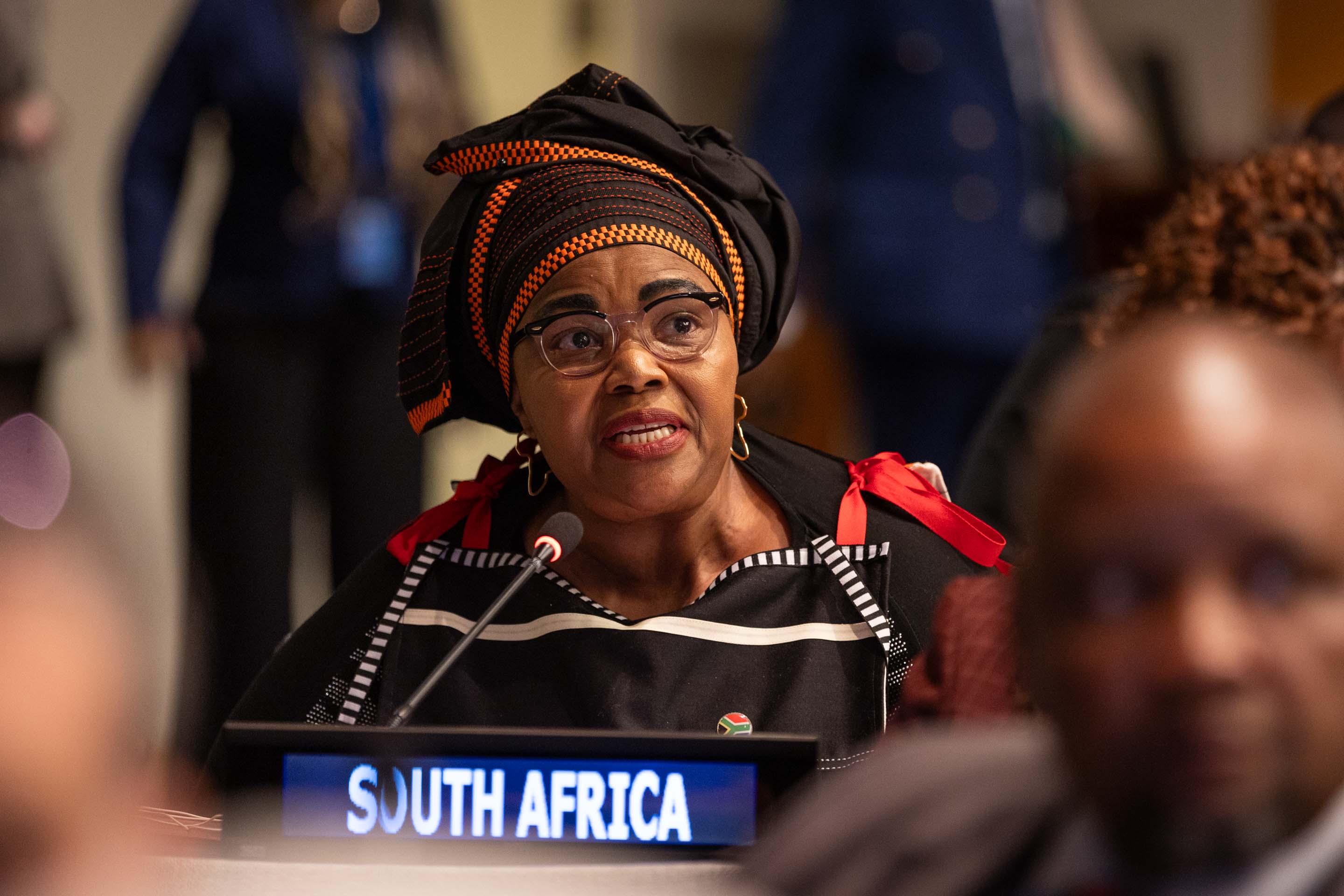
Pemmy Majodina, Minister of Water and Sanitation, South Africa
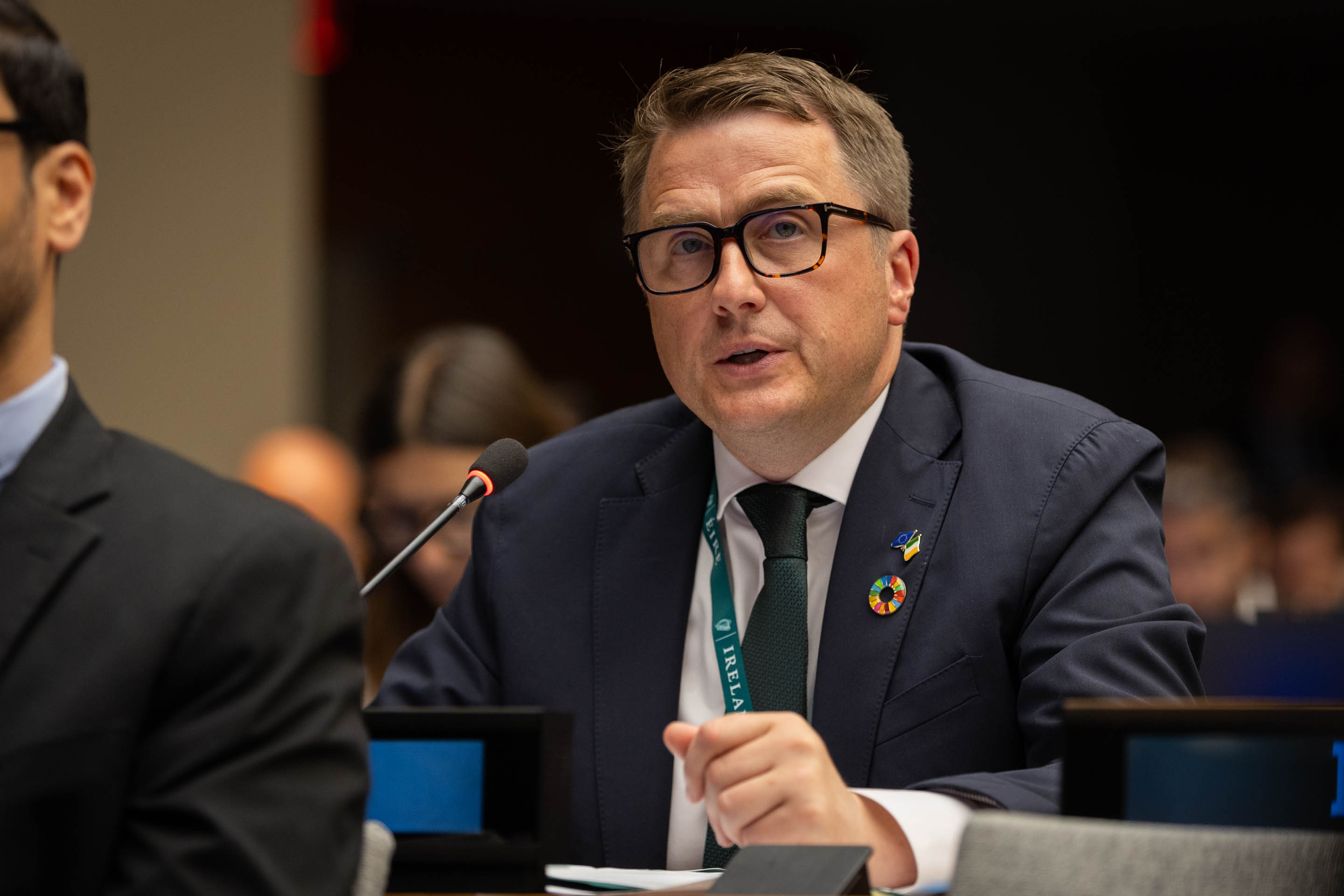
James Browne, Minister for Housing, Local Government, and Heritage, Ireland
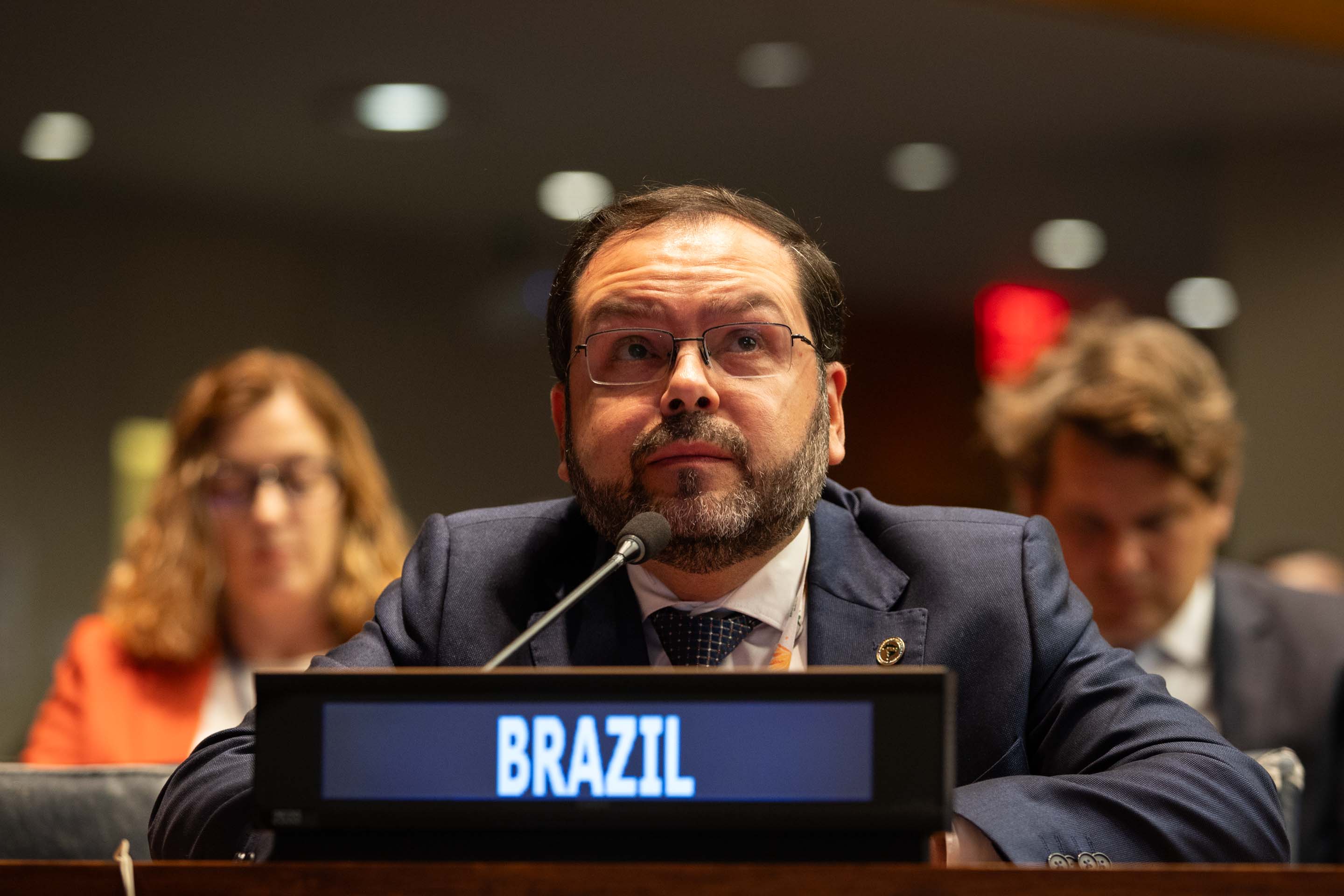
Tito Queiroz, Acting Vice Minister, Ministry of Integration and Regional Development, Brazil
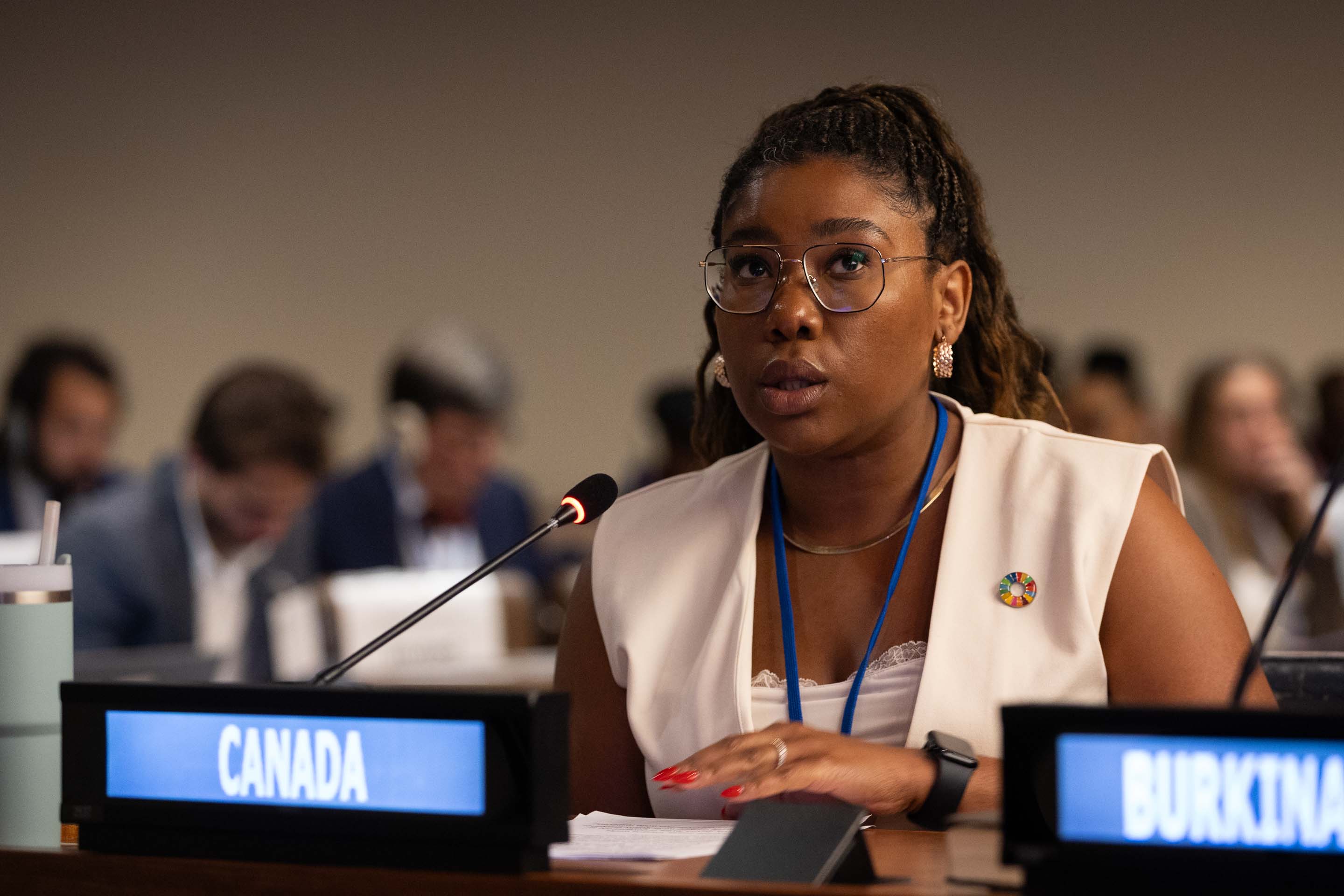
Sarah Limbombe, Canada
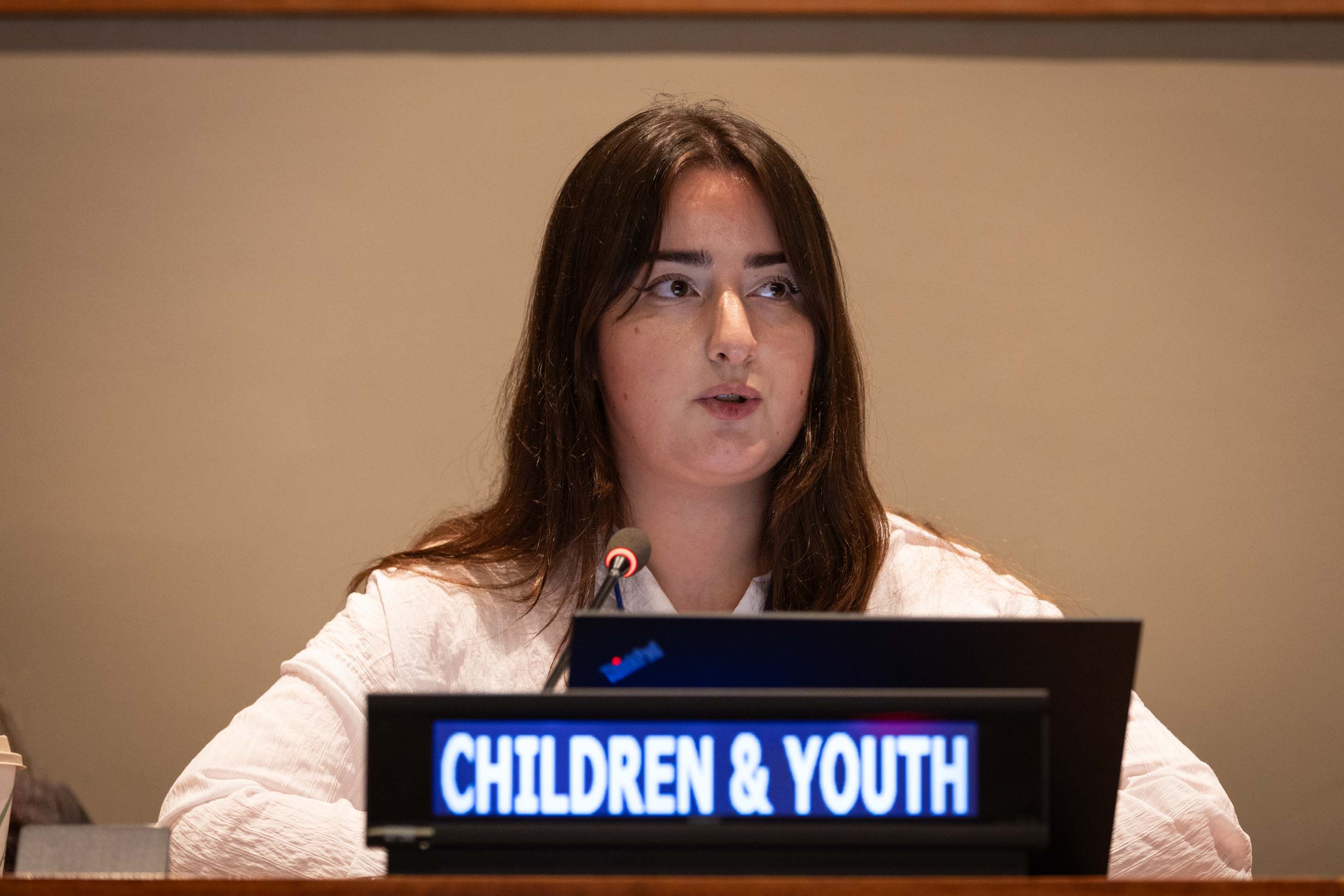
Megi Marku, Major Group for Children and Youth (MGCY)
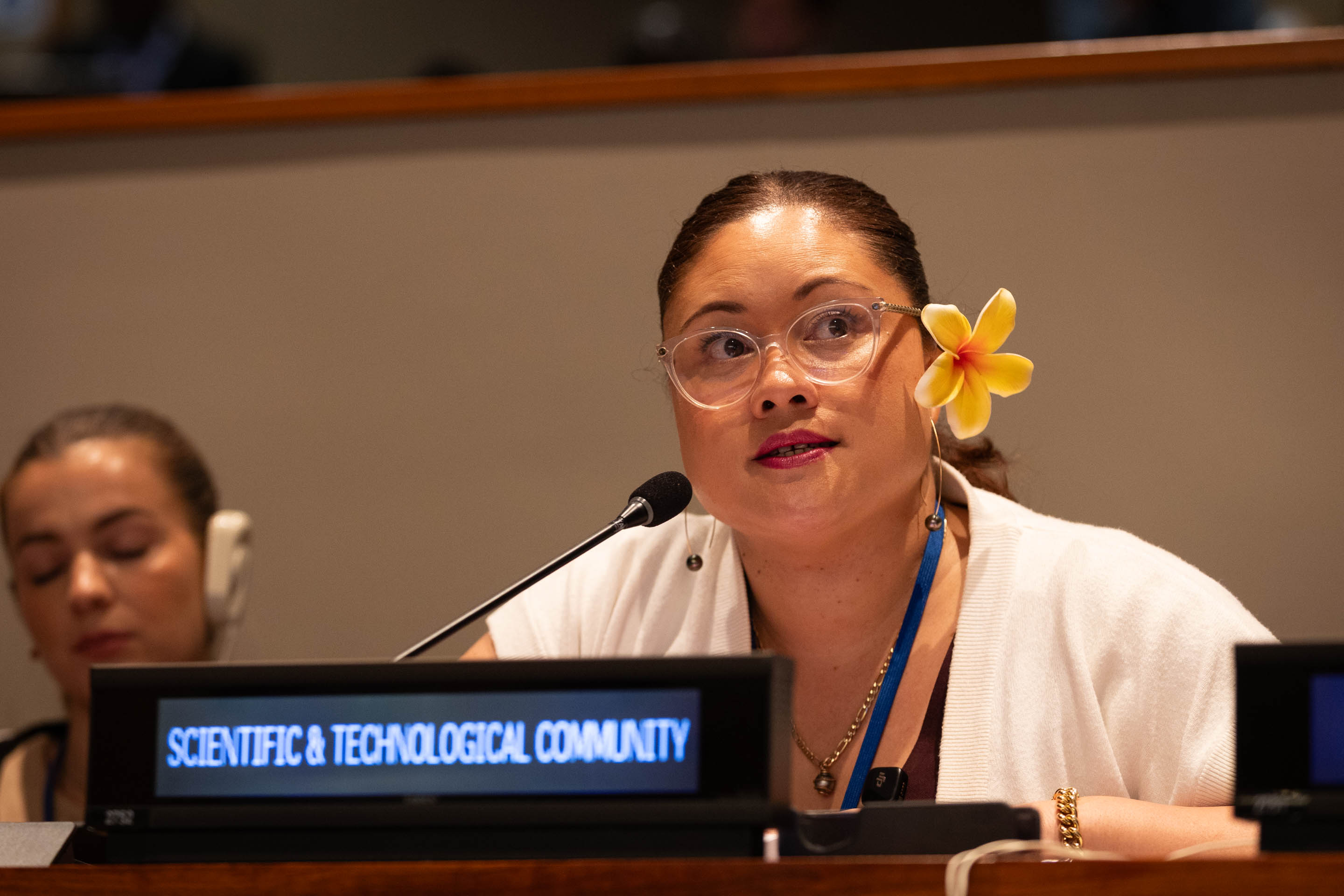
Roannie Ng Shiu, Scientific and Technological Community Major Group (STC MG)
SDG 7: Affordable and Clean Energy
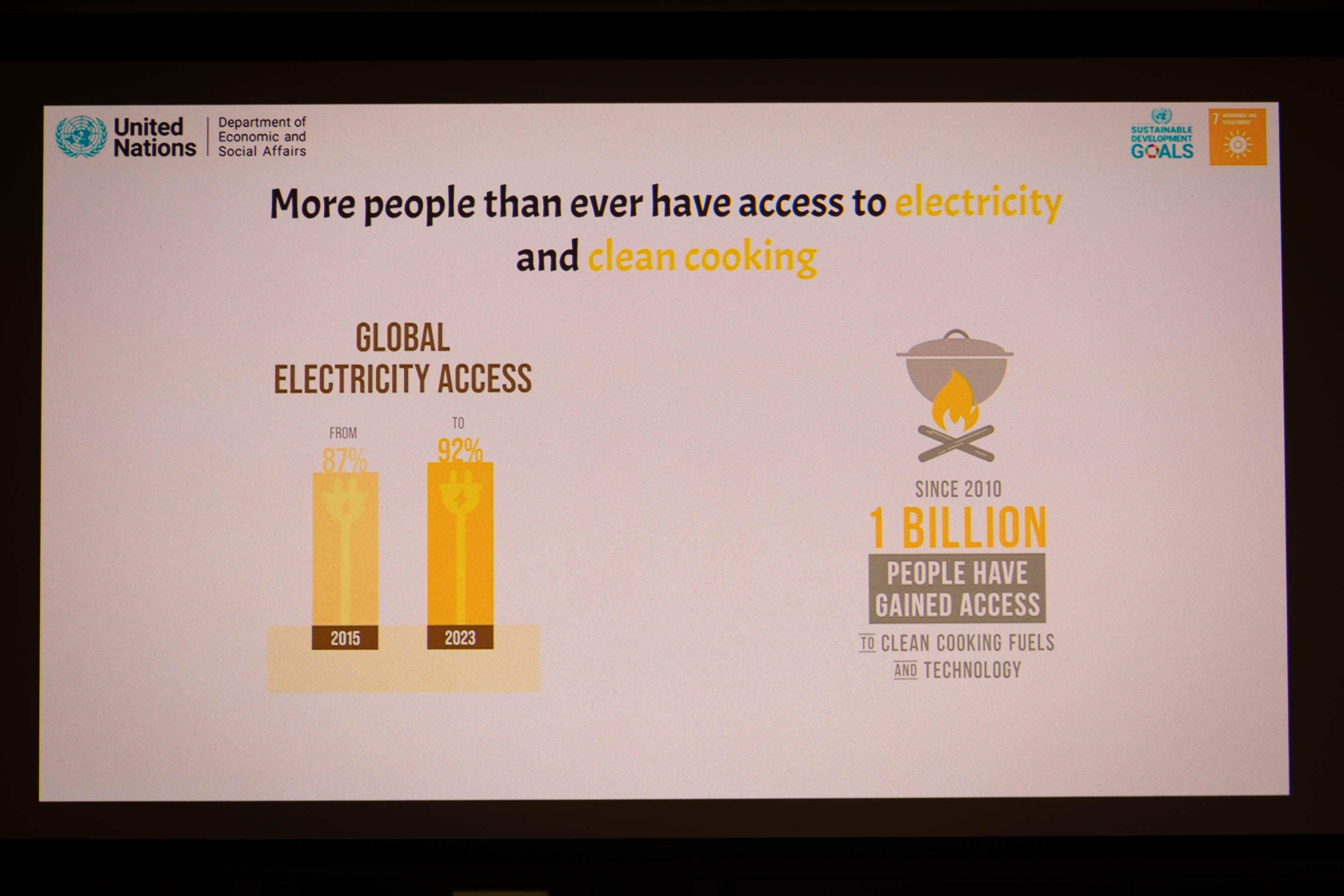
A slide highlights that more people than ever before have access to energy and clean cooking
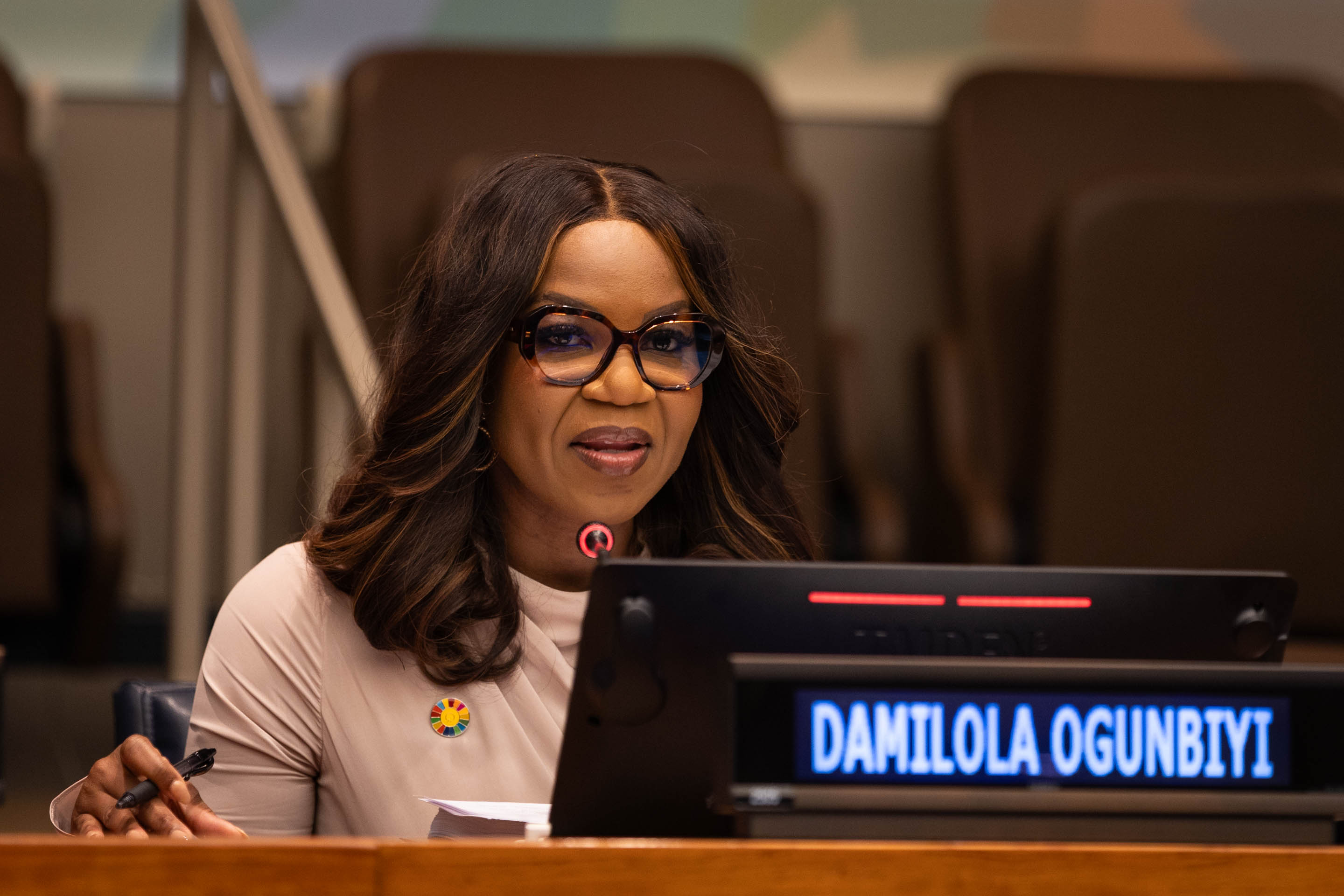
Damilola Ogunbiyi, Special Representative of the UN Secretary-General for Sustainable Energy for All, and Co-Chair, UN-Energy
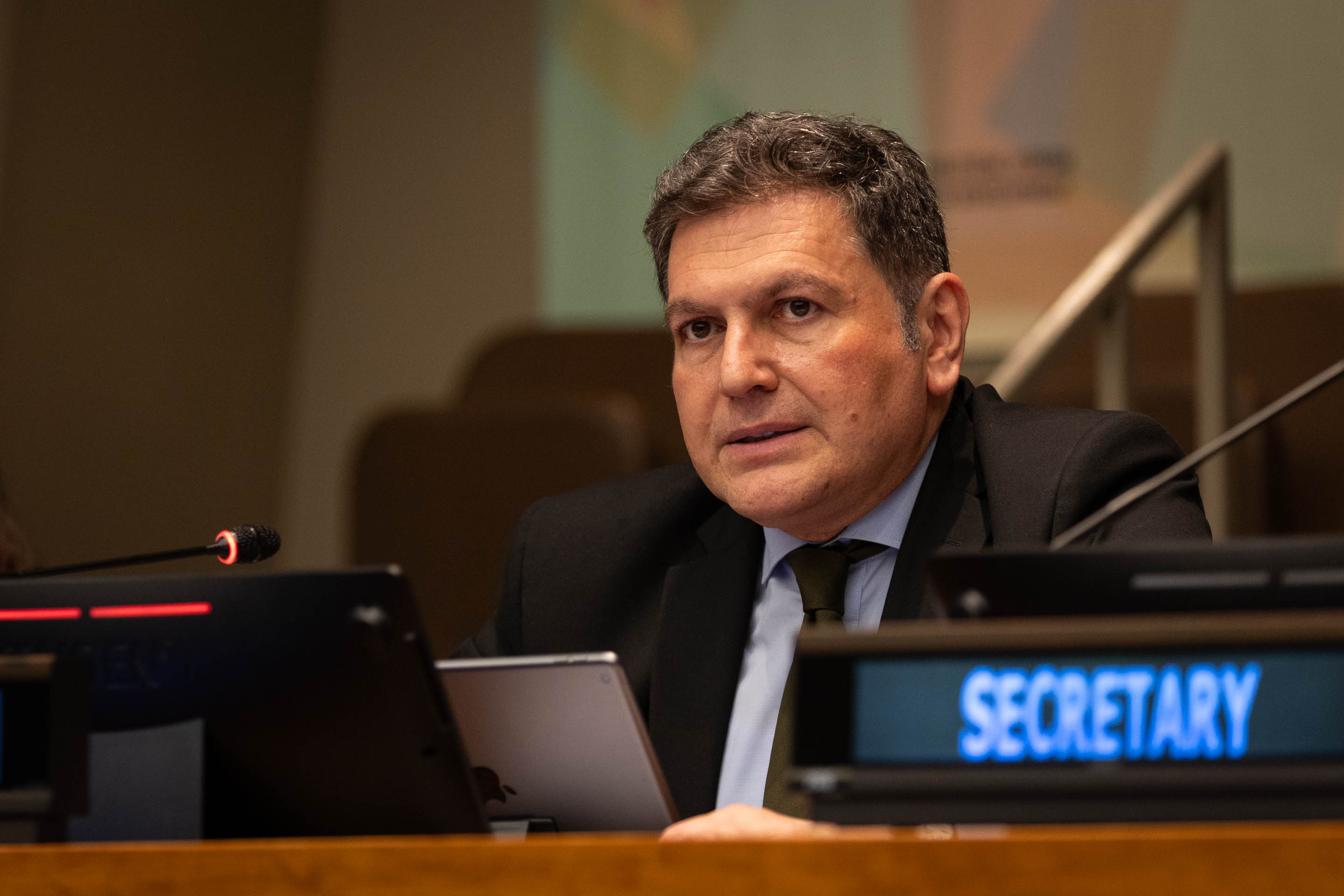
Paruyr Hovhannisyan, Vice-President, ECOSOC
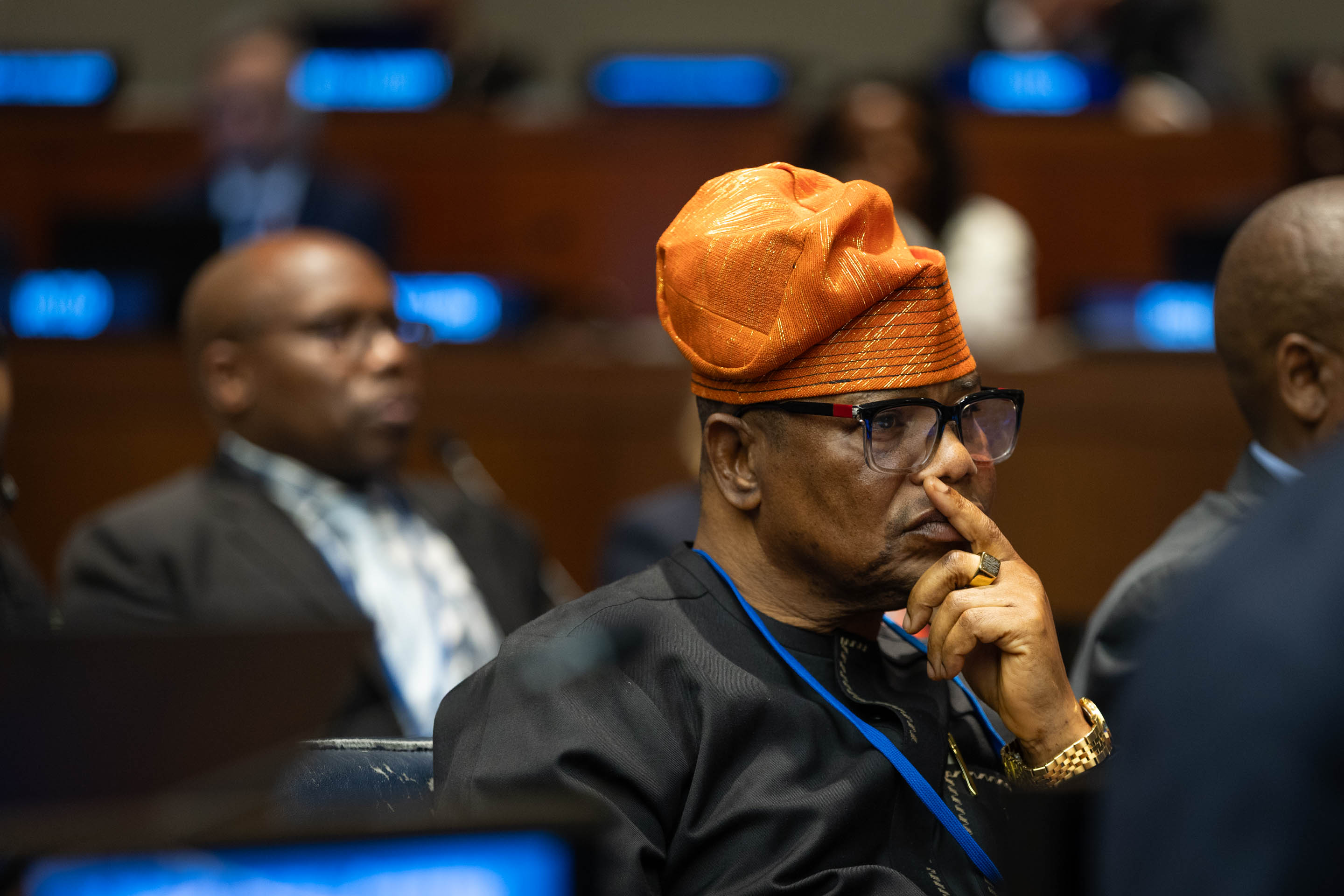
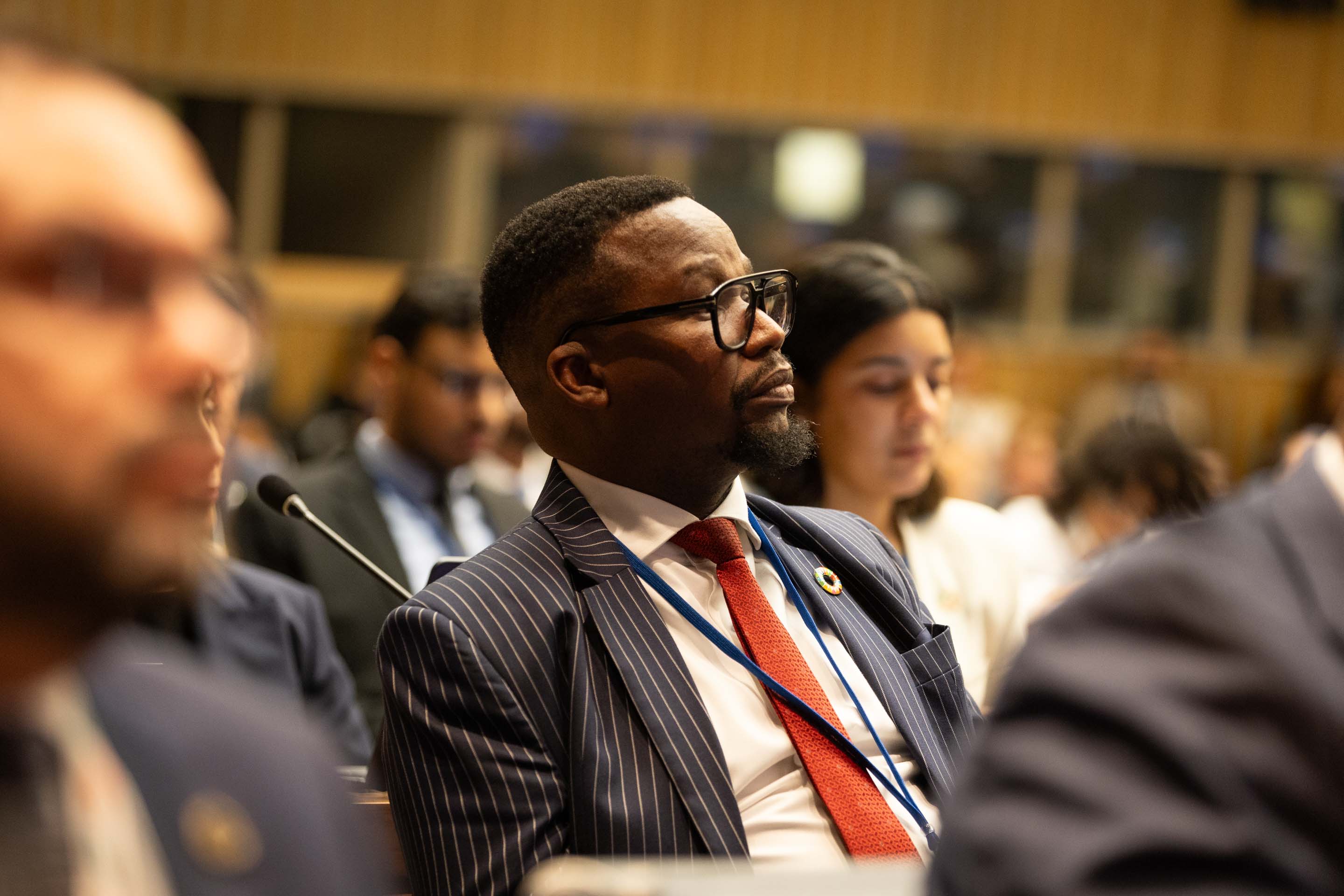
Delegates listen to the interventions
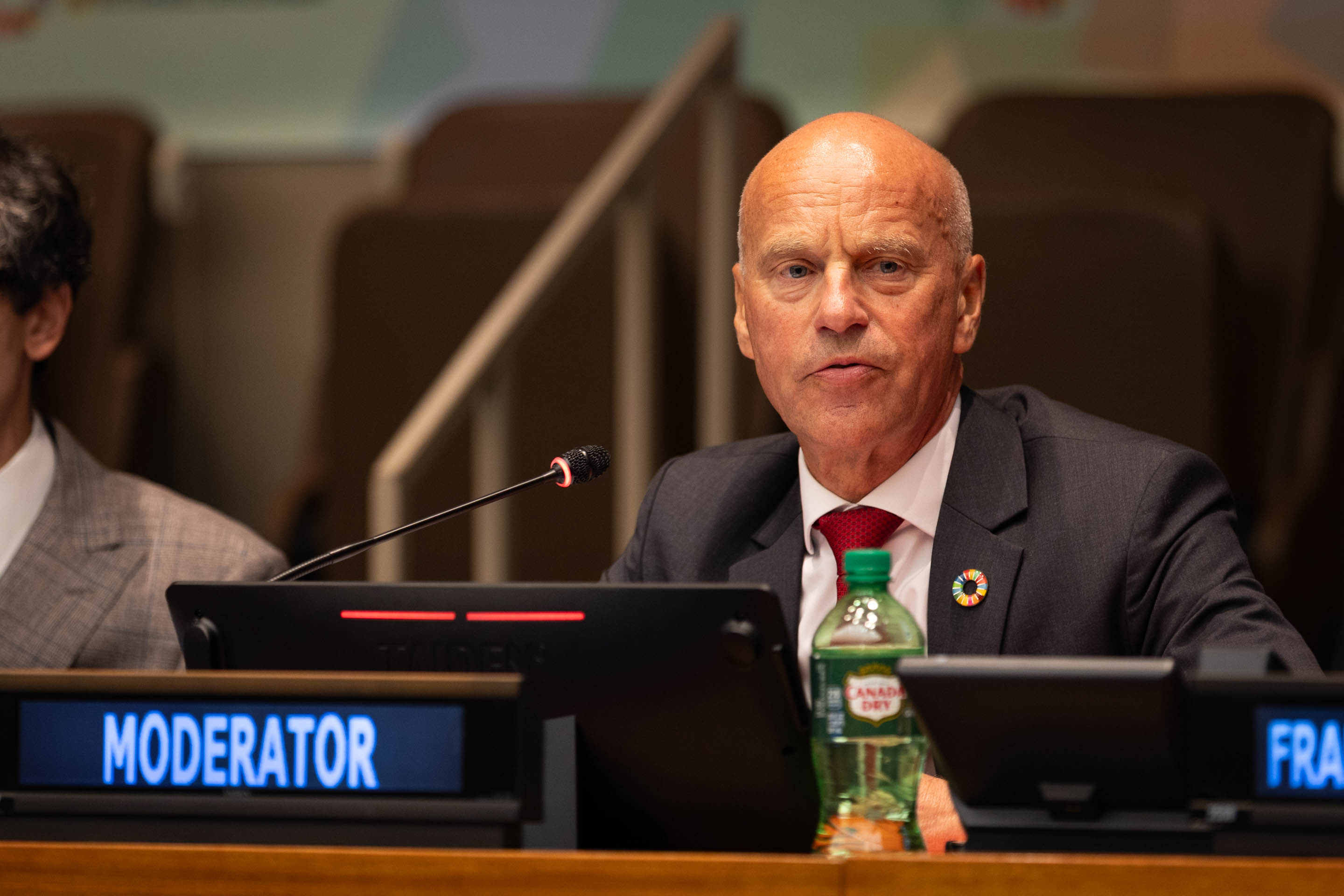
Hans Olav Ibrekk, Special Envoy, Climate and Security, Ministry of Foreign Affairs, Norway
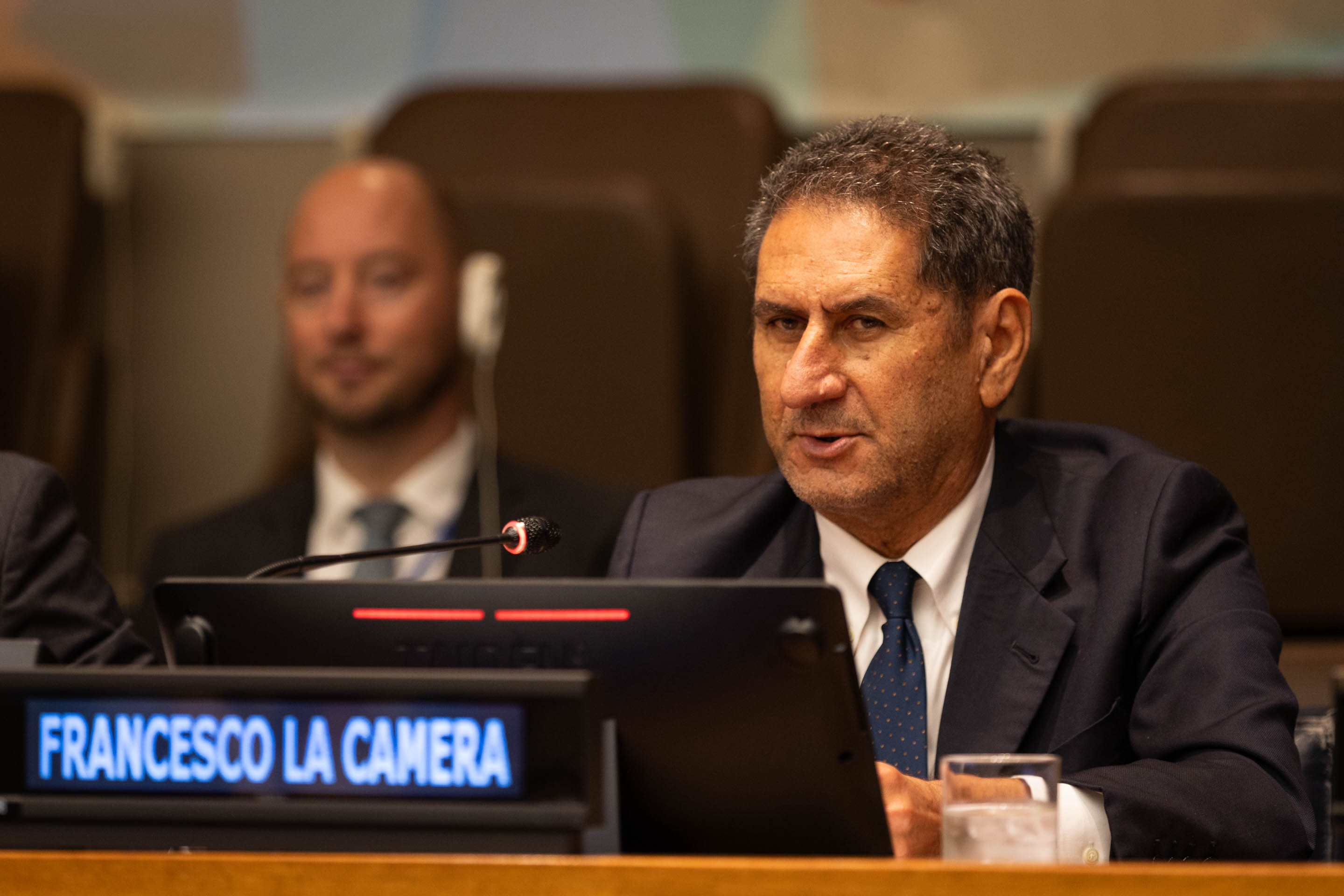
Francesco La Camera, Director-General, International Renewable Energy Agency (IRENA)

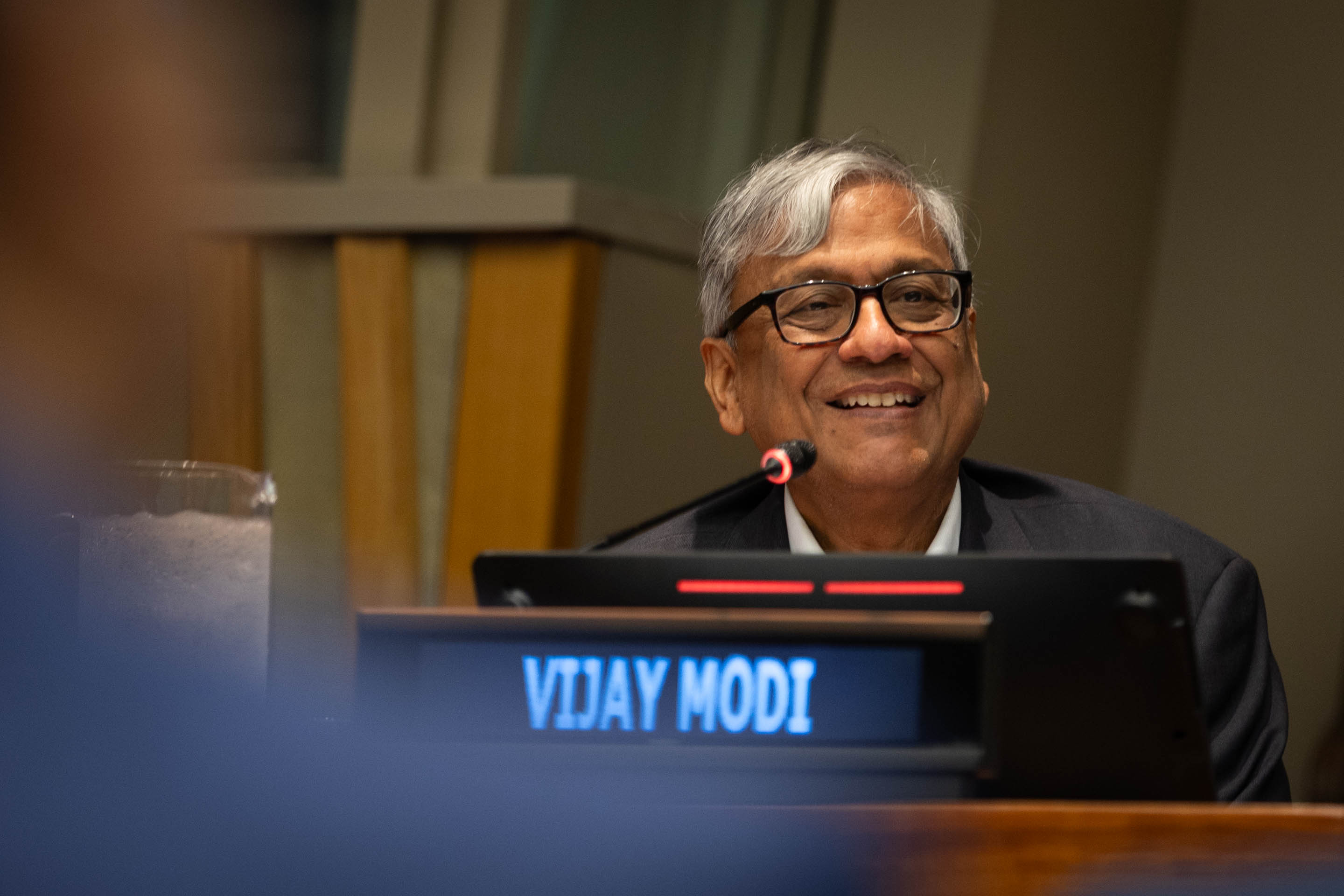
Vijai Modi, Director, Laboratory for Sustainable Energy Solutions, Columbia University
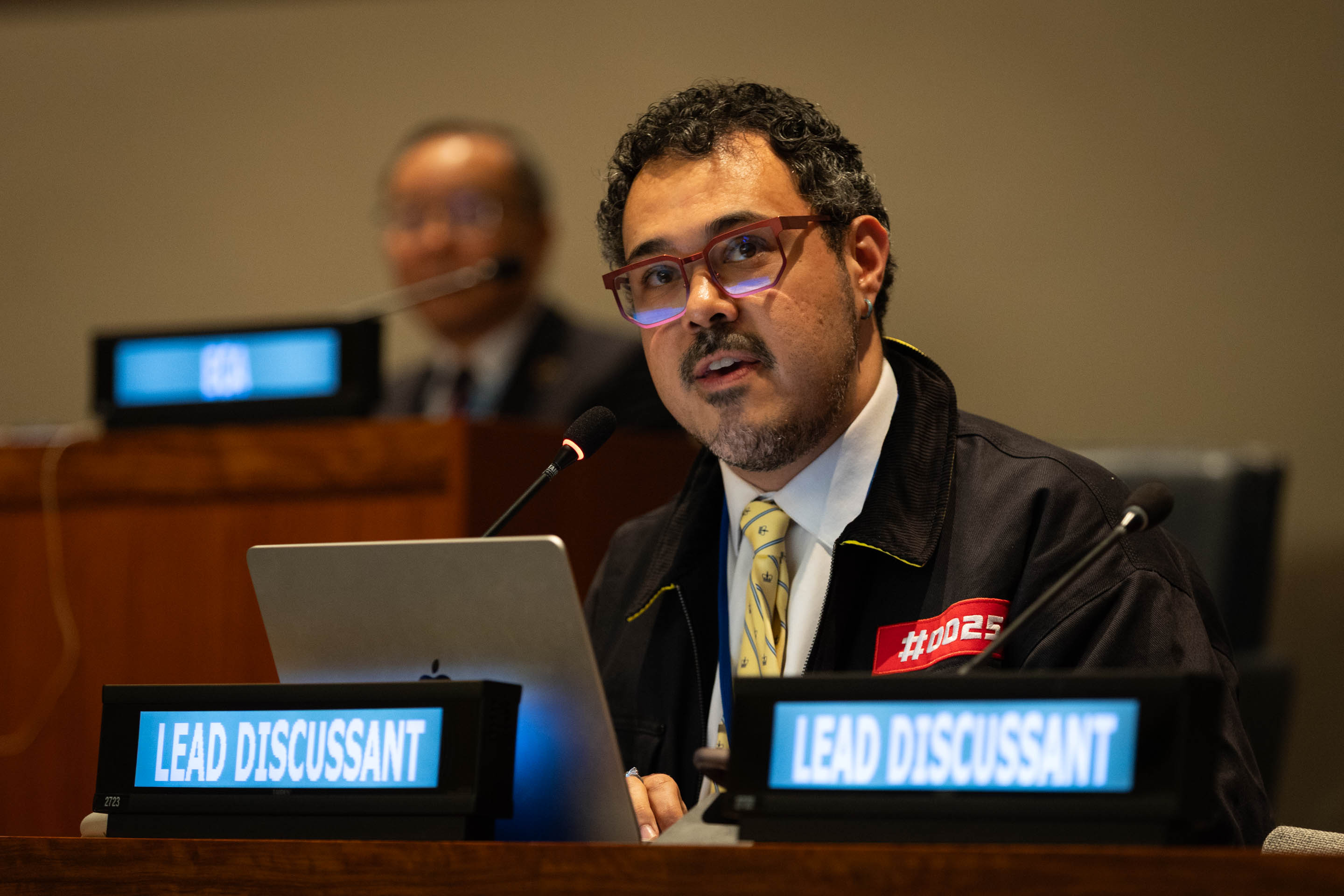
Diego De Leon Segovia, Advocacy Chair, Out for Sustainability
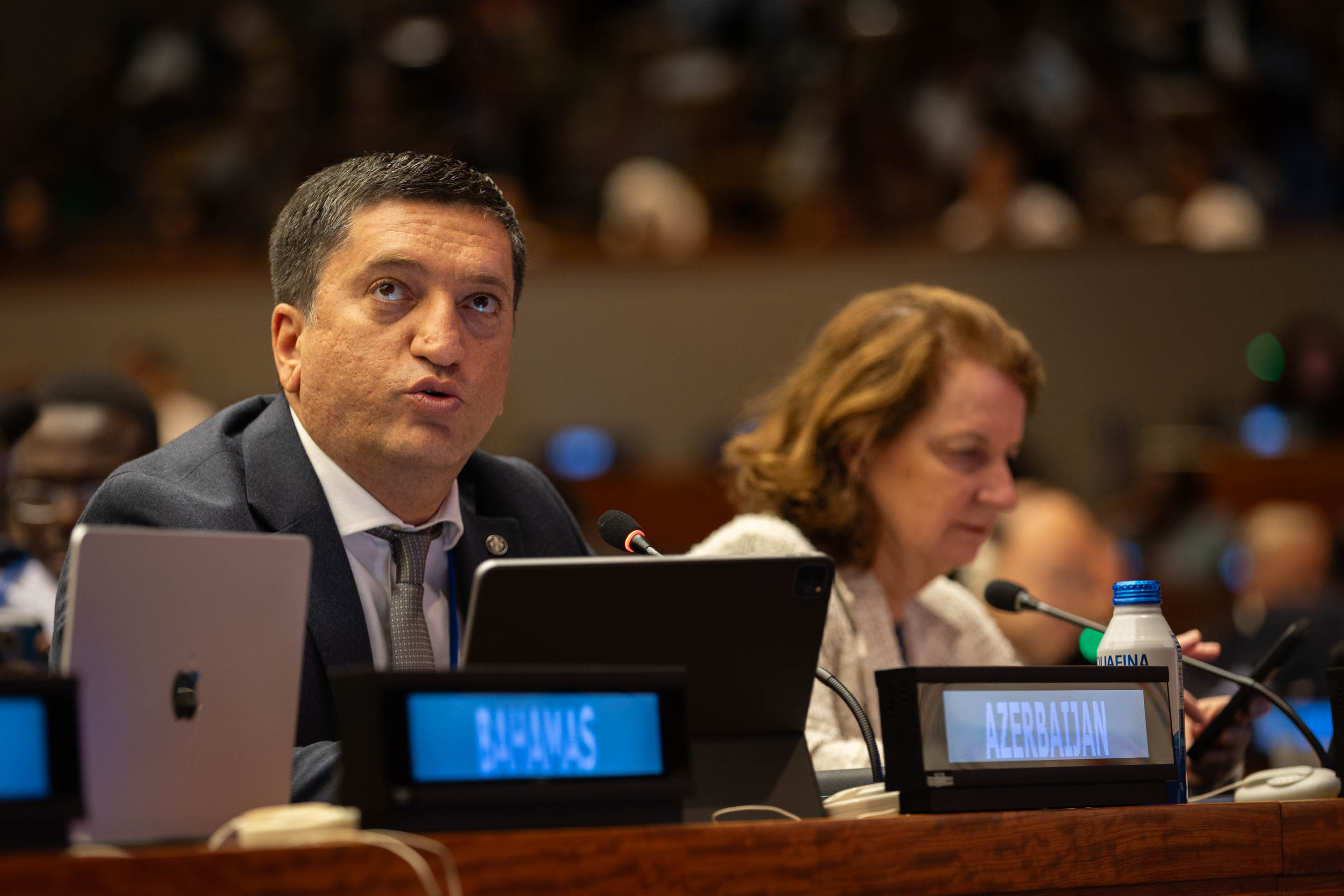
Huseyn Huseynov, Azerbaijan
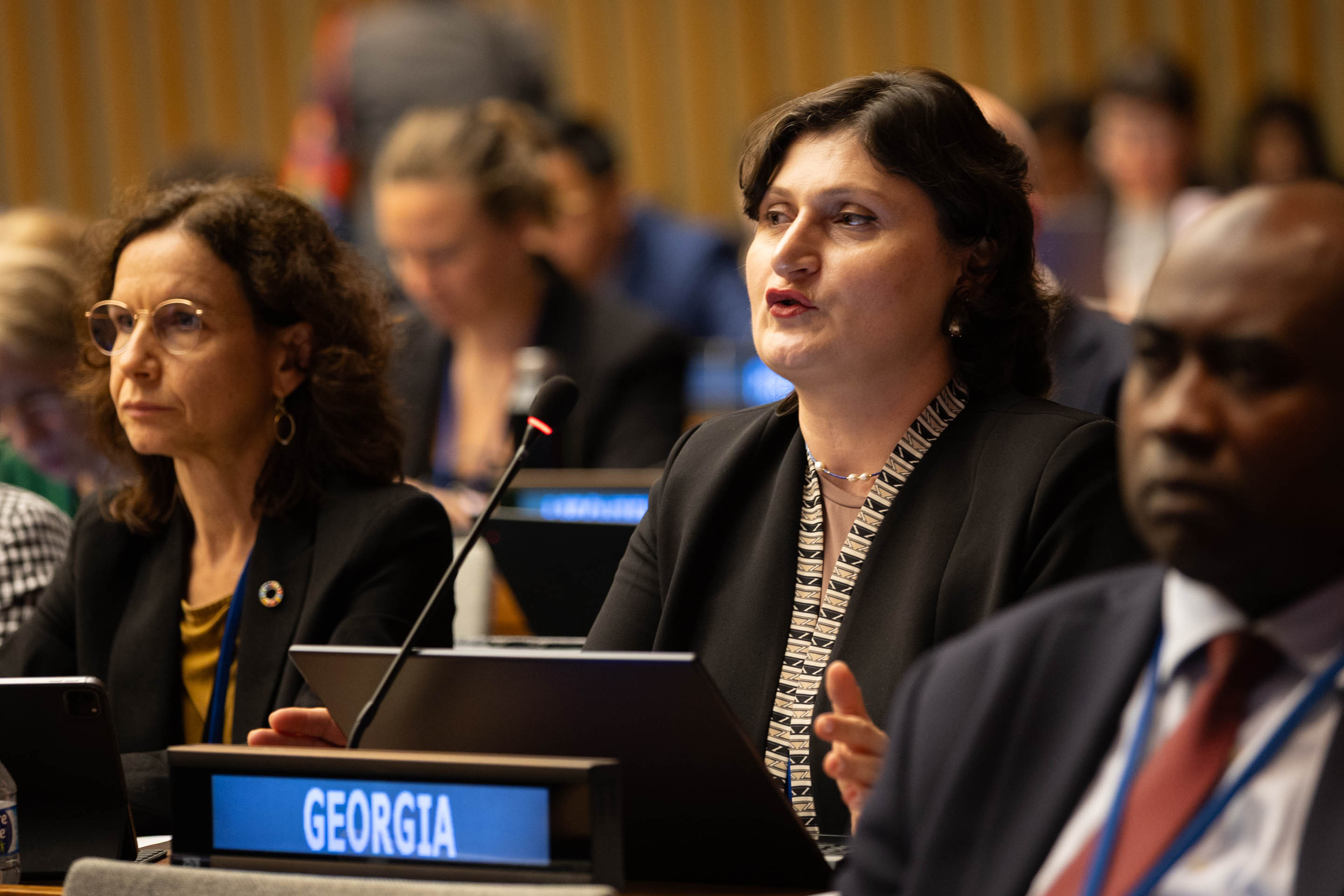
Margalita Arabidze, Georgia
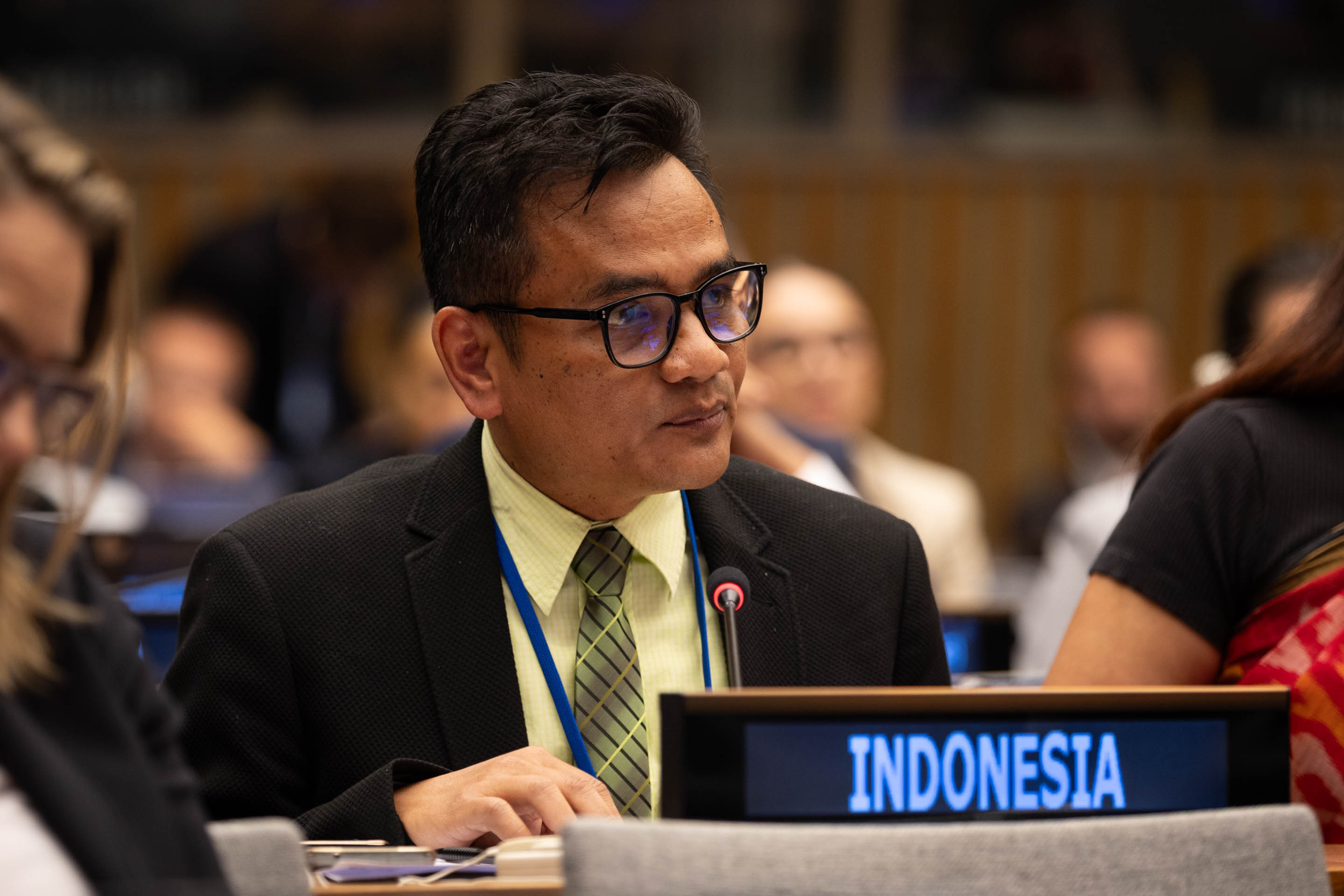
Setyo Budiantoro, Indonesia
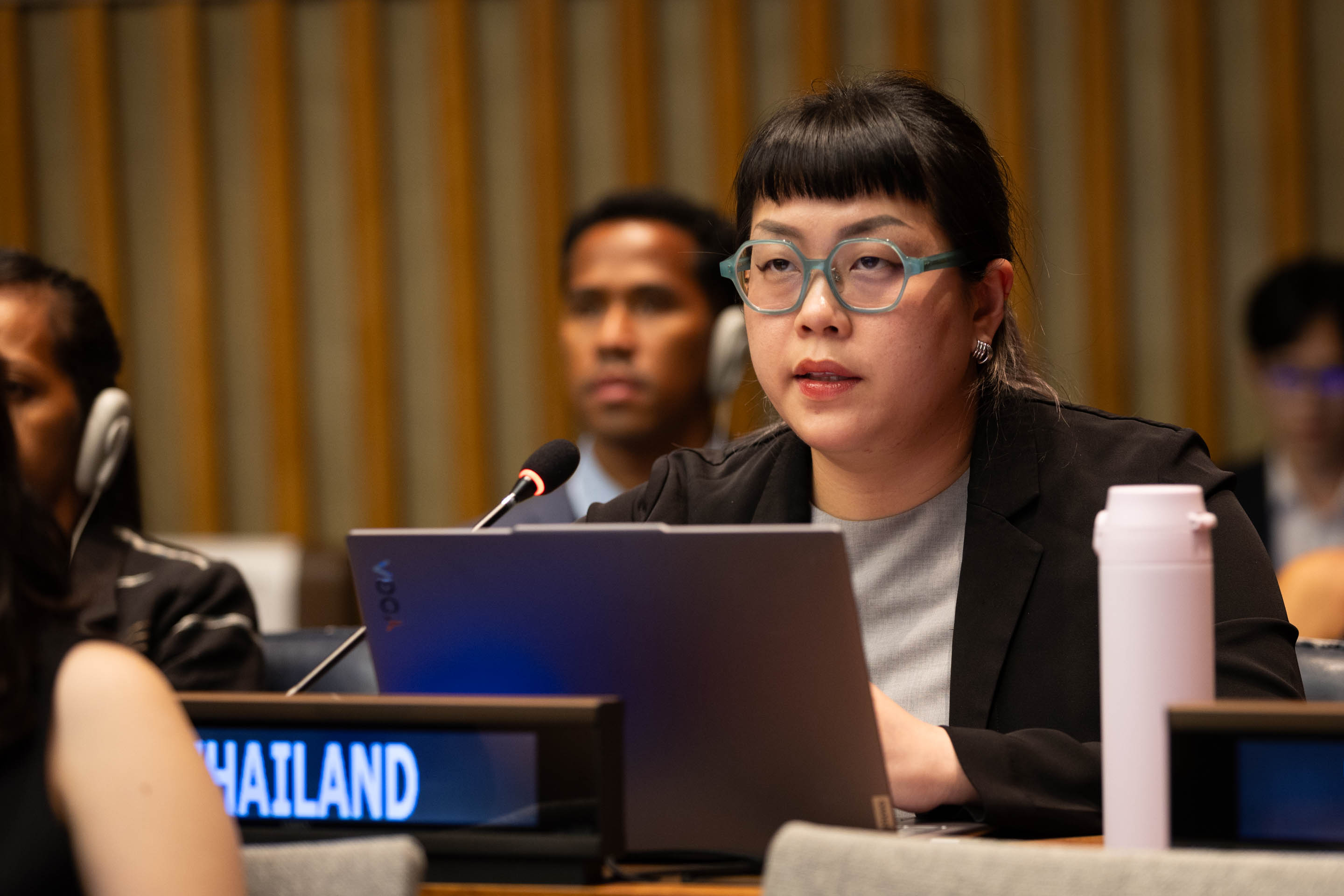
Pornrawe Poenateetai, Thailand
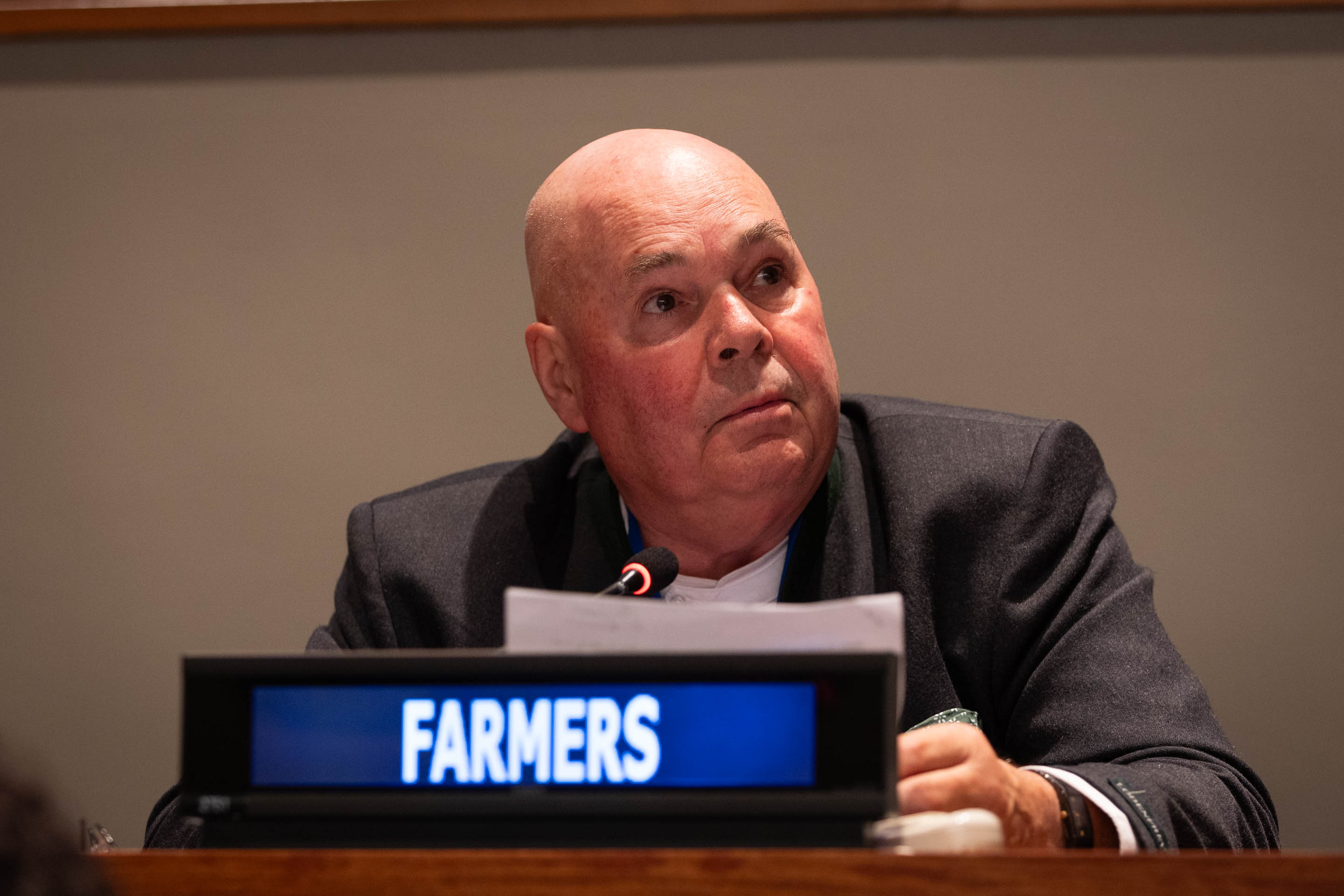
Rudolf Bühler, Farmers Major Group
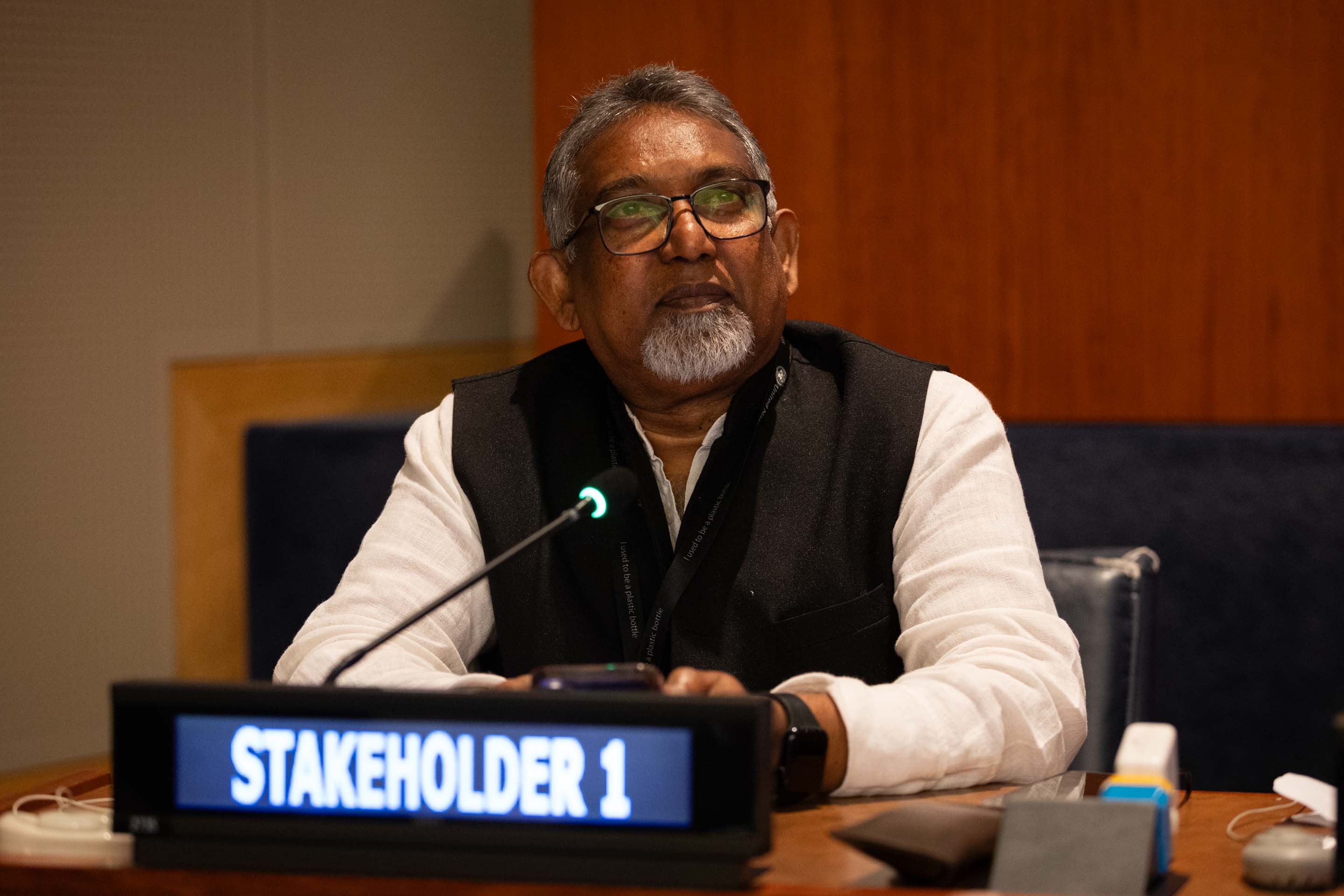
Paul Divakar, Stakeholder Group for Communities Discriminated on Work and Descent
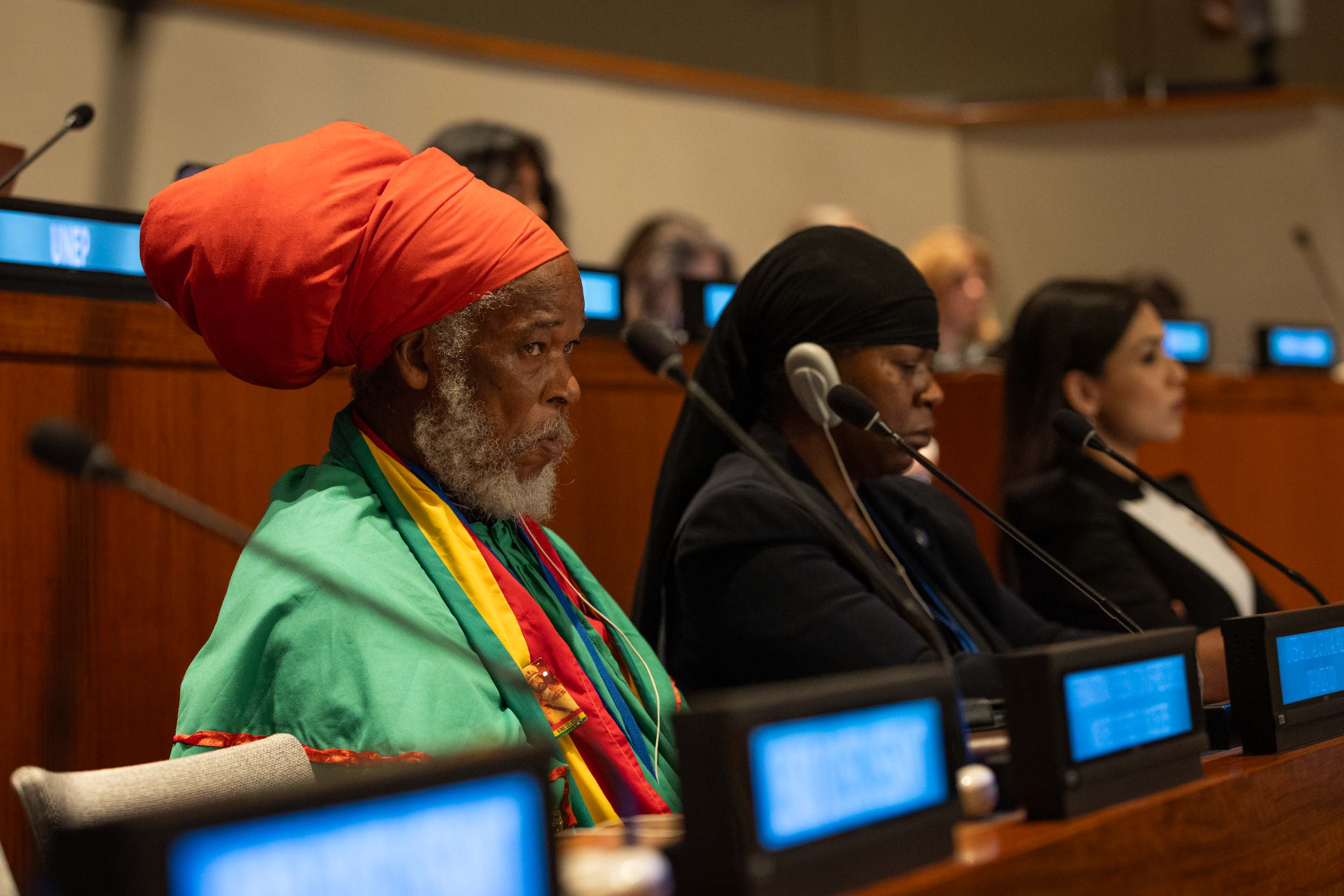
Around the Venue
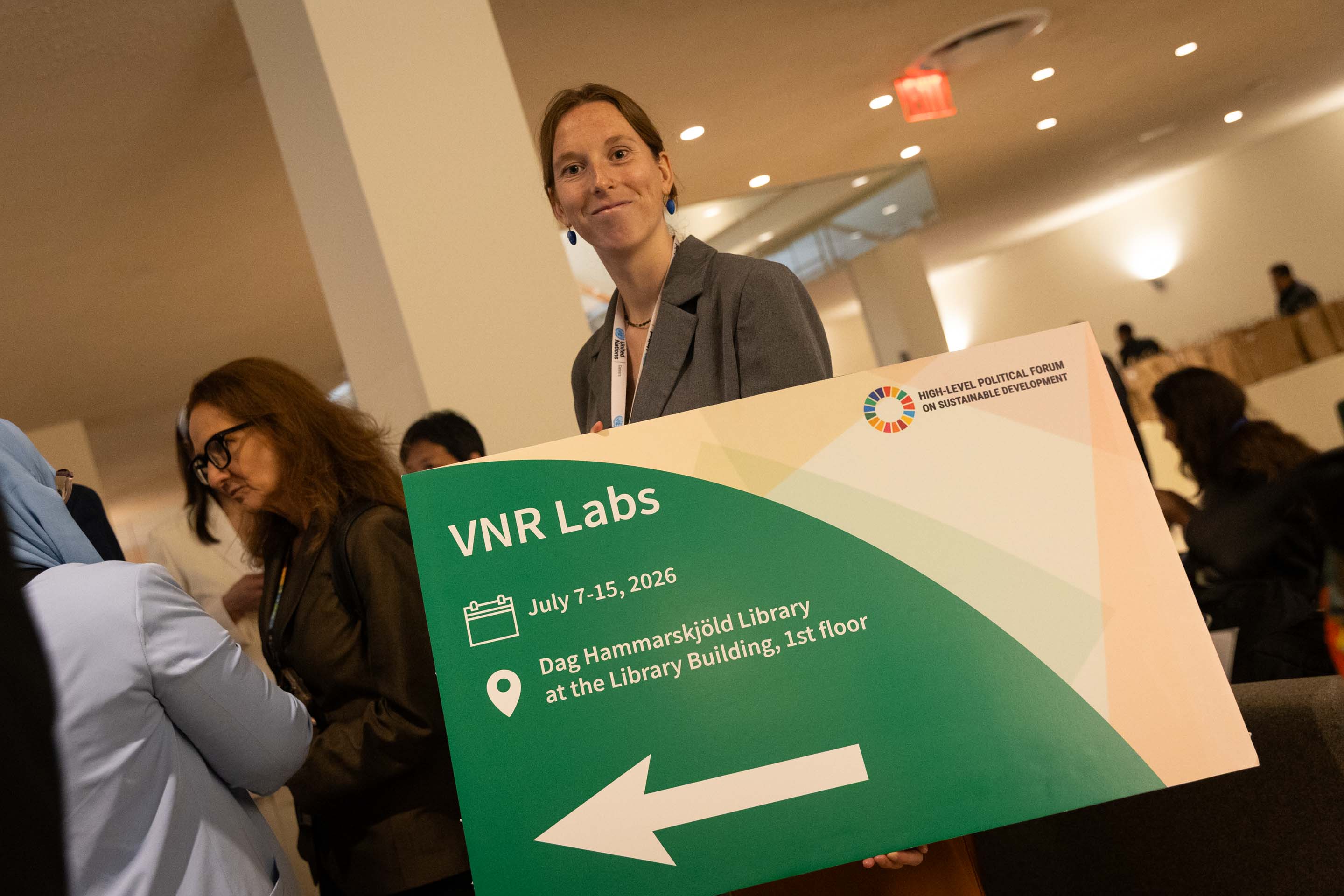
Delegates are encouraged to attend the Voluntary National Review (VNR) labs
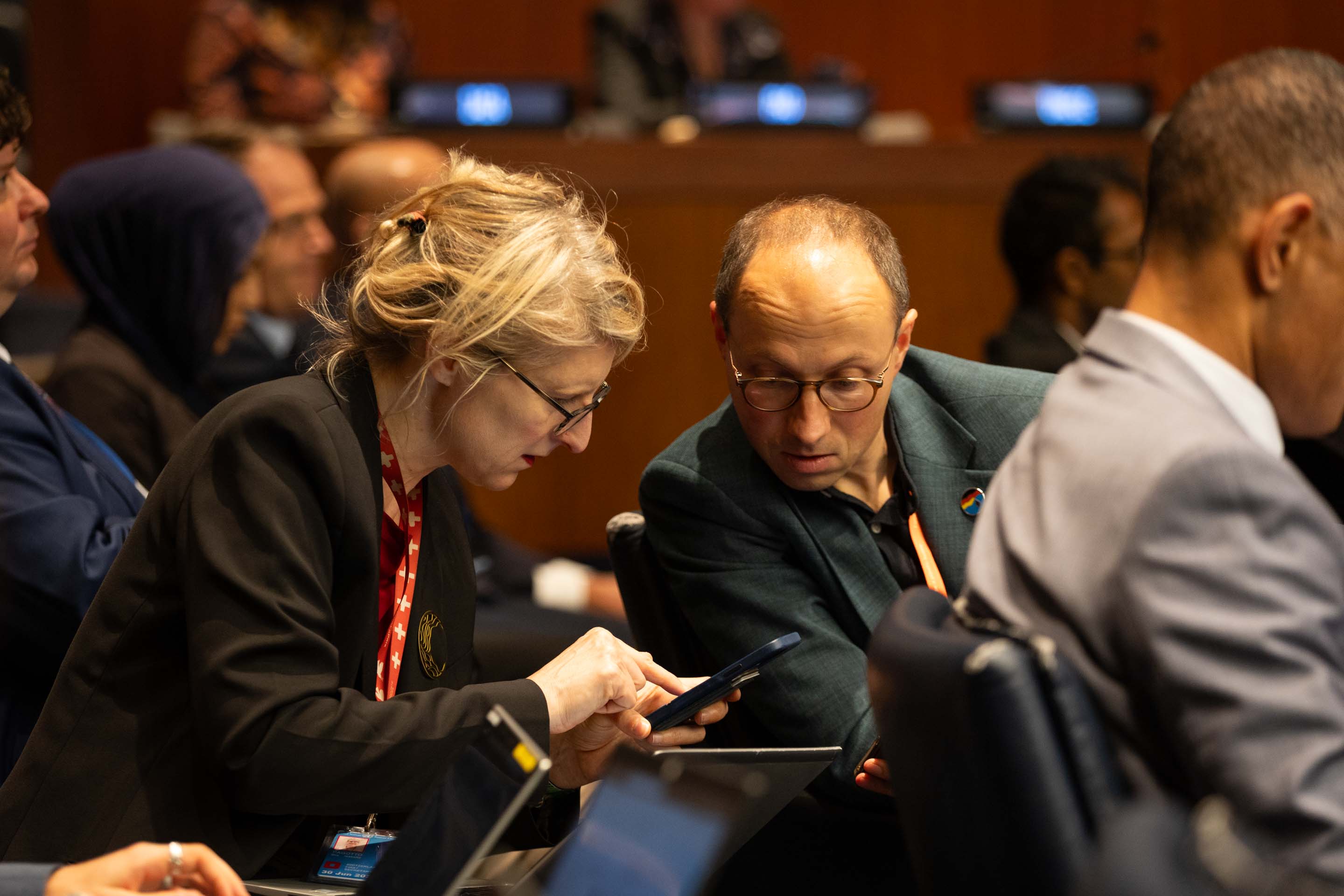
Delegates consult during the session
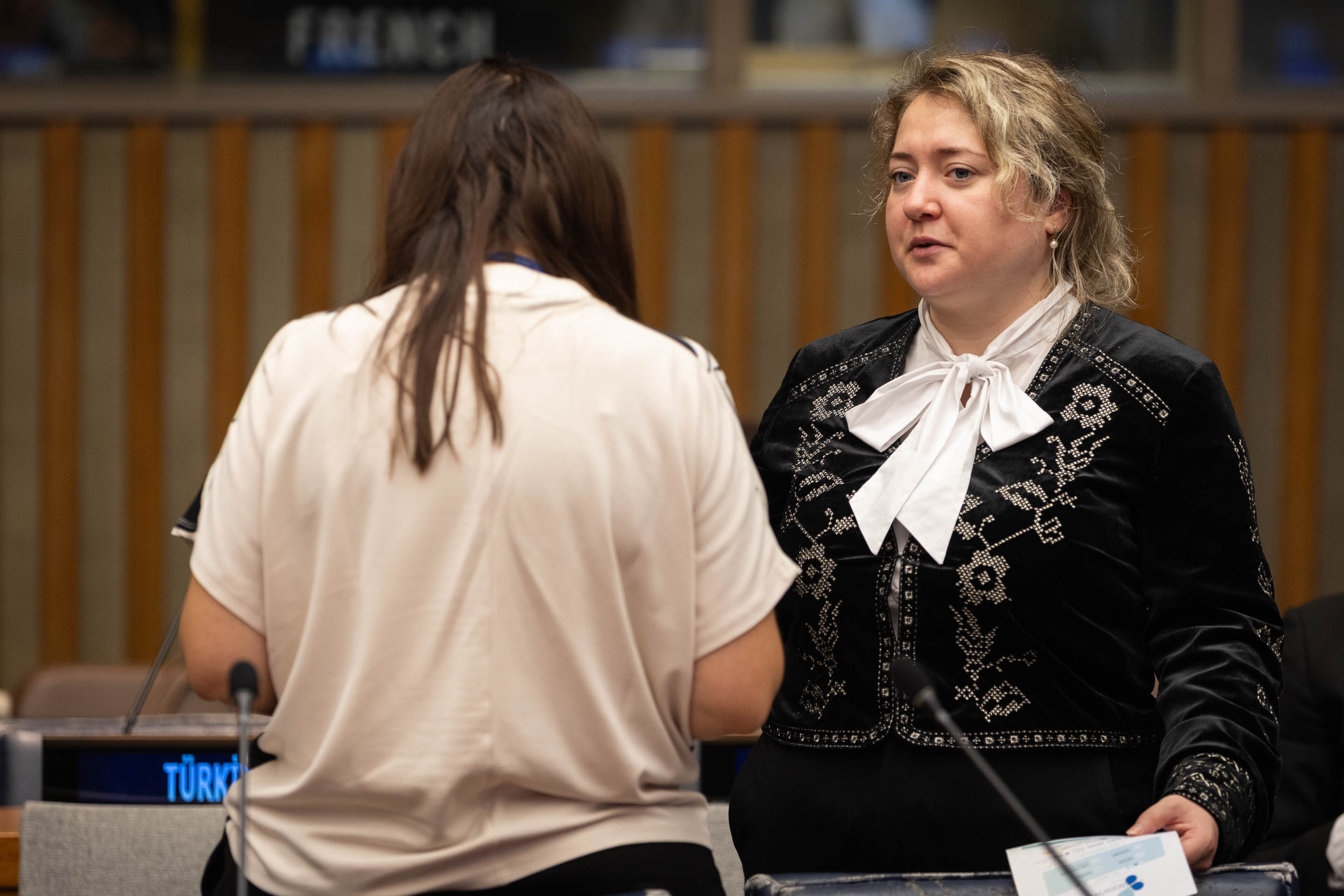
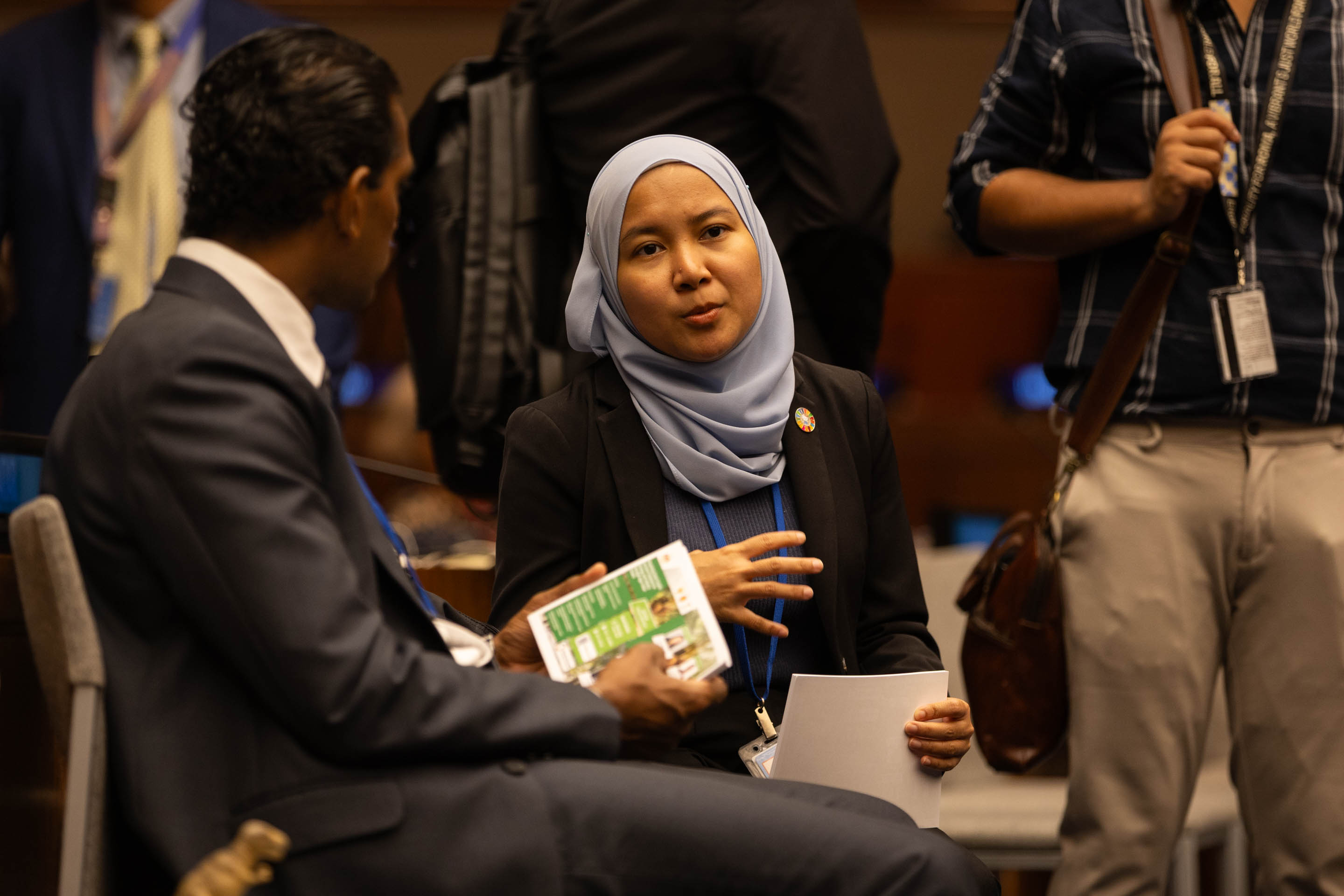
Delegates speak informally
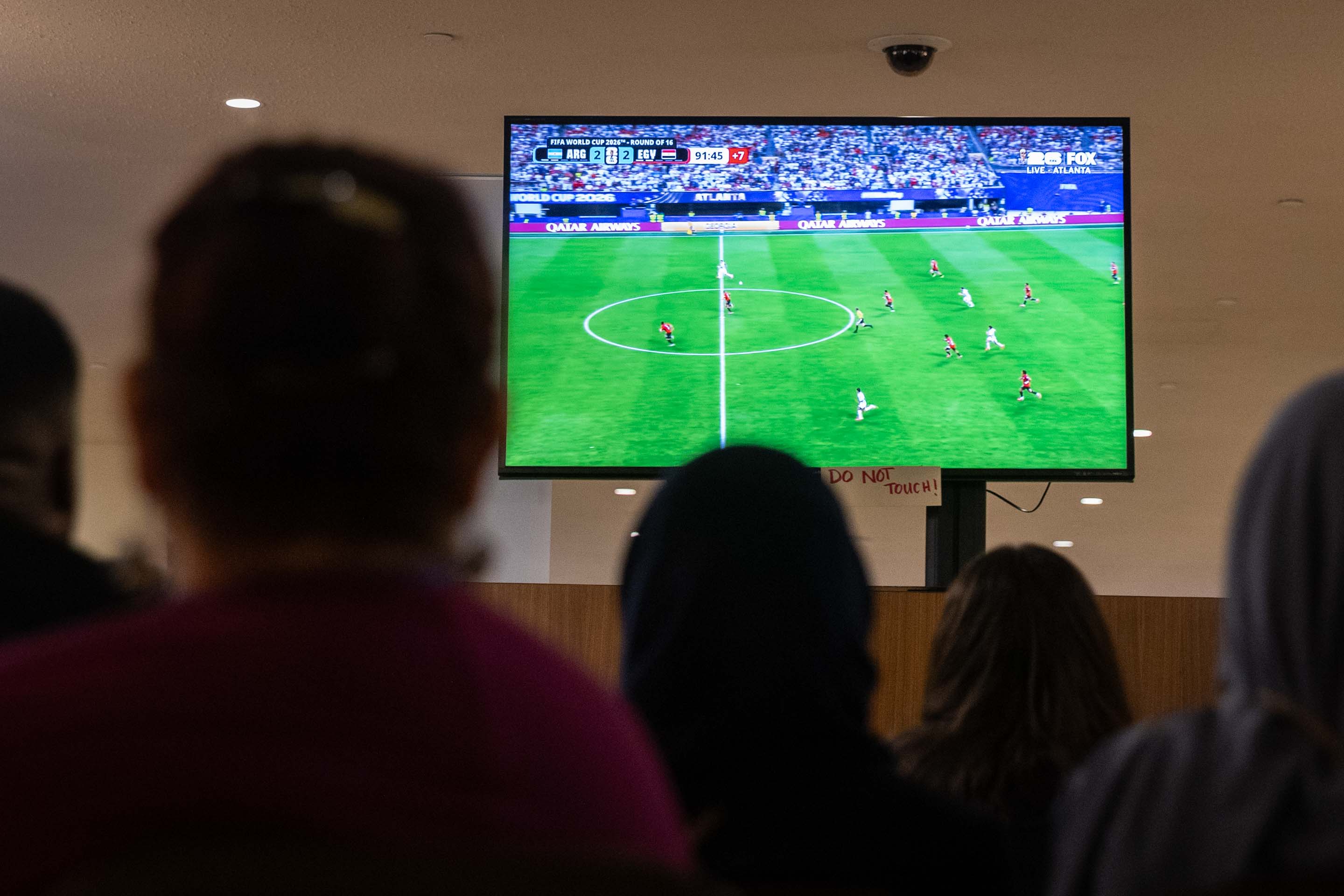
Delegates watch the football World Cup in the Vienna Café during the lunch break