Wednesday’s High-level Political Forum (HLPF) sessions felt like a workshop on the practice of stimulating economic development in poor countries, followed by a lecture on the theory of financing economic growth.
During the morning session on accelerating Sustainable Development Goal (SDG) achievement in African countries and countries in special situations, panelists and delegates discussed frameworks and actions to address specific structural barriers to development faced by these countries.
In the afternoon the review of progress towards SDG 9 (Industry, Innovation, and Infrastructure) focused on ways to unlock the “growth engine” of the 2030 Agenda through smart investments in innovation, infrastructure, and industry. Finance and investment were cross-cutting challenge in both sessions.
Countries in special conditions refers to those that are particularly vulnerable because they are poor (least developed countries – LDCs), lack direct access to the ocean (land-locked developing countries - LLDCs), or are small and surrounded by the ocean (small island developing states - SIDS). Middle-income countries are sometimes included in this group because they face the risk of stagnating development once they lose access to concessional funding. Taken together these countries represent more than half of the global population, which means that “the SDGs will be won or lost” in these countries, as several panelists and delegates pointed out.
On Wednesday morning, the first panel addressed the barriers to development faced by LDCs, LLDCs, and African countries. Panelists discussed how policies and institutional frameworks can be strengthened to promote long-term economic growth and sustainable socioeconomic development.
Rabab Fatima, Under-Secretary-General and High Representative for LDCs, LLDCs, and SIDS, said countries should prioritize mainstreaming the 2030 Agenda for Sustainable Development, the Doha Programme of Action for LDCs, the Awaza Programme of Action for LLDCs, and other frameworks into national policies, institutions, and national development planning. She also emphasized that closing the USD 4 trillion-dollar SDG finance gap is a top priority.
Pierre Nguimkeu, Brookings Institution, suggested, among other measures, making international finance more concessional, predictable, and counter-cyclical.

During a second panel focusing on the challenges of middle-income countries (MICs), panelists considered the development of a Strategic Plan of Action (SPA) for MICs. Navid Hanif, United Nations Department of Economic and Social Affairs (UNDESA), stated that the SPA should respond to MIC’s specific development challenges, which include structural barriers to reducing inequality and supporting green and digital transformations.
Paruyr Hovhannisyan, Permanent Representative of Armenia to the UN, added the SPA should address gaps between development needs and available finance, technology transfer, innovation, capacity-building, and partnership.
In the interactive discussion, many delegates supported moving beyond GDP or income-focused measures to determine MIC status, with several noting the need to adequately reflect MIC vulnerabilities and inequality. Some highlighted that their countries face the “MIC structural paradox,” a growing economy amid stagnating poverty rates, leaving countries vulnerable to external shocks.
During the review of SDG 9, panelists took a different perspective on finance. John Denton, International Chamber of Commerce, highlighted the gap between opportunities and investment, explaining that to unlock private capital investment, governments must ensure regulatory certainty, predictable investment cycles, and shift from risk management to actively support scaling of private capital flows. He suggested that investment policies focus on reducing friction and risk while increasing certainty and recognizing that small and medium enterprises (SMEs) are drivers of growth rather than recipients of finance.
Claver Gatete, Executive Secretary, UN Economic Commission for Africa, said that the low credit ratings of African countries are a critical barrier to transformation because ratings shape a perception of high risk for private investment.
In their closing remarks, panelists stated that countries should actively improve their enabling environment for private investment to promote capital flows at the scale required to achieve the SDGs.
To receive free coverage of global environmental events delivered to your inbox, subscribe to the ENB Update newsletter.
All ENB photos are free to use with attribution. For HLPF 2026 please use: Photo by IISD/ENB - Kiara Worth
Accelerating SDG achievement in African countries, LDCs, LLDCs and MICs
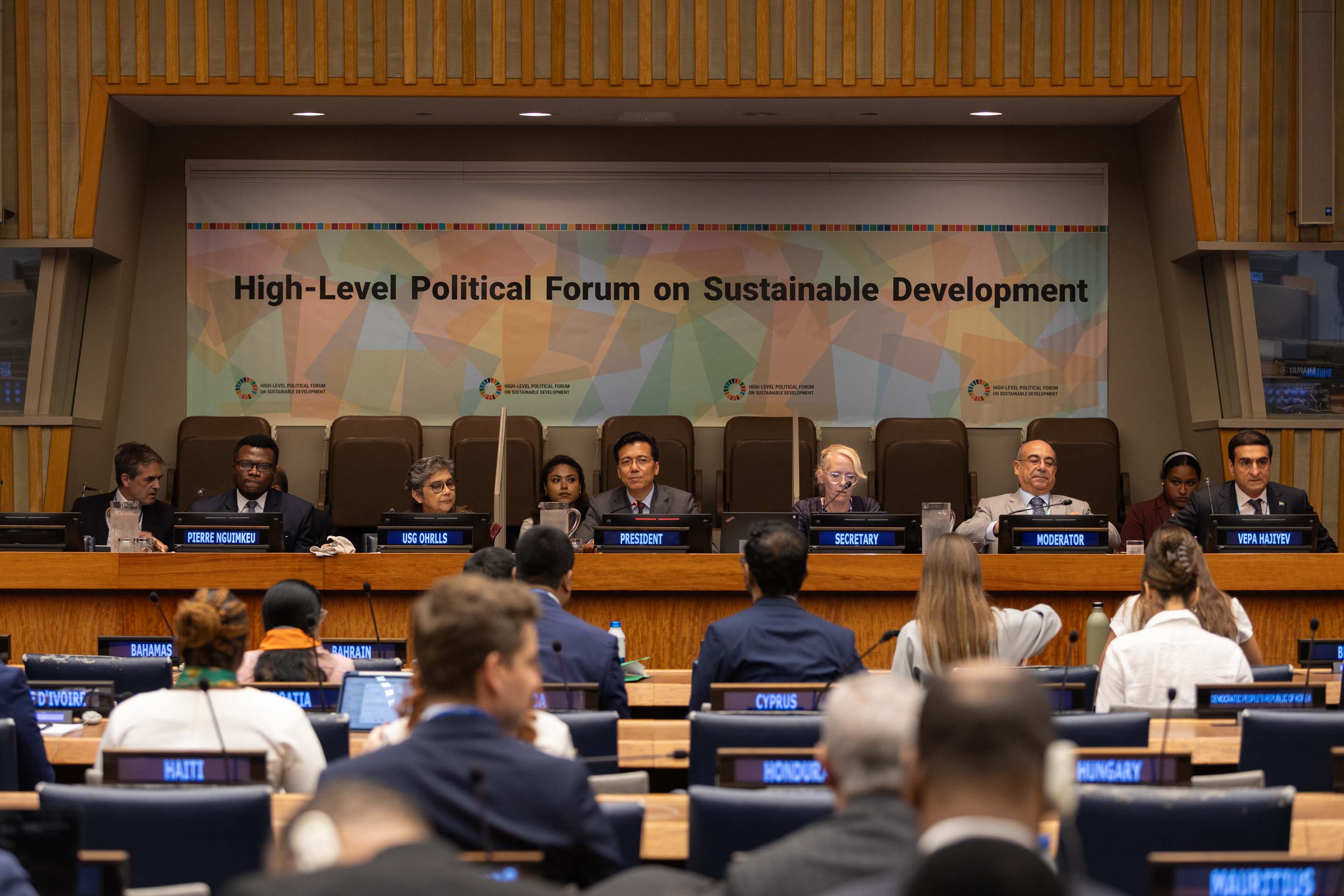
Delegates gather for a discussion on how to accelerate SDG achievement in African countries, LDCs, LLDCs and MICs
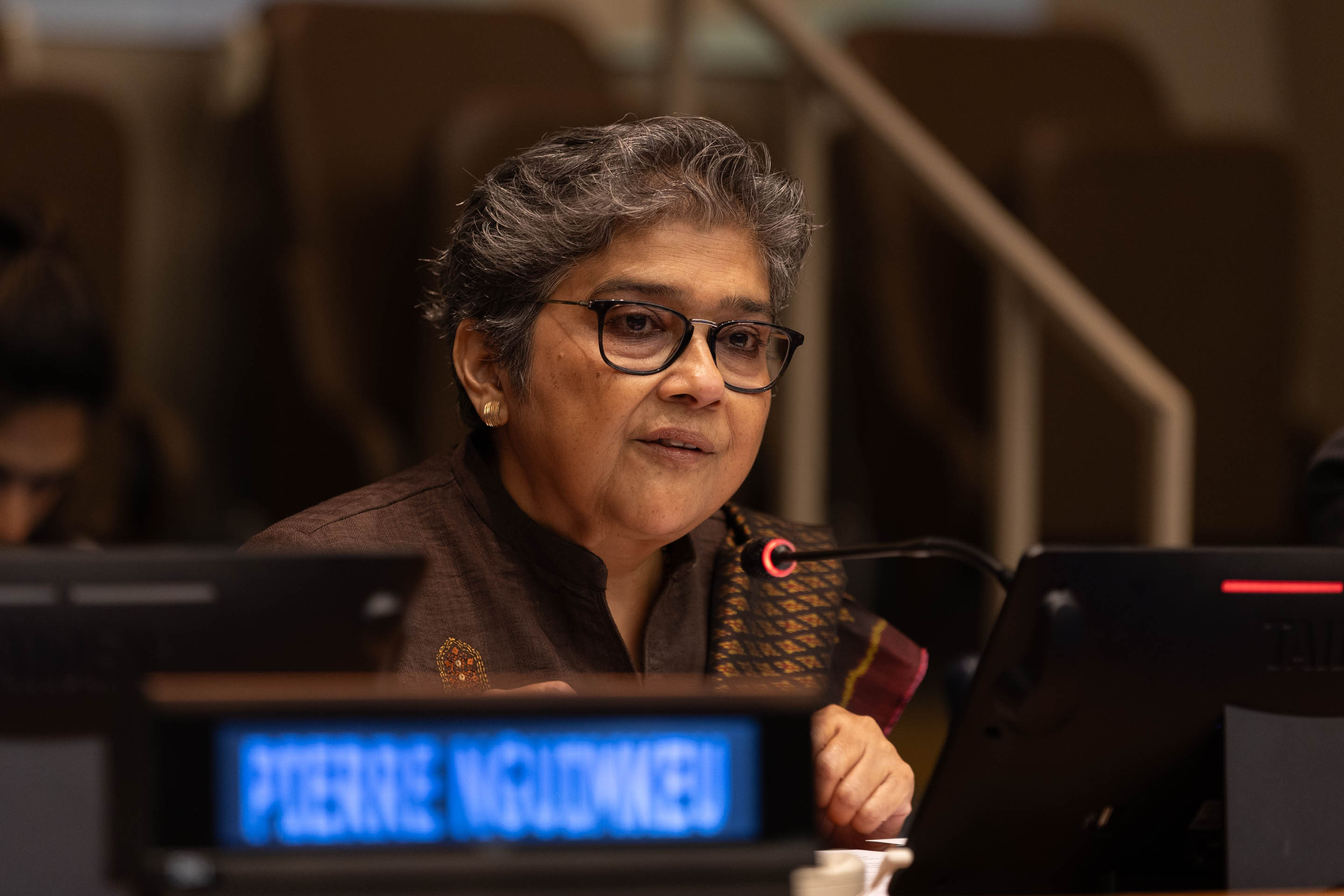
Rabab Fatima, Under-Secretary-General, and High Representative for LDCs, LLDCs, and SIDS
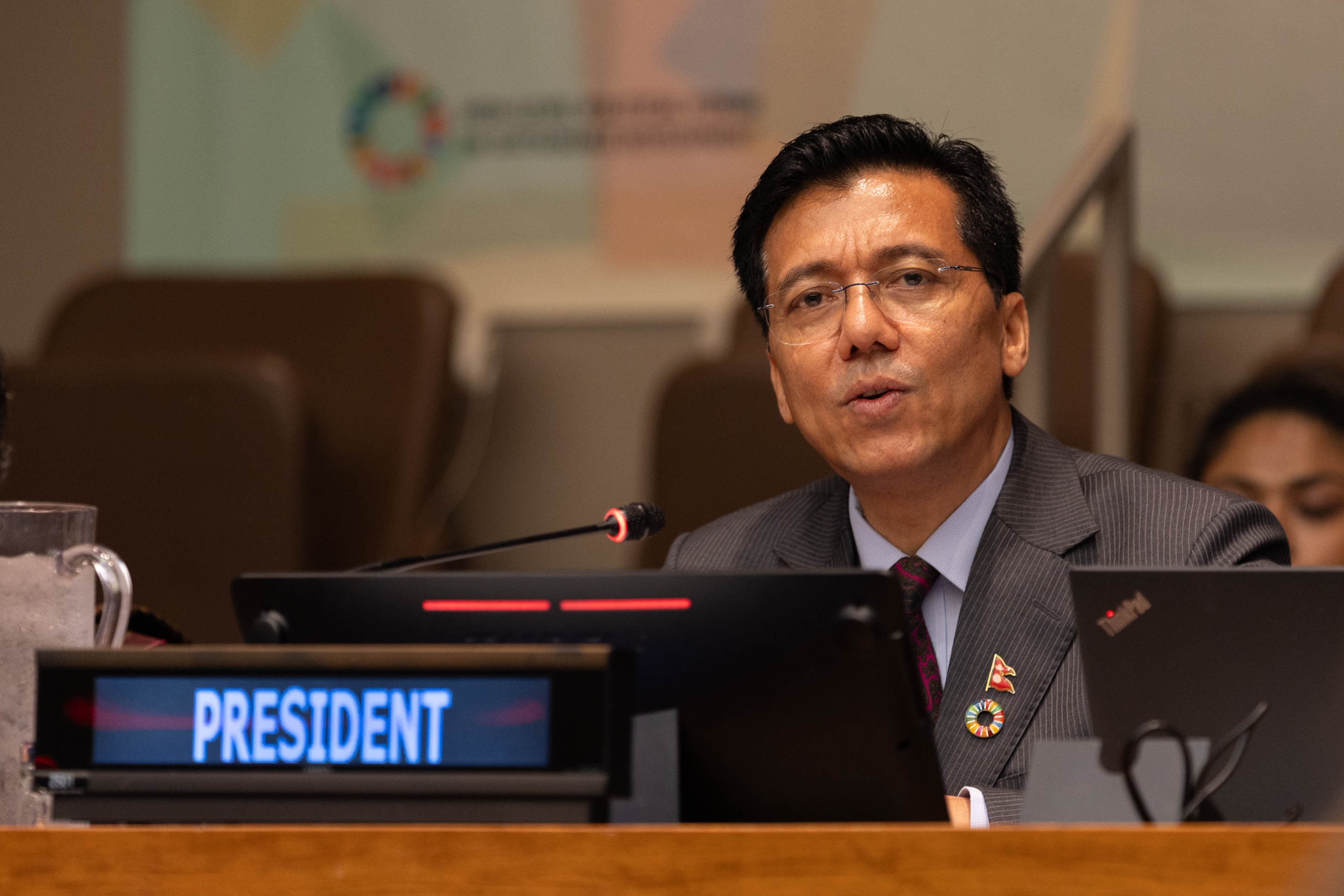
Lok Bahadur Thapa, President, UN Economic and Social Council (ECOSOC)
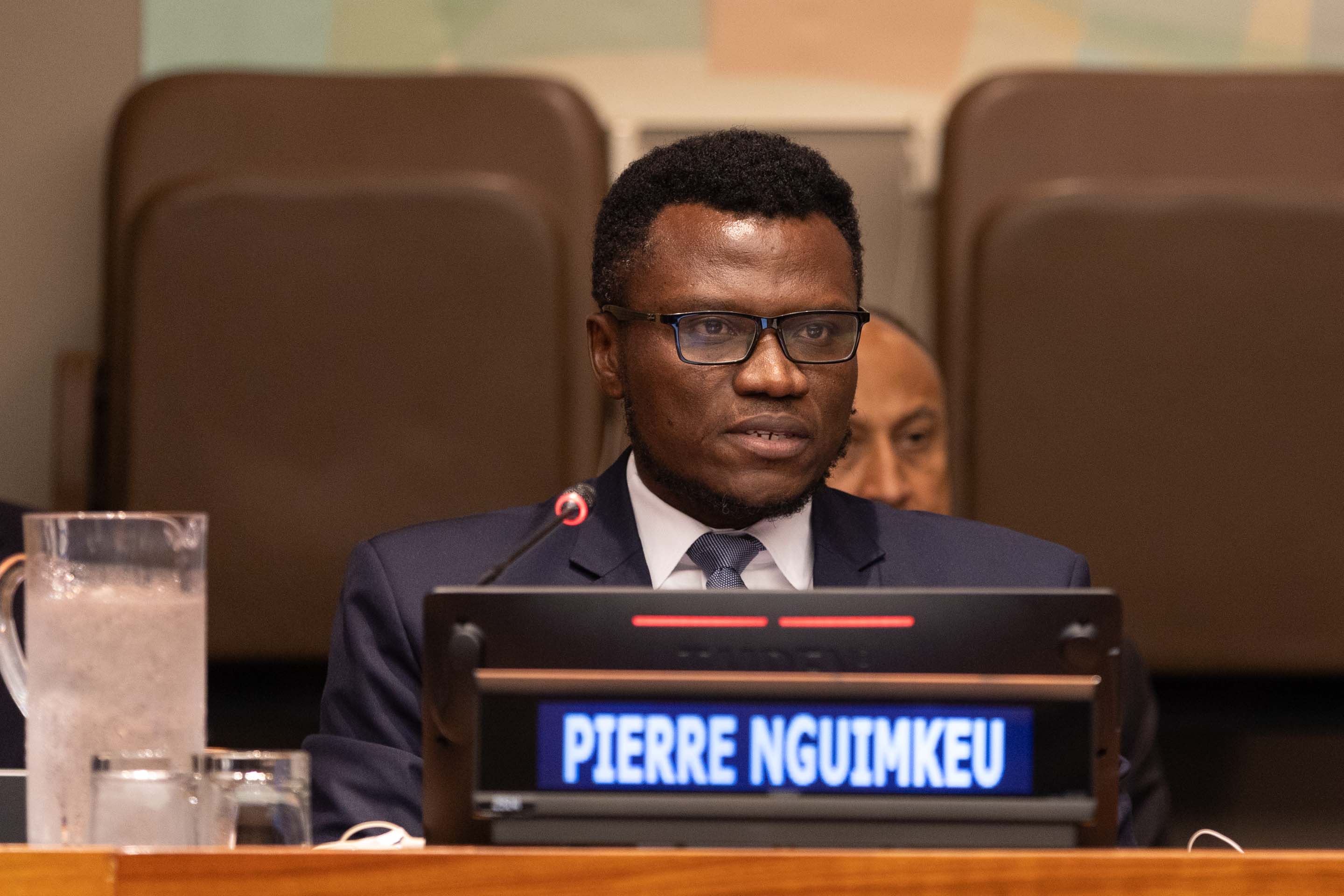
Pierre Nguimkeu, Director, Africa Growth Initiative
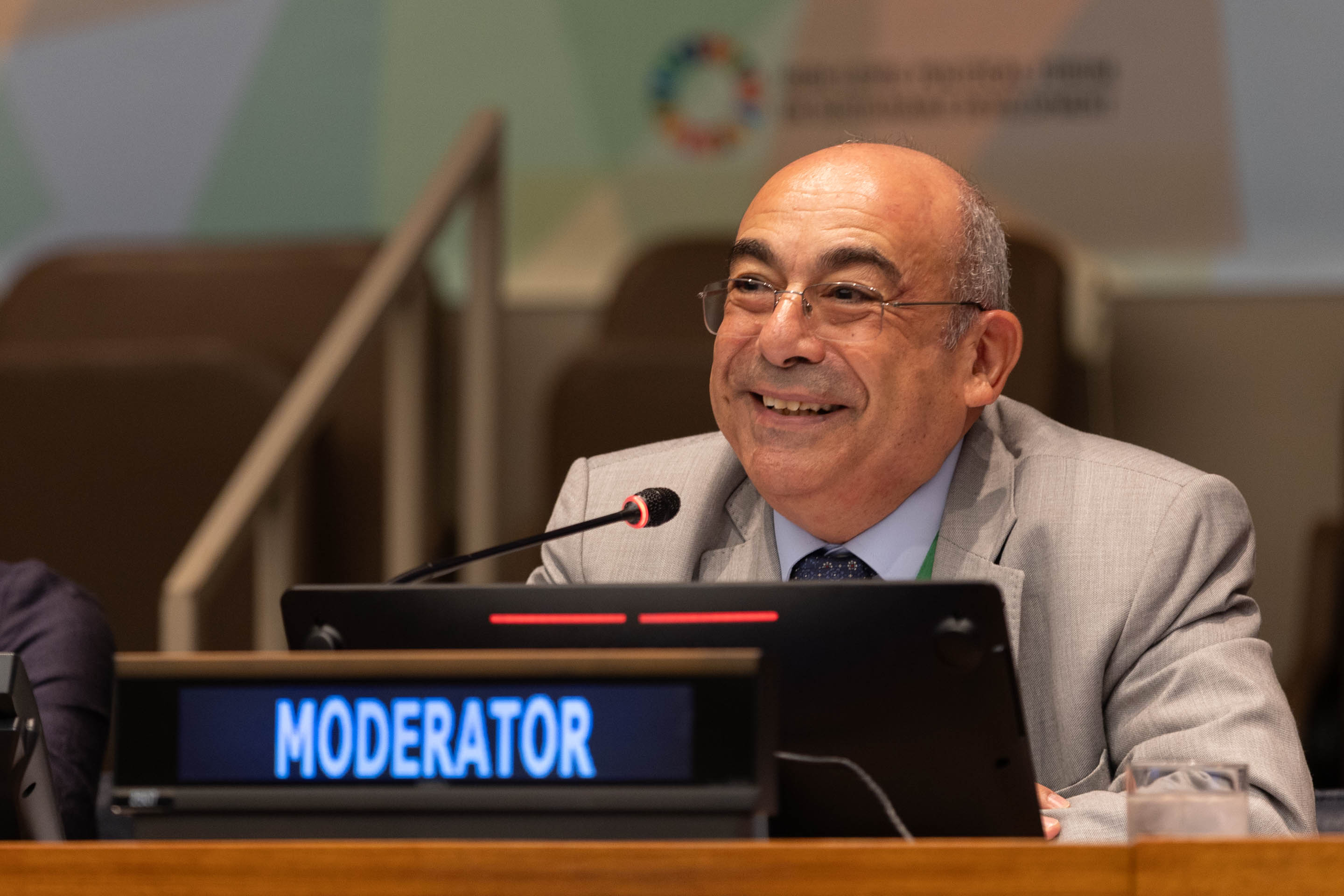
Mohamed Fathi Ahmed Edrees, Permanent Representative of the African Union Mission to the UN
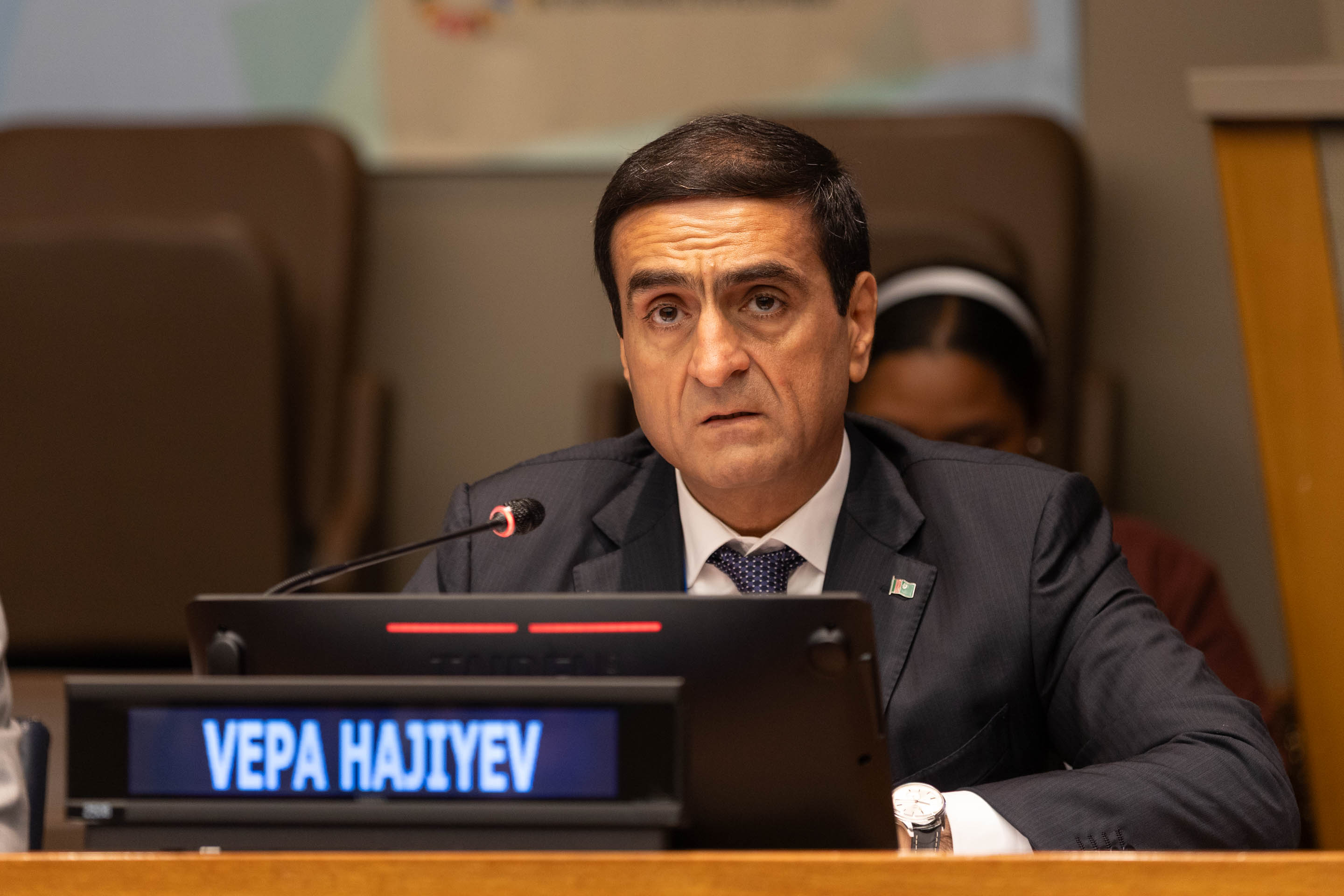
Vepa Hajiyev, Permanent Representative of Turkmenistan to the UN
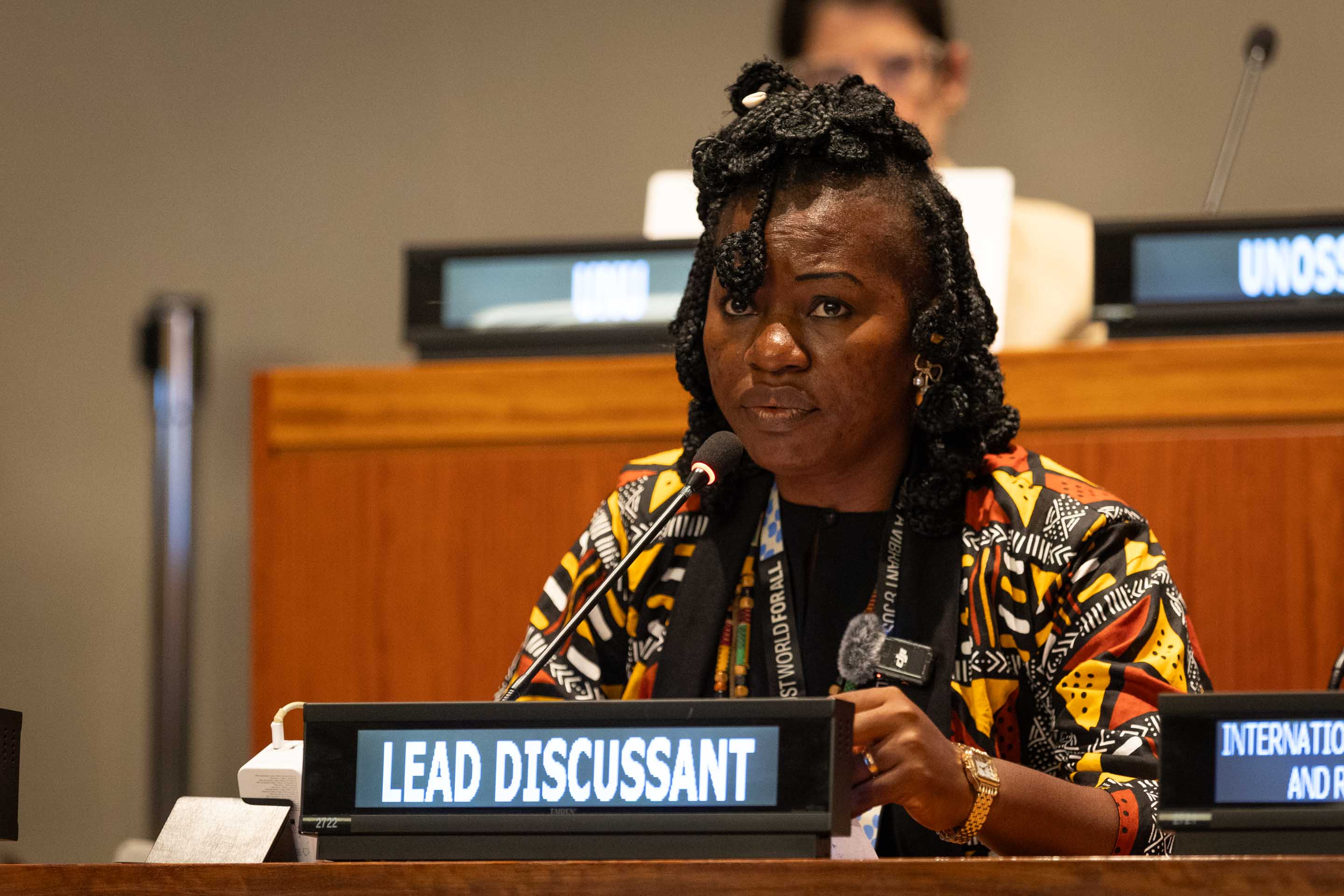
Queen Bisseng, Africa Coordinator, Global Forum of Communities Discriminated on Work and Descent, and the Inclusivity Project
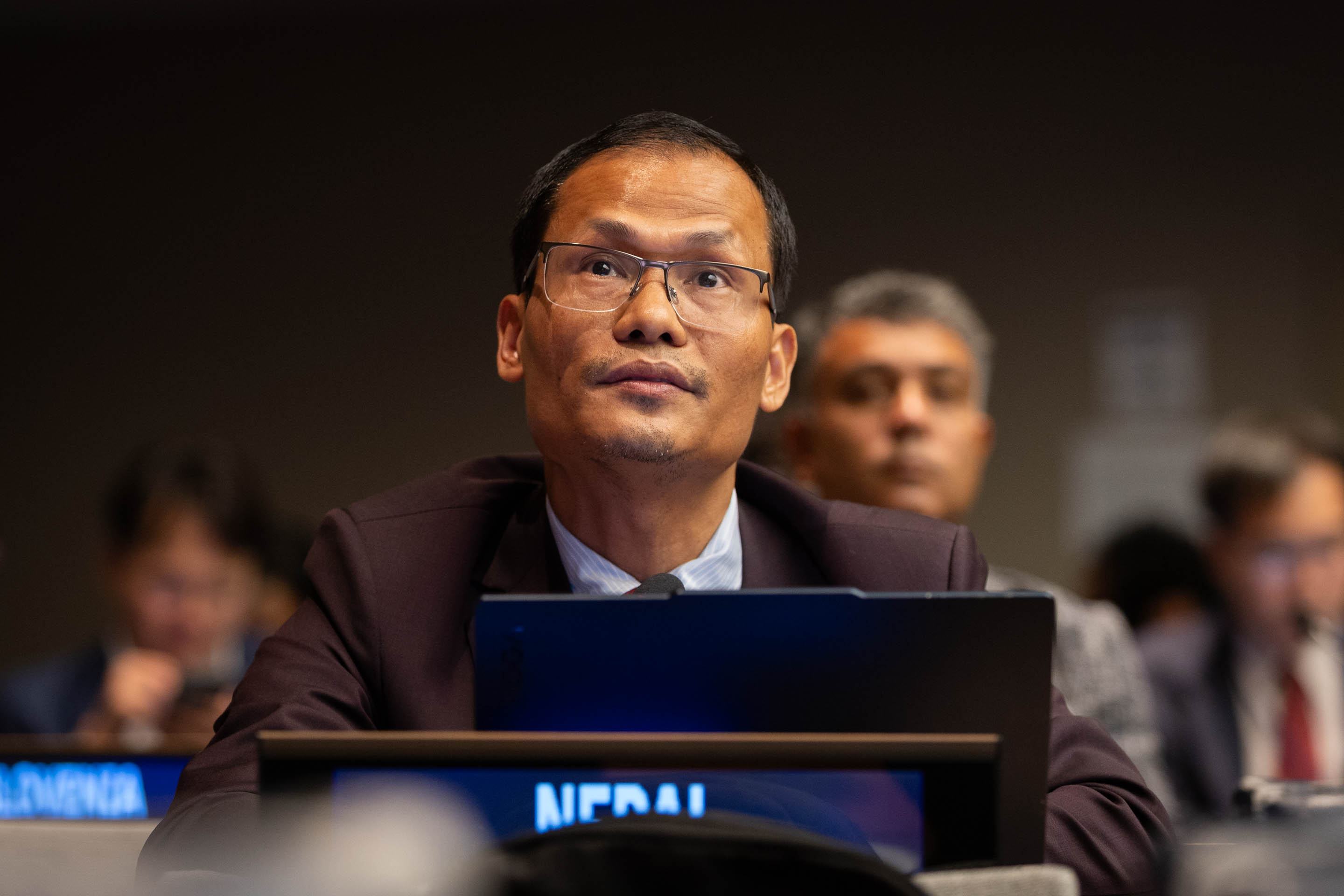
Gyan Bahadur Magar, Nepal, on behalf of LDCs
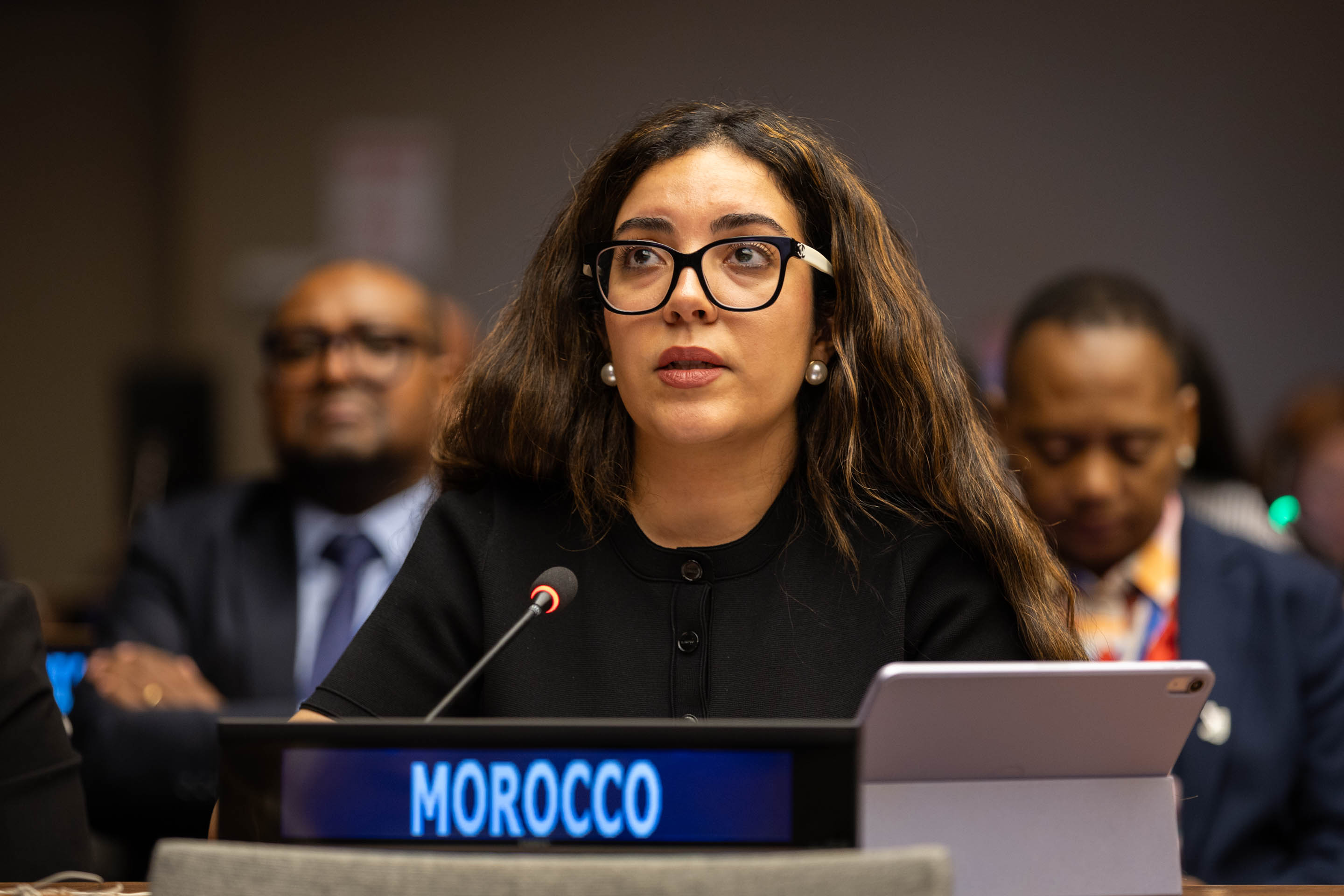
Meryem Hamdouni, Morocco, on behalf of the African Group
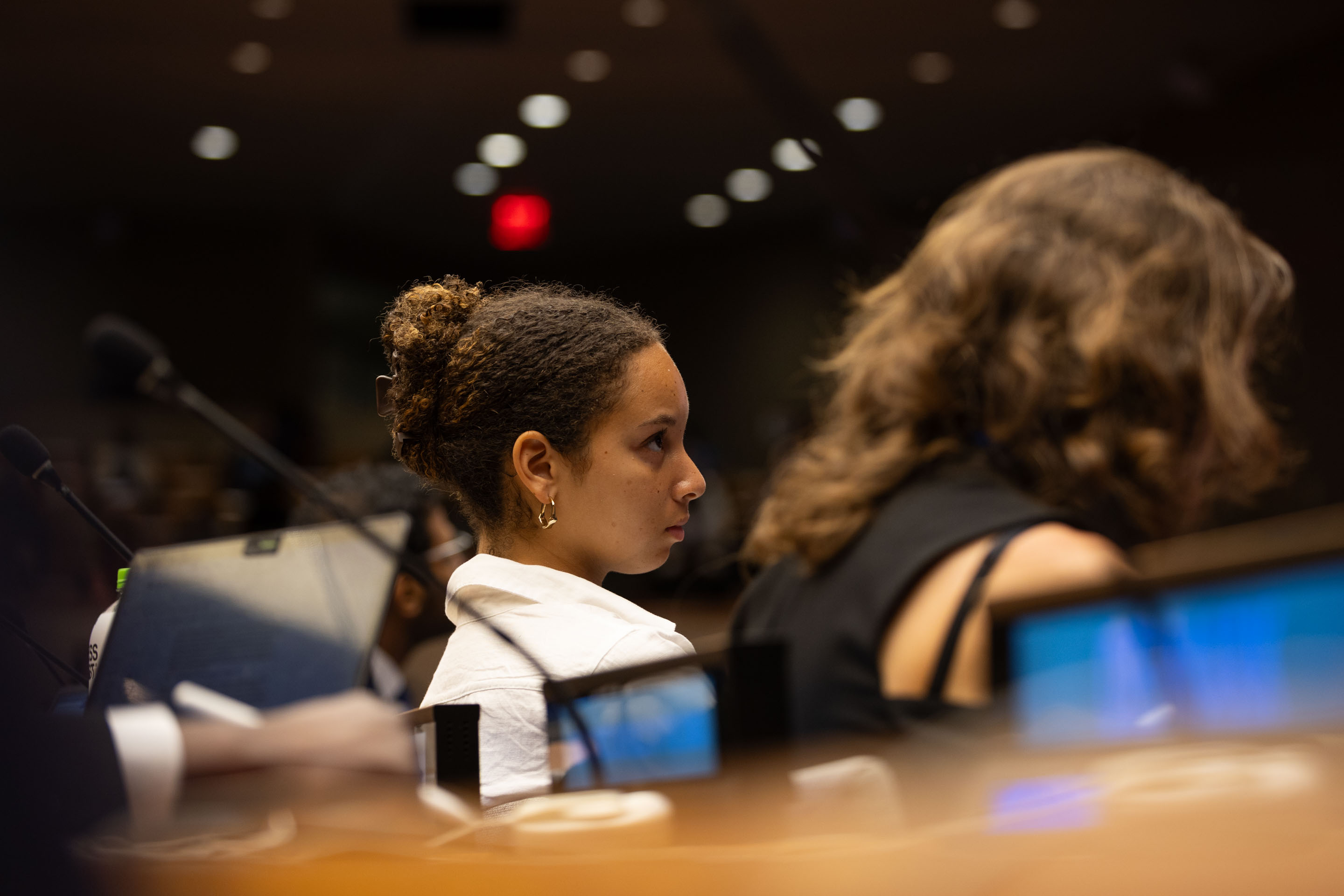
Middle-Income Countries
Delegates discuss middle-income countries and their progress and challenges with achieving the SDGs
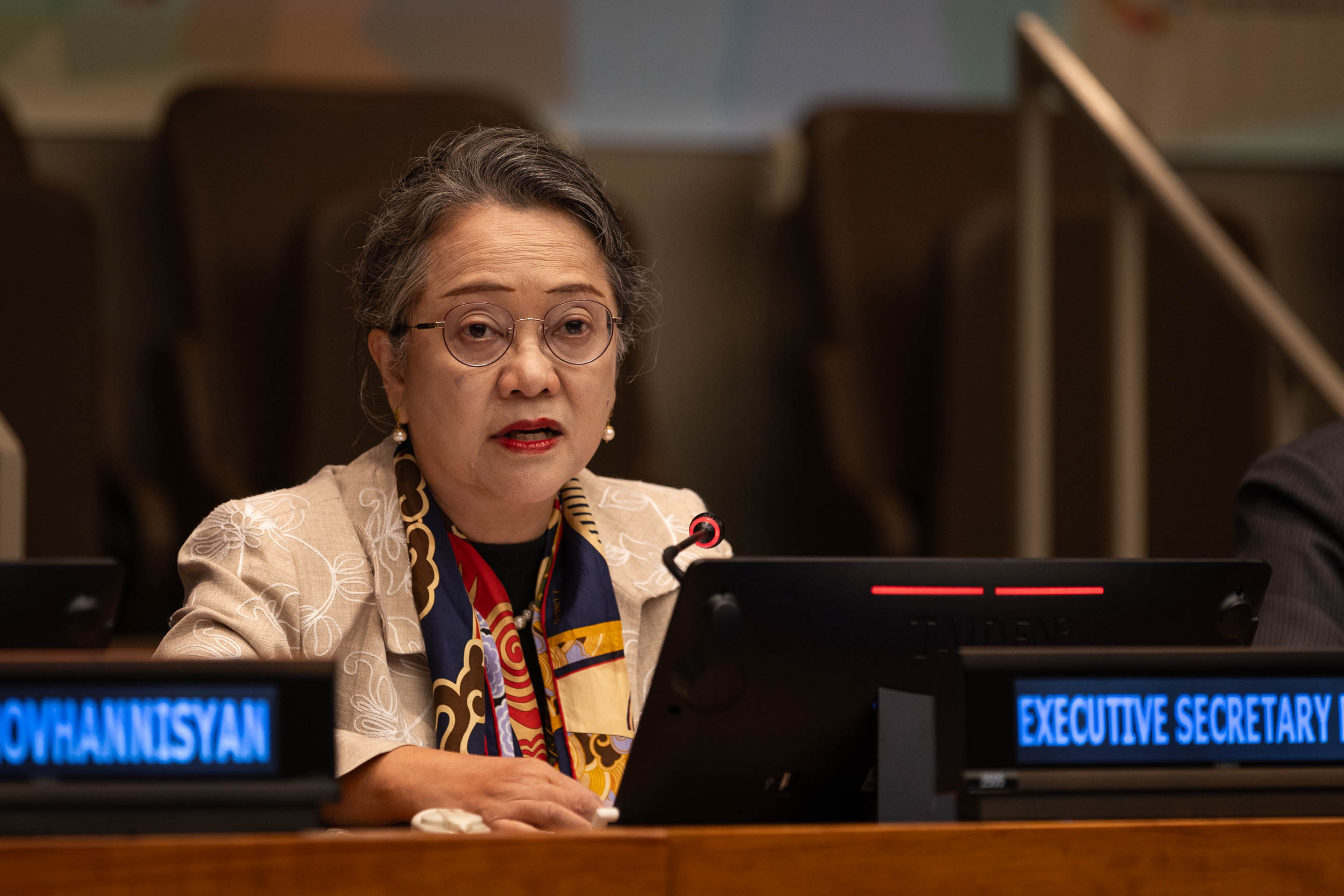
Armida Salsiah Alisjahbana, Executive Secretary, Economic and Social Commission for Asia and the Pacific (ESCAP)
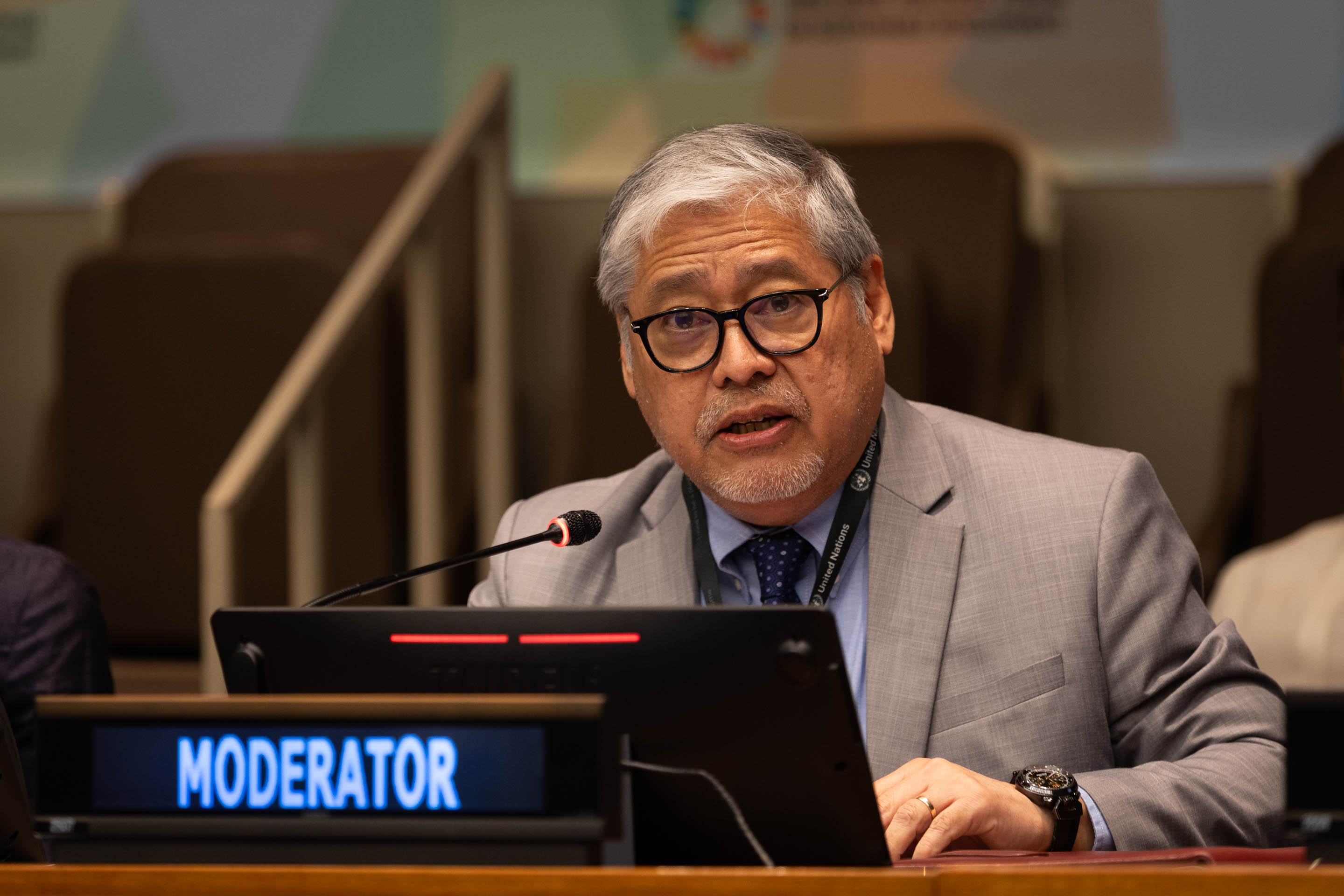
Enrique Manalo, Permanent Representative of the Philippines to the UN, and Chair, Like-Minded Group in support of MICs (LMG-MICs)
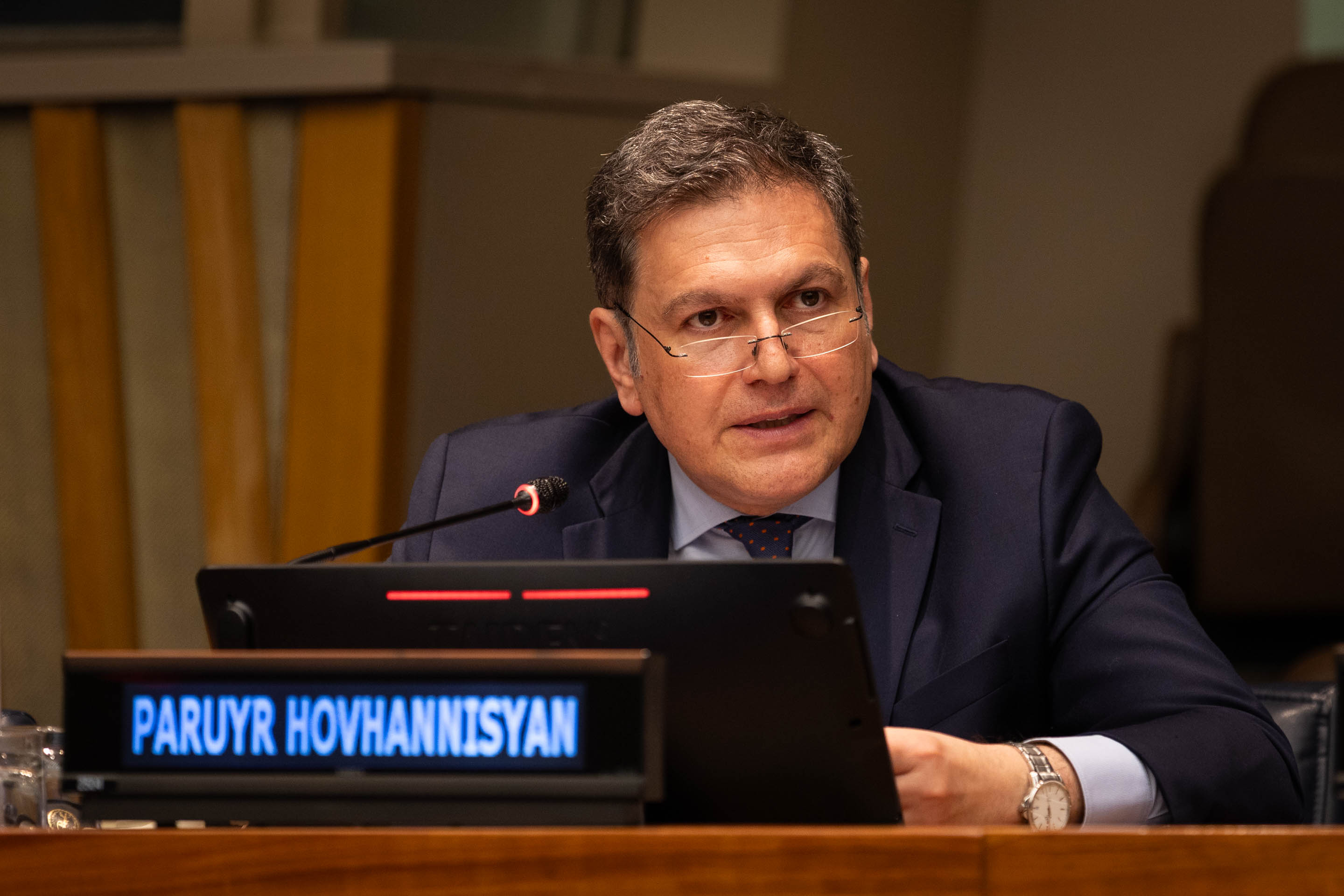
Paruyr Hovhannisyan, Permanent Representative of Armenia to the UN, and Member, LMG-MICs
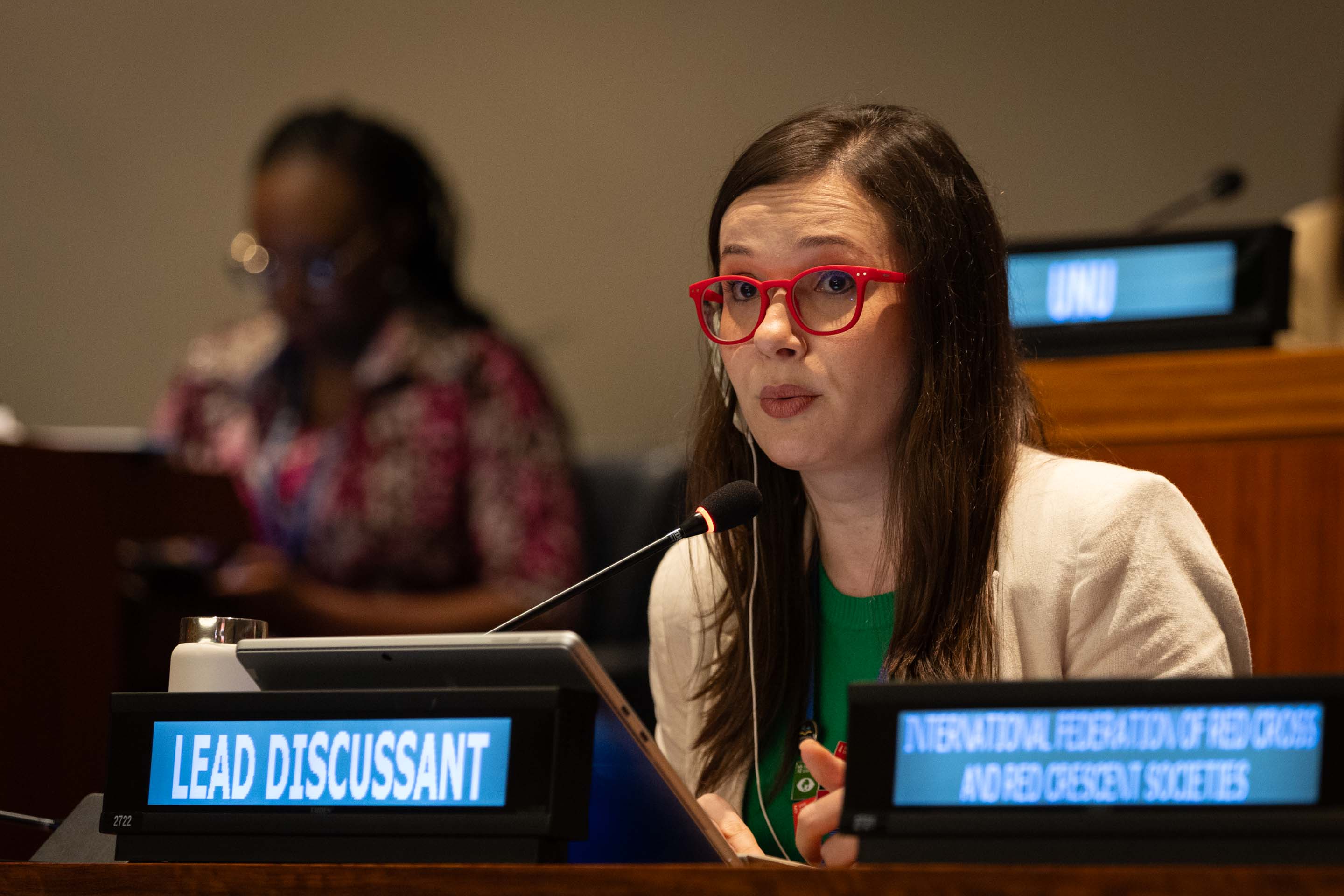
Andressa Pellanda, General Coordinator, Latin American Campaign on the Right to Education

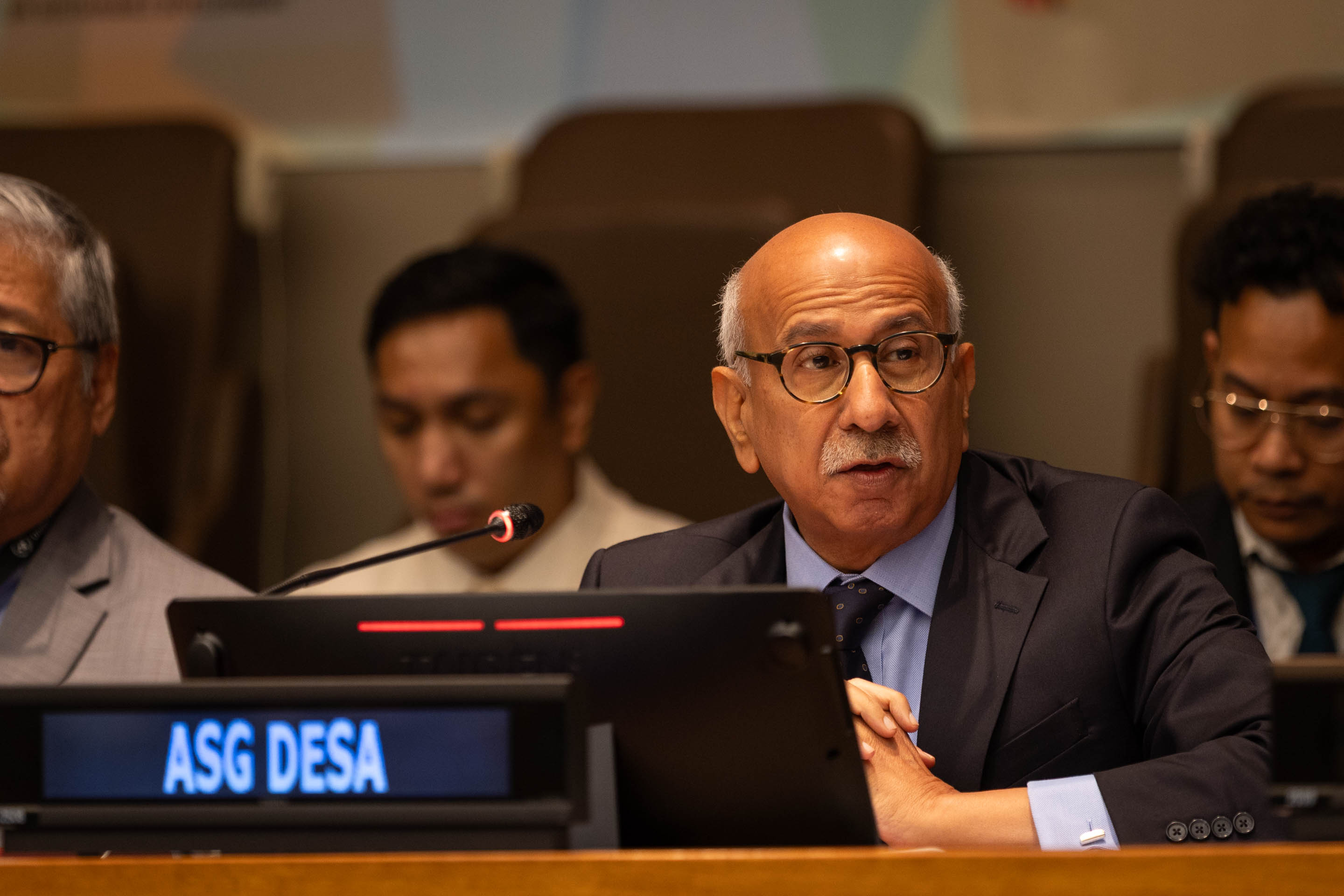
Navid Hanif, Assistant Secretary-General for Economic Development, UN Department of Economic and Social Affairs (UNDESA)
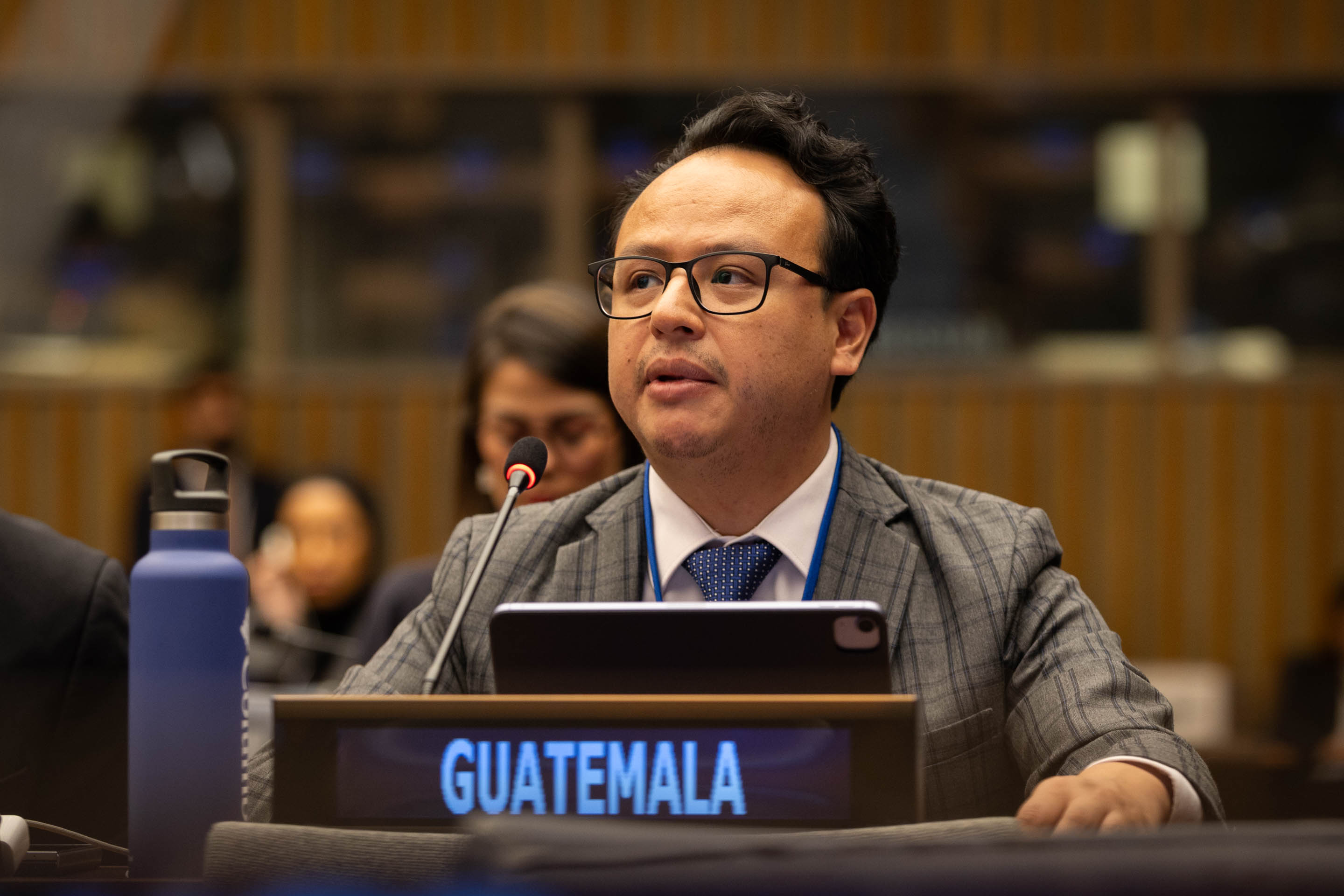
Hugo Allan García Monterrosa, Undersecretary of Strategic Analysis for Development, Guatemala
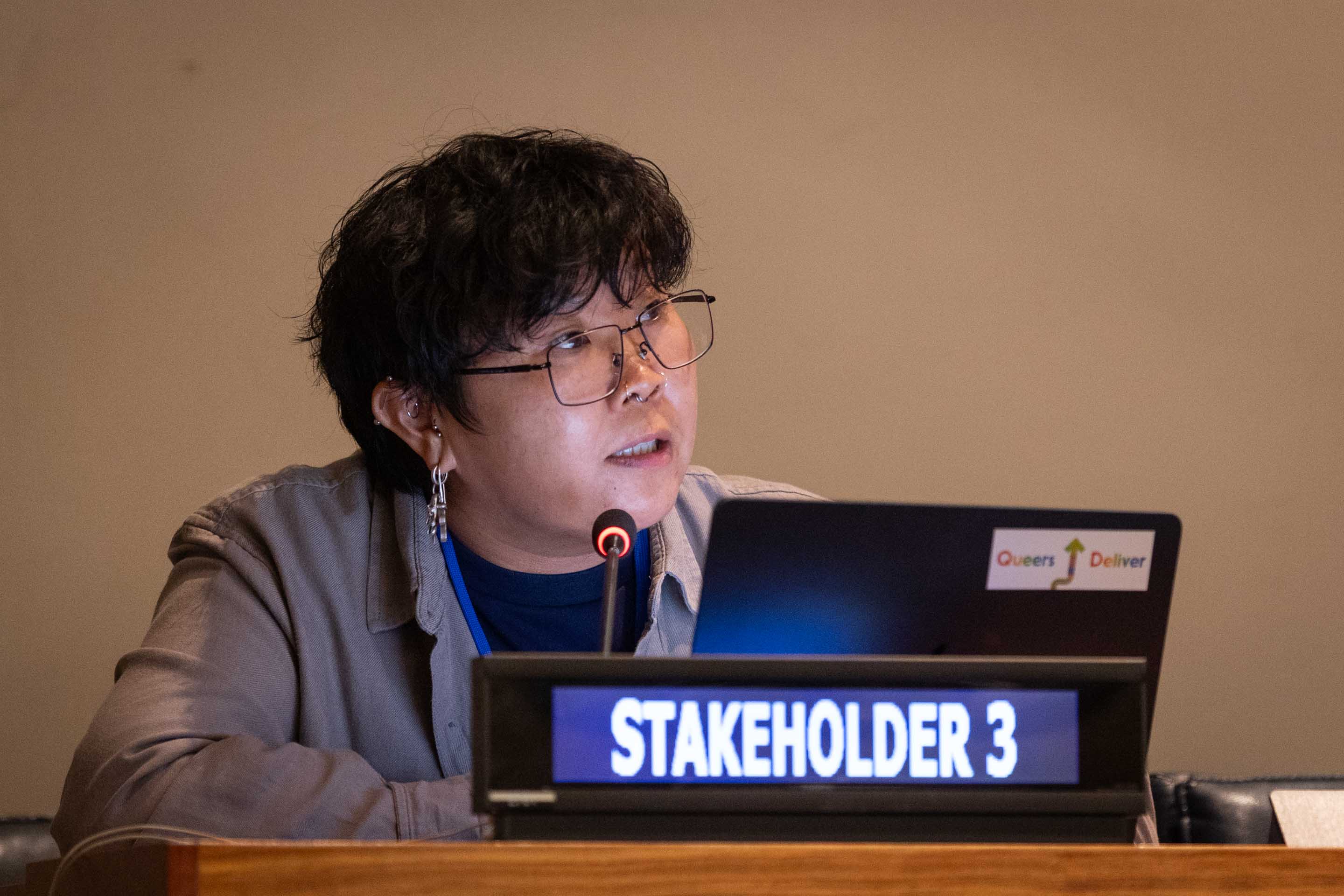
Enkhmaa Enkhbold, LGBTI Stakeholder Group
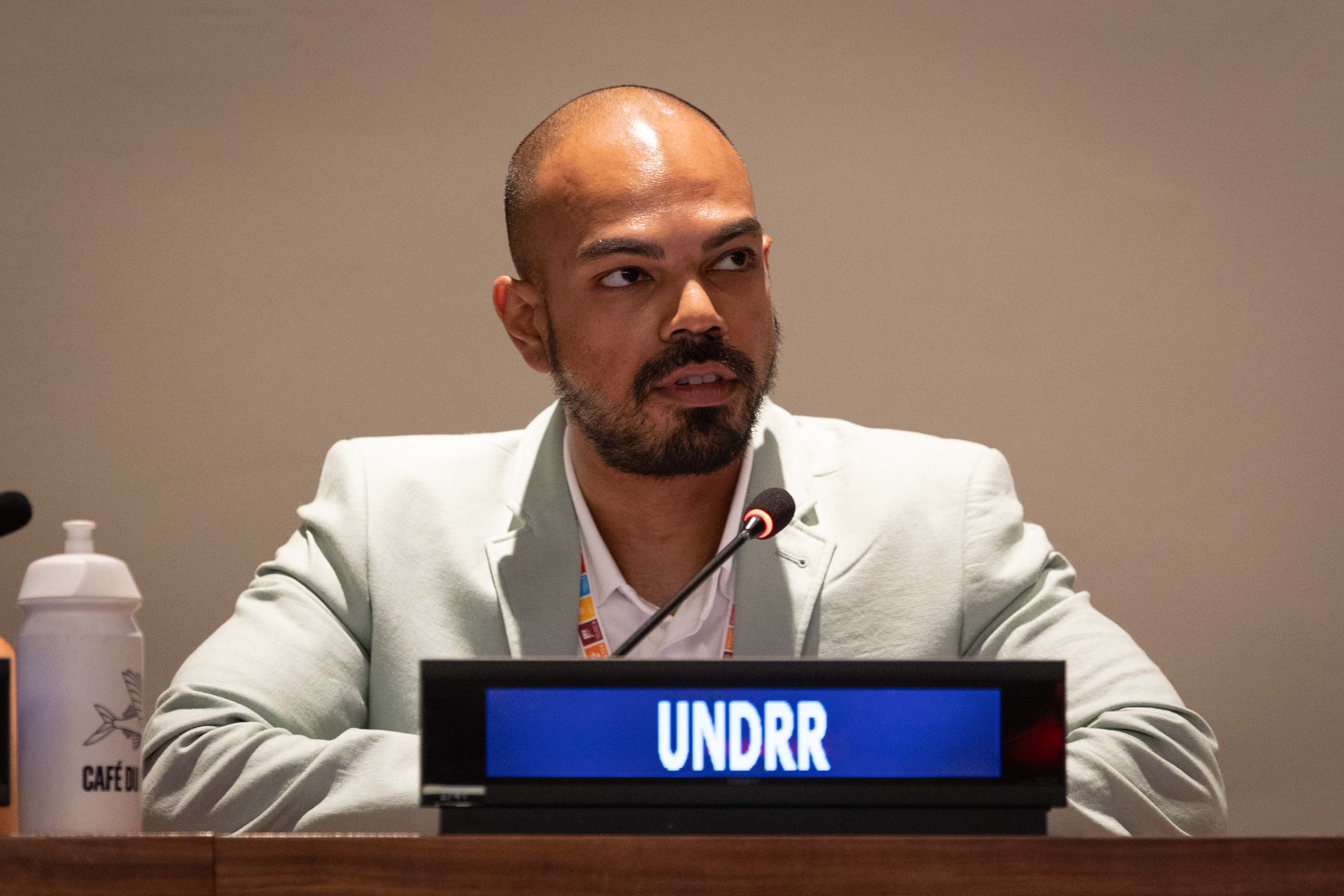
Ishmail Zahir, UN Office for Disaster Risk Reduction (UNDRR)
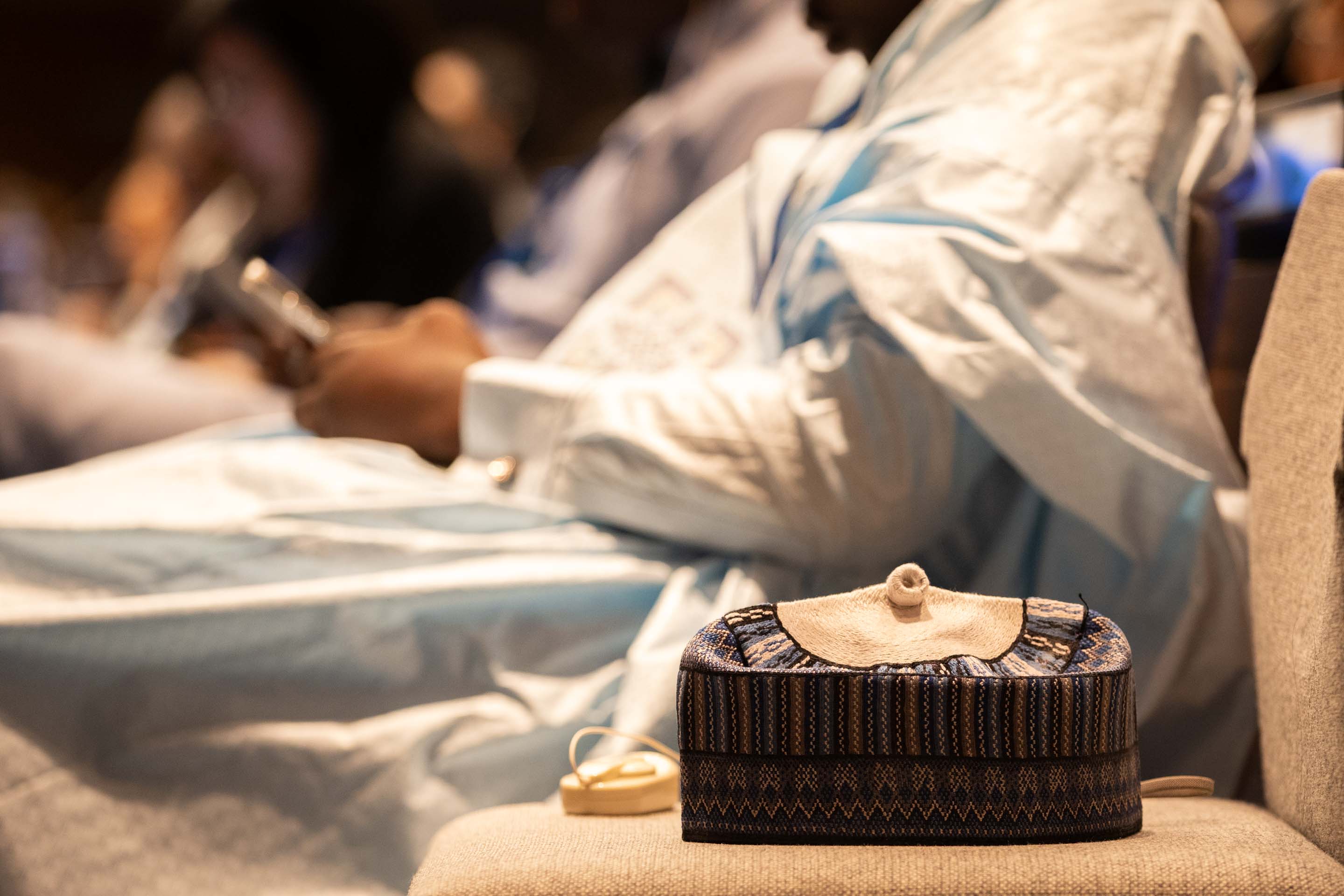
Introduction of the Report on the 10-Year Framework of Programmes on Sustainable Consumption and Production Patterns
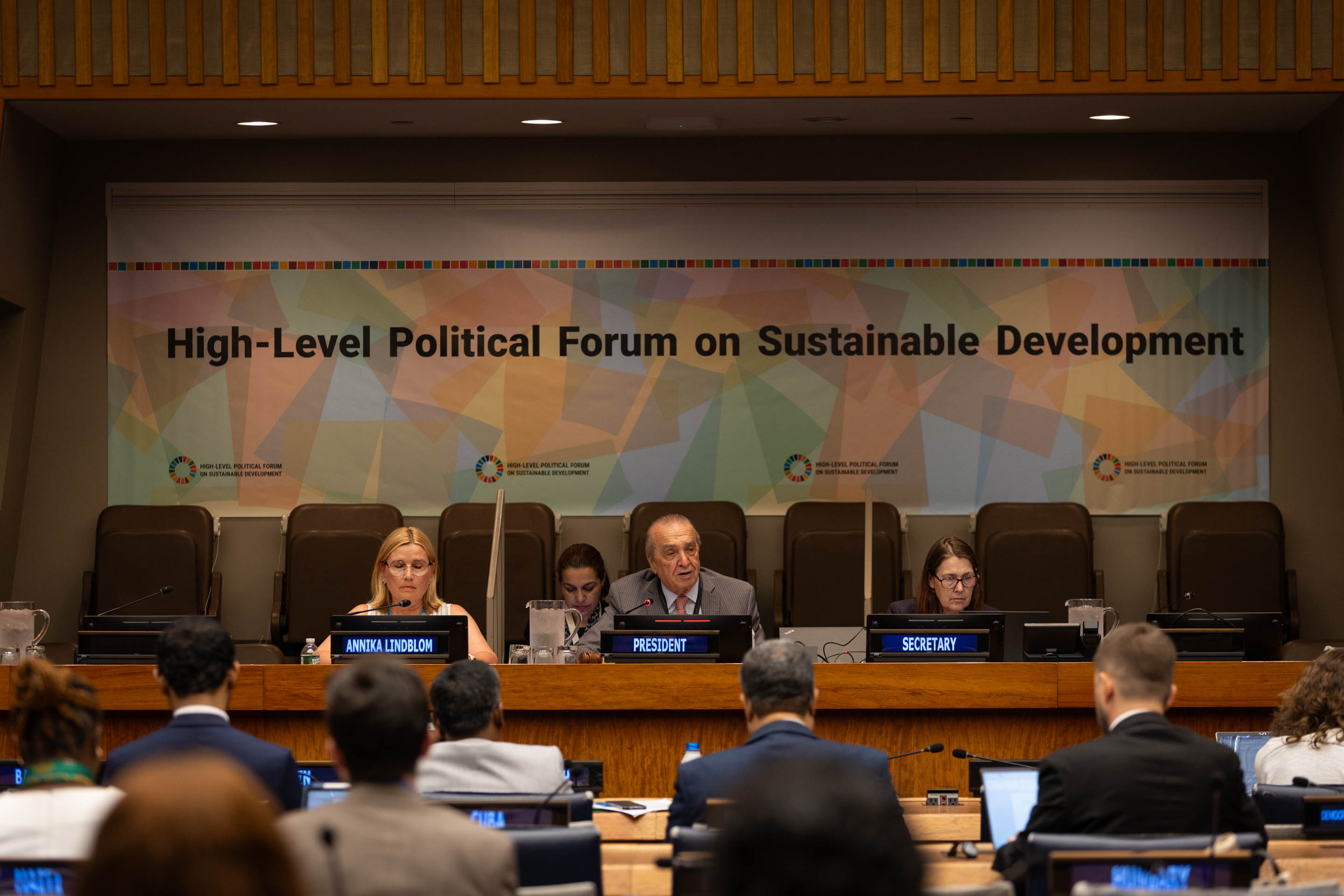
Delegates listen to the progress report on the 10-Year Framework of Programmes on Sustainable Consumption and Production Patterns (10YFP)
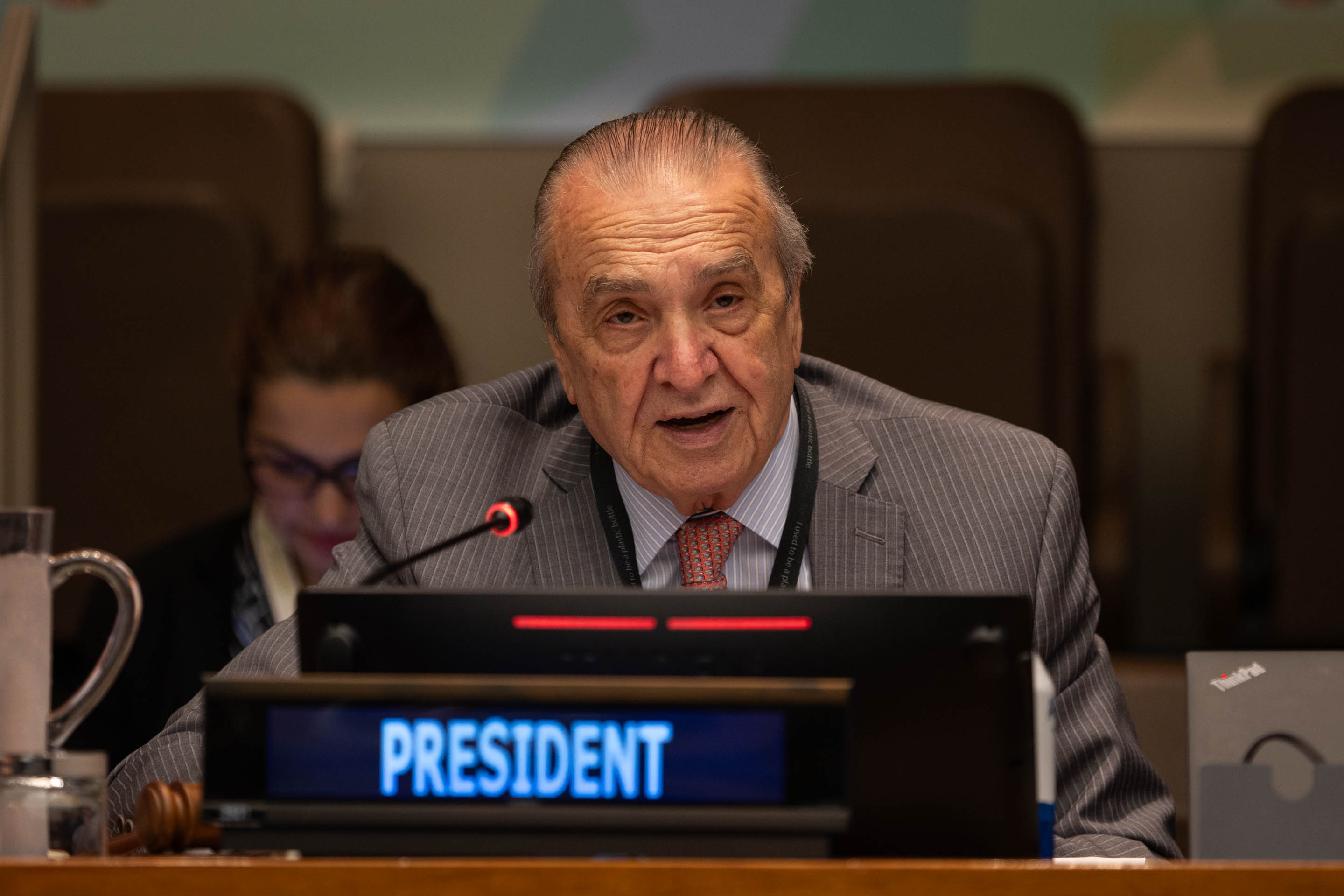
Amar Bendjama, Vice President, ECOSOC
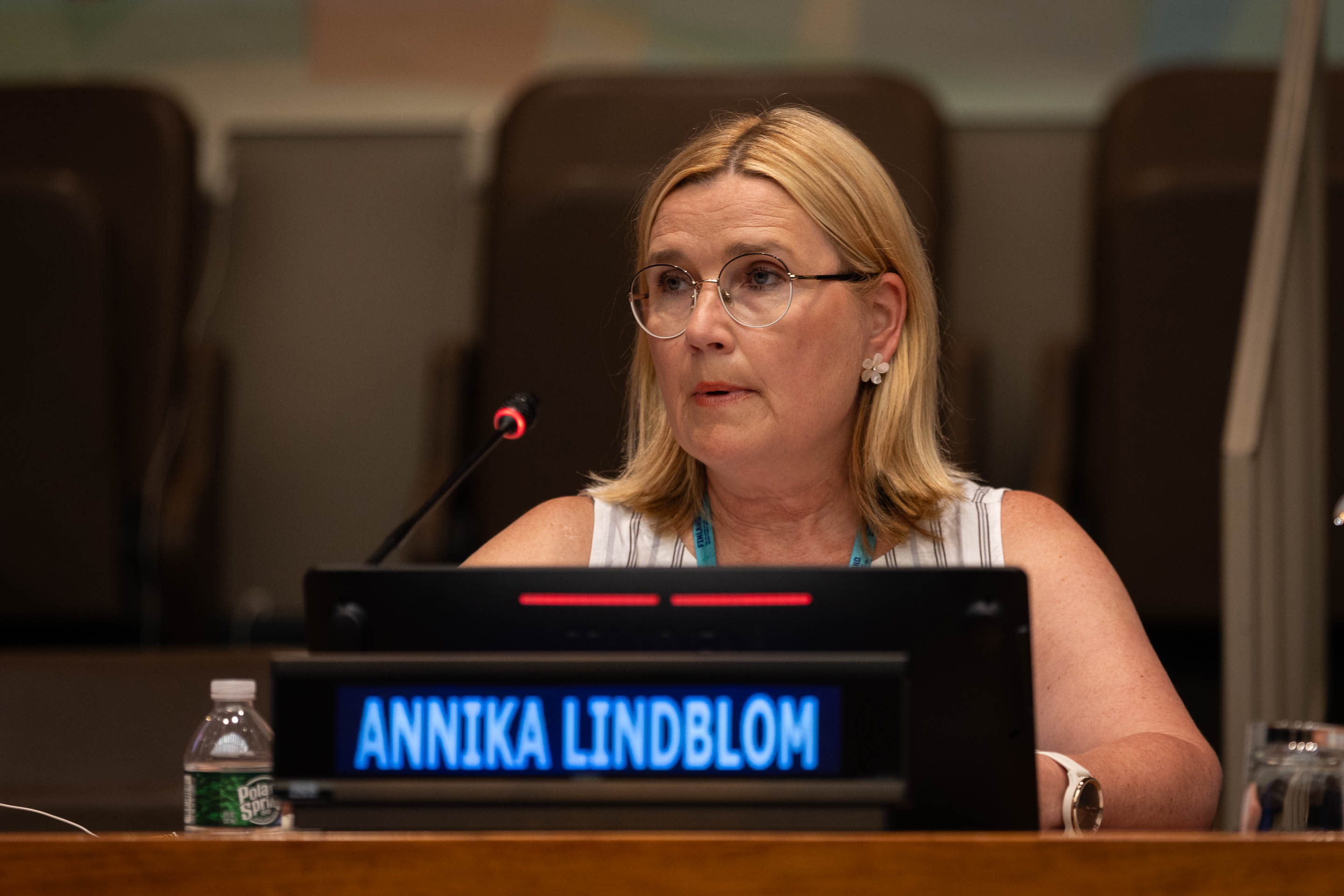
Annika Lindblom, Ministry of the Environment, Finland, and Chair, Board of the 10YFP
SDG 9: Industry, Innovation, and Infrastructure
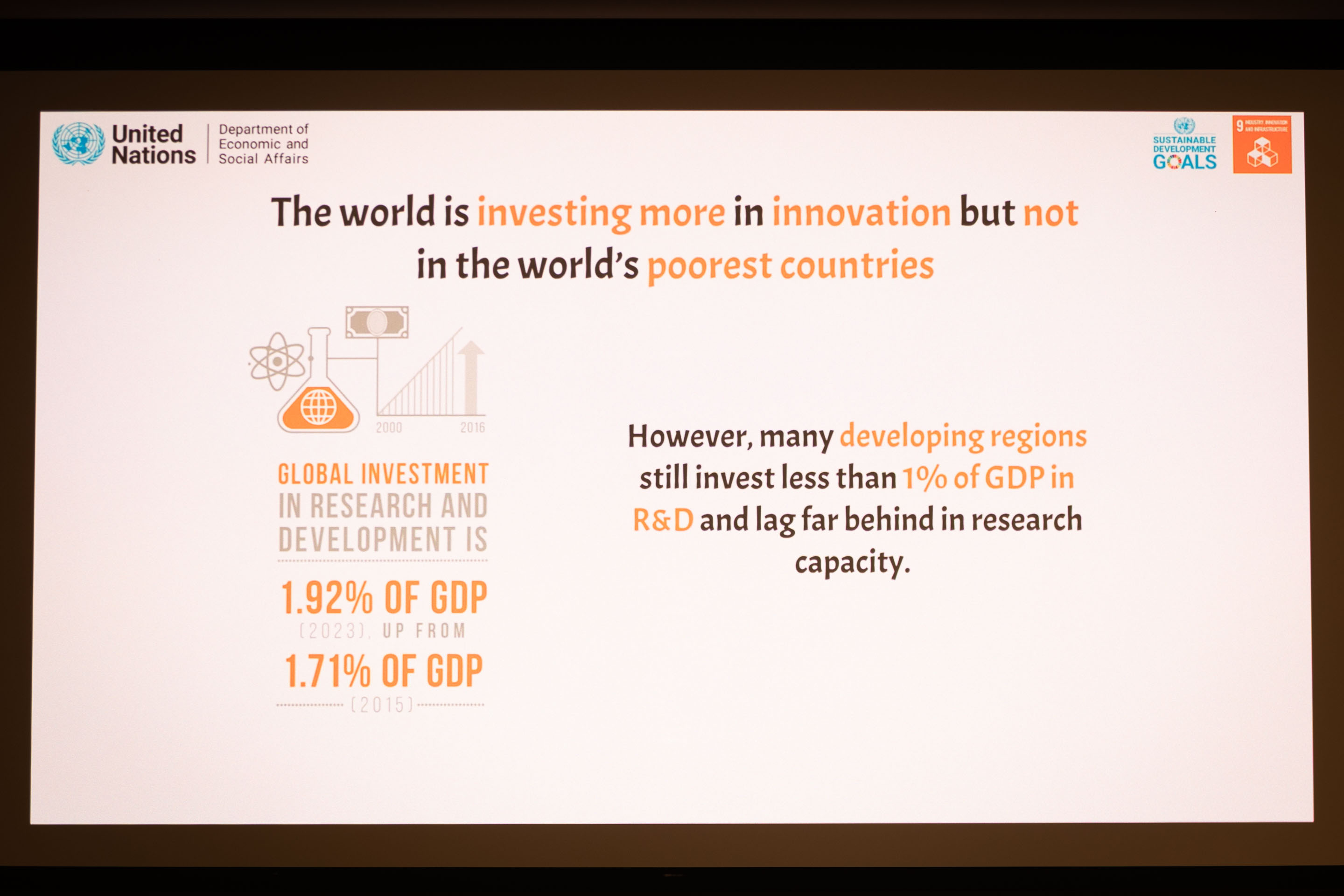
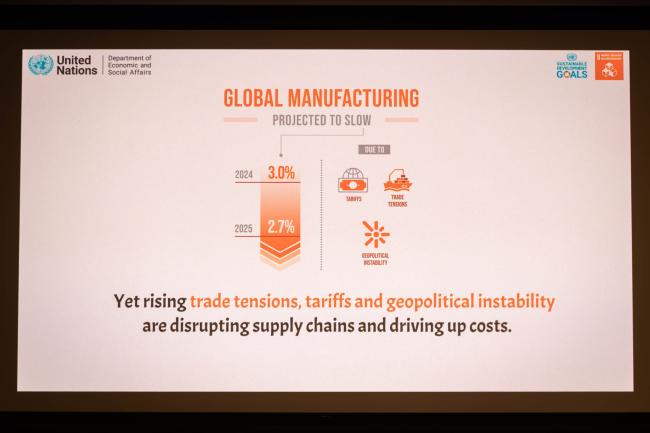
A slide highlights some of the progress and challenges within SDG 9
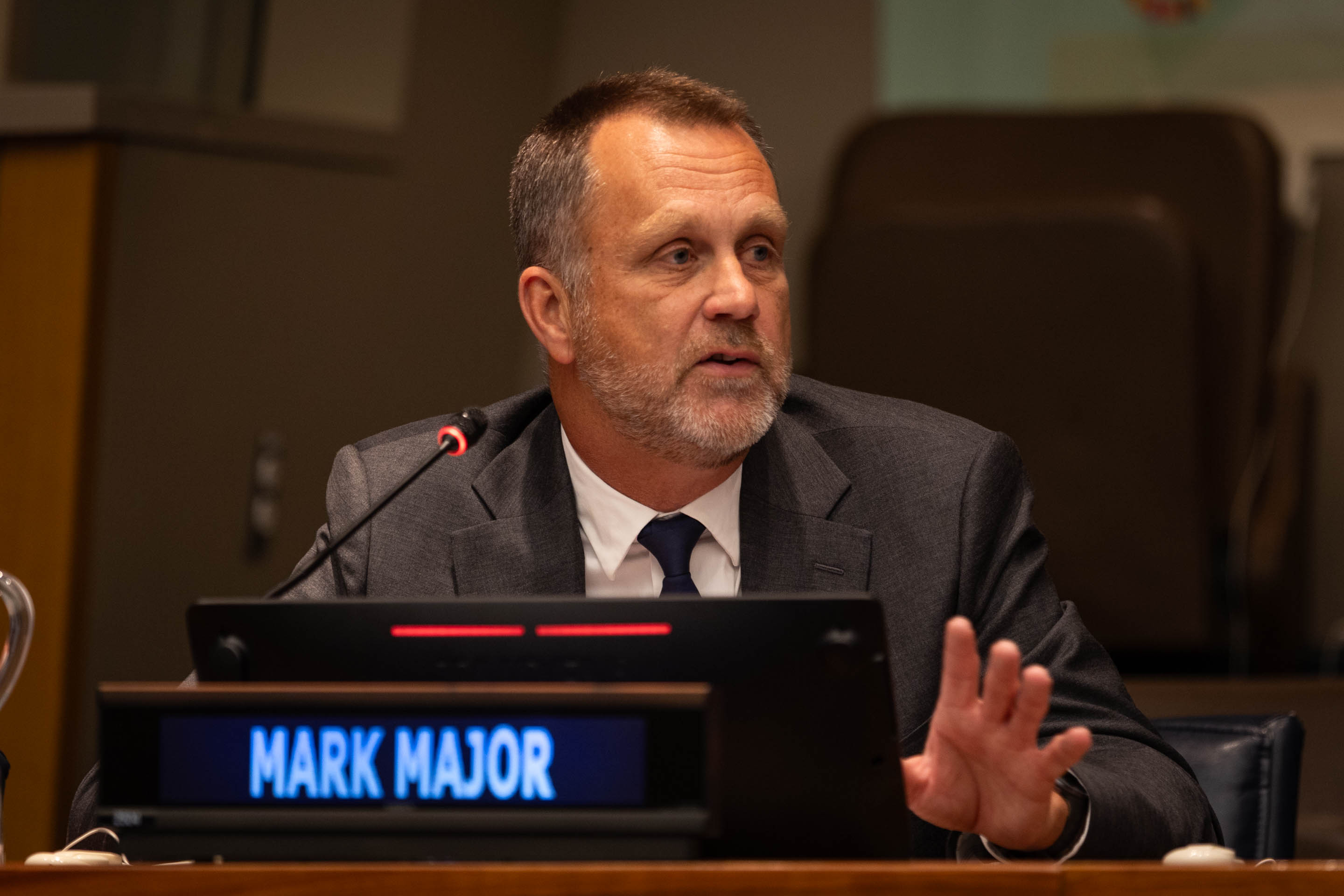
Mark Major, Chair, Sustainable Low Carbon Transport Partnership (SLOCAT) Board, and Senior Director, Kuehne Climate Center
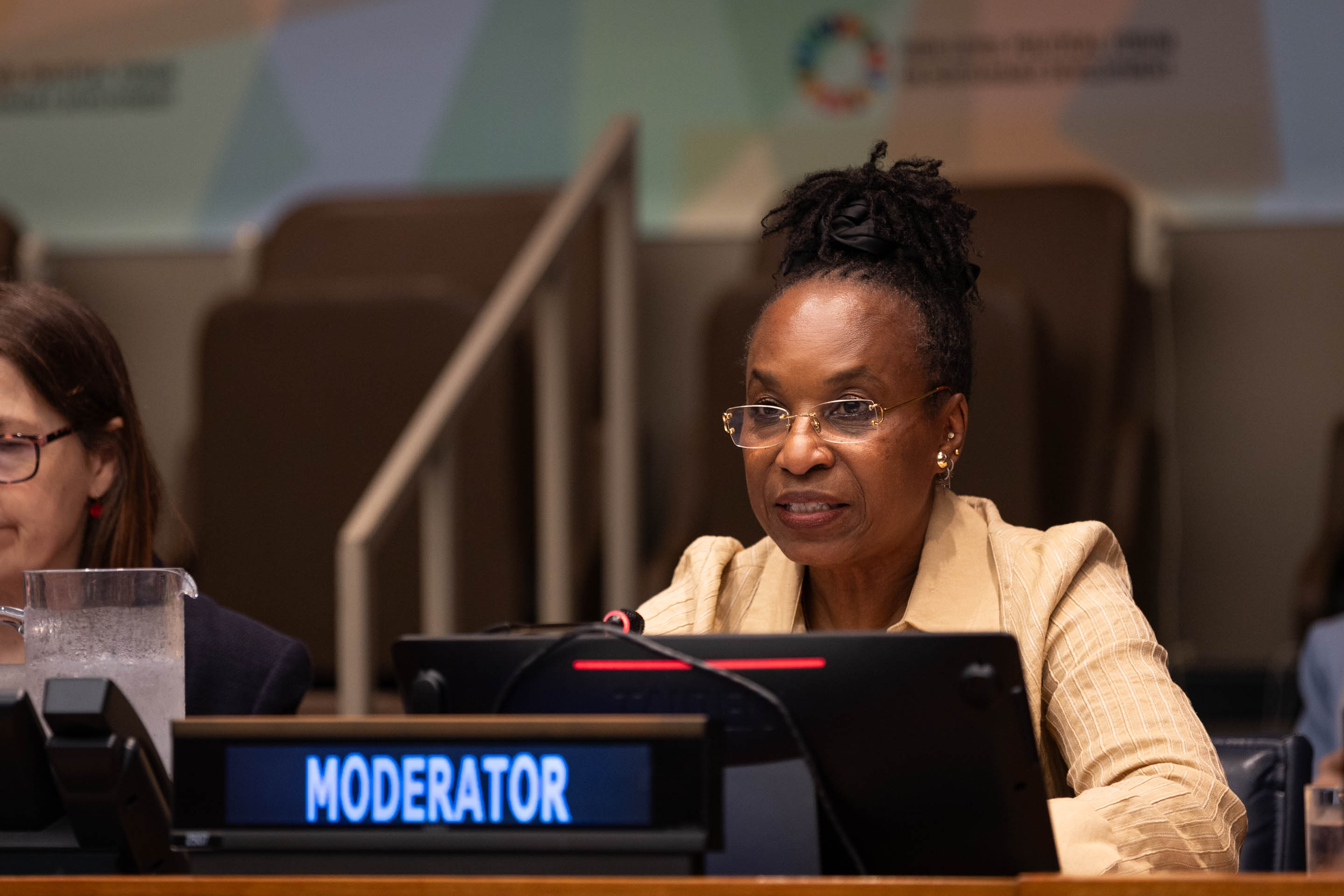
Fatou Haidara, UN Industrial Development Organization (UNIDO)
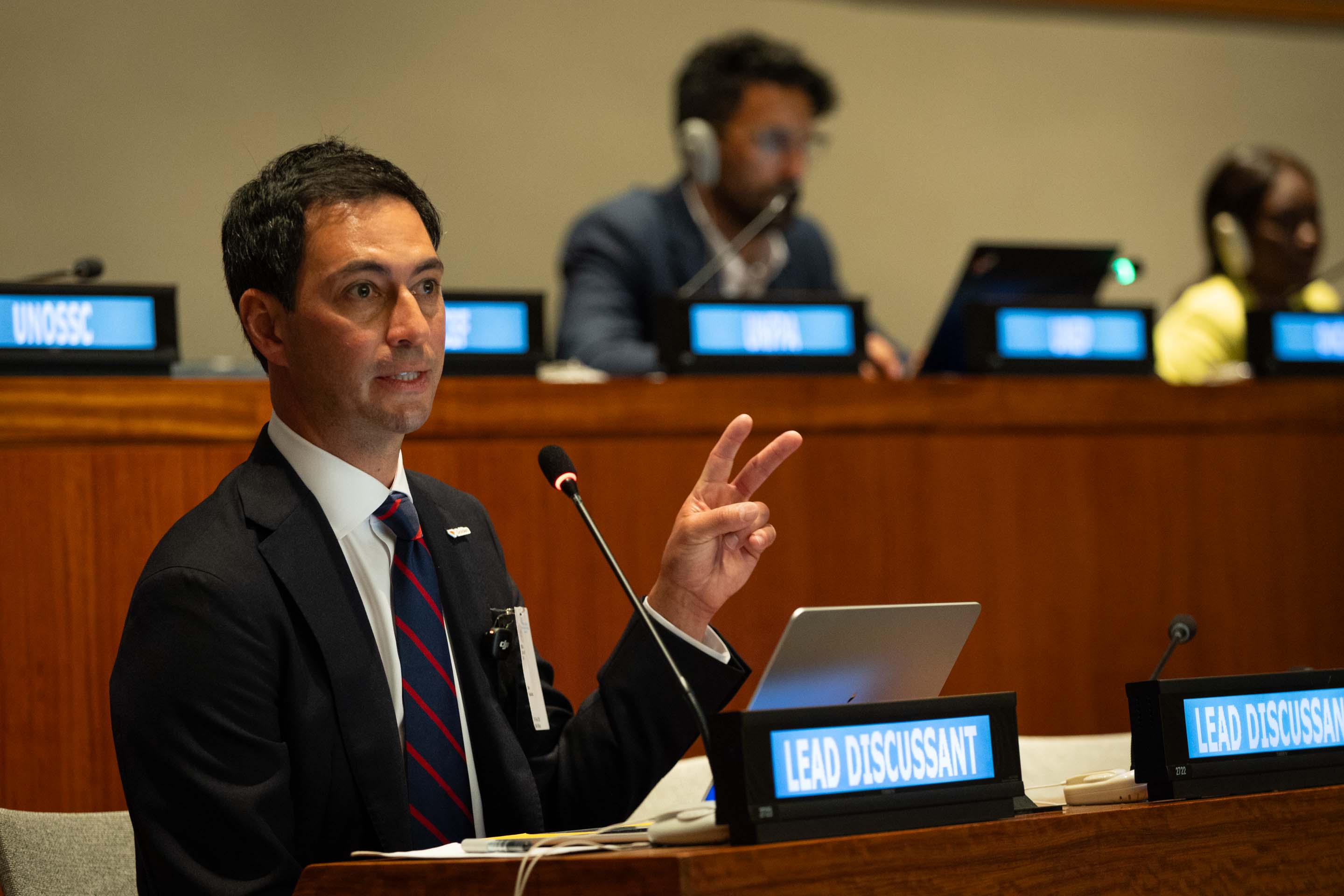
Sam Fankuchen, Founder and CEO, Golden
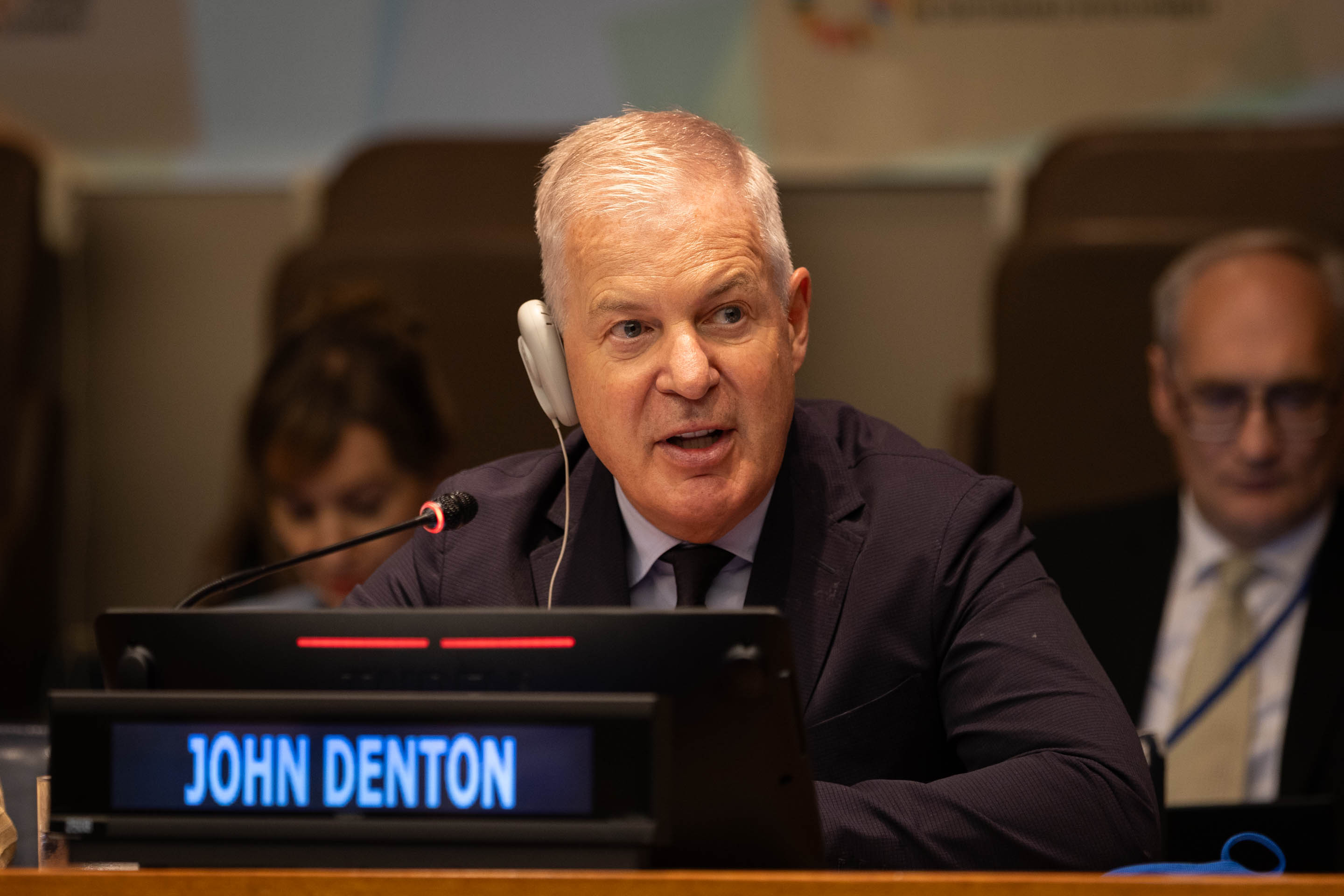
John Denton, Secretary-General, International Chamber of Commerce
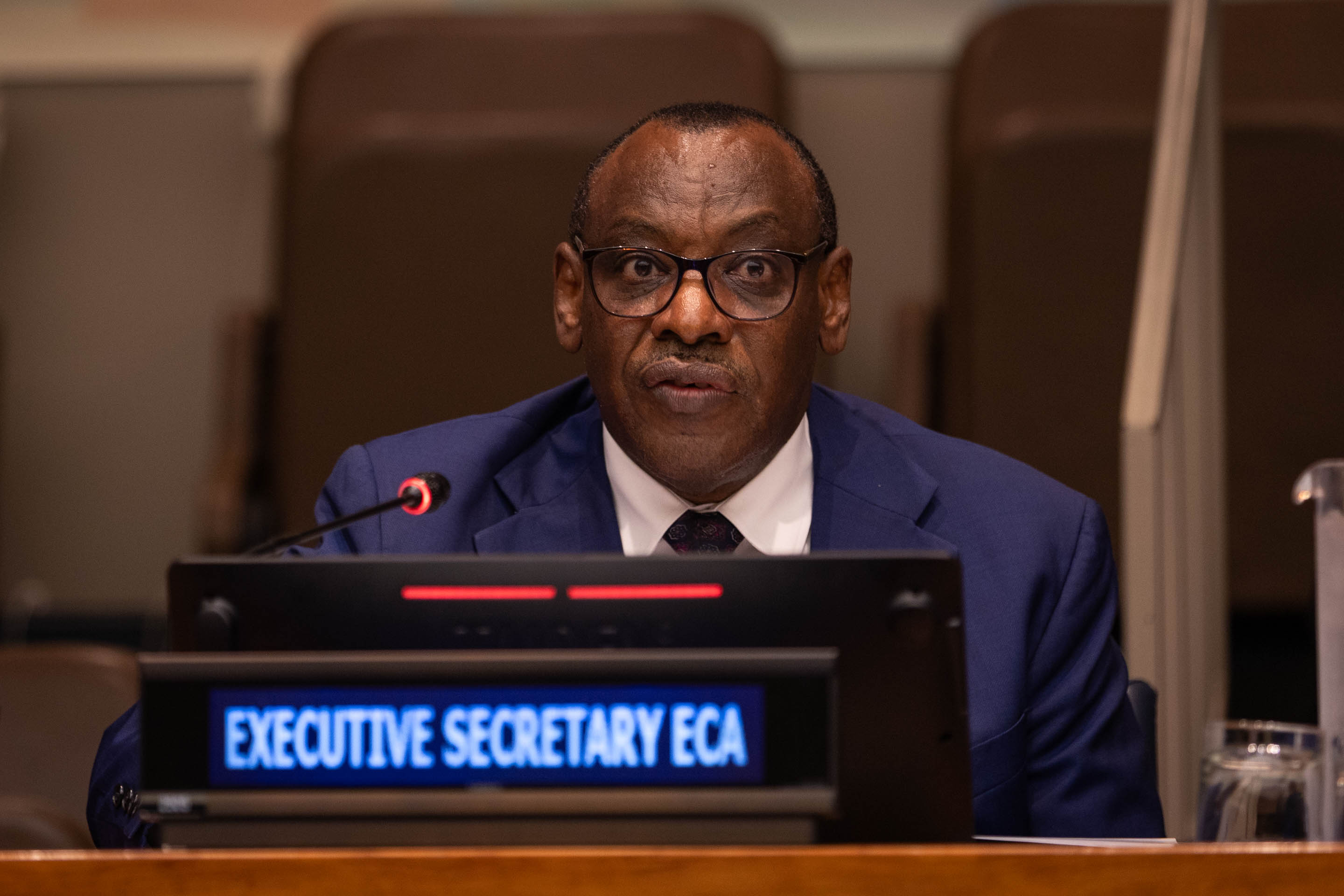
Claver Gatete, Executive Secretary, Economic Commission for Africa (ECA)
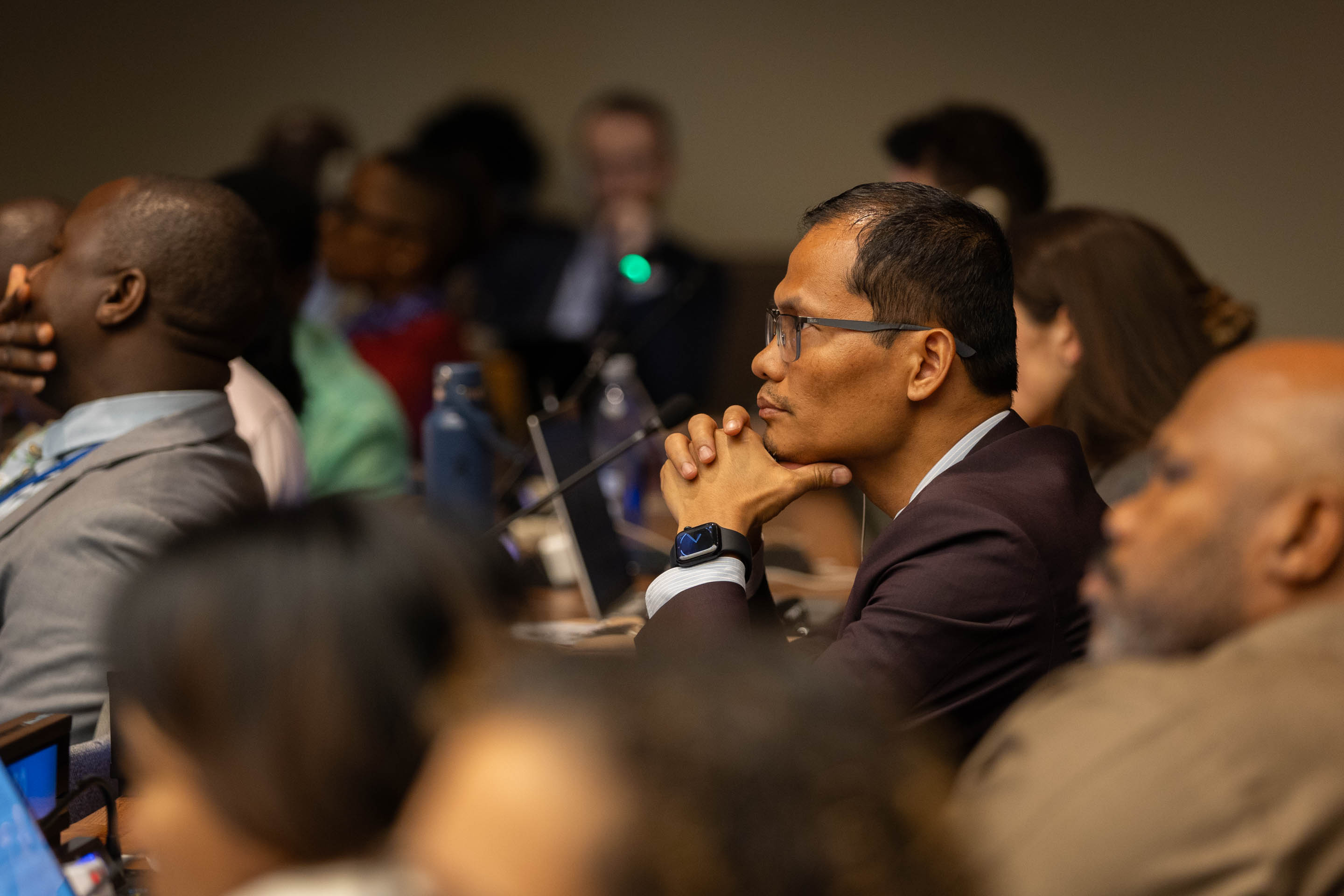
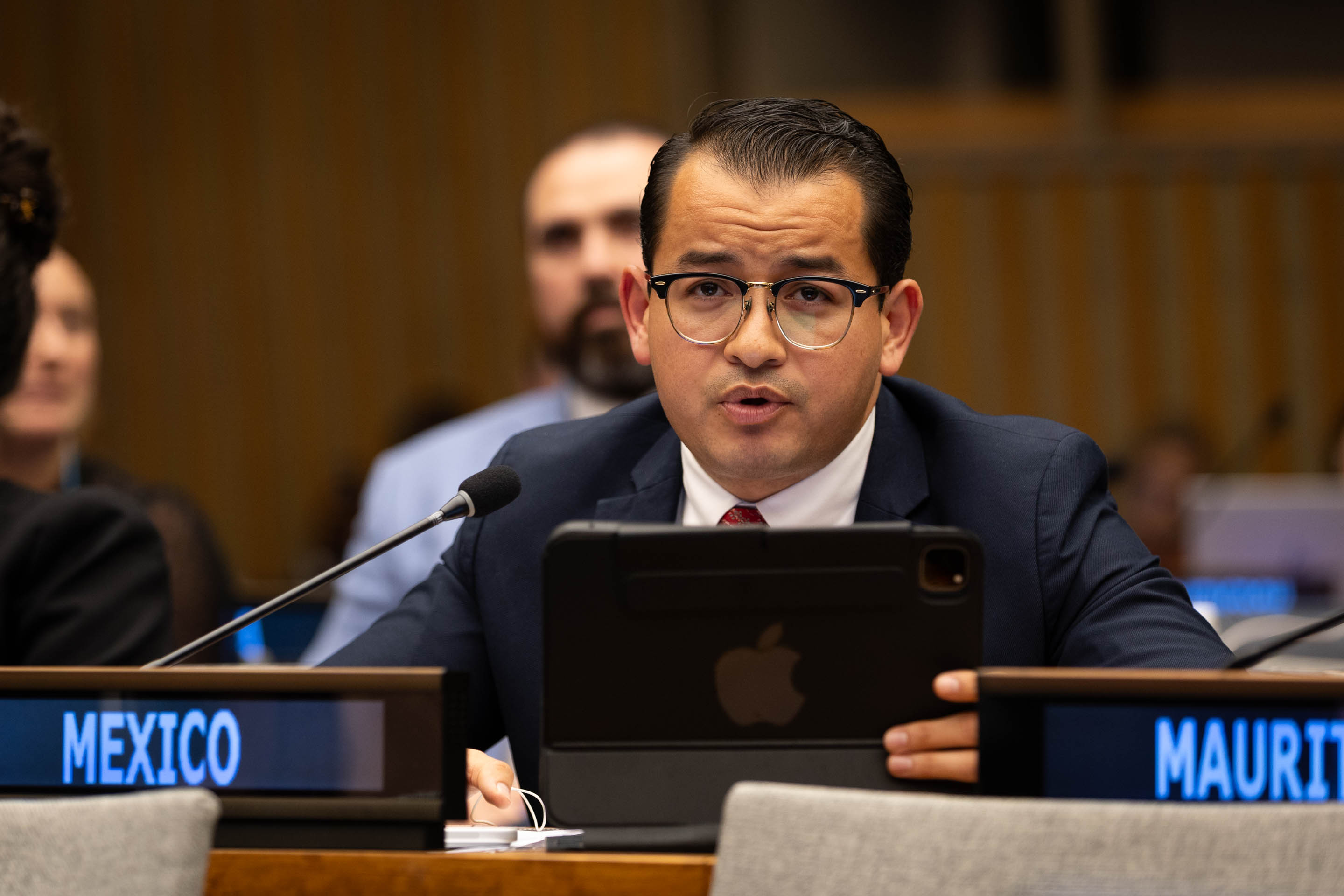
Abdiel Gutiérrez Coronado, Mexico
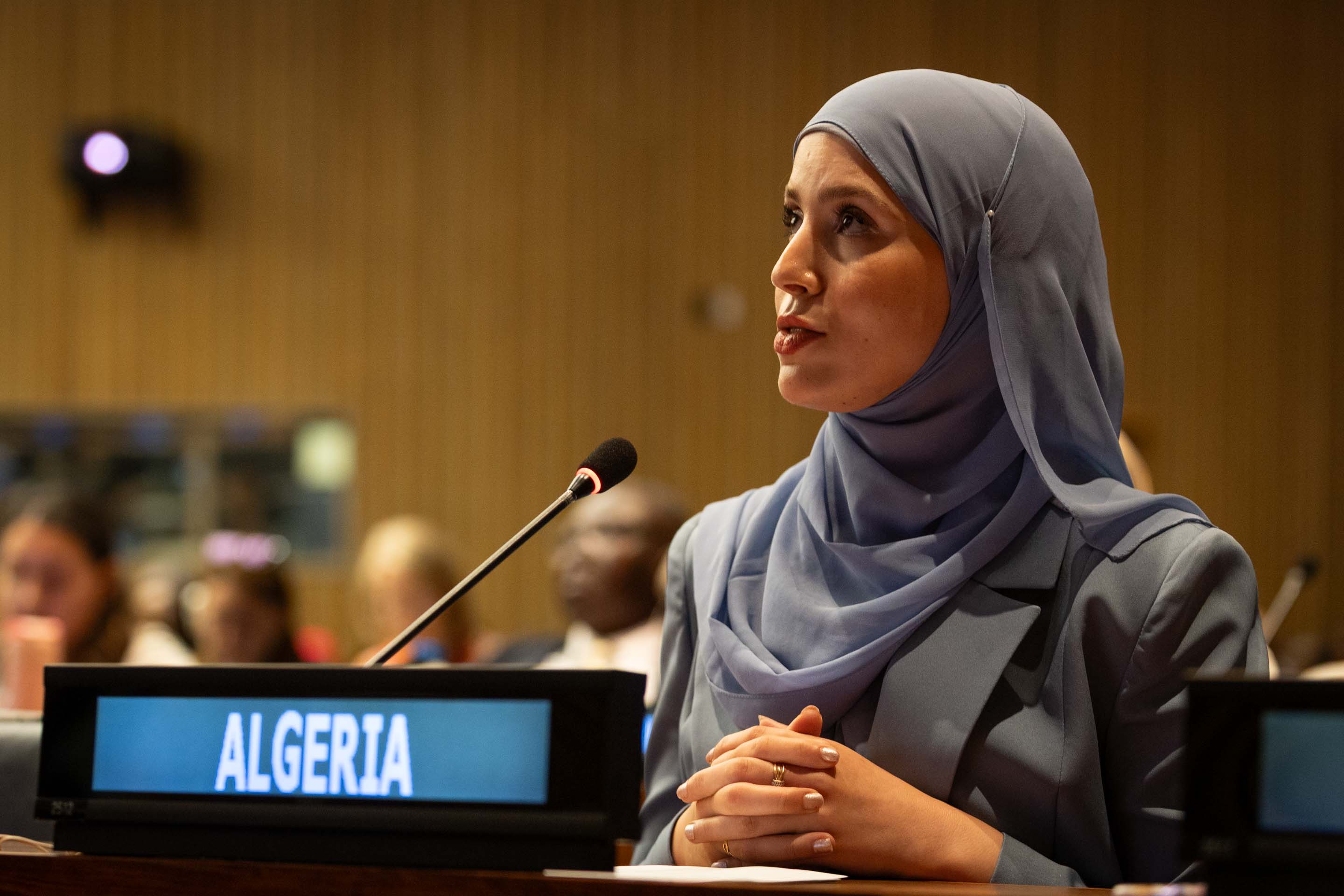
Sarra Yousra Drioueche, Algeria
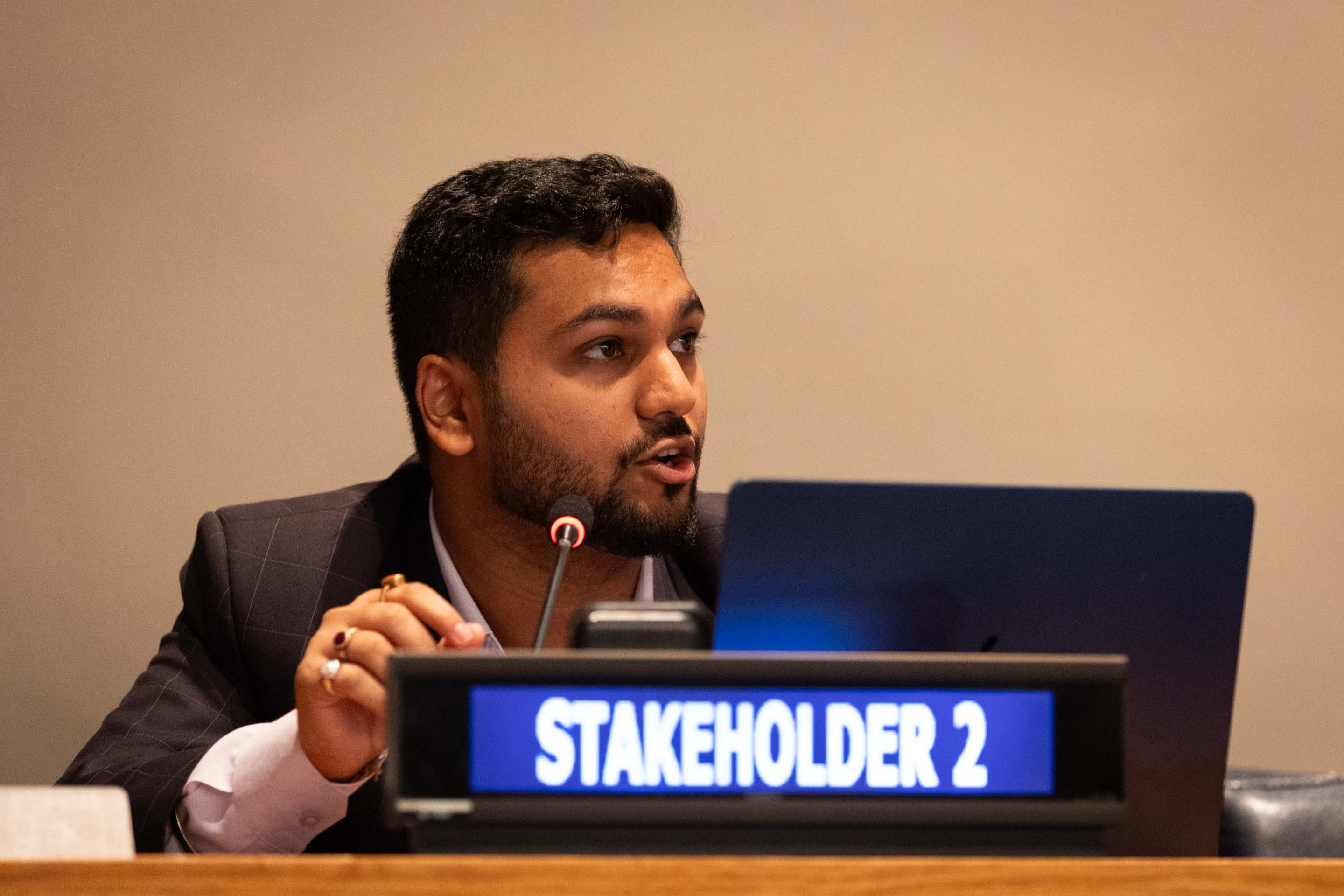
Falit Sijariya, Education and Academia Stakeholder Group
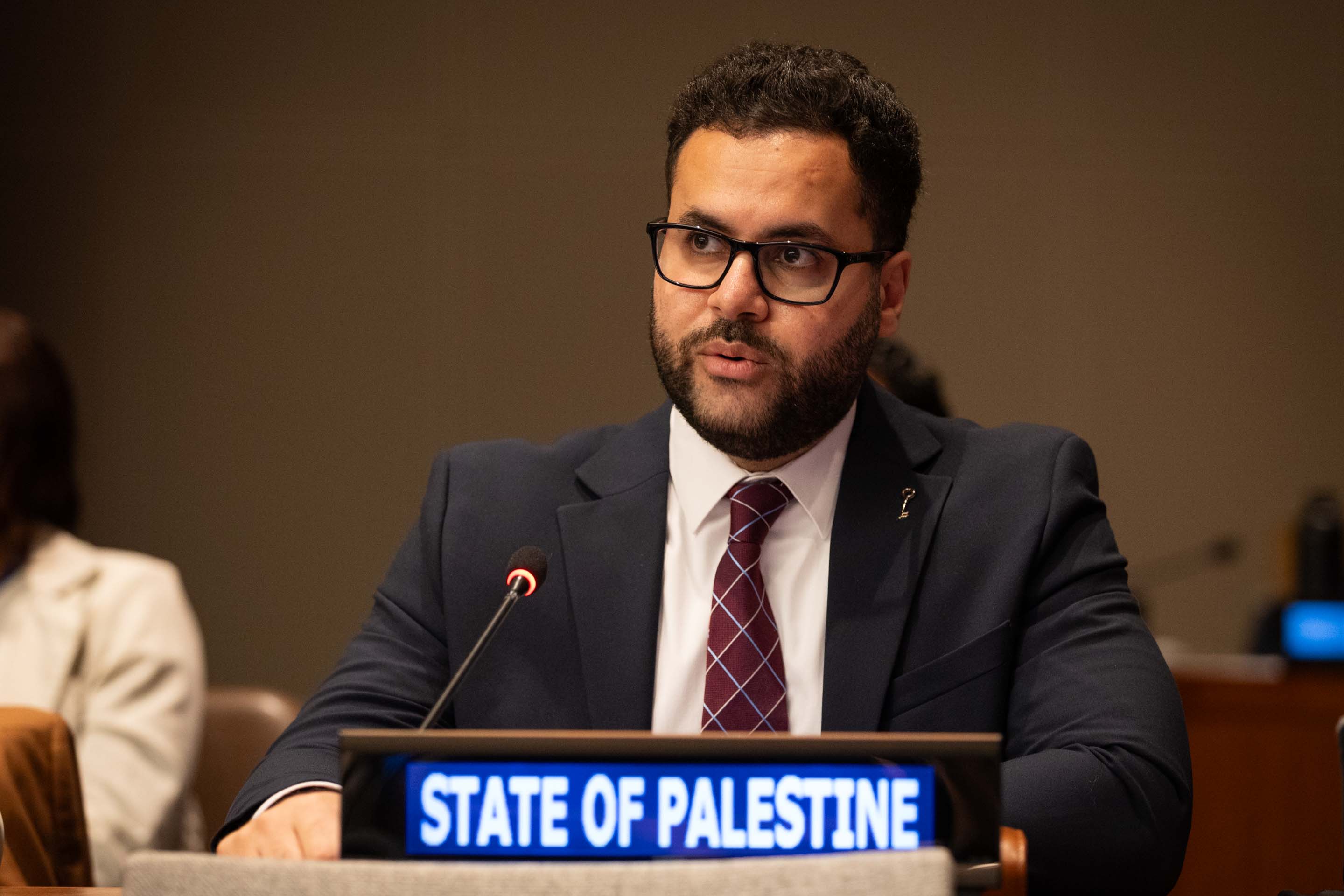
Oddai Abdelhamid, State of Palestine
Around the Venue
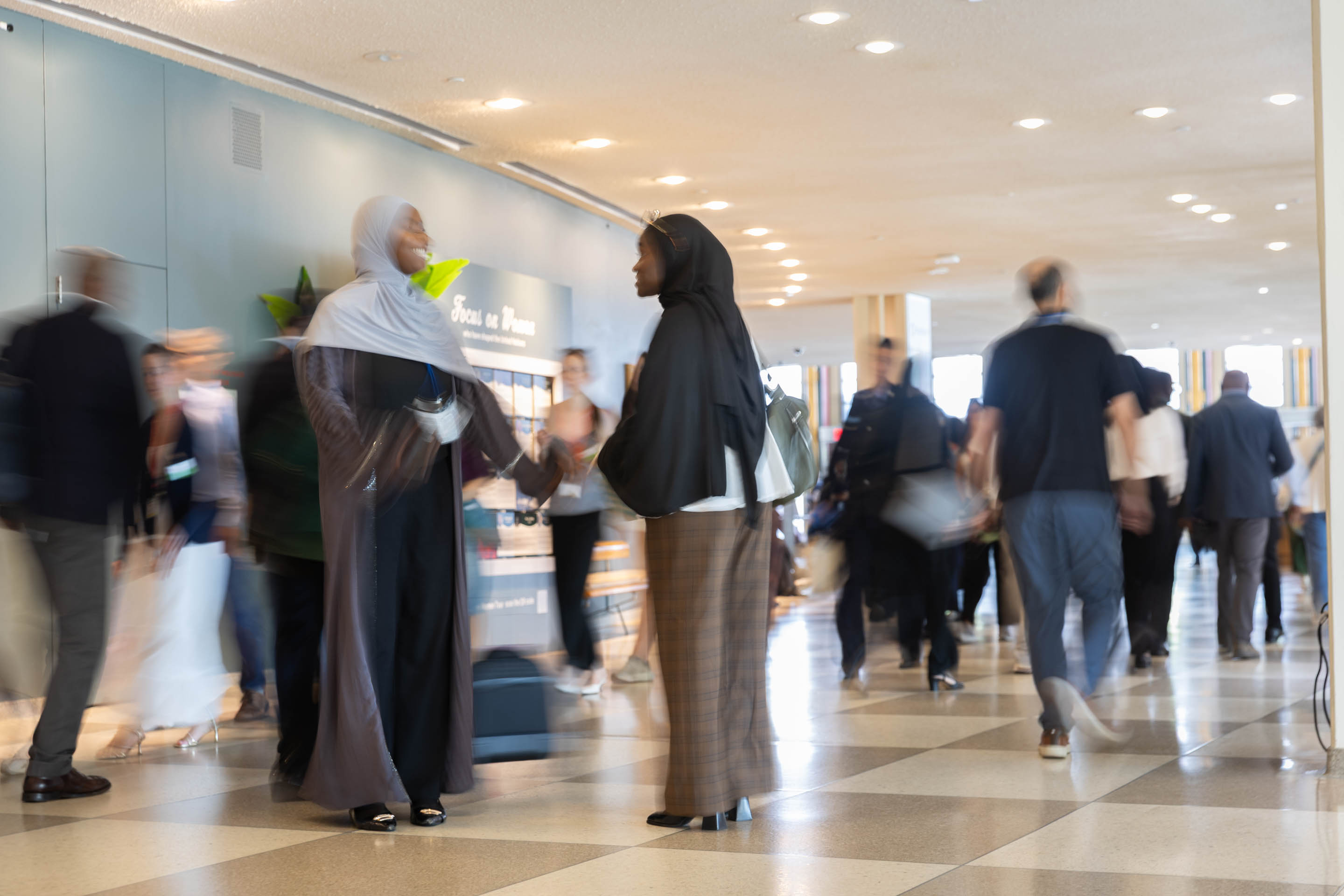
Delegates arrive for another busy day of HLPF 2026
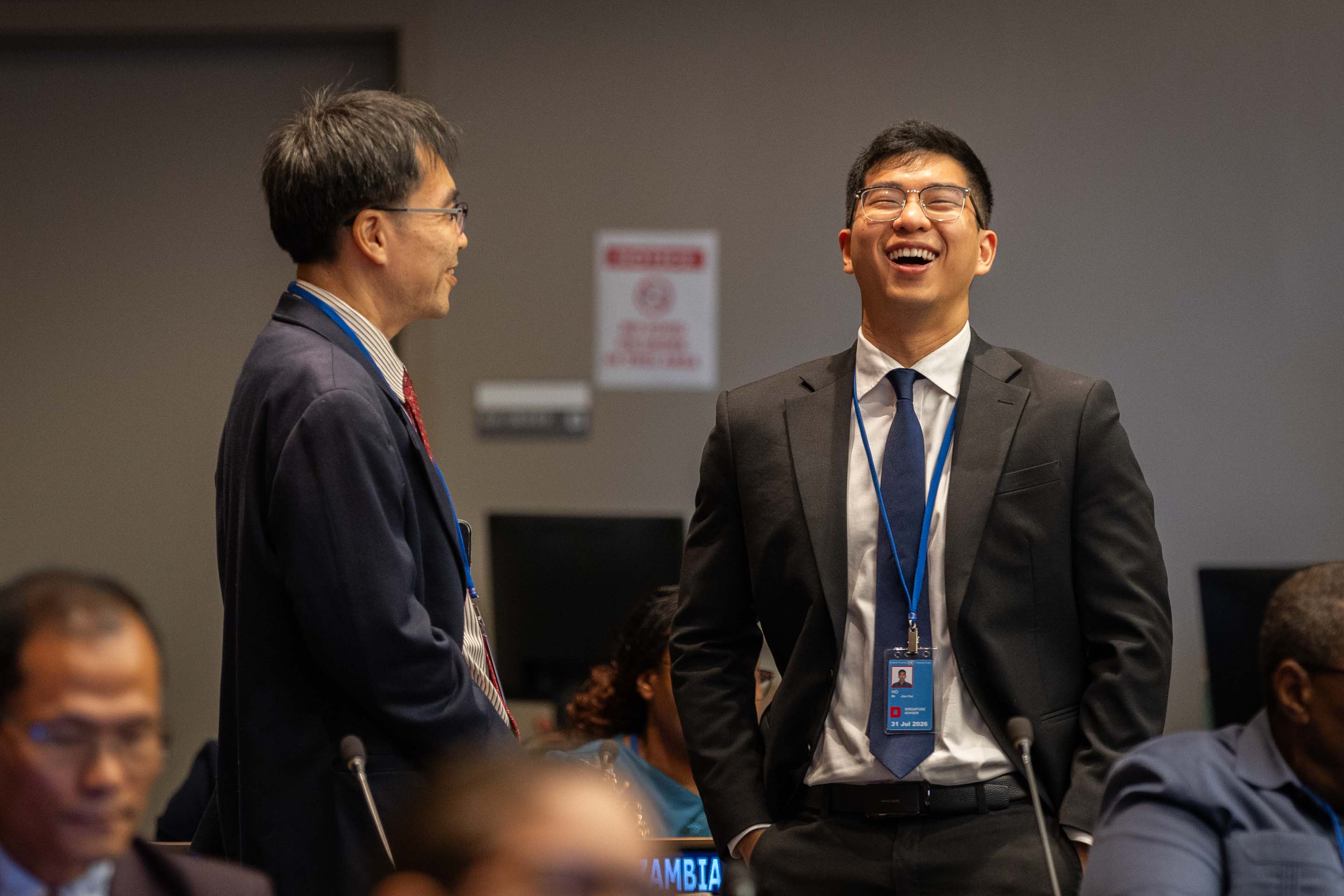
Delegates enjoy a moment at the start of the day
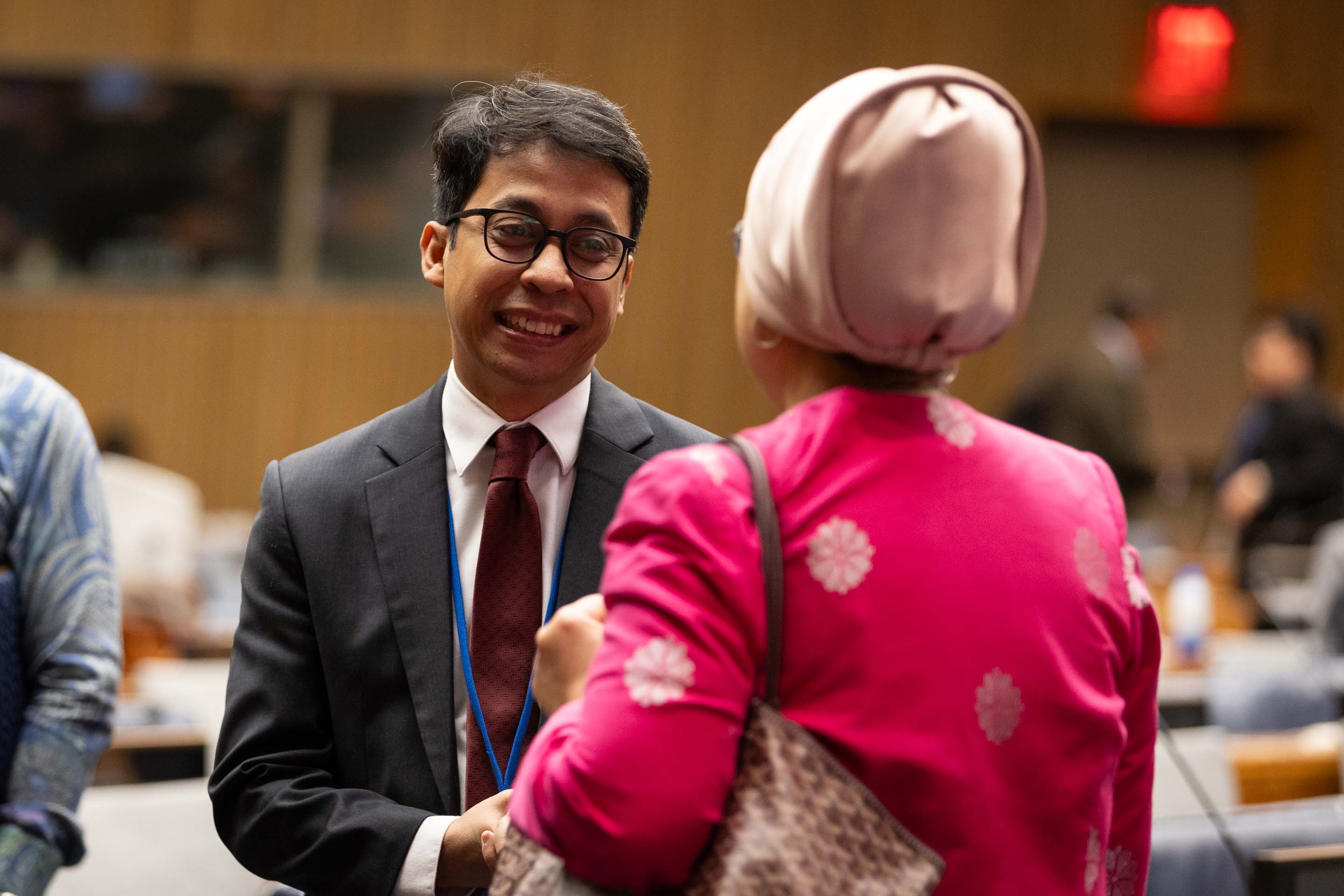
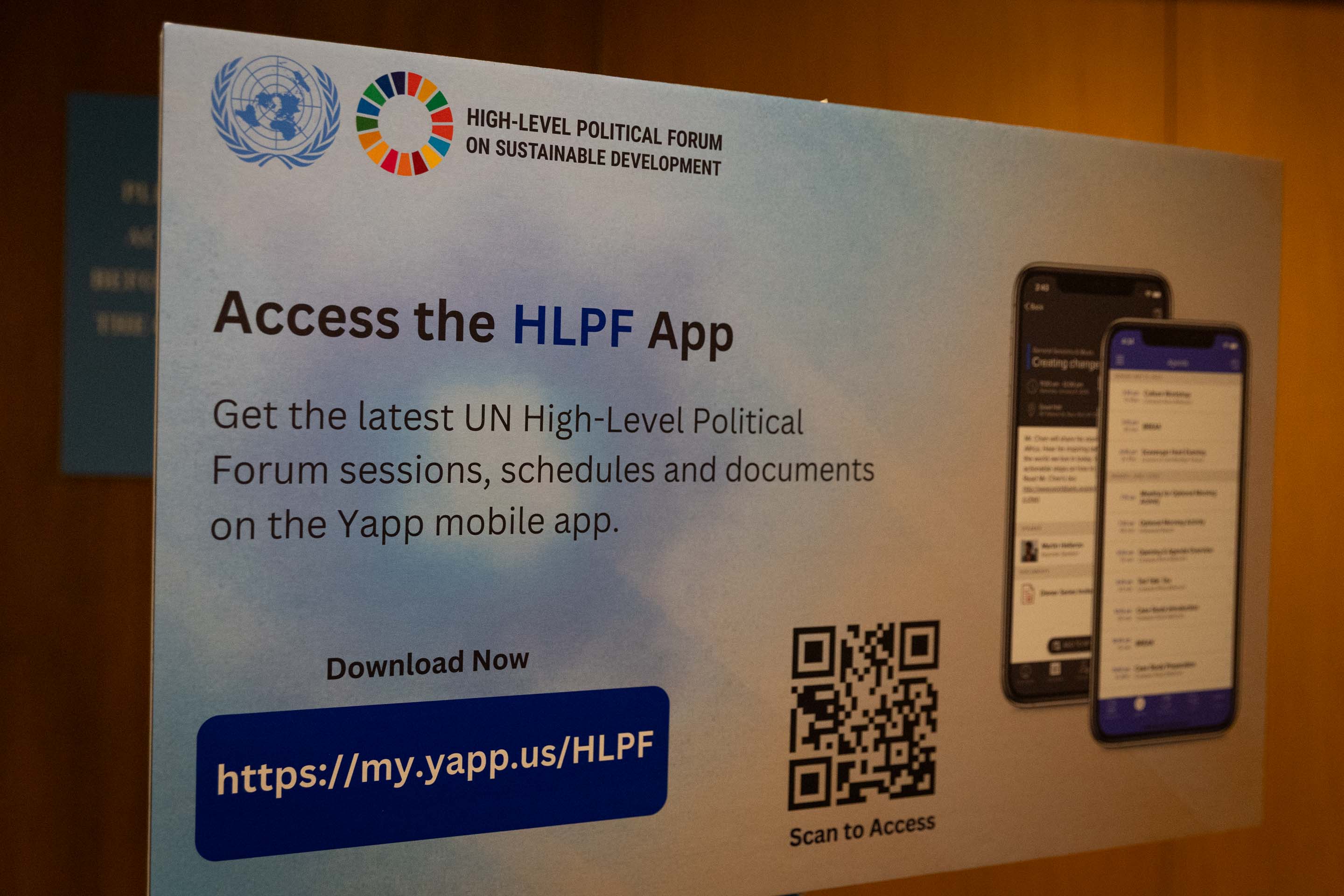
Delegates are encouraged to download the HLPF app to stay up to date with proceedings
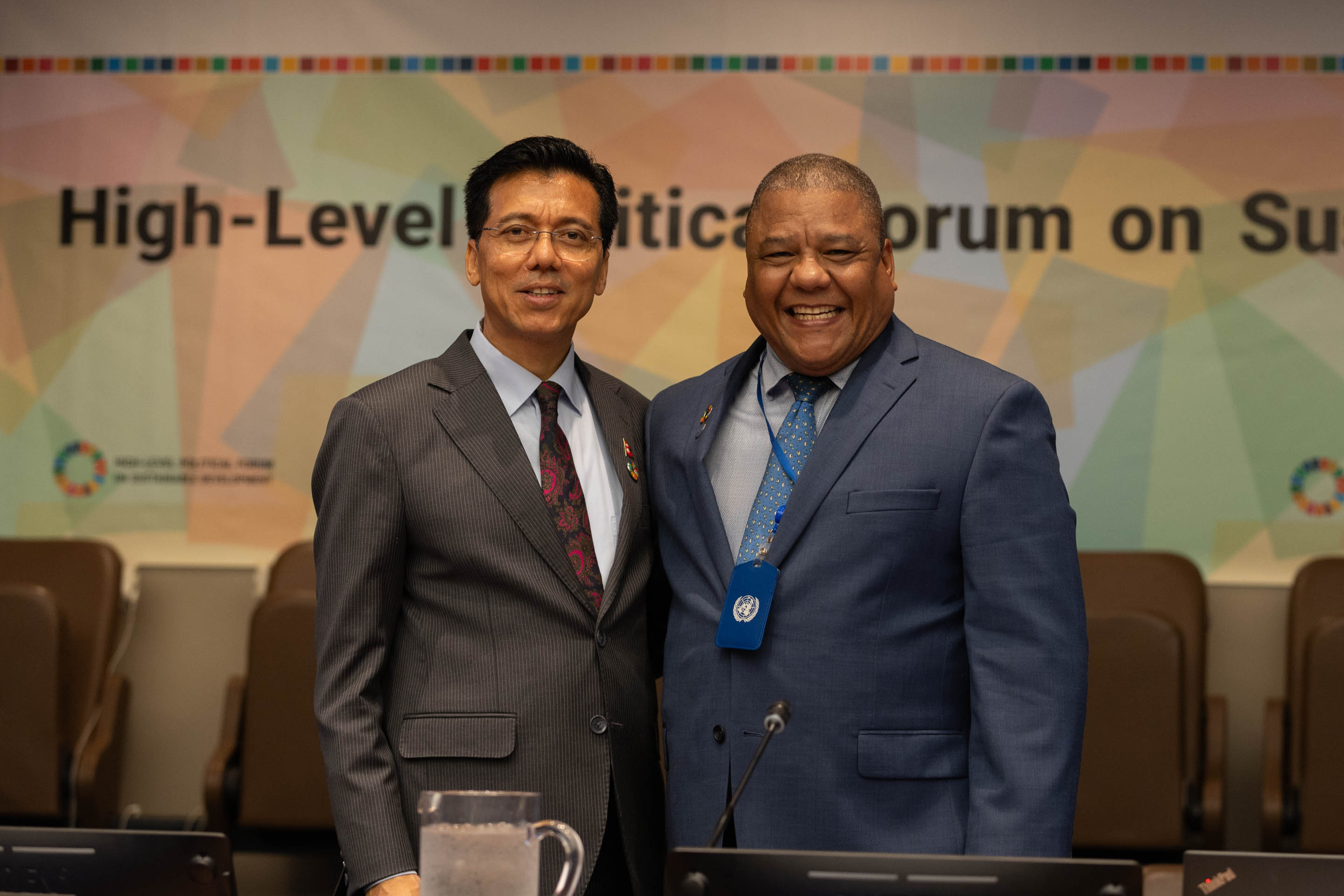
Lok Bahadur Thapa, President, ECOSOC, and Ariel Rojas, Transdiaspora Network
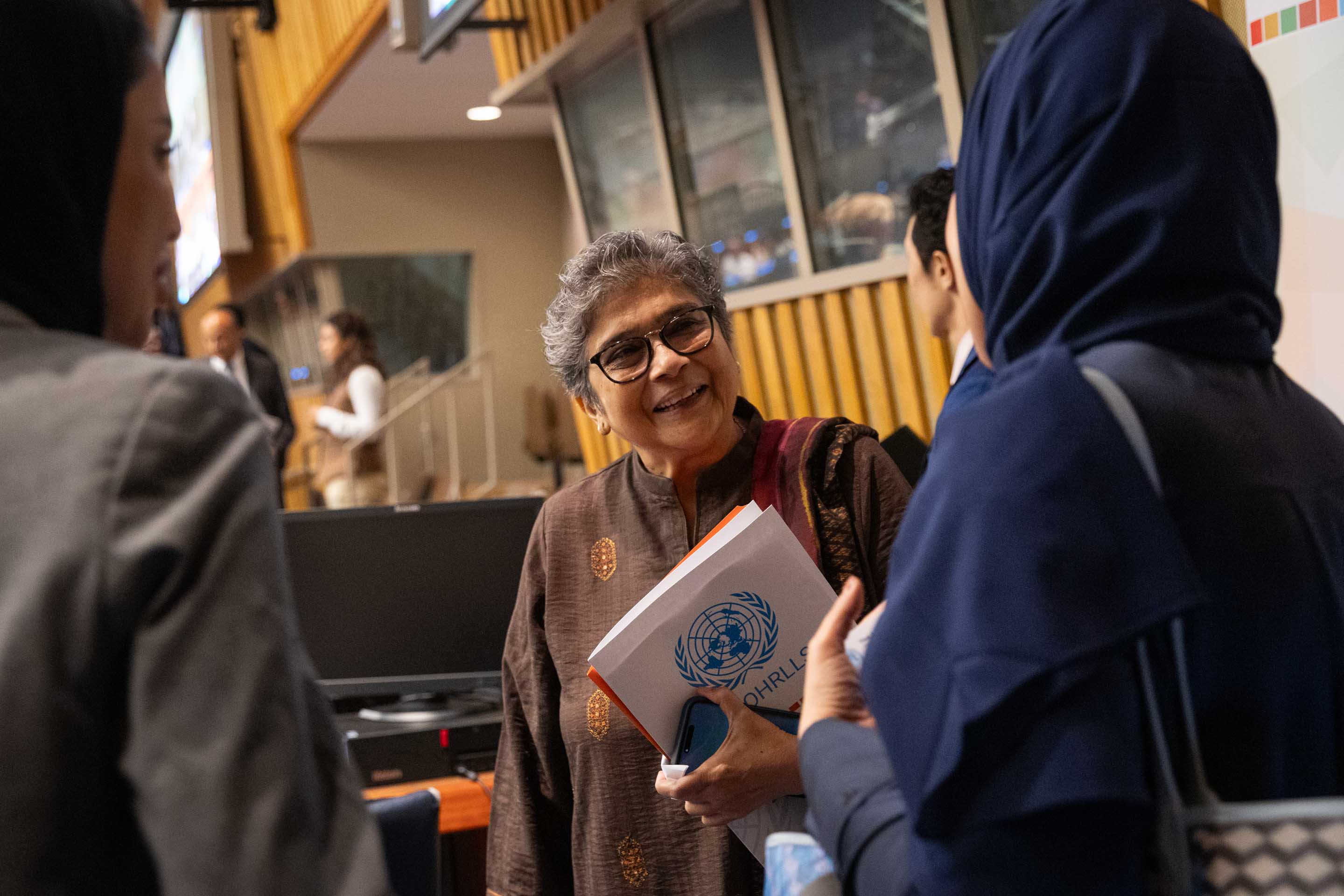
Rabab Fatima, Under-Secretary-General and High Representative for LDCs, LLDCs, and SIDS, speaks with delegates

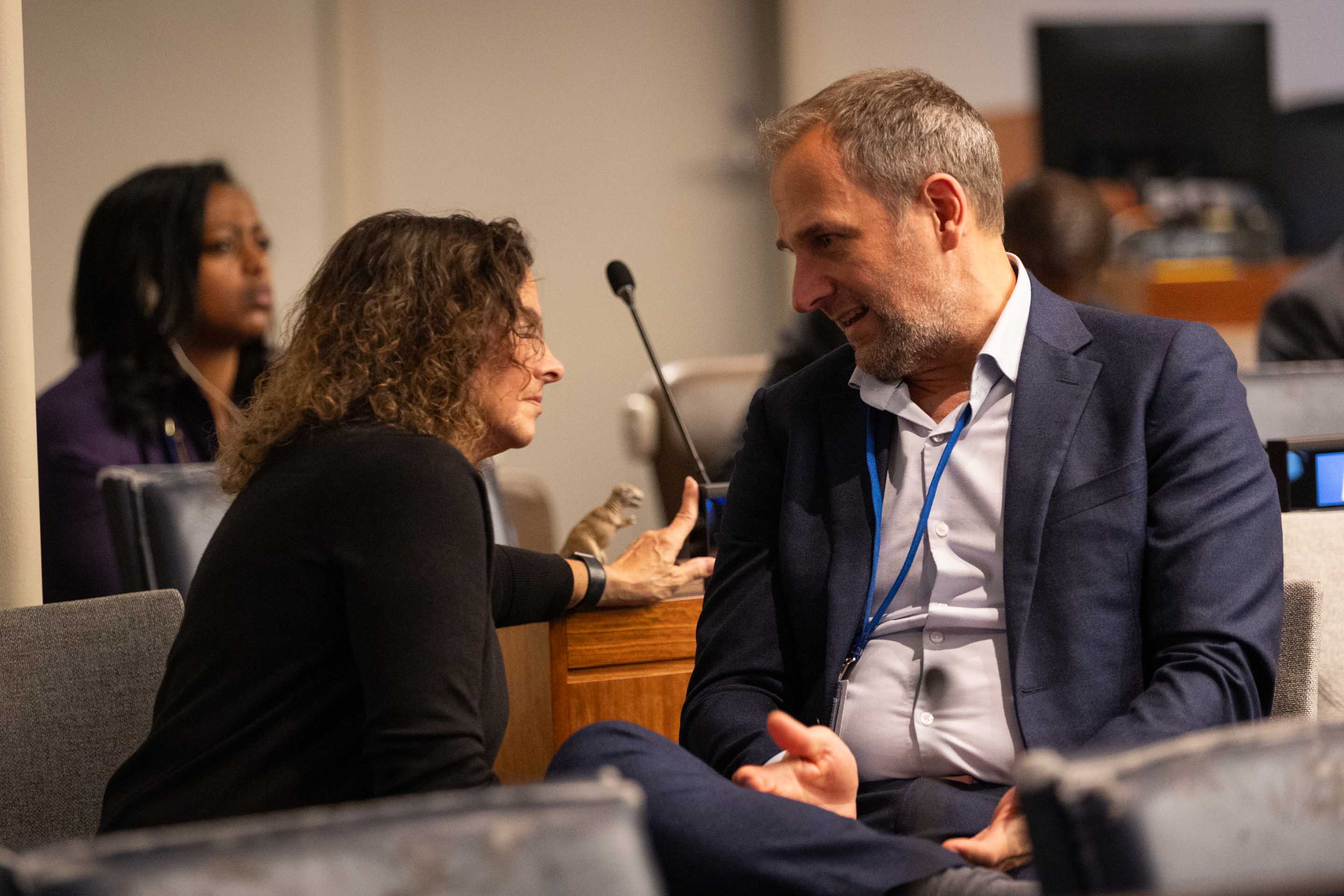
Pam Chasek and Stefan Jungcurt, Earth Negotiations Bulletin (ENB)
Delegates consult informally
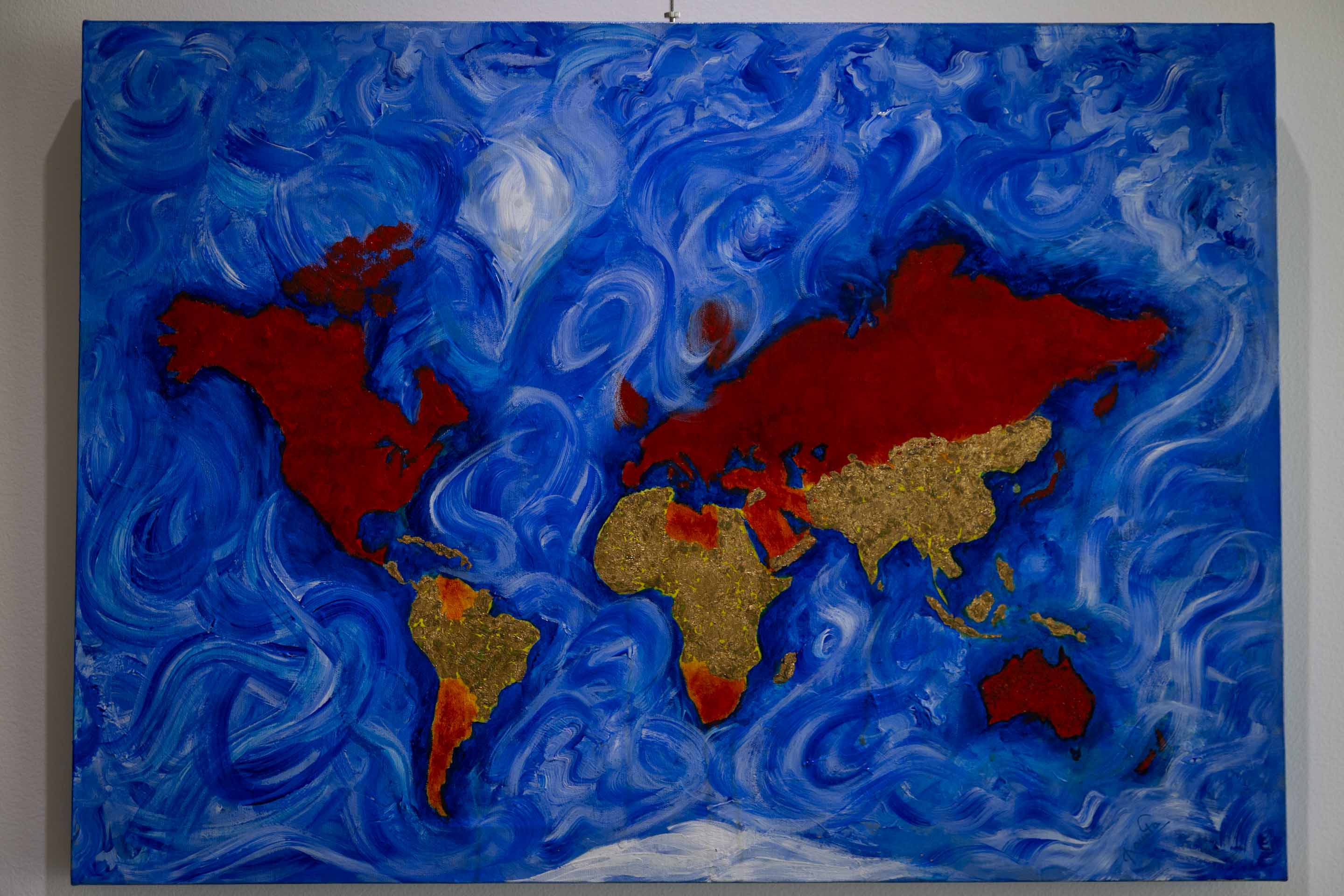
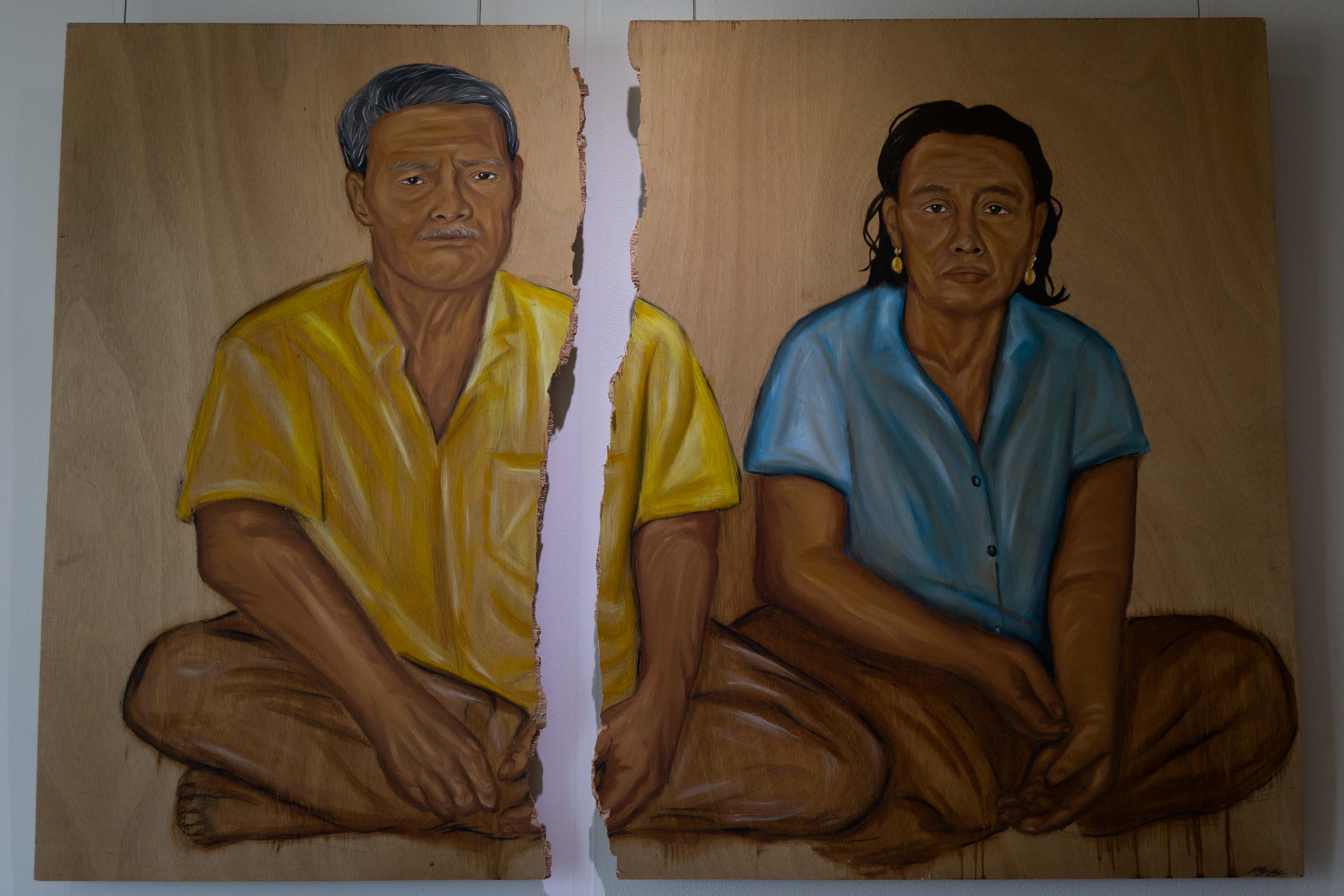
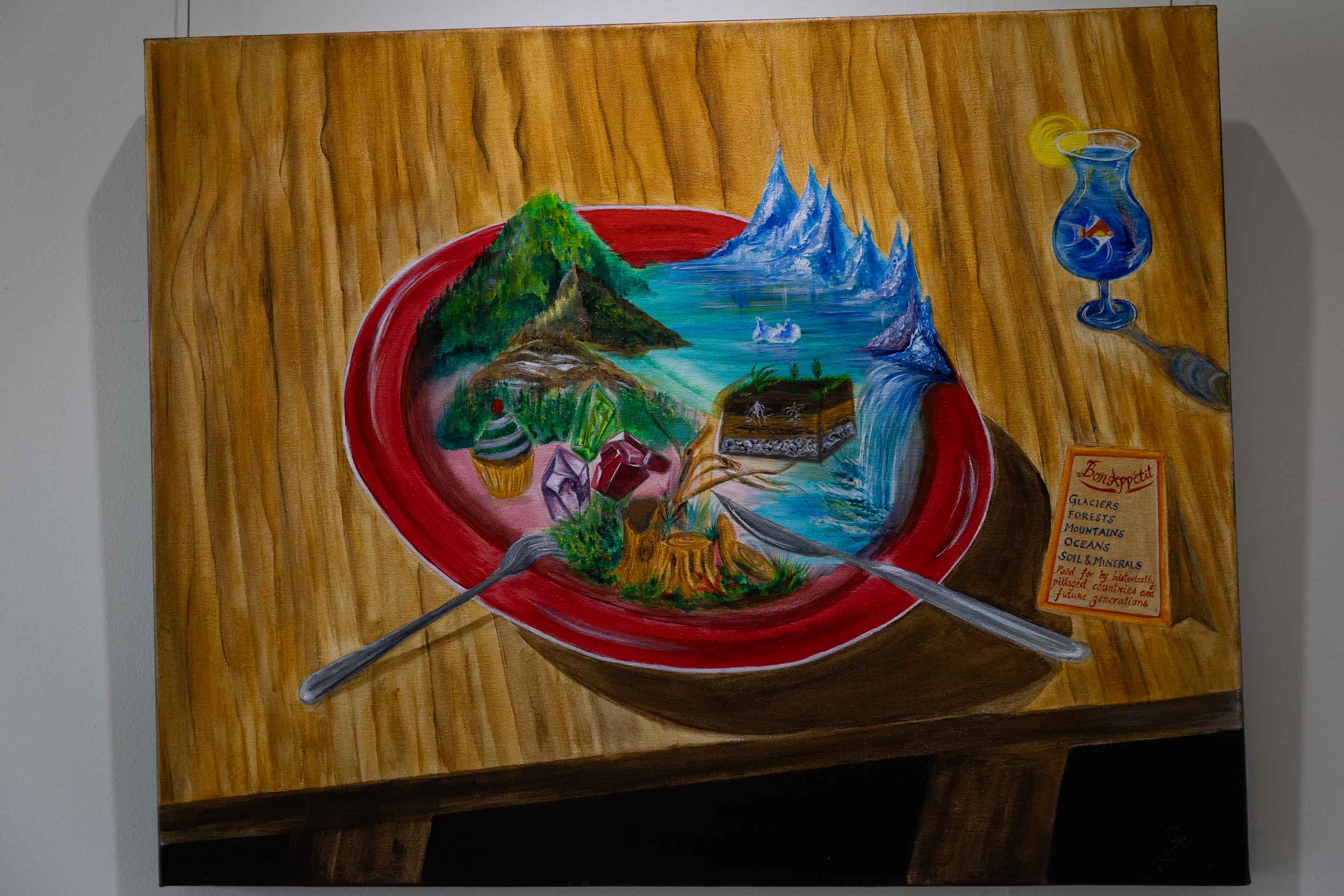
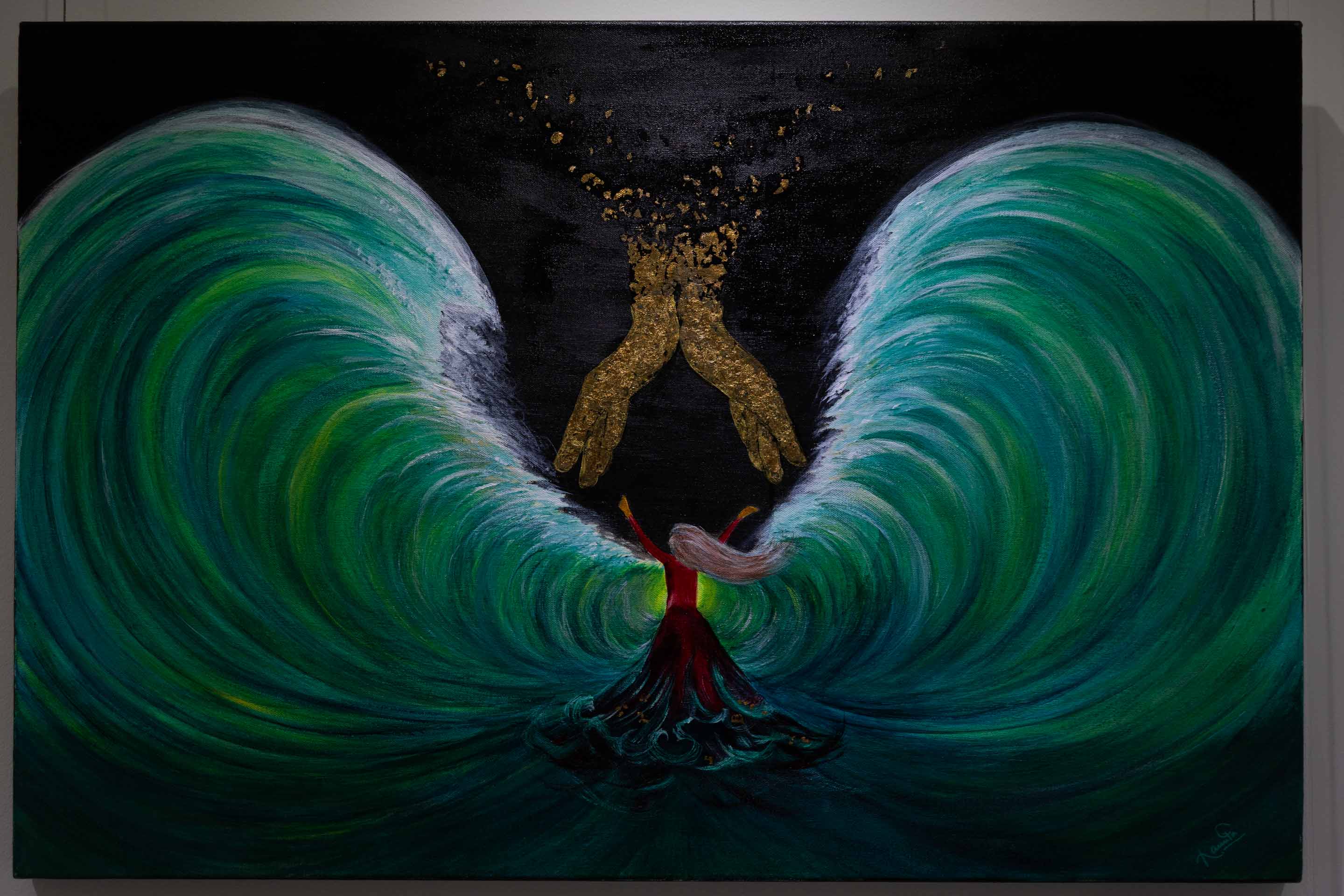
In the foyer of UN Headquarters, an art exhibition 'Canvas of Change' highlights stories of climate, displacement, and resilience