“Delivering the SDGs in four years will not be easy, but this house was not built for easy tasks. Headwinds are no excuse; the UN was not built for easy winds.”
If the general debate at the 2025 meeting of the High-level Political Forum on Sustainable Development (HLPF) was characterized by an atmosphere of shock in the face of emerging conflicts, climate shocks and open attacks on the Sustainable Development Goals (SDGs), UN General Assembly President Annalena Baerbock’s words captured a spirit of “now more than ever,” that resonated with many Member States.
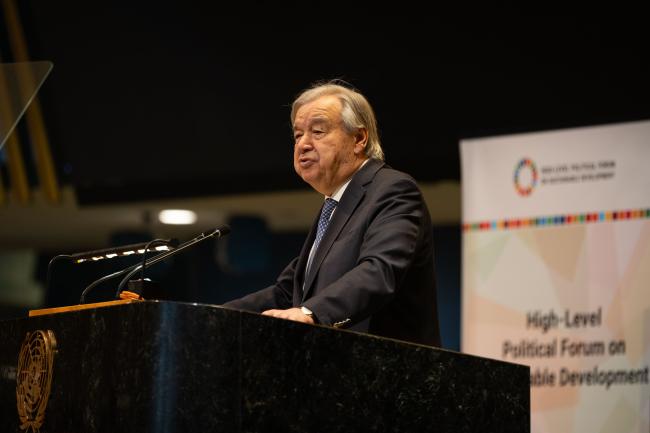
Following the assessment by UN Secretary-General António Guterres that SDG progress is limited or reversed by global conflicts, debt burdens, limited fiscal space, concentration of power, and increasing climate impacts, Baerbock challenged delegates to “chose hope” reminding them that no country can achieve sustainable development in isolation.
Speaking for Children and Youth, Jaewon Choi urged delegates to take practical steps to address some of the crises holding the SDGs back, including the negotiation of an international convention on sovereign debt and reinforcing the independence of the UN Human Rights System. He also said progress on international tax cooperation and artificial intelligence (AI) governance show that true partnership can drive progress, expressing hope that enhanced participation of Youth and other stakeholders across the UN system can drive accelerated implementation.
Speakers from small island developing states (SIDS) and least developed countries reported moderate progress despite setbacks from disaster, spikes in energy prices, and internal or external conflicts, expressing their determination to overcome these challenges.
These statements, however, came with a consistent reminder that Member States and stakeholders alike must walk the talk of cooperation with effective and predictable partnerships and a reform of the international financial system that will increase access to concessional funding for the most vulnerable states and show pathways towards closing the USD 4 trillion dollar SDG financing gap.
Finance continued to be a common theme in the Voluntary National Review (VNR) presentations as well, with many SIDS and developing countries explicitly stating progress made to mobilize domestic resources. In most cases these are increased tax revenues, which many countries are reportedly aiming to push towards the recommended 15% of gross domestic product (GDP). In some cases, these actions are complemented by the establishment of national development banks or sovereign wealth funds.
Another common theme in the VNR presentations was the participation of stakeholders in VNR production and SDG implementation overall. Here the reported models vary from temporary national committees collecting feedback from stakeholder groups to complex-multi-level systems that aim to engage stakeholders more permanently in the design, implementation, and monitoring of SDG implementation.
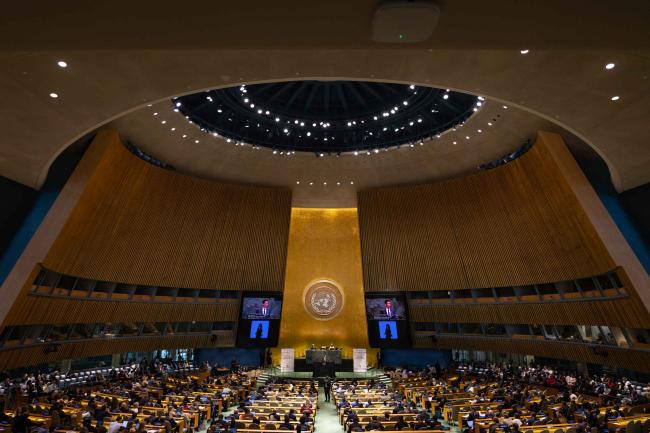
Many VNR presentations ended with a strong commitment to implement the SDGs by 2030 “and beyond.” In a similar vein, minsters and other high-level speakers used their general debate statements to affirm their support for the SDGs and, in principle, for the HLPF as the venue for honest assessment and learning, although some noted the need for HLPF reform.
Overall, Member States seemed to confirm the Secretary-General’s optimism, when he declared “I have enormous hope” that the global community will keep the 2030 vision alive and “make the final years to 2030 count.”
To receive free coverage of global environmental events delivered to your inbox, subscribe to the ENB Update newsletter.
All ENB photos are free to use with attribution. For HLPF 2026 please use: Photo by IISD/ENB - Kiara Worth
Ministerial Opening
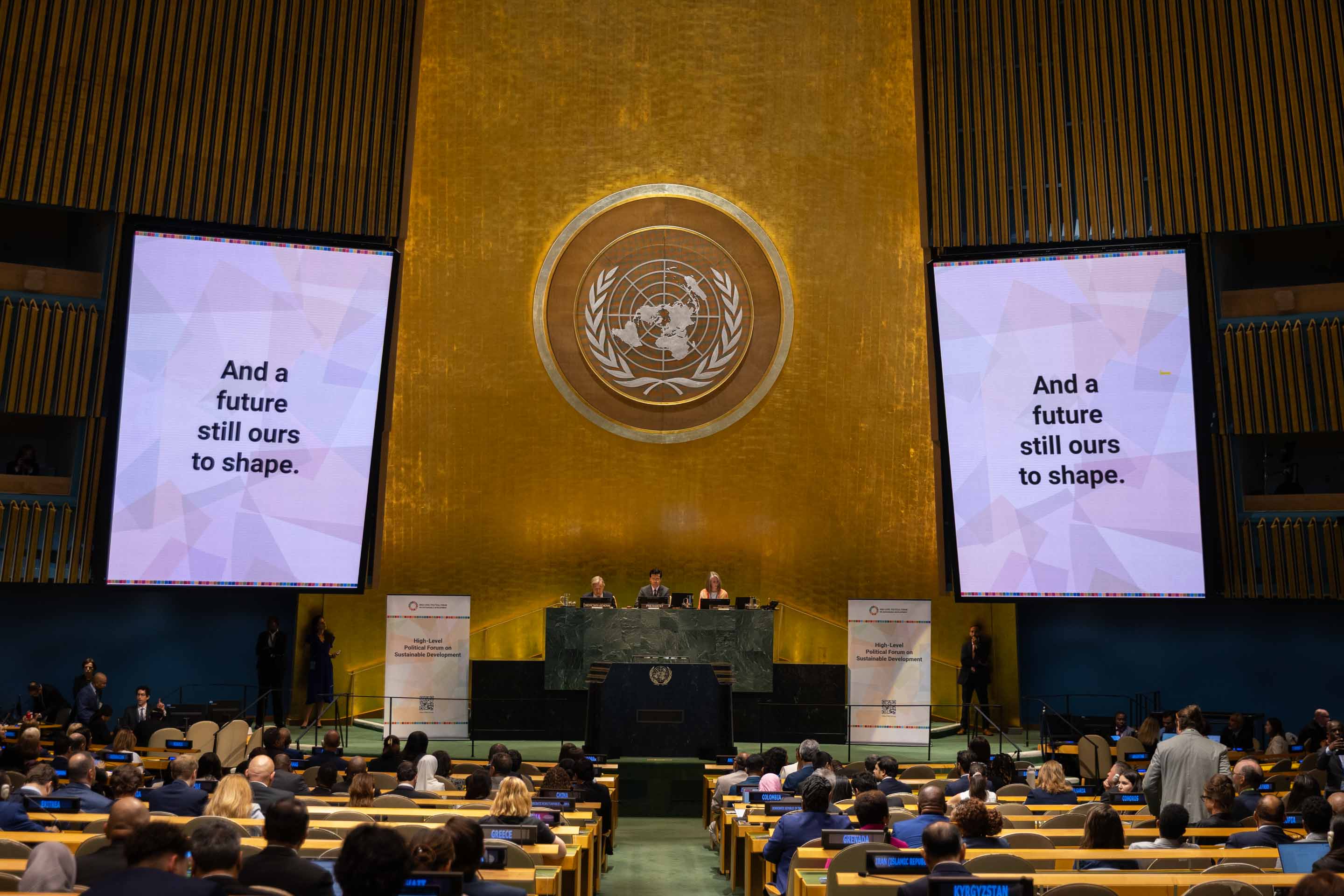
The Ministerial Segment opens with a video reminding delegates that the future is still ours to shape
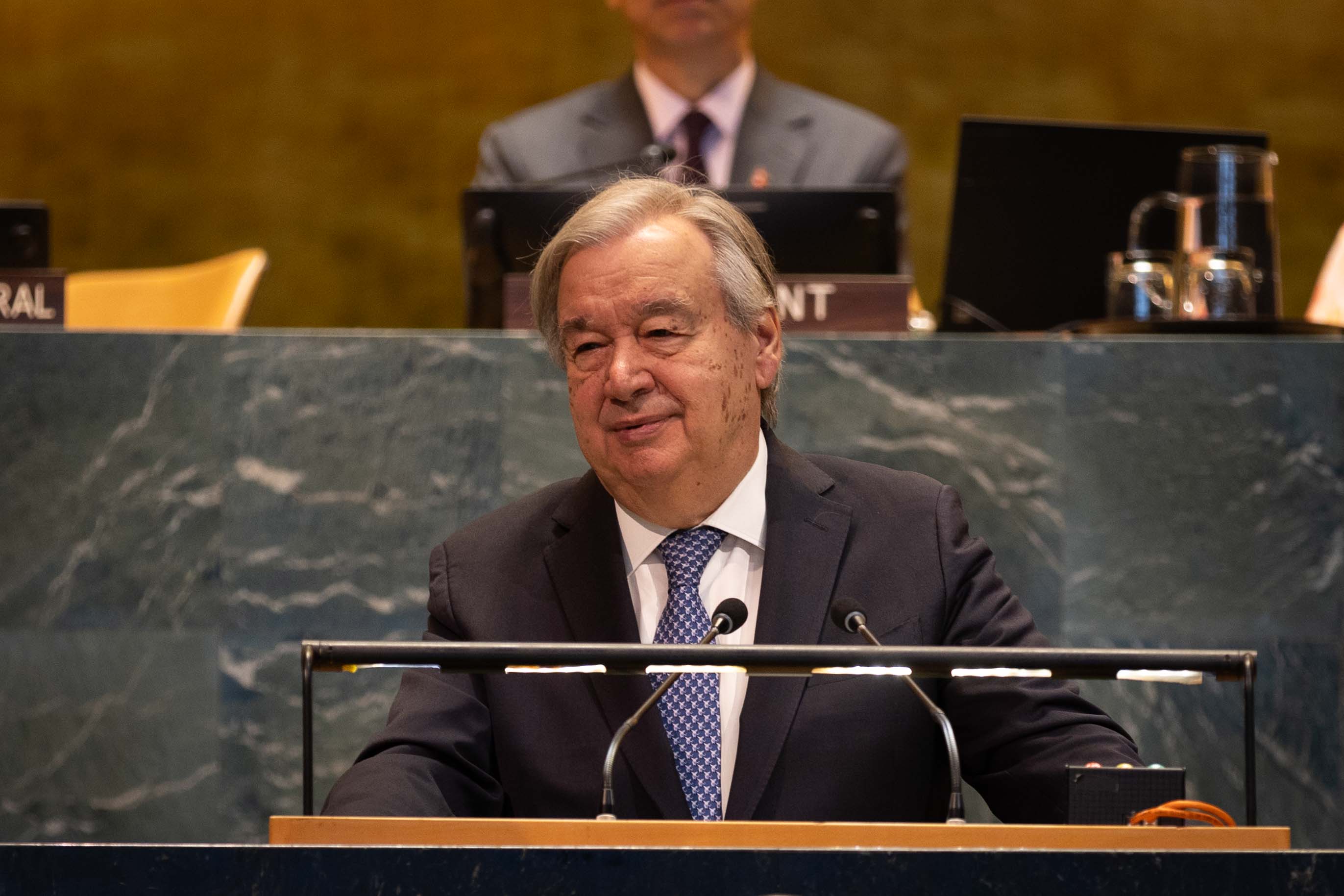
António Guterres, UN Secretary-General
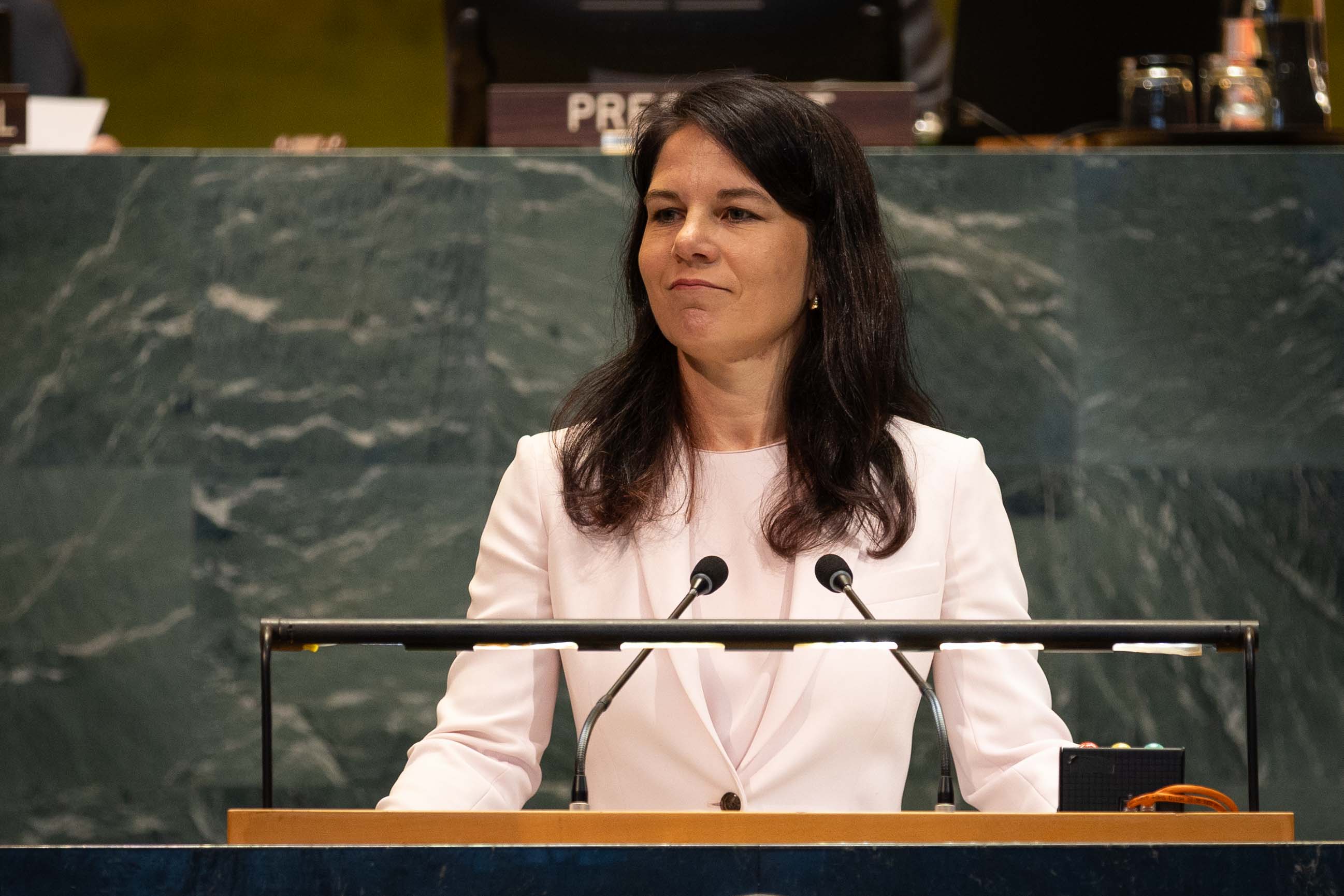
Annalena Baerbock, President, UN General Assembly
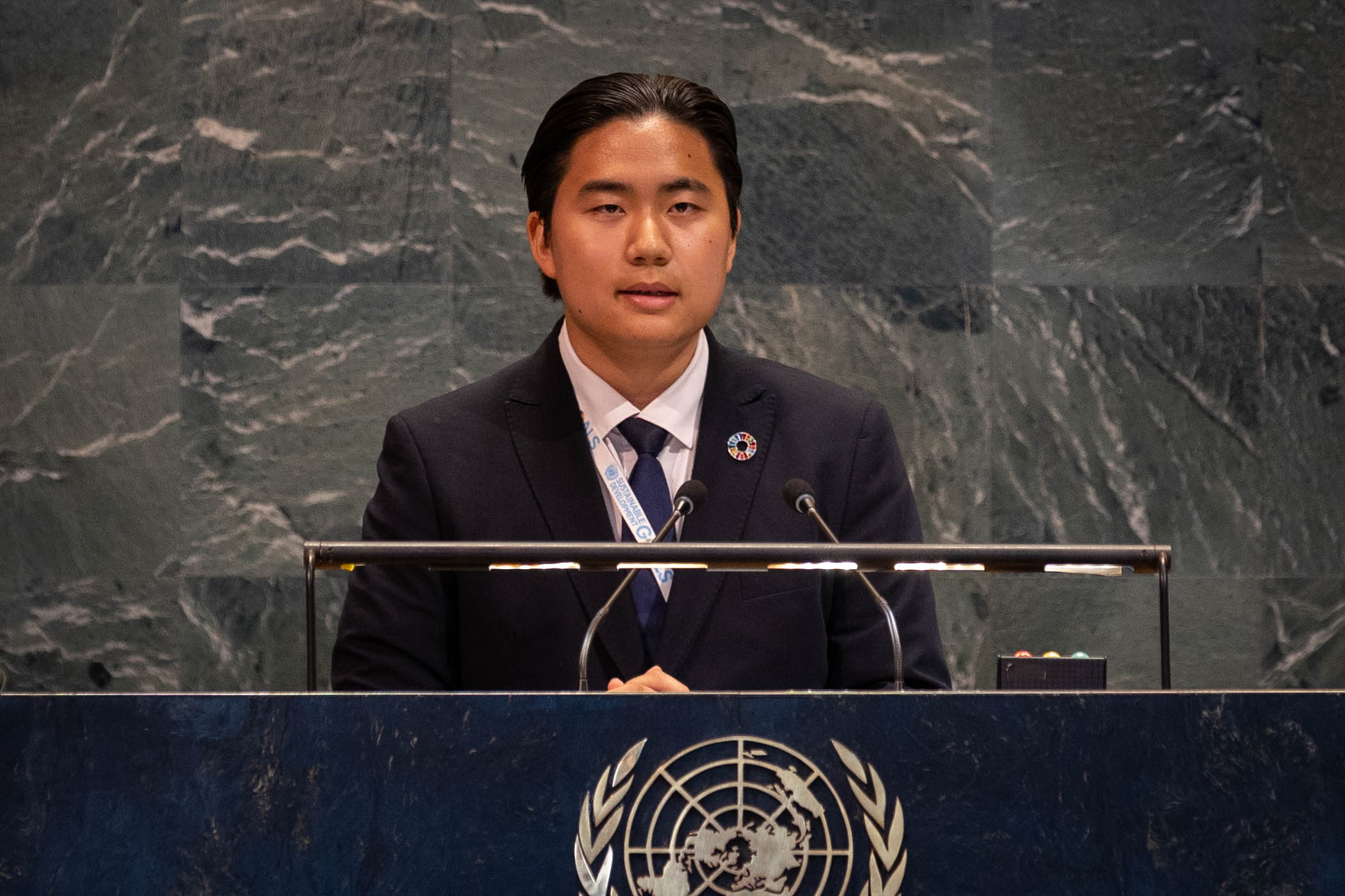
Jaewon Cho, Major Group for Children and Youth (MGCY)
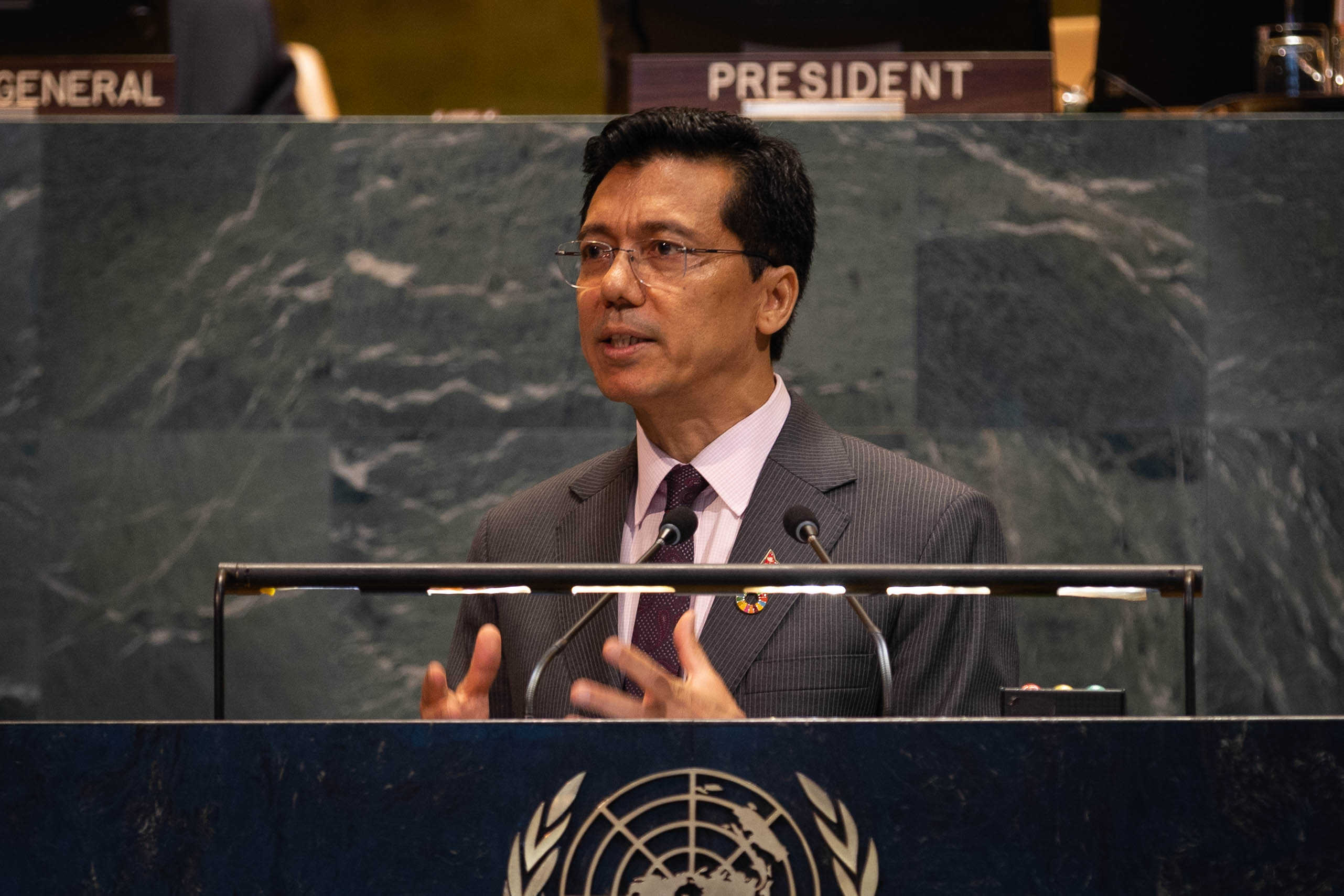
Lok Bahadur Thapa, President, UN Economic and Social Council (ECOSOC)
General Debate
The General Debate begins with statements from high-level speakers
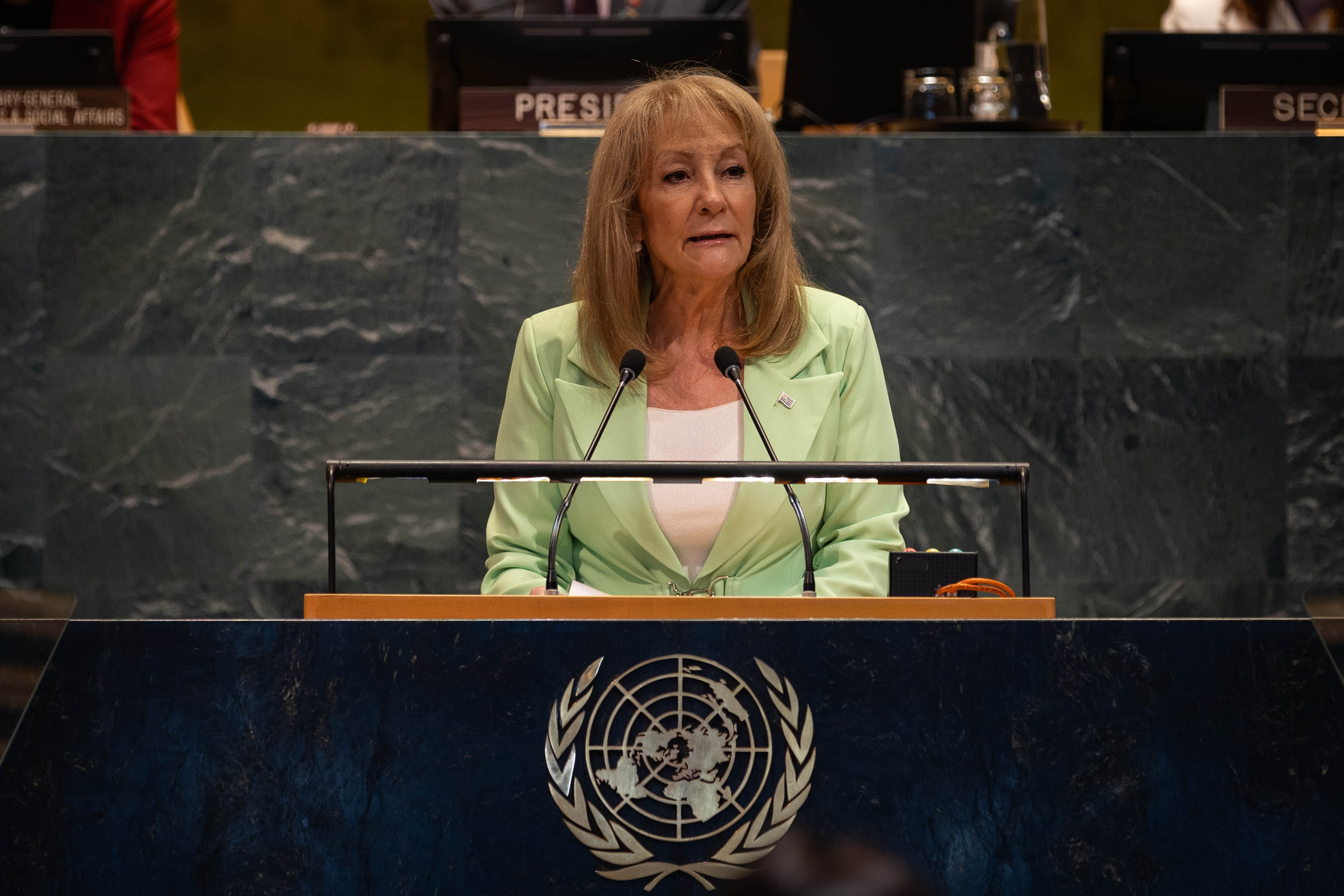
Carolina Cosse, Vice President of Uruguay
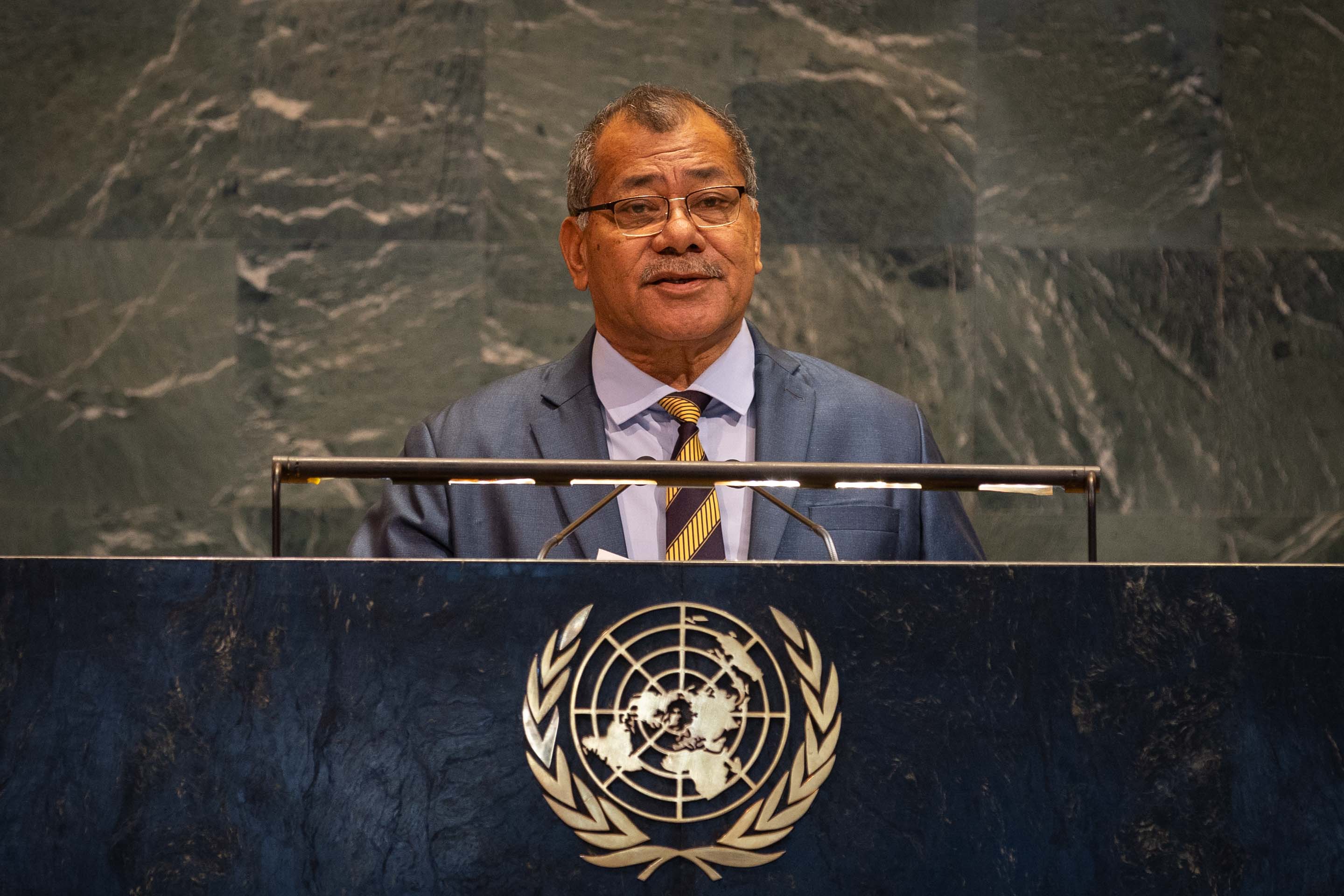
Panapasi Nelesone, Deputy Prime Minister and Minister of Finance, Tuvalu
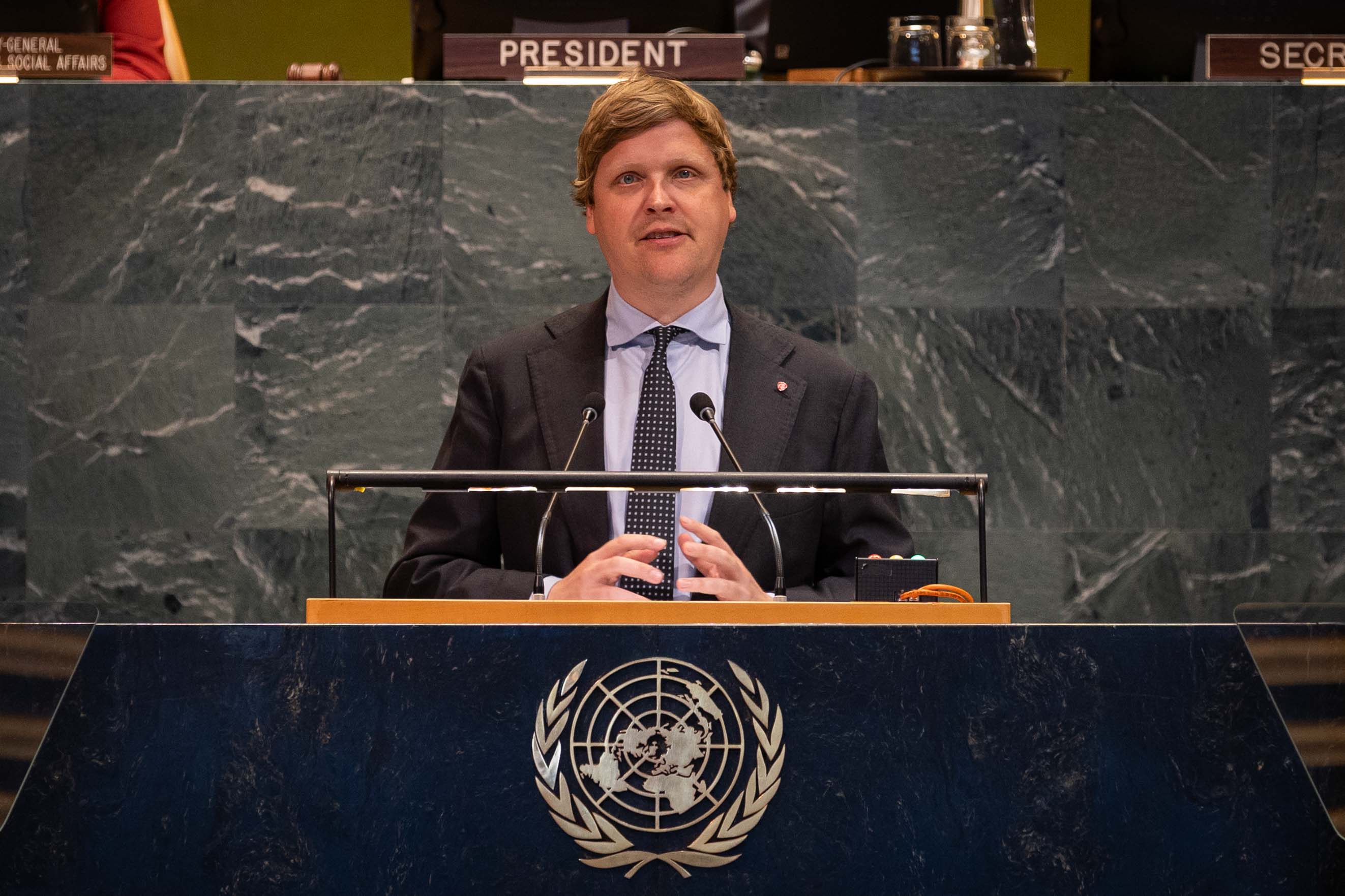
Åsmund Grøver Aukrust, Minister of International Development, Norway
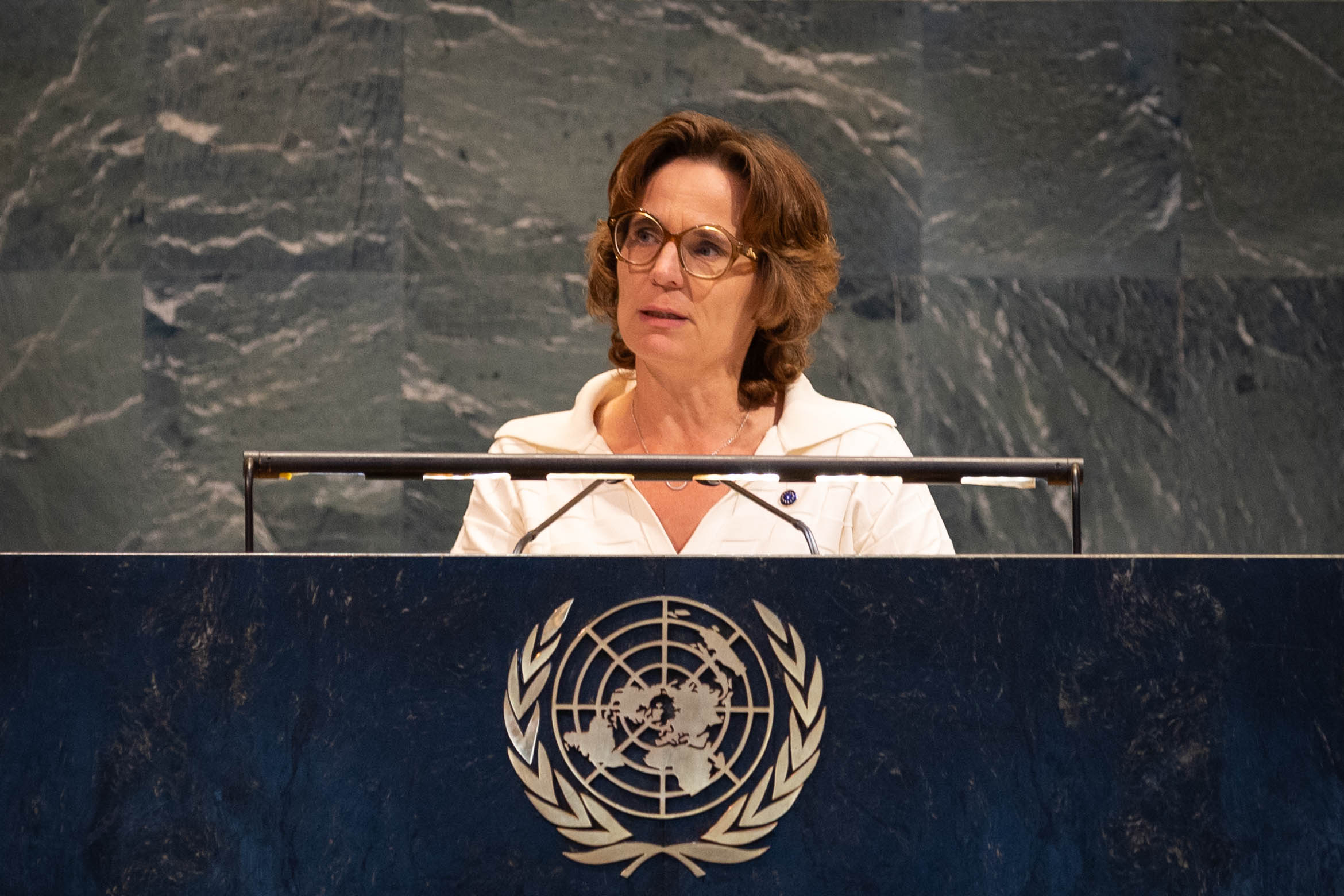
Jessika Roswall, EU Commissioner for Environment, Water Resilience and a Competitive Circular Economy
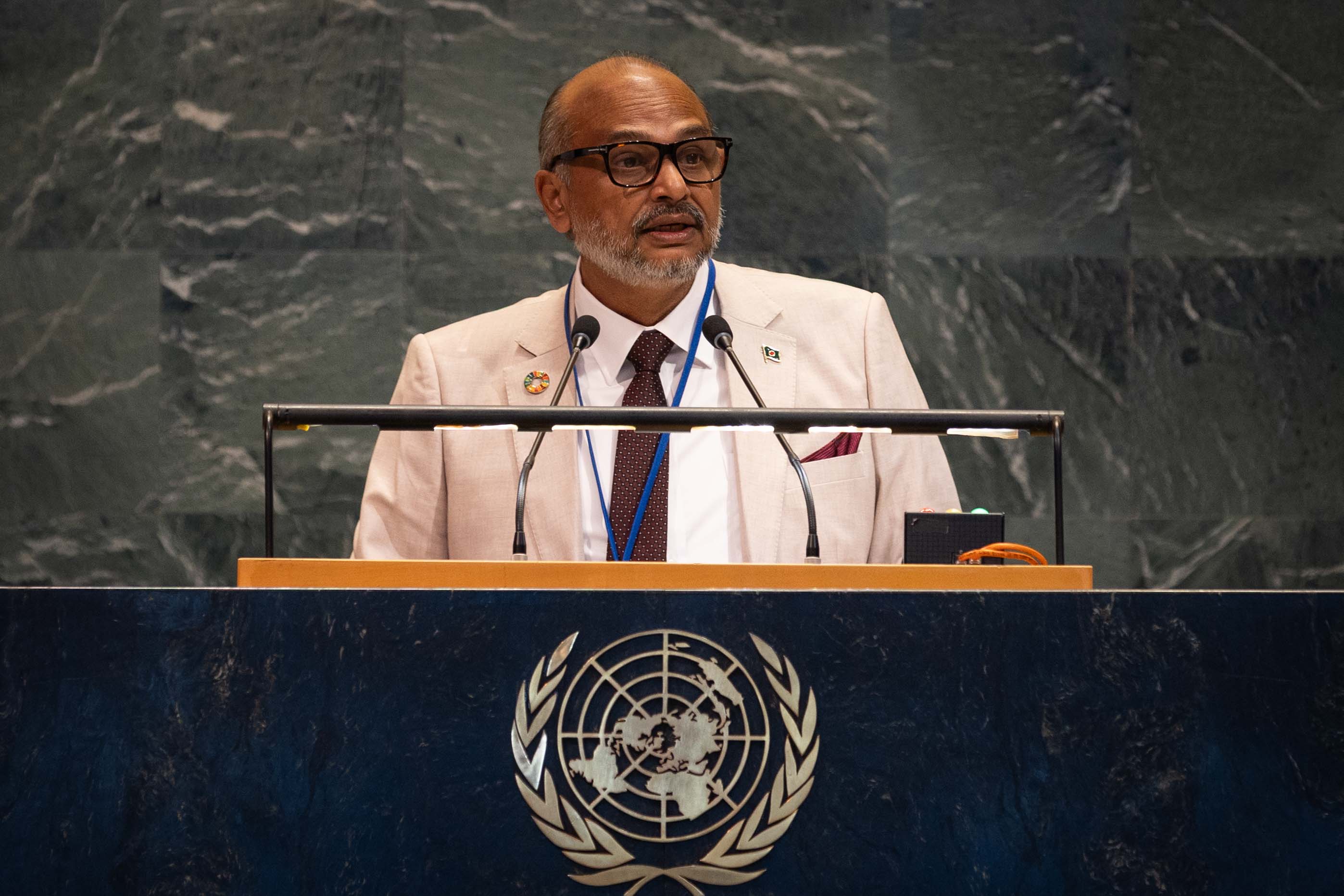
Rashed Al Mahmud Titumir, Advisor to Prime Minister, Bangladesh
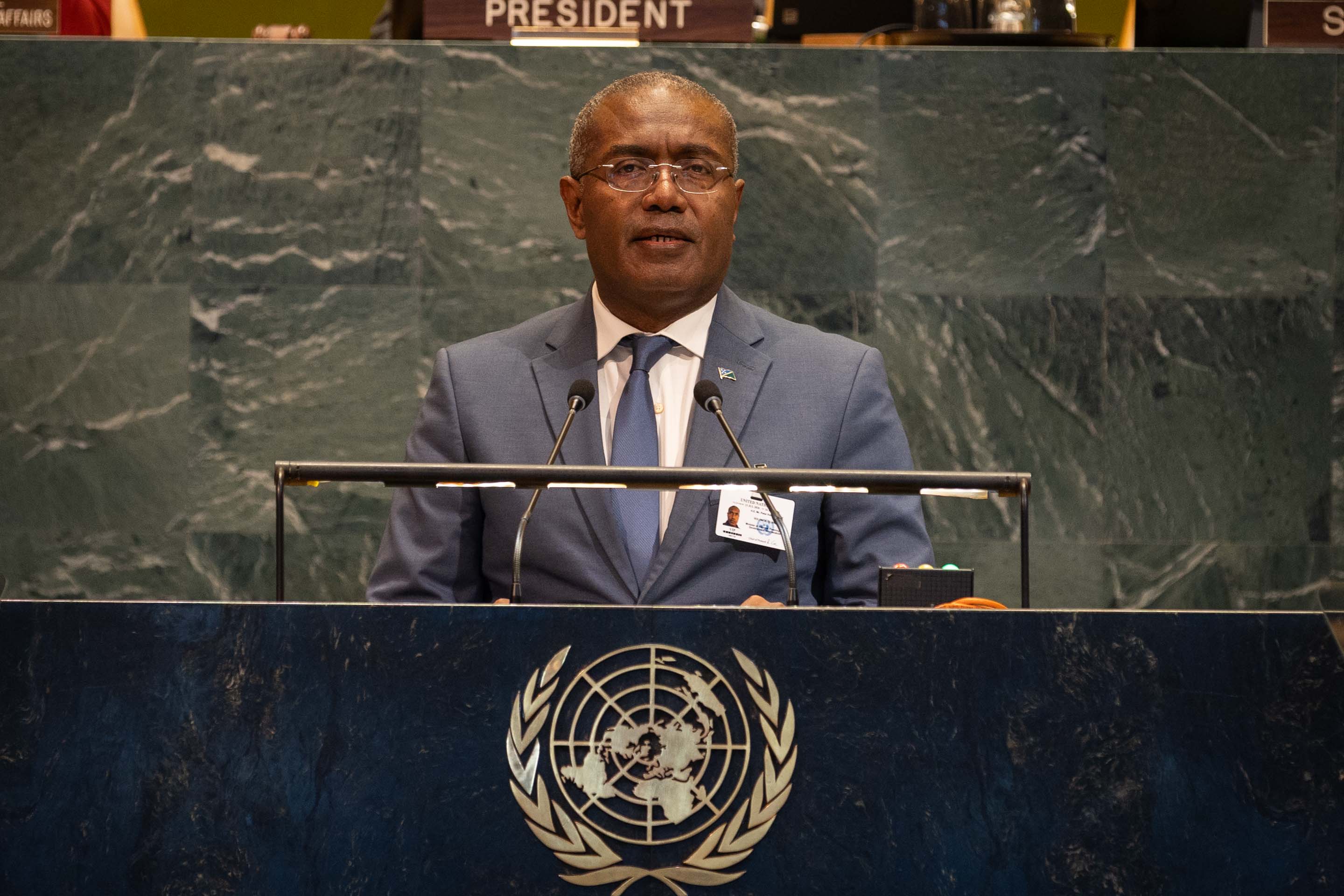
Peter Kenilorea Jr., Minister of National Planning and Development Coordination, Solomon Islands, on behalf of the Pacific Small Island Developing States (P-SIDS)
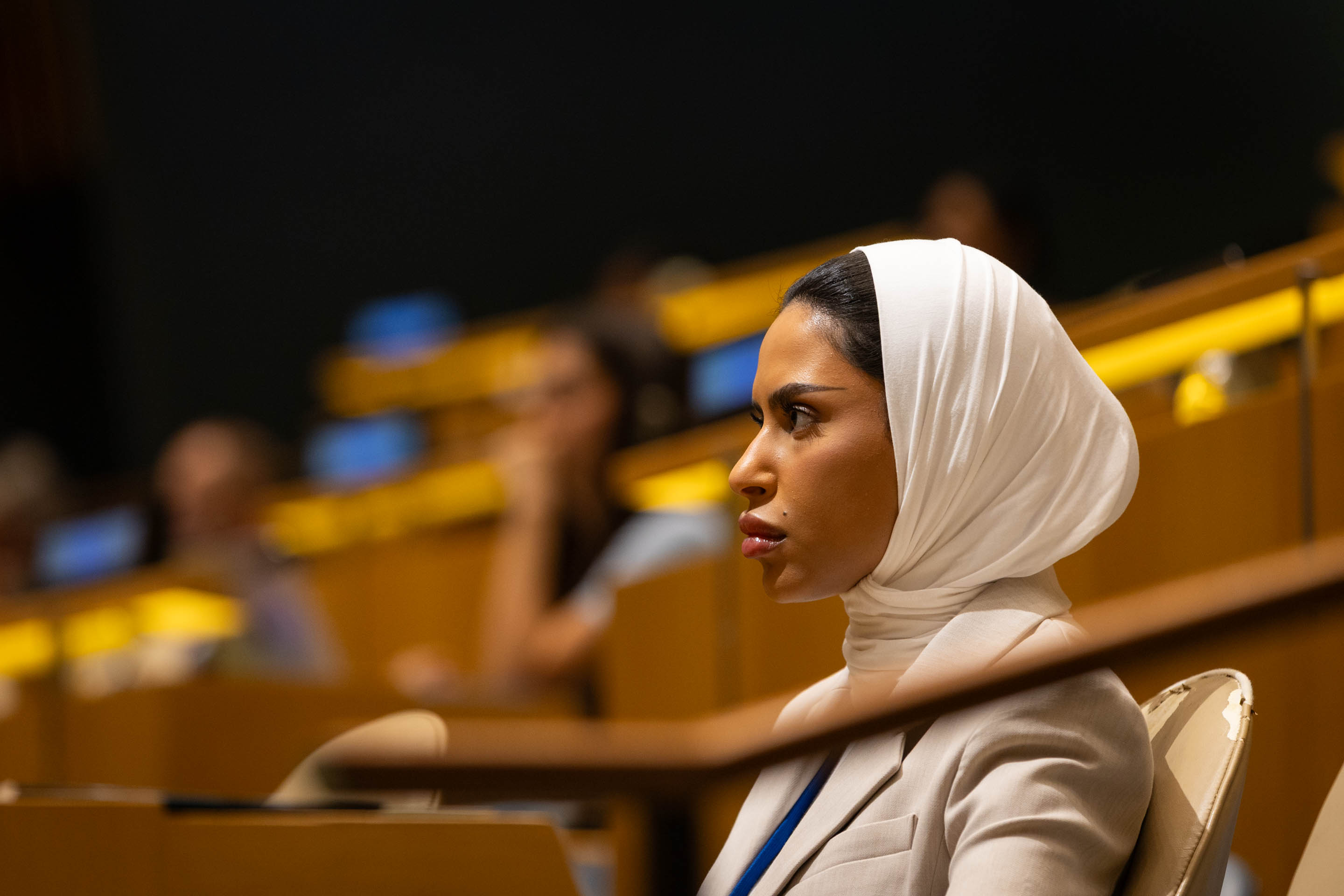
Delegates listen to the interventions
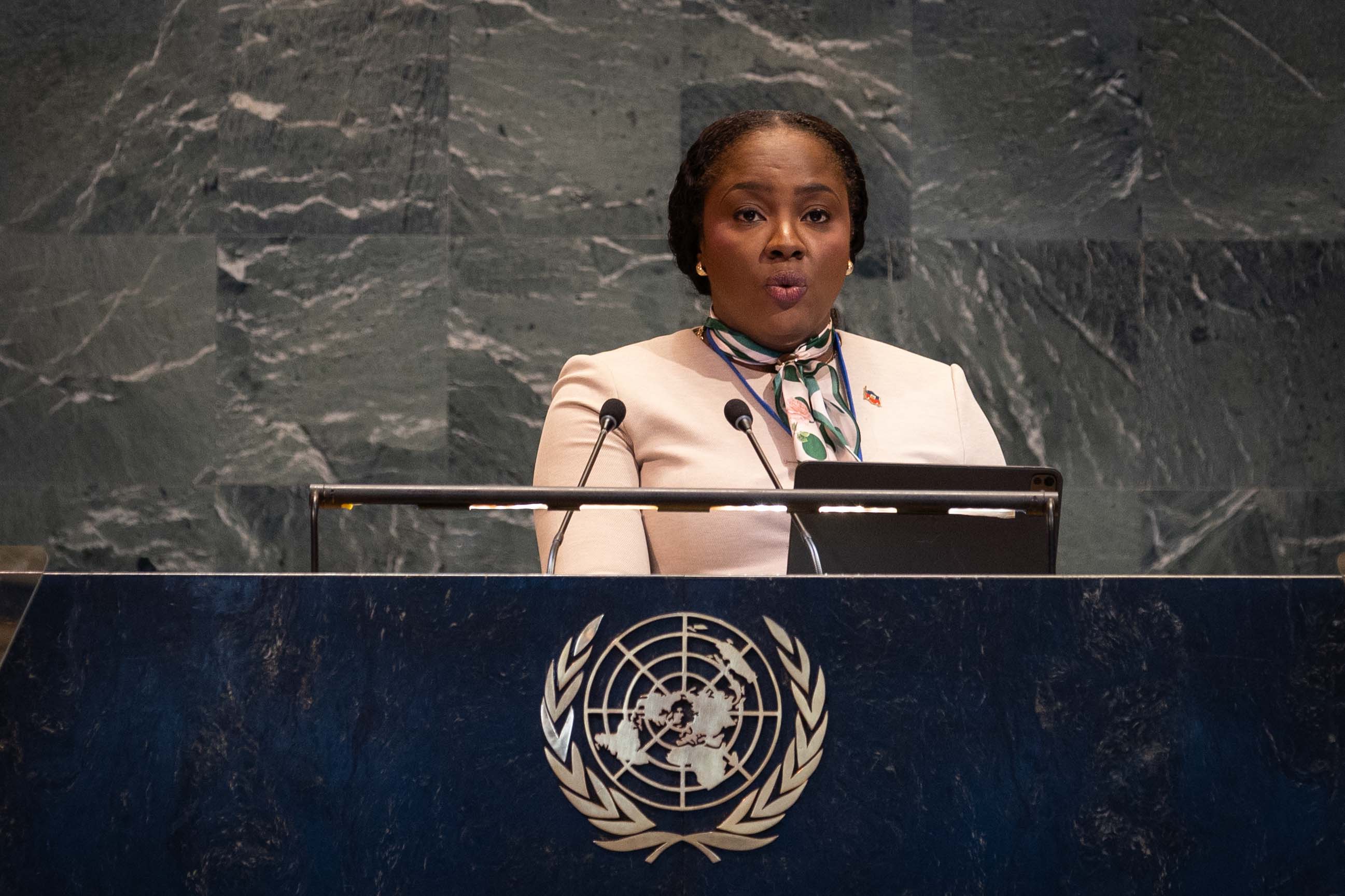
Sandra Paulemon, Minister of Planning and External Cooperation, Haiti, on behalf of the Caribbean Community (CARICOM)
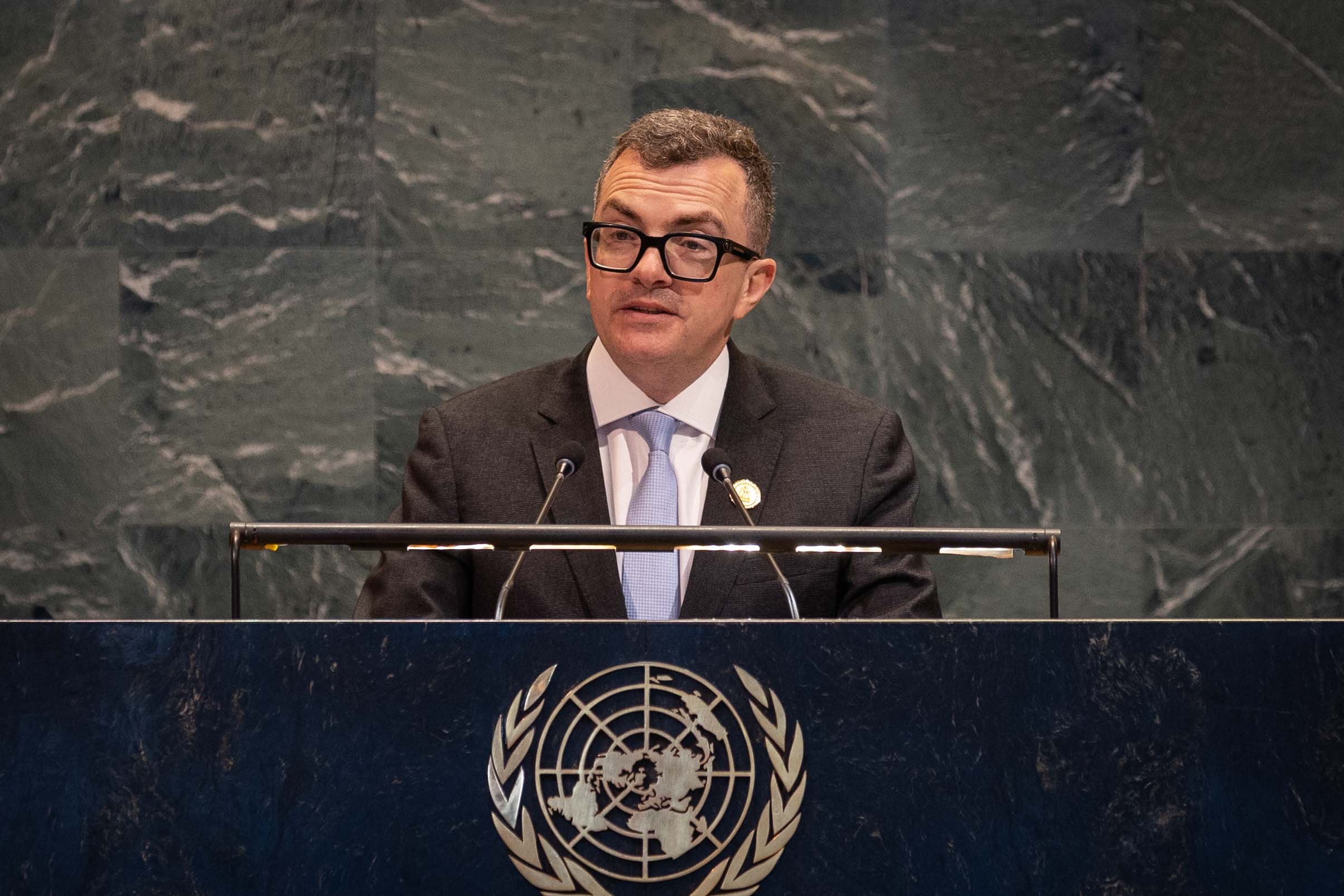
Ahmed Rostom, Minister of Planning and Economic Development, Egypt
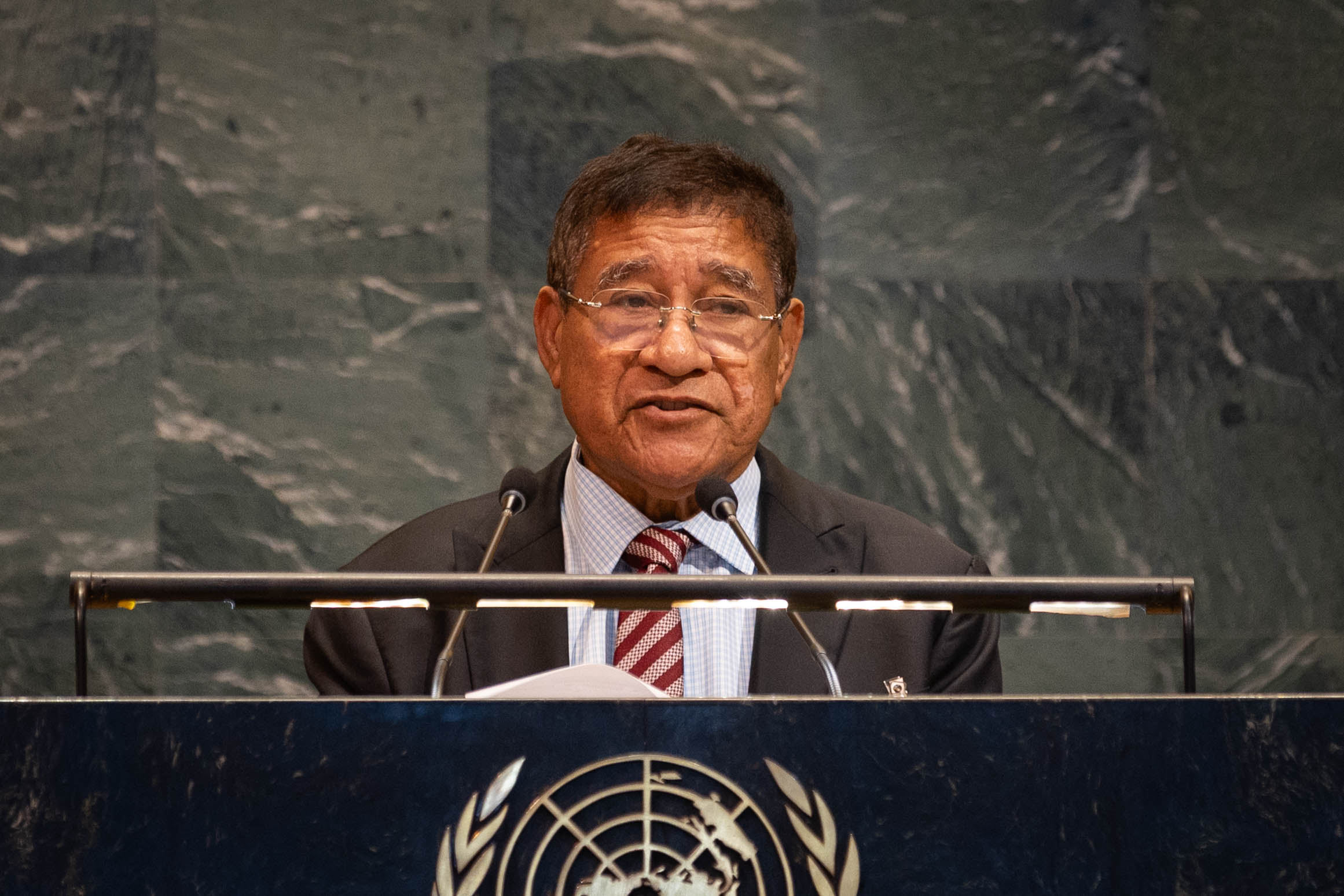
Ano Pala, Minister of National Planning, Papua New Guinea
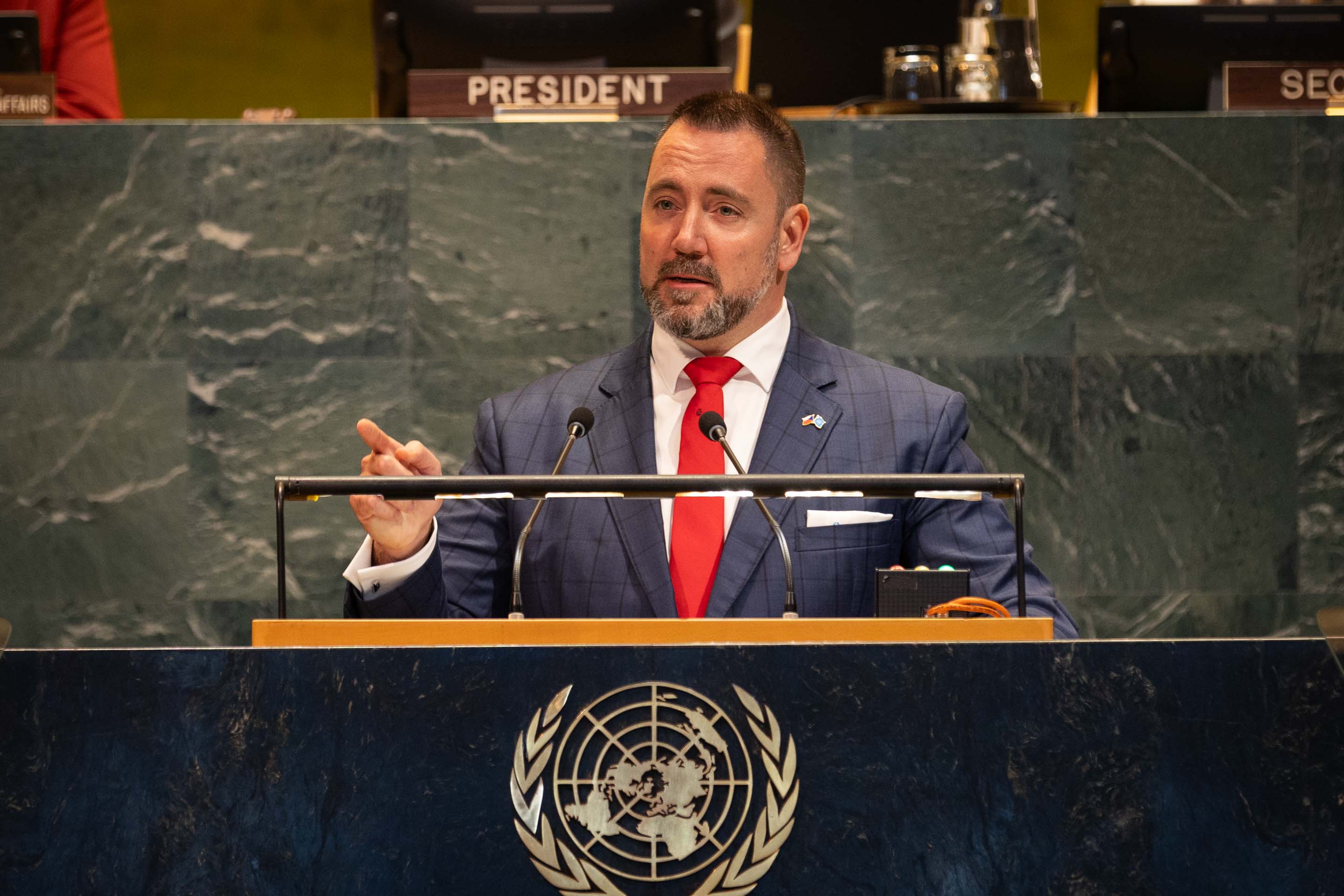
Igor Červený, Minister of the Environment, Czechia
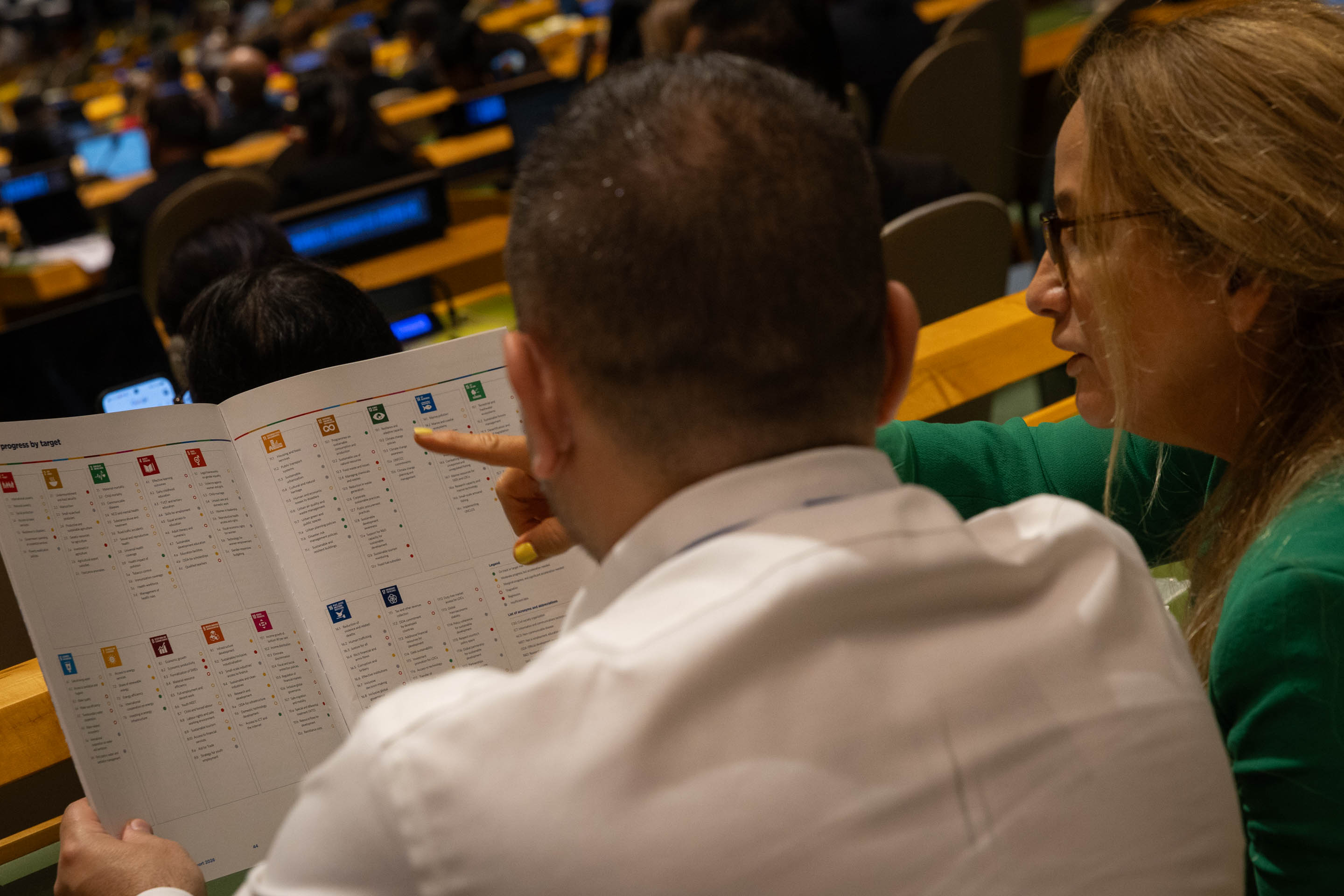
Delegates read the Sustainable Development Goal 2026 Report
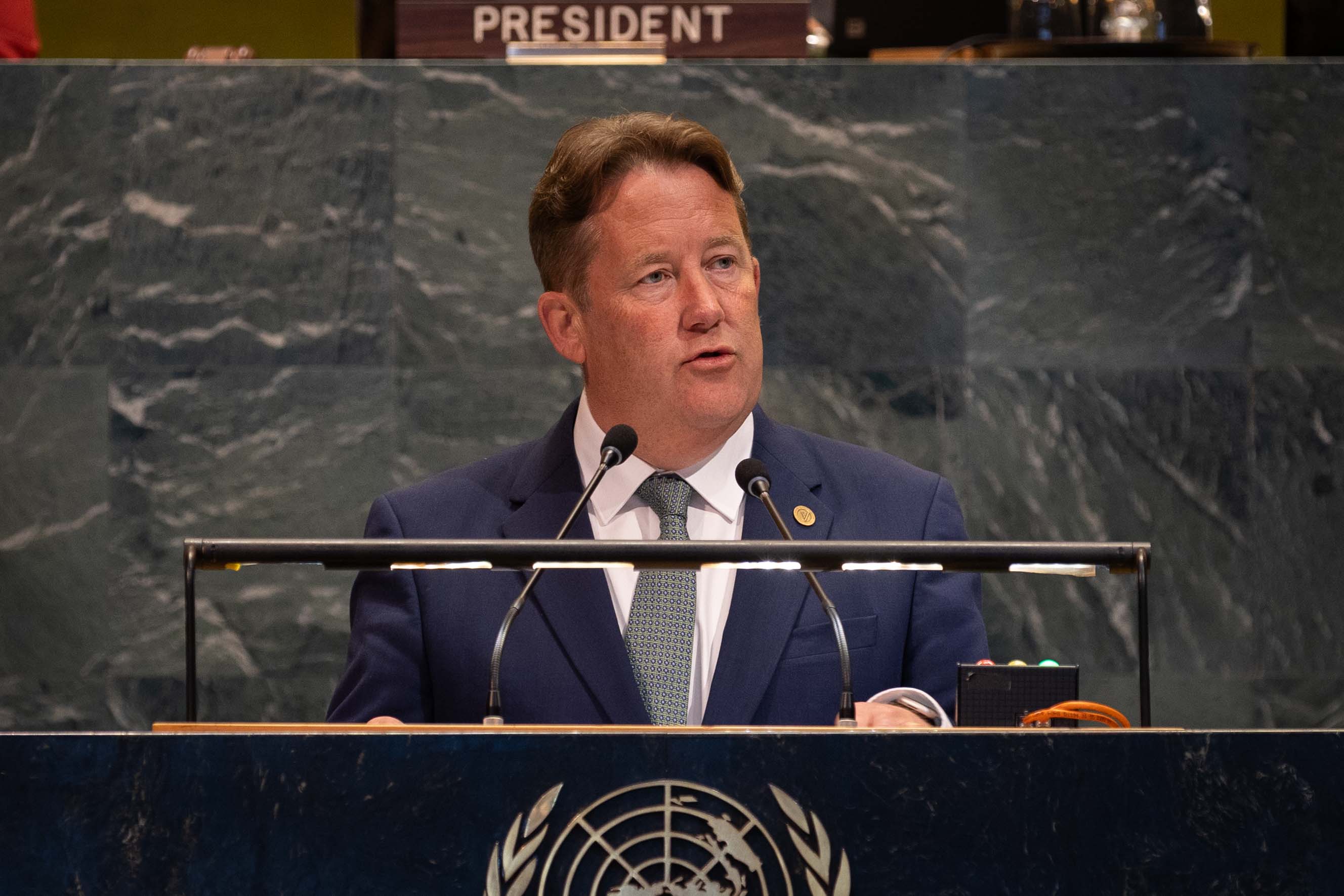
Darragh O’Brien, Minister for Climate, Energy and the Environment, Ireland
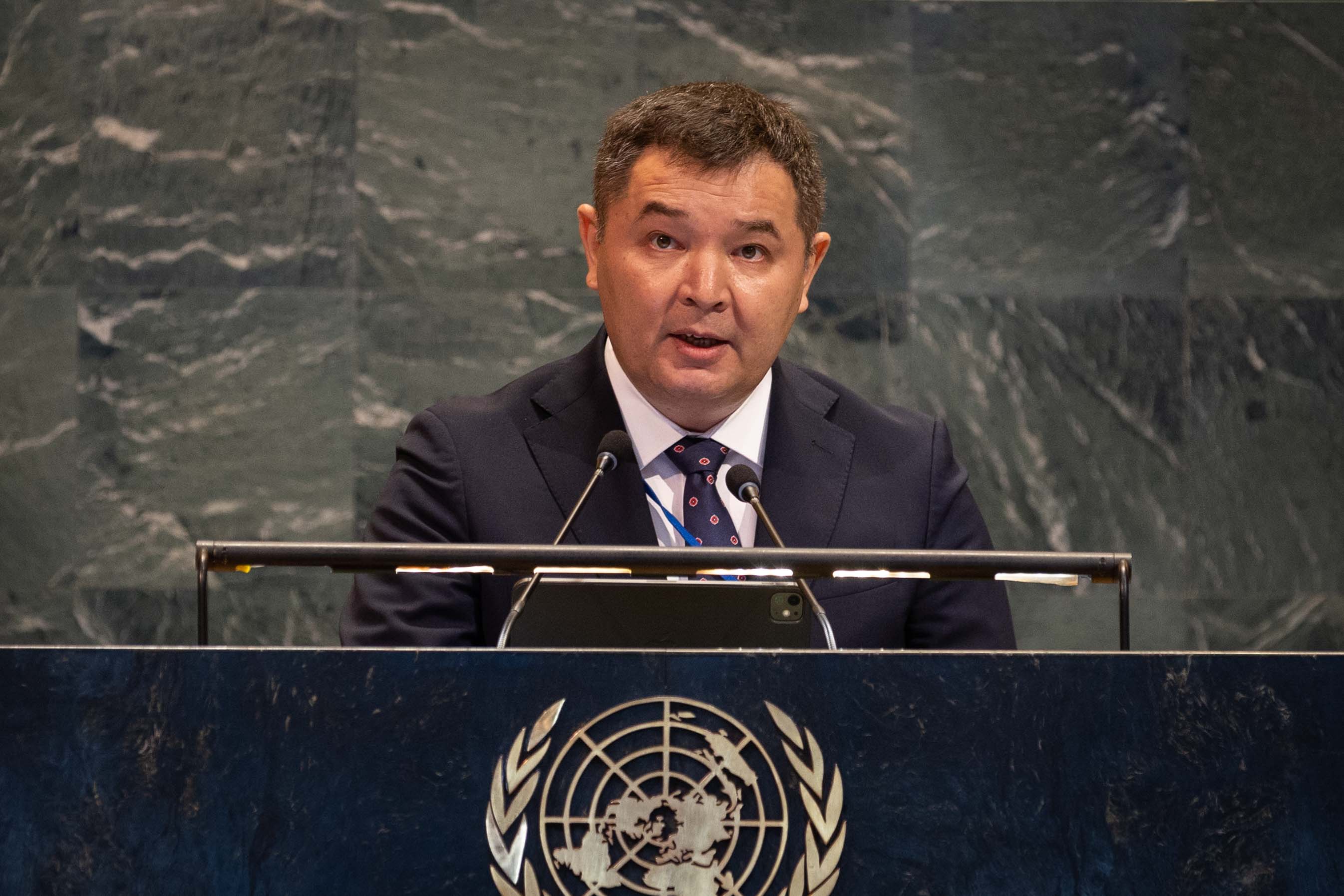
Bakyt Sydykov, Minister of Economy and Commerce, Kyrgyz Republic
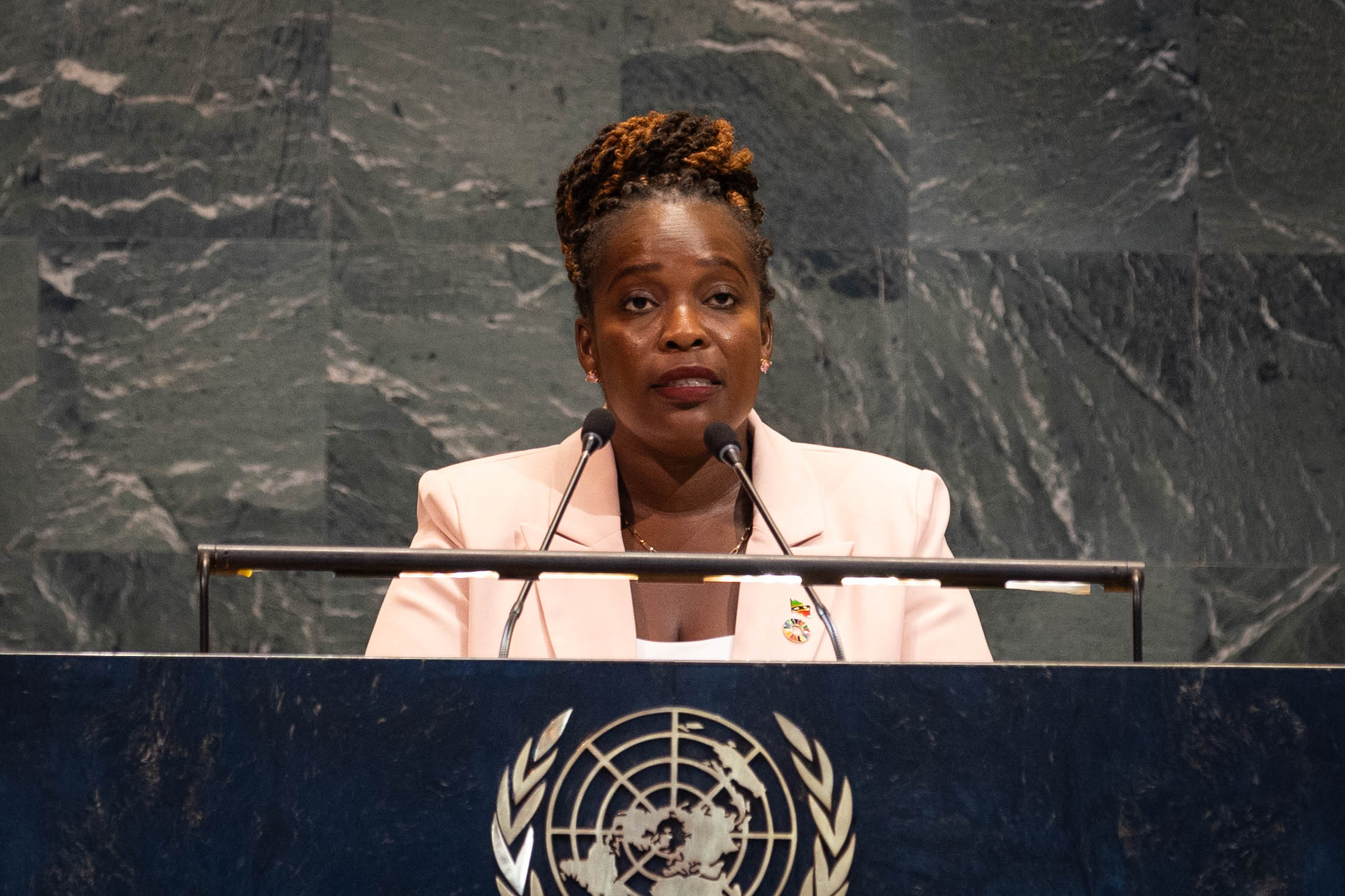
Joyelle Clark, Minister of Sustainable Development, Environment, Climate Action, and Constituency Empowerment, Saint Kitts and Nevis
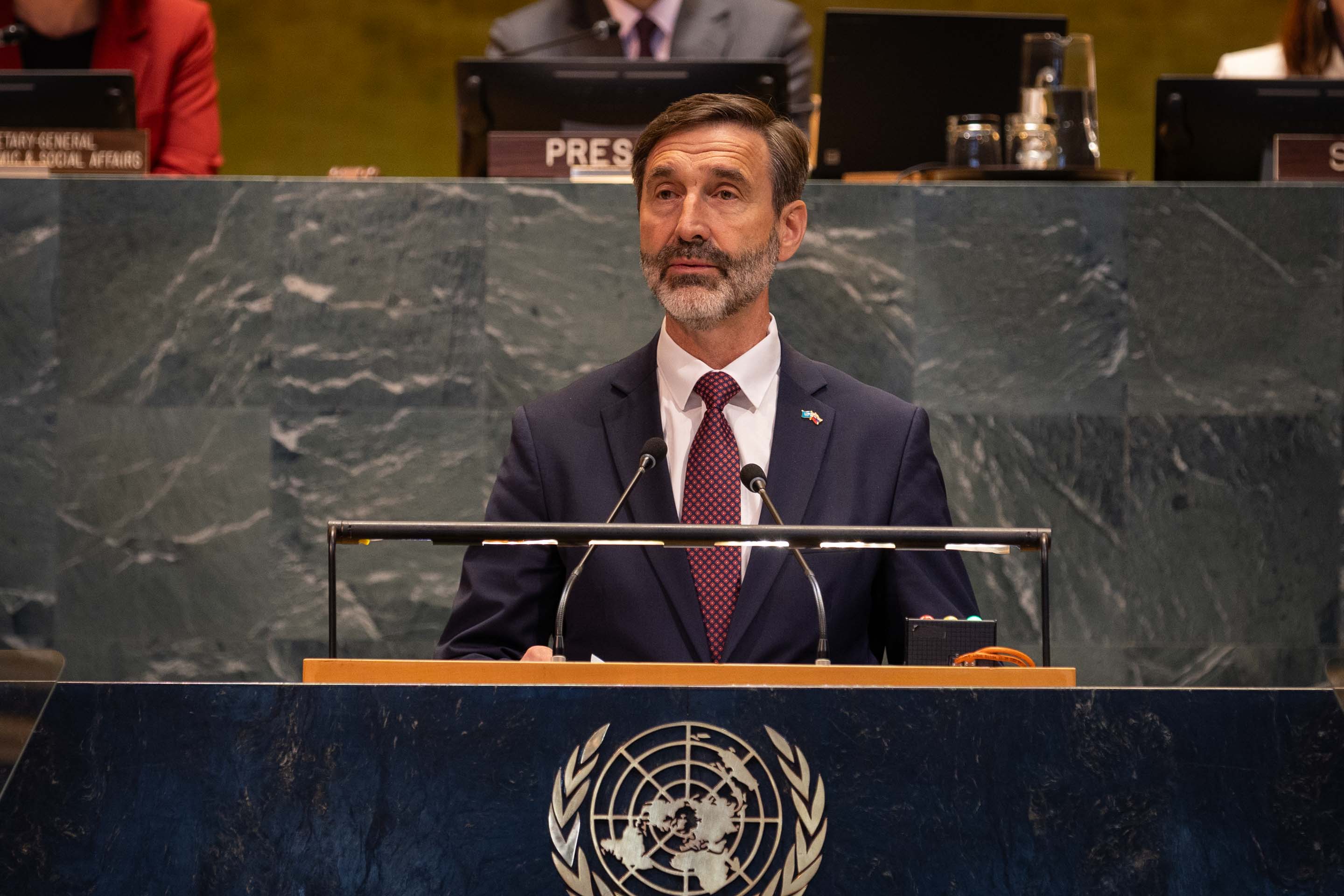
Juraj Blanár, Minister of Foreign and European Affairs, Slovakia
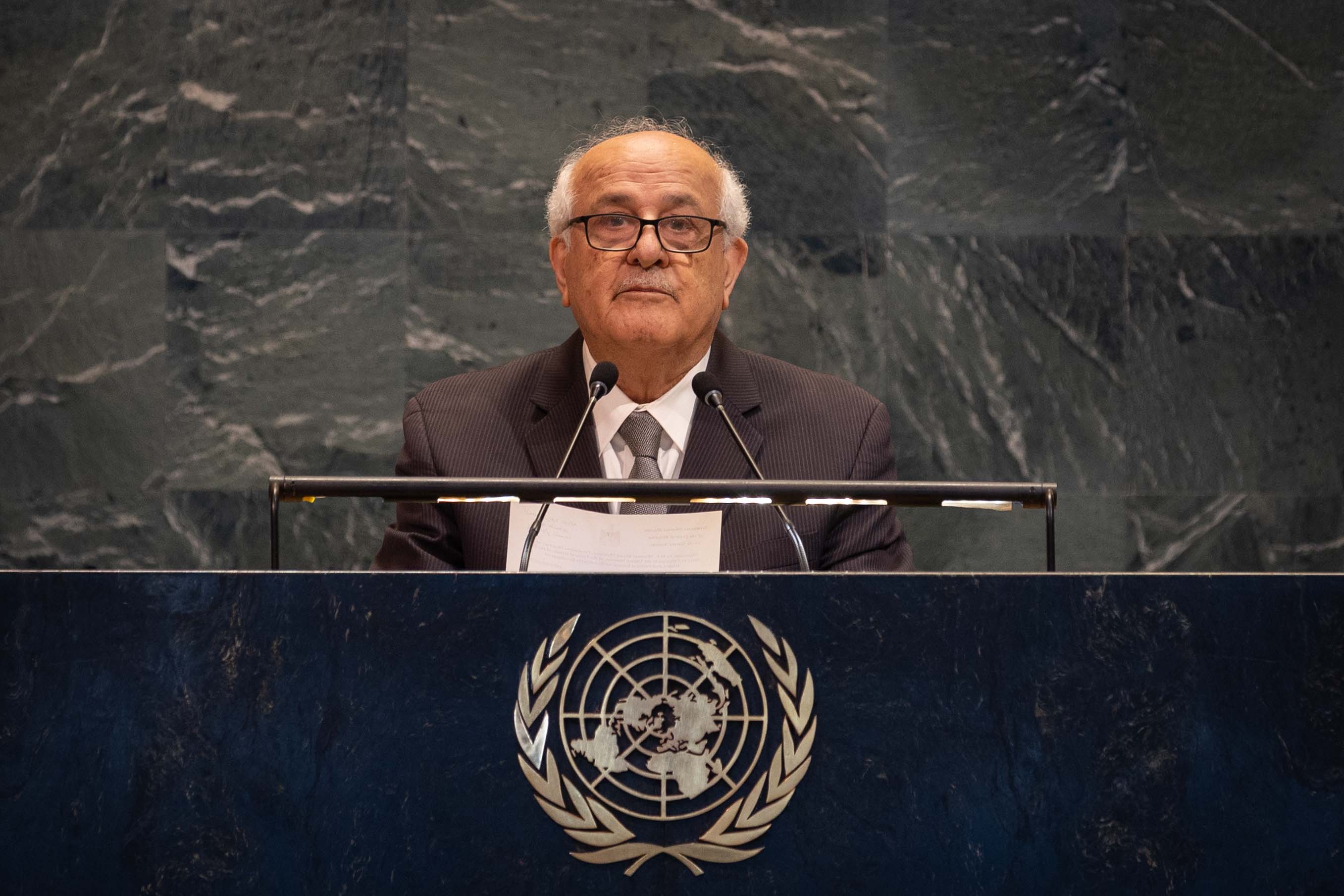
Riyad Mansour, Permanent Representative of Palestine to the UN
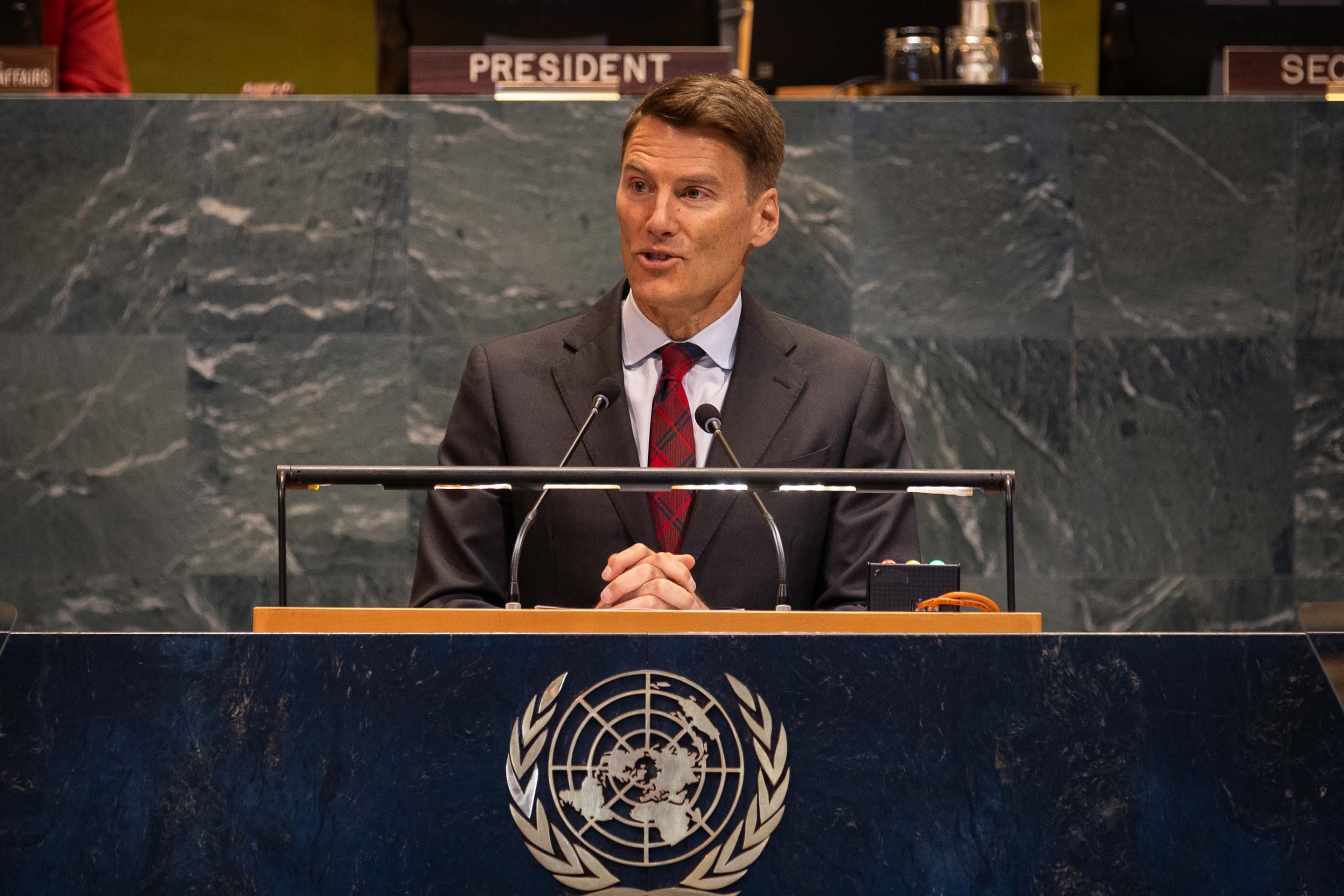
Gregor Robertson, Minister of Housing and Infrastructure, Canada
Voluntary National Reviews
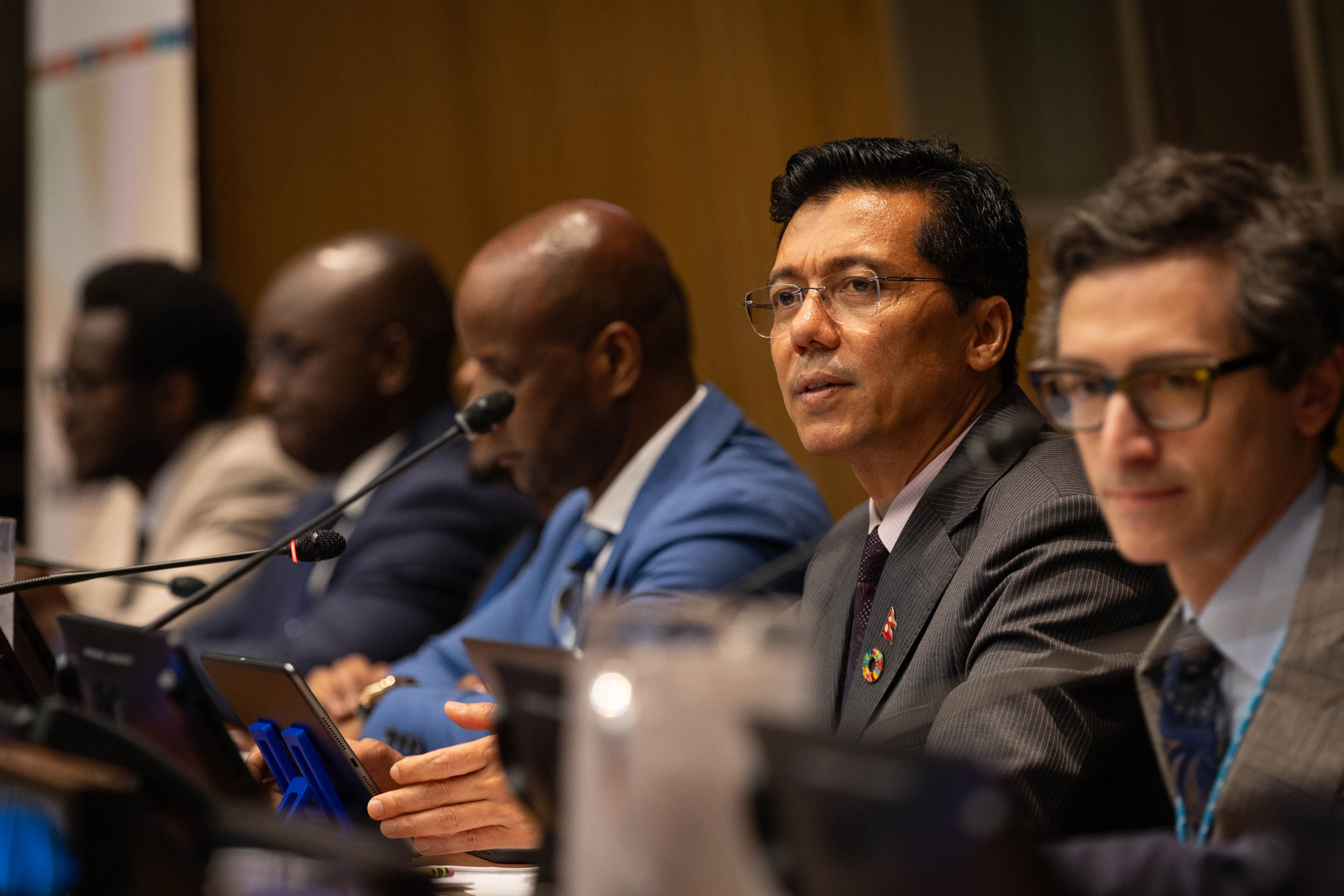
Lok Bahadur Thapa, President, ECOSOC
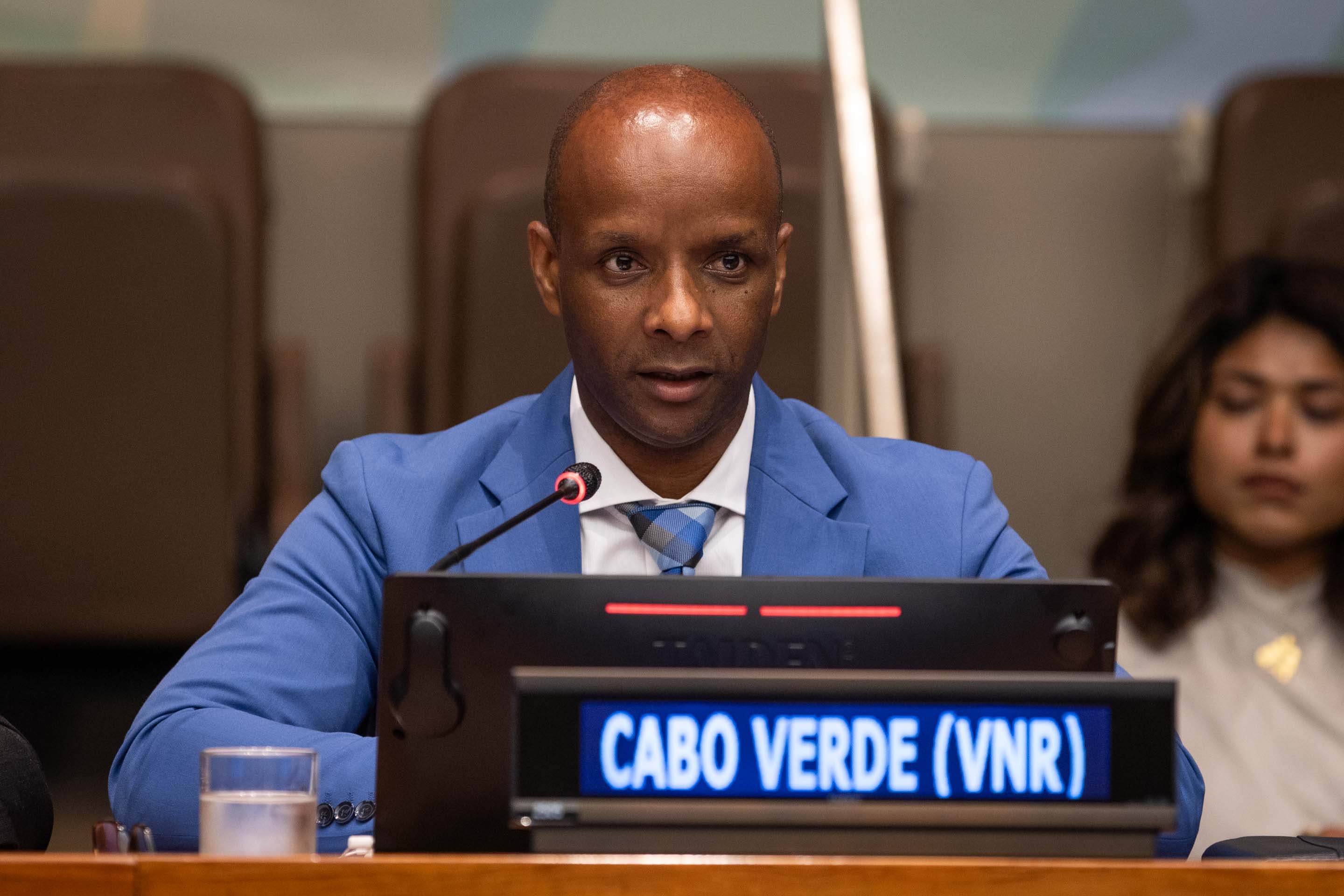
Carlos Alberto Ramos Varela, Minister of Environment, Climate Action and Energy, Cabo Verde
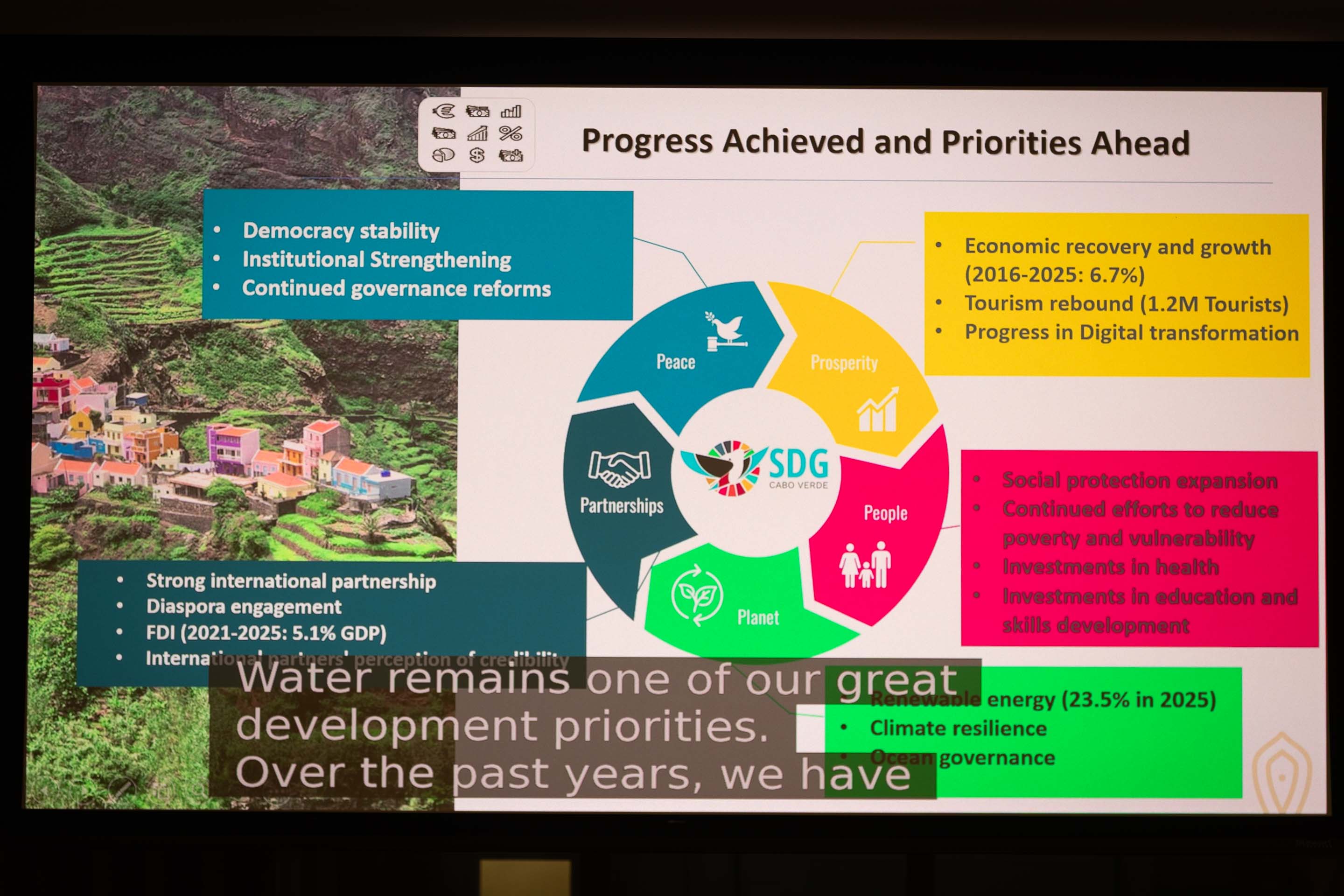
Cabo Verde's VNR highlights their progress made with the SDGs and their priorities ahead
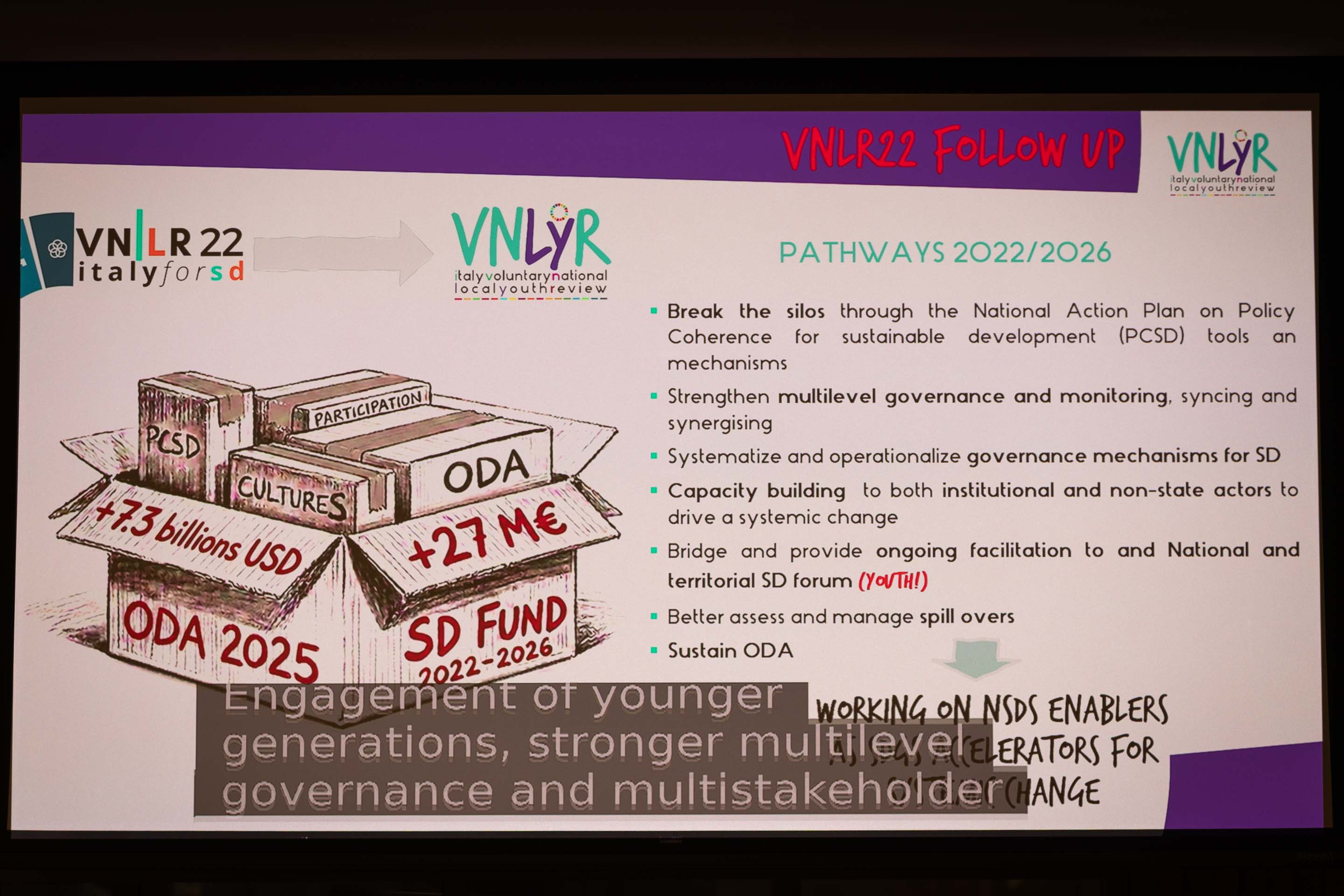
Italy's VNR highlights their pathway for achieving the SDGs
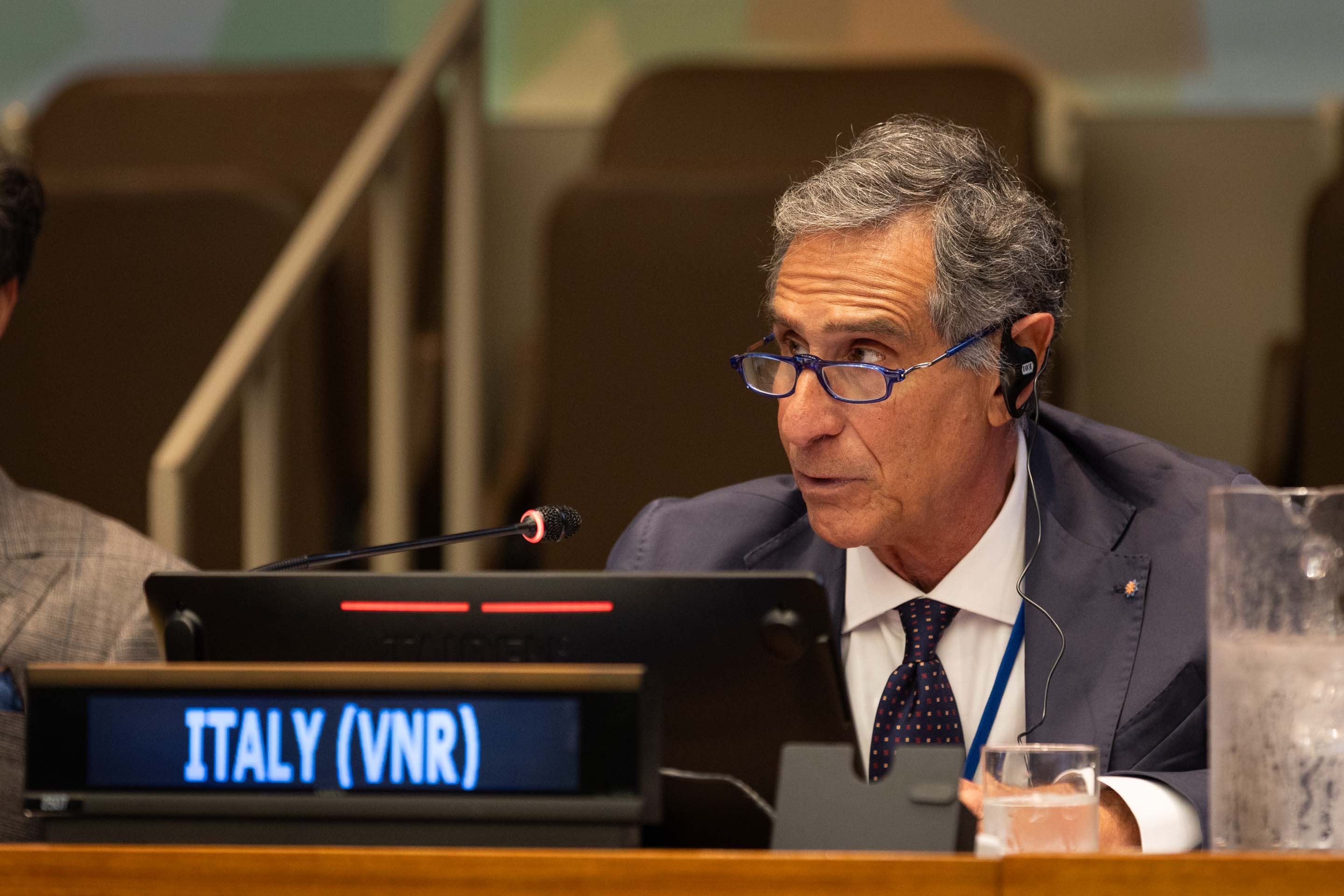
Claudio Barbao, Under-Secretary for Environment and Energy Security, Italy
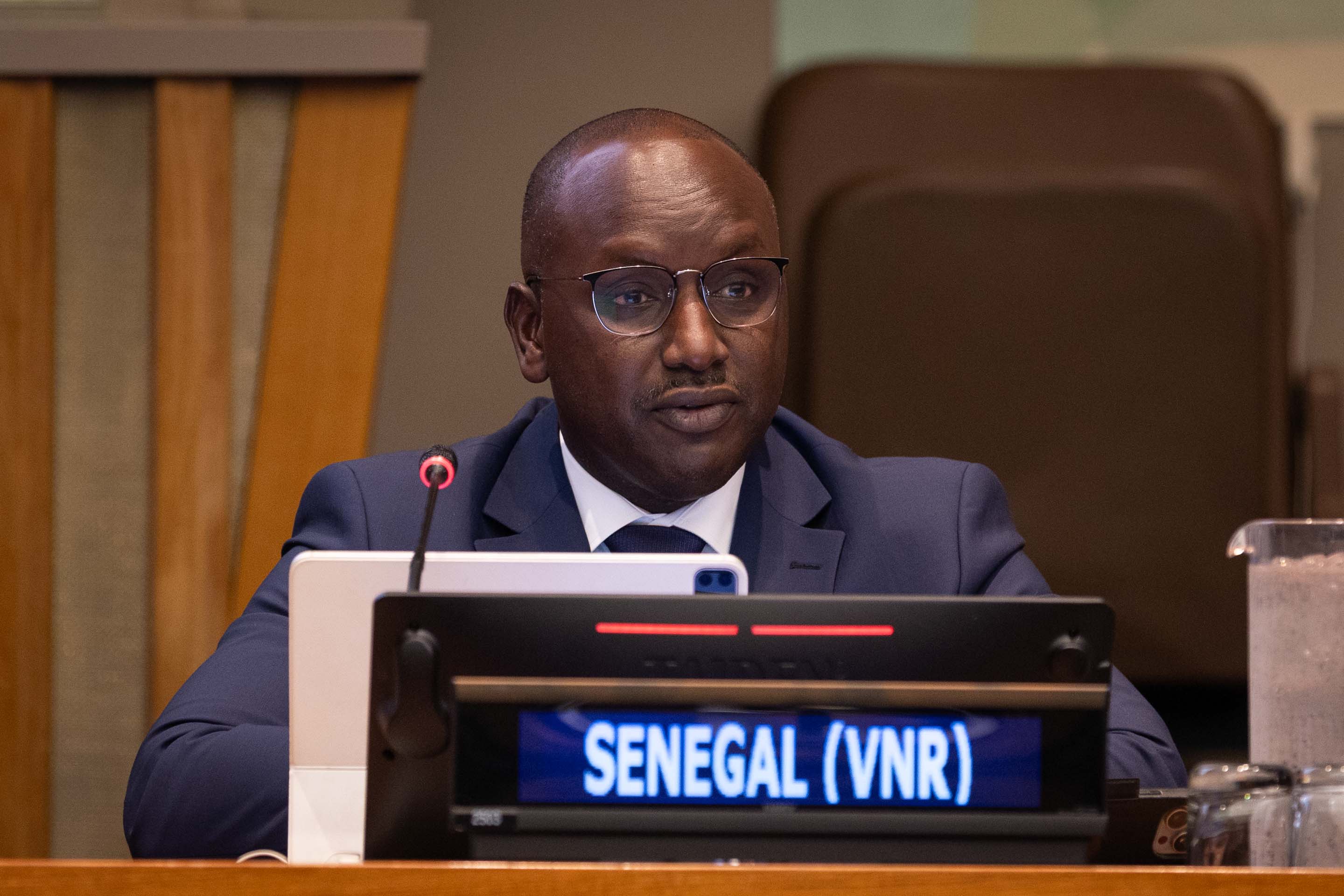
Cheikh Tidiane Dieye, Minister of Water and Sanitation, Senegal
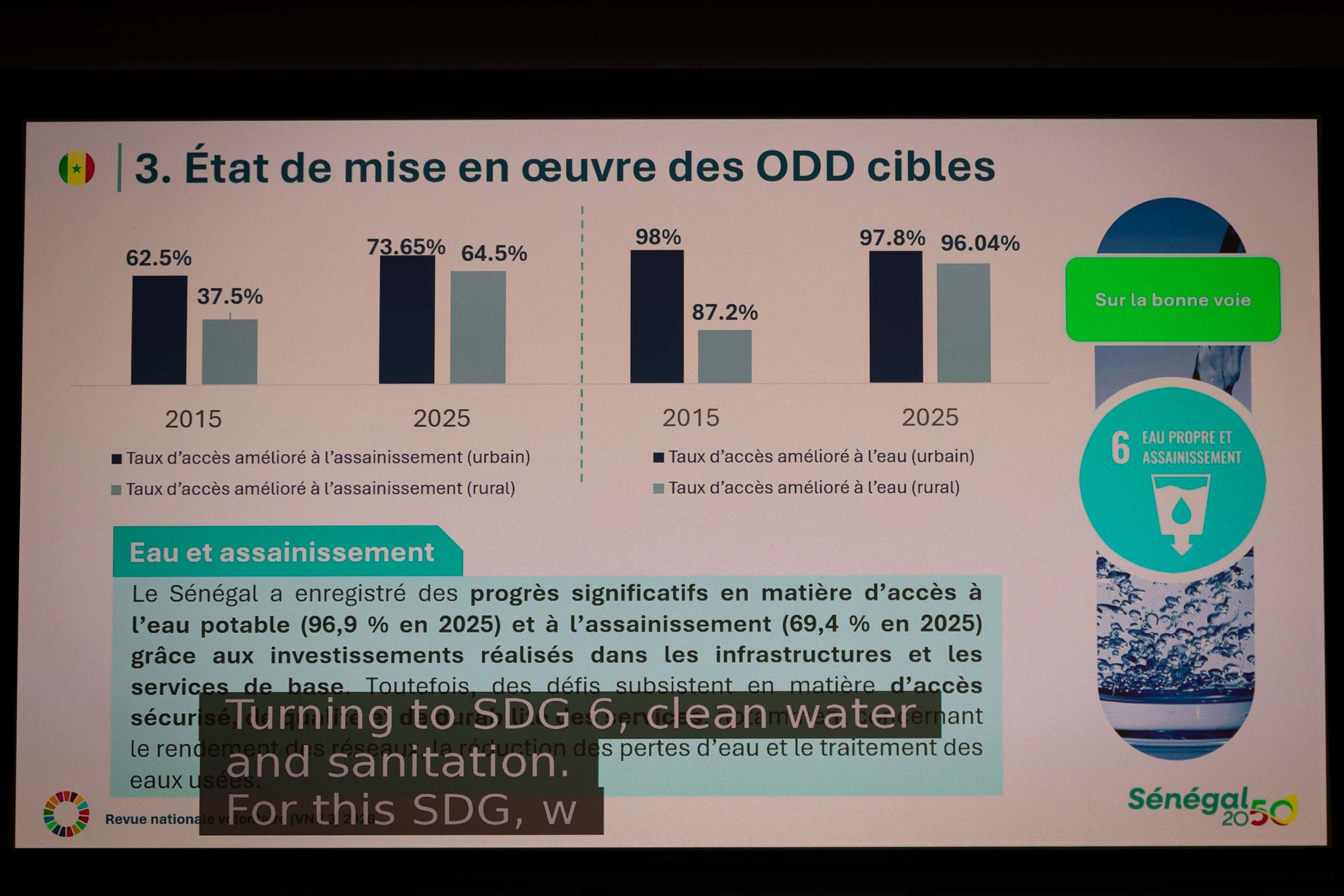
Senegal's VNR highlights their progress on SDG 6 (clean water and sanitation)
Delegates listen to the VNR presentations
Grace Wood, UK
Fatou Njie Hydara, The Gambia
Lamar Bailey, People of African Descent Stakeholder Group
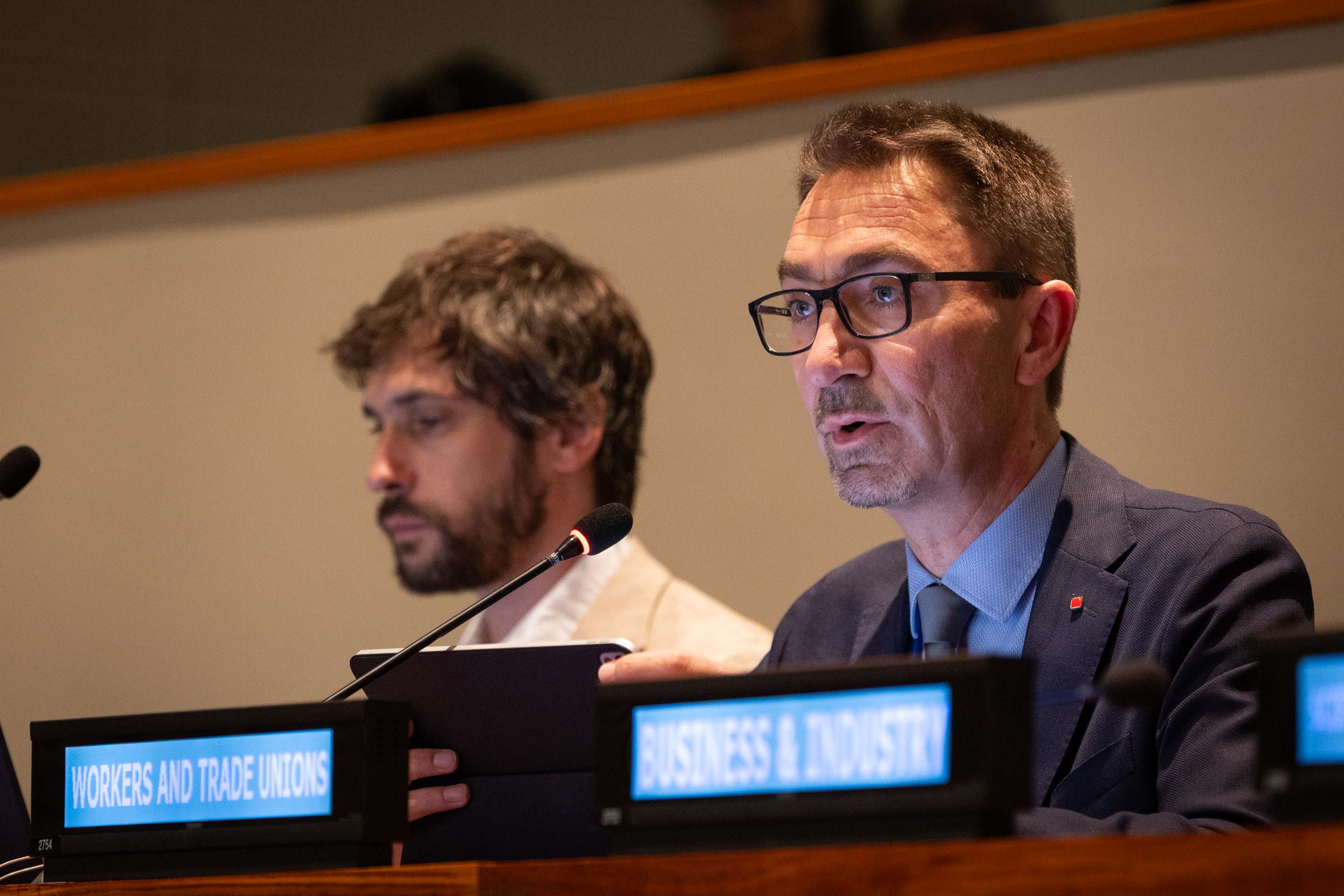
Christian Ferrari, Workers and Trade Unions Major Group
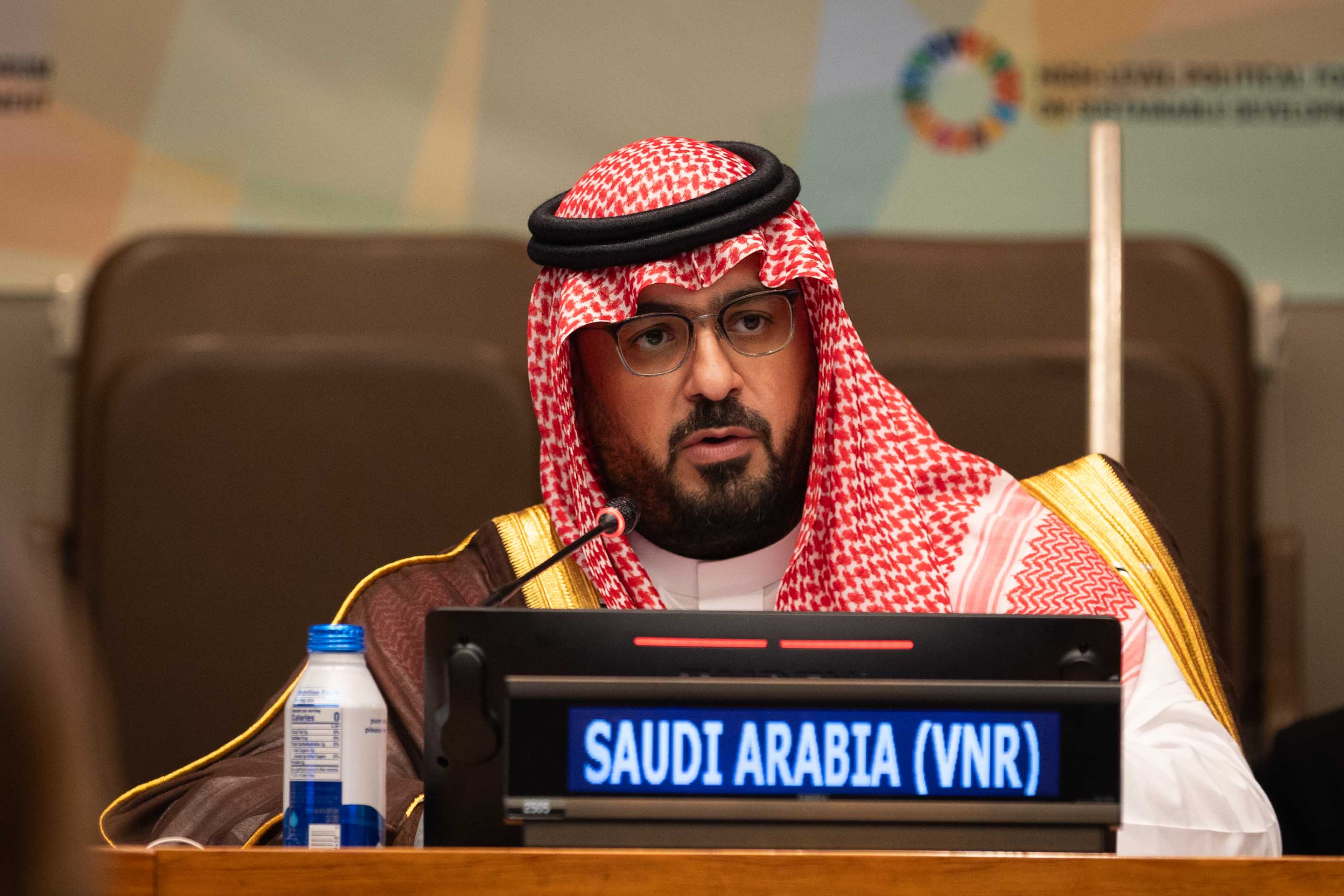
Faisal Bin Fadel Alibrahim, Minister of Economy and Planning, Saudi Arabia
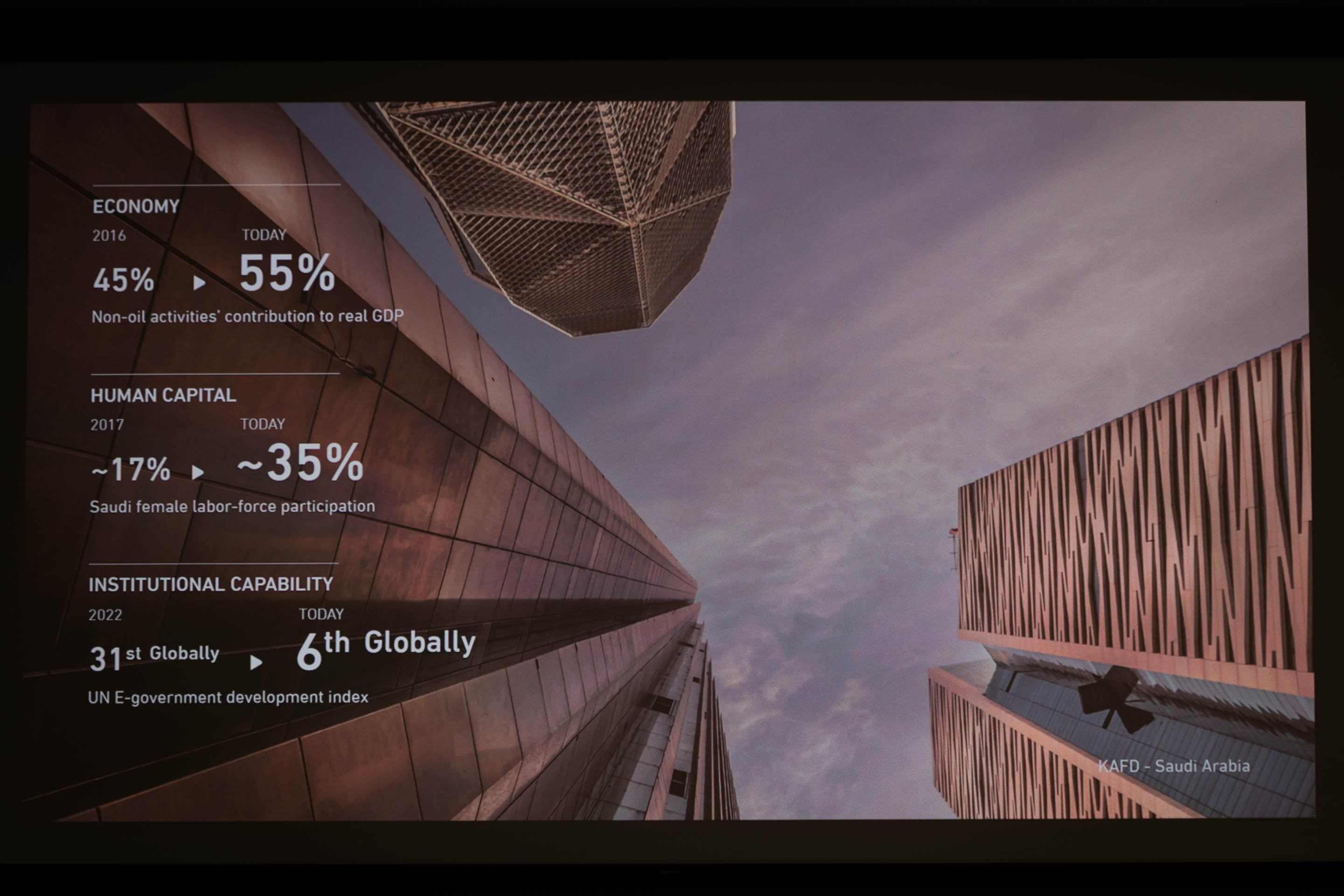
Saudi Arabia's VNR highlights progress made in the areas of the economy, human capital, and institutional capability
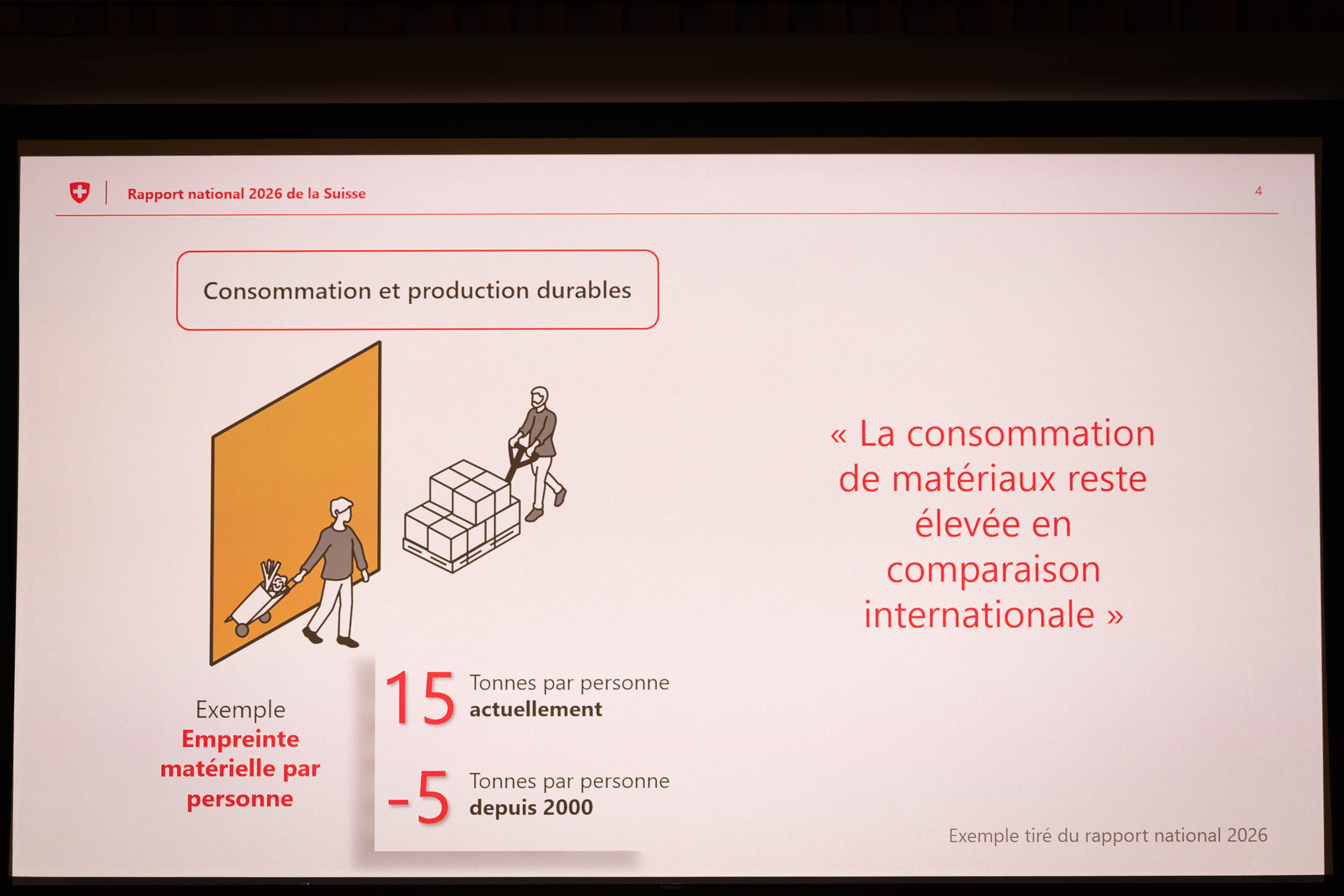
Switzerland's VNR highlights their efforts towards sustainable consumption and production
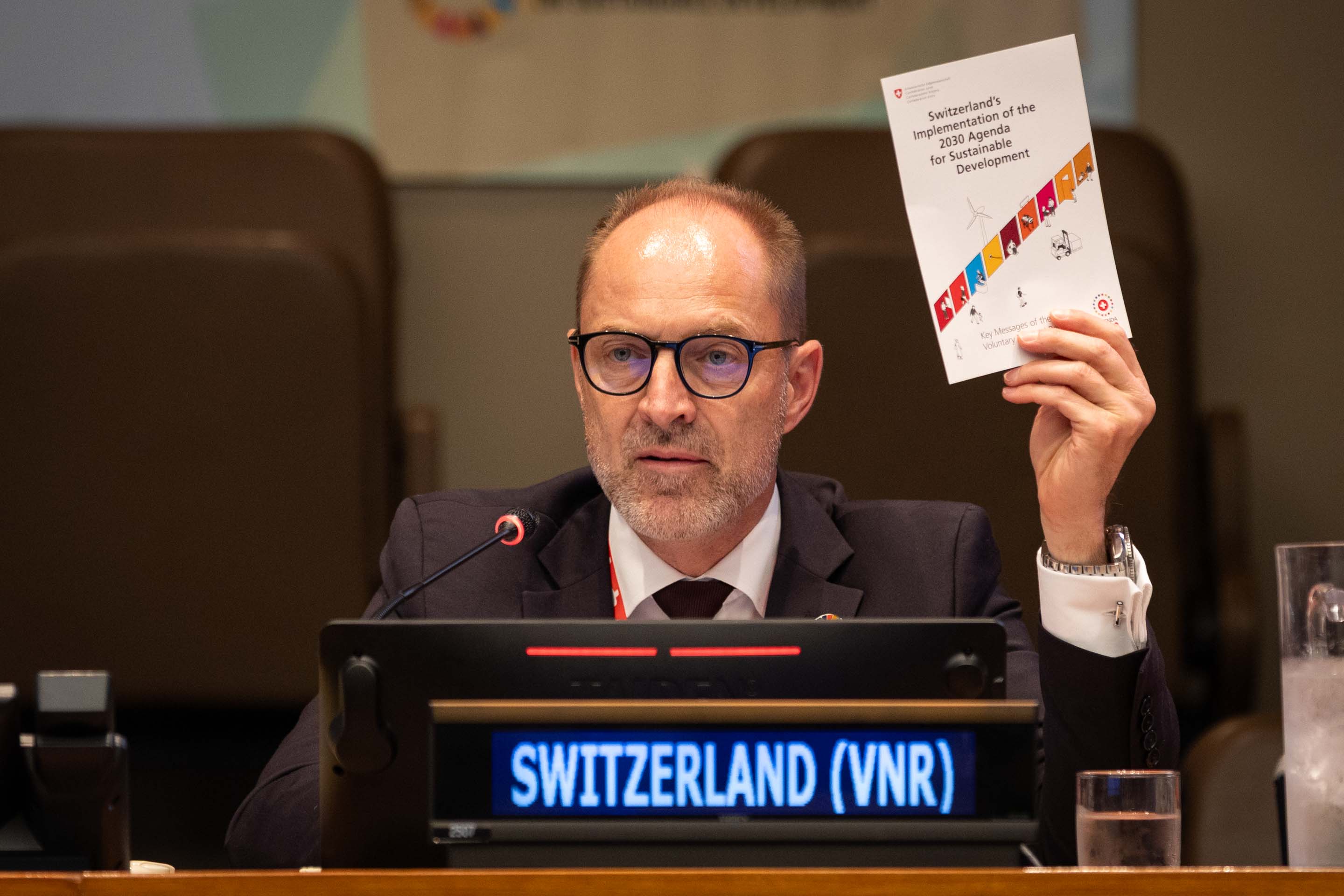
Markus Reubi, State Secretary, Switzerland
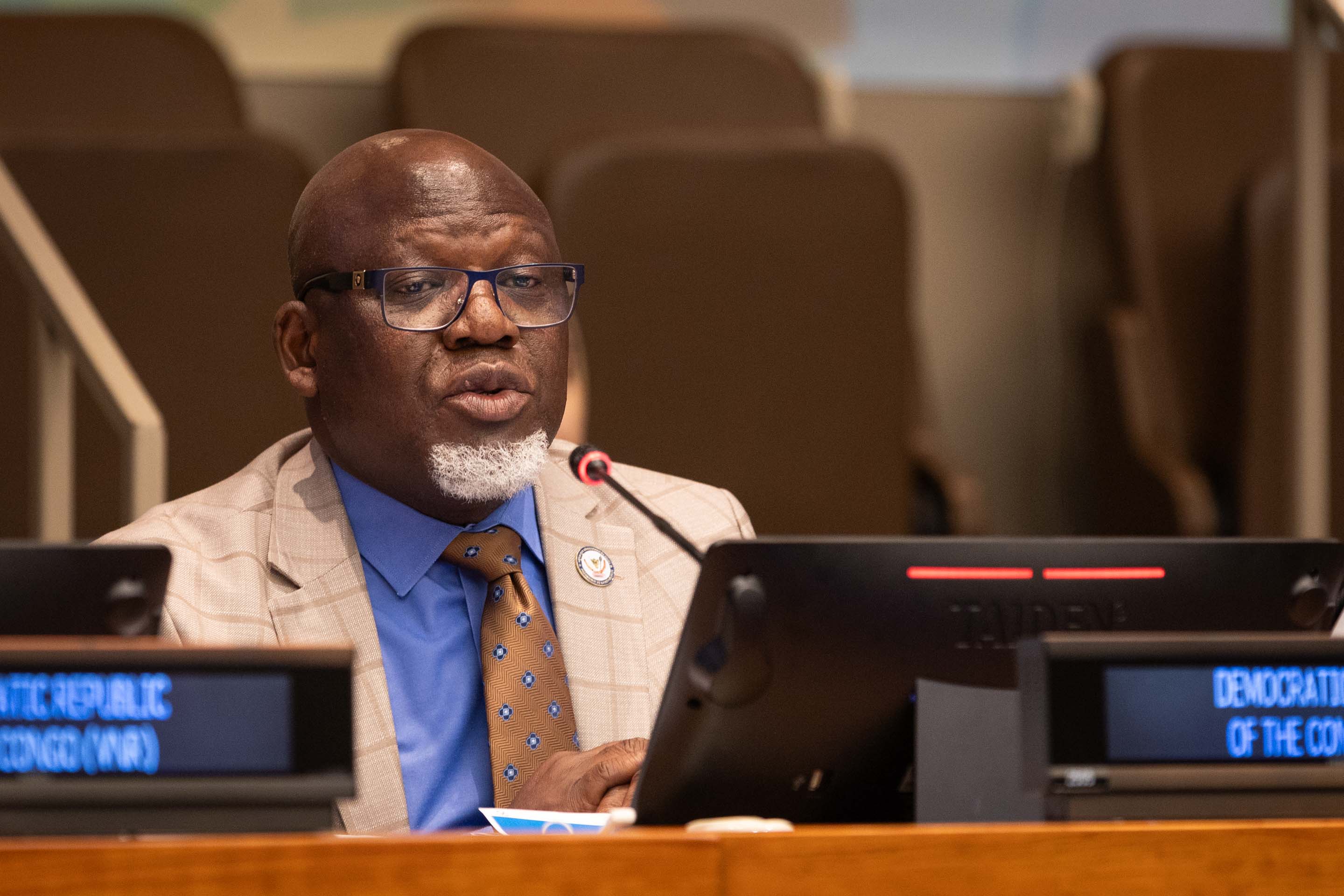
Zénon Mukongo Ngay, Permanent Representative of the Democratic Republic of the Congo (DRC) to the UN
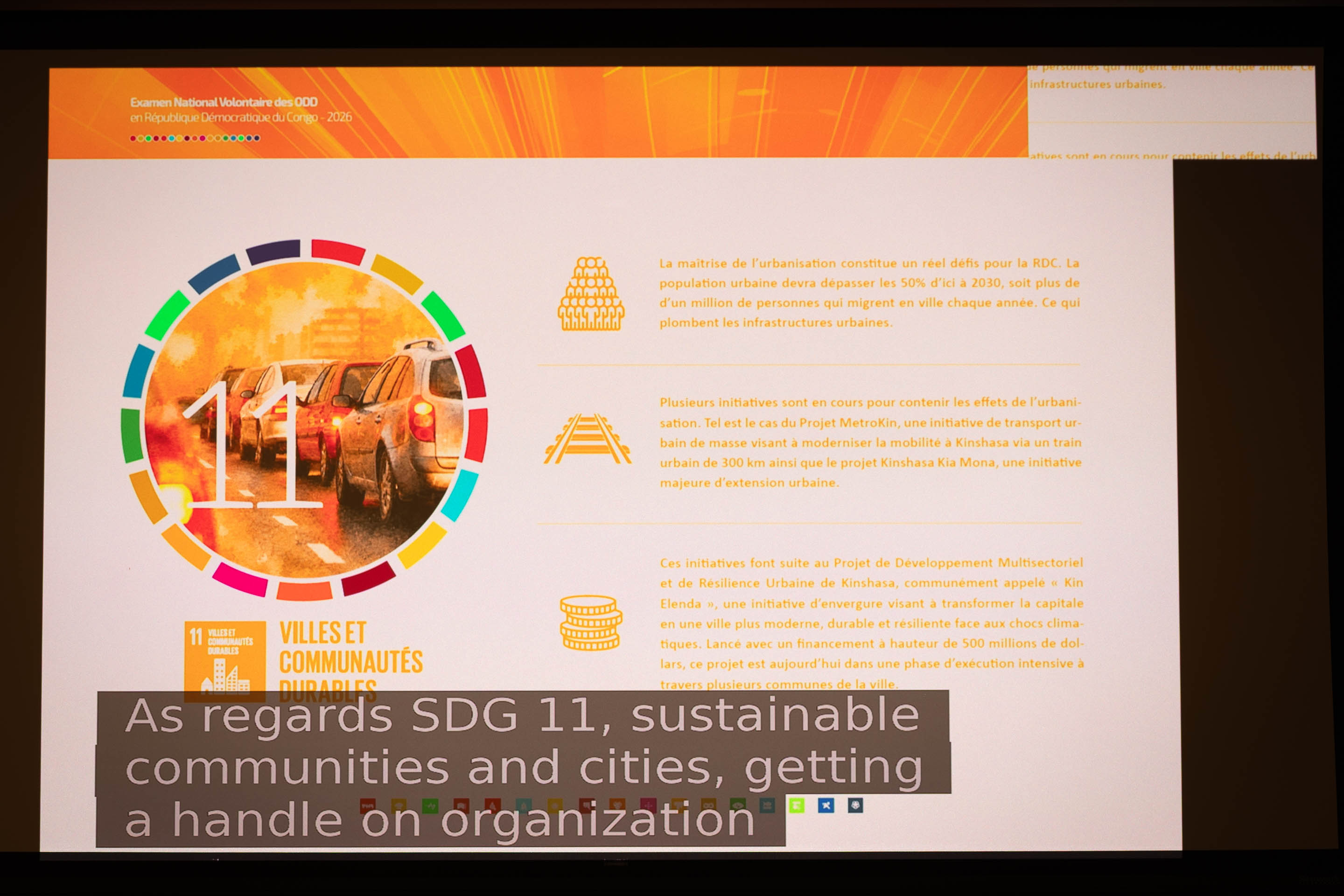
DRC's VNR highlights their progress on SDG 11 (sustainable cities)
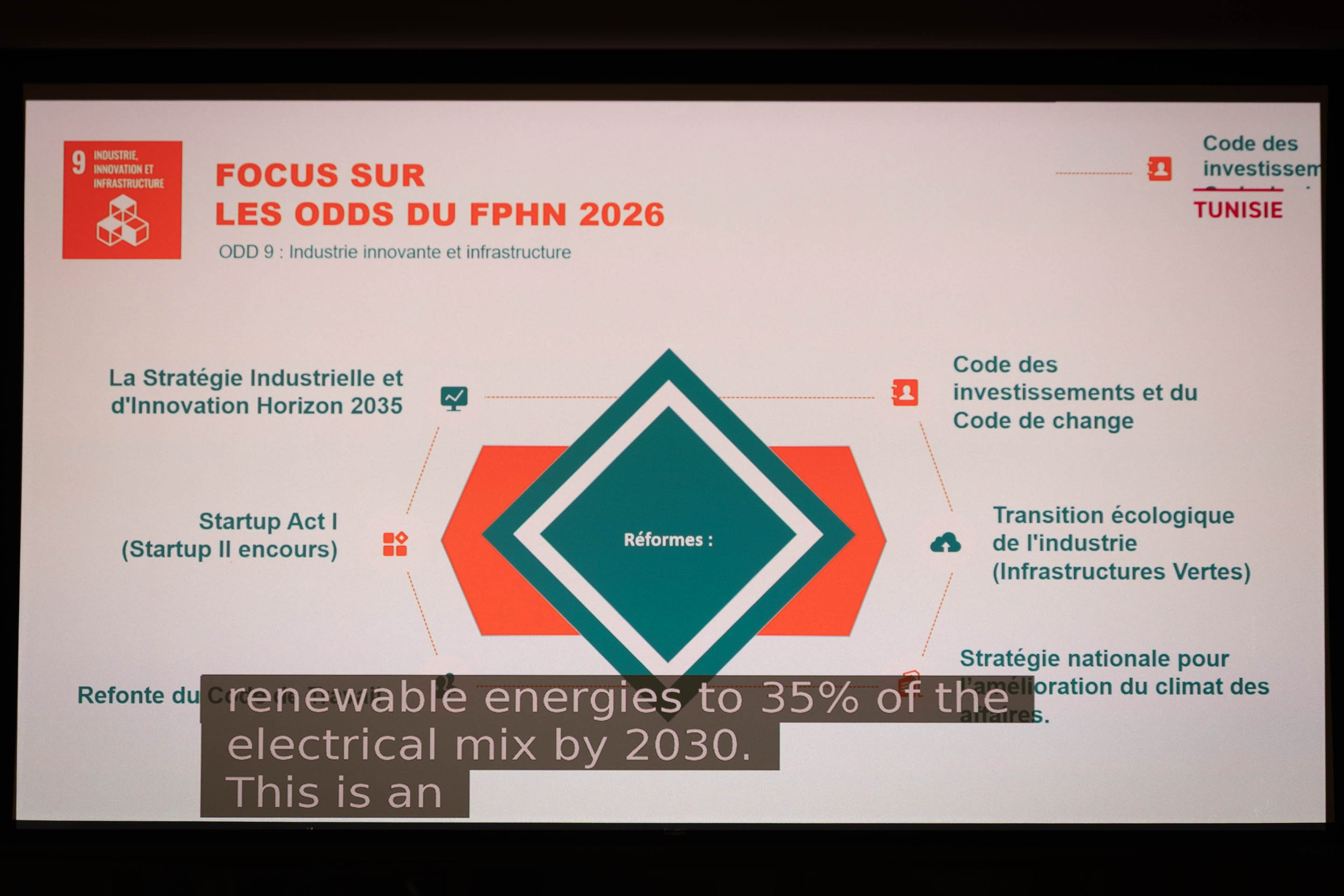
Tunisia's VNR highlights the reforms they are making to help achieve SDG 9 (industry, innovation, and infrastructure)
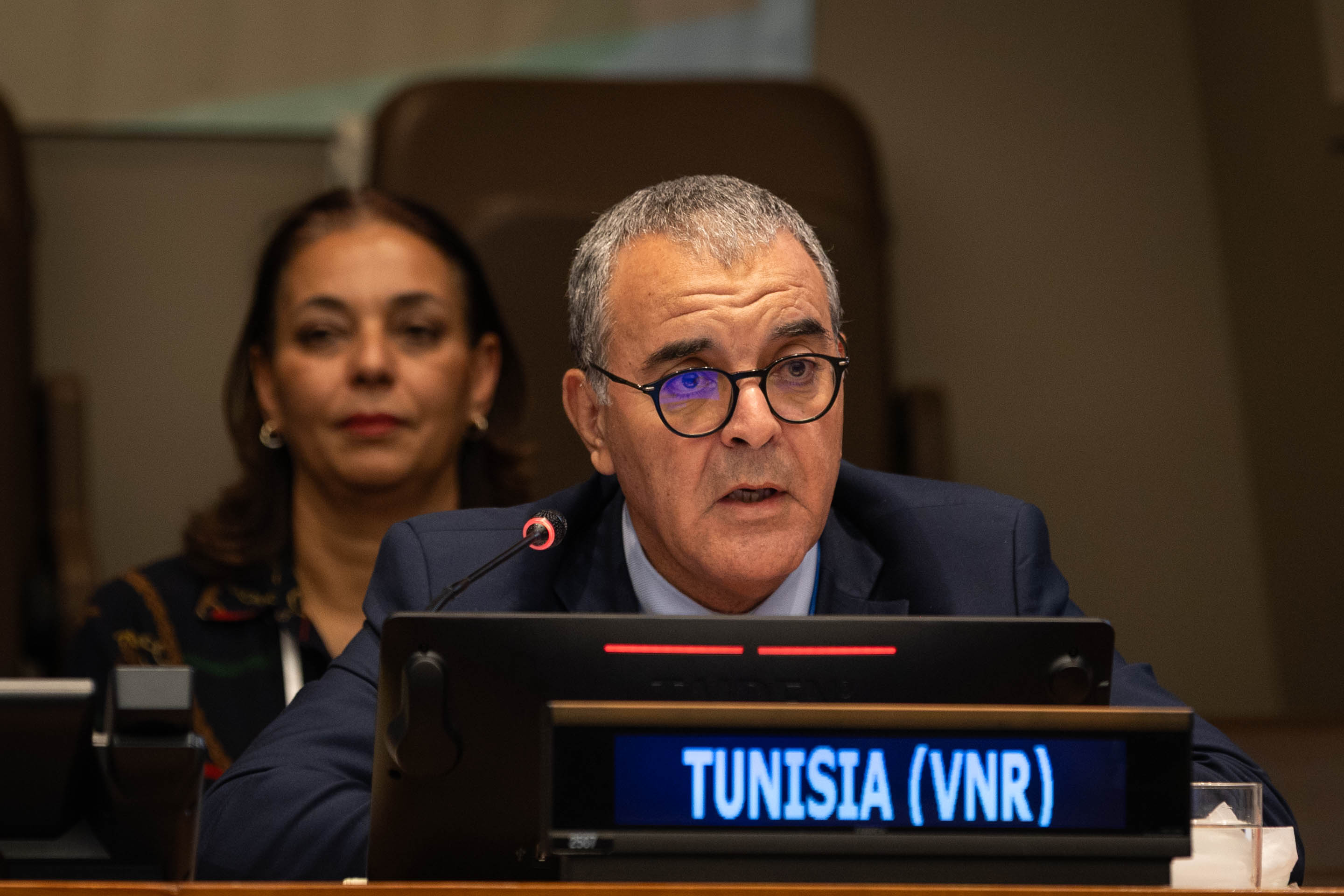
Samir Abdelhafidh, Minister of Economy and Planning, Tunisia
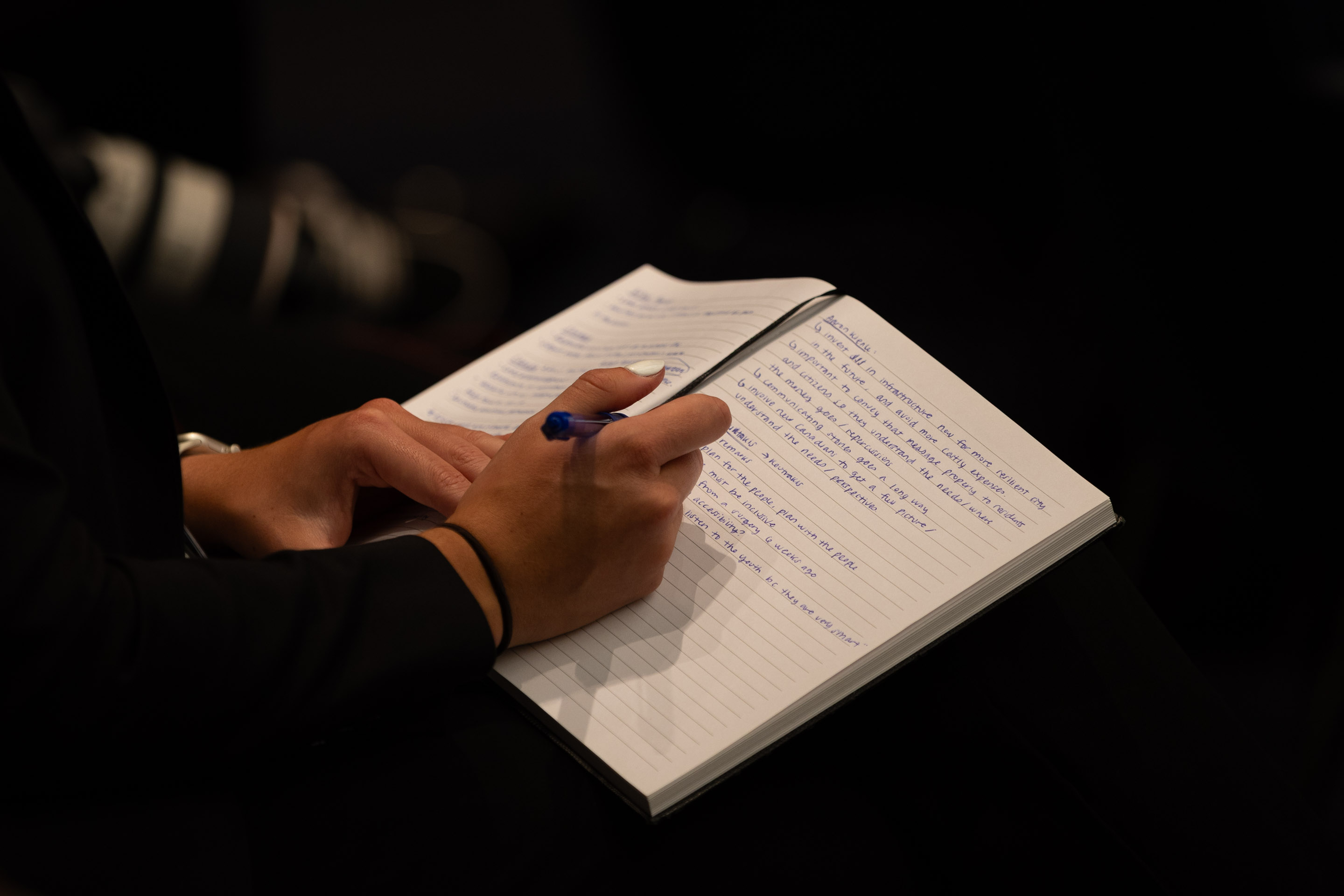
Around the Venue
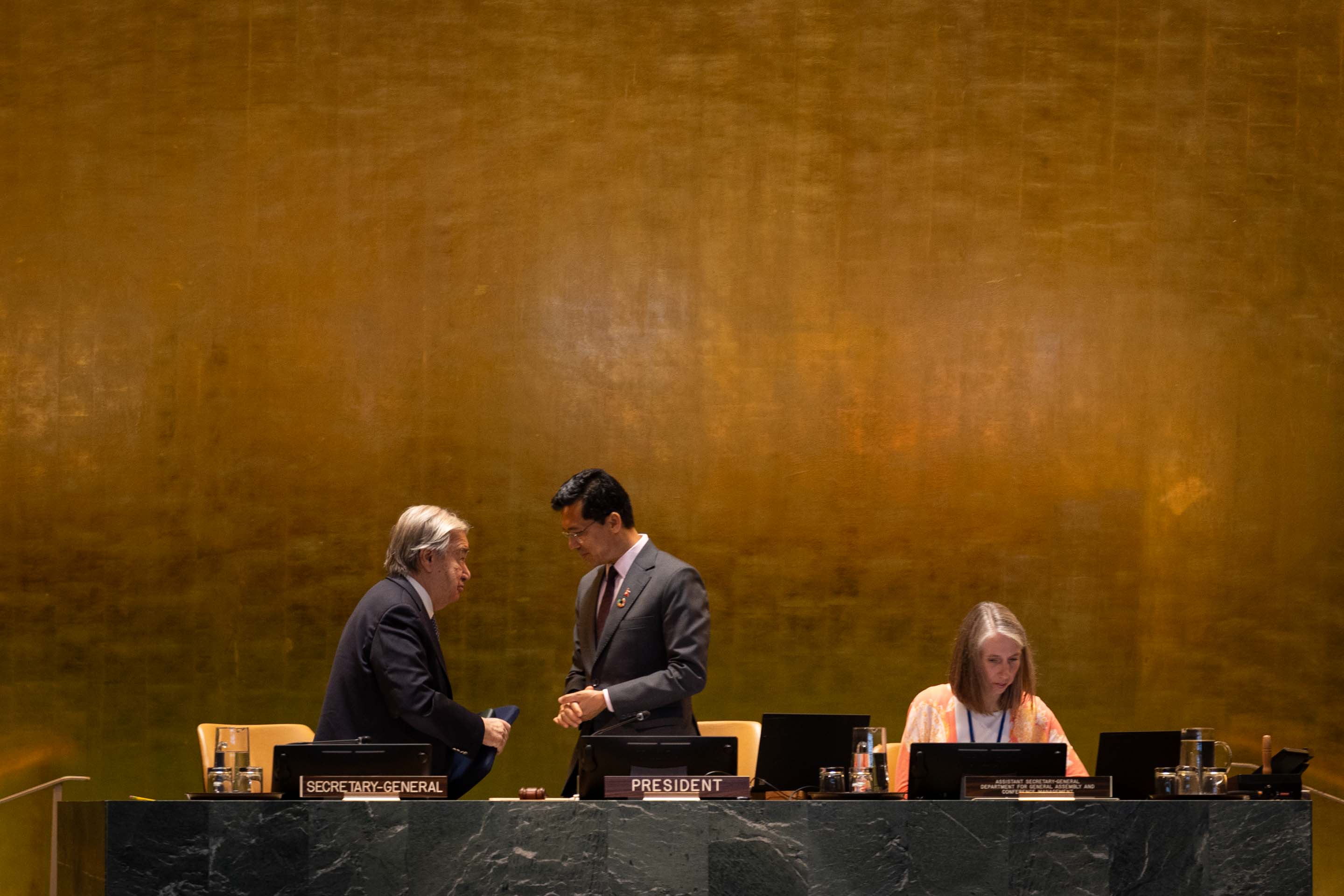
António Guterres, UN Secretary-General, speaks with Lok Bahadur Thapa, President, ECOSOC
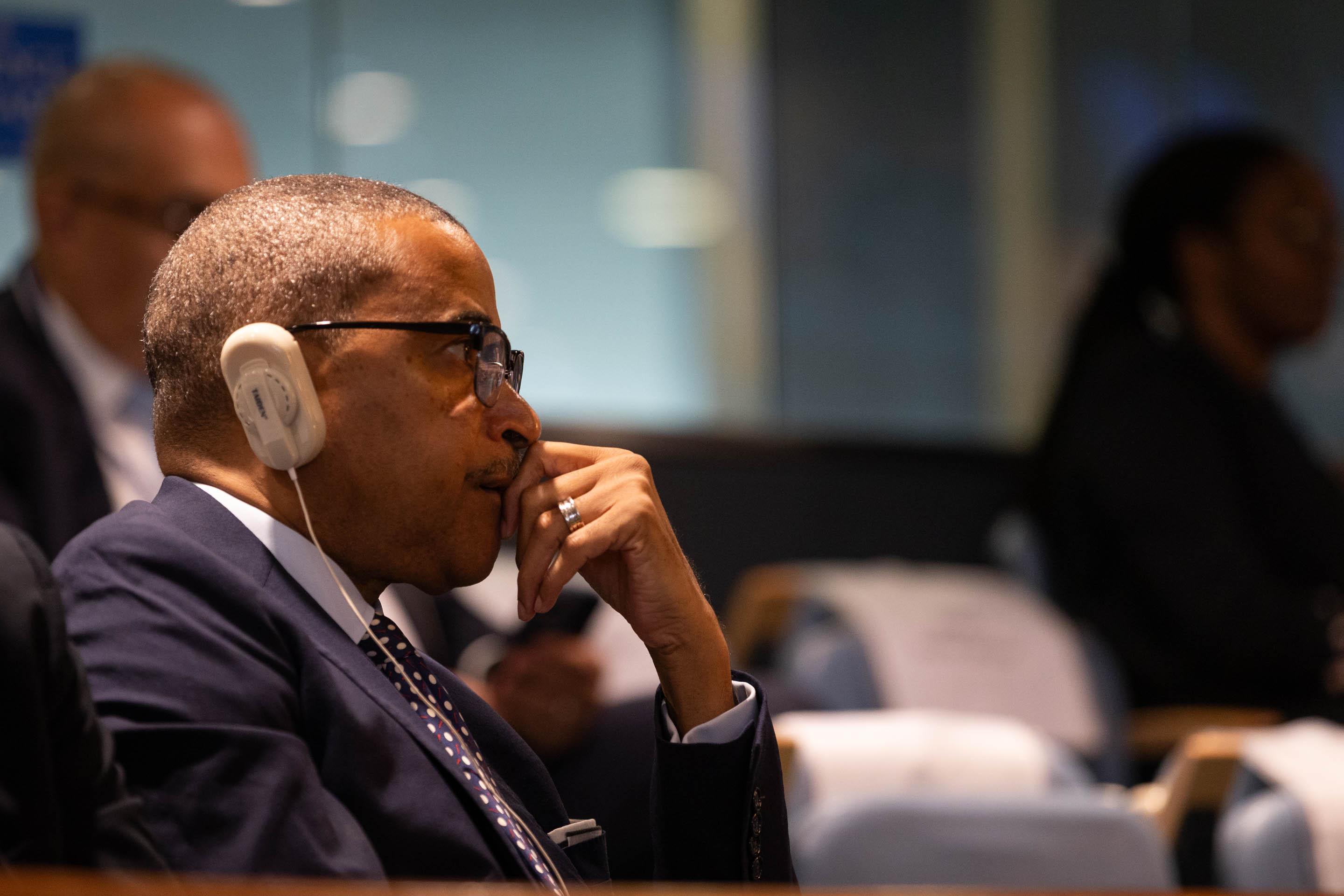
Courtenay Rattray, Chef de Cabinet, UN Secretary-General's Office
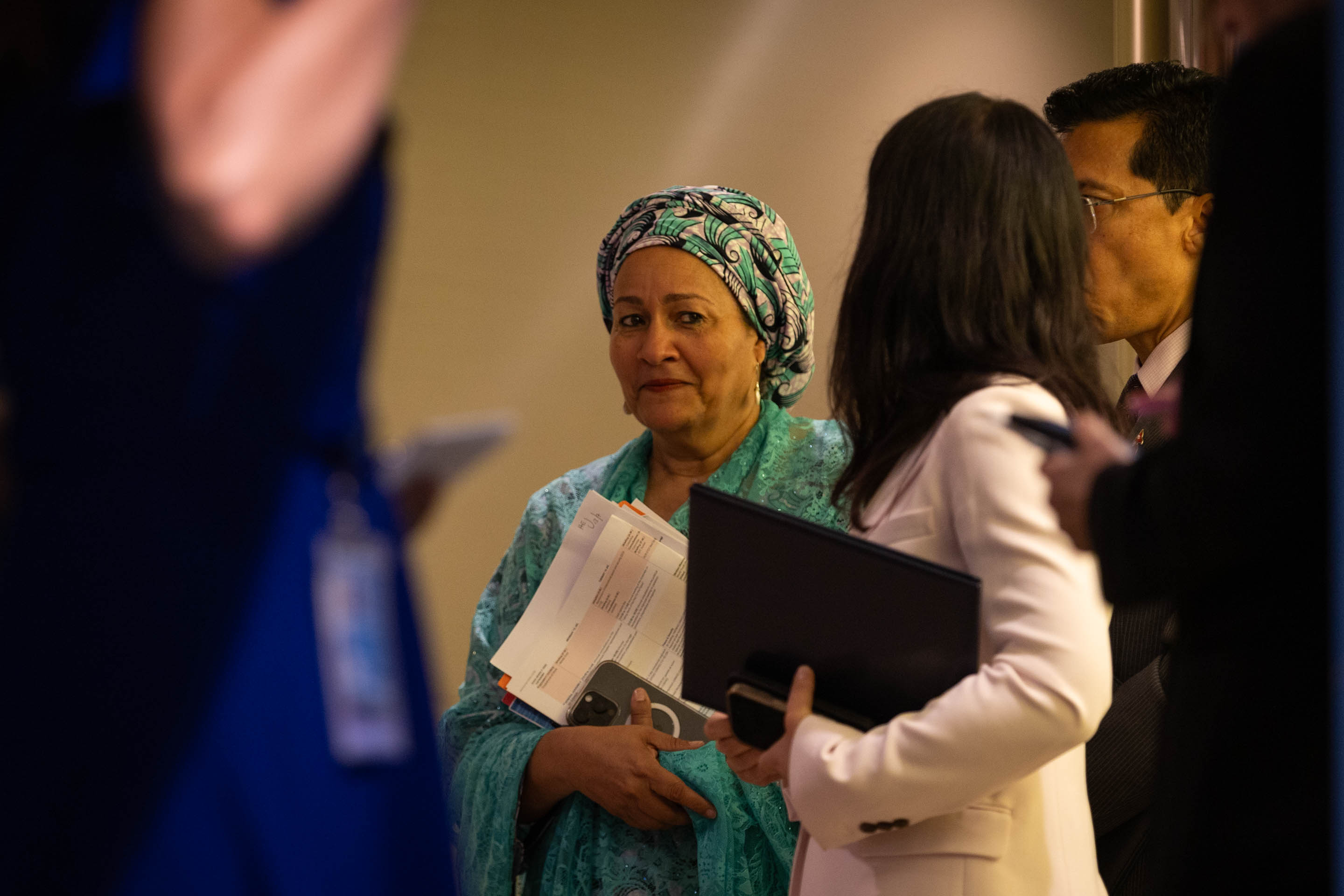
Amina J. Mohammed, UN Deputy Secretary-General
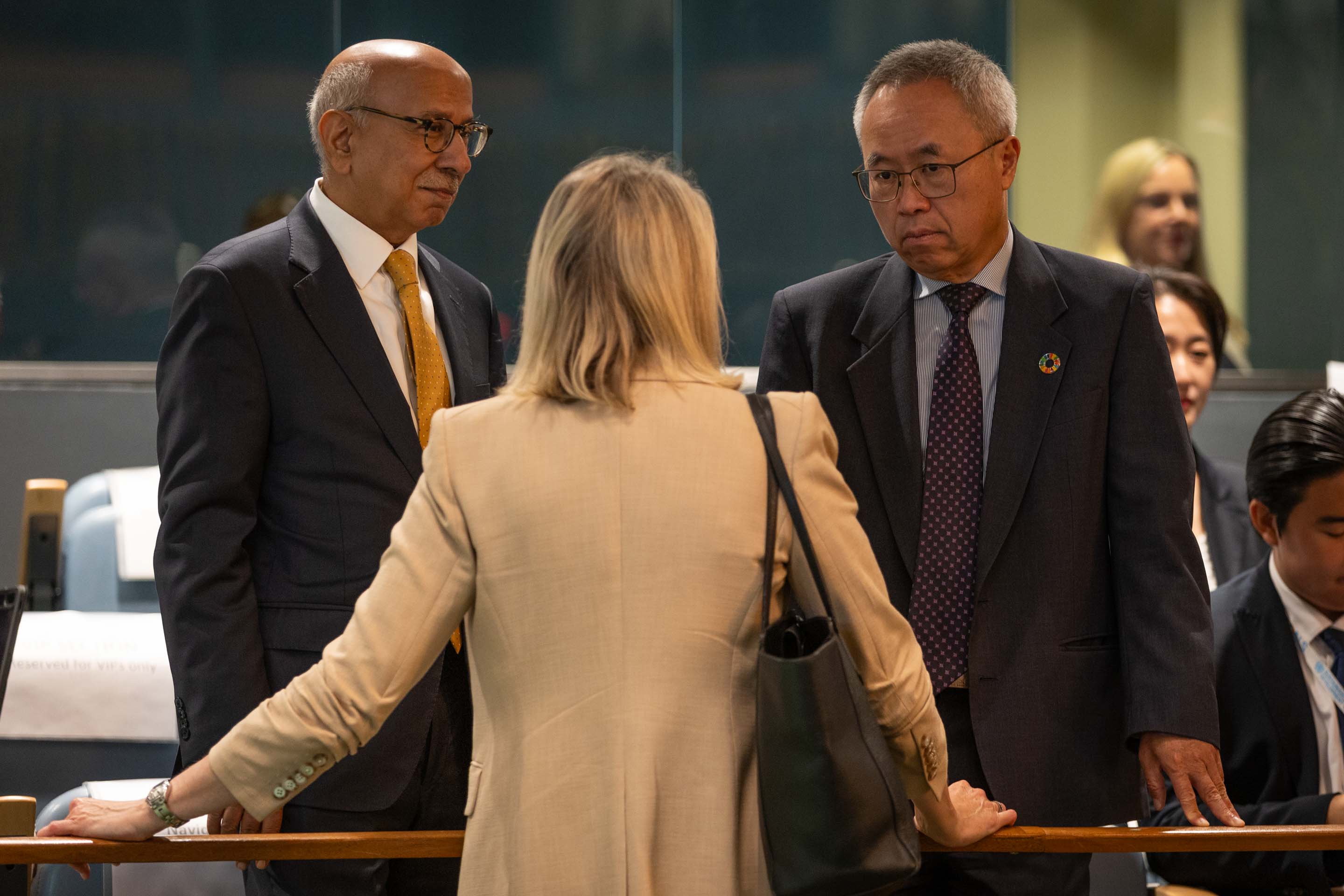
Navid Hanif, Assistant Secretary-General for Economic Development, UN Department of Economic and Social Affairs (UNDESA), and Li Junhua, UN Under-Secretary-General, Economic and Social Affairs, speak with a colleague
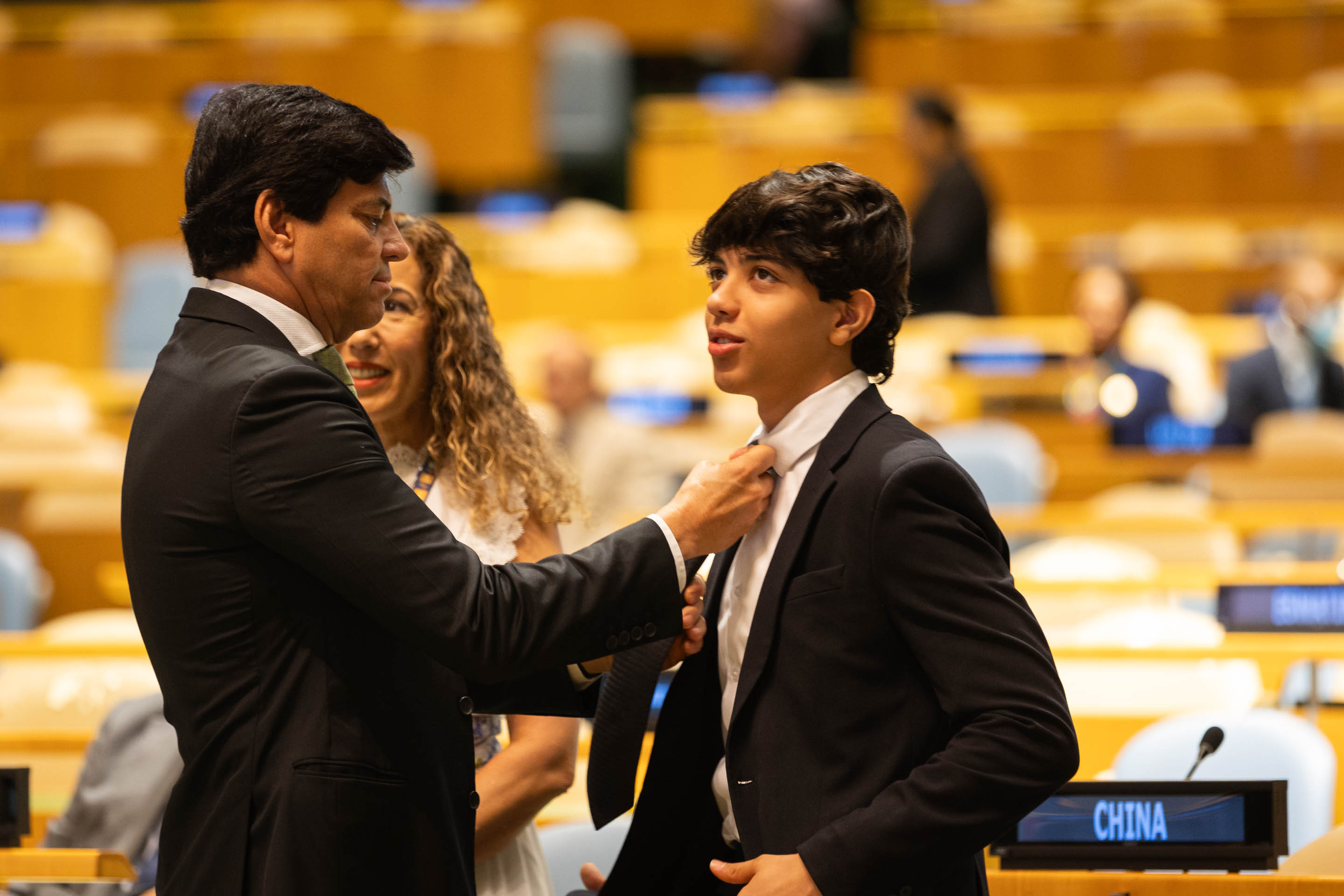
Delegates during the Ministerial Opening
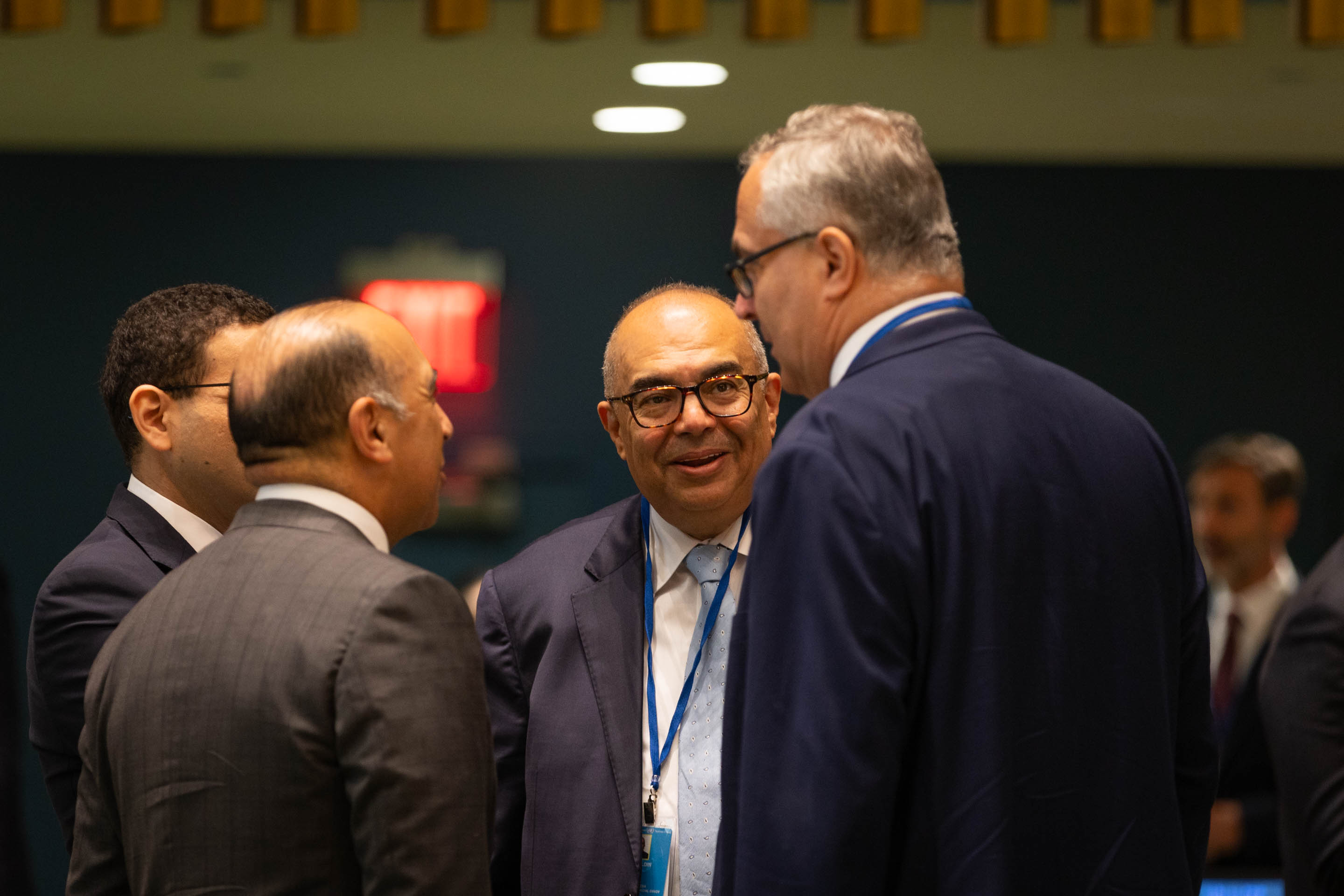
Mahmoud Mohieldin, Egypt (center), speaks with delegates
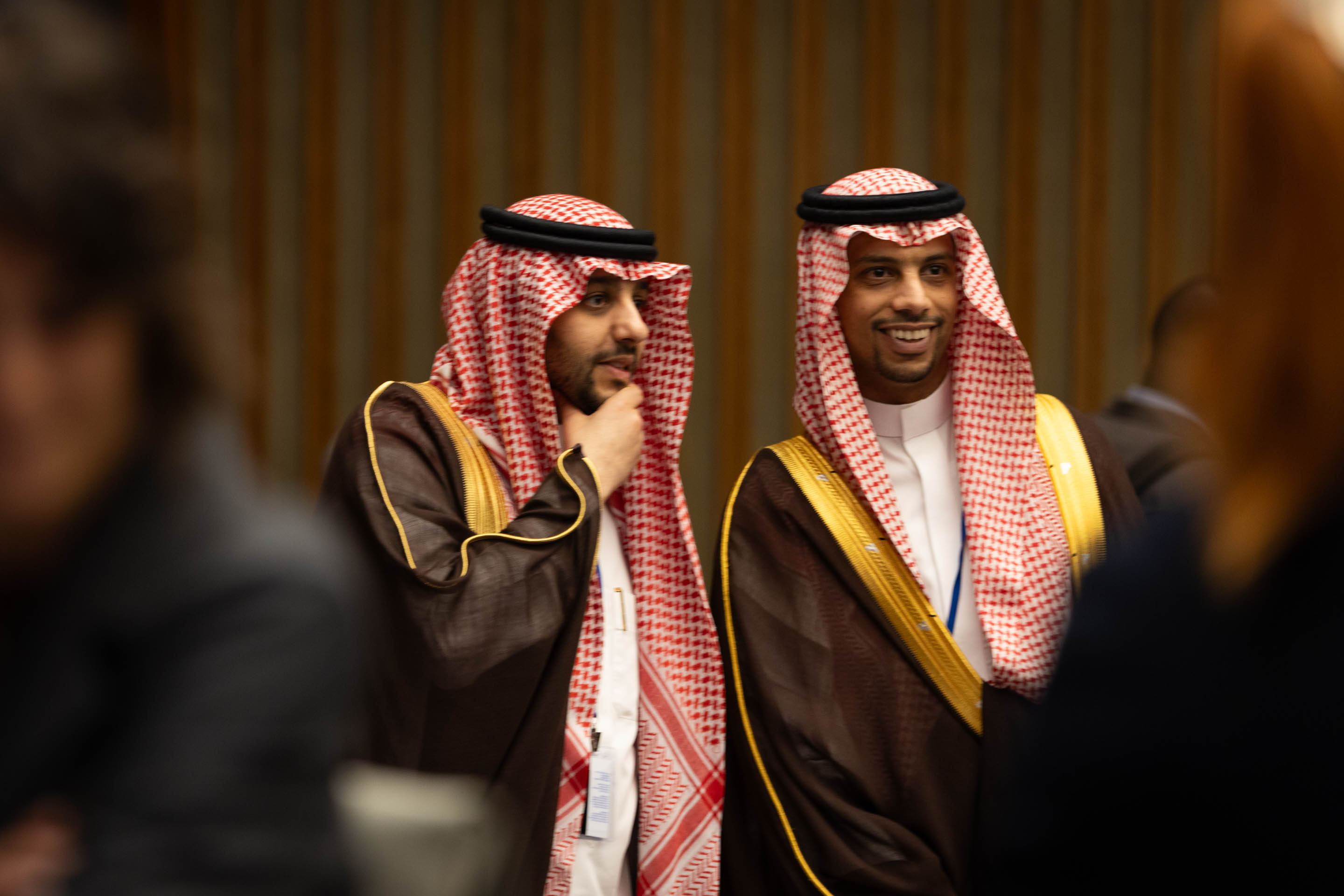
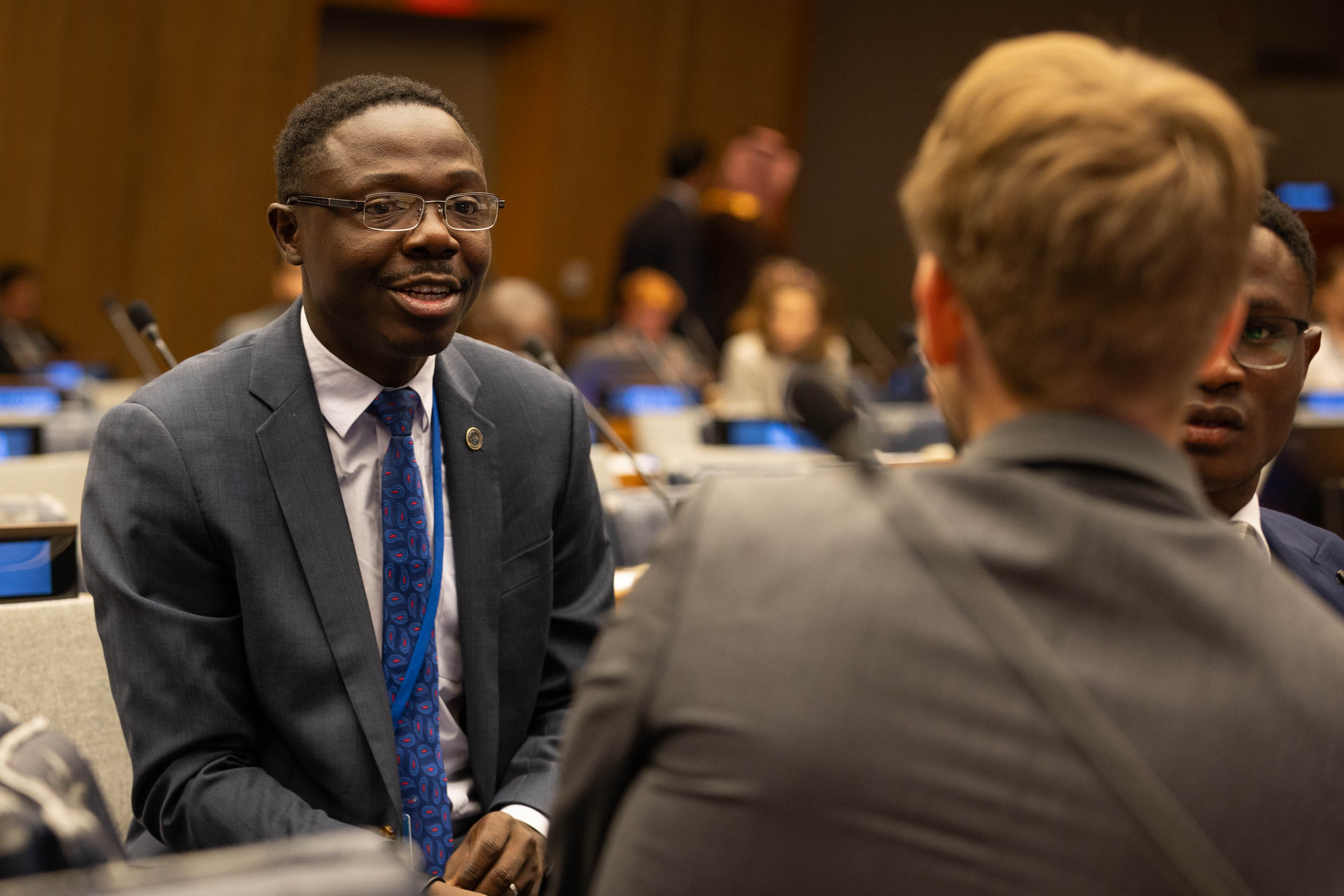
Delegates speak informally