Thursday’s discussions at the High-level Political Forum (HLPF) focused on places that are small on the map, but high on the Sustainable Development Goals (SDG) agenda: small island developing states (SIDS) and cities.
SIDS are particularly vulnerable to climate-related disasters and sea level rise, but they are also stewards of the Ocean. Cities are home to more than half of the global population and are hubs of connectivity, innovation, and partnerships driving economic growth and societal change. SIDS and cities both “punch above their weight” when it comes to SDG implementation.
“Imagine living in a country where a single storm can destroy 10 years of progress forcing you to build back to zero,” said Moderator Vynnette A. Frederick, Permanent Representative of Saint Vincent and the Grenadines, to convey the lived reality faced by SIDS and their challenges in progressing towards the SDGs. These challenges have been recognized in the Antigua and Barbuda Agenda for SIDS (ABAS), which lays out an action plan for sustainable development in SIDS.
Surangel Whipps Jr., President of Palau, said in a video message that ABAS is a bold statement of SIDS’ confidence in their survival and their determination to navigate their own course. He called for integrating vulnerability into finance decisions, noting that SIDS lack access to concessional finance because, based on GDP alone, they are categorized as middle income countries.
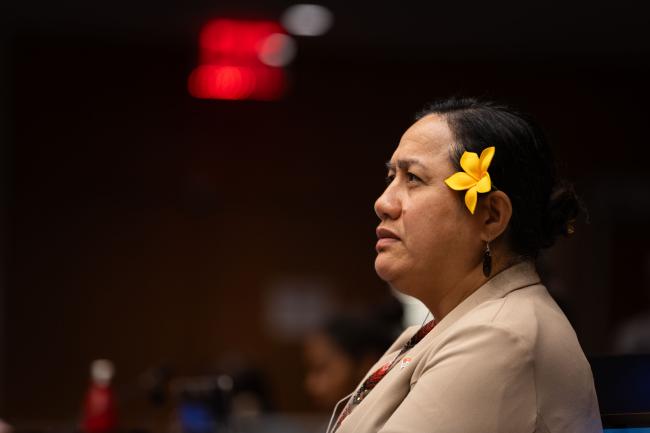
His call was echoed by the panelists and many interventions from the floor that called for a reform of the international financial architecture noting that the current practice does not reflect the reality of SIDS where frequent shocks keep countries from investing in long-term resilience.
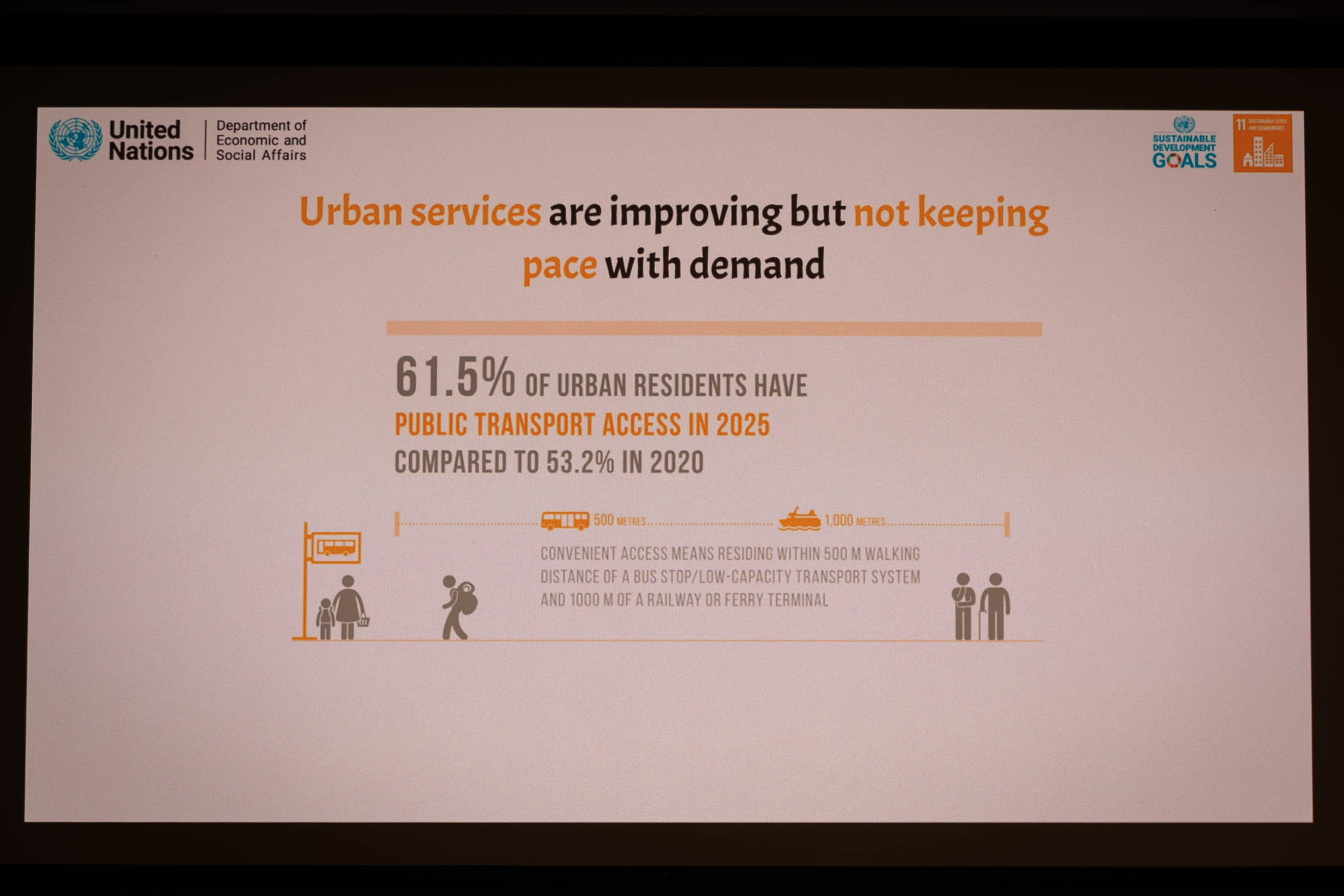
Cities are often described as being at the forefront of SDG implementation, referring to the realization that almost two-thirds of SDG targets can only be addressed at the local level. SDG 11 on sustainable cities and communities can thus be seen as an enabler allowing the urban ecosystem to drive progress on other SDGs.
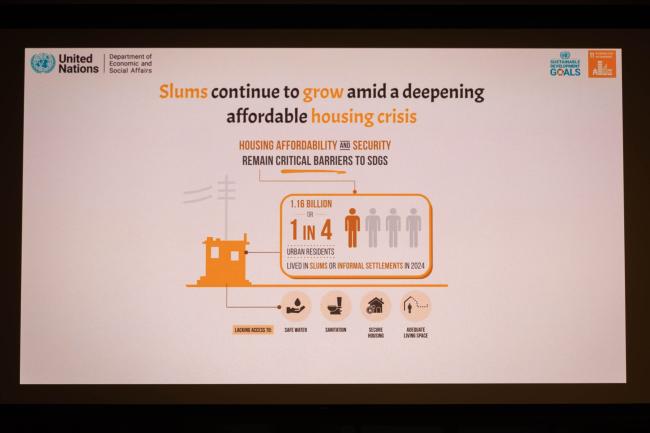
The discussion highlighted that affordable housing and participatory urban planning are key to cities’ SDG success. On affordable housing, Anacláudia Rossbach, Executive Director, UN-Habitat, said that while cities in the Global North can recycle and rededicate existing buildings, cities in the Global South mostly have to create new ones, noting that urban planning and the choice of building materials will affect climate change, social cohesion, economic development, and the quality of life for generations to come.
Katherine Kline, International Network for the Prevention of Elder Abuse, focused on the needs of elderly people, especially women, elderly people with disabilities, and poor people, who are particularly affected by the lack of accessible and affordable housing. She said that age-friendly urban design requires a participatory approach and should prioritize equitable housing and inclusive urban development.
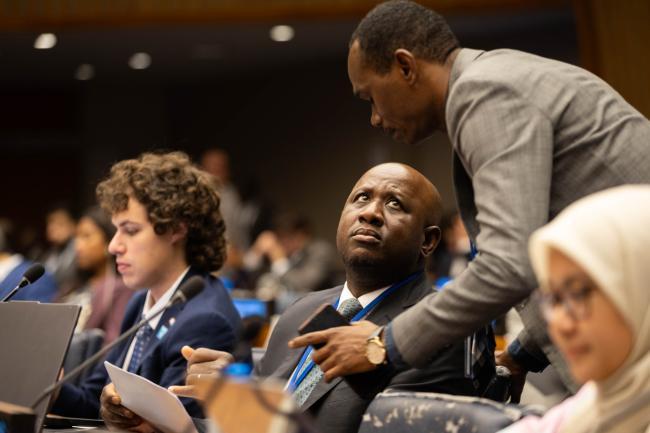
This was echoed by youth delegates from several countries who underscored the need for youth participation as partners in urban planning and implementation to build cities that are fair, resilient, and inclusive.
In closing, panelists identified people-centred urban planning for inclusive, resilient, and caring cities that leave no one behind as a common denominator of the discussion.
To receive free coverage of global environmental events delivered to your inbox, subscribe to the ENB Update newsletter.
All ENB photos are free to use with attribution. For HLPF 2026 please use: Photo by IISD/ENB - Kiara Worth
Small Island Developing States: Strategies for SDG Success
Paruyr Hovhannisyan, Vice-President, Economic and Social Council (ECOSOC)
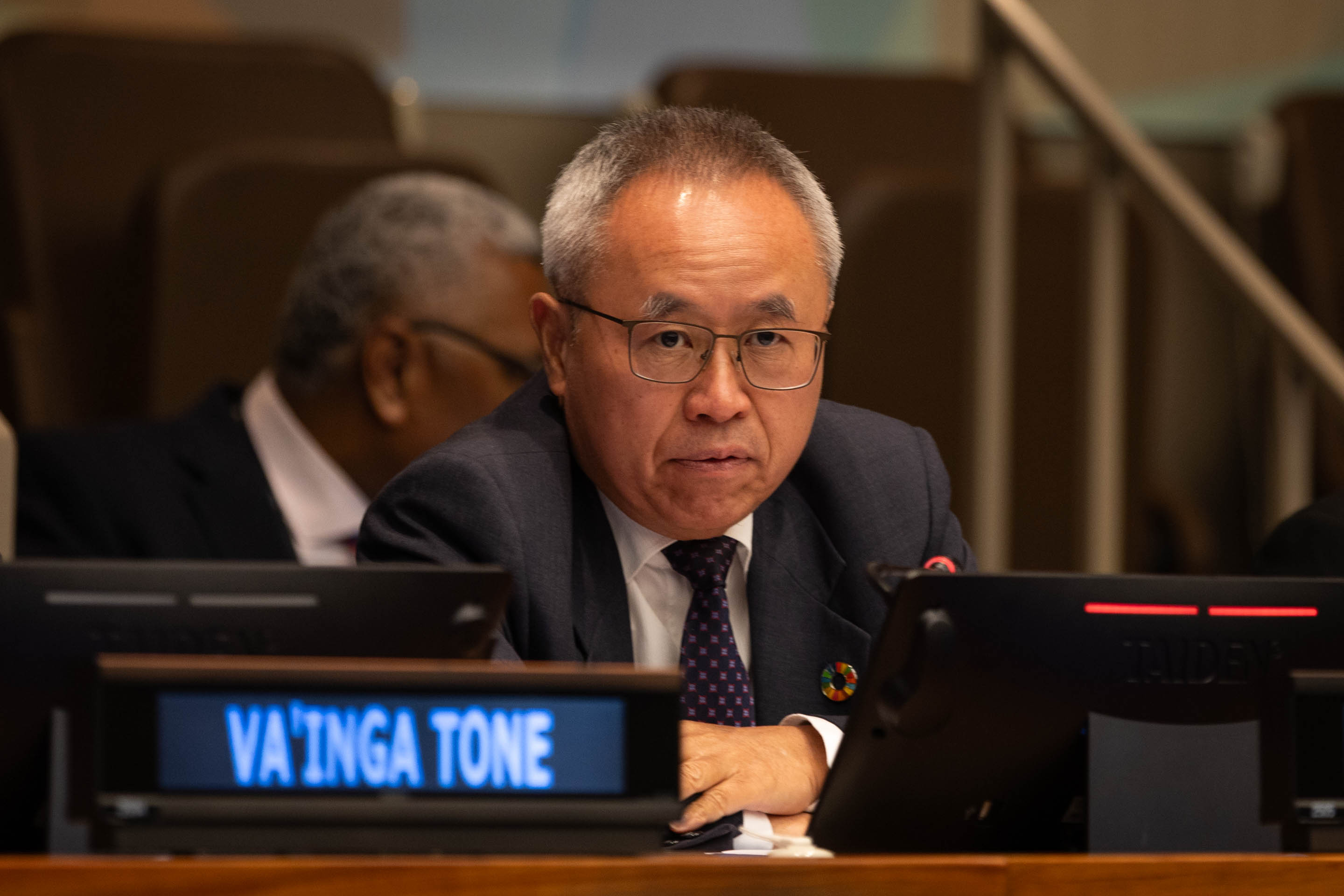
Li Junhua, UN Under-Secretary-General, Economic and Social Affairs
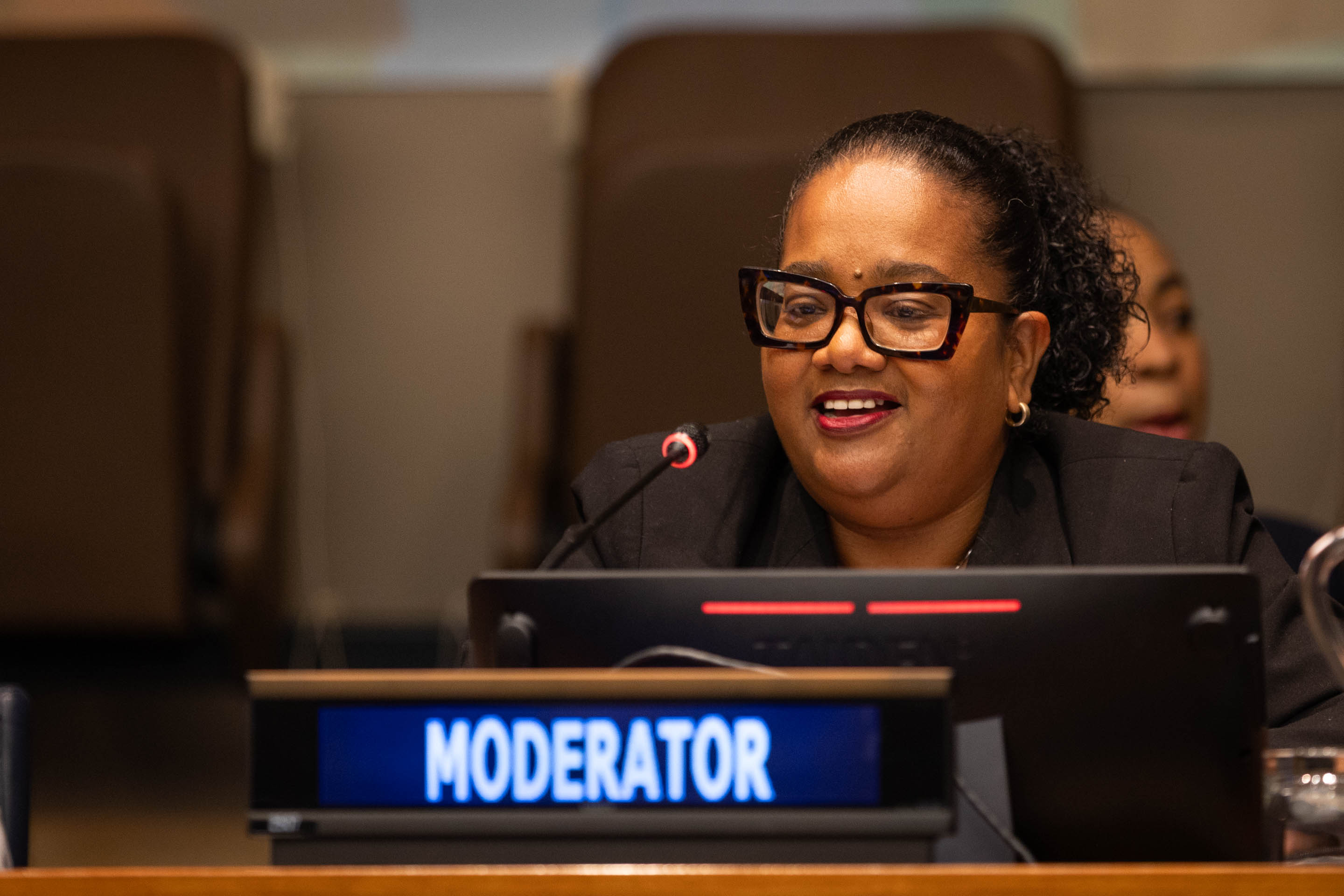
Vynnette A. Frederick, Permanent Representative of Saint Vincent and the Grenadines to the UN

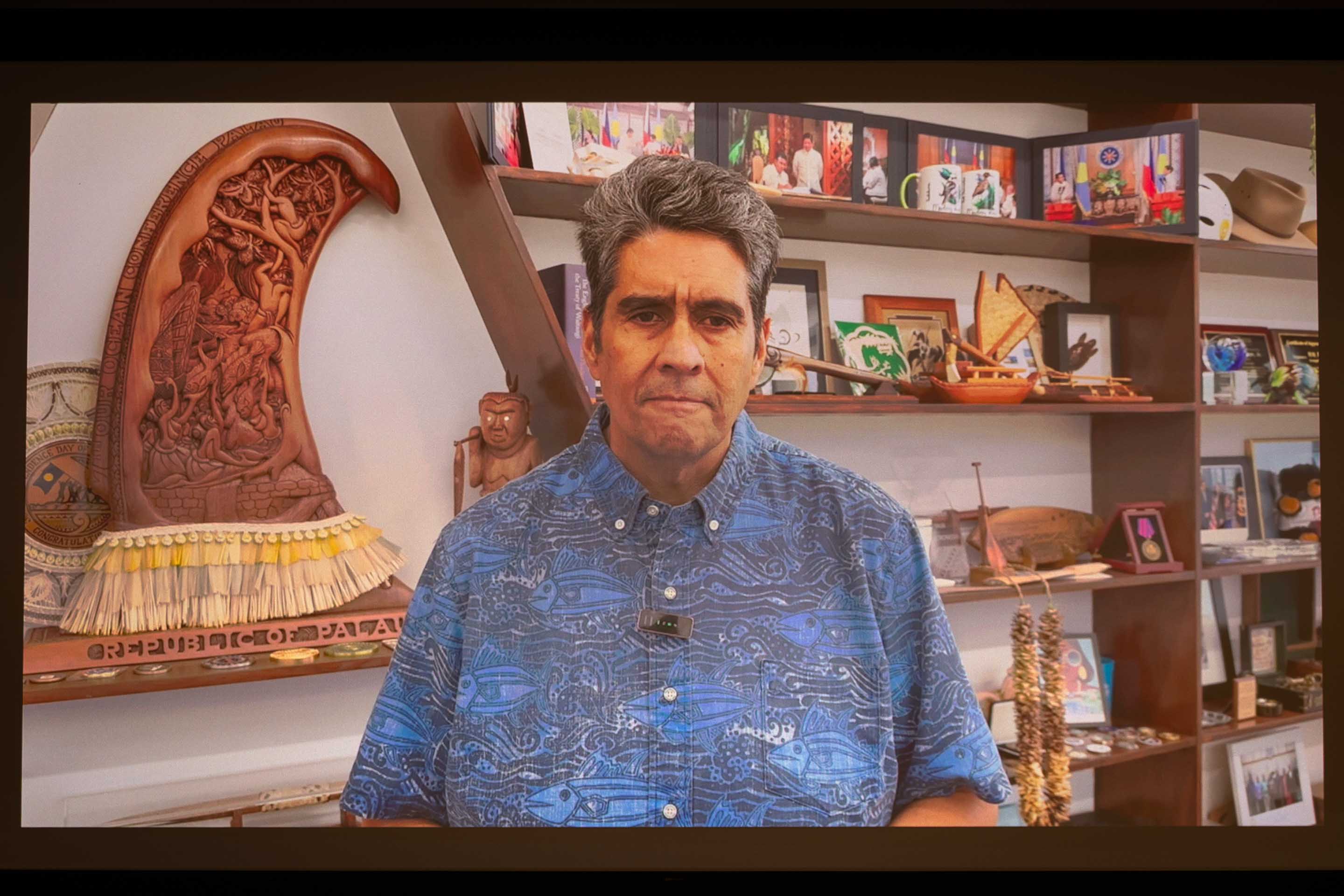
Surangel Whipps Jr., President of Palau, and Chair, Alliance of Small Island States (AOSIS), delivers a video message
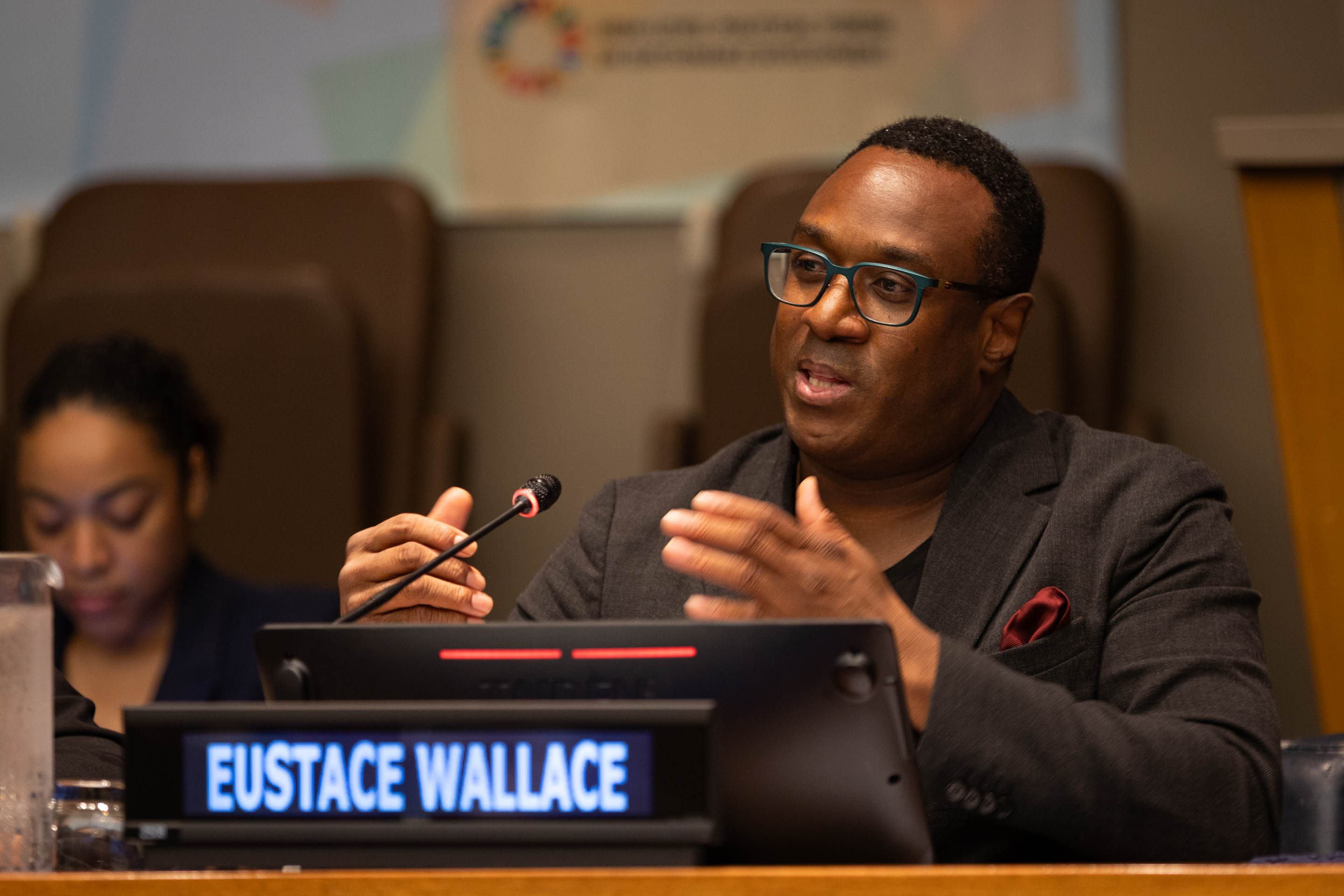
Eustace Wallace Jr., Minister Counselor, Permanent Mission of Saint Kitts and Nevis to the UN
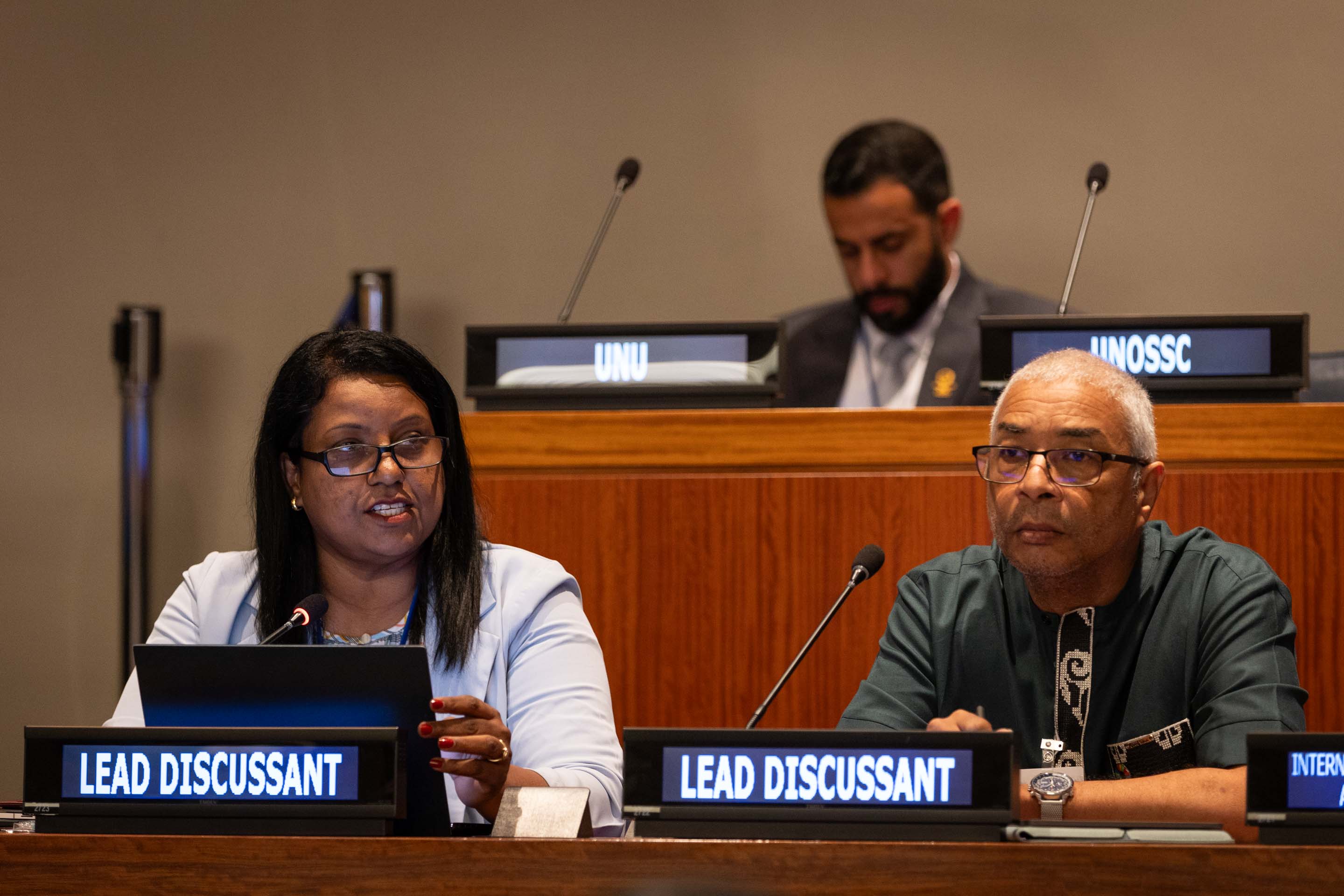
Lead Discussants Jotika Sharma, Fiji Trades Union Congress, and David Smith, Director, Centre for Environmental Management, The University of the West Indies
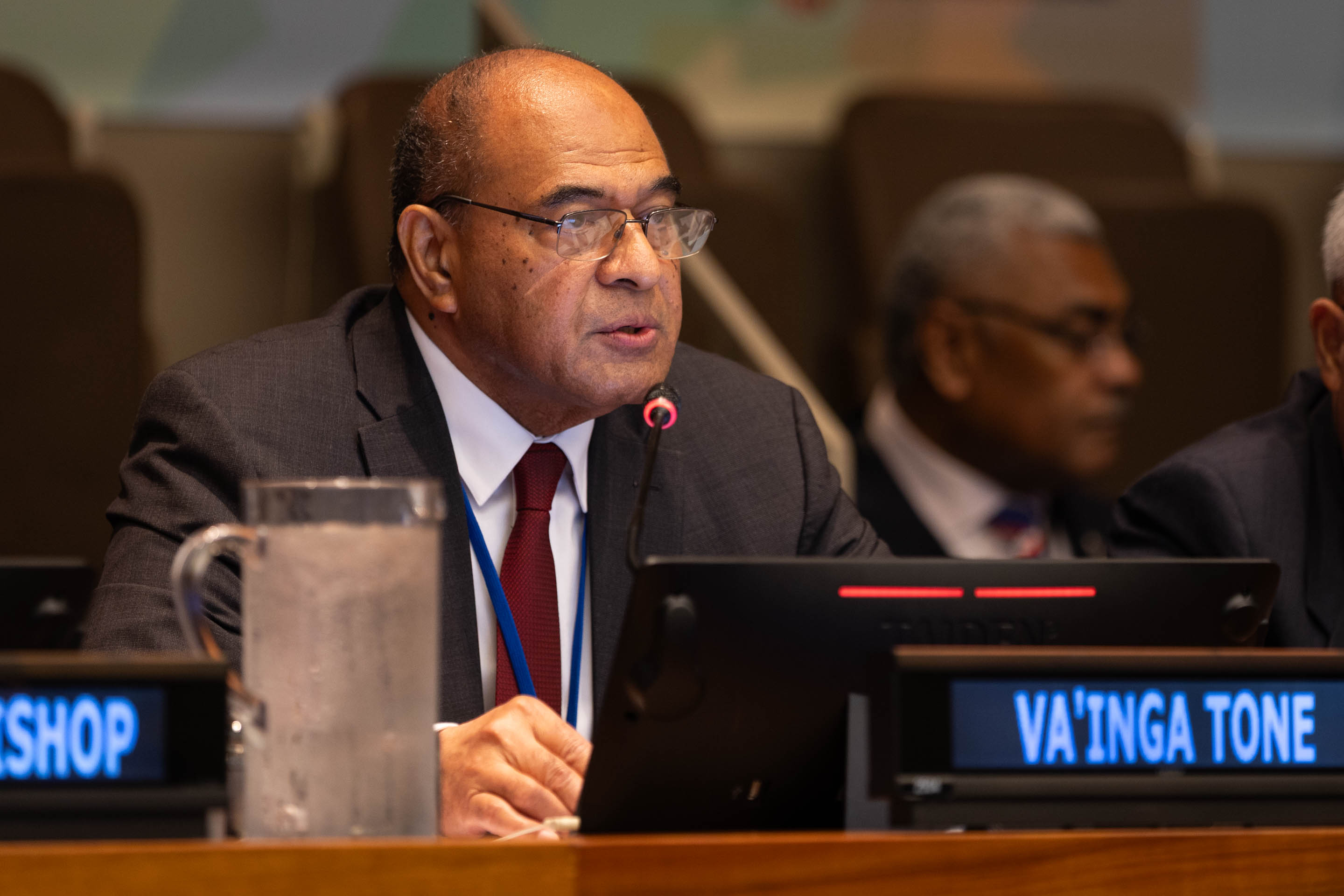
Va’inga Tone, Permanent Representative of Tonga to the UN
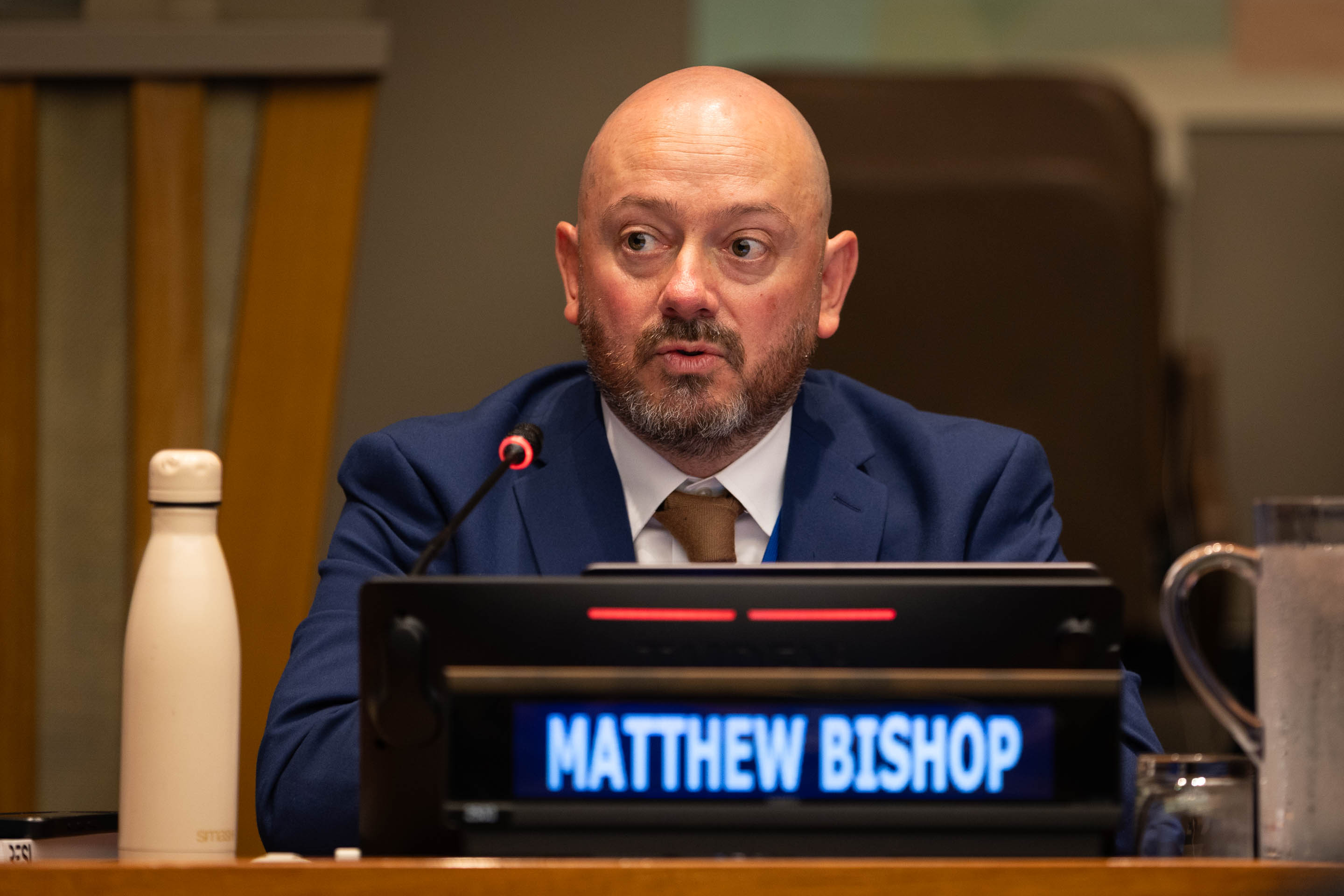
Matthew Bishop, Co-Director, Resilient and Sustainable Islands Initiative (RESI)
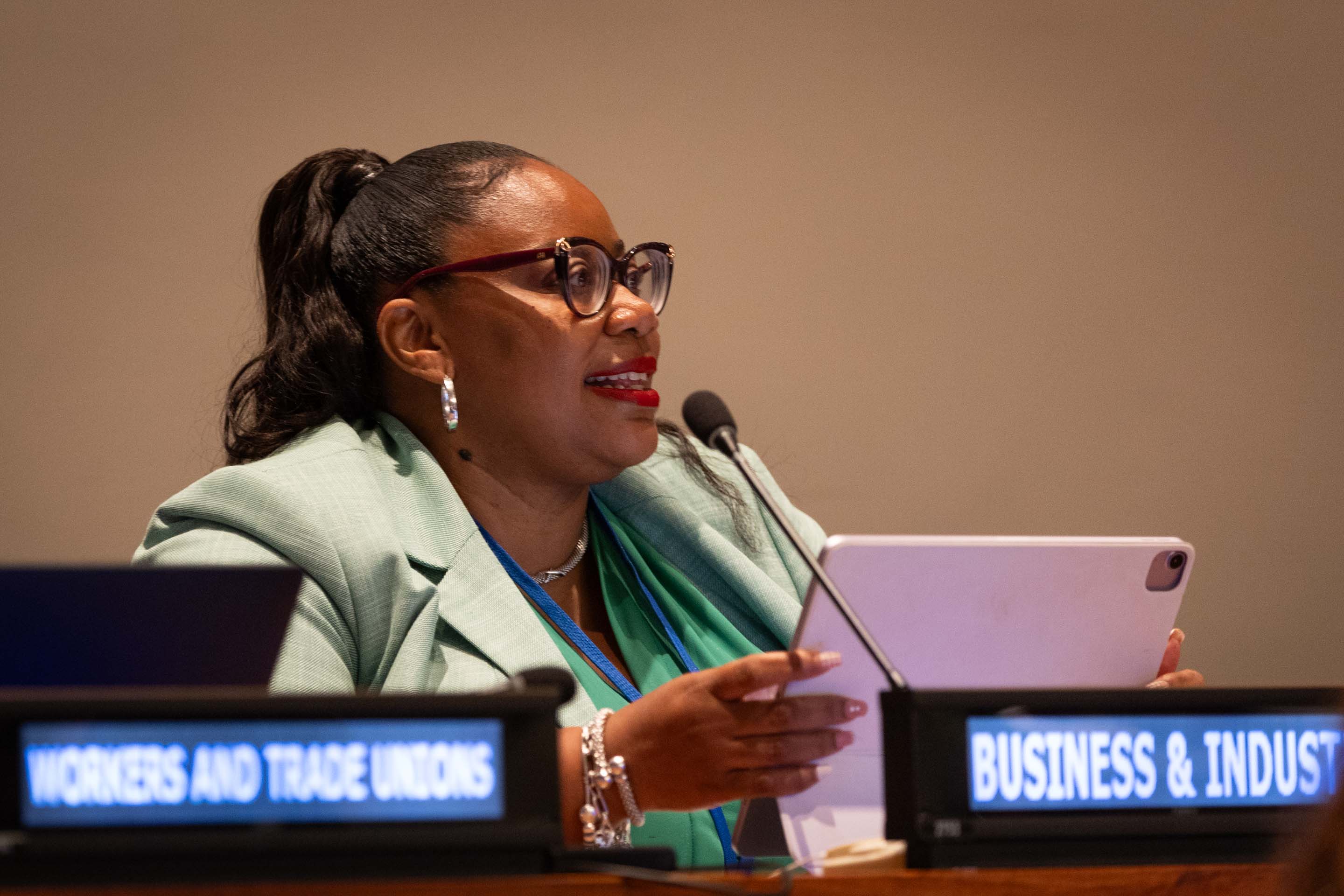
Sheena Mayers Granville, Business and Industry Major Group
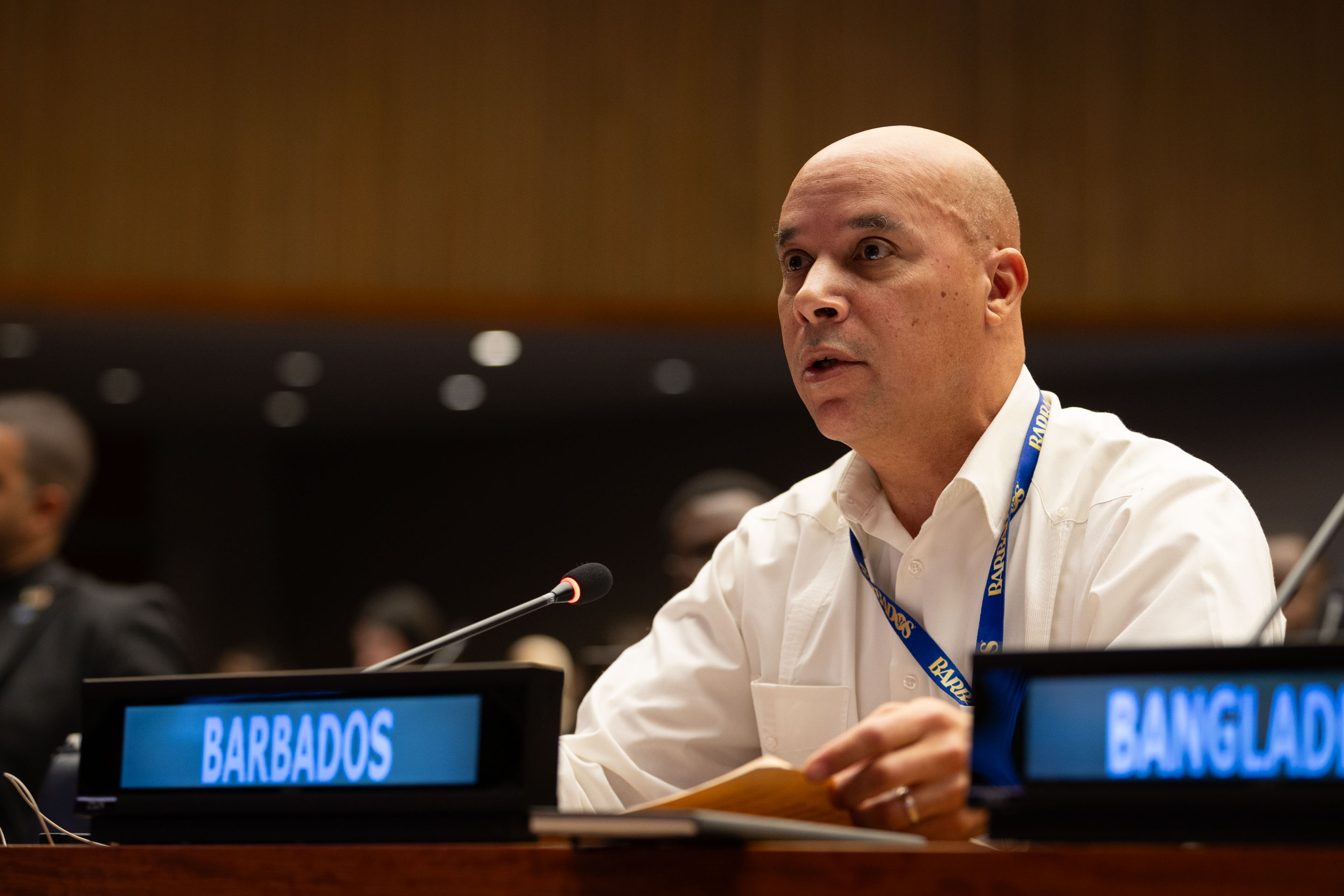
François Jackman, Permanent Representative of Barbados to the UN
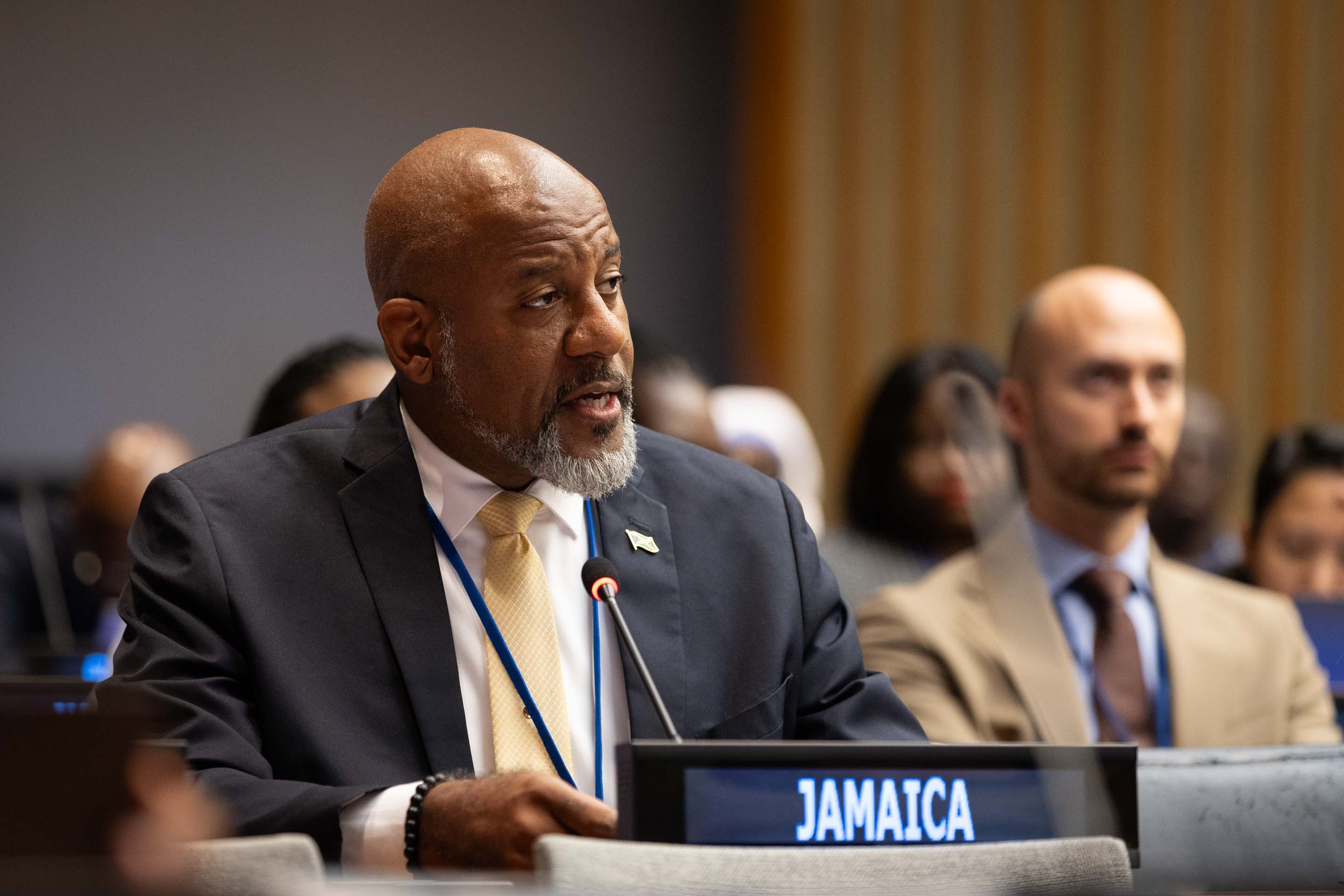
Wayne Henry, Jamaica
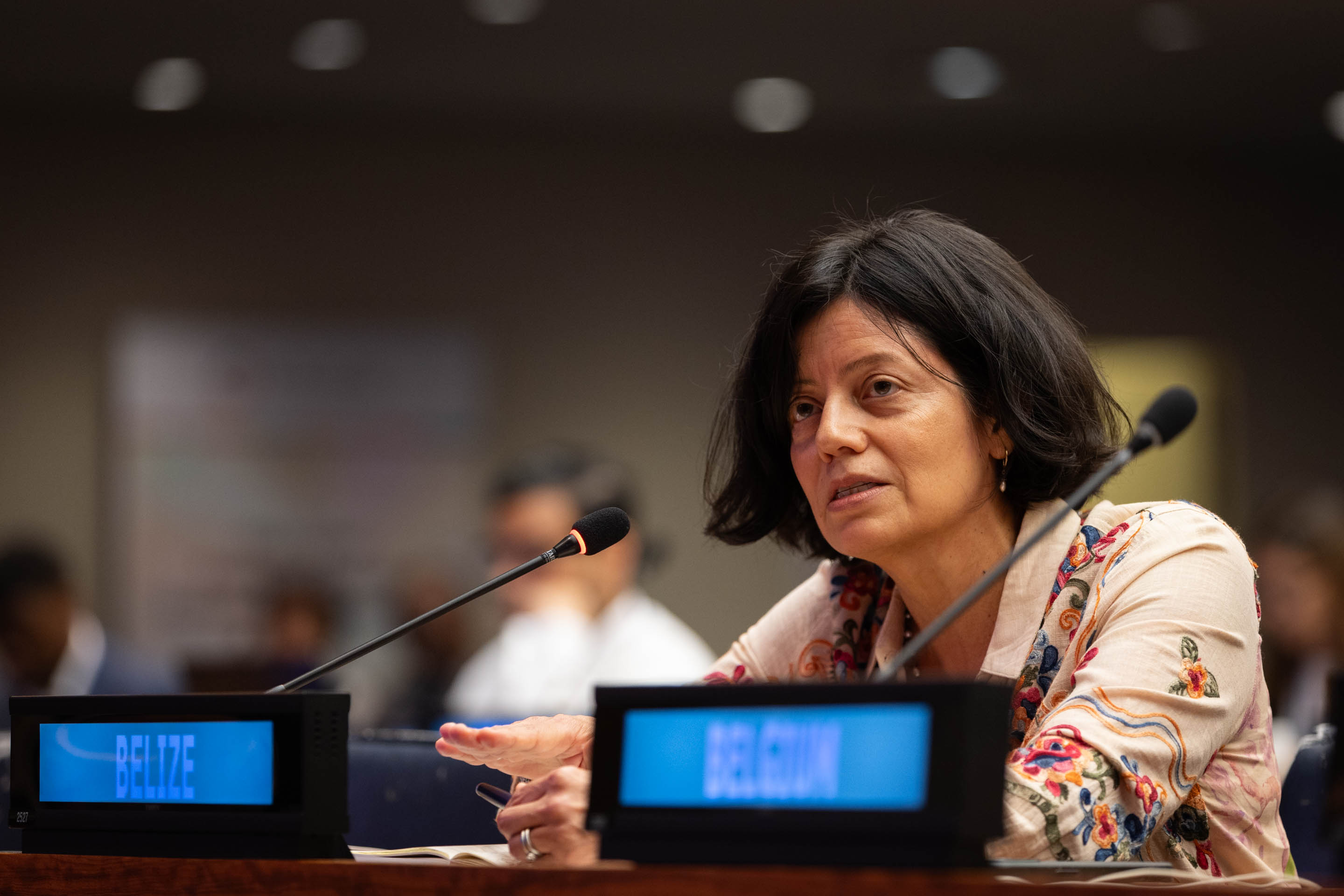
Janine Coye-Felson, Belize
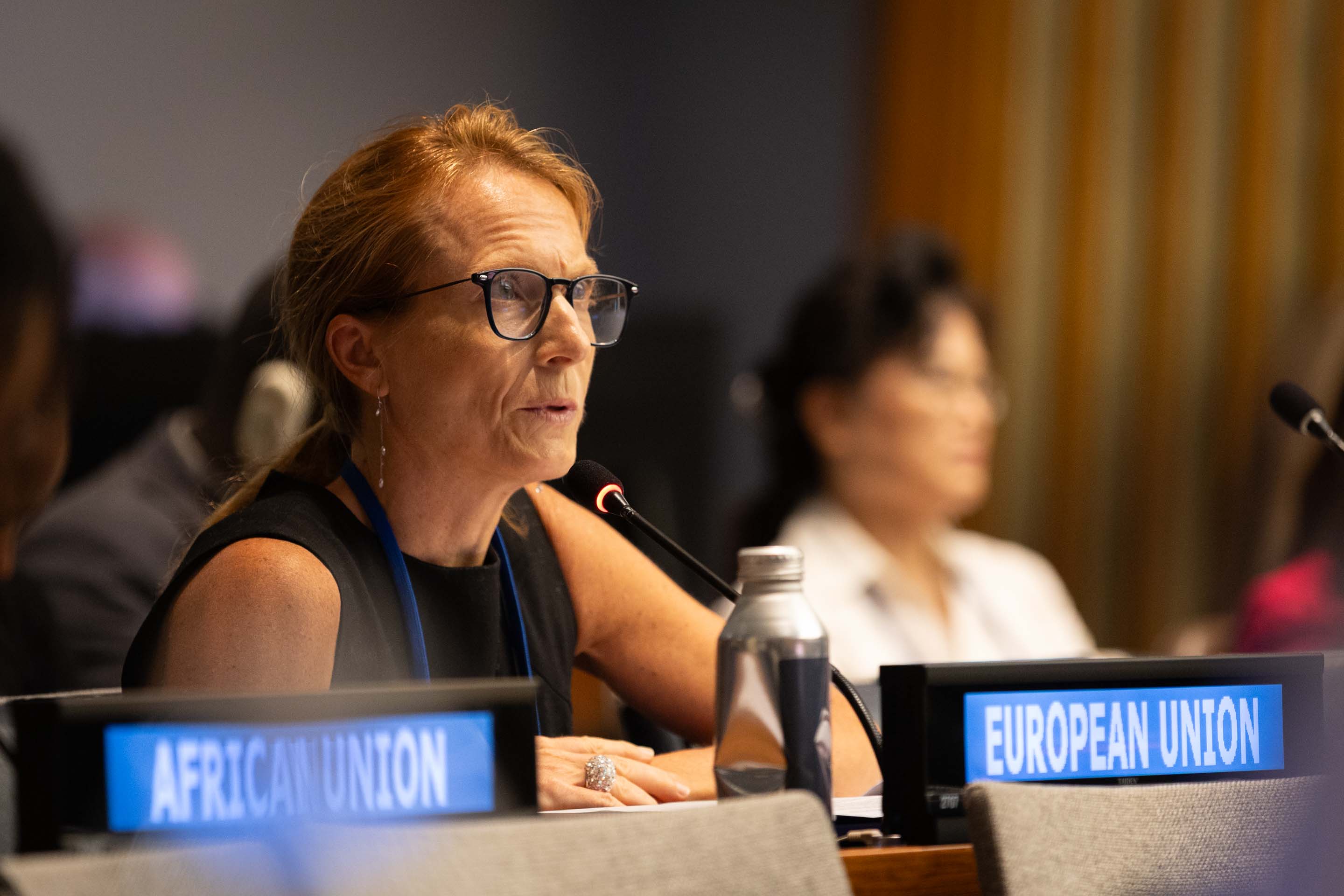
Marie-Aurelie Vernin, EU
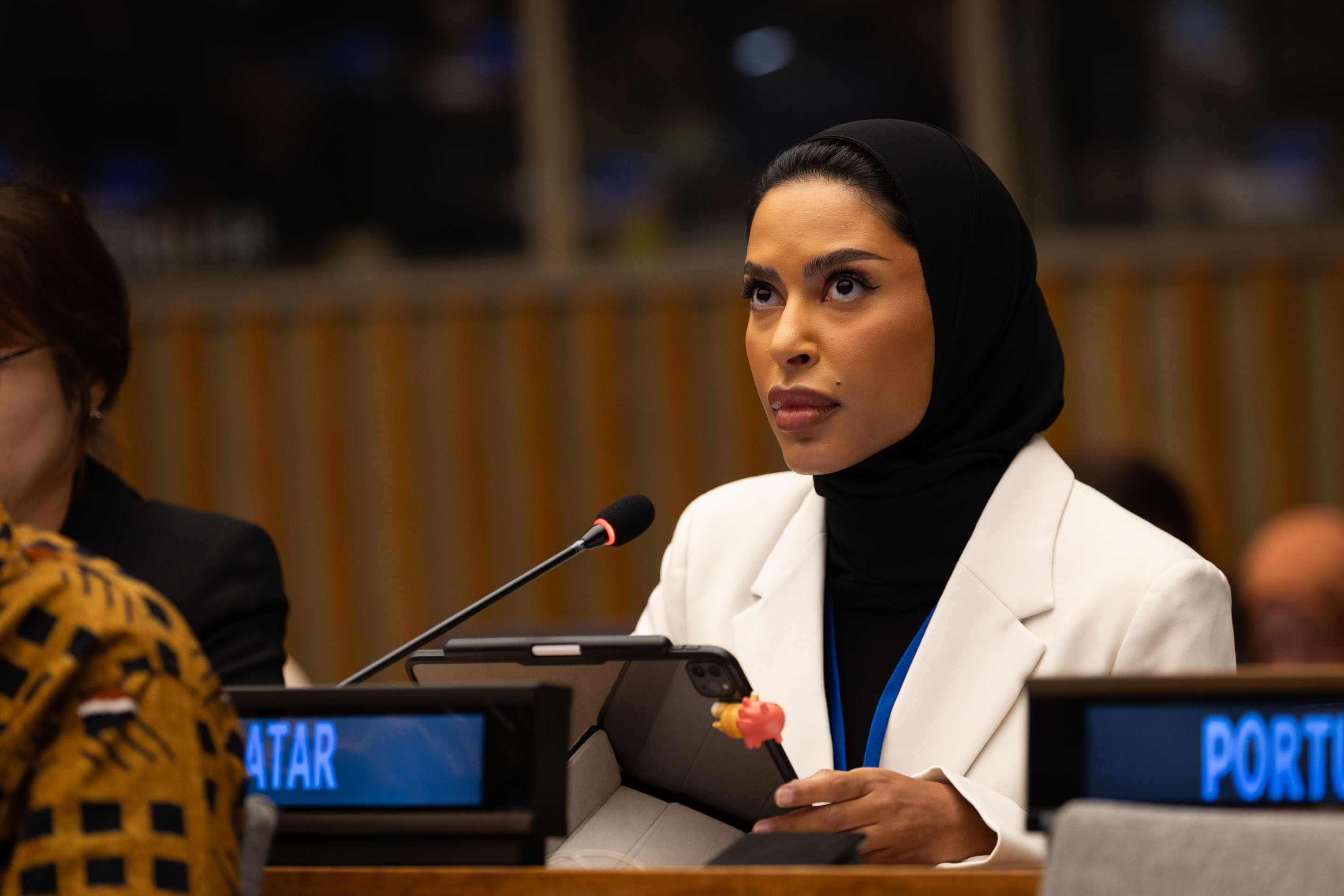
Salma Mohammed Al-Kubaisi, Qatar
SDG 11: Sustainable Cities and Communities
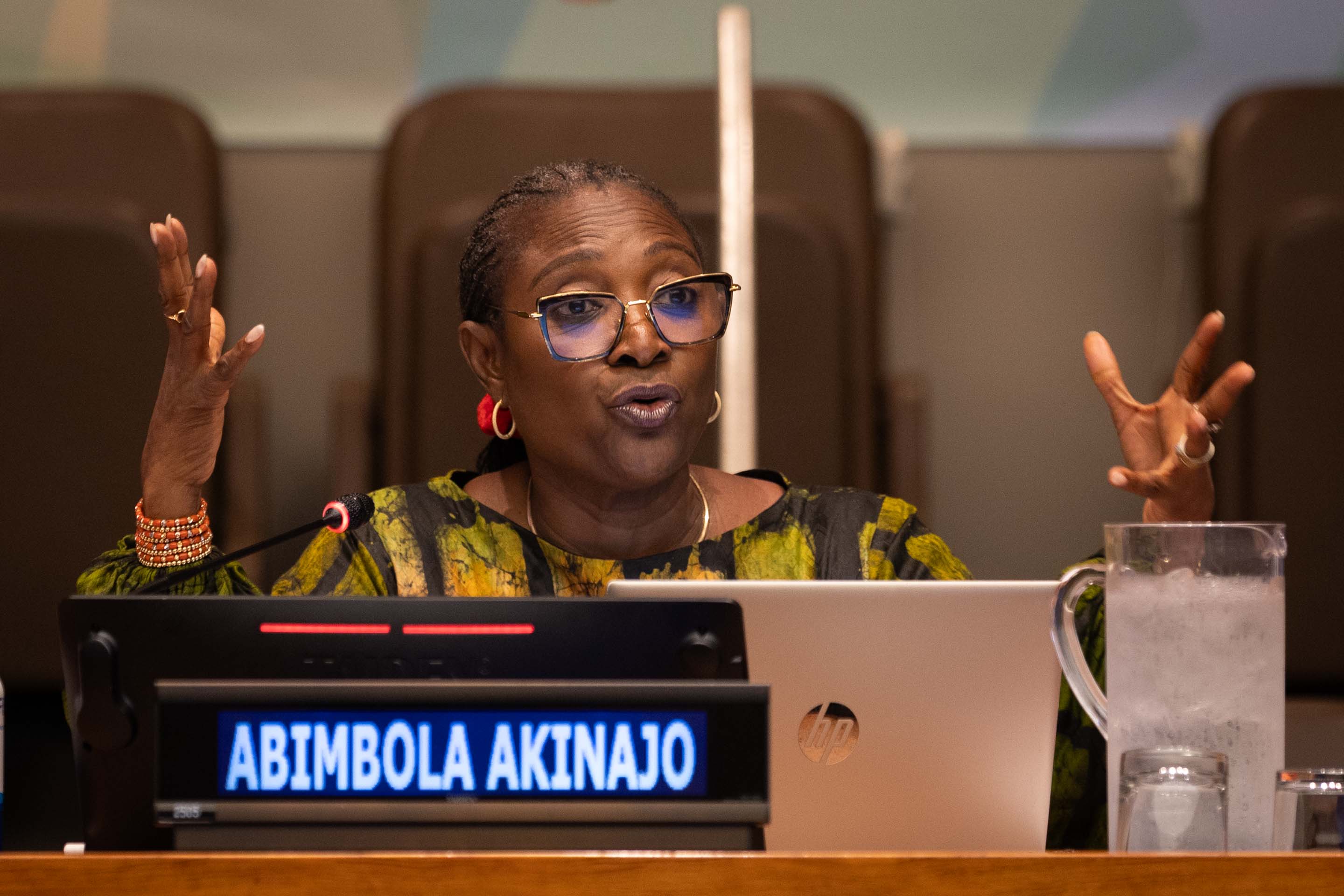
Abimbola Akinajo, Managing Director, Lagos Metropolitan Area Transport Authority
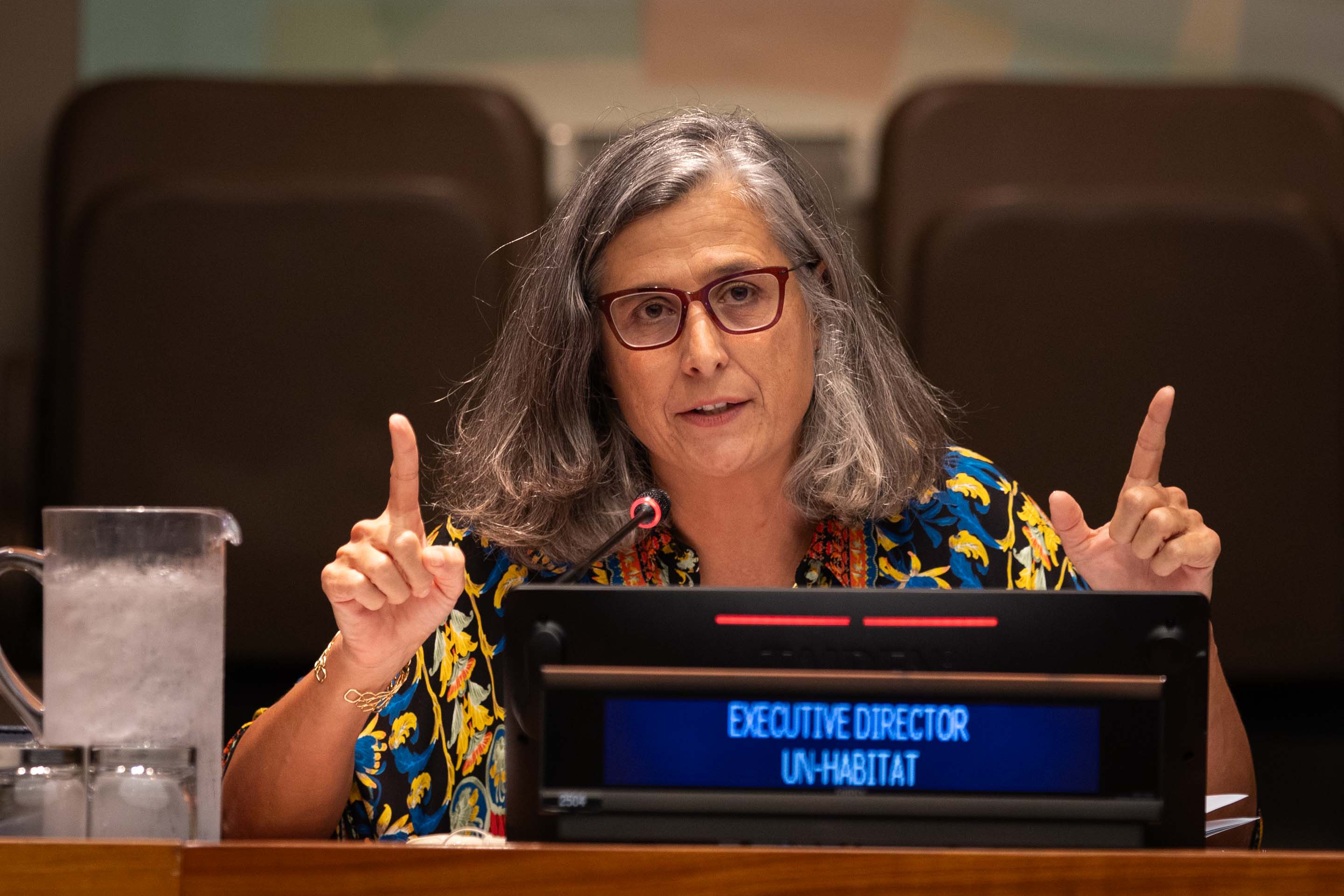
Anacláudia Rossbach, Executive Director, UN Human Settlements Programme (UN-Habitat)
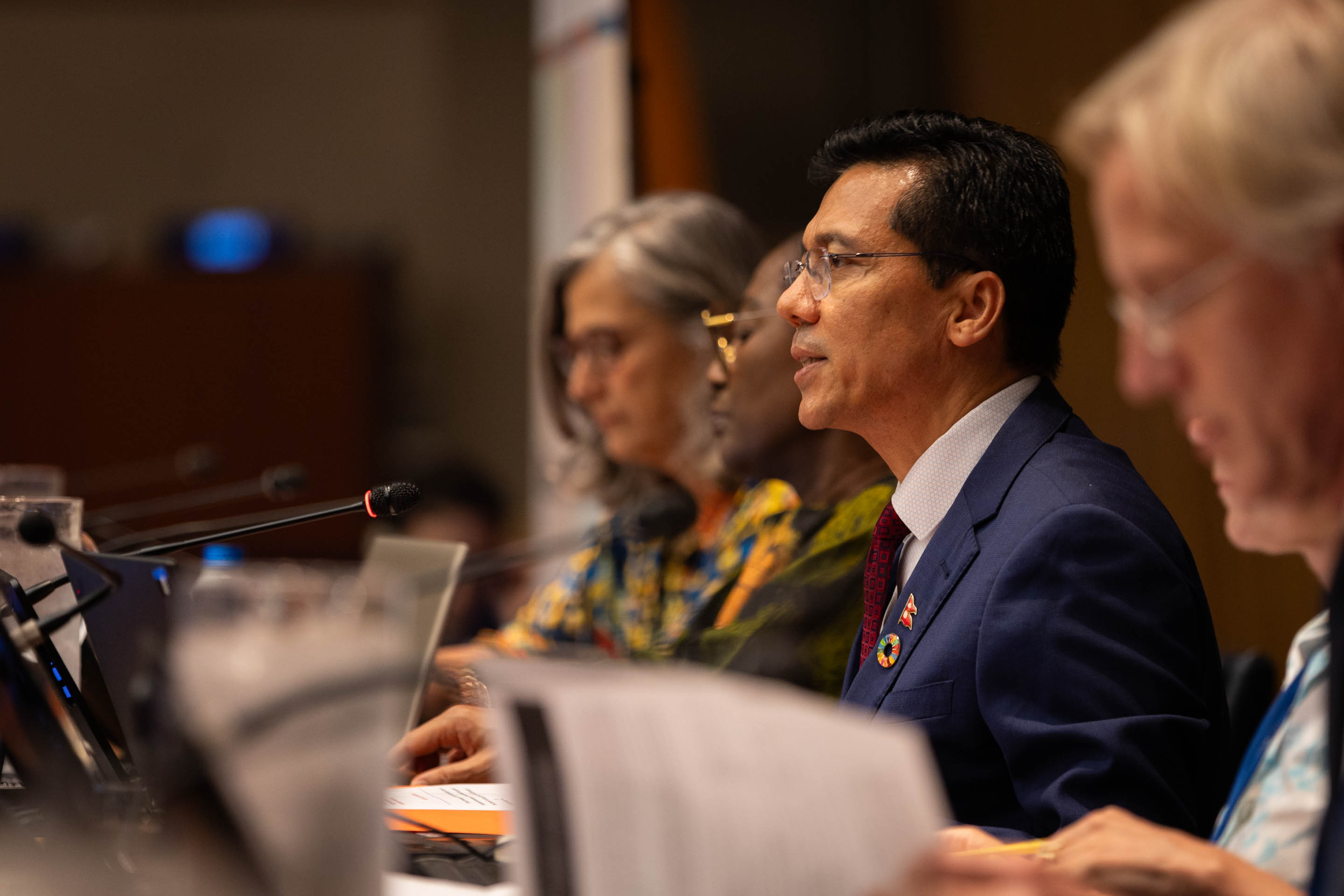
Lok Bahadur Thapa, President, ECOSOC
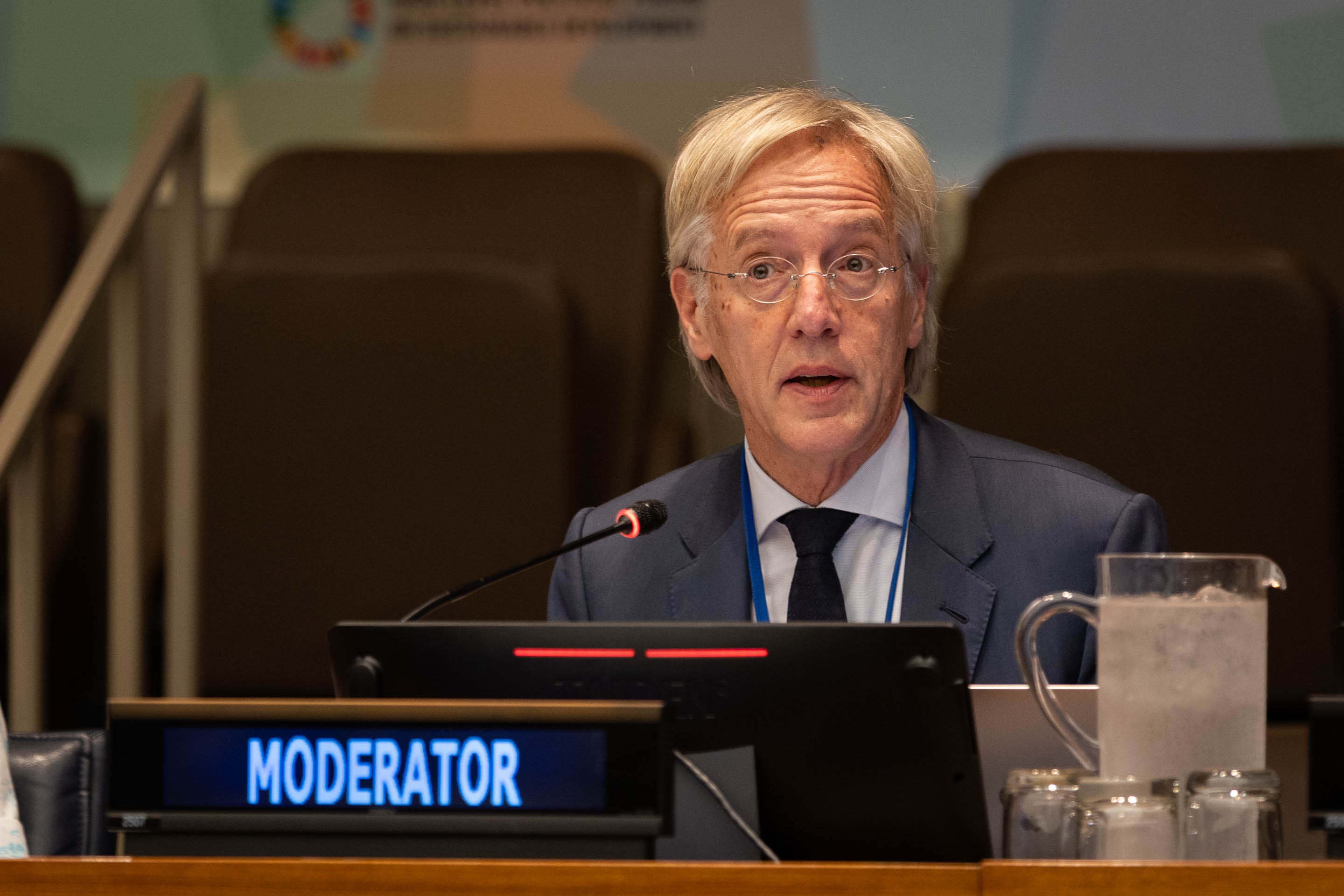
Robbert Dijkgraaf, President-Elect, International Science Council
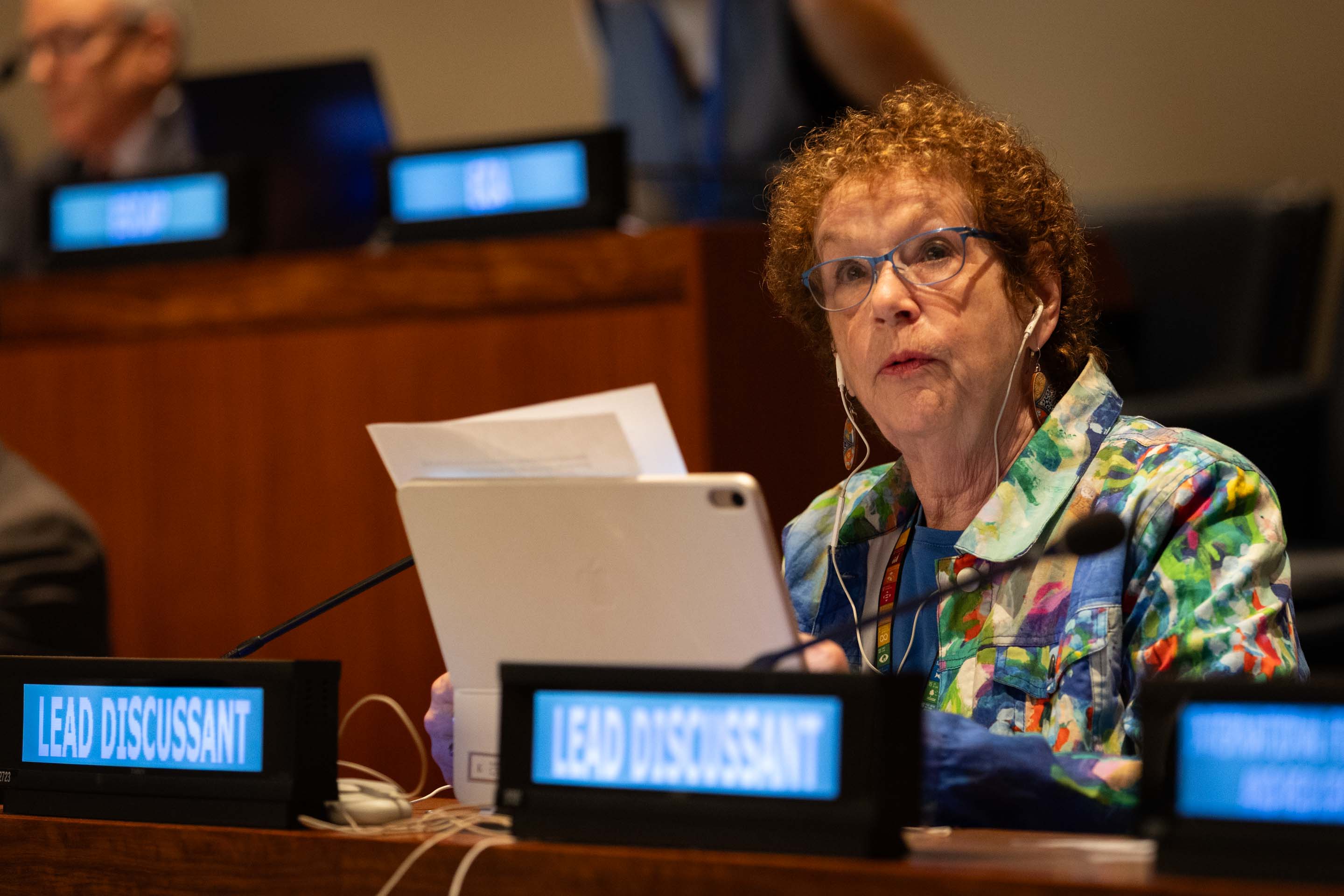
Katherine Kline, International Network for the Prevention of Elder Abuse
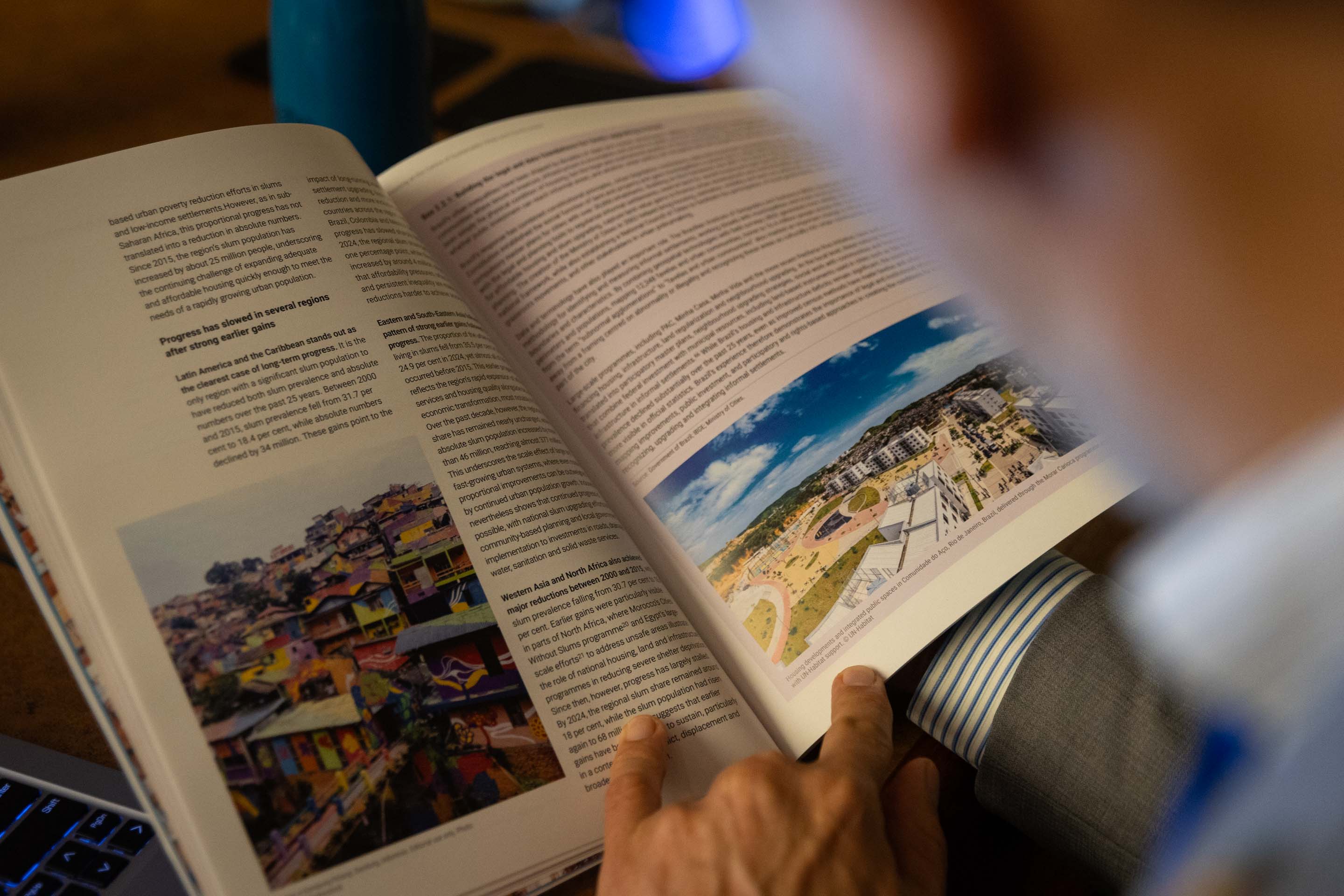
A delegate reads the SDG 11 Global Report for 2026
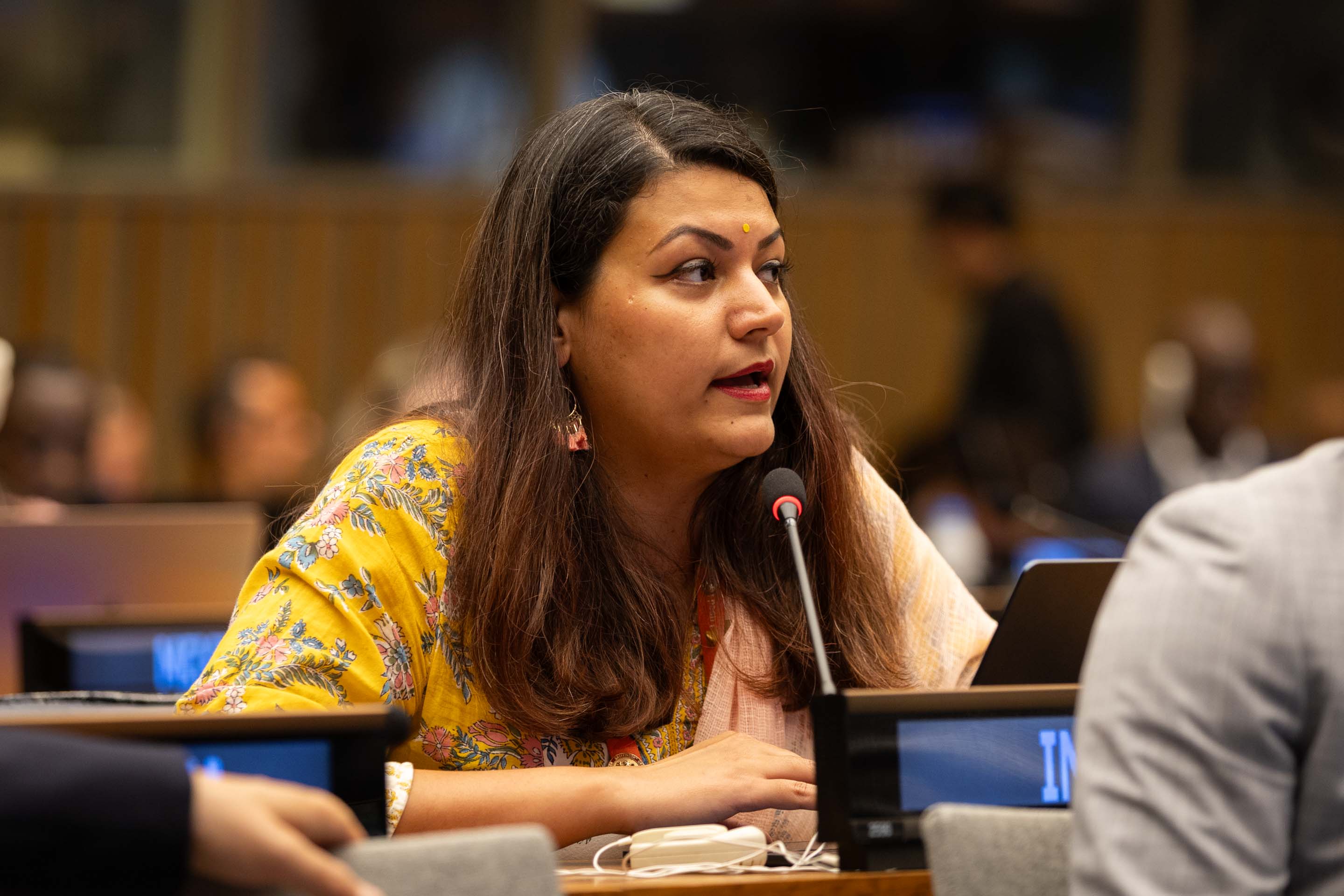
Petal Gahlot, India
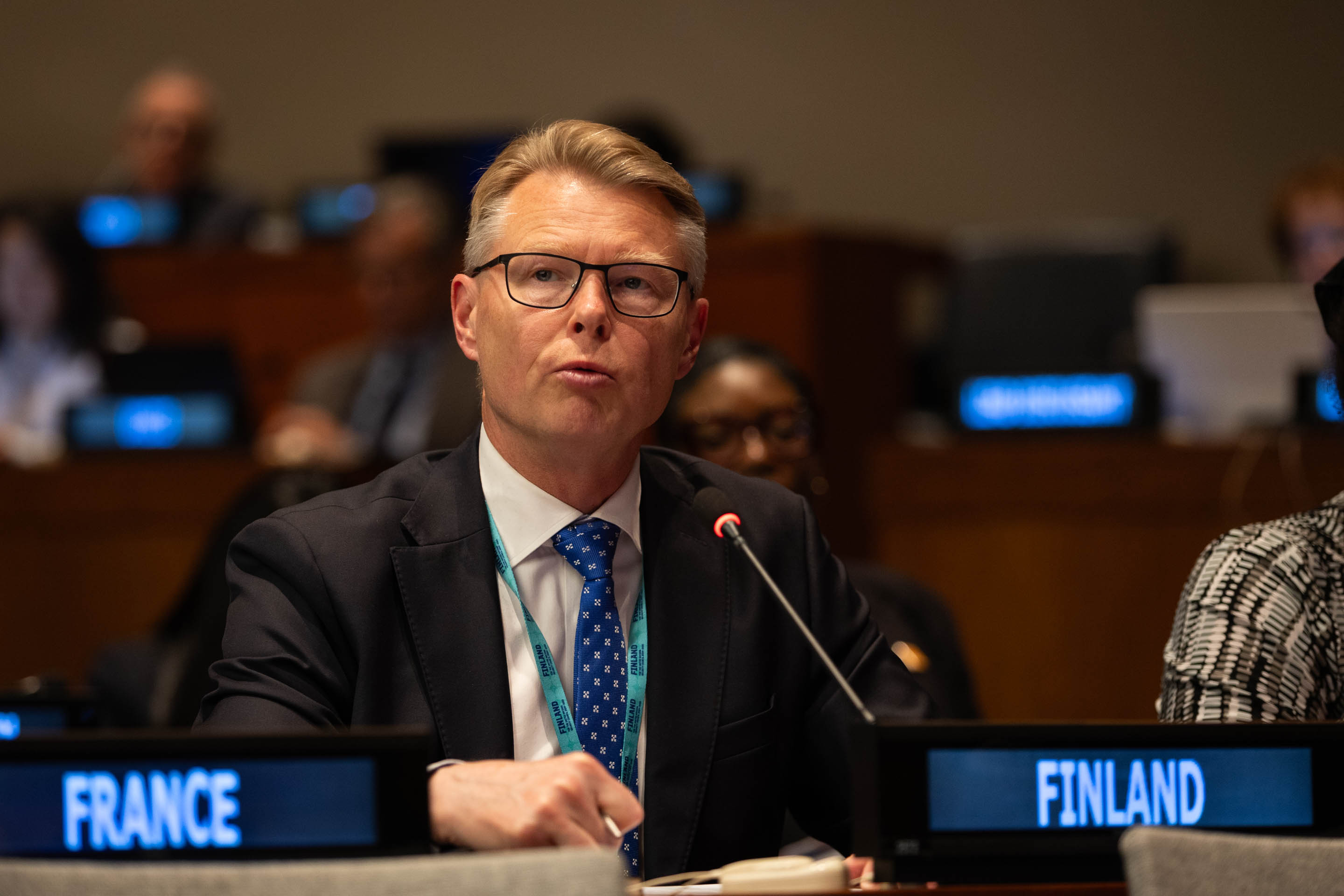
Mika Nykänen, Deputy Minister of Climate and the Environment, Finland
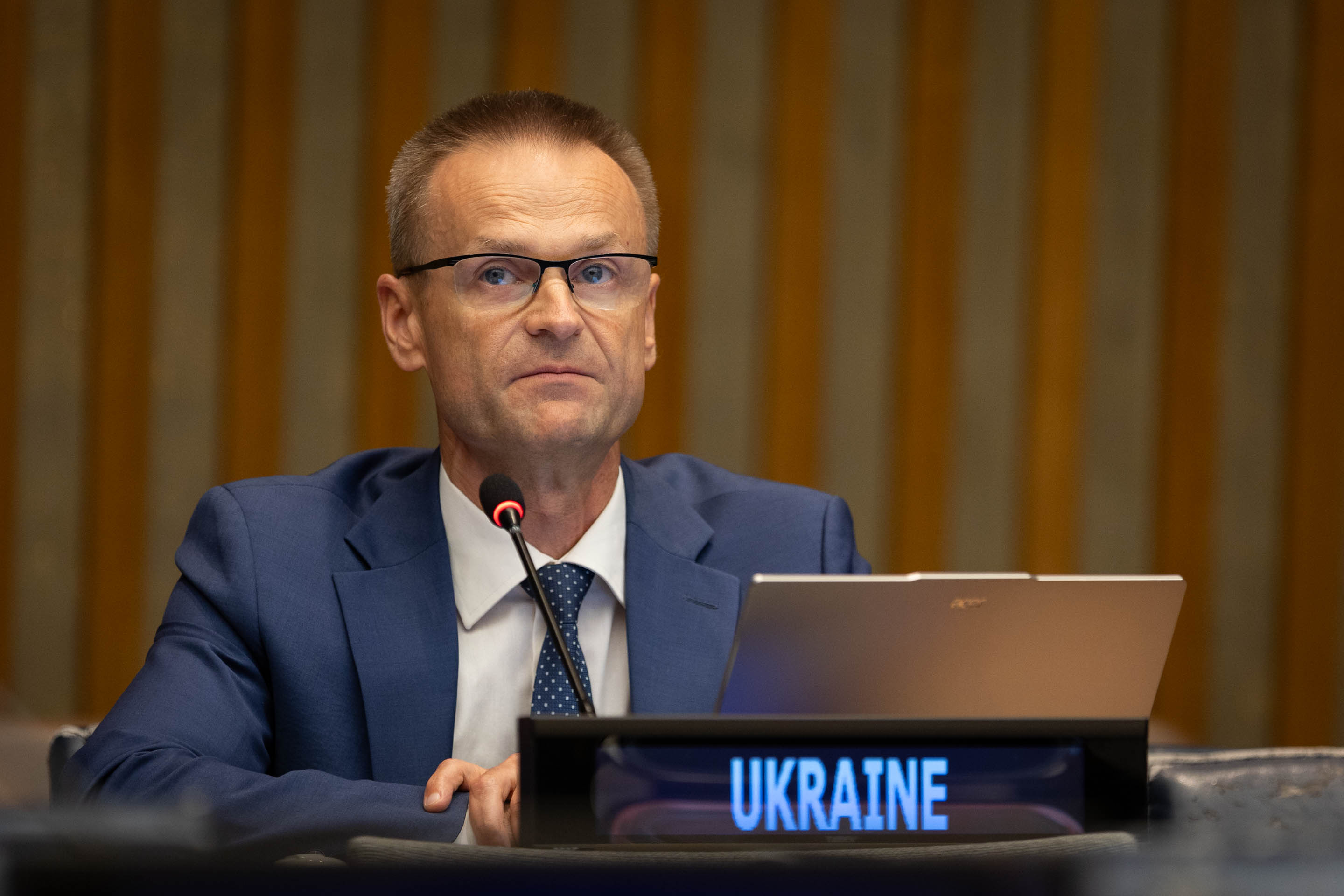
Volodymyr Leschenko, Ukraine
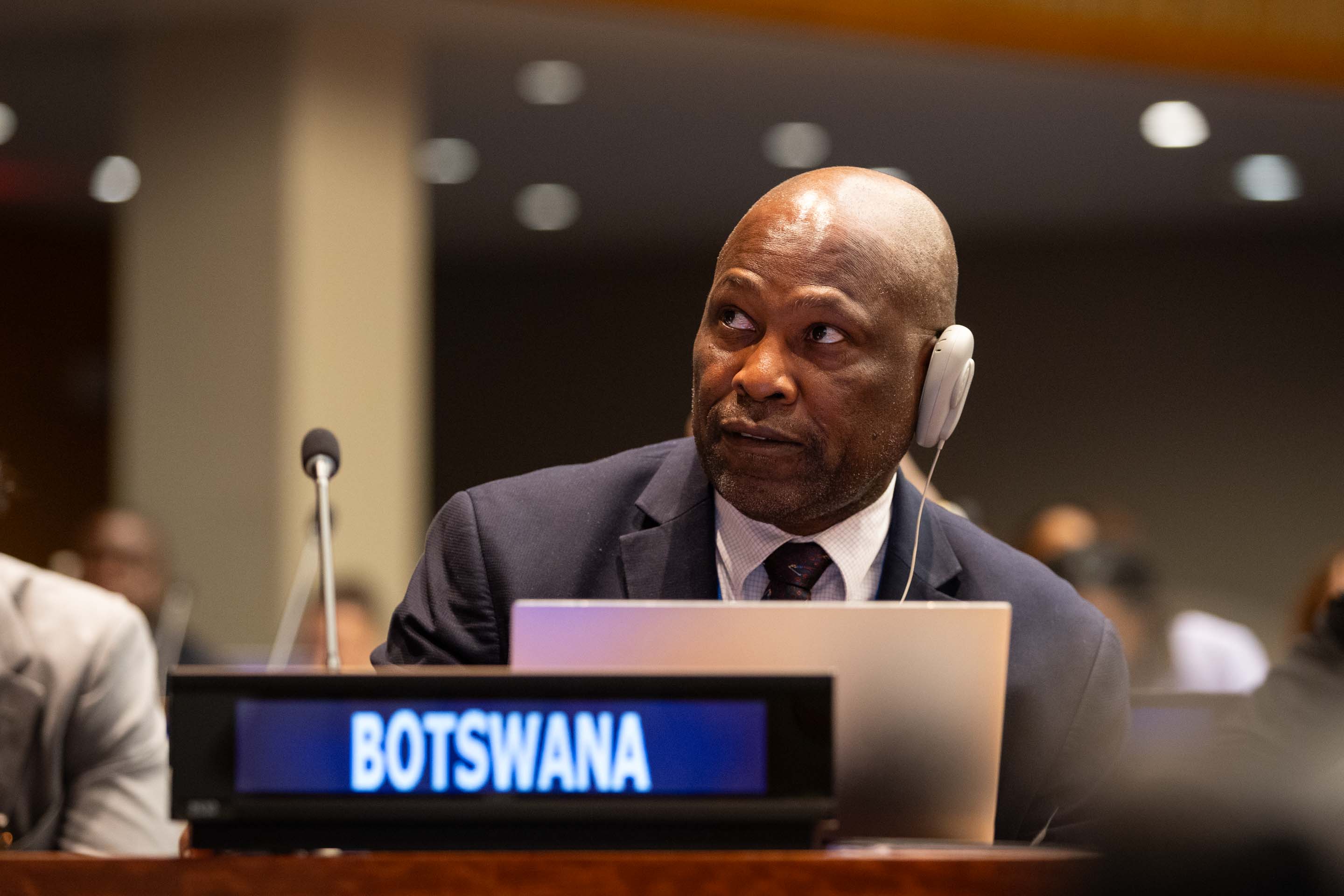
Kabelo Ebineng, Botswana
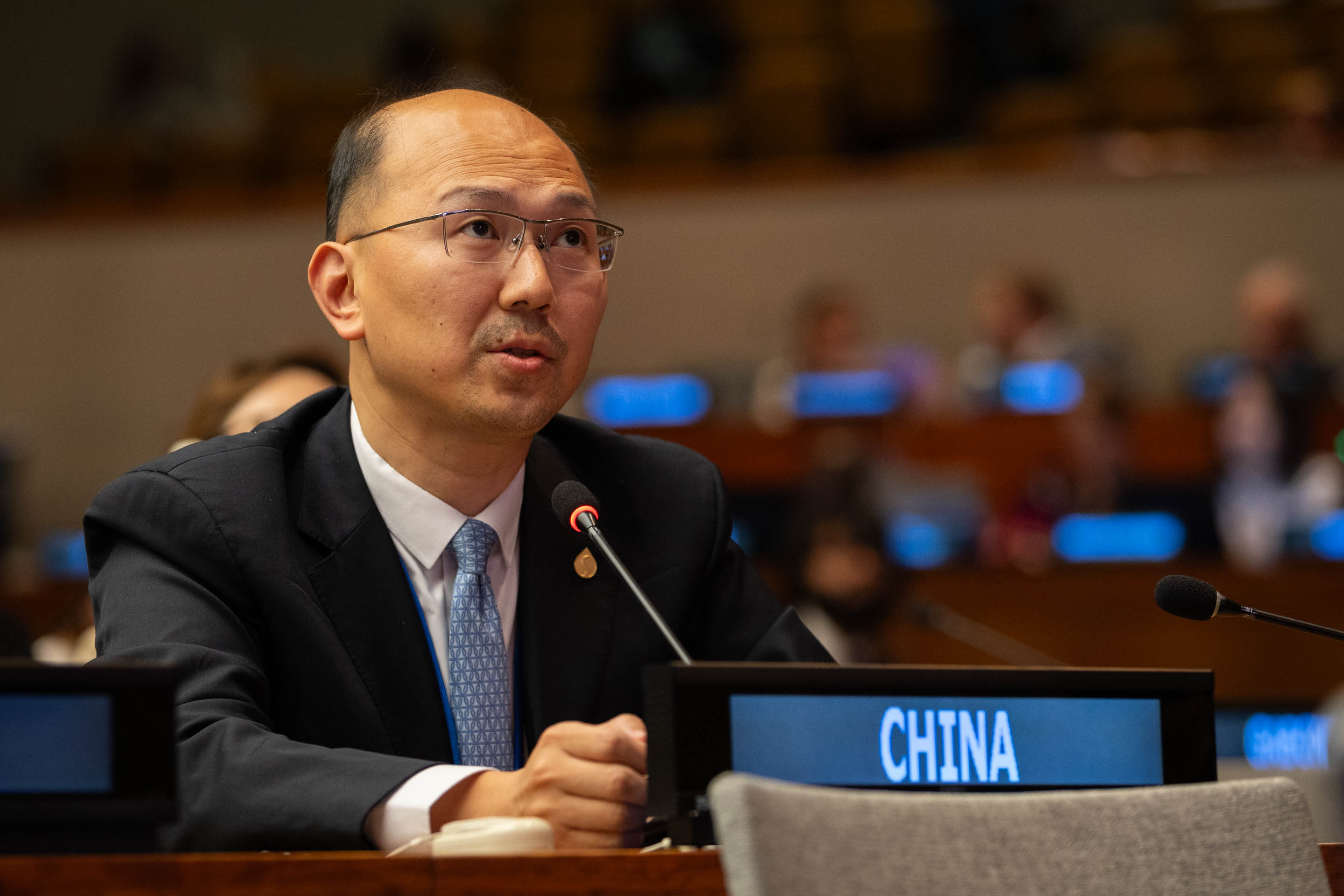
Li Disi, China
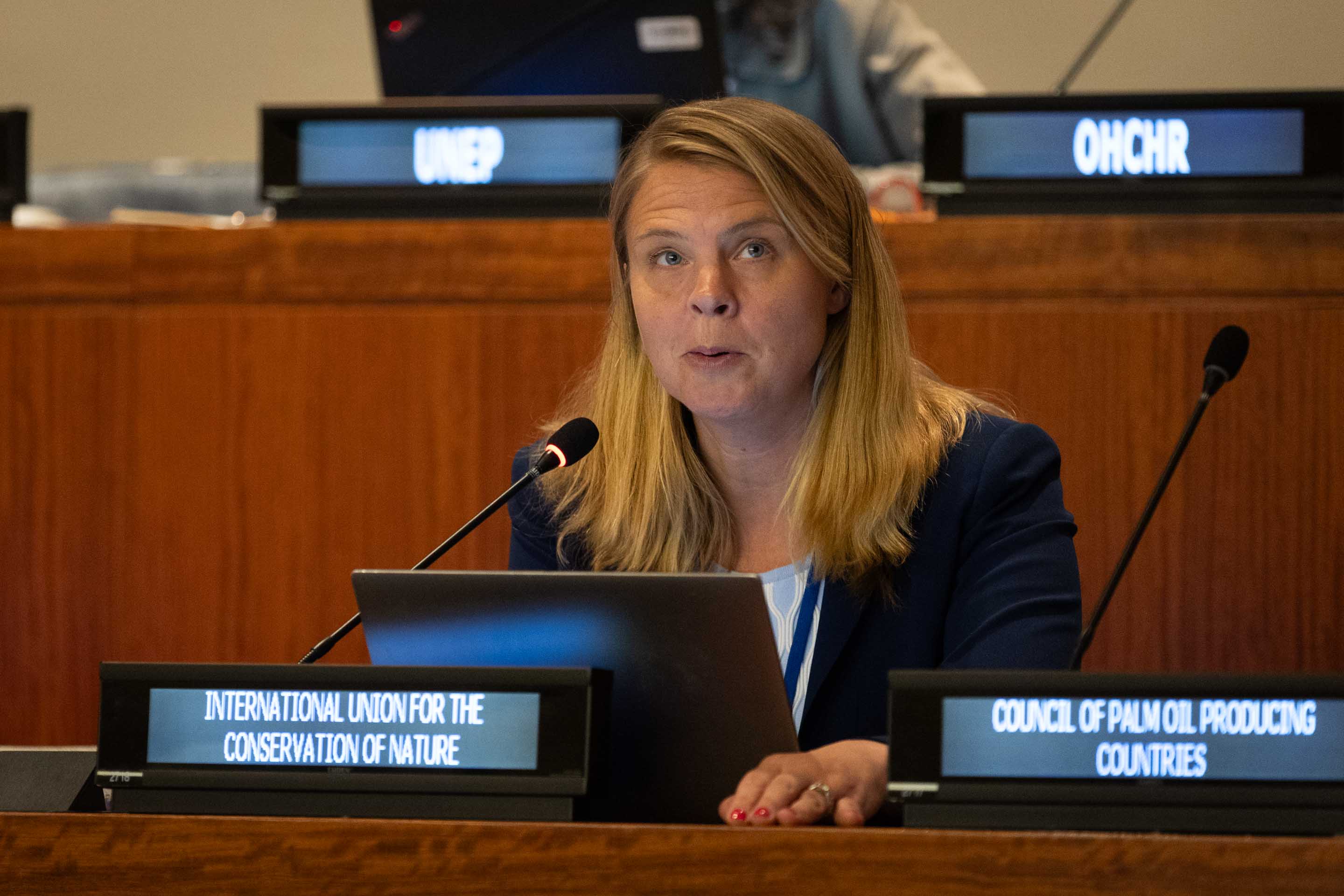
Sofie Sandström Jaffe, International Union for Conservation of Nature (IUCN)
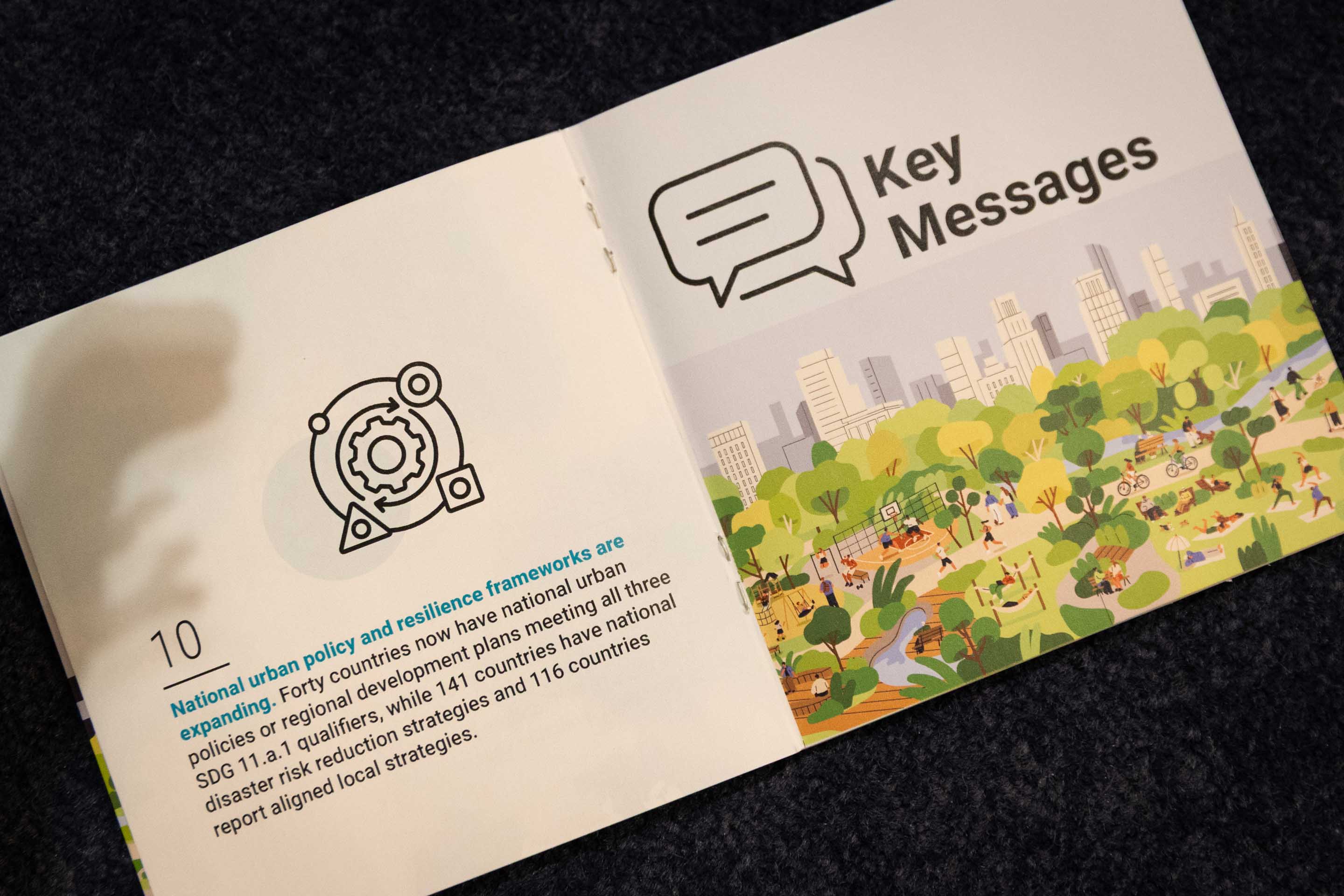
Around the Venue
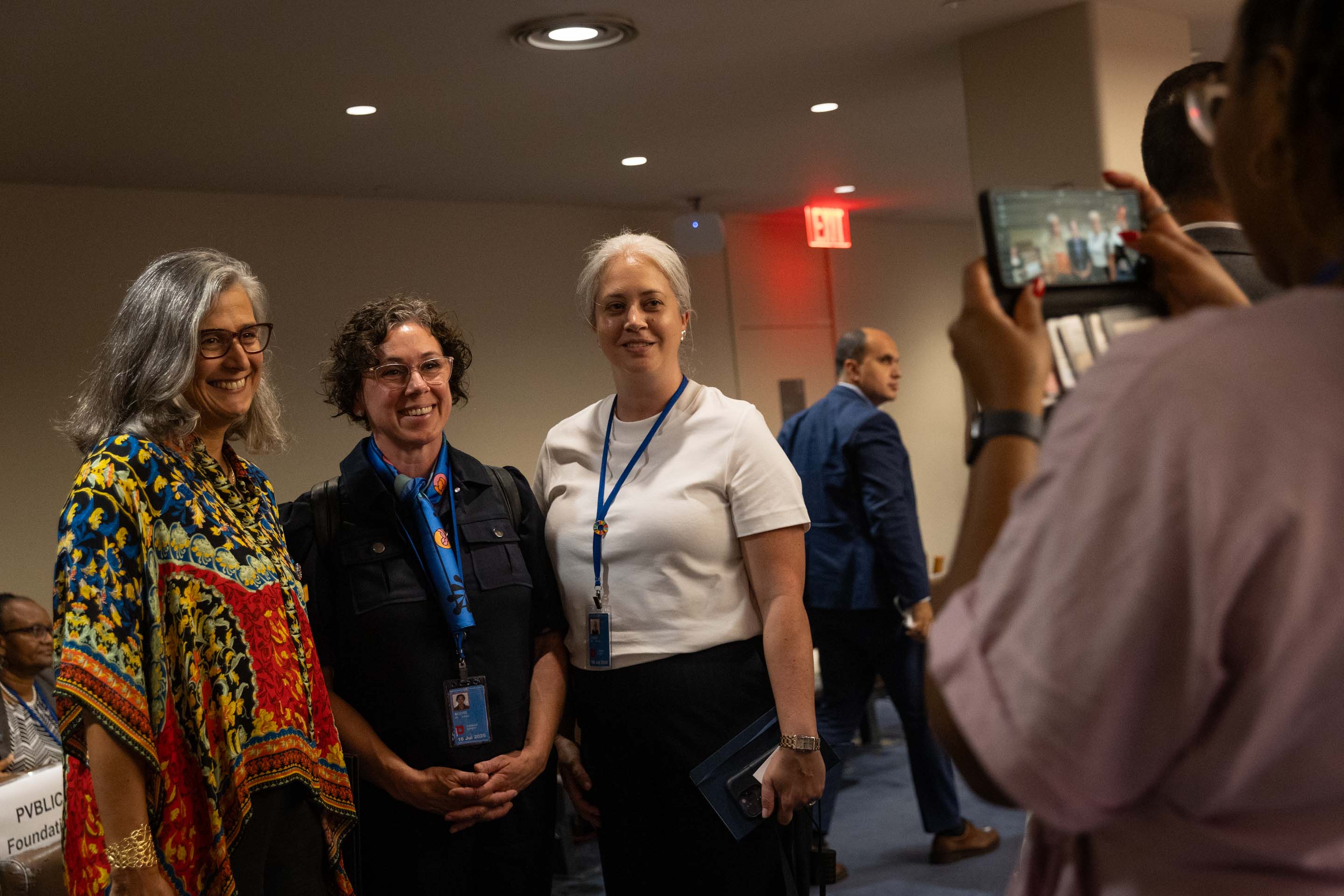
Anacláudia Rossbach, Executive Secretary, UN-Habitat (left), takes a photo with delegates
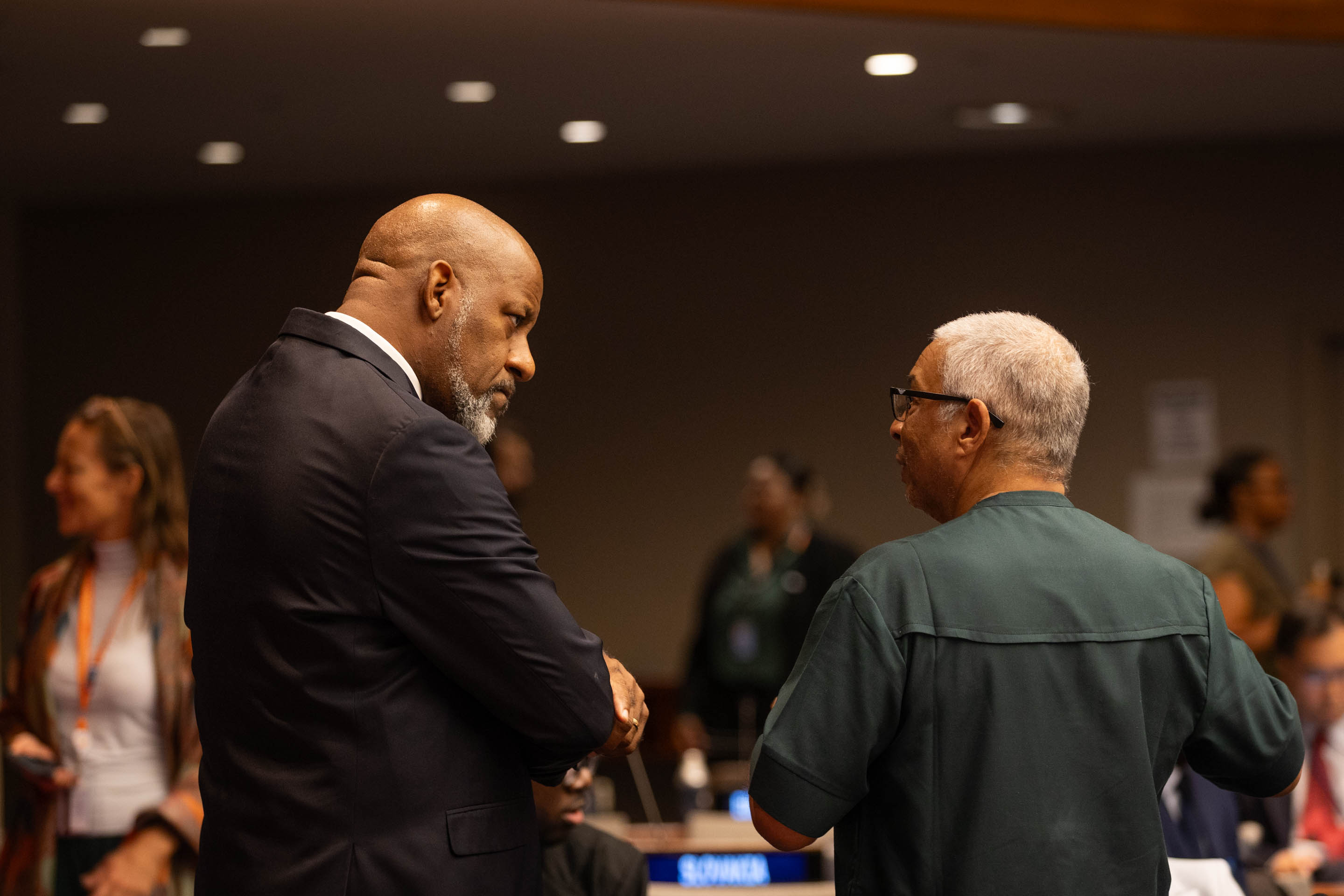
Delegates speak informally
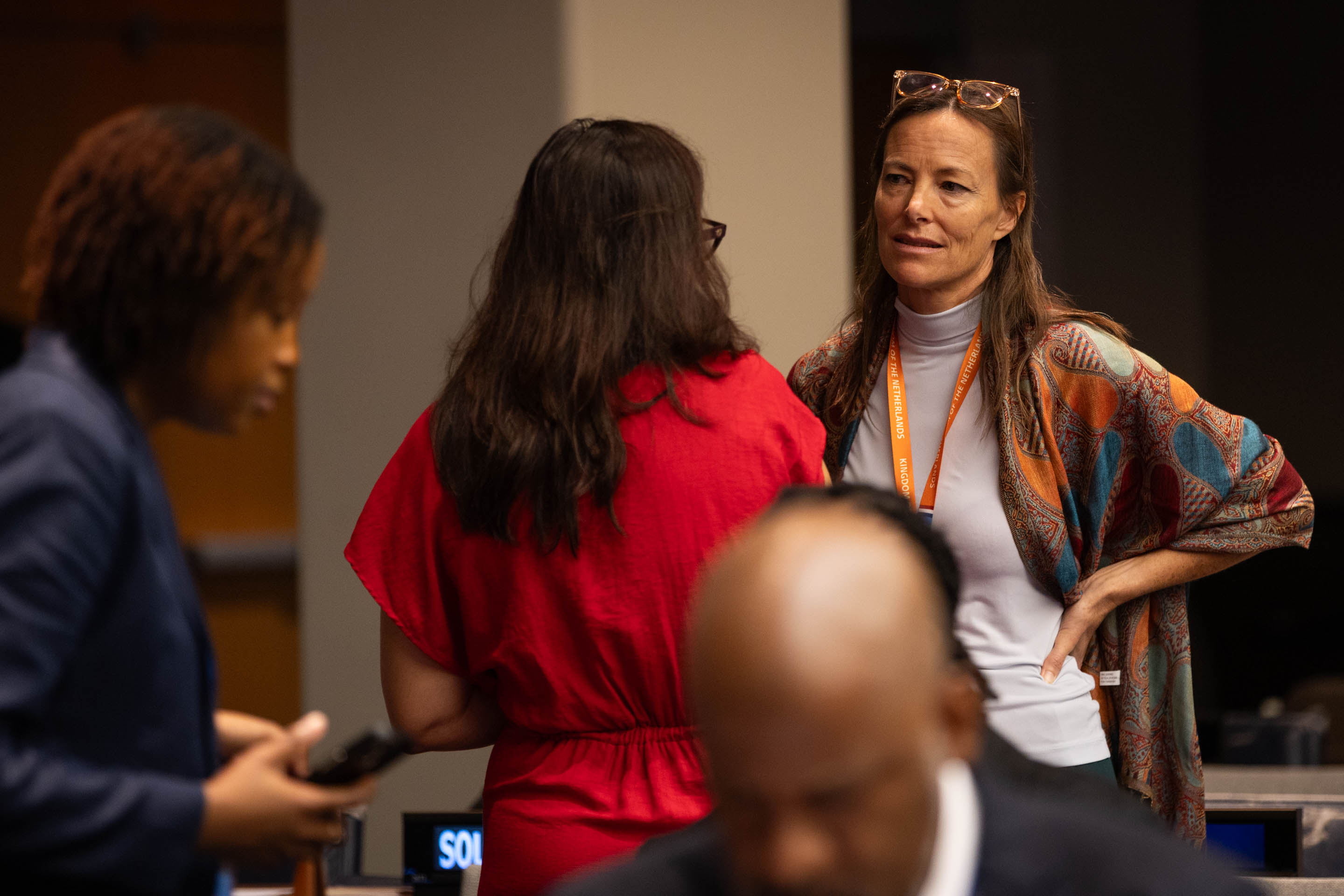
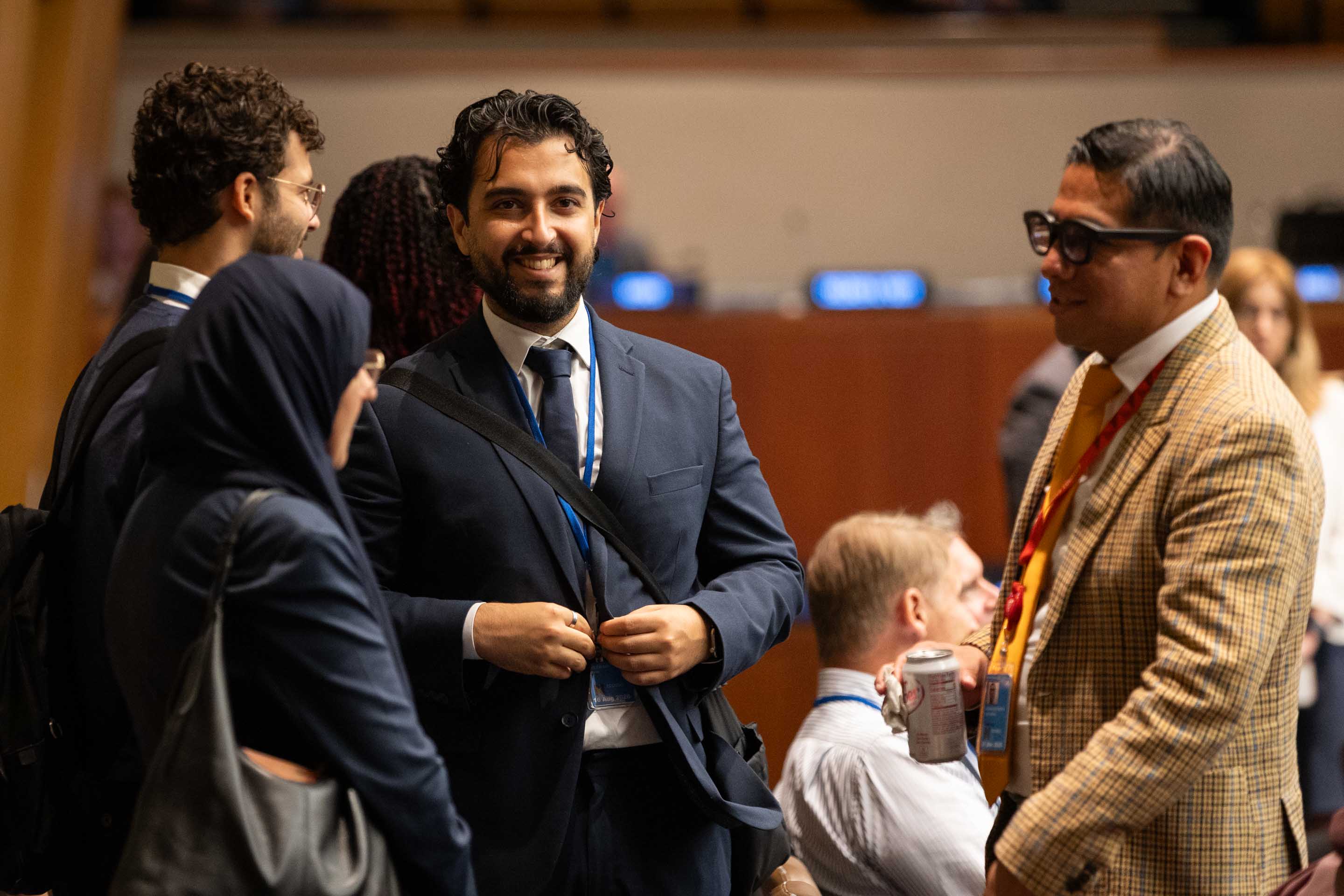
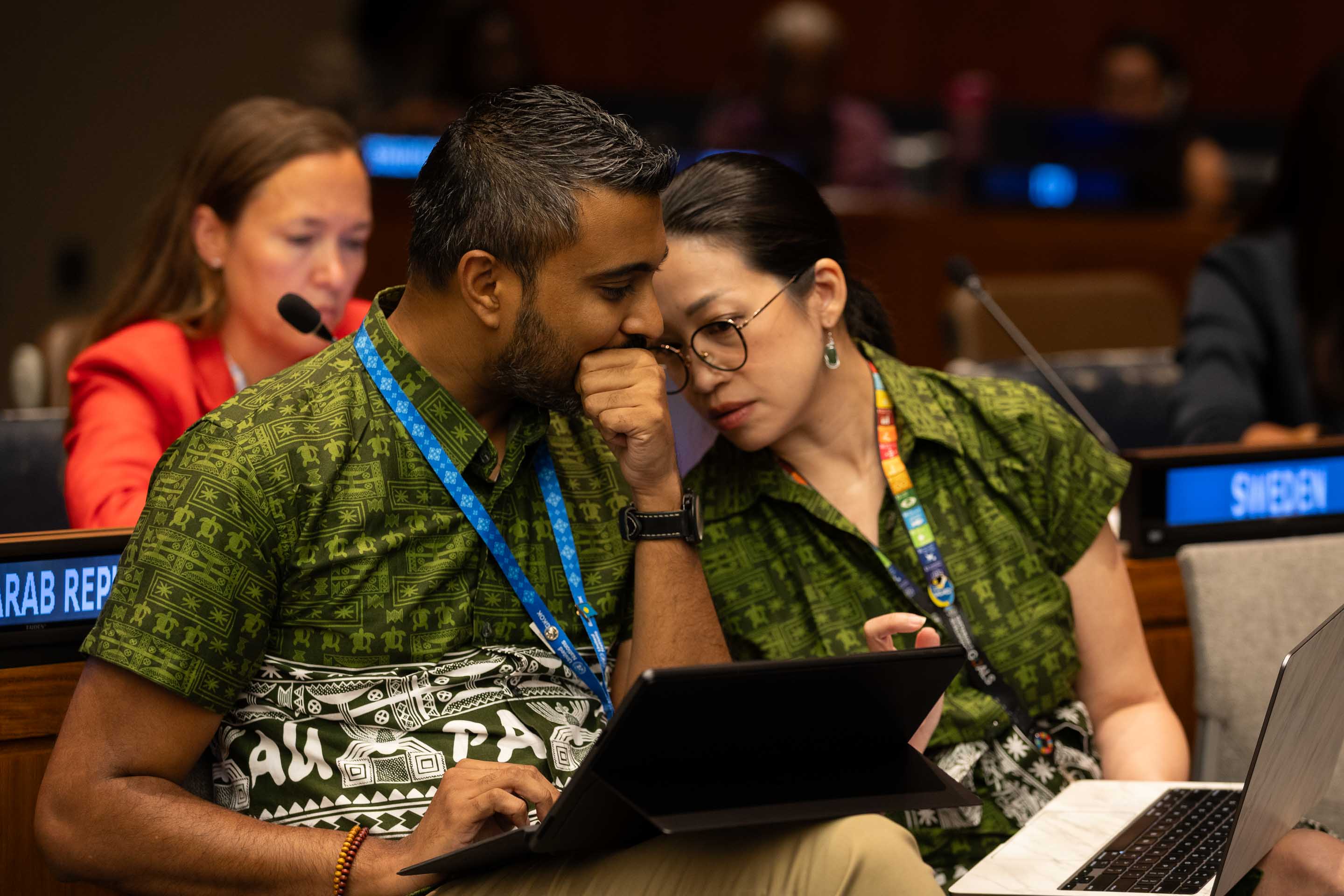
Delegates from Palau consult
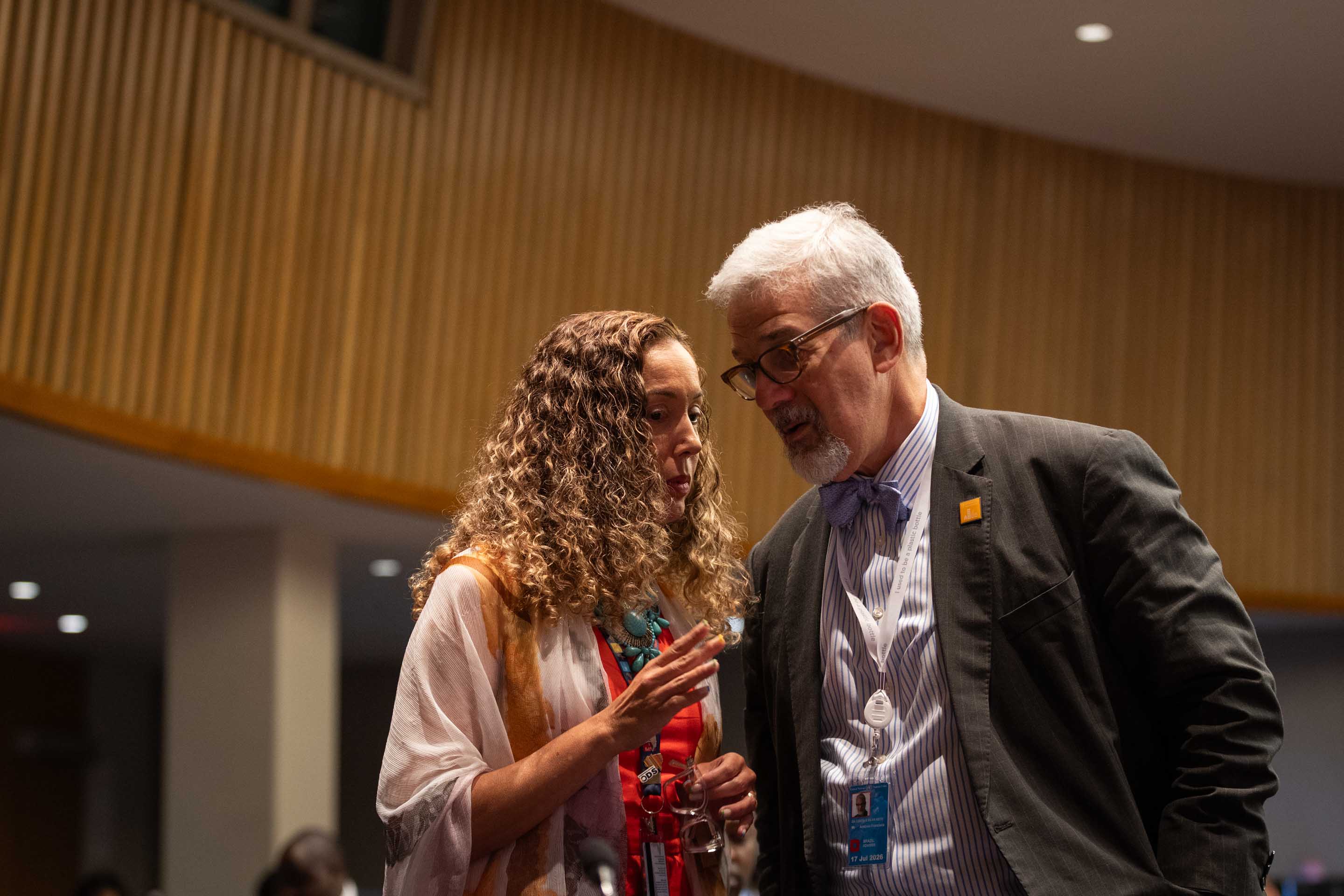
Delegates from Brazil consult
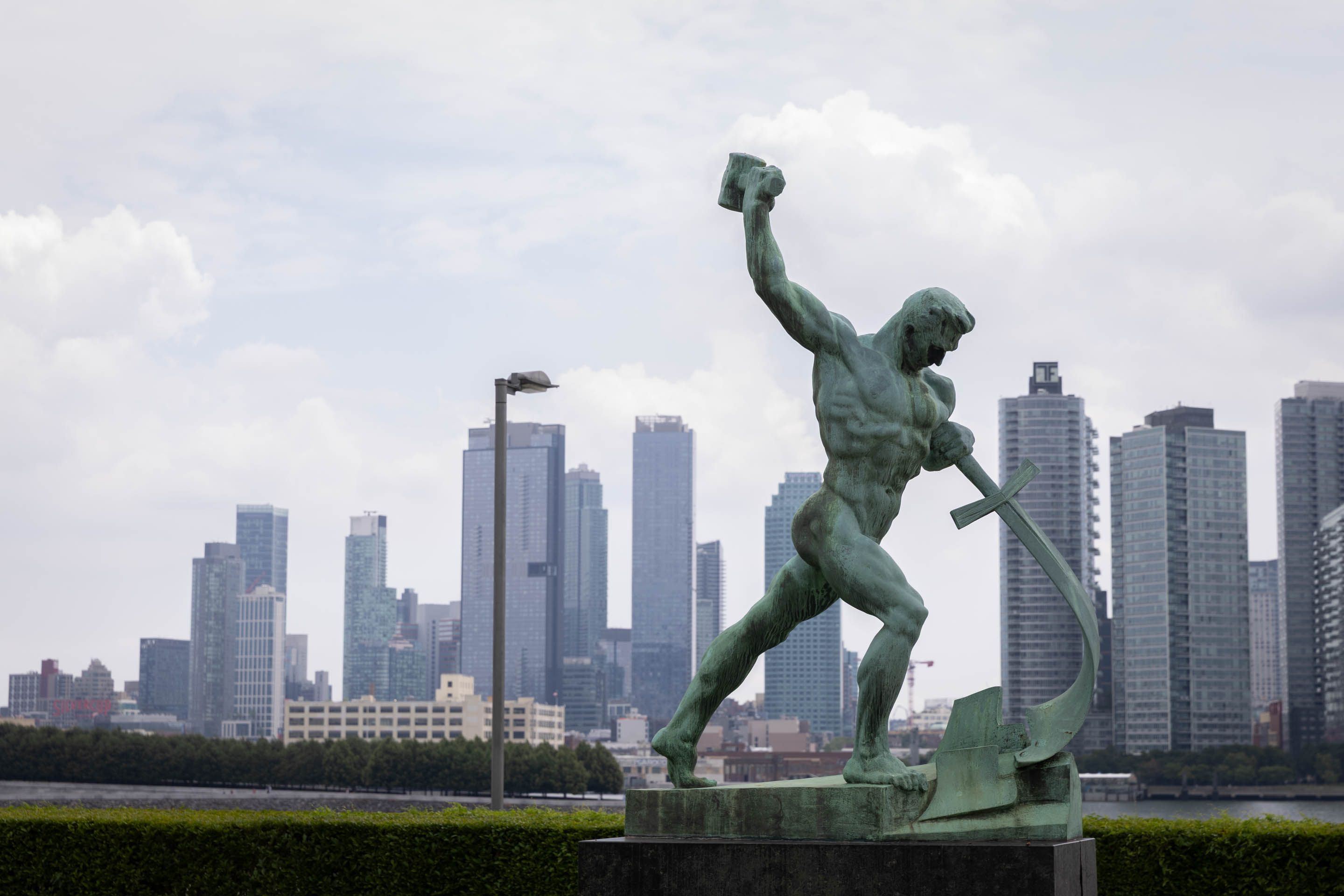
Around the grounds of UN Headquarters