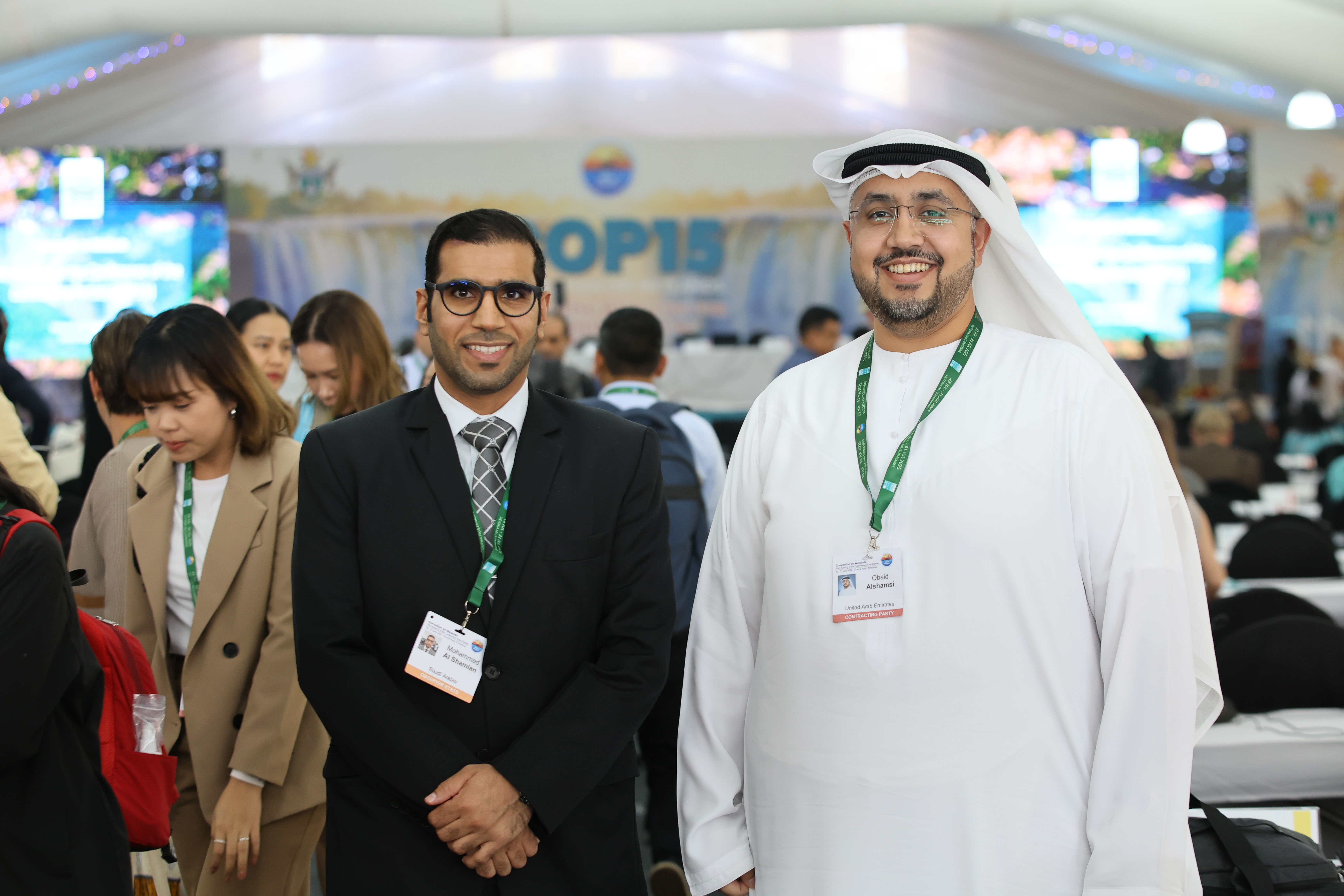
The excitement of the previous day’s events seemed like a distant memory as delegates settled in to work on organizational and administrative matters. Early on, the Russian Federation announced its withdrawal from the Convention on Wetlands, stating it could no longer participate in a politicized instrument. The reduction in the number of contracting parties was short-lived: Saudi Arabia is poised to become a member in August.
Delegates elected Evelyn Ndlovu (Zimbabwe) as President of the 15th meeting of the Conference of the Contracting Parties (COP15). Tadeous Chifamba (Zimbabwe) as Alternate President, and Ahmad Reza Lahijanzadeh (Iran) and Jorge Elías Jaén Bonilla (Panama) as Vice Presidents. Delegates also approved appointments to the Credentials Committee and admission of observers.
Want to dig deeper into today's talks? Read the full Earth Negotiations Bulletin daily report.
Delegates reviewed reports on the following topics and activities:
- the Standing Committee;
- the Scientific and Technical Review Panel (STRP);
- global implementation of the Convention;
- the Secretariat’s work;
- the Oversight Panel on implementation of the Communication, Education, Participation and Awareness (CEPA) Programme 2016-2024;
- Ramsar Regional Initiatives (RRIs);
- enhancing decision-making procedures and maintaining effective operation of the Convention during exceptional circumstances;
- assessment of progress on wetland restoration;
- opportunities to further strengthen the Convention’s contribution to the 2030 Sustainable Development Agenda and Sustainable Development Goals (SDGs); and
- implementation of Resolution XIV.20.
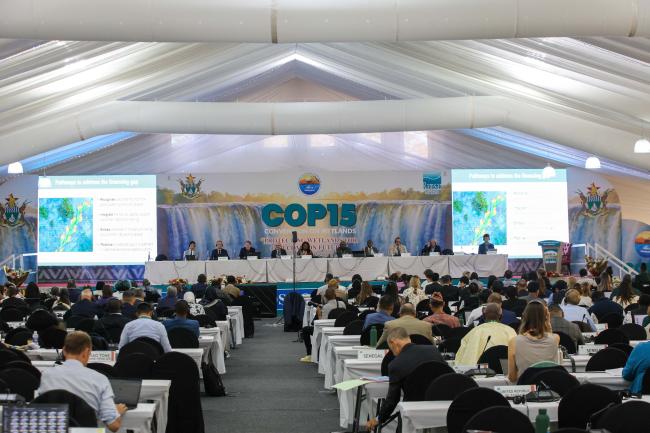
Reporting on implementation of the Convention, Secretary General Musonda Mumba highlighted an increase in Ramsar Site listings and better integration with national biodiversity and water strategies. She also noted uneven sectoral coordination, limited use of national inventories, and chronic underfunding.
Many countries echoed the need for improved financing, reporting tools, and inclusion of wetlands in climate strategies. The Secretariat’s efforts to raise the global profile of wetlands, strengthen collaboration, and support contracting parties were widely praised.
On the status of Wetlands of International Importance (Ramsar Sites) with human-induced changes, several countries requested the removal of Ramsar Sites from the watch list, asserting no change had occurred. In contrast, Ukraine reported serious damage stemming from the occupation by the Russian Federation and asked for a status change on one Ramsar Site.
The STRP presented its latest work, including the Global Wetland Outlook 2025, noting that it integrates findings from over 150 scientific sources to inform evidence-based decision-making. The CEPA Oversight Panel emphasized the importance of awareness, youth engagement, and Indigenous Peoples’ participation. Reports on RRIs showed progress but also underscored funding gaps and uneven participation.
The Wetland City Accreditation report documented 31 new and 18 renewed Wetland Cities. Delegates praised its role in fostering urban wetland stewardship and called for capacity building for local governments.
Delegates wrapped up their agenda items slightly ahead of schedule, an outcome many participants attributed to the orderly management of the meeting by COP15’s Alternate President Chifamba.
To receive free coverage of global environmental events delivered to your inbox, subscribe to the ENB Update newsletter.
All ENB photos are free to use with attribution. For the Ramsar Convention on Wetlands COP15 please use: Photo by IISD/ENB - Anastasia Rodopoulou.
Plenary Session
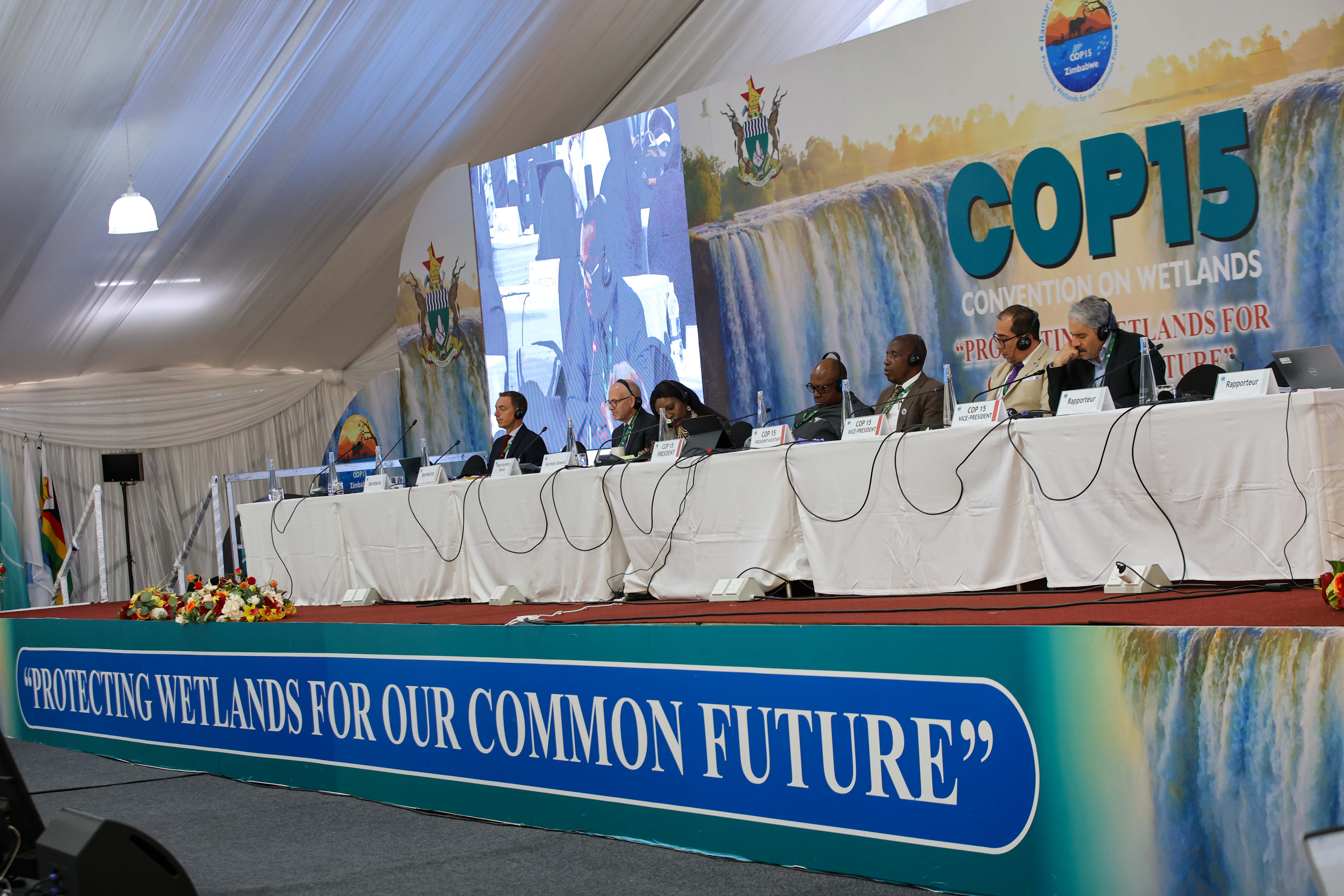
A view of the panel
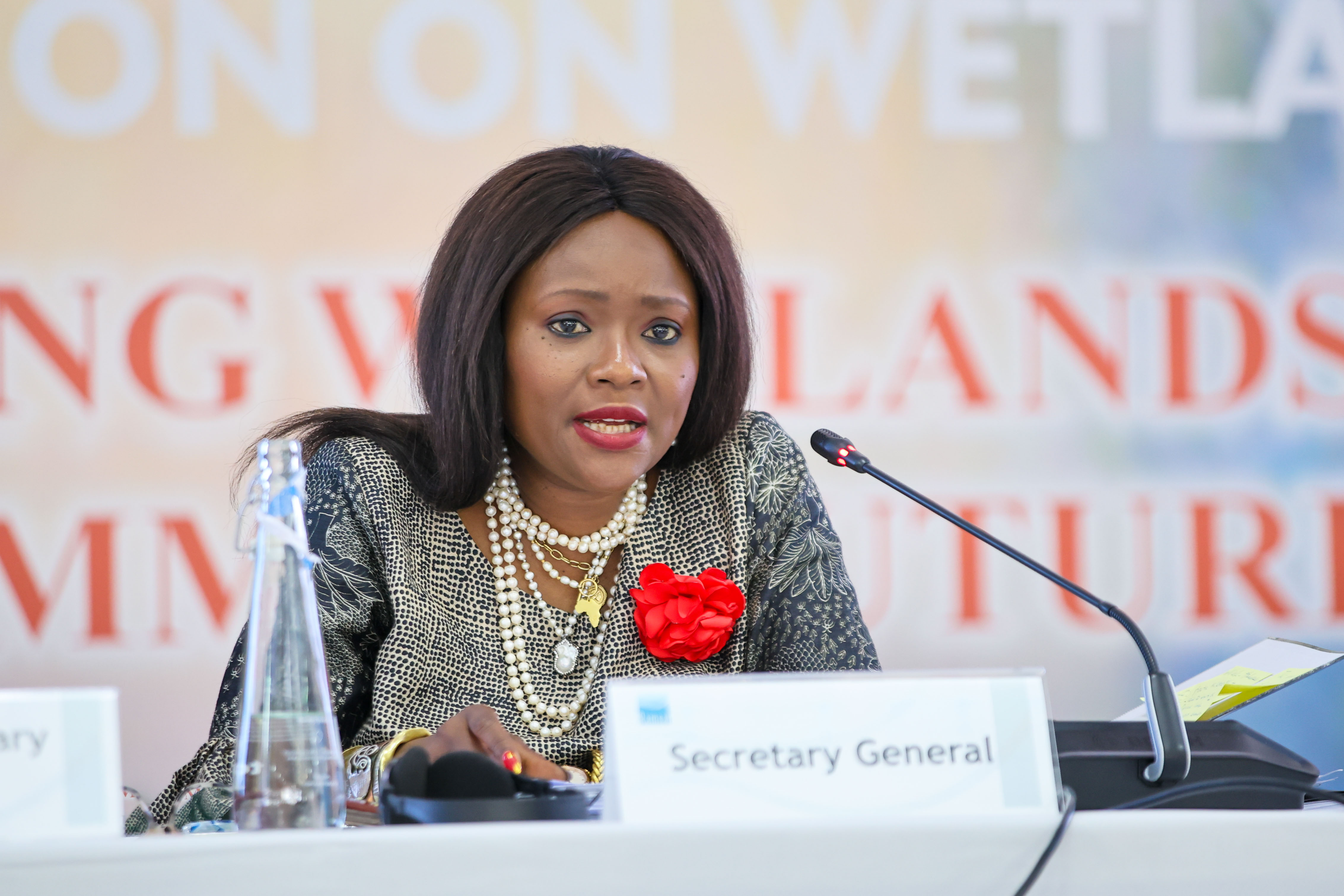
Musonda Mumba, Secretary General, Convention on Wetlands
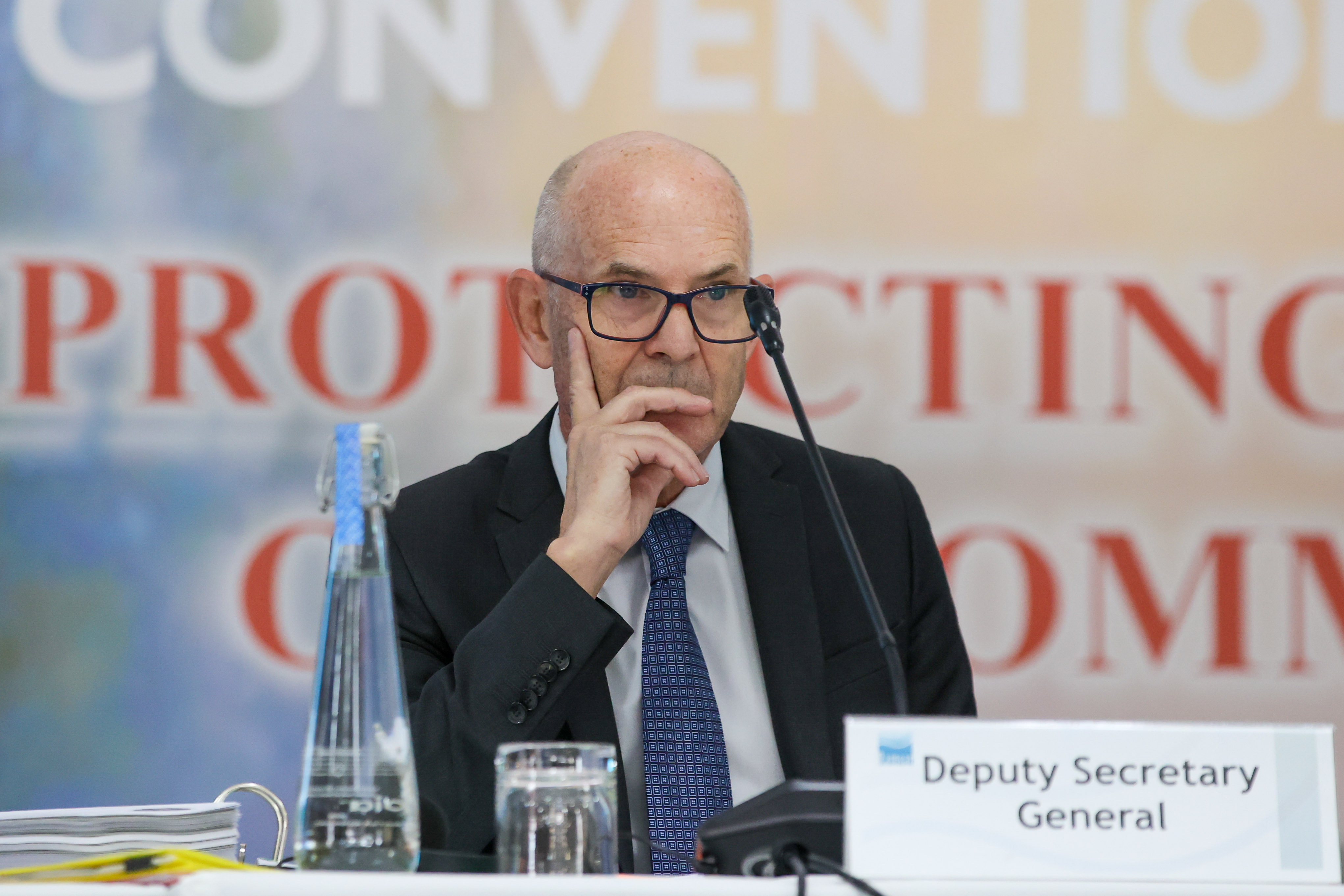
Jay Aldous, Deputy Secretary General, Convention on Wetlands
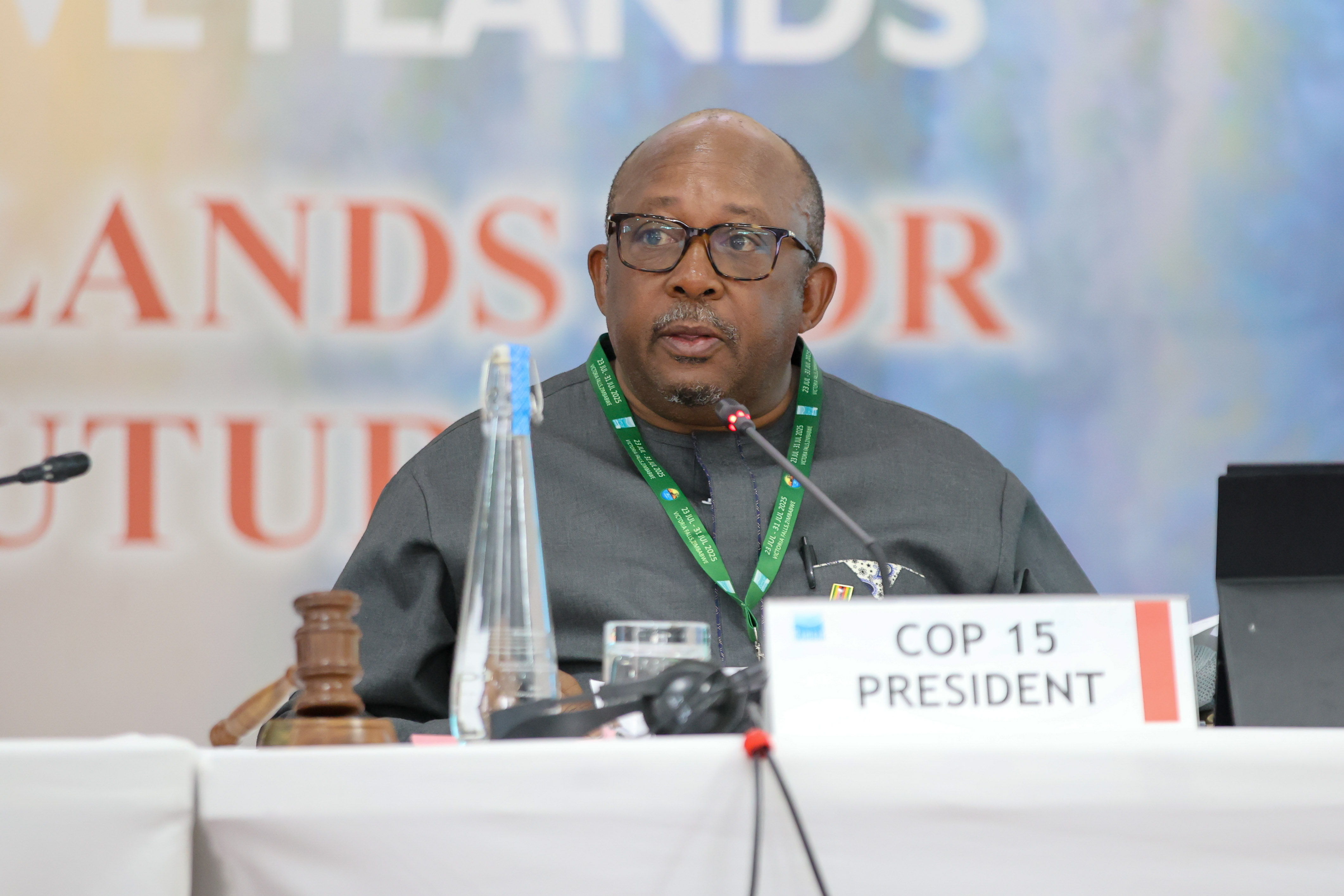
Tadeous Chifamba, Alternate COP15 President, Zimbabwe
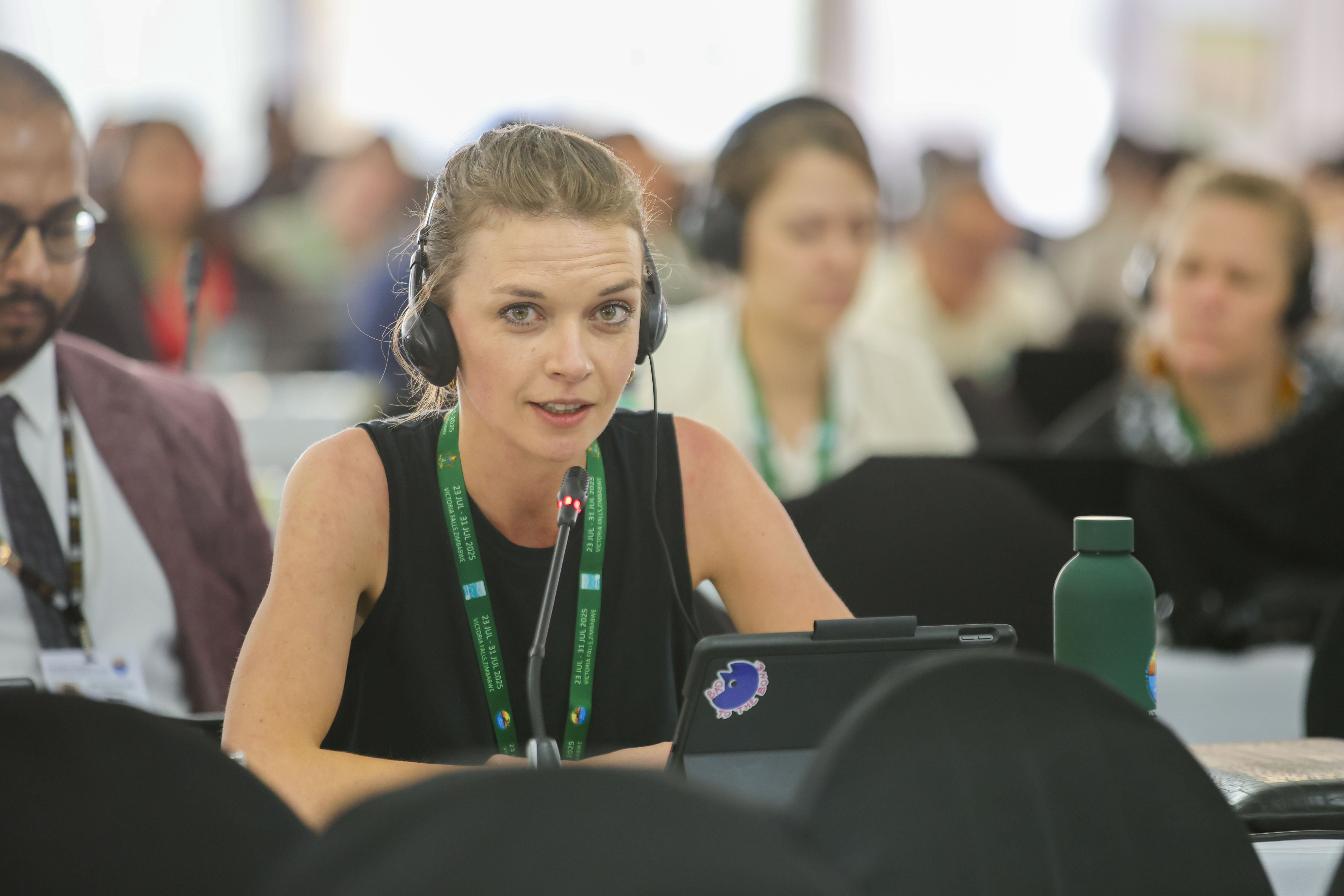
Kat Holmes, United Kingdom
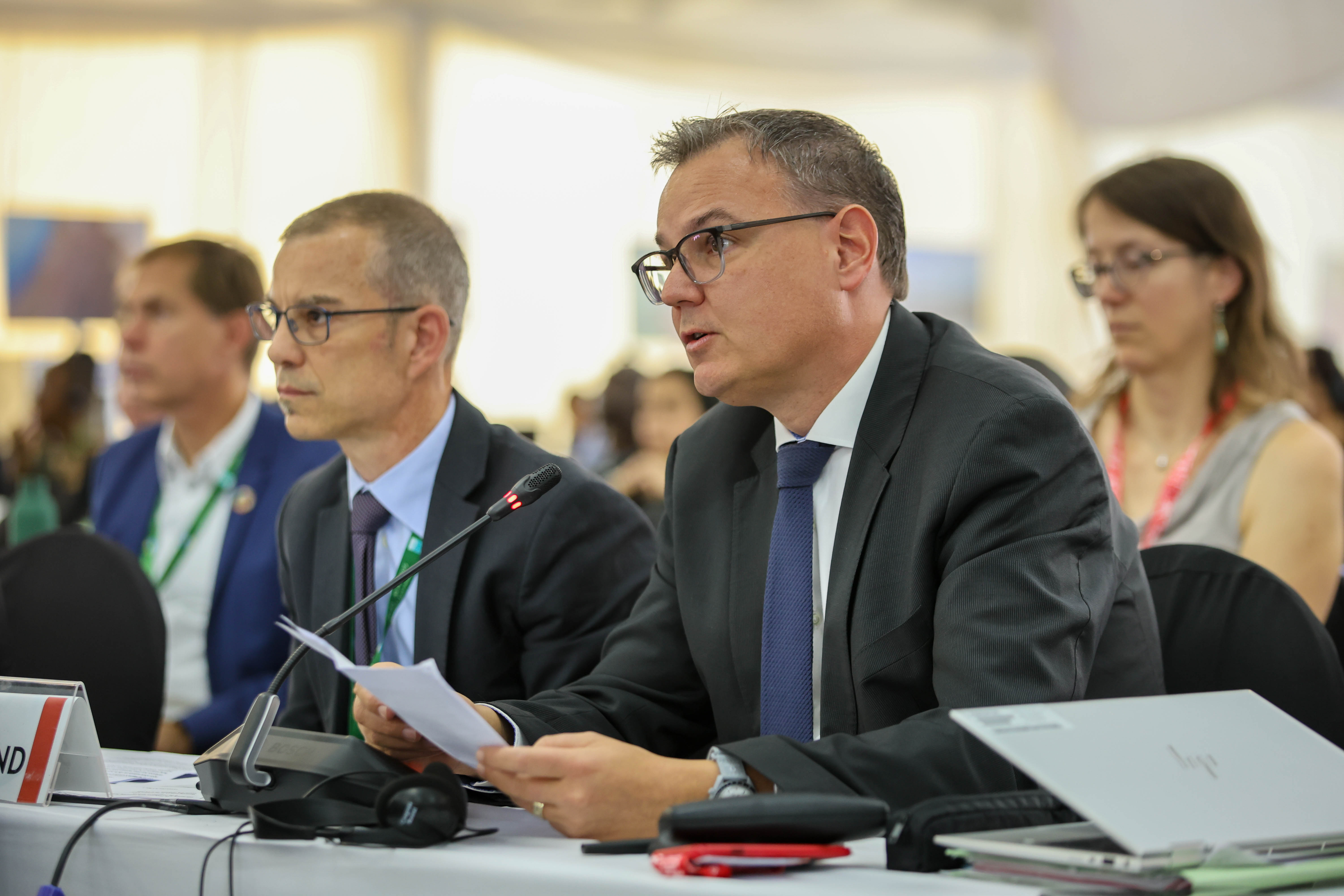
Stéphane Rey, Switzerland
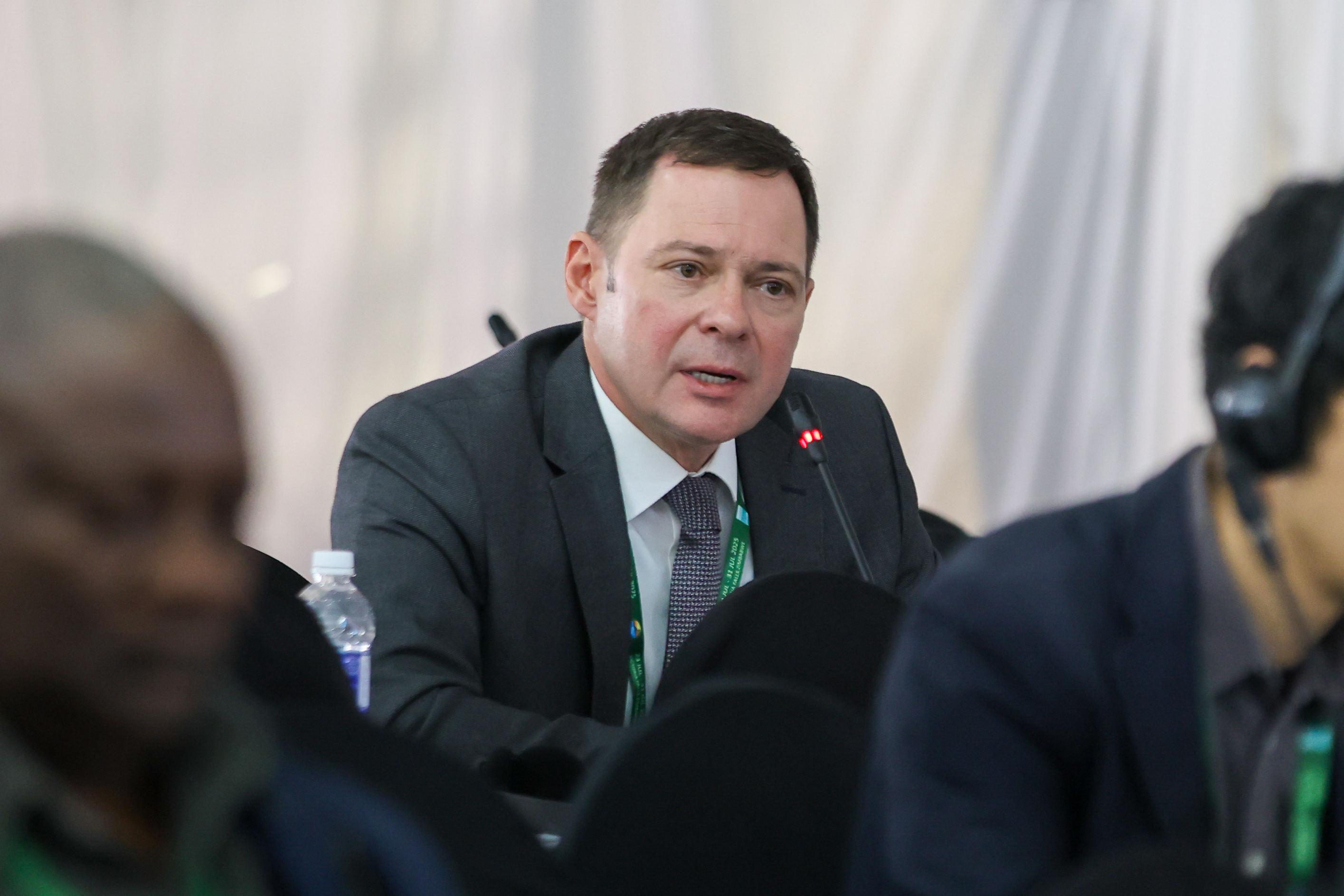
Nikolai Krasilnikov, Russian Federation

Olesya Petrovych, Ukraine

Francisco Jose Mozetic, Argentina

Xia Jun, Chair, COP14 Standing Committee was thanked for his work.
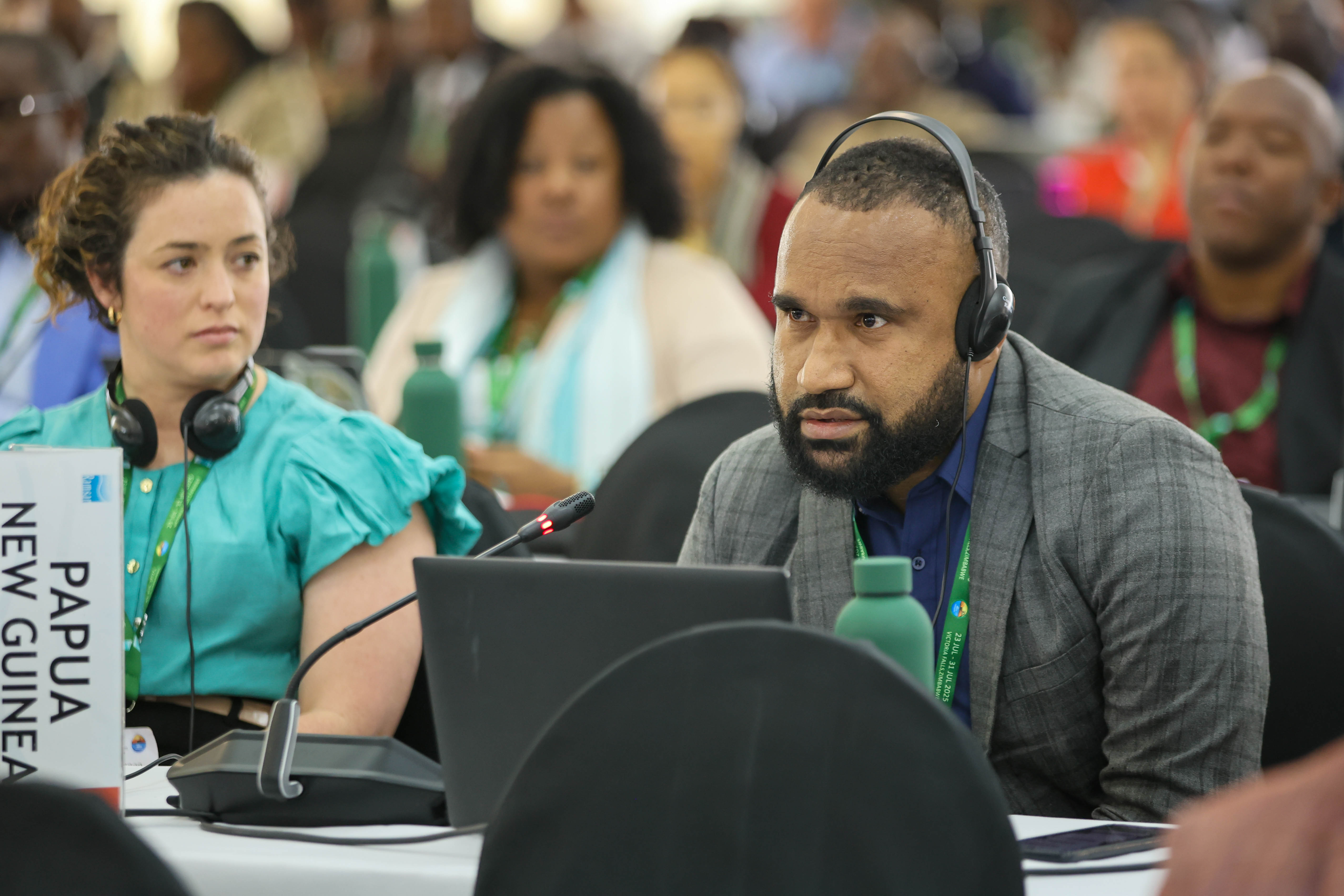
Joshua John Pulga, Papua New Guinea
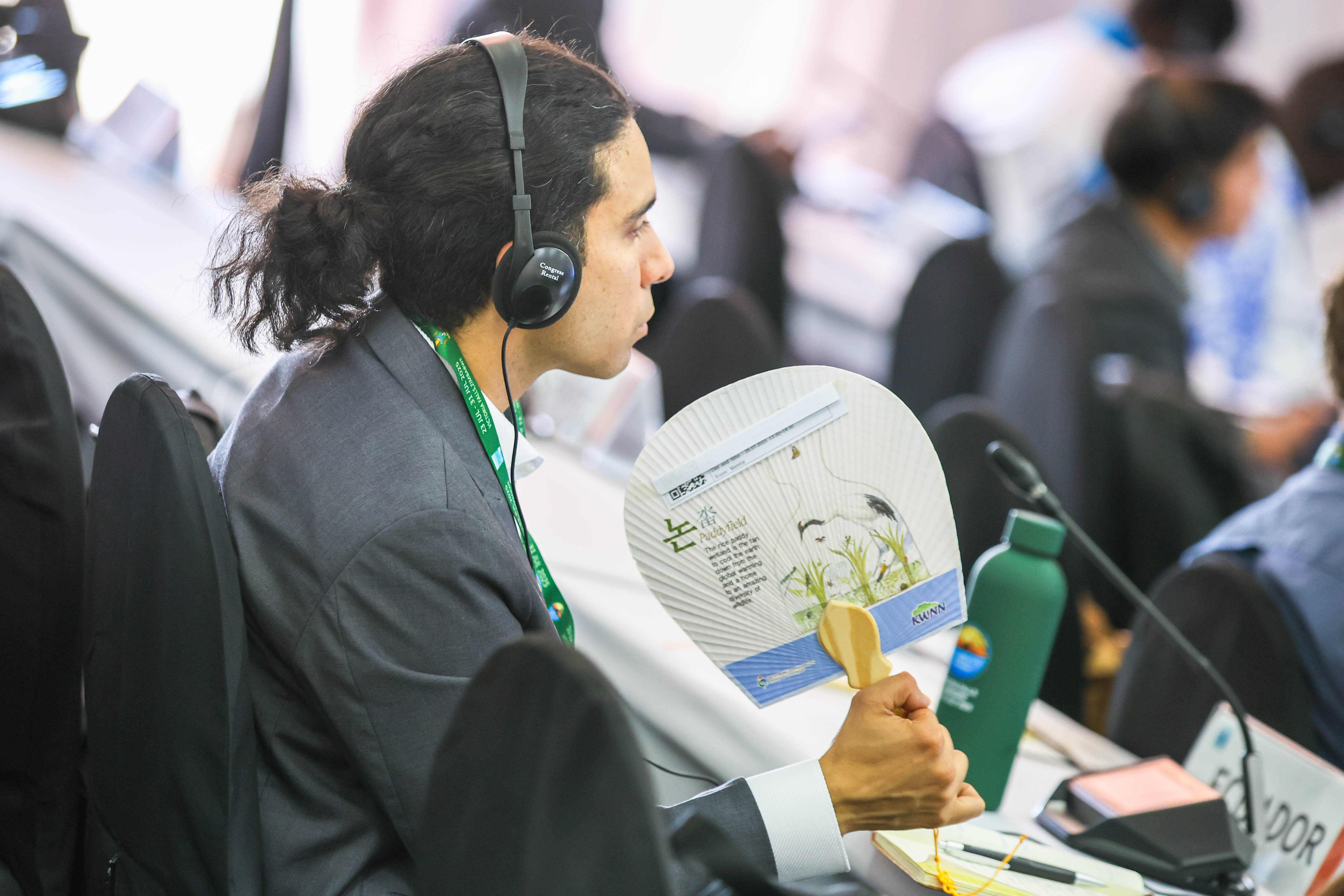
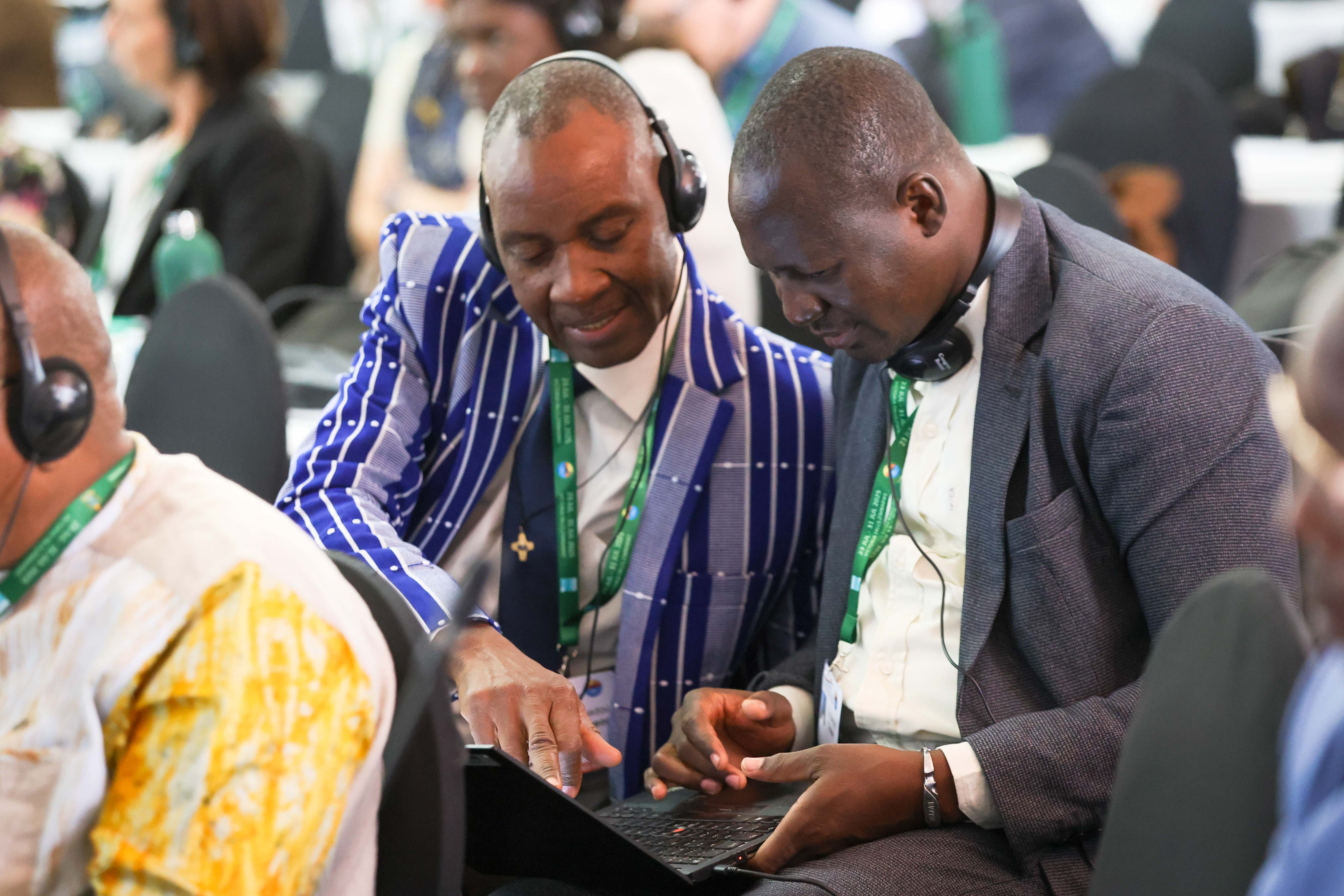
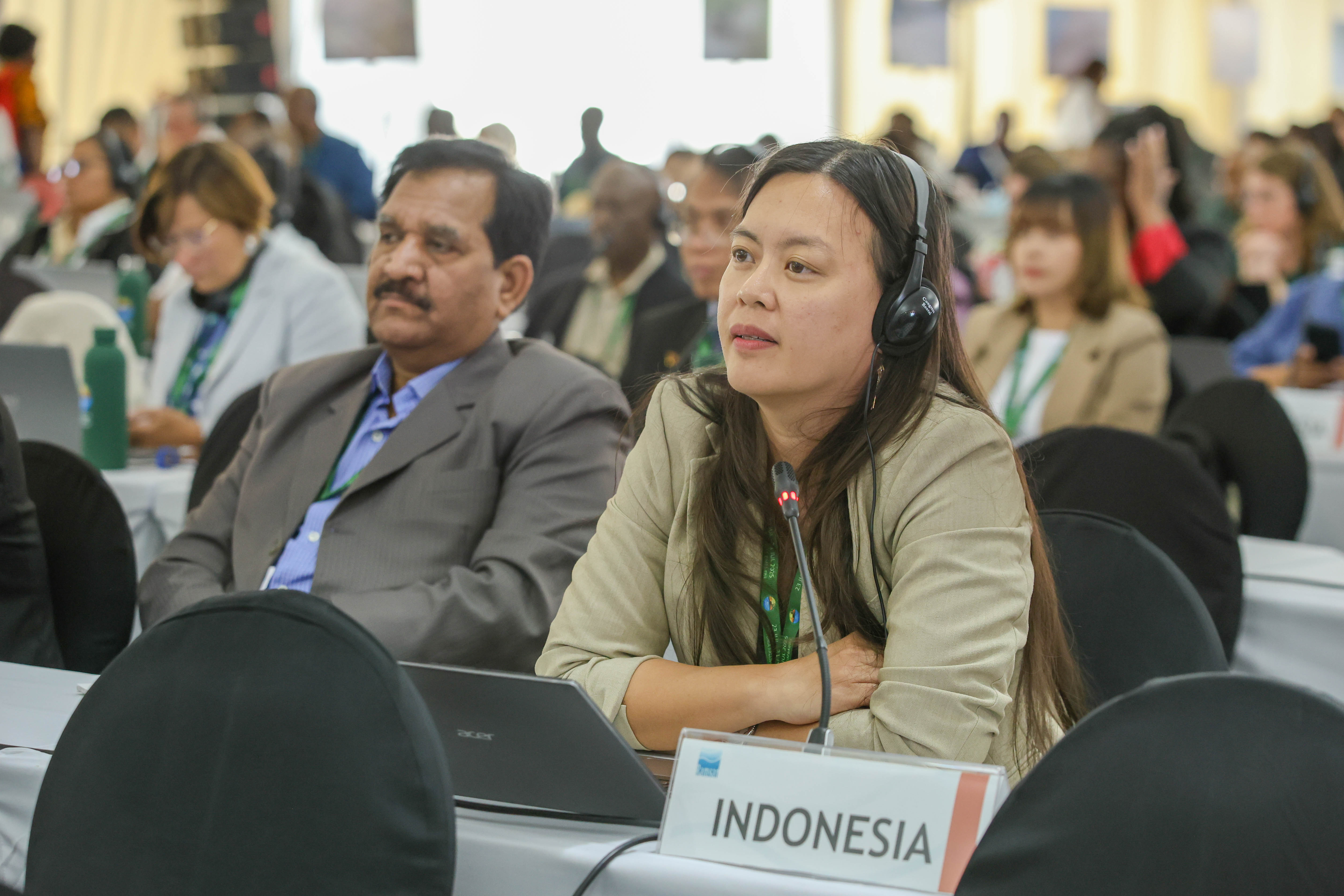
Melissa Yuanita Repi, Indonesia
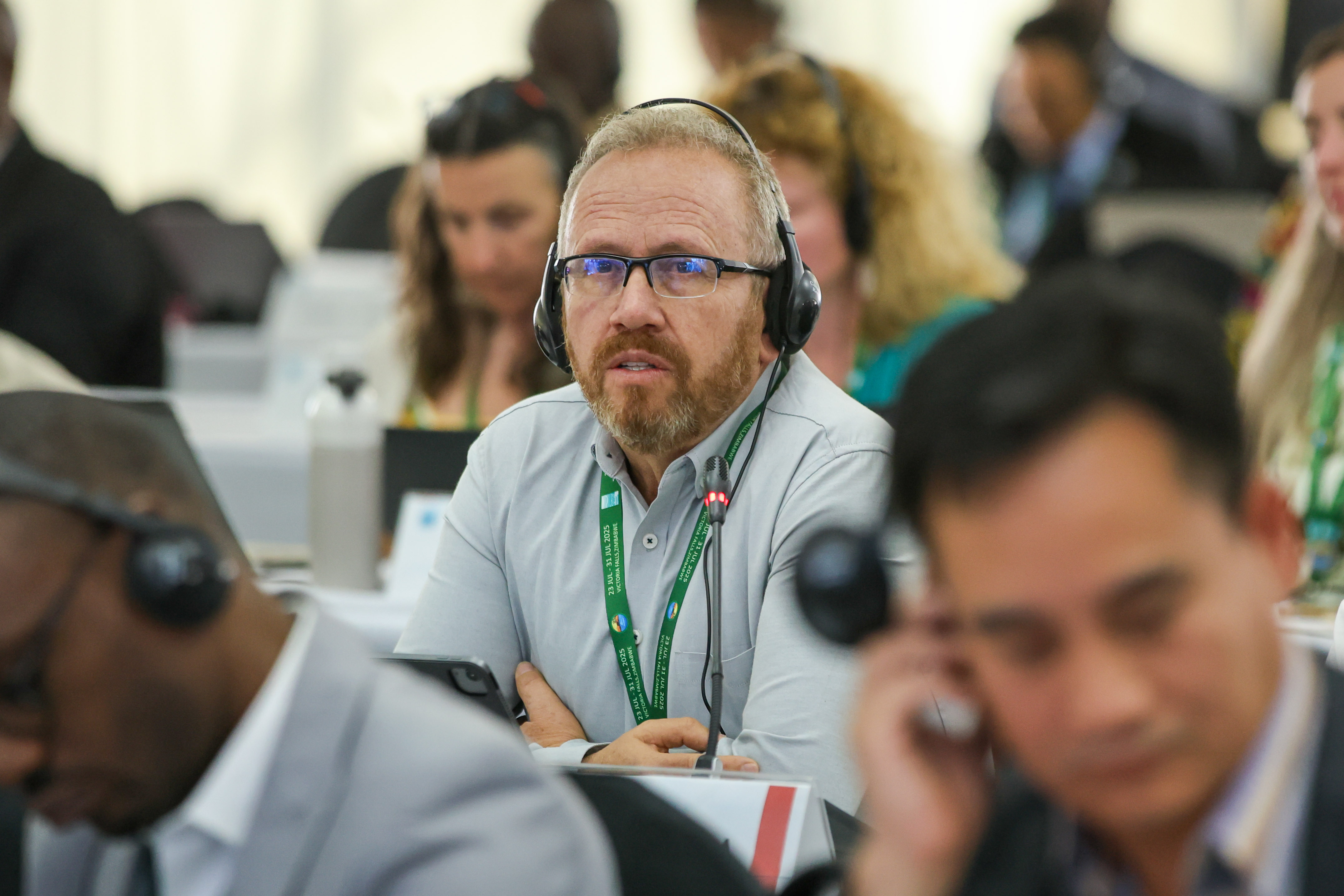
Oscar Hernan Manrique Betancourt, Colombia
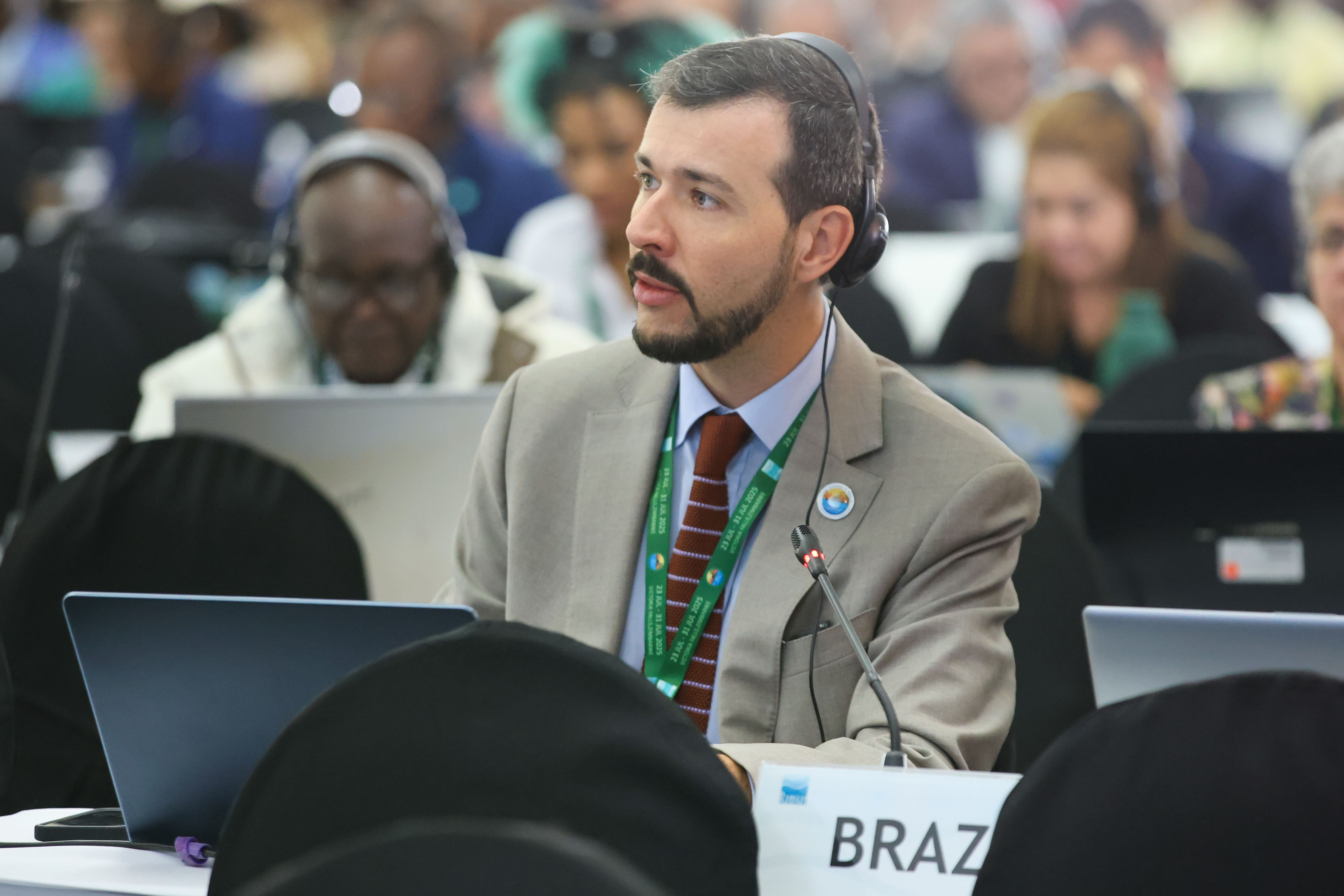
Patrick Luna, Brazil
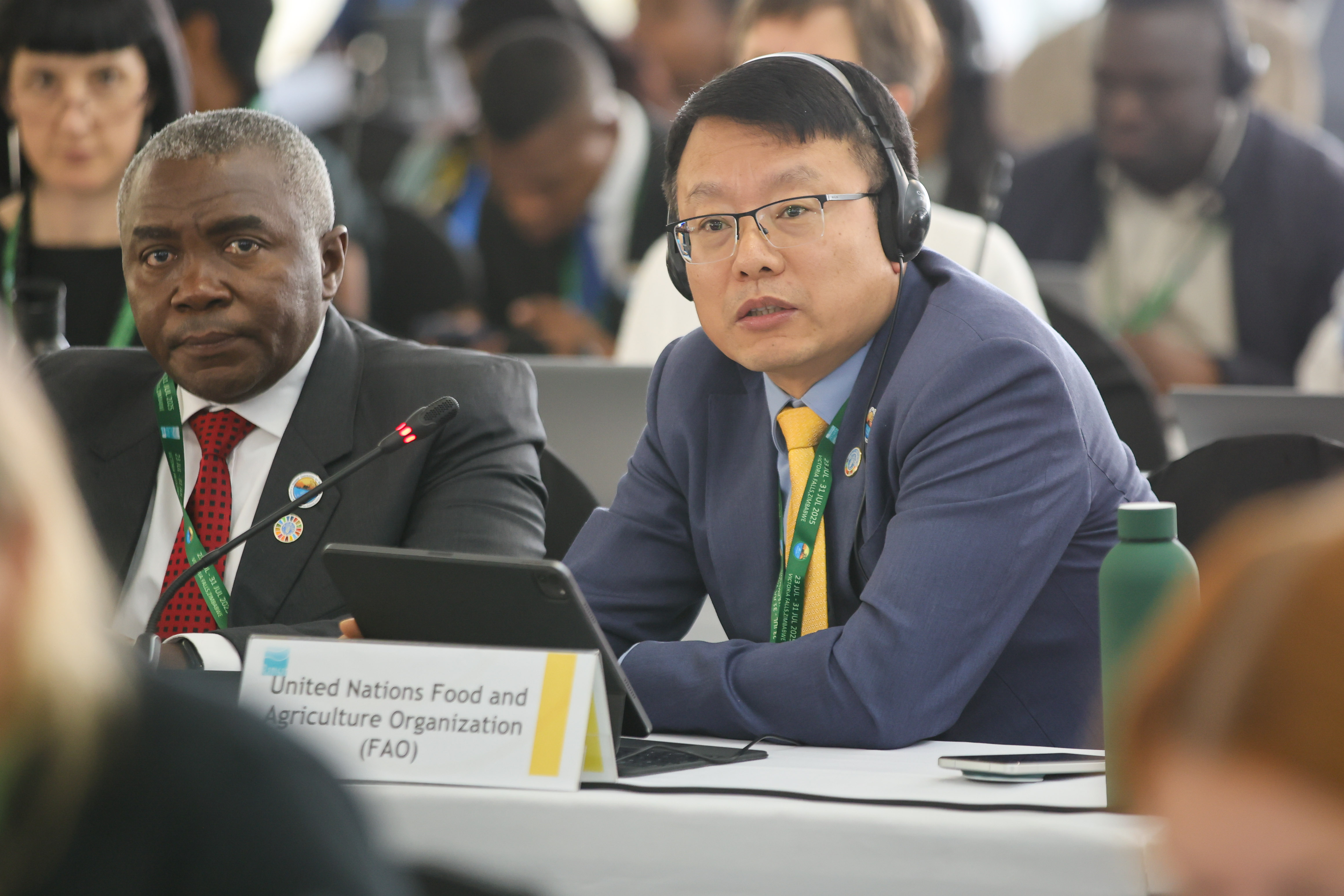
Lifeng Li, Food and Agriculture Organization of the UN
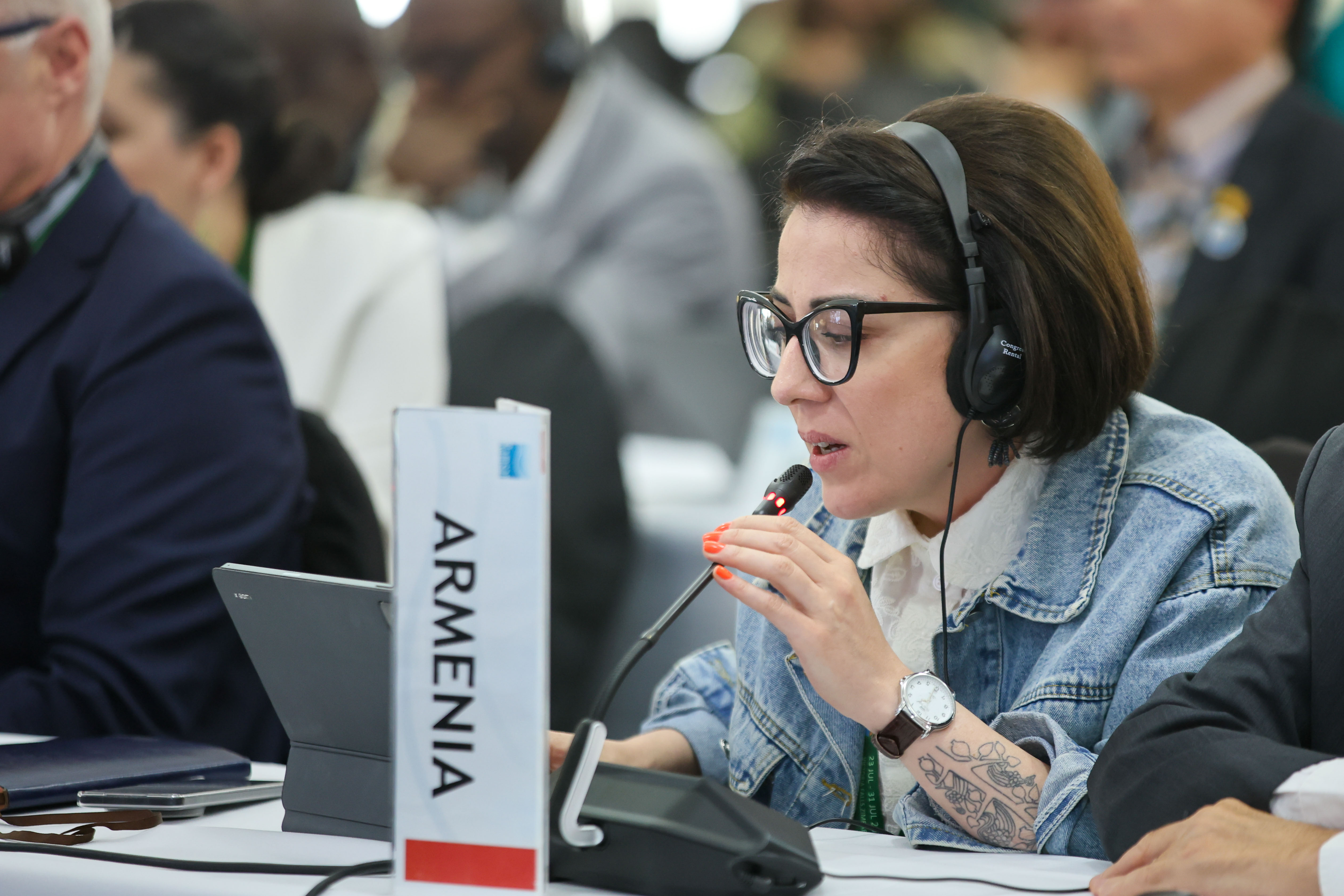
Ani Sargsyan, Armenia
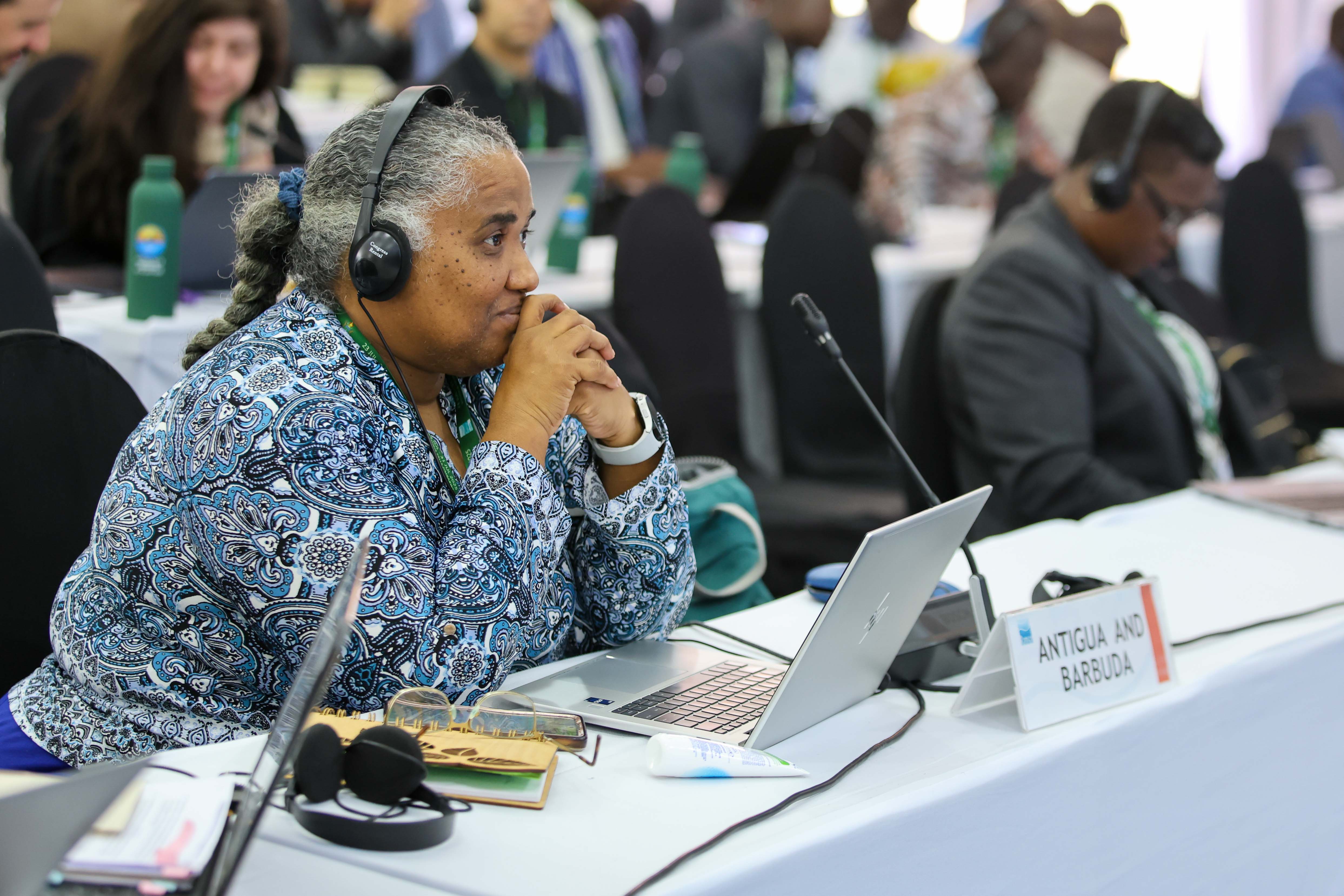
Tricia Lovell, Antigua and Barbuda

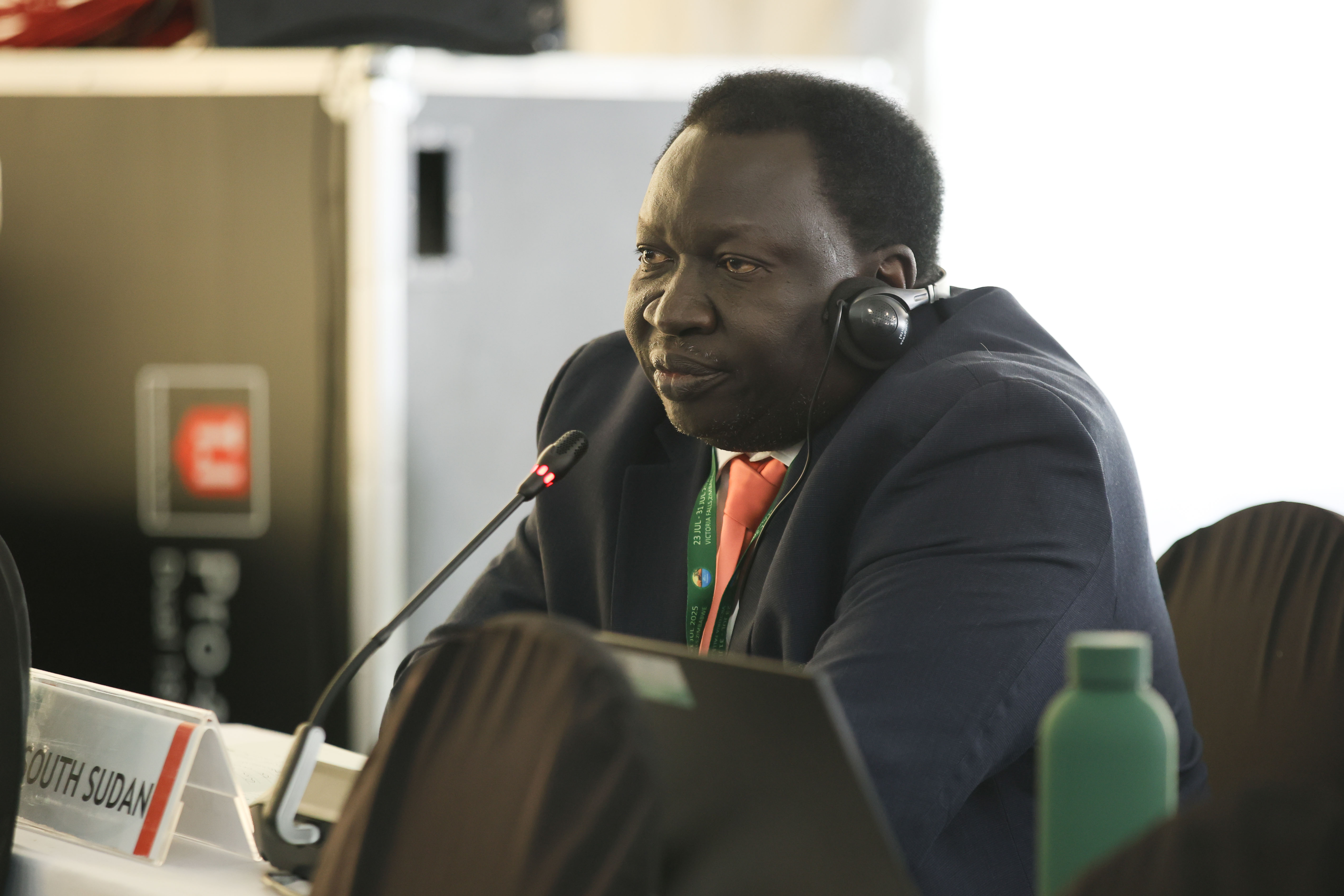
Joseph Africano Bartel, South Sudan
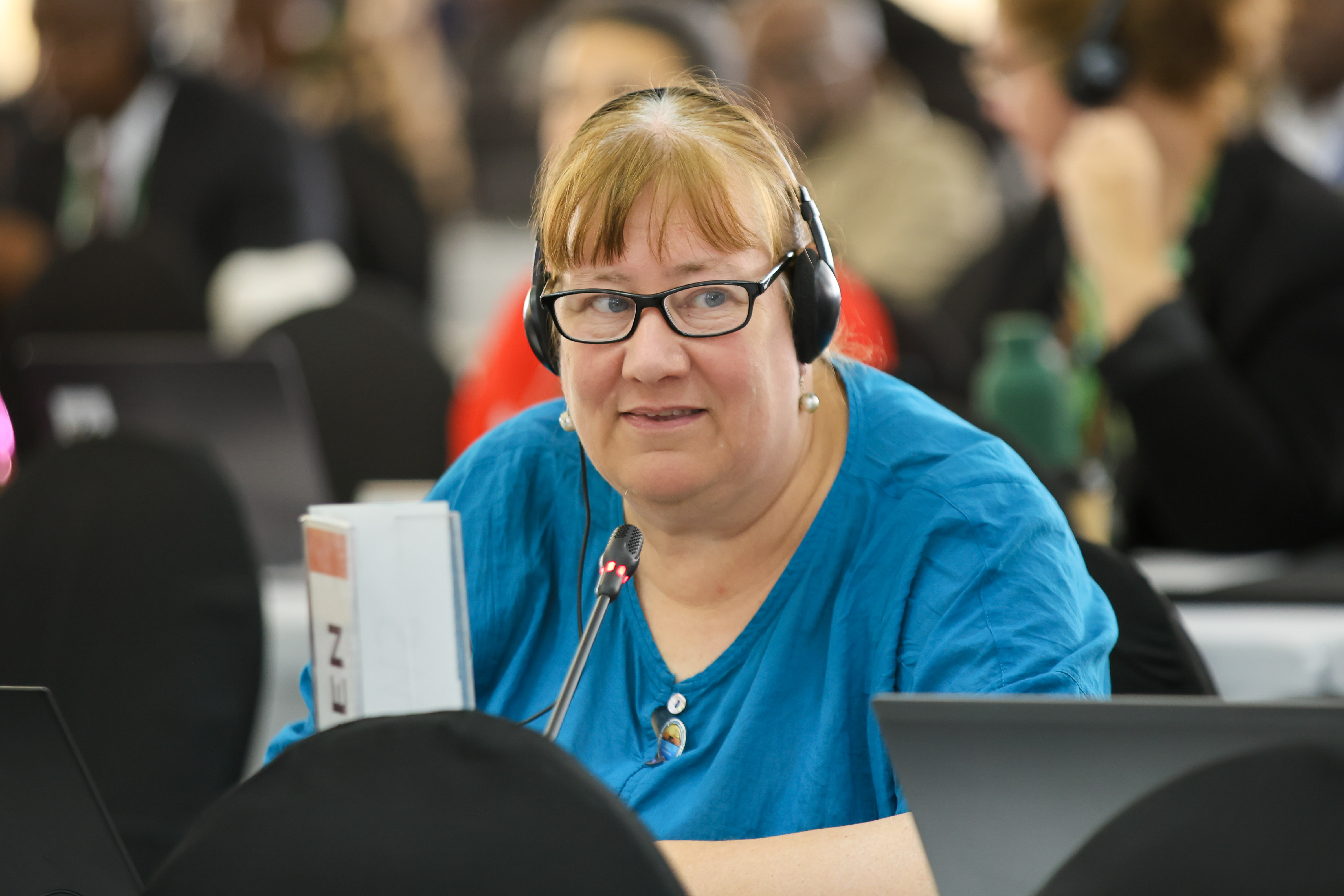
Jenny Lonnstad, Sweden
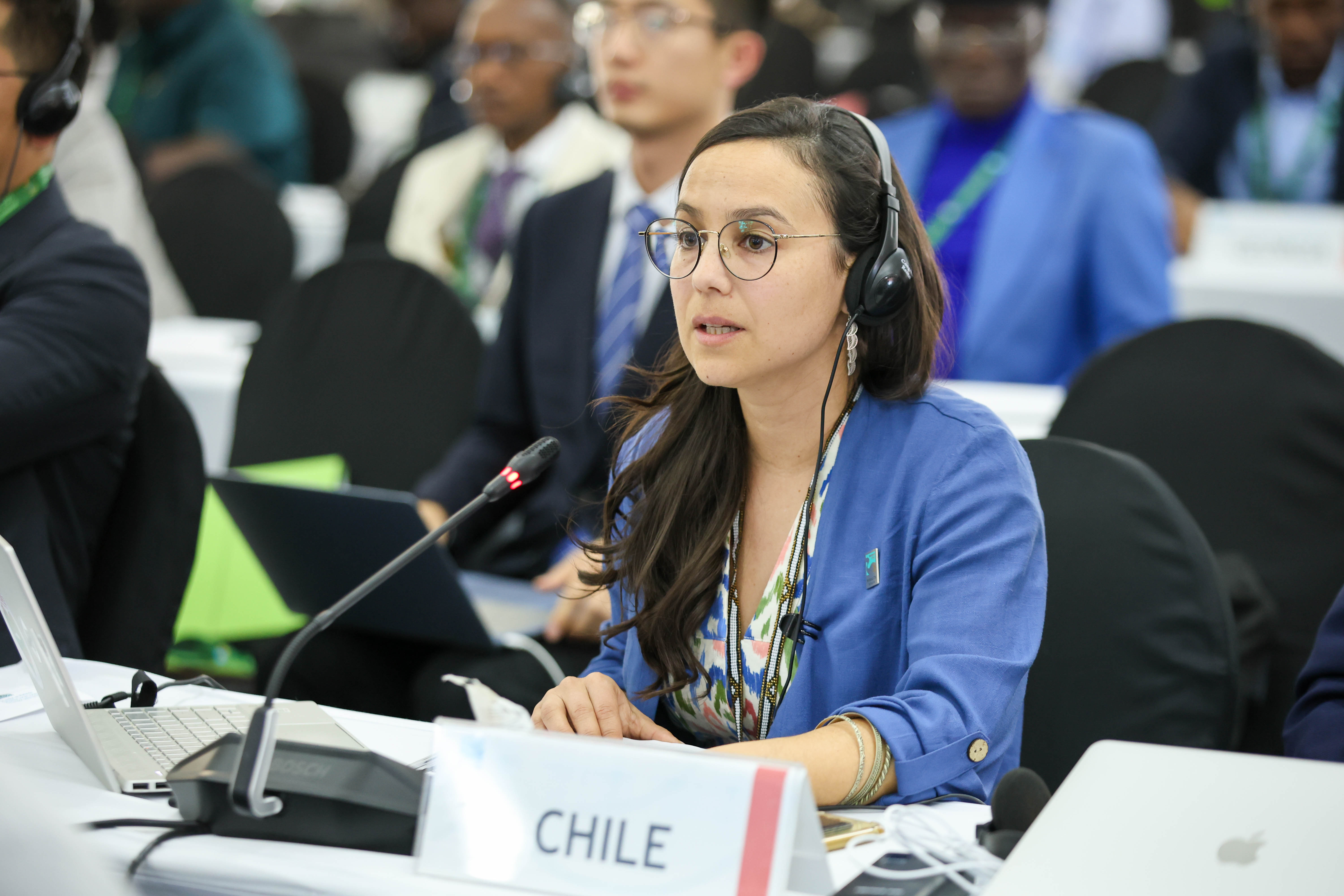
Paulina Stowhas, Chile
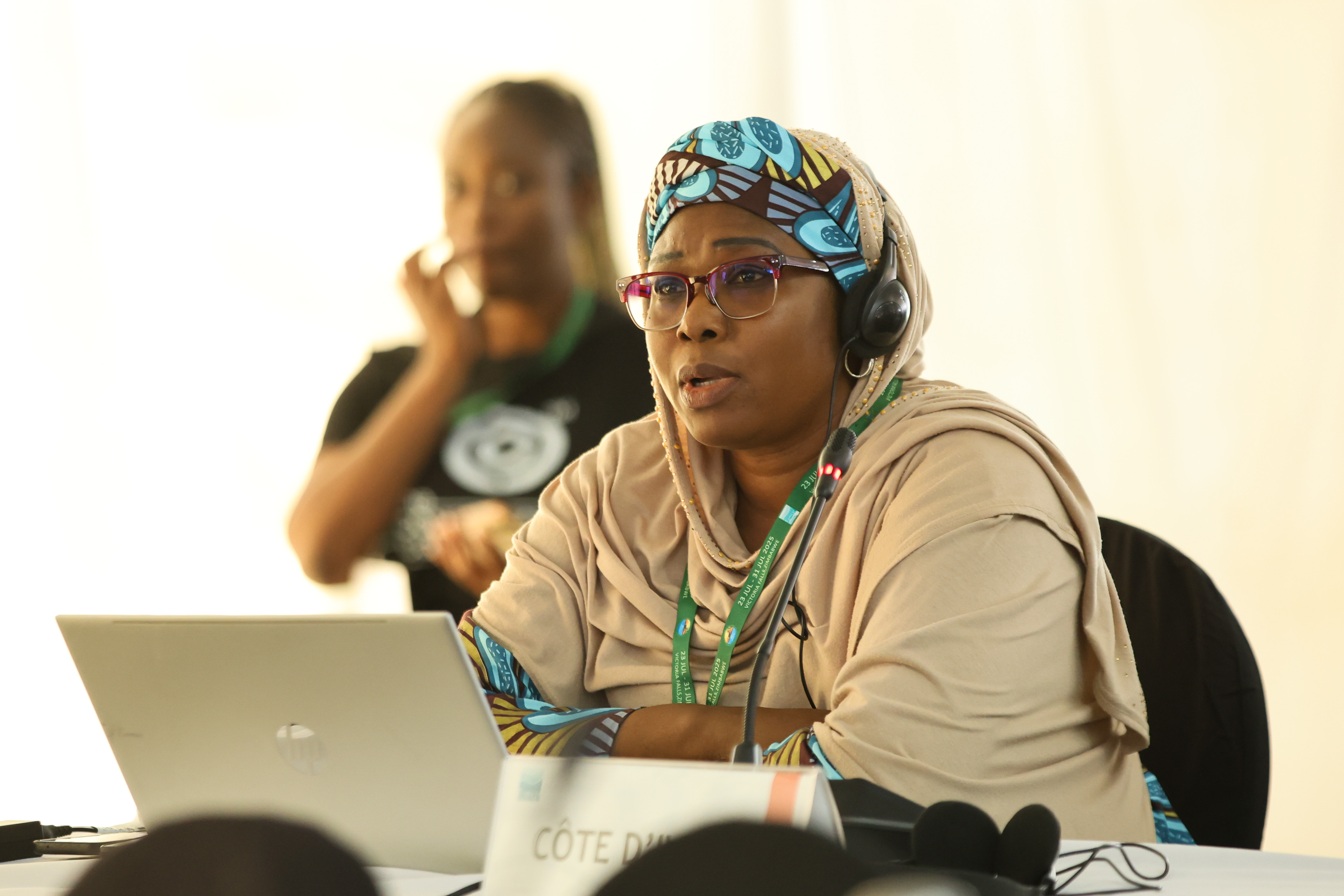
Salimata Tondossama Née Kone, Côte d'Ivoire
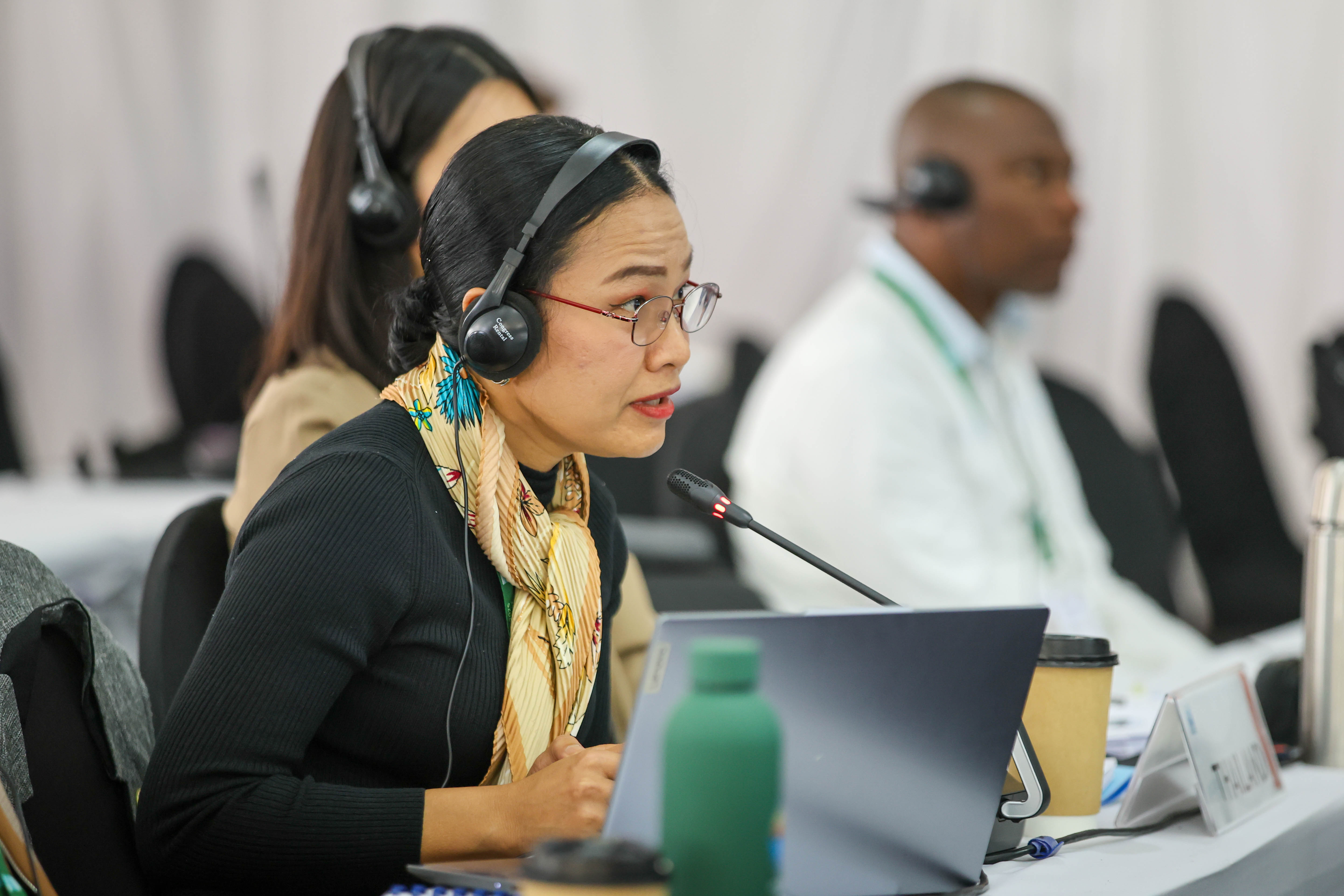
Bunthida Plengsaeng, Thailand
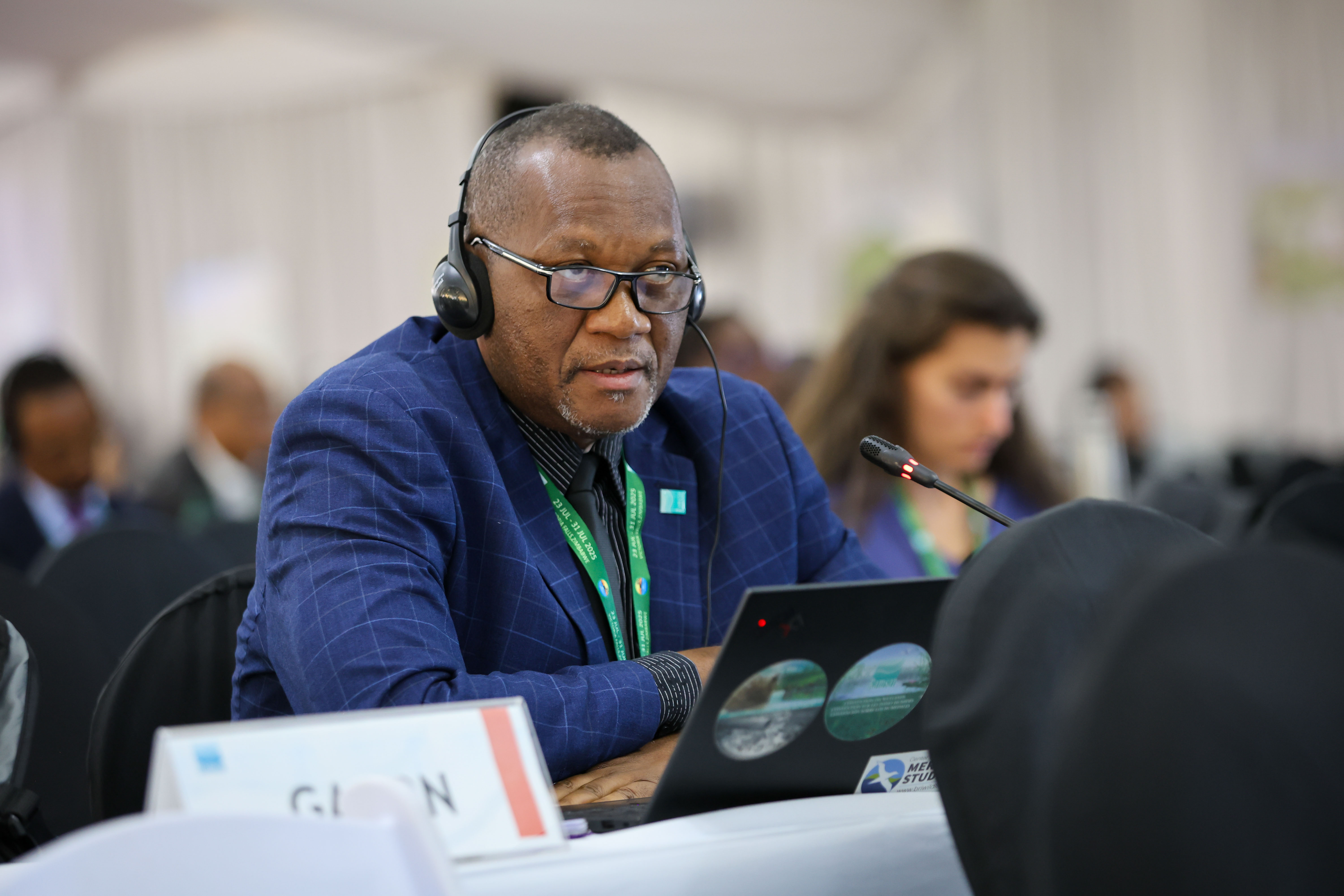
Jean Hervé Mve Beh, Gabon
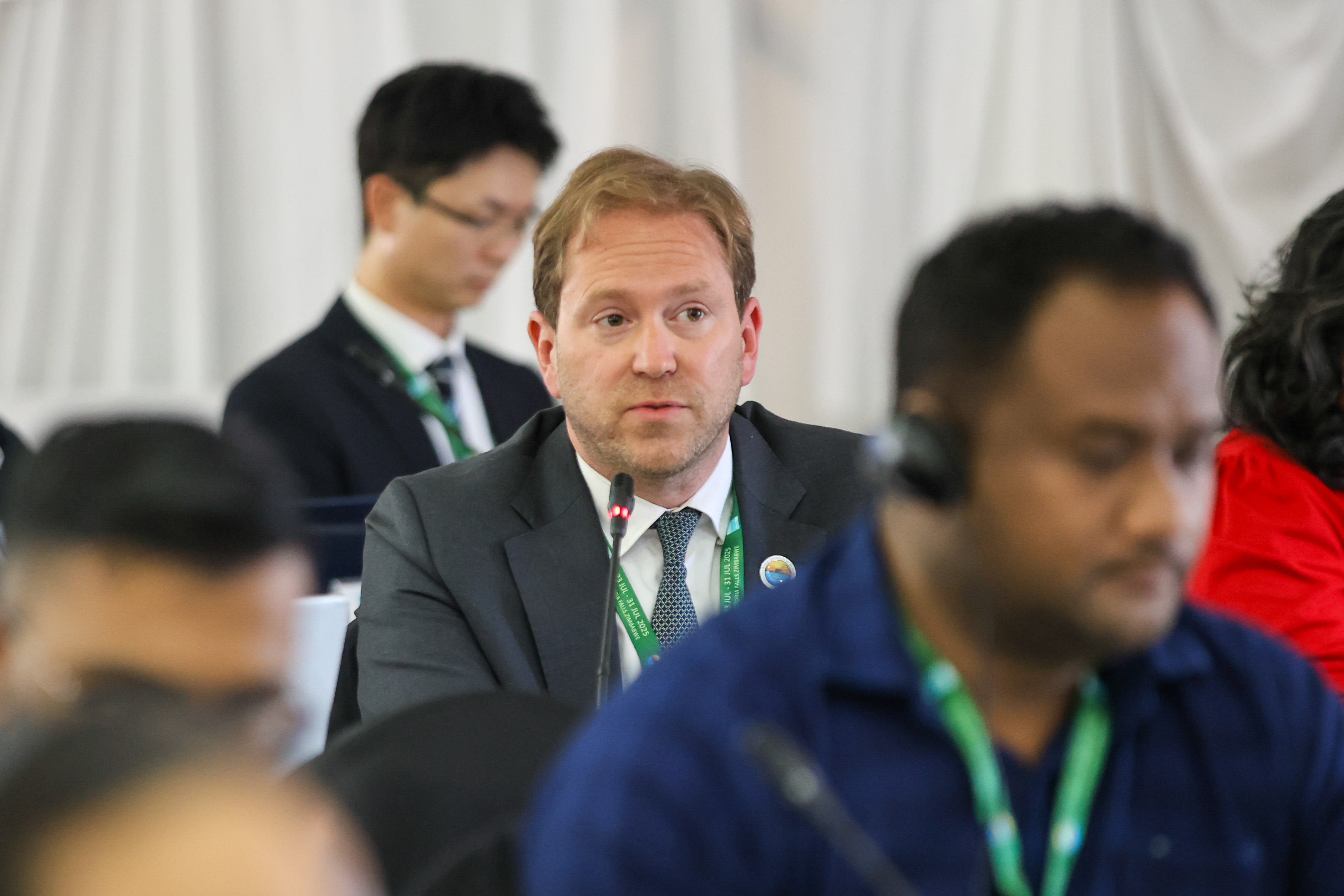
Jon Marco Church, Italy
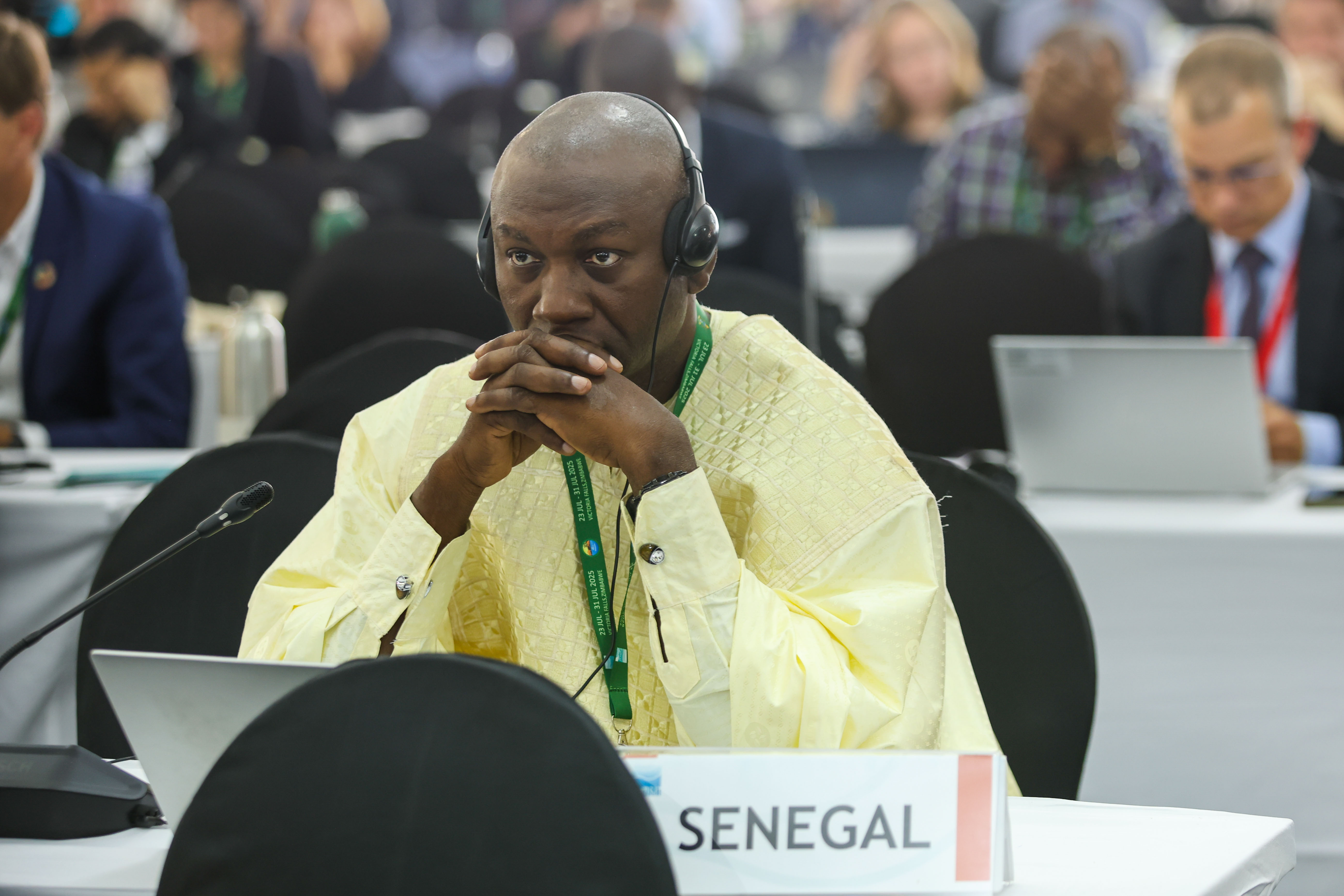
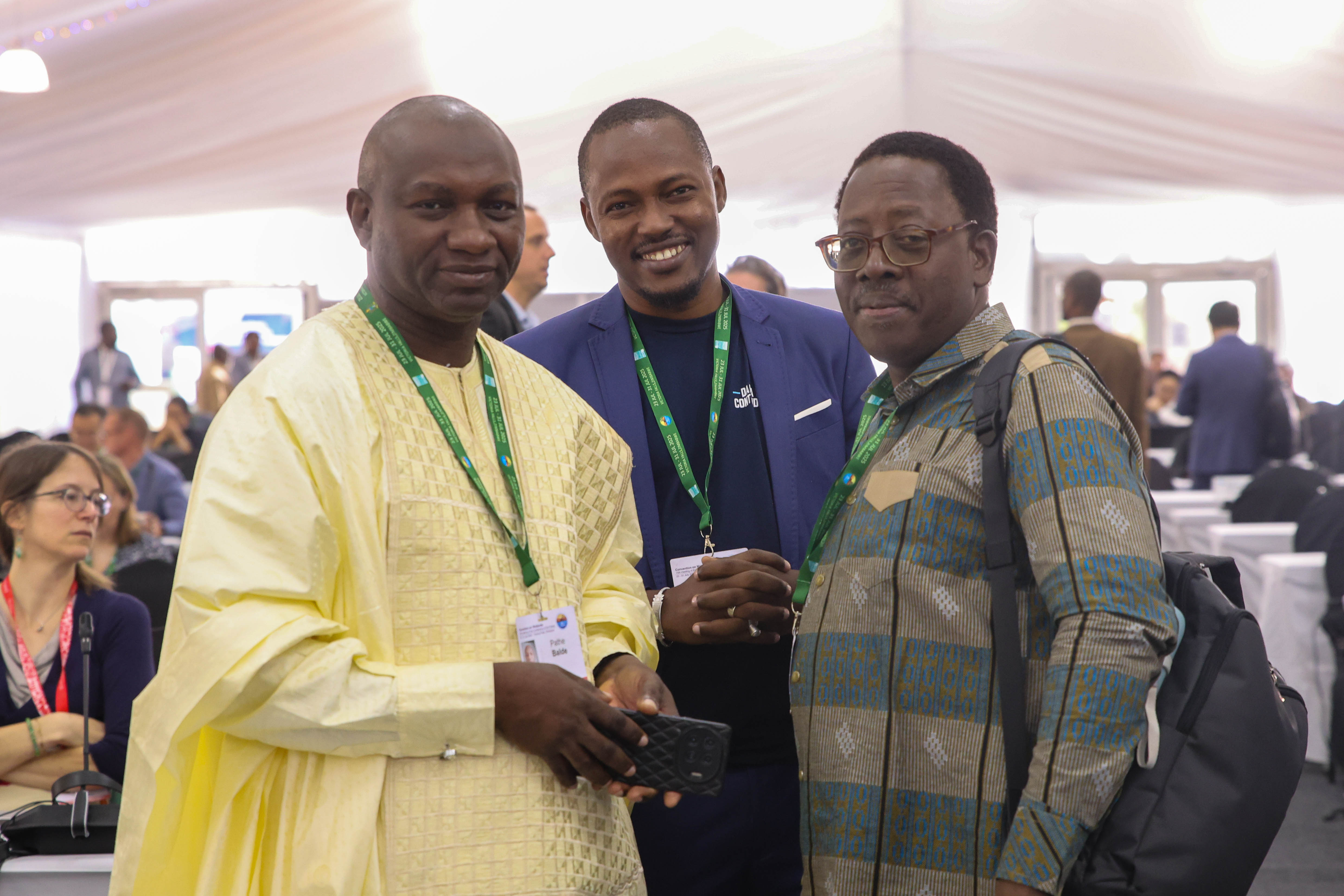
Pathé Balde, Senegal
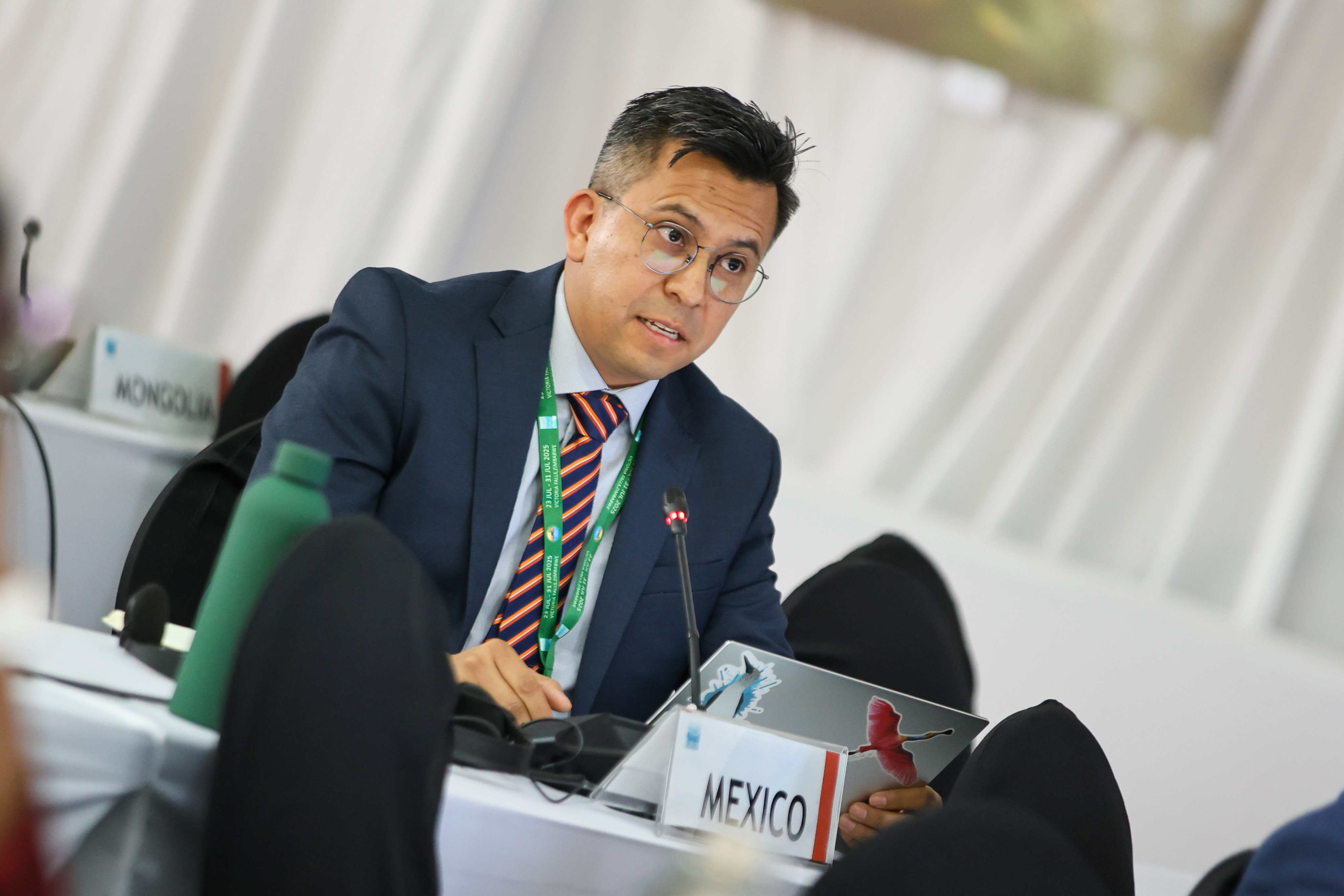
Jaime Esteban González Barrera, Mexico
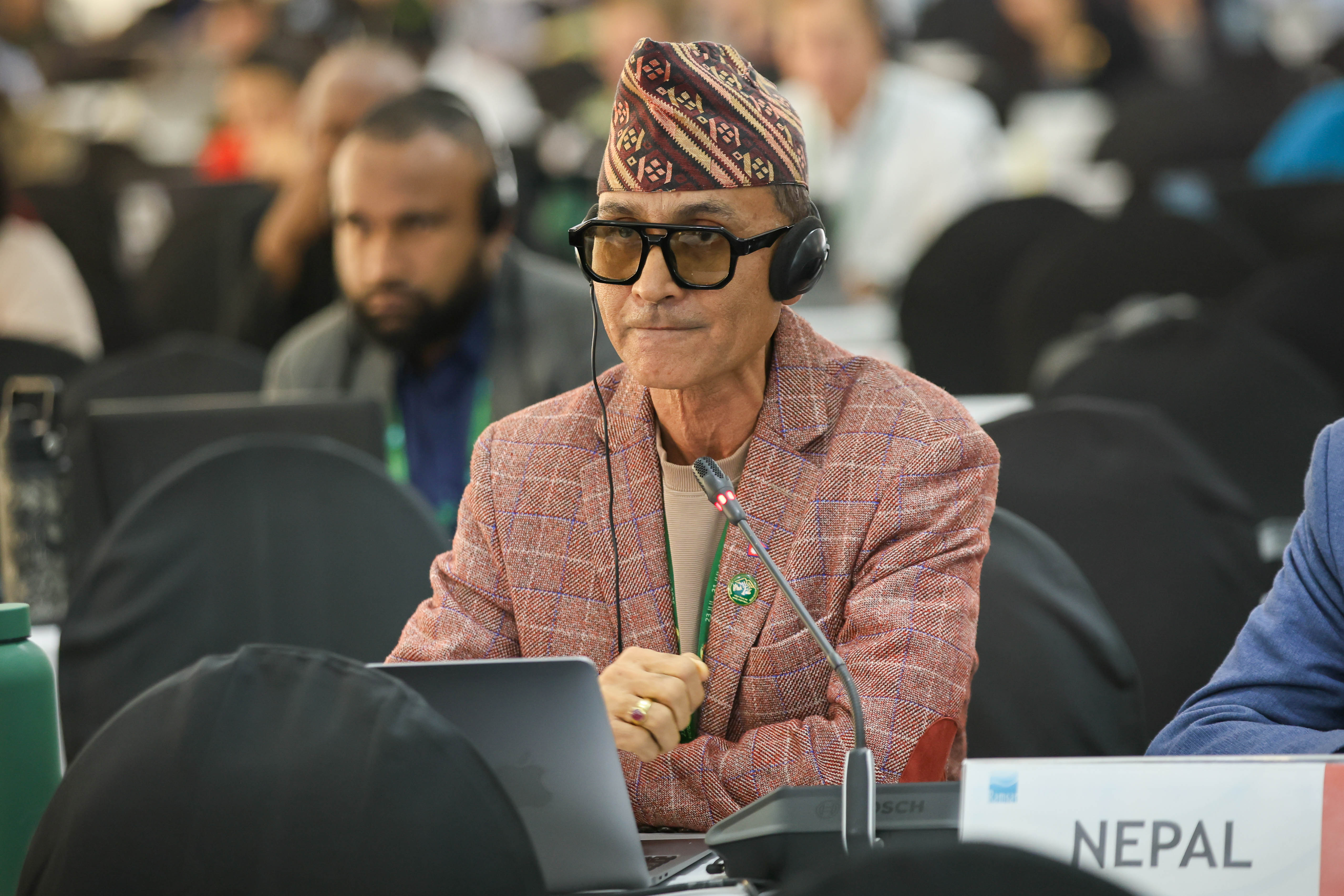
Ramchandra Kandel, Nepal
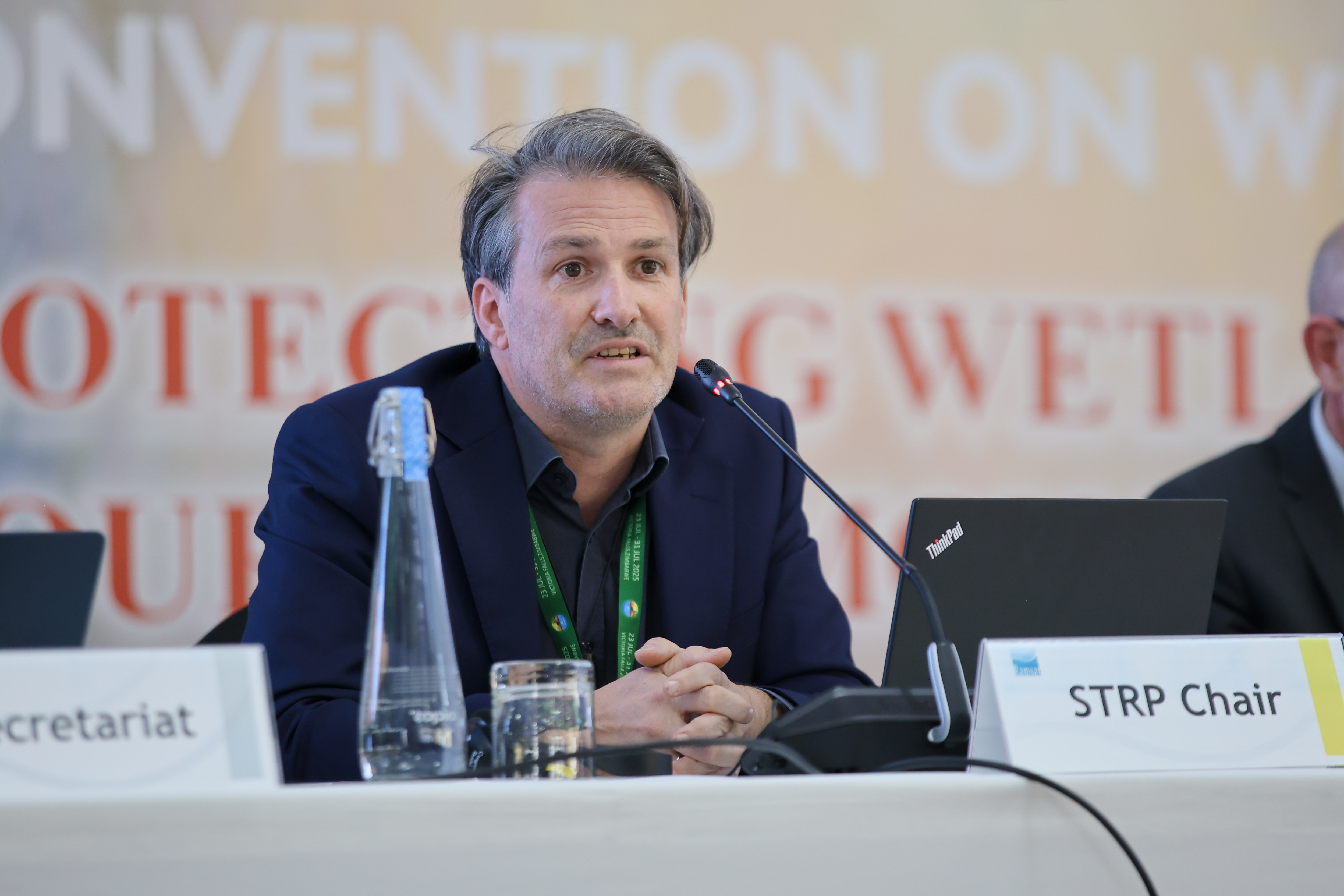
Hugh Robertson, STRP
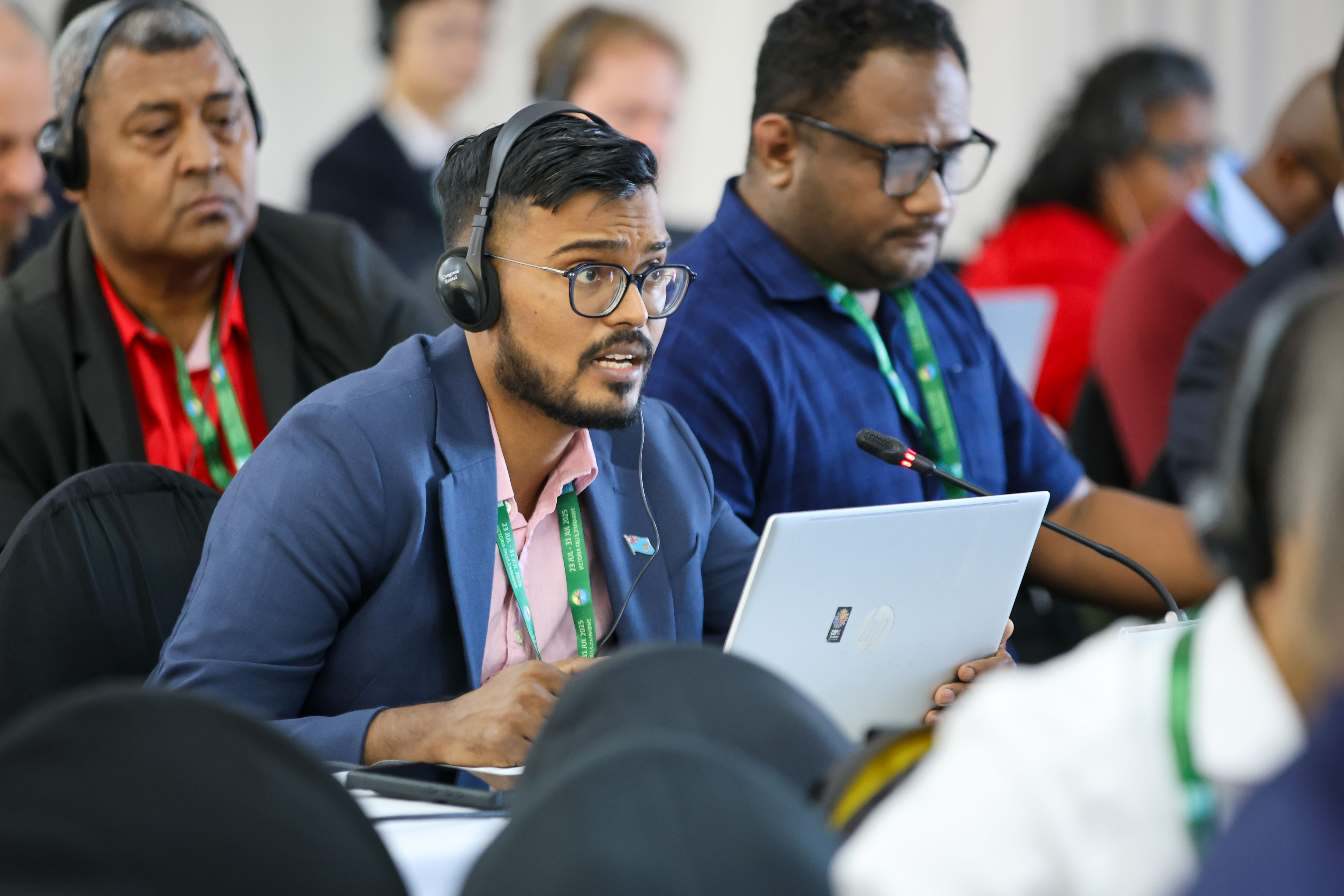
Krishneel Nand, Fiji
Megan Eldred, BirdLife International
David Elias Fariña Gómez, Paraguay
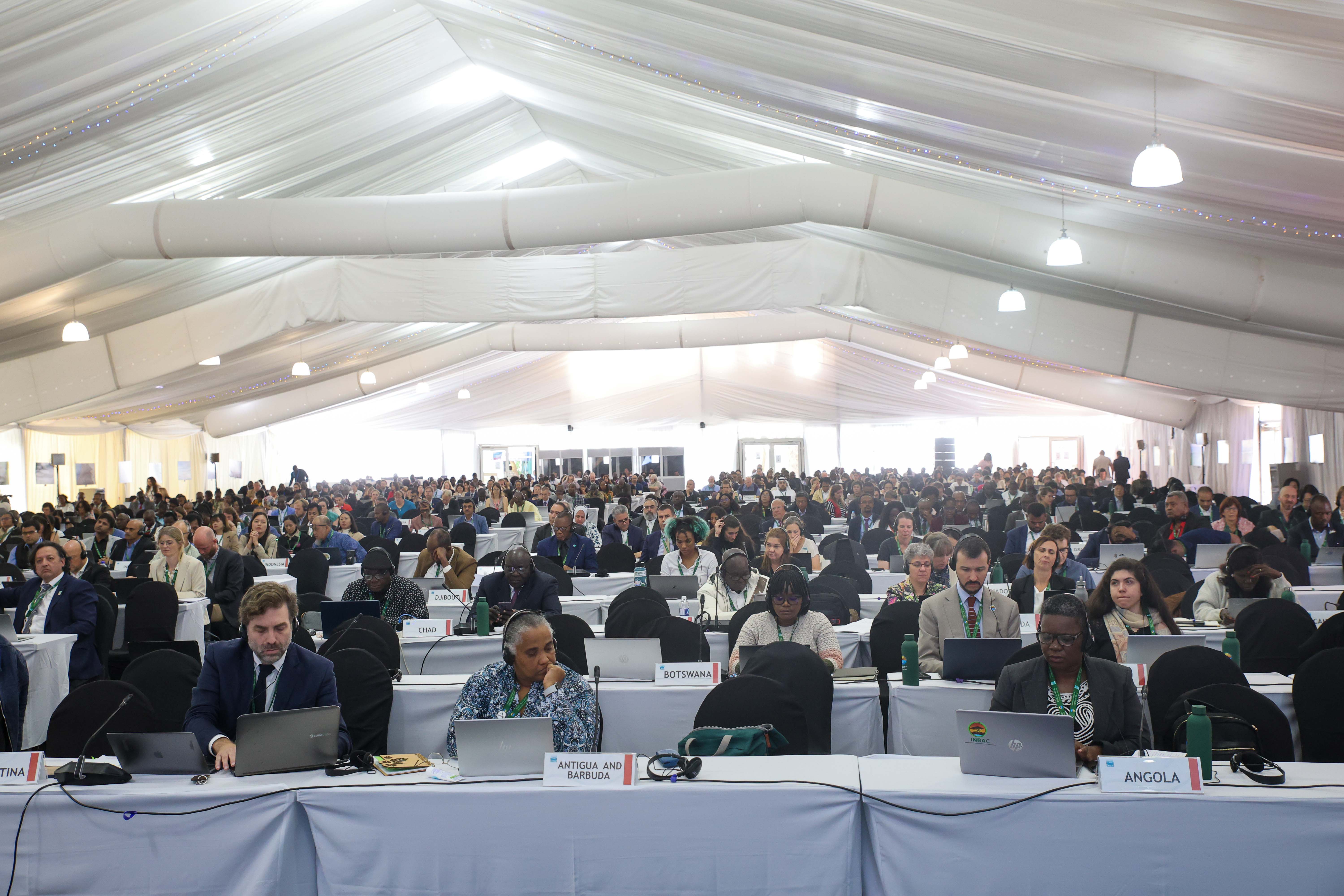
A view of the room
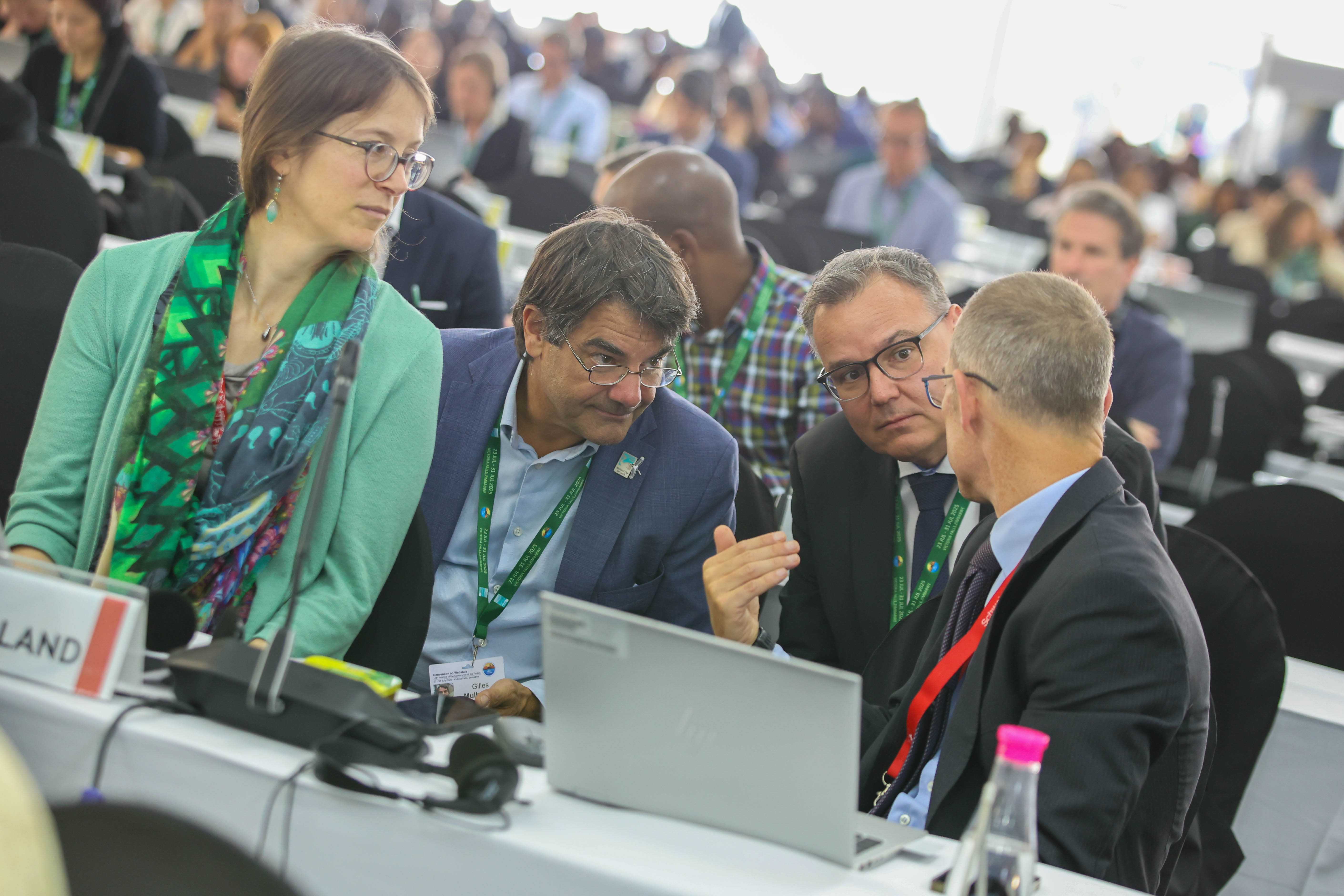
Between Sessions
Around the Venue