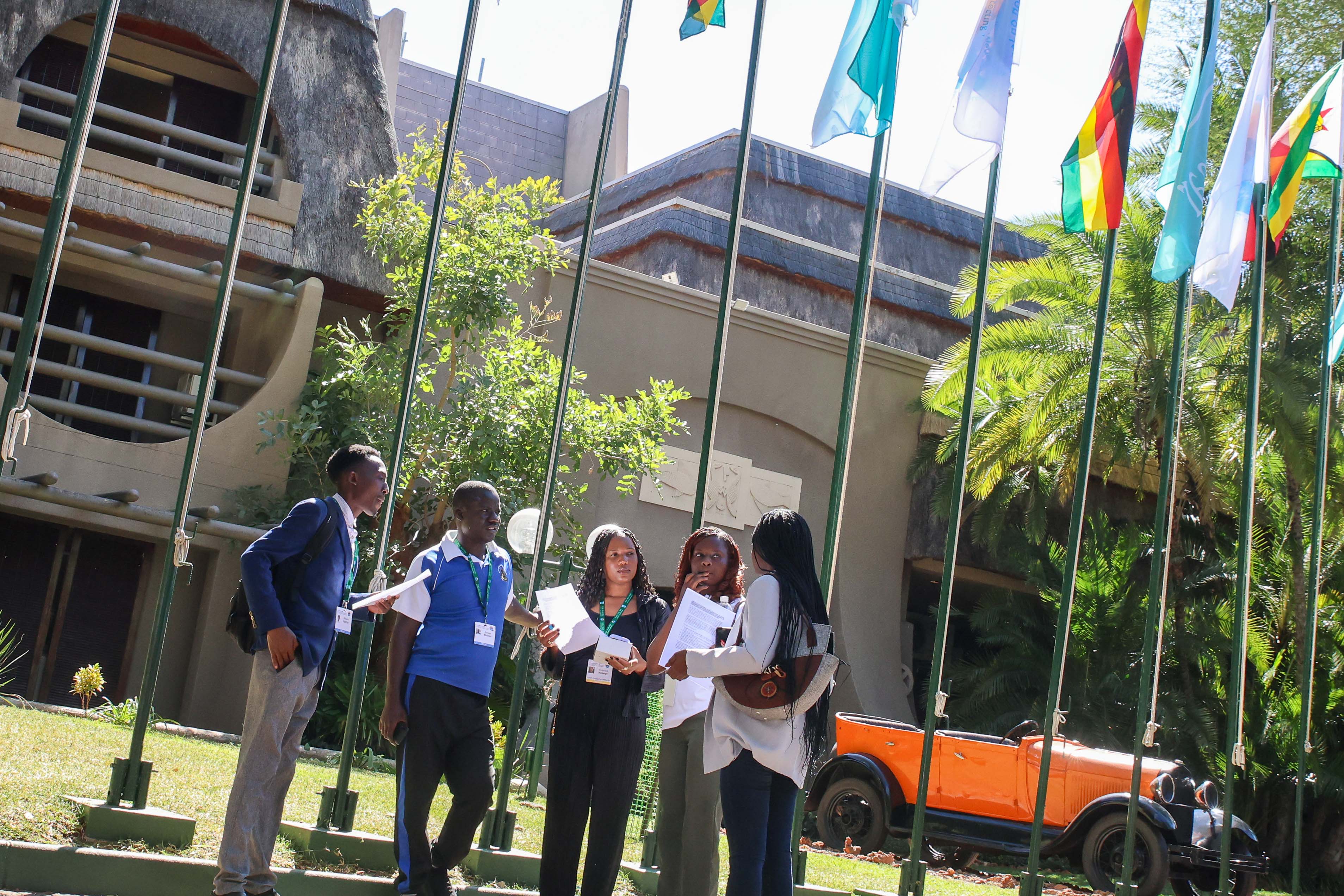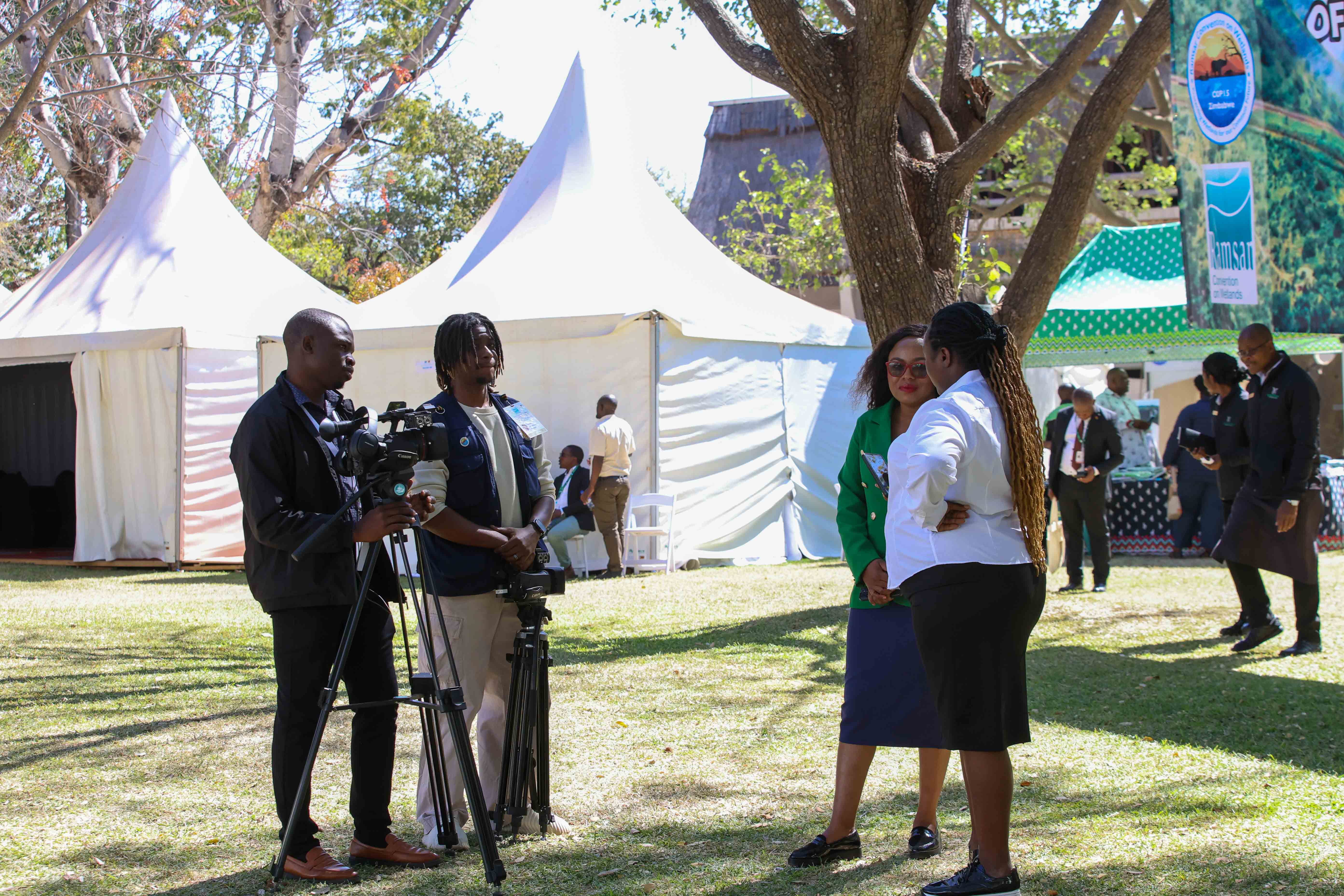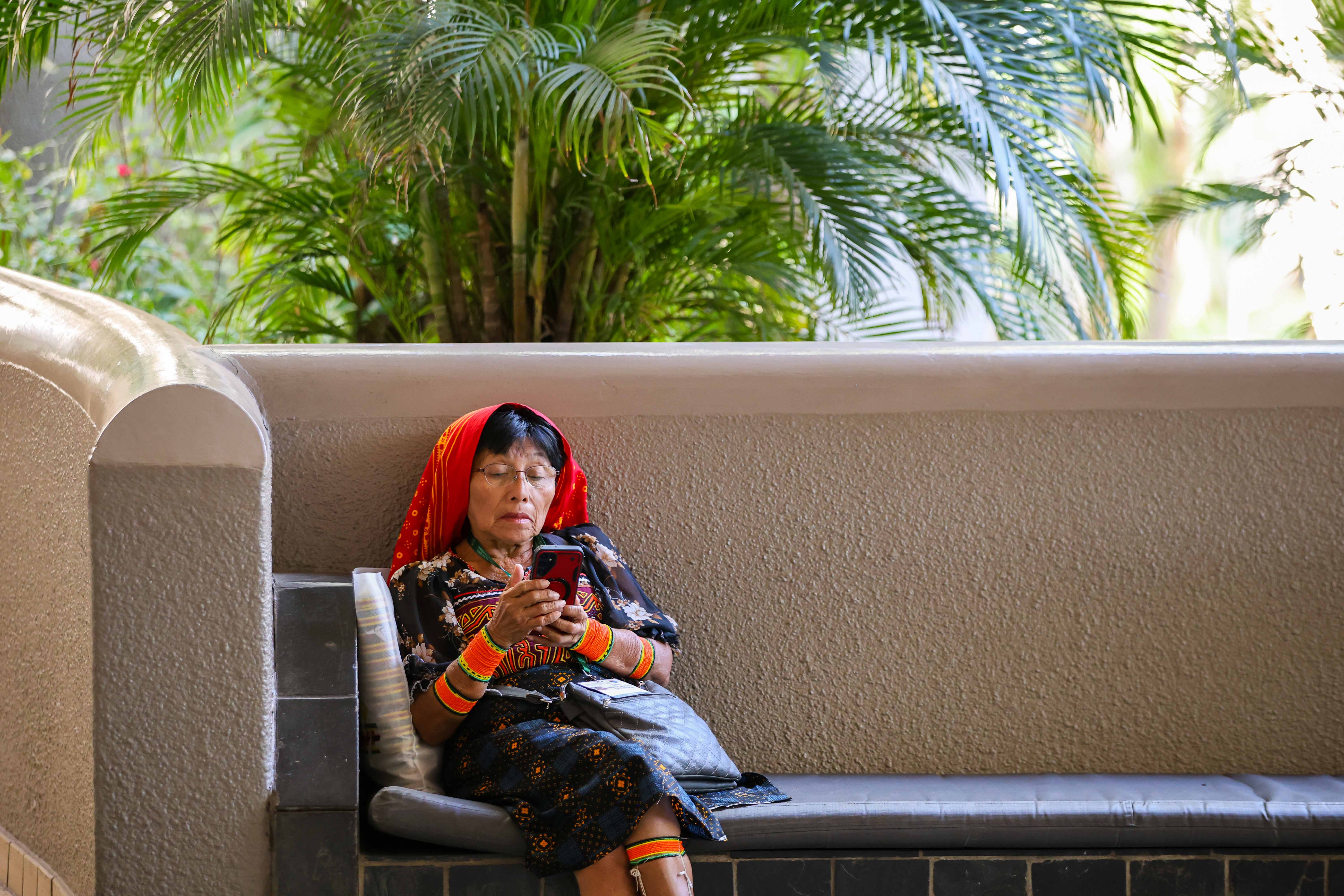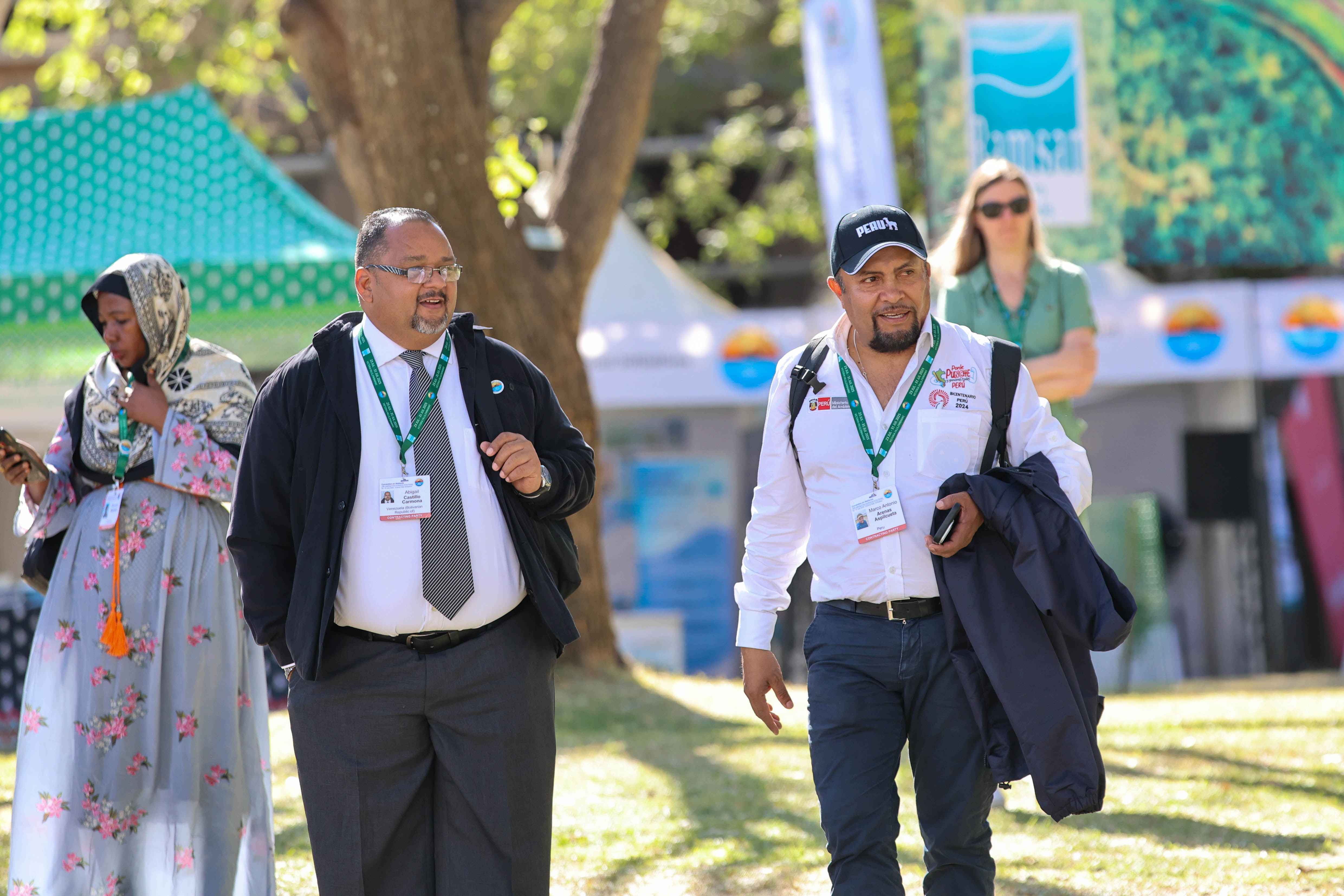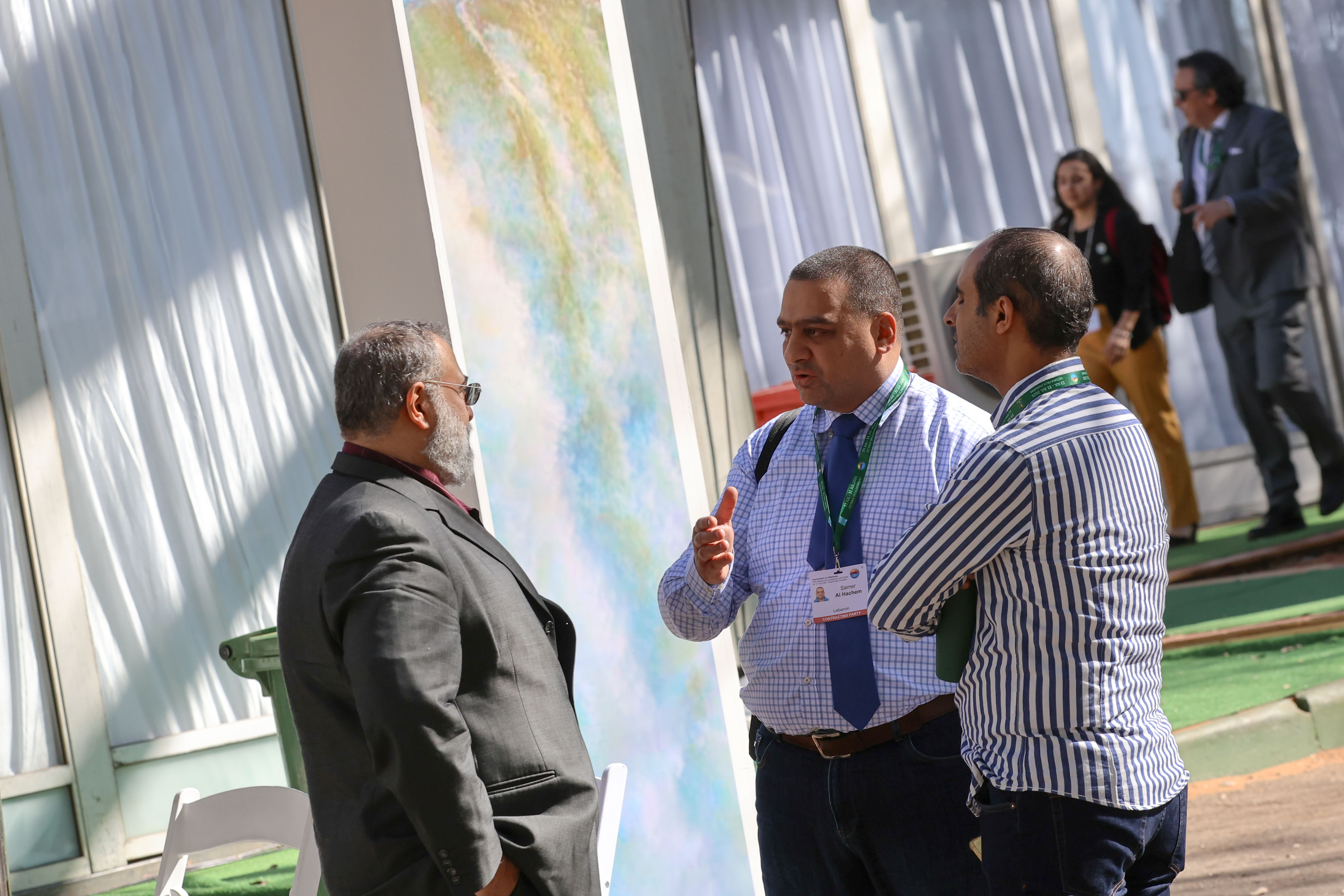
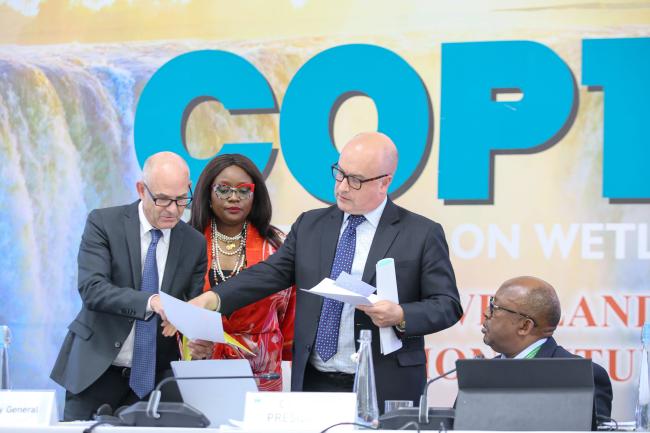
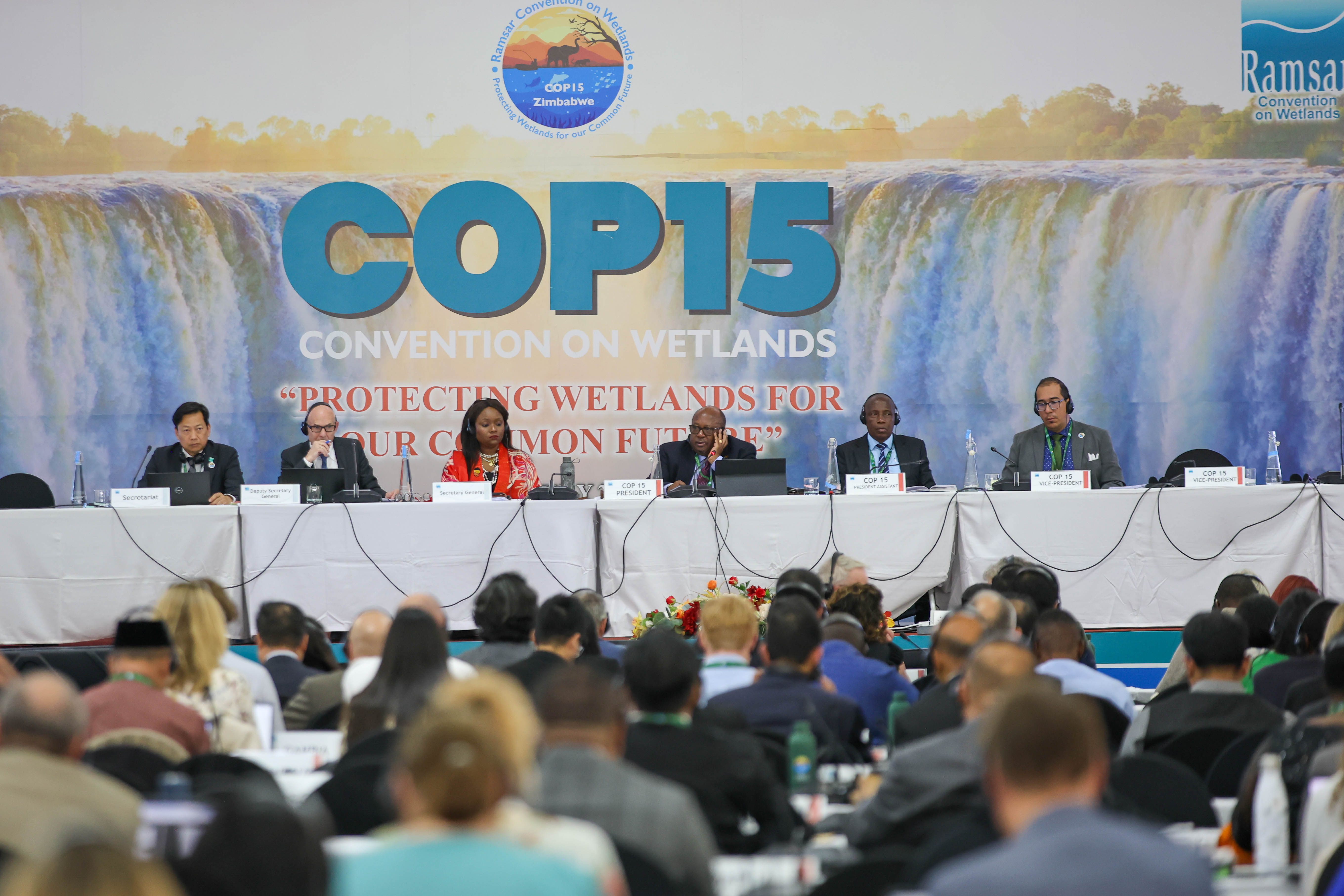
Delegates resumed their work on the penultimate day of the 15th meeting of the Conference of the Contracting Parties (COP15). COP15 Alternate President Tadeous Chifamba welcomed delegates back after a day with no formal sessions. While some delegates continued consultations on draft resolutions, others took advantage of a field trip to the Kasibo Wetland Protection Project or experienced the power and mists of Mosi-oa-Tunya or Victoria Falls.
In the afternoon, the US made its first appearance, stating objections to text on: climate change; diversity, equity, and inclusion; gender identity; the 2030 Agenda for Sustainable Development and Sustainable Development Goals; and a budget with more than 0% nominal growth. He said the US would not block consensus.
Want to dig deeper into today's talks? Read the full Earth Negotiations Bulletin daily report.
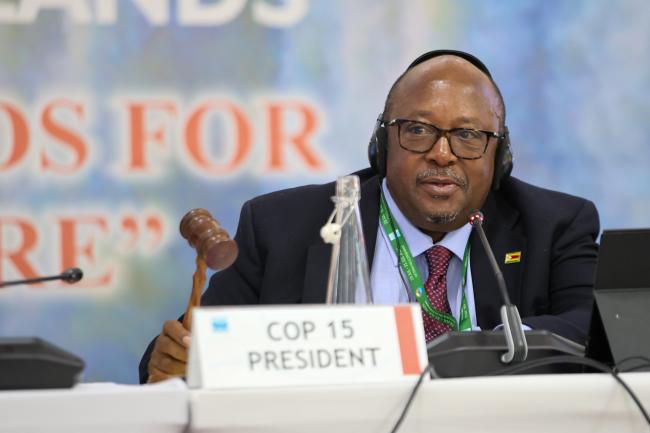
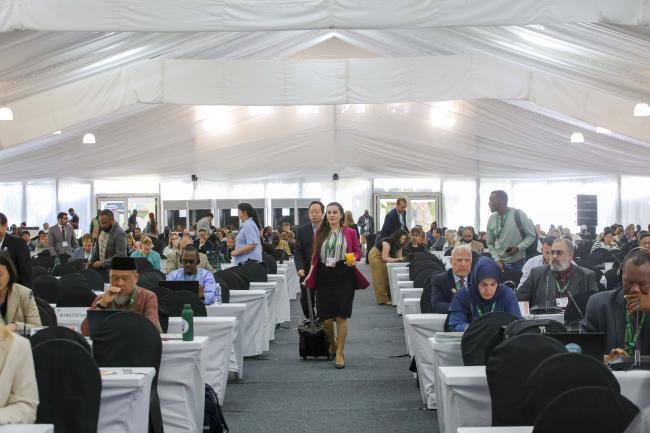
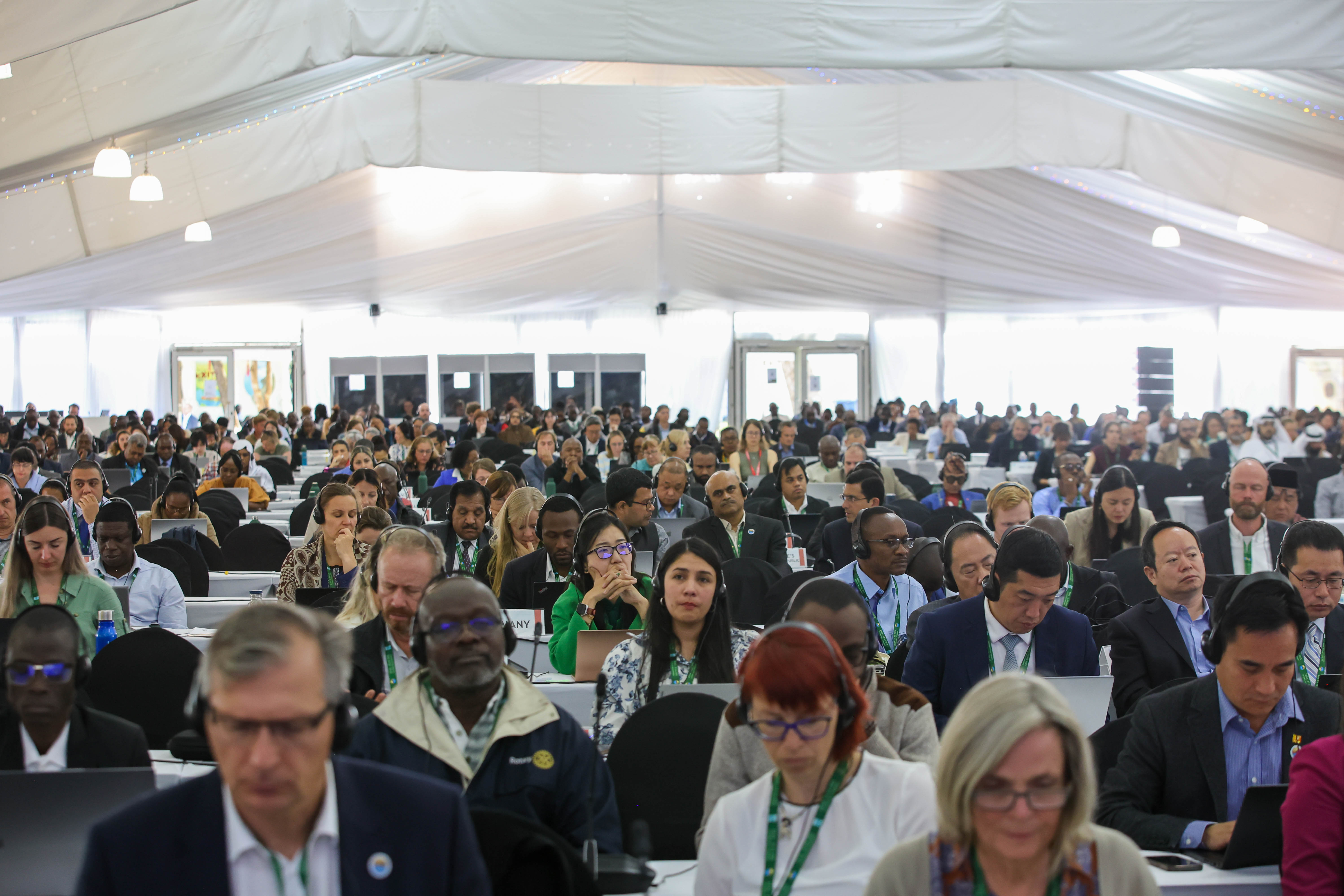
The plenary worked its way through revised documents. By the end of the day, they had adopted 13 resolutions. Informal discussions on remaining resolutions continued during the evening.
Delegates debated at length the draft resolution on extending Resolution XIV.20 on the wetlands of Ukraine. Consensus could not be reached on the technical versus political nature of the resolution or on whether a vote on the matter should be by roll-call or secret ballot. The issue was deferred to a vote on Thursday to allow parties time to consult with their home capitals.
COP15 adopted Resolutions on:
- Ramsar Regional Initiatives 2025–2028;
- communication, capacity building, education, participation and awareness;
- recruitment of the Secretary General;
- institutional strengthening of the Convention on Wetlands;
- future implementation of scientific and technical aspects of the Convention;
- application of Criteria 6 and 9 to new and existing Ramsar Sites;
- strengthening action on culture and wetlands;
- restoration of degraded freshwater ecosystems;
- recognition of river dolphins and other inland wetland indicator species for conservation and sustainable use of rivers;
- financial and budgetary matters;
- responsibilities, roles and composition of the SC and regional categorization of countries under the Convention on Wetlands;
- education and participation as a basis for the management of urban and peri-urban wetlands; and
- promoting sustainable lifestyles for the wise use of wetlands.
On the budget, COP15 approved a historic 4.1% increase for the next biennium, 2026 to 2028, with an effective increase of 1.8% from parties’ contributions, 2.1% from partial use of the surplus fund, and 0.2% from other sources.
On recruitment for a new Secretary General, after debate on selection criteria and discussions in a Friends of the Chair group, delegates agreed that merit would be the primary selection criterion, recognizing also the International Union for Conservation of Nature statutes.
Left unresolved and headed for evening discussions were resolutions on:
- fifth Strategic Plan;
- Ramsar Information Sheets;
- achieving equitable governance and effective conservation of wetlands as protected areas and other effective area-based conservation measures;
- promoting incorporation of new technology and traditional knowledge in wetland conservation, restoration, management and wise use; and
- youth empowerment and integration.
To receive free coverage of global environmental events delivered to your inbox, subscribe to the ENB Update newsletter.
All ENB photos are free to use with attribution. For the Ramsar Convention on Wetlands COP15 please use: Photo by IISD/ENB | Anastasia Rodopoulou.
Plenary Session
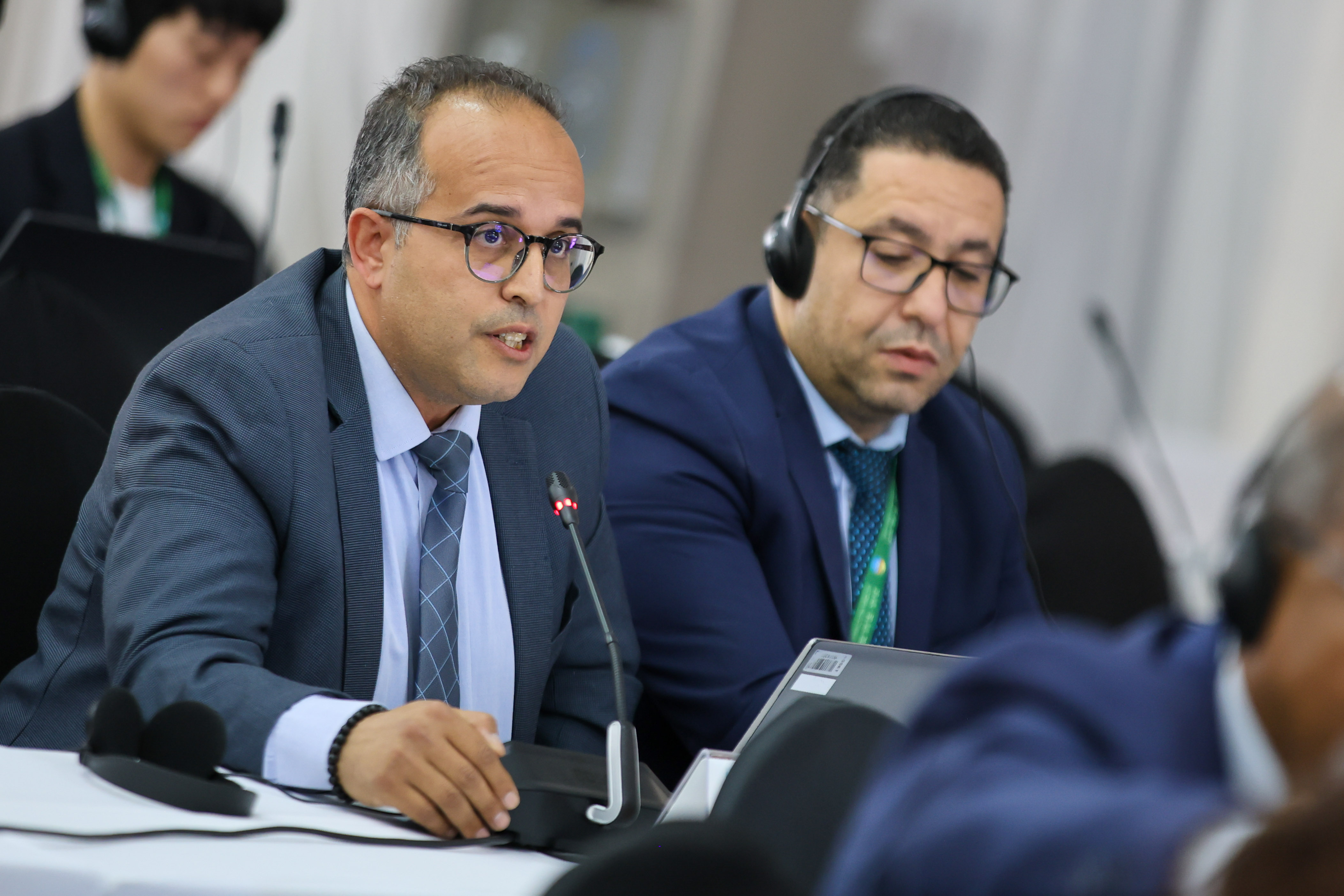
Zouhair Amhaouch, Morocco
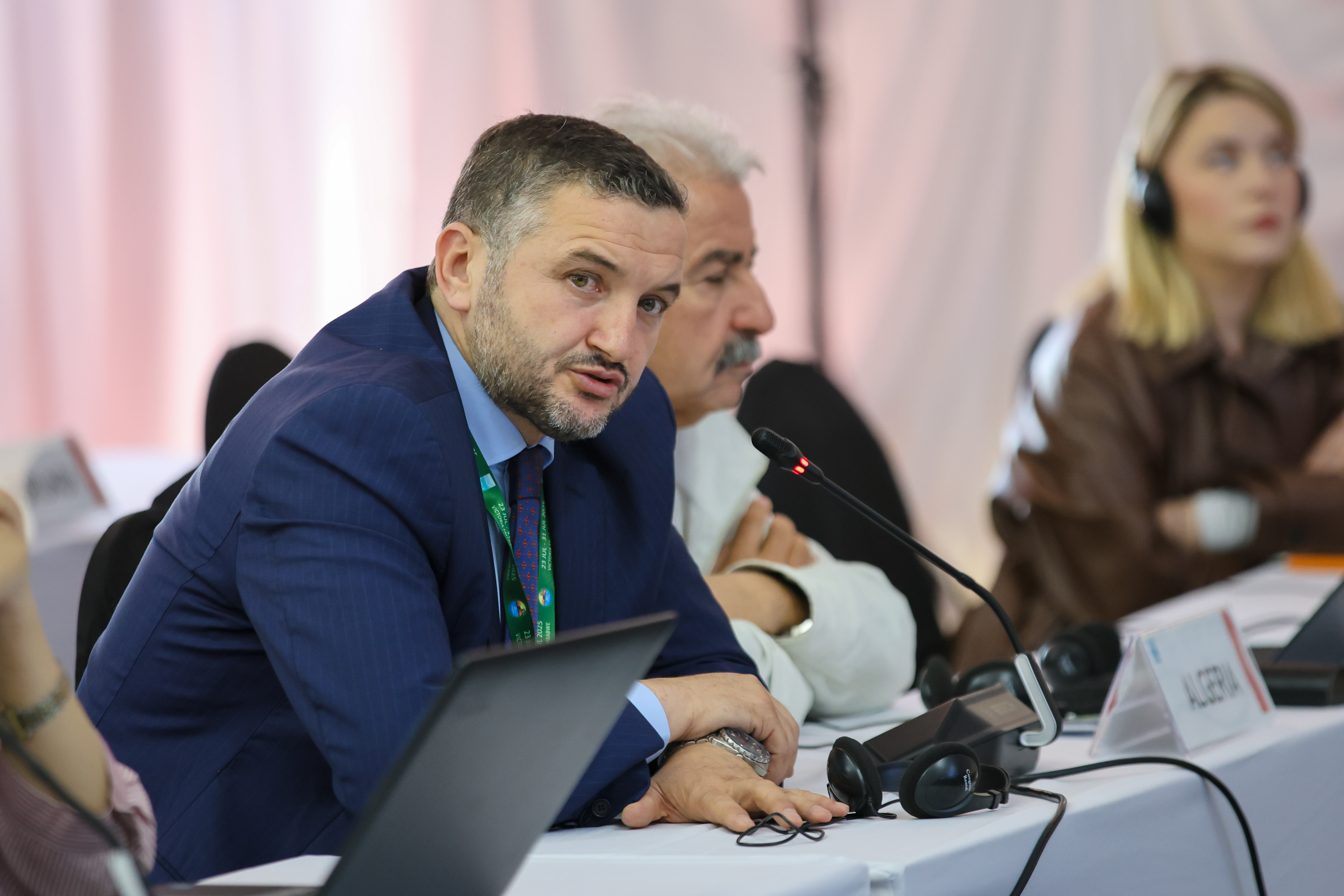
Hakim Bouaziz, Algeria
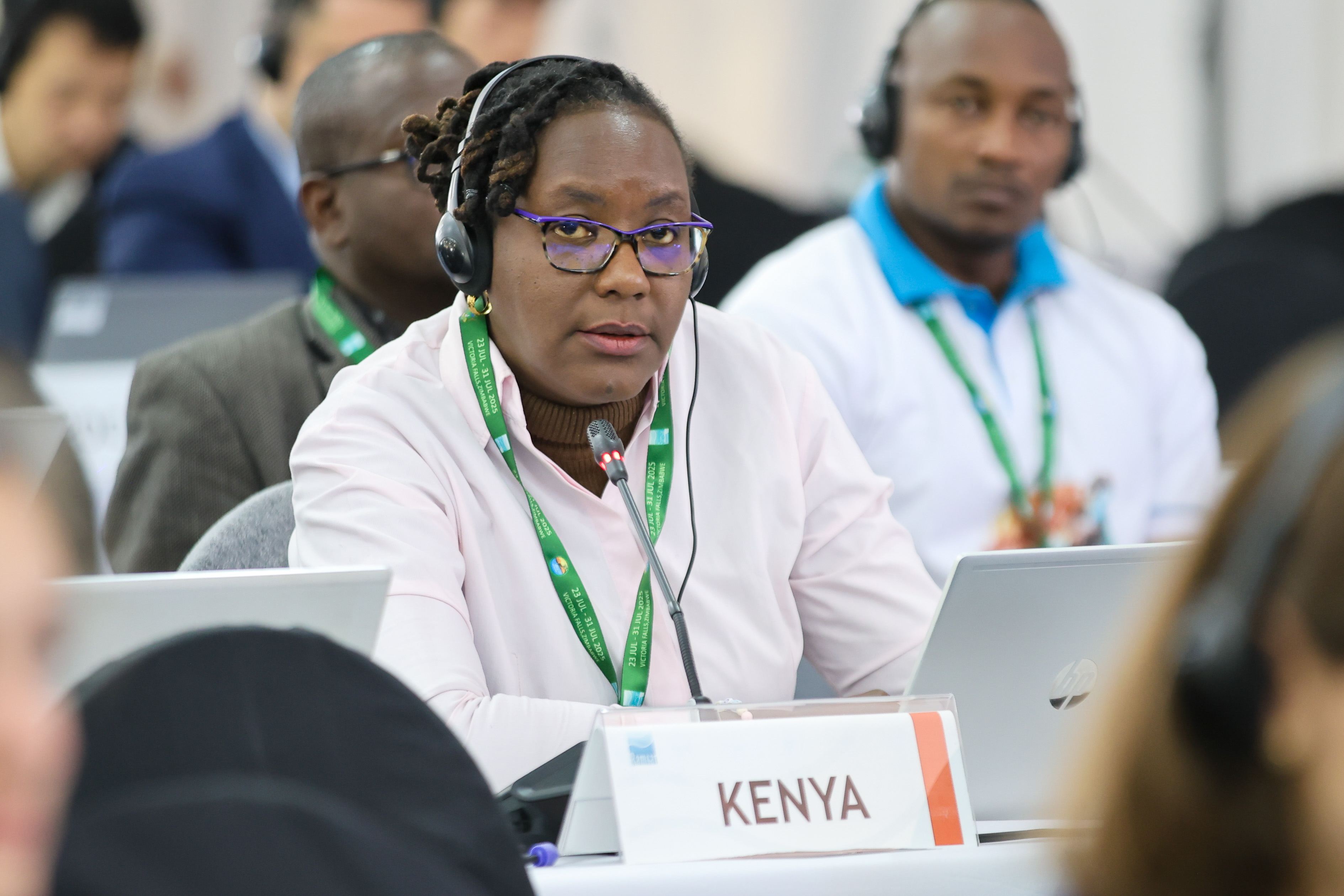
Anastacia Wanjiku Mwaura, Kenya
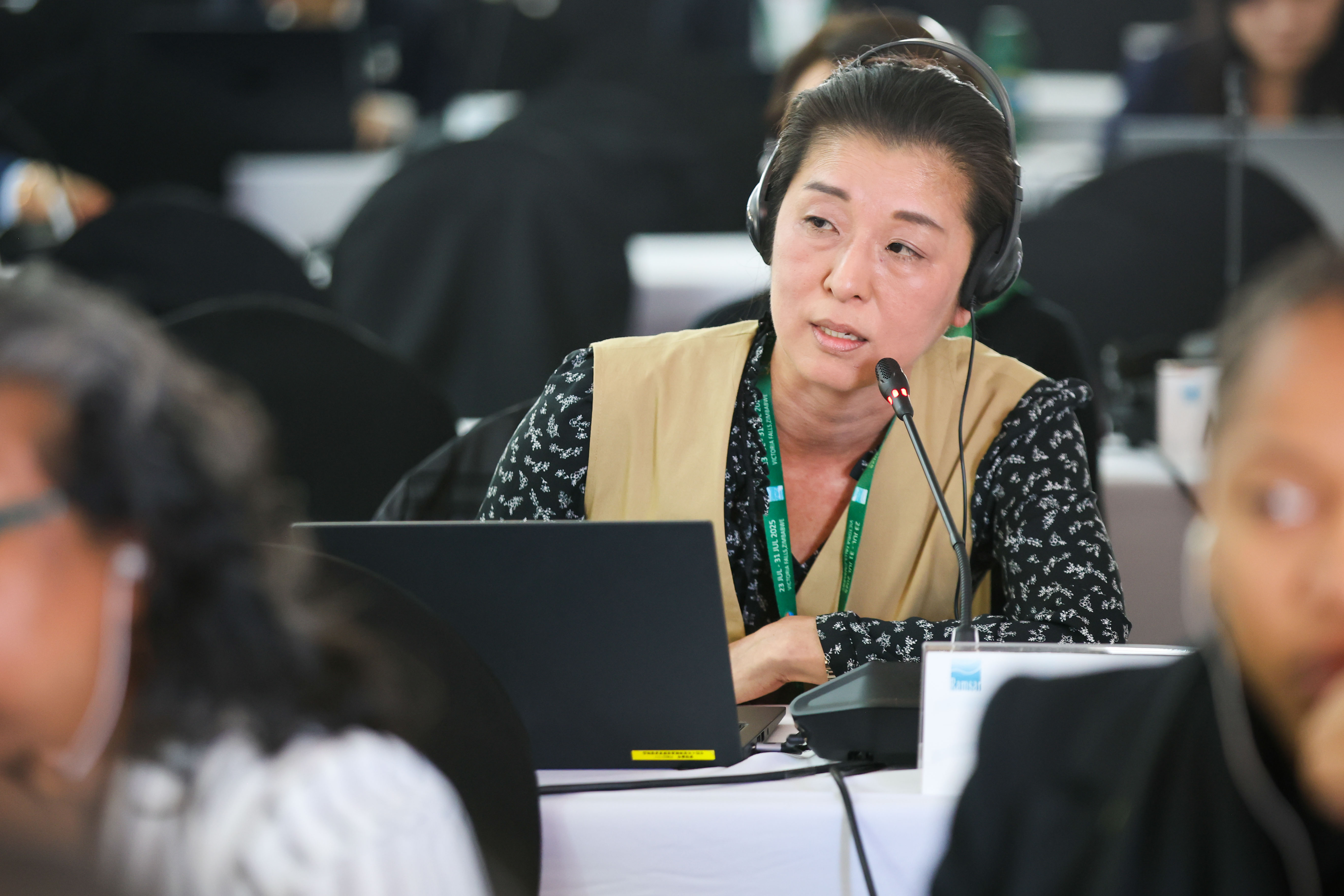
Yoko Yamoto, Japan
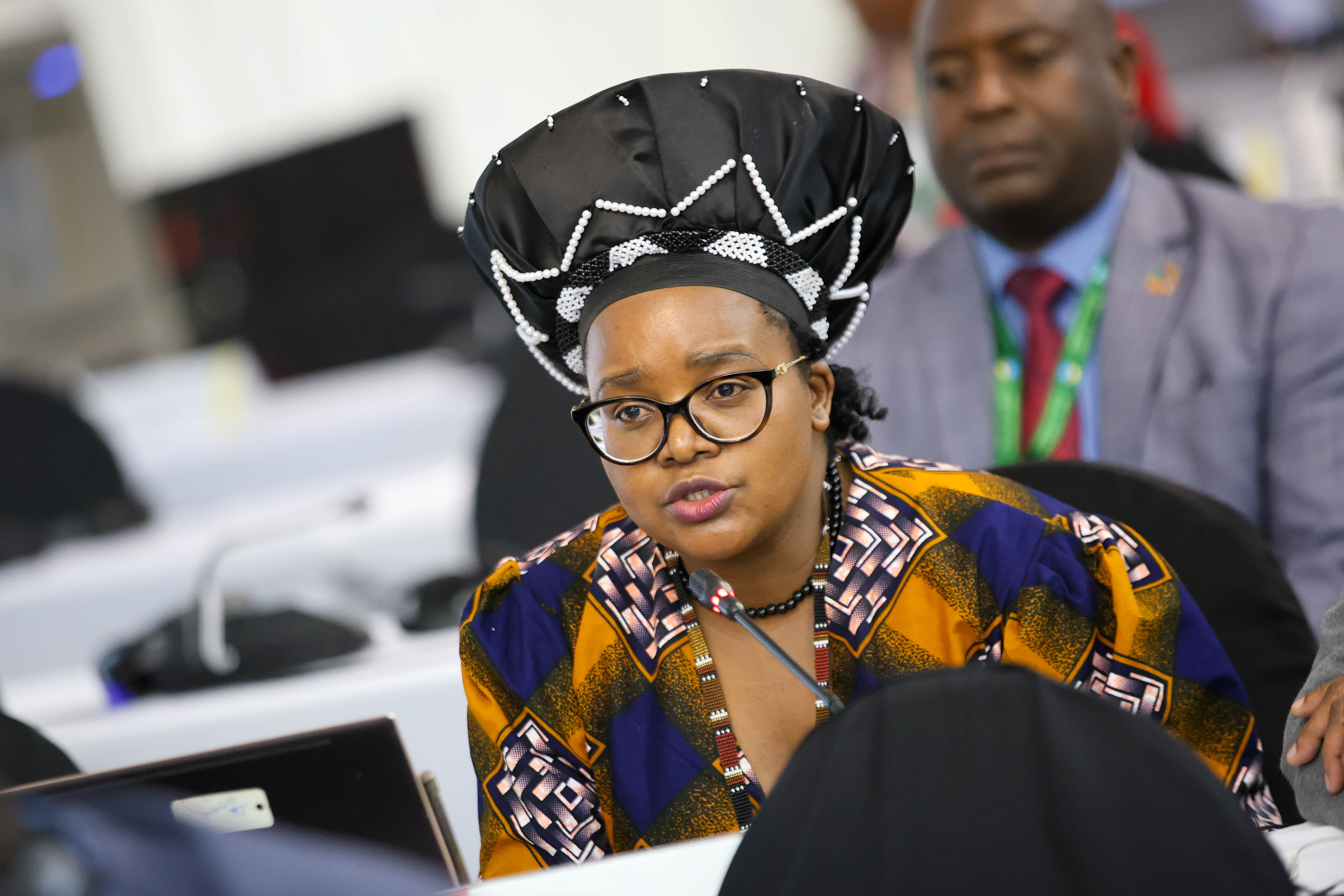
Patience Gandiwa, Zimbabwe
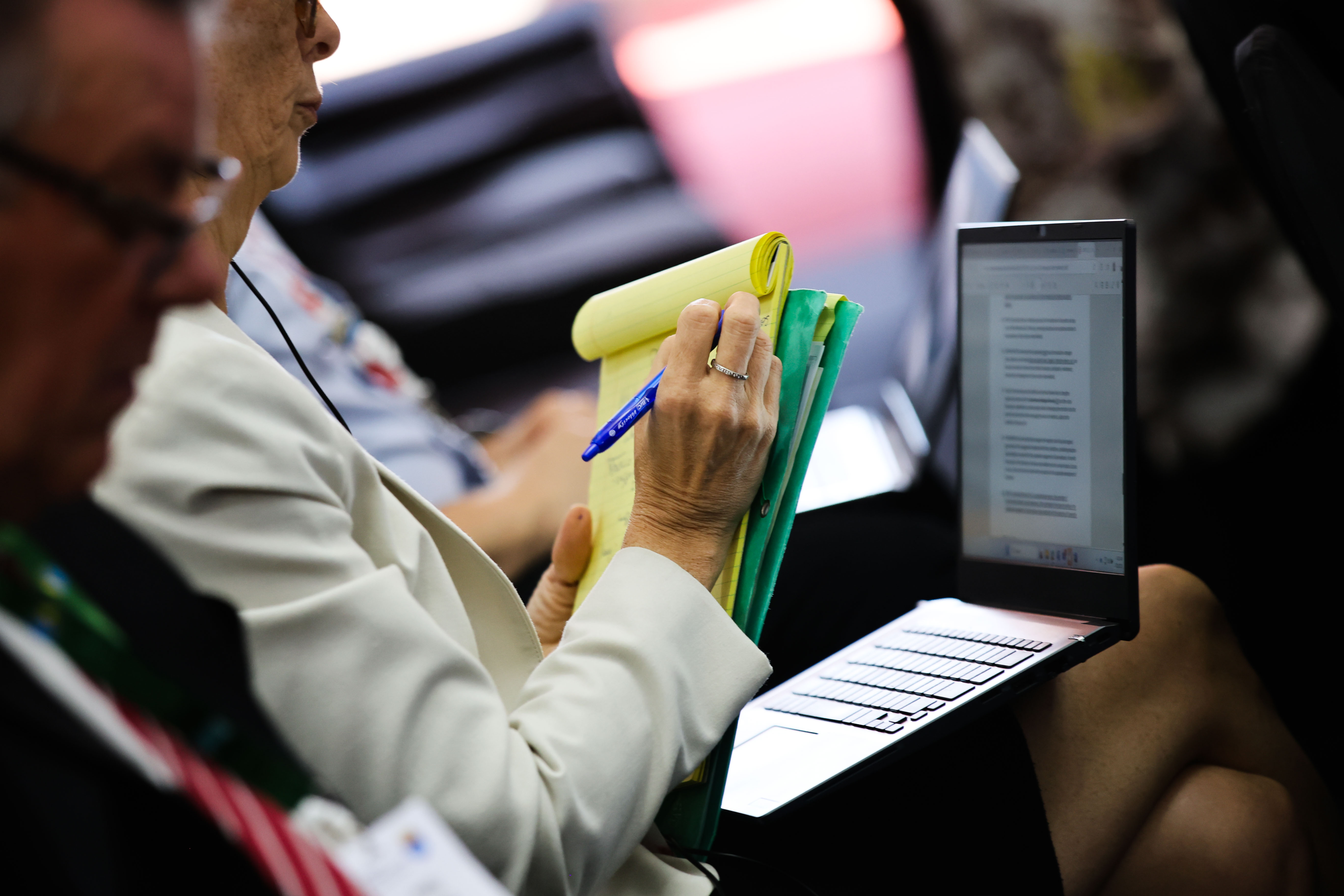
A delegate takes notes.
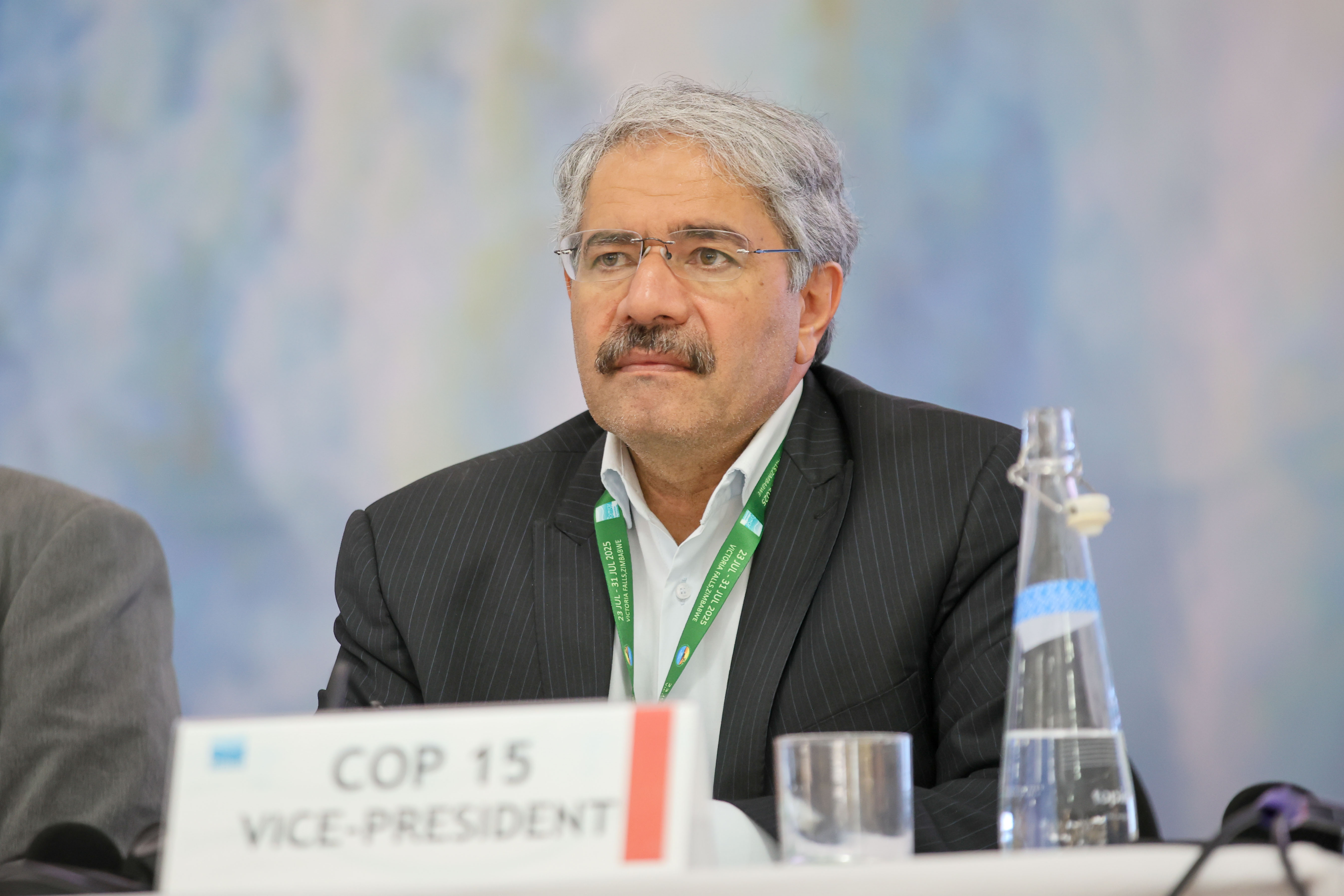
Ahmad Reza Lahijan Zadeh, COP15 Vice-President, Iran
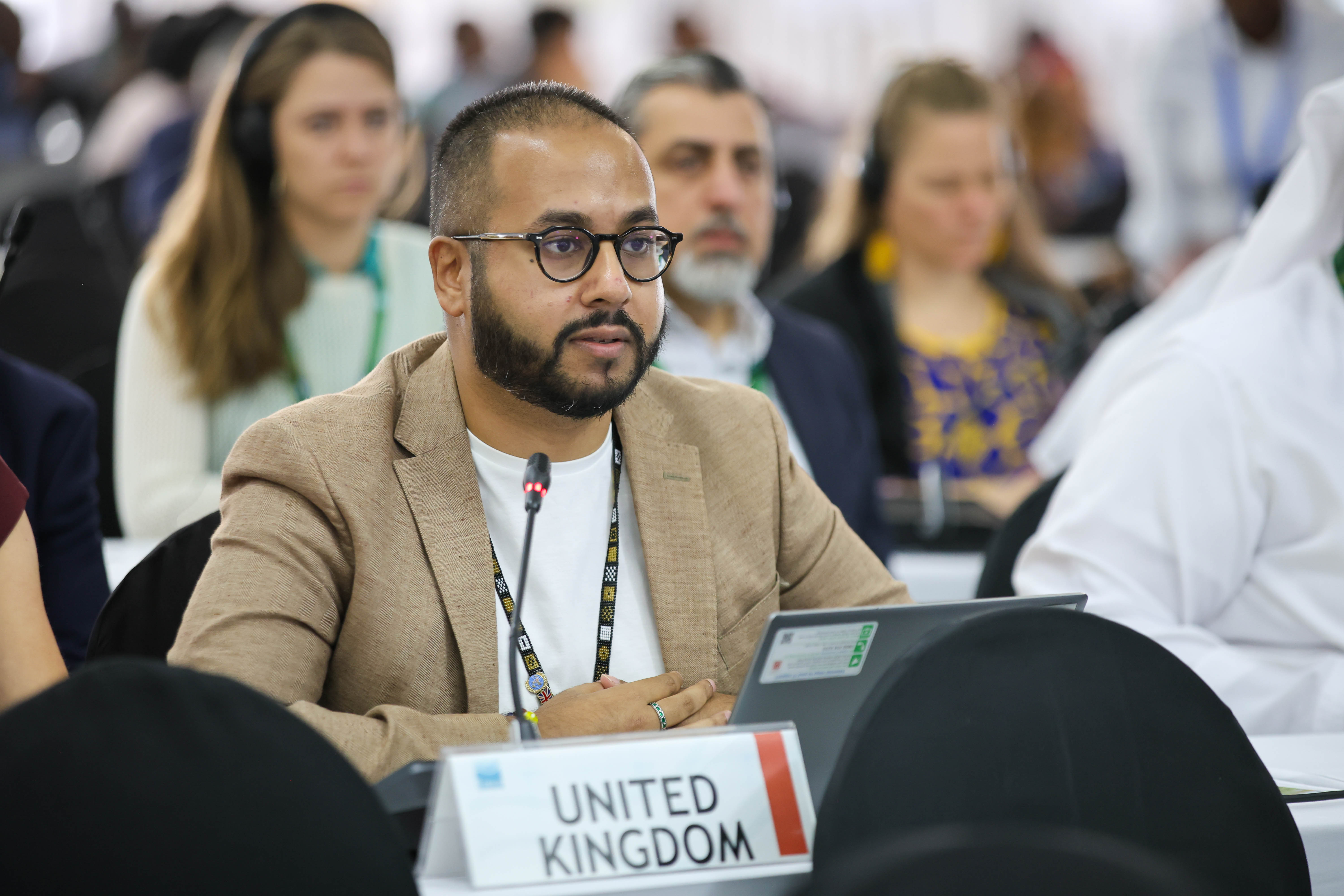
Mohammed Rakib Miah, United Kingdom
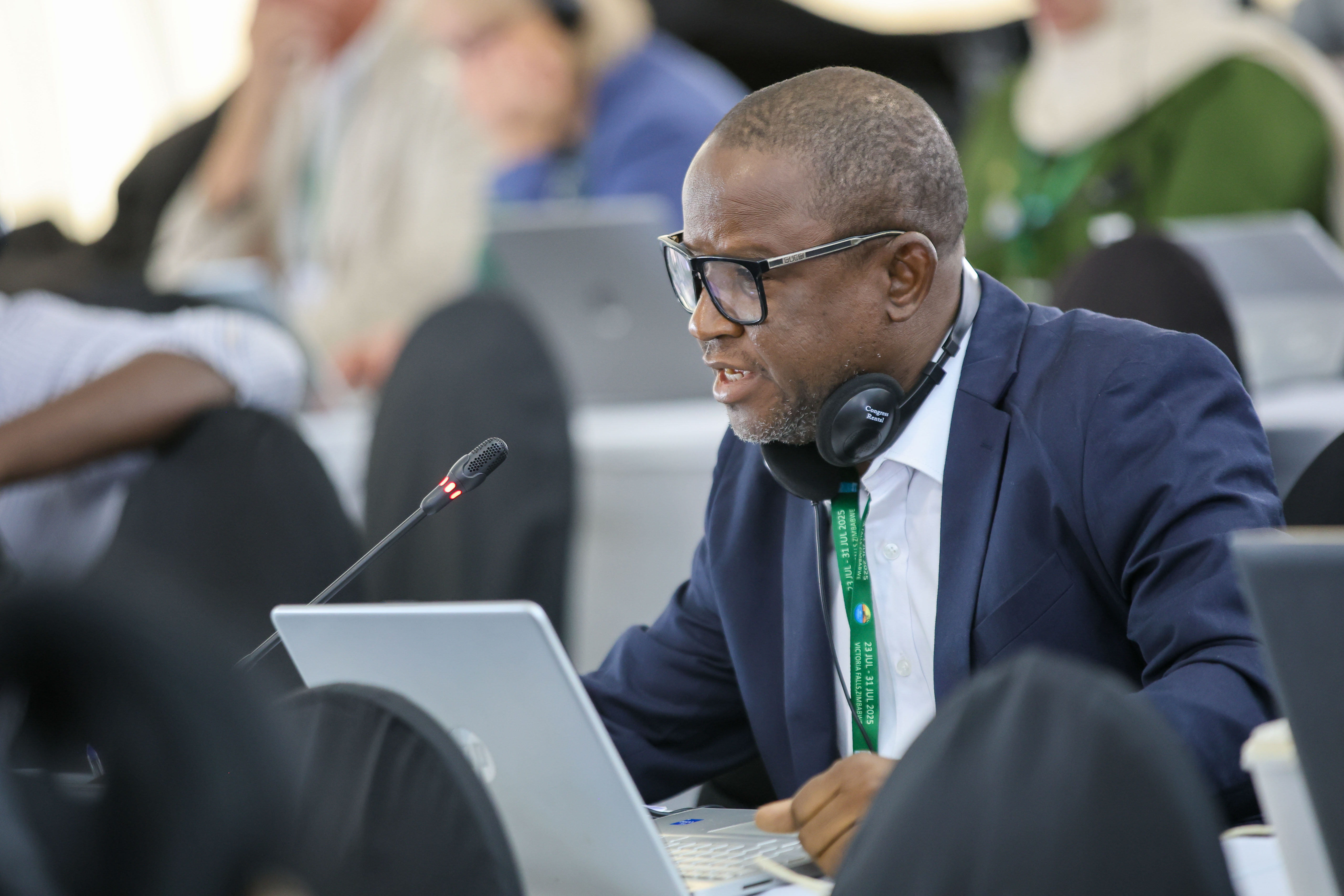
Ibrahim Madougou, Niger
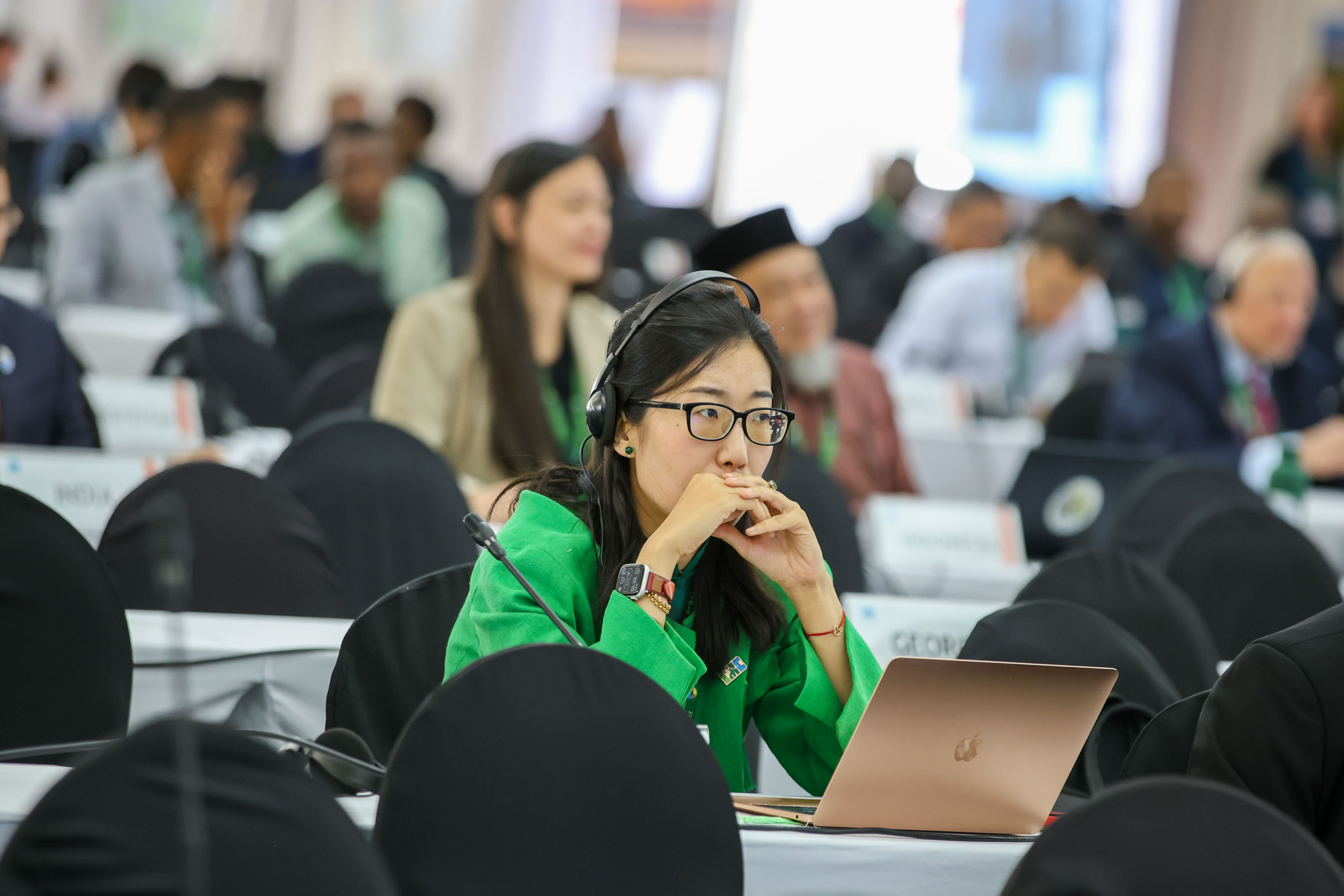
Libin Wang, China
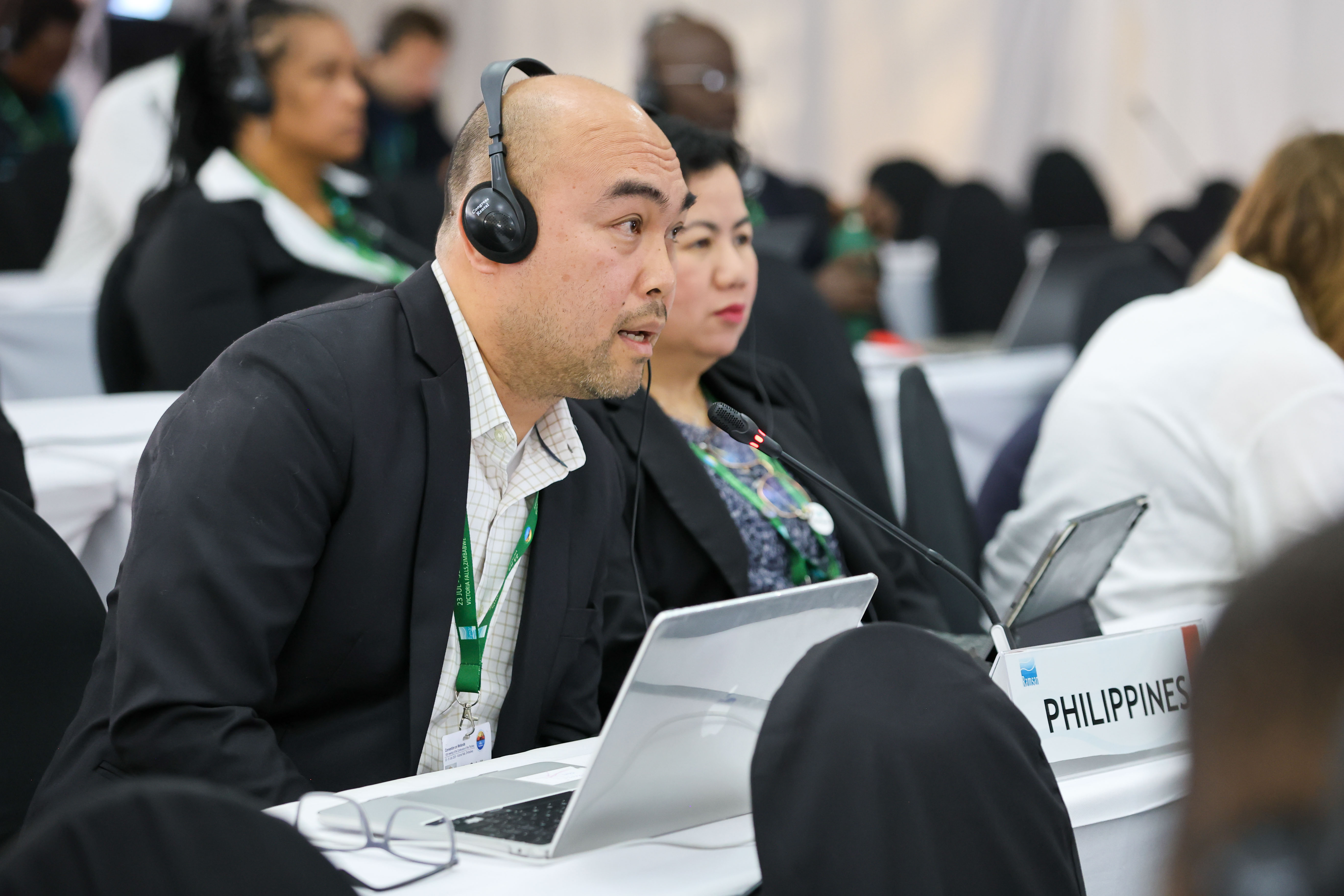
Jim Gabrillo Minglana, the Philippines
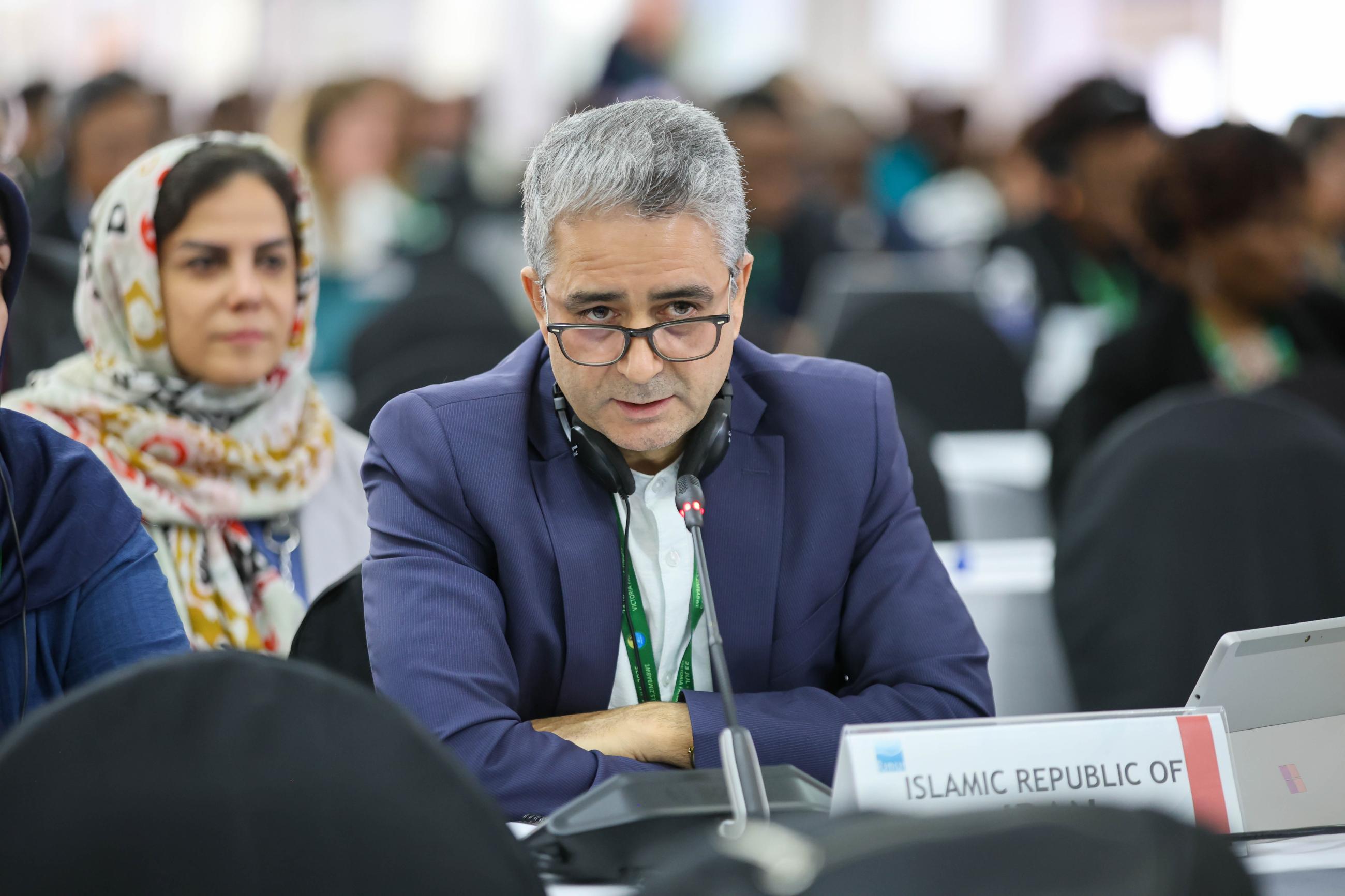
Amir Akhlaghi, Iran
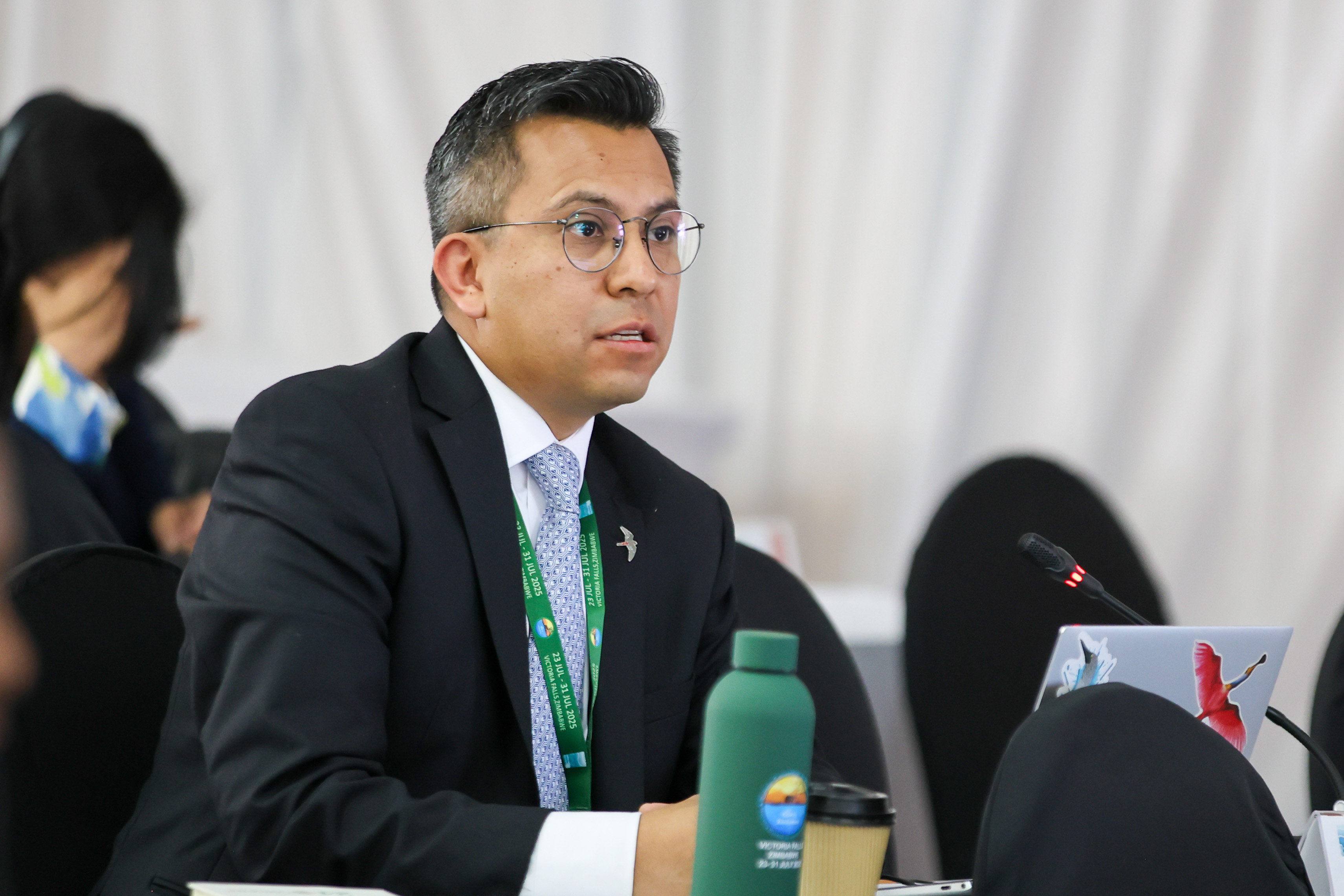
Jaime Esteban González Barrera, Mexico
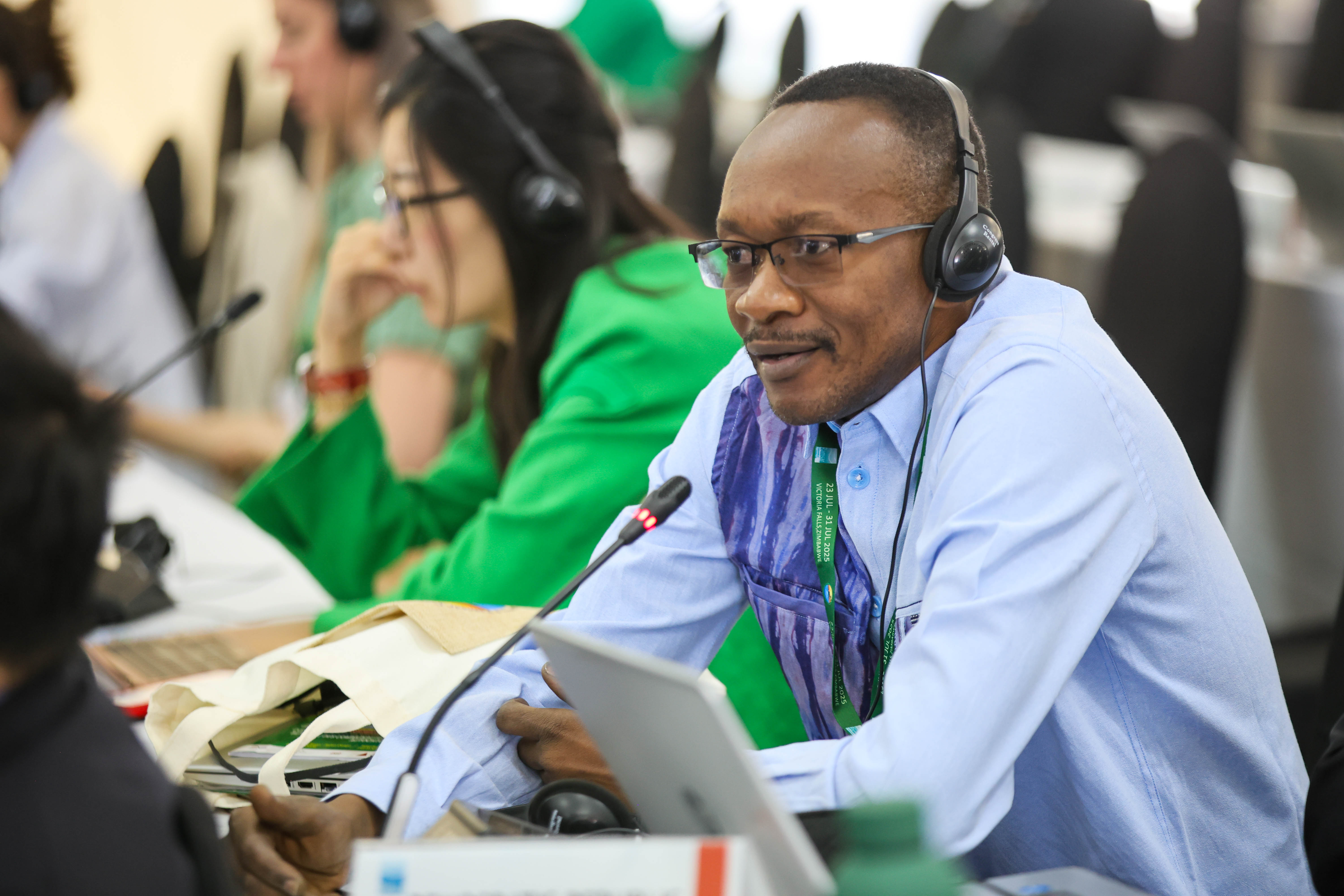
Jean-Marie Nyolo, Democratic Republic of the Congo

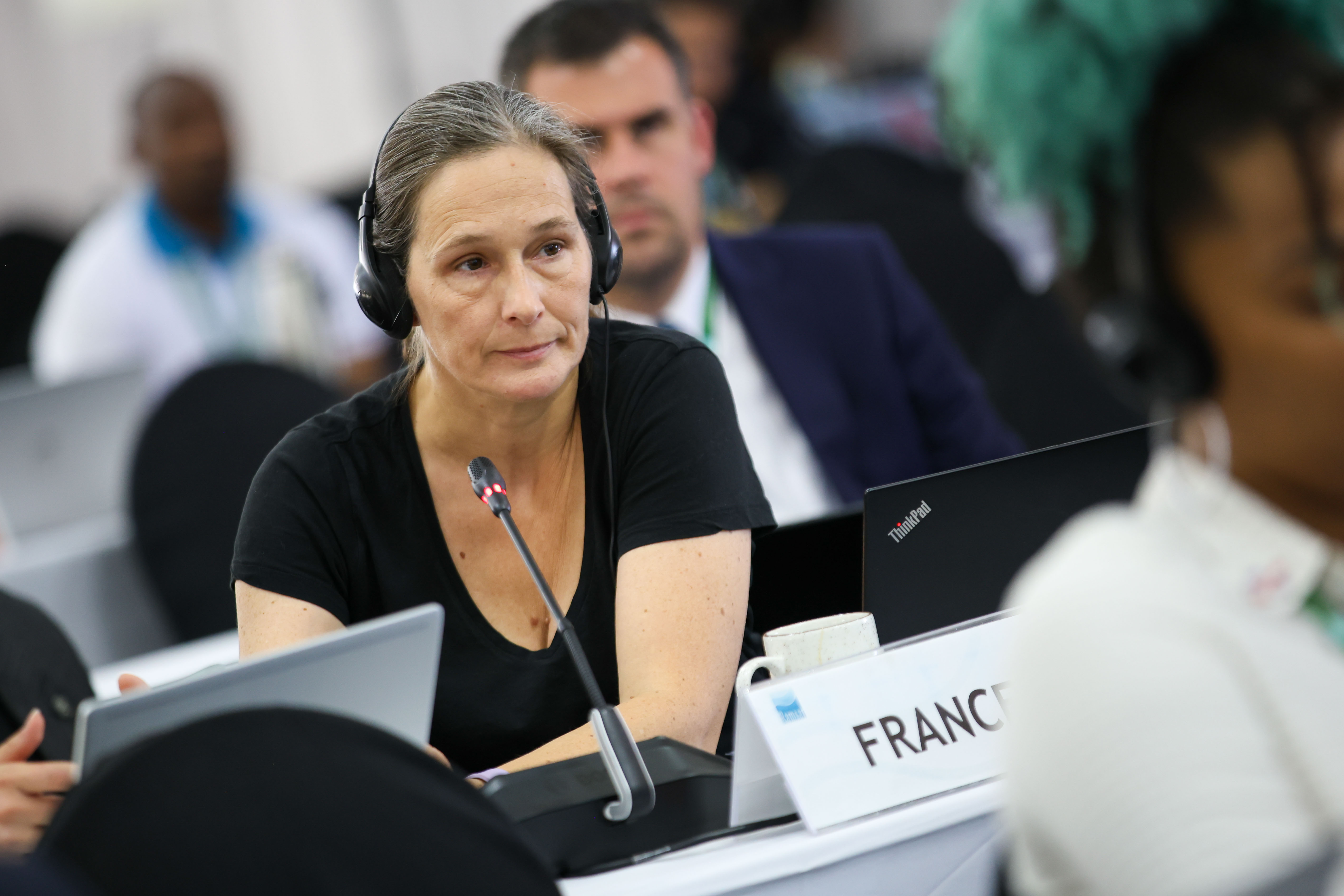
Virginie Dumoulin, France
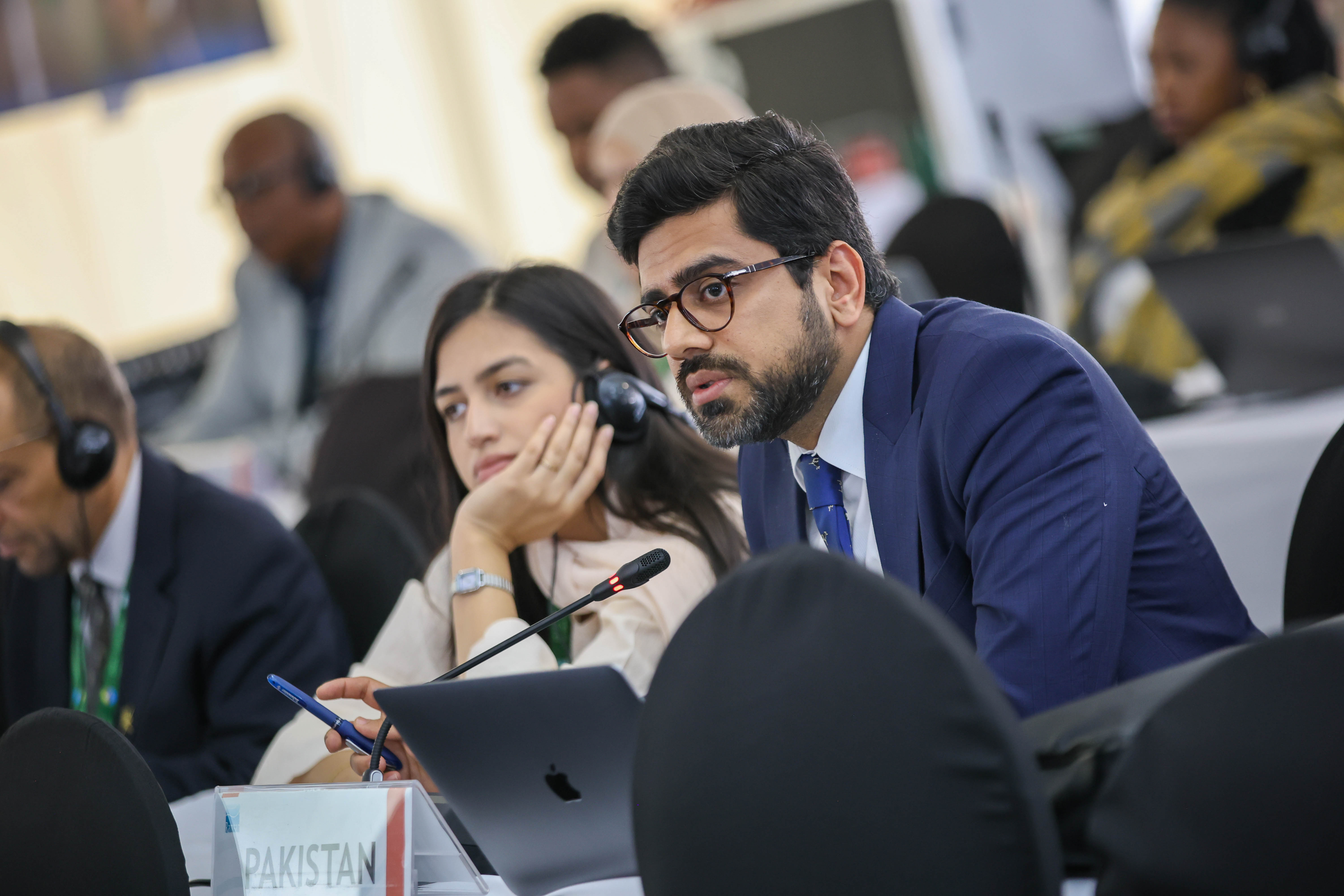
Danyal Hasnain, Pakistan
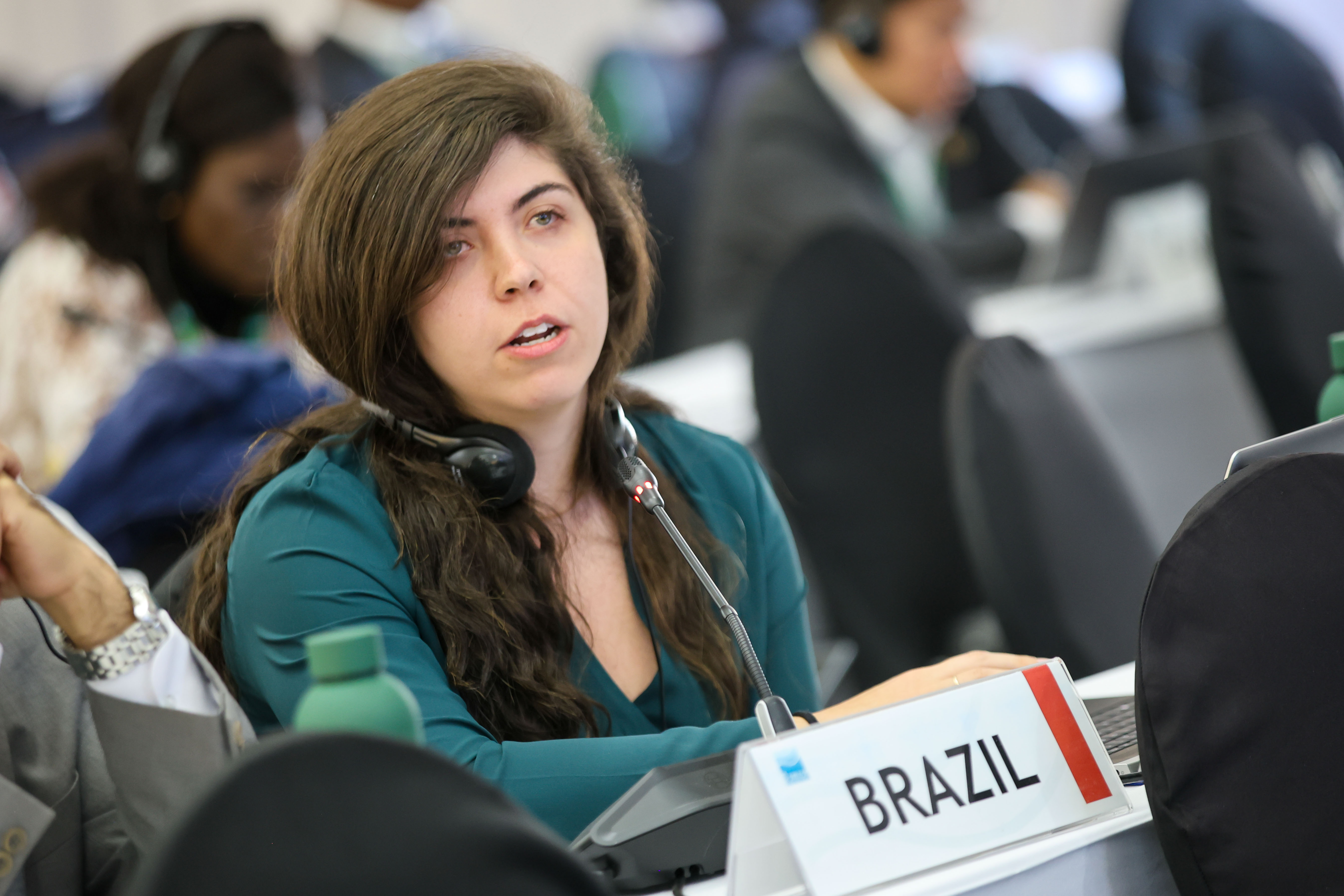
Taísa Passoni Marçal, Brazil
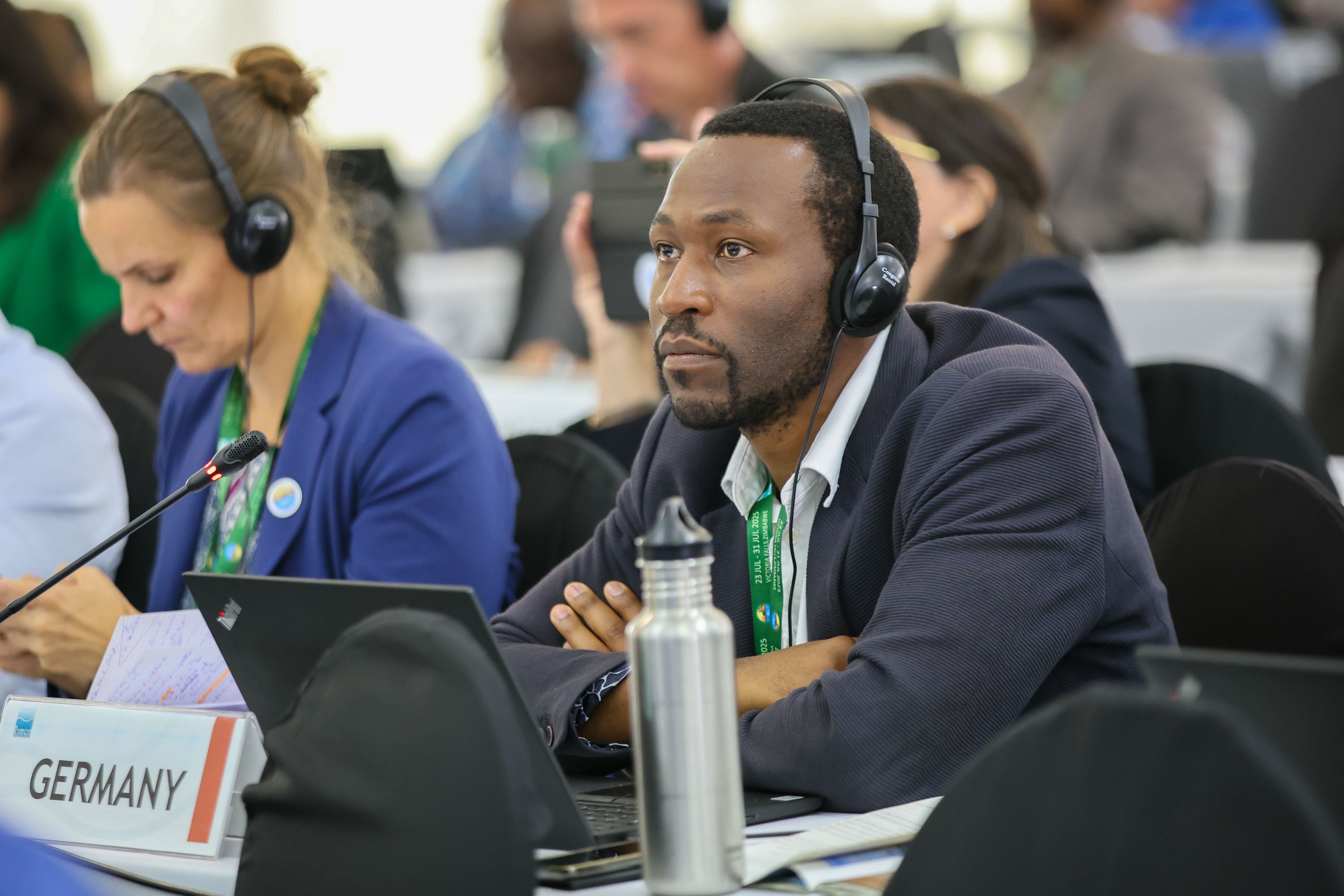
Alban Kisife, Germany
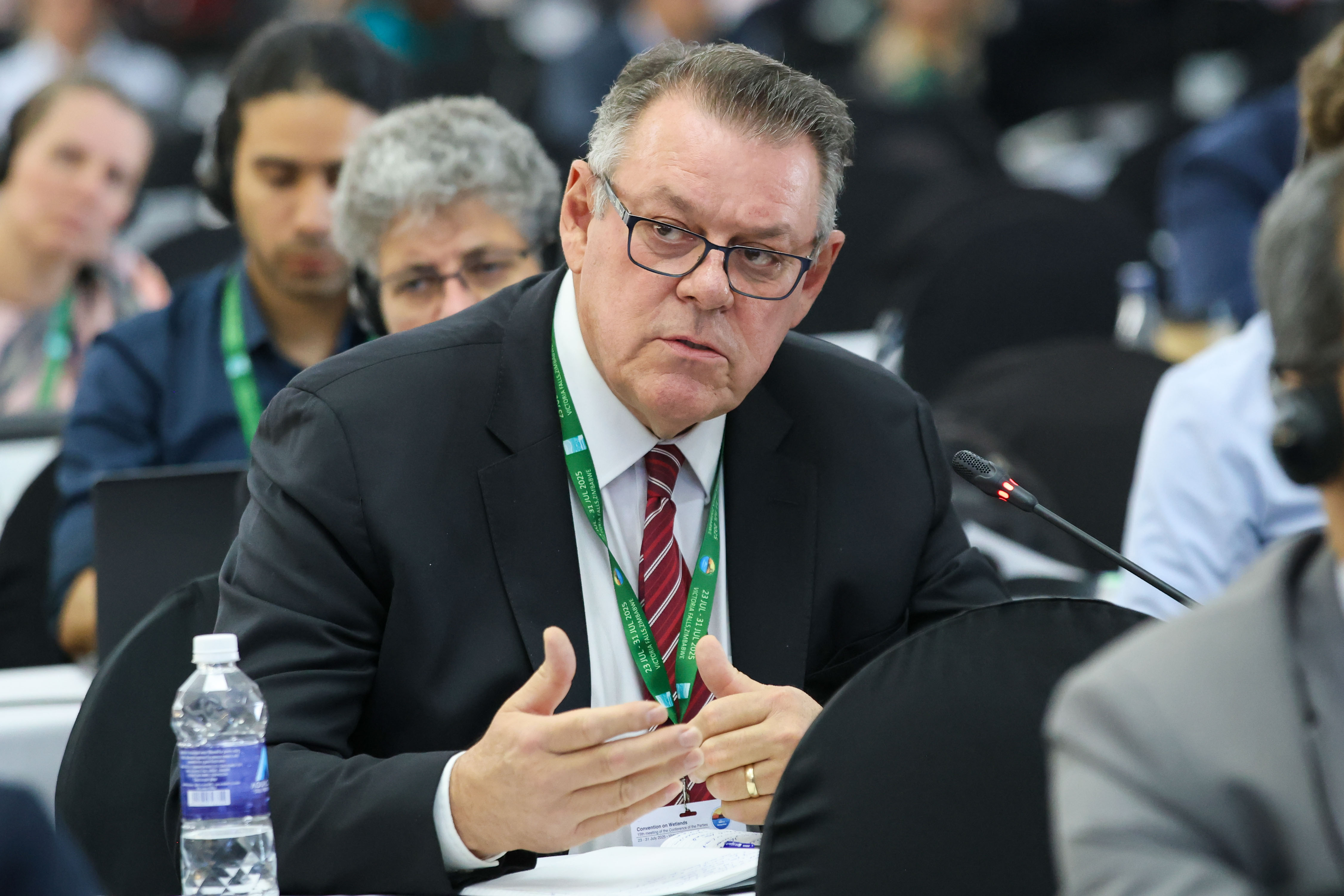
Philip Lupul, Canada
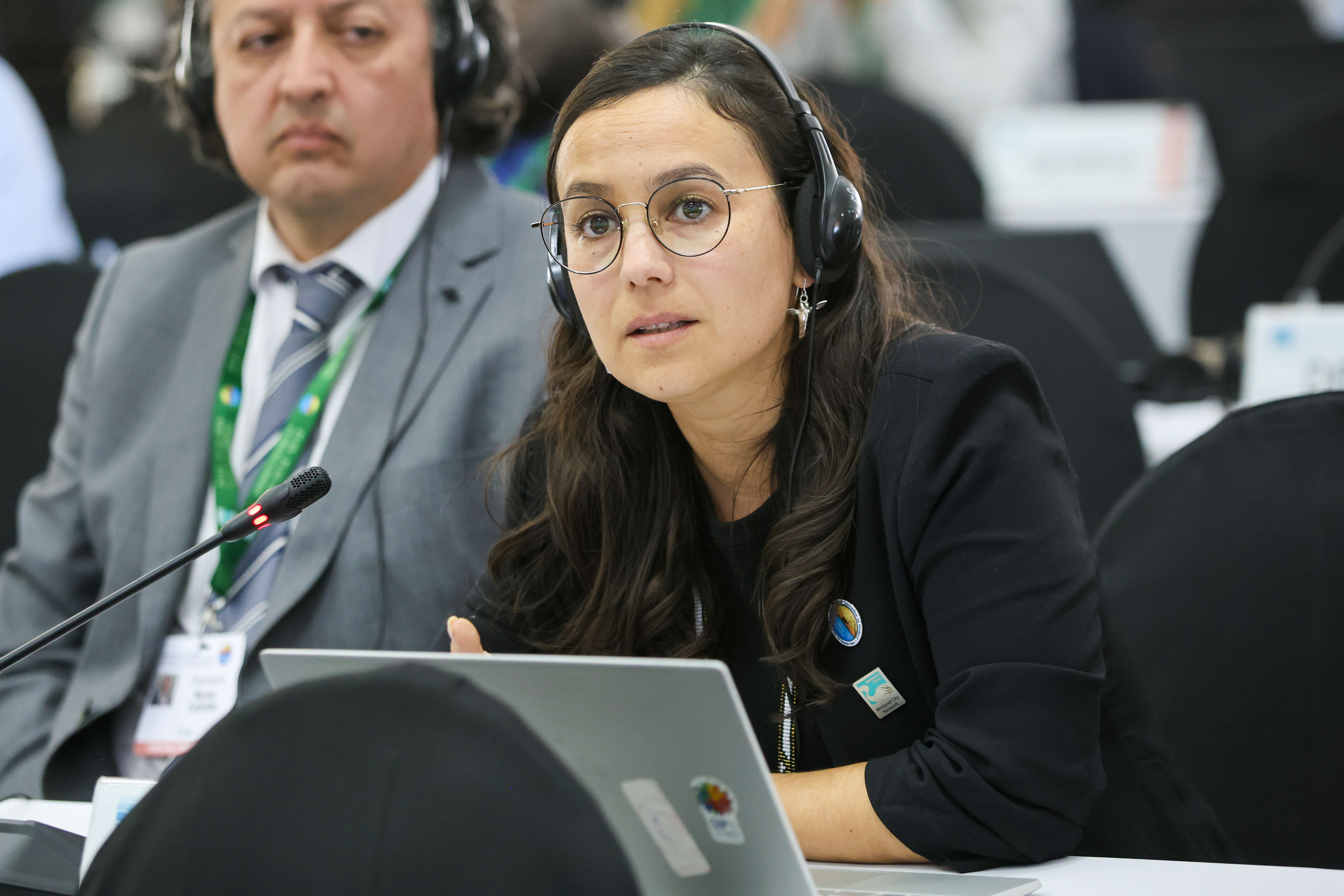
Paulina Stowhas, Chile
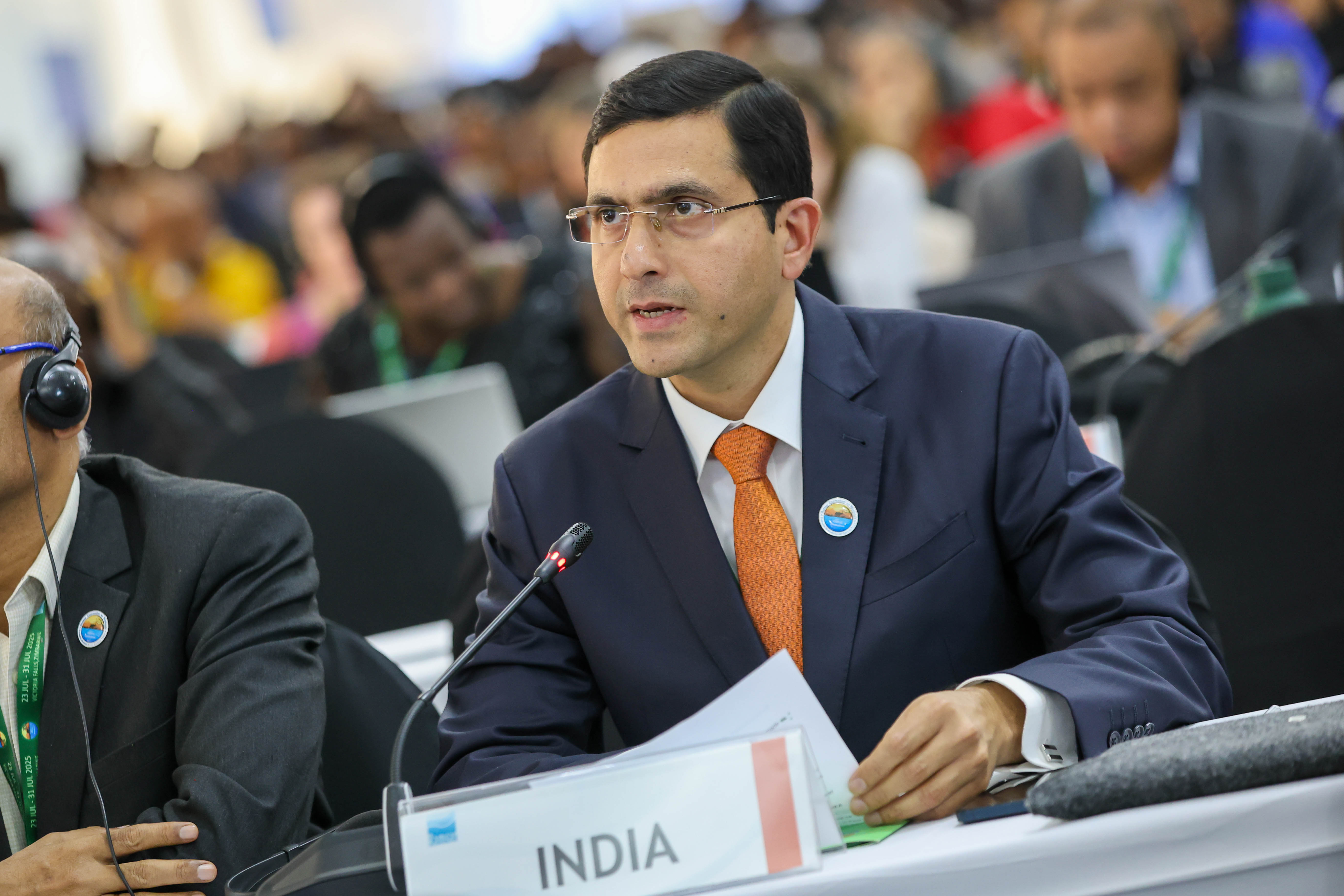
Rajat Agarwal, India
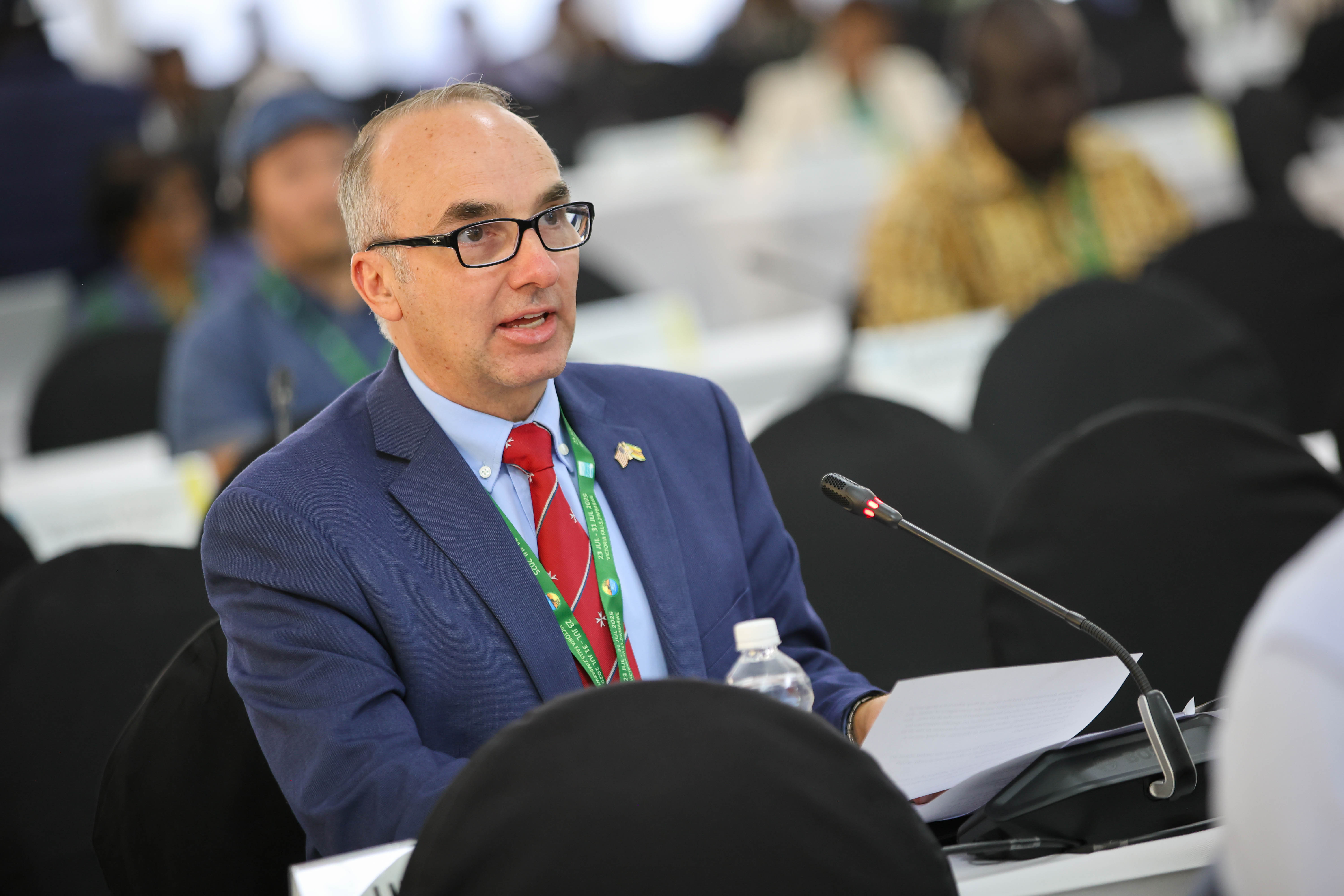
Benjamin Pierce, United States
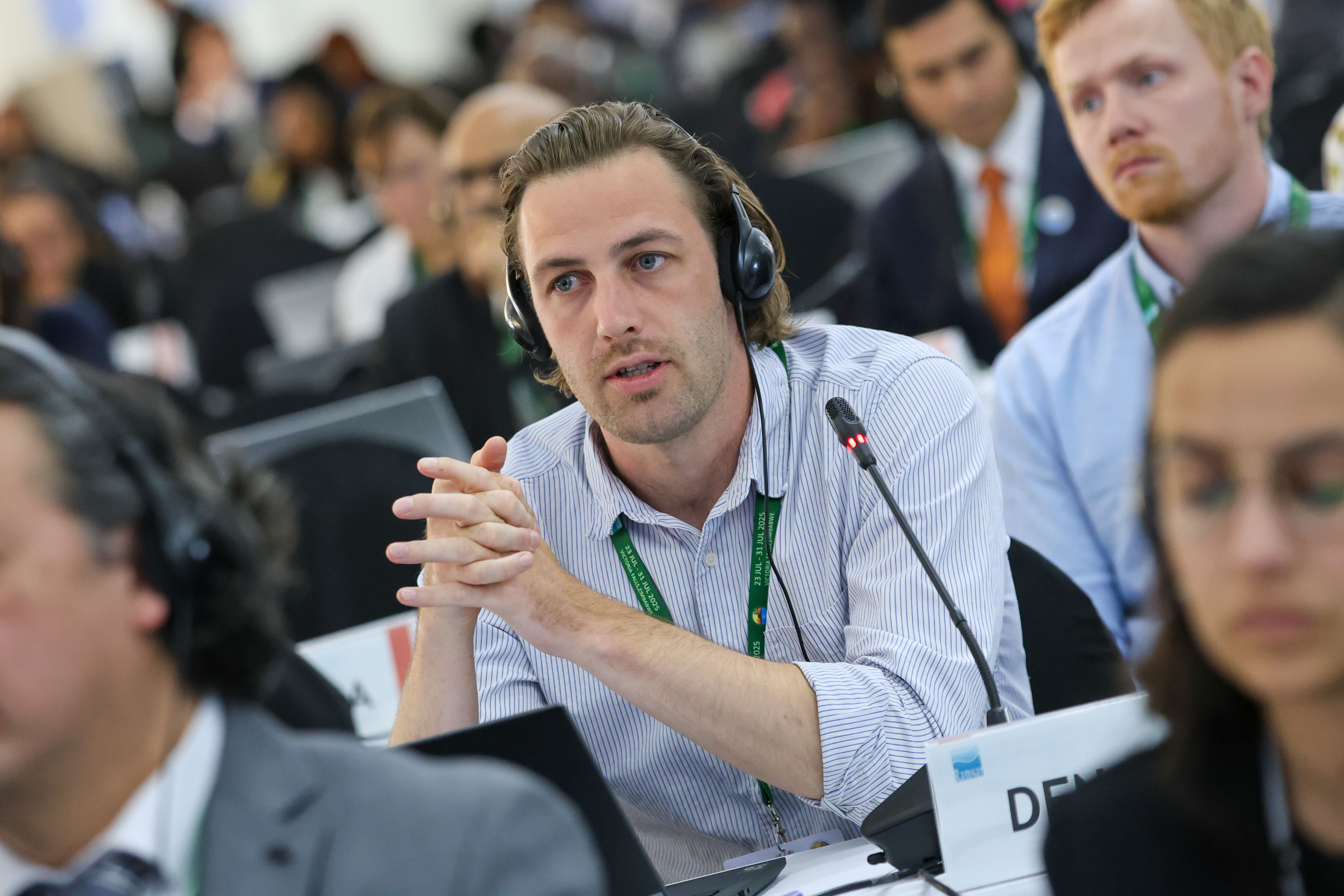
Jonas Harding Petersen, Denmark
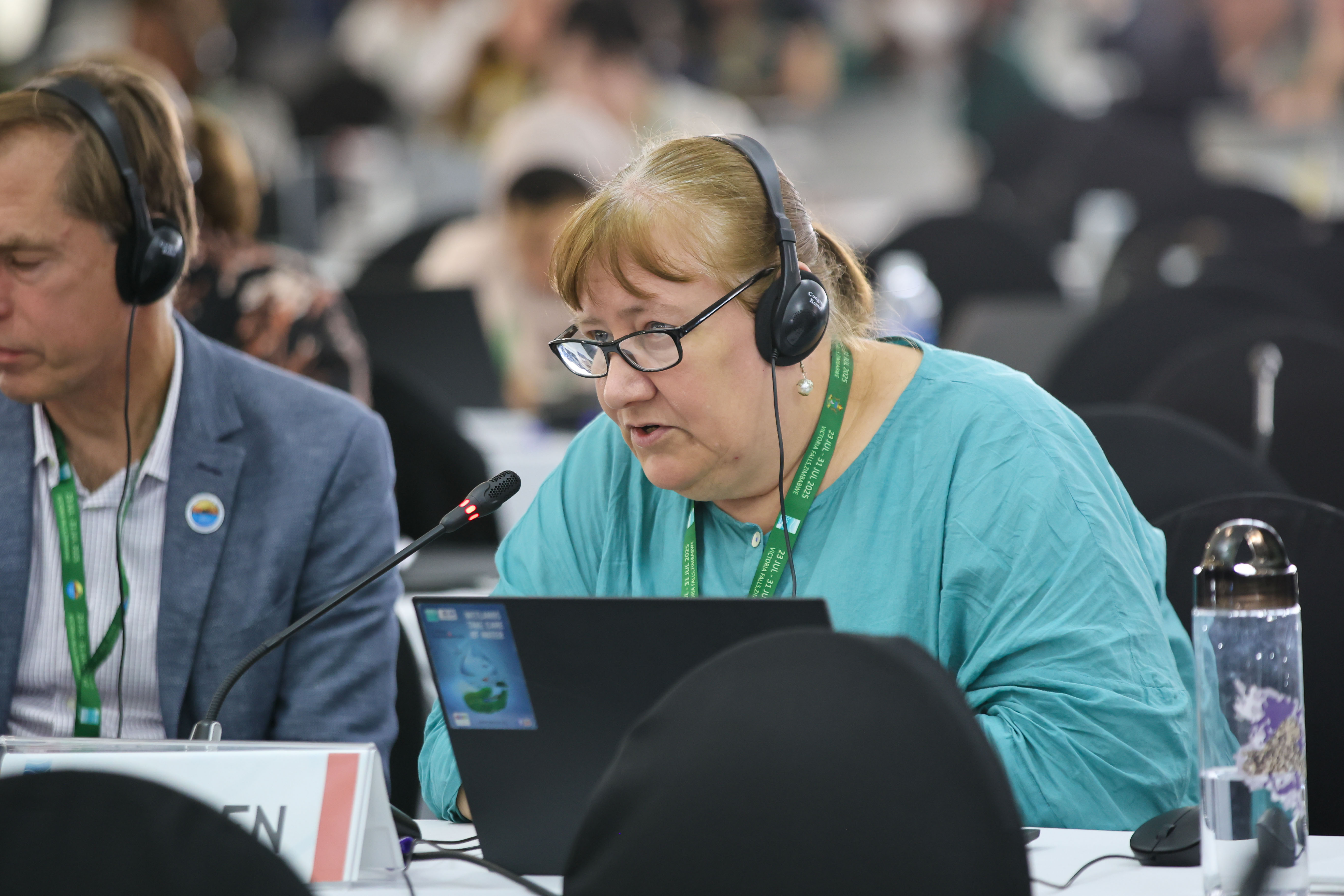
Jenny Lonnstad, Sweden
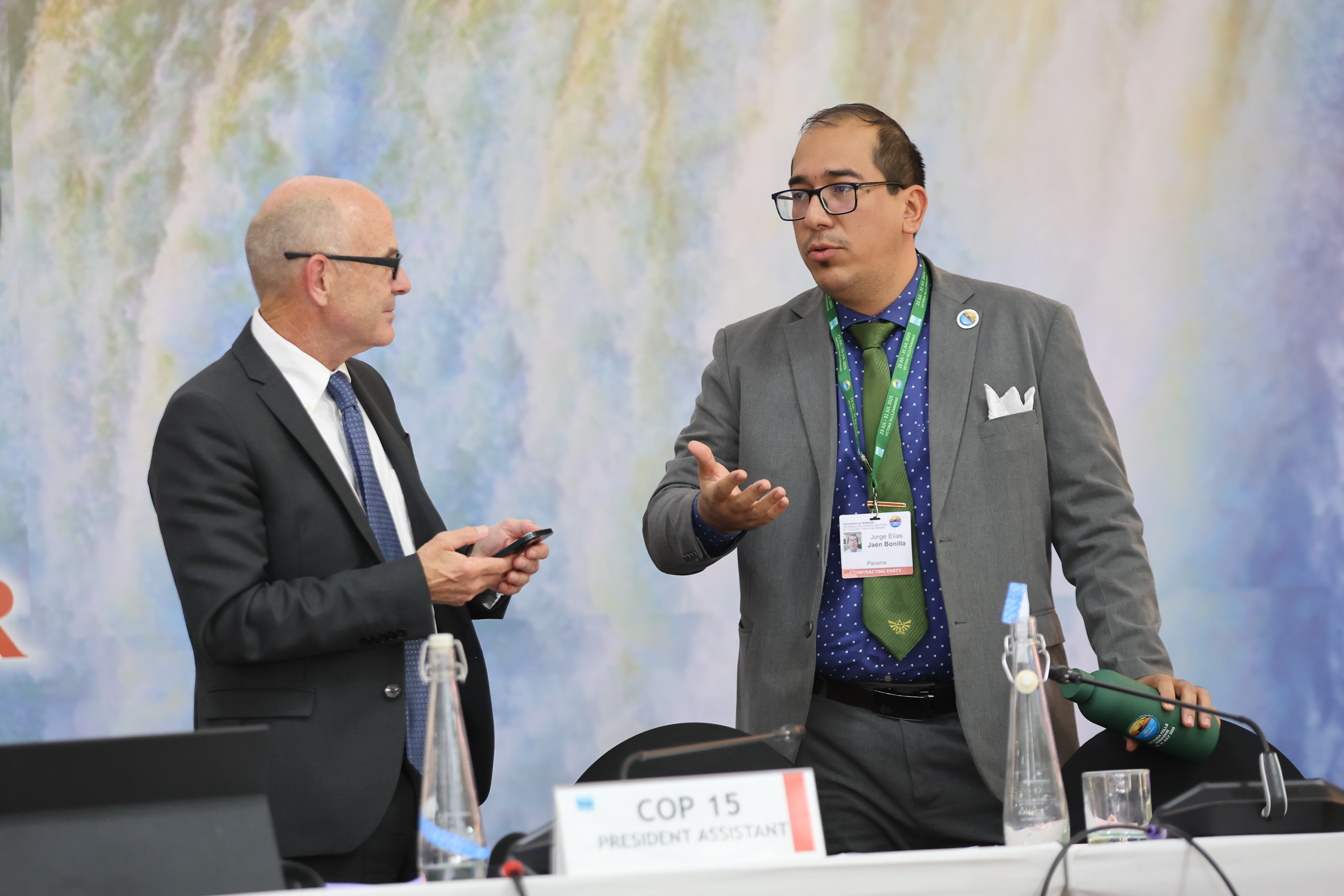
Jay Aldous, Deputy Secretary General, Convention on Wetlands, and Jorge Elías Jaén Bonilla, COP15 Vice-President, Panama
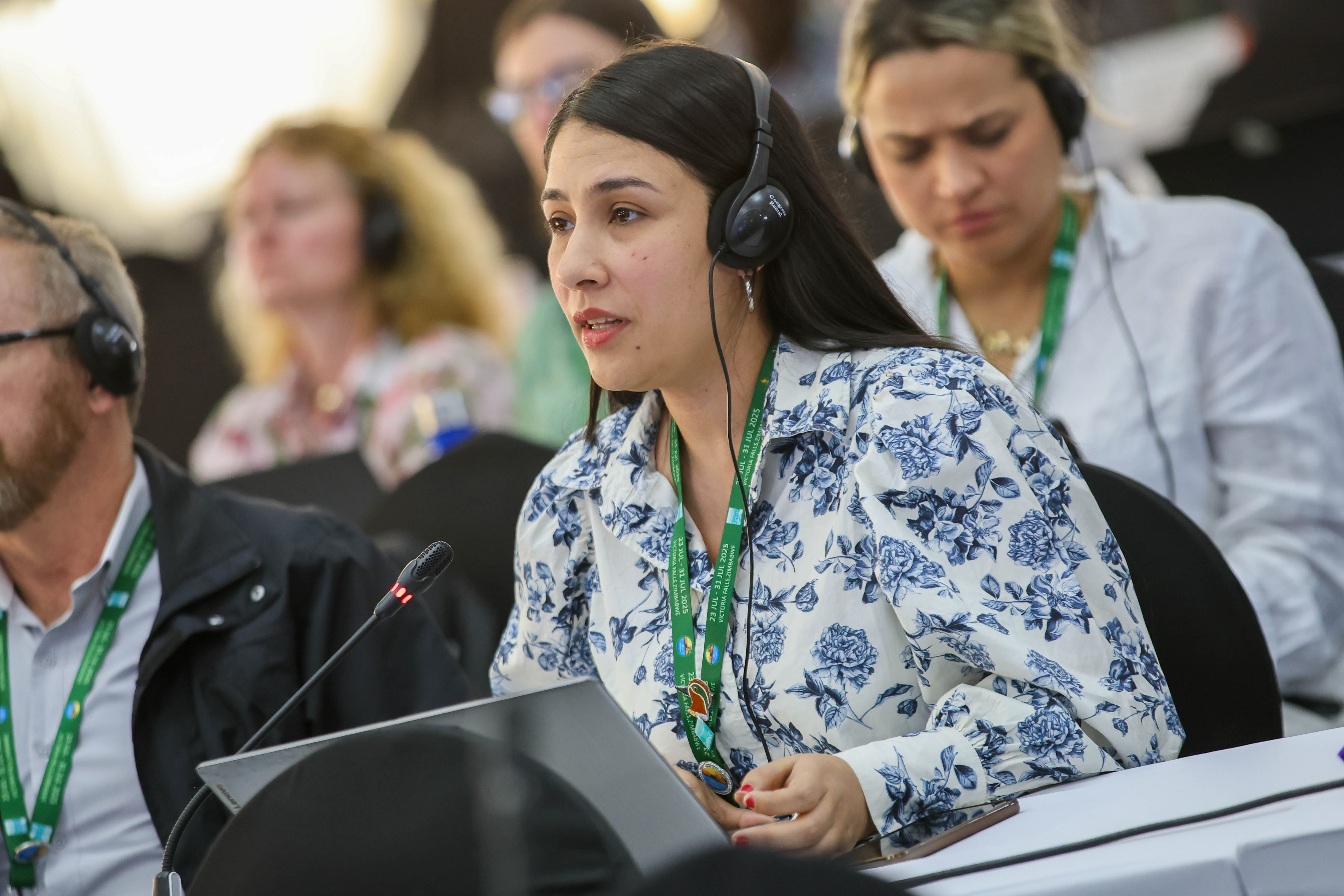
Claudia Marcela Daza Escobar, Colombia
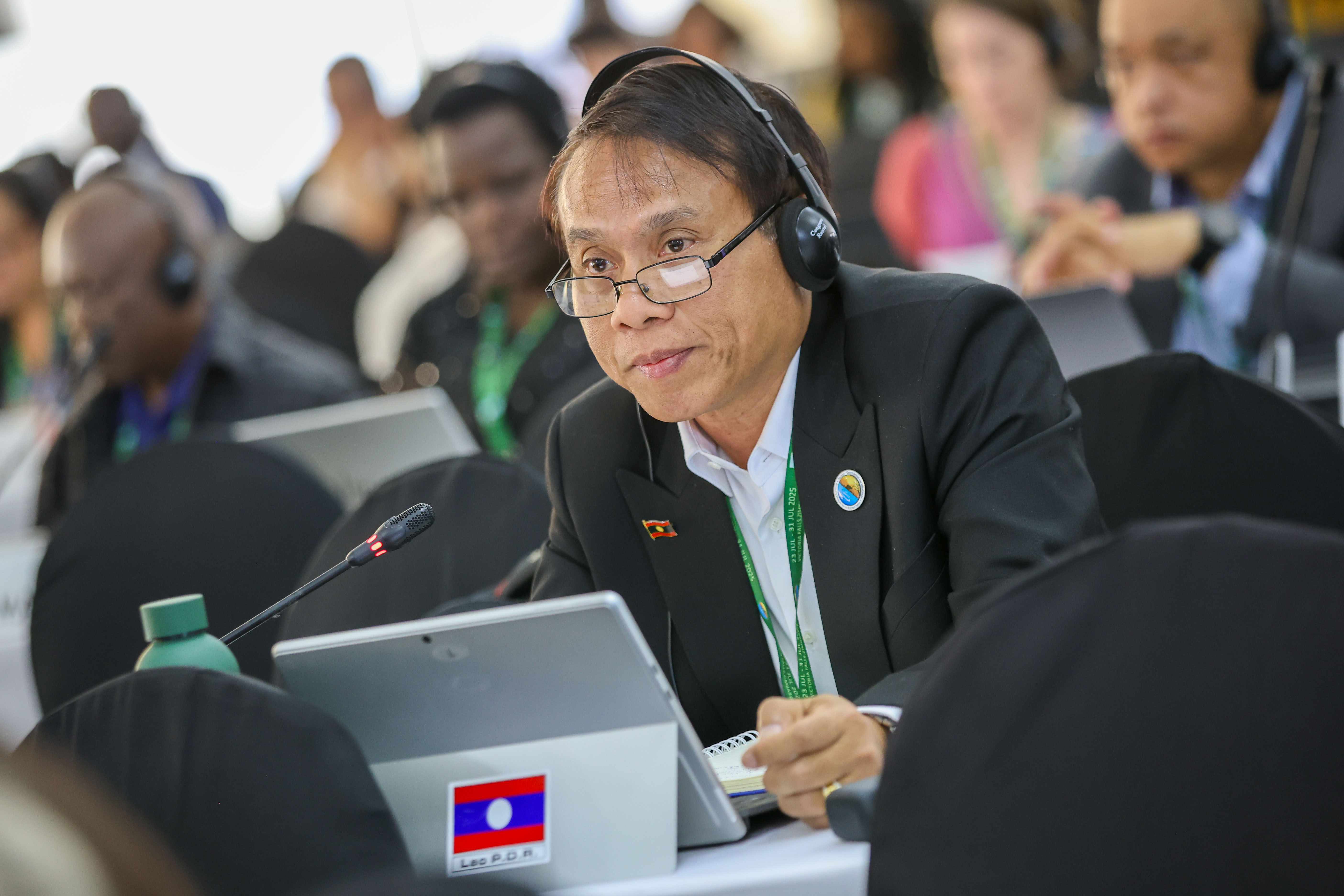
Oudomsack Philavong, Lao People's Democratic Republic
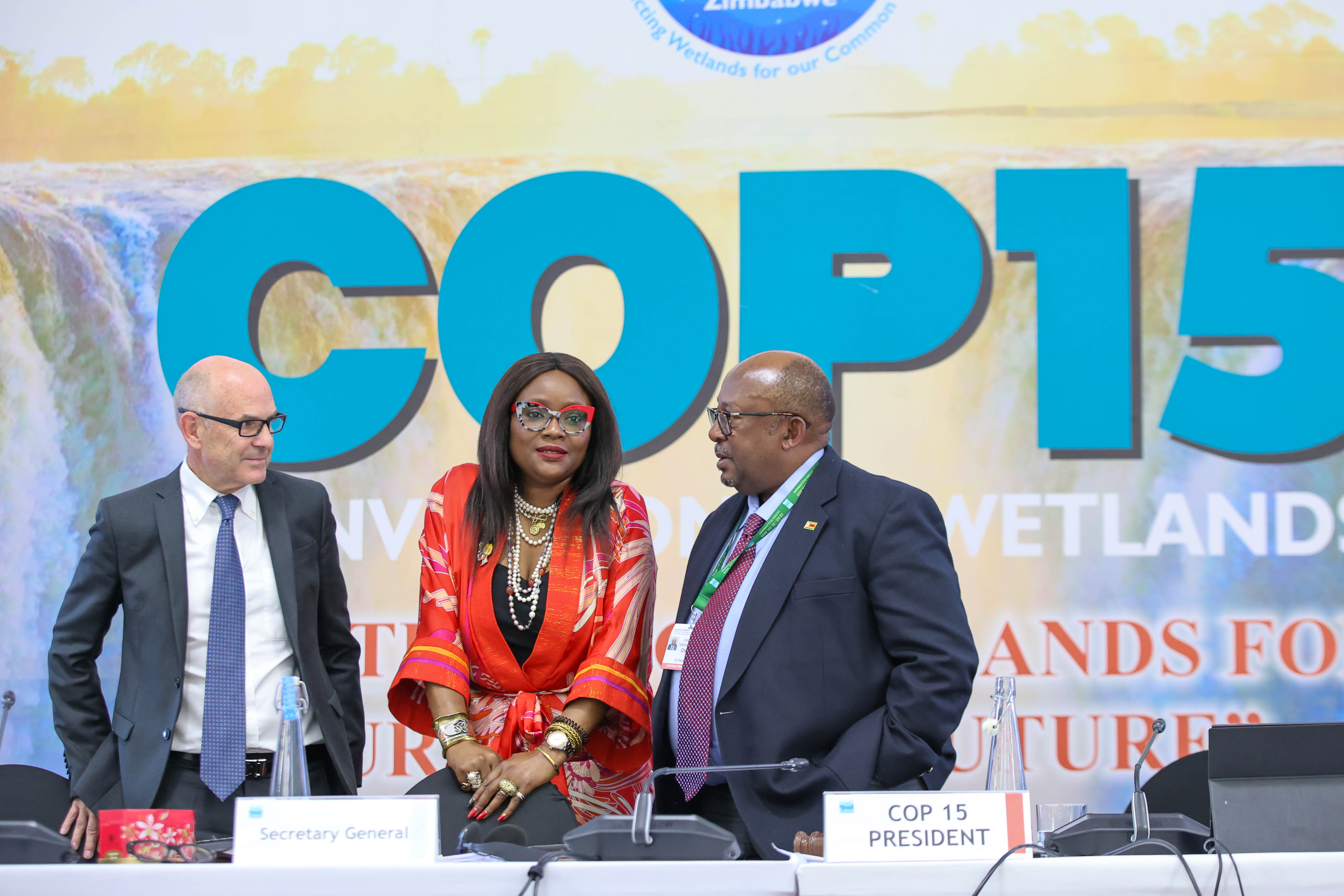
Jay Aldous, Deputy Secretary General, Convention on Wetlands, Musonda Mumba, Secretary General, Convention on Wetlands, and Tadeous Chifamba, COP15 Alternate President, Zimbabwe
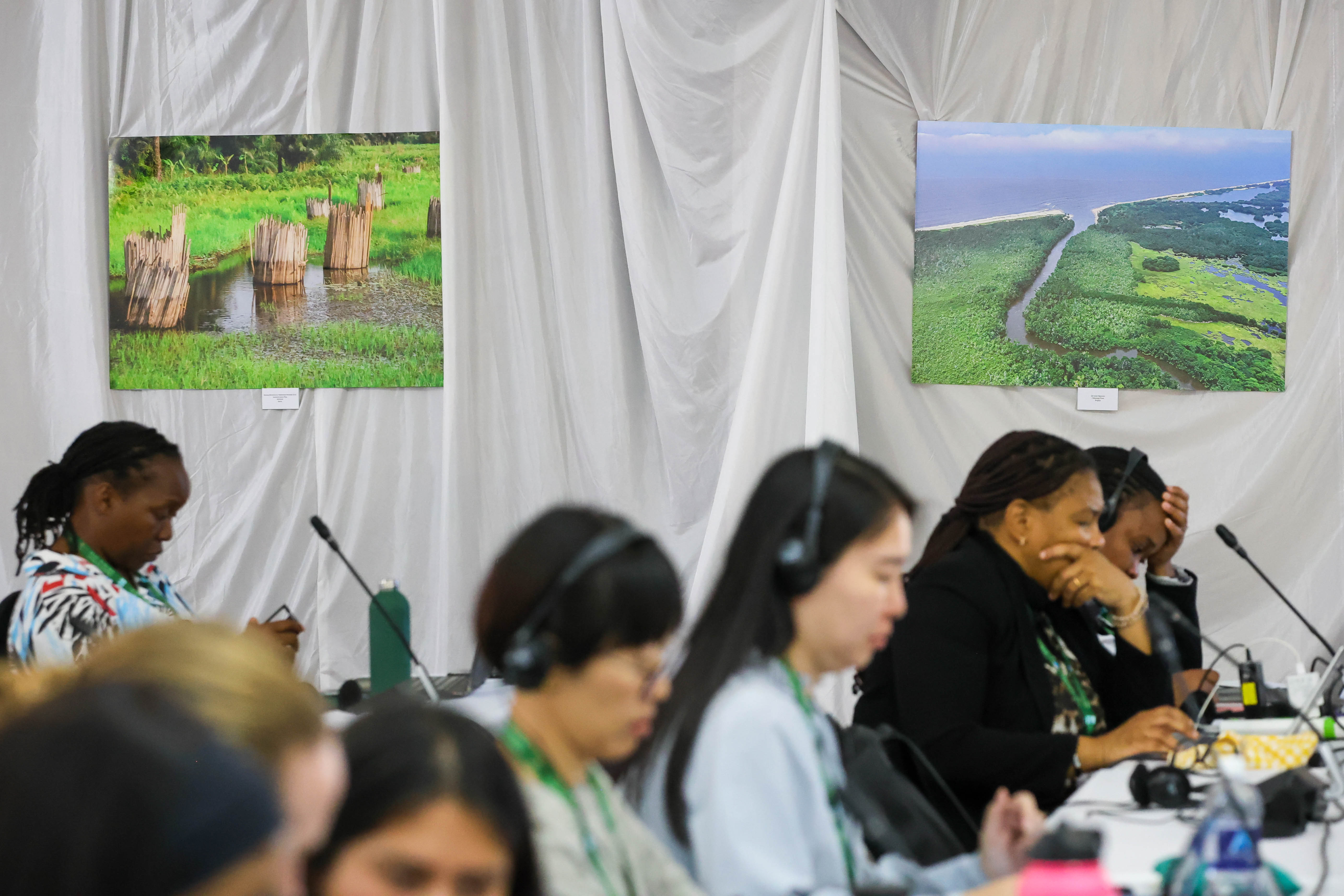
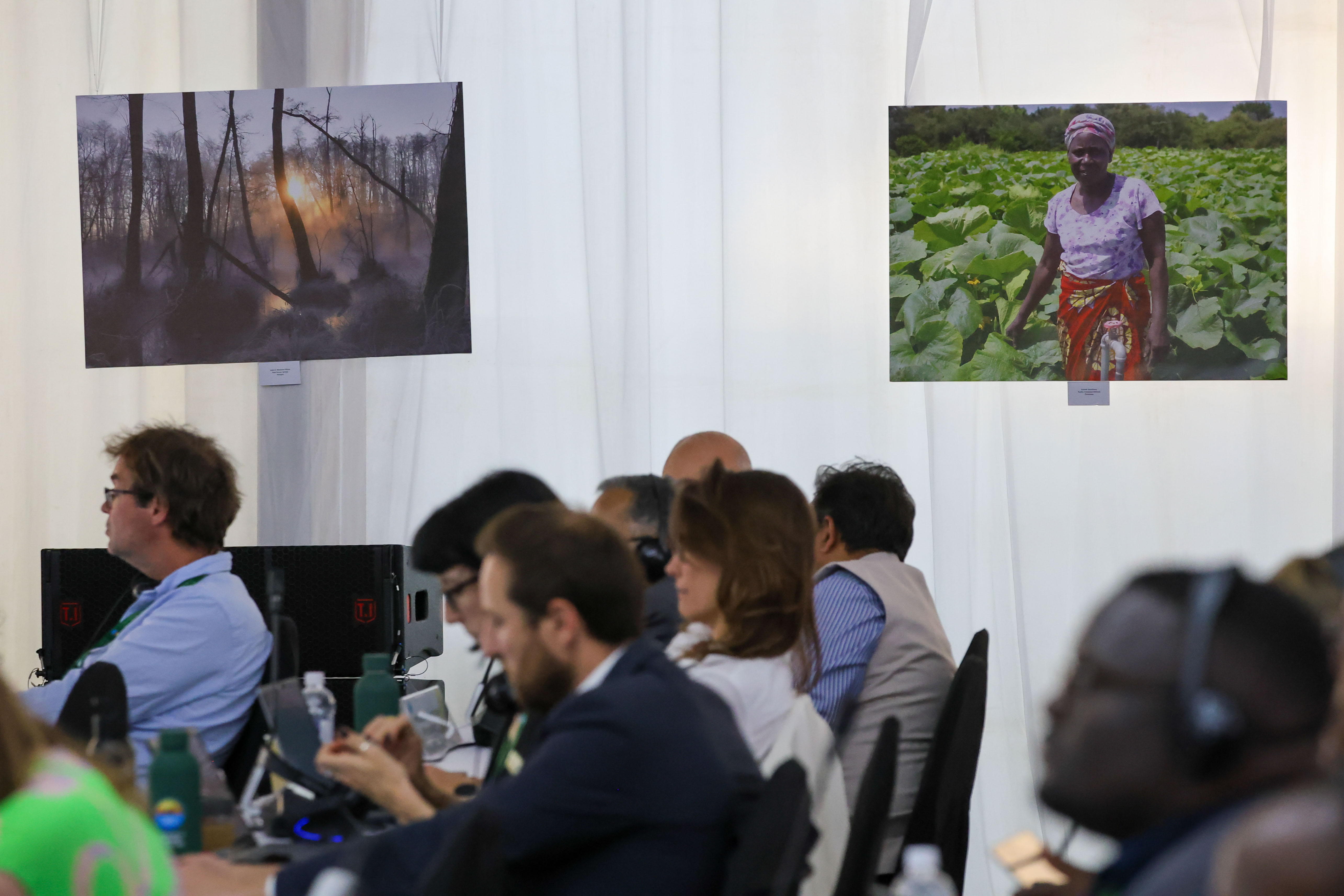
Wetlands pictures surround the room.
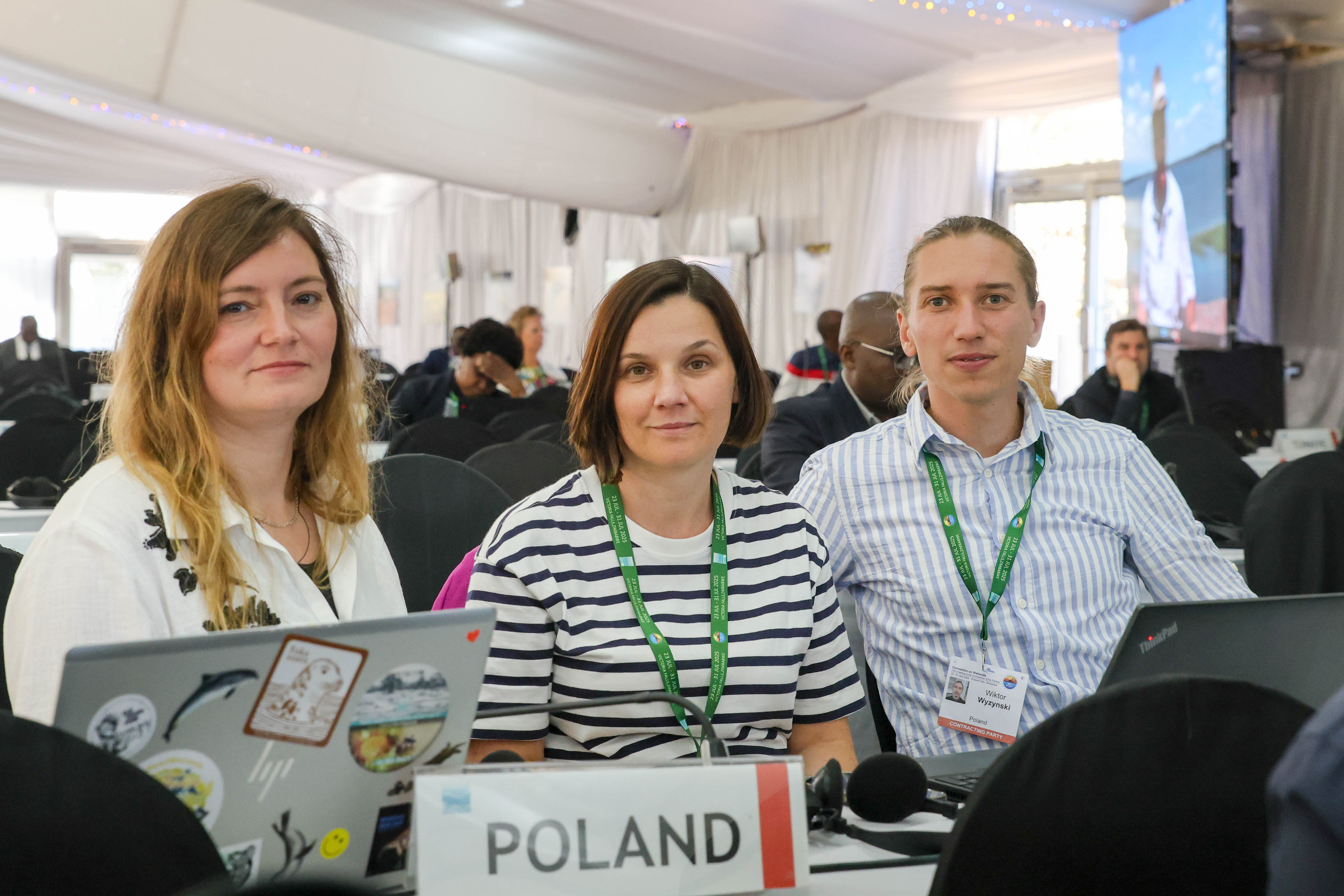
Delegates from Poland
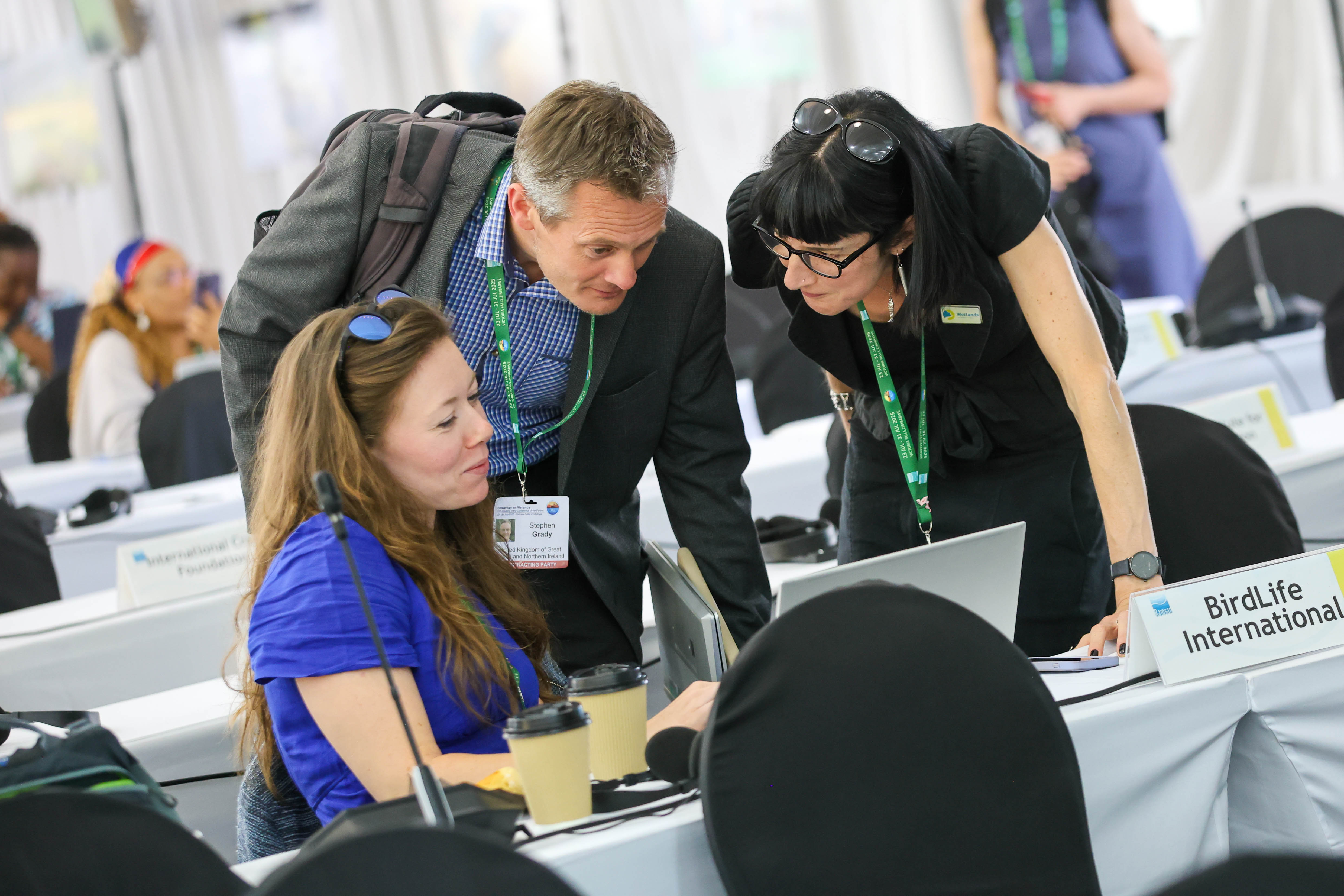
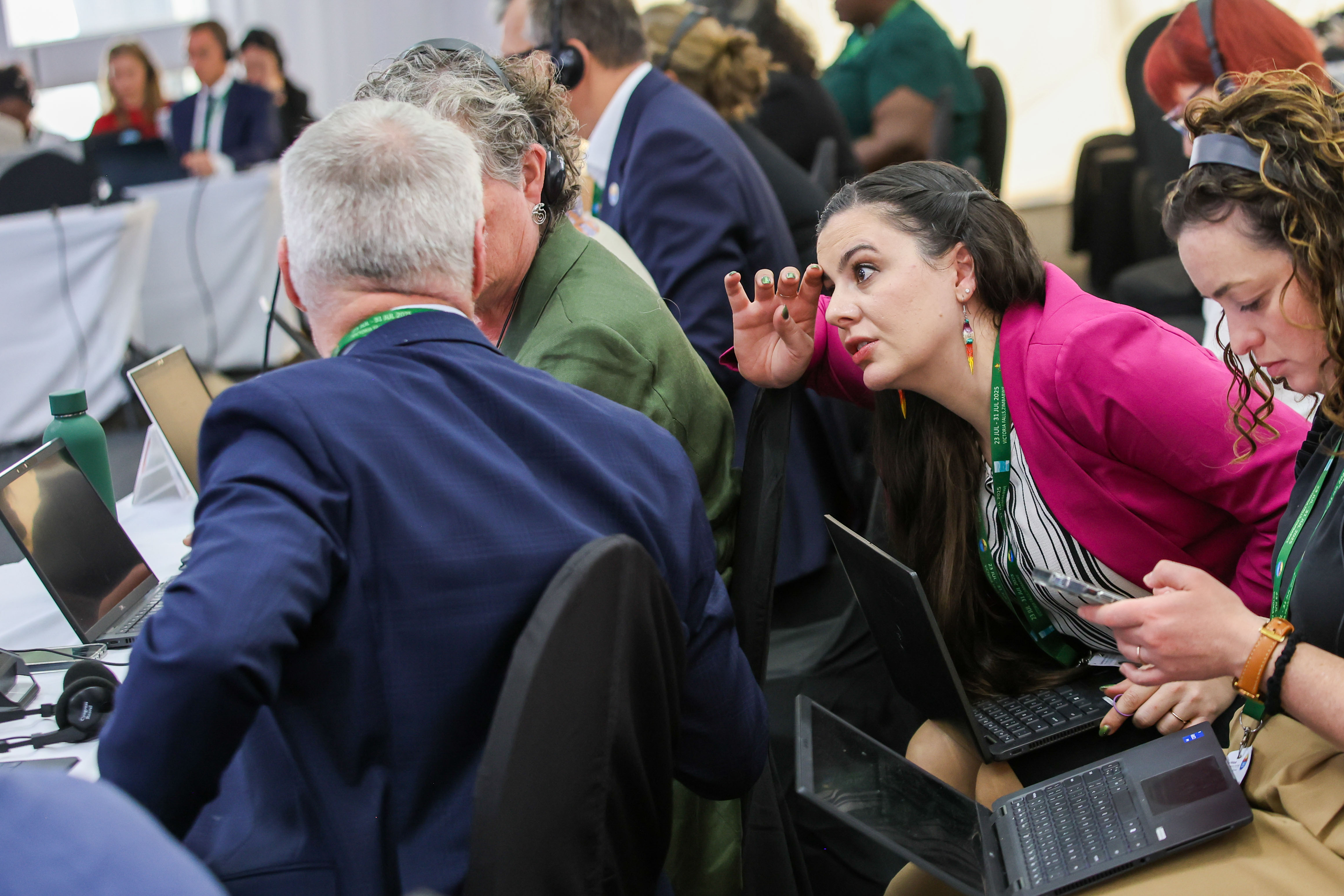
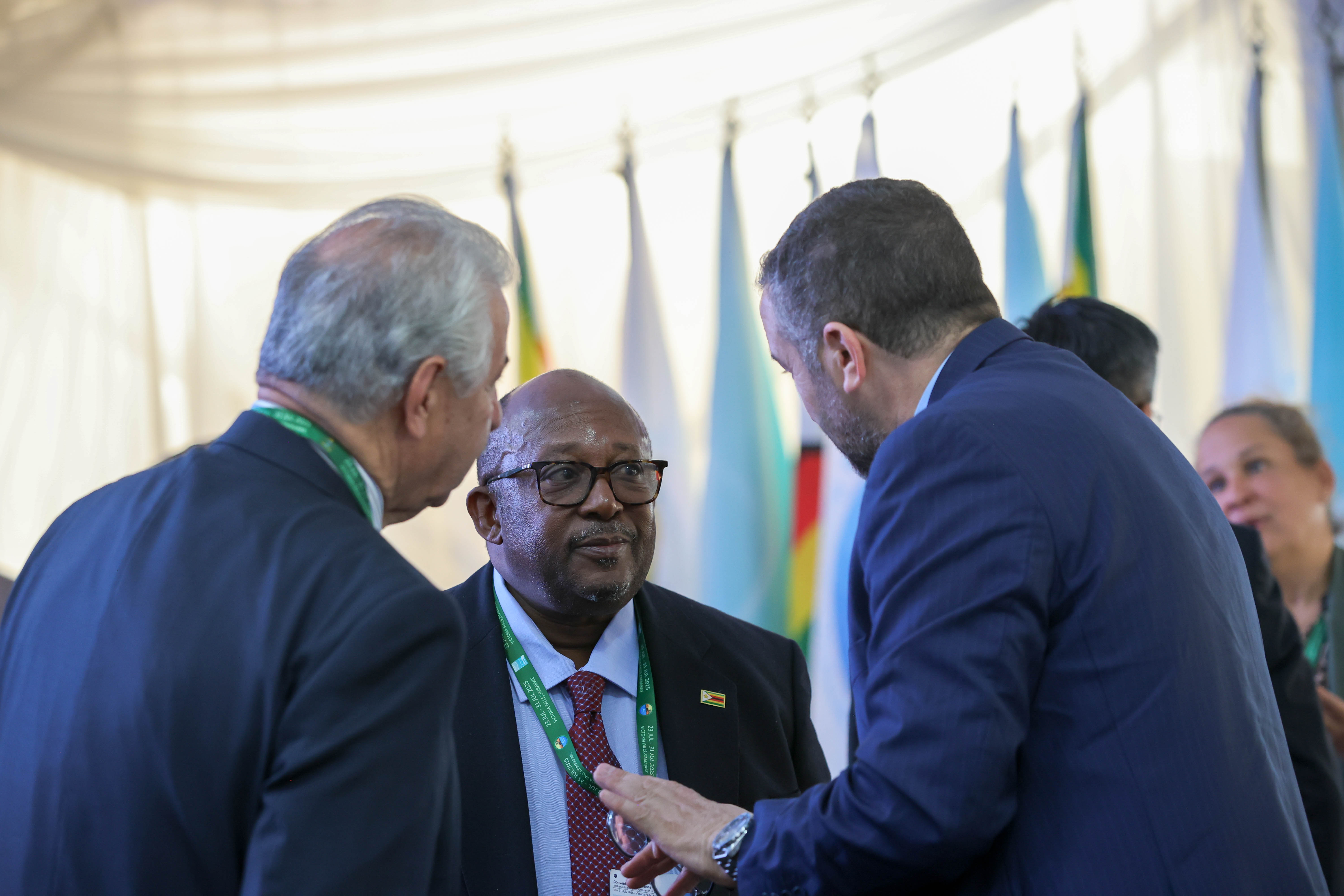
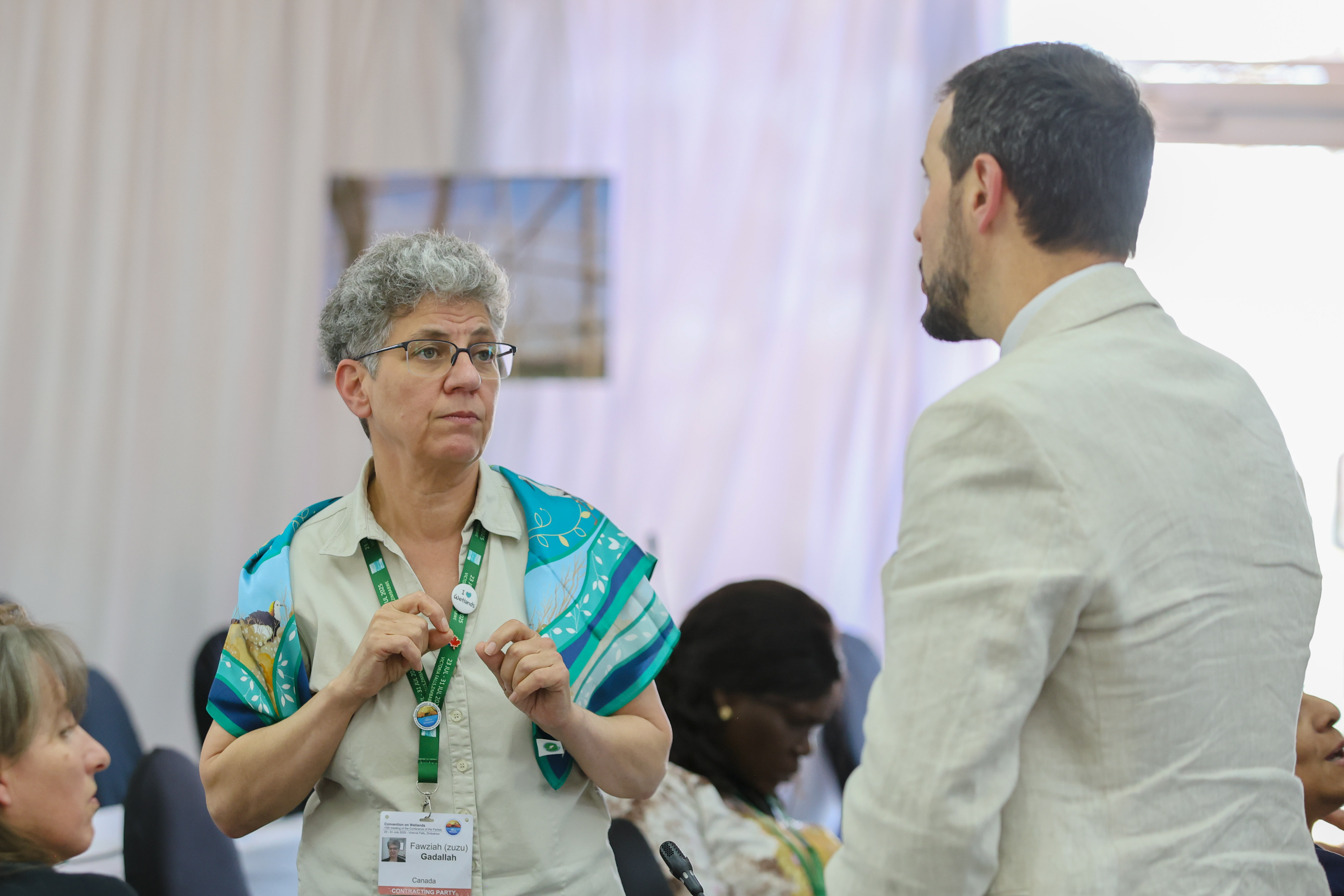
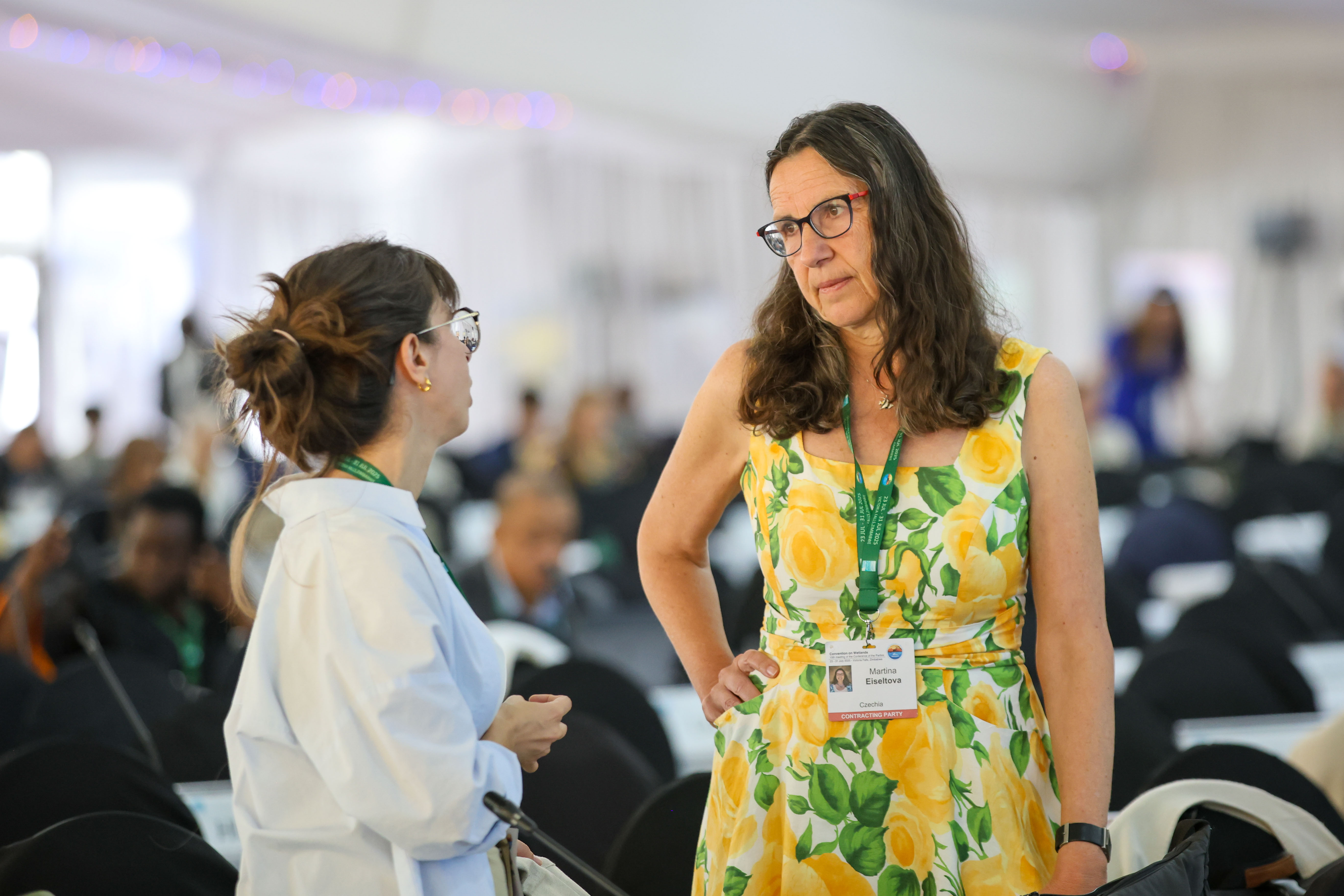
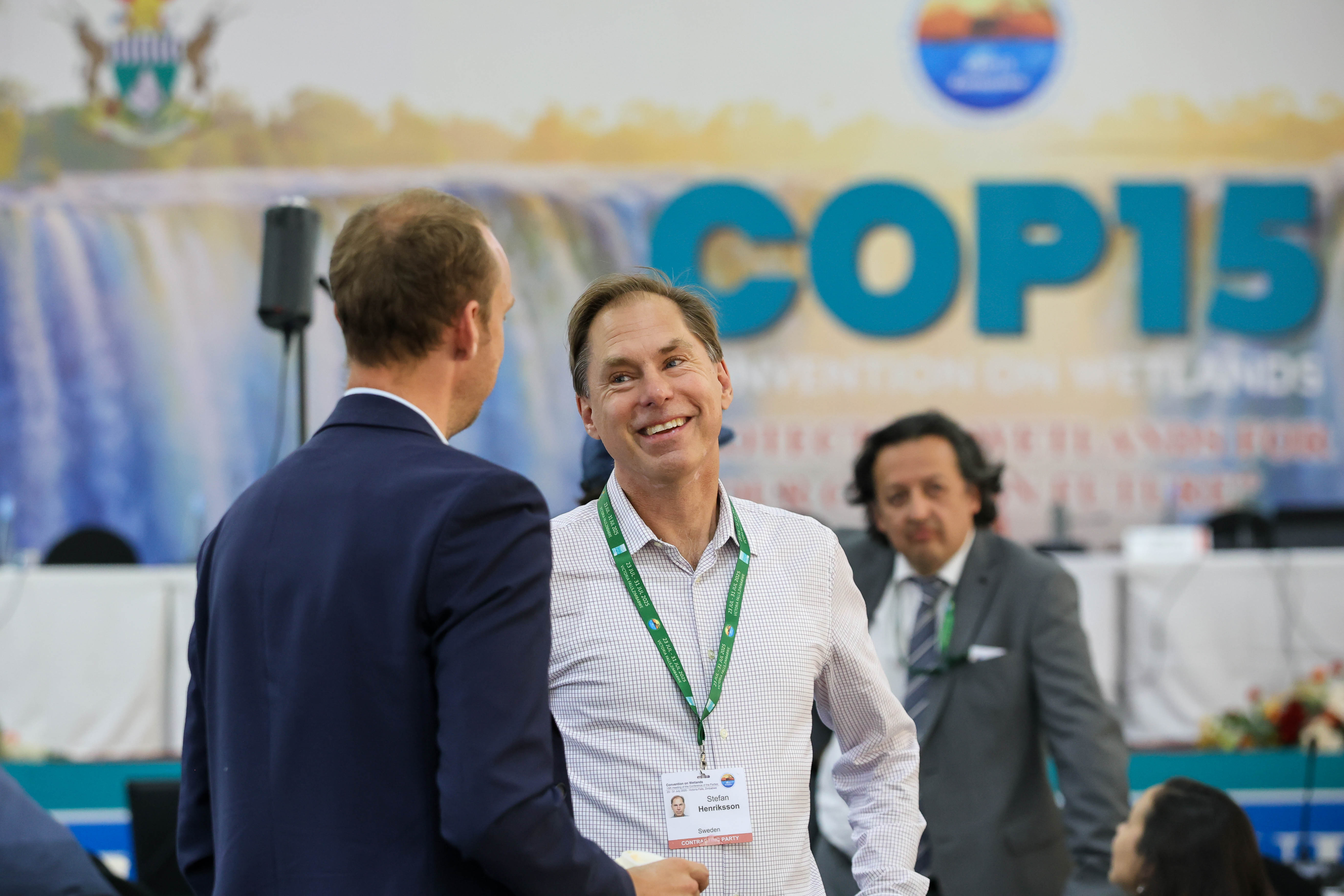
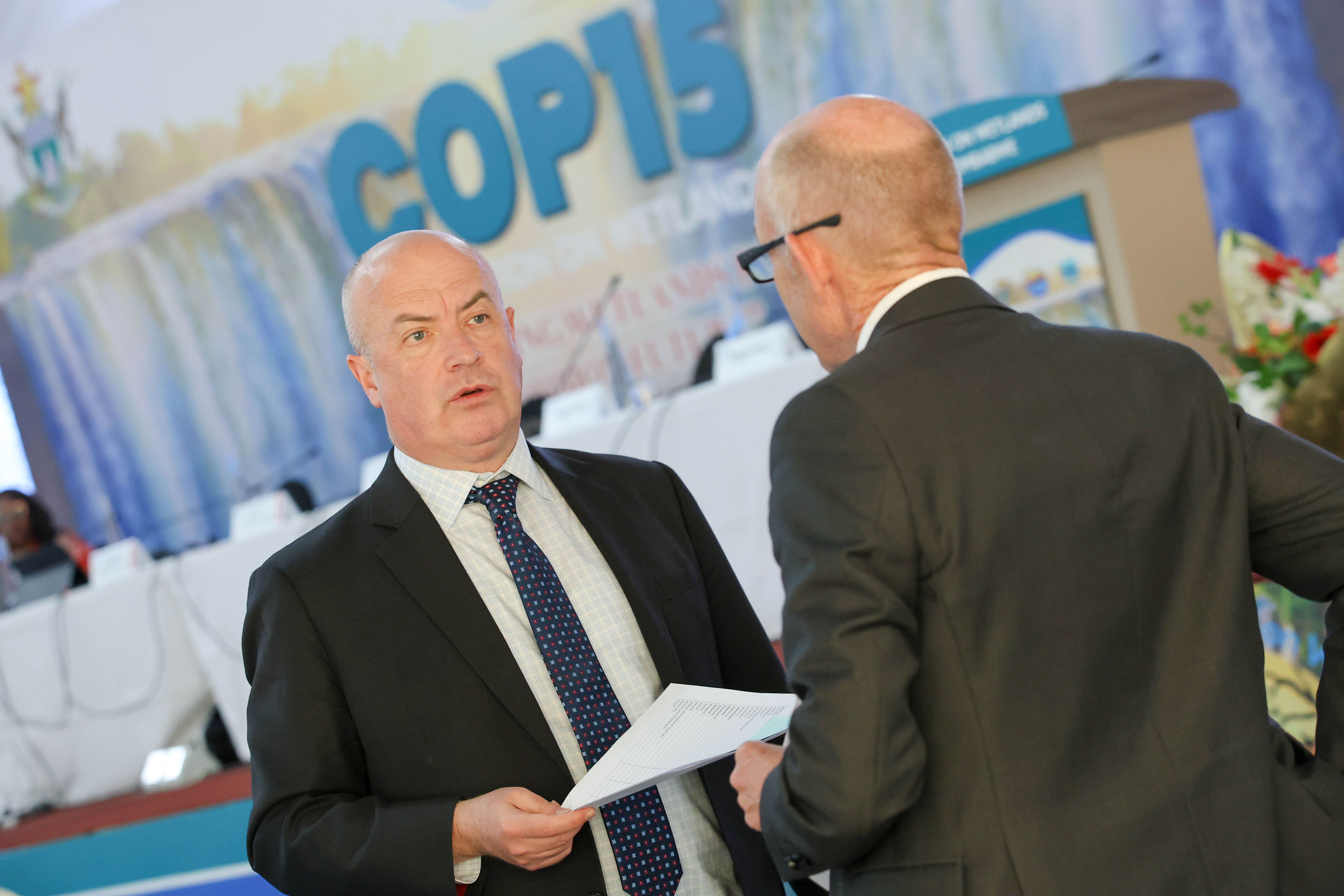
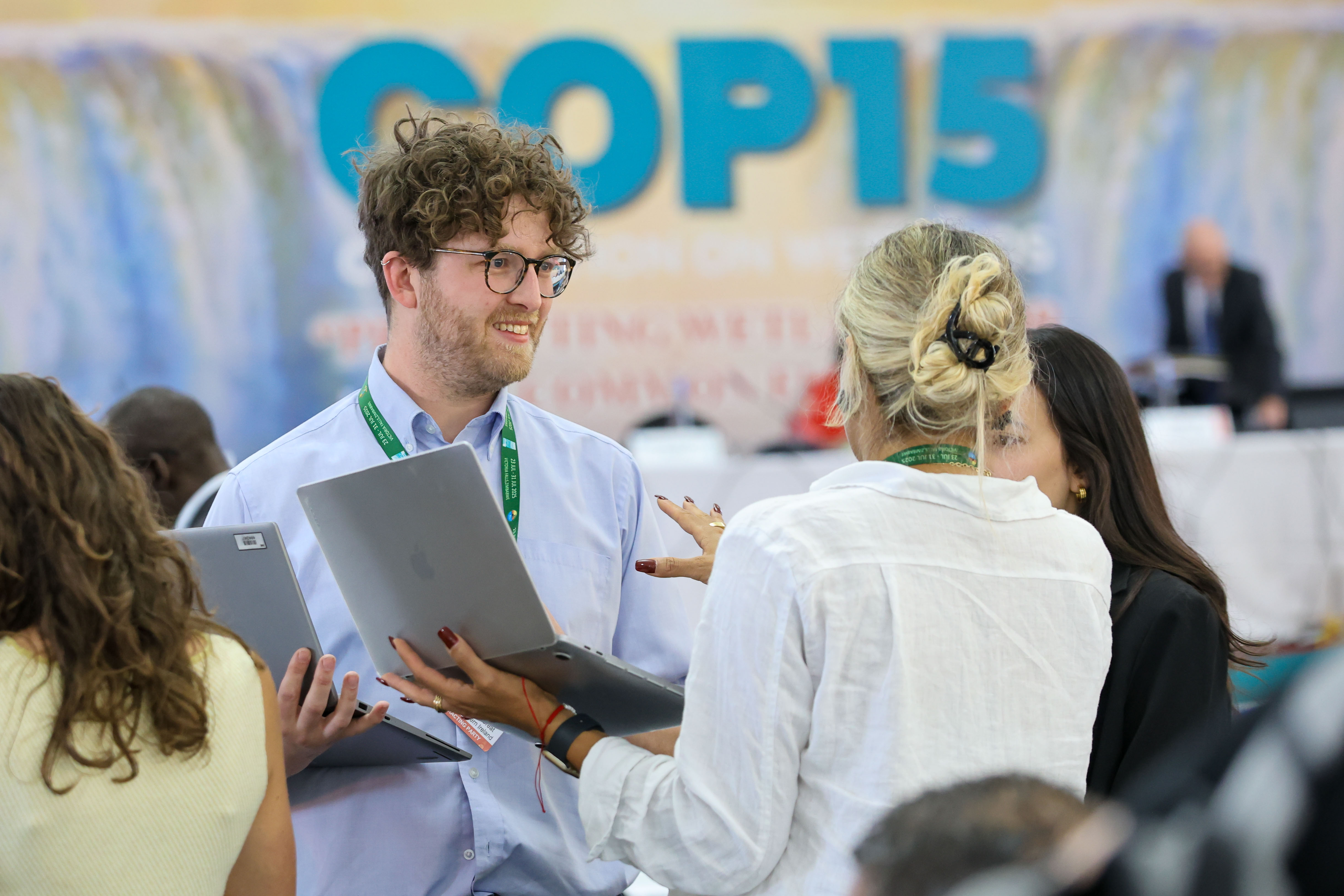
Between Sessions
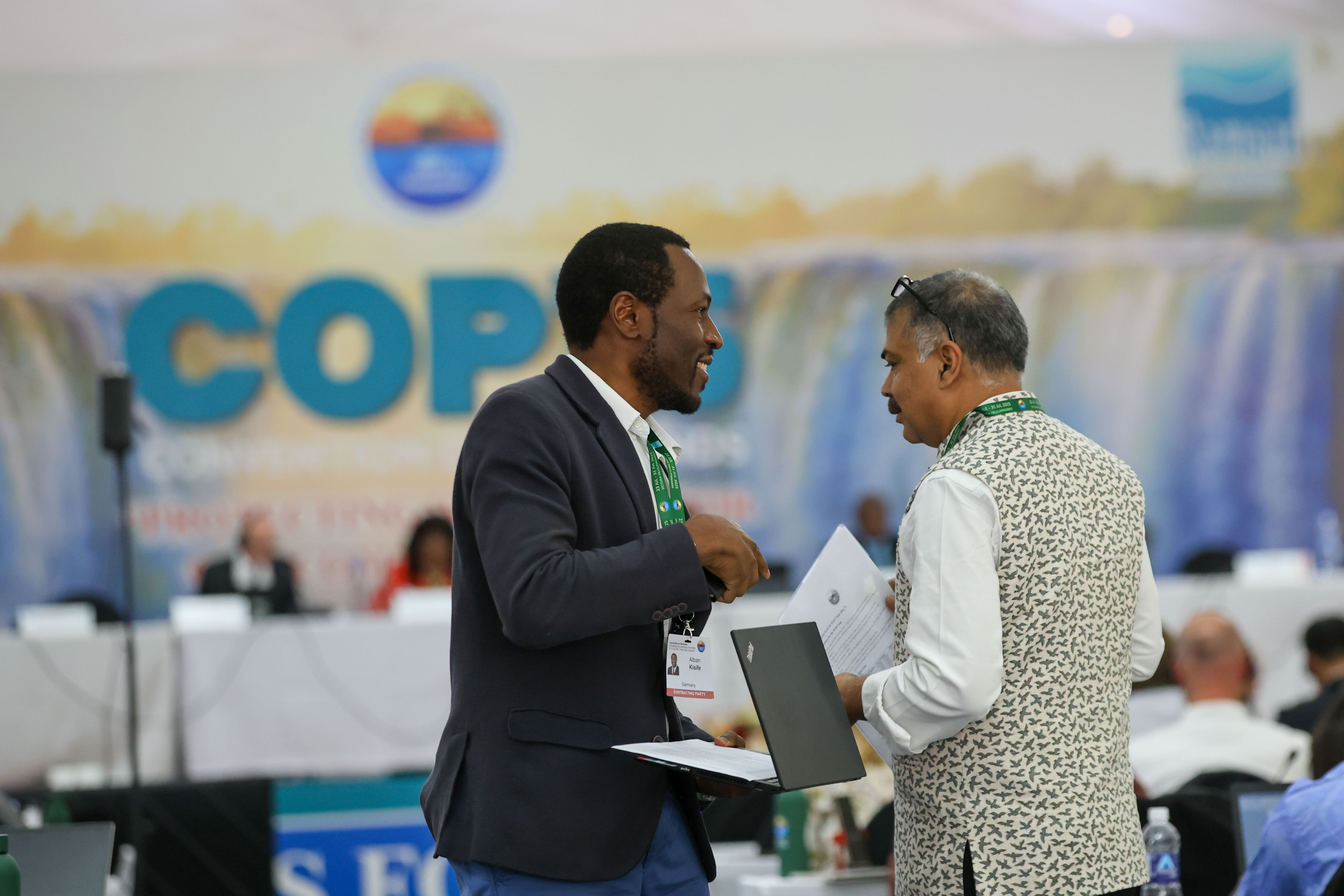
Around the Venue