Delegates began review of the draft resolutions, first adding one related to the impacts on wetlands stemming from the Russia-Ukraine conflict. By day’s end, 11 had received a first review, with several moving on to informal negotiations. The draft resolution on the Ramsar List sparked significant opposition, with further progress pending a review by the Secretariat’s legal advisor. The draft resolution on the Waterbird Estimates Partnership (WEP) garnered broad support, including announcements of financial contributions from Australia and the UK.
Want to dig deeper into today's talks? Read the full Earth Negotiations Bulletin daily report.
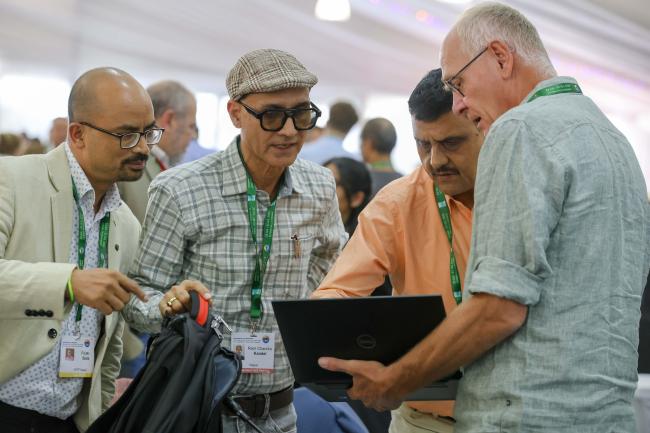
On finance and budget, delegates’ views varied on the four proposed budget scenarios, with some preferring a 0% nominal increase and others calling for increases to address inflation and bolster ambition. Parties also highlighted alternate funding streams, including by the private sector and the Global Environment Facility. Some delegates proposed greater transparency on arrears, while others warned that punitive measures could erode multilateralism. COP15 Alternate President Tadeous Chifamba (Zimbabwe) noted the Secretariat is small and underfunded, and appealed for flexibility and stronger ambition.
With considerable bracketed text on the draft resolution related to the fifth Strategic Plan, delegates moved quickly to create a contact group. A similar result occurred for the draft resolution on recruitment for a new Secretary General. Discussions on updating Ramsar Information Sheets revealed significant divisions related to sovereignty and disputed territories, timelines, and technical solutions.
The draft resolution on enhancing synergies with multilateral environmental agreements received strong support. Proposed amendments included adding language on transboundary cooperation, Indigenous Peoples and local communities, gender inclusivity, and alignment with the Sustainable Development Goals and climate goals.
Other draft resolutions supported by many delegates included: future implementation of scientific and technical aspects of the Convention; application of criteria for Ramsar Site designation; establishment of the WEP; and restoration of degraded freshwater ecosystems. Proposed amendments are in progress.
With more than a third of the resolutions reviewed and the establishment of several contact groups, the day showcased both progress and the complexity of multilateral efforts to advance wetlands protection.
To receive free coverage of global environmental events delivered to your inbox, subscribe to the ENB Update newsletter.
All ENB photos are free to use with attribution. For the Ramsar Convention on Wetlands COP15 please use: Photo by IISD/ENB | Anastasia Rodopoulou.
Plenary Session
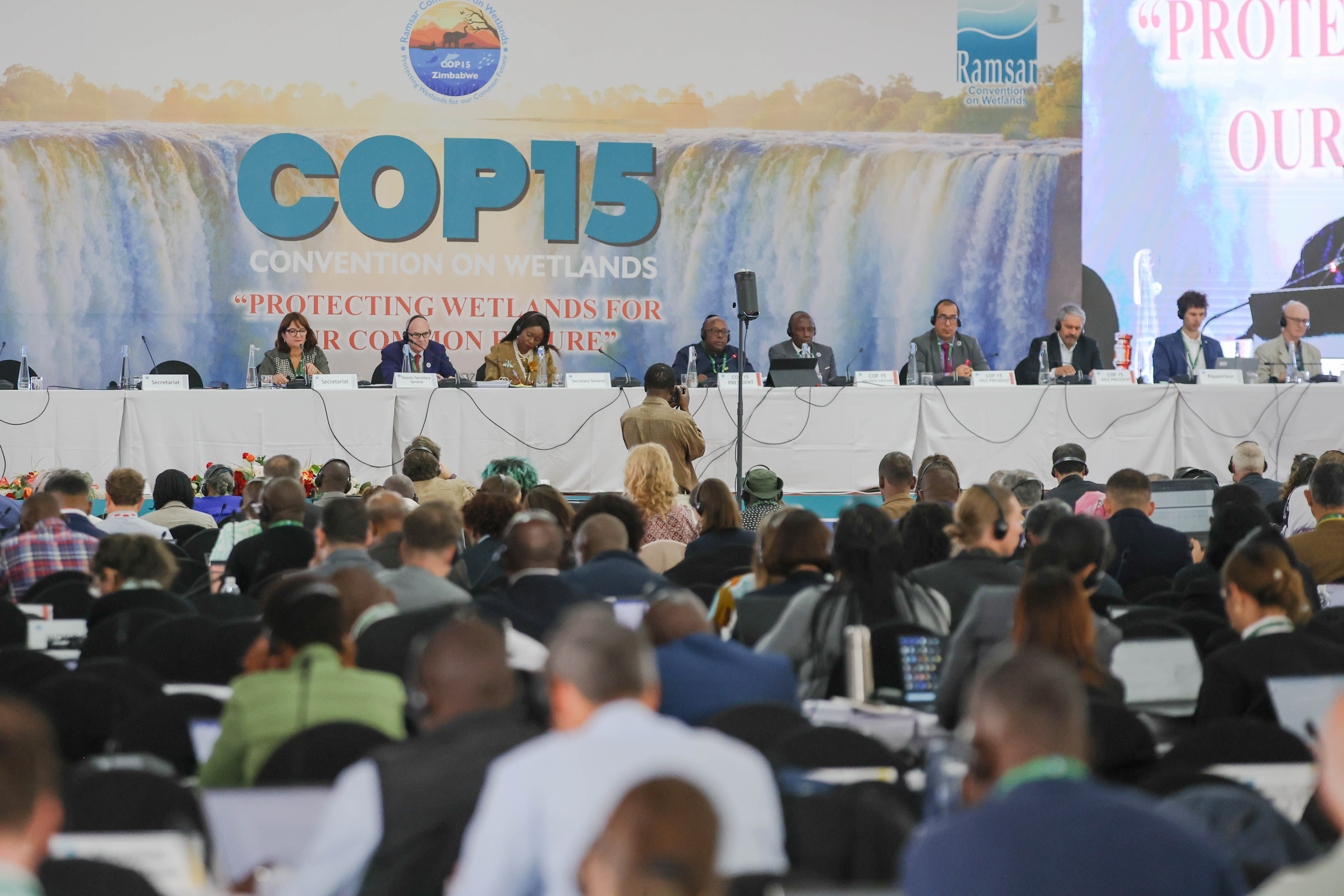
A view of the panel during the morning session
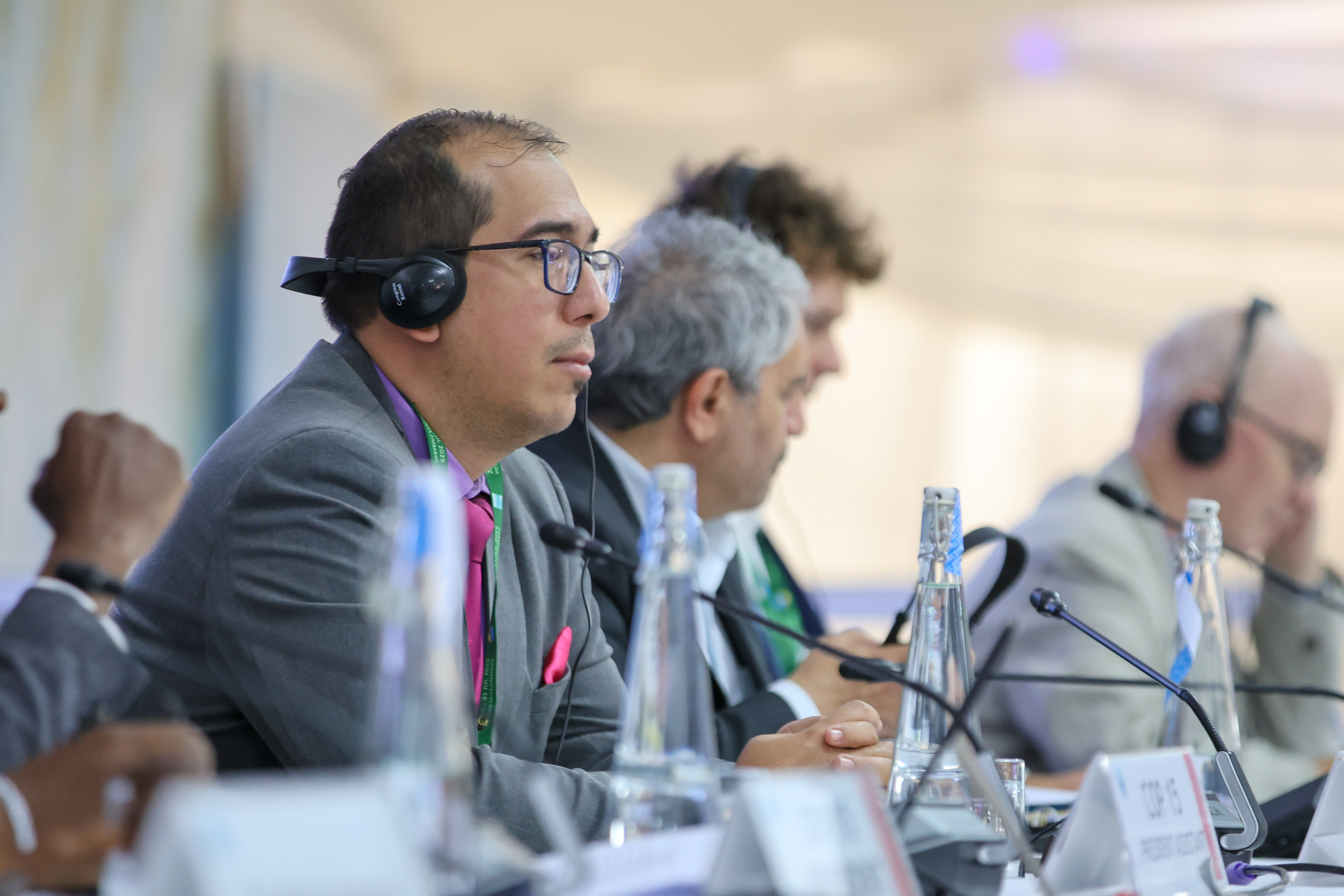
Jorge Elías Jaén Bonilla, COP15 Vice-President, Panama
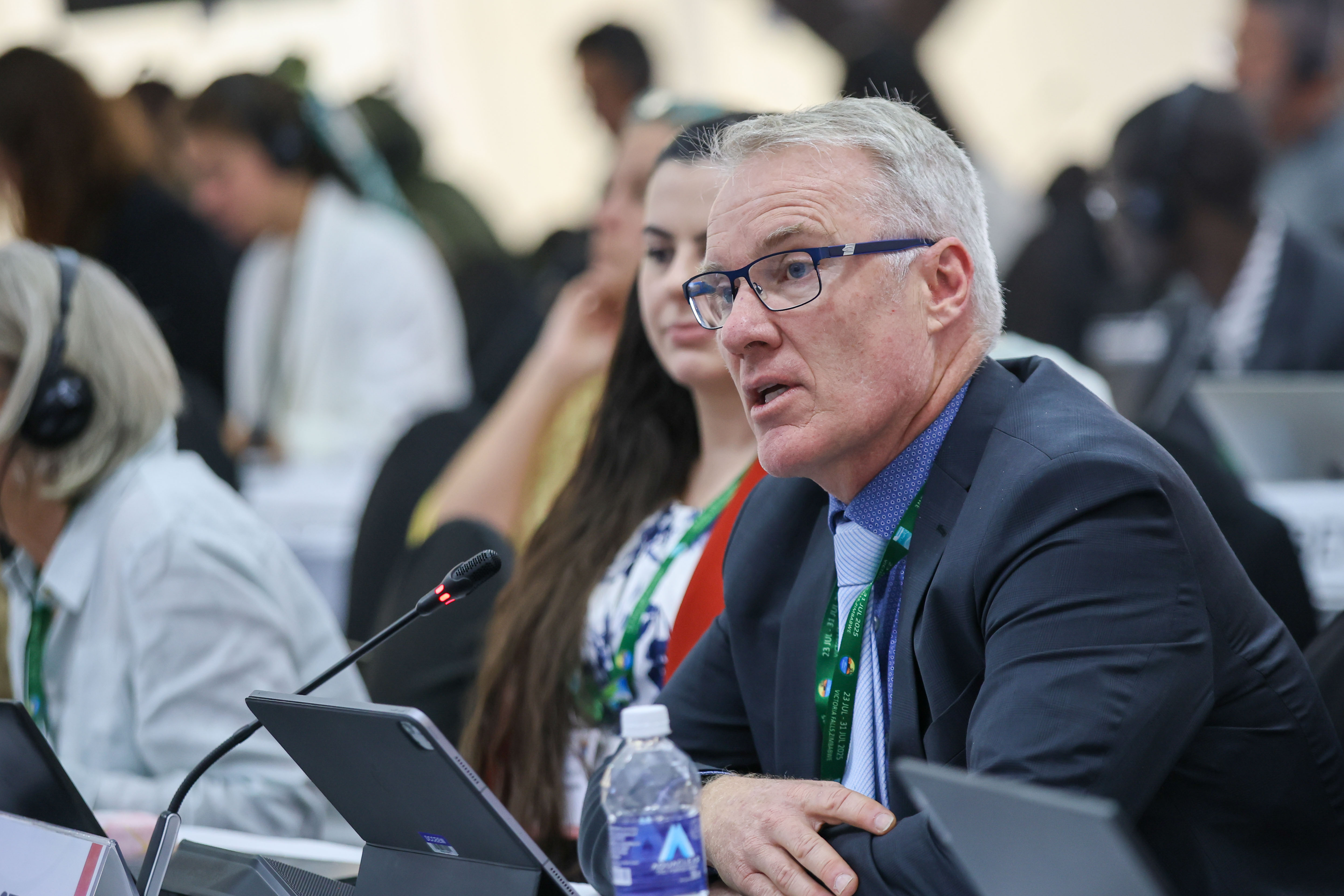
Simon Banks, Australia
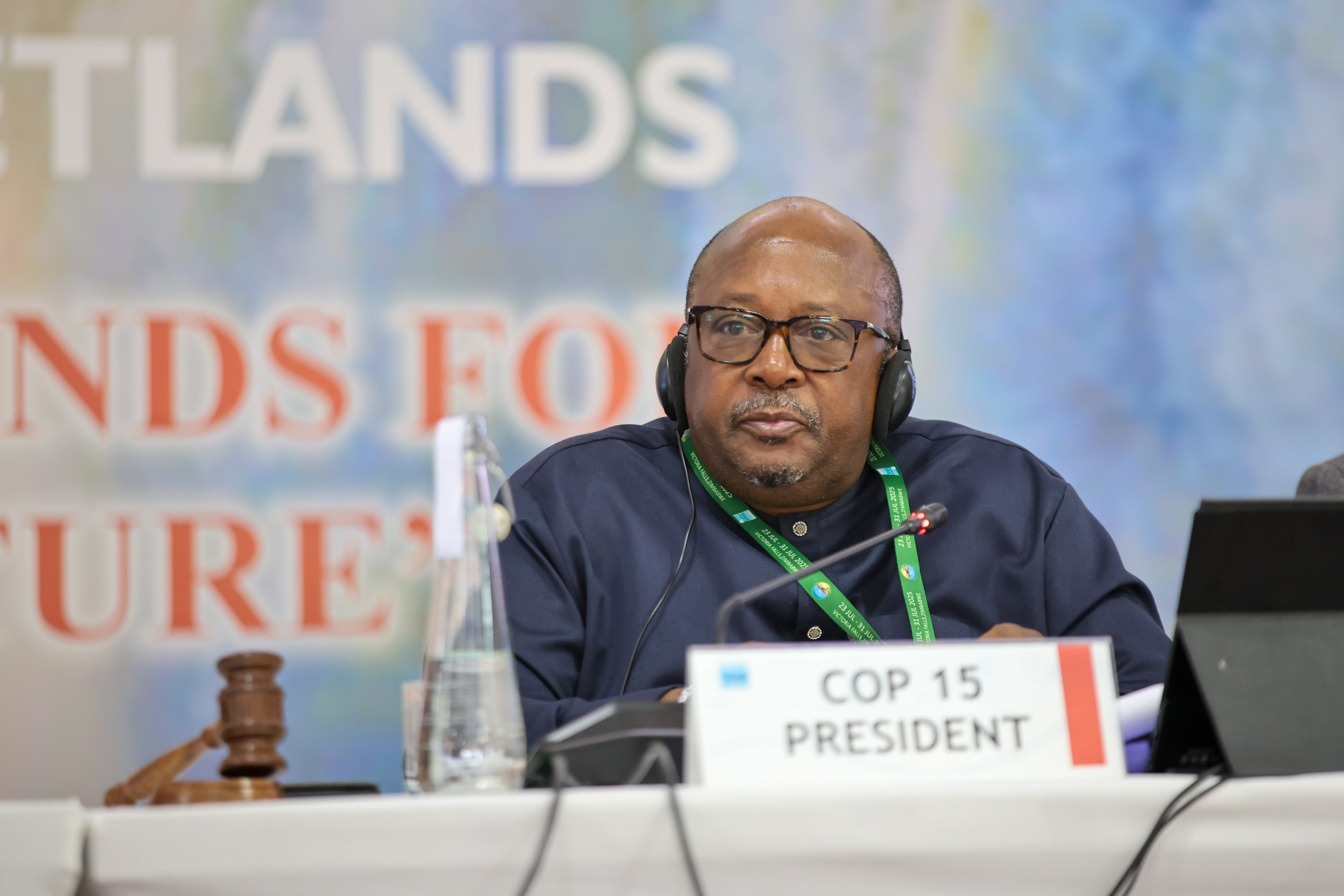
Tadeous Chifamba, COP15 Alternate President, Zimbabwe
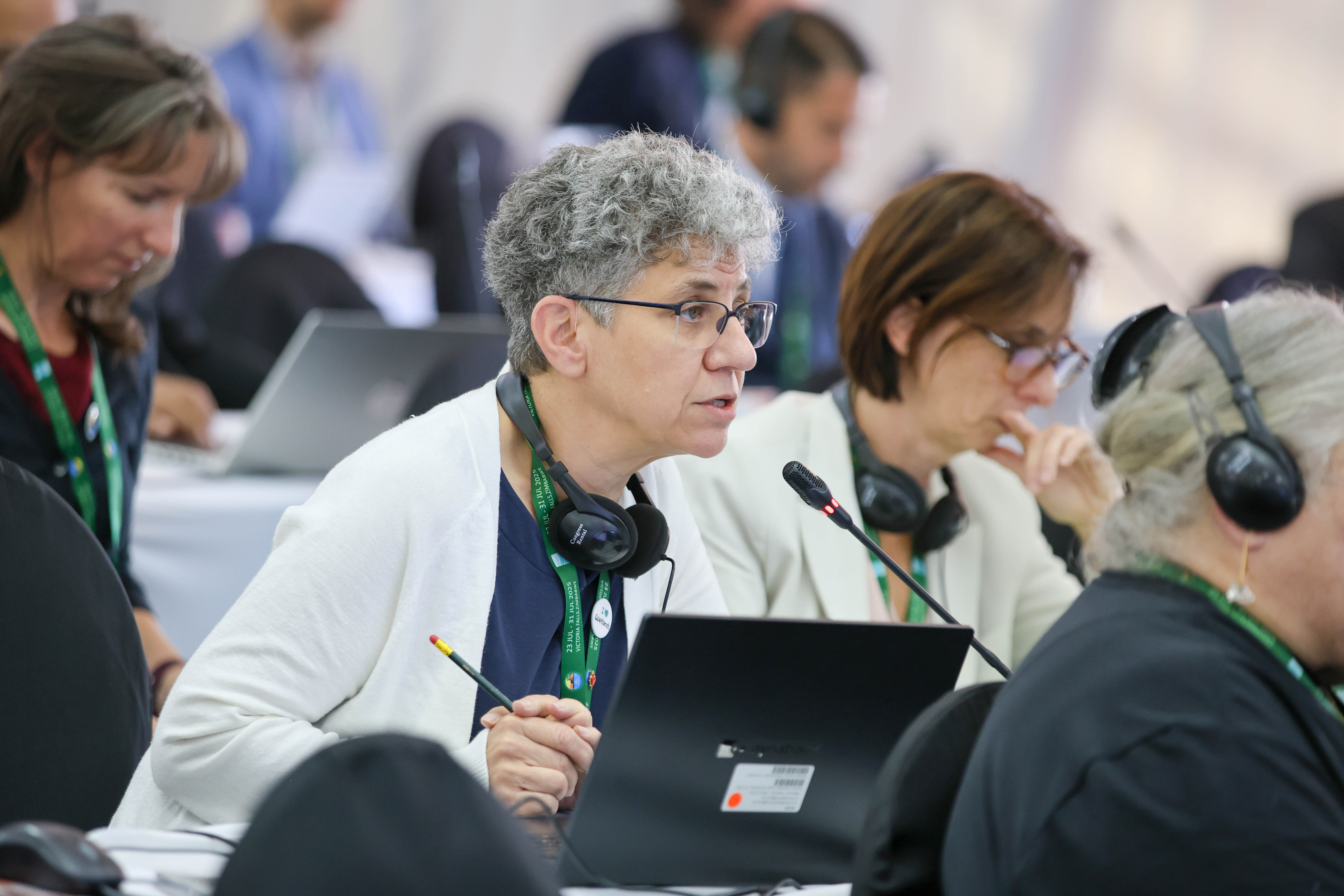
Fawziah Gadallah, Canada
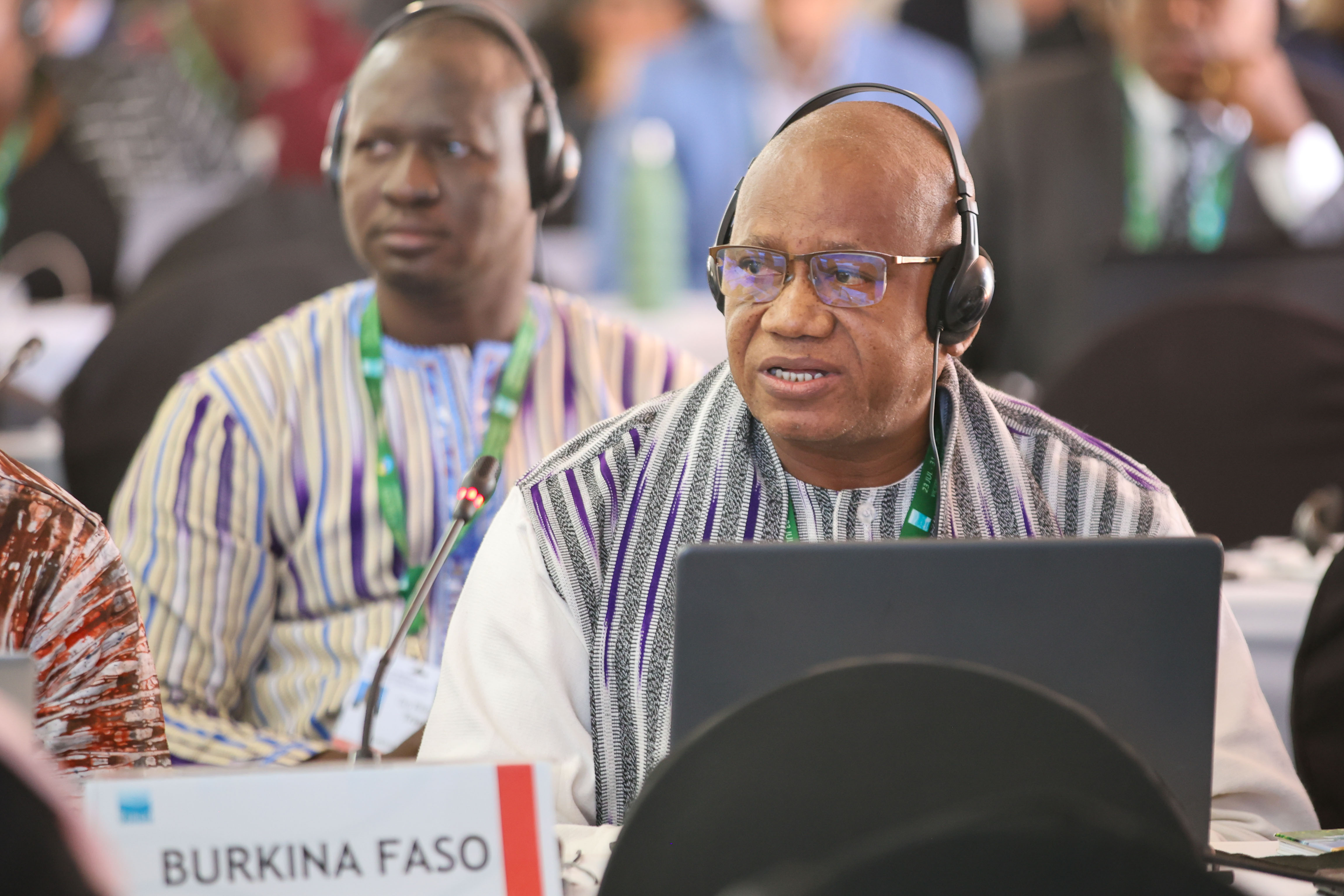
Ollo Théophile Dibloni, Burkina Faso
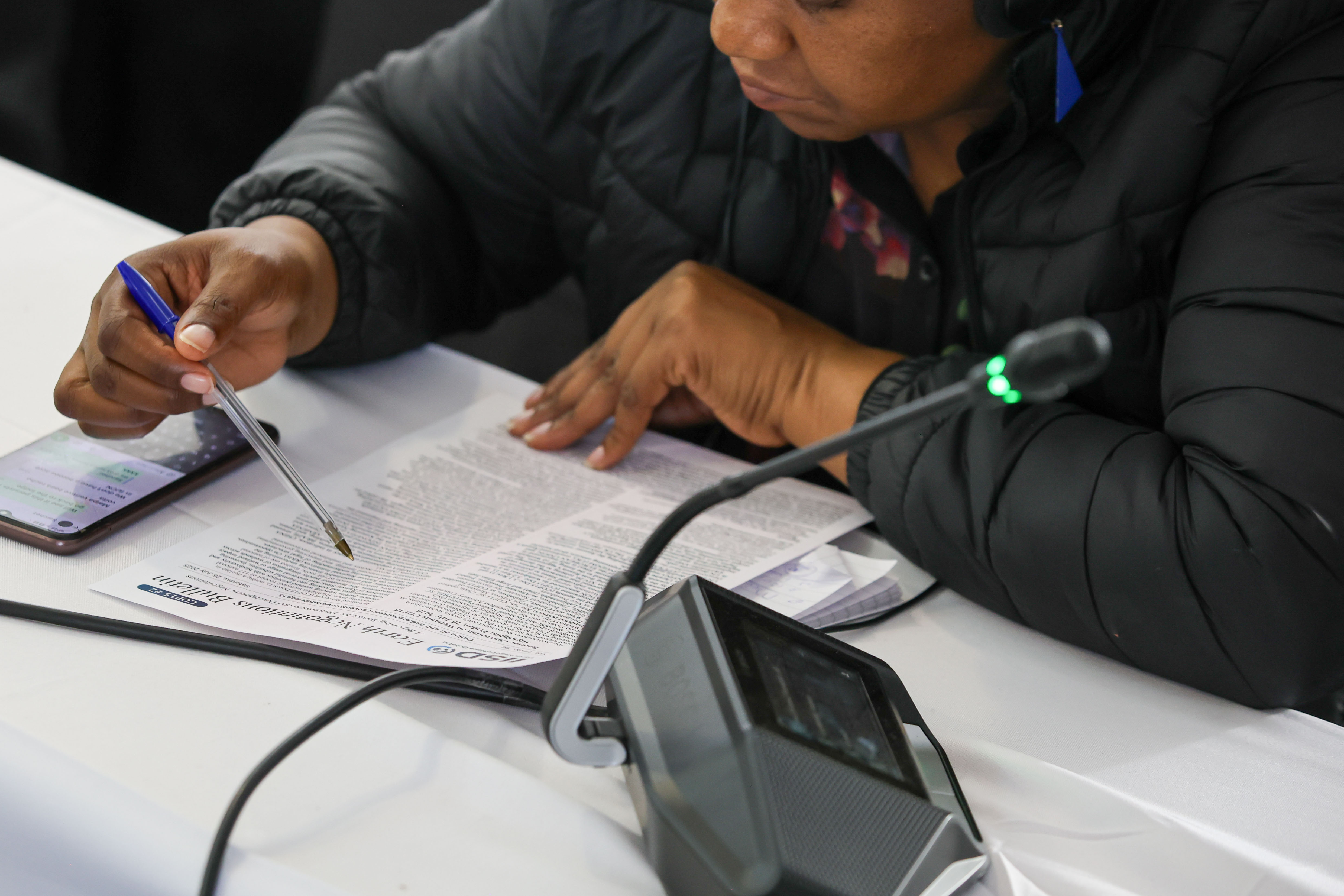
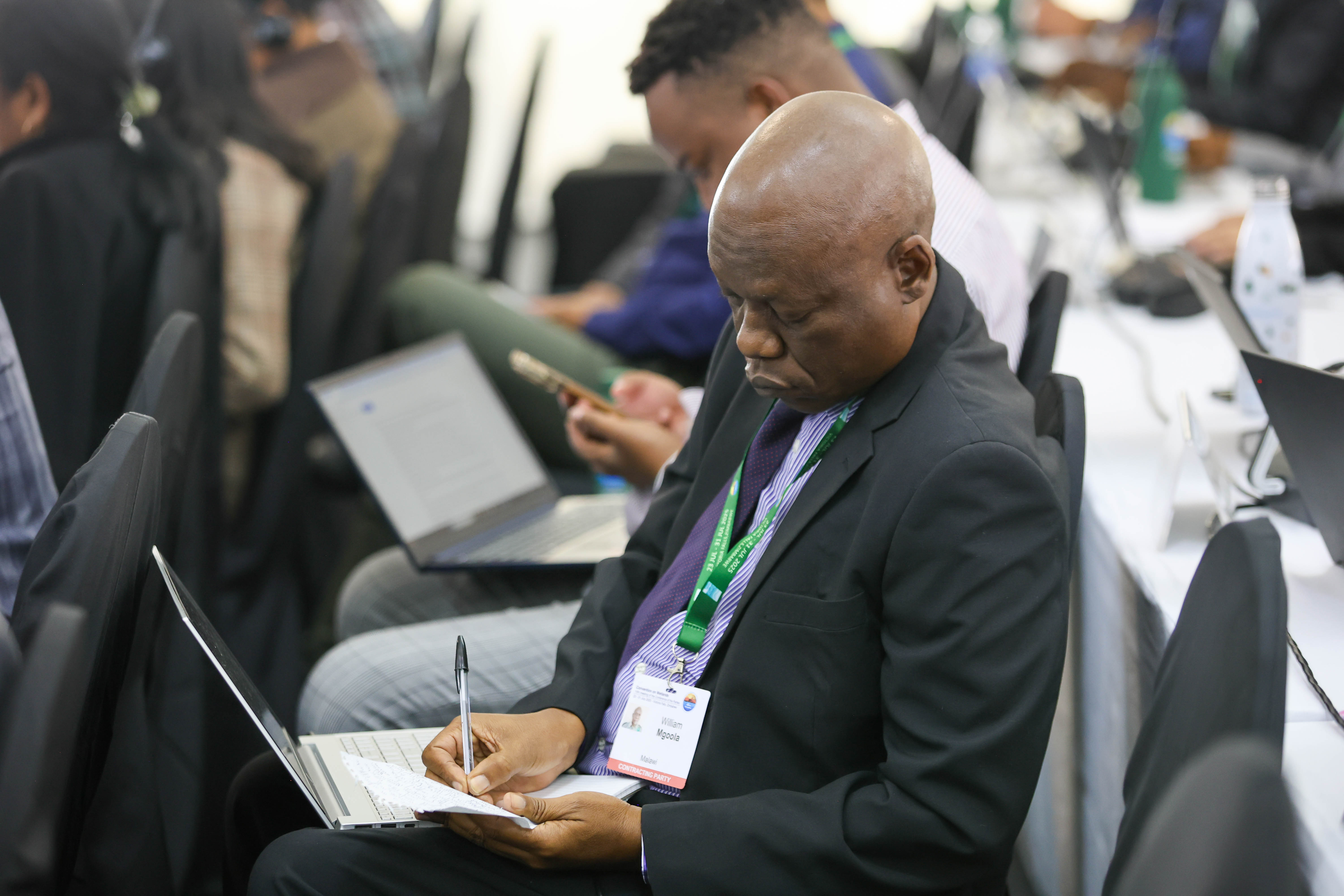
A delegate reads the Earth Negotiations Bulletin.
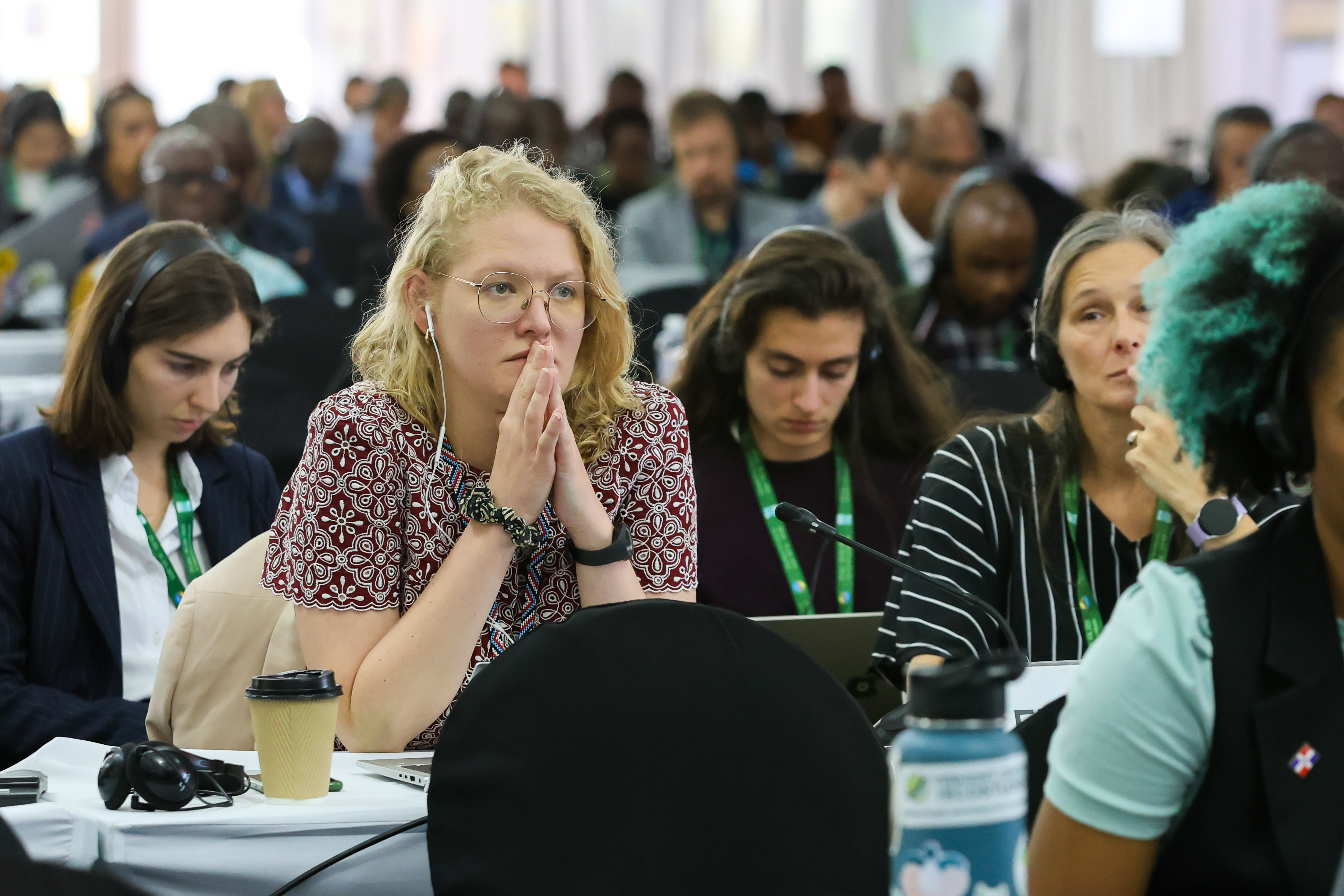
Adèle Fardoux, France
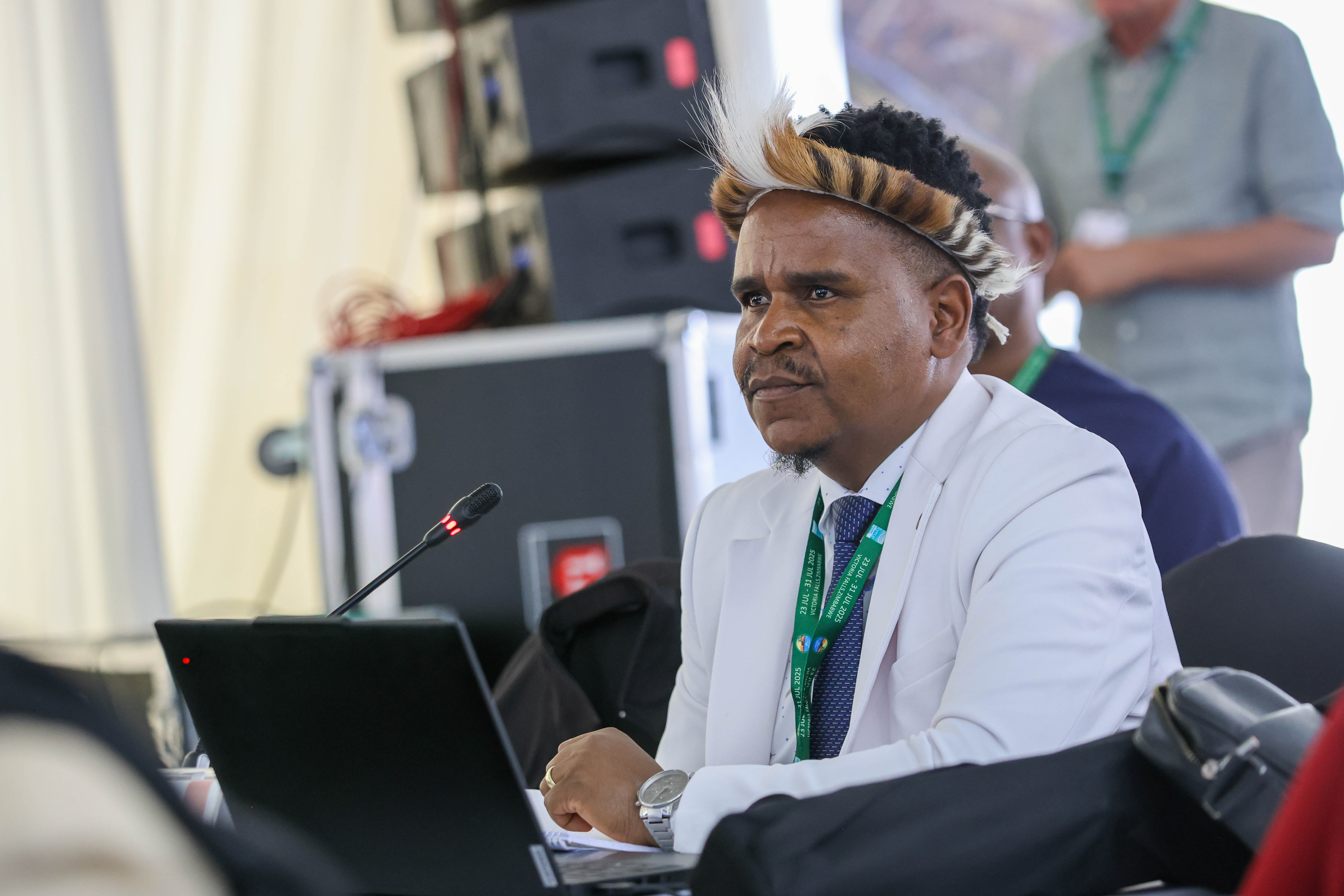
Tshikonelo Stanley Tshitwamulomoni, South Africa
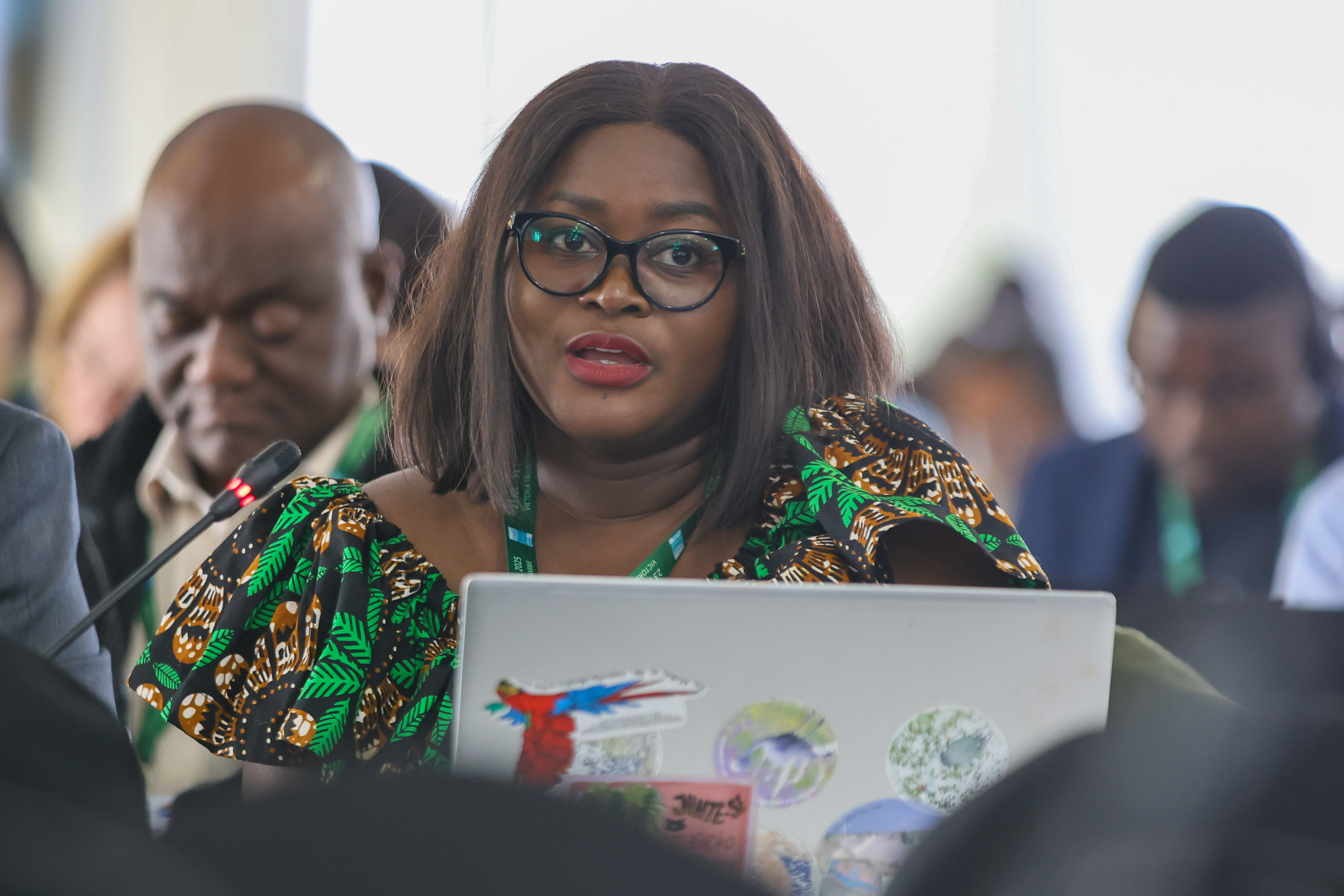
Sandra Mulenga Ponde, Zambia
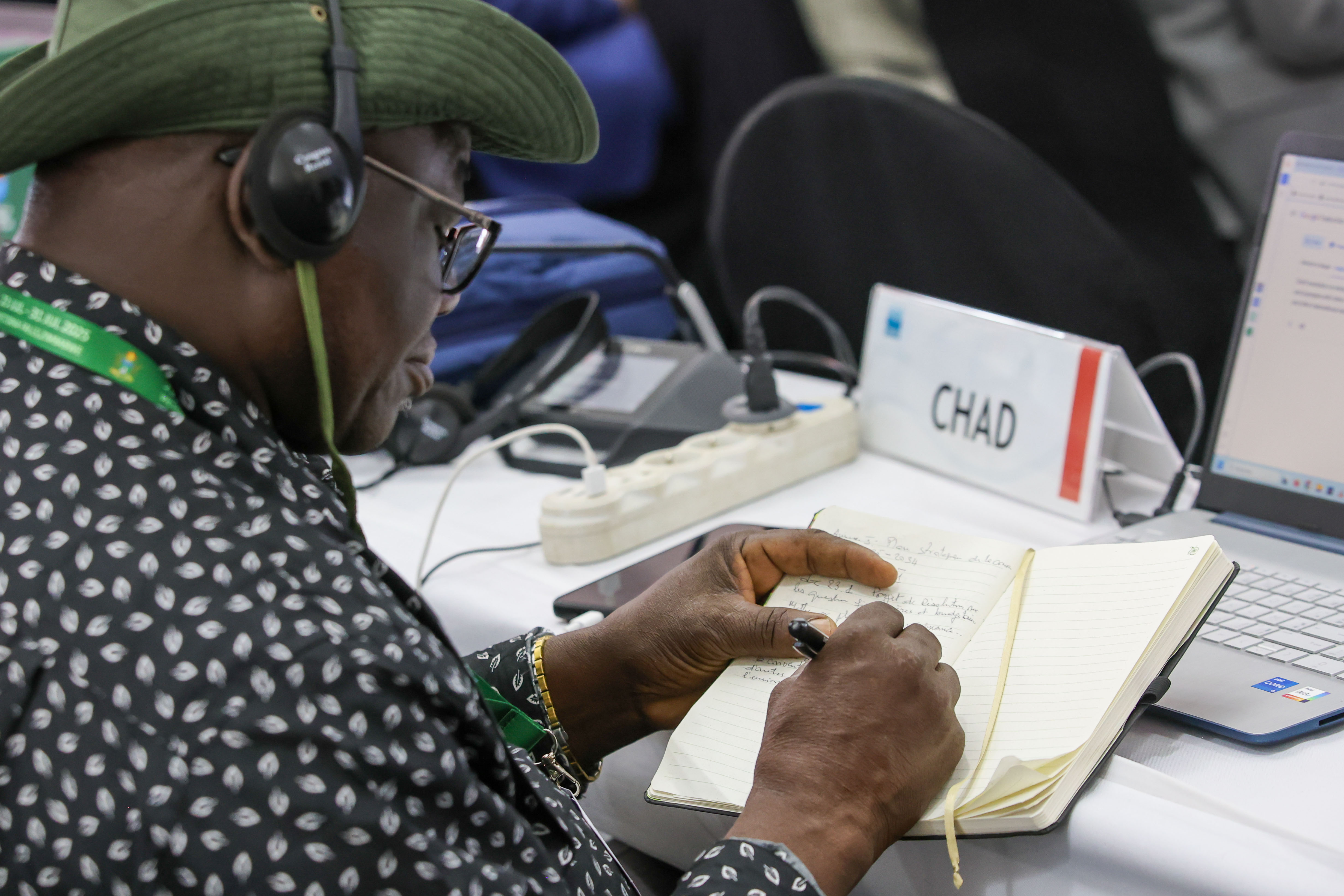
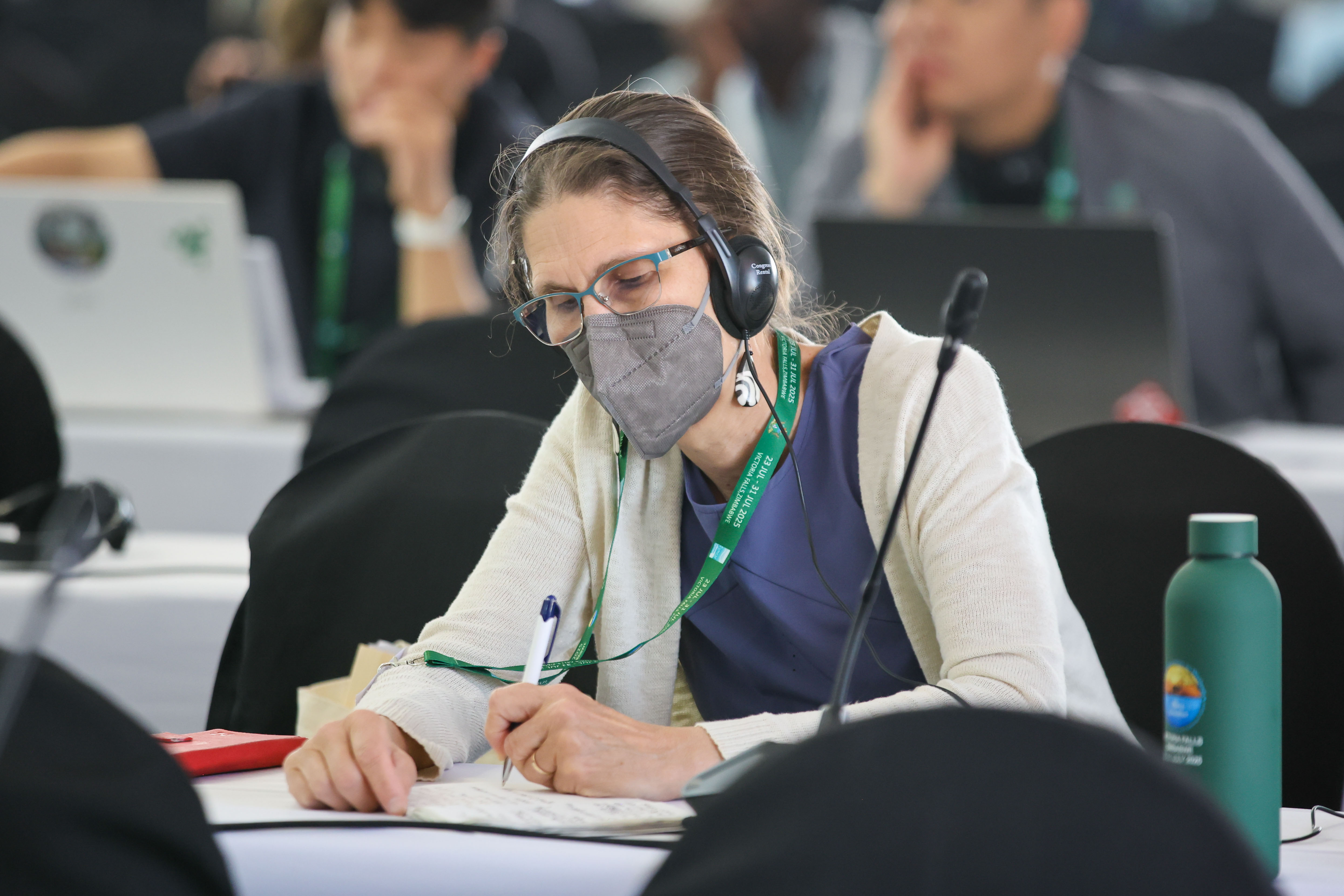
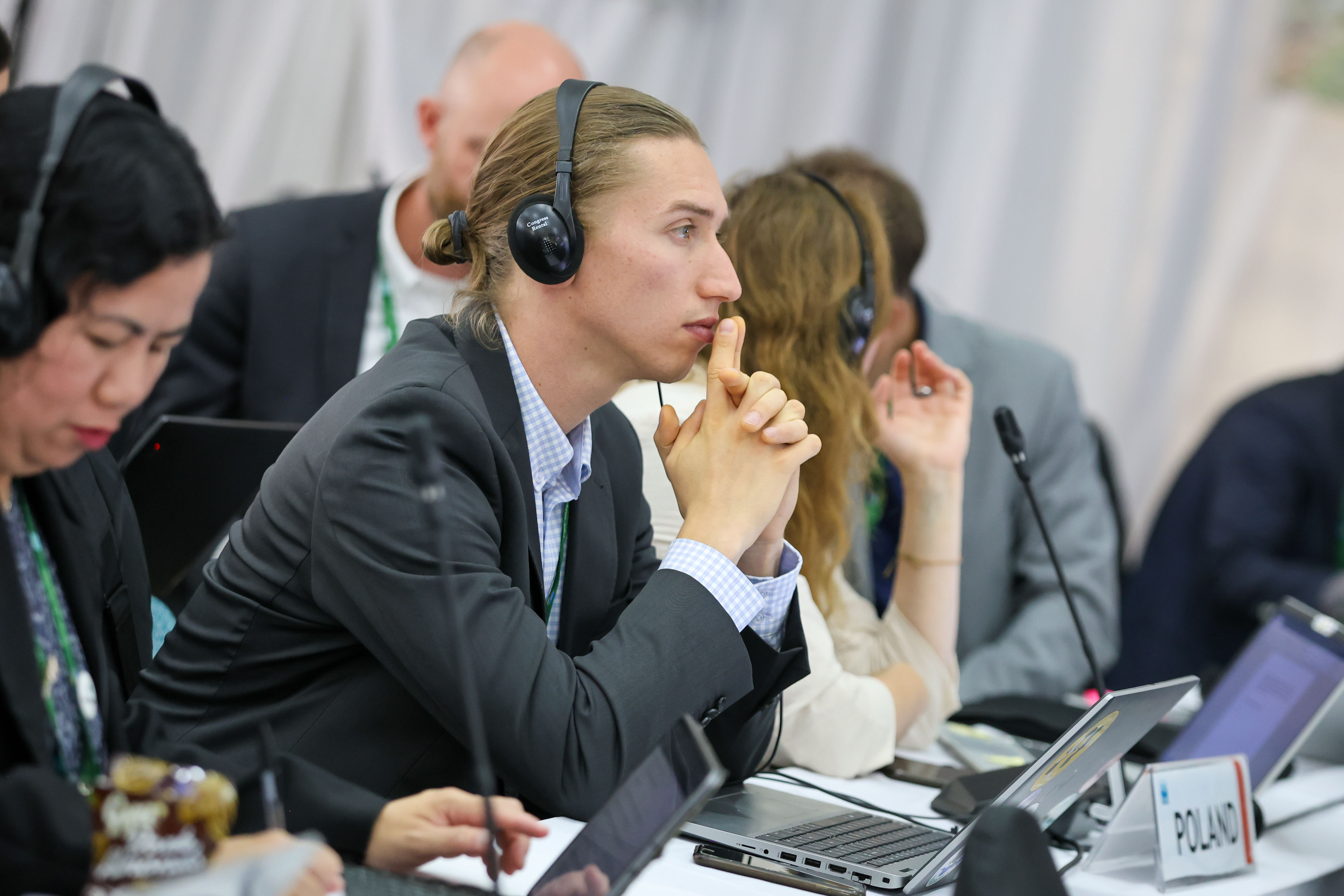
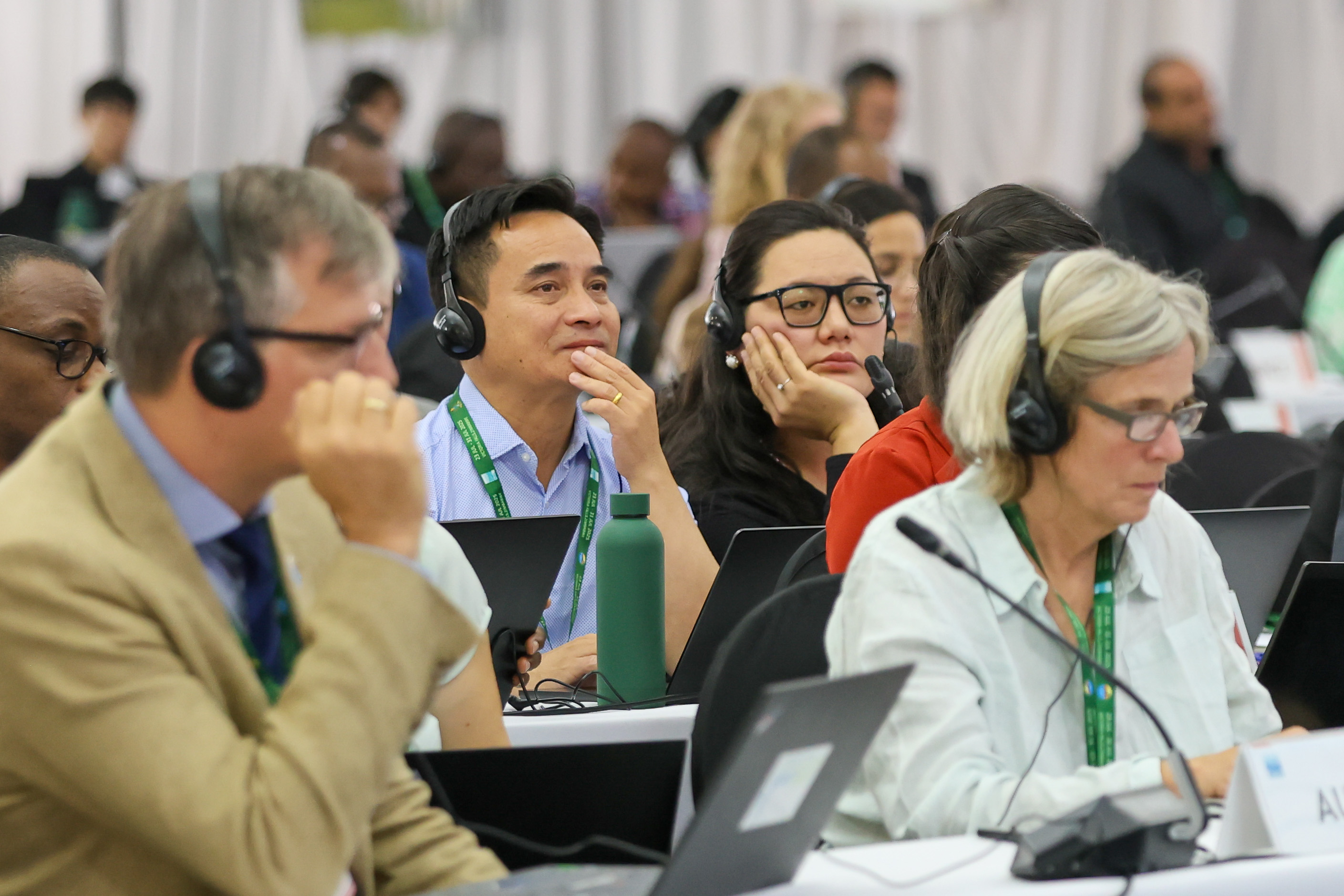
Delegates listen to the discussions.
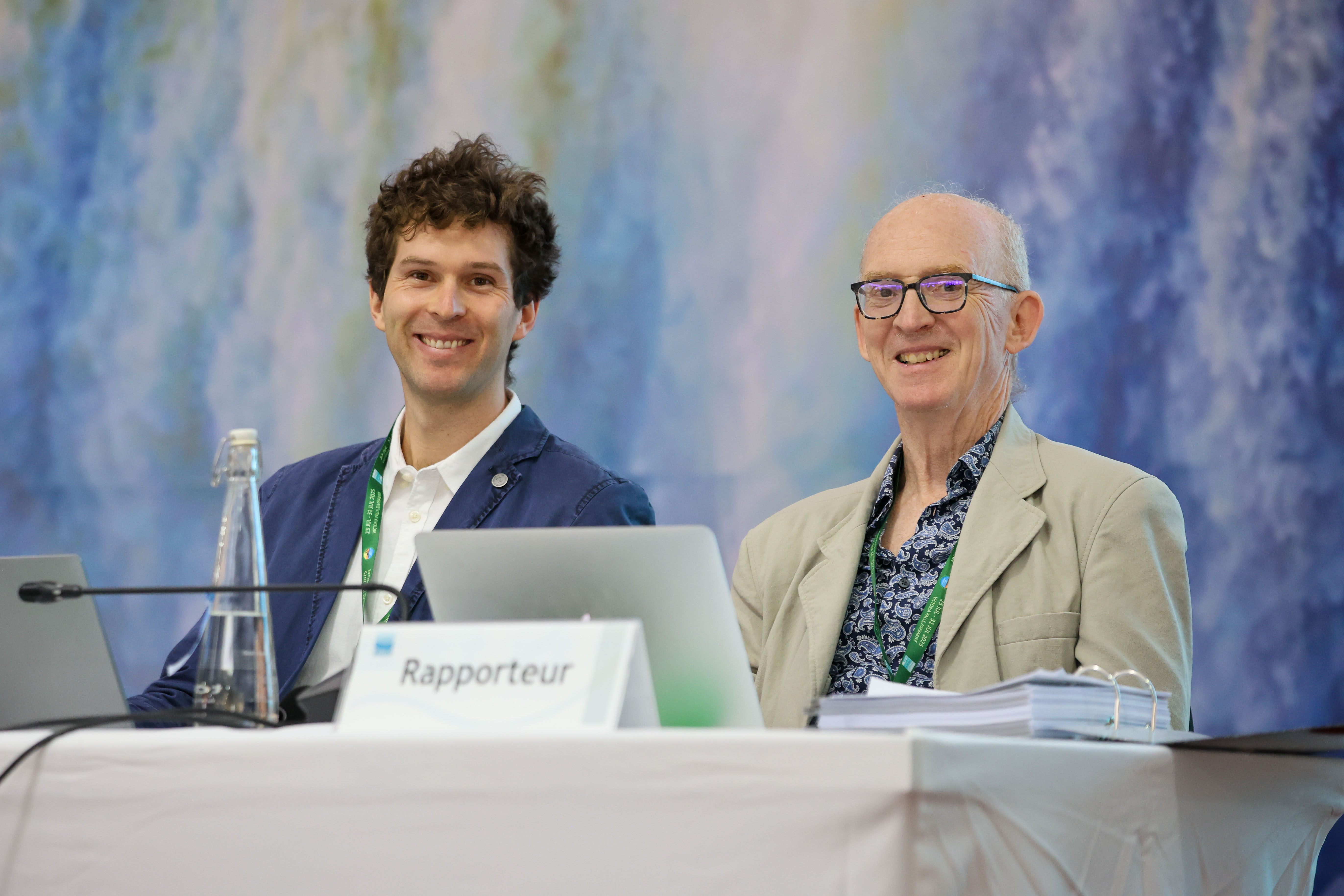
Moritz Petersmann and Martin Jenkins, COP15 Rapporteurs
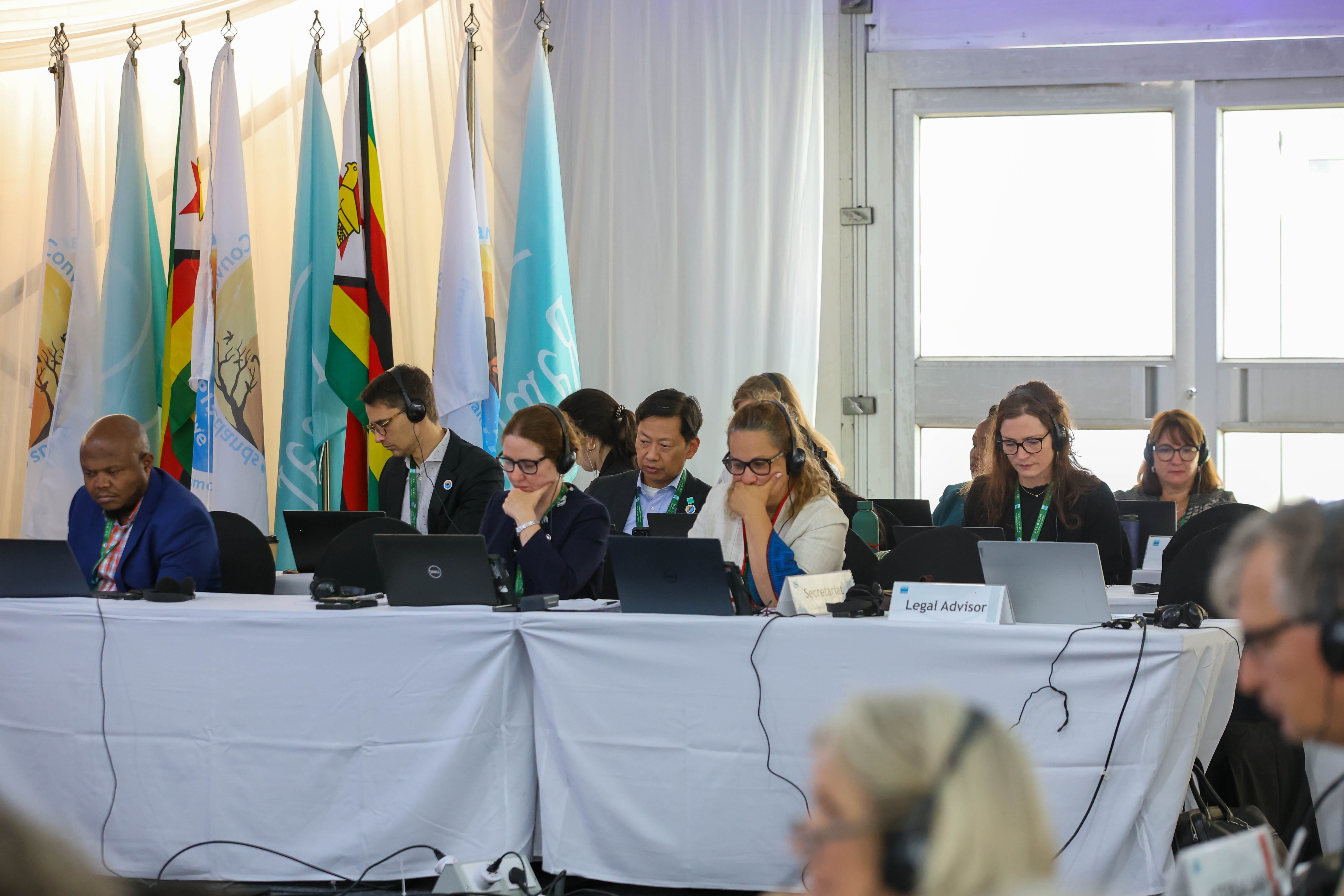
Members of the Convention on Wetlands Secretariat during the session
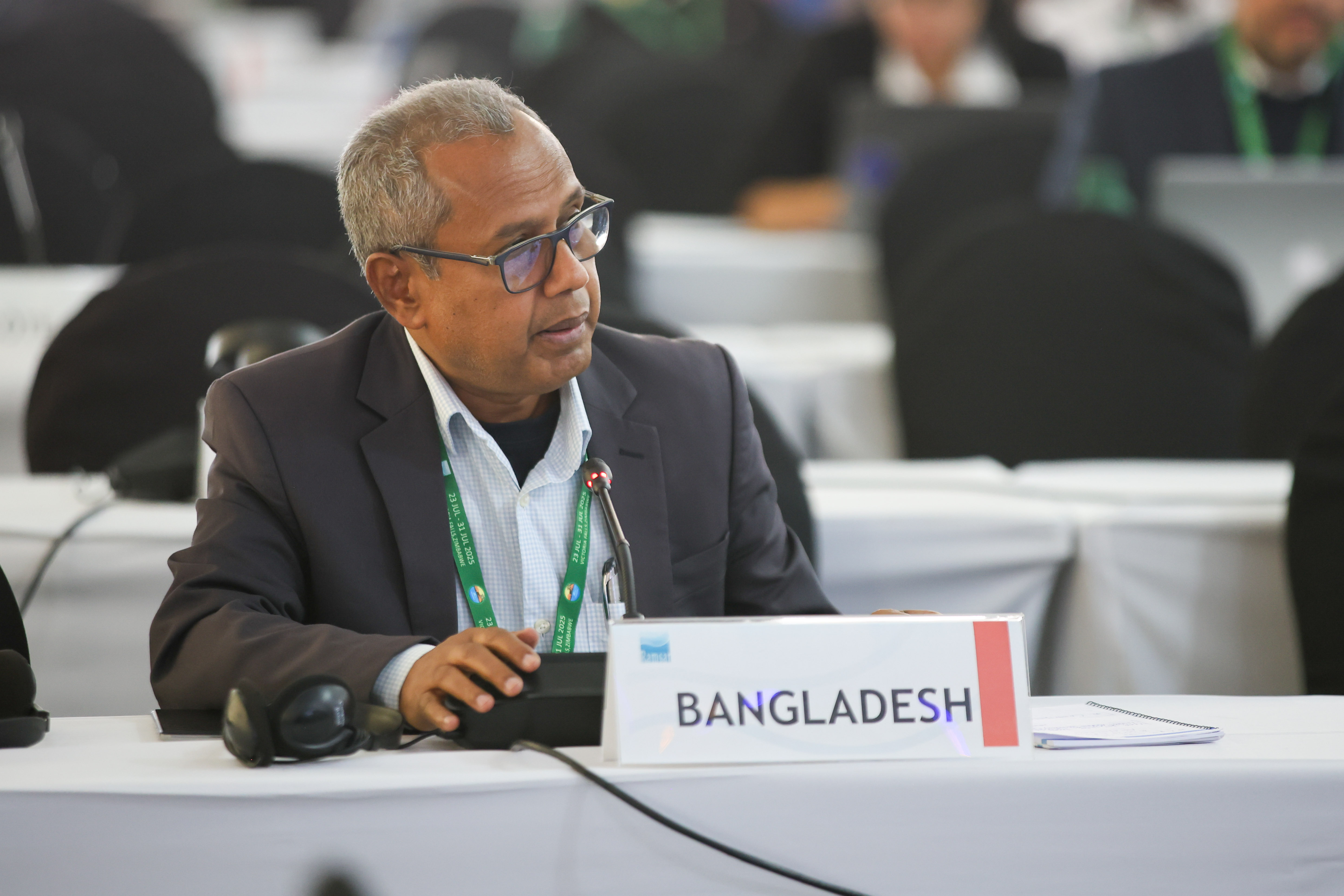
AKM Rafiqul Islam, Bangladesh
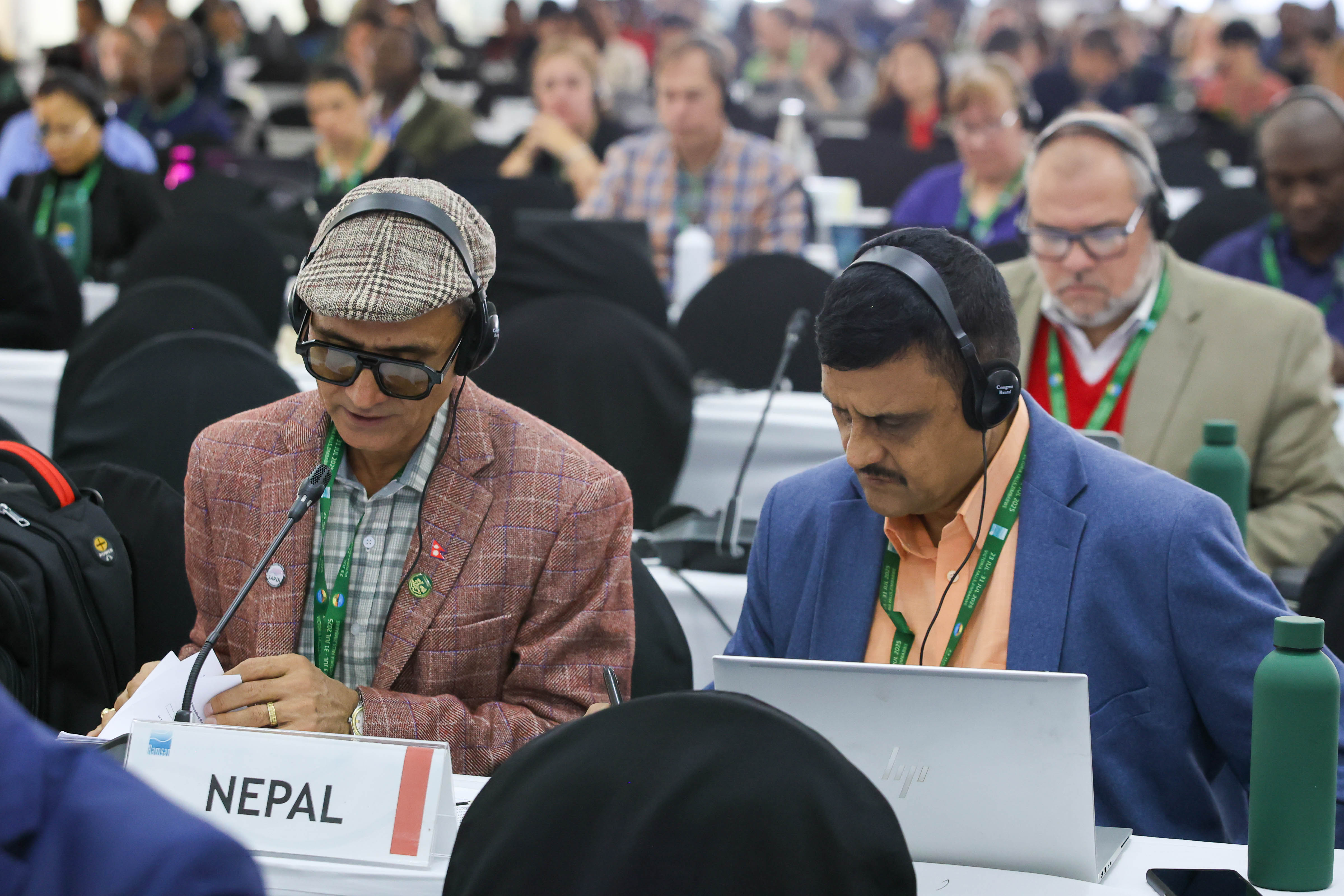
Delegates from Nepal review the documents.
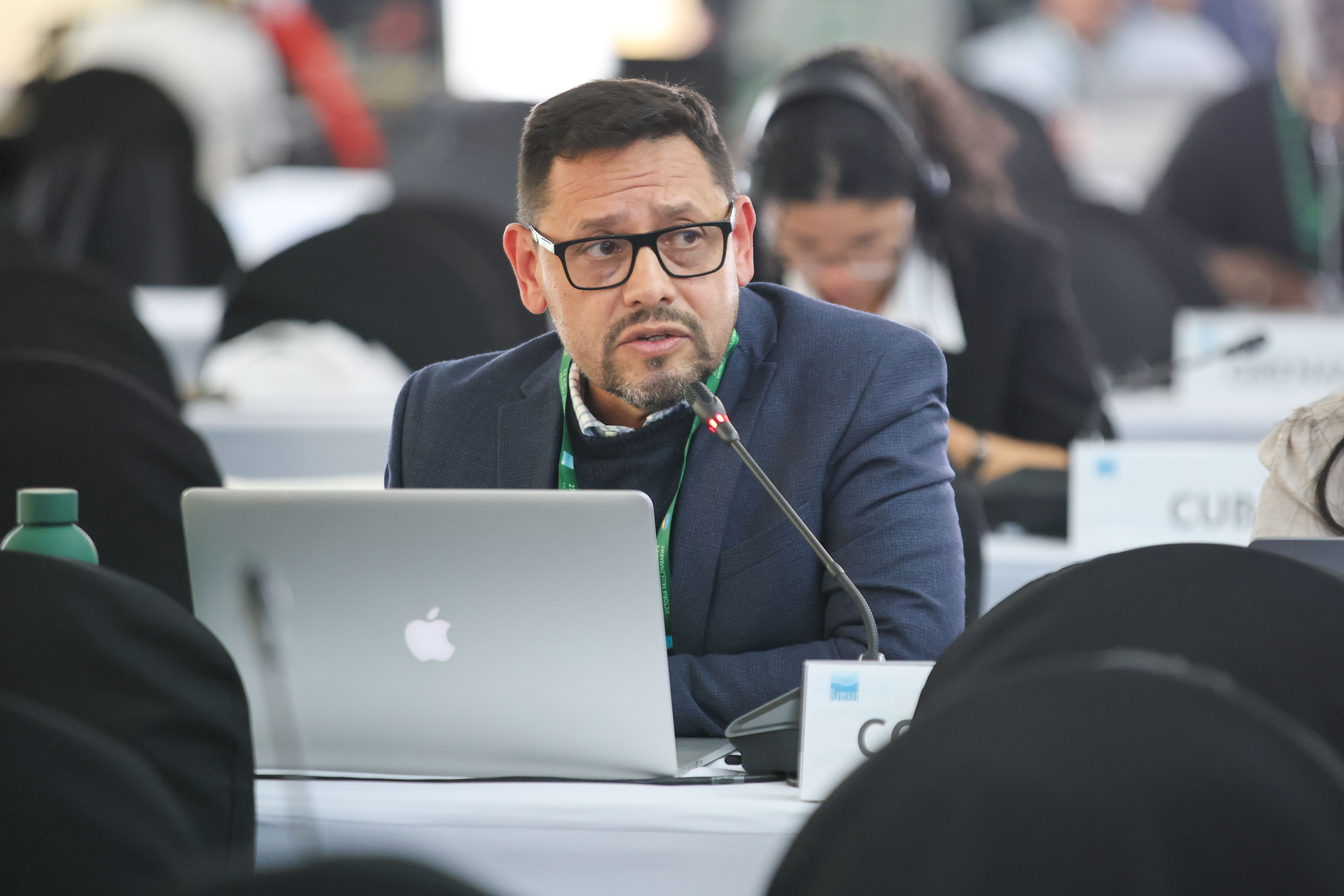
Rotney Piedra Chacón, Costa Rica
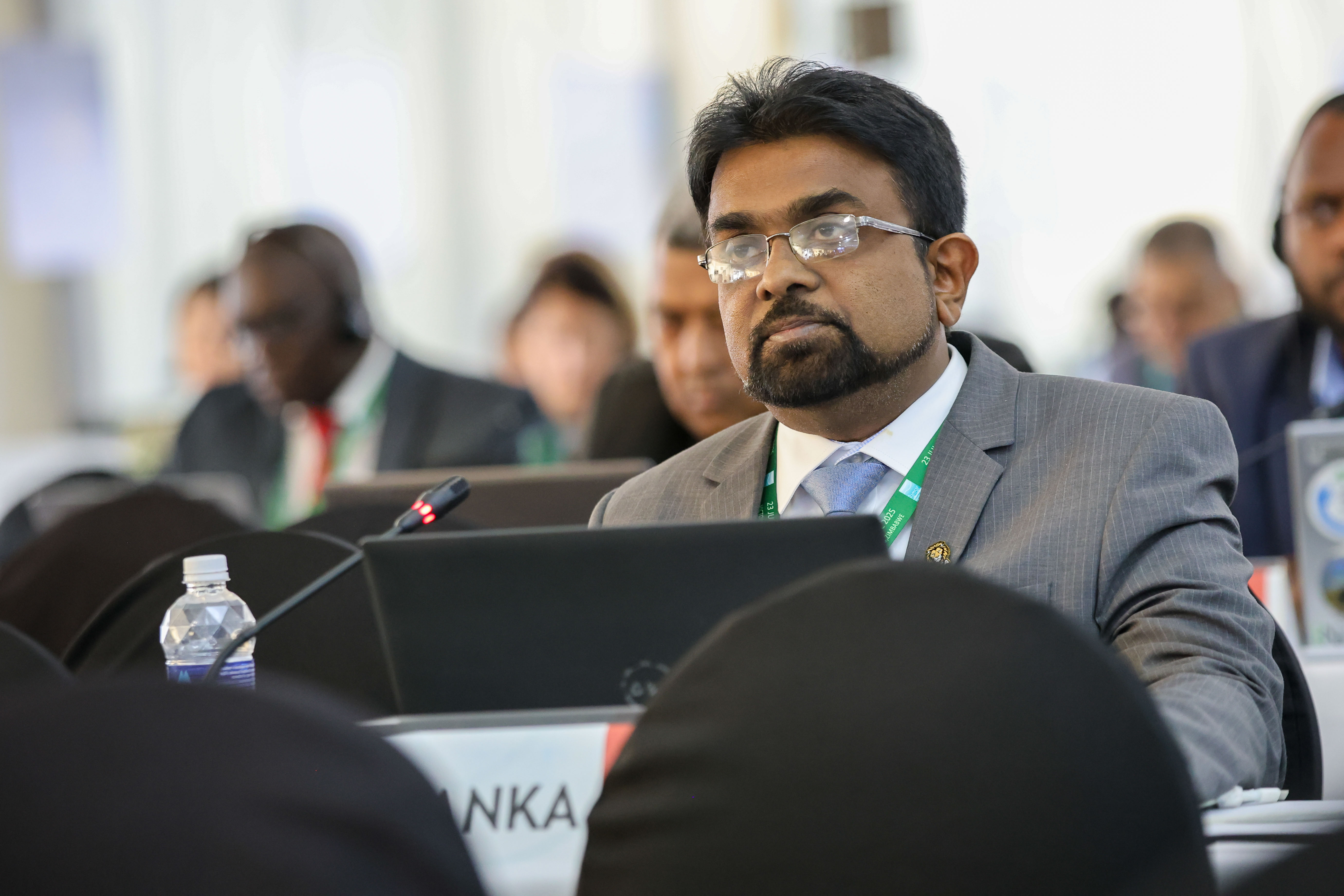
Meril Silva Olcott Manjula Amararathna, Sri Lanka

Jay Aldous, Deputy Secretary General, Convention on Wetlands, discusses with delegates.
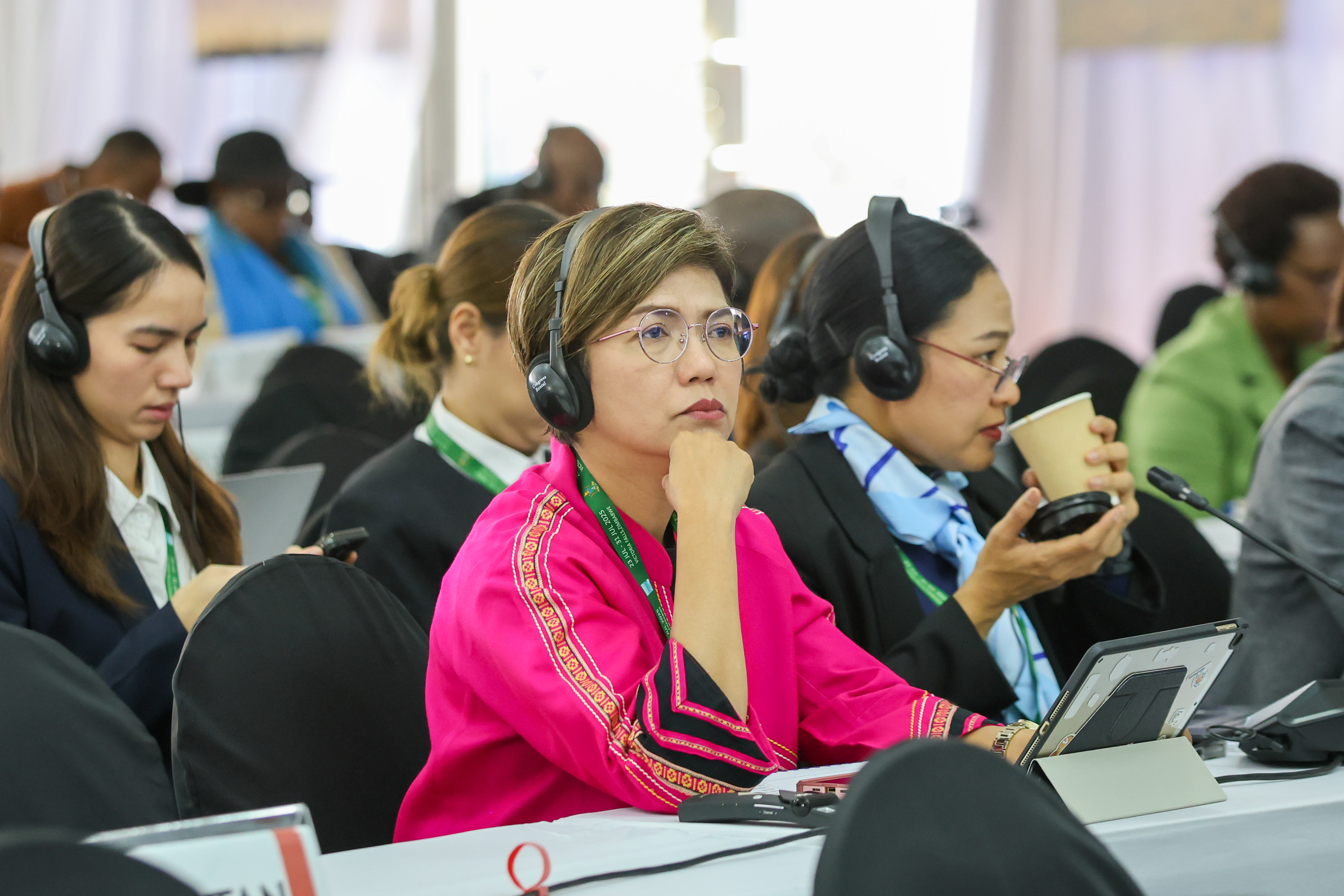
Sunee Sakseau, Thailand
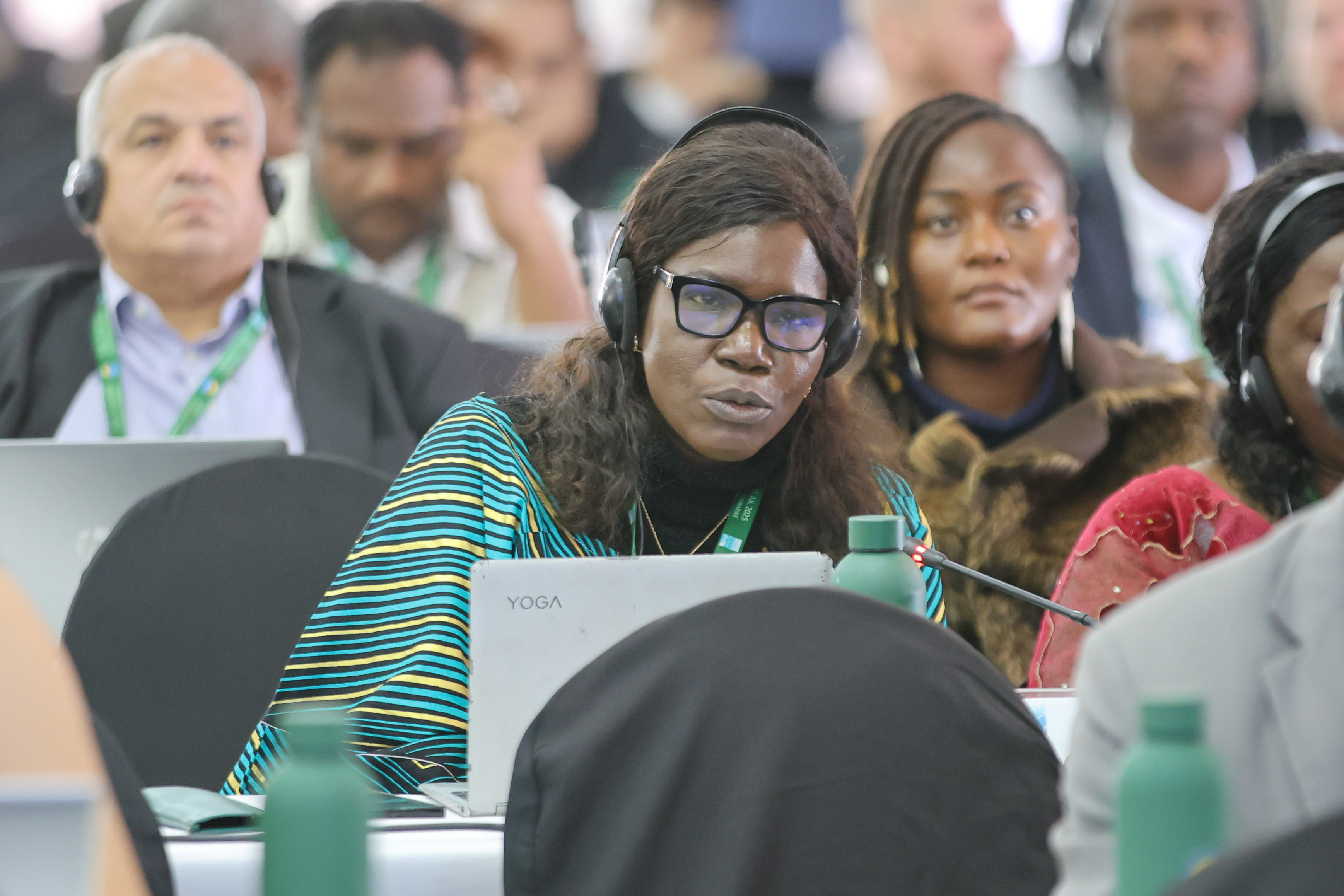
Angèle Ziekine Wadou, Cameroon
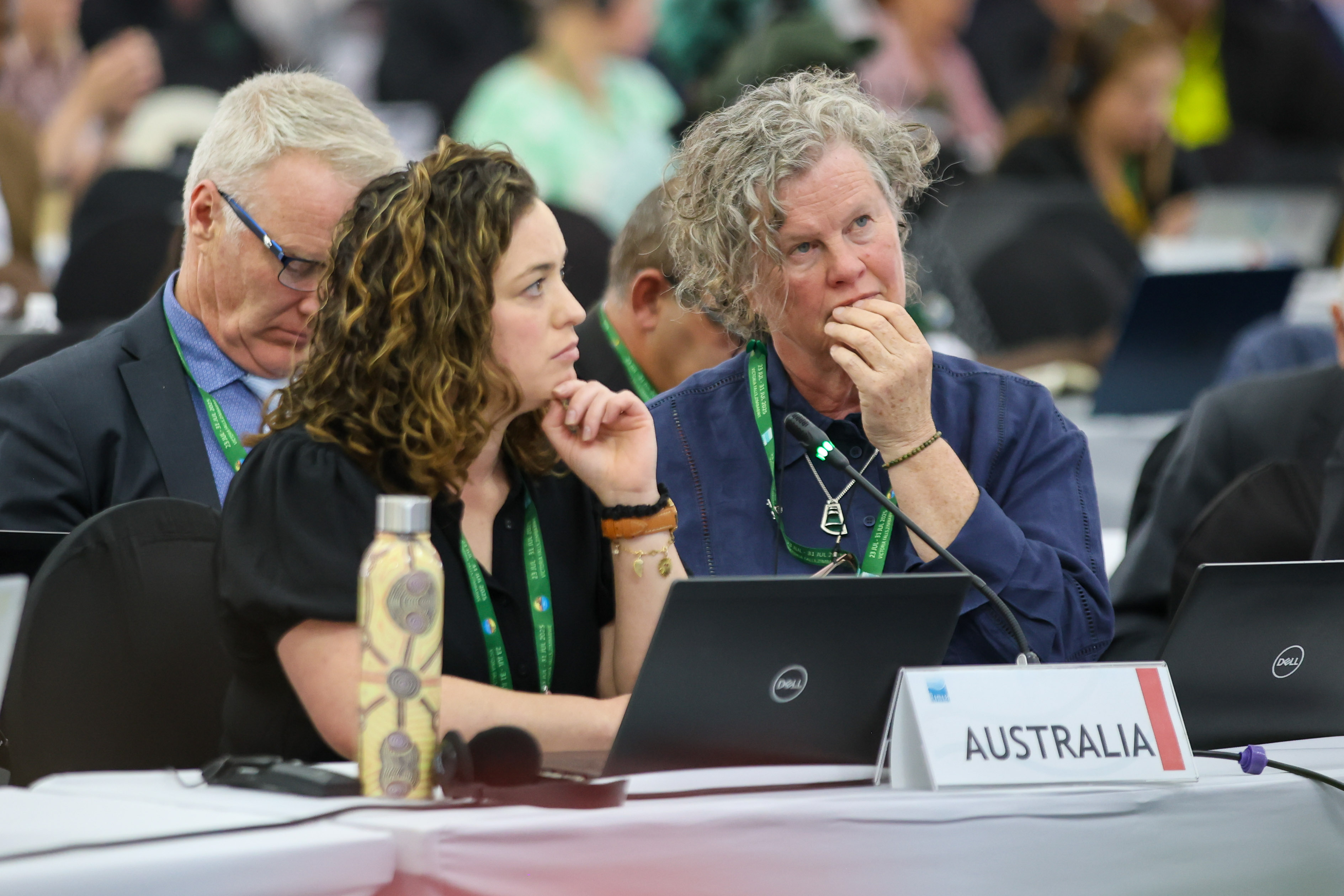
Delegates from Australia
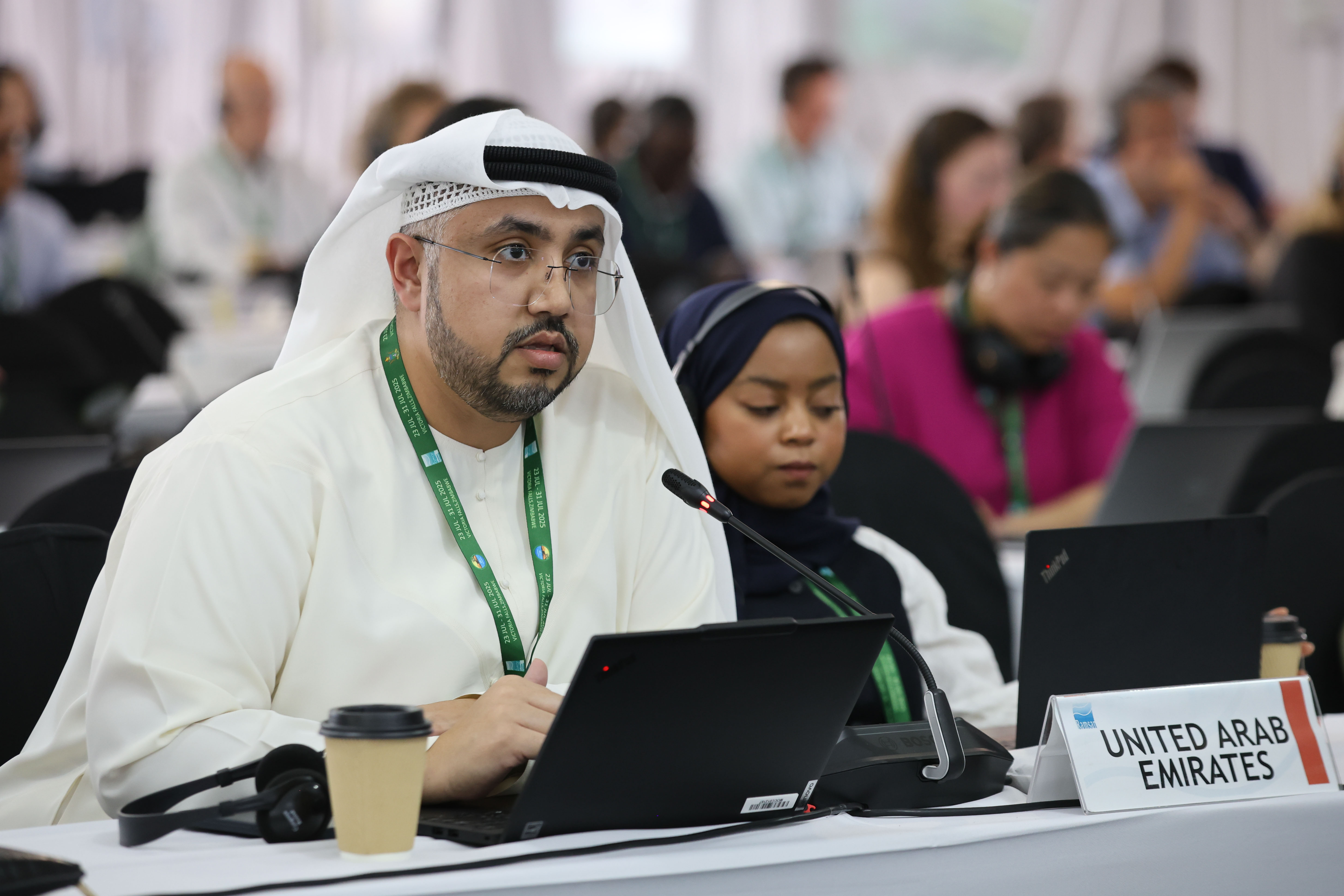
Obaid Alshamsi, United Arab Emirates
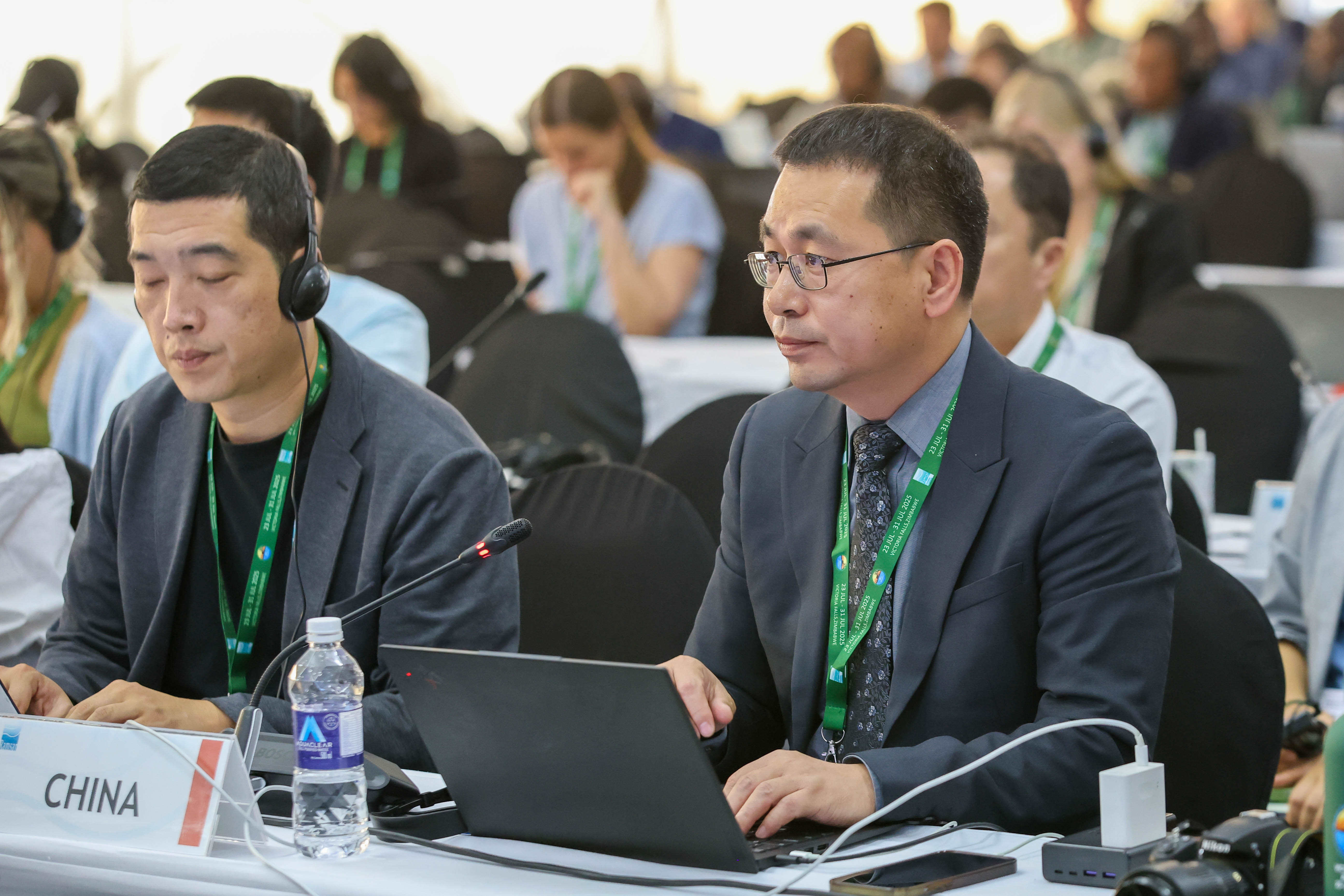
Cai Lyu, China
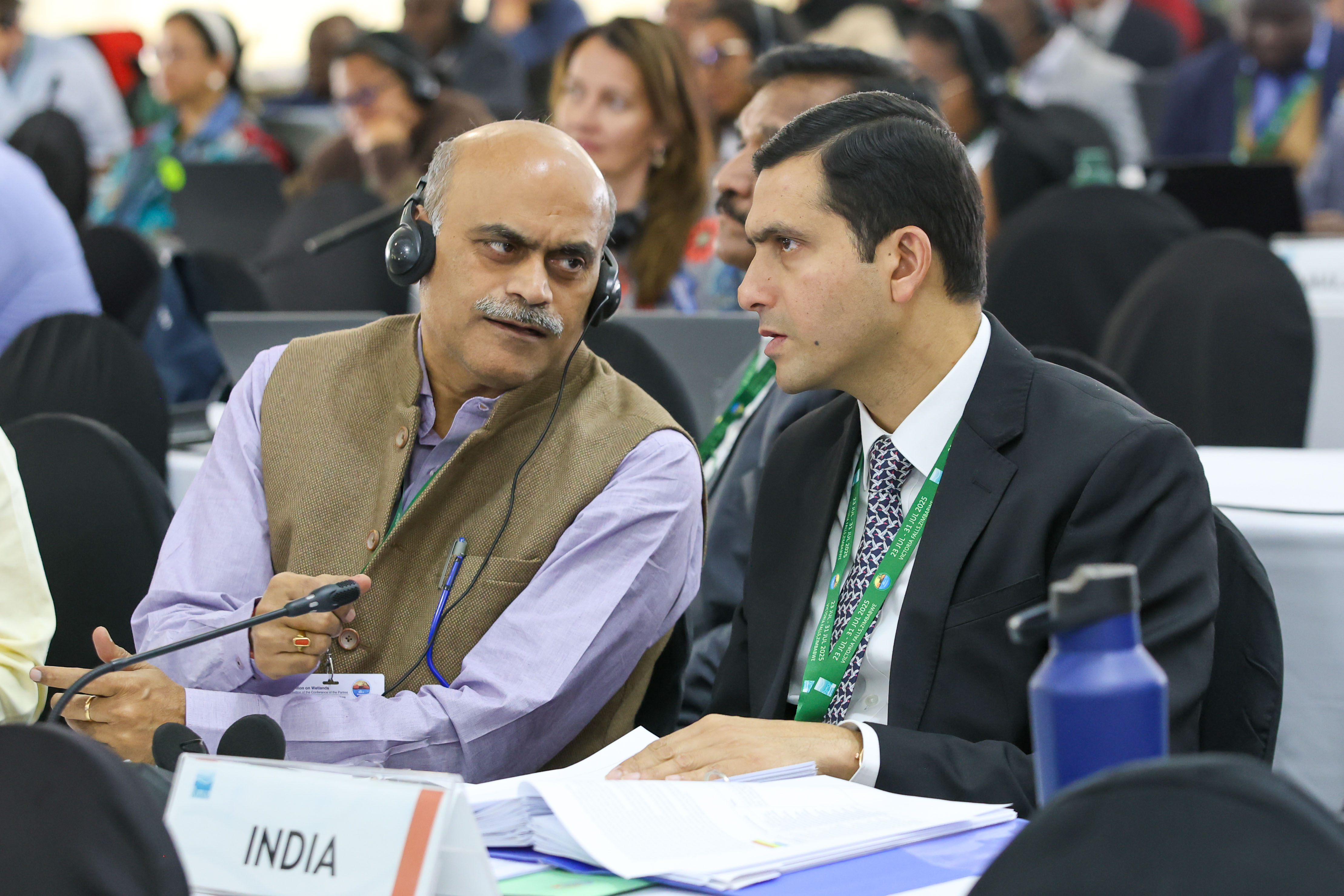
Delegates from India consult during the session.
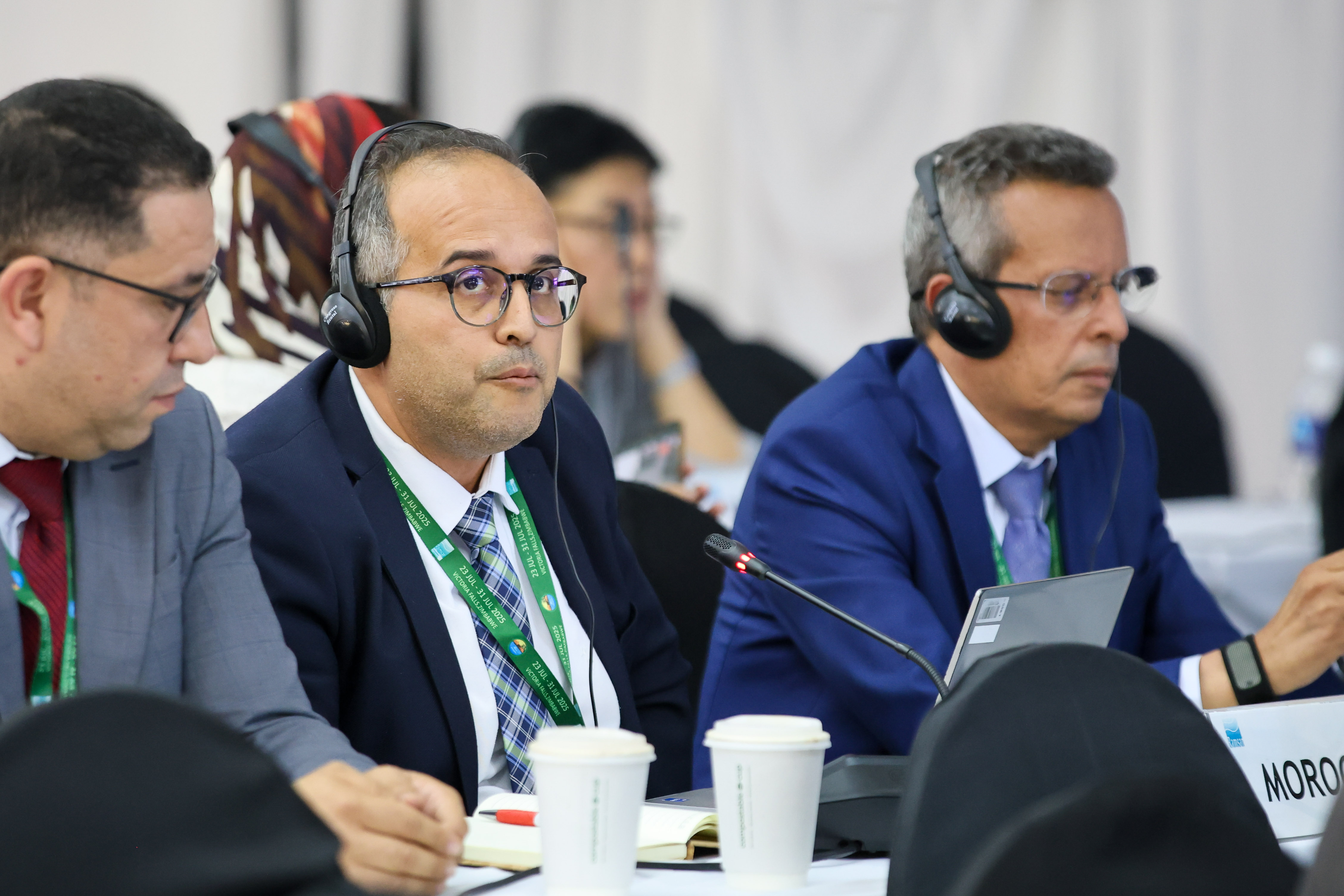
Zouhair Amhaouch, Morocco
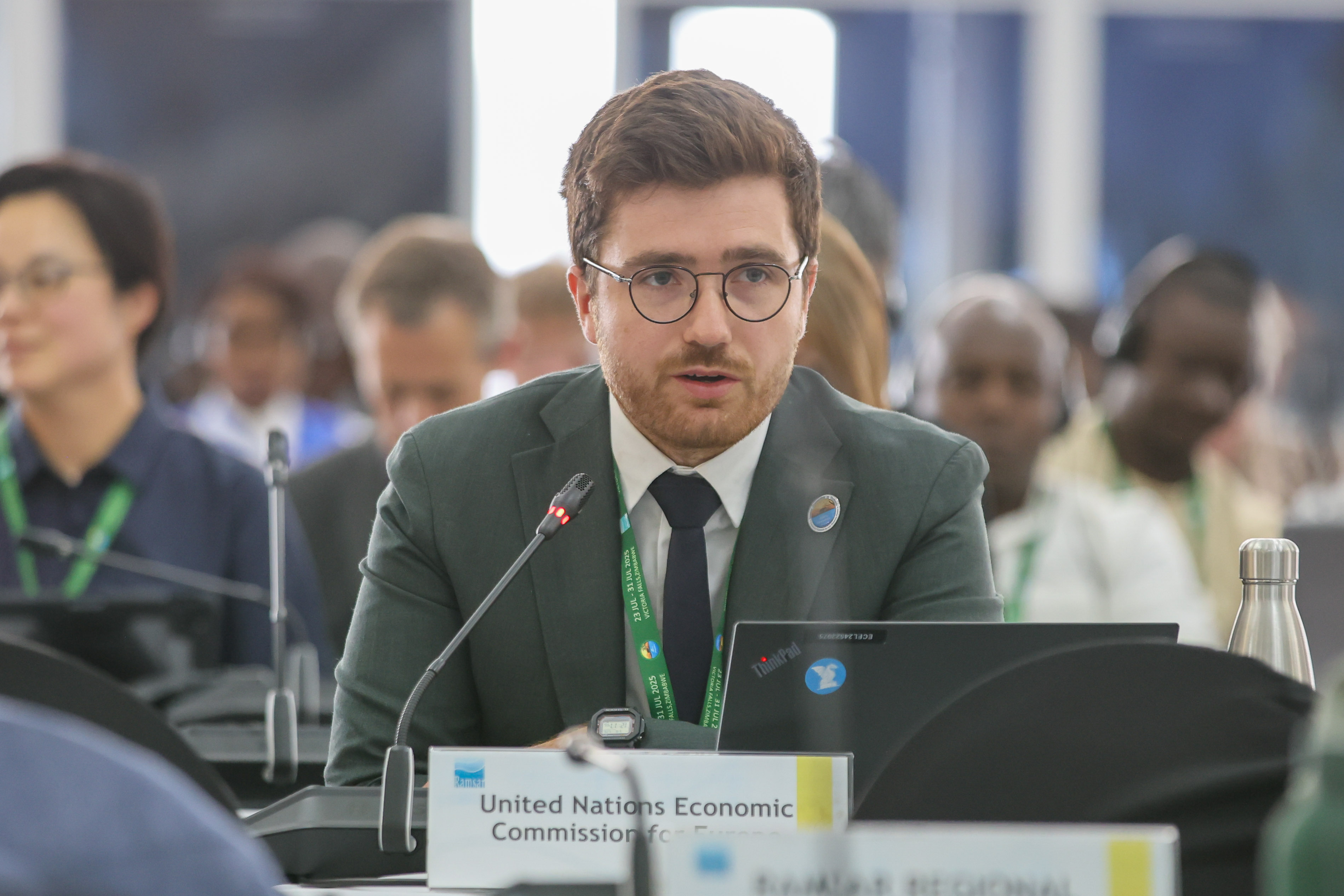
Julien Favier, UN Economic Commission for Europe (UNECE)
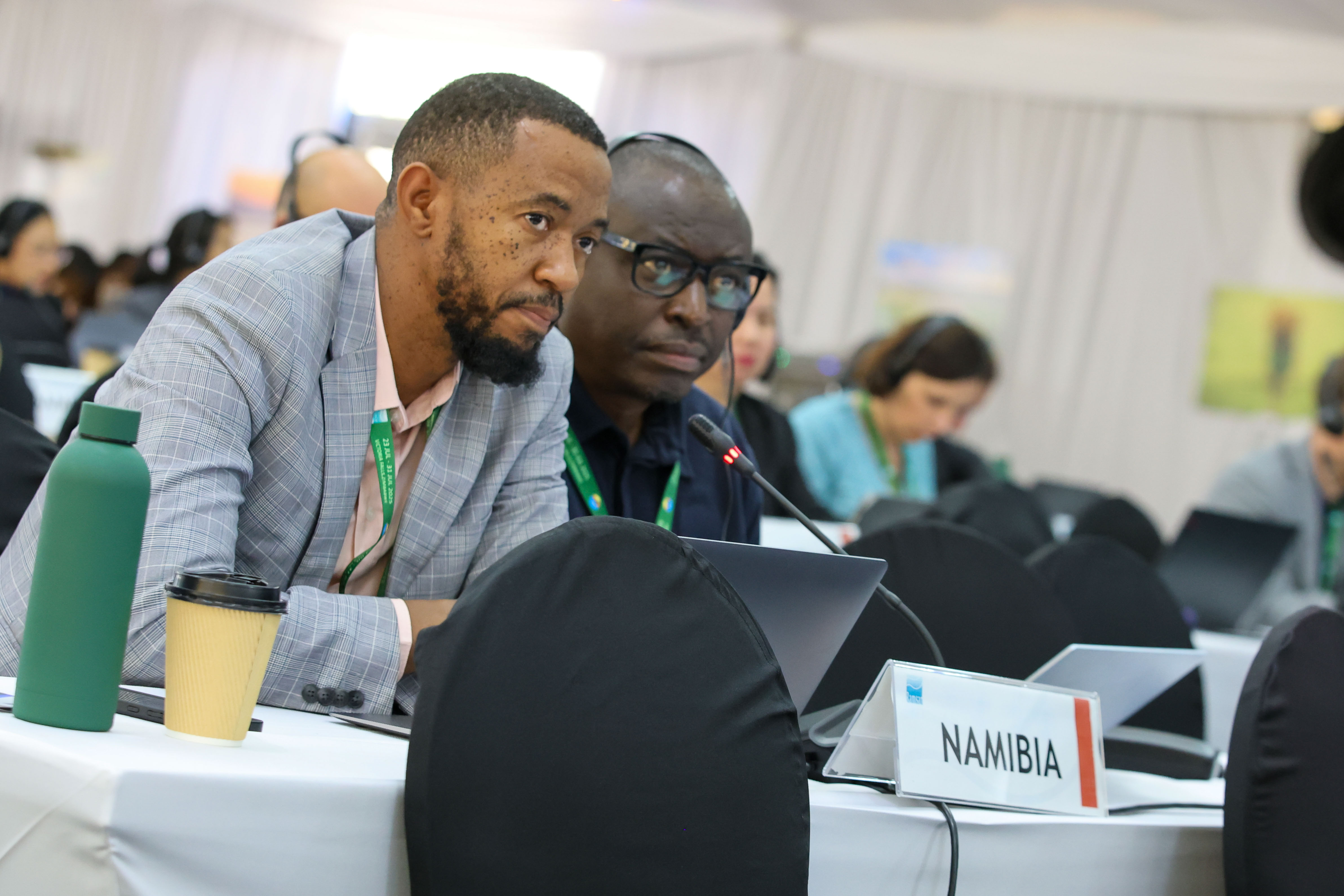
Kibagu Heinrich Kenneth Uiseb, Namibia
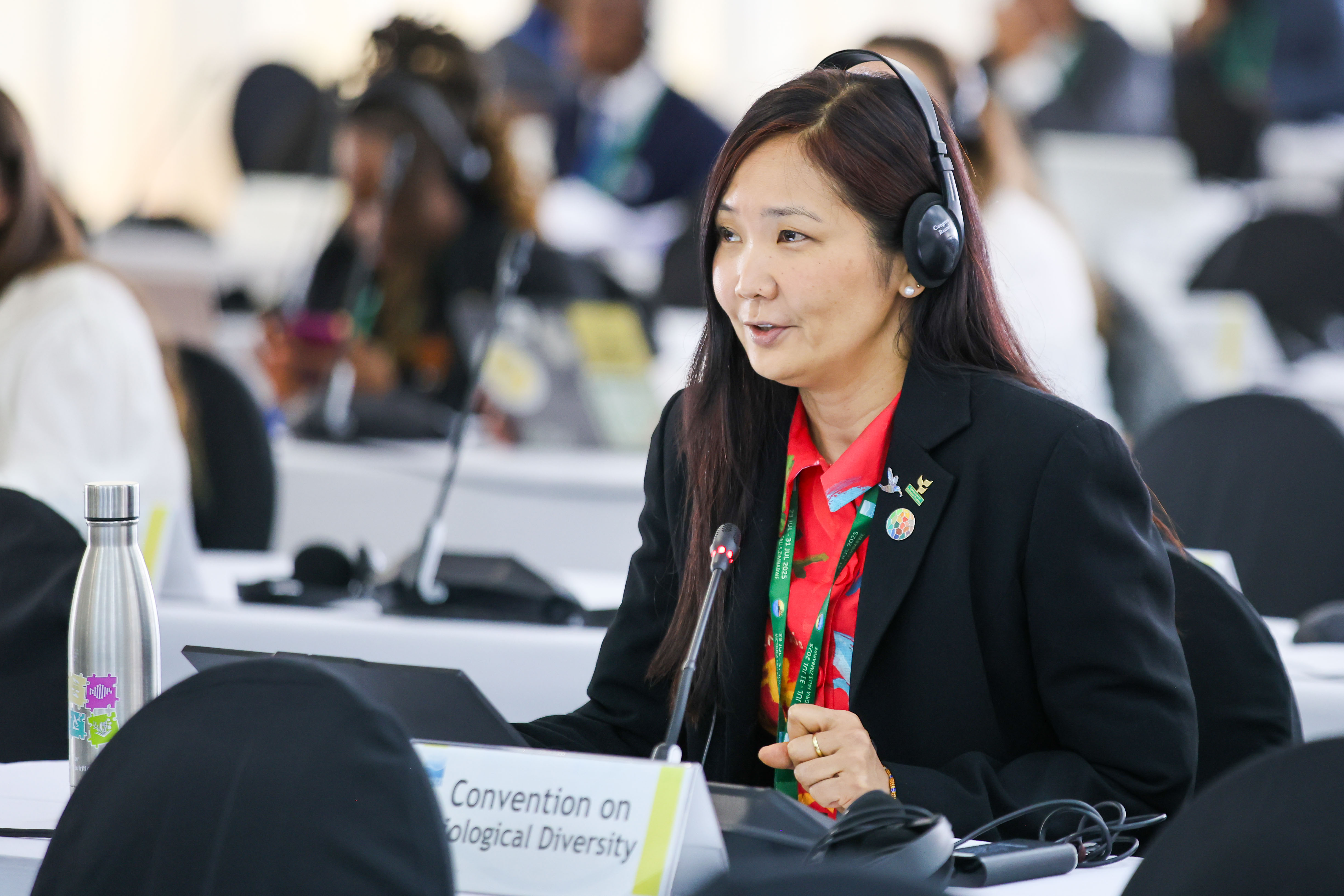
Monica Kobayashi, Convention on Biological Diversity (CBD)
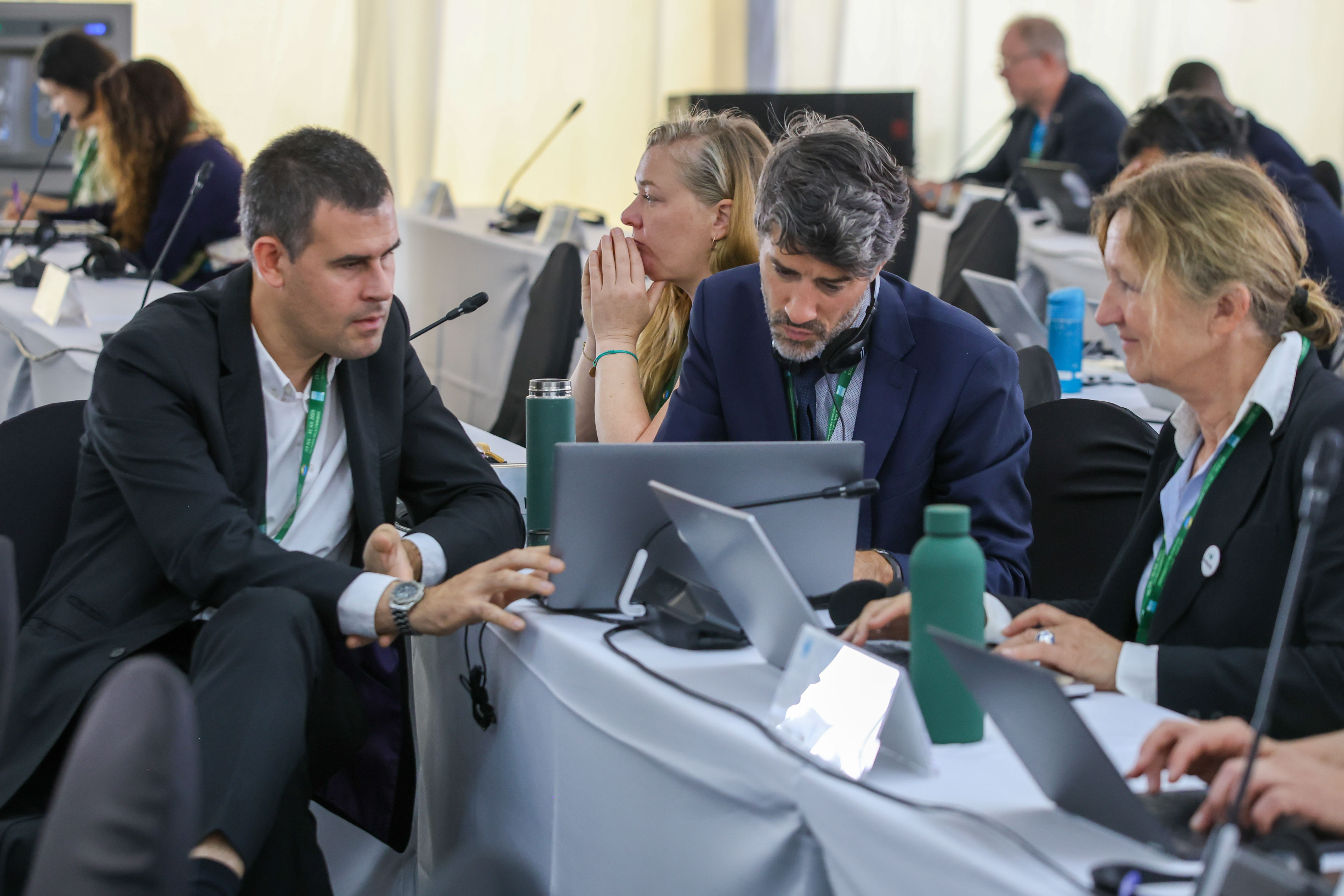
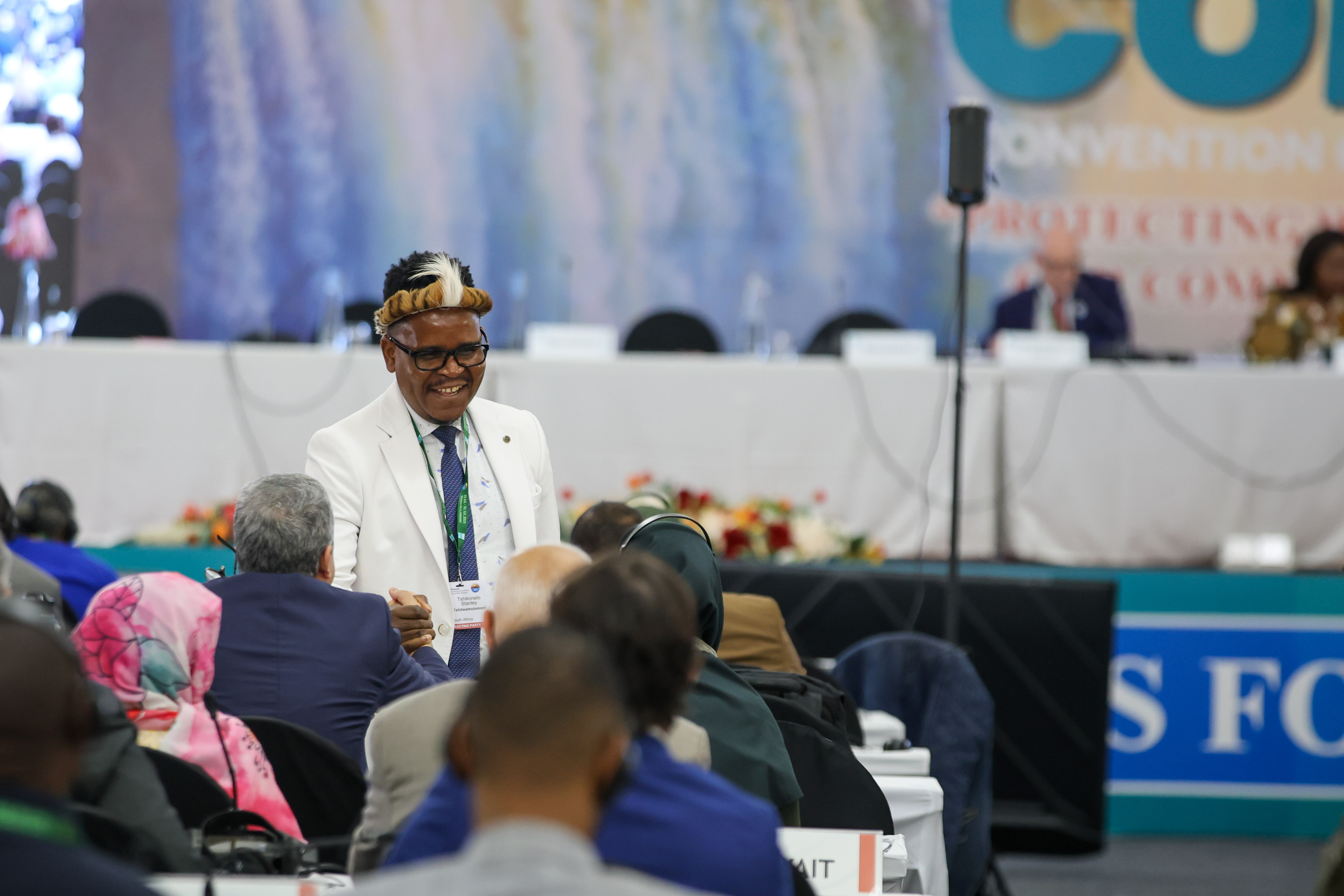
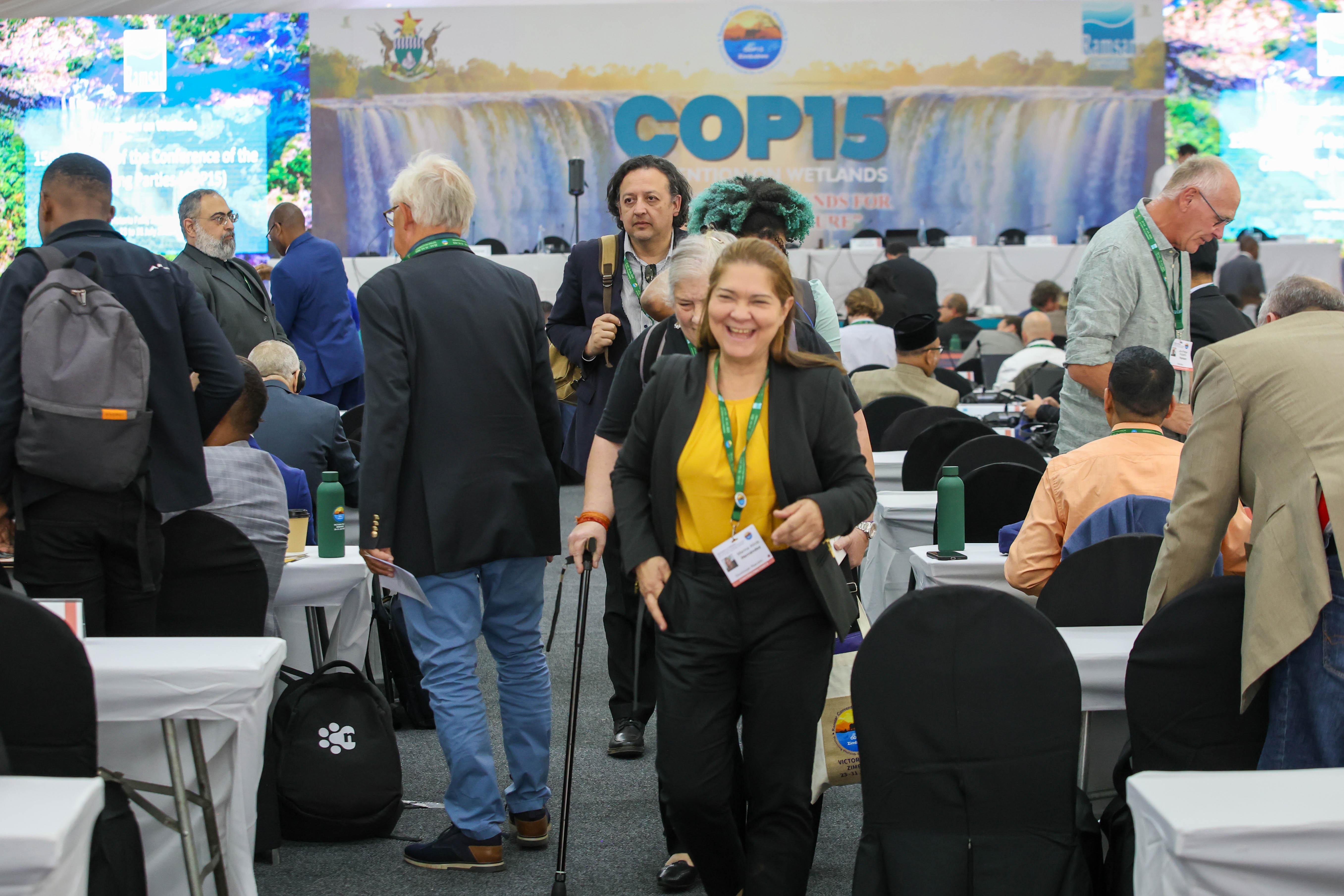
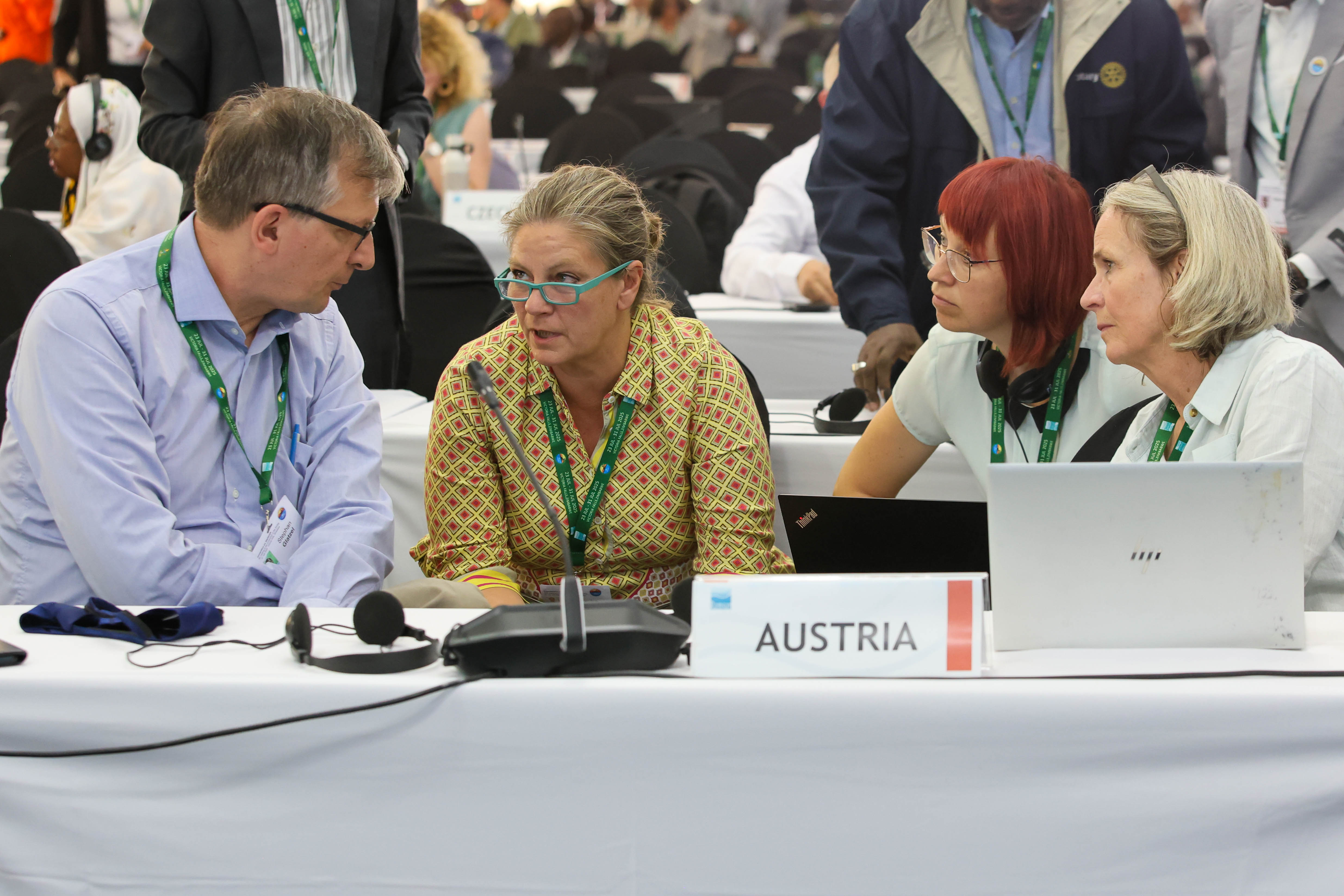
Between Sessions
Around the Venue