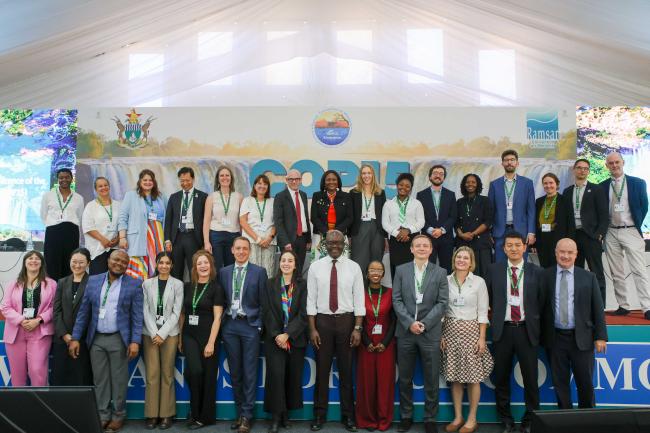
The last day of the 15th meeting of the Conference of the Contracting Parties (COP15) brought answers to questions that had been hanging over the meeting since the vibrant opening ceremonies welcomed delegates to Zimbabwe eight days earlier.
Doubts about whether COP15 would end without a fifth Strategic Plan to guide the Convention’s next decade of work were finally put to rest with all remaining issues resolved, including language reflecting transformative change, common but differentiated responsibilities, and specific needs of developing countries. The final resolution affirms that implementation should be guided by the Rio Declaration and the 2030 Agenda for Sustainable Development, and recognizes the need for enhanced support to developing countries.
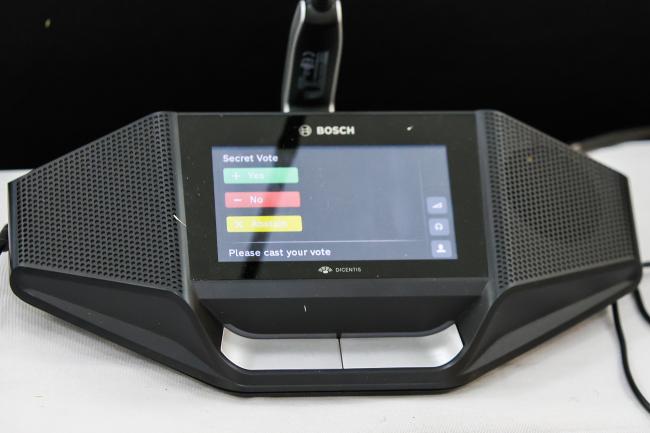
The resolution on Ukraine’s wetlands continued to generate division until its final conclusion, not just on substance, but also on the means to address it: delegates spent nearly an hour discussing whether to have a secret ballot before voting on the resolution itself, which was adopted by a simple majority.
The draft resolution on the Ramsar List was withdrawn by its chief proponent, Algeria. By day’s end, delegates had adopted eleven resolutions, most with little debate, on:
- enhancing the Convention’s visibility and synergies with other multilateral environmental agreements and international institutions;
- status of Sites in the List of Wetlands of International Importance;
- Ramsar Information Sheets;
- strengthening national actions for the conservation and restoration of waterbird flyways and critical sites;
- youth empowerment and integration: driving engagement in and the longevity of the Convention on Wetlands;
- promoting incorporation of new technology and traditional knowledge in wetland conservation, restoration, management, and wise use;
- assessing pressures on and risks to wetlands;
- thanks to the host country, the Republic of Zimbabwe;
- equitable governance and effective conservation of wetlands as protected areas and other effective area-based conservation measures;
- Strategic Plan of the Convention 2025-2034; and
- extension of Resolution XIV.20.
The Secretariat announced that Panama has offered to host the Sixteenth Meeting of the Convention on Wetlands, to be held in Panama City in July 2028, which was welcomed by acclamation.
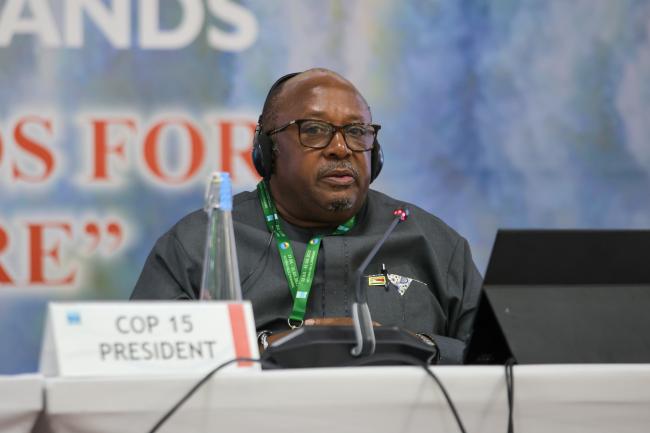
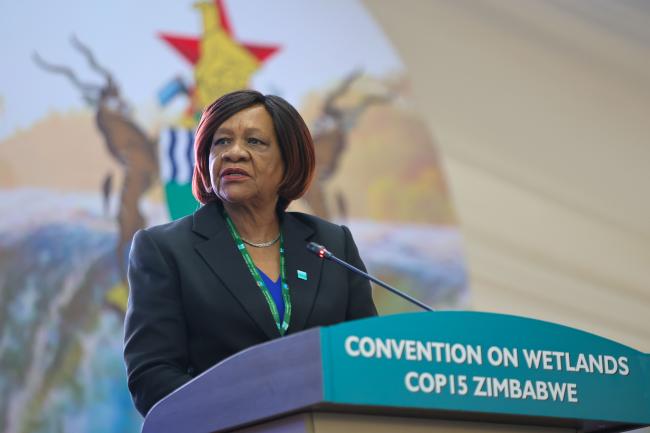
COP15 Alternate President Tadeous Chifamba, Ramsar Convention Secretary General Musonda Mumba, and COP15 President Evelyn Ndlovu offered closing remarks, highlighting the presence of youth, Indigenous Peoples and local communities, community leaders, and scientists, whose innovation and passion provided a diversity of perspectives during the meeting. COP15 President Ndlovu stressed that the tapestry of wetlands is mirrored by the tapestry of humanity and reminded delegates, “The legacy of Victoria Falls is not only its beauty, but also its enduring power to unite and inspire. Let us all unite and inspire to energize our shared mission for wetlands.”
Many delegates extended their appreciation to Zimbabwe as an exemplary host. COP15 President Ndlovu officially closed COP15 at 4:57 pm.
To receive free coverage of global environmental events delivered to your inbox, subscribe to the ENB Update newsletter.
All ENB photos are free to use with attribution. For the Ramsar Convention on Wetlands COP15 please use: Photo by IISD/ENB | Anastasia Rodopoulou.
Plenary Session
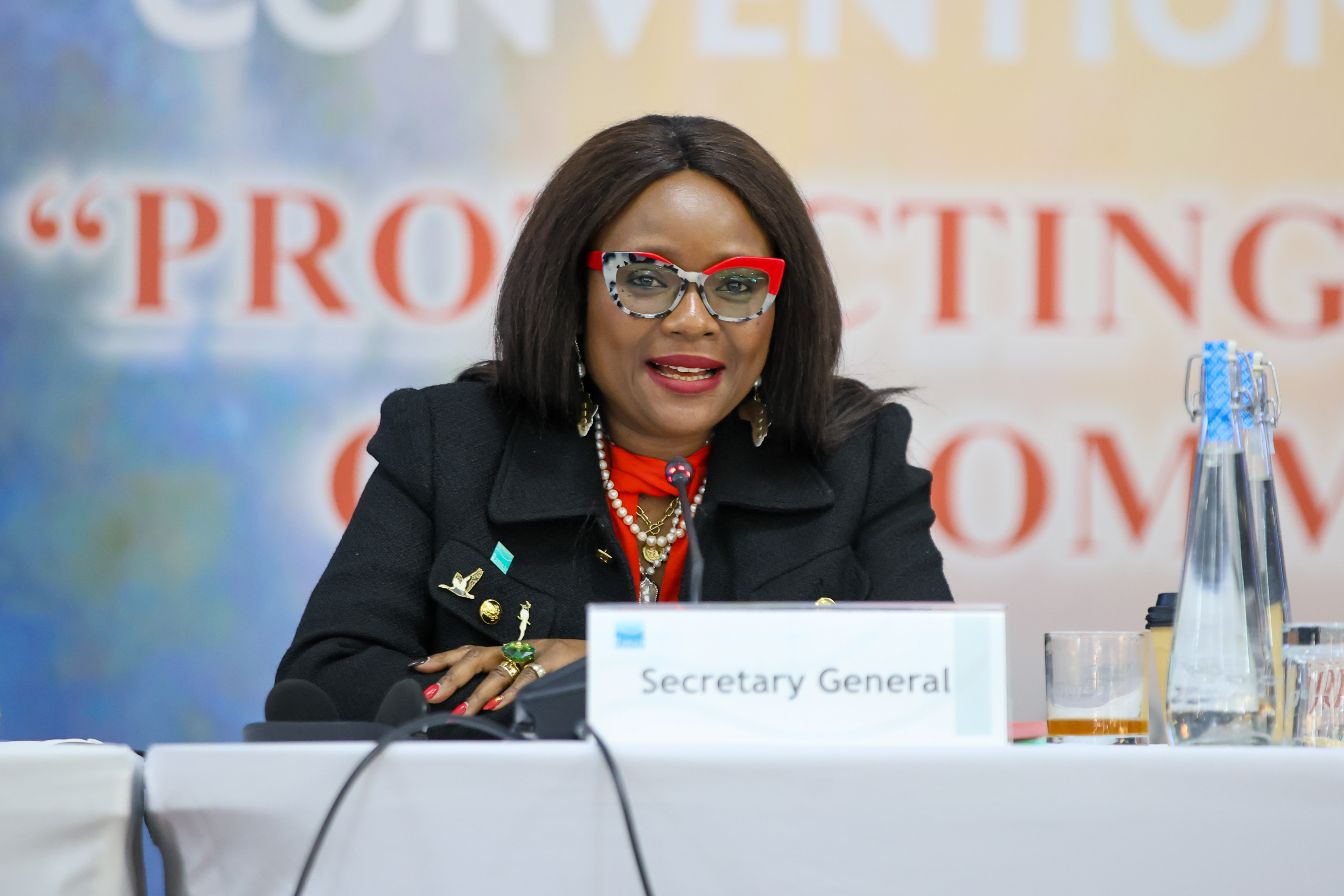
Musonda Mumba, Secretary General, Convention on Wetlands
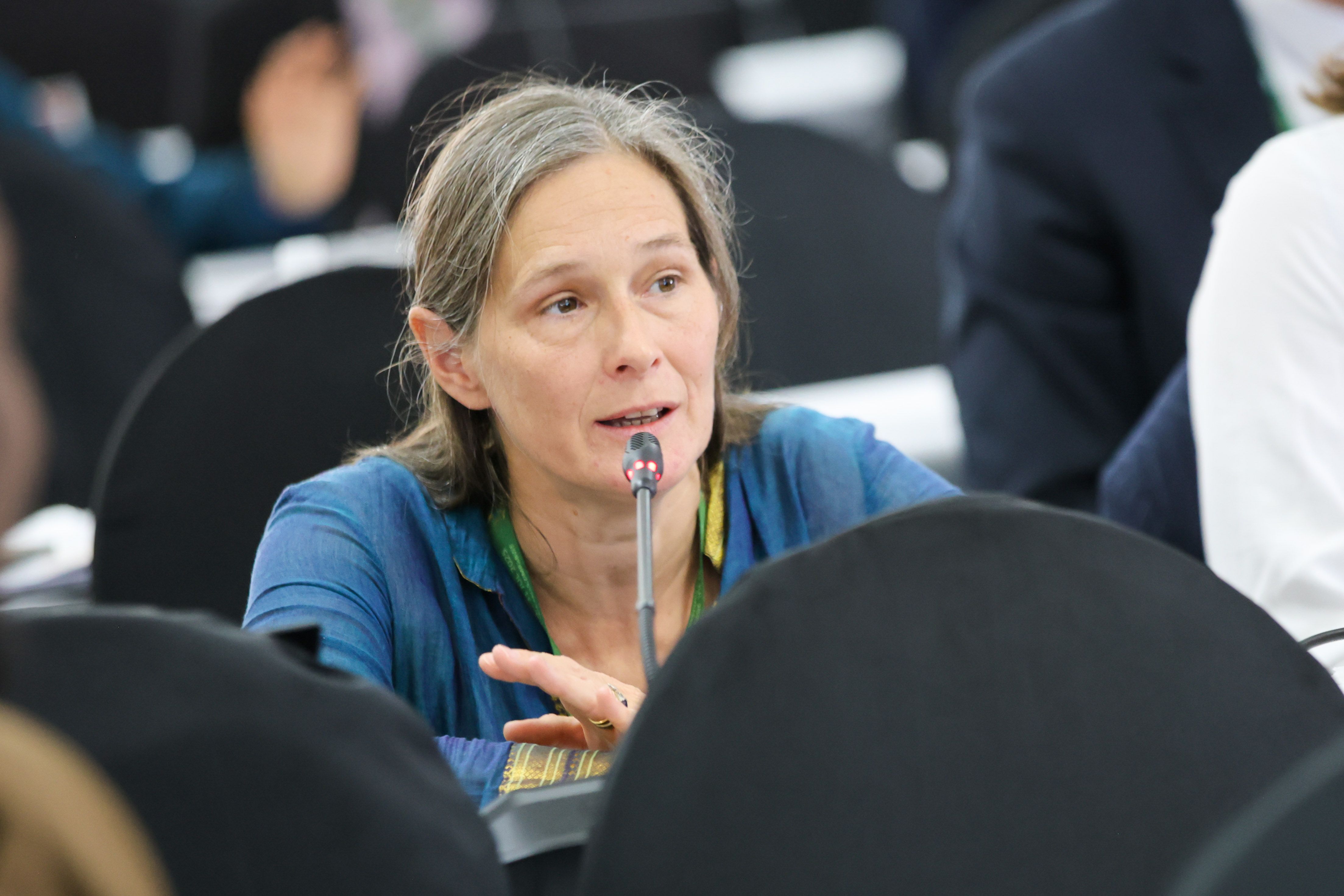
Virginie Dumoulin, France
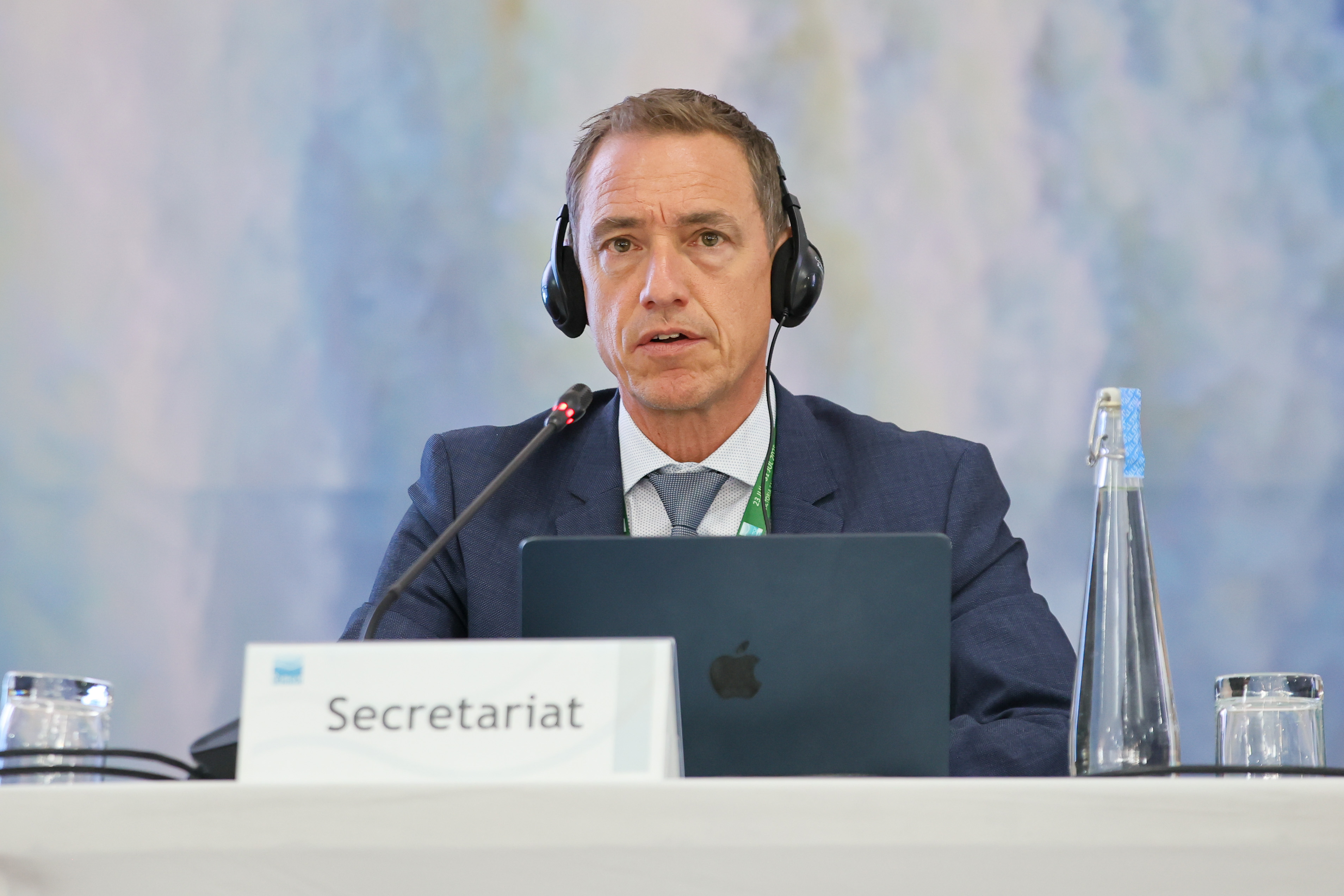
Jerker Tamelander, Convention on Wetlands Secretariat
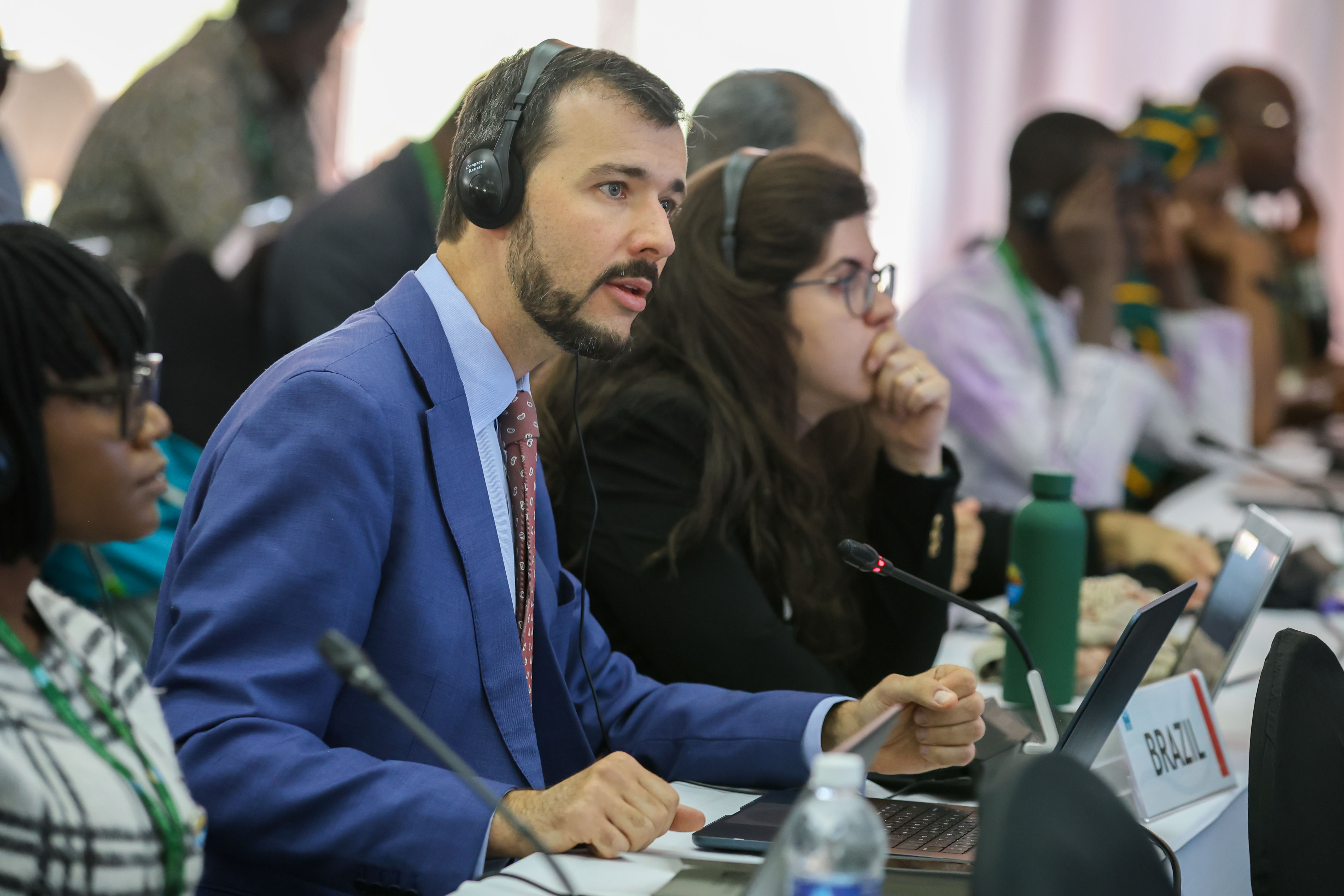
Patrick Luna, Brazil
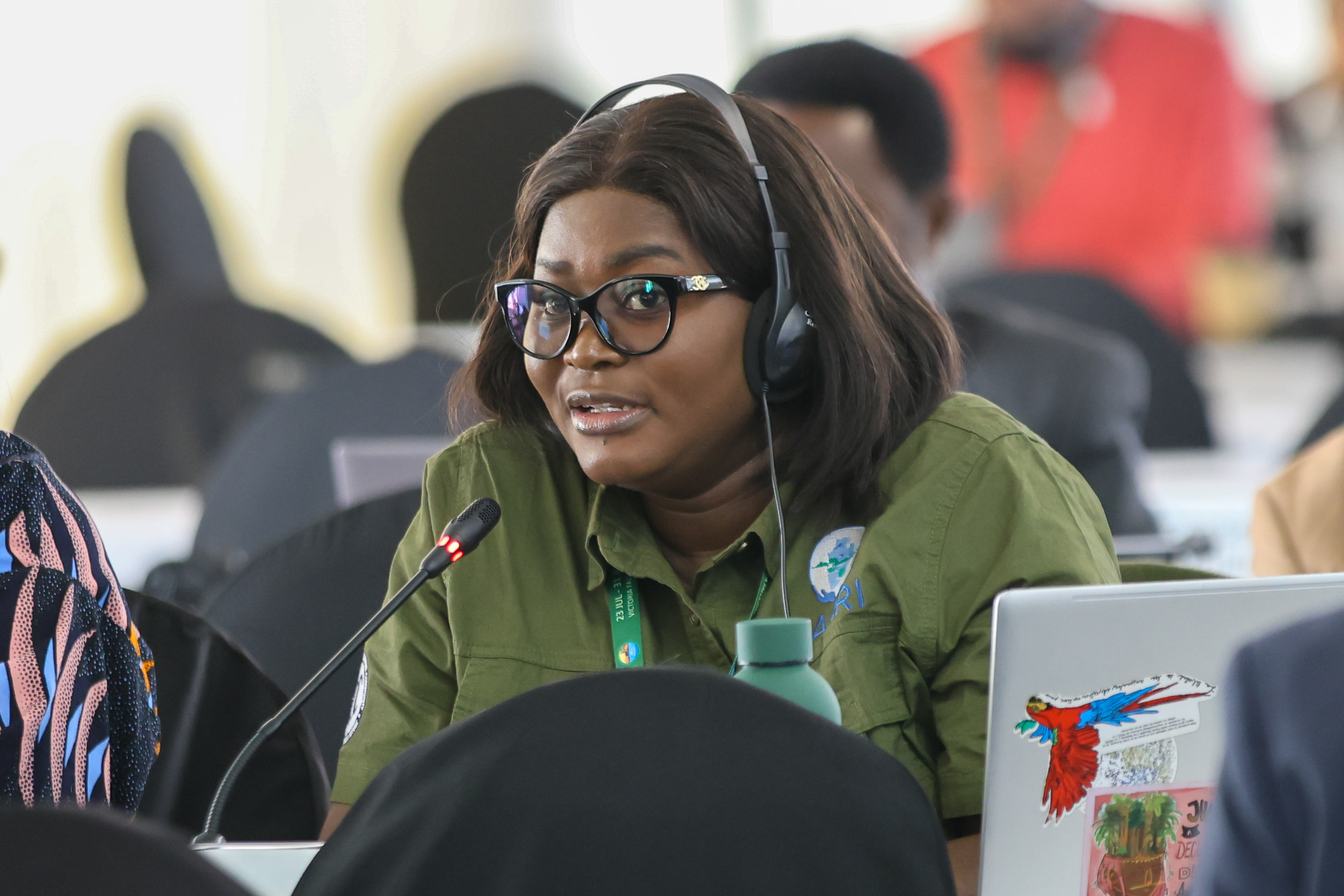
Sandra Mulenga Ponde, Zambia
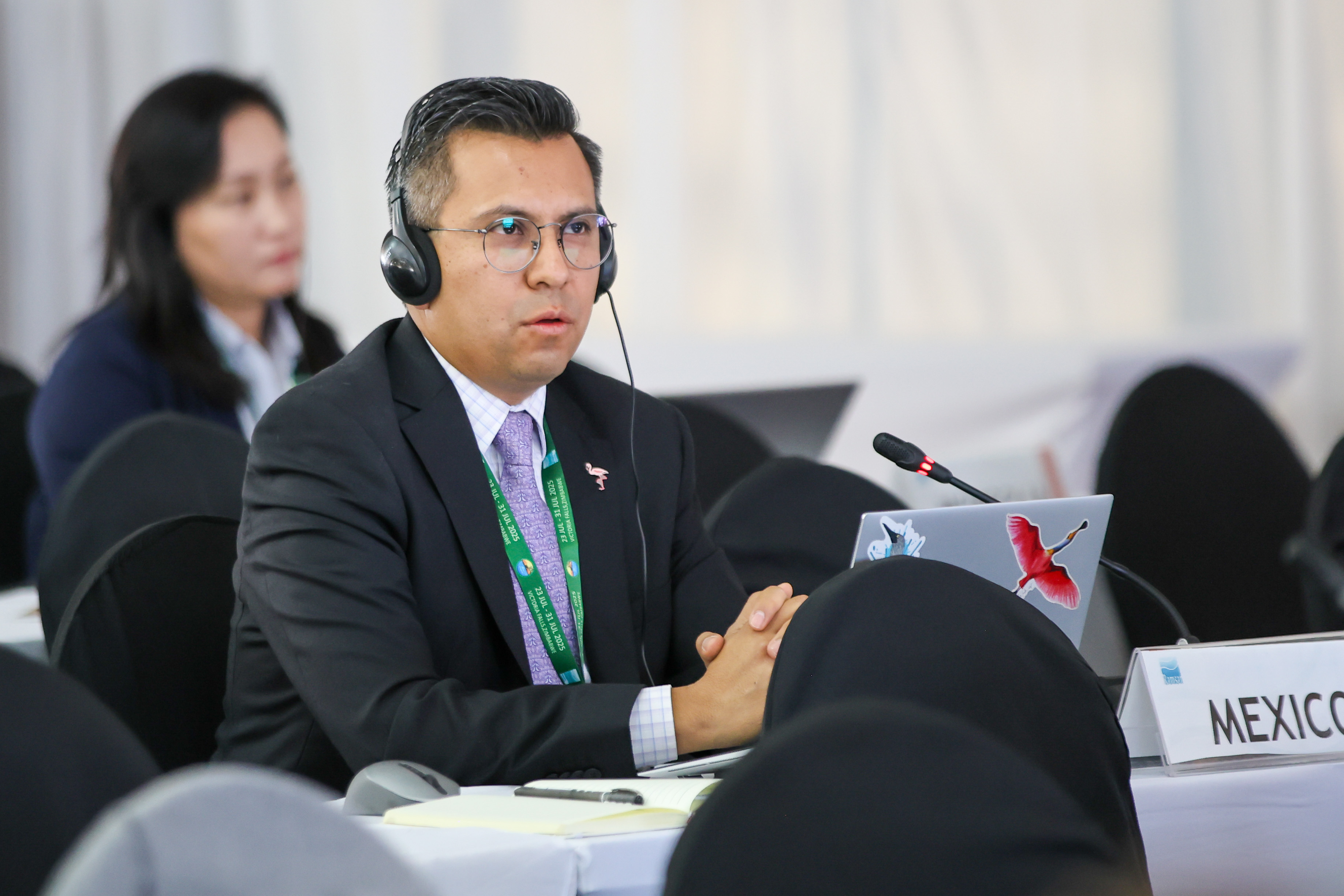
Jaime Esteban González Barrera, Mexico
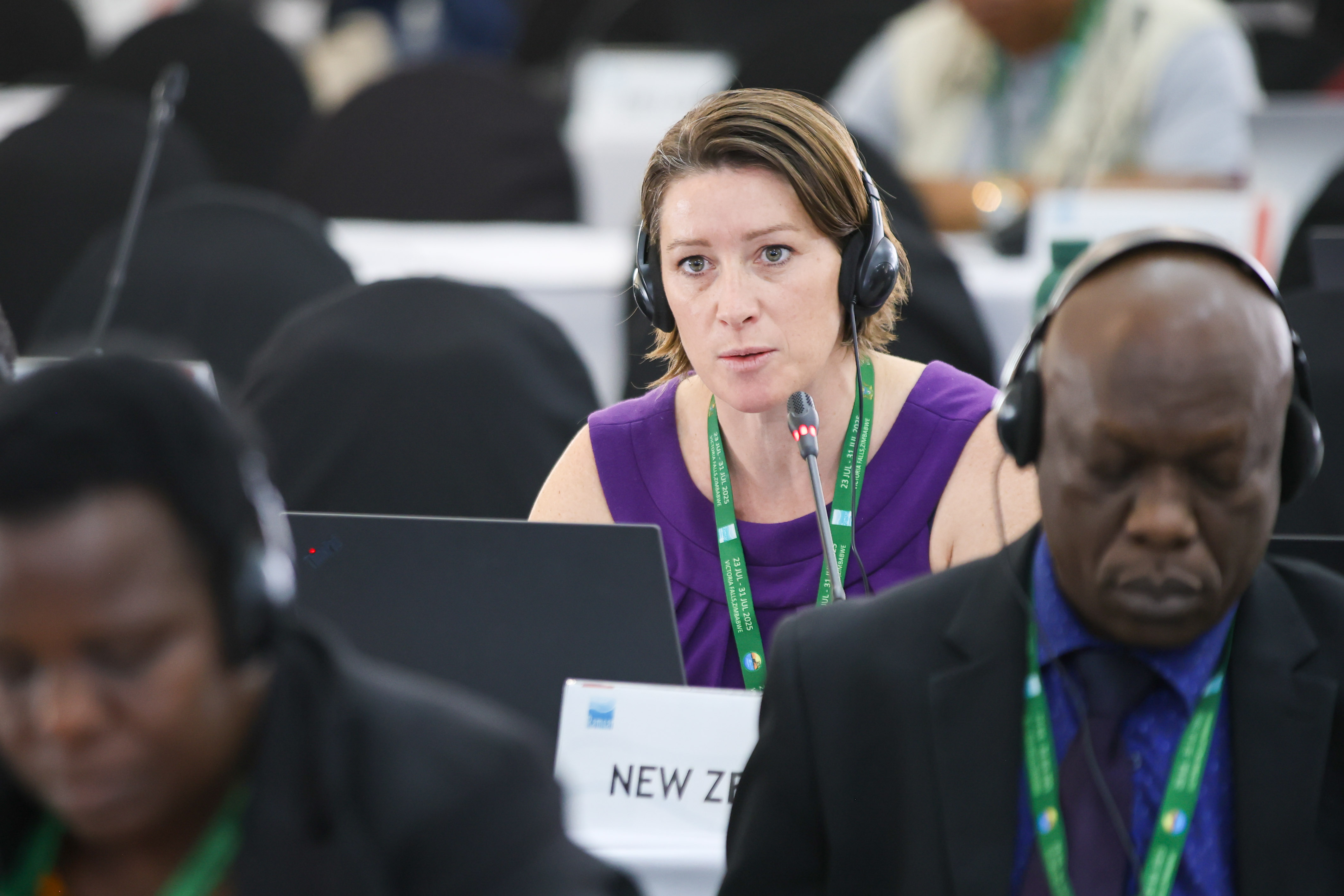
Danica Stent, New Zealand
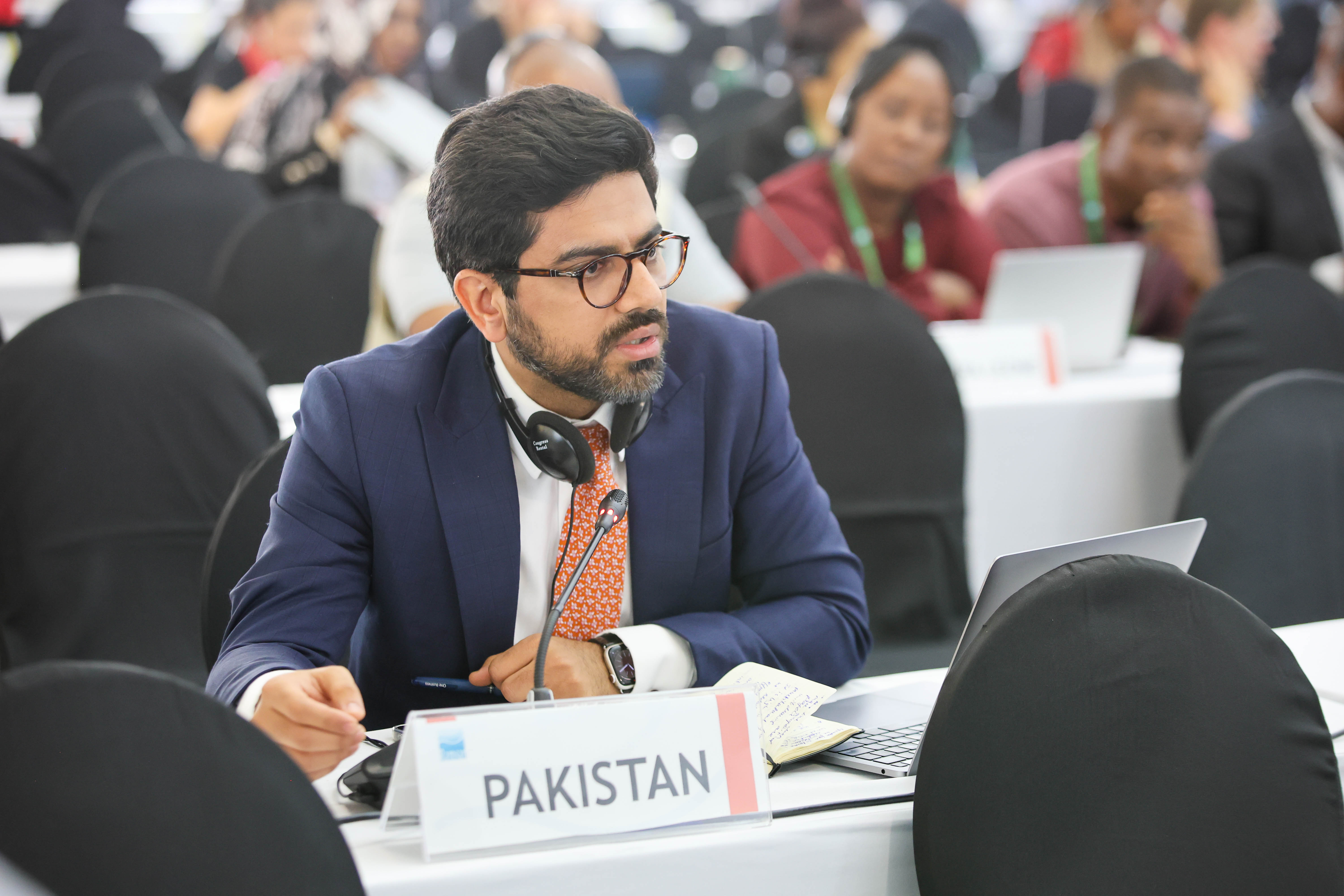
Danyal Hasnain, Pakistan
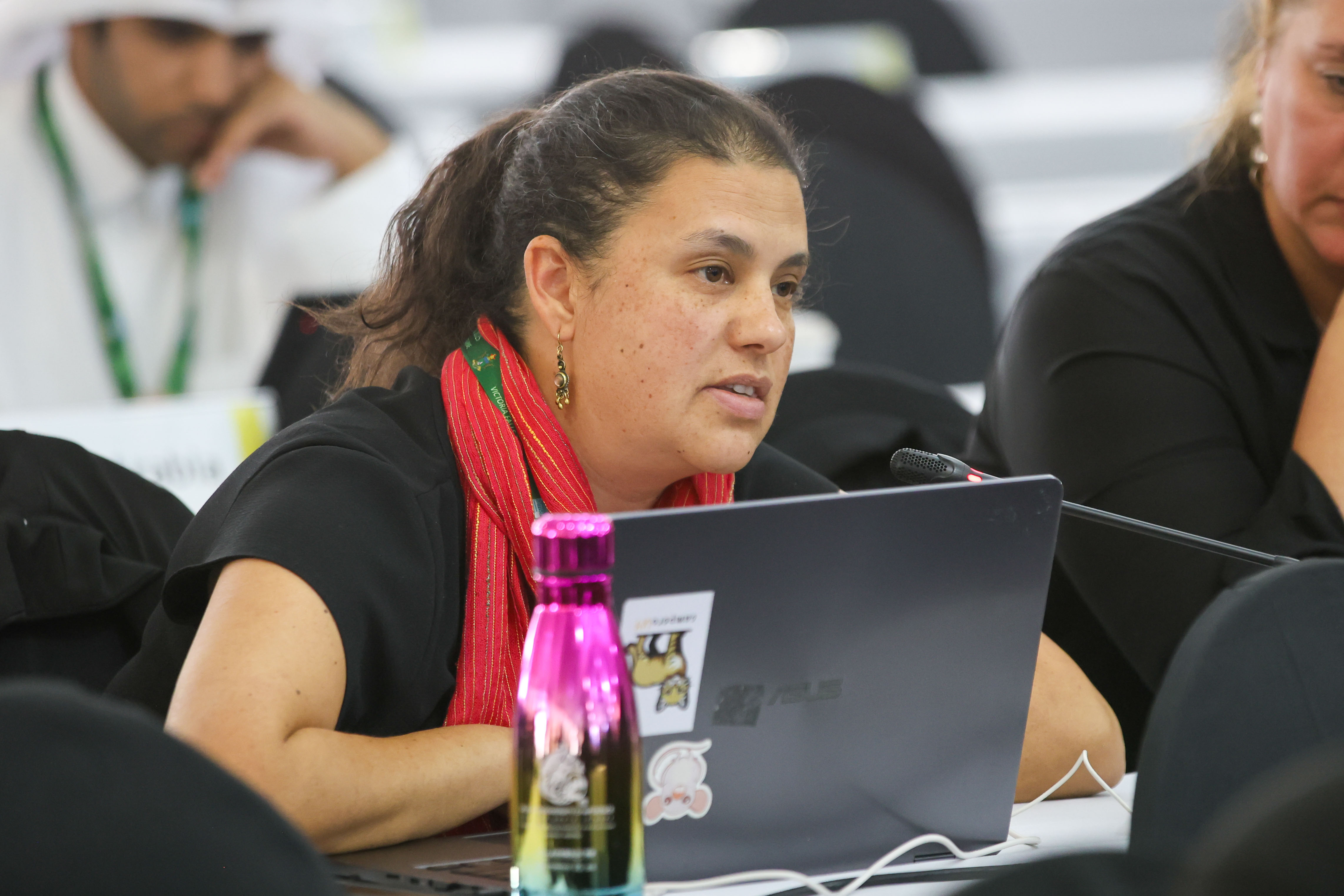
Ana Laura Mello Villamarín, Uruguay
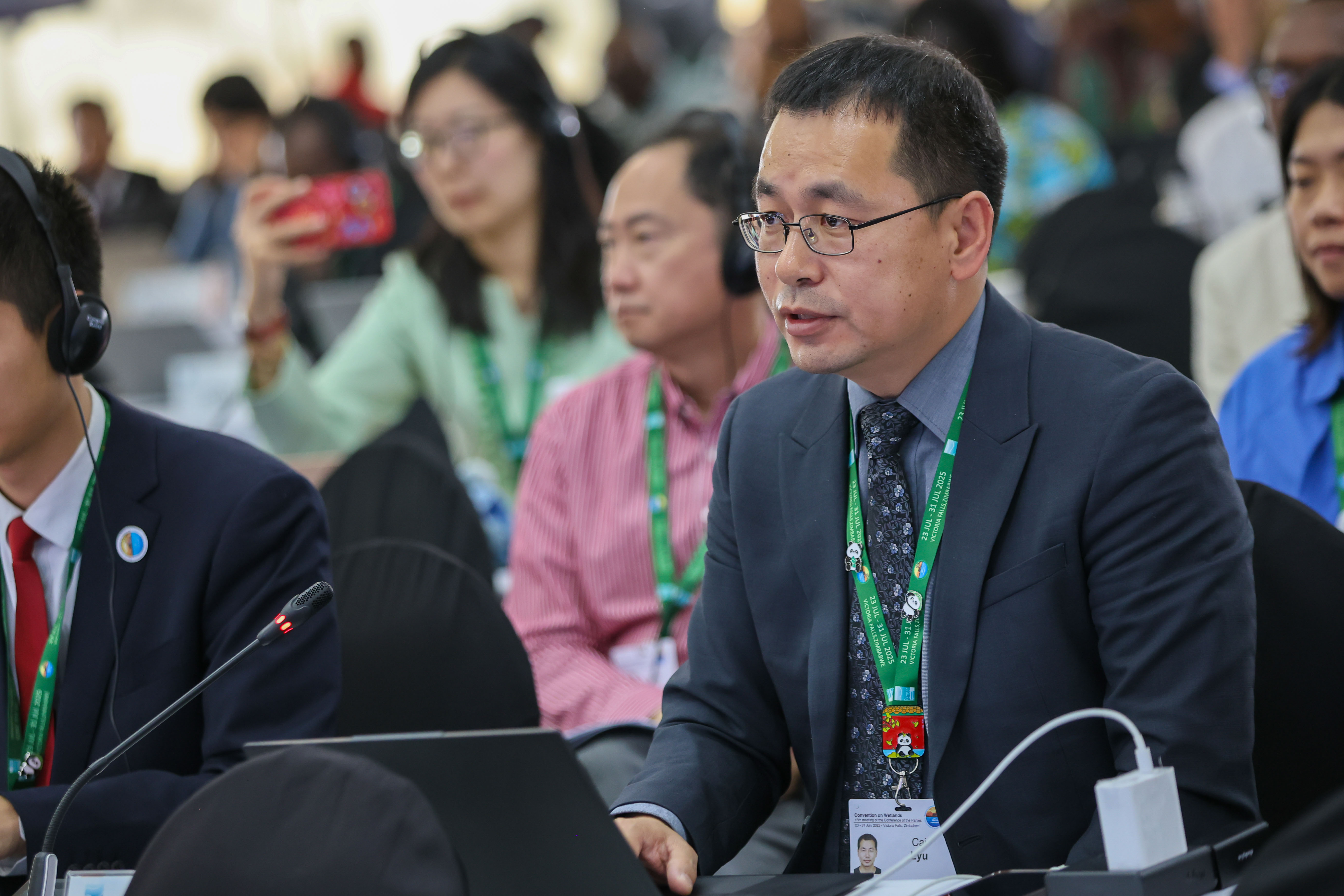
Cai Lyu, China
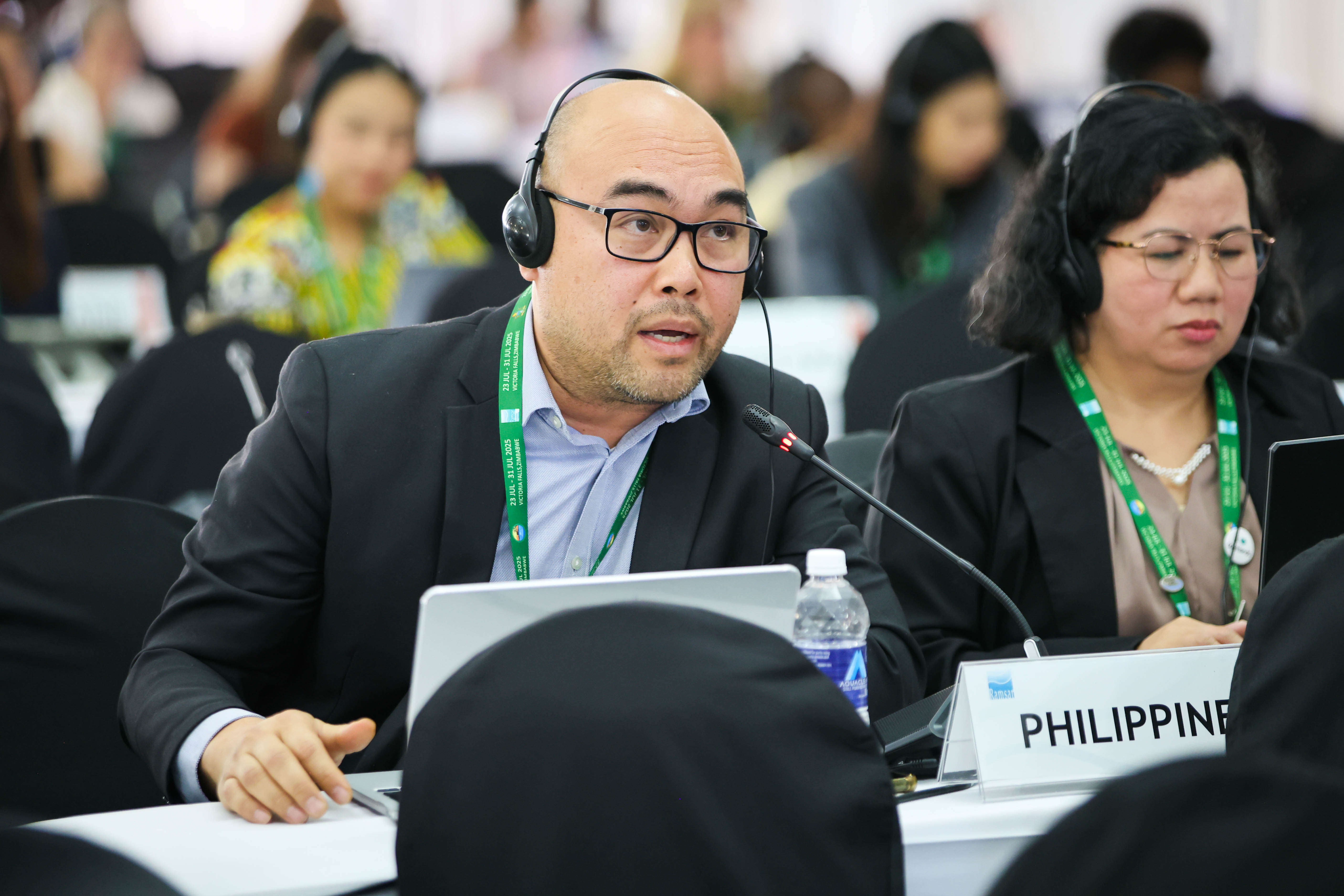
Jim Gabrillo Minglana, the Philippines
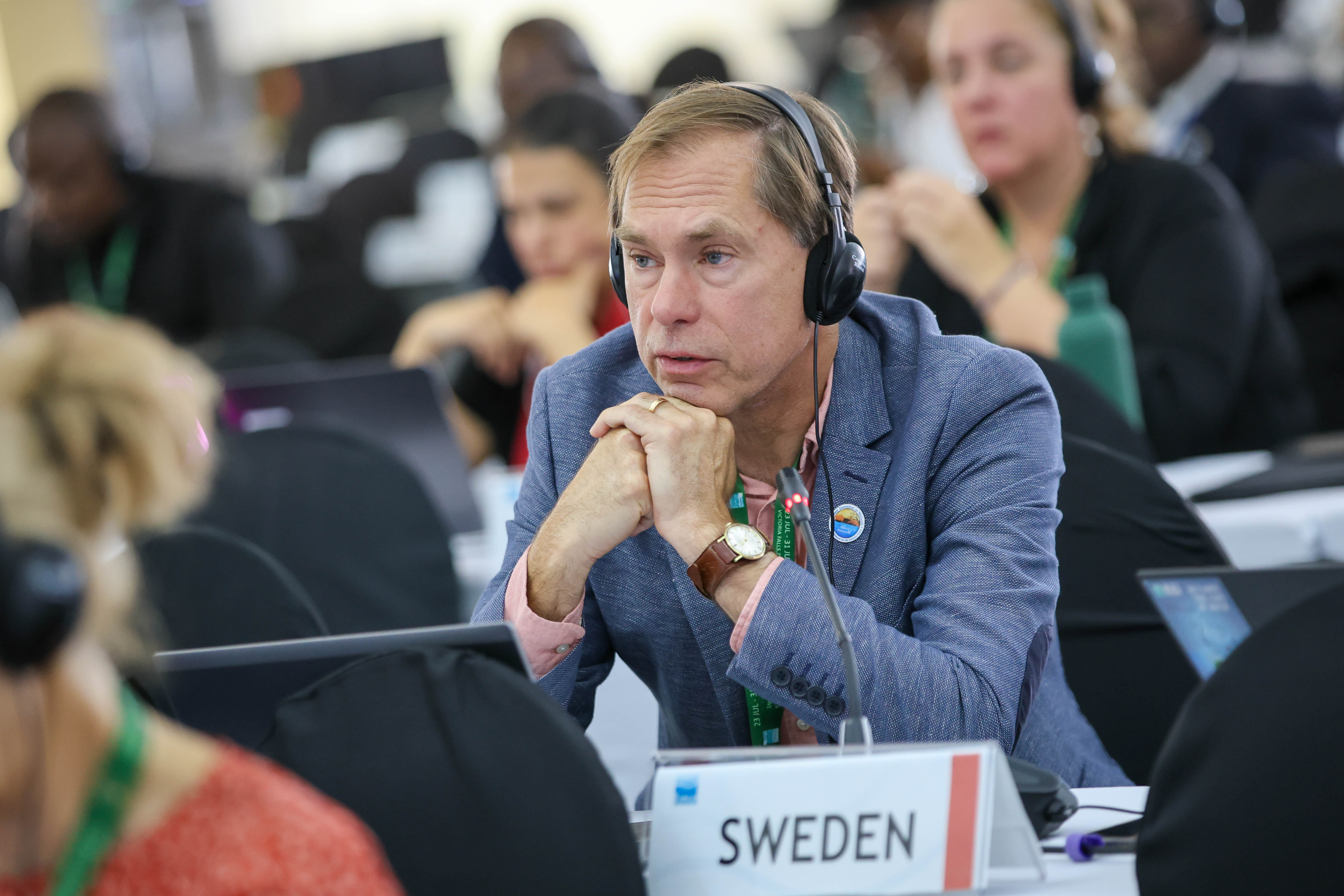
Stefan Henriksson, Sweden
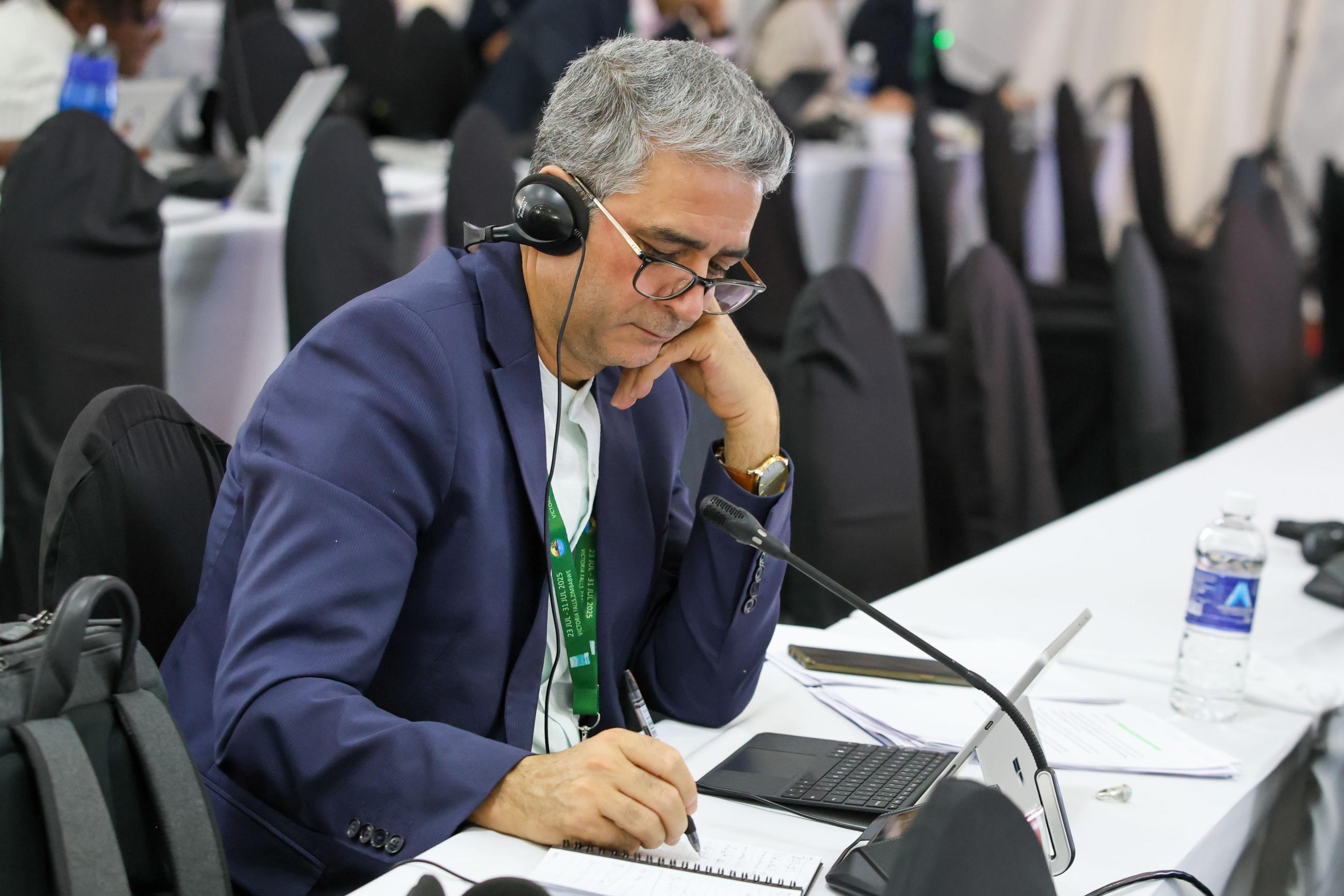
Amir Akhlaghi, Iran
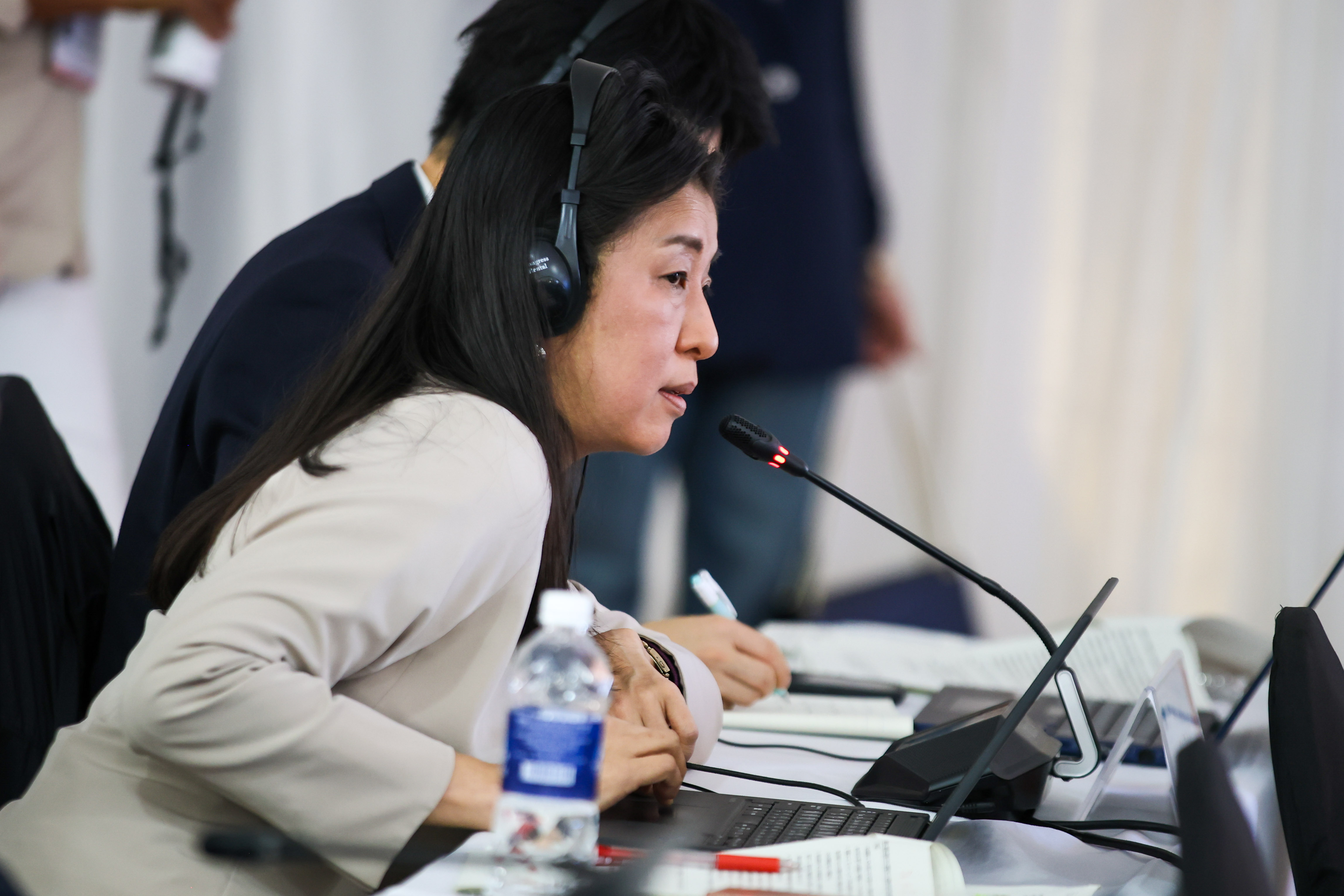
Yoko Yamoto, Japan
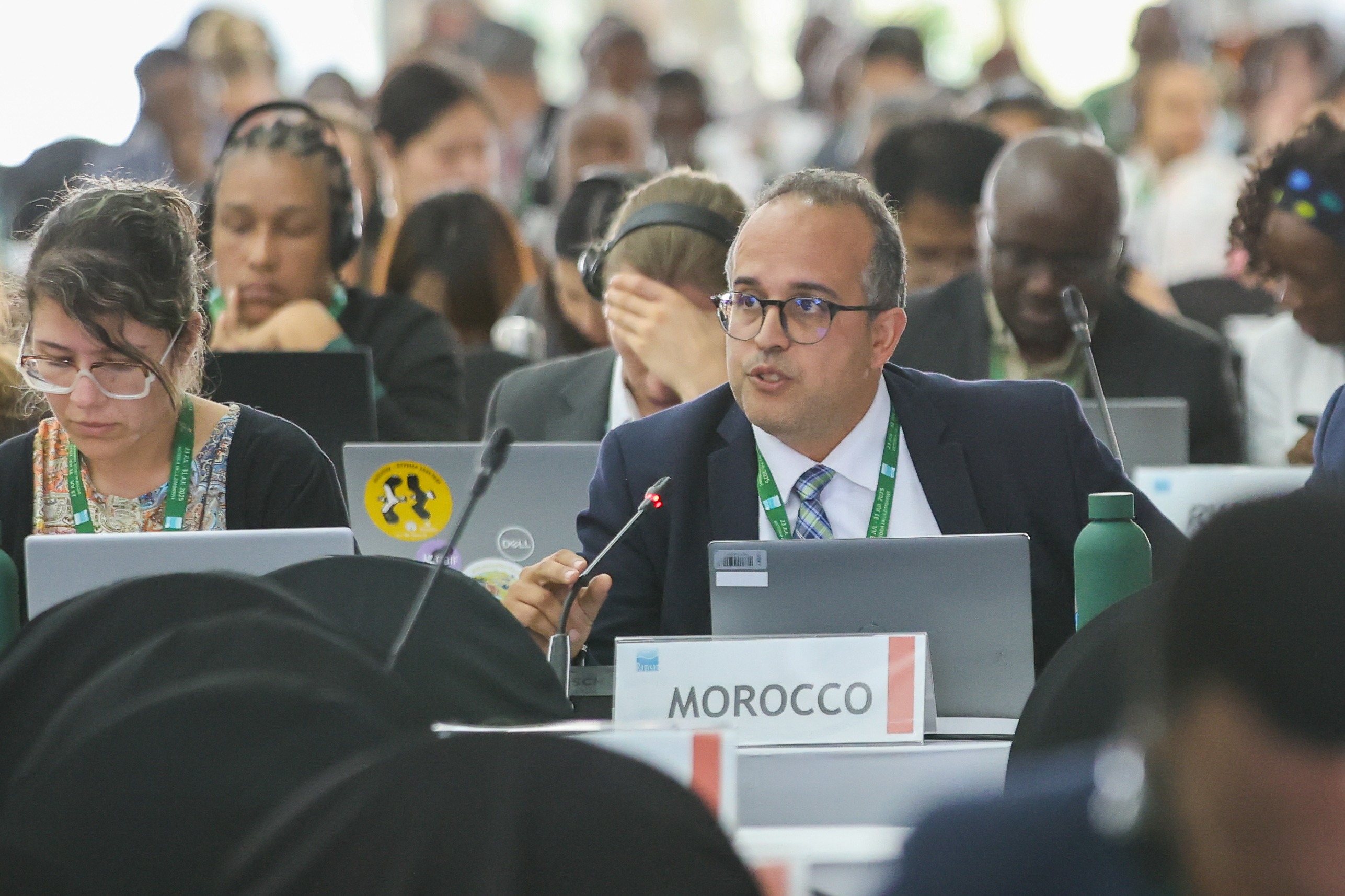
Zouhair Amhaouch, Morocco
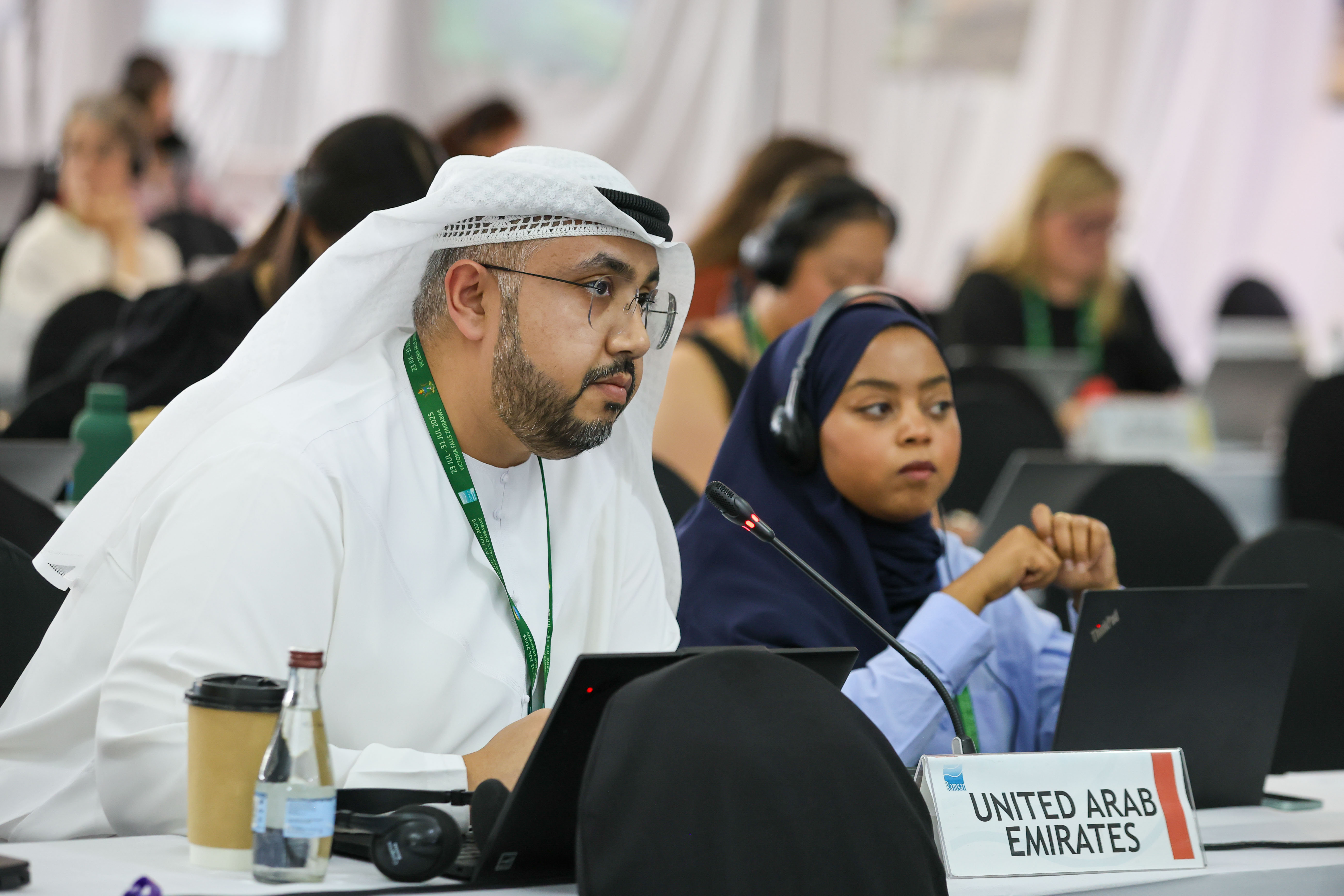
Obaid Alshamsi, United Arab Emirates
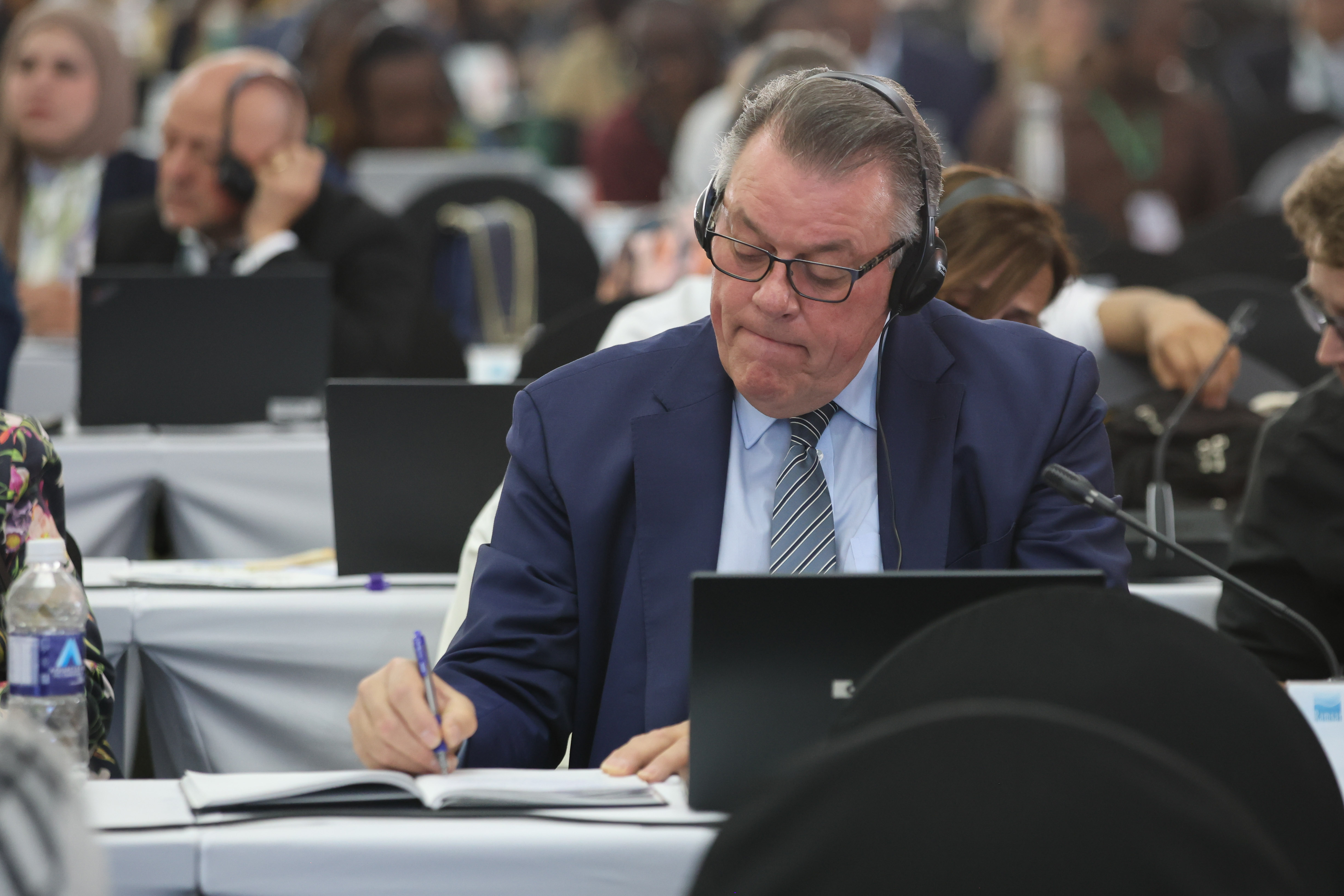
Philip Lupul, Canada
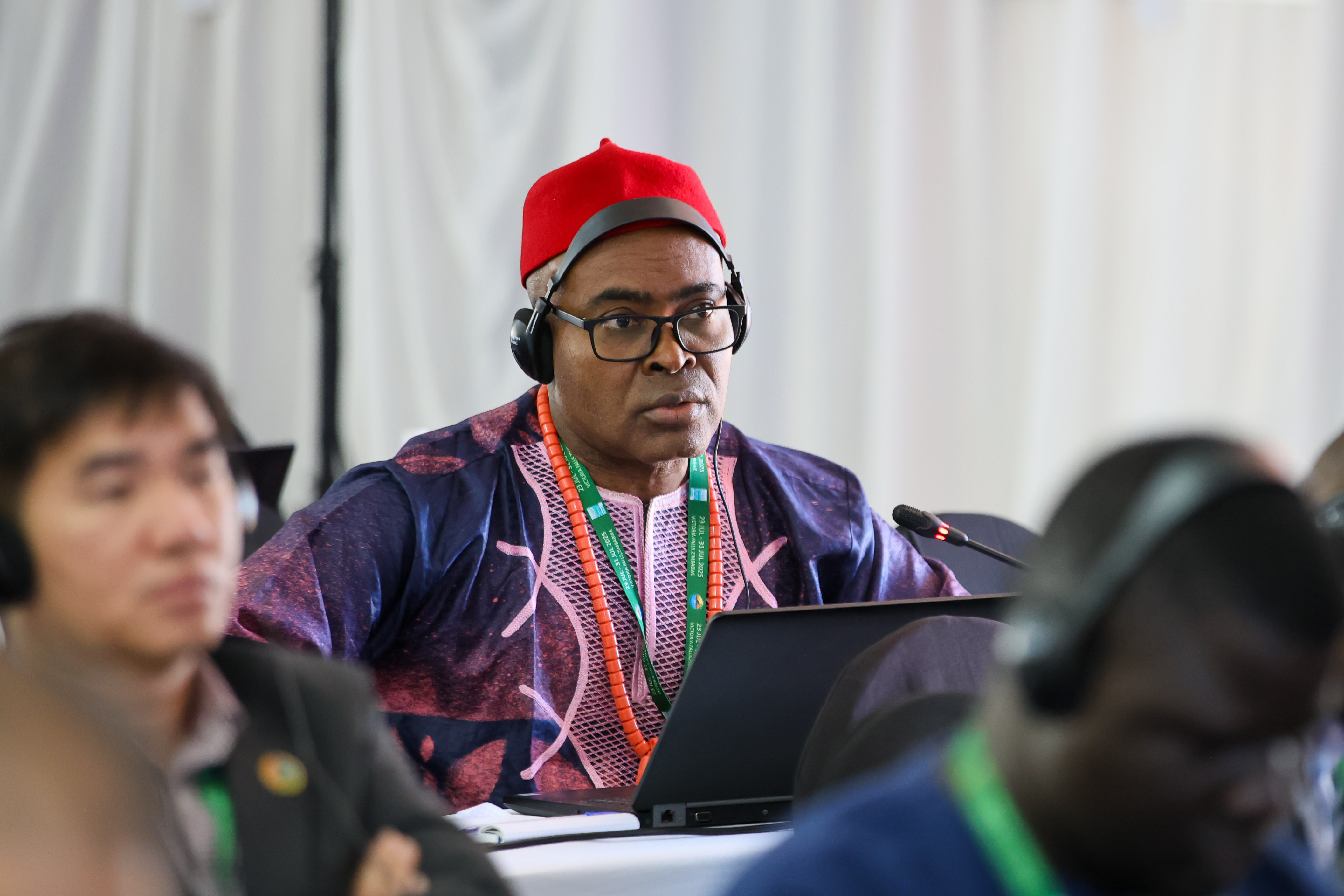
Honorato Toka Rubio, Equatorial Guinea
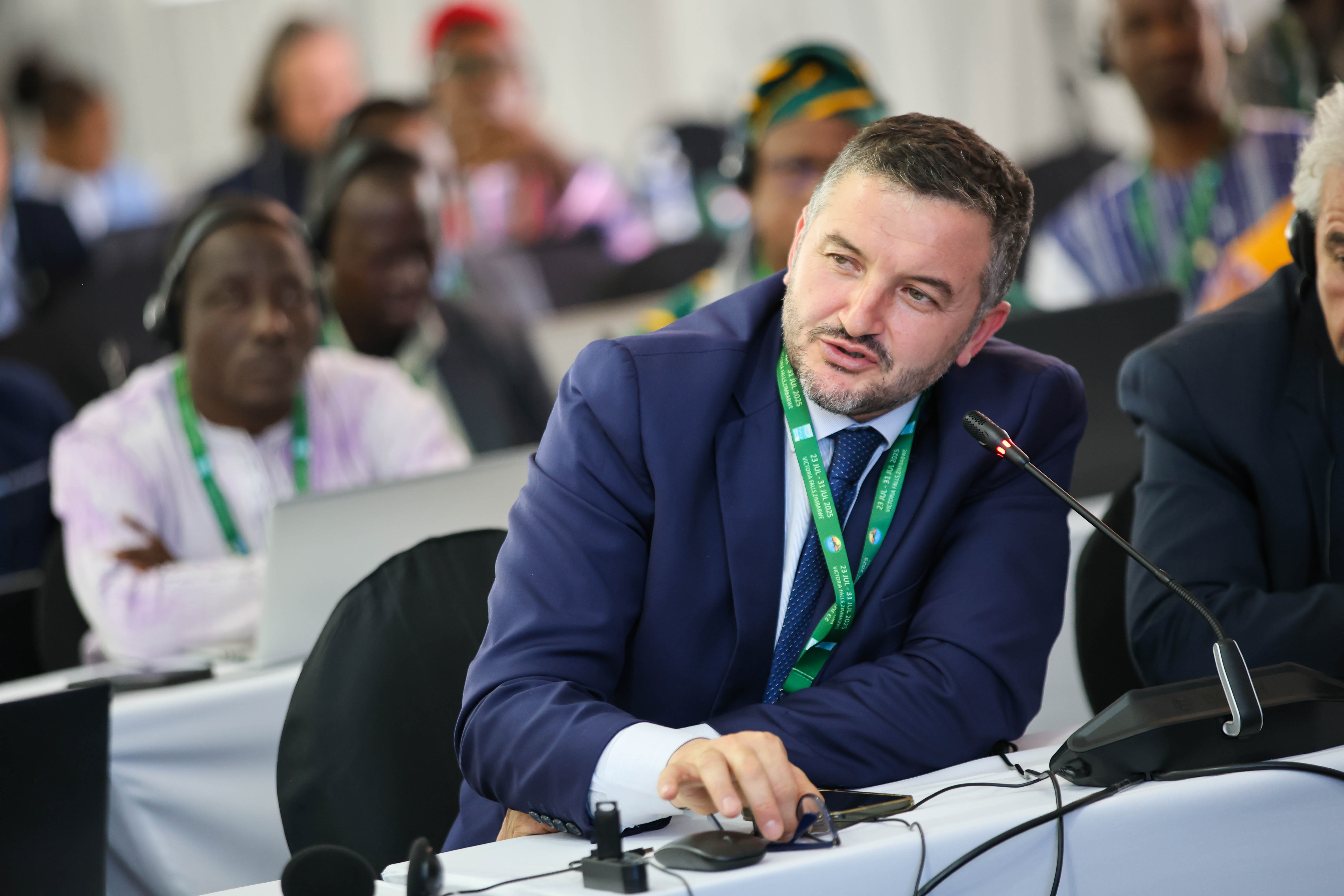
Hakim Bouaziz, Algeria
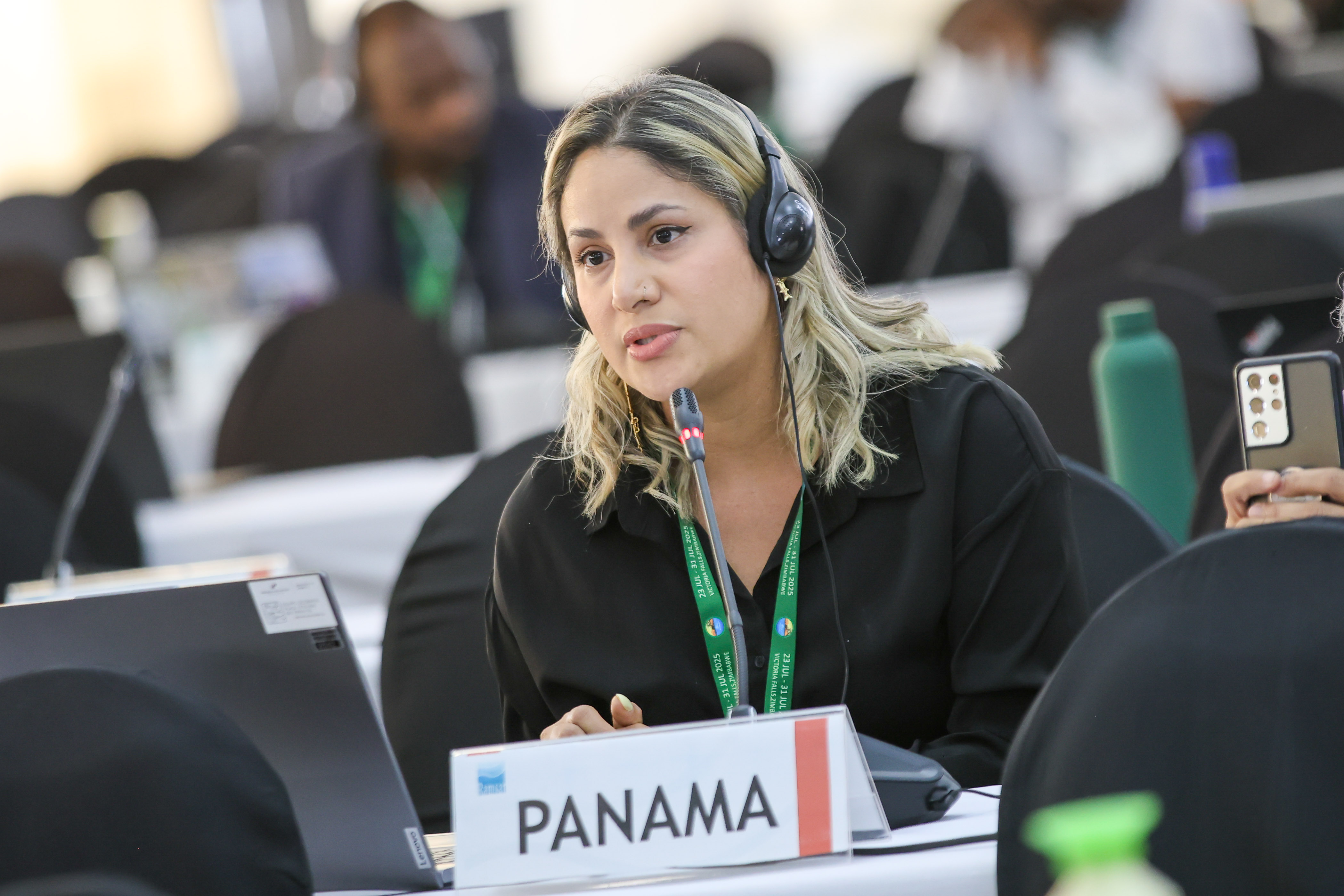
Digna Rosa Barsallo De León, Panama, offers to host COP16 of the Convention on Wetlands.
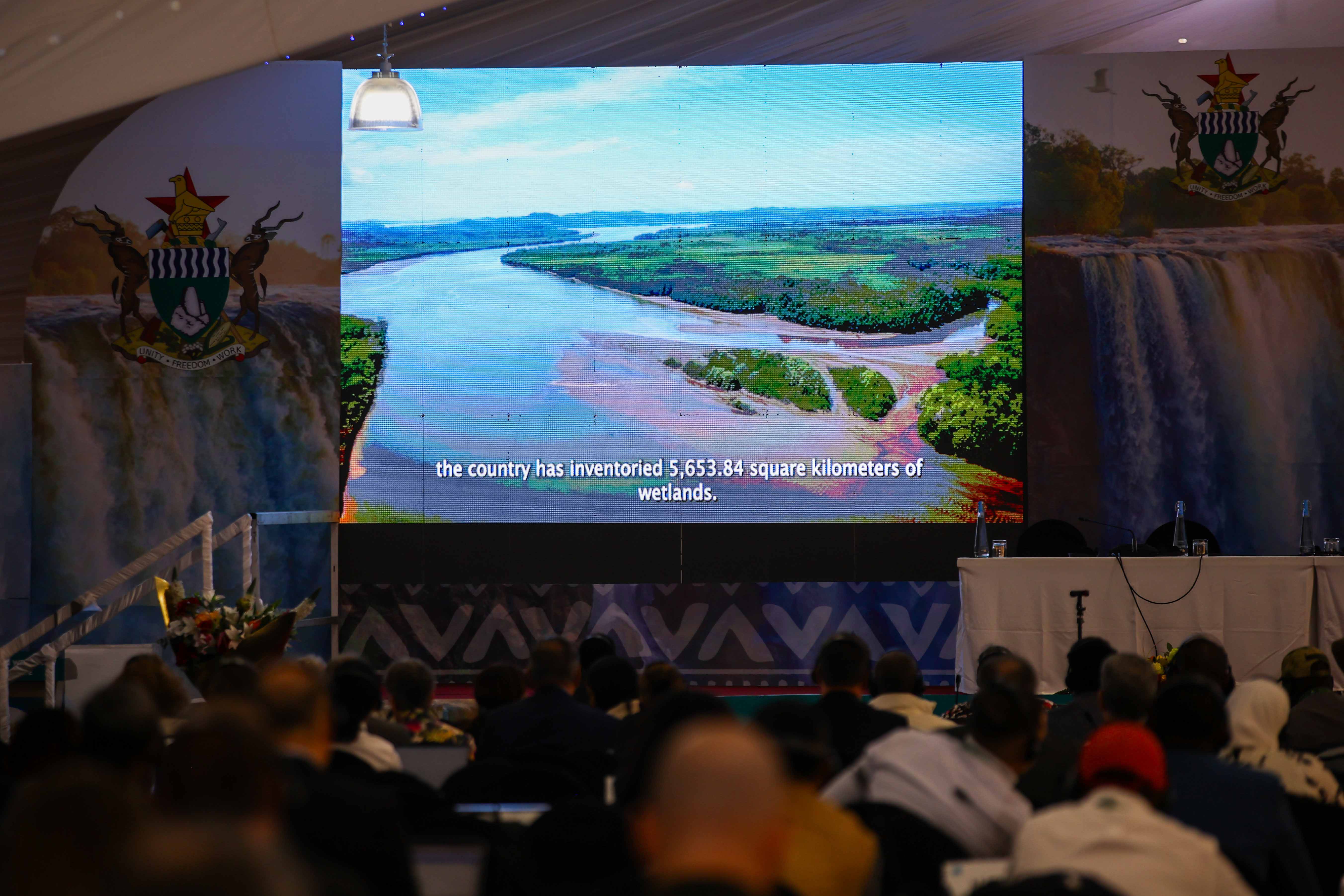
Delegates watch a video by Panama, the host country of COP16.
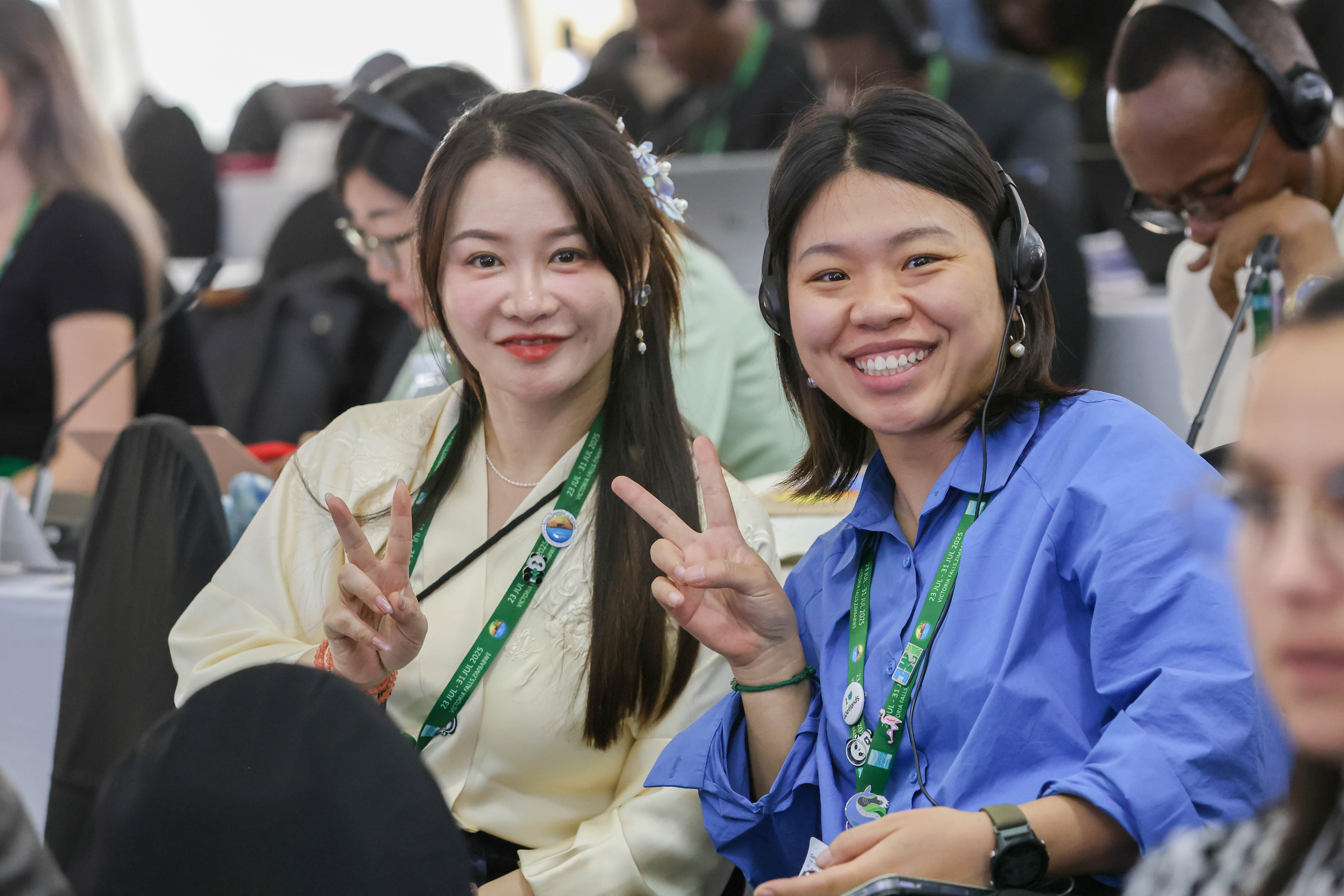
Jing Liao and Xinxin Hu, China
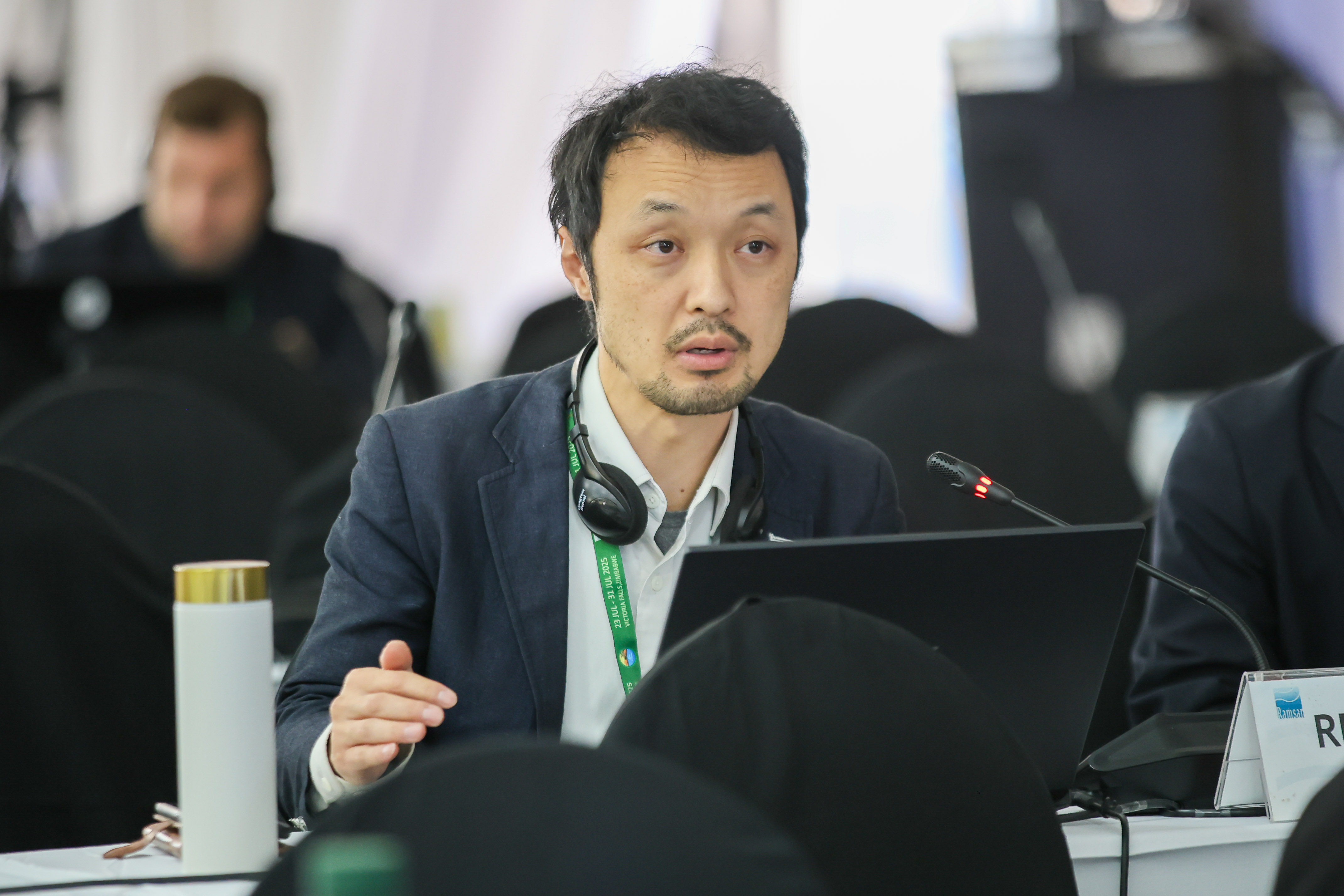
Joon-woo Seo, Republic of Korea
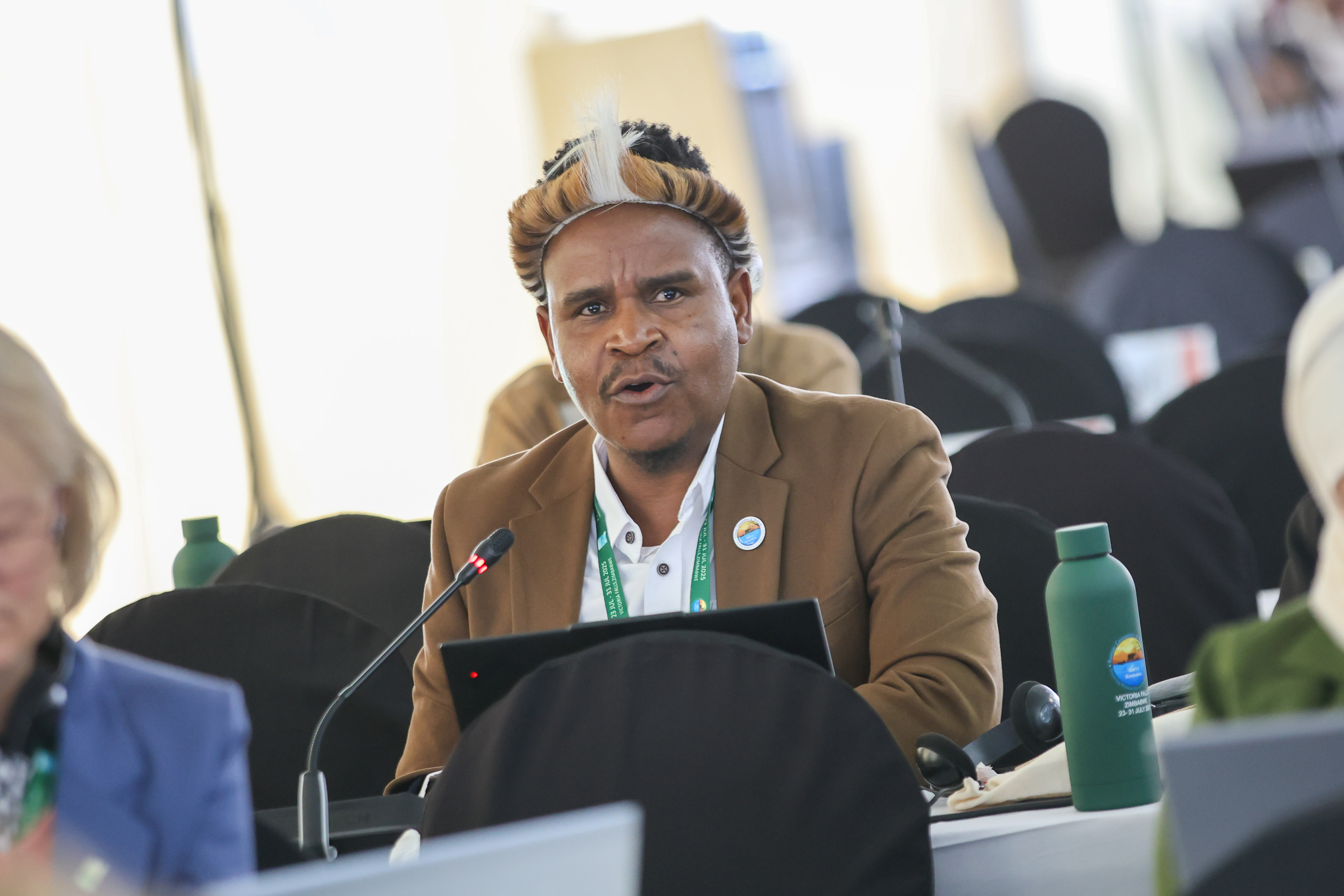
Tshikonelo Stanley Tshitwamulomoni, South Africa
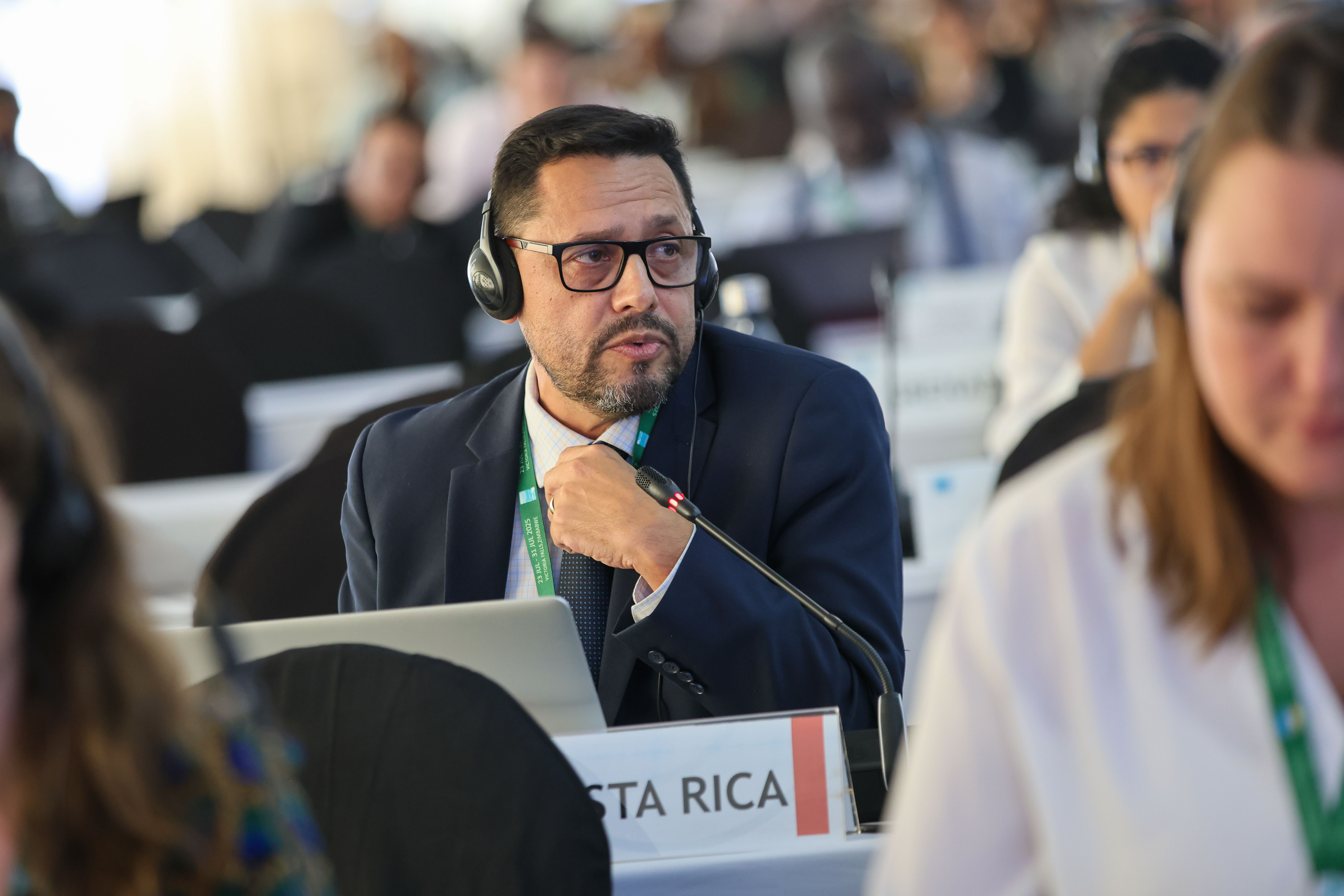
Rotney Piedra Chacón, Costa Rica
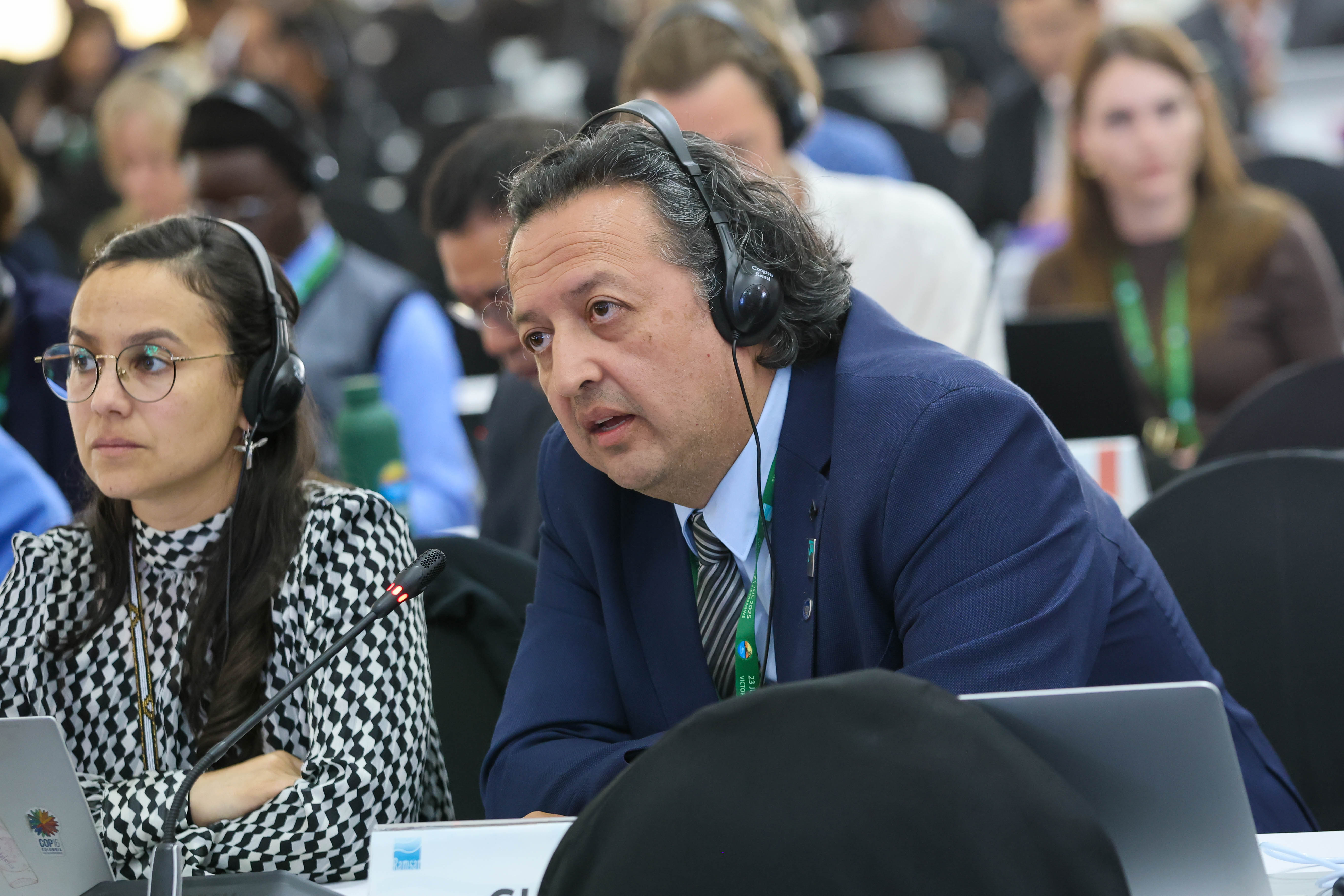
Francisco Morey Cañoles, Chile
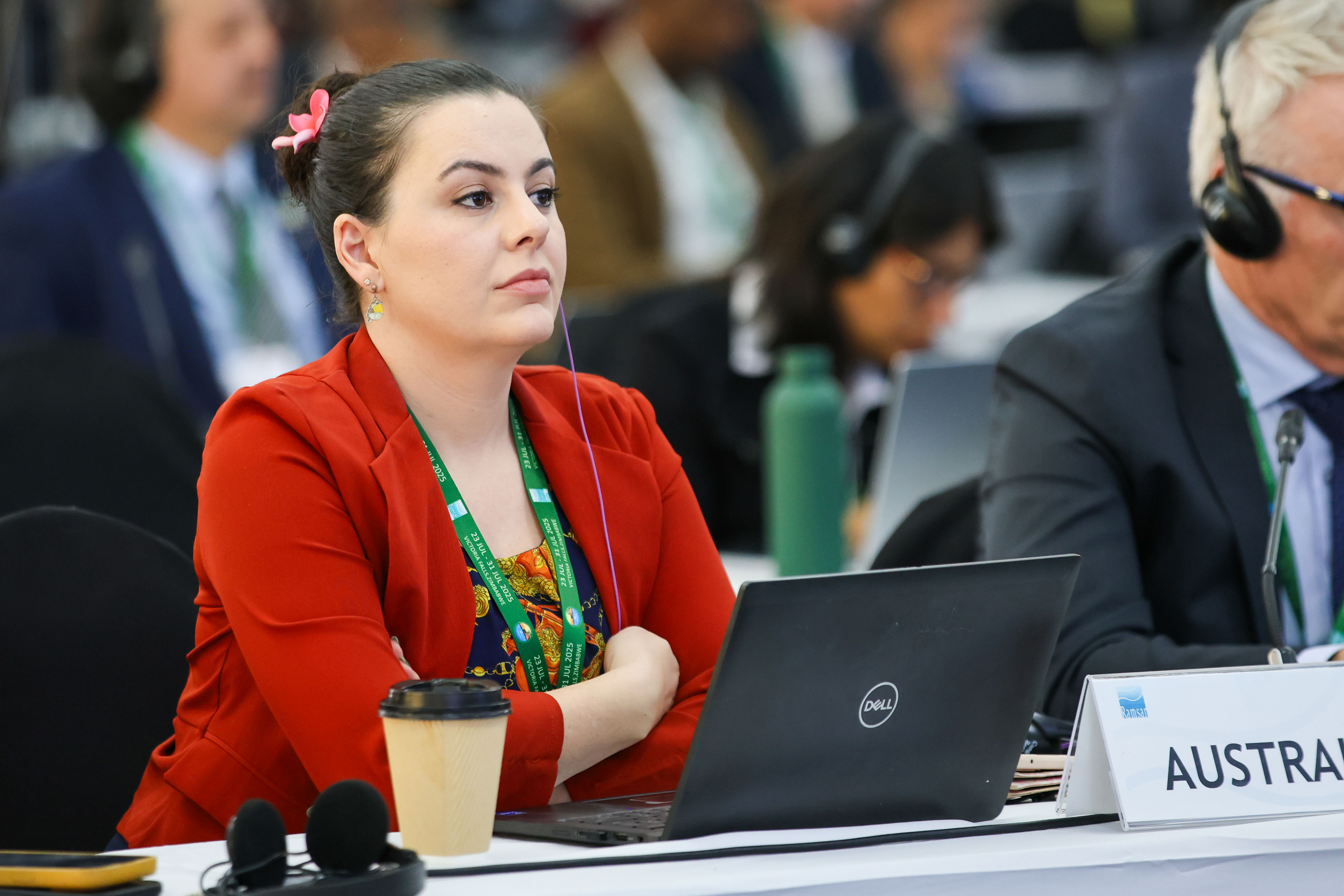
Sarah Douglass, Australia
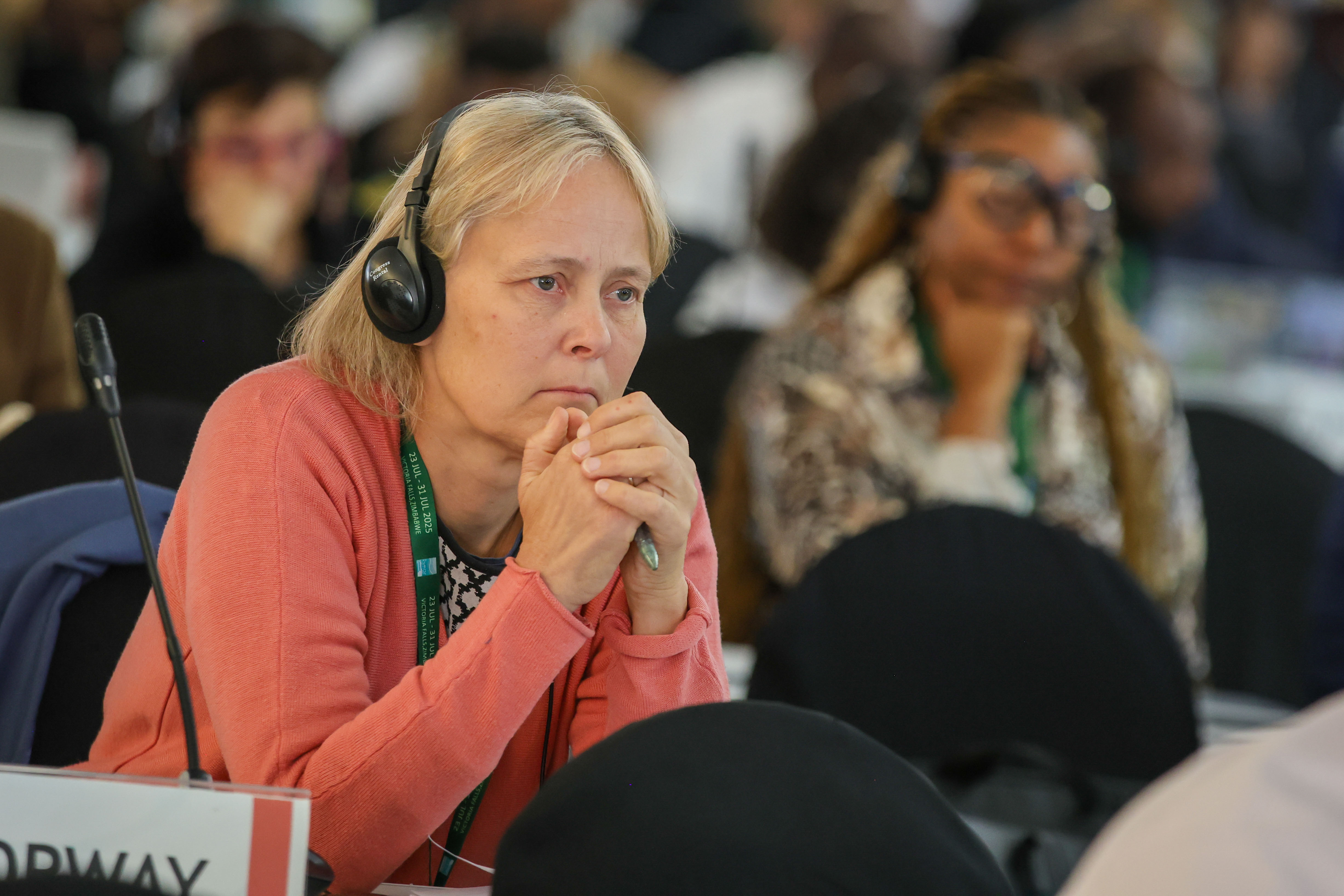
Irene Lindblad, Norway
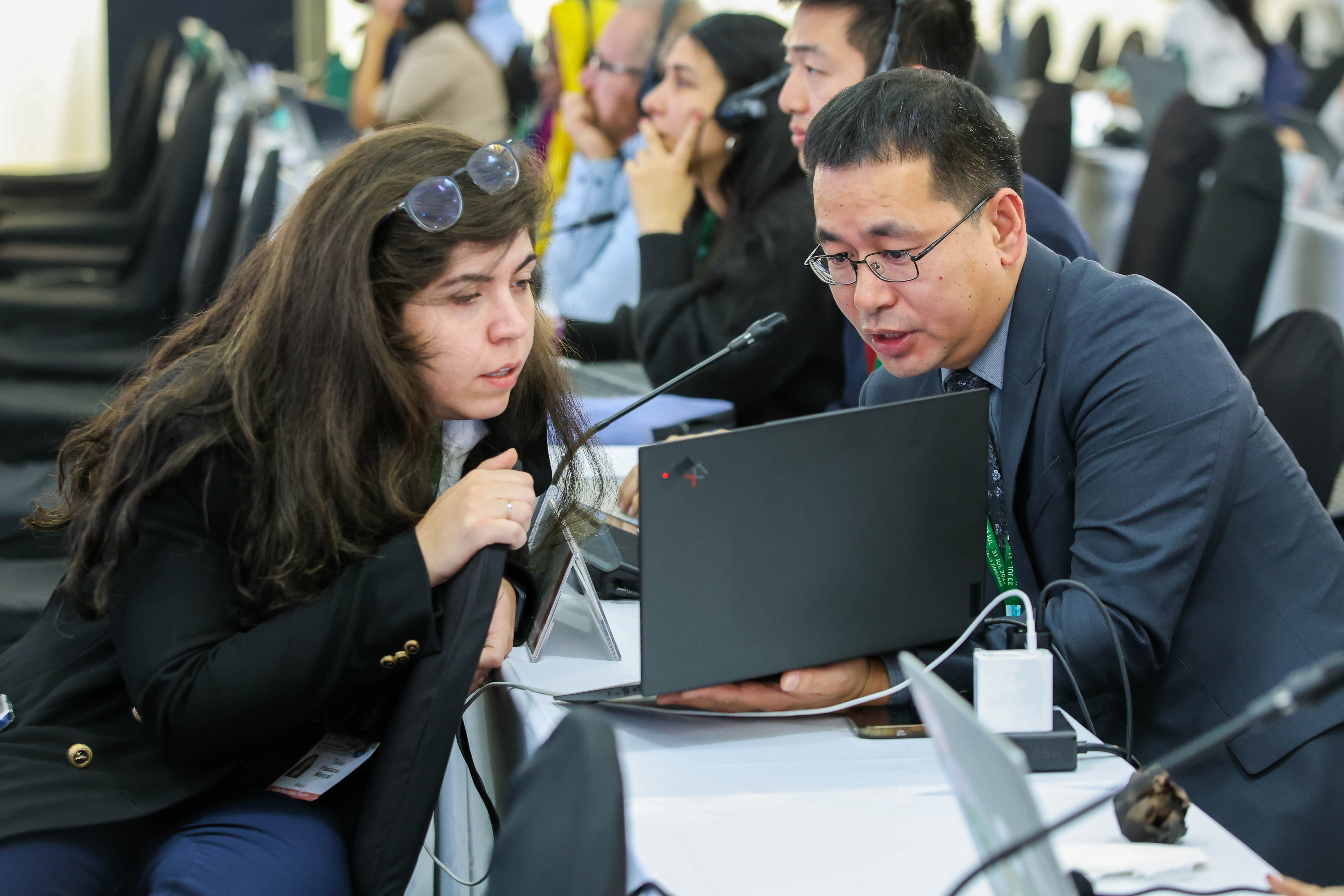
Taísa Passoni Marçal, Brazil, consults with Cai Lyu, China, during the morning session.
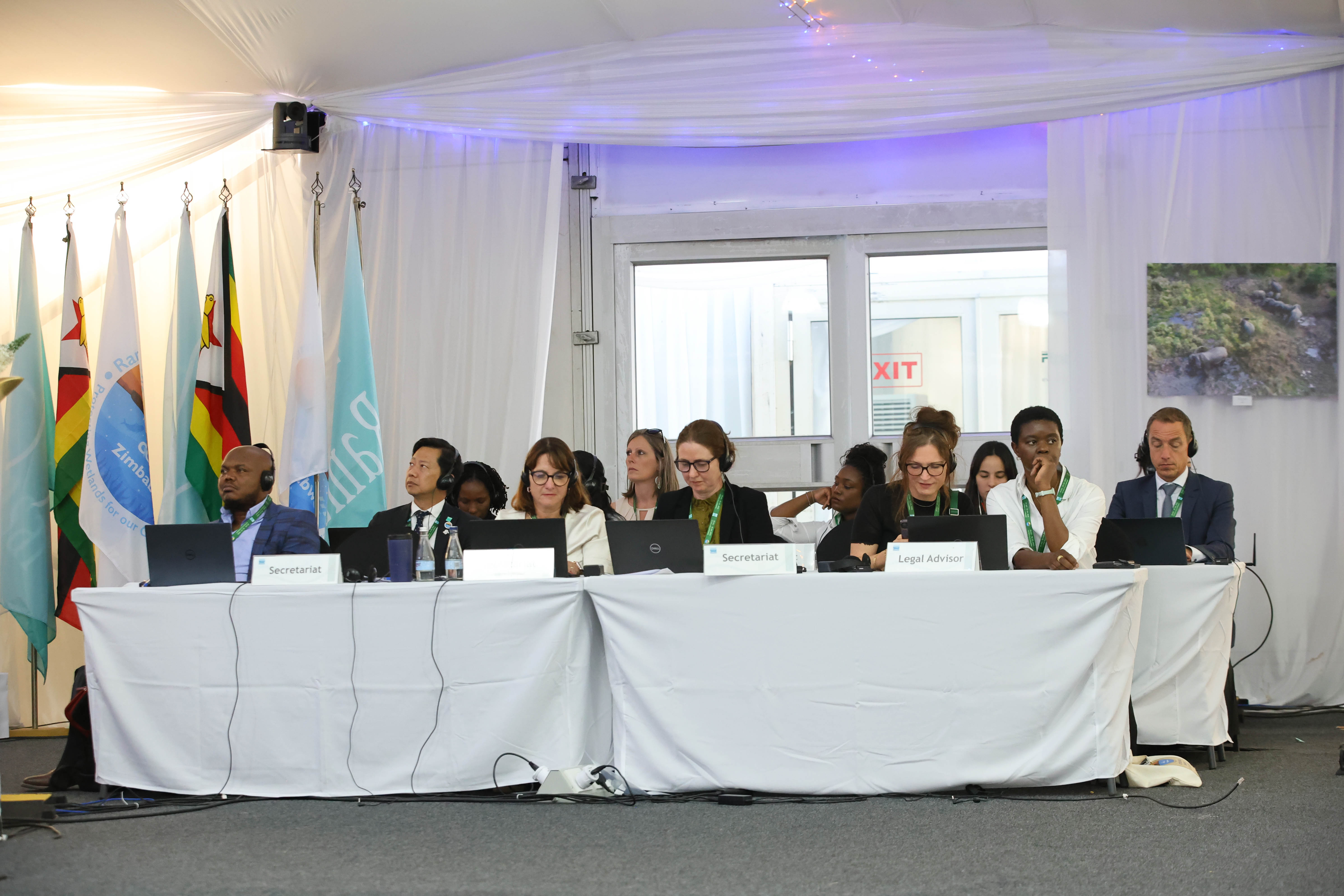
Convention on Wetlands Secretariat
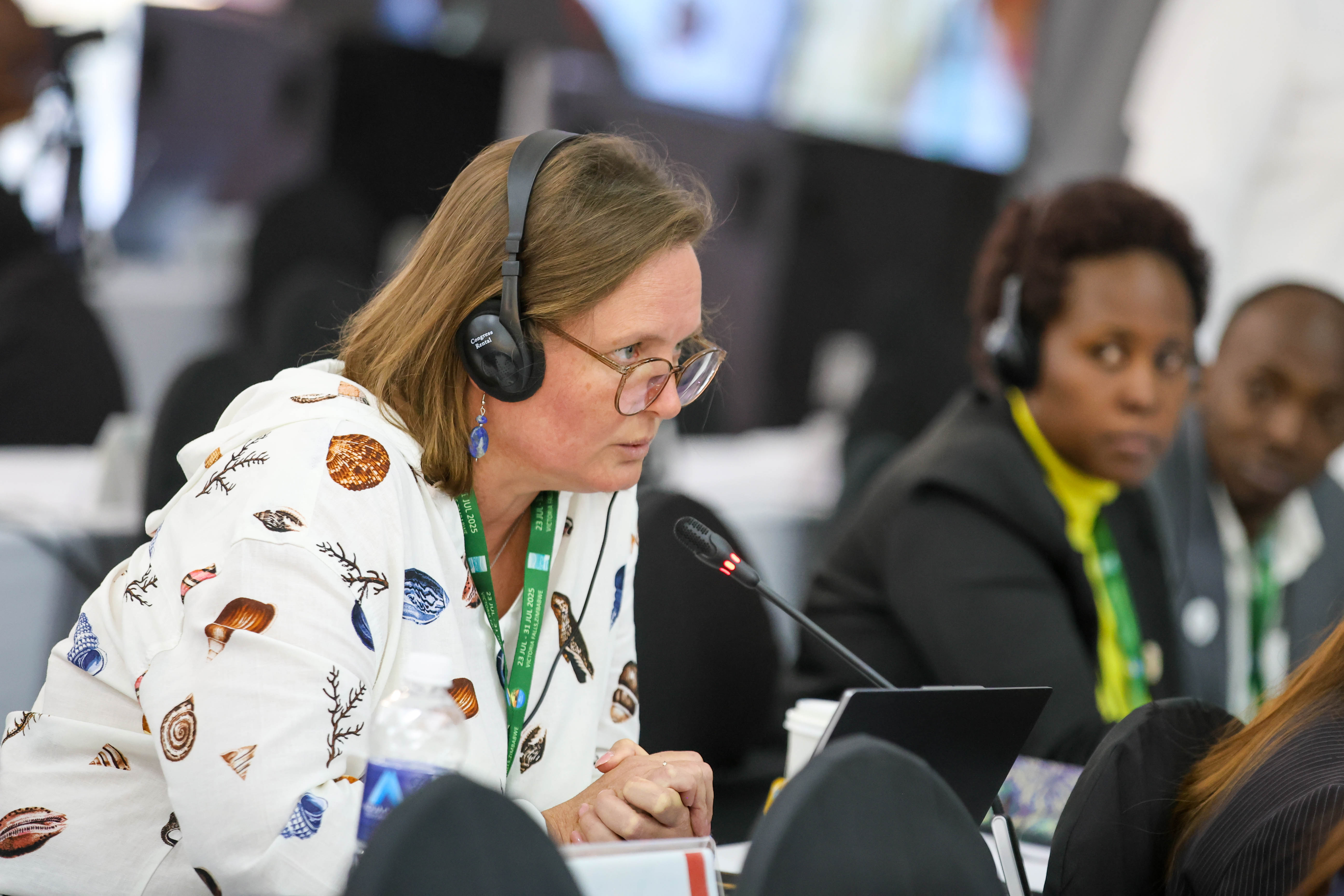
Olesya Petrovych, Ukraine
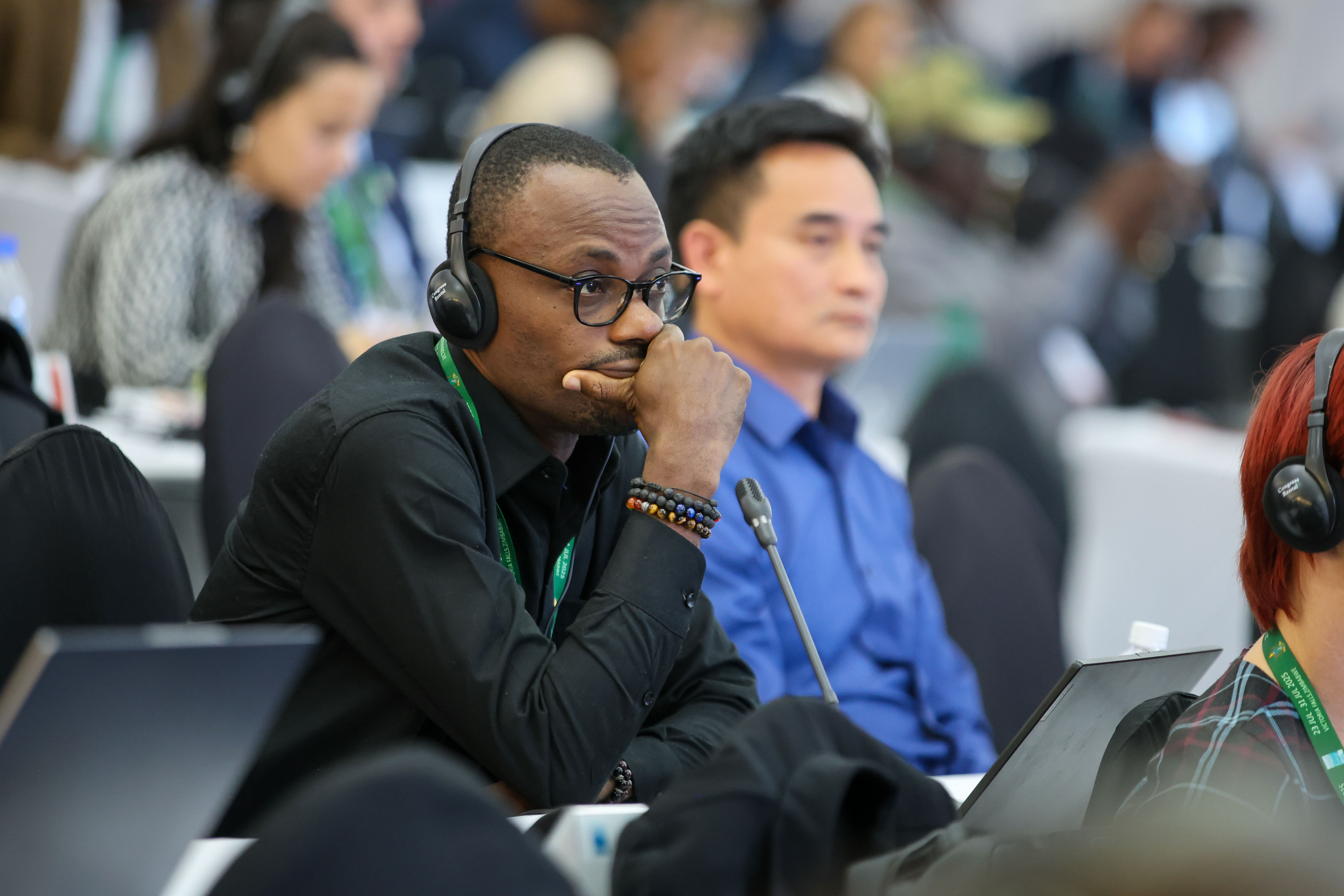
Delegates listen to the interventions.
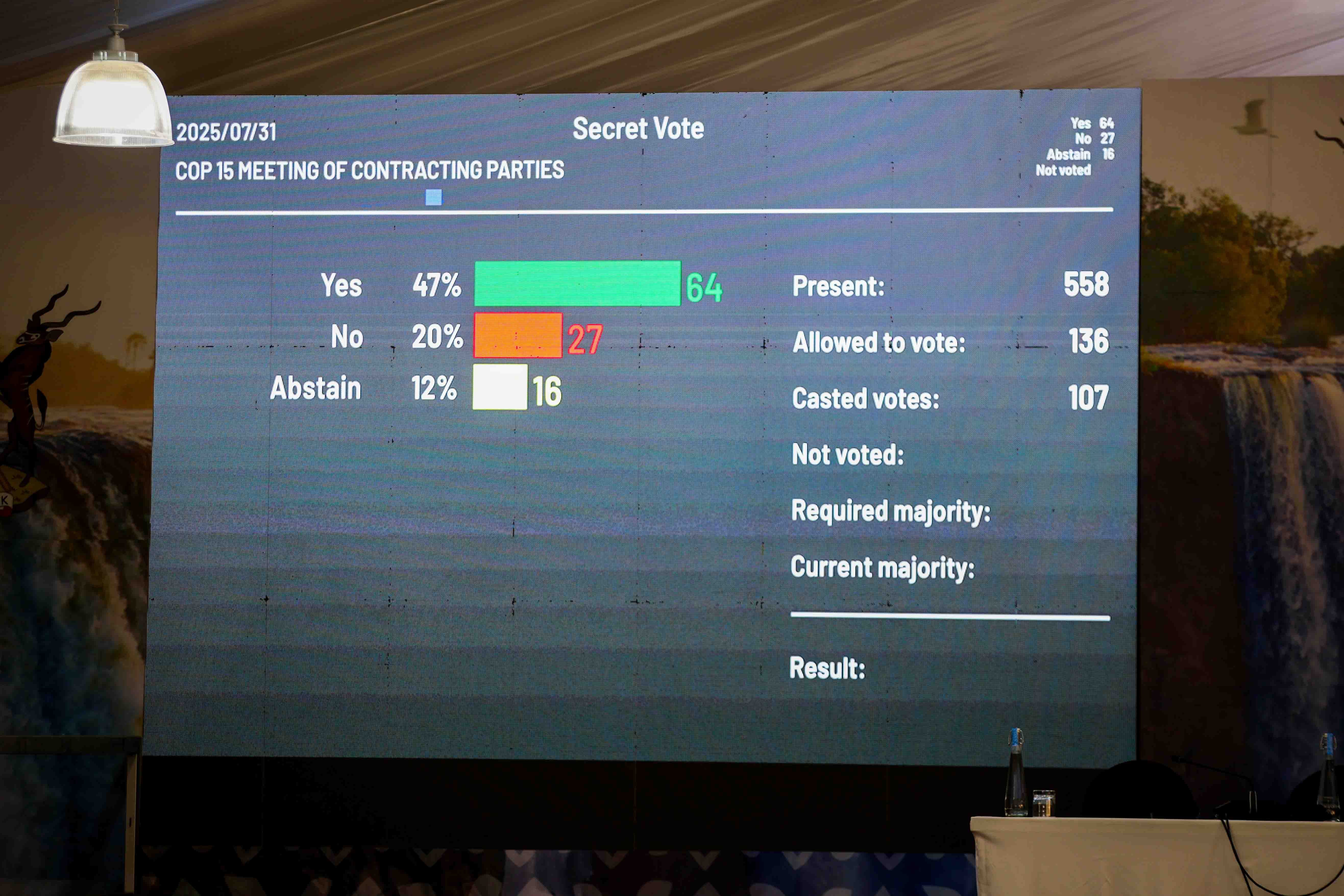
Delegates vote to determine whether to proceed with roll-call or secret votes.
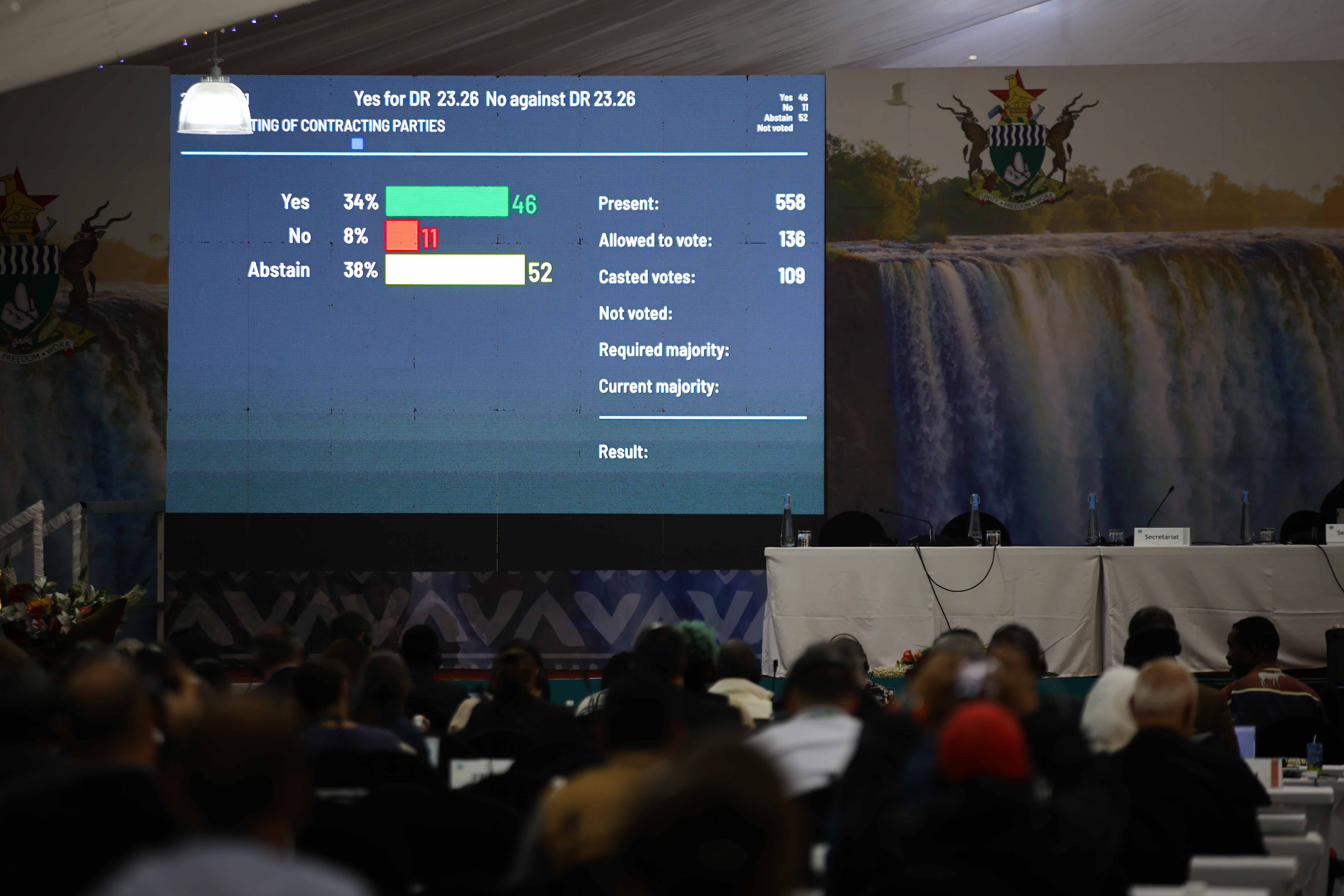
Delegates vote on the extension of Resolution XIV.20.
Closing of the Session
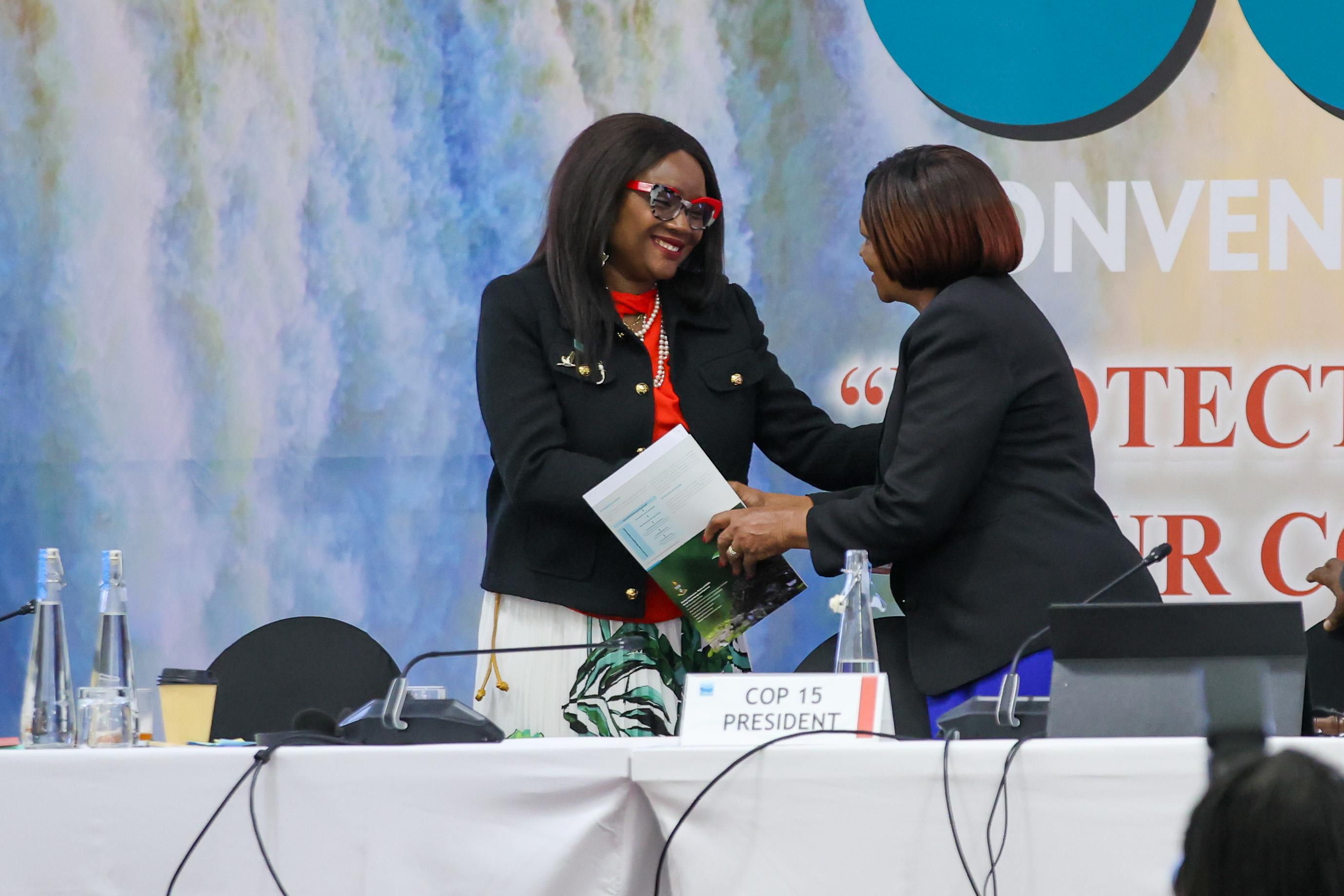
Musonda Mumba, Secretary General, Convention on Wetlands, and Evelyn Ndlovu, Minister of Environment, Water and Climate, Zimbabwe, and COP15 President
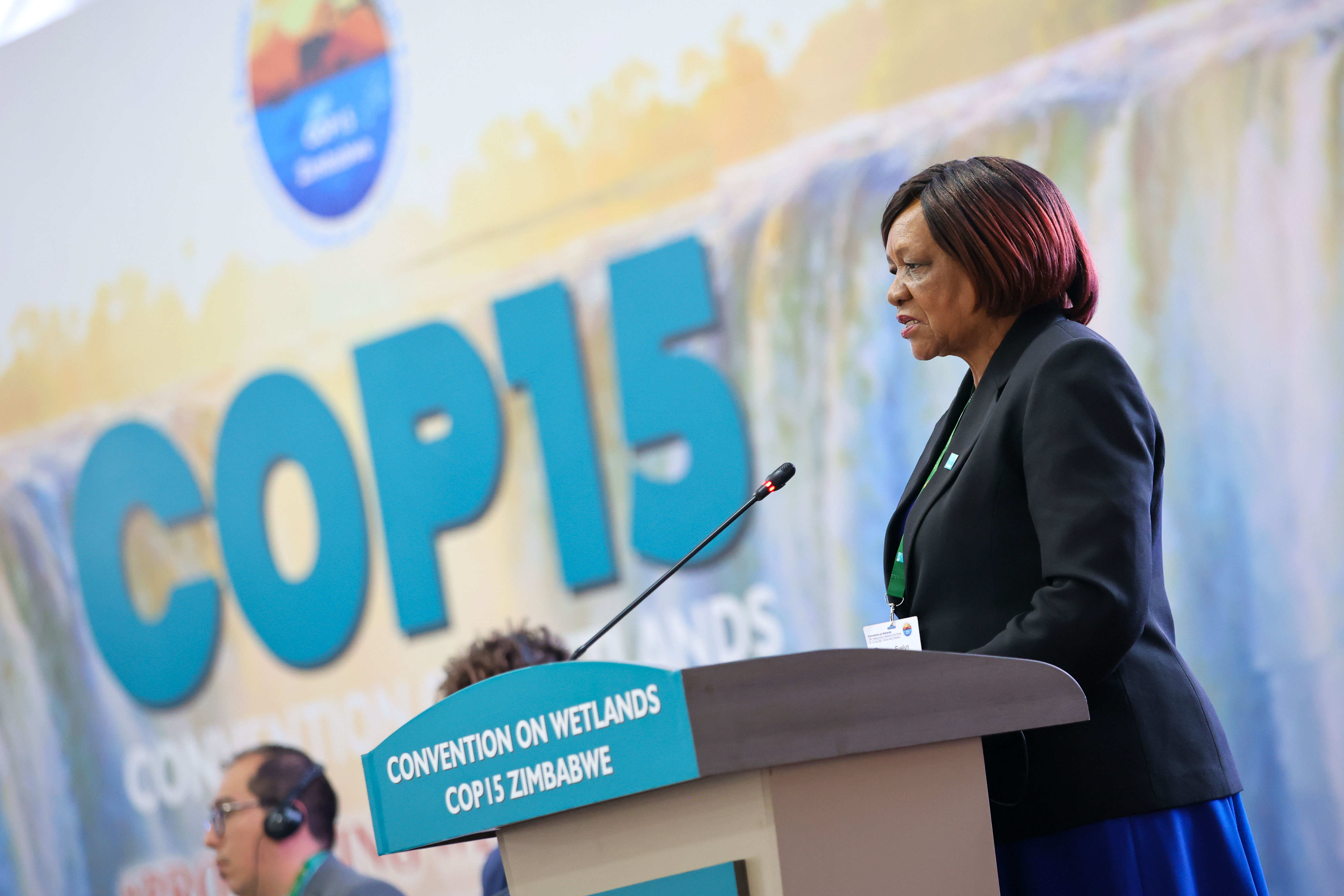
Evelyn Ndlovu, Minister of Environment, Water and Climate, Zimbabwe, and COP15 President
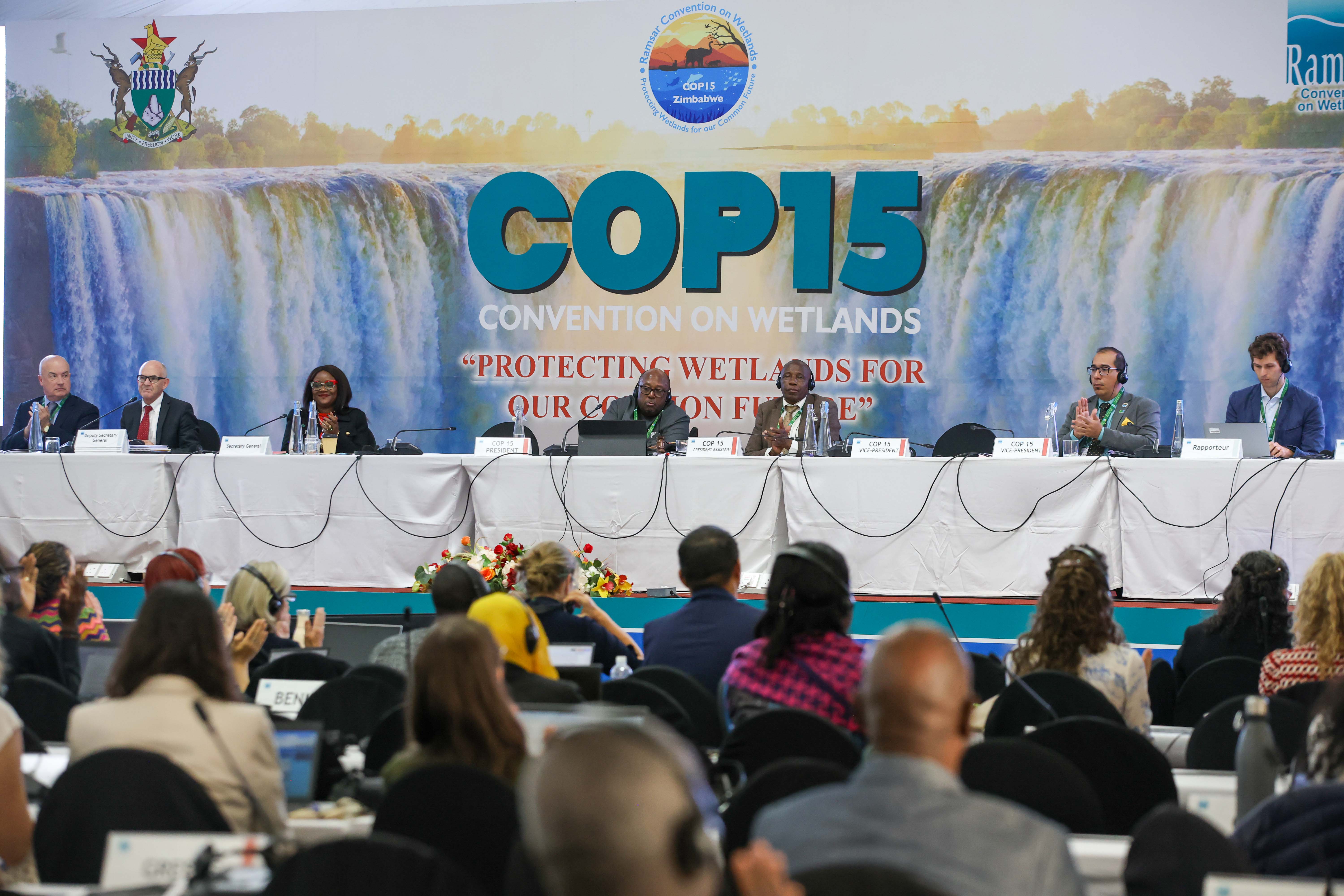
A view of the panel during the closing of the COP15 plenary
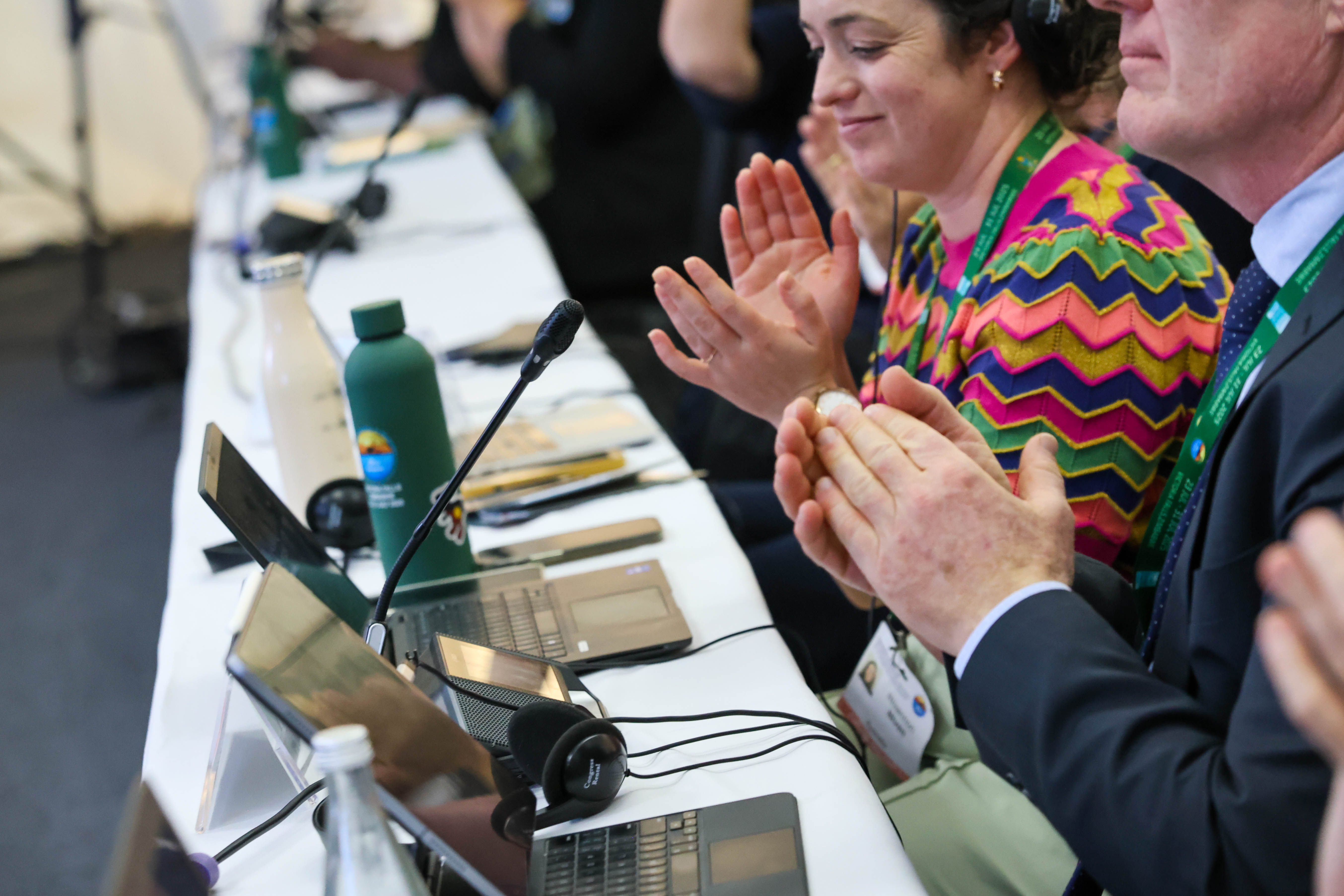
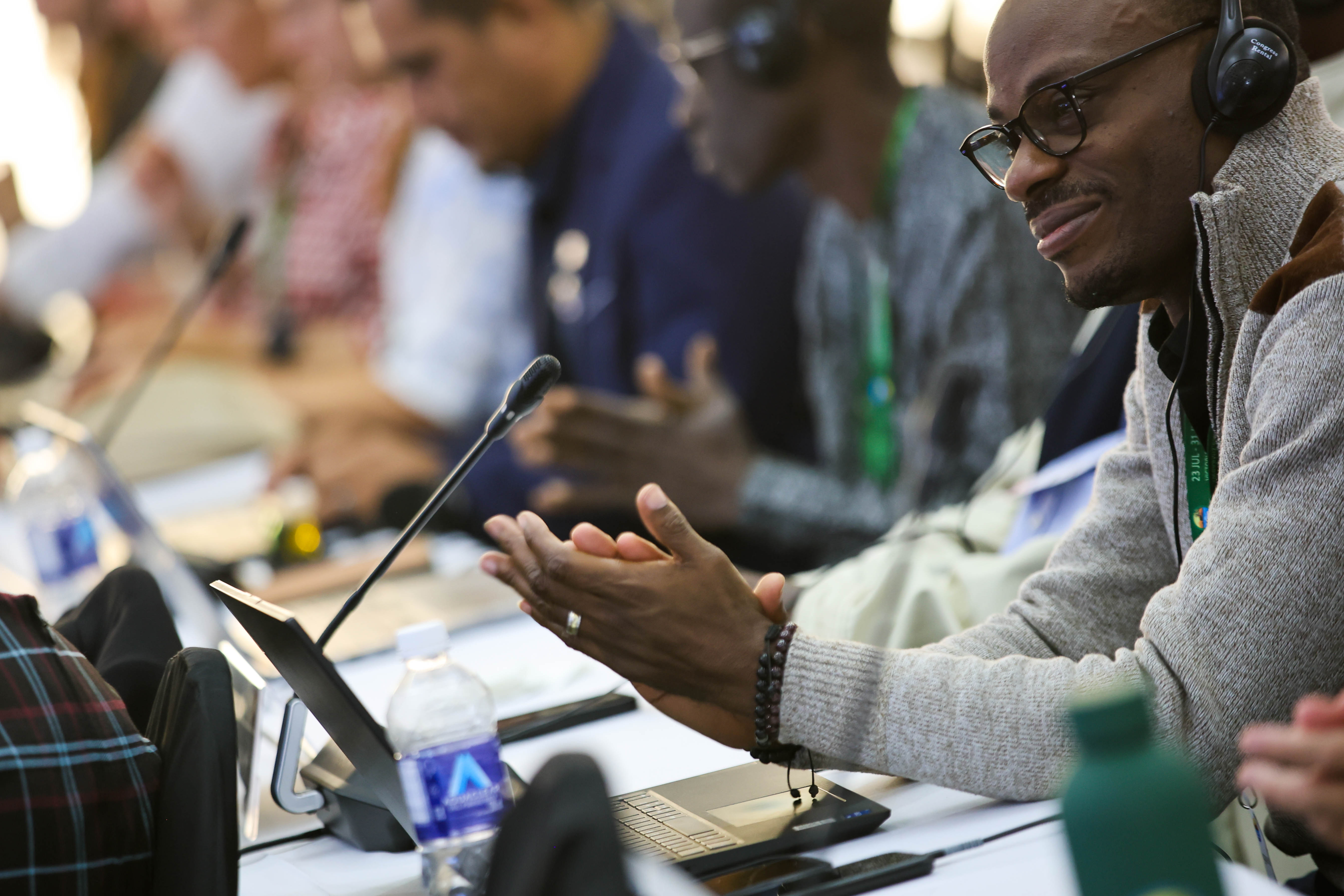
Delegates applaud the closing of the COP15 plenary.
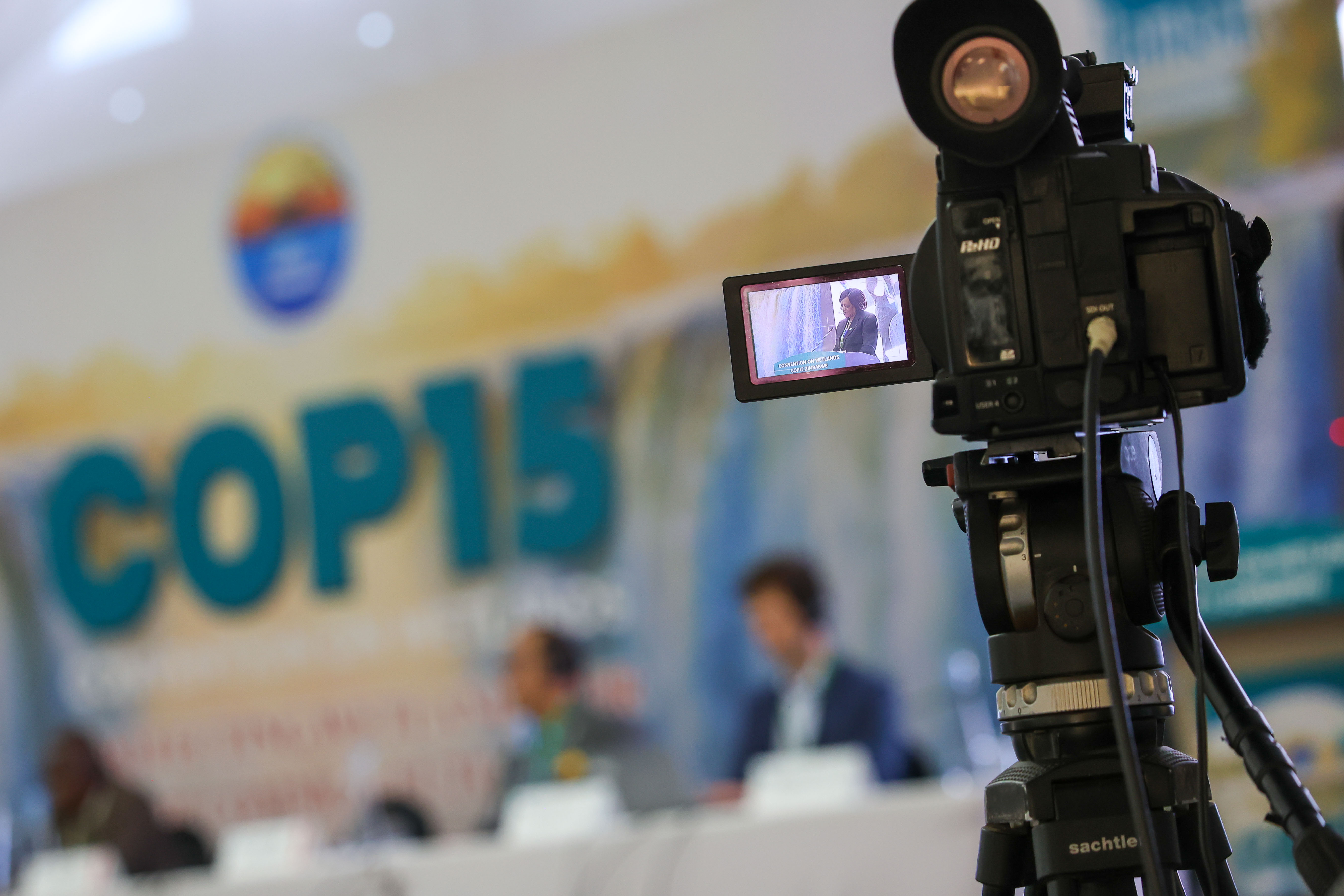
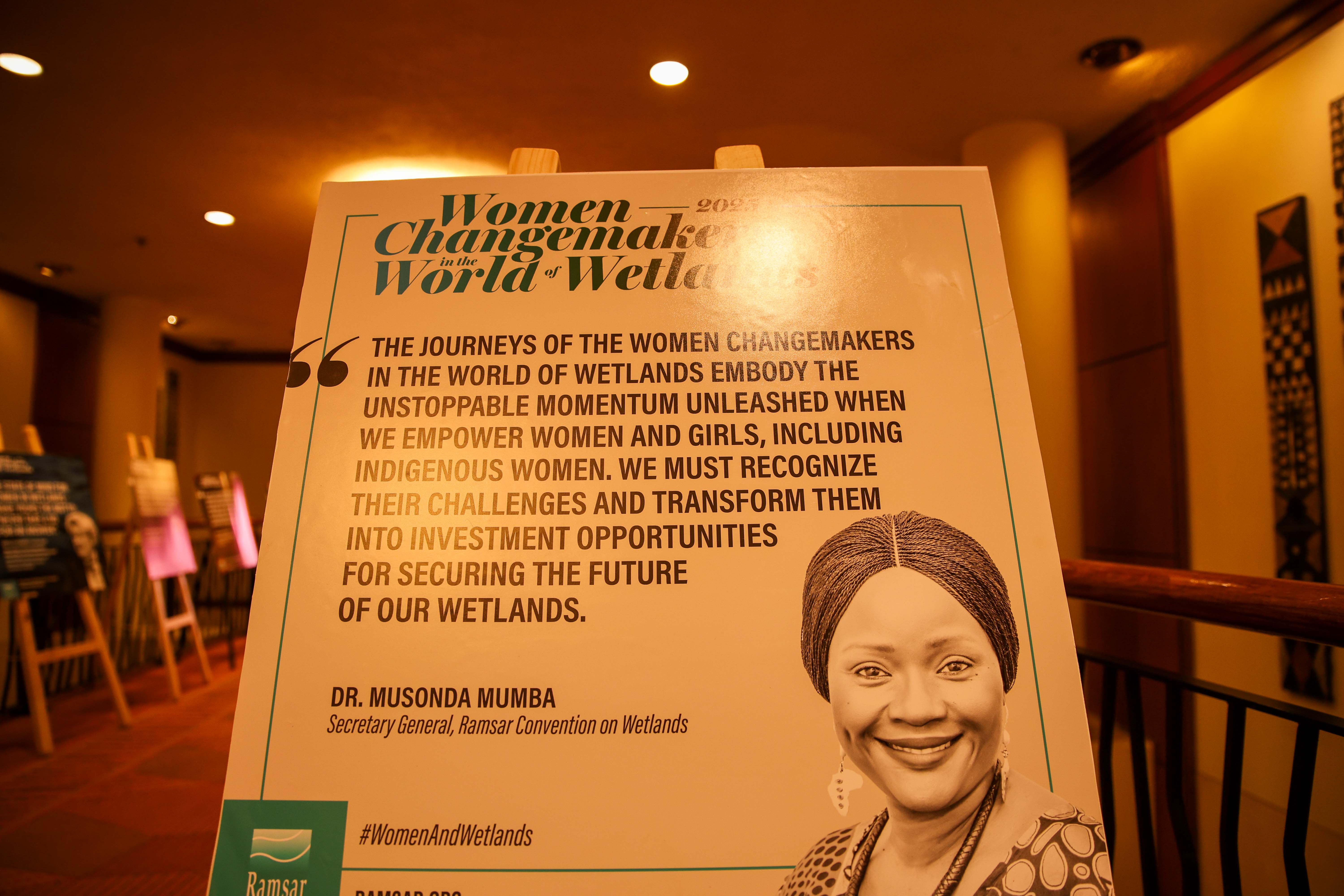
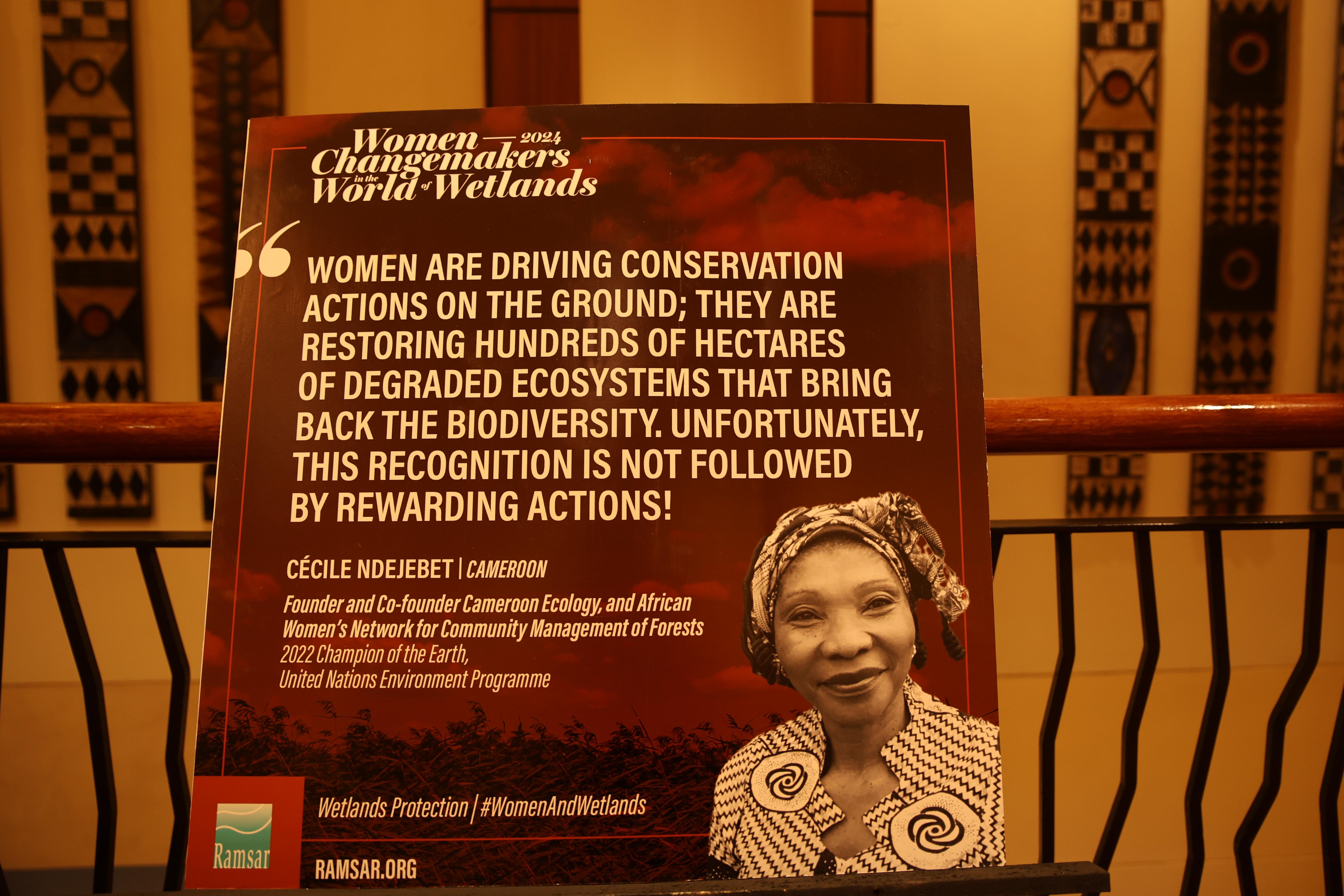
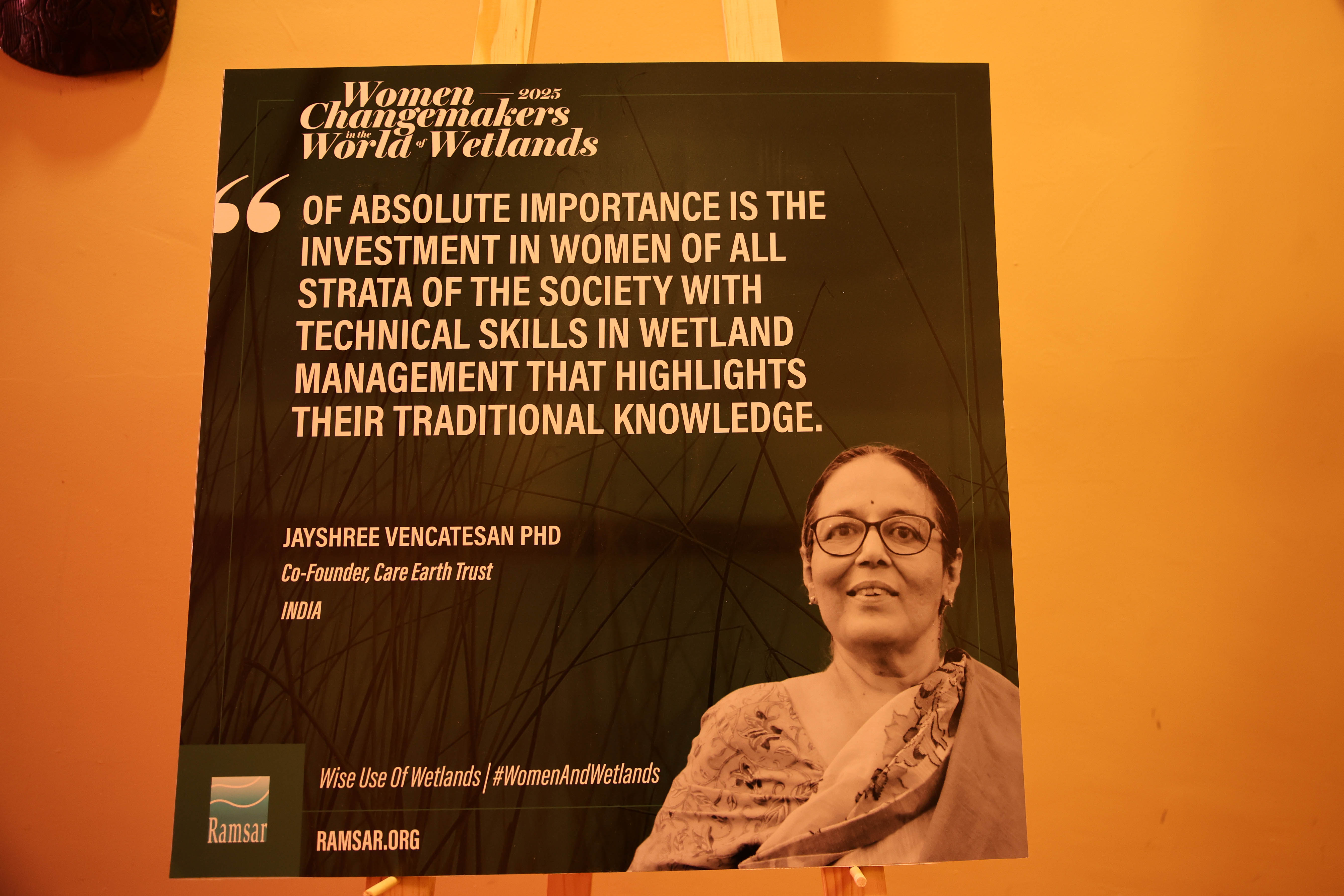
Women Changemakers in the World of Wetlands - Exhibition
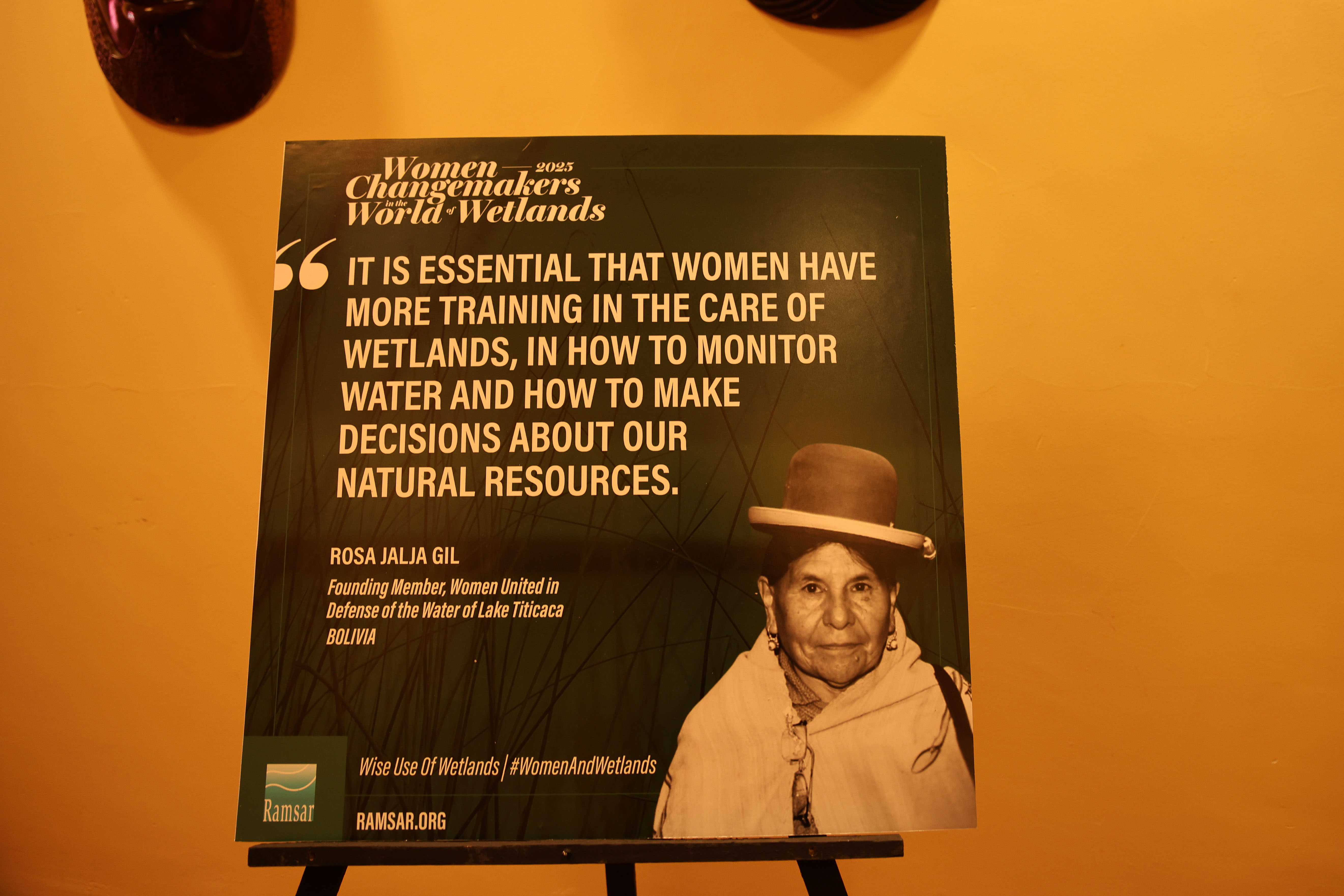
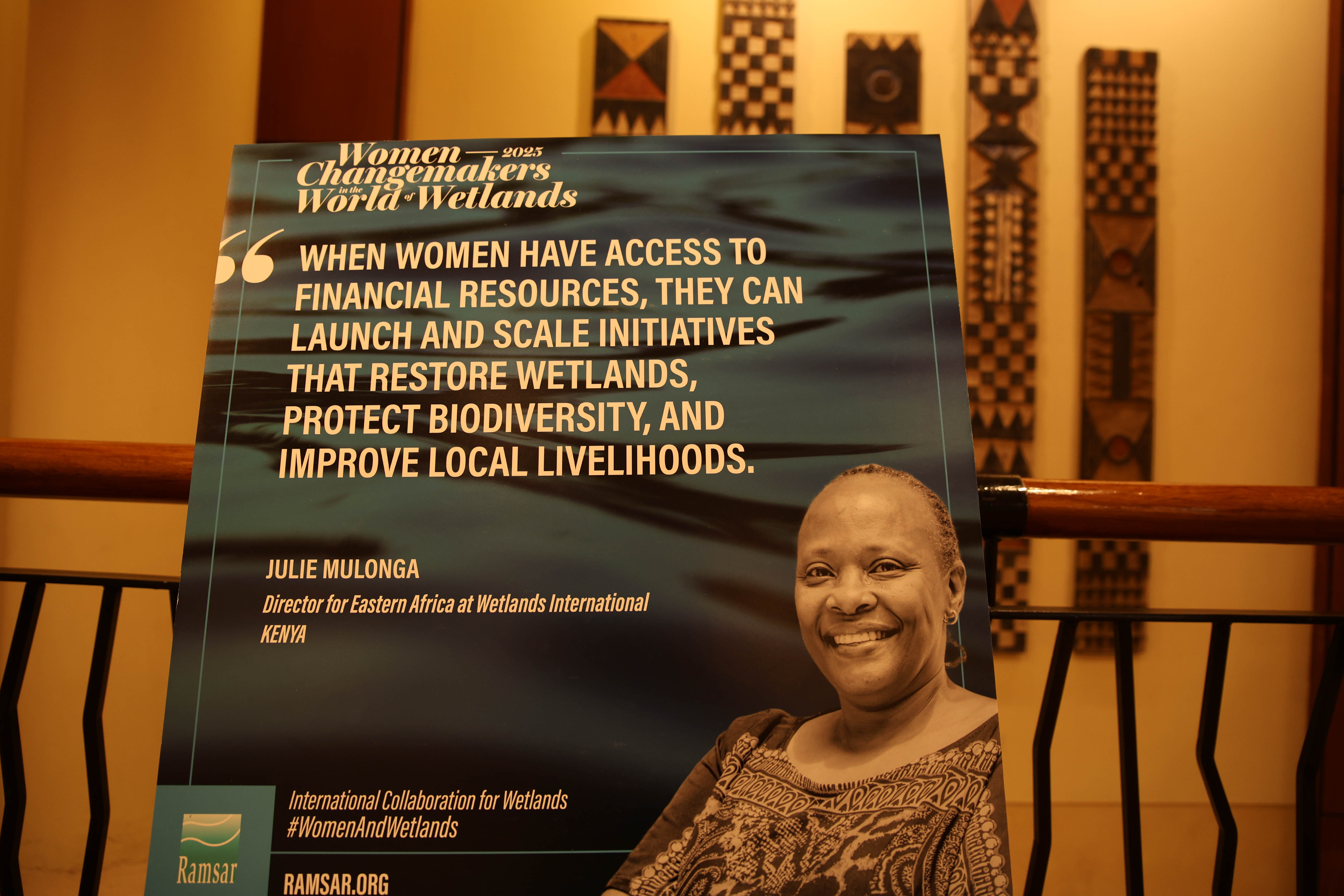
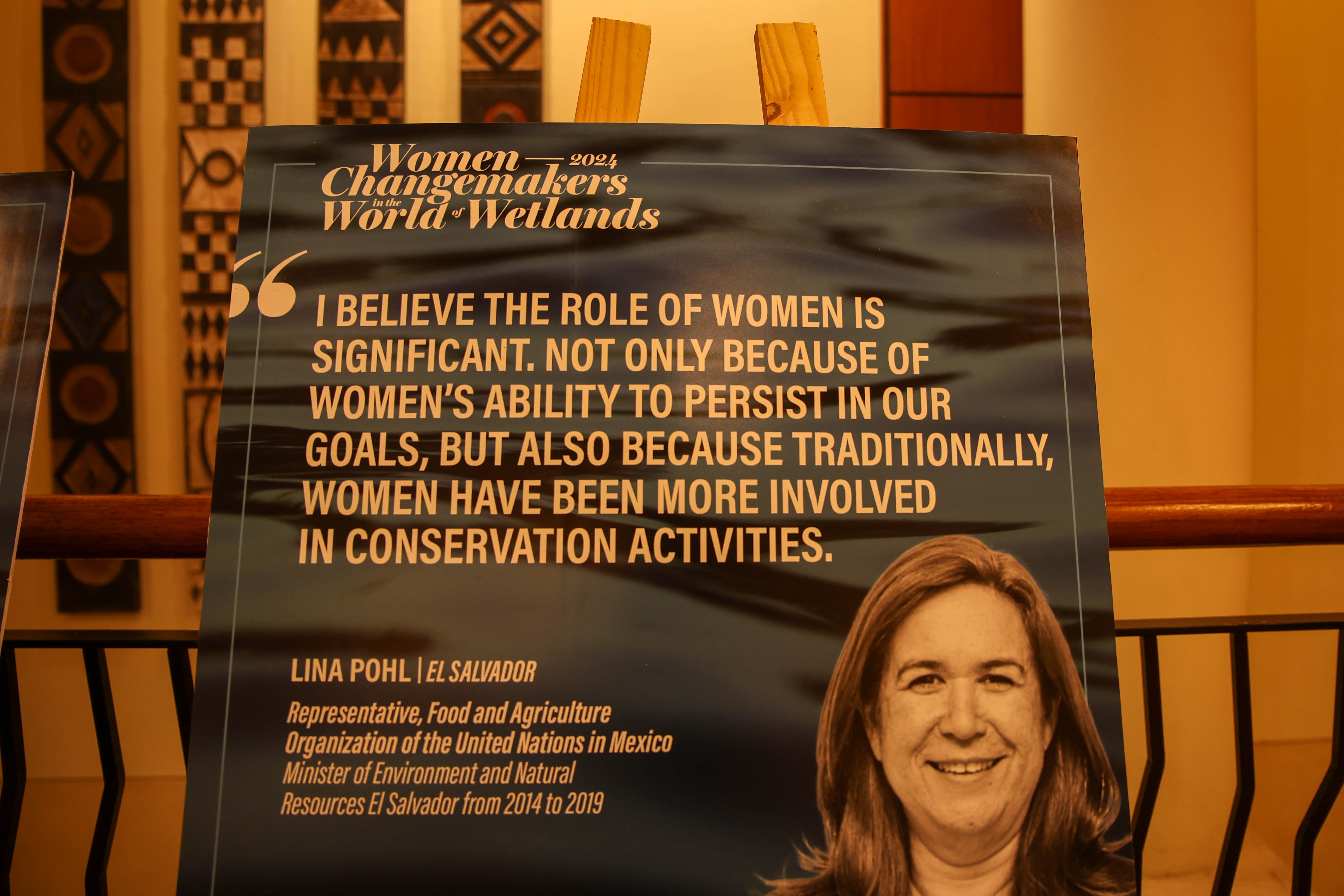
Around the Venue
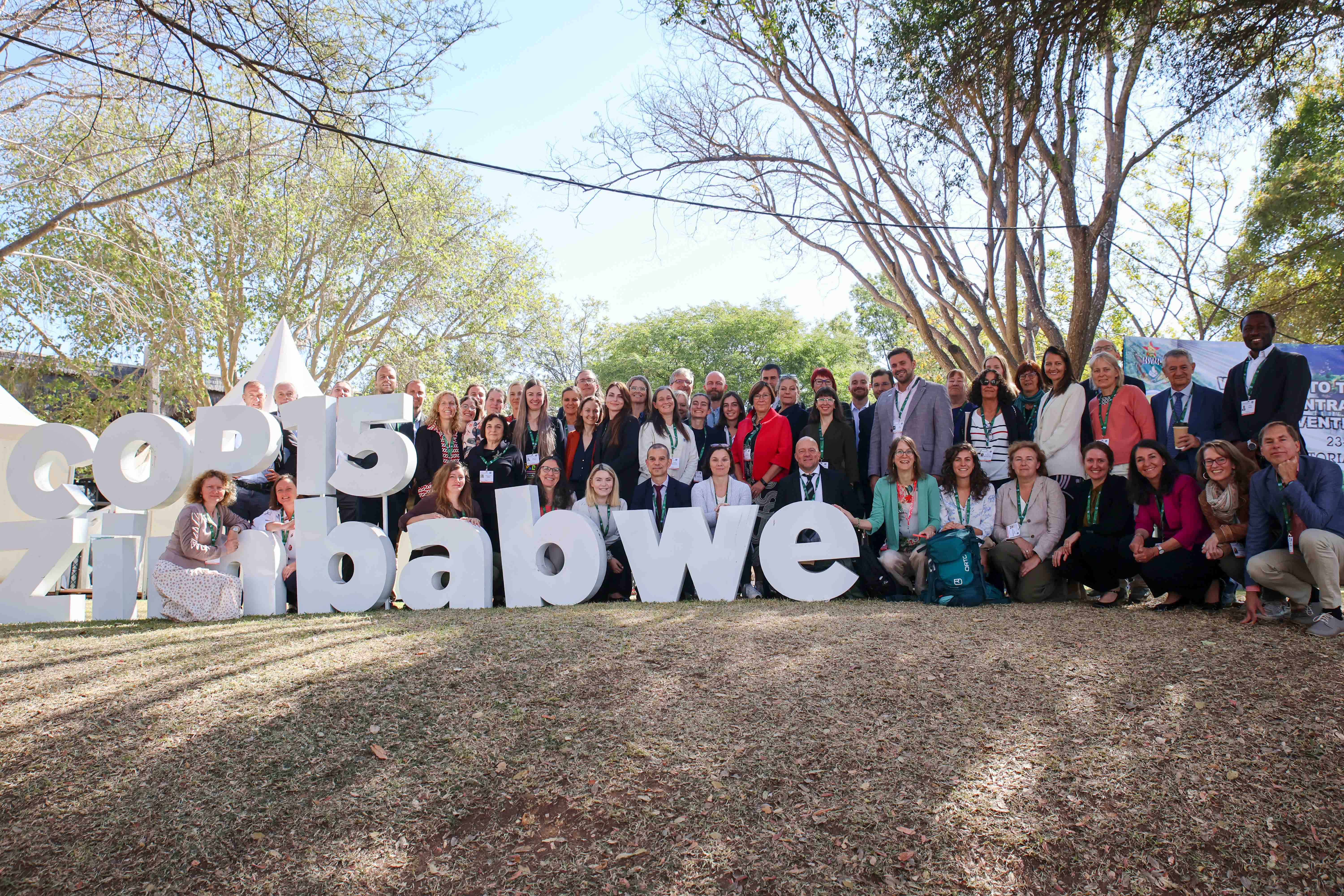
Delegates from Europe
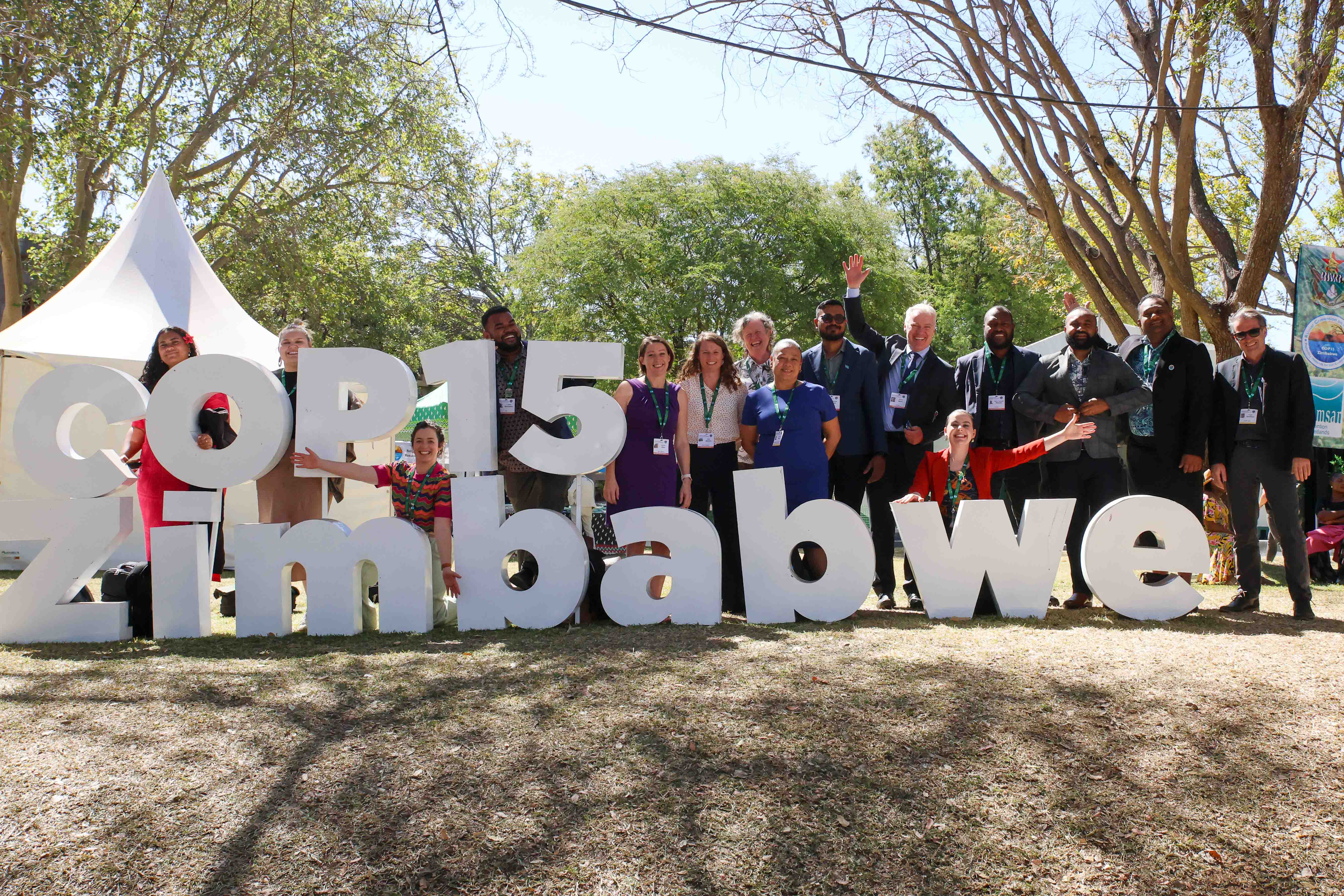
Delegates from Oceania
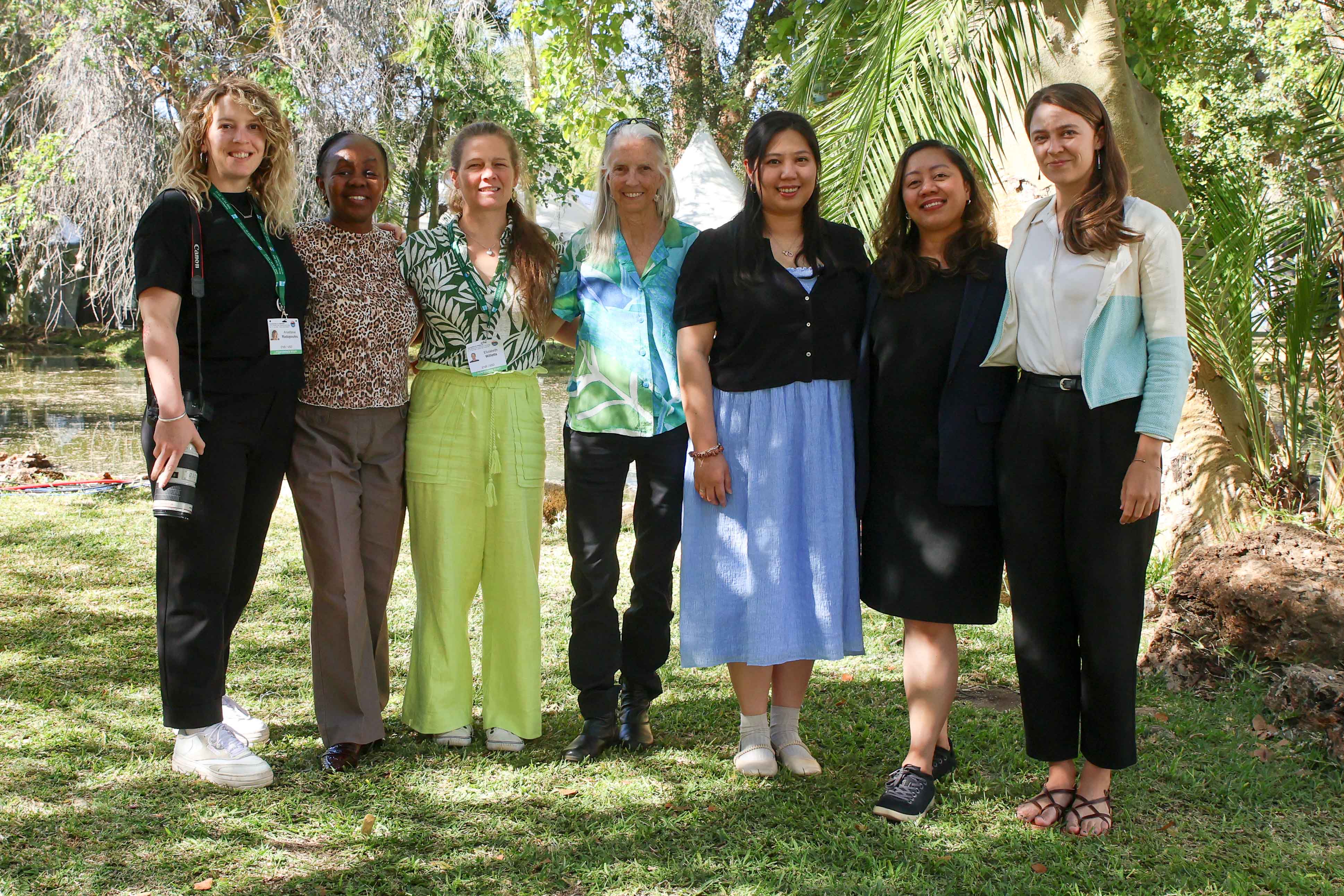
Earth Negotiations Bulletin team (L-R): Anastasia Rodopoulou, Greece, Nancy Mutonyi, Kenya, Liz Willetts and Teya Penniman, US, Christina Fernandez and Cristina Mundin, the Philippines, and Fiona Kinniburgh, France/US
