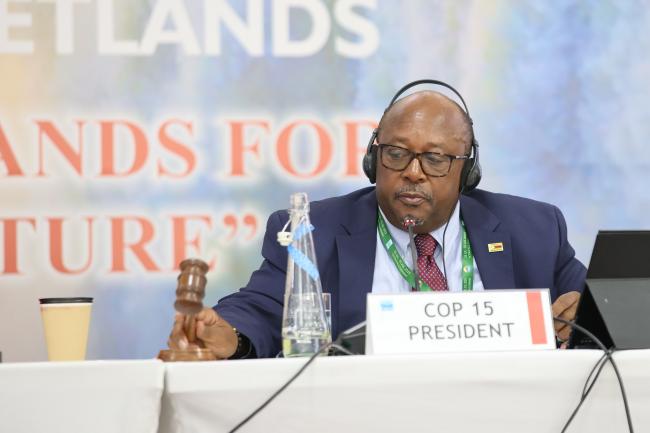
“Fasten your seatbelts.” Alternate President of the 15th meeting of the Conference of Contracting Parties (COP15) to the Wetlands Convention Tadeous Chifamba (Zimbabwe) urged greater momentum to complete review of the remaining draft resolutions. His admonition and gentle but firm management proved effective. By the end of the day, delegates had managed to complete their first round of discussions on all initial draft resolutions, leaving only the newly-introduced Ukrainian resolution, focusing on damage to wetlands, to be considered. Parties also adopted, without amendment, three consolidated resolutions on water management, inventories, and wetland values and services.
Want to dig deeper into today's talks? Read the full Earth Negotiations Bulletin daily report.
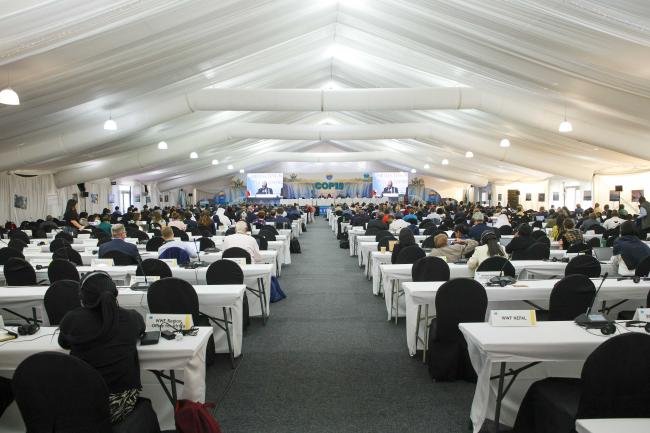
Parties reviewed the following draft resolutions:
- achieving equitable governance and effective conservation of wetlands as protected areas and other effective area-based conservation measures (OECMs);
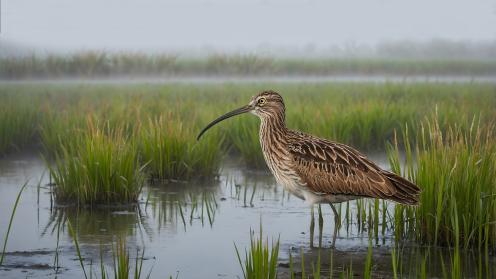
- strengthening national actions for the conservation and restoration of waterbird flyways;
- implementing the institutional strengthening of the Convention on Wetlands;
- recognition of river dolphins as key species for conservation and sustainable use of wetlands in South America and Asia;
- promoting sustainable lifestyles for the wise use of wetlands;
- youth empowerment and integration;
- promoting incorporation of new technology and traditional knowledge in wetland conservation, restoration, management and wise use;
- education and participation as a basis for the management of urban and peri-urban wetlands;
- strengthening action on culture and wetlands;
- assessing pressures on and risks to wetlands;
- status of sites in the List of Wetlands of International Importance;
- communication, capacity building, education, participation and awareness; and
- Ramsar Regional Initiatives 2025-2028.
Highlights included ensuring the Convention’s work on protected areas and OECMs aligns with the Kunming-Montreal Global Biodiversity Framework, particularly Target 3, which aims to conserve 30% of land and sea areas by 2030; and that efforts on waterbird flyways aligns with existing flyway initiatives under other multilateral environmental agreements.
On implementing the institutional strengthening of the Convention, many supported the establishment of a new working group on resource mobilization, including a potential trust fund, while others opposed, favoring existing mechanisms.
Progress noted during discussions on the draft resolution on youth empowerment and integration included establishment of 52 youth focal points. Youth Engaged in Wetlands noted that more than 30 youth delegates were attending COP15 but also highlighted persistent funding gaps. Statements on the new technology and traditional knowledge draft proposal included emphasis on voluntary, mutually-agreed technology sharing; alignment with local laws; and stronger youth involvement in research and monitoring.
The draft resolution on culture and wetlands sparked calls to revitalize the Ramsar Culture Network. Many supported formalizing its role, while others expressed caution and requested further discussion. On wetland risk assessment, delegates supported use of the voluntary Wetland Vulnerability Assessment Tool, with calls for capacity building.
Two Friends of the Chair groups were formed for the draft resolutions on implementing the institutional strengthening of the Convention, and on culture and wetlands.
To receive free coverage of global environmental events delivered to your inbox, subscribe to the ENB Update newsletter.
All ENB photos are free to use with attribution. For the Ramsar Convention on Wetlands COP15 please use: Photo by IISD/ENB | Anastasia Rodopoulou.
Plenary Session
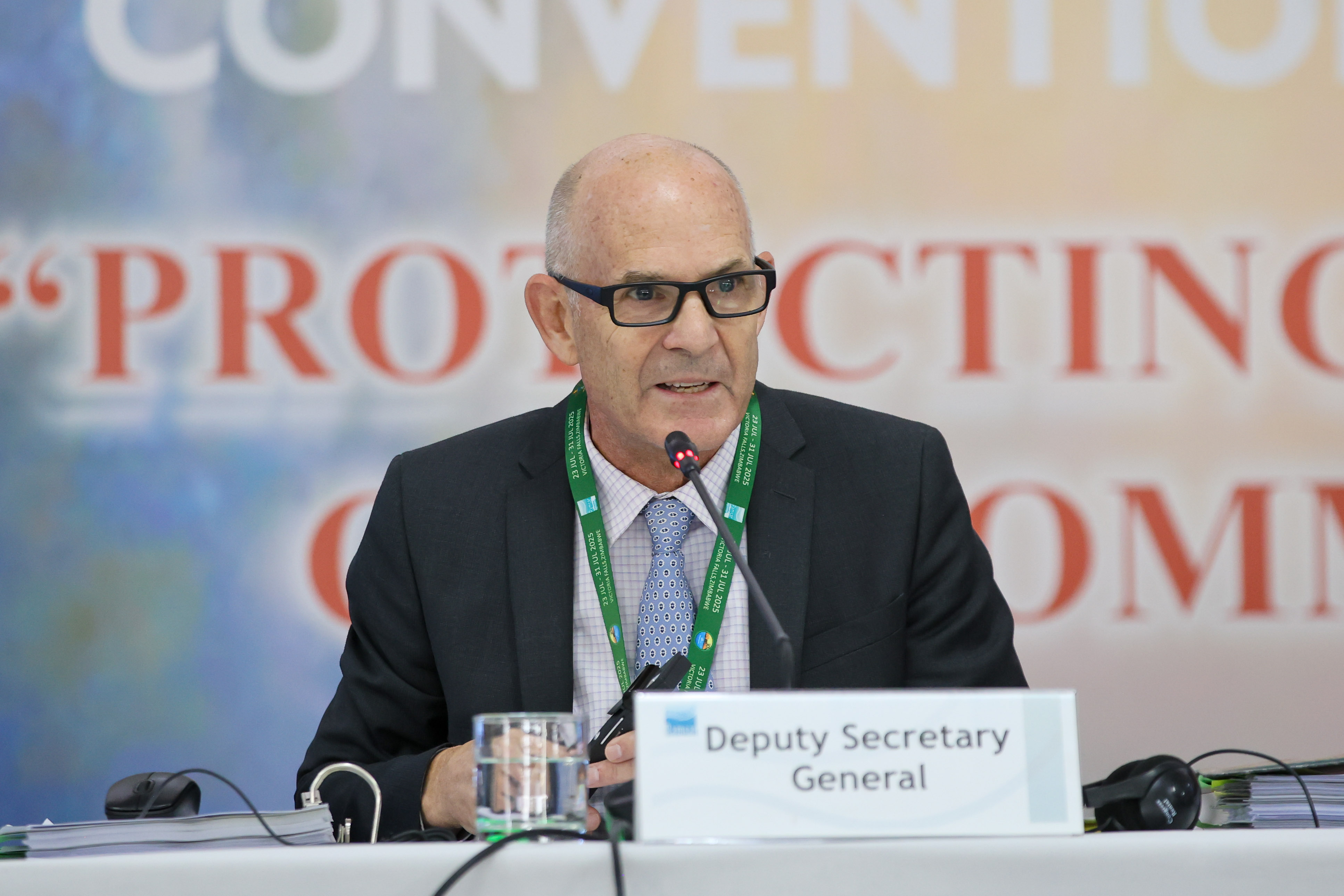
Jay Aldous, Deputy Secretary General, Convention on Wetlands
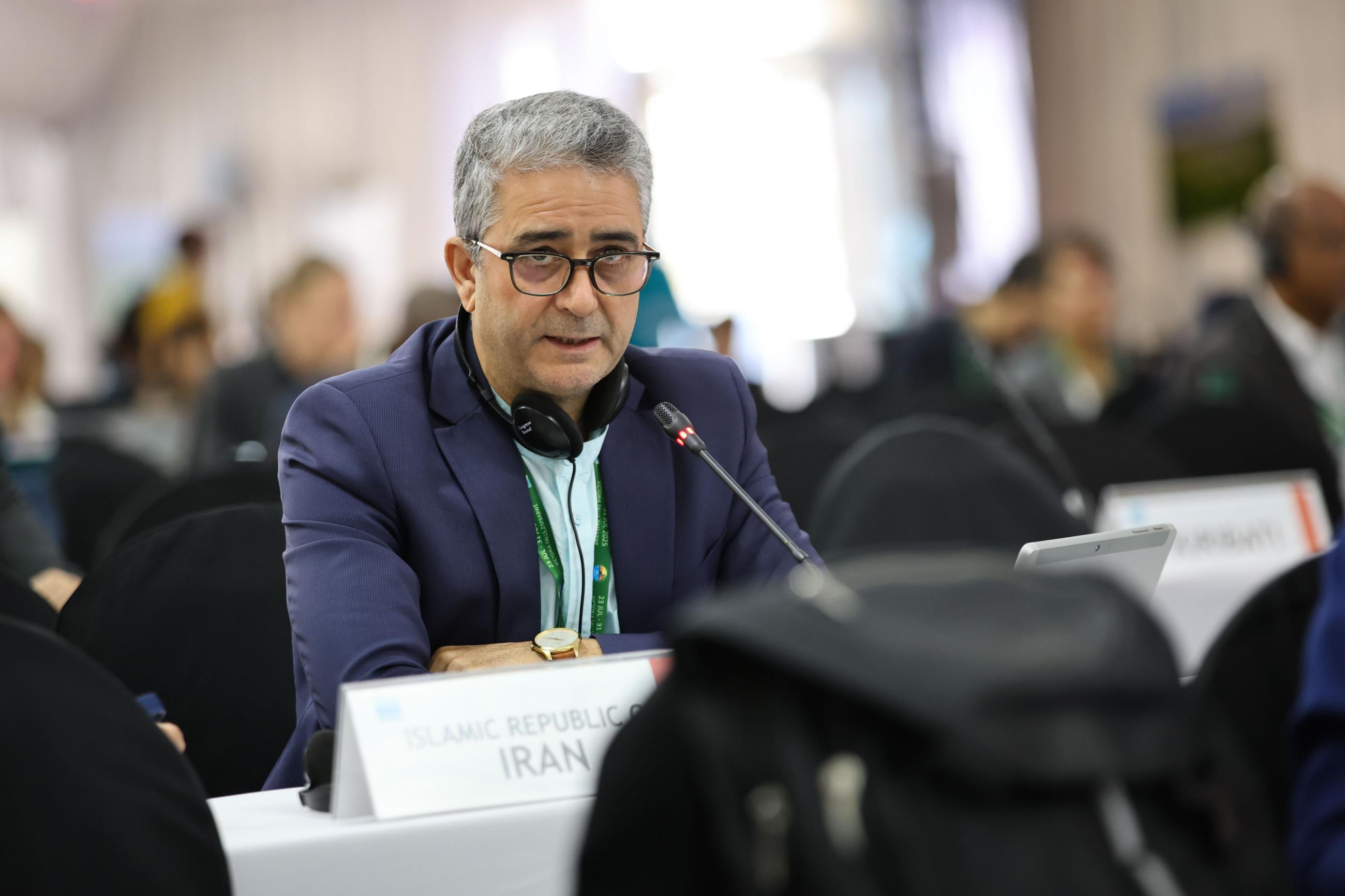
Amir Akhlaghi, Iran
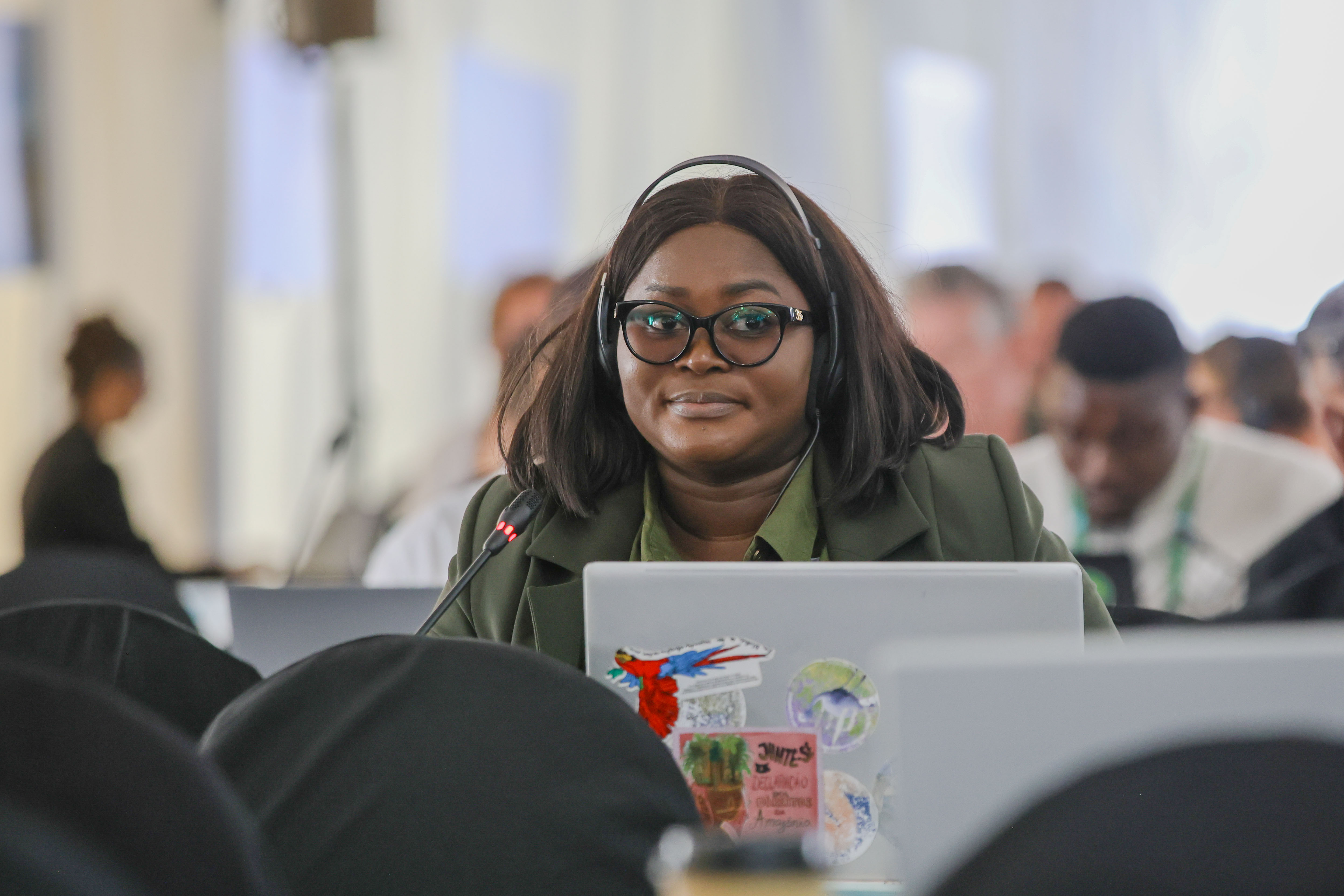
Sandra Mulenga Ponde, Zambia
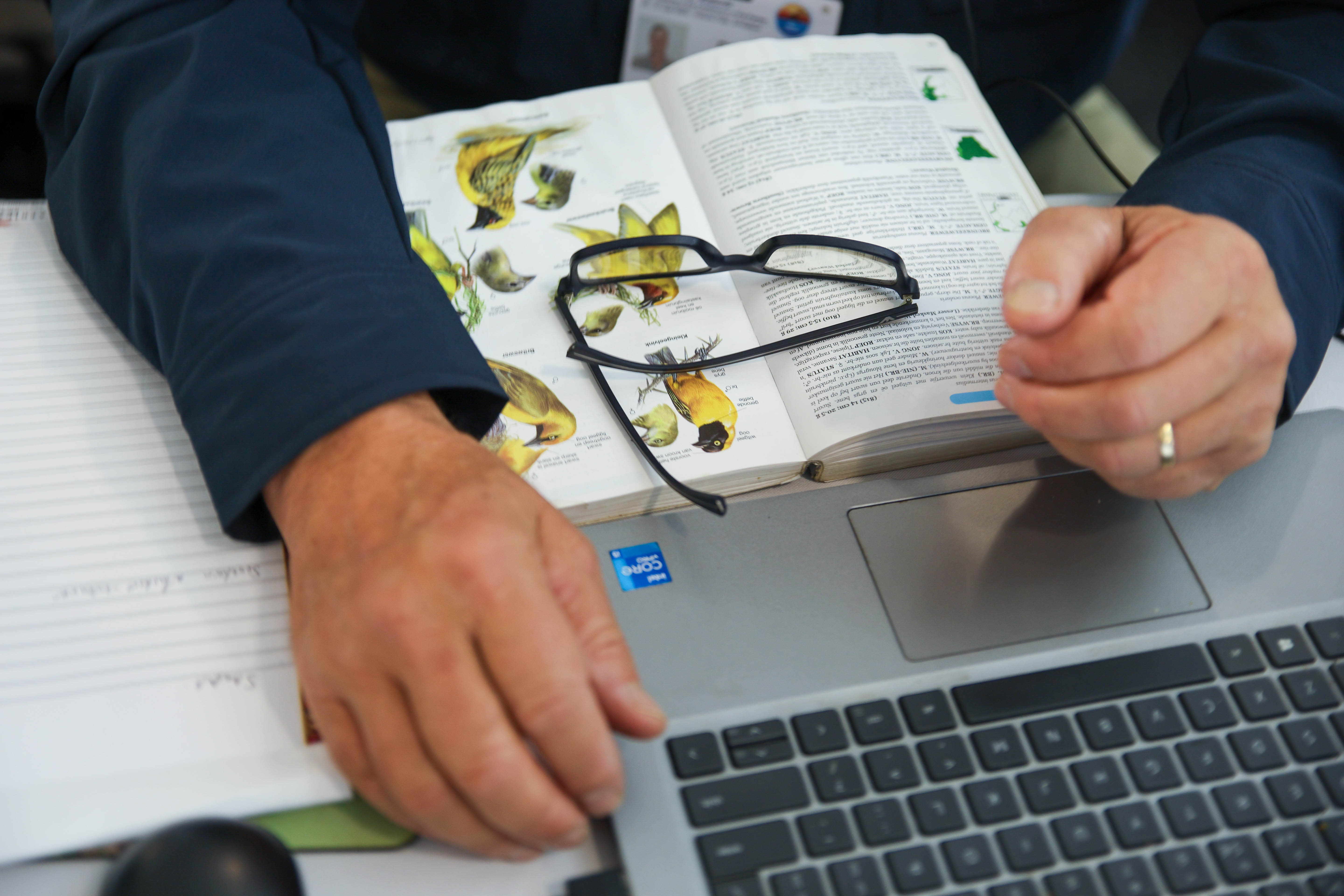
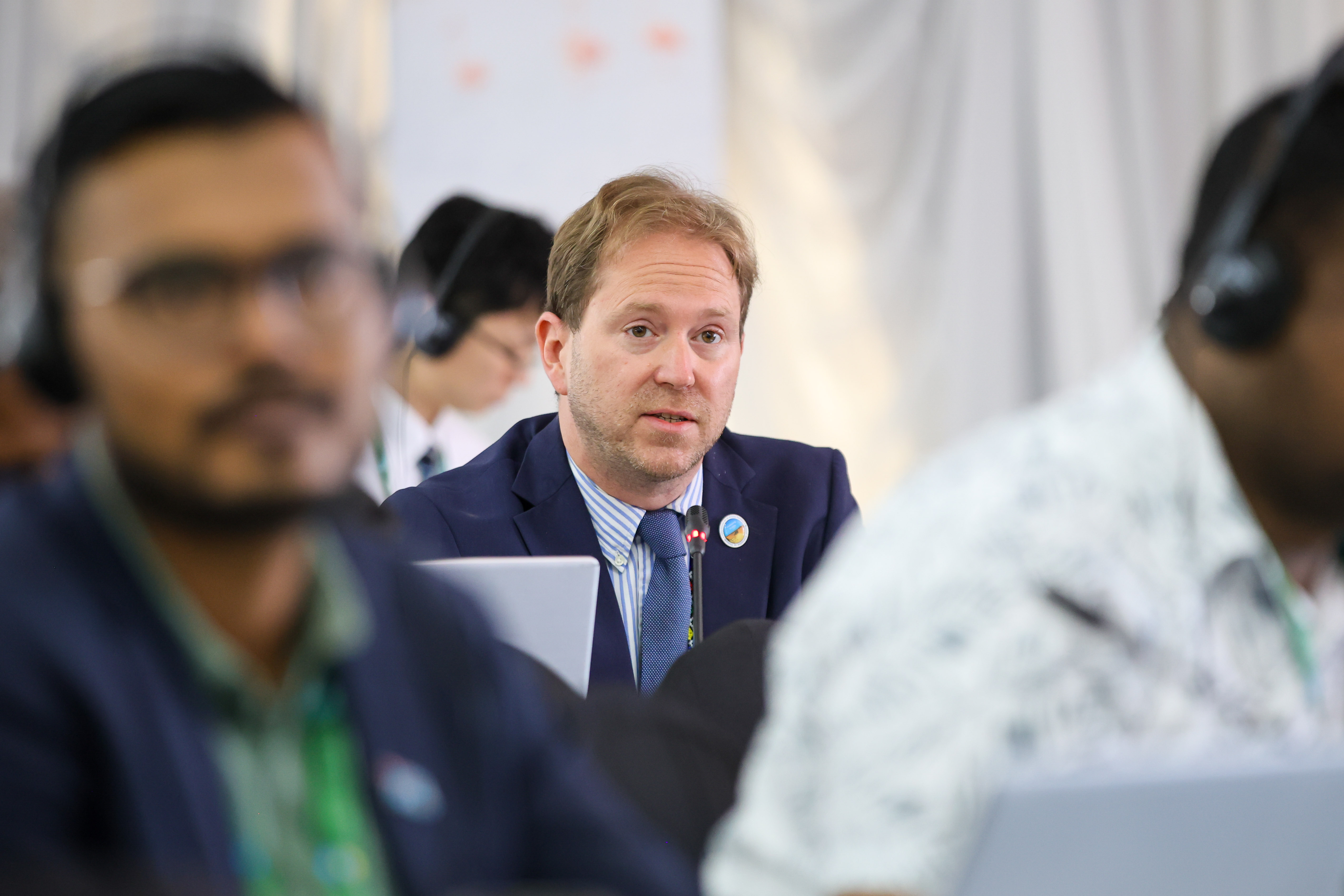
Jon Marco Church, Italy
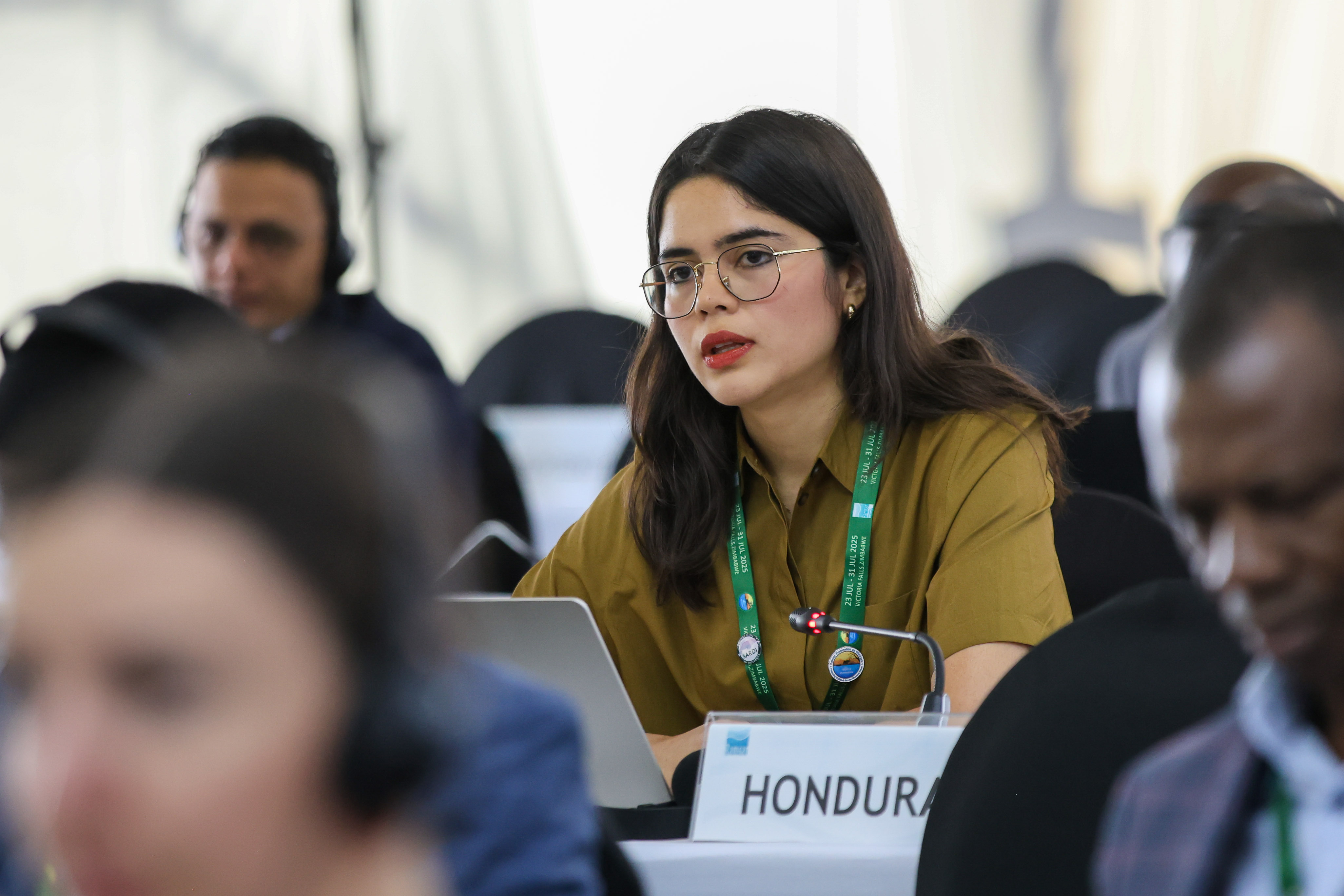
Marcela Maria Arias, Honduras
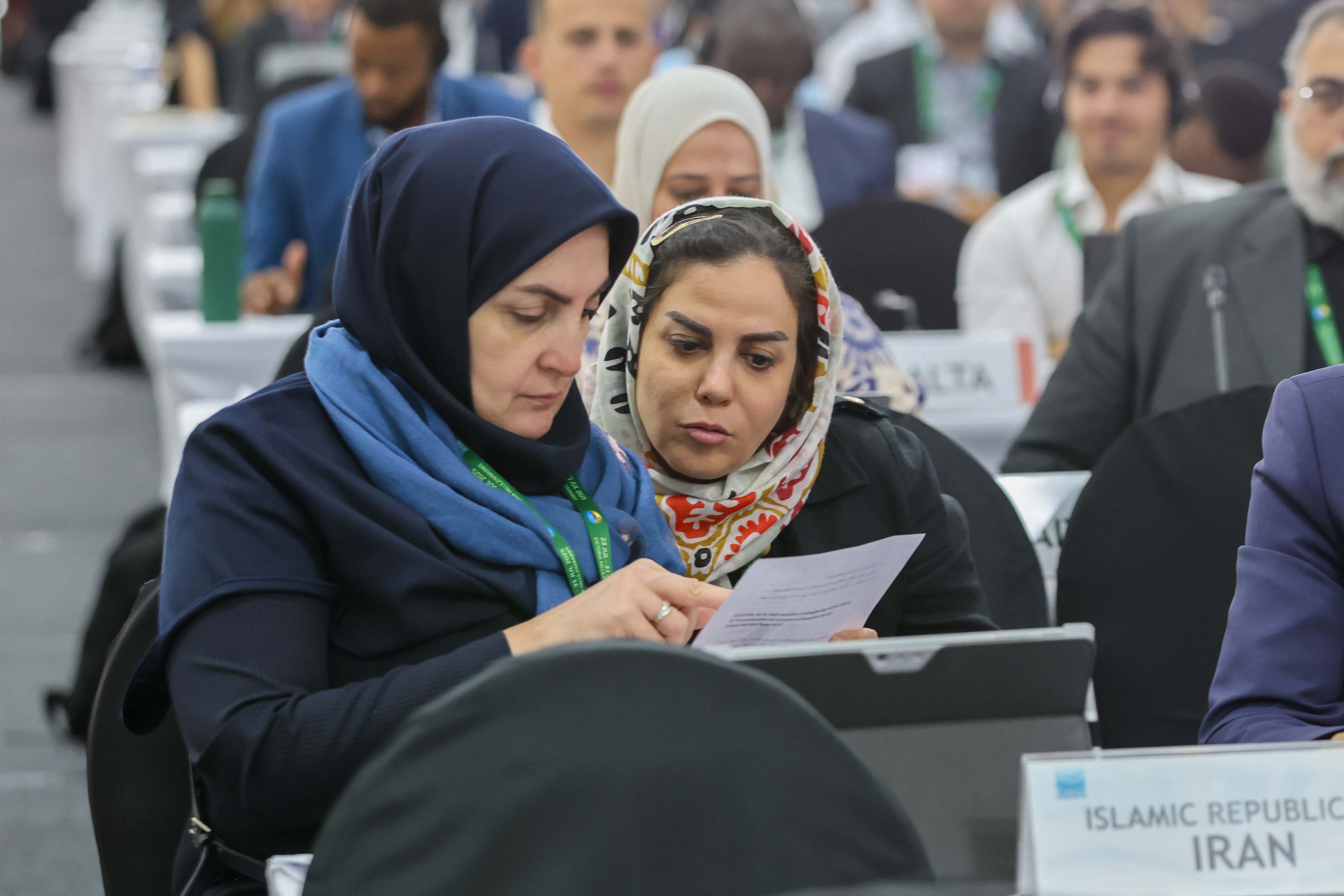
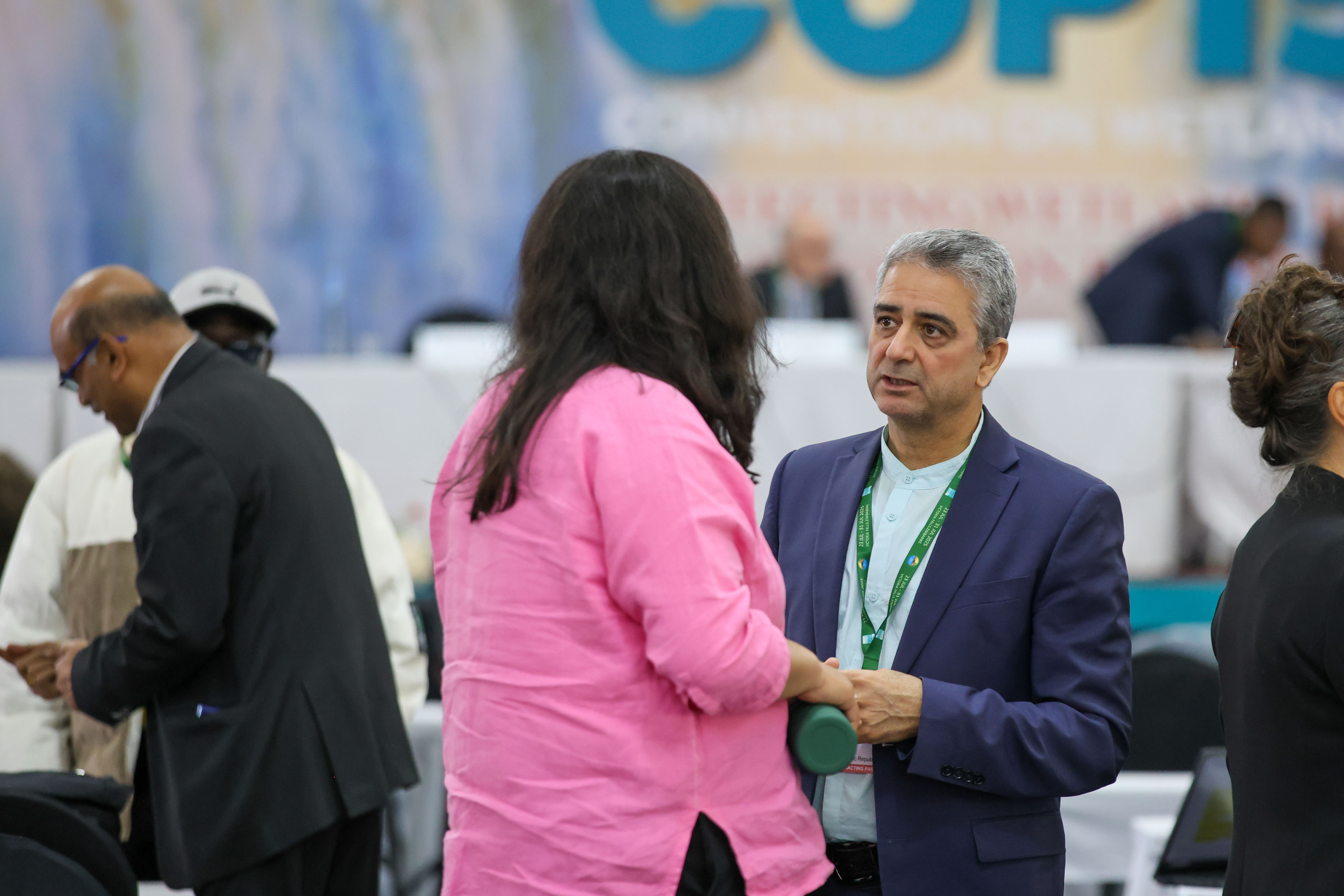
Delegates from Iran consult during the session.
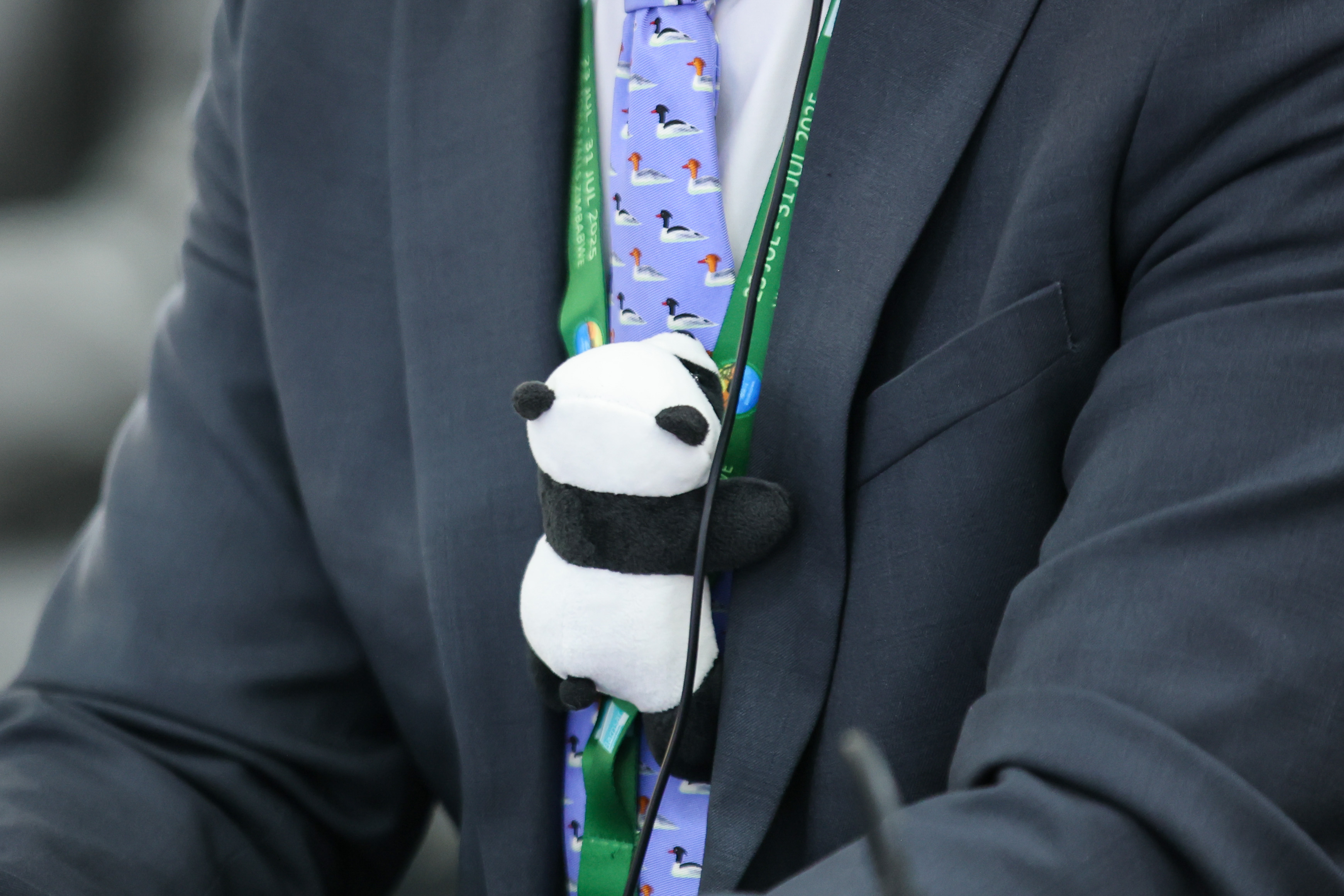
A tiny panda climbing on a delegate's tie

Jack Greenhalgh, United Kingdom
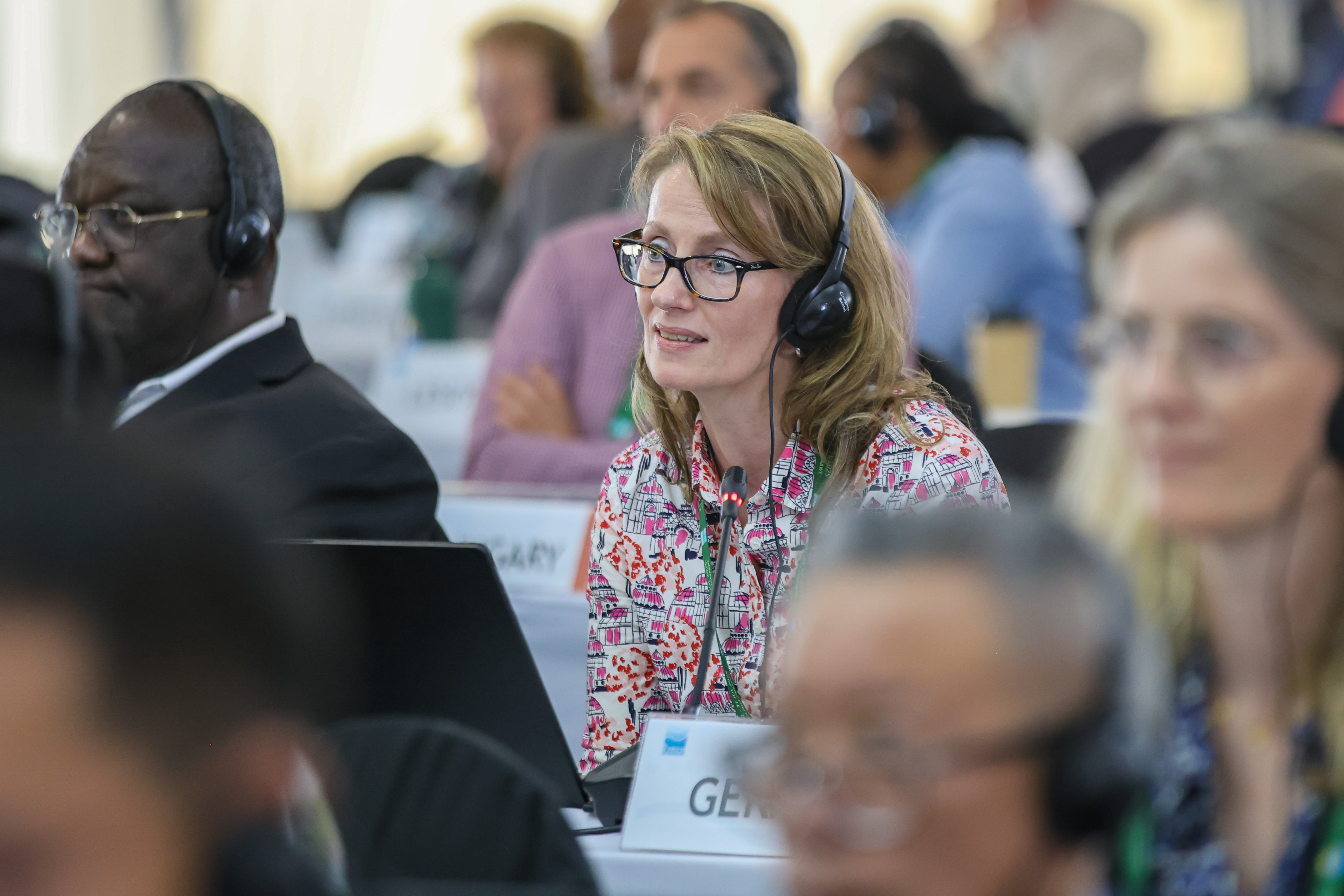
Natascha Lewandowski, Germany
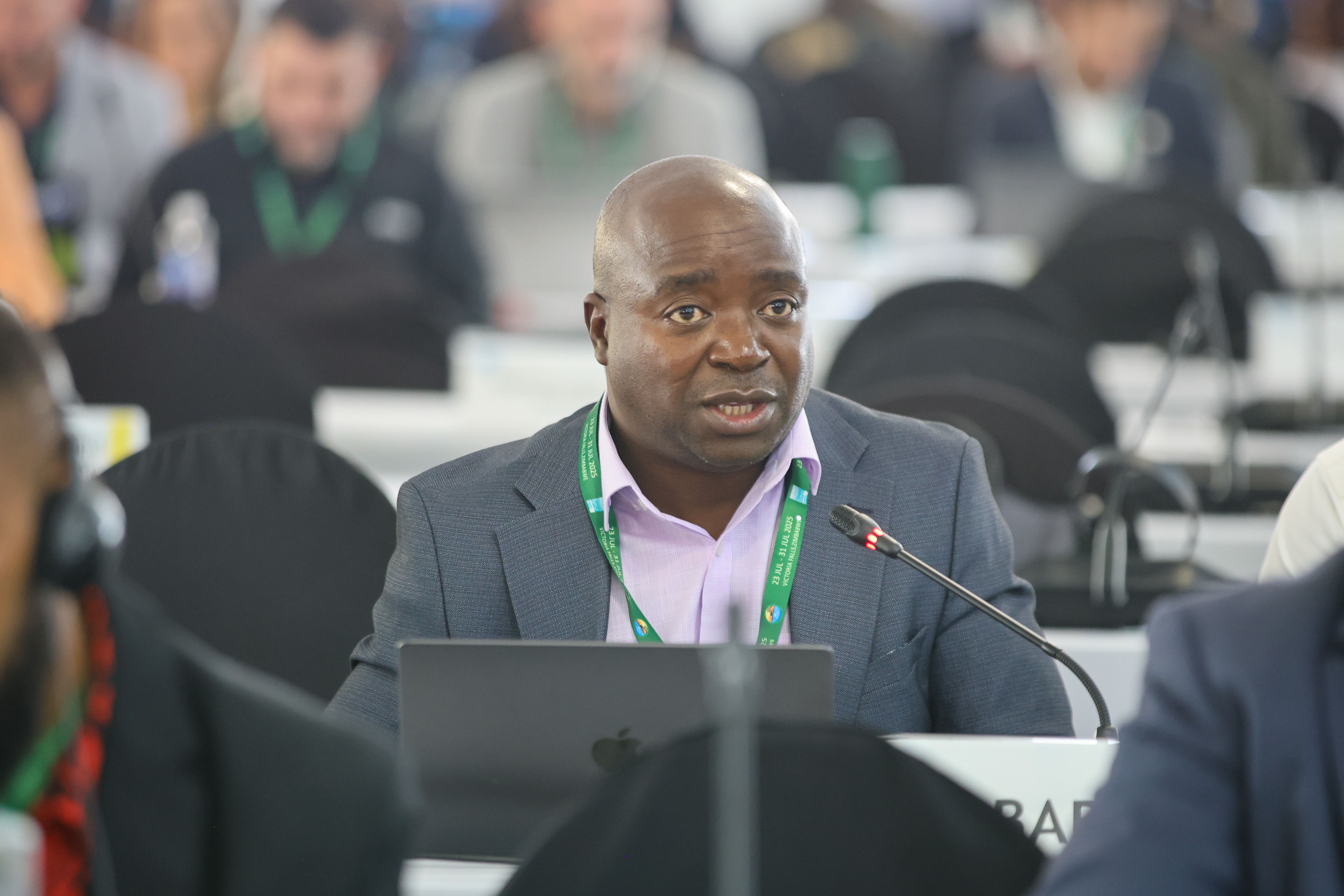
Dickson Chitupa, Zimbabwe
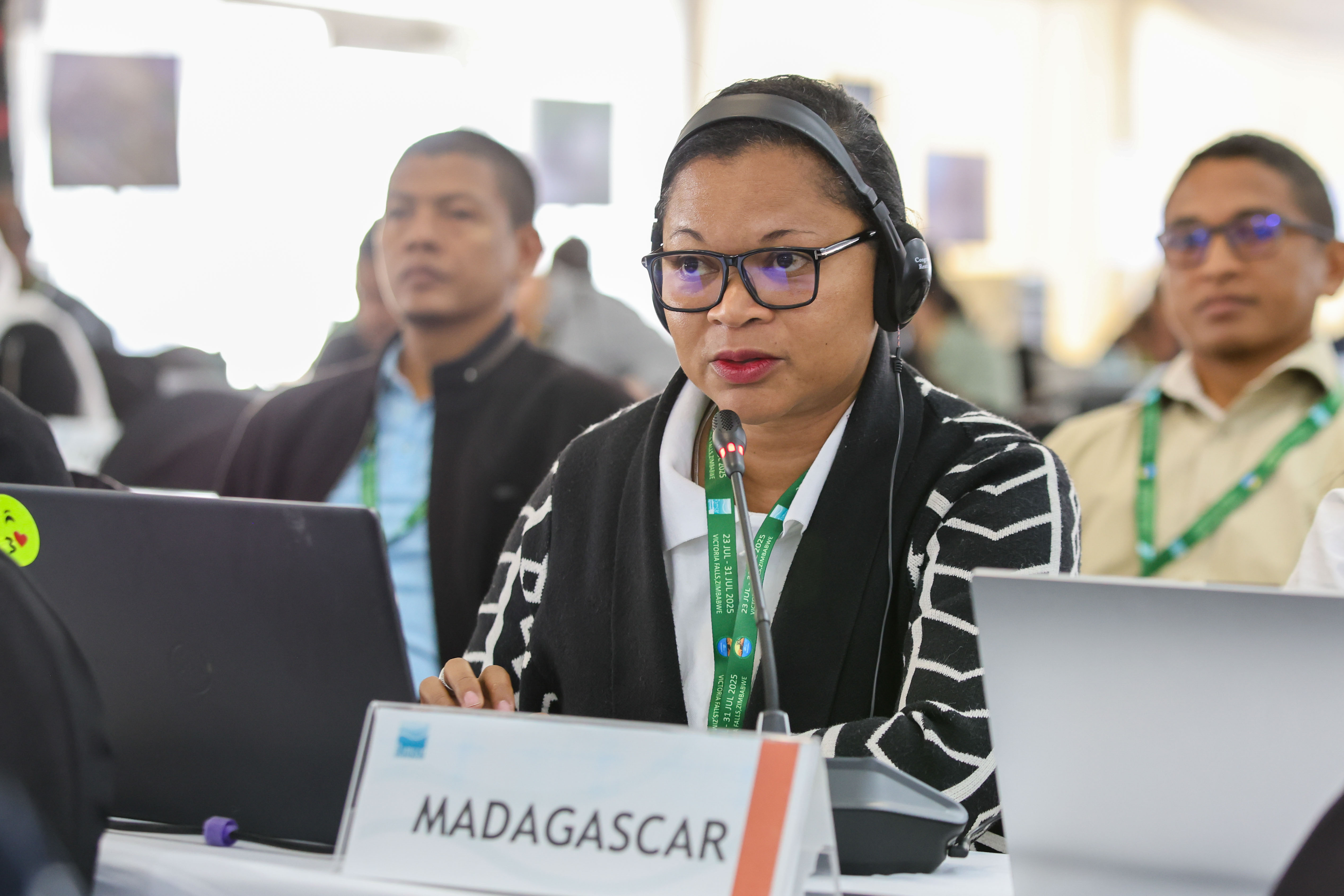
Tojotsara Zafindragisimary Ratefason, Madagascar
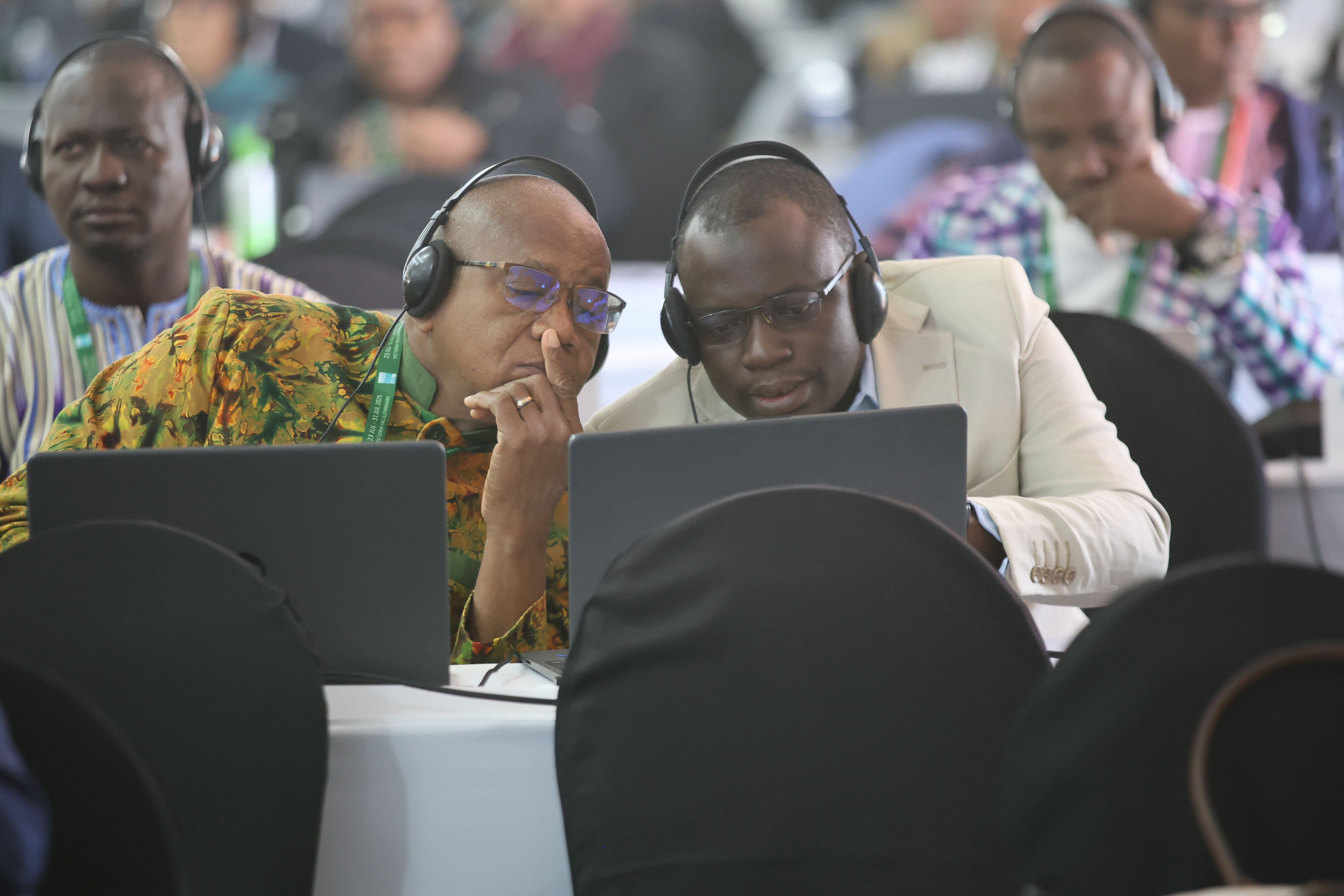
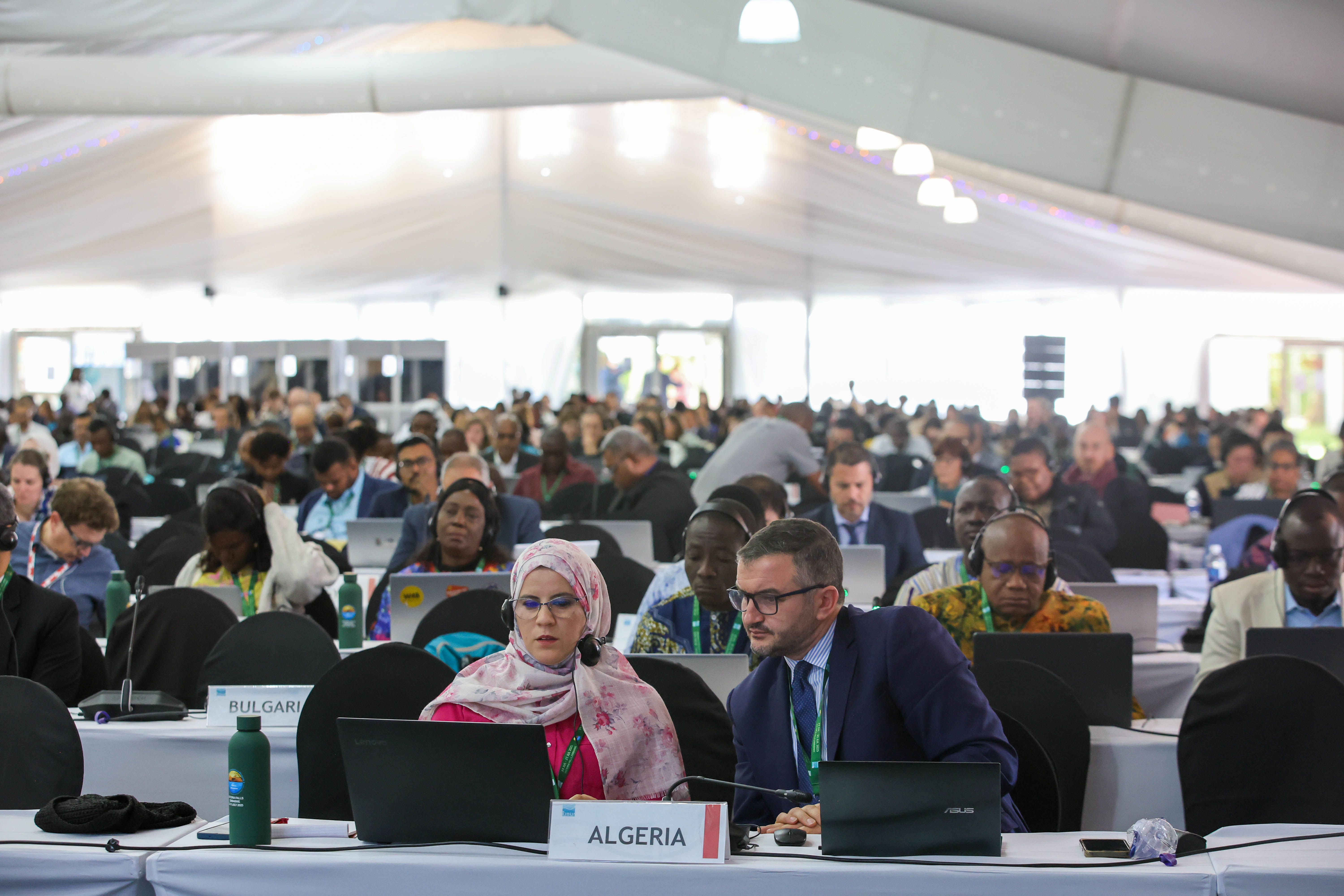
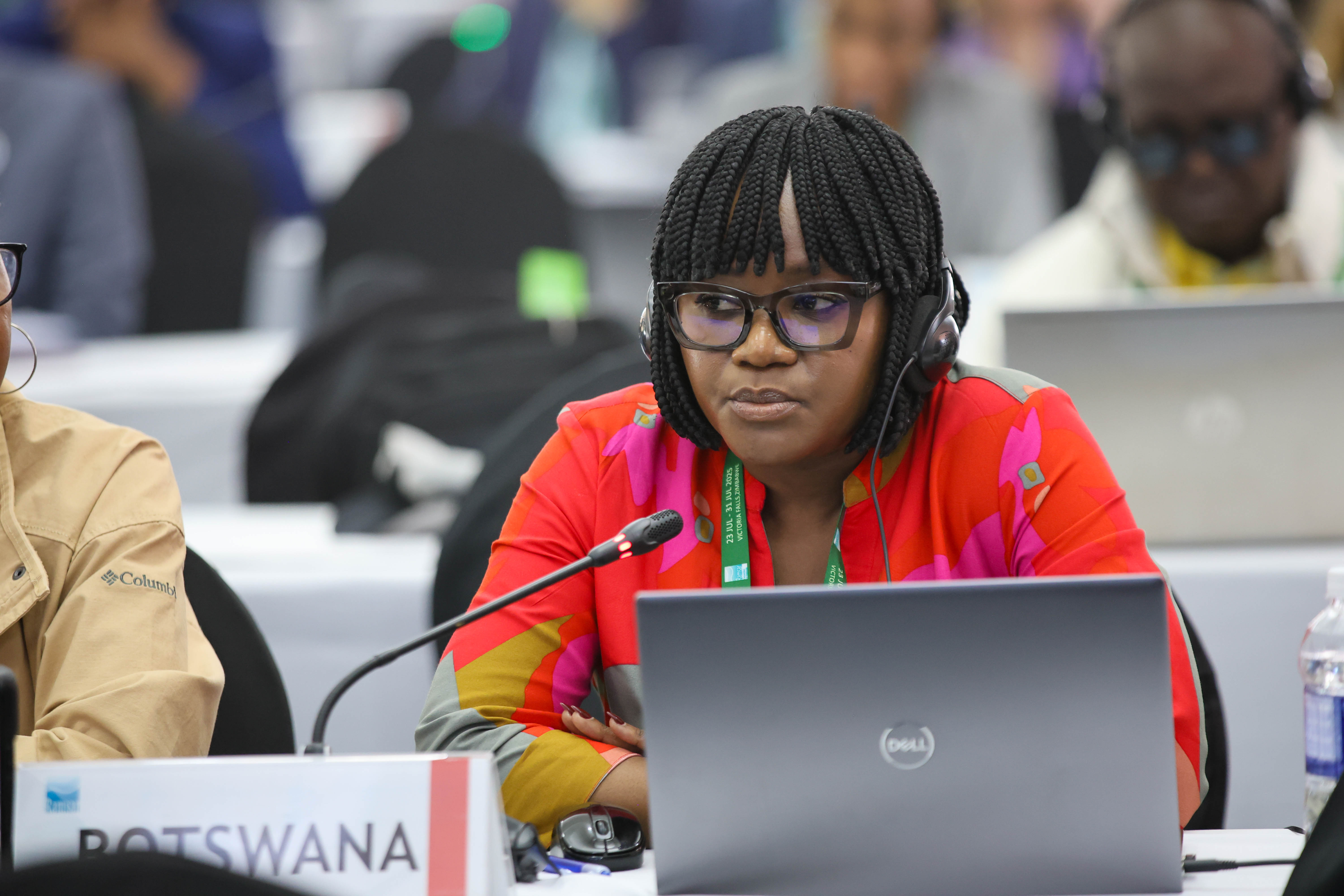
Mercy Masego Pelekekae, Botswana
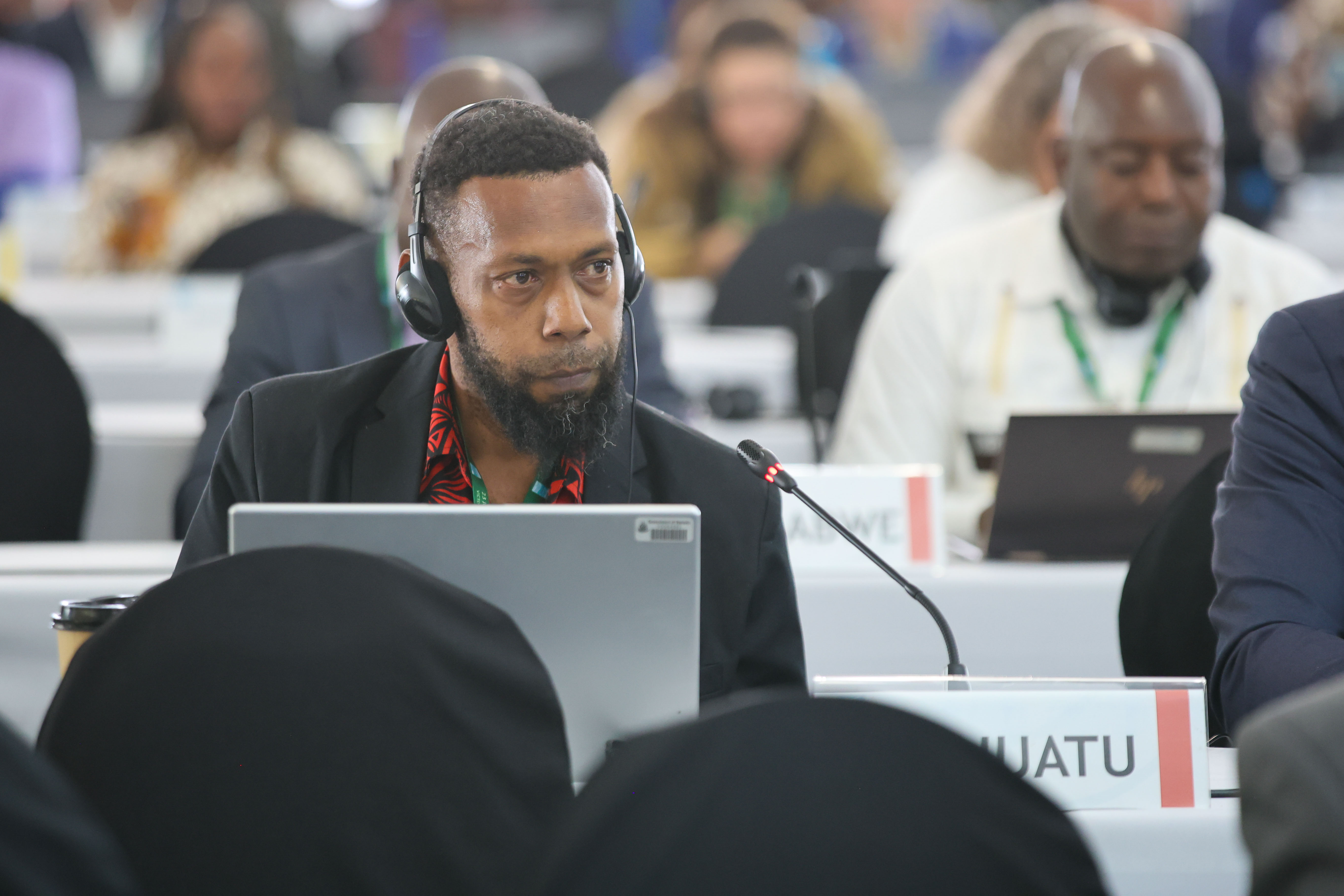
Ricky Simeon Mol, Vanuatu
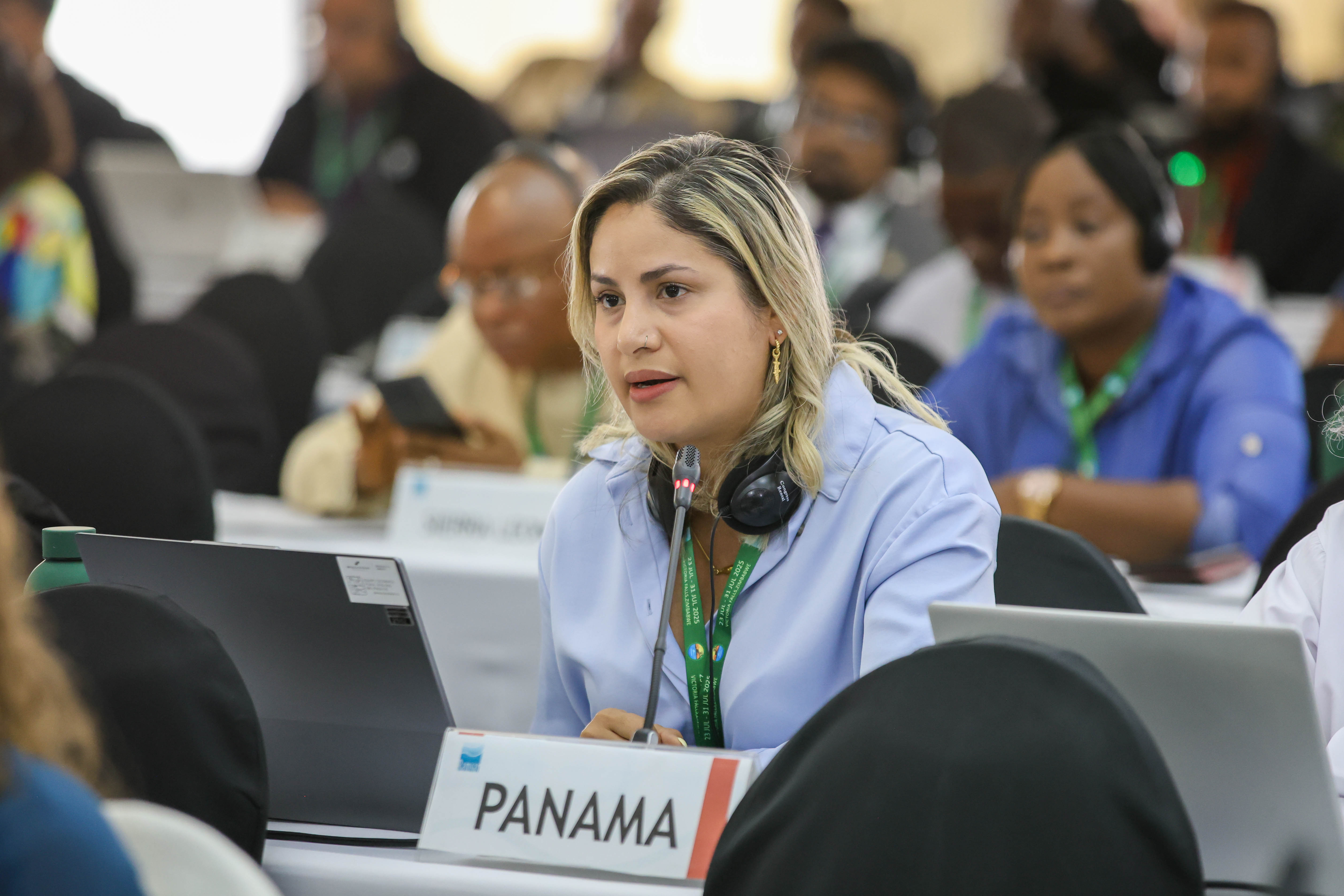
Digna Rosa Barsallo De León, Panama
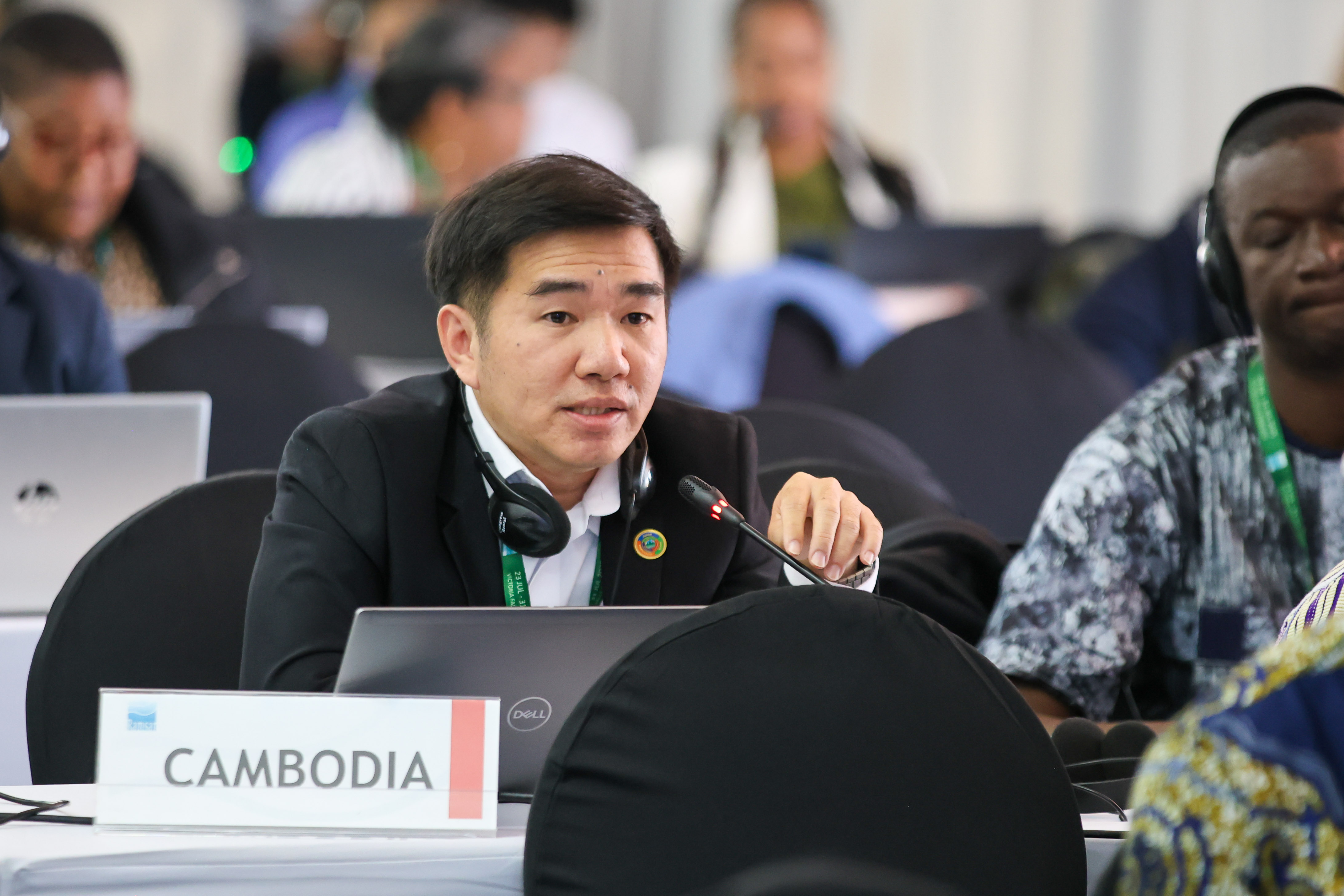
Sophanna Ly, Cambodia
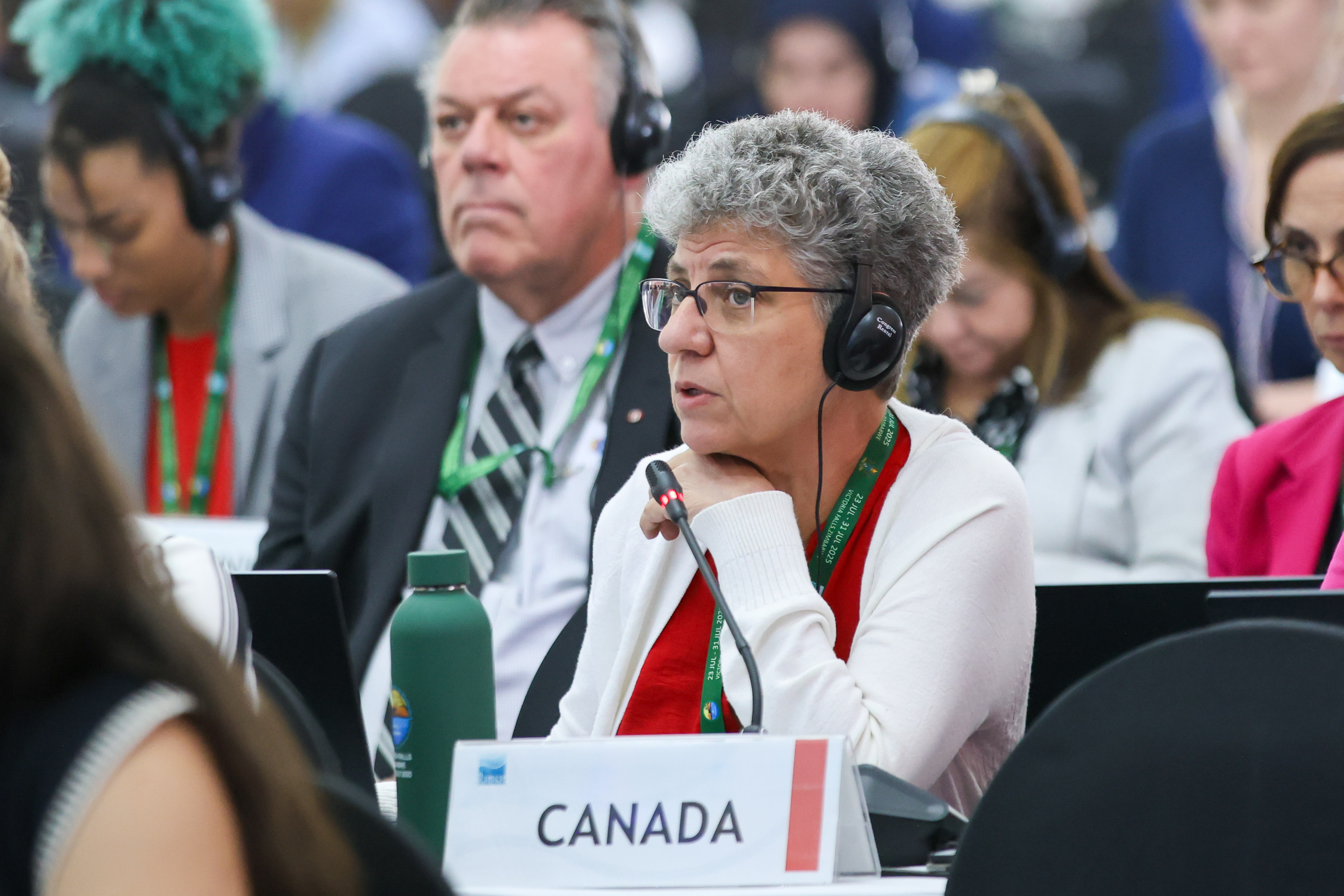
Fawziah Gadallah, Canada
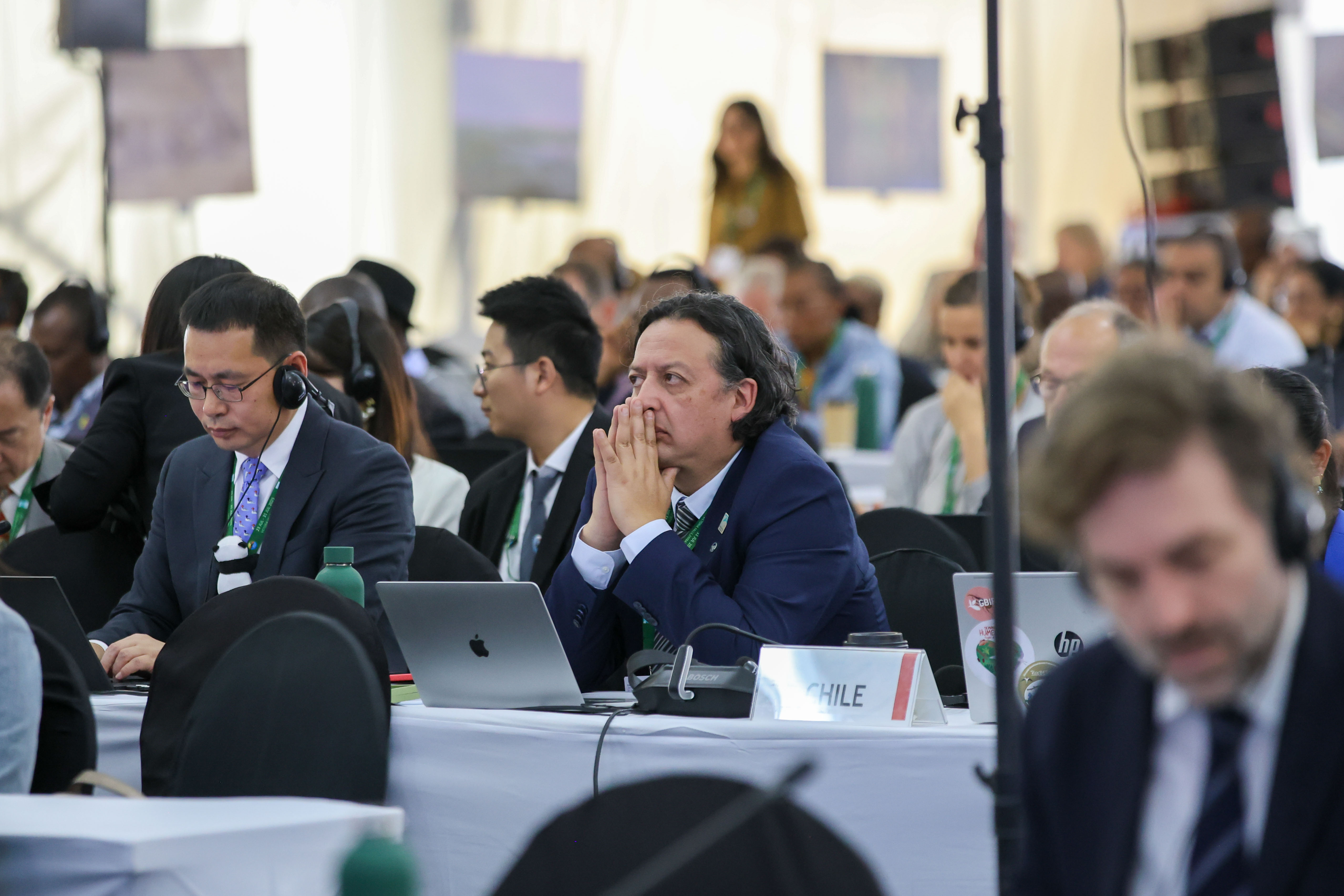
Francisco Morey Cañoles, Chile
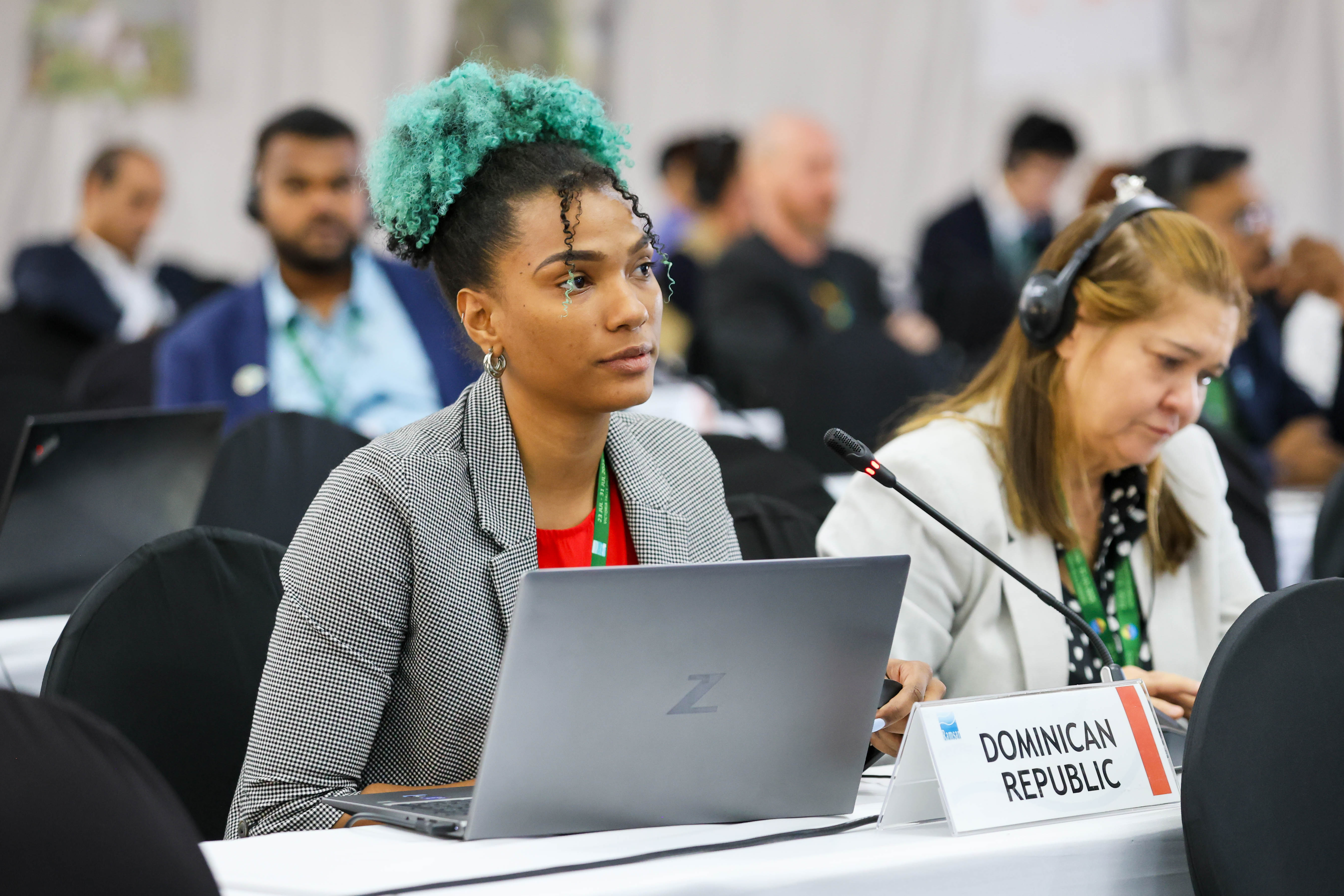
Andrys Margarita Gomez Ovalles, Dominican Republic
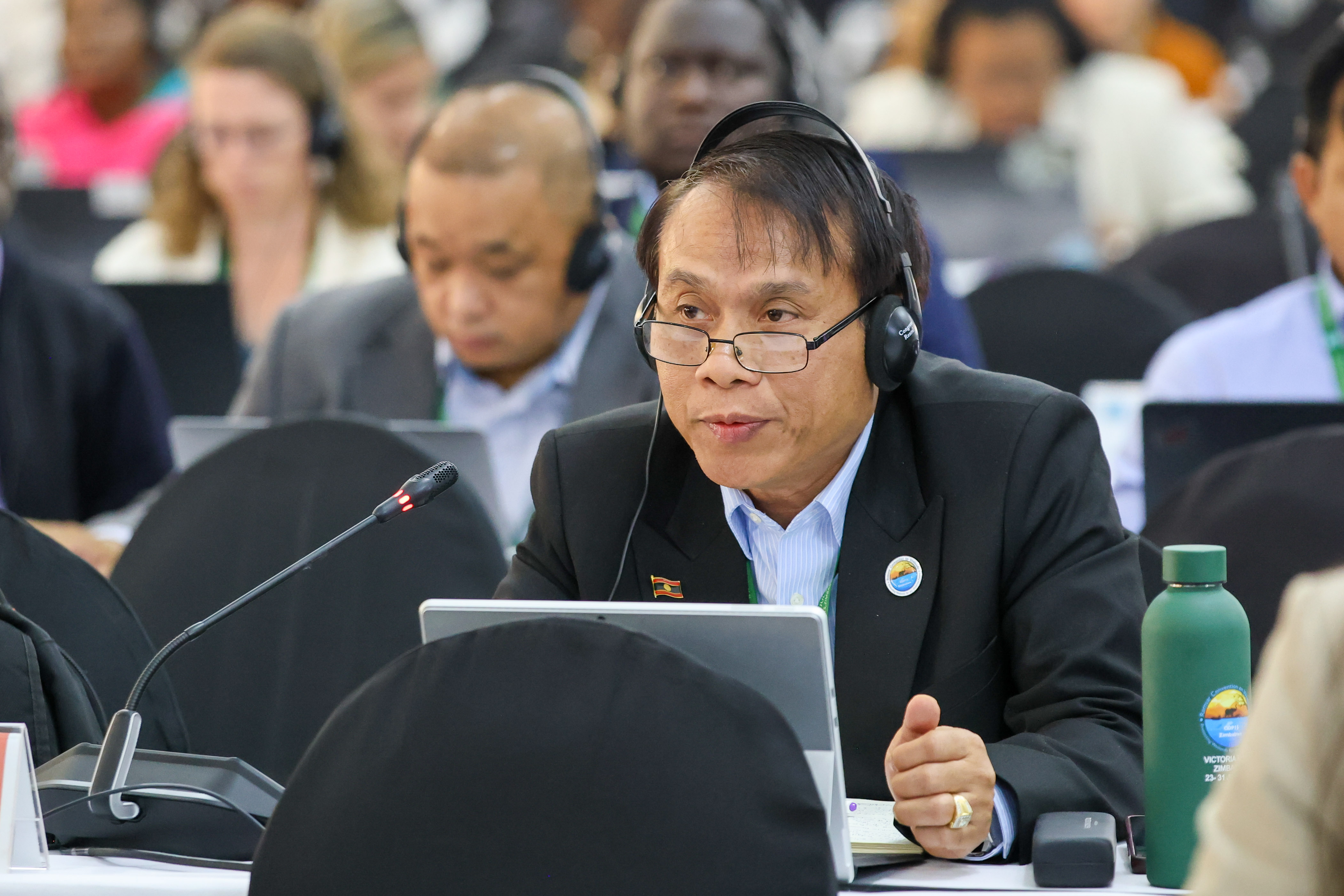
Oudomsack Philavong, Lao People's Democratic Republic
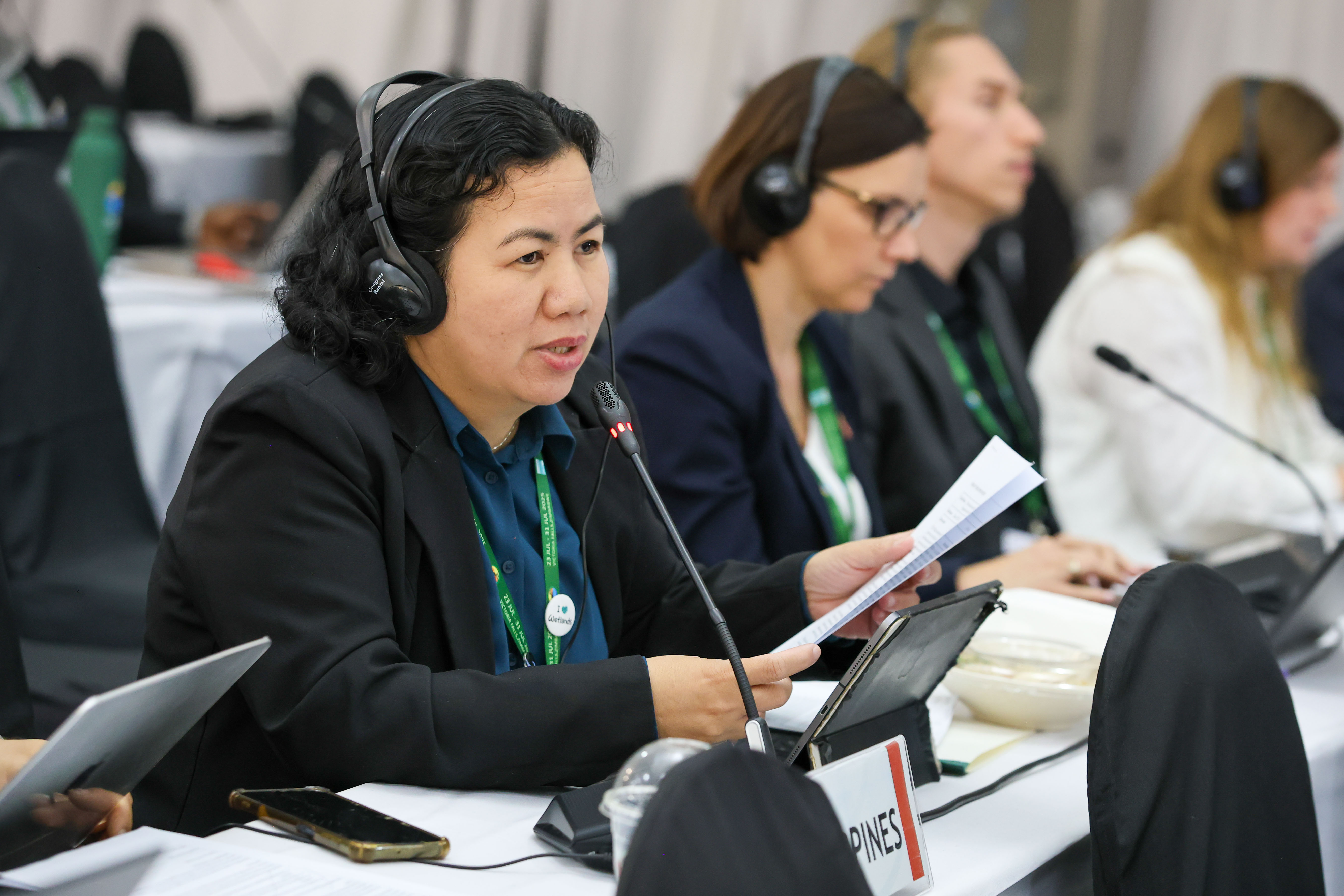
Joy Navarro, the Philippines
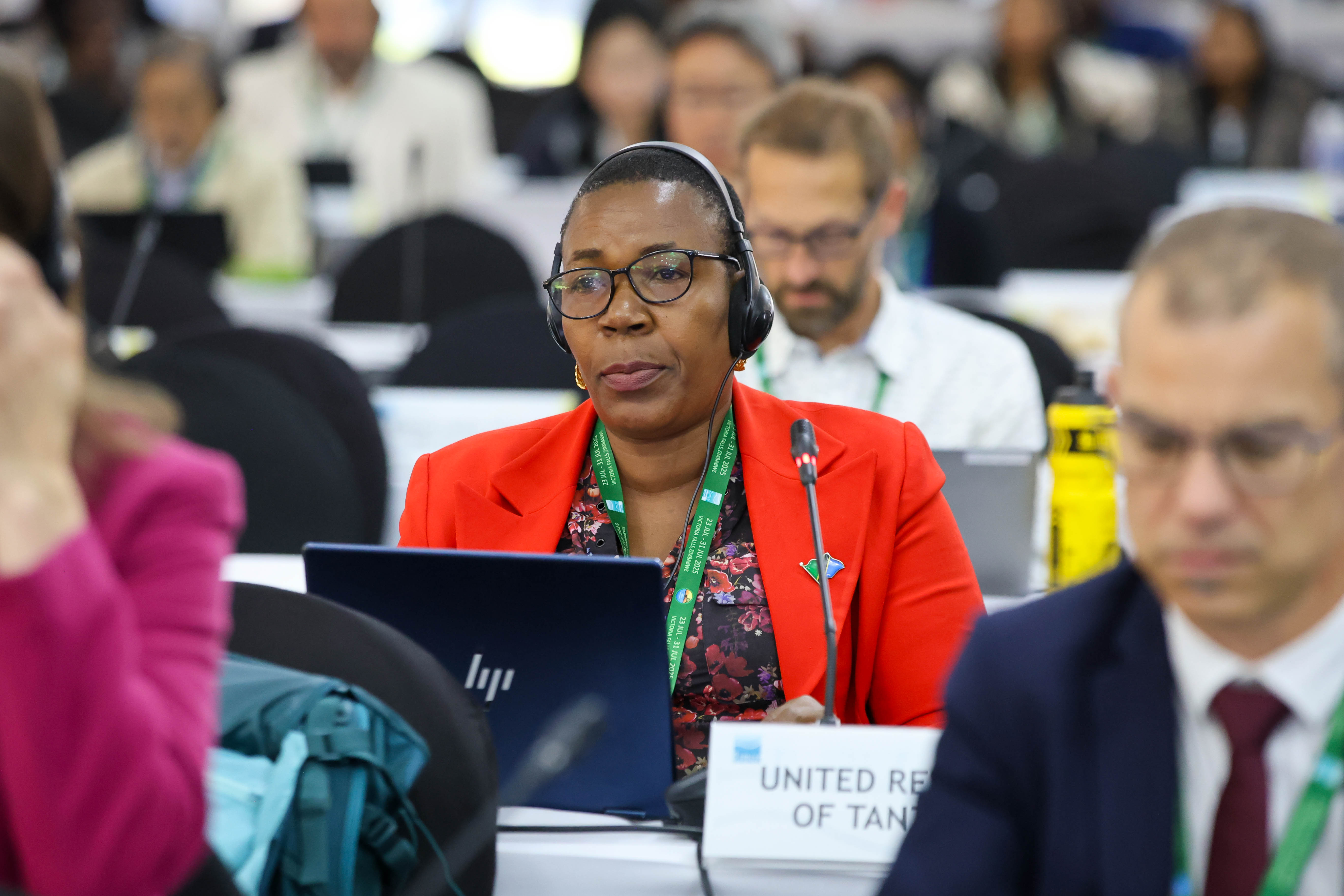
Africo Simon Mattagoro, Tanzania
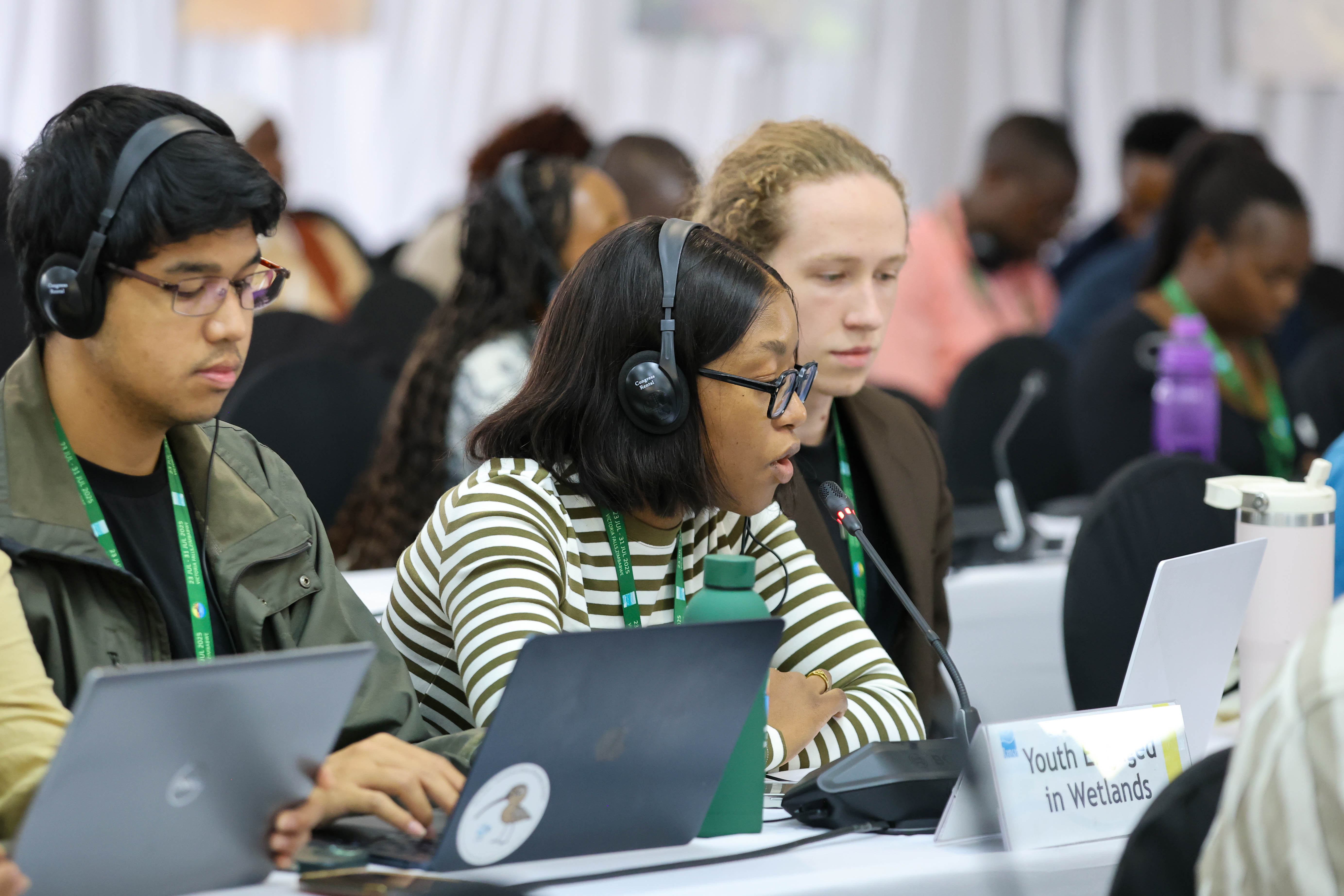
Thandeka Ndlela, Youth Engaged in Wetlands
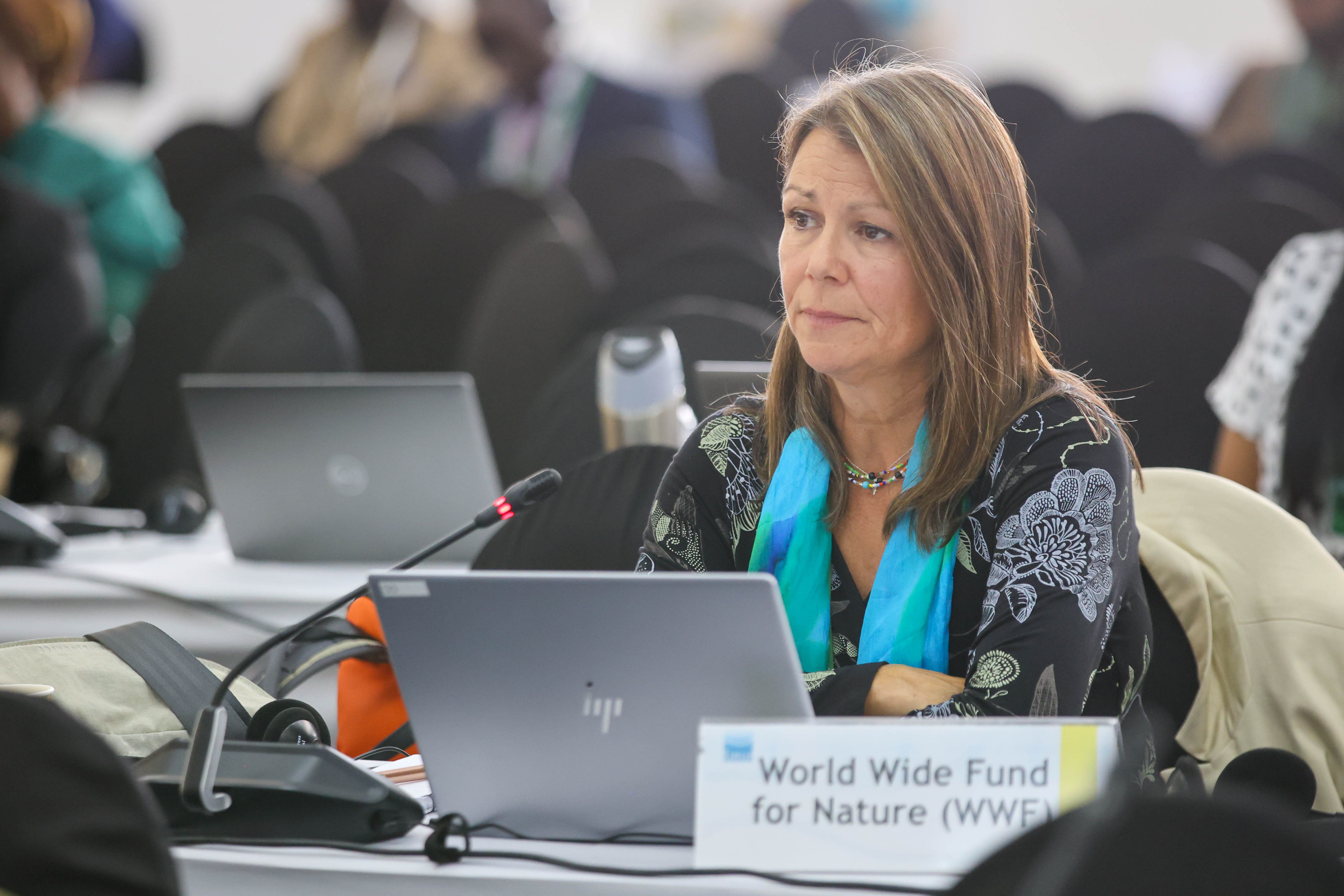
Christine Colvin, World Wide Fund for Nature International
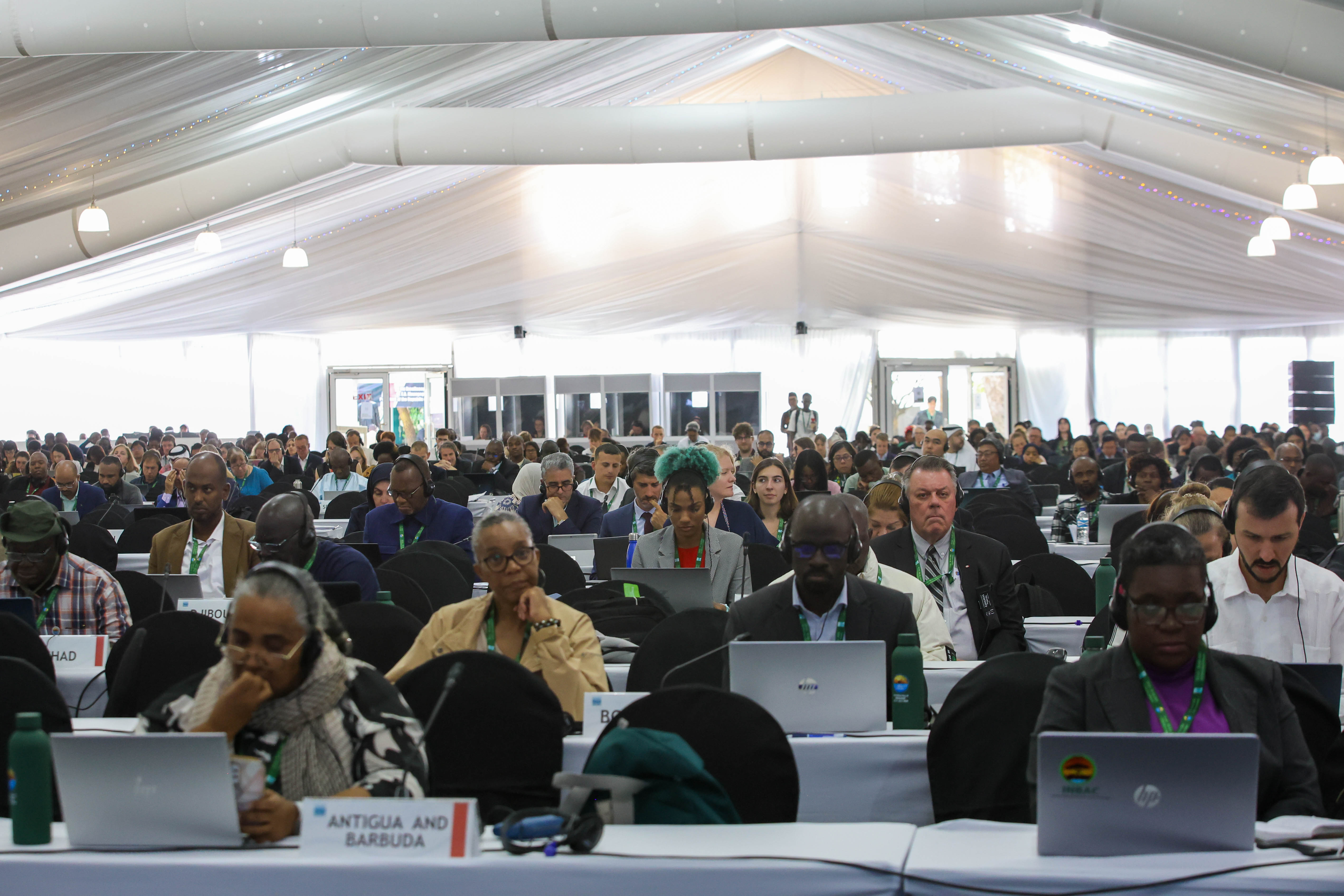
Between Sessions
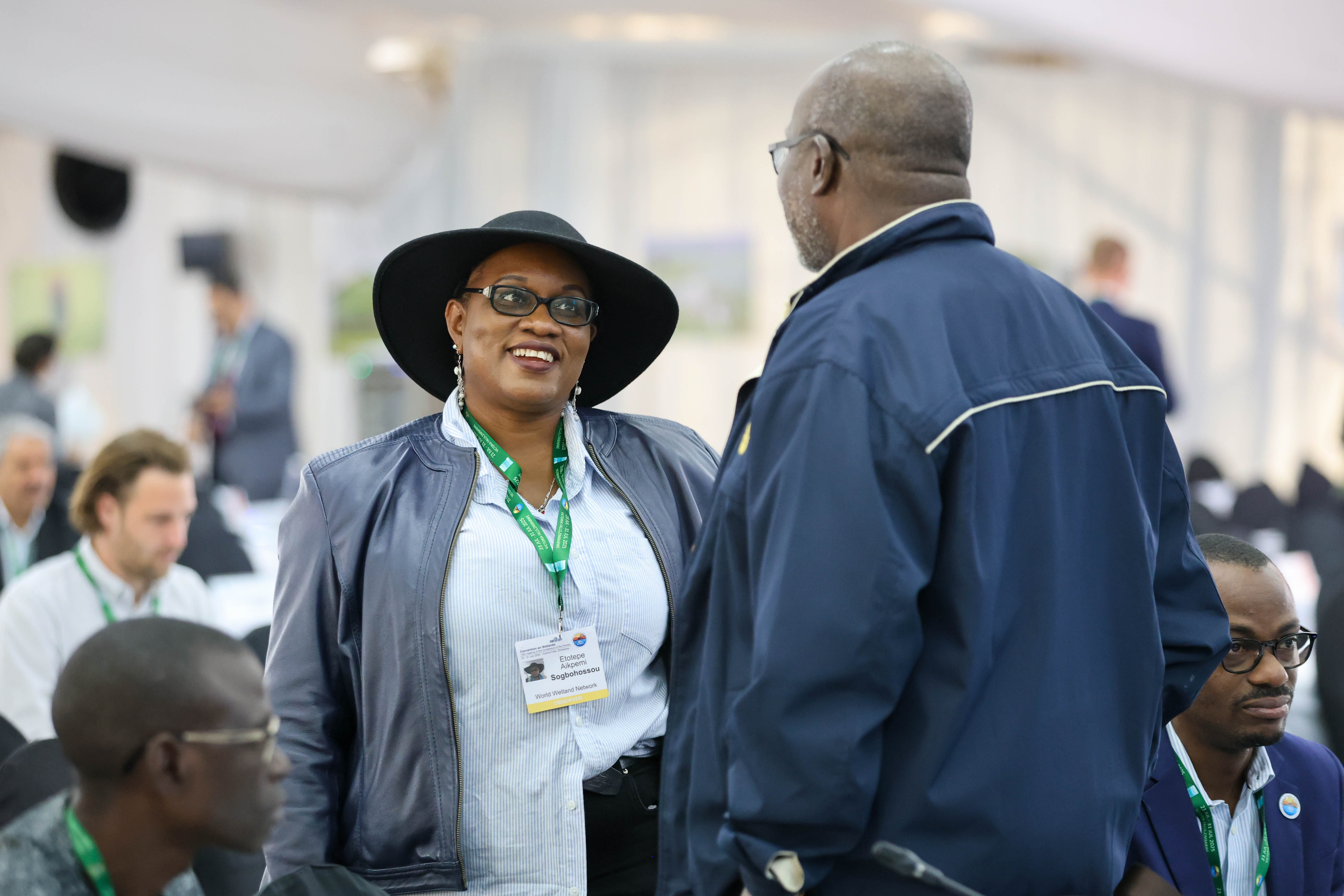
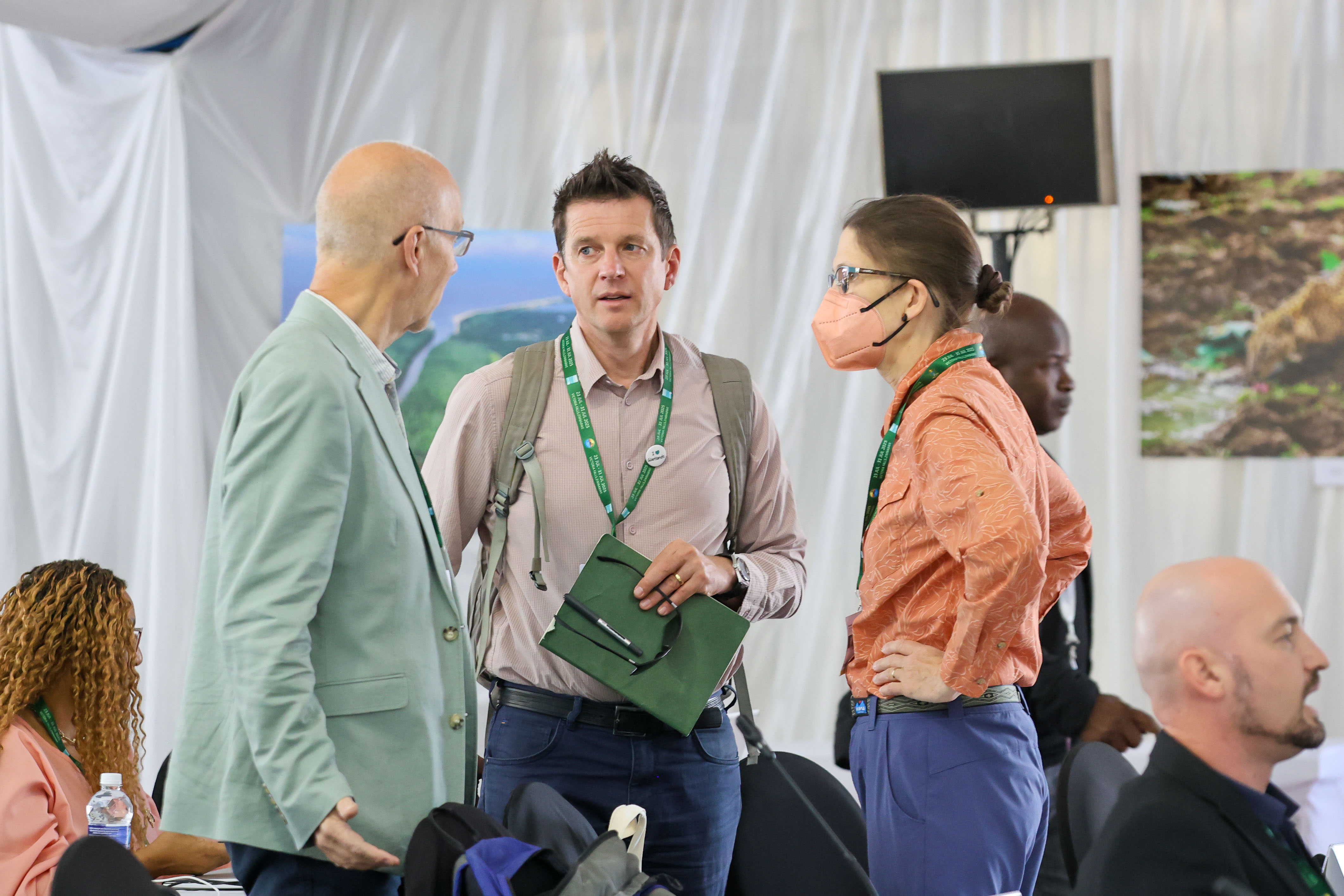
Around the Venue
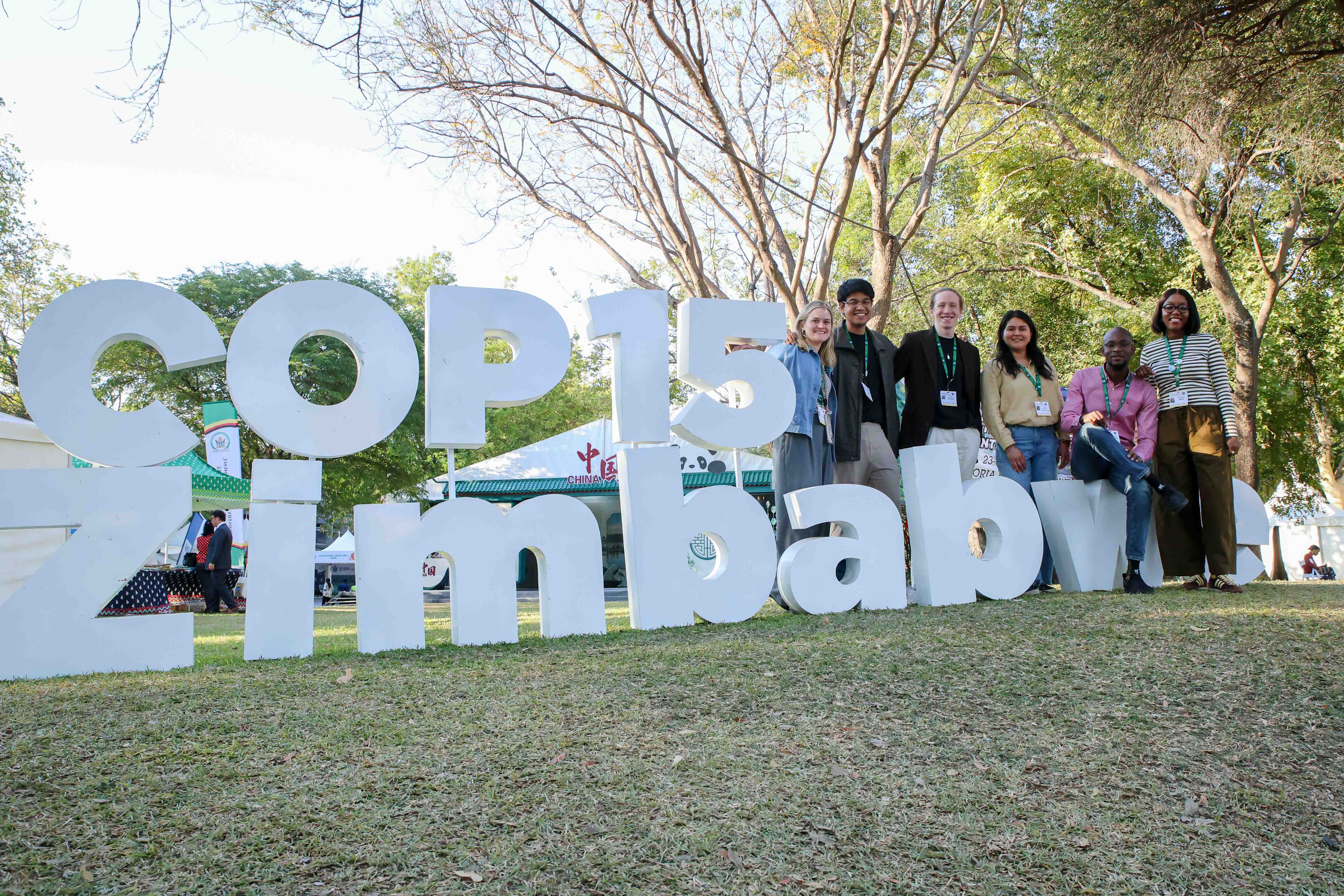
Youth Engaged in Wetlands