There is a certain rhythm to multilateral negotiations. Countries begin by outlining their general expectations as to what should be achieved on a given issue. This forms the basis for the production of draft text, which countries then comment on, highlighting which elements they agree with, which they want to see removed, and what concrete textual changes they want to see reflected in the draft’s next iteration.
Want to dig deeper into today's talks? Read the full Earth Negotiations Bulletin daily report.
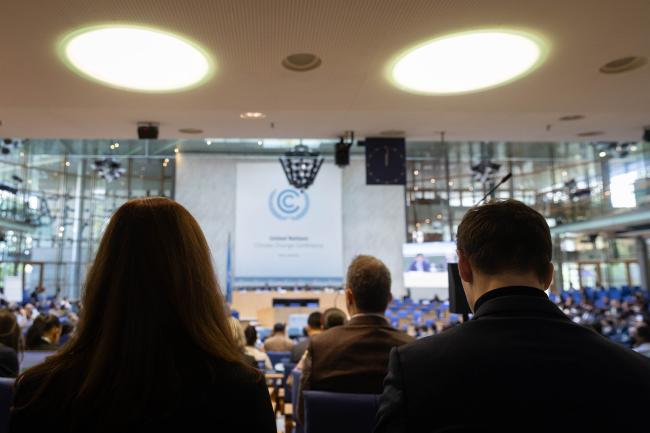
This process is not necessarily straightforward, so the negotiations on the various agenda items typically progress at different speeds, as the 2026 June Climate Meetings again showcased. Parties working on the mitigation work programme have yet to give their Co-Facilitators the mandate to prepare an informal note. Those focused on cooperative, market-based approaches to implementing the Paris Agreement (Article 6.2) are at the revision stage. The Alliance of Small Island States sent the Co-Facilitators working on research and systematic observation back to the drawing board, as they considered the draft text not to be an acceptable basis for discussion.
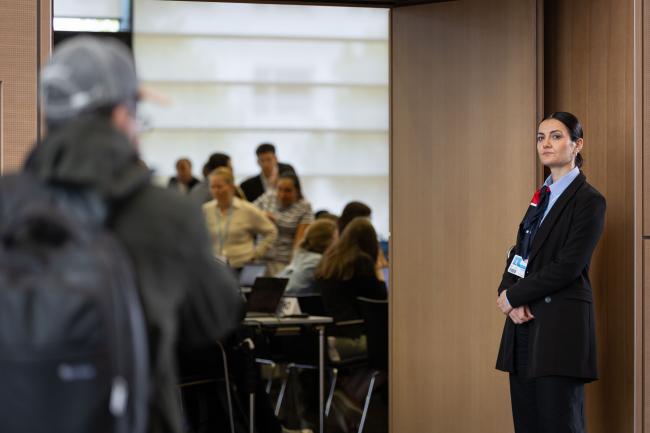
At this point, it is difficult to predict what course the different negotiation streams will take during the remaining days of the 2026 June Climate Meetings. Sometimes, countries may purposefully slow down progress on an issue they do not care much about so that their pet issues can “catch up.” At times, negotiators also make trade-offs between agenda items, bargaining for what they want on one issue in return for giving up something on another.
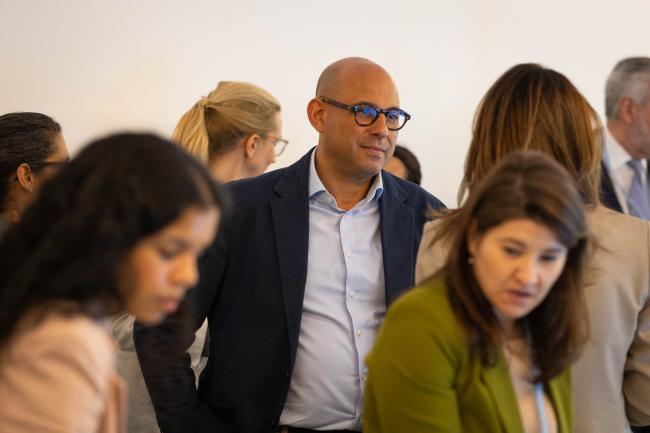
Some delegates were talking about trade of another kind in an all-day event on the trade-climate nexus. Long considered off limits within the climate process, this was the first in a series of dialogues running until 2028.
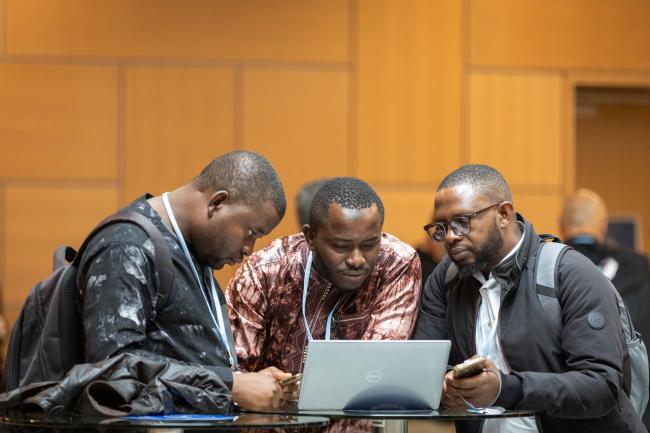
To receive free coverage of global environmental events delivered to your inbox, subscribe to the ENB Update newsletter.
All ENB photos are free to use with attribution. For SB64 please use: Photo by IISD/ENB - Kiara Worth
Dialogue on Trade
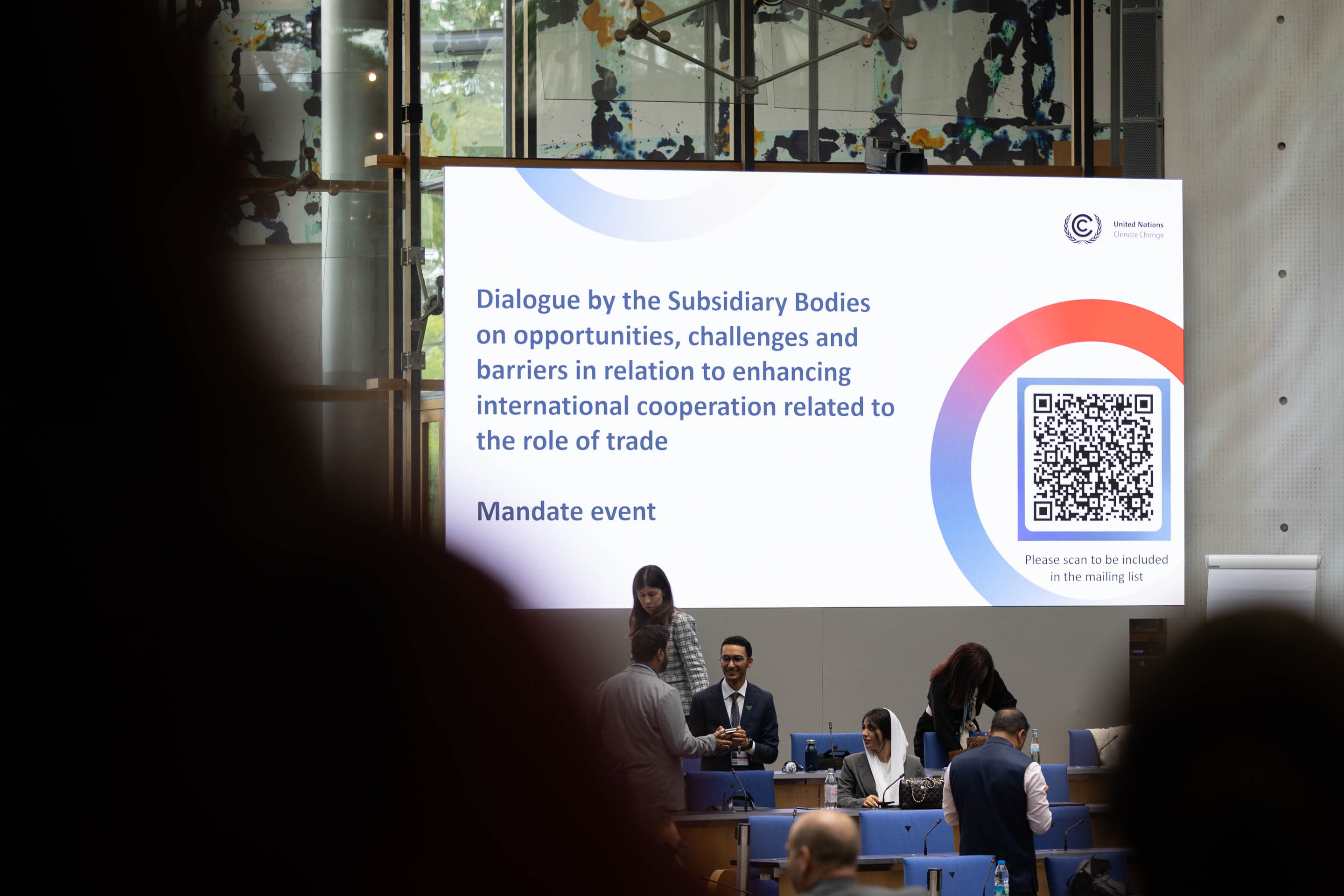
Delegates gather for the first dialogue to discuss challenges and barriers in relation to enhancing international cooperation related to the role of trade
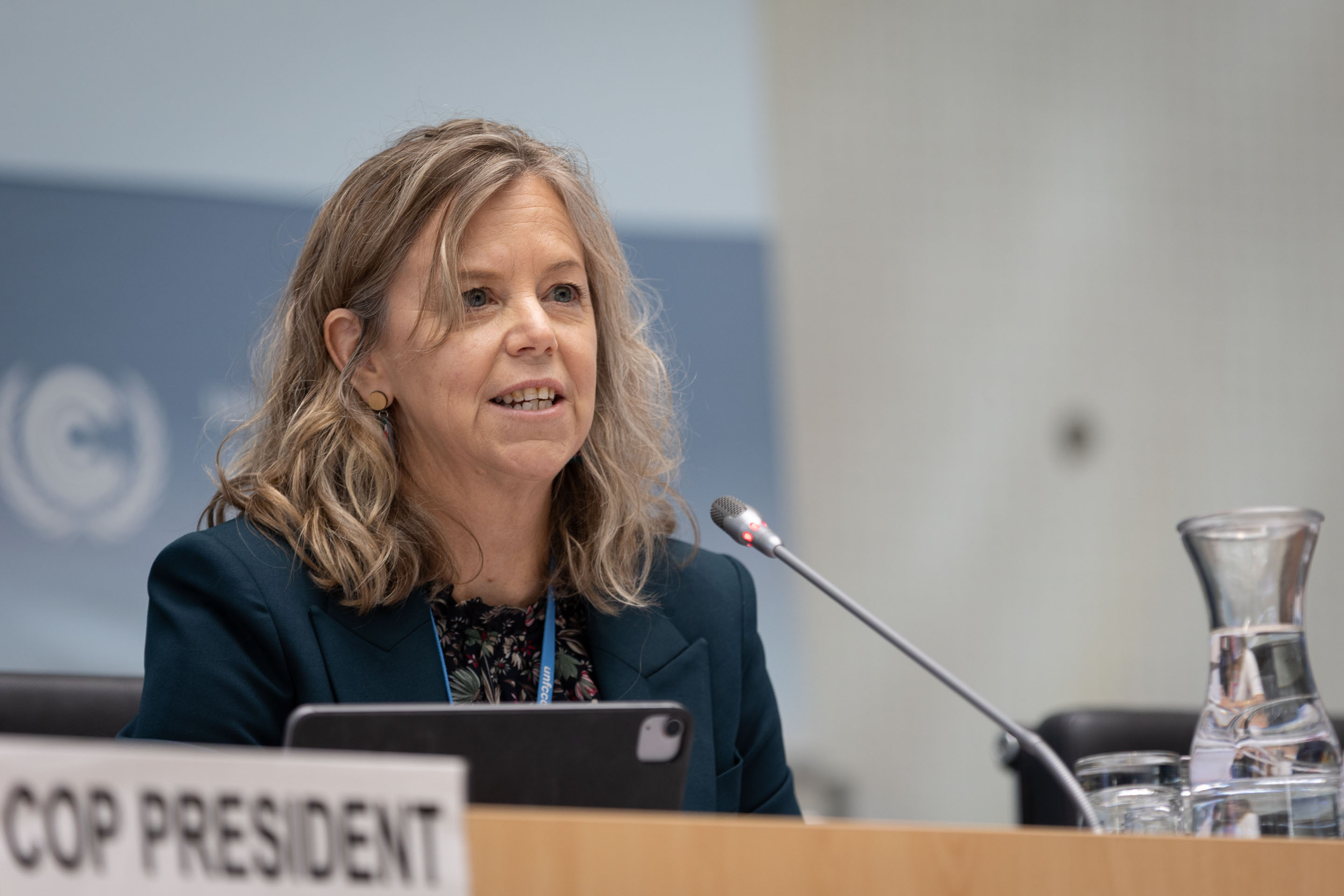
Julia Gardiner, SBI Chair
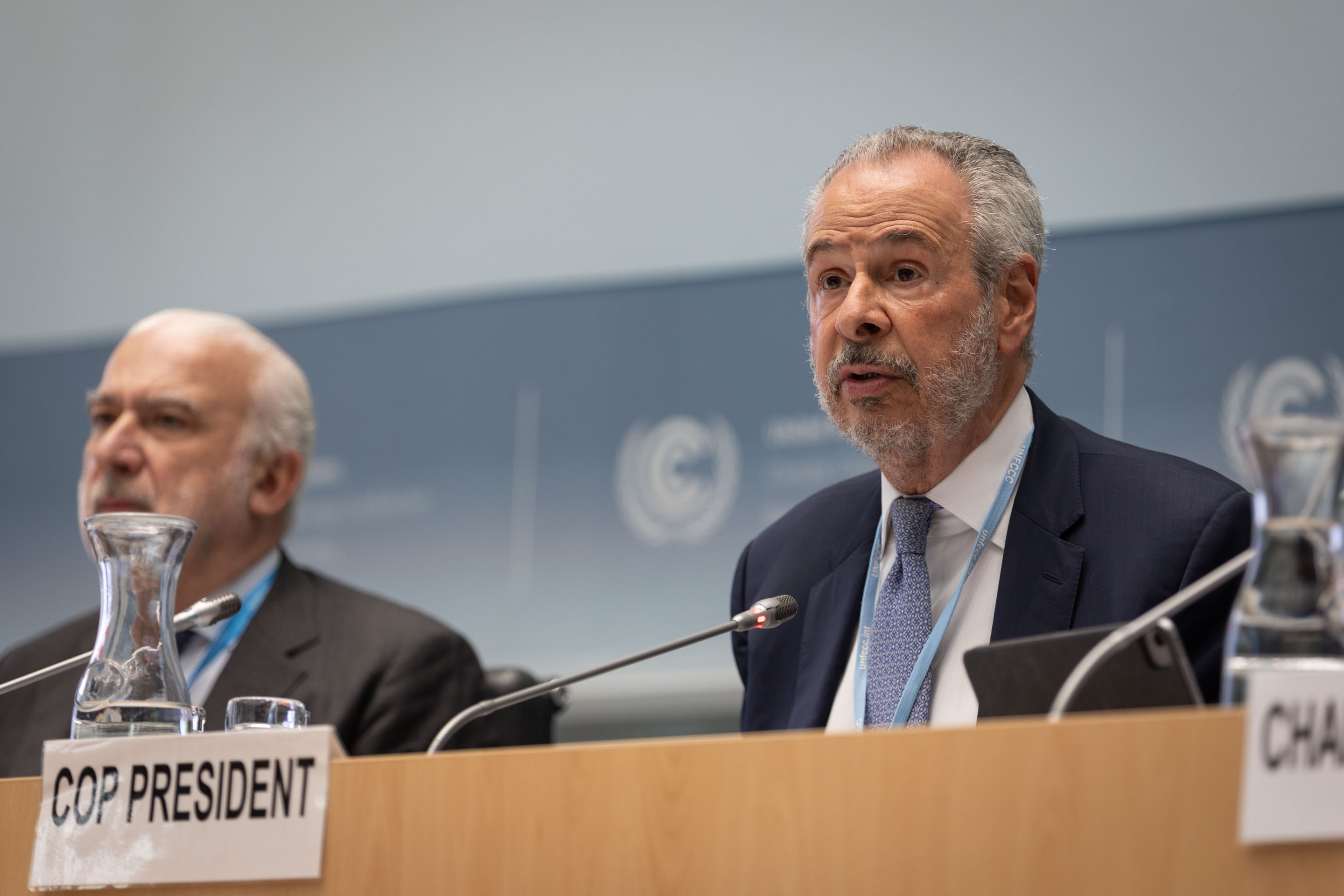
André Aranha Corrêa do Lago, COP 30 President
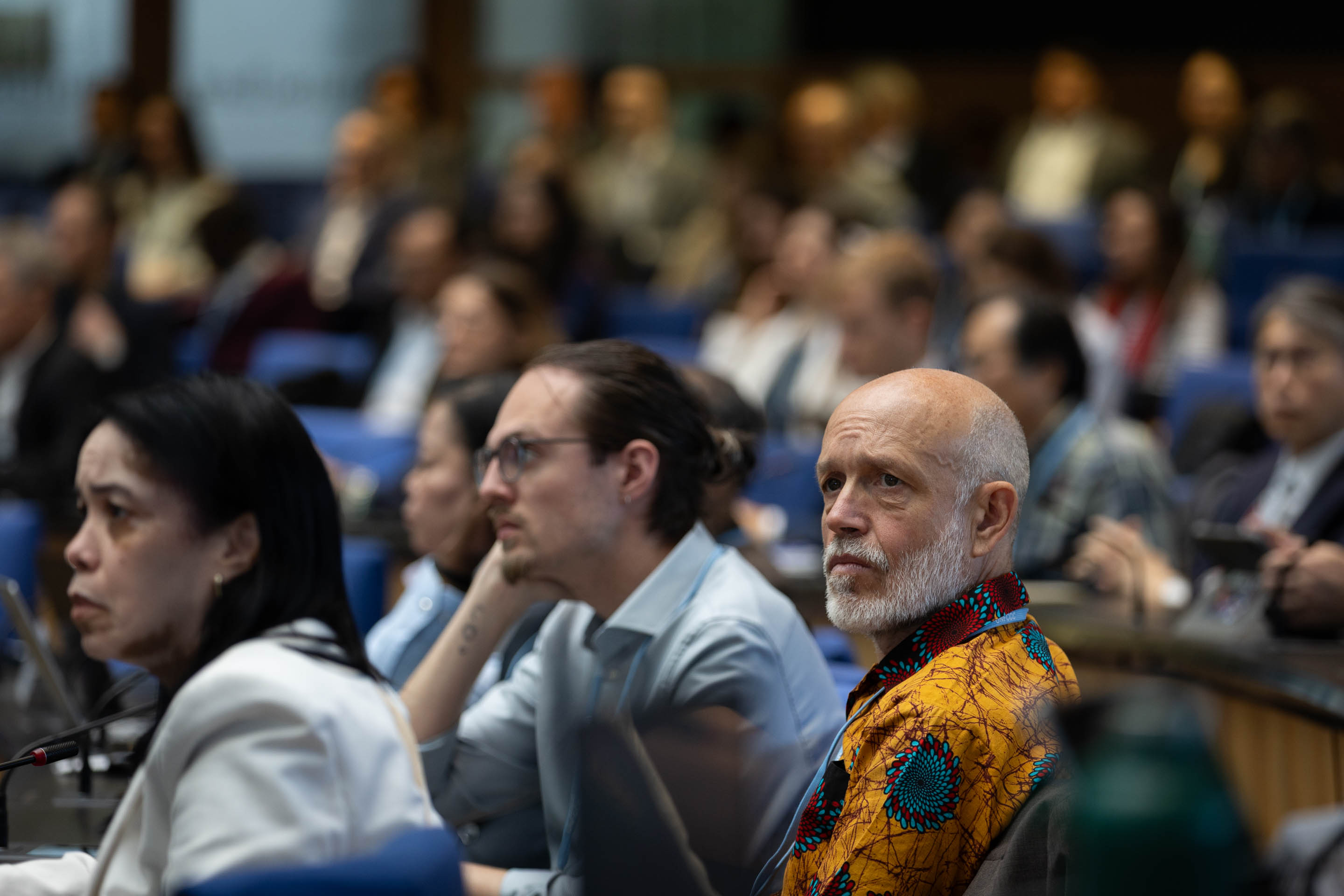
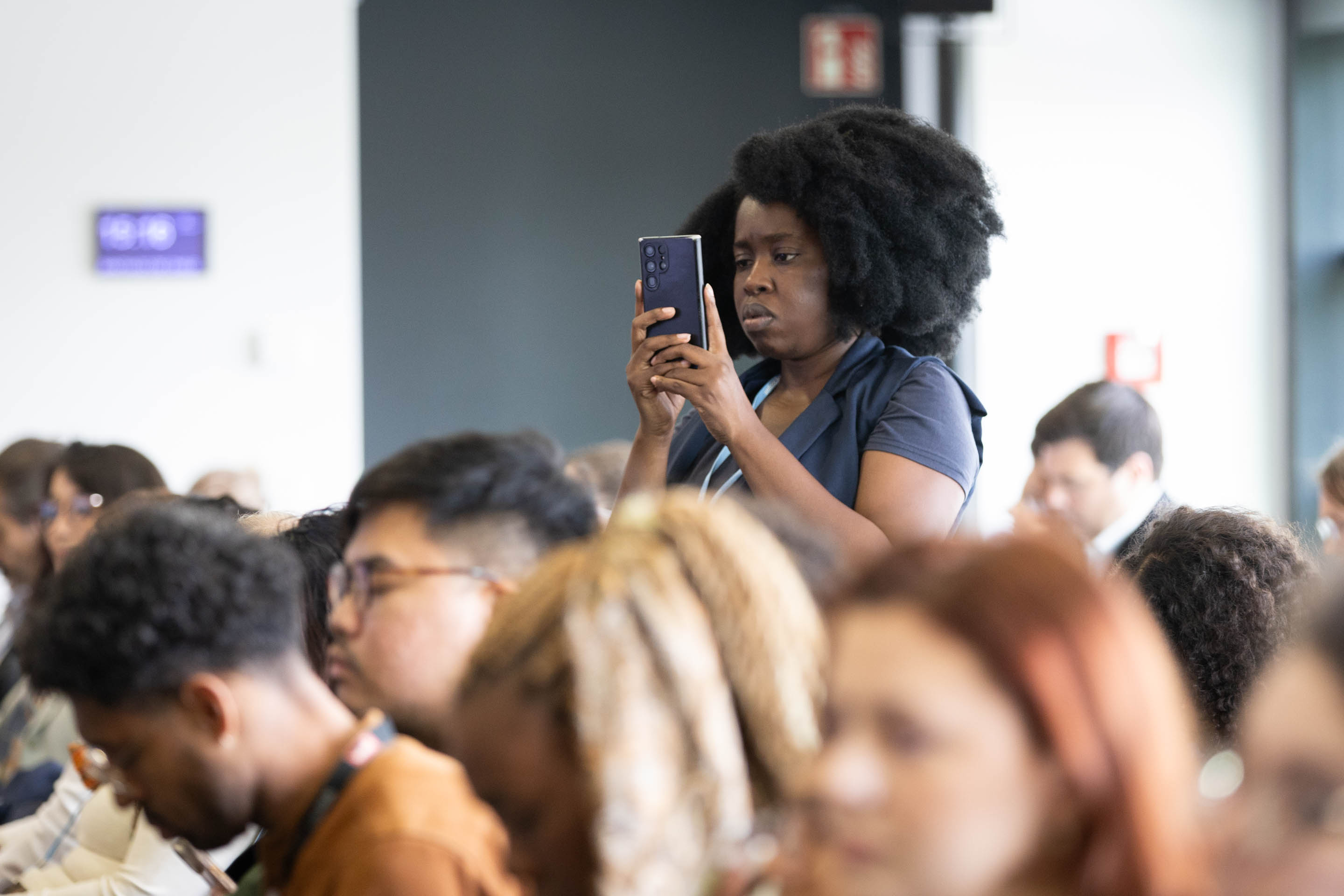
Delegates listen to the interventions
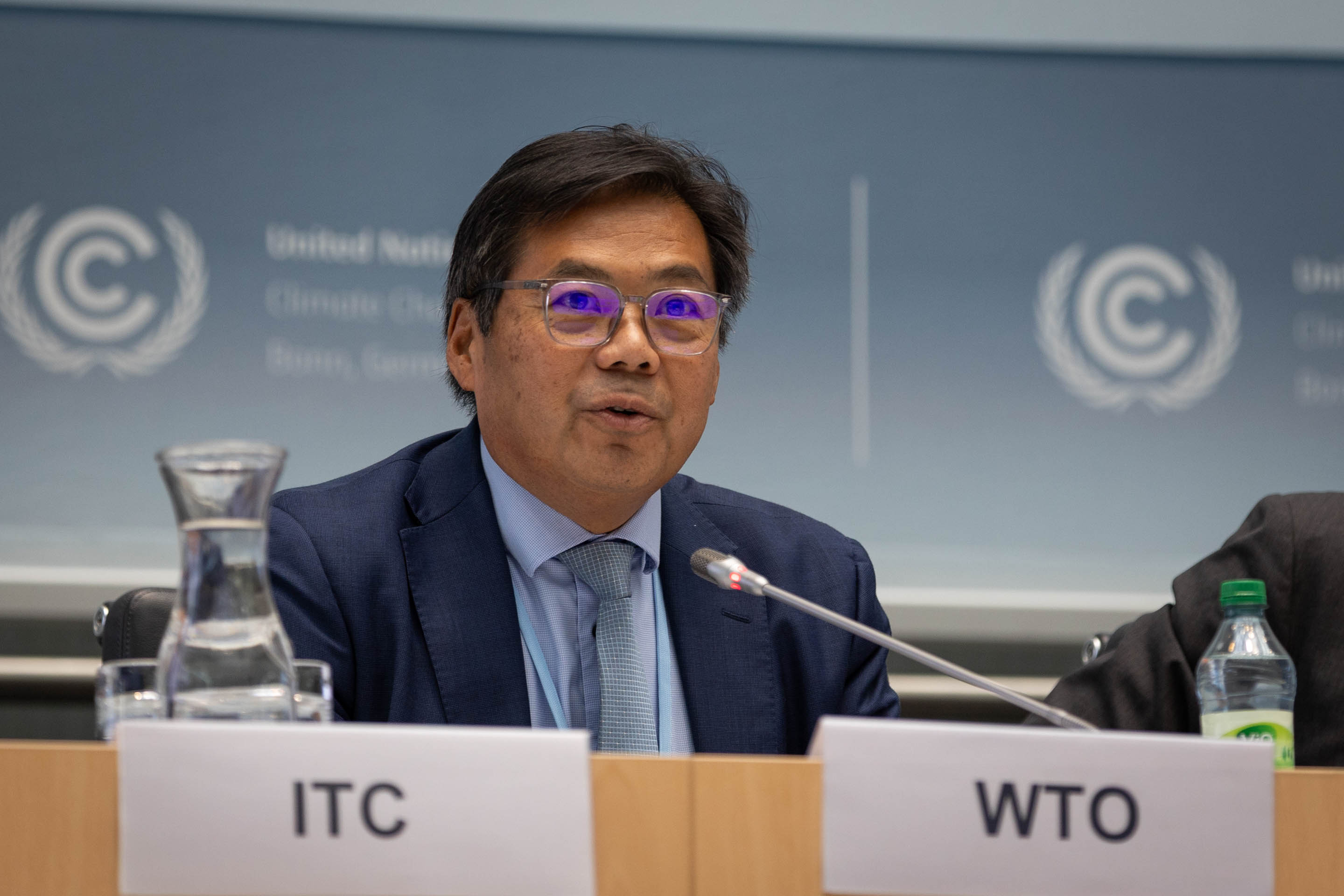
Aik Hoe Lim, World Trade Organization (WTO)
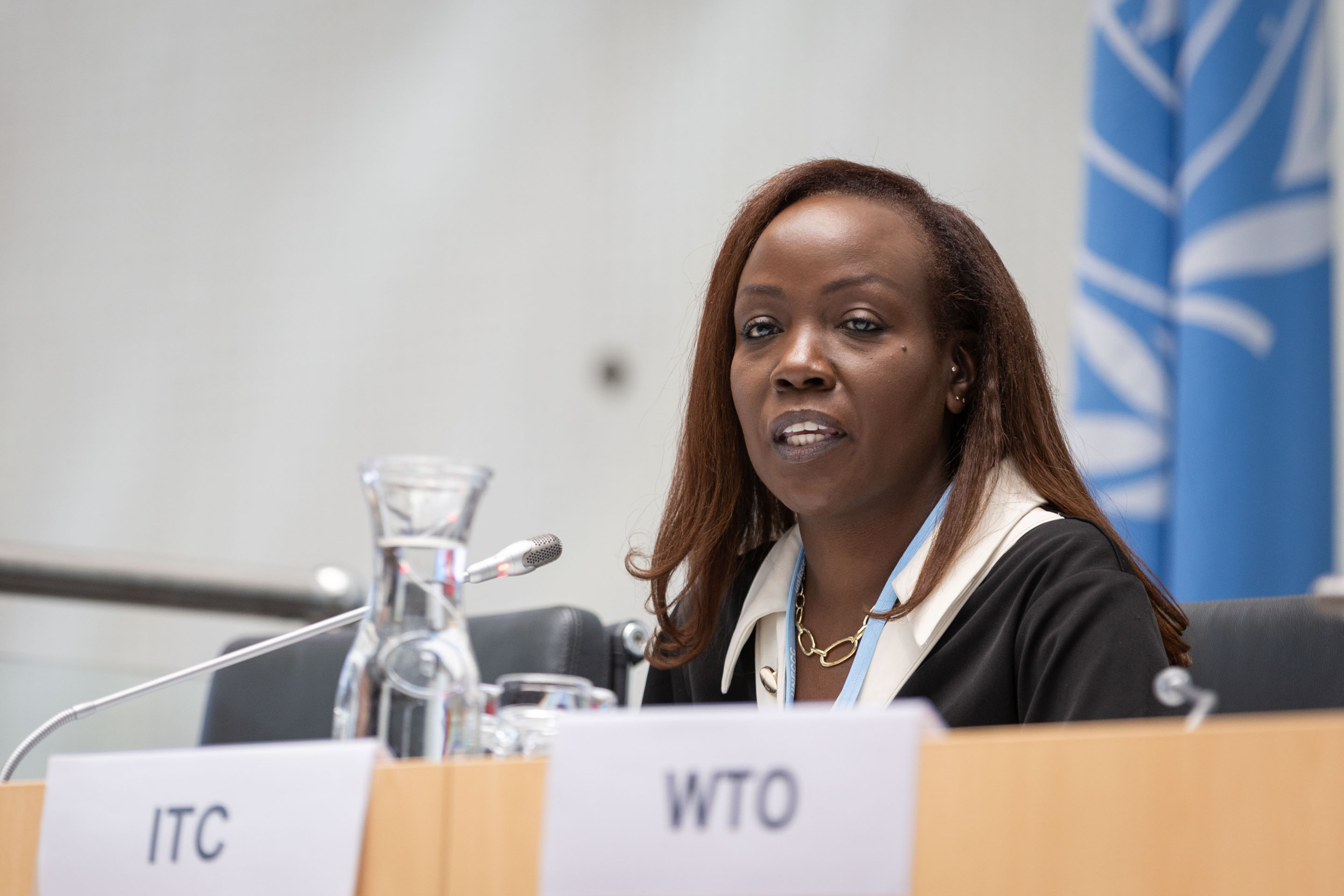
Vanessa Erogbogbo, International Trade Council (ITC)
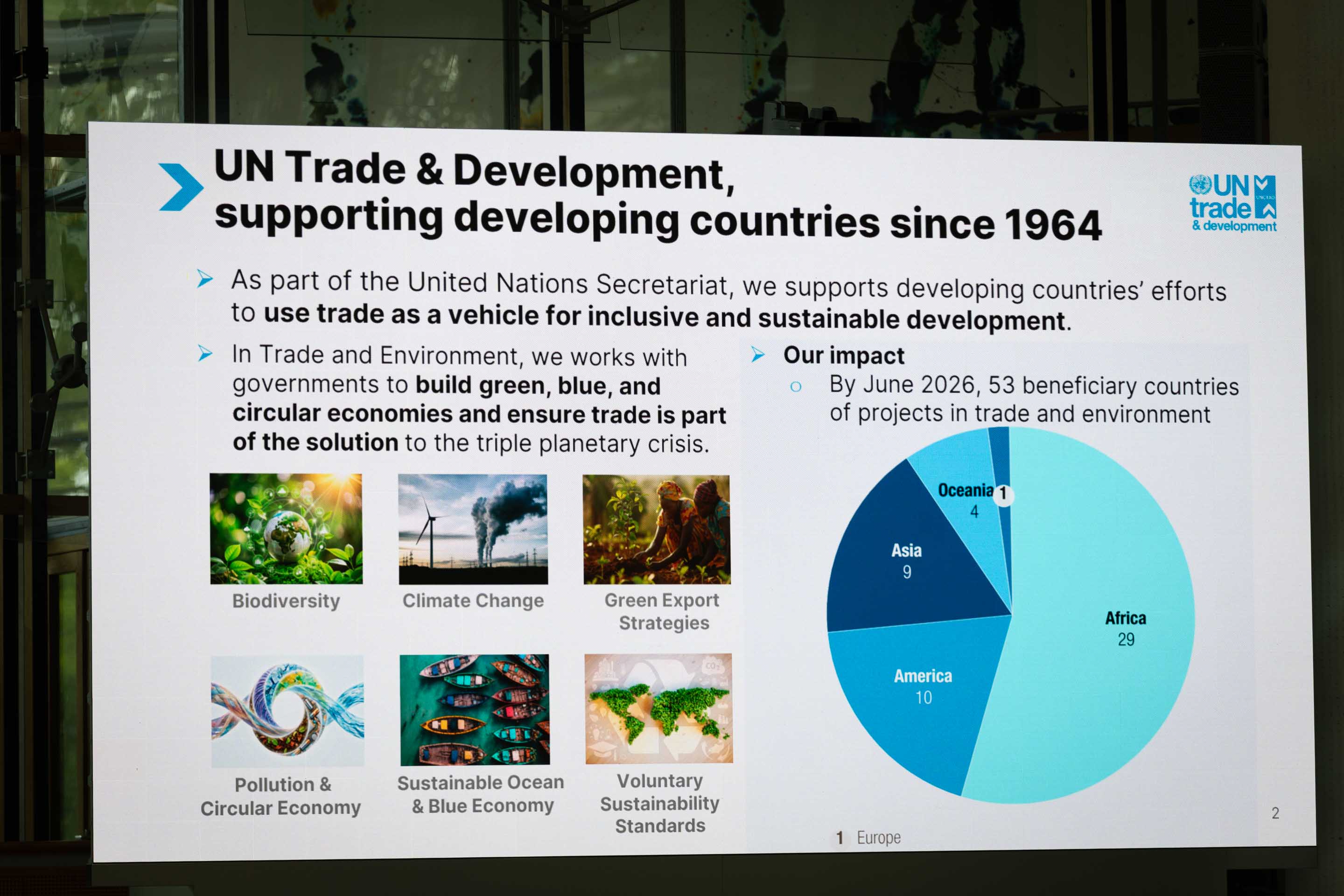
A slide from UN Trade and Development (UNCTAD) highlights their history of supporting developing countries
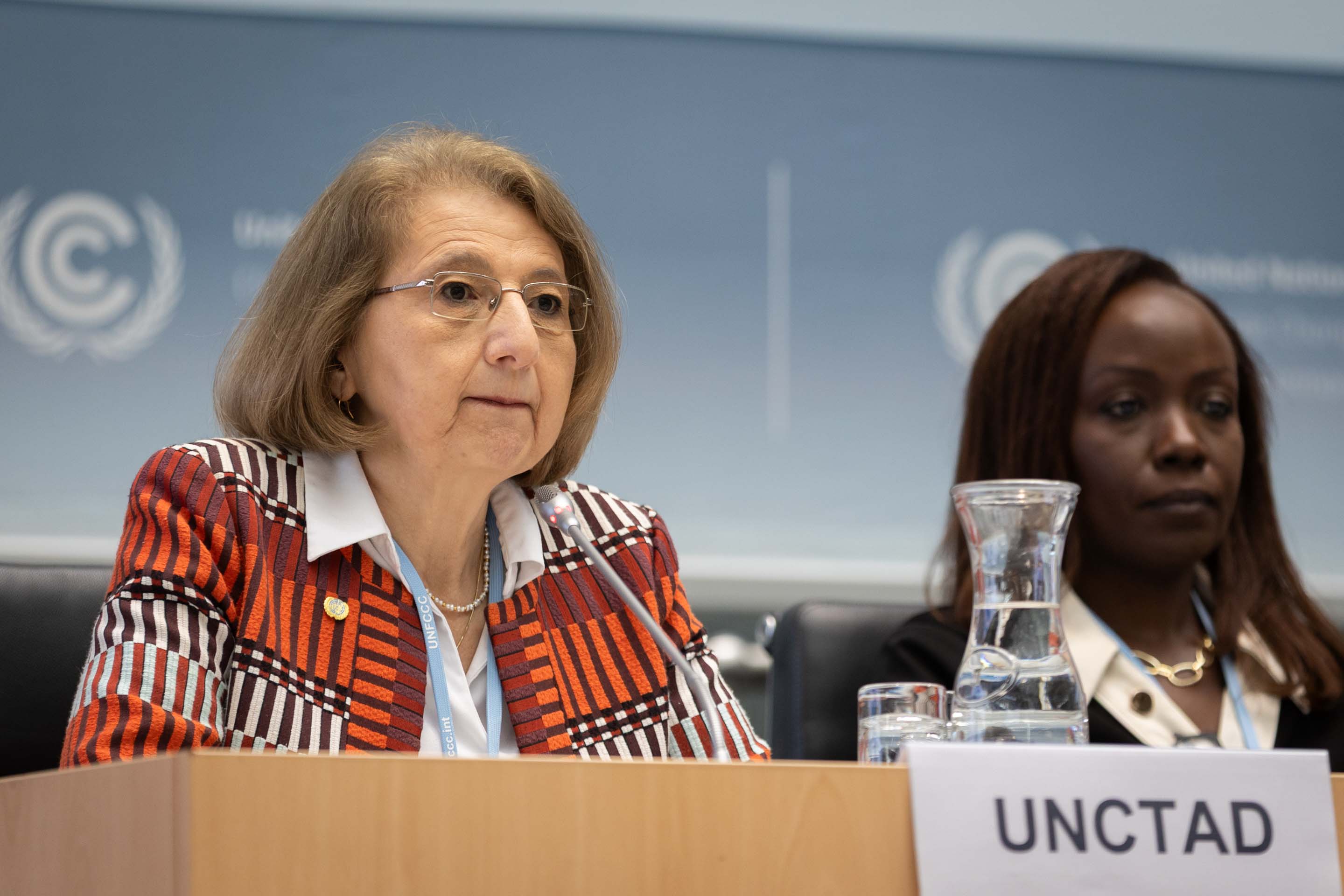
Luz Maria de la Mora, UNCTAD
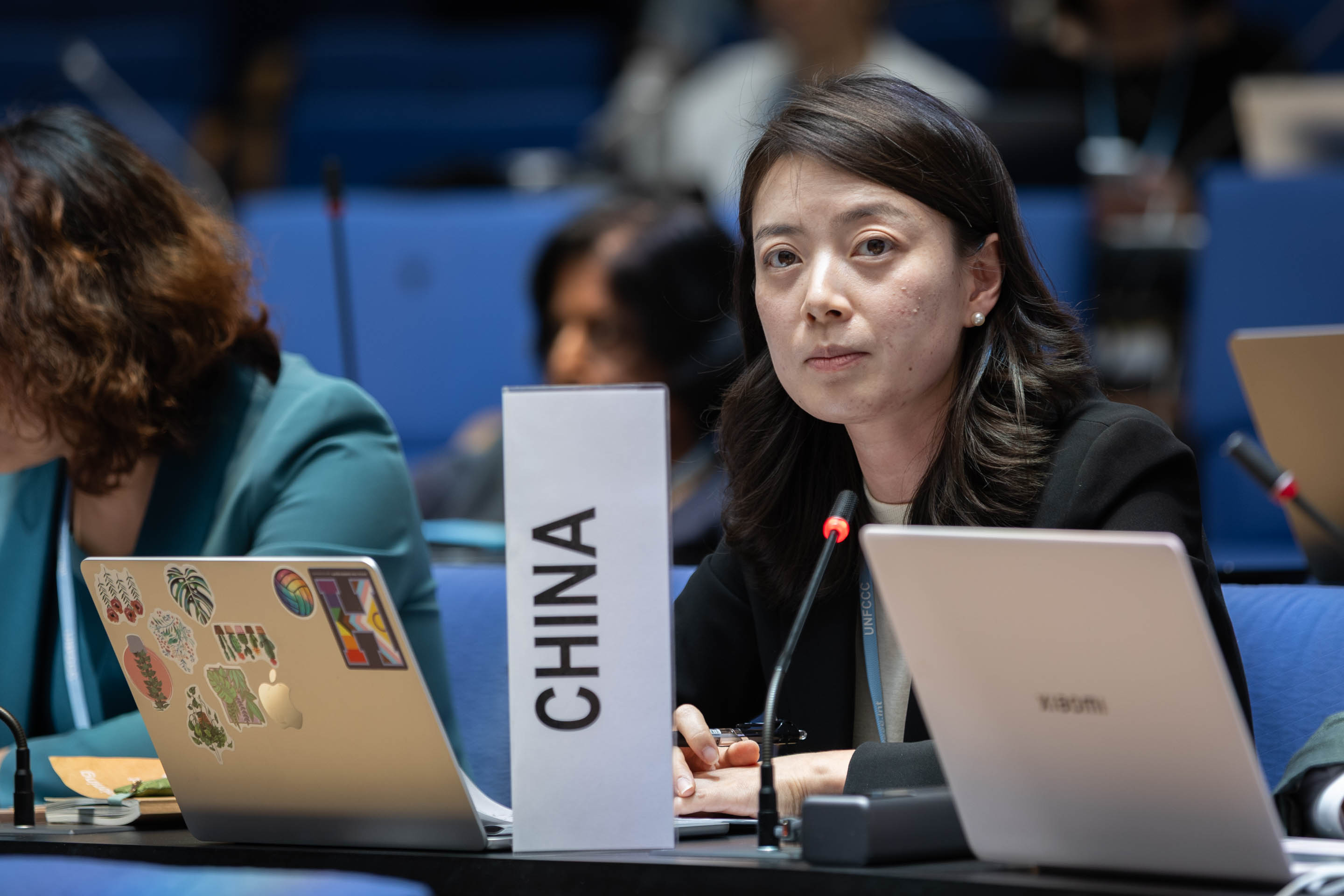
Guanyang Dong, China
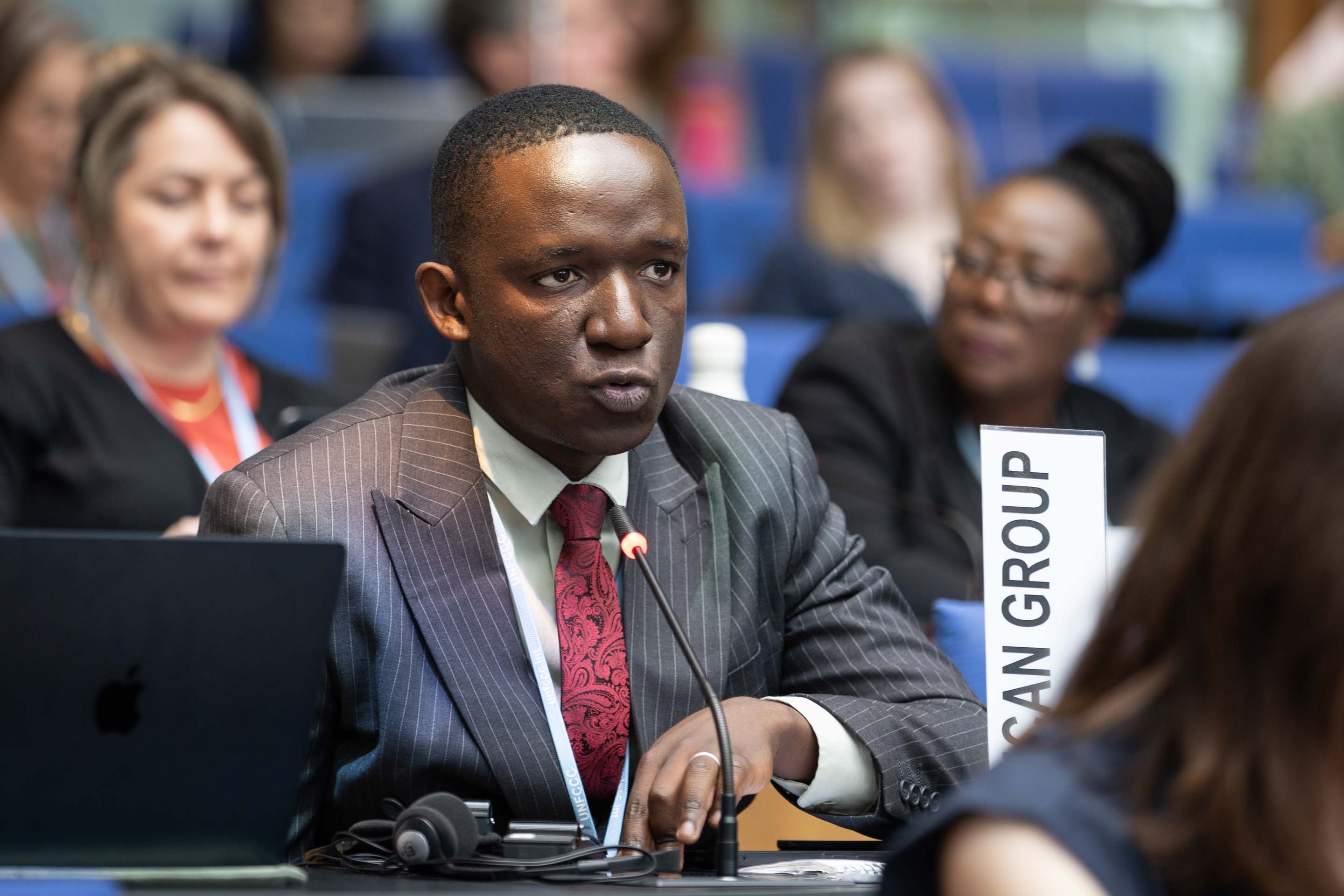
Shimukunku Manchisi, Zambia, on behalf of the African Group
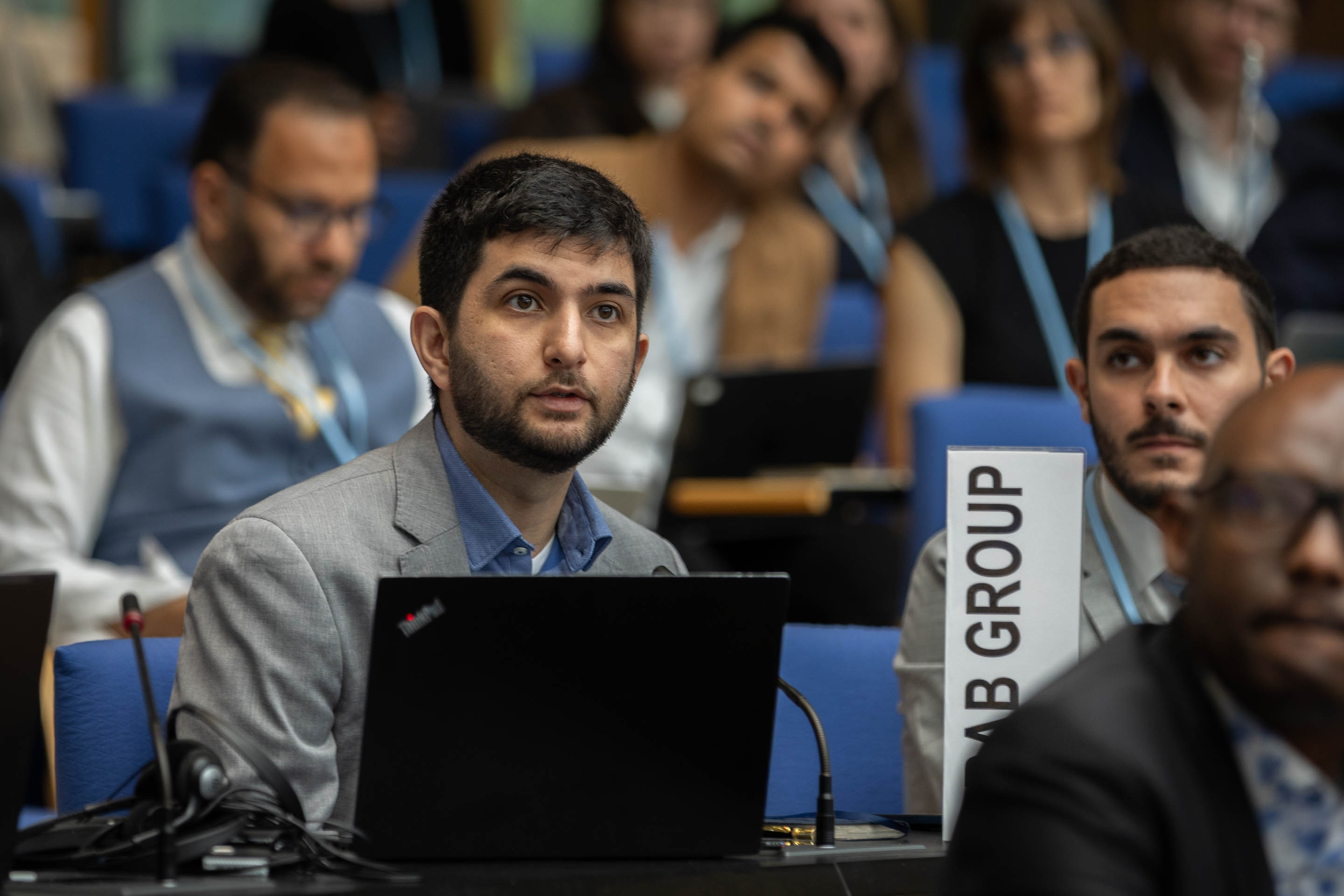
Mohammad Ayoub, Saudi Arabia, on behalf of the Arab Group
COP 30 Presidency's Open Dialogue with NGO Constituencies
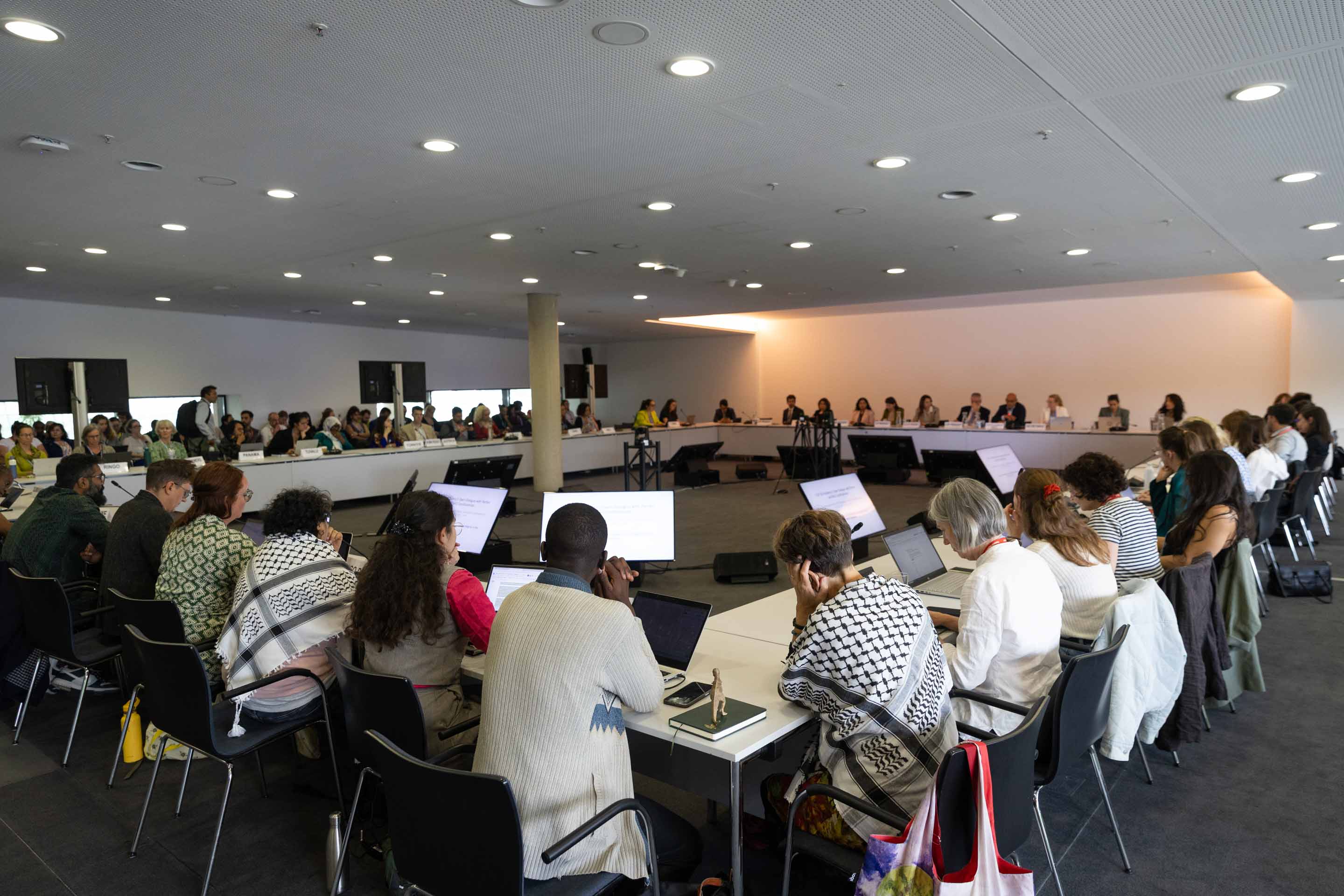
Delegates gather for the COP 30 Presidency's open dialogue with NGO constituencies to discuss transparency of participation and integrity within the UNFCCC process
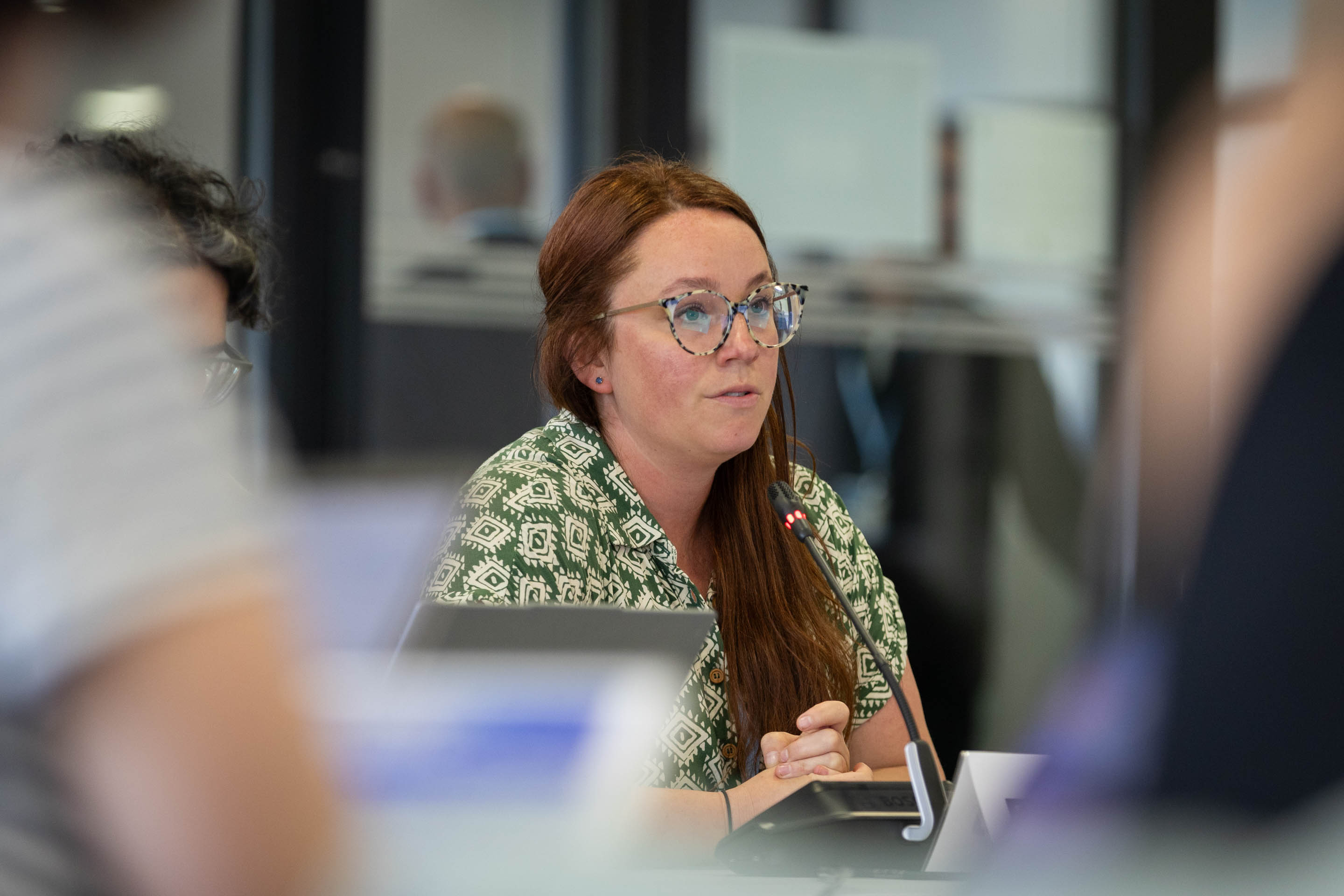
Rachel Rose Jackson, speaking on behalf of Demand Climate Justice, Environmental NGOs (ENGO), Trade Union NGOs (TUNGO), Women and Gender, and Youth NGOs (YOUNGO)
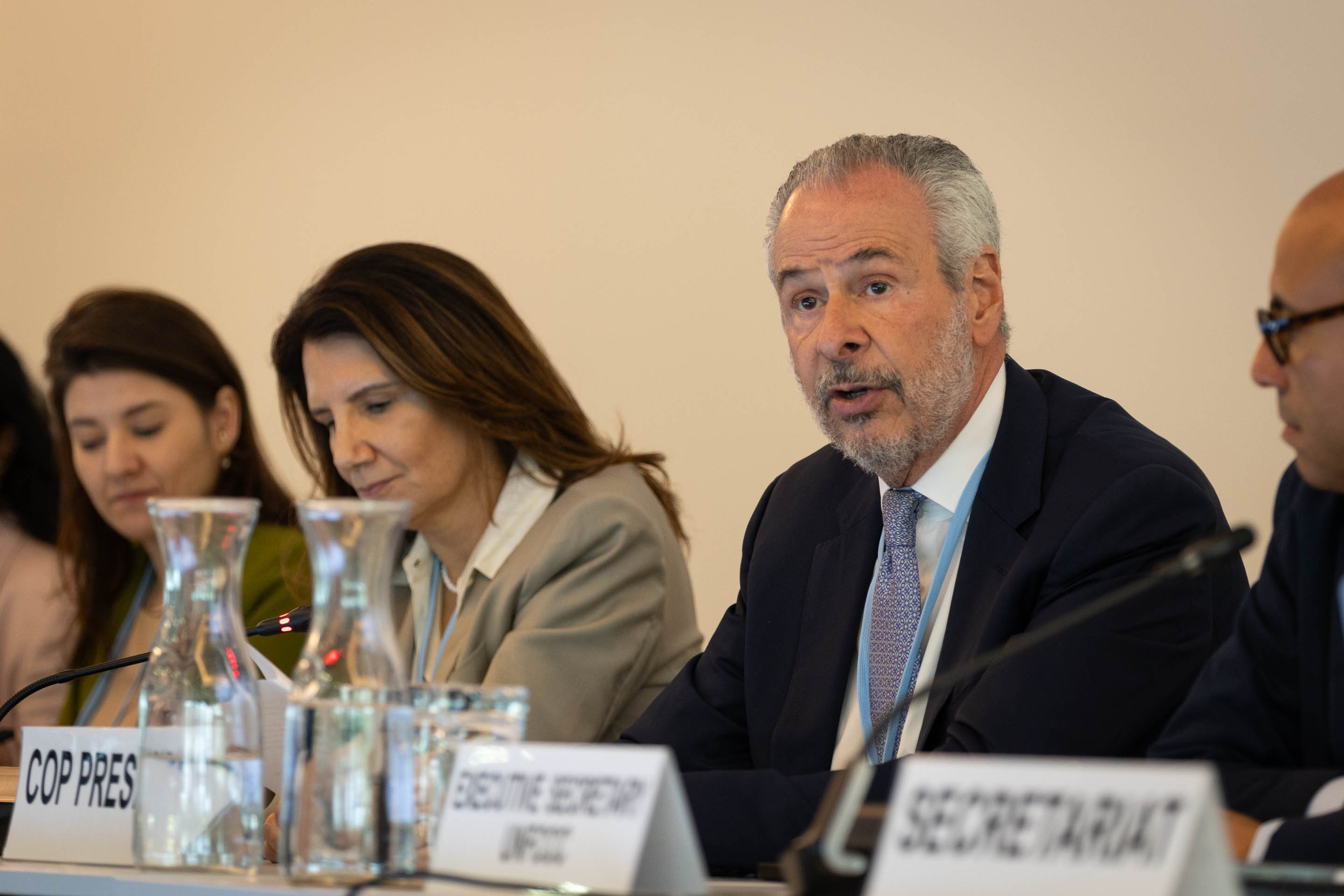
André Aranha Corrêa do Lago, COP 30 President
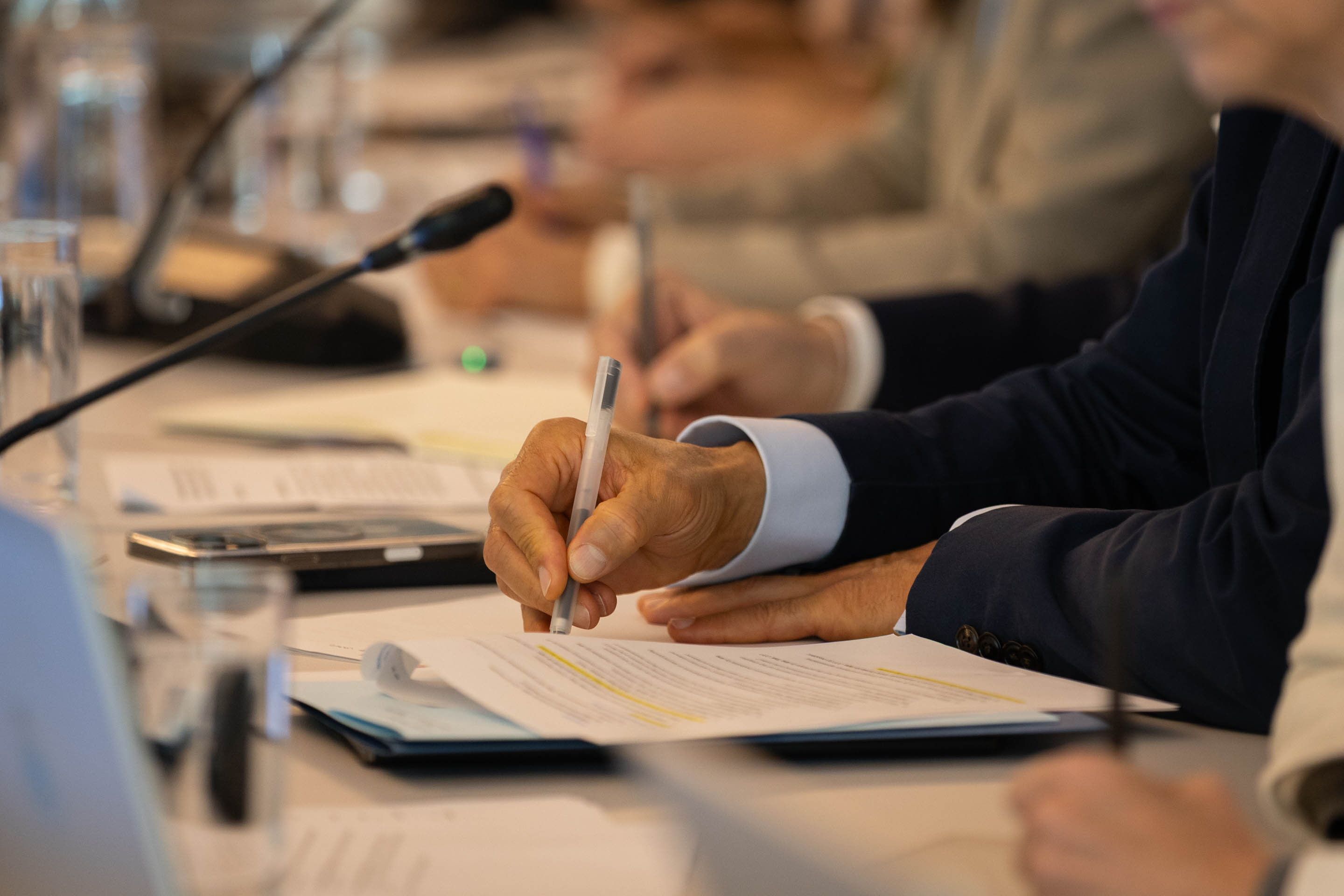
UNFCCC Executive Secretary Simon Stiell takes note of the interventions
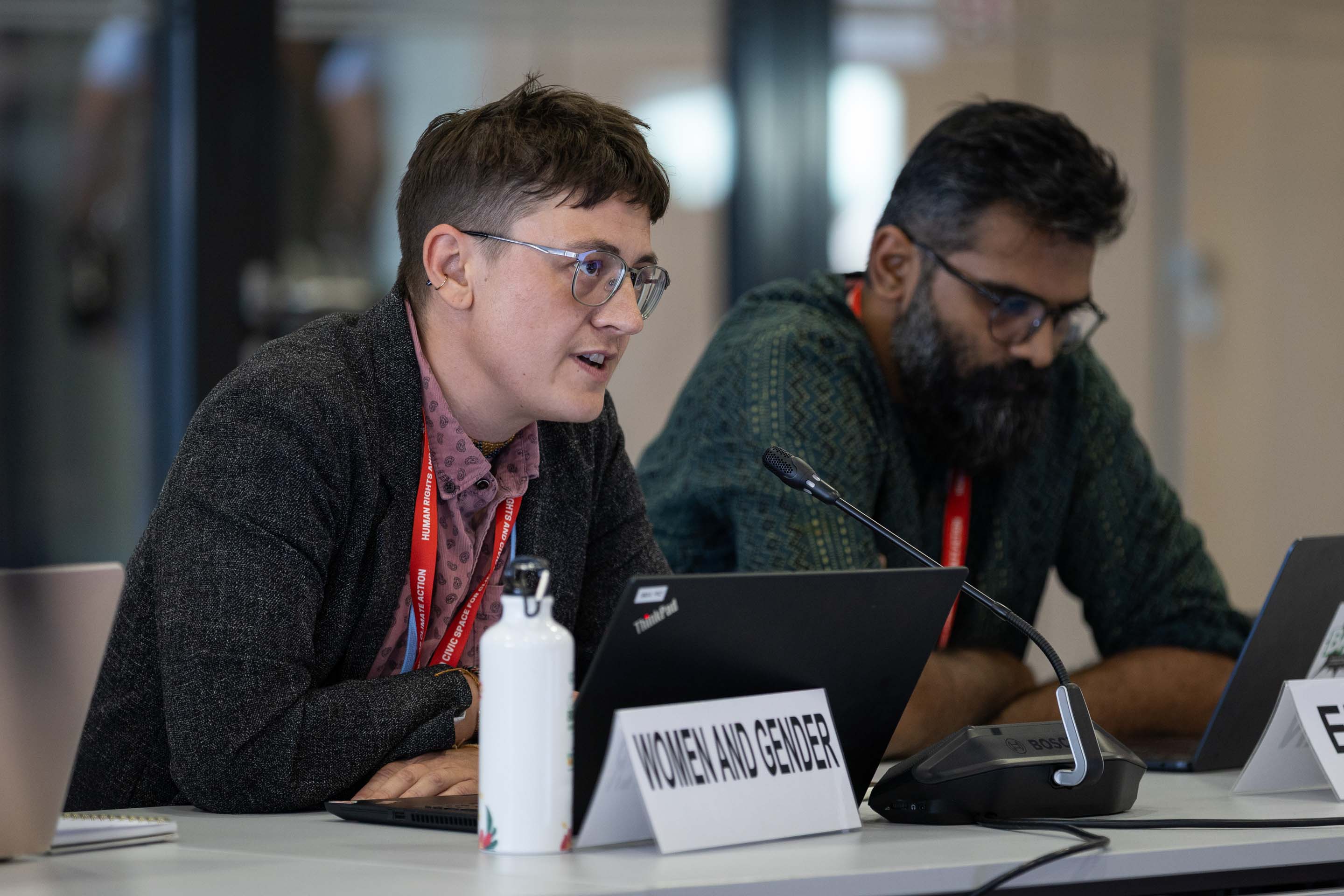
Patricia Boland, Women and Gender
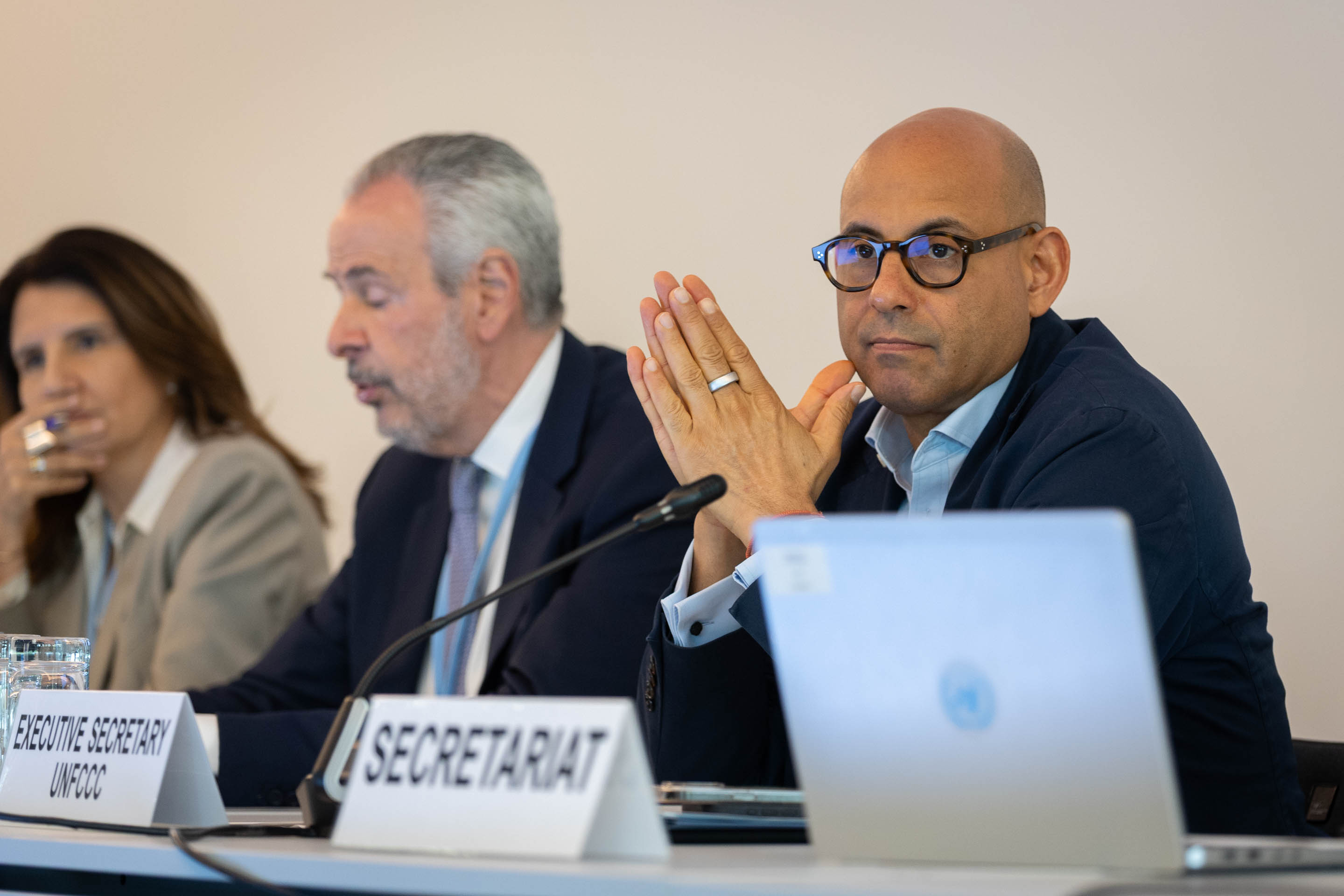
UNFCCC Executive Secretary Simon Stiell
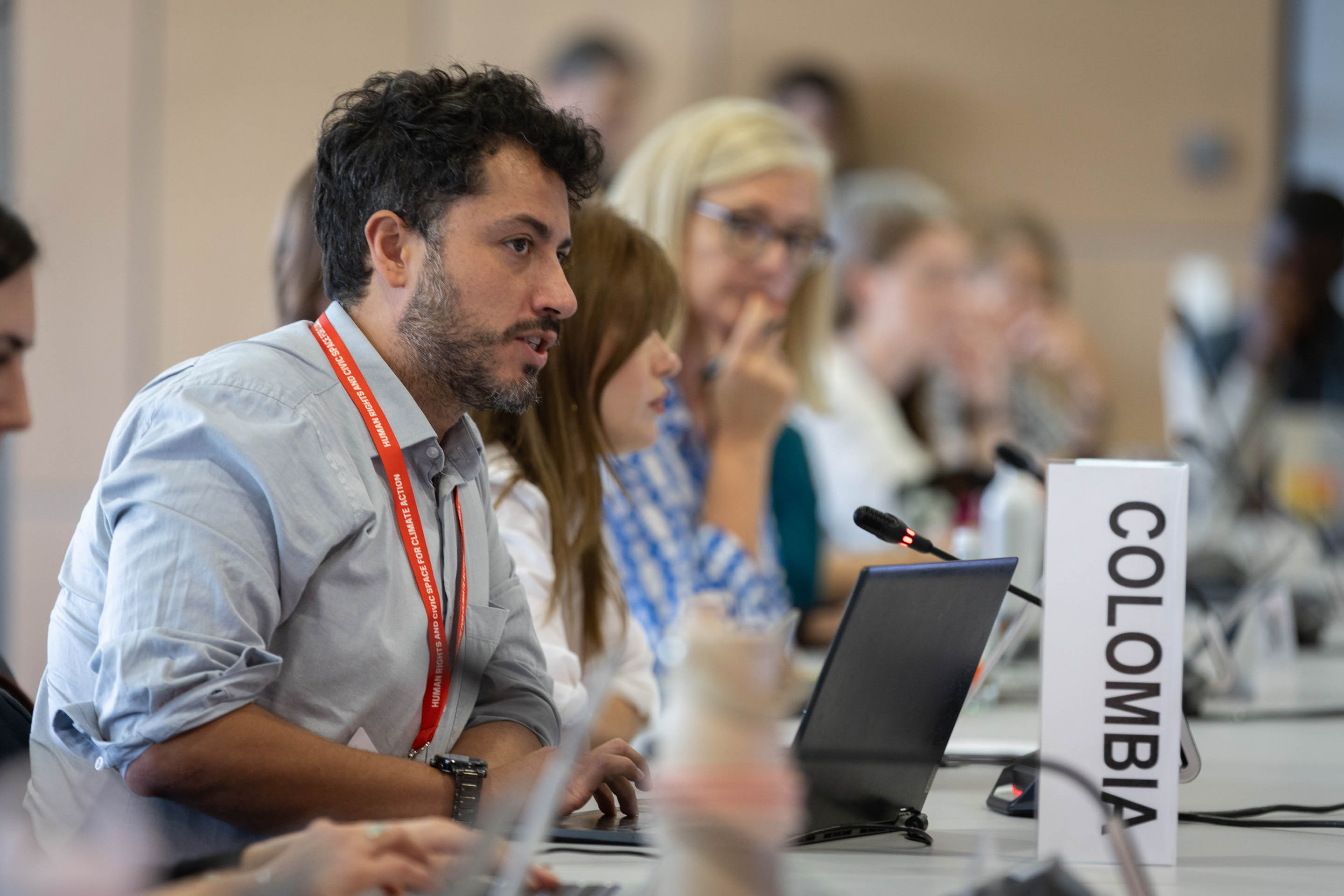
Haendel Rodriguez Gonzalez, Colombia
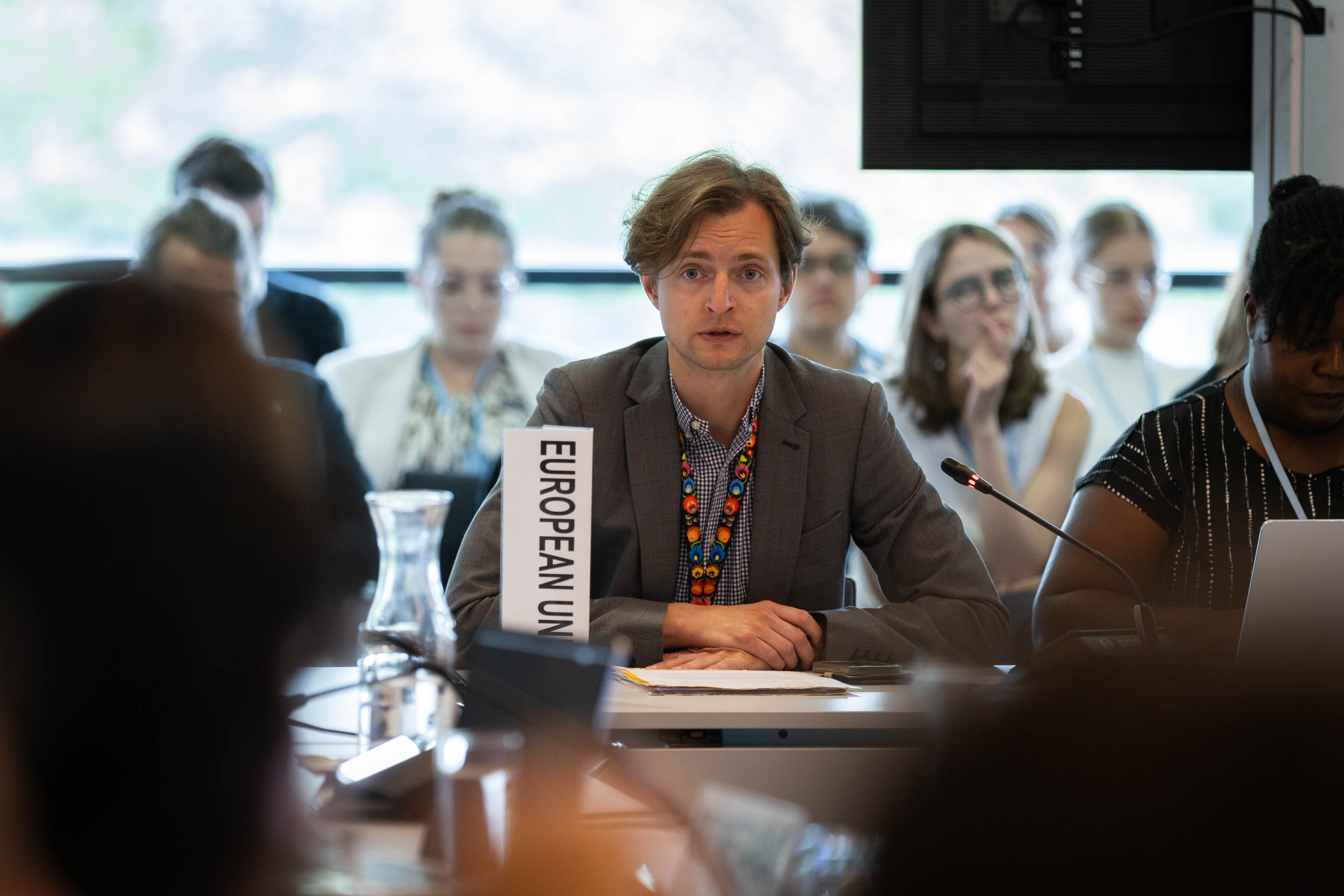
Grzegorz Grobi, EU
Informal Consultations Throughout the Day
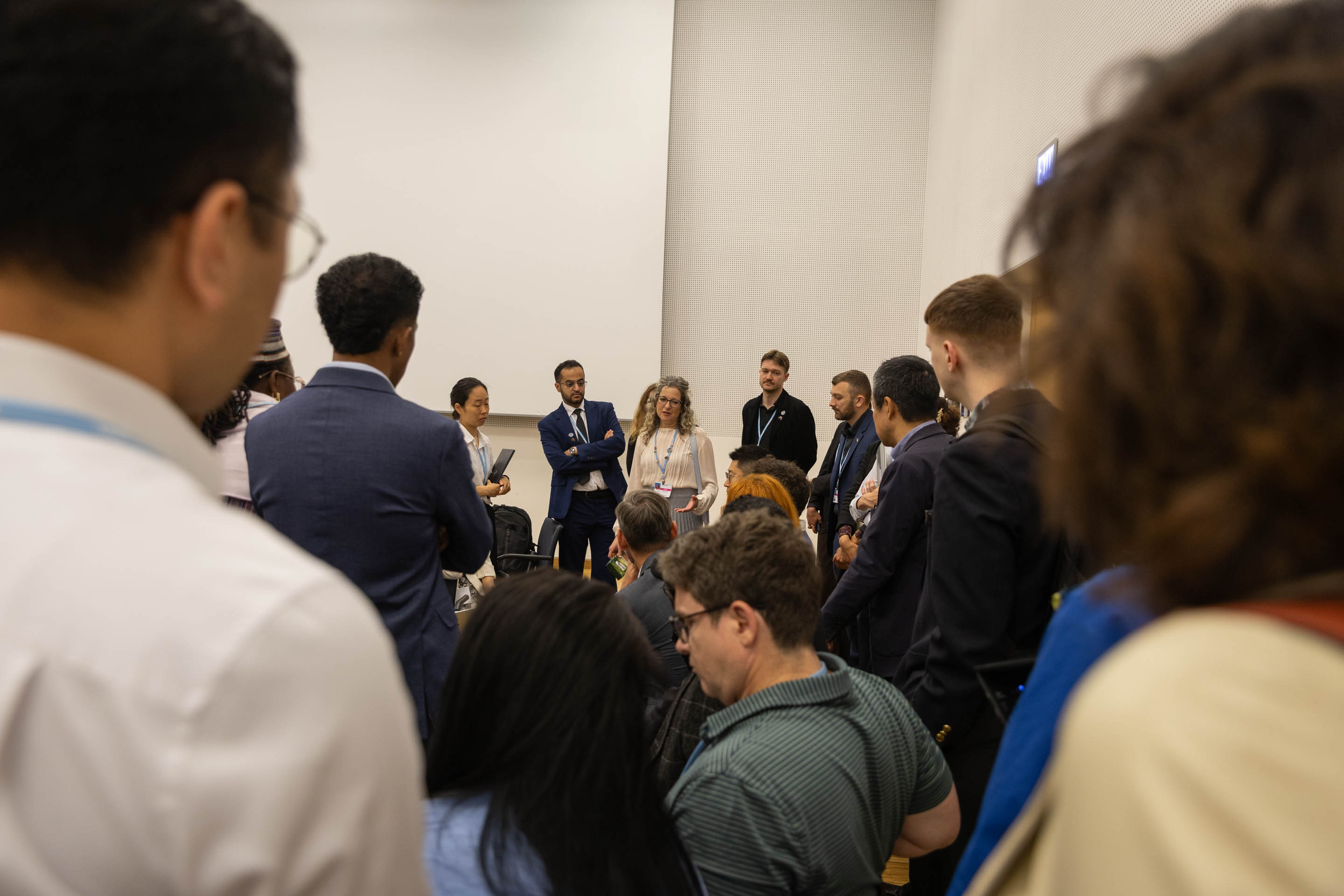
Delegates huddle during technology consultations
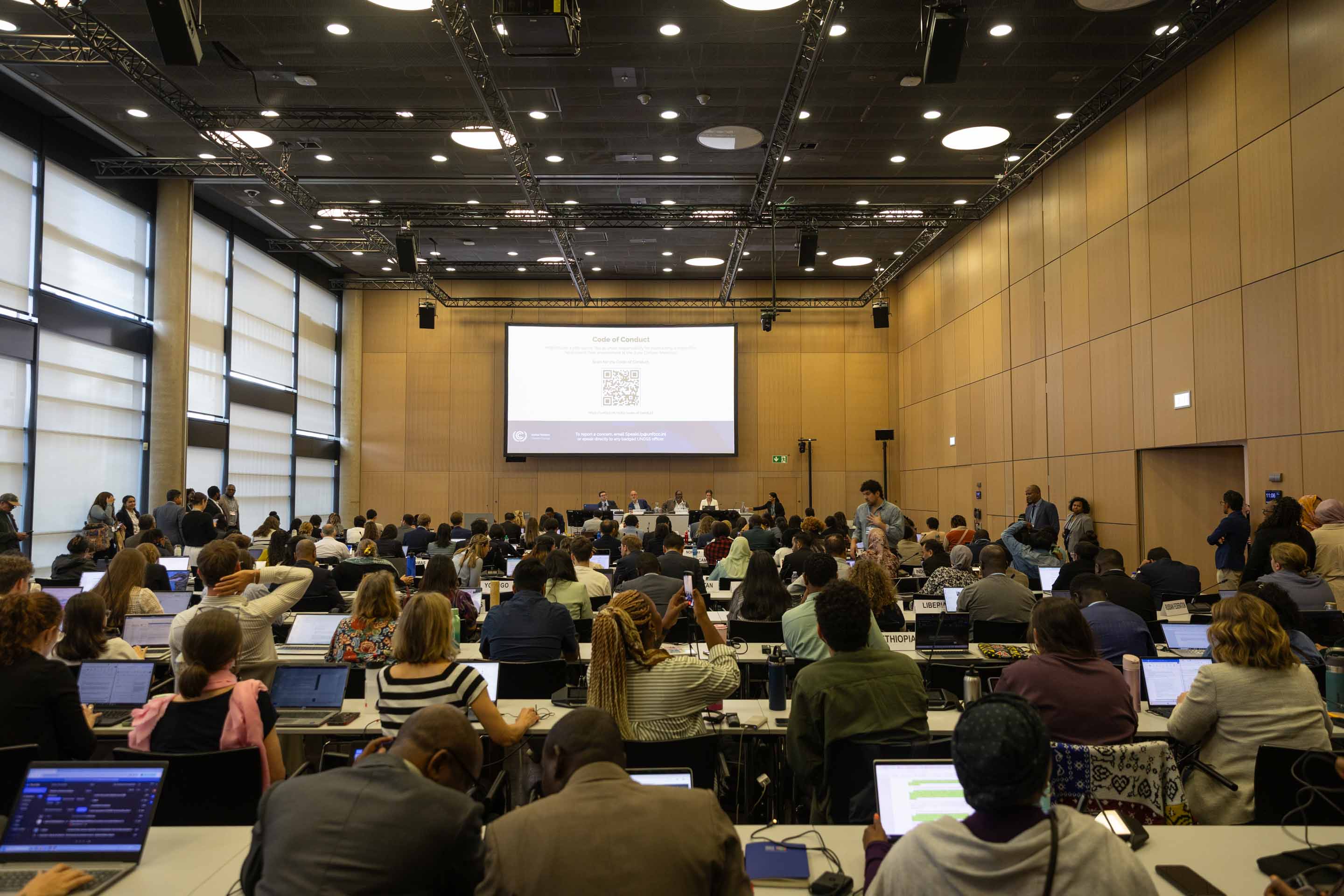
Informal consultations on the Global Goal on Adaptation
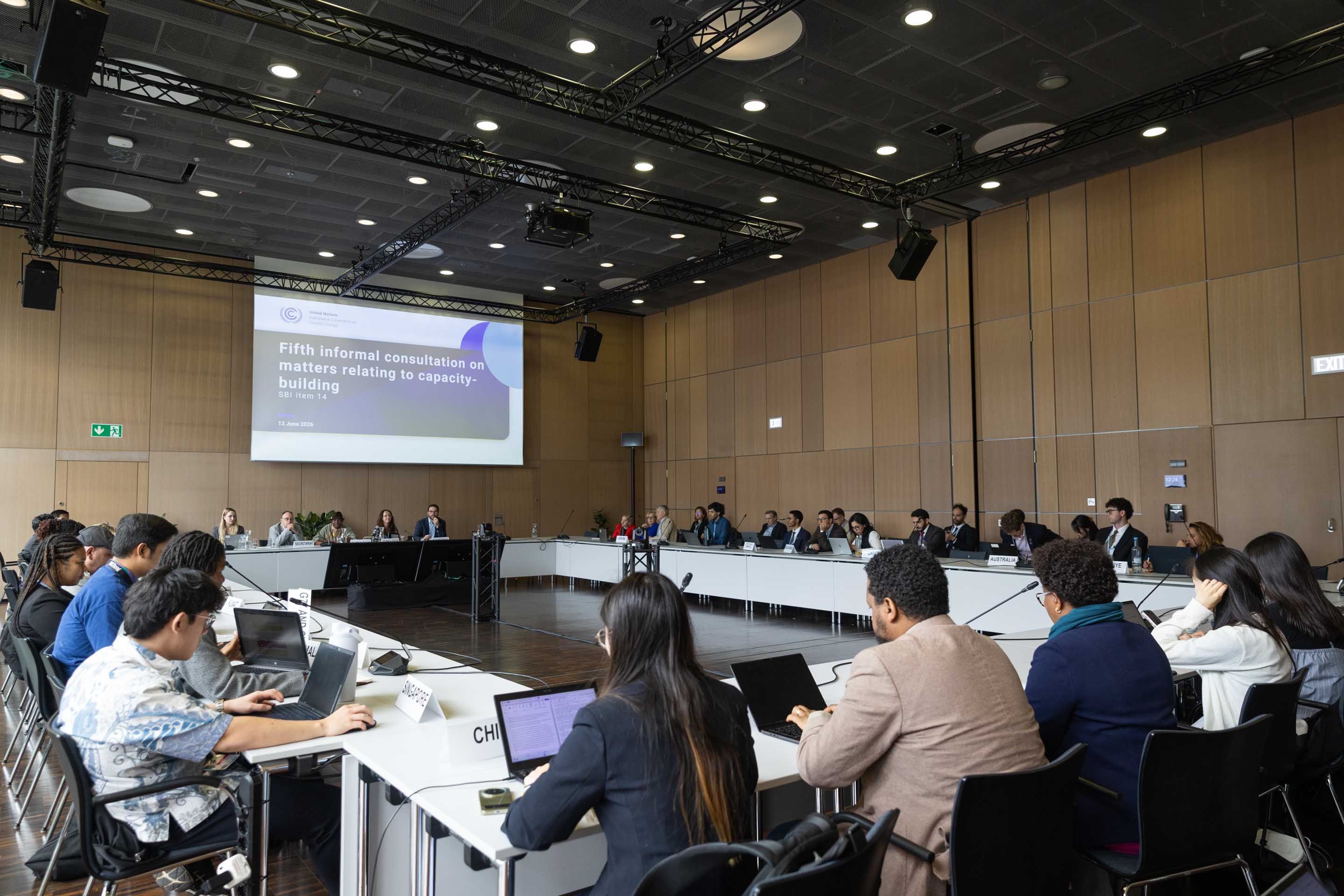
Informal consultations on matters relating to capacity-building
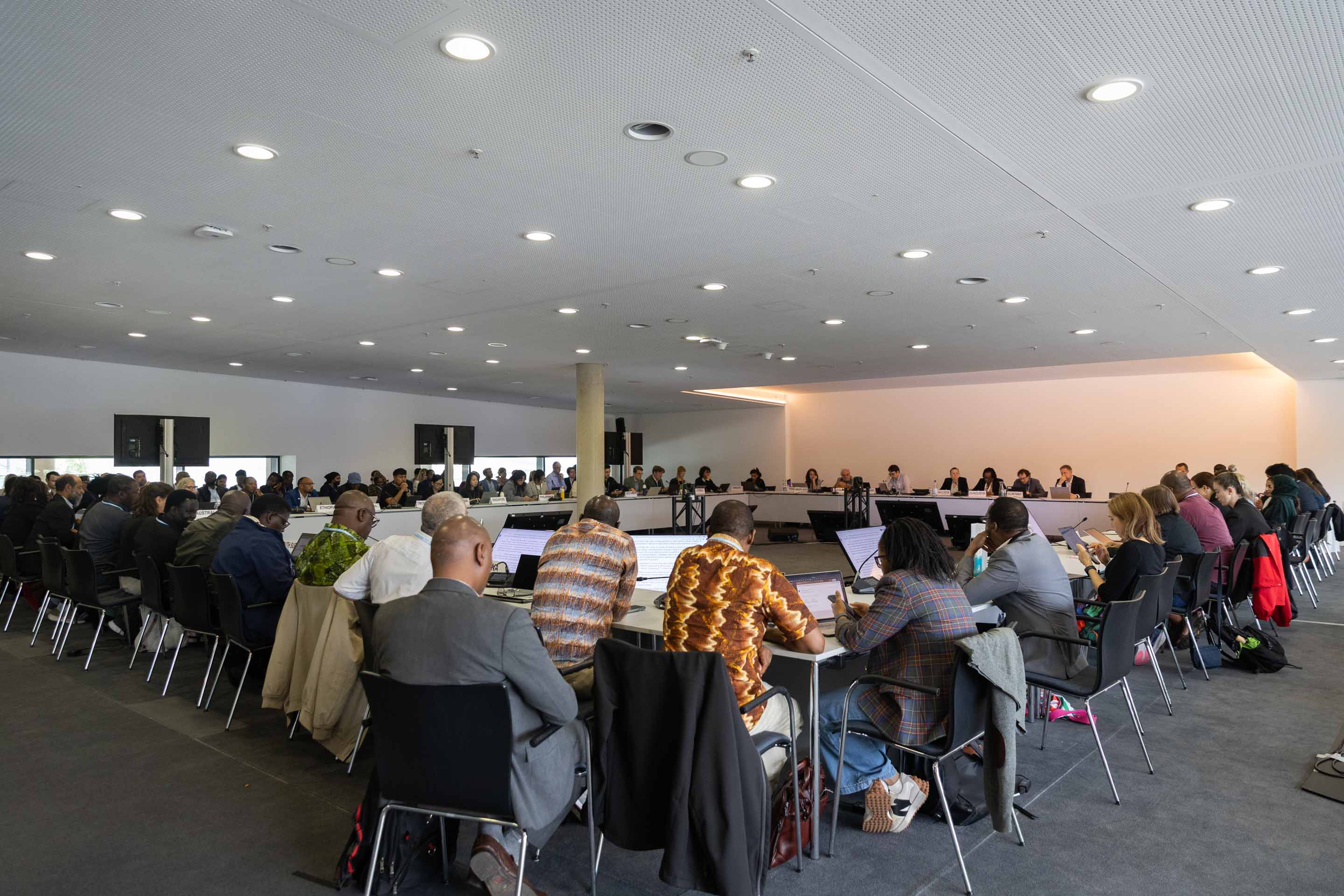
Informal consultations on agriculture and food security
Around the Venue
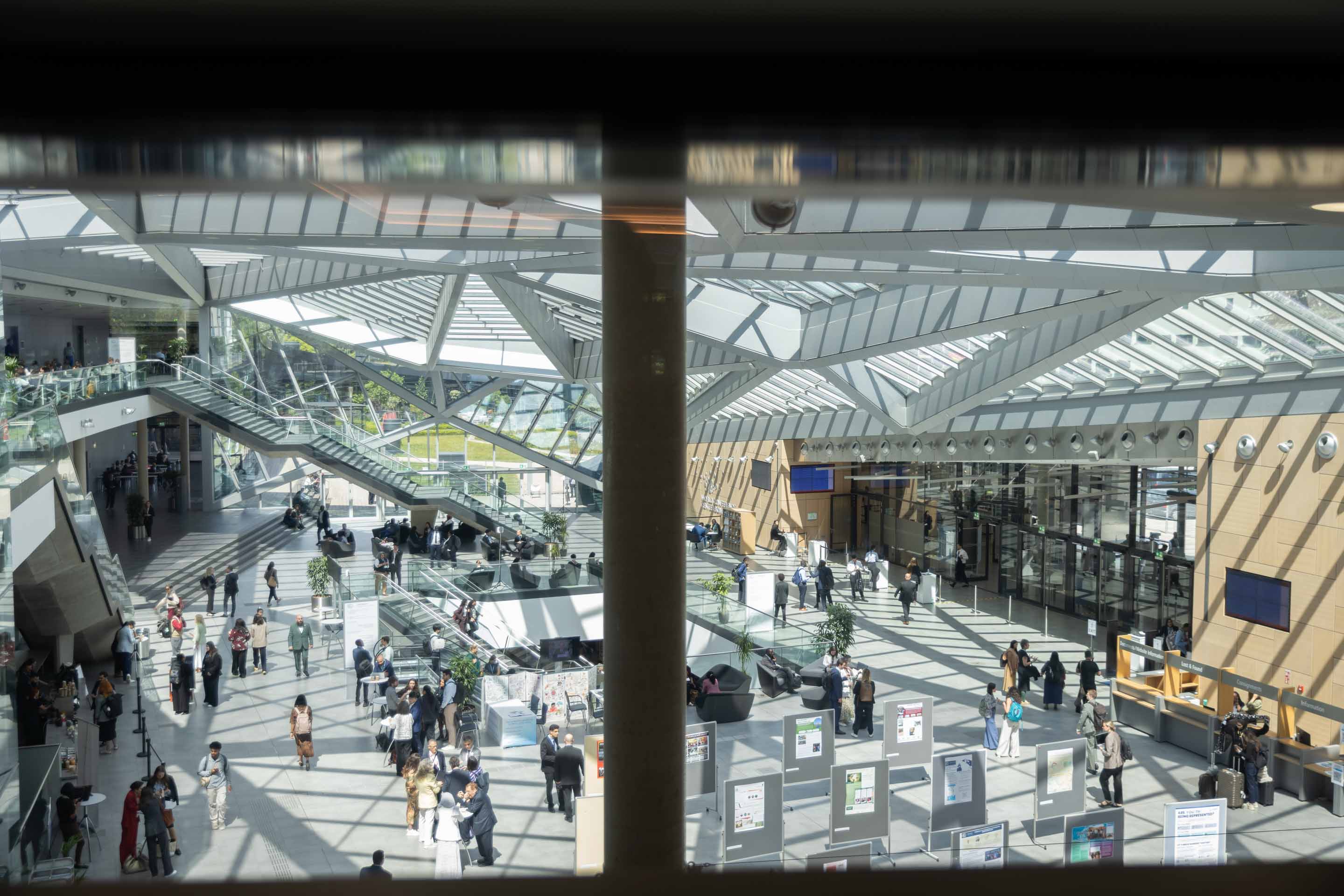
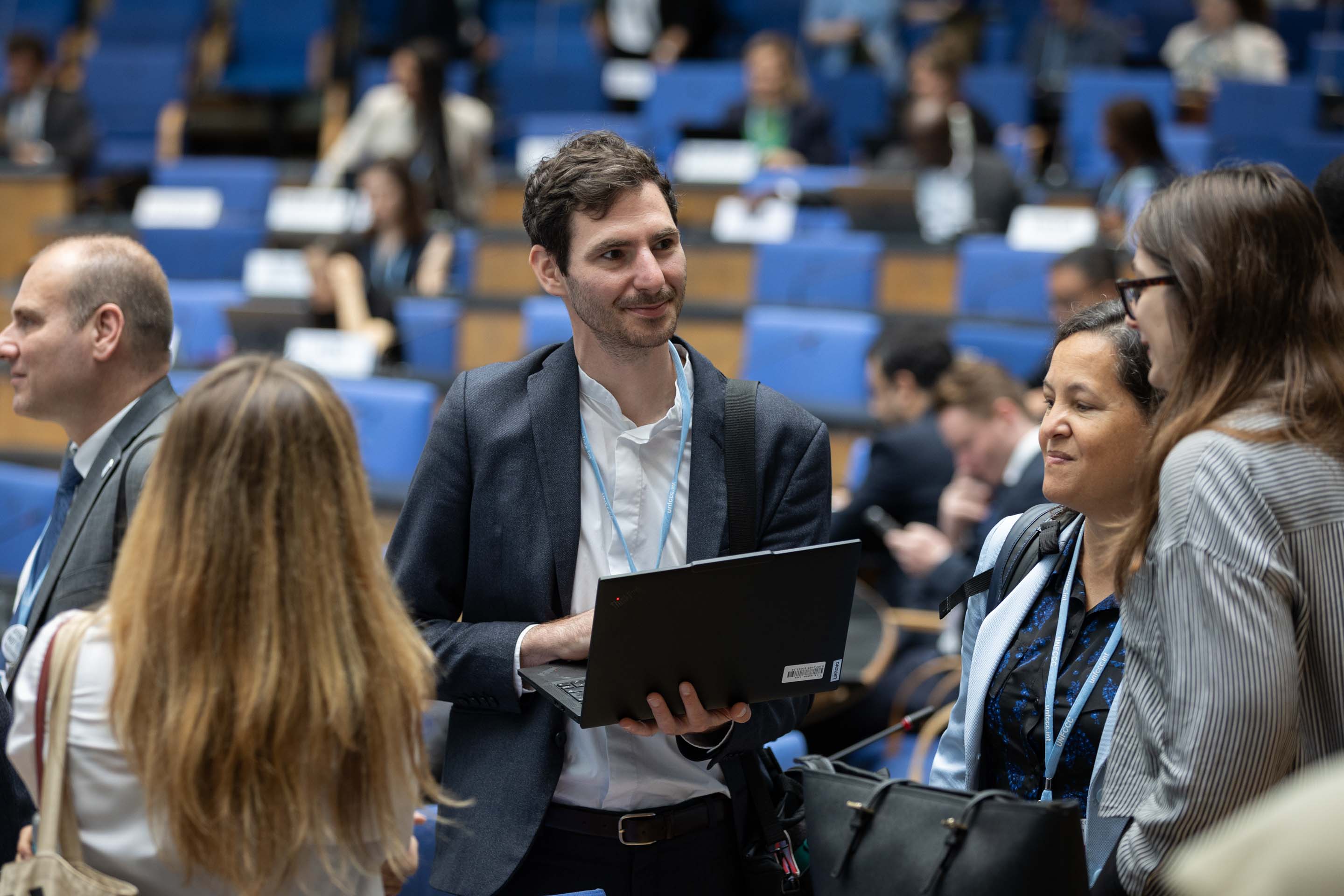
Delegates speak informally
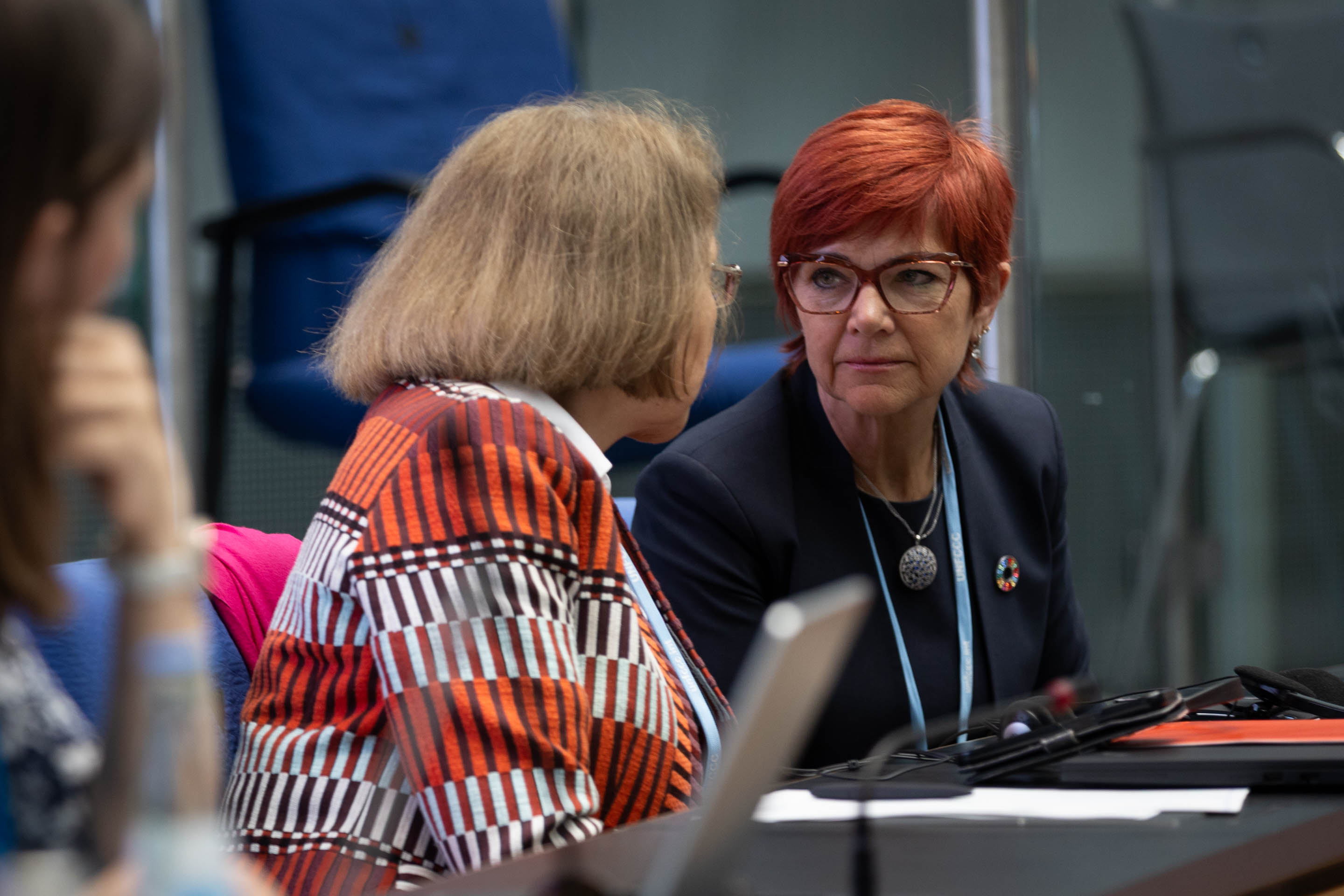
Chantal Line Carpentier, UNCTAD
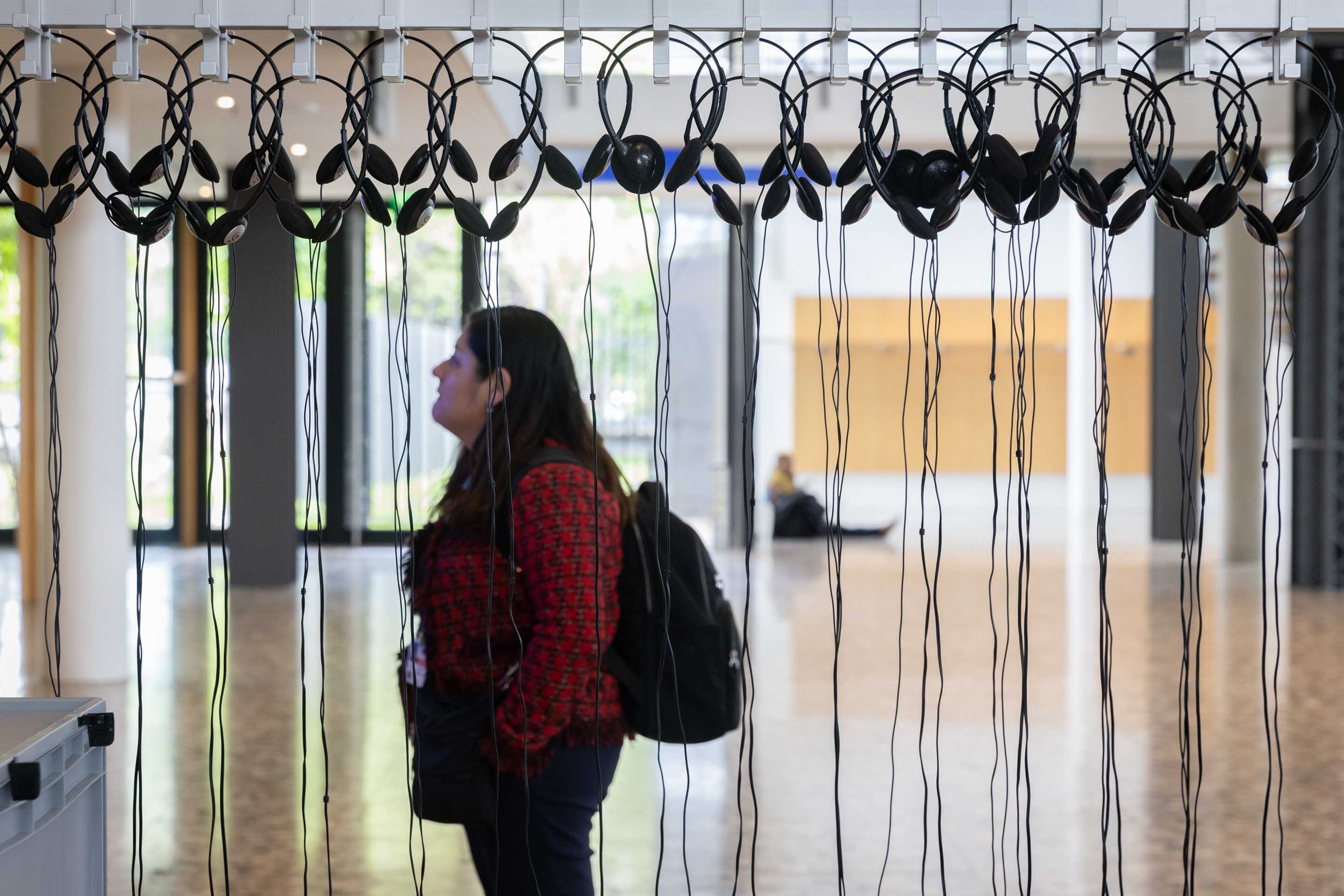
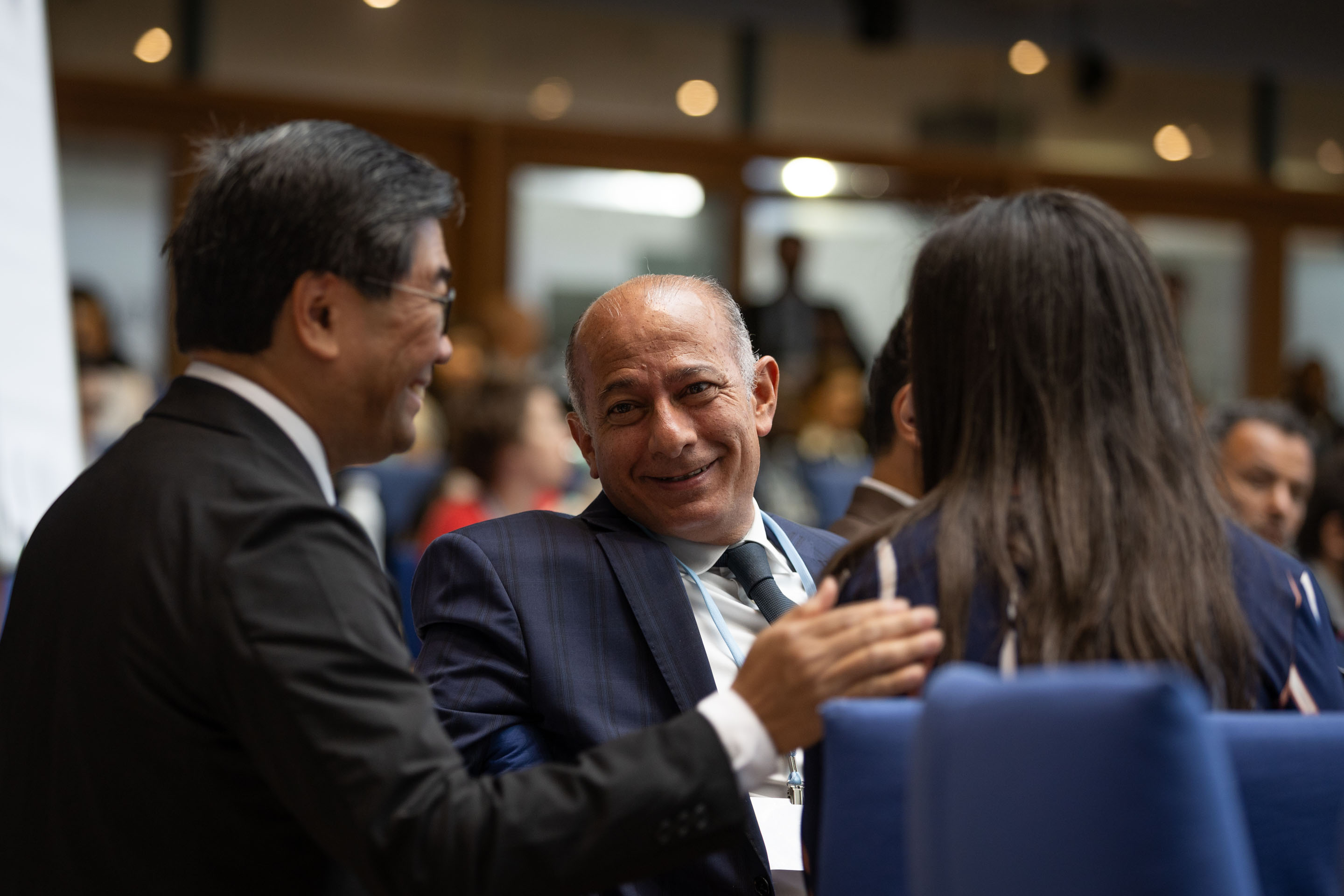
Wael Aboulmagd, Egypt
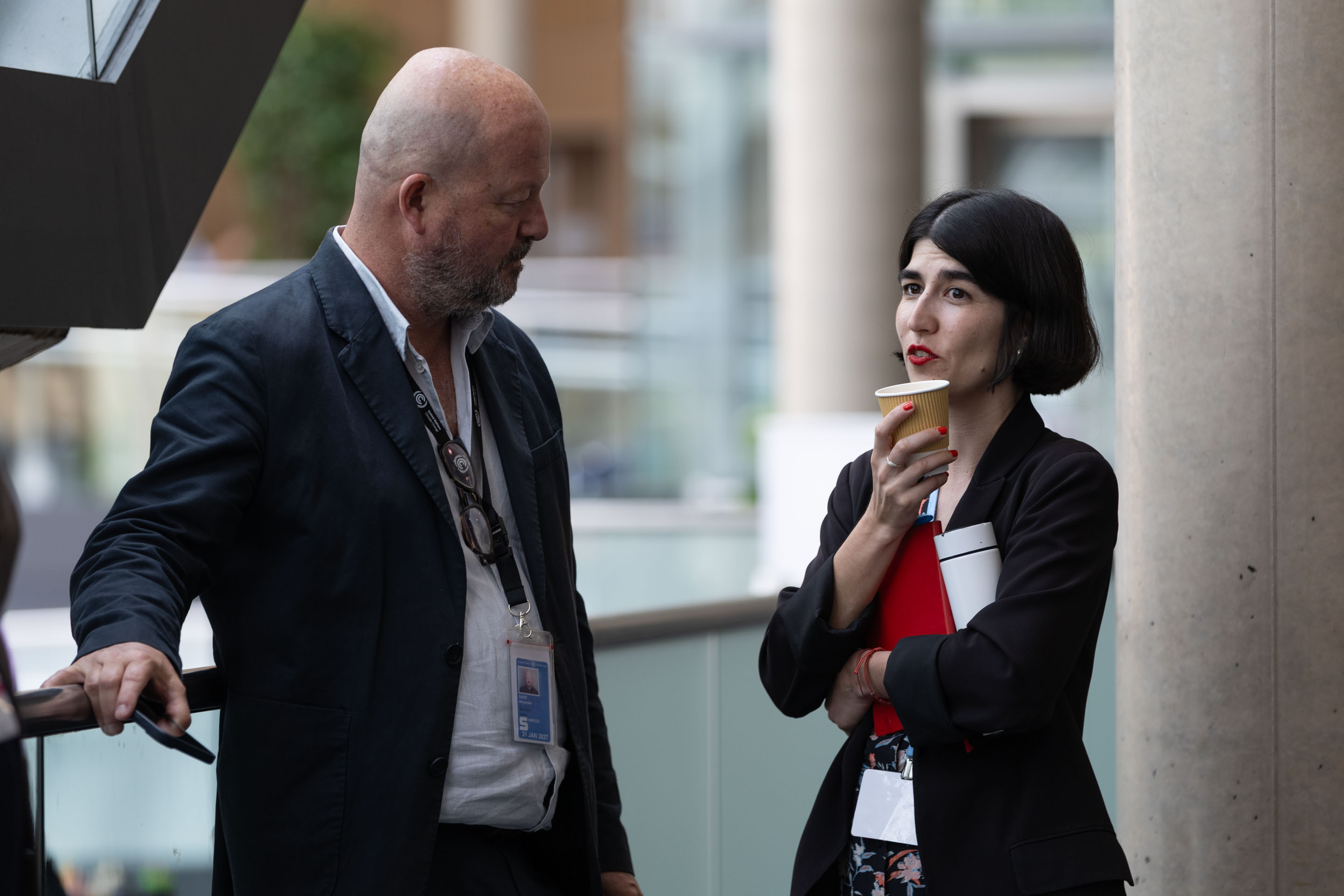
Alex Saier, UNFCCC Secretariat, speaks with Tais Gadea Lara, climate journalist
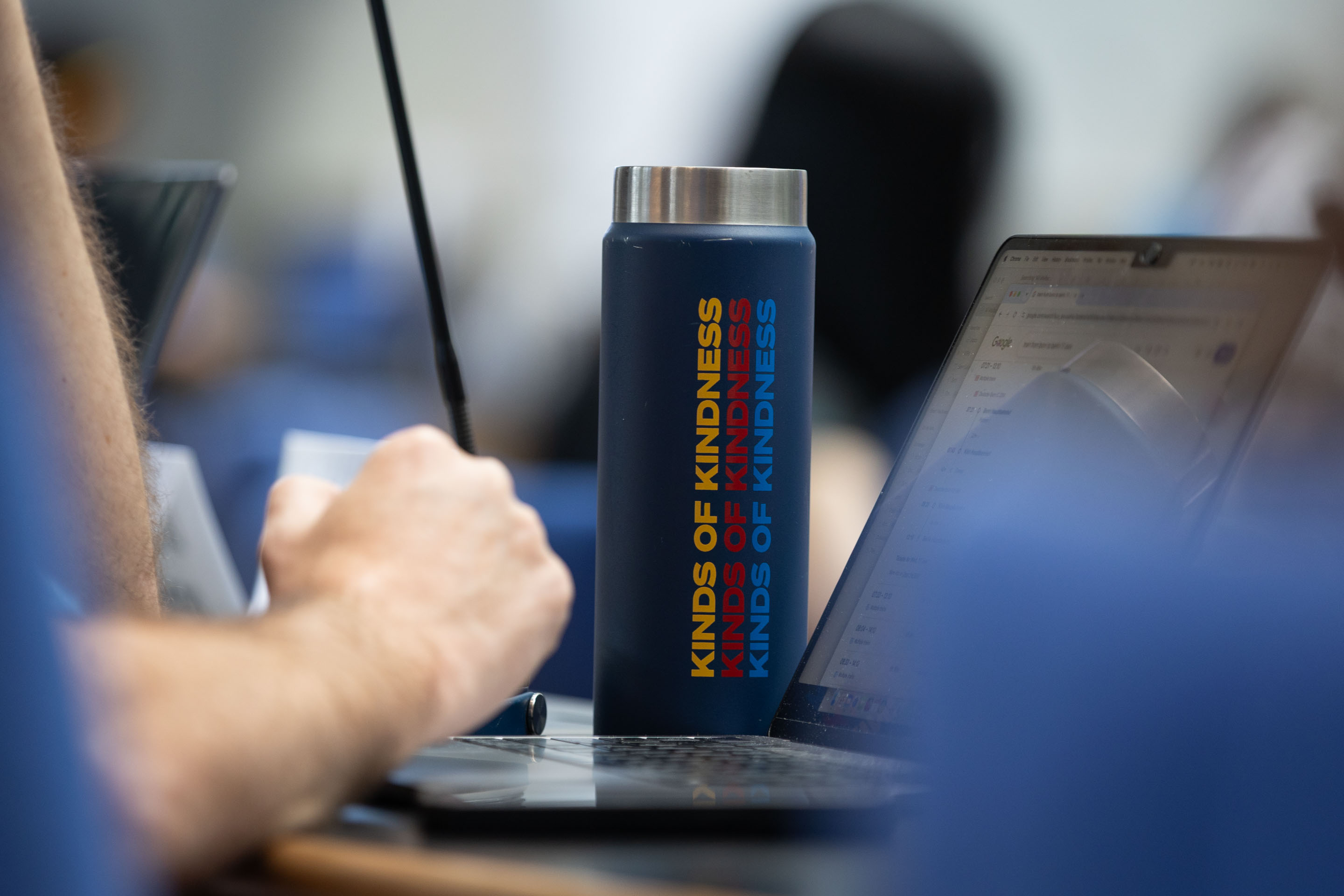
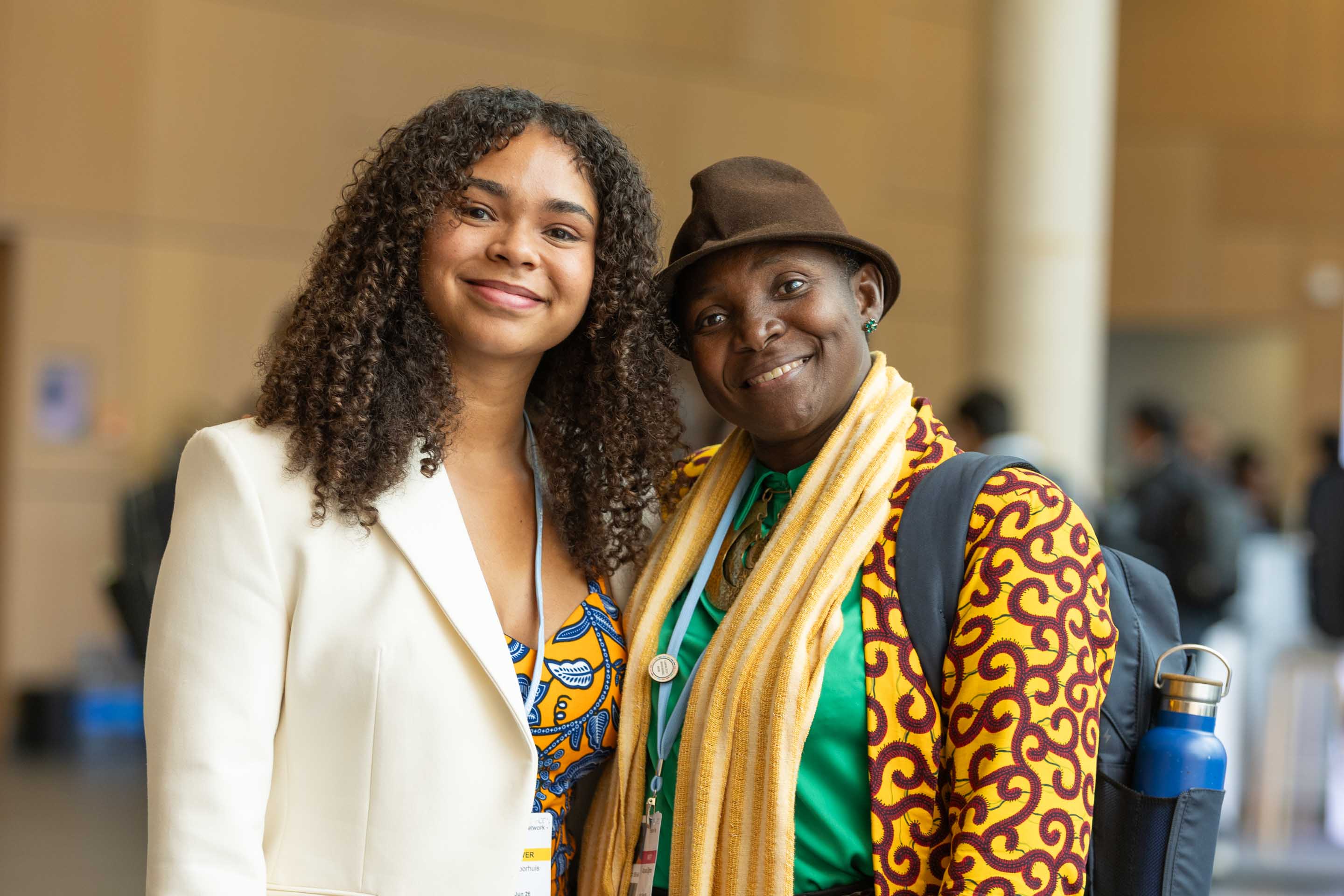
Helena Voorhuis, Climate Action Network (CAN), with Princess Abze Djigma, Burkina Faso
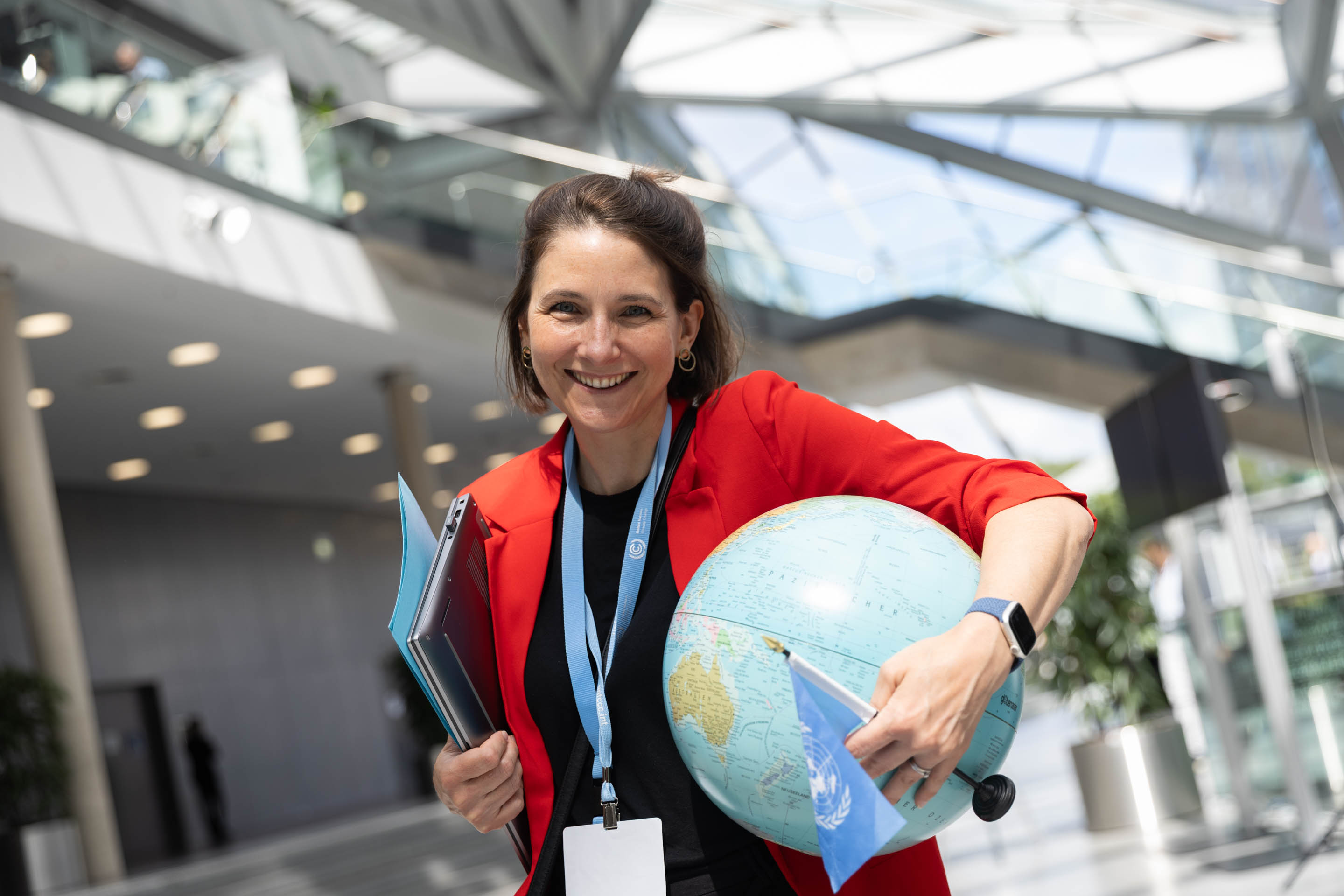
Anne Pustina, UNFCCC Secretariat
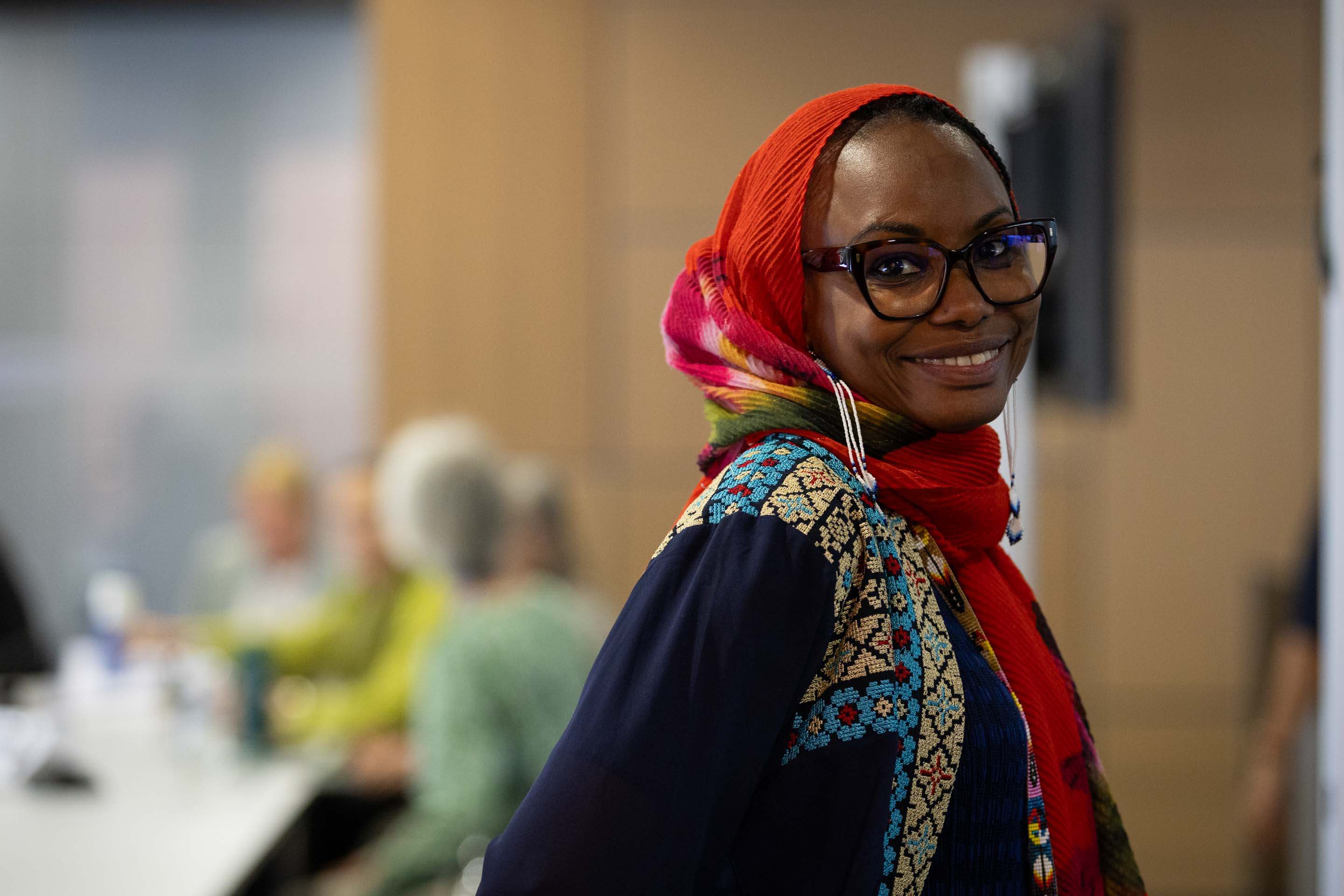
Hindou Oumarou Ibrahim, Indigenous Peoples Organizations (IPOs)
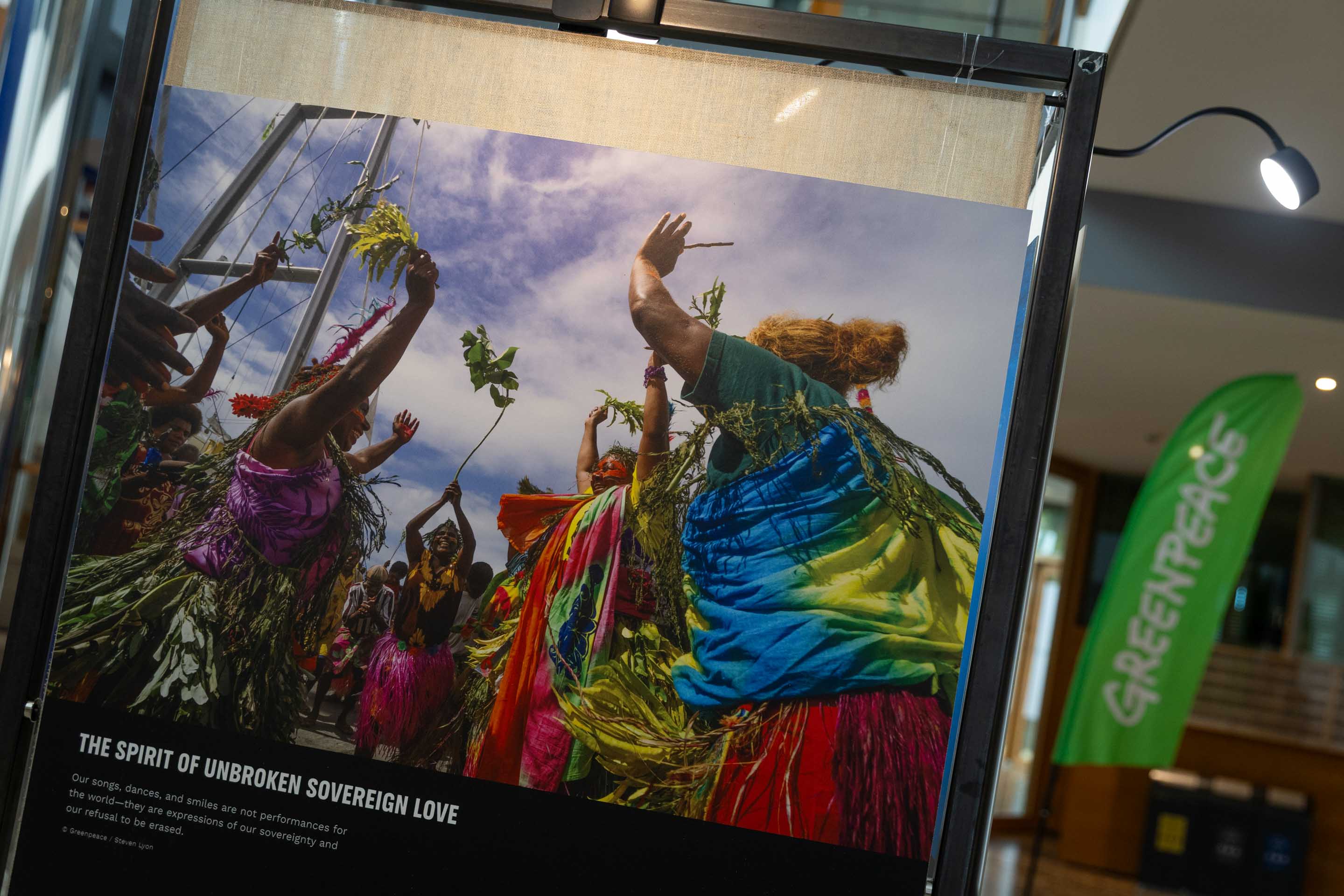
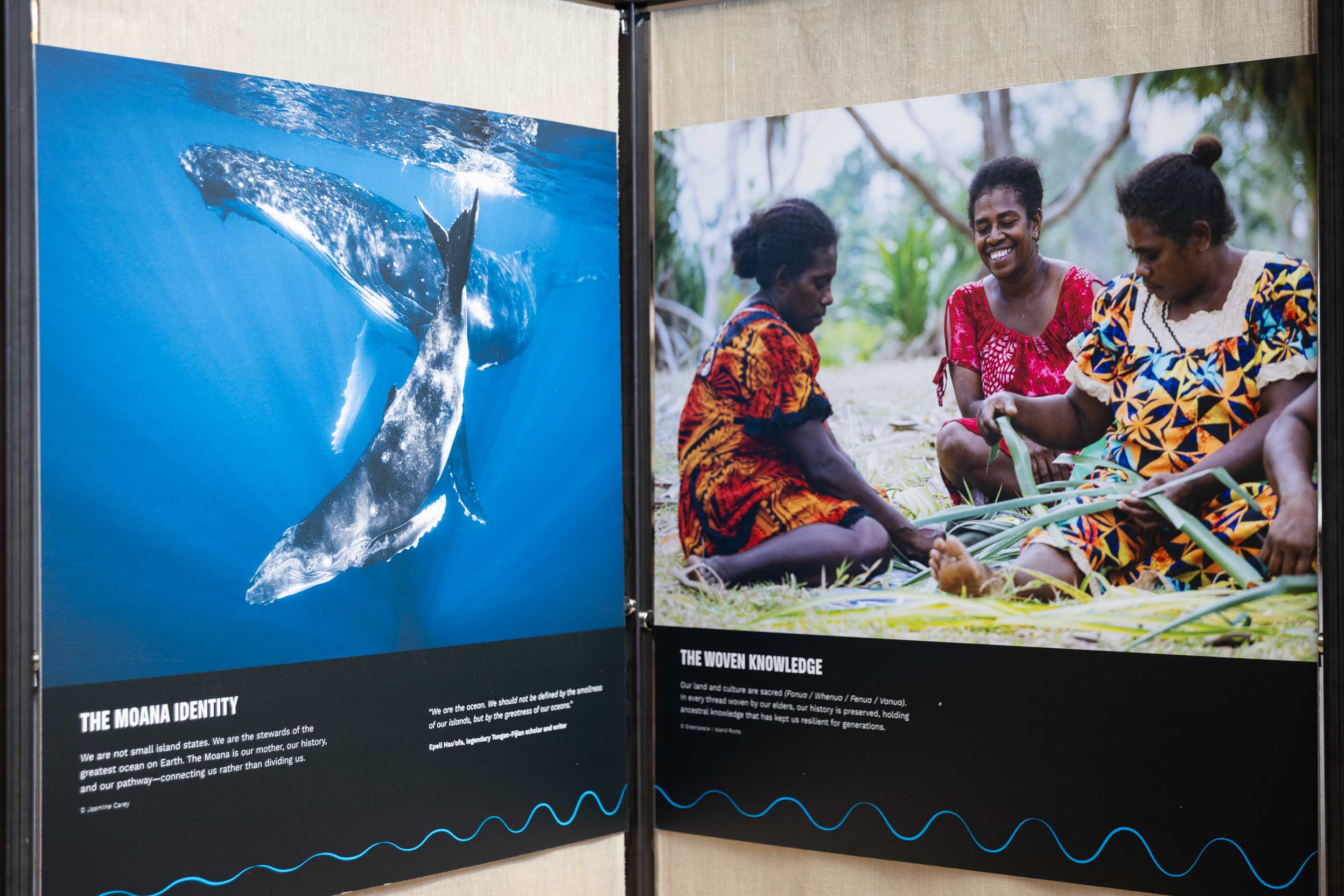
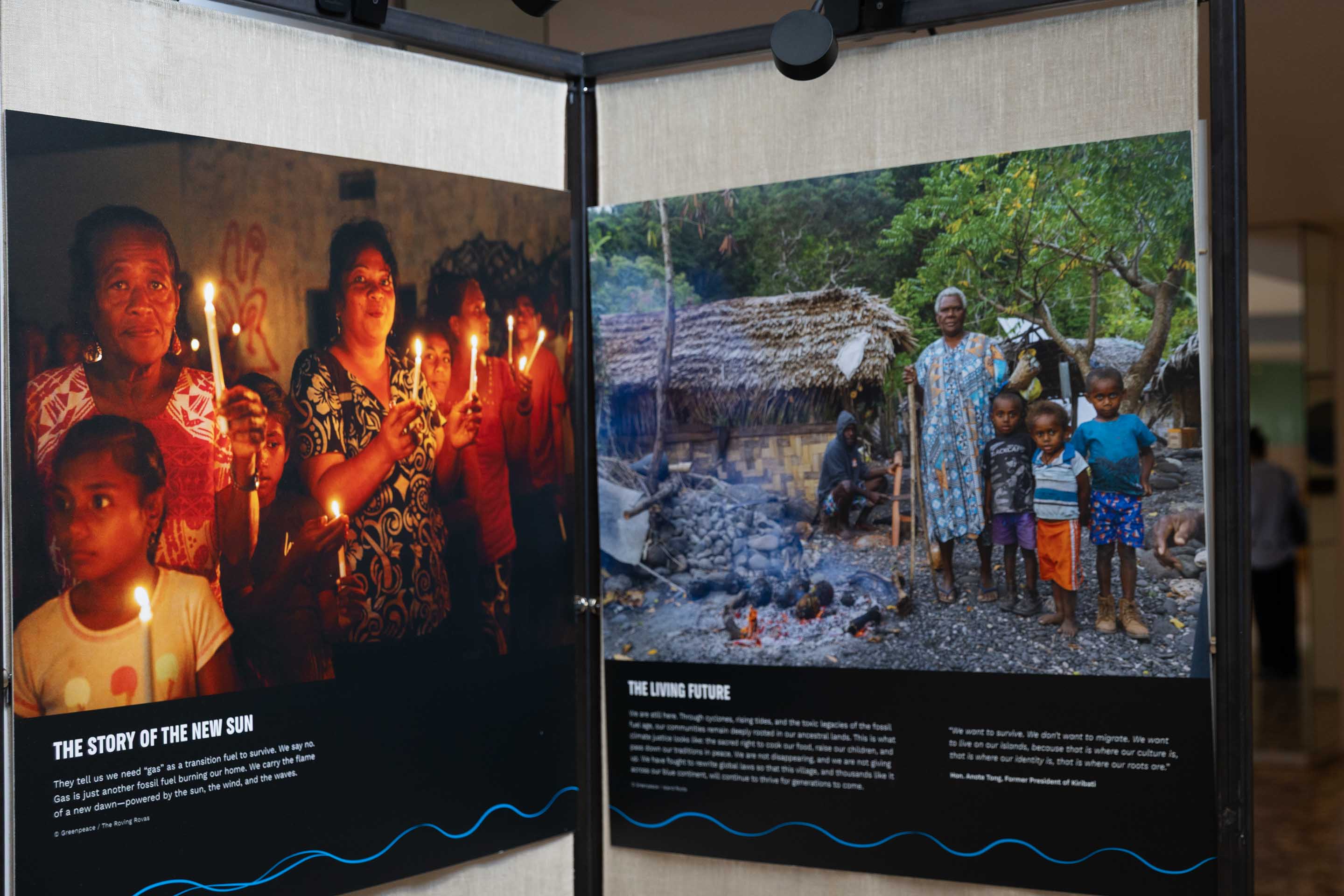
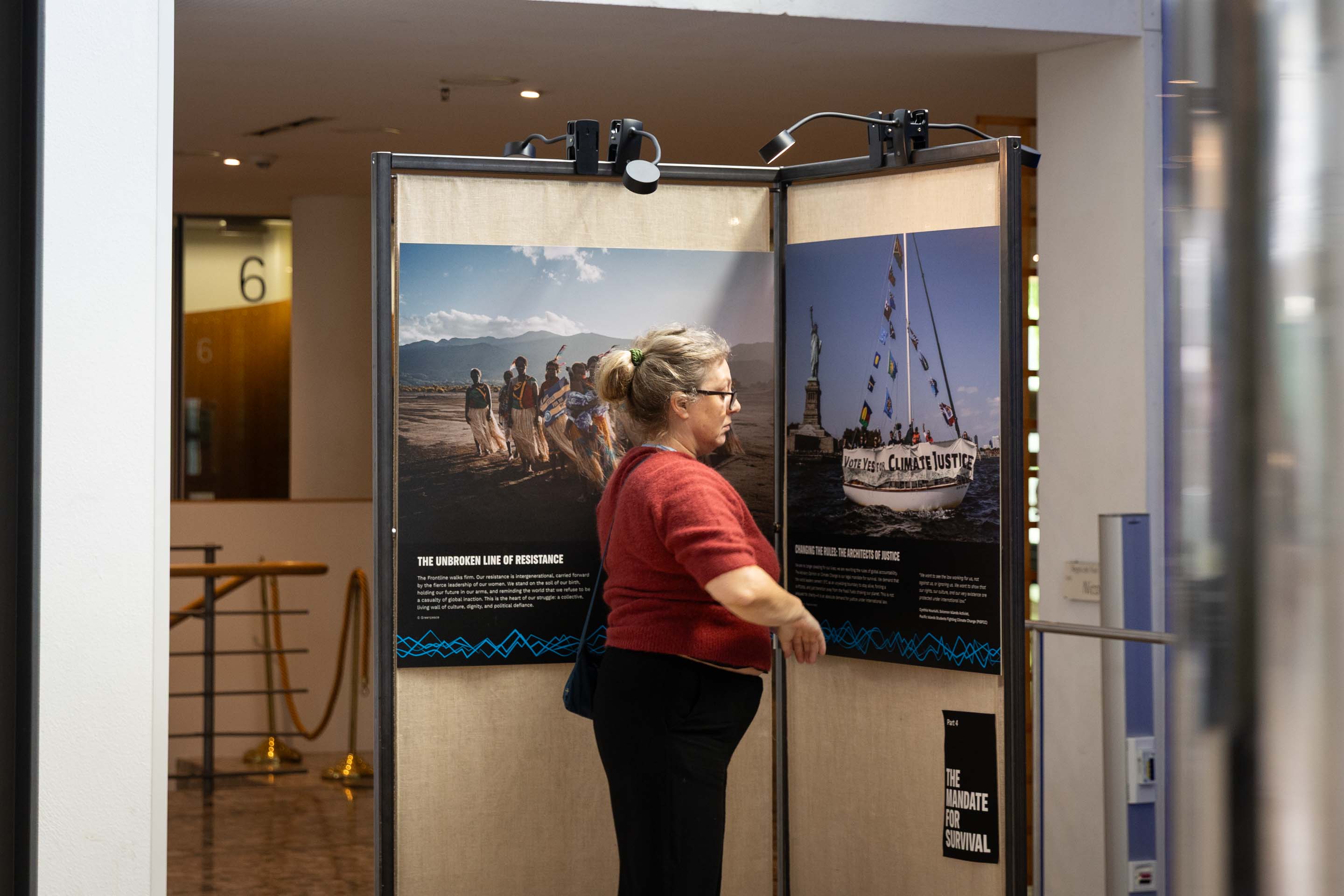
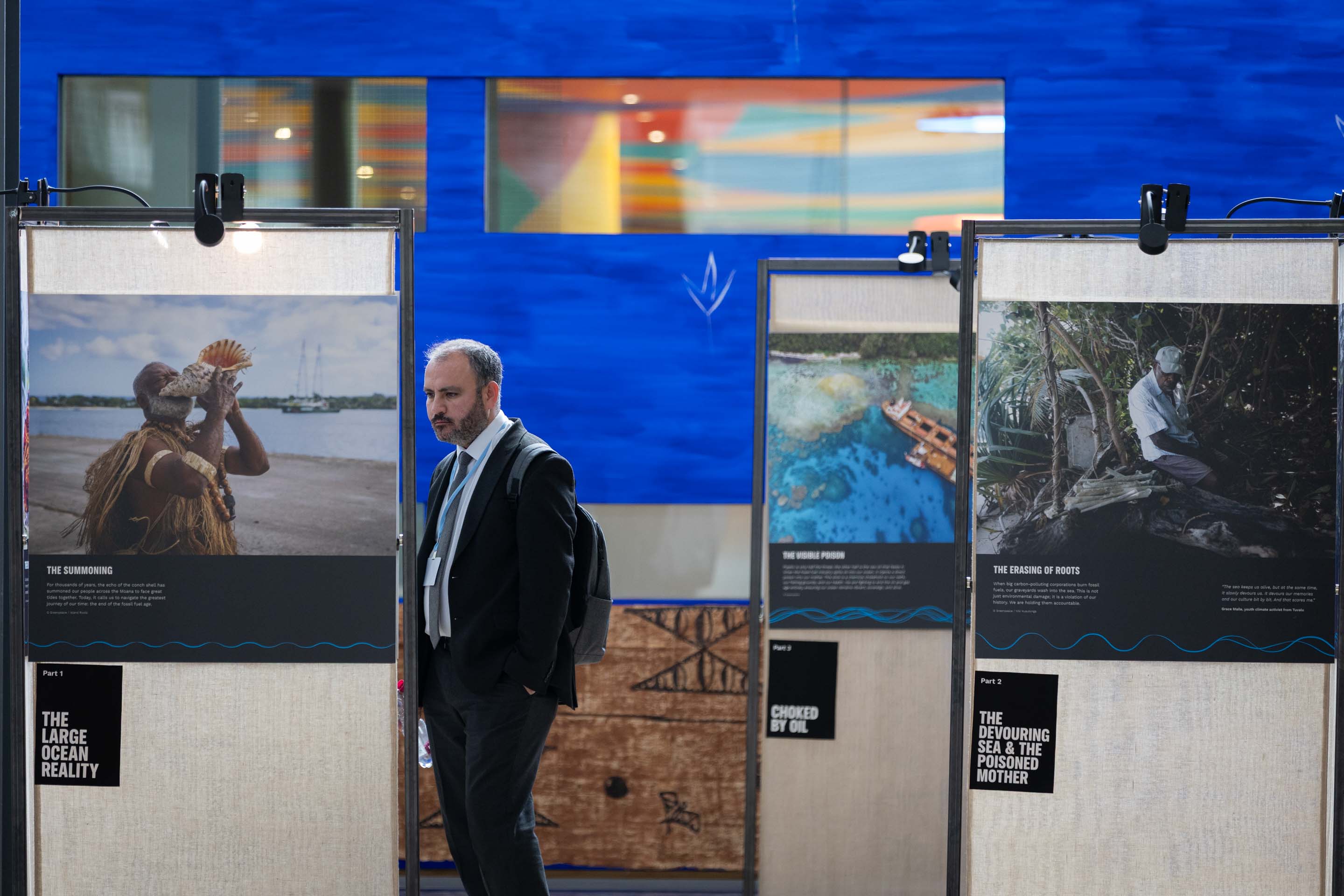
Greenpeace hosts 'The Wayfinders' Roadmap,' a photography exhibition that walks through the Pacific as a living community, highlighting the impact climate change has on these communities, and the need to end fossil fuels.