
Multilateral negotiations under the International Seabed Authority (ISA), including on the draft exploitation regulations for deep-sea mining can often be seen as lengthy, complicated, detailed, and slow. Long-standing ISA participants stress this should be expected, given the complexities associated with regulating an unprecedented activity such as deep-sea mining, which is surrounded by unknowns and uncertainties.
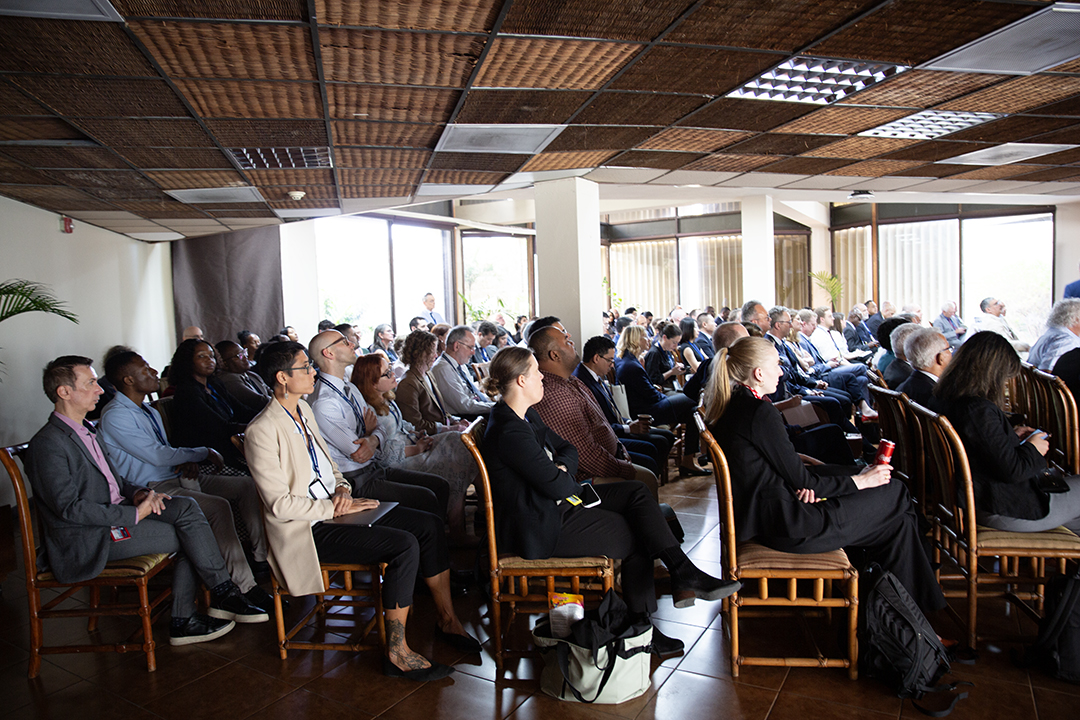
The second day of the Council’s deliberations during the first part of the 30th annual session of the ISA was one of those days, full of complex, detailed negotiations on the revised consolidated draft exploitation regulations for deep-sea mining. Discussions revealed that divergent opinions remain on many issues. Most delegates agree that significant time and effort will be required to reach consensus.
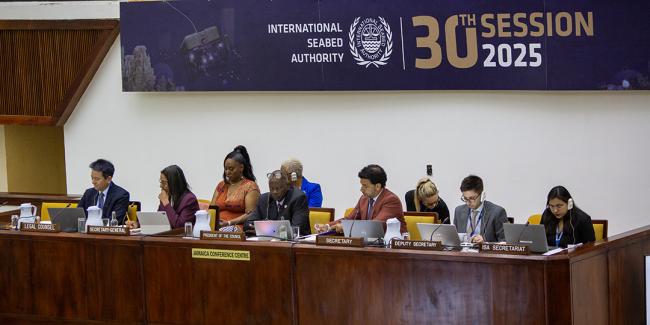
In the morning, Council President Duncan Muhumuza Laki (Uganda) invited delegates to resume discussions on the draft exploitation regulations.
On regulation 2 (principles, approaches, and policies), opposing views were expressed on a variety of issues, including:
- the principles underlying the regulations;
- the provisions or preconditions for commencing commercial exploitation, such as standards and guidelines, other relevant frameworks, and a general environmental policy of the ISA; and
- the guiding principles and approaches for the application of the exploitation regulations, including, among other things, intergenerational equity and the traditional knowledge of Indigenous Peoples and local communities (IPLCs).
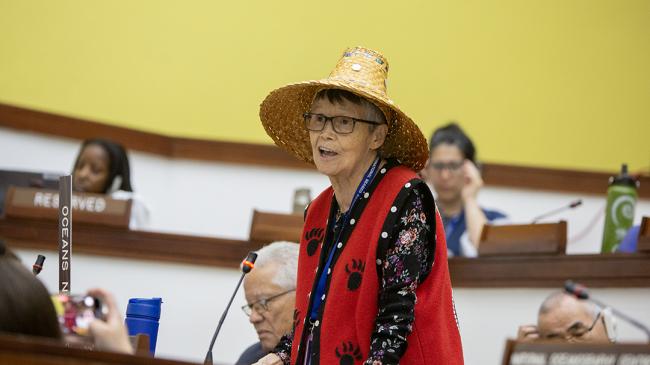
Several observer organizations underlined, among other things, the contribution of IPLCs to the protection of the marine environment and affirmed that their traditional knowledge is available and essential.
On regulation 3 (duty to cooperate and exchange information), delegates highlighted the importance of technology transfer and capacity building as non-monetary benefits that should be equitably shared for the benefit of developing countries. They noted that the effectiveness of “incentive mechanisms” depends on strong enforcement mechanisms and proposed including reference to compliance measures to support technology transfer and capacity building.
Regarding the inspection of sites for the purpose of monitoring, compliance, and enforcement, several delegates opposed the deletion of reference to “items that may fall outside ISA’s jurisdiction,” such as those in marine areas under national jurisdiction, noting the need to facilitate such access.
Observers underscored the need to retain reference to the adoption of standards and guidelines, which establish requirements, obligations, and procedural arrangements, including standardized data templates and methodology for data collection and analysis. They stressed these are necessary for an integrated approach to environmental management.
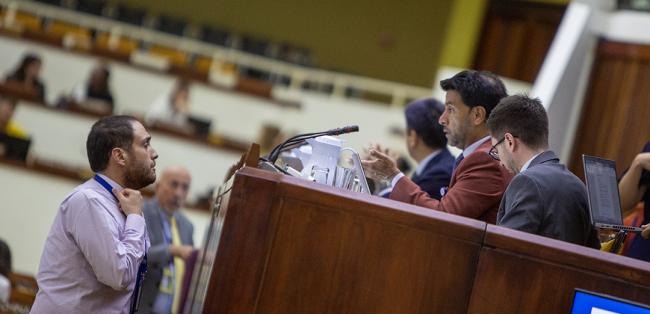
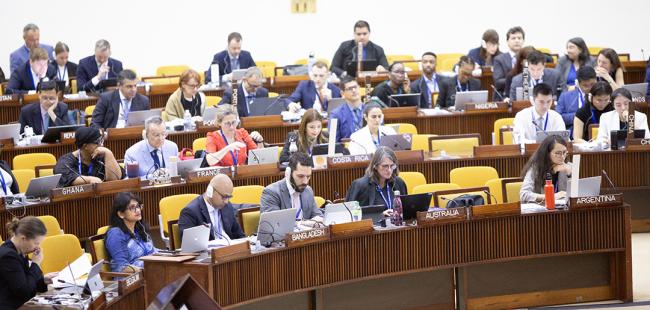
In the afternoon, a lengthy discussion took place on regulation 4 (rights and legitimate interests of coastal states and duty to notify). Confronted with complex deliberations, many delegates emphasized that negotiations would benefit from further intersessional discussions under the relevant working group on coastal states, led by Portugal. Many delegations opposed the use of “potentially affected” coastal states and called for a streamlined version, further discussing the placement of several provisions. Some delegations and observers highlighted that the current draft does not properly address the rights and legitimate interests of coastal states.
Regulation 5 (qualified applicants) regulates who may apply to the ISA for approval of plans of work. Delegates underlined the need to clearly define “effective control,” noting the options of economic or legal effective control. Many delegates called for reinserting text requiring contractors to demonstrate they will only use vessels flagged to ISA members and only use, ports except where non-members accept to be bound by the ISA rules, regulations, and procedures relating to compliance and enforcement. They underlined potential deletion of this requirement creates a loophole as only ISA members are bound by the regulations. Other delegates opposed the text, pointing out that the UN Convention on the Law of the Sea (UNCLOS) imposes no such restriction and noting this provision will exclude the use of US-flagged vessels and ports, since the US is not a party to UNCLOS. They asserted this is unrealistic given the proximity of the US to the Clarion-Clipperton Zone.

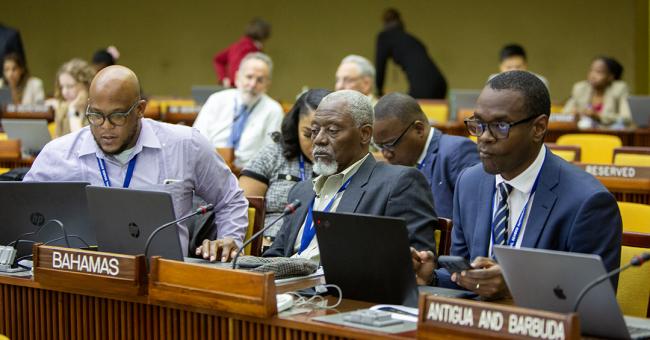
The issue of effective control resurfaced during discussions on regulation 6 (certificate of sponsorship), with delegates agreeing that additional intersessional work under the relevant working group led by Costa Rica and Chile will be required to reach consensus.
Two side events took place during the day. At lunchtime, the Enterprise and Impossible Metals organized an event on artificial intelligence driven technology for the environmentally sustainable collection of nodules. In the evening, the Deep Ocean Stewardship Initiative (DOSI) hosted a side event focusing on scientific discoveries and implications for management.
To receive free coverage of global environmental events delivered to your inbox, subscribe to the ENB Update newsletter.
All ENB photos are free to use with attribution. For the 1st Part of the 30th Annual Session of the International Seabed Authority, please use: Photo by IISD/ENB | Angeles Estrada Vigil
Selected Images
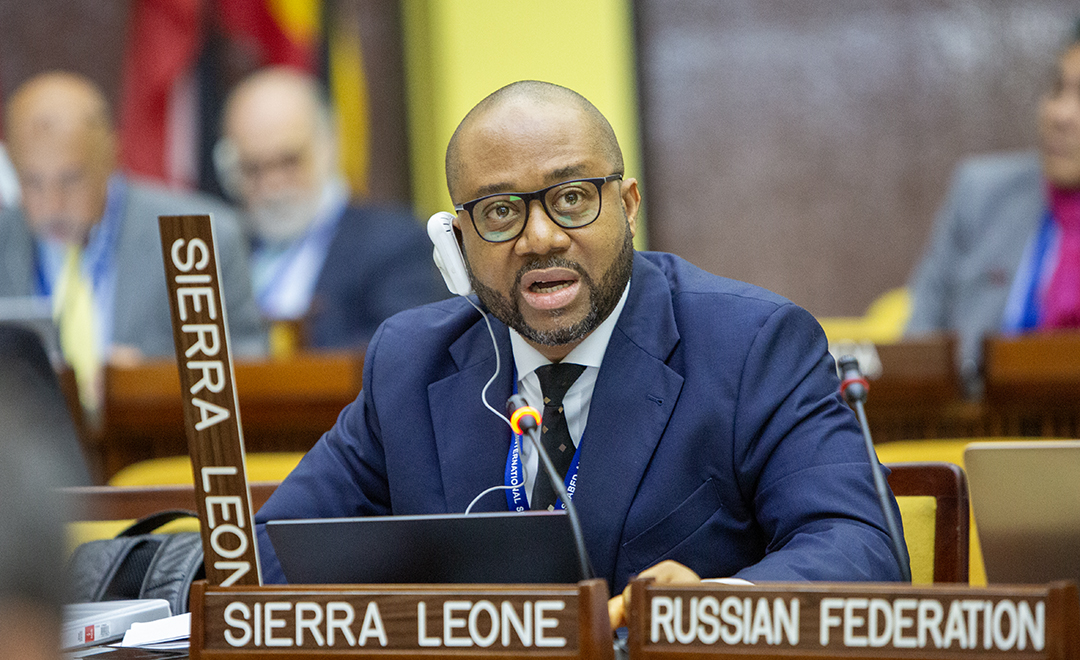
Abass Kamara, Sierra Leone
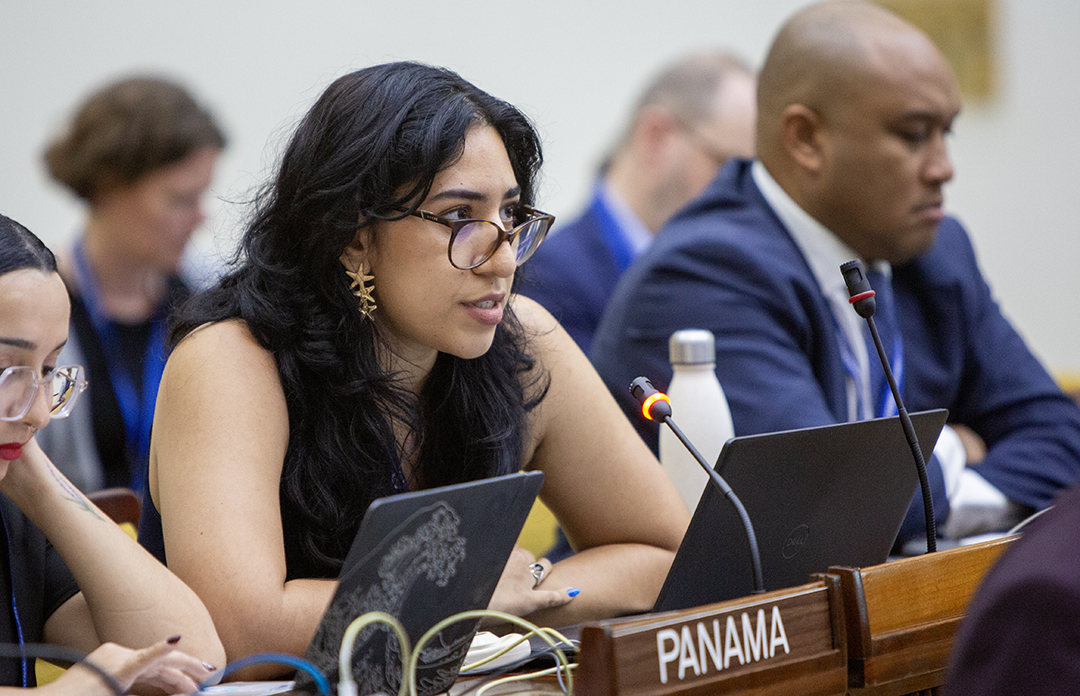
Mari Helena Castillo, Panama
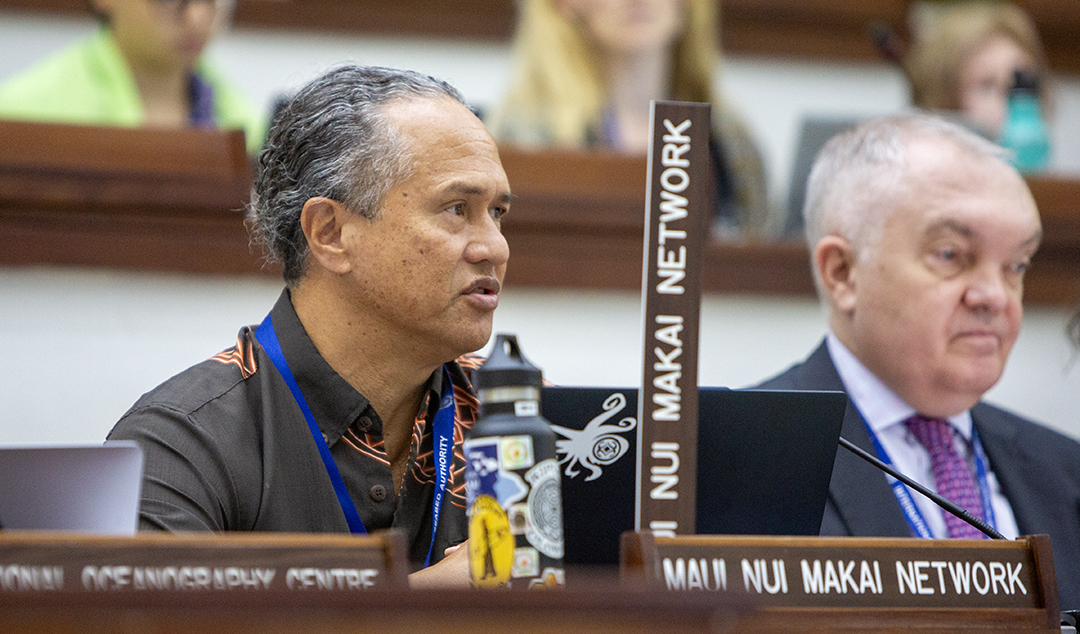
Ekolu Lindsey, Polaniu Hiu-Maui Nui Makai Network
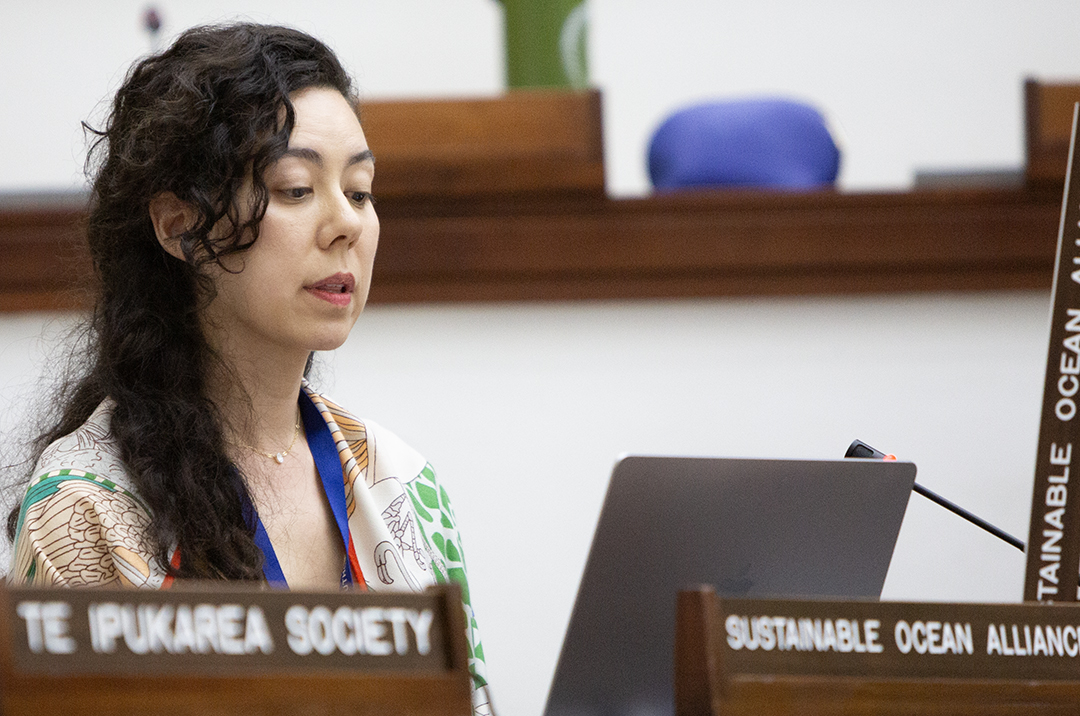
April Nishimura, member of Wilp Gwininitxw from the Gitxsan nation
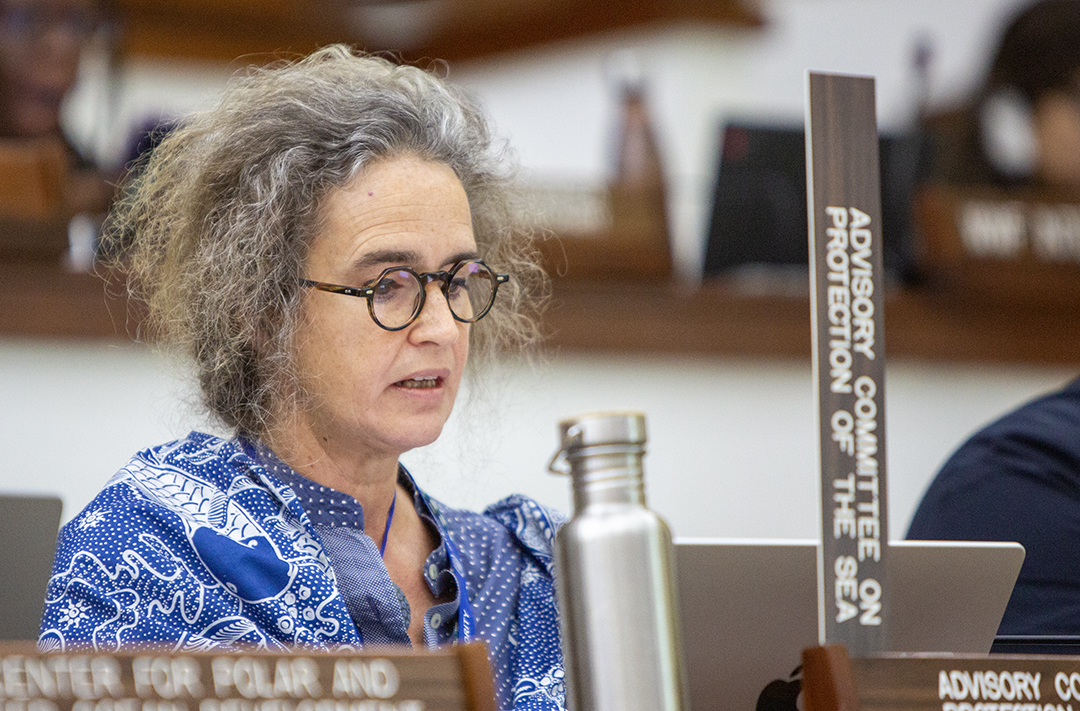
Youna Le Berre Lemaire Lyons, Advisory Committee on Protection of the Sea
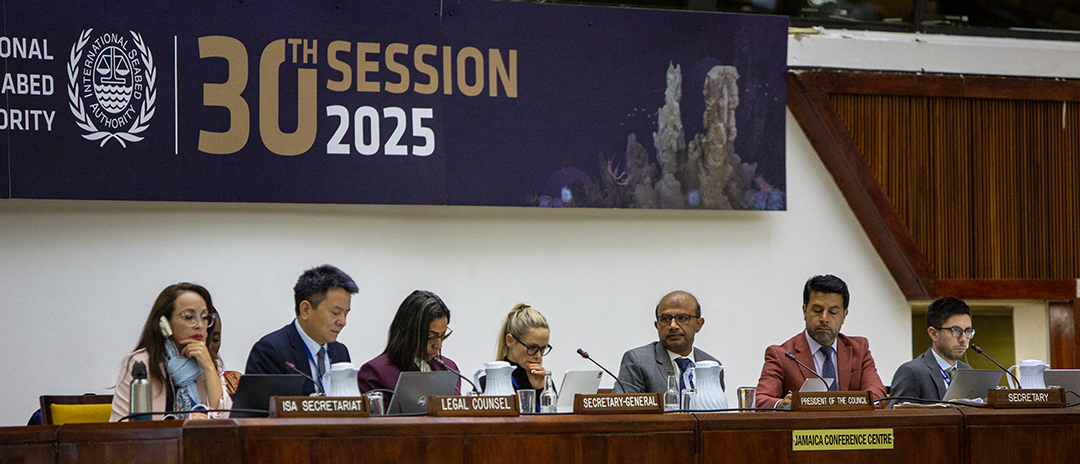
The dais during the morning session

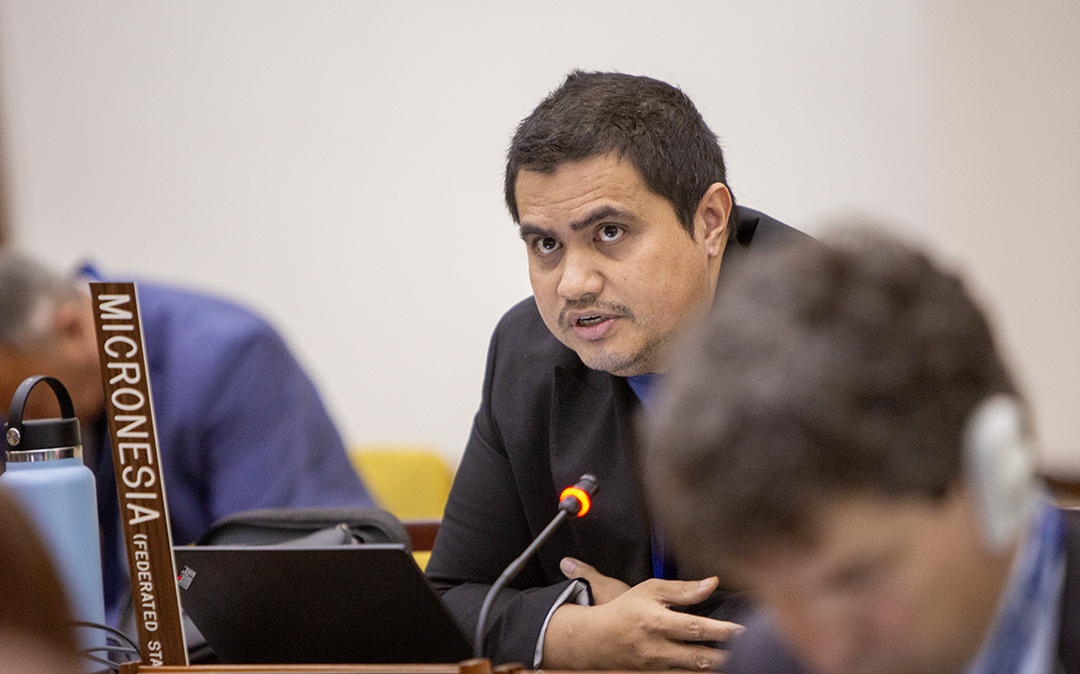
Clement Yow Mulalap, Federated States of Micronesia

Geraldine Geddes, ISA Secretariat

Carl Grainger and Katherine Cronin, Ireland
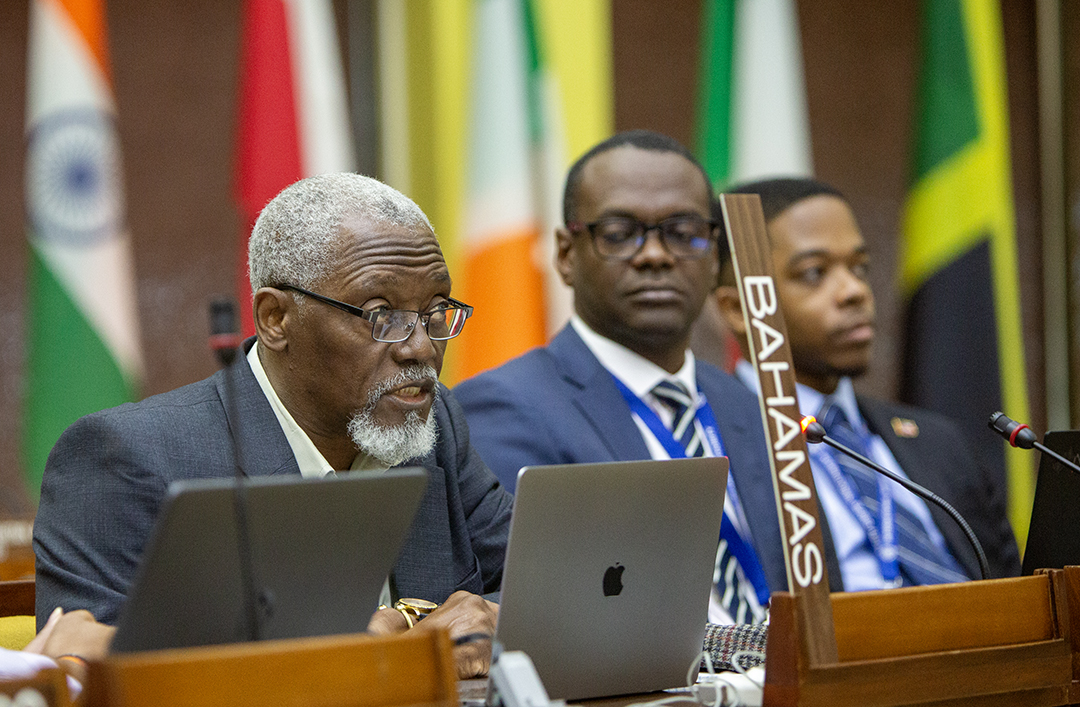
Godfrey Rolle, The Bahamas
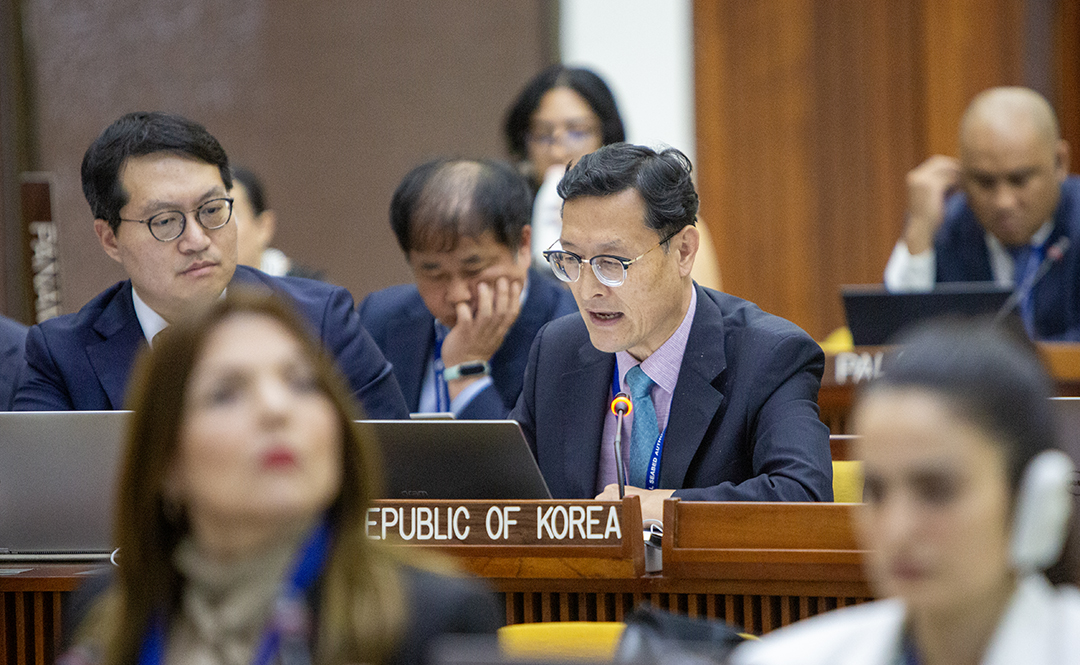
Kim Jin-wook, Republic of Korea
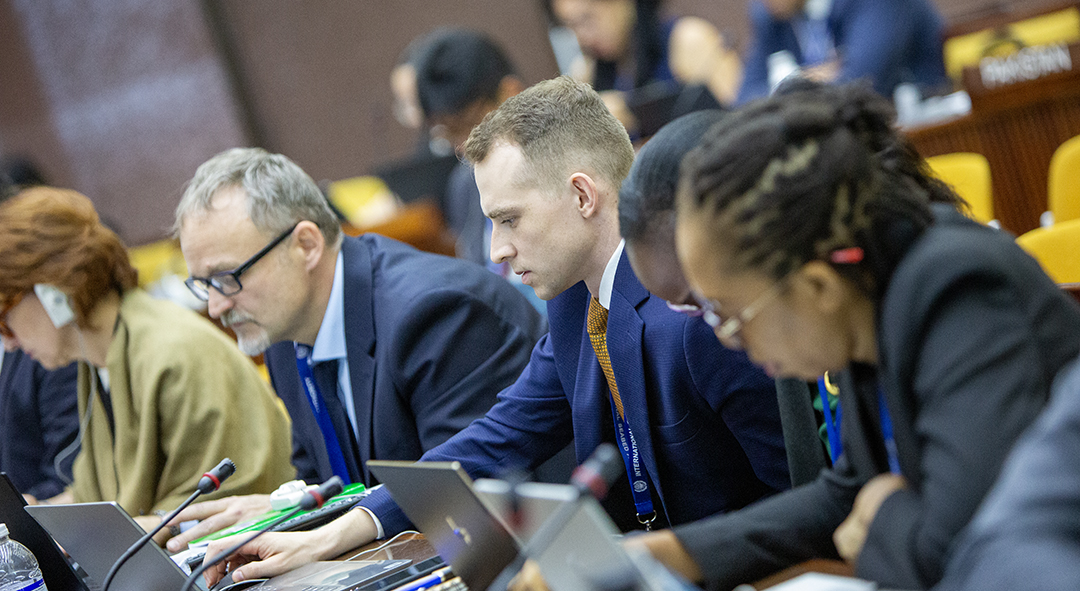
Bartosz Jasiński, Poland

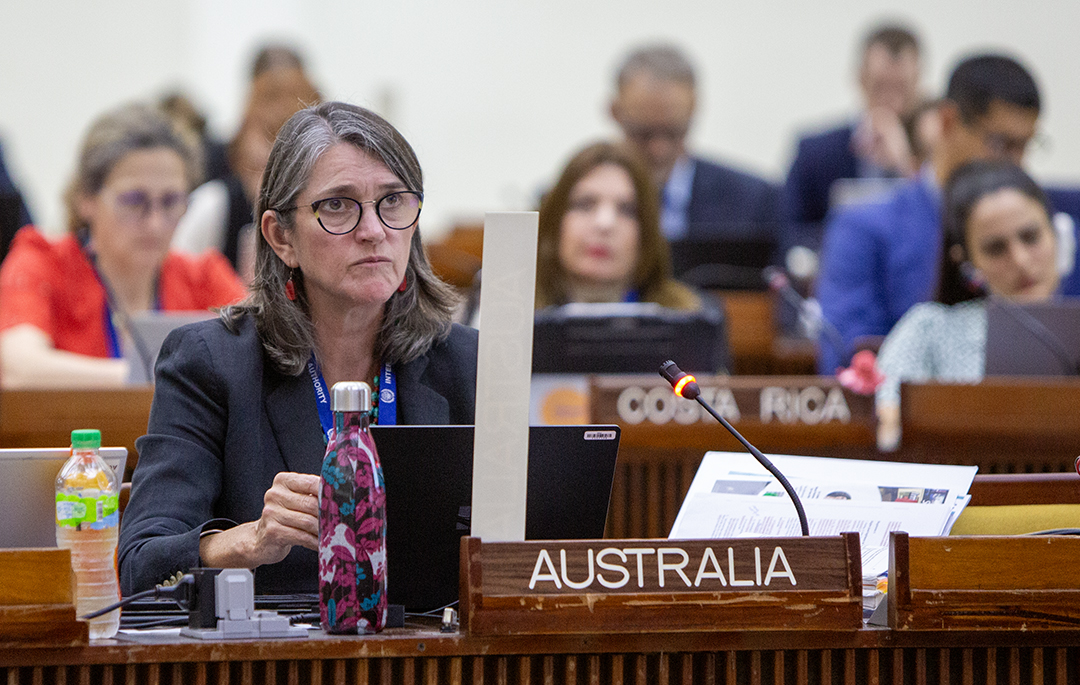
Robyn Frost, Australia
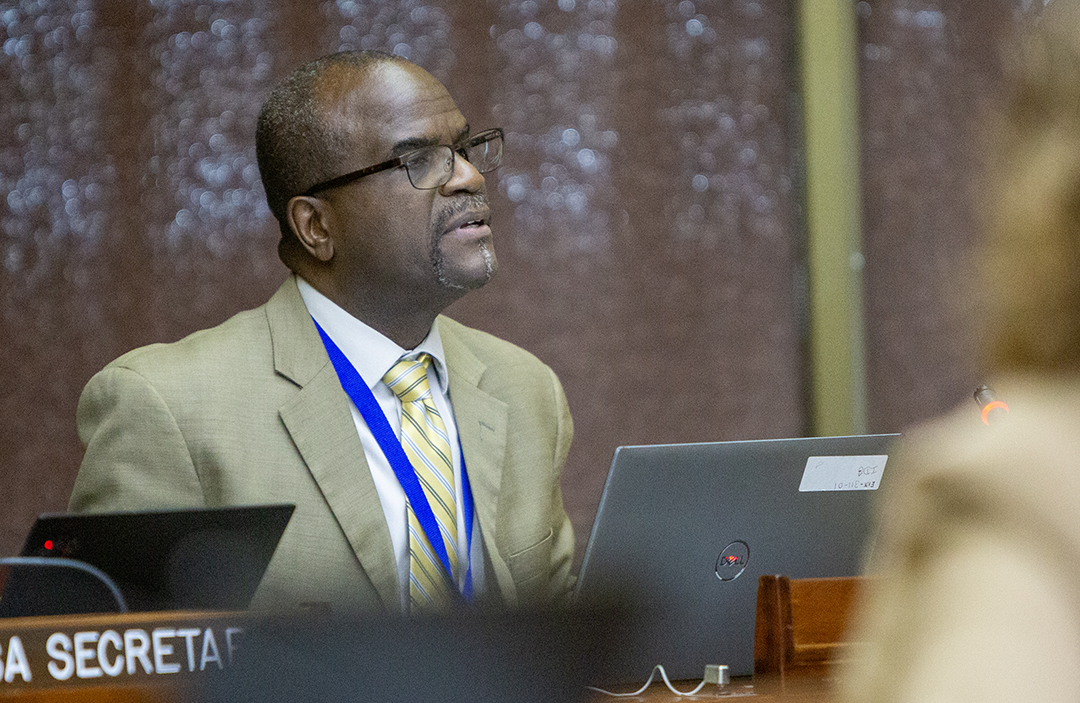
Eden Charles, Interim Director-General of the Enterprise
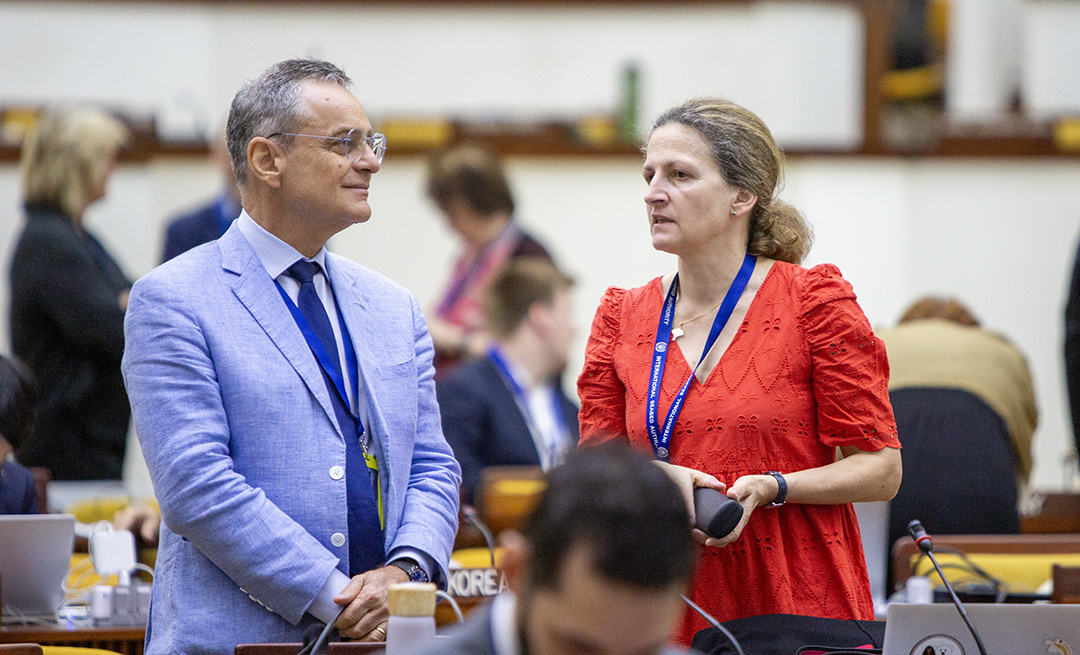
Olivier Guyonvarch and Caroline Krajka, France
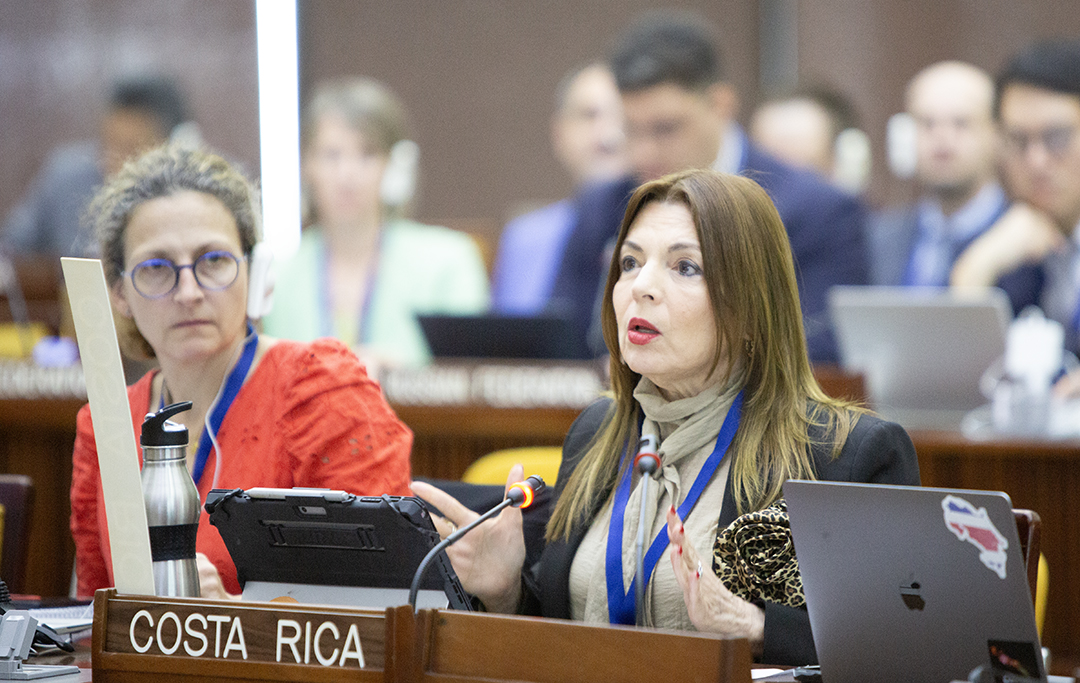
Gina Guillén Grillo, Costa Rica
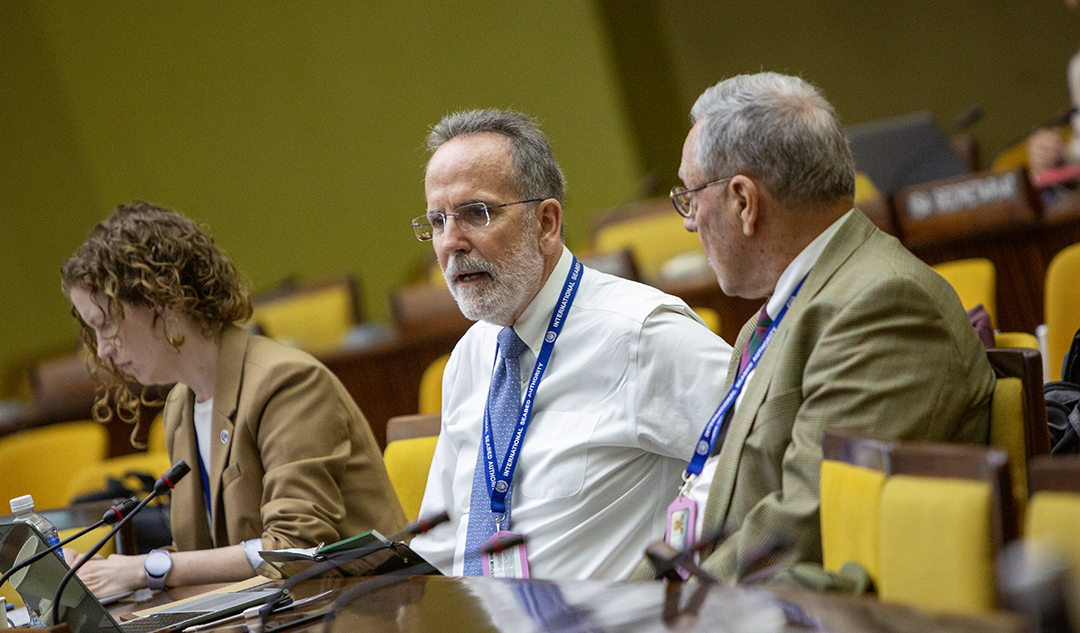
Gregory O'Brien, US

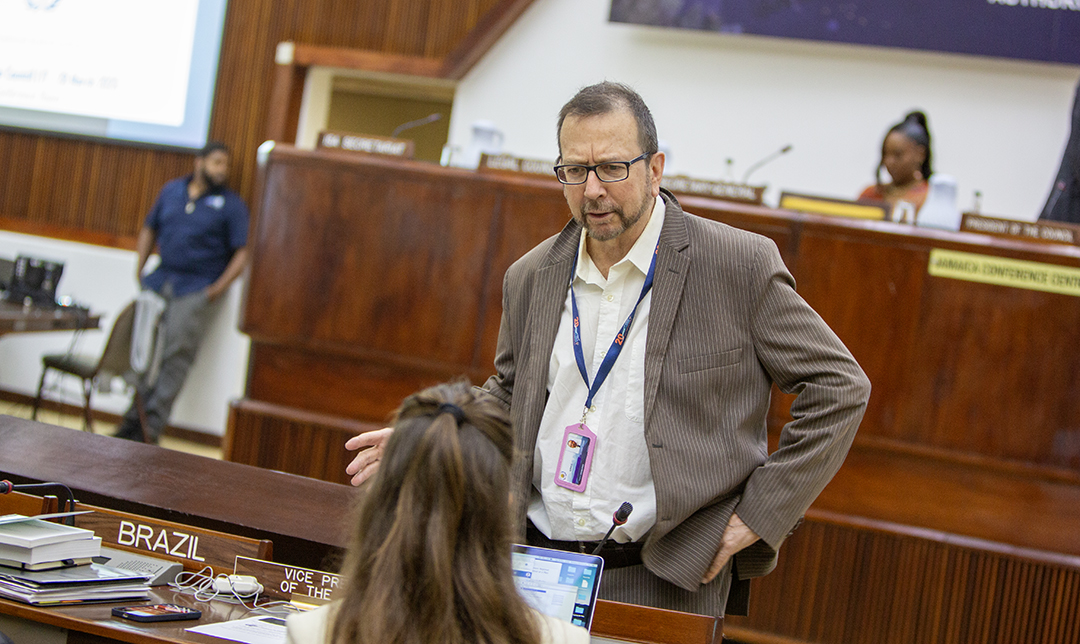
Matthew Gianni, Deep Sea Conservation Coalition (DSCC)
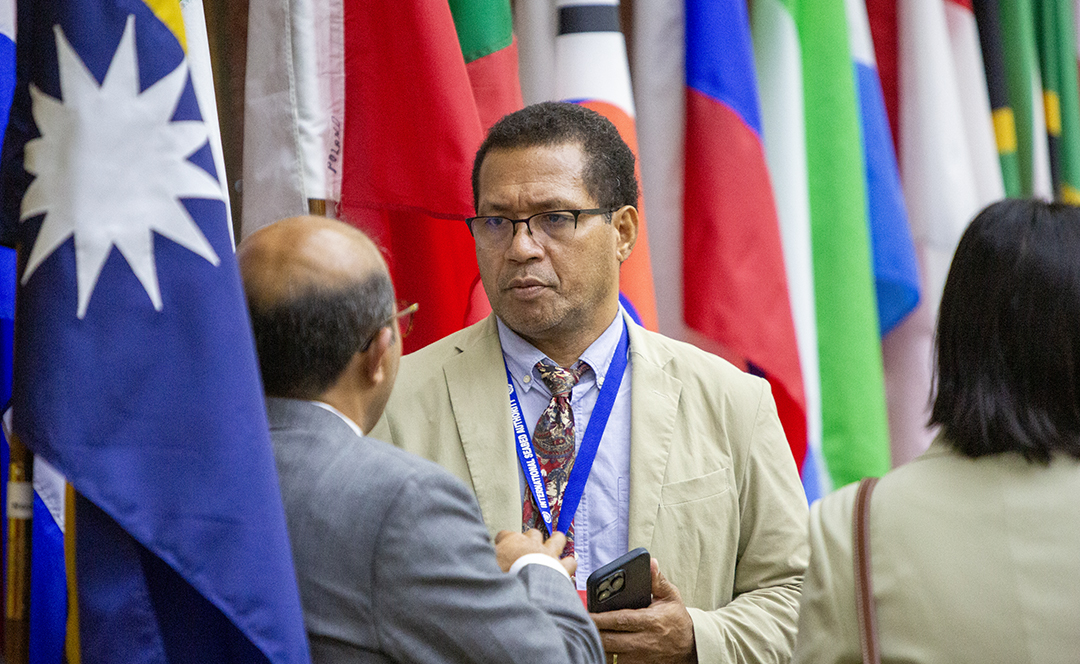
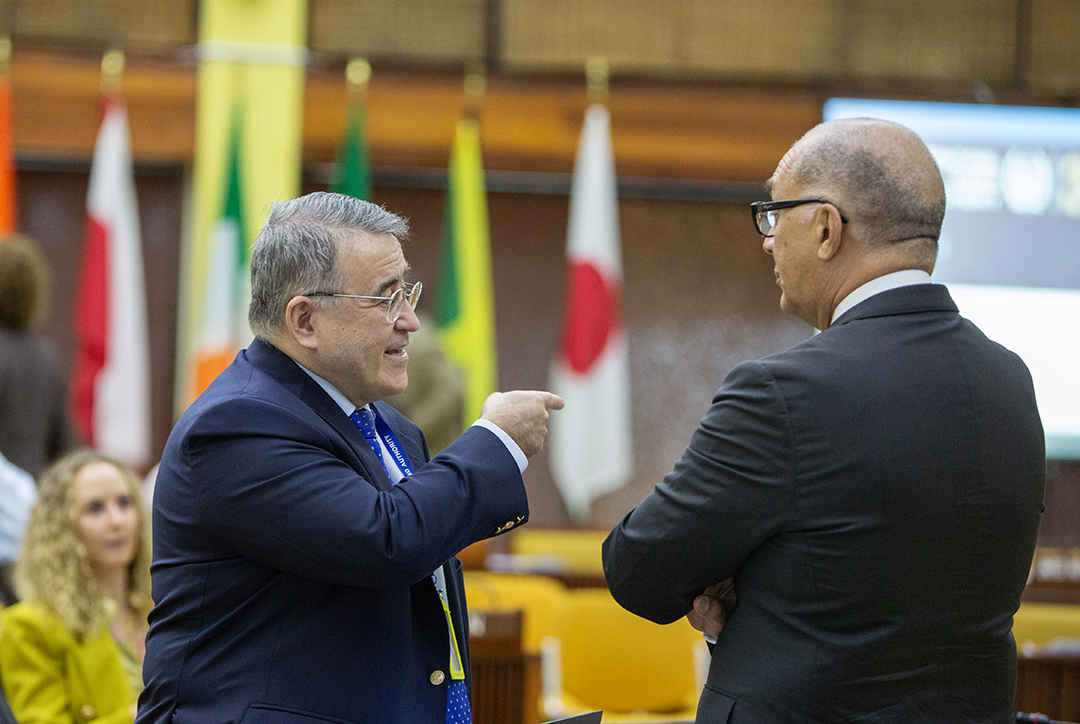
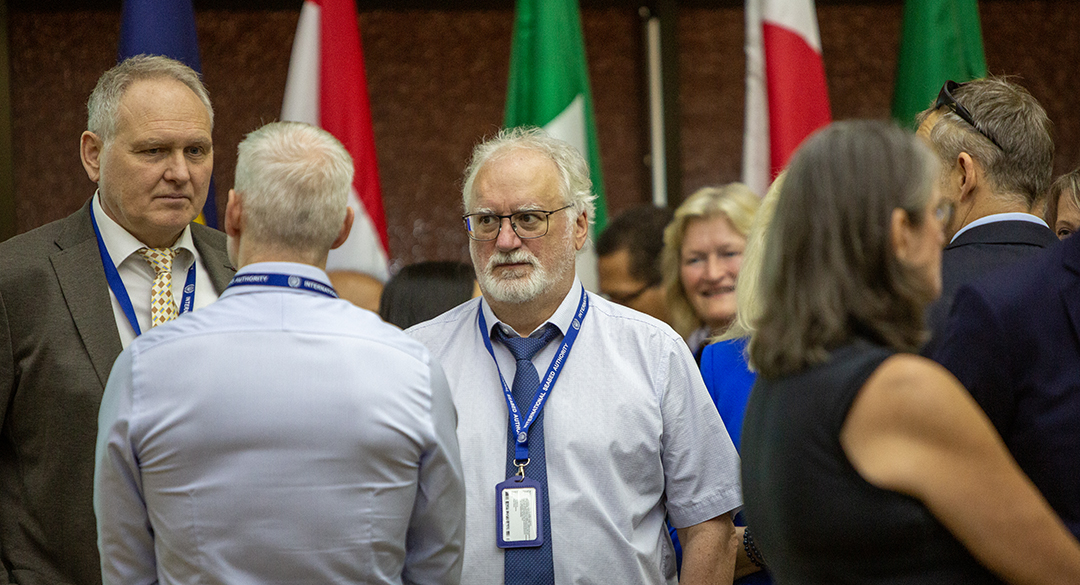
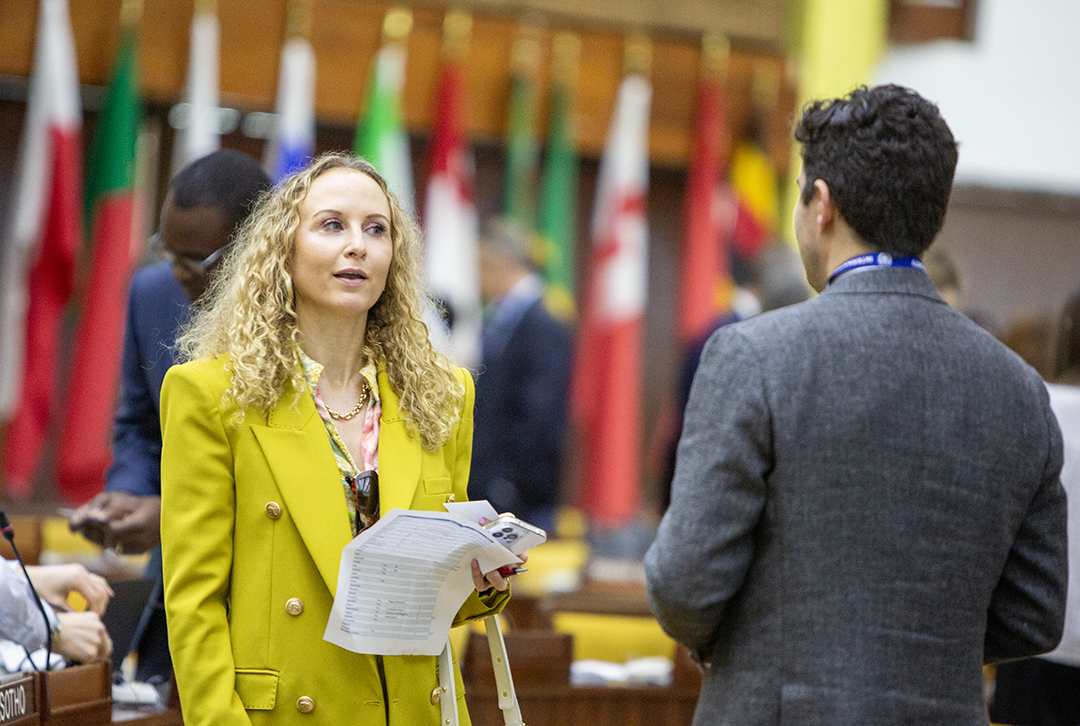
Around the Venue

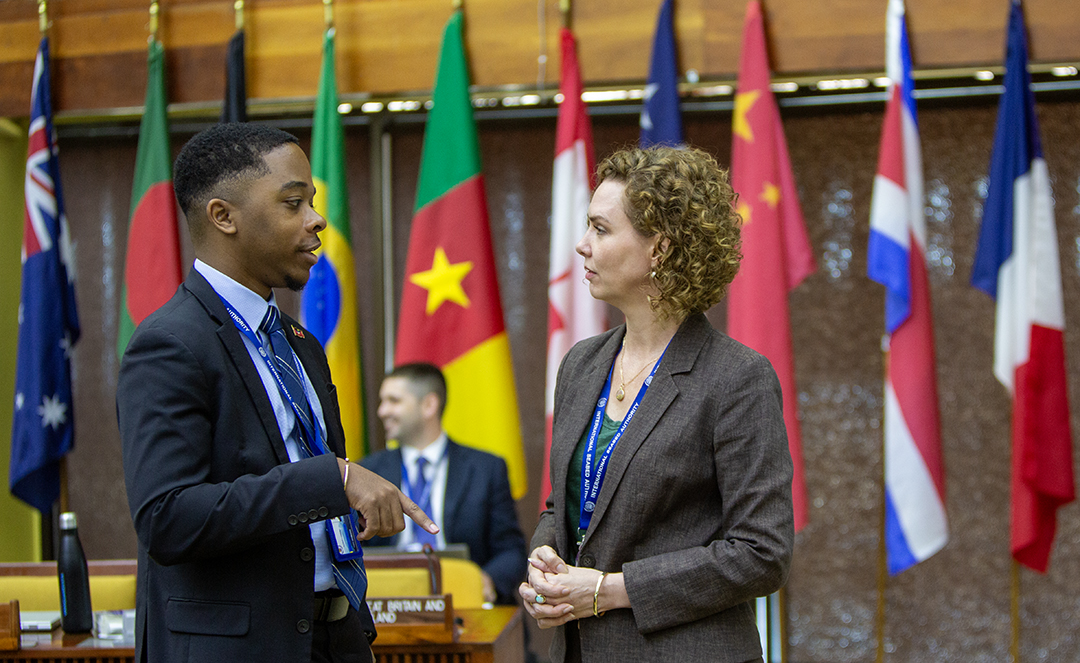



Side Event: The Enterprise and Impossible Metals