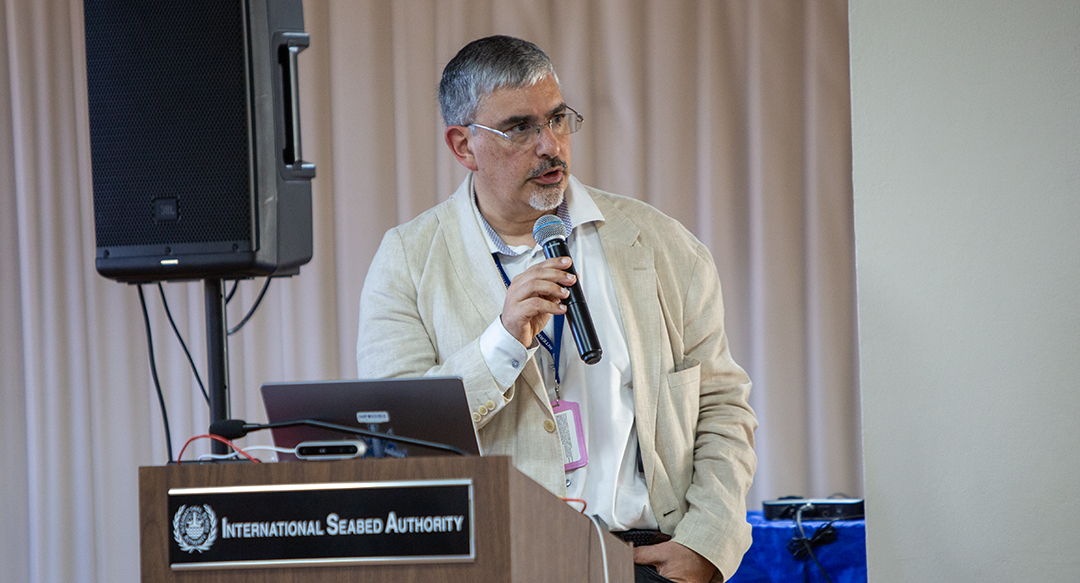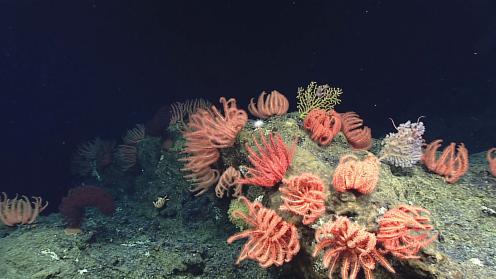

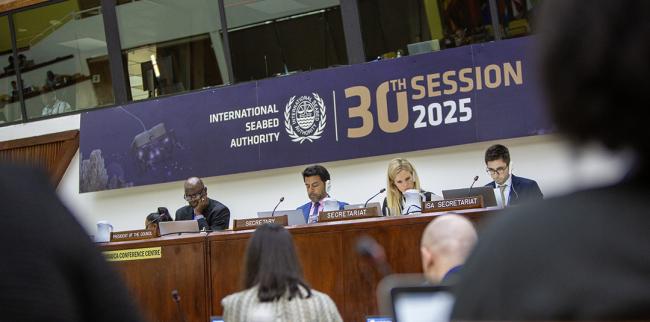
“The key objective of the drafting process is to achieve legal certainty and establish clear and enforceable provisions that minimize ambiguities and foster confidence among all stakeholders.” This reminder by Duncan Muhumuza Laki (Uganda), Council President for the 30th session of the International Seabed Authority (ISA), introduced another busy day of technical negotiations among ISA members on the draft exploitation regulations on deep-sea mining.
In the morning, many delegates emphasized that regulation 18 ter (suspension or termination of an exploitation contract) should focus on issues of termination. Some delegates suggested further distinguishing between provisions on termination of rights under an exploitation contract and those on termination of exploitation activities.
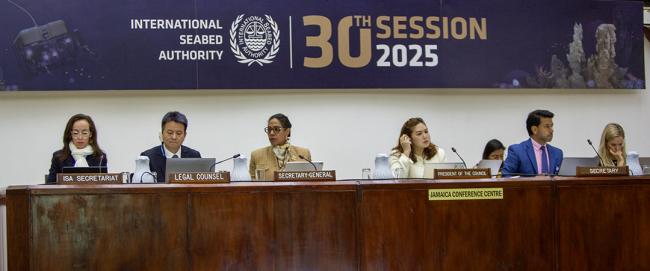
On regulation 19 (joint arrangements), many delegates stressed the need to address reserved areas, further discuss joint venture arrangements, and strengthen the role of the Enterprise. Many delegates supported adopting standards and guidelines for joint arrangements before approving any exploitation contract. Others noted that joint arrangements must remain optional.
Discussions on regulation 20 (term and renewal/extension of exploitation contracts) focused on the length of the initial contract. Pointing out the novel nature of deep-sea exploitation and its unknown impacts, many delegates preferred a shorter period of 20 years, while others insisted on 30 years. On applying for extension/renewal, many delegates stressed the need for any such application to be accompanied by a revised plan of work, which should consider, among other things, the cumulative impacts of the initial contract period.
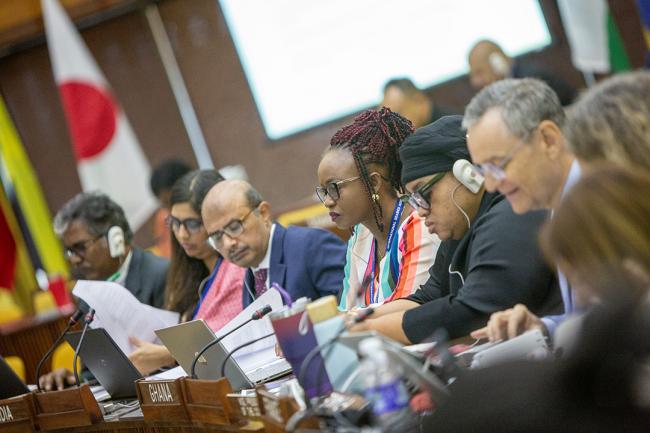
Regarding regulation 21 (termination of sponsorship), delegates discussed, without reaching consensus, whether the termination of a contractor’s sponsorship should be accompanied by a sponsoring state’s written justification of the reasons for such termination.
On regulation 22 (use of exploitation contract as security), a few delegations requested that contractors file with the seabed mining register the totality of any agreement that results or may result in a transfer or assignment of an exploitation contract, stating that just a summary would not be sufficient.
On regulation 23 (transfer of rights and obligations under an exploitation contract), a regional group and several delegates supported the levying of a transfer profit share by the ISA. A paragraph amending the Exploration Regulations on transfer of rights and obligations attracted different opinions. Several delegations supported the paragraph, while others opposed amending Exploration Regulations through the exploitation regulations, suggesting deletion.

Delegates decided to defer discussions on regulation 24 (change of control) to the relevant informal working group regarding effective control and to discussions on the glossary regarding the definition of “change of control.”
On regulation 25 (documents to be submitted prior to production), delegates agreed that additional deliberations are required regarding the use of “pilot mining” vis-à-vis “test mining,” and discussed the feasibility study without reaching consensus on, among other things, whether it should be open to stakeholder consultation.
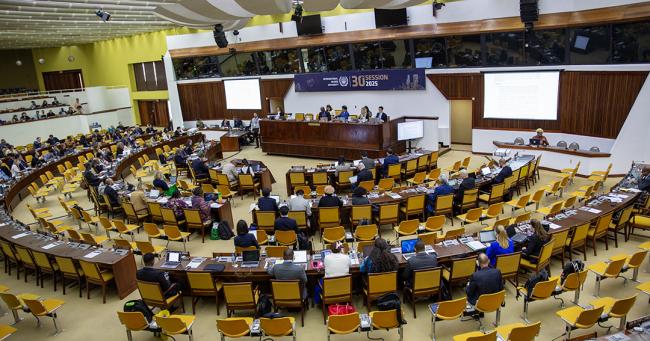
Many delegates suggested changing the title of regulation 26 (environmental performance guarantee) to “decommissioning and emergency response guarantee” or “decommissioning bonds.” Members could not reach consensus on, among other things: whether a contractor shall lodge an environmental performance guarantee before the commencement of commercial production or upon execution of the exploitation contract; and provisions for reviewing and replenishing the amount of the guarantee.
On regulation 27 (commencement of commercial production), delegates generally agreed on the need to include a definition of commercial production based on a specified level of production maintained for a specified number of days, but views diverged on what the level of production and length of time should be.
Addressing regulation 28 (maintaining commercial production), delegates focused on the notification of failure or inability to maintain commercial production. During the consideration of regulation 29 (reduction or suspension in production), most delegates agreed that the notification of a reduction or suspension in production should be made to the Secretary-General and sponsoring state in writing as soon as practicable but not later than seven days from the date of the reduction or suspension.
On regulation 29 bis (procedure for suspensions in exploitation activities), members focused on, among other things, the process for resuming mining activities after a suspension. Many delegates expressed general support for a proposal to split this regulation to deal separately with voluntary and compliance-related suspensions.
Most delegates supported the inclusion of regulation 29 ter (certification of origin). On regulation 29 quater (risk reduction principles), some members queried the references to the marine environment, stressing that this regulation addresses safety, labor, and health at sea.
On regulation 30 (safety, labor, and health standards), some members requested deleting text stating that “international maritime safety and navigational rules shall apply to all ships on all voyages engaged in activities in the Area,” noting this goes beyond the Authority’s mandate. On regulation 30 bis (human health and safety management system), discussions focused on provisions on an independent verification of the human health and safety management system, with some delegates emphasizing that the responsibility for maintaining the system should be placed solely on the contractor.

At lunchtime, the American Samoa Economic Development Council hosted a side event on critical mineral resources in the South Pacific.
To receive free coverage of global environmental events delivered to your inbox, subscribe to the ENB Update newsletter.
All ENB photos are free to use with attribution. For the 1st Part of the 30th Annual Session of the International Seabed Authority, please use: Photo by IISD/ENB | Angeles Estrada Vigil
Selected Images
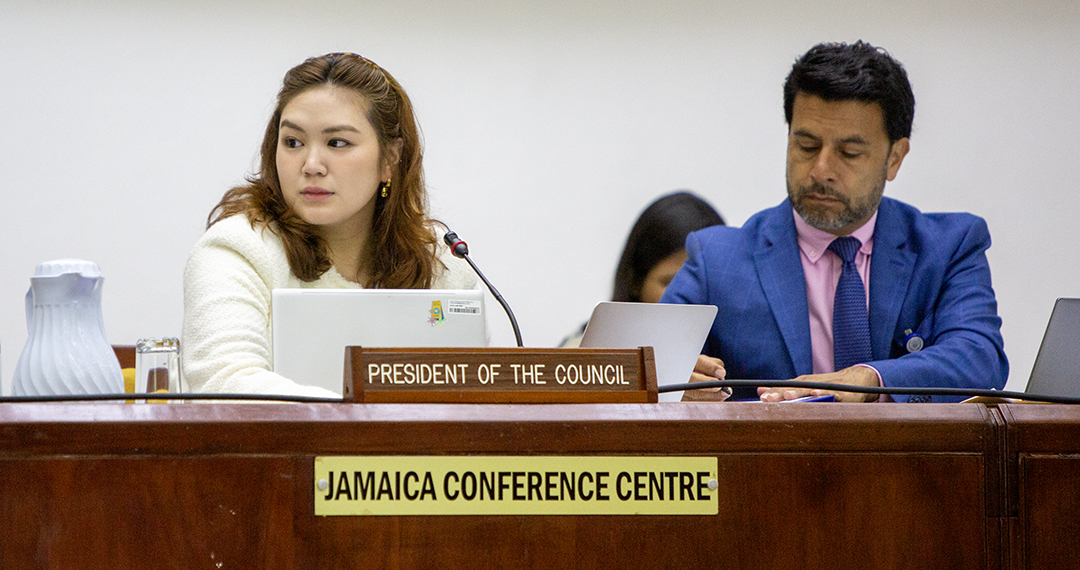
Beatrice Chen, Singapore, and Marcelino Miranda, Secretariat of the Authority

Geraldine Geddes, Secretariat of the Authority

Bárbara Macedo Perrenoud, Brazil
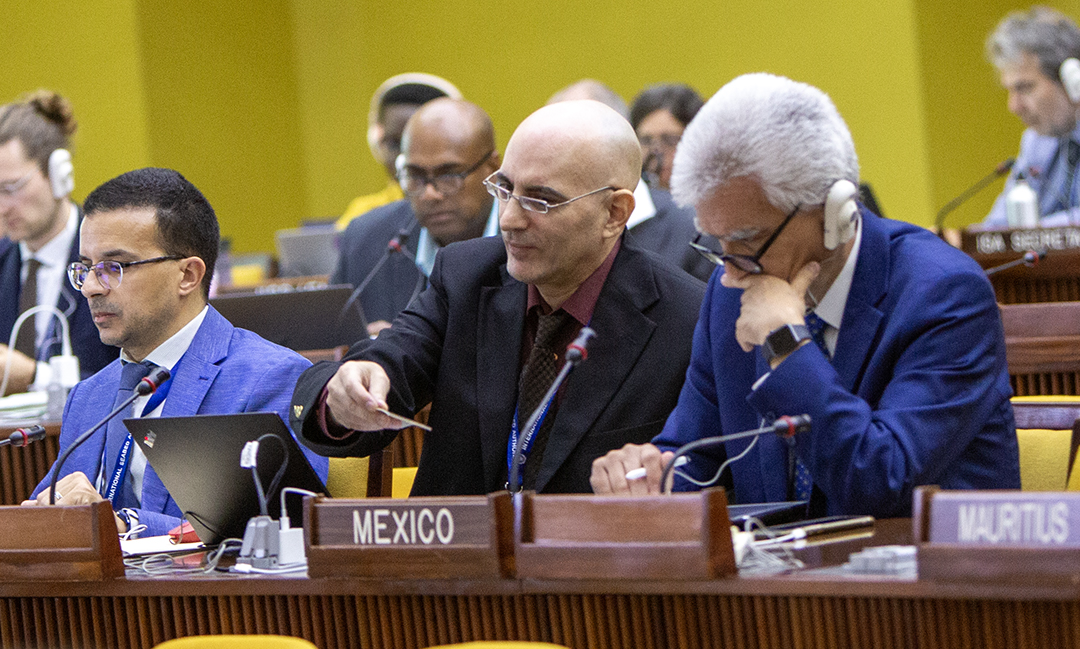
Leopoldo Daniel López Zea, Mexico
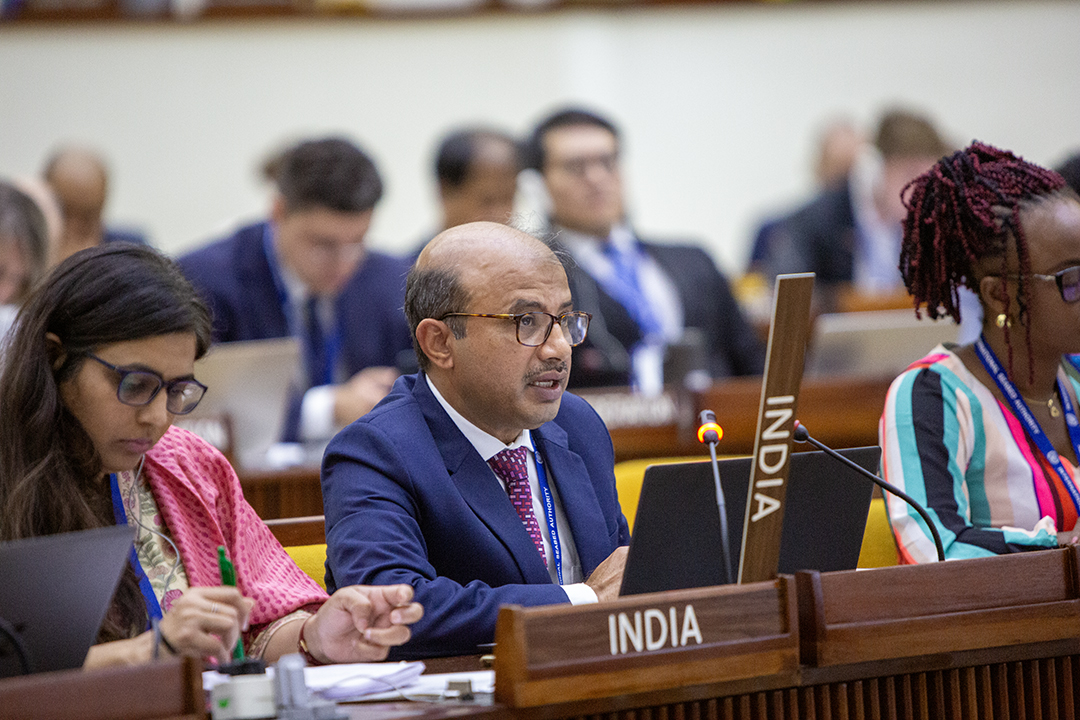
Sandip Mukhopadhya, India
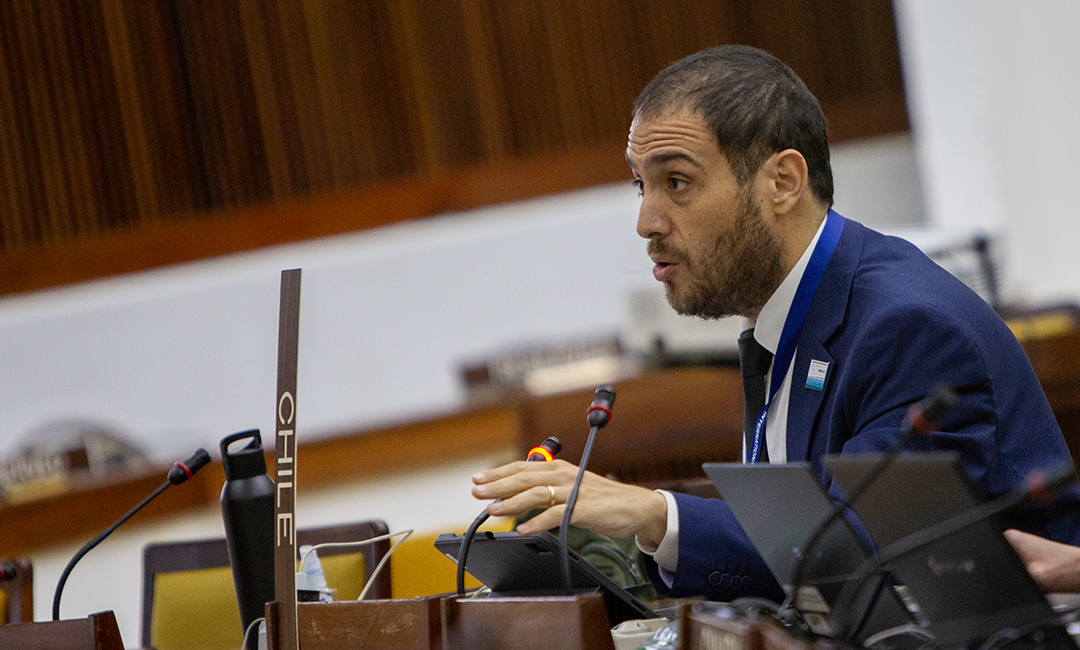
Salvador Vega Telias, Chile
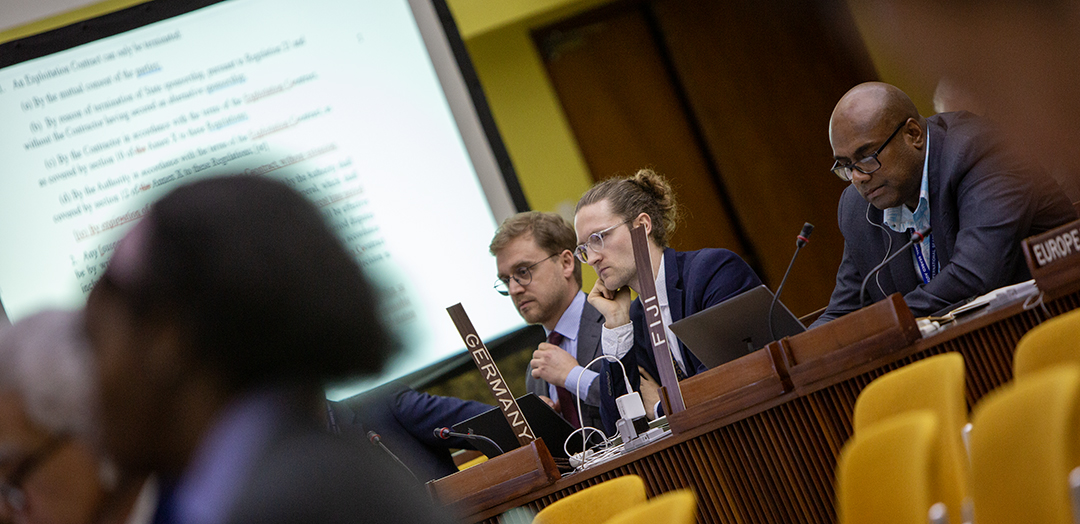
Clemens Wackernagel and Vincent Schnell, Germany

Carl Grainger, Ireland
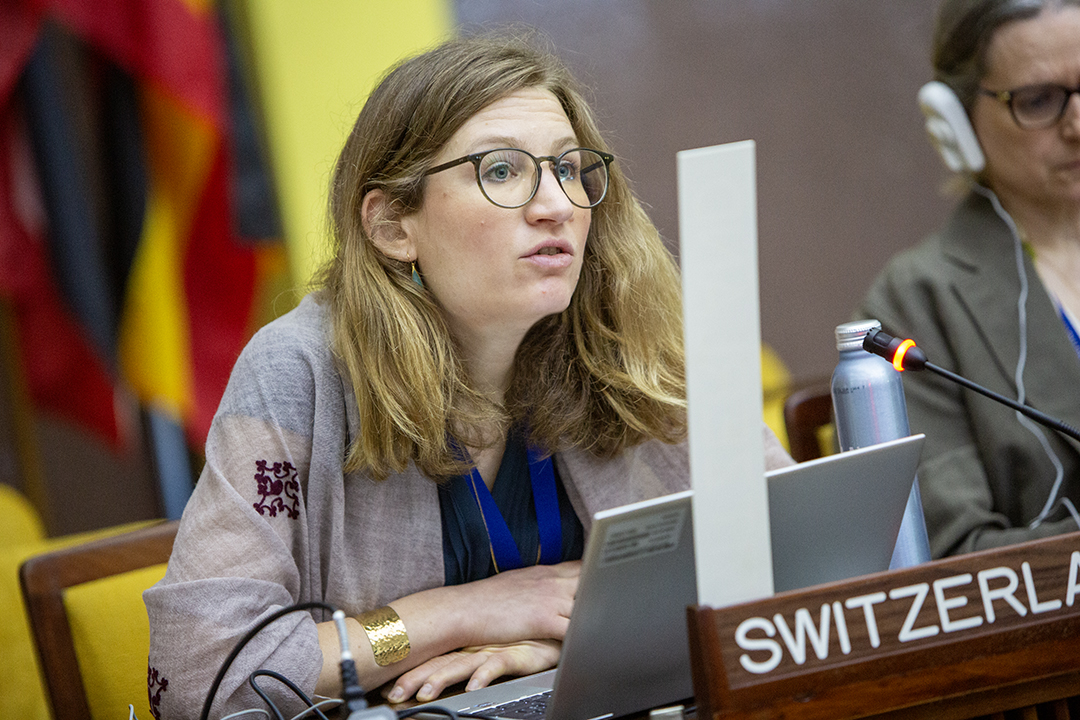
Laura Platchkov, Switzerland
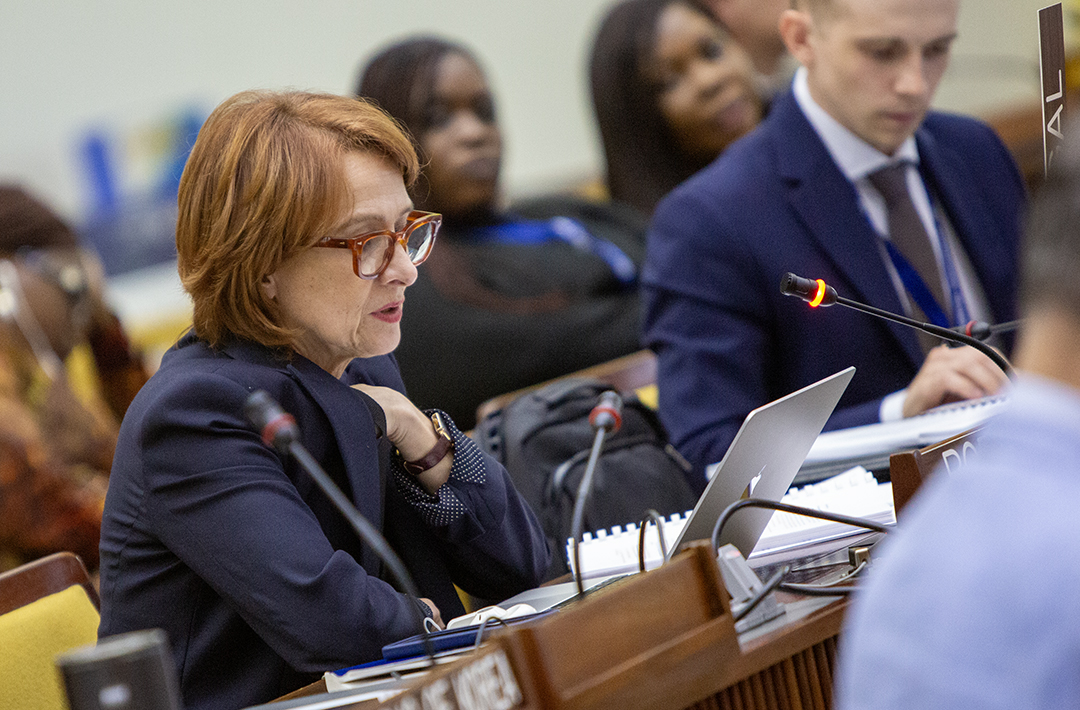
Maria Luís Mendes, Portugal

Collen Chiutsi, Zimbabwe
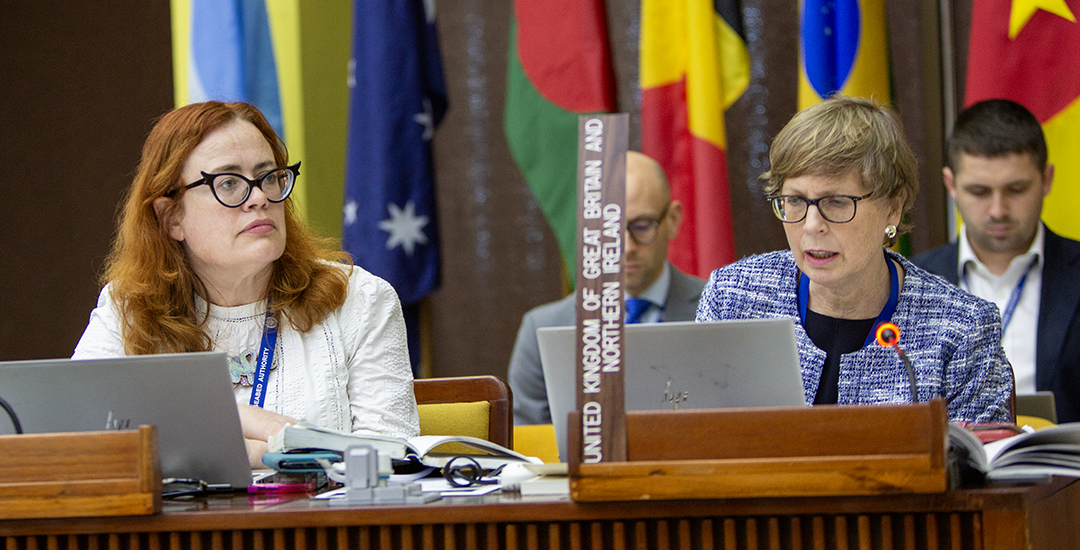
Lowri Mai Griffiths and Helen Mulvein, UK
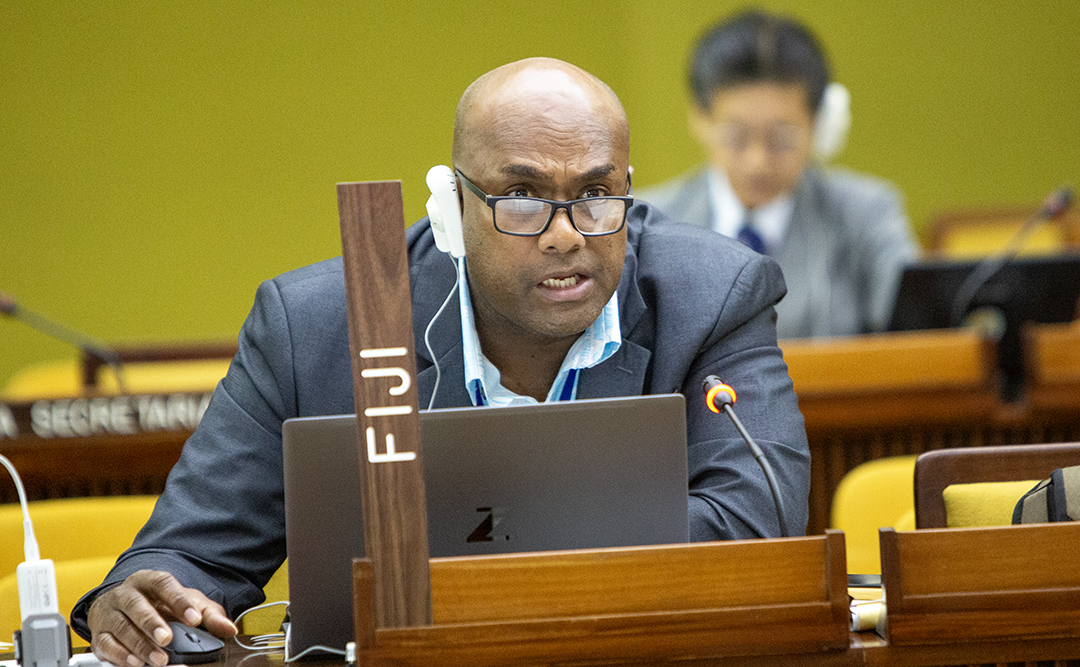
Apete Soro, Fiji
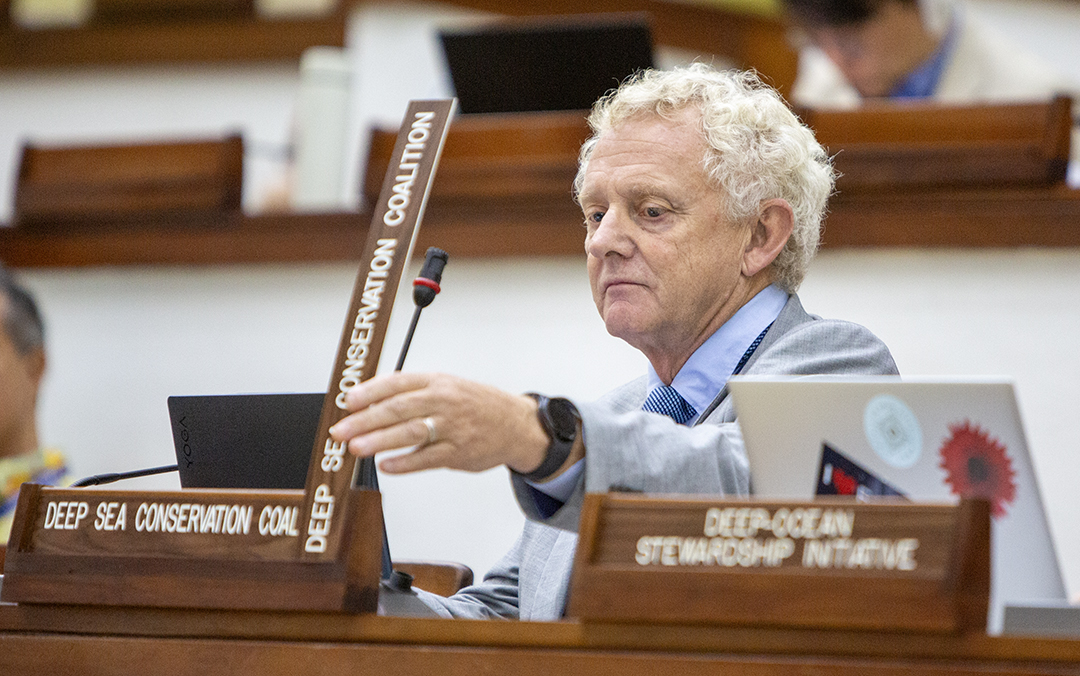
Duncan Currie, Deep Sea Conservation Coalition (DSCC)
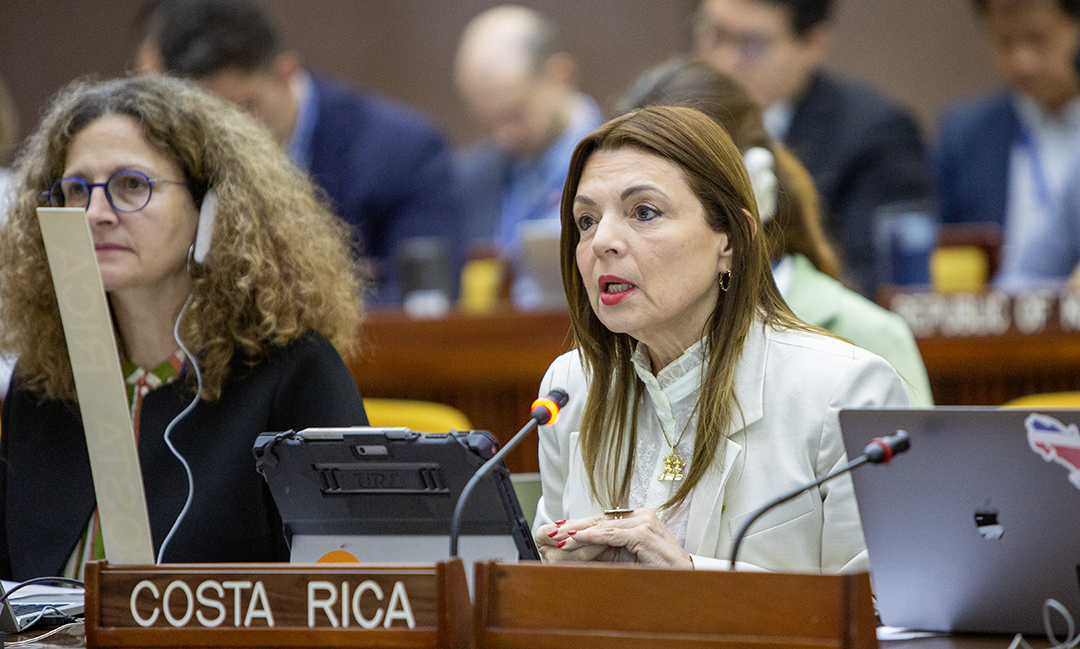
Gina Guillén Grillo, Costa Rica
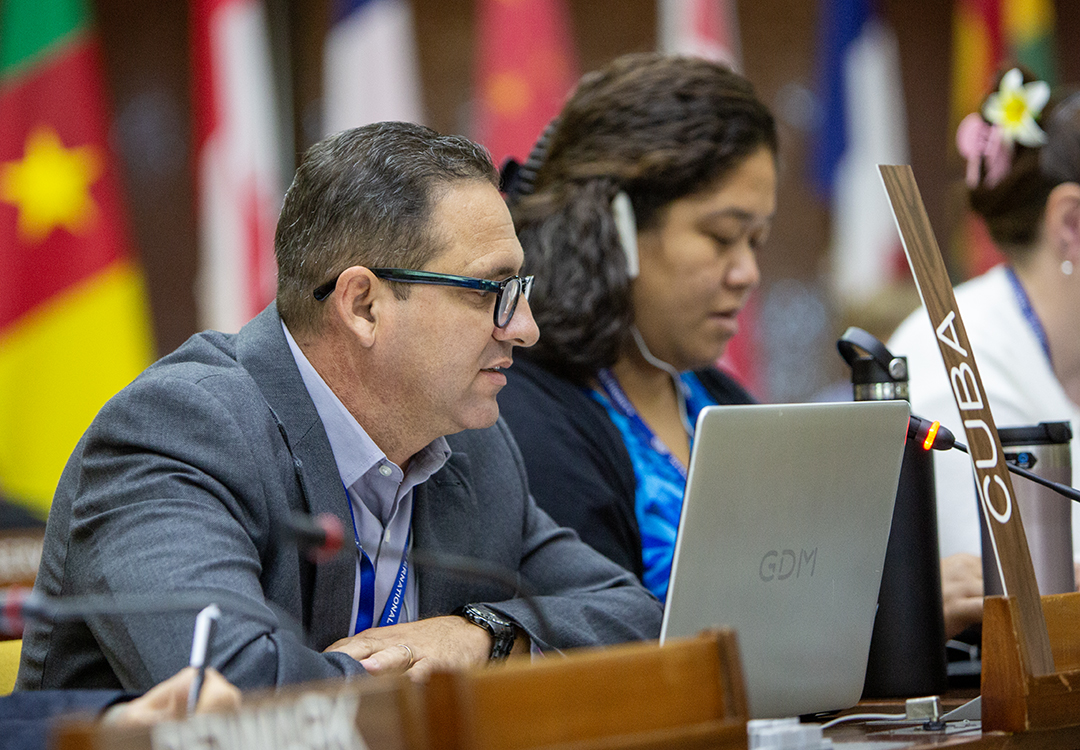
Maddyel Reyes, Cuba

Georgina Nyadia, Ghana
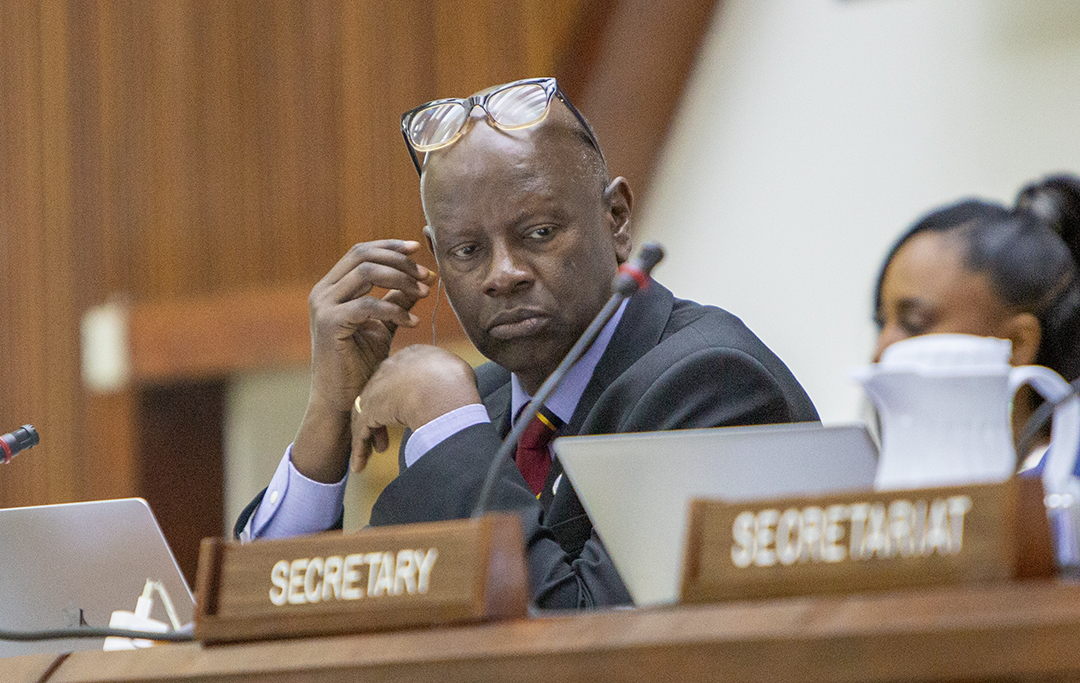
Council President Duncan Muhumuza Laki, Uganda
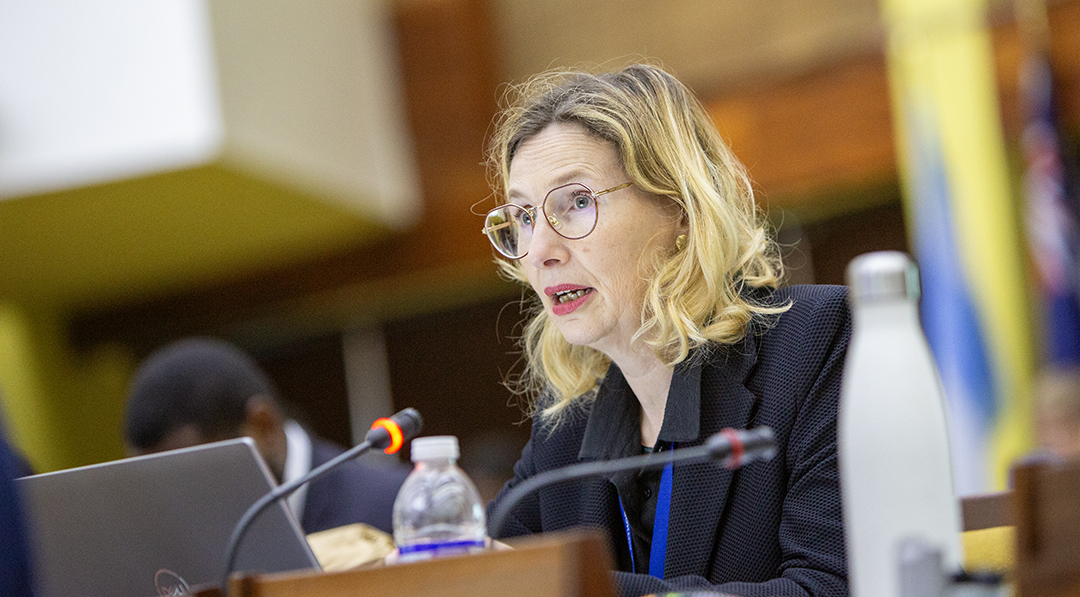
Catherine Flumiani, Italy
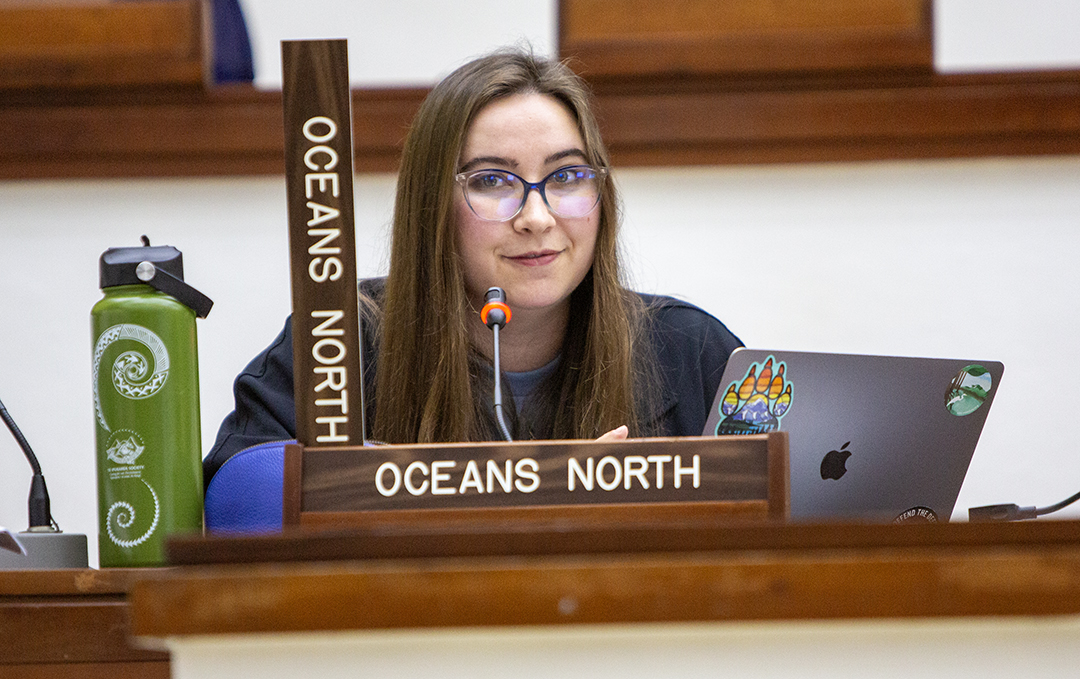
Nicole Zanesco, Oceans North


Hiroaki Ishihara, Japan
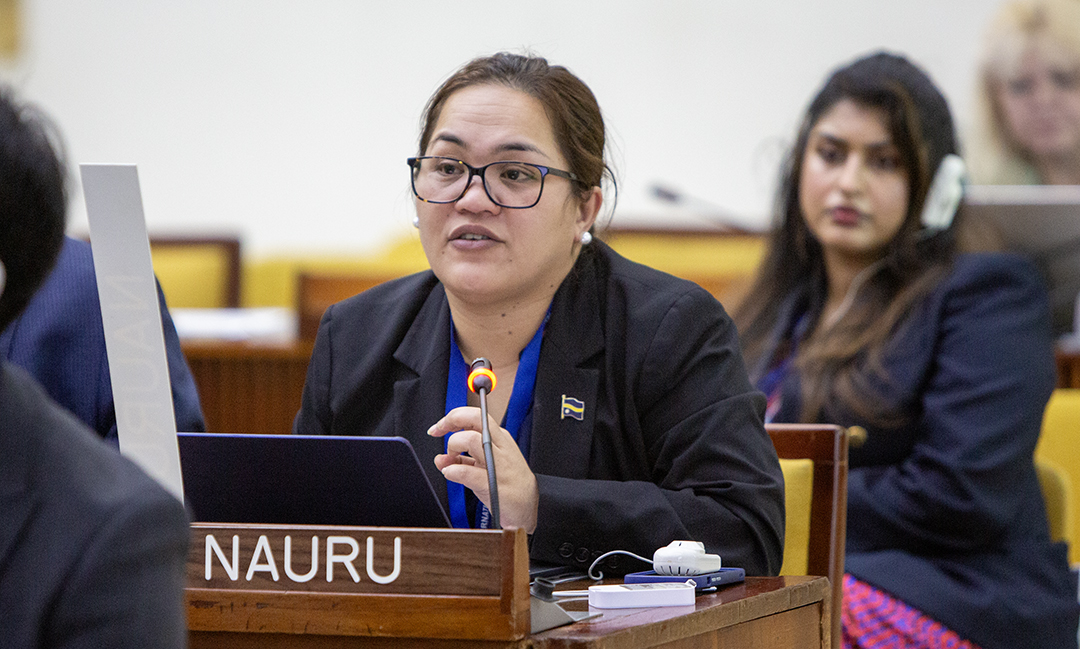
Anastasia Julius, Nauru
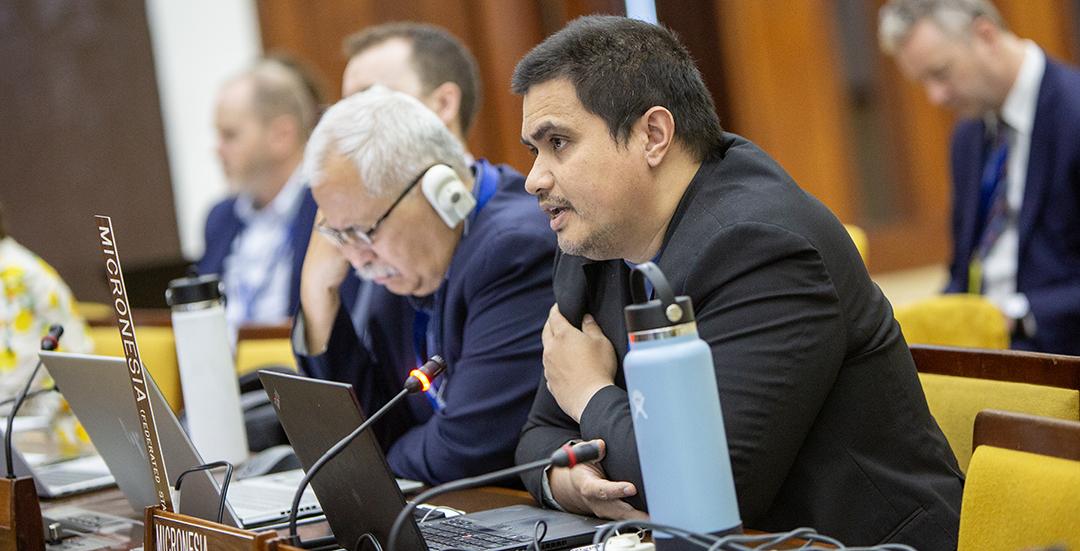
Clement Yow Mulalap, Federated States of Micronesia
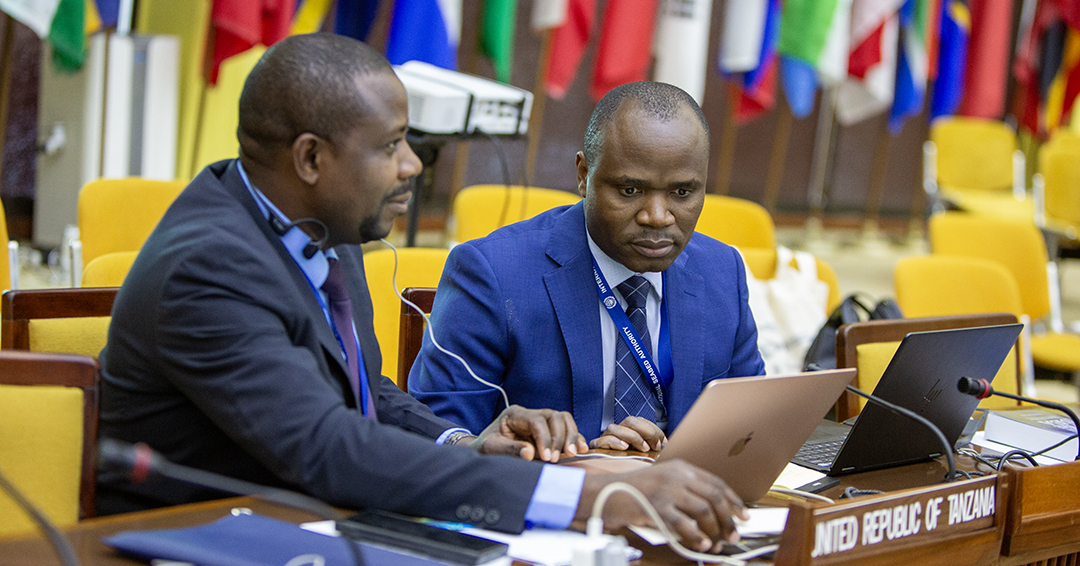
Delegates from Tanzania during the consultations
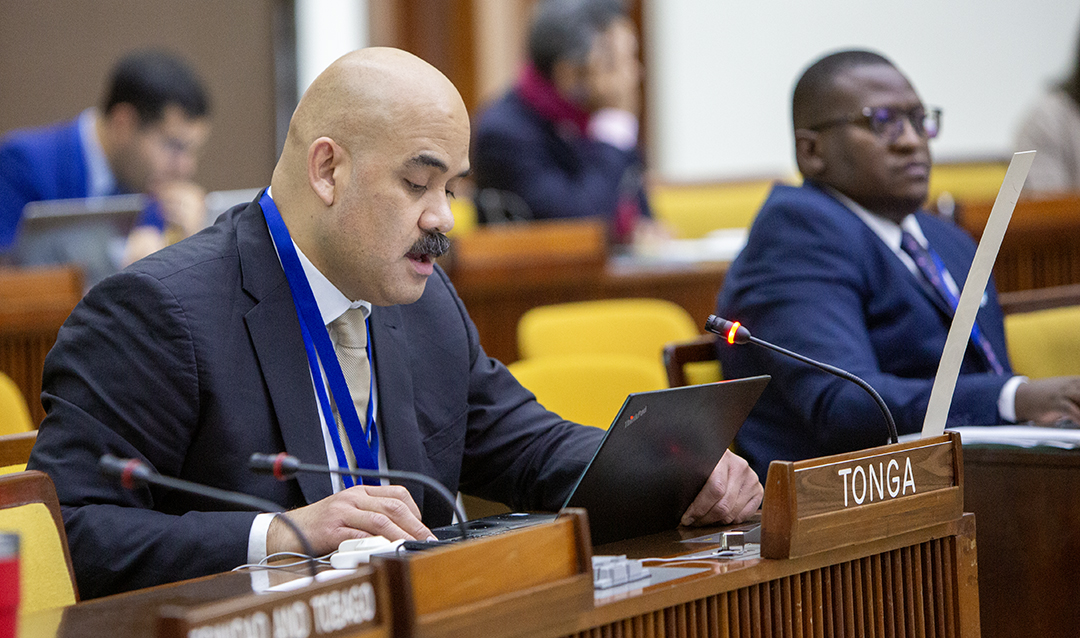
Leonaitasi Kuluni, Tonga

Azra Haque, Canada

Around the Venue






Side Event: Critical mineral resources in the South Pacific