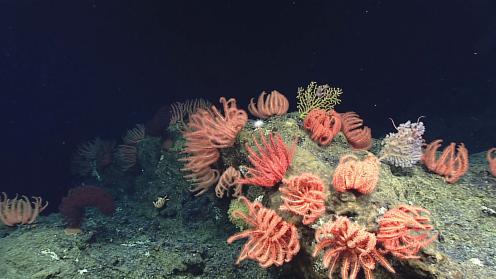

The lack of exploitation regulations for deep-sea mining leaves a “huge vacuum, allowing others to get in the field and play the game without rules. We do not have the luxury to wait and let the best be the enemy of the good.” The introductory remarks by President Laki conveyed a sense of urgency toward finalizing the regulatory framework for commercial exploitation of deep-sea mineral resources.
Members of the International Seabed Authority (ISA) diverged in their reactions. Some delegates highlighted the complexity of the task at hand and the level of responsibility toward the common heritage of humankind. They stressed the need to ensure, among other things, the effective protection of the marine environment, fair and equitable benefit-sharing, and robust inspection, control, and enforcement mechanisms. They further underlined that “the work should not be rushed to favor commercial interests.” Others highlighted that room for progress exists, reiterating their confidence in the President’s leadership.

The day was devoted to negotiations on draft regulations related to environmental protection. On regulation 46 (the impact assessment process or environmental impact assessment (EIA) process), delegates focused, among other things, on:
- including references to potential “impacts” and “effects” on the marine environment;
- whether environmental baseline data should be “based on sufficient scientific information,” with an observer highlighting that the sufficiency criterion includes quantity of data, confidence, integrity, and statistical power; and
- whether an independent scientific assessment prior to the submission of the proposed environmental impact statement (EIS) is pertinent.

Observers called for reinstating paragraphs, among other things, on: EIAs aiming to prevent harm to the marine environment arising out of the proposed activities; EIAs being carried out by an independent expert; and specific requirements for stakeholder consultation.
During the discussions on regulation 47 (EIA), delegates considered the list of issues to be assessed when undertaking an impact assessment as enumerated in the regulation. Some delegates suggested moving this list to a relevant standard or, alternatively, indicate that the list is not exhaustive. One delegate highlighted the proposals by the intersessional working group on underwater cultural heritage (UCH) to: insert a new paragraph referring to the extent to which human remains or UCH may be altered or impacted; and add a UCH monitoring plan to the list of contractor requirements.

On regulation 47 bis (scoping), some delegates called for considering, in addition to environmental impacts, “any associated impacts, such as economic, social, cultural, and human health” ones. Several members supported the identification of potential risks associated with UCH or human remains at the scoping stage. Some delegates also suggested including all relevant stakeholders in the consultations, with explicit reference to coastal states.

Delegates expressed overall support for regulation 48 (EIS). A few delegations supported the deletion of “substantive and relevant” regarding the comments the applicant should engage with. In contrast, a few others opposed, cautioning against overburdening contractors. Many members supported moving the detailed content of the EIS to an annex or standard, with a few stressing the need for them to remain legally binding.
On regulation 48 bis (new EIA and revised EIS), many delegates requested deletion of the words “significantly” and “consistently and persistently,” which appear several times in the regulation in relation to the threshold of impacts, effects, or risks that trigger action, opposing any weakening of the triggers. Many delegates stressed that all modifications to an existing plan of work should be covered by regulation 57 (modification of a plan of work by a contractor), suggesting deleting a reference to risks not covered by regulation 57.

Delegates decided to jointly address regulations 48 ter (pilot mining) and 48 ter alt (test mining). Belgium, China, and Germany, co-facilitators of the relevant informal working group, presented a joint proposal which includes a two-phase process with test mining during the exploration phase and pilot mining before commercial mining can commence.
Many delegates noted that the proposal constitutes a good starting point for further discussions. They stressed, among other things, the need to: rely on in situ data; prevent test mining from becoming a backdoor to commercial exploitation; and further discuss whether test mining should be optional in cases where the relevant information has been provided through other test mining for the same environmental conditions.

Observers called for independent verification of test mining outcomes; and underlined the importance of test mining for each mining area given the heterogeneity of marine ecosystems.

On regulation 49 (environmental management and monitoring), many delegates expressed preference for “continuous” monitoring and management of environmental impacts, effects, and risks, noting these will result not just in addressing harmful effects when they occur but also help detect and address them before they occur. Others preferred “continual” monitoring, saying for instance, water quality does not need to be monitored and managed every day of the year for the 20-30-year period of the exploitation contract.

To receive free coverage of global environmental events delivered to your inbox, subscribe to the ENB Update newsletter.
All ENB photos are free to use with attribution. For the 1st Part of the 30th Annual Session of the International Seabed Authority, please use: Photo by IISD/ENB | Angeles Estrada Vigil
Selected Images
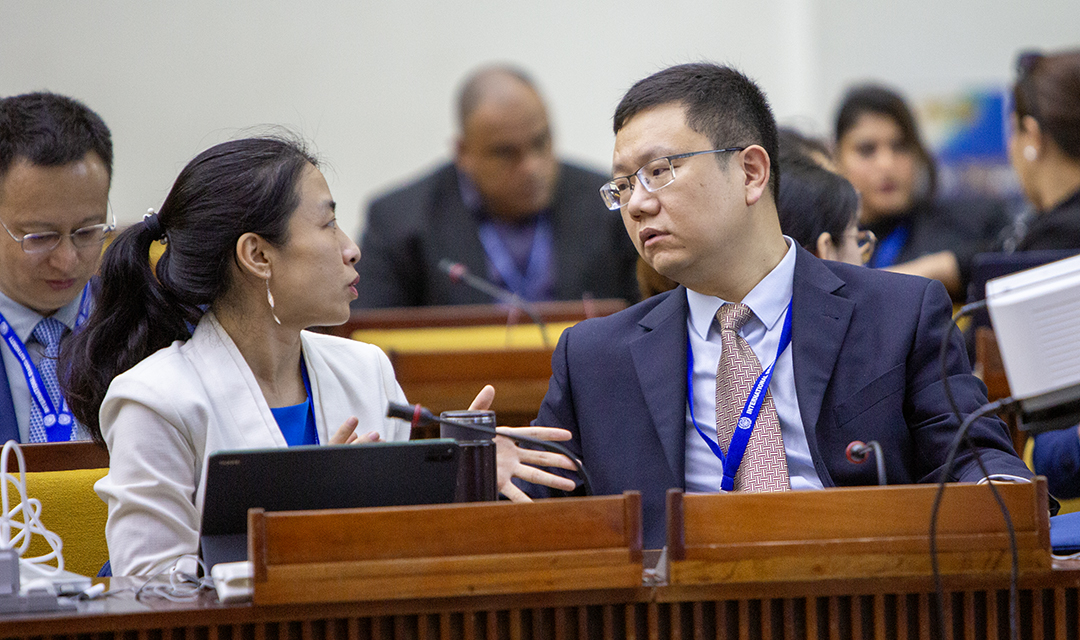
Delegates from China during the morning session
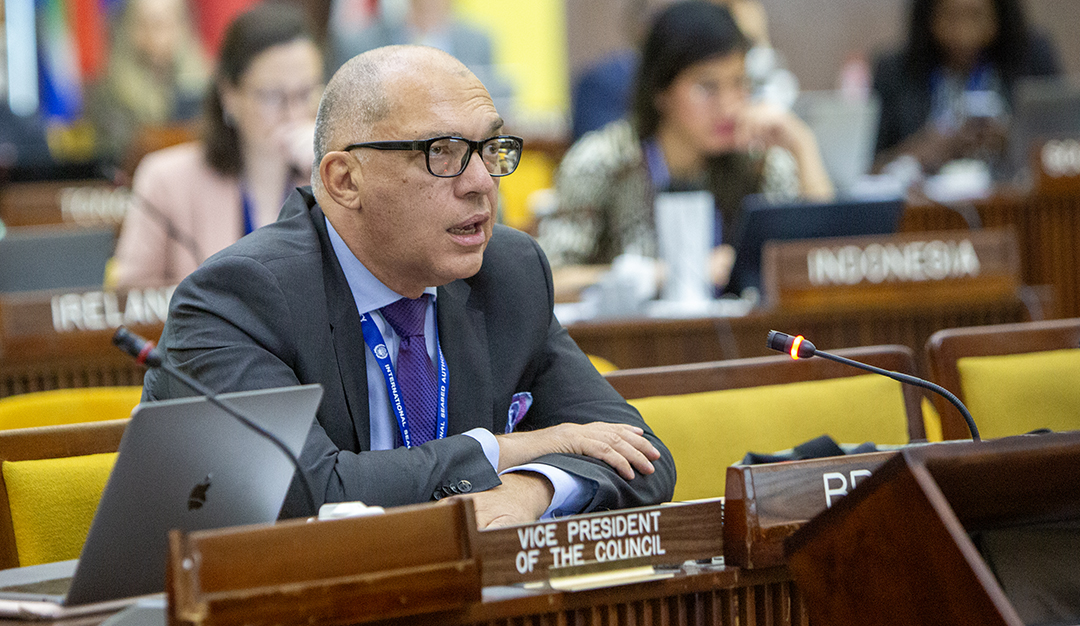
Antonio Otavio Sá Ricarte, Brazil
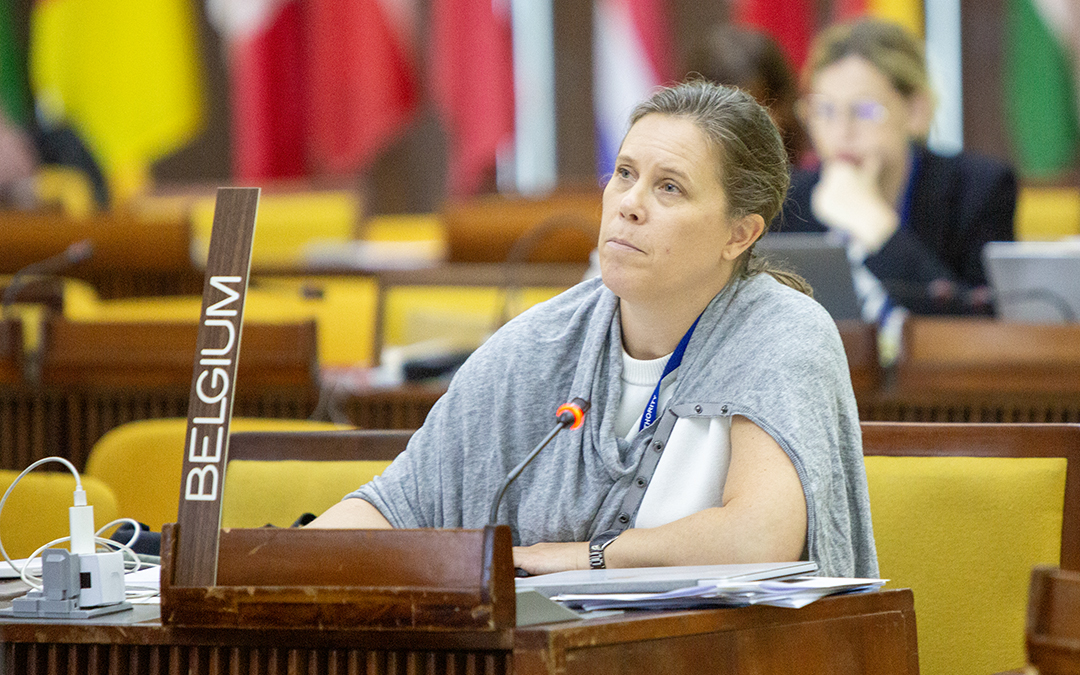
Ellen De Geest, Belgium
Edgar Noriega, Mexico
José Benchetrit, Canada
Lucía Raffin, Argentina
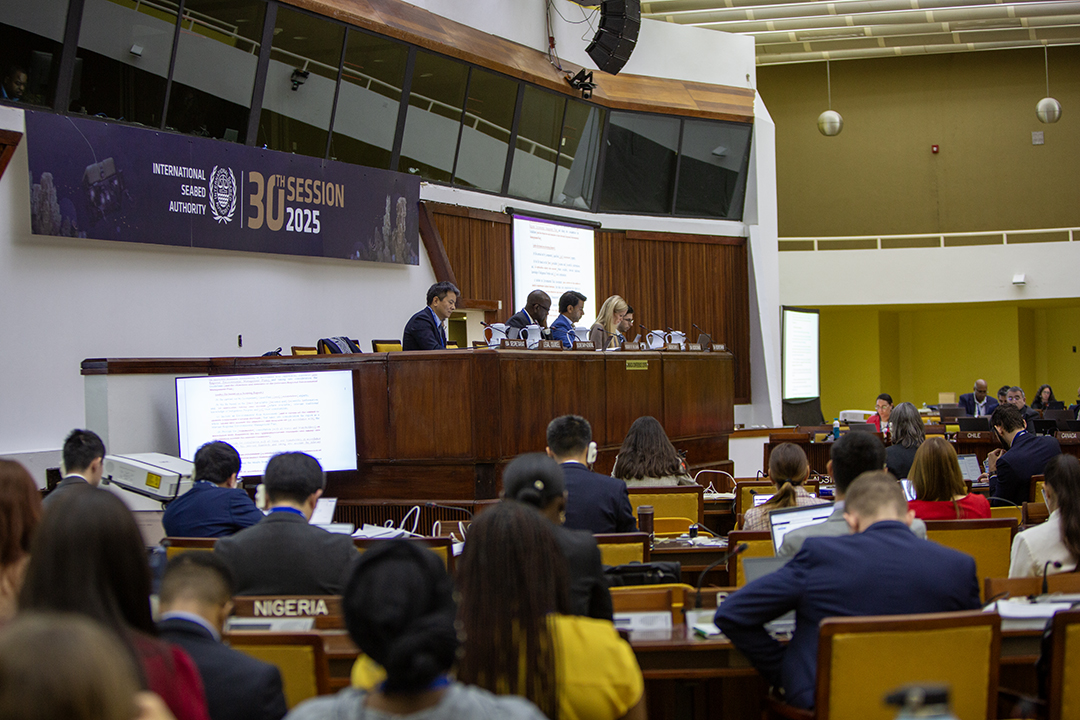
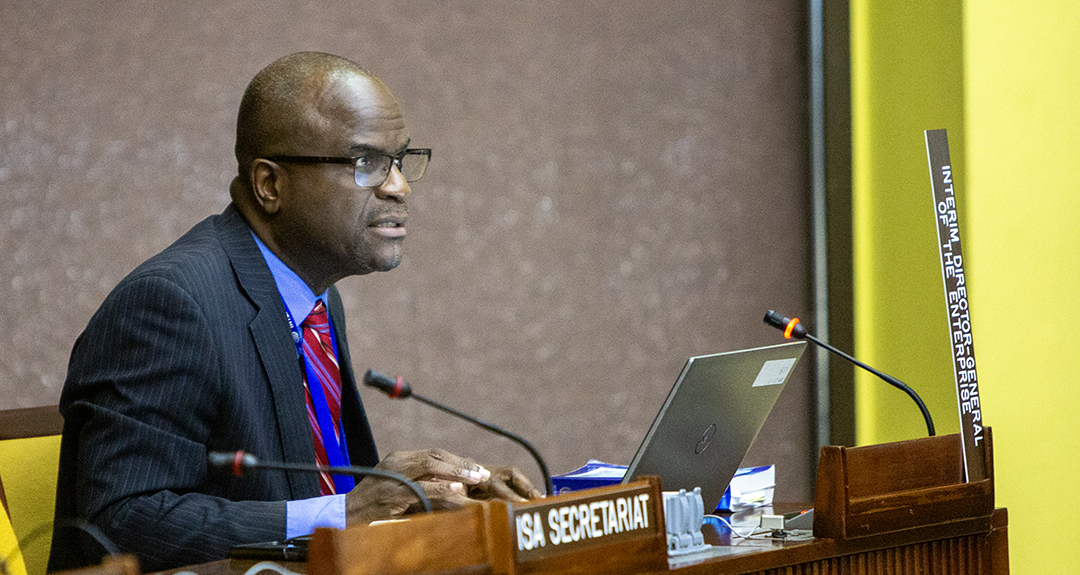
Eden Charles, Interim Director-General of the Enterprise
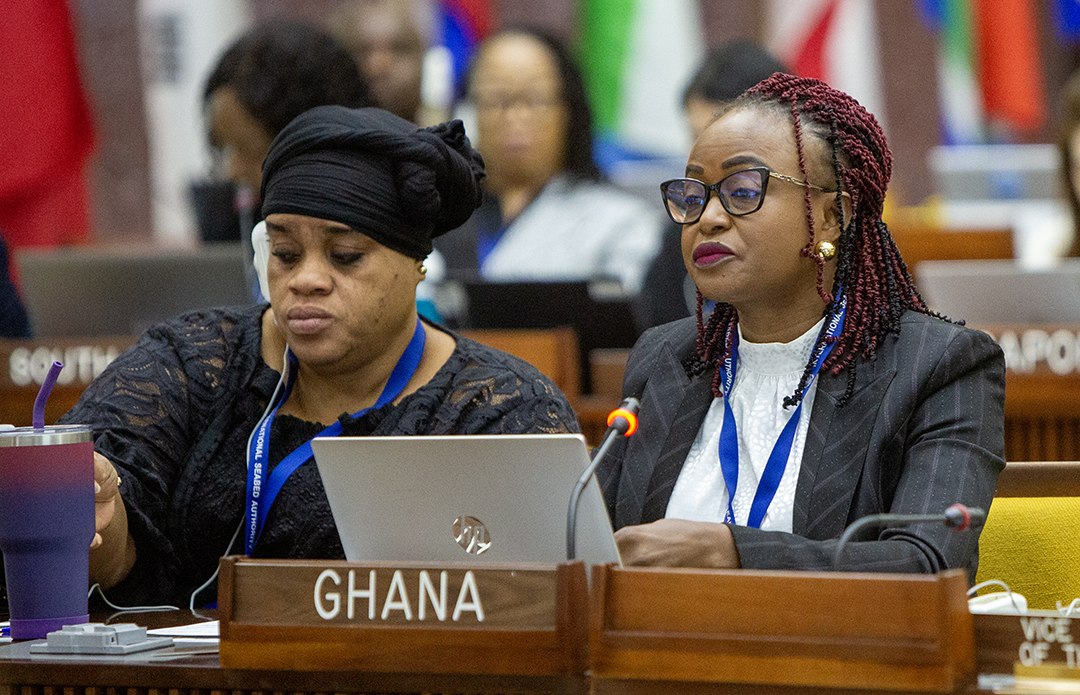
Georgina Nyadia, Ghana
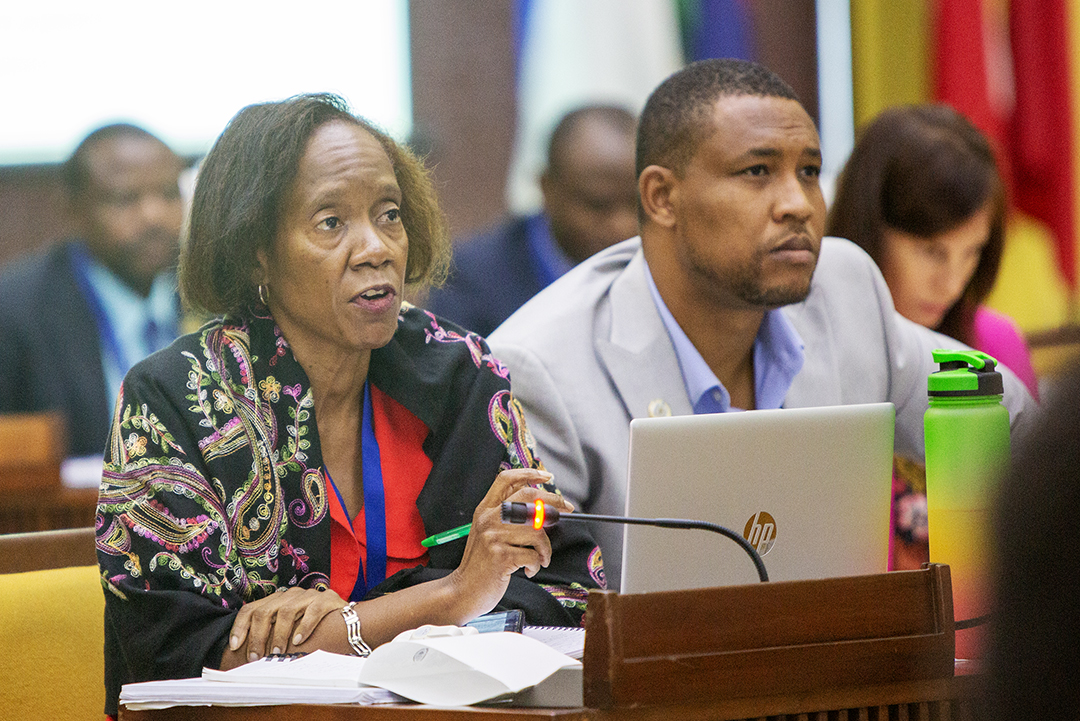
Michelle Walker, Jamaica
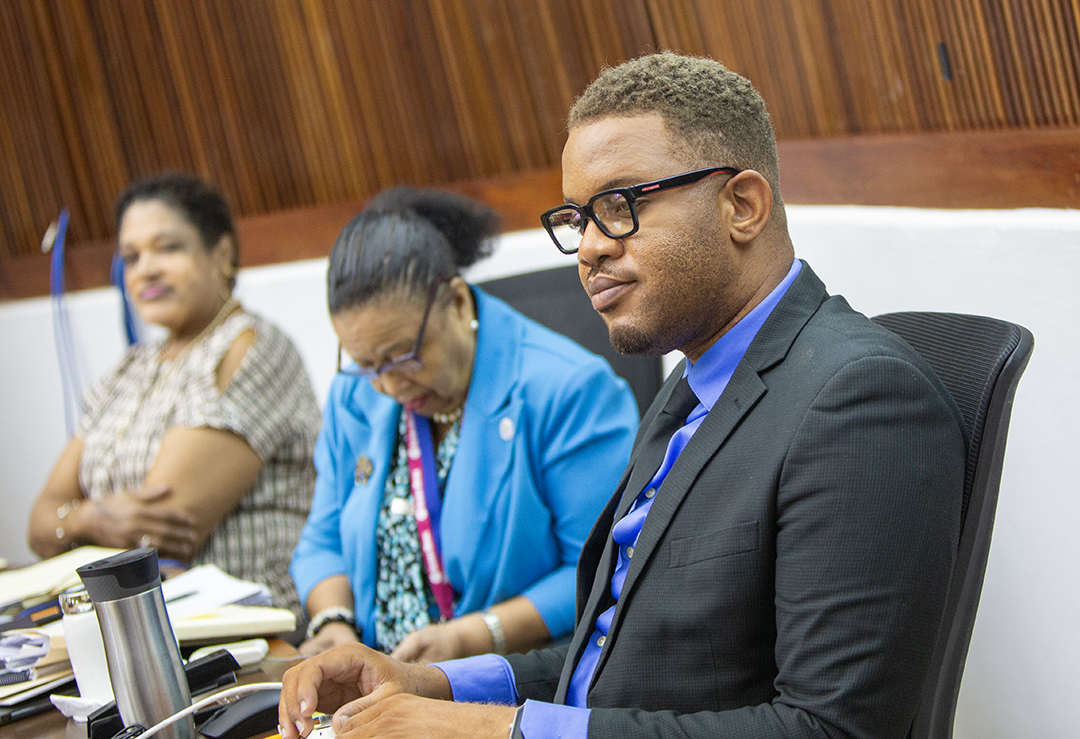
Andre McFarlane, Secretariat of the Authority
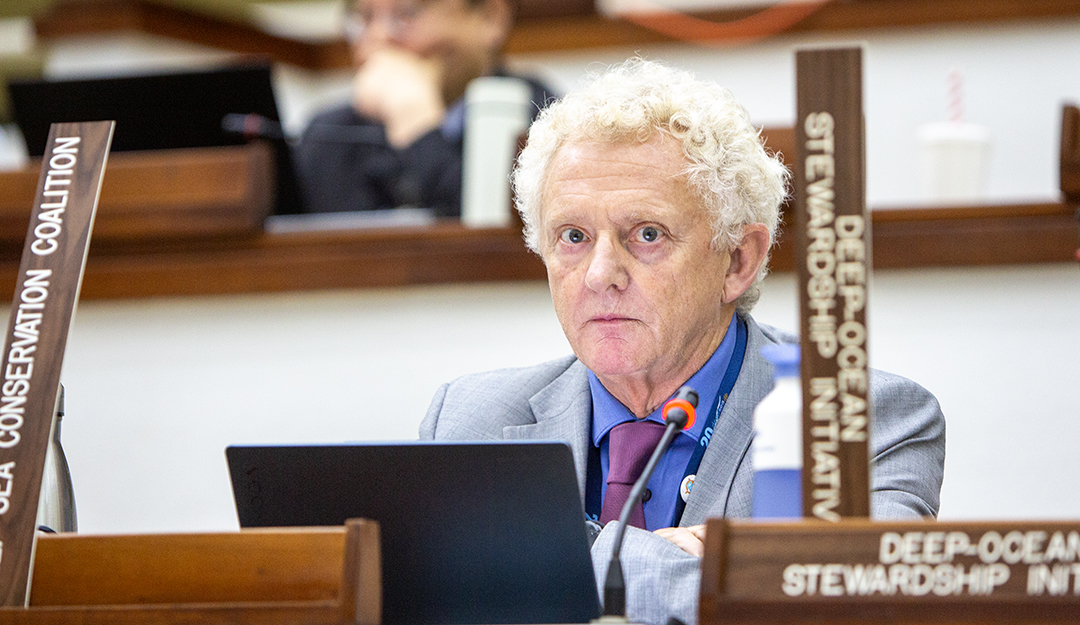
Duncan Currie, Deep Sea Conservation Coalition (DSCC)
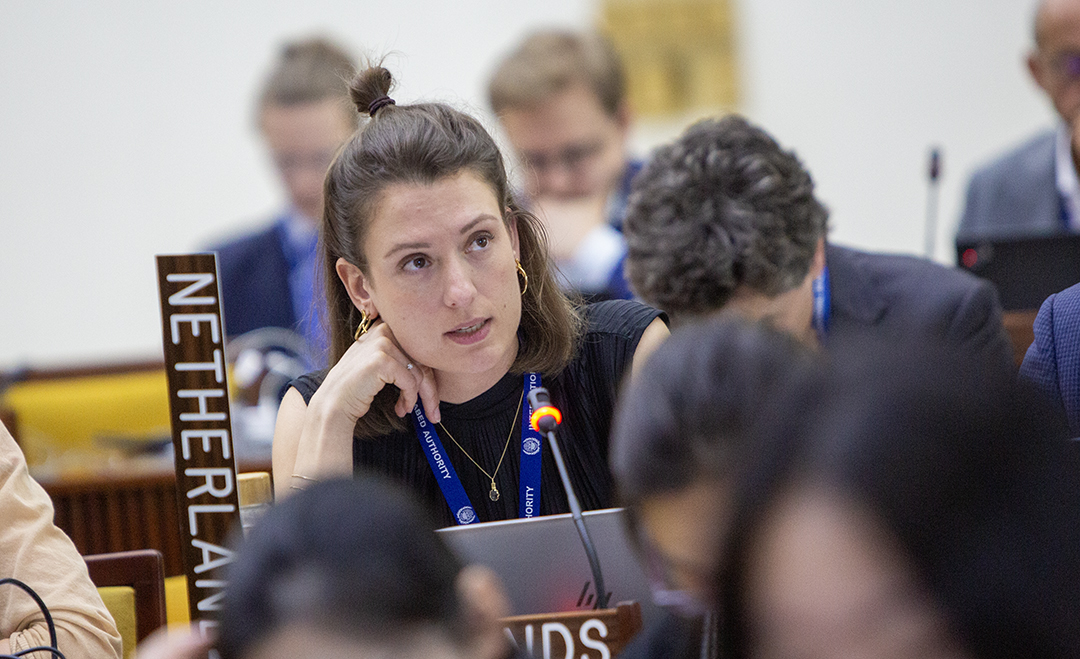
Emma van den Boogaard, the Netherlands
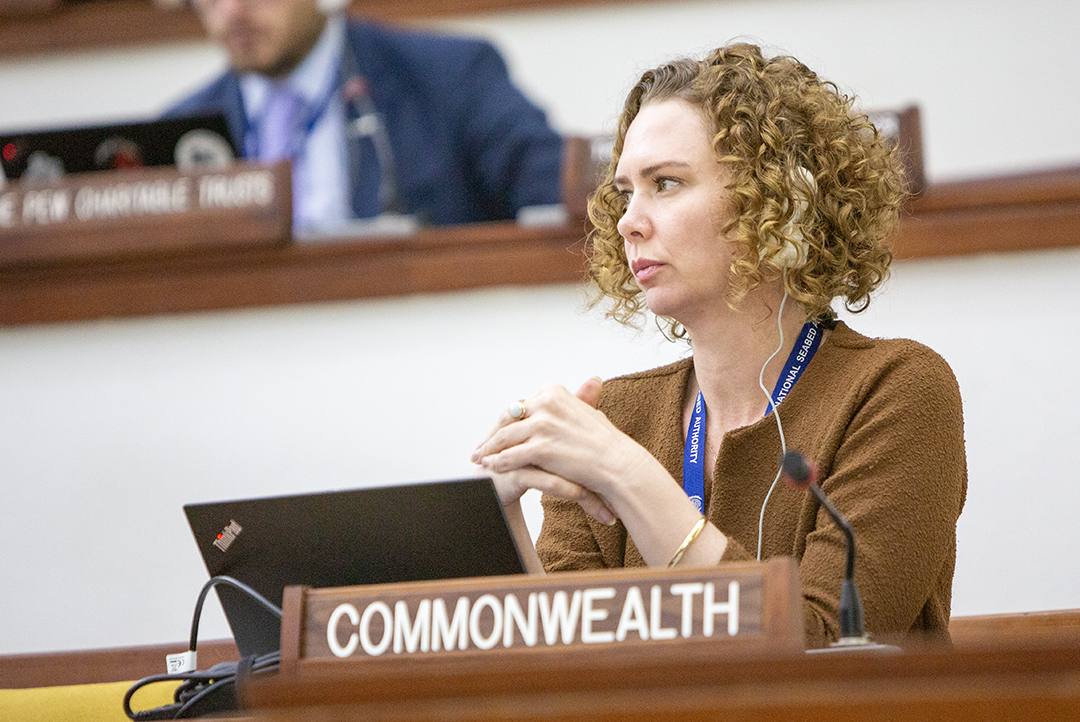
Alison Swaddling, Commonwealth Secretariat
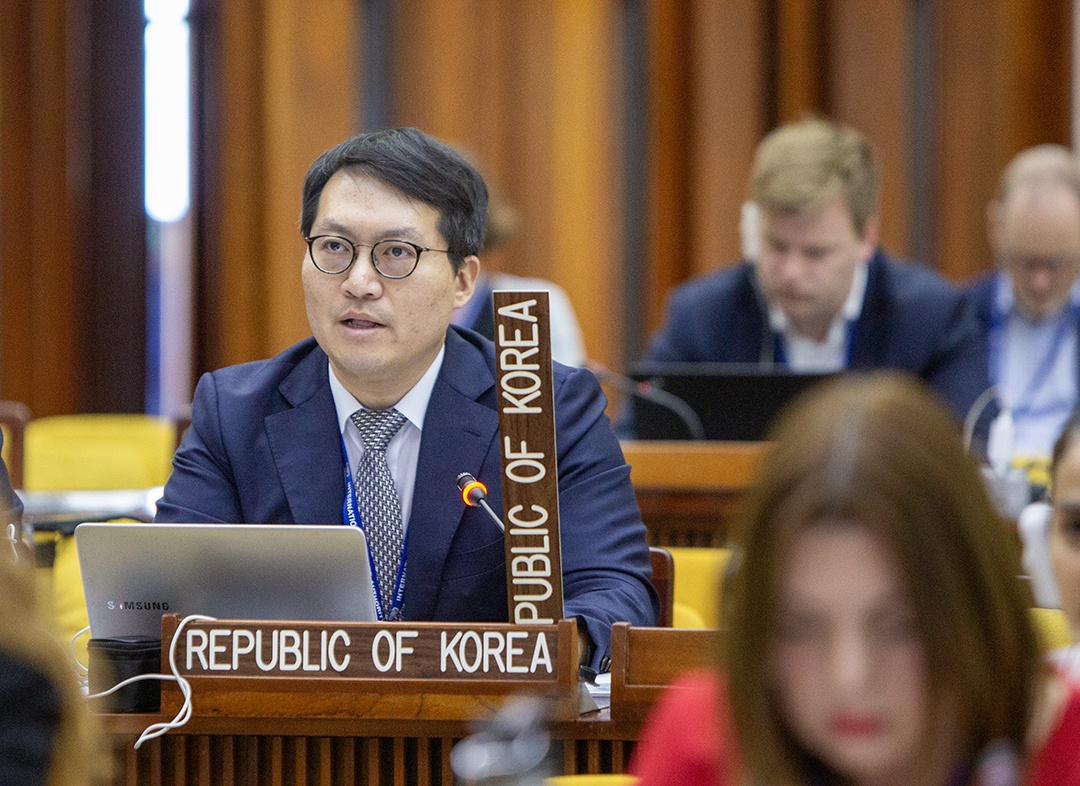
Cho Hoyeun, Republic of Korea
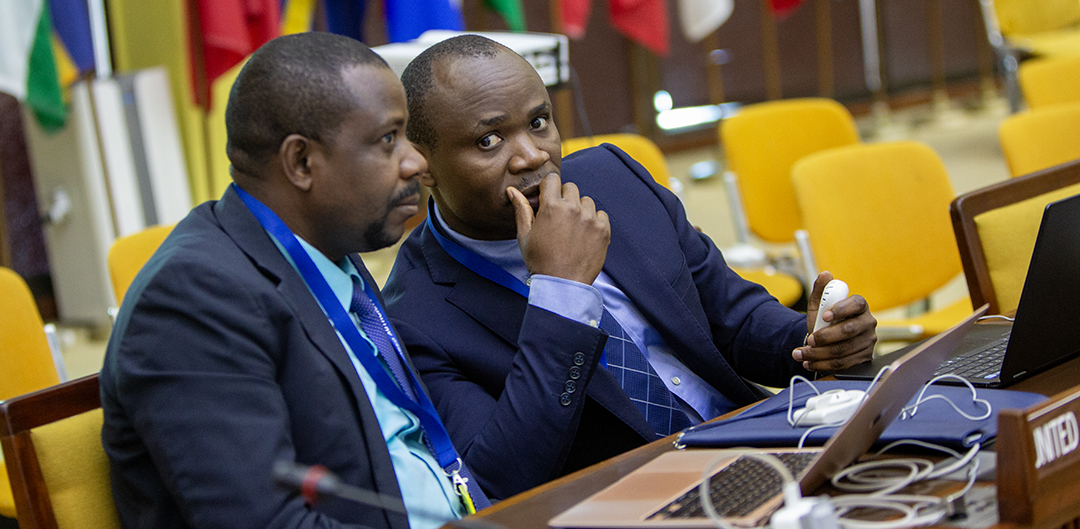
Delegates from Tanzania
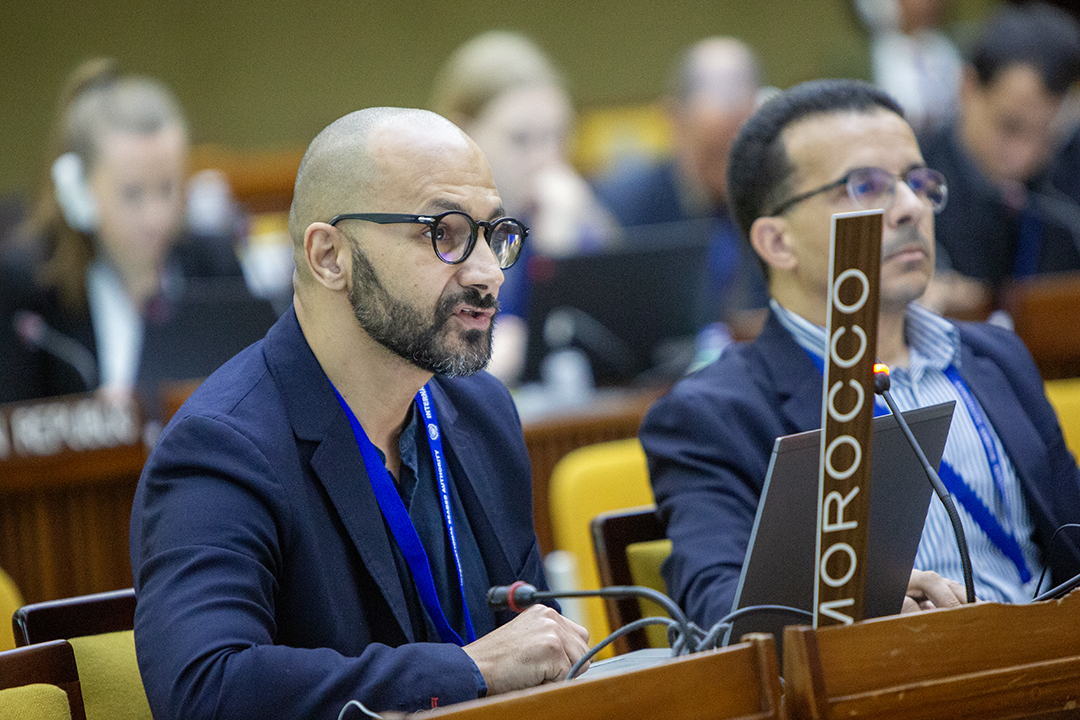
Mohammed Magoua, Morocco
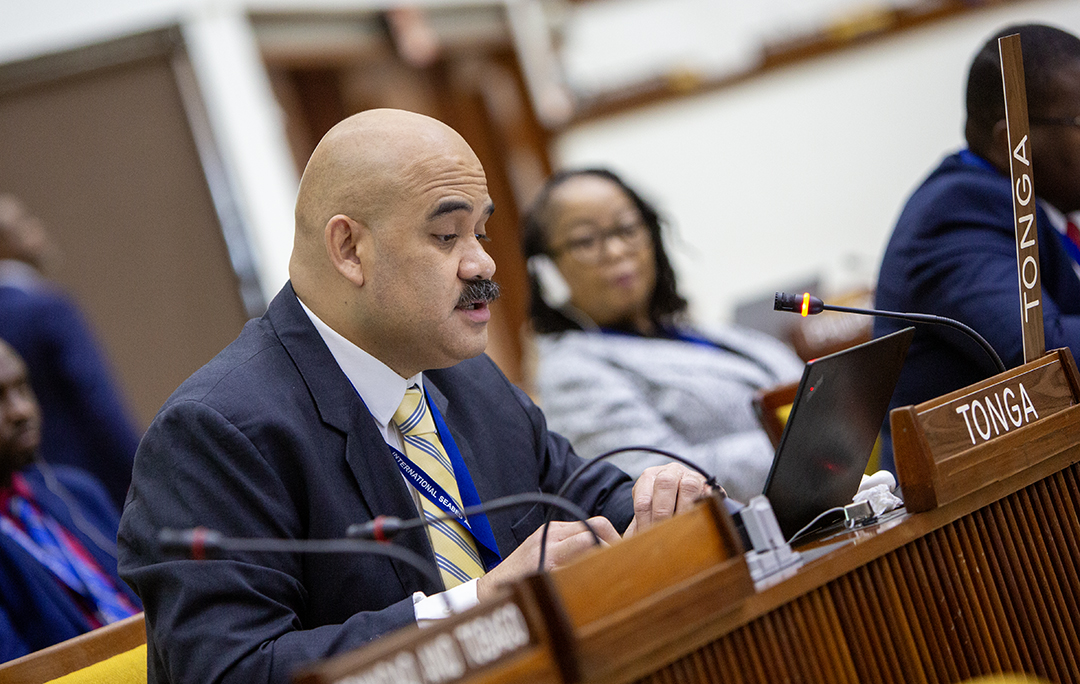
Leonaitasi Kuluni, Tonga
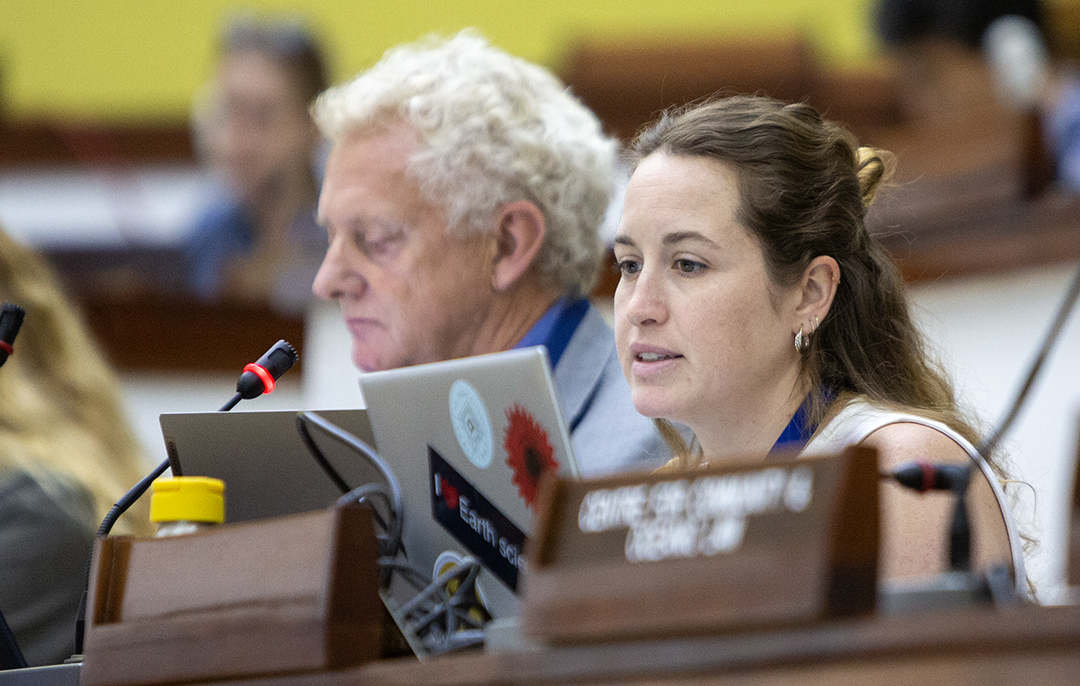
Samantha Robb, Deep Ocean Stewardship Initiative (DOSI)
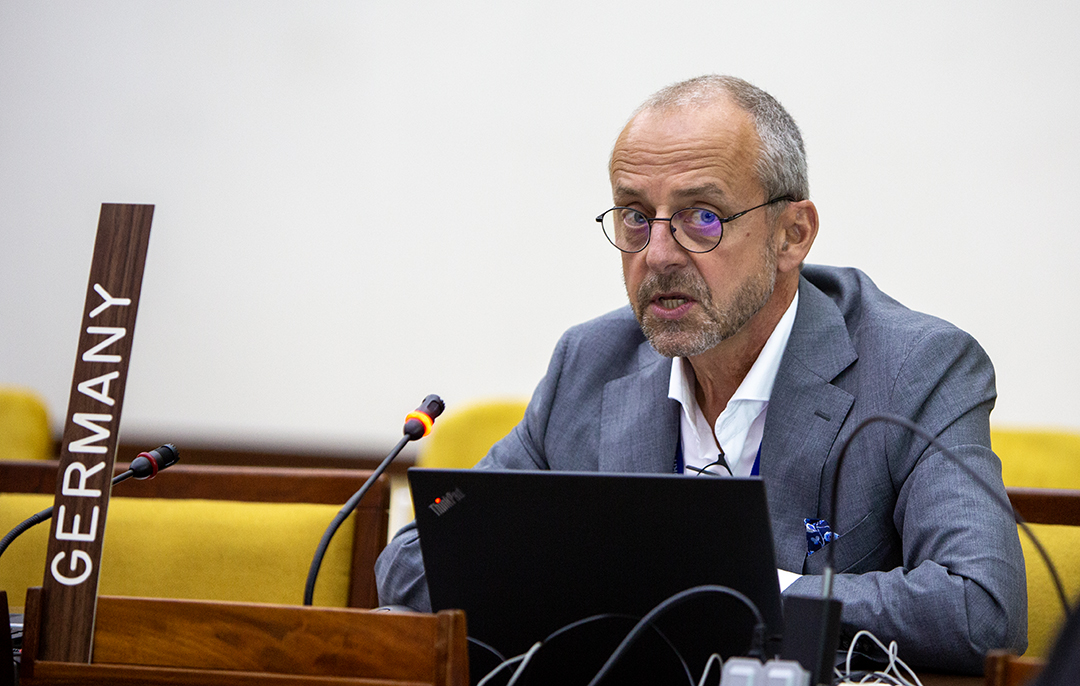
Klaus Lucke, Germany
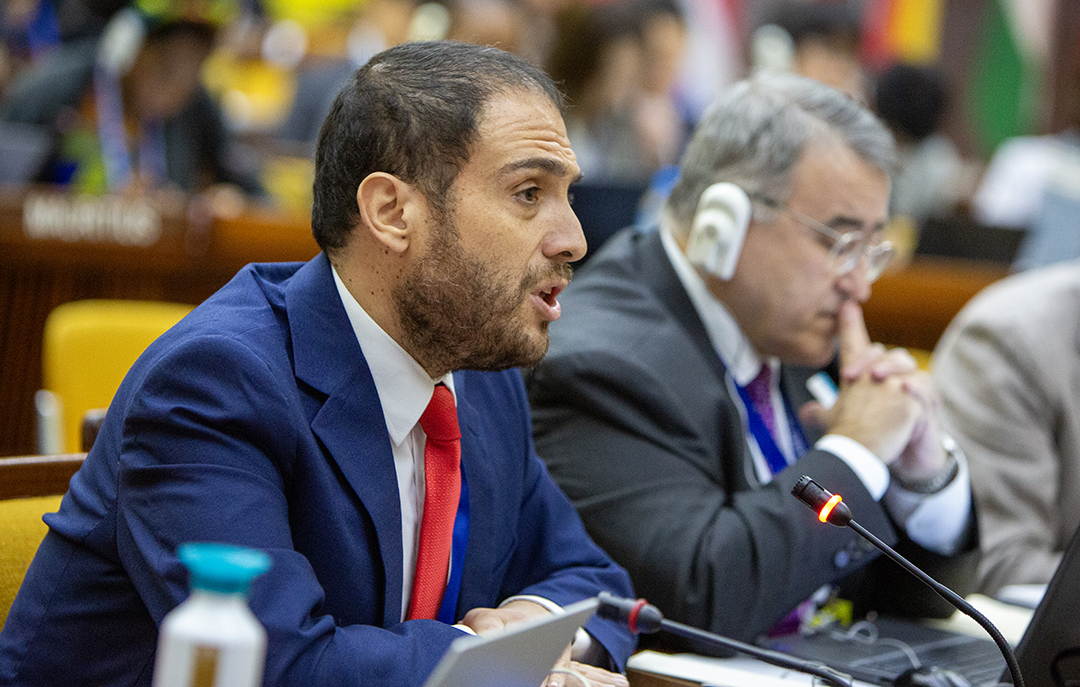
Salvador Vega Telias, Chile
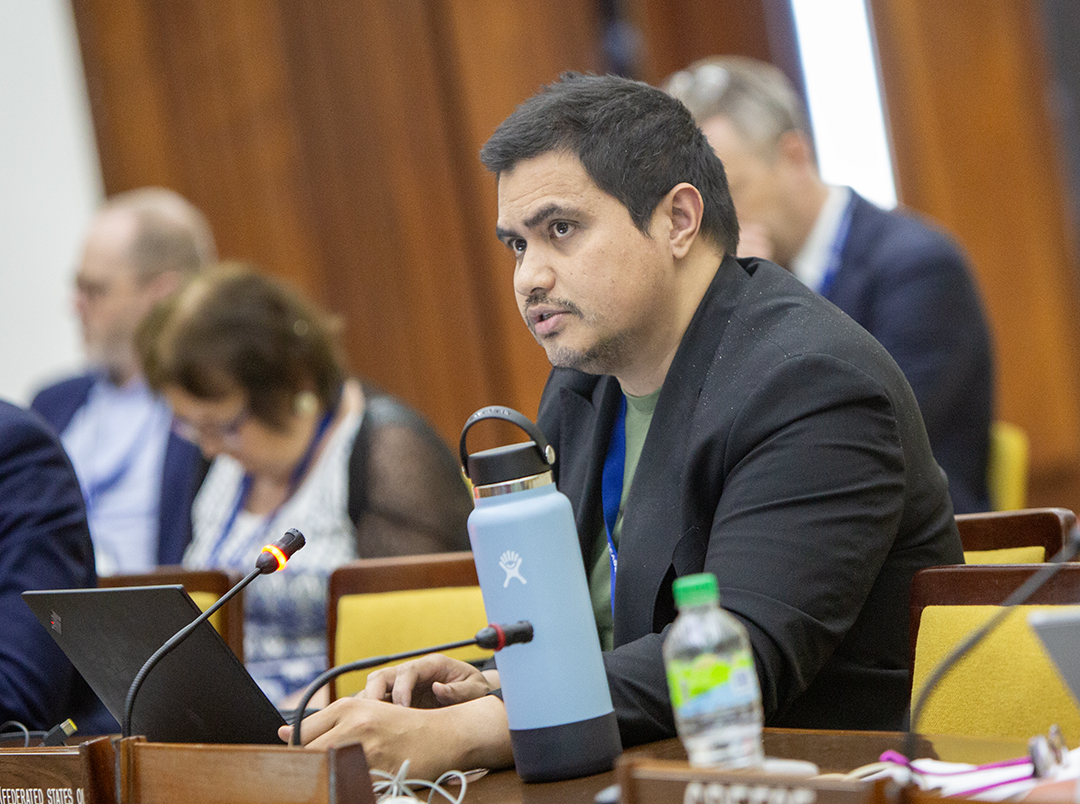
Clement Yow Mulalap, Federated States of Micronesia
Around the Venue
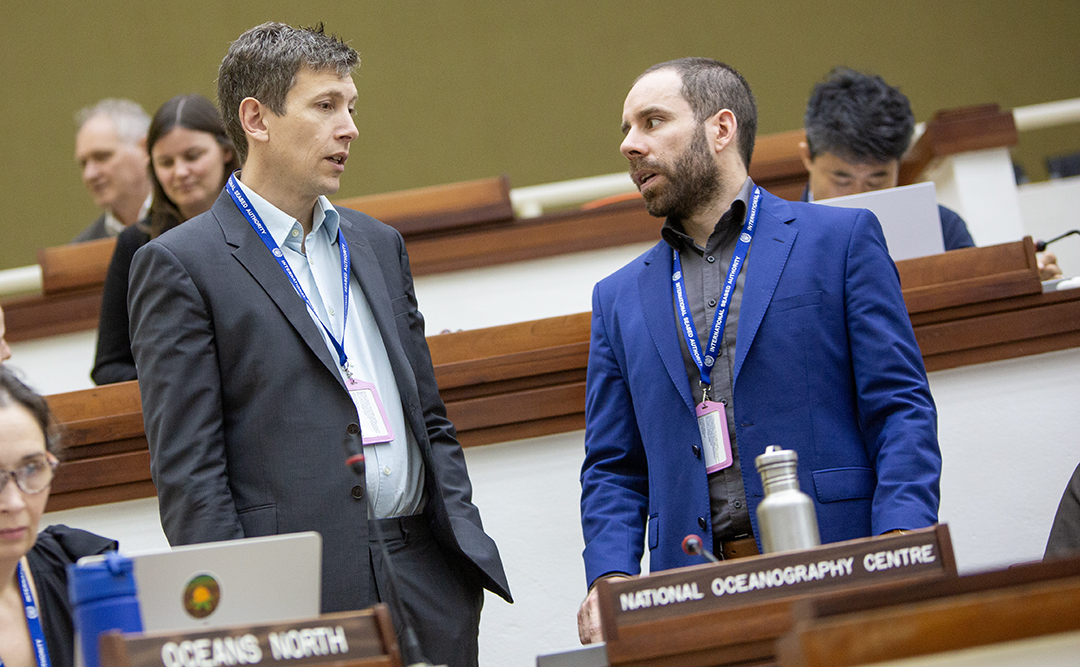
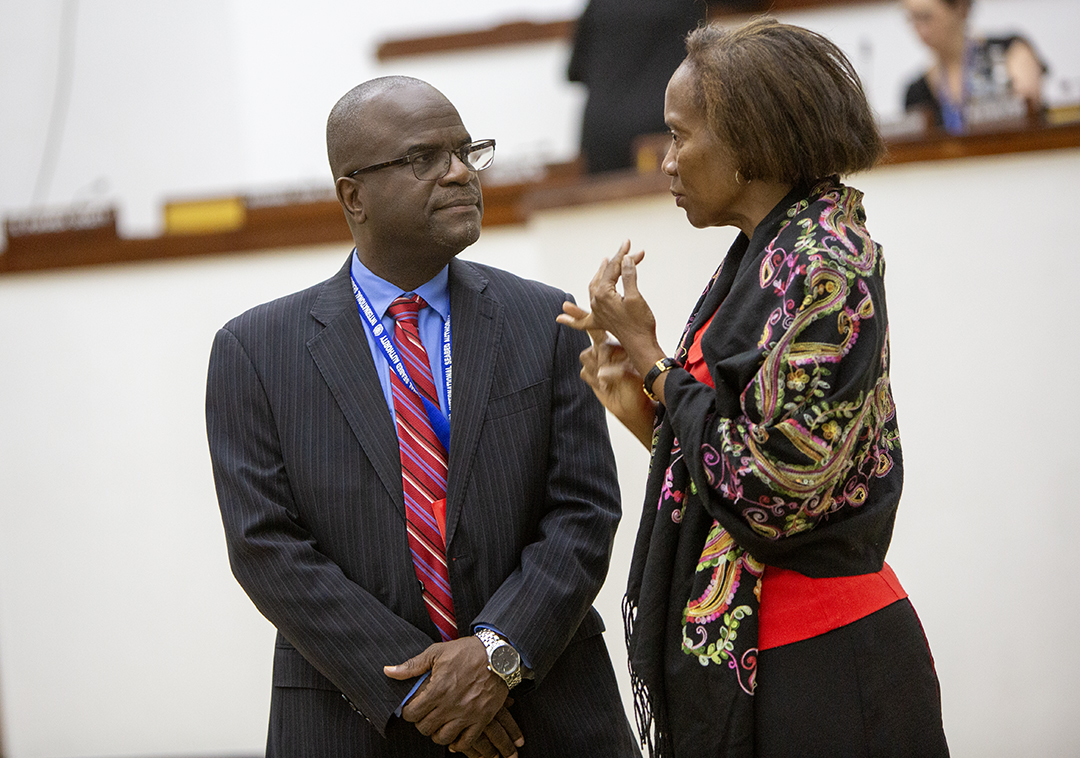

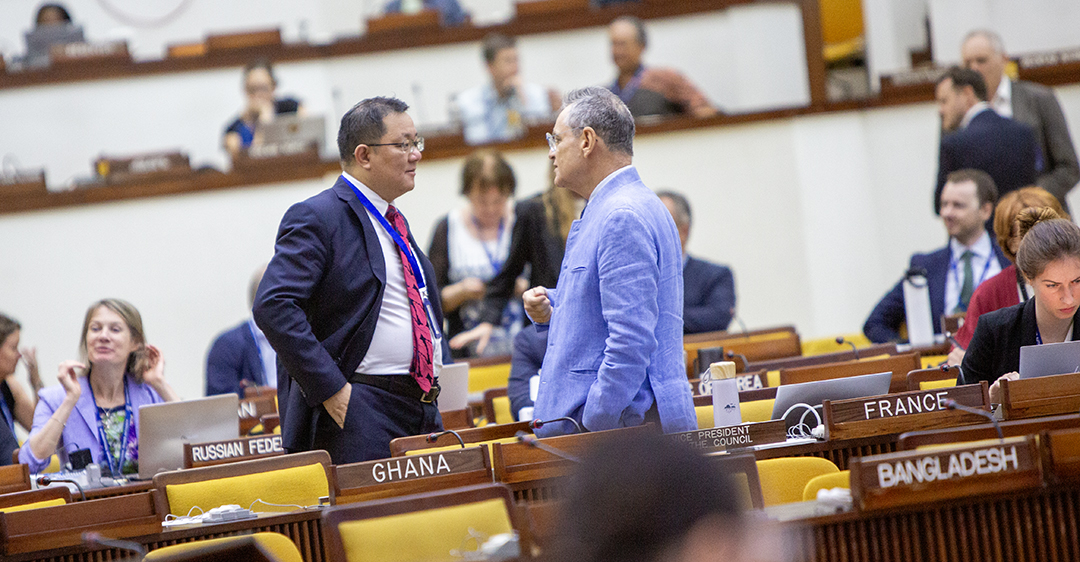
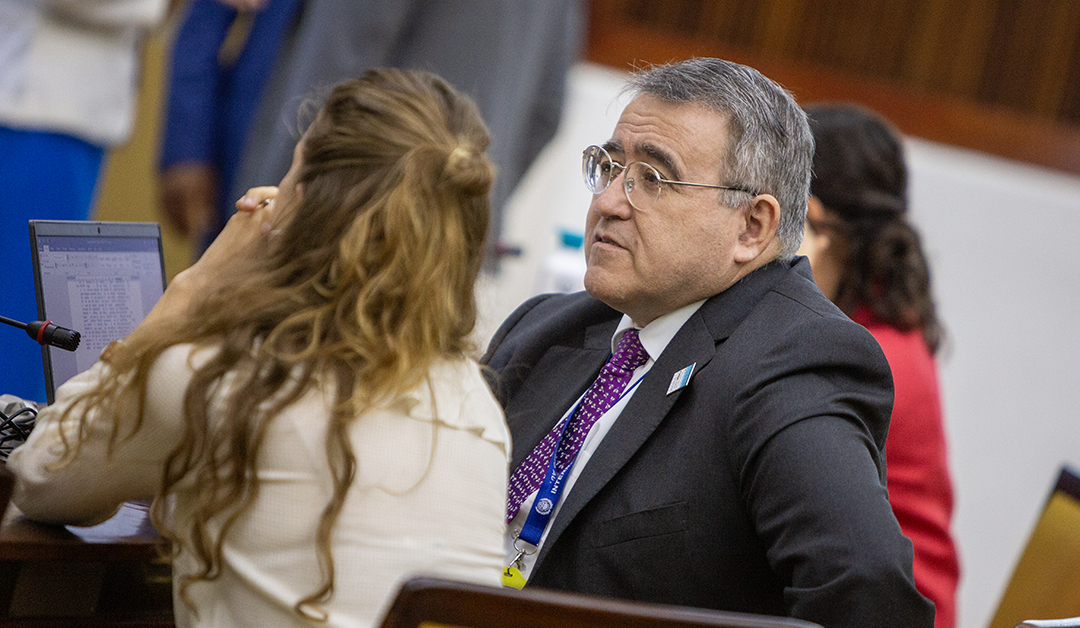
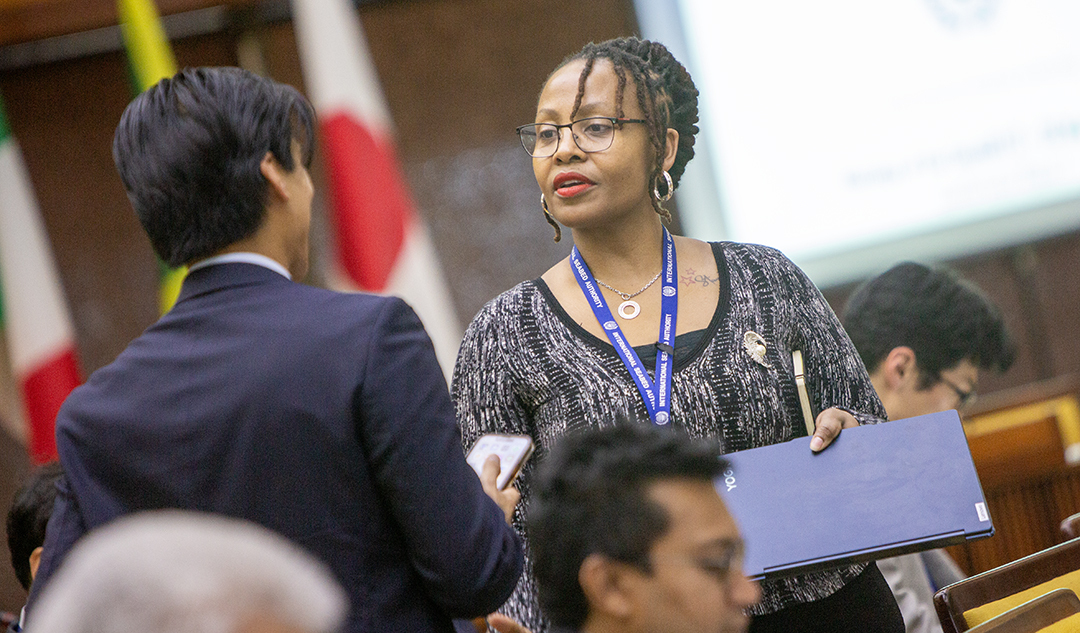
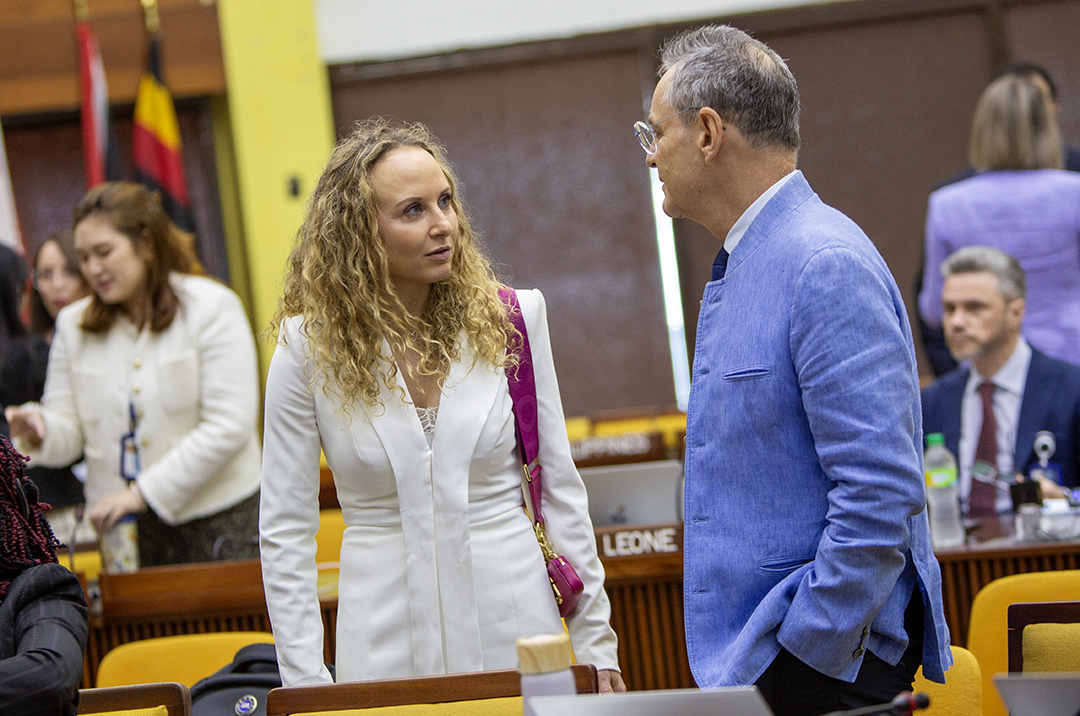
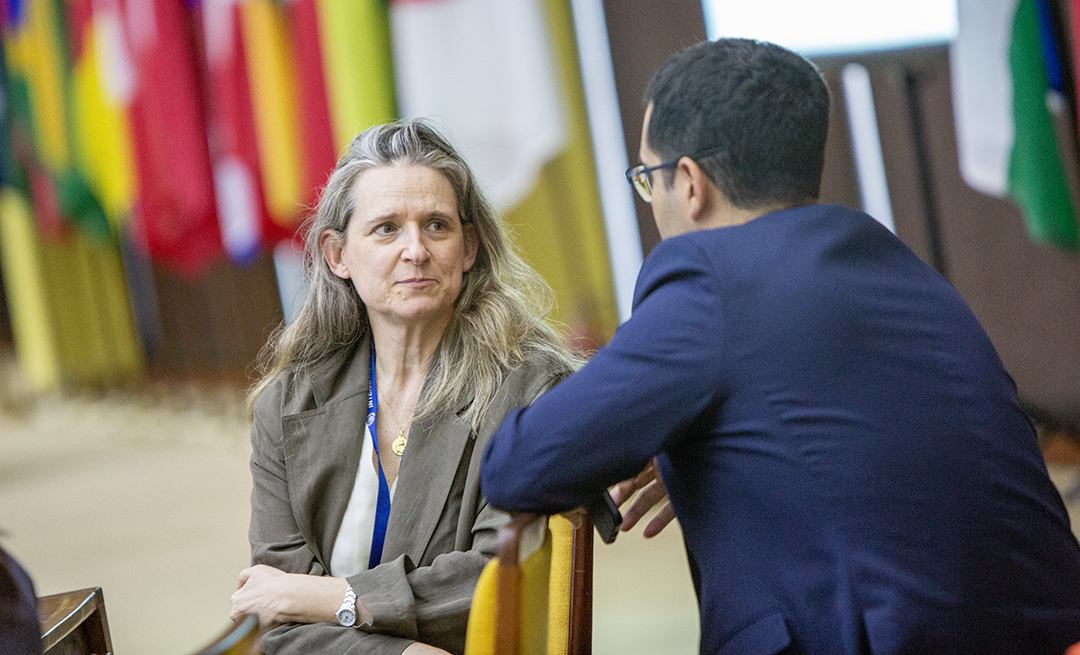
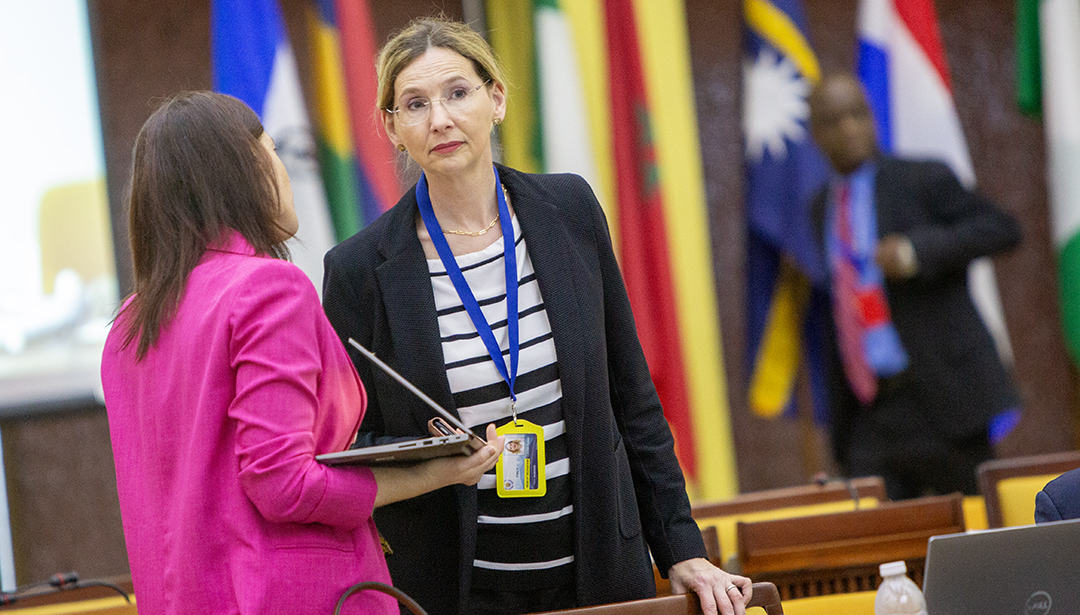
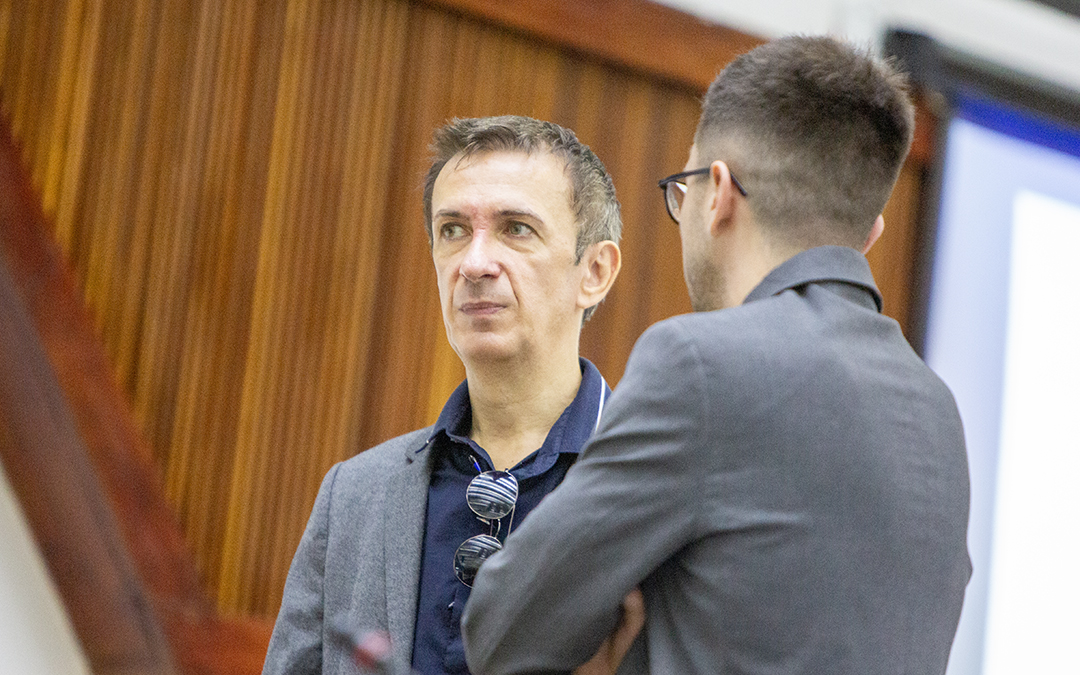
Delegates and observers between sessions
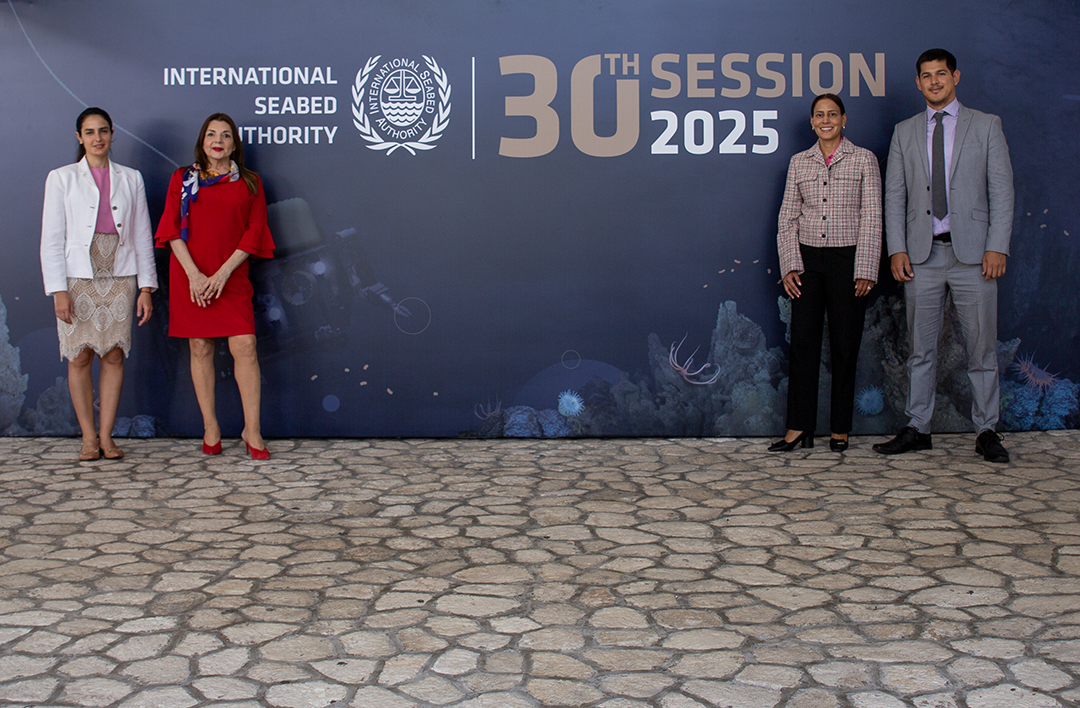
Delegation from Costa Rica
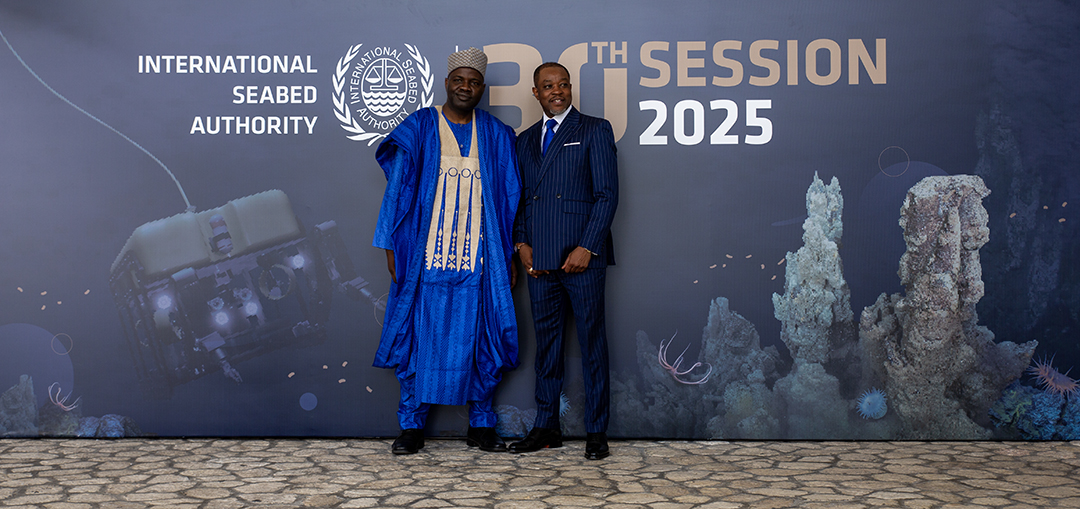
Delegates from Cameroon
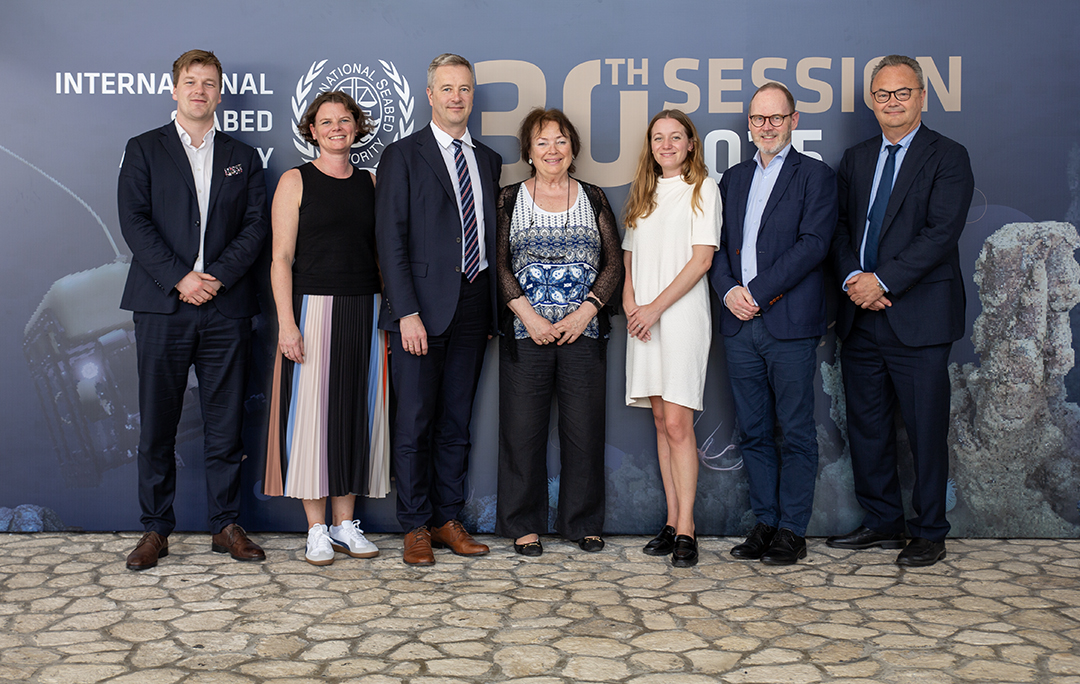
Delegation from Norway
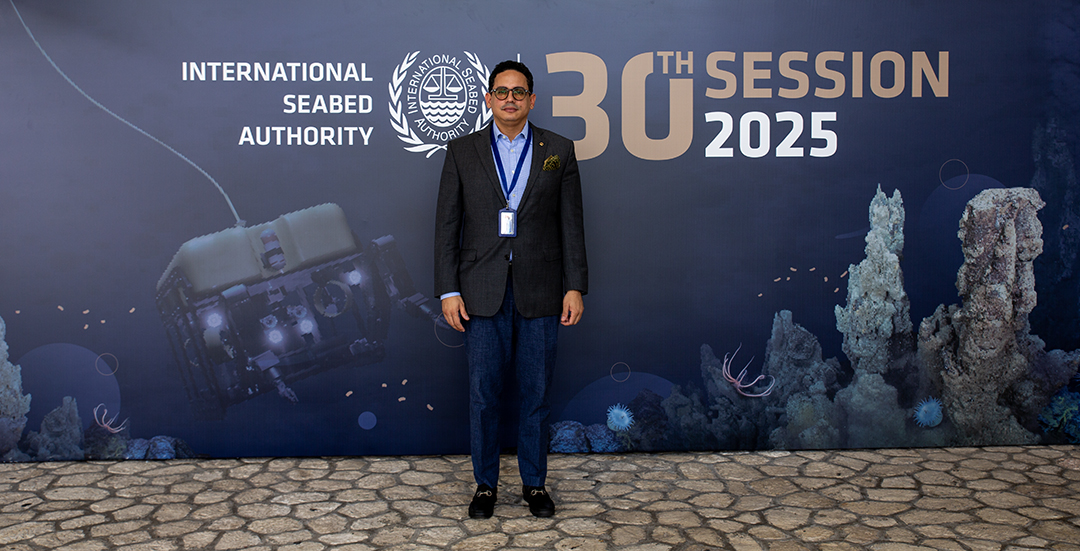
Miguel Balaguer, Dominican Republic
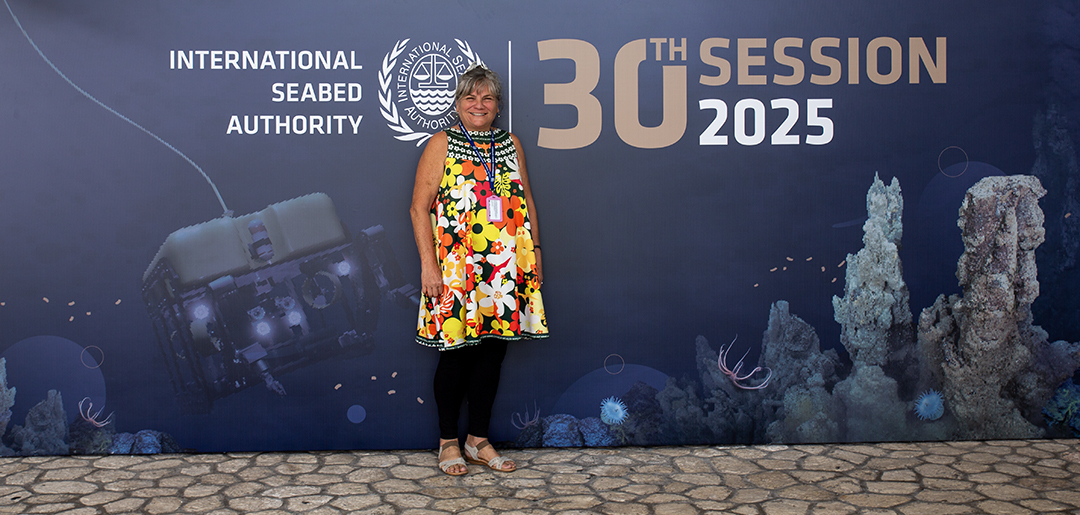
June Hosking, Tetiaroa Society
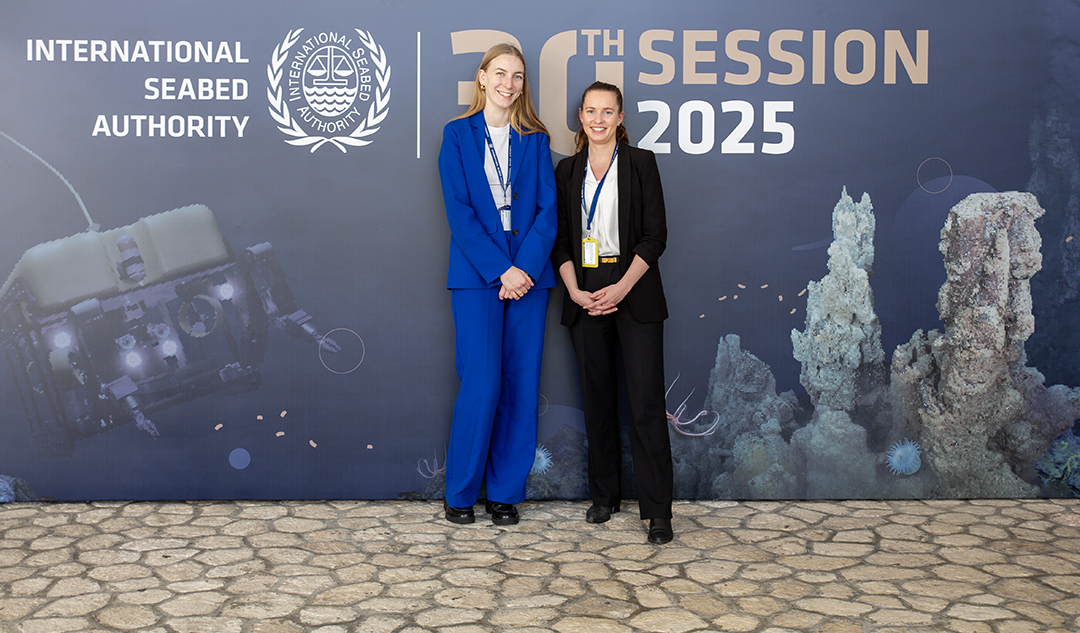
Delegates from Denmark
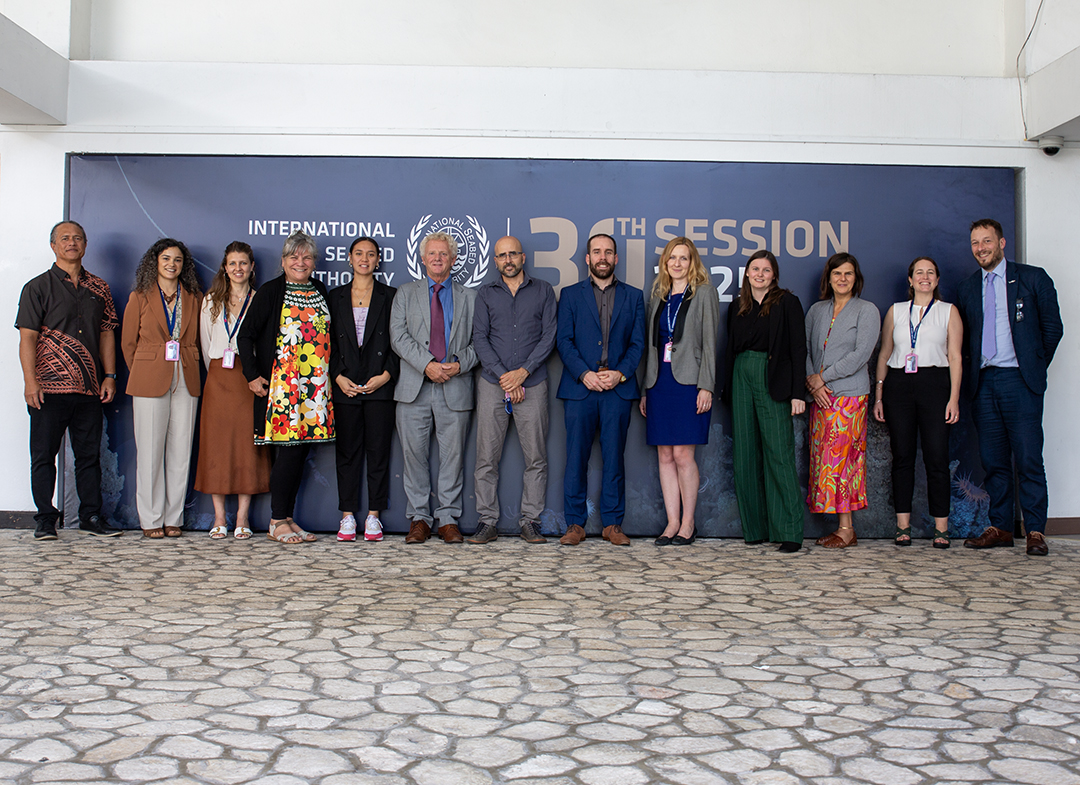
Representatives of observer organizations