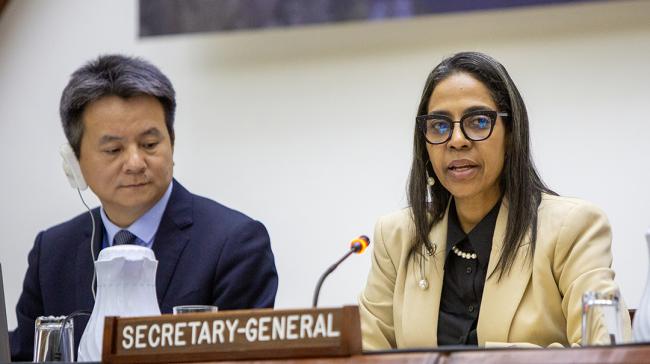
The Legal and Technical Commission (LTC) of the International Seabed Authority (ISA) is a key subsidiary body entrusted with providing recommendations to the Council on, among other things, reviewing applications for plans of work, assessing environmental impacts, and formulating and reviewing the rules, regulations, and procedures relating to activities in the Area (the seabed and ocean floor and subsoil thereof, beyond the limits of national jurisdiction). In that respect, the discussion on the LTC report always attracts increased interest by delegates and observers in ISA sessions.
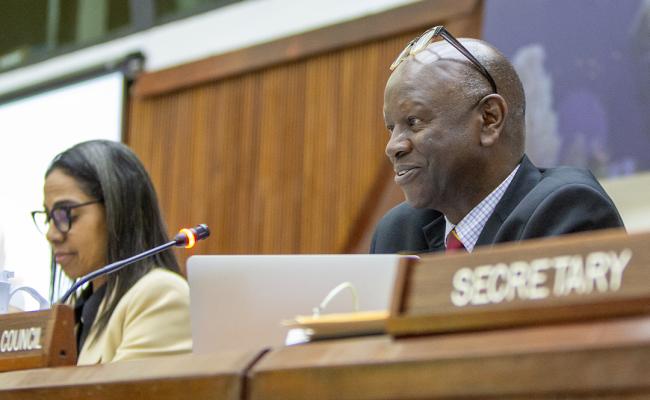
Such a discussion took place in the morning. Council President Duncan Muhumuza Laki (Uganda), introduced the report of the Chair of the LTC on its work during the first part of the 30th ISA session, which preceded the Council’s meeting. Laki highlighted, among other things, the draft revised standardized procedure for the development, establishment, and review of regional environmental management plans (REMPs).
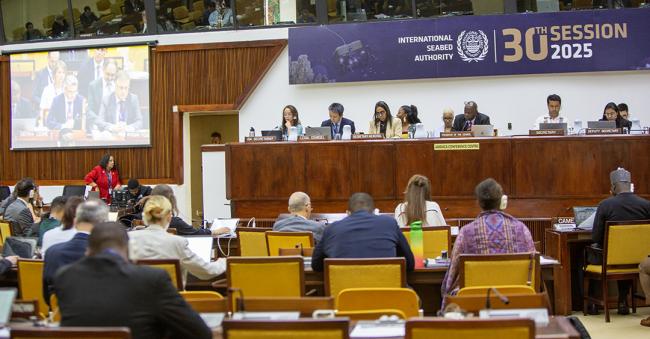
Delegates thanked the LTC Chair and members for their hard work and dedication. Many welcomed progress in the development of environmental threshold values and stressed that the document on the standardized procedure for REMPs offers a good basis for further discussion. Many members underlined that establishing a REMP is a prerequisite for any exploitation activity in the Area.
Delegates also:
- expressed concern over the low attendance recorded in recent LTC meetings;
- stressed the need for the LTC to identify contractors in breach of their contractual obligations;
- reiterated the need for open LTC meetings on non-confidential issues; and
- emphasized the role of capacity building, including training opportunities.
Observers underscored that when developing environmental threshold values, the LTC should consider the potential synergistic and/or cumulative effects of impacts and set the thresholds at stringent and precautious levels, which can then be reviewed as scientific knowledge increases over time. They also urged the Council to initiate a review of the environmental impact assessment process, underscoring that the current procedures are not fit for purpose to comply with Article 145 (Protection of the marine environment) of the UN Convention on the Law of the Sea (UNCLOS).
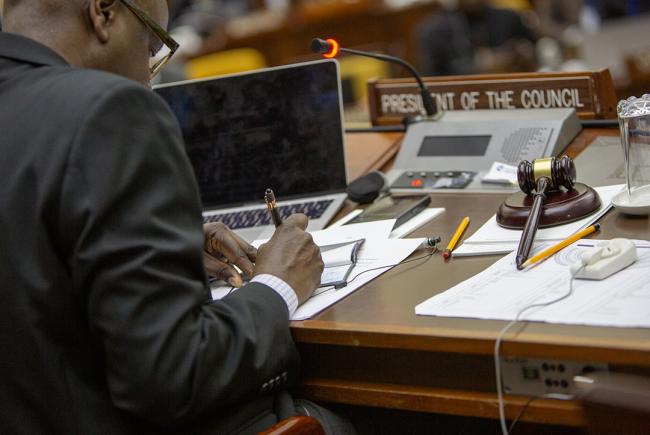
In the afternoon, President Laki suggested establishing informal, volunteer-facilitated arrangements, named “Friends of the President,” to support further intersessional discussions on specific draft regulations and topics. He stressed that their role would be to coordinate discussions and propose text for inclusion in the draft consolidated text for the second part of the 30th session in July 2025.
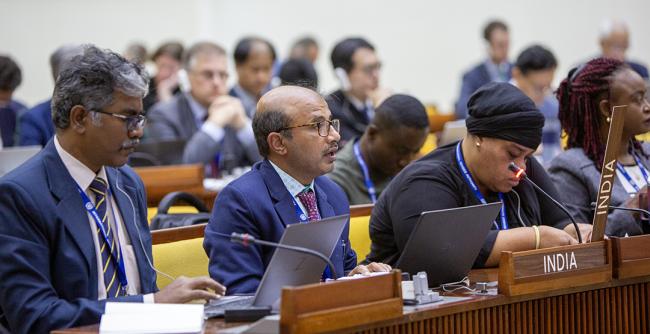
Delegates expressed general support for the proposal, noting it will assist in advancing discussions. They stressed the need for transparency and inclusivity. Many delegates suggested presenting the proposal in writing to clarify the details and allow for further review and analysis. Many suggested clarifying the relationship between the envisaged intersessional groups and the ongoing informal and intersessional working groups.
Delegates also held a high-level discussion on standards and guidelines to support the implementation of the draft exploitation regulations. Delegates reiterated their overall agreement that standards will be mandatory and legally binding, while guidelines will serve as recommendations.
The development of standards and guidelines is structured around three phases:
- Phase 1: those deemed necessary to be in place by the time of adoption of the draft exploitation regulations;
- Phase 2: those deemed necessary to be in place before the receipt of an application of a plan of work for exploitation; and
- Phase 3: those deemed necessary to be in place before commercial mining activities commence.
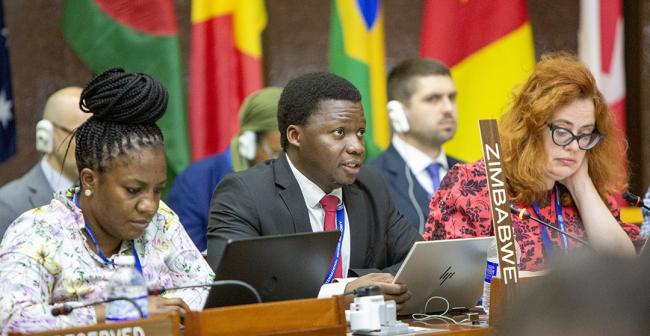
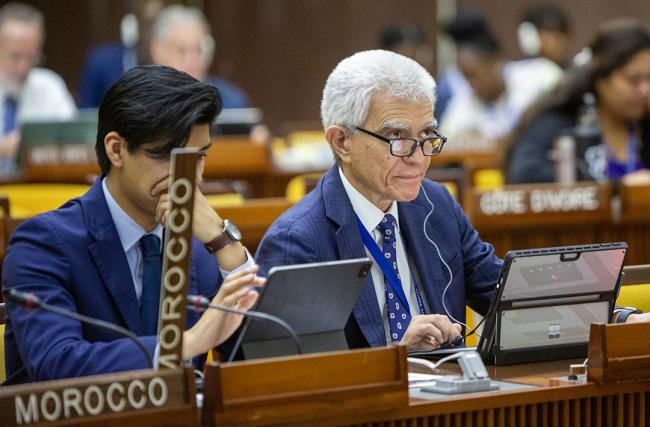
During the discussion, delegates expressed a diverse range of views on the matter, focusing on, among other things, the need to:
- develop the standards and guidelines in a coordinated manner with the ongoing negotiations on the draft regulations;
- prioritize and agree on working procedures for the development and adoption of standards and guidelines;
- provide the LTC with clear timelines for concluding standards and guidelines under each phase;
- identify criteria for defining what should be covered under the regulations and what should be addressed in a standard or guideline;
- support the LTC’s work on preparing, developing, and updating the standards and guidelines; and
- ensure a clear procedure for stakeholder consultation.
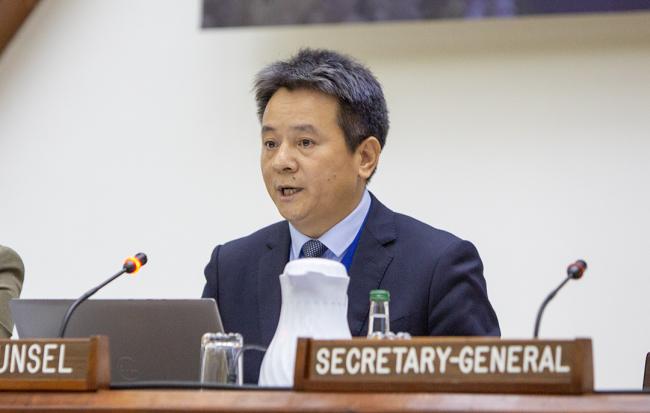
Throughout the day, Council members further:
- took note of the report on the status of the contracts for exploration and periodic reviews of the implementation of plans of work for exploration; and
- addressed draft exploitation regulations 50 (environmental management and monitoring plan), 50 bis (reporting on environmental management and monitoring plan), 50 ter (environmental management system), 51 (compliance with the environmental management and monitoring plan), and 52 (performance assessments of the environmental management and monitoring plan).

To receive free coverage of global environmental events delivered to your inbox, subscribe to the ENB Update newsletter.
All ENB photos are free to use with attribution. For the 1st Part of the 30th Annual Session of the International Seabed Authority, please use: Photo by IISD/ENB | Angeles Estrada Vigil
Selected Images
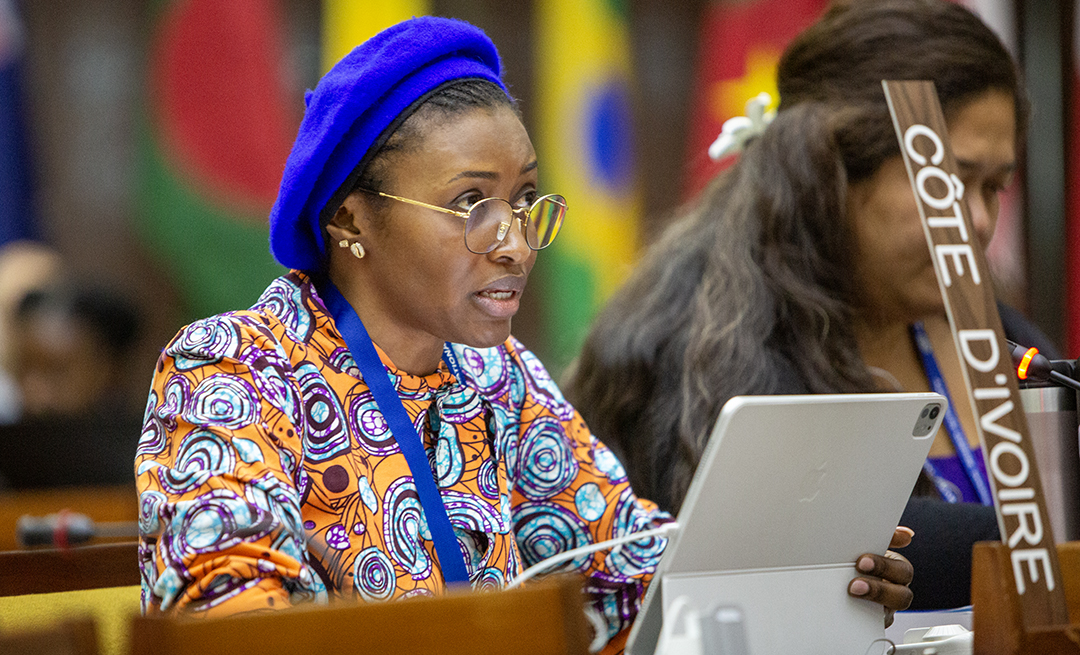
Horokia Coulibaly, Côte d'Ivoire
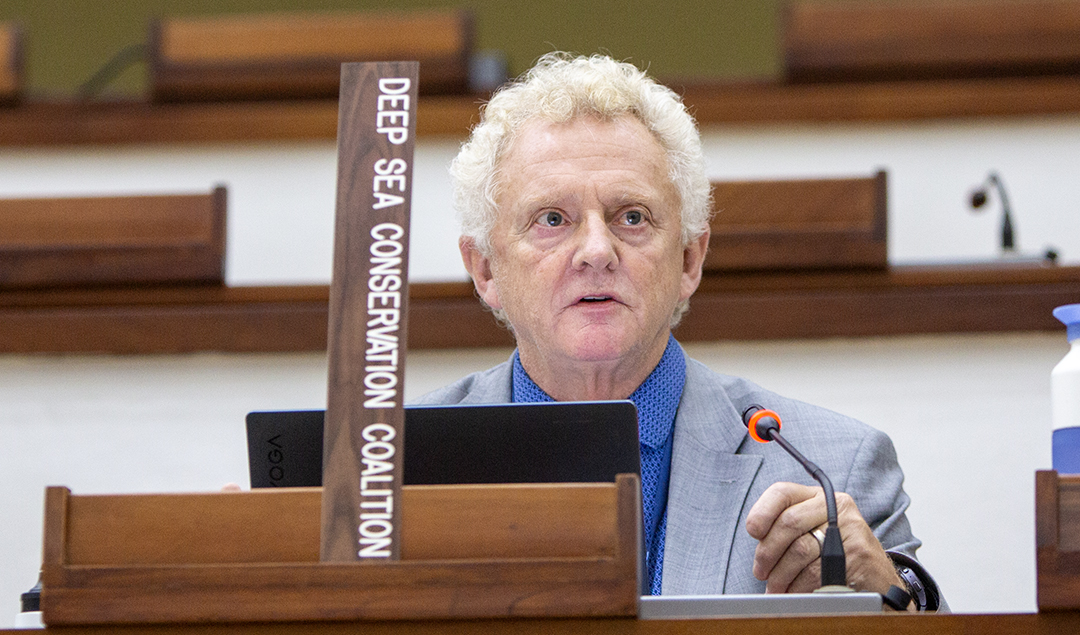
Duncan Currie, Deep Sea Conservation Coalition (DSCC)
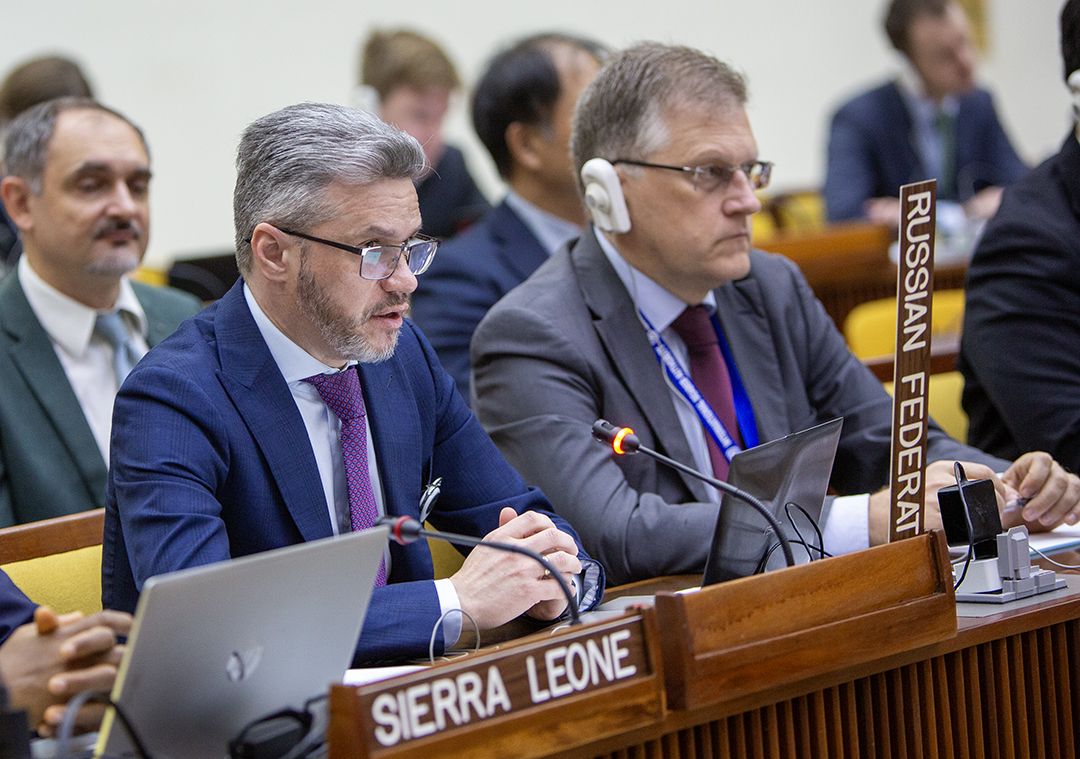
Maksim Kirzhimanov, Russian Federation
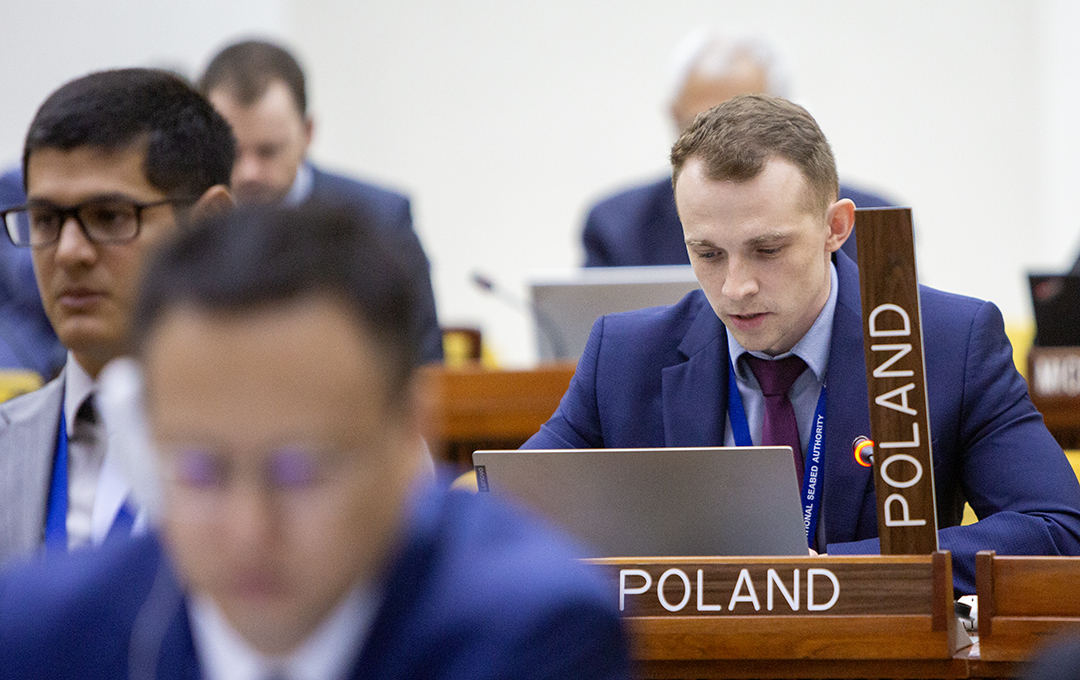
Bartosz Jasiński, Poland
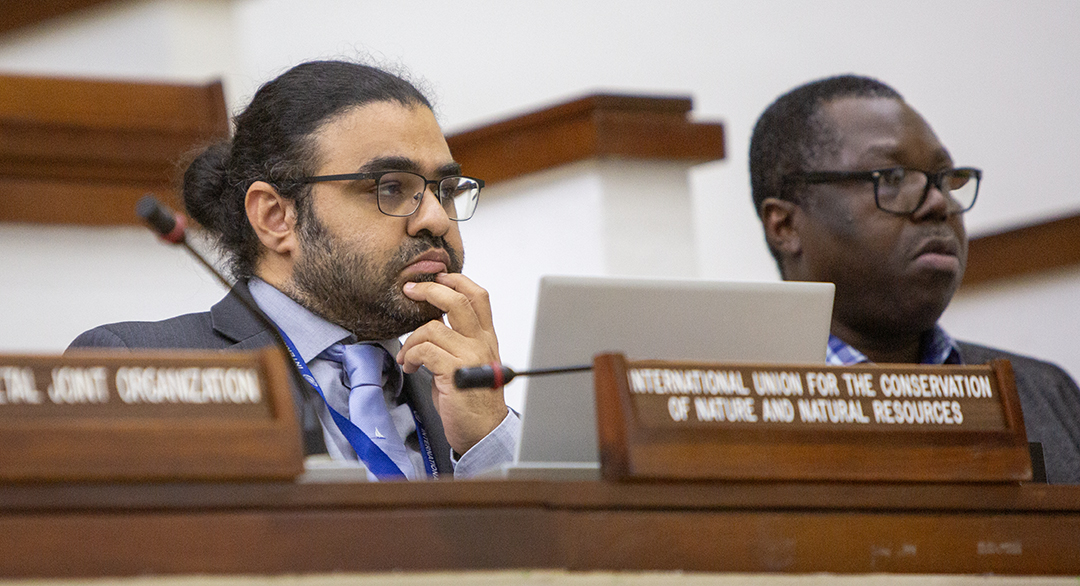
Pradeep Singh, Oceano Azul Foundation
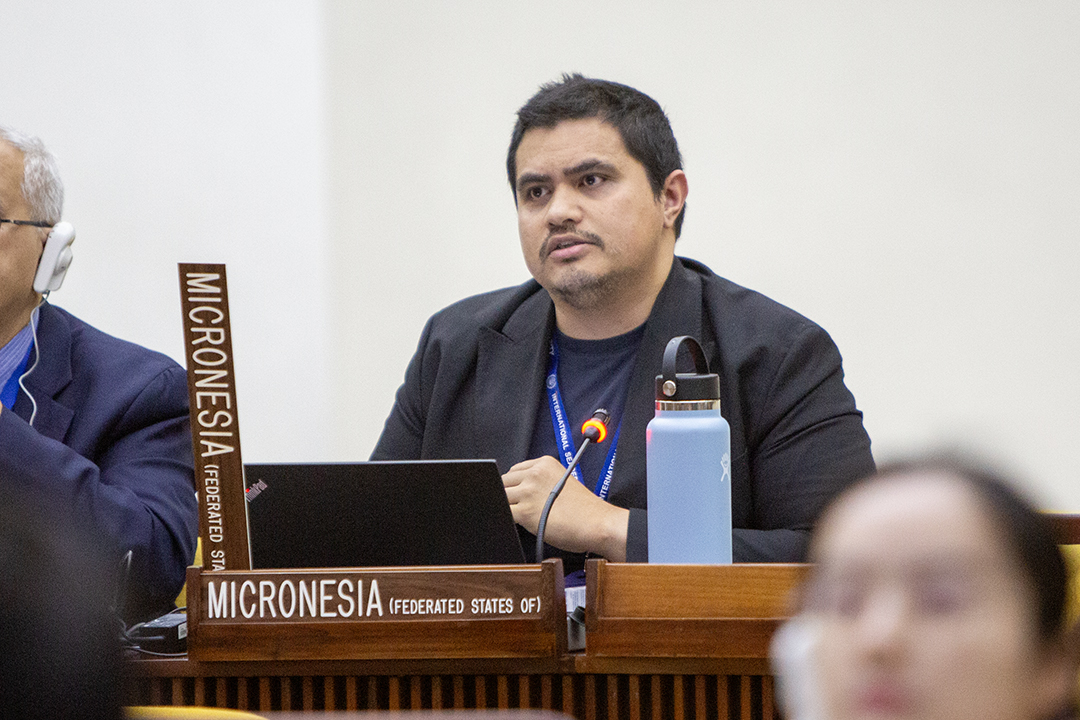
Clement Yow Mulalap, Federated States of Micronesia
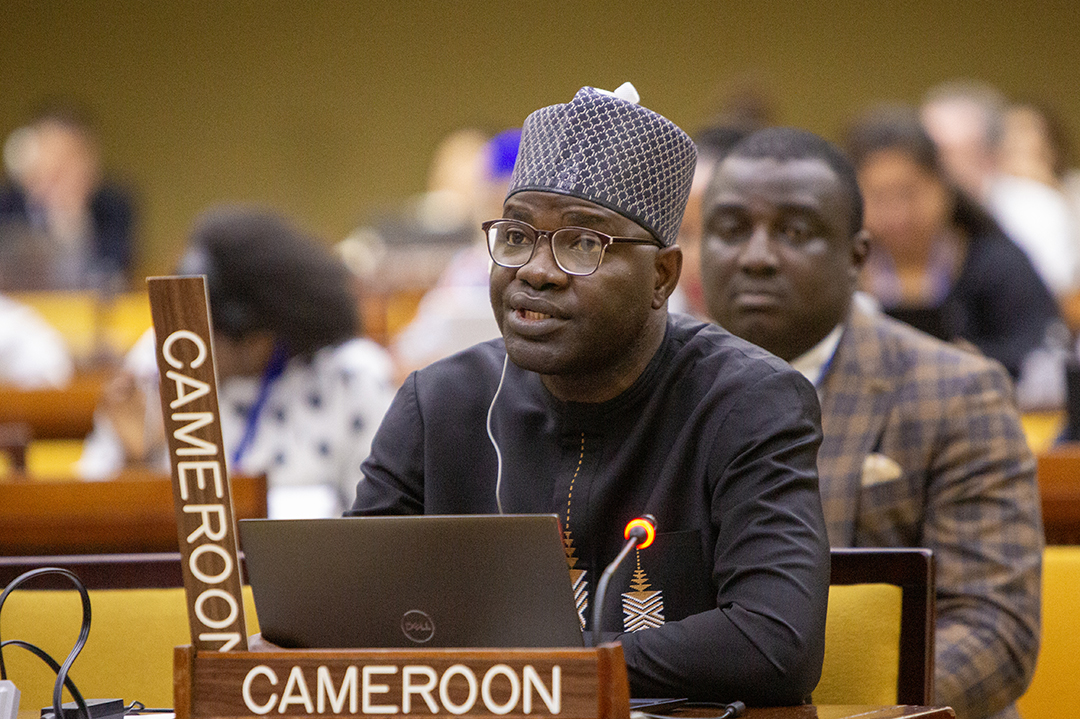
Ahidjo, Cameroon
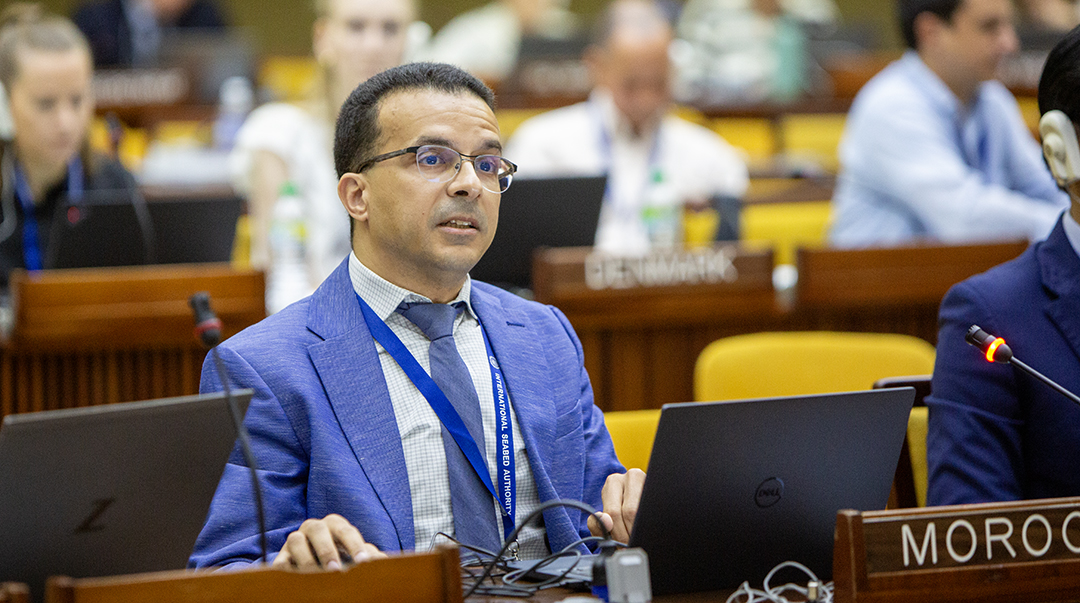
Salim Lahsini, Morocco
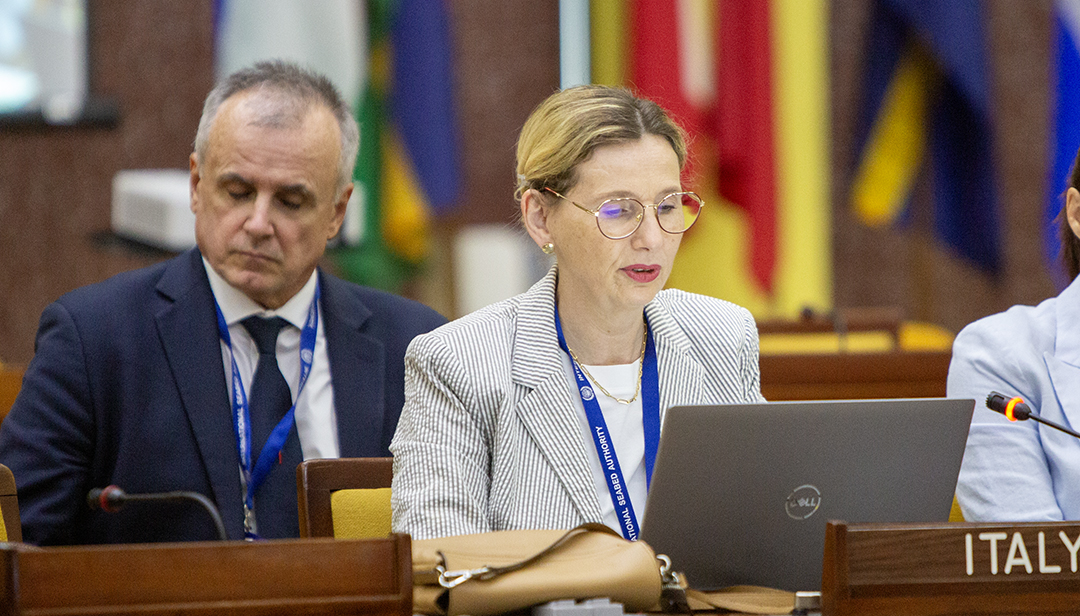
Catherine Flumiani, Italy
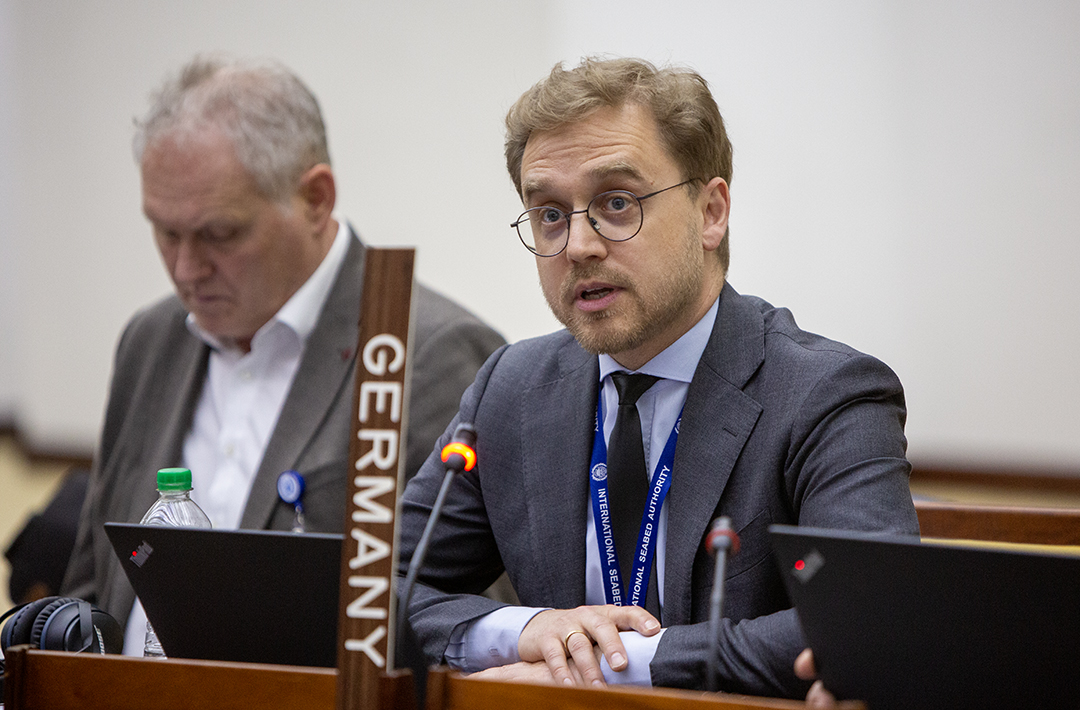
Clemens Wackernagel, Germany
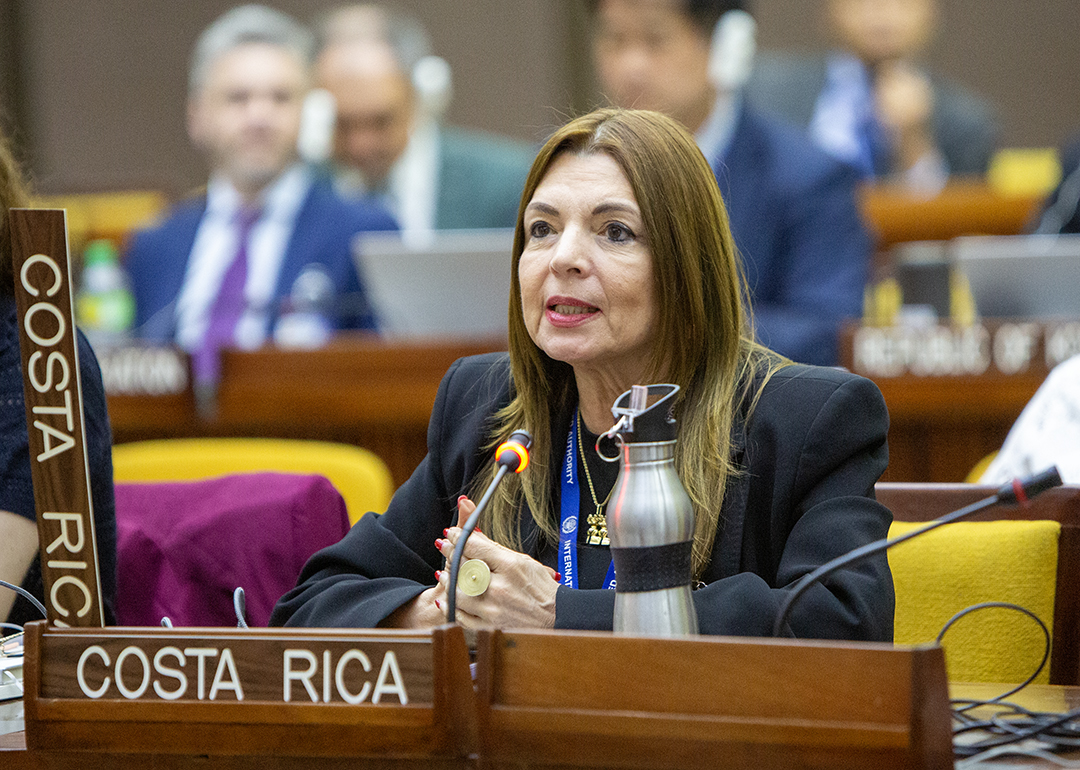
Gina Guillén Grillo, Costa Rica
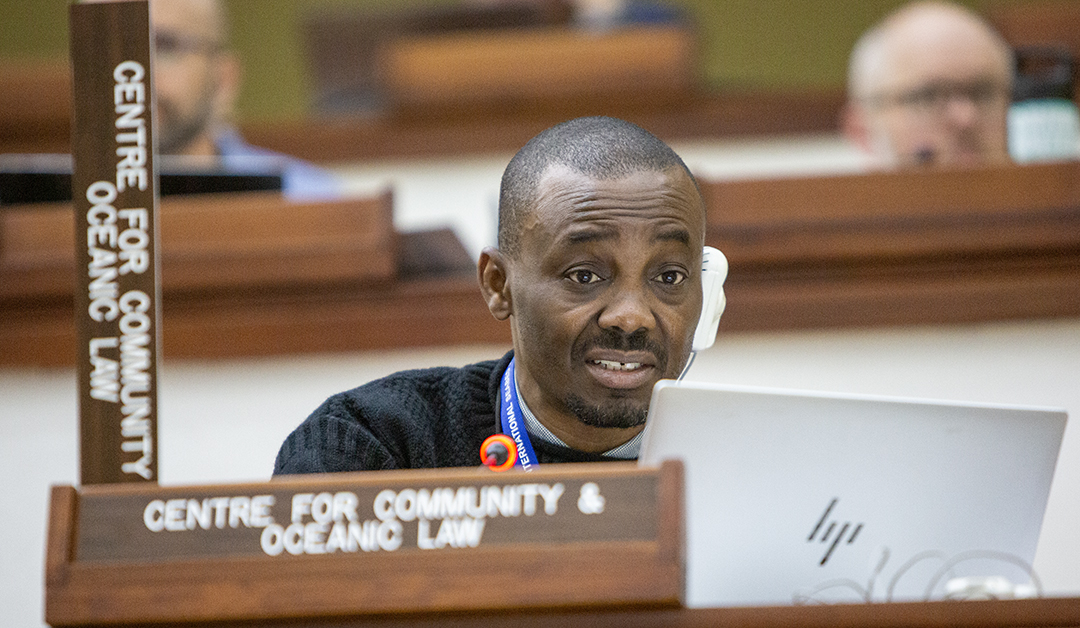
Amos O. Enabulele, Centre for Community and Oceanic Law
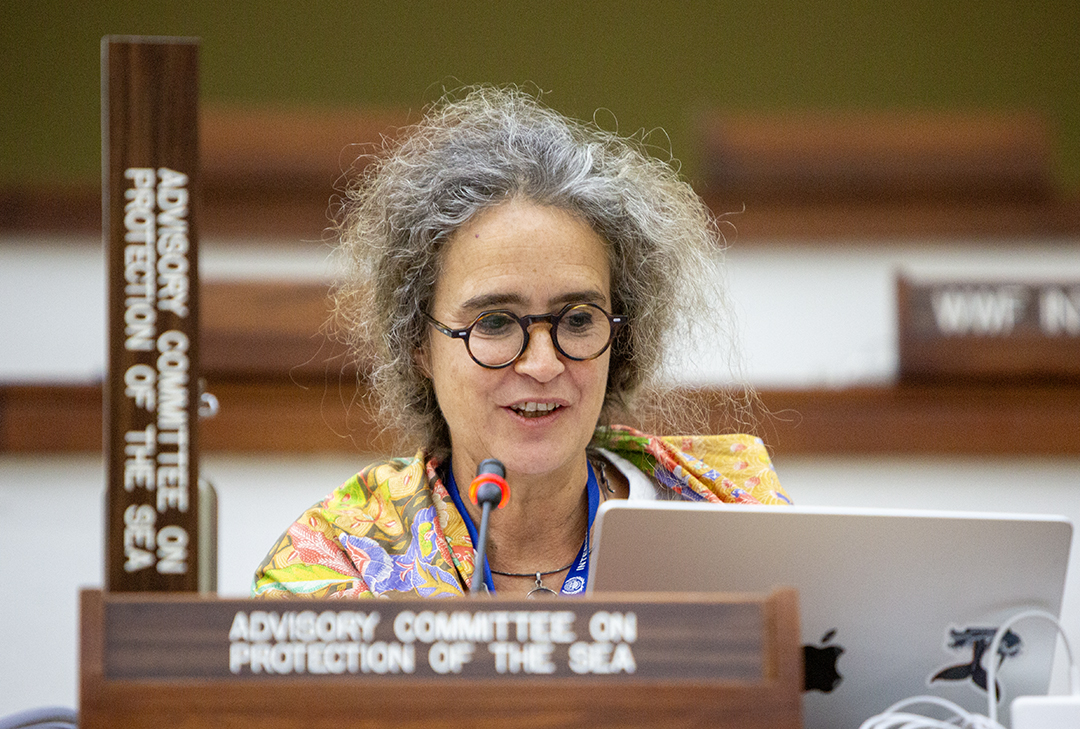
Youna Le Berre Lemaire Lyons, Advisory Committee on Protection of the Sea (ACOPS)

June Hosking, Tetiaroa Society
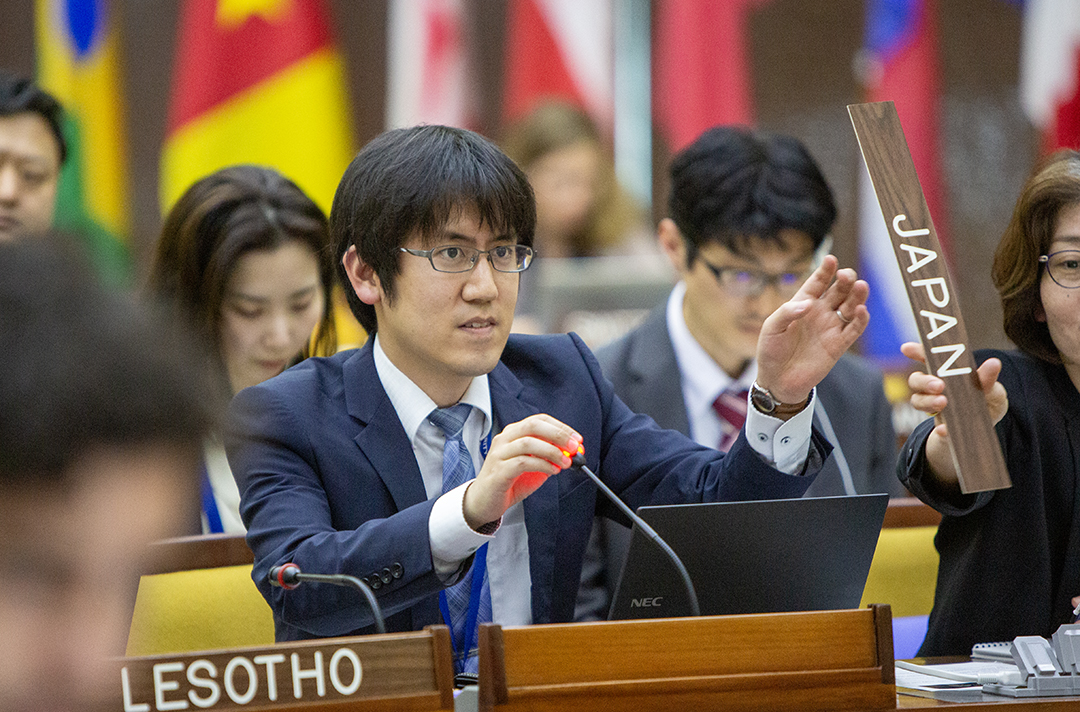
Hiroaki Ishihara, Japan
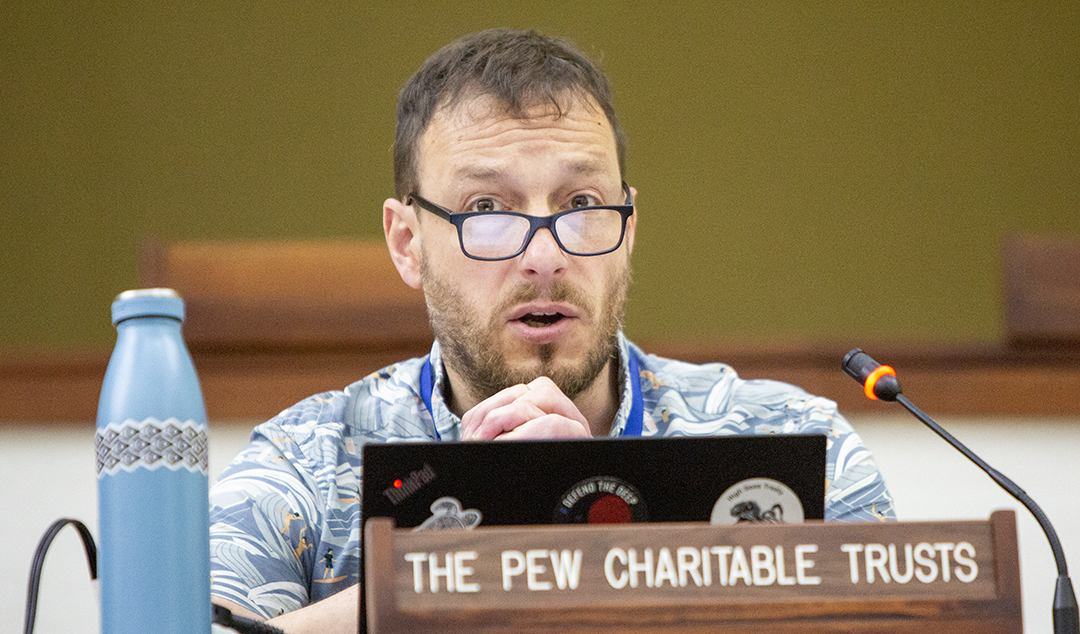
Julian Jackson, The Pew Charitable Trusts
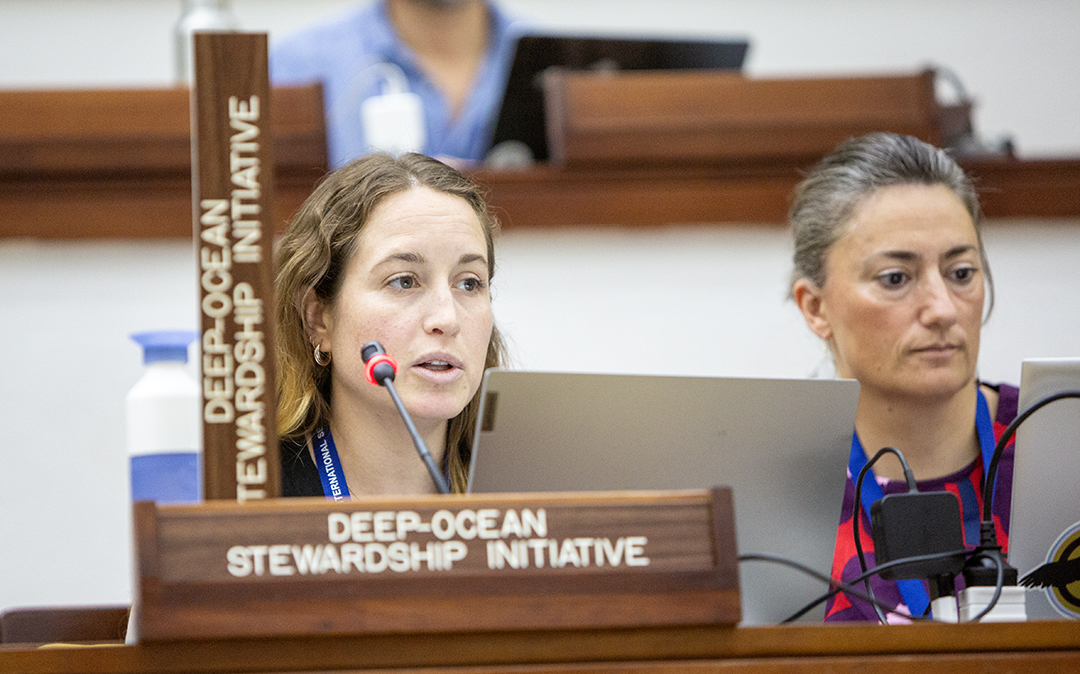
Samantha Robb, Deep Ocean Stewardship Initiative (DOSI)
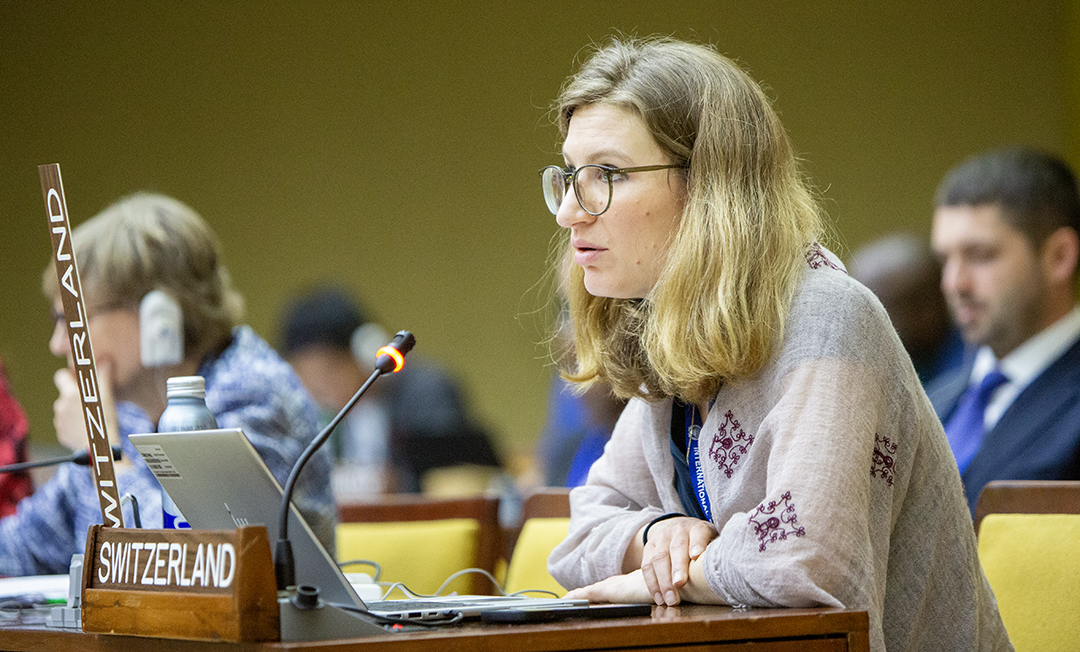
Laura Platchkov, Switzerland
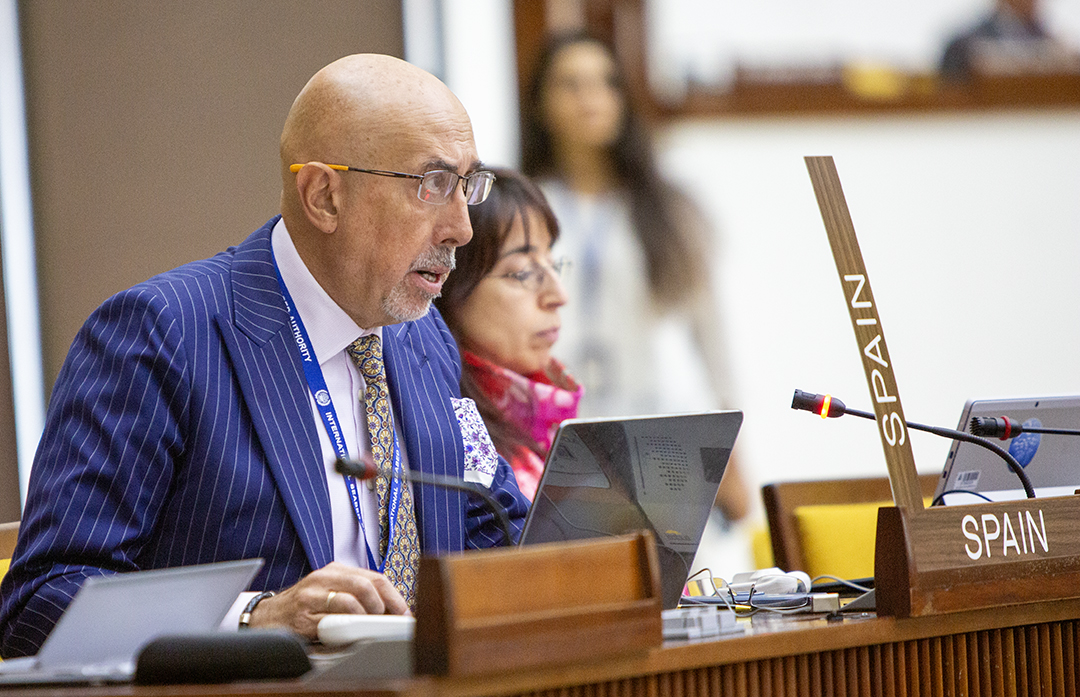
José María Fernández López de Turiso, Spain
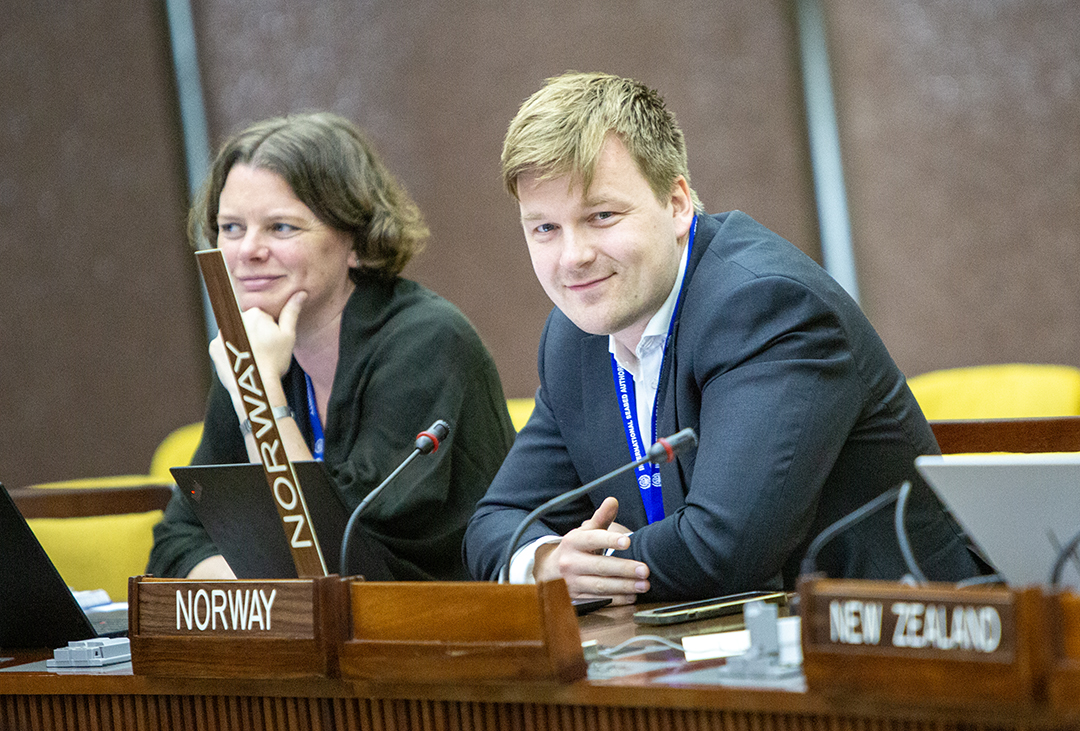
Henning Johnsen, Norway
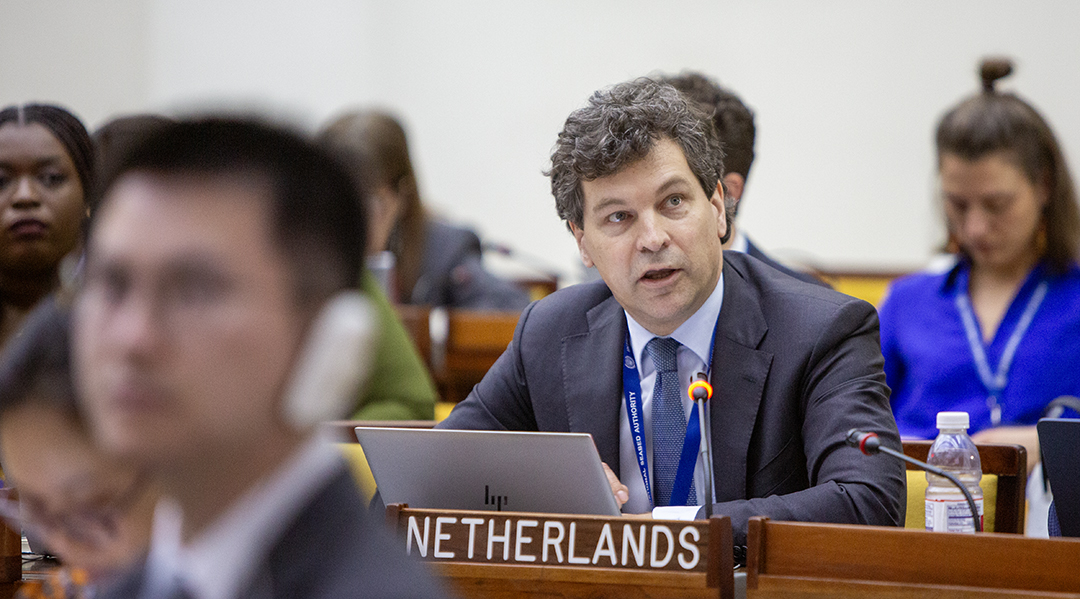
Jeroen Gutter, the Netherlands
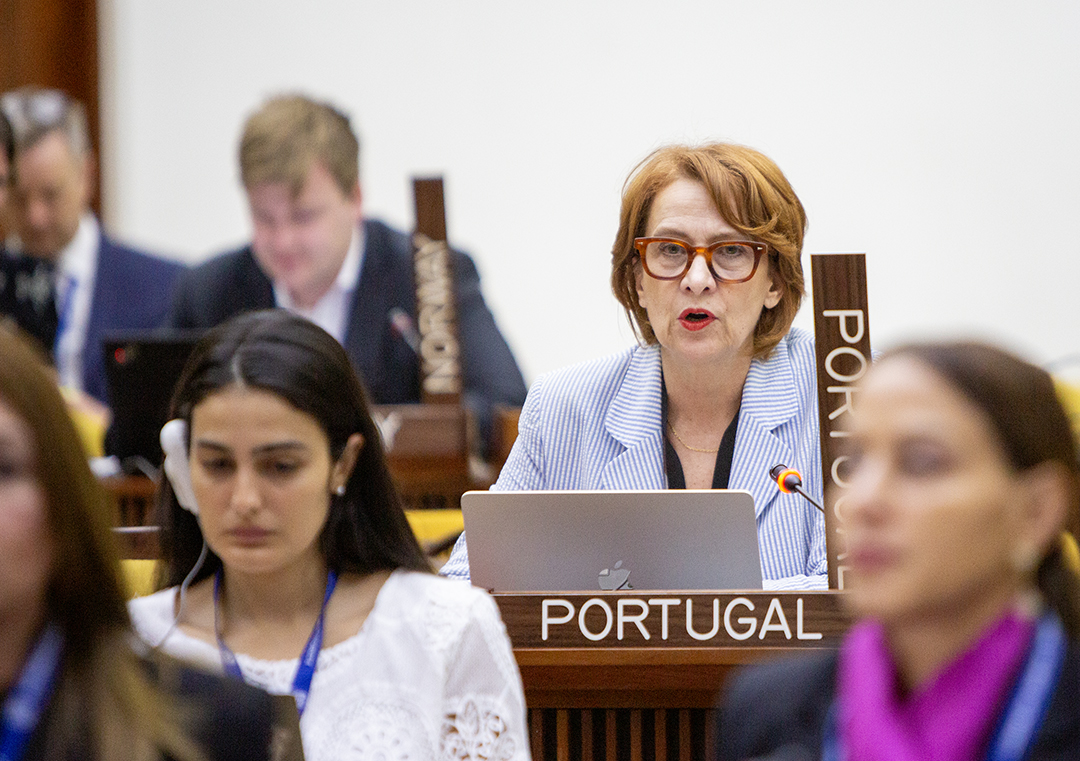
Maria Luís Mendes, Portugal
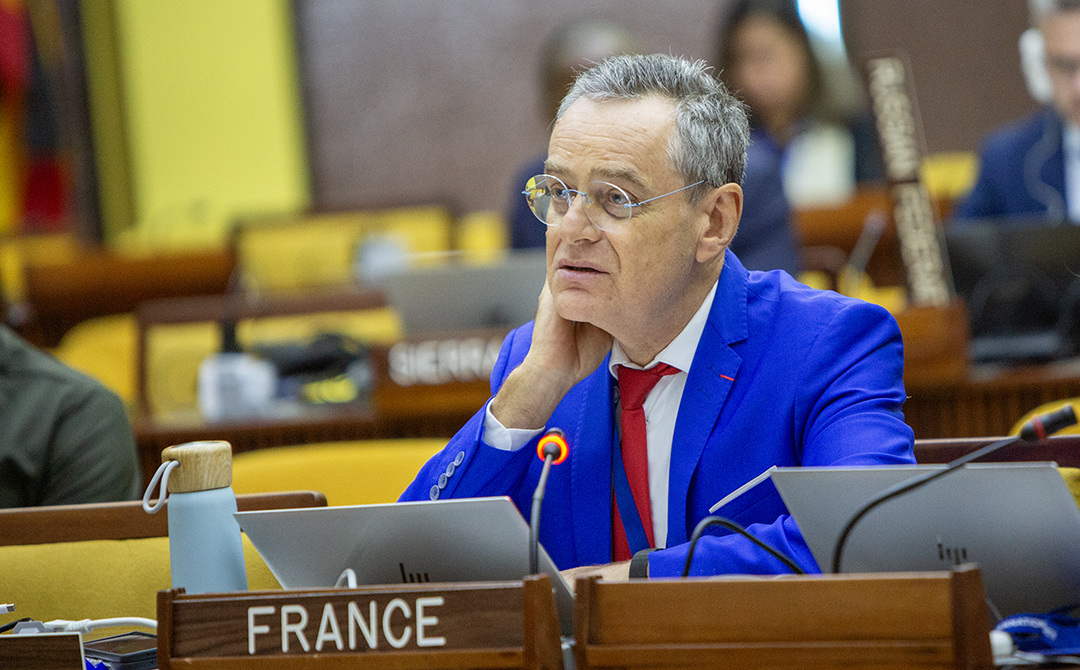
Olivier Guyonvarch, France
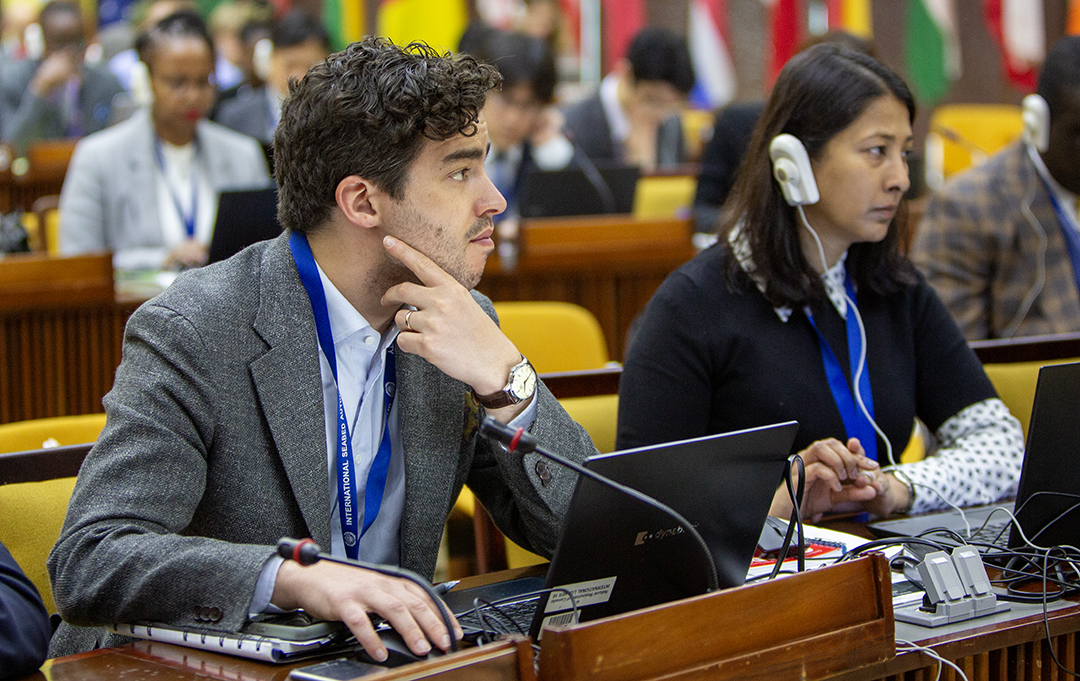
José Benchetrit, Canada
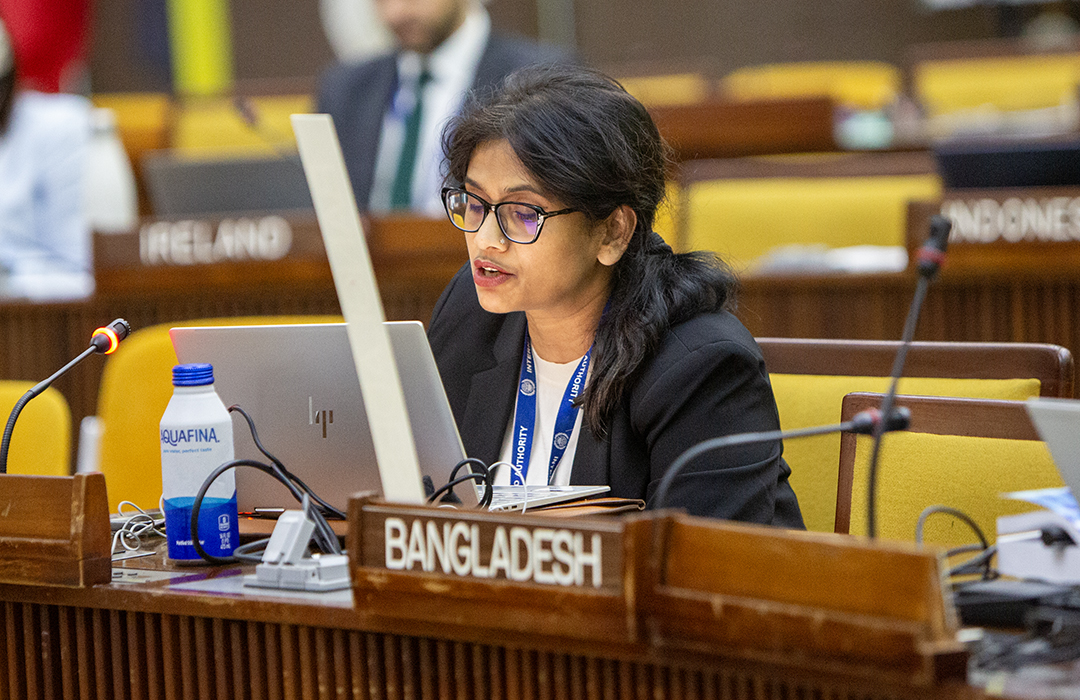
Farida Yasmeen, Bangladesh
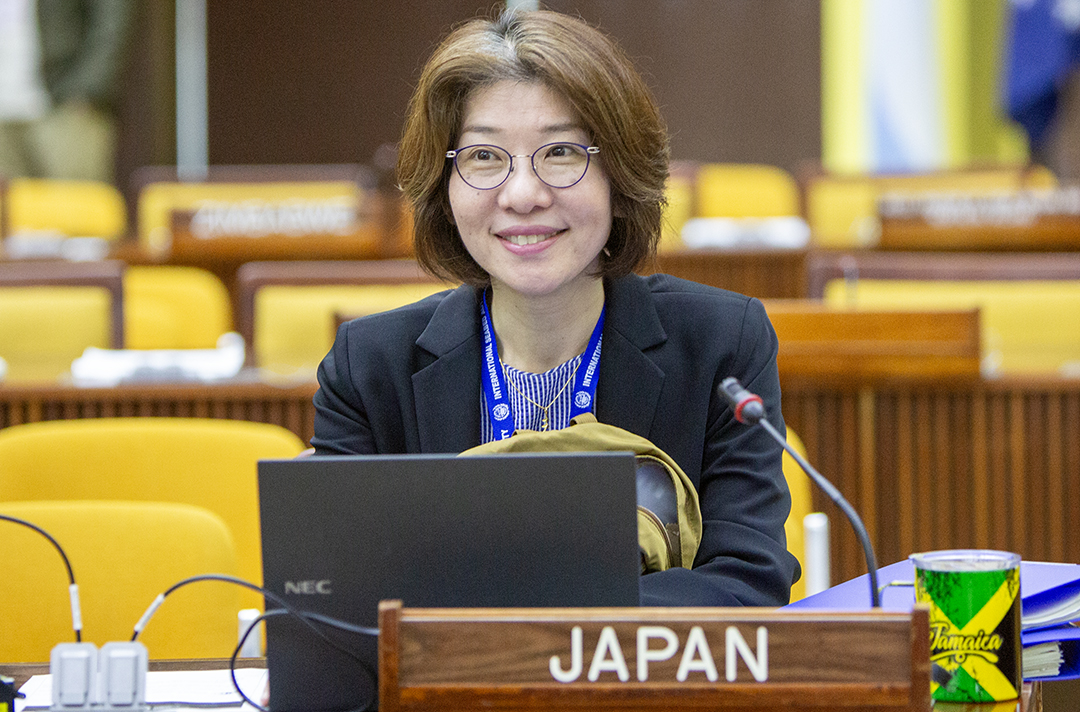
Makiko Murai-Ikegami, Japan
Around the Venue
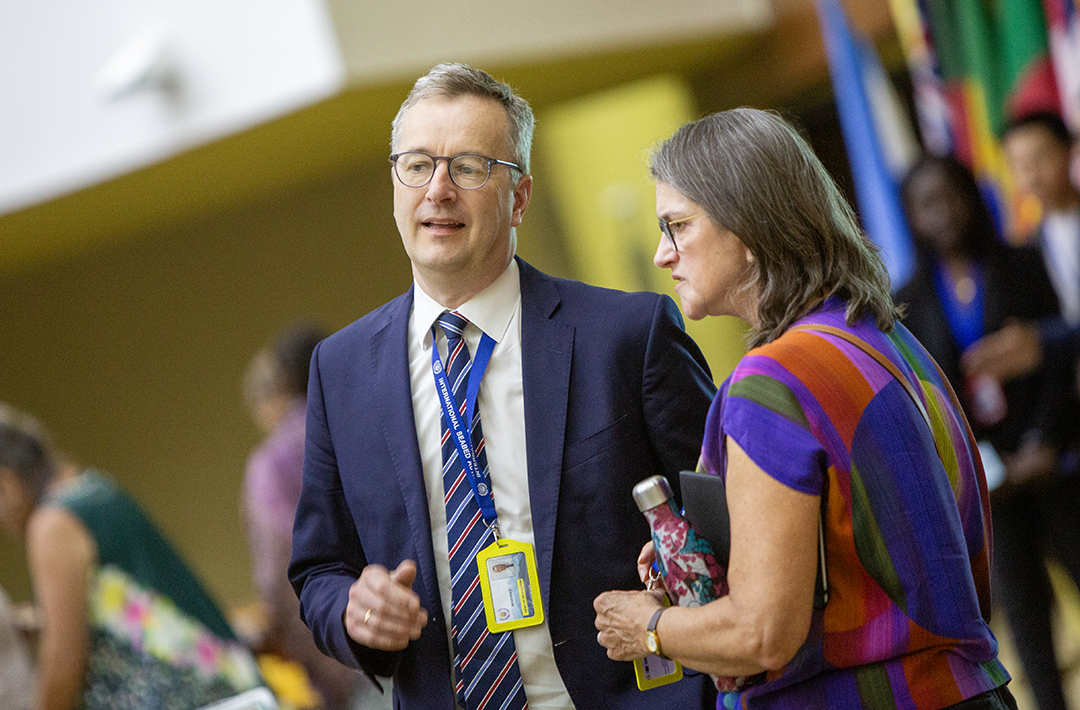
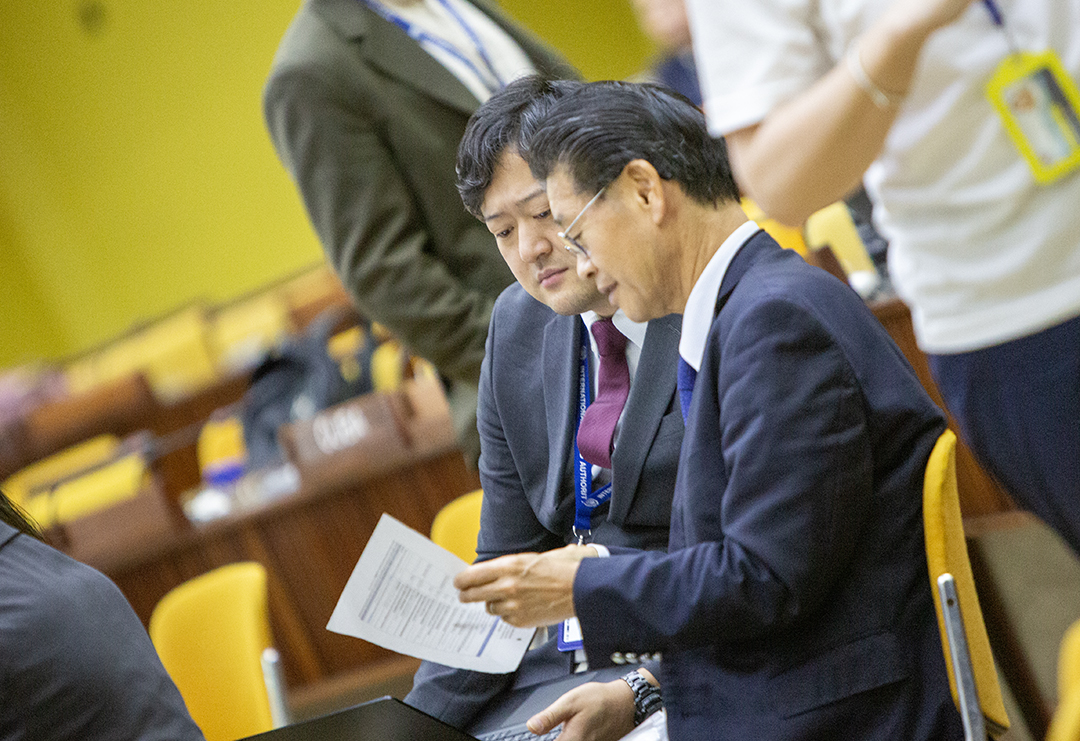
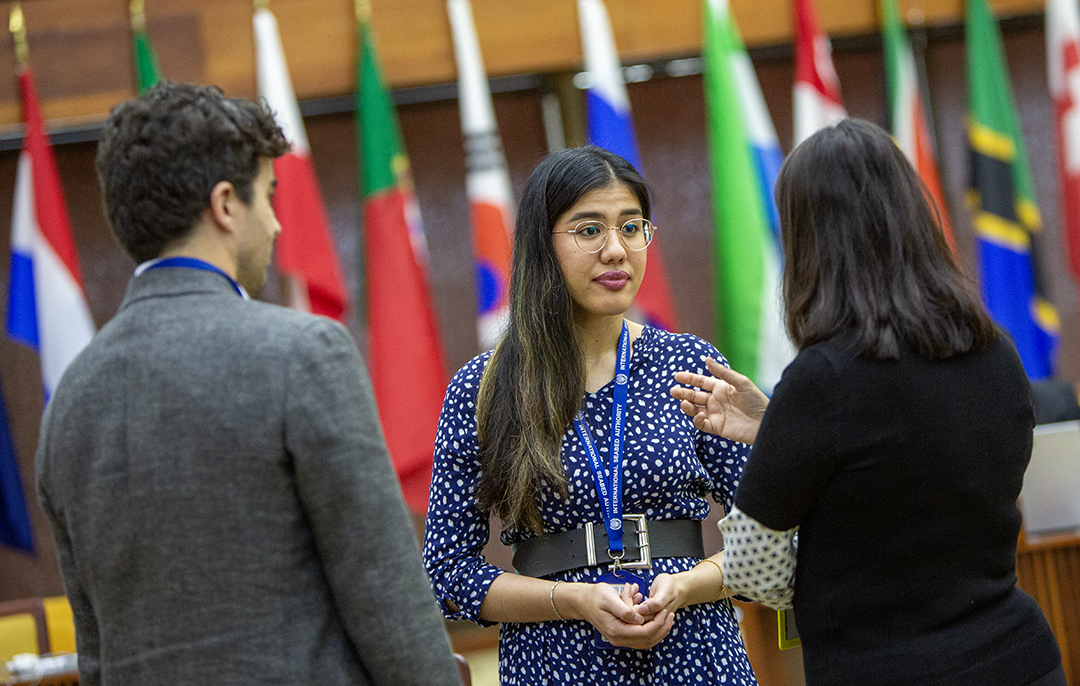
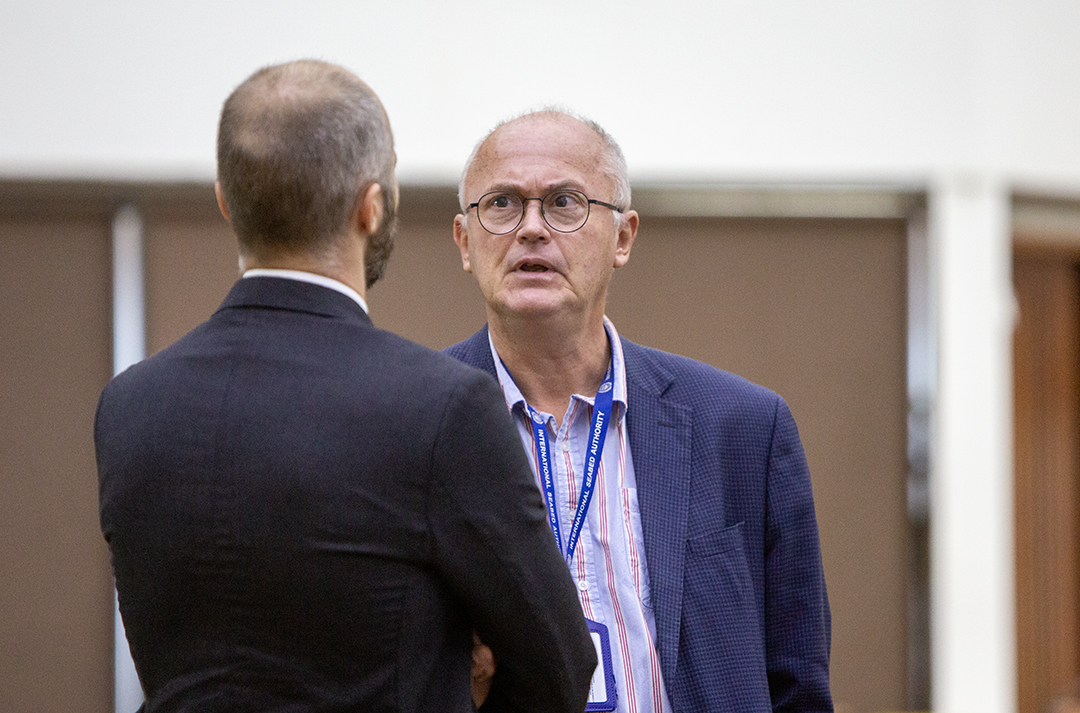
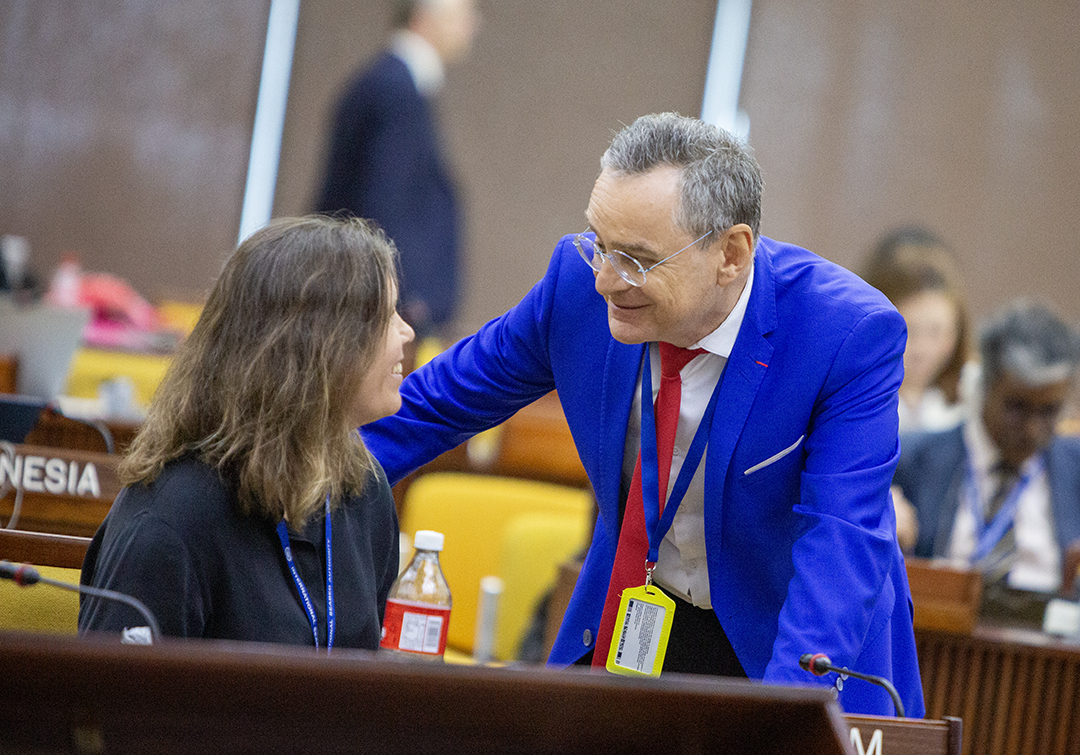
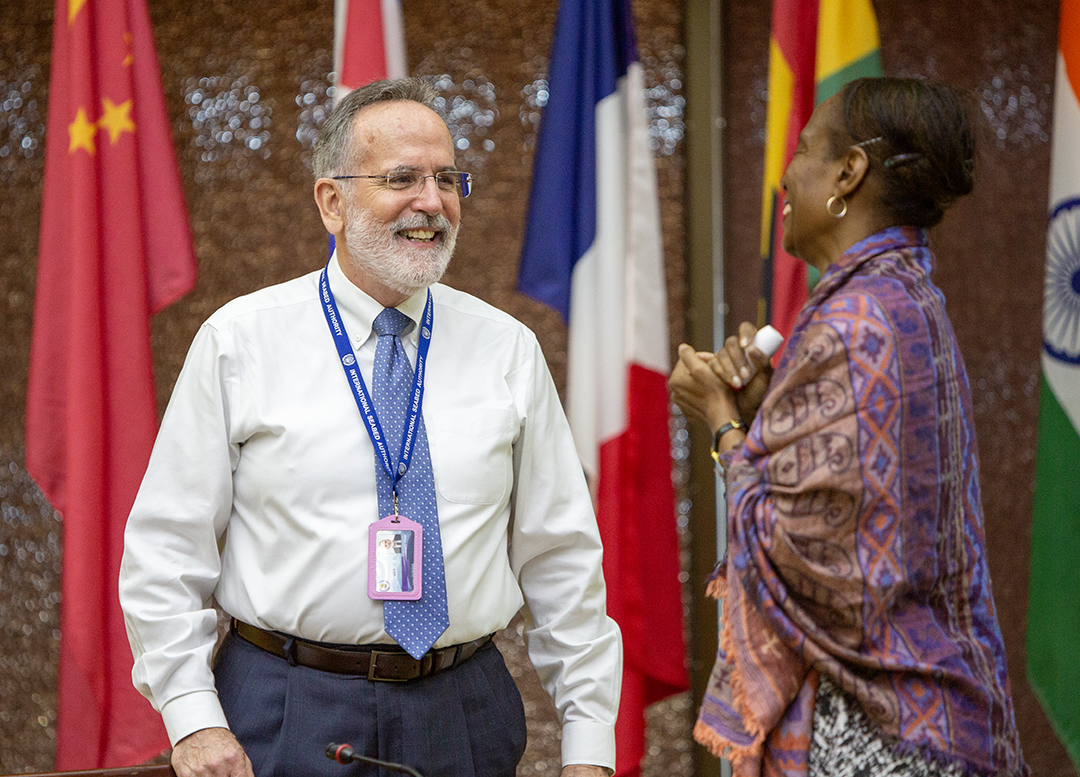
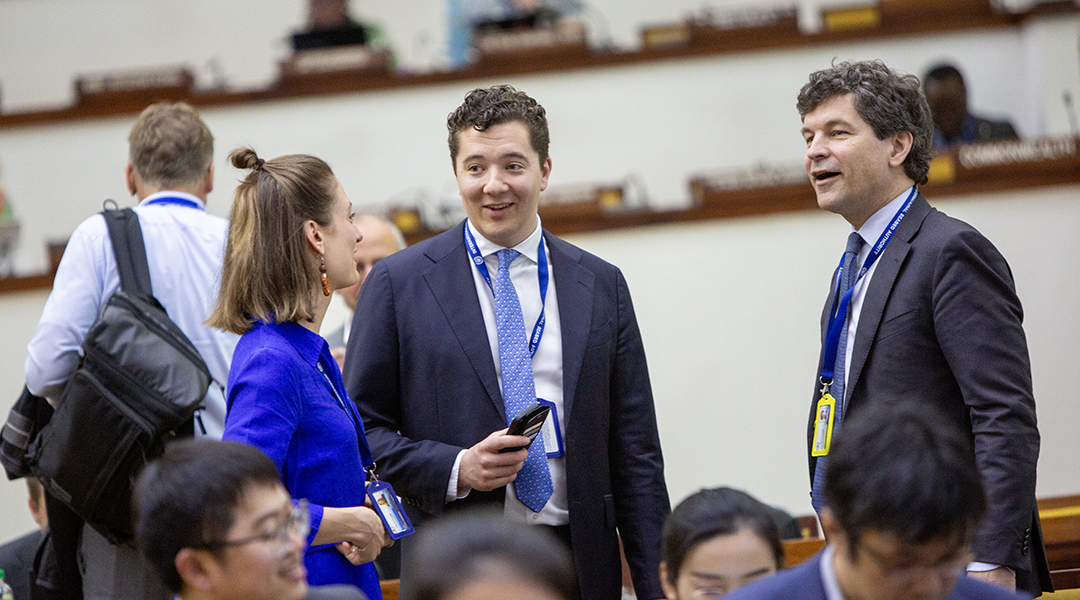
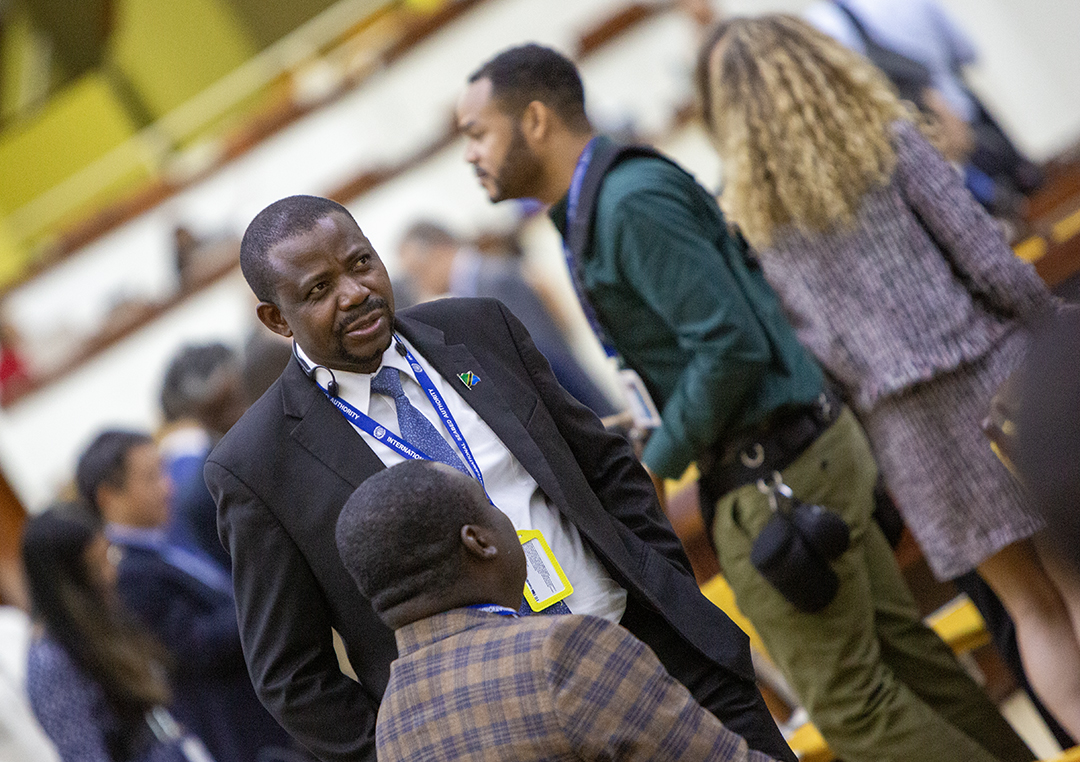
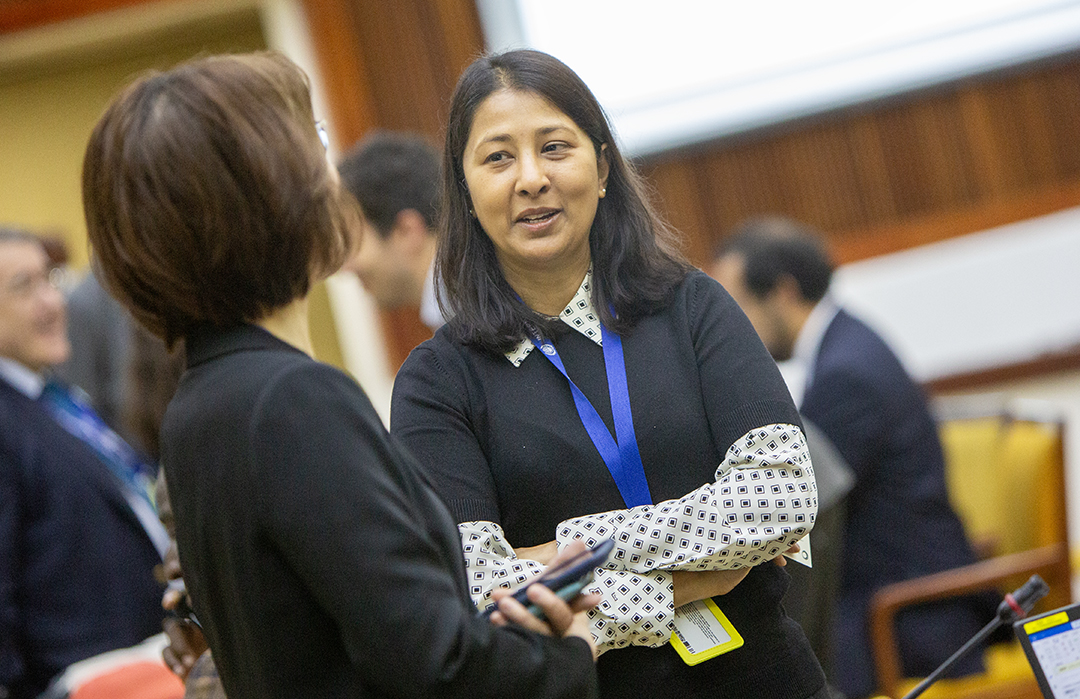
Delegates and observers between sessions
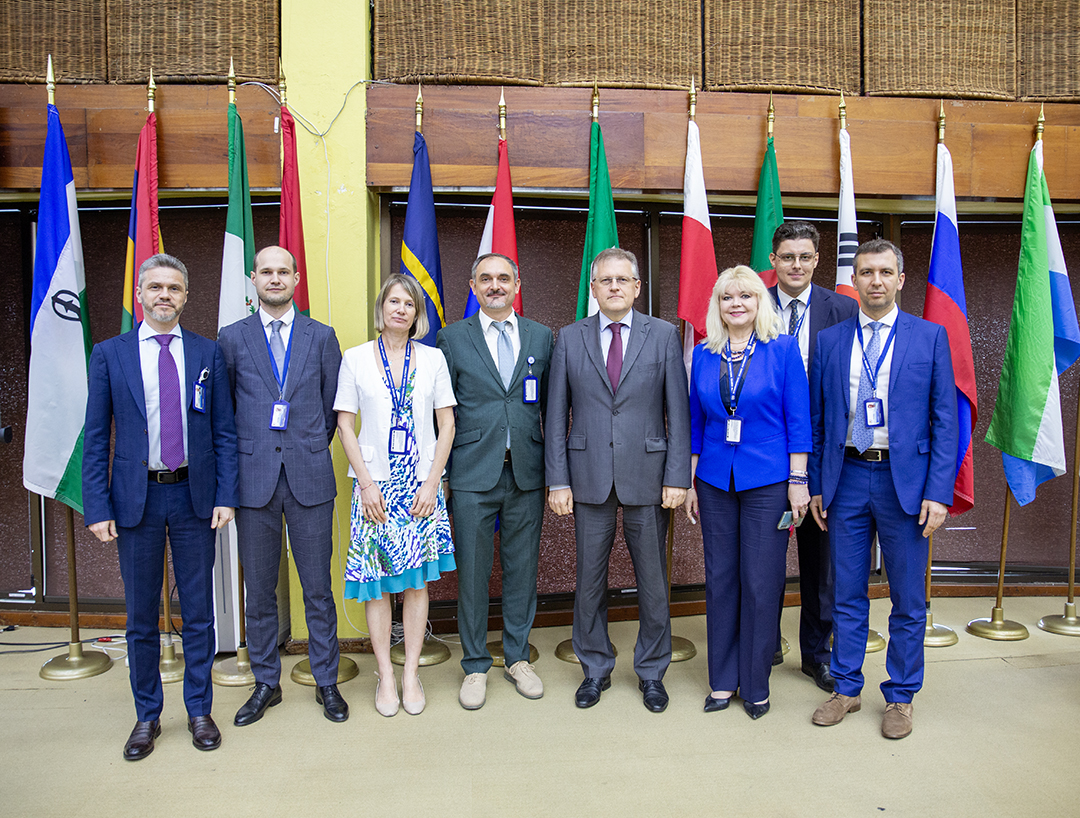
Delegates from the Russian Federation
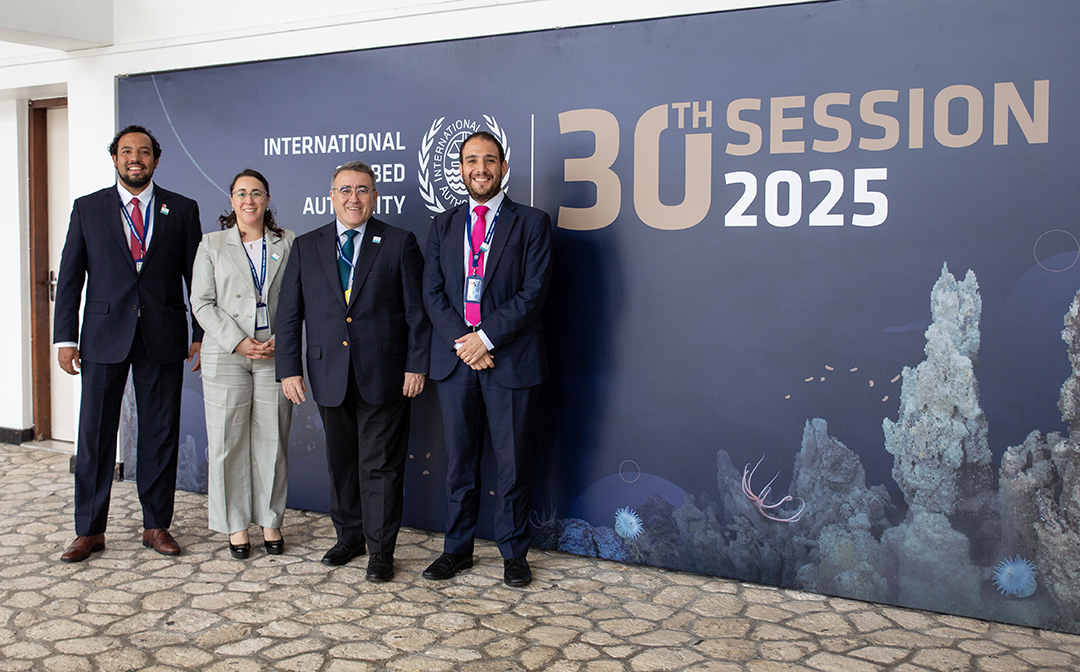
Delegates from Chile
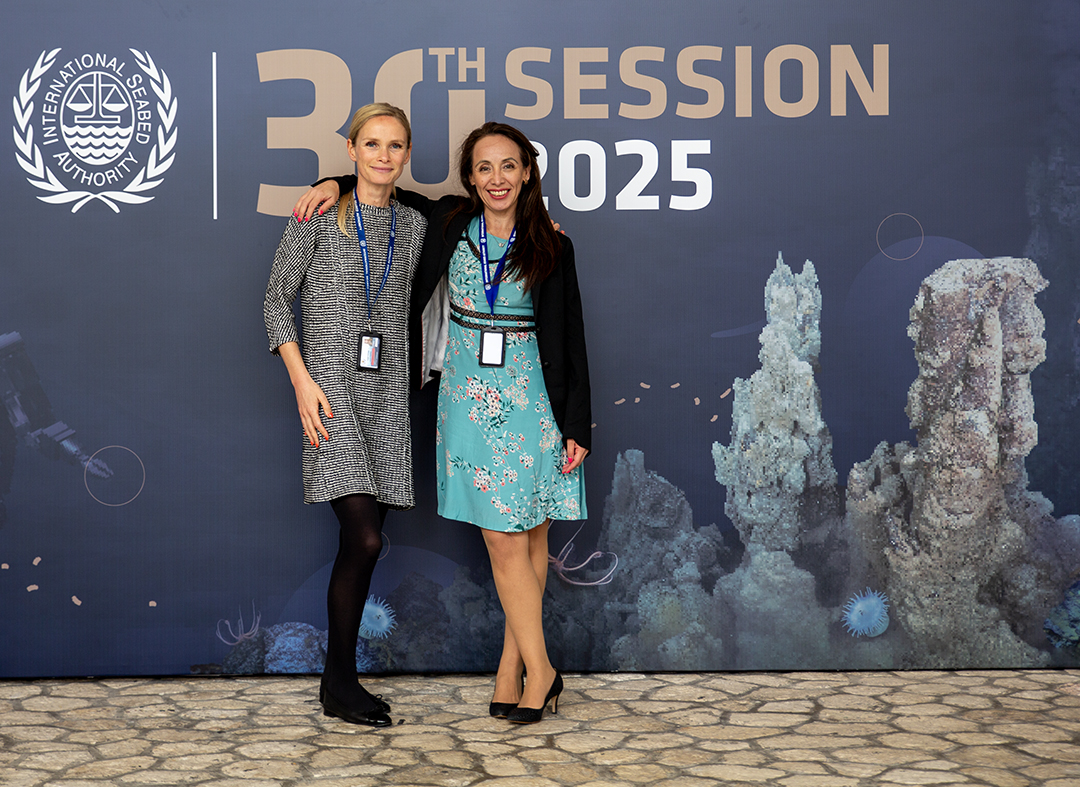
Lea Kolmos Weis and Mariana Durney, Secretariat of the Authority
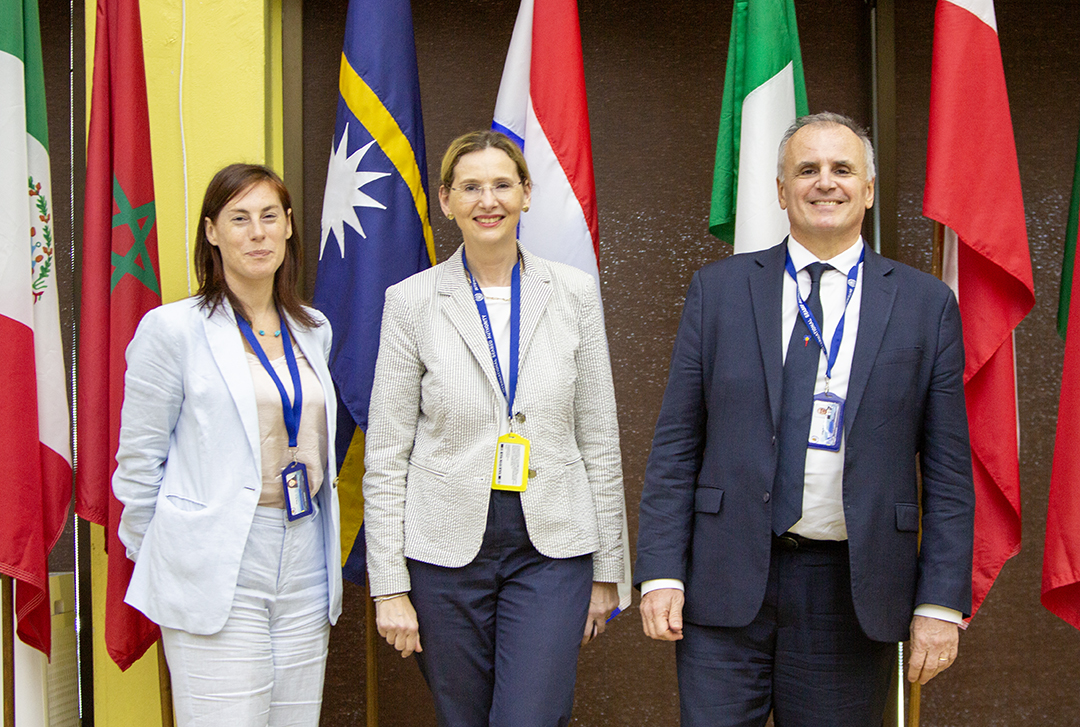
Delegates from Italy
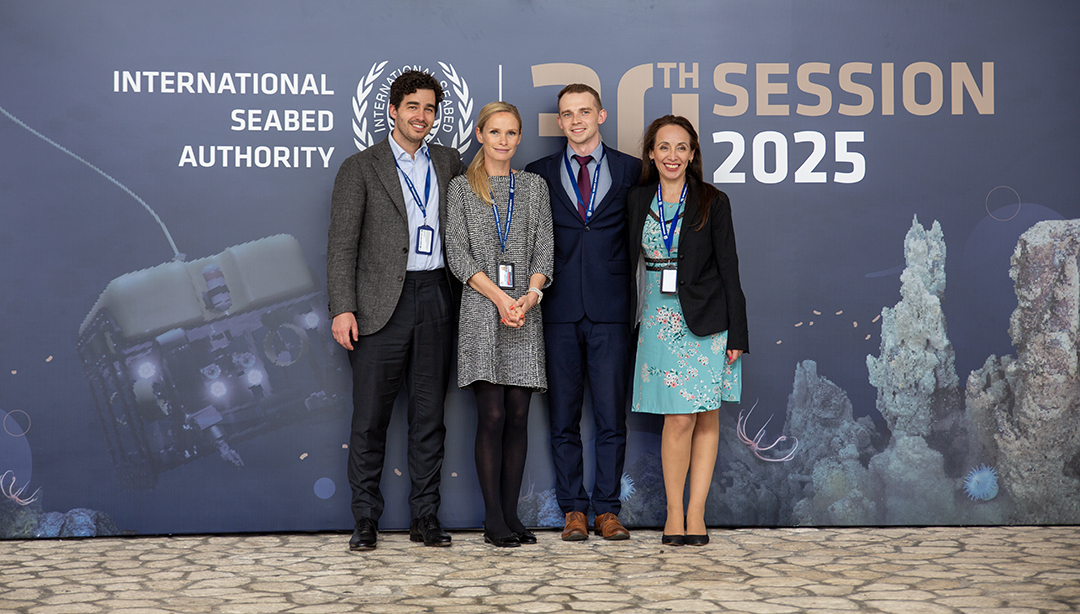
José Benchetrit, Canada, Lea Kolmos Weis, Secretariat of the Authority, Bartosz Jasiński, Poland, and Mariana Durney, Secretariat of the Authority