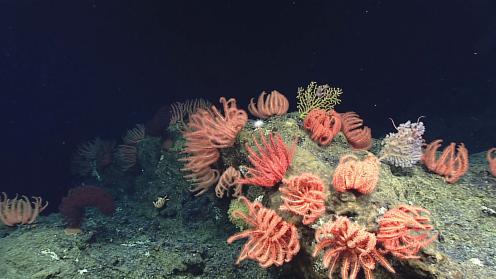

What is at stake if commercial deep-sea mining proceeds?
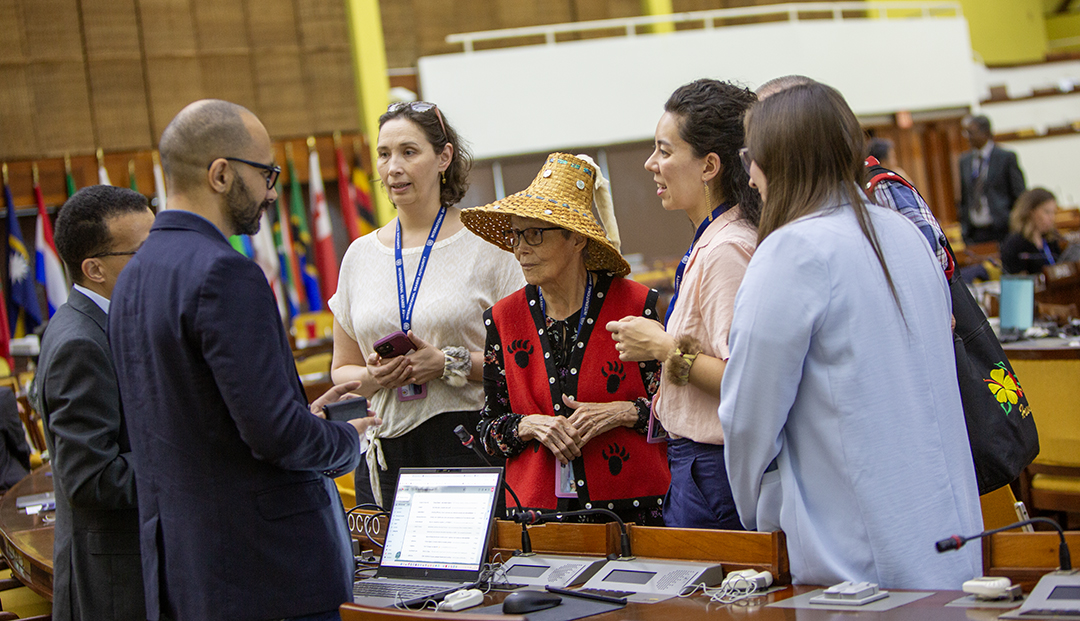
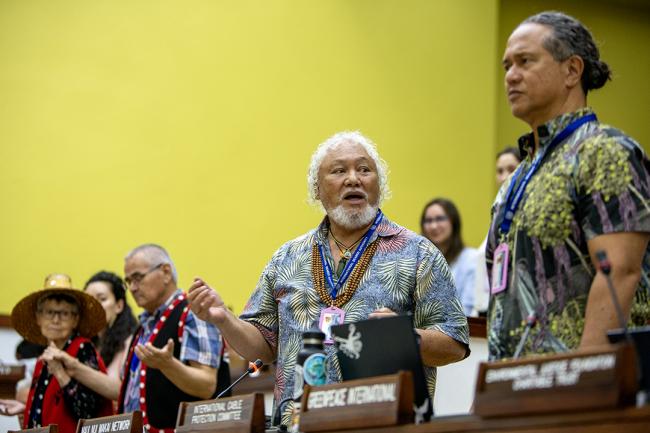
Participants at the first part of the 30th annual session of the Council of the International Seabed Authority (ISA), in particular representatives of Indigenous Peoples and local communities (IPLCs), had an opportunity to convey their concerns about deep-sea mining. During the thematic discussion on underwater cultural heritage (UCH), moderated by the Federated States of Micronesia, they underscored their connection and union with the ocean, and the imperative to protect UCH because to not do so would be to “sever our own source of life.”
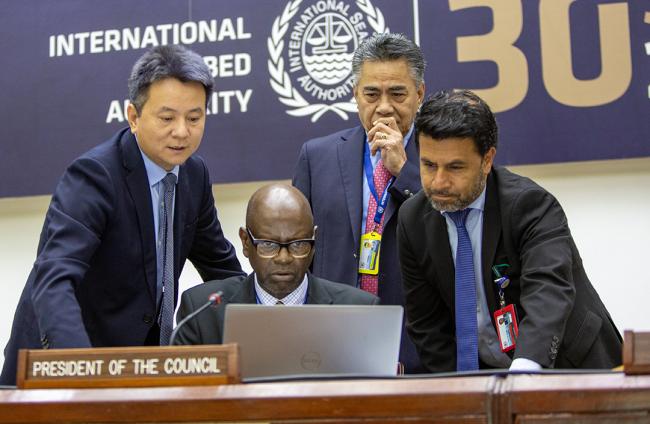
Many delegates supported addressing UCH beyond regulation 35 (human remains and objects and sites of an archaeological or historical nature) or 35 alt (chance discovery of human remains and UCH), ensuring its systematic protection throughout the draft exploitation regulations. Many members further supported regulation 35 alt as a good basis for deliberations, offering suggestions for improvement. Others preferred regulation 35, stressing it strikes an appropriate balance between exploitation and protection of the marine environment.
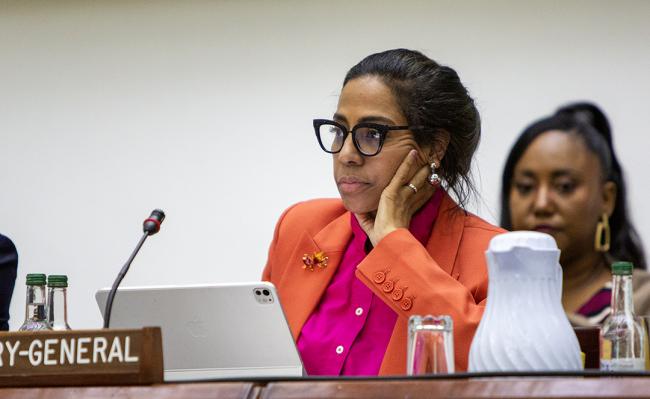
Many delegates underlined the need for a clear definition of UCH, with some identifying both tangible and intangible UCH as equally important. Some underlined the need to incorporate protection of UCH in environmental impact assessments and statements, and environmental management plans. Many members and observers supported establishing a standing UCH committee under the ISA. Others noted the roles of the Secretary-General, the Council, or the Legal and Technical Commission (LTC) in that regard.
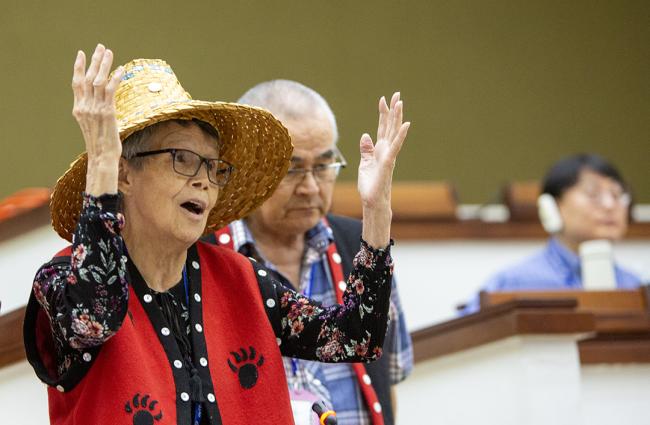
Observers highlighted, among other things, the definition of intangible cultural heritage developed by the UN Educational, Scientific and Cultural Organization (UNESCO) and the proposal by the relevant intersessional working group stating that no application for a plan of work, which does not protect and safeguard UCH, shall be granted.
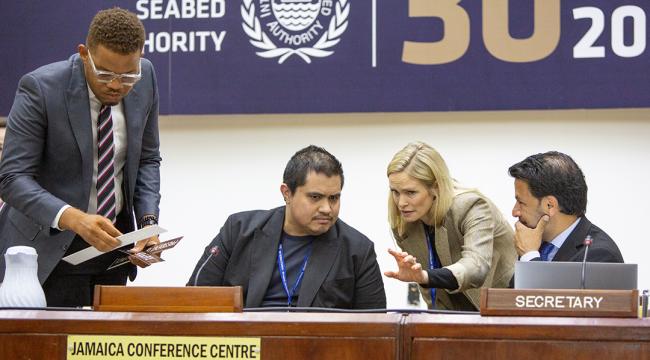
Resuming work on the draft exploitation regulations, delegates addressed regulation 13 (assessment of applicants and application), expressing overall support for its intent. Many delegates emphasized the need for further work and refinement. Most members requested reinstating a reference to climate change when considering whether an application provides for effective protection of the marine environment.
Many delegates urged reinstating two deleted provisions in regulation 14 (amendments to the proposed plan of work), referring to the publication on the ISA website of any amendment, additional information, or revised application received, providing the opportunity for public consultation in cases where modifications are significant. Some delegates insisted on deleting the provisions.
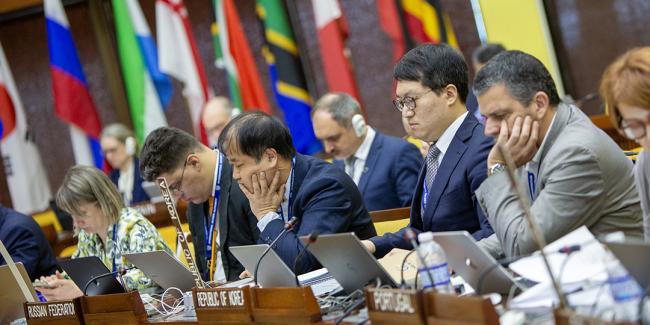
A lengthy discussion took place on regulation 15 (LTC’s recommendation for the approval or disapproval of a plan of work), with delegates focusing on whether the LTC “shall” or “may” recommend approval of a plan of work if all the criteria set out in regulation 13 are met. Some members supported “may,” stressing it provides greater discretion to the LTC in approving plans of work. Others noted that such formulation would allow the LTC to decline approval of applications that meet all criteria, preferring the use of “shall.”
Among other things, delegates further discussed, without reaching consensus, a provision noting that the LTC shall not recommend the approval of a plan of work if it undermines or contradicts binding goals, objectives, or measures set out in other relevant global frameworks and agreements.

During discussion of regulation 16 (consideration and approval of plans of work), many parties opposed the possibility of automatic approval of plans of work. They therefore suggested deleting a provision that a plan of work shall be deemed to have been approved by the Council if the Council does not take a decision on a recommendation for approval within the 60-day period.
Discussions on regulation 17 (the exploitation contract) focused on whether the Council needs to request the Secretary-General to prepare an exploitation contract once a plan of work is approved. Some delegates opposed the imposition of an additional administrative step and preferred deleting this stipulation. Others underlined its importance, noting the possibility of conditional or provisional approvals.
On regulation 18 (rights and exclusivity under an exploitation contract), delegates discussed references to exploration regulations and whether it is possible to ensure that no other activities take place in an exploitation contract area.
Obligations of the contractors, addressed in regulation 18 bis, revealed divergent opinions among delegates, including on: the use of vessels with flags of, and ports located in, states that are not ISA members; and issues around the parent company liability statement and the liability of the contractor and its managing company.
At lunchtime, a side event organized by China Deep Ocean Affairs Administration focused on “Pilot mining - protecting the deep-sea environment and advancing resource exploitation.”
To receive free coverage of global environmental events delivered to your inbox, subscribe to the ENB Update newsletter.
All ENB photos are free to use with attribution. For the 1st Part of the 30th Annual Session of the International Seabed Authority, please use: Photo by IISD/ENB | Angeles Estrada Vigil
Informal Thematic Discussion: Underwater Cultural Heritage
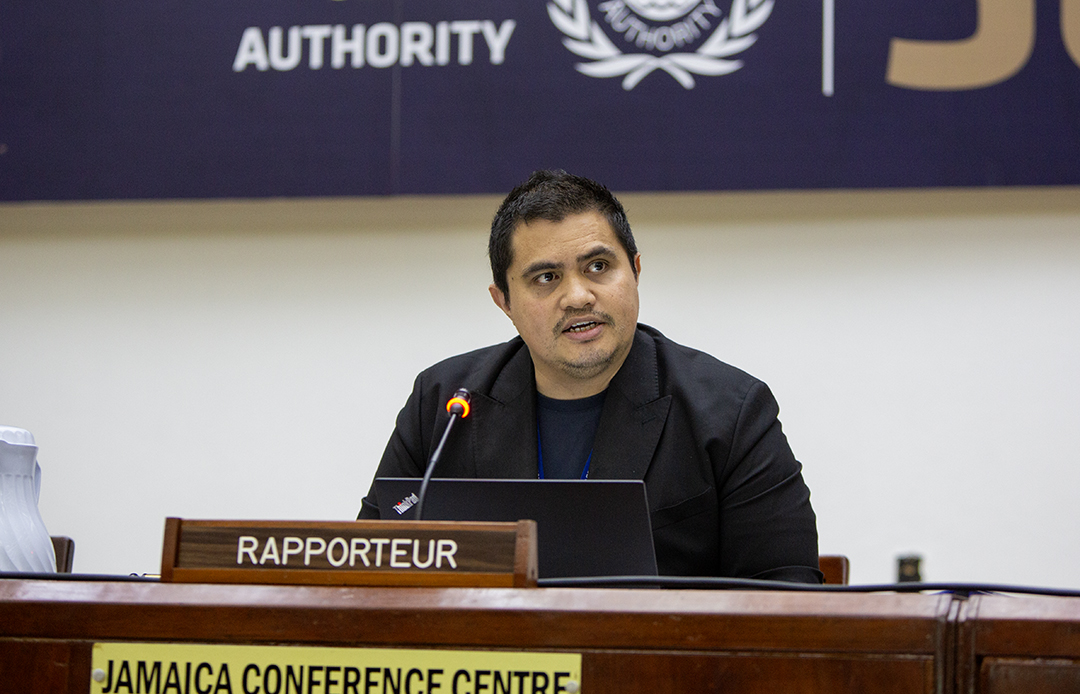
Clement Yow Mulalap, Federated States of Micronesia, facilitating the thematic discussion on underwater cultural heritage
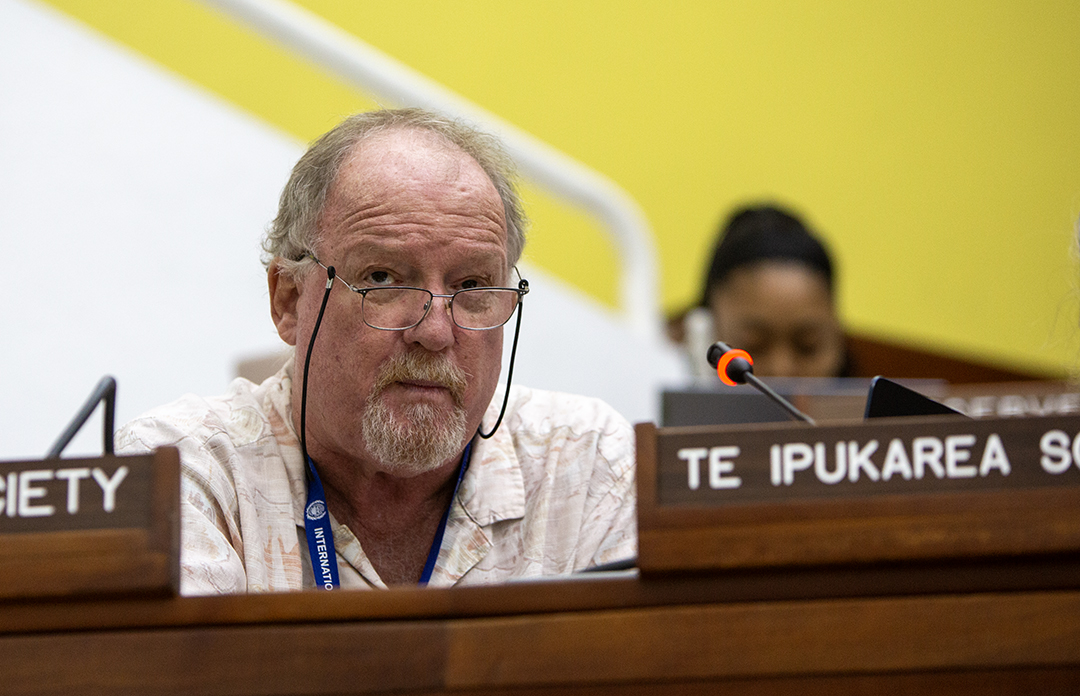
Frank Murphy, Tetiaroa Society
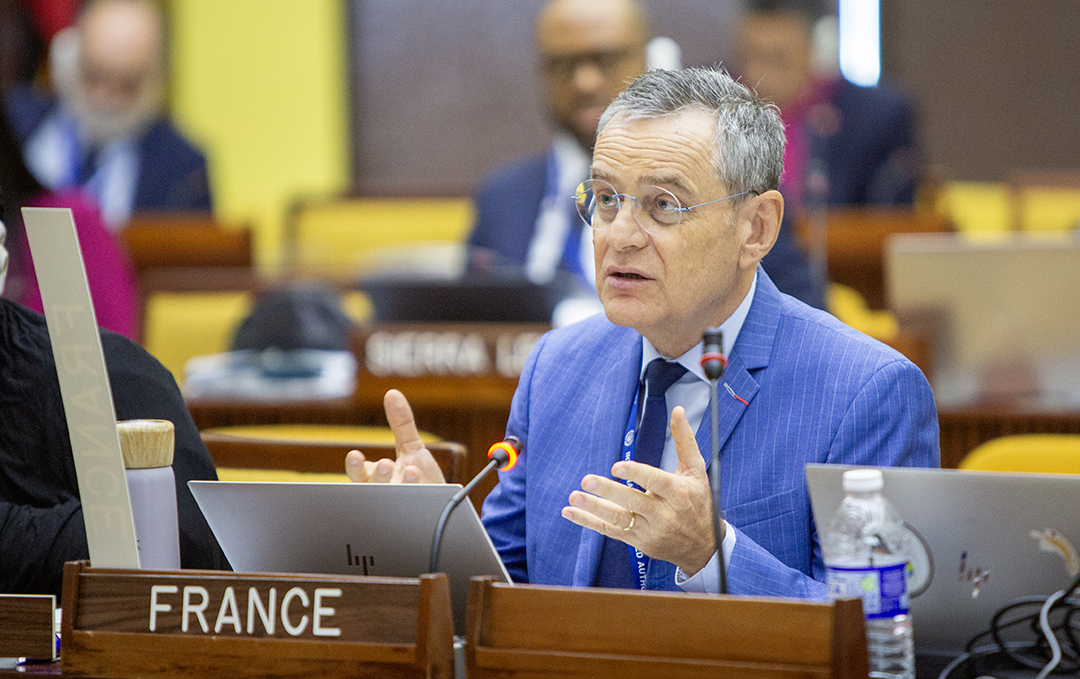
Olivier Guyonvarch, France
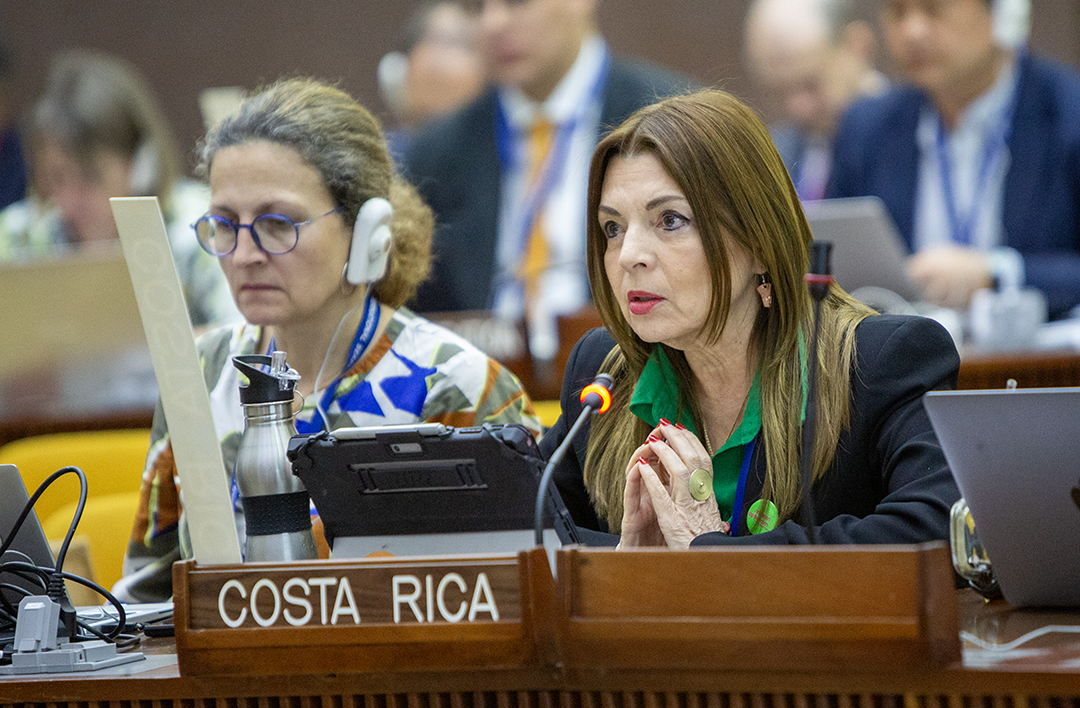
Gina Guillén Grillo, Costa Rica
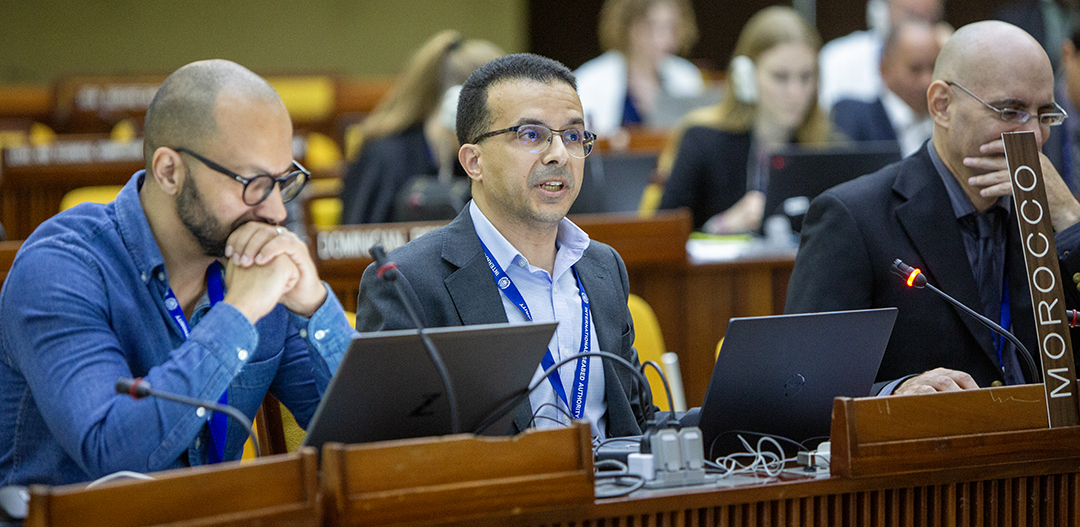
Salim Lahsini, Morocco
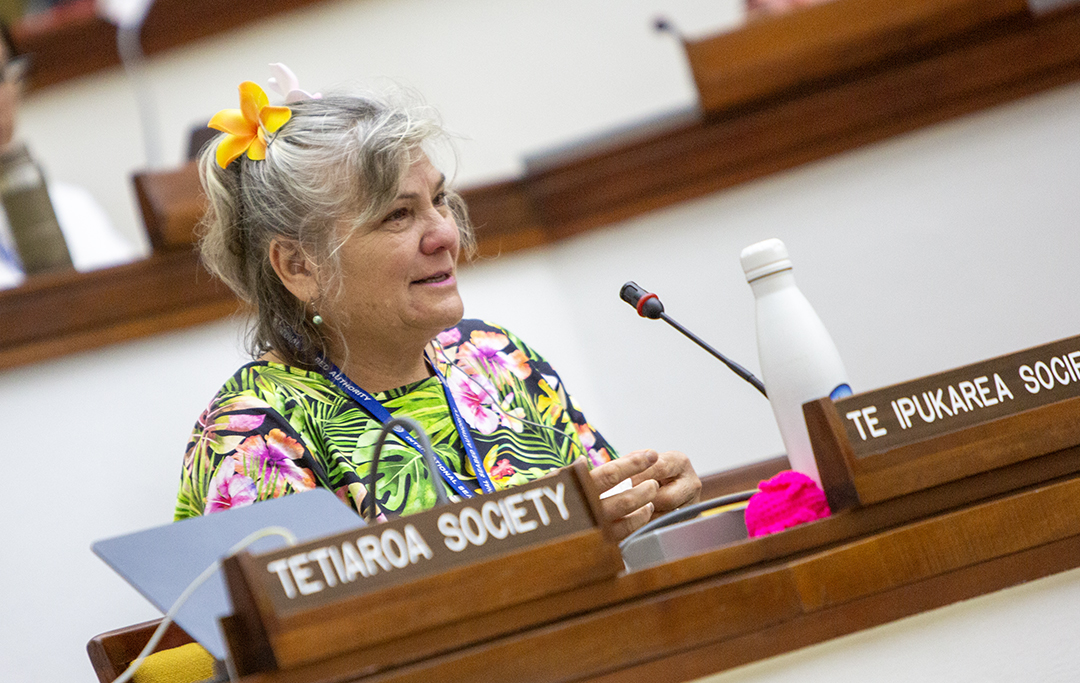
June Hosking, Tetiaroa Society
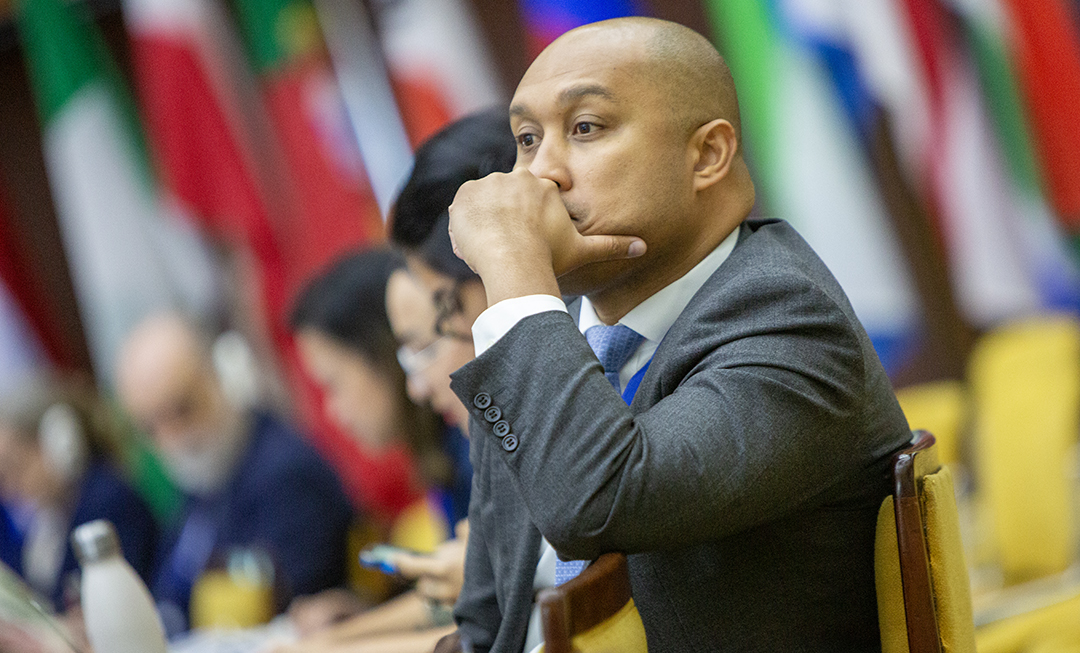
Charles Reklai Mitchell, Palau
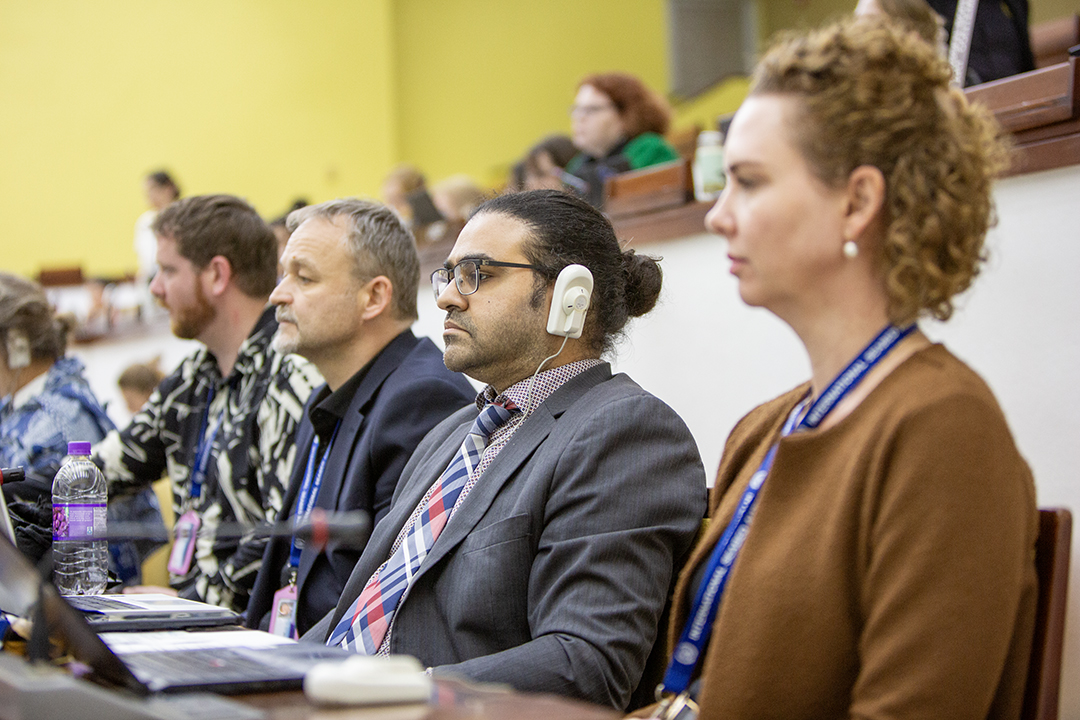
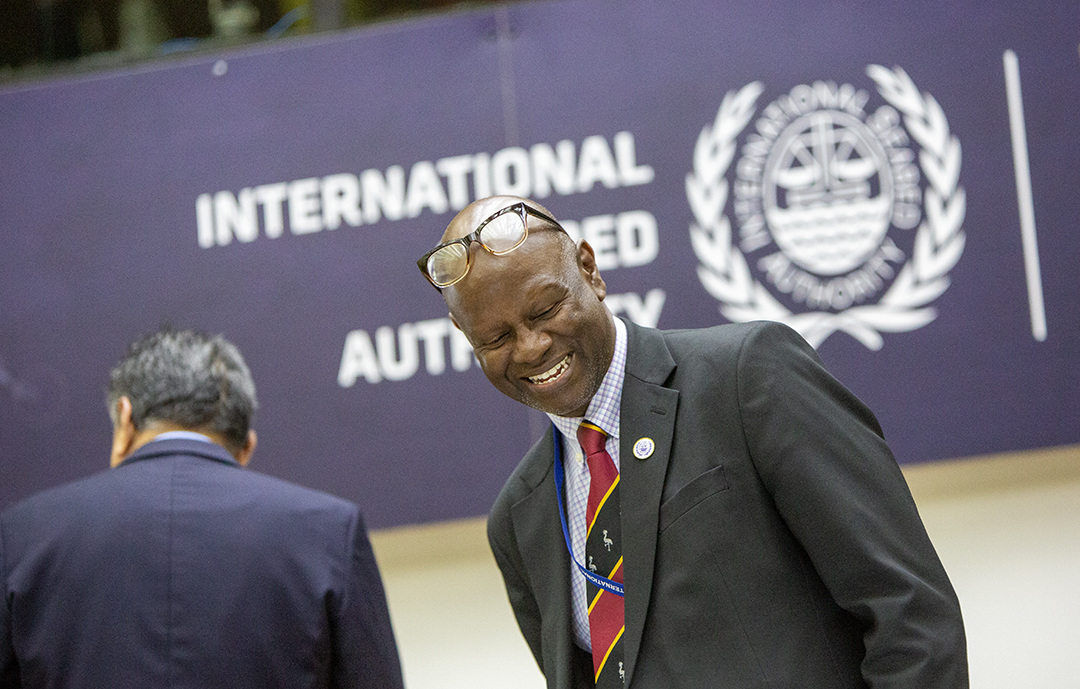
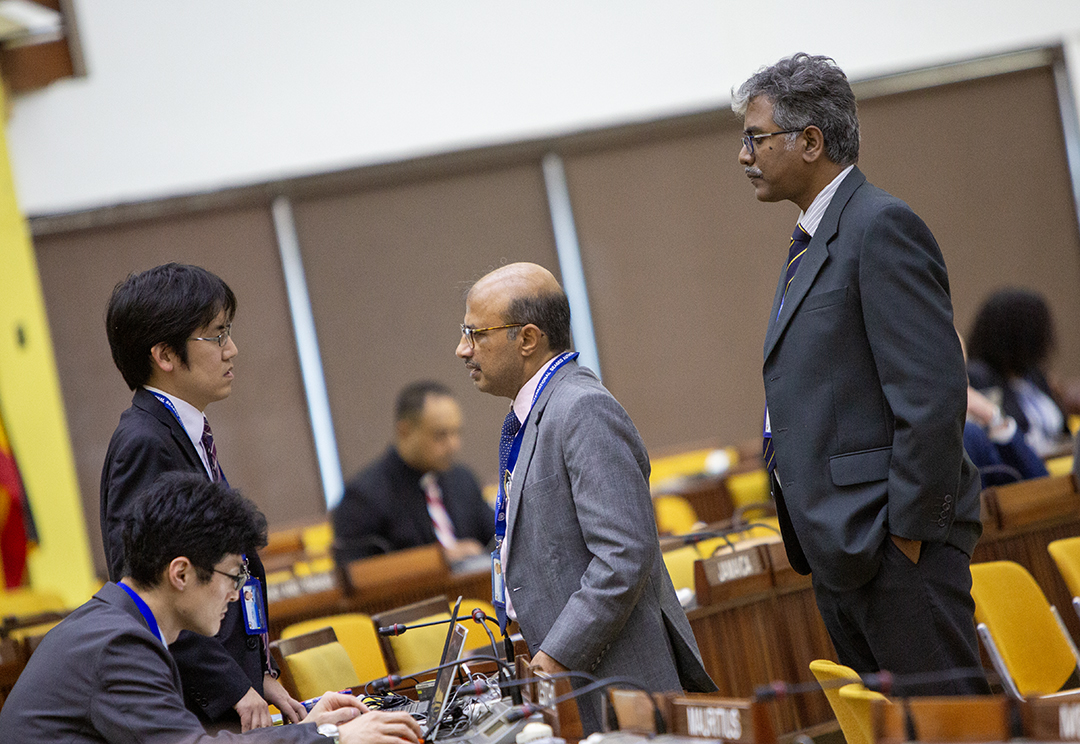
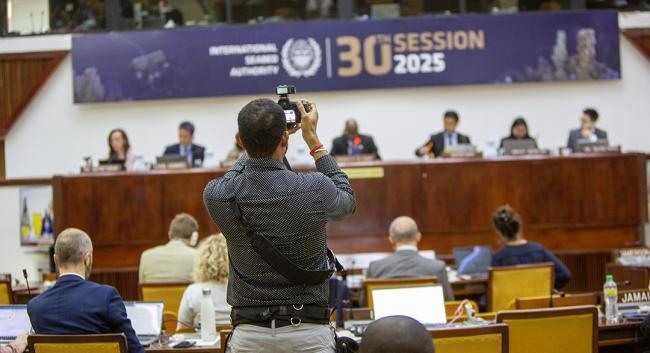
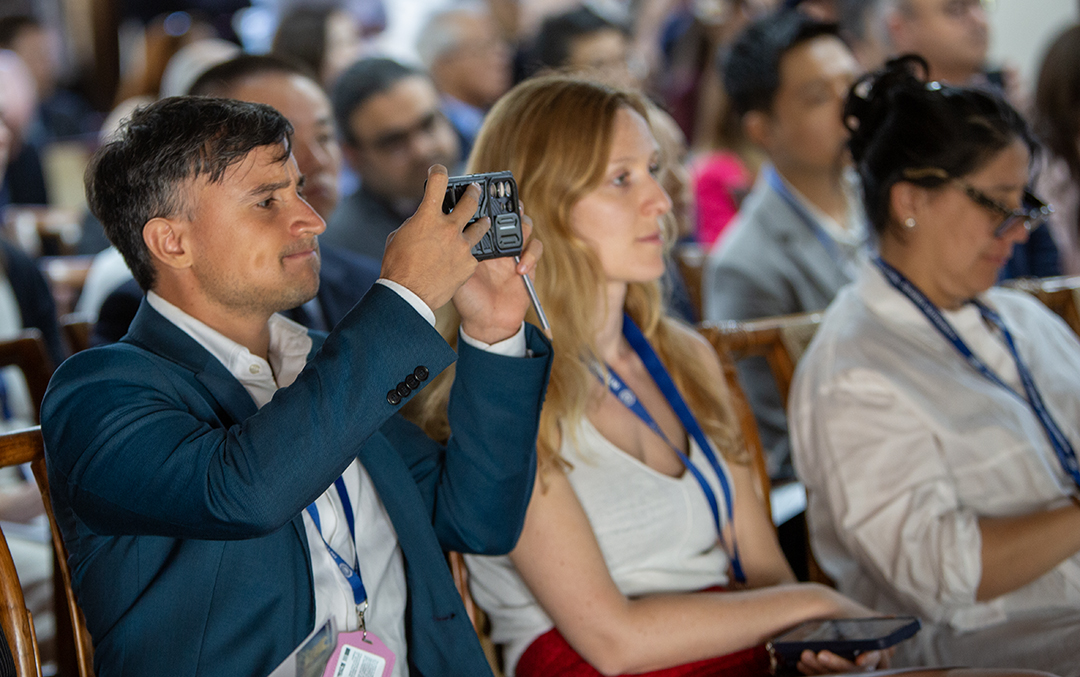
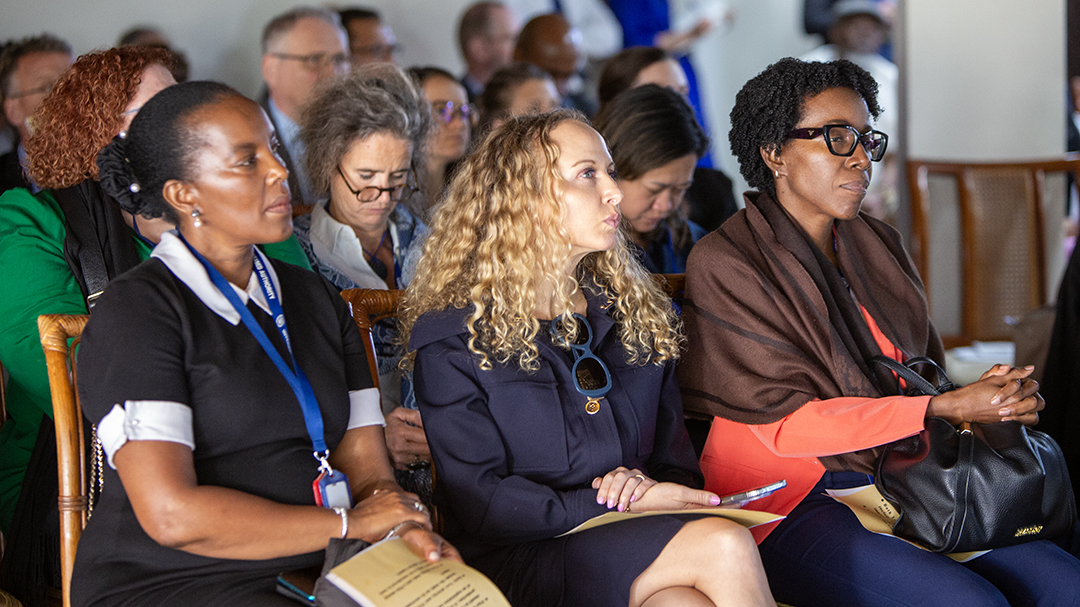
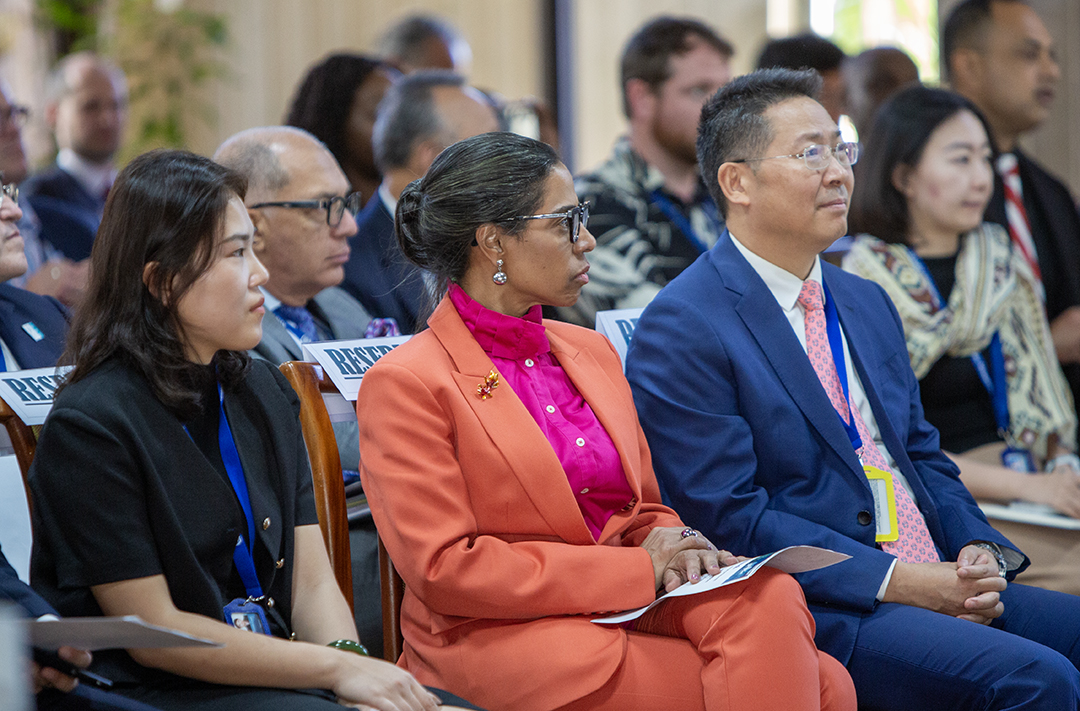
Observers follow the deliberations
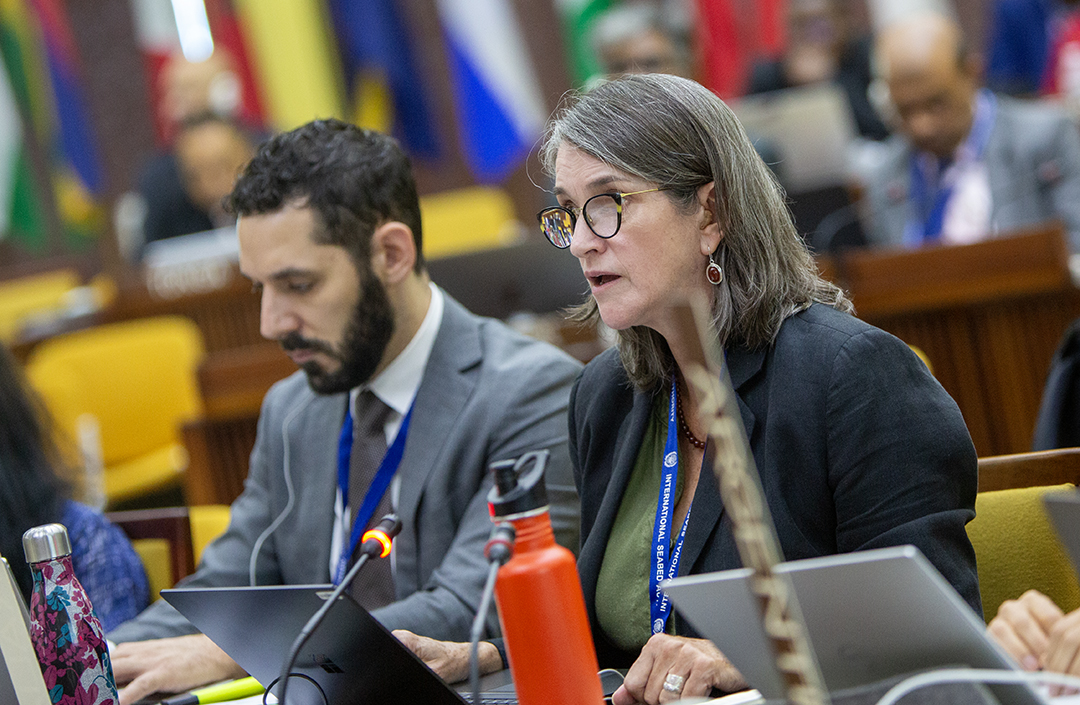
Robyn Frost, Australia
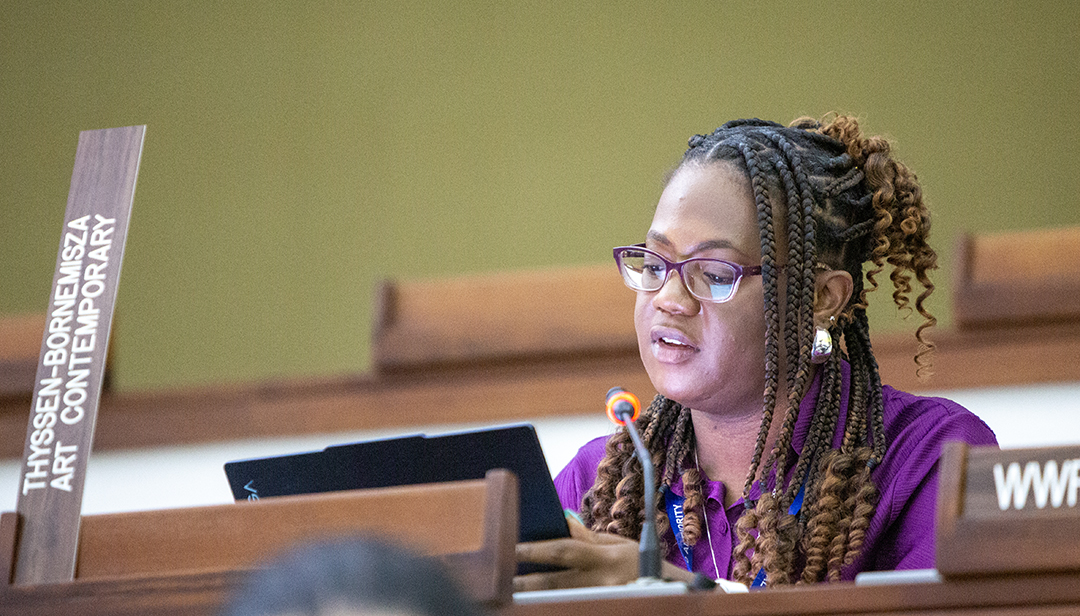
Khadija Stewart, Thyssen-Bornemisza Art Contemporary
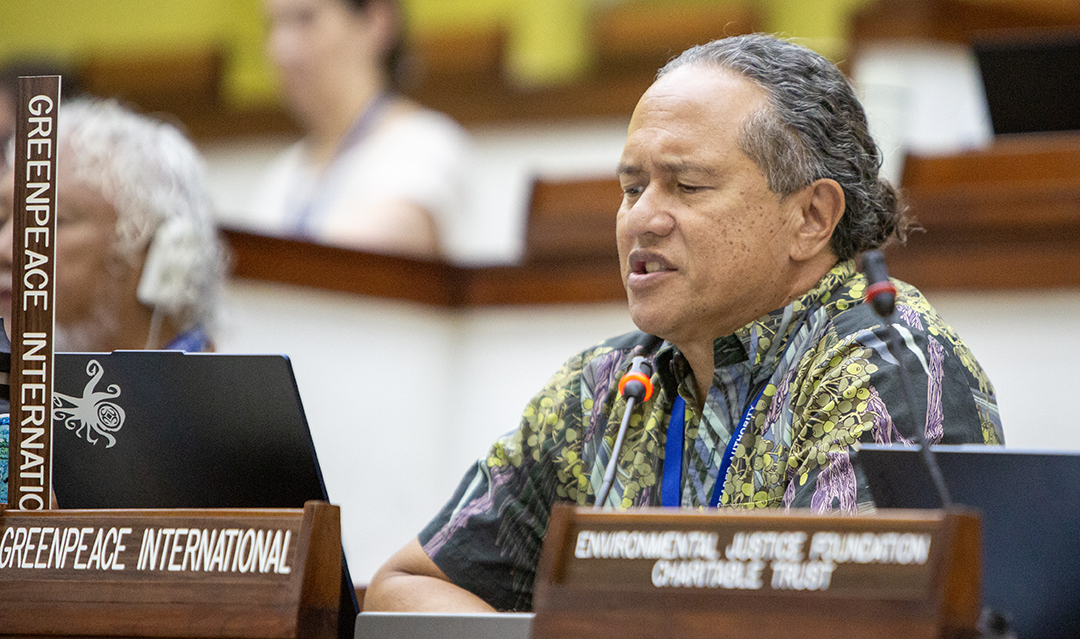
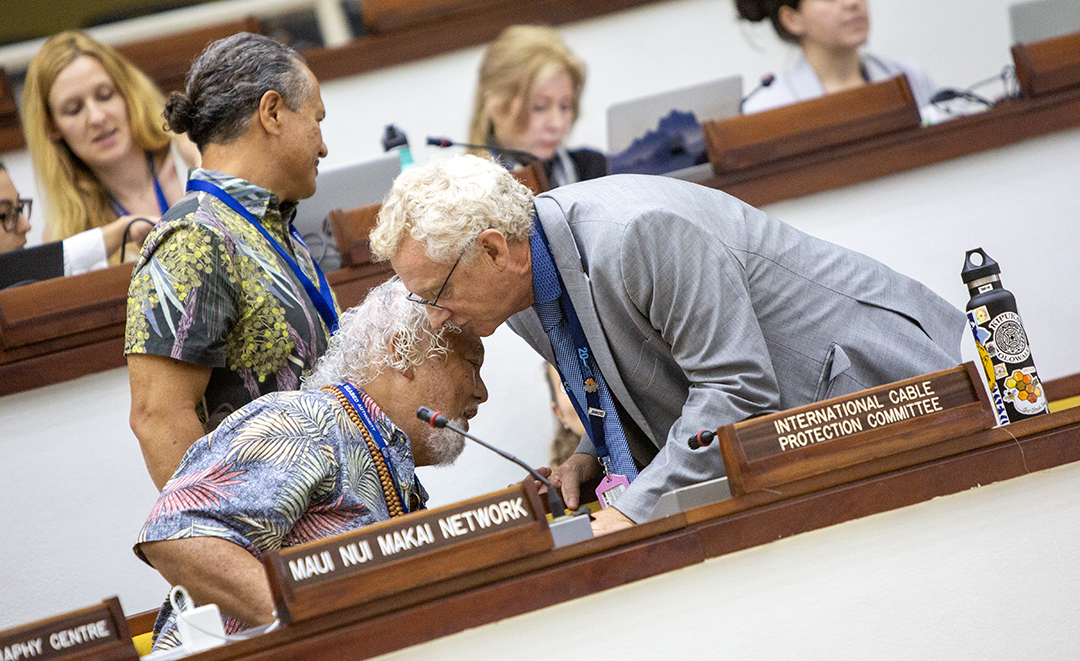
Ekolu Lindsey, Polaniu Hiu-Maui Nui Makai Network

Beatrice Chen, Singapore
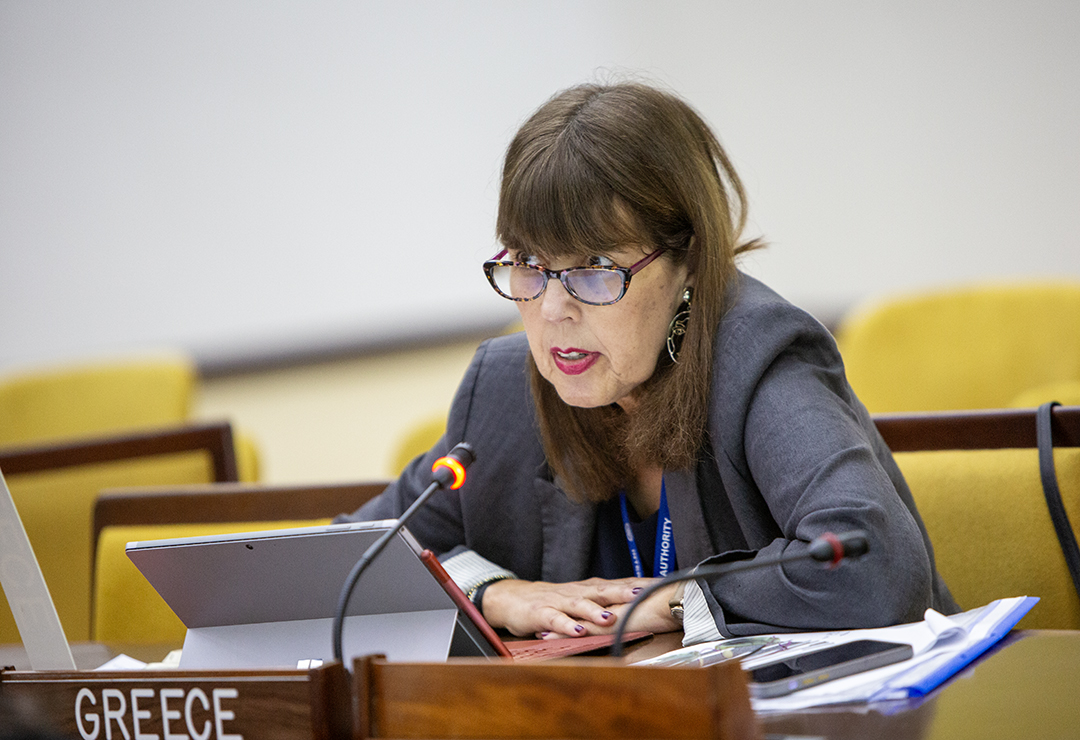
Anastasia Strati, Greece
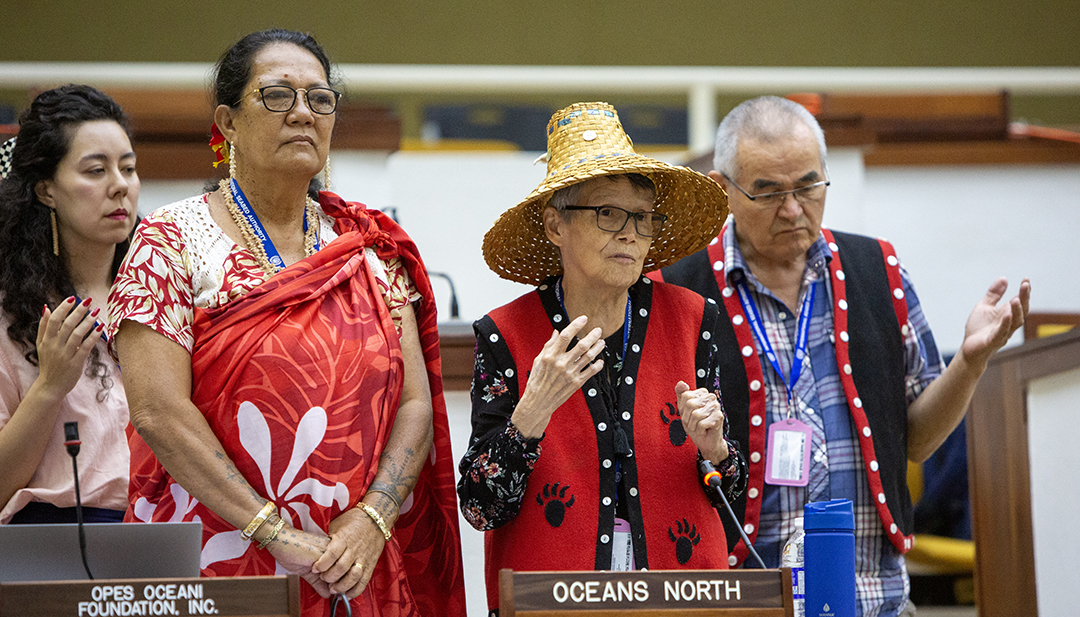
L-R: April Nishimura, Wilp Gwininitxw from the Gitxsan nation, Murphy Teurumereariki Hinano, Tetiaroa Society, Gwininitxw, Hereditary Chief, Wilp Gwininitxw nation and Tony Gawa, Wing Chief, Wilp Gwininitxw nation


Selected Images
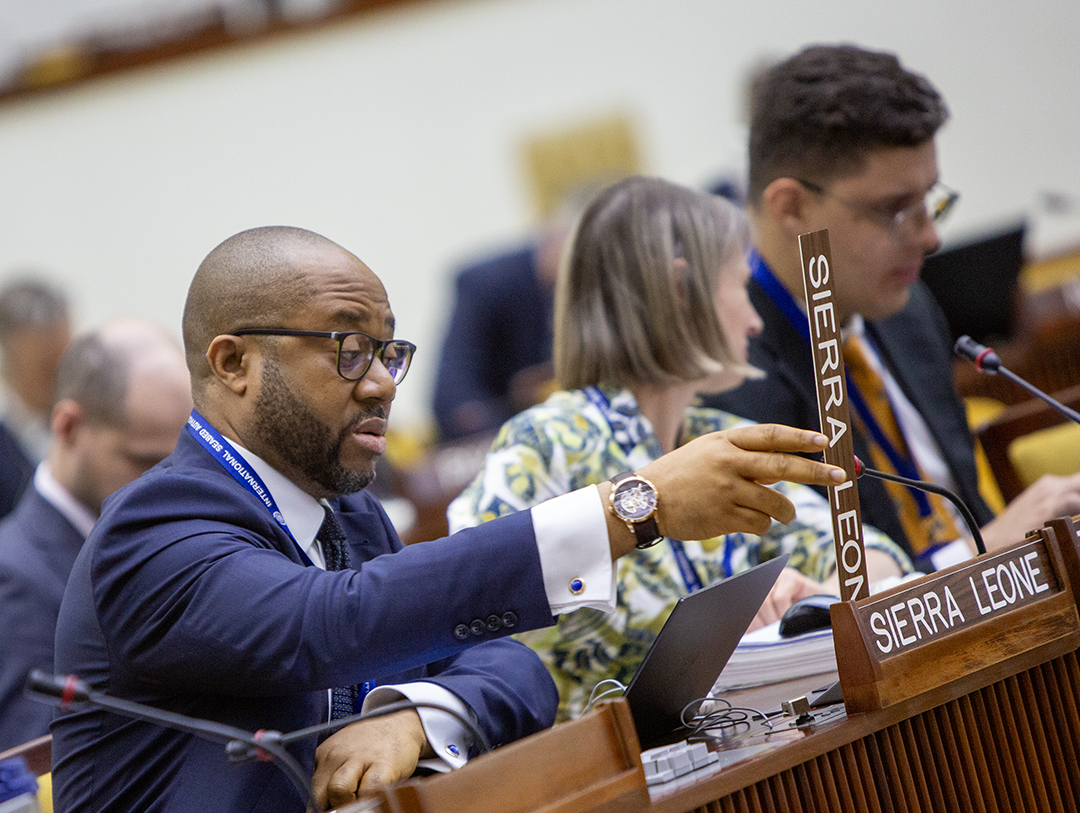
Abass Kamara, Sierra Leone
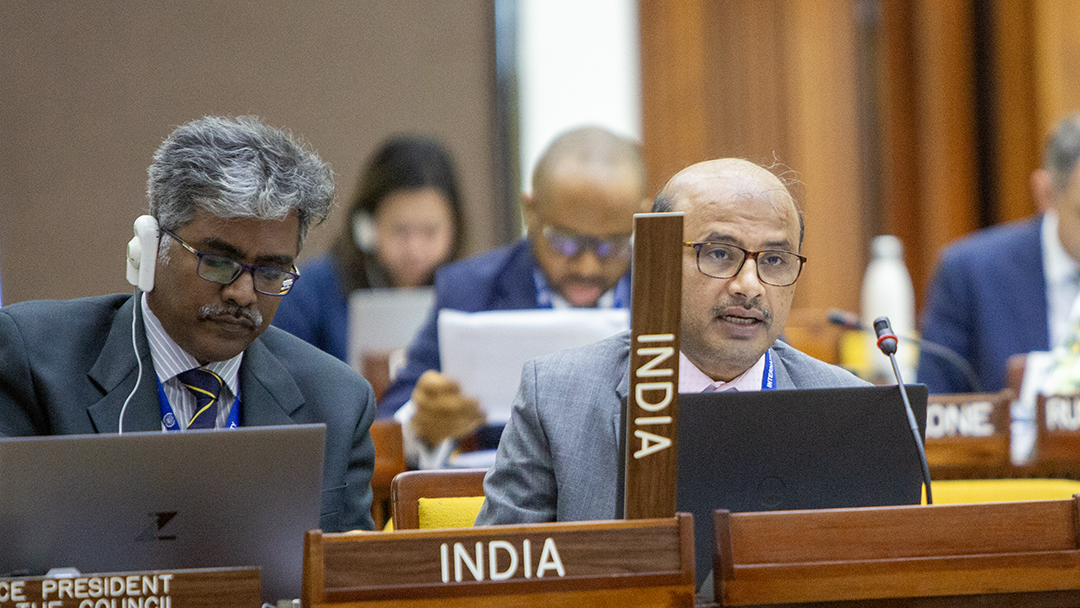
Sandip Mukhopadhya, India
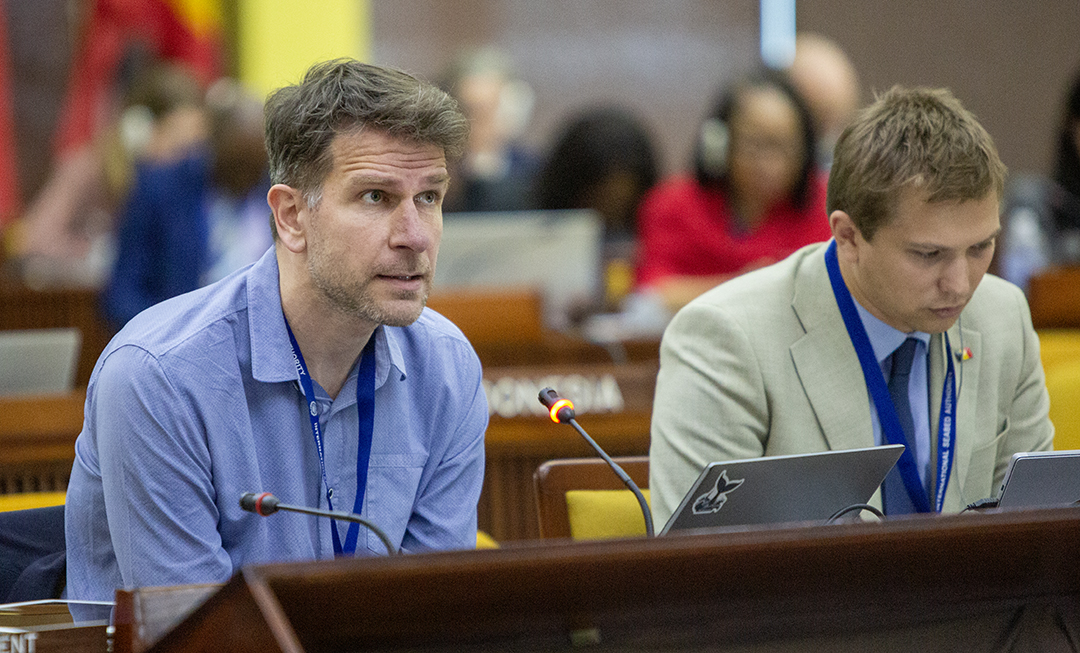
Steven Vandenborre, Belgium
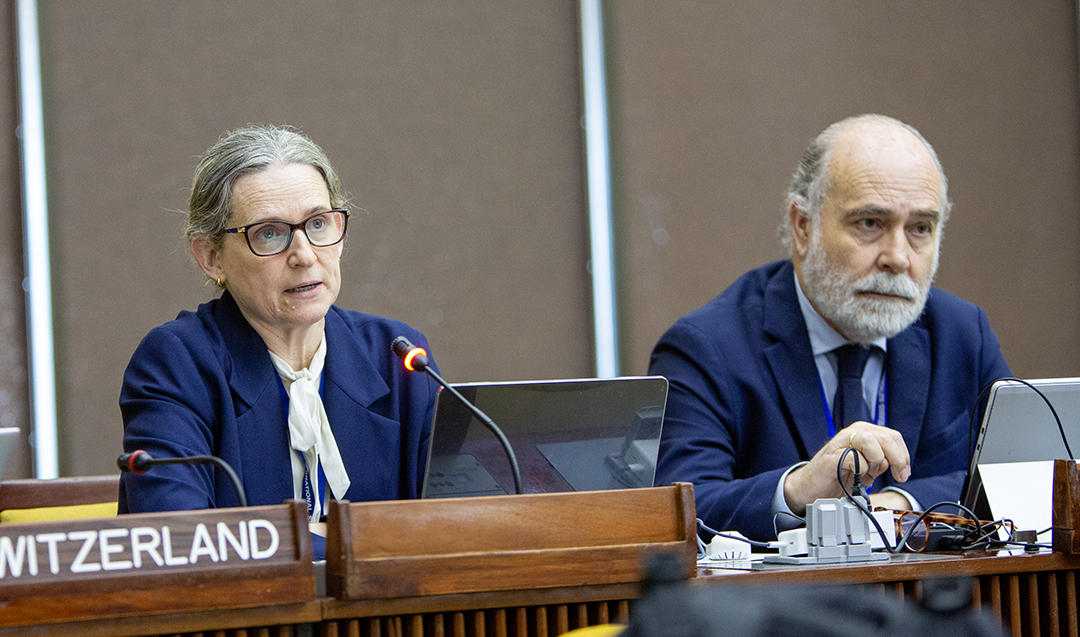
Esther Salamanca, Spain
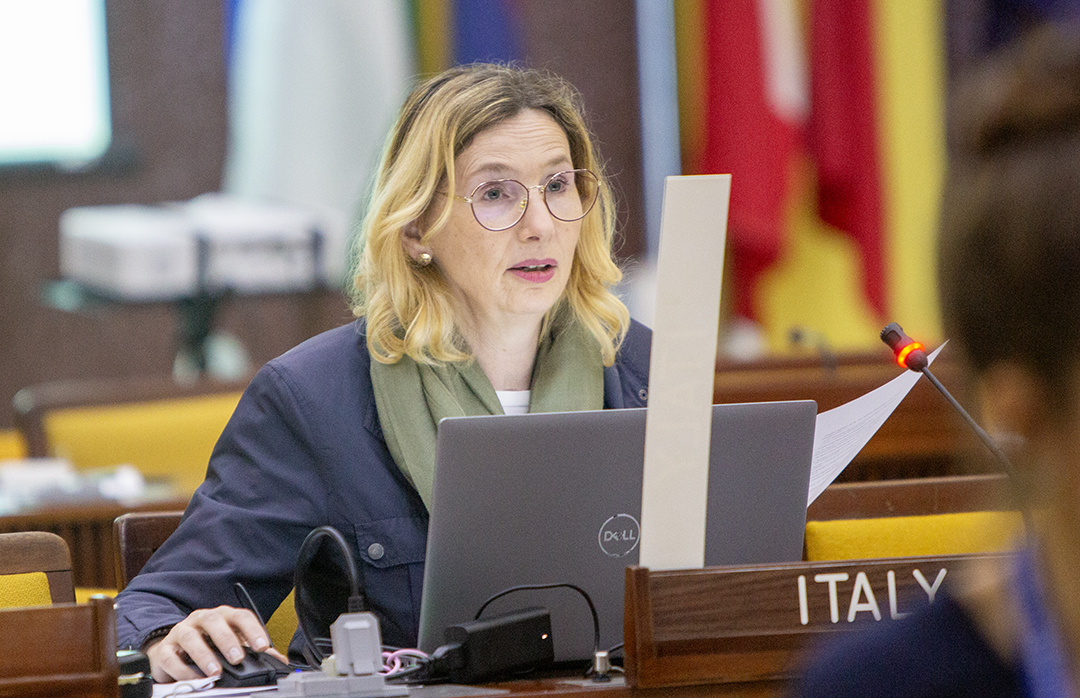
Catherine Flumiani, Italy
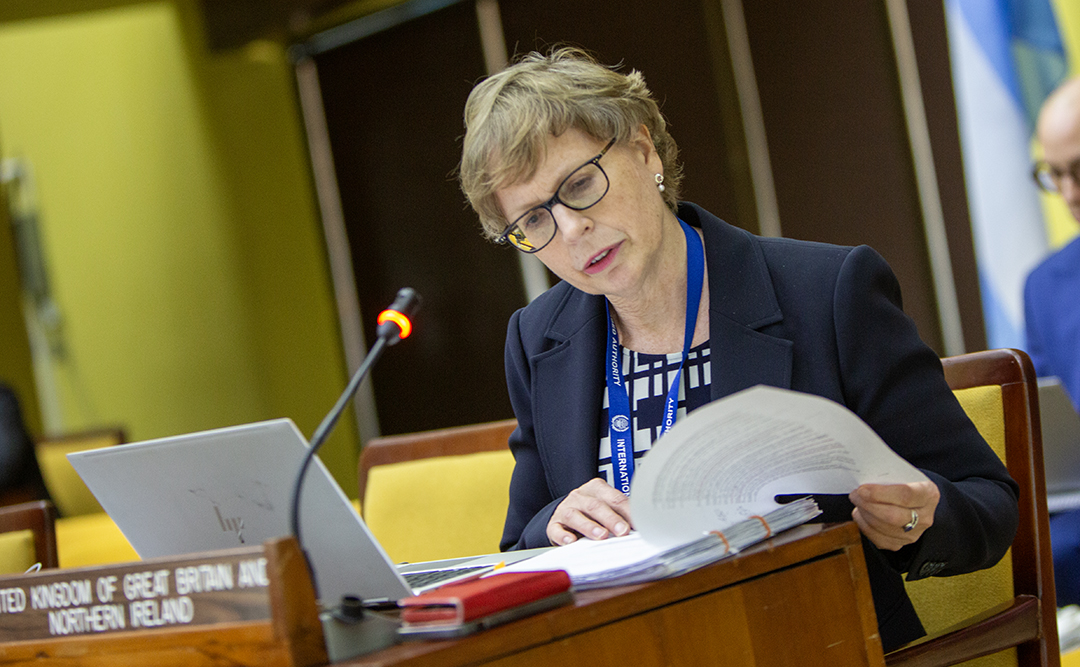
Helen Mulvein, UK
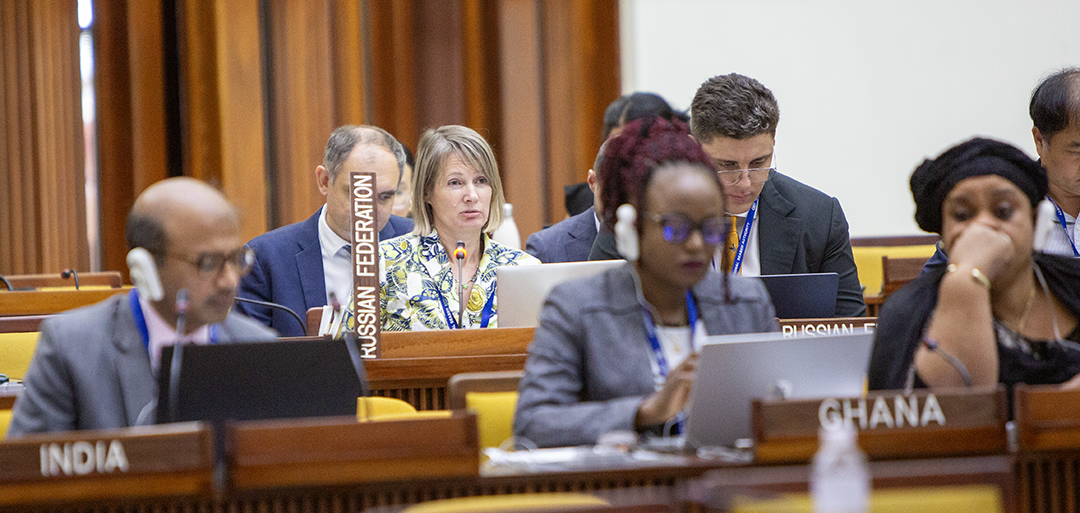
Livia Ermakova, Russian Federation
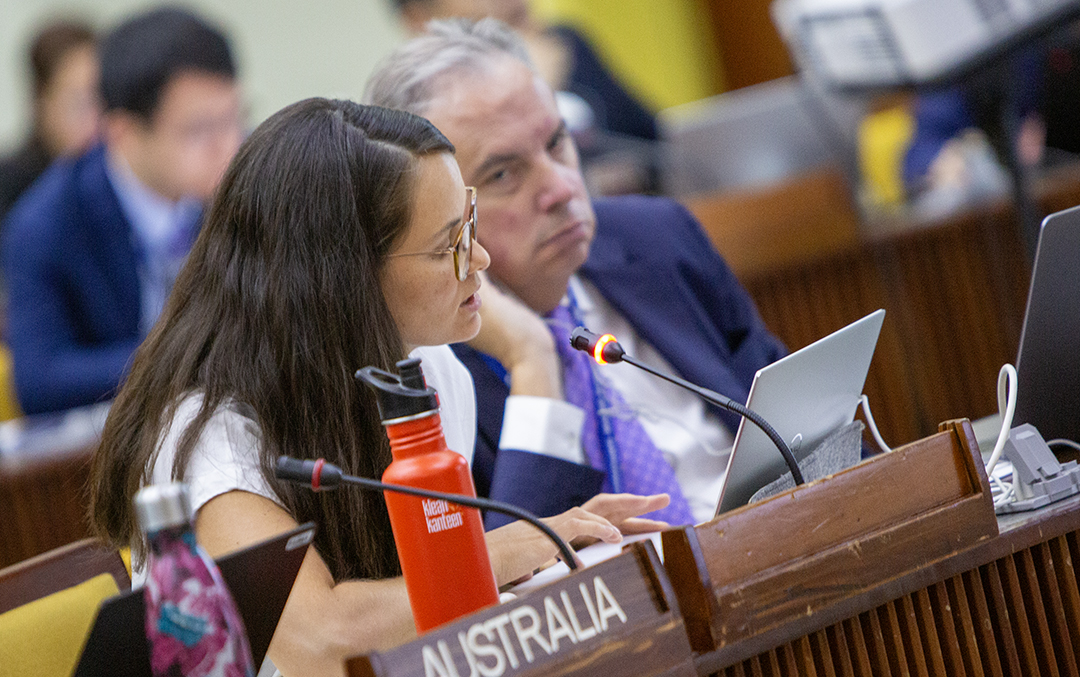
Lucia Raffin, Argentina
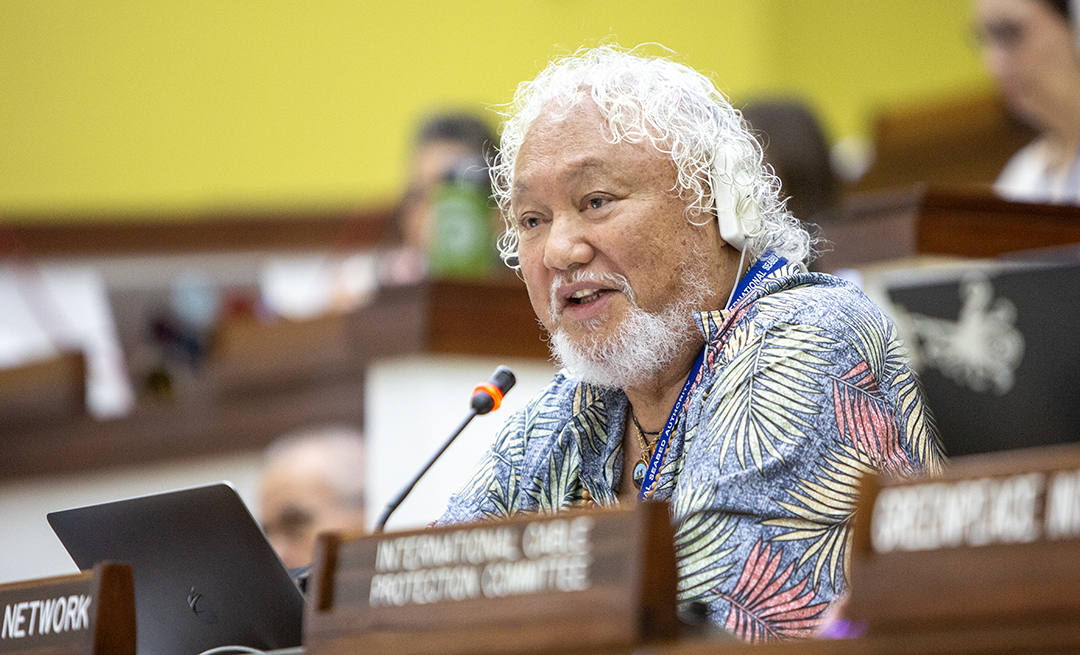
Solomon “Uncle Sol” Kaho‘ohalahala, Maui Nui Makai Network
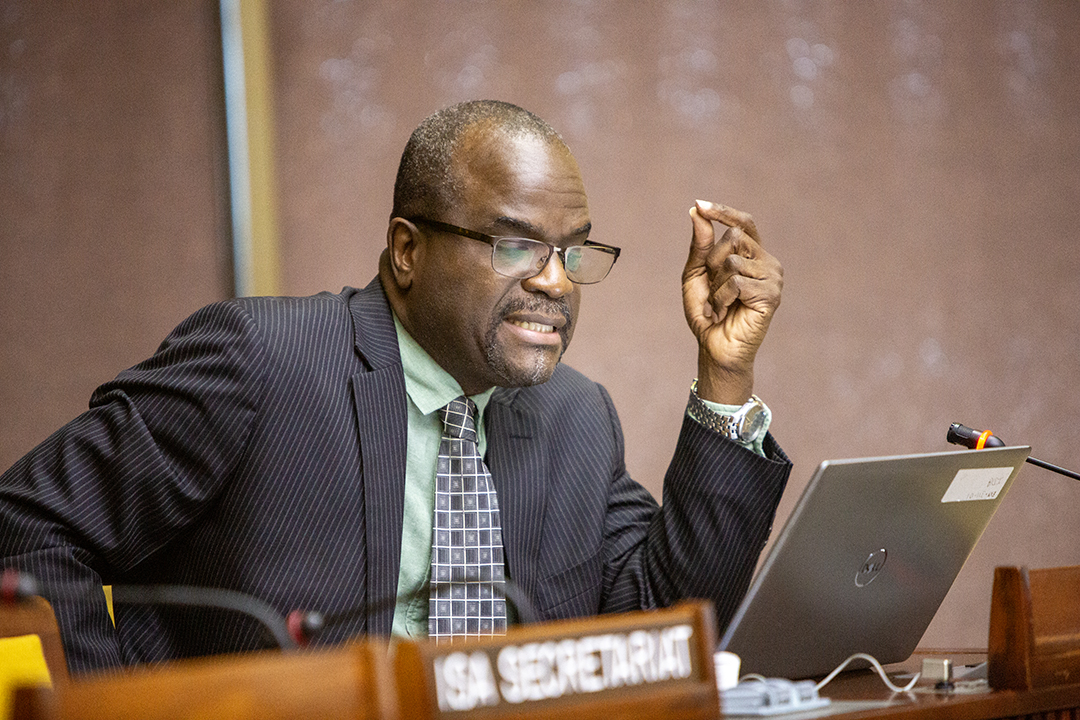
Eden Charles, Interim Director-General of the Enterprise
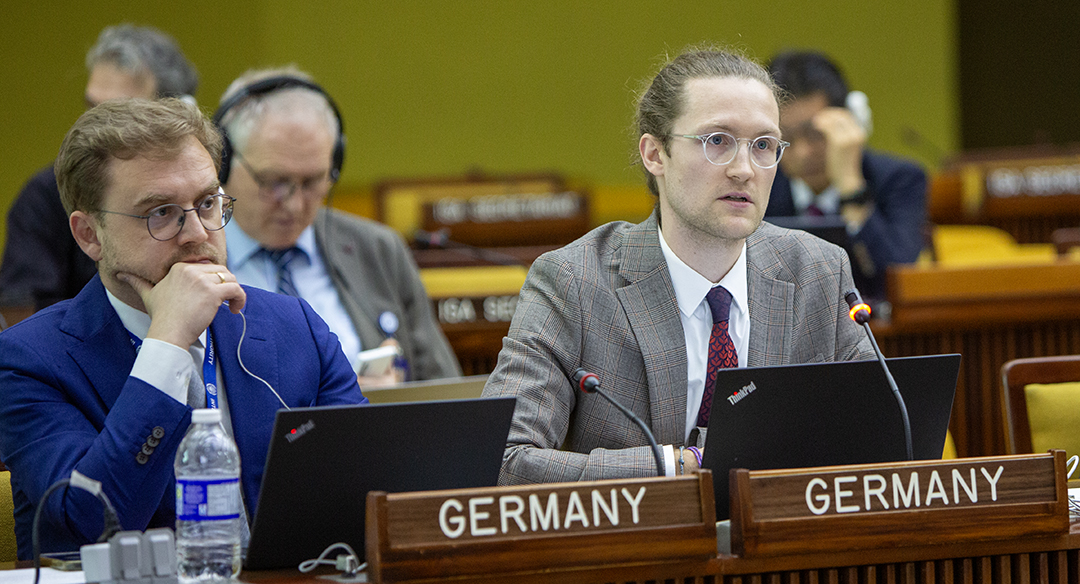
Vincent Schnell, Germany
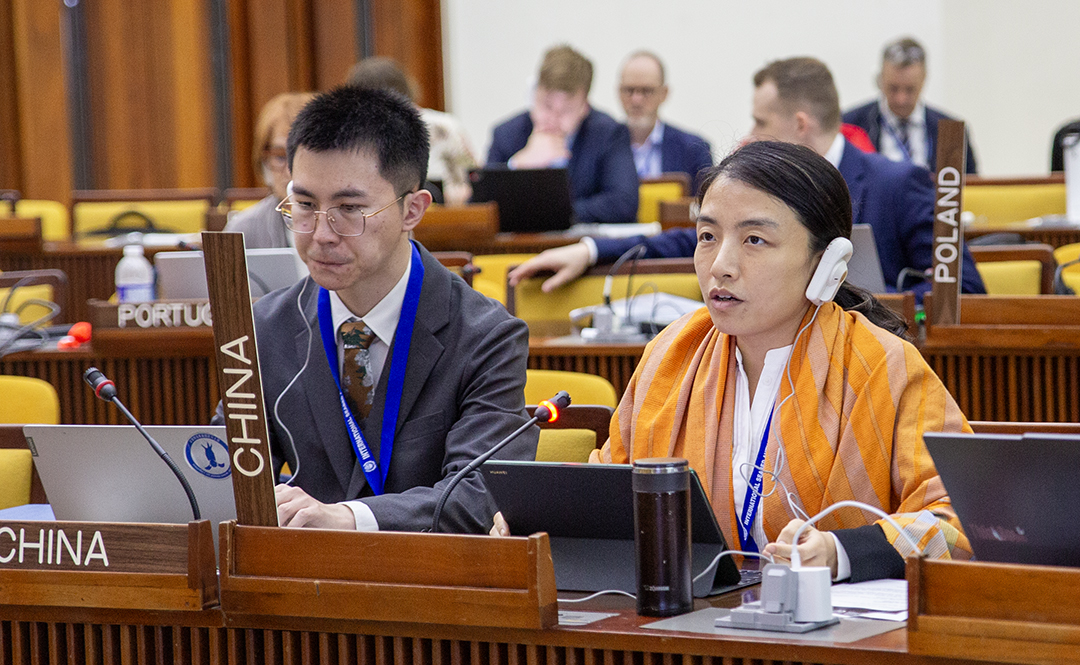
Wenting Zhao, China
Side Event: Pilot Mining - Protecting the Deep-Sea Environment and Advancing Resource Exploitation
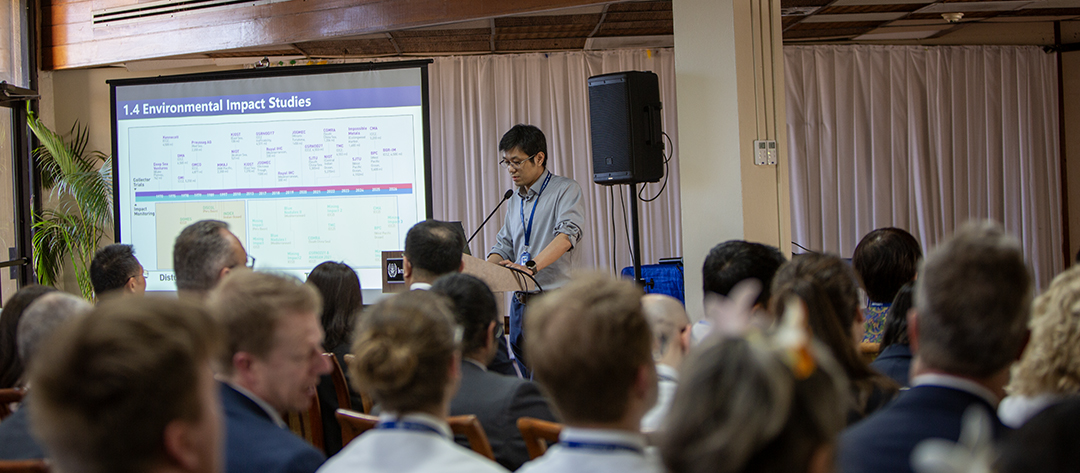
Around the Venue