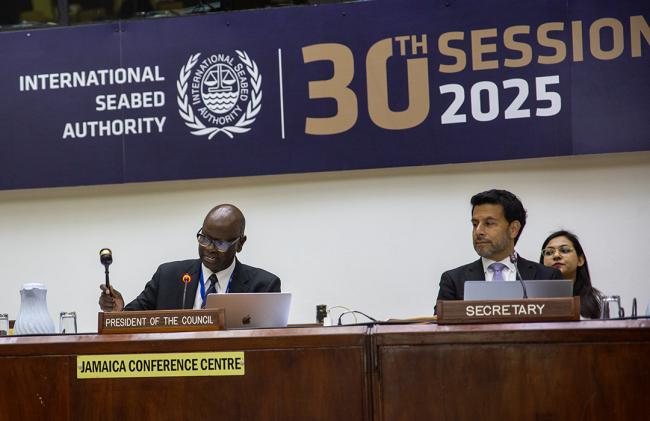
“Any unilateral action would constitute a violation of international law and fundamentally violate the principle of multilateralism and the collective framework under the UN Convention on the Law of the Sea (UNCLOS).” On the meeting’s last day, Leticia Carvalho, Secretary-General of the International Seabed Authority (ISA), expressed deep concern, informing Council members that The Metals Company USA LLC (TMC USA) has formally initiated a process to apply for exploration licenses and commercial recovery permits under existing US legislation.

Secretary-General Carvalho reaffirmed ISA’s exclusive mandate to organize, control, and regulate activities in the deep seabed beyond national jurisdiction to ensure the sustainable use of marine mineral resources for the benefit of humankind. She underscored that the principle of the common heritage of humankind is a cornerstone of international law and a fundamental pillar of ocean governance, widely upheld by the international community.

Many delegates reiterated that the Area (the seabed and ocean floor and subsoil thereof, beyond the limits of national jurisdiction) and its resources are the common heritage of humankind. Many expressed serious concerns and disappointment over the TMC USA decision, and highlighted the 2023 Council decisions noting that exploitation activities should not commence until the necessary rules, regulations, and procedures are in place. They emphasized that the Council is working in good faith toward developing a robust regulatory framework for deep-sea mining, and reiterated their strong commitment to UNCLOS, the 1994 Agreement, and the ISA.

Observers urged the Council to adopt a moratorium or precautionary pause until there is sufficient understanding of the impacts and effects of deep-sea mining, and called for decisions that reflect intergenerational equity, environmental protection, and multilateral cooperation, urging states to prioritize these over corporate interests.

Delegates also addressed an agenda item on further consideration of actions that the Council may take if an application is to be submitted before the Council has completed the rules, regulations, and procedures relating to exploitation.
Nauru noted they are working with Nauru Ocean Resources Inc. (NORI) to prepare an application for a plan of work for exploitation, which they intend to submit to the ISA in June 2025, and highlighted the need to discuss the procedure for considering NORI’s plan of work.

Chile stressed the ISA and Council must be allowed to make progress on the draft exploitation regulations at a pace they deem appropriate in order to establish a robust system for exploitation. They emphasized next steps must focus on continuing the negotiations of the exploitation regulations and developing an ISA general policy on the protection and preservation of the marine environment.


Following a discussion on deferring deliberations on this matter to the second part of the 30th session, in July 2025, many delegates highlighted previous Council decisions adopted by consensus, emphasizing that commercial exploitation of mineral resources in the Area should not be carried out in the absence of the rules, regulations, and procedures. They reiterated their commitment to UNCLOS and underscored the need to uphold the principles of precaution and the common heritage of humankind, cautioning against rushing negotiations. They stressed that, despite progress, several outstanding issues remain.

Observers questioned how an application for a plan of work for exploitation can possibly be addressed, practically or legally, in the absence of regulations, and reiterated the call for a moratorium until a robust framework is in place to safeguard the marine environment.

Delegates further:
- addressed draft exploitation regulations 53 bis (pollution control), 53 ter (mining discharges), 54 (establishment of an environmental compensation fund), and 55 (purpose of the environmental compensation fund);
- listened to report by facilitators of informal working groups;
- reviewed progress on the draft exploitation regulations; and
- discussed modalities for intersessional work.


Council President Duncan Muhumuza Laki (Uganda) thanked all participants for their hard work and commitment, urging them to remain proactive and constructive for the development of a robust framework for the commercial exploitation of deep-sea mineral resources. He gaveled the meeting to a close at 6:04 pm.

To receive free coverage of global environmental events delivered to your inbox, subscribe to the ENB Update newsletter.
All ENB photos are free to use with attribution. For the 1st Part of the 30th Annual Session of the International Seabed Authority, please use: Photo by IISD/ENB | Angeles Estrada Vigil
Selected Images
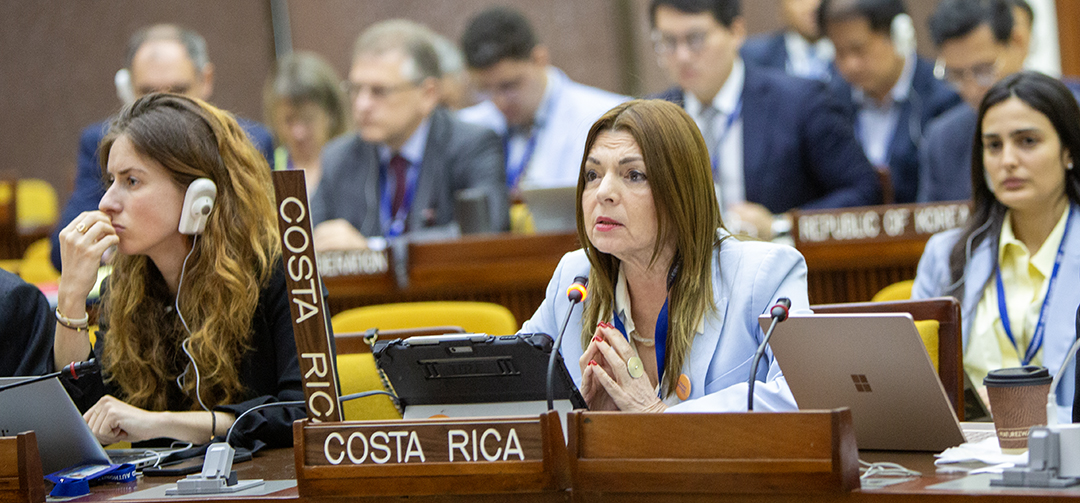
Gina Guillén Grillo, Costa Rica
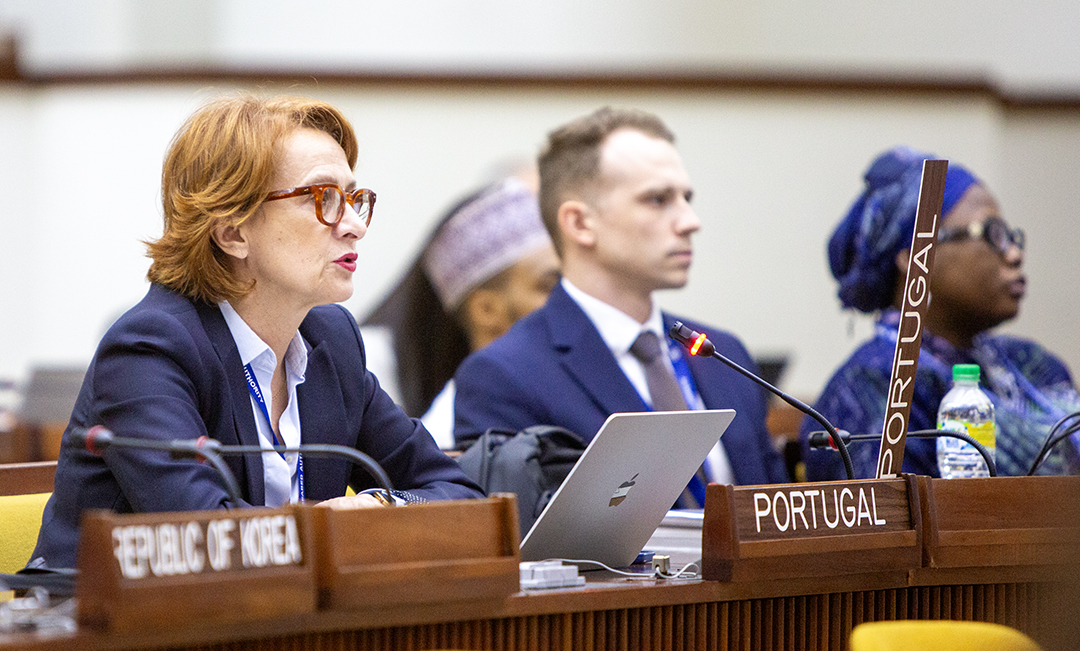
Maria Luís Mendes, Portugal
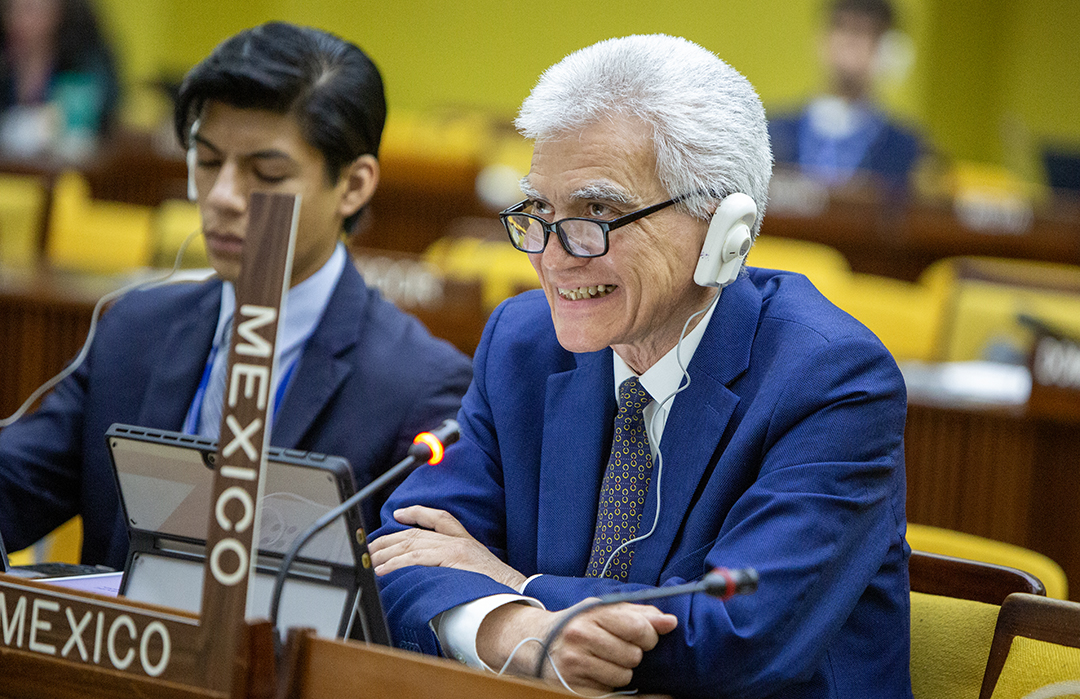
Roberto Conseco, Mexico
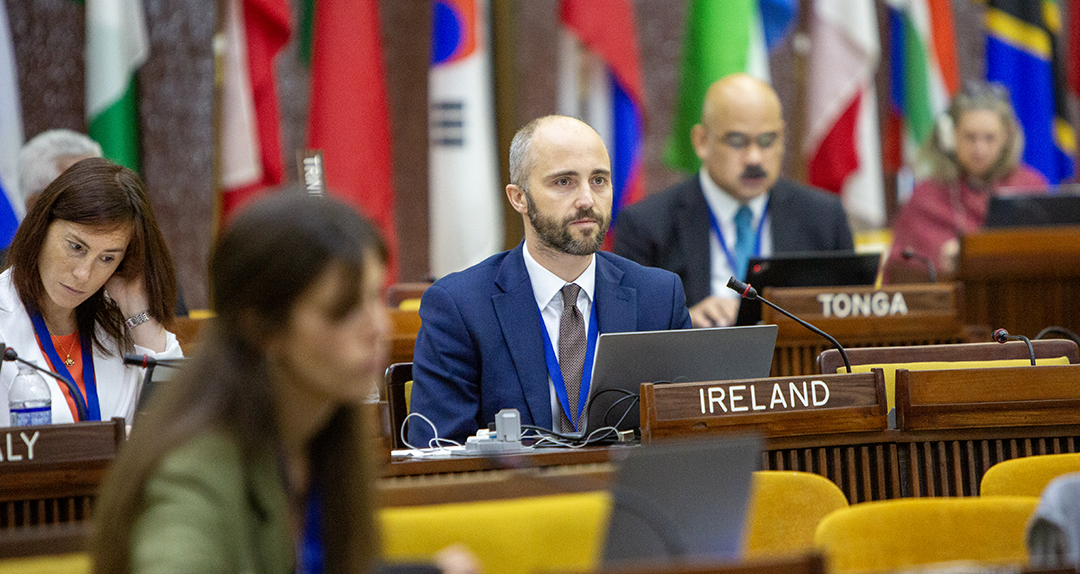
Carl Grainger, Ireland
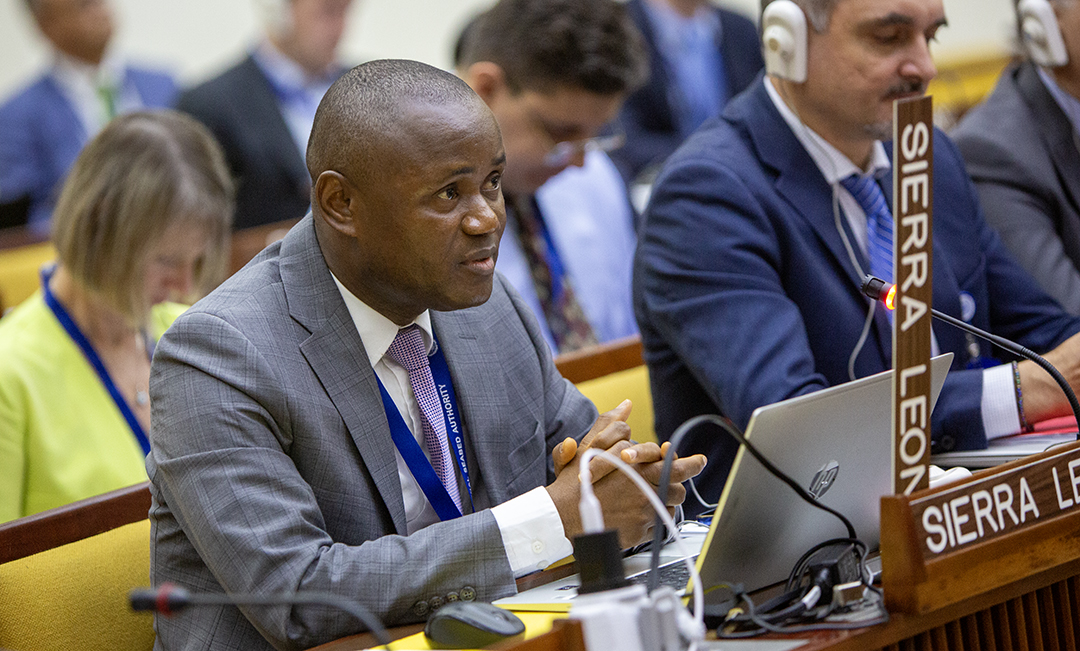
Allieu Koroma, Sierra Leone
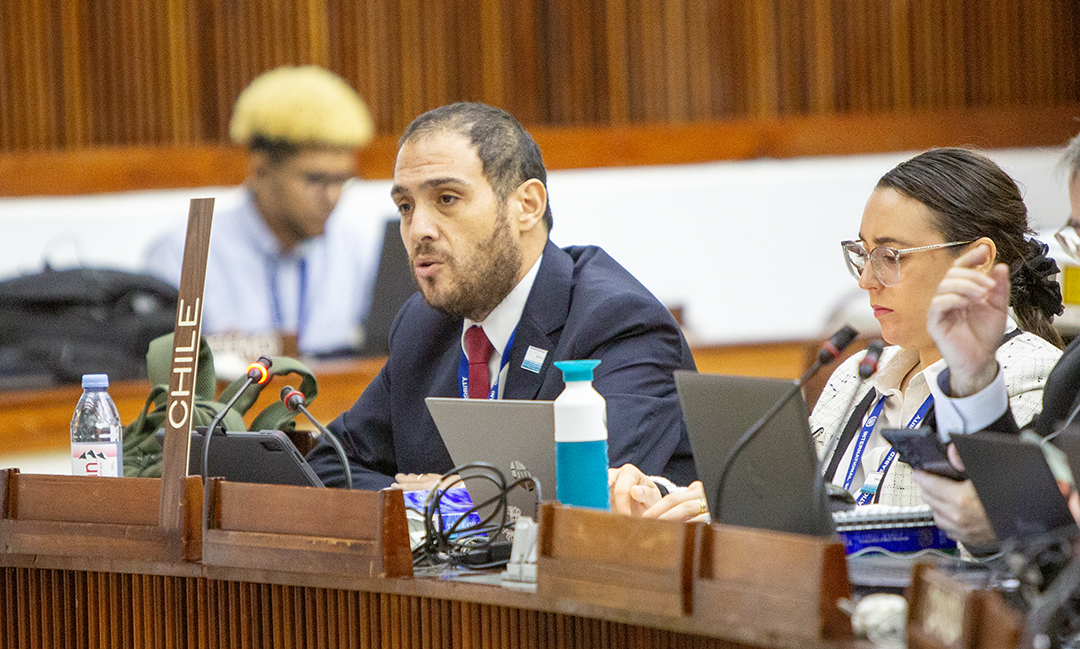
Salvador Vega Telia, Chile
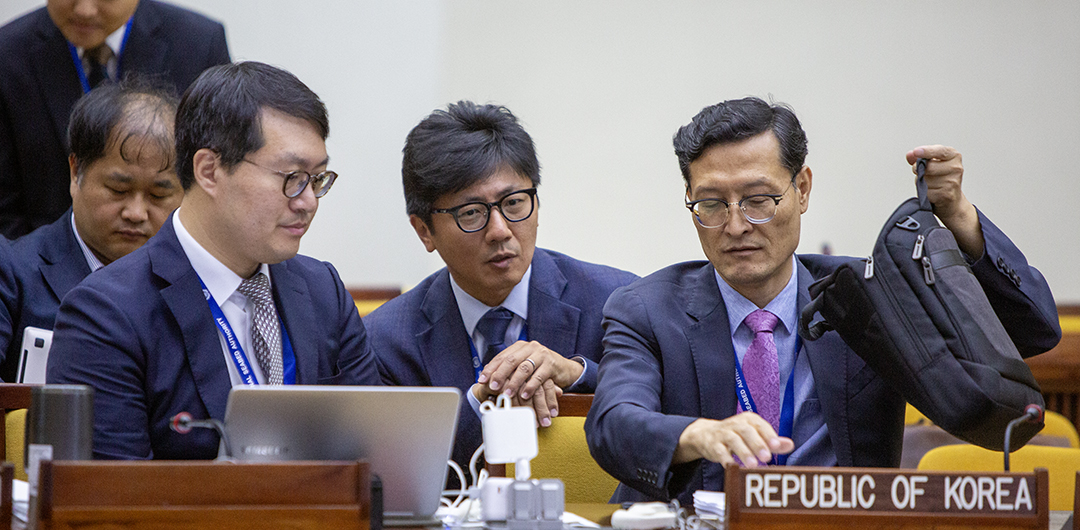
Delegates from the Republic of Korea
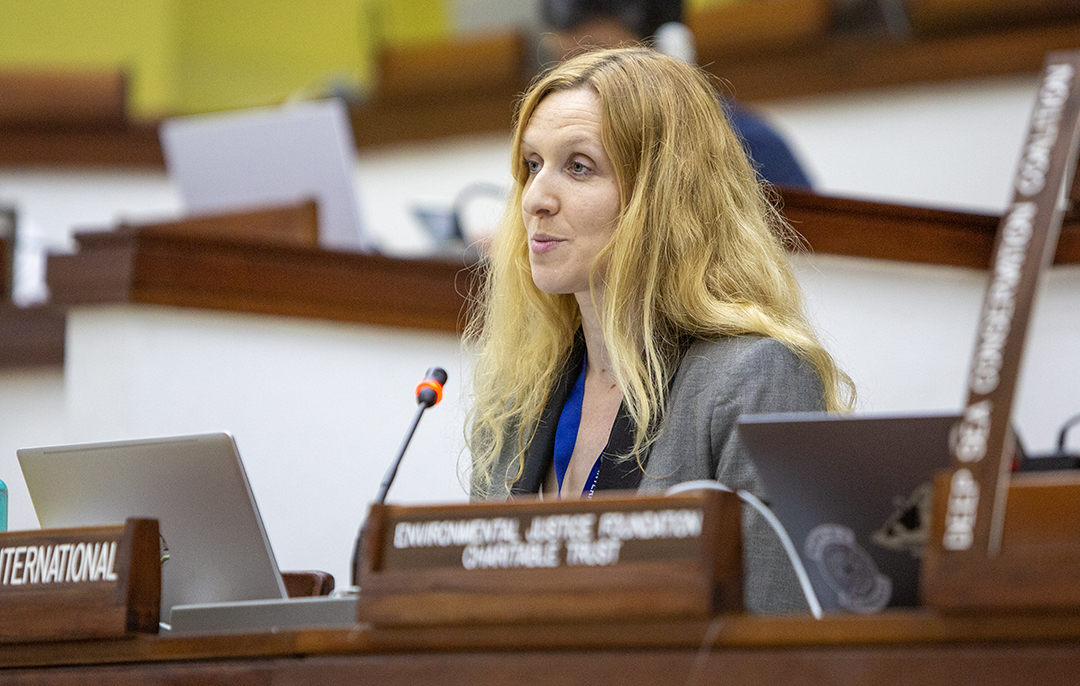
Louisa Casson, Greenpeace International
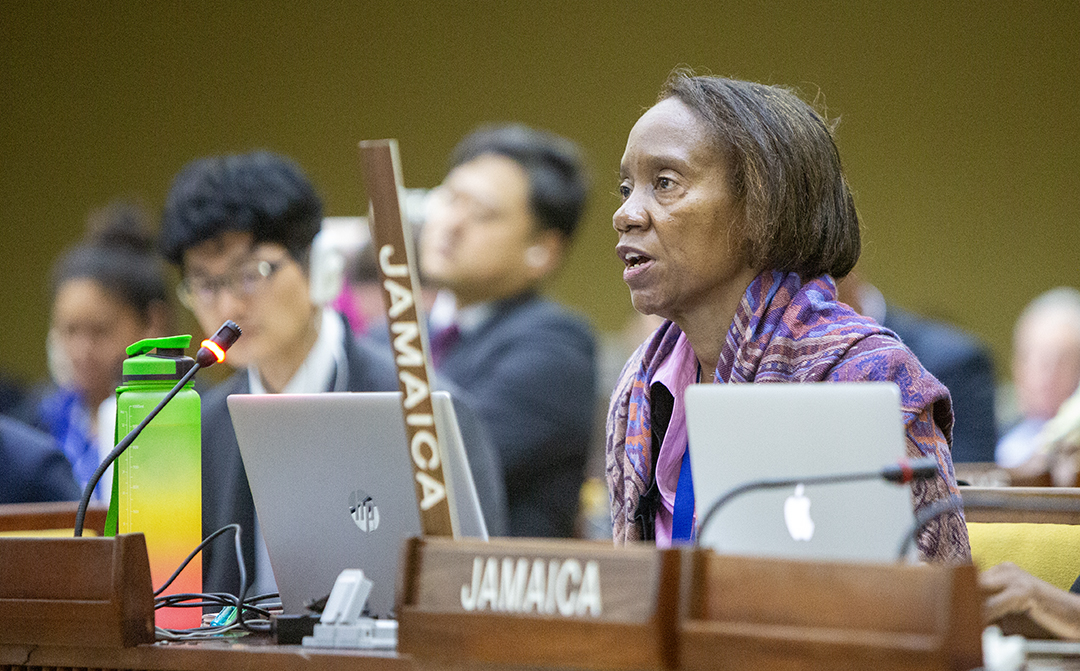
Michelle Walker, Jamaica
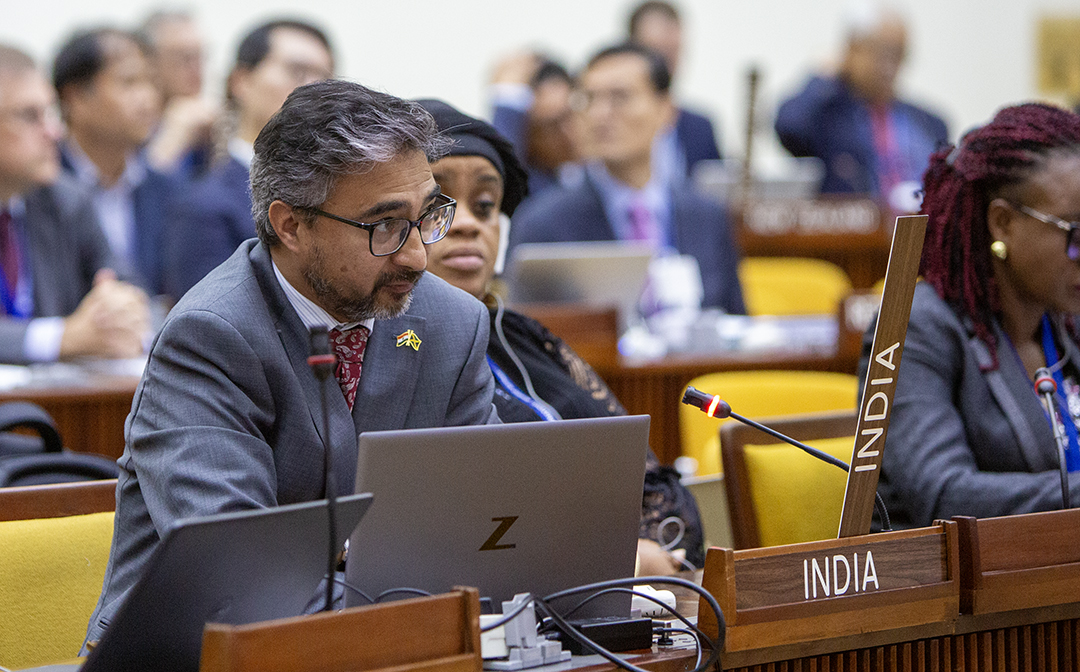
Mayank Joshi, India
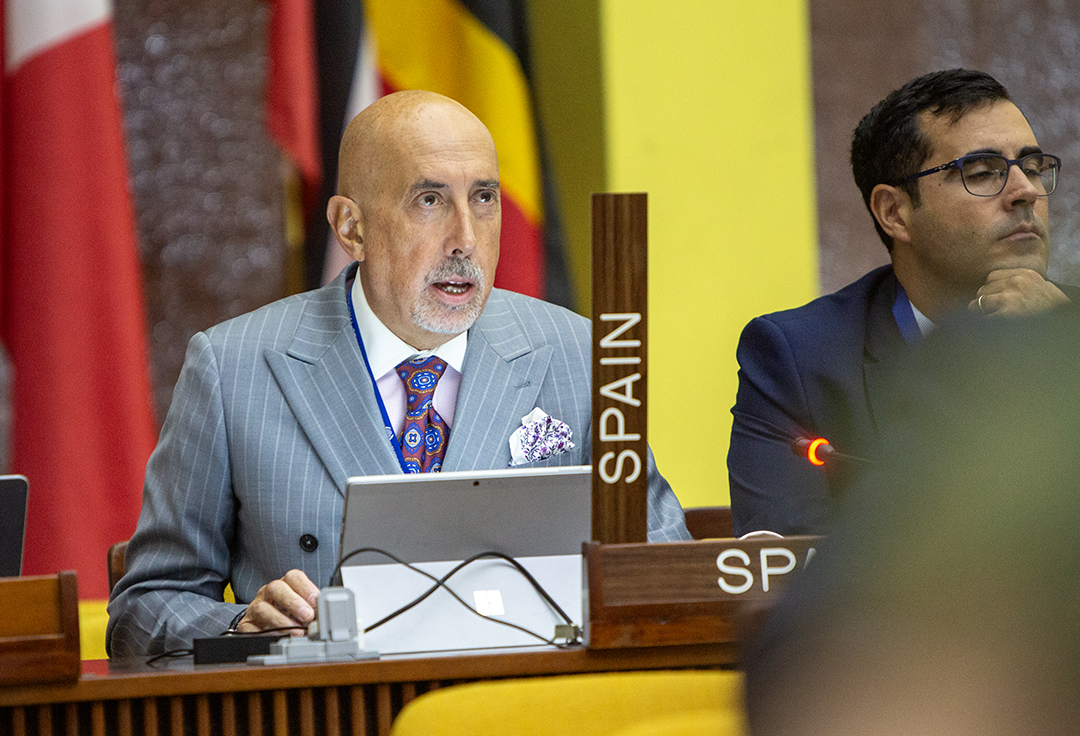
José María Fernández López de Turiso, Spain
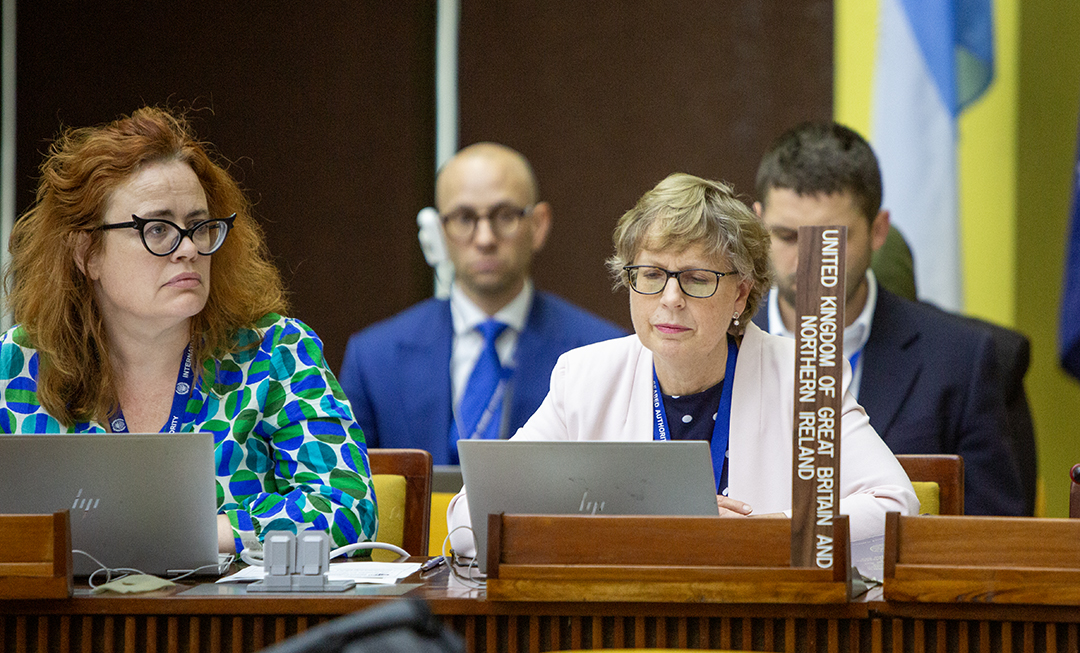
Helen Mulvein, UK
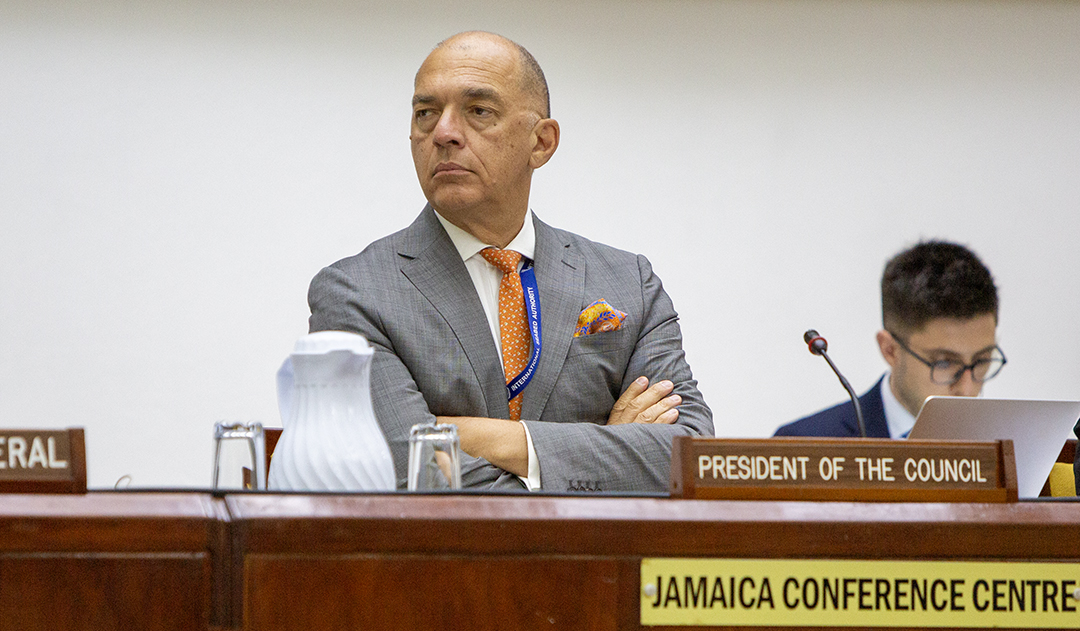
Council Vice-President Antonio Otavio Sá Ricarte, Brazil
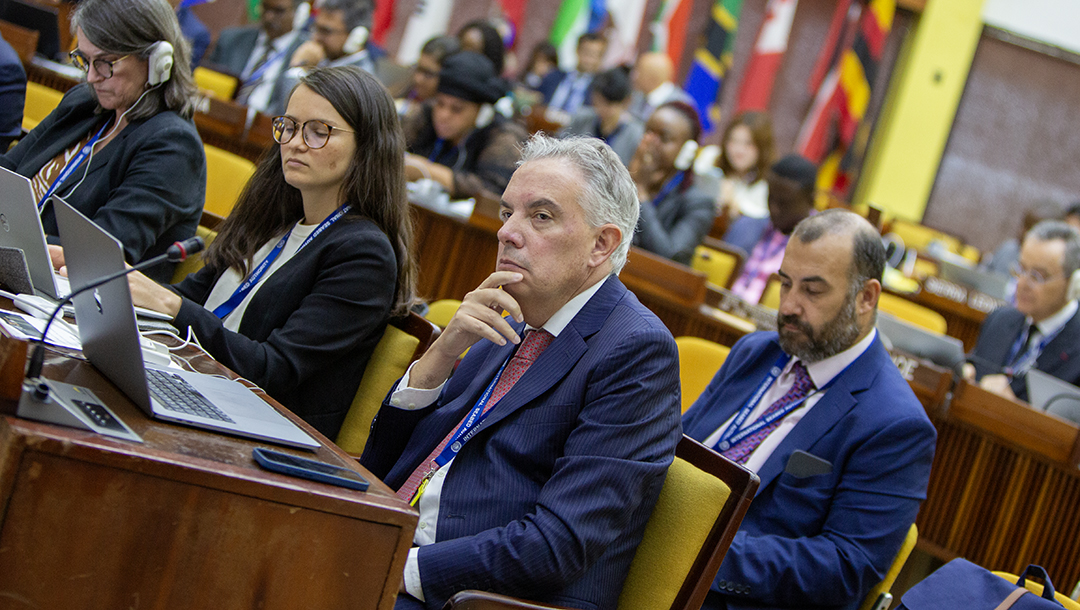
Marcelo Balbi Calvo, Argentina
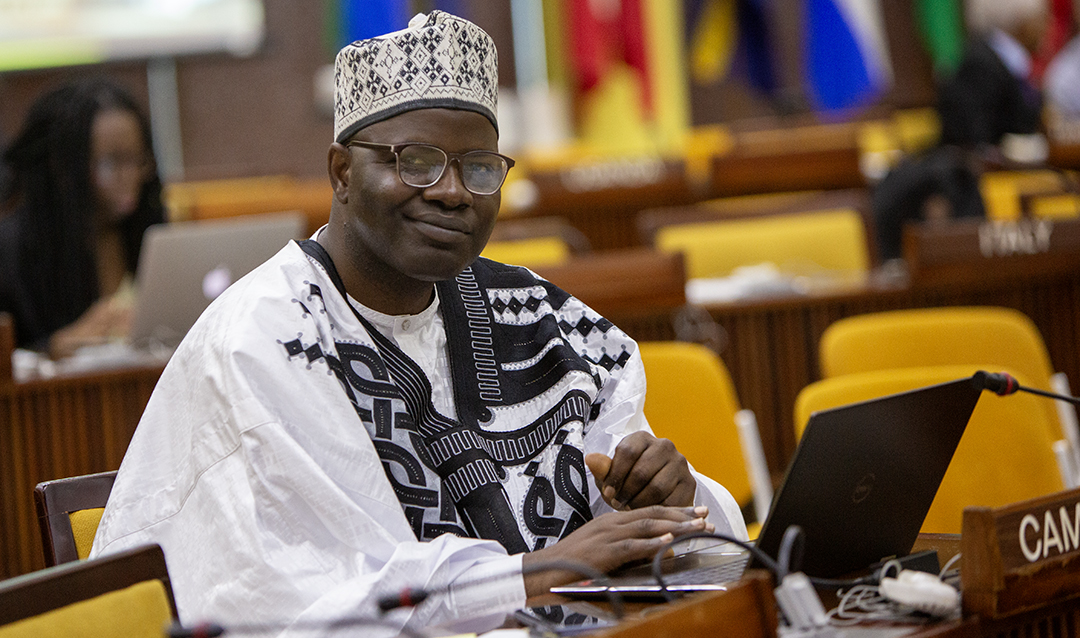
Ahidjo, Cameroon
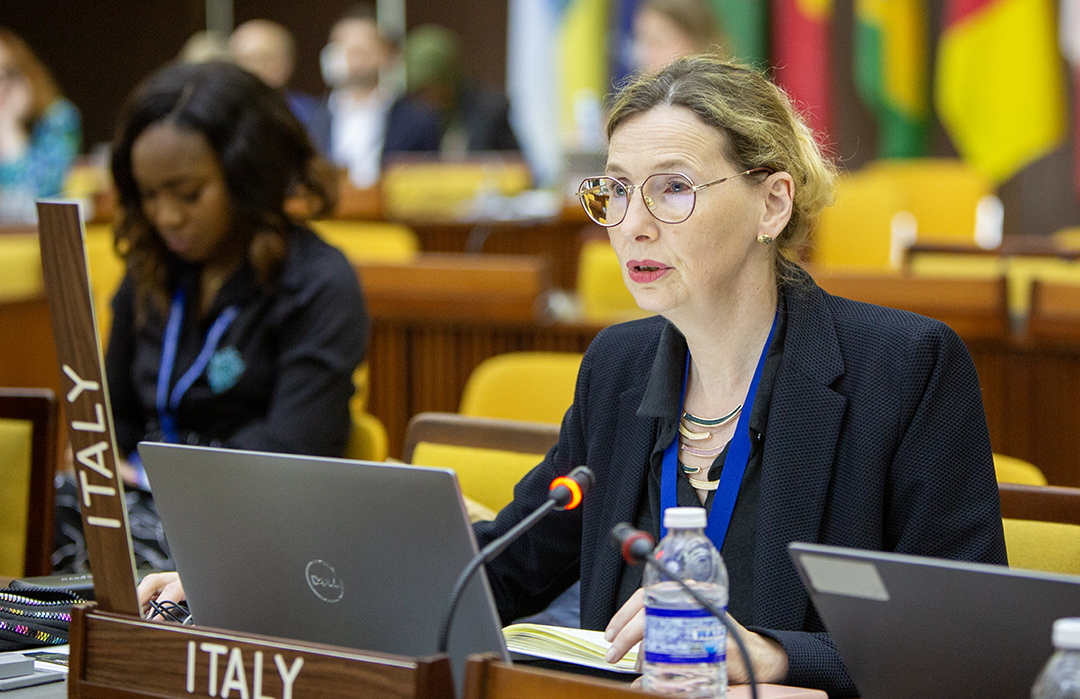
Catherine Flumiani, Italy
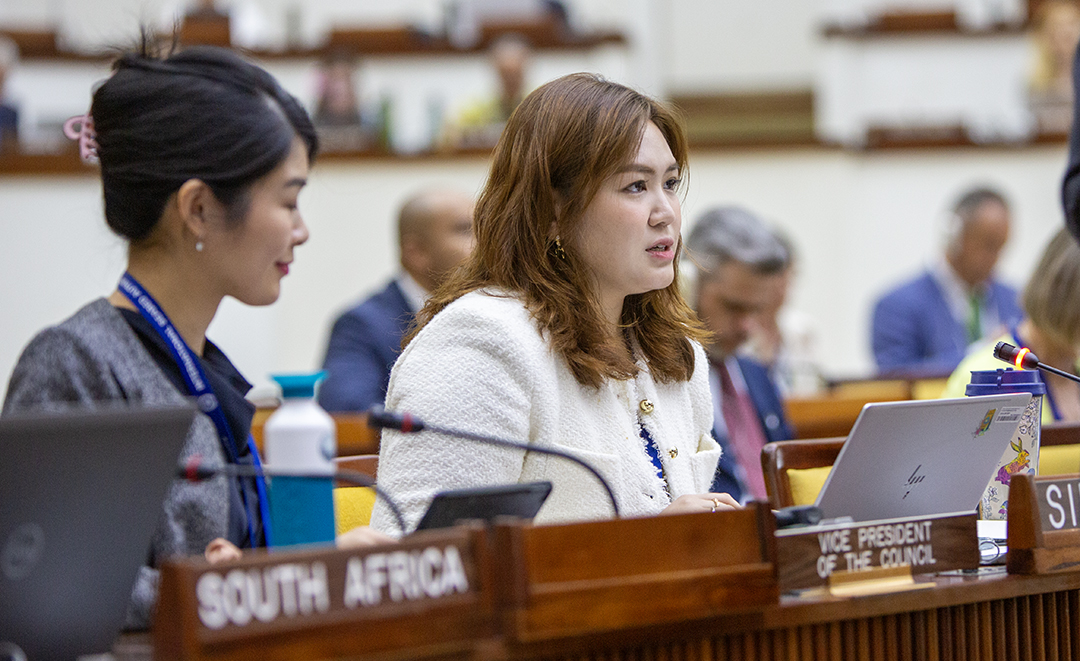
Beatrice Chen, Singapore
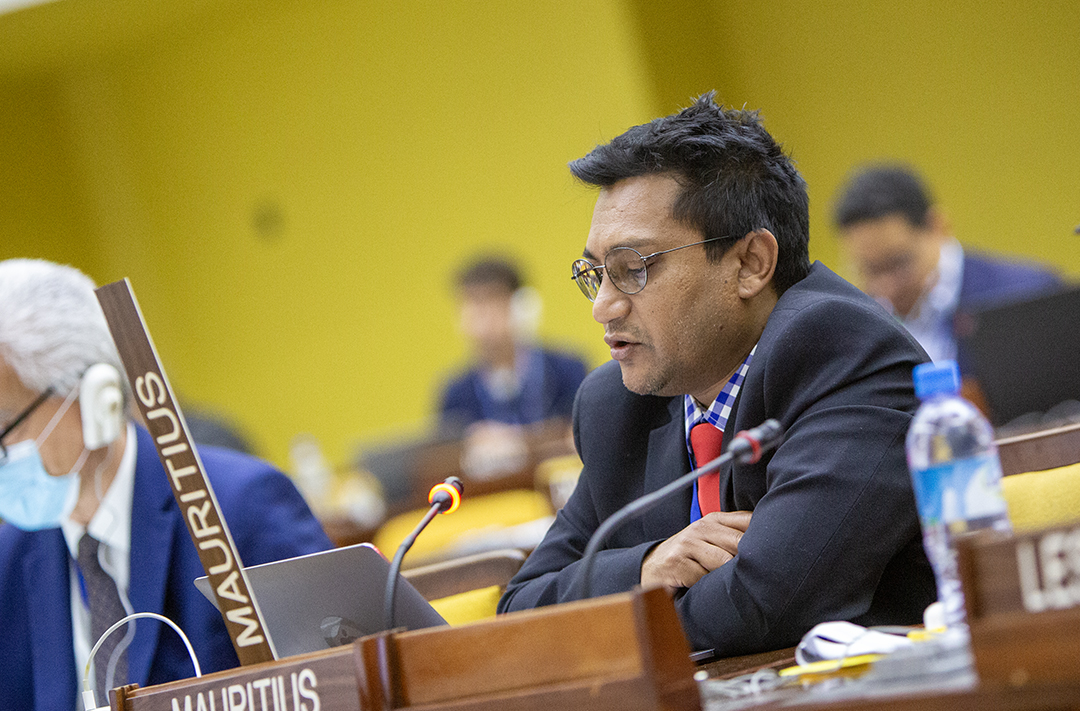
Prithivi Dass Bissessur, Mauritius
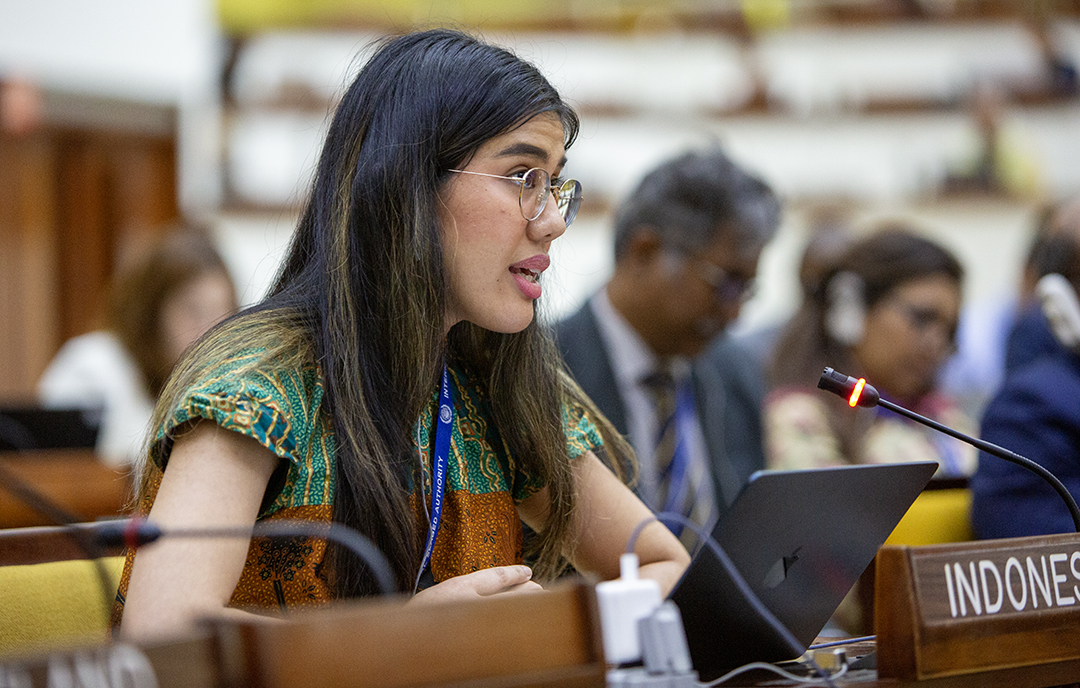
Sherley Sandiori, Indonesia
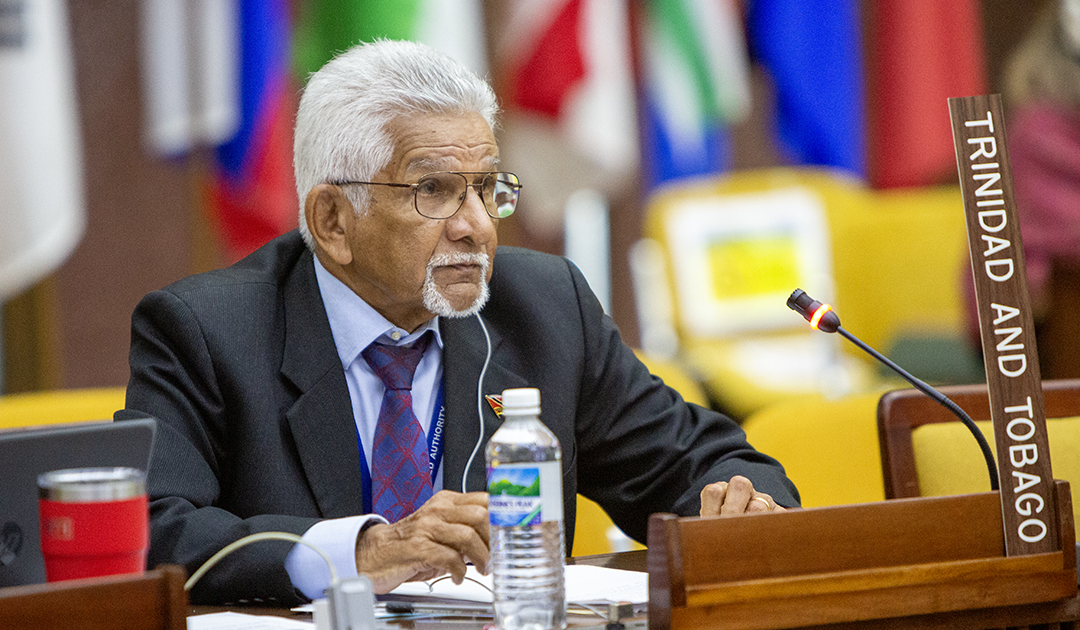
Deryck Lance Murray, Trinidad and Tobago
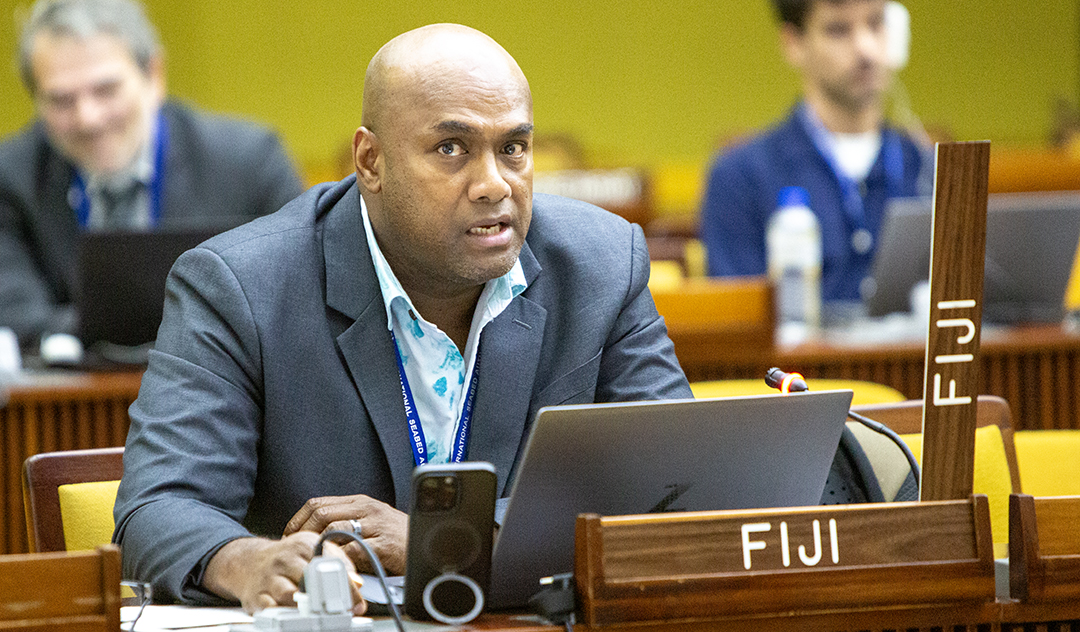
Apete Soro, Fiji
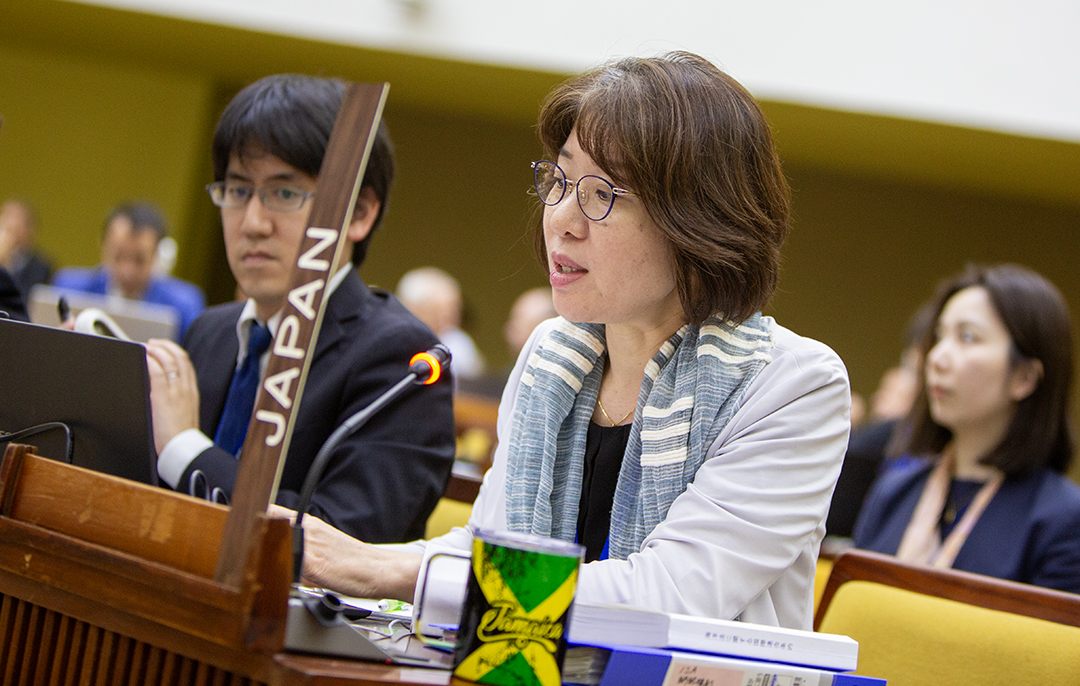
Makiko Murai-Ikegami, Japan
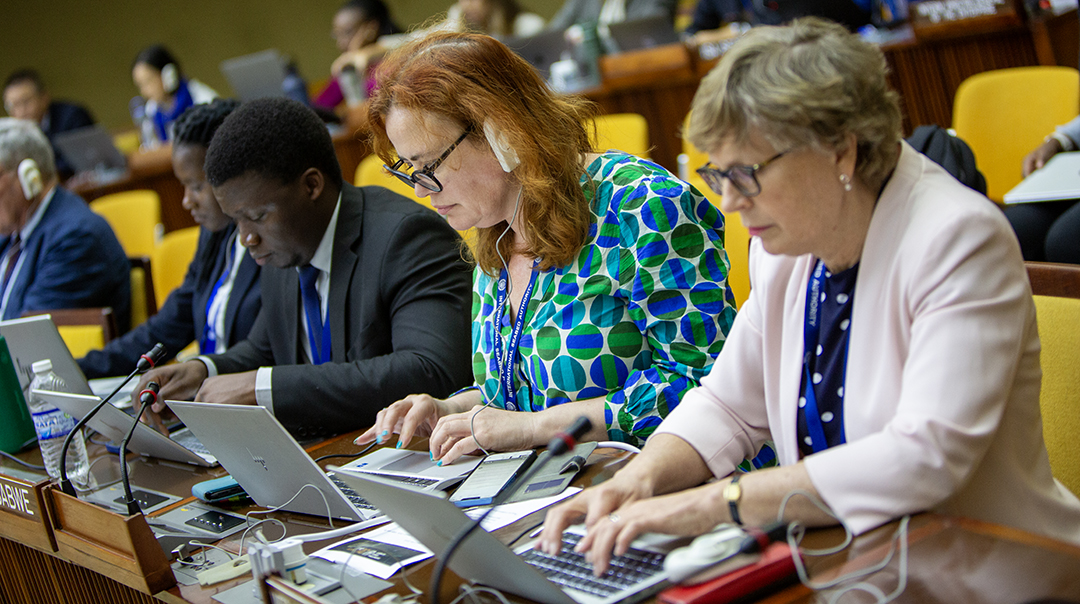
Delegates during the morning session
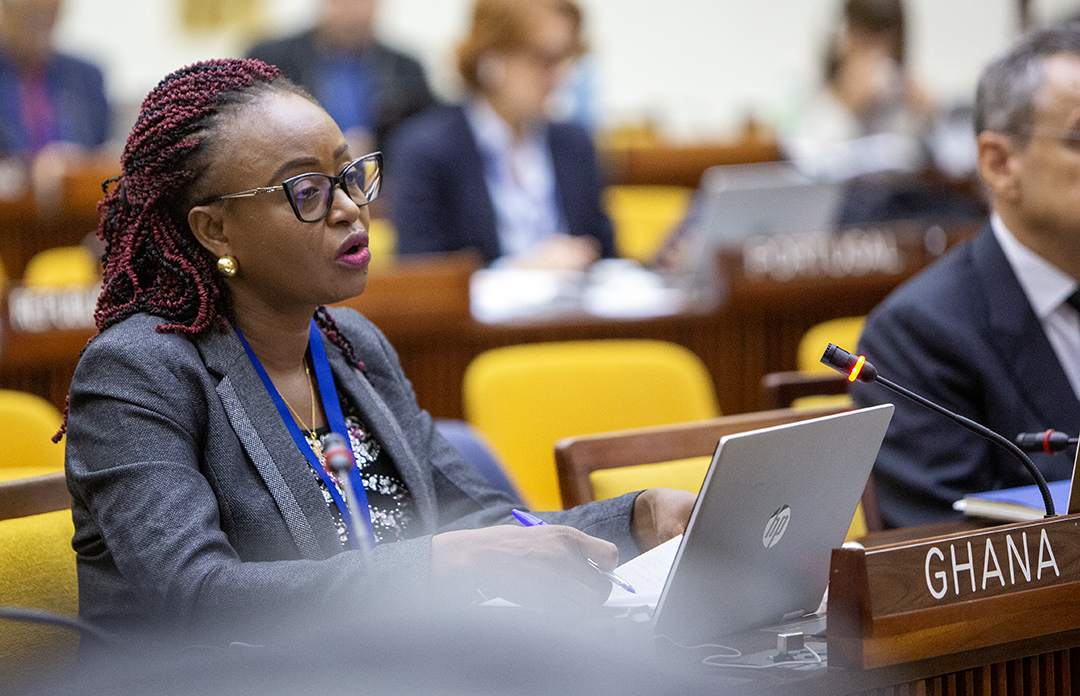
Georgina Nyadia, Ghana
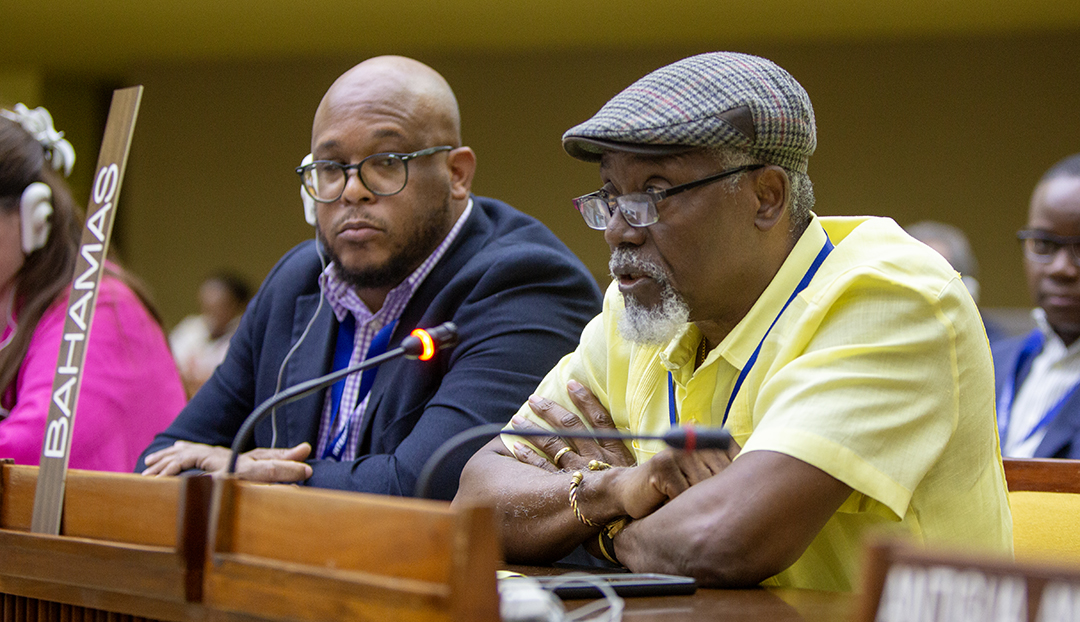
Godfrey Rolle, The Bahamas
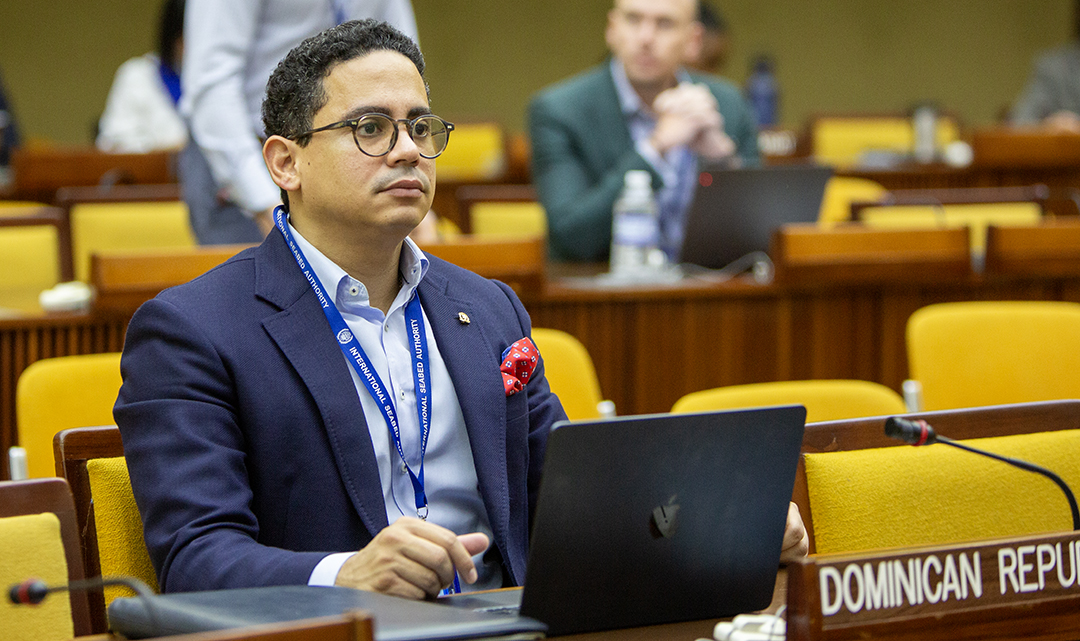
Miguel Balaguer, Dominican Republic
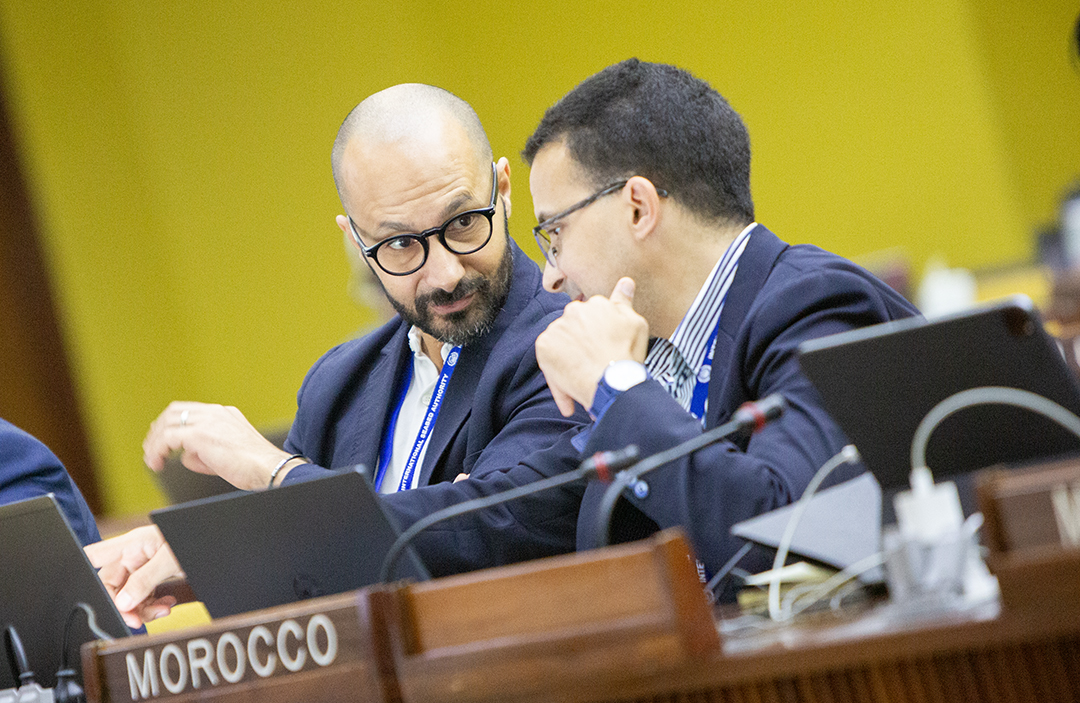
Mohammed Magoua and Salim Lahsini, Morocco
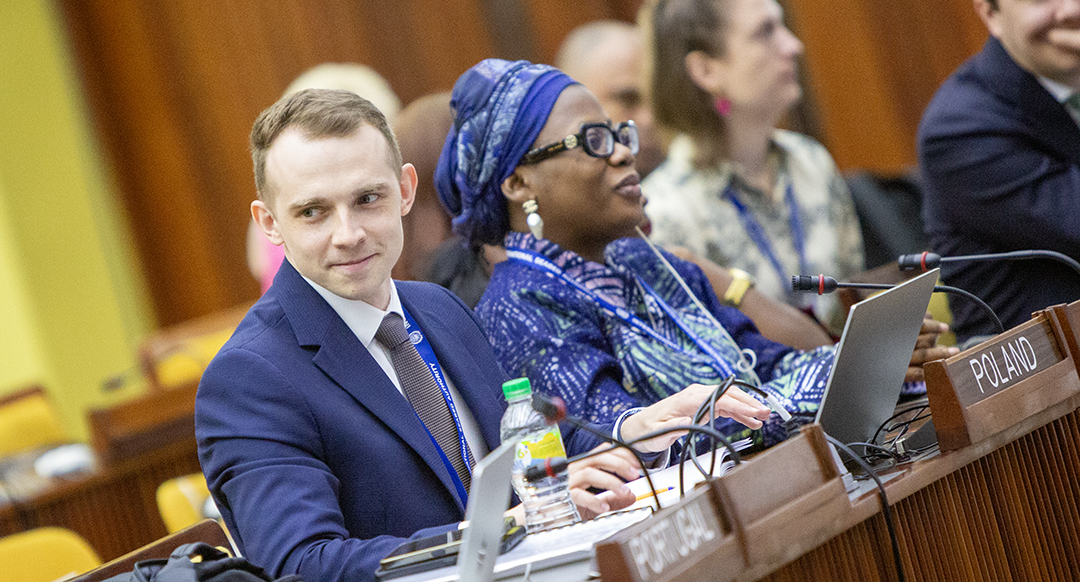
Bartosz Jasiński, Poland
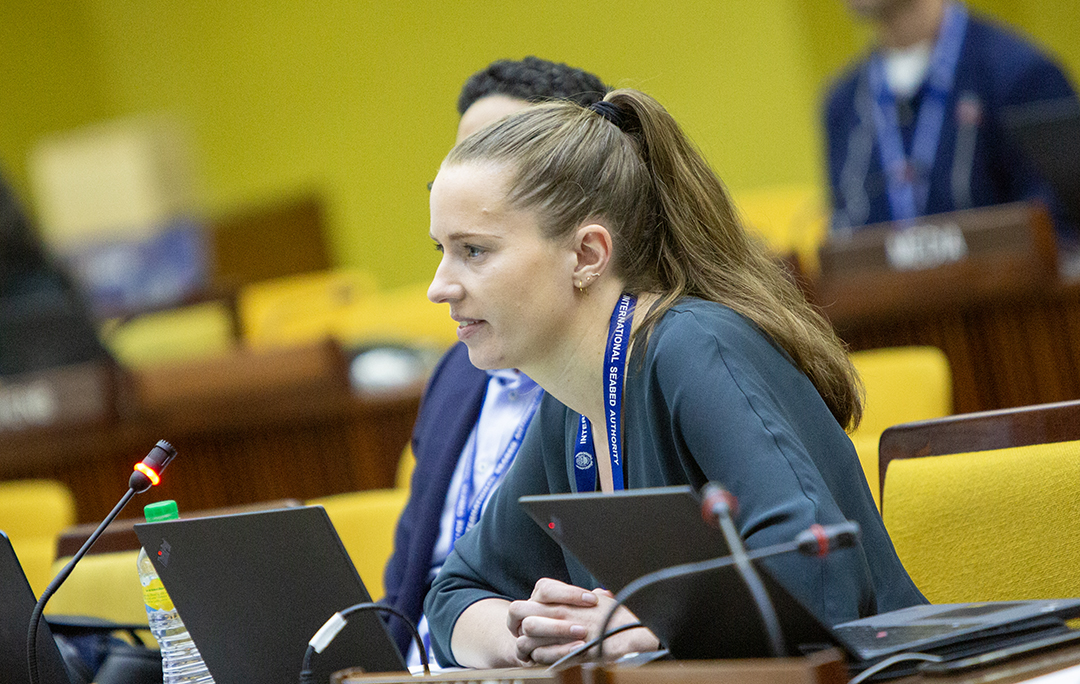
Mette Kalmus-Larsen, Denmark
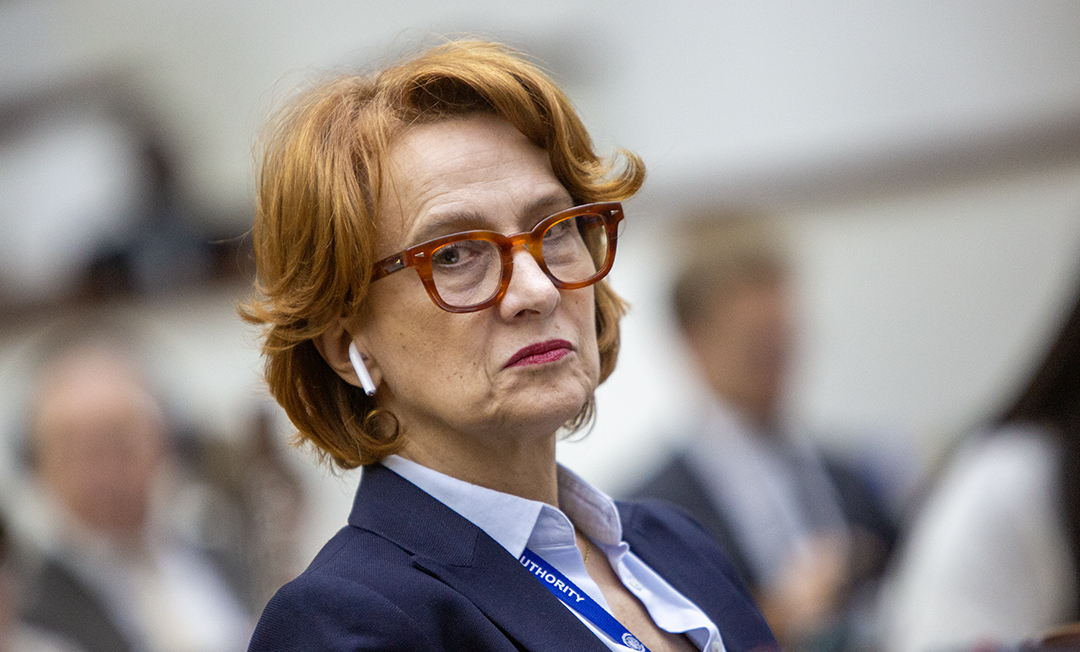
Maria Luís Mendes, Portugal
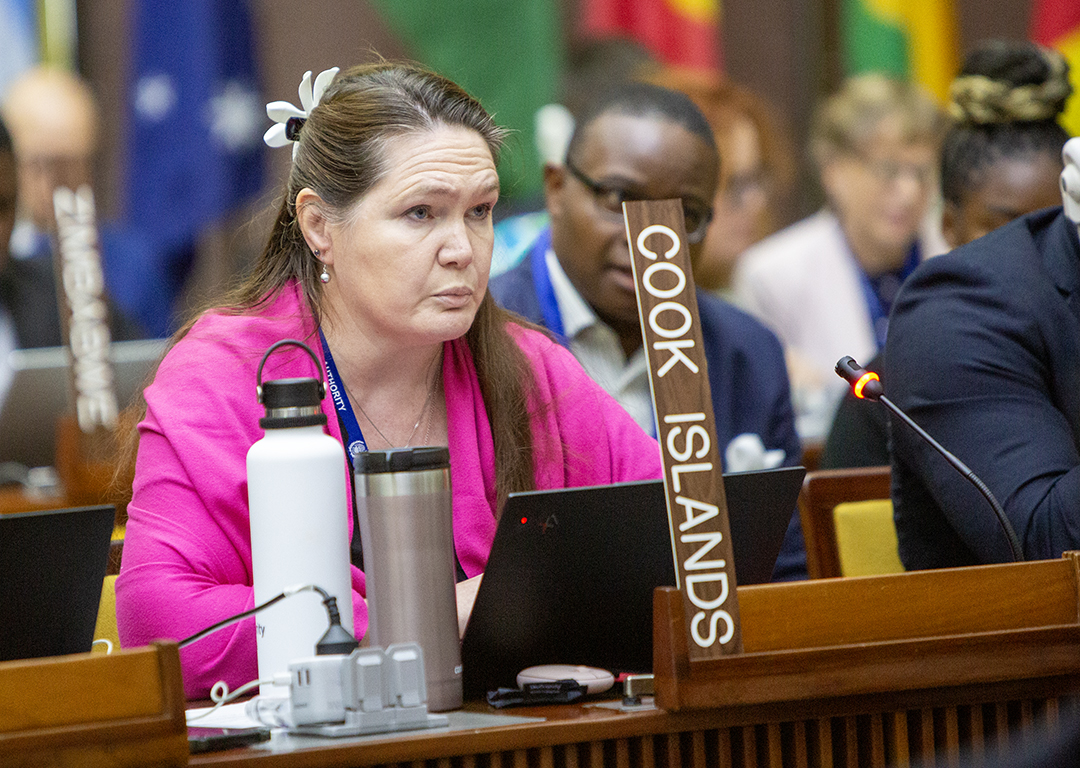
Beverly Stacey, Cook Islands
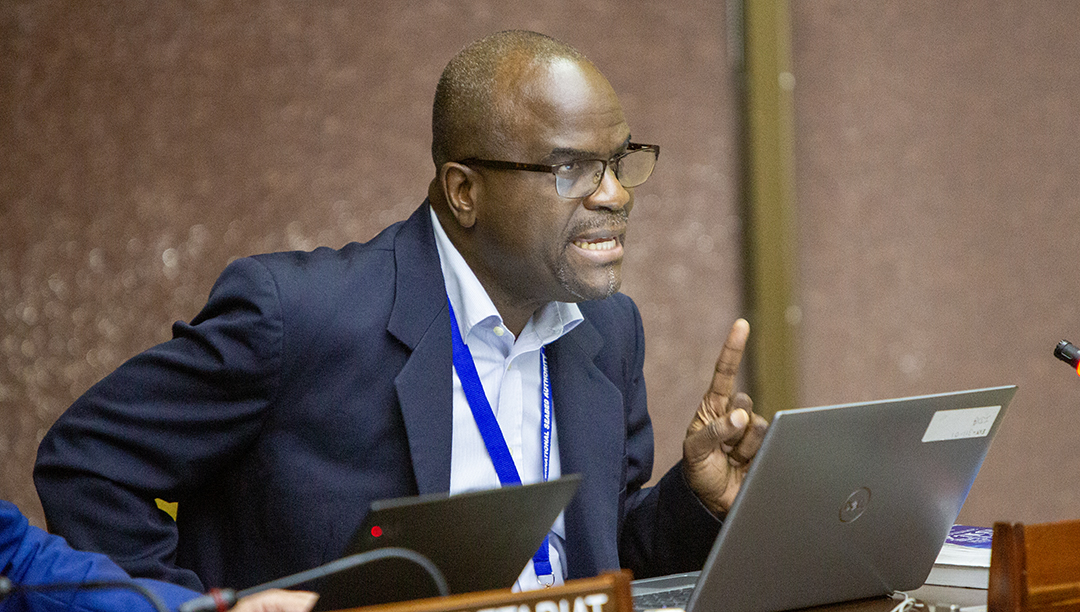
Eden Charles, Interim Director-General of the Enterprise
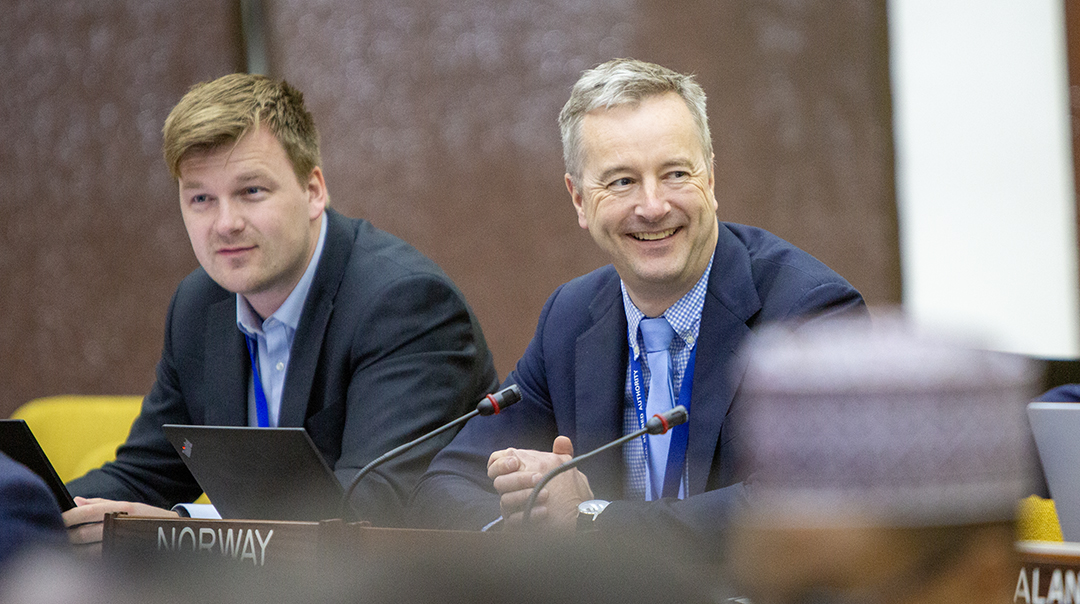
Henning Johnsen, and Terje Aalia, Norway
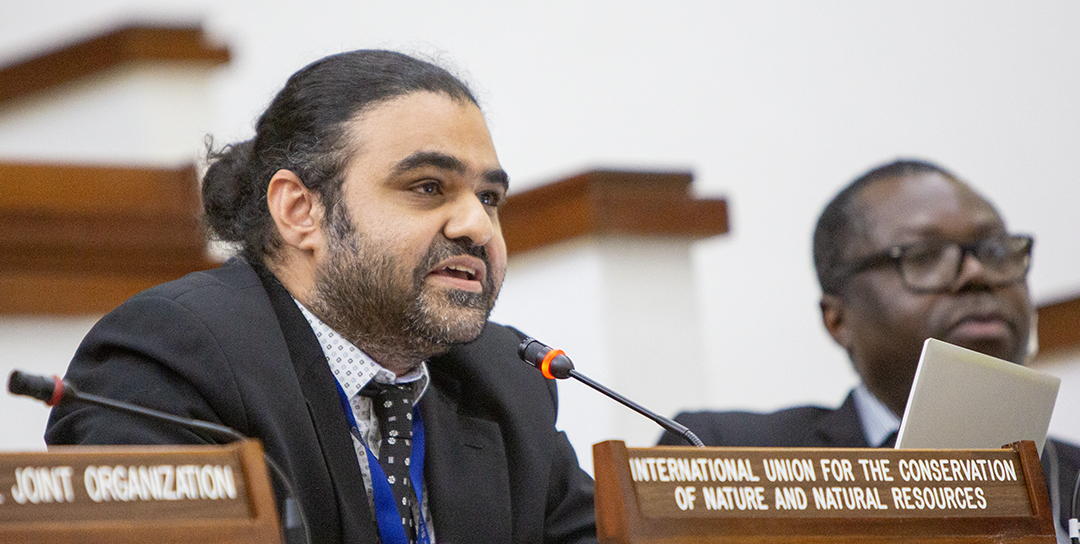
Pradeep Singh, Oceano Azul Foundation
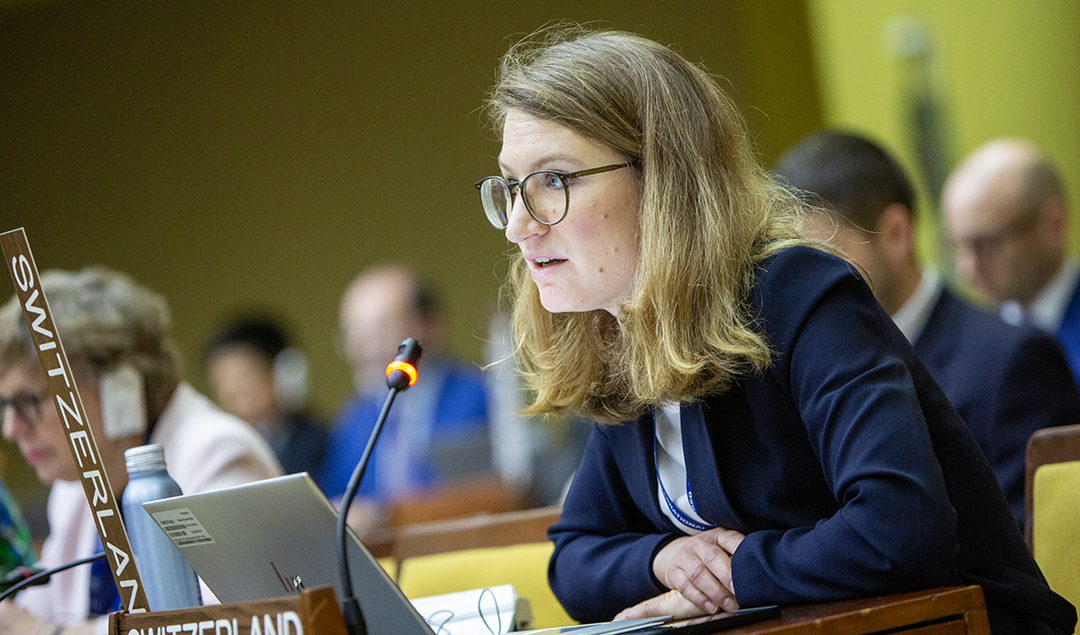
Laura Platchkov, Switzerland
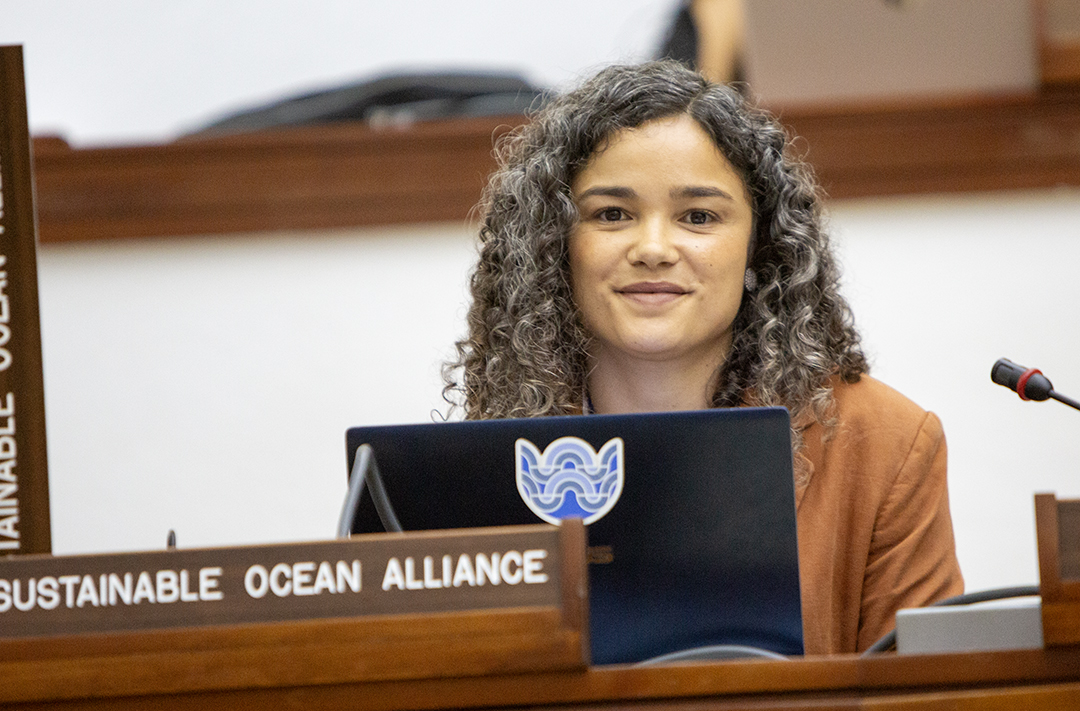
Eugénia Barroca, Sustainable Ocean Alliance (SOA)
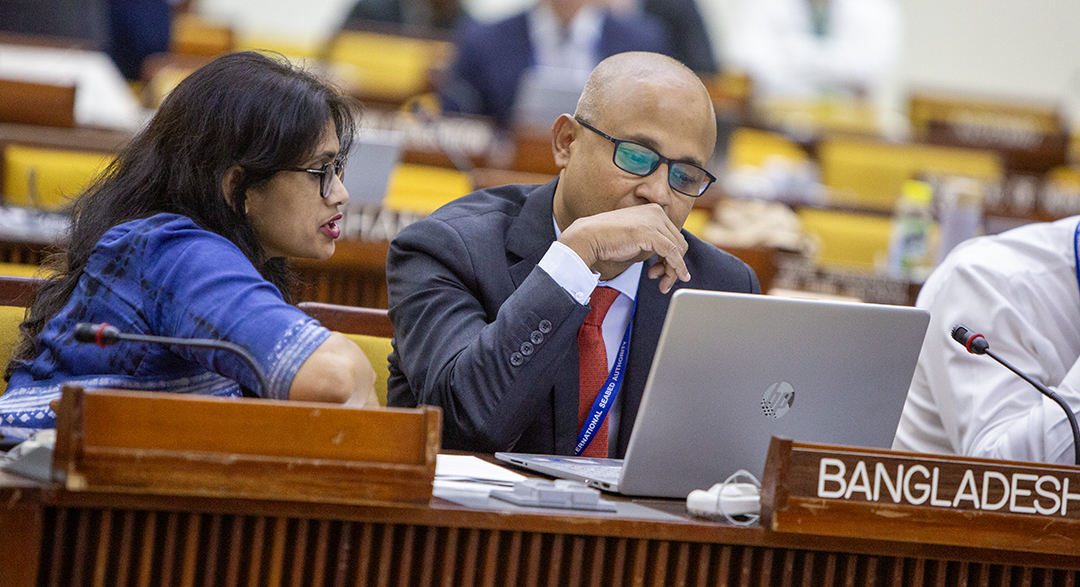
Delegates from Bangladesh during the afternoon session
Around the Venue
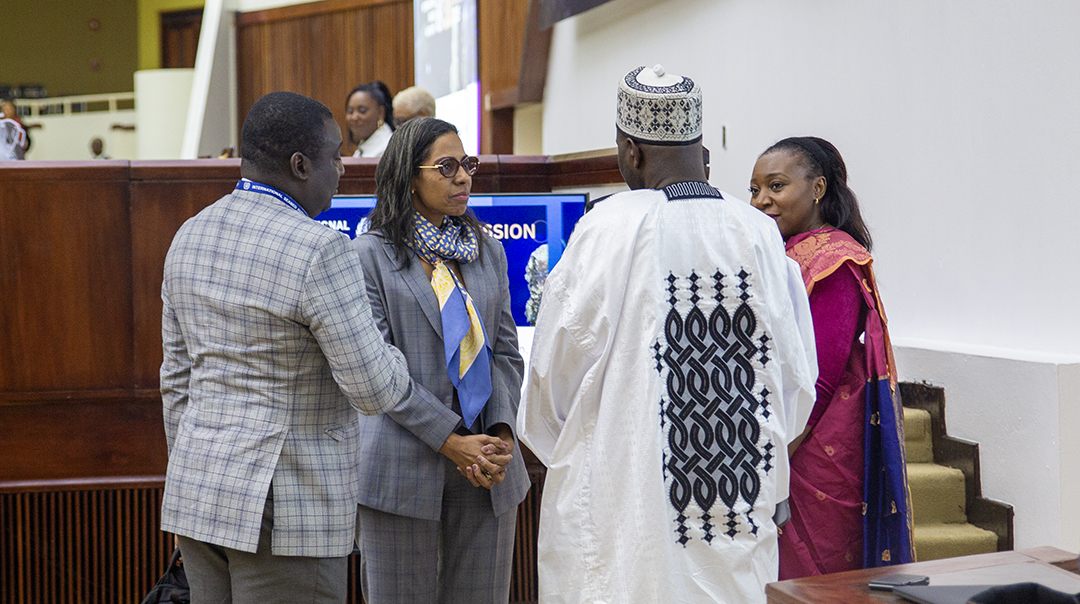
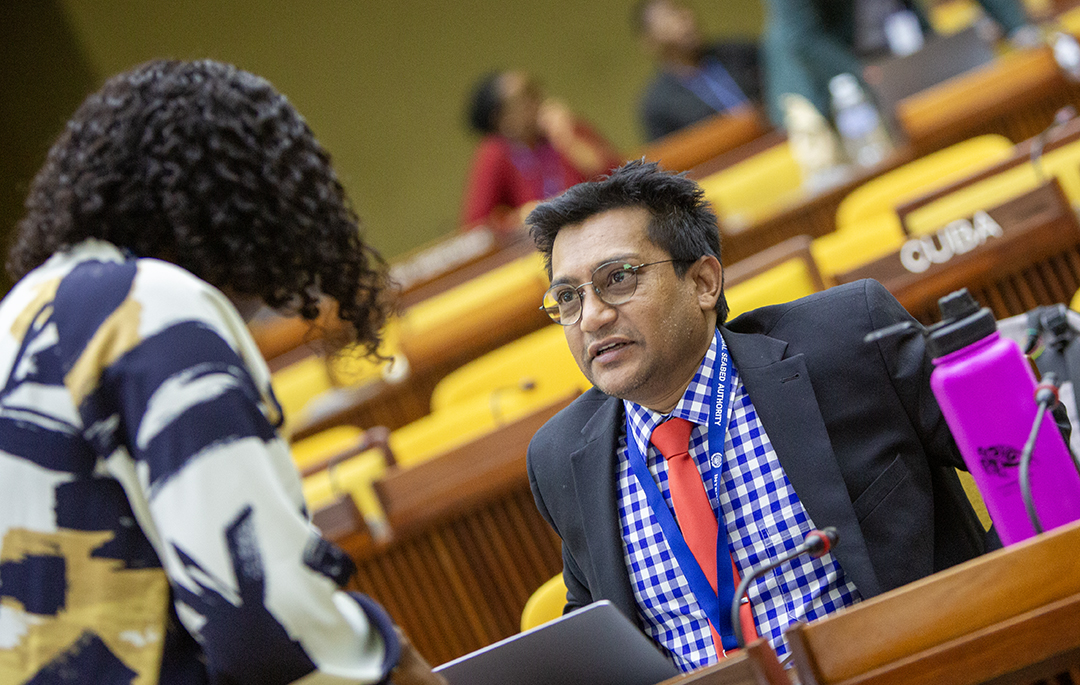
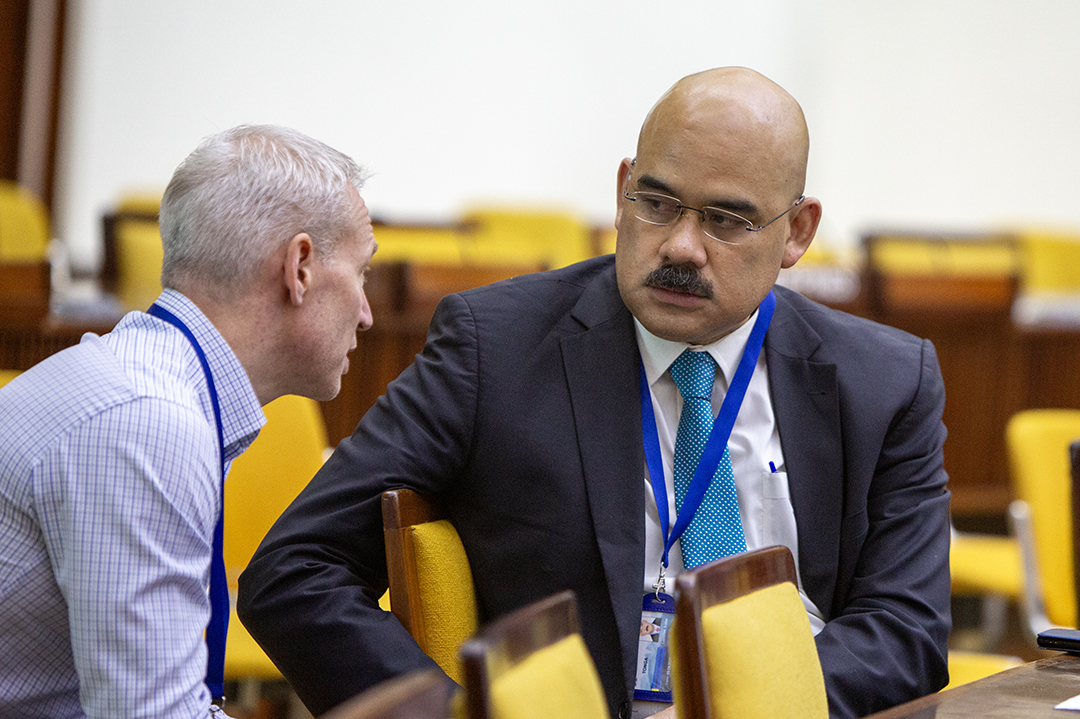
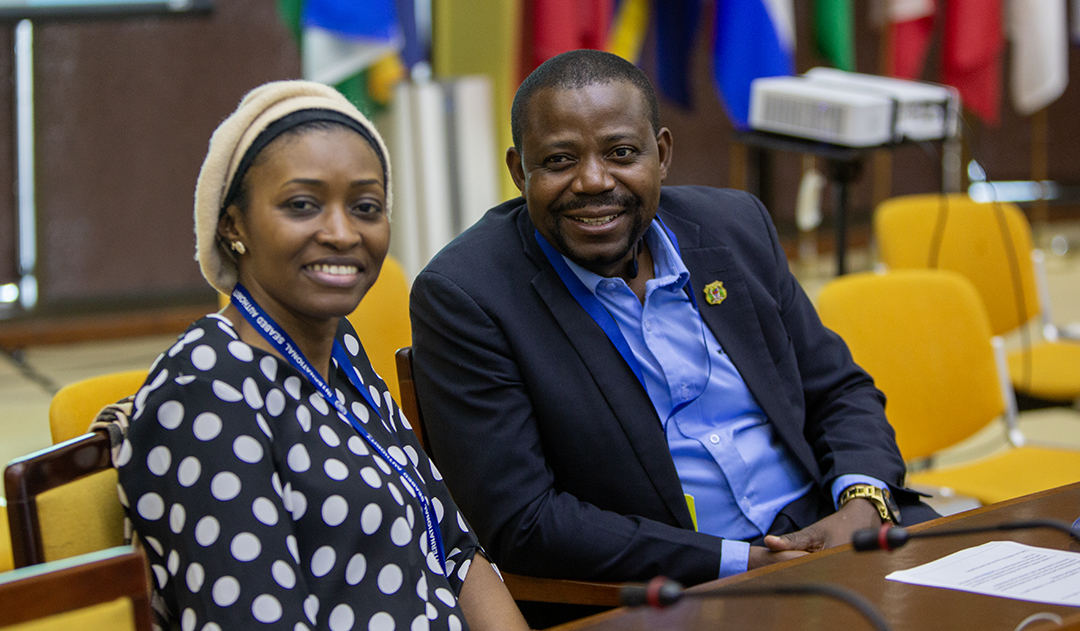

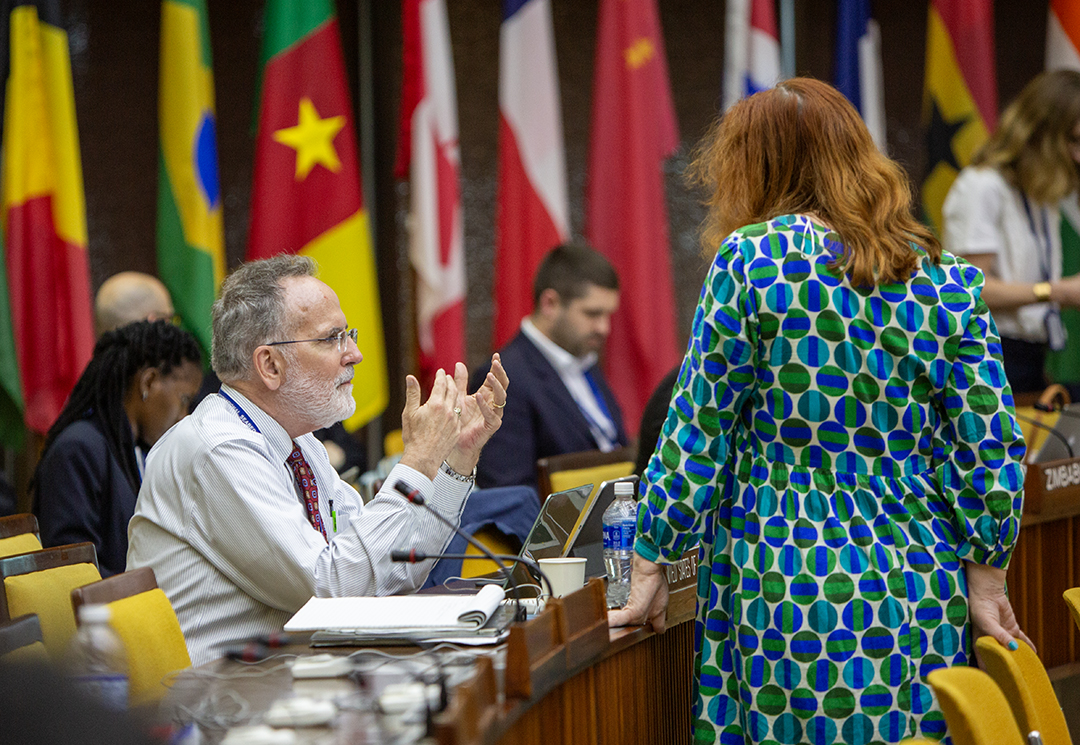
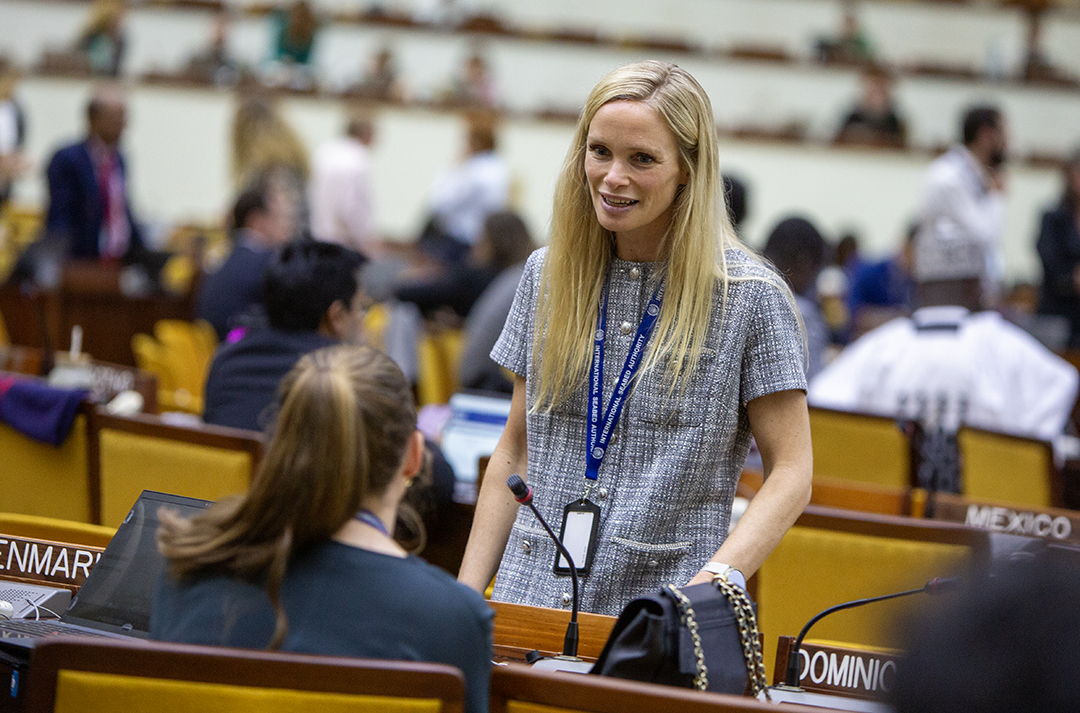
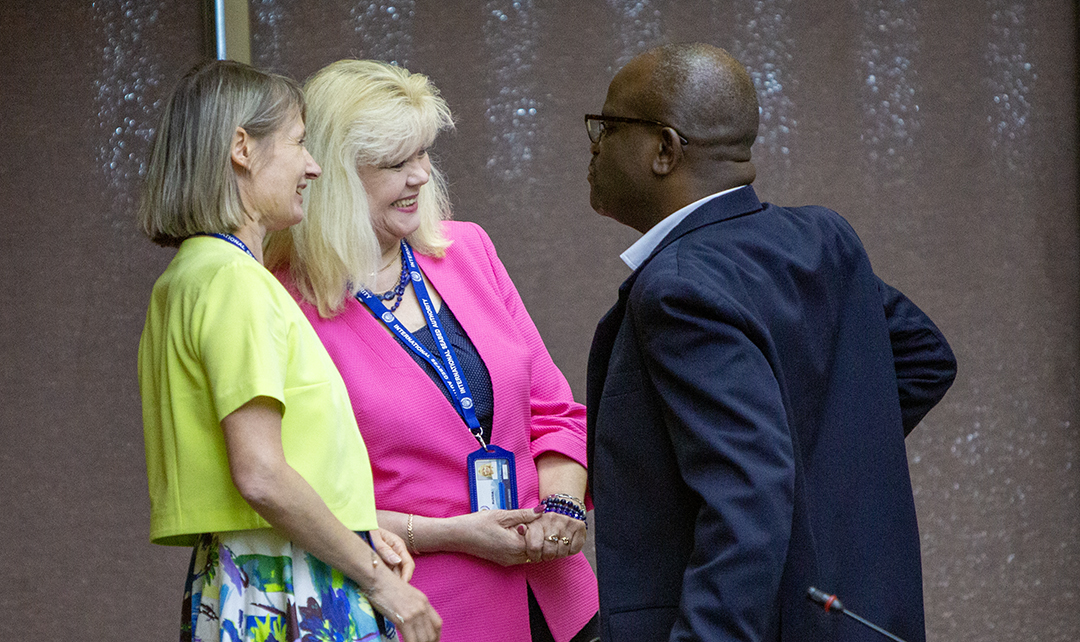
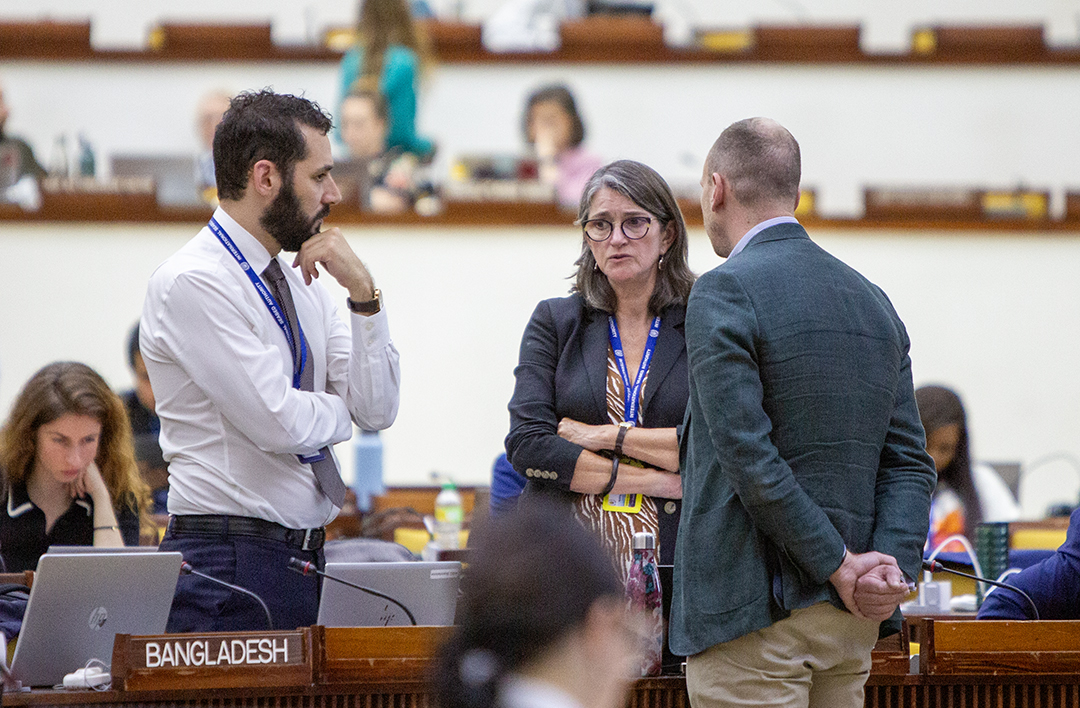
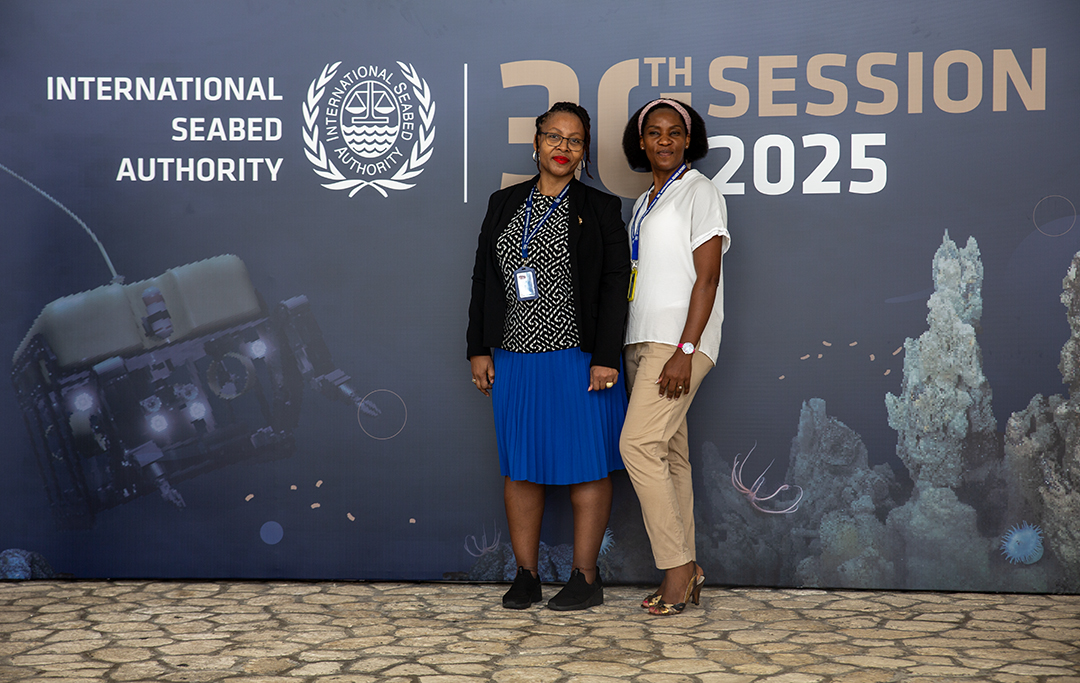
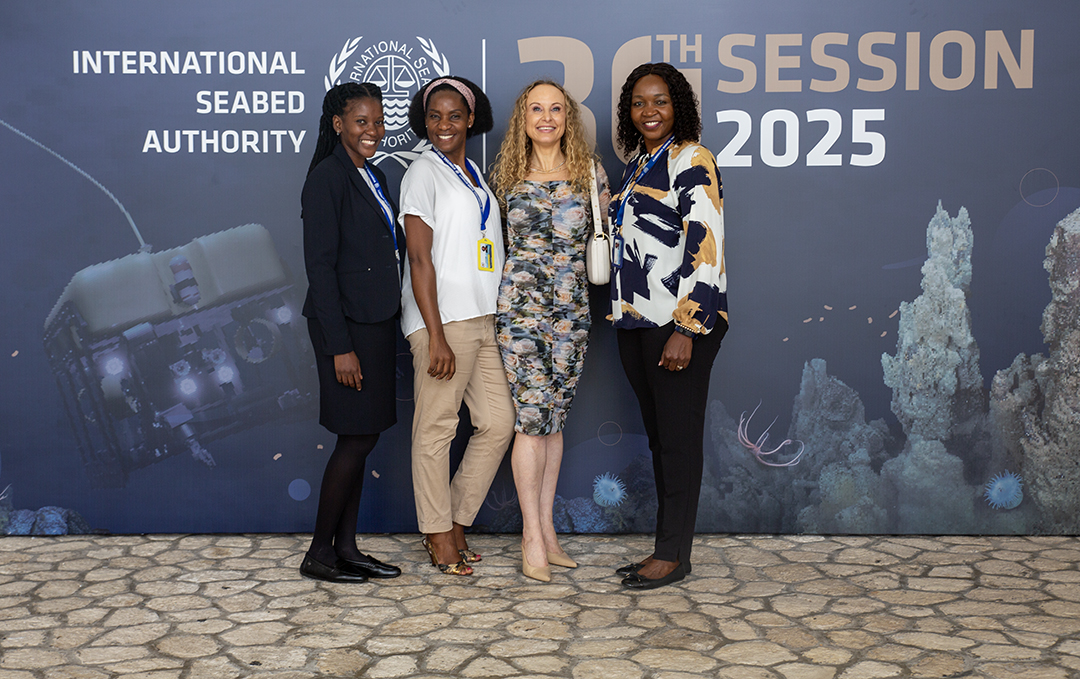
Delegates and observers between sessions
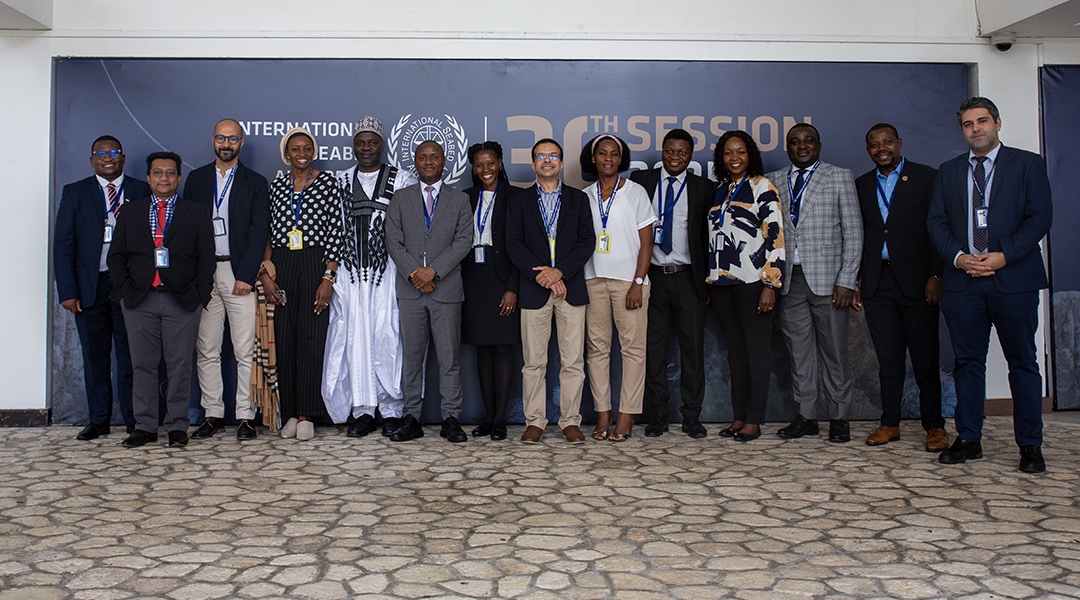
Delegates from the African Group
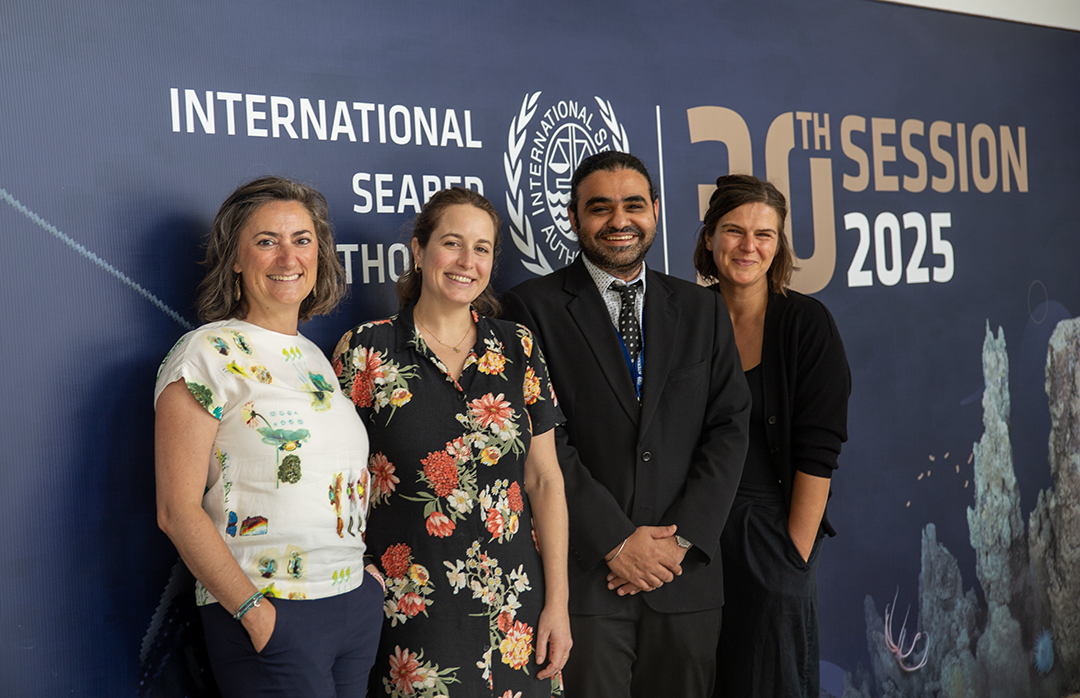
Representatives of observer organizations
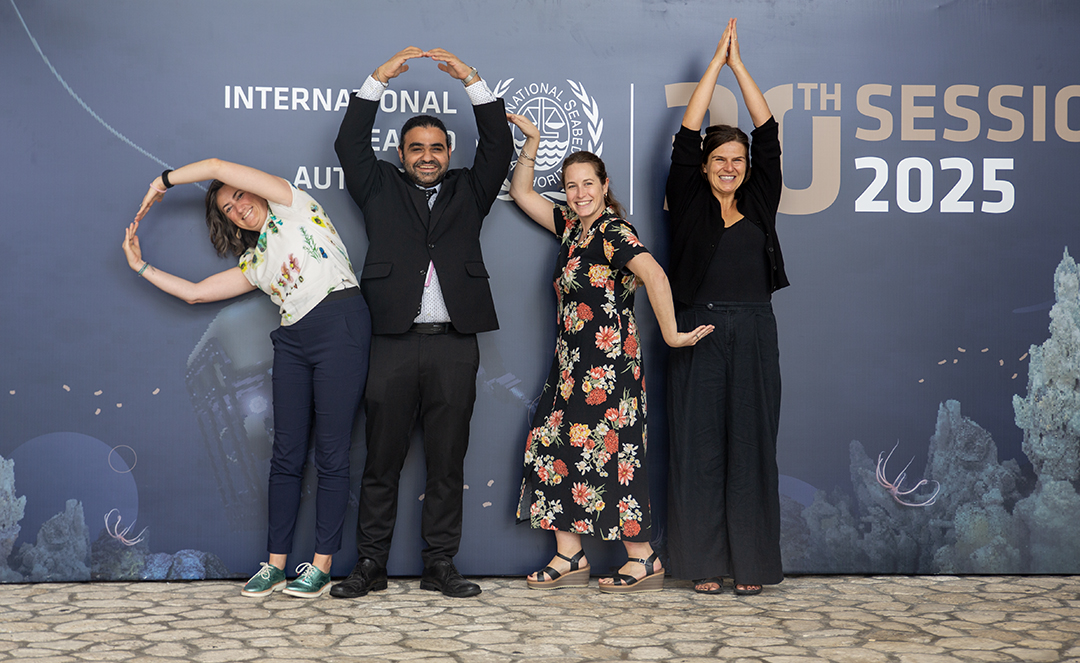
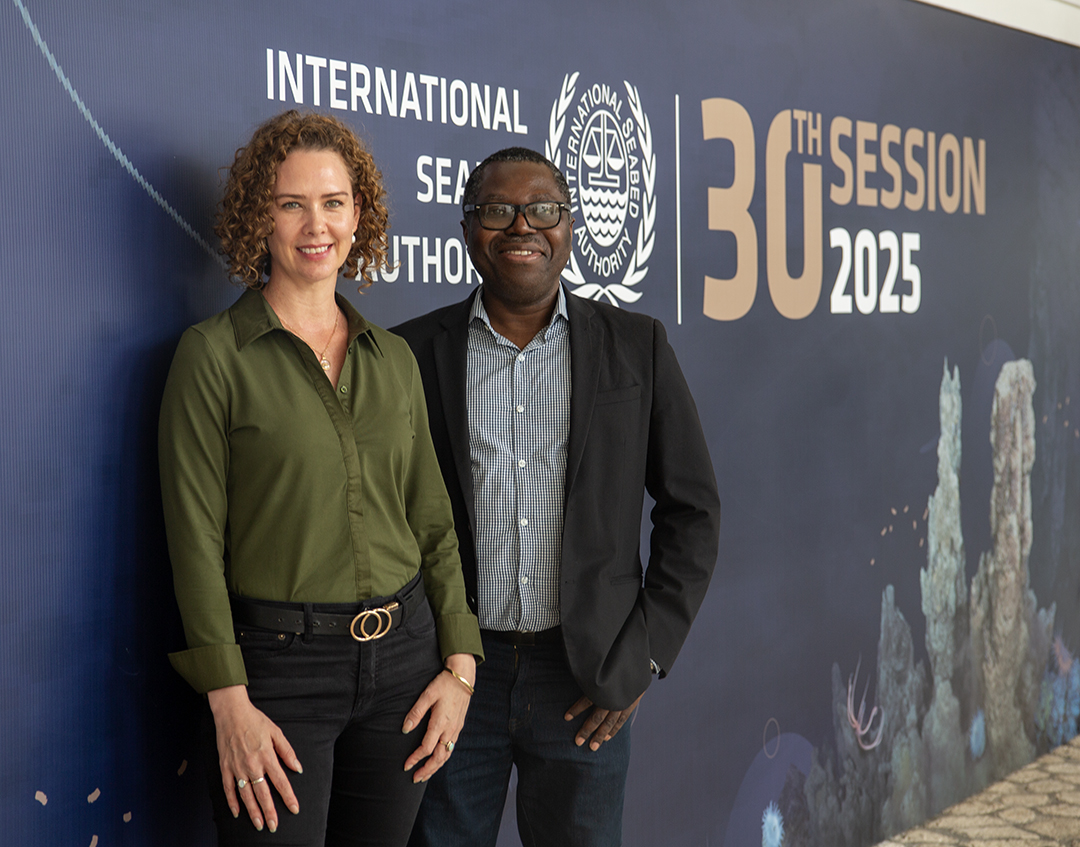
Representatives from the Commonwealth
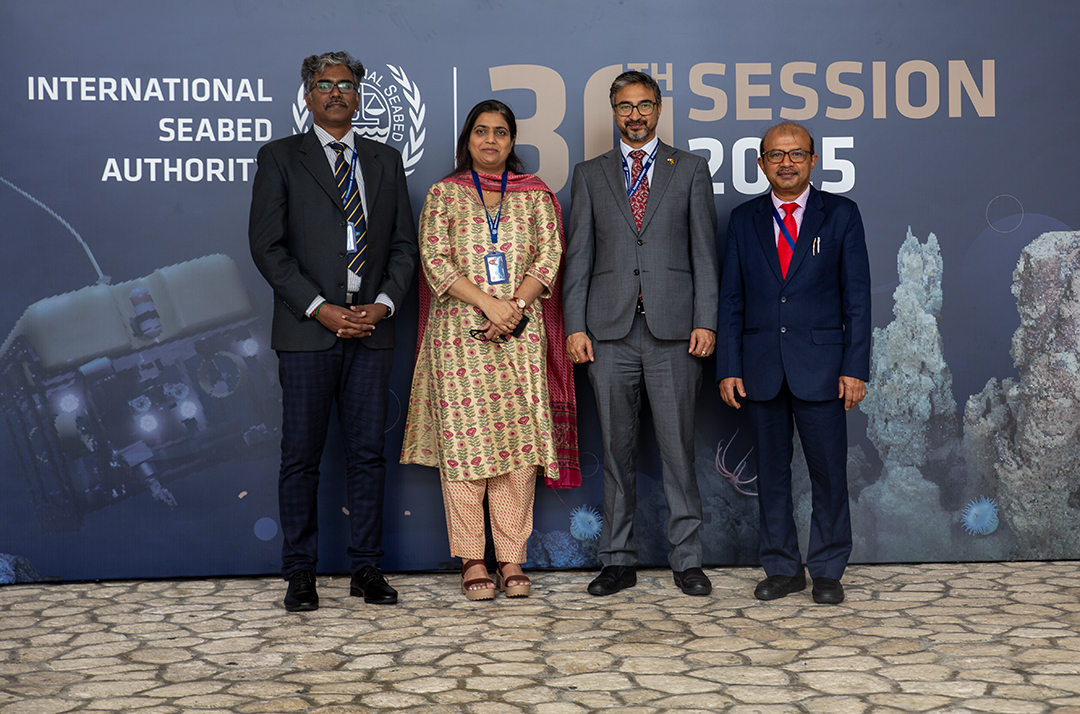
Delegates from India
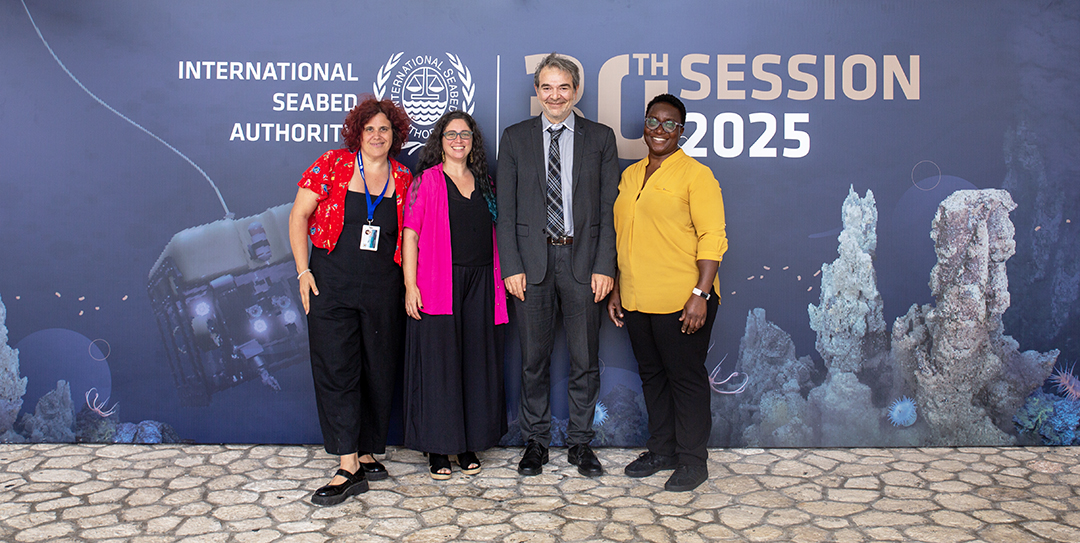
The ENB team at ISA-30.1 (L-R): Angeles Estrada, Argentina; María Ovalle, Chile; Asterios Tsioumanis, Greece; and Tomilola Akanle Eni-ibukun, Nigeria/UK