The development of a comprehensive framework for the commercial exploitation of deep-sea mineral resources requires focusing on a variety of issues due to the novel nature of deep-sea mining and its largely unknown impacts.
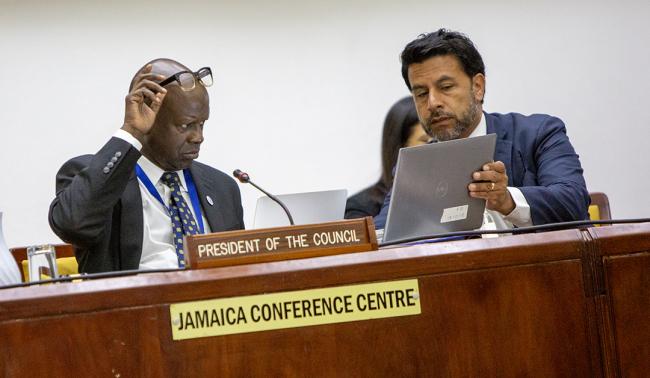
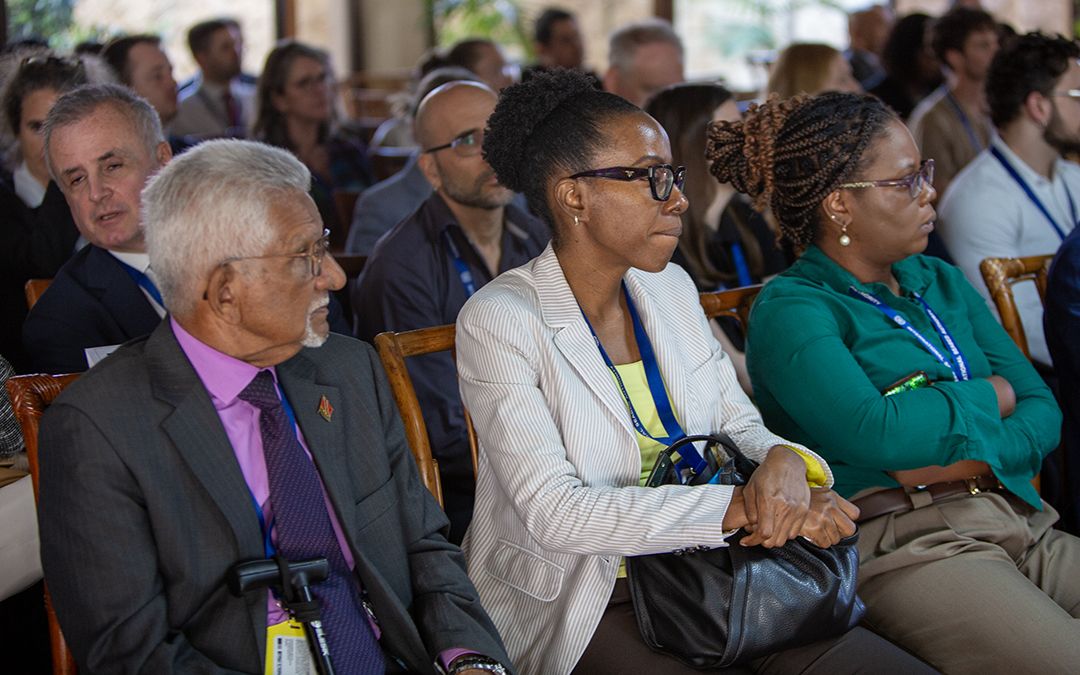
At the start of the second week, the International Seabed Authority (ISA) Council’s negotiations on the draft exploitation regulations reflected the breadth of the required considerations, with delegates addressing provisions ranging from the need to exercise reasonable regard for other activities in the marine environment to emergency response and contingency plans, underwater cultural heritage (UCH), and insurance obligations.
In the morning, delegates jointly addressed regulations 31 (reasonable regard for other activities in the marine environment) and 31 bis (reducing risk of damage to submarine cables and pipelines), emphasizing that a standalone regulation on submarine cables and pipelines is necessary. Some emphasized the need to cover all important activities in the marine environment, including those associated with fishing, navigation, and environmental protection.
Some members noted that regulation 31 bis should refer to reasonable regard rather than to “reducing risk” to submarine cables and pipelines. A few delegates drew attention to the memorandum of understanding between the ISA Secretariat and the Secretariat of the International Cable Protection Committee (ICPC), noting that the ICPC could provide information on existing cables. An observer clarified that the ICPC does not possess location data for submarine cables.
A few delegates suggested incorporating considerations around submarine cables and pipelines in the application and assessment process for a plan of work for exploitation. Some stressed the principle of reciprocity, underlining that, in addition to contractors’ obligations, other users of the marine environment need to exercise reasonable regard for exploration and exploitation activities.
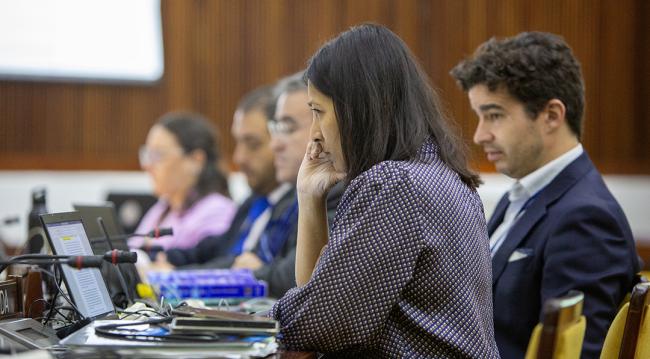
During the discussion of regulation 32 (emergency response and contingency plan), several delegates called for changing the title to plural, noting there will be more than one emergency response and contingency plan. They also called for the regulation to include the definition of the “incident” that would trigger a contingency plan, noting the glossary refers to an International Maritime Organization (IMO) Code that is not necessarily applicable to the exploitation regulations.
The discussion of regulation 33 (preventing and responding to incidents) focused, among other things, on the threshold for the contractor to suspend its exploitation activities. Several delegates proposed lowering the threshold from “reasonably foreseeable” to “a risk” that proceeding with exploitation activities would cause or contribute to an incident. Others preferred retaining the language “reasonably foreseeable” arguing that the lower threshold of “risk” would not be workable in practice.
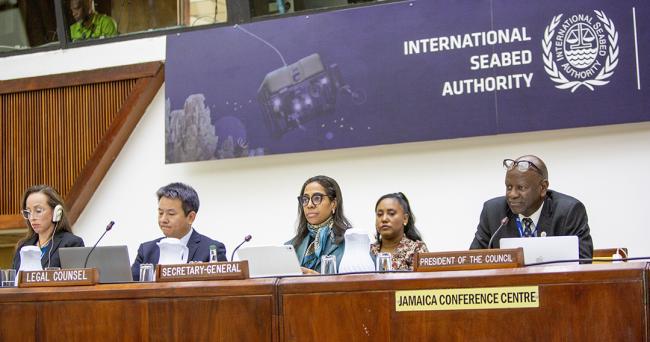
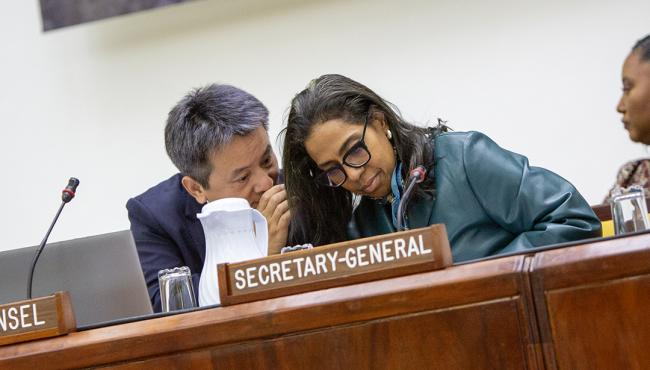
Delegates discussed regulation 34 (notifiable events), with several suggesting further discussion on what would constitute a notifiable event and the differences between an incident and a notifiable event.
Delegates engaged in a lengthy discussion regarding regulation 35 (human remains and objects and sites of an archaeological or historical nature) and regulation 35 alt (chance discovery of human remains and UCH). Most delegates supported using 35 alt as the basis for further discussions.
Delegates expressed a diverse range of views, focusing on, among other things: the inclusion of provision on UCH in other parts of the regulations, such as environmental impact assessments and provisions related to regional environmental management plans (REMPs); alignment with Article 149 (Archaeological and historical objects) of the UN Convention on the Law of the Sea (UNCLOS); references to intangible UCH, traditional knowledge, cultural rights, and prior informed consent; and the establishment of a UCH committee.
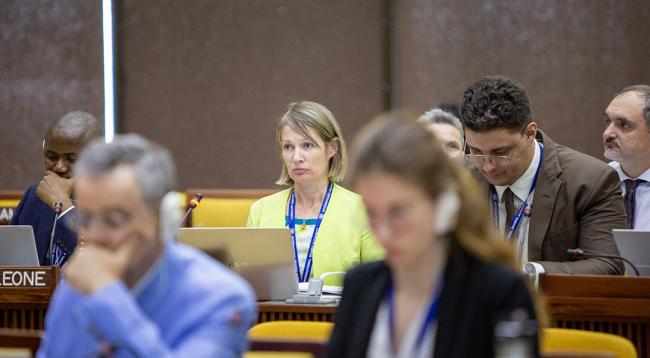
Many delegates emphasized that further discussion is necessary on regulation 36 (insurance), stressing the need for concrete and comprehensive provisions clarifying how insurance will work in practice. Many members underlined the need to develop a dedicated standard, while some suggested inviting contributions from external experts.
Members highlighted regulation 37 (training obligations) as an essential non-monetary benefit. A few delegates suggested developing a relevant standard setting the requirements for the training plan and identifying specific areas for training. They further debated a provision noting that contractors shall demonstrate in the training plan how gender equality, inclusivity, non-discrimination, and diversity are implemented.
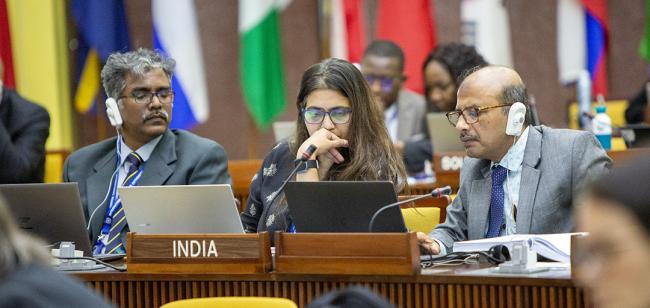
Delegates supported the inclusion of regulation 37 bis (transfer of technology), but most underlined that as currently drafted, it is too vague and inadequate to comply with obligations in UNCLOS Article 144 (Transfer of technology) and Section 5 (Transfer of technology) of the Annex to the 1994 Implementation Agreement.
During the discussions on regulation 38 (annual report), delegates considered what issues should be included in the annual reports, expressing divergent views on: details on annual actions to reduce various environmental footprints such as air pollution, waste-water discharges, and waste generation; environmental monitoring programmes, reported against the strategic environmental goals and the relevant REMP; and a statement of payments made by the contractor to the ISA, governments, state enterprises, and other contractors.
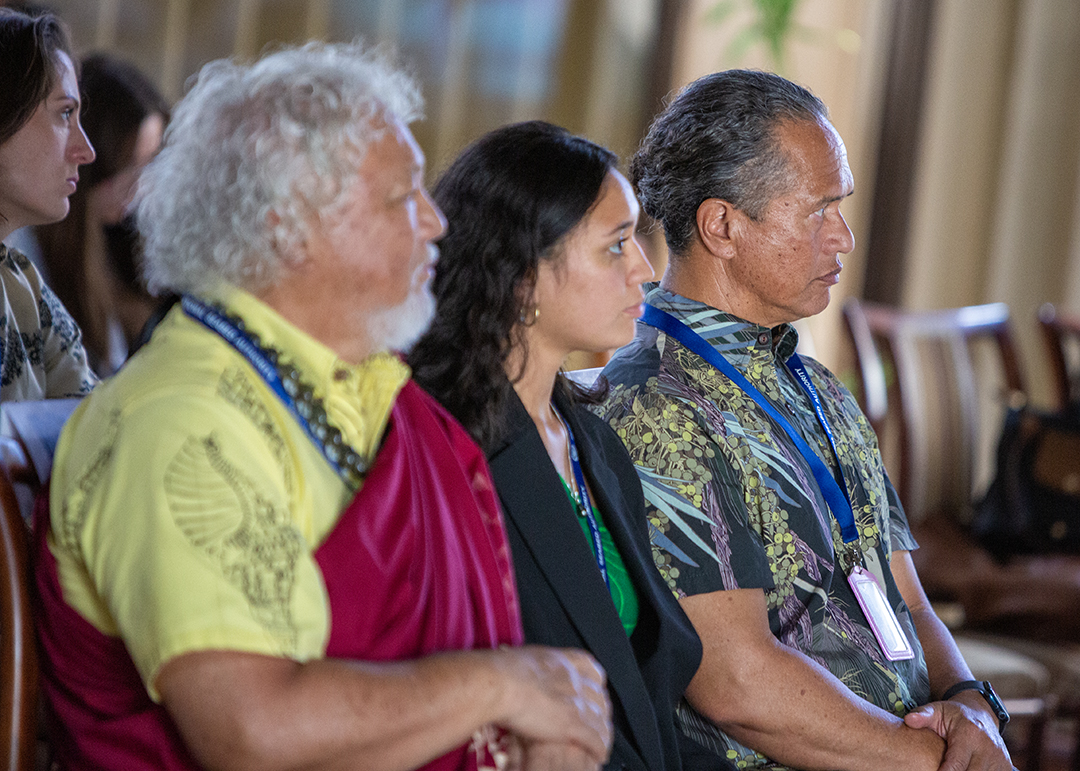
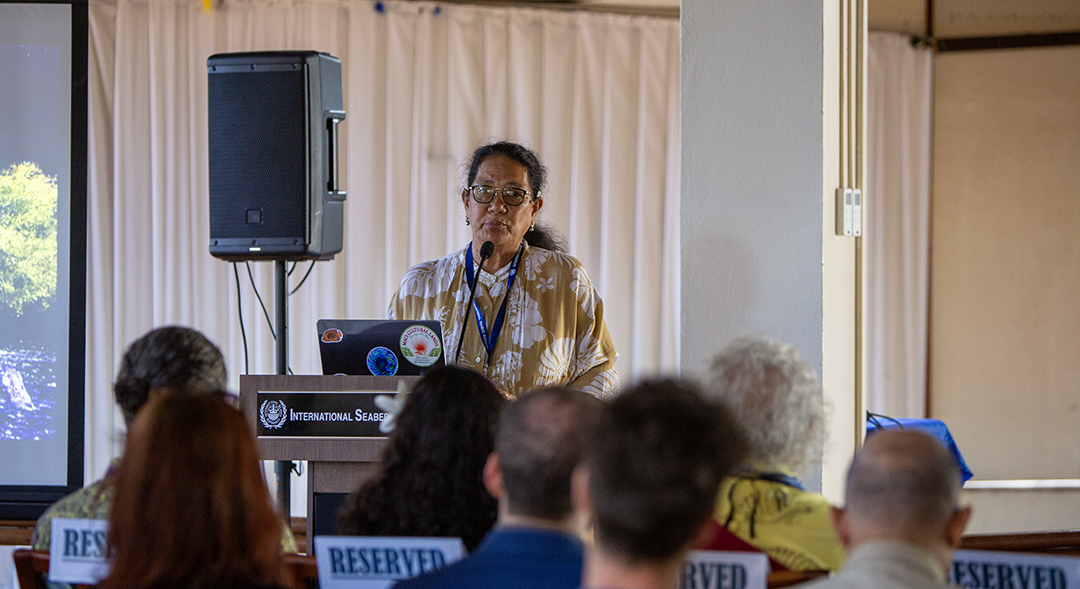
At lunchtime, the Tetiaroa Society, Deep Sea Conservation Coalition, and Maui Nui Makai Network hosted a side event on defining UCH, offering perspectives from Oceania.
To receive free coverage of global environmental events delivered to your inbox, subscribe to the ENB Update newsletter.
All ENB photos are free to use with attribution. For the 1st Part of the 30th Annual Session of the International Seabed Authority, please use: Photo by IISD/ENB | Angeles Estrada Vigil
Selected Images
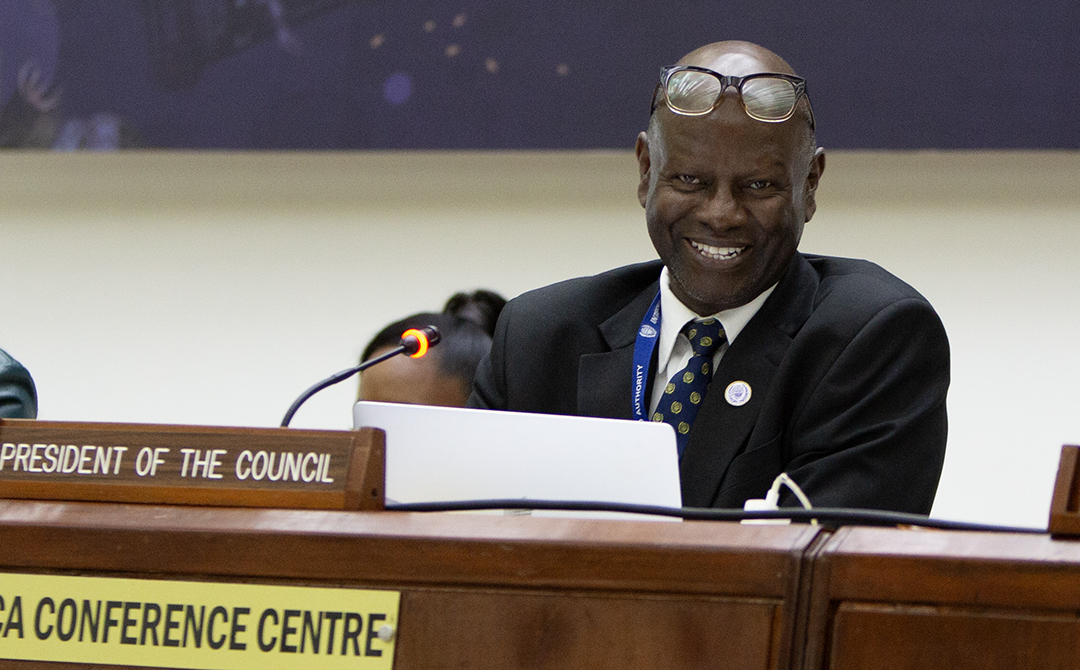
Council President Duncan Muhumuza Laki, Uganda
Youna Le Berre Lemaire Lyons, Advisory Committee on Protection of the Sea
Apete Soro, Fiji
Leticia Carvalho, Secretary-General of the ISA

Bárbara Macedo Perrenoud, Brazil
Lucía Raffin, Argentina
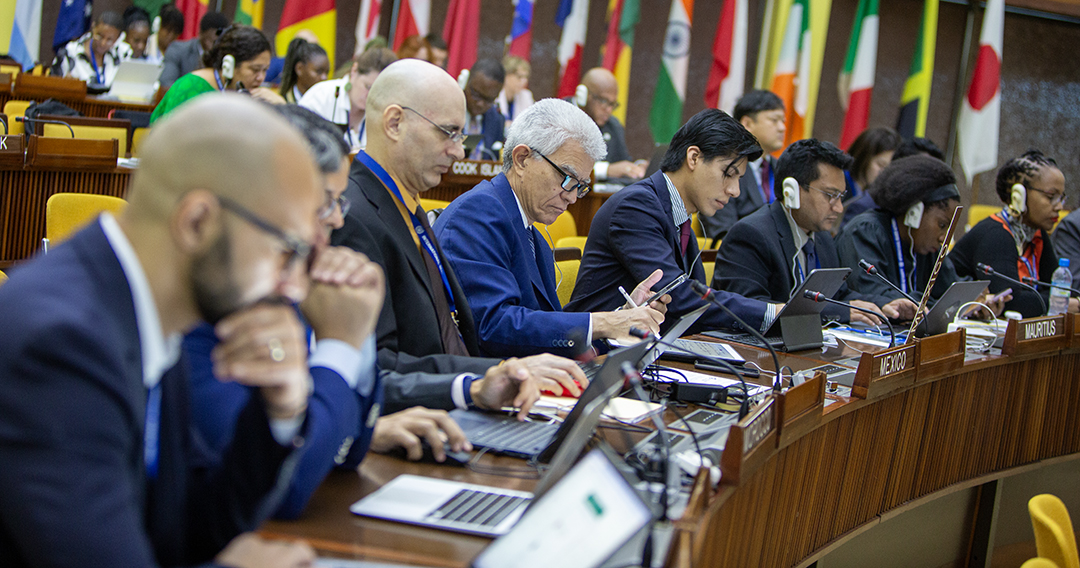
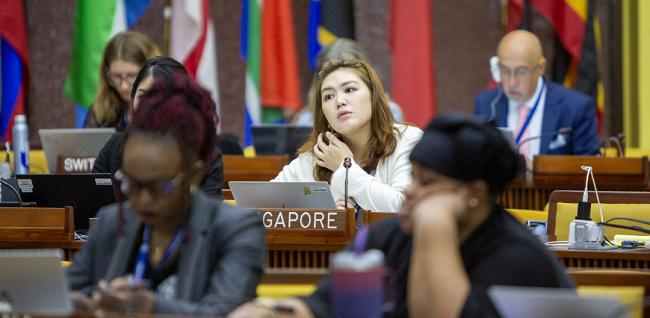
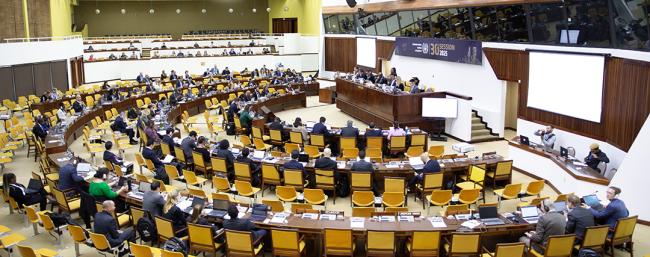
Delegates during the session

Carl Grainger, Ireland

Kent Bressie, International Cable Protection Committee
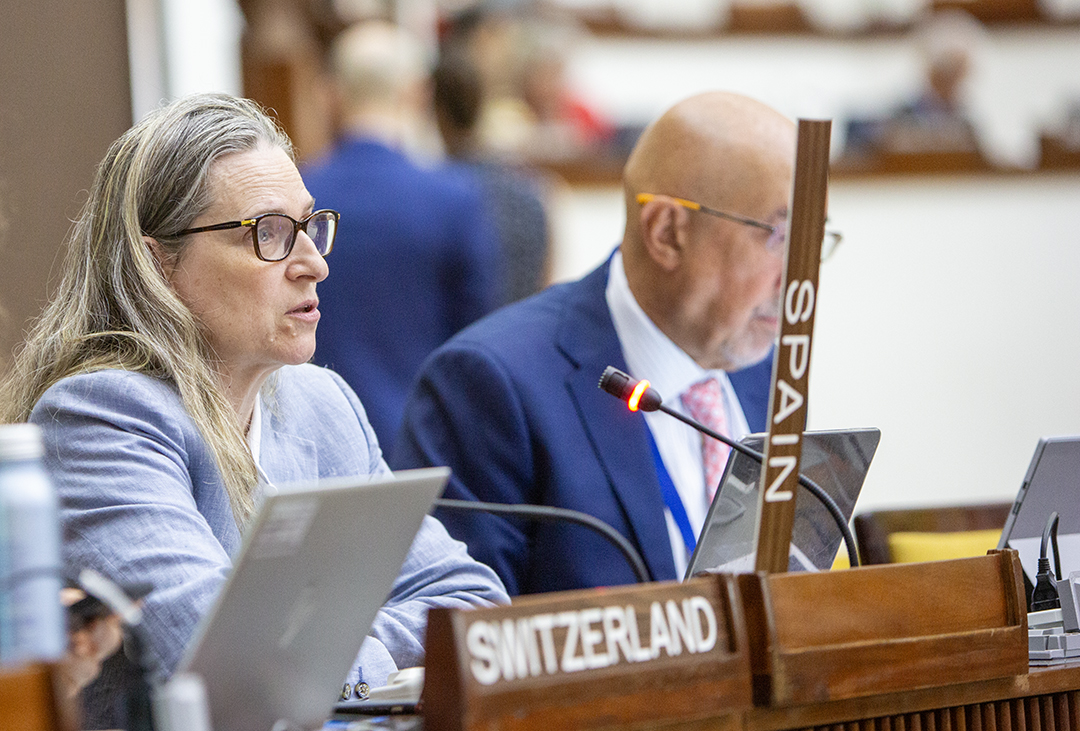
Esther Salamanca, Spain
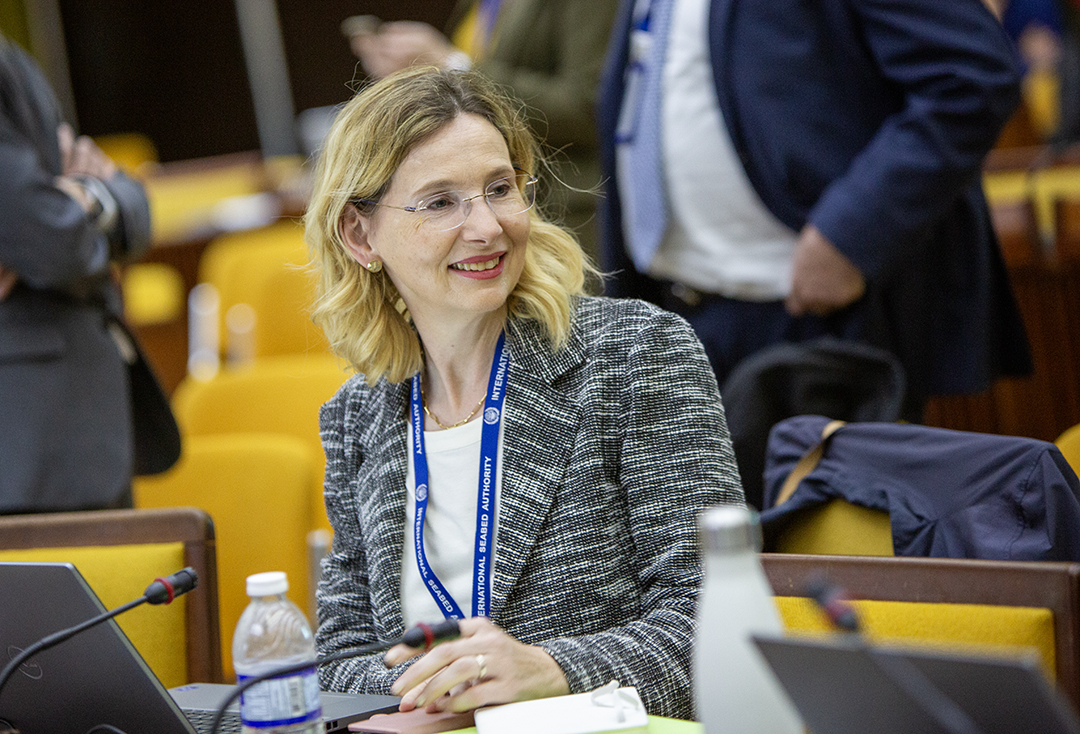
Catherine Flumiani, Italy
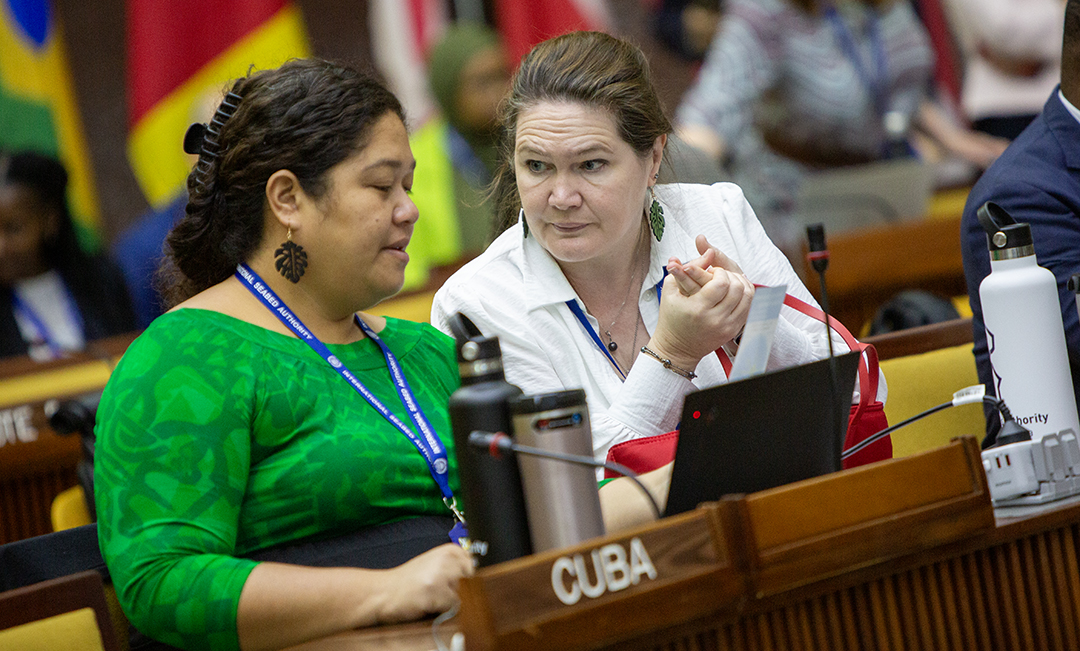
Delegates from the Cook Islands
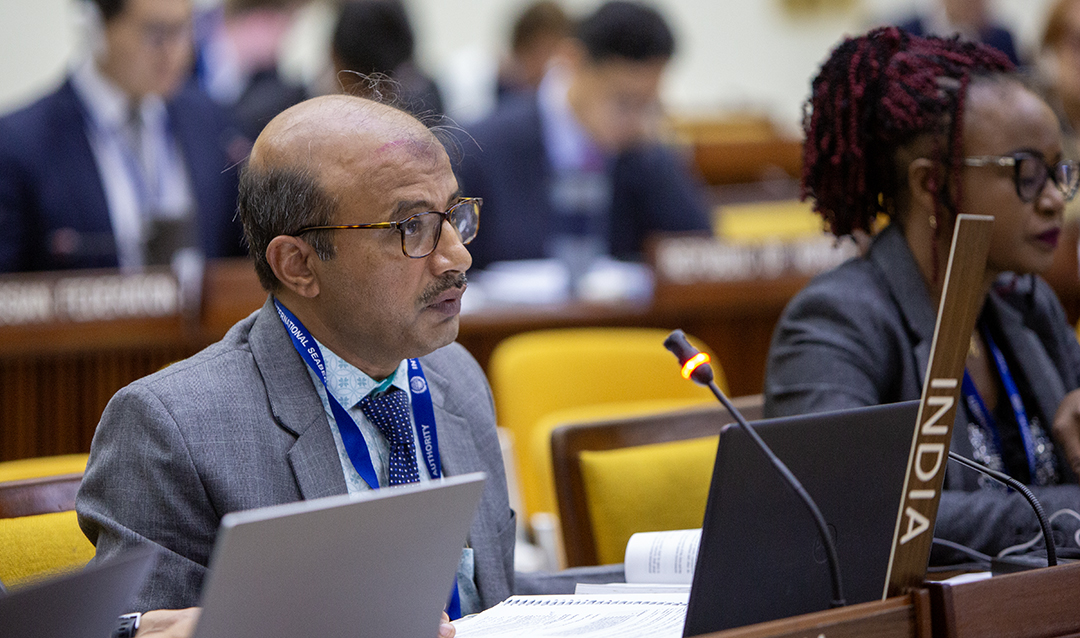
Sandip Mukhopadhya, India
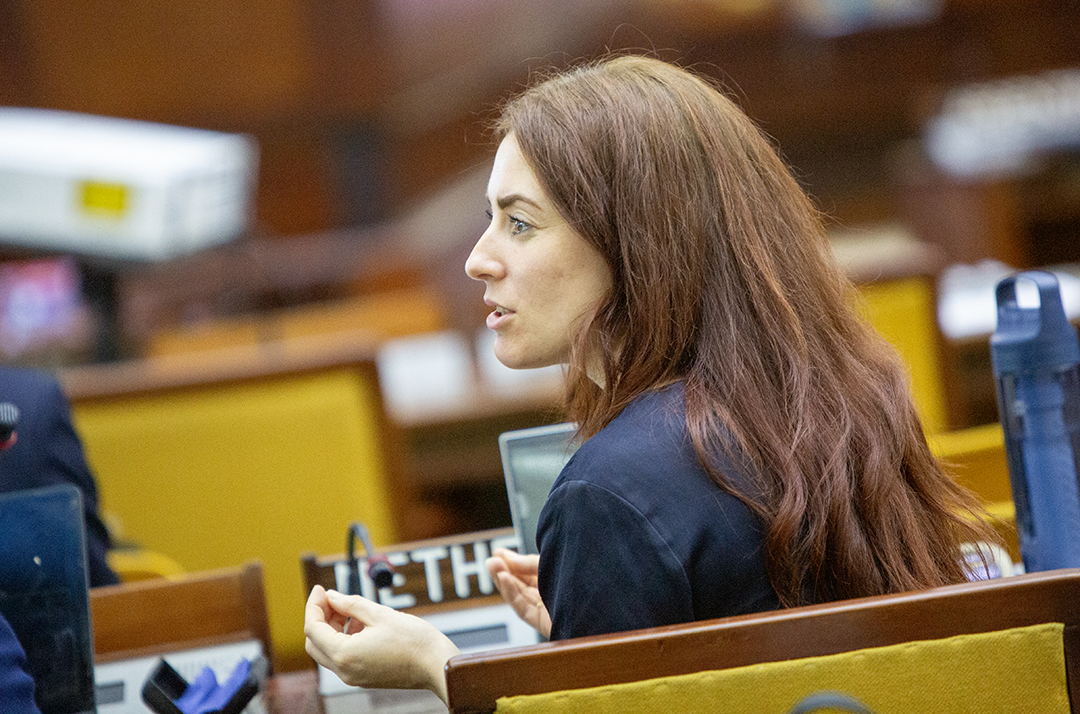
Fleur Pennarts, the Netherlands
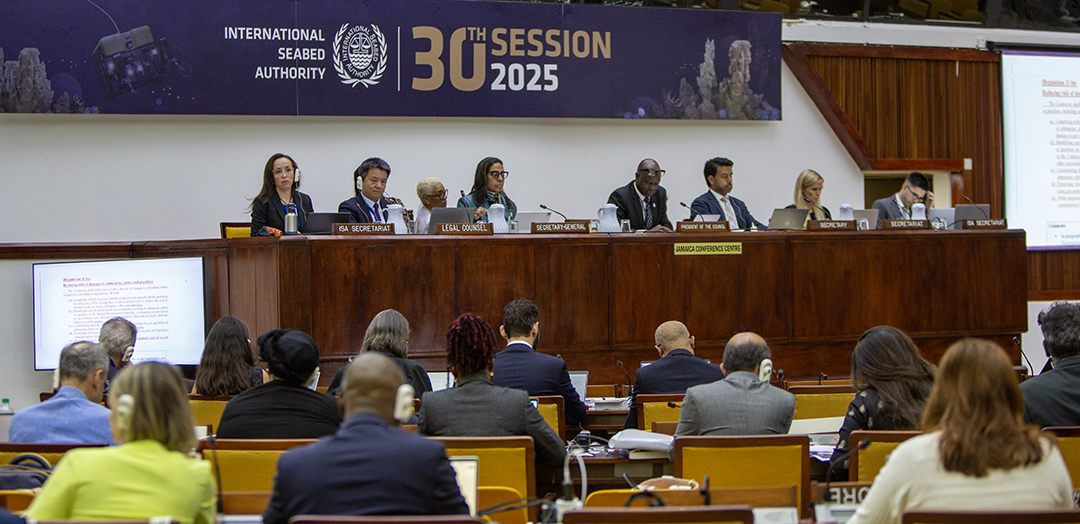
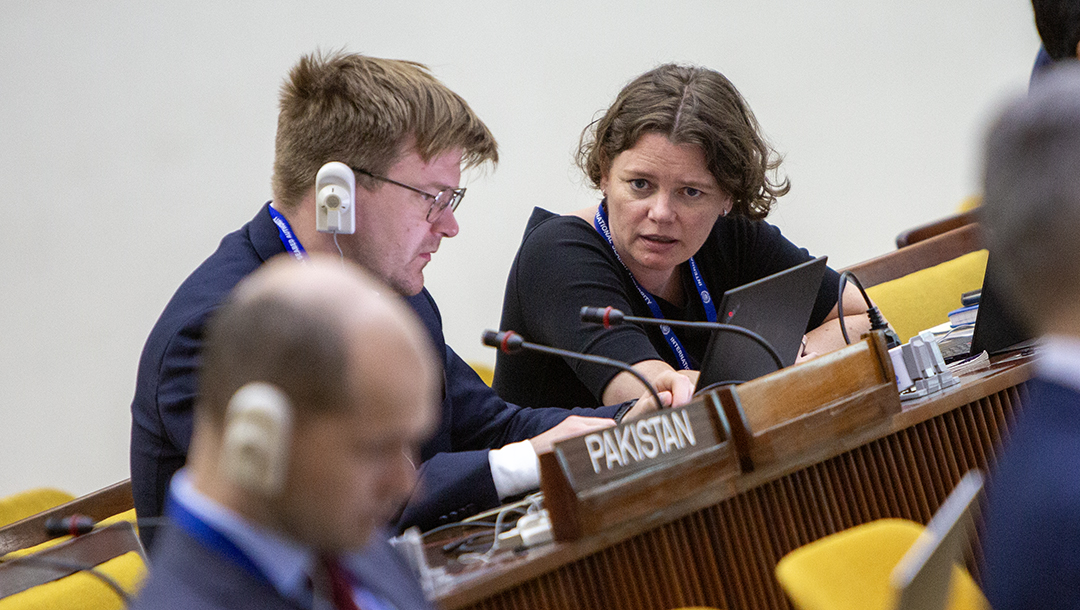
Delegates from Norway during the session
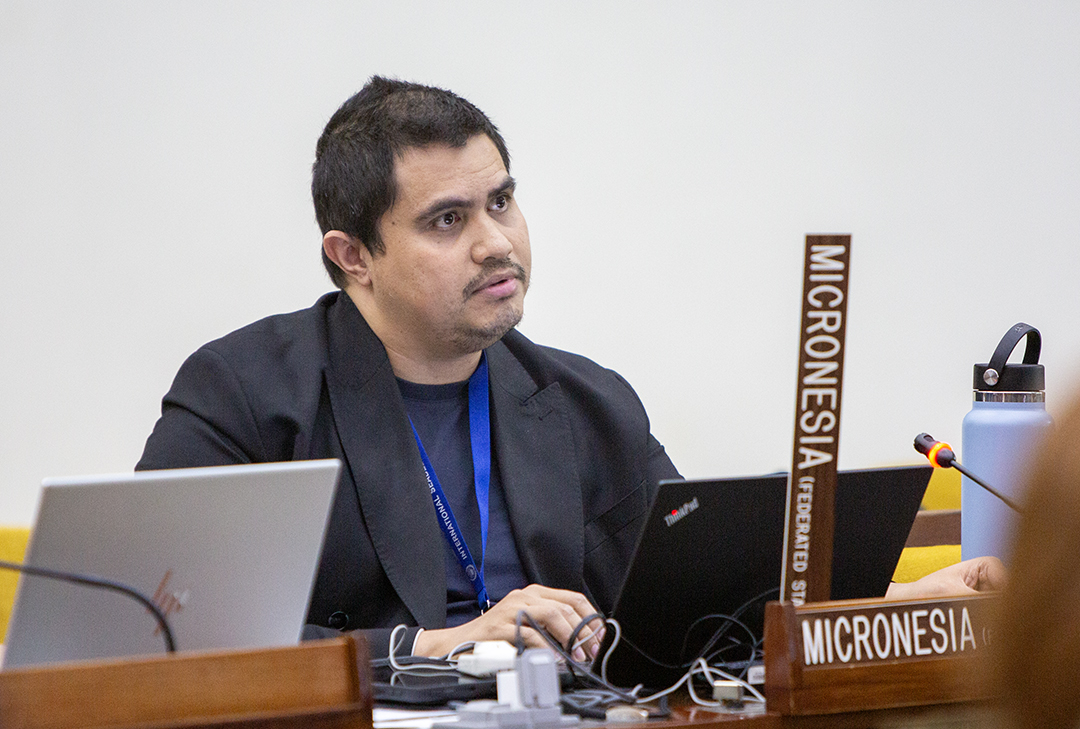
Clement Yow Mulalap, Federated States of Micronesia
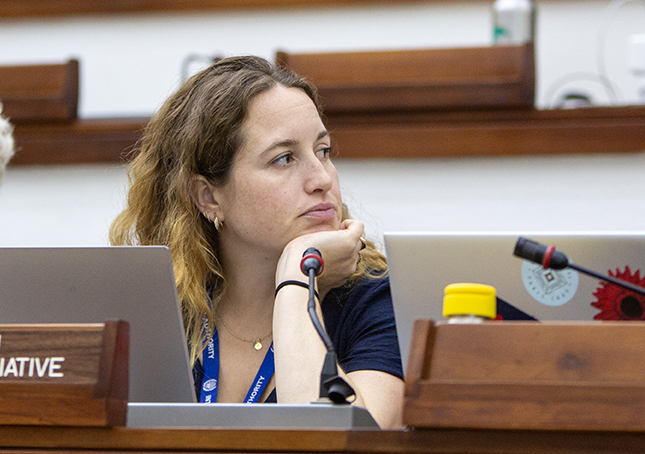
Samantha Robb, Deep Ocean Stewardship Initiative (DOSI)
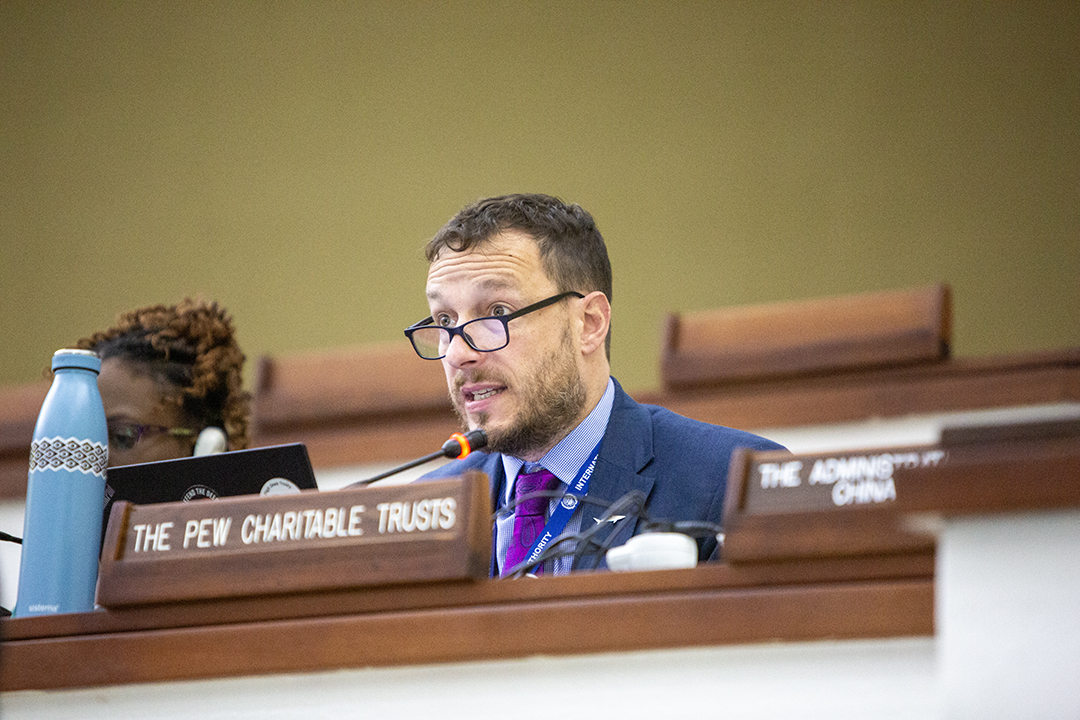
Julian Jackson, The Pew Charitable Trusts
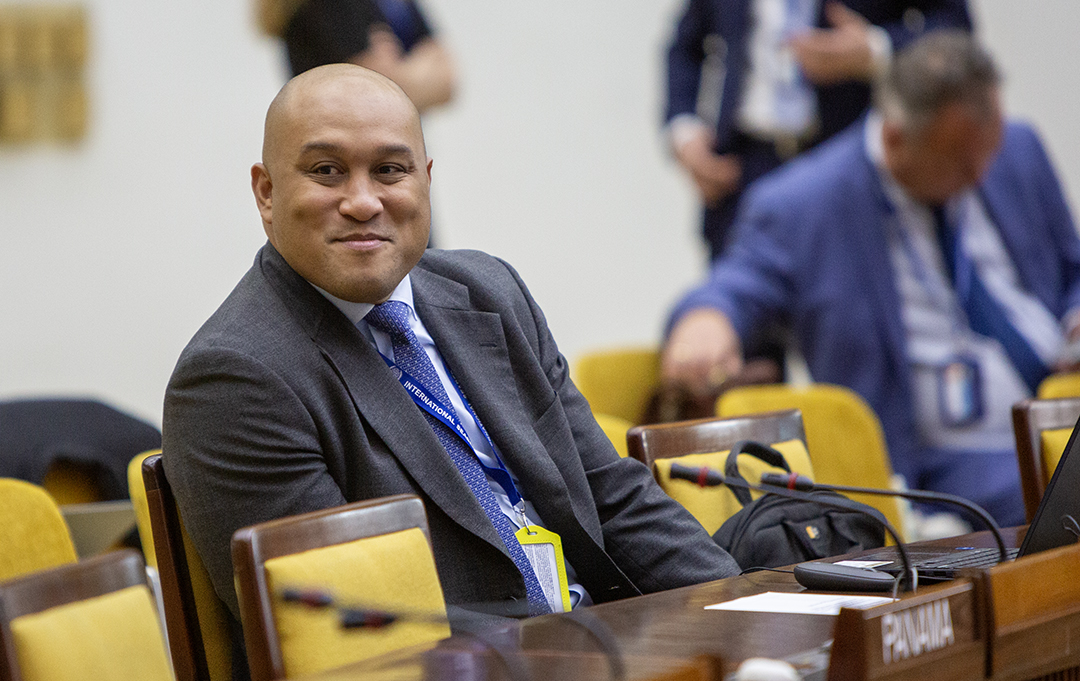
Charles Reklai Mitchell, Palau
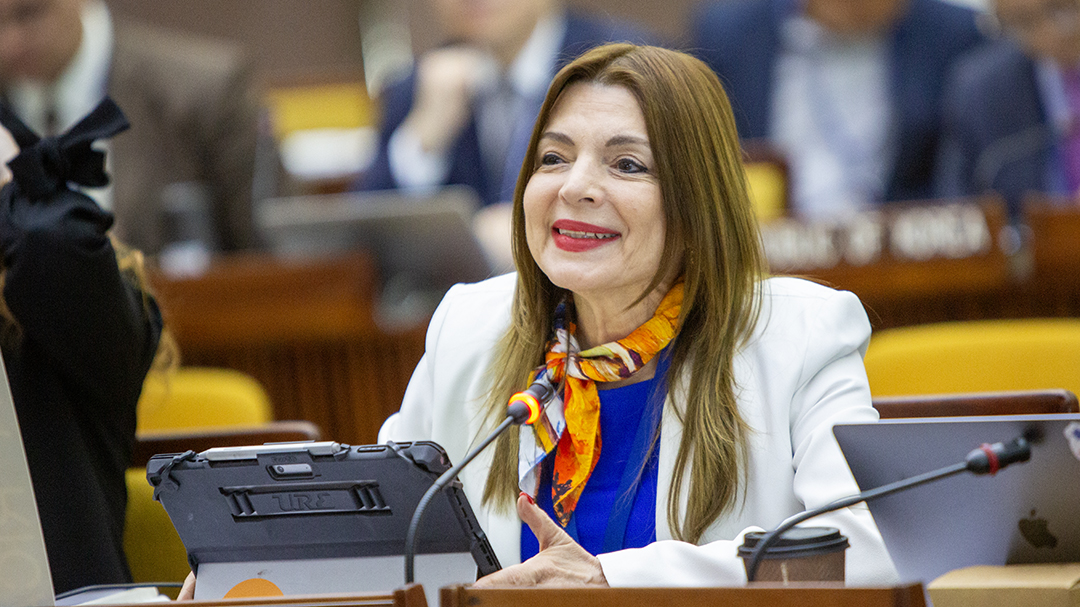
Gina Guillén Grillo, Costa Rica
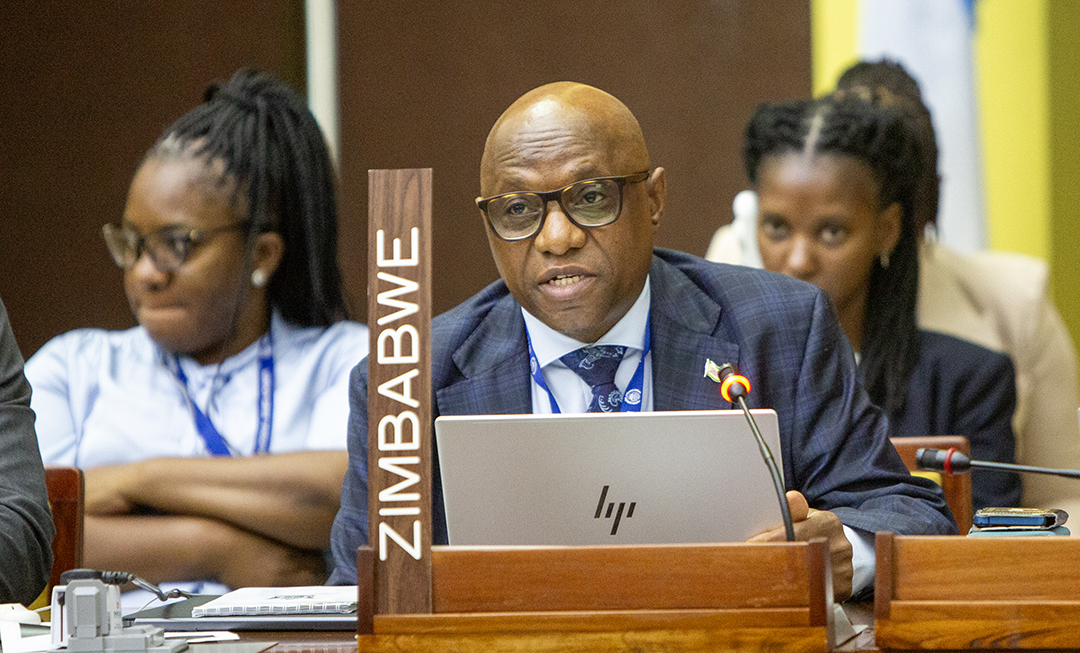
Taonga Mushayavanhu, Zimbabwe
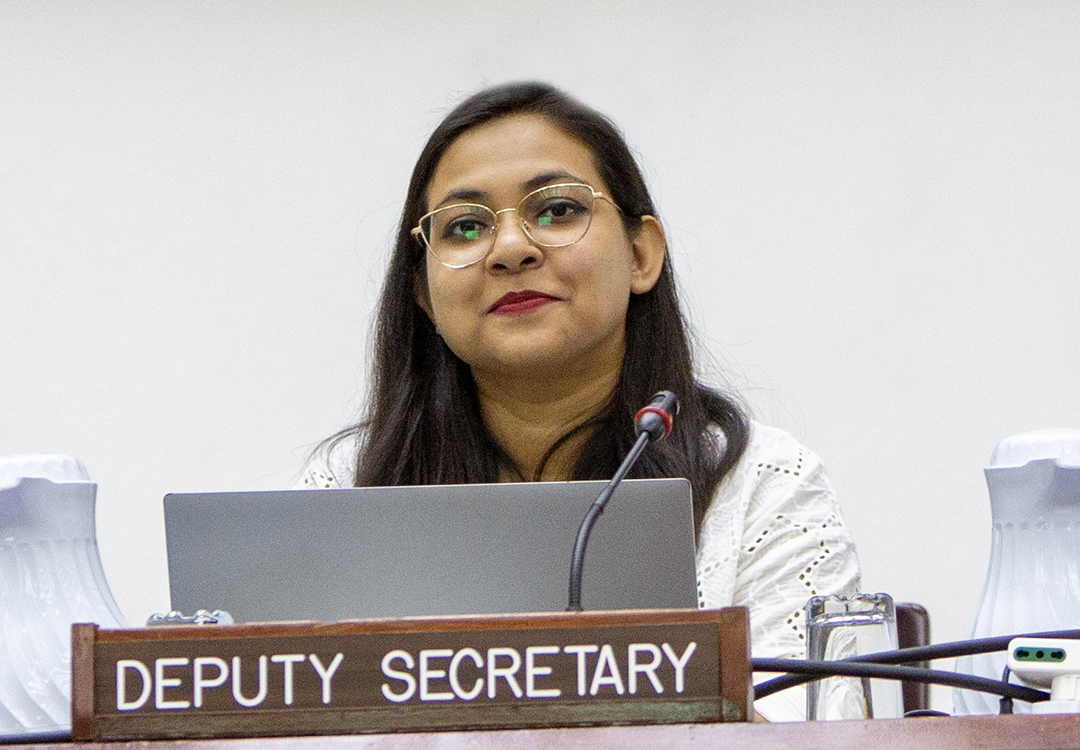
Tamanna Khan, Secretariat of the Authority
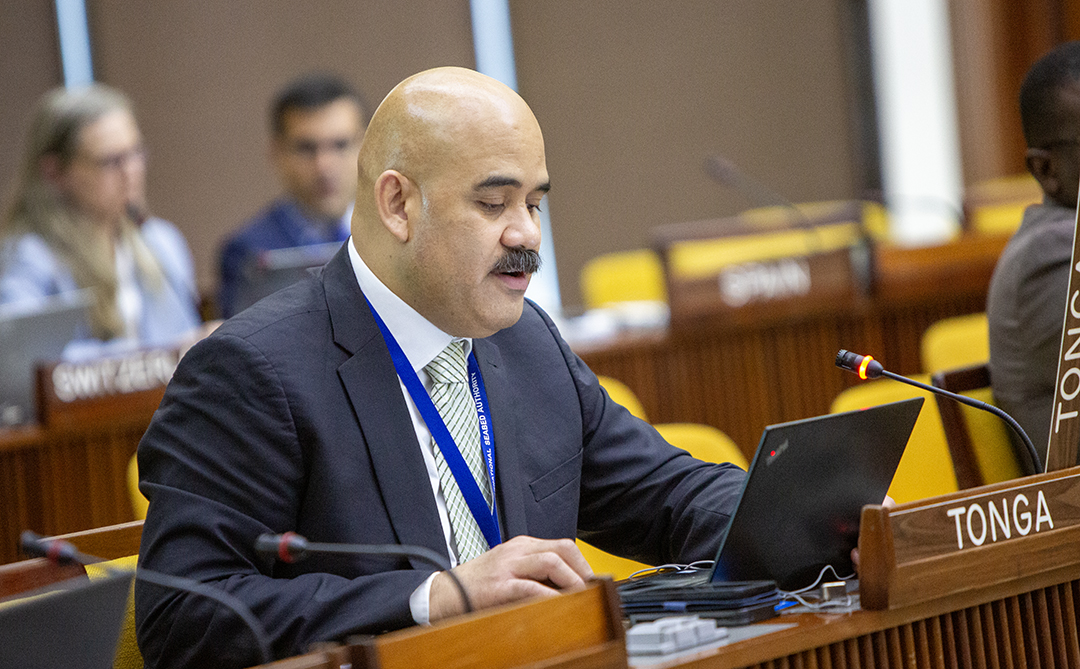
Leonaitasi Kuluni, Tonga
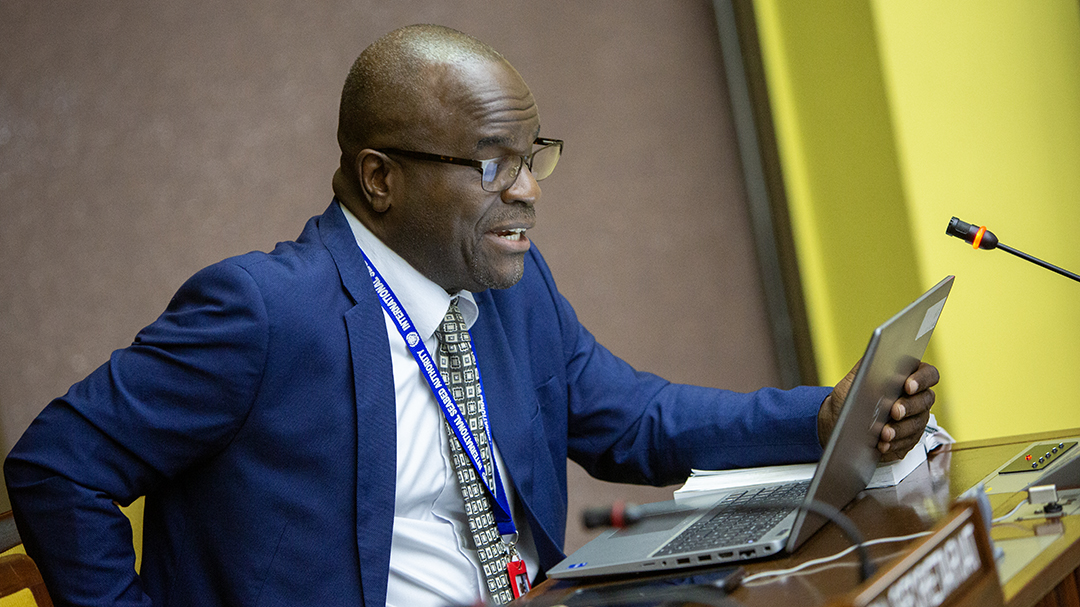
Eden Charles, Interim Director-General of the Enterprise
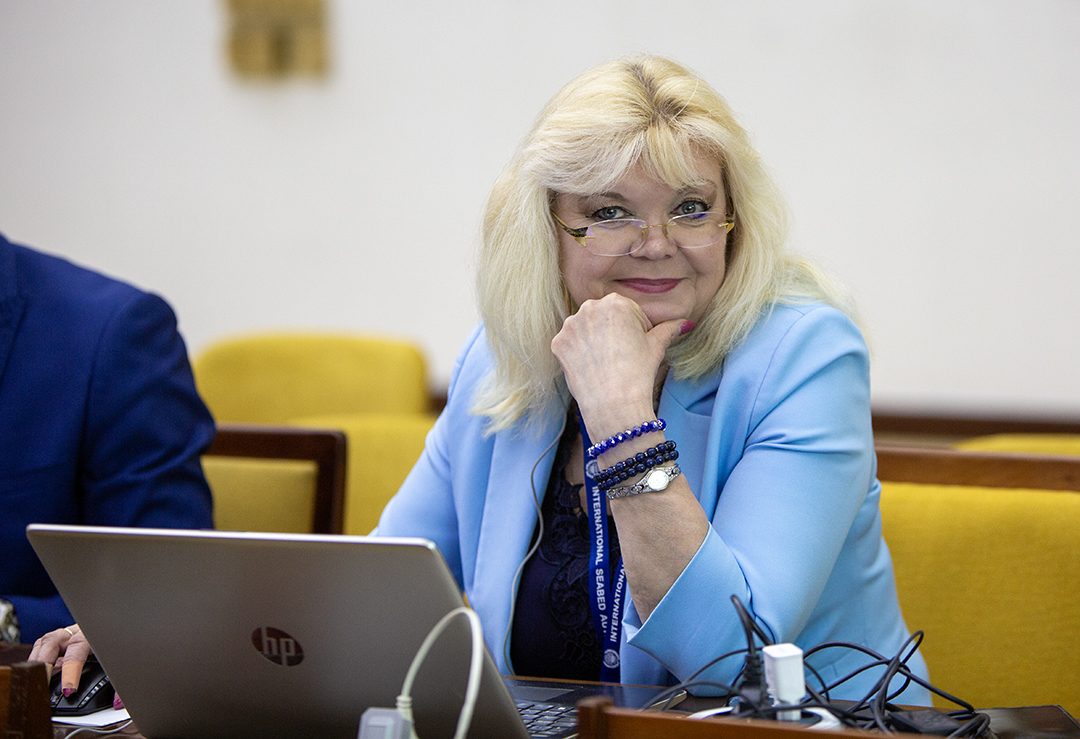
Irina Ponomareva, Russian Federation
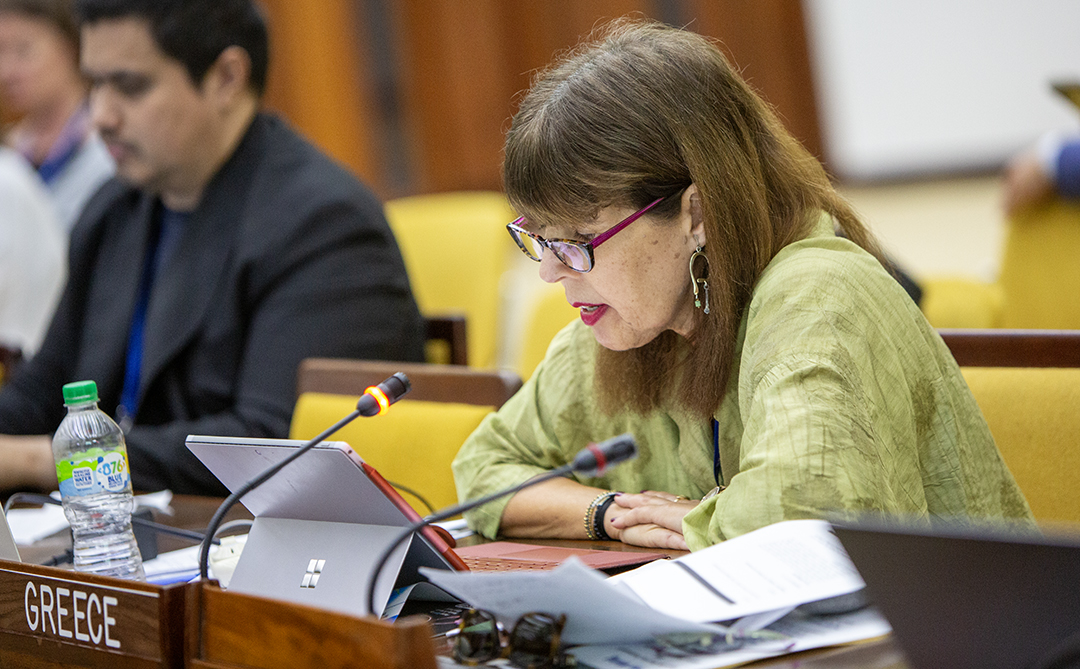
Anastasia Strati, Greece
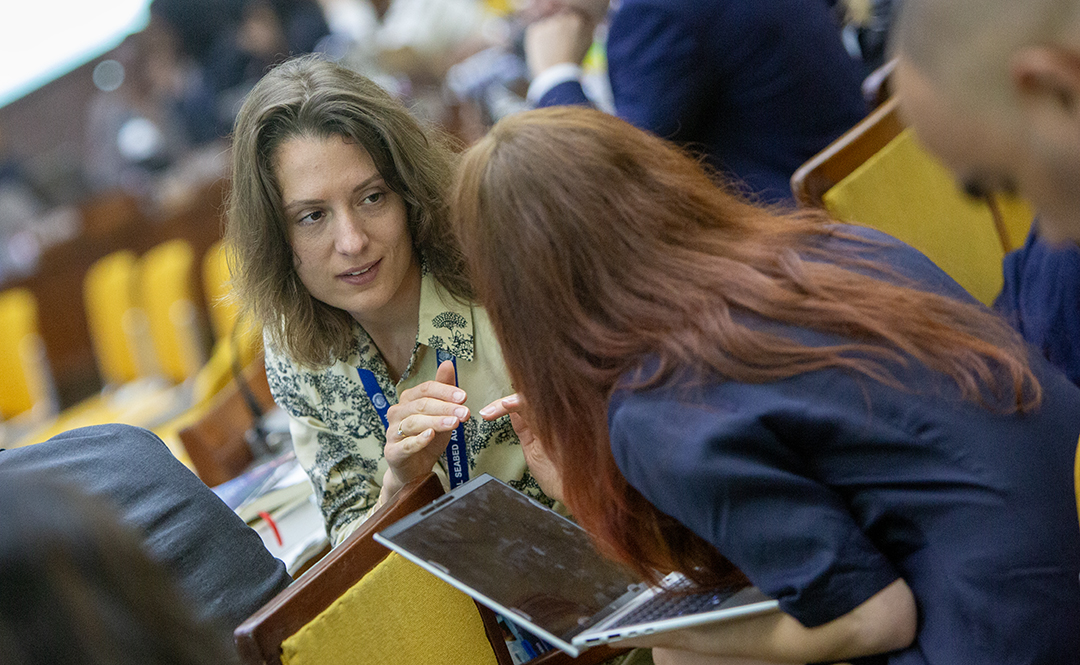
Delegates from the Netherlands
Around the Venue

Side Event: Defining Underwater Cultural Heritage - Perspectives from Oceania