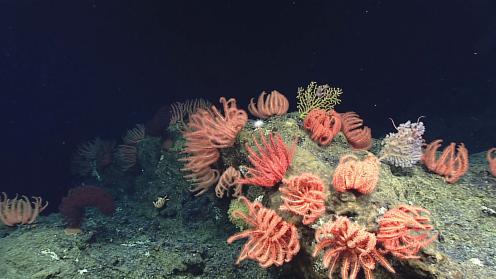

The protection and preservation of the marine environment from adverse impacts and effects of deep-sea mining is considered by many delegates a cornerstone of a robust regulatory framework. Environmental concerns and uncertainties are of fundamental importance to the delegations favoring a moratorium or precautionary pause on deep-sea mining. In that regard, many members of the International Seabed Authority (ISA) highlighted that the exploitation regulations dealing with environmental preservation and protection are key for fulfilling international obligations under the UN Convention on the Law of the Sea (UNCLOS).
During consideration of regulation 39 (books, records, and samples), most delegates supported requiring contractors to keep a record of liabilities, in addition to the other information listed.
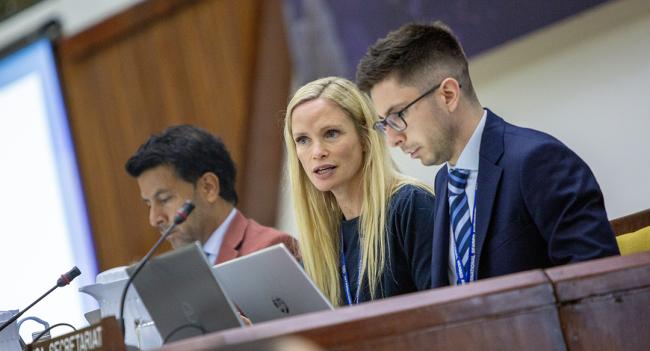
Discussions on regulation 40 (prevention of corruption) focused on streamlining the regulation’s language. Most delegates agreed that the language prohibiting “direct” gifts or rewards suggests indirect gifts or rewards may be acceptable and made textual proposals to address this. Several delegates supported the creation of an ombudsperson but noted the need for careful consideration of how it would work. An observer called for broader ISA-wide policies and procedures on transparency and public accountability.
On regulation 41 (other resource categories), delegates focused on, among other things: whether a provision outlining the application process for newly discovered resources is needed; references to “any interim exploration activities”; and the prohibition of exploiting any other resource category than the one approved in the exploitation contract.
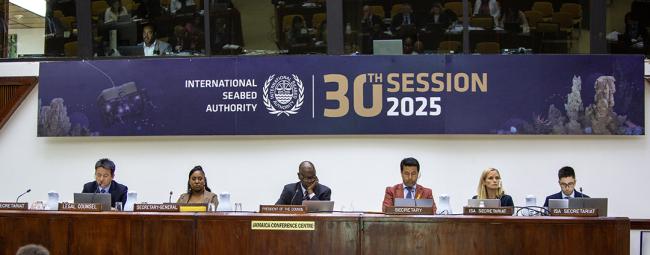
On regulation 42 (restrictions on advertisements, prospectuses, and other notices), a regional group and a few delegations supported two paragraphs outlining the process in cases where the regulation is contravened.
A participant reiterated the need to discuss whether the definition of “contractor” encompasses the Enterprise in regulation 43 (compliance with other laws and regulations). On a reference stating that nothing in an exploitation contract shall relieve a contractor of its obligations under national law, a regional group suggested referring to “national, international, or other law.”
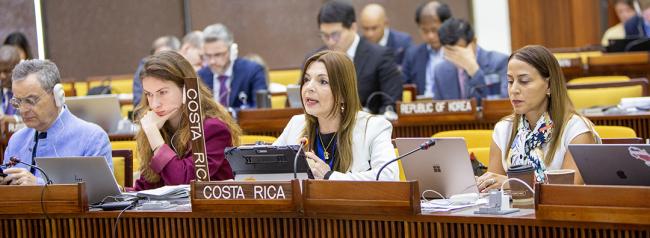
A lengthy discussion took place on regulation 44 (general obligations relating to the marine environment), with some delegates underscoring its importance for the effective implementation of UNCLOS Article 145 (Protection of the marine environment). A few delegations urged further alignment with the Agreement under UNCLOS on the Conservation and Sustainable Use of Marine Biological Diversity of Areas beyond National Jurisdiction (BBNJ Agreement). Some members stressed the need for consistency between regulation 44 and regulation 2 (principles, approaches, and policies).
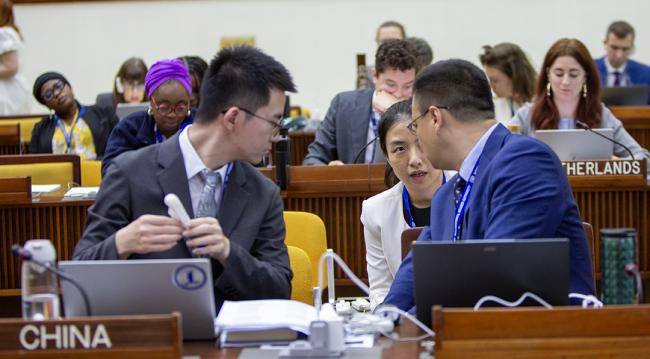
Delegates debated, among many other things, provisions on:
- “ensuring reasonable regard for climate change mitigation and avoidance of impacts on the ocean’s capacity to function as a carbon sink,” with some members noting the language does not adequately reflect states’ legally binding obligations vis-à-vis mitigating climate change; and
- not undermining “relevant legal instruments and frameworks, and relevant global, regional, subregional and sectoral bodies,” with some noting that further work is needed to adapt the language used in the BBNJ Agreement for the purposes of the exploitation regulations.
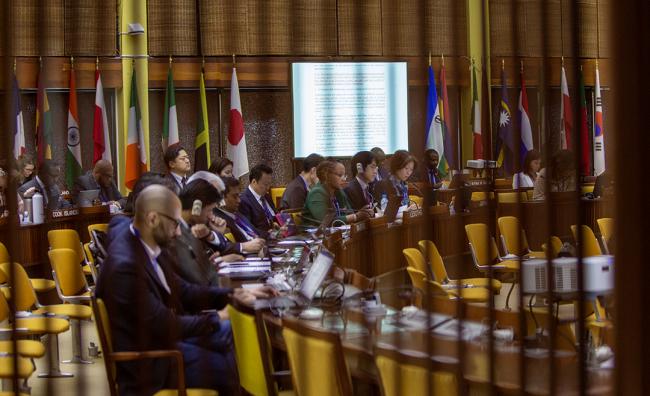
Observers highlighted, among other things, the need to: rigorously apply the precautionary principle; incorporate multiple knowledge systems; take into account that restoration and offsetting are not realistic options for the mitigation hierarchy in the deep sea, urging for avoiding harm; and ensure public involvement and meaningful stakeholder engagement.
On regulation 44 bis (regional environmental management plans), many delegates emphasized that the Legal and Technical Commission shall consider an application for a plan of work only if a regional environmental management plan (REMP) has been adopted by the Council for the particular area and type of resource concerned. They further highlighted relevant intersessional work in an informal working group led by the Netherlands.
Members expressed general support for regulation 44 ter (environmental goals and objectives), currently marked as deleted in the revised consolidated draft regulations. While a few delegations expressed flexibility to include the provisions in an ISA general environmental policy framework, most delegates insisted on reinstating the text in the exploitation regulations. They lamented that a small number of countries have consistently blocked the development of a general environmental policy and stated that once the general environmental policy is finally developed, this regulation’s content can be moved there. The regulation will be reinstated in the draft exploitation regulations.
On regulation 45 (development of environmental standards and guidelines), delegates focused on, among other things, the list of subject matters of the environmental standards to be developed, including requests for reinstating a reference to baseline environmental studies and deleting a reference to restoration measures. Many delegates requested reinstating a paragraph noting that the Authority shall not approve any exploitation unless the environmental standards and guidelines have been adopted.
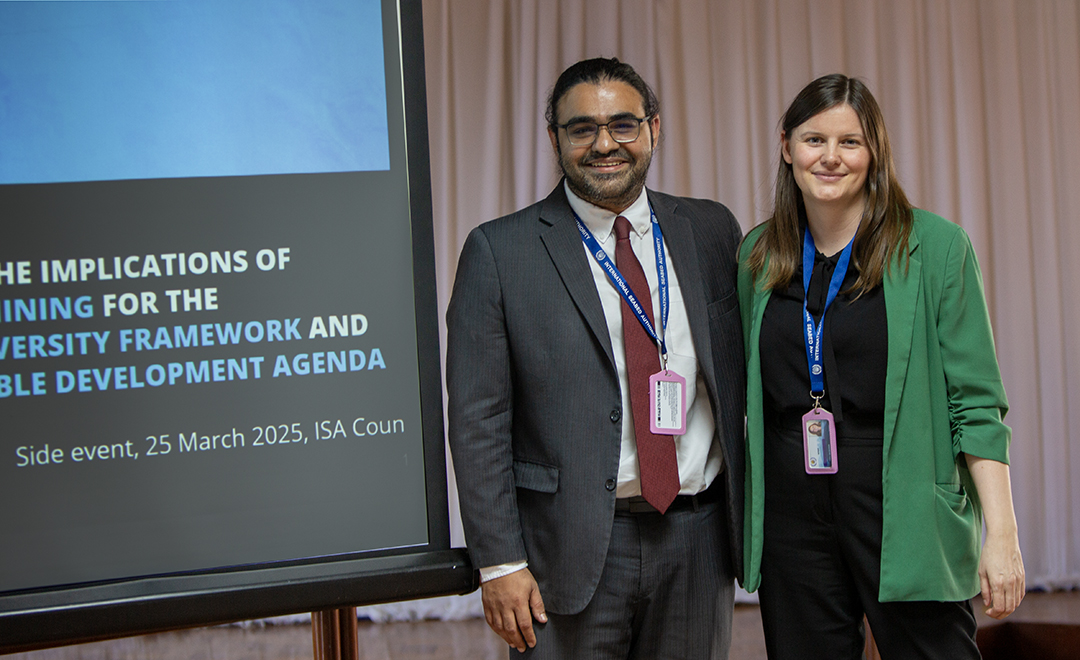
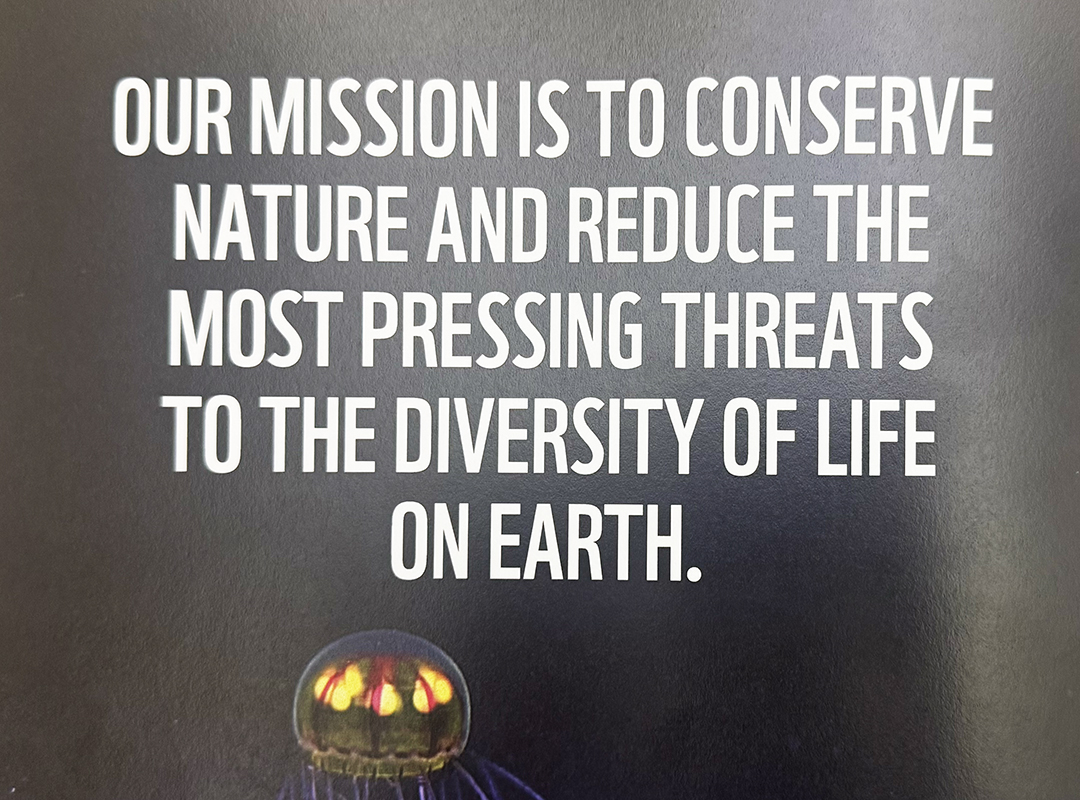
At lunchtime, a side event, hosted by World Wildlife Fund for Nature, focused on global commitments to sustainable development and biodiversity, and potential impacts of deep seabed mining.

To receive free coverage of global environmental events delivered to your inbox, subscribe to the ENB Update newsletter.
All ENB photos are free to use with attribution. For the 1st Part of the 30th Annual Session of the International Seabed Authority, please use: Photo by IISD/ENB | Angeles Estrada Vigil
Selected Images
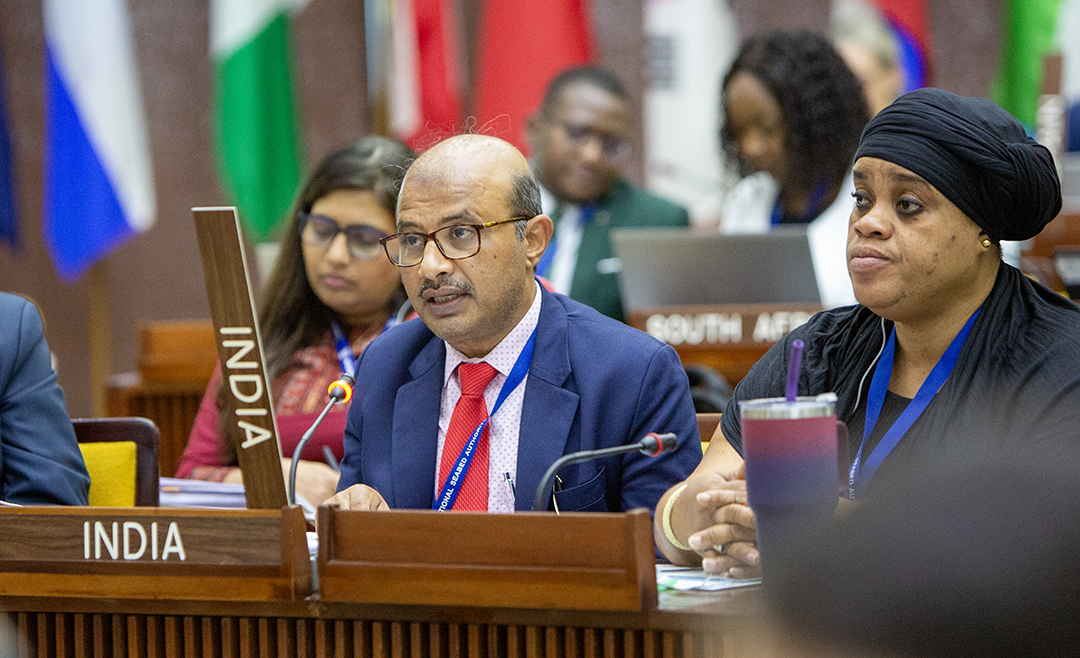
Sandip Mukhopadhya, India
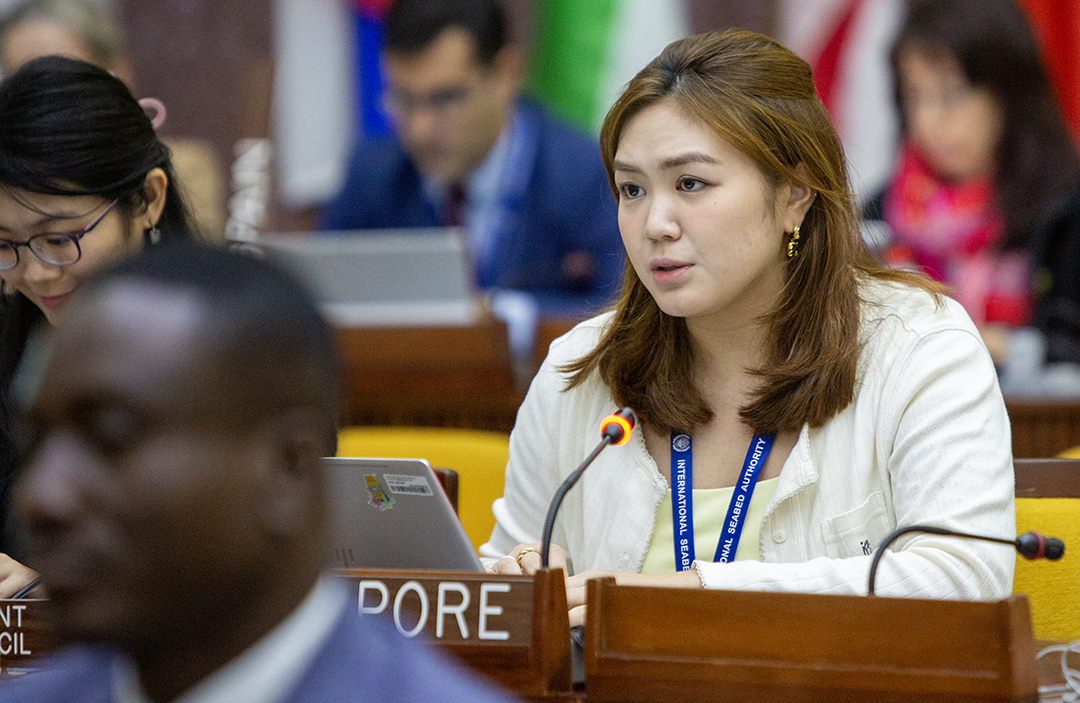
Beatrice Chen, Singapore
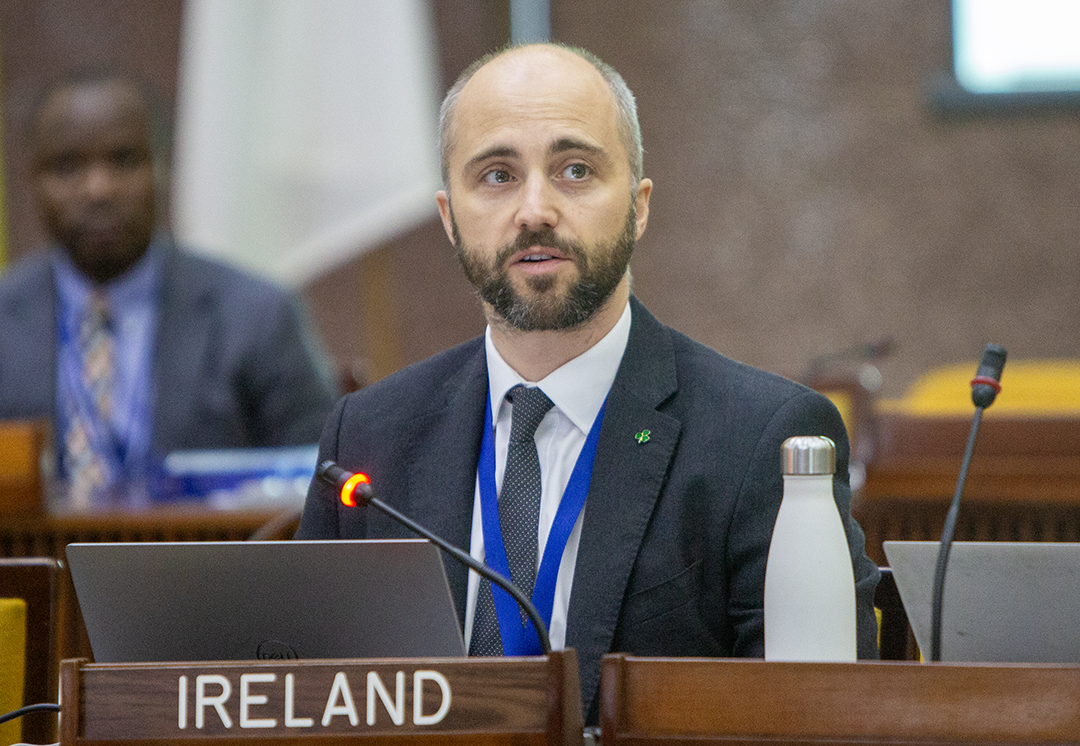
Carl Grainger, Ireland
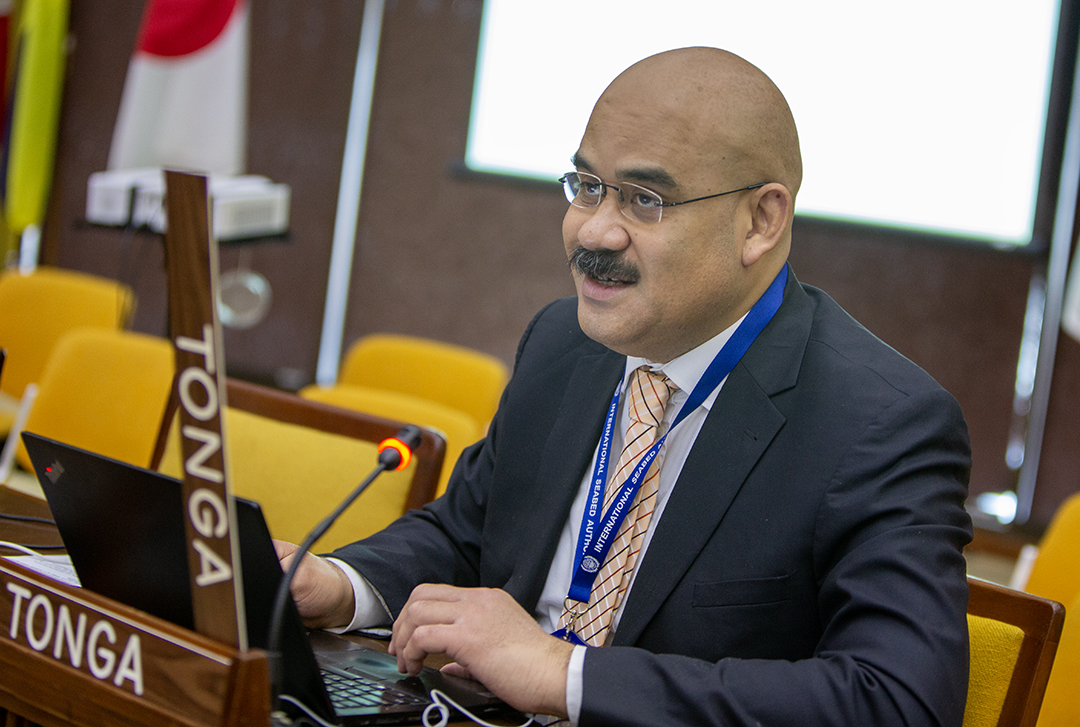
Leonaitasi Kuluni, Tonga
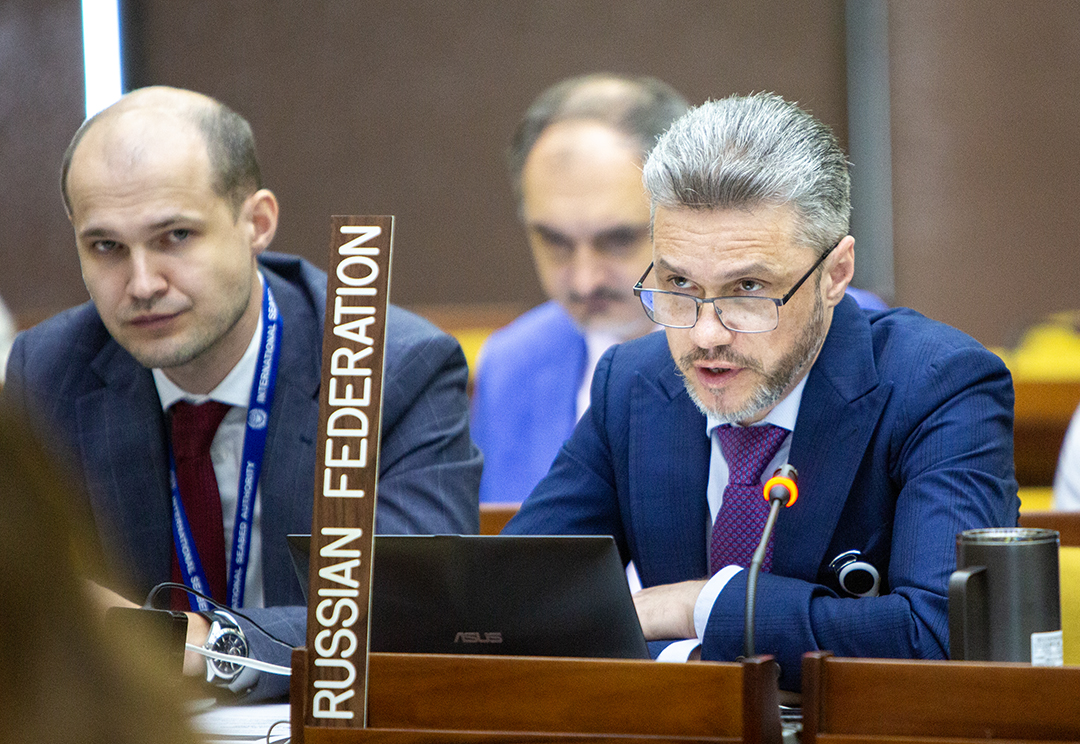
Maksim Kirzhimanov, Russian Federation

Julian Jackson, The Pew Charitable Trusts
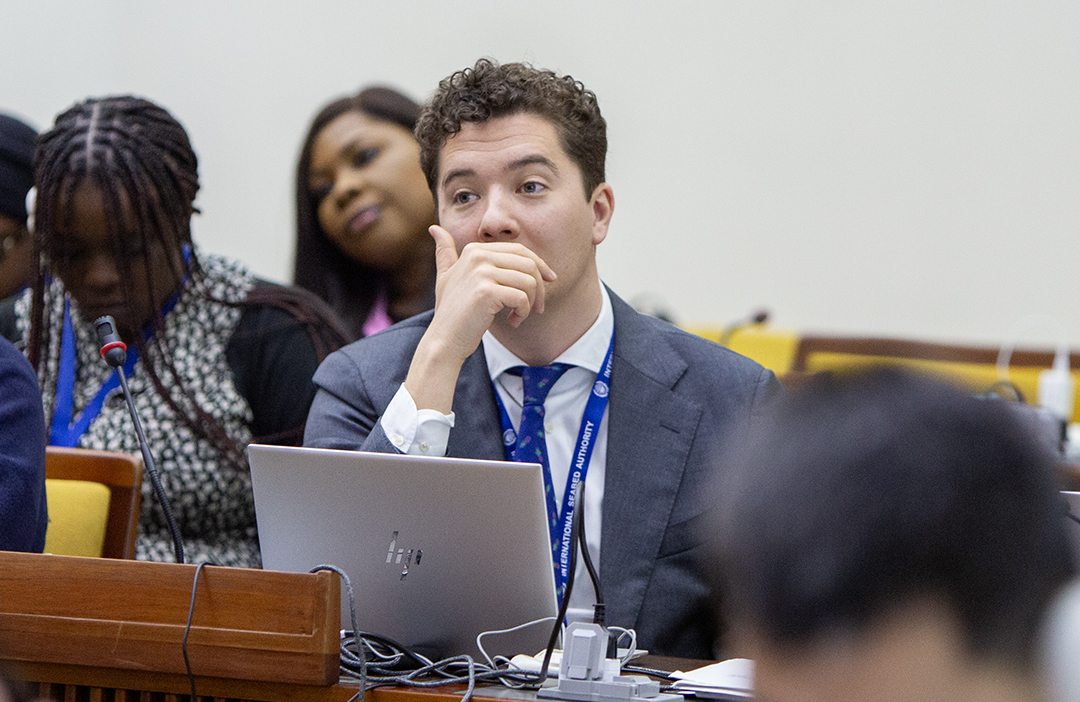
Oliver Whitehead, the Netherlands
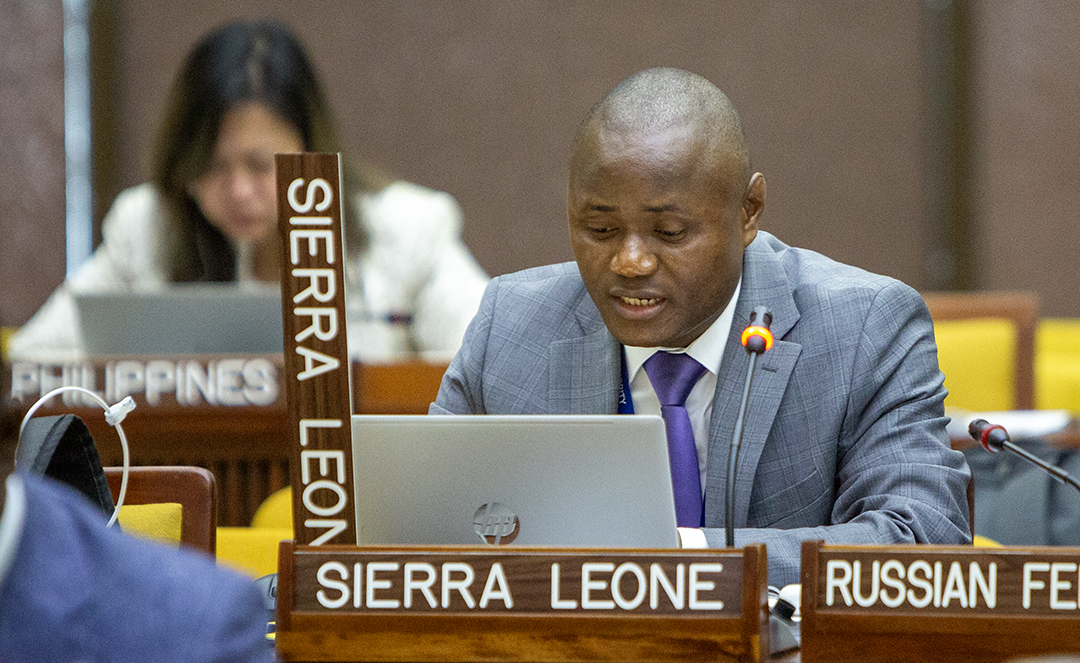
Allieu Koroma, Sierra Leone
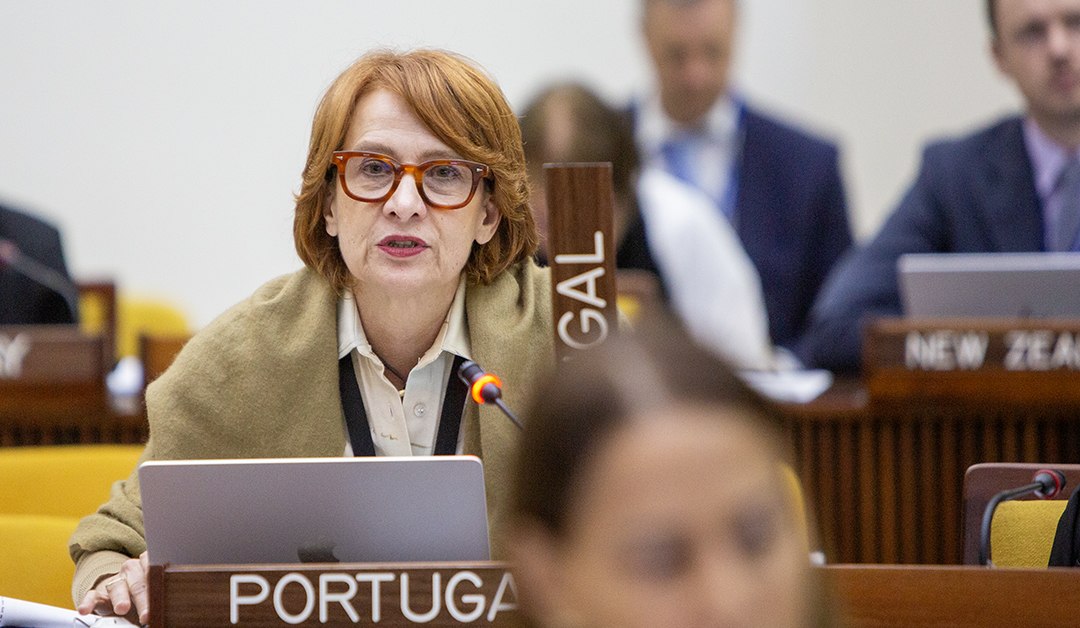
Maria Luís Mendes, Portugal
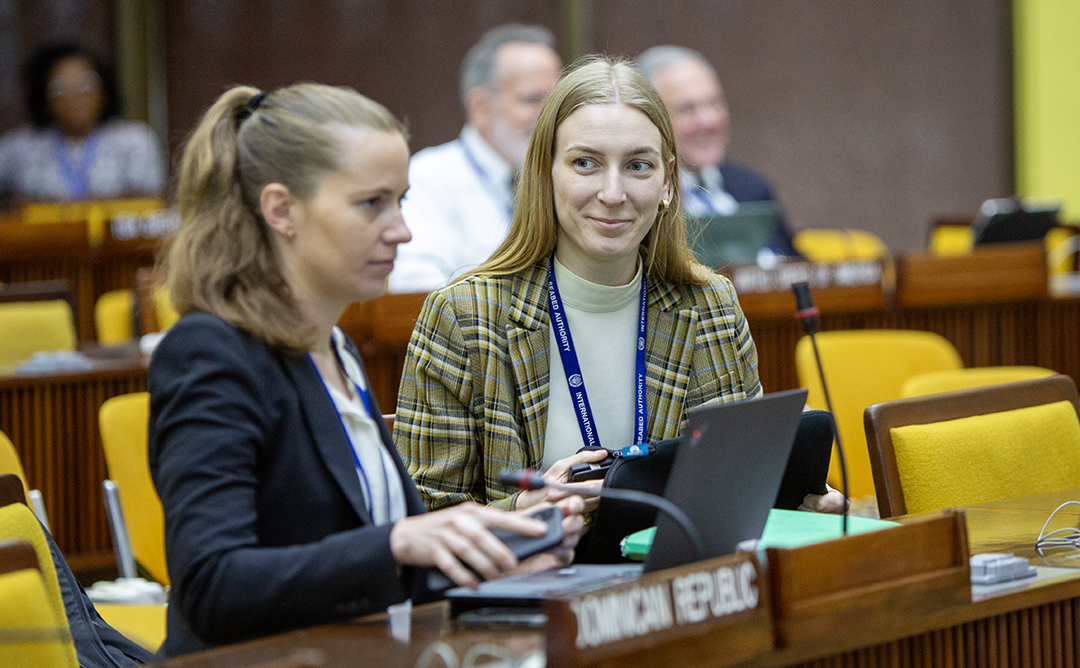
Mette Kalmus-Larsen and Julie Emma Schade, Denmark
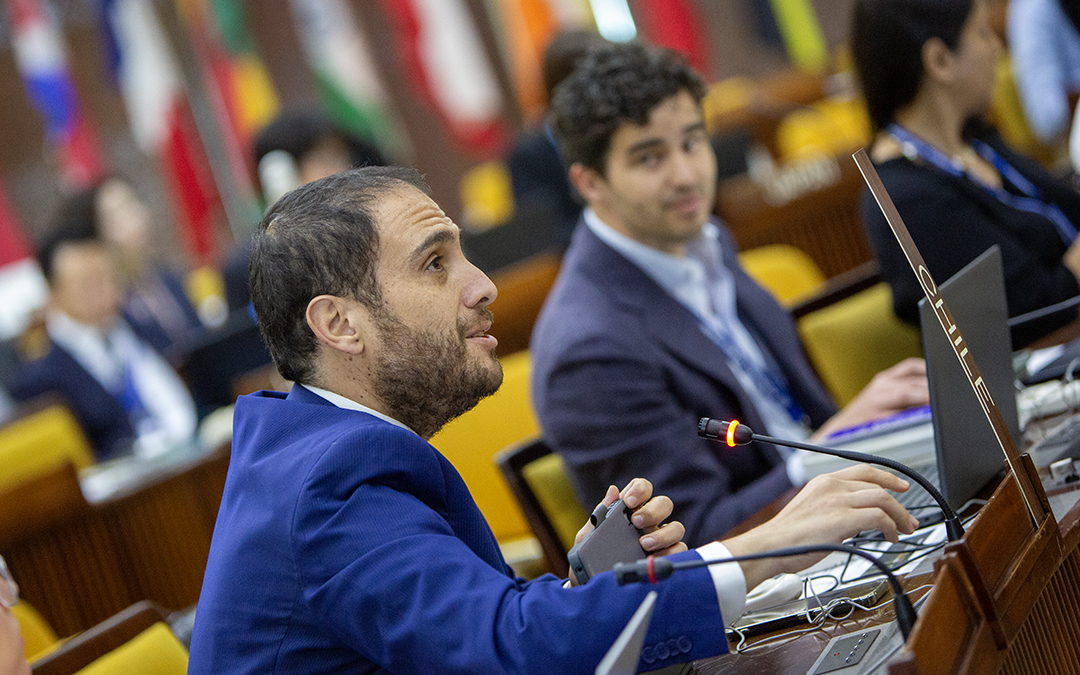
Salvador Vega Telia, Chile
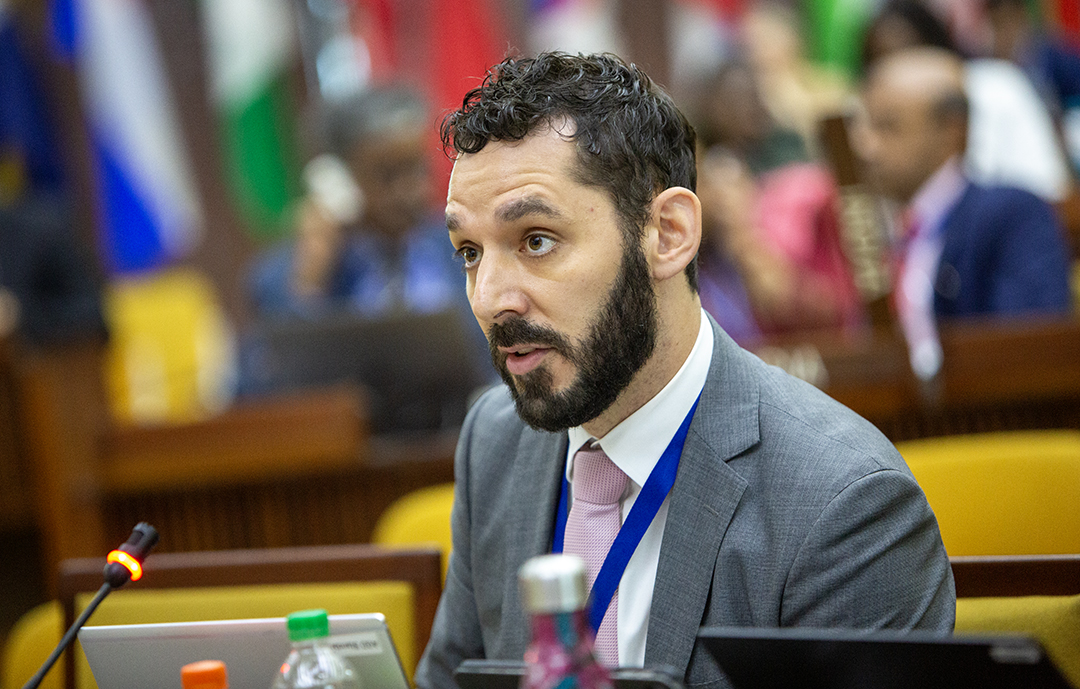
Mark Colautti, Australia
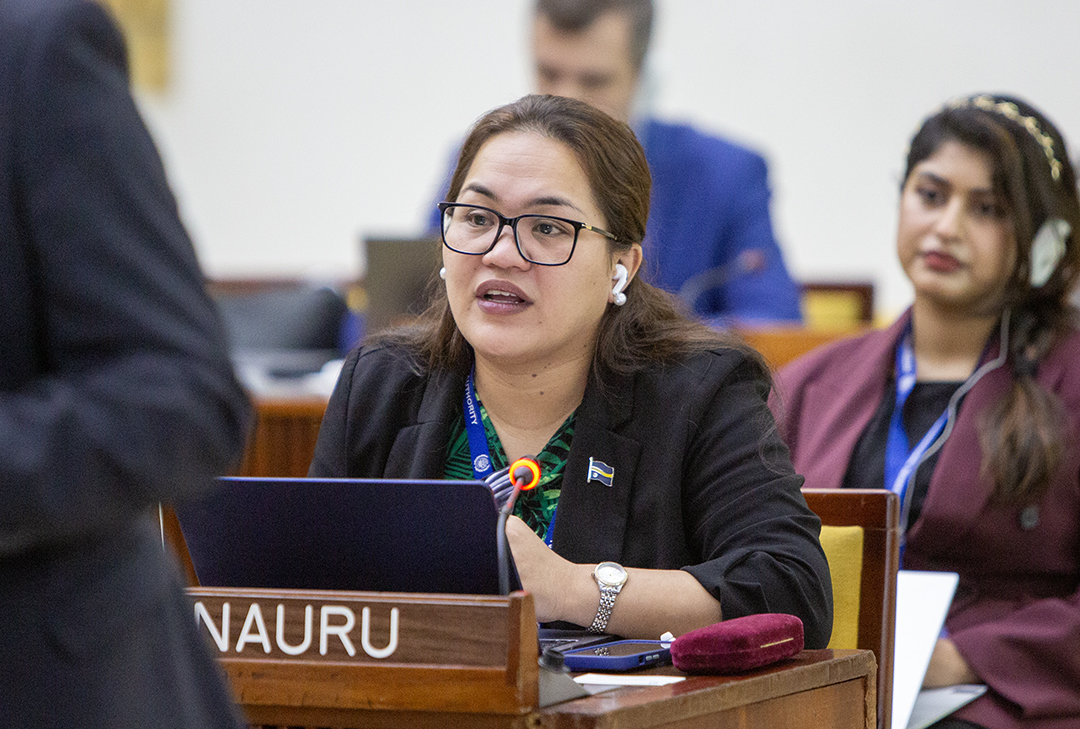
Anastasia Julius, Nauru
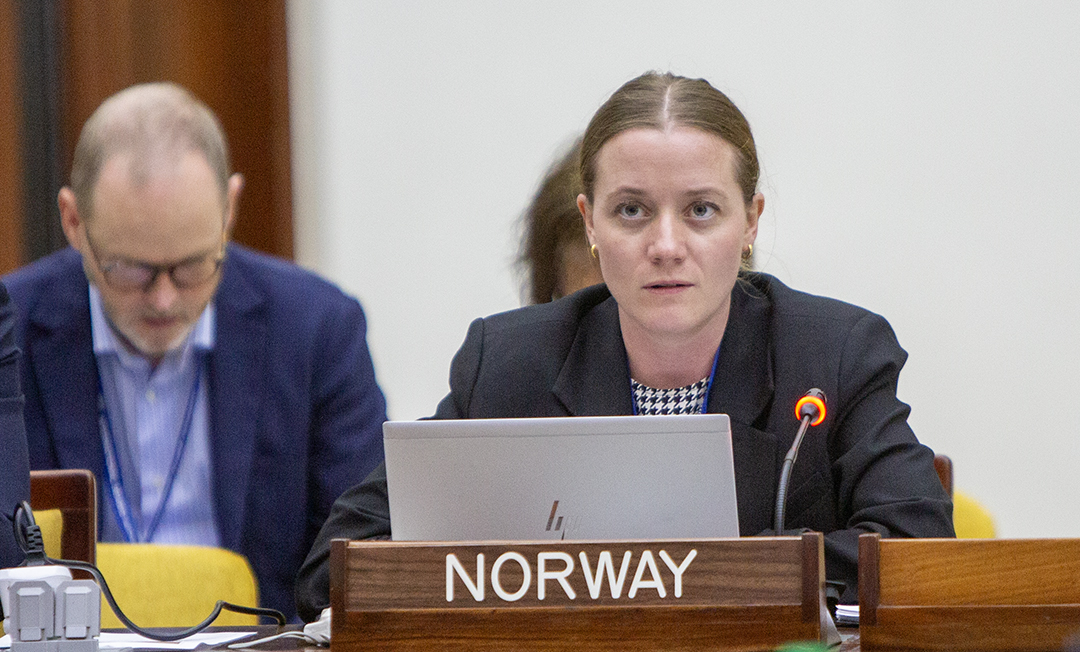
Anja Morris, Norway
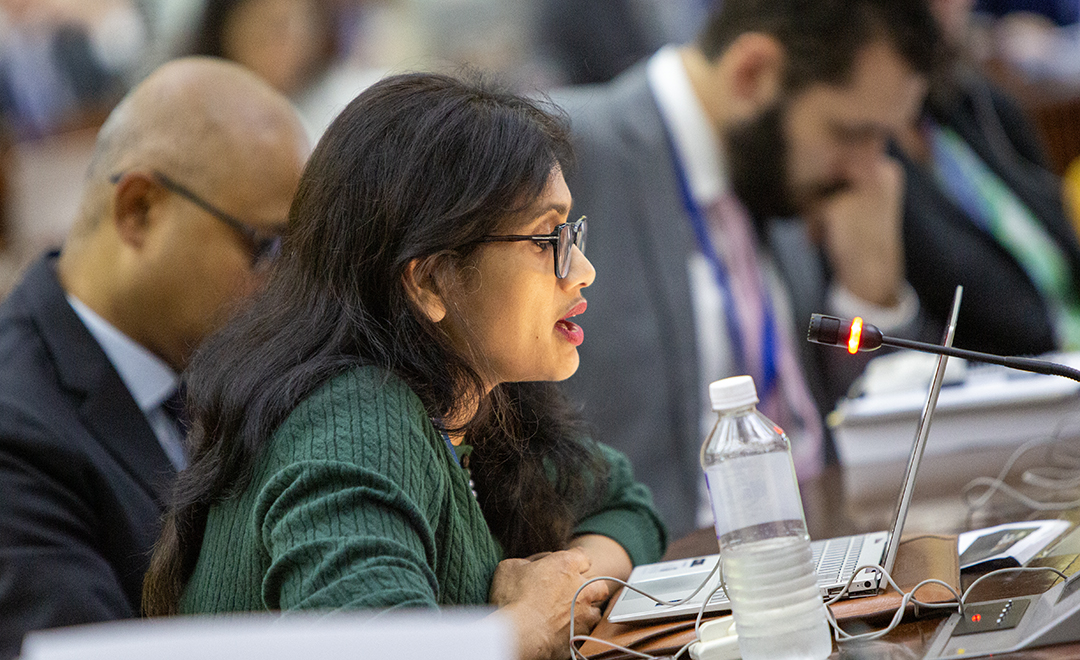
Farida Yasmeen, Bangladesh
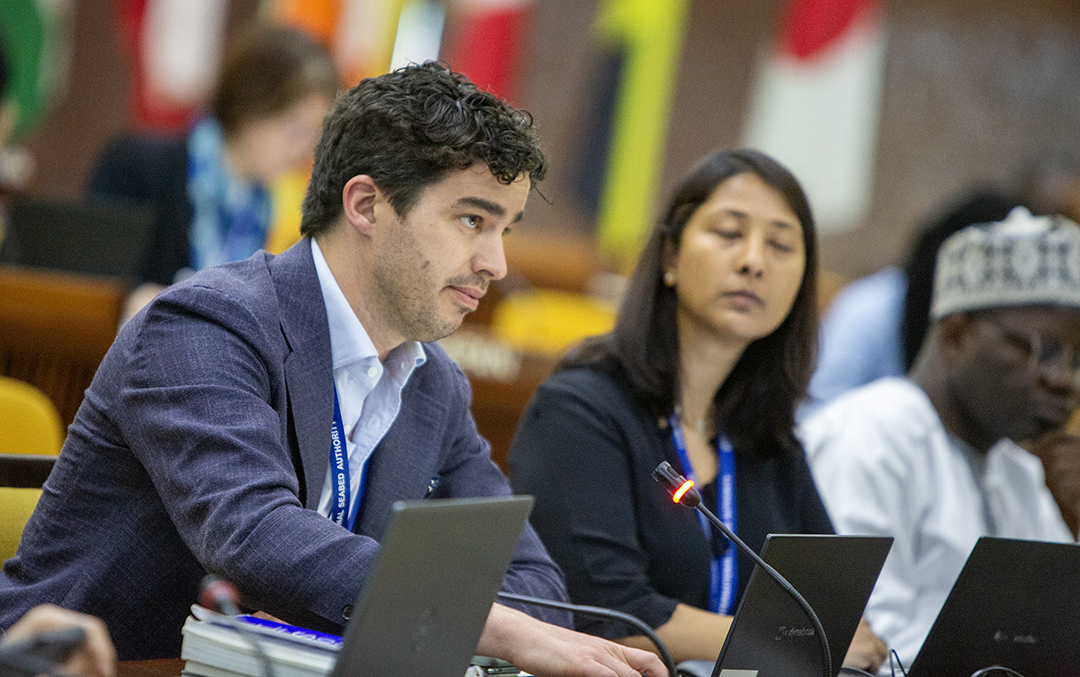
José Benchetrit, Canada

Prithivi Dass Bissessur, Mauritius
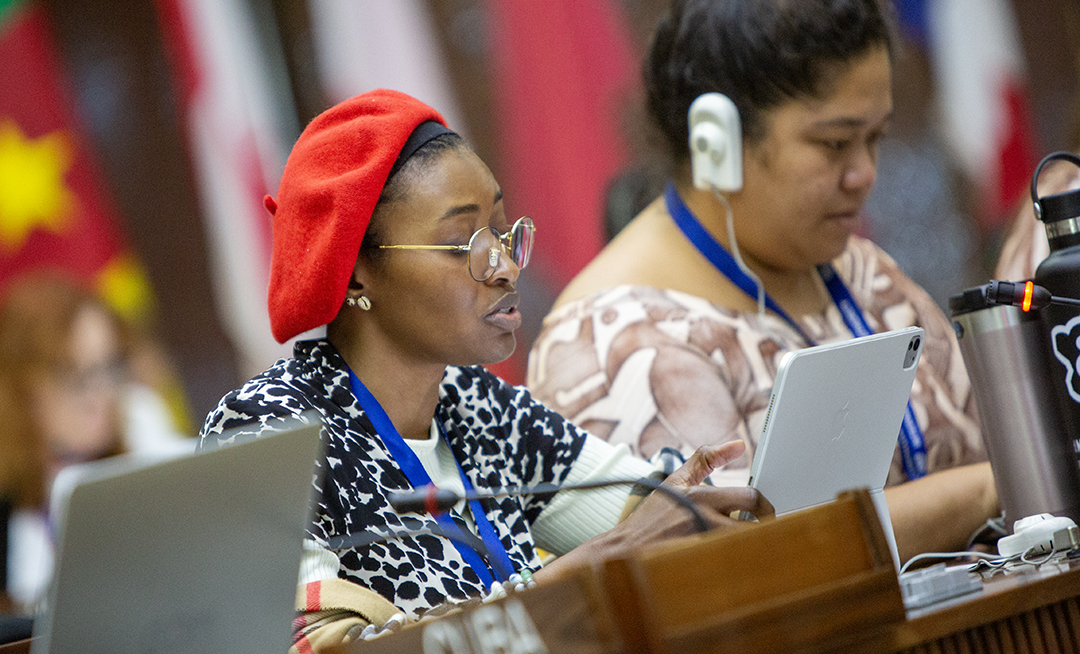
Horokia Coulibaly, Côte d'Ivoire

Xue Guifang, Center for Polar and Deep Ocean Development
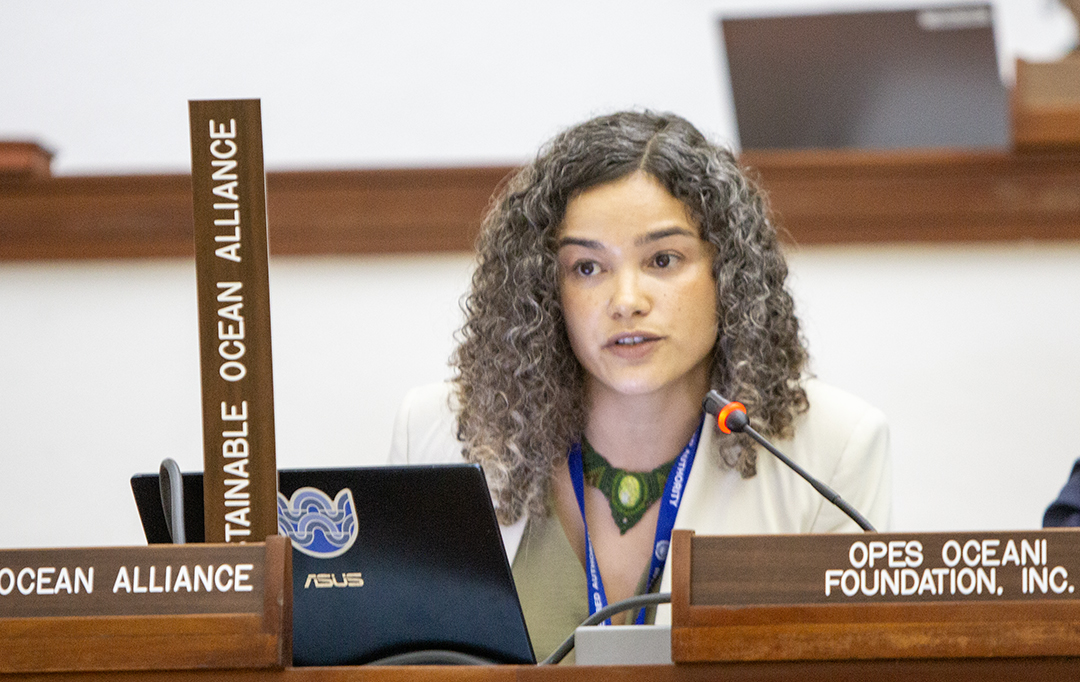
Eugénia Barroca, Sustainable Ocean Alliance (SOA)
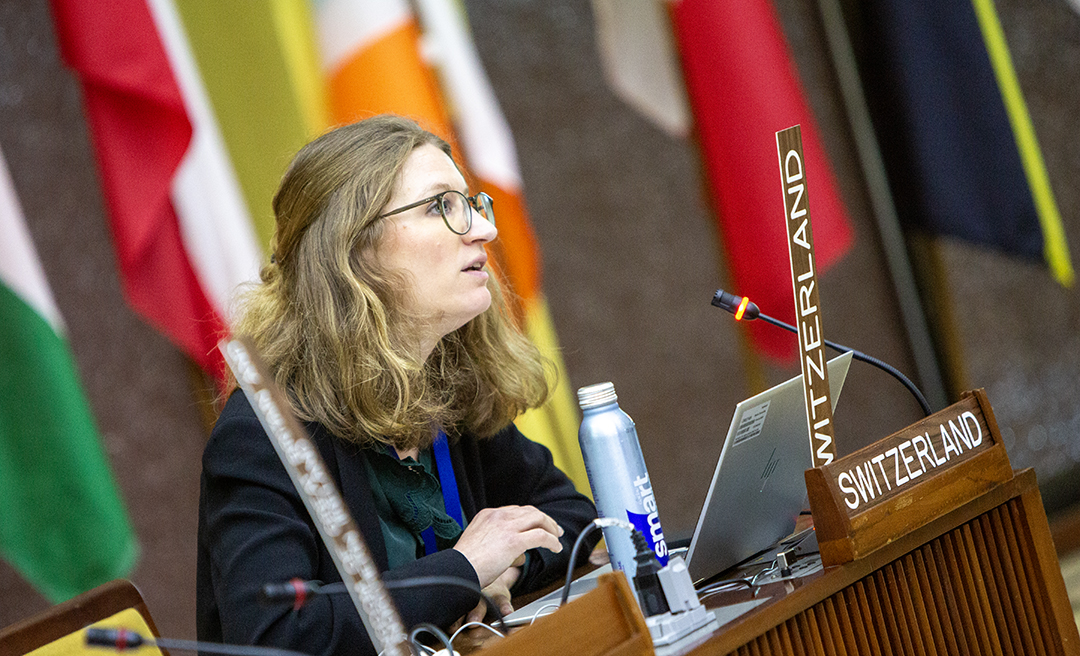
Laura Platchkov, Switzerland
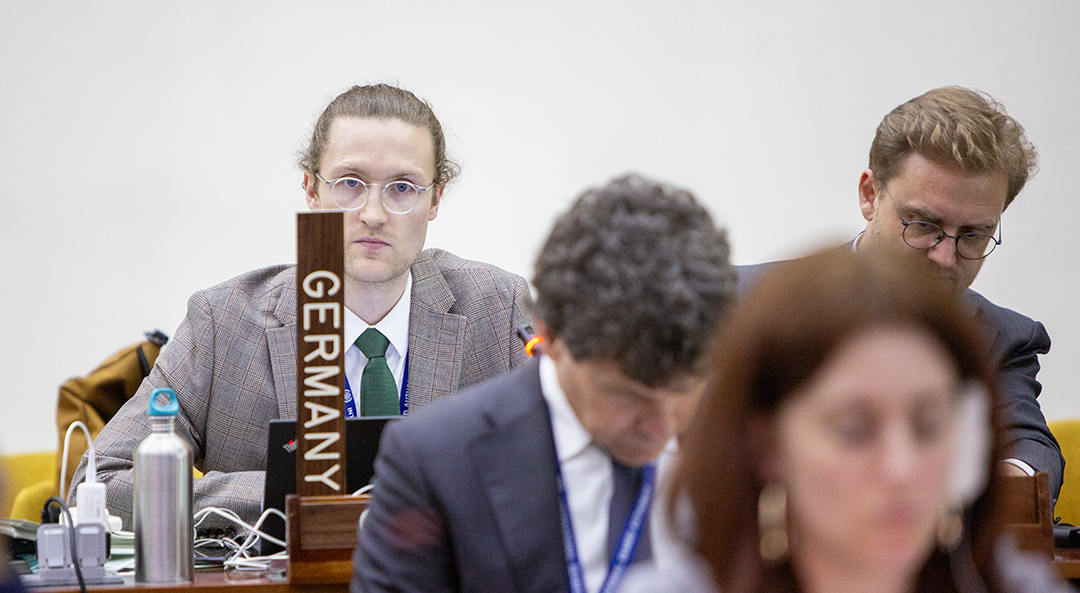
Vincent Schnell, Germany
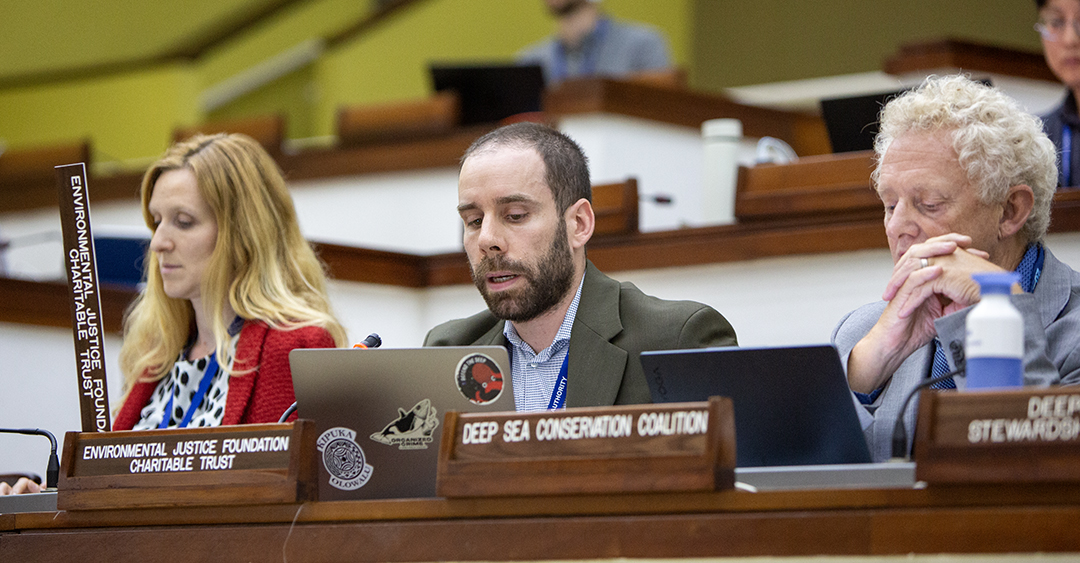
Martin Webeler, Environmental Justice Foundation (EJF)
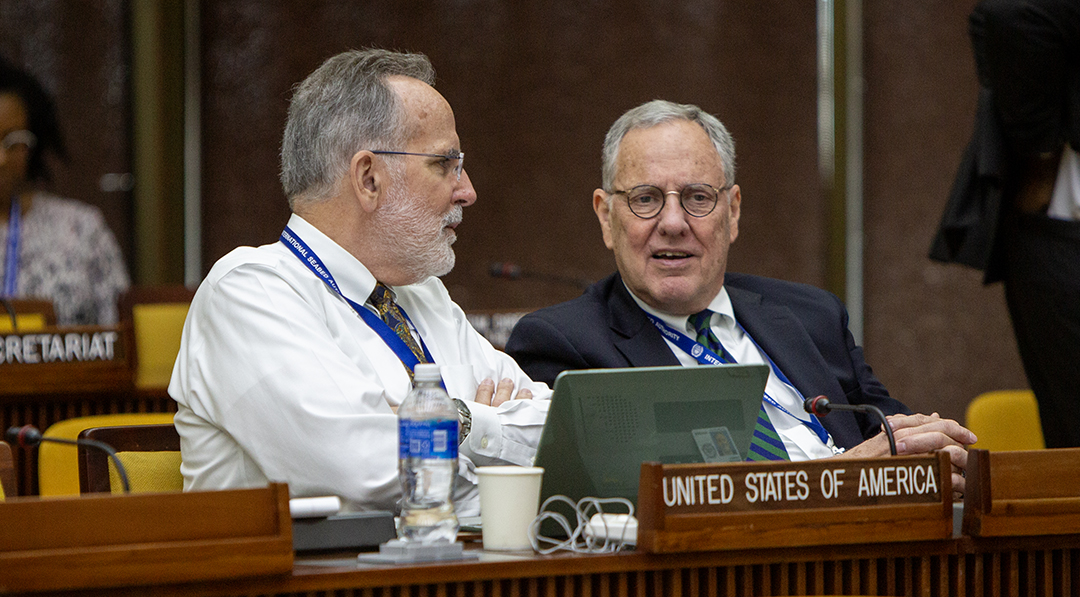
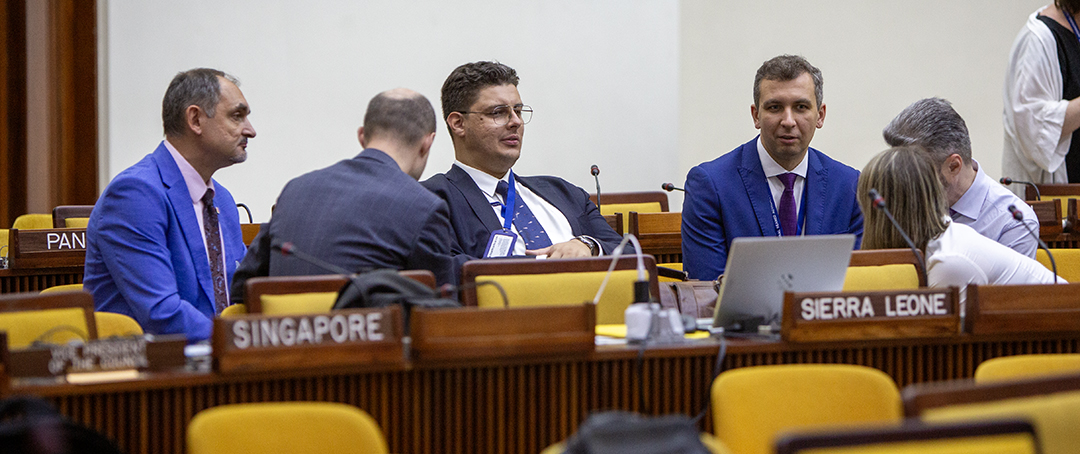
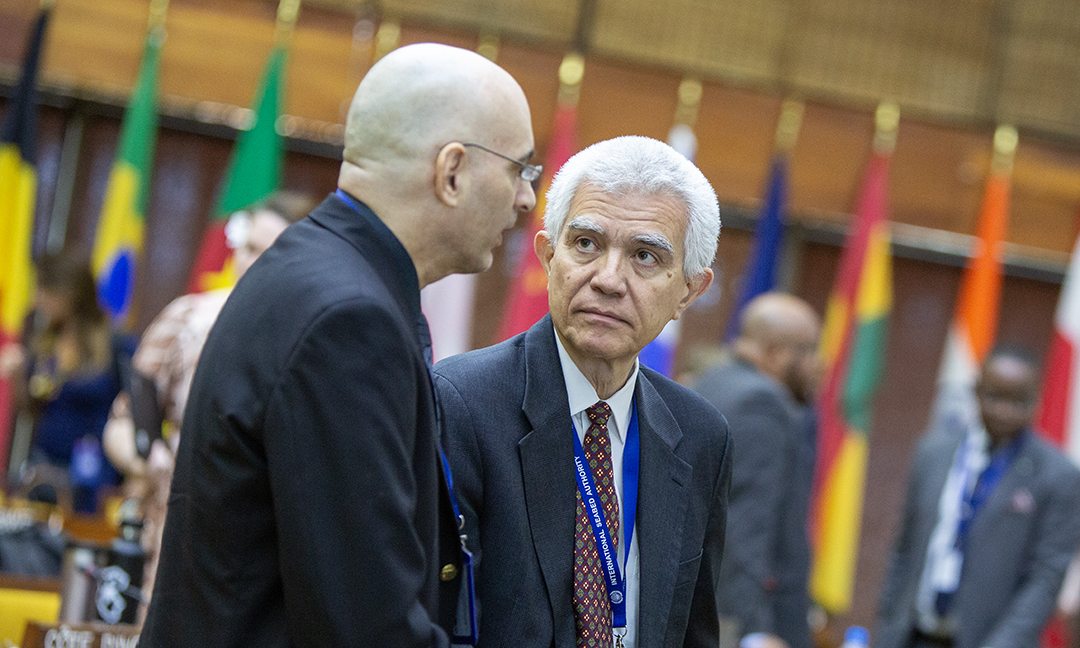
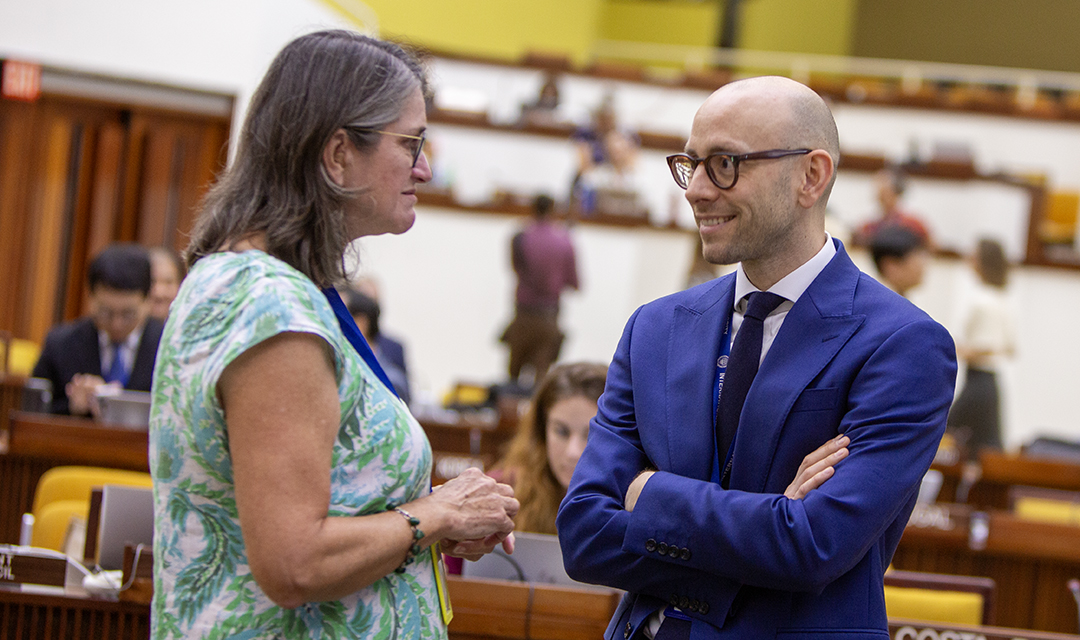
Around the Venue
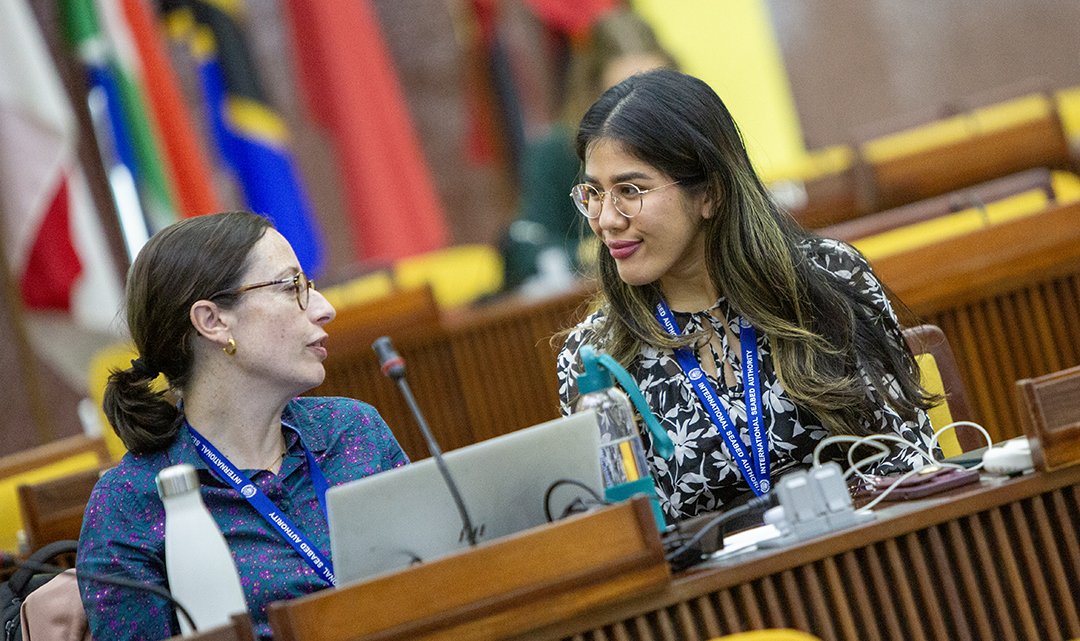
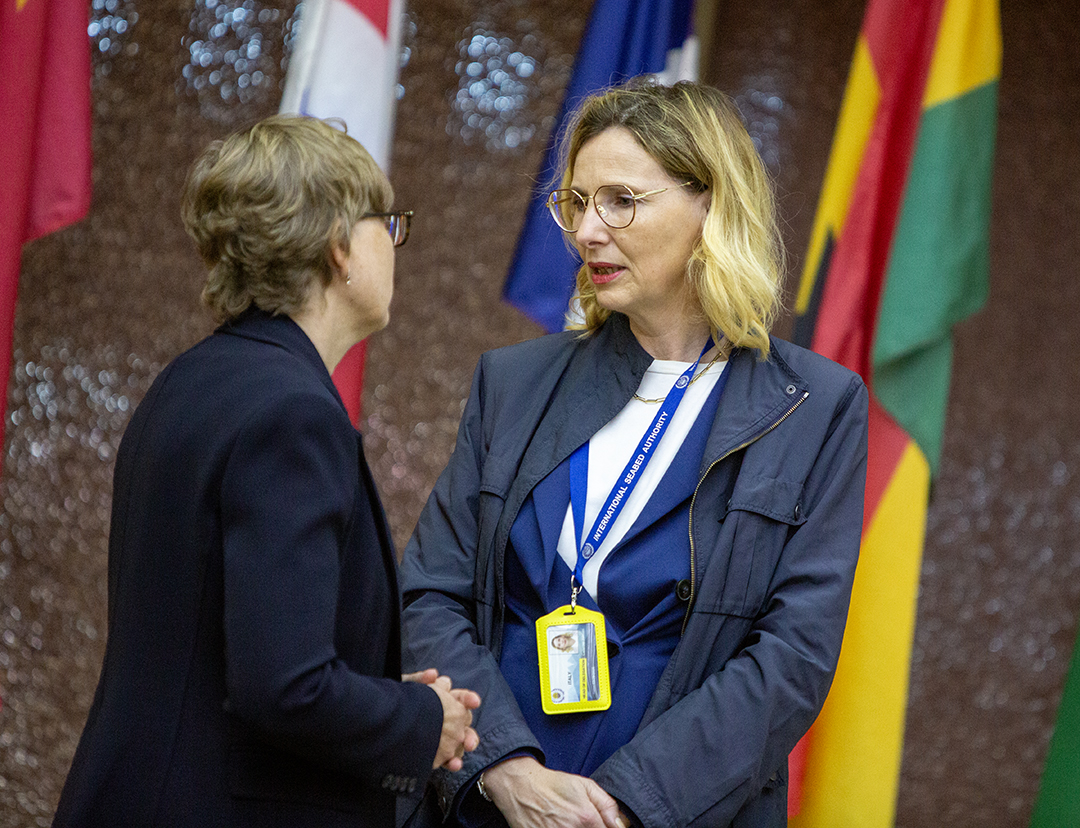



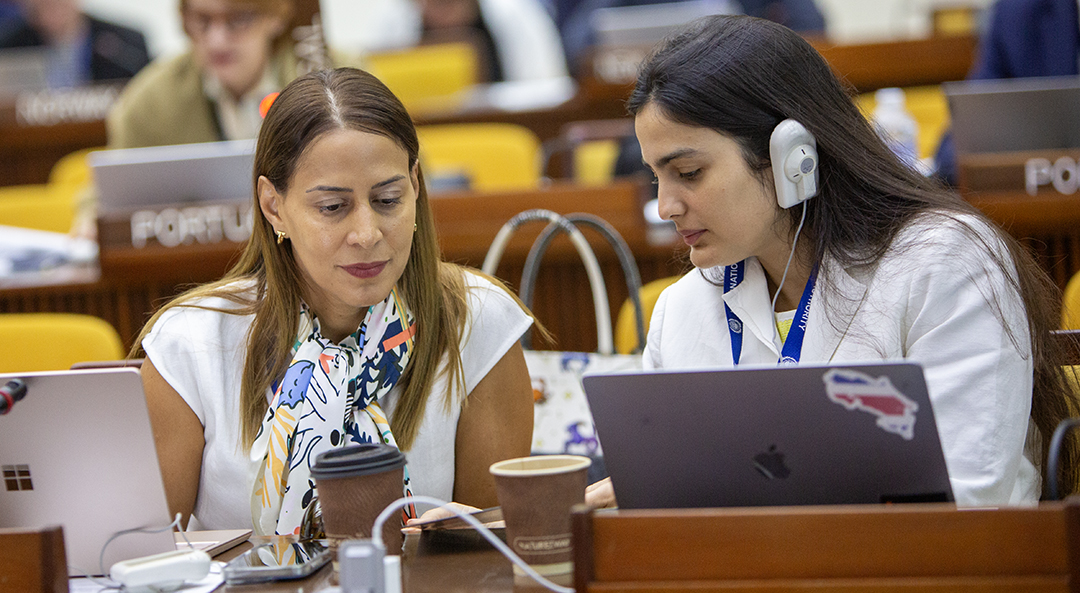
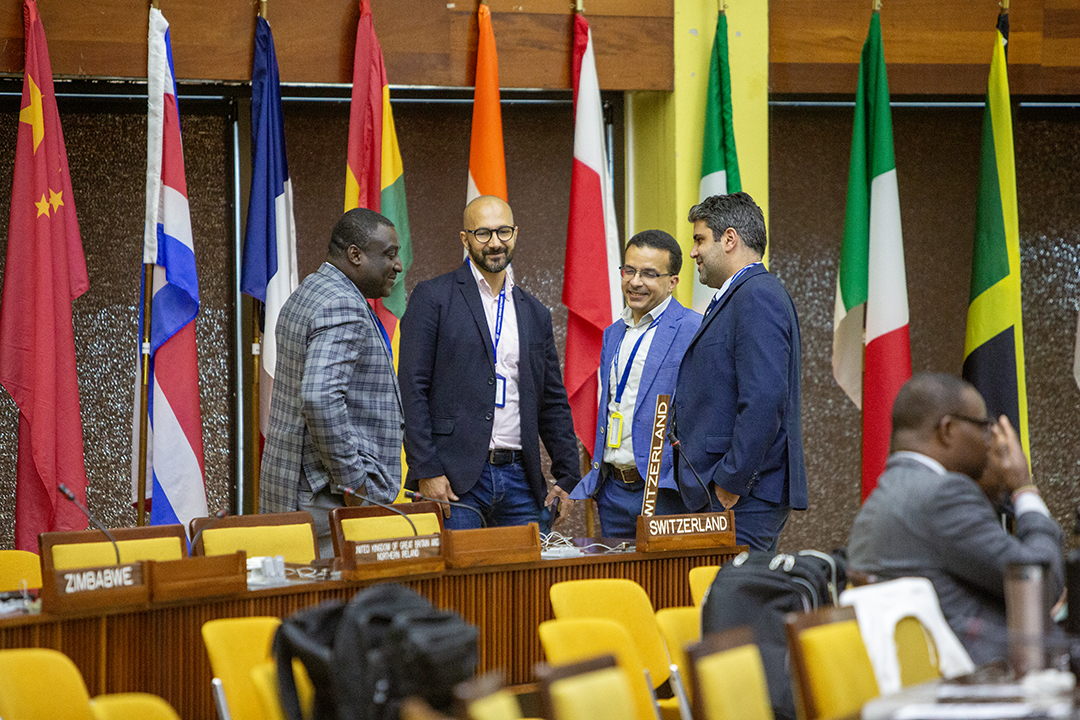
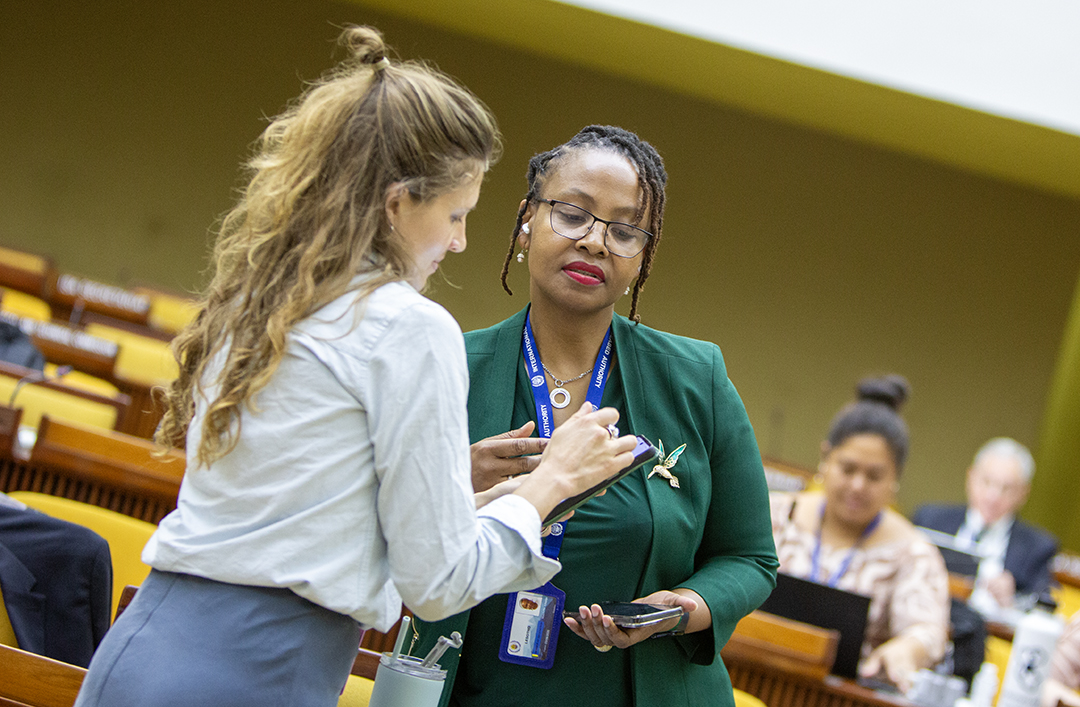
Side Event: Global Commitments to Sustainable Development and Biodiversity and Potential Impacts of Deep Seabed Mining