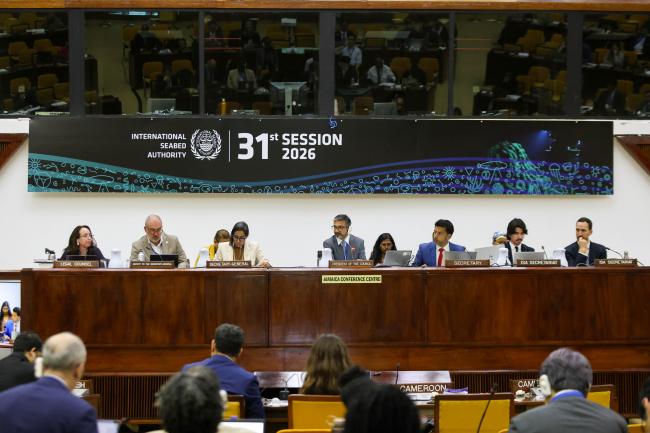
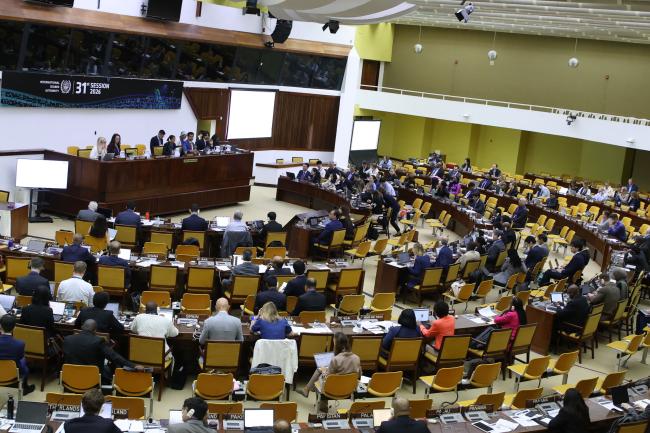
On the third day of the 31st annual session of the International Seabed Authority (ISA), the ISA Council considered how the benefits of deep-sea mining should be shared for the benefit of all humankind. Council members considered elements of the financial system for activities in the Area (the seabed and ocean floor and the subsoil thereof, beyond national jurisdiction), including the system of payments, an equalization measure, financial incentives, environmental externalities in royalty system design, and profit sharing on transfers of mining rights.
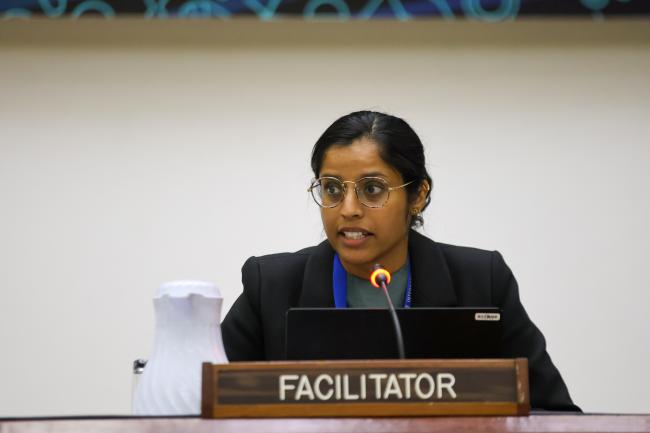
The Council considered regulation 64 bis, which sets out an equalization measure designed to ensure that the effective tax rate for deep-sea mining is comparable to that for land-based mining, regardless of tax exemptions provided by sponsoring states.
Most delegates agreed that the issue is sufficiently advanced and could be removed from the indicative list of outstanding issues. While one member questioned whether such a measure is needed, most broadly agreed on the need for it. They highlighted that its aim is to forestall tax avoidance and ensure contractors do not “forum shop” to avoid tax.
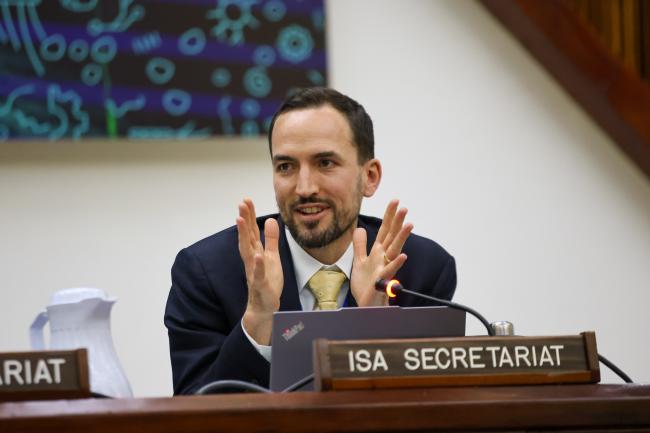
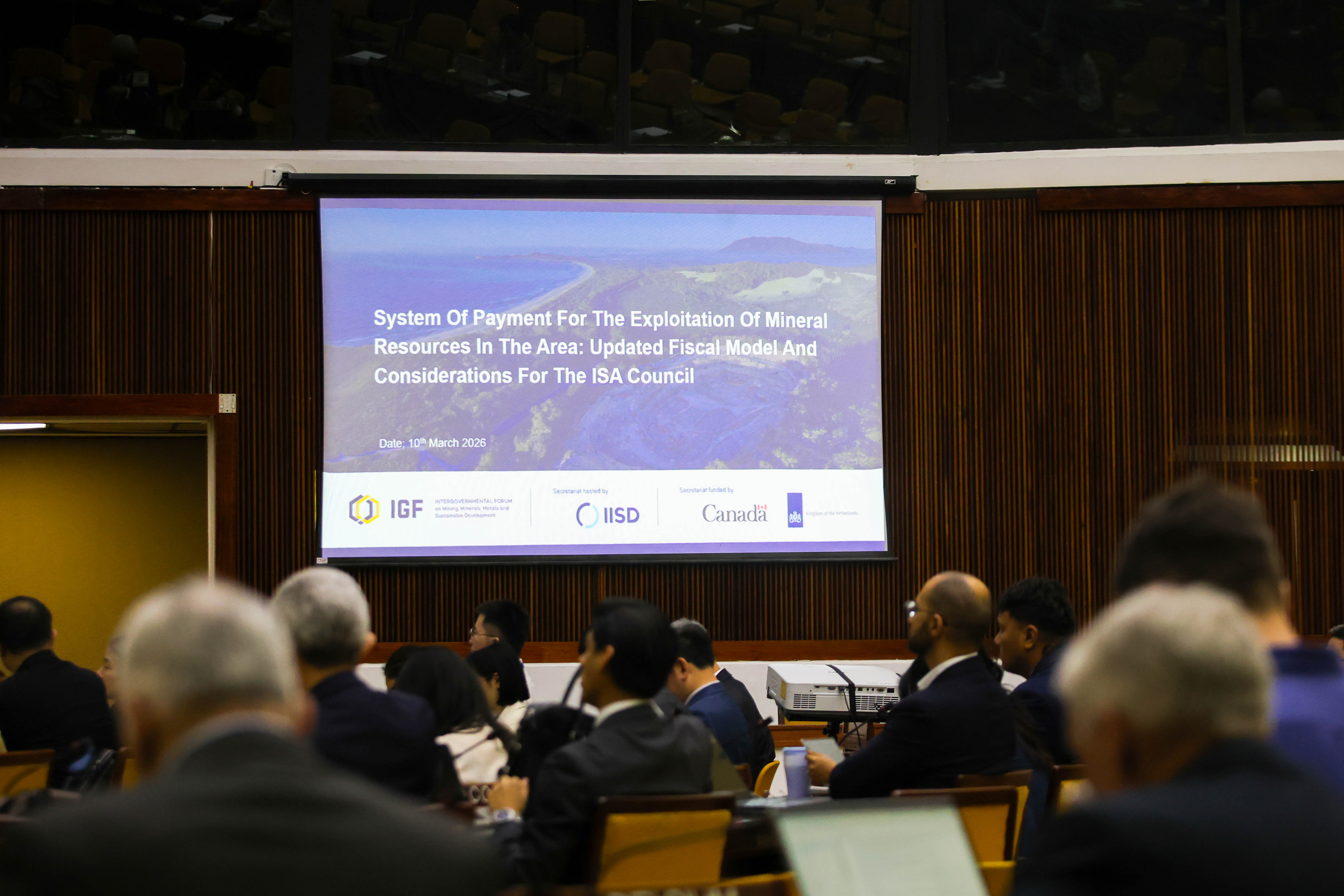
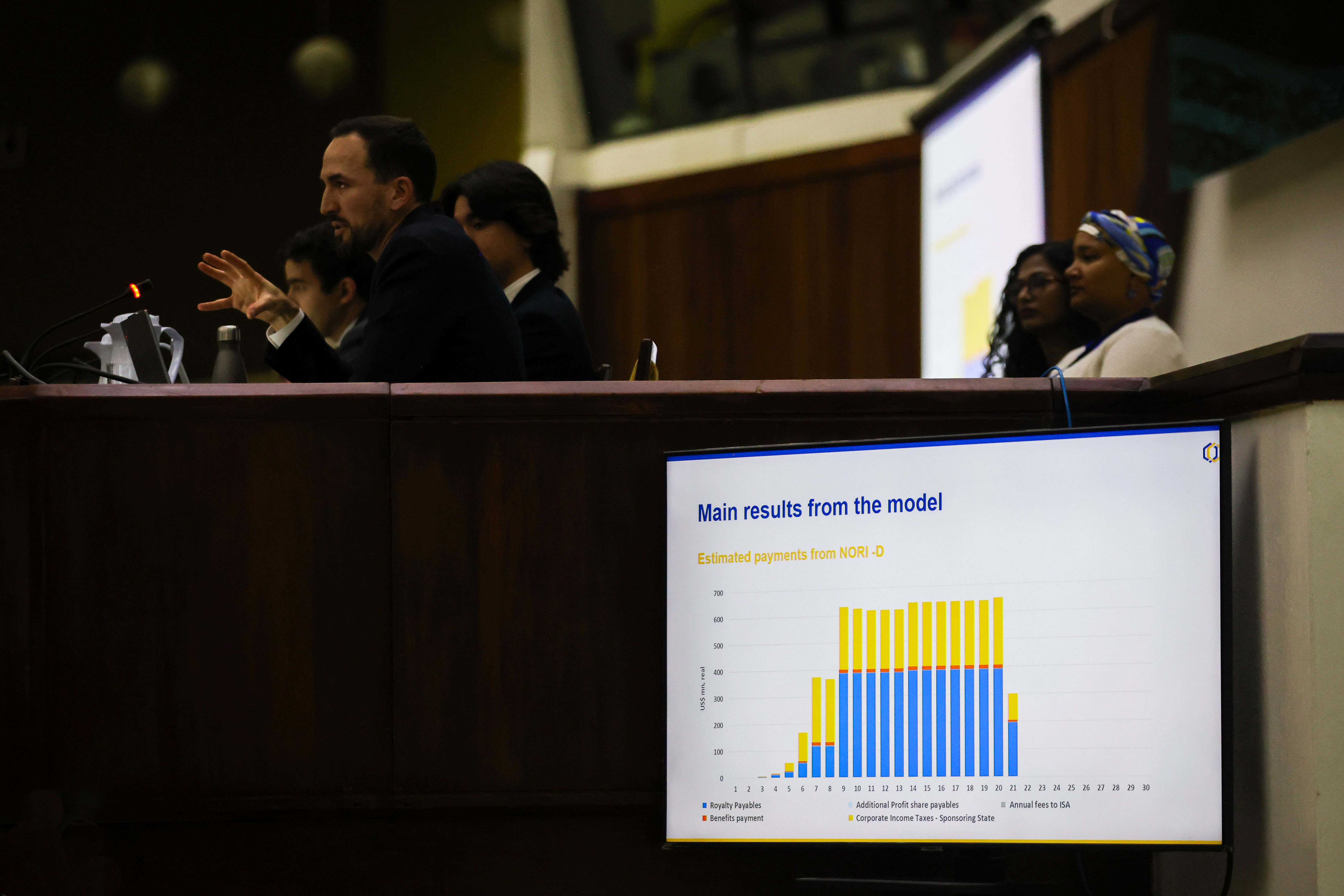
Delegates then considered the system for determining payments to be made by contractors, such as royalties and profit-sharing arrangements (regulation 81). They listened to a presentation of an updated fiscal model developed by the Intergovernmental Forum on Mining, Minerals, Metals and Sustainable Development (IGF).
Presenting the model, Thomas Lassourd, Lead, Tax and Extractives, IGF, explained that it:
- draws on data from recent technical reports on polymetallic nodule projects;
- simulates potential revenues, costs, and taxation outcomes under different project scales and fiscal arrangements; and
- suggests that deep-sea mining could be as competitive as land-based mining, depending on, among other things, capital expenditure and operational costs.
In the subsequent discussion, several members stressed that environmental considerations should play a strong role in the fiscal design. One delegate questioned the reliance on an overly optimistic scenario designed for investors. Some delegates also raised concerns about the appropriateness of incentives for deep-sea mining, noting that they could become subsidies for external contractors, potentially undermining national mining industries.
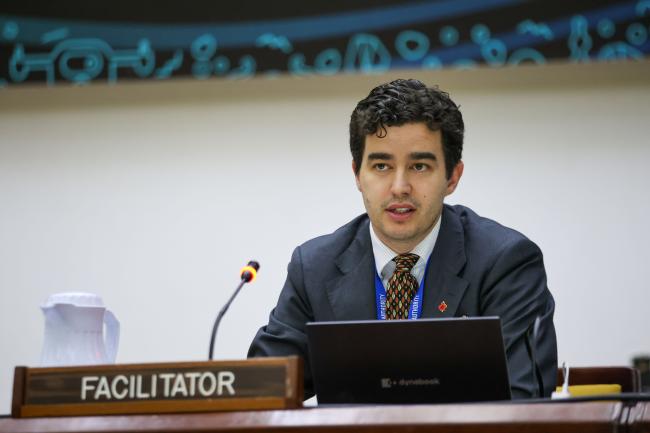
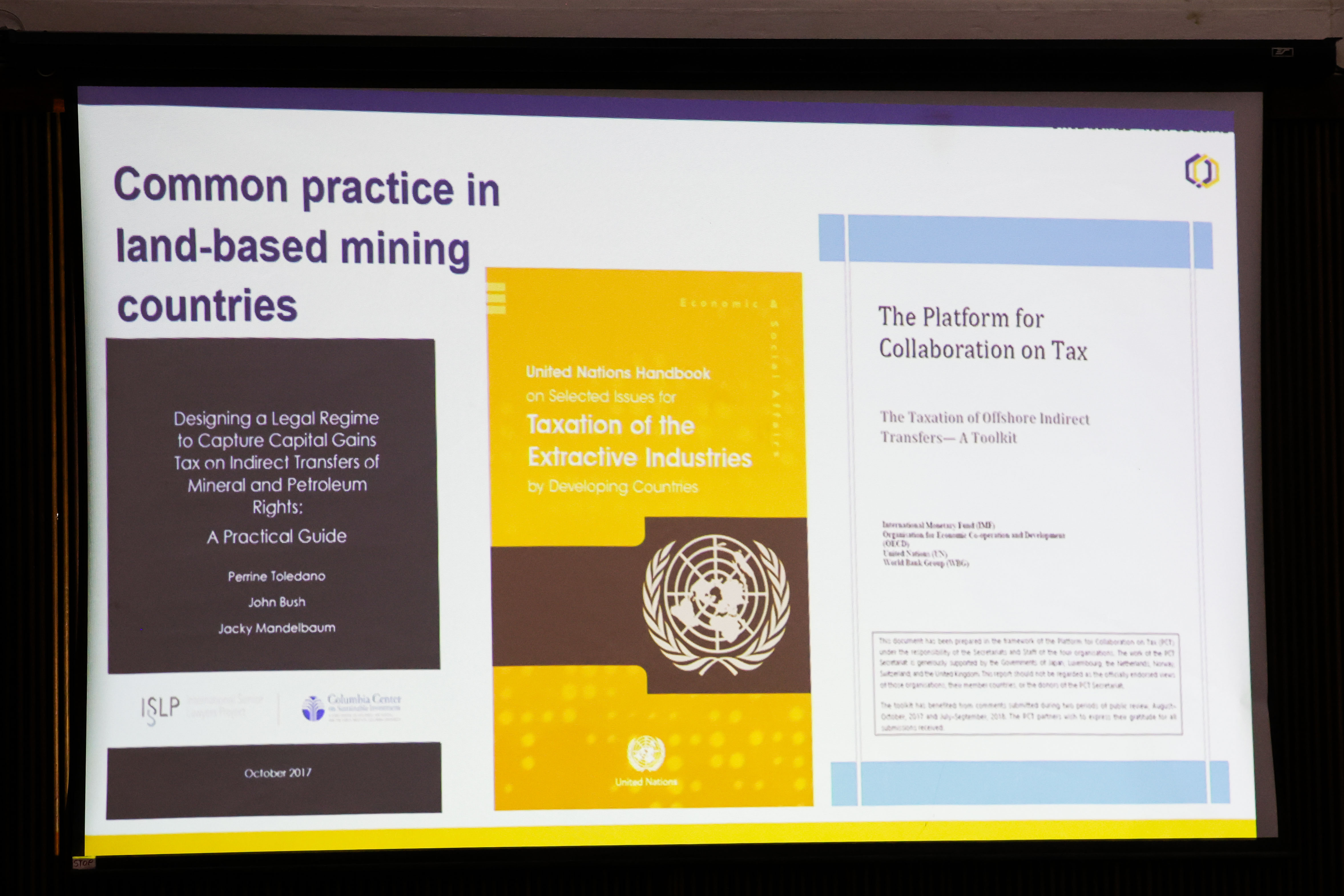
The Council also discussed profit sharing on transfers of rights under exploitation contracts. Lassourd explained that similar mechanisms exist in land-based mining, where governments collect capital gains taxes when mining assets change ownership.
Many members supported including such a provision in the draft regulations, noting that transfers of rights could generate significant gains and that, as the resources of the Area constitute the common heritage of humankind, the ISA should benefit from those gains. One member raised concerns about possible double taxation where contractors are also taxed by their sponsoring states.
Discussion on regulation 63 (incentives) revealed continued divergence among Council members regarding their scope and formulation. Many delegations emphasized that provisions on financial incentives should remain consistent with the UN Convention on the Law of the Sea (UNCLOS) which frames incentives mainly as a means to promote technology transfer, training for developing countries, and joint arrangements with the Enterprise.
On environmental externalities in royalty system design, delegates discussed regulations 64 ter (environmental costs) and quat (environmental costs royalties), which introduce additional royalties to reflect environmental externalities associated with deep-sea mining, including biodiversity loss and impacts on ecosystem services. While several supported providing a monetary value for additional royalties for environmental costs, others highlighted the prematurity of these regulations due to inadequate scientific evidence.
Discussions on Thursday are expected to focus on regulatory and governance matters.
To receive free coverage of global environmental events delivered to your inbox, subscribe to the ENB Update newsletter.
All ENB photos are free to use with attribution. For the 1st part of the 31st session of the International Seabed Authority (ISA) Council meeting, please use: Photo by IISD/ENB | Anastasia Rodopoulou
Selected Images
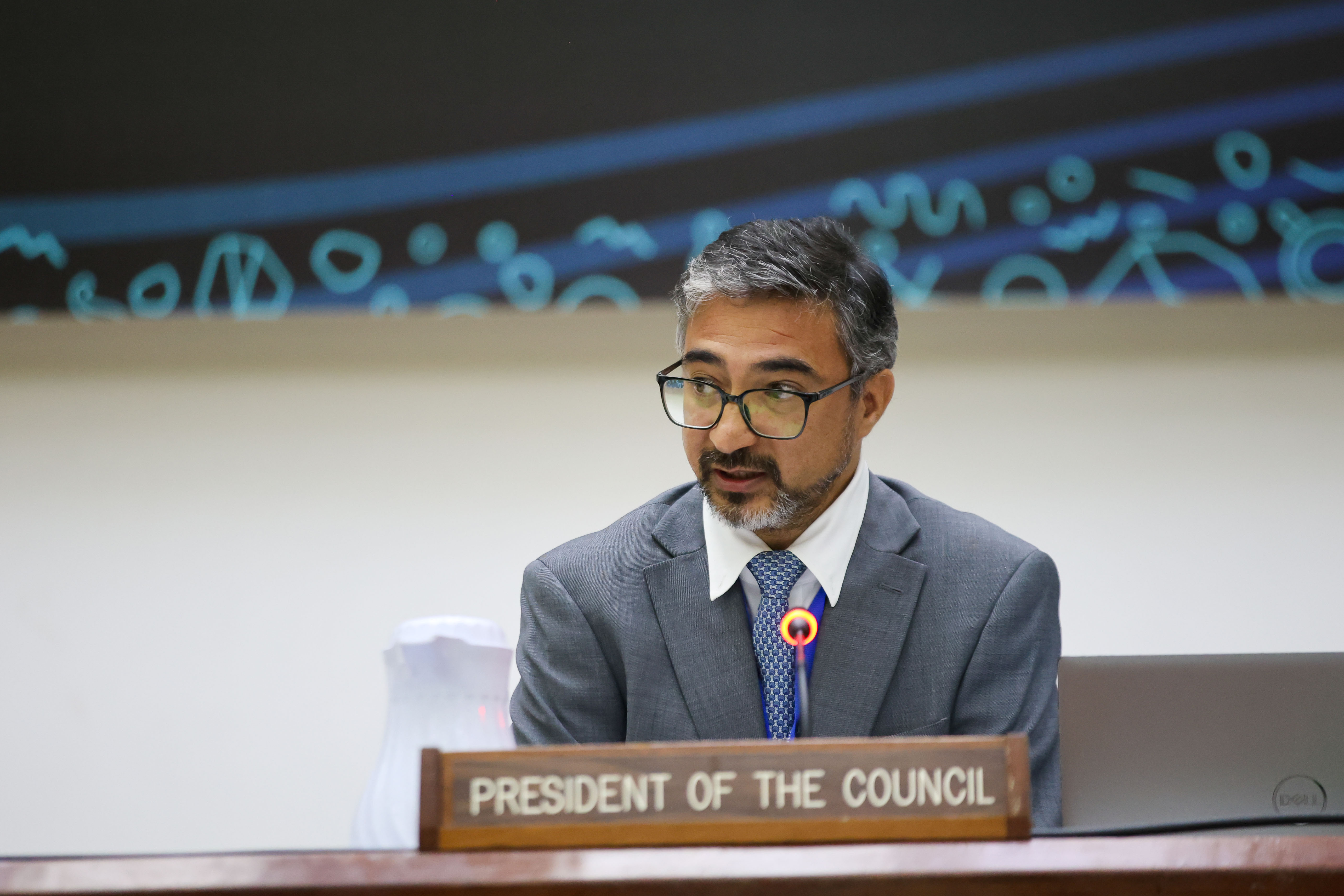
ISA-31 Council President Mayank Joshi, India
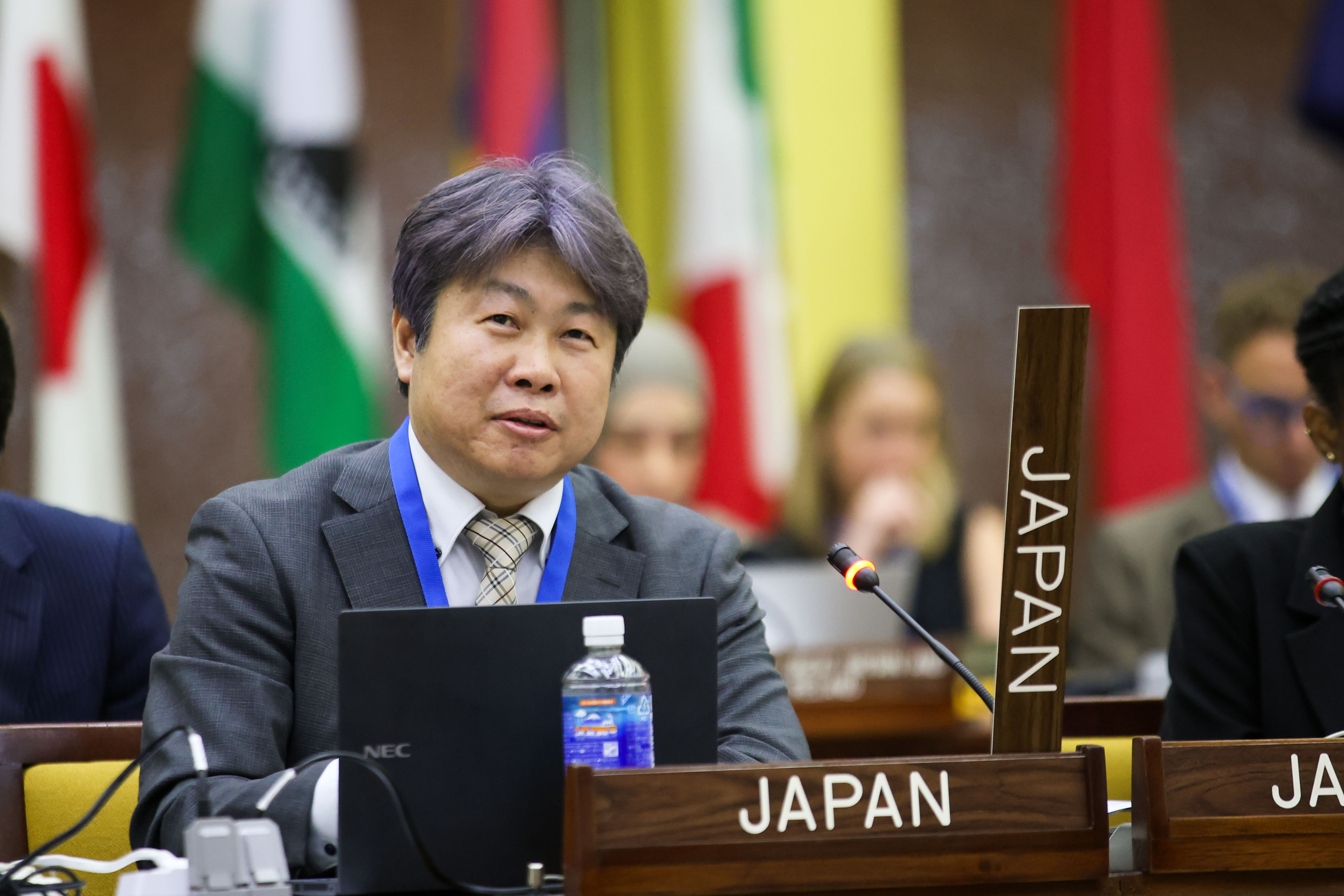
Ichiro Shimogaite, Japan
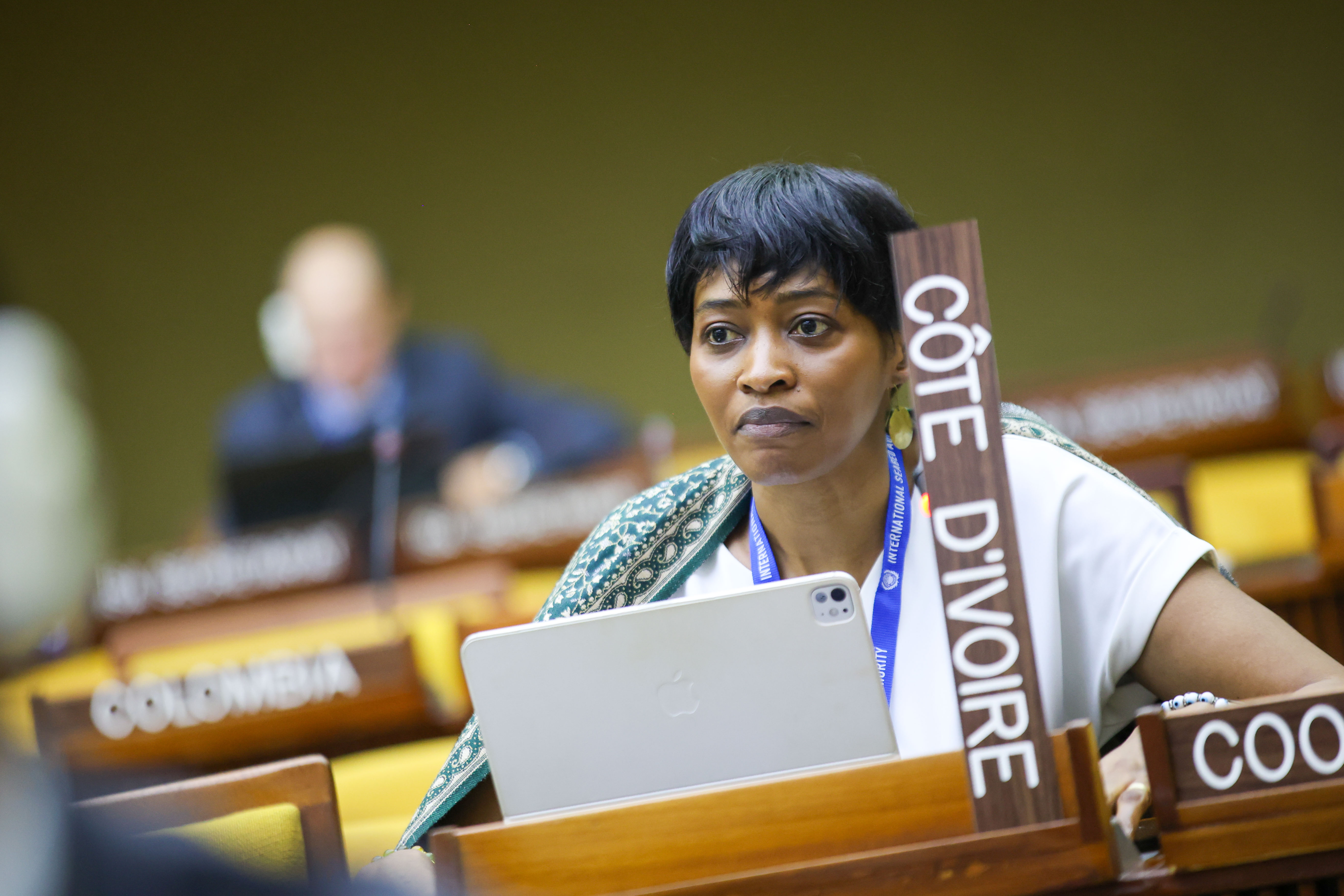
Horokia Coulibaly, Côte d'Ivoire
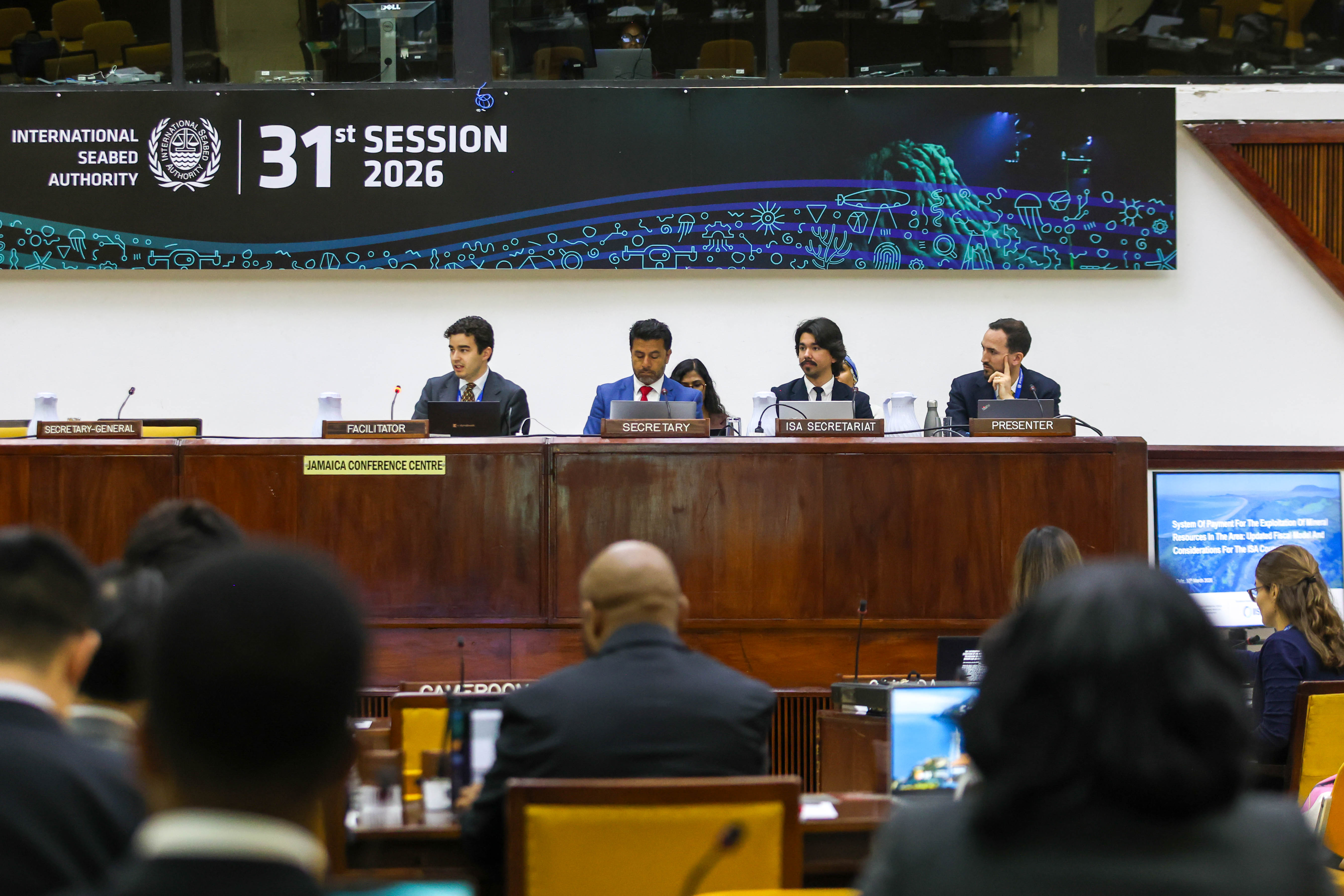
Dais during the Friends of the President group on payment system and review of payment mechanism
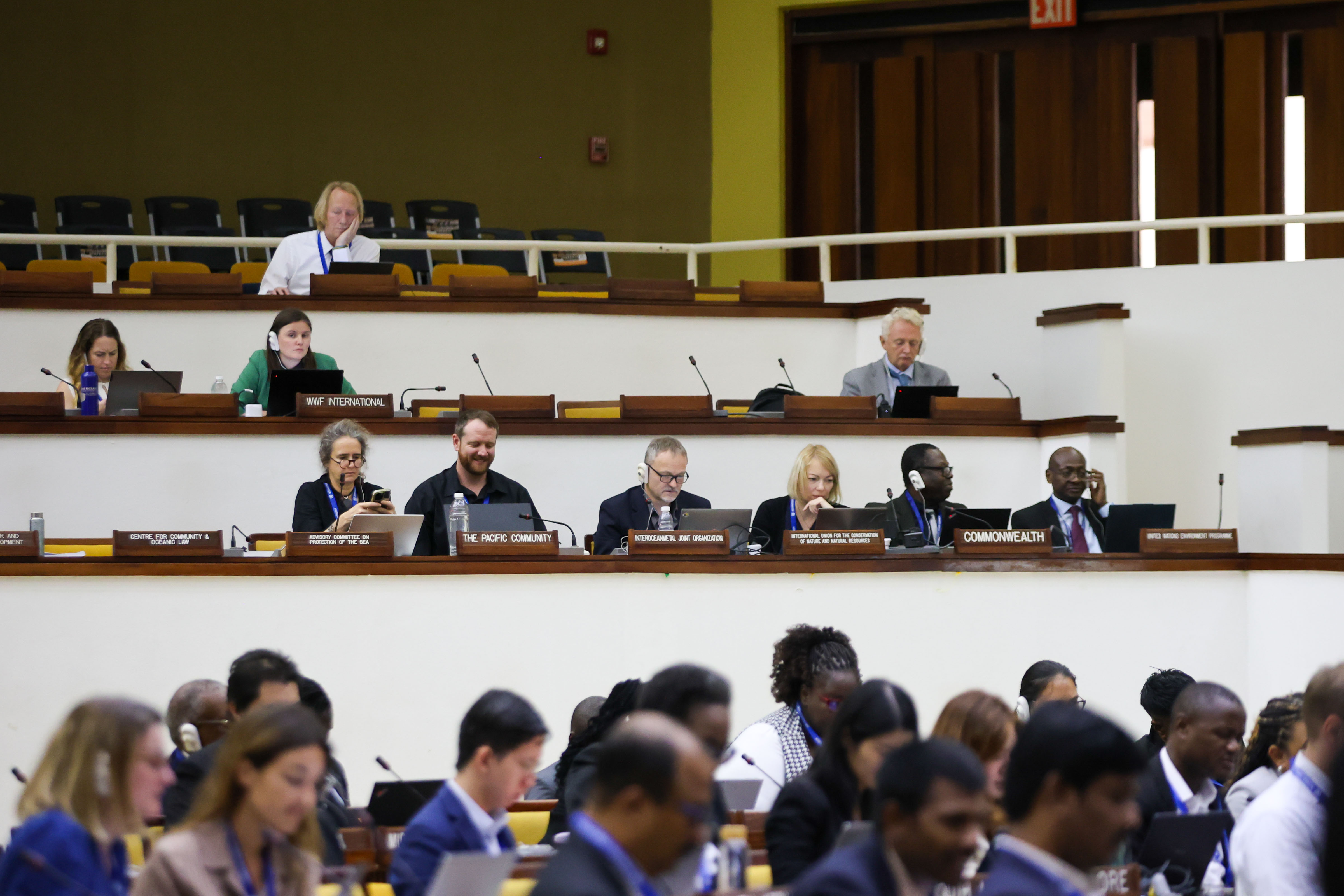
Observers following the proceedings.
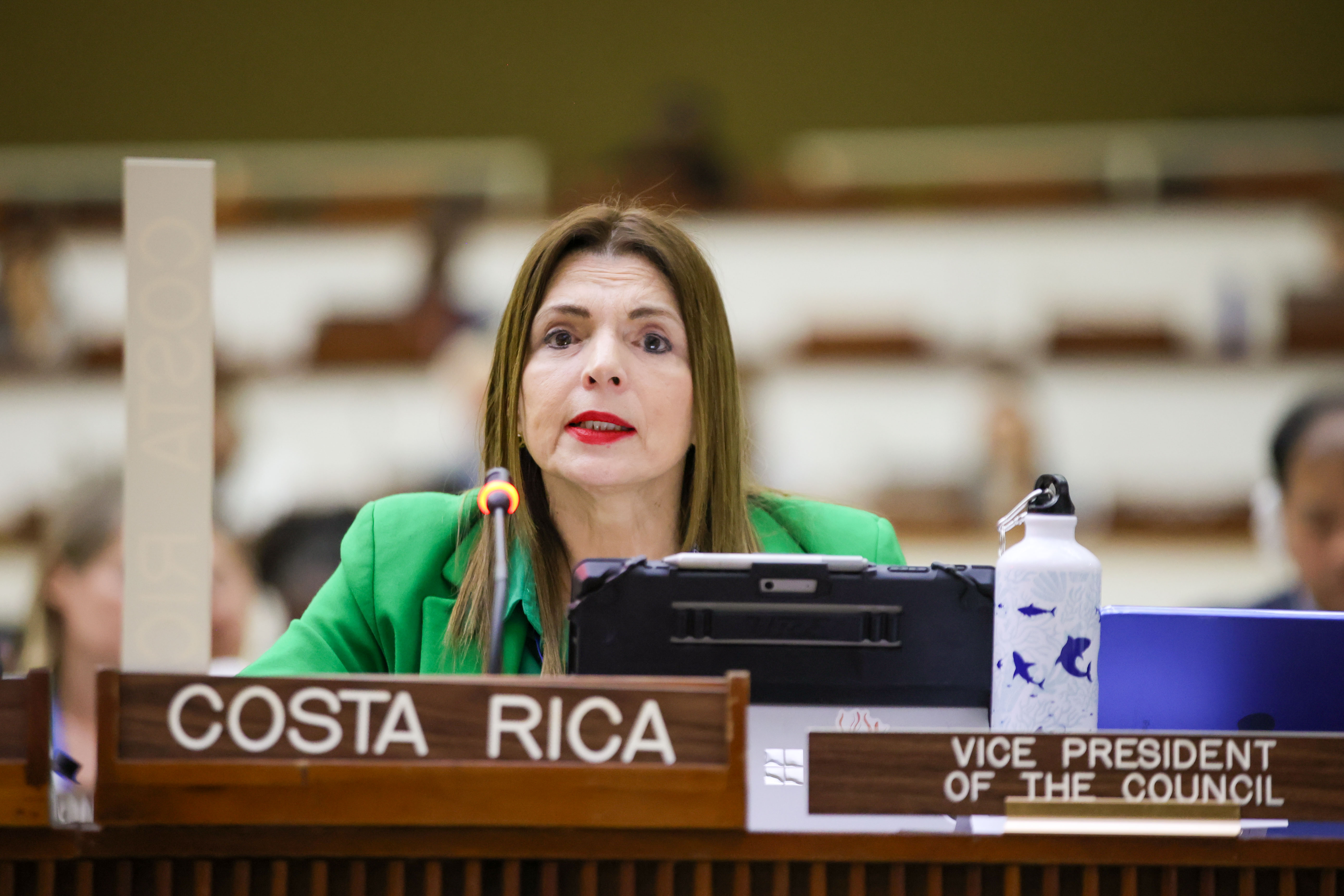
Gina Guillén Grillo, Costa Rica
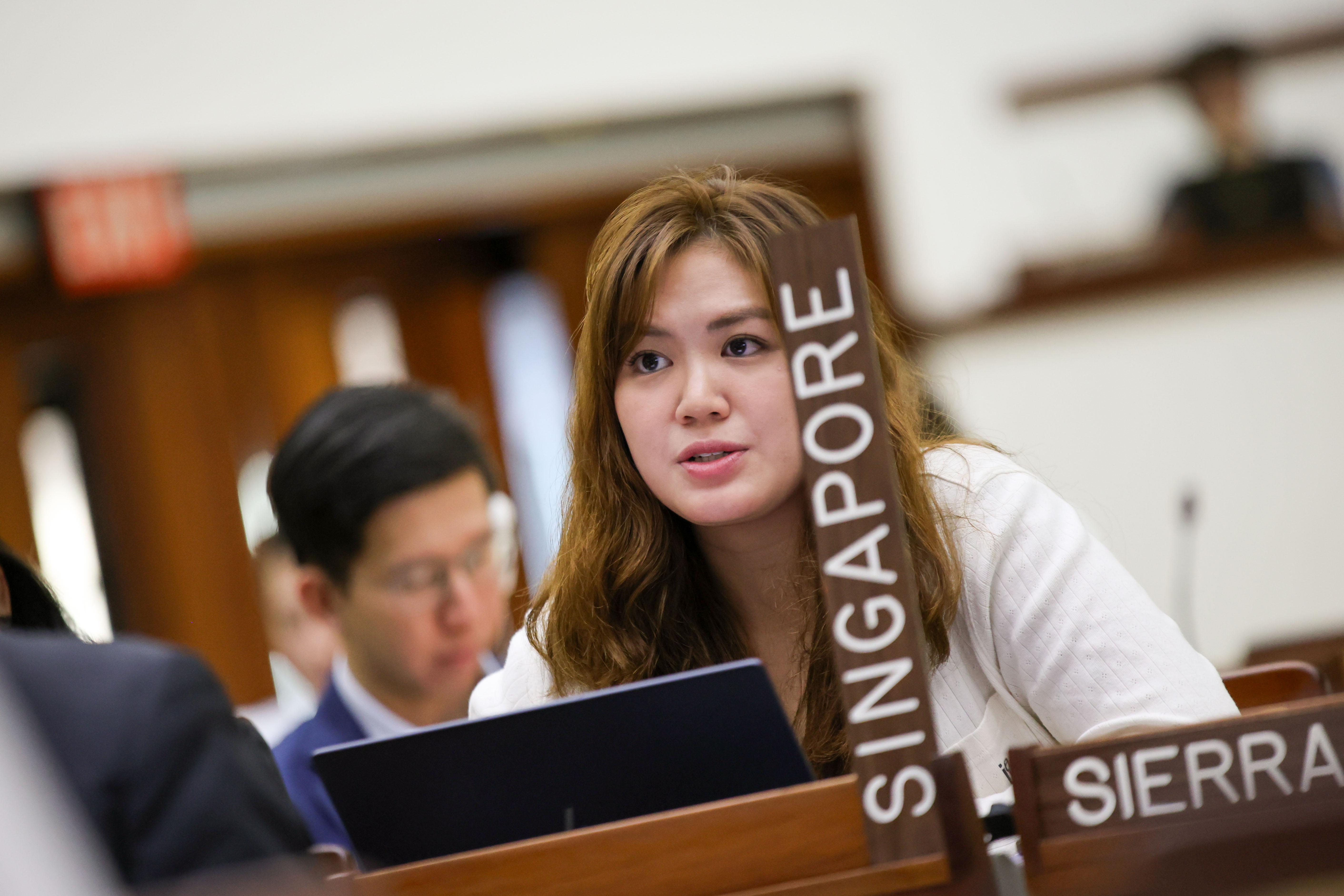
Beatrice Chen, Singapore
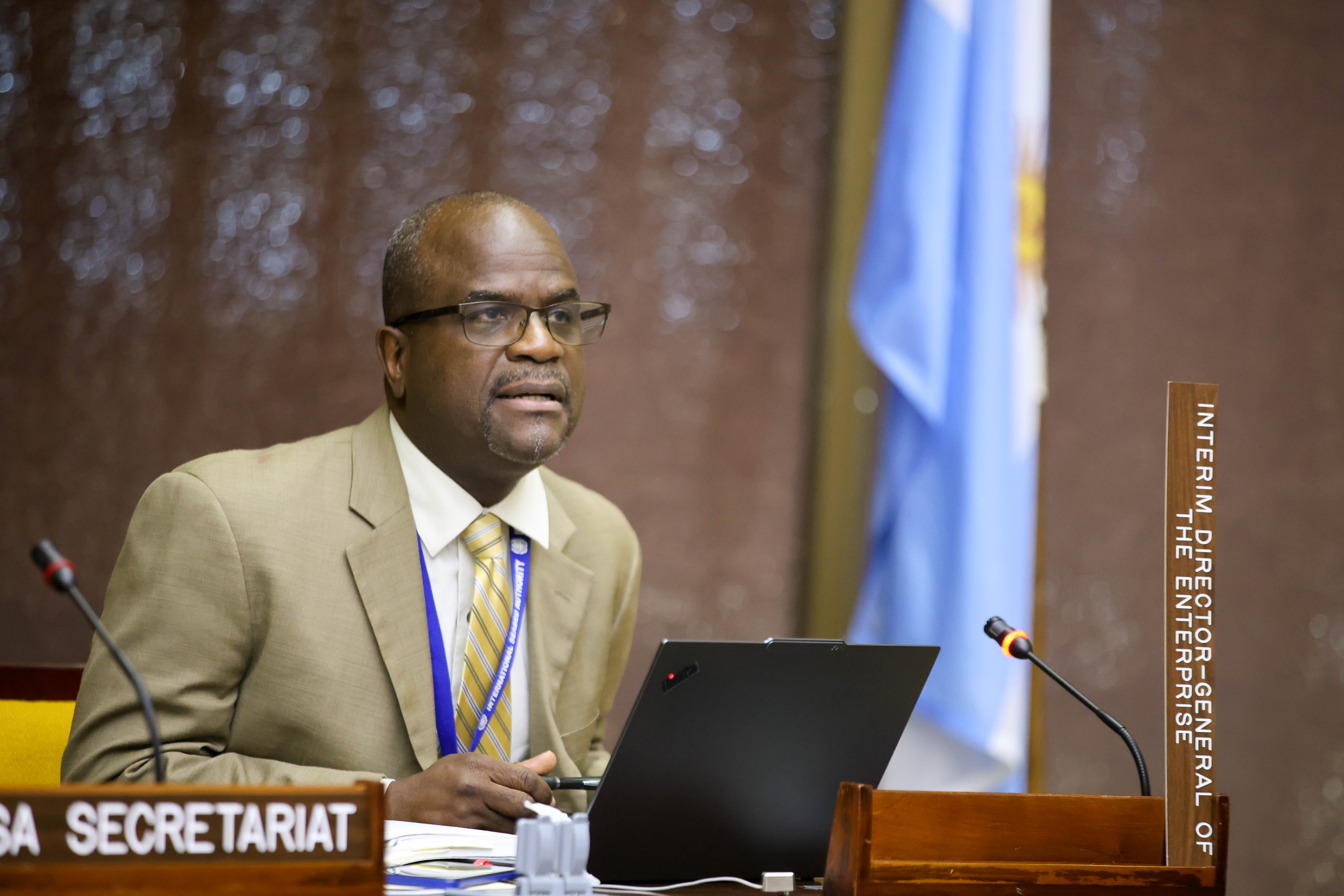
Eden Charles, Interim Director-General of the Enterprise
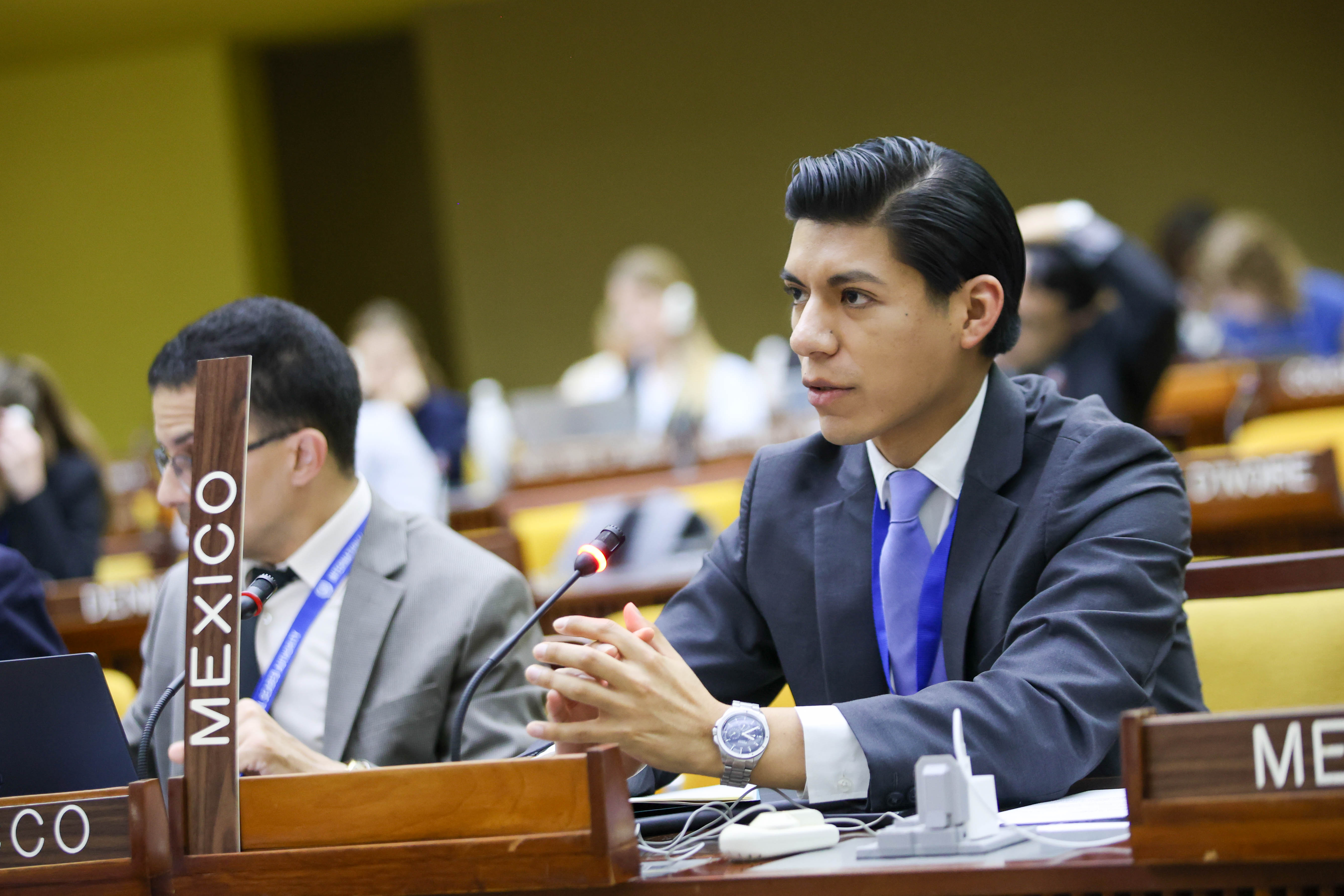
Edgar Noriega, Mexico
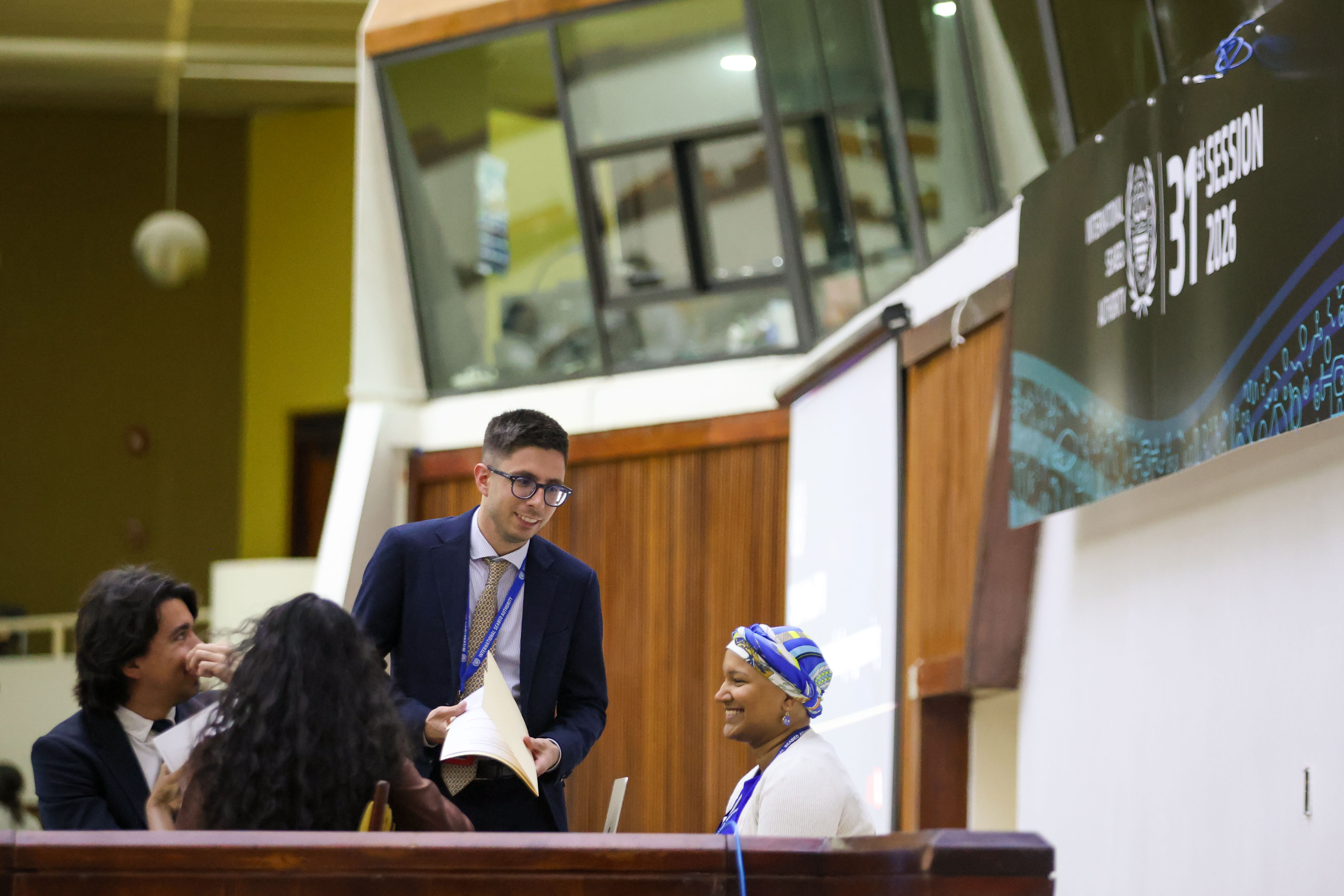
Members of the Secretariat of the Authority
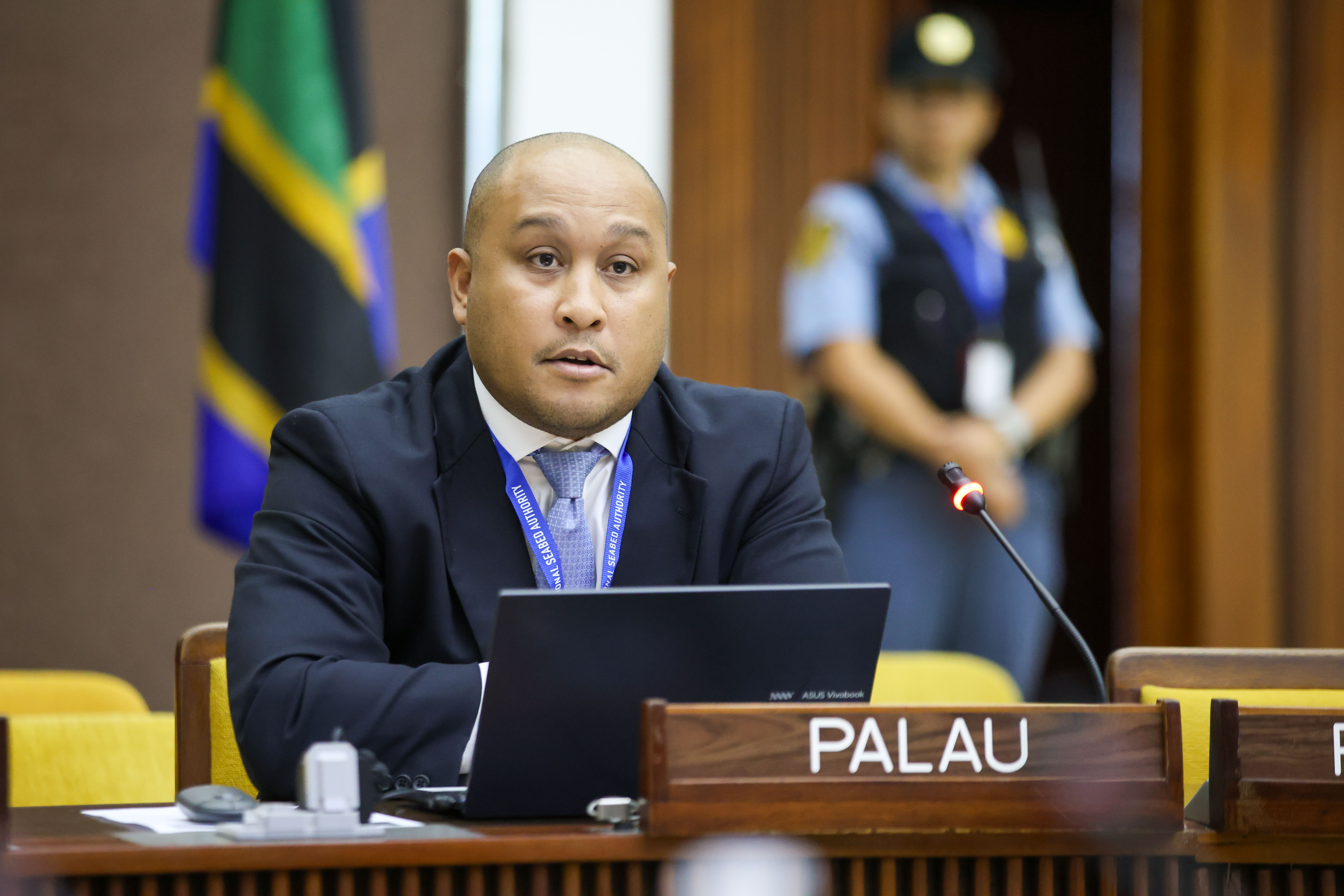
Charles Reklai Mitchell, Palau
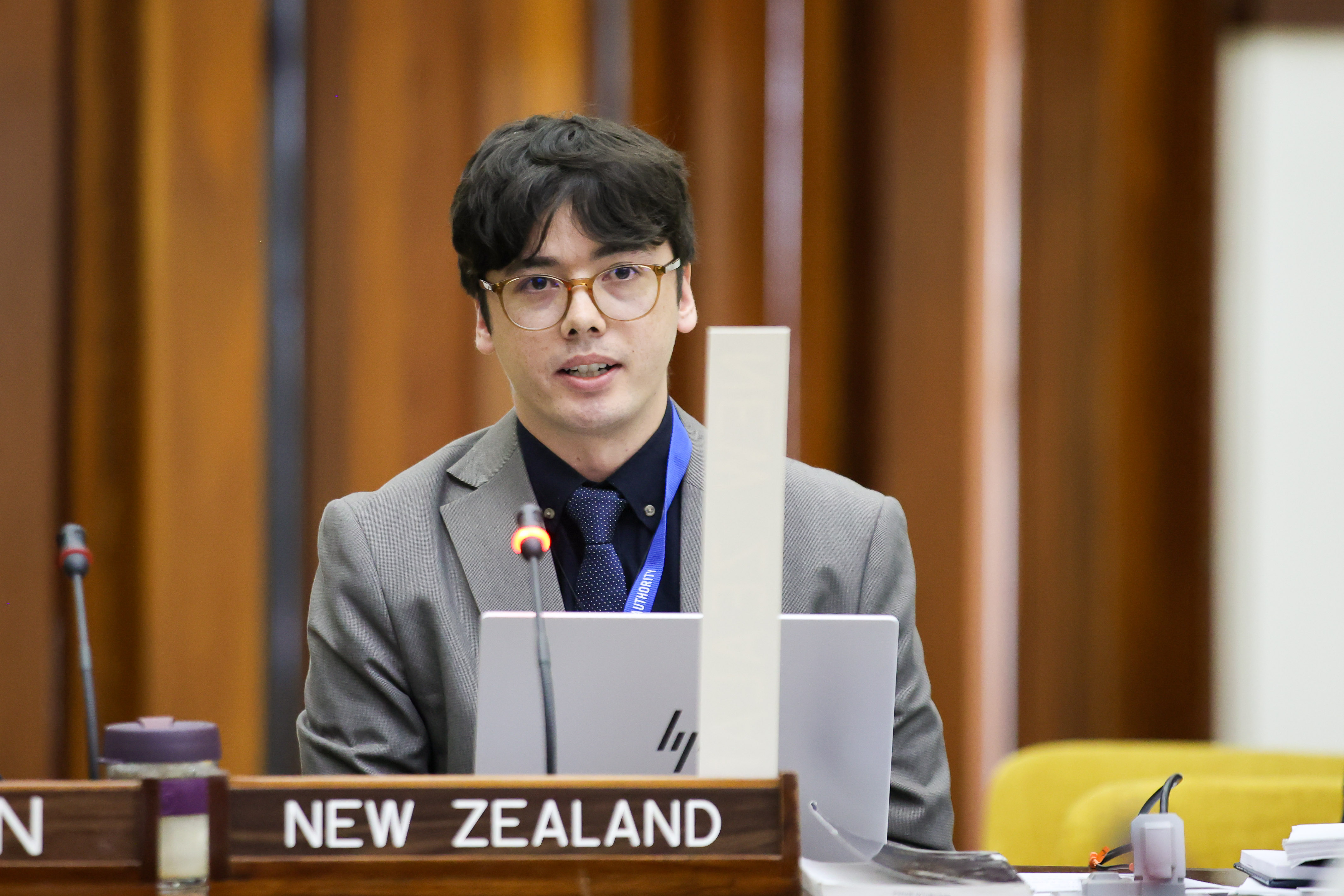
Patrick Hayes, New Zealand
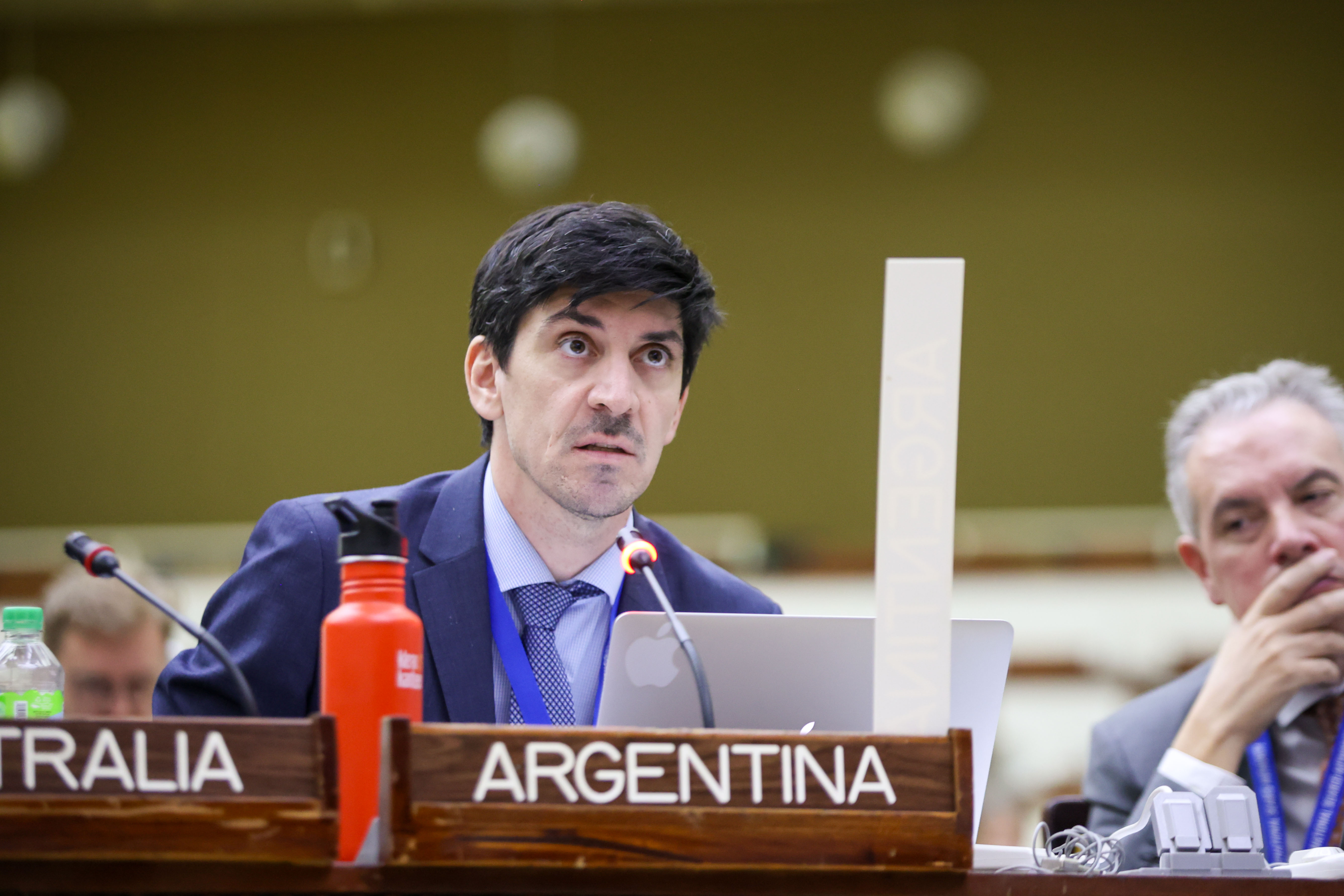
Juan Manuel Galindo Roldán, Argentina
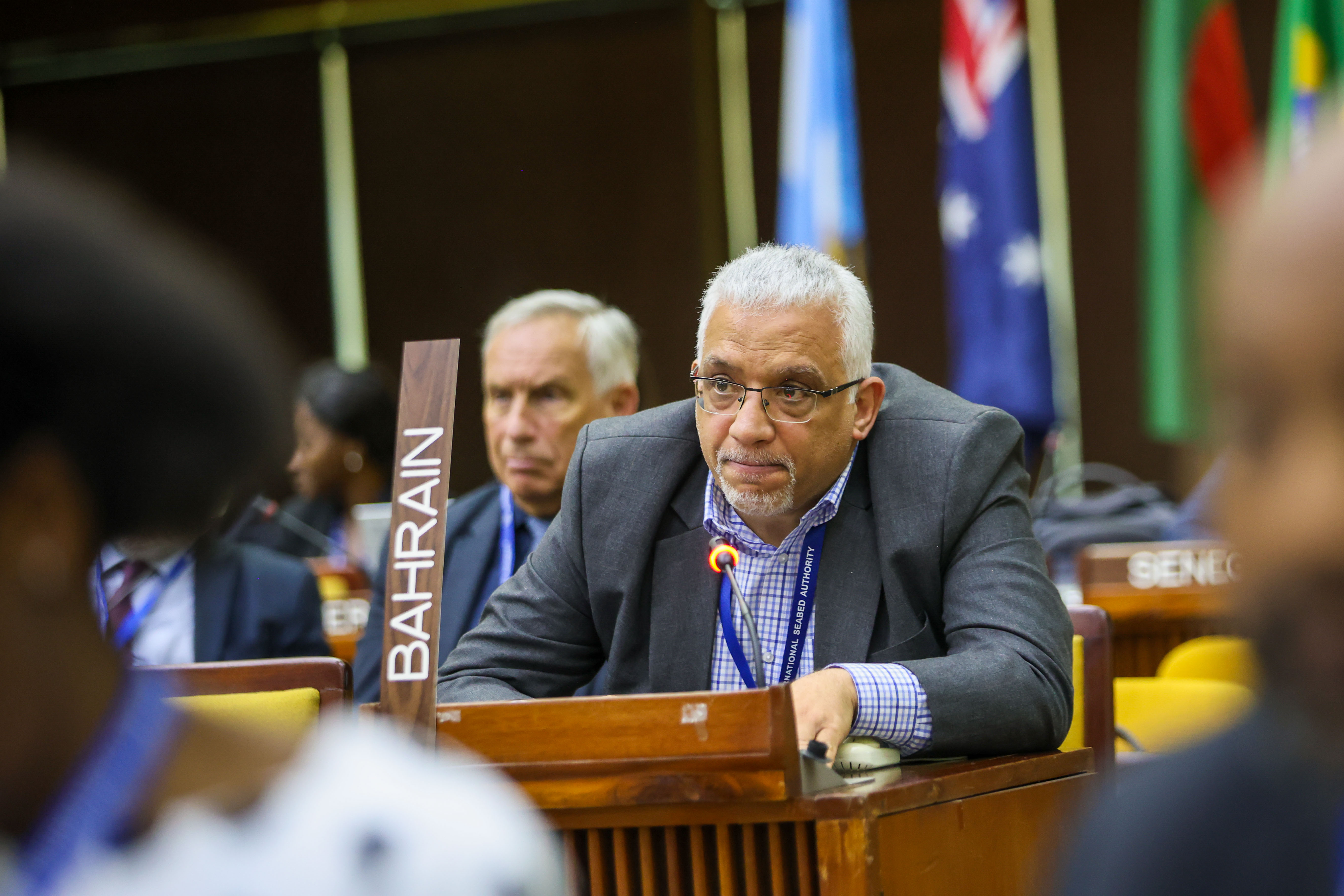
Mohamed Abdoulaziz Khalil, Bahrain
Between Sessions