
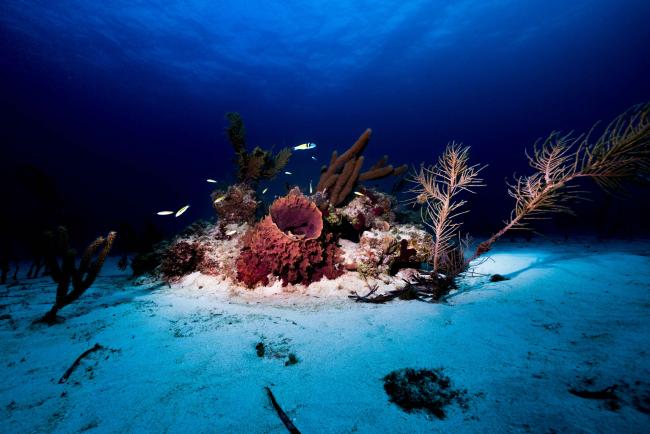
The Agreement under the UN Convention on the Law of the Sea (UNCLOS) on the conservation and sustainable use of marine biological diversity of areas beyond national jurisdiction (BBNJ Agreement) entered into force in January 2026. Members of the International Seabed Authority (ISA) Council highlighted its significance, underscoring the need to strengthen cooperation and ensure coherence across ocean governance frameworks.
Delegates emphasized that while synergies between the ISA and BBNJ processes must be actively developed, such cooperation should complement and not undermine the ISA’s mandate to ensure effective protection of the marine environment.
At the start of the second week of the ISA’s 31st annual session, the Council considered the ISA Secretary-General’s report on the status of exploration contracts and related matters, including updates on active contracts, periodic reviews of plans of work, and requests for contract extensions. The Council took note of the report, with many members emphasizing that extensions to exploration contracts should only be granted where contractors demonstrate good faith implementation of their obligations, including environmental, technical, and financial commitments.
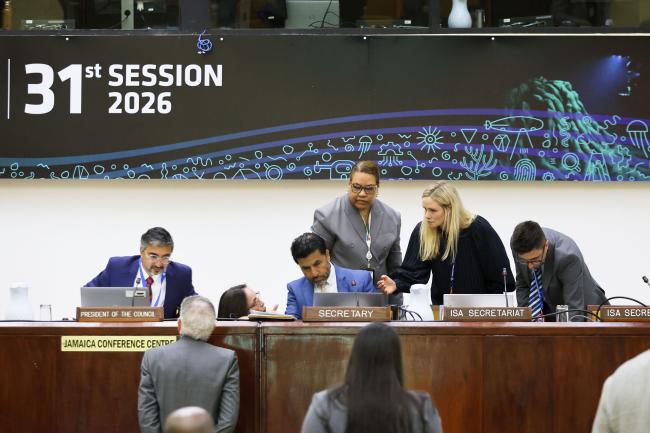
The Council also examined report by the Chair of the Legal and Technical Commission (LTC) comprising the report on the Commission’s work at the first part of its 31st session; and the addendum on the Commission’s implementation of the Council’s decision relating to a request for additional information from contractors at risk of non-compliance with their contractual obligations.
Council members welcomed the report and appreciated the work undertaken by the LTC. Several delegations highlighted the importance of capacity-building and training programmes, particularly for developing countries. A number of members called for increased opportunities for at-sea training and joint scientific research, and improved access to exploration data. Delegates also emphasized the importance of enhancing women’s participation in deep-sea research, commending initiatives such as the “See Her Exceed” programme.
Regarding the implementation of the Council’s decision, the addendum noted that 21 contractors had been contacted to provide additional information, including information on any incidents, activities or events that may place them at risk of non-compliance with their contractual obligations. Commenting on the report, some delegations sought clarification on the procedure followed for requesting the additional information. Many supported the inquiry, stressing that it represents a legitimate exercise of oversight and is consistent with the ISA’s responsibilities. Delegates further emphasized the importance of transparency and continued follow-up to ensure accountability.
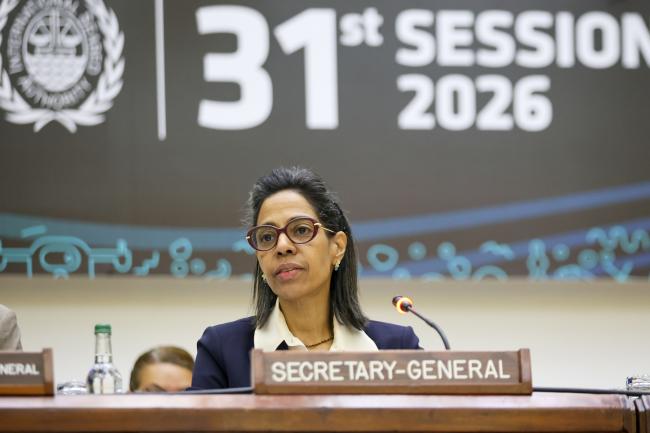
The Council then considered the Secretary-General’s report concerning operationalization of the Economic Planning Commission (EPC). The report provides an overview of the proposed mechanisms for the election of EPC members.
Many Council members emphasized the need for equitable geographic representation in the EPC, and called for meaningful participation of developing countries and a balanced range of expertise. Others raised questions regarding the size, composition, and timing of the EPC’s establishment. Several stressed that the EPC should be operational before any exploitation plan of work is approved.

On cooperation with BBNJ processes, the Council considered the Secretary-General’s report which, among other things, highlighted areas requiring coordination, such as environmental impact assessments and institutional engagement. Delegates broadly supported enhanced cooperation, while underscoring that the BBNJ Agreement should be implemented in a manner that respects existing legal frameworks and institutional mandates.
Several members emphasized the importance of developing practical modalities for cooperation, including information sharing and coordination between instruments such as regional environmental management plans and area-based management tools. Others cautioned against pre-empting decisions still under discussion in BBNJ processes, noting the new regime is just becoming operational.
Delegations also highlighted the importance of capacity-building, technology transfer, and financial coherence, particularly for developing countries, as part of a coordinated approach to ocean governance.
To receive free coverage of global environmental events delivered to your inbox, subscribe to the ENB Update newsletter.
All ENB photos are free to use with attribution. For the 1st part of the 31st session of the International Seabed Authority (ISA) Council meeting, please use: Photo by IISD/ENB | Anastasia Rodopoulou
Council Meeting
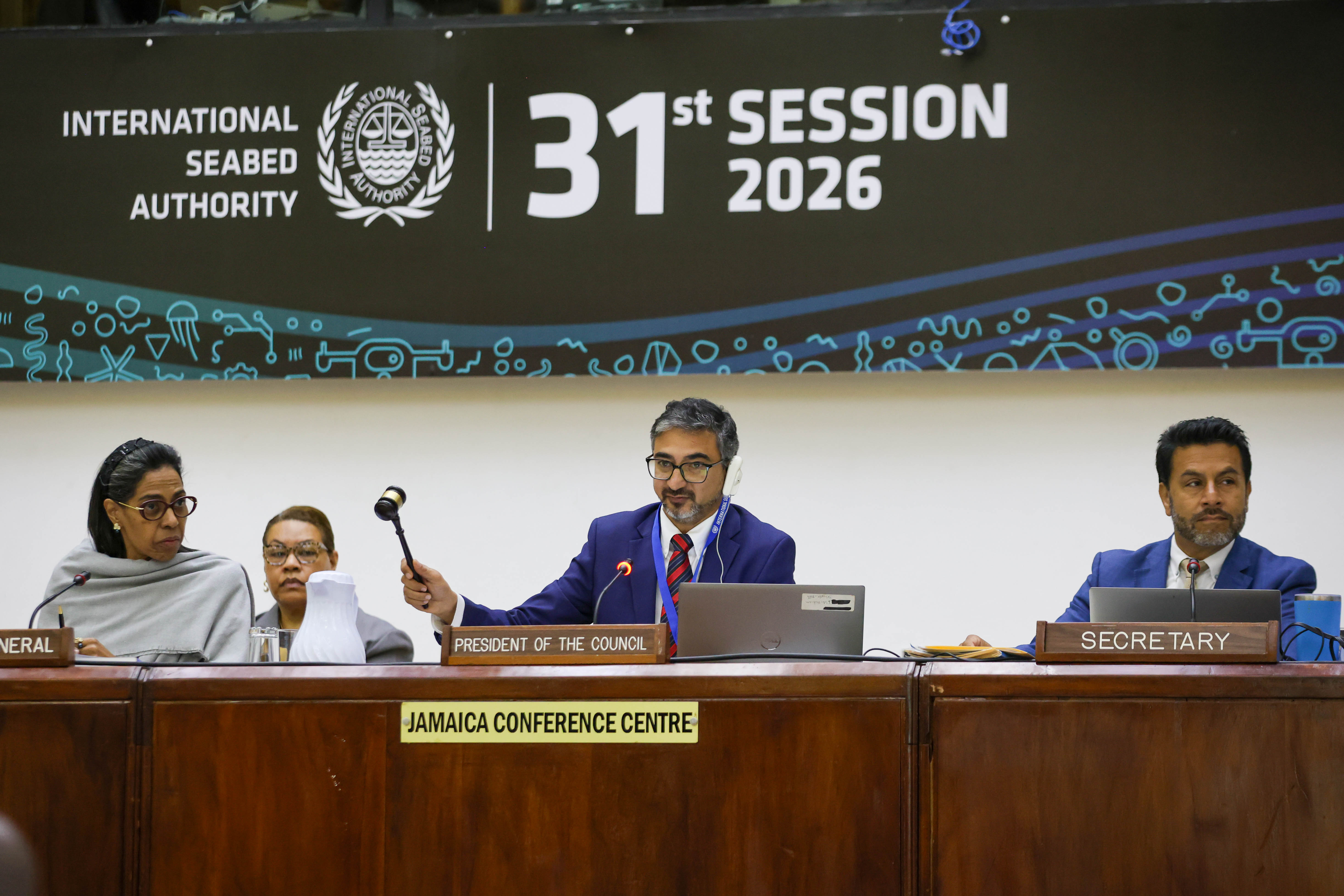
ISA-31 Council President Mayank Joshi, India, closes the morning session.
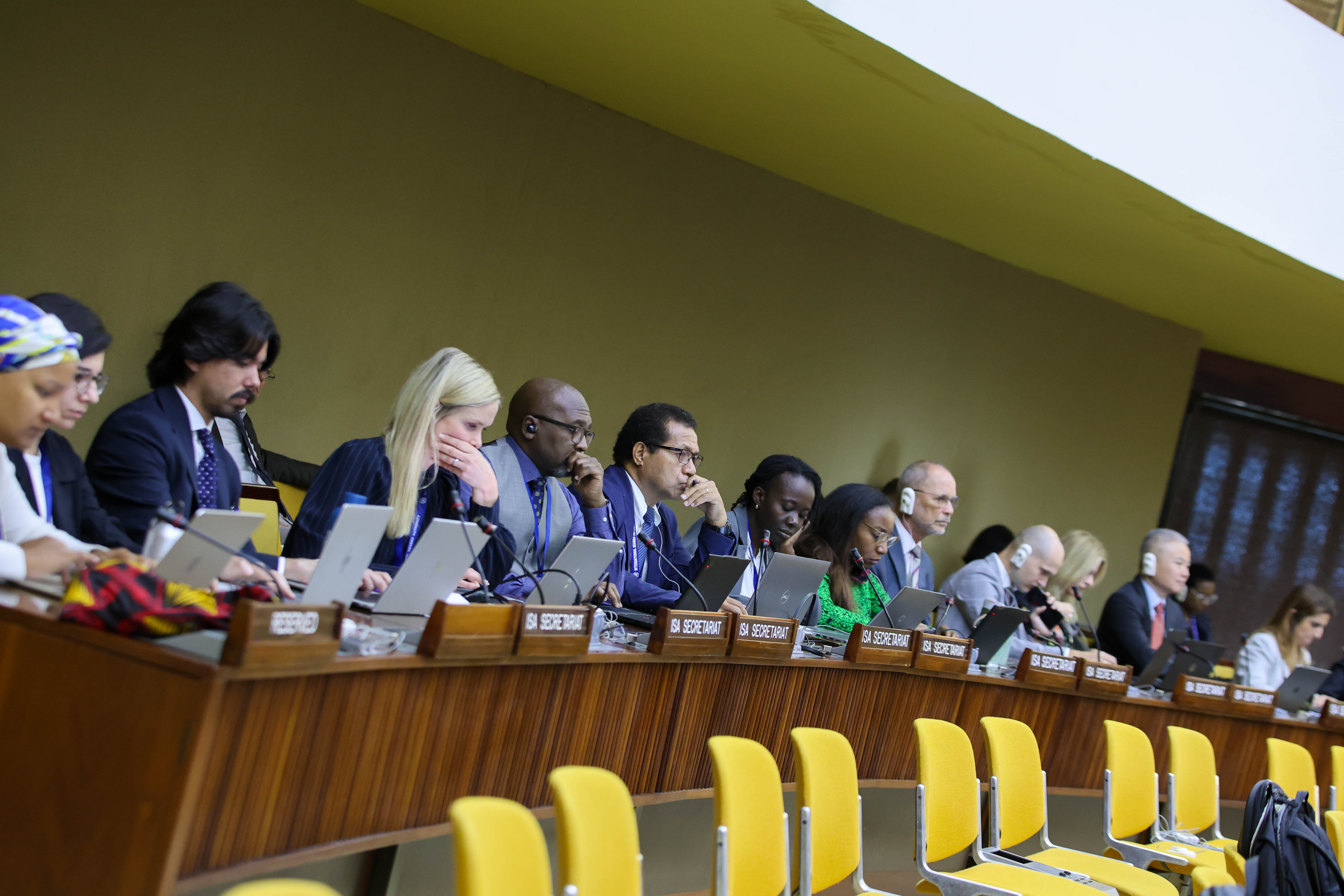
Members of the Secretariat of the Authority during the session.
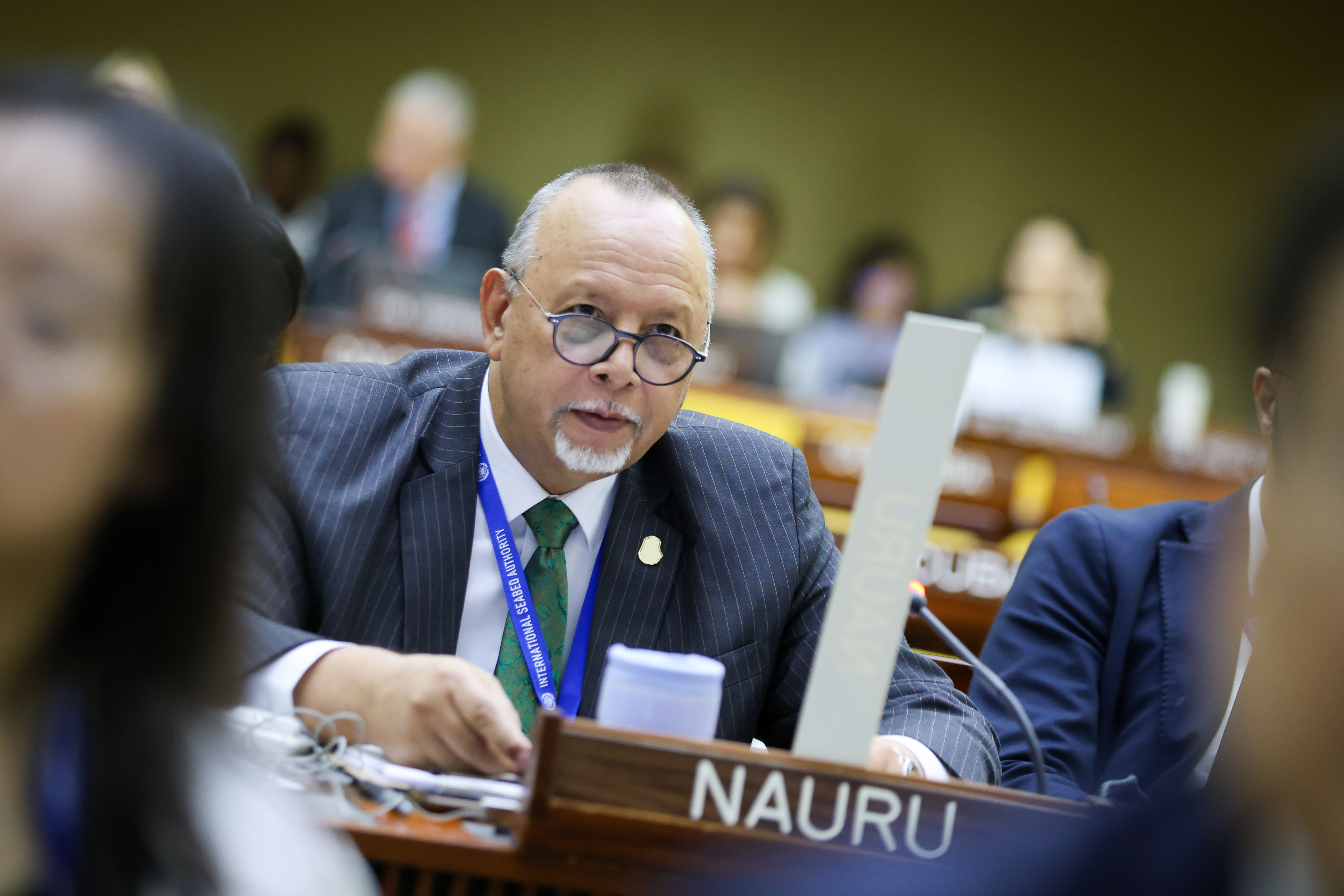
David Aingimea, Nauru
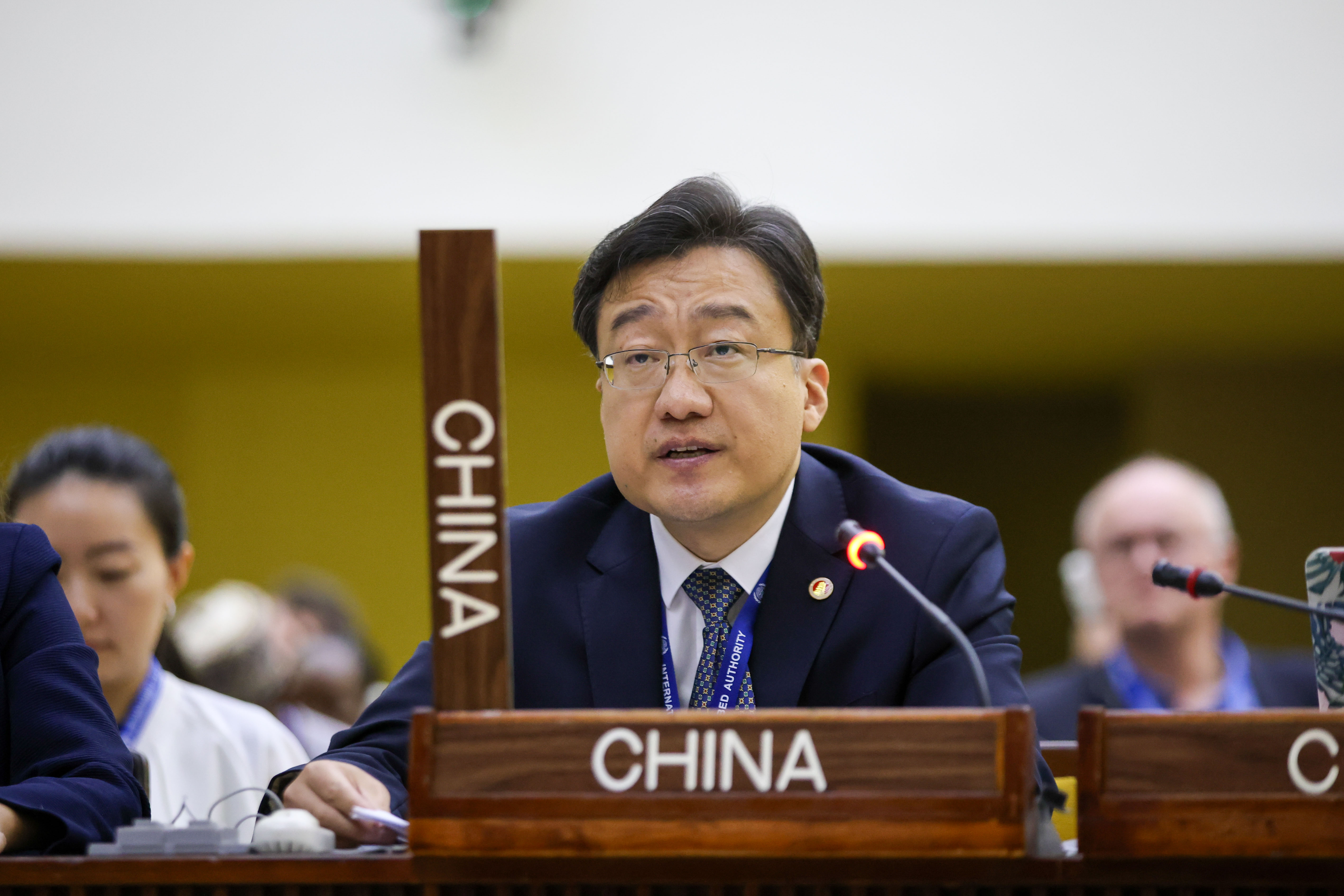
Jinfeng Wang, China

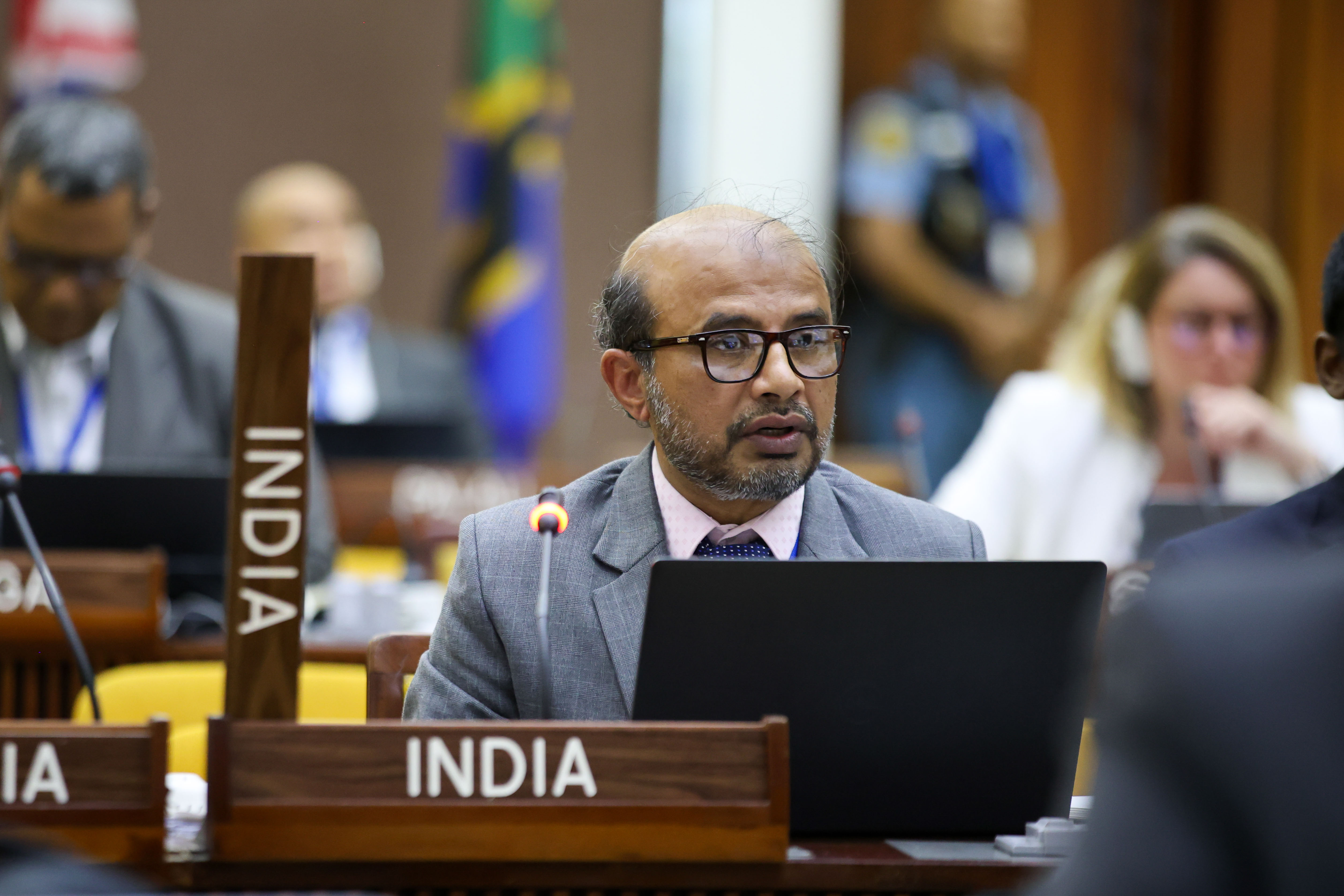
Sandip Mukhopadhyay, India
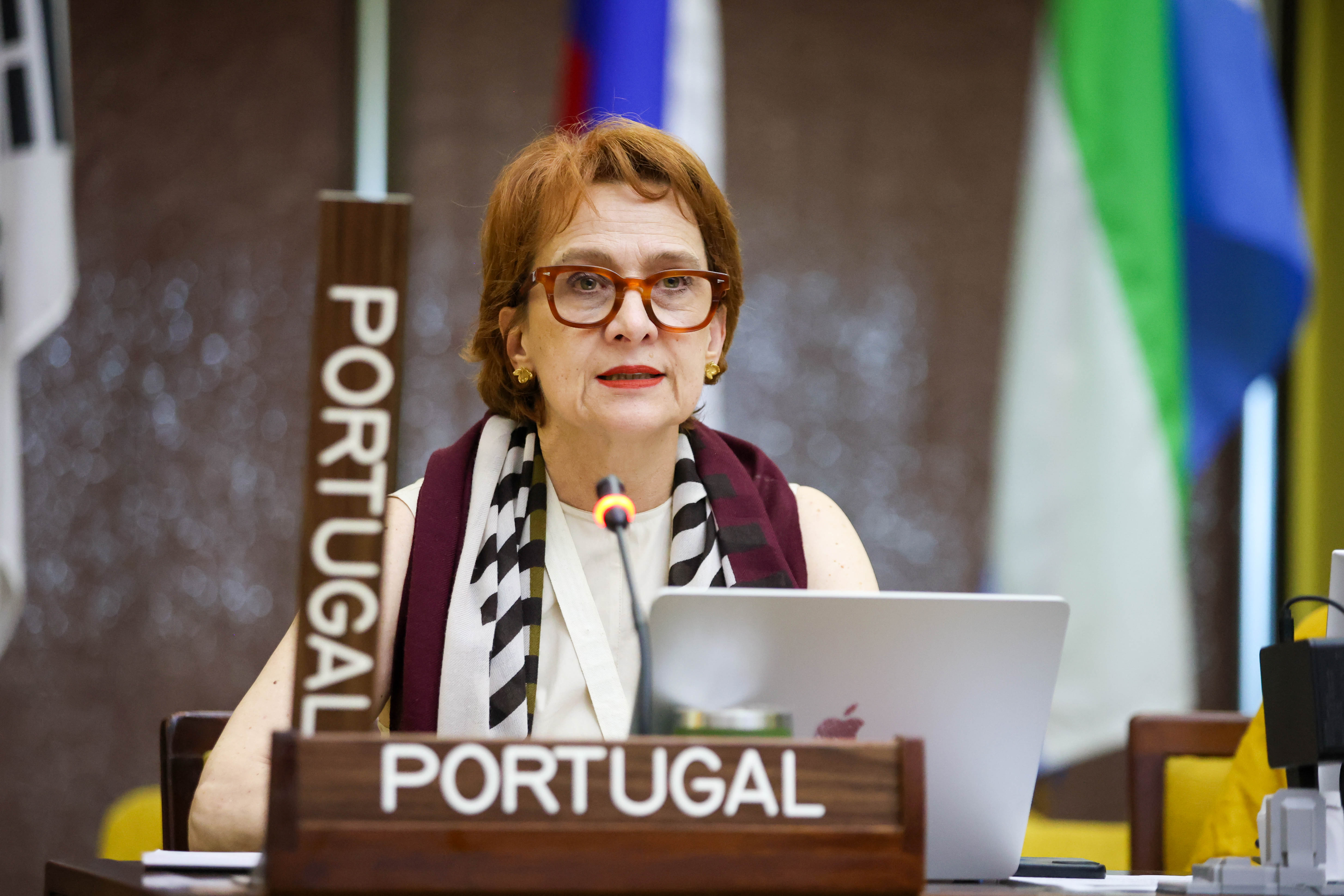
Maria Mendes, Portugal
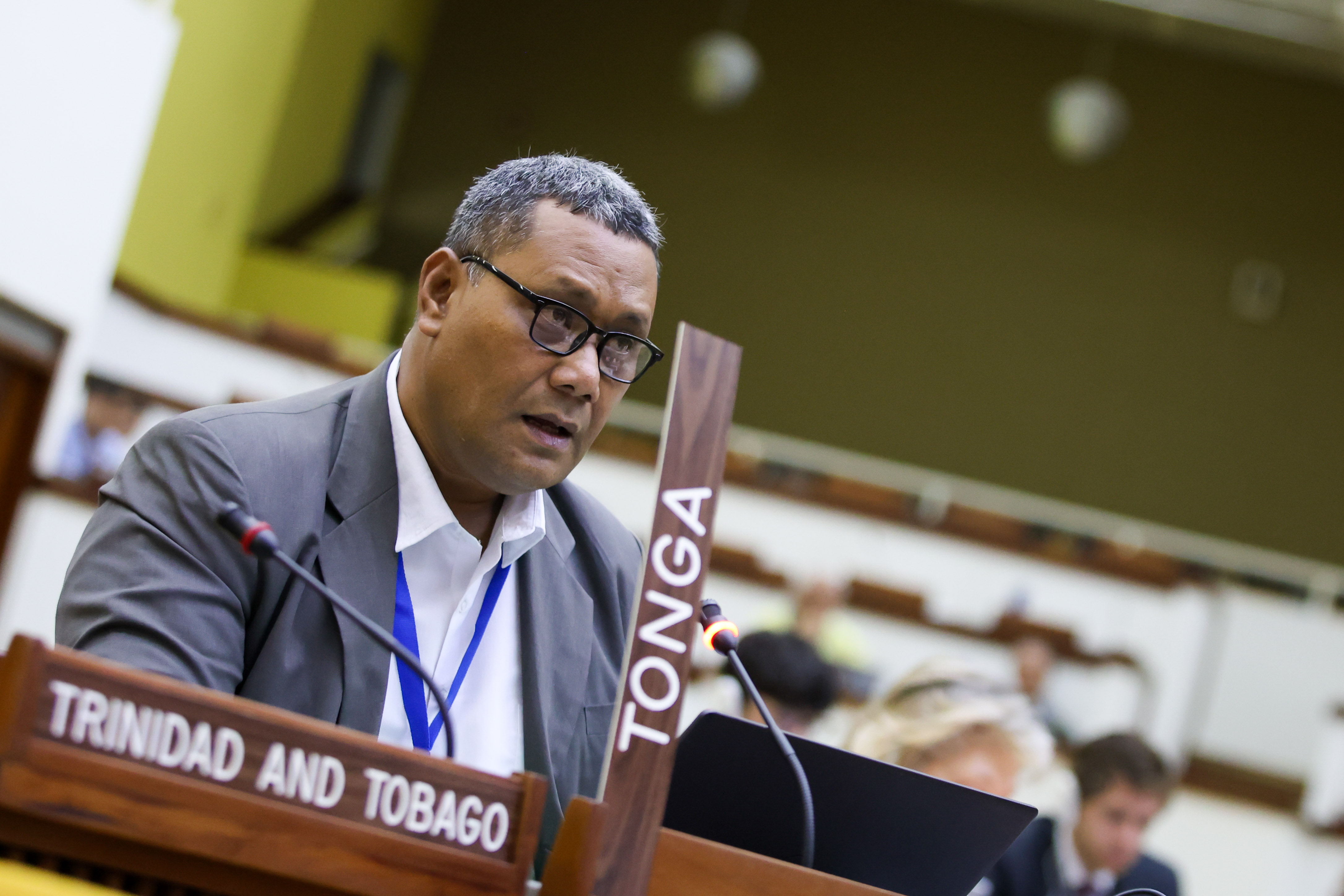
Apai Moala, Tonga
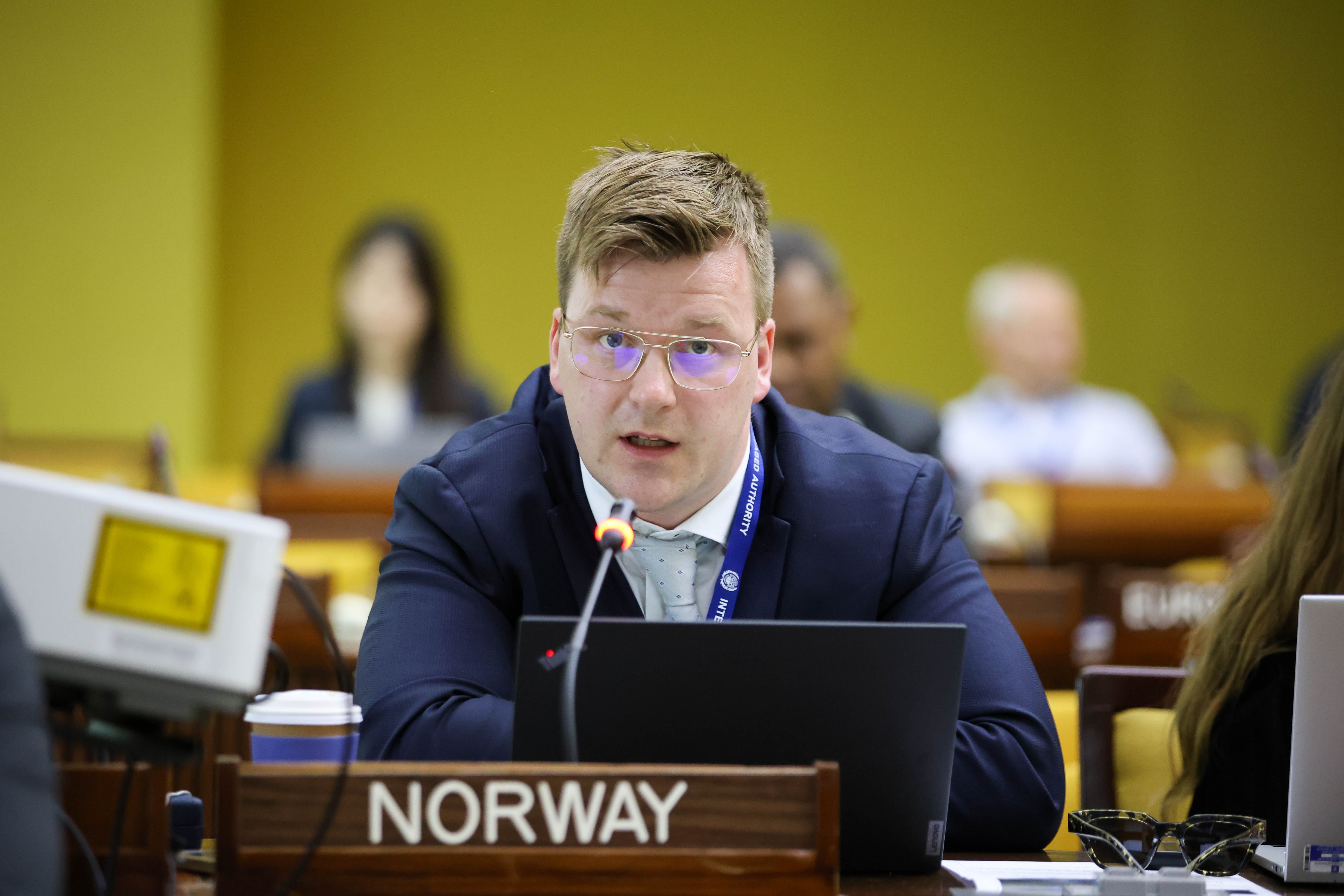
Henning Johnsen, Norway
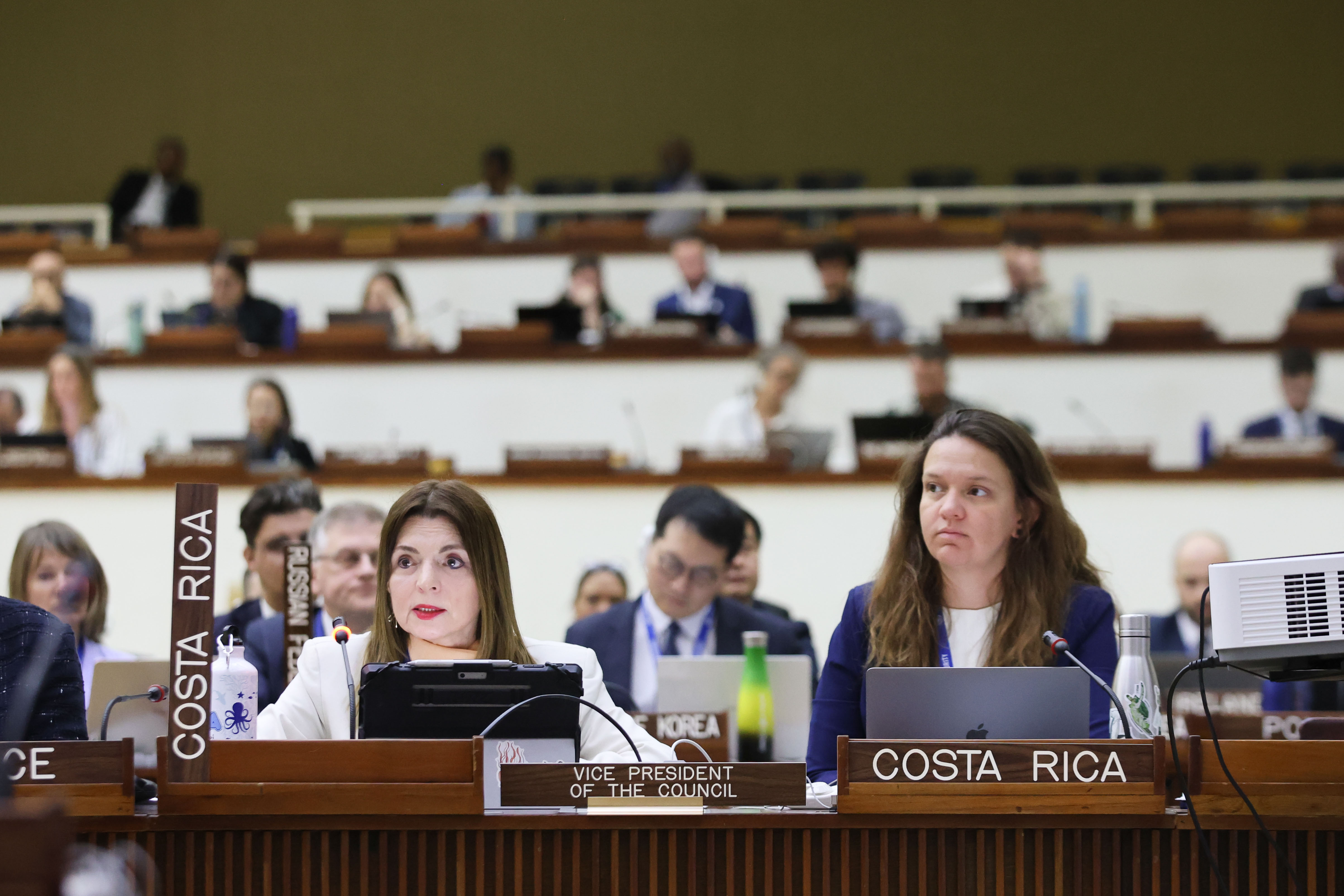
Gina Guillén Grillo and Tamara Gómez Marín, Costa Rica
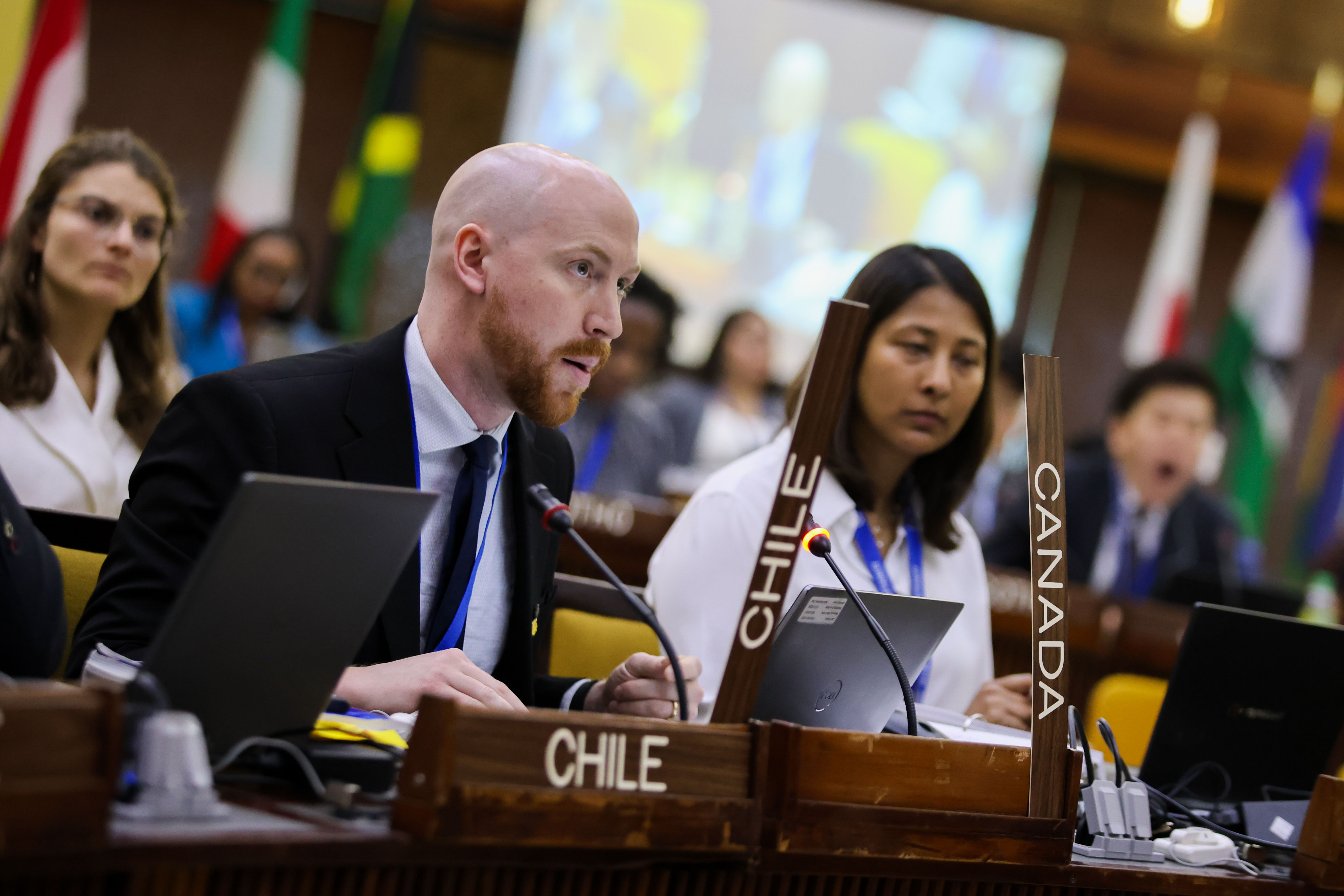
Richard Vaughan, Canada
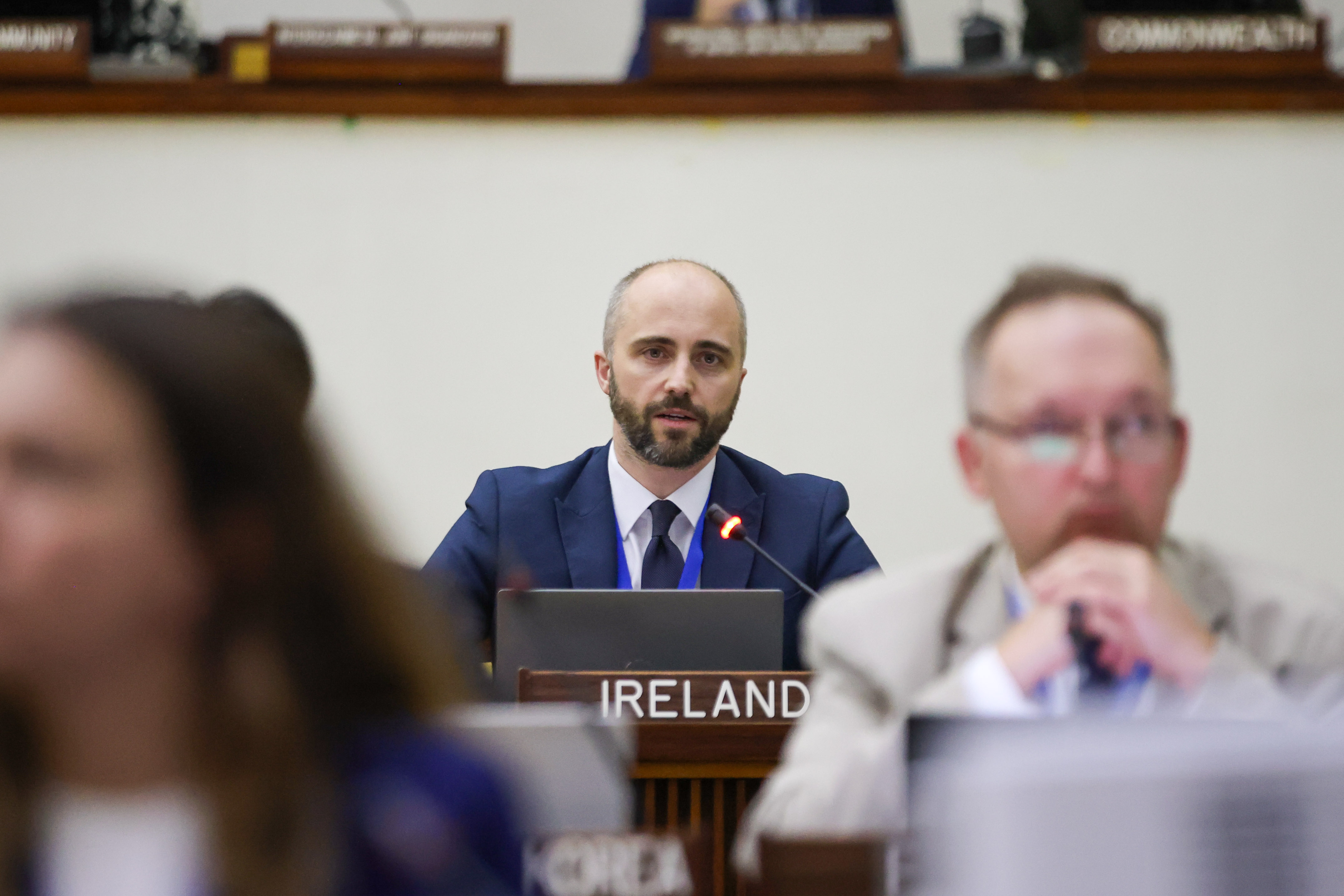
Carl Grainger, Ireland
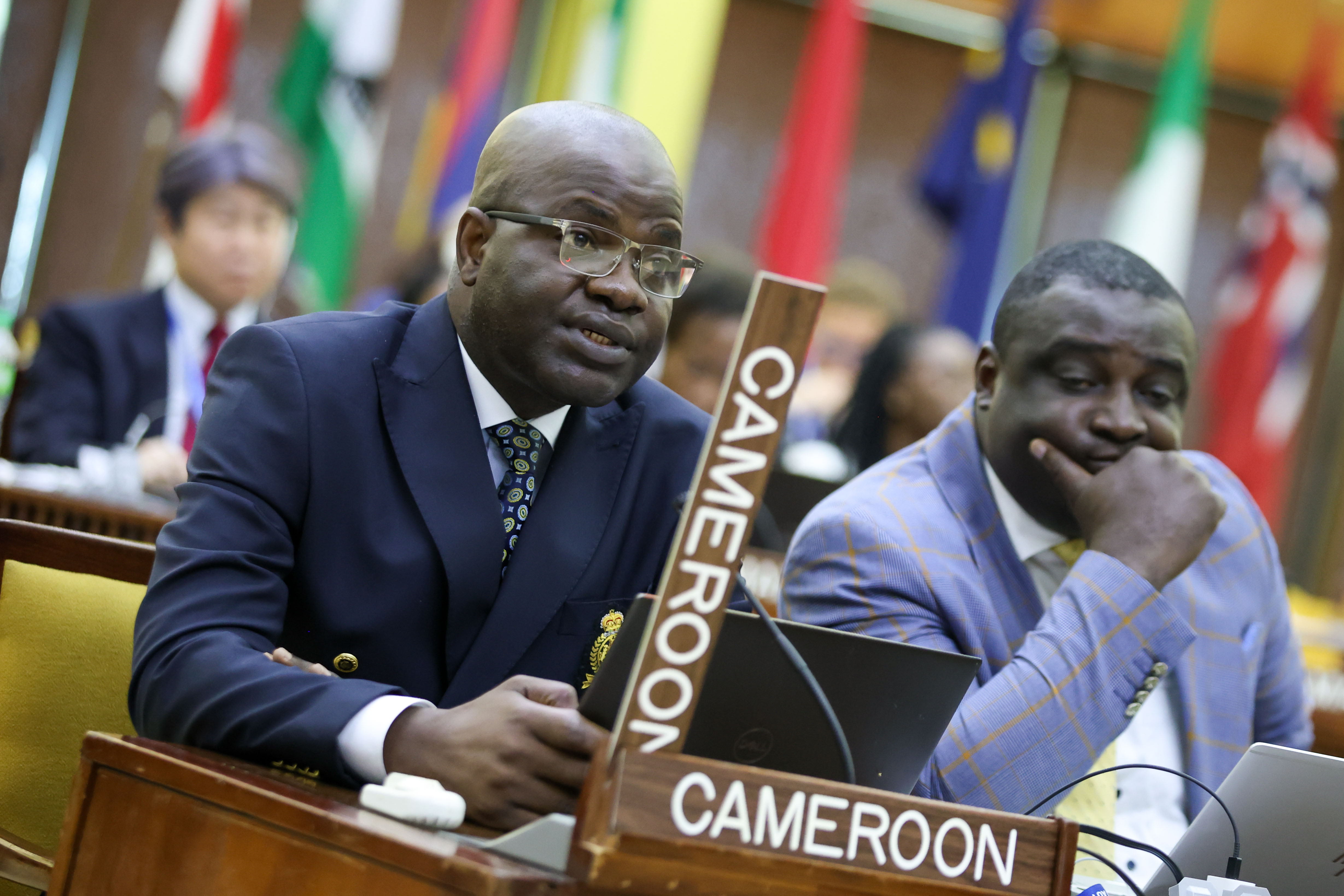
Ahidjo, Cameroon
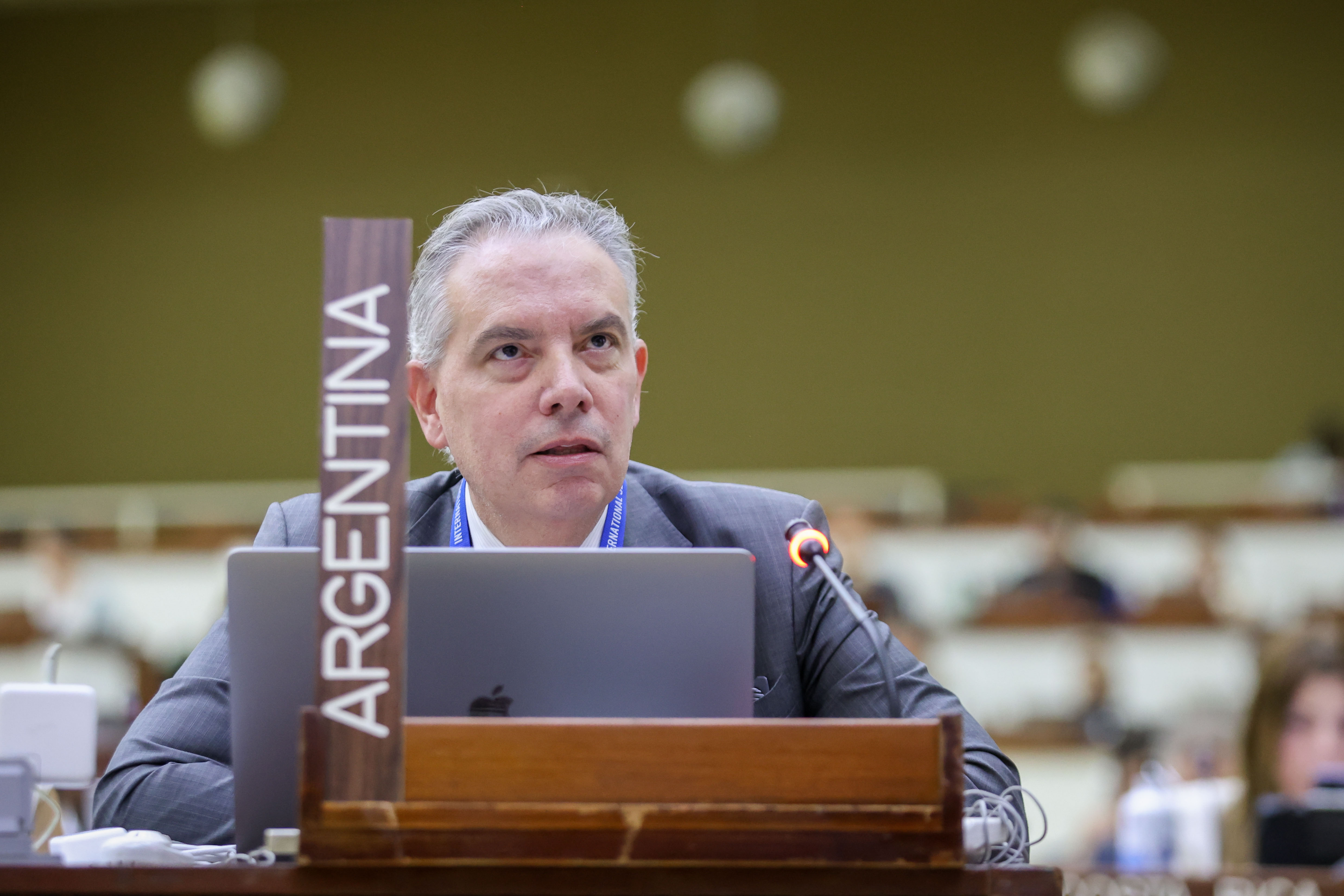
Marcelo Balbi Calvo, Argentina
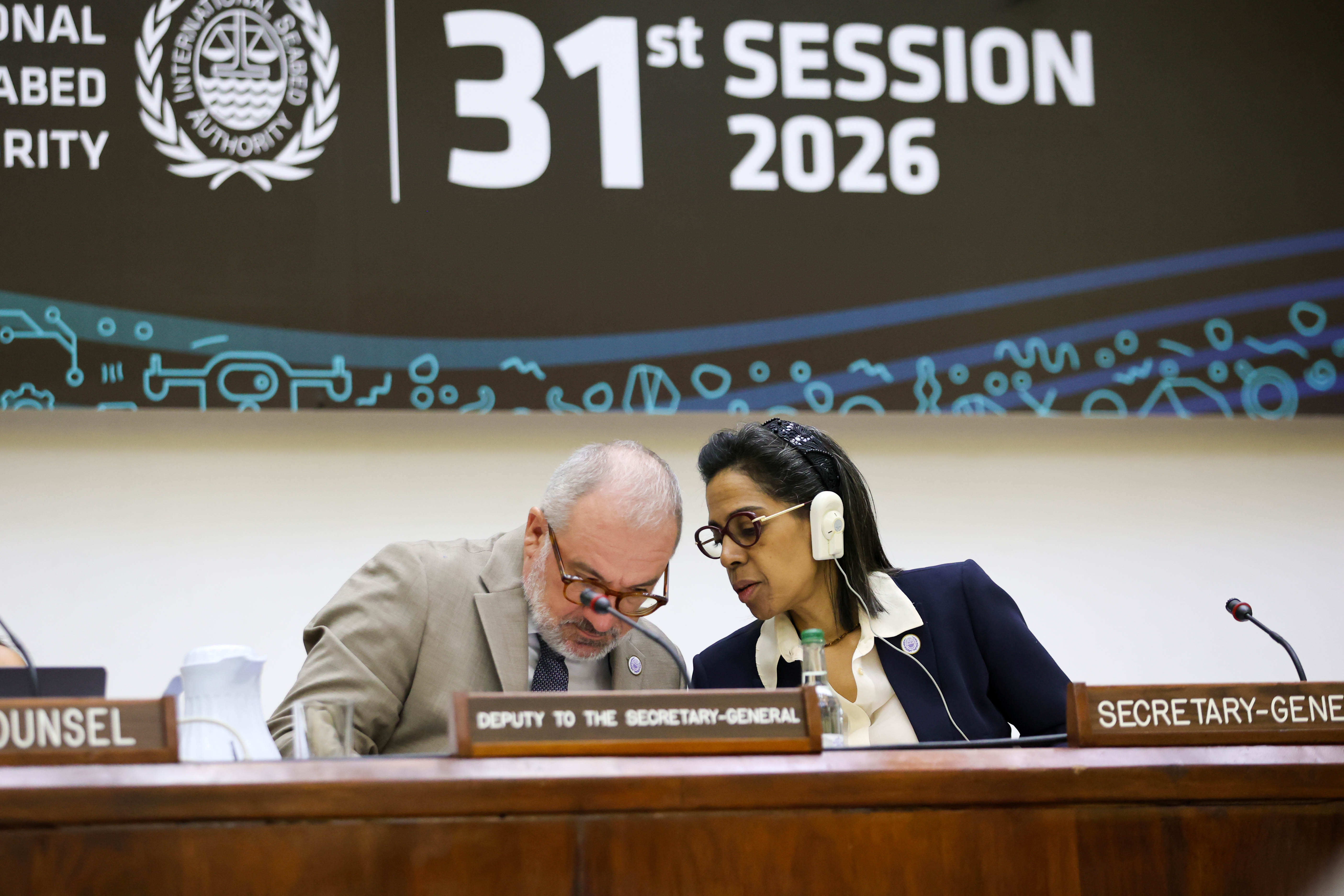
Bruno Pozzi, Deputy Secretary-General of the ISA, and Leticia Carvalho, Secretary-General of the ISA
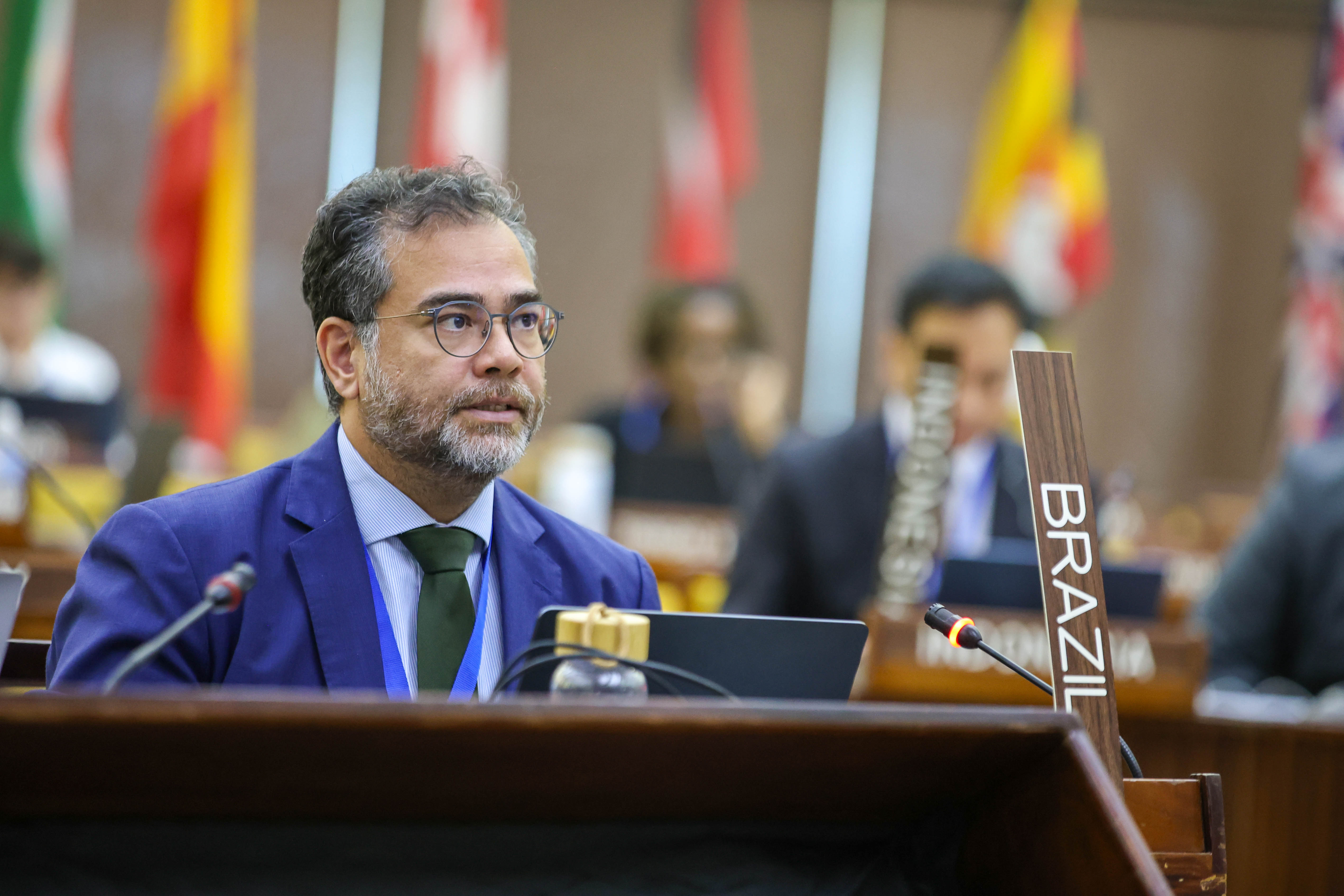
Eric Sogocio, Brazil
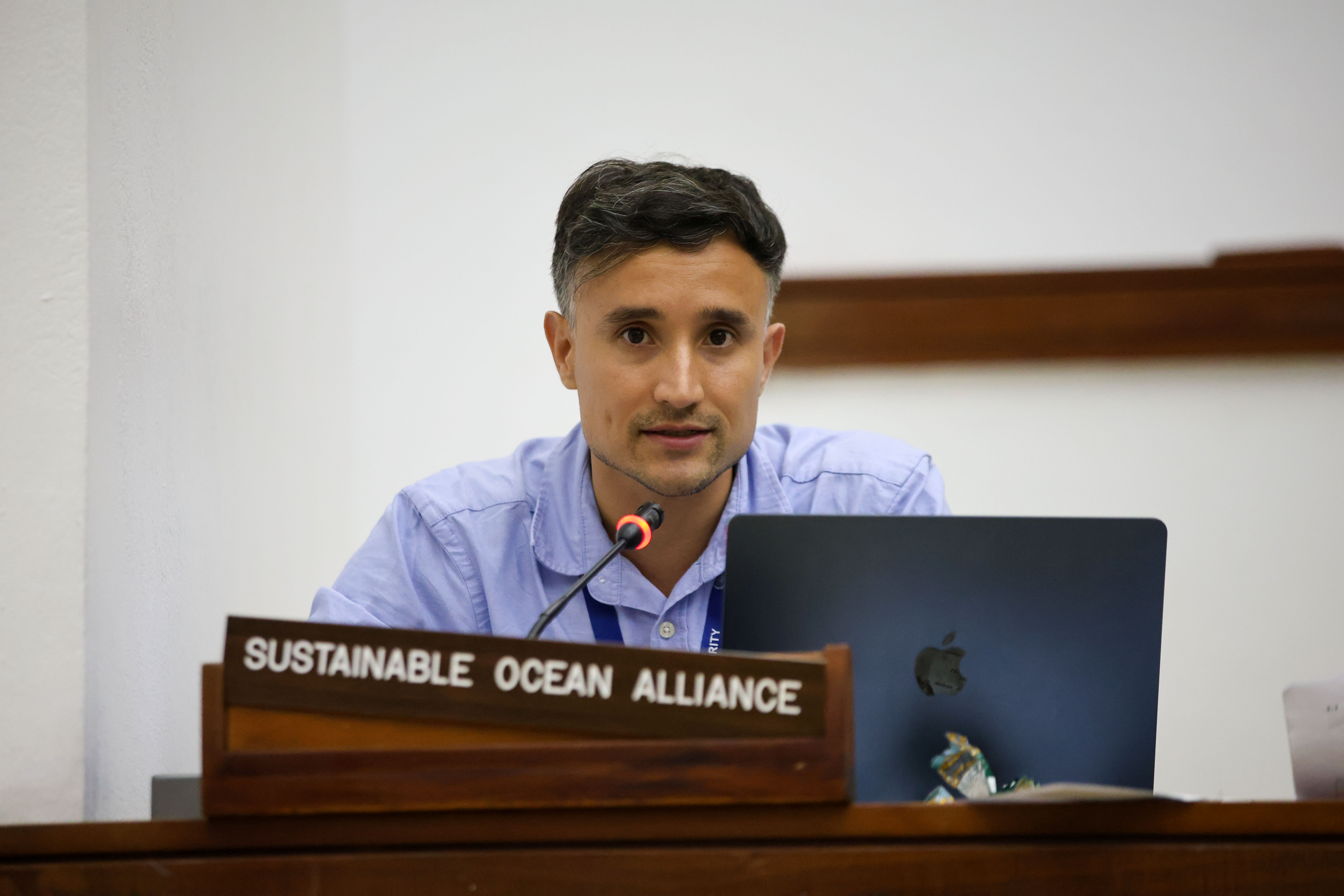
Daniel Cáceres Bartra, Sustainable Ocean Alliance
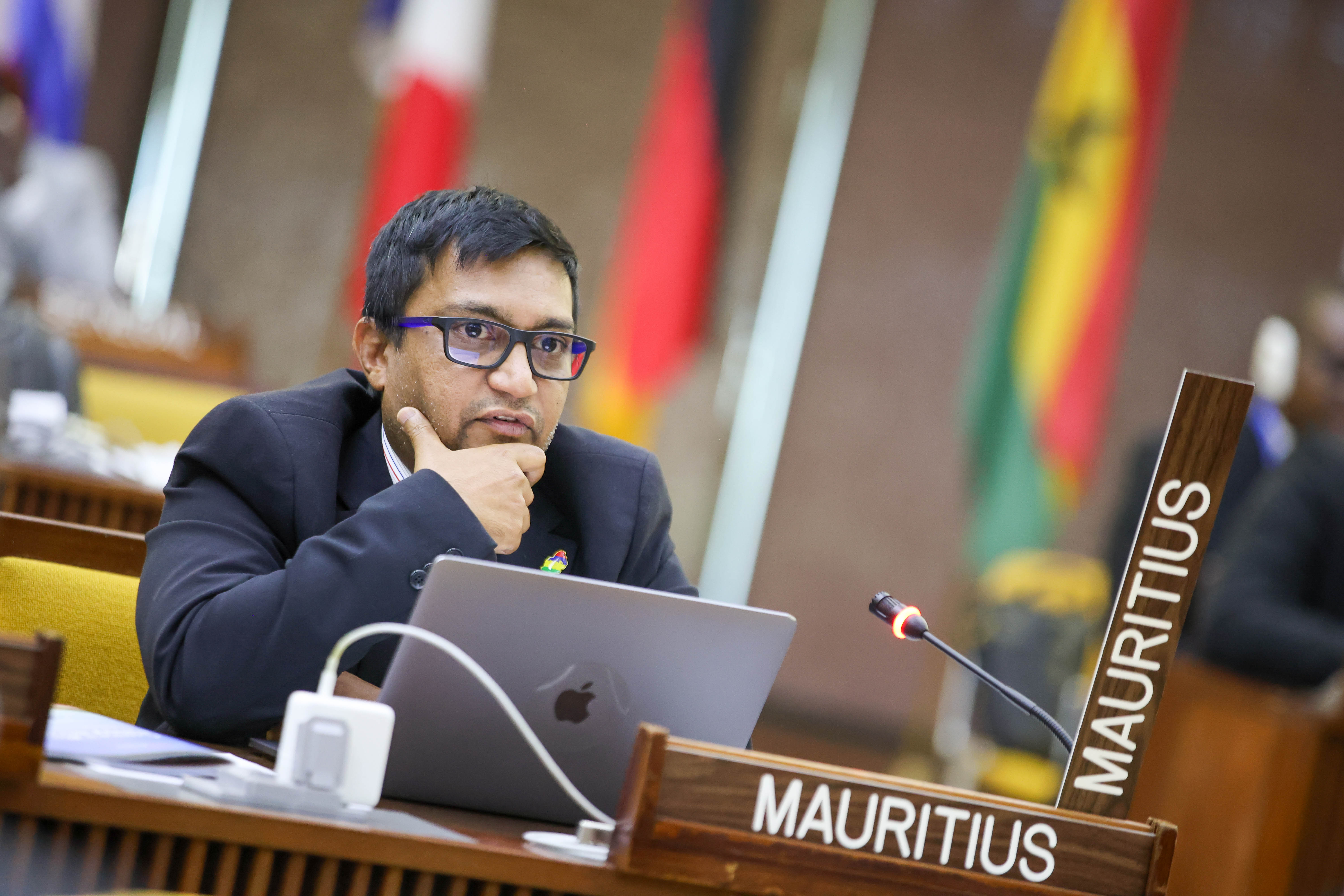
Prithivi Dass Bissessur, Mauritius
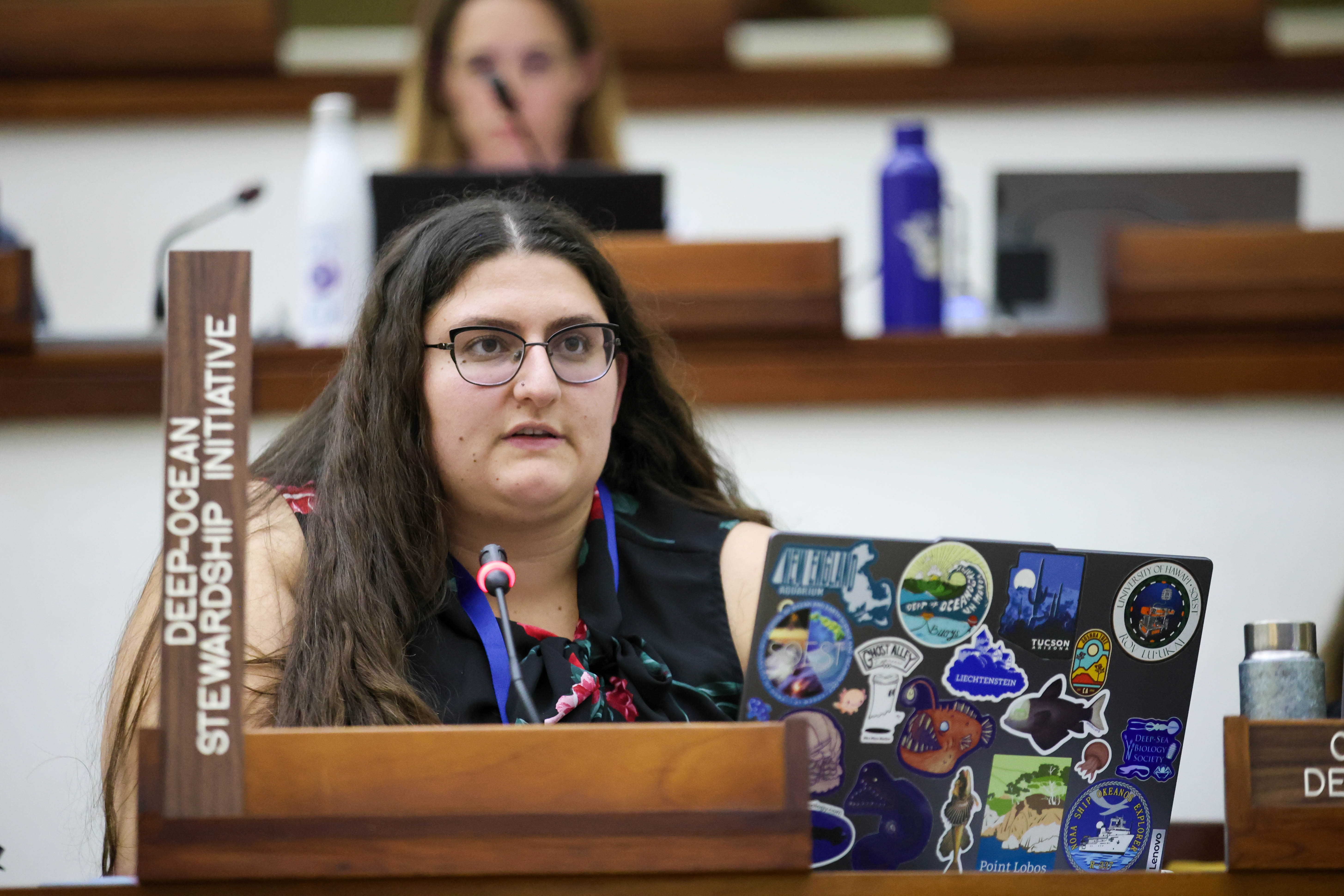
Victoria Assad, Deep-Ocean Stewardship Initiative (DOSI)

Edgar Noriega, Mexico
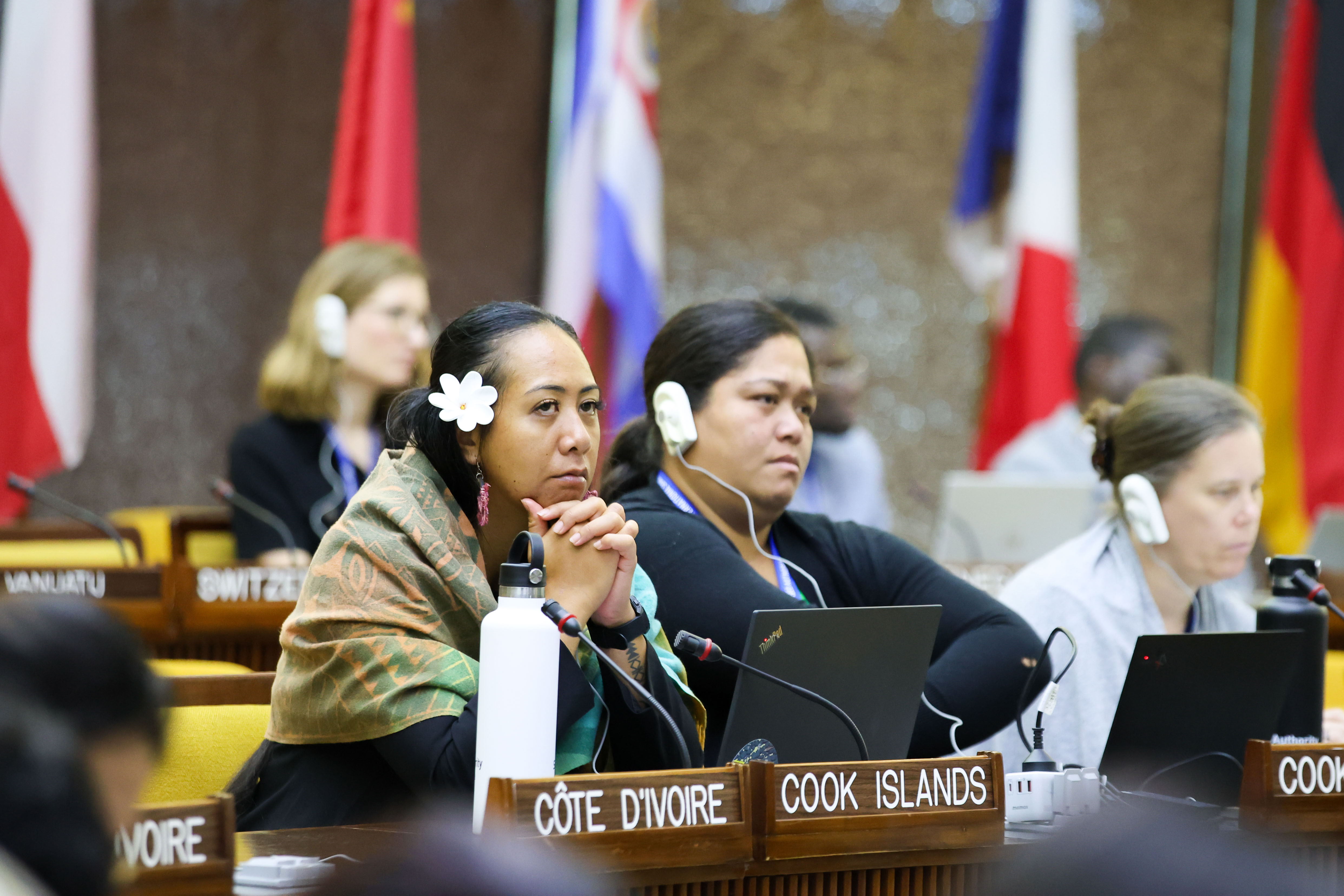
Delegates from the Cook Islands
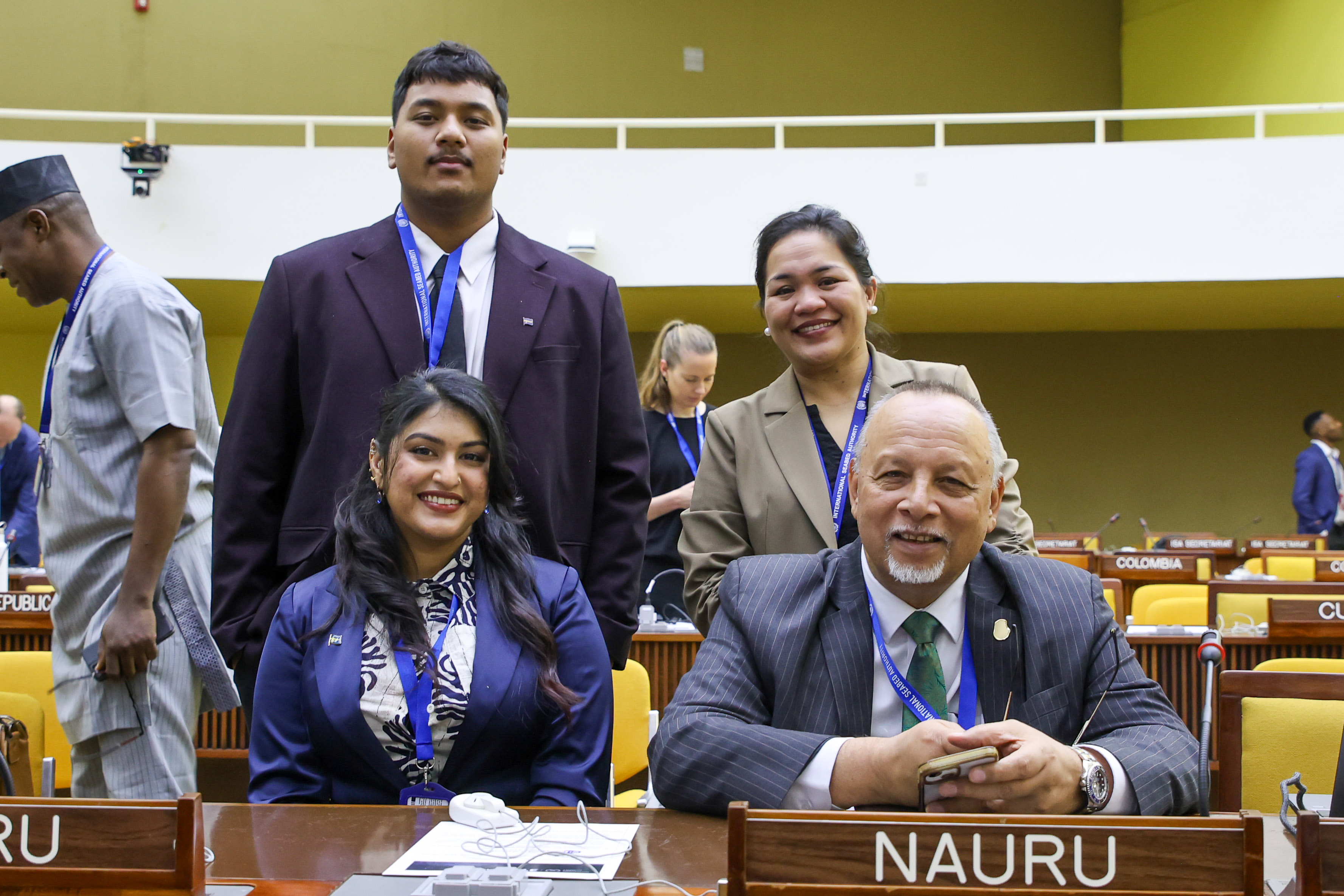
Delegates from Nauru
Between Sessions





Around the Venue
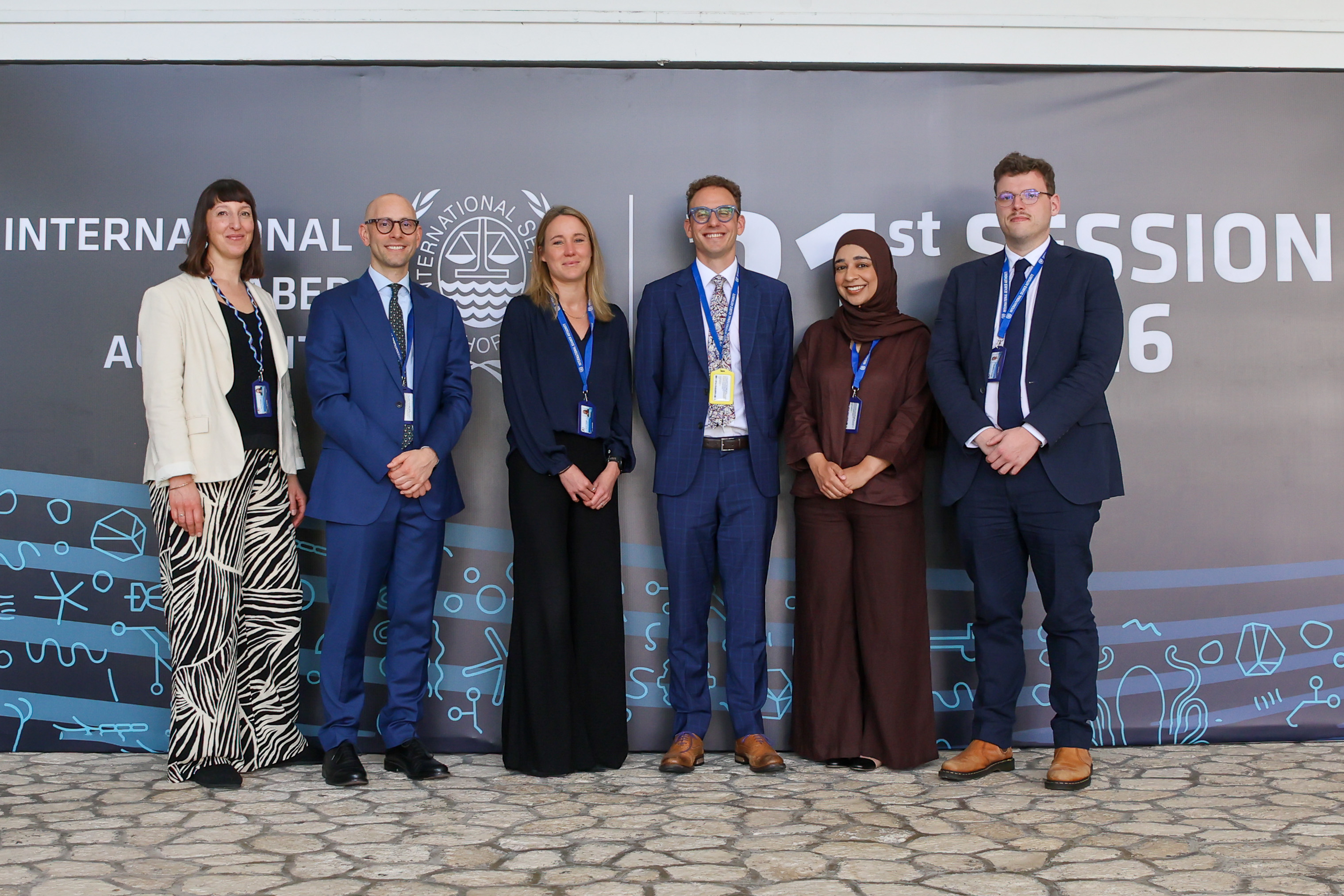
Delegates from the UK



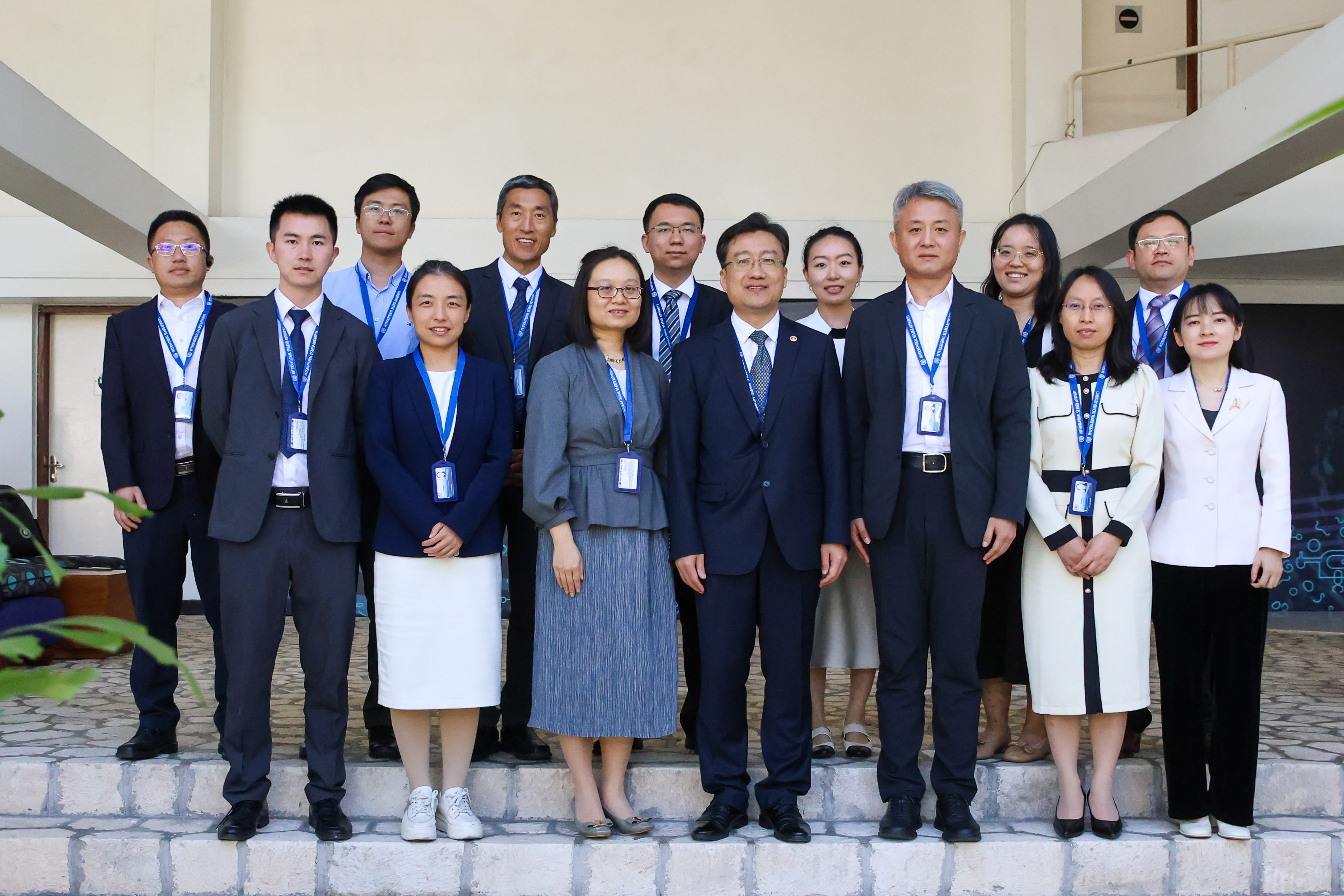
Delegates from China