The threat of unilateral action to license seabed mining remains a concern that the International Seabed Authority (ISA) Council must not lose sight of. However, whether this threat should serve as a push to urgently conclude negotiations on the exploitation regulations for commercial deep-sea mining, or instead as a reason to take the time required to get the rules right, framed the opening discussions of the ISA’s 31st annual session.
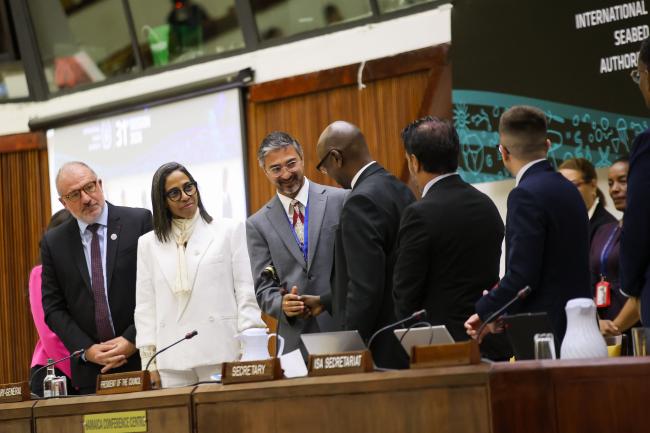
Opening the first part of the 31st annual ISA session, Duncan Muhumuza Laki (Uganda), Council President of the 30th annual session of the ISA, acknowledged the “tremendous” progress made during the intersessional period following the 30th session. He urged the Council to meet the expectations of the international community by delivering a comprehensive, efficient, and balanced regulatory framework to govern the exploitation of mineral resources in the Area (the seabed and ocean floor and the subsoil thereof, beyond the limits of national jurisdiction).
The Council subsequently elected Mayank Joshi (India) as President for the 31st session.
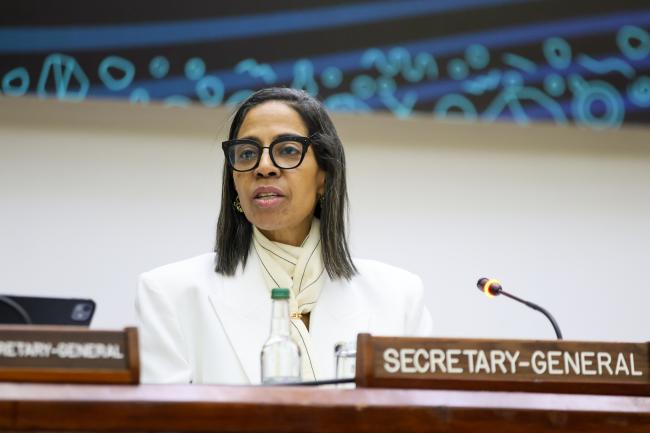
In her opening address, Leticia Reis de Carvalho, ISA Secretary-General, called on delegations to maintain the momentum generated through intersessional work. She highlighted the importance of coordination with the Agreement under the United Nations Convention on the Law of the Sea on the Conservation and Sustainable Use of Marine Biological Diversity of Areas beyond National Jurisdiction (BBNJ Agreement) to support coherent ocean governance. Carvalho also drew attention to the ISA’s capacity-building activities, noting that since 1994 more than 1,000 individuals have received training through ISA-supported programmes, projects, and initiatives.
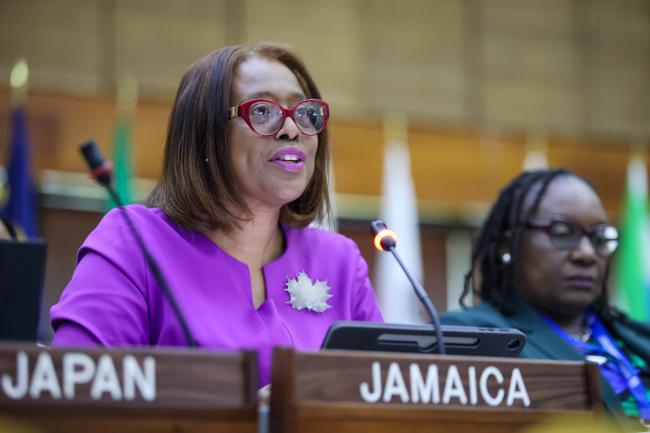
Many delegations expressed solidarity with Jamaica following the devastating impacts of Hurricane Melissa in October 2025.
Several delegations raised concerns about developments outside the ISA framework. China lamented the United States’ Executive Order aimed at enabling seabed mining activities within and beyond their exclusive economic zone. Warning that such actions undermine the ISA’s mandate and the progress achieved in developing the exploitation regulations, China noted that early adoption of the regulations would help boost confidence in the ISA.
The Russian Federation also emphasized the urgency of finalizing the exploitation regulations, saying this should be supported by standards and guidelines to ensure reliable and sustainable exploitation approaches.
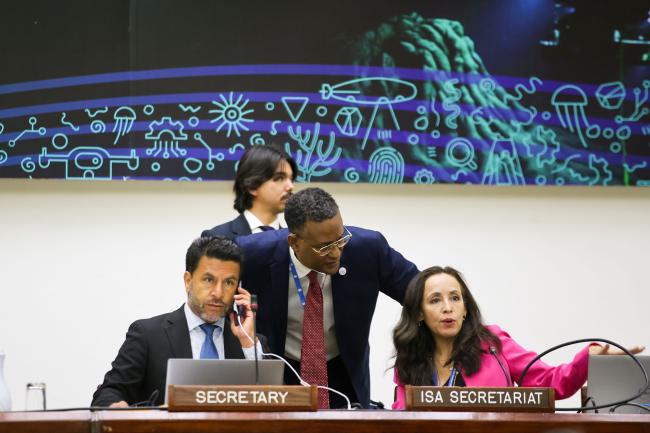
Other delegations called for caution. Chile stated that activities in the Area should not commence without sufficient scientific knowledge of impacts on marine biodiversity and without a legal framework enabling application of the precautionary principle. France underlined that seabed governance falls under the exclusive competence of the ISA and that any unilateral action in the Area would be contrary to international law, urging the Authority to proceed on the basis of sound science.
The Deep Sea Conservation Coalition urged the ISA to resist pressure to meet artificial deadlines. Greenpeace International welcomed the Council’s rejection of unilateral attempts by a contractor to seek mining permits under US domestic law and called for a collective moratorium on seabed mining.
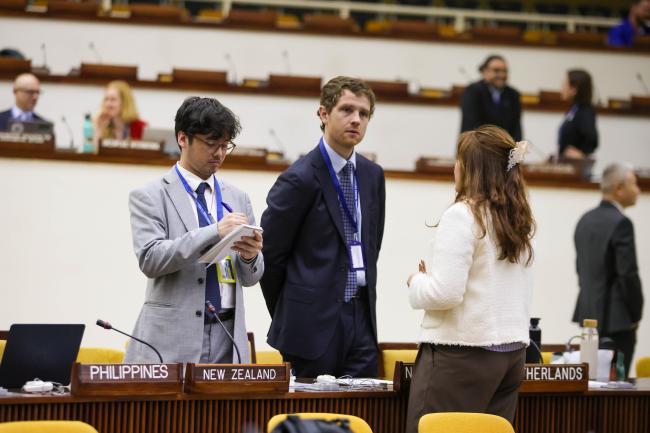
The Council also began its consideration of the draft exploitation regulations. Secretary-General Carvalho introduced the Further Revised Consolidated Text of the draft regulations and a draft indicative list of outstanding issues, which most members welcomed as a useful basis for discussions.
The Council then convened in Friends of the President meetings to consider specific issues, including draft regulations 40 (prevention of corruption), 92 (seabed mining registry), and 103 (non-compliance notice, suspension and termination of the contract).
Informal discussions will continue on Tuesday.

To receive free coverage of global environmental events delivered to your inbox, subscribe to the ENB Update newsletter.
All ENB photos are free to use with attribution. For the 1st part of the 31st session of the International Seabed Authority (ISA) Council meeting, please use: Photo by IISD/ENB | Anastasia Rodopoulou
Selected Images
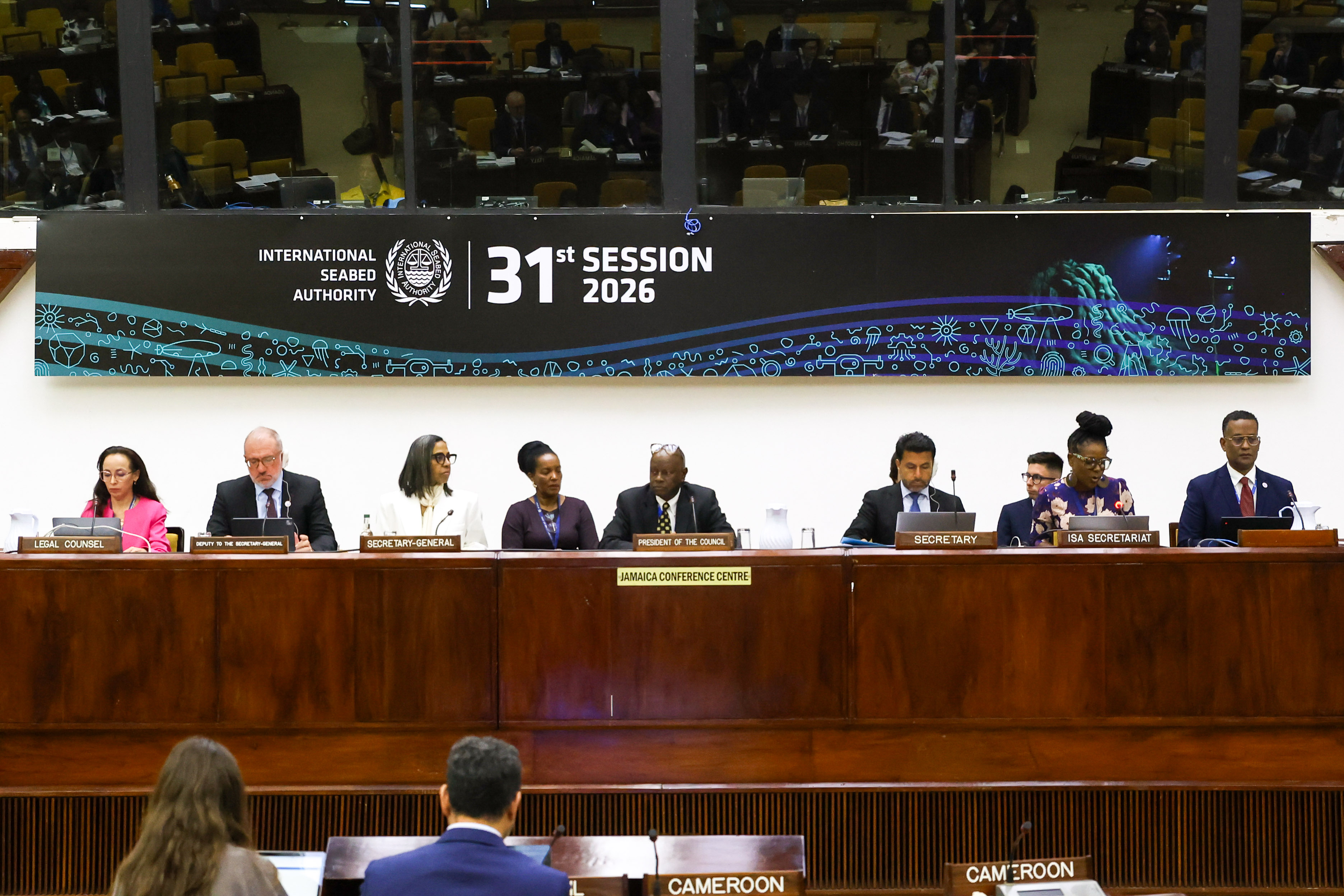
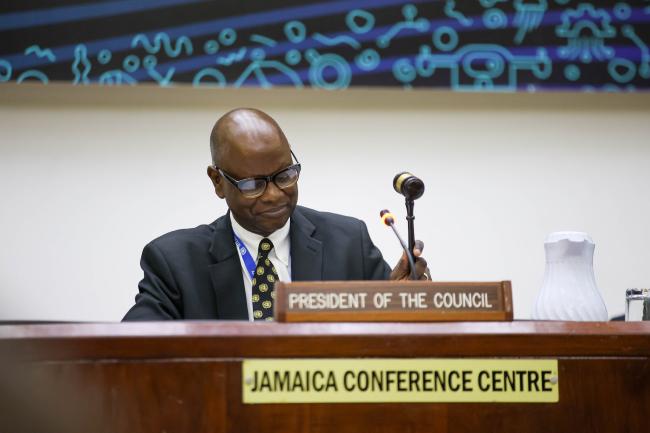
A view of the dais during the opening session
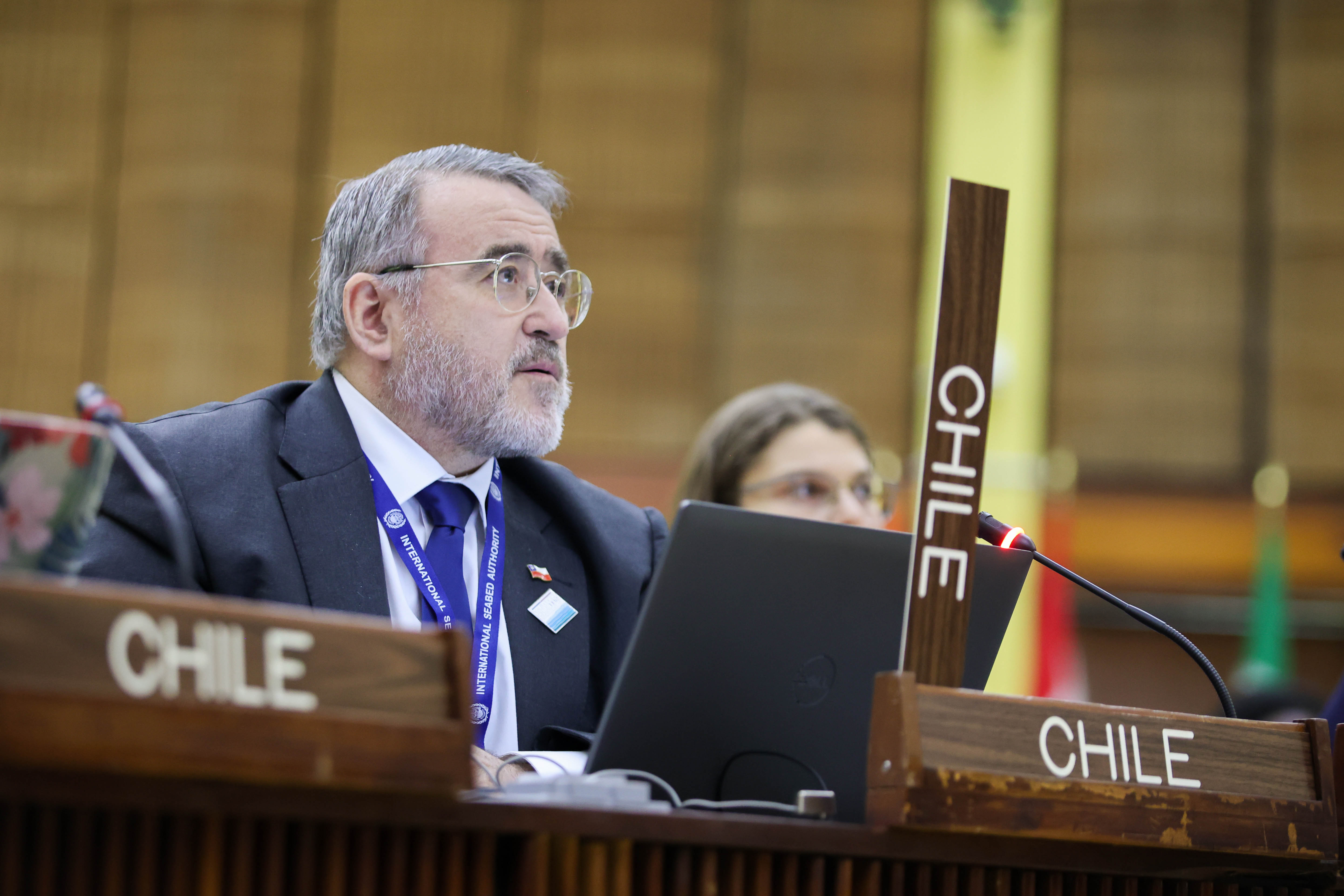
José Antonio Cabedo, Chile
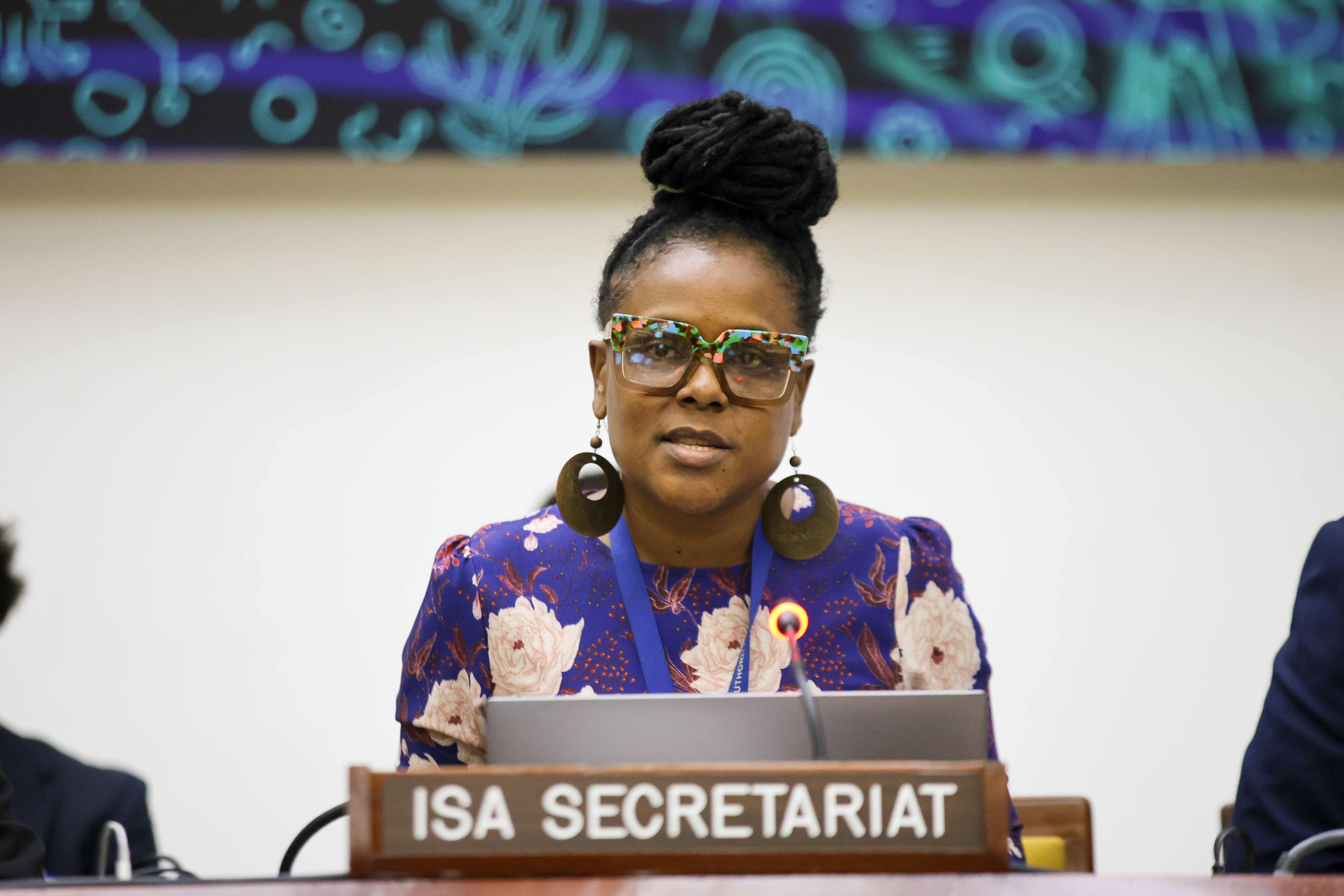
Sonja Phinn, Secretariat of the Authority
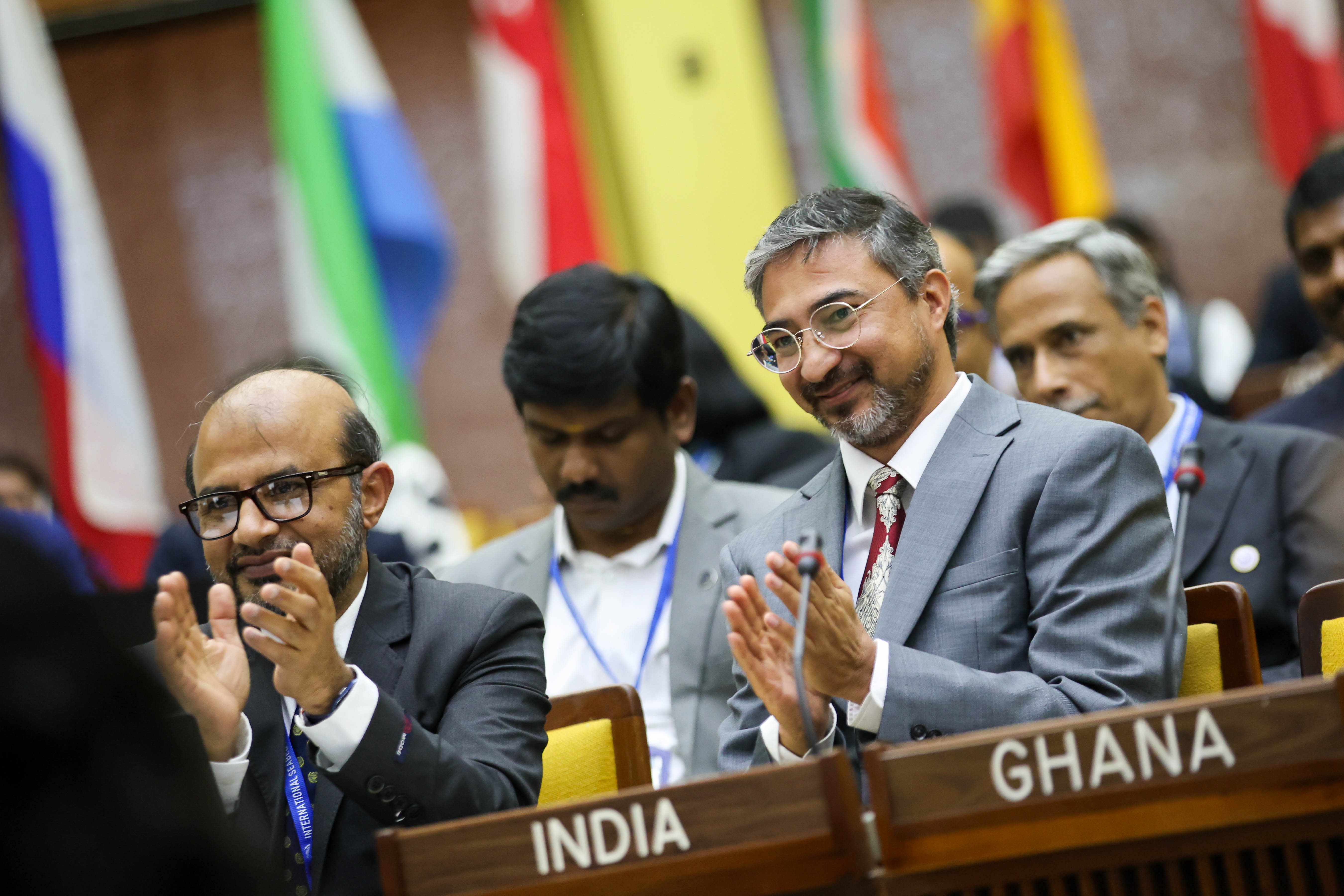
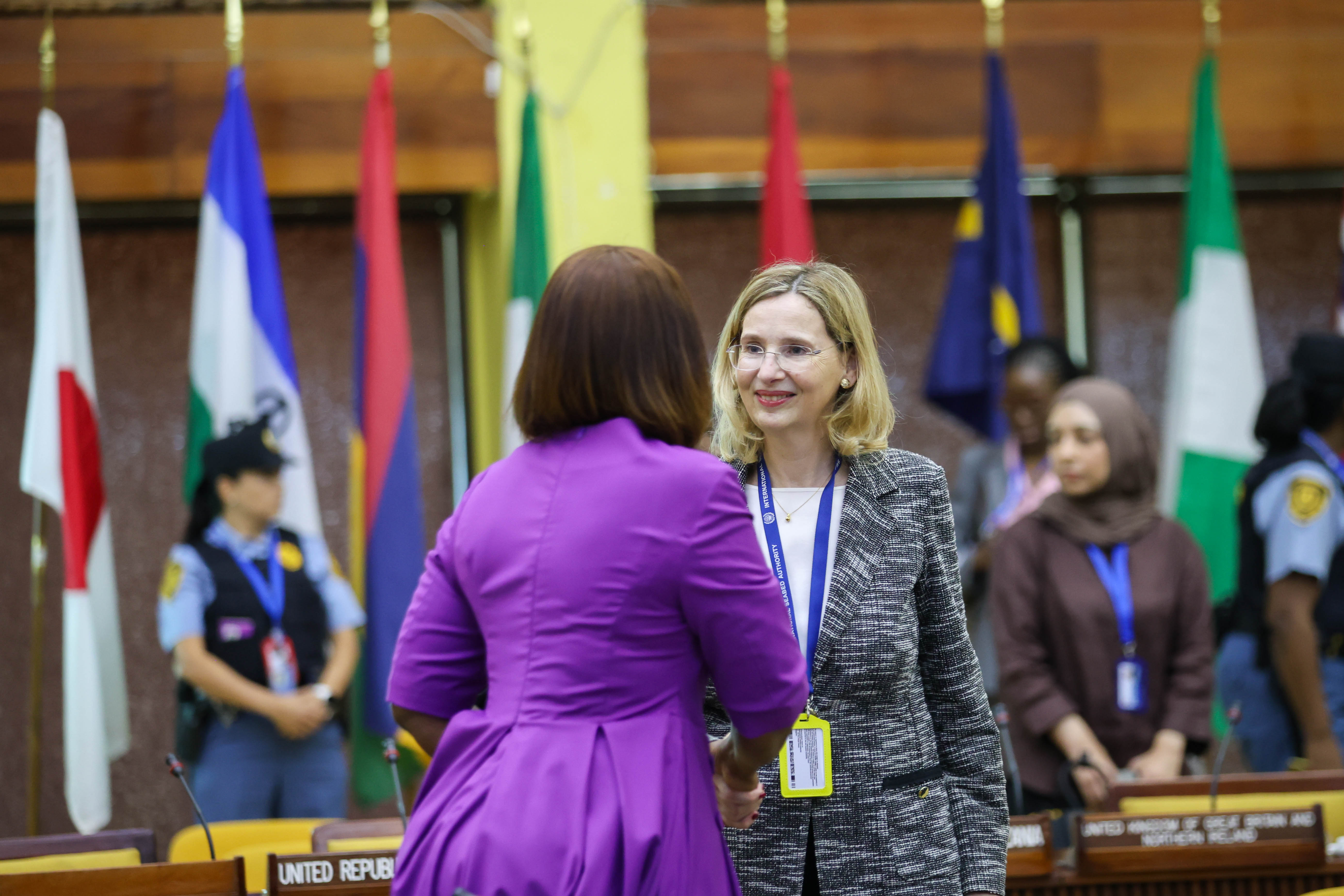
Mayank Joshi, India, is congratulated for his election as ISA-31 Council President.

Dennis Flores, the Philippines, on behalf of the Asia Pacific Group
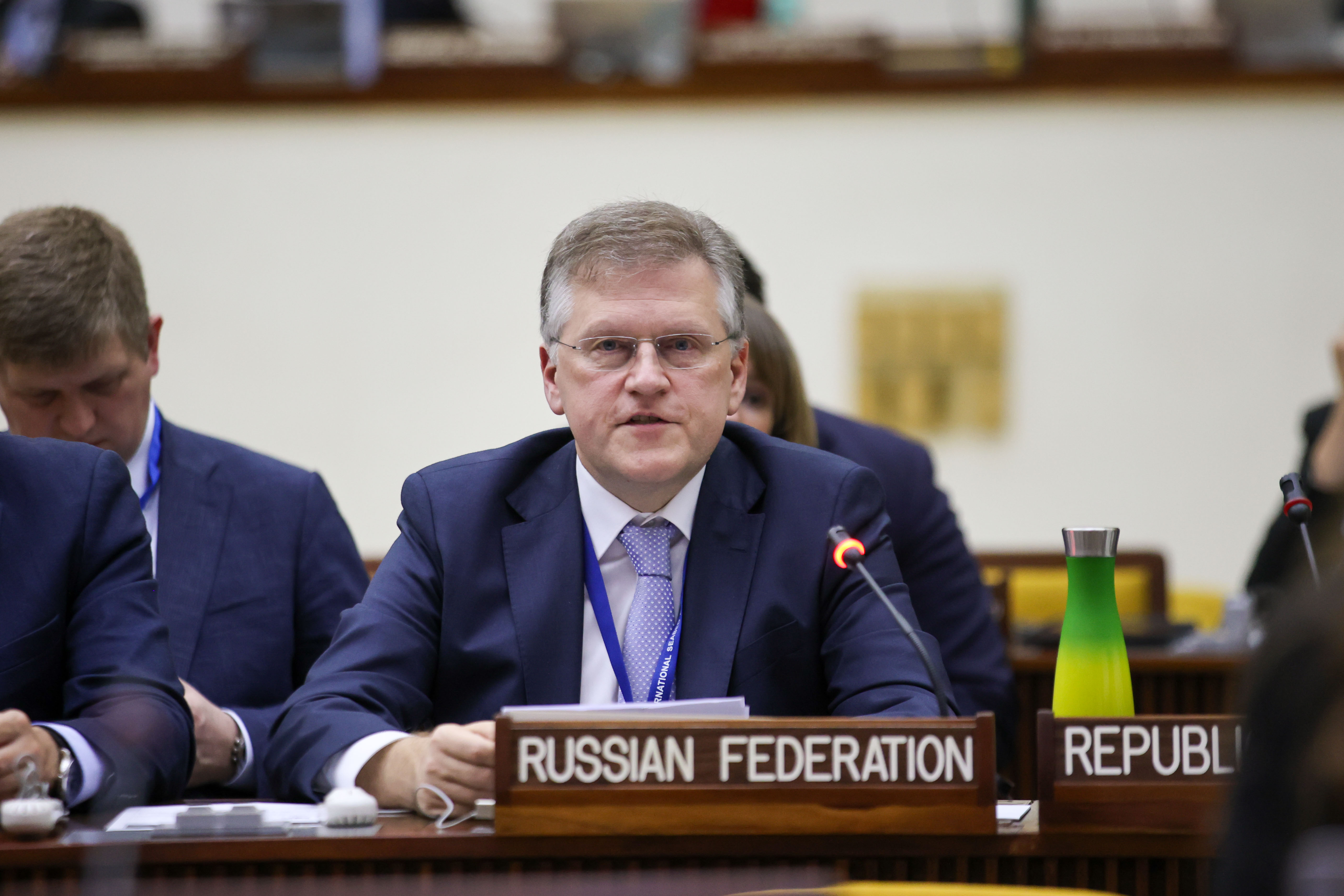
Sergey Petrovich, Russian Federation
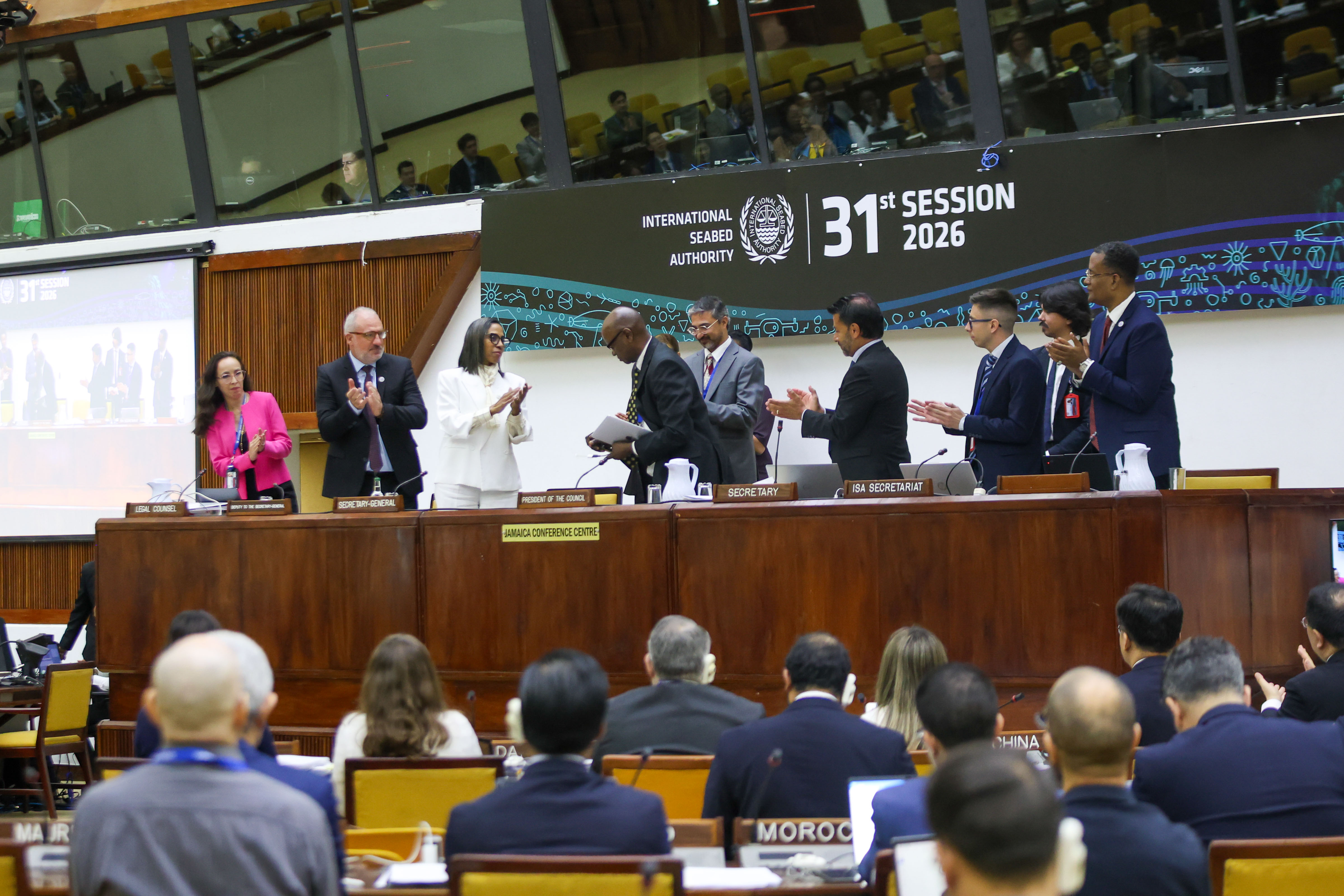
Outgoing Council President Duncan Muhumuza Laki, Uganda, receives thanks for his work over the past year.
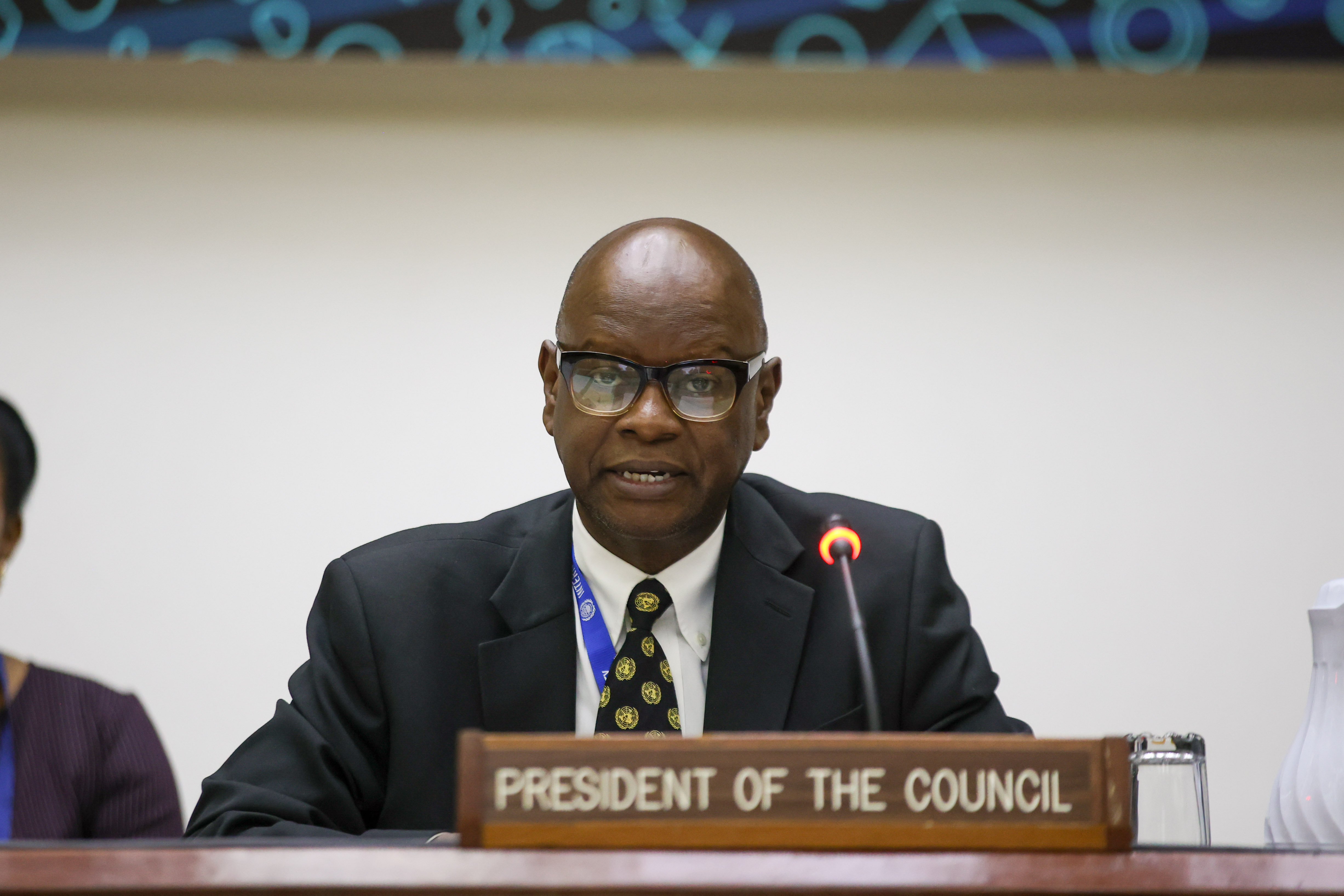
Outgoing Council President Duncan Muhumuza Laki, Uganda
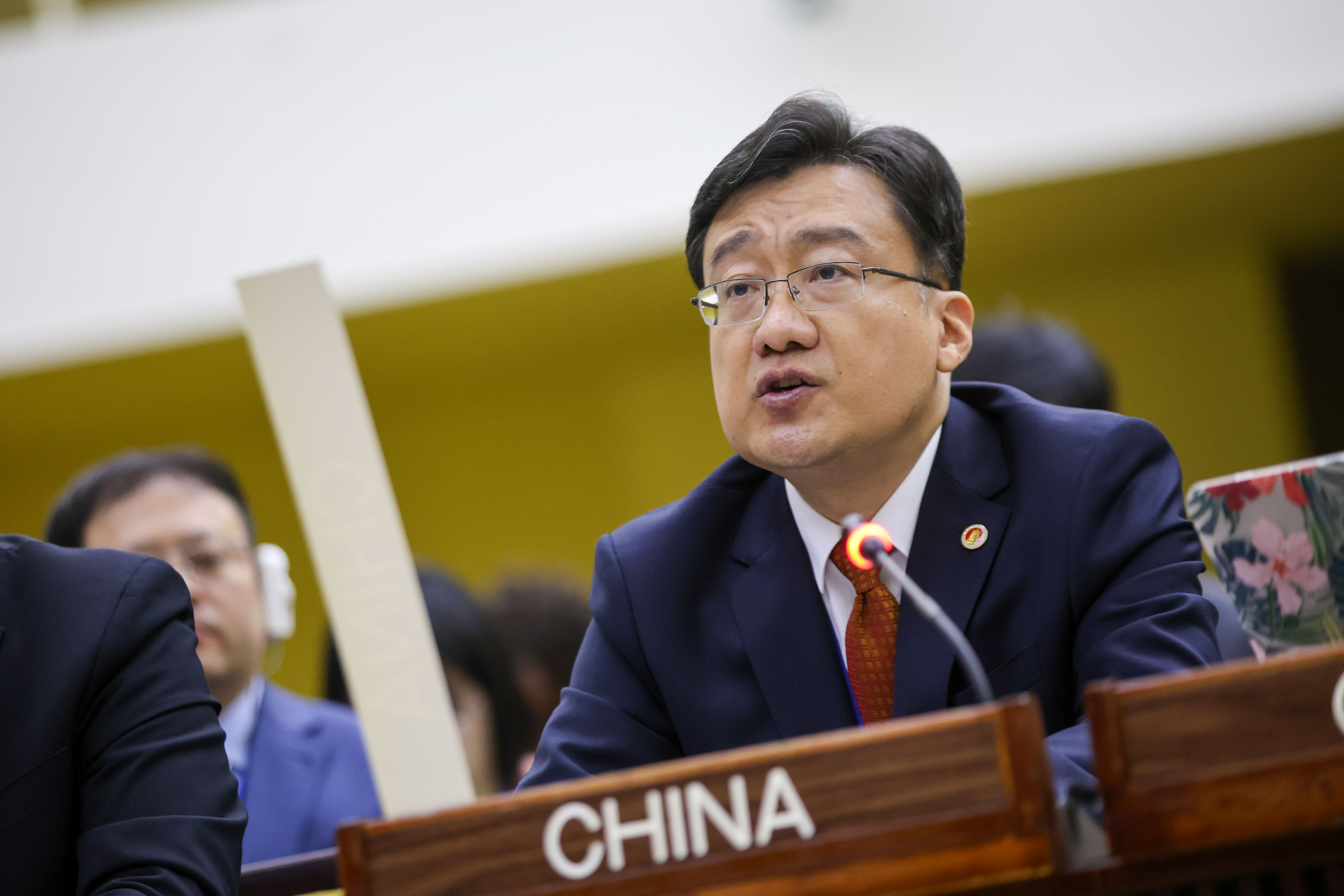
Jinfeng Wang, China
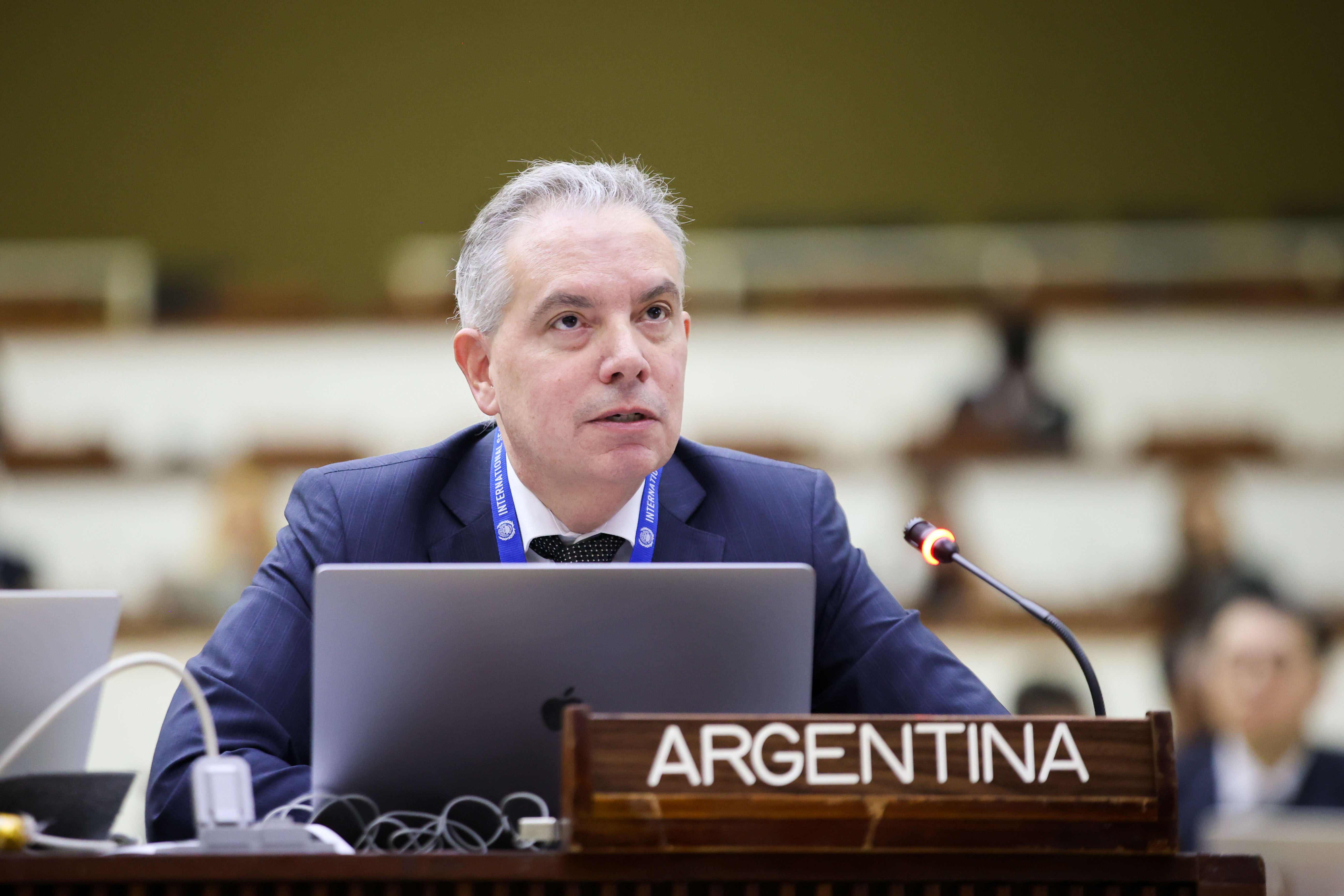
Marcelo Balbi Calvo, Argentina, on behalf of the Group of Latin America and the Caribbean
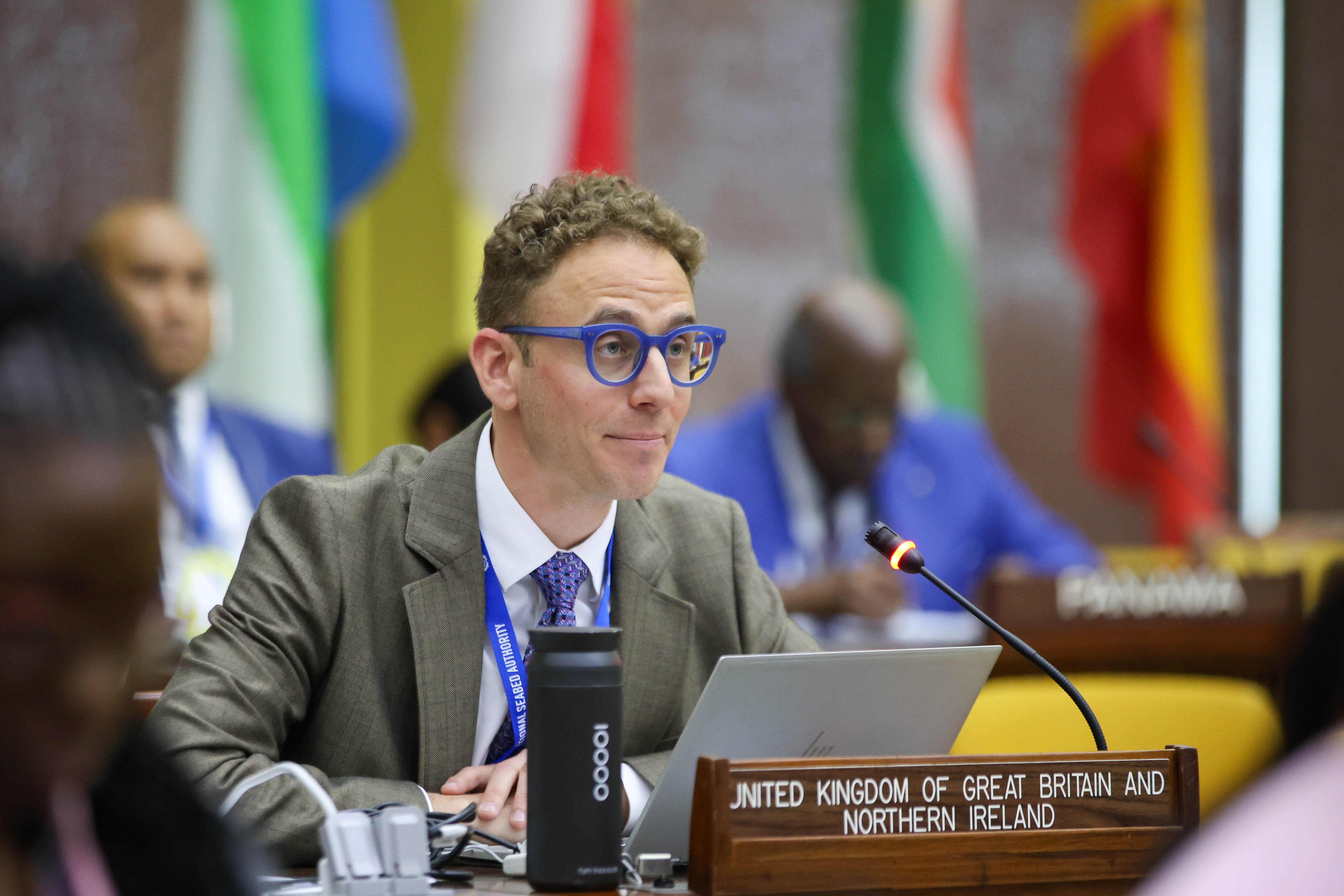
Jonathan Hollis, UK, on behalf of Western European and Others Group
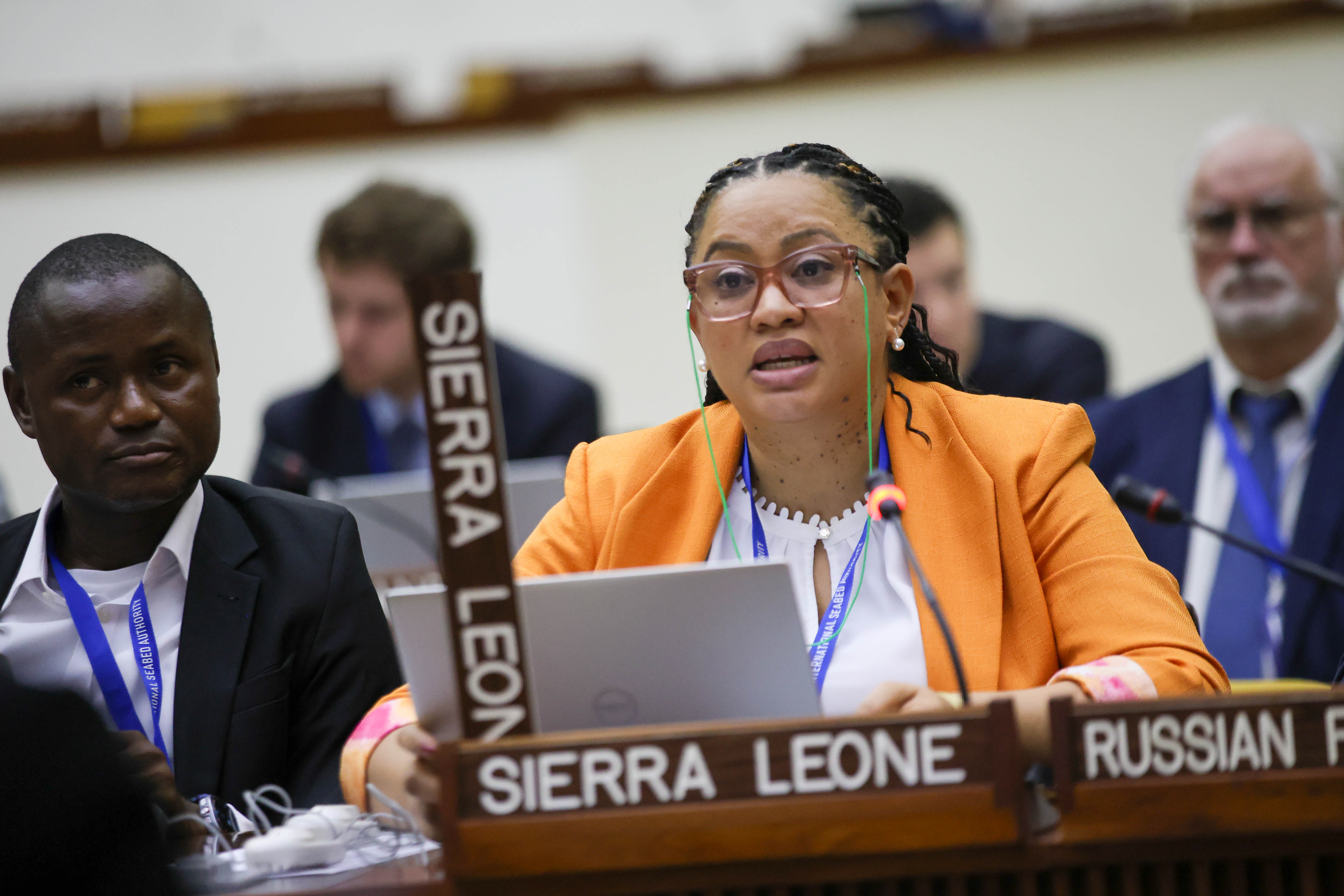
Eddinia Michaela Swallow, Sierra Leone, on behalf of the African Group
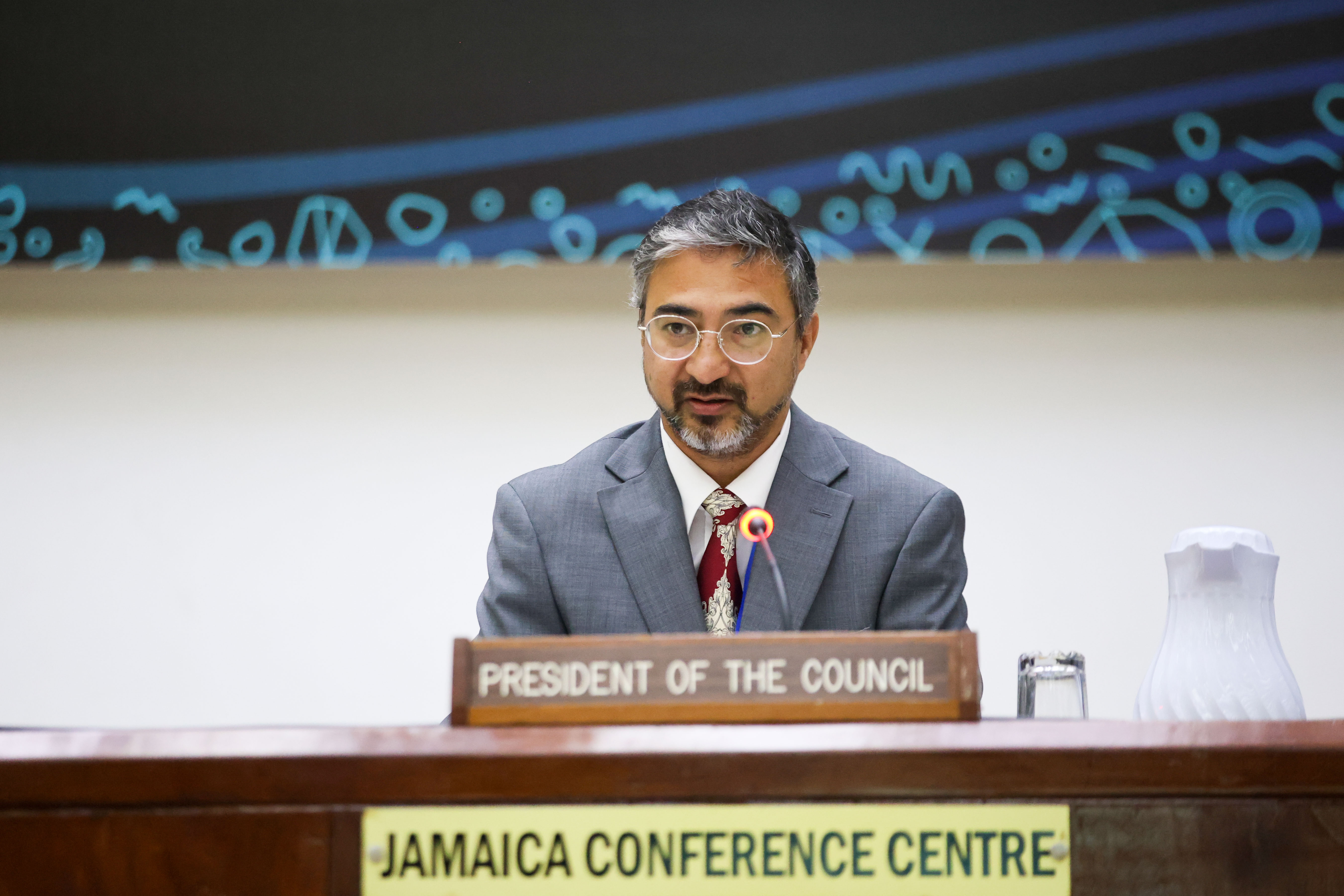
ISA-31 Council President Mayank Joshi, India
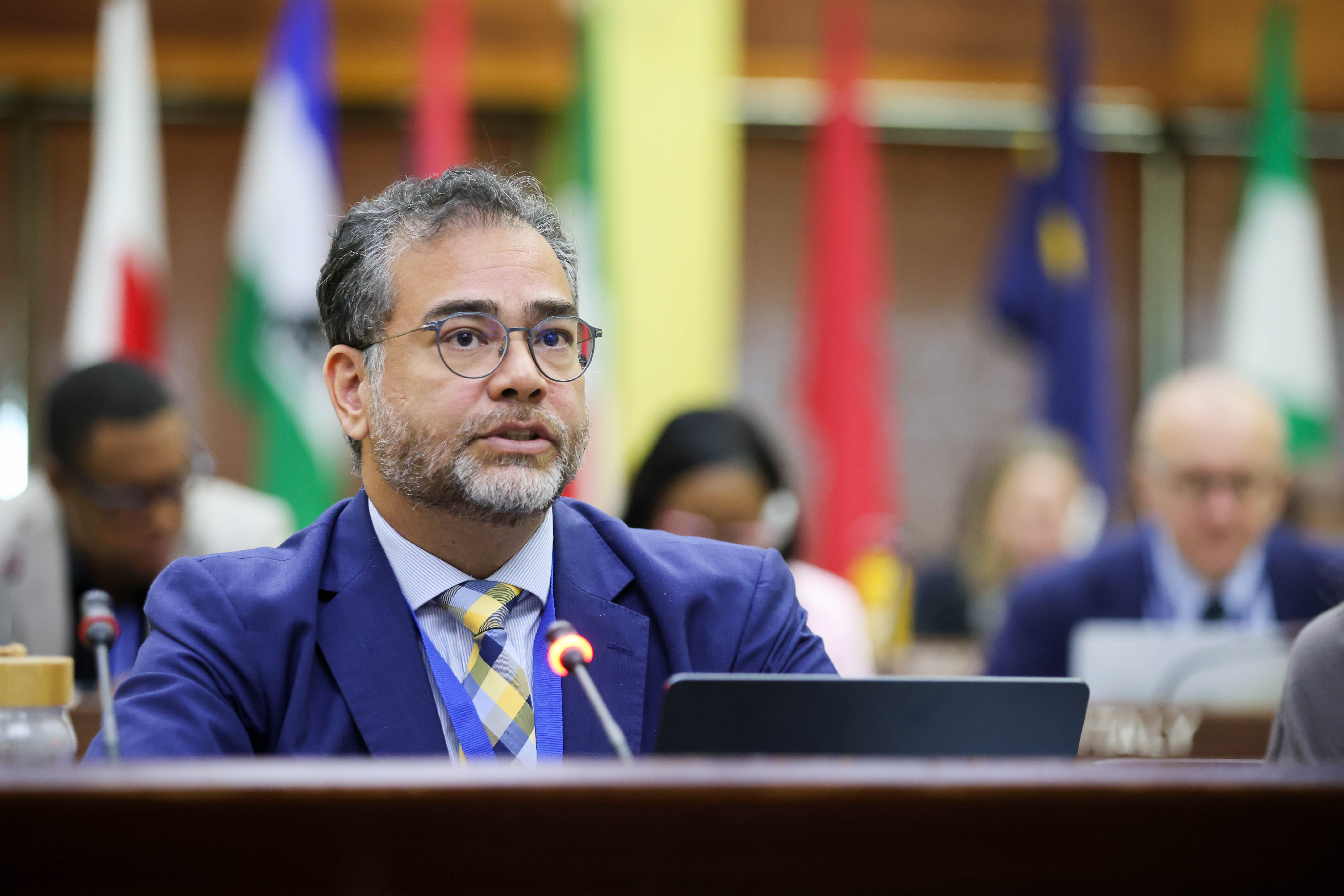
Eric Sogocio, Brazil
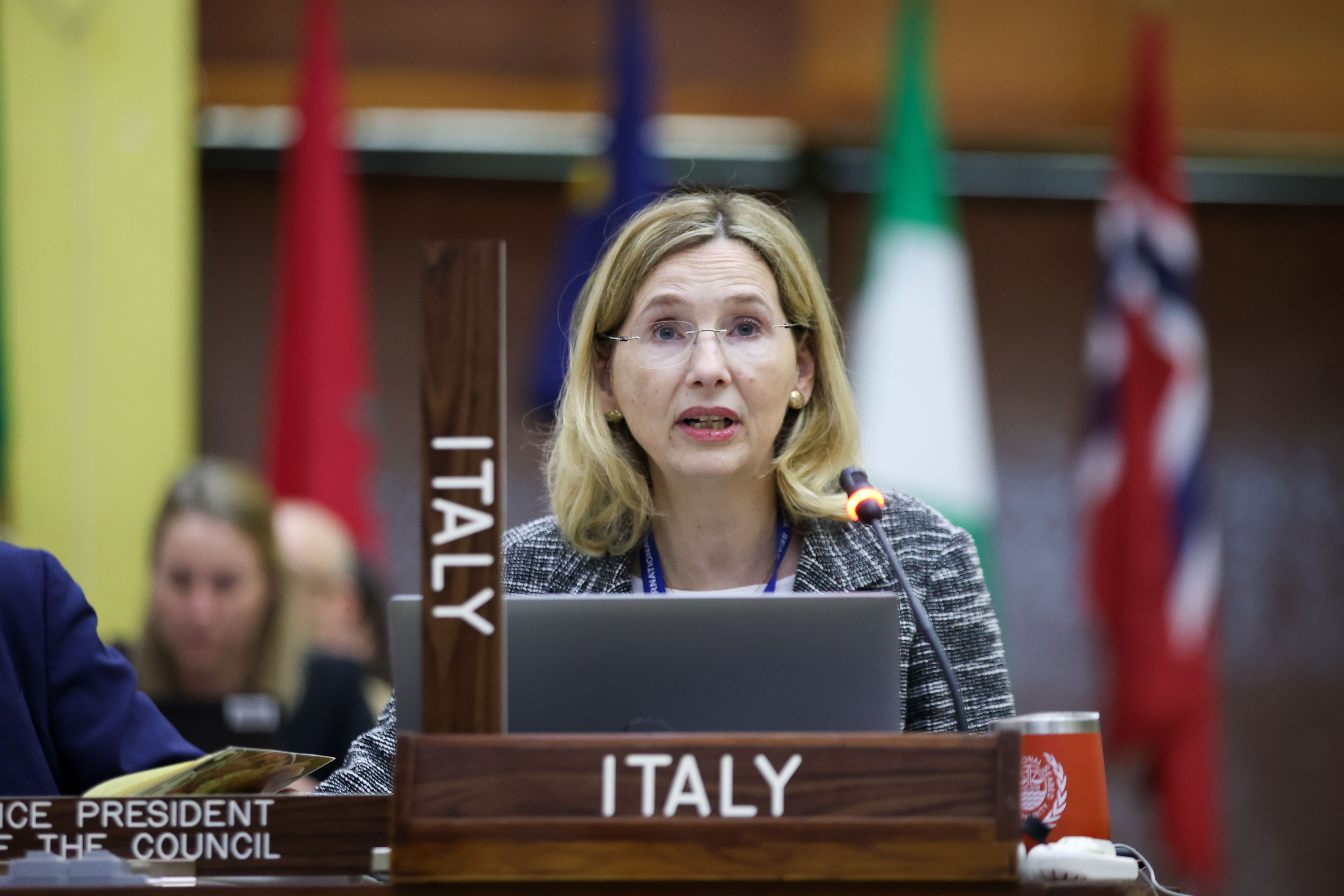
Catherine Flumiani, Italy
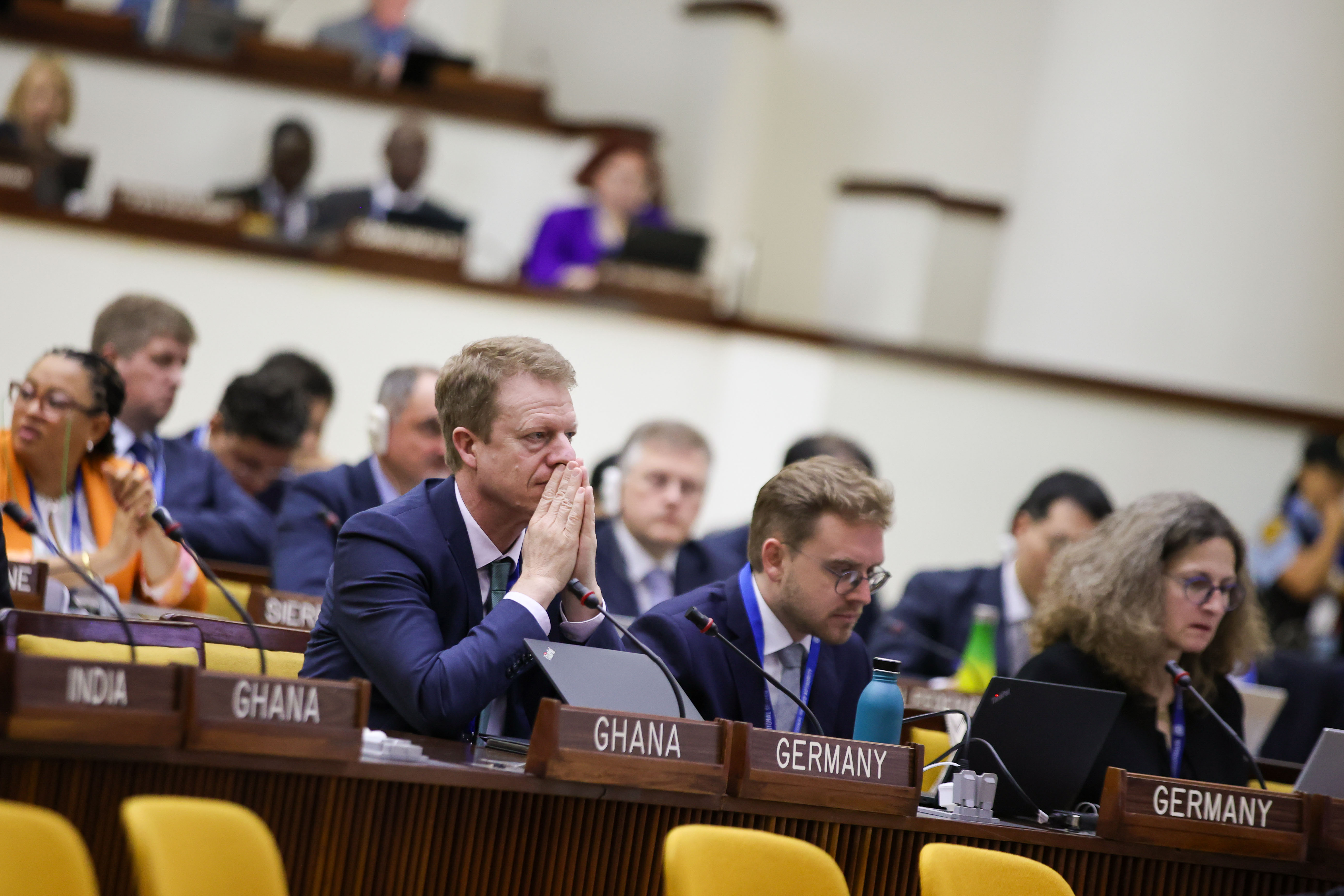
Delegates listen to the discussions.
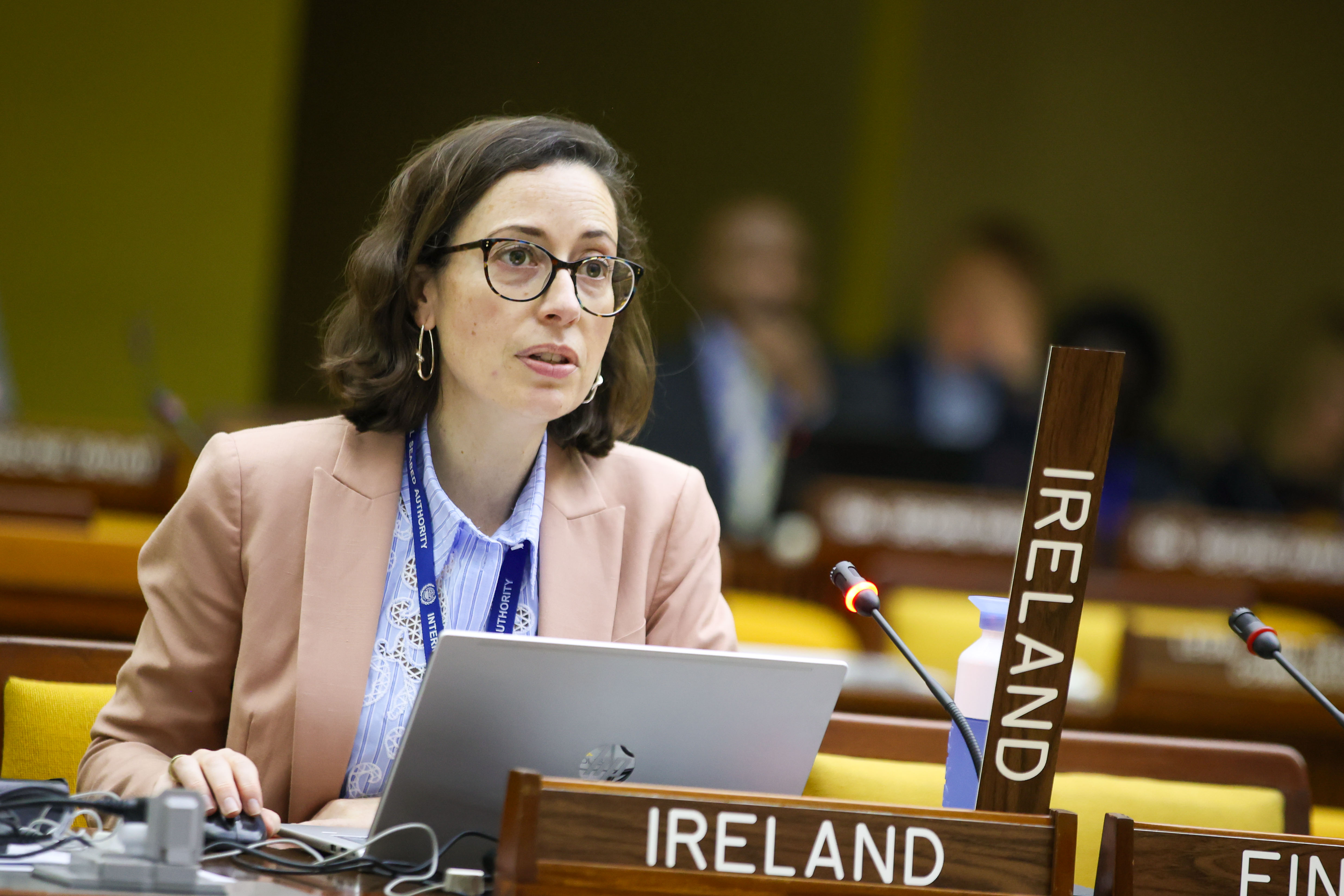
Katherine Cronin, Ireland
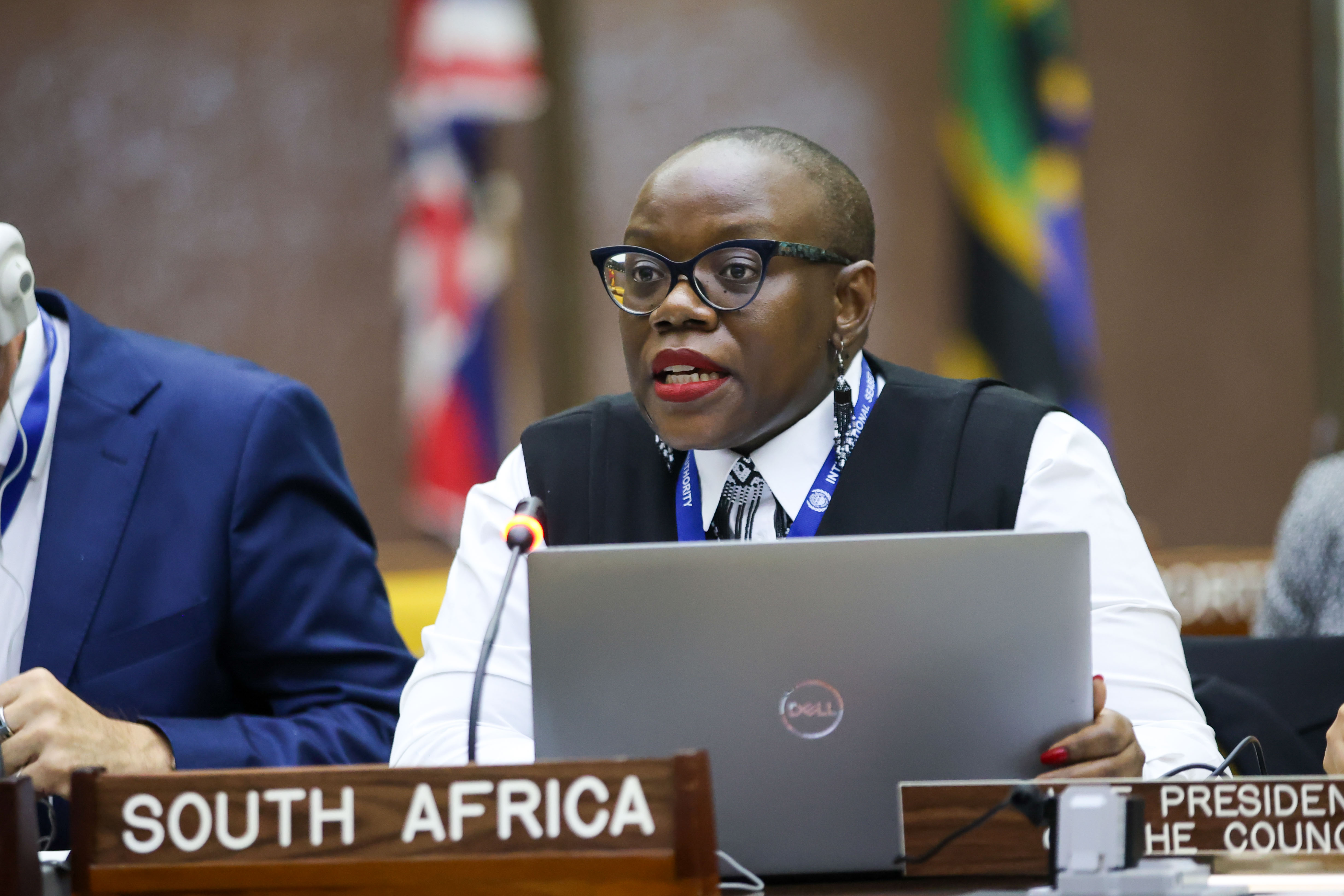
Keke Motsepe, South Africa
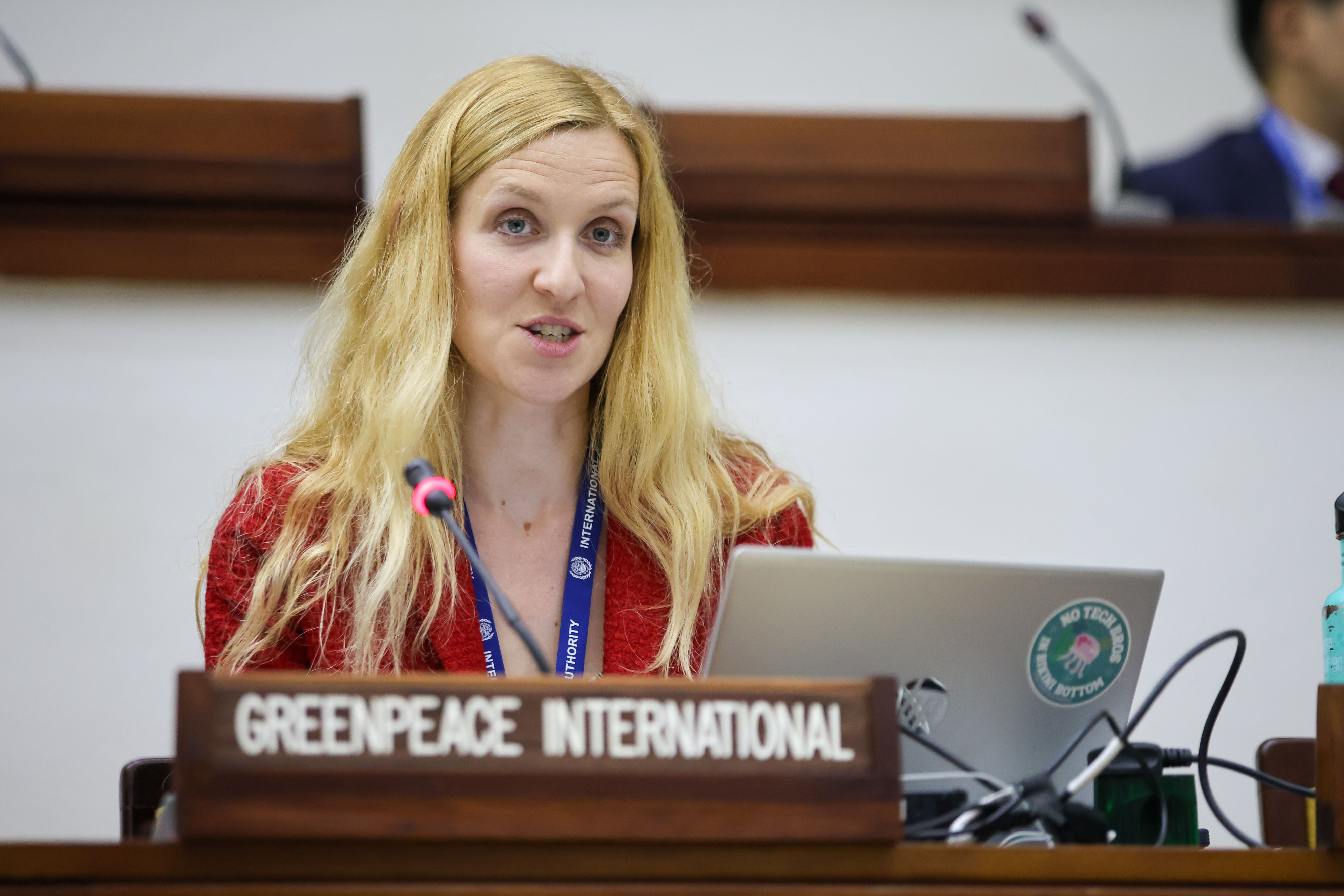
Louisa Casson, Greenpeace International
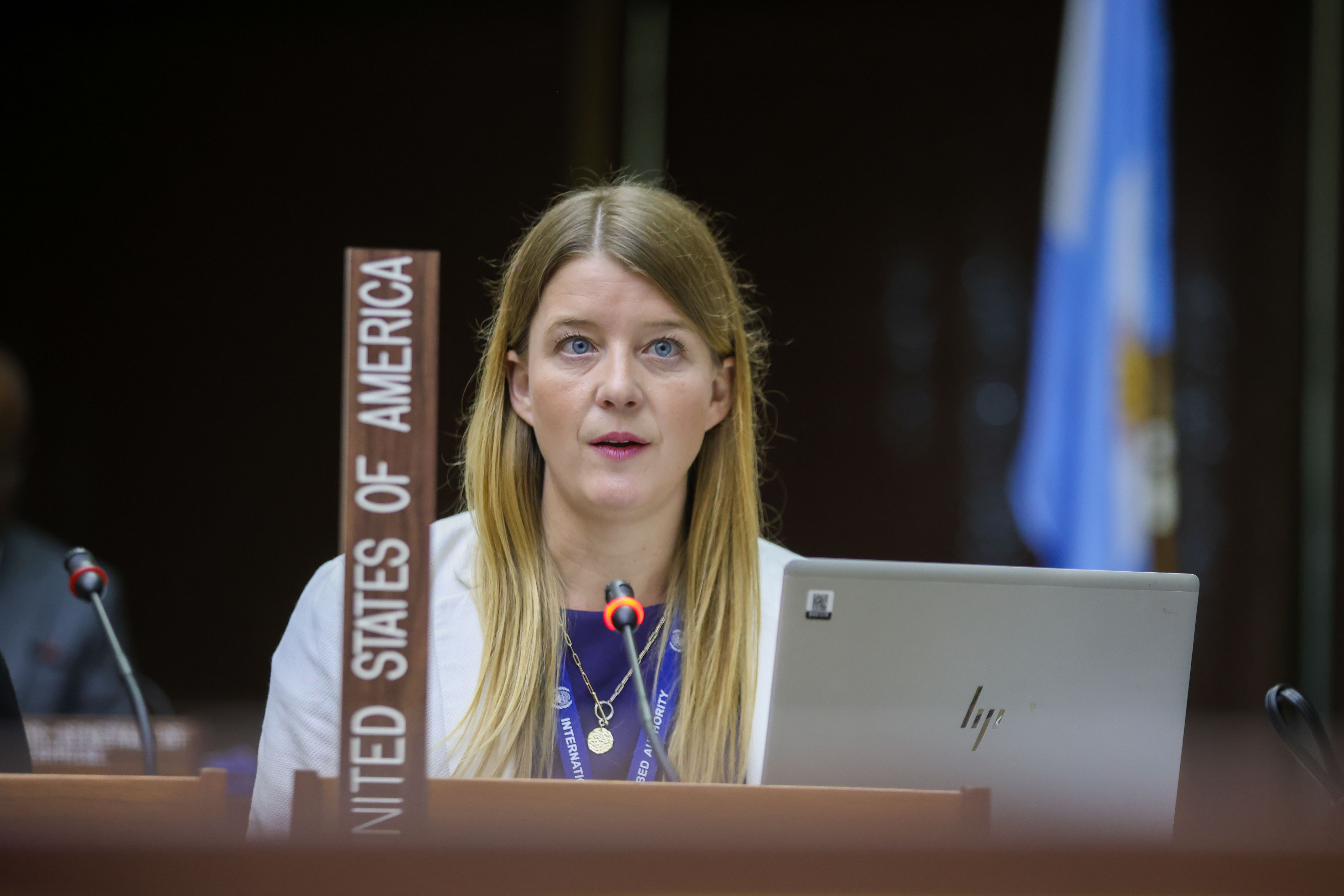
Laura Strickler, US
Between Sessions

Around the Venue