
Measures to prevent monopolization can help promote fair competition and equitable access by all countries to the resources of the deep seabed beyond areas of national jurisdiction. Preventing monopolization of seabed resources was therefore discussed on Thursday at the International Seabed Authority (ISA) Council. Council members broadly agreed that the exploitation regulations should include provisions to prevent monopolization and highlighted the need for a clear definition and objective criteria for identifying monopolistic situations.
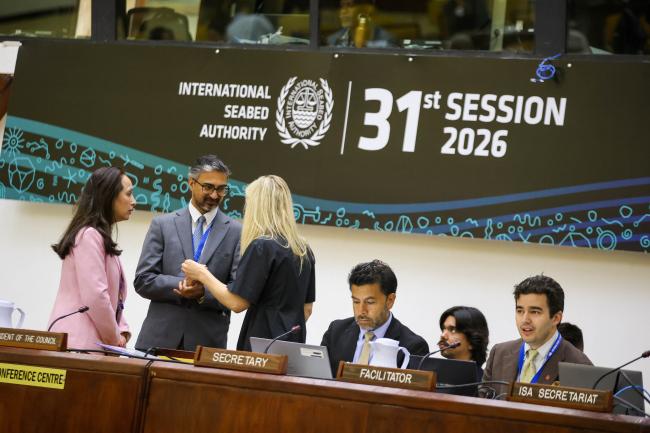
ISA-31 Council President Mayank Joshi (India) opened consultations on monopolization provisions in the draft exploitation regulations and invited views on whether relevant language should be reflected in regulation 23 (transfer of rights and obligations) or regulation 13 (consideration of applications).
Delegates broadly supported including safeguards against monopolization in regulation 23, with several also underscoring that monopolization concerns should be considered at the plan of work application stage.
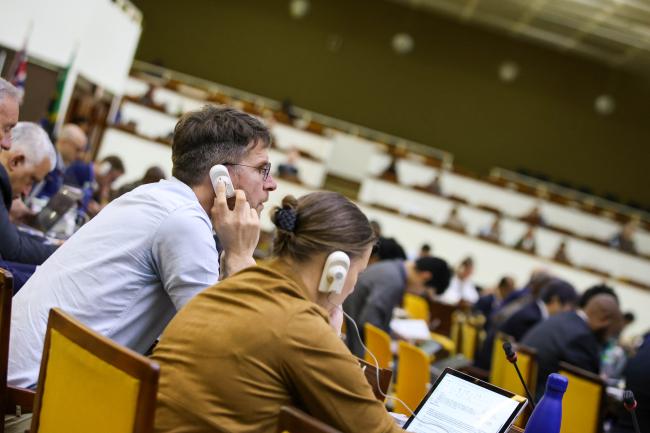
Many members highlighted the need for objective thresholds when assessing issues such as “significant control” and “market dominance.” Several delegations also raised concerns regarding the current definition of monopolization included in the schedule of terms, noting that it has not been agreed by all delegations.
Members emphasized that the regulations should consider not only the contractor itself but also be applied to parent companies, subsidiaries, and affiliated entities. Delegates further highlighted links between monopolization provisions and other issues such as effective control and beneficial ownership. Some members supported including language preventing transfers of rights that could result in significant control or monopolization.
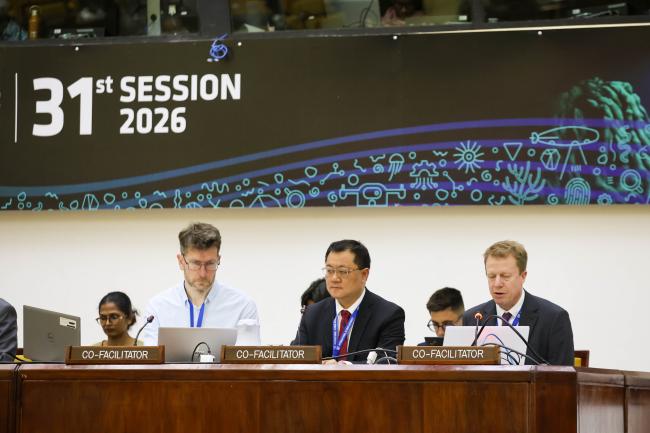
The Council also continued discussions on test mining and pilot mining (regulation 48 ter). Steven Vandenborre (Belgium), Ingo Narberhaus (Germany), and Yang Liu (China), co-facilitators of the informal working group, reported on intersessional work, recalling their joint proposal introducing a two-phase approach consisting of test mining followed by pilot mining, aimed at generating operational and environmental data prior to commercial production.
They noted that test mining during the exploration phase is legally feasible and allows regulators to evaluate environmental impacts, assess contractors’ technical capabilities, and determine the feasibility of mining systems.
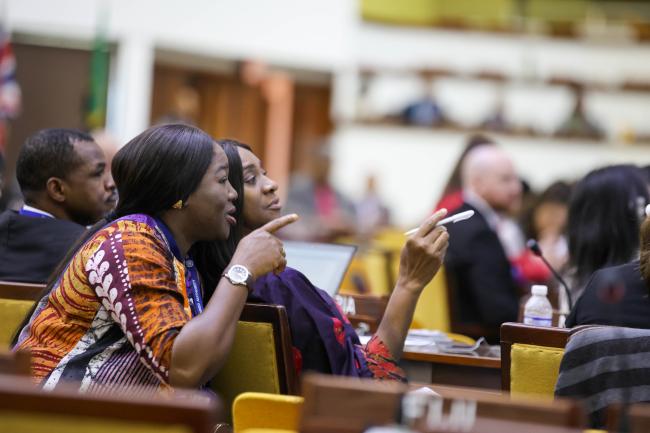
Delegations expressed differing views on the distinction between test mining and pilot mining. Most supported a graduated approach to test mining to ensure environmental safeguards and regulatory oversight. Some raised concerns about potential environmental risks and associated costs.
Divergent views also emerged on exemptions from the obligation of test mining. Some supported limited exemptions where proven technologies and robust data exist, while others stressed that site-specific testing would remain essential.
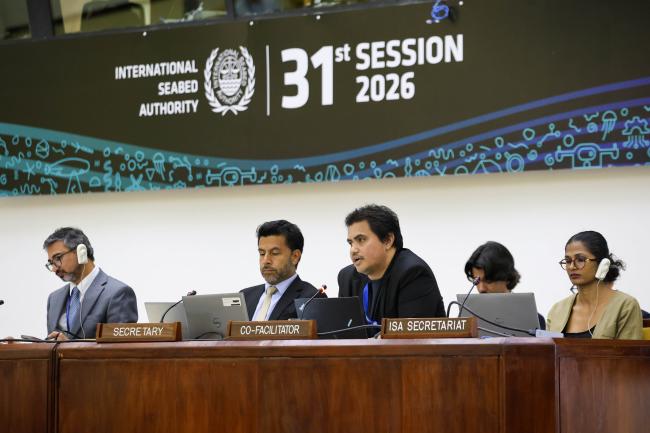
Council members also met in an informal working group on underwater cultural heritage (UCH), facilitated by Clement Yow Mulalap (Federated States of Micronesia). Members agreed to continue discussions based on regulation 35 (human remains and UCH).
One observer called for referencing UCH consistently throughout the regulation and supported retaining language requiring contractors to “avoid the unnecessary disturbance of venerated sites.” They also supported establishing an advisory group of experts on cultural matters, including Indigenous Peoples as experts.
Delegates expressed differing views on how UCH should be reflected in the regulations. While several members preferred references to “objects and sites of an archaeological or historical nature,” others highlighted the relevance of the 2001 Convention on the Protection of the Underwater Cultural Heritage and supported referencing UCH, including references to intangible cultural heritage.
On Friday, the Council will focus on regulatory matters relating to deep-sea mining.
To receive free coverage of global environmental events delivered to your inbox, subscribe to the ENB Update newsletter.
All ENB photos are free to use with attribution. For the 1st part of the 31st session of the International Seabed Authority (ISA) Council meeting, please use: Photo by IISD/ENB | Anastasia Rodopoulou
Council Meeting
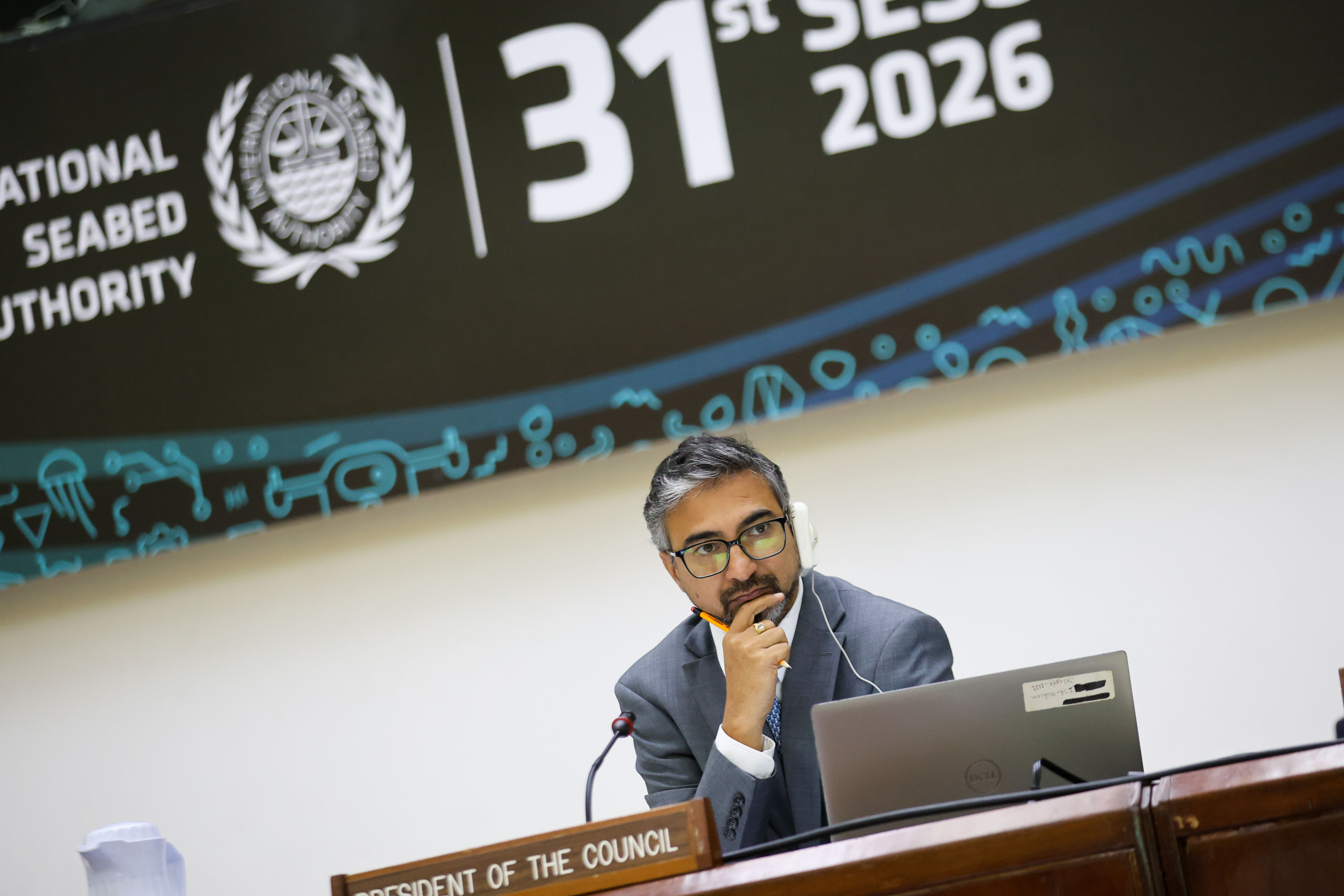
ISA-31 Council President Mayank Joshi, India
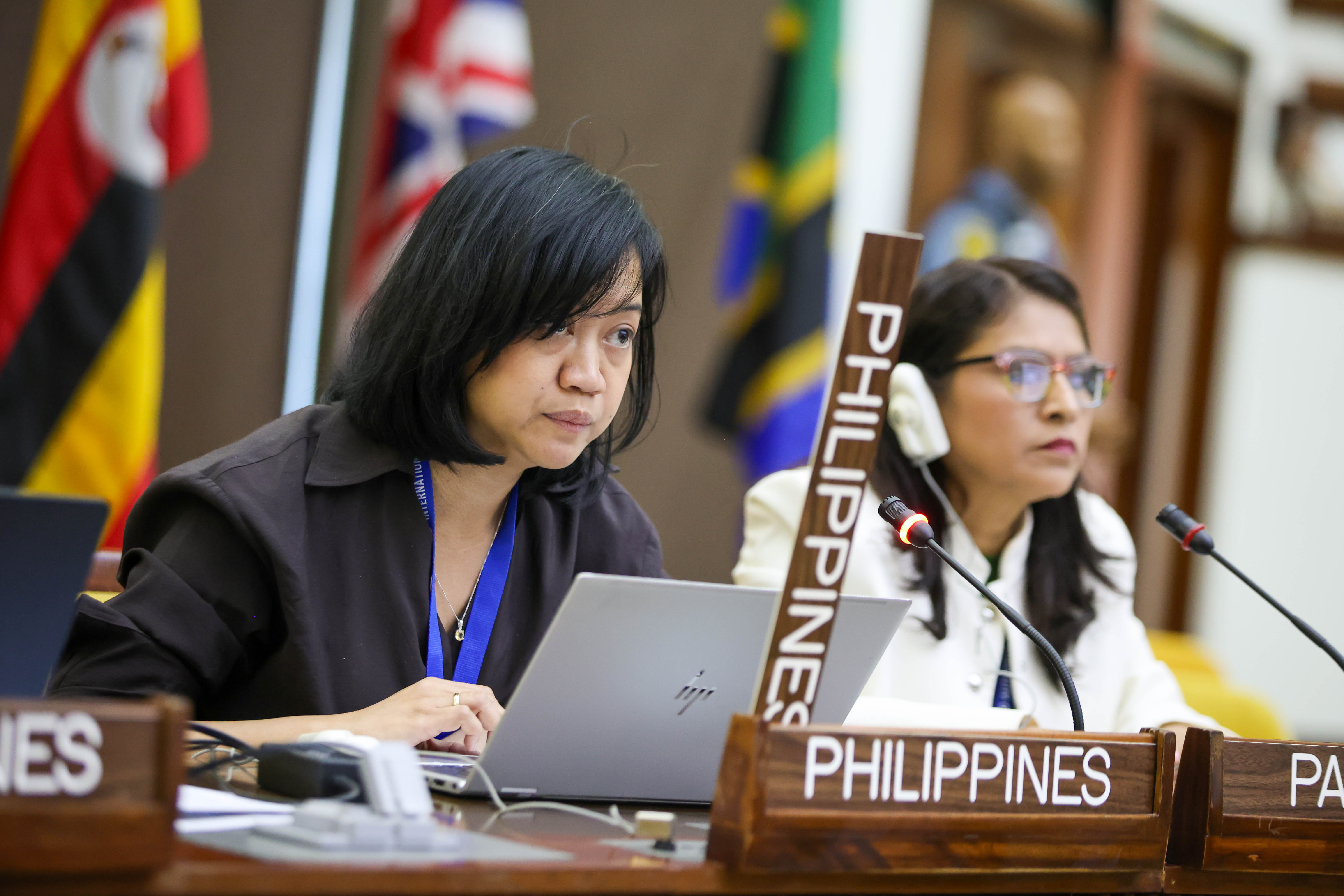
Azela Arumpac-Marte, the Philippines
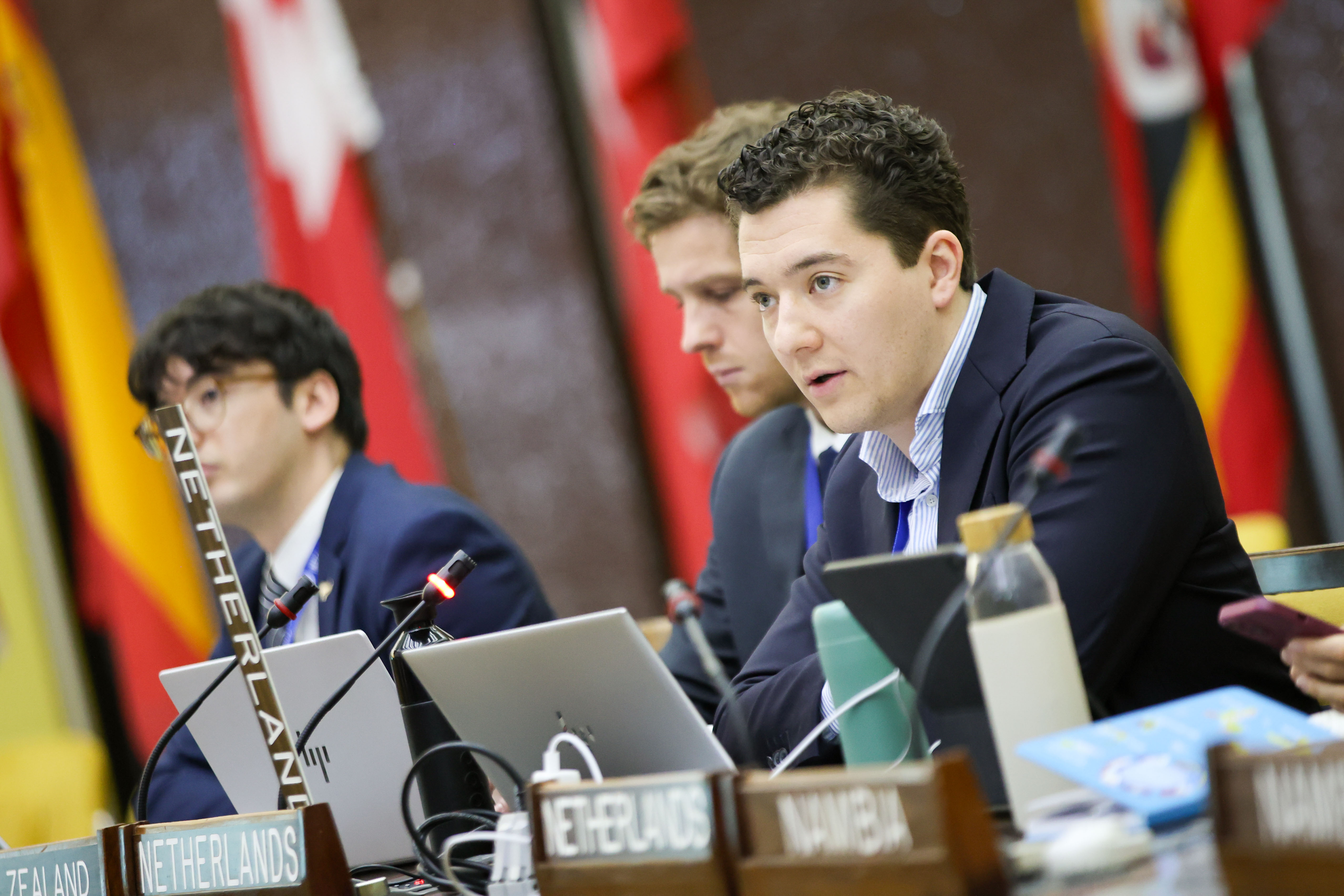
Oliver Whitehead, the Netherlands
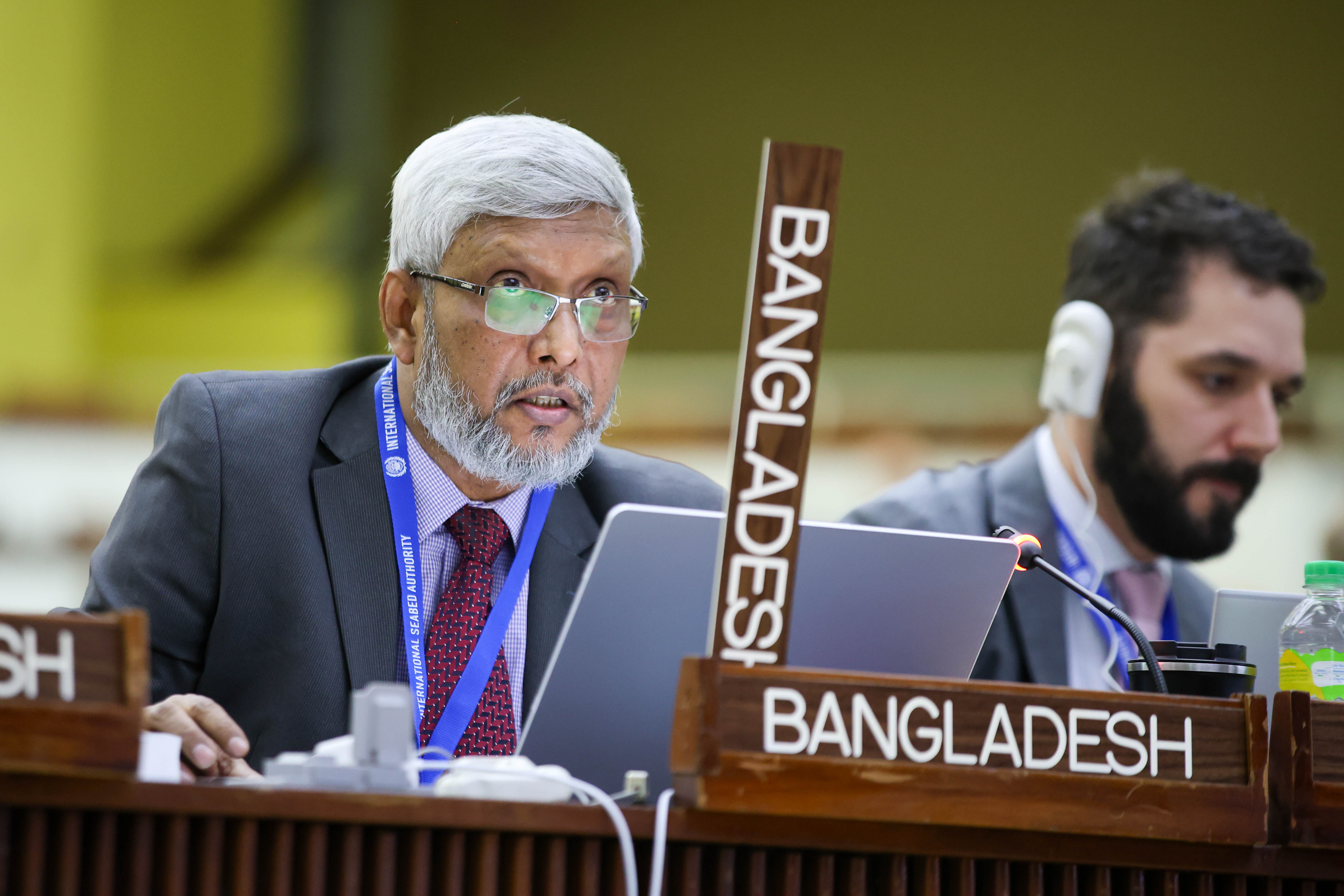
Commodore Sheikh Mahmudul Hassan, Bangladesh
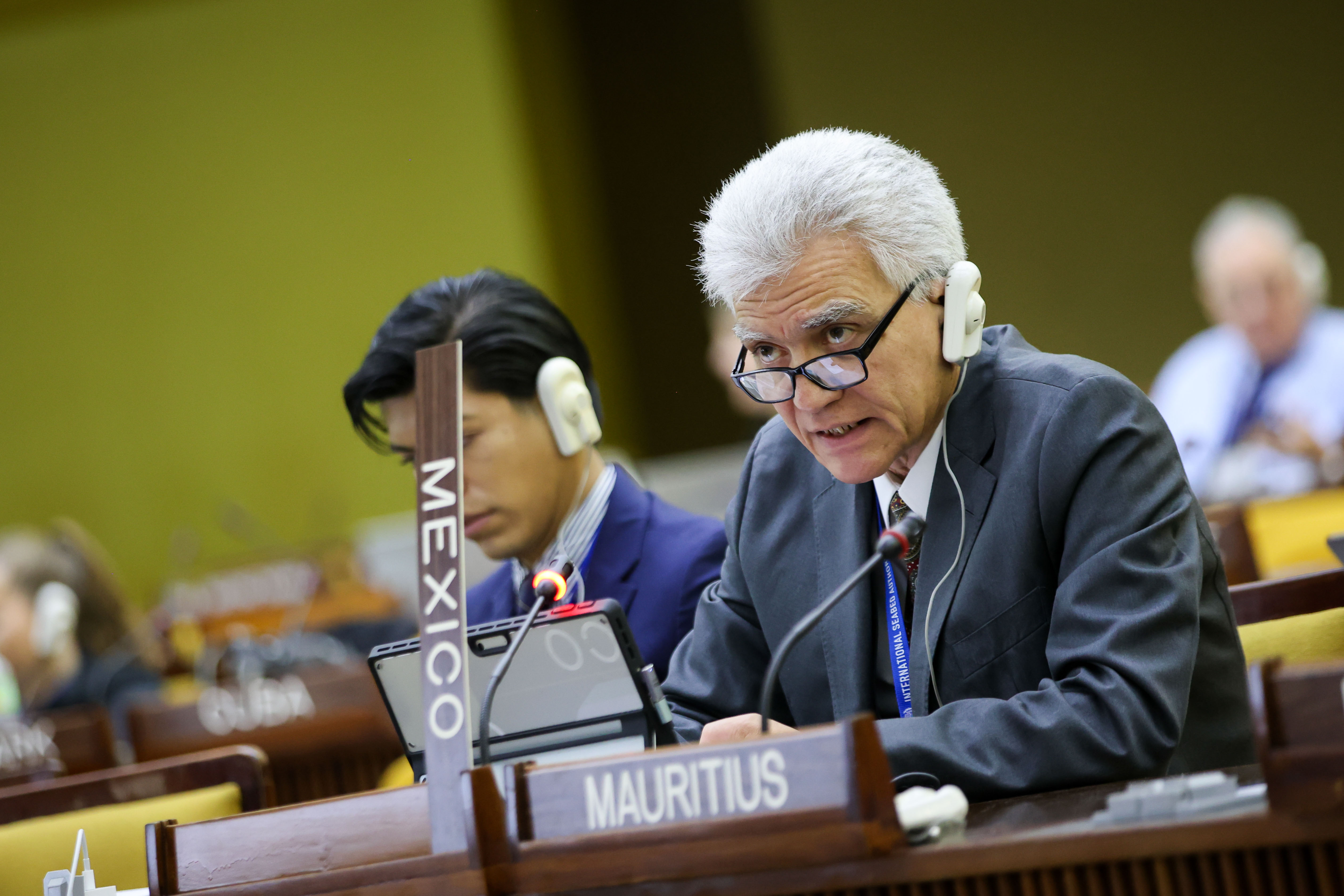
Roberto Canseco-Martínez, Mexico
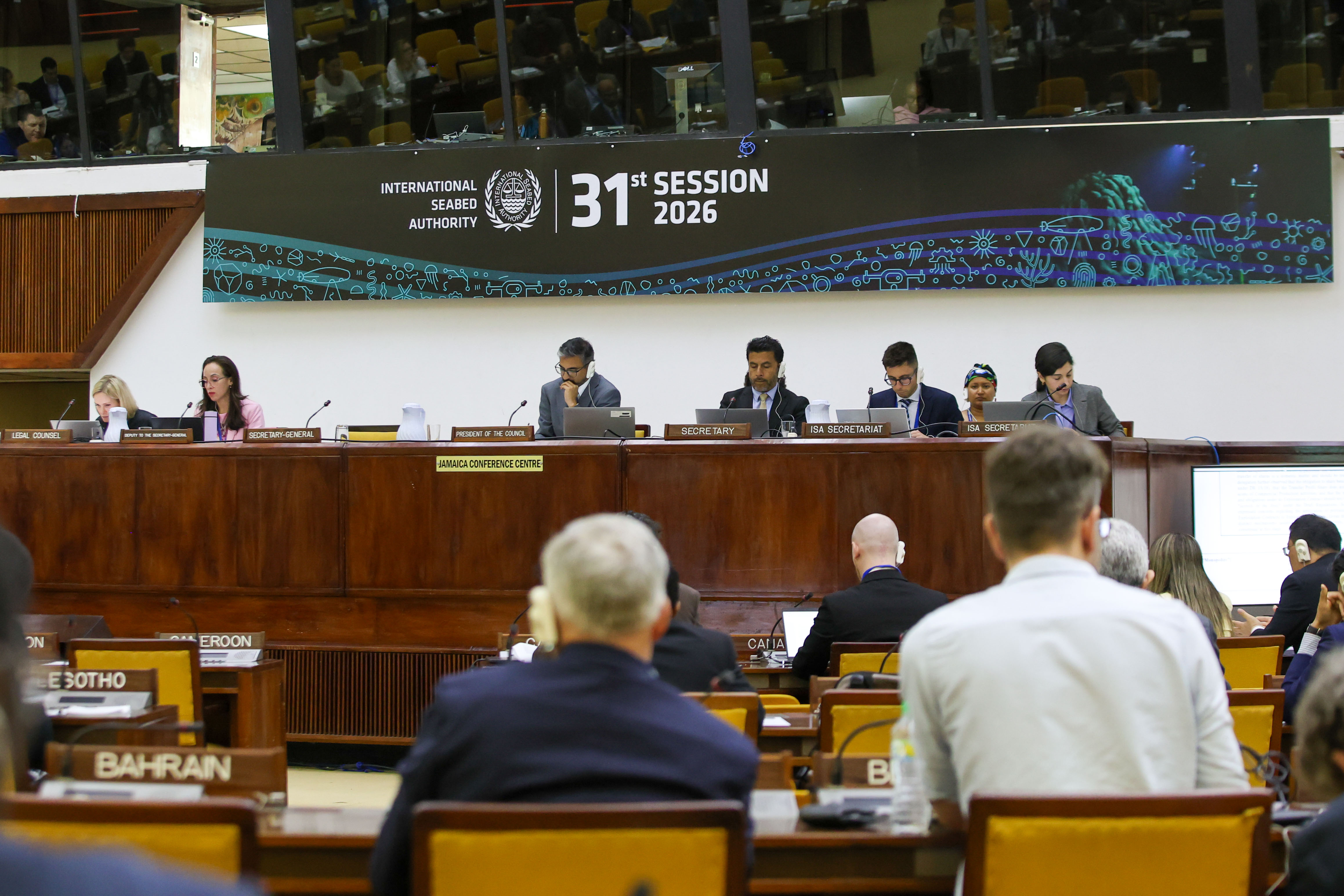
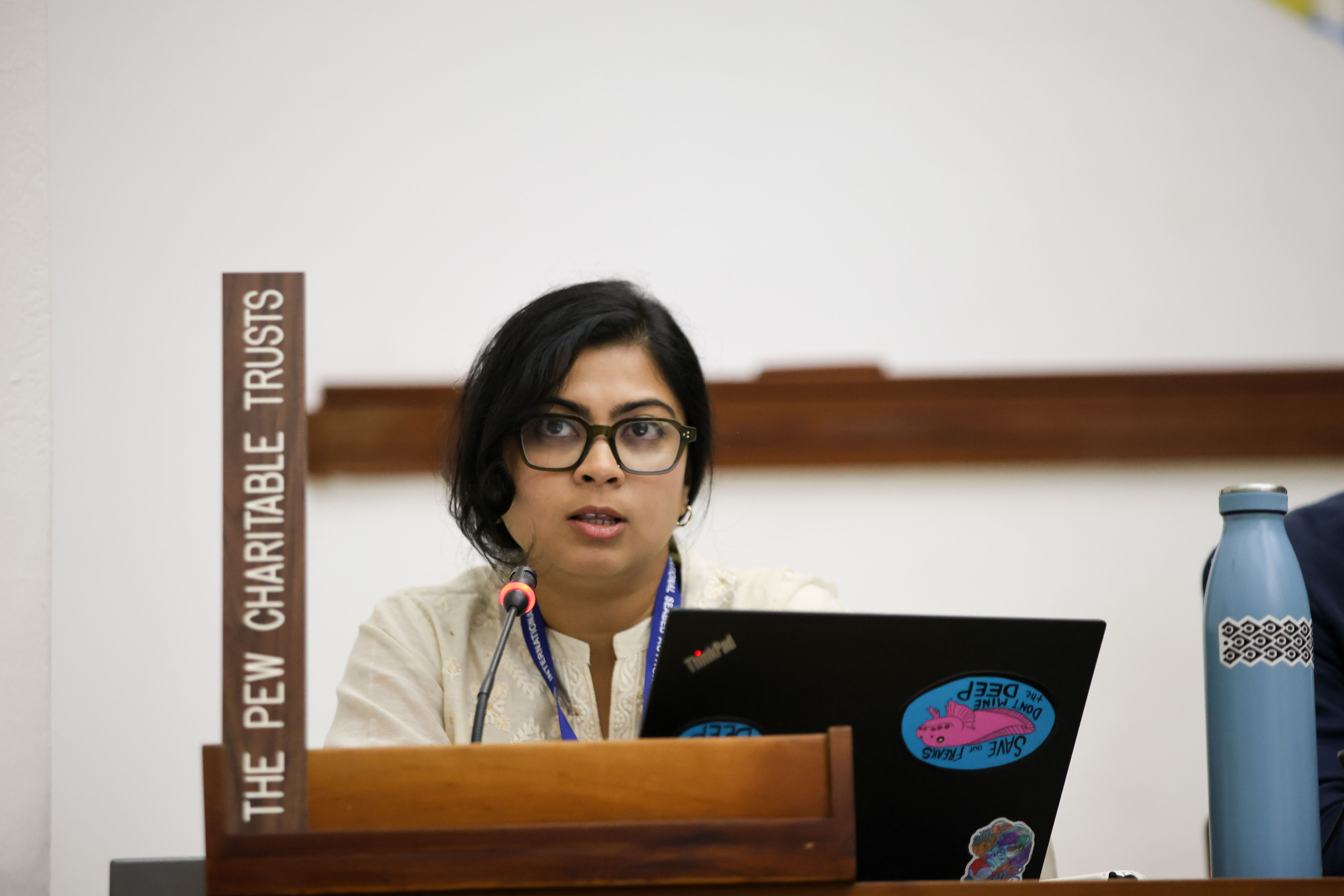
Anindita Chakraborty, The Pew Charitable Trusts
Informal Working Groups
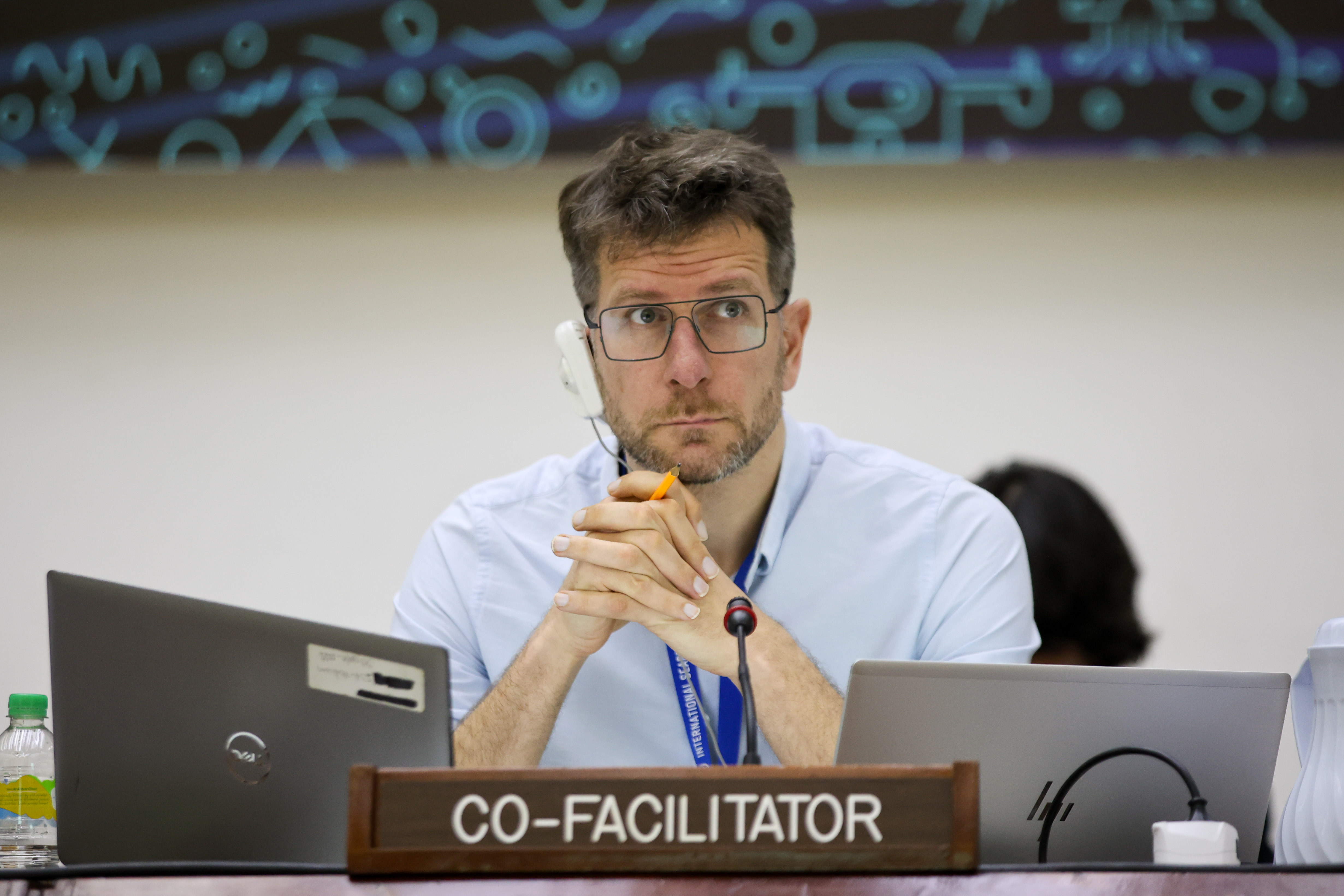
Steven Vandenborre, Belgium, Co-Facilitator of the Informal Working Group on Test Mining and Pilot Mining
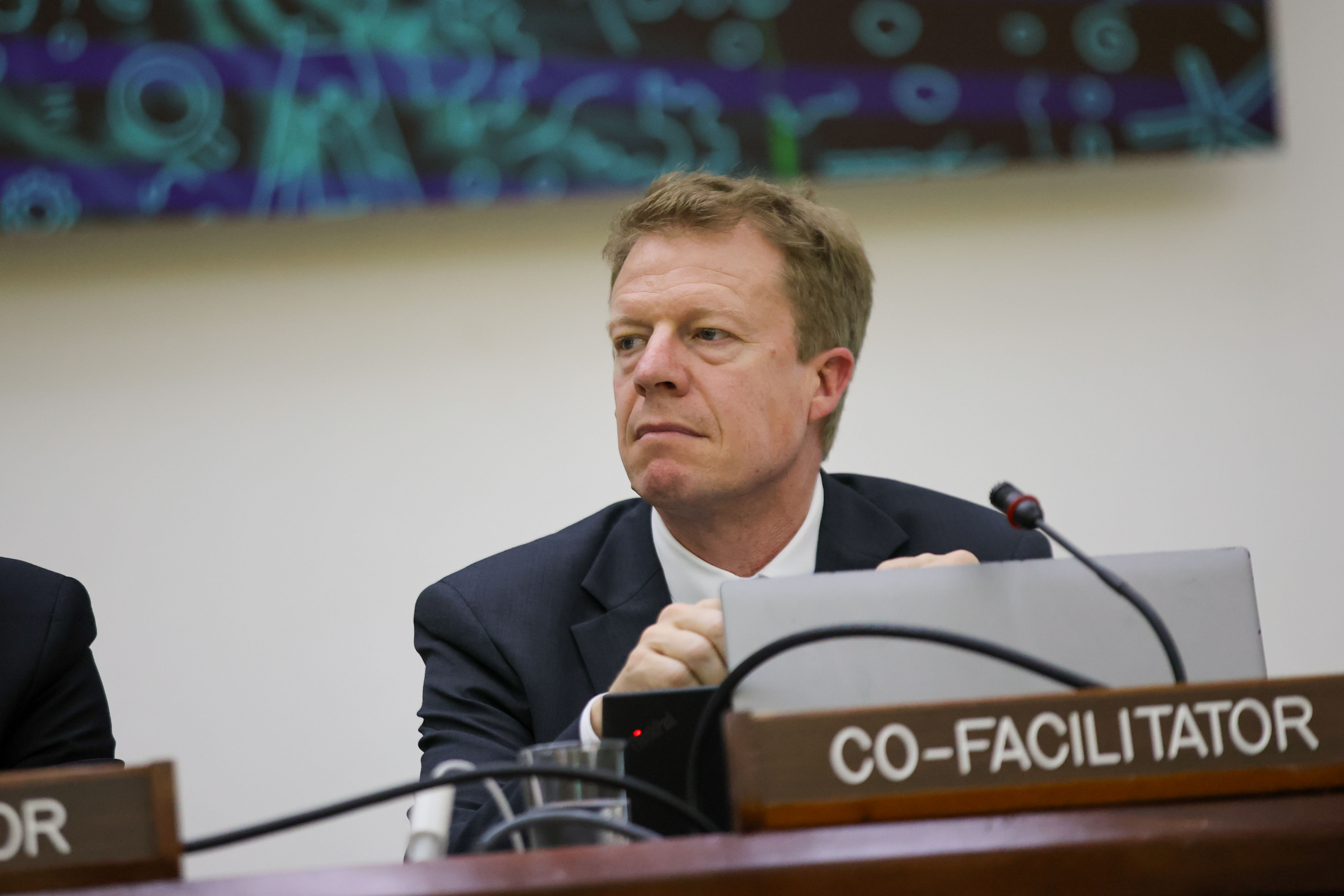
Ingo Narberhaus, Germany, Co-Facilitator of the Informal Working Group on Test Mining and Pilot Mining
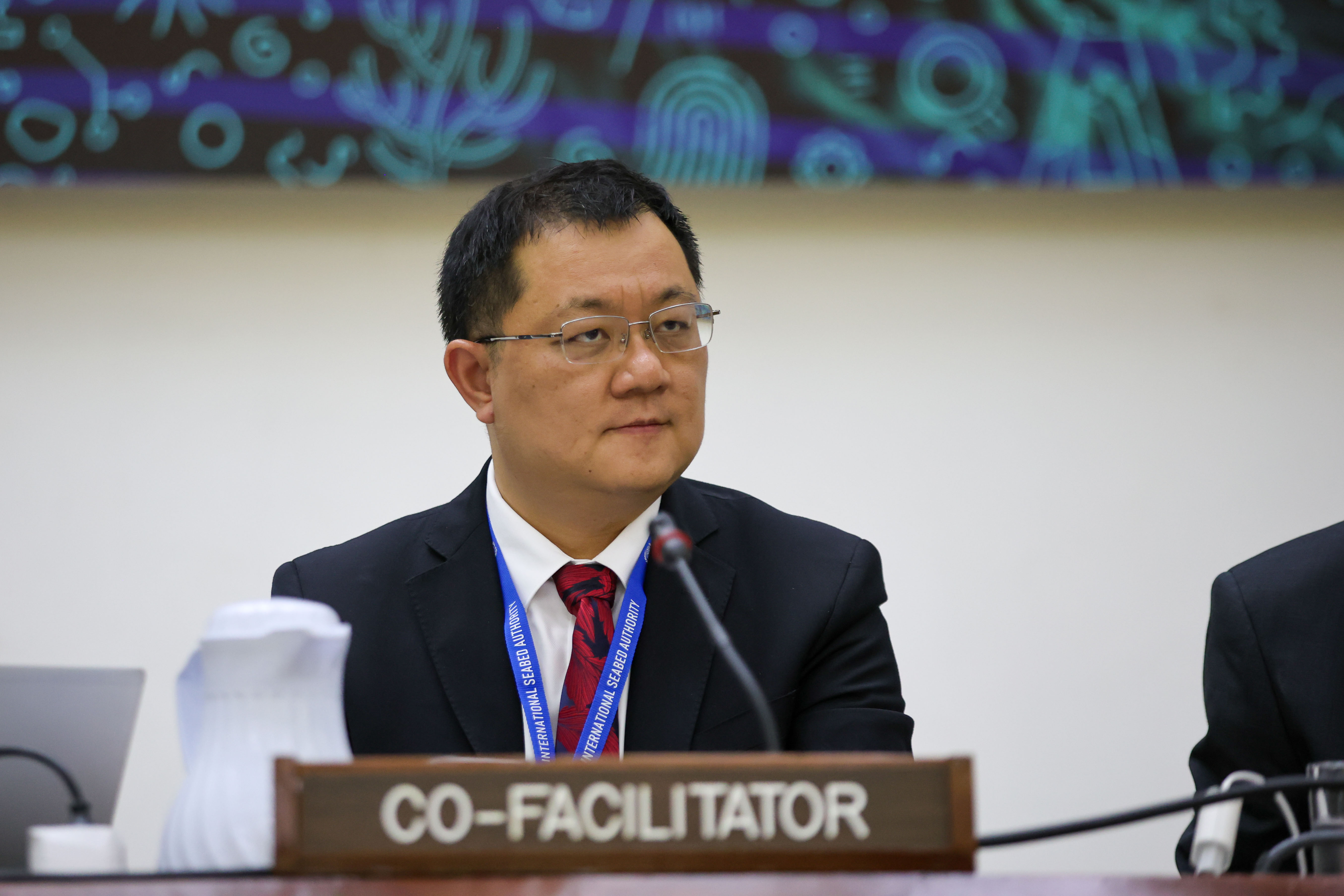
Yang Liu, China, Co-Facilitator of the Informal Working Group on Test Mining and Pilot Mining
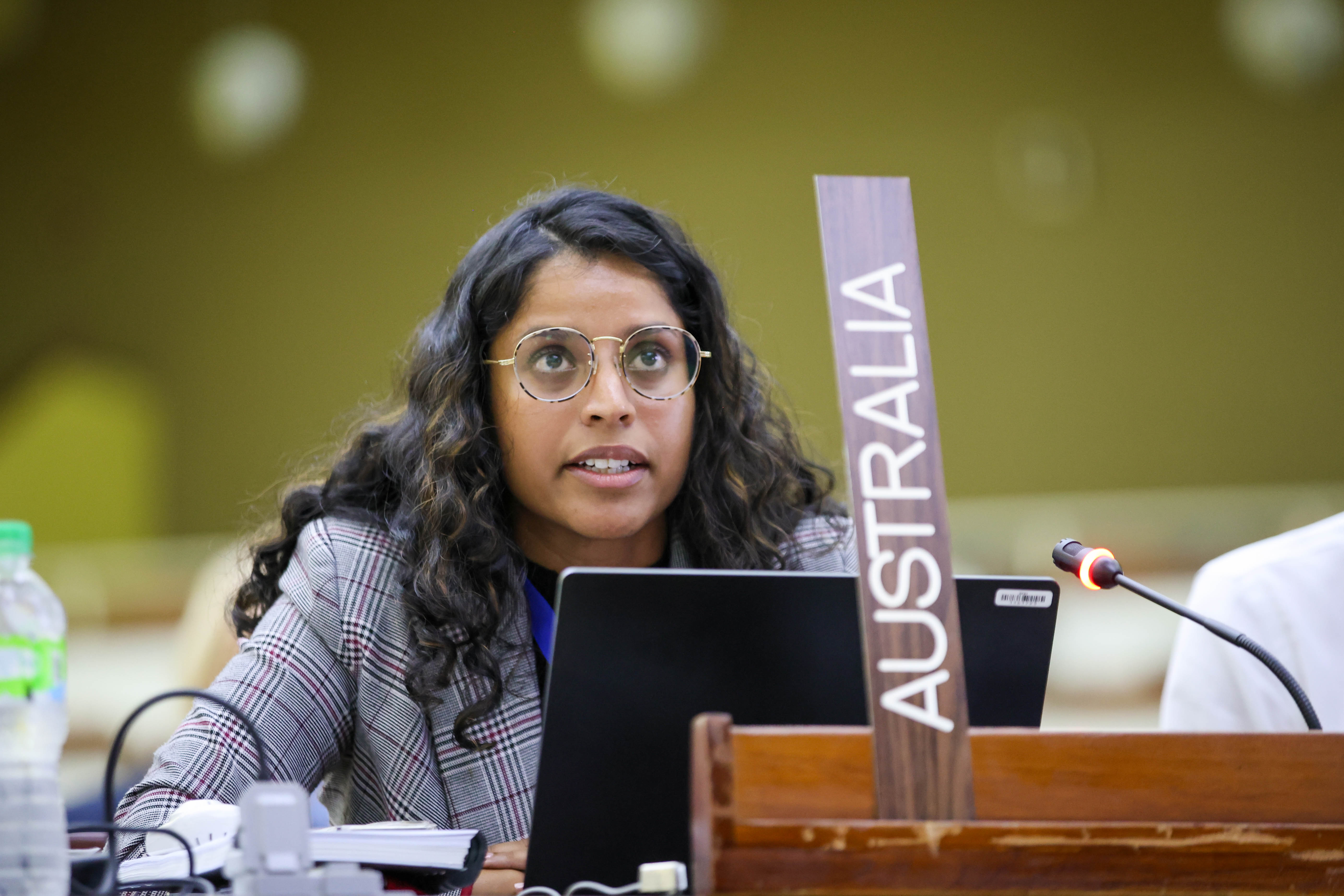
Lavanya Vasan, Australia
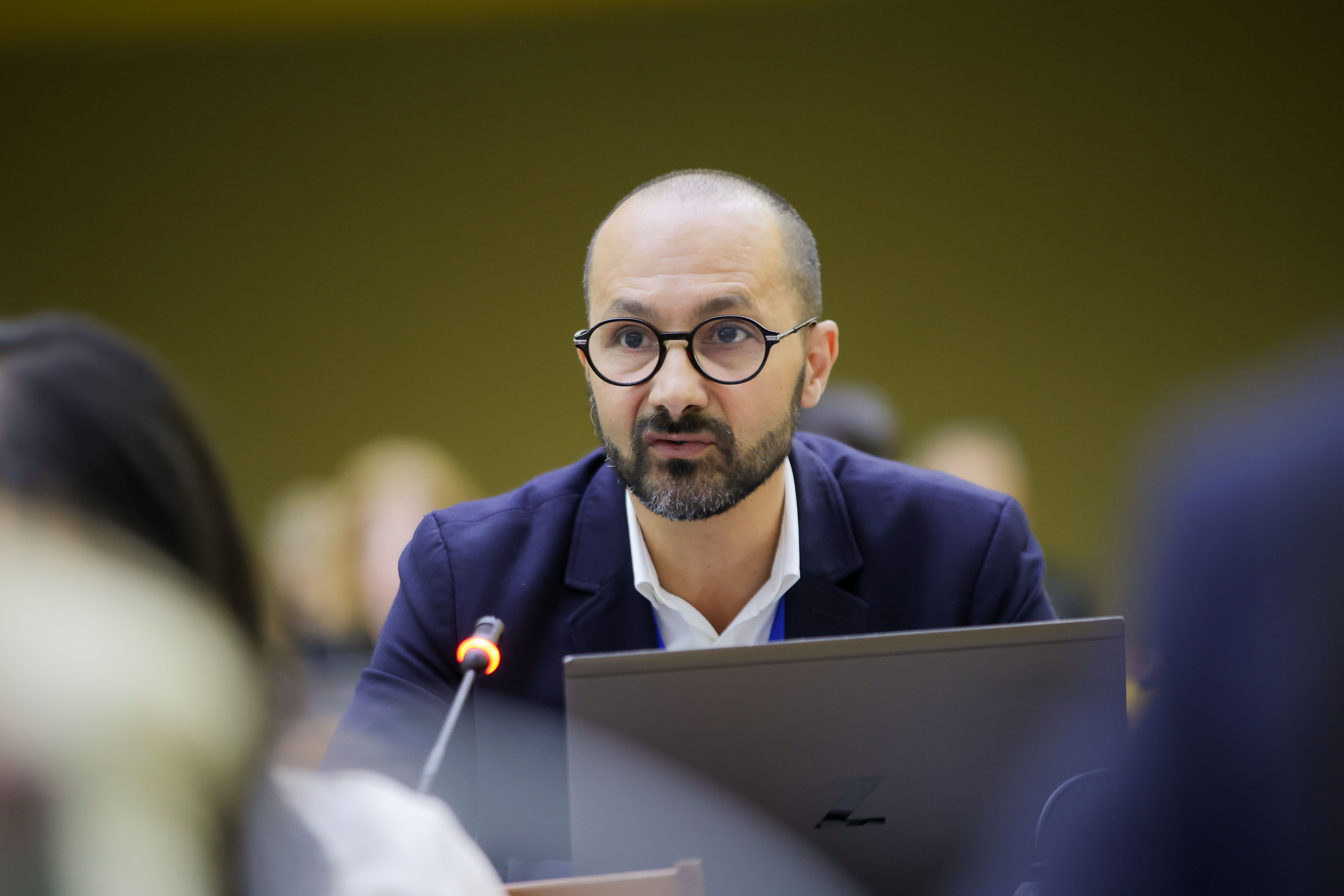
Mohamed Magoua, Morocco
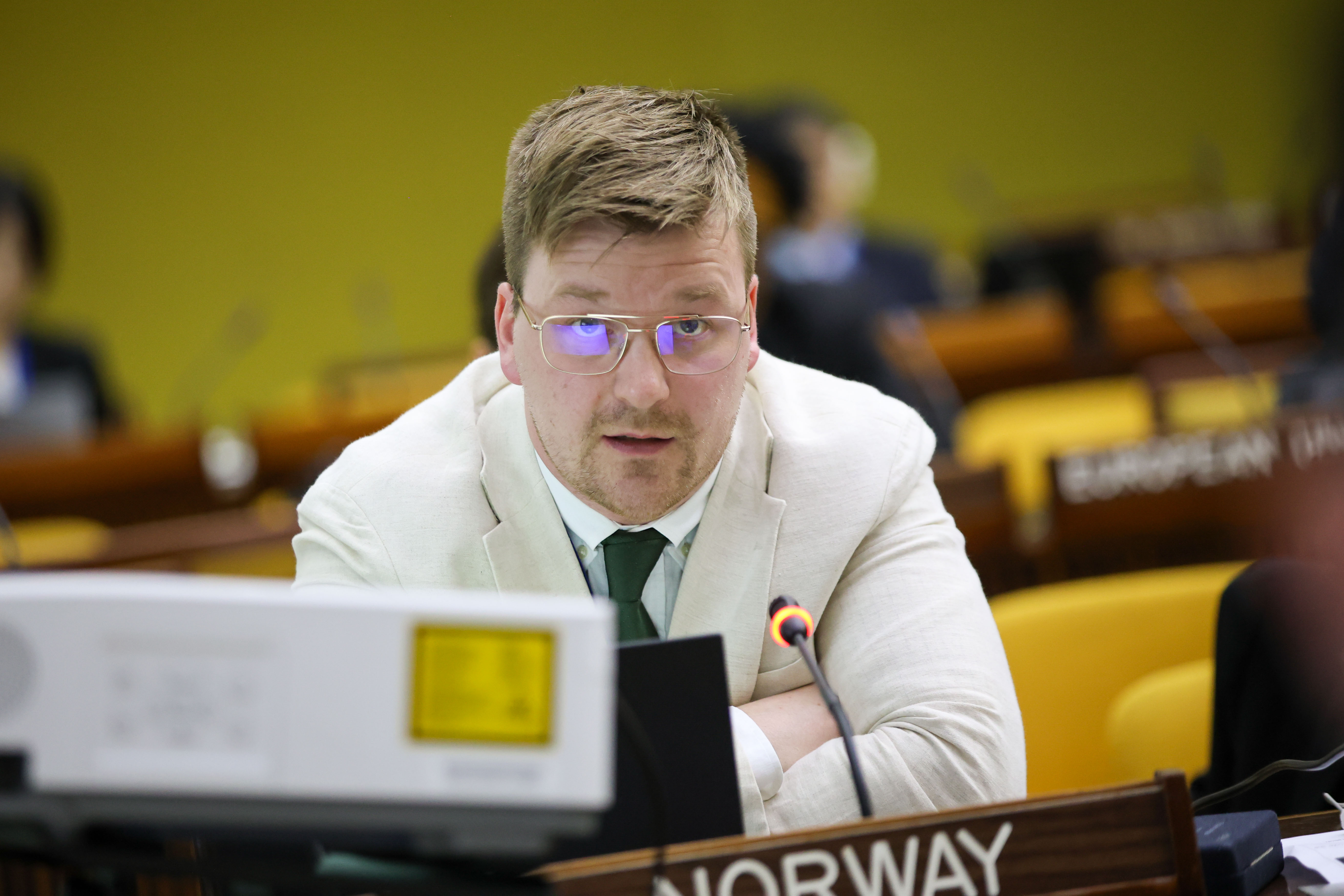
Henning Johnsen, Norway
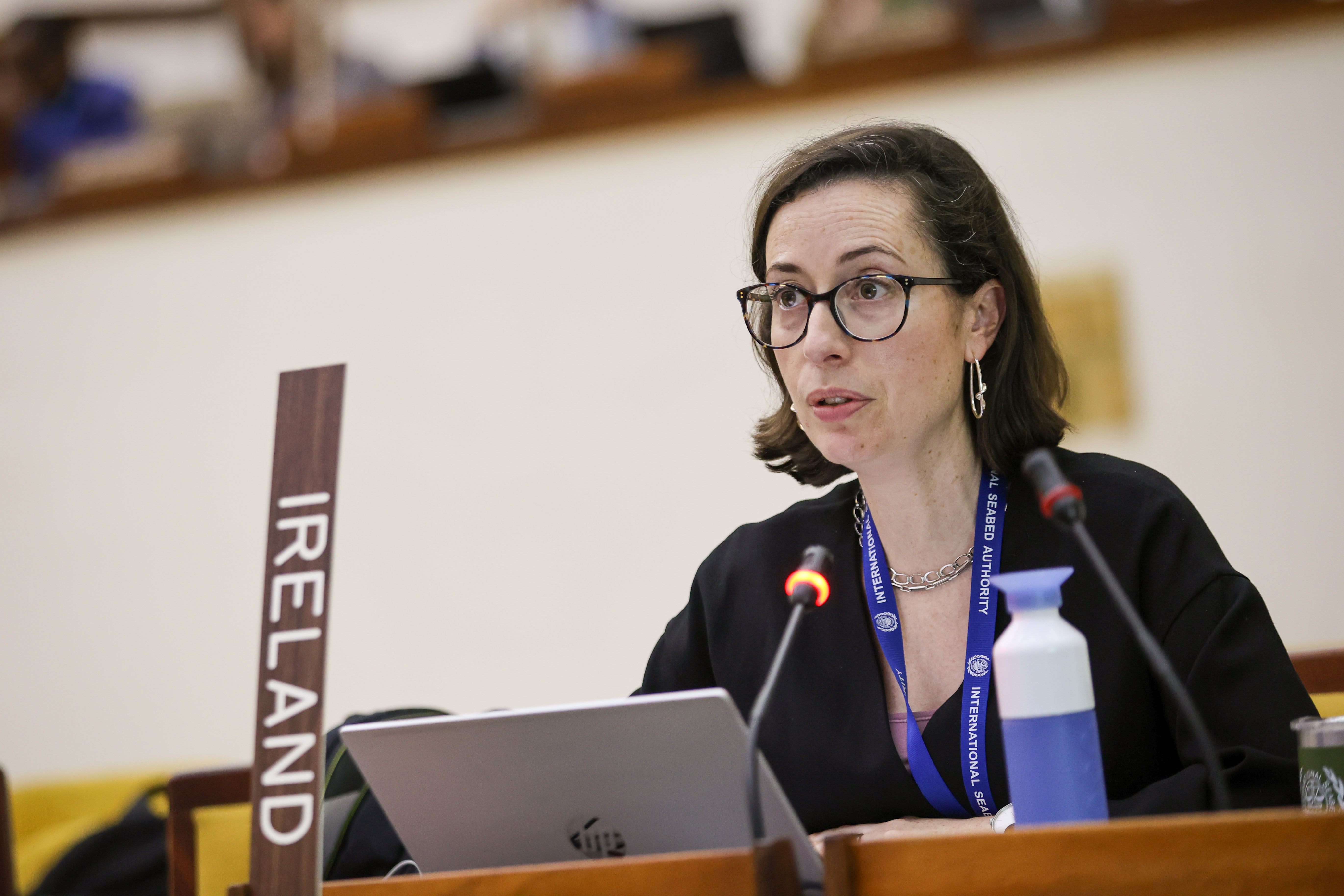
Katherine Cronin, Ireland
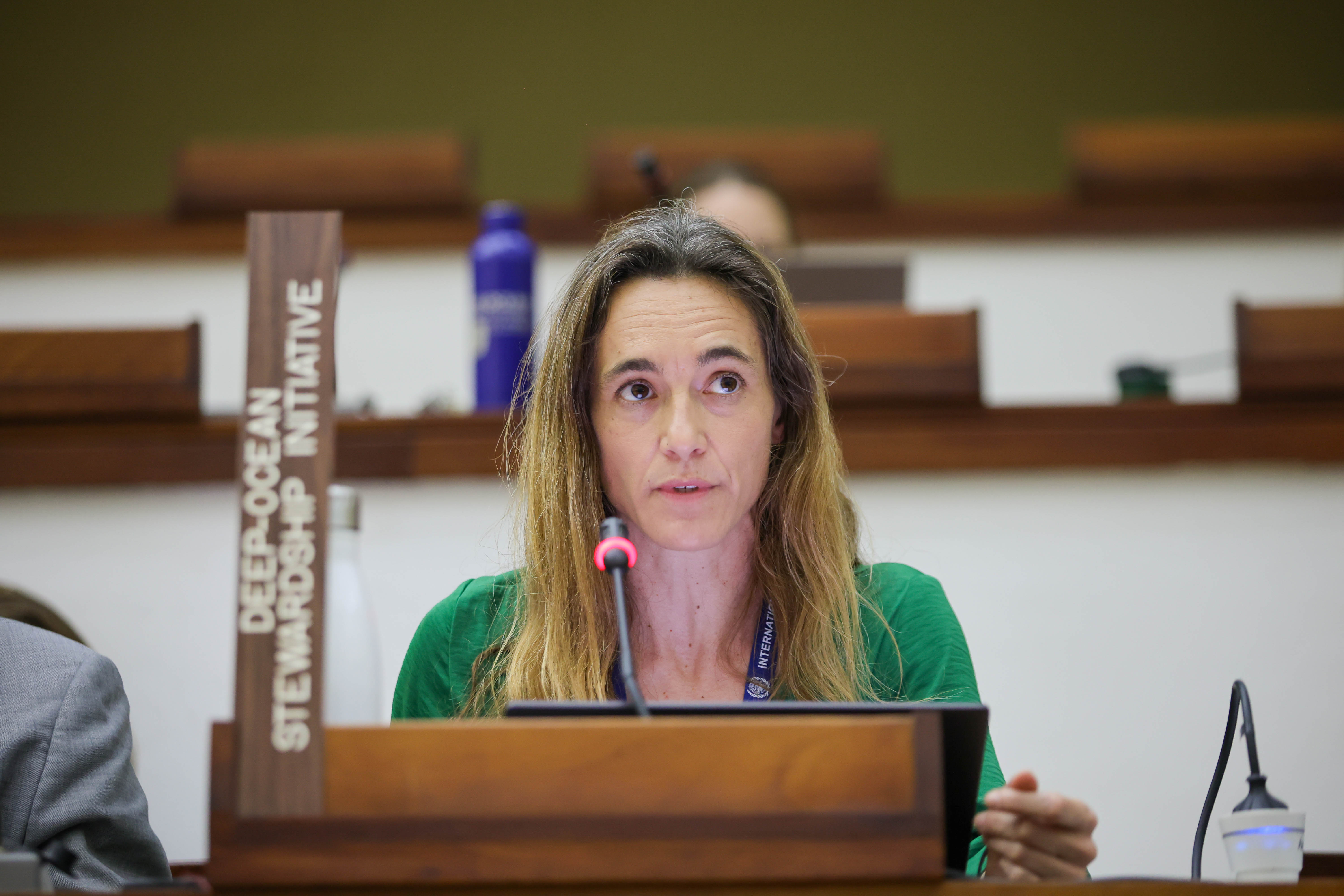
Patricia Esquete, Deep-Ocean Stewardship Initiative (DOSI)
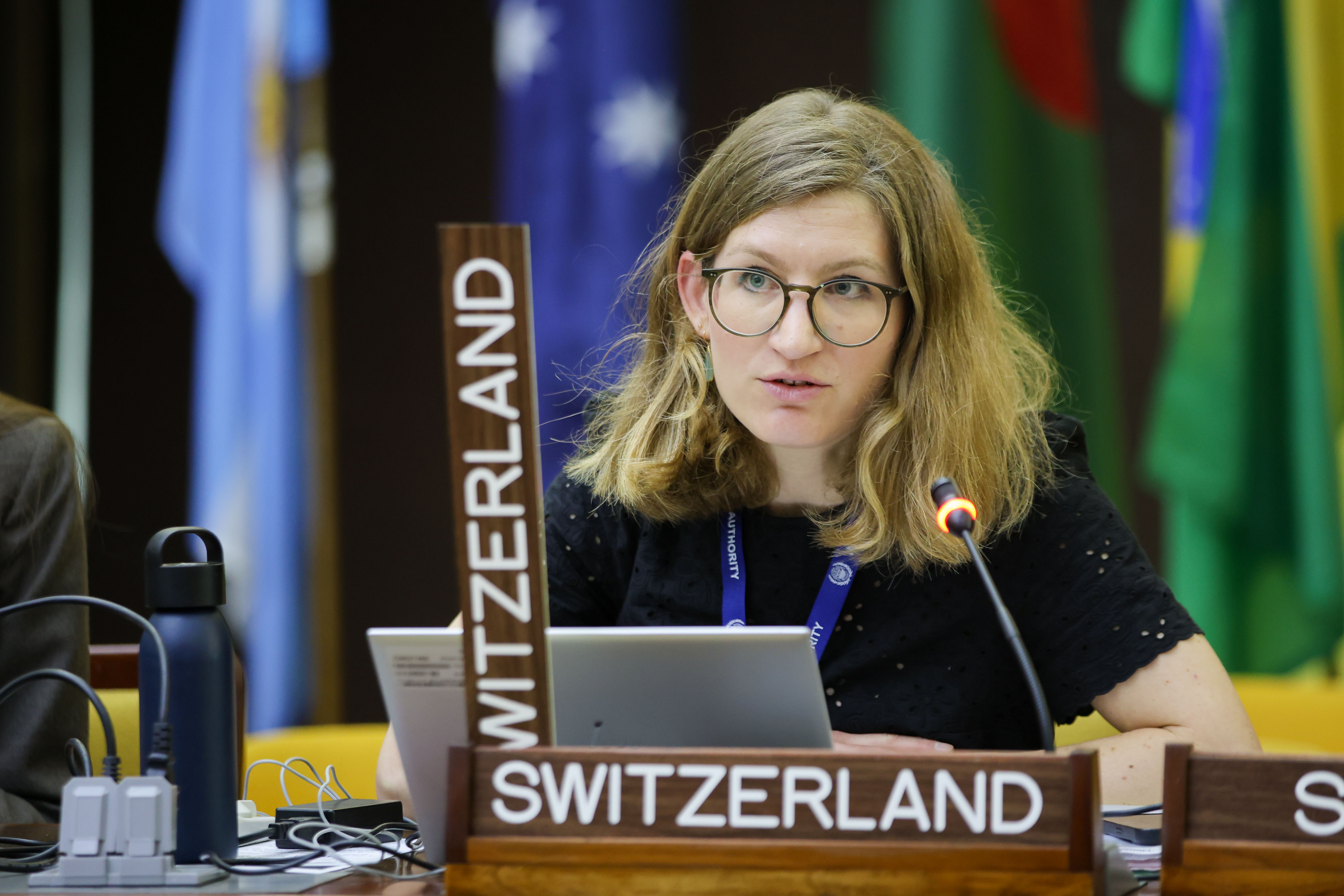
Laura Platchkov, Switzerland

Delegates read the ENB webpage.
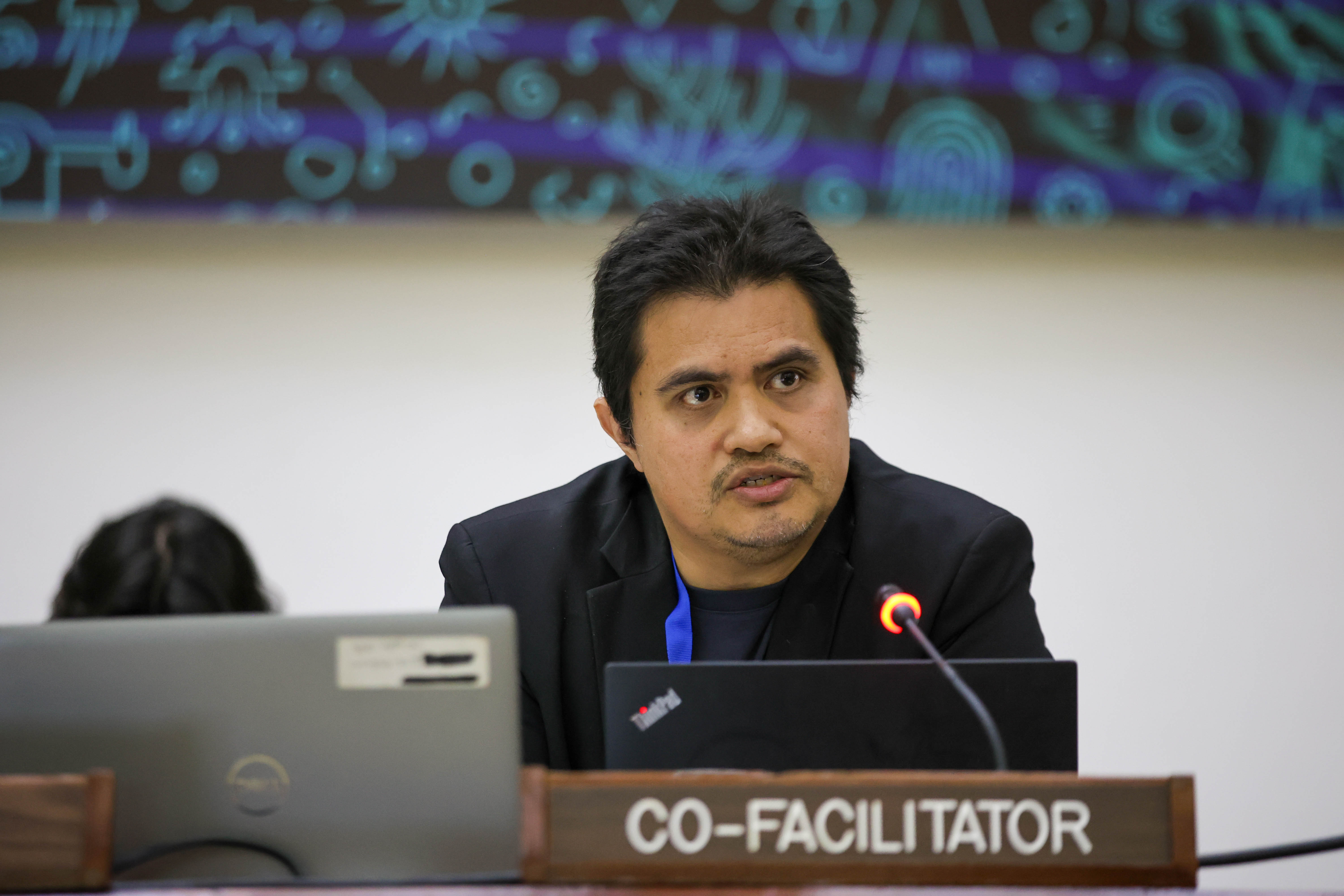
Clement Yow Mulalap, Federated States of Micronesia, Co-Facilitator of the Informal Working Group on Underwater Cultural Heritage
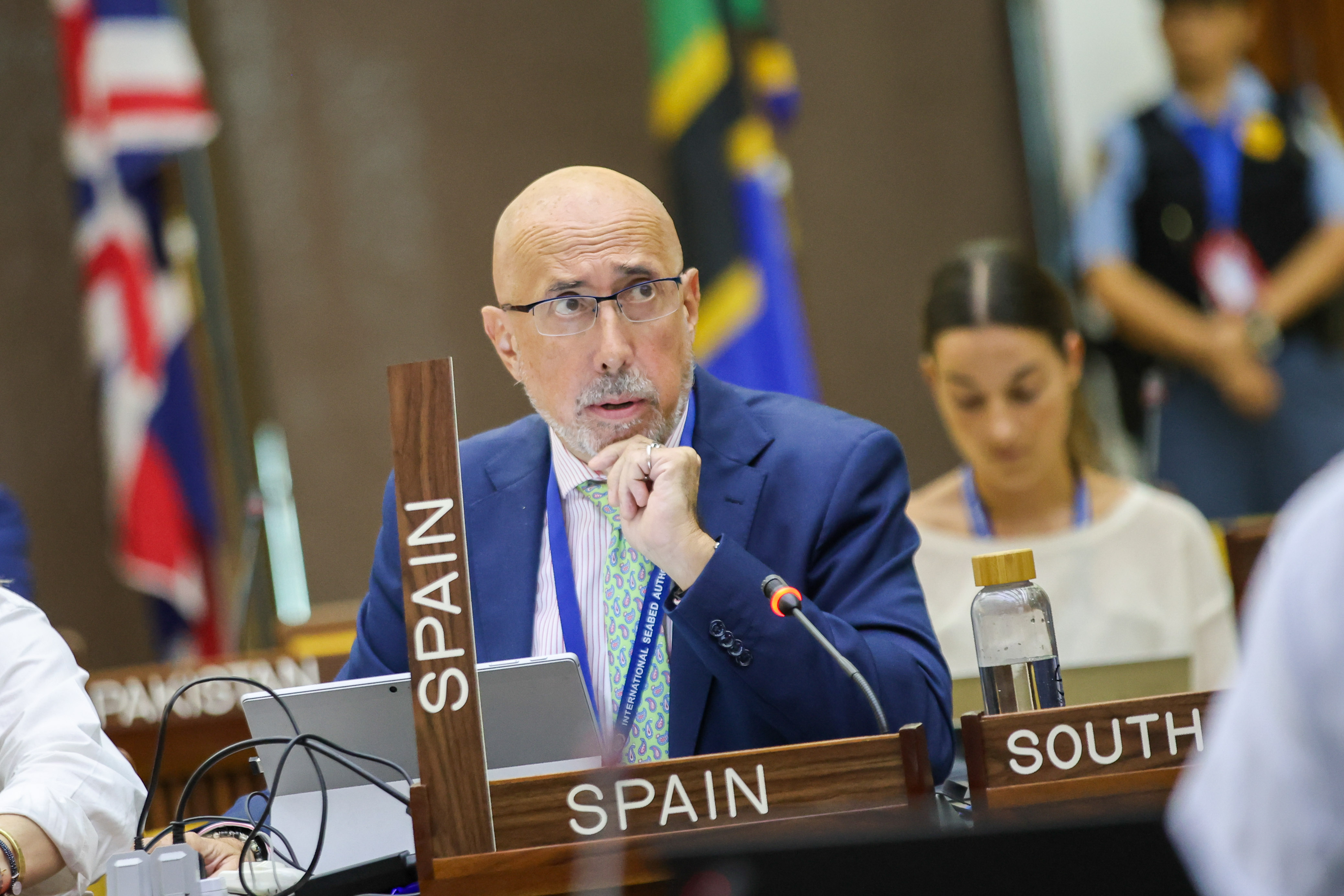
José María Fernández López de Turiso, Spain
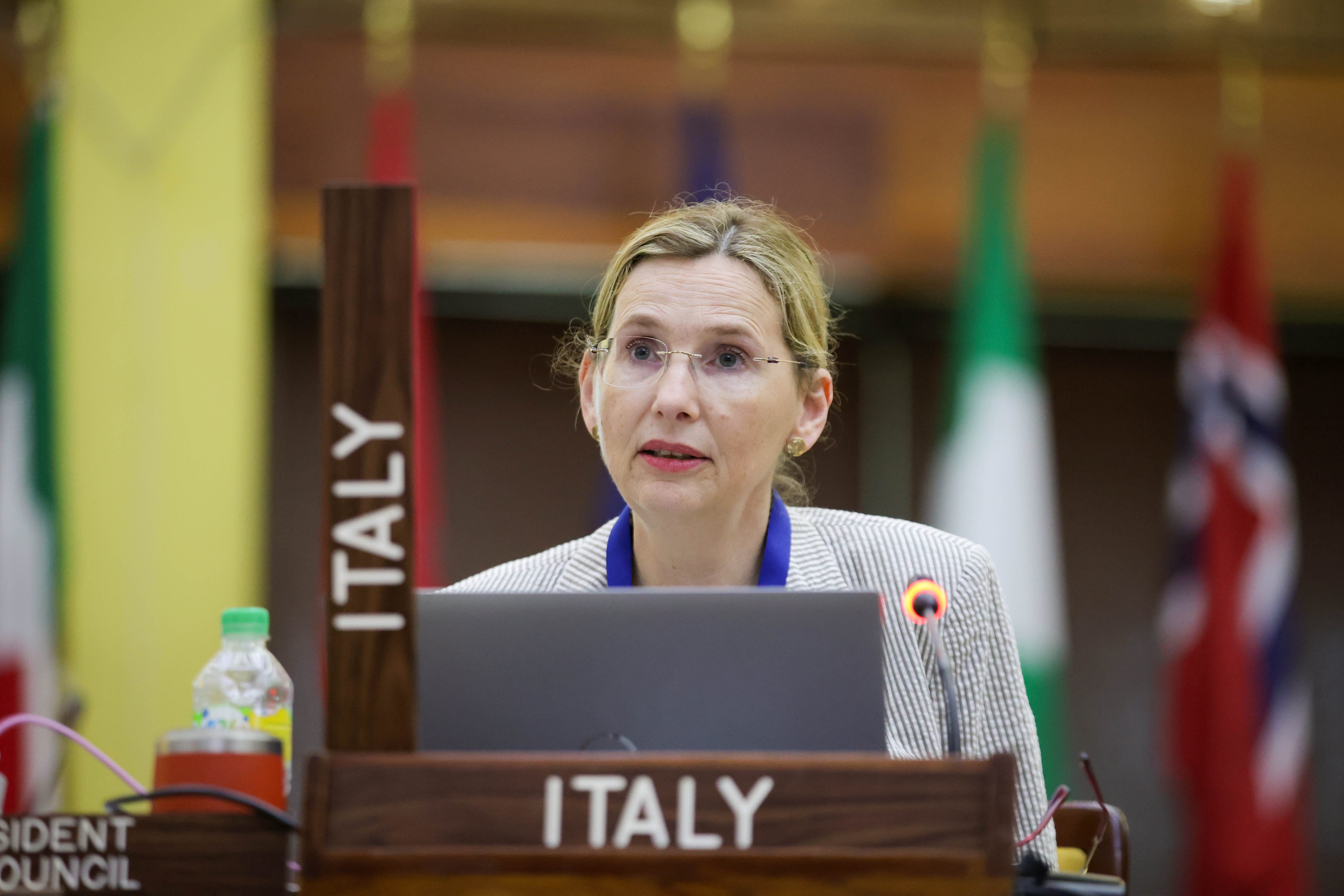
Catherine Flumiani, Italy
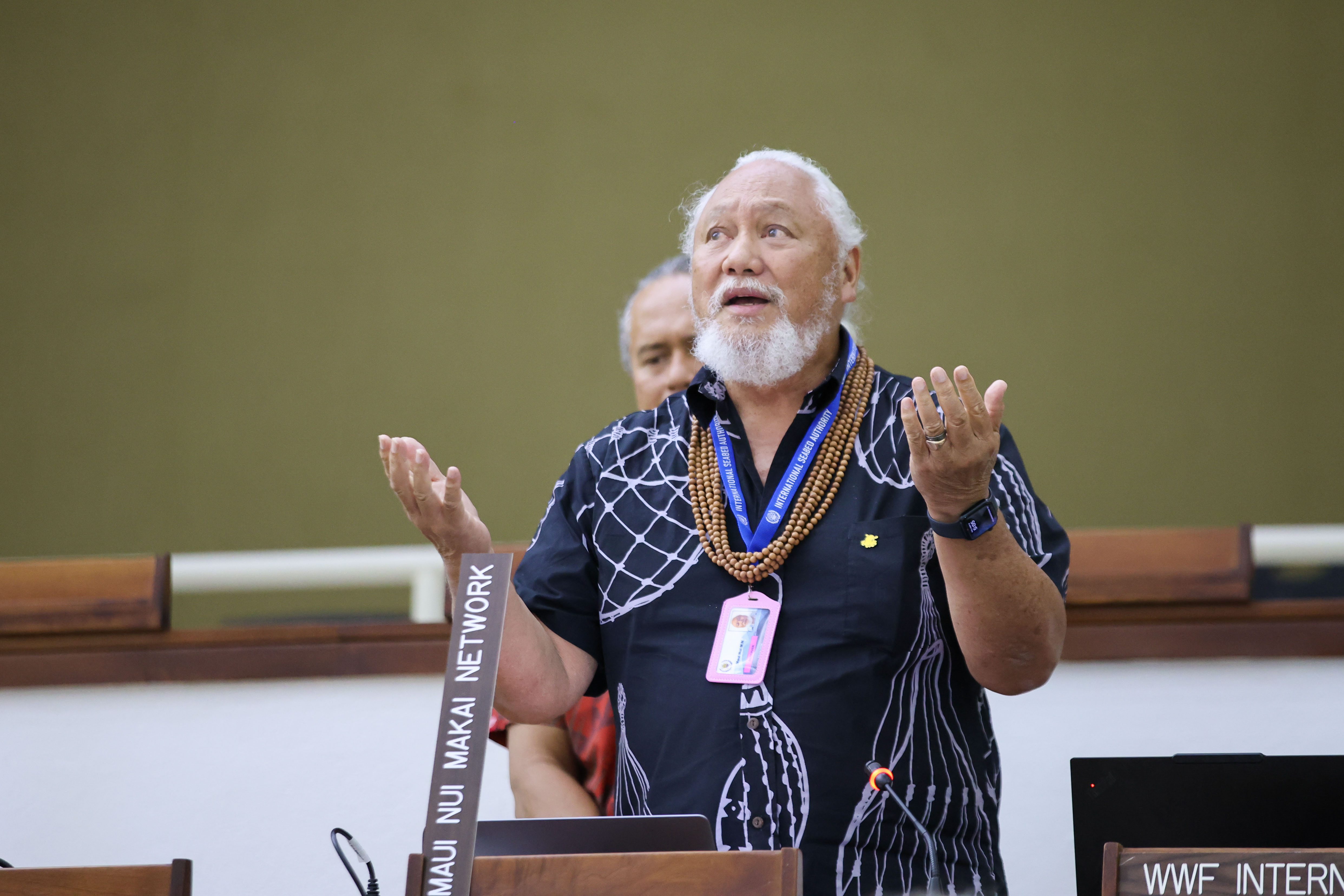
Solomon “Uncle Sol” Kaho‘ohalahala, Maui Nui Makai Network offers a Hawaiian chant at the start of the discussions on underwater cultural heritage.
Selected Images
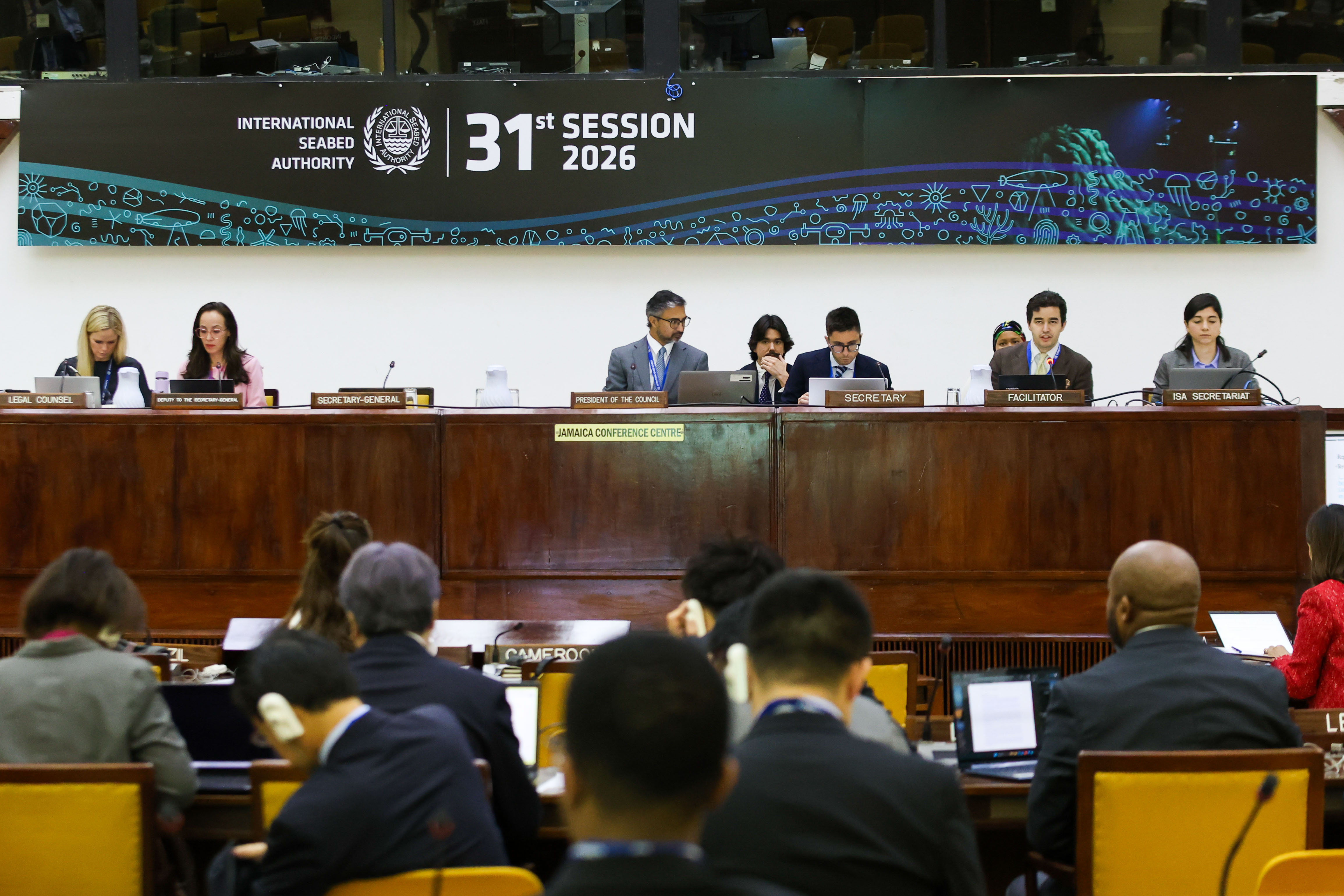
Dais during the the Friends of the President group on payment system and review of payment mechanism
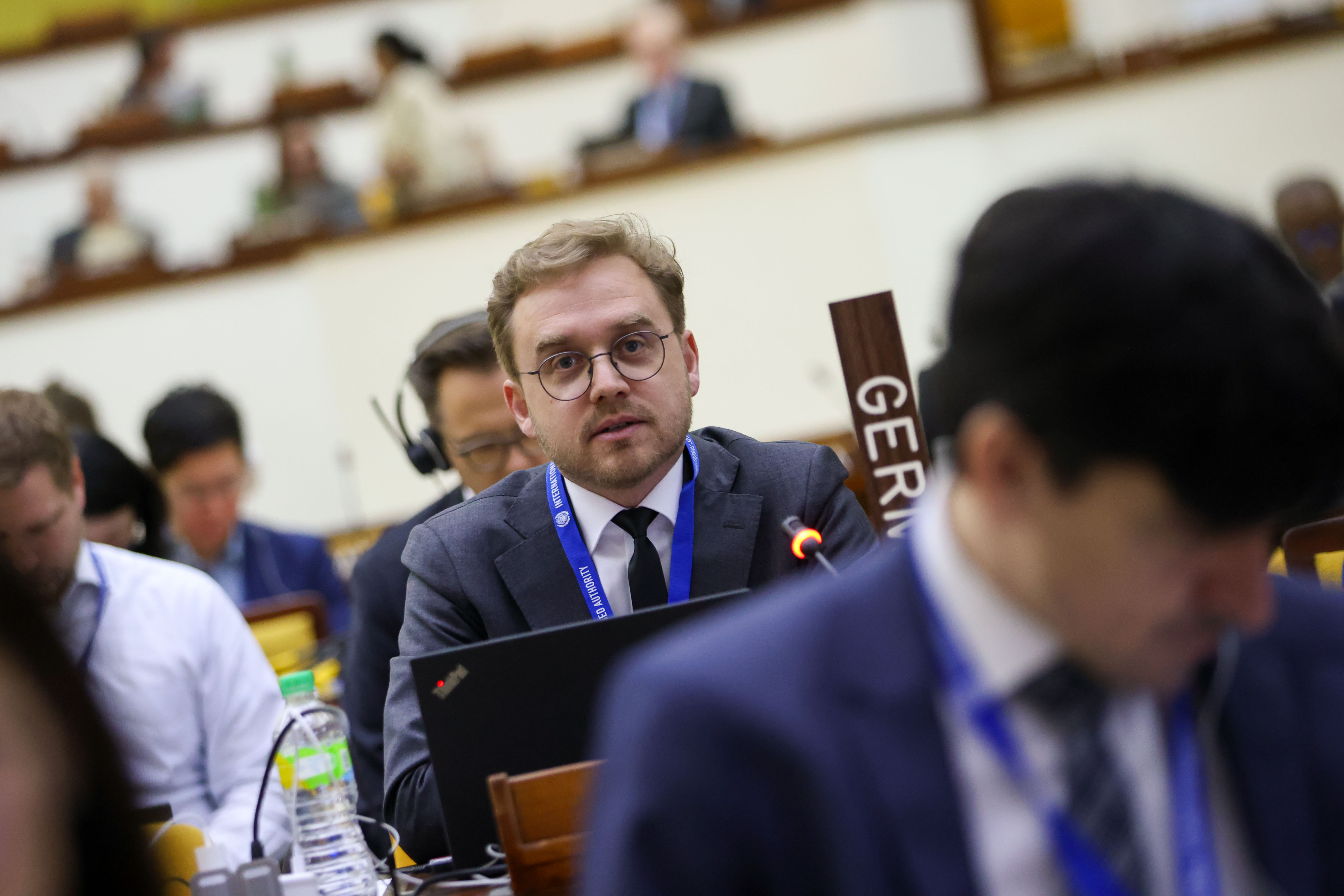
Clemens Wackernagel, Germany
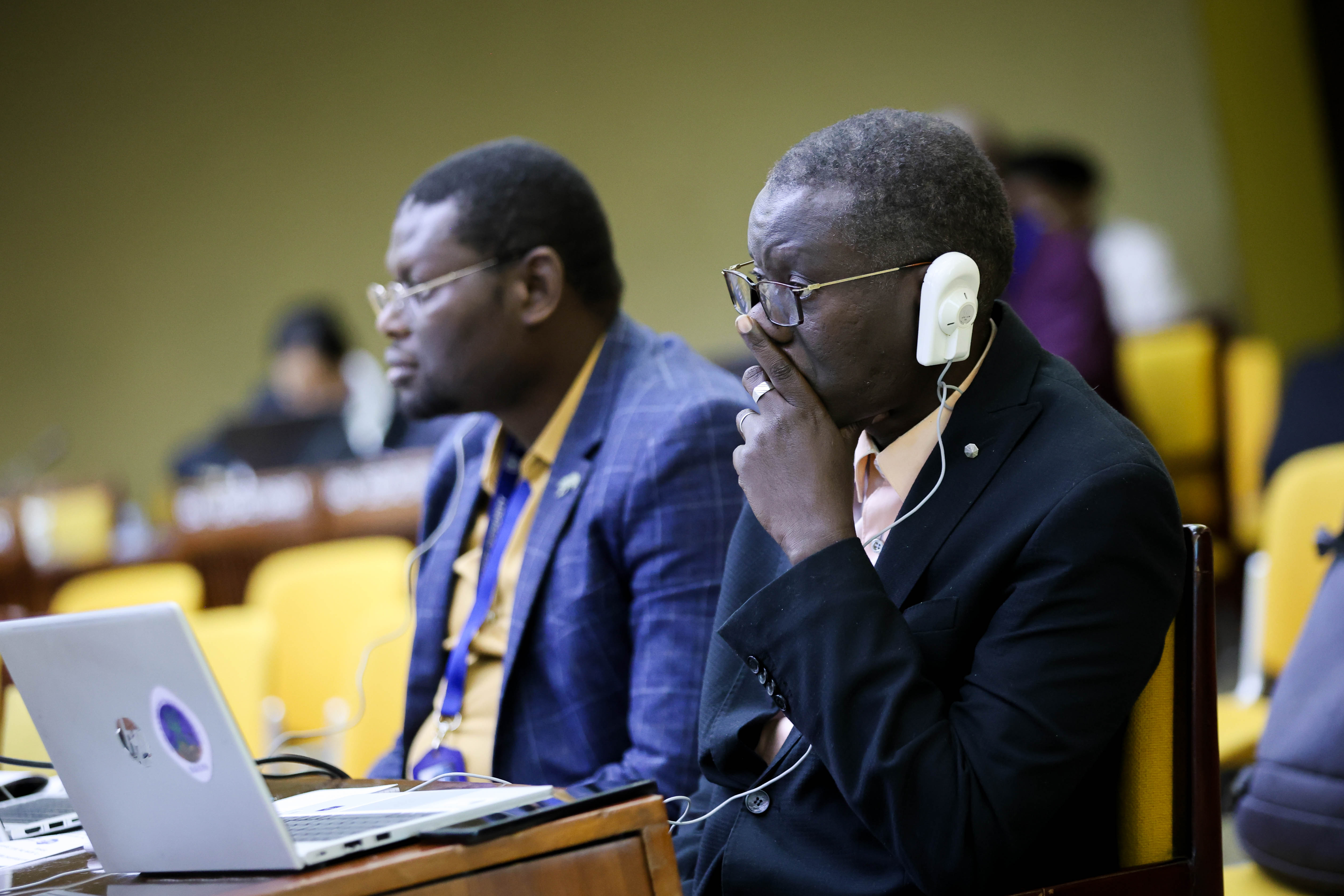
Massata Ndao, Senegal
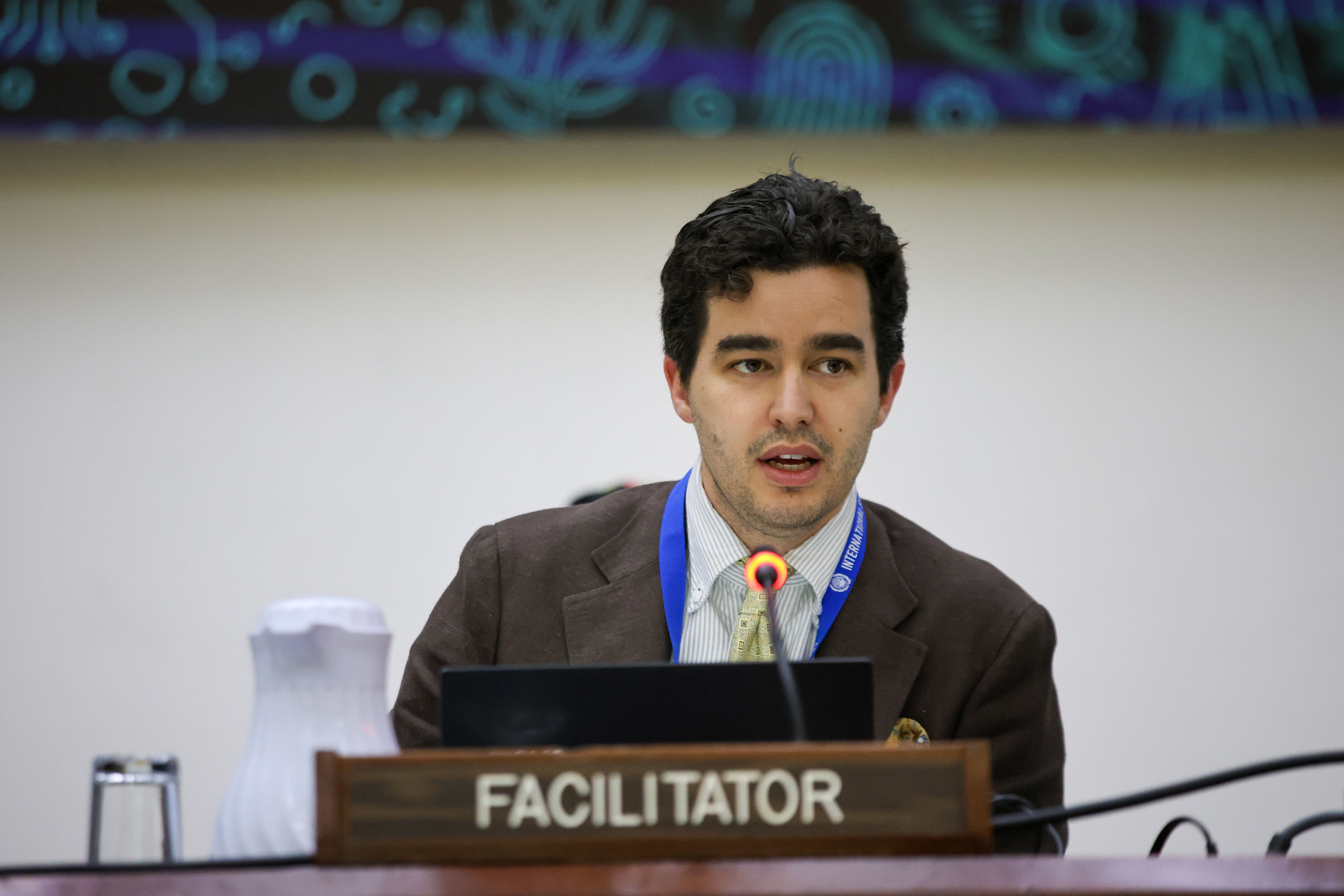
José Benchetrit, Canada, facilitator of the Friends of the President group on payment system and review of payment mechanism
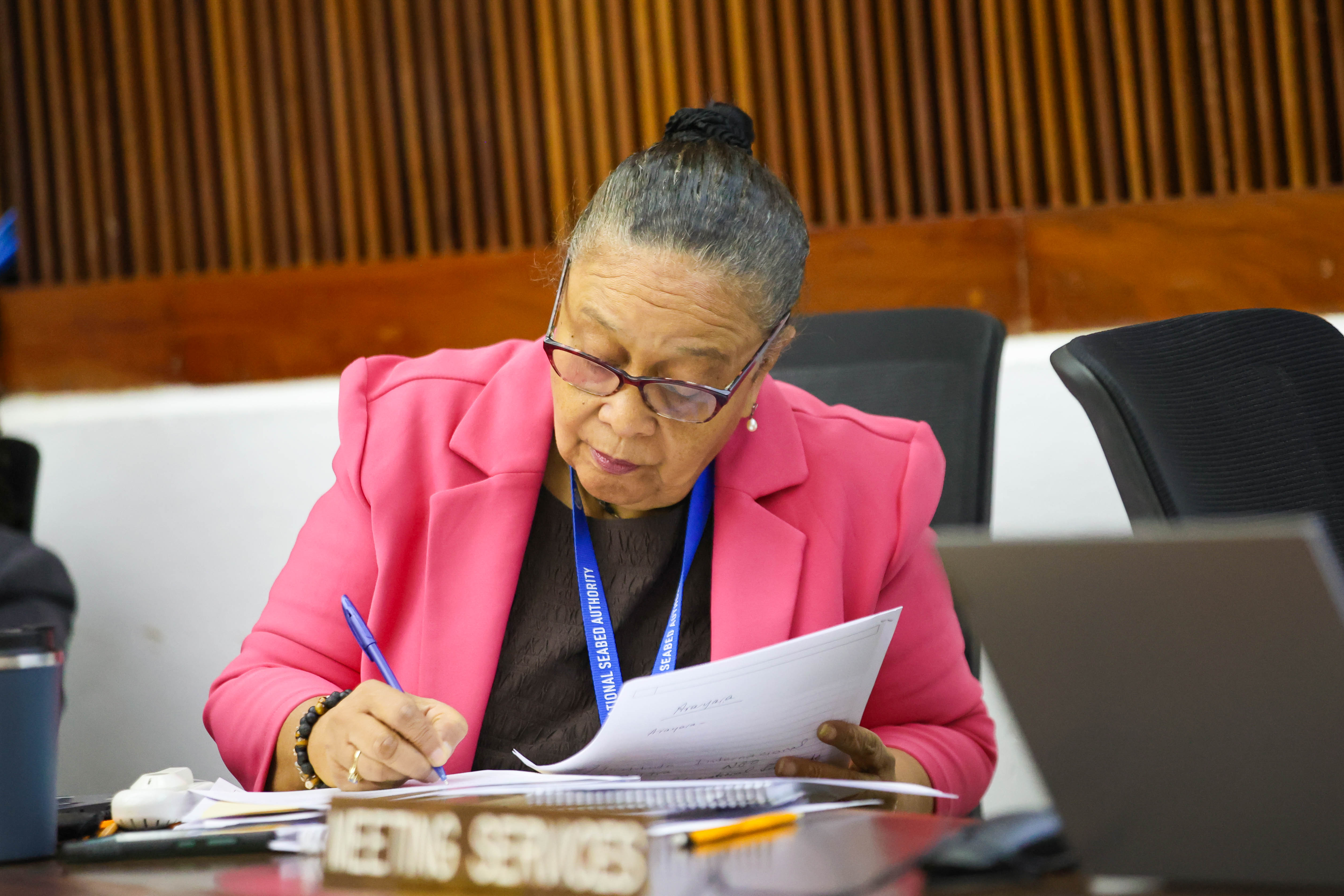
Geraldine Geddes, Conference Services
Between Sessions




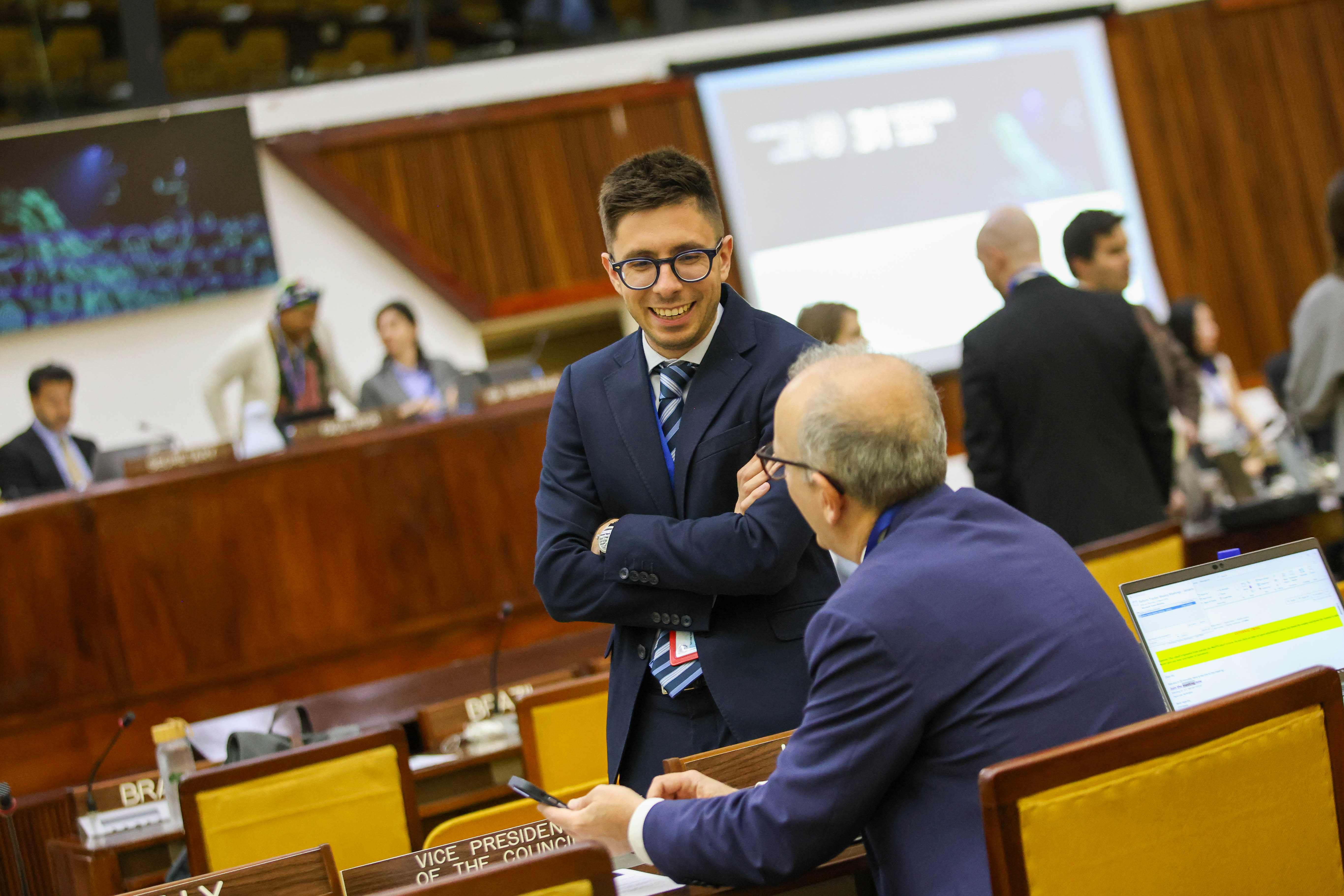
Around the Venue
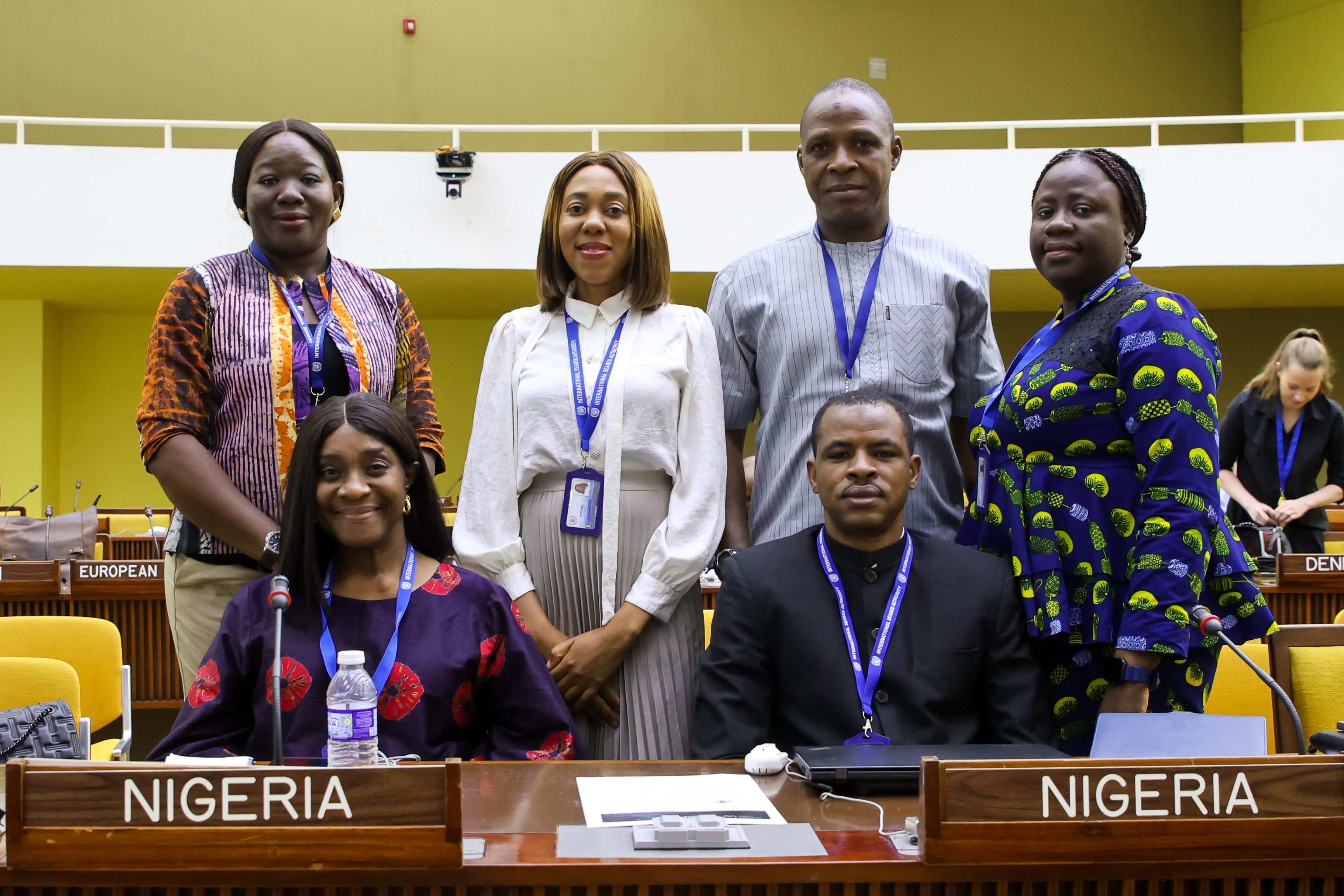
Delegates from Nigeria


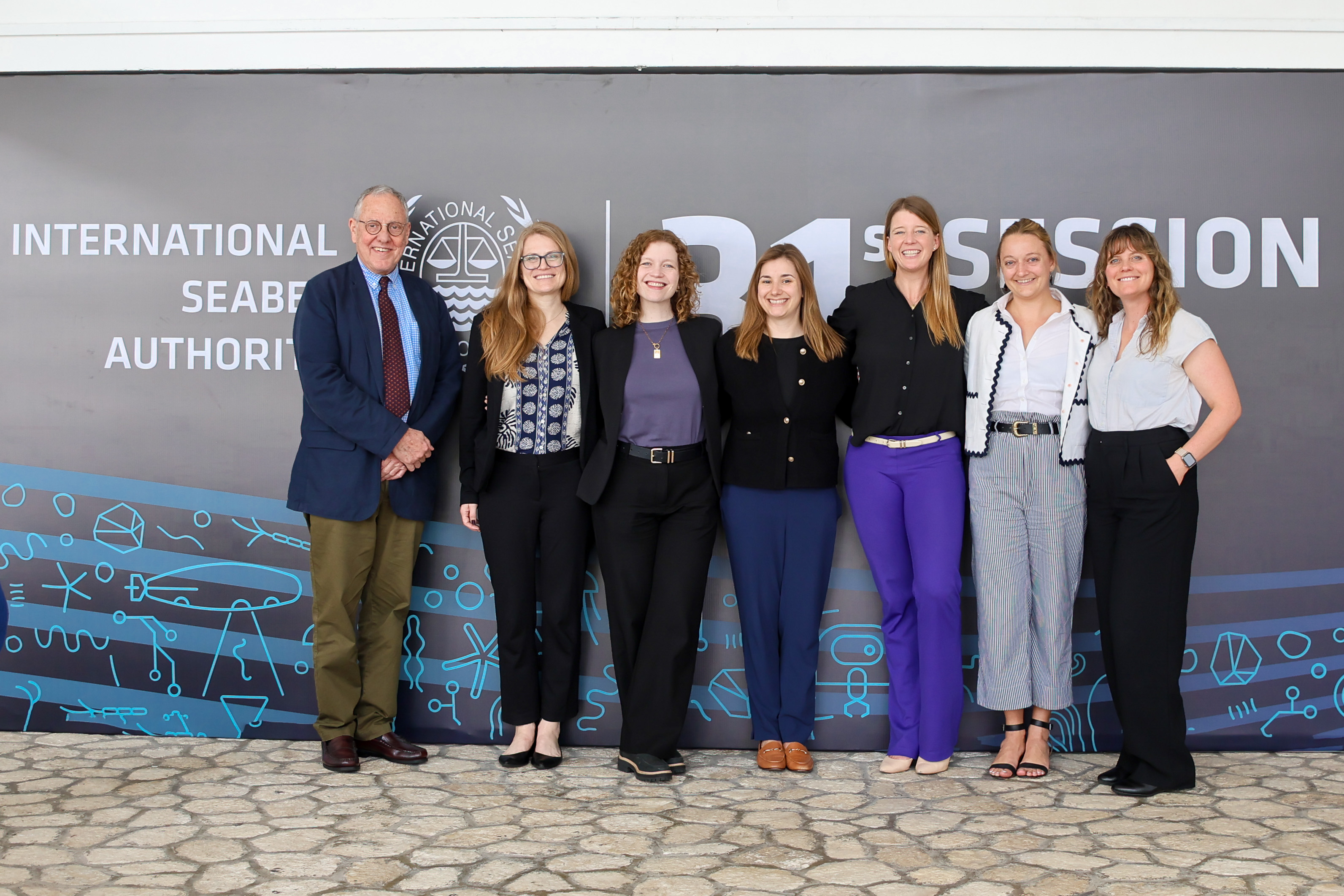
Delegates from the US