Effective inspections are important for ensuring that deep-sea mining activities are undertaken in compliance with the applicable rules, regulations and procedures. At the 31st annual session of the International Seabed Authority (ISA), the Council discussed how inspections should be conducted, including whether inspectors should be able to carry out unannounced inspections. While many members supported retaining this possibility, others cautioned that unannounced inspections in the remote mining sites of the deep seabed could be difficult to implement, given the cost and operational risks involved.
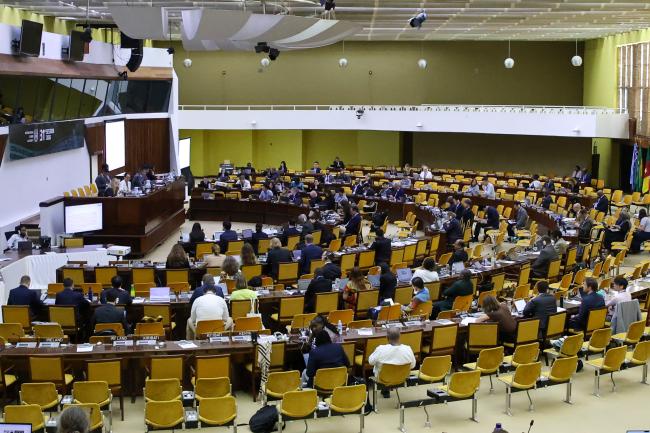
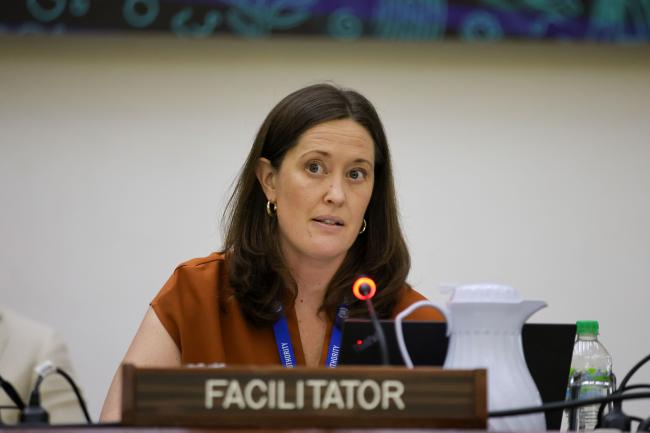
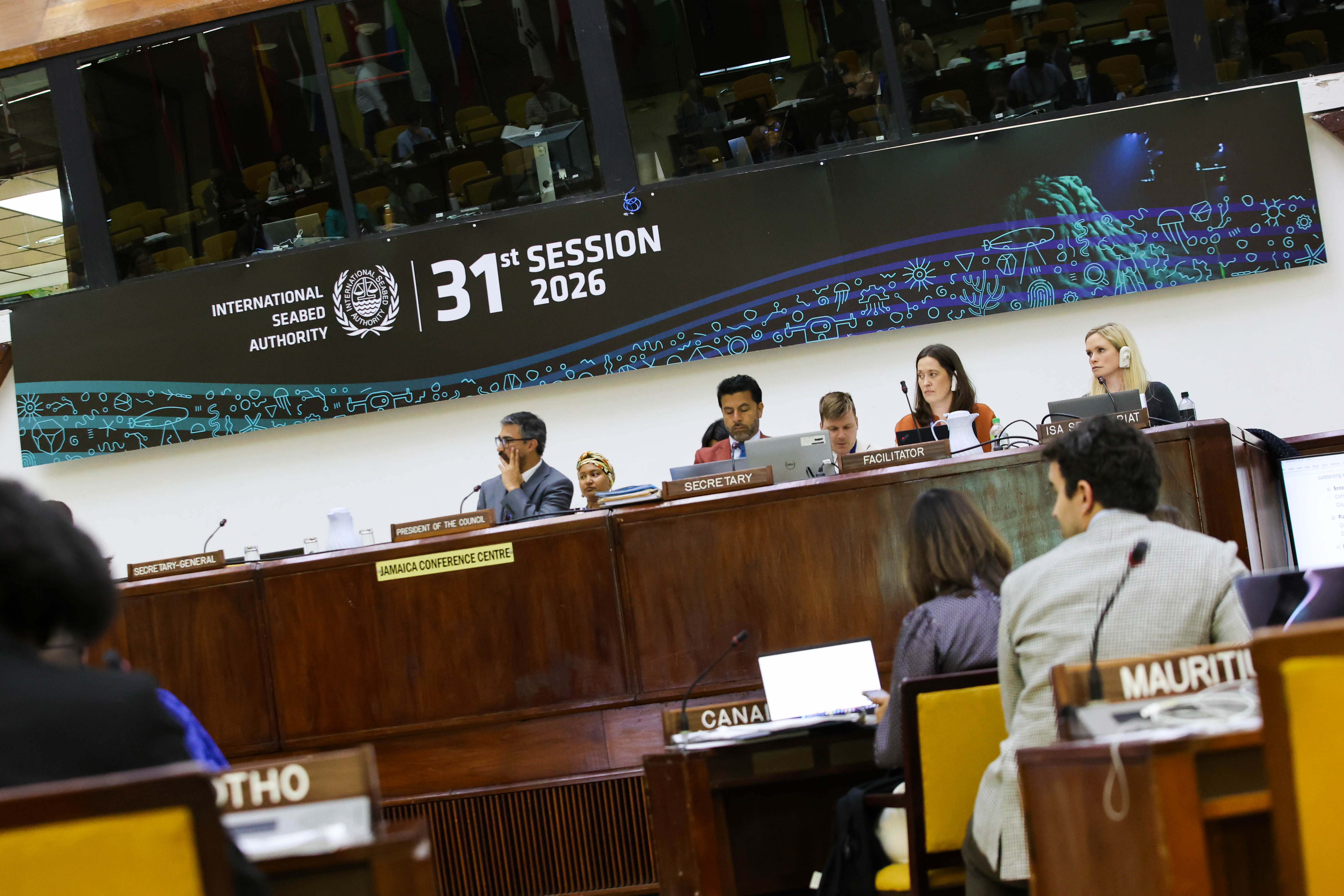
In the morning, Council members gathered in an informal working group facilitated by Ingrid Vikanes (Norway) to consider the inspection, compliance and enforcement (ICE) mechanism and the establishment of a compliance committee. Discussions focused on regulation 95 bis on the compliance committee, a draft Council decision establishing the committee, and the draft rules of procedure and compliance strategy.
Delegations broadly supported establishing a compliance committee, with many favoring its creation through a Council decision rather than detailed provisions in the exploitation regulations themselves. Many members also supported adopting the Council decision before or simultaneously with adoption of the exploitation regulations, noting that time would be required to nominate members and operationalize the committee.
Delegates also discussed the scope of the committee’s mandate. Many supported covering both exploration and exploitation activities, while others preferred initially limiting the committee’s role to exploitation. Delegations also debated whether the powers and functions of the committee should be defined primarily in the Council decision or directly in the regulations.
Another key point was the relationship between the committee and the Legal and Technical Commission. Delegates stressed the importance of clearly defining the responsibilities of each body to avoid overlapping mandates, particularly in relation to inspections. Views also diverged on whether the committee should be able to take action in emergency situations to mitigate serious harm to the marine environment.
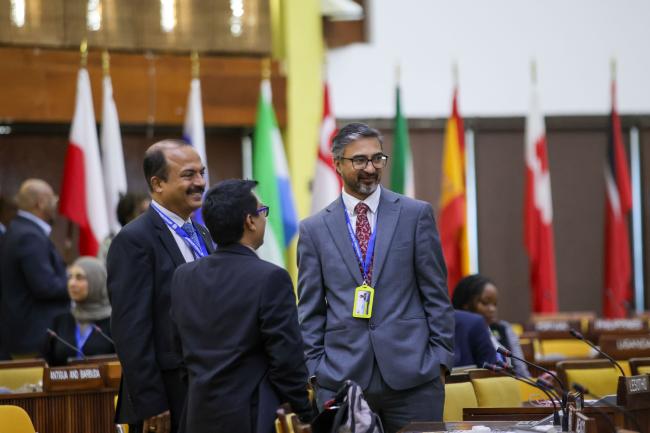
In the afternoon, ISA-31 Council President Mayank Joshi (India) facilitated Council discussions on the chief inspector, inspectors and inspections. On regulation 96 bis (inspections), delegates discussed the modalities for inspections, including whether: inspections can be remote, onsite or both; unannounced inspections will be allowed; sponsoring states can accompany inspectors; and “adequate,” “reasonable” or “appropriate” notice is required.
Several members supported retaining the possibility of both announced and unannounced inspections, stressing that inspectors must be able to verify compliance without allowing operators time to prepare or conceal non-compliance. Others emphasized that, in general, inspections should be announced, with unannounced inspections only taking place in exceptional circumstances.

Delegates also discussed whether sponsoring states or other actors should be able to participate in inspections or accompany inspectors. Some members supported ensuring that inspectors conduct inspections independently, without the involvement of sponsoring states or other state parties. Others suggested allowing sponsoring states to be present while limiting the participation of other actors.
To receive free coverage of global environmental events delivered to your inbox, subscribe to the ENB Update newsletter.
All ENB photos are free to use with attribution. For the 1st part of the 31st session of the International Seabed Authority (ISA) Council meeting, please use: Photo by IISD/ENB | Anastasia Rodopoulou
Informal Working Group on ICE Mechanism and Establishment of the Compliance Committee
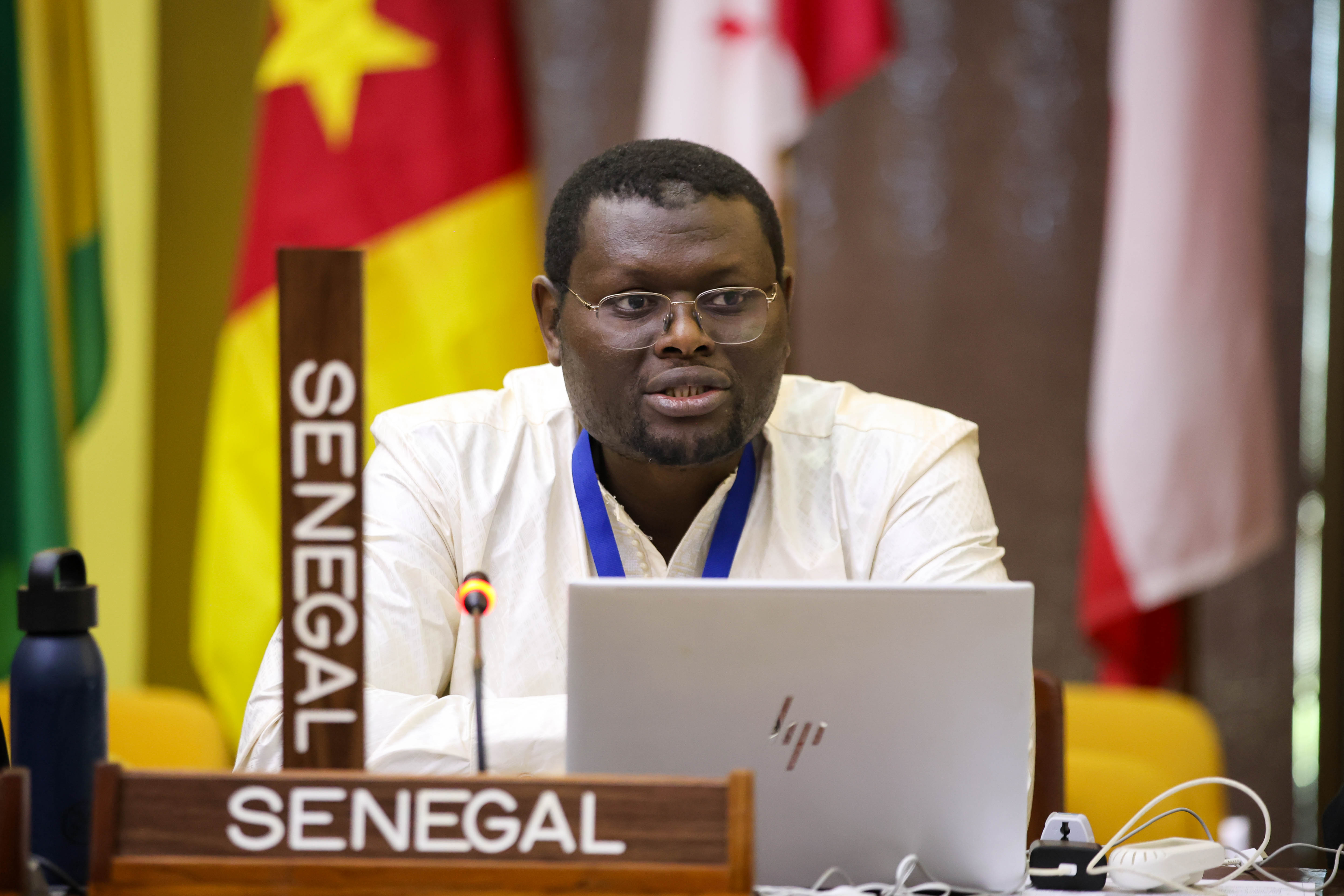
Cheikh Sy, Senegal
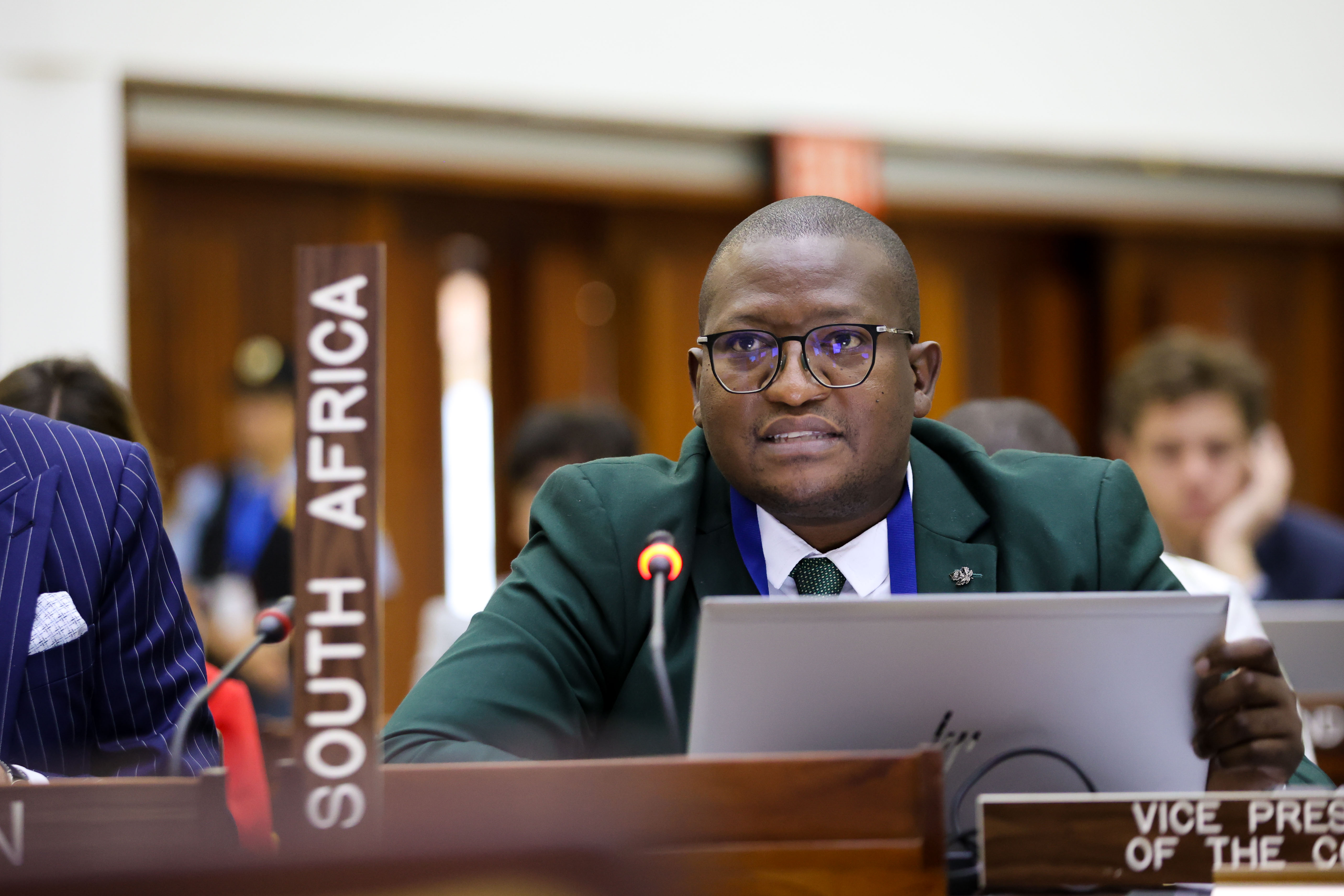
Moses Mokoena, South Africa, on behalf of the African Group
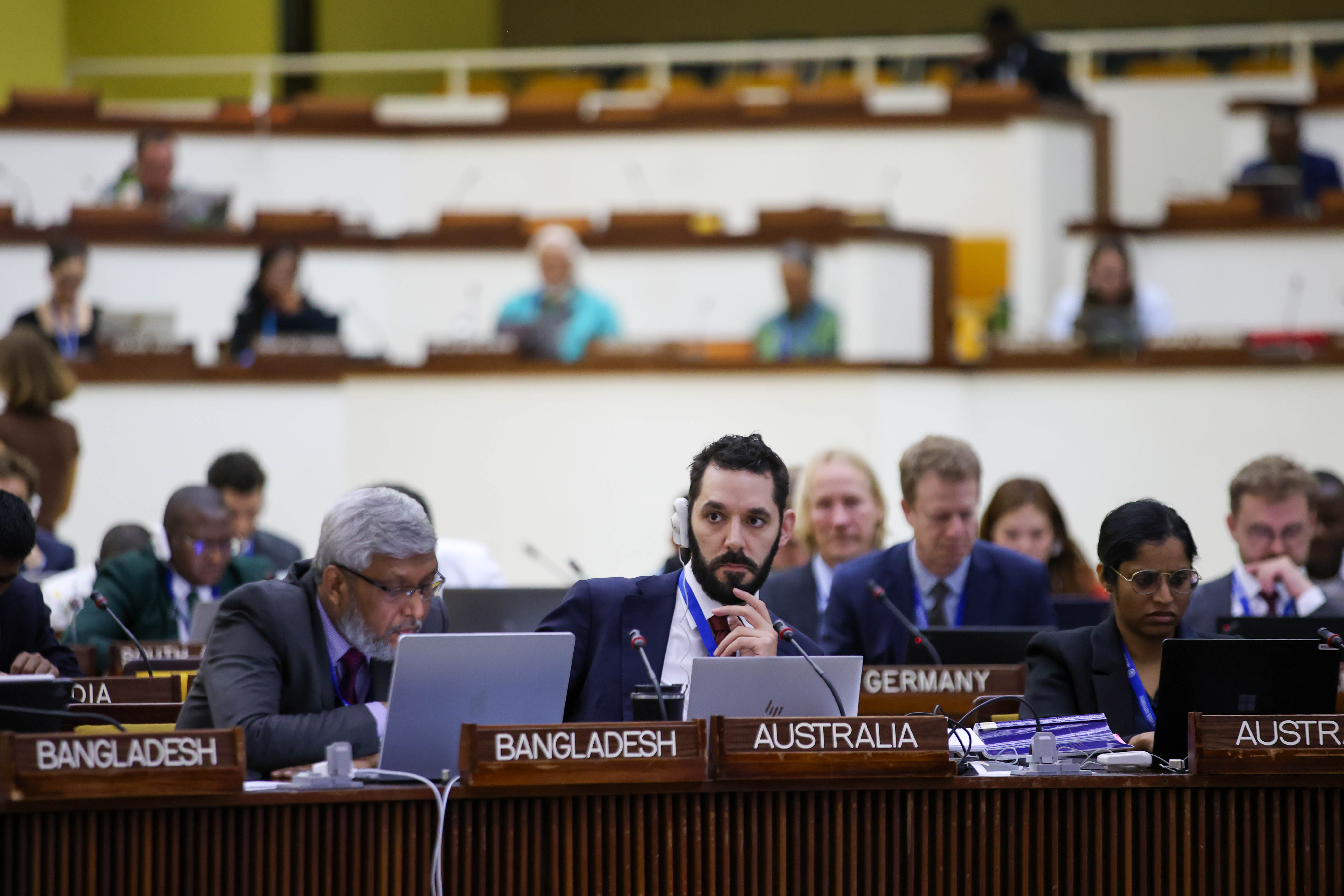
Delegates listen to the discussions.

Beatrice Chen, Singapore
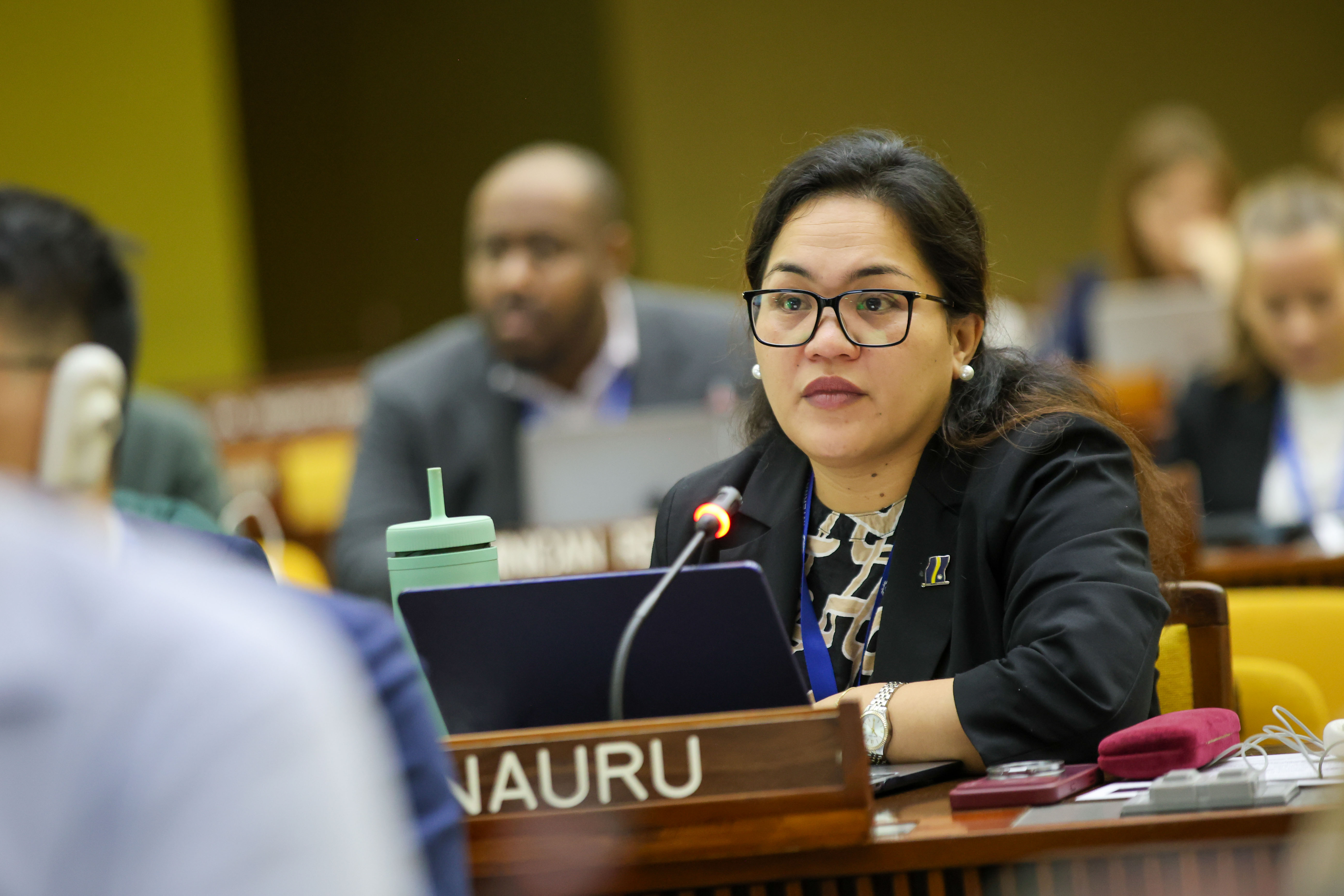
Anastasia Julius, Nauru
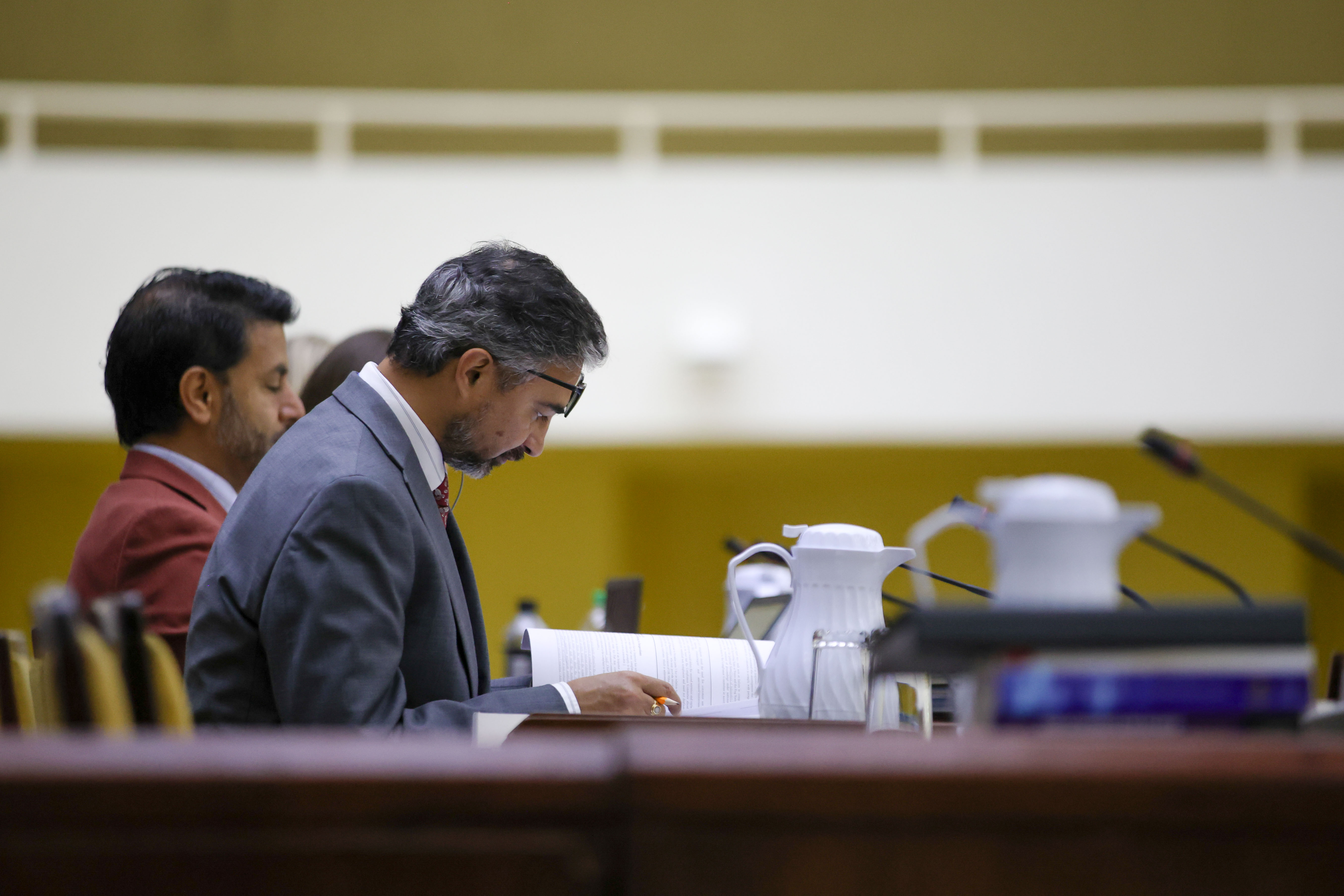
ISA-31 Council President Mayank Joshi, India
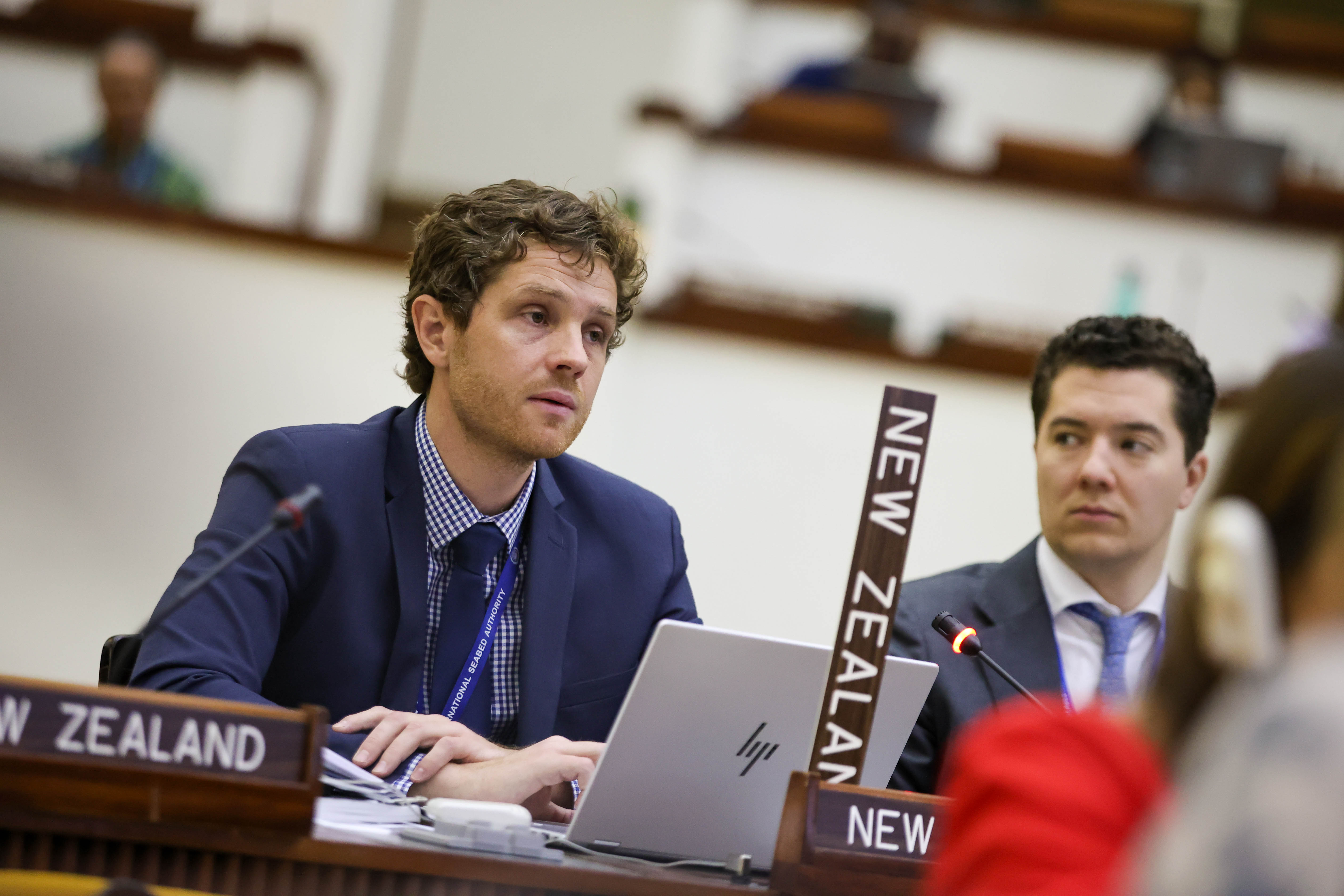
Tim Witten-Sage, New Zealand
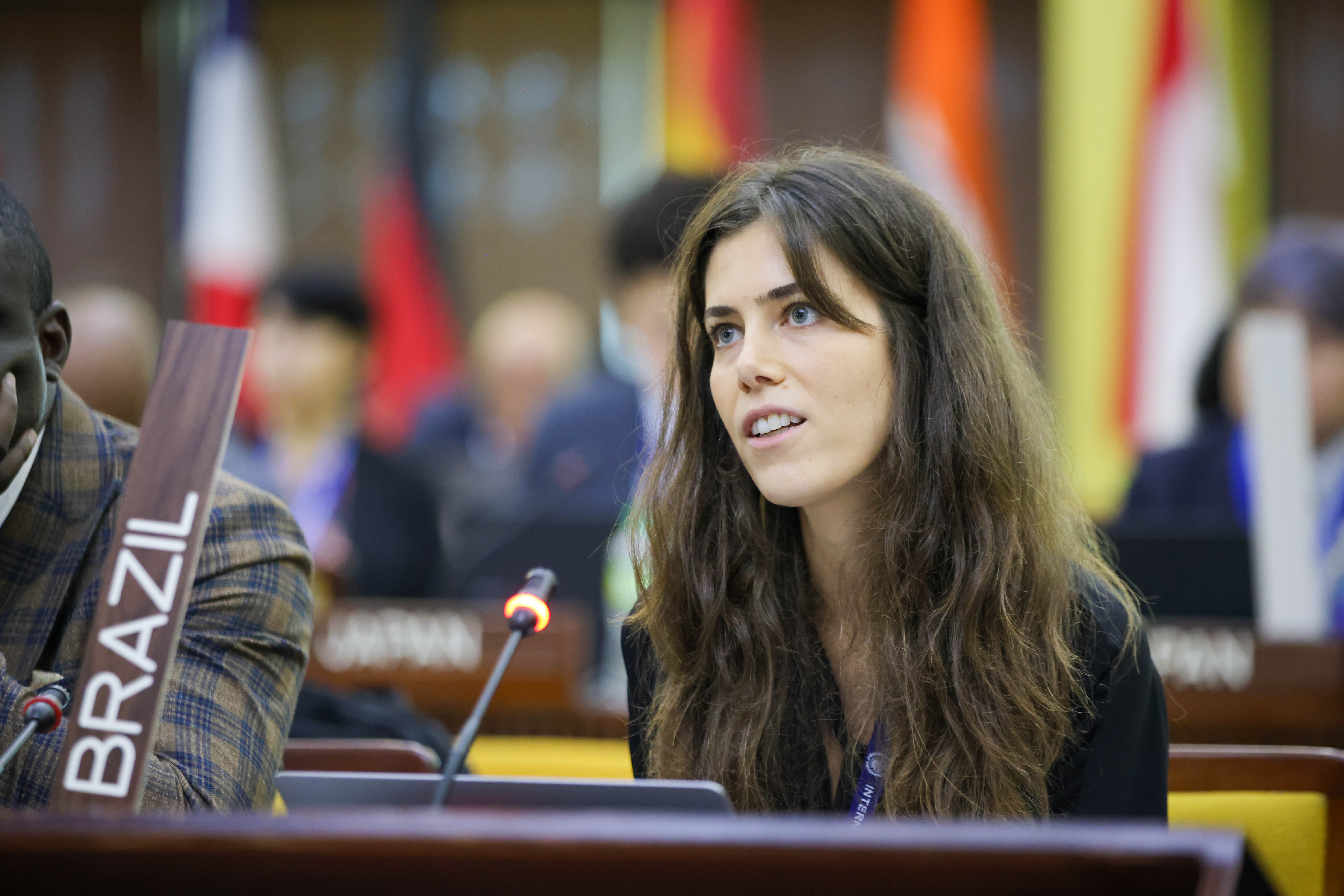
Bárbara Macedo Perrenoud, Brazil
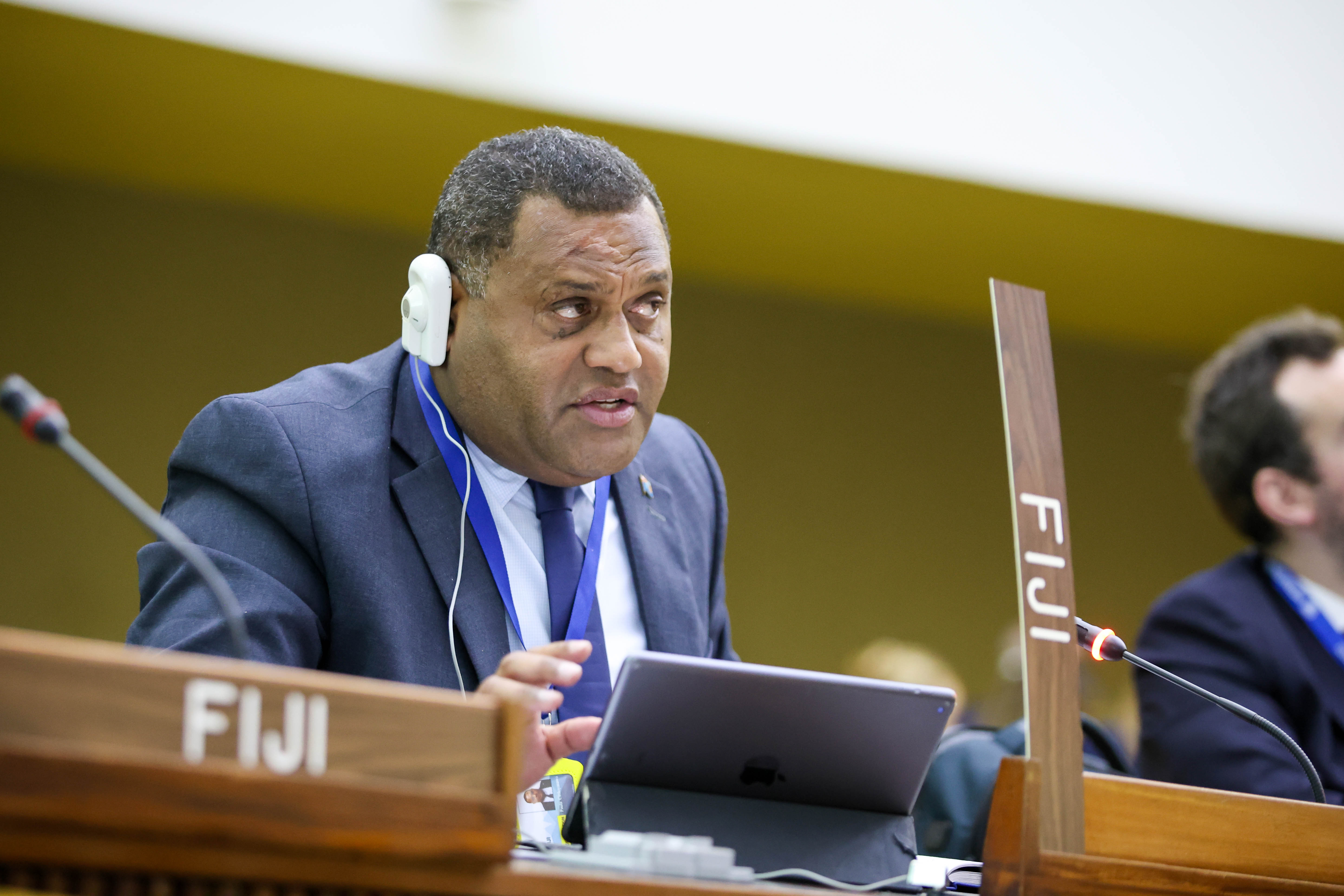
Paula Cirikiyasawa, Fiji
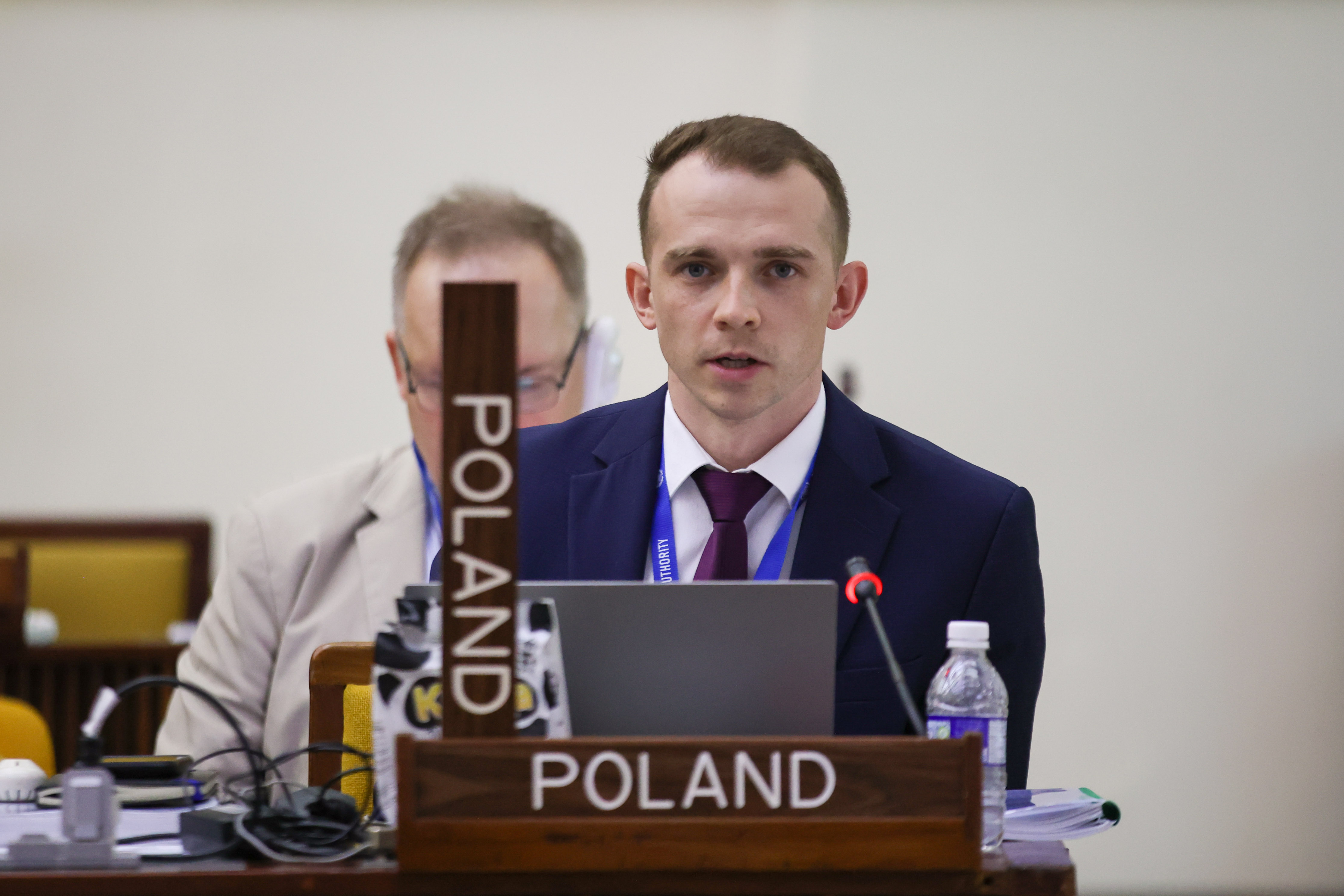
Bartosz Jasiński, Poland

Lea Kolmos Weis, Secretariat of the Authority
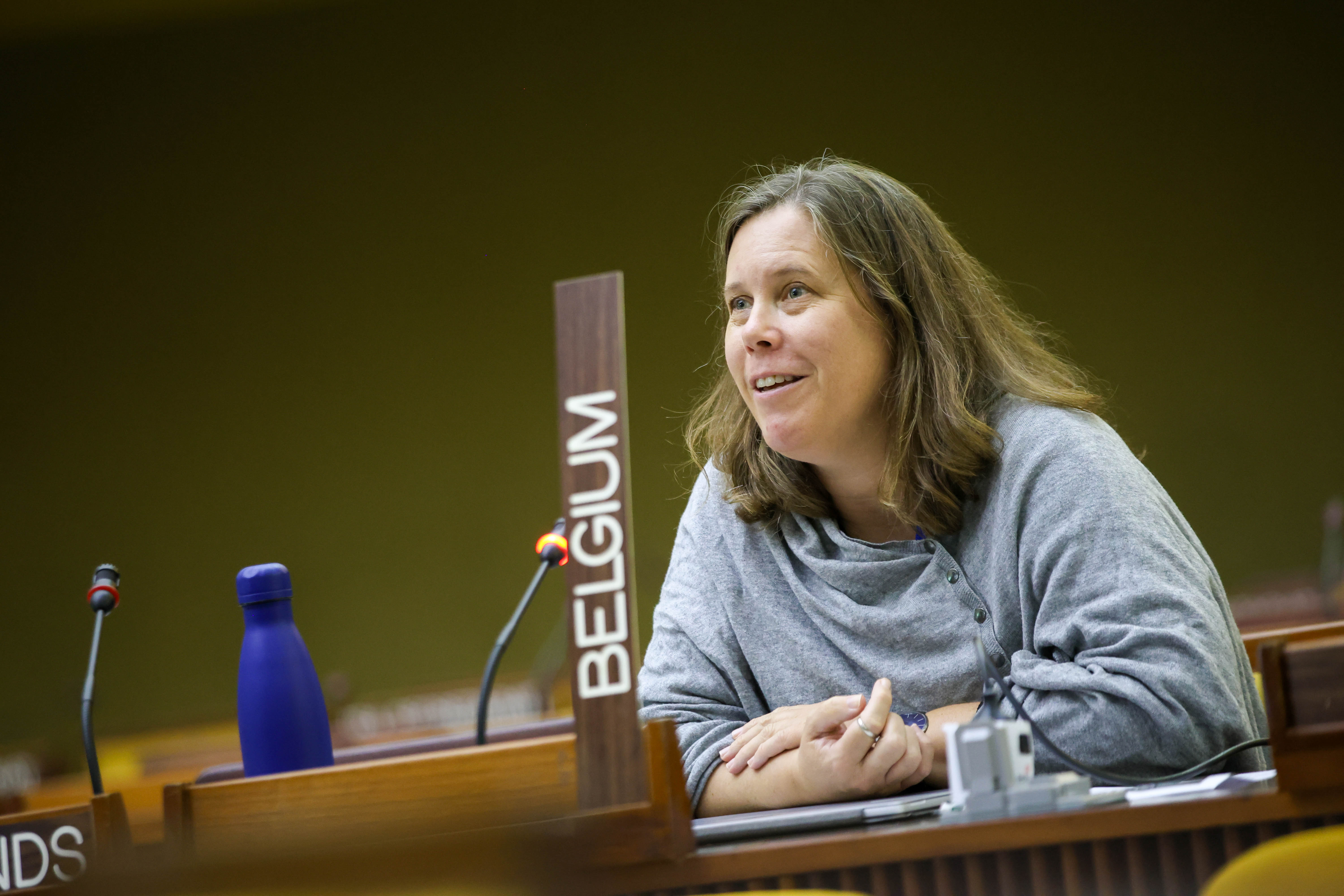
Ellen De Geest, Belgium
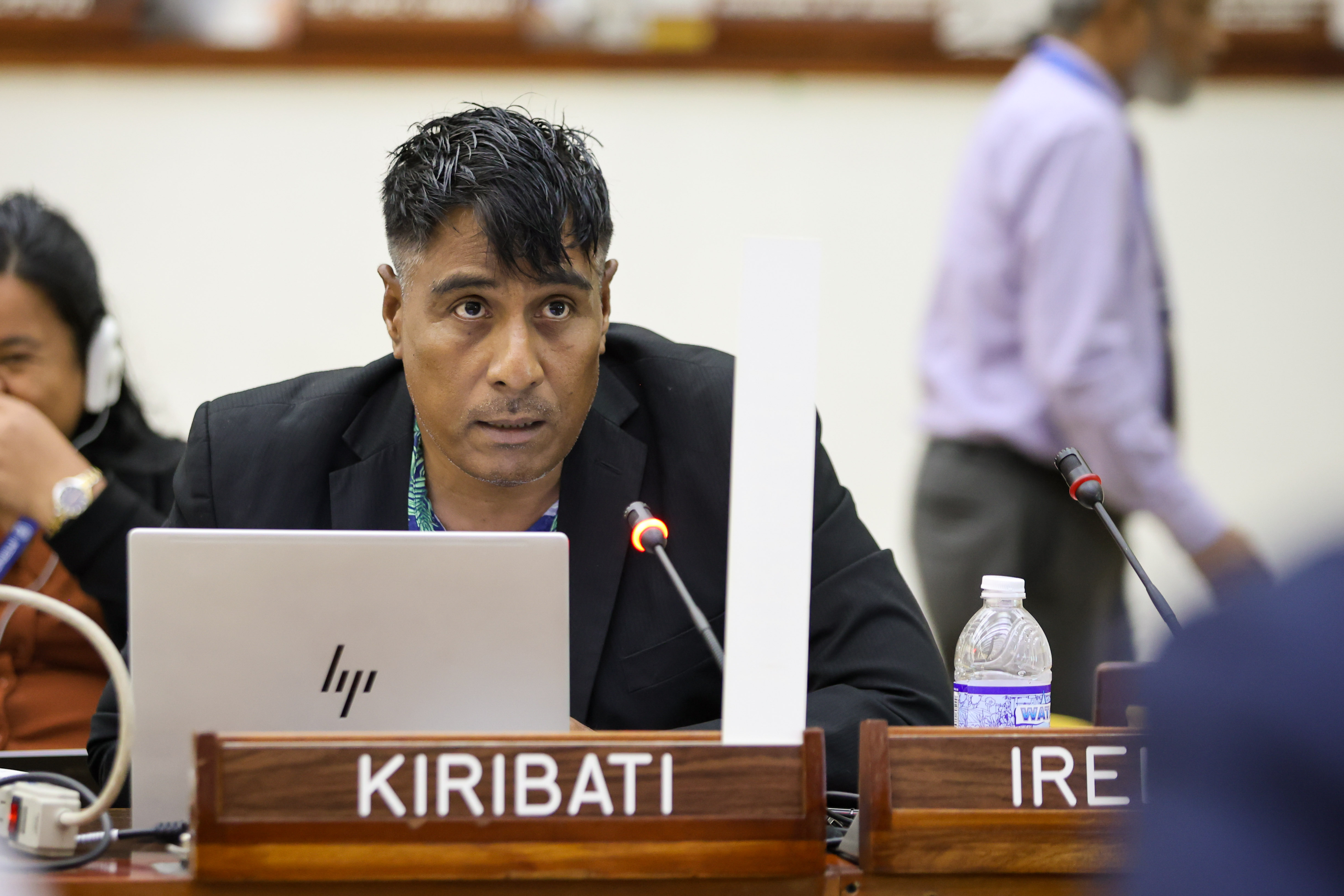
Tieri Tamoa, Kiribati
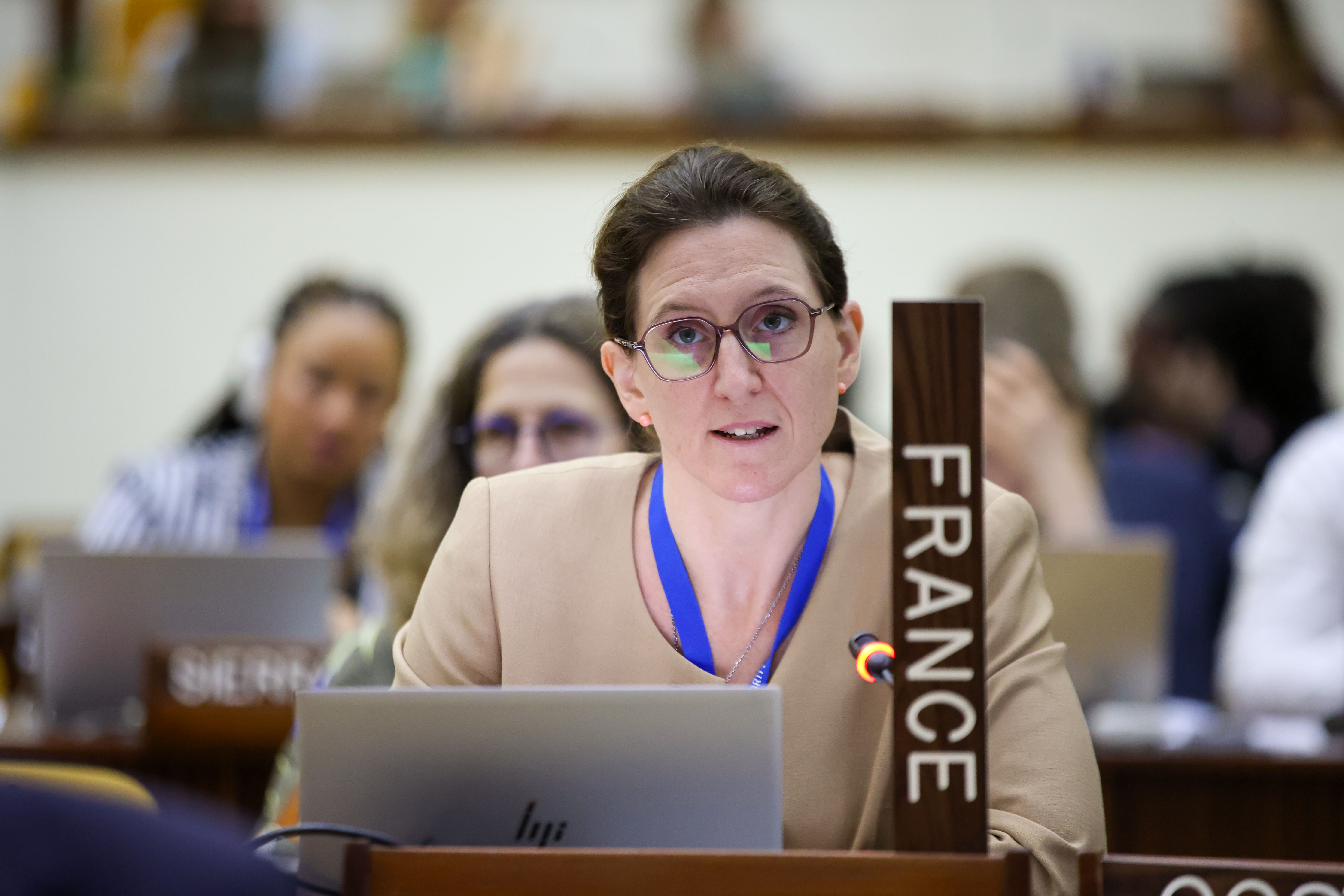
Marianne Ziss, France
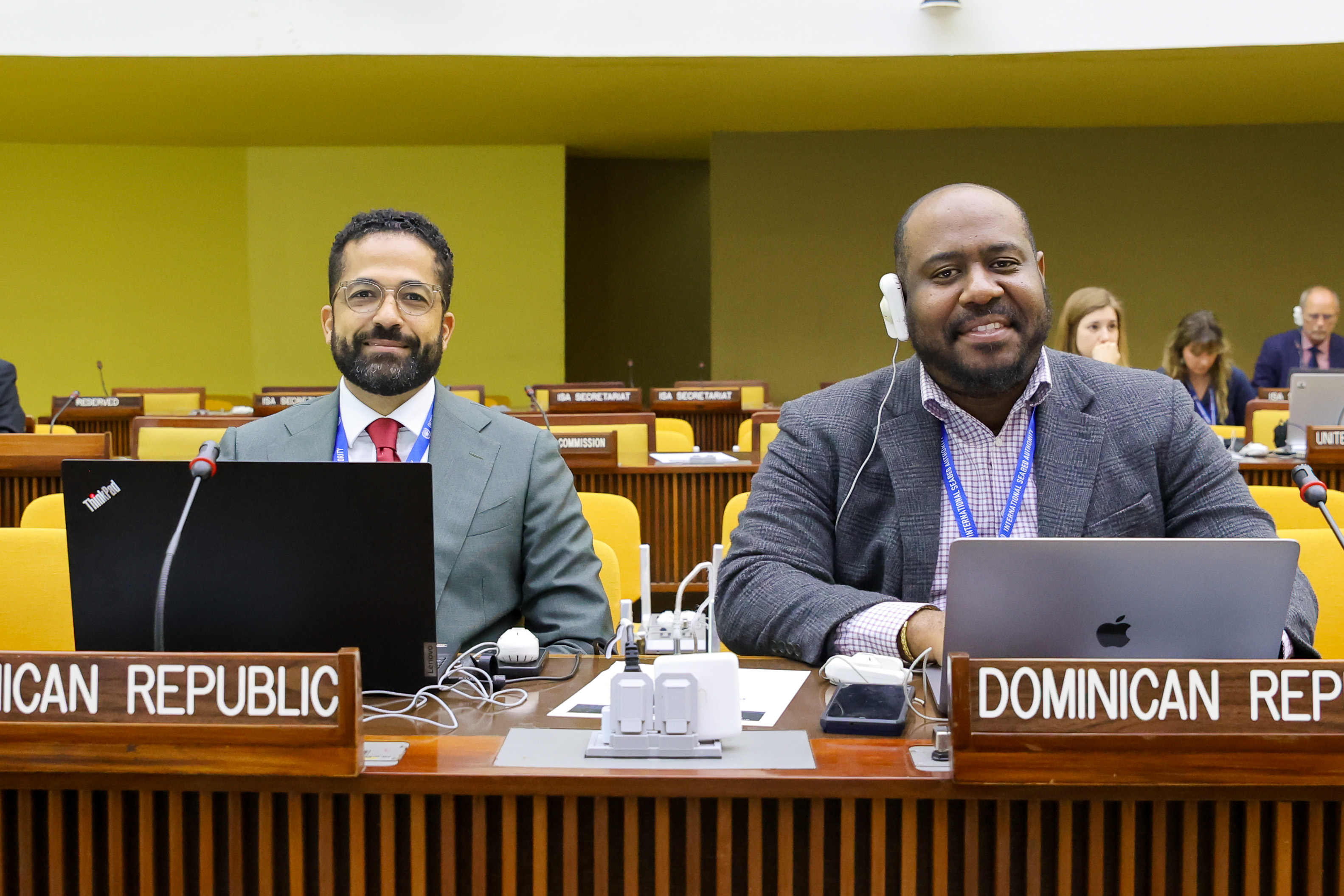
Delegates from the Dominican Republic
Council Meeting
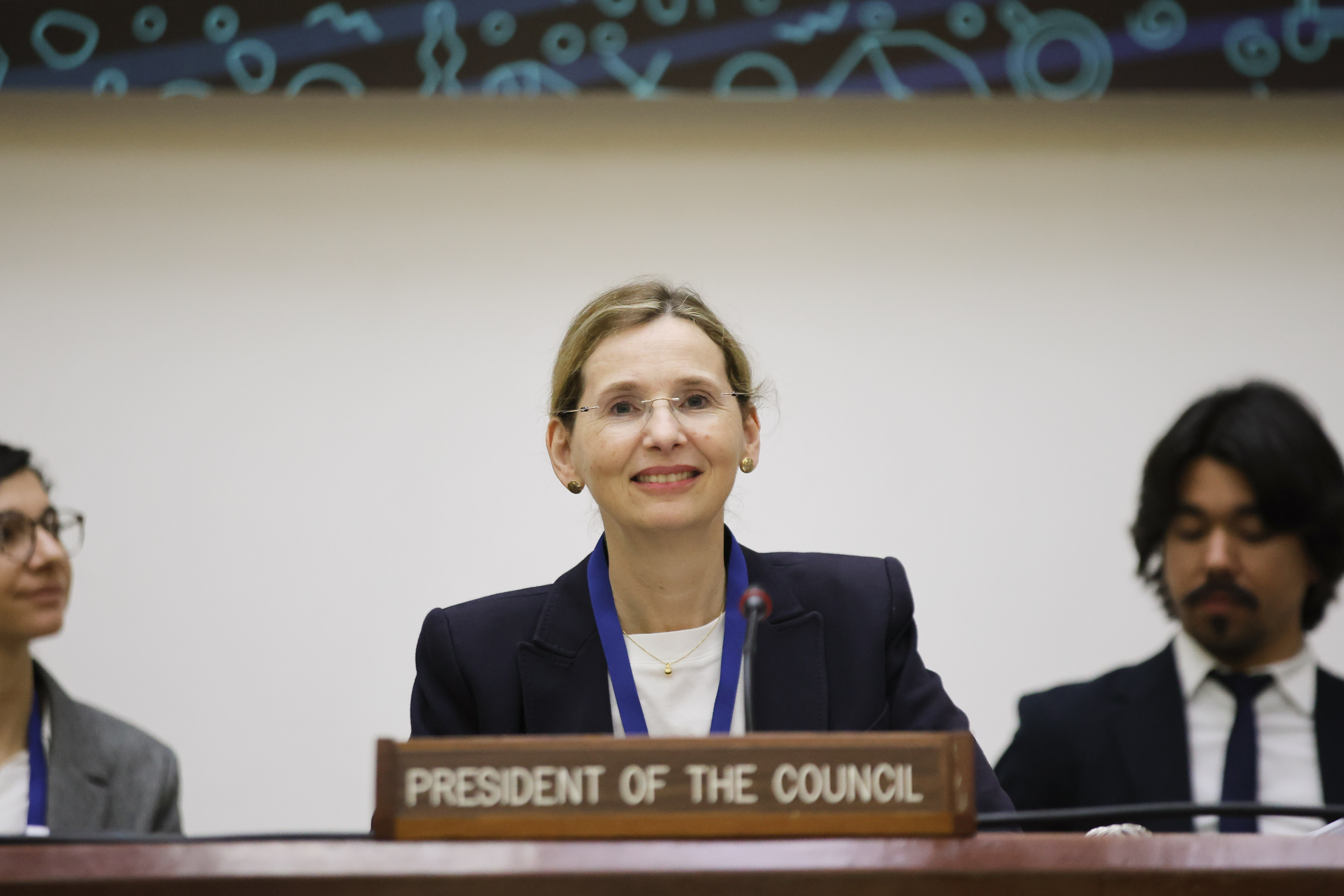
Catherine Flumiani, Italy, ISA-31 Council Vice-President
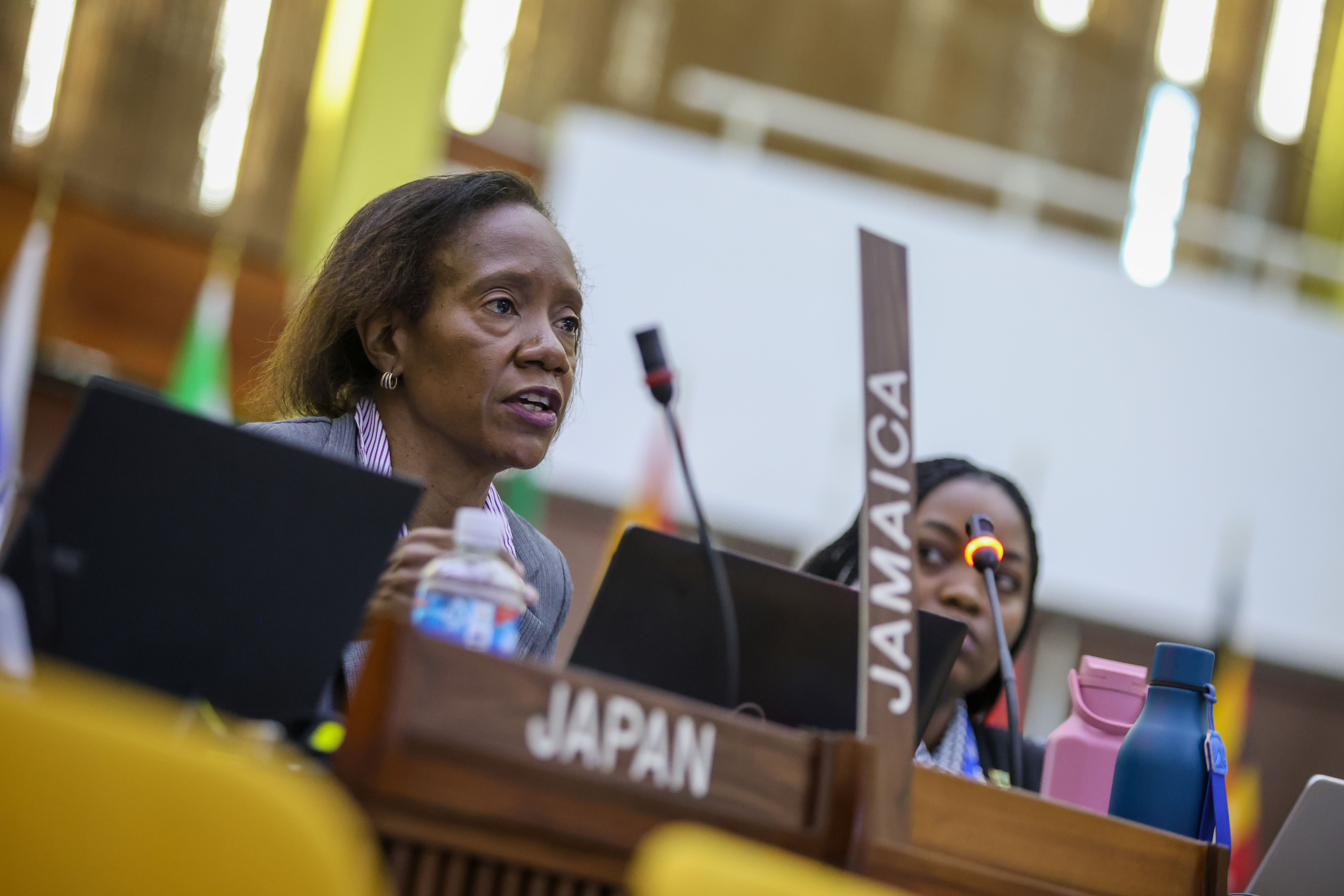
Michelle Walker, Jamaica
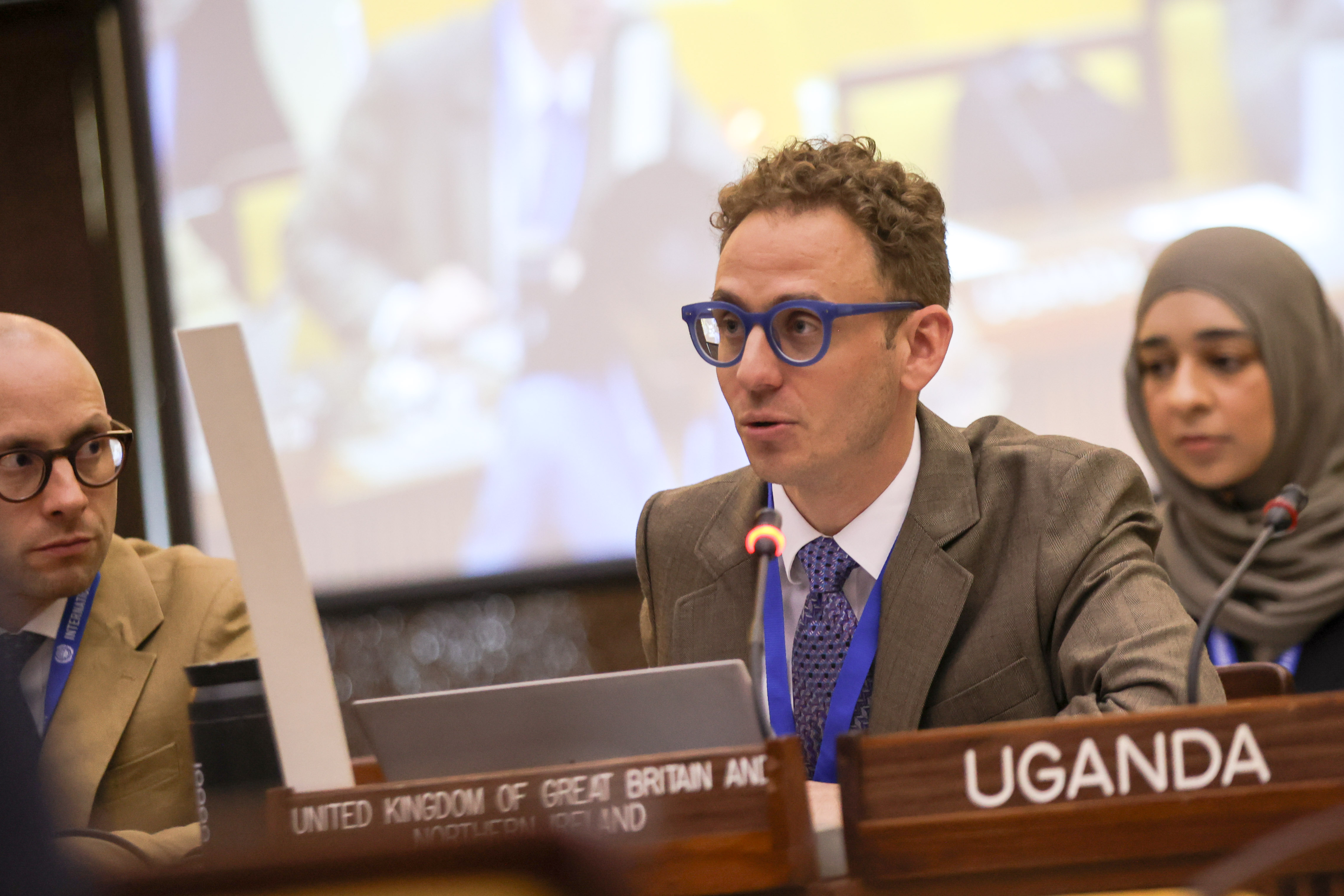
Jonathan Hollis, UK
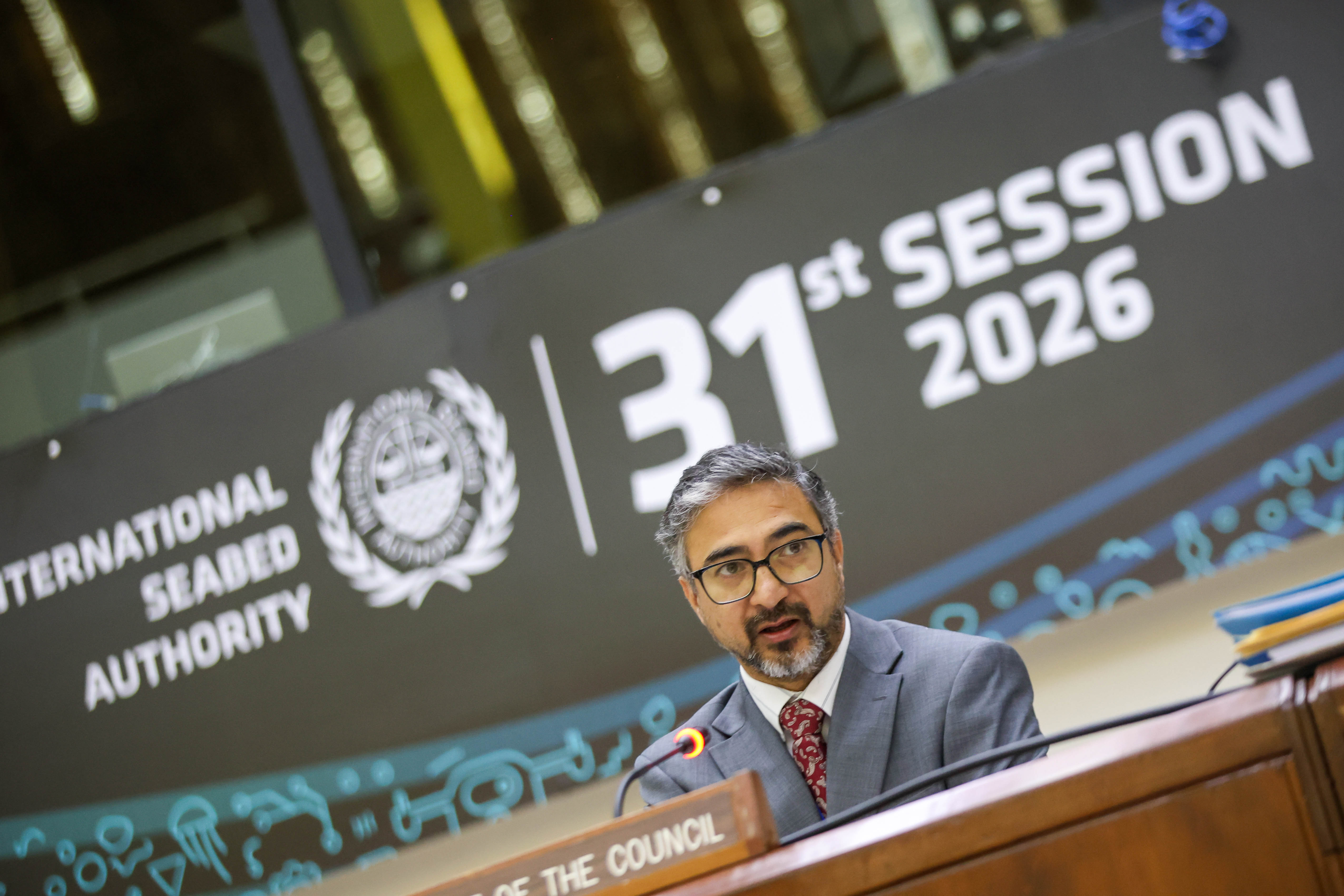
ISA-31 Council President Mayank Joshi, India
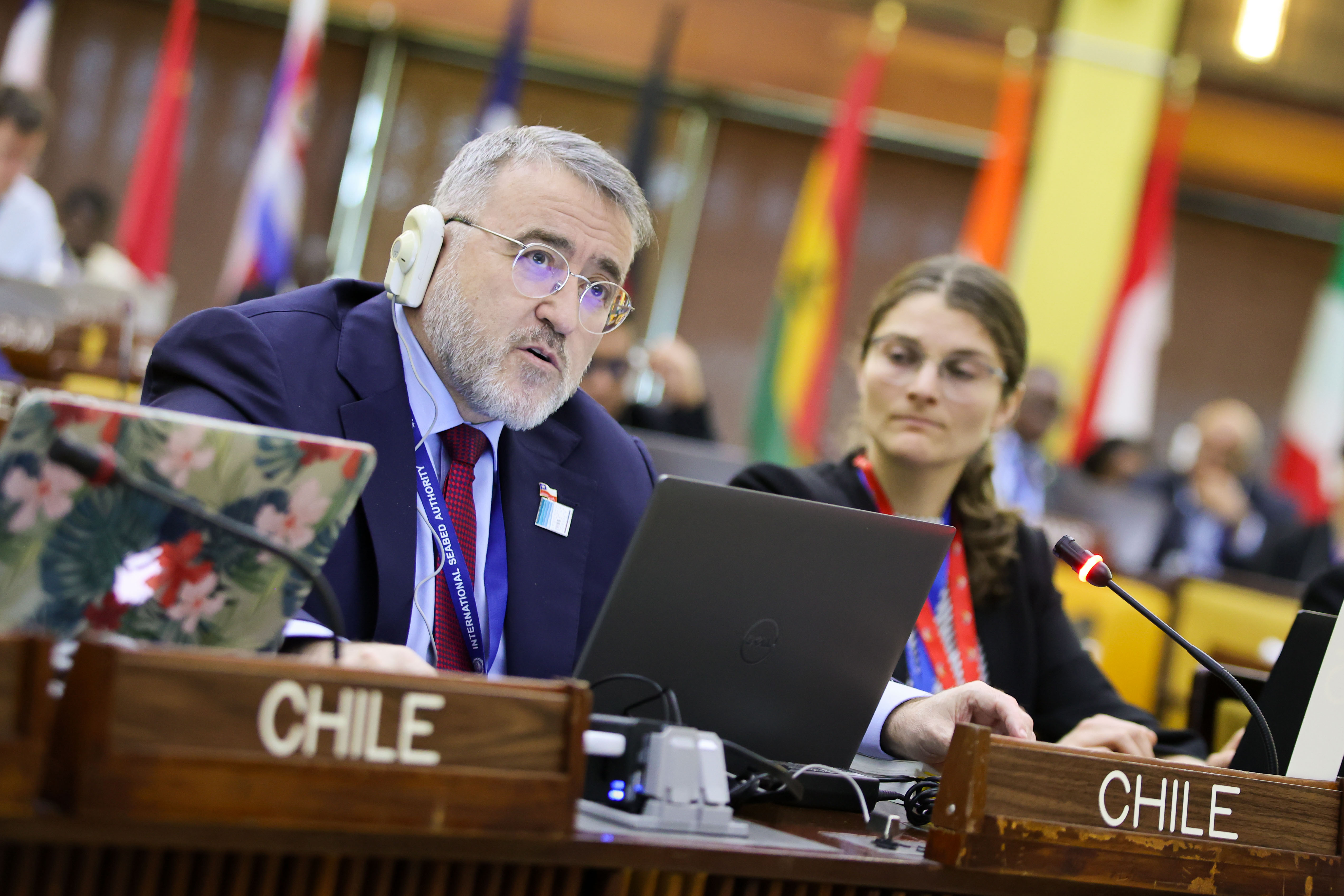
José Antonio Cabedo, Chile
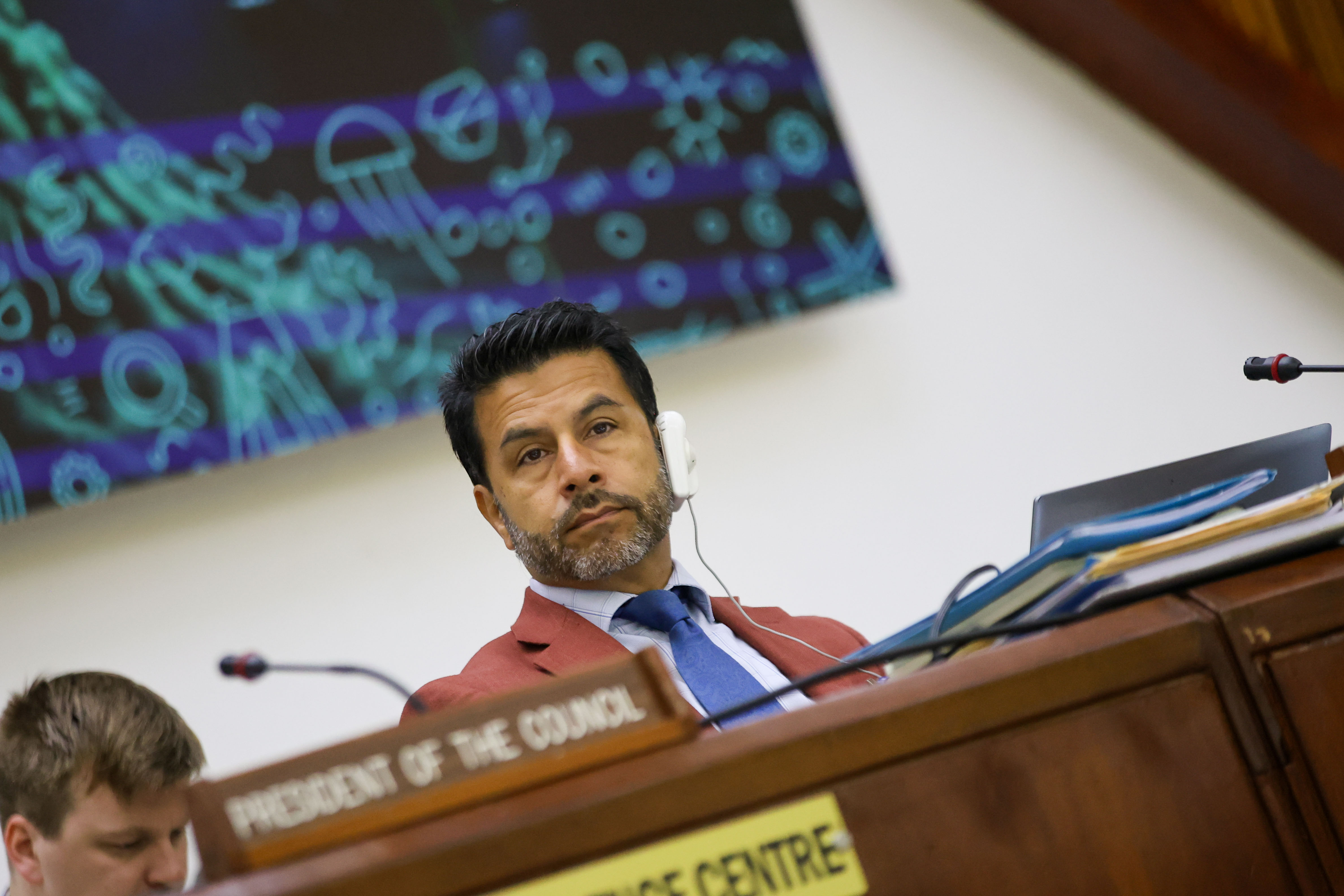
Marcelino Miranda, Secretariat of the Authority
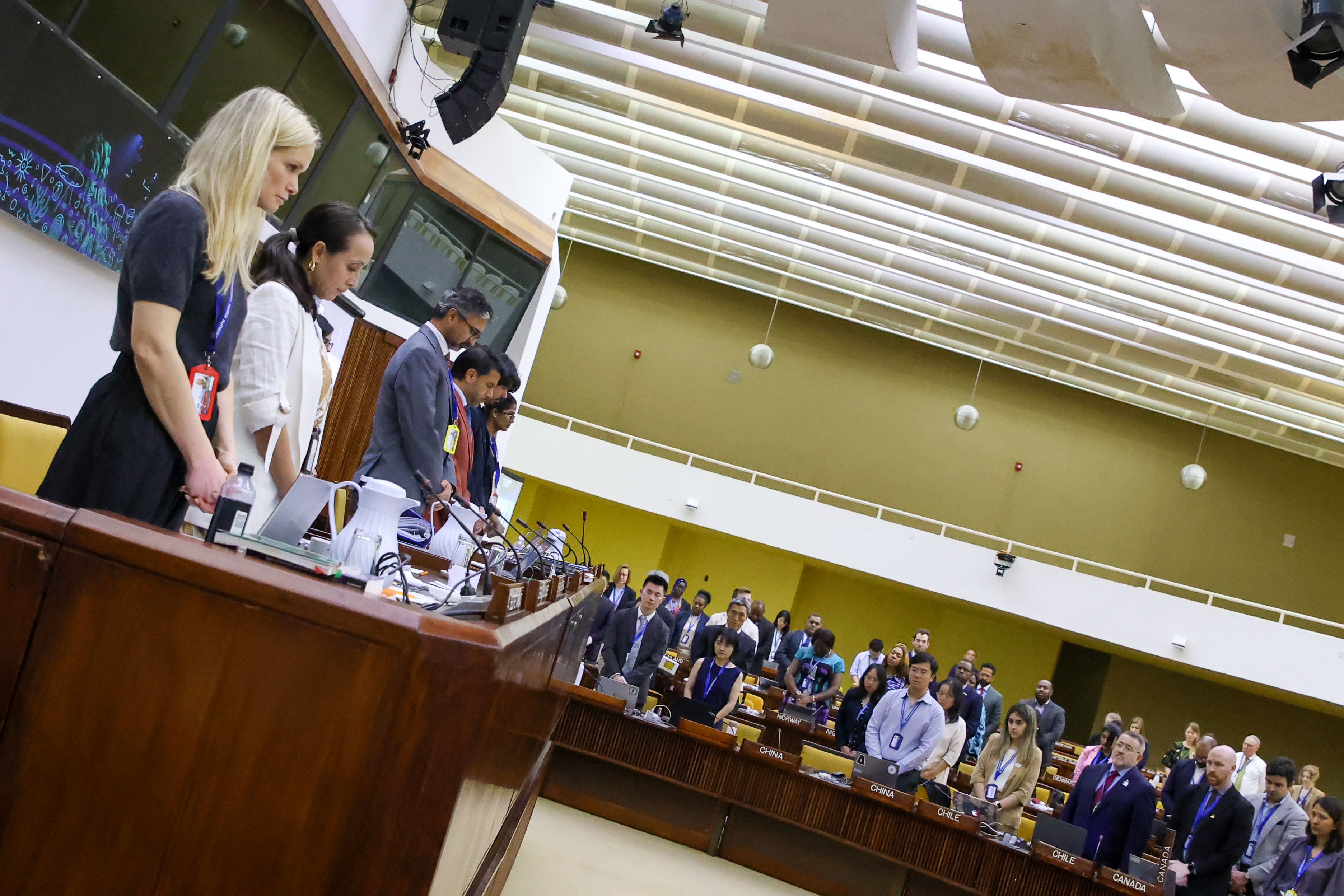
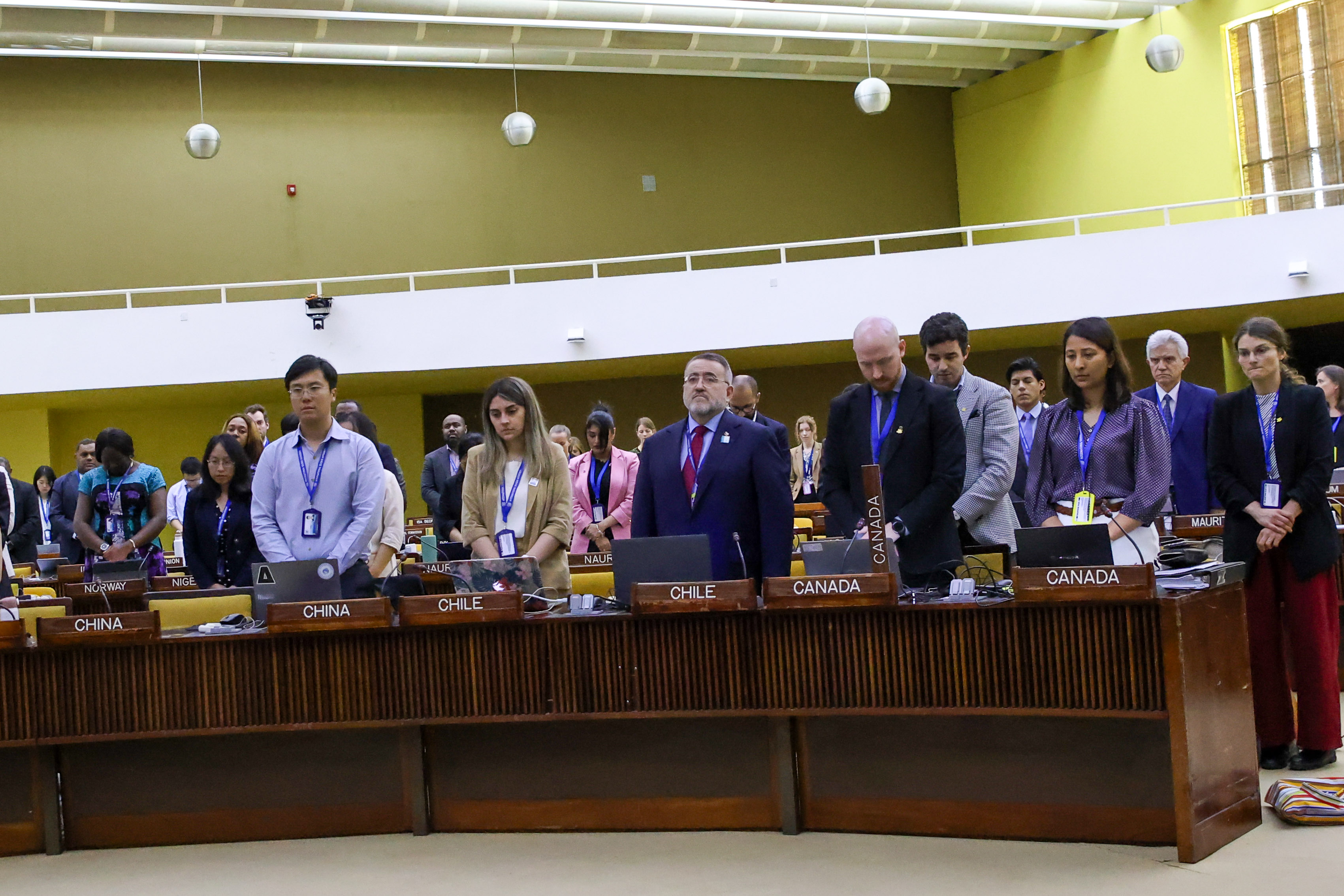
Delegates observe a minute of silence in honor of Juan José González Mijares, Mexico, ISA-28 Council President, who passed away earlier in the day on 13 March 2026.
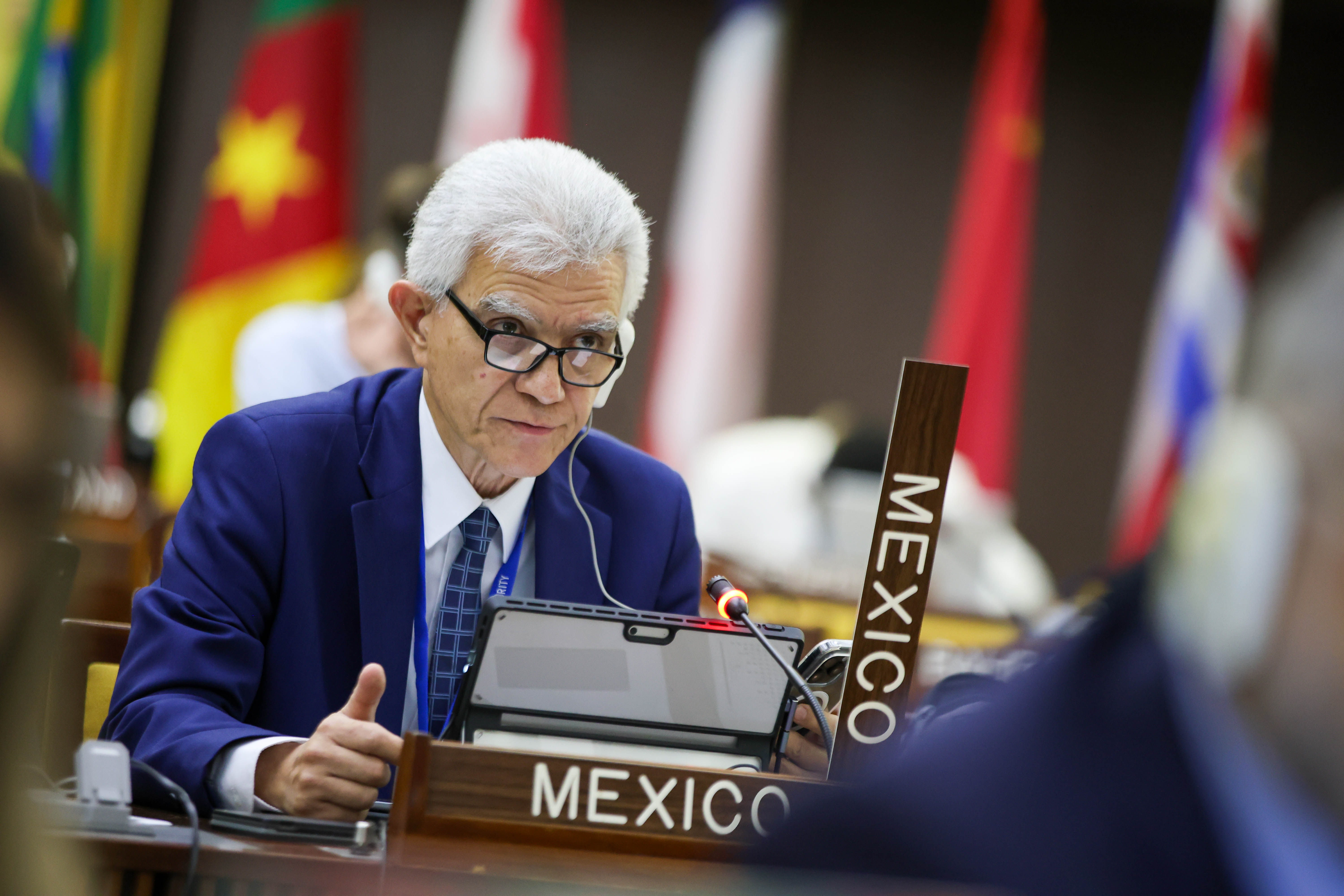
Roberto Canseco-Martínez, Mexico
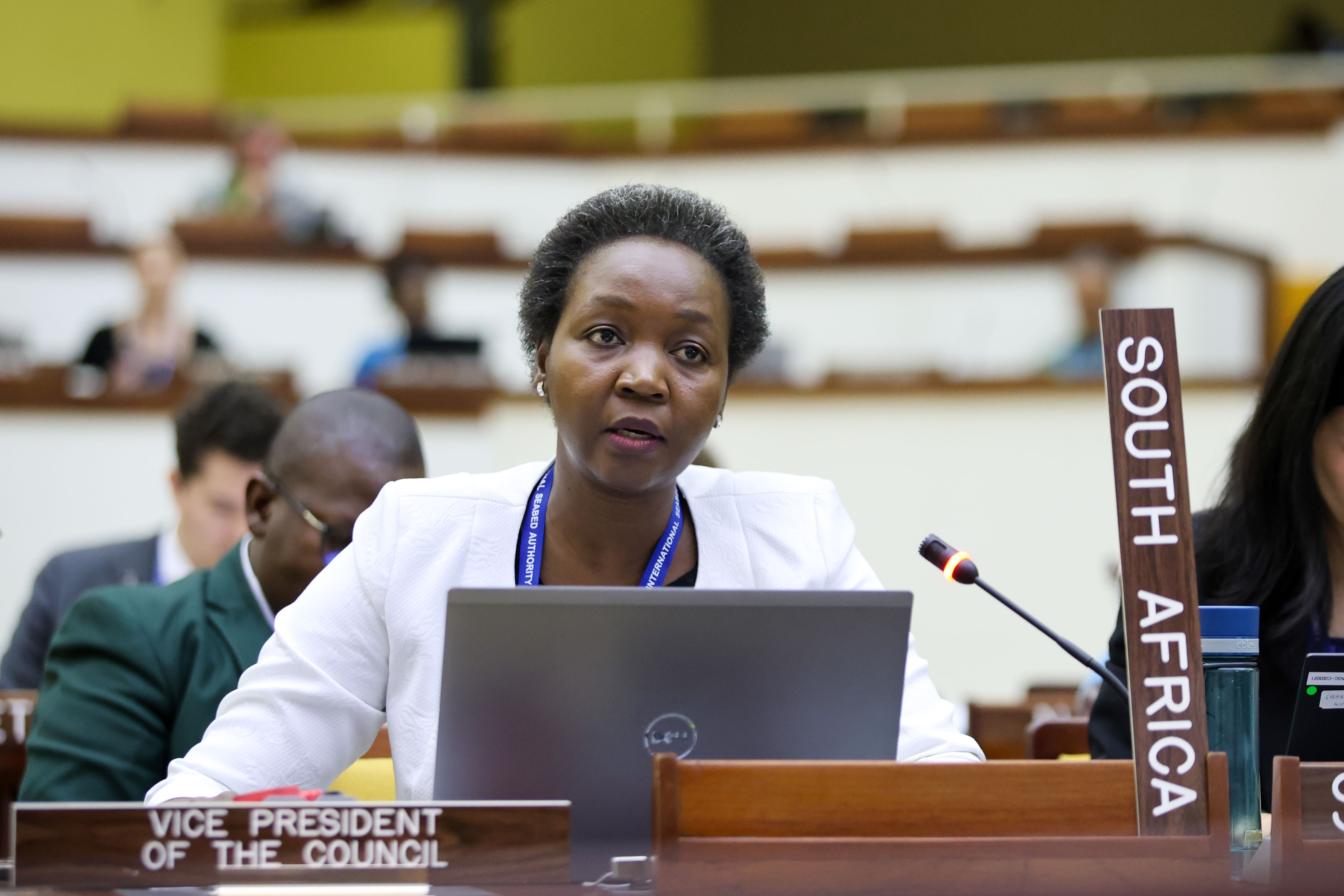
Tshifhiwa Mabidi, South Africa
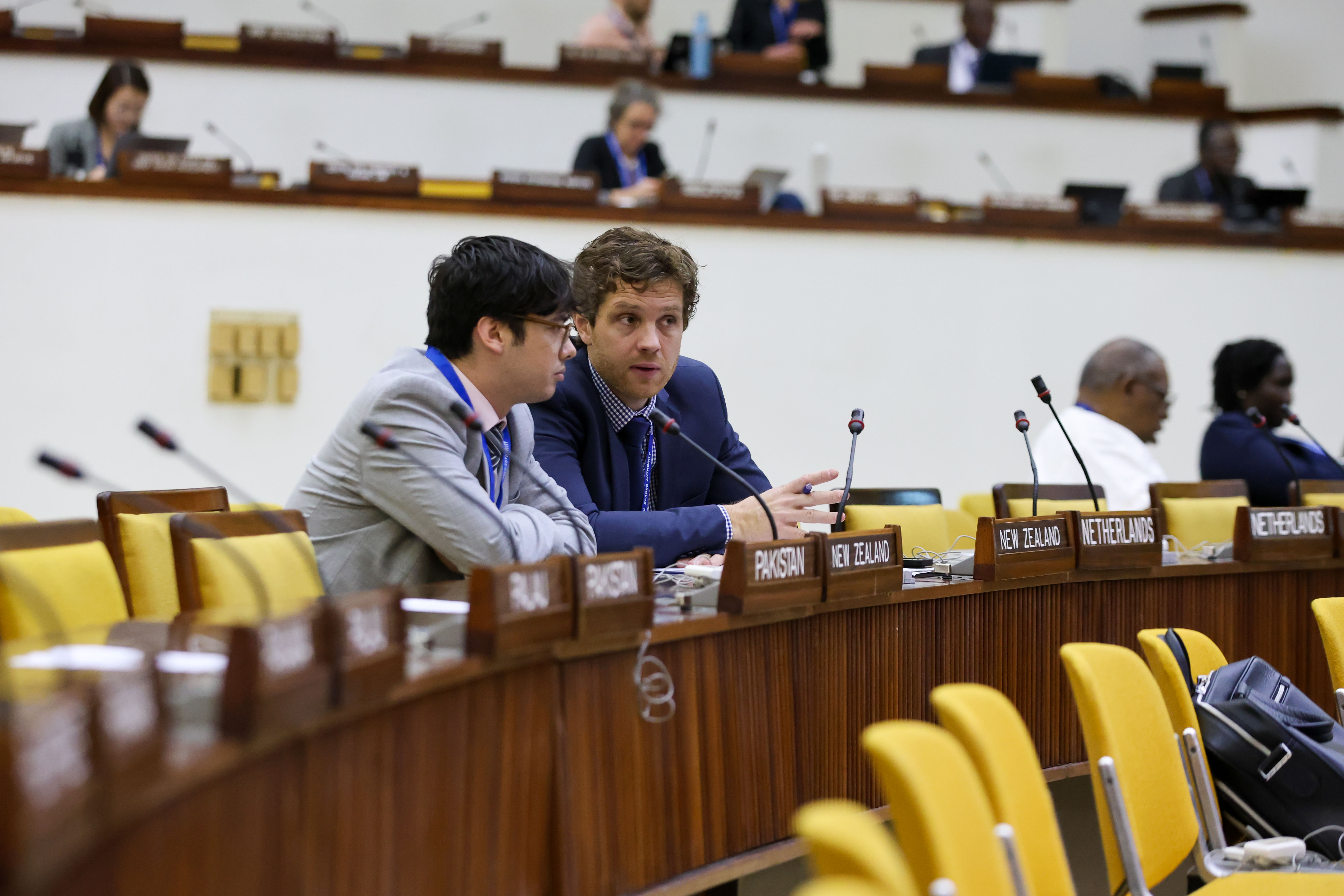
Delegates from New Zealand
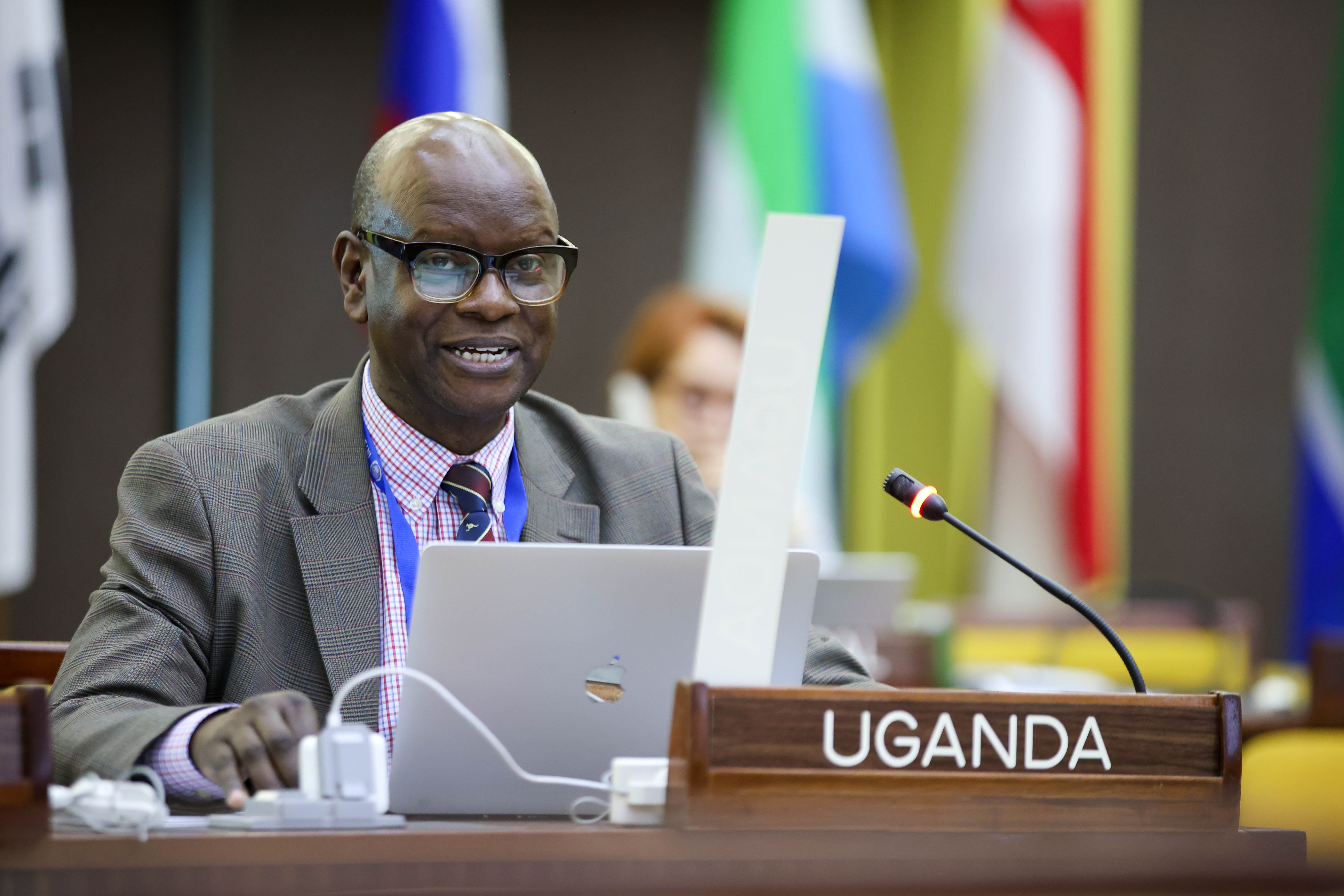
Duncan Muhumuza Laki, Uganda
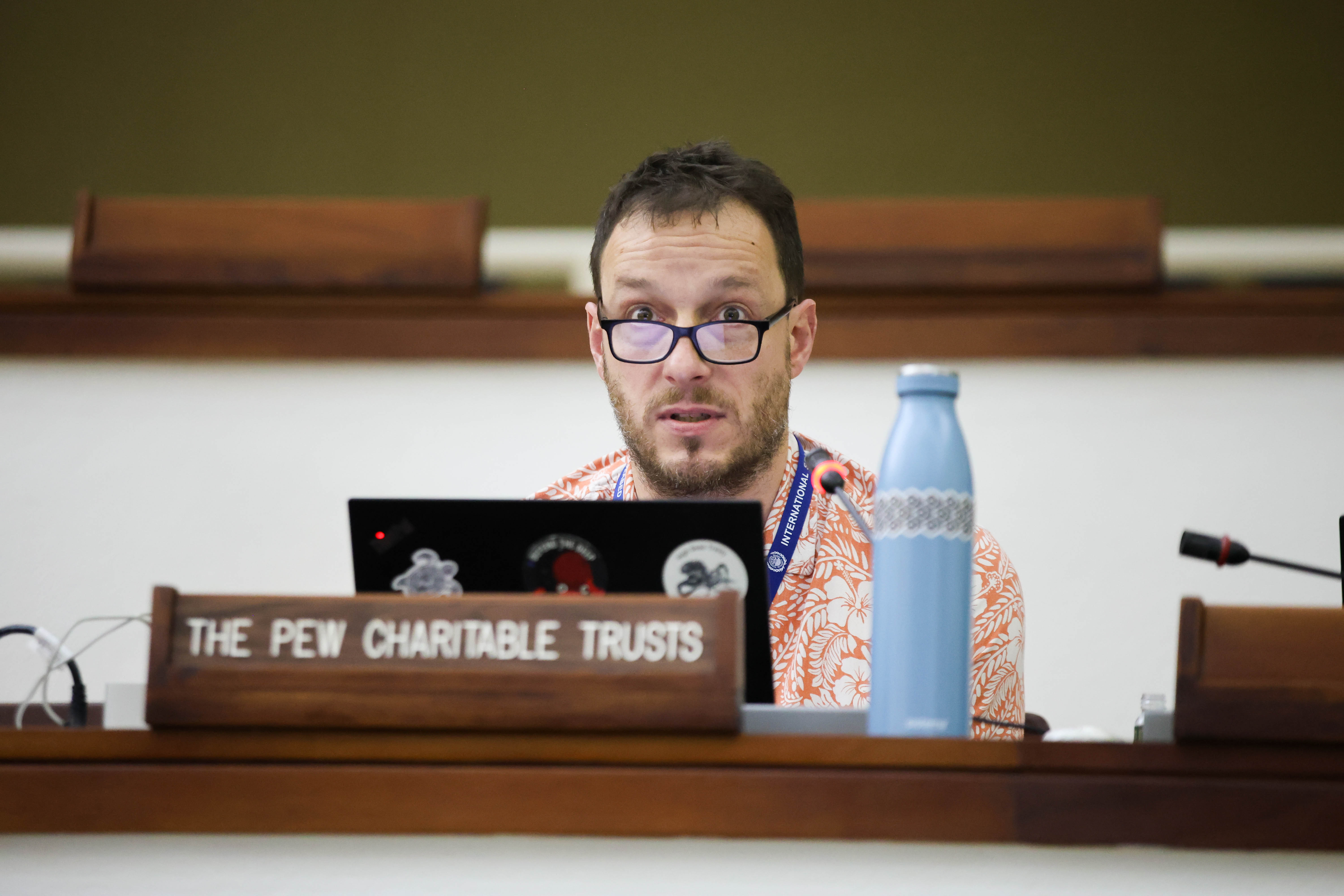
Julian Jackson, The Pew Charitable Trusts
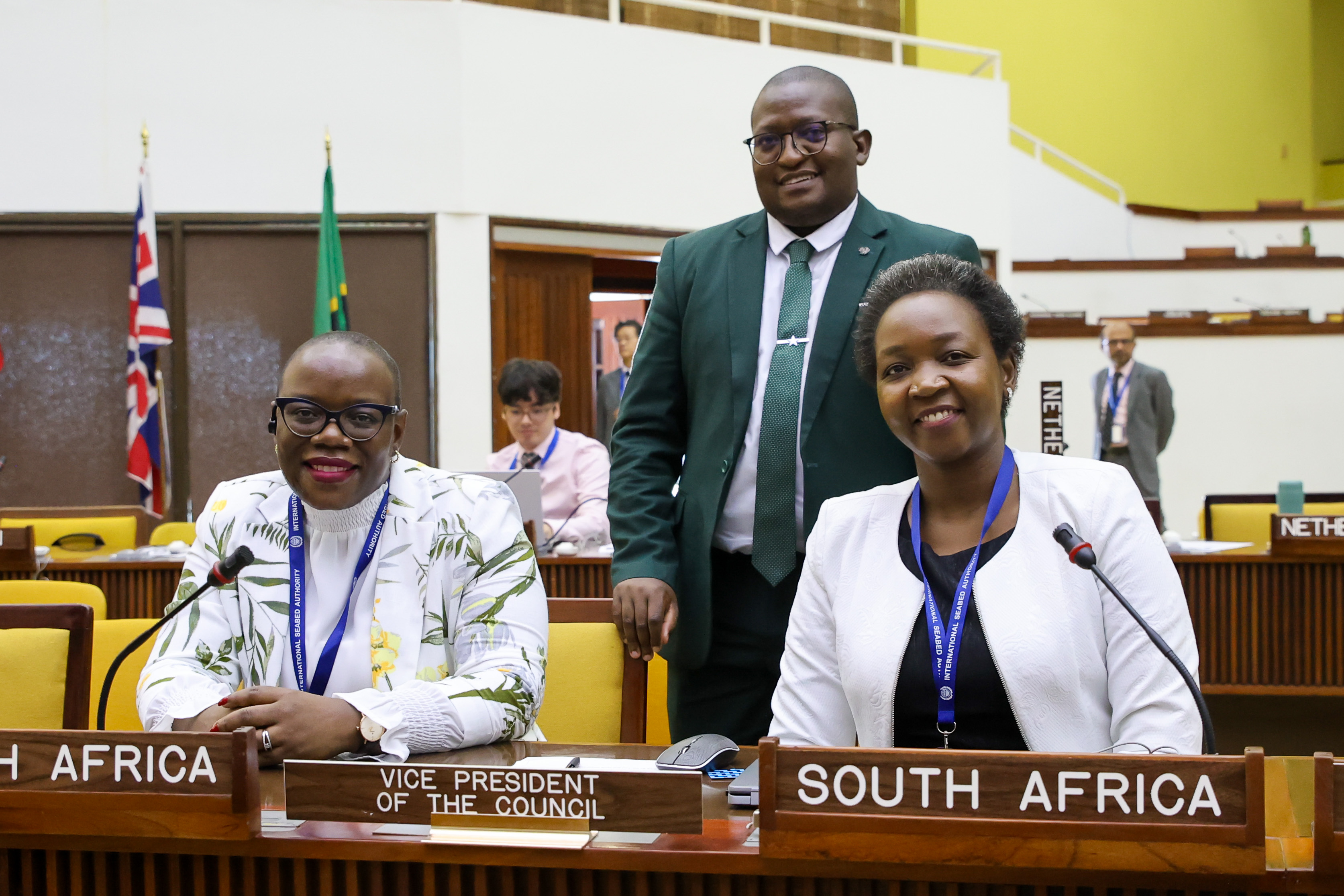
Delegates from South Africa
Between Sessions

Around the Venue

Delegates from the African Group
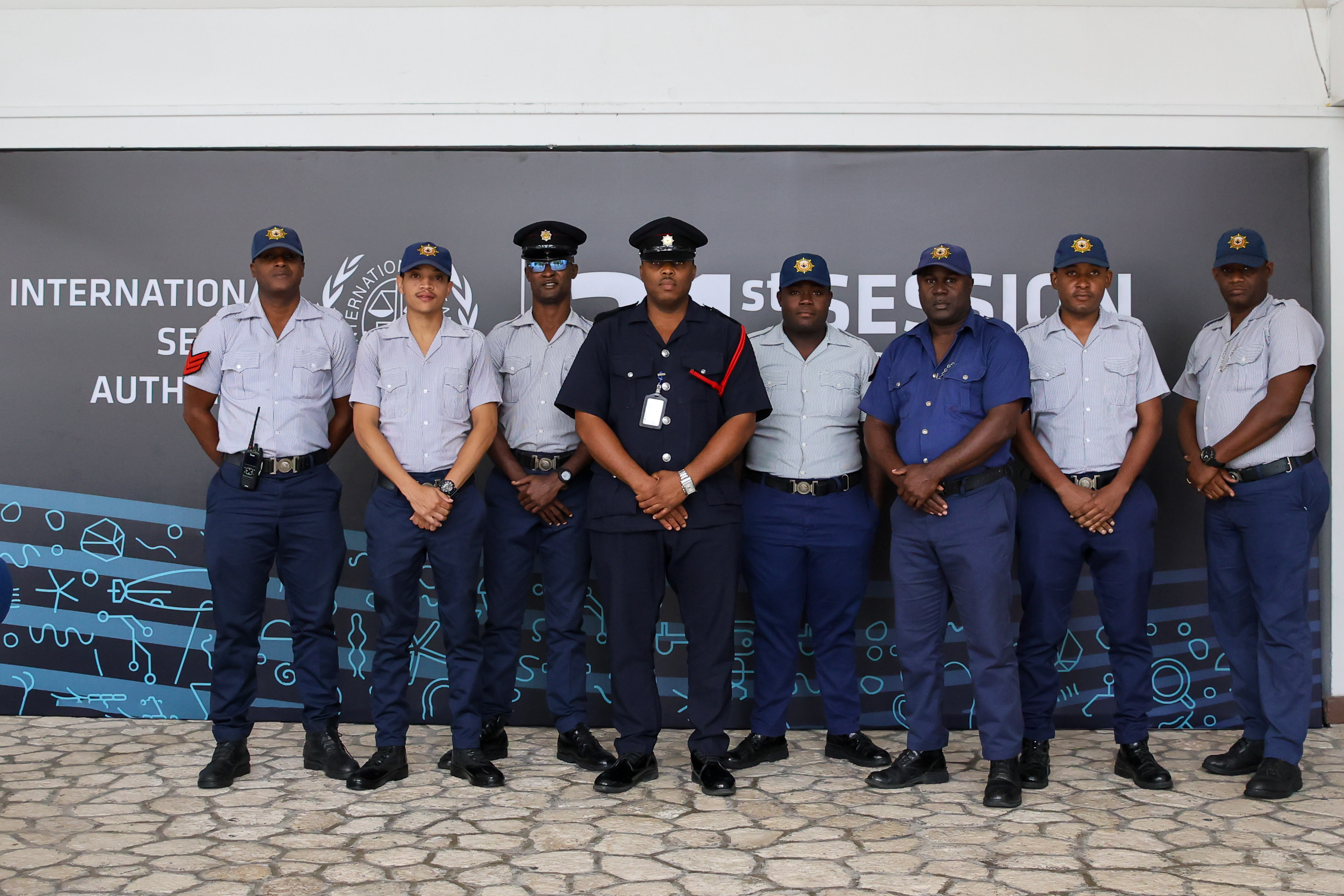
ISA-31 fire team

Sonja Phinn, Secretariat of the Authority with members of UN security
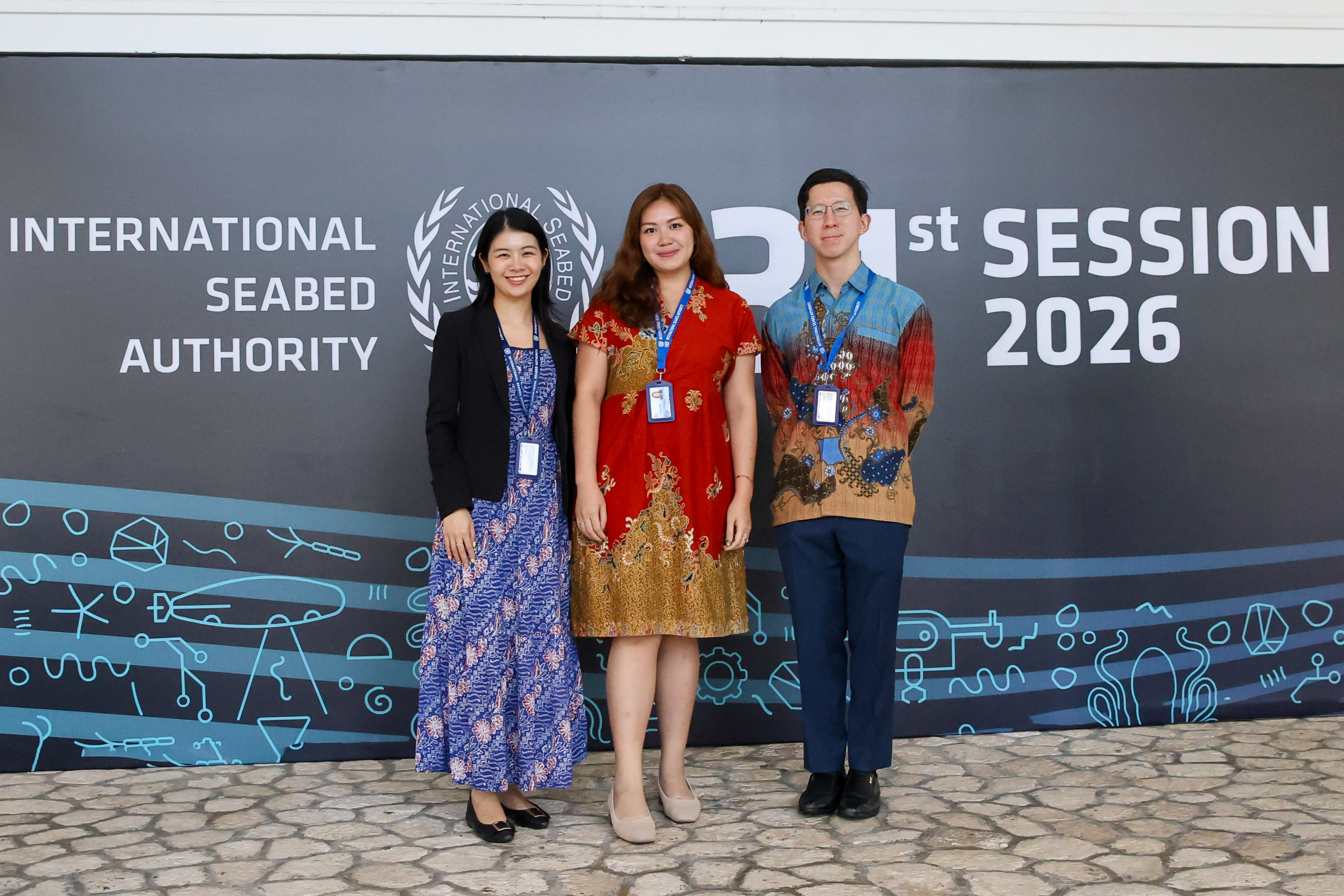
Delegates from Singapore