

The first part of the 31st annual session of the International Seabed Authority (ISA) Council concluded on a forward-looking note. As the Council continued to make progress in negotiating the draft regulations for commercial exploitation of deep-sea minerals, it also turned its attention to the standards and guidelines that will accompany them as an integral component of the mining code.
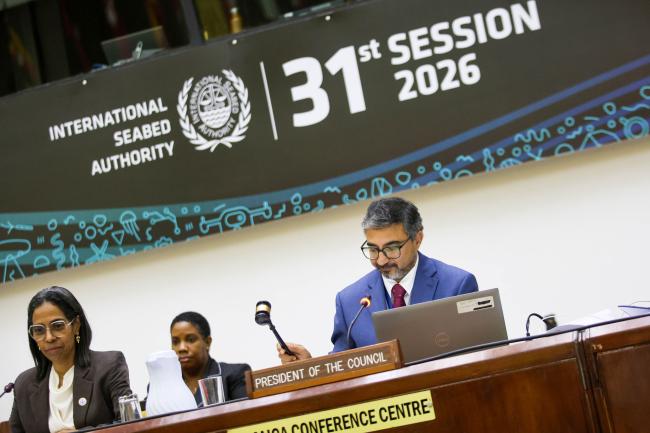
Recognizing that significant work remains, the Council endorsed a recommendation by ISA-31 Council President Mayank Joshi (India) to request the Legal and Technical Commission (LTC) to consolidate and revise the list of standards and guidelines, identify those that should be ready by the time of adoption of the regulations, and develop a timeline or roadmap for their development. The LTC is expected to report back before the Council’s July 2026 meeting.
In the morning, the Council considered what resources should be covered by the exploitation regulations currently under negotiation. Several members argued that the draft regulations should apply only to polymetallic nodules, noting that different types of resources require distinct regulatory approaches, as is the case for the exploration regulations.
Other members preferred retaining a general reference to “resources” or “mineral resources” without specifying different resources. While acknowledging that some differentiation may be required, they emphasized that this should be addressed through resource-specific standards and guidelines.
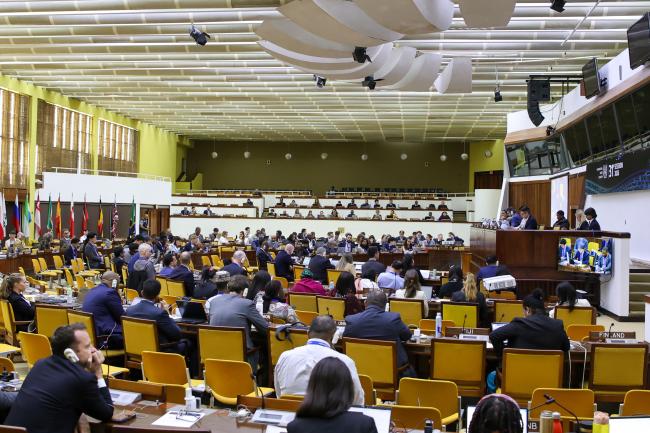
The Council’s discussions on confidentiality provisions addressed three main areas: confidentiality of information; procedures to ensure confidentiality; and data and information to be submitted upon expiration or termination of an exploitation contract.
On confidentiality of information, delegates broadly supported making data related to plans of work and exploitation contracts publicly available, except where confidentiality is properly justified. Some supported limited, time-bound confidentiality for environmental data, subject to oversight by the LTC and reporting to the Council. Many stressed that baseline and monitoring data should be non-confidential.
Diverging views emerged on who should be entitled to challenge confidentiality designations. One member suggested broader inclusion of stakeholders, while others cautioned against extending this right beyond the LTC due to the risk of politicization.
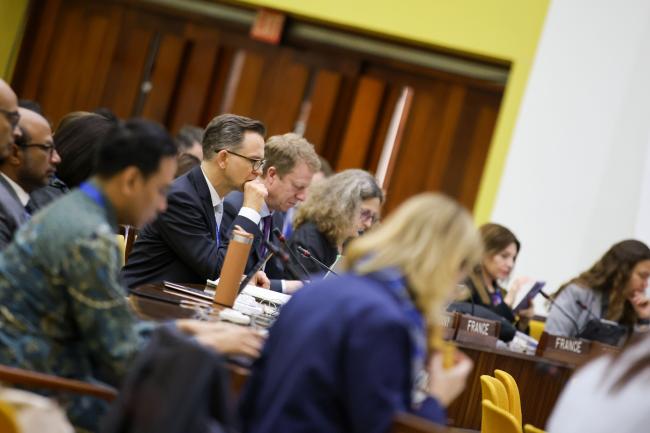
On procedures to ensure confidentiality, Council members supported strict non-disclosure obligations for ISA staff and members of its organs, including after the termination of their functions or employment. Many also supported establishing a confidential information register to enhance accountability. Delegates further discussed how breaches of confidentiality should be addressed.
On data submission following contract termination, delegates broadly agreed that the ISA is not currently equipped to receive biological and geological specimens. Several recommended transferring such materials to scientific institutions with the capacity to curate them.
Regarding the development of standards and guidelines, delegates emphasized their critical role in the exploitation framework, noting that many detailed, resource-specific provisions have been deferred to these instruments. Several members highlighted that while numerous standards are referenced in the draft regulations, only a few have been developed to date. They underscored the need for urgent progress, including a clear roadmap and timeline.
There was broad support for consolidating and reviewing the current list of standards and guidelines, including reassessing which should be included in a first phase of the three-phase approach, and therefore to be in place at the time of adoption of the regulations.
Views diverged, however, on sequencing. Some members proposed decoupling the adoption of standards from that of the regulations to accelerate progress, while others stressed that both should advance in parallel and be adopted together.
Council President Joshi suggested, and the Council endorsed, requesting the LTC to revise the list of standards and guidelines and develop a roadmap for their development.
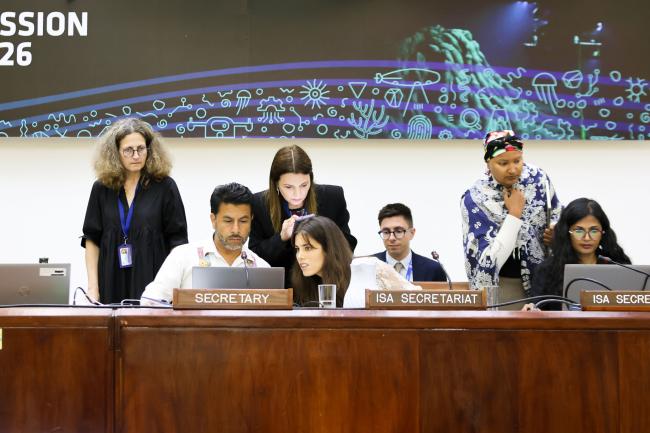
Council President Joshi provided a brief overview of progress during this session and stated that delegates’ inputs and revisions will be incorporated into a further revised consolidated text, to be published by 1 June 2026.
The Council agreed on the need for structured intersessional work to advance negotiations. Council President Joshi urged working group and Friends of the President facilitators to submit revised versions of text in a timely manner to facilitate the process.
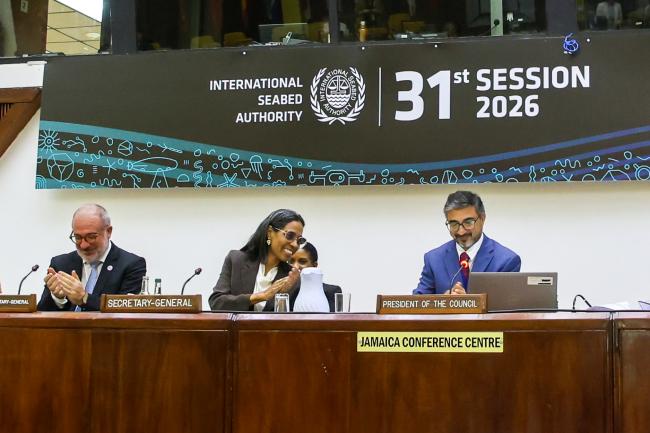
The Council also adopted a decision relating to the LTC report on the implementation of the Council’s earlier decision requesting additional information from contractors at risk of non-compliance with their contractual obligations.
Closing the session, ISA Secretary-General Leticia Carvalho expressed sincere appreciation to Jamaica for its hospitality, to President Joshi, and all facilitators and delegates for their active engagement. President Joshi thanked all delegates and closed the meeting at 6:47 pm.
To receive free coverage of global environmental events delivered to your inbox, subscribe to the ENB Update newsletter.
All ENB photos are free to use with attribution. For the 1st part of the 31st session of the International Seabed Authority (ISA) Council meeting, please use: Photo by IISD/ENB | Anastasia Rodopoulou
Council Meeting
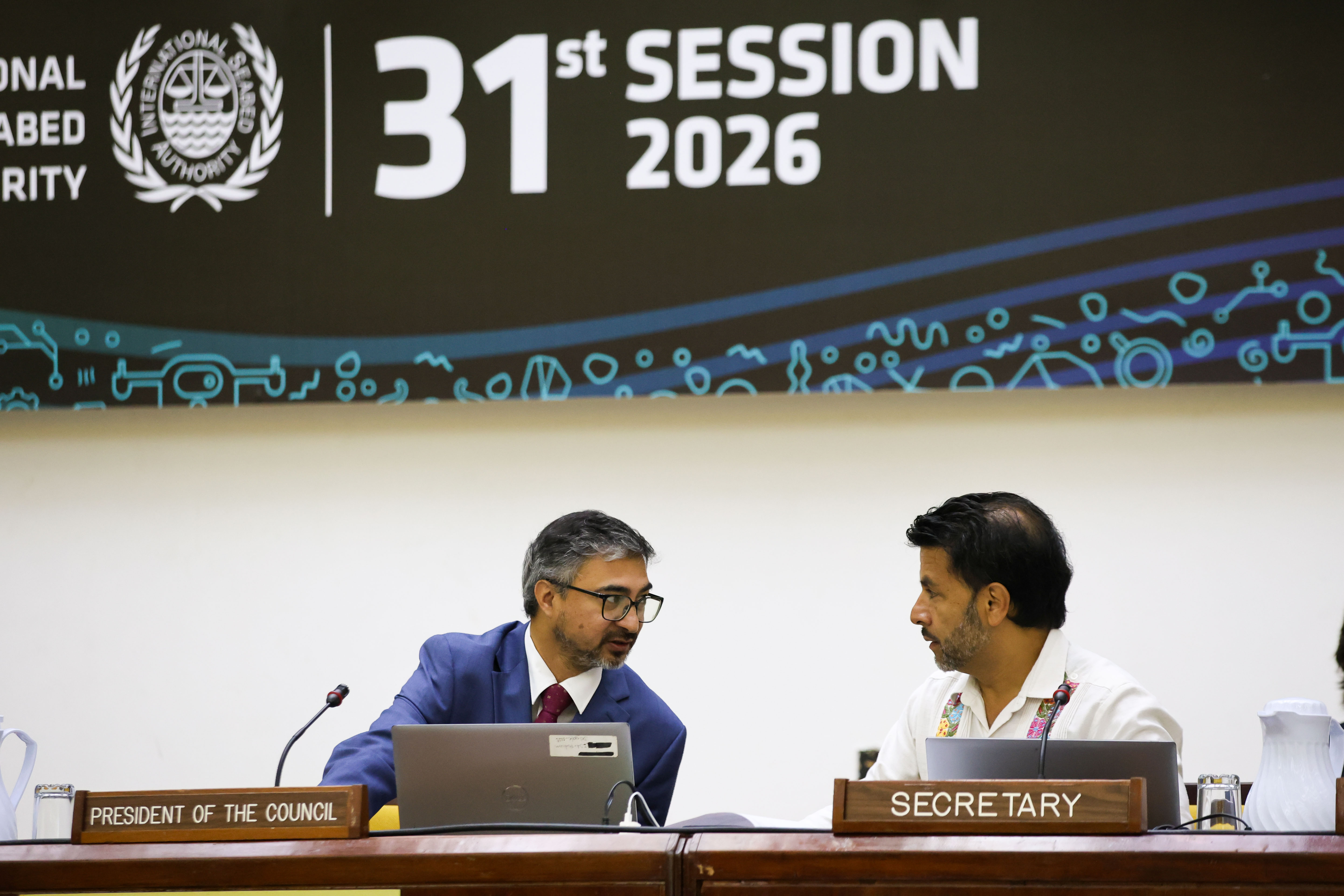
ISA-31 Council President Mayank Joshi, India, and Marcelino Miranda, Secretariat of the Authority
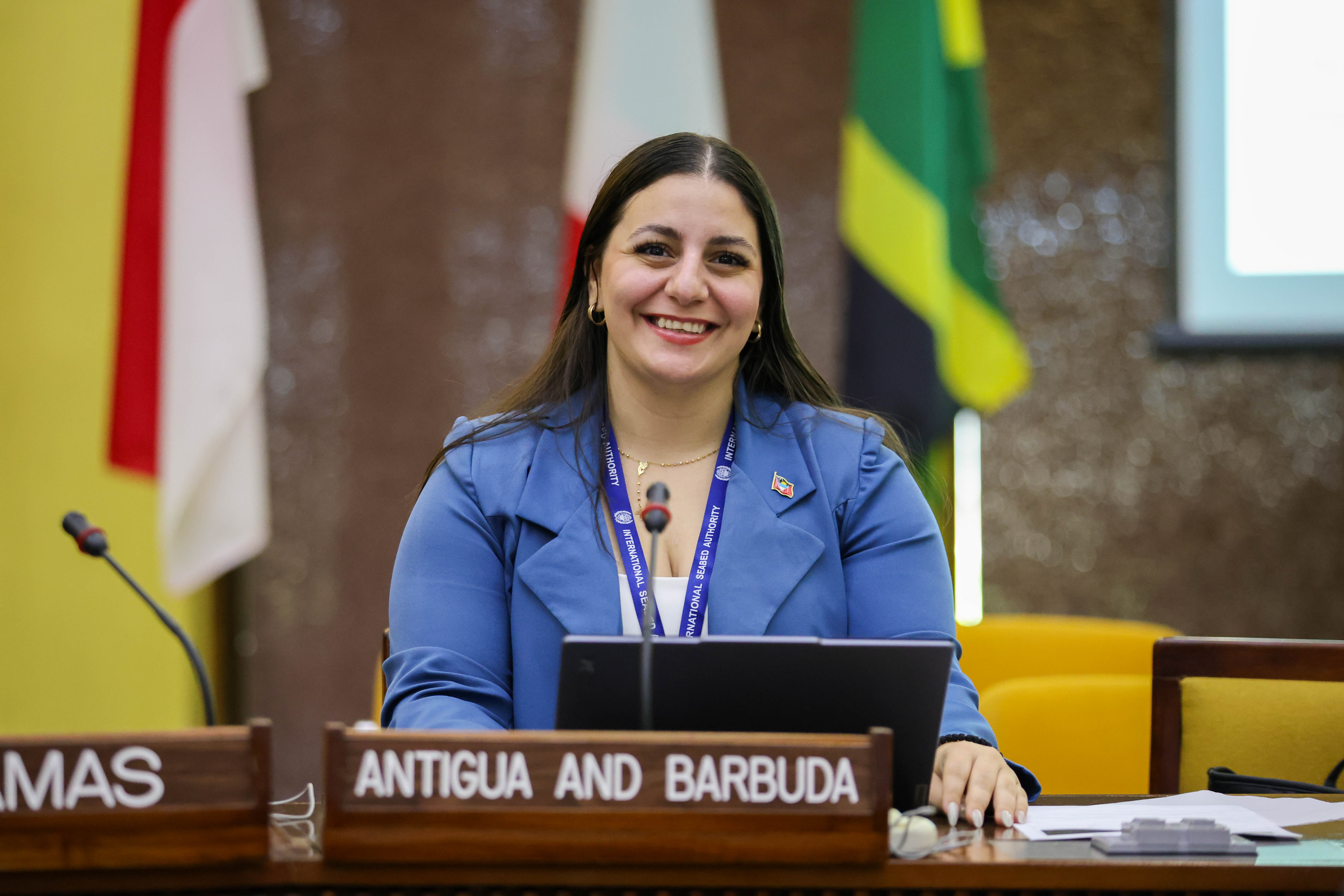
Jessica Zouetr, Antigua and Barbuda
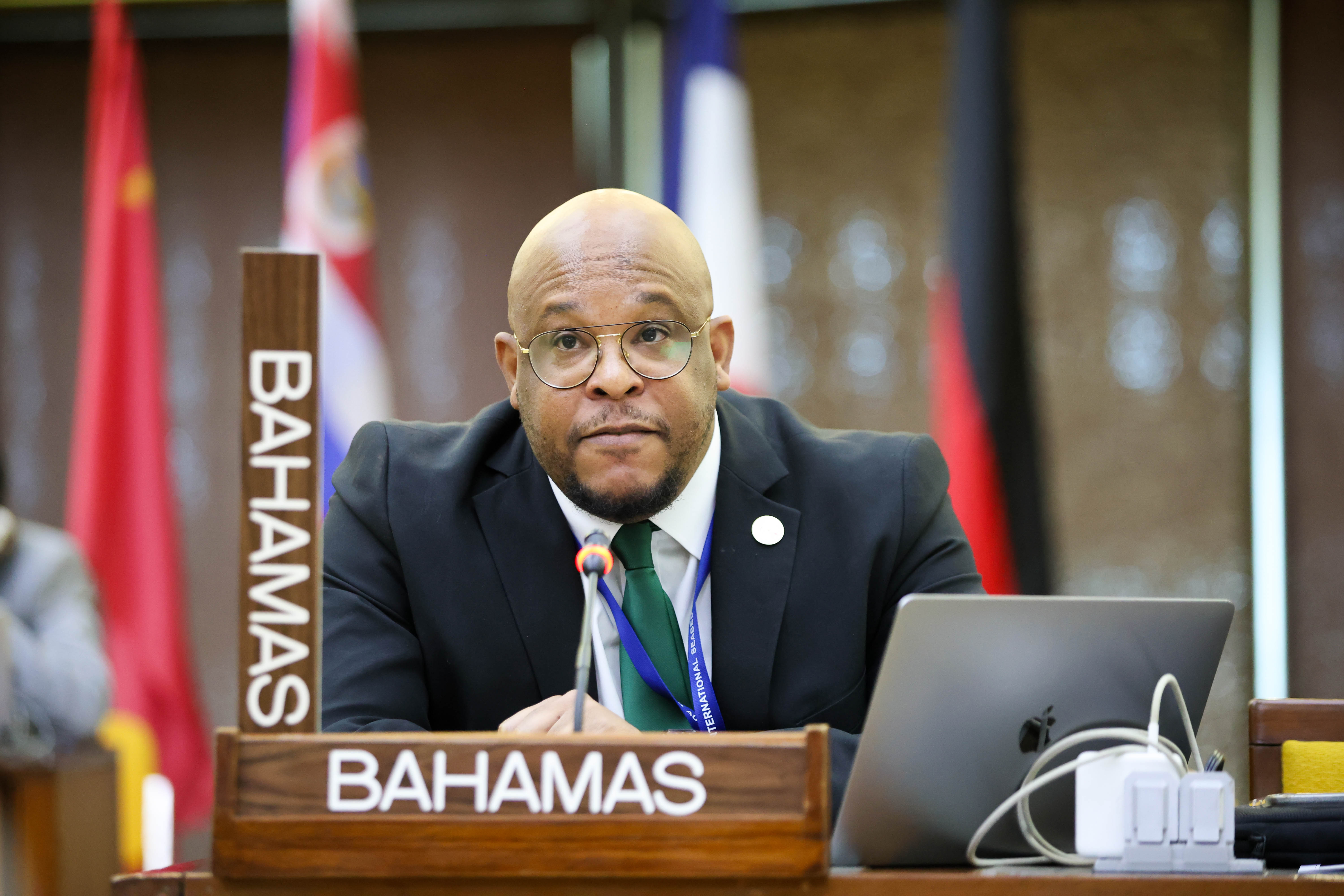
Shannon Anthony Bethel, the Bahamas
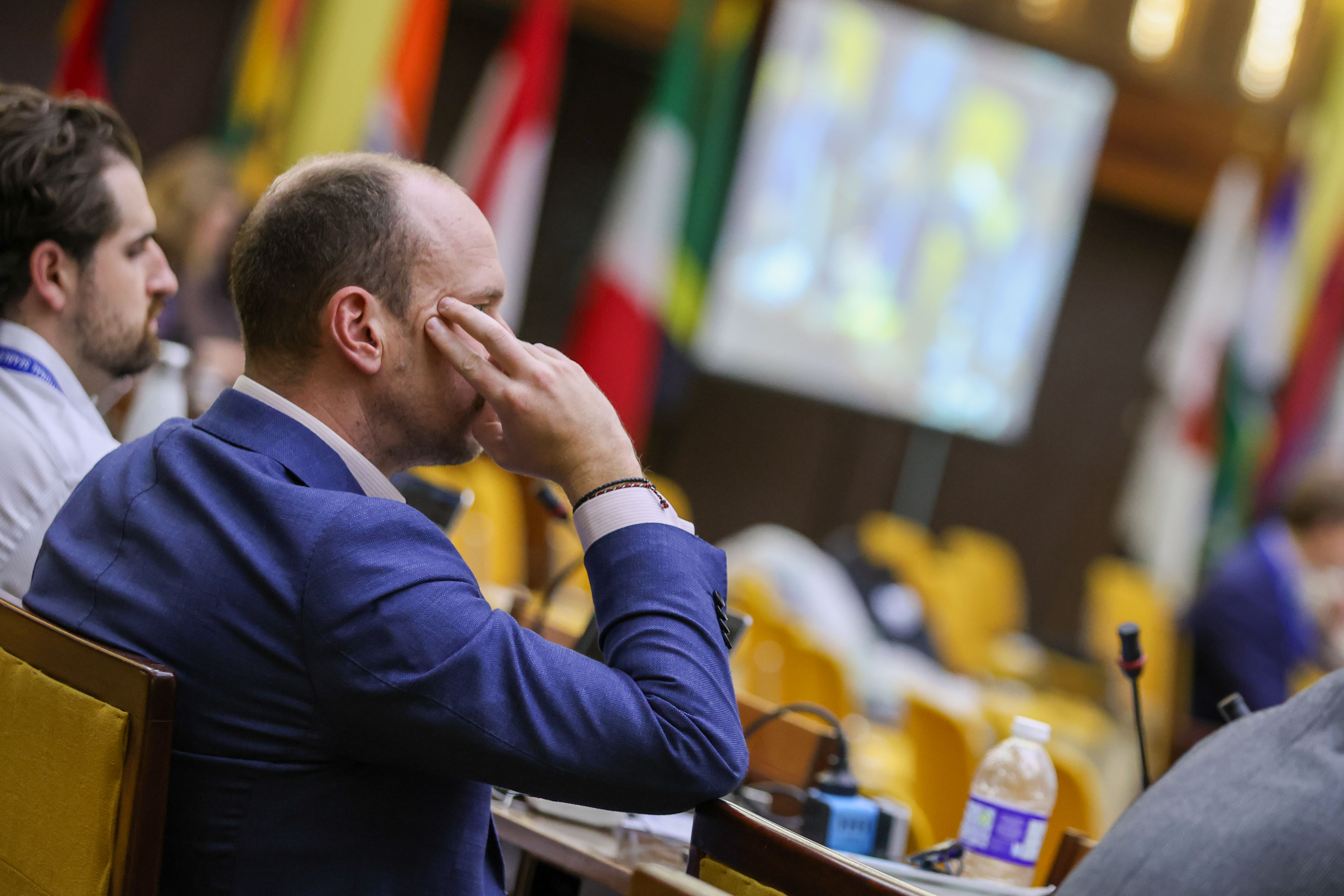
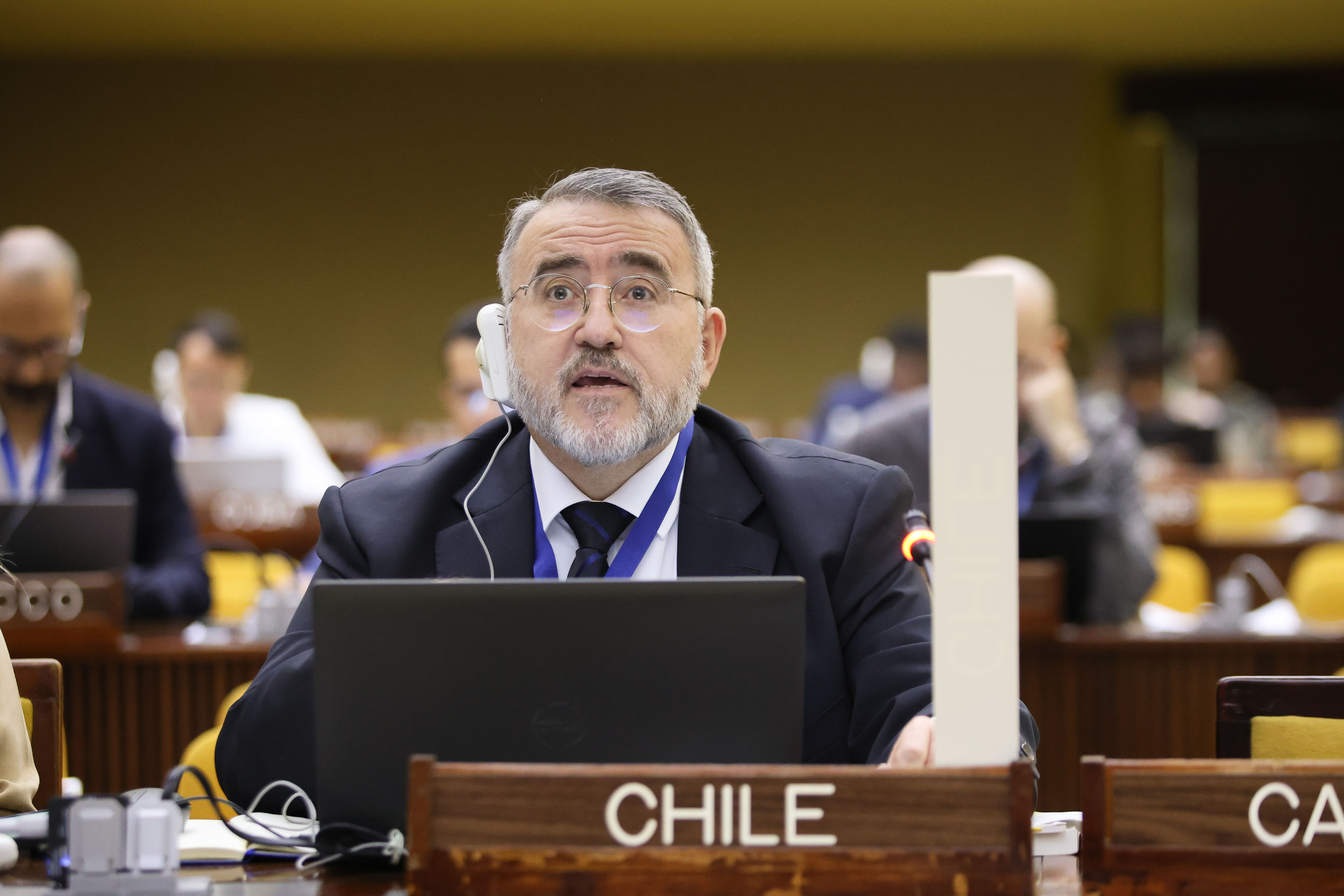
José Antonio Cabedo, Chile
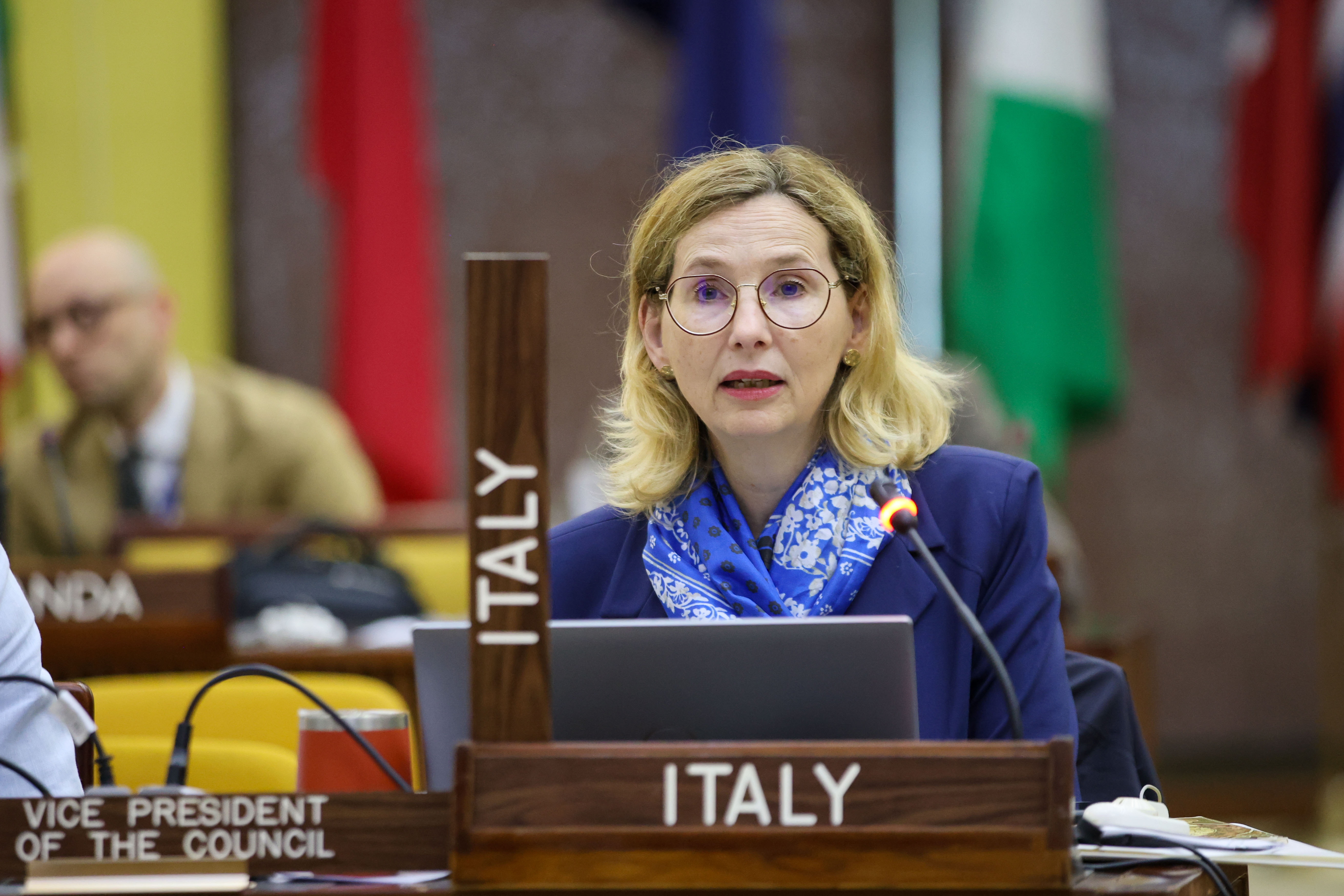
Catherine Flumiani, Italy
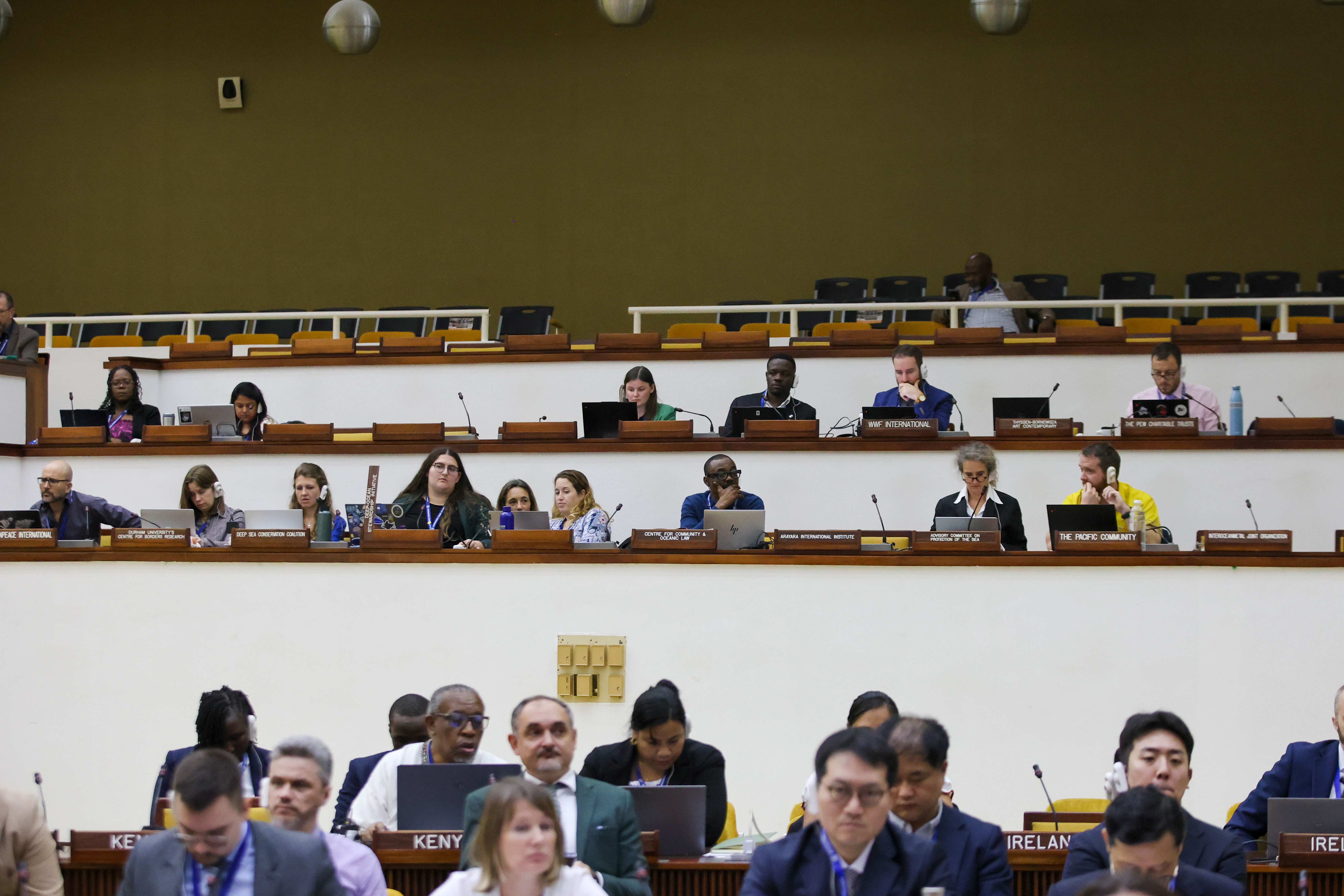
Observers follow the proceedings.

Beatrice Chen, Singapore
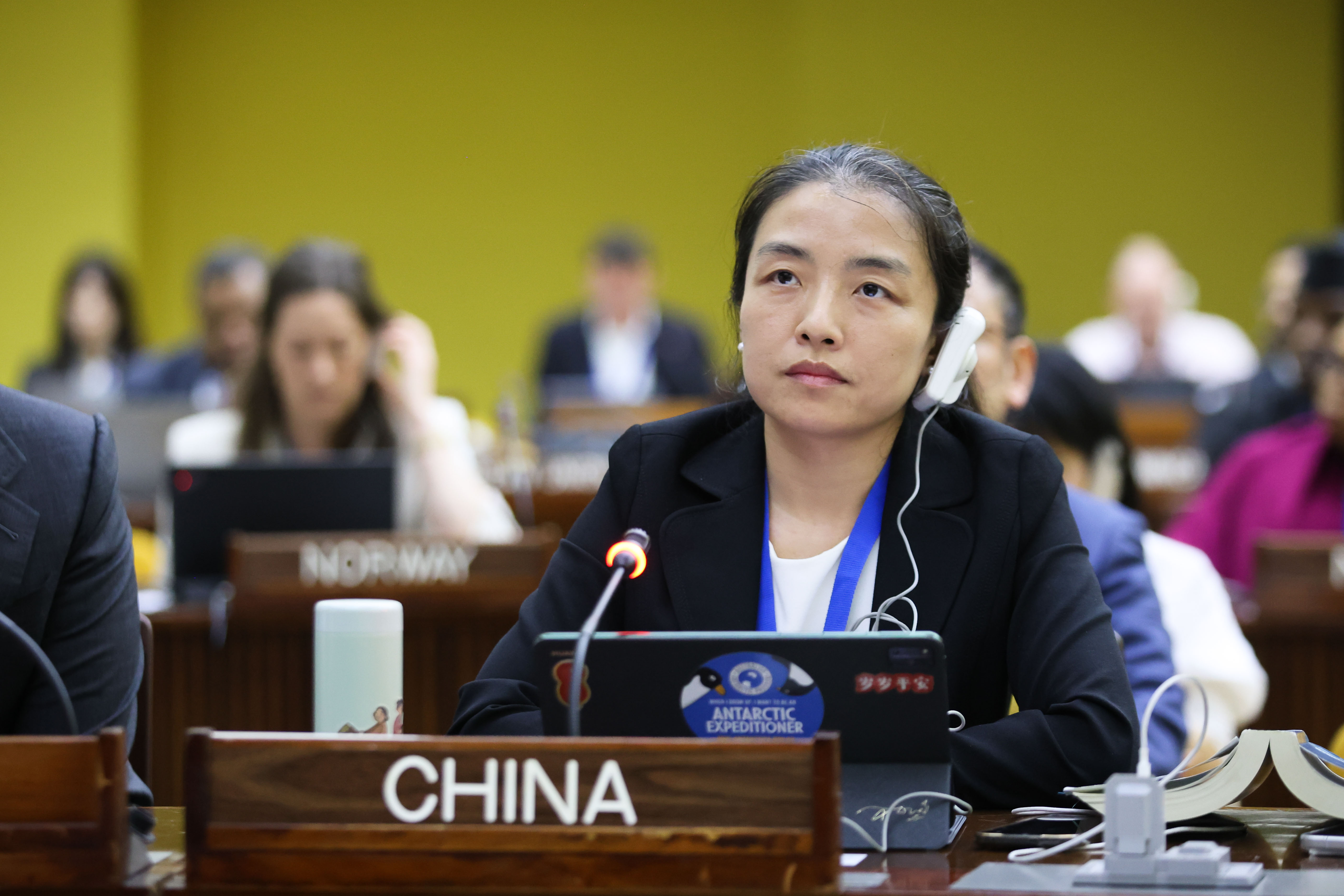
Wenting Zhao, China
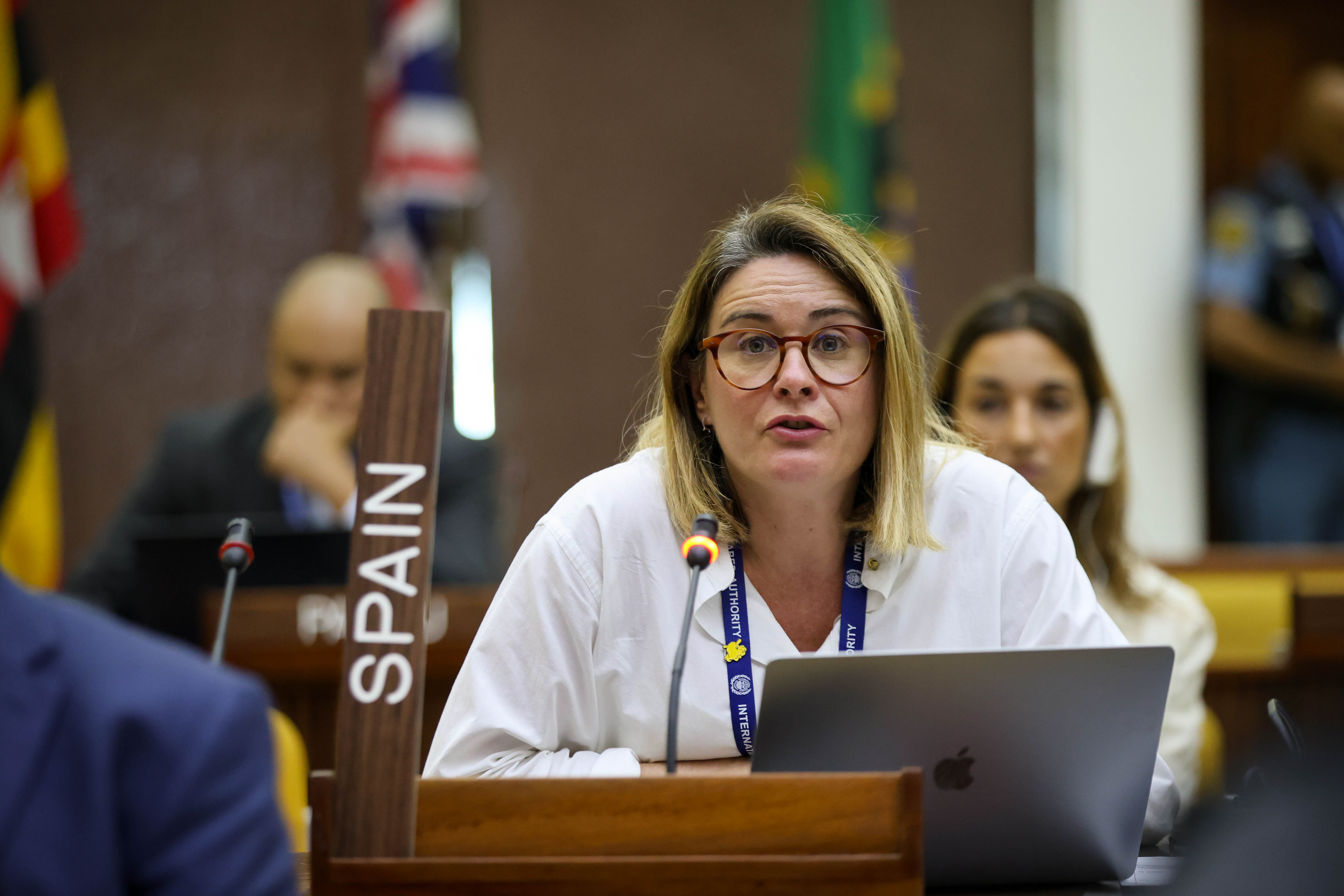
Gloria Fernández Arribas, Spain
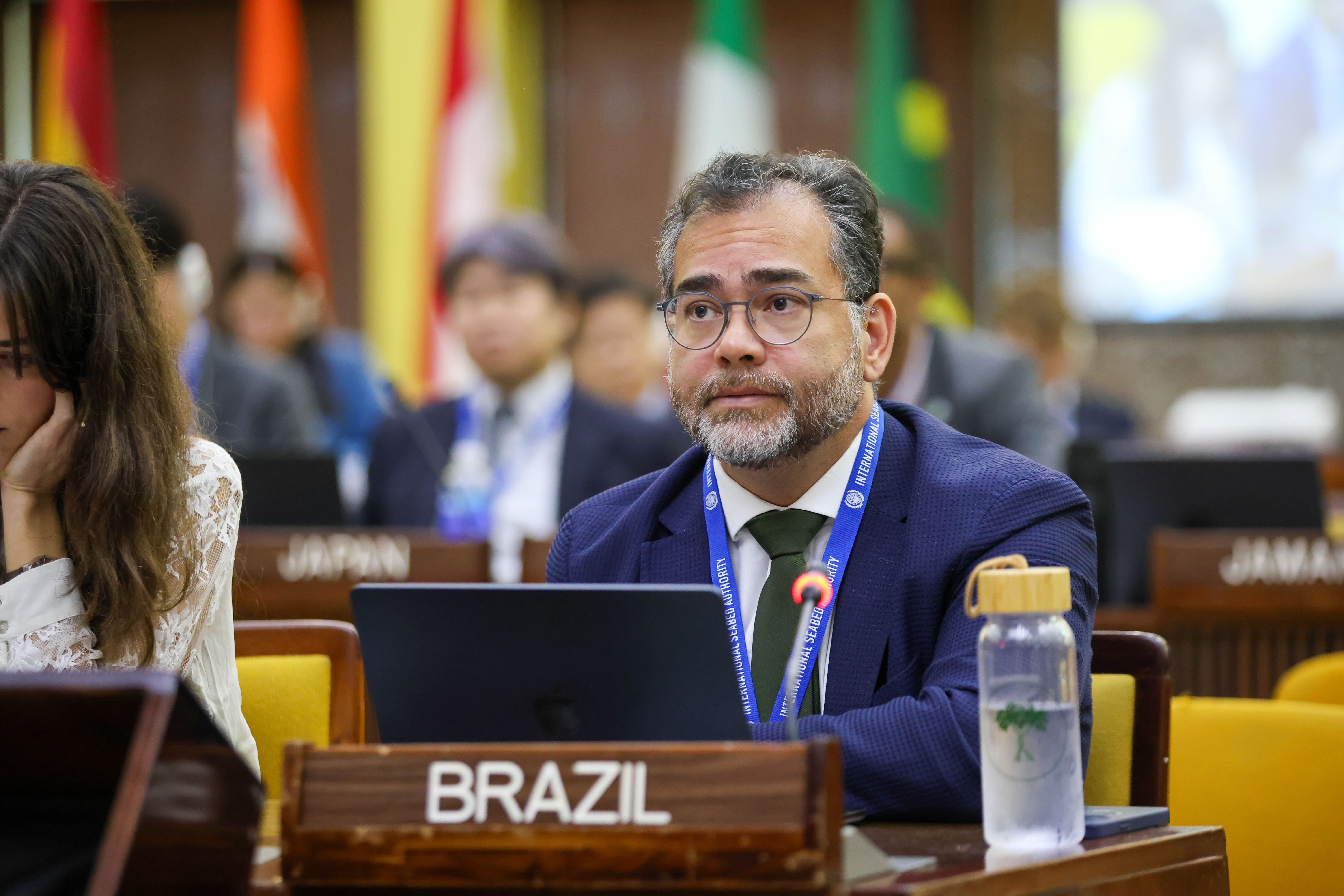
Eric Sogocio, Brazil
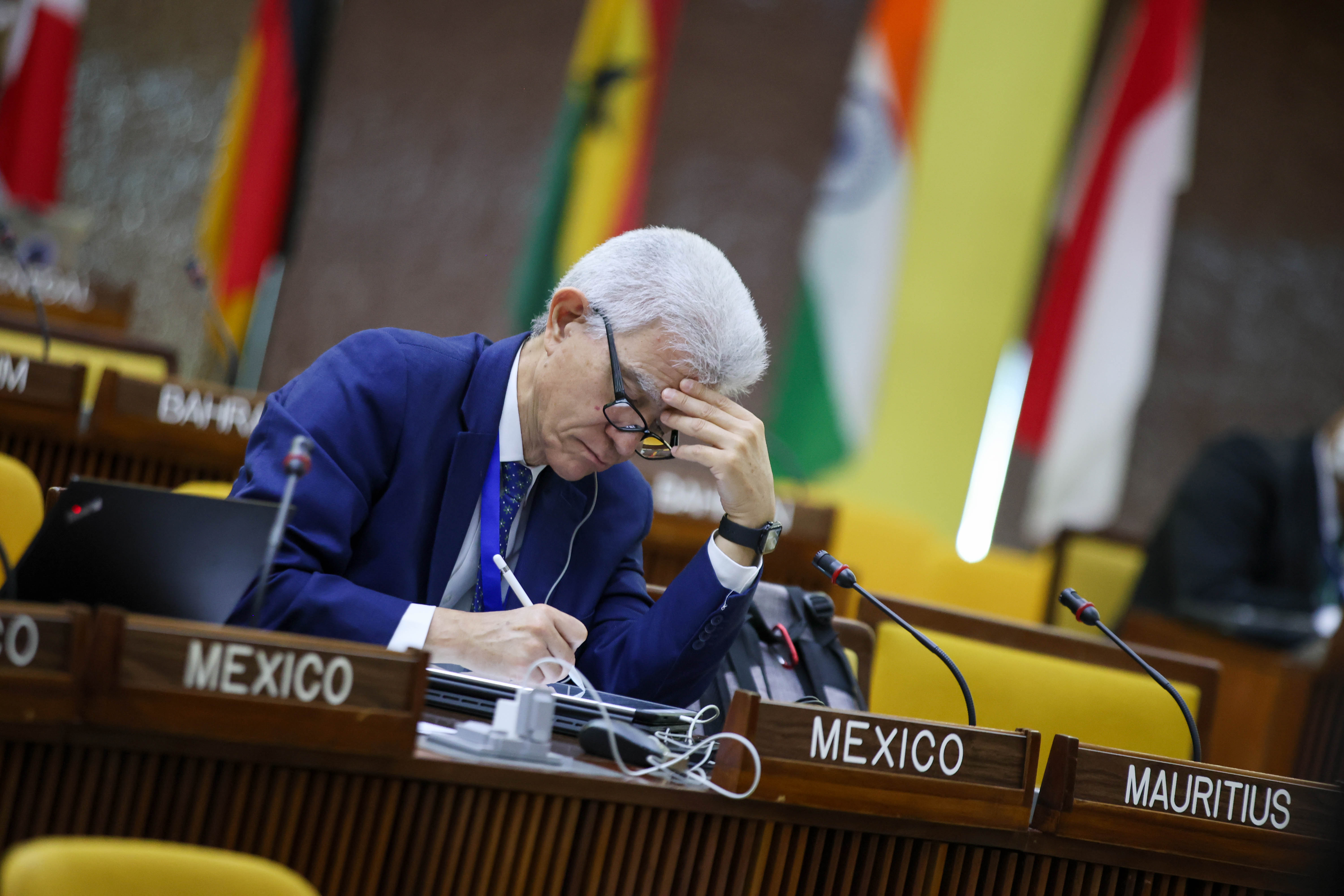
Roberto Canseco-Martínez, Mexico
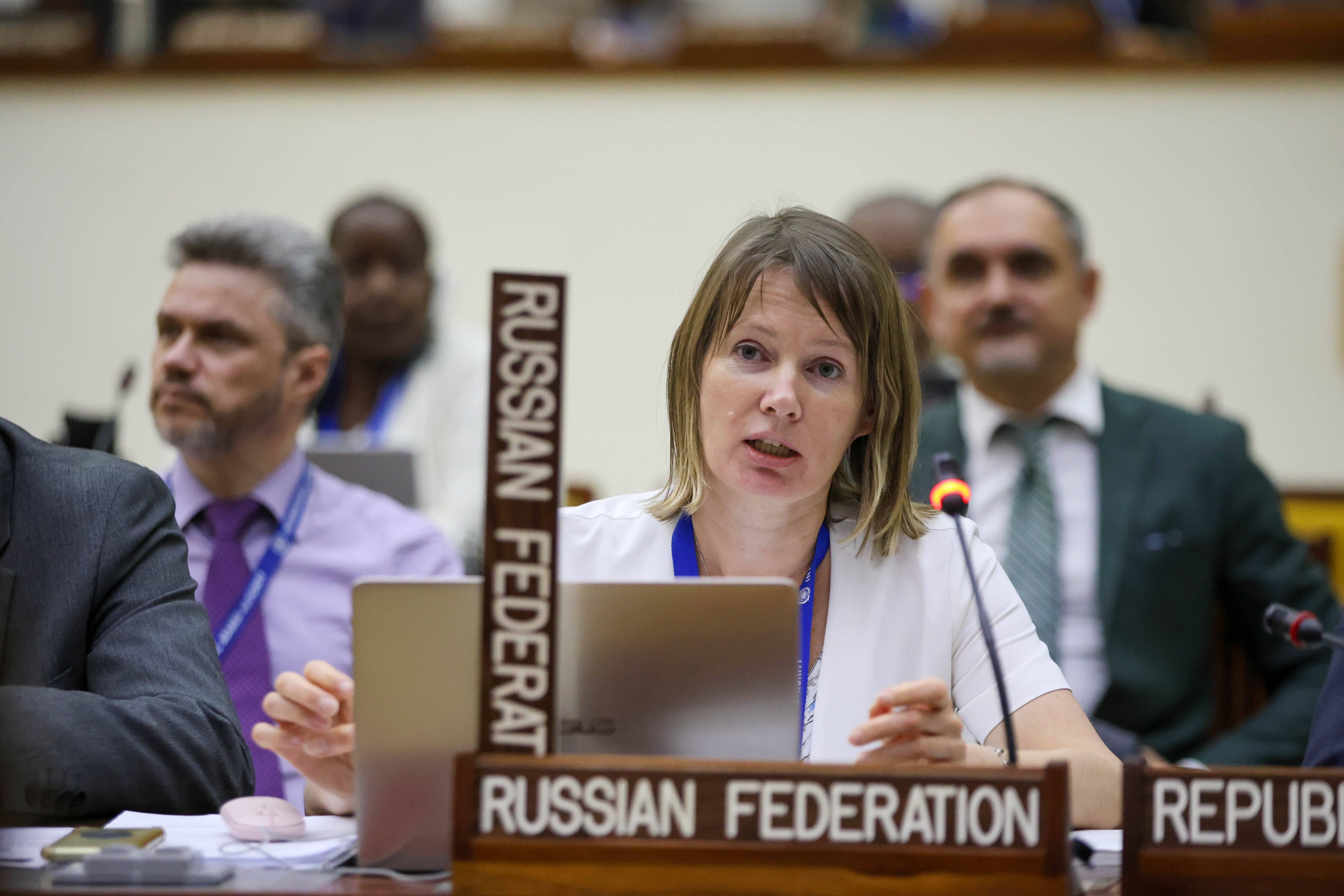
Livia Ermakova, Russian Federation
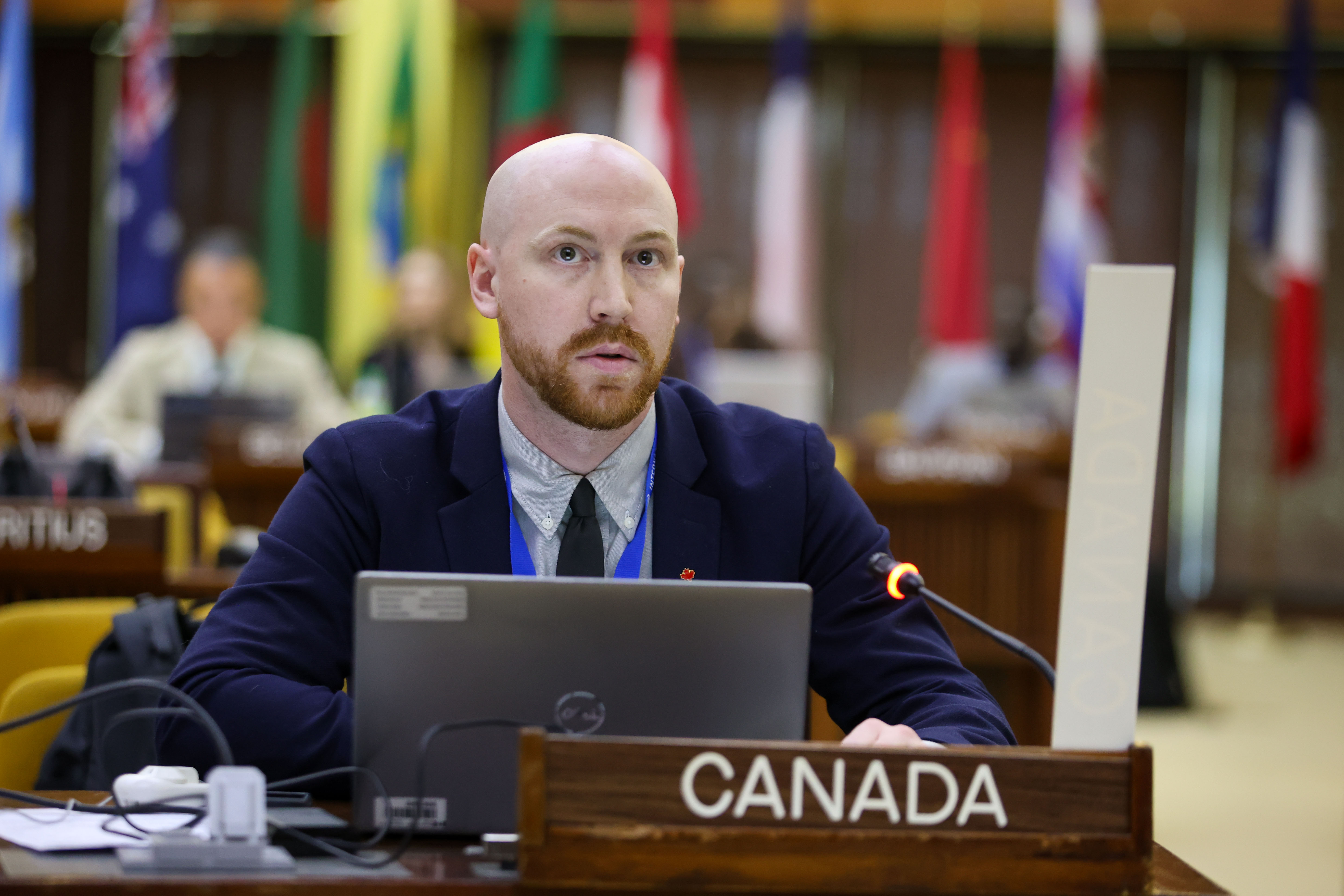
Richard Vaughan, Canada
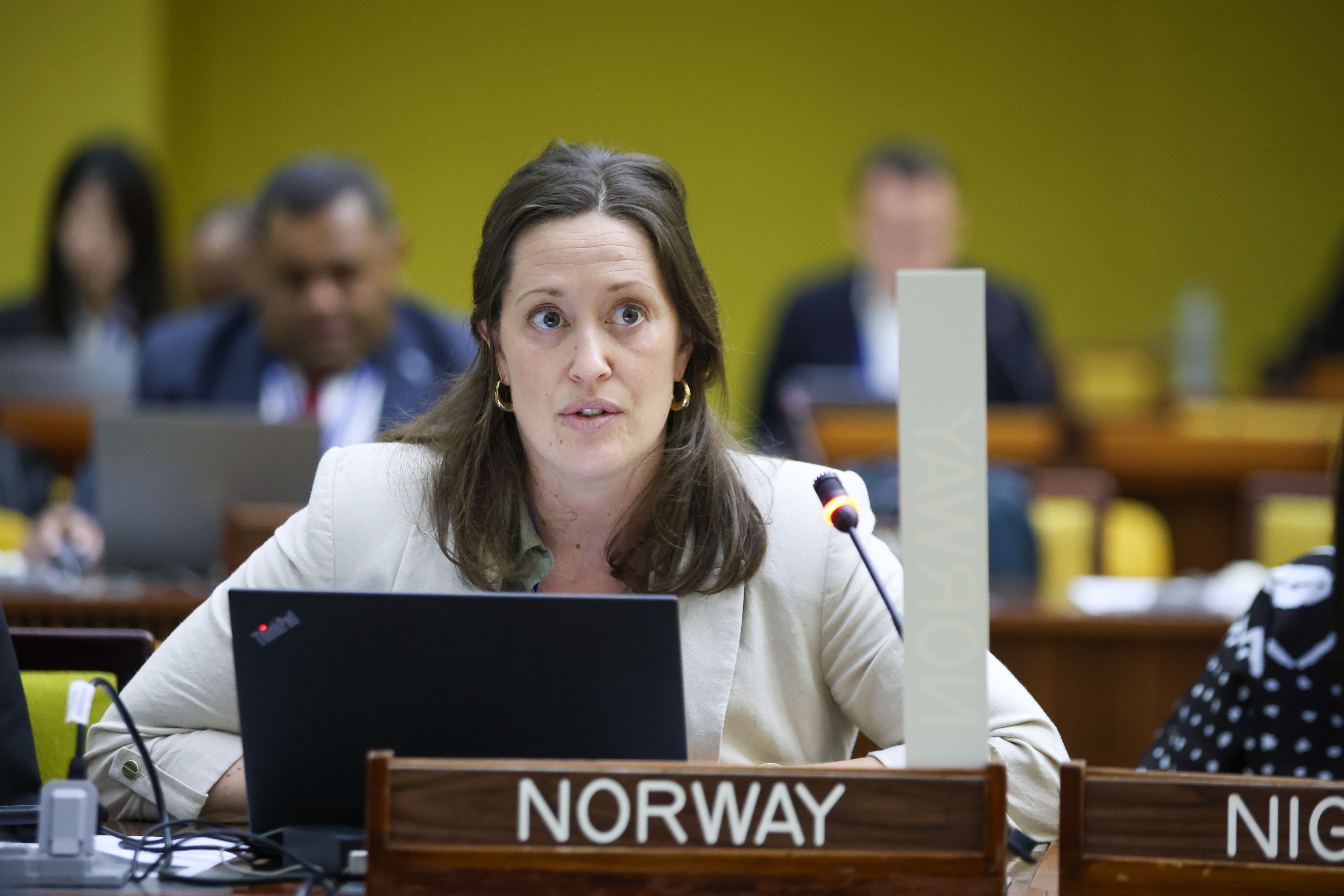
Ingrid Vikanes, Norway
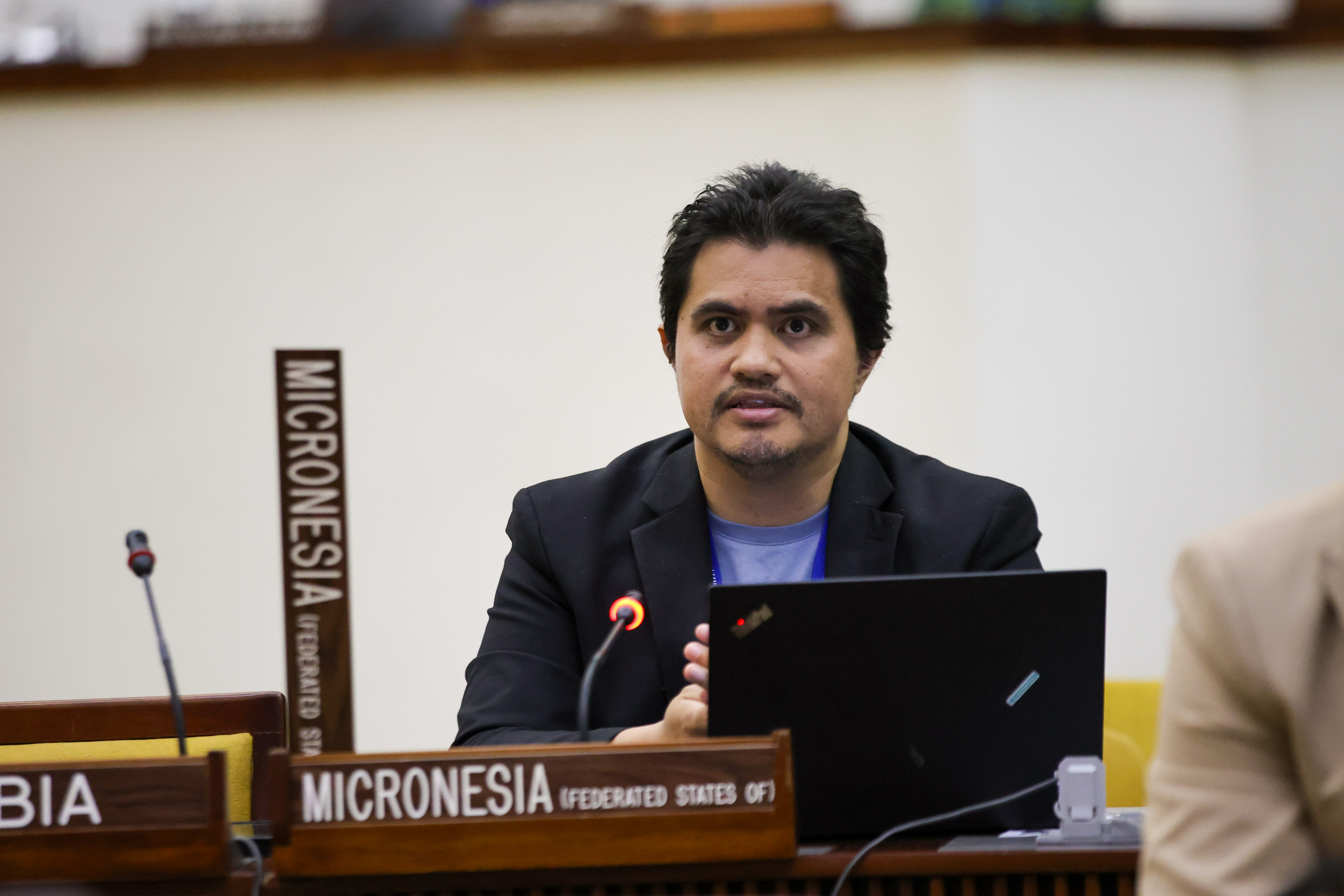
Clement Yow Mulalap, Federated States of Micronesia
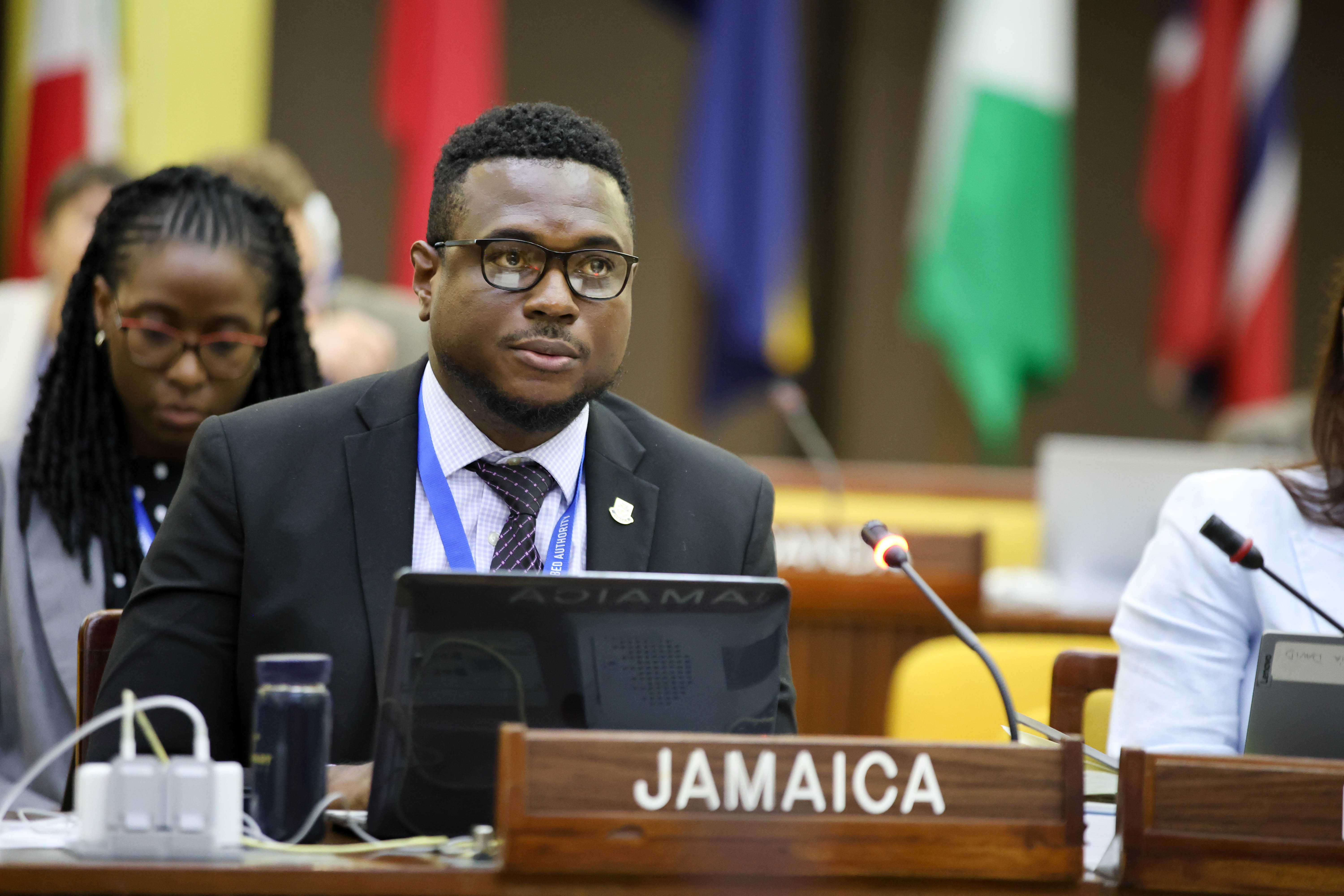
Andre Coore, Jamaica
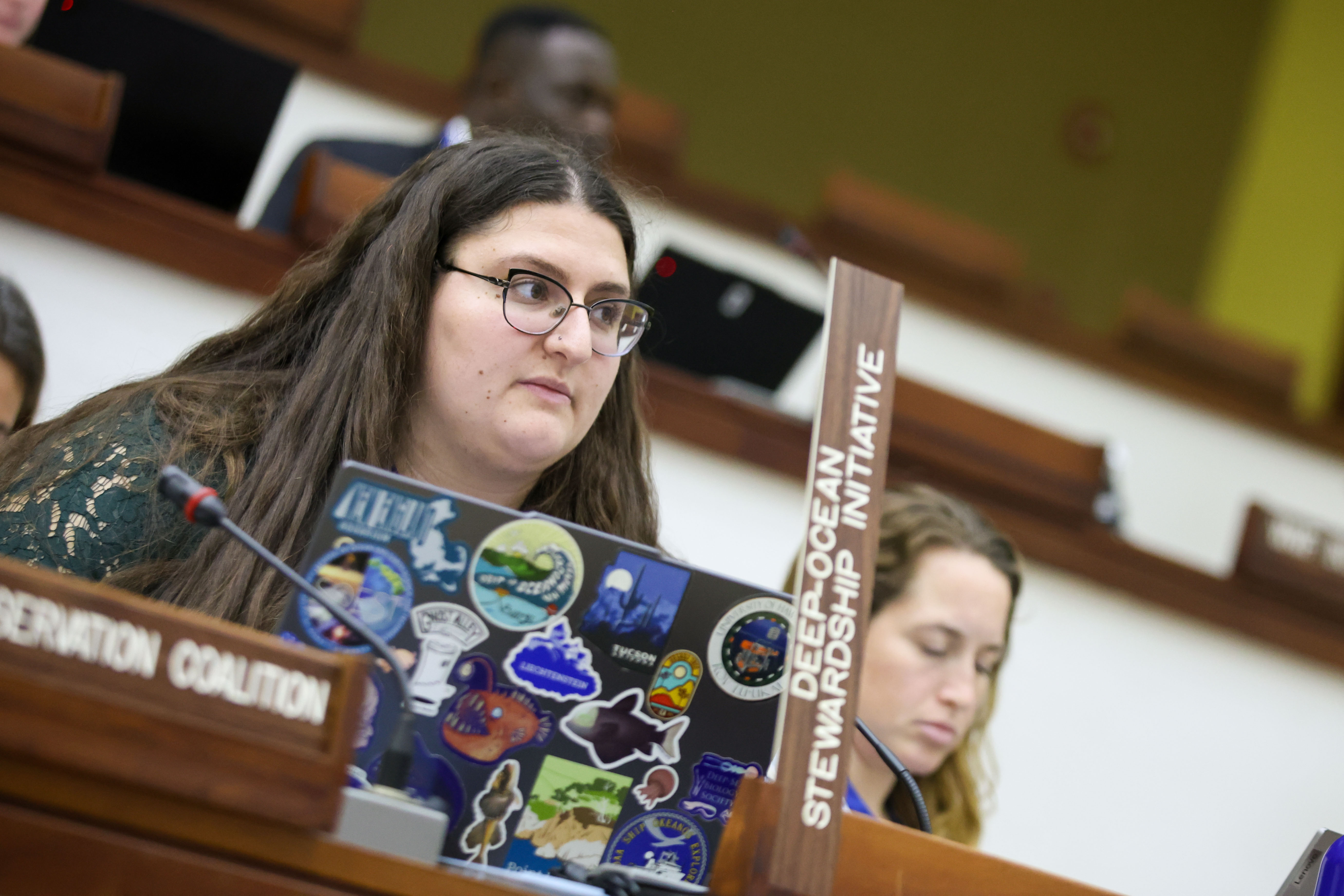
Victoria Assad, Deep-Ocean Stewardship Initiative (DOSI)
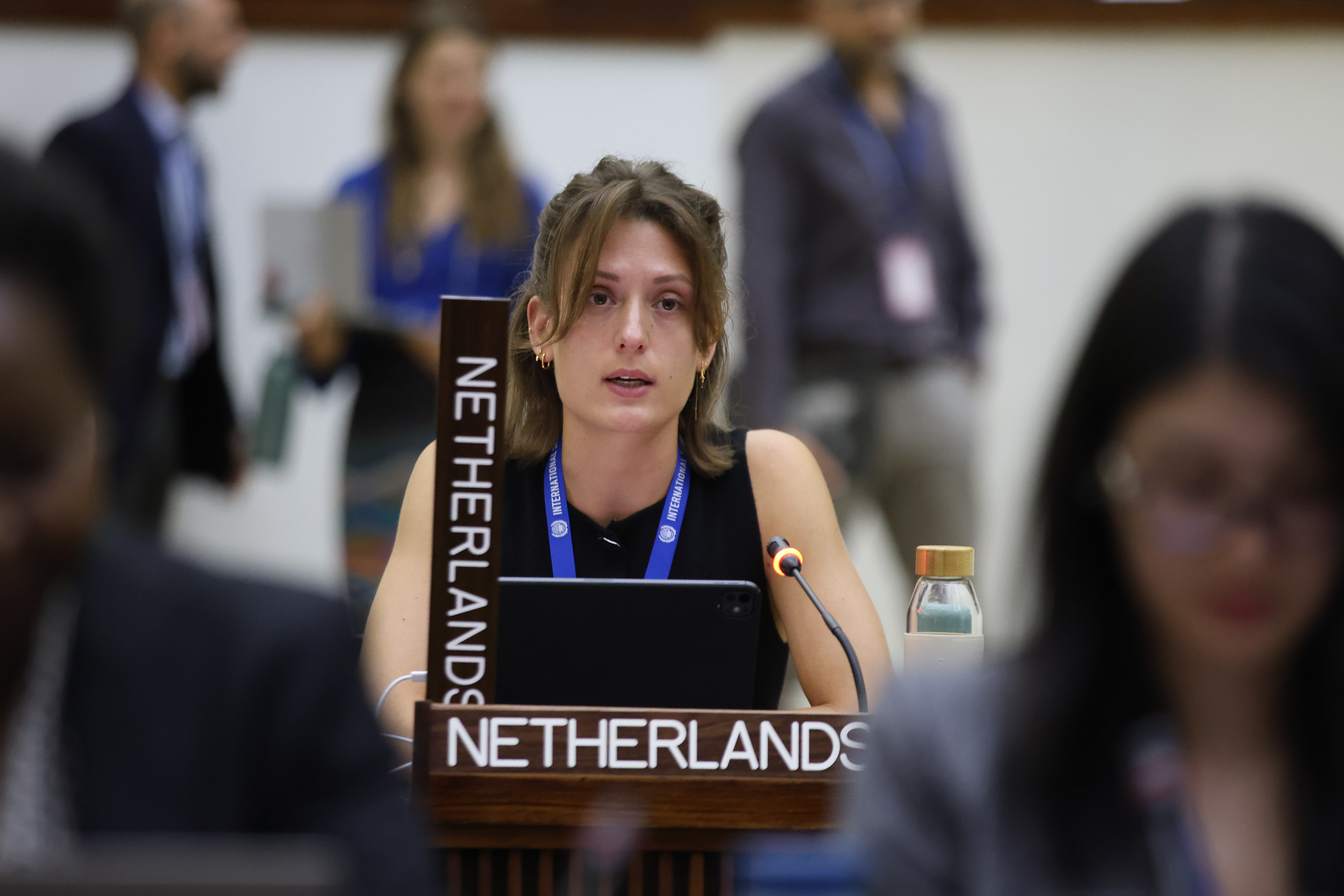
Emma van den Boogaard, the Netherlands
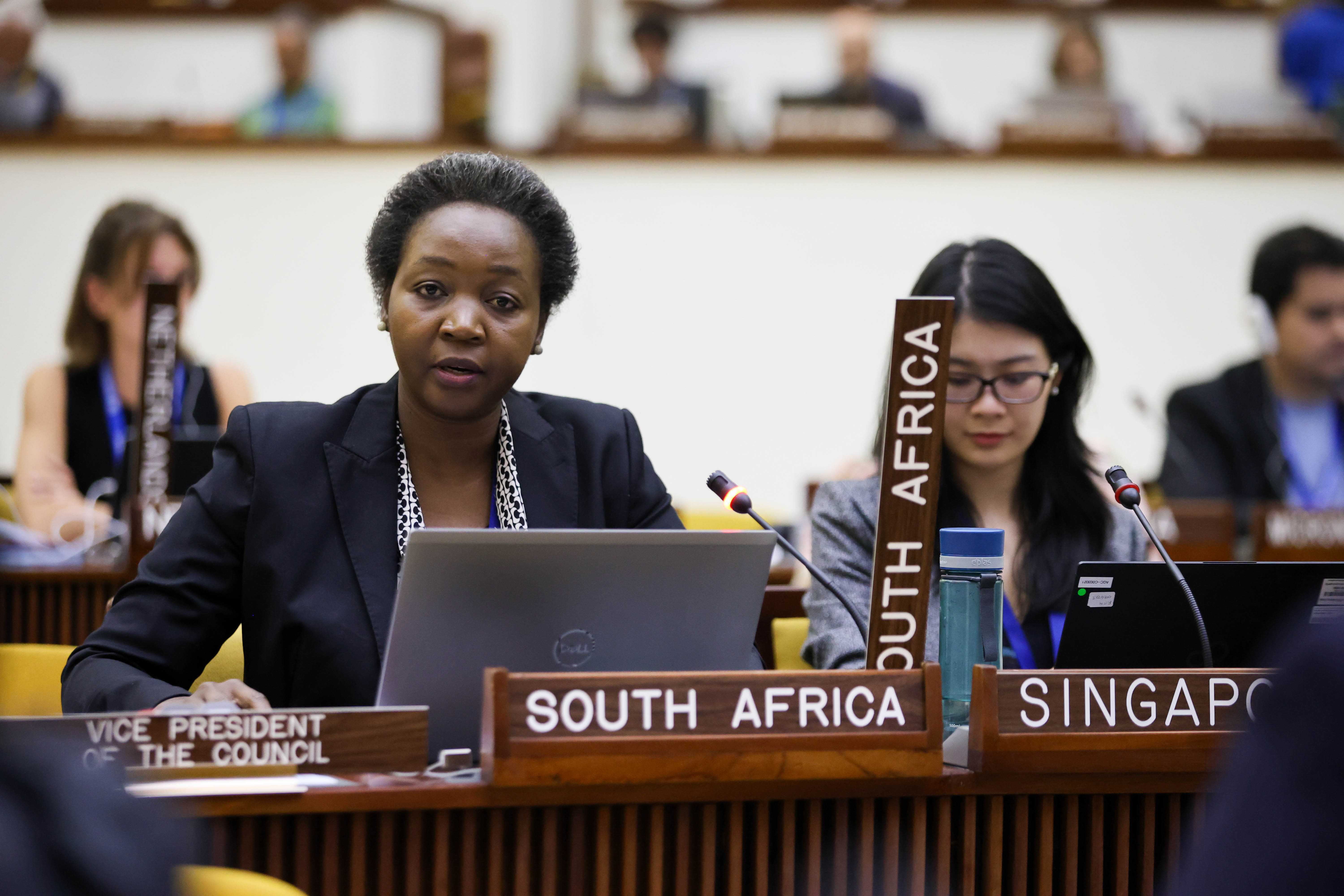
Tshifhiwa Mabidi, South Africa
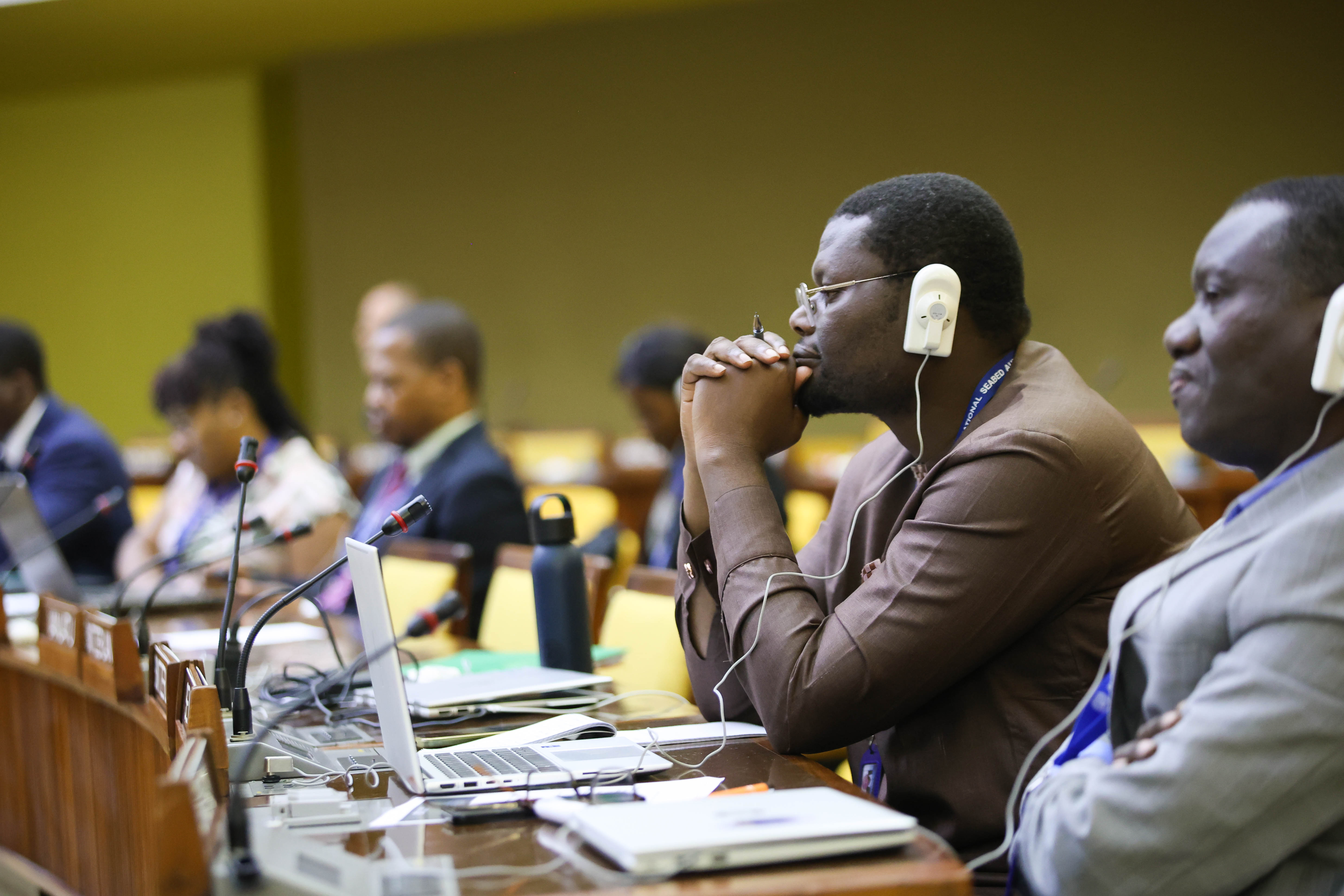
Cheikh Sy, Senegal
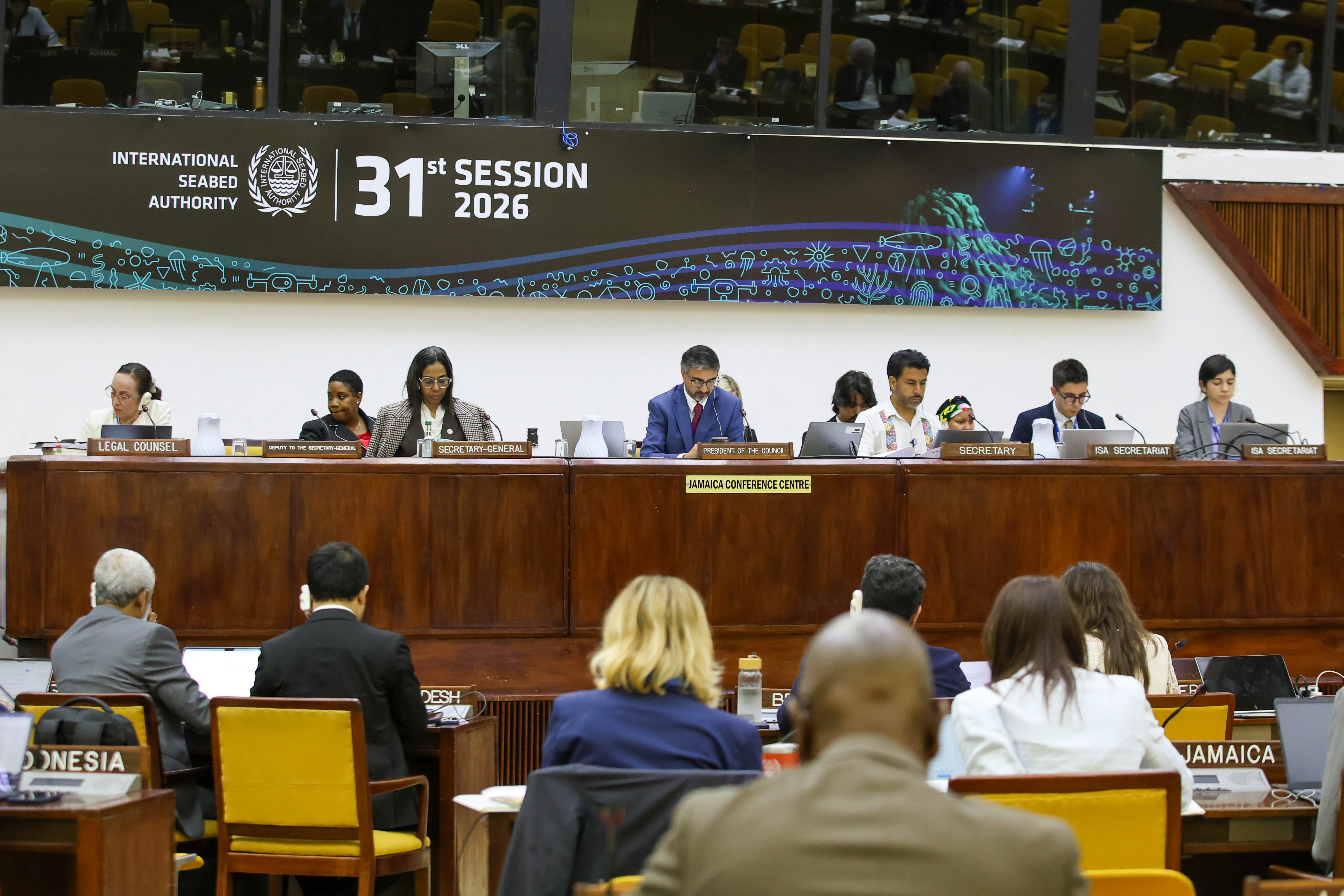
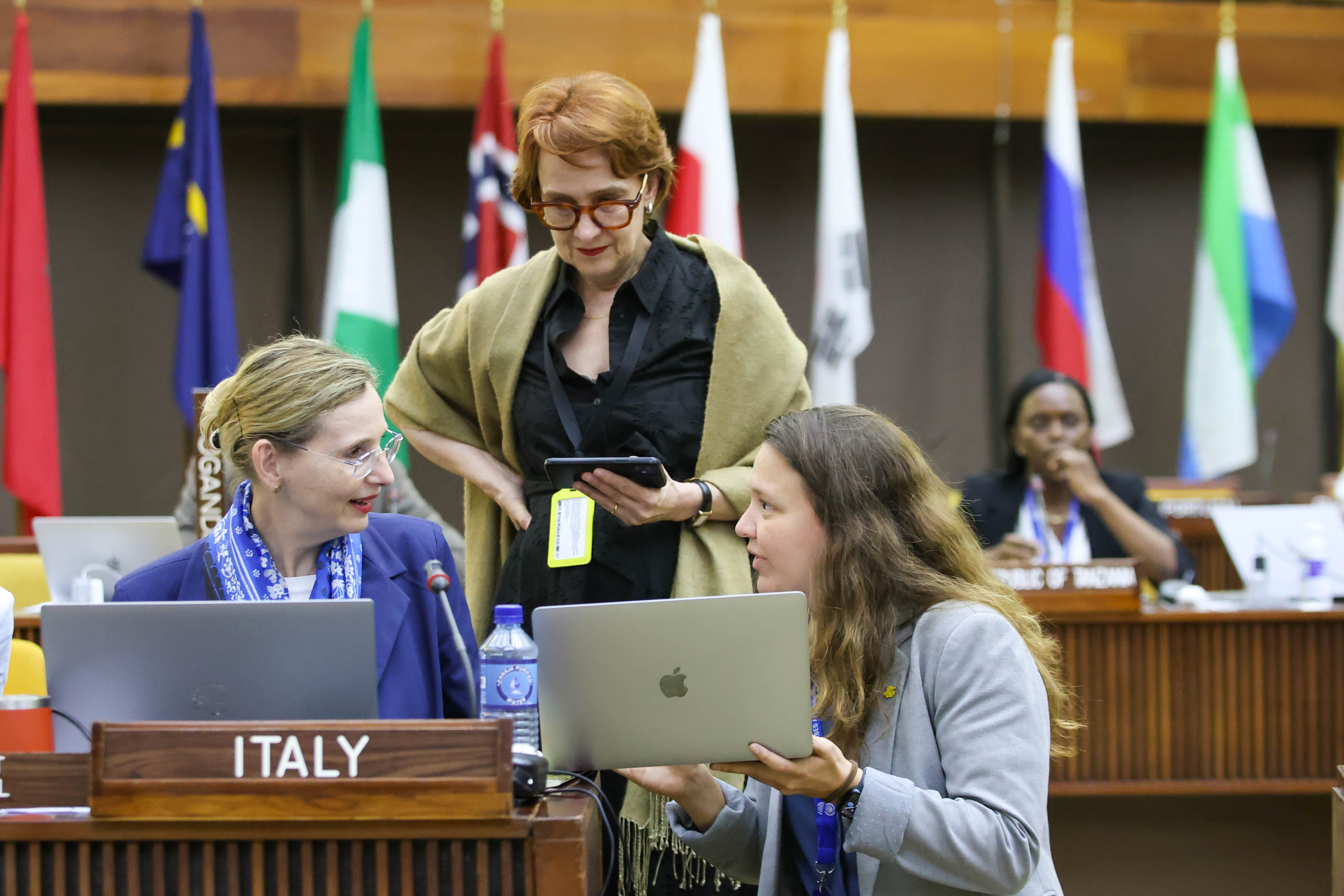
Delegates consult.
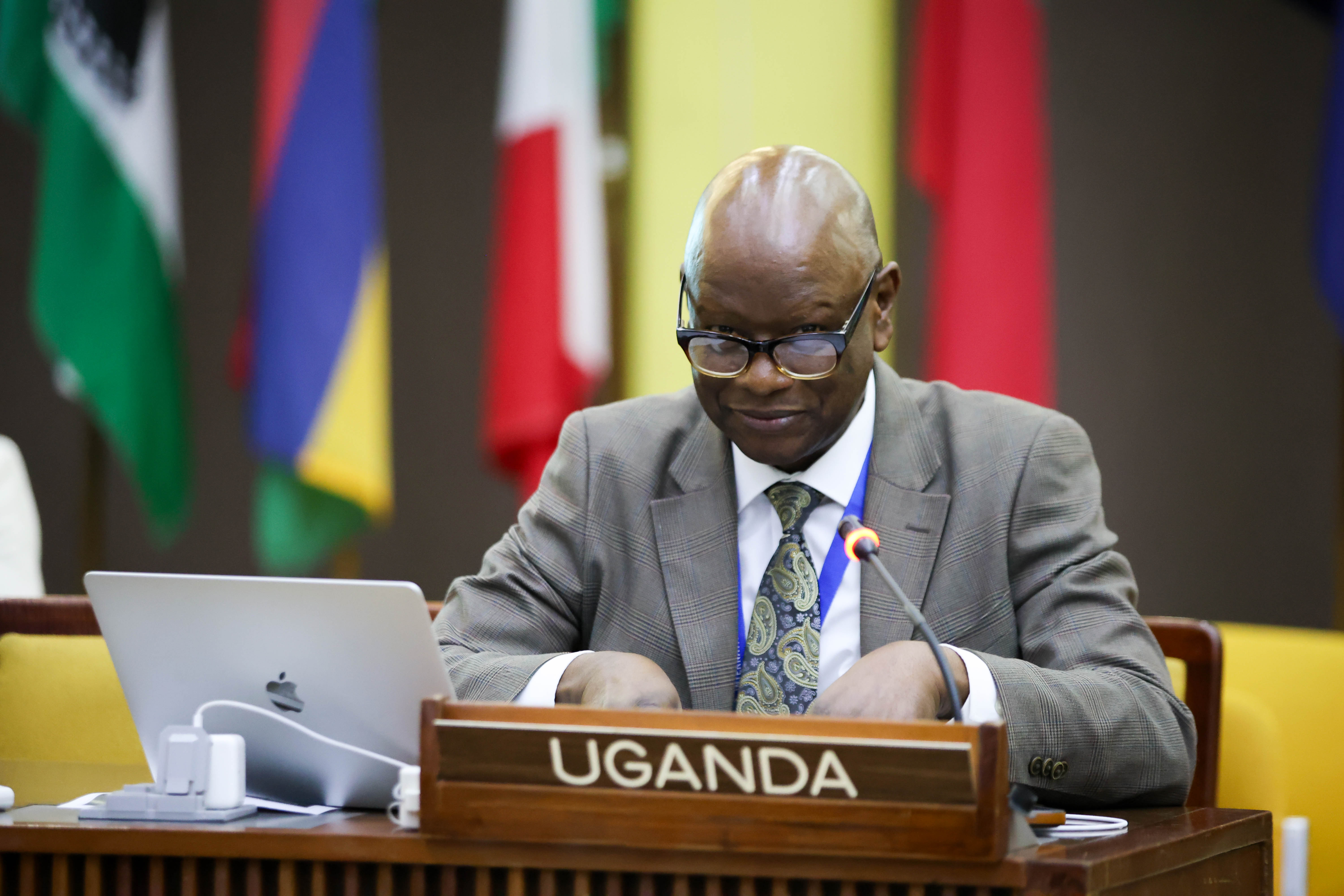
Duncan Muhumuza Laki, Uganda
Between Sessions
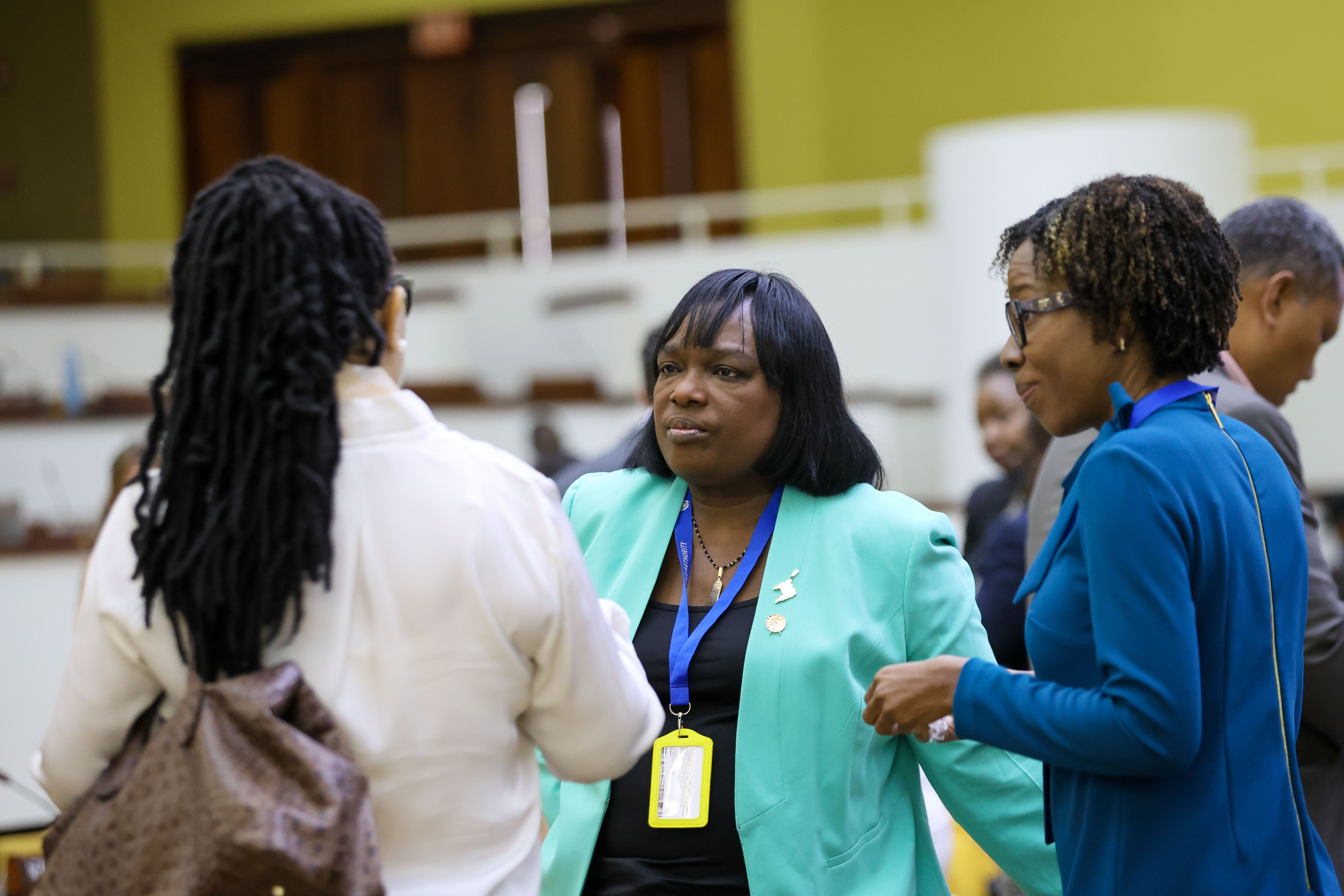
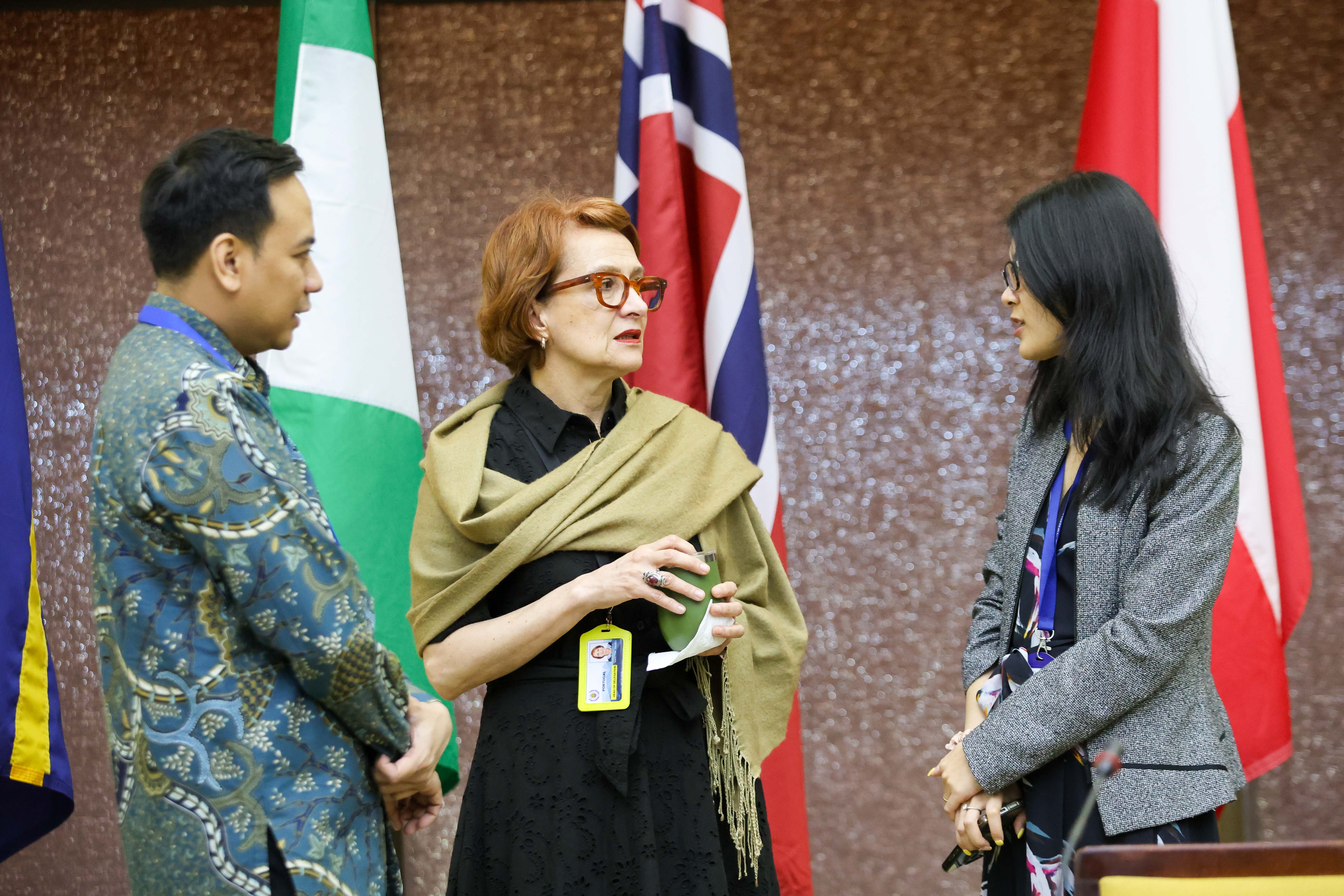
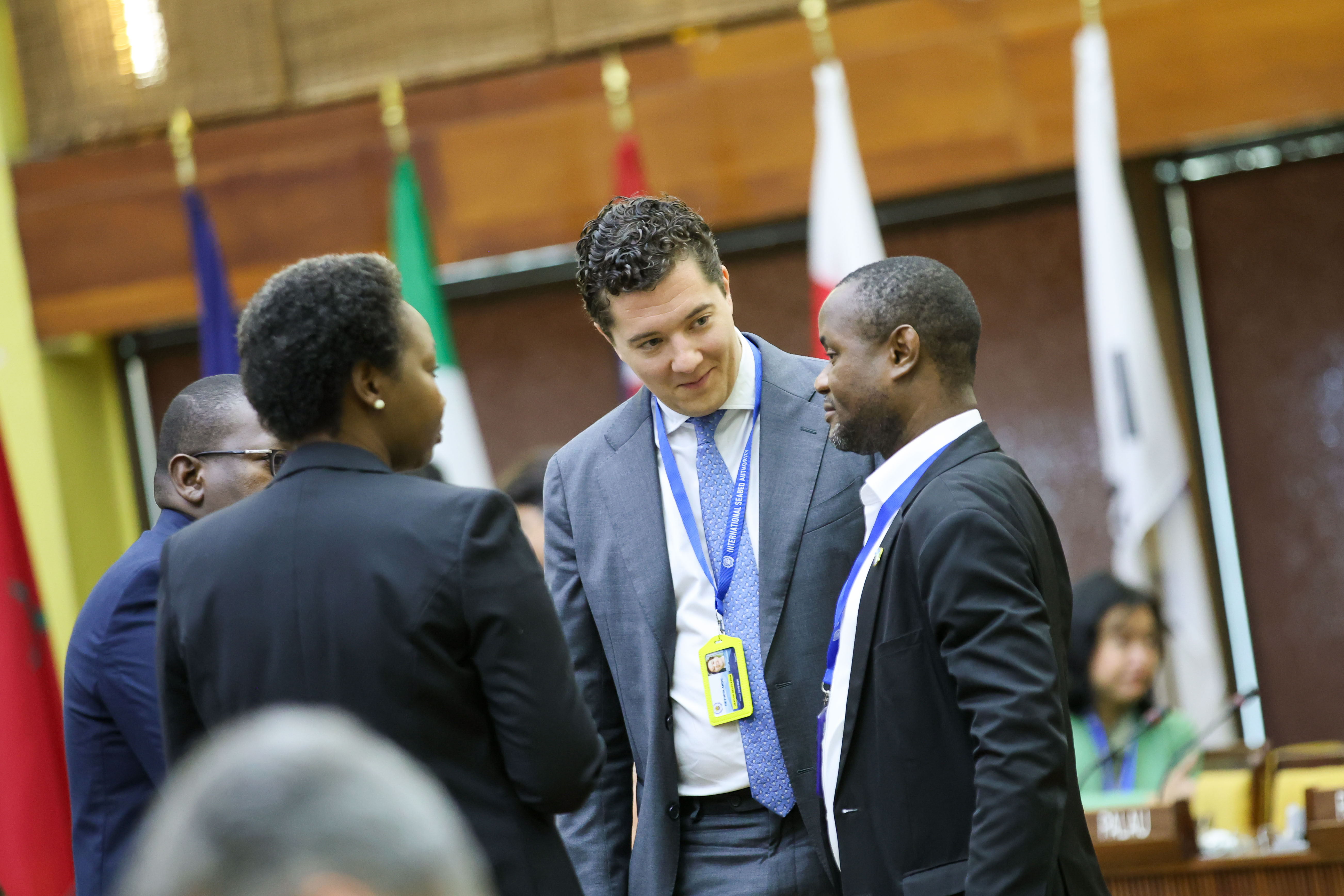
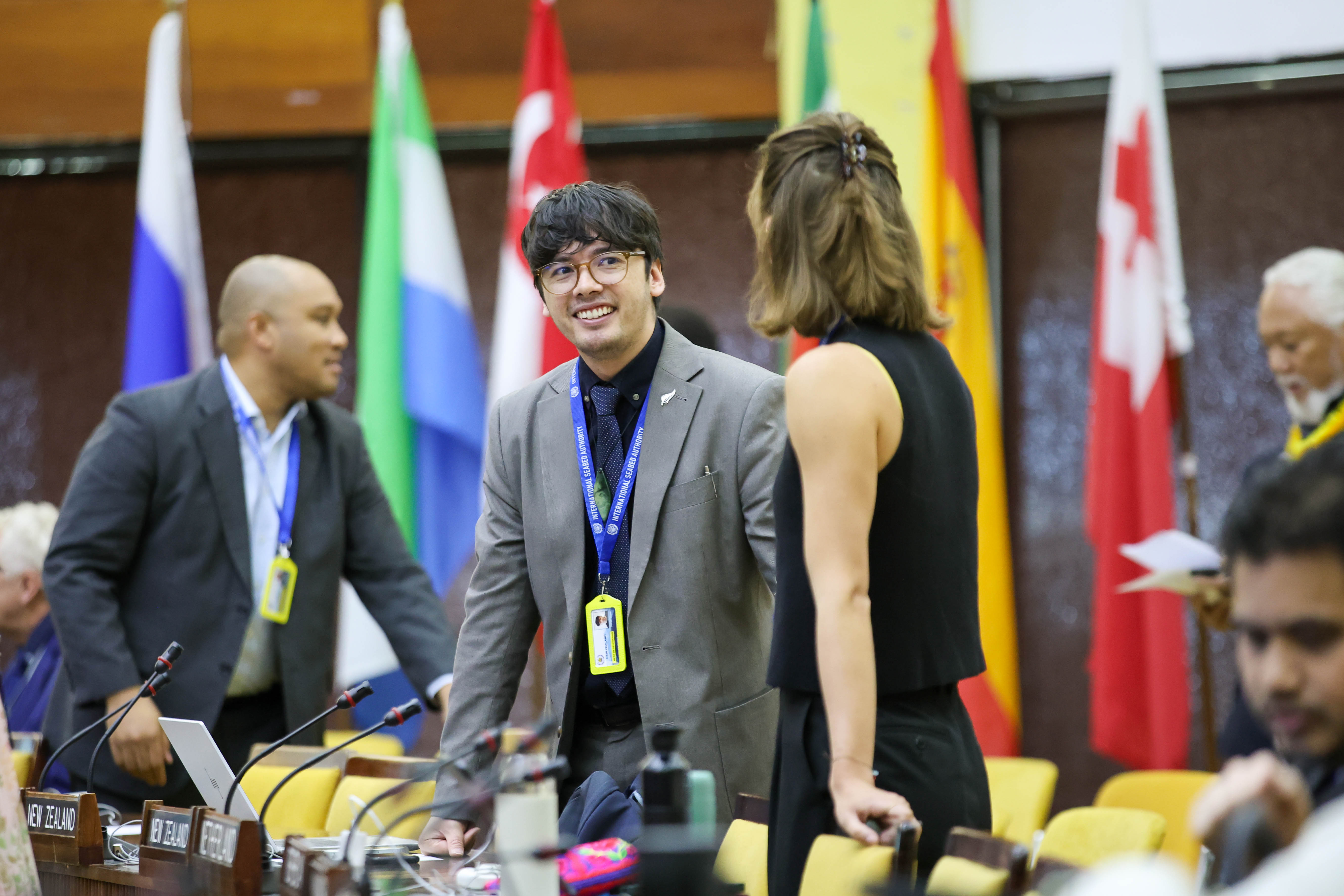
Around the Venue

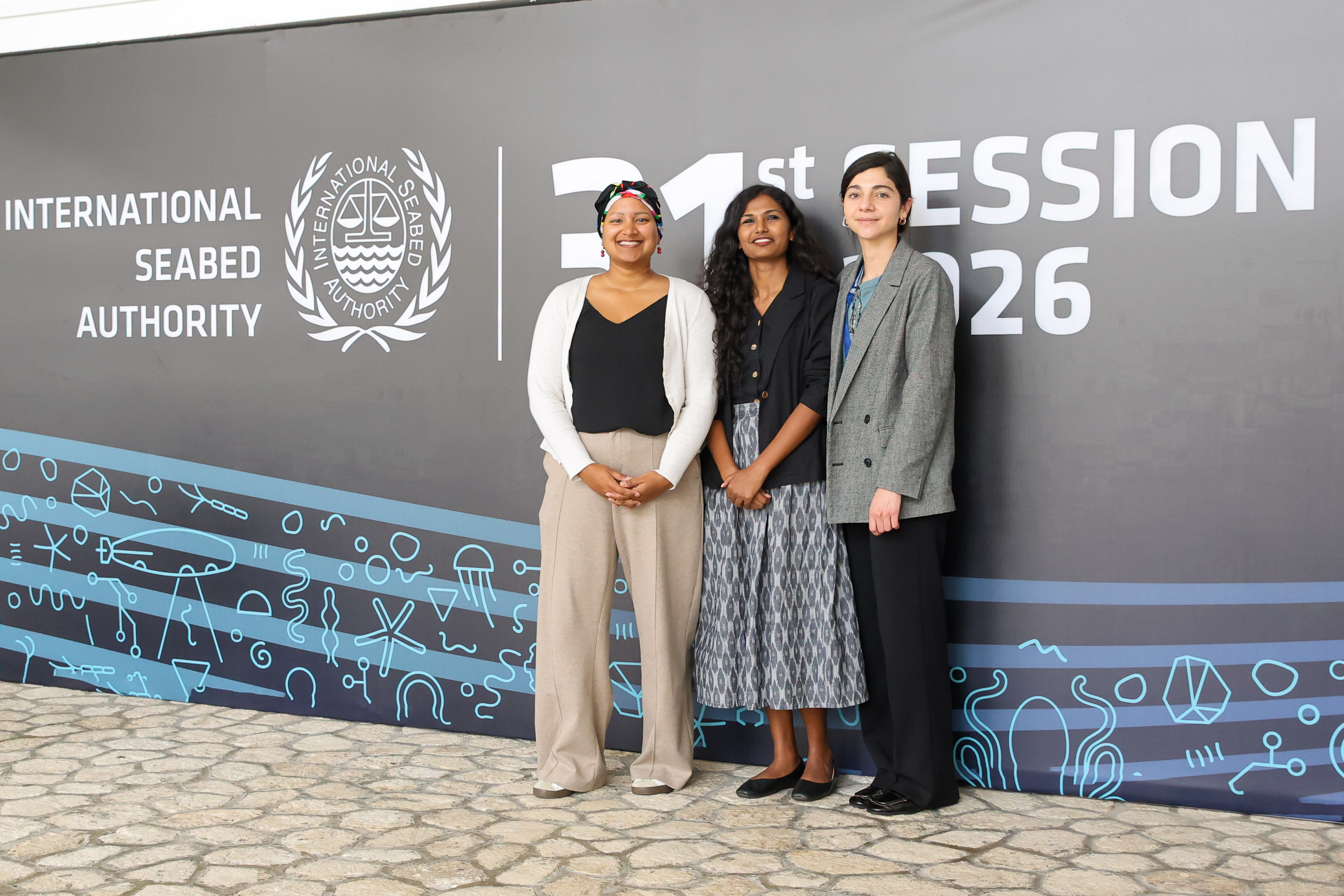
Azmaira Alibhai, Sushmita Patel and Andrea Curcio Lamas, screen editors for the Secretariat of the Authority
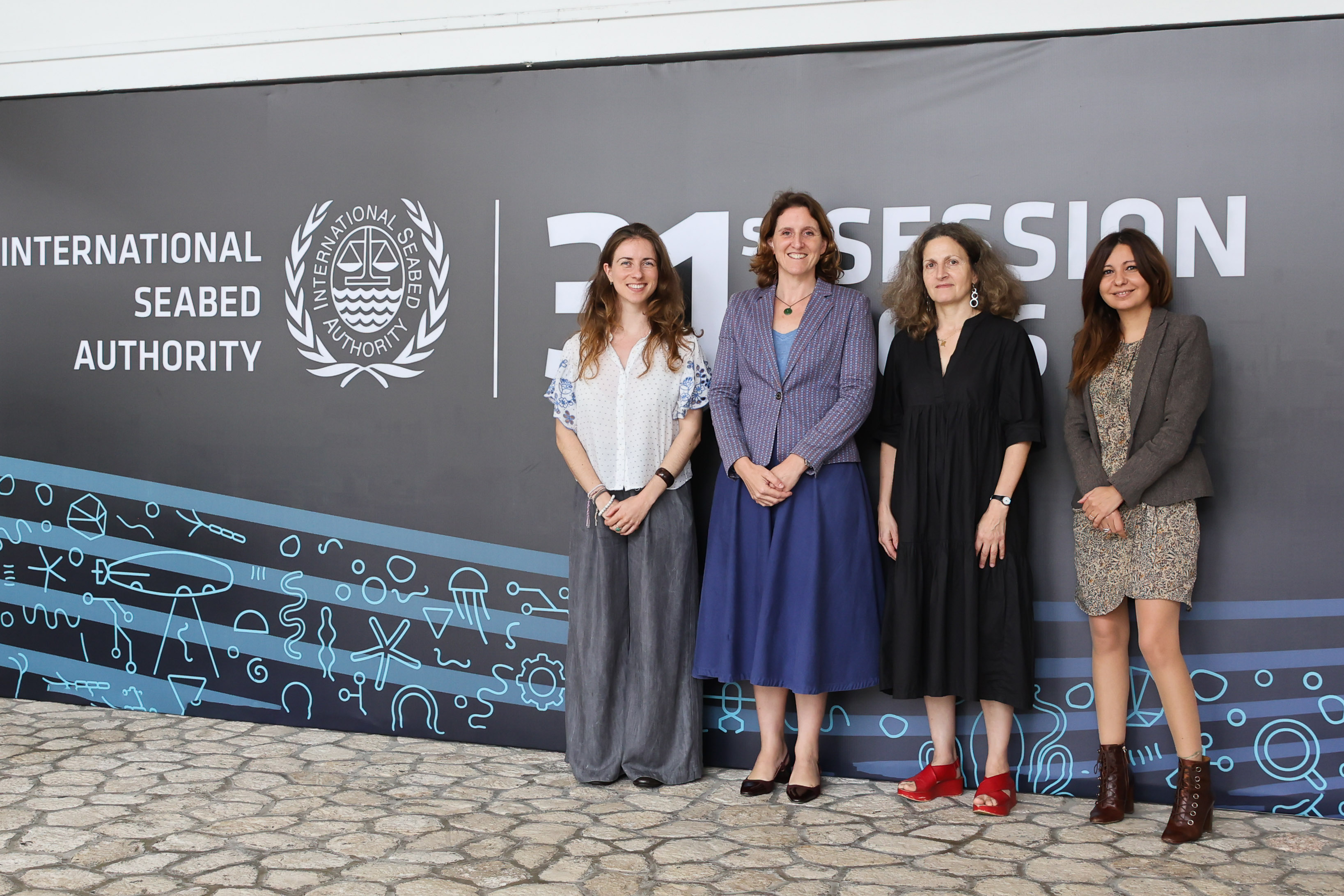
The delegation of France
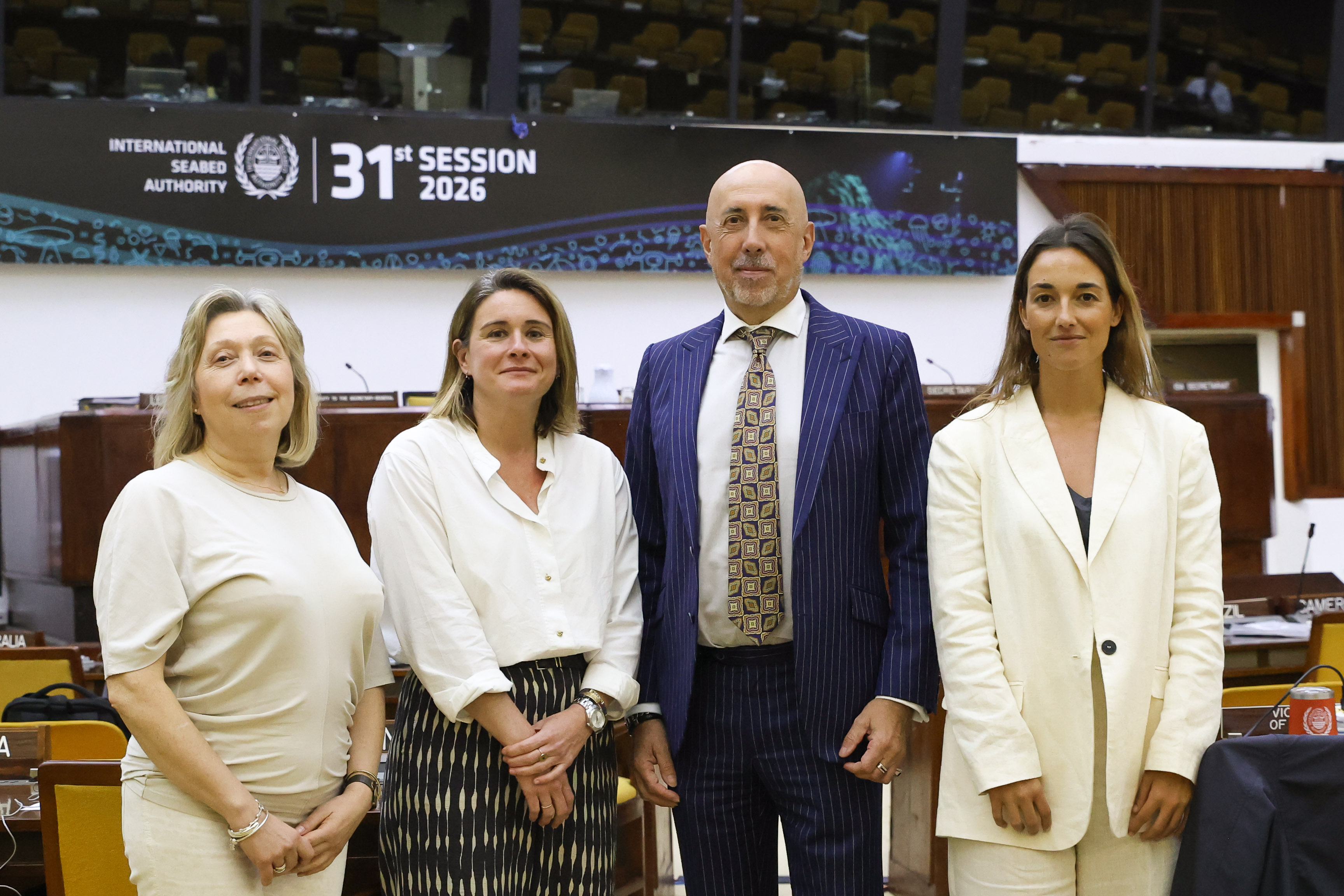
The delegation of Spain
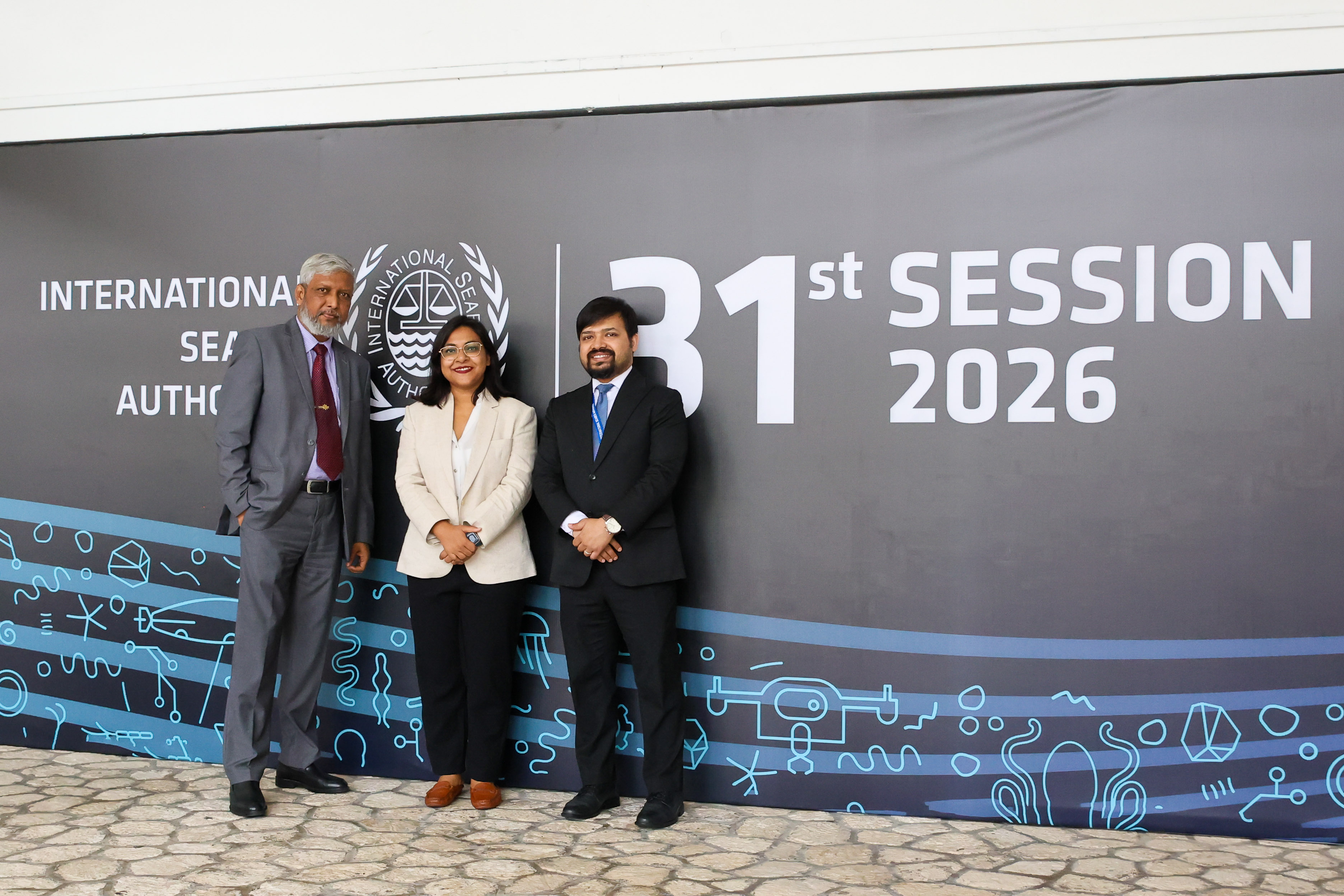
The delegation of Bangladesh
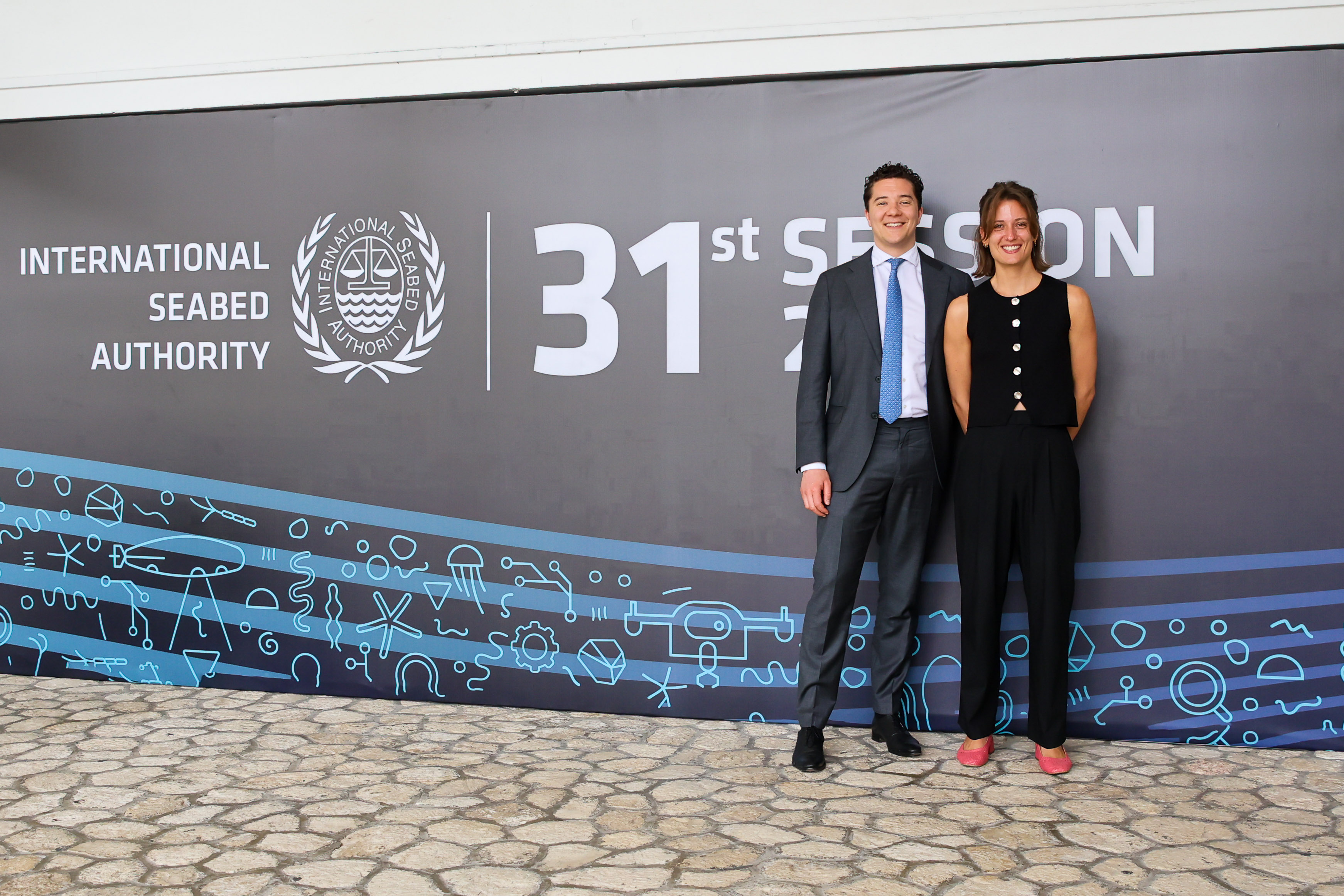
Oliver Whitehead and Emma van den Boogaard, the Netherlands
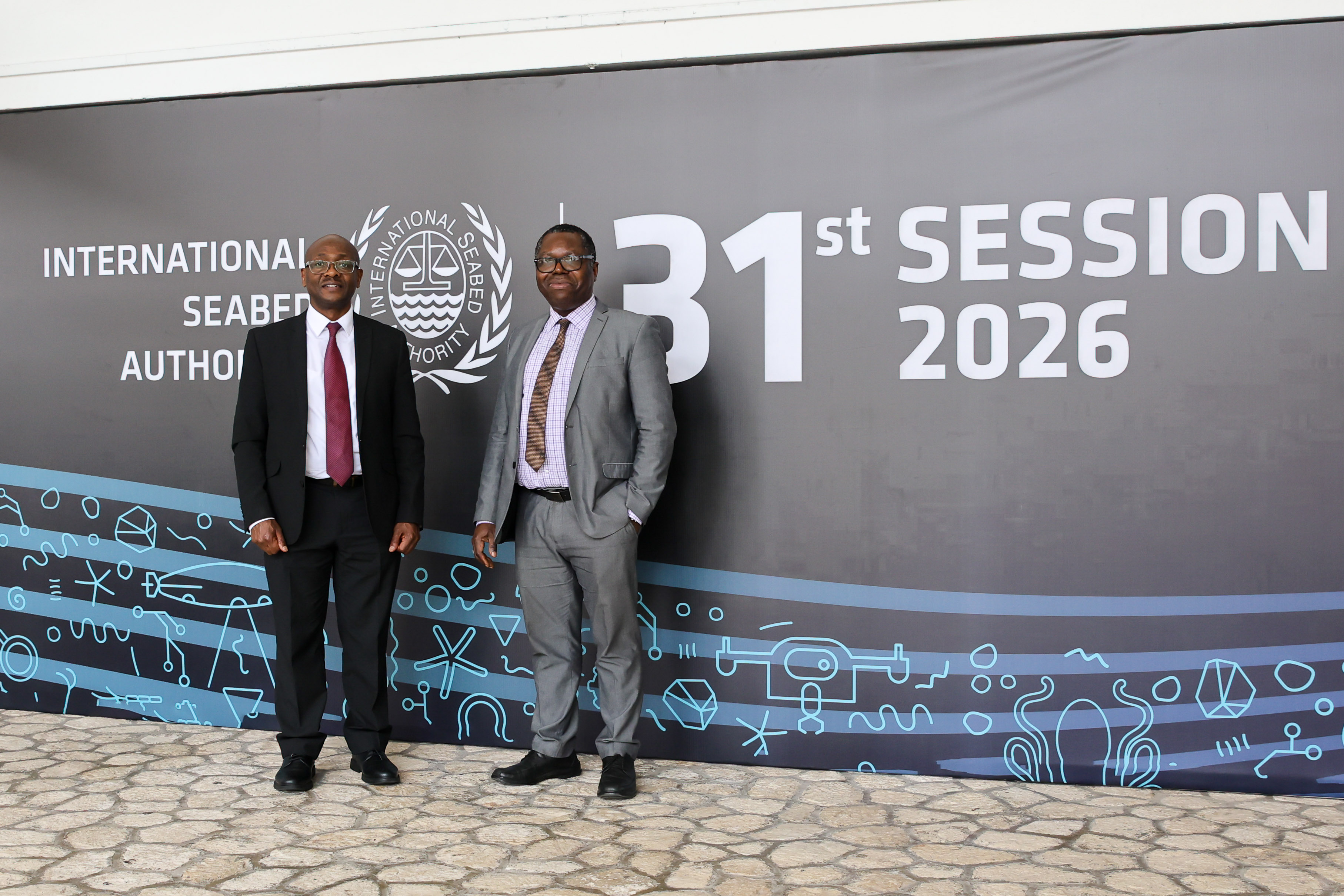
Victor Kitange and Chilenye Nwapi, Commonwealth Secretariat
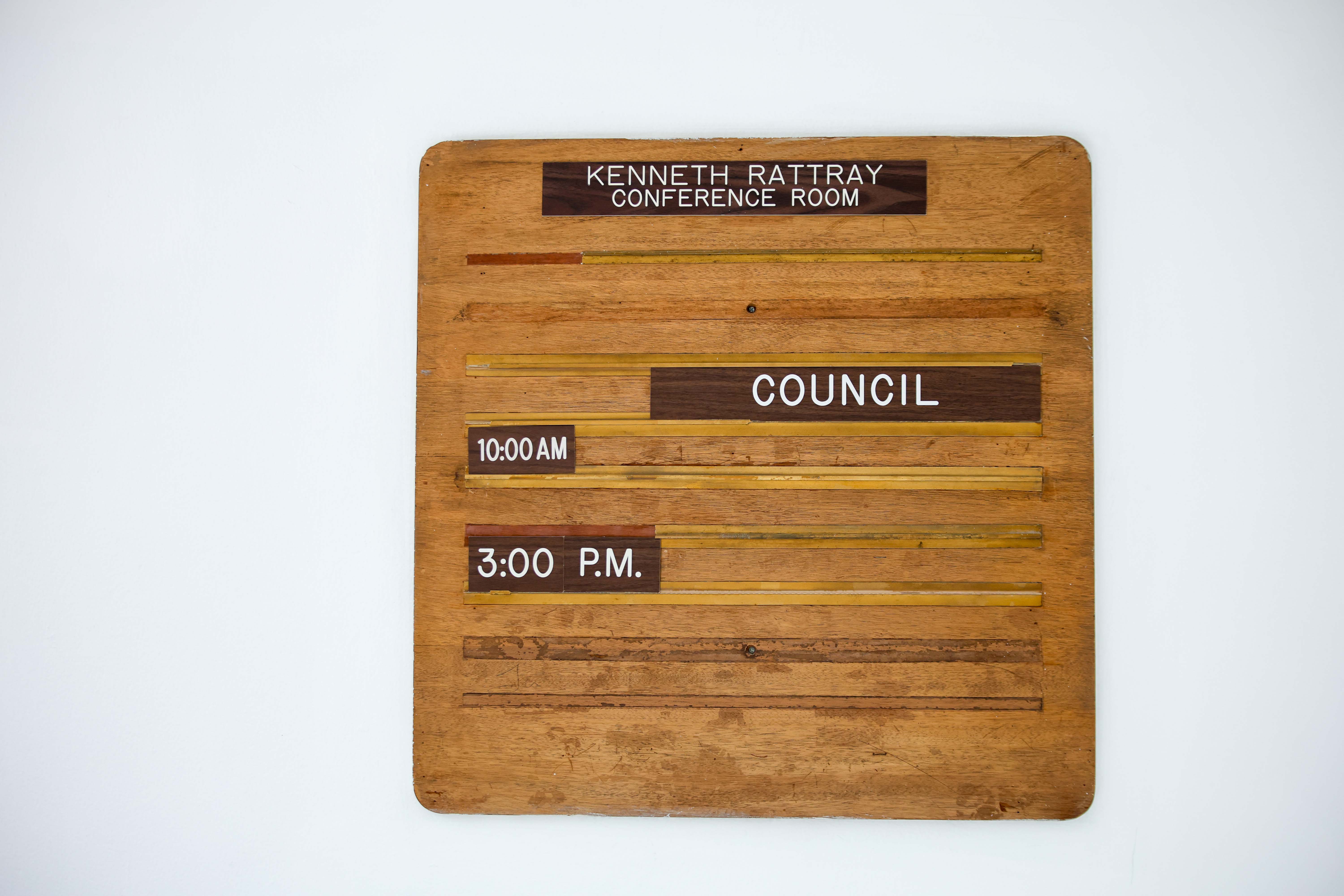
Schedule of the day

Meeting support staff
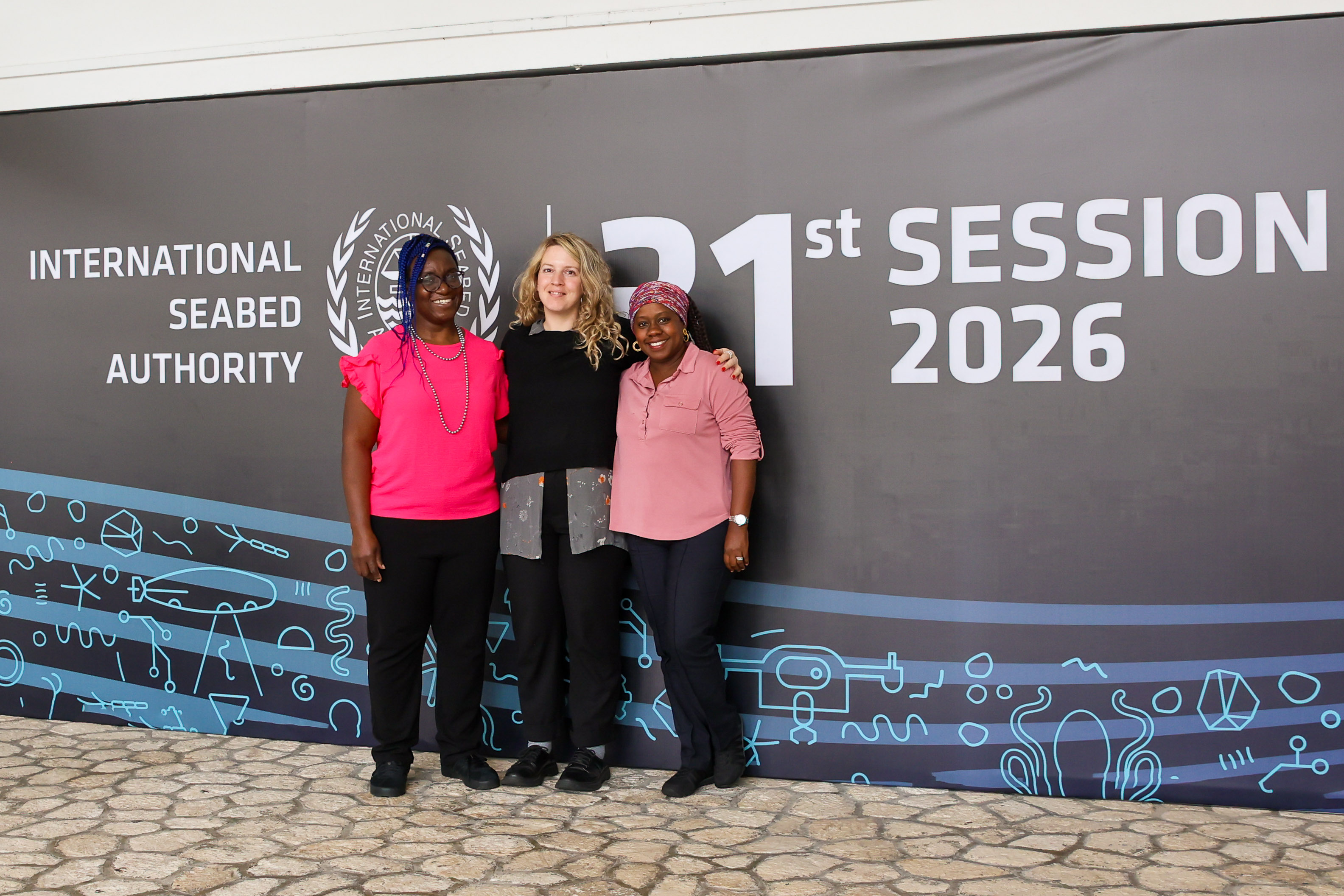
ISA-31 Earth Negotiations Bulletin team (L-R): Tomilola Akanle Eni-ibukun, Anastasia Rodopoulou, and Dorothy Wanja Nyingi