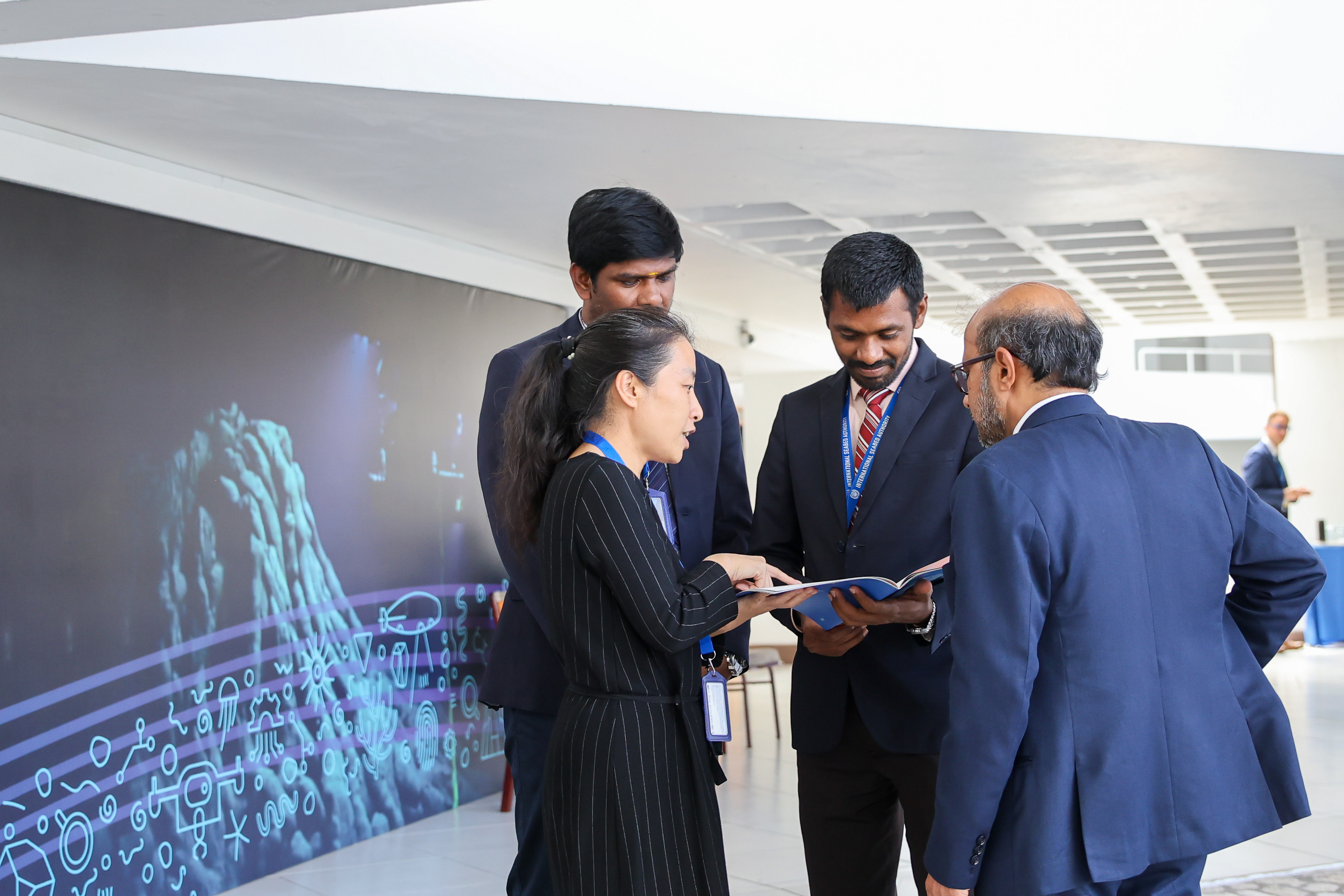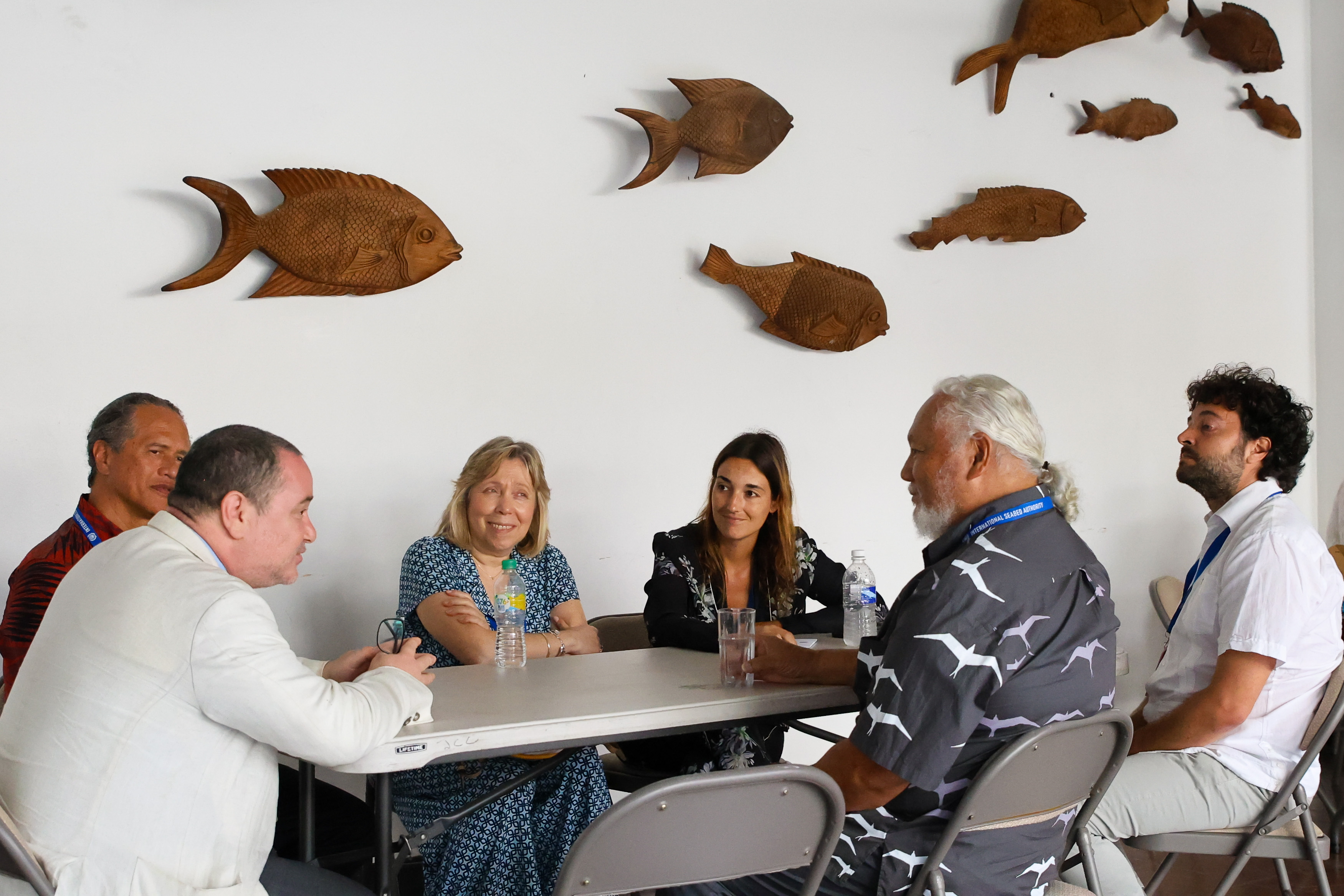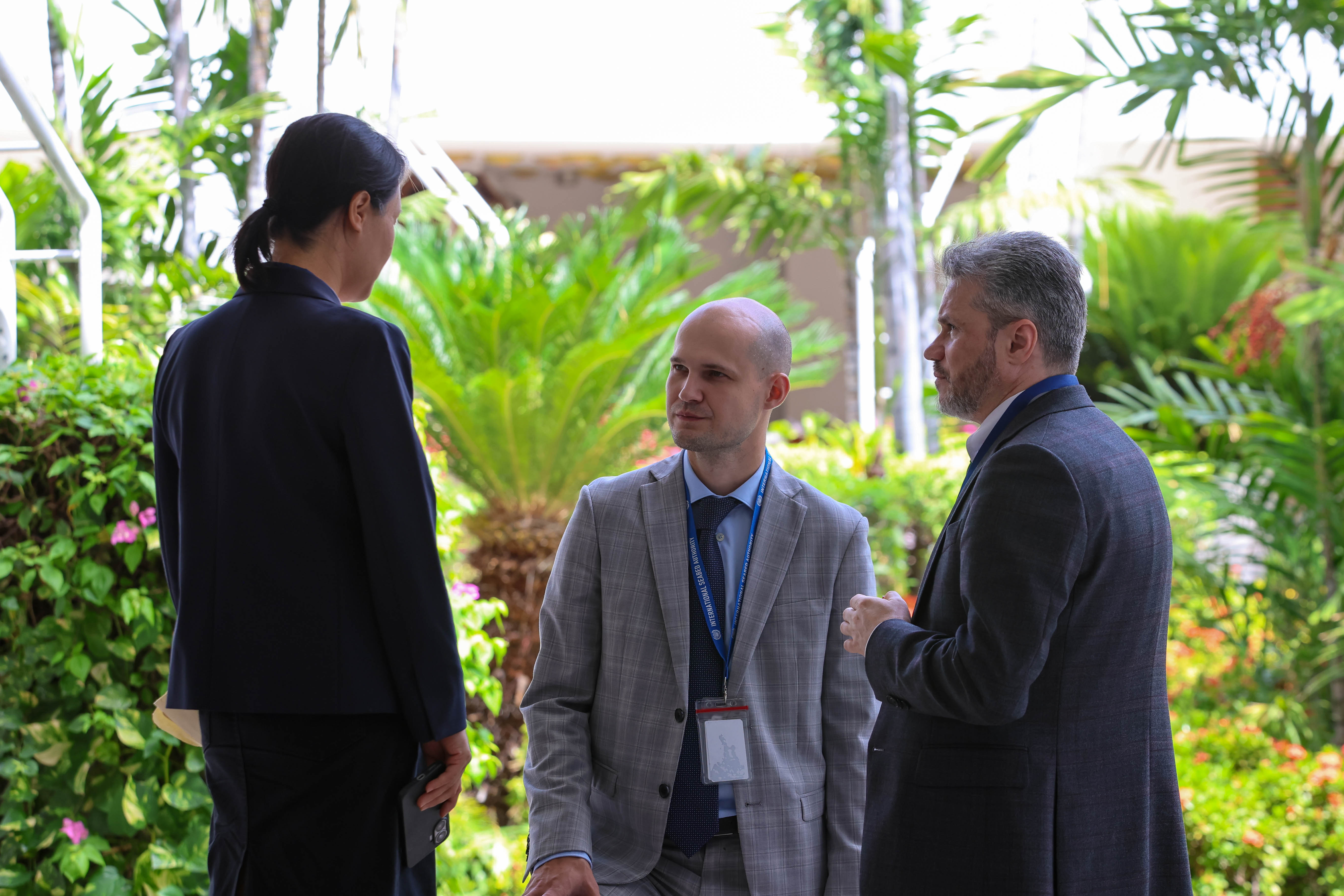

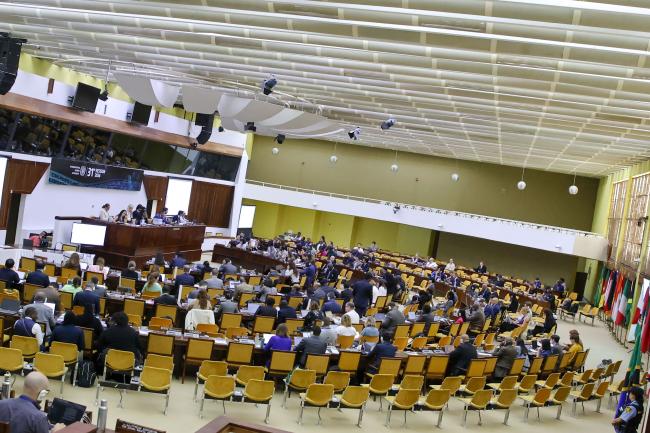
Members of the International Seabed Authority (ISA) have consistently maintained that deep-sea mining must not commence until the exploitation regulations have been finalized and adopted. However, divergence remains as to whether it is necessary to explicitly state in the regulations that their adoption alone does not authorize mining. On Wednesday, the ISA Council considered what conditions, apart from adoption of the regulations, must be in place before commercial exploitation can commence in the Area (the seabed and ocean floor and the subsoil thereof, beyond the limits of national jurisdiction).
The discussions on conditions for beginning exploitation of the Area focused on regulation 2 (principles, approaches and policies), specifically paragraph 3 which lists such conditions. Council President Mayank Joshi (India) invited views on whether this paragraph should be retained and, if not, what alternative approach should be adopted. Several delegations supported keeping the paragraph, emphasizing that it makes clear that exploitation should not begin automatically once the regulations are adopted.
Many members supported specifying adoption of standards and guidelines as a pre-condition to commercial exploitation. One delegate underscored that this is particularly important because key elements of the regulatory framework, including environmental impact assessments, are elaborated in standards and guidelines rather than in the regulations themselves.
A number of delegations also supported specifying that exploitation may only begin where scientific evidence demonstrates that it can be conducted in a manner that ensures effective protection of the marine environment from harmful effects arising from activities in the Area.
Other members questioned the need for the paragraph. Some argued that it is redundant because it repeats obligations already found elsewhere, including in the UN Convention on the Law of the Sea (UNCLOS) and other provisions of the regulations.
Several delegates stated that the regulation is not the appropriate place for such detailed provisions, preferring to address these matters in another instrument, such as a Council decision.
The schedule to the draft exploitation regulations defines the terms used throughout the regulations. The Council considered the definitions of “incident” and “notifiable event,” which underpin draft regulations 33 (preventing and responding to incidents) and 34 (notification of incidents and notifiable events). Delegates emphasized that these definitions are important because they determine notification thresholds, response obligations, and the overall operation of the regulatory framework.
There was broad agreement that the two categories should remain distinct. Some members highlighted the importance of also aligning the definitions with related provisions on environmental management and monitoring.
One delegate proposed that incidents should be understood as urgent events requiring immediate response, while notifiable events should refer to lower-priority occurrences requiring follow-up or monitoring but not urgent action. Another suggested expanding the list of notifiable events to include contact with underwater obstacles, reefs, rocks, or wrecks that may result in considerable damage.
Some delegates called for greater clarity on when a notifiable event should escalate into an incident. Others noted that terms such as “likely to cause” and “significant consequences” are too vague and should be refined further through standards and guidelines.
Discussions on the schedule and related provisions will continue in an intersessional ad hoc working group, with a view to refining the definitions and improving clarity and consistency.
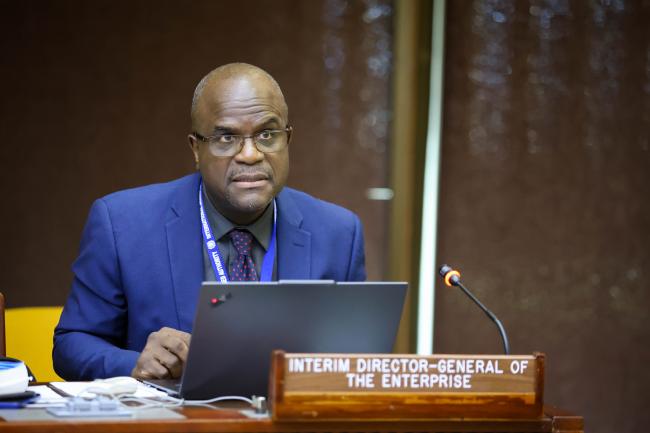
Delegates considered a joint paper by the UK and the Interim Director-General of the Enterprise on “Treatment of the Enterprise in the Draft ISA Exploitation Regulations.” Presenting the paper, Eden Charles, Interim Director-General of the Enterprise, outlined certain instances in the regulations where differential treatment for the Enterprise is required or may be appropriate, such as in, among others, regulations addressing the sponsoring state of contractors, as the Enterprise is exempt from this requirement.
Charles presented two alternative definitions of “contractor”: the first where “contractor” includes the Enterprise except where expressly excluded in the regulations; and second in which “contractor” includes the Enterprise except where excluded in light of the context and in accordance with the provisions and spirit of UNCLOS and the 1994 Implementing Agreement.
Discussions on this issue will continue during the intersessional period.

Oliver Whitehead, the Netherlands, introduced the Netherlands non-paper on the notion of Parent Company Liability Statements as a mechanism to close potential “liability gaps” in deep-sea mining operations. The non-paper proposes that parent companies of contractors formally accept joint and several liability for damage caused by their subsidiaries, ensuring that financial responsibility does not rest solely on undercapitalized contractor entities.
In the subsequent discussion, Council members broadly supported efforts to address potential liability gaps arising from complex corporate structures, noting parent company liability statements will ensure that financially capable parent entities assume responsibility, including in cases of transfer, insolvency, or environmental harm.
Concerns were raised about legal feasibility, consistency with existing company law, and potential unintended consequences. Some questioned how the mechanism would apply to state-owned entities, joint ventures, or the Enterprise, and whether it could conflict with sponsoring state responsibilities under UNCLOS.

The Council also approved six applications for extensions of the polymetallic nodule exploration contracts.
To receive free coverage of global environmental events delivered to your inbox, subscribe to the ENB Update newsletter.
All ENB photos are free to use with attribution. For the 1st part of the 31st session of the International Seabed Authority (ISA) Council meeting, please use: Photo by IISD/ENB | Anastasia Rodopoulou
Council Meeting
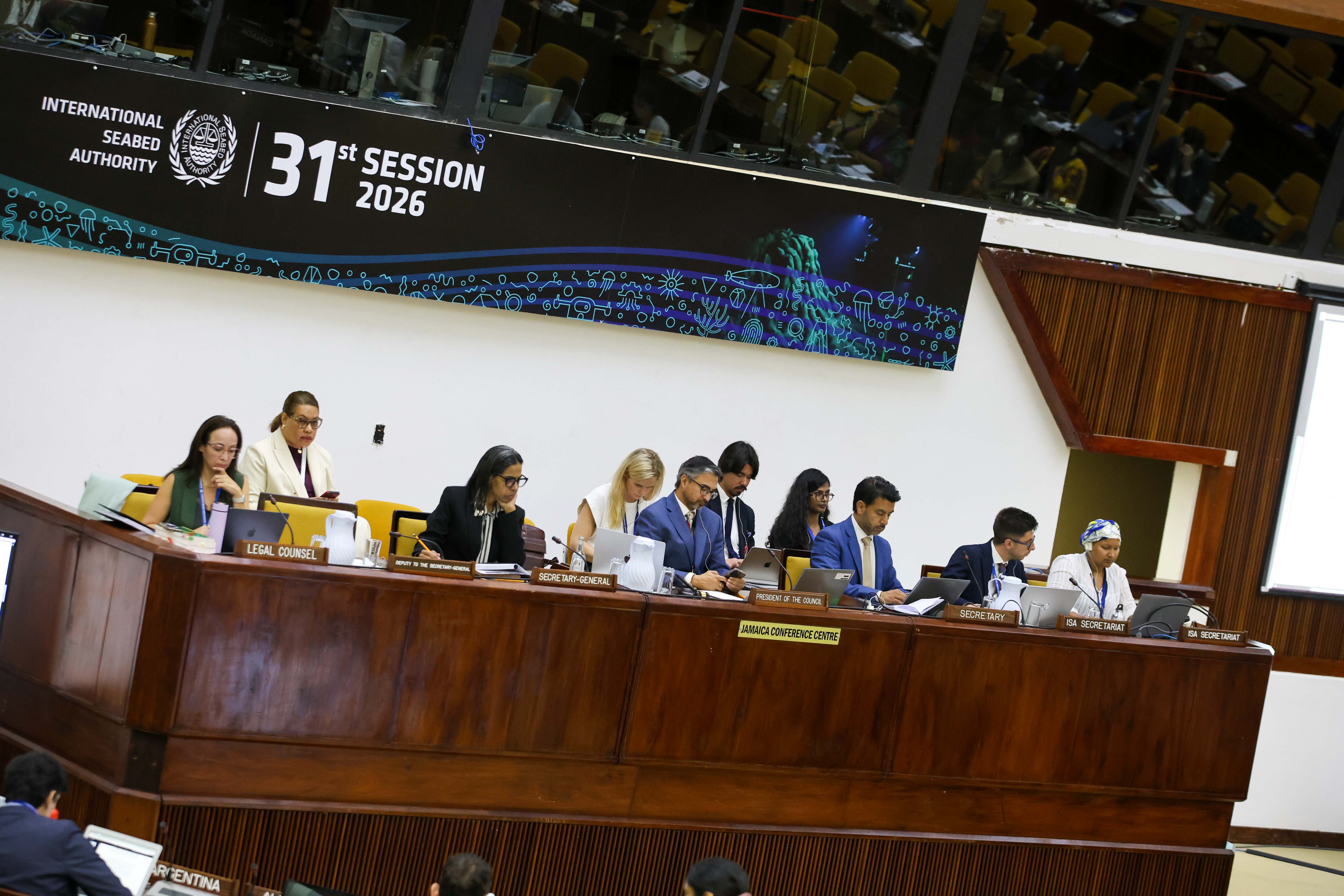
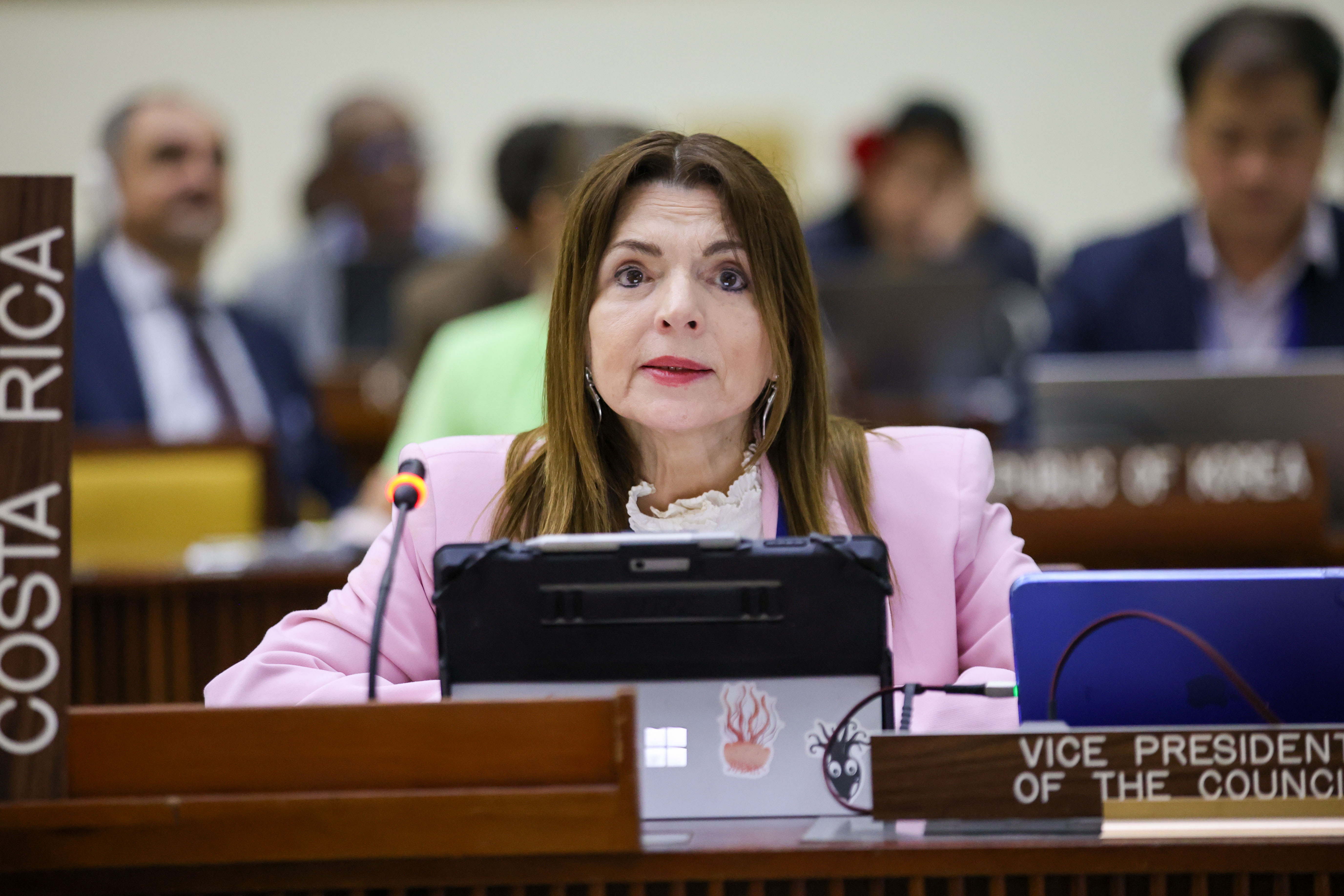
Gina Guillén Grillo, Costa Rica
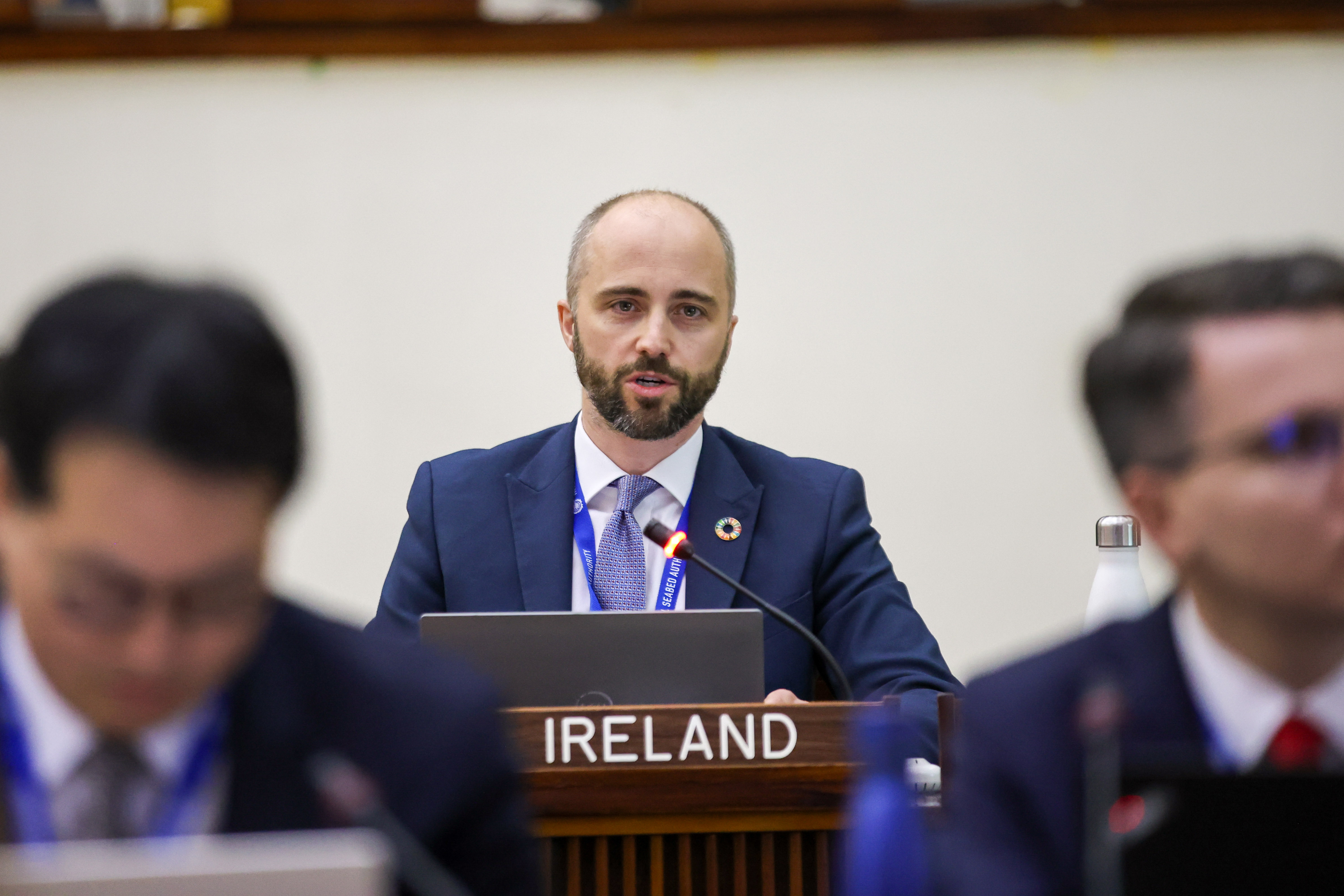
Carl Grainger, Ireland
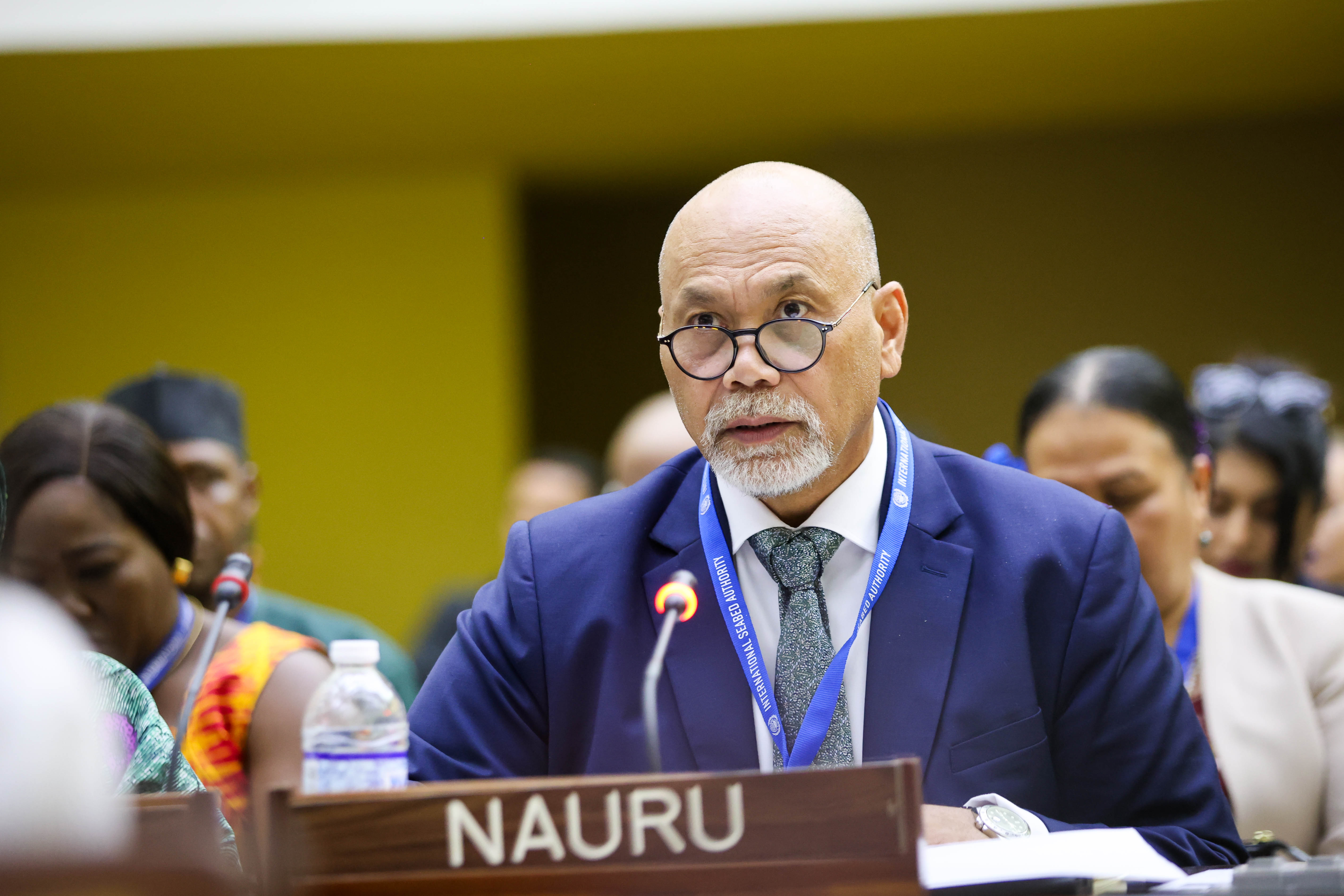
Lionel Rouwen Aingimea, Minister for Foreign Affairs and Trade, Nauru
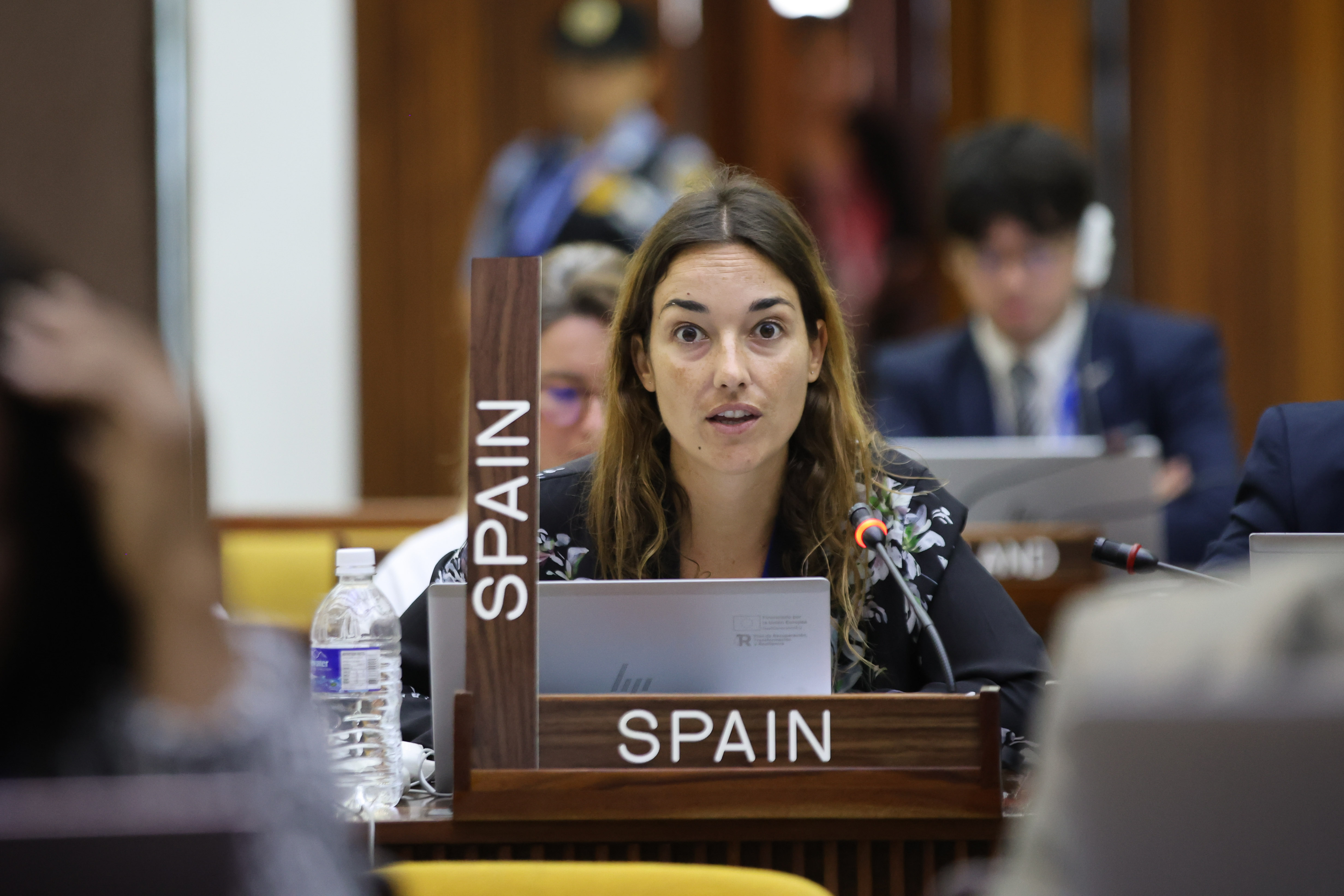
Carmen Belloch Ortí, Spain
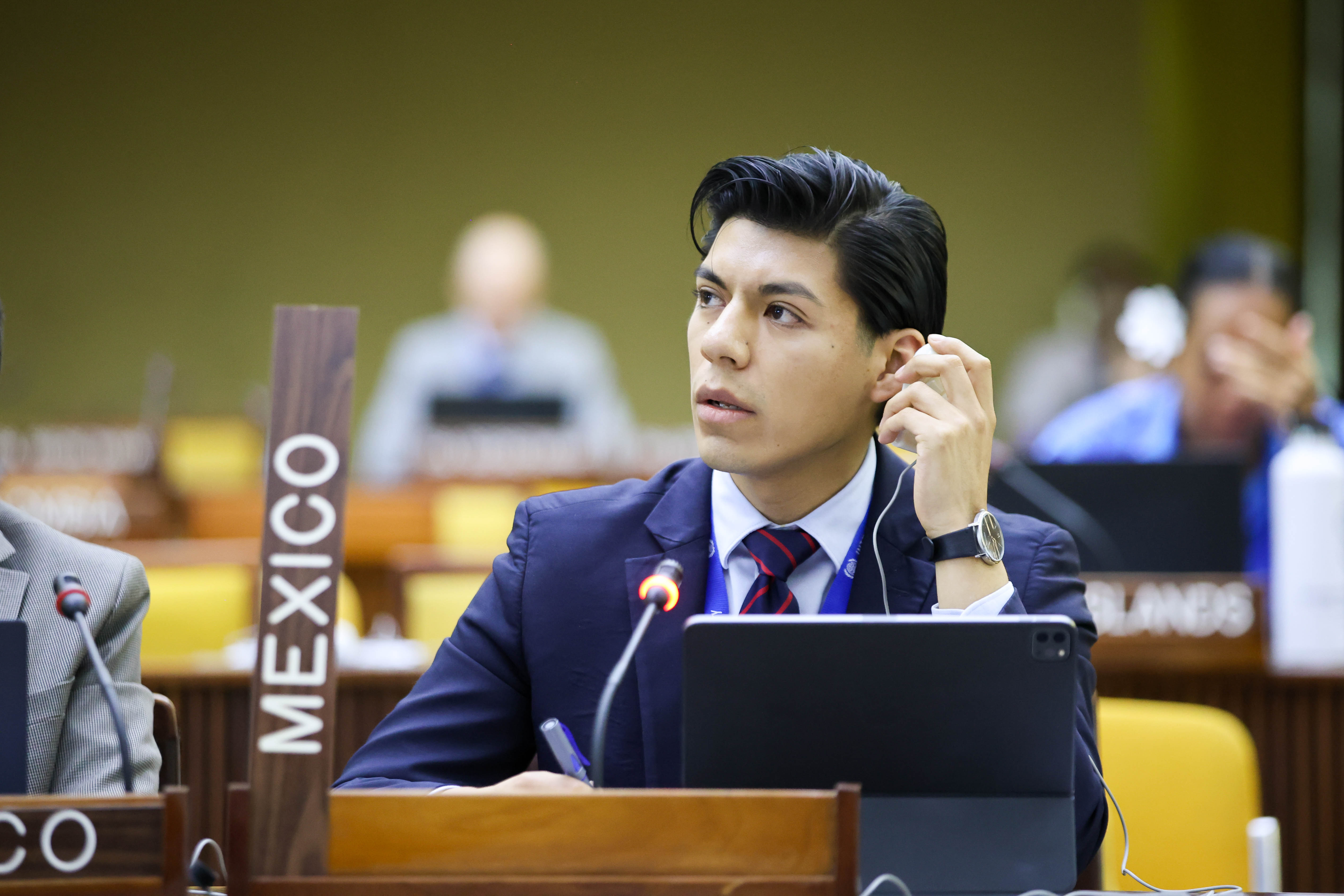
Edgar Noriega, Mexico
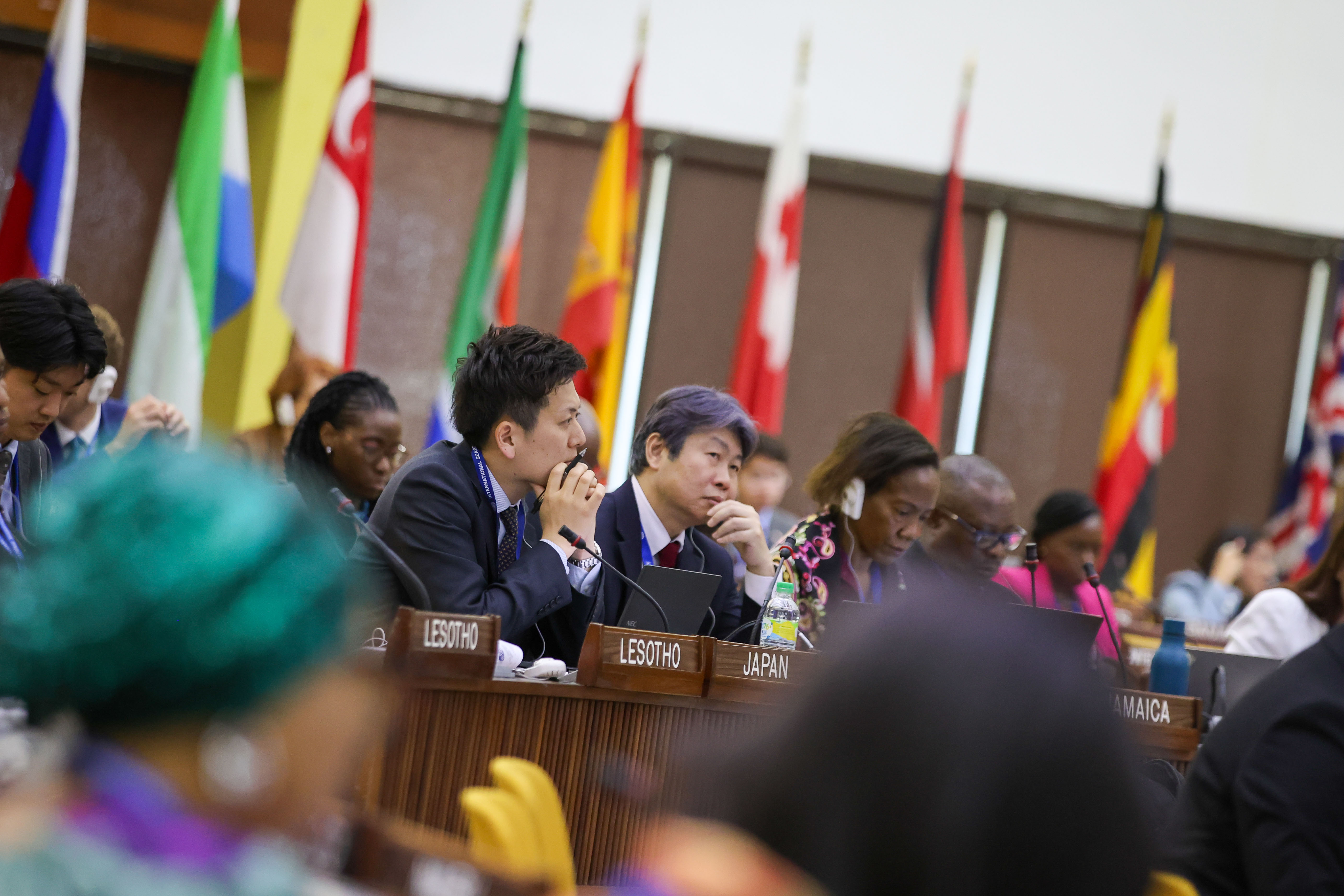
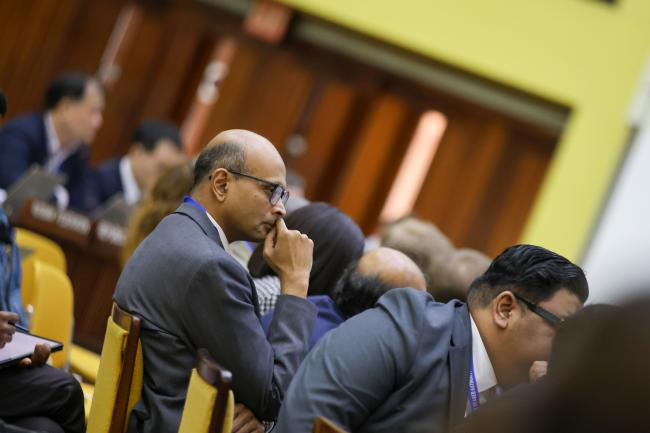
Delegates listen to the discussions.
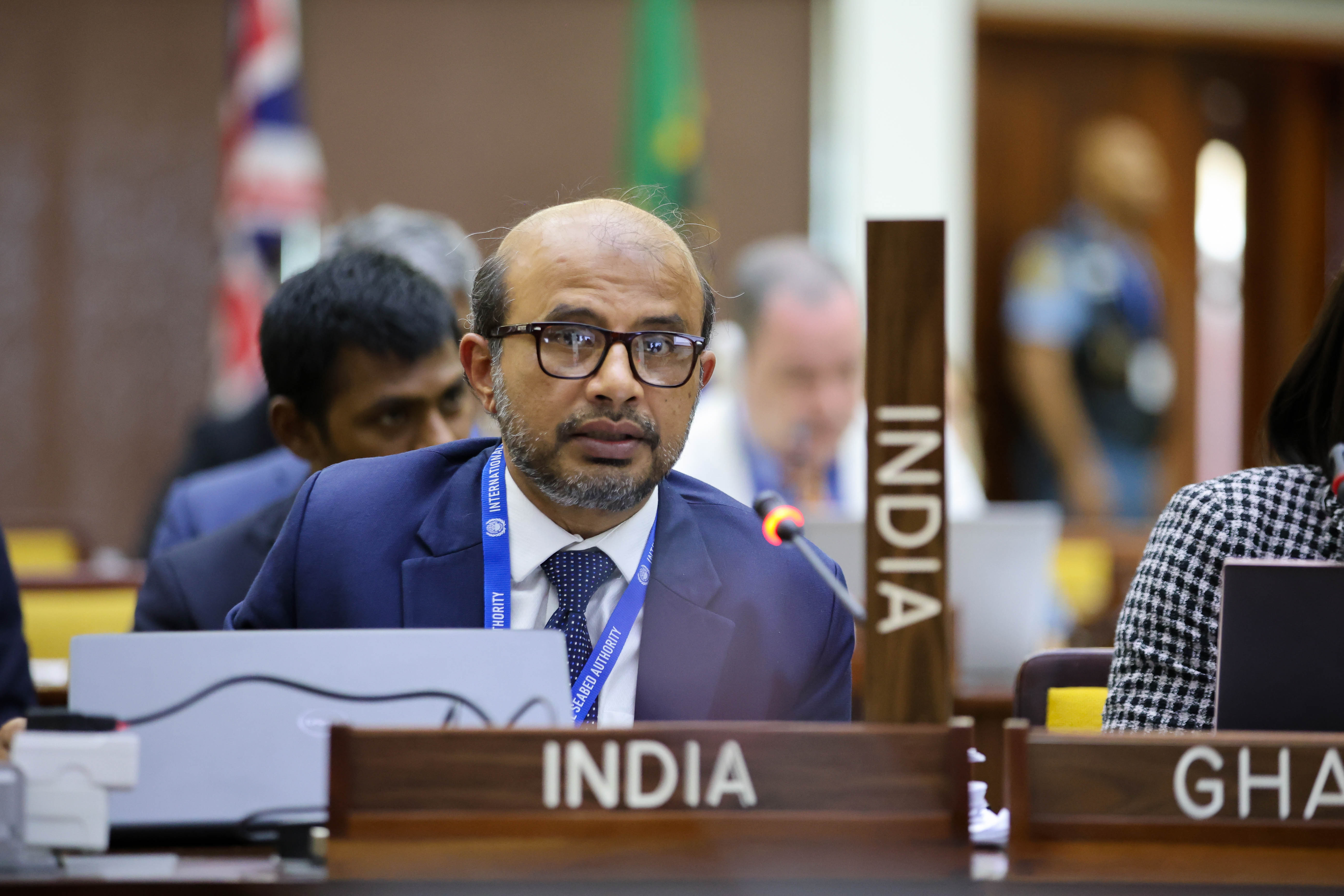
Sandip Mukhopadhyay, India
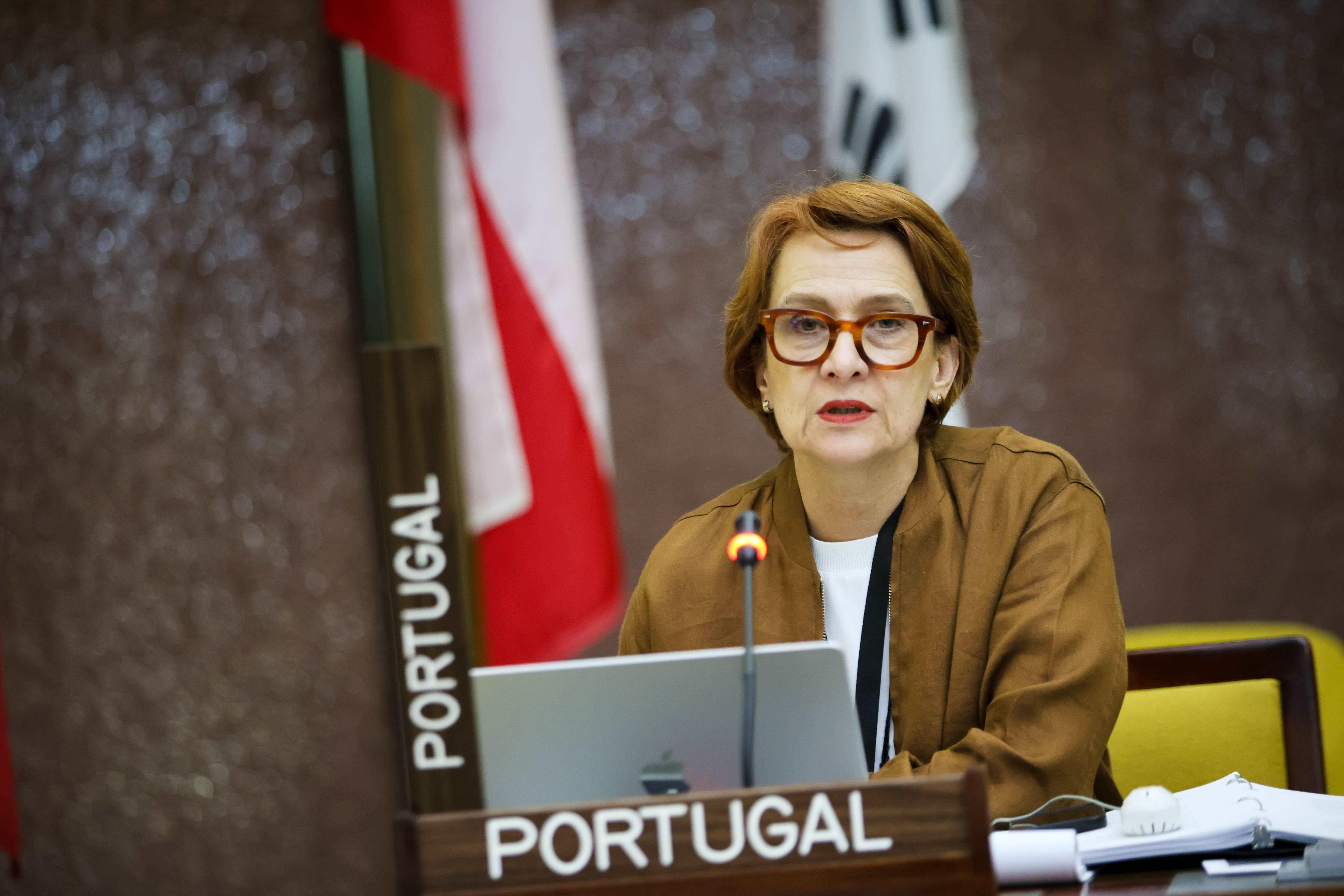
Maria Mendes, Portugal
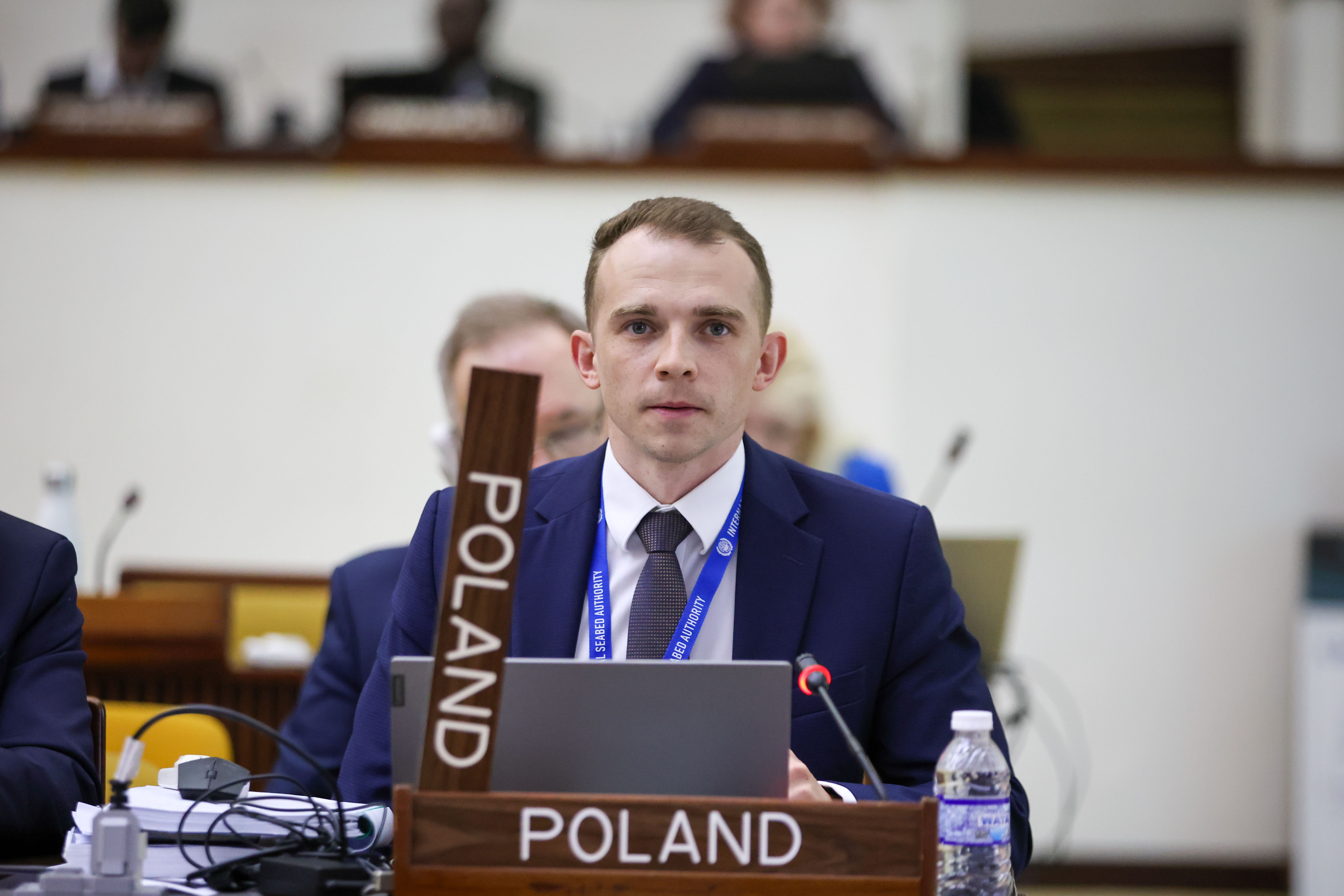
Bartosz Jasiński, Poland
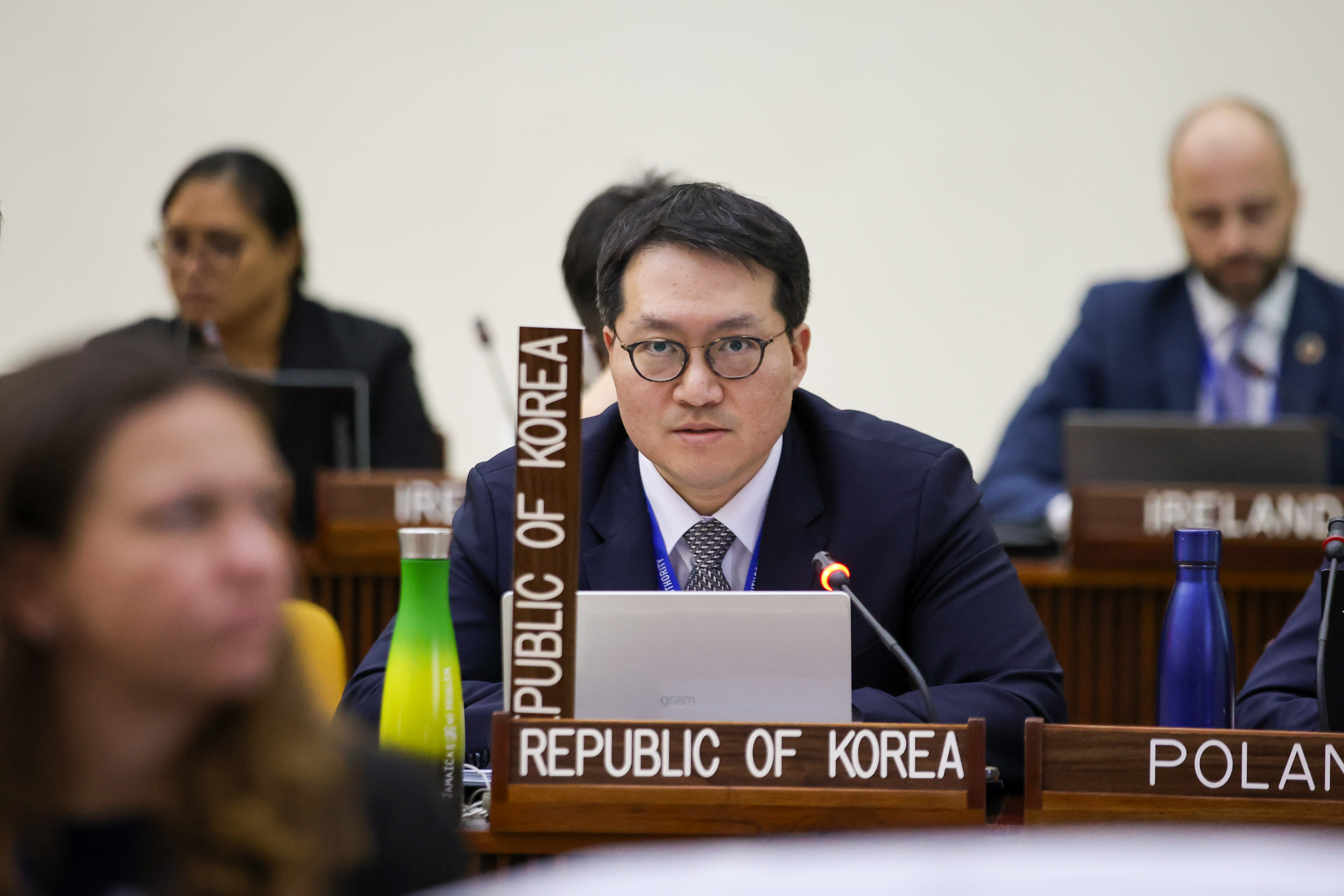
Cho Hoyeun, Republic of Korea
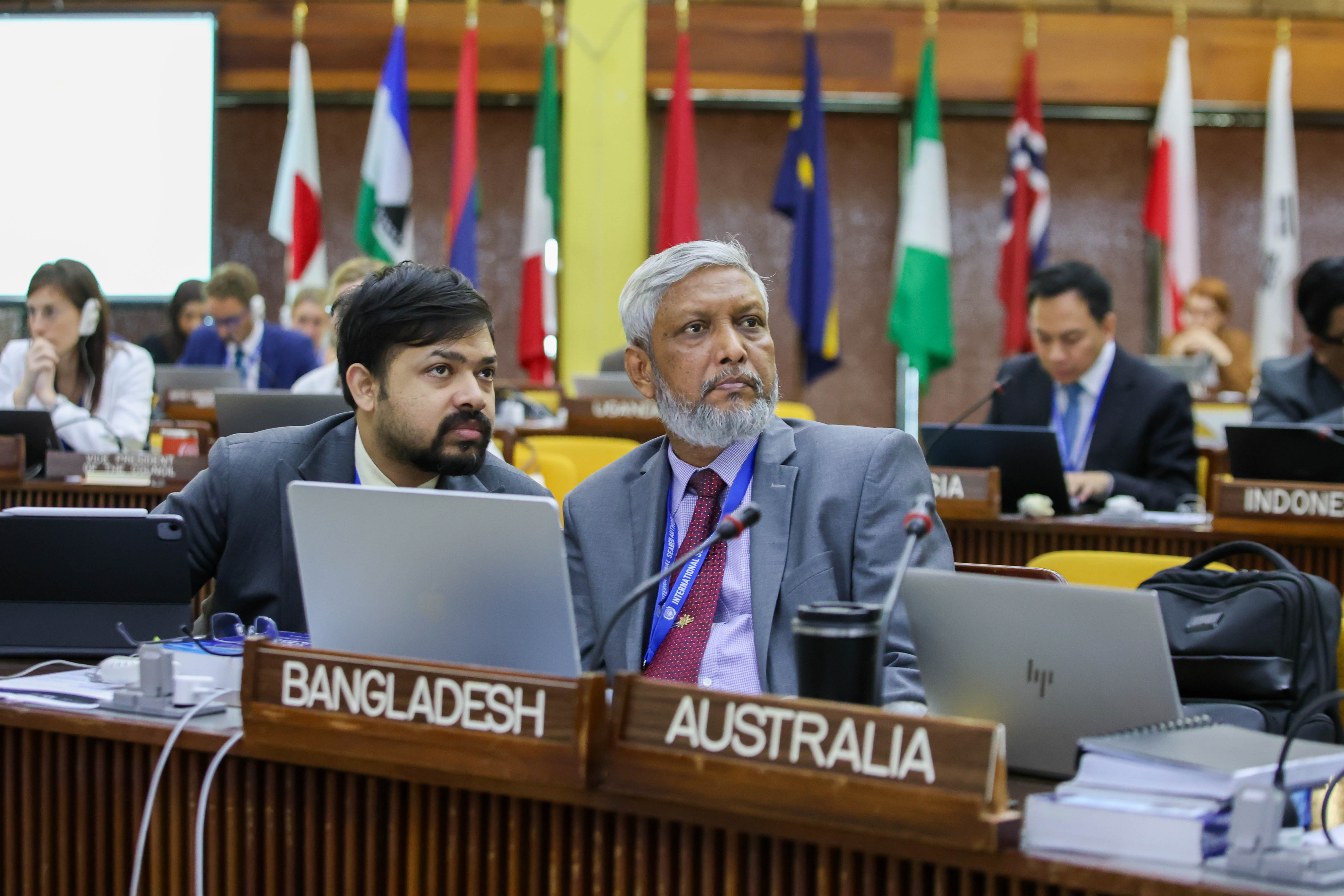
Delegates from Bangladesh follow textual changes on the screen.
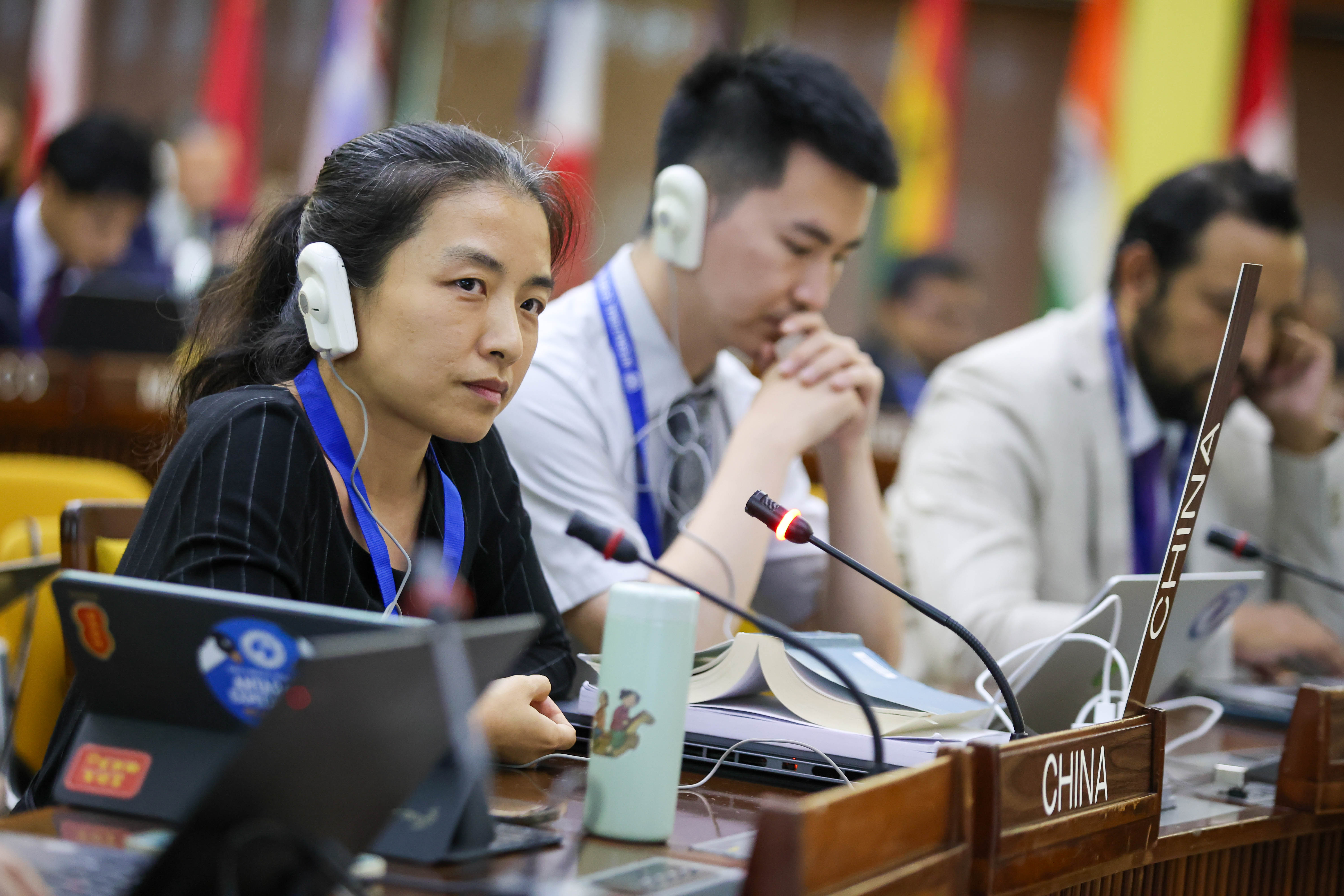
Wenting Zhao, China

Azmaira Alibhai, screen editor for the Secretariat of the Authority
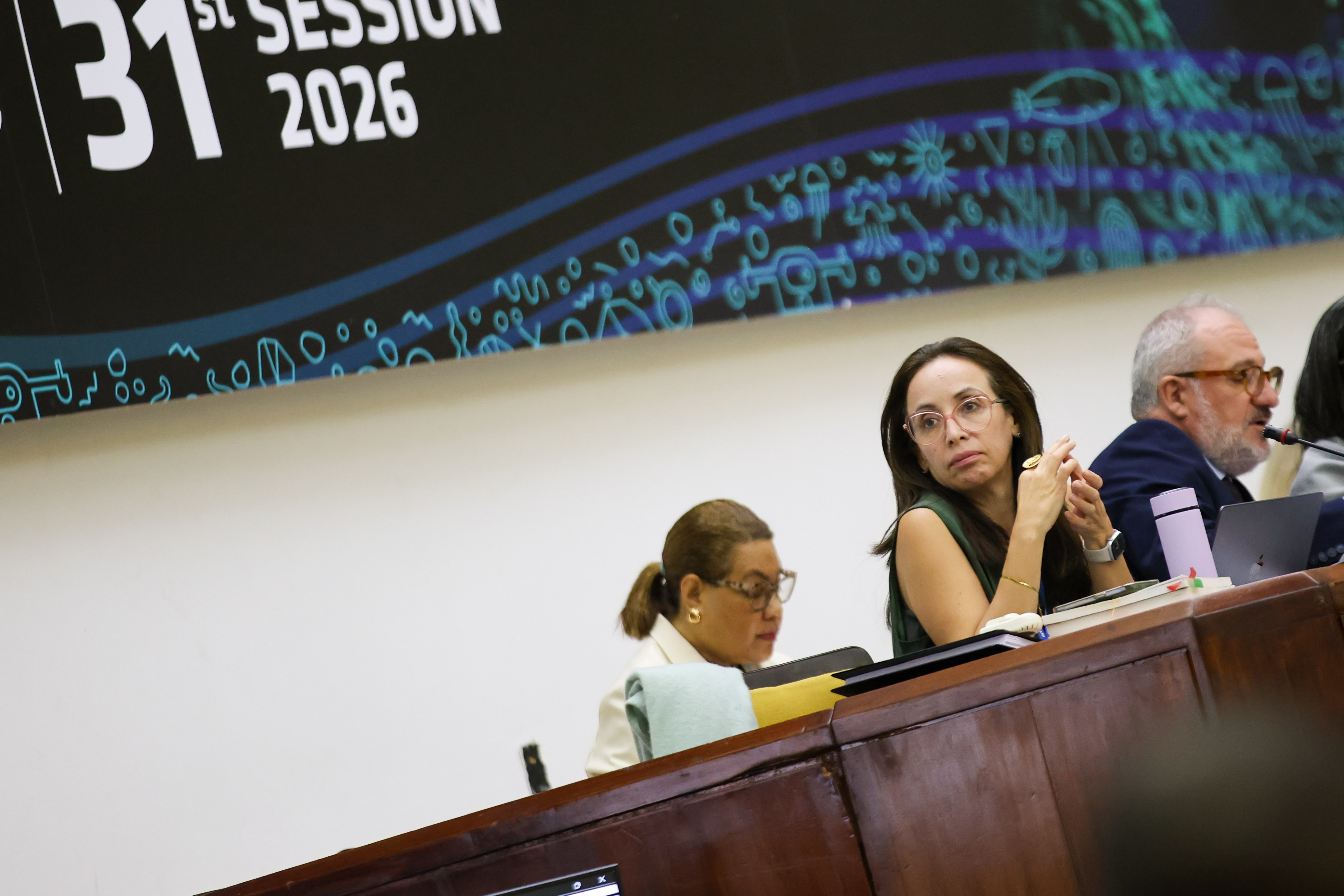
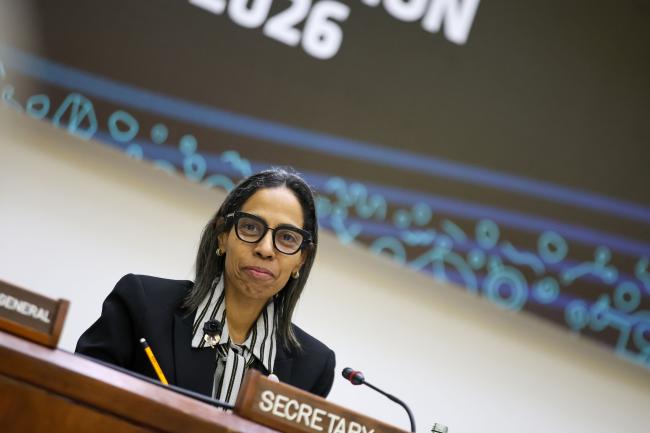
Mariana Durney, Secretariat of the Authority

A delegate takes notes.
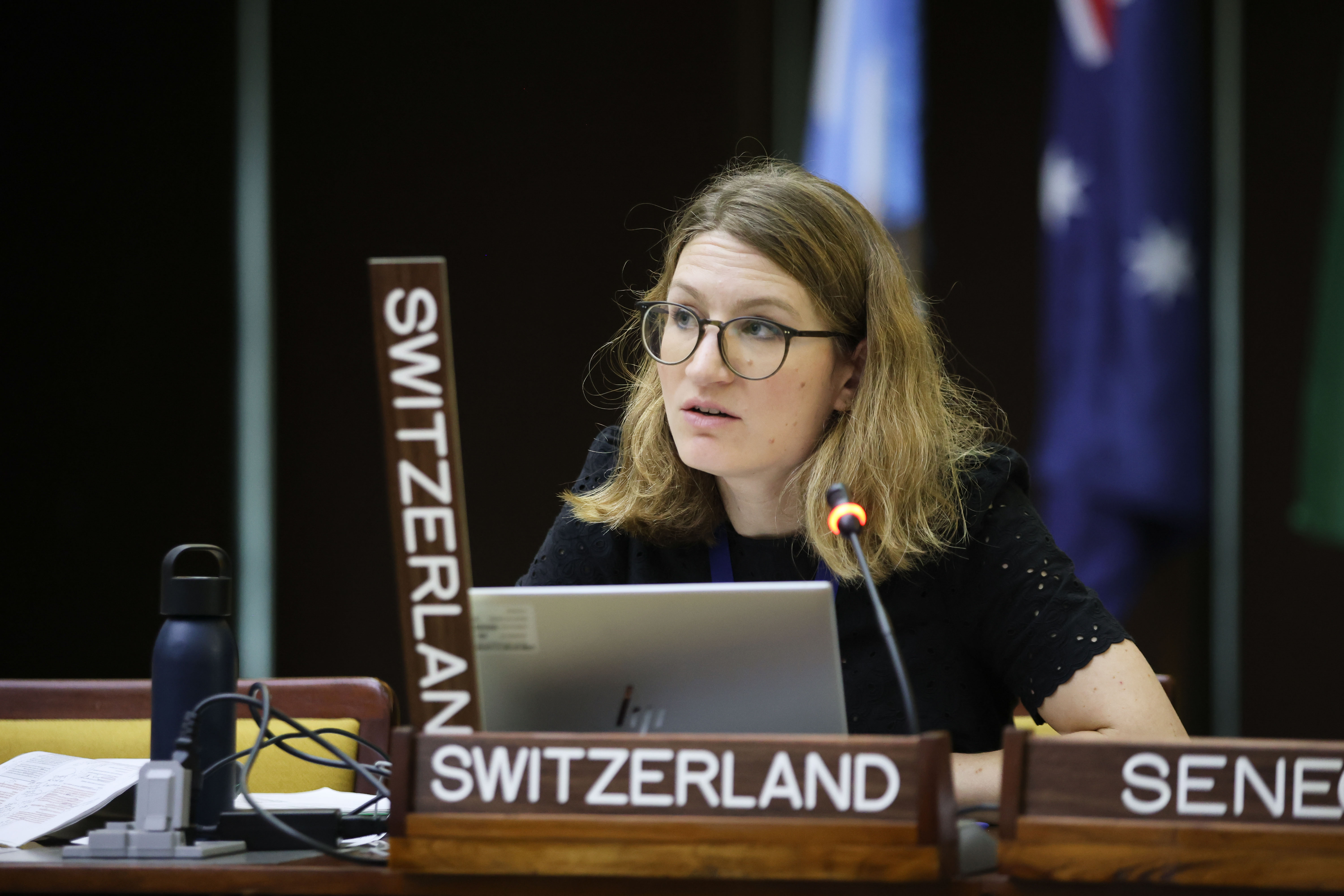
Laura Platchkov, Switzerland
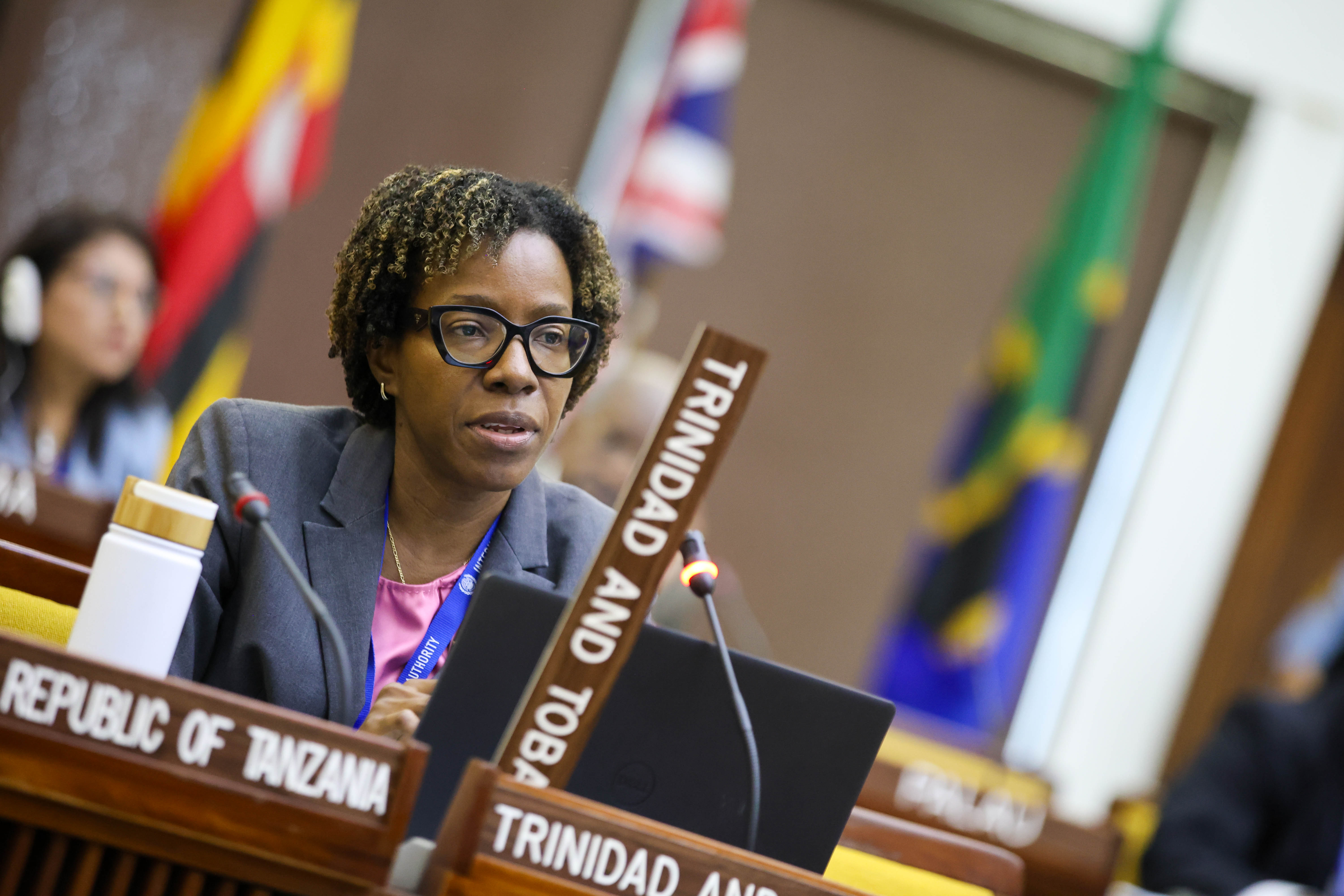
Amanda Fraser, Trinidad and Tobago
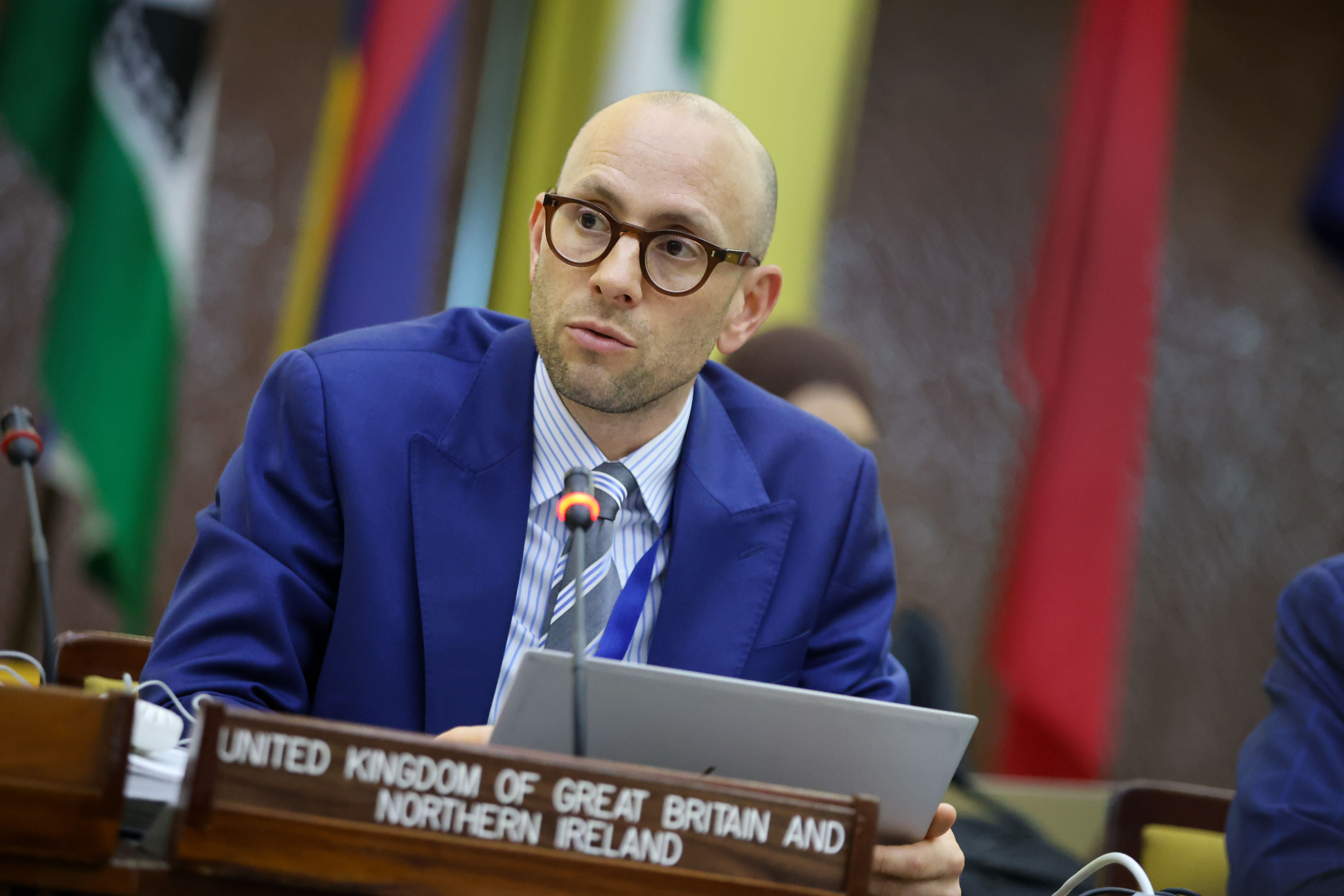
Fraser Janeczko, UK
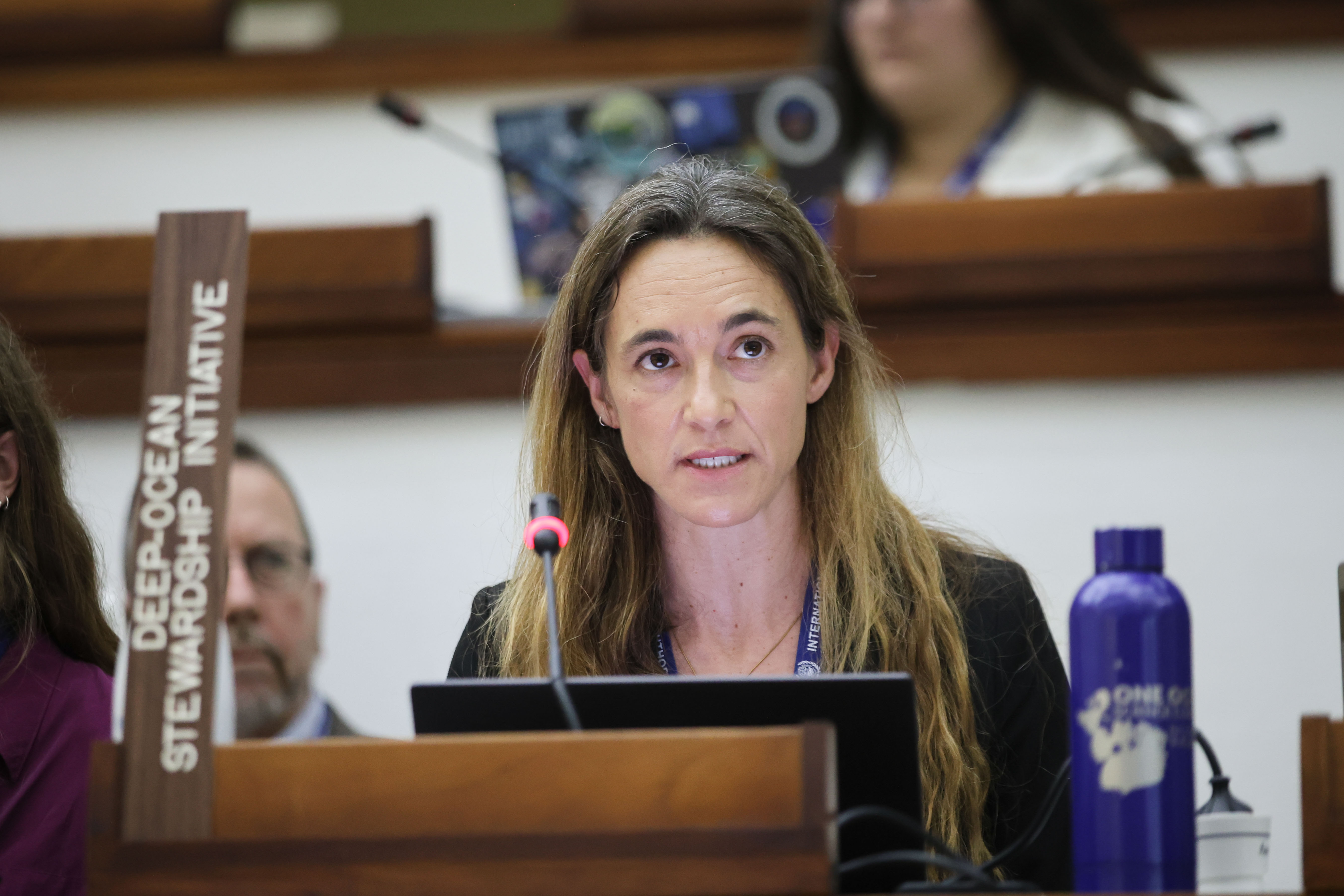
Patricia Esquete, Deep-Ocean Stewardship Initiative (DOSI)
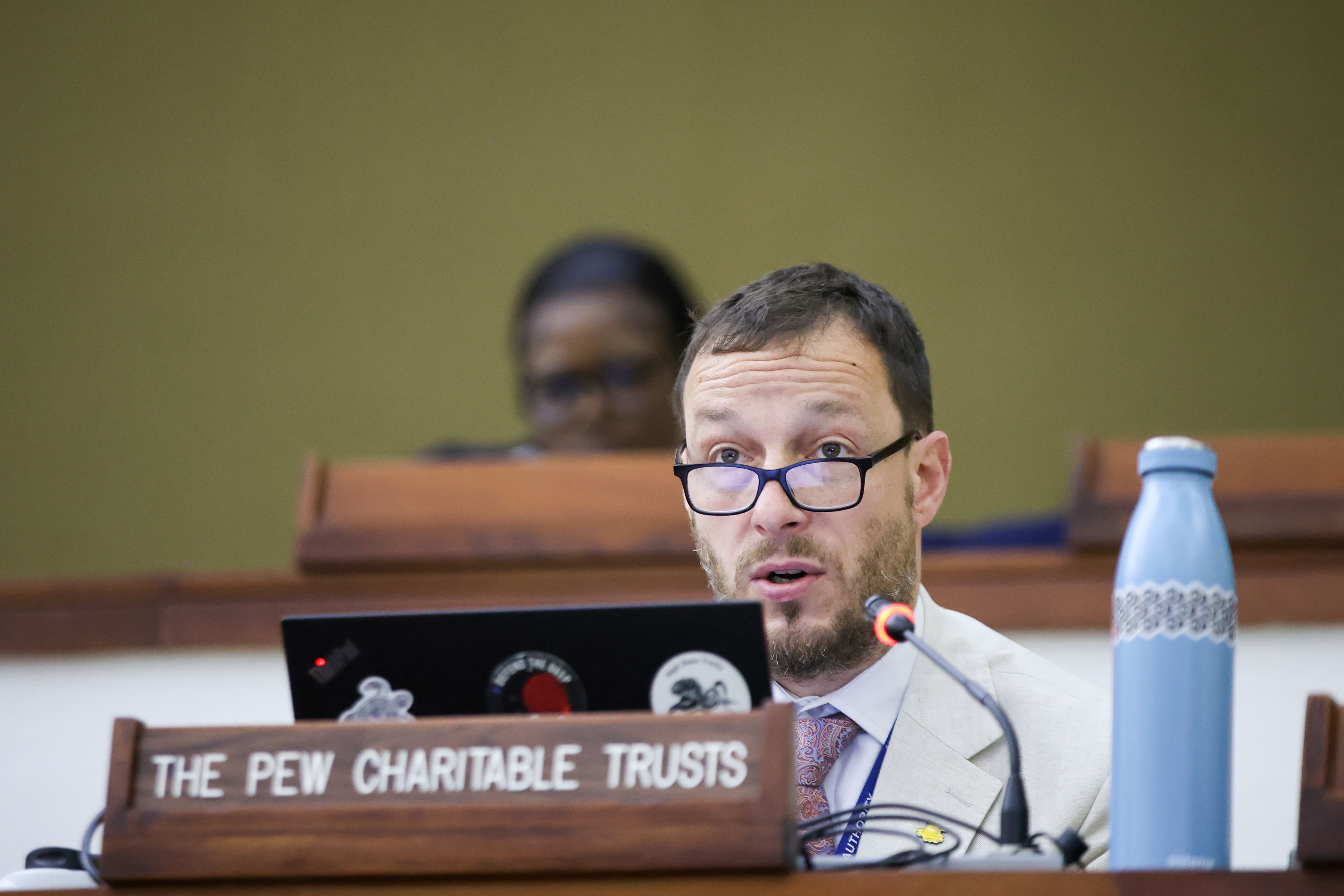
Julian Jackson, The Pew Charitable Trusts
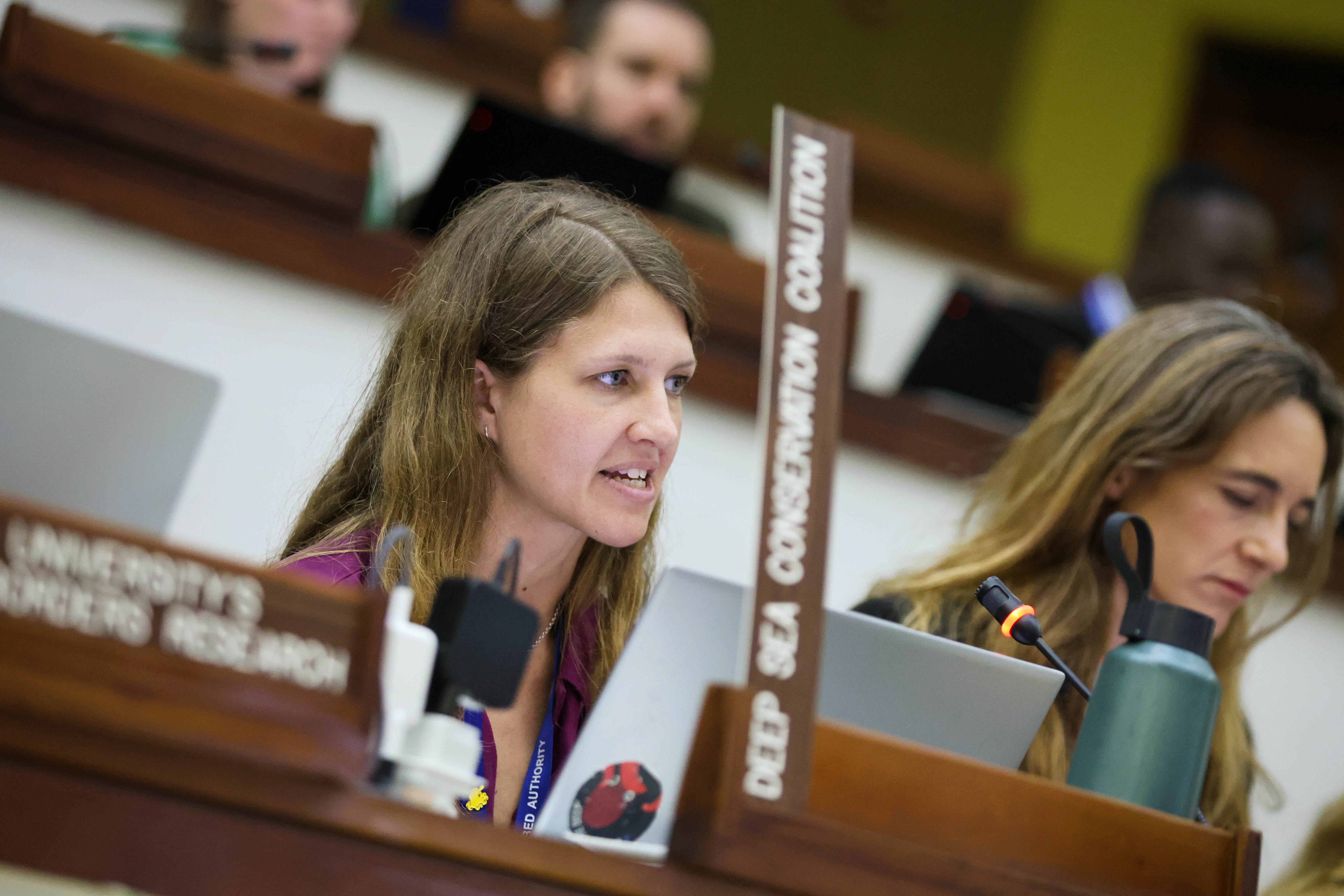
Emma Wilson, Deep Sea Conservation Coalition (DSCC)
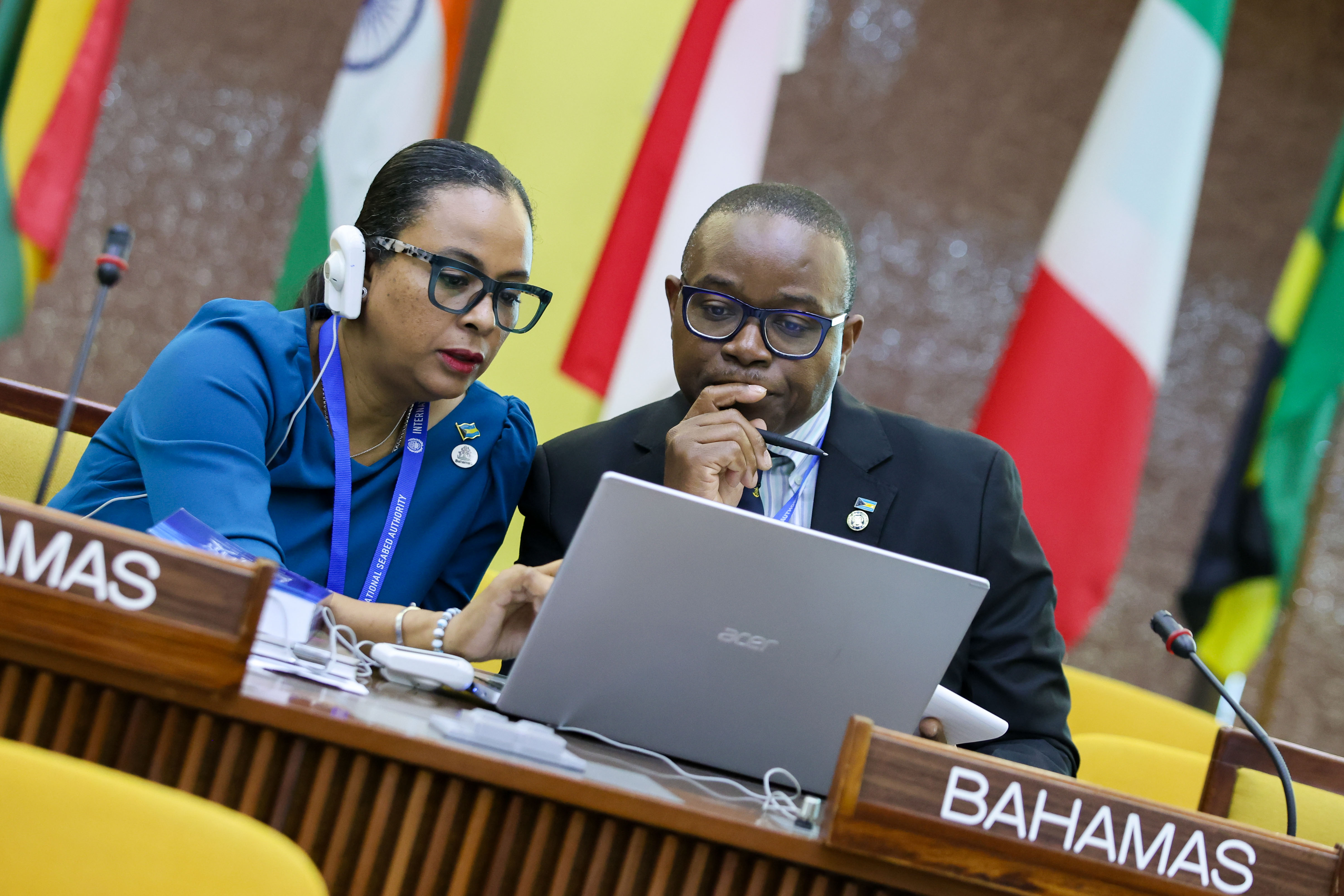
Delegates from the Bahamas consult.
Selected Images
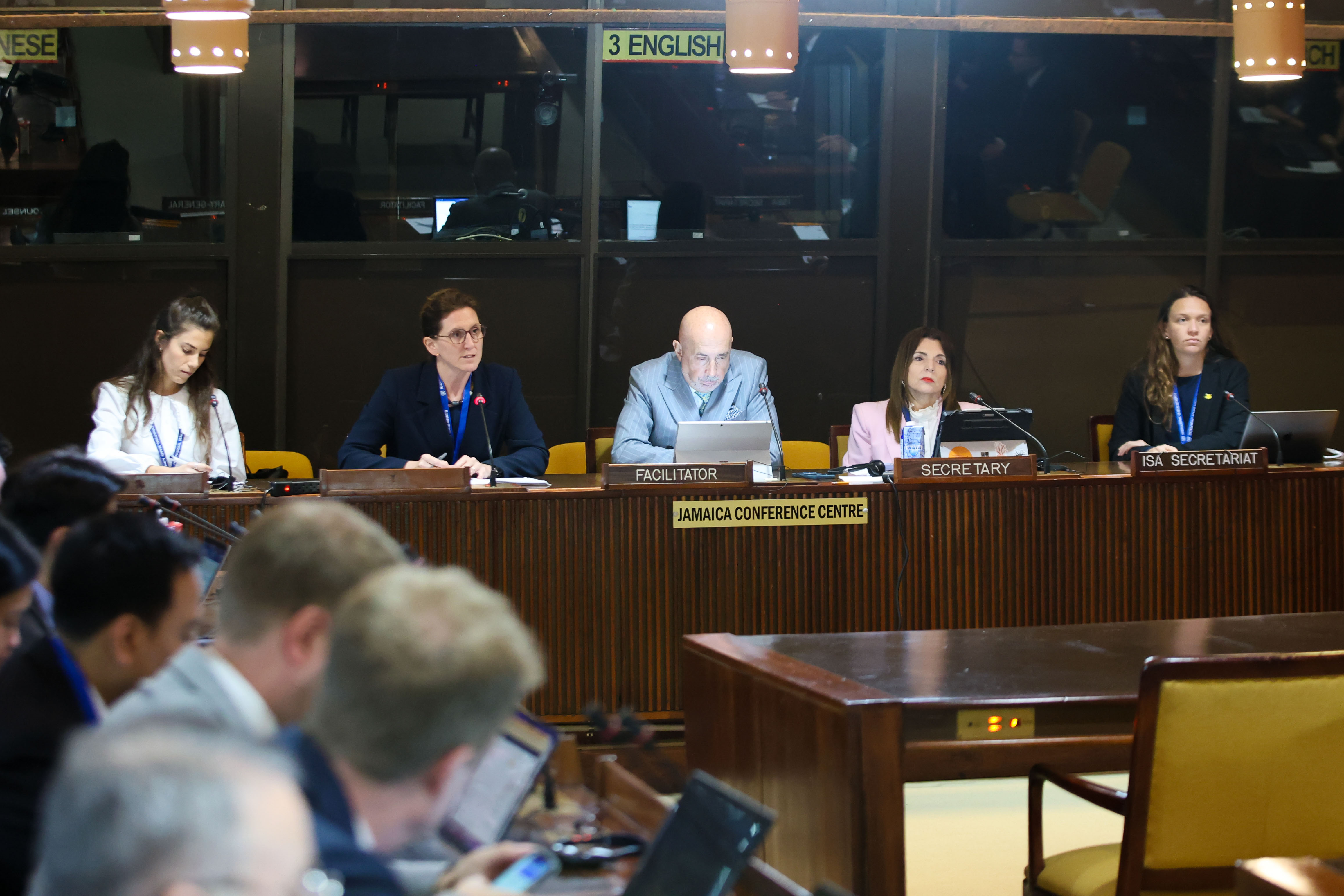
Brazil, France, Spain, and Costa Rica co-facilitated informal consultations on a draft Council decision relating to the Legal and Technical Commission (LTC) report on the implementation of the Council’s decision relating to a request for additional information from contractors at risk of non-compliance with their contractual obligations
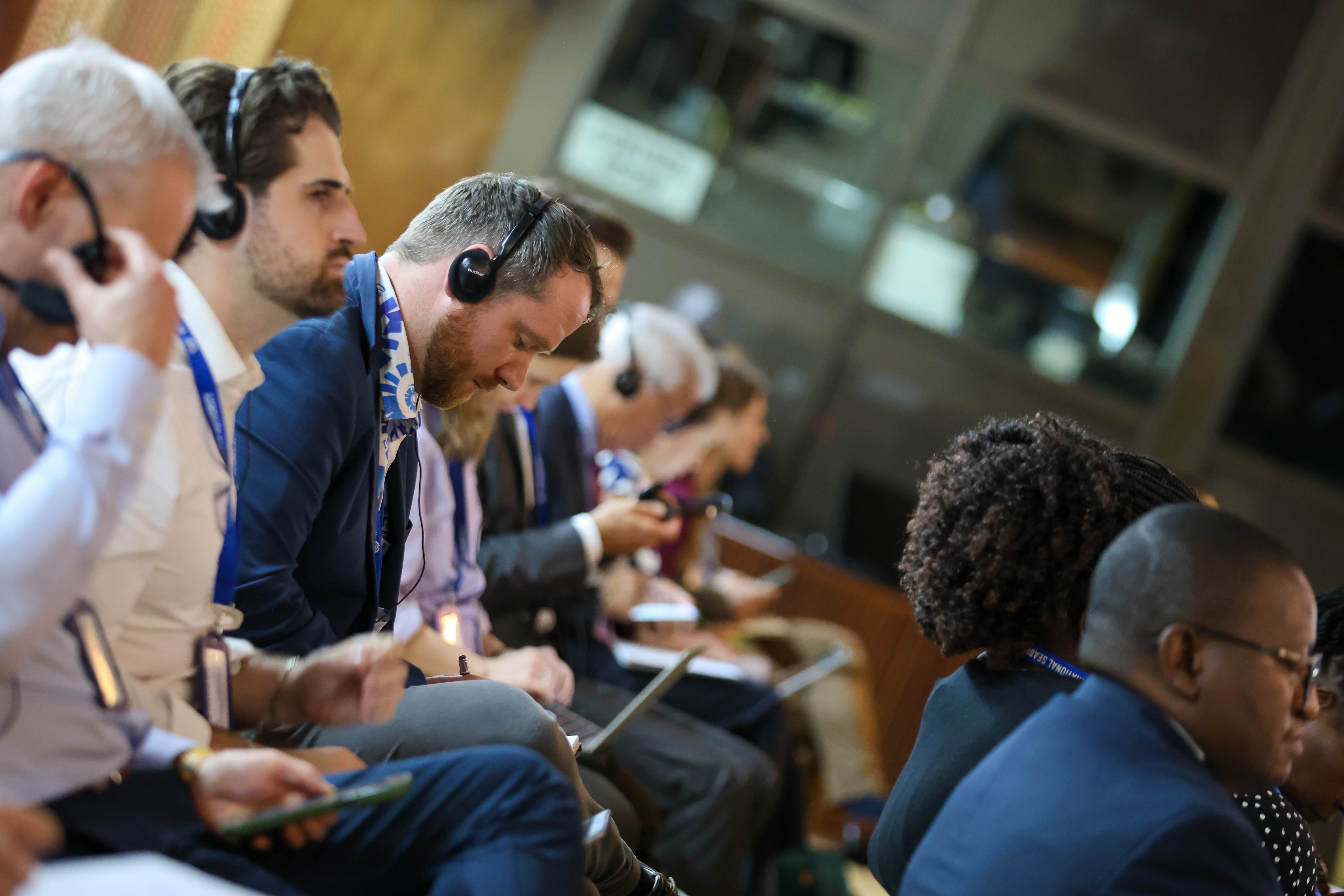
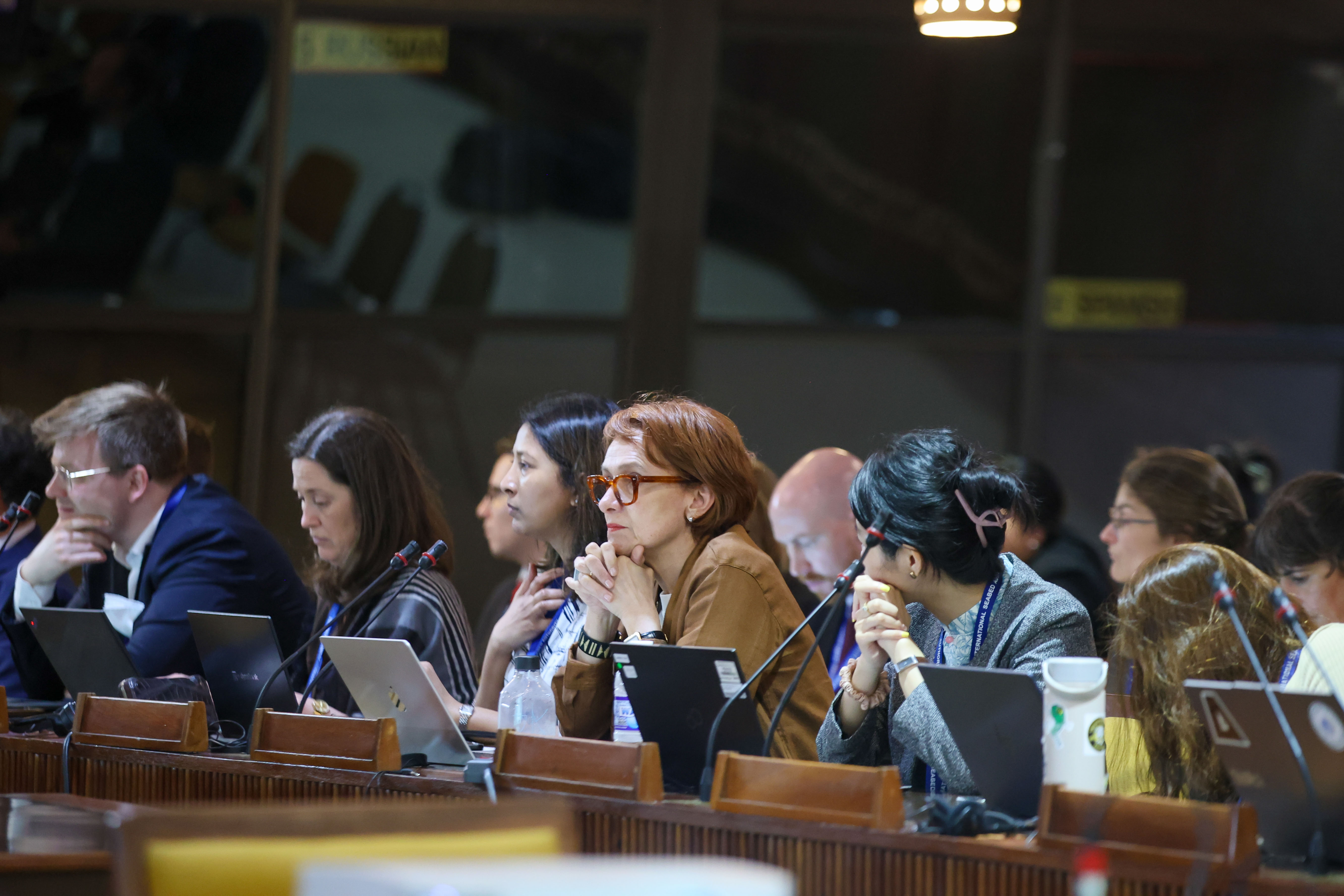
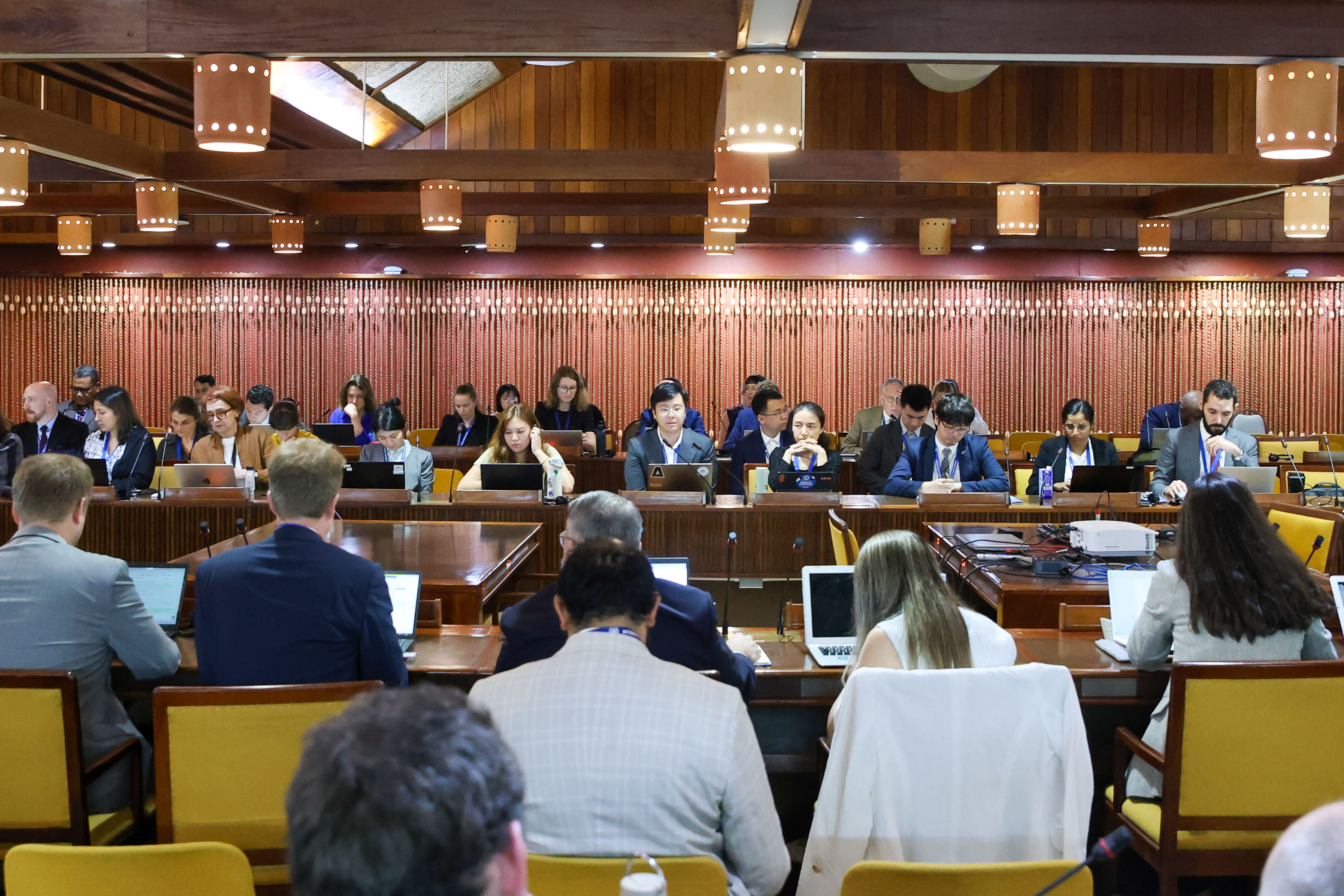
A view of the room during the informal consultations on a draft Council decision relating to the LTC report on the implementation of the Council’s decision relating to a request for additional information from contractors at risk of non-compliance with their contractual obligations
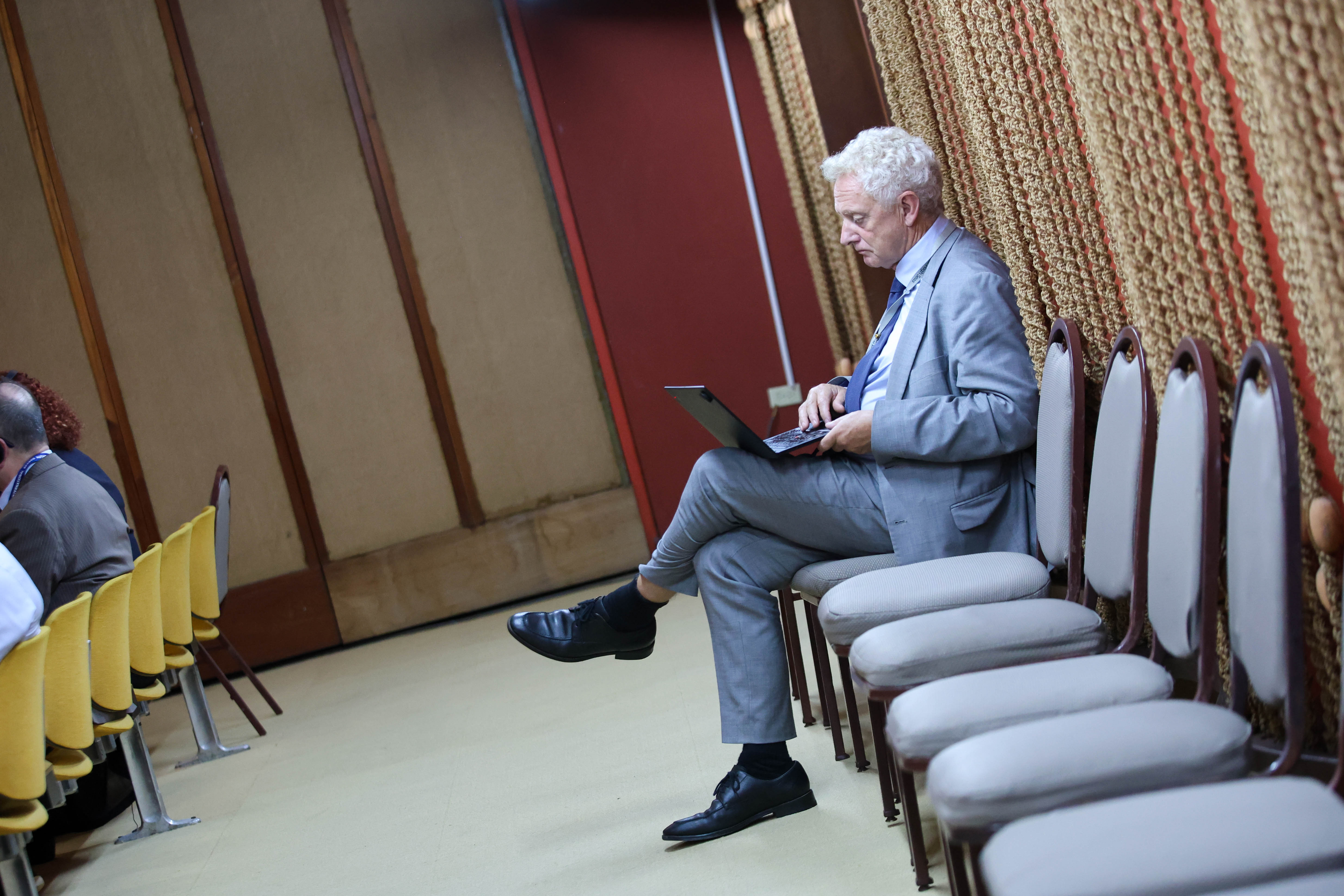
Duncan Currie, DSCC
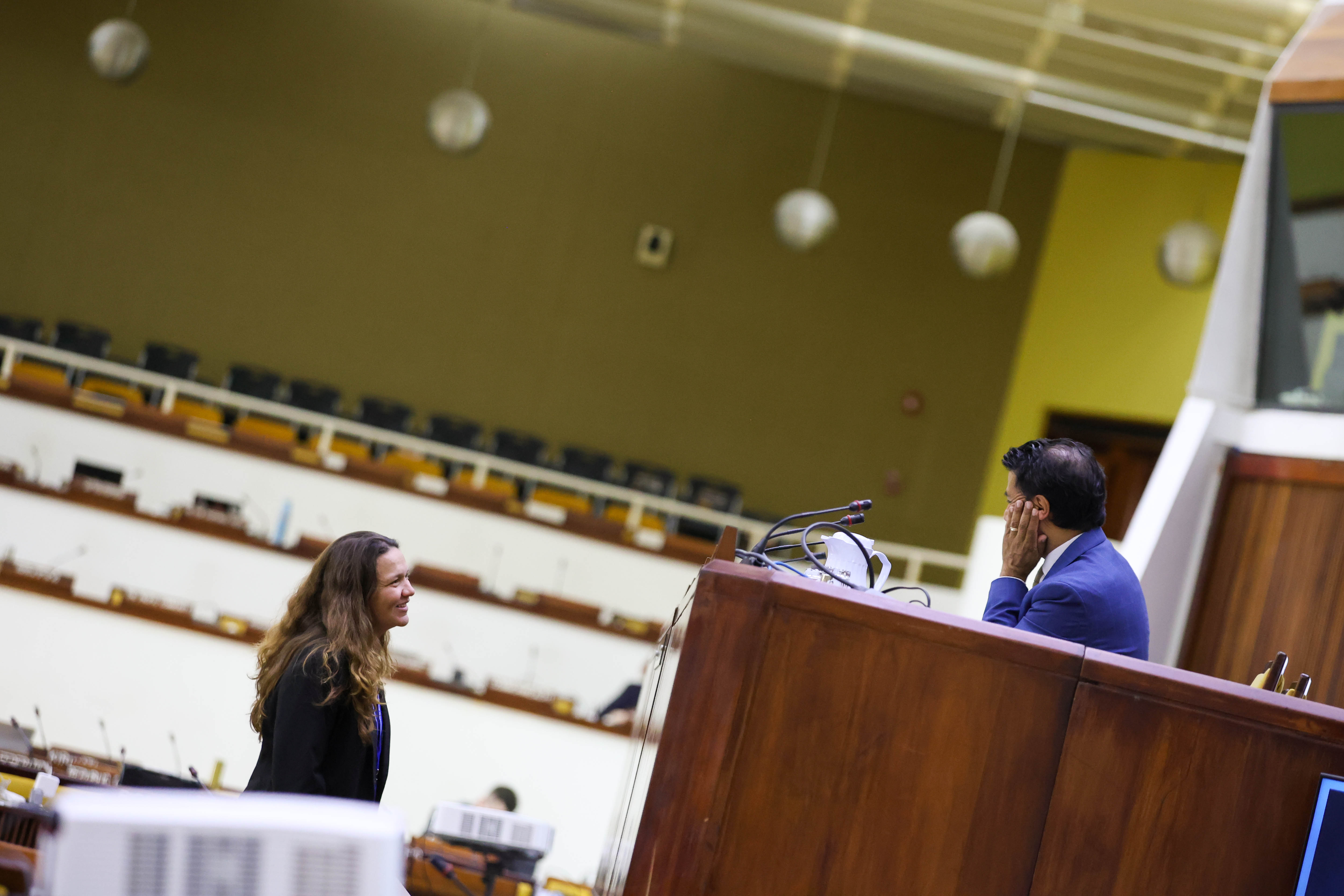
Tamara Gómez Marín, Costa Rica, discusses with Marcelino Miranda, Secretariat of the Authority, during a break.
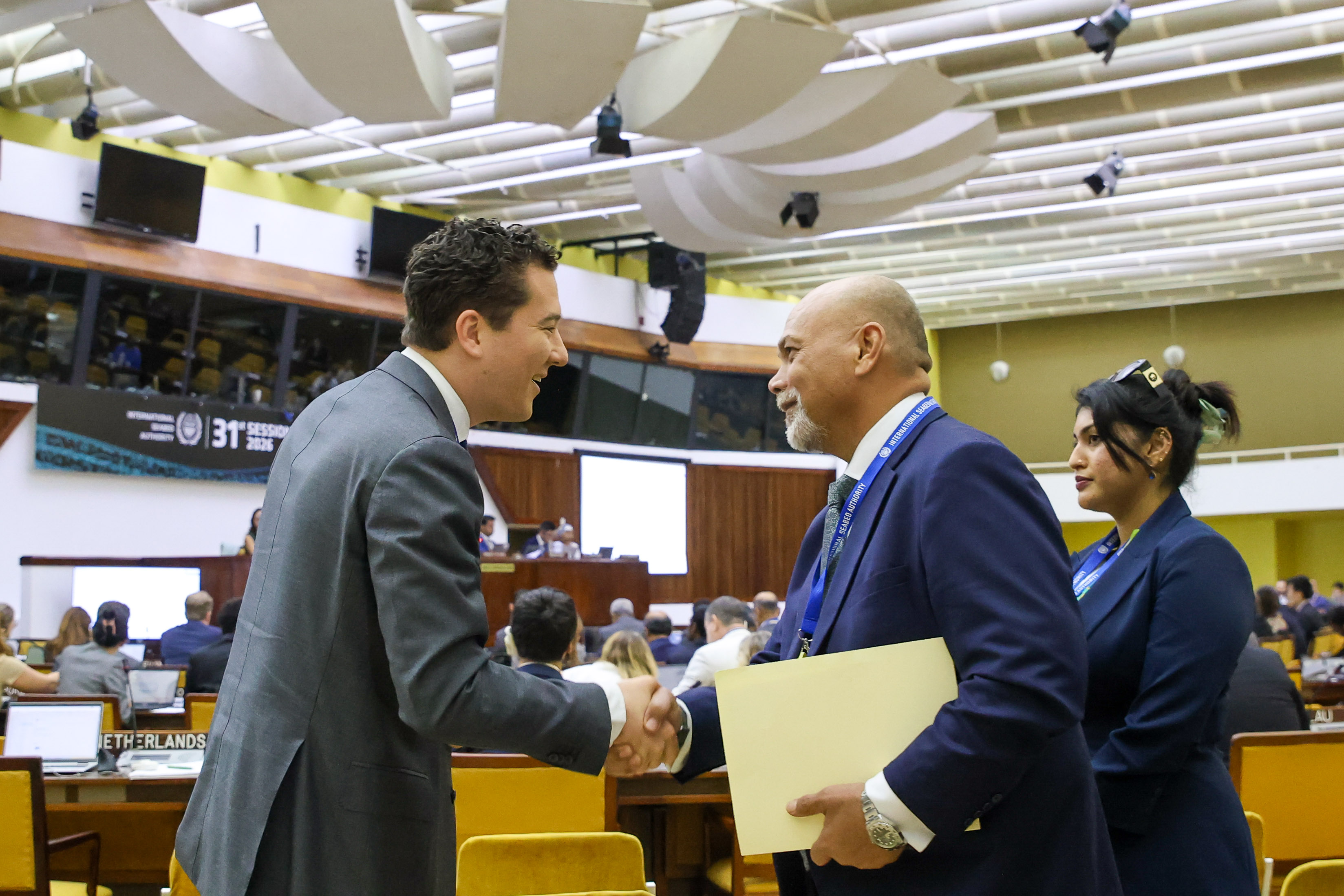
Oliver Whitehead, the Netherlands, and Lionel Rouwen Aingimea, Minister for Foreign Affairs and Trade, Nauru
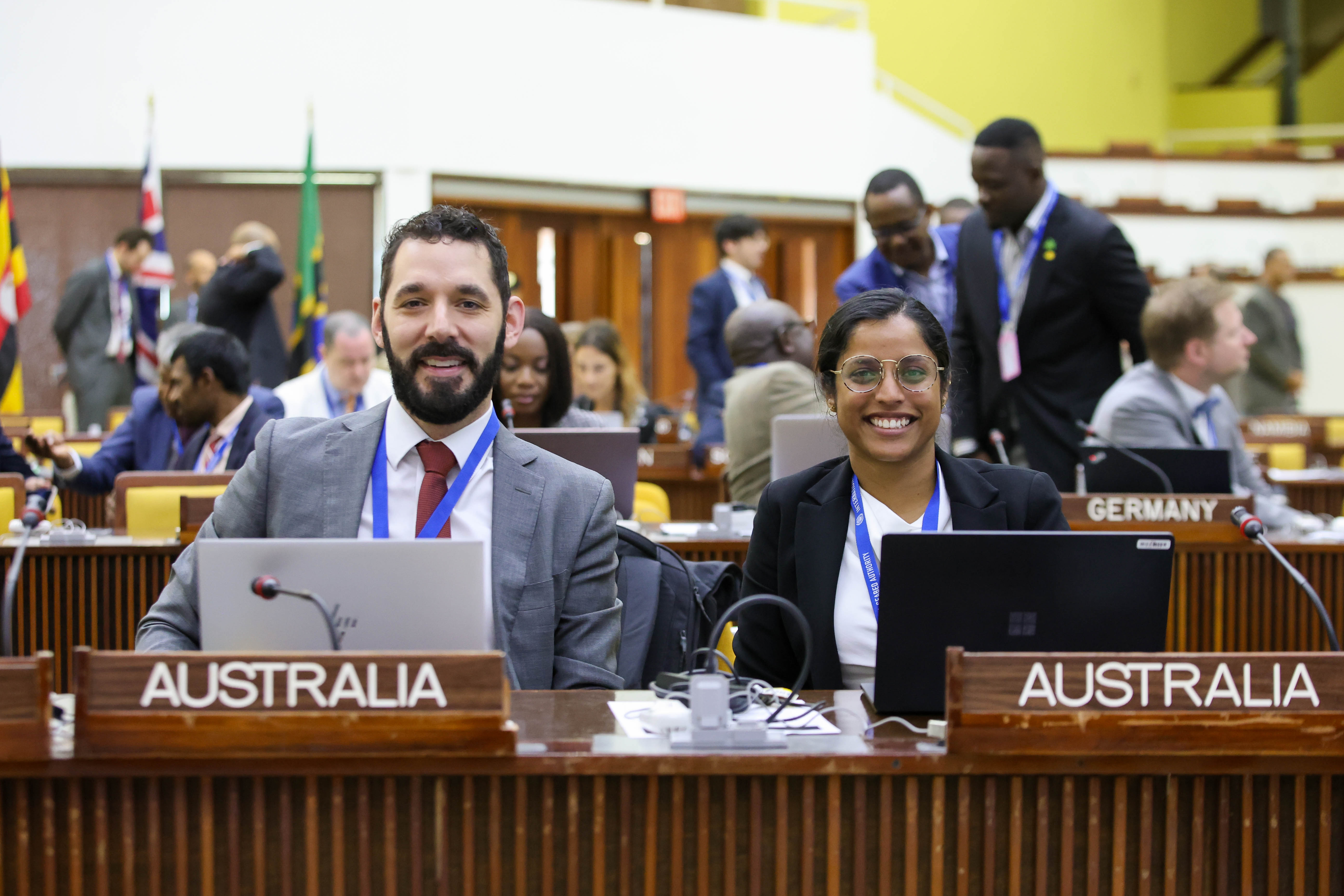
Mark Colautti and Lavanya Vasan, Australia
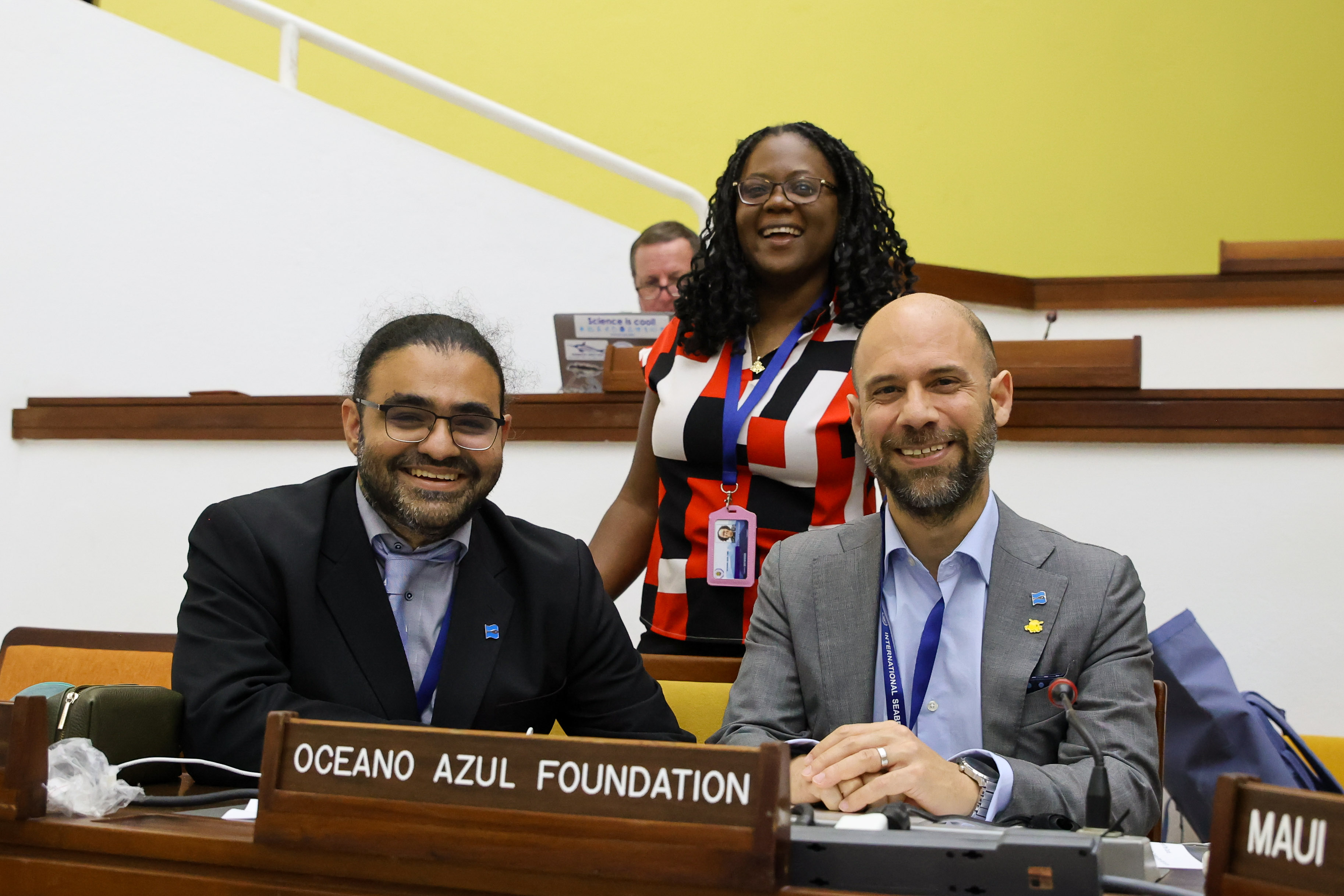
Representatives from Oceano Azul Foundation
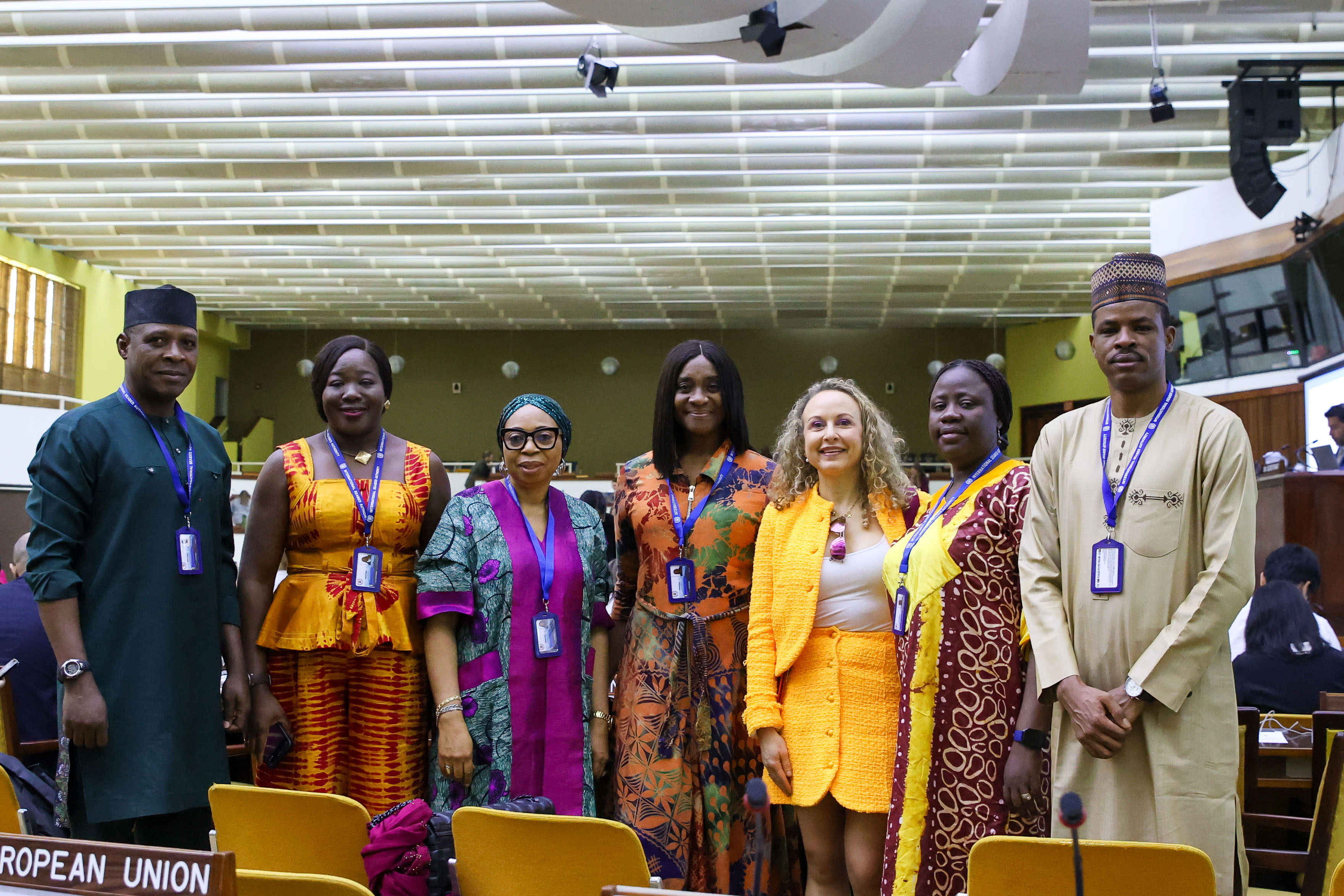
The delegation of Nigeria and Noémie Wouters, Secretariat of the Authority

Around the Venue
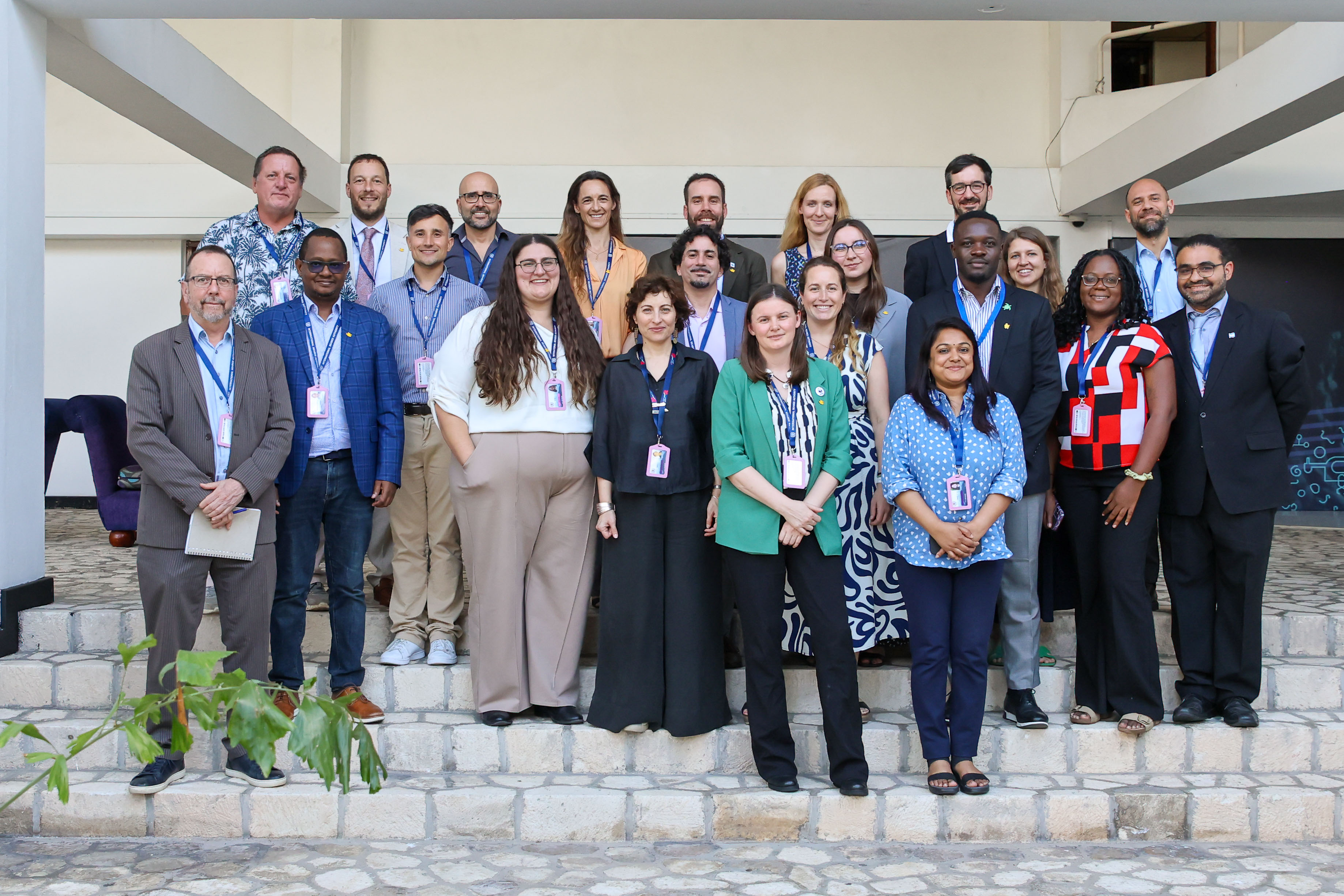
Representatives from observer organizations
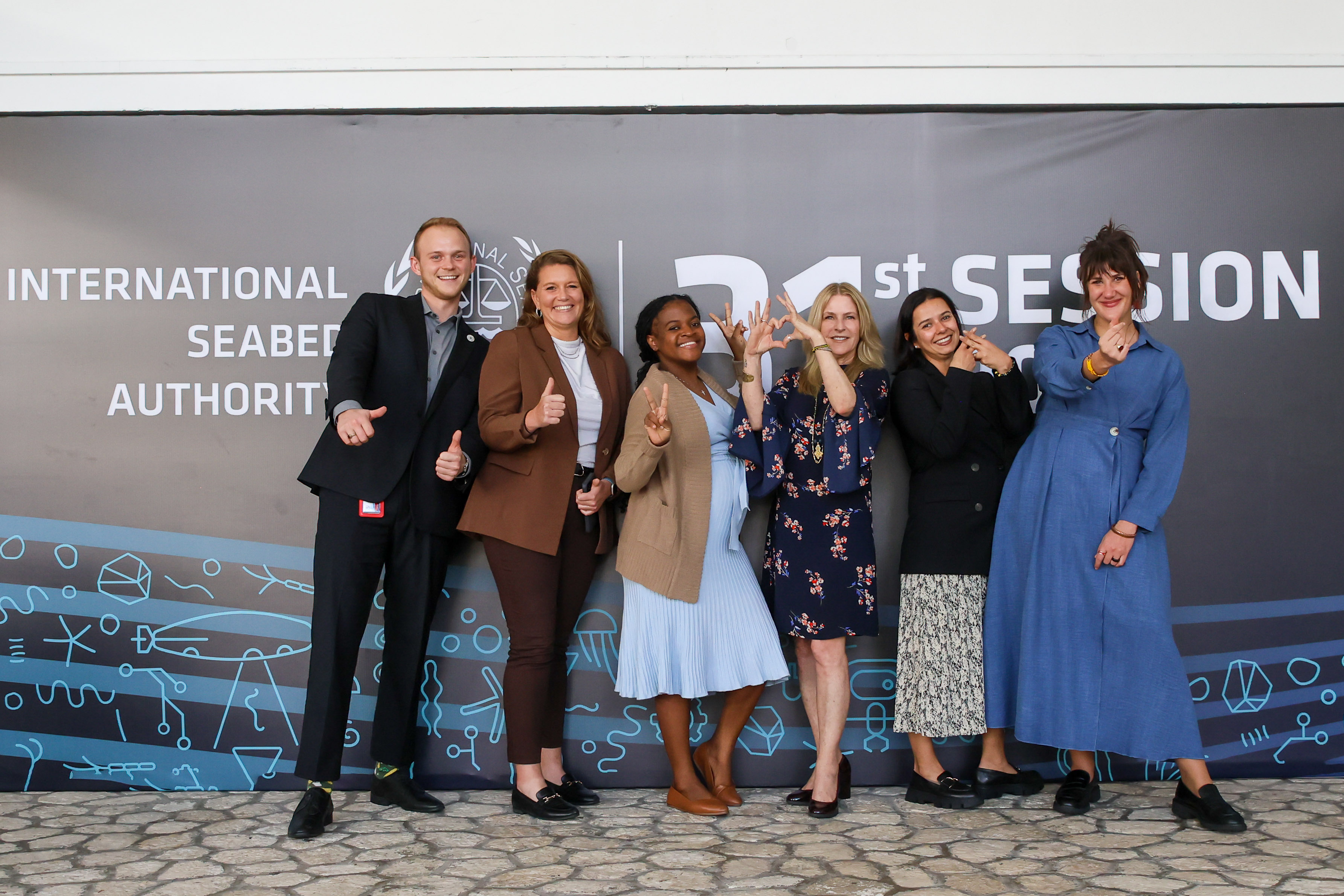
Members of the ISA Communications team
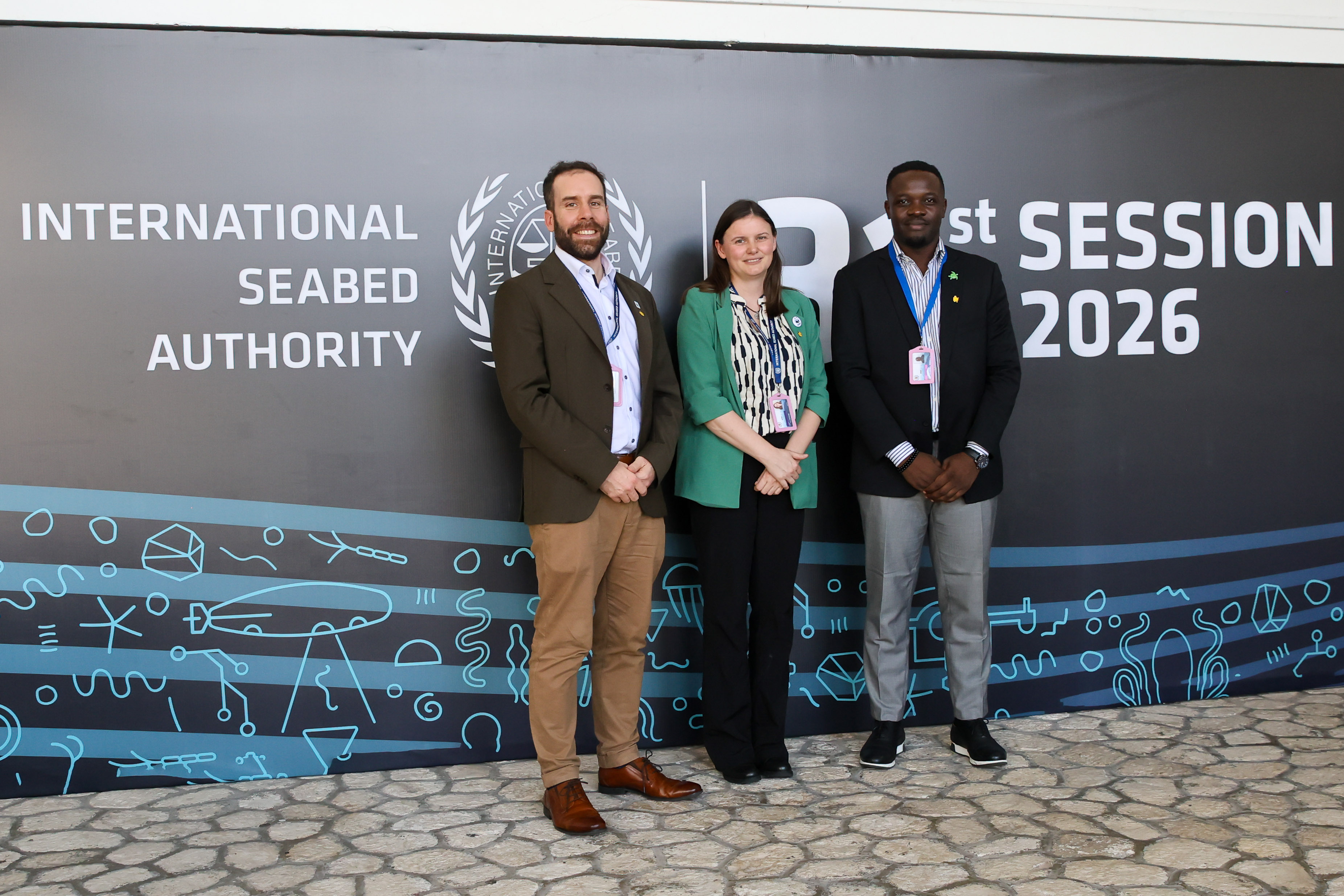
The delegation of the World Wide Fund for Nature (WWF)
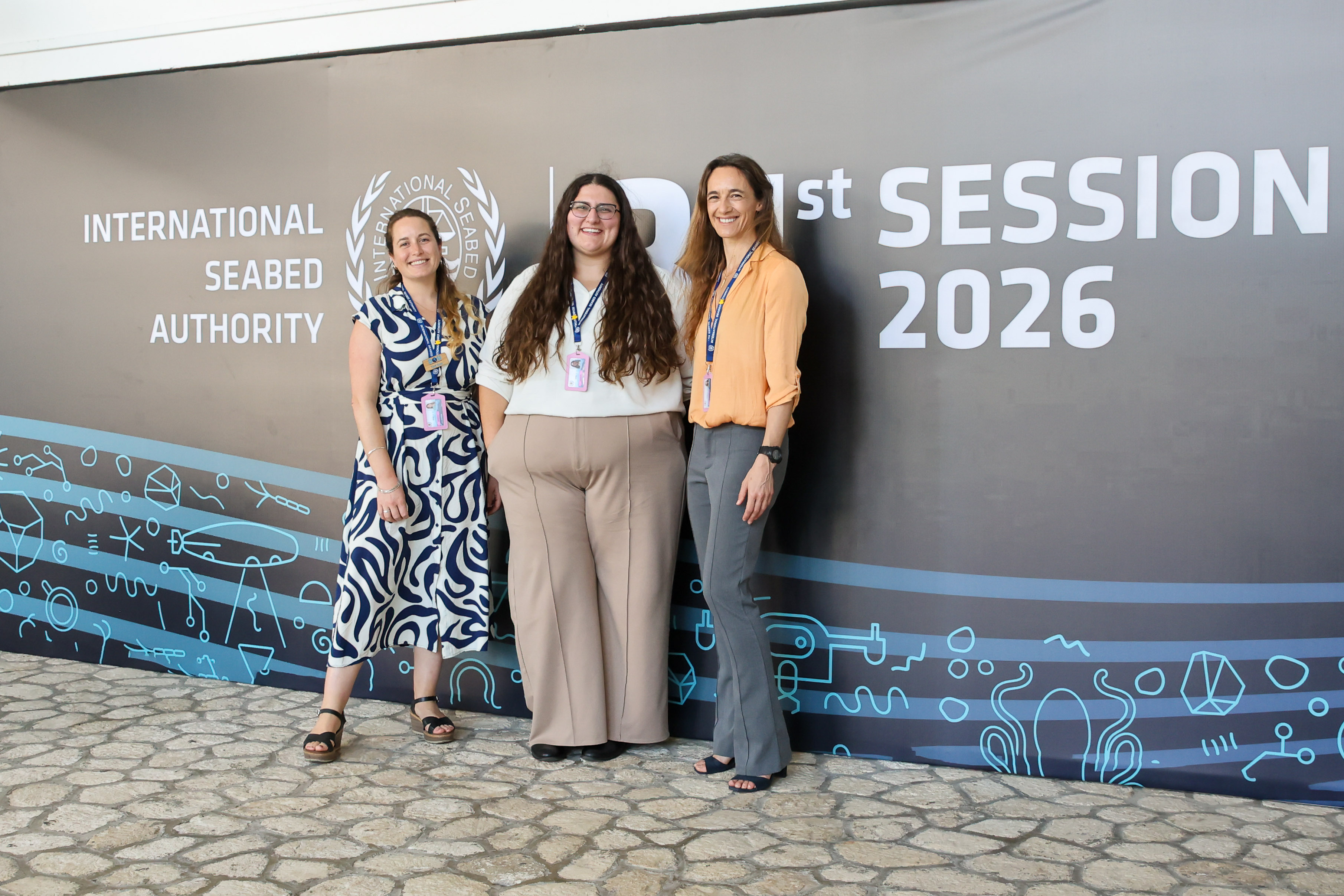
The delegation of DOSI
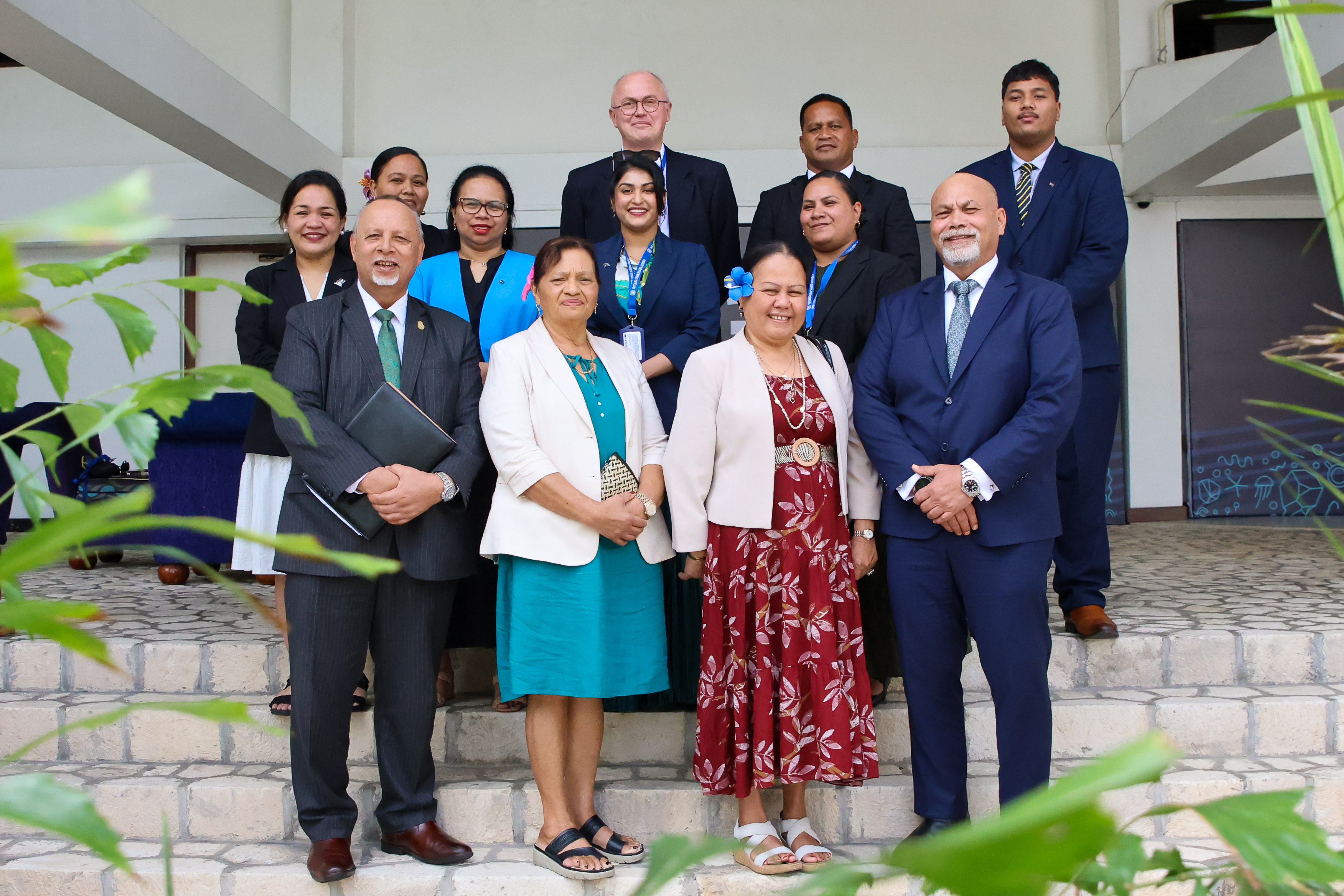
The delegation of Nauru
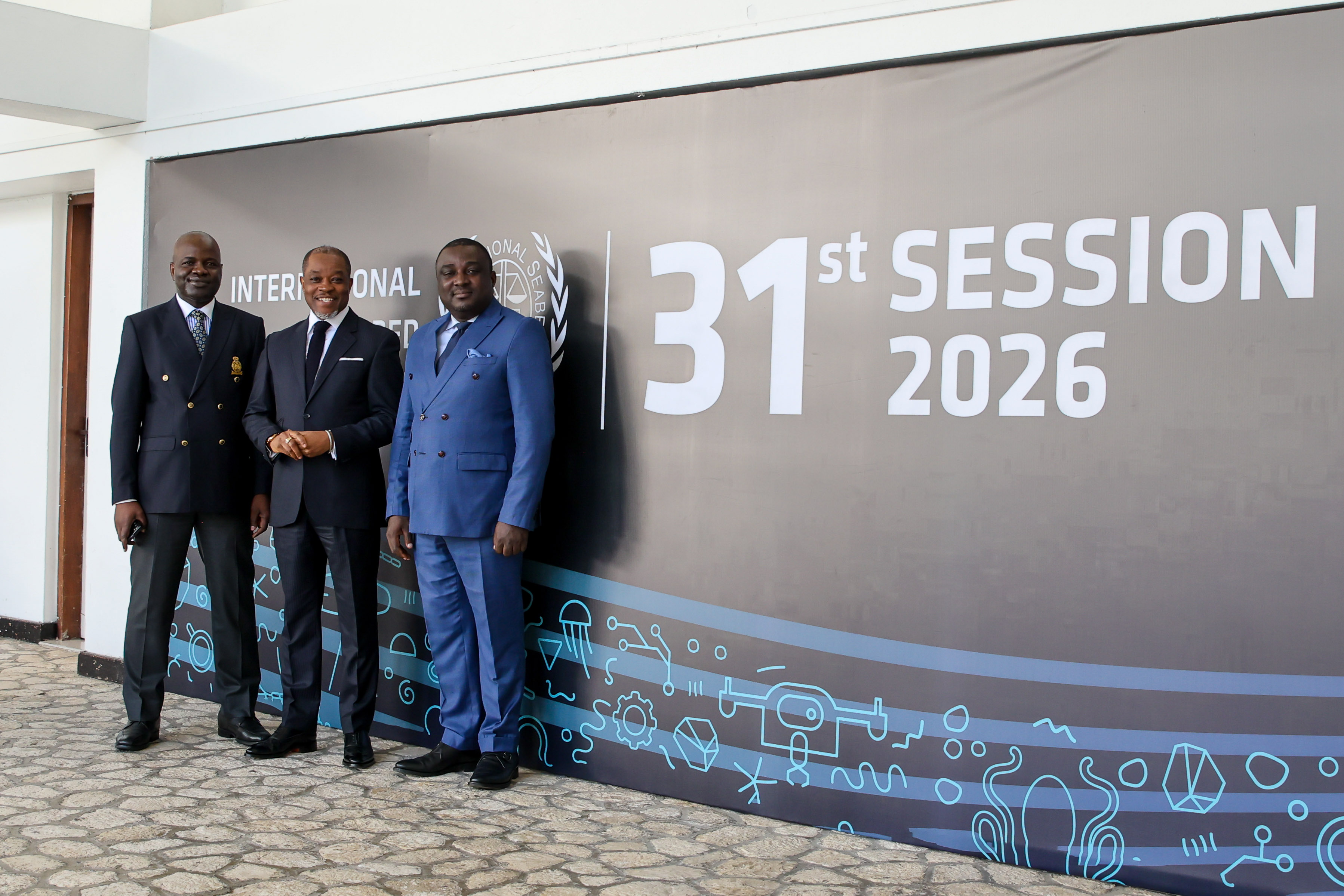
The delegation of Cameroon