
Increased tax cooperation between countries will require more robust tax administrations. Capacity-building is a big part of this effort.
Friday’s talks focused mainly on what elements should make up Article 11 on capacity-building and technical assistance of the new Framework Convention. Many countries, including the Russian Federation, Denmark, Kenya, Iran, Rwanda, Peru, Saint Kitts and Nevis, Algeria, Brazil, and a number of African countries expressed preference for maintaining the stand-alone article on capacity-building.
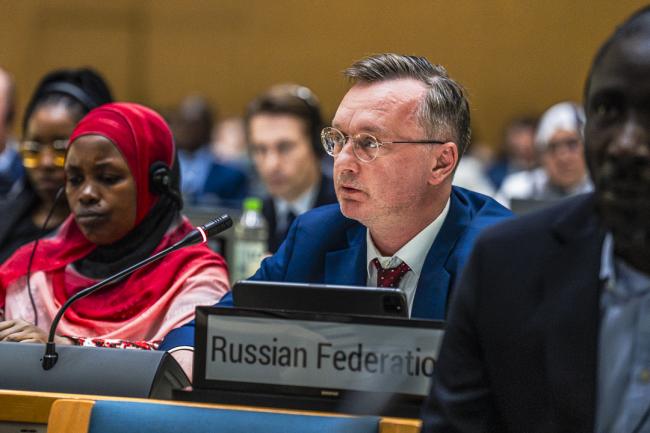
Some countries, including Sweden and the Russian Federation, called for identifying and analyzing countries’ needs. Kenya and India, among others, said the article should not refer to developing countries but should apply to all countries. Several noted the link between capacity-building and implementation.
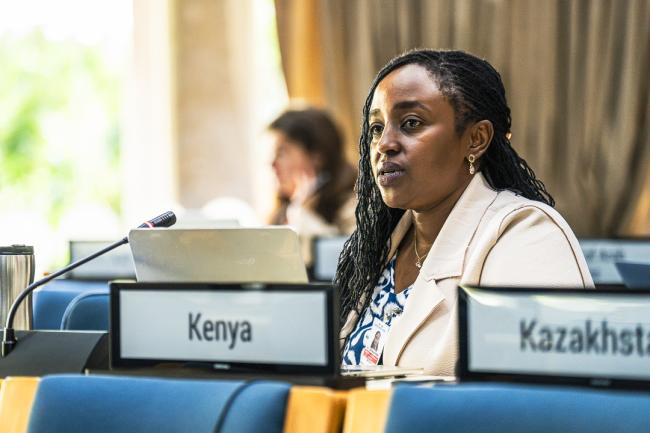
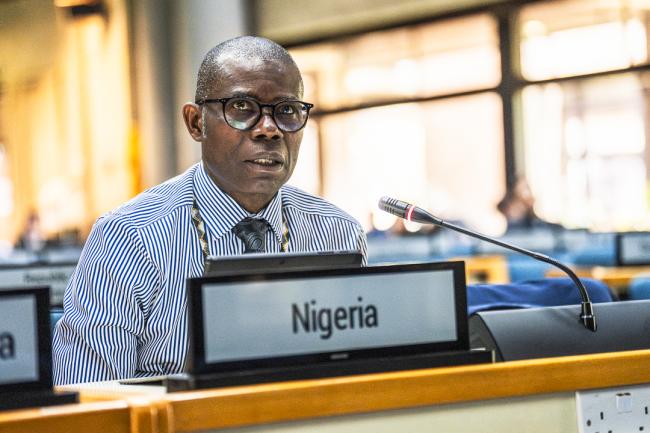
Nigeria argued that capacity encompasses more than technical skills, including resources and infrastructure. They cited transfer pricing as an example in which developing countries, especially African countries, have the skills but lack access to databases and tools for benchmarking.
Delegates also addressed questions around digitalization of tax administration. Sweden suggested this will not only improve administration but also improve scrutiny of financial flows. Estonia cautioned that technology in tax administration is tailored to domestic legislation, and noted intellectual property concerns, calling for greater clarity on the meaning of technology transfer in the context of tax cooperation.
Brazil proposed establishing a sub-group, including small island developing states (SIDS) and least developed countries (LDCs), to outline capacity needs and prepare an informal paper. Lesotho proposed establishing “centers of excellence” co-sponsored and supported by the UN. Others expressed support for these proposals.
Underlining the need to build sustainable capacity, Egypt noted the high turnover of skilled tax officials, who often opt to take jobs in the private sector. With Brazil, he suggested tax administrators should be well compensated.
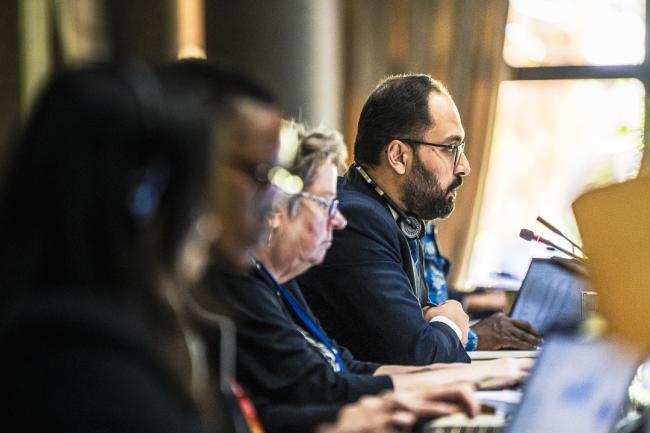
Delegates then offered views on the respective roles of the Secretariat and the Conference of the Parties (COP) to the Convention.
Most delegations supported a coordination role for the Secretariat. The Russian Federation, India, Chile, and the African Union said that the Secretariat should also have a standard-setting role. China and Kenya favored the Secretariat also being a direct provider of capacity, with China noting that the Secretariat could also assist states in long-term planning to ensure the sustainability of capacity in tax administration. In relation to the COP’s role, the Russian Federation stressed the importance of metrics and indicators.
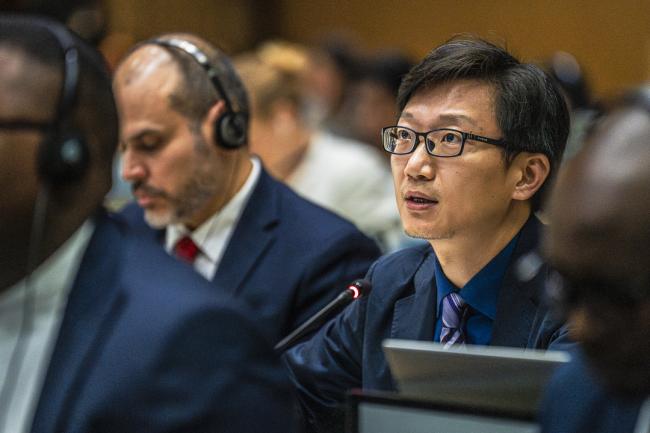
After the lunch break, Chair Ramy M. Youssef introduced a presentation about the work done under Workstream II on taxation of income derived from the provision of services in a digitalized and globalized economy.
Workstream II Co-Lead Liselott Kana (Chile) gave an update on intersessional work, saying that possible approaches had been explored to discern areas of agreement, disagreement, and possible compromises. She announced that a short paper on usage of economic terms and concepts will be available before the next round of negotiations in February 2026, and modeling of possible approaches is expected to be completed by the August 2026 negotiations.
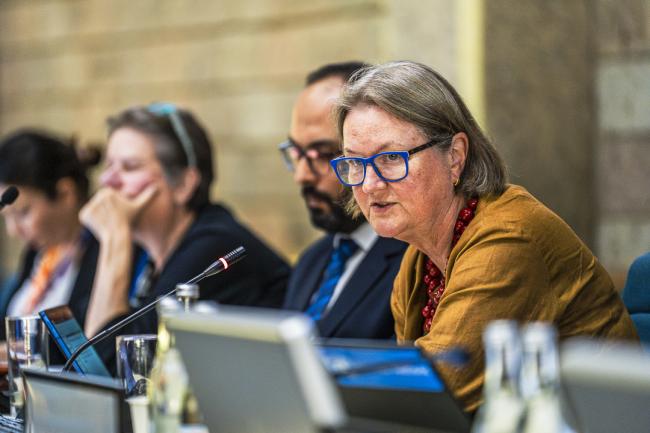
Chair Youssef added that the outline of a proposed “solutions paper” will be discussed at the February 2026 session, based on the June 2025 Issues Note by the Workstream II Co-Leads. Noting the tight timeline, he observed that “work will become more intense” in the coming months.
Discussions on the prevention and resolution of tax disputes (Protocol 2) are scheduled to commence on Monday, 17 November.
To receive free coverage of global environmental events delivered to your inbox, subscribe to the ENB Update newsletter.
All ENB photos are free to use with attribution. For the International Tax Cooperation INC3, please use: Photo by IISD/ENB | Danny Skilton.
Plenary
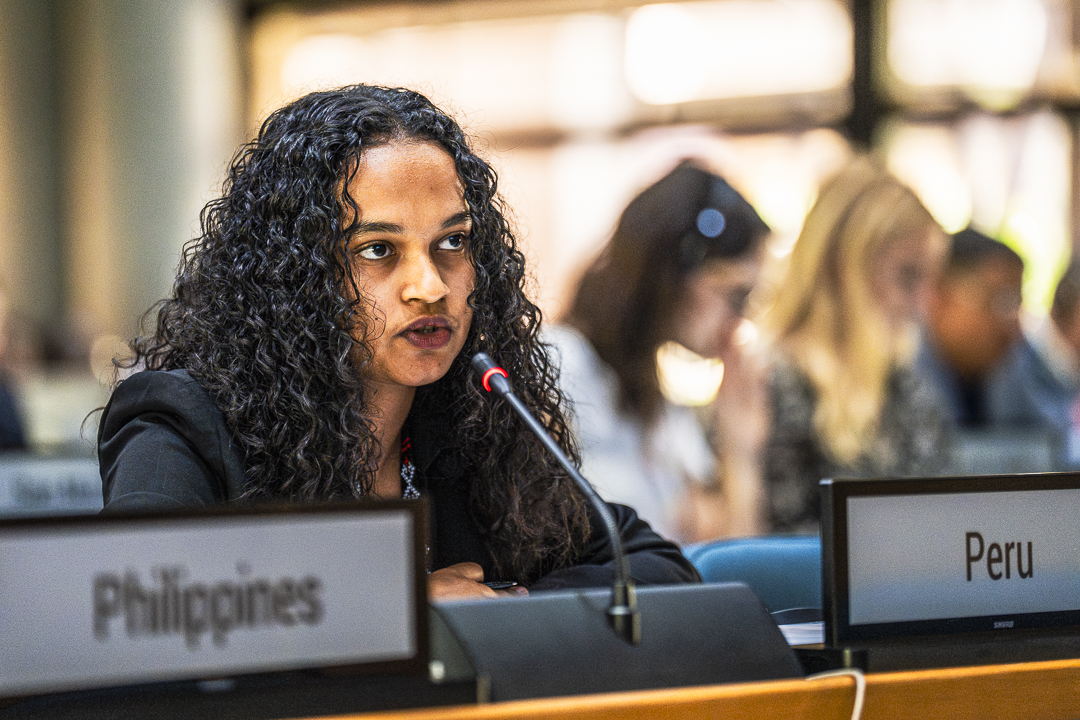
Kidist Tefera, Peru
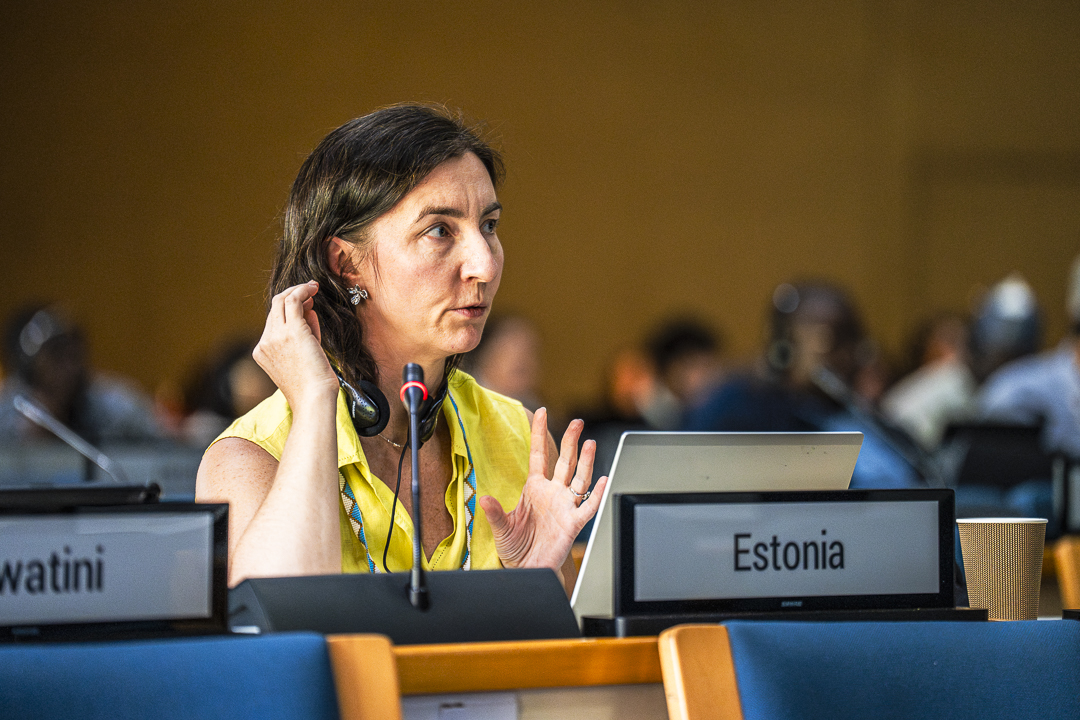
Helen Pahapill, Estonia
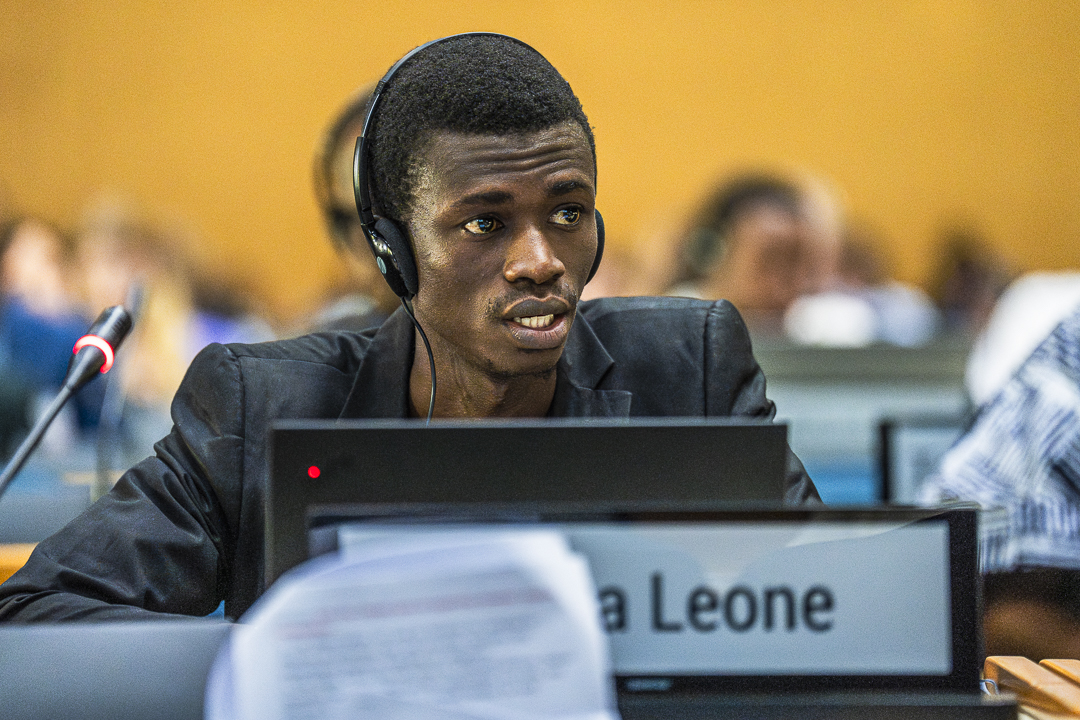
Unisa Bah, Sierra Leone
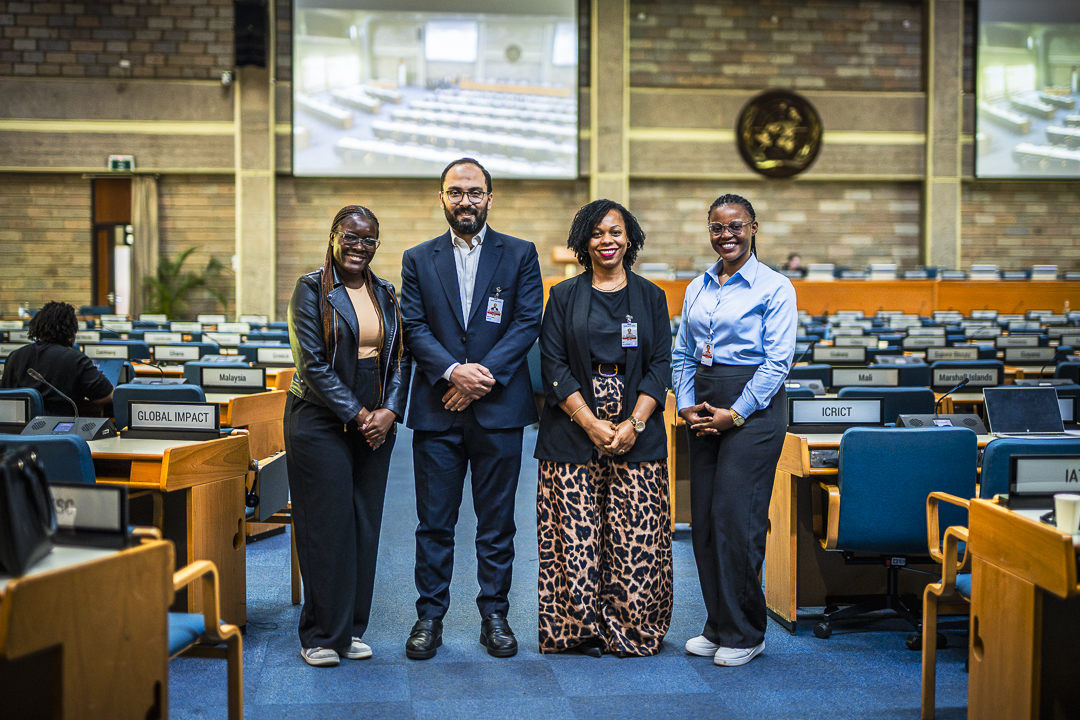
Chair Ramy M. Youssef with members of the civil society
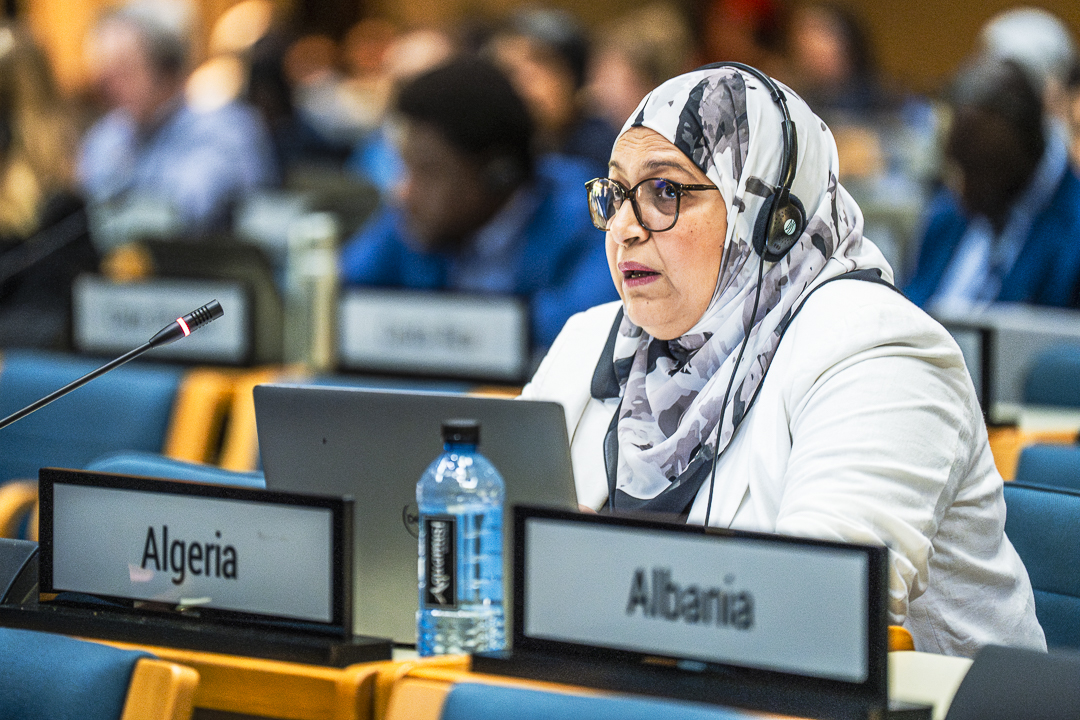
Ghania Rabhi Mansour, Algeria
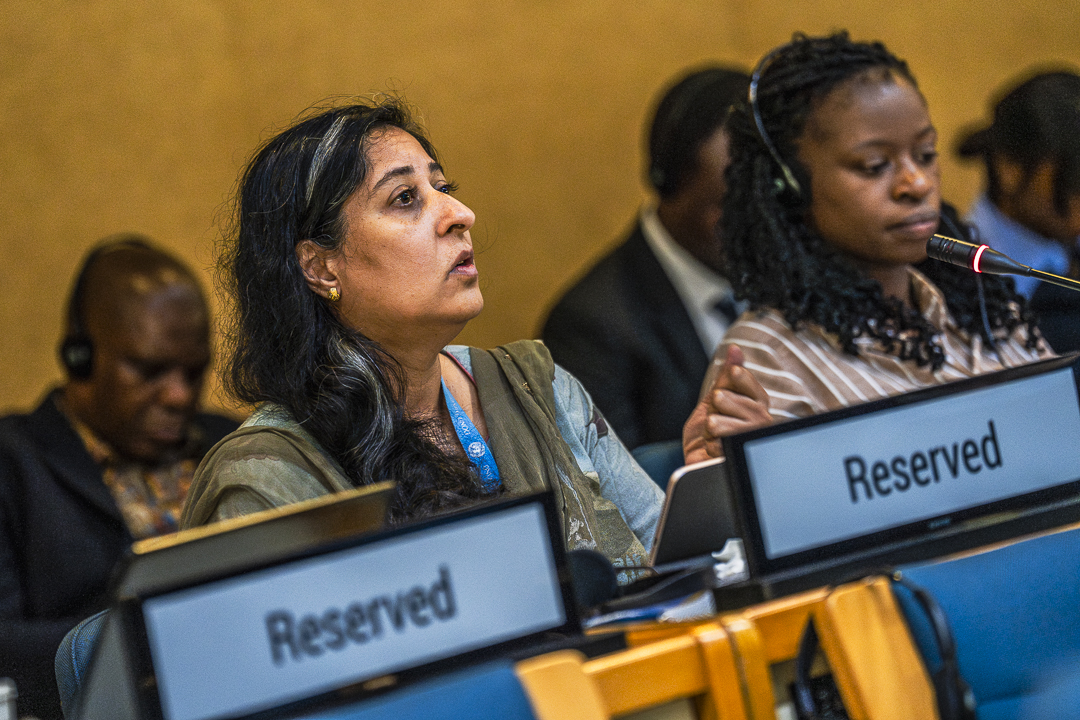
Attiya Waris, Independent Expert on Foreign Debt and Human Rights
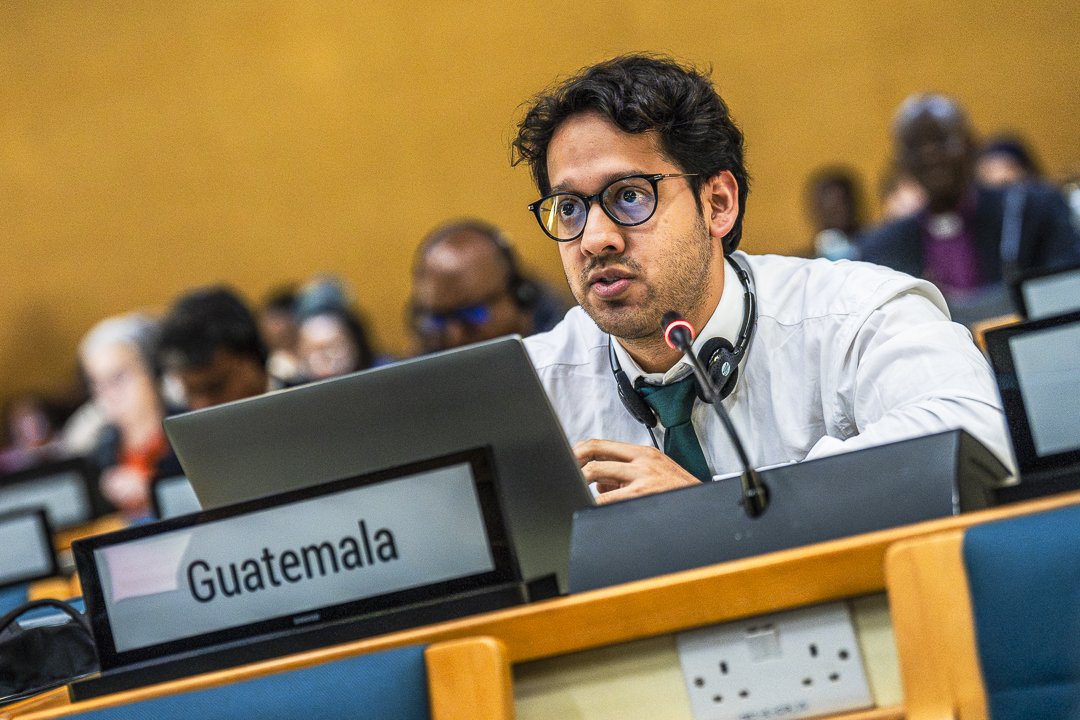
Javier Monroy, Guatemala
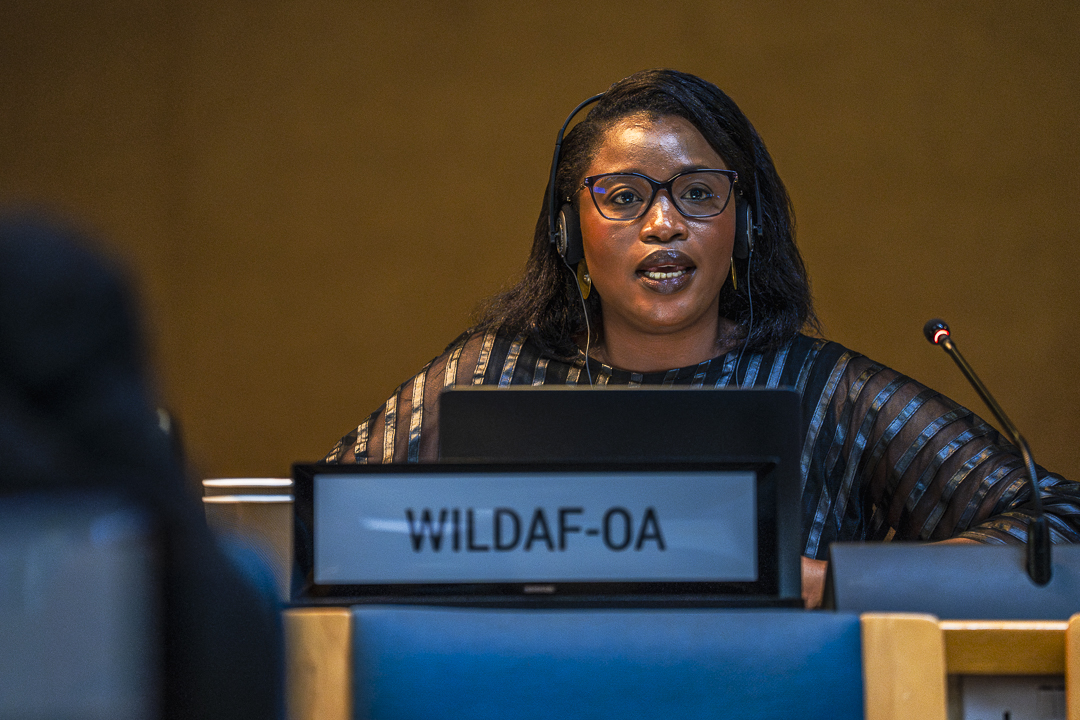
Mame Diarra Ndiaye Sobel, Women in Law and Development in Africa
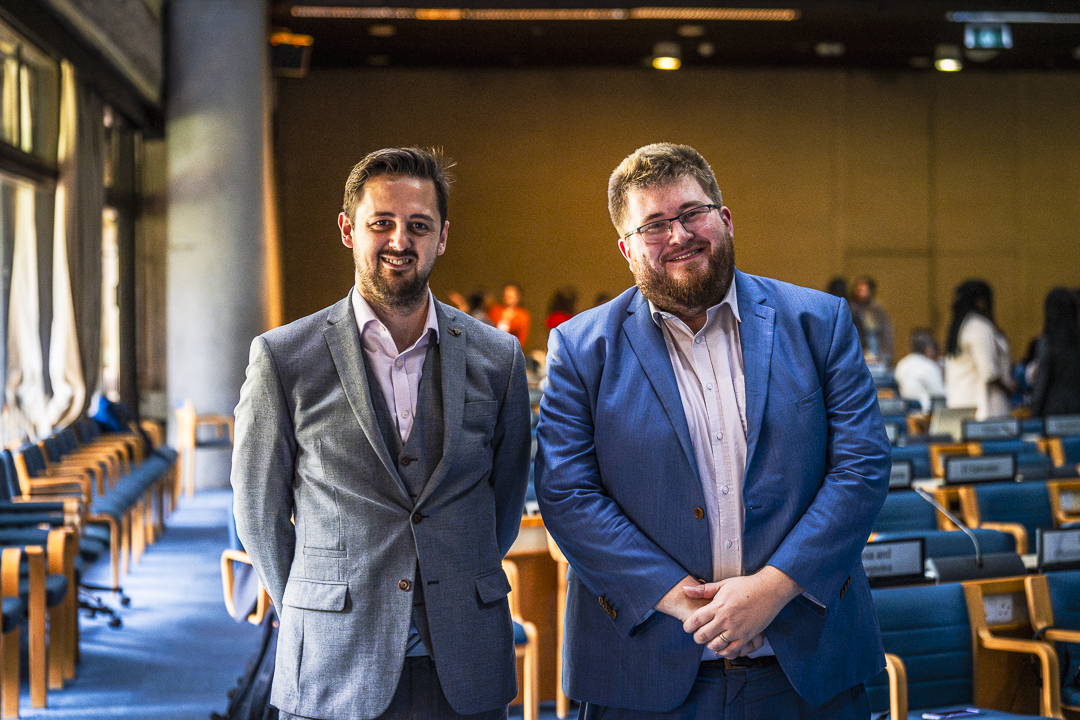
The UK delegation
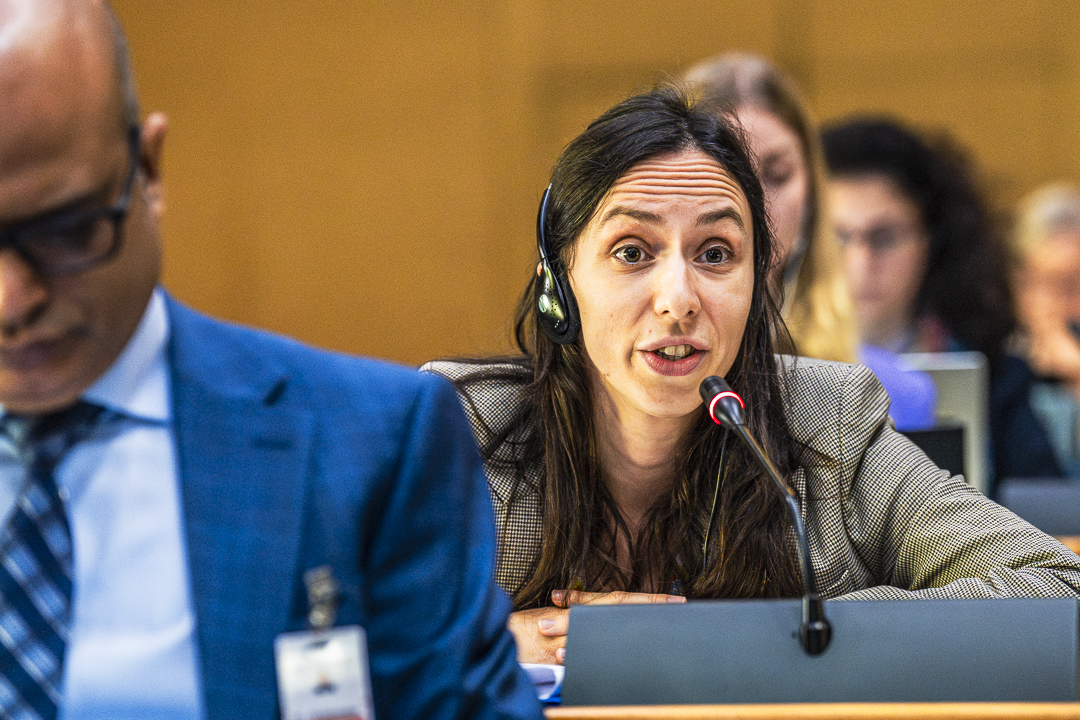
Sara Grue, Denmark
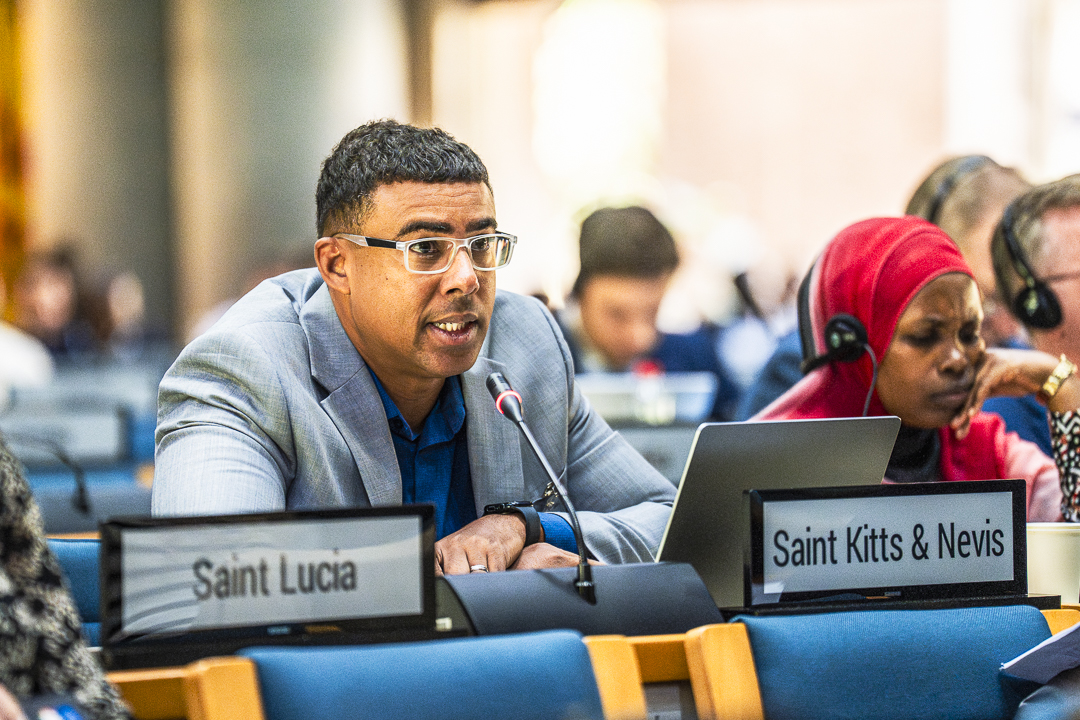
Garth Wilkin, Saint Kitts and Nevis
Around the venue
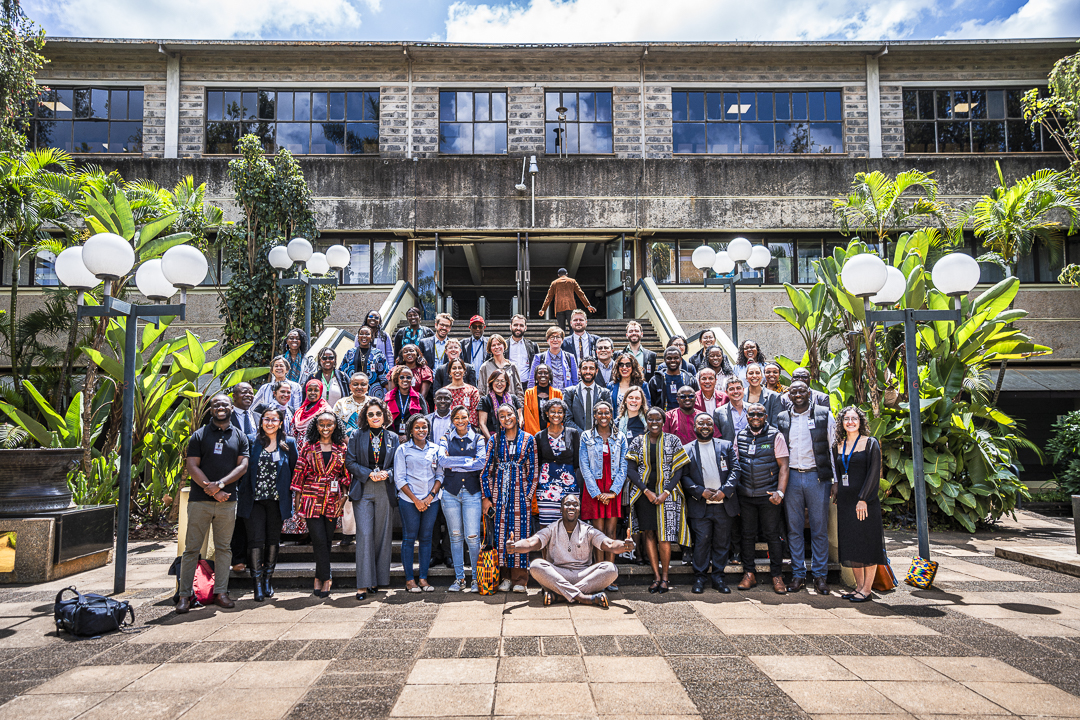
Civil society delegates pose for a group photo