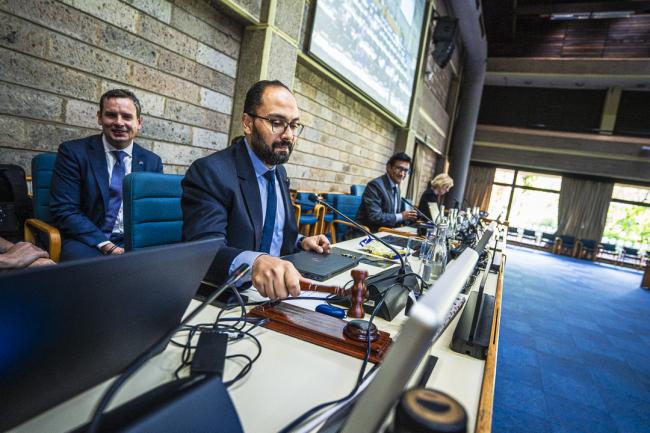
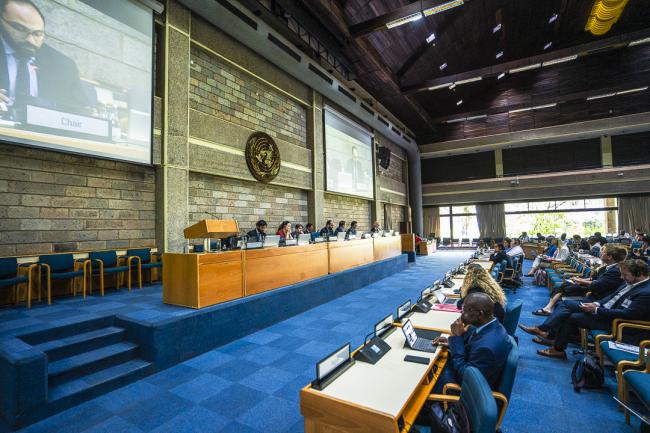
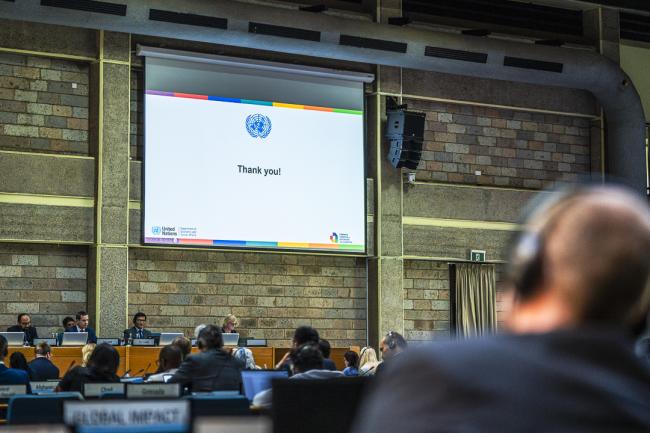
As the third session of the Intergovernmental Negotiating Committee on international tax cooperation drew to a close, it was clear that much work remains to be done. In the final session of the meeting on Wednesday morning, delegates finalized their initial discussions on the second early Protocol on the prevention and resolution of tax disputes.
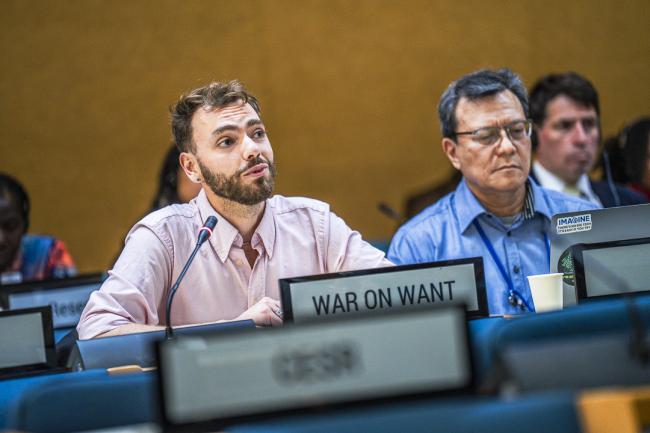
The Committee considered how best to reinforce mutual agreement procedures (MAPs) in dispute resolution. There was divergence on the role of arbitration in resolving disputes, with some delegates sharing now-familiar arguments on the duration, cost of arbitration, and bias against developing countries. The organization War on Want stressed that arbitration undermines sovereignty, fragments legal systems, and creates chilling effects on climate policy.
Others, including Public Service International, suggested focusing on dispute prevention through enhanced transparency measures. The Committee on Fiscal Studies at the University of Nairobi called on those in support of arbitration to reconsider their position.
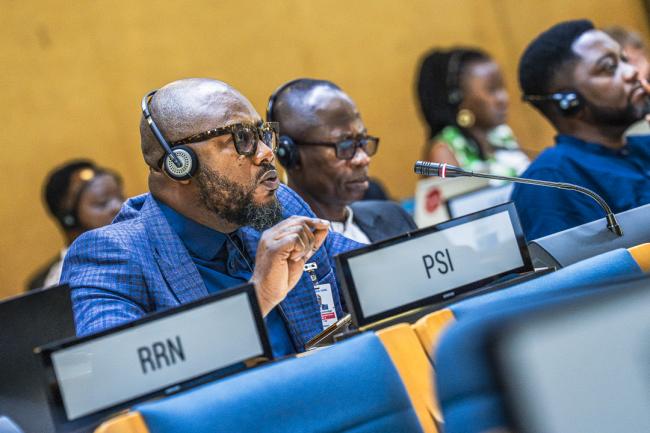
The International Chamber of Commerce supported arbitration and other alternative dispute resolution mechanisms, drawing on their extensive experience in commercial arbitration, grounded in transparency, fairness, and trust, and encouraged dialogue on the lessons they have learned. The Africa Tax Administration Forum noted a shift from arbitration to domestic tax court systems and called to explore and further develop mediation options.
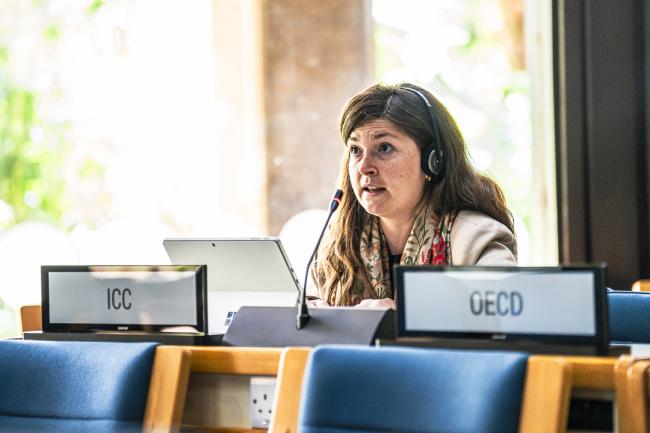
On transfer pricing databases as part of the discussion on access to information, France recalled the existence of other instruments, underscoring that there should be no duplication but calling to identify and improve those databases in existence and for the UN to purchase licenses to provide access to these databases.
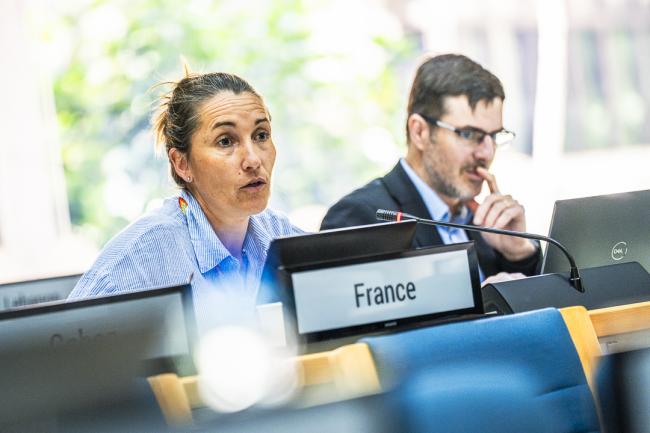
To address the challenge of information asymmetries in the prevention and resolution of tax disputes, delegates considered the pros and cons of existing transfer pricing databases, as well as a proposal to establish a public UN database on the same, accessible to all countries. Many countries were wary of sharing confidential data on advance pricing agreements (APAs) and bilateral mutual agreement procedures (MAPs). Several civil society organizations underlined the need for greater transparency, accessibility and confidentiality which would not only resolve disputes but could prevent them altogether.
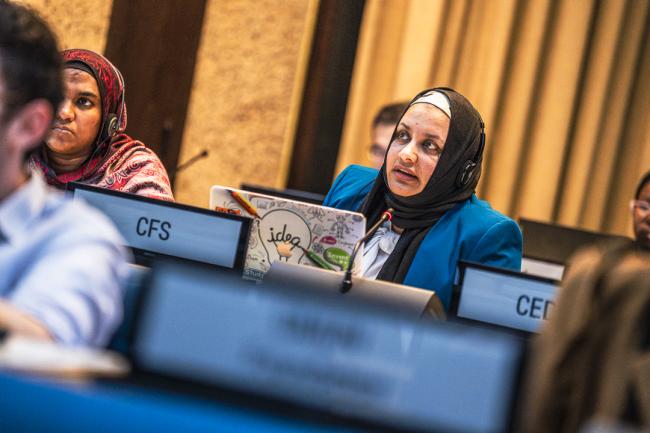
In his closing remarks, Chair Ramy M. Youssef encouraged states to engage actively in workstream discussions during the intersessional period, noting that these would be key for discussions at INC-4 in February 2026. He closed the meeting at 12:43 pm.
To receive free coverage of global environmental events delivered to your inbox, subscribe to the ENB Update newsletter.
All ENB photos are free to use with attribution. For the International Tax Cooperation INC3, please use: Photo by IISD/ENB | Danny Skilton.
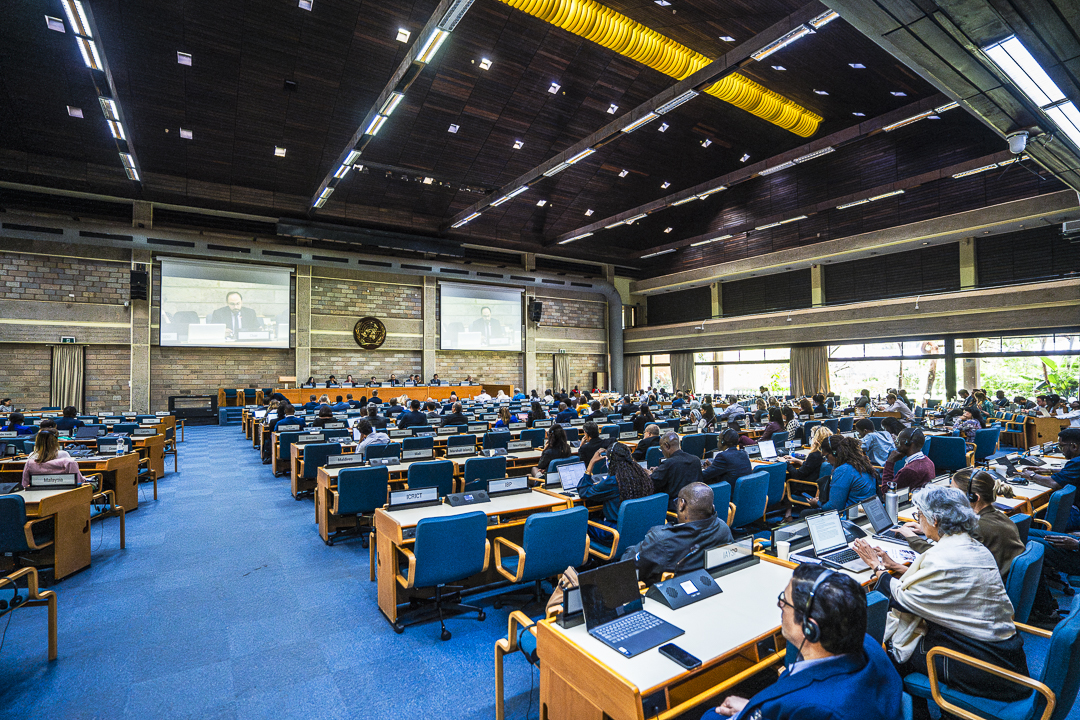
Plenary
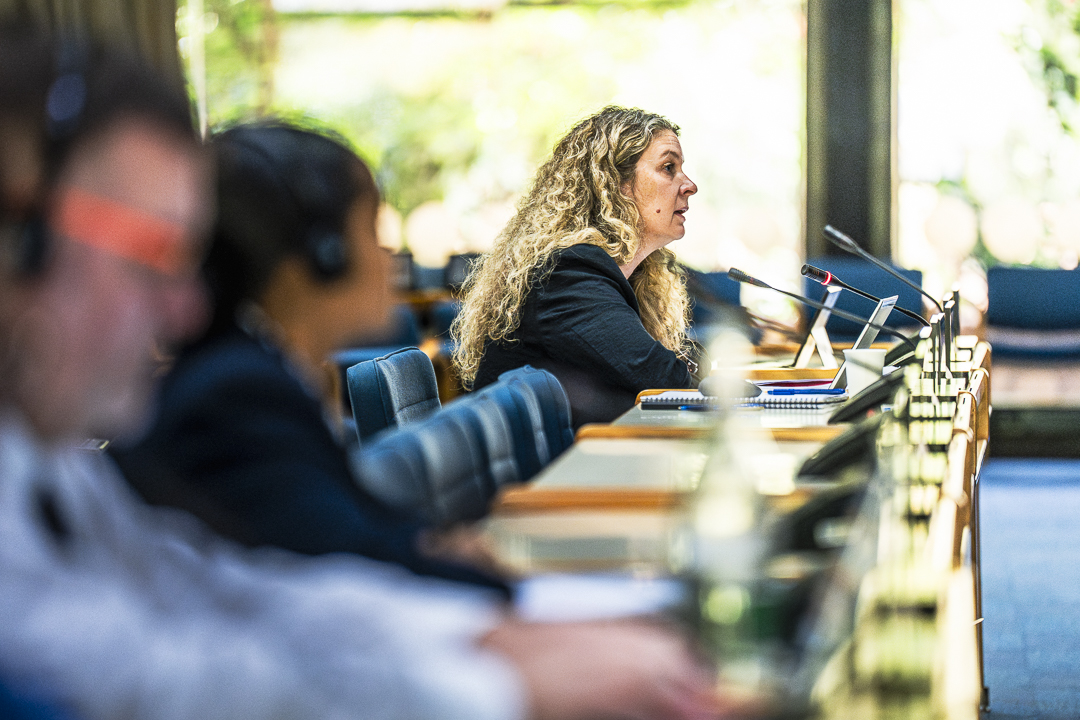
Trude Steinnes Sønvisen, Norway
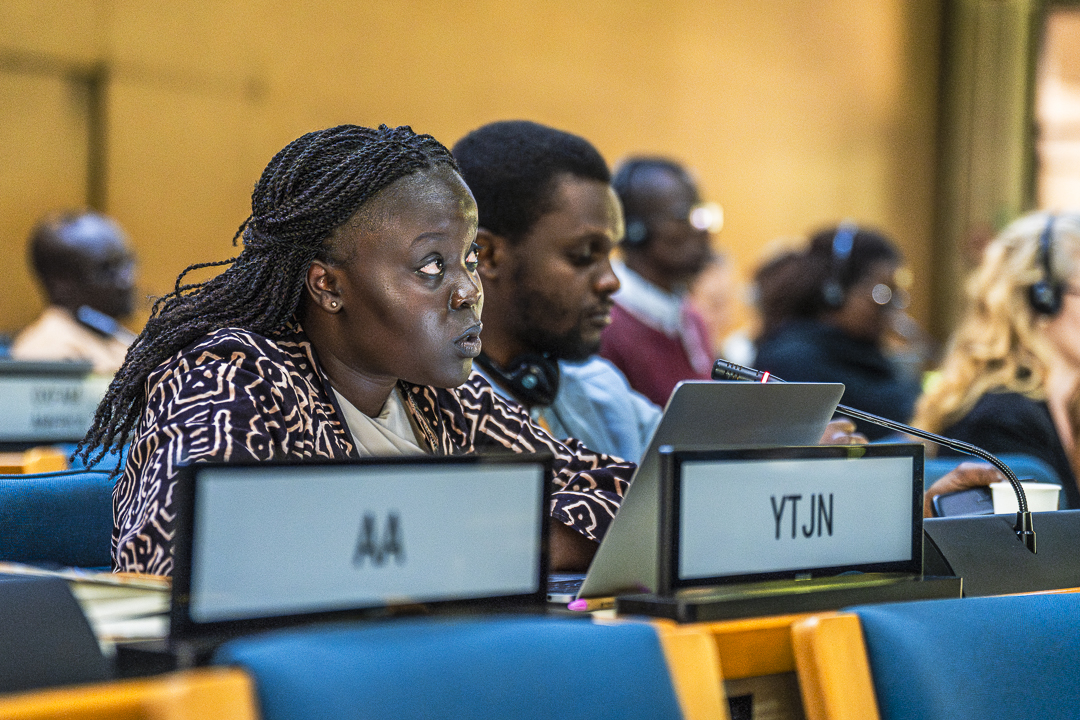
Lurit Yugusuk, Children and Youth International (CYI)
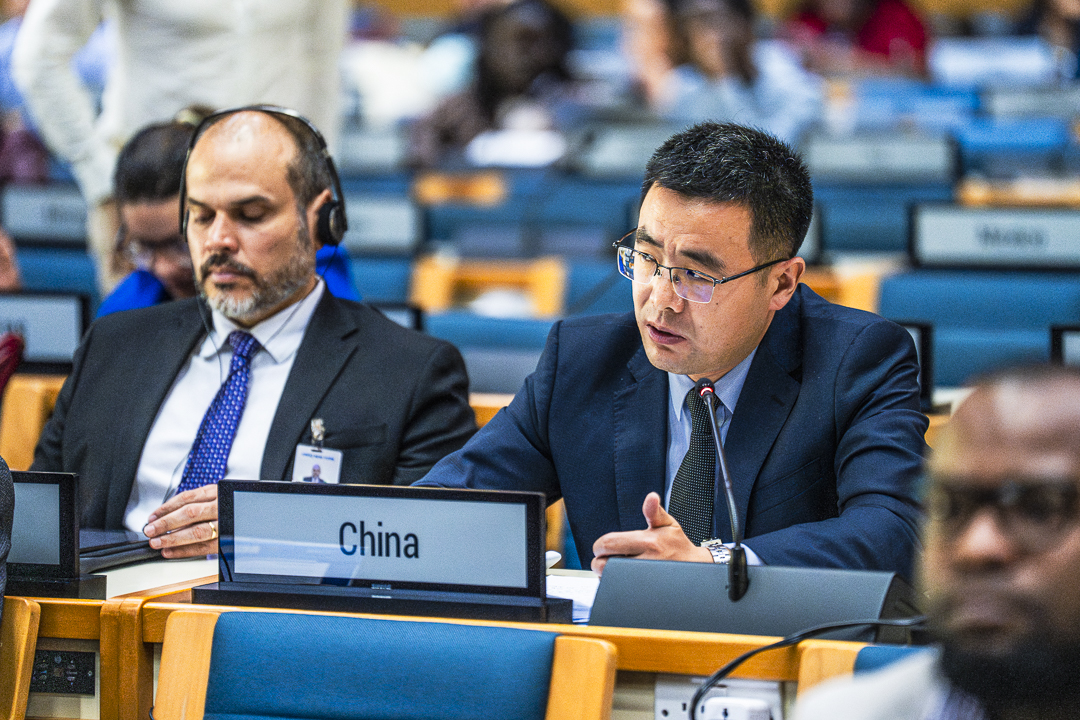
Guang Ma, China
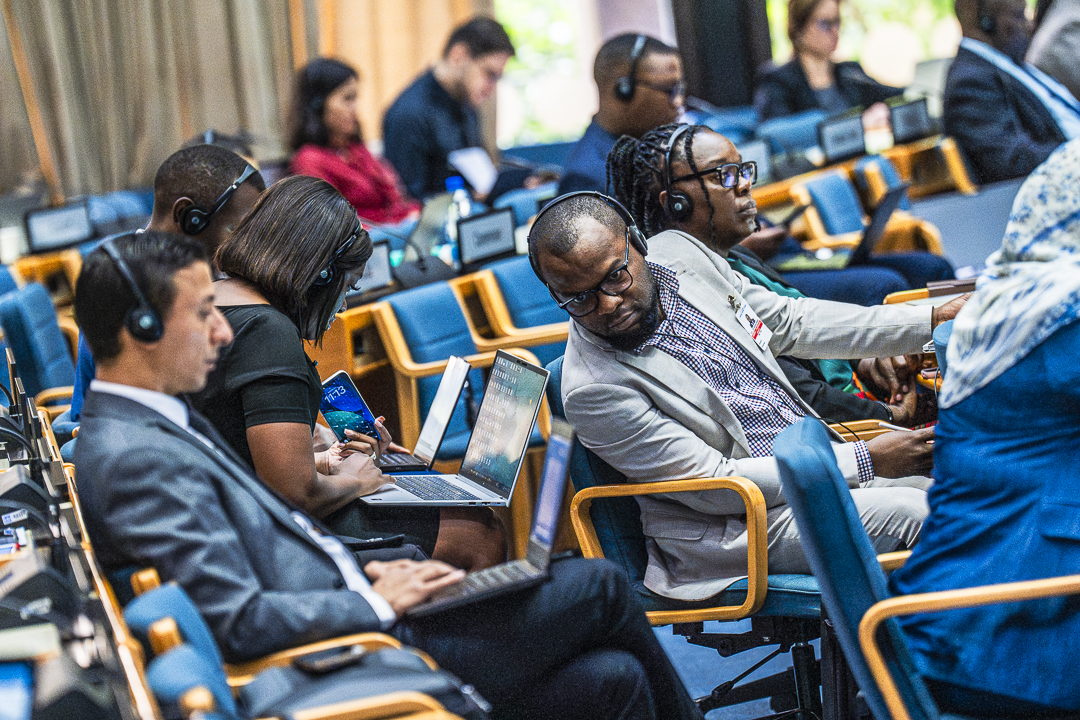
Delegates from Zambia huddle during the plenary session
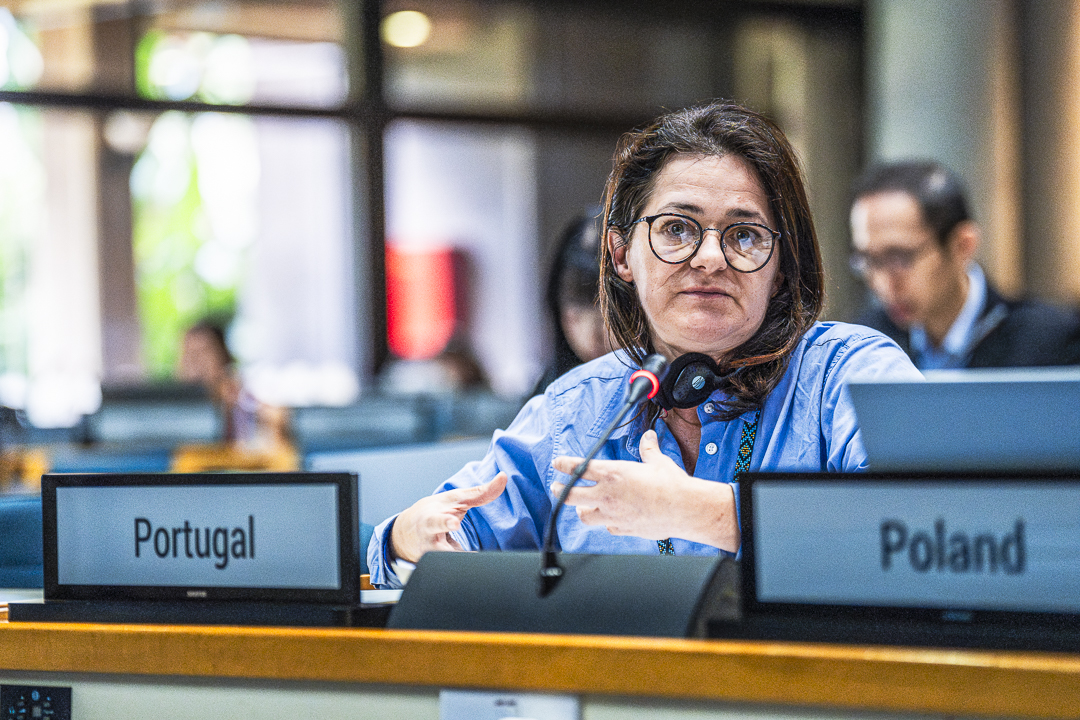
Marisa Orquidea Ribeiro Ouro, Portugal
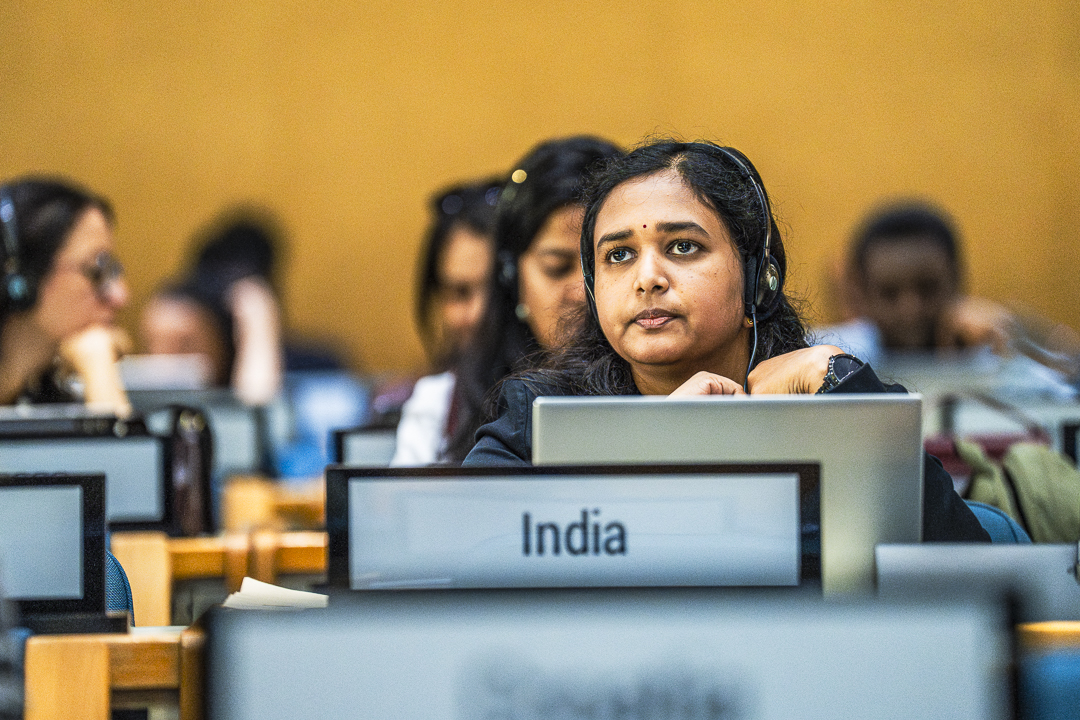
Syama Saji, India
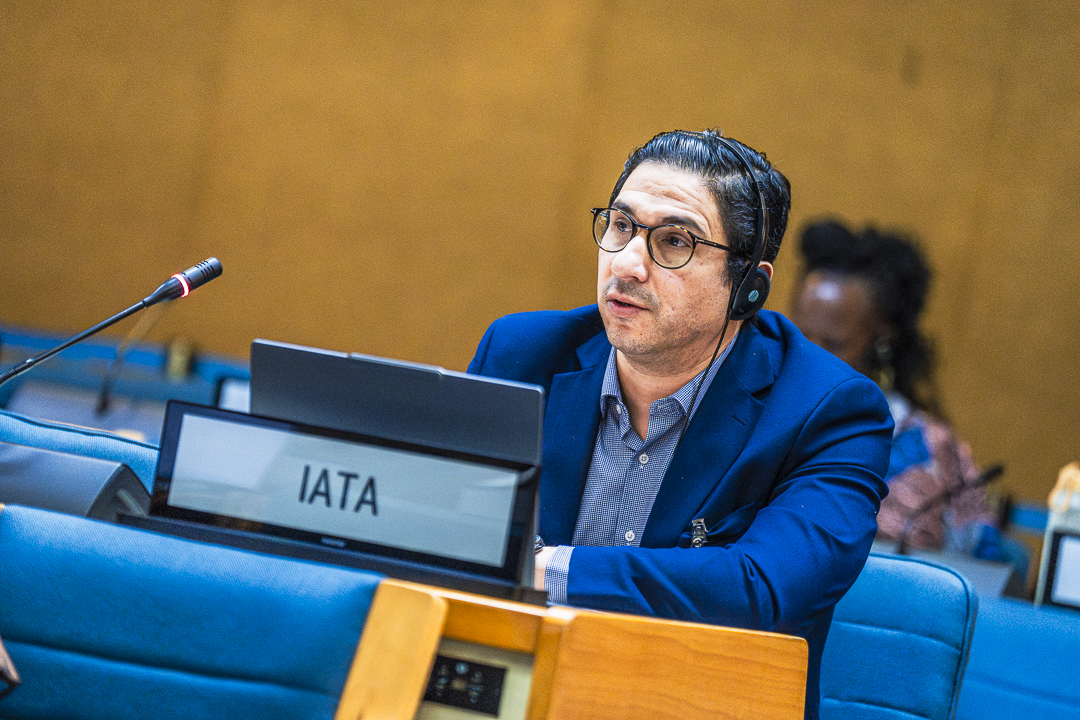
Luis Fernando Fiallos, International Air Transport Association (IATA)
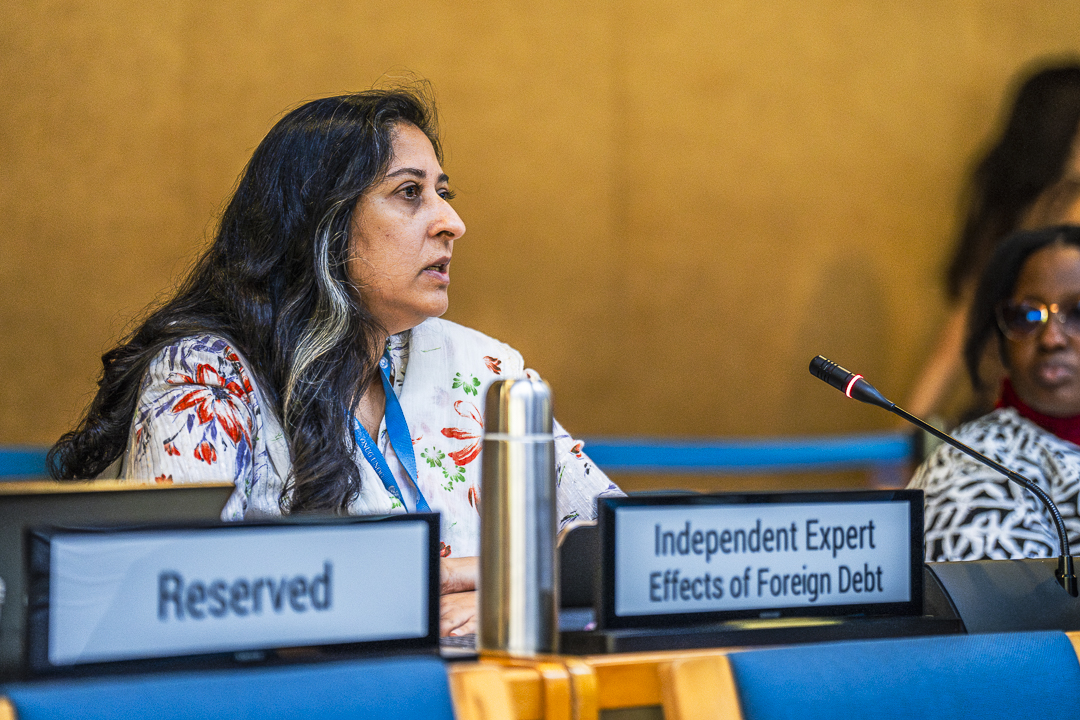
Attiya Waris, Independent Expert on Foreign Debt and Human Rights
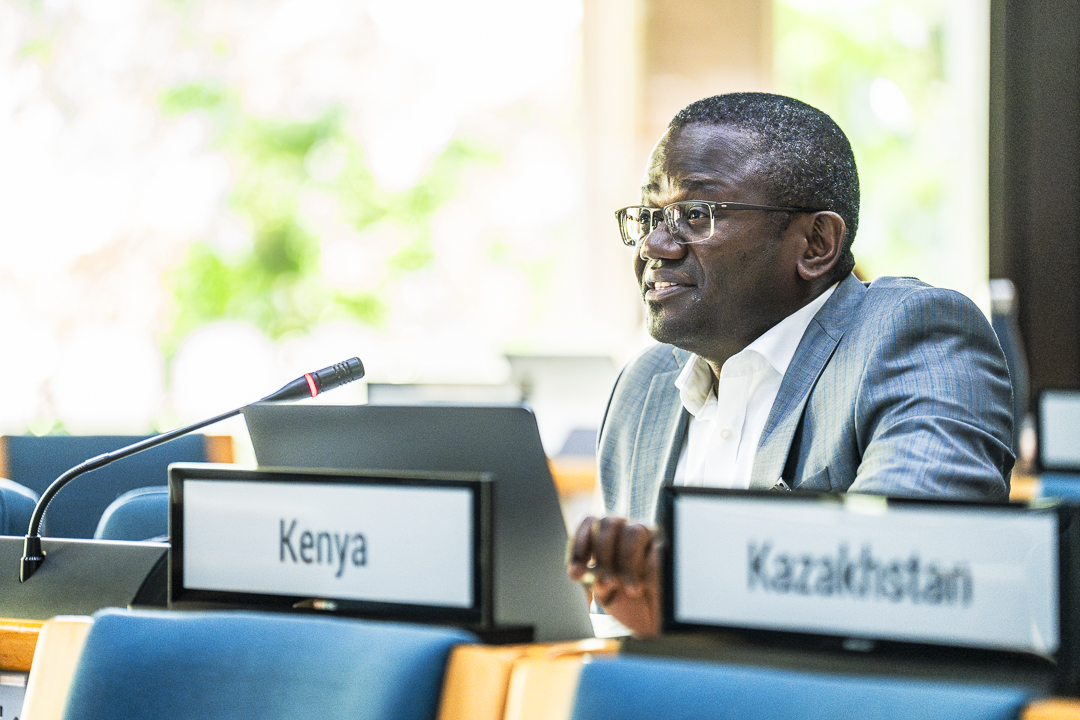
Gideon Olendo Alobo, Kenya
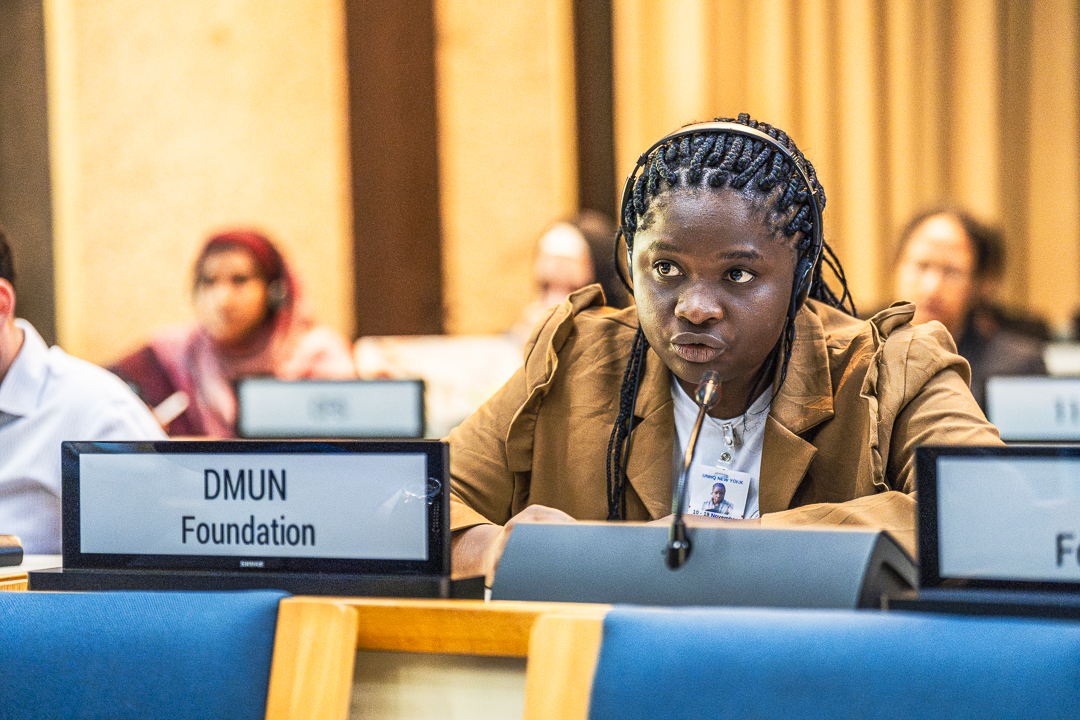
Miriam Nafula, DMUN Foundation
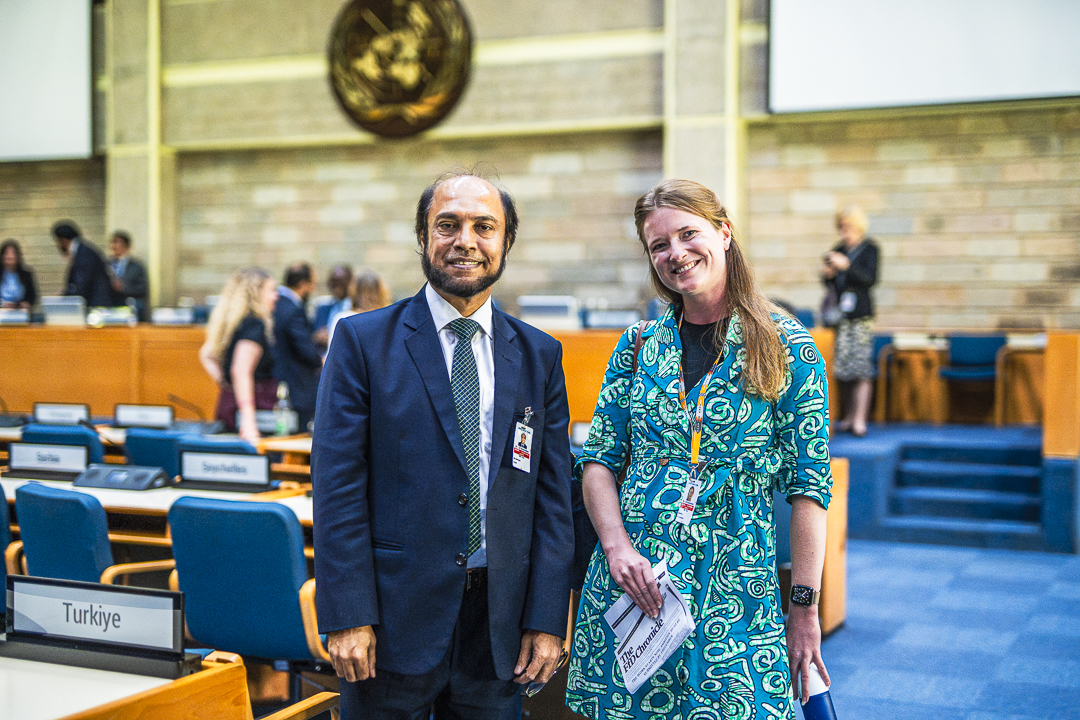
Monjur Alam, Bangladesh and Anne Myra van der Meulen, the Netherlands
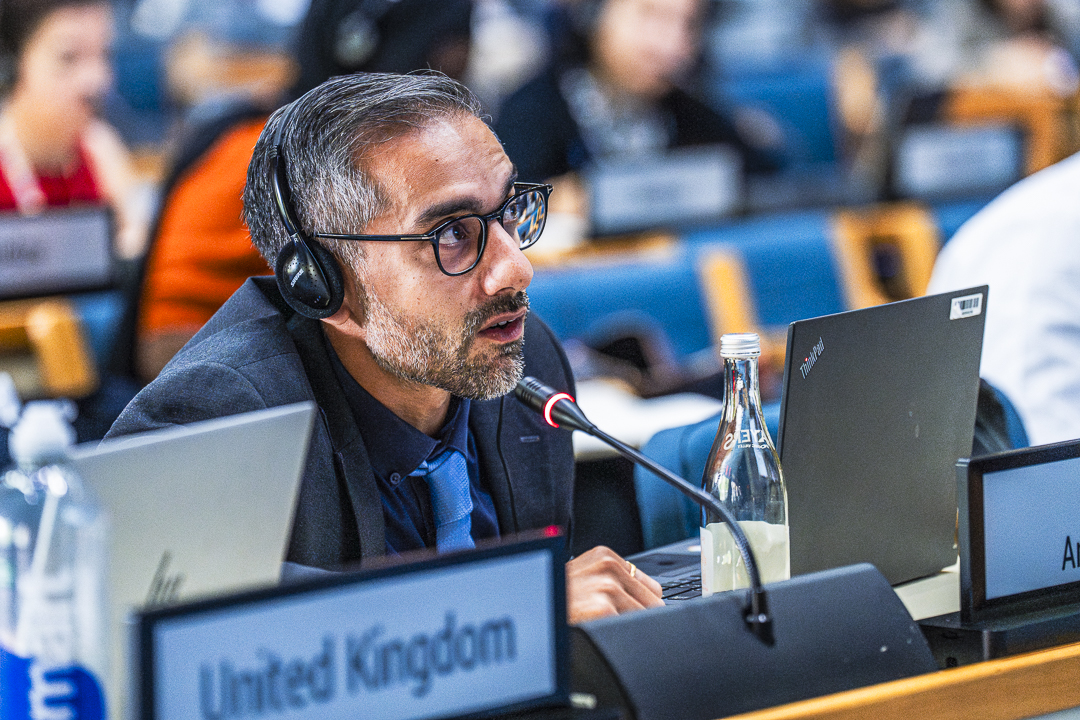
Chirag Tanna, United Arab Emirates
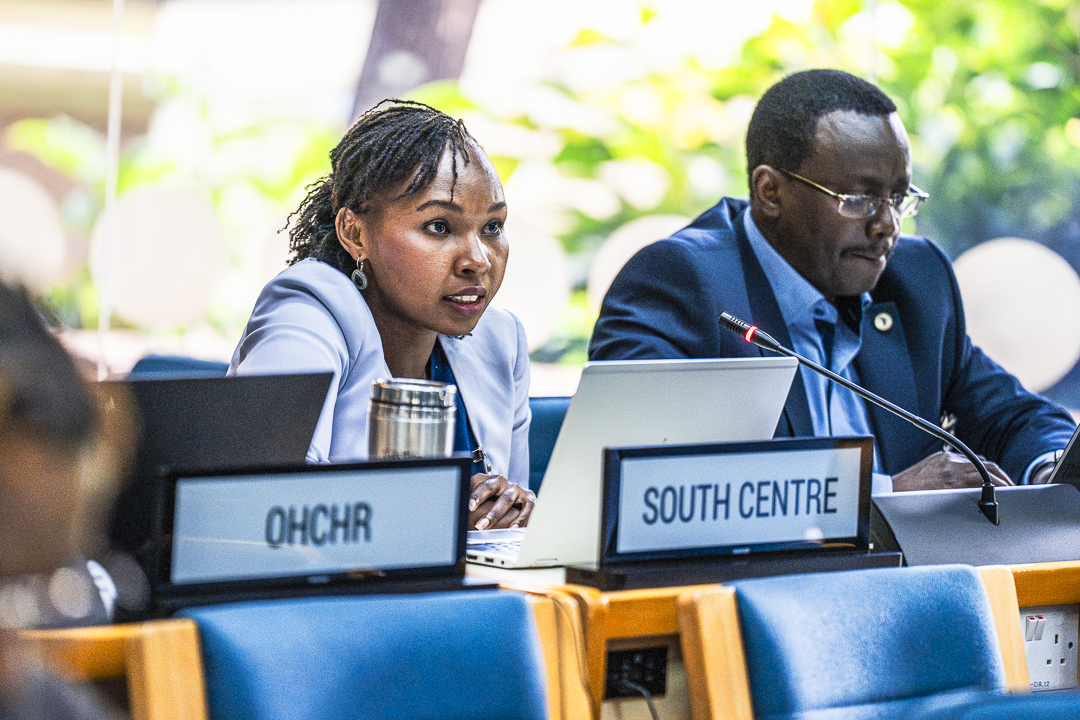
Anne Wanyagathi Maina, South Centre
Around the venue

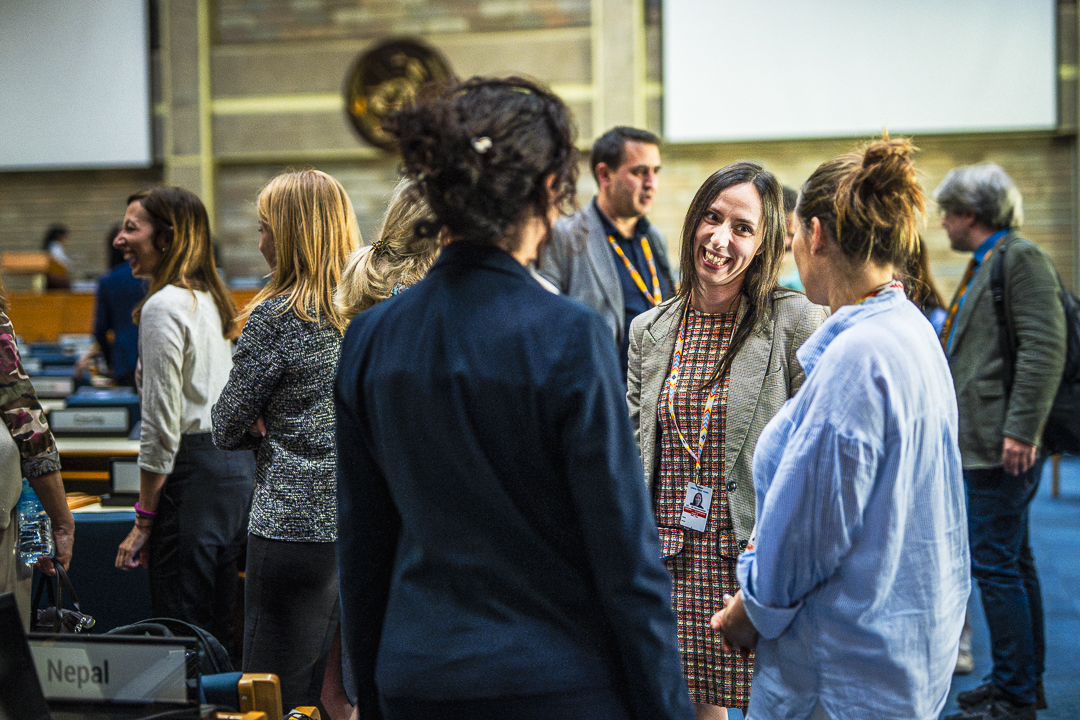

African Union and Civil Society delegates gather for a group photo
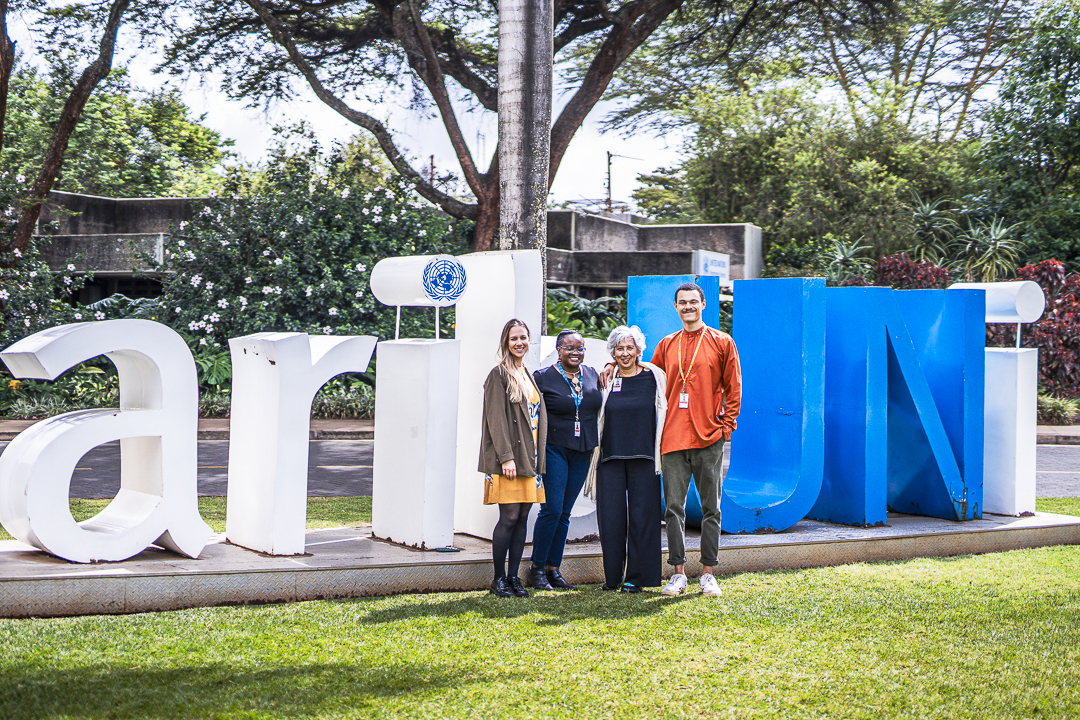
Earth Negotiations Bulletin team: Gabriella Boger Prado, Brazil, Tallash Kantai, Kenya, Delia Paul, PhD, Malaysia/Australia, Danny Skilton, Kenya