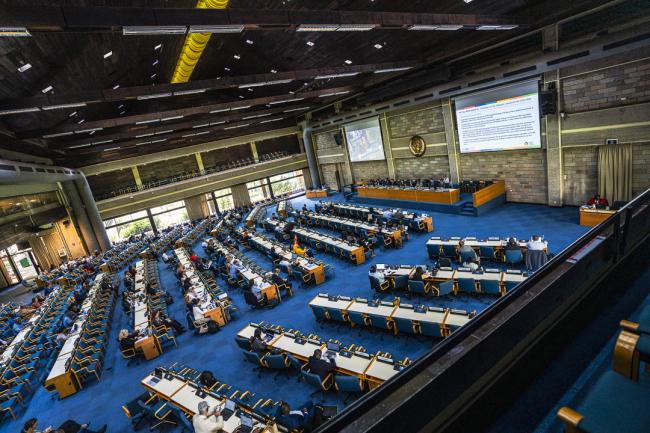
“Let us not lose sight of why we are here: the goal is to create better tax cooperation among states.” With one day to go, the Intergovernmental Negotiating Committee (INC) worked collegially, sharing views on the content of the second early Protocol on the prevention and resolution of tax disputes.
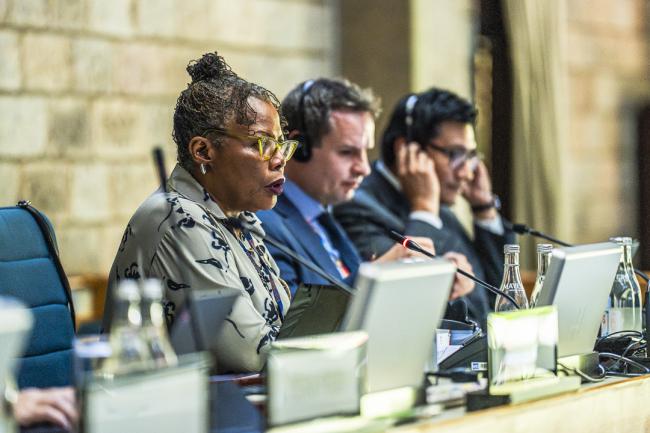
Workstream III Co-Lead Marlene Nembhard-Parker (Jamaica) noted that some countries had intimated that they would require capacity-building to assist them to address domestic tax disputes. In this context, the Russian Federation supported an optional set of guidance materials to share best practices on domestic tax disputes. India underscored that even sharing best practices on domestic tax matters would impinge on national sovereignty. France, Nigeria, China, and Belgium suggested that this issue could be addressed at a much later phase of the process.
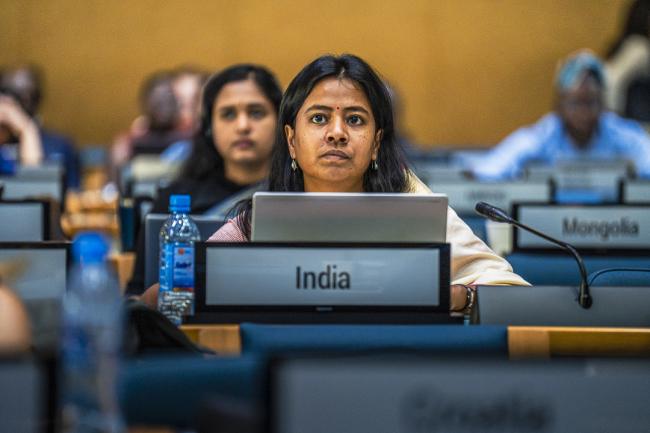
In their discussion on the prevention of tax disputes, Zambia shared that “preventing a fire is better than quenching it,” with many countries supporting the proposal that the Protocol should provide a legal basis for cross-border administrative cooperation regarding tax dispute prevention.
But the devil is in the details. In previous discussions, the INC seemed to have converged on the fact that such a legal basis could address preventive mechanisms including advance pricing agreements (APAs), joint audits, and simultaneous examinations. Civil society representatives, including the African Civil Society Organizations Working Group on the UN Tax Convention, noted that APAs are usually negotiated in secrecy and have been known to facilitate harmful tax practices. The Institute of Social and Economic Rights called for replacing the transfer pricing system entirely and moving to a global minimum tax with formulary apportionment as a way to allocate a business’ income to the appropriate taxing jurisdictions.
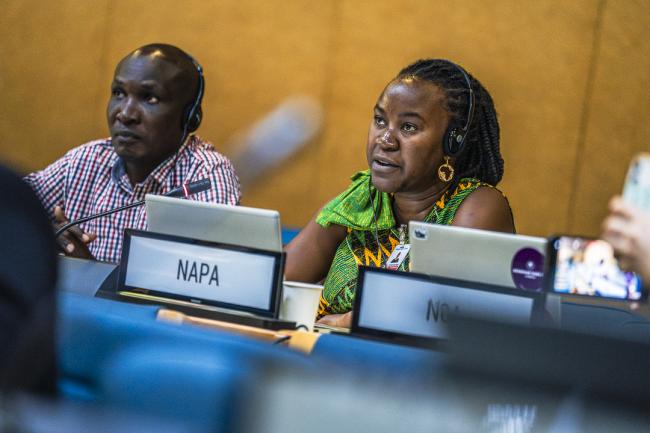
Delegates also shared their perspectives on dispute resolution, addressing how to strengthen Mutual Agreement Procedures (MAPs) as the principal mechanism for resolving disputes arising under tax treaties between states. Mandatory arbitration continued to be a sticking point, with some noting that it could support MAP cases, and others underlining that it was too costly and biased against many developing countries.
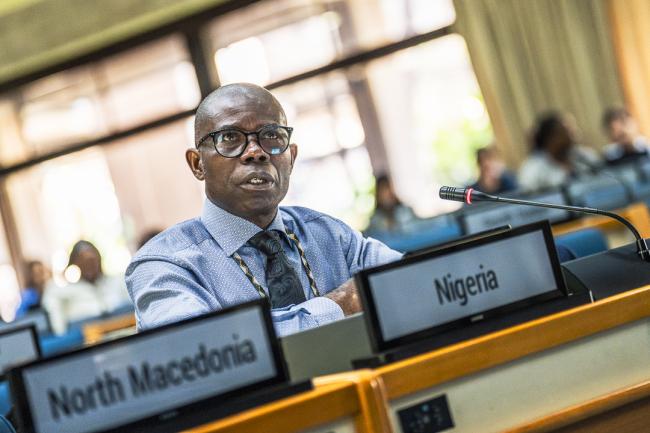
While not supporting arbitration, the Russian Federation proposed that MAPs could include agreed time limits and stages to ensure everyone has the same information. France suggested “thinking out of the box,” noting that it would be worth further discussing the advantages of arbitration, which could be a “promising” option. In the afternoon, the Committee convened in a states-only meeting. Discussions on Protocol 2 will continue on Wednesday.
To receive free coverage of global environmental events delivered to your inbox, subscribe to the ENB Update newsletter.
All ENB photos are free to use with attribution. For the International Tax Cooperation INC3, please use: Photo by IISD/ENB | Danny Skilton.
Plenary
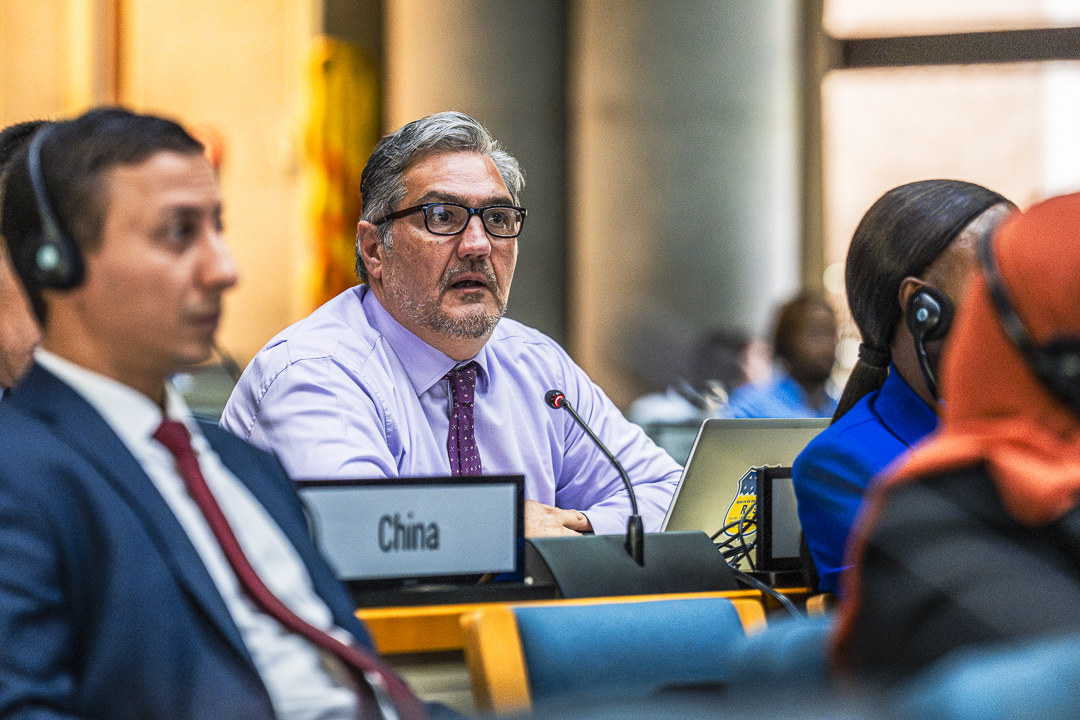
Alejandro Buvinic, Chile
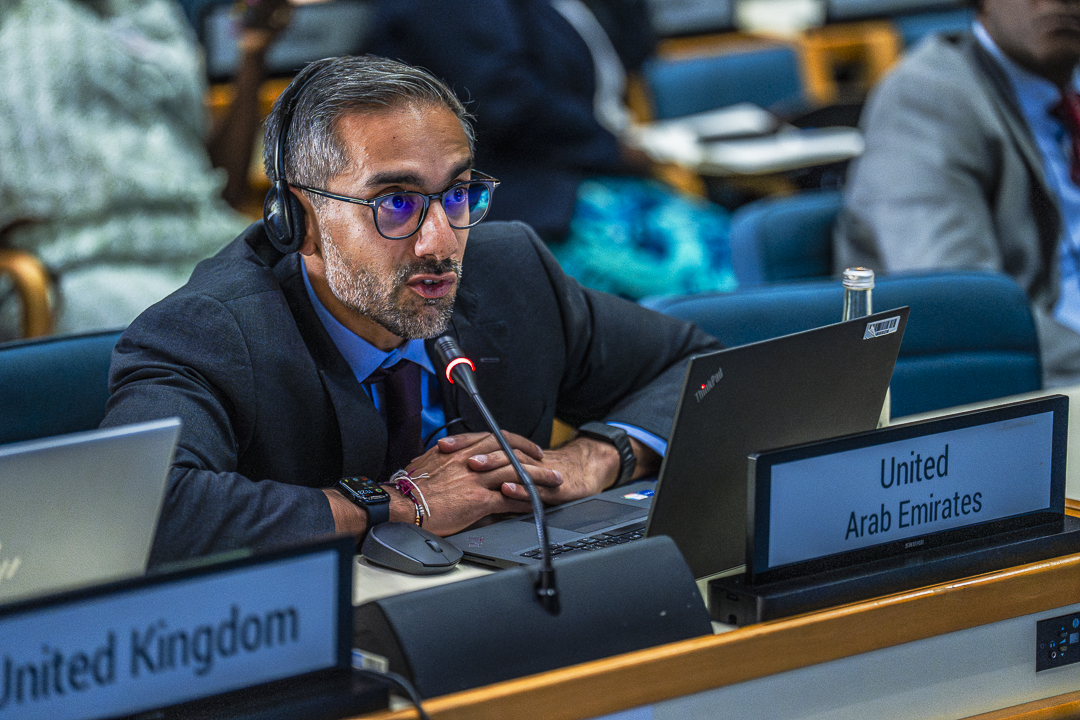
Chirag Tanna, United Arab Emirates
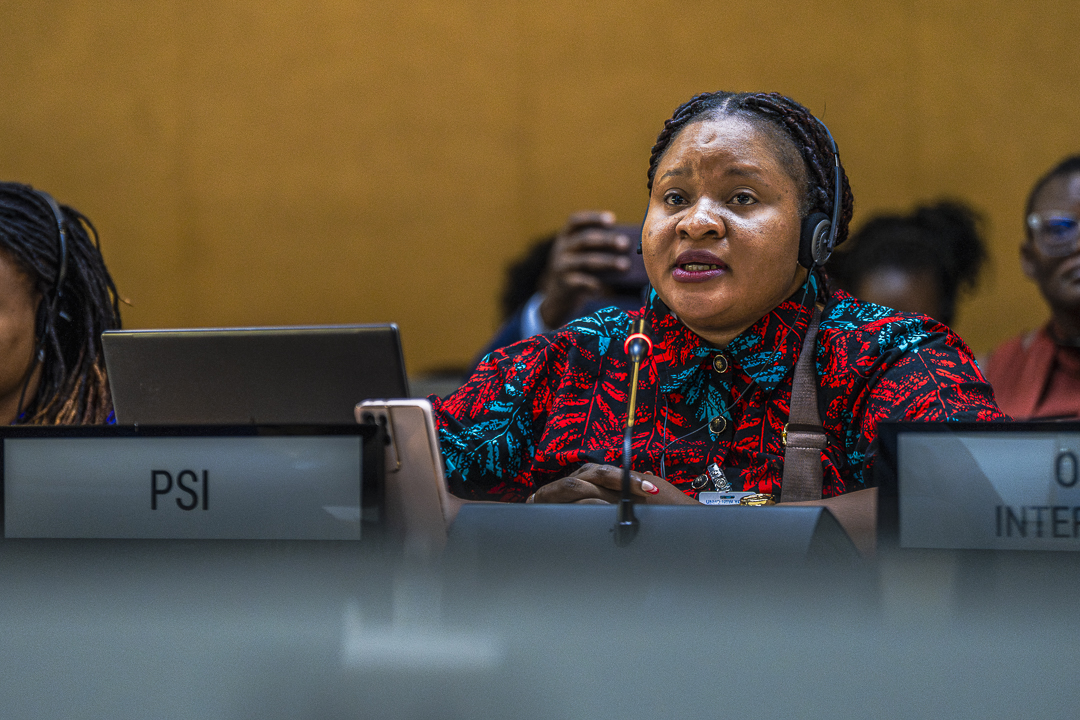
Gifty Abena Turkson, Public Service International
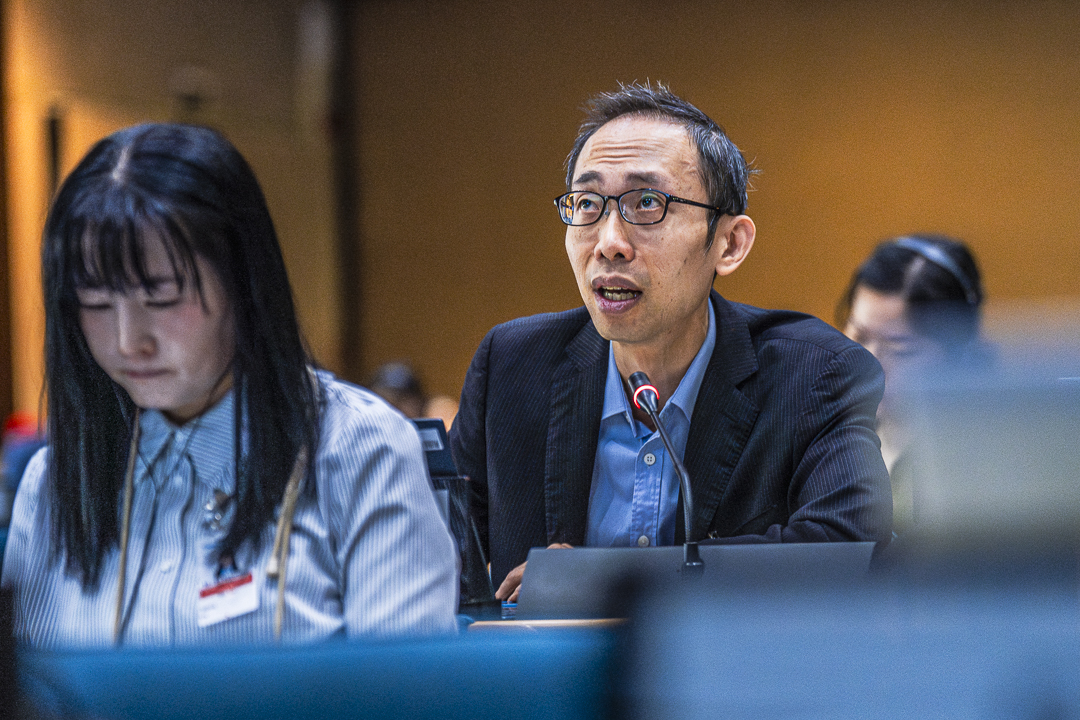
Guozhi Foo, Singapore
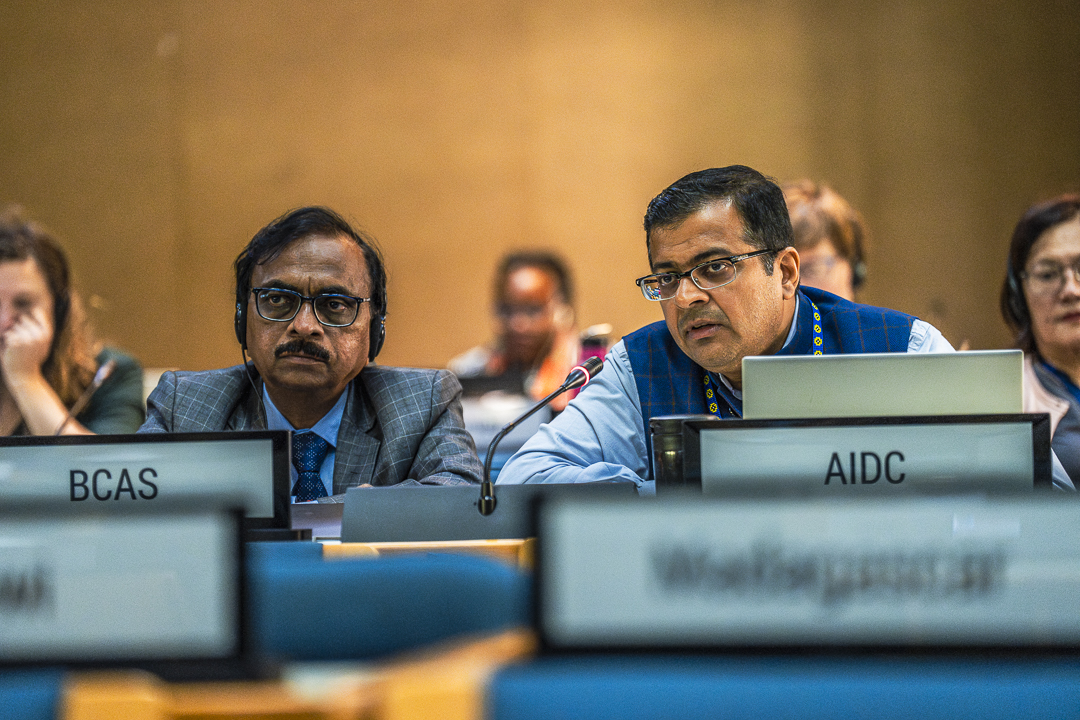
Radhakishan Rawal, Bombay Chartered Accountants' Society (BCAS)
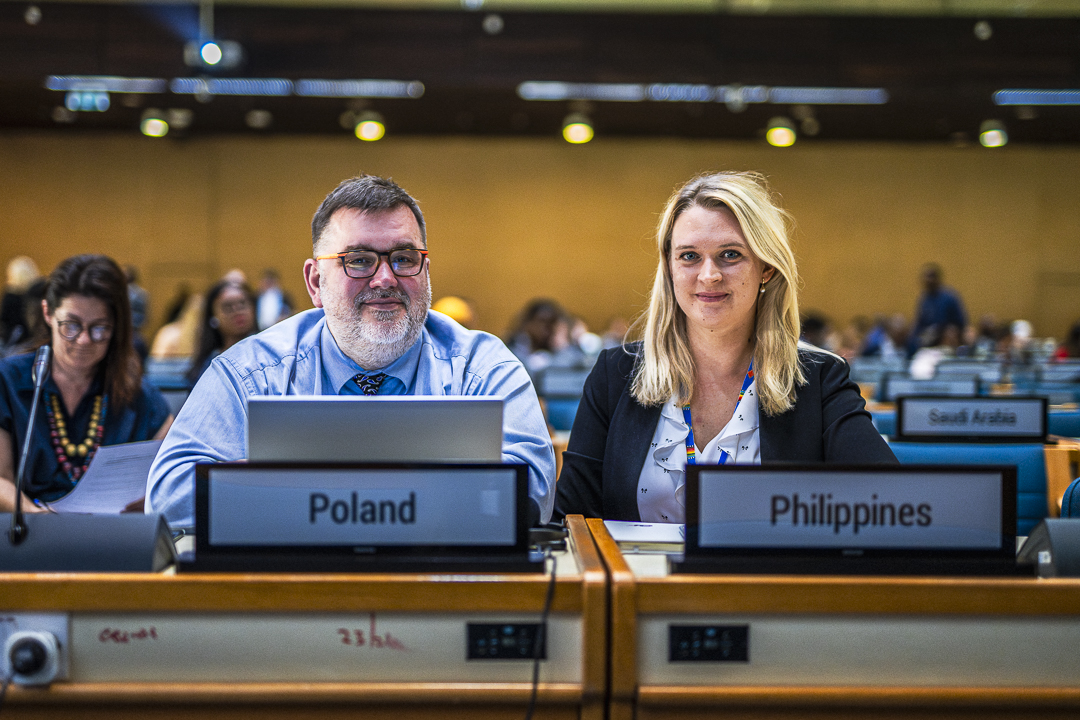
Delegates from Poland
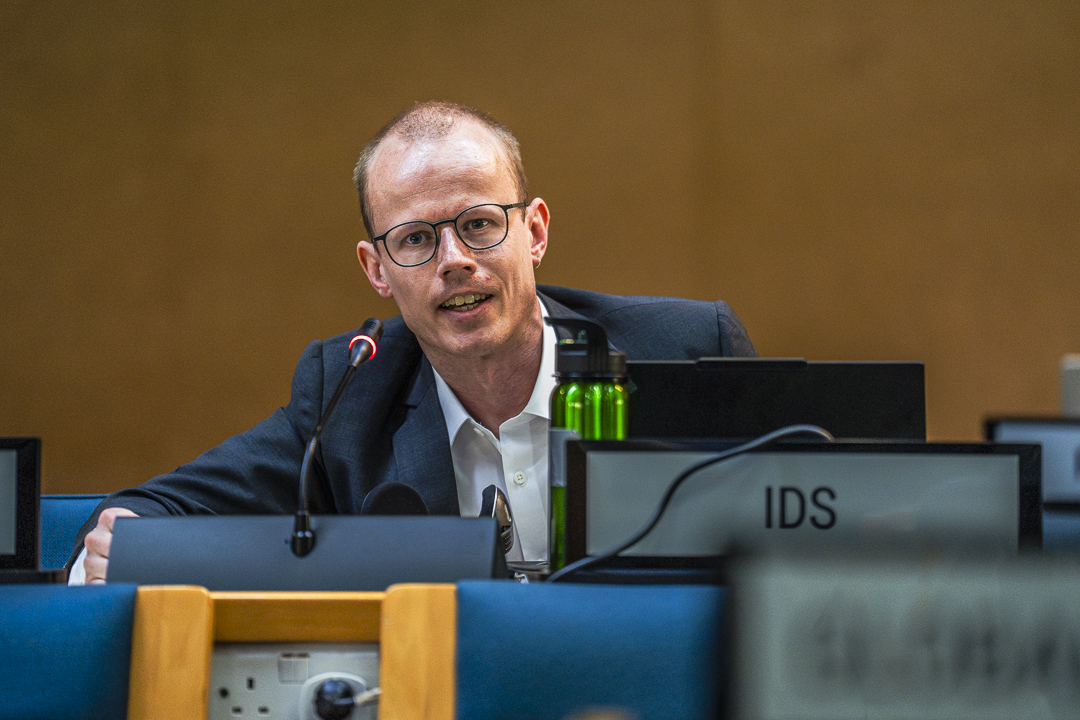
Frederik Heitmüller, Institute for Development Studies (IDS)
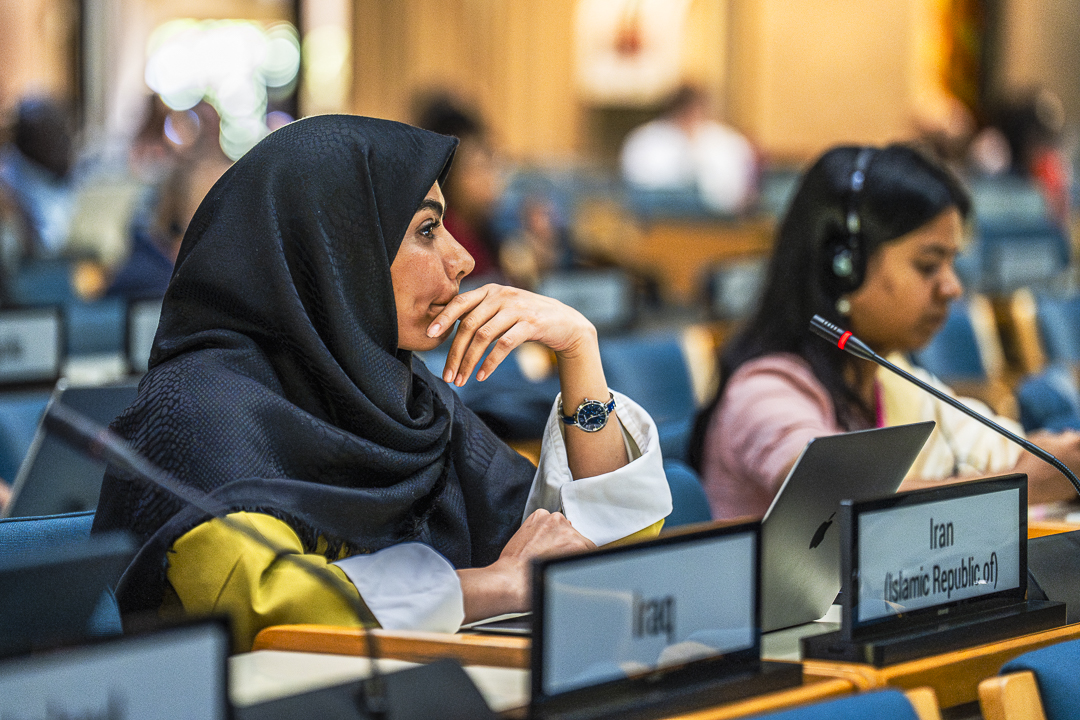
Raheleh Khanderoo, Iran
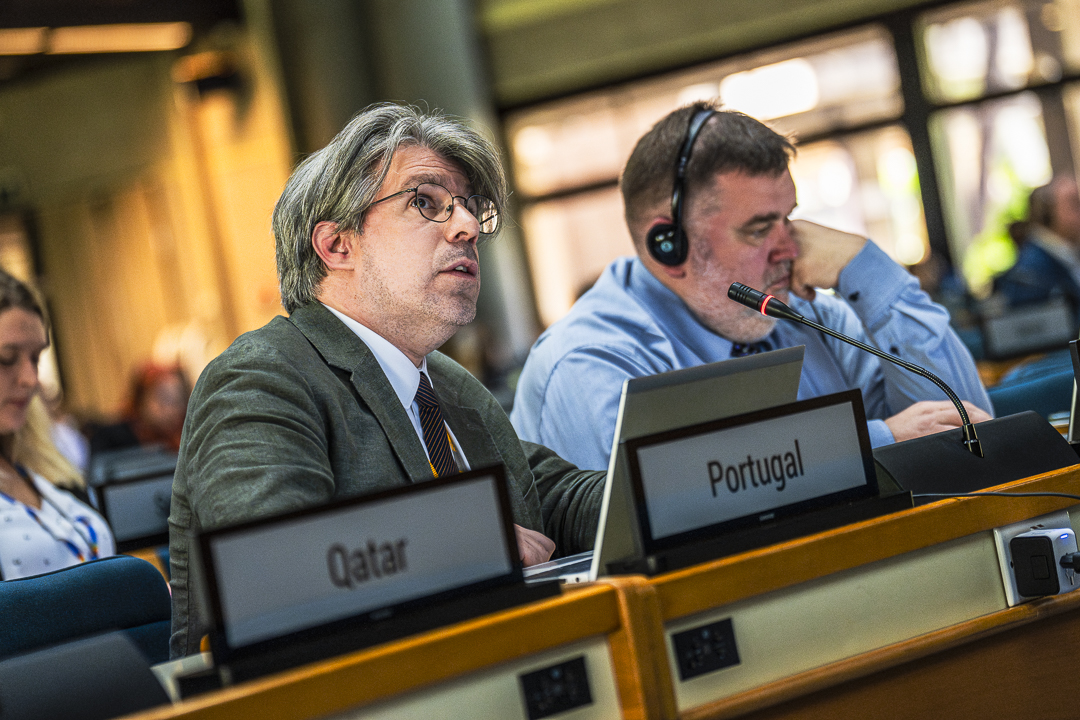
Daniel Marques Pinto, Portugal
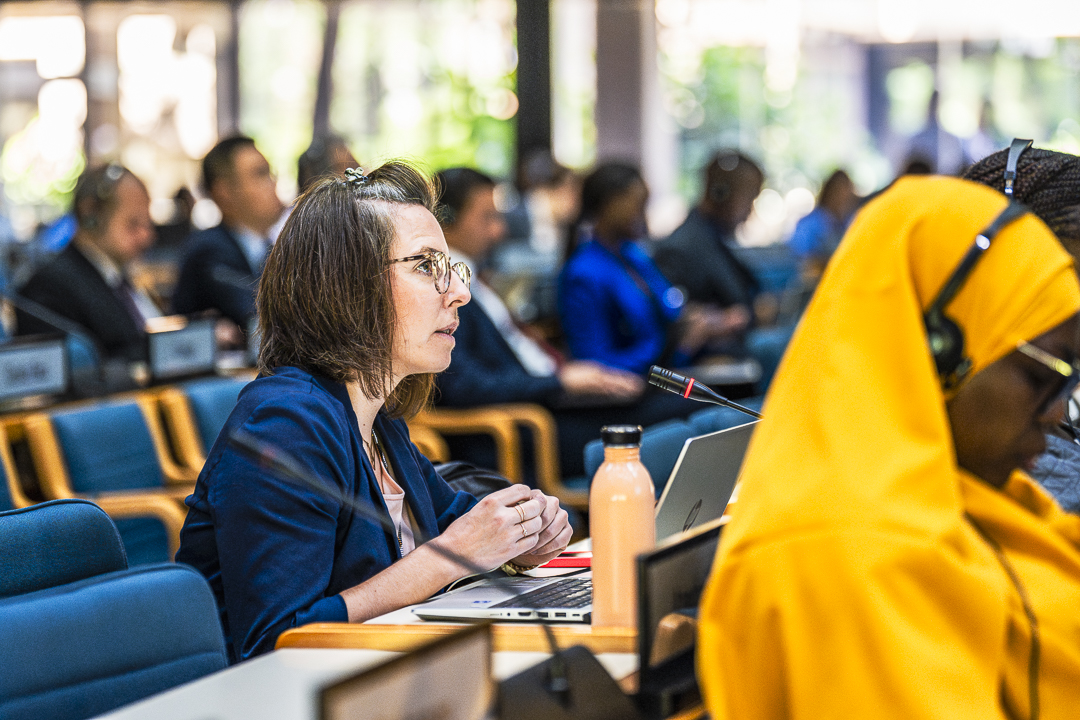
Veronika Daurer, Austria
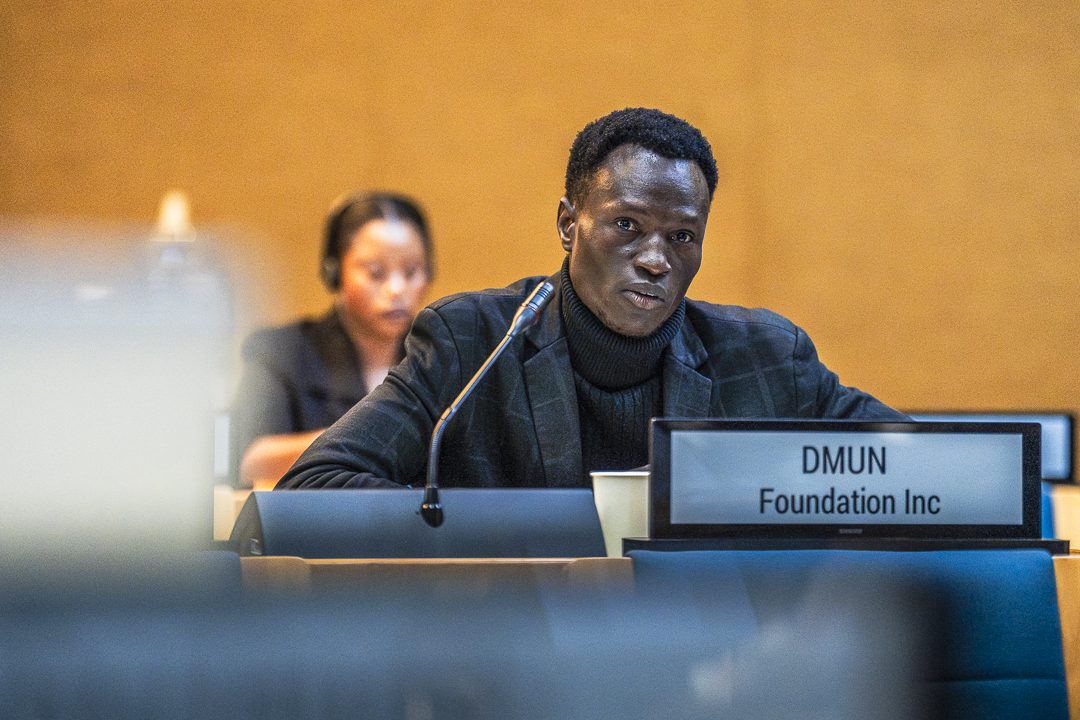
Khan Puot, DMUN Foundation
Around the venue
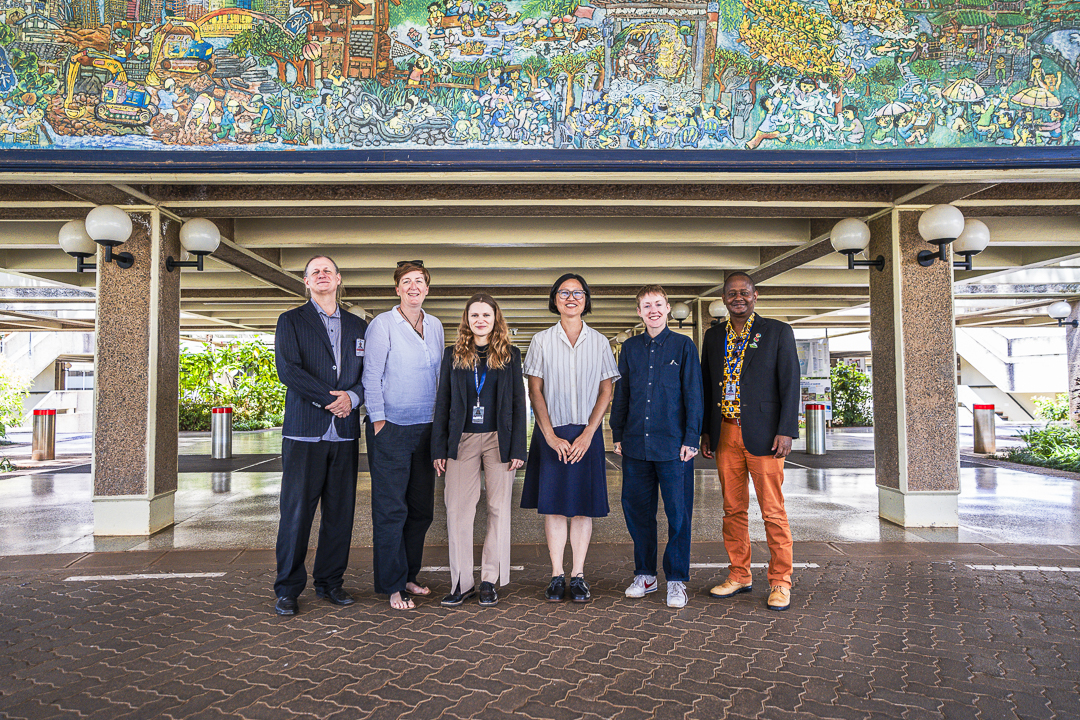
Delegates from Greenpeace International gather for a family photo