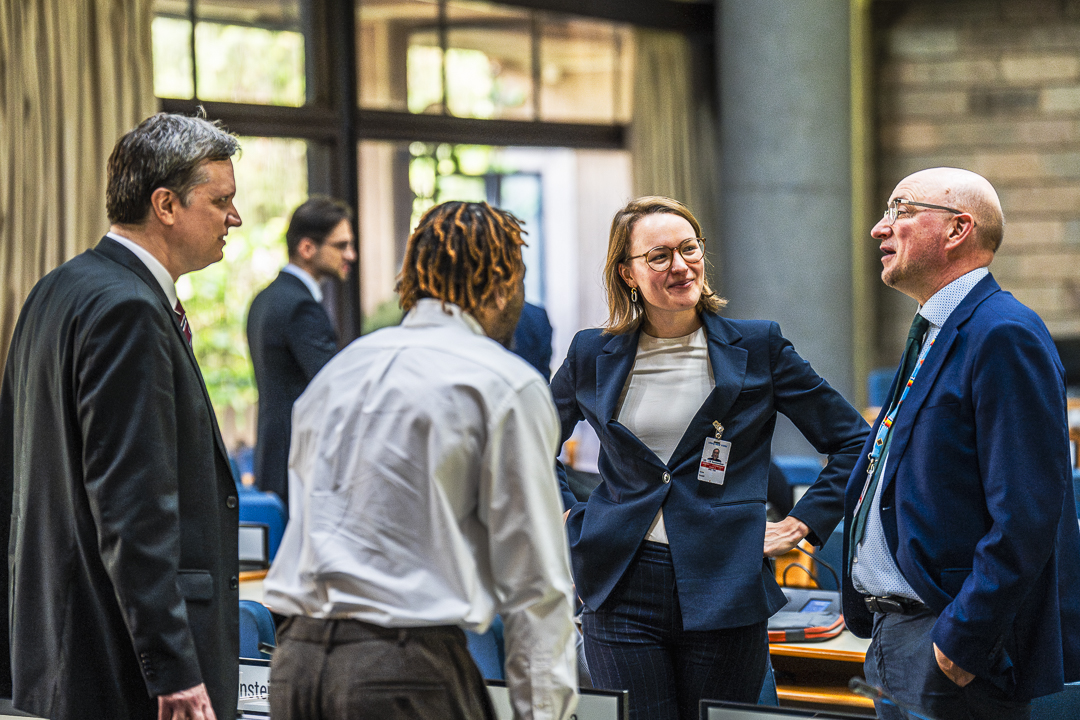
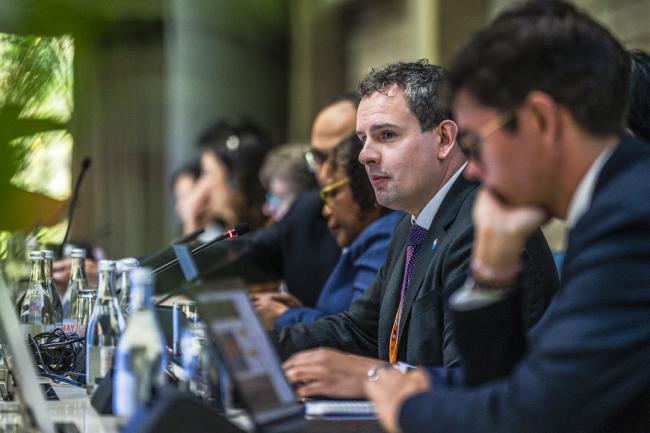
Getting back down to work on Monday morning, delegates attending the third session of the Intergovernmental Negotiating Committee to develop a UN Framework Convention on International Tax Cooperation (INC3) opened discussion on the second early Protocol on the prevention and resolution of tax disputes. The Committee opened discussion on the Co-Leads’ Concept Note on Ideas for Potential Solutions from 24 October 2025.
Delegates addressed two aspects of the Protocol (known as approaches), which had been agreed by members of Workstream III in earlier discussions, namely, optionality and scope related to cross-border versus domestic tax disputes. Workstream III Co-Leads Marlene Nembhard-Parker (Jamaica) and Michael Braun (Germany) opened discussions, with Co-Lead Nembhard-Parker presenting the development of discussions under the Workstream.
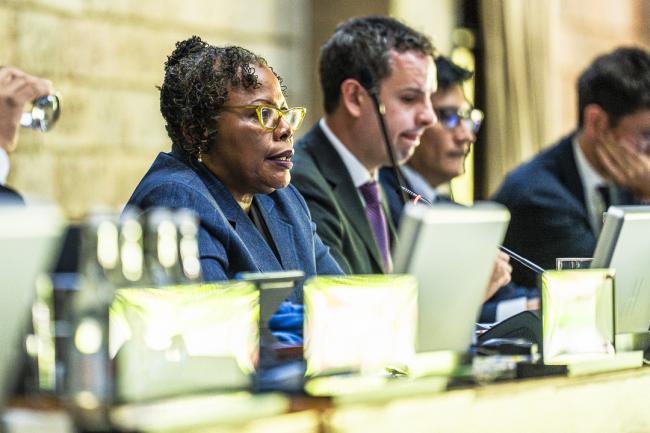
On this approach, many countries, including the African Group, France, Brazil, the Russian Federation, Poland, Japan, Portugal, Ireland, Belgium, Mauritius, and the Netherlands, supported the development of a comprehensive menu of mechanisms for prevention and resolution of tax disputes, followed by the identification of a narrower set of core mechanisms. India, with Zambia and others, called for the Protocol to consist of “only the core mechanisms,” including a Mutual Agreement Procedure (MAP) as a core mechanism.
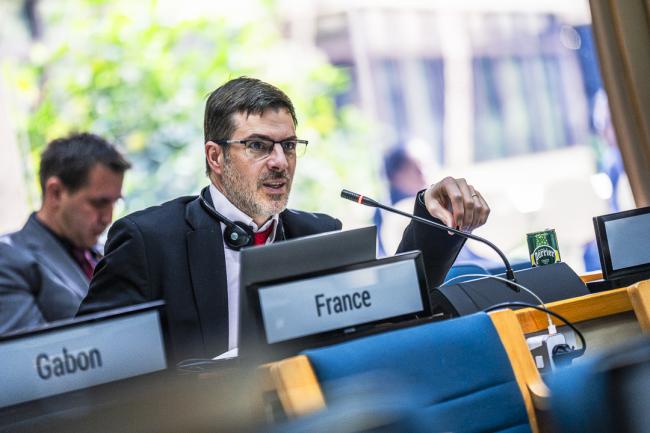
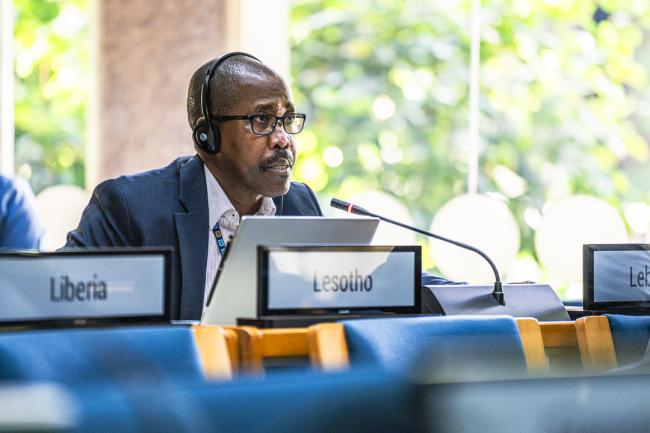
In further discussions, most countries, including Italy, China, Nigeria, Switzerland, Rwanda, the Russian Federation, Sierra Leone, France, the United Arab Emirates (UAE), the UK, and Austria, preferred that the mechanisms for prevention and resolution of tax disputes “not supersede” existing mechanisms, including bilateral agreements. Lesotho stressed that if the mechanism under the Protocol was an “improved mechanism,” it should “logically” supersede existing mechanisms. Mauritius suggested the discussion on the superseding effect of the provisions under the Protocol was premature.
Another issue that emerged was on arbitration as a core mechanism for dispute resolution, with Iran, Sierra Leone, and the South Centre, among others, objecting to its inclusion, noting the high costs associated with international arbitration processes.
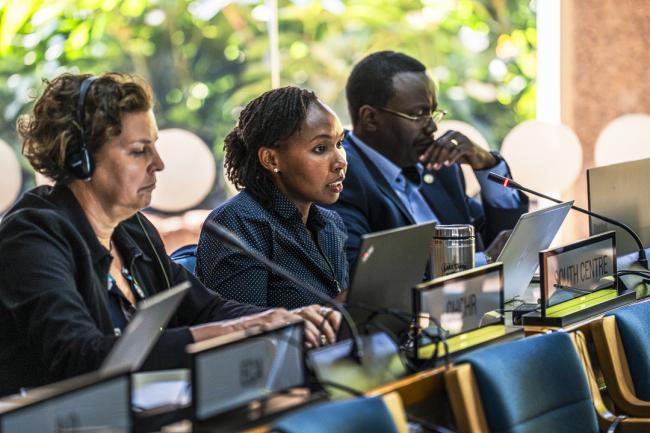
Delegates also embarked on discussions on whether the scope of the Protocol would include cross-border tax disputes, domestic tax disputes, and/or cases where no treaty exists. They engaged in lengthy, sometimes circular, discussions on the definition of “cross-border disputes.”
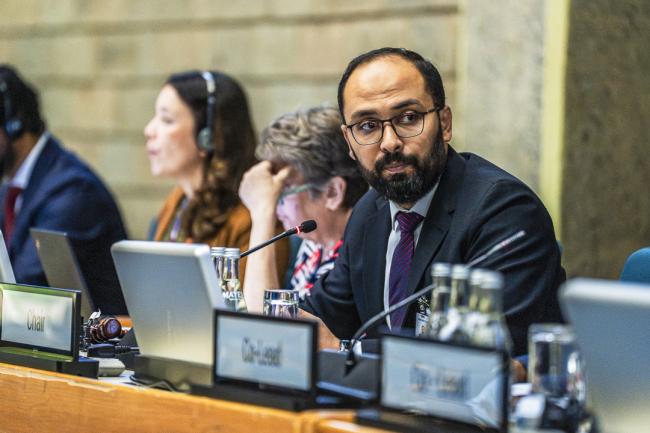
On the next steps for the process, Chair Ramy M. Youssef (Egypt) informed delegates that the agenda for intersessional work, as well as the provisional agenda for INC4, would be circulated by the week ending on 21 November 2025.
To receive free coverage of global environmental events delivered to your inbox, subscribe to the ENB Update newsletter.
All ENB photos are free to use with attribution. For the International Tax Cooperation INC3, please use: Photo by IISD/ENB | Danny Skilton.
Plenary
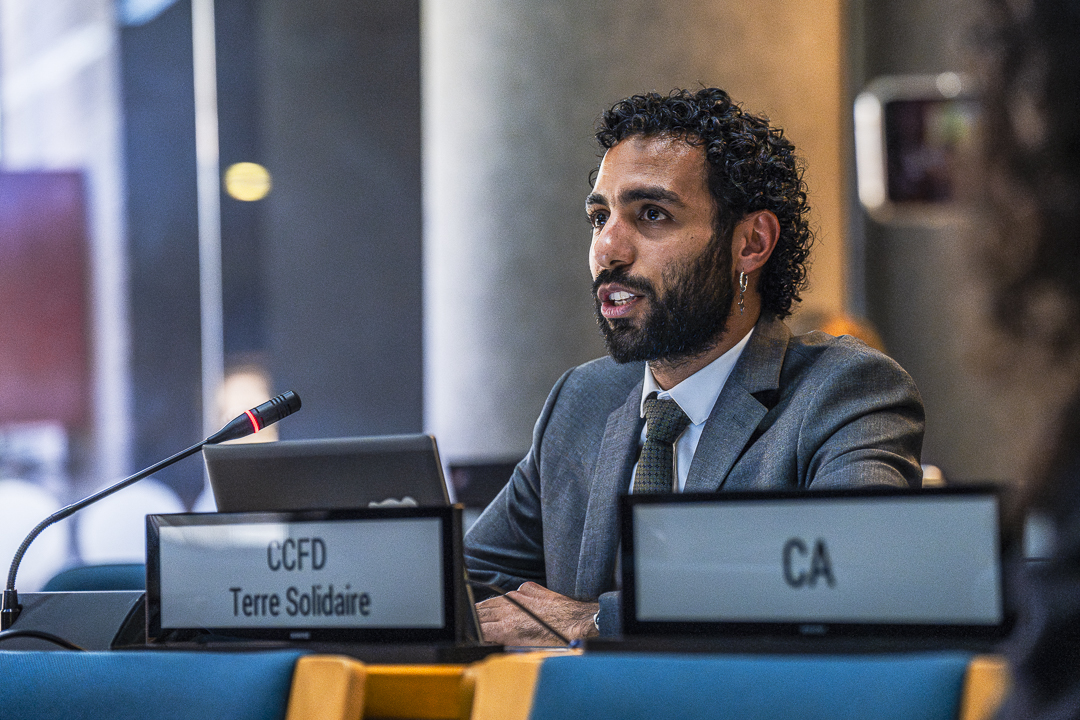
Ryad Selmani, CCFD-Terre Solidaire
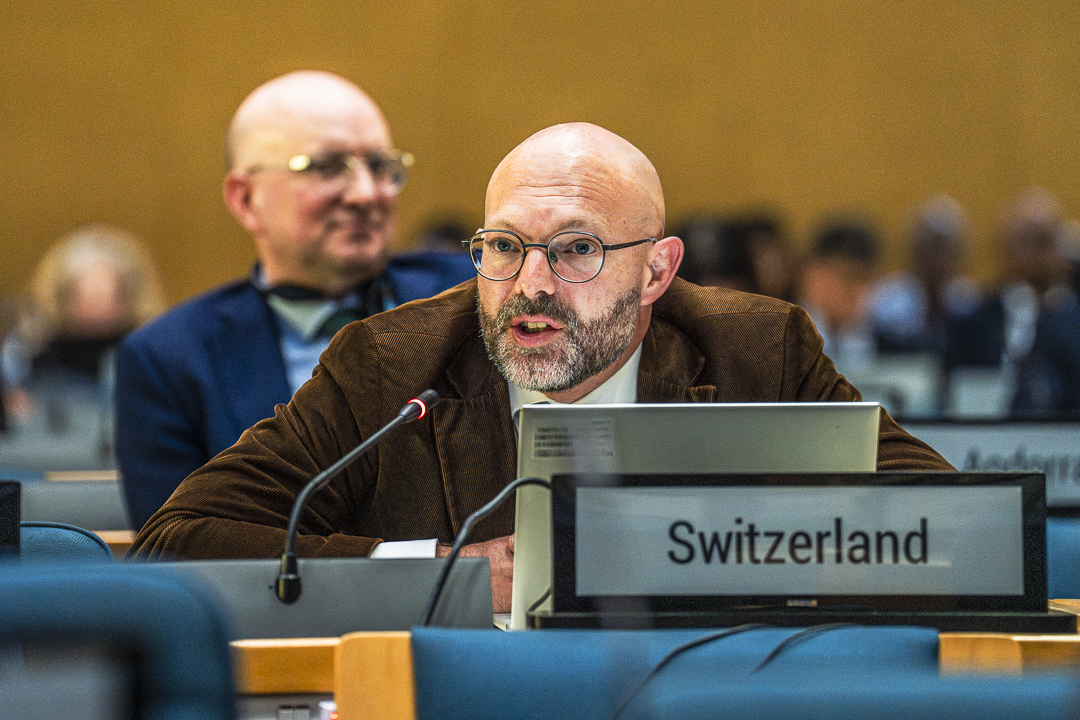
Basil Peyer, Switzerland
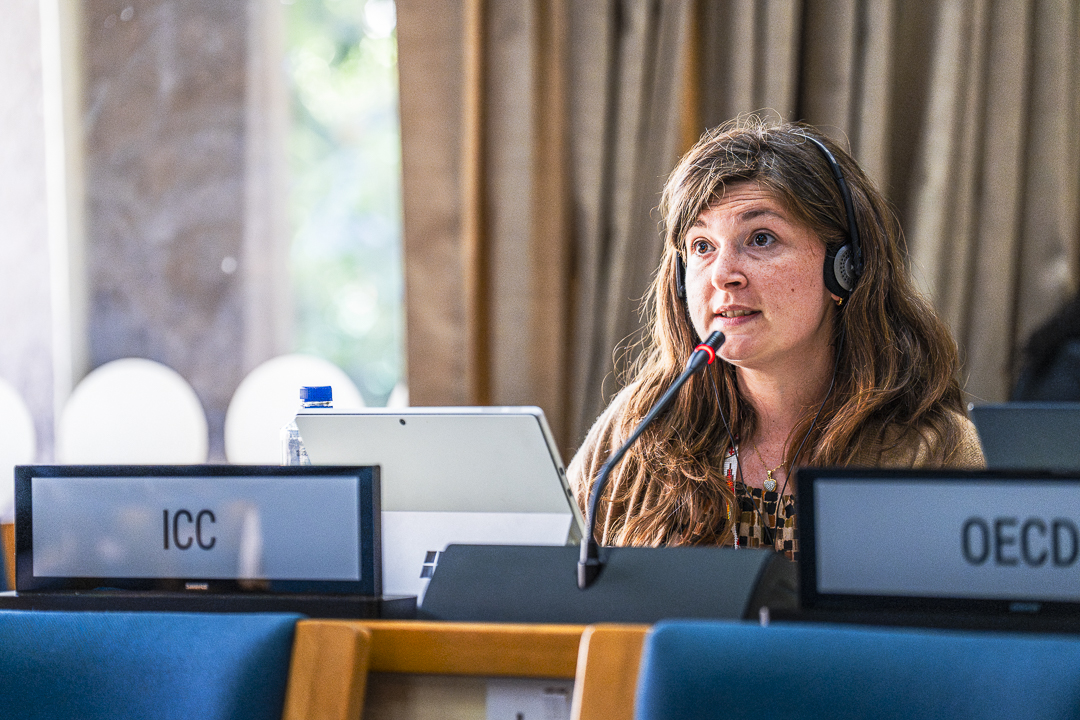
Luisa Scarcella, International Chamber of Commerce (ICC)
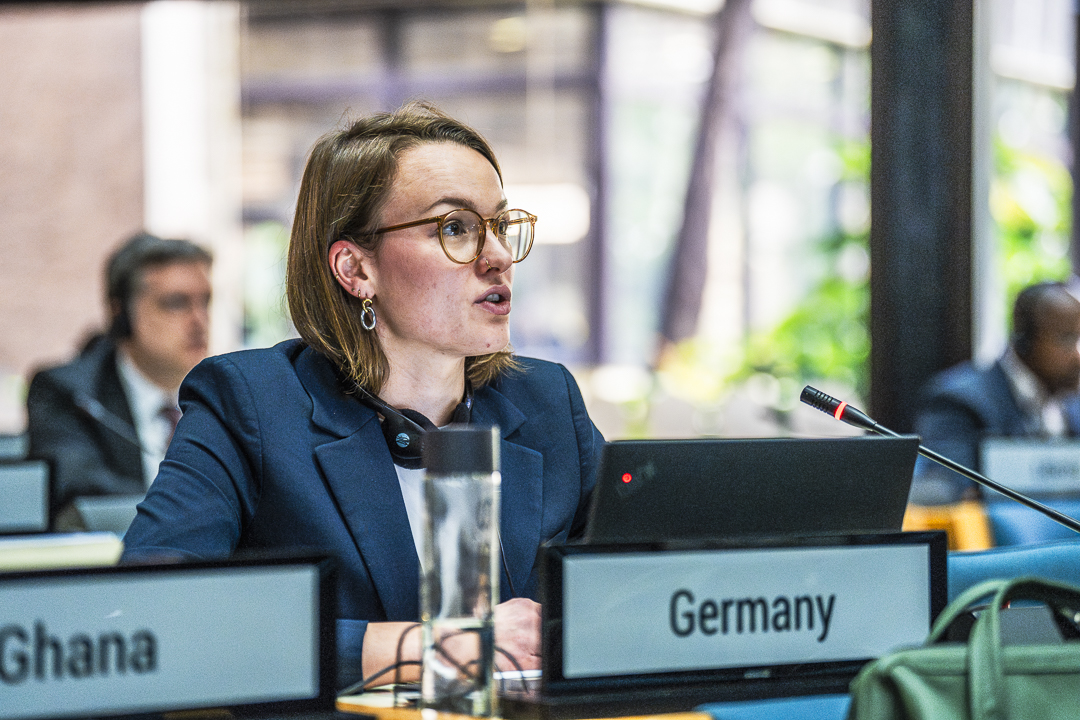
Anna Petzold, Germany
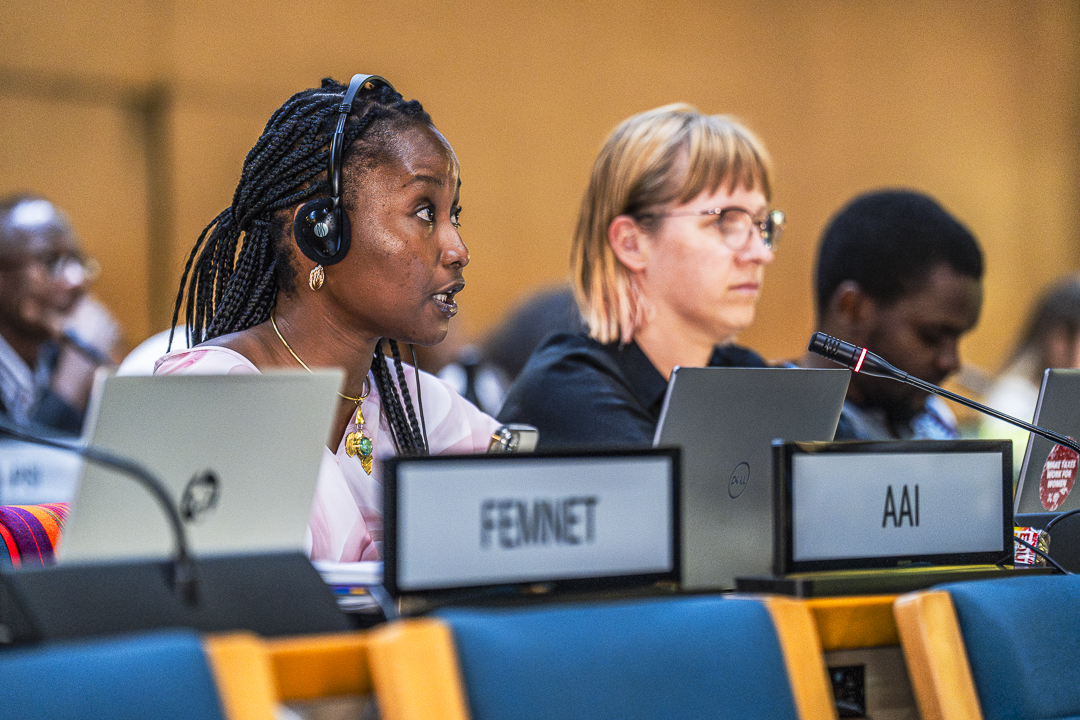
Jennifer Lipenga, ActionAid International
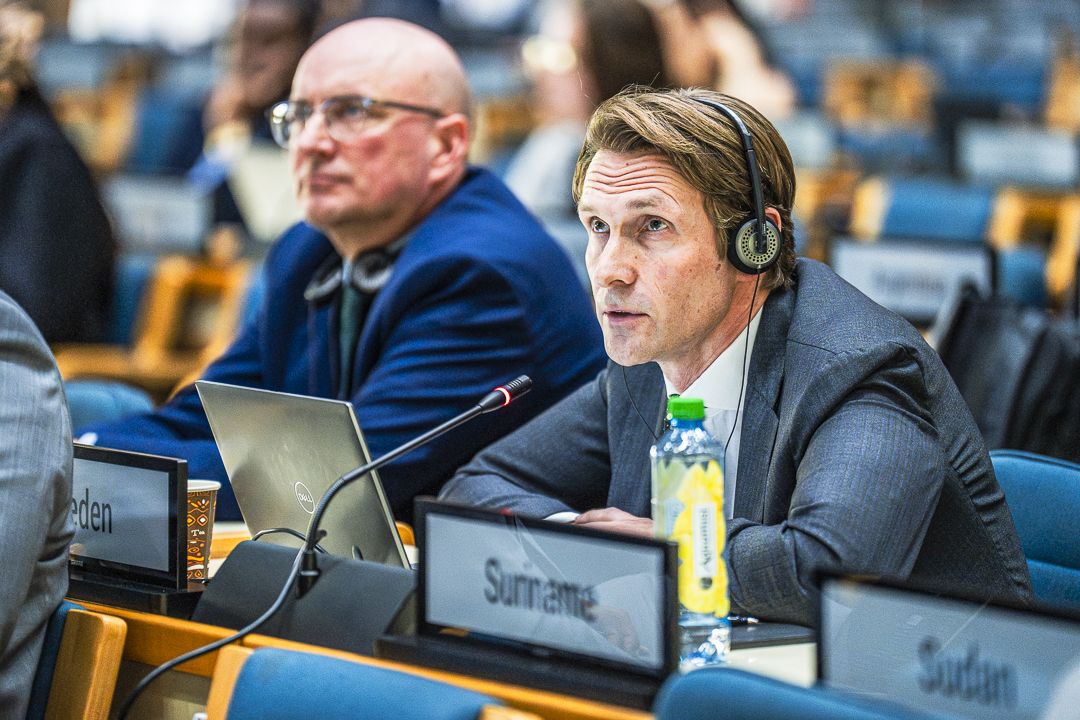
Peter Nowén Wirkkala, Sweden
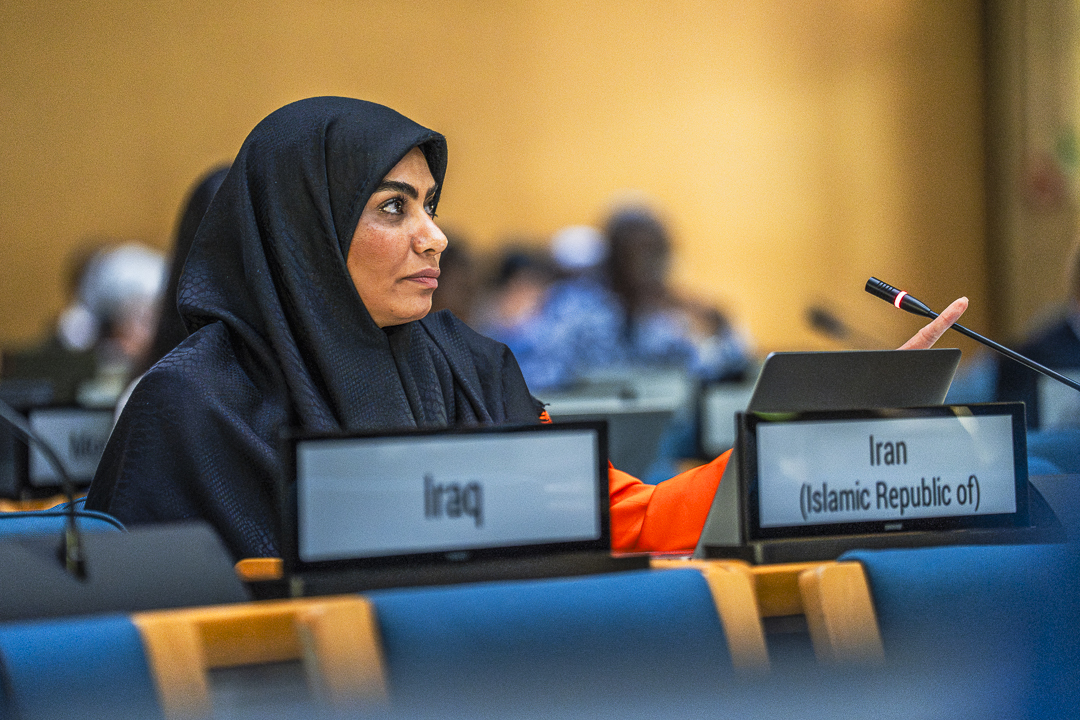
Raheleh Khanderoo, Iran
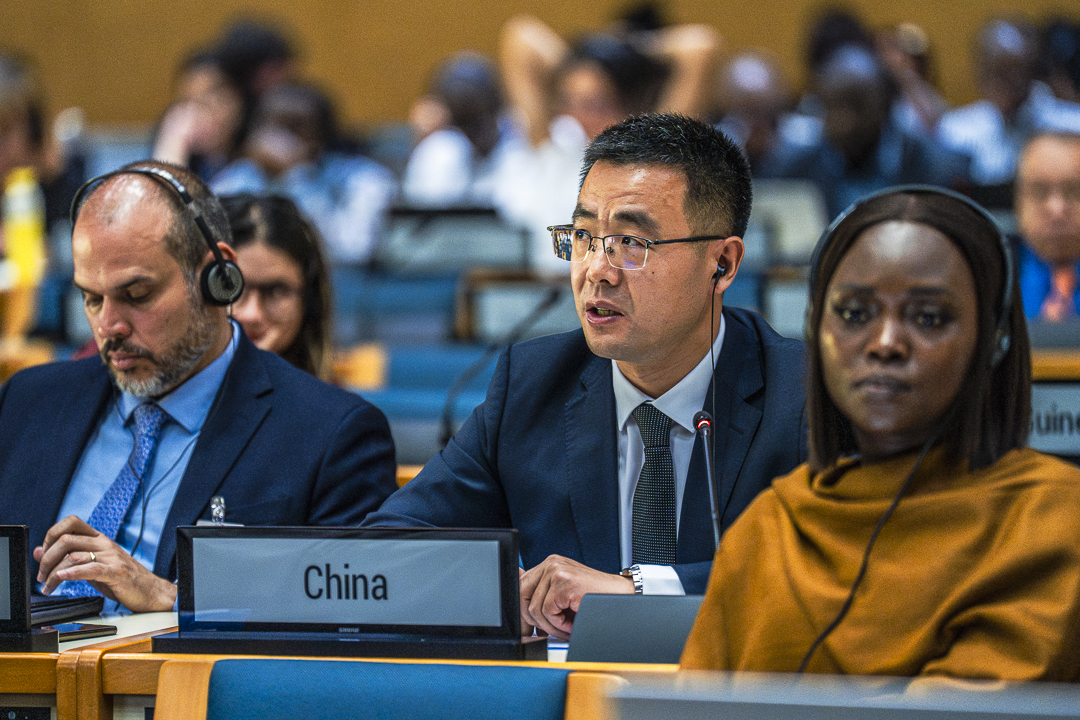
Guang Ma, China
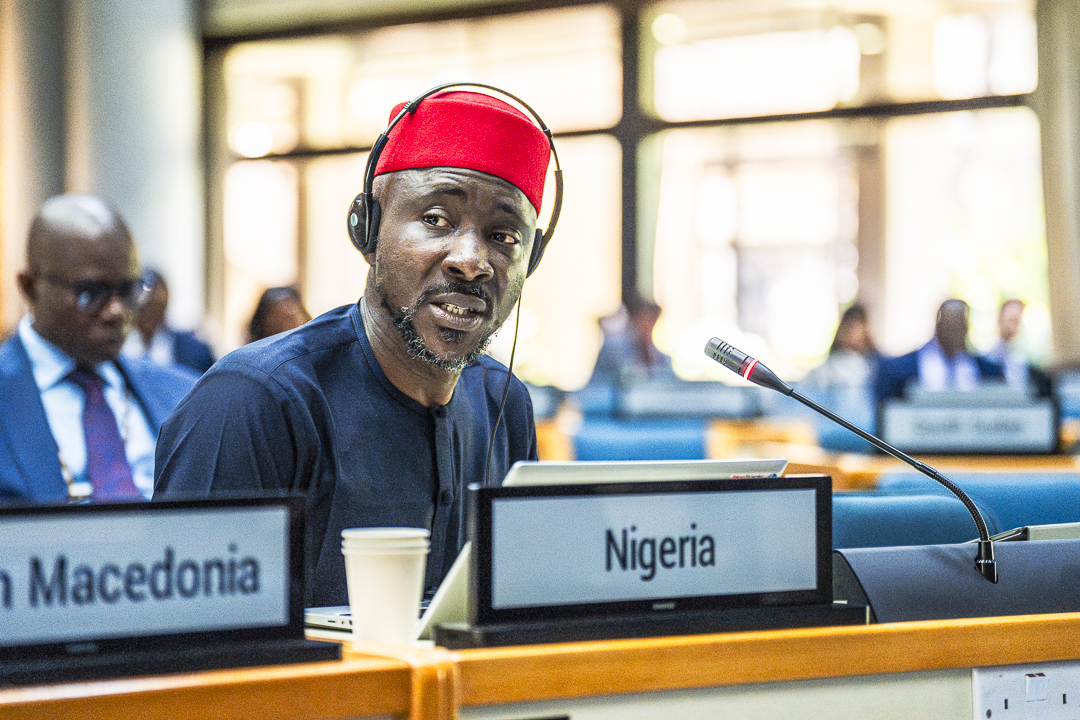
Shadrach Saddih, Nigeria
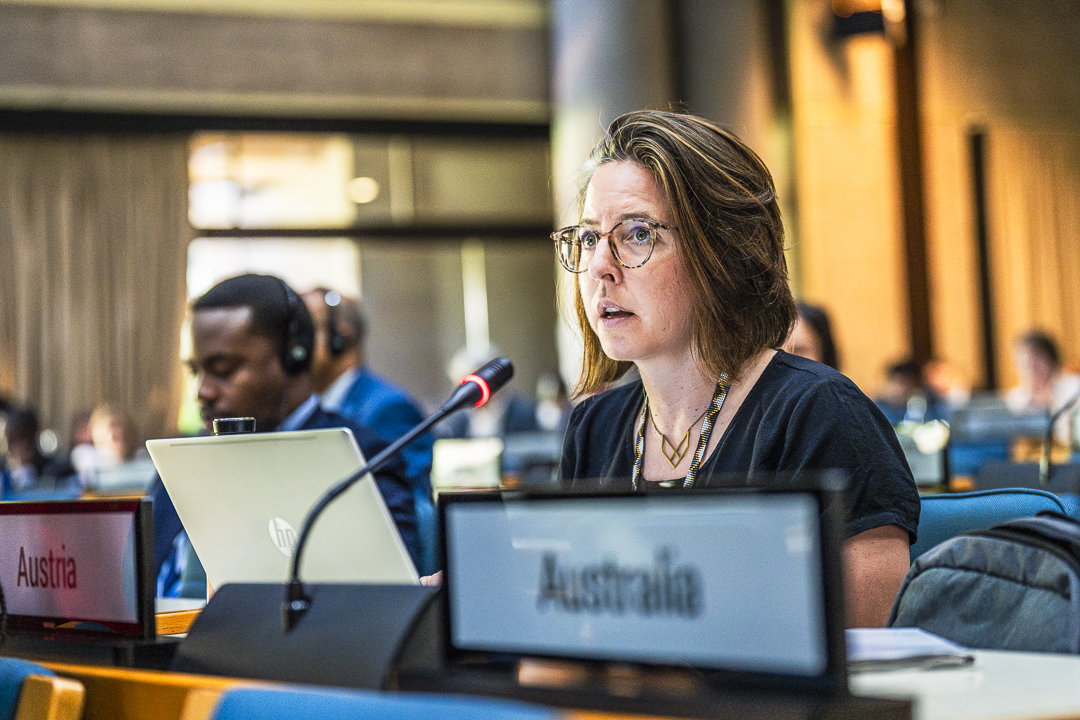
Veronika Daurer, Austria
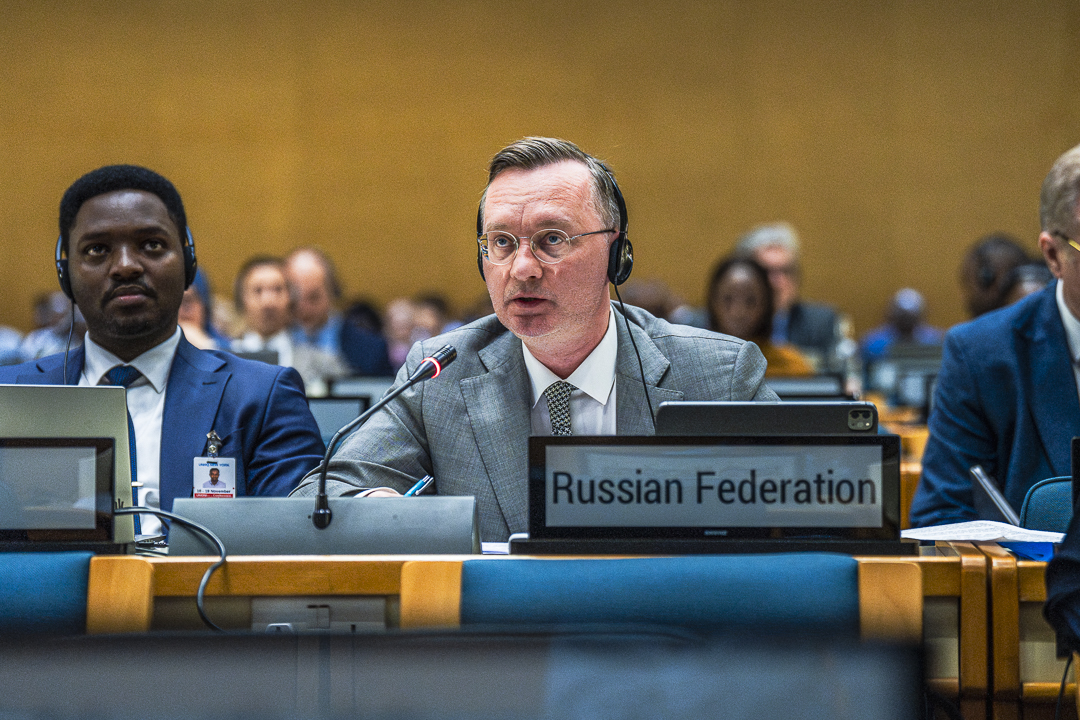
Elisey Balta, the Russian Federation
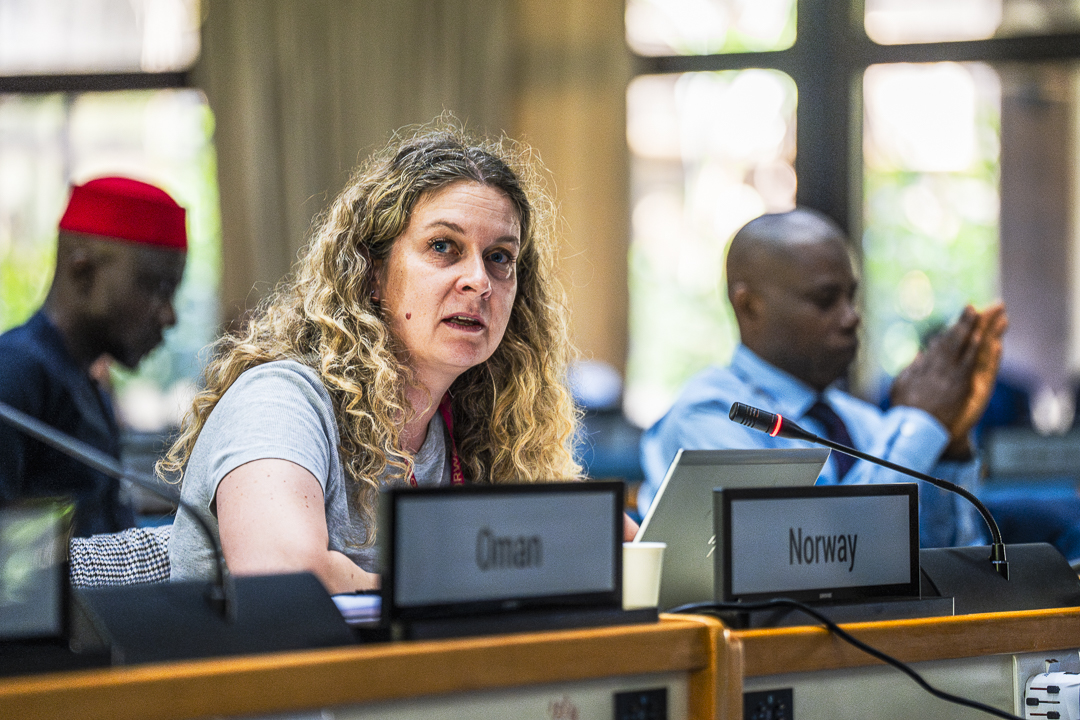
Trude Steinnes Sønvisen, Norway
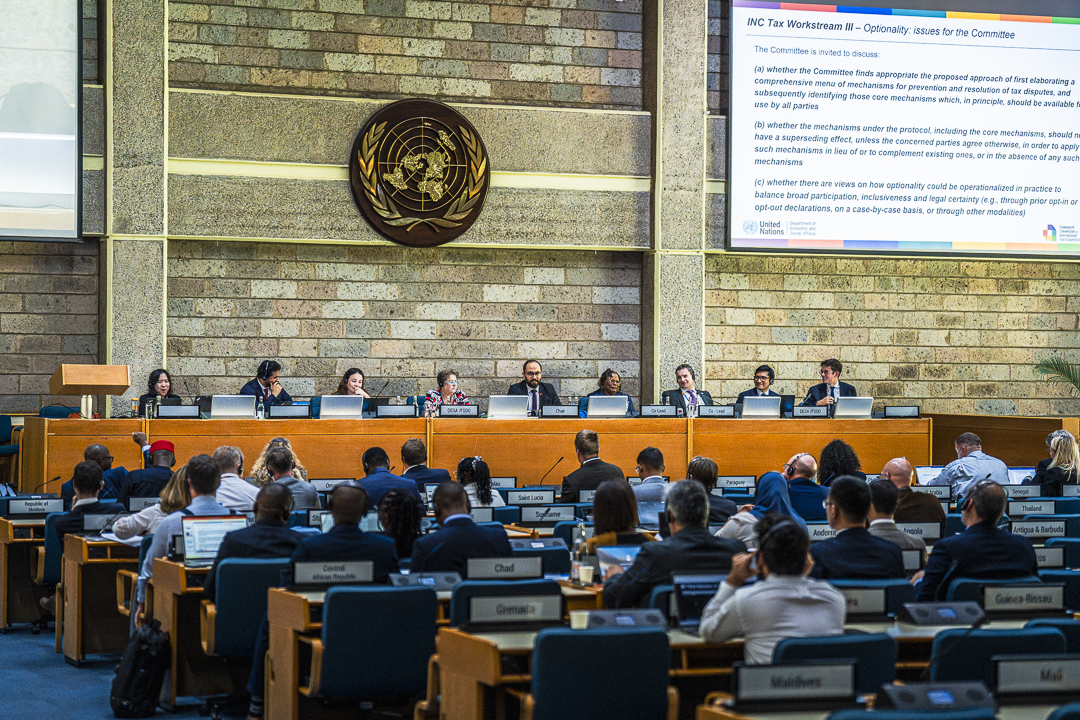
Around the venue