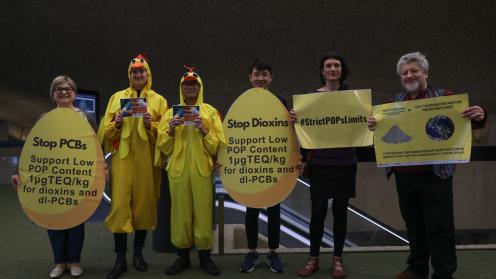
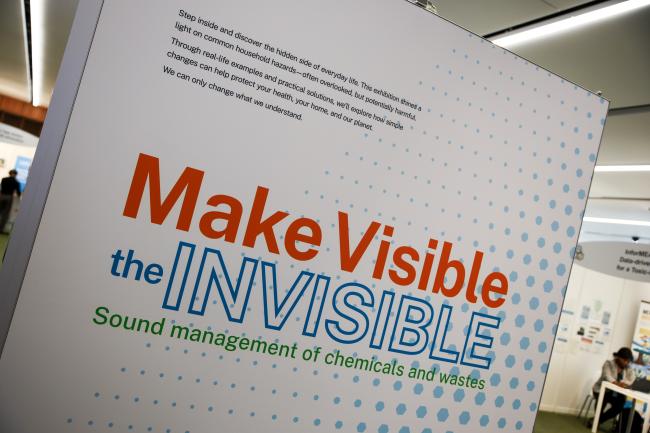
It was a difficult day for experts trying to eliminate new persistent organic pollutants (POPs) and protect health and the environment. There are three POPs recommended for elimination under the Stockholm Convention. Each is complex in its own way - technically, like medium-chained chlorinated paraffins, or politically, like the pesticide chlorpyrifos.
Want to dig deeper into today's talks? Read the full Earth Negotiations Bulletin daily report.
Delegates also grappled with a new request - to reopen a listing decision and allow new uses for a POP. Years ago, the airline industry assured parties that they would not need UV-328 for adhesives and water-seal tape. The POP was listed for elimination. Flash forward: 4000 aircraft with extremely small amounts of this POP are destined for delivery to 60 countries. The supply chain proved too complex for industry to completely scrub UV-328 from its products. The dilemma wasn’t really about the amount of POPs released. Rather, parties debated how to protect the Convention from a dangerous precedent that could signal to industry that it can ask for exemptions after a POP is listed.
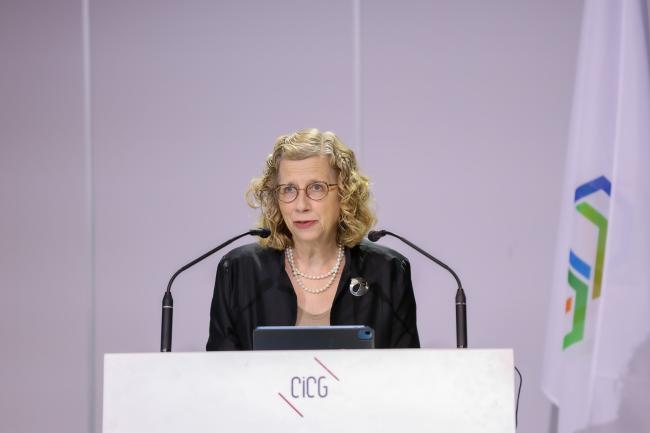
This worry hung in the air as parties moved on to the decisions to eliminate three other POPs, each with a list of exemptions that seem to be expanding from the scientific assessments of the POPs Review Committee (POPRC). New exemptions were requested for the use of chlorpyrifos to protect pineapple crops, wheat, and rapeseed from multiple pests. A POPRC member worried the Committee’s work “is being devalued” since these uses were assessed and alternatives found to be available.
The Basel Convention continued to try to delineate the various disposal and recovery (and potentially recycling or reclamation) operations for wastes. This work is to help update the Convention in response to the e-waste and plastic waste amendments. In discussions on used tyres, however, delegates could not agree to refer to microplastics.
Meanwhile, the high-level segment had ministers focusing on pollution, circularity, and means of implementation, exchanging national experiences and programs, from incentivizing organic agriculture and zero-waste, to engaging with industry. Many stressed the importance of local initiatives in the face of dwindling resources, extended producer responsibility, and regional and multilateral engagement.
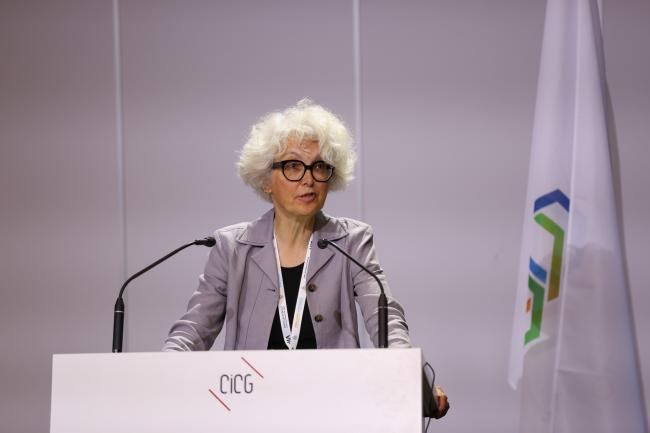
Children and youth were central in the ministerial discussions as well as in several events around the venue. A multistakeholder workshop explored the data and policy priorities to protect children’s environmental health. Another highlighted various approaches for the Stockholm Convention to protect children’s health.
Following on from ministers’ call for financing, delegates heard of India’s experience in updating its national implementation plan, a common and challenging task for many countries. The Global Environment Facility (GEF) assisted in this project. The GEF also launched its Global Elimination Programme for polychlorinated biphenyls, “an ambitious initiative that will help countries meet their 2025 and 2028 elimination targets.”
Ship recycling was the topic for a high-level event, given its importance for this Basel Convention meeting in light of the entry into force of the Hong Kong Convention for the Safe and Environmentally Sound Recycling of Ships. Another event considered coordination with the Montreal Protocol on Substances that Deplete the Ozone Layer.
All ENB photos are free to use with attribution. For this event, please use: Photo by IISD/ENB | Mike Muzurakis
To receive free coverage of global environmental events delivered to your inbox, subscribe to the ENB Update newsletter.
Ministerial Interactive Panel Discussions
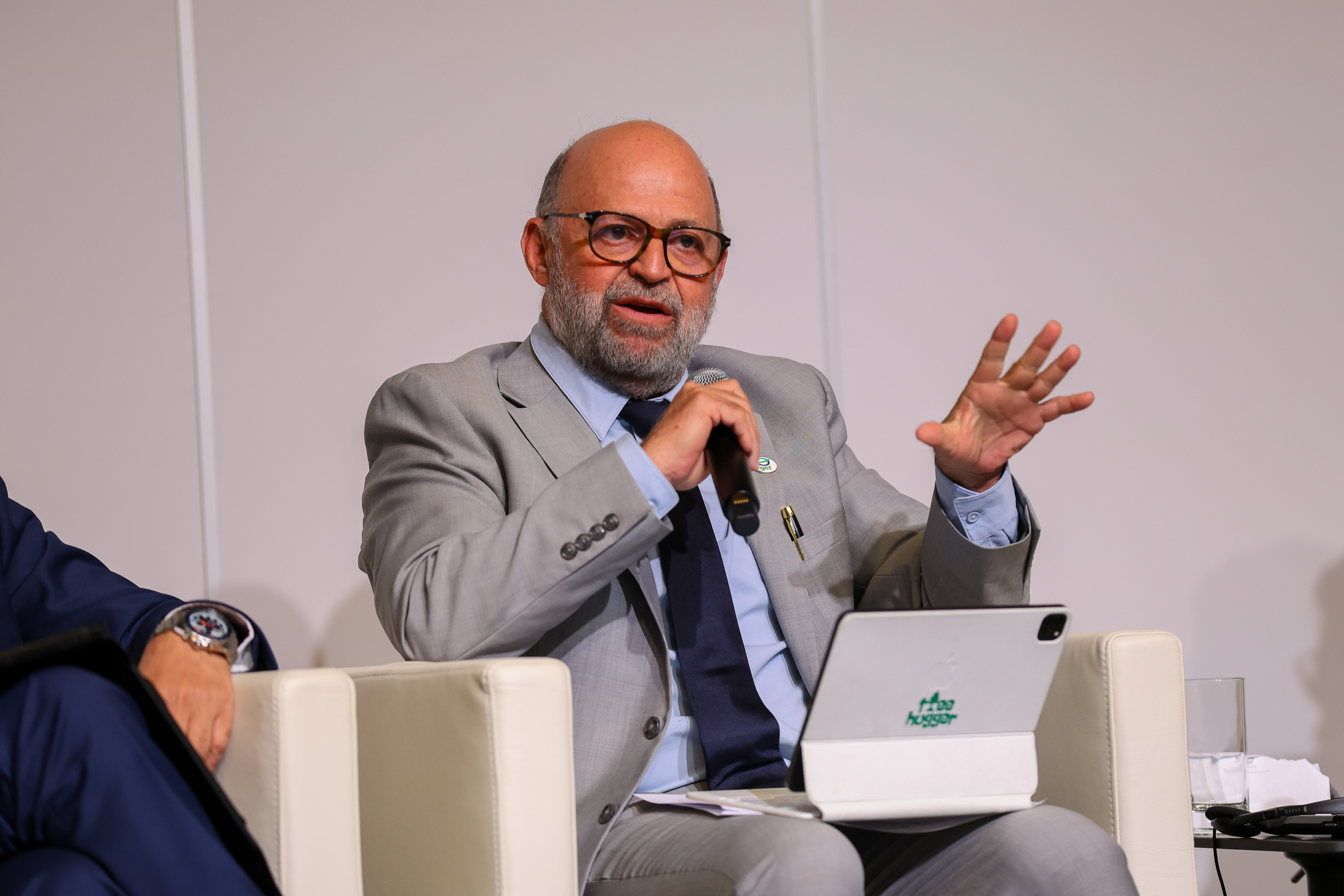
Carlos Manuel Rodríguez, CEO and Chairperson, Global Environment Facility
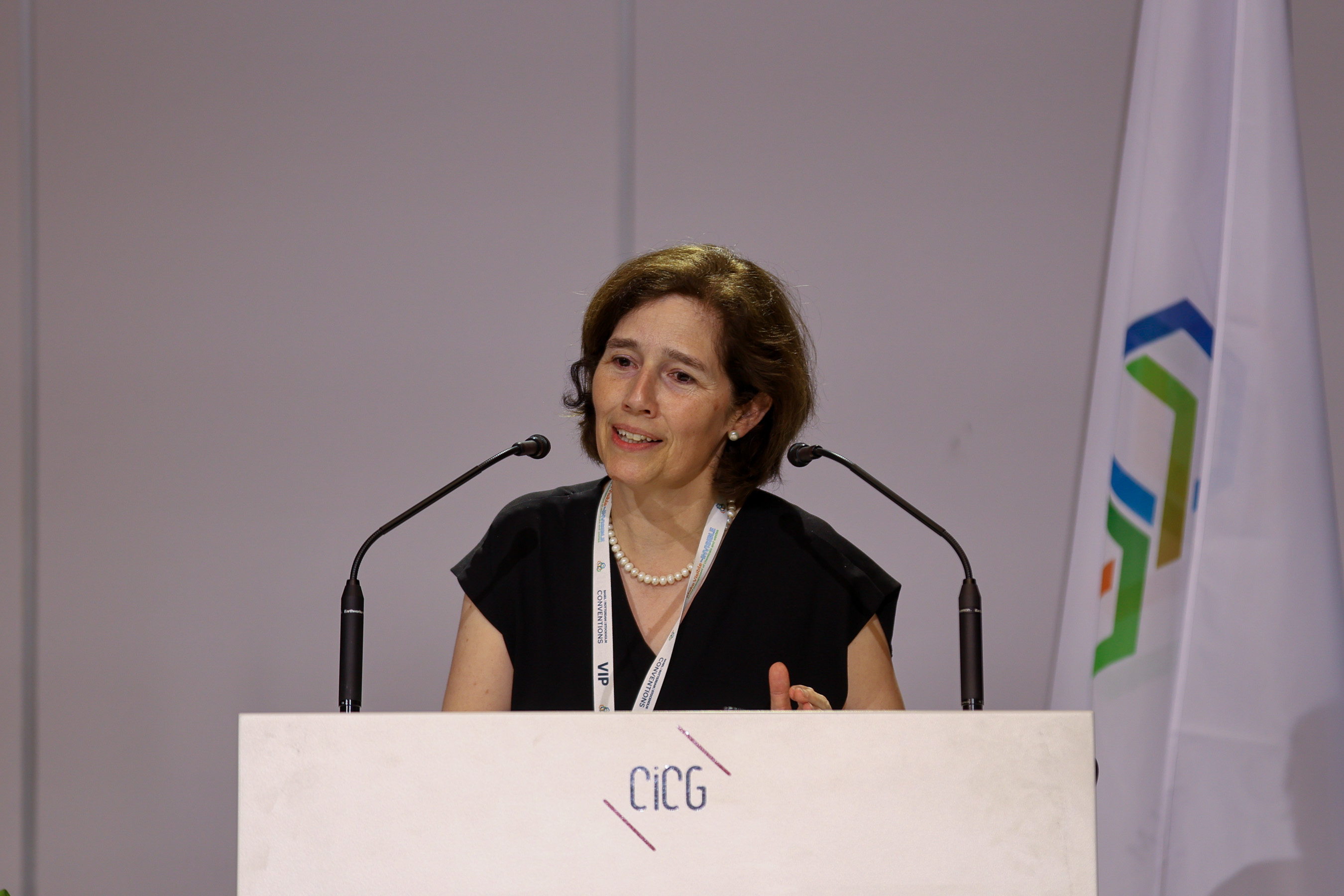
Maria Cristina Cárdenas-Fischer, BRS Conventions Secretariat
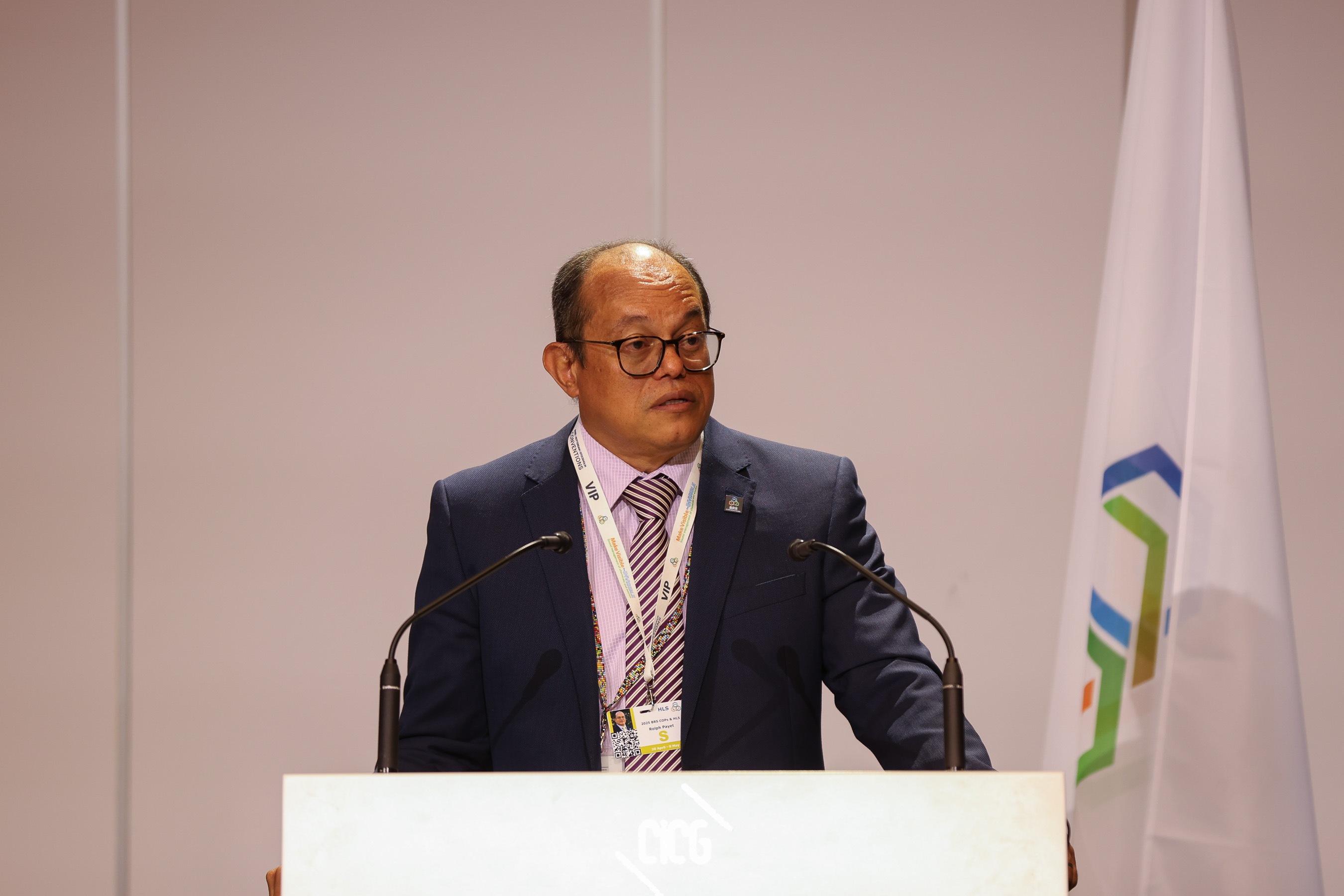
Rolph Payet, Executive Secretary, BRS Conventions
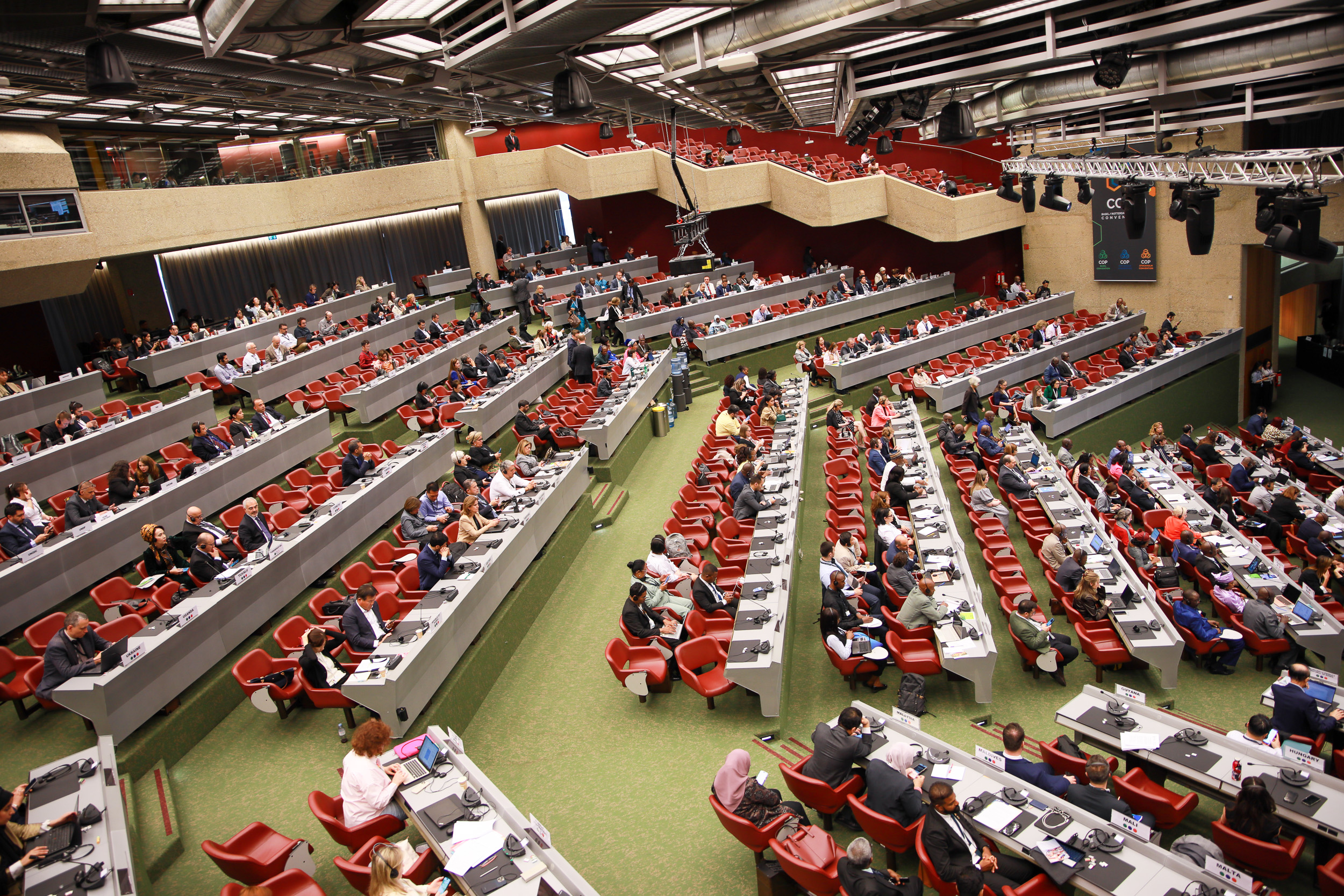
View of the room during the high-level session
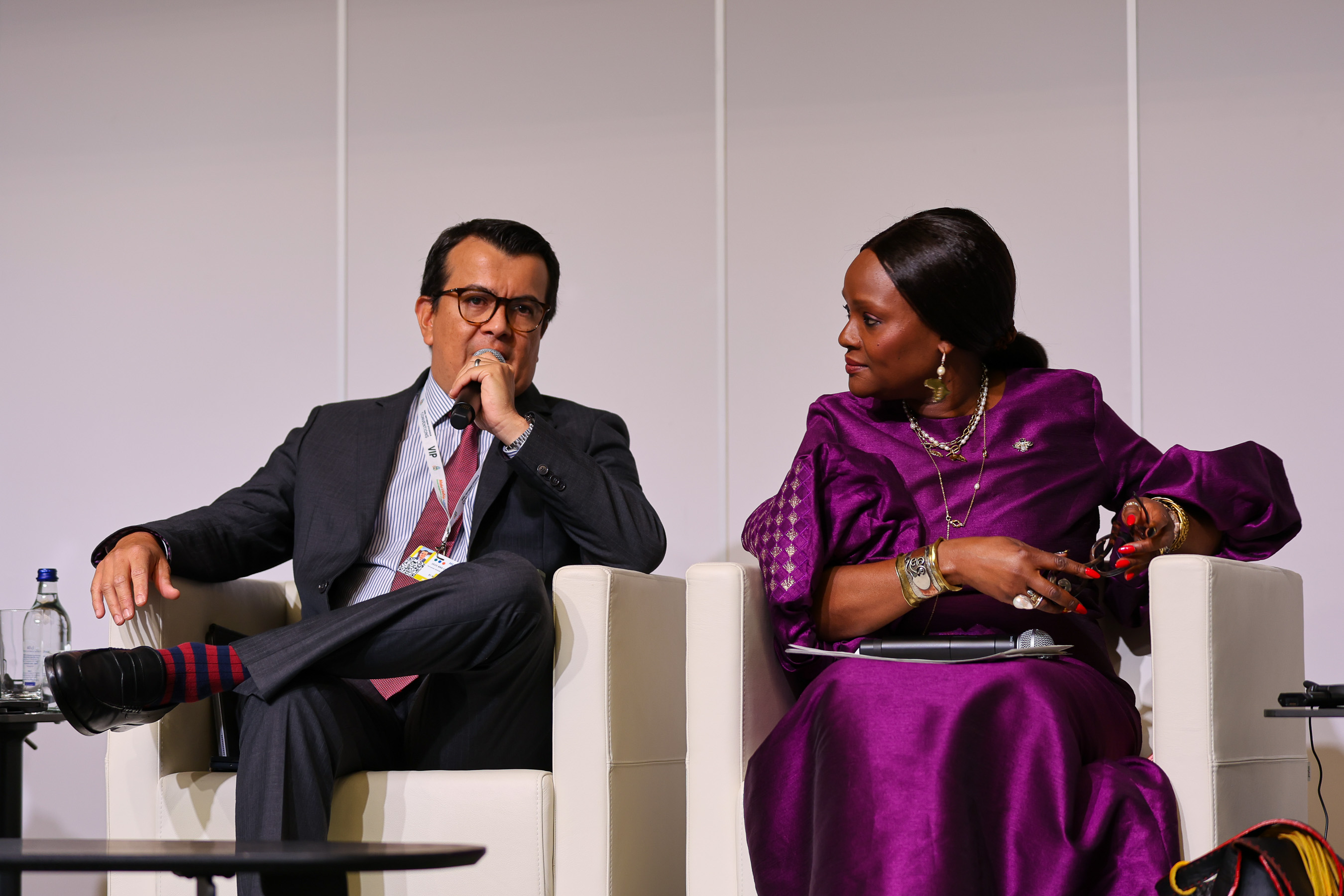
Fernando Andrés López Larreynaga, Minister of Environment and Natural Resources, El Salvador, and Musonda Mumba, Secretary General, Ramsar Convention on Wetlands
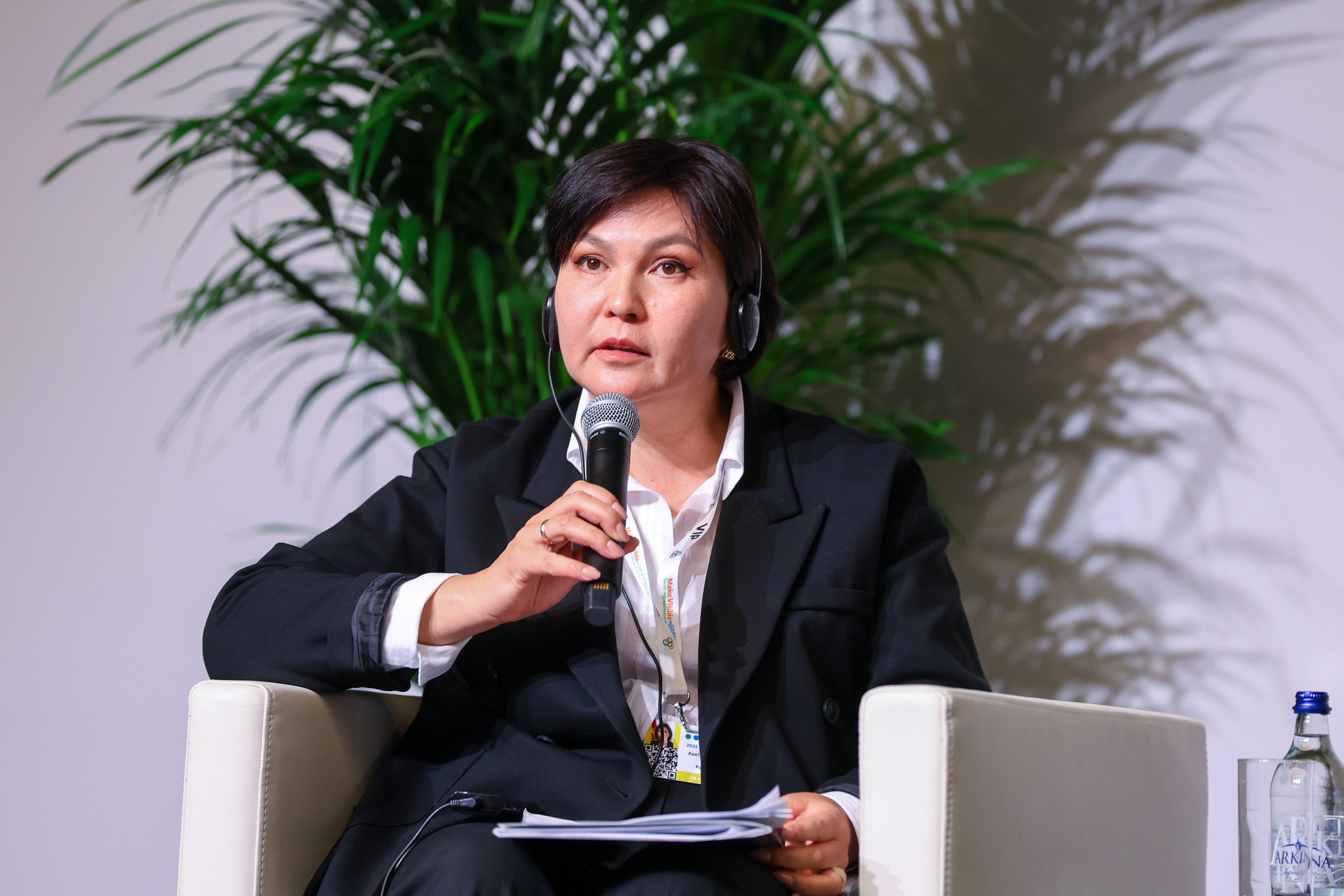
Asel Raimkulova, Deputy Minister of Natural Resources, Kyrgyzstan
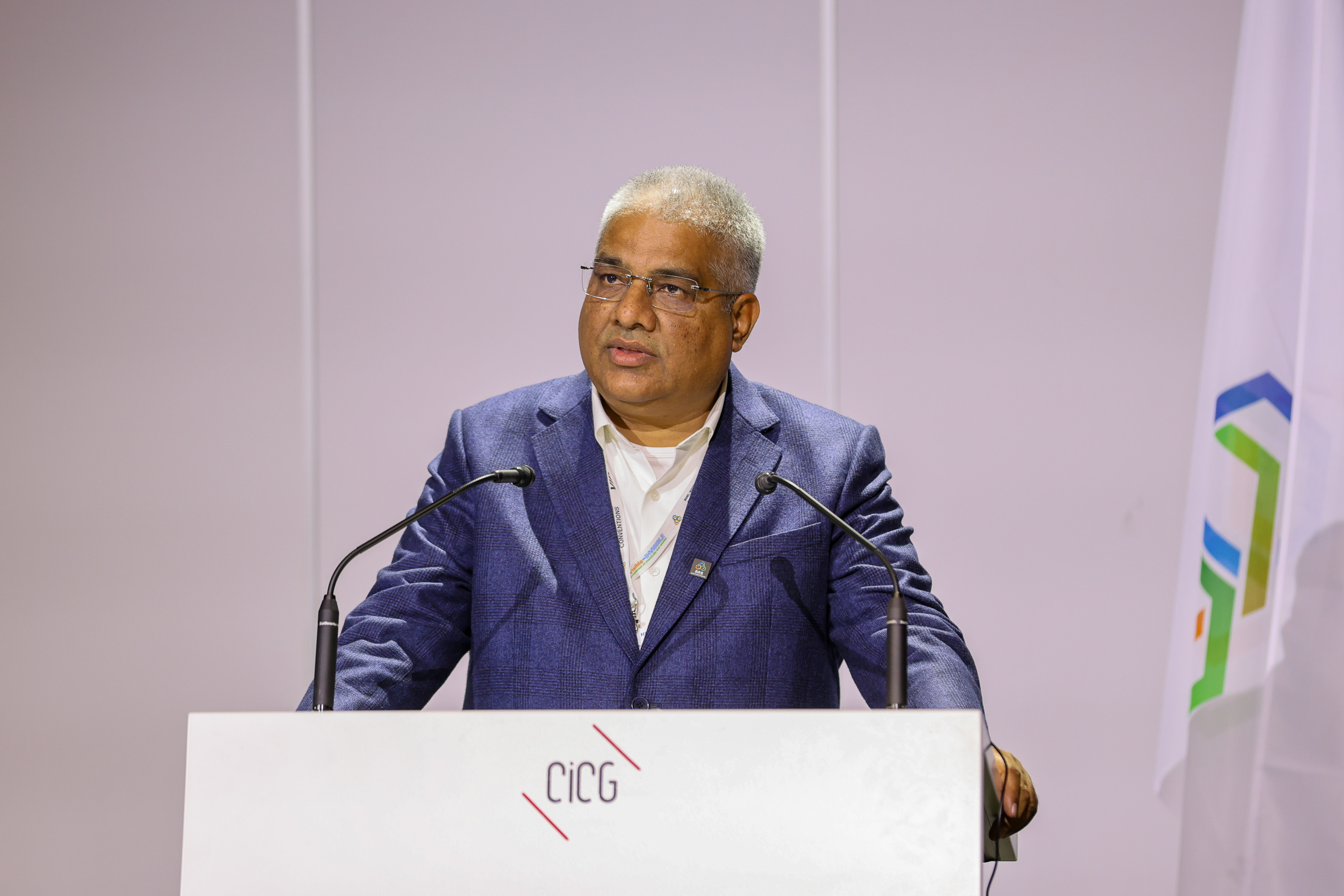
Bhupender Yadav, Minister of Environment, Forest and Climate Change, India
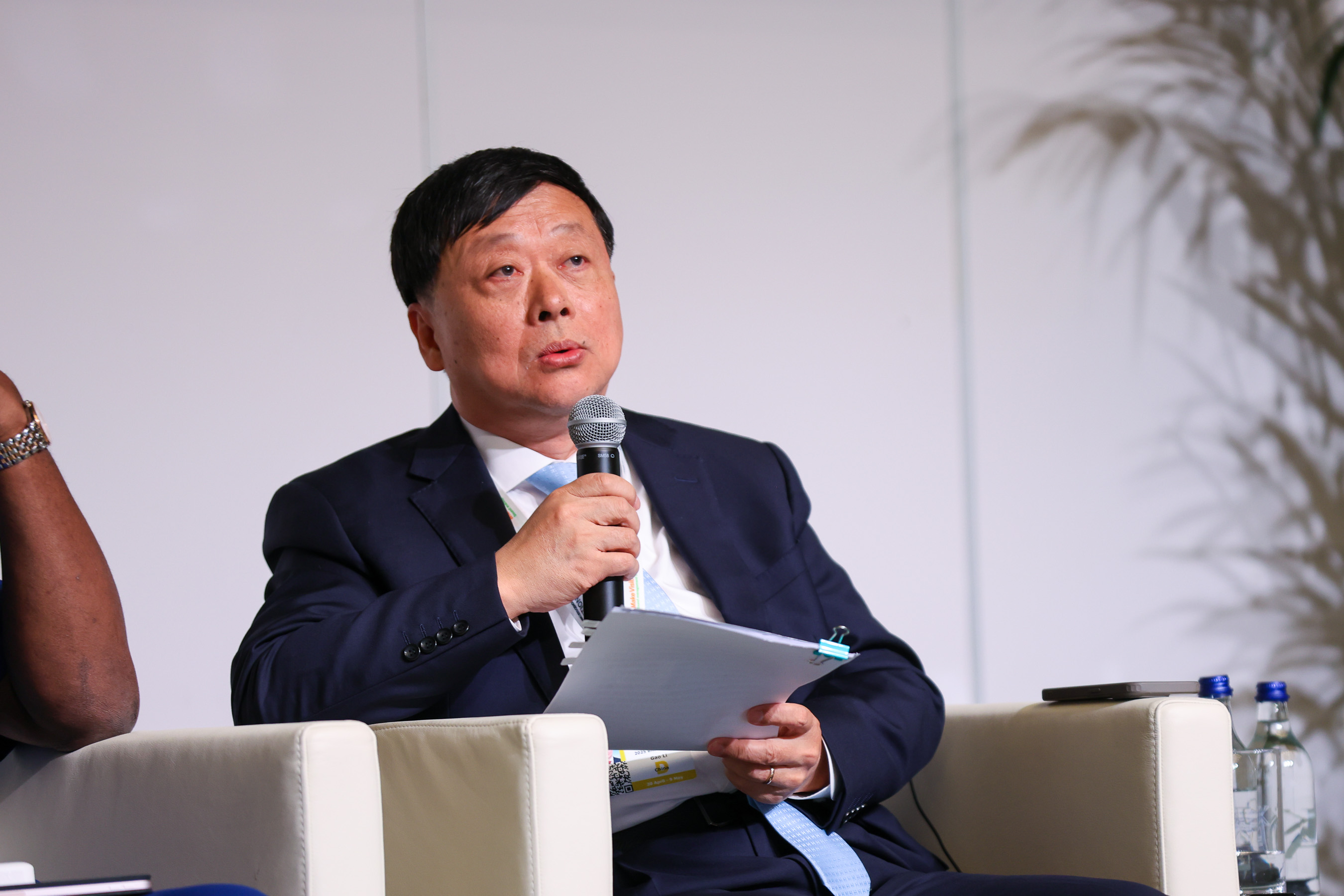
Li Gao, Vice Minister of the Ministry of Ecology and Environment, China
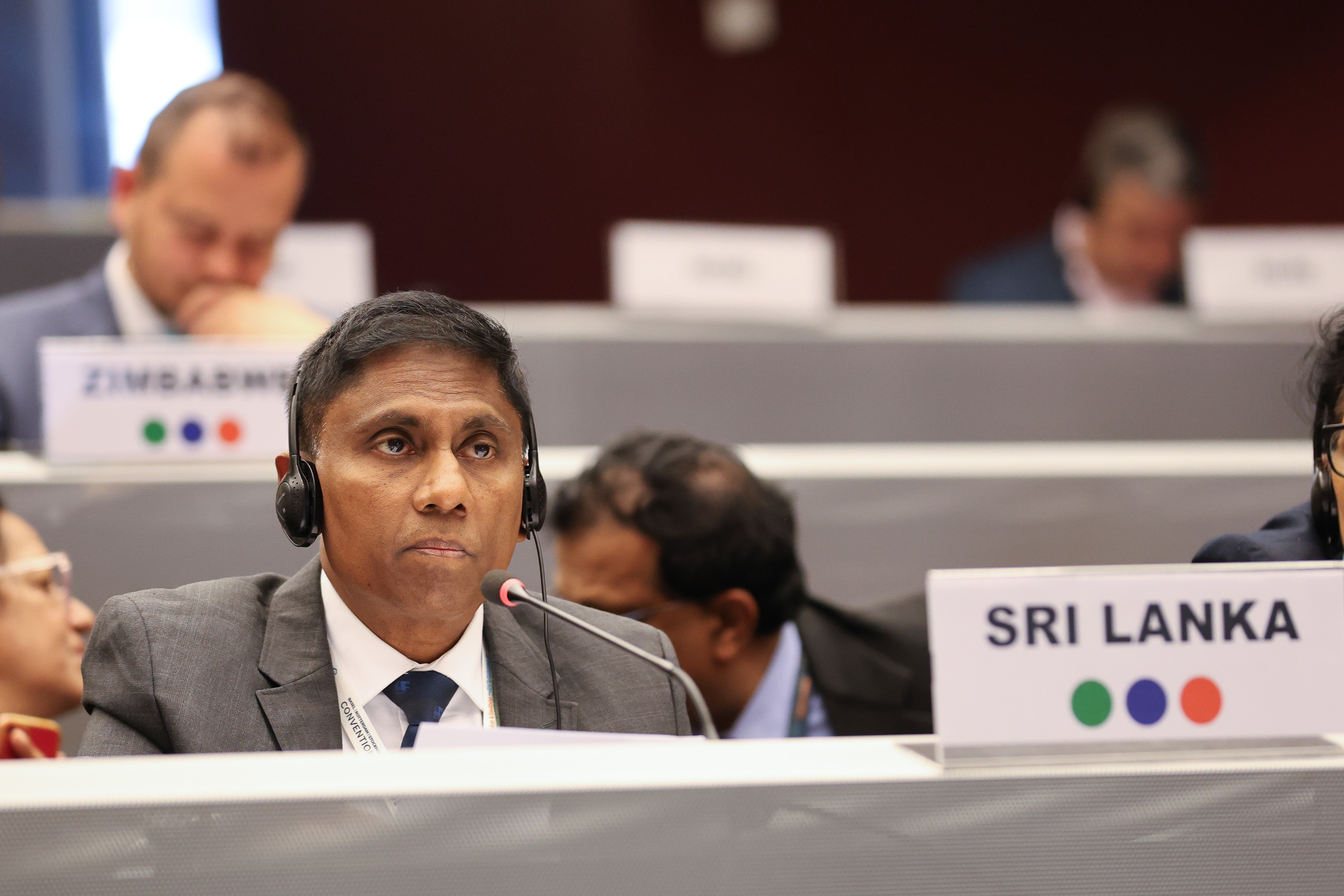
Kamal Rohitha Uduwawala, Secretary of the Ministry of Environment, Sri Lanka
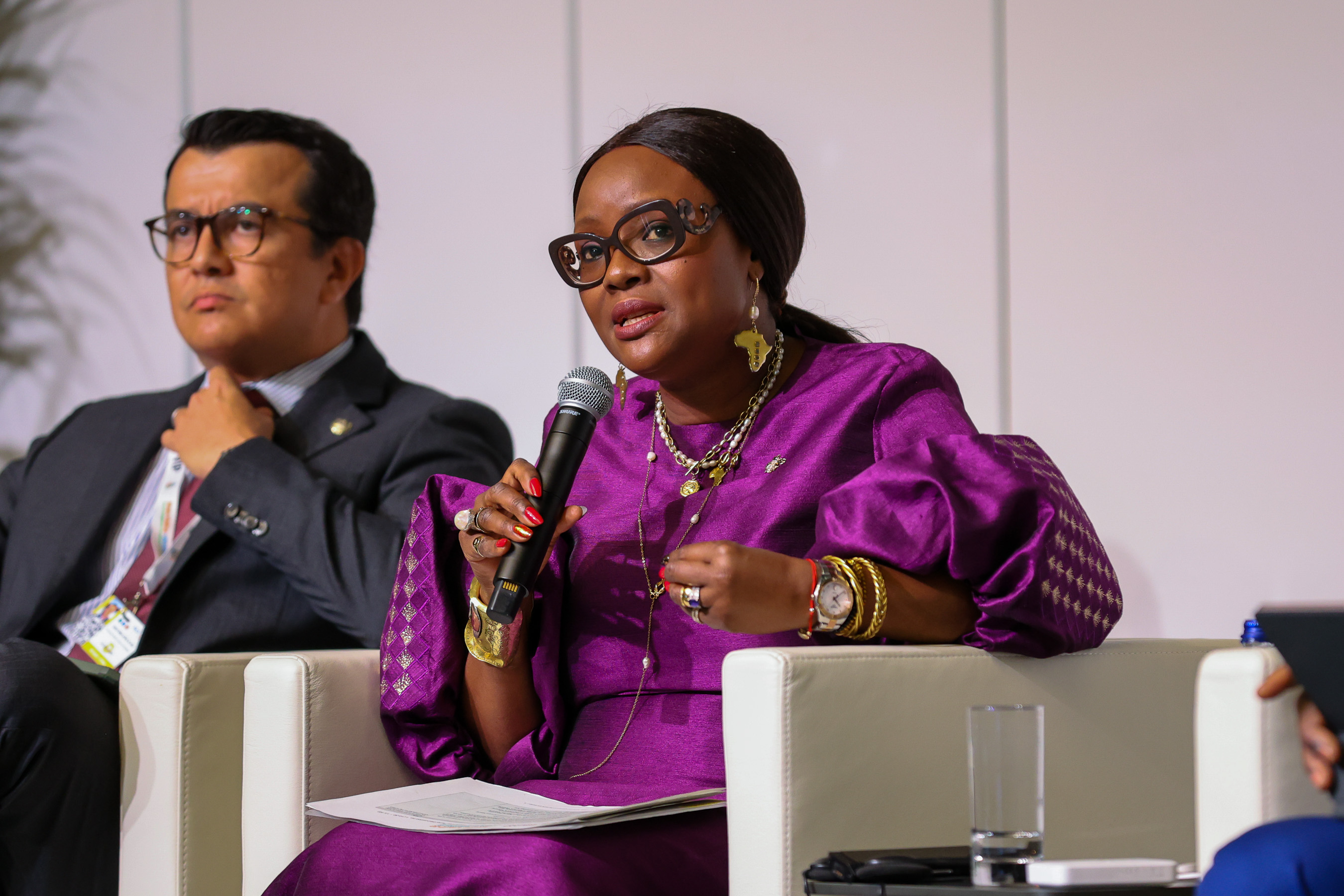
Musonda Mumba, Secretary General, Ramsar Convention on Wetlands
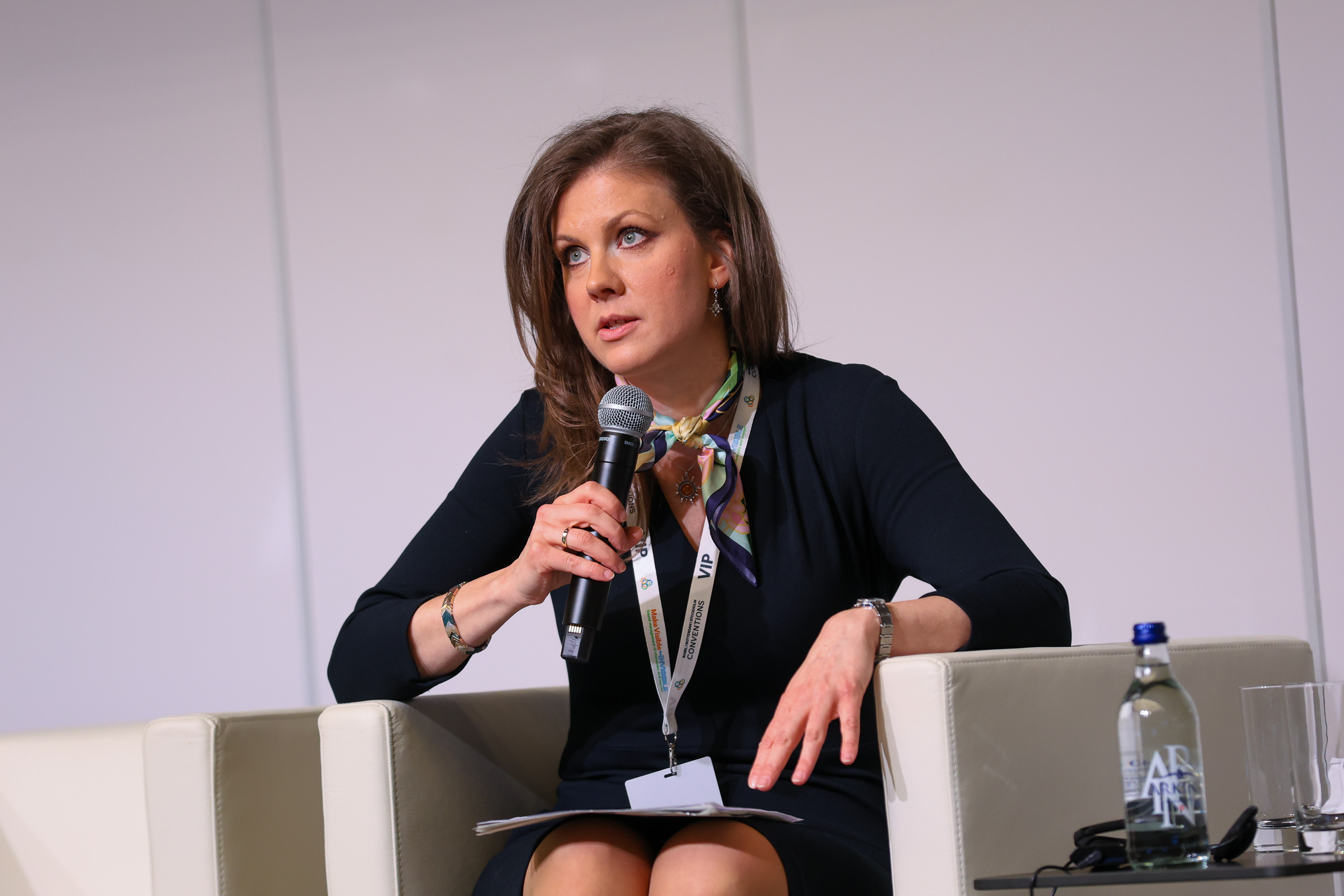
Anikó Raisz, State Secretary for Environmental Affairs and the Circular Economy, Ministry of Energy, Hungary
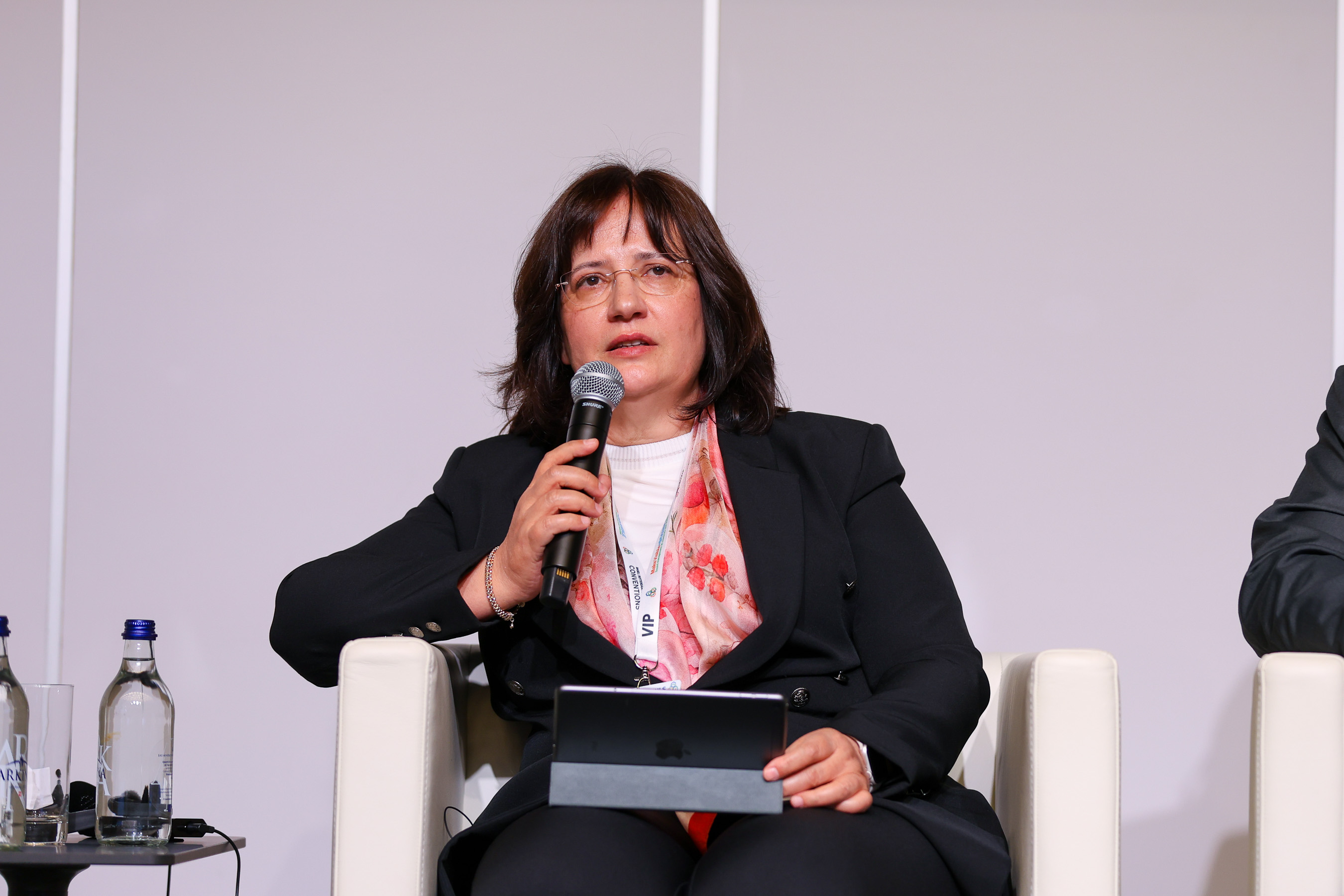
Fatma Varank, Deputy Minister of Environment, Urbanization, and Climate Change, Türkiye
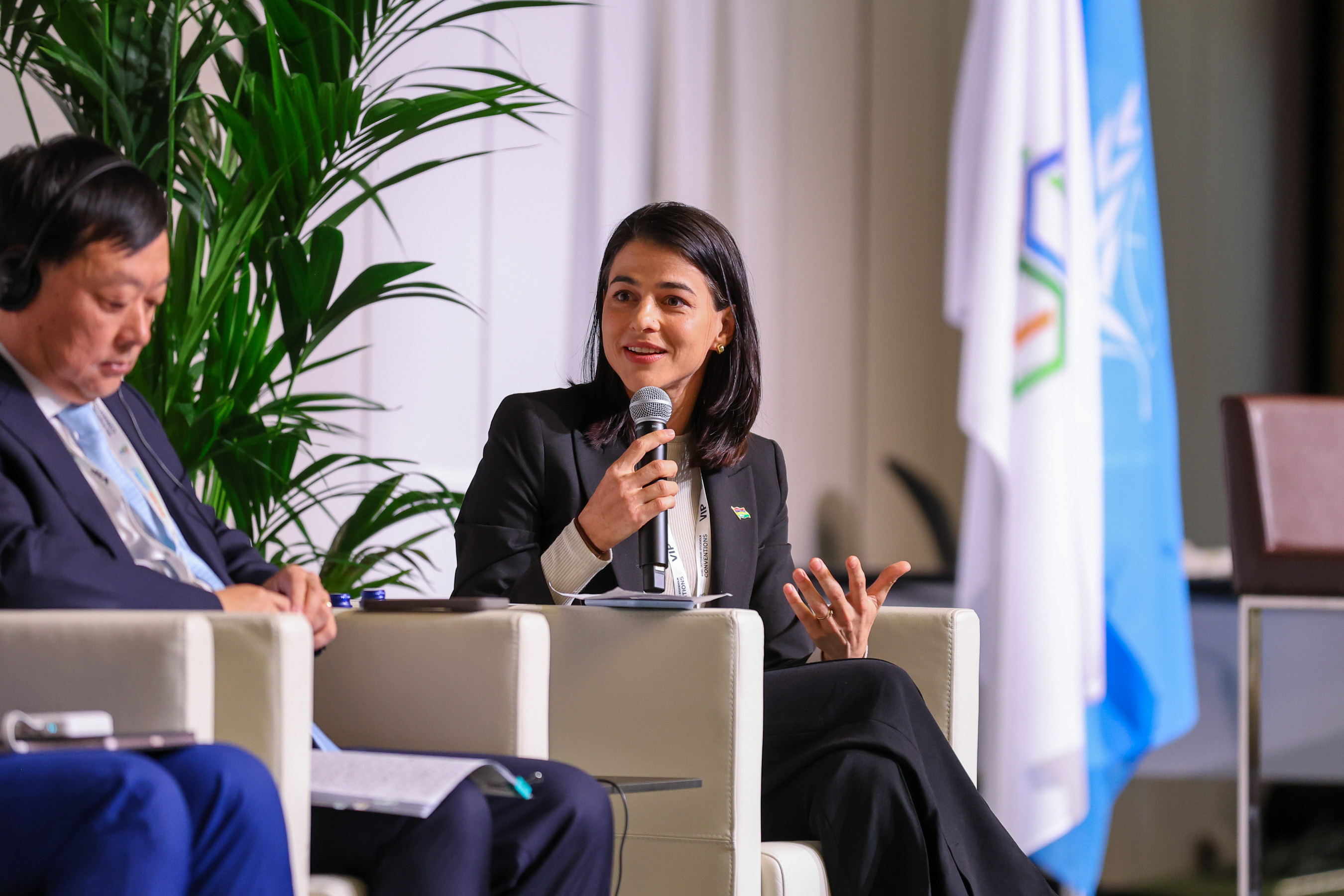
Joanna Bérenger, Junior Minister of Environment, Solid Waste Management, and Climate Change, Mauritius
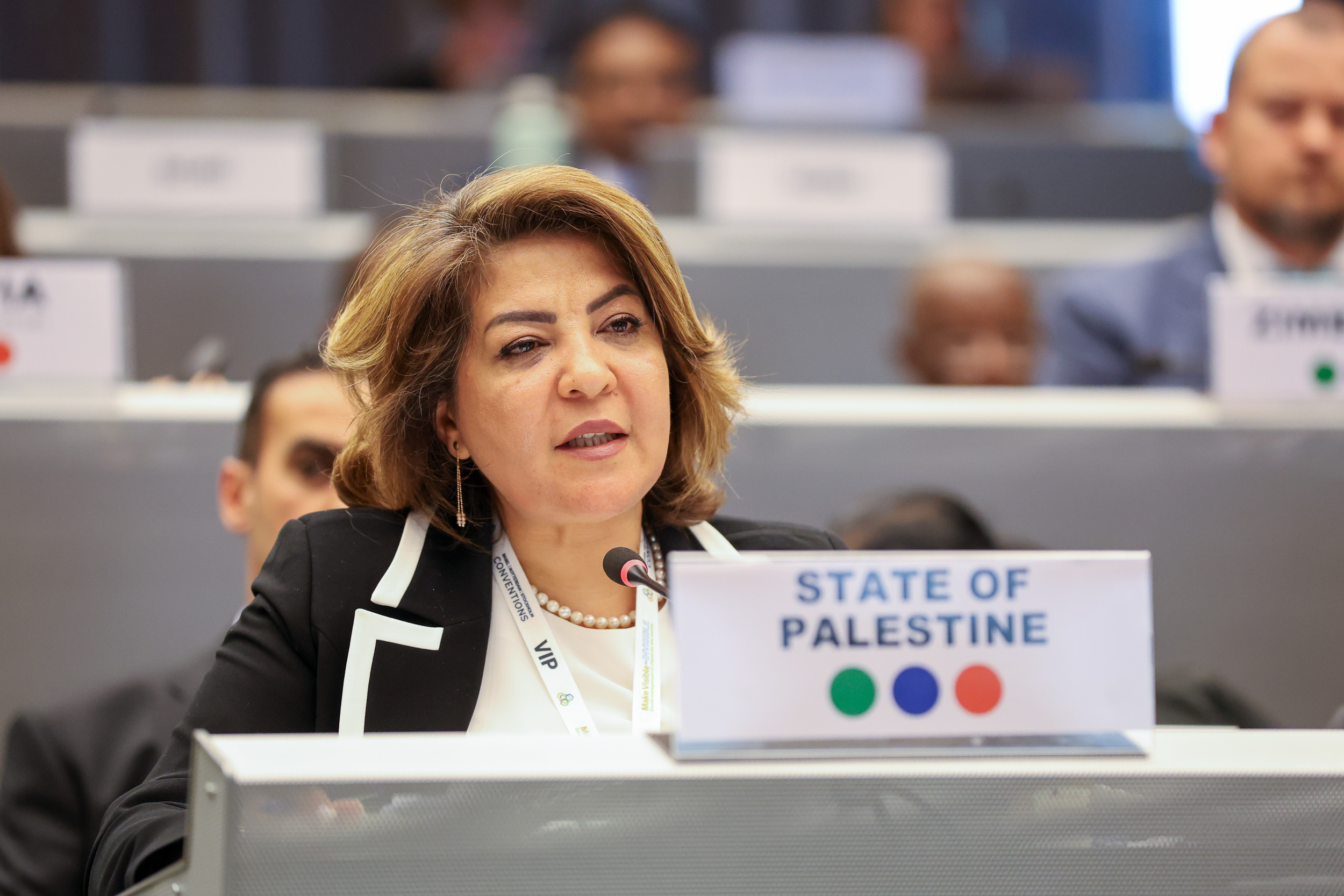
Nisreen Al-Tamimi, Chairman, Environment Quality Authority, Palestine
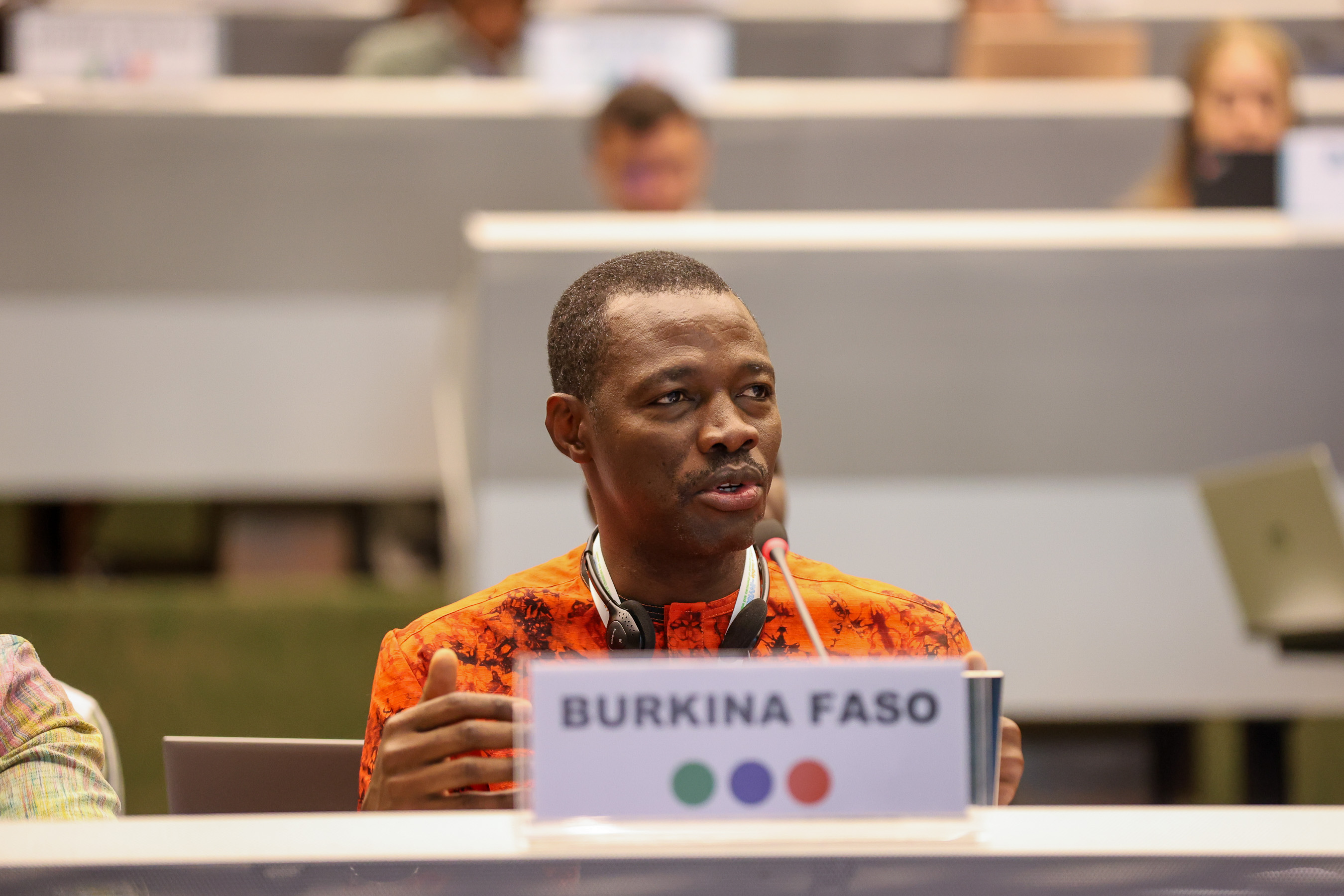
Roger Baro, Minister of the Environment, Water, and Sanitation, Burkina Faso
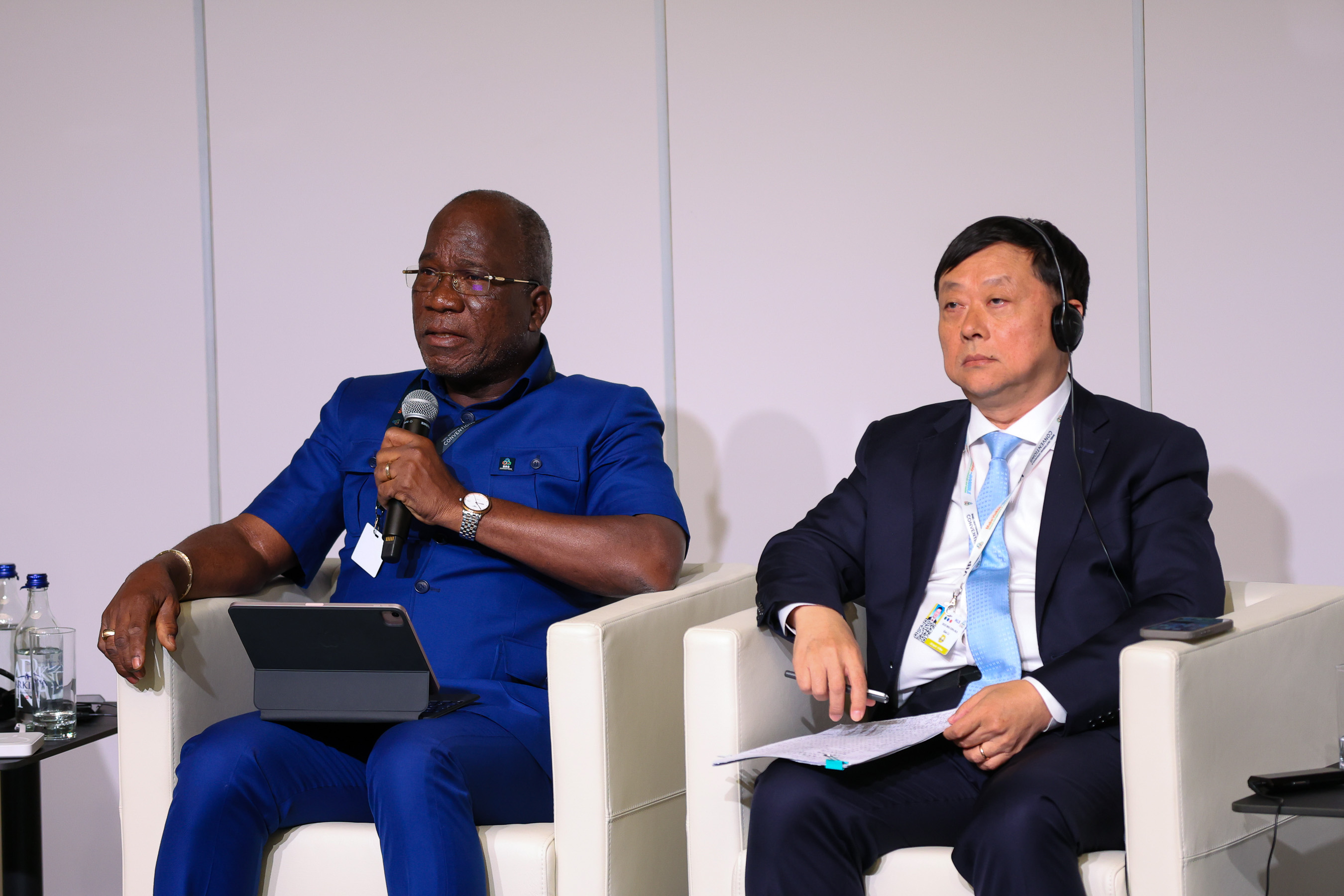
Jacques Assahoré Konan, Minister of the Environment, Sustainable Development and Ecological Transition, Côte d'Ivoire, and Li Gao, Vice Minister of the Ministry of Ecology and Environment, China

Devika Vidot, Minister of Investment, Entrepreneurship and Industry, Seychelles
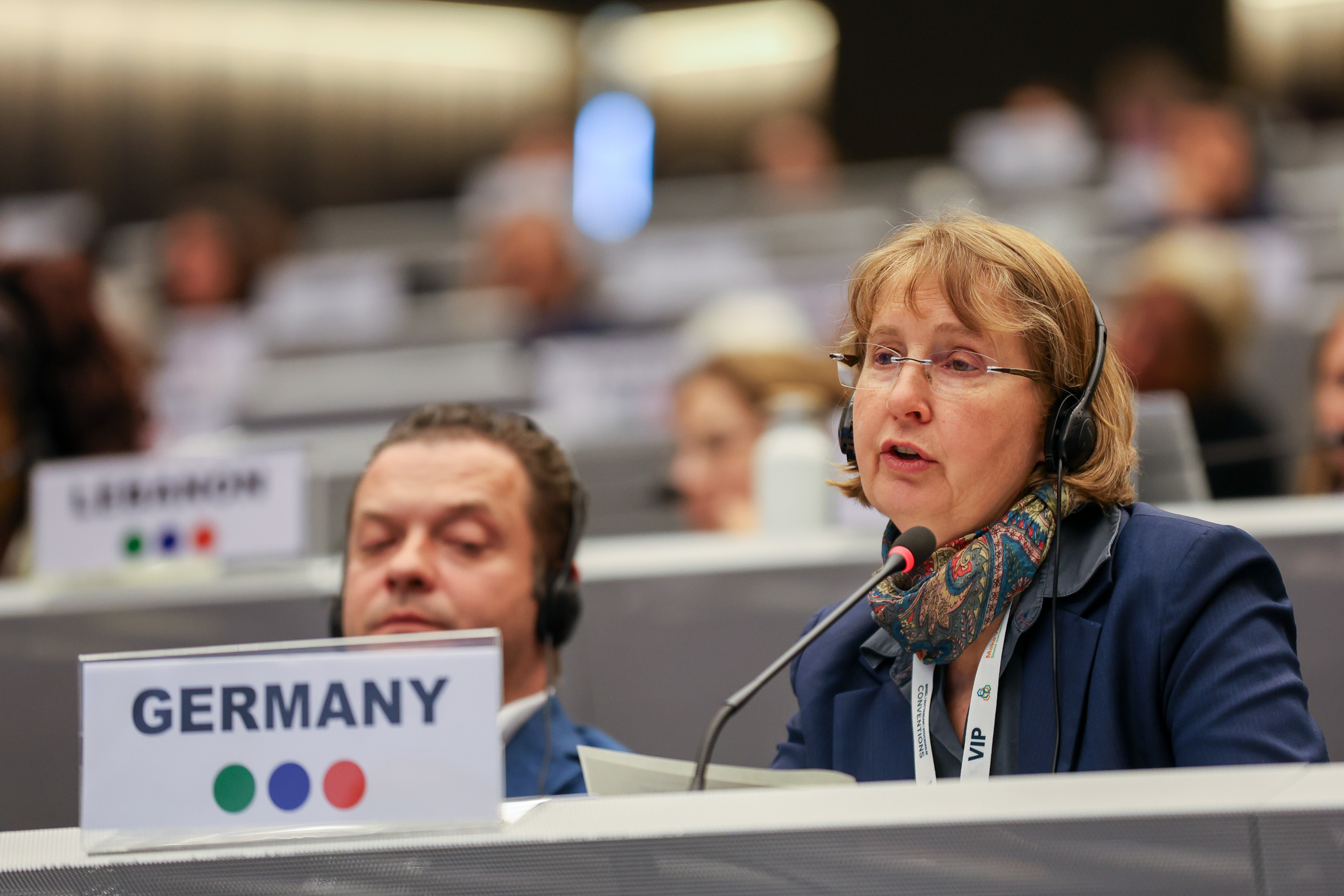
Christiane Rohleder, State Secretary, Federal Ministry of the Environment, Nature Conservation, Nuclear Safety and Consumer Protection, Germany
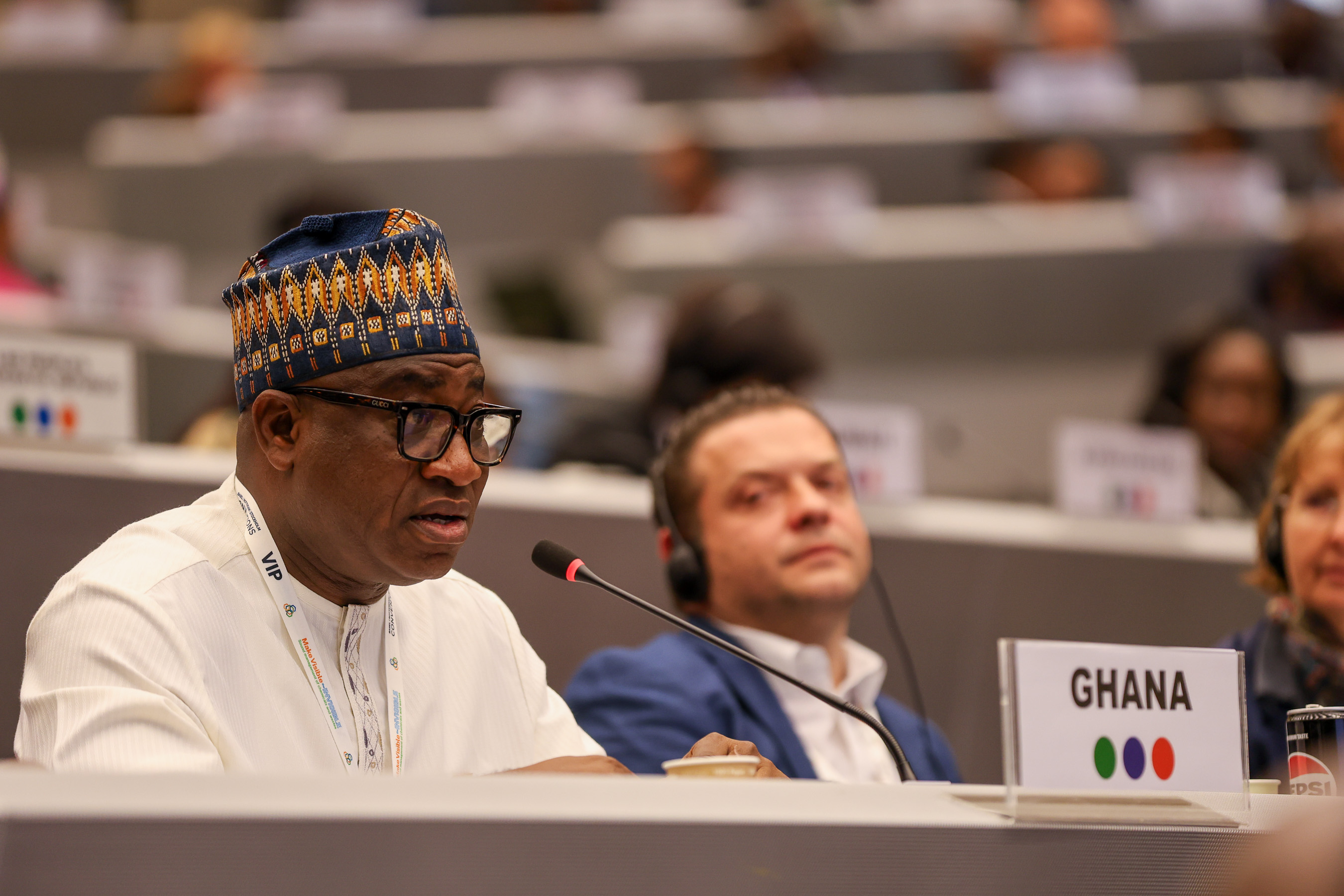
Ibrahim Murtala Muhammed, Minister for Environment, Science, Technology, and Innovation, Ghana
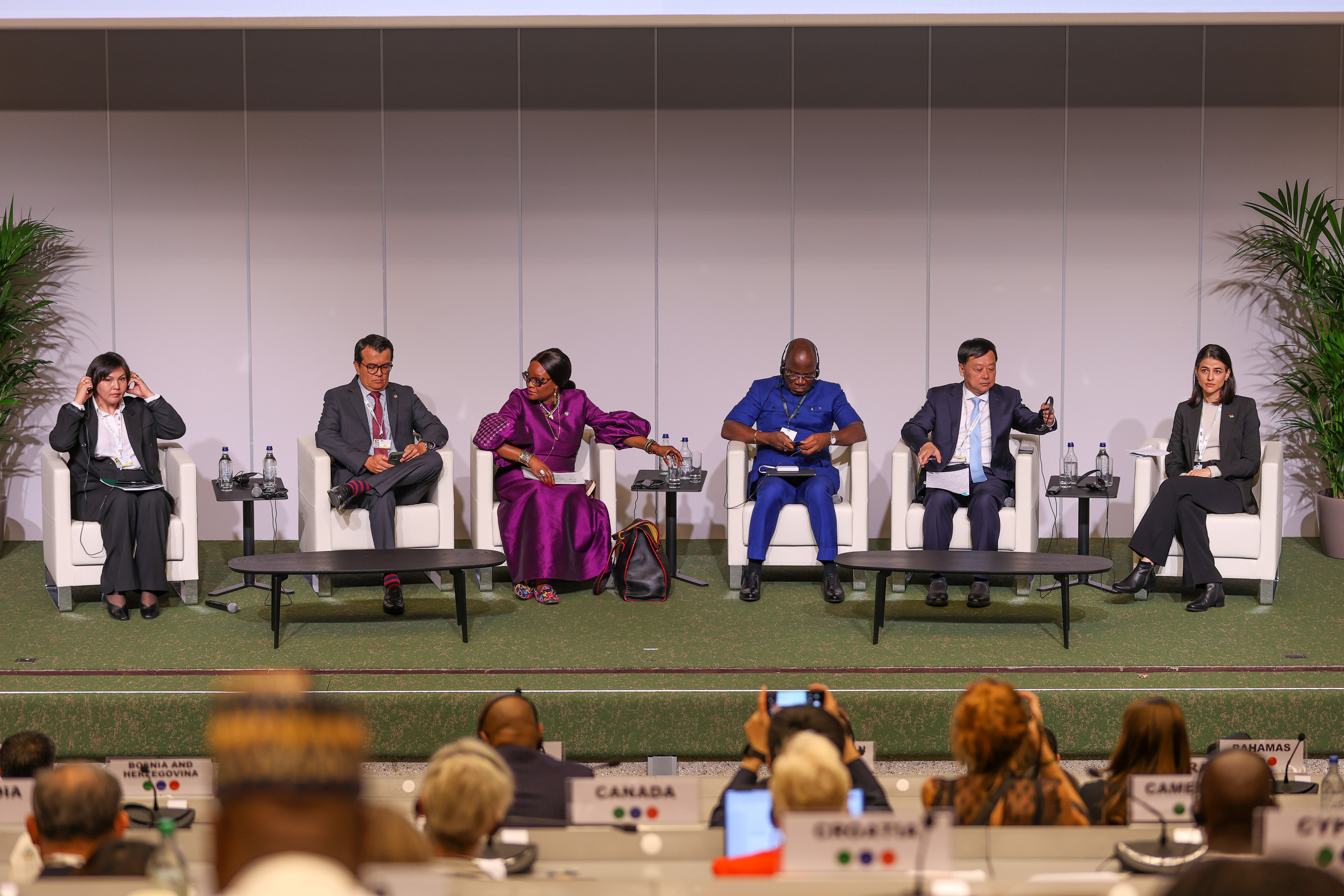
From L-R: Asel Raimkulova, Deputy Minister of Natural Resources, Kyrgyzstan; Fernando Andrés López Larreynaga, Minister of Environment and Natural Resources, El Salvador; Musonda Mumba, Secretary General, Ramsar Convention on Wetlands; Jacques Konan Assahoré, Minister of the Environment, Sustainable Development and Ecological Transition, Côte d'Ivoire; Li Gao, Vice Minister of the Ministry of Ecology and Environment, China; and Joanna Bérenger, Junior Minister of Environment, Solid Waste Management, and Climate Change, Mauritius
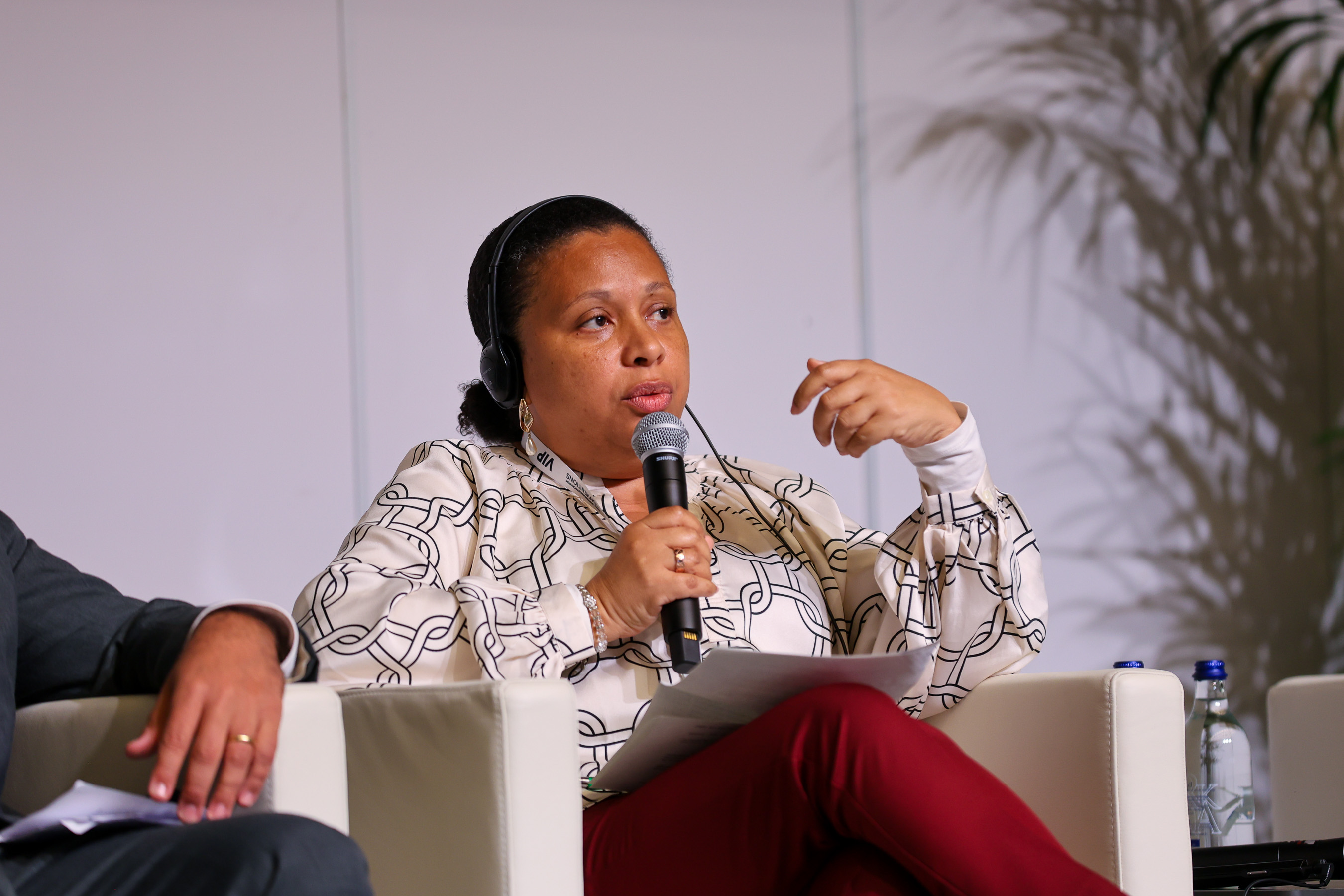
Nilda Borges da Mata, Minister of Environment, São Tomé and Príncipe

Musadik Masood Malik, Minister of Energy, Pakistan
Plenary Sessions
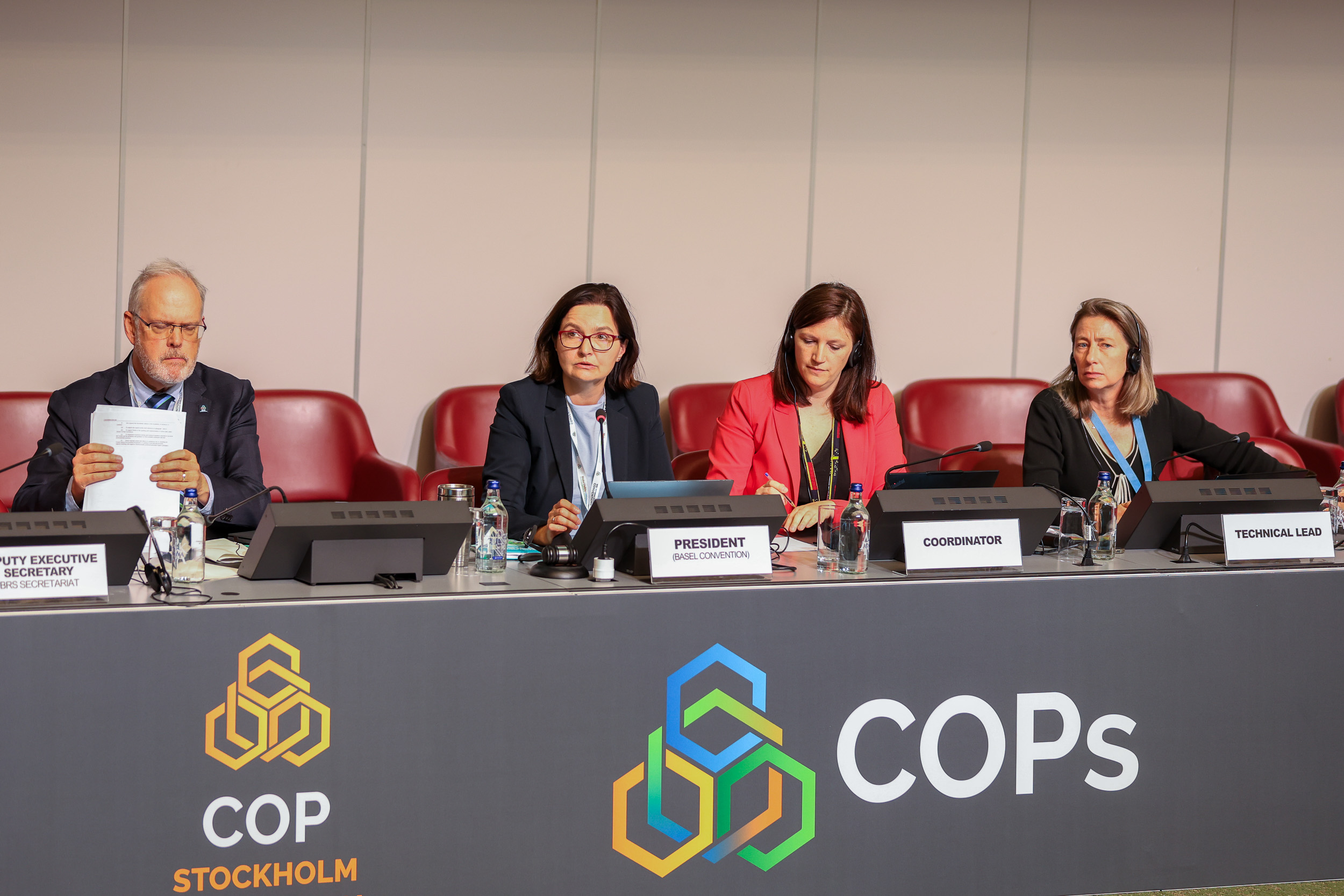
View of the dais during the Basel Convention plenary session

Stockholm Convention COP12 President Maya Berci
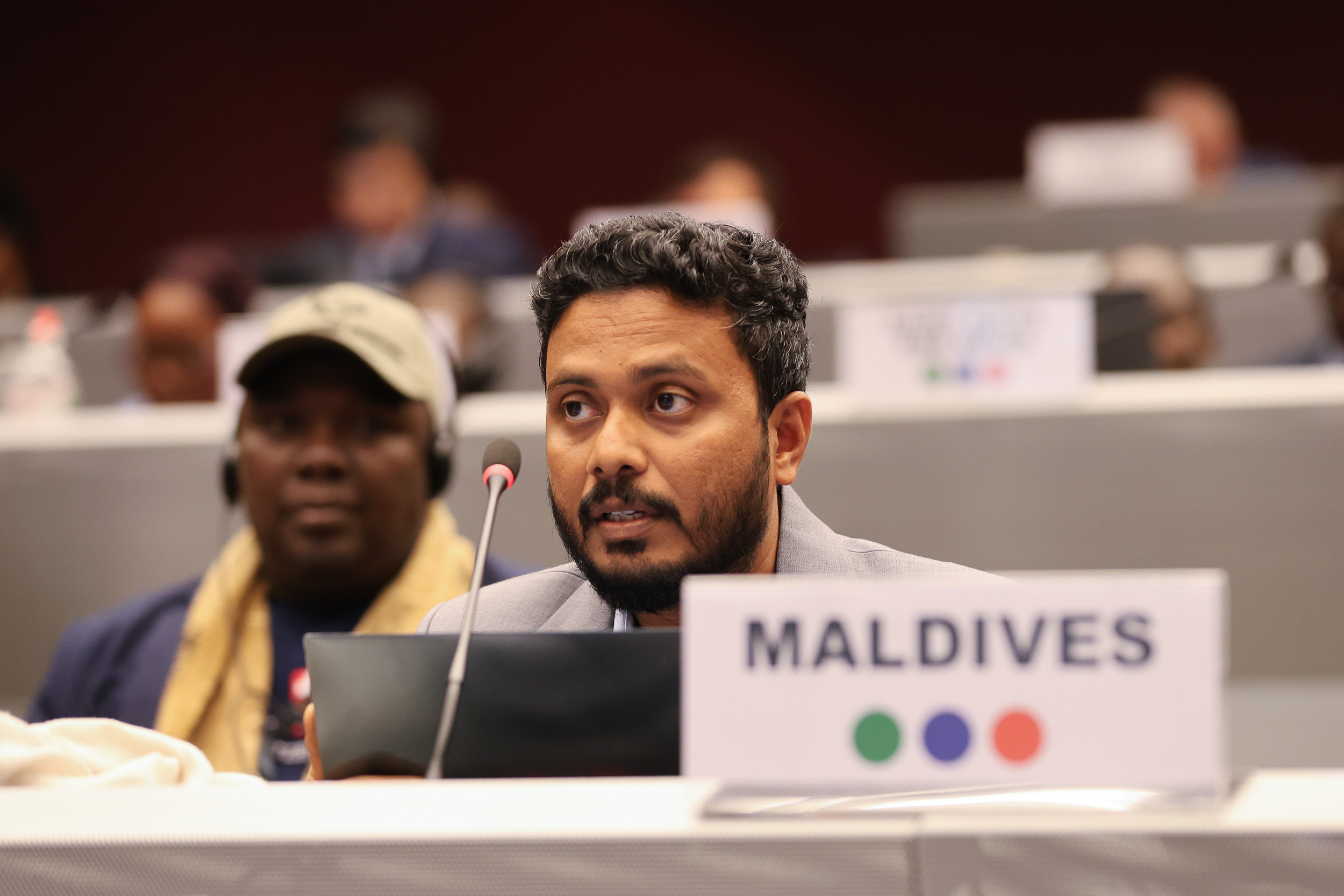
Hassan Azhar, Maldives


Boatametse Modukanele, Botswana

Suresh Amichand, Guyana

Leonard Leswam Tampushi, Kenya
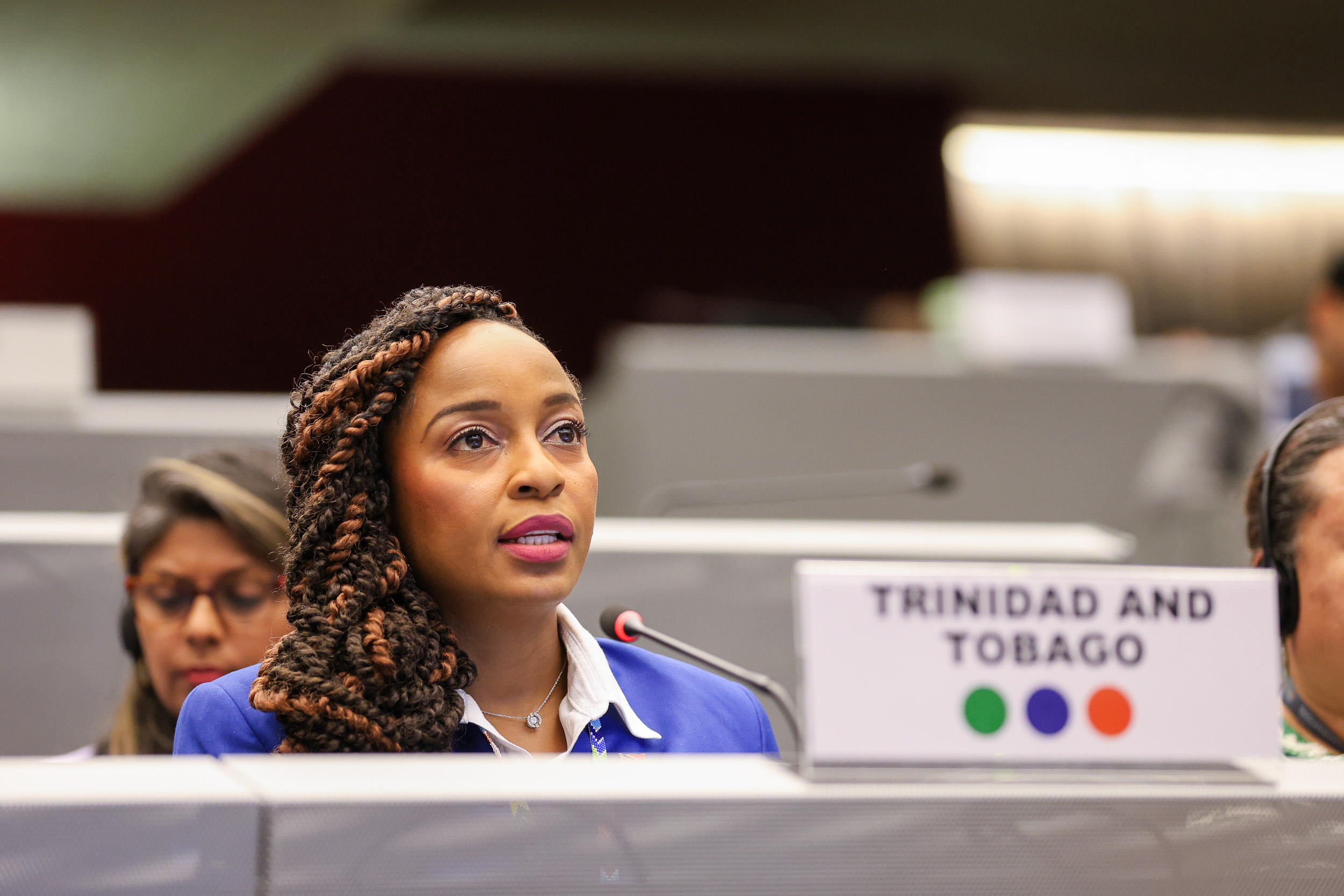
Keima Gardiner, Trinidad and Tobago
Contact Groups

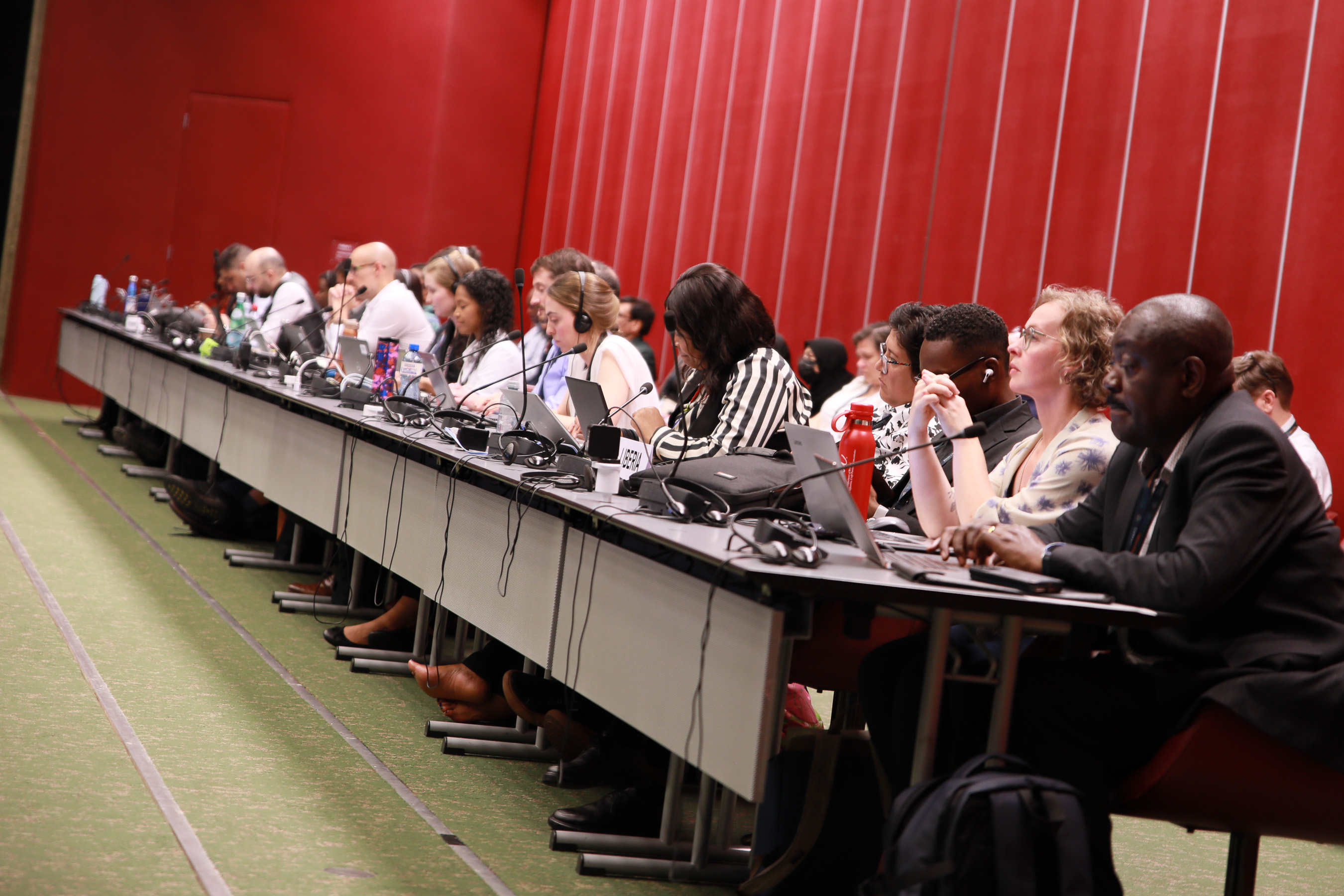
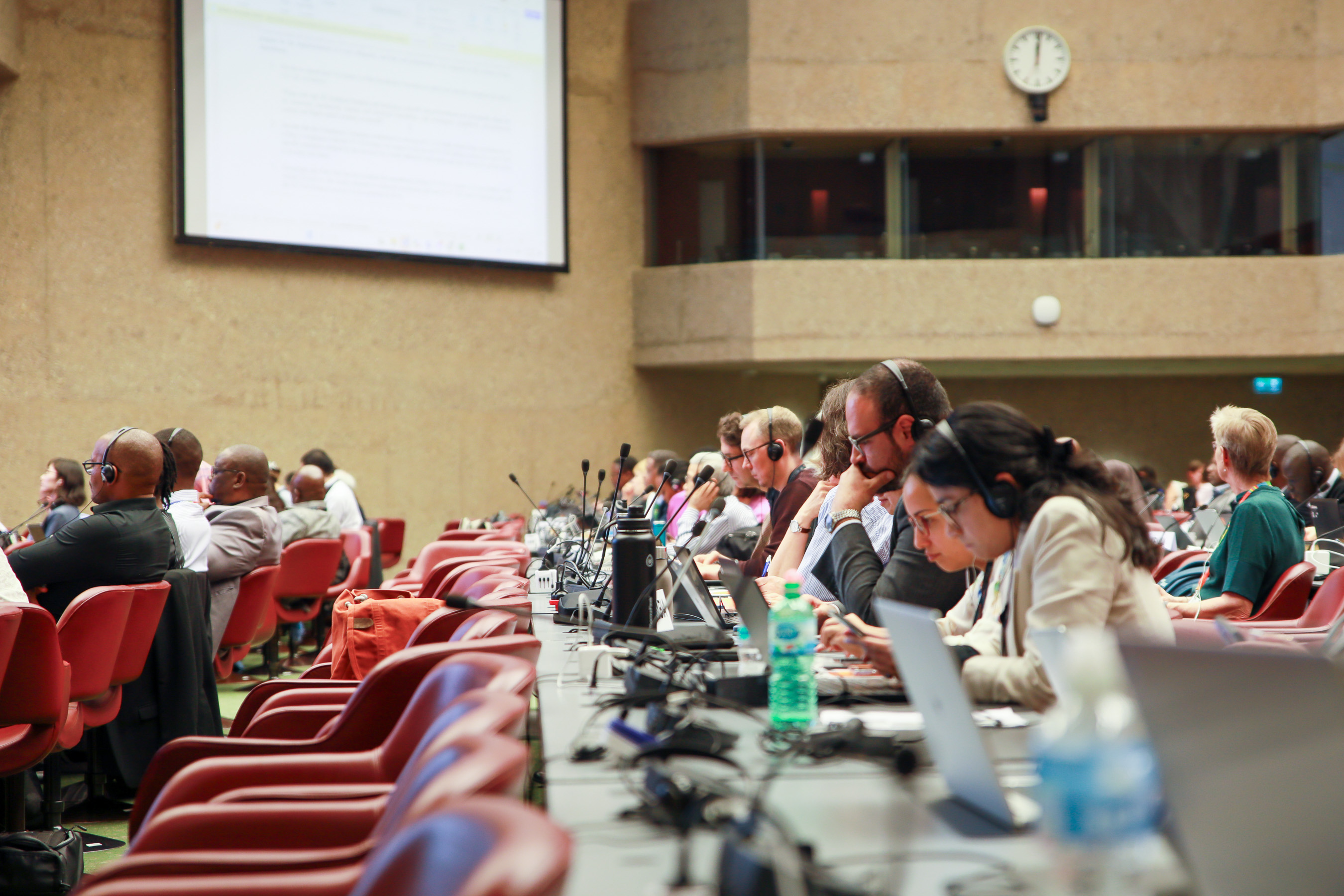
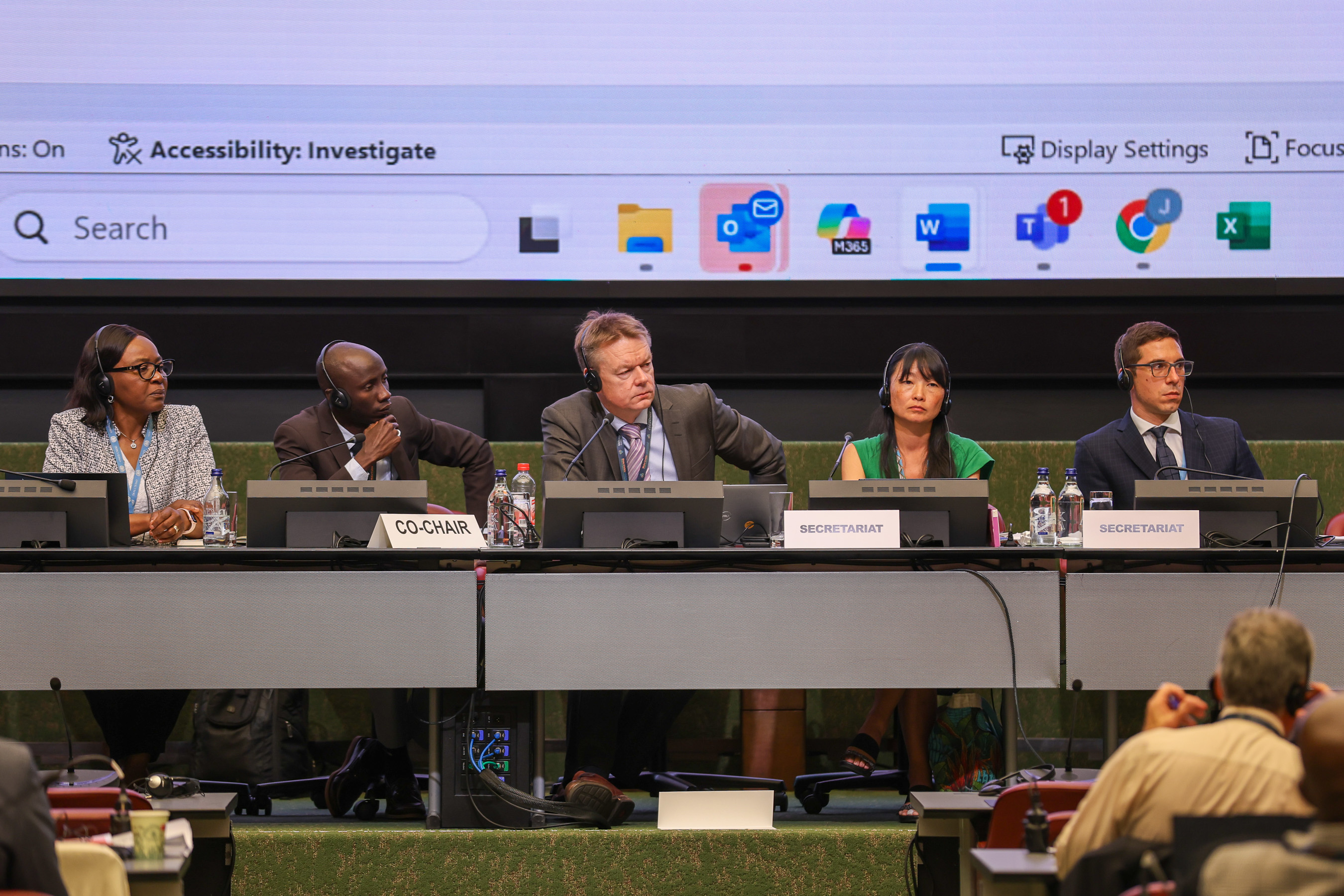
View of the dais during a Contact Group on the Stockholm Convention listing of chemicals
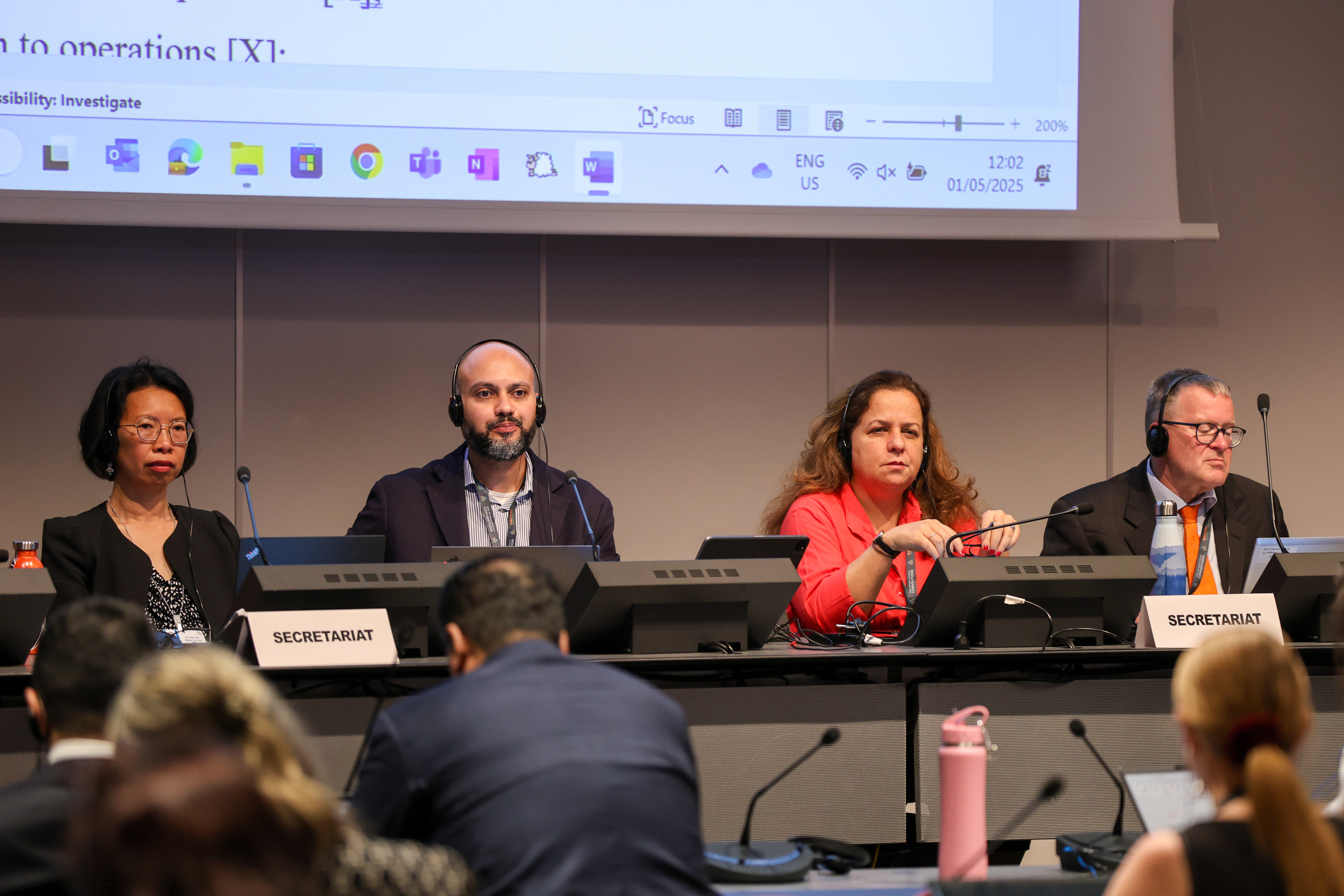
View of the dais during a Contact Group on Basel Convention legal matters
Between Sessions

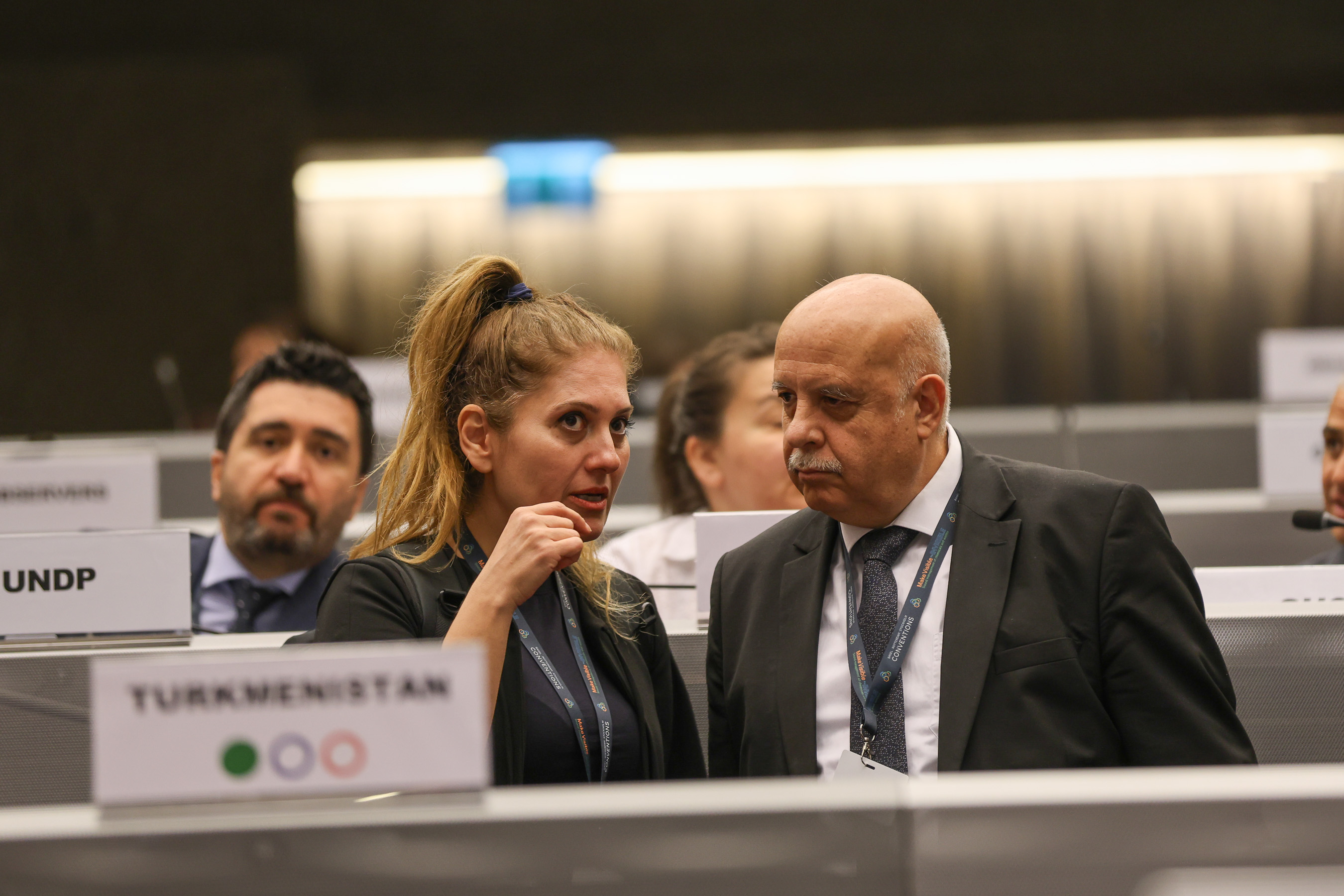

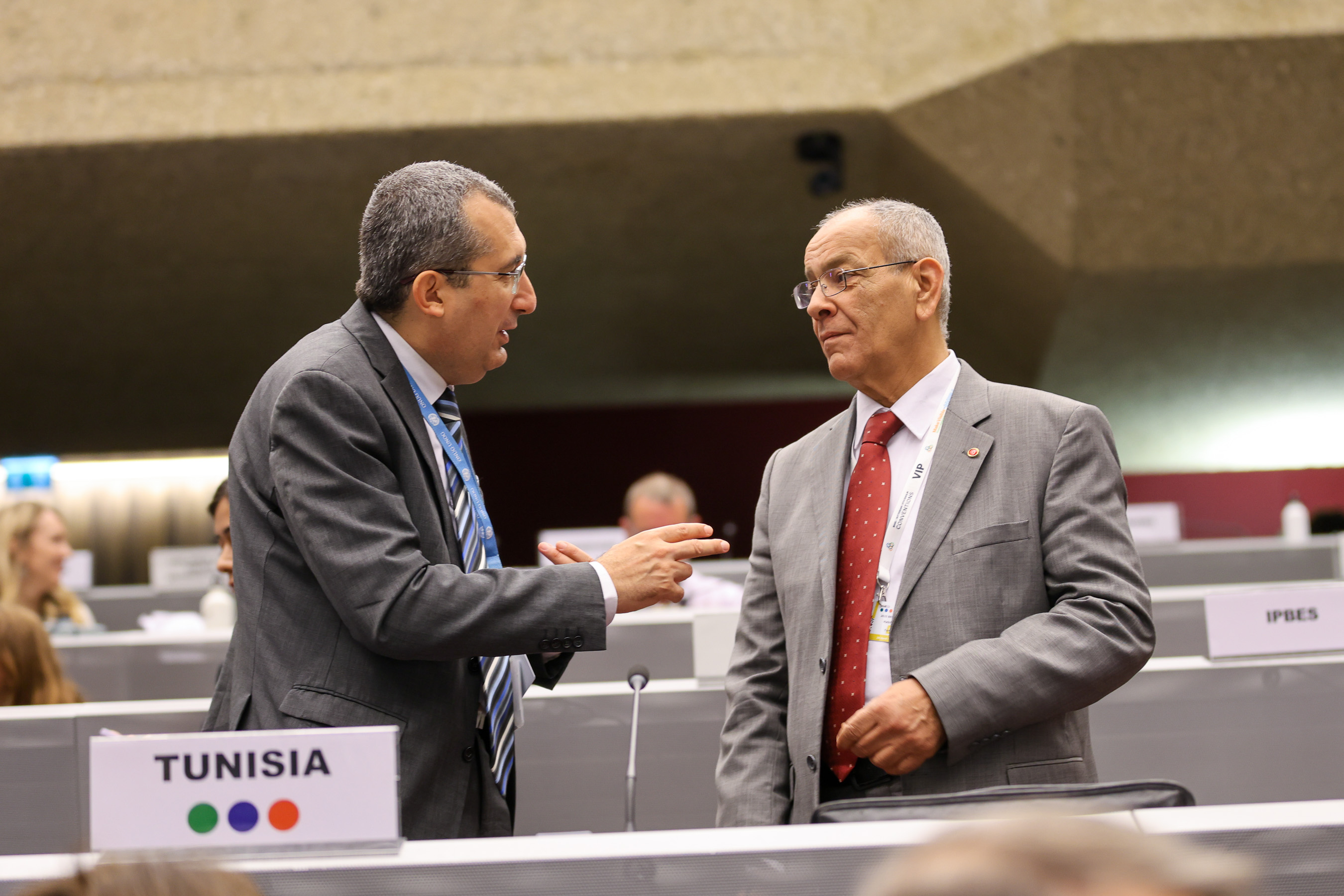
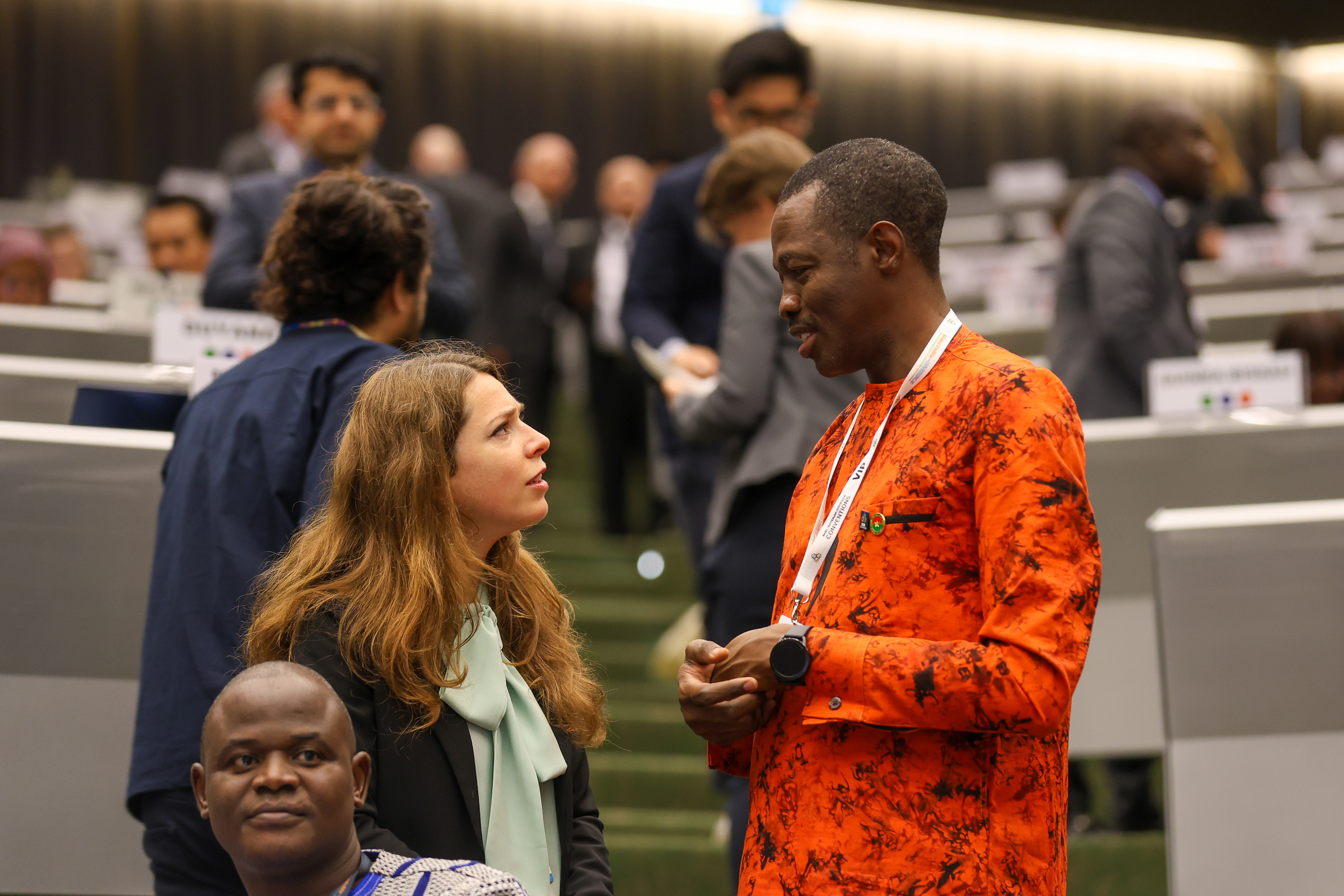

Eliminating the Invisible: Launch of the GEF’s Global Elimination Programme for PCB
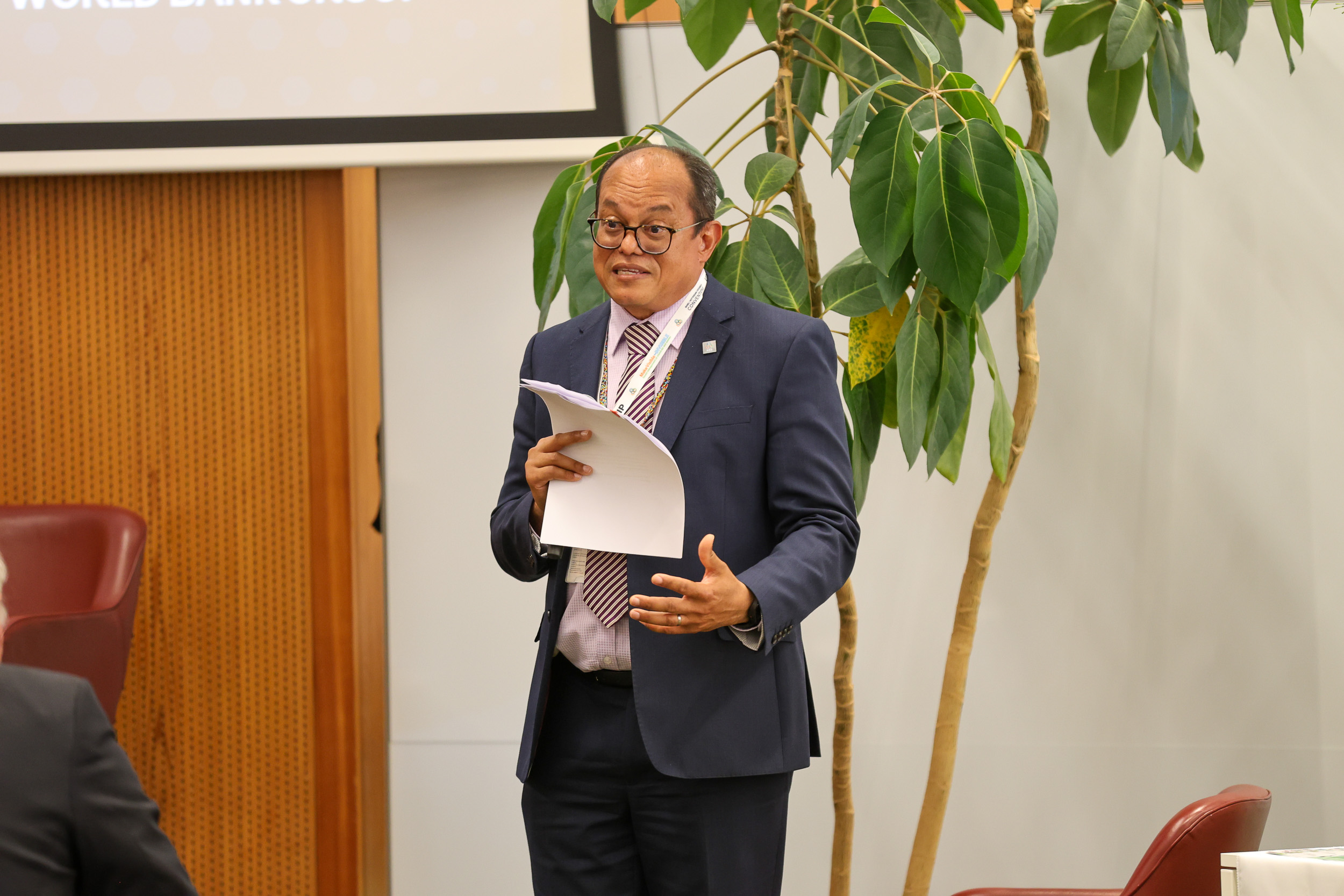
Rolph Payet, Executive Secretary, BRS Conventions

Paul Speight, Head of the Safe and Sustainable Chemicals Unit, European Commission

Jacqueline Alvarez, UNEP

Juergen Voegele, Vice-President for Sustainable Development, World Bank

Adalberto Maluf, National Secretary of Urban Environment and Environmental Quality, Brazil

Agustin Harte, BRS Conventions Secretariat
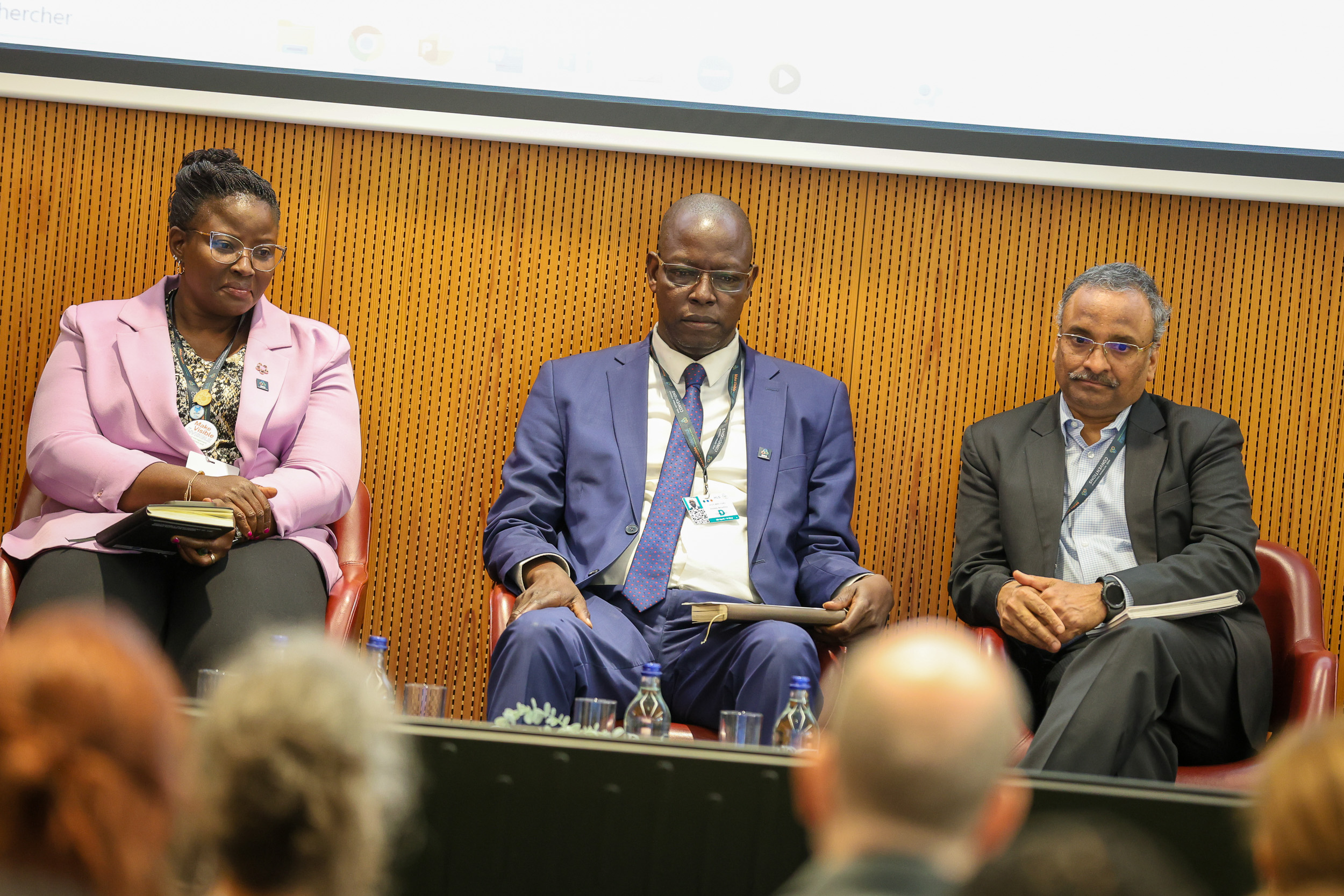
From L-R: Caroline Aguti, Uganda; Joswa Aoudou, Cameroon; and Harinath Sesha Appalarajugari, World Bank
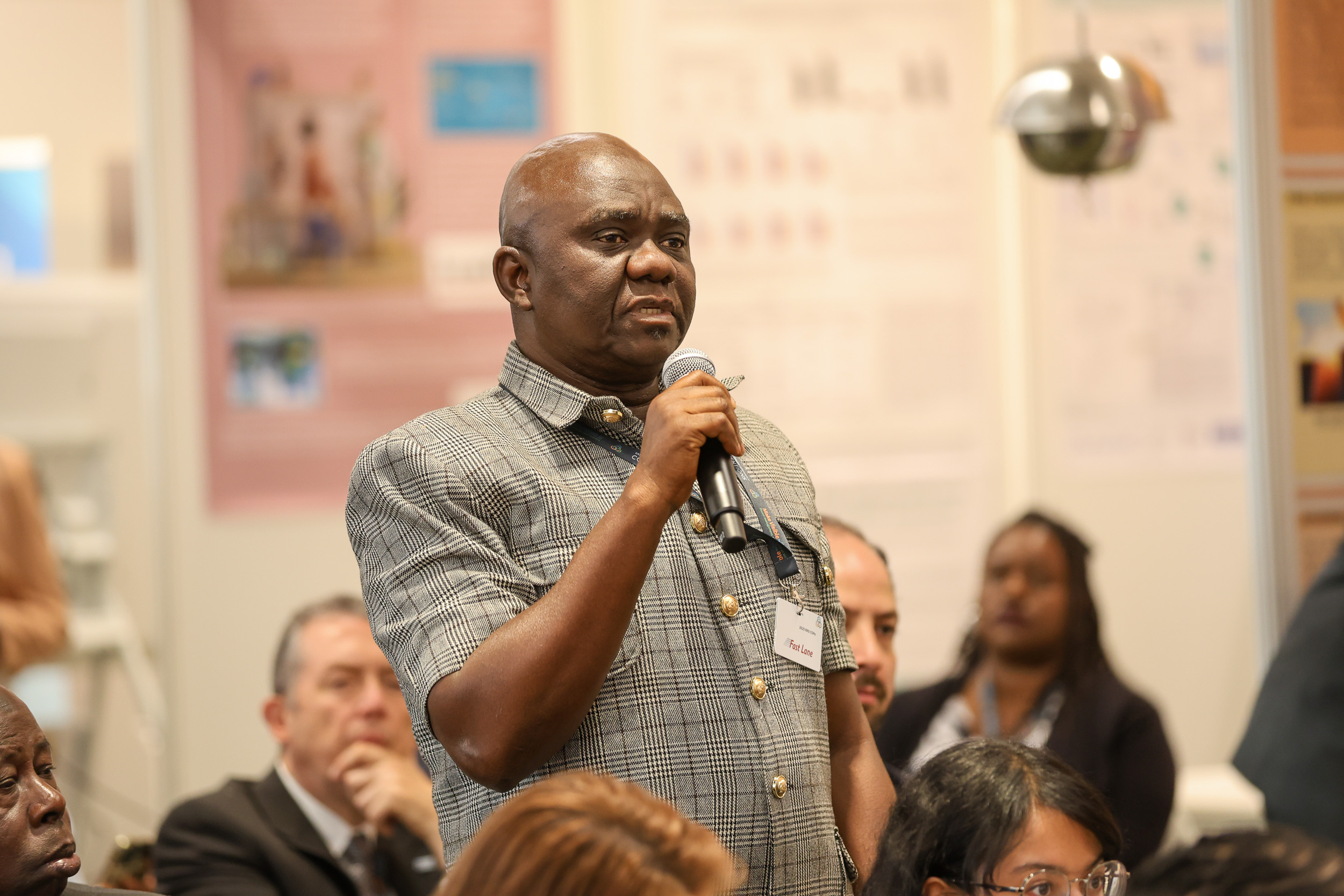
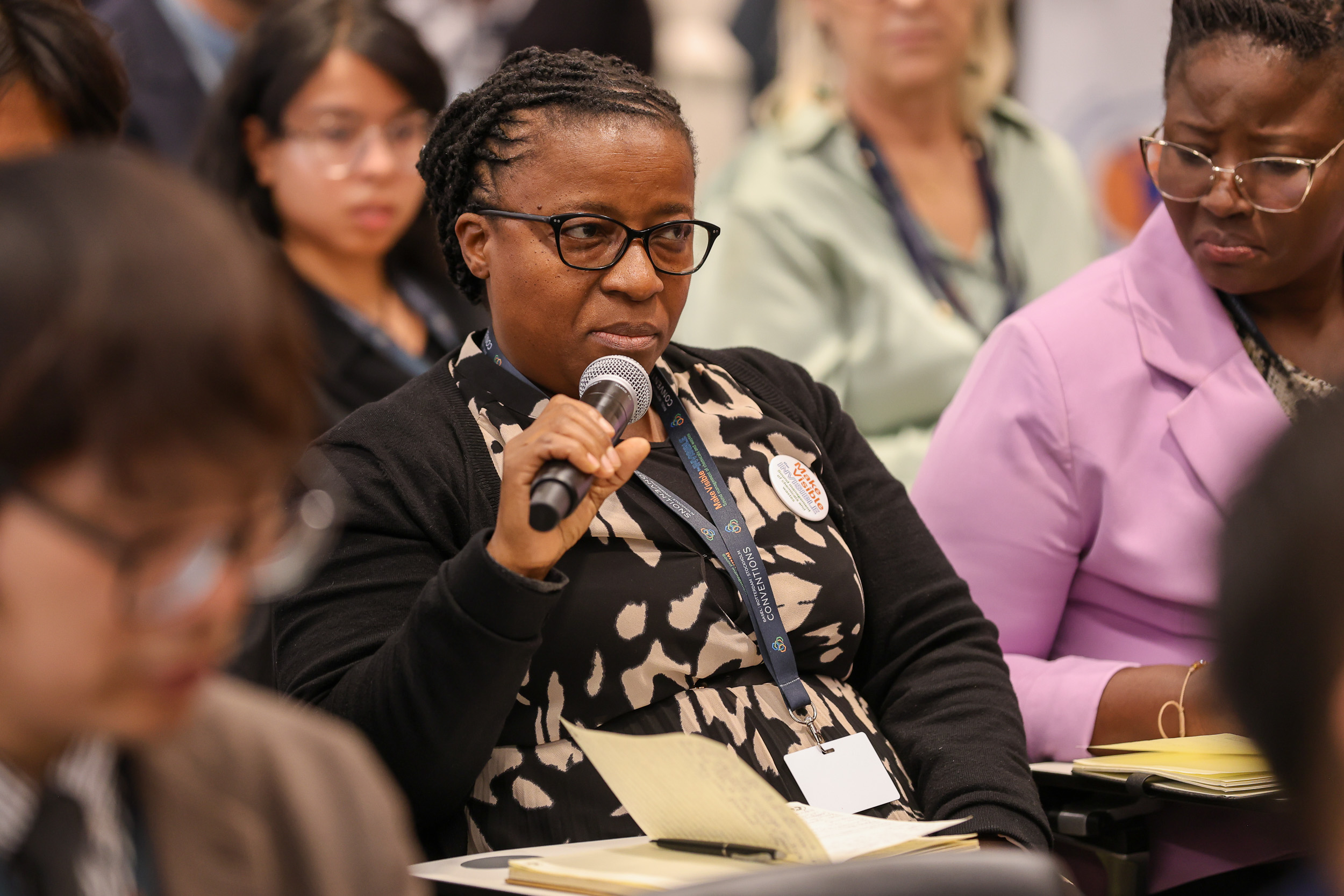
Management of POPs in India: Findings of the India NIP Update Project
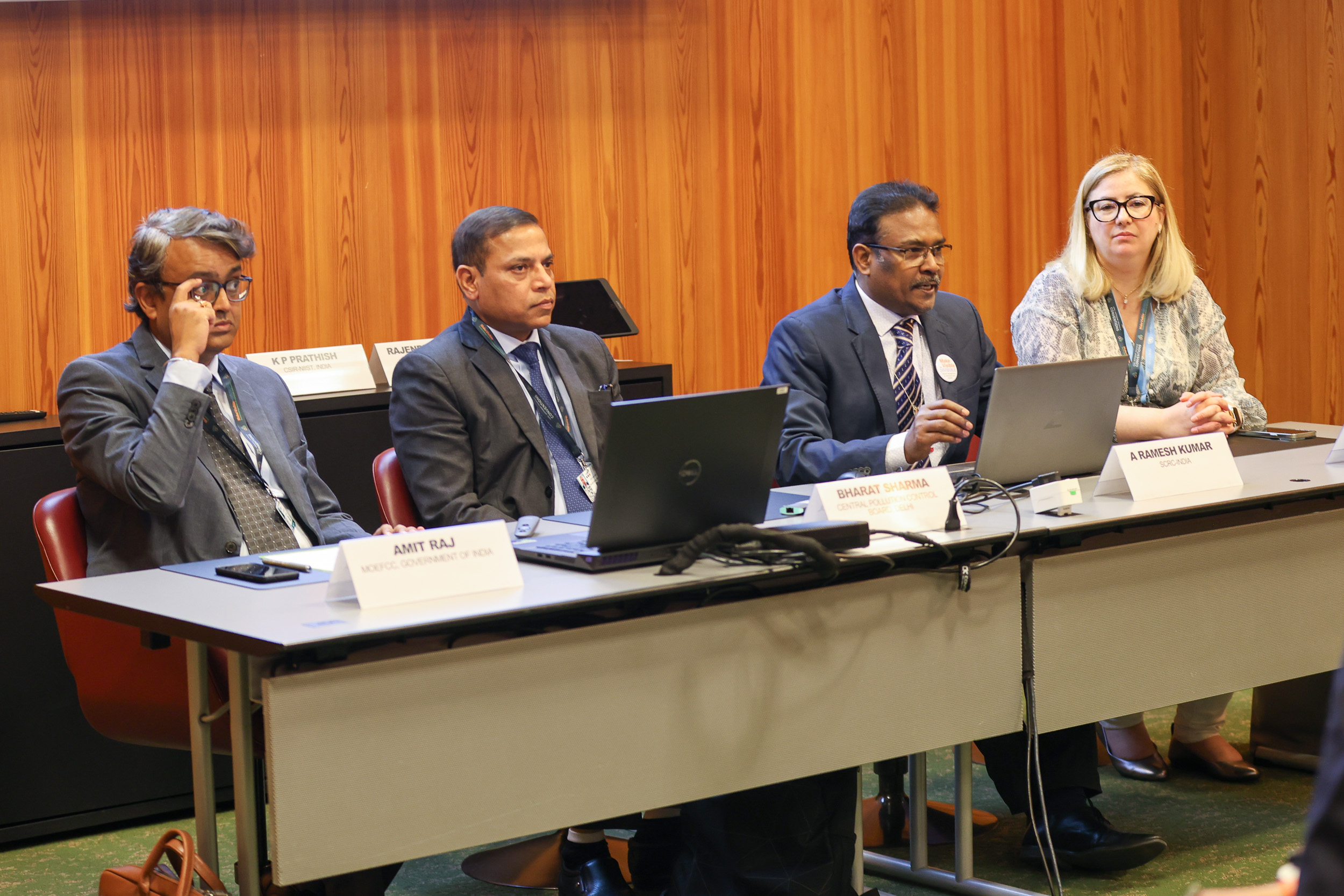
From L-R: Amit Raj, Ministry for Environment, Forest and Climate Change, India; Bharat Sharma, Central Pollution Control Board, Delhi, India; Ramesh Kumar, Stockholm Convention Regional Centre, India; and Mihaela Claudia Paun, UNEP
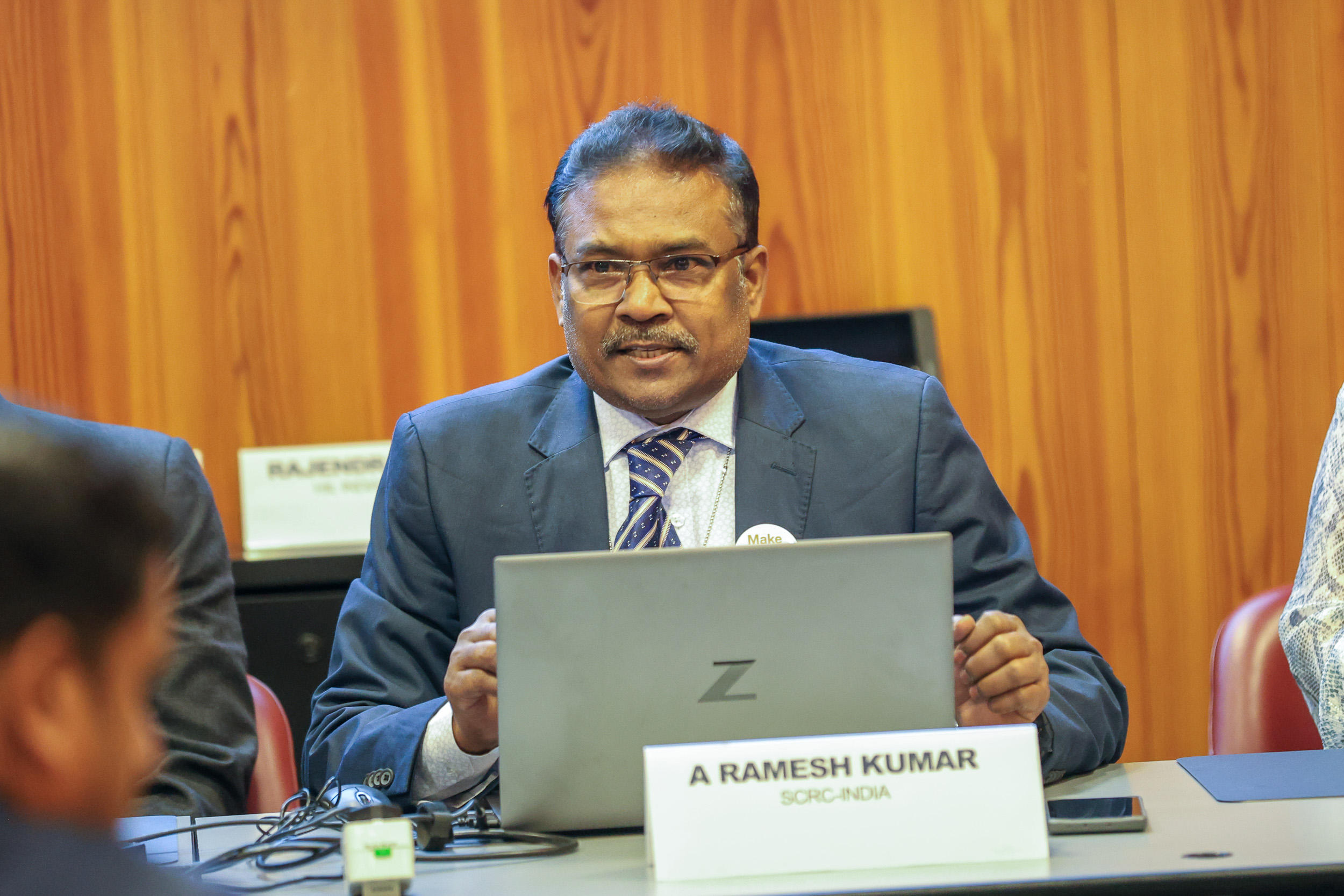
Ramesh Kumar, Stockholm Convention Regional Centre, India
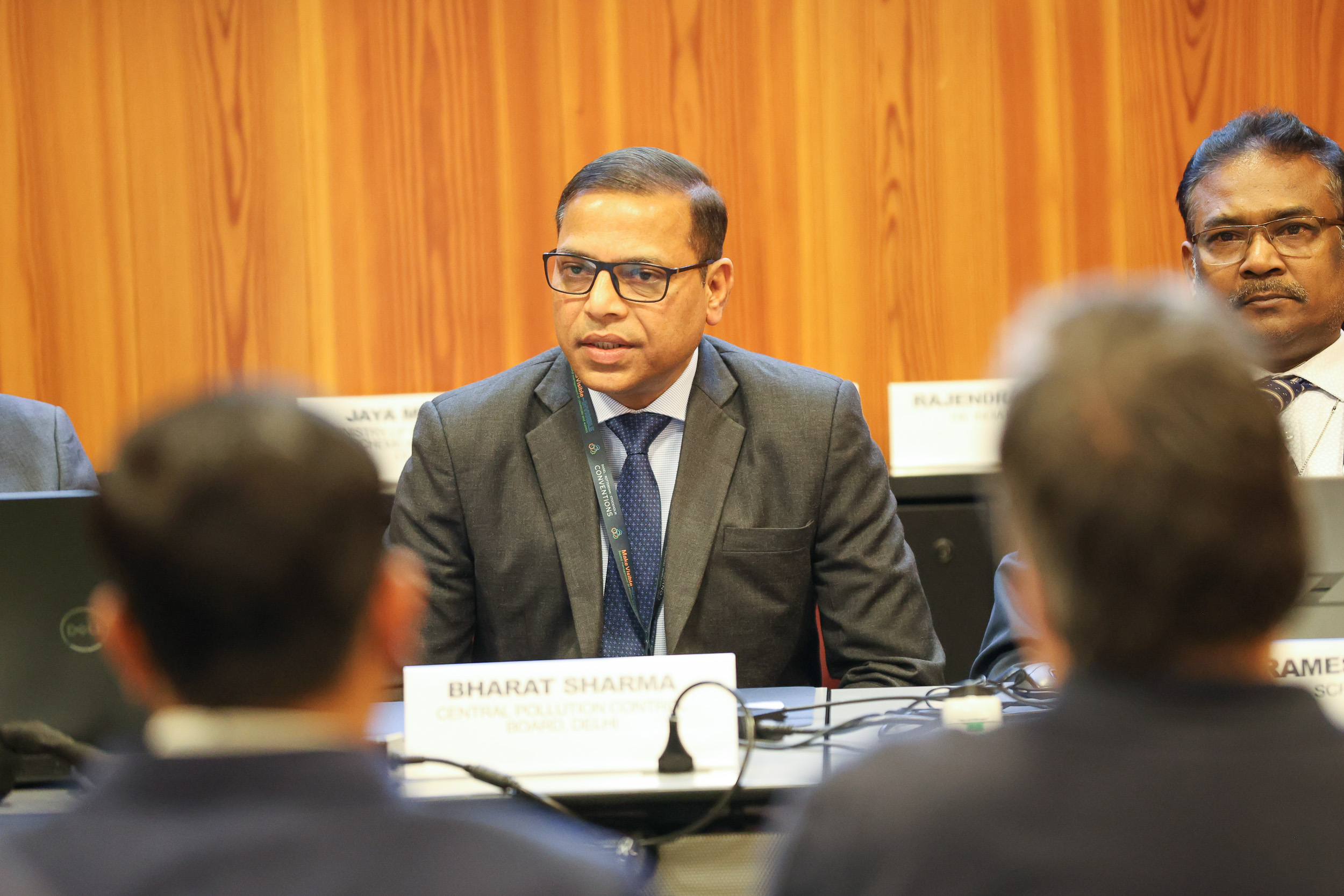
Bharat Sharma, Central Pollution Control Board, Delhi, India
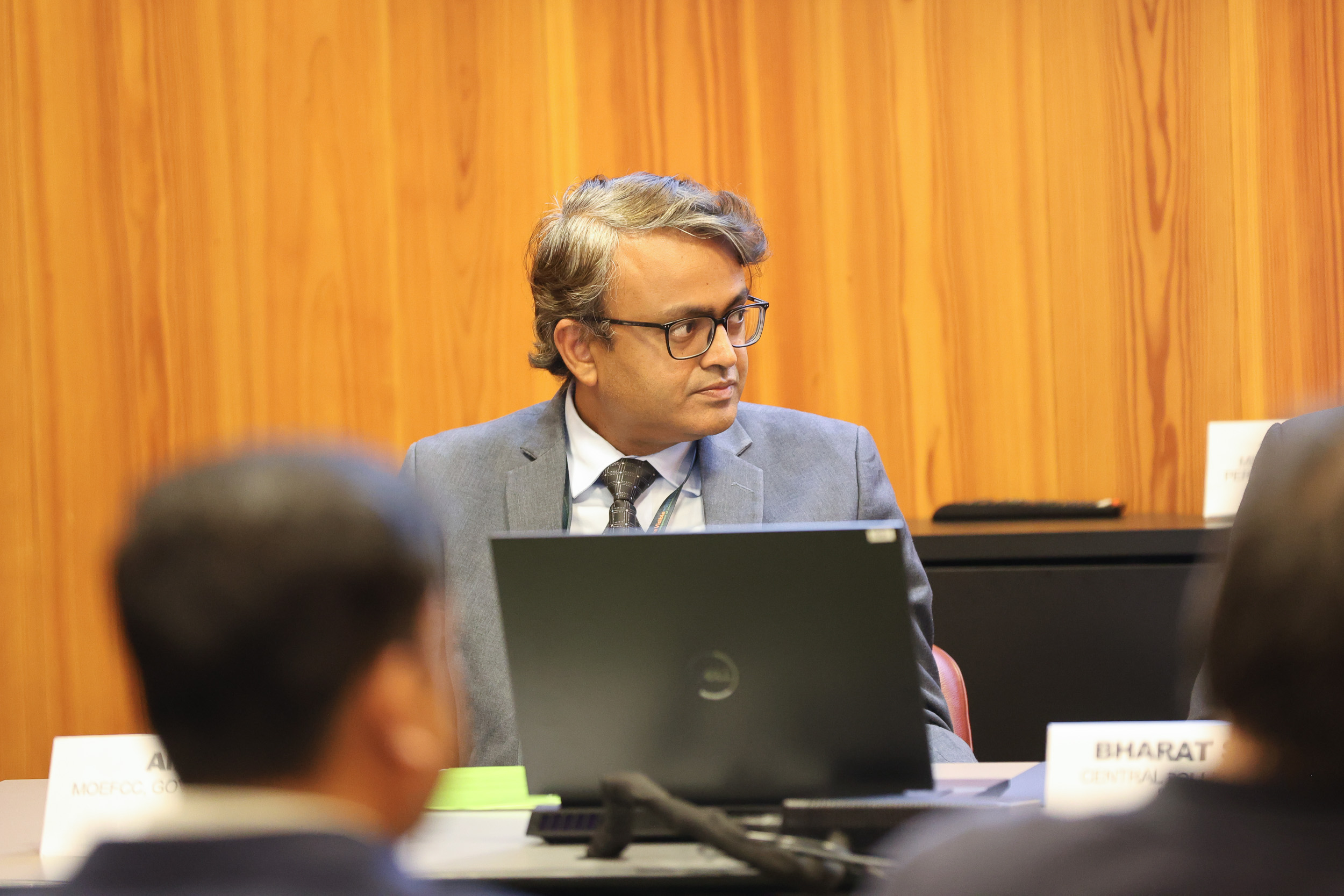
Amit Raj, Ministry for Environment, Forest and Climate Change, India
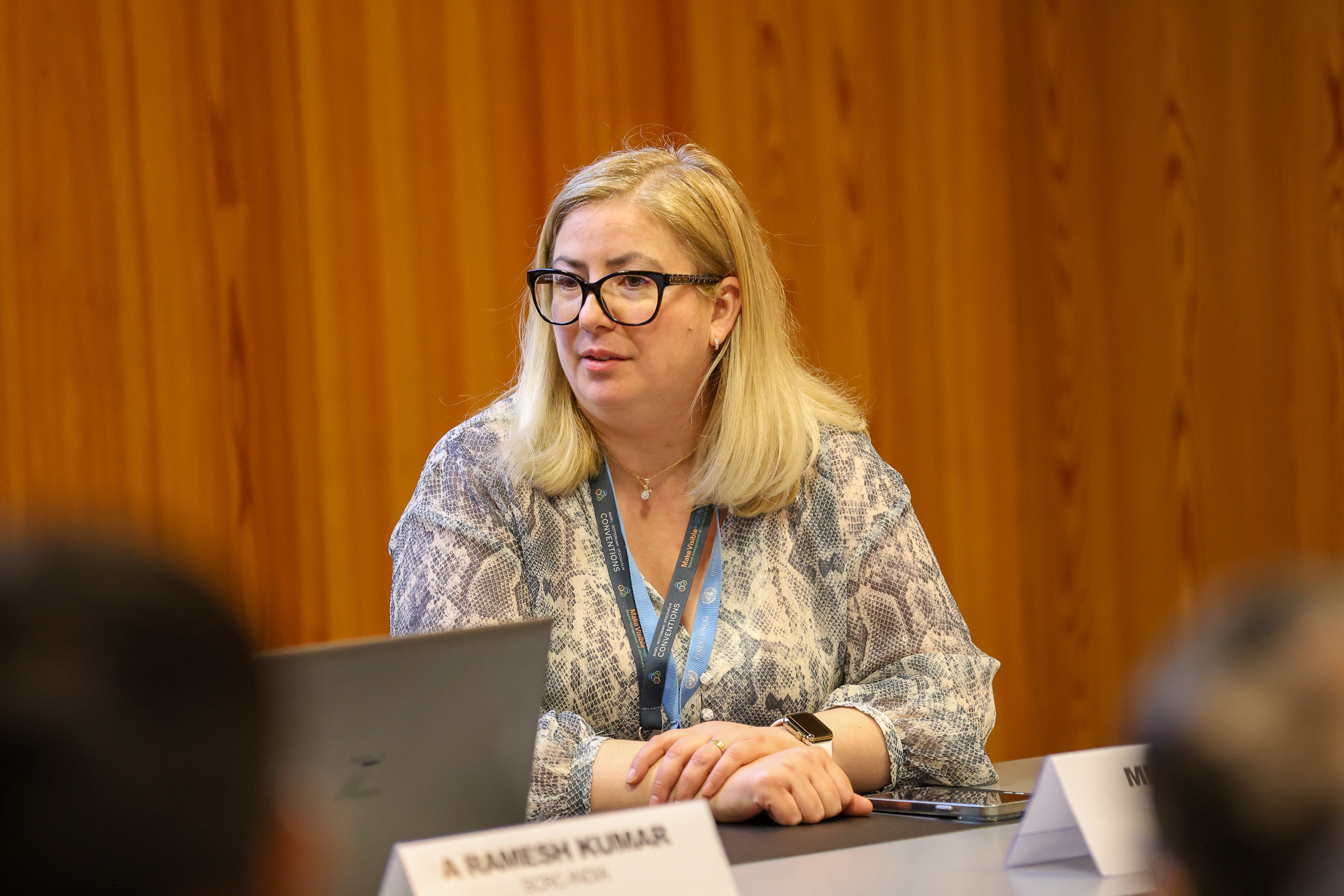
Mihaela Claudia Paun, UNEP