One surprise of the day was surely the listing of fenthion in Annex III to the Rotterdam Convention (RC), making it subject to the prior informed consent procedure. The substance had lingered on the Conference of the Parties' (COP) agenda for 10 years. Used for pest control on quelea quelea birds, a common pest in Sub-Saharan Africa, fenthion is highly effective, but also highly toxic. Its listing as a severely hazardous pesticide formulation will enable informed decision making and strengthen environmental and health protection.
Want to dig deeper into today's talks? Read the full Earth Negotiations Bulletin daily report.
Unfortunately, the deadlock on listing chrysotile asbestos continued. Recognized as a carcinogen by the World Health Organization, chrysotile asbestos has been on the RC COP agenda for 20 years now – the longest dragging listing proposed by the Chemical Review Committee to date. Despite the heartfelt pleas from countries, unions, and environmental organizations, some parties that are major producers of chrysotile asbestos remained unyielding. The issue will be considered again at the next COP.
As the Basel, Rotterdam, and Stockholm Conventions COPs quickly approach the finish line, several contact groups concluded their work. The Basel Convention contact group on technical work decided to include textiles in the work programme of the Open-Ended Working Group. This means that the Basel Convention will pick up this challenging waste stream and start a lengthy process of defining what can be considered textile waste and how the Convention can respond.
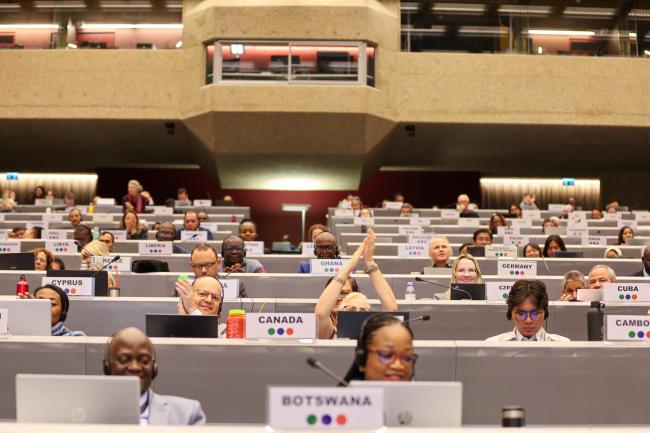
Traceability and data management were key themes for side events on Wednesday: one explored persistent organic pollutants and chemicals in plastics, and another mercury in products. Other side events covered biodiversity-friendly pest control alternatives to highly hazardous pesticides and global approaches to waste management.
With two days of the TripleCOPs remaining, delegates are anxiously waiting for the Stockholm Convention plenary to adopt already finalized decisions, especially the remaining ones on listings. The contact group worked relentlessly for over 30 hours to clear decisions, including on medium-chain chlorinated paraffins and UV-328, and many hope they will receive the plenary’s stamp of approval.
All ENB photos are free to use with attribution. For this event, please use: Photo by IISD/ENB | Mike Muzurakis
To receive free coverage of global environmental events delivered to your inbox, subscribe to the ENB Update newsletter.
Plenary Sessions

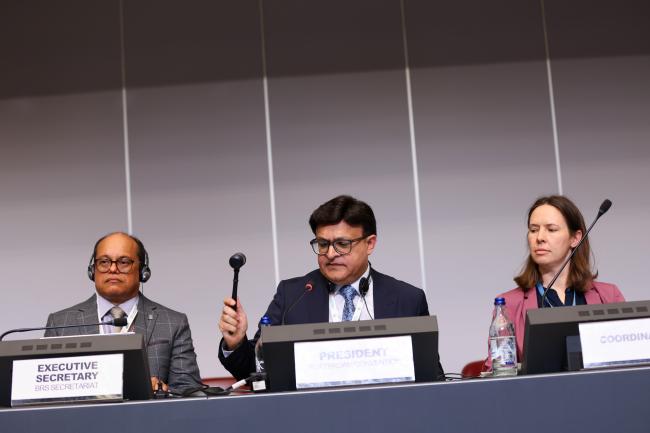
From L-R: Rolph Payet, Executive Secretary, BRS Conventions; Rotterdam Convention COP12 President Hammad Shamimi; and Andrea Lechner, BRS Conventions Secretariat
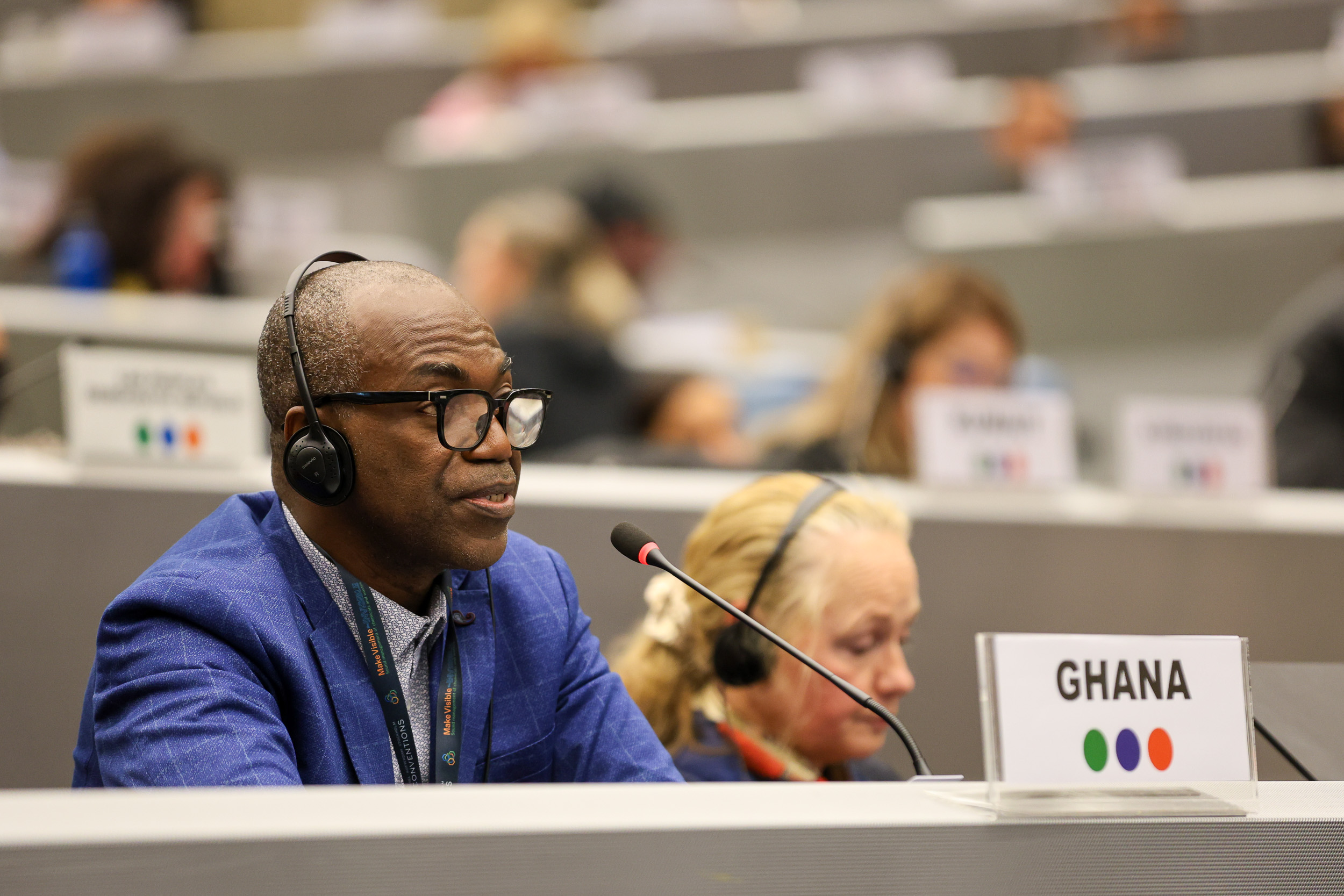
Joseph C. Edmund, Ghana
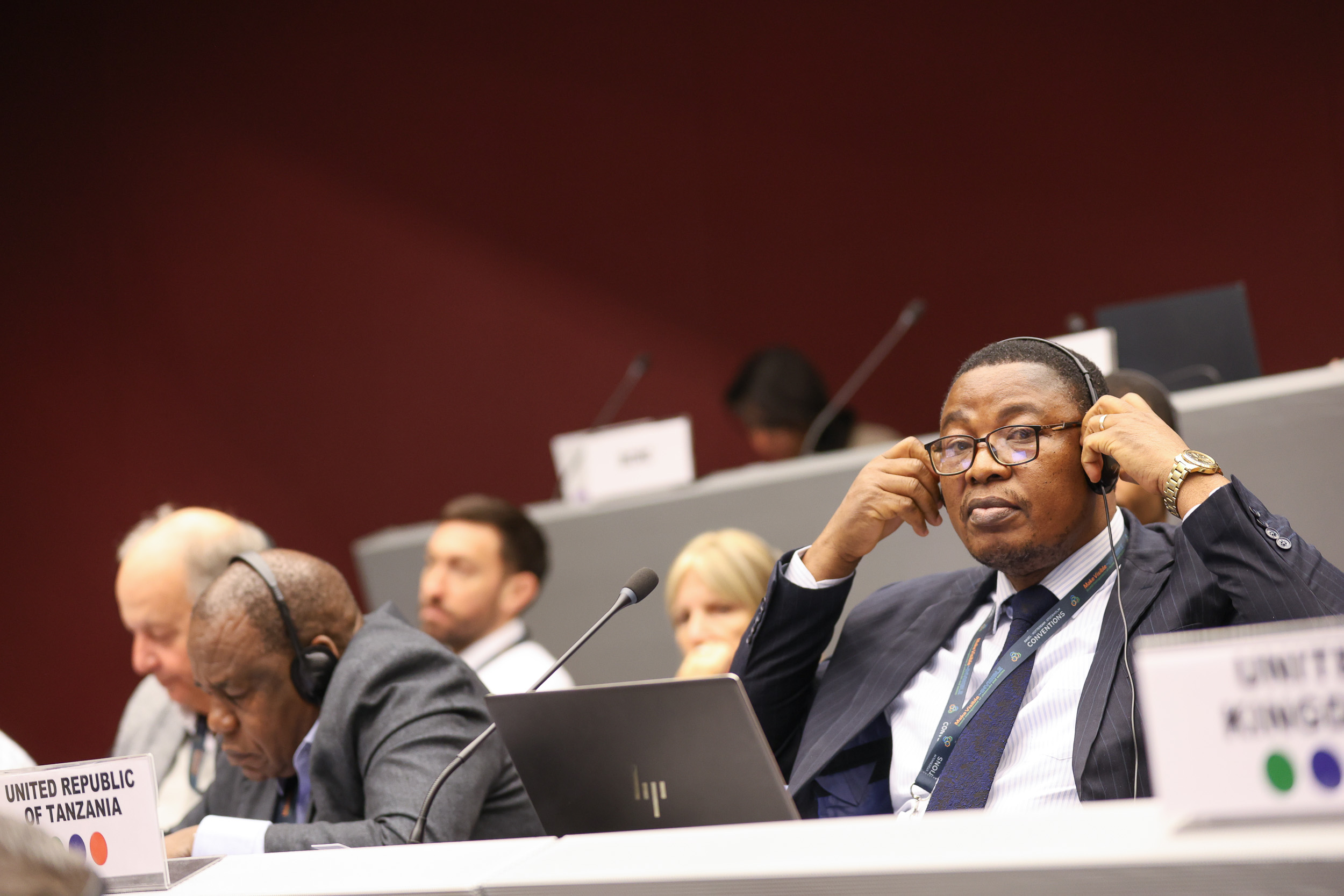
Daniel Ndiyo, Tanzania
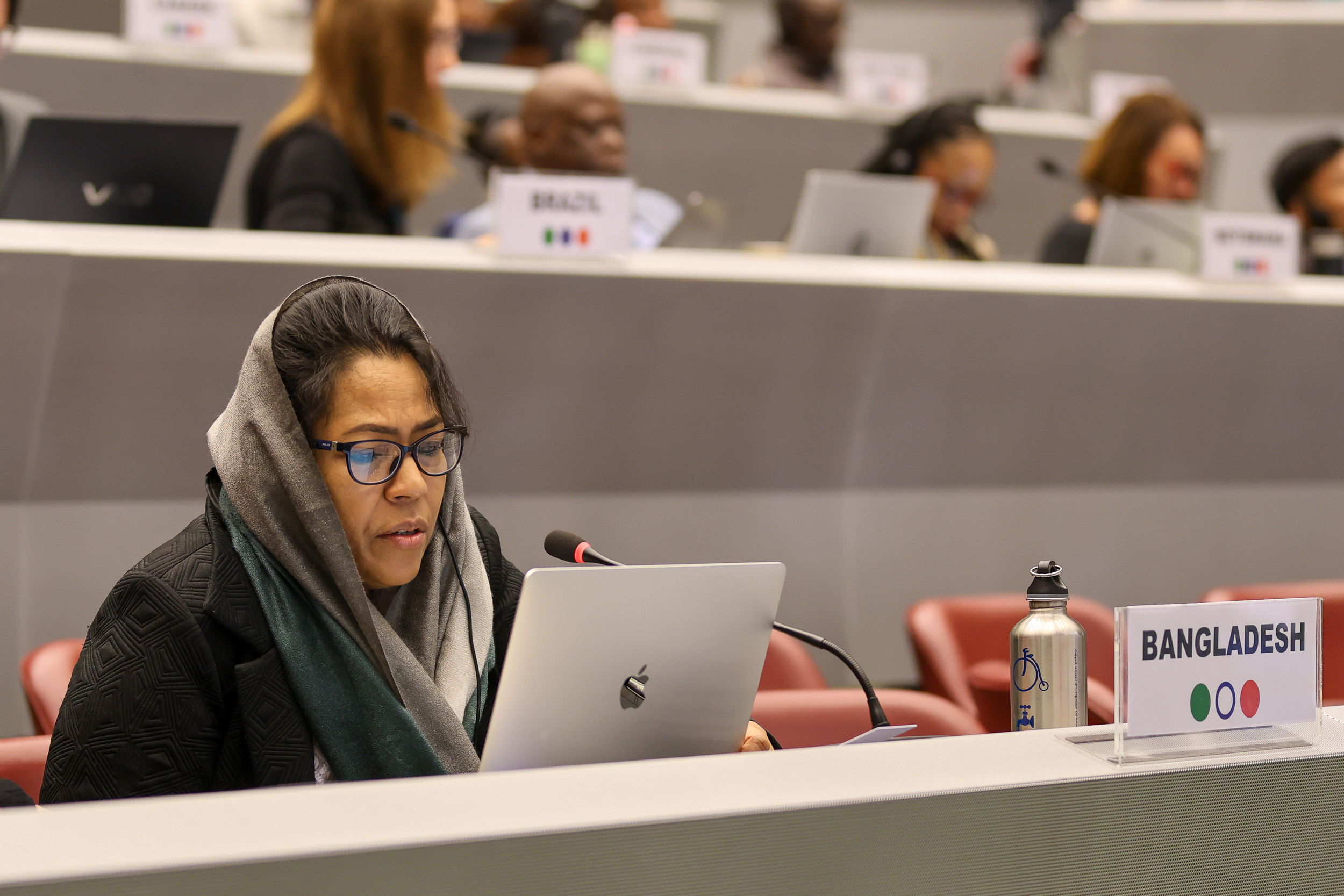
Farhina Ahmed, Bangladesh
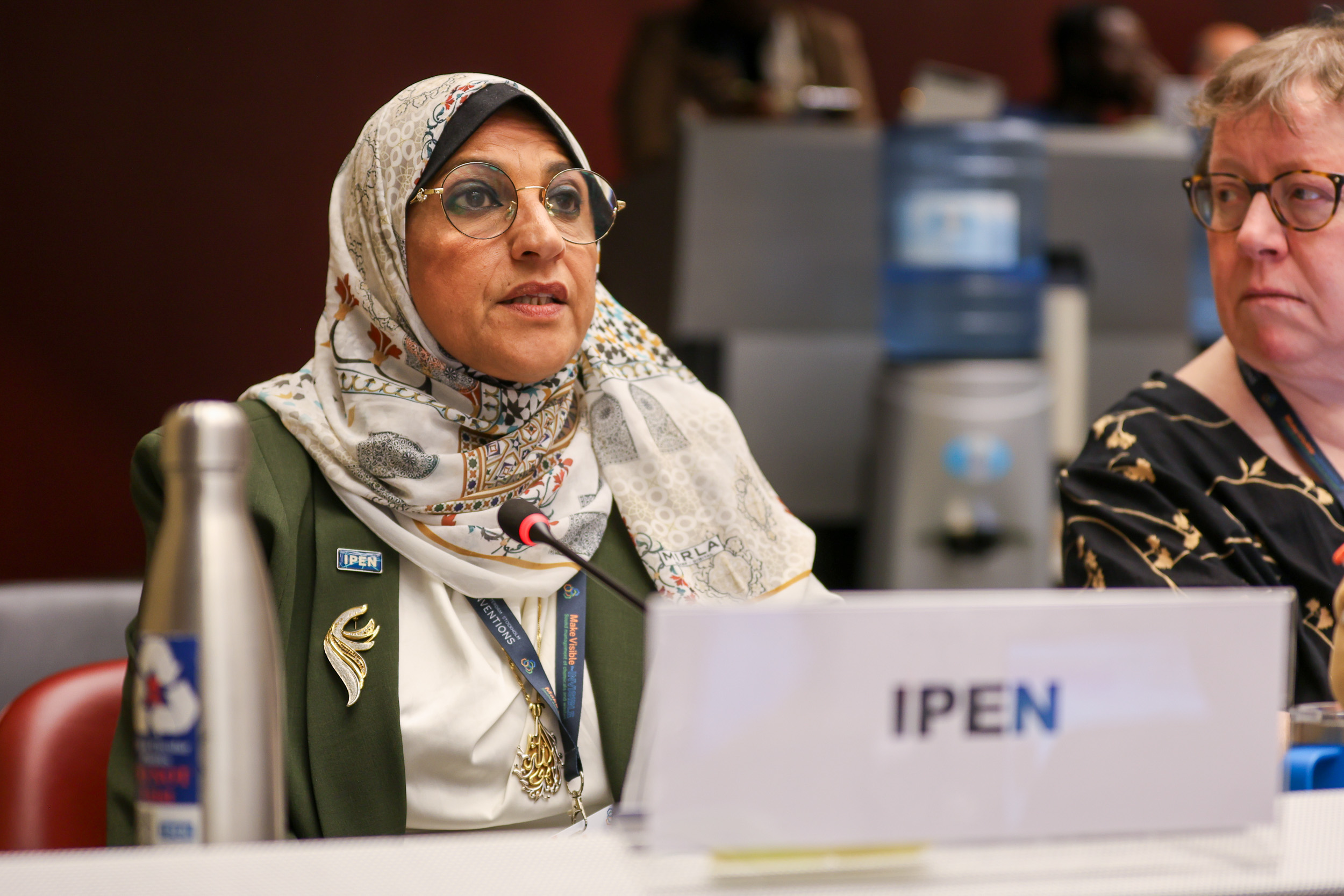
Elham Refaat Abdel Aziz, International Pollutants Elimination Network
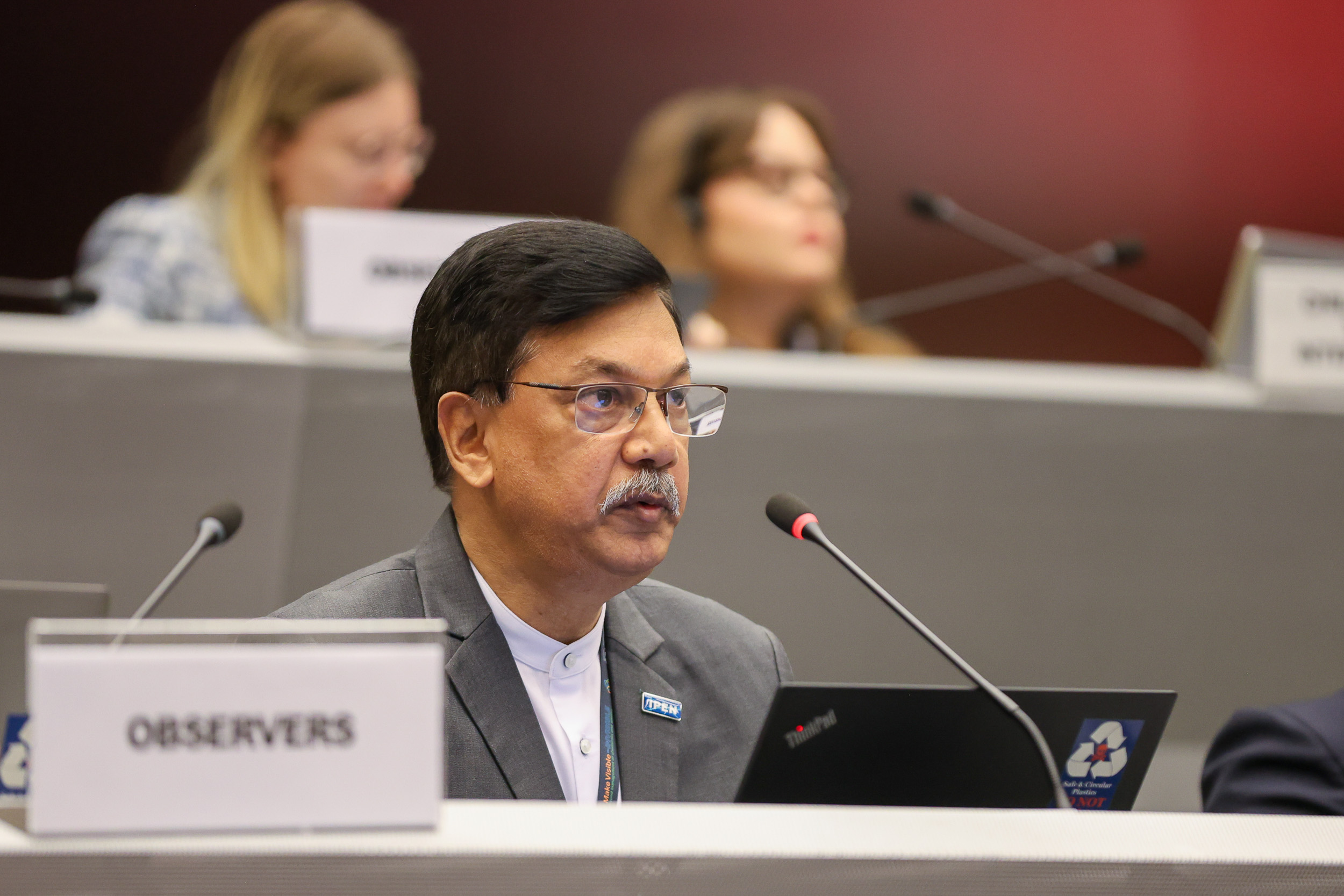
Shahriar Hossain, Environment and Social Development Organization
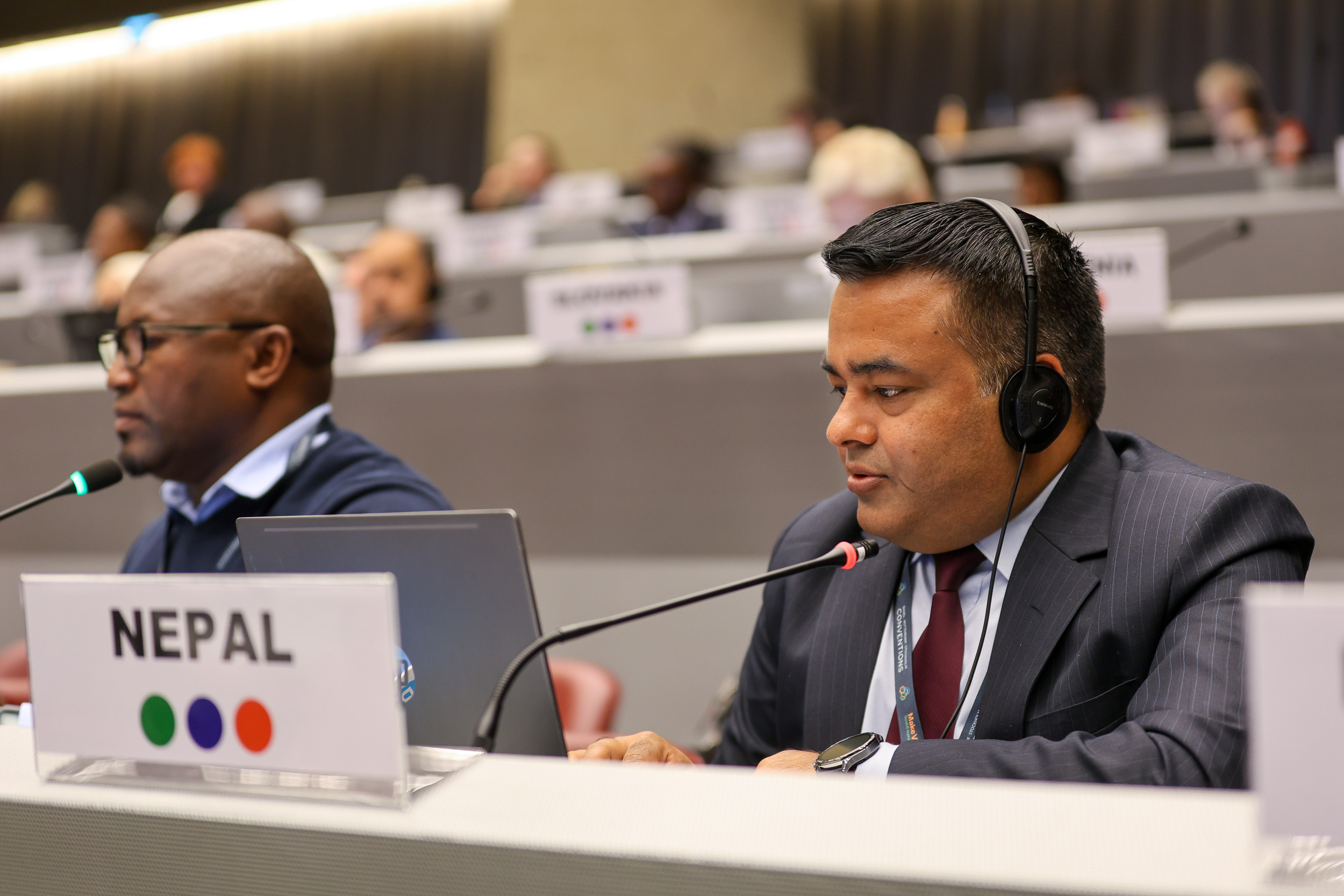
Bhoj Raj Sapkota, Nepal
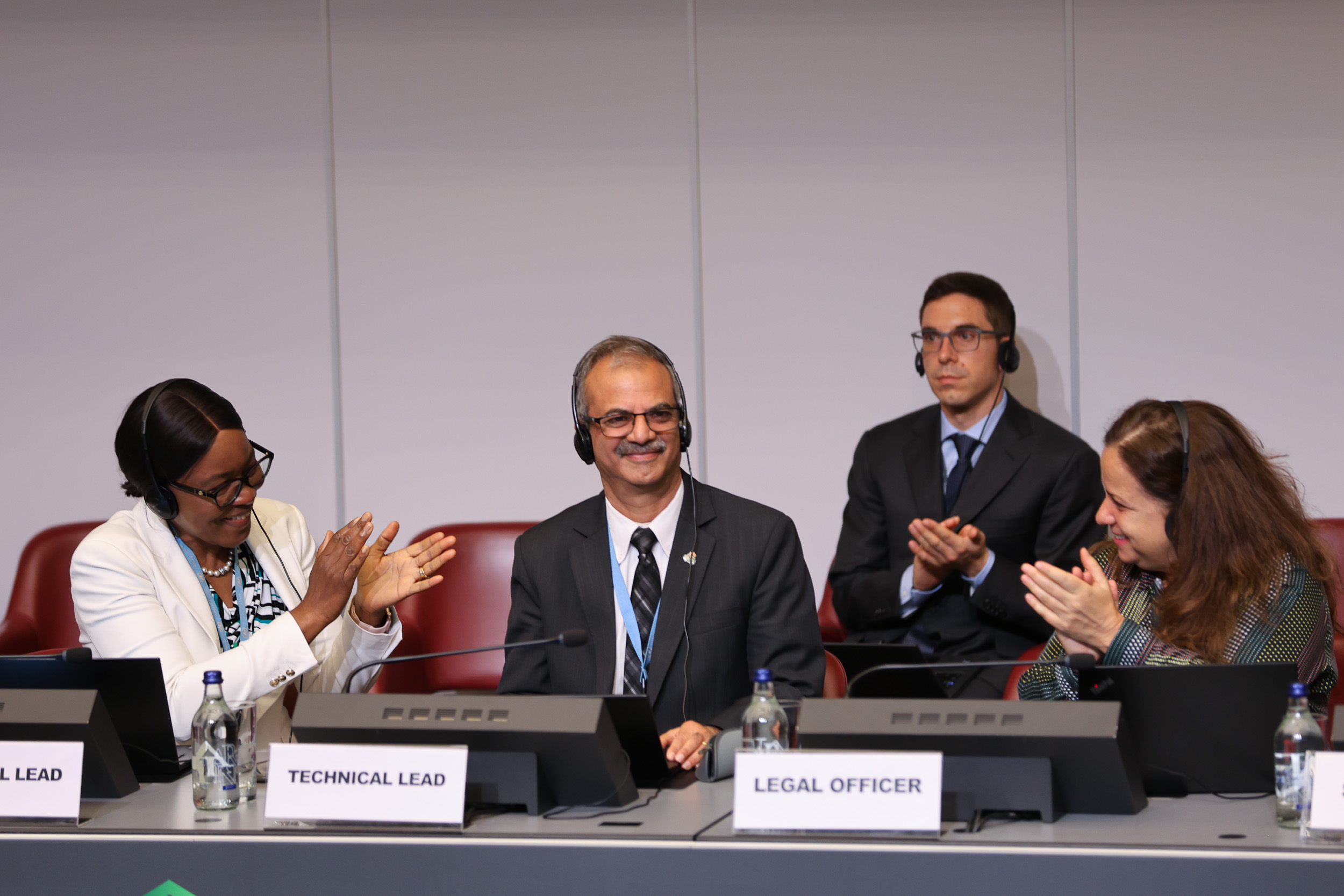
Suman Sharma, BRS Conventions Secretariat (middle), congratulated for his service to the Conventions
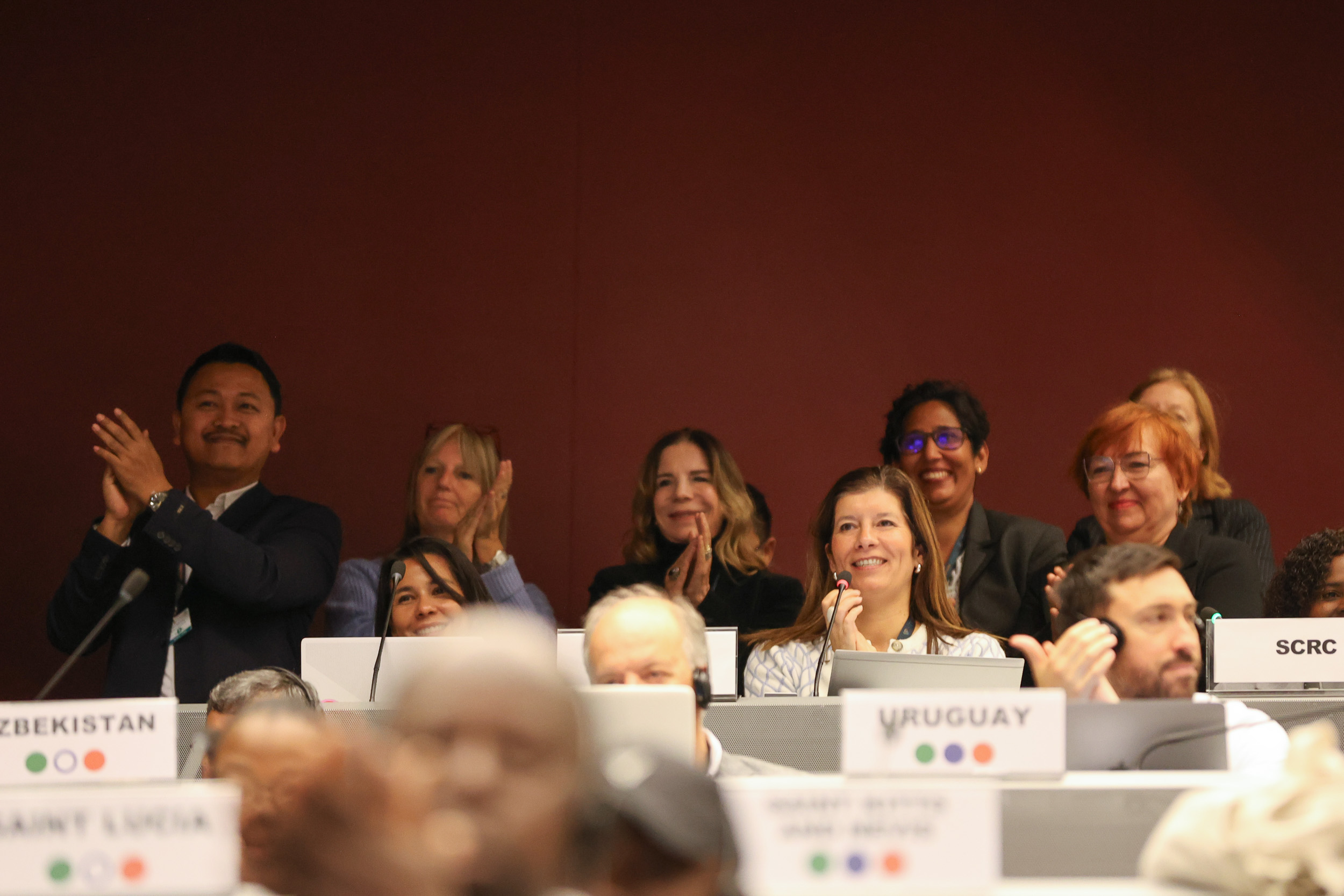
Participants applauding Suman Sharma, BRS Conventions Secretariat, for his years of service to the Conventions

From L-R: Rotterdam Convention COP12 President Hammad Shamimi; Andrea Lechner, BRS Conventions Secretariat; Rolph Payet, Executive Secretary, BRS Conventions; and Kei Ohno Woodall, BRS Conventions Secretariat
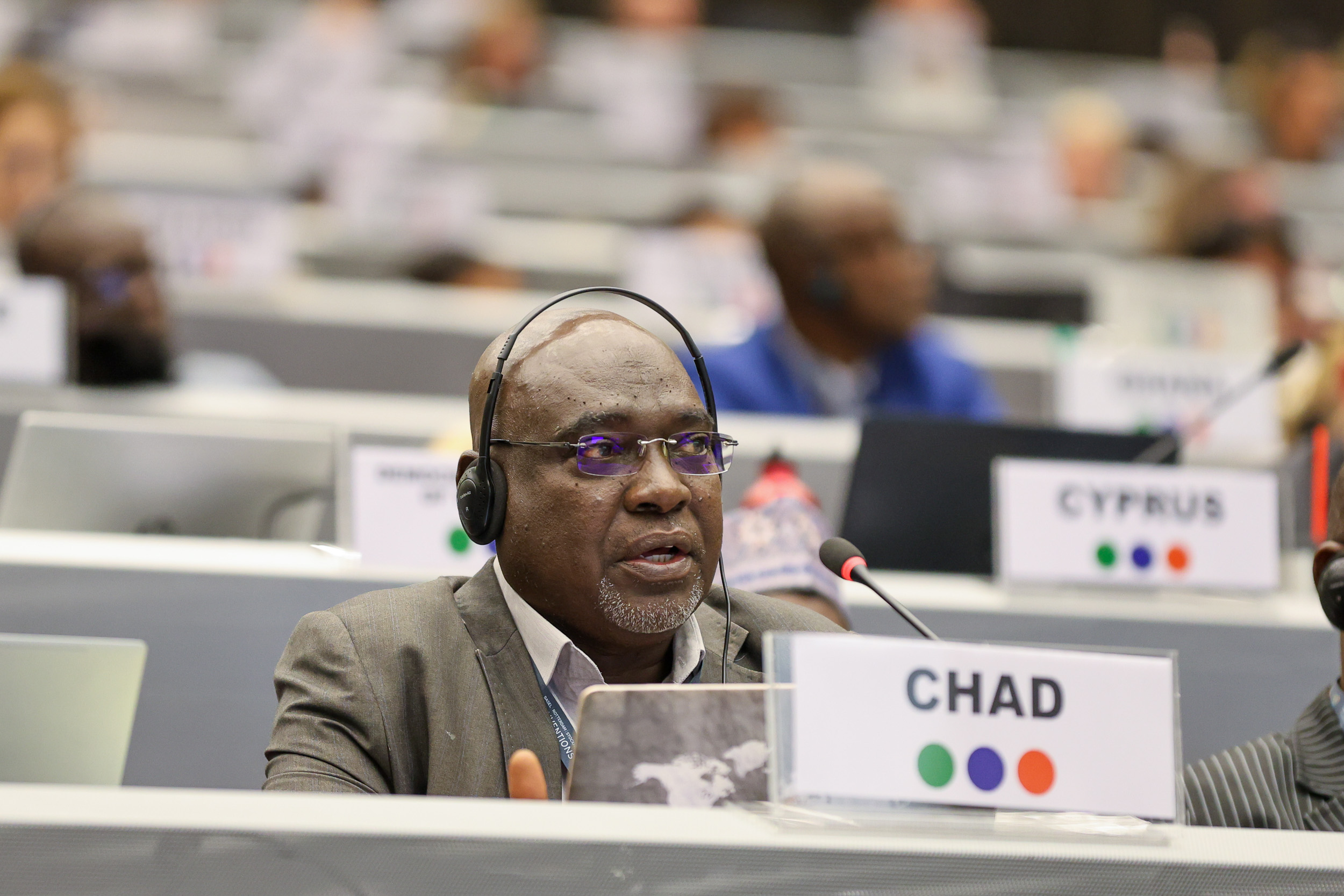
Abderaman Moussa Abdoulaye, Chad

Rotterdam Convention COP12 President Hammad Shamimi
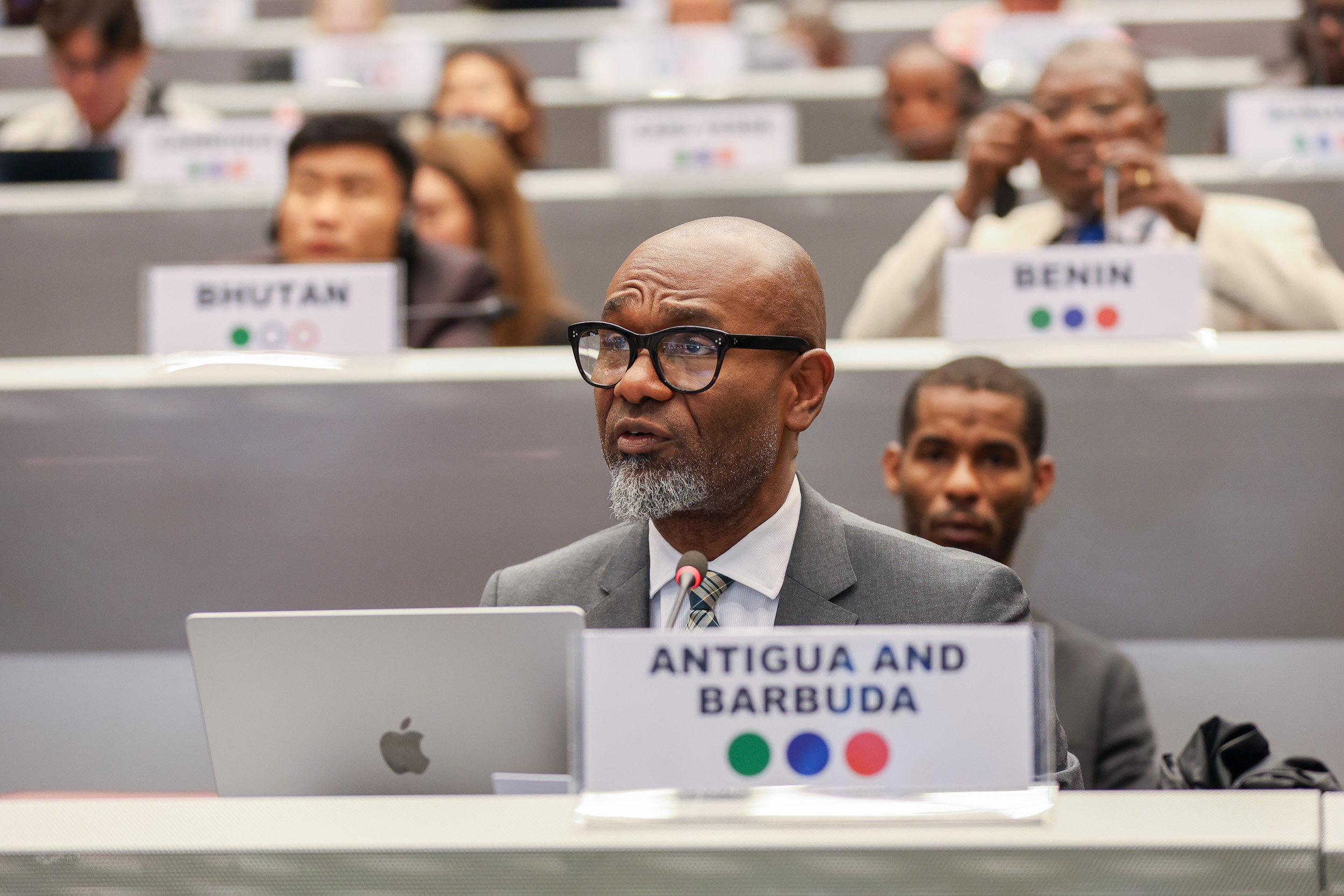
Linroy Christian, Antigua and Barbuda
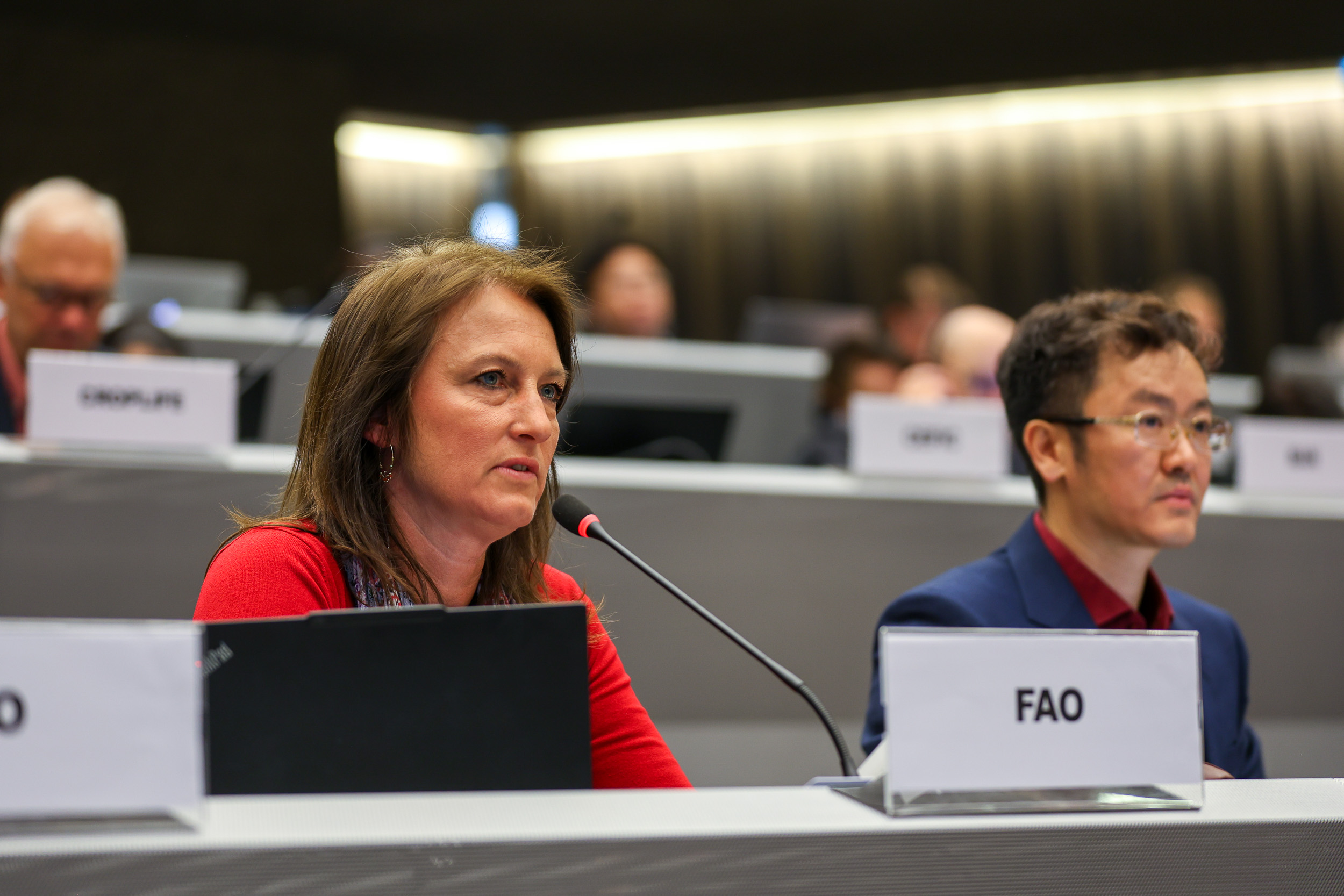
Delphine Babin-Pelliard, UN Food and Agriculture Organization (FAO)
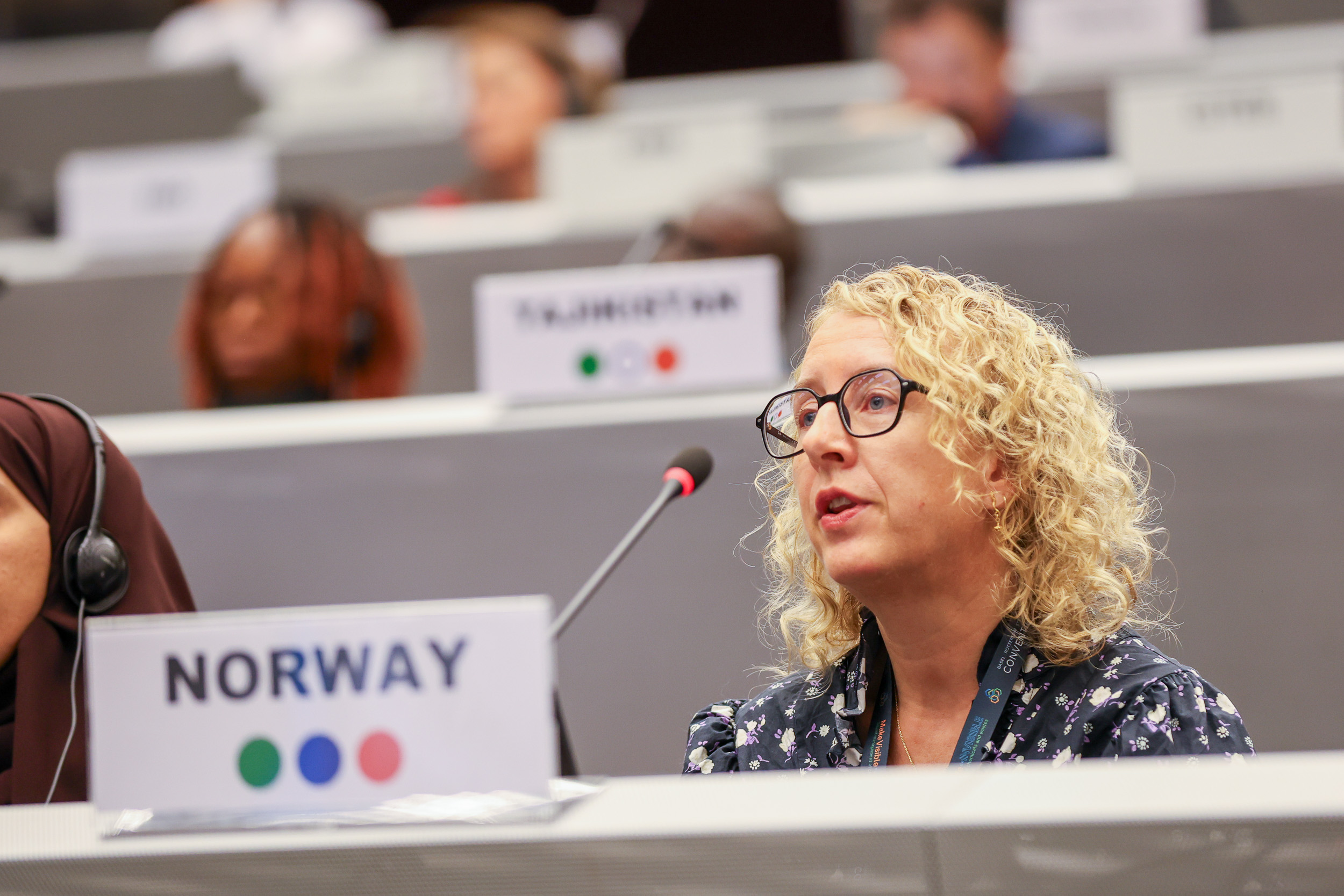
Marit Randall, Norway
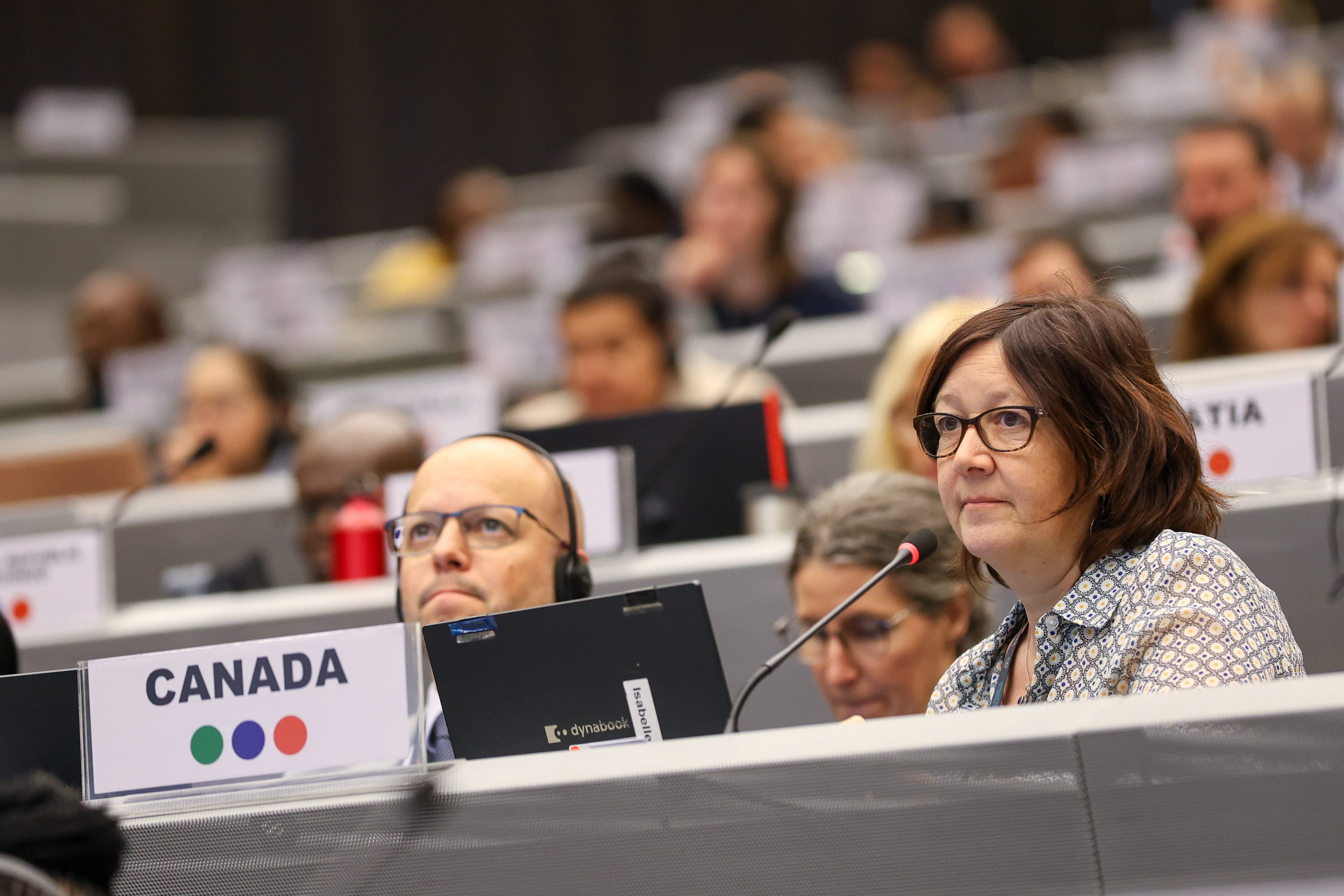
Isabelle Mayr, Canada
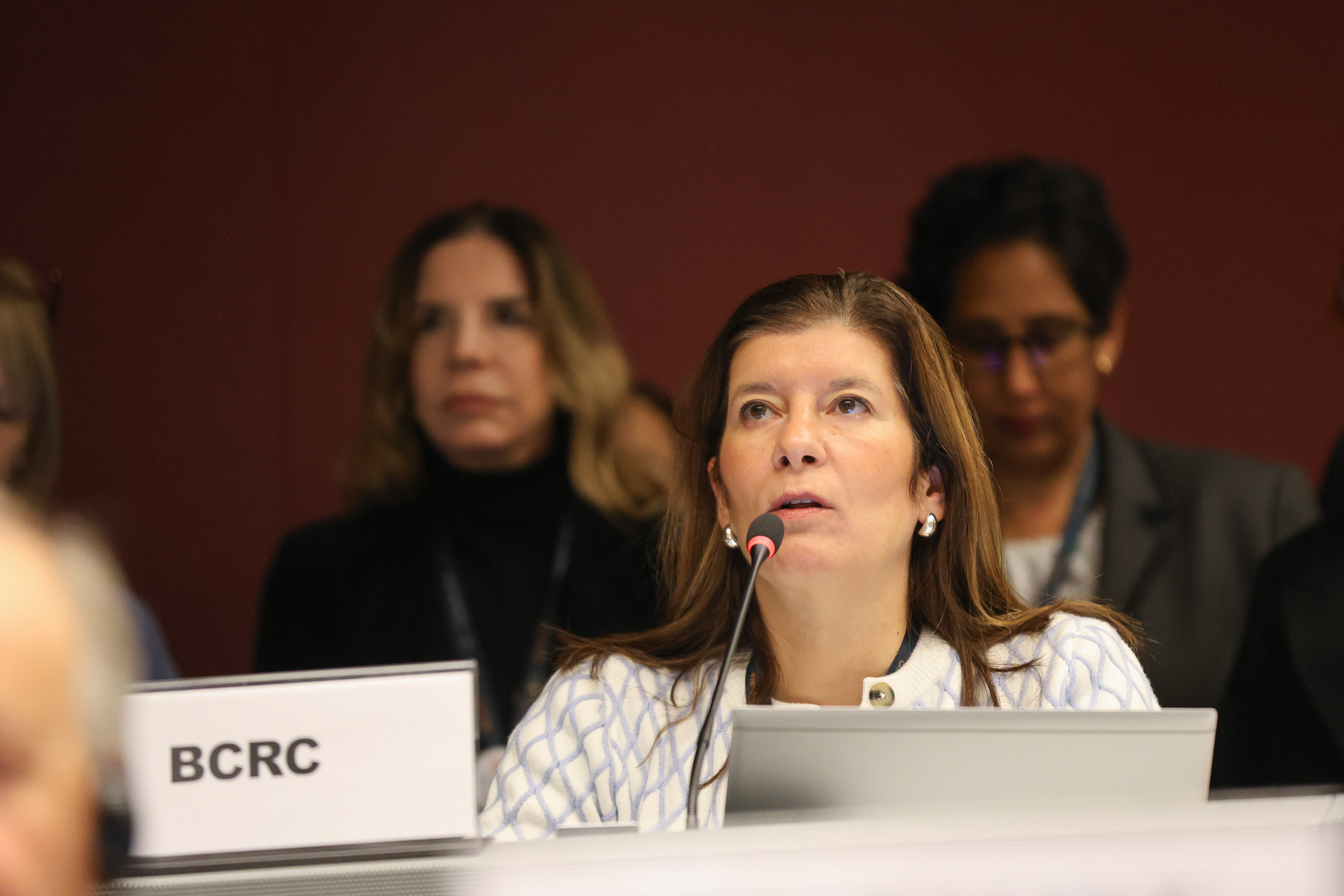
Gabriela Nair Medina Amarante, Basel Convention Regional Centre in Uruguay
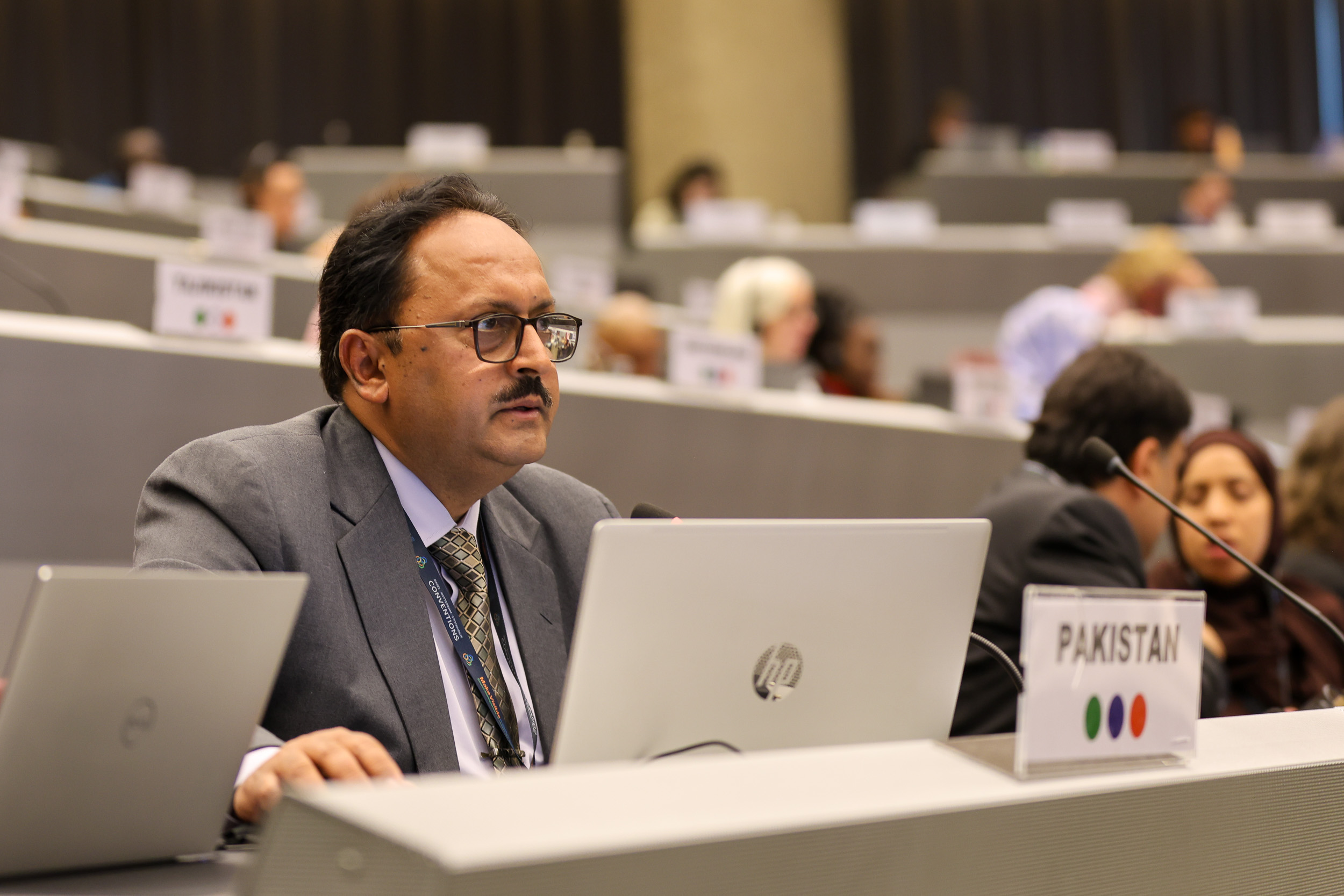
Zaigham Abbas, Pakistan
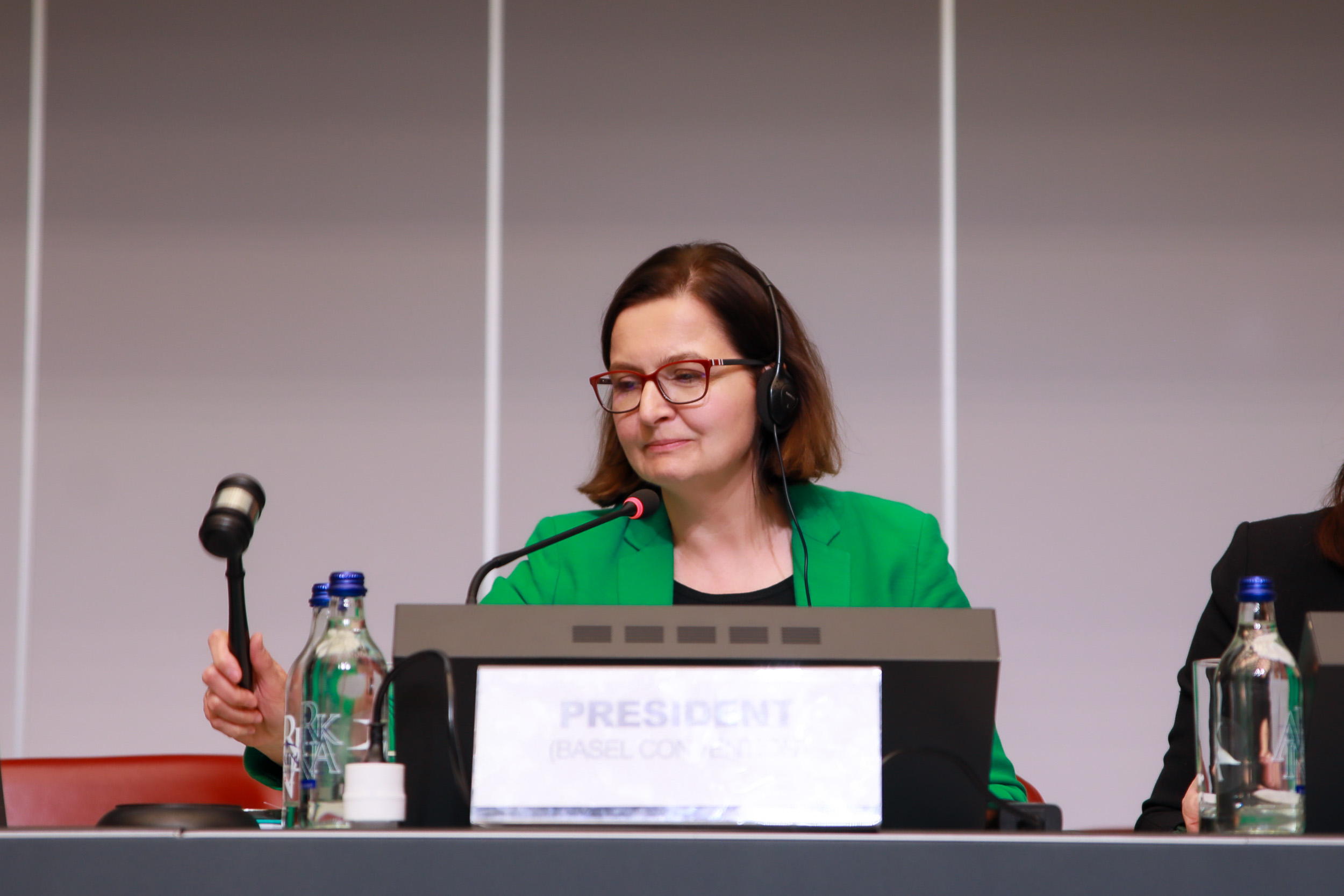
Basel Convention COP17 President Anita Sowińska
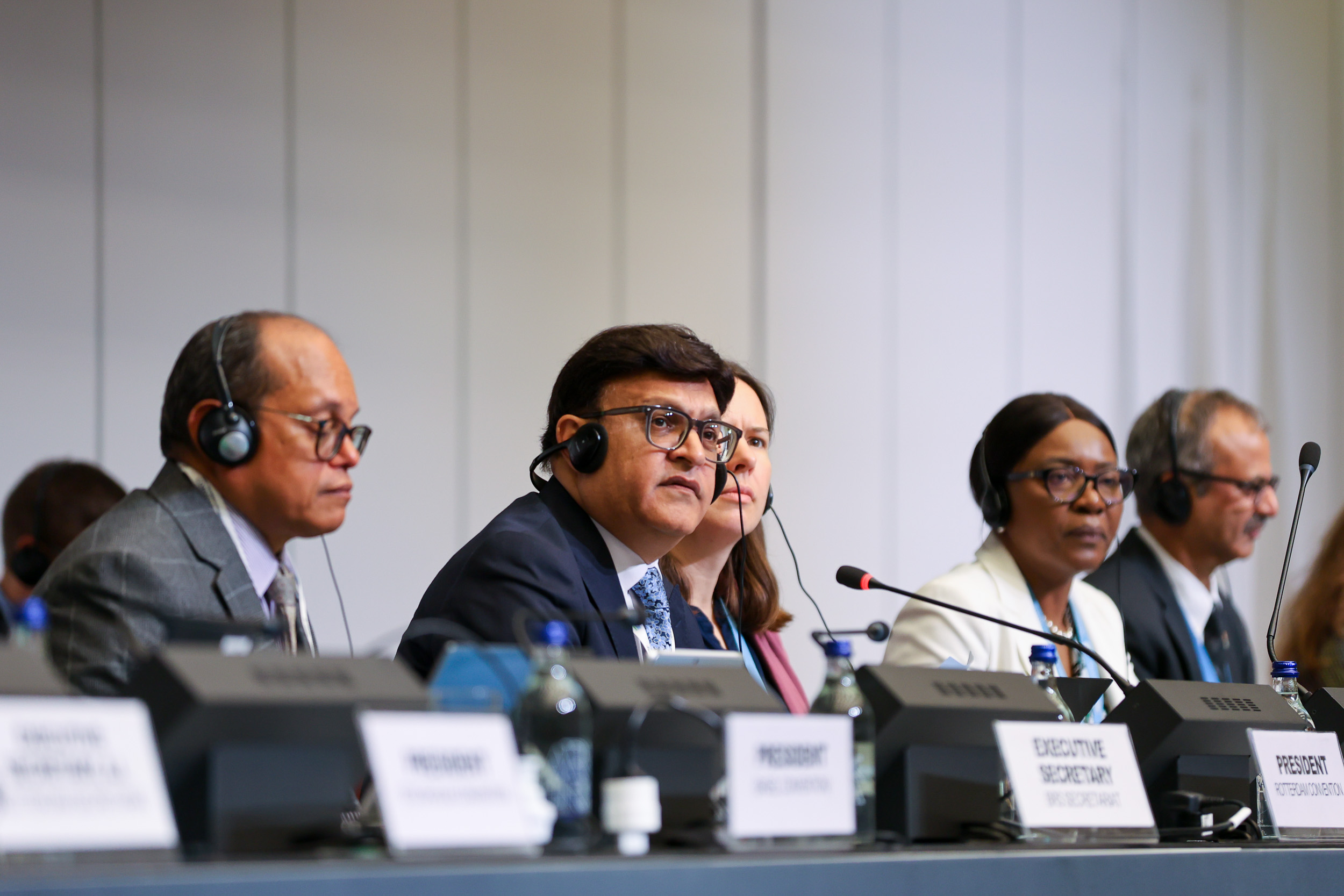
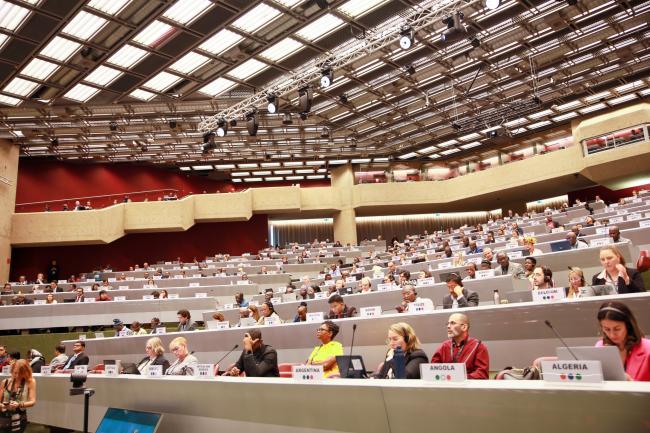
View of the dais during the morning plenary
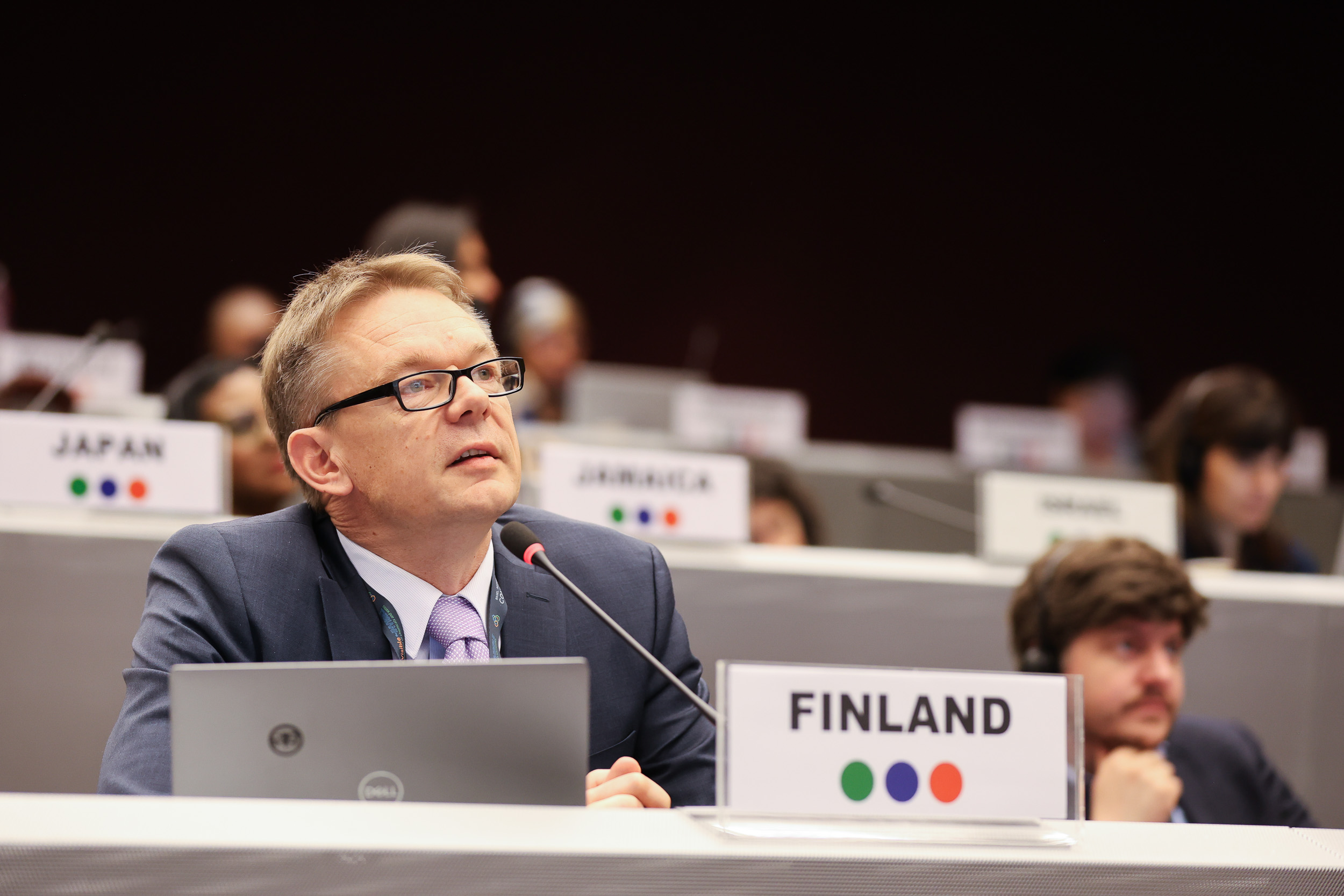
Timo Seppälä, Finland
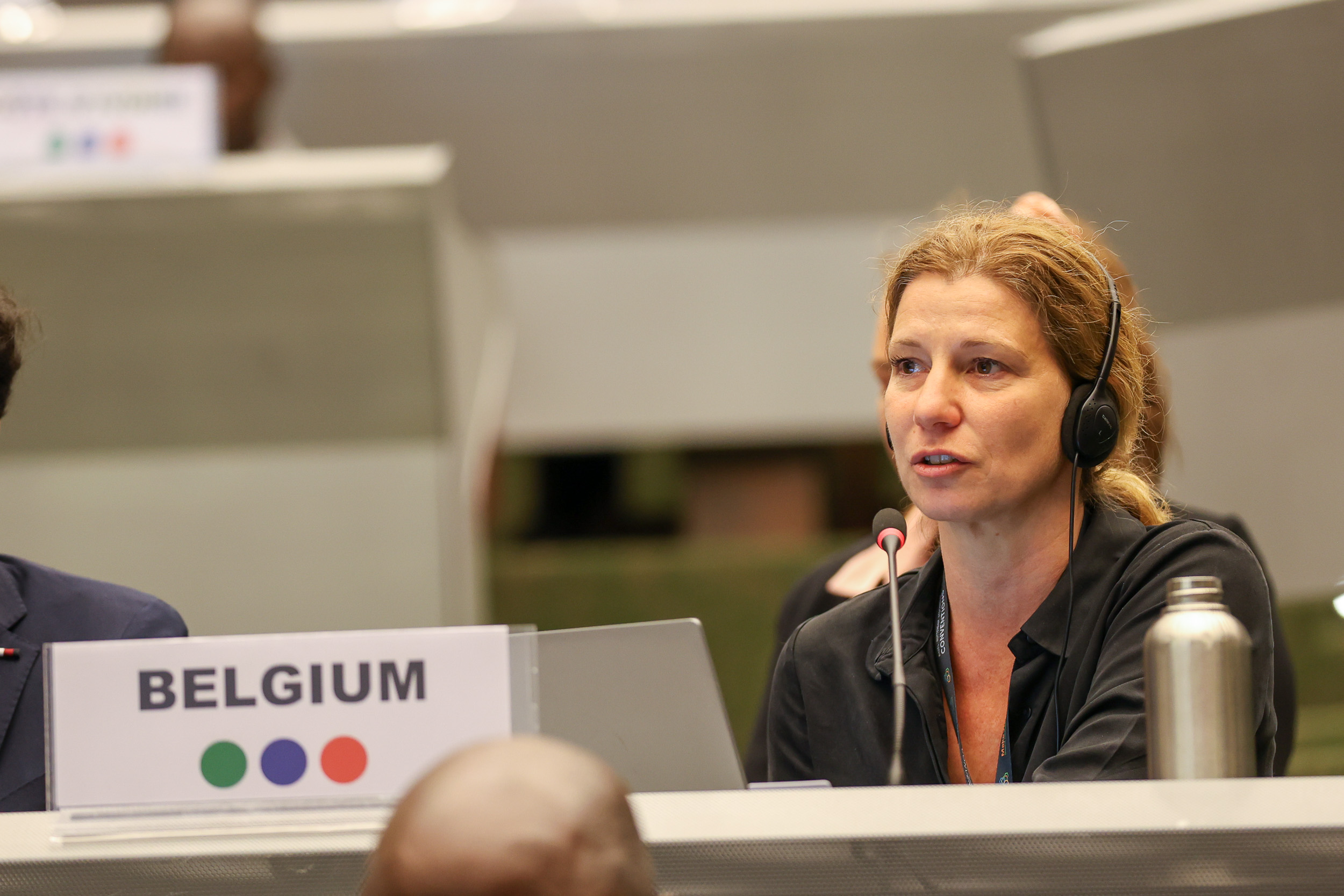
Ann De Jonghe, Belgium
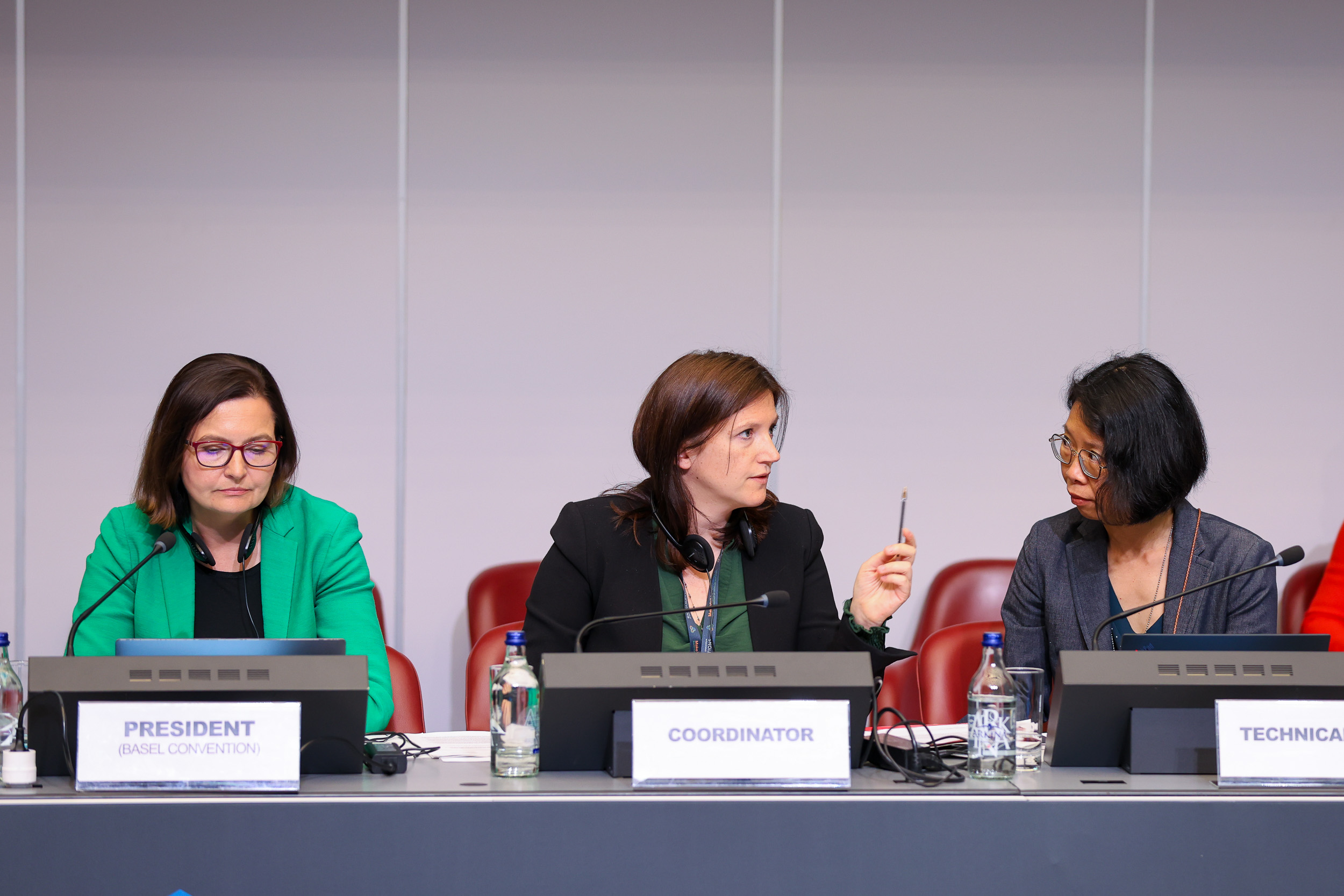
From L-R: Basel Convention COP17 President Anita Sowińska; Marylene Beau, BRS Conventions Secretariat; and Melisa Lim, BRS Conventions Secretariat
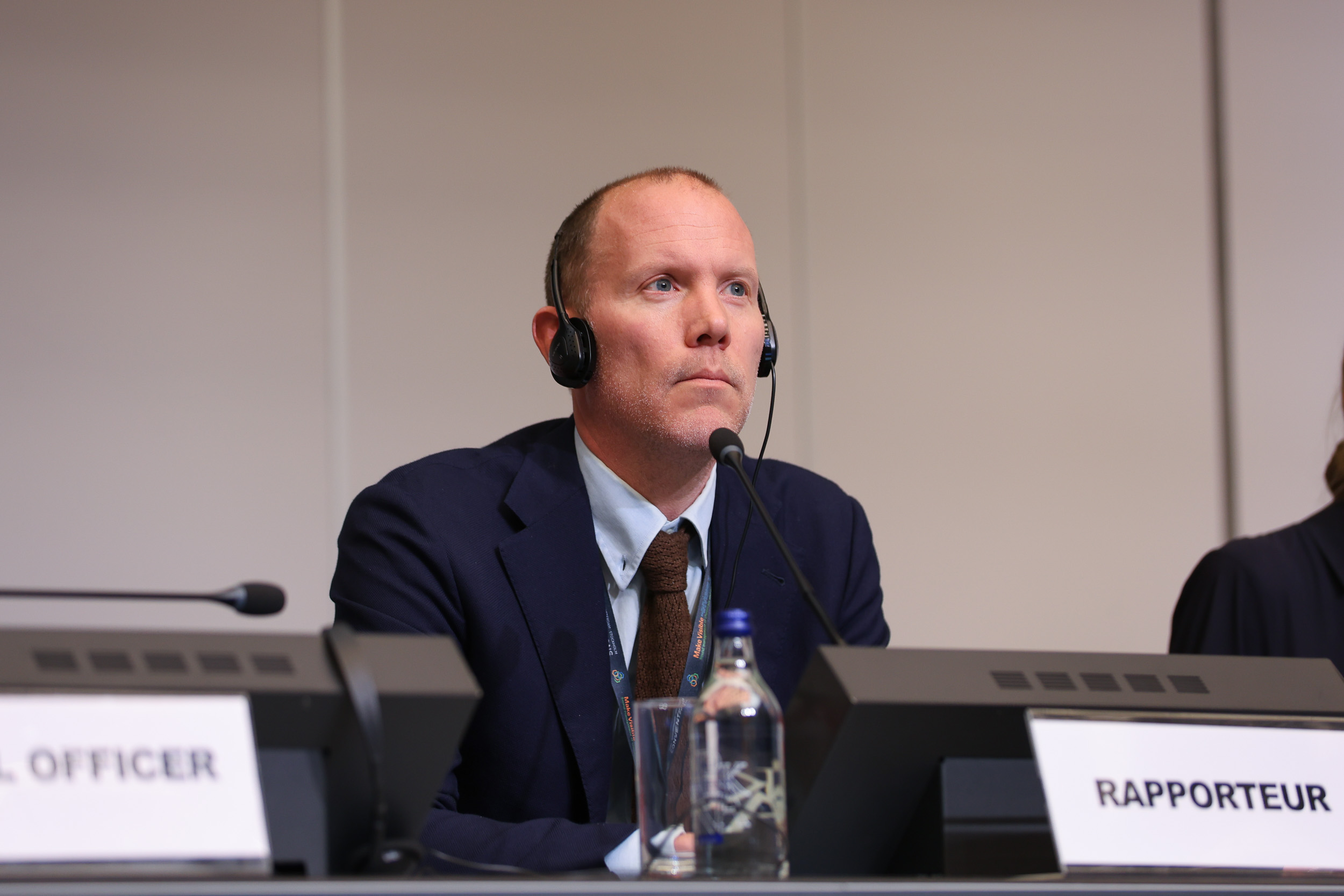
Ole Thomas Thommesen, Norway
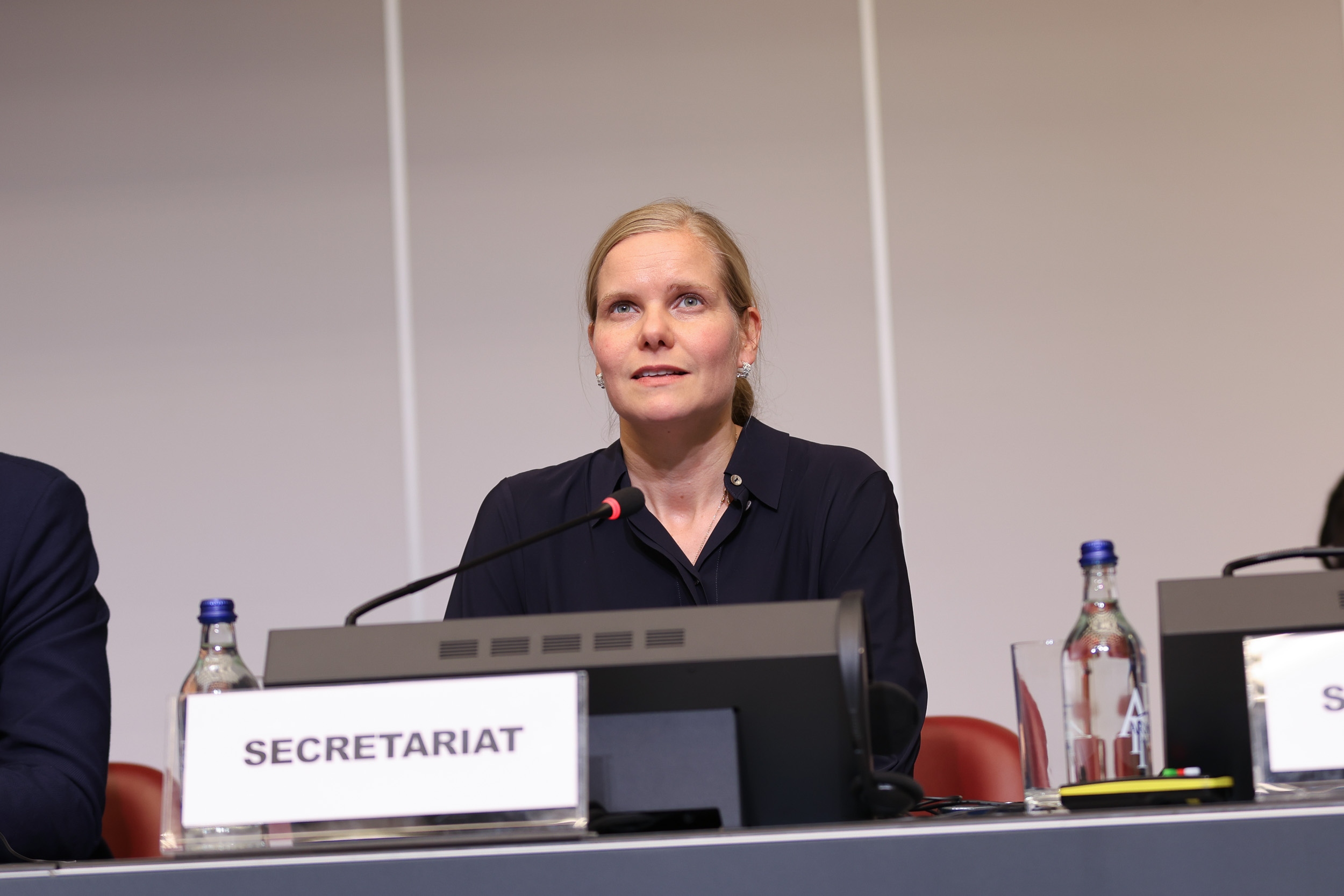
Lina Fortelius, BRS Conventions Secretariat
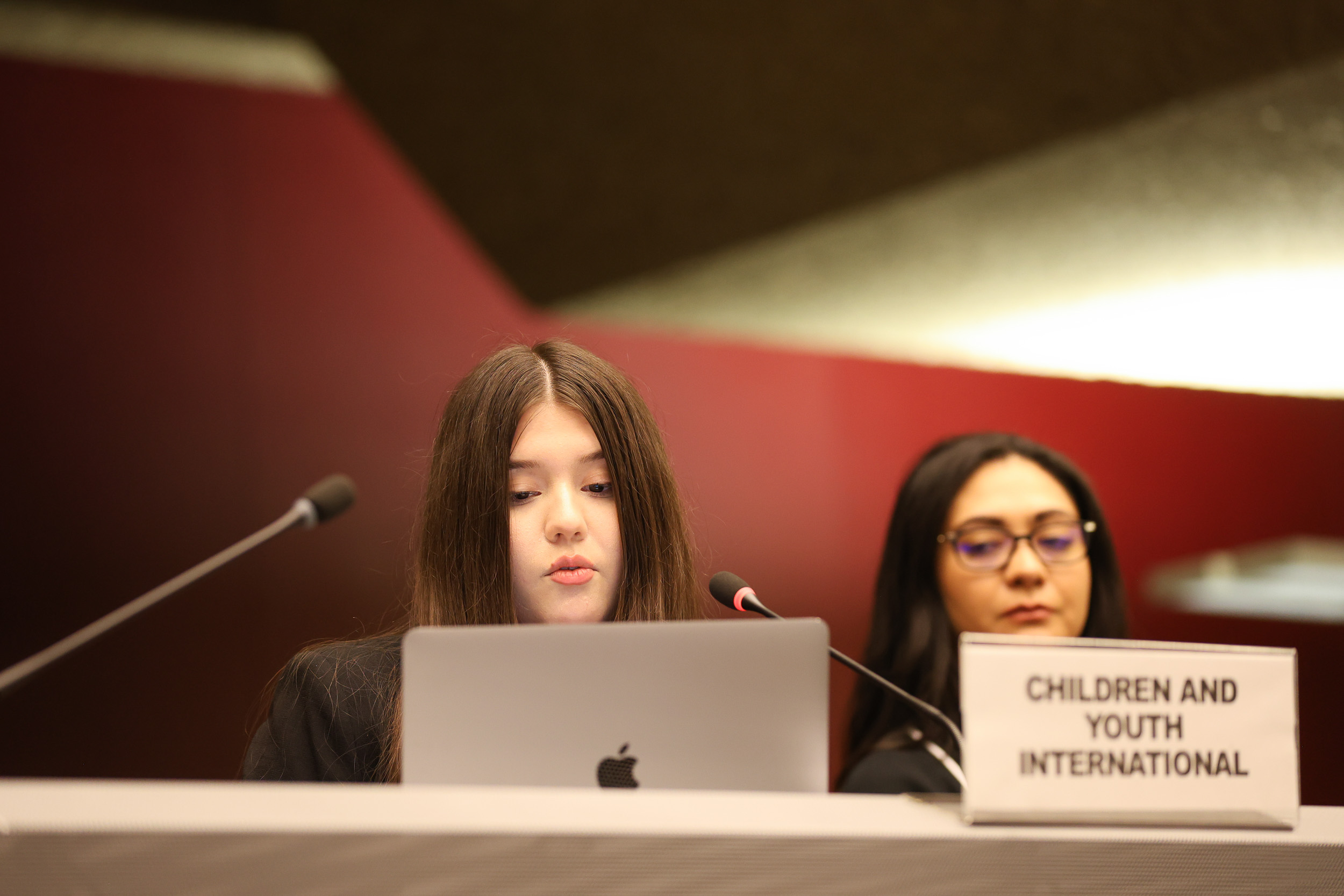
Irem Su Yildira, Children and Youth International
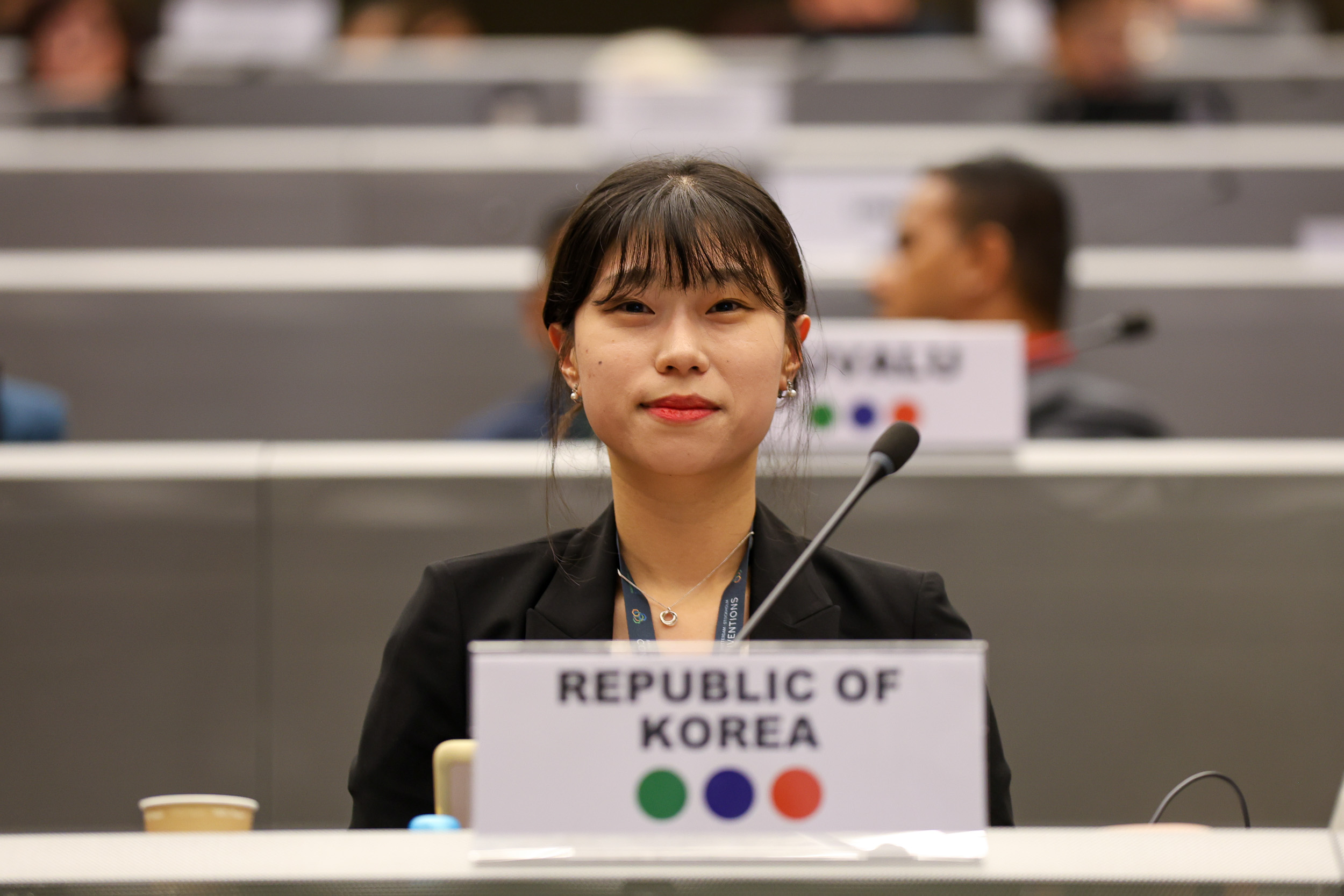
Hye Gyeong Kang, Republic of Korea
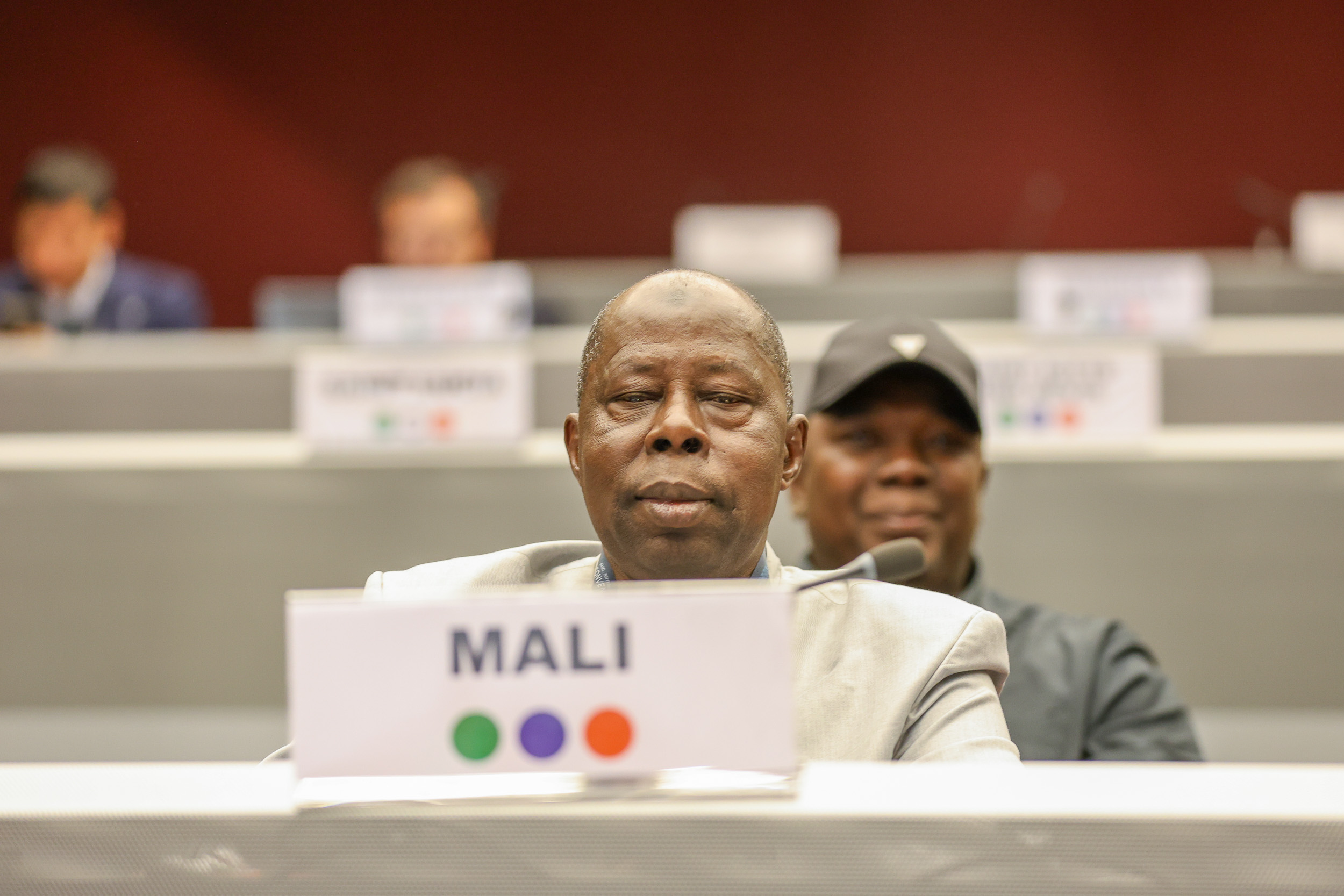
Sisuku Balla, Mali
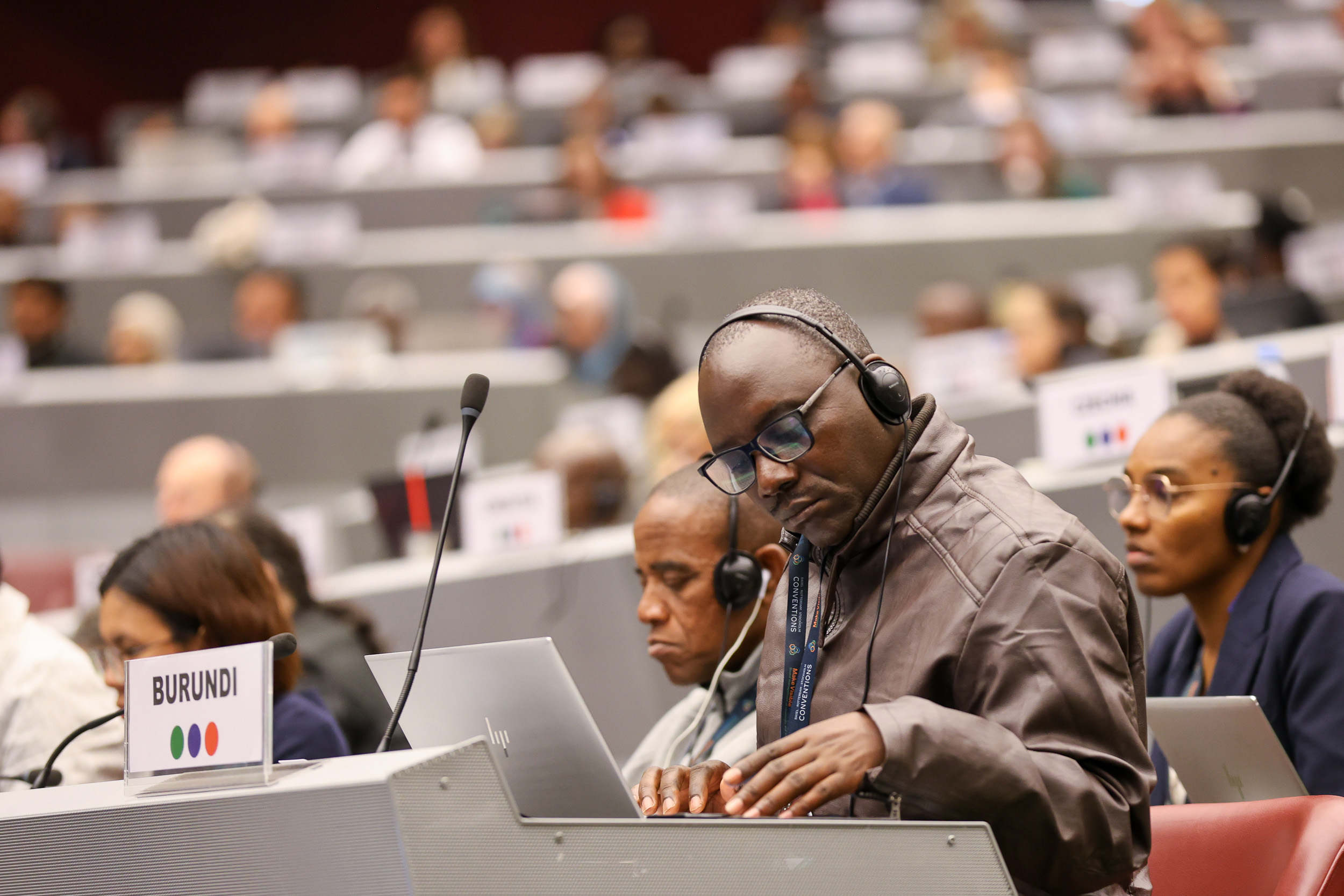
Berchmans Hatungimana, Burundi
Between Sessions
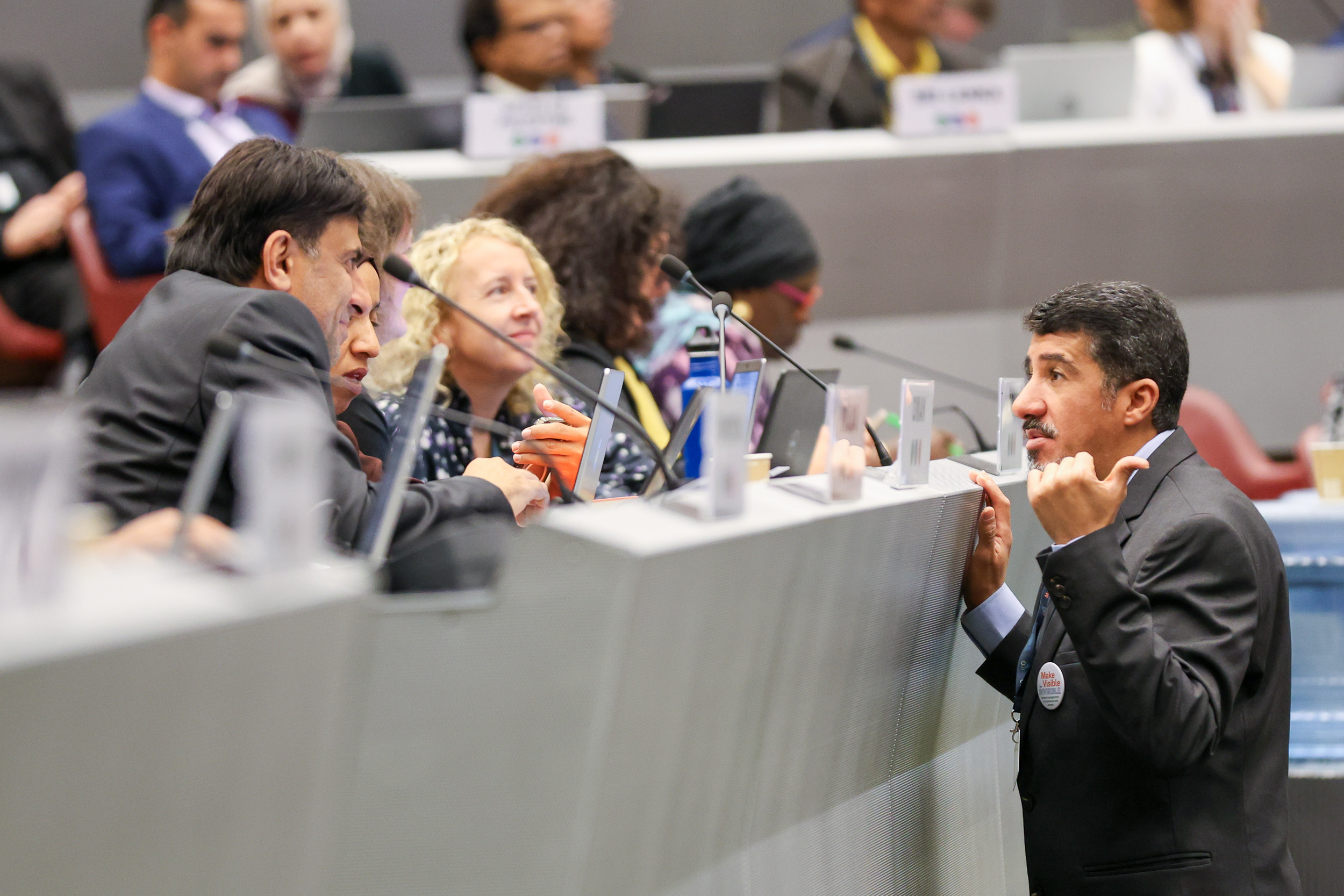

Contact Groups
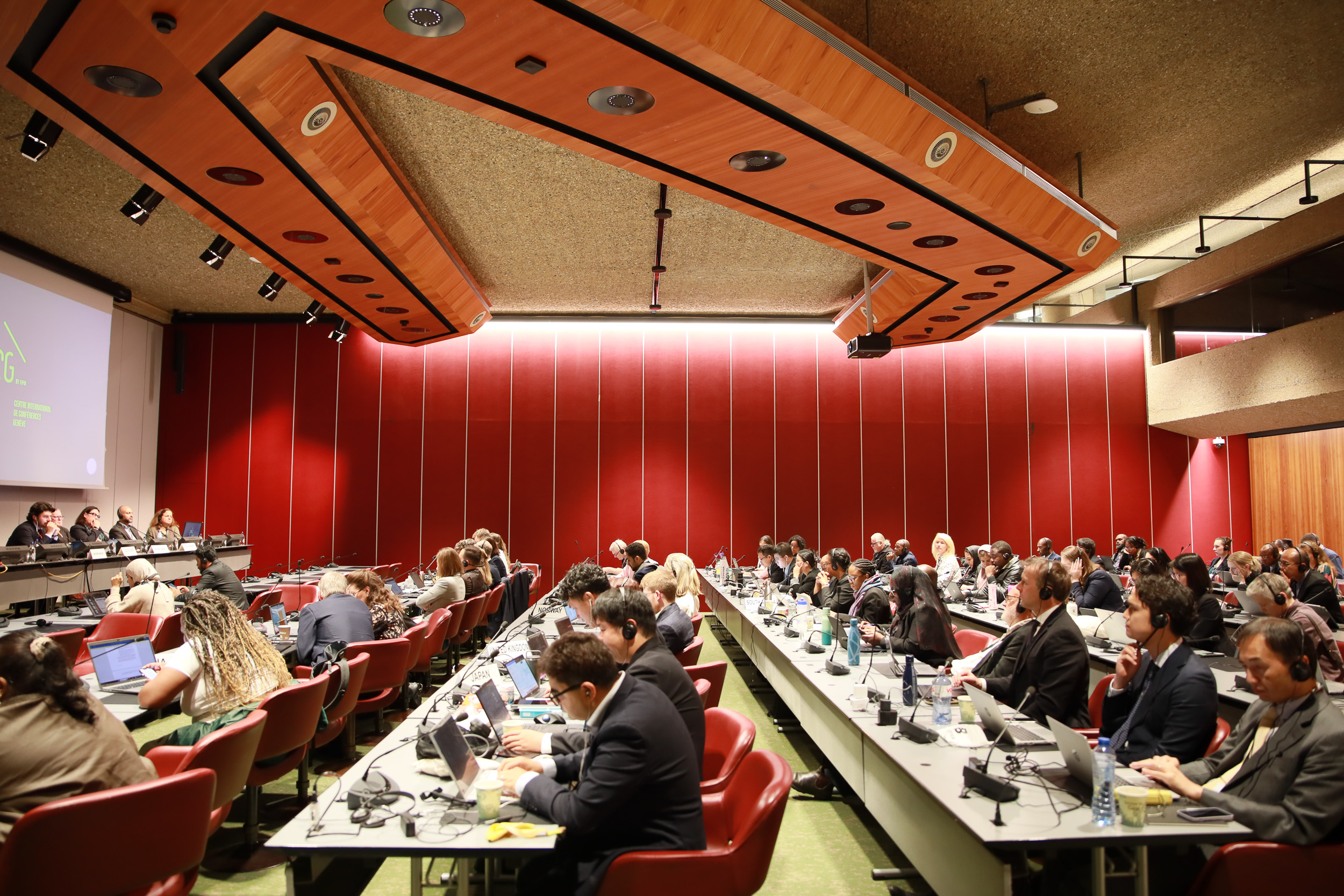
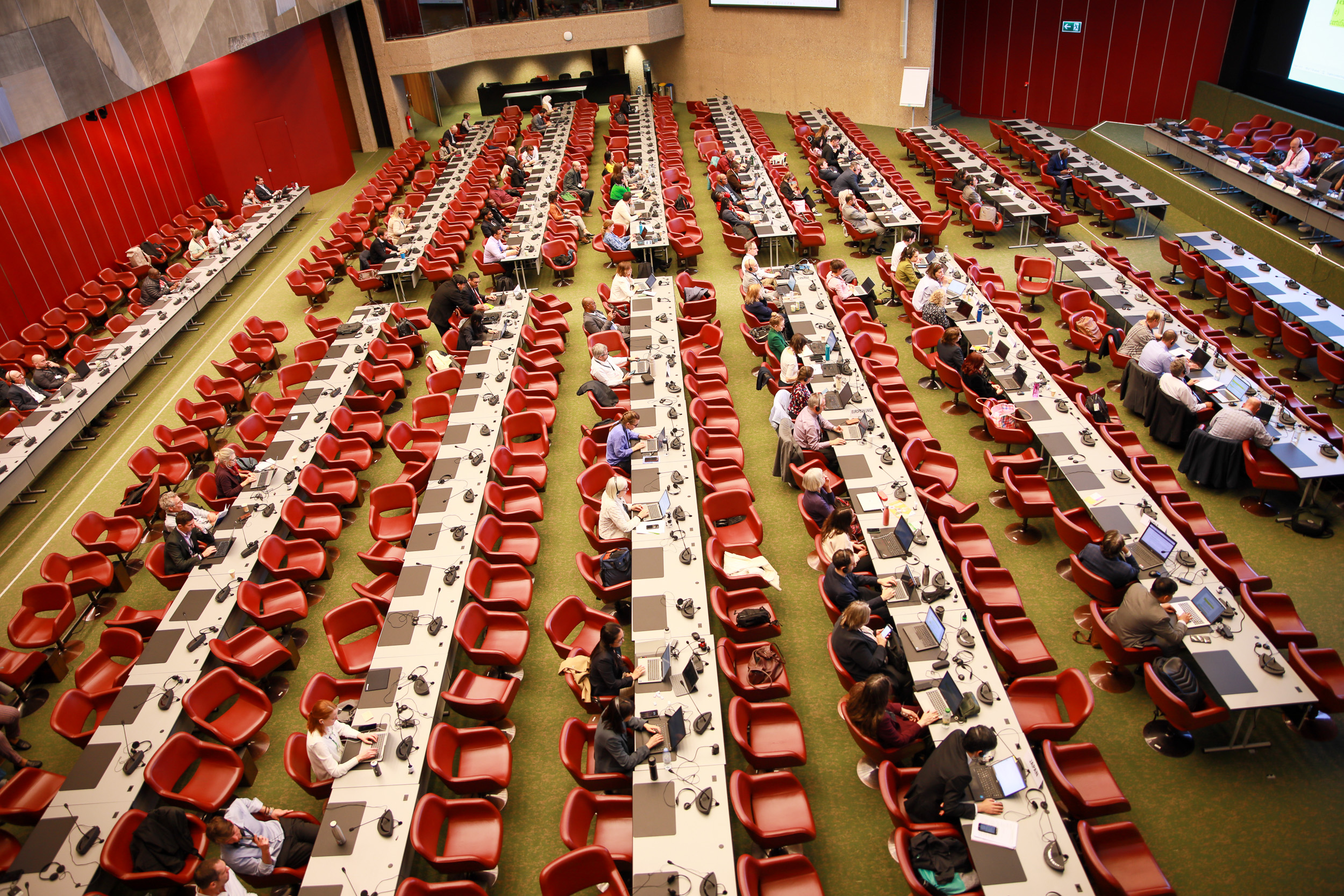
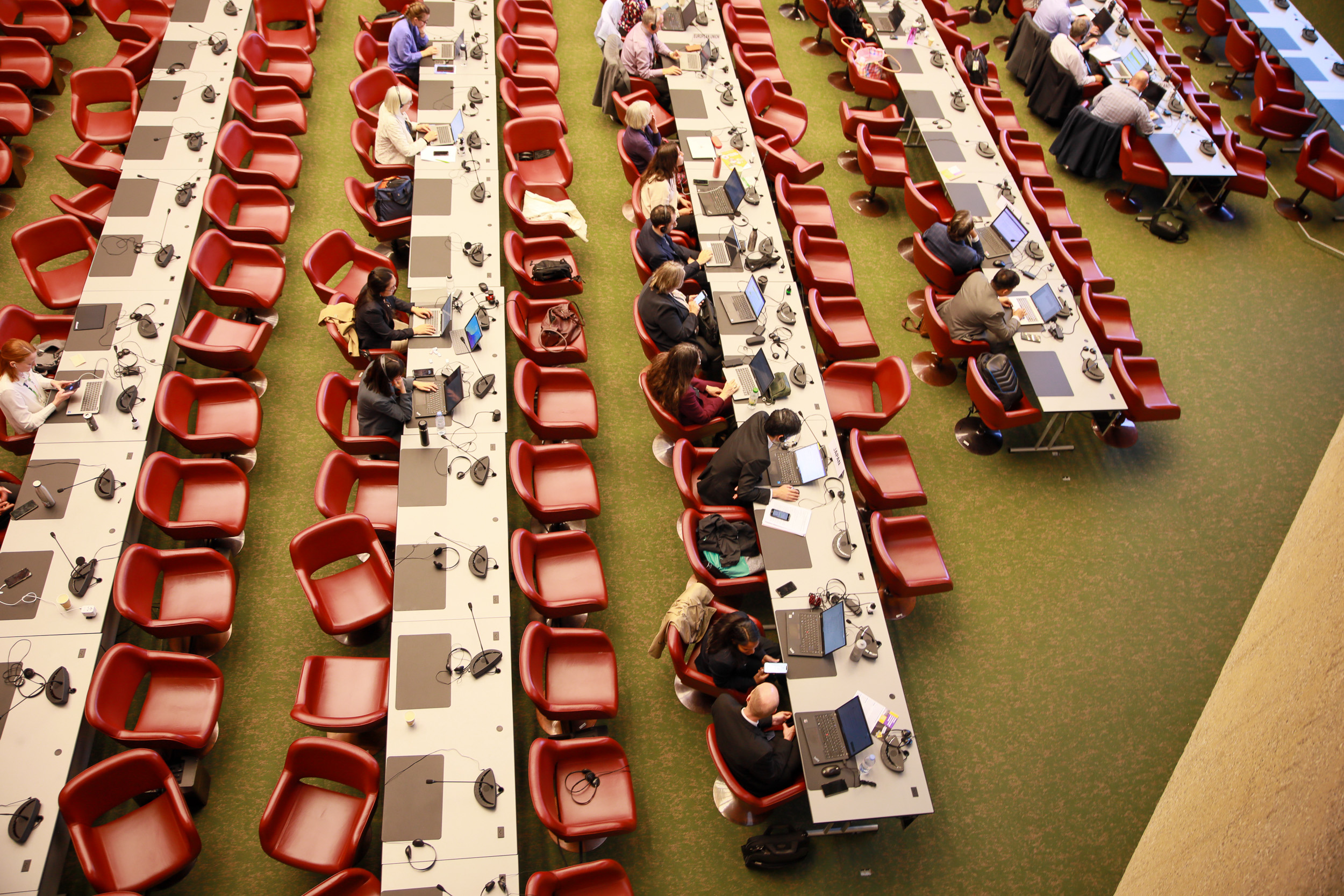
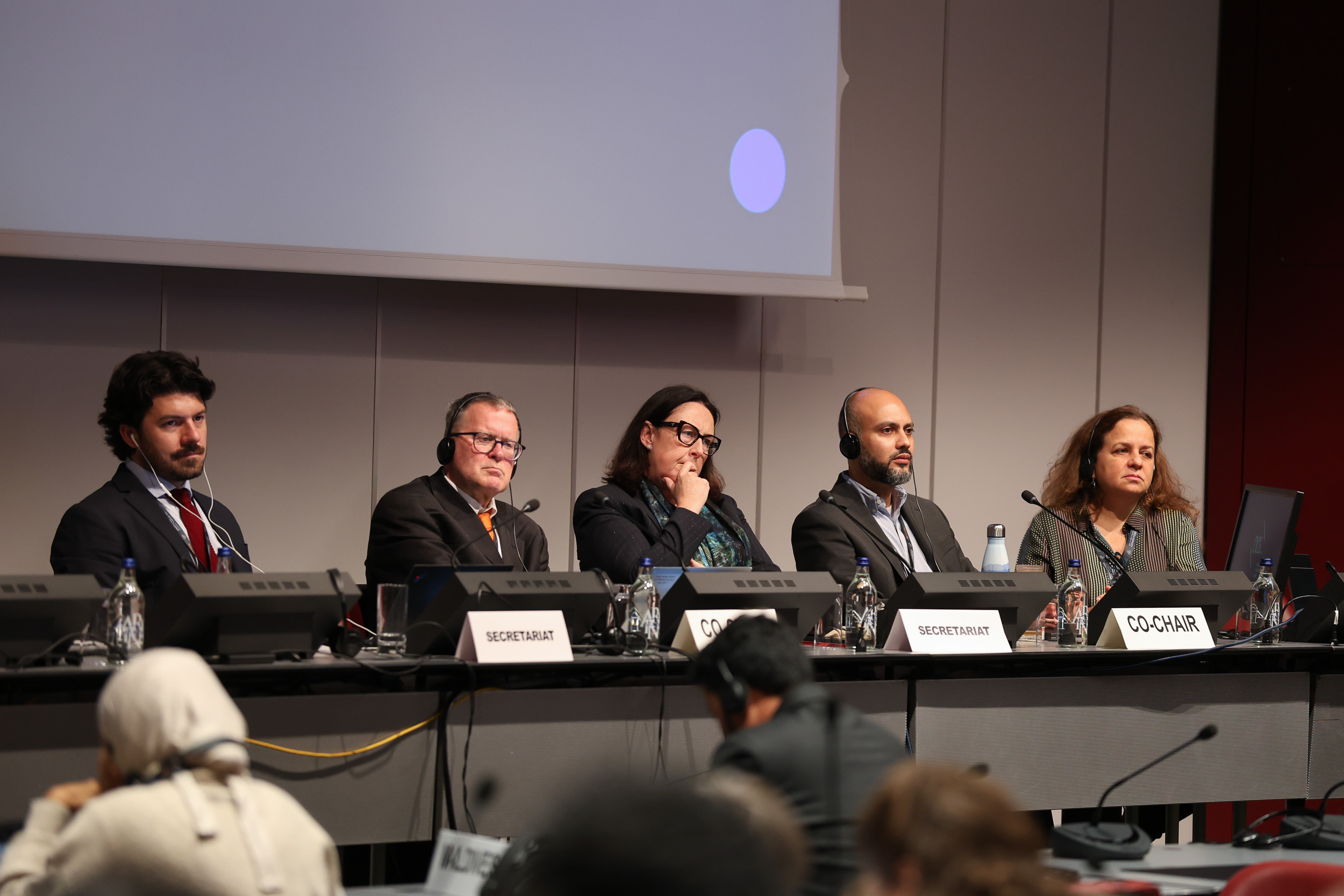
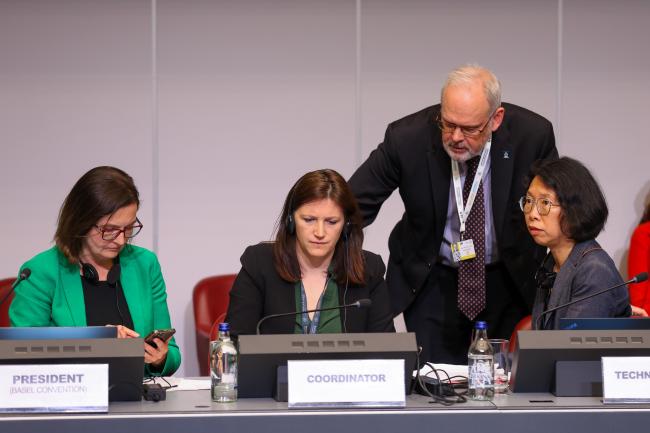
View of the dais during a Contact Group on Basel Convention technical guidelines
Around the Venue
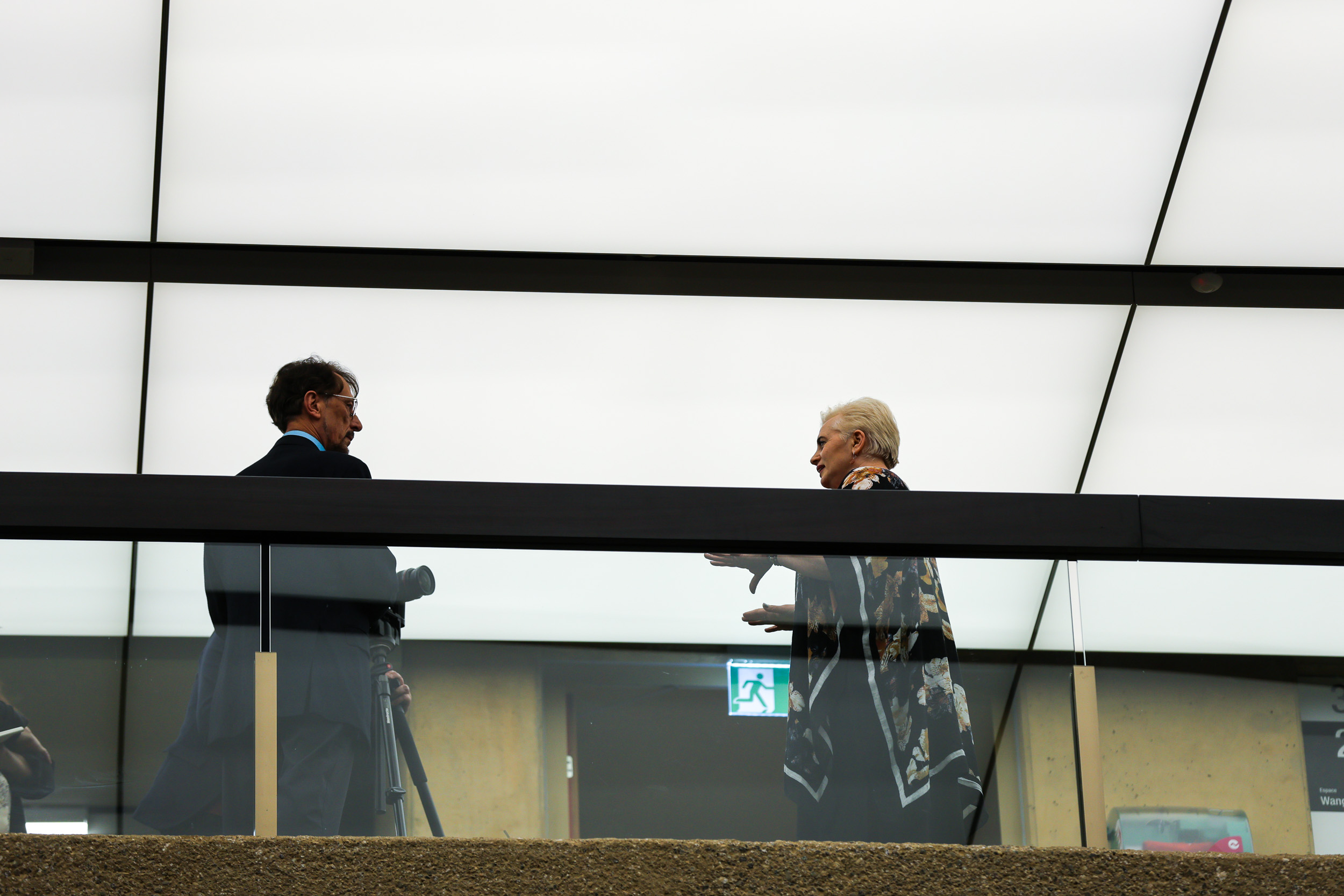

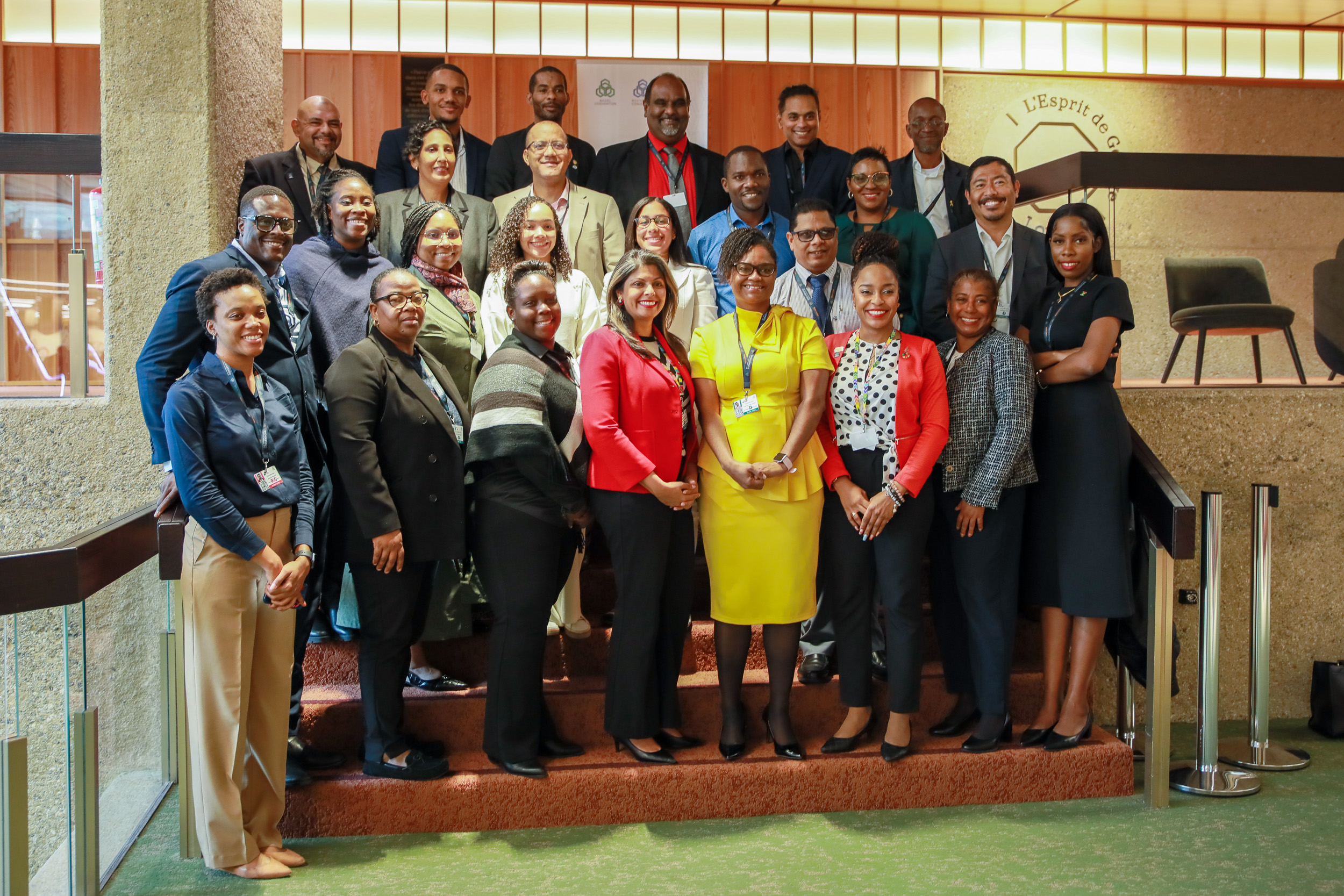
Caribbean delegations family photo
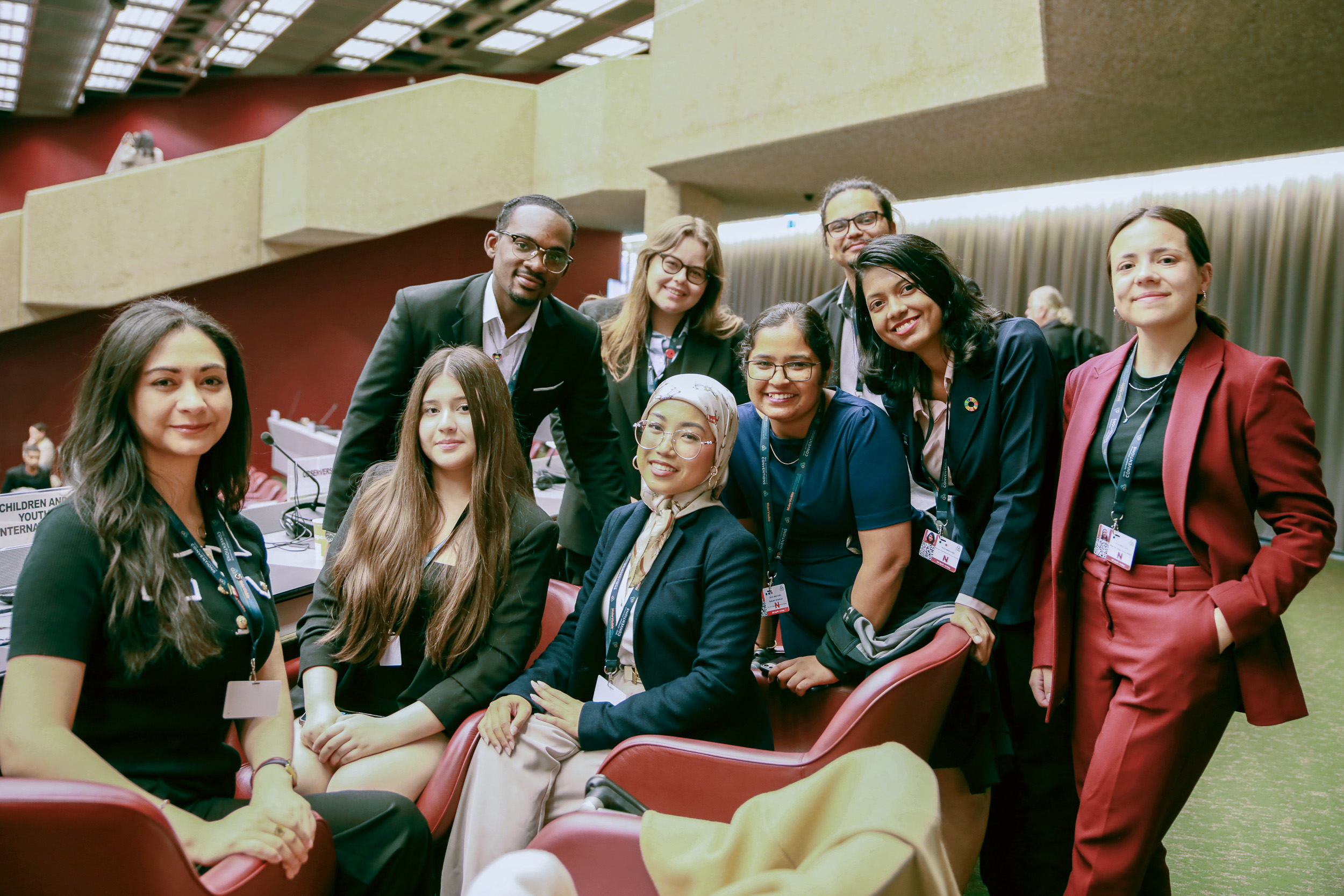
Children and Youth International family photo