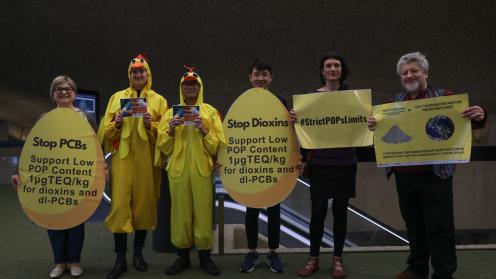
By some estimates, about 8% of deaths worldwide can be attributed to hazardous chemicals. This is the worst case scenario, and health and environmental harms range widely. Exposure can come from using a chemical, like applying a pesticide, using everyday products, or handling hazardous wastes. The Basel, Rotterdam, and Stockholm (BRS) Conventions meetings began to try to tighten the regulatory rules for global chemical and waste trade and management.
Want to dig deeper into today's talks? Read the full Earth Negotiations Bulletin daily report.
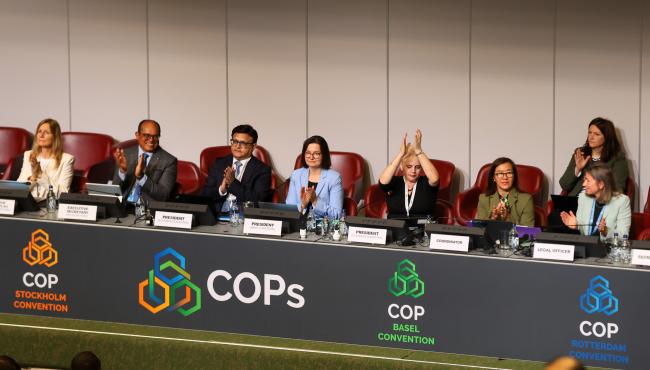
The opening ceremony laid bare the challenges. Many spoke of the growing volumes of wastes and risks posed by chemicals capable of travelling in the air and water. There are other, less technical, challenges. Many spoke of “difficult geopolitical circumstances,” worrying that international cooperation is needed more than ever, but is difficult to realize.
The Stockholm Convention started its central work: eliminating or restricting the production and use of persistent organic pollutants (POPs). It began with chlorpyrifos, a pesticide produced by several countries totalling around 50,000 tons per year. There was early support for eliminating this chemical, but several countries noted the need to use it to manage pests and protect food security. One country openly opposed listing the pesticide on these grounds. A contact group will take this discussion further, and is likely to be given additional work in the coming days.
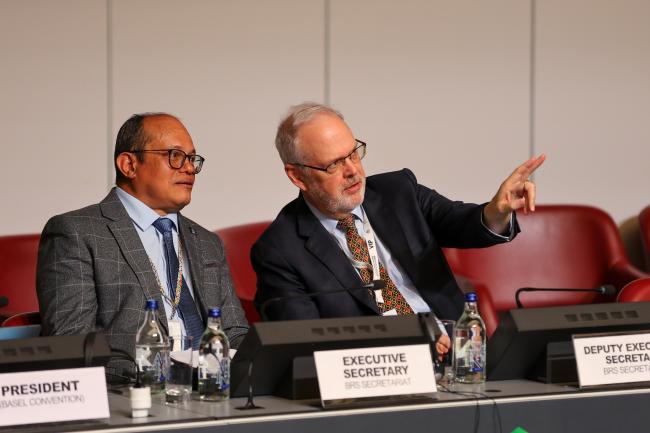
The Basel Convention took up its work to help parties safely dispose of hazardous wastes and wastes contaminated with POPs. Some technical guidelines could help define safe methods for managing very modern wastes, such as the lithium batteries that help power the clean energy transition. Work resumed on how to capture and guide countries’ recovery, recycling, and/or reclamation activities. There is significant global trade in materials destined for these types of operations. To date, the Basel Convention has often focused on the transboundary movement of waste for its disposal. This work may help address concerns about regulatory cracks, where materials are claimed to be traded for recycling, but end up disposed of in the importing country.
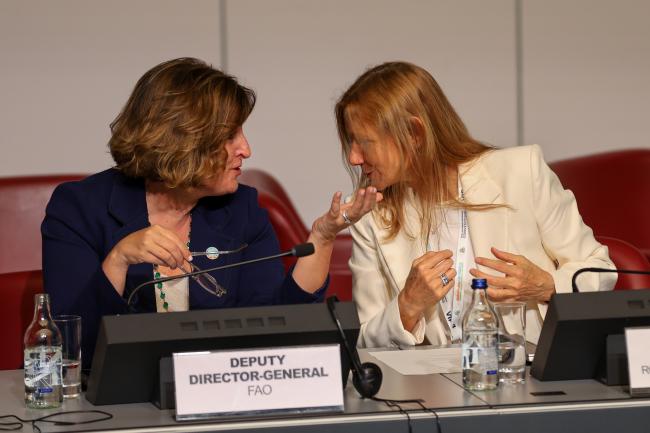
Side events were held throughout the day. One drew attention to human rights-based approaches to chemicals and wastes, while another considered how to finance action to protect people and the planet. Electronic and electrical waste, used batteries, and short-chain per- and polyfluoroalkyl substances (PFAS) were also the focus of side events. An evening event considered the extent to which publicly-available data could be used to manage POPs.
All ENB photos are free to use with attribution. For this event, please use: Photo by IISD/ENB | Mike Muzurakis
To receive free coverage of global environmental events delivered to your inbox, subscribe to the ENB Update newsletter.
Plenary Sessions
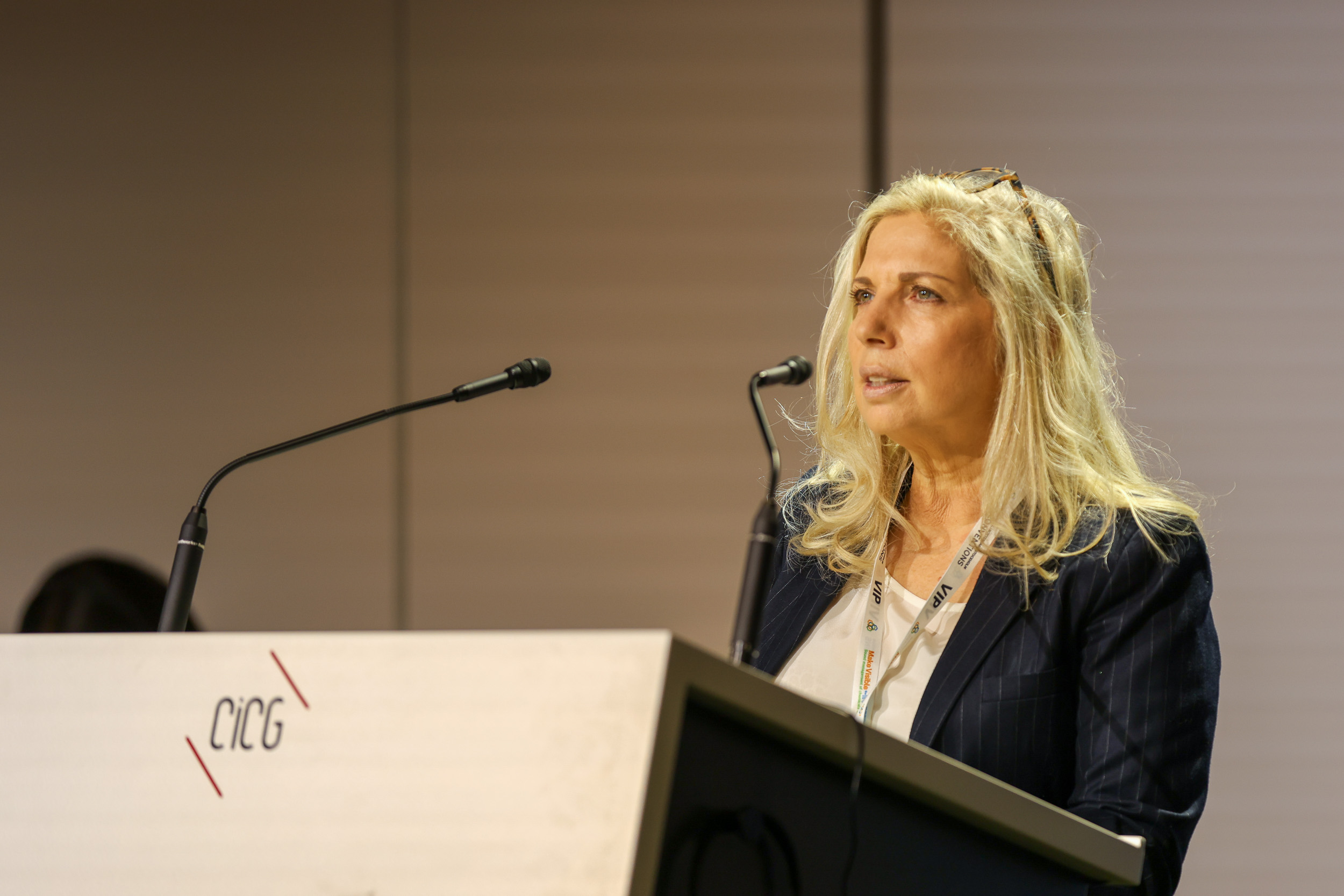
Nathalie Fontanet, President of the State Council of the Republic and Canton of Geneva
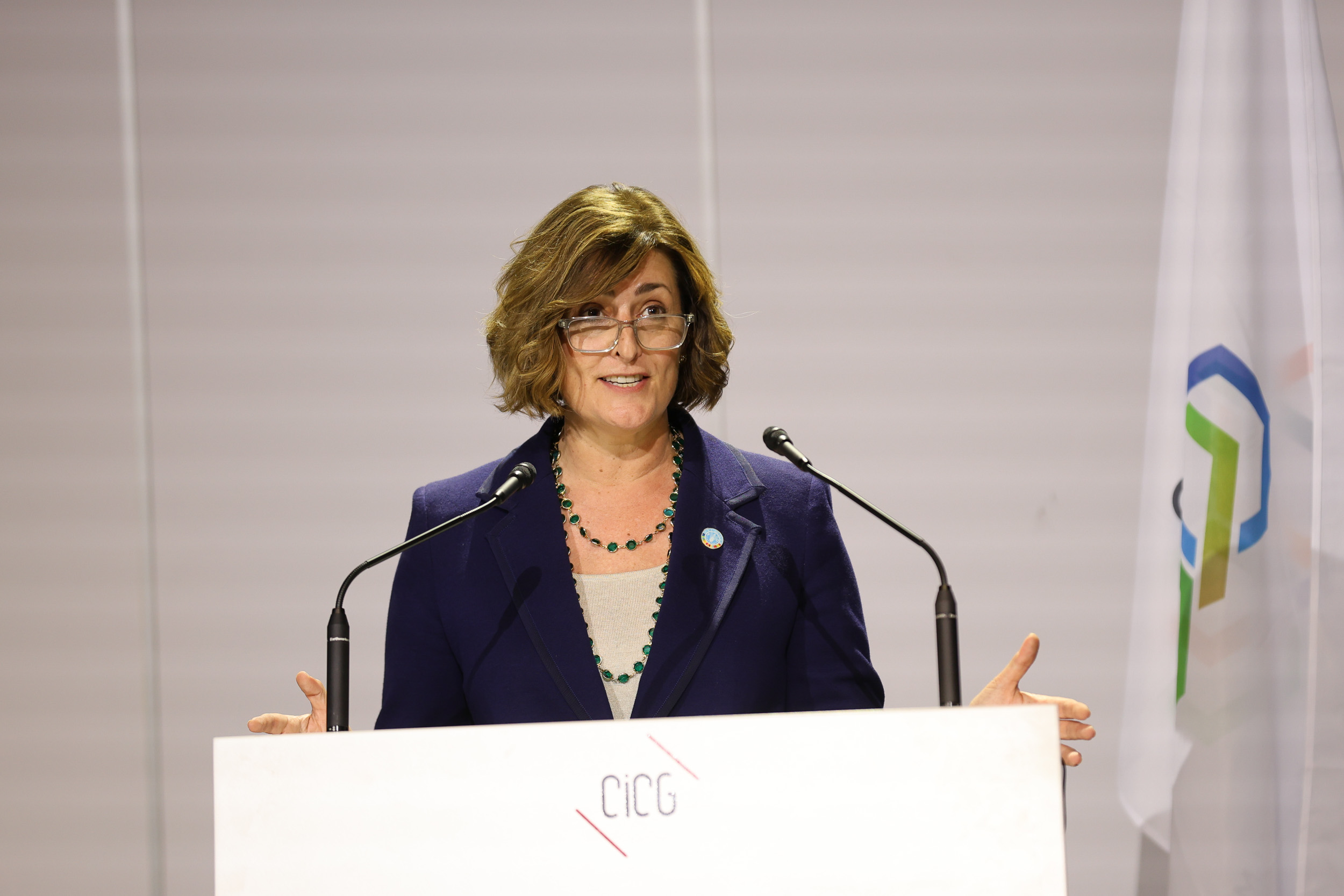
Beth Bechdol, Deputy Director-General, FAO
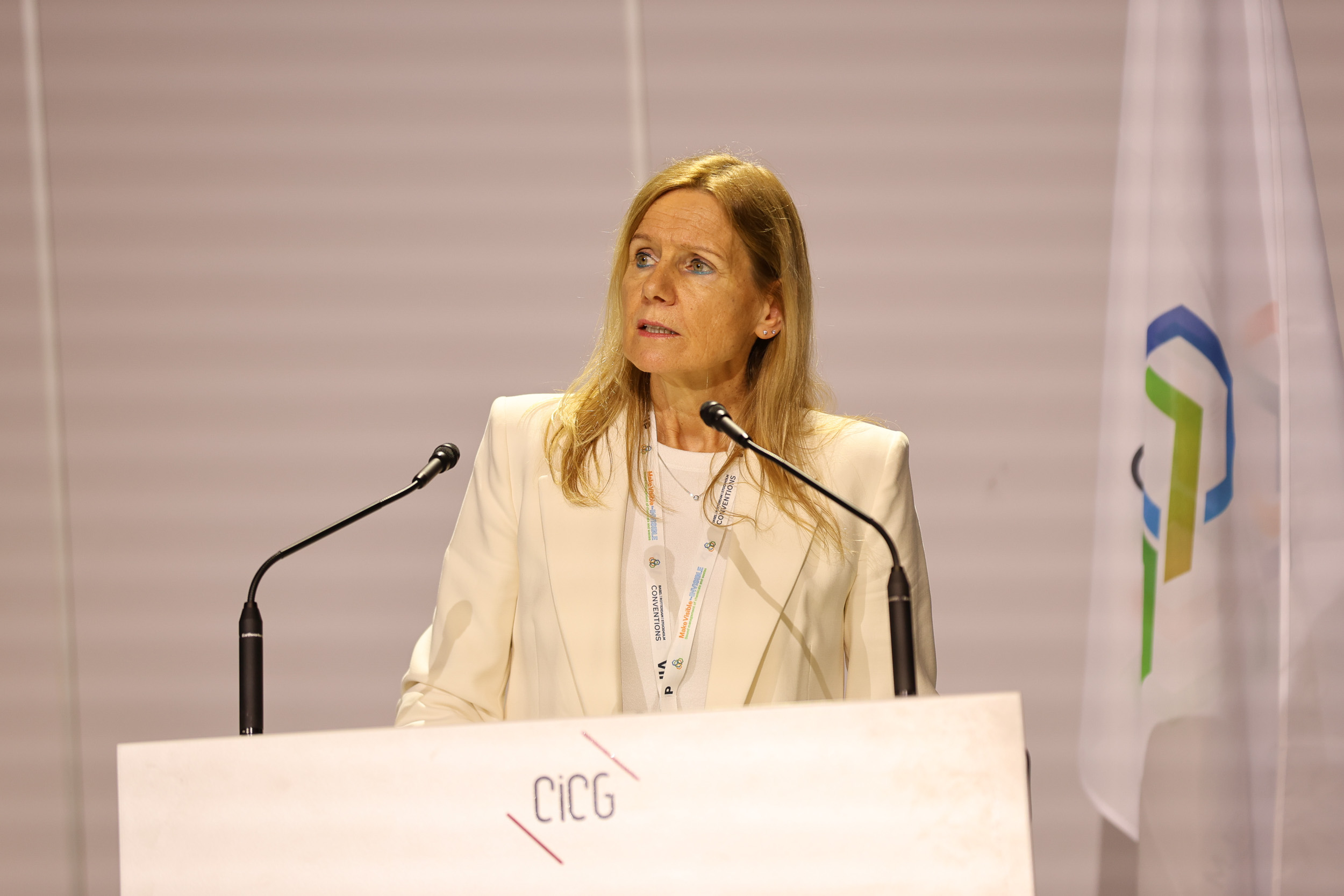
Christine Fuell, Executive Secretary ad interim, Rotterdam Convention
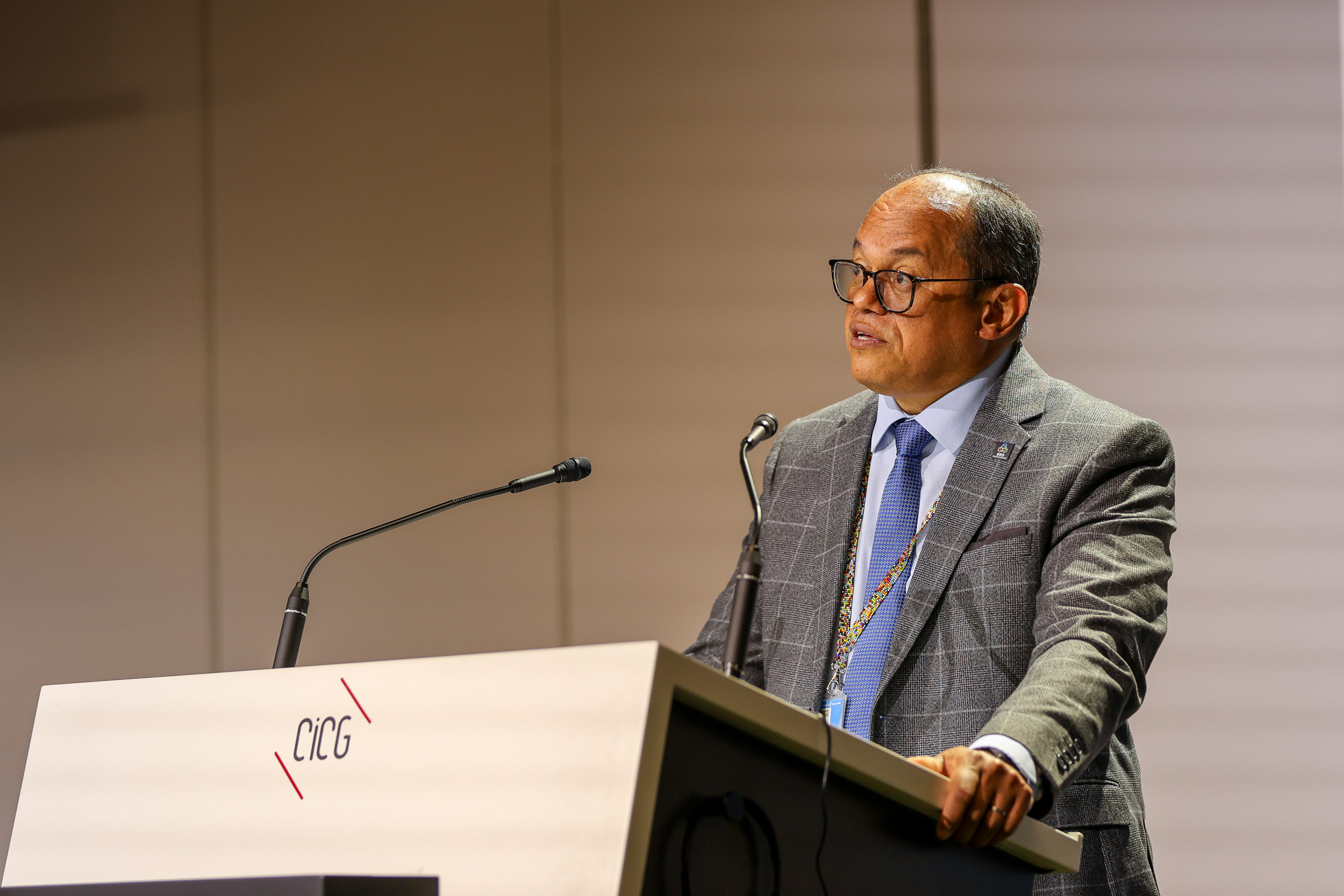
Rolph Payet, Executive Secretary, BRS Conventions
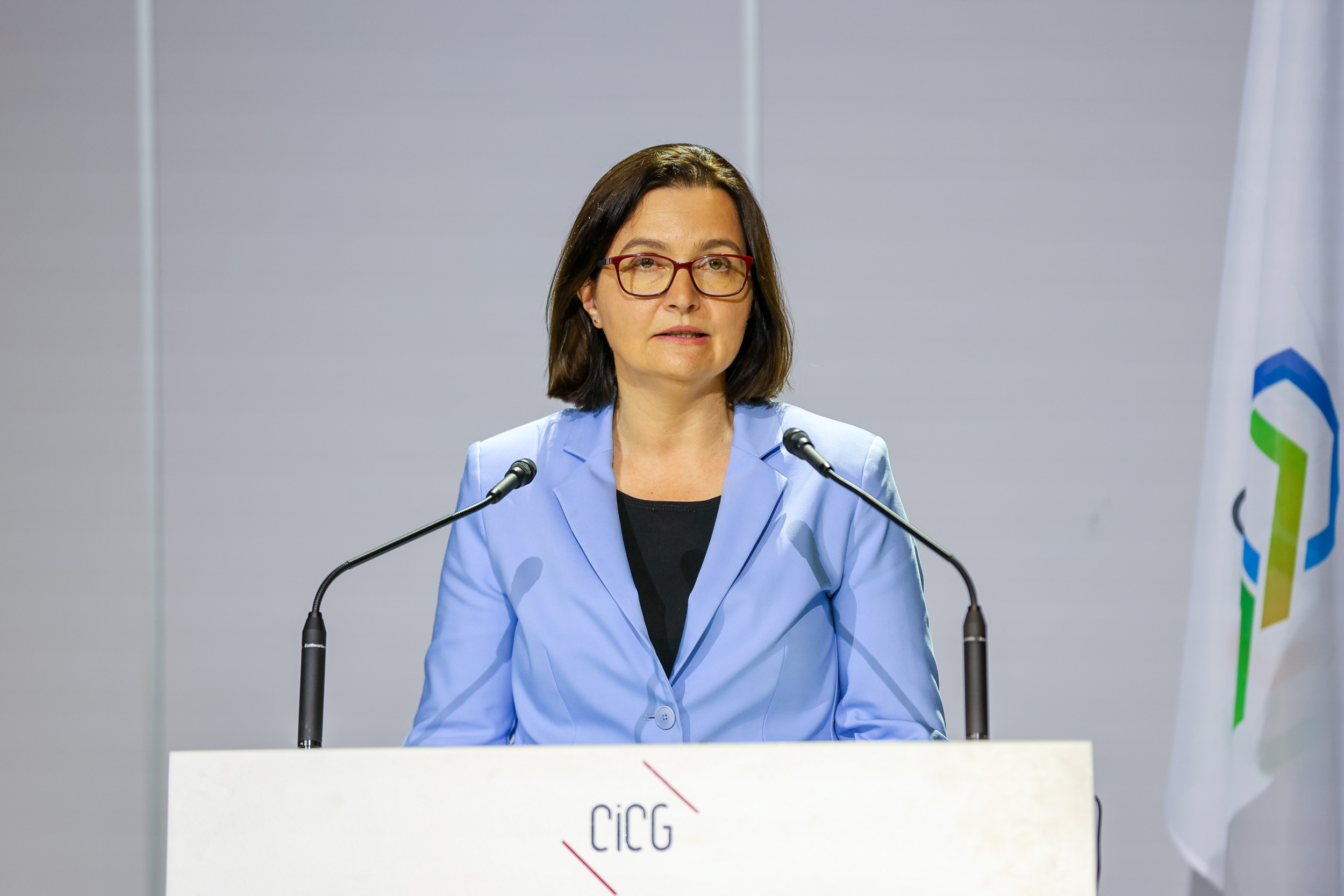
Basel Convention COP17 President Anita Sowińska
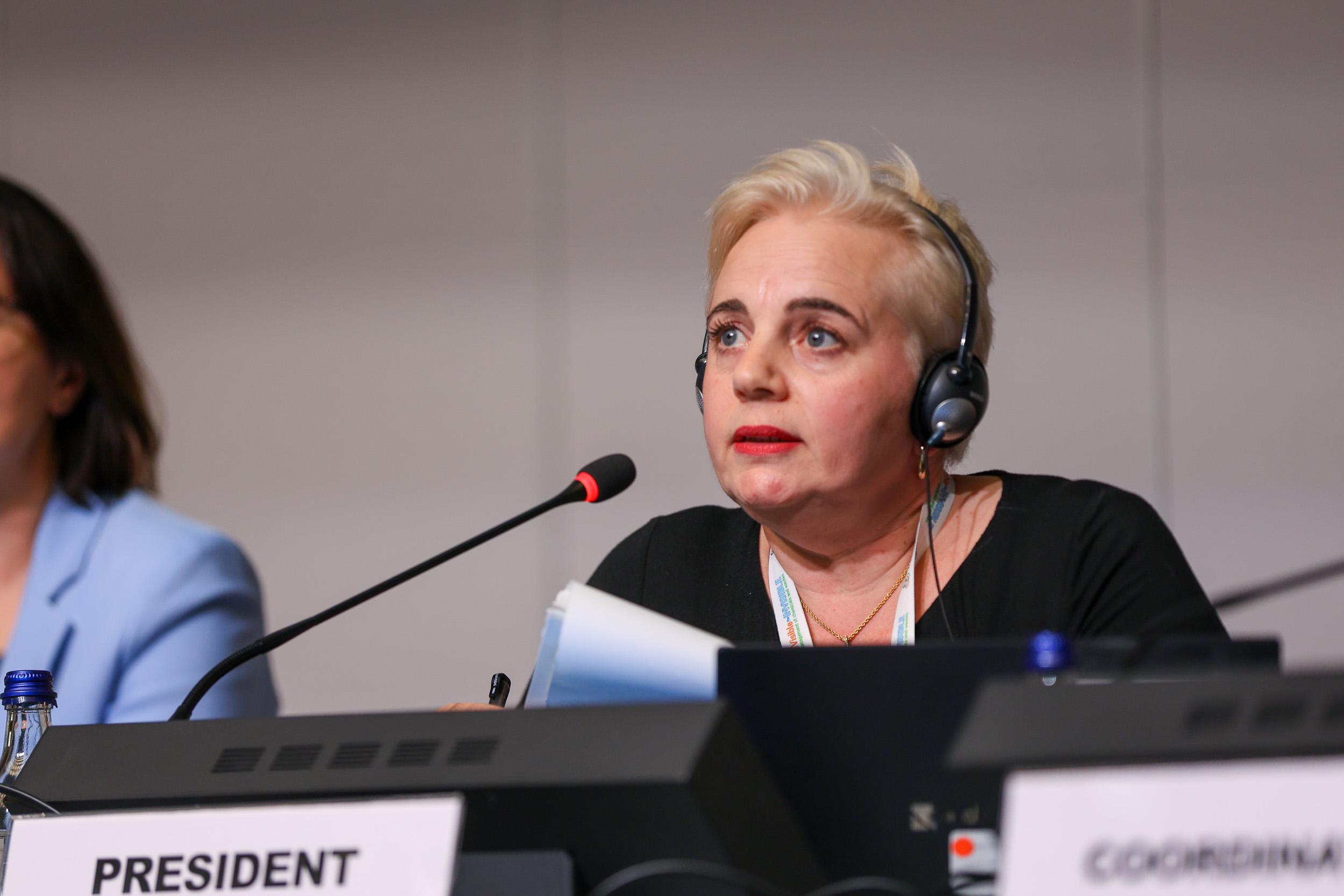
Stockholm Convention COP12 President Maya Berci
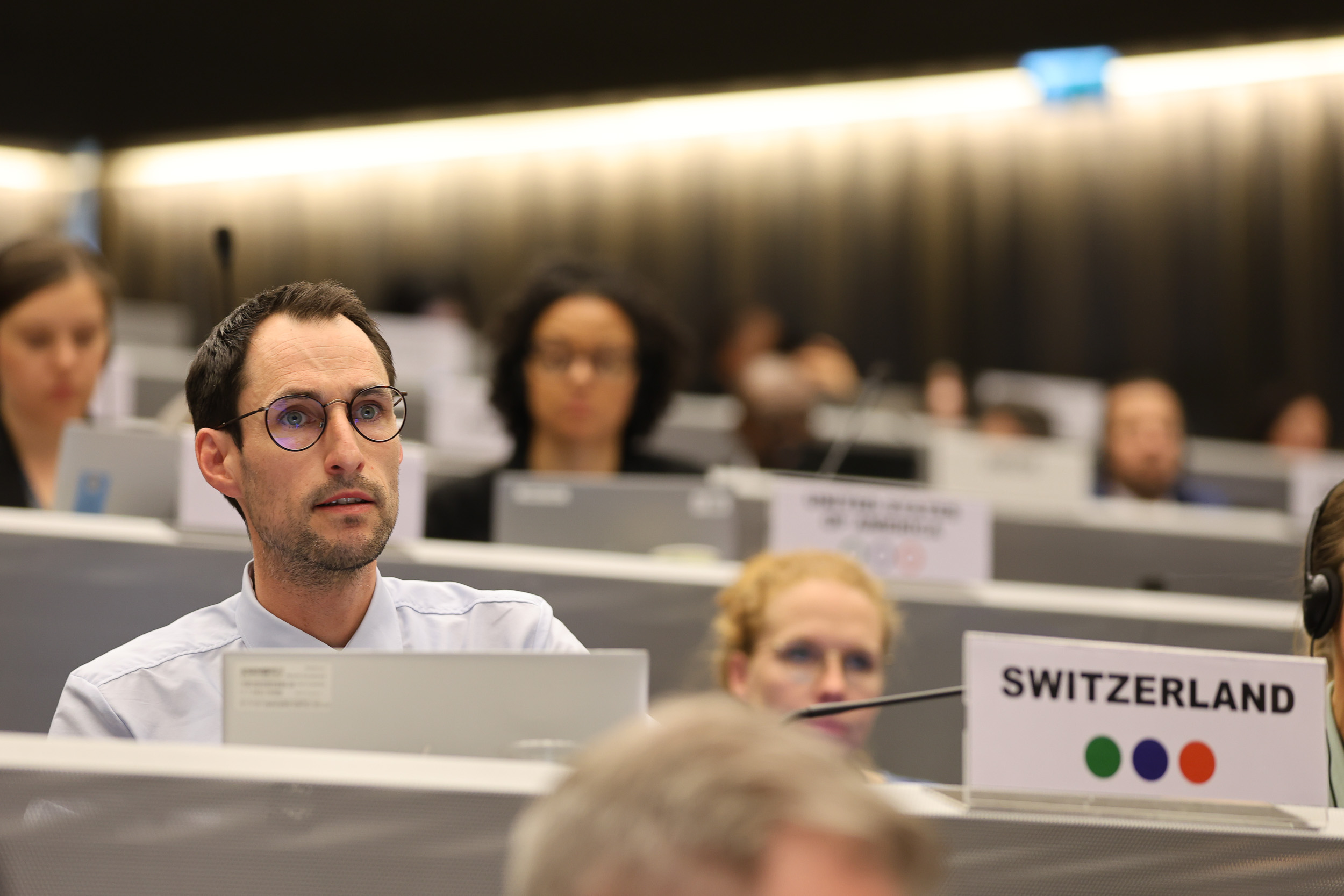
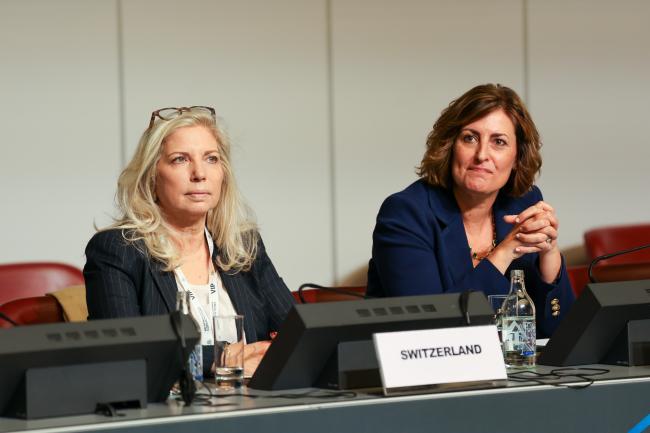
Michel Tschirren, Switzerland
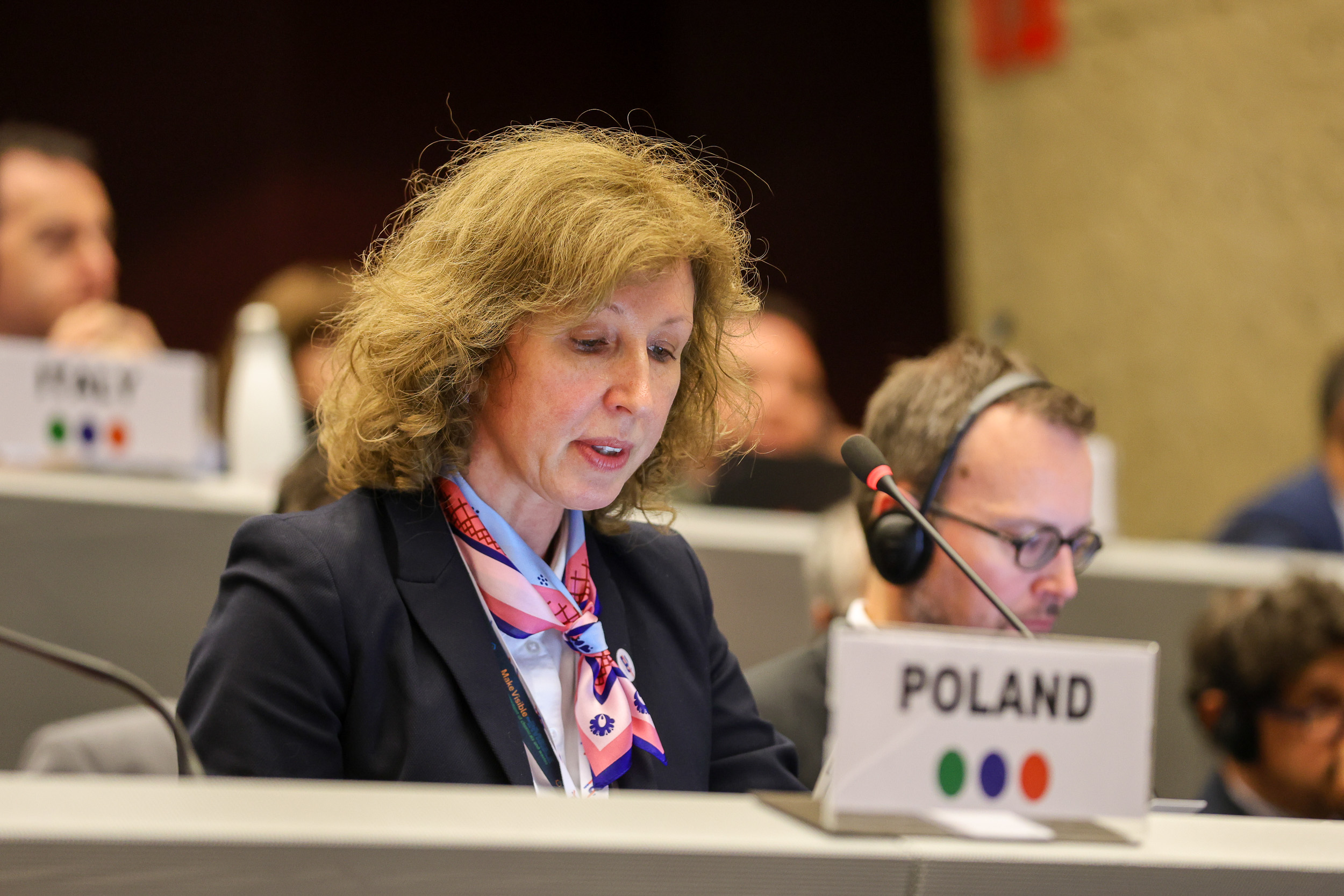
Agnieszka Dudra, Poland, speaking on behalf of the EU
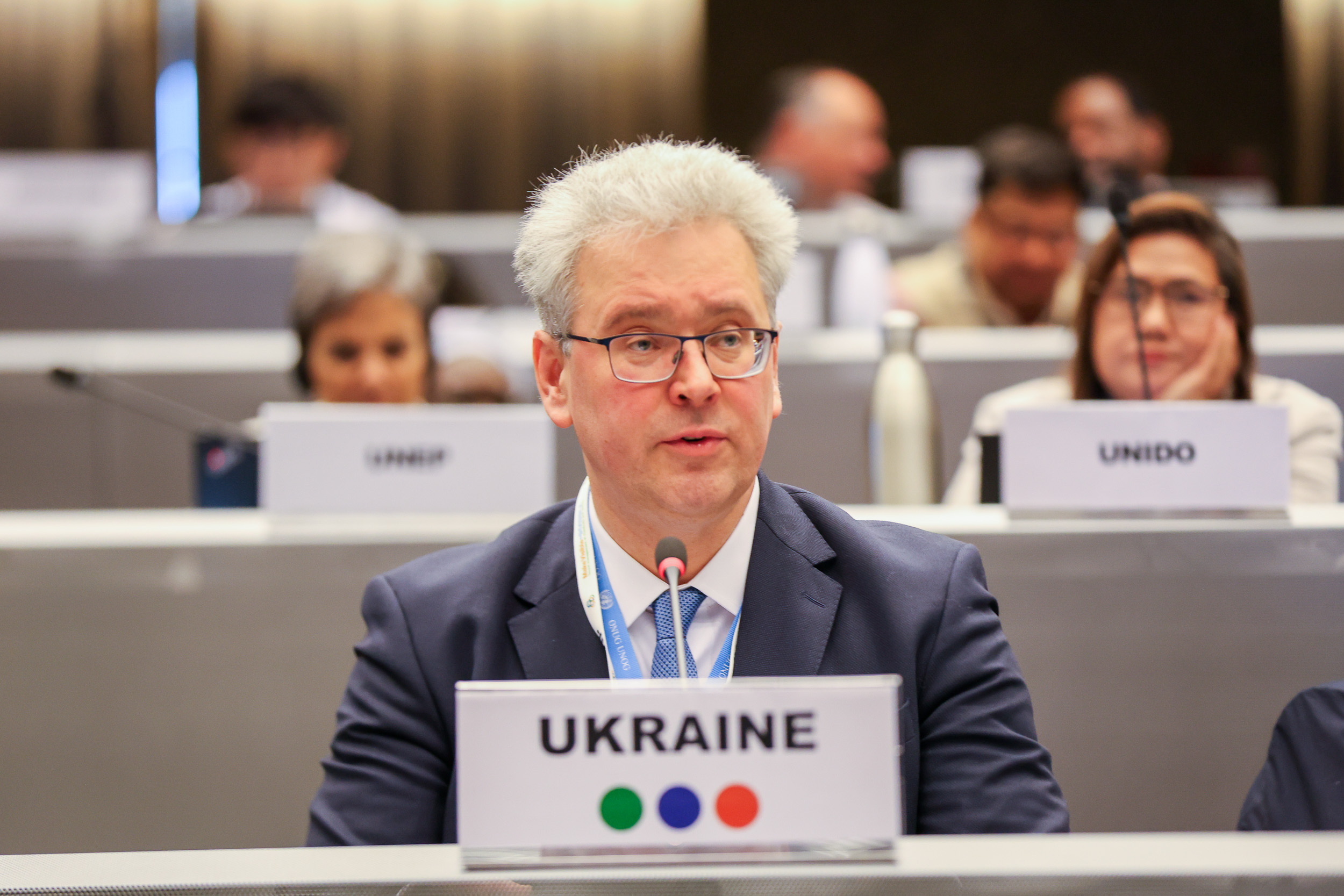
Yevhenii Tsymbaliuk, Ukraine
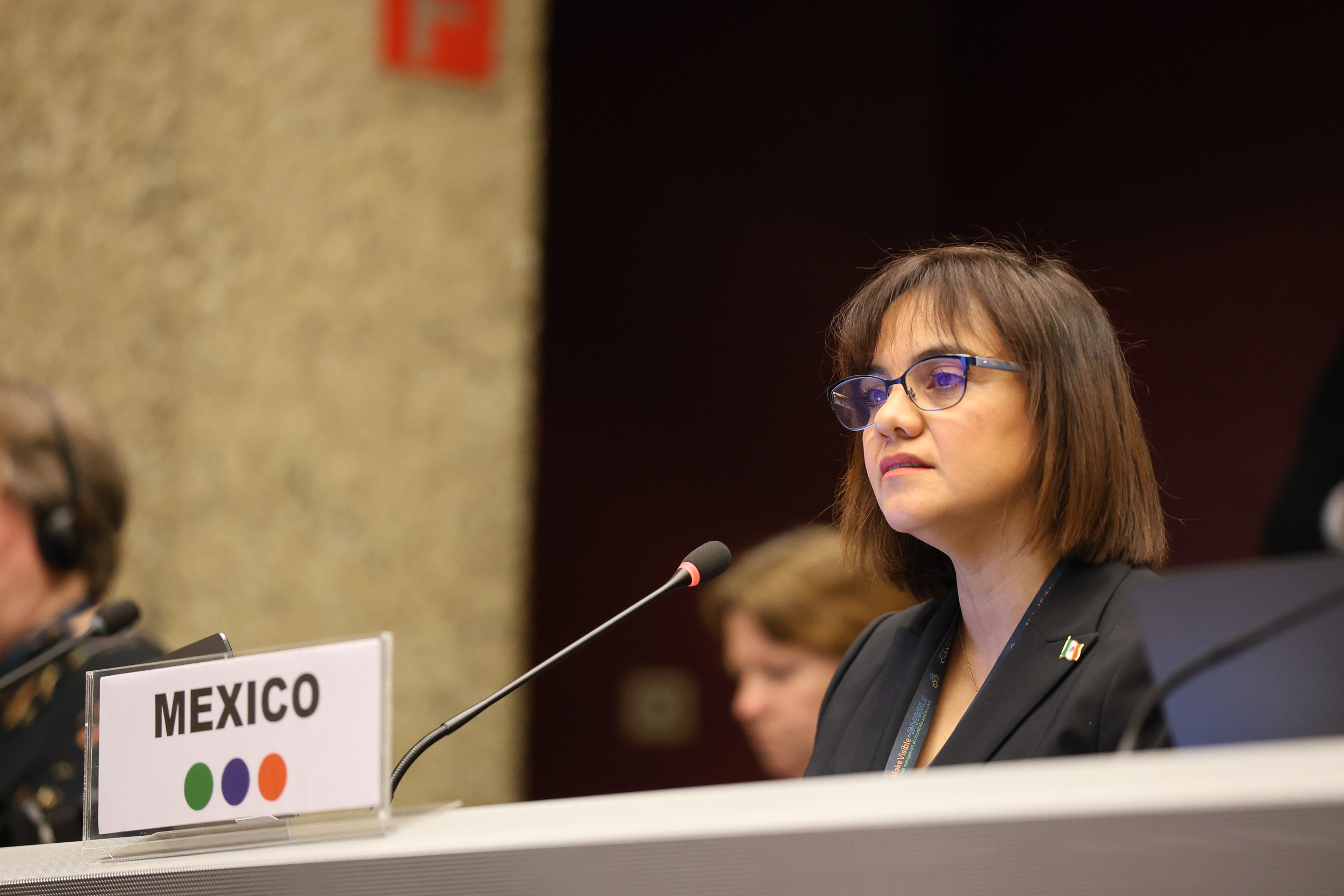
Miriam Medel García, Mexico
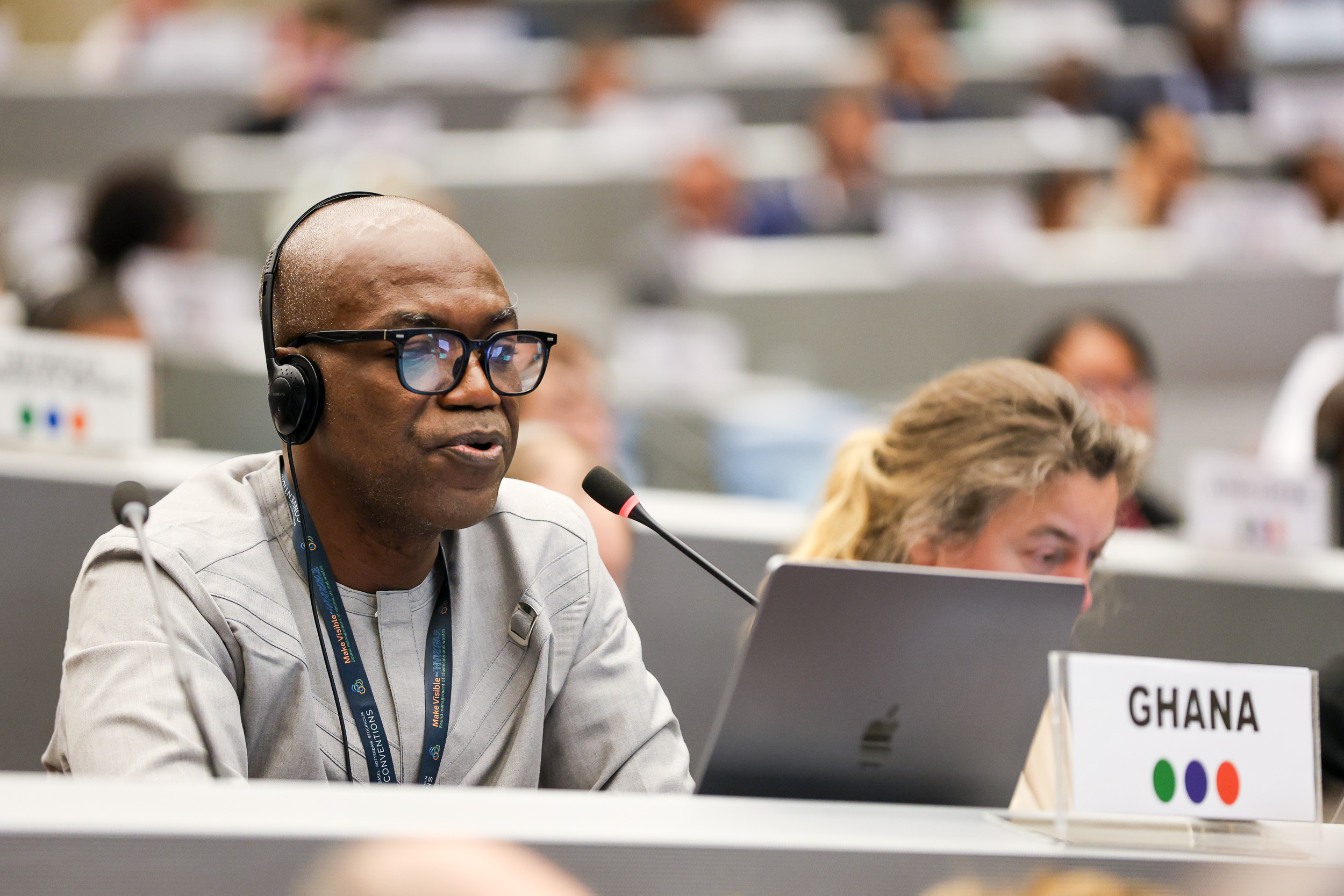
Joseph Edmund, Ghana
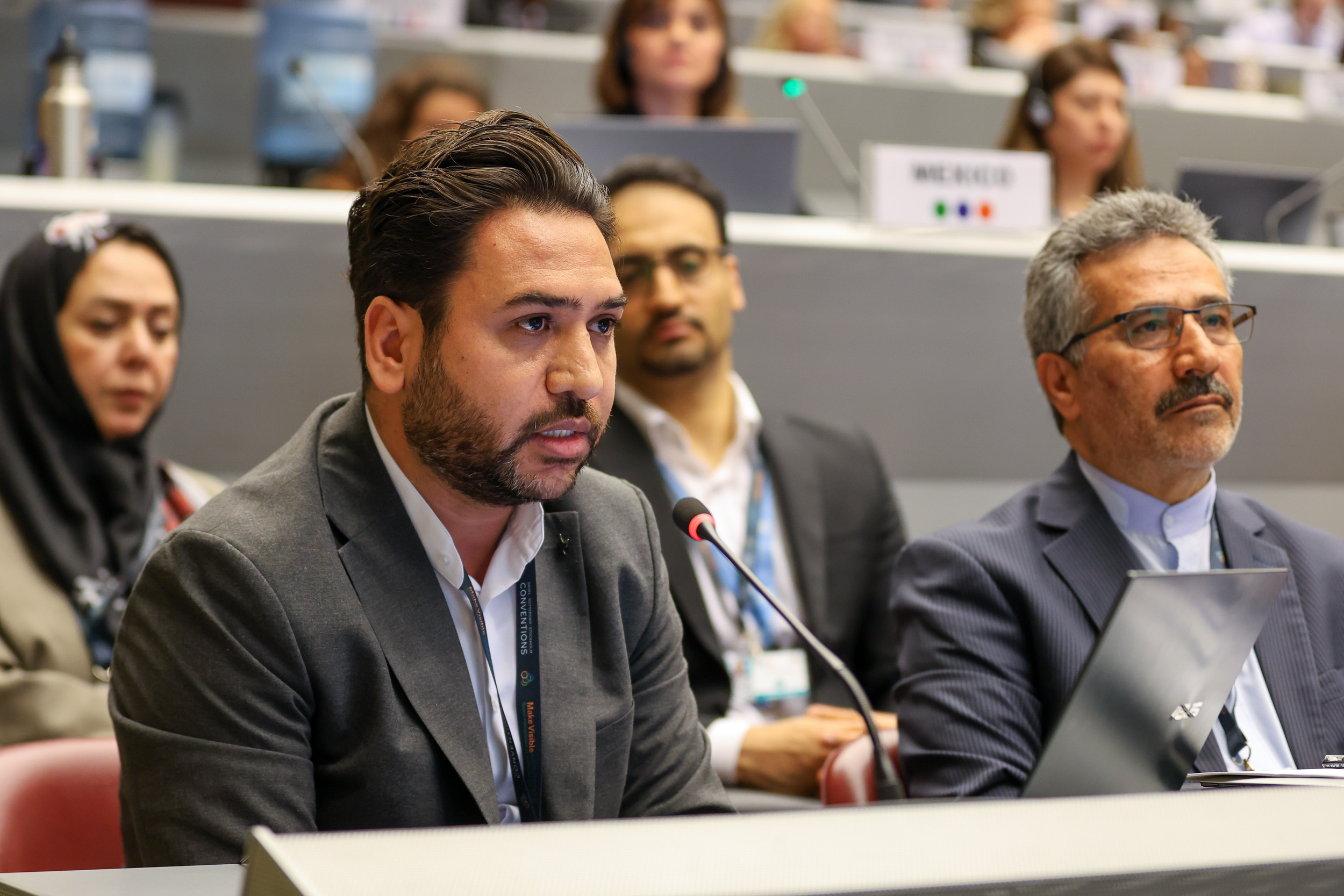
Sajad Motaharnia, Iran
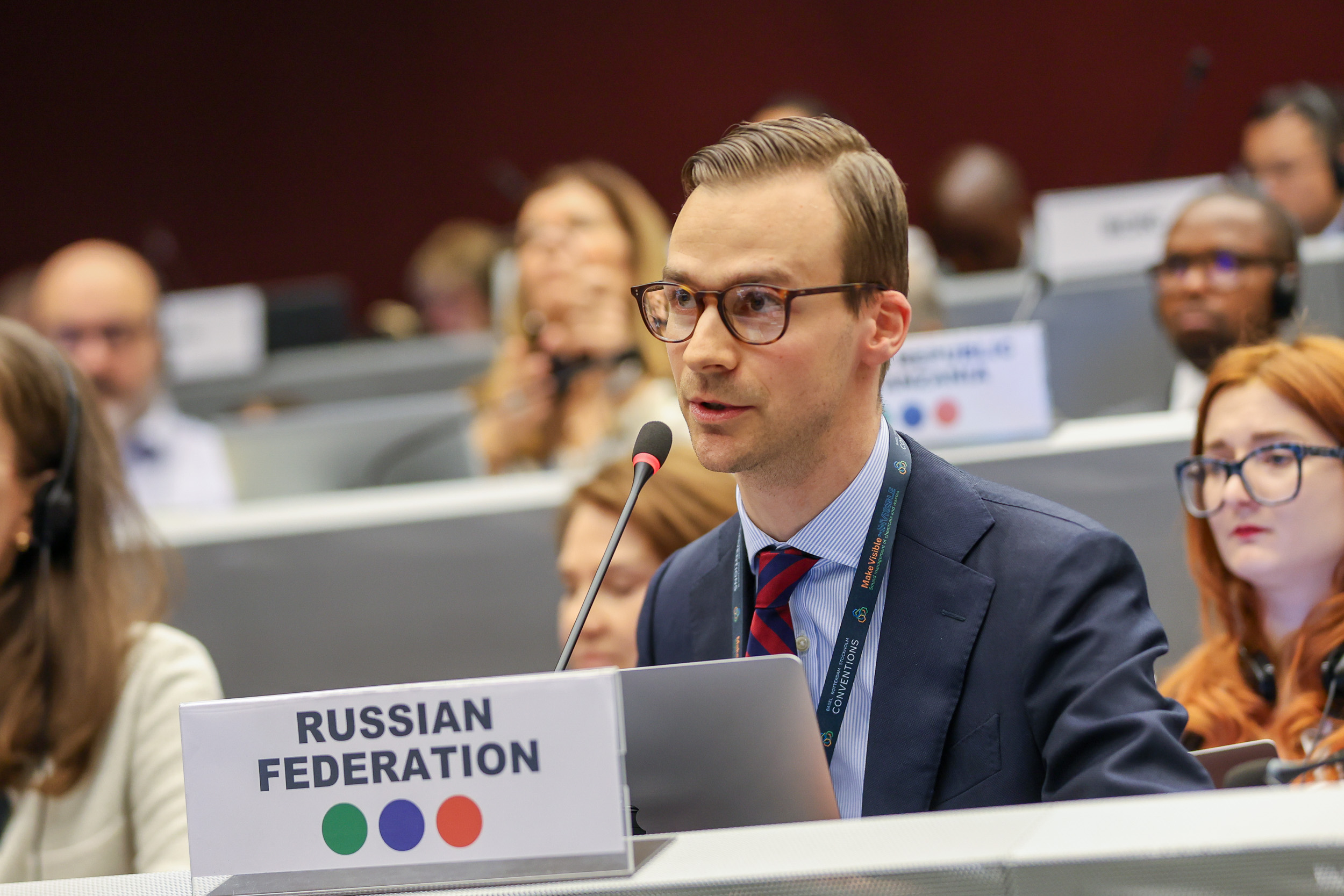
Ian Naumkin, Russian Federation
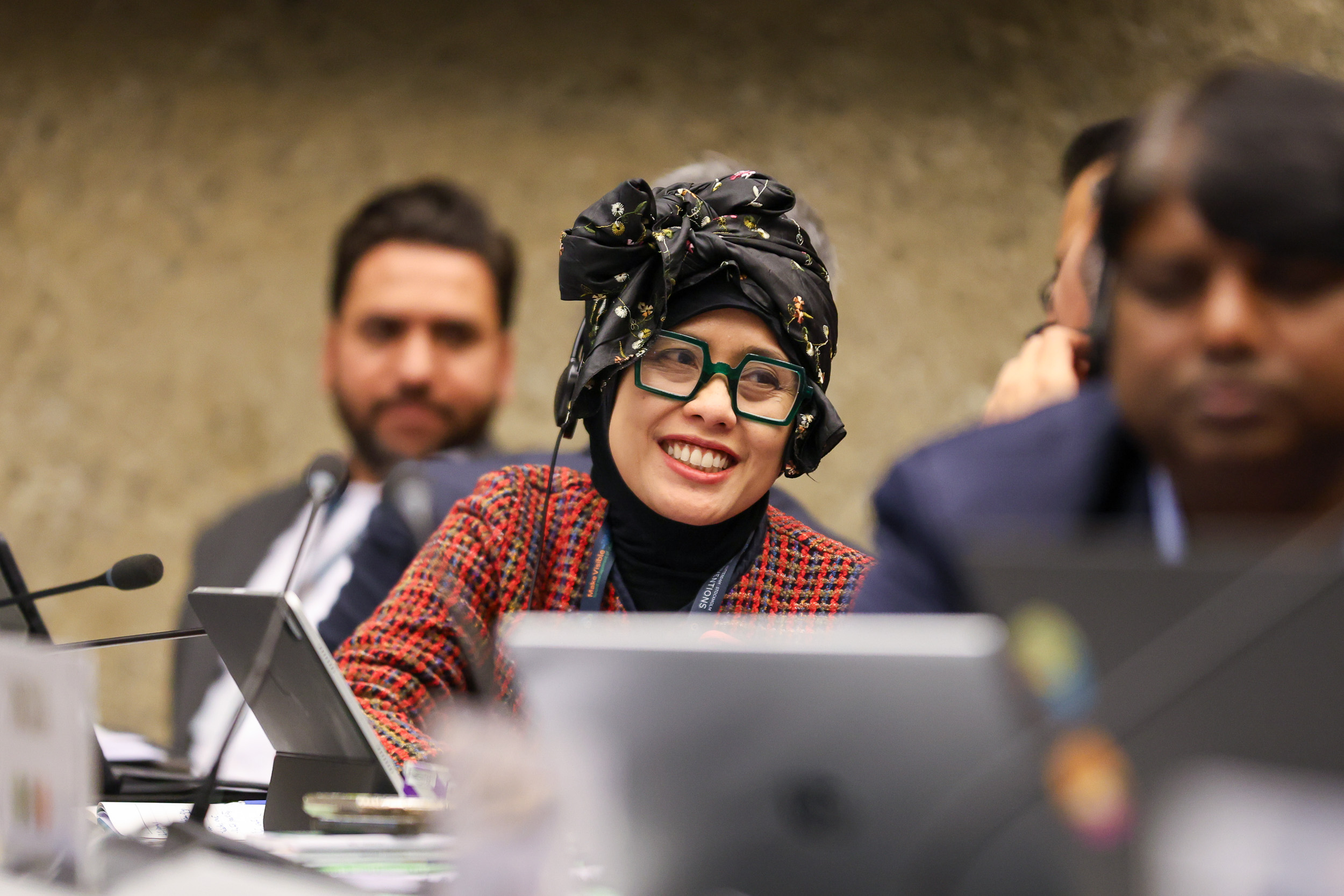
Nurul Sofia, Indonesia
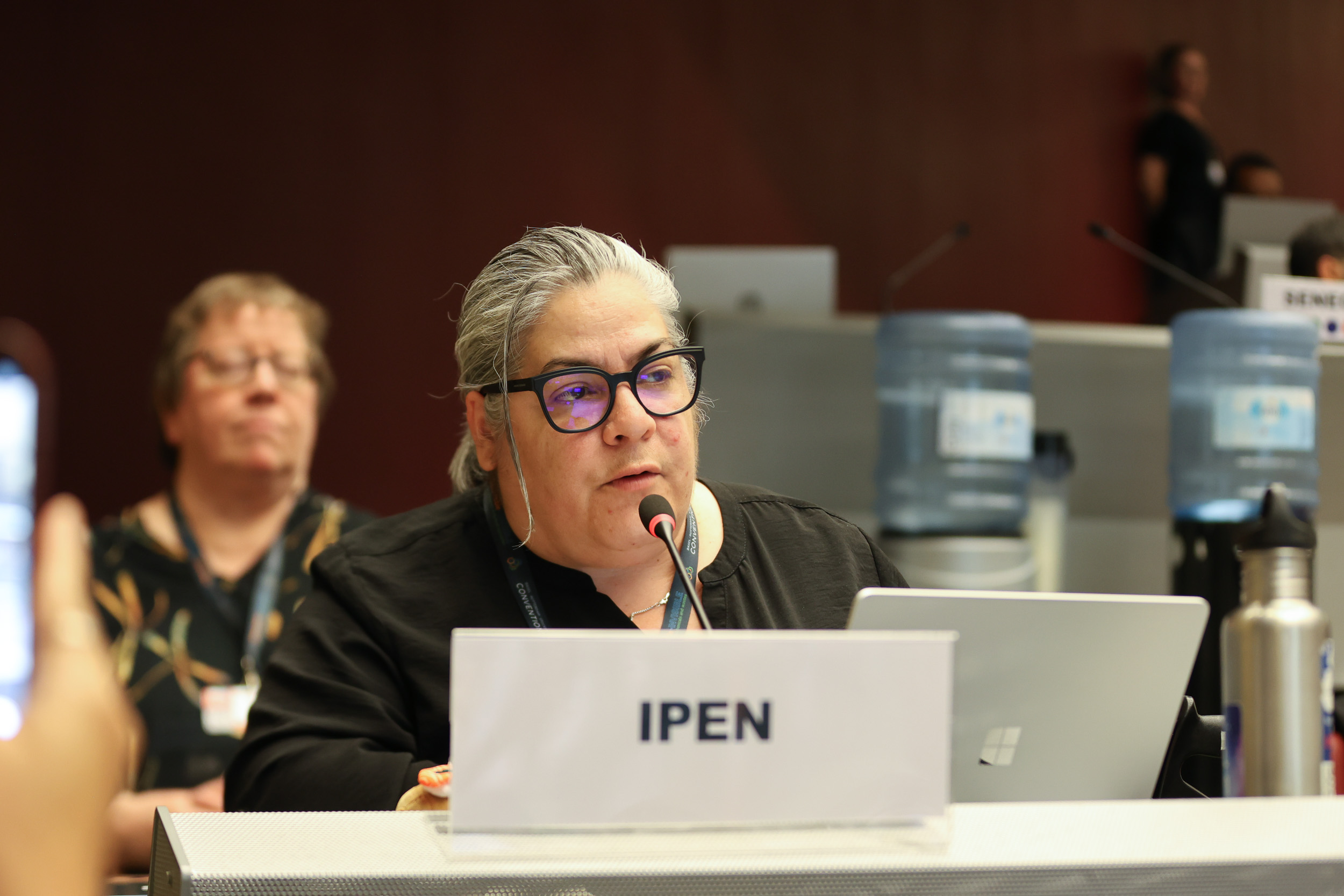
Samarys Seguinot-Medina, International Pollutants Elimination Network (IPEN)
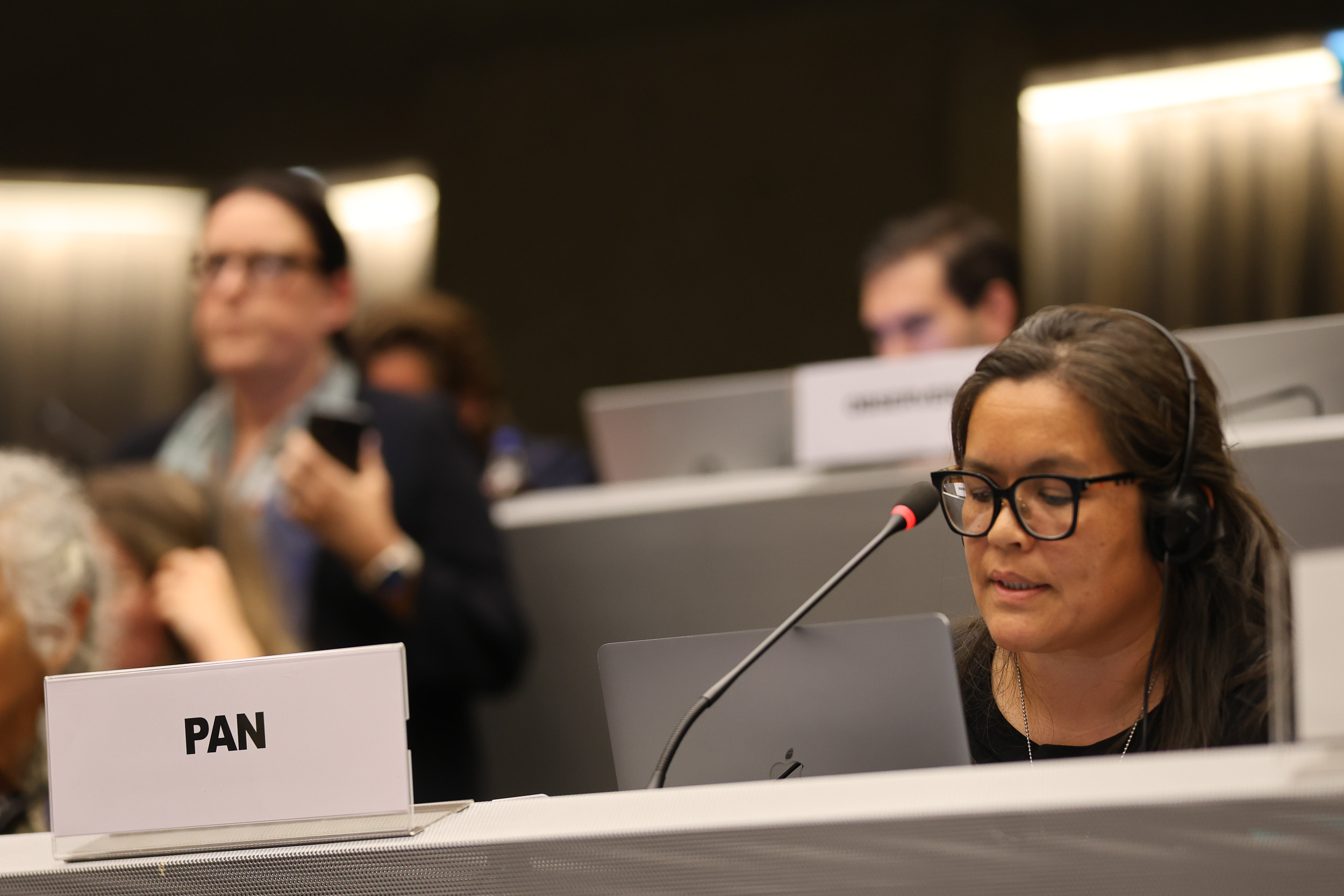
Emily Marquez, Pesticide Action Network (PAN)
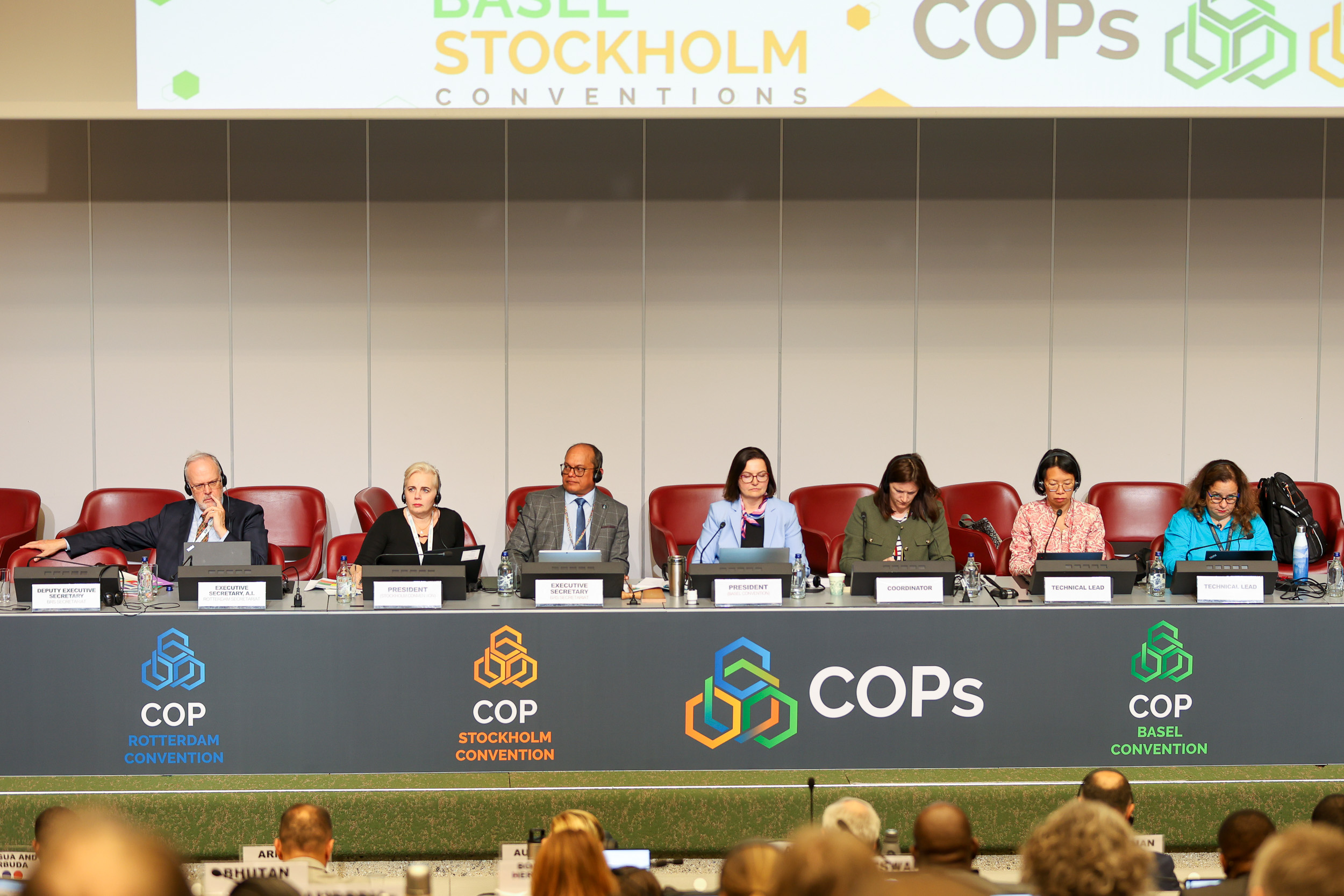
View of the dais during the afternoon plenary
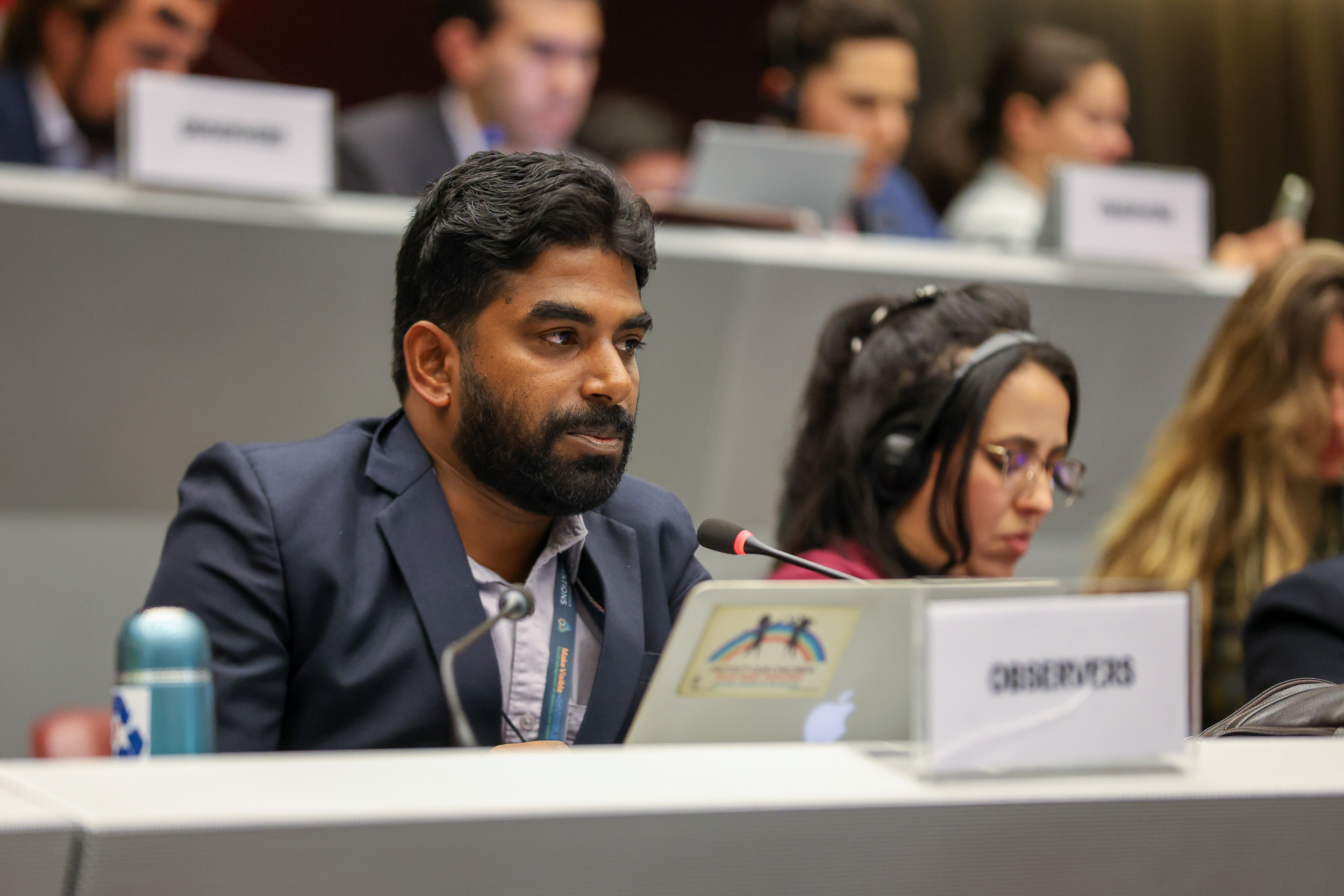
Dileep Kumar, PAN India
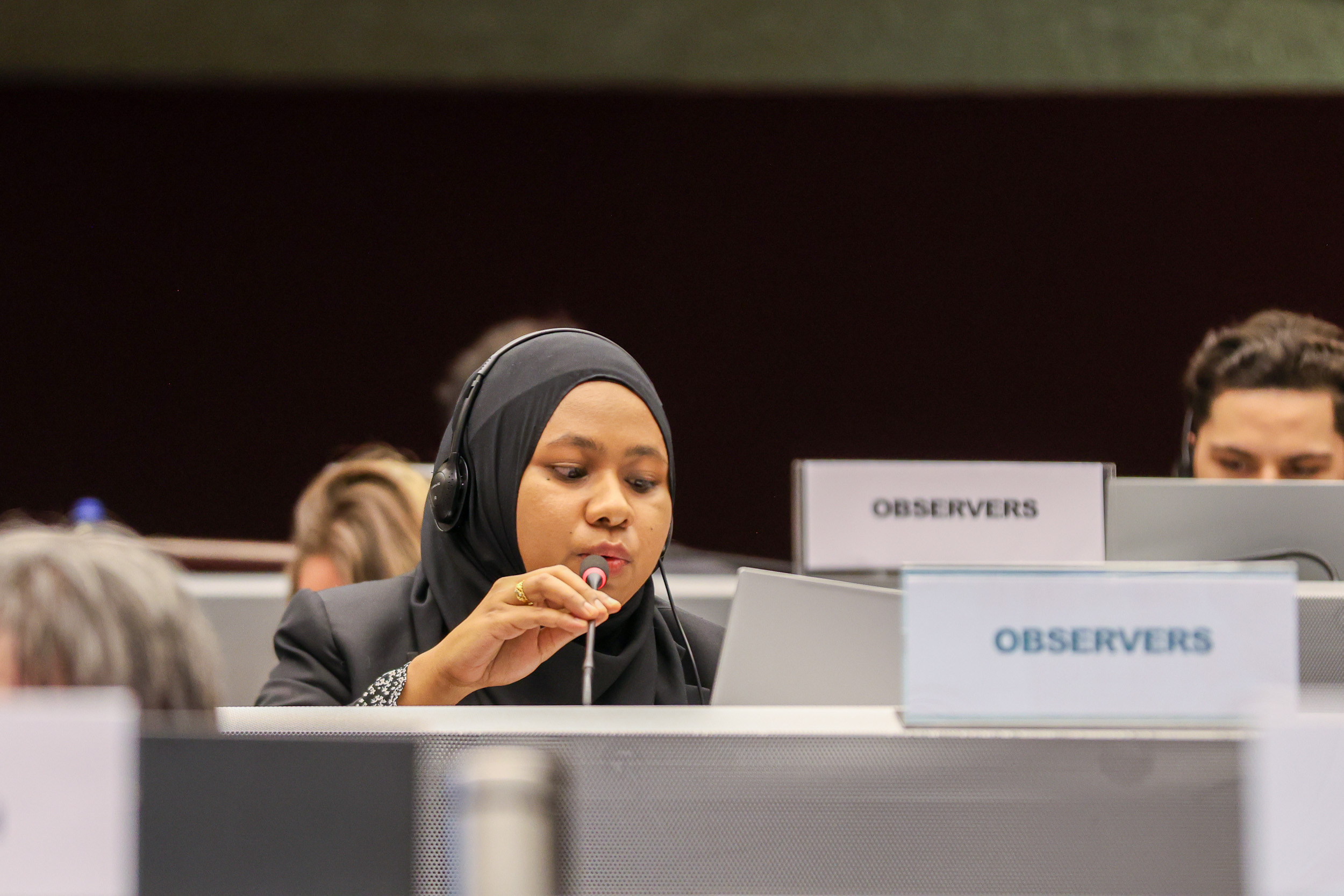
Alia Diyana, PAN Asia Pacific
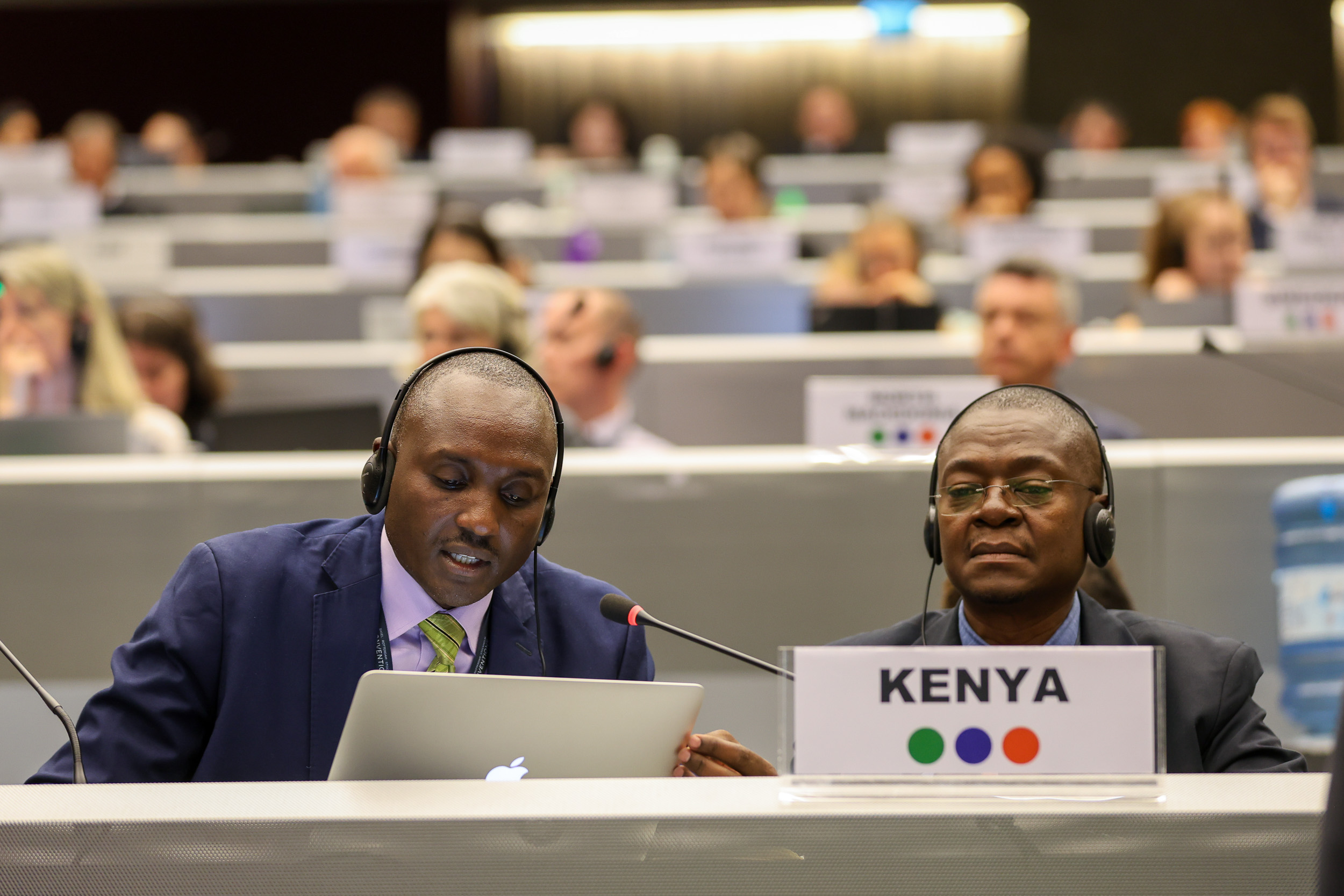
Leonard Tampushi and John Mumbo, Kenya
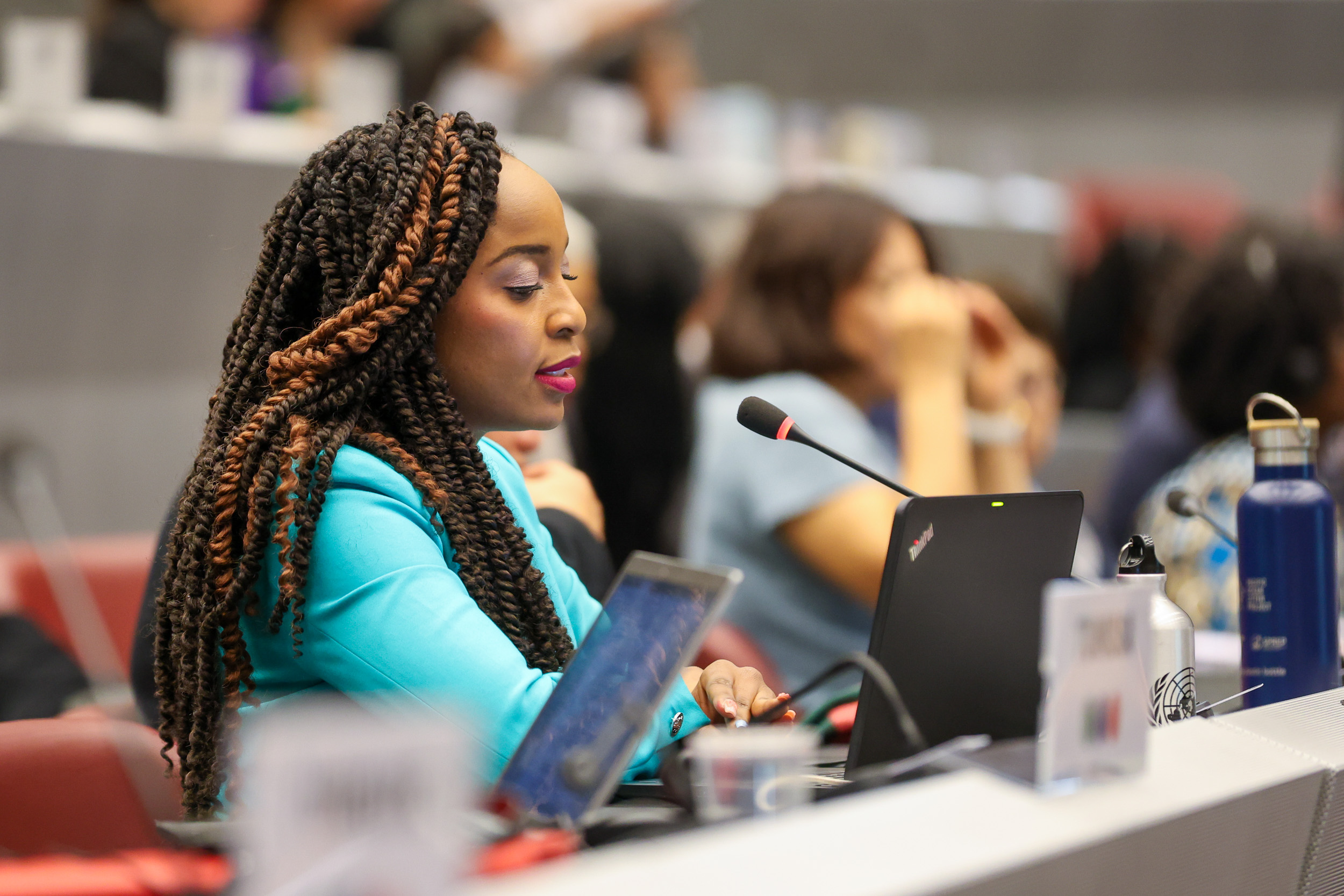
Keima Gardiner, Trinidad and Tobago
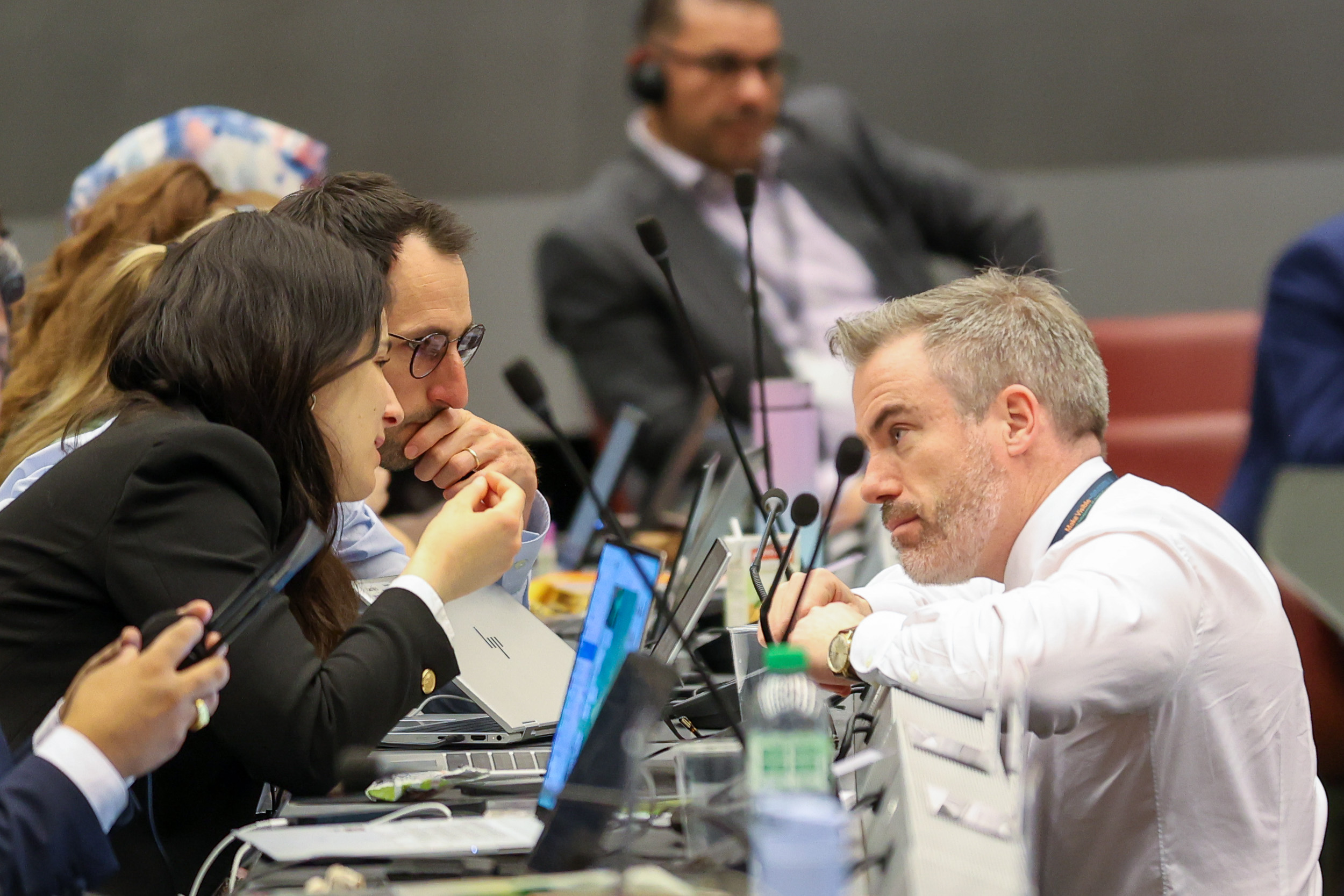
Delegates from Switzerland conferring with Sverre Thomas Jahre, Norway
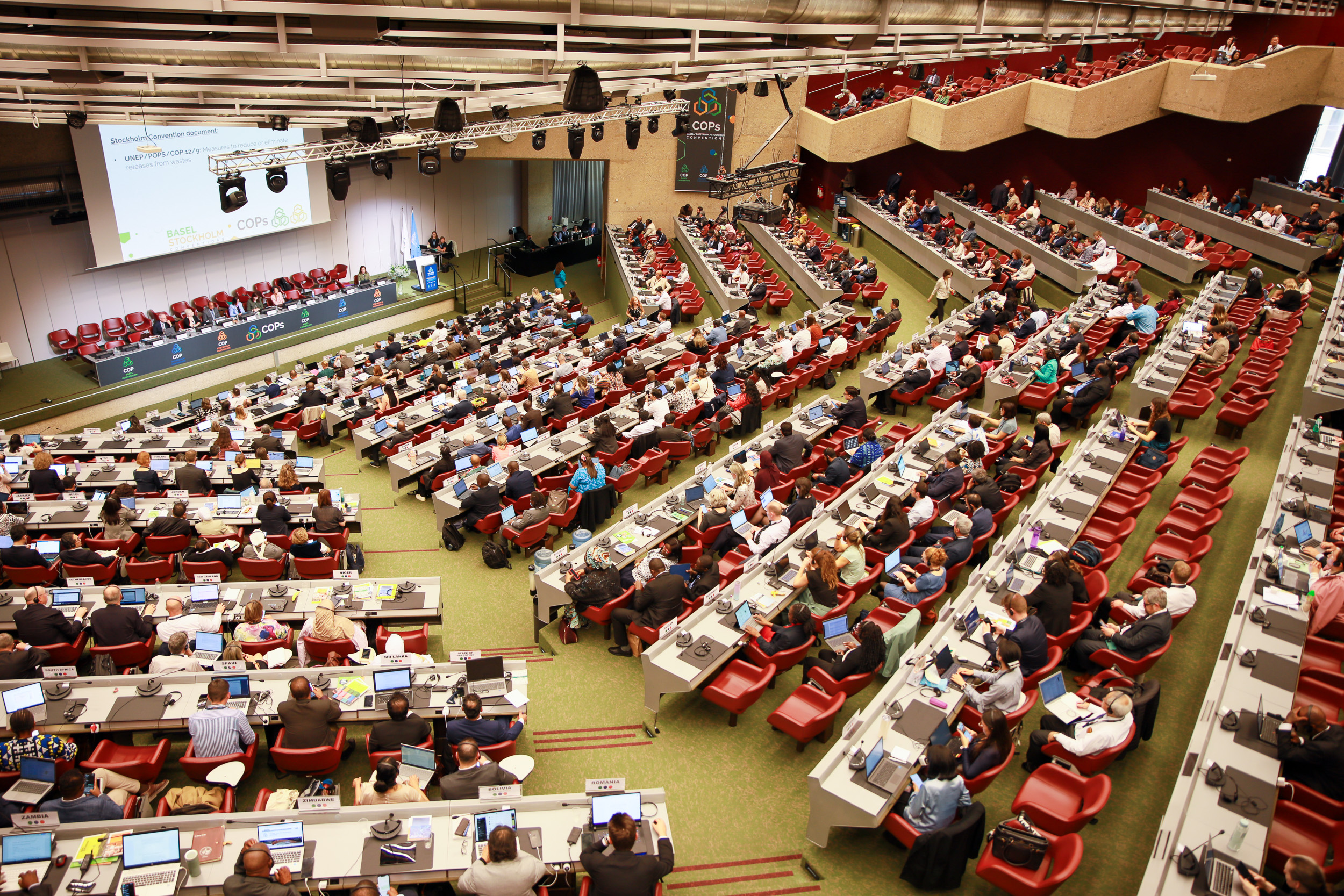
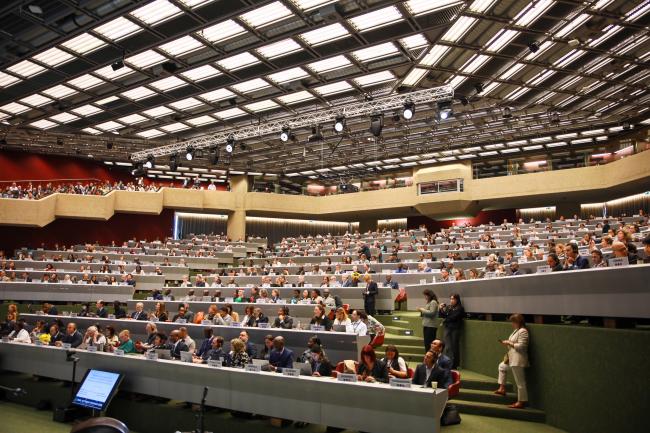
View of the room during the afternoon plenary

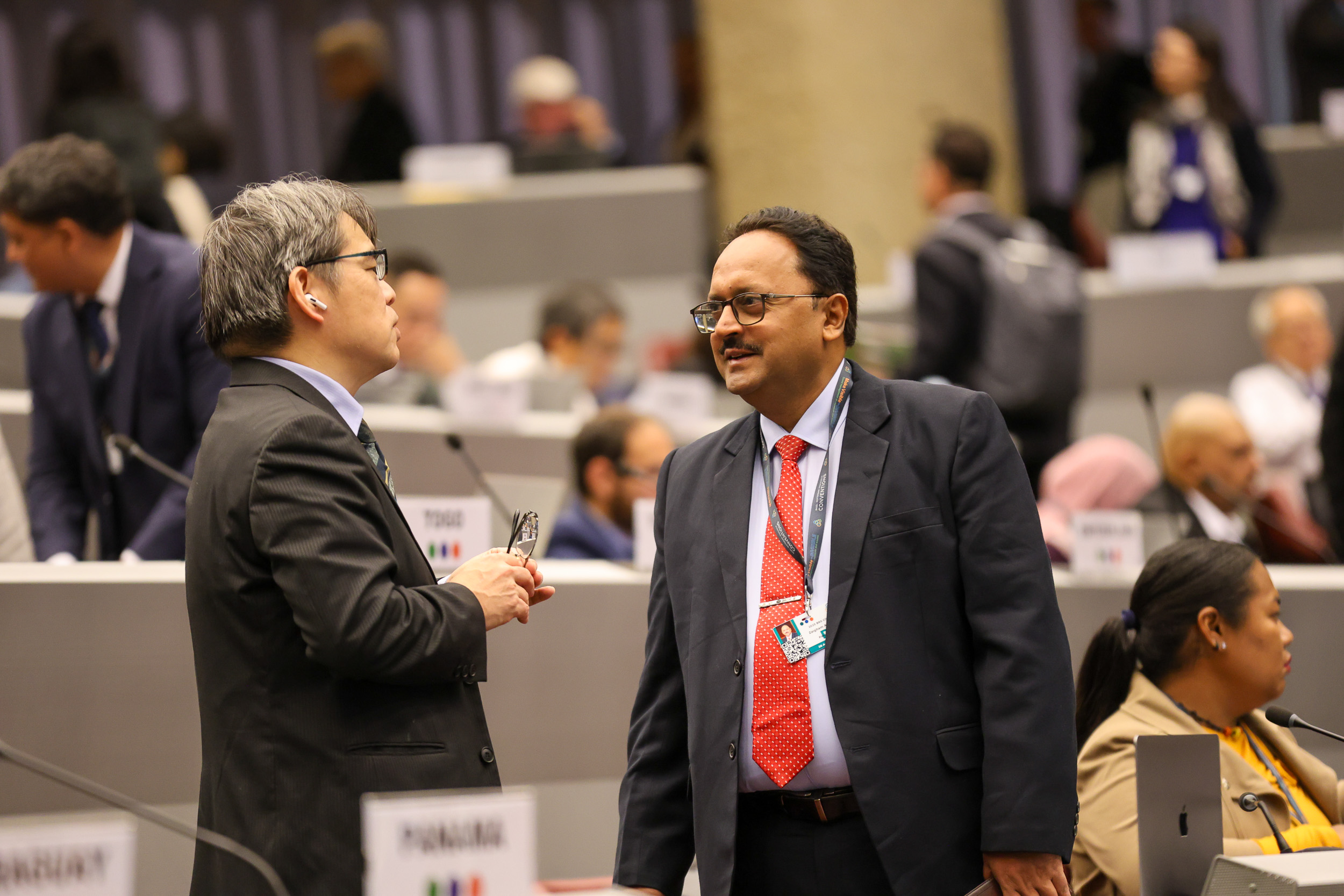
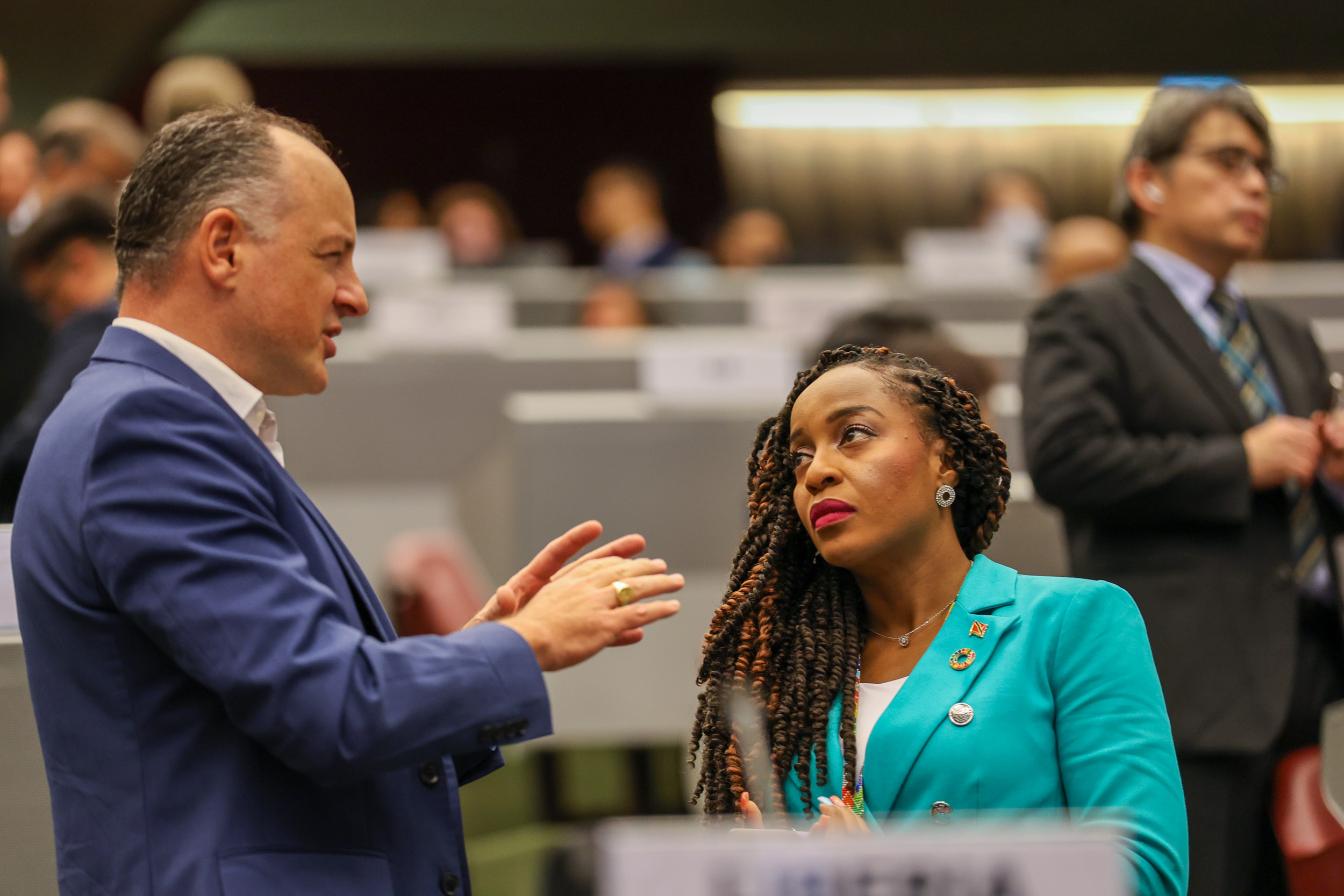
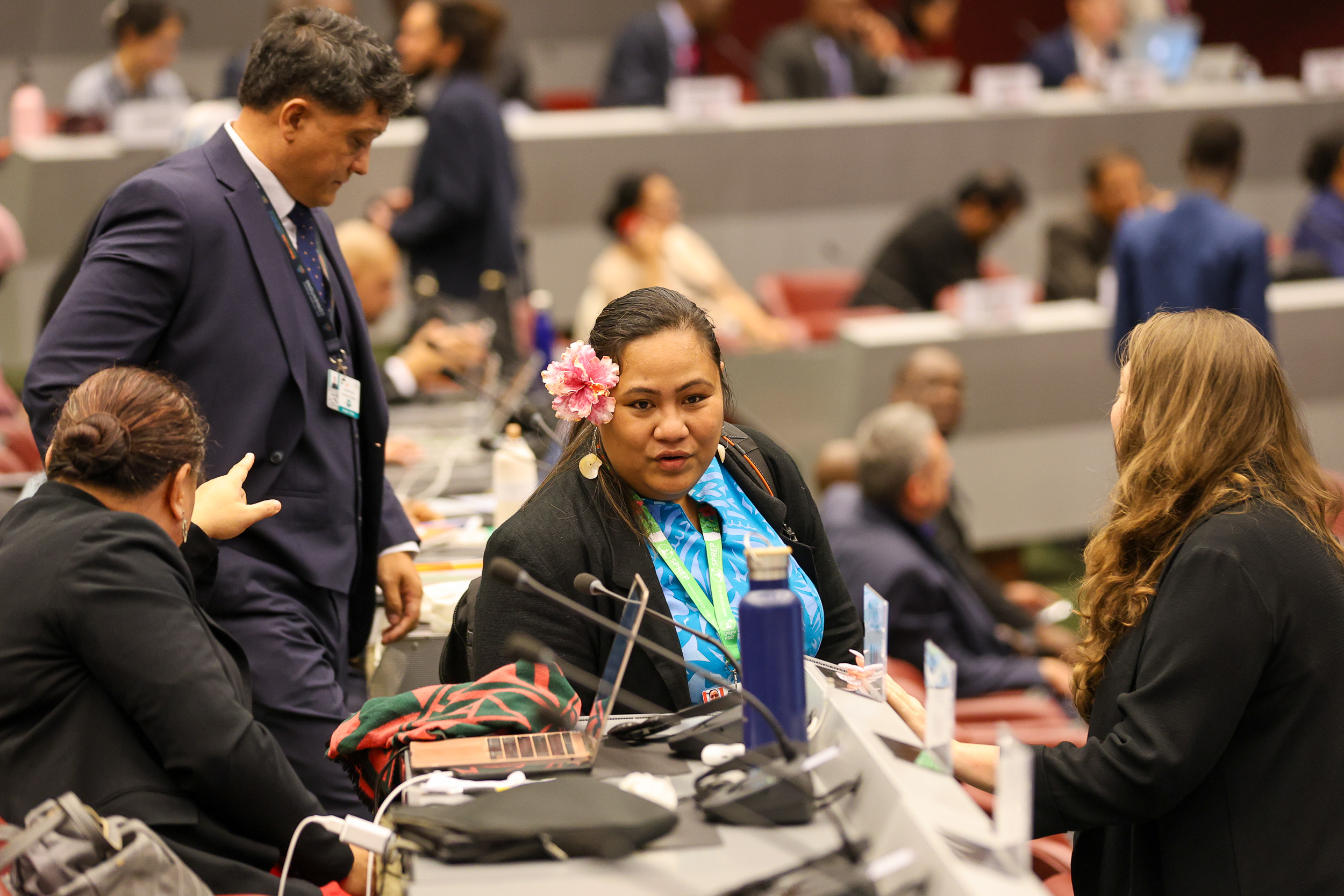
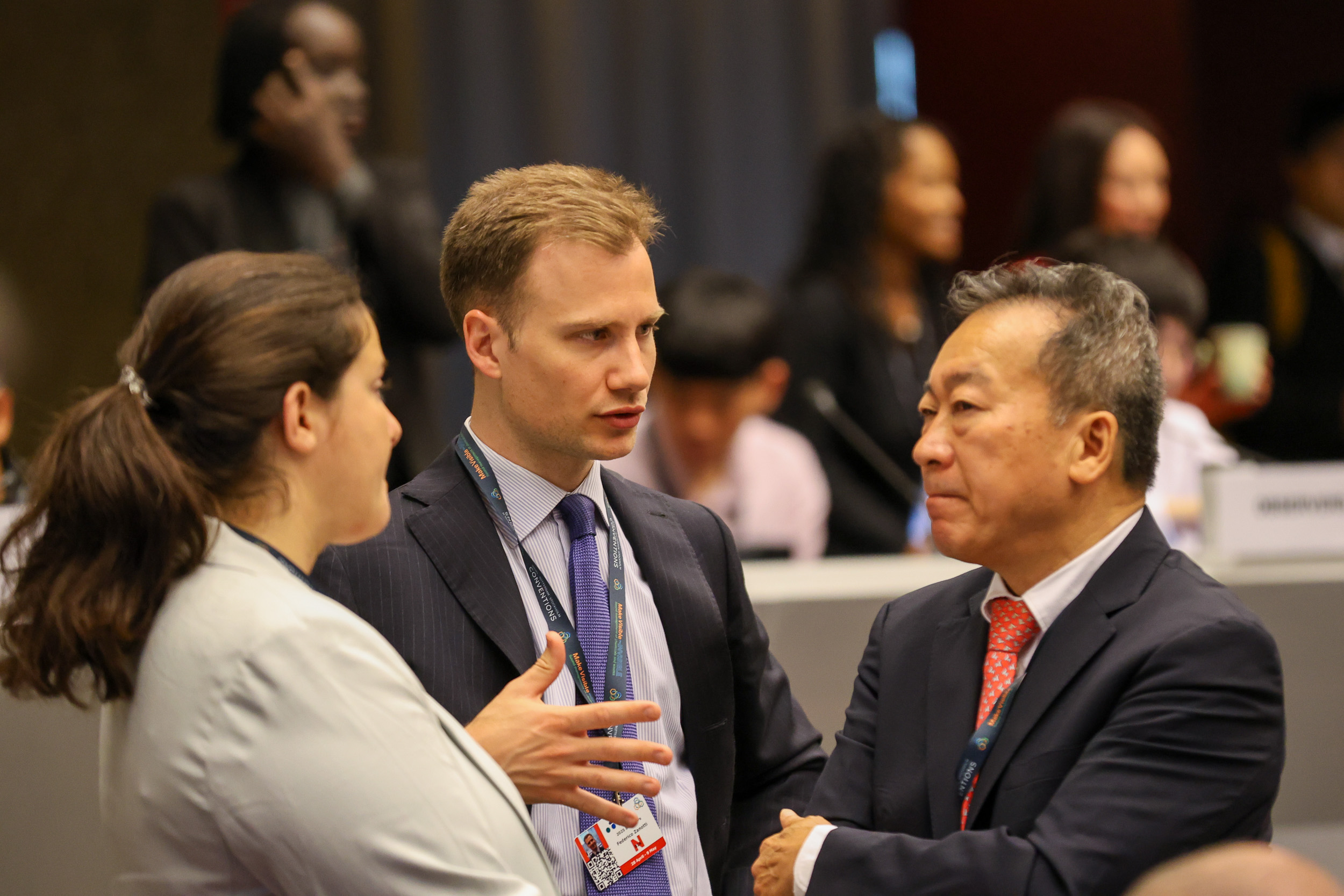
Between Sessions
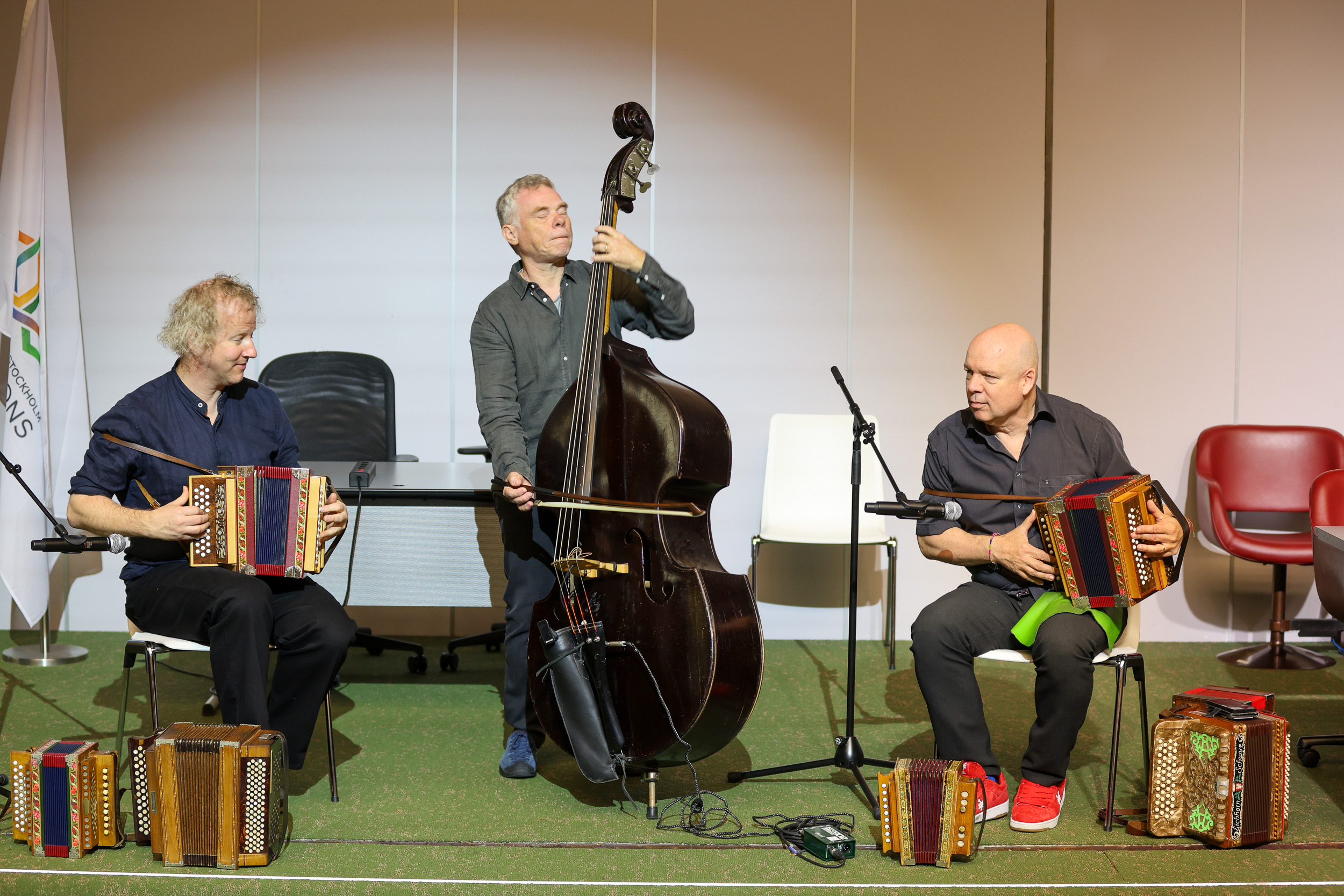
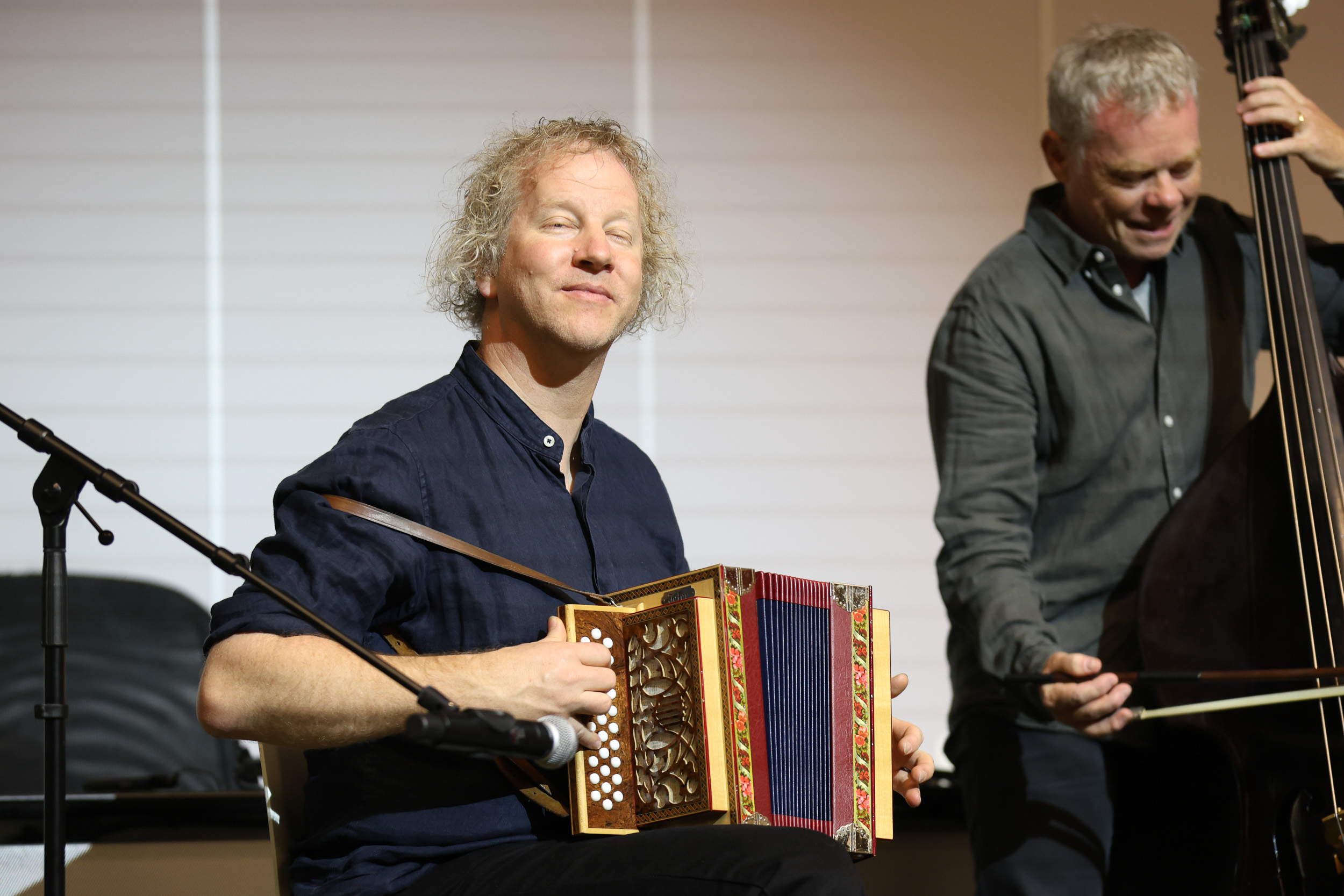
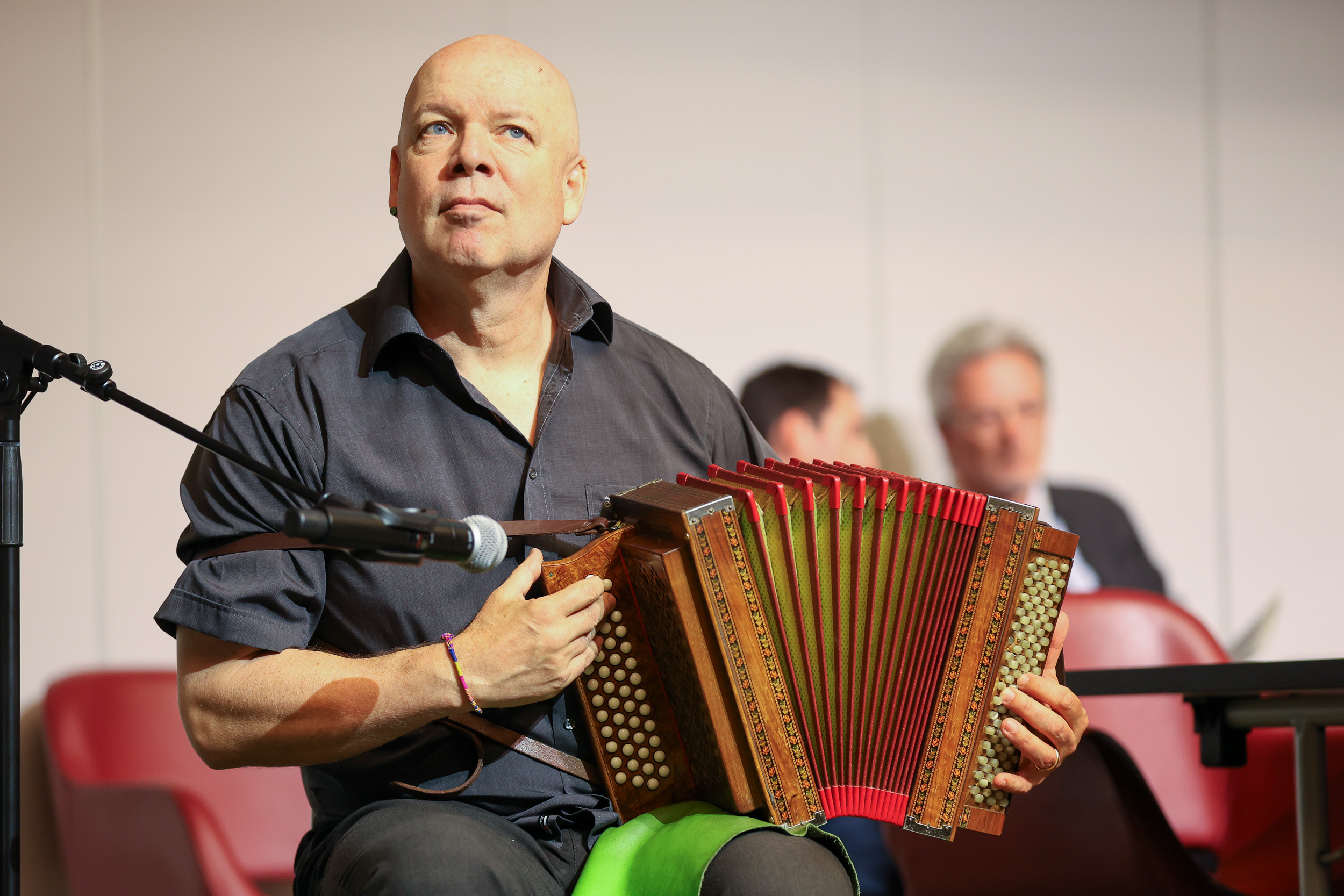
Cultural Opening