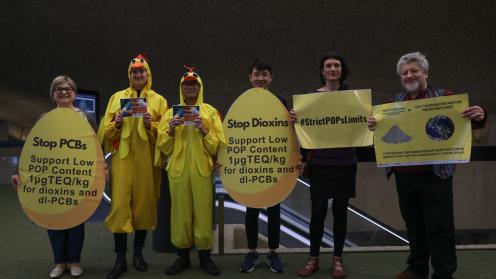
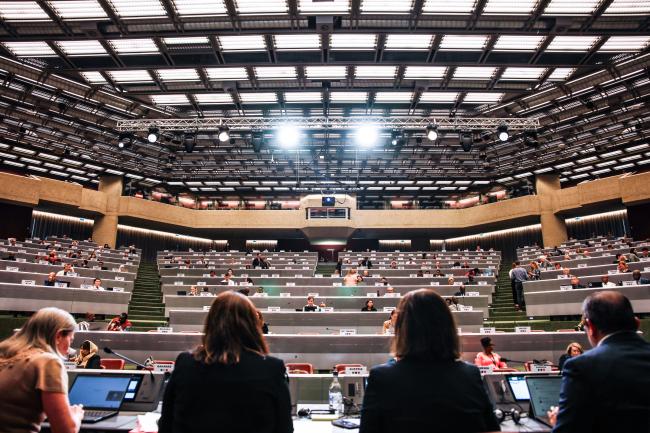
Pollution is increasing around the world, and it’s rising on the global political agenda. A growing list of treaties and other agreements touch on chemicals and waste management. Managing this interplay was a central challenge for many delegates as they started their second week.
Want to dig deeper into today's talks? Read the full Earth Negotiations Bulletin daily report.
Delegates kicked off discussions of chemicals that could be listed in the Rotterdam Convention. Listing in the Rotterdam Convention’s Annex III means that countries will receive information about the chemical and, based on that information, they can make informed decisions about whether to import it. It’s not a ban or restriction.
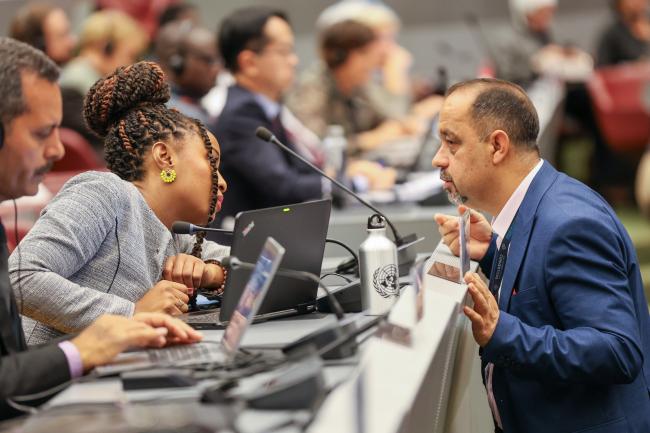
However, the two substances discussed on Sunday are banned by other treaties. The Montreal Protocol on Substances that Deplete the Ozone Layer restricts the use of methyl bromide. It is used for “quarantine and pre-shipment” operations, such as spraying agricultural products to ensure no invasive pests are accidentally imported into a country. These are regularly reported on, and trade licenses are issued. Similarly, mercury is regulated by the Minamata Convention on Mercury. It has fewer parties and, for some, fewer controls than the Montreal Protocol. Questions remained throughout the day on the value added by a Rotterdam Convention listing.
The Basel Convention focused on its own work, including whether to take up textile waste. The delegates could not yet agree, but discussions will continue. It’s a rapidly growing problem and a complex supply chain. Just four countries produce over 70% of the world’s cotton. Textiles are a significant industry for many economies in the Global South. After consumption in the Global North, piles of discarded textiles harm the environment.
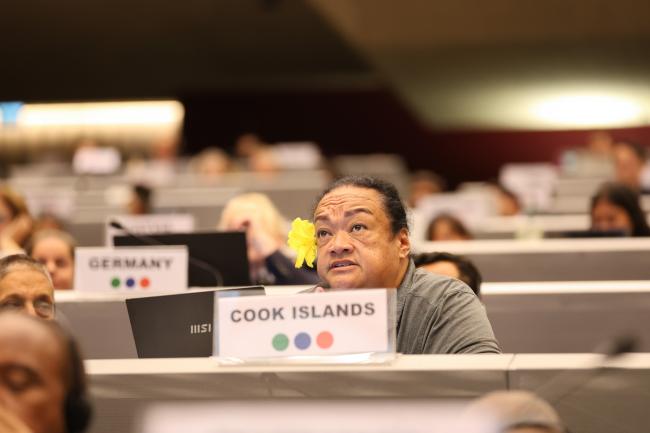
In quiet conversations, delegates were trying to find solutions to the request to re-open the UV-328 ban under the Stockholm Convention. There is worry about setting a precedent on reopening a listing to permit a new use of a persistent organic pollutant, even though in this case the quantities involved are minimal.
Discussions on cooperation with other international bodies nearly finished, but last compromises on how the Basel, Rotterdam, and Stockholm (BRS) Conventions and their Secretariat can help inform the ongoing plastic treaty negotiations ultimately stalled the talks.
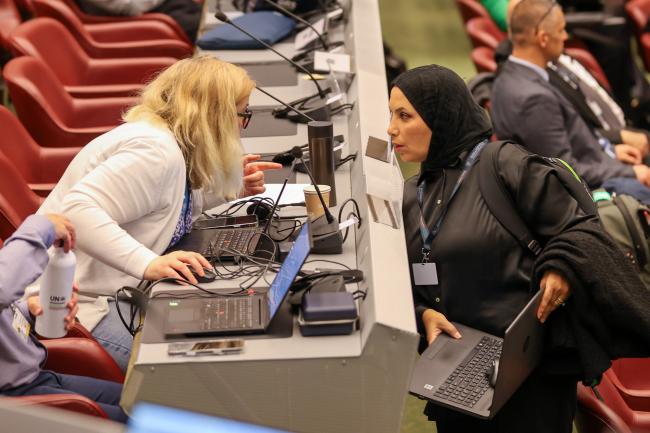
Plastic wastes were a common theme in the side events. Various angles on this complex topic were explored, including education and effective capacity building, but also standardized trade procedures to help ensure a circular economy for plastic feedstocks. Plastics and e-waste are illegally trafficked, and delegates heard from the frontlines of those tackling this problem. Plastics also came up in broader discussions on zero-waste solutions. Even in an event focused on sustainable textiles, a few drew comparisons to the complexity of the global plastic trade.
All ENB photos are free to use with attribution. For this event, please use: Photo by IISD/ENB | Mike Muzurakis
To receive free coverage of global environmental events delivered to your inbox, subscribe to the ENB Update newsletter.
Plenary Sessions
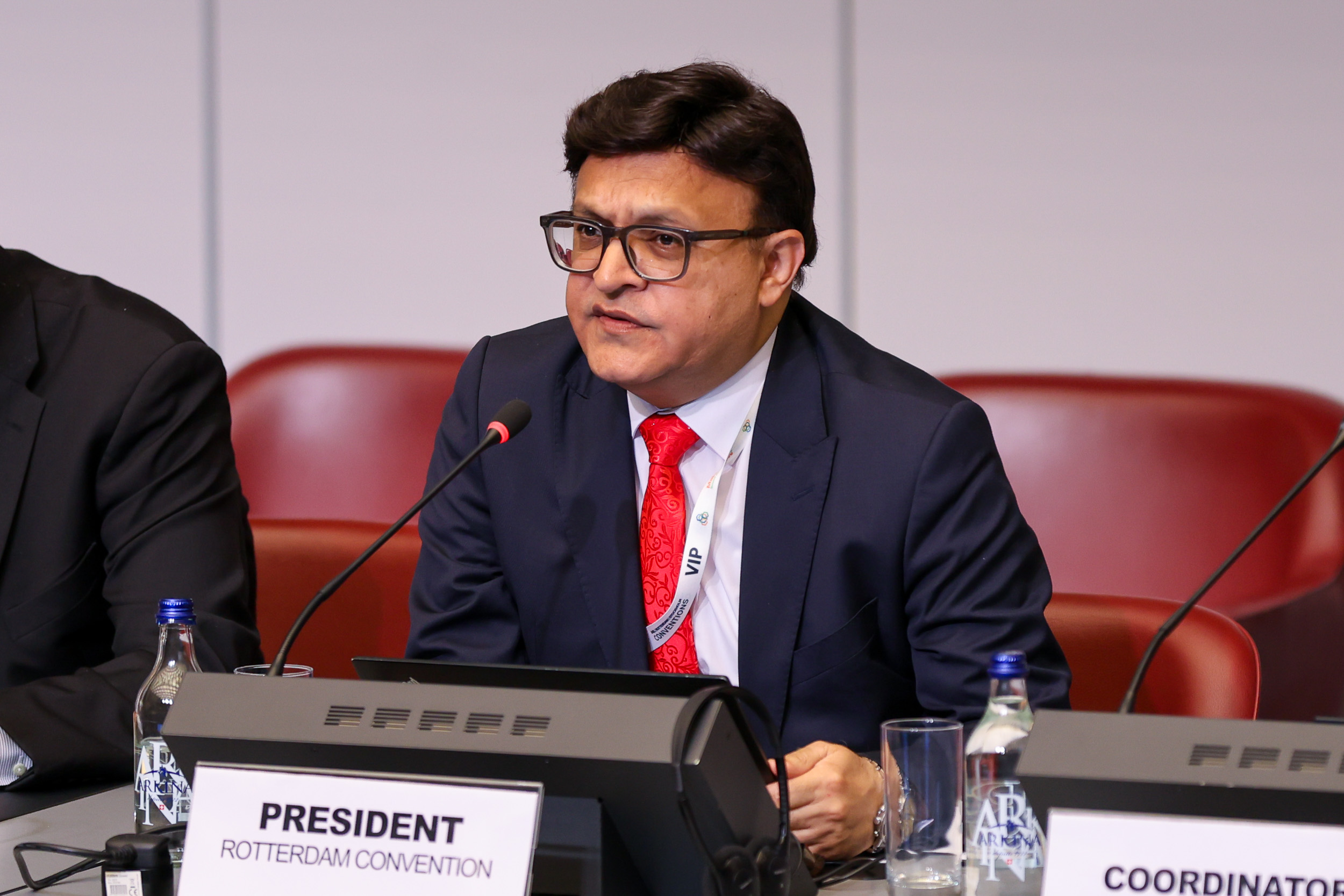
Rotterdam Convention COP12 President Hammad Shamimi
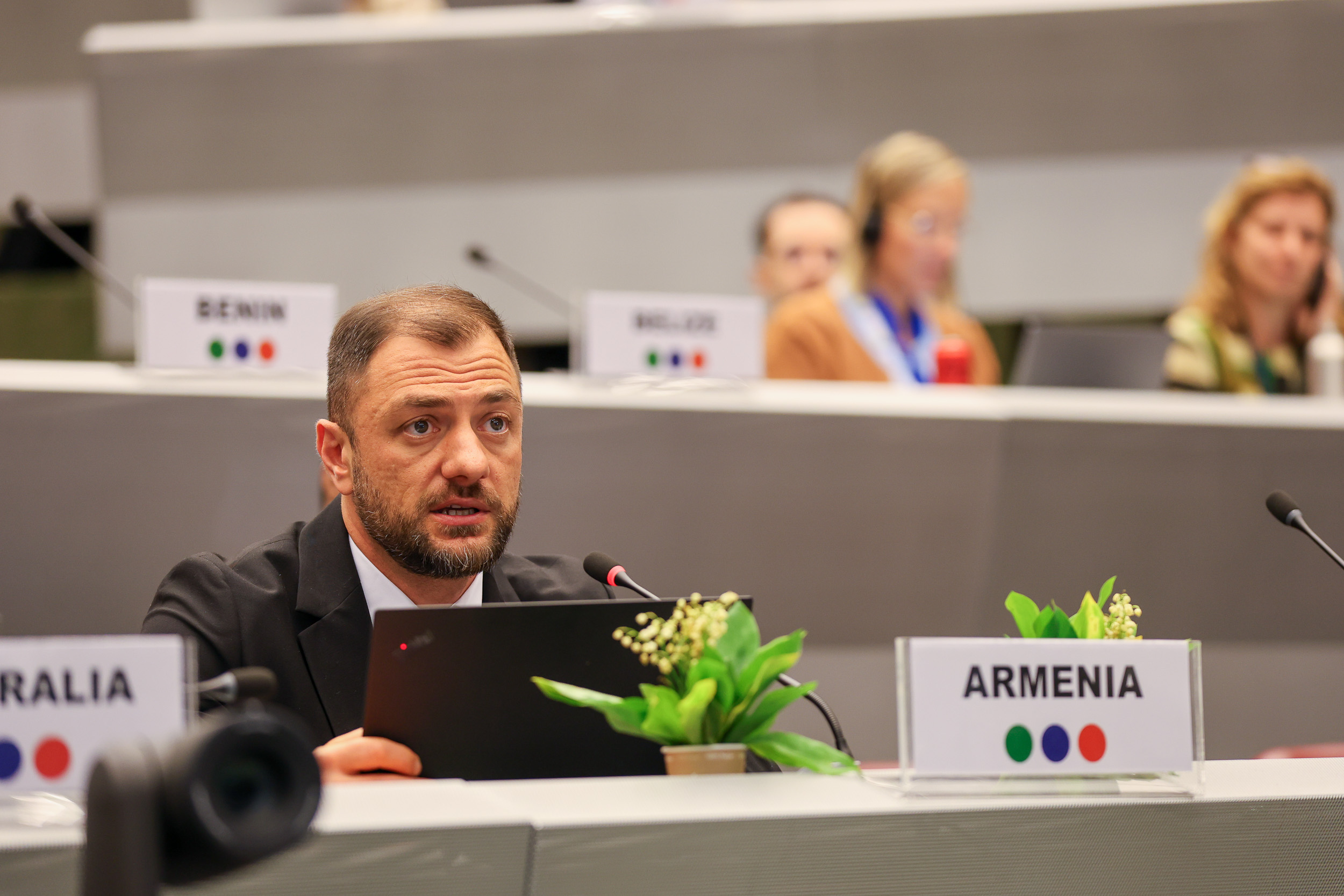
Artak Khachatryan, Armenia
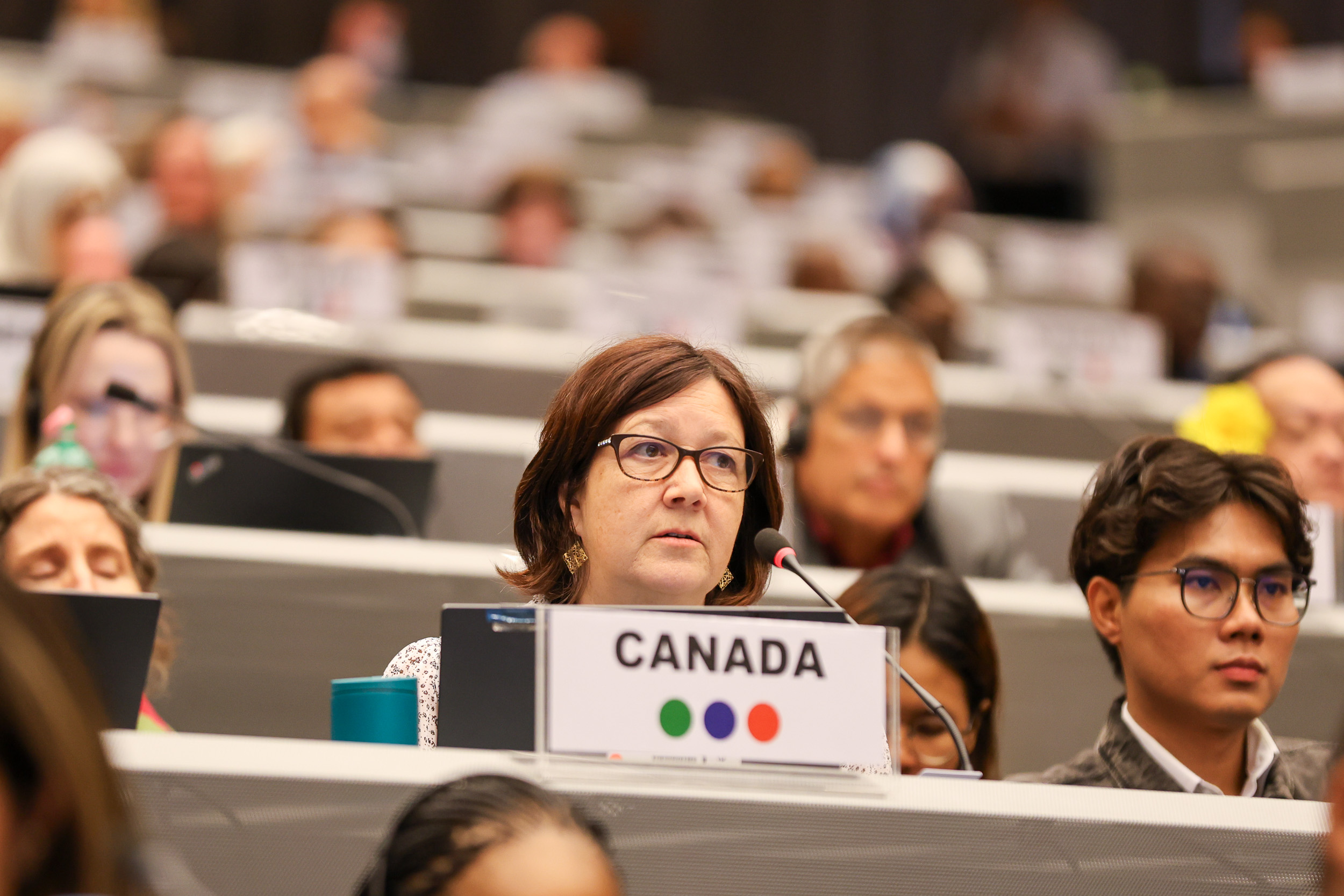
Isabelle Mayr, Canada
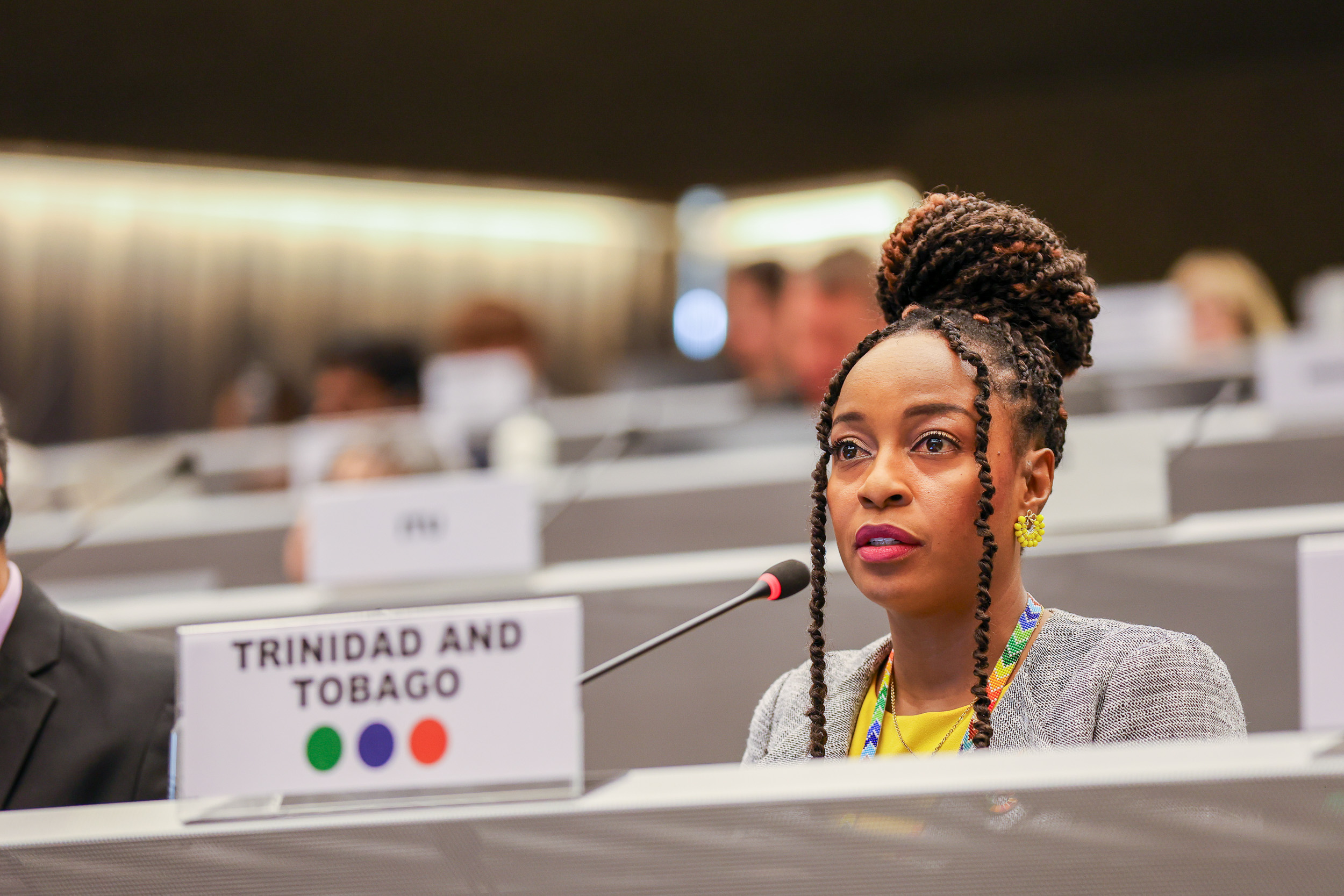
Keima Gardiner, Trinidad and Tobago
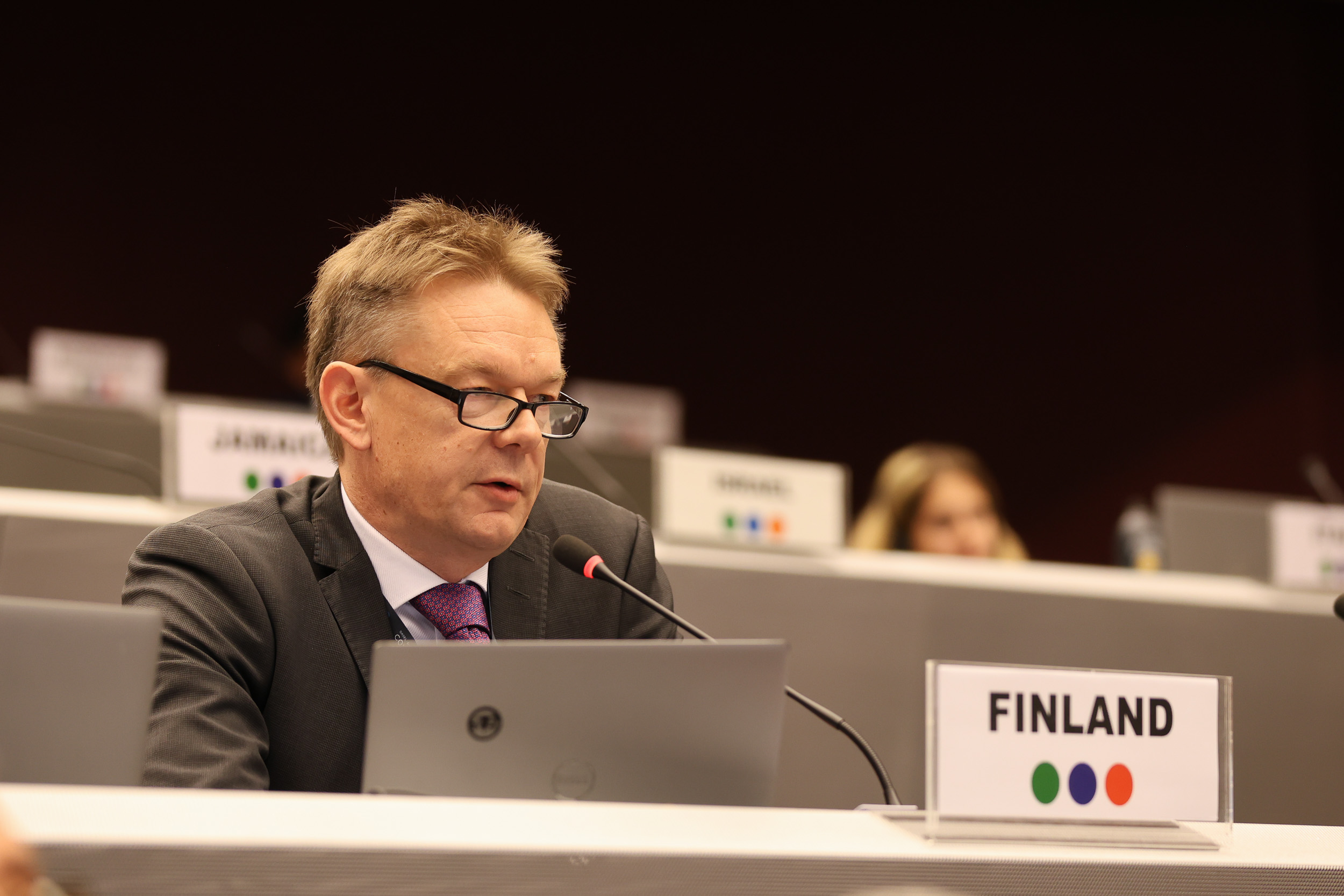
Timo Seppälä, Finland
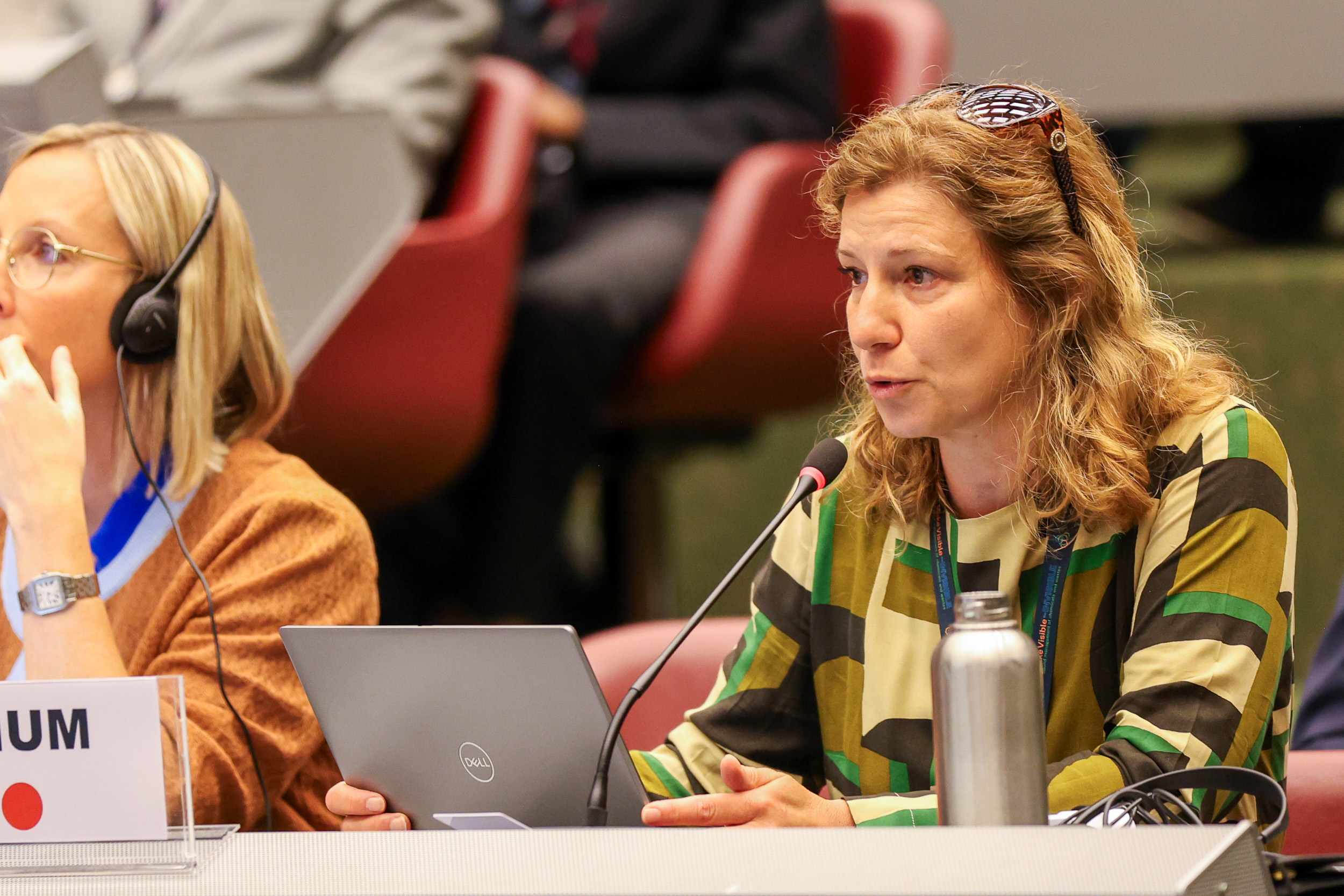
Ann De Jonghe, Belgium
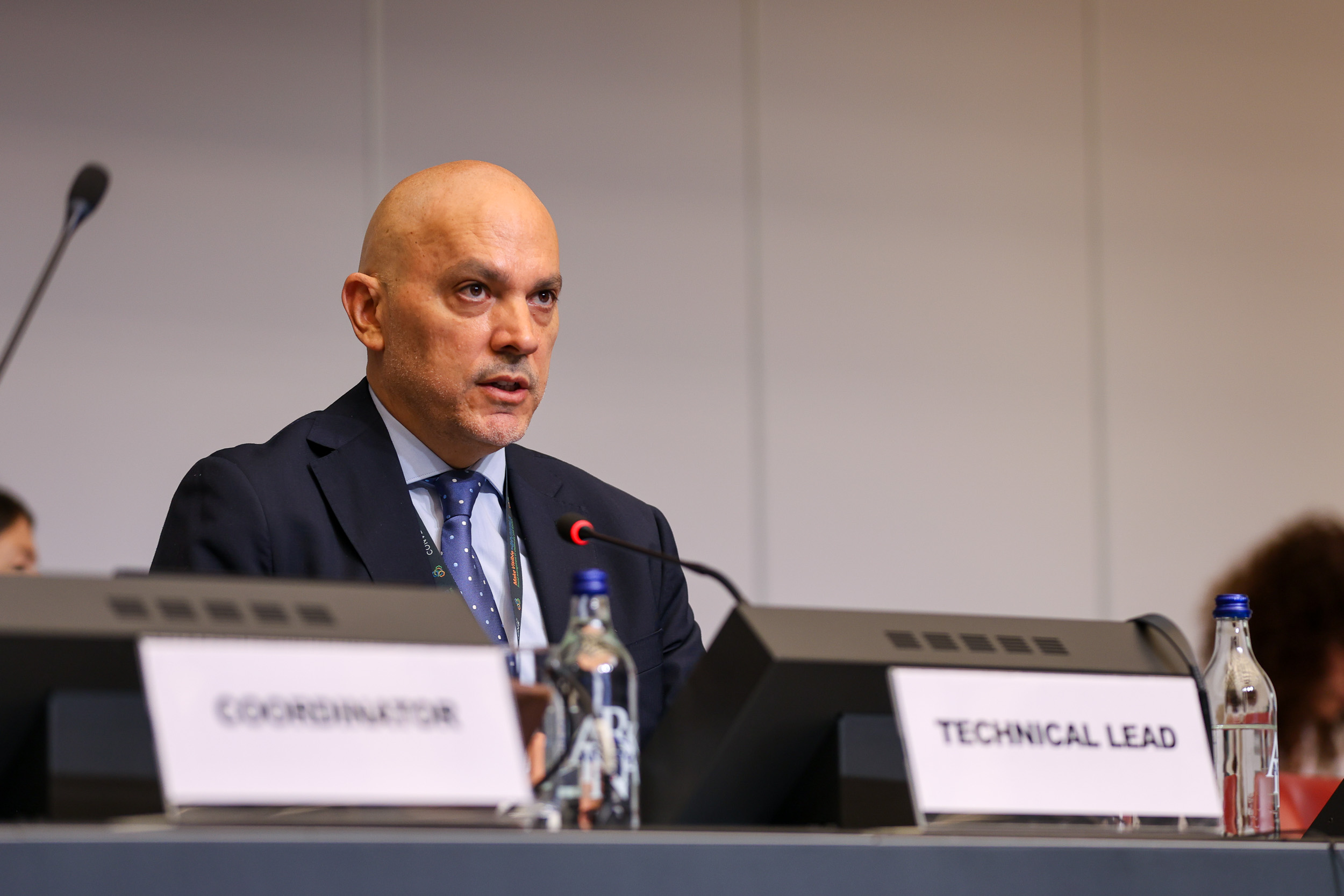
Mario Yarto, BRS Conventions Secretariat
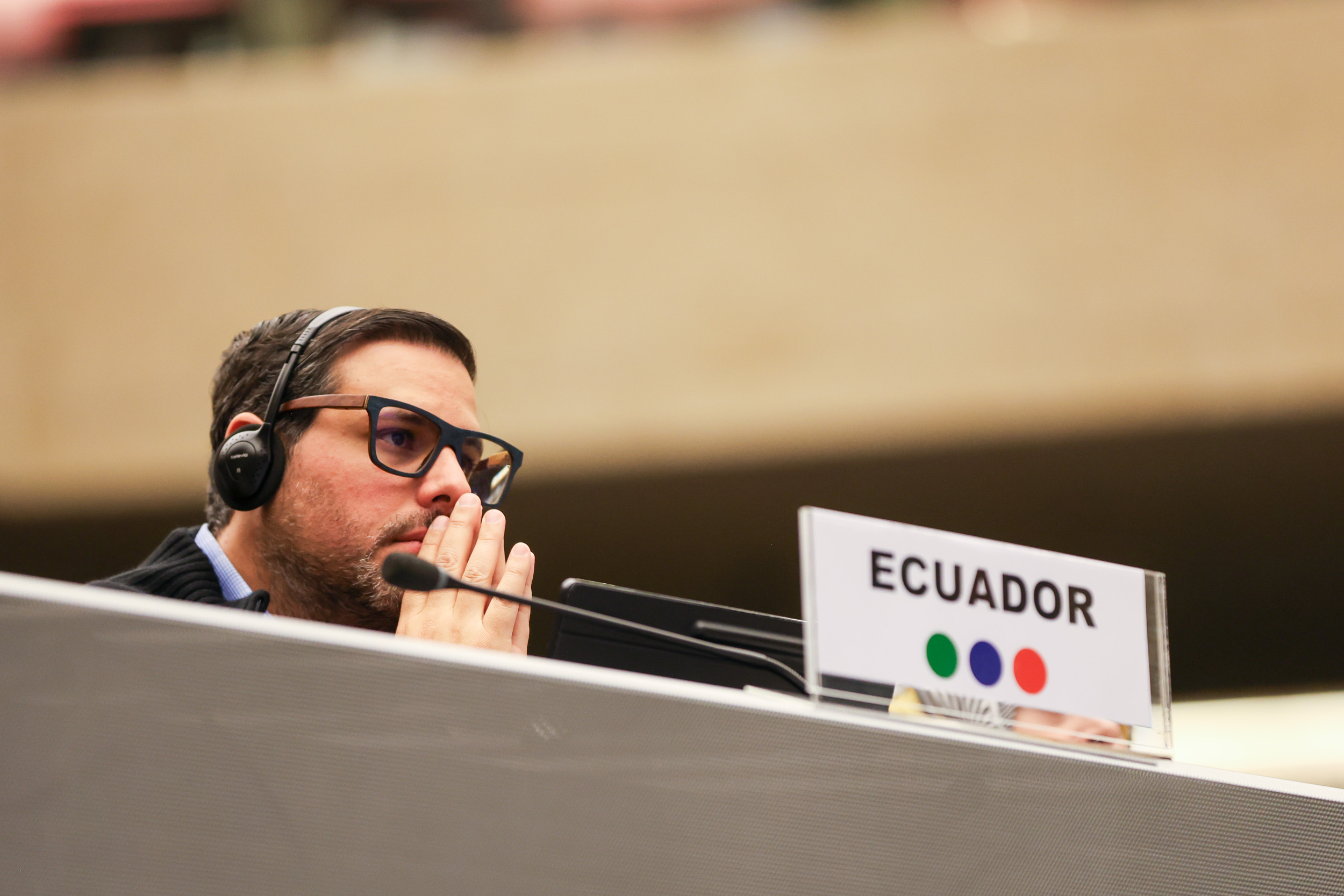
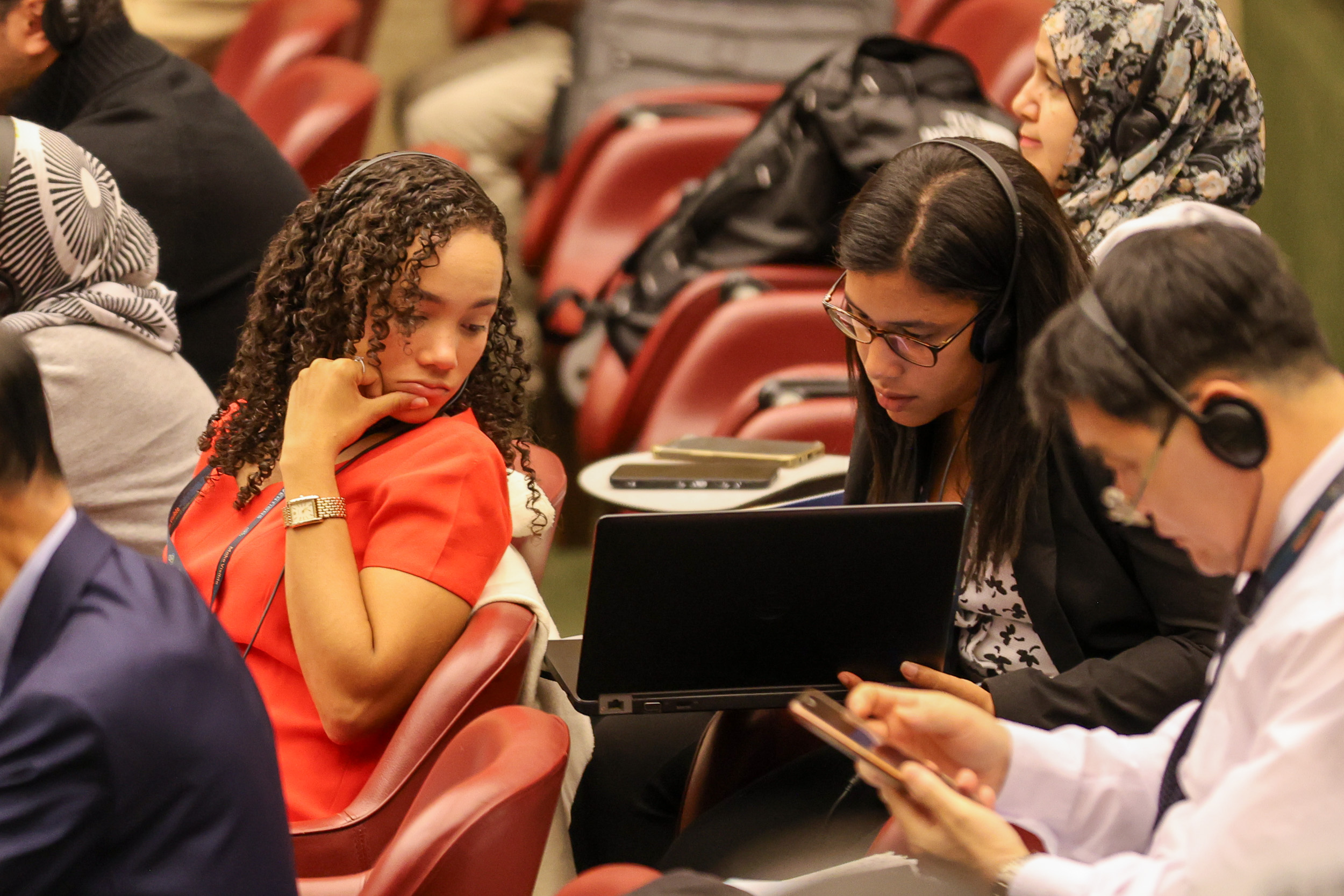
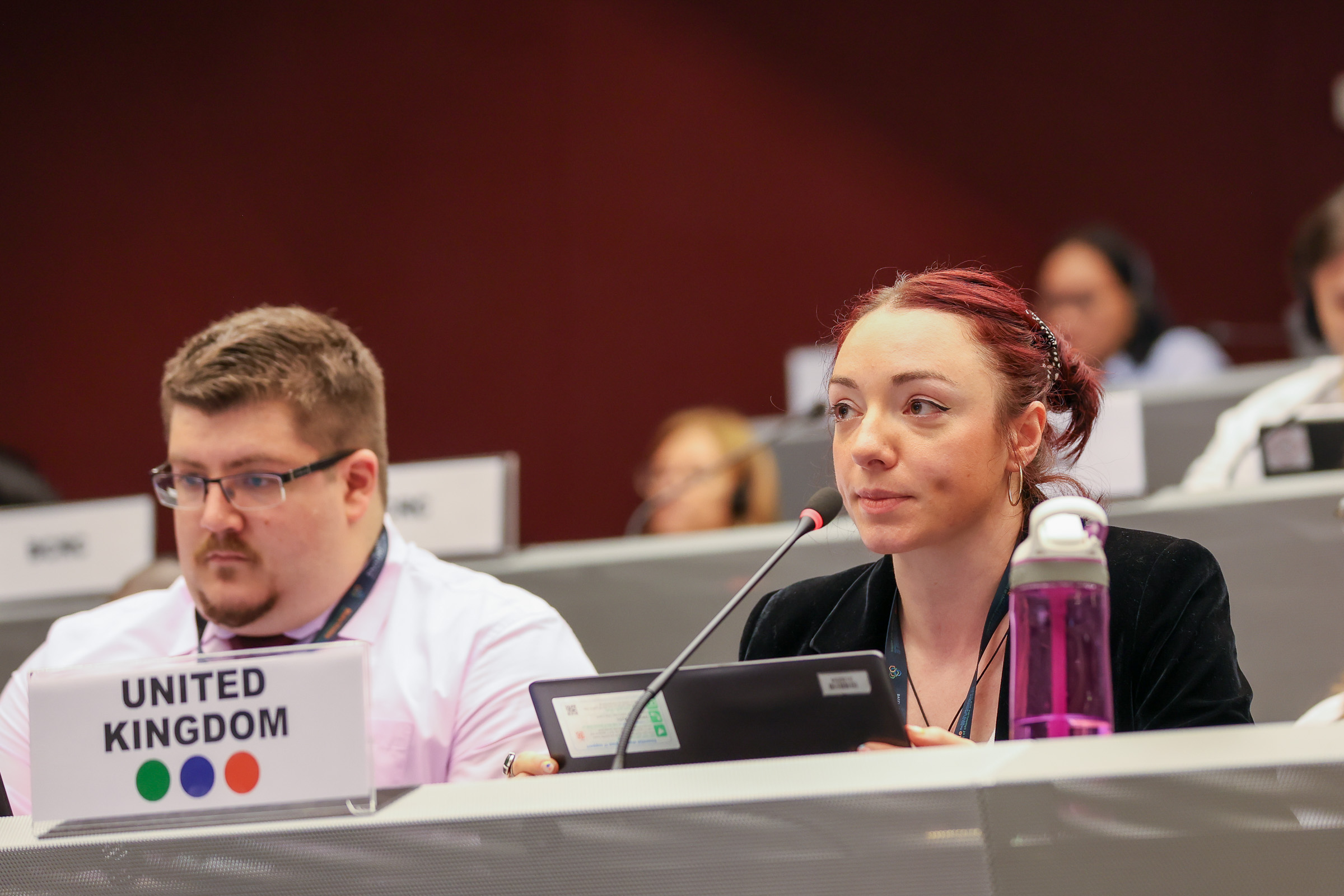
Helena Richards, UK
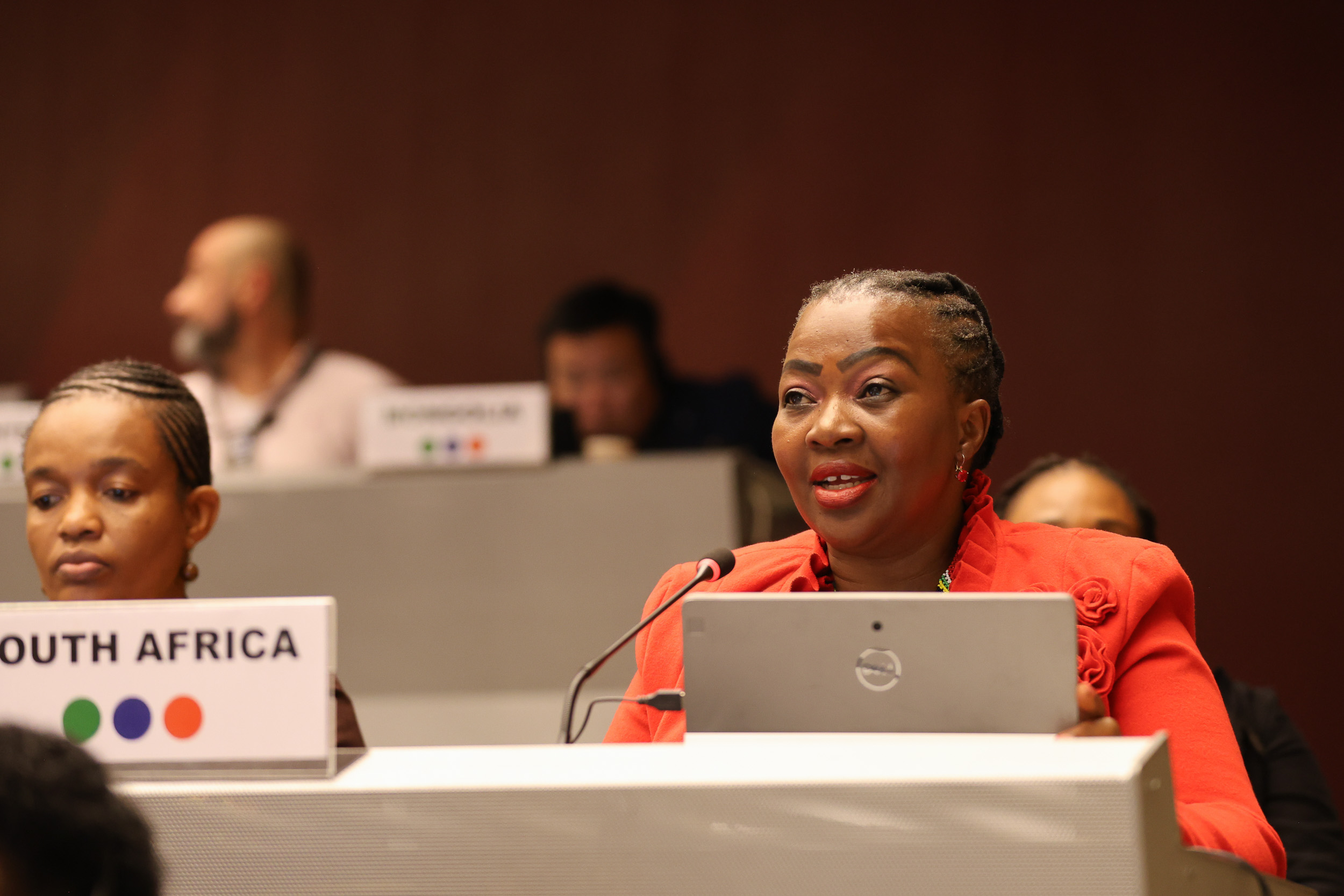
Noluzuko Zukie Gwayi, South Africa
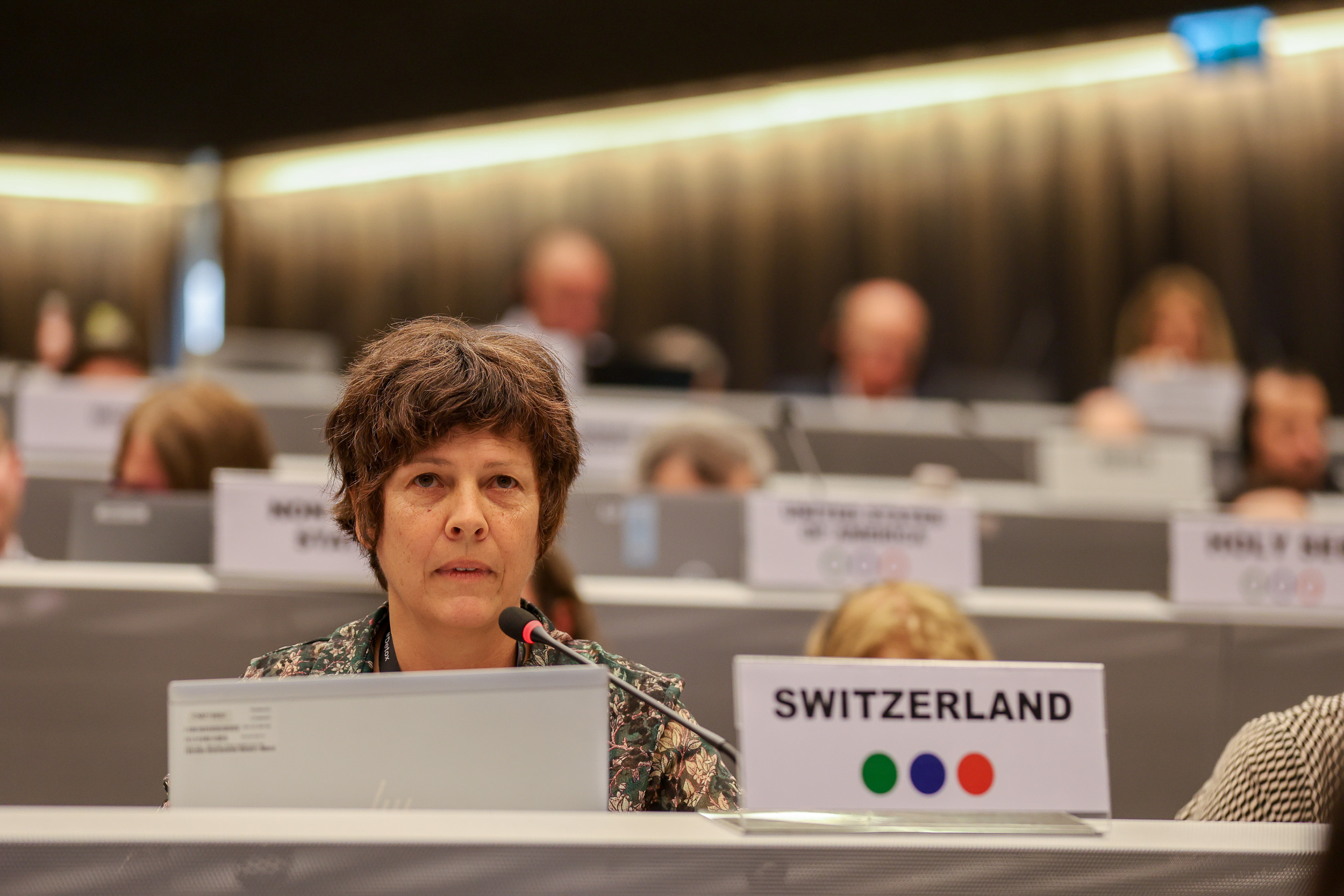
Sarah Maillefer, Switzerland
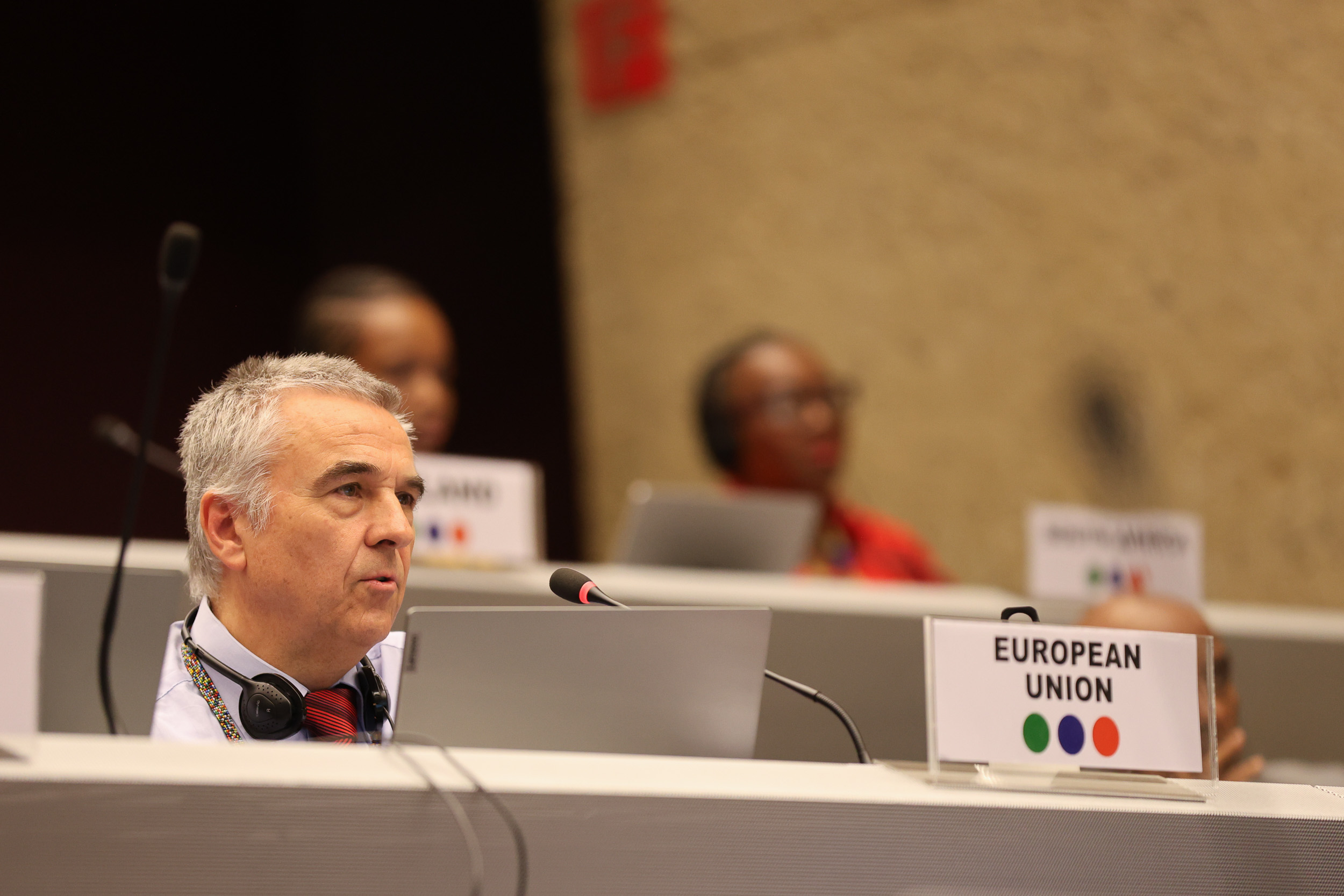
Juergen Helbig, European Union

Zaigham Abbas, Pakistan
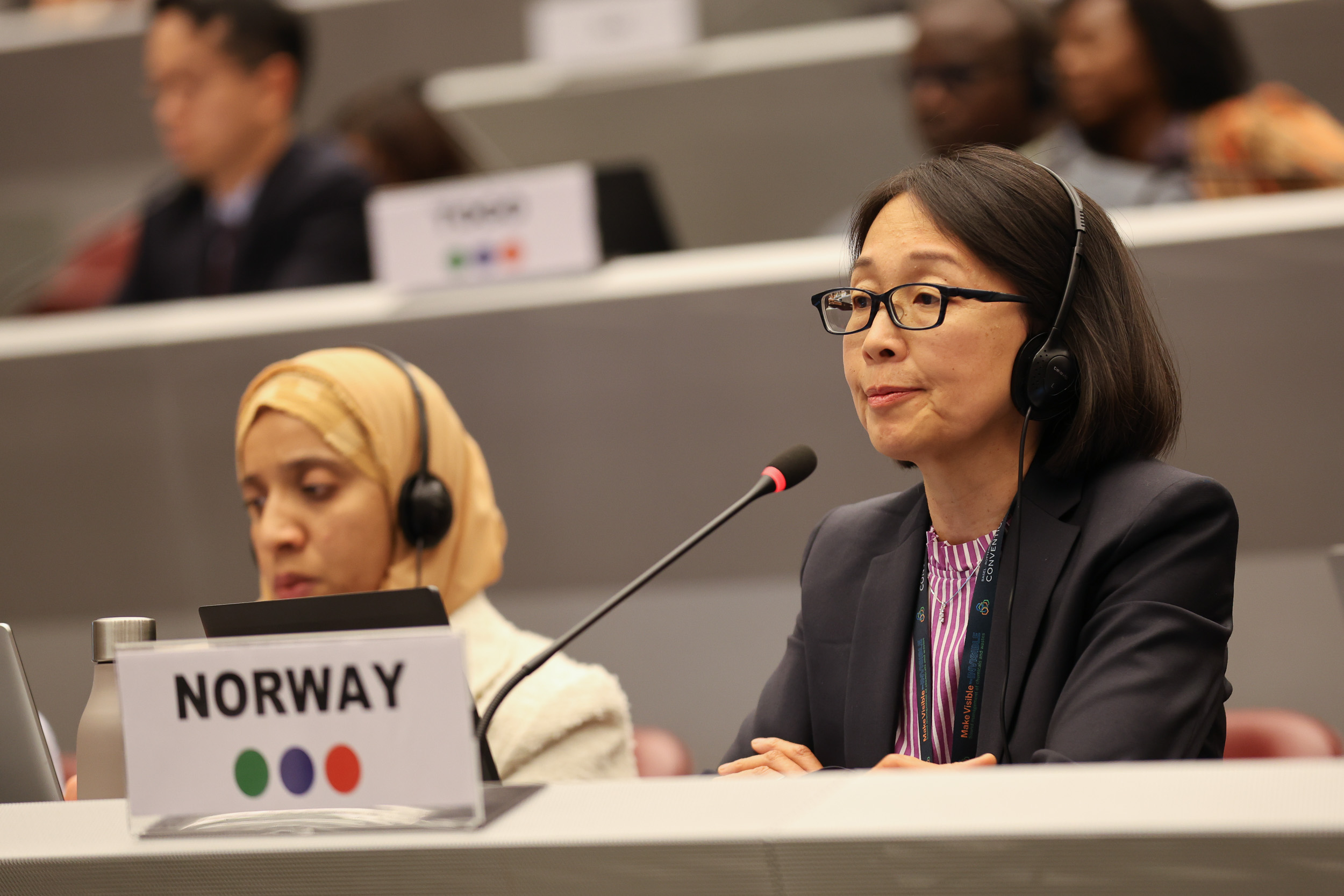
Mitsuko Komada, Norway
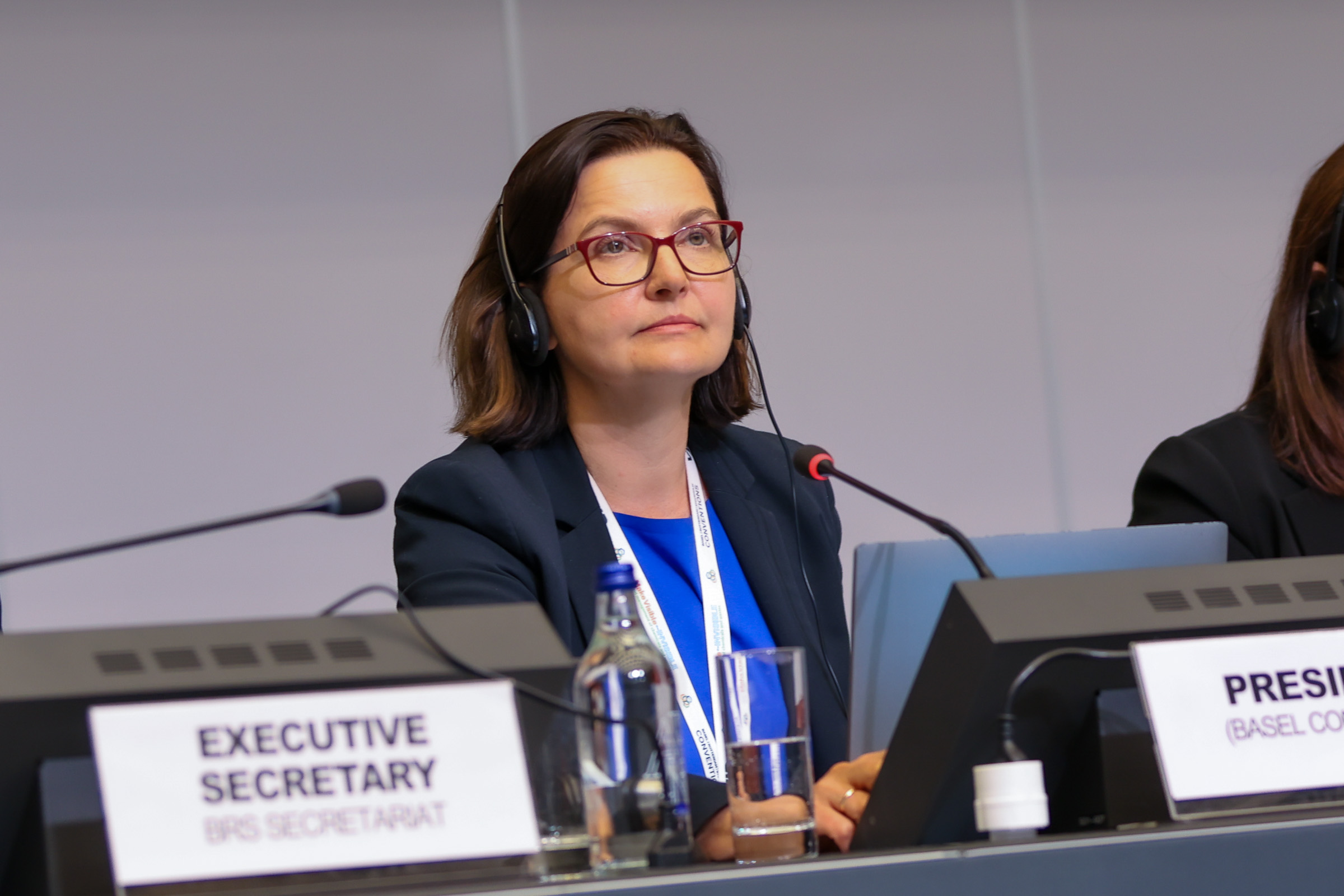
Basel Convention COP17 President Anita Sowińska
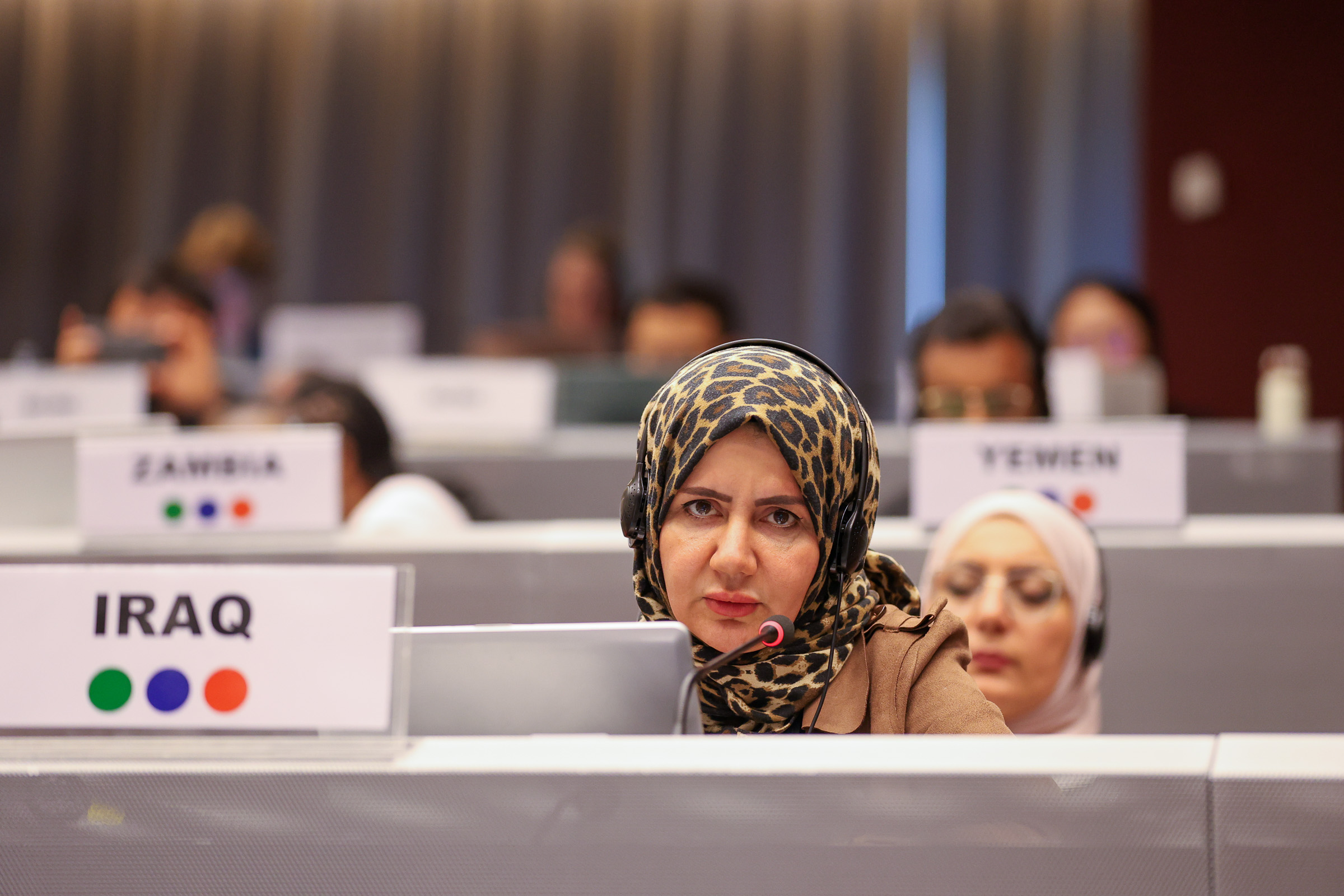
Israa Munqith Abdal Jabbar Albaker, Iraq
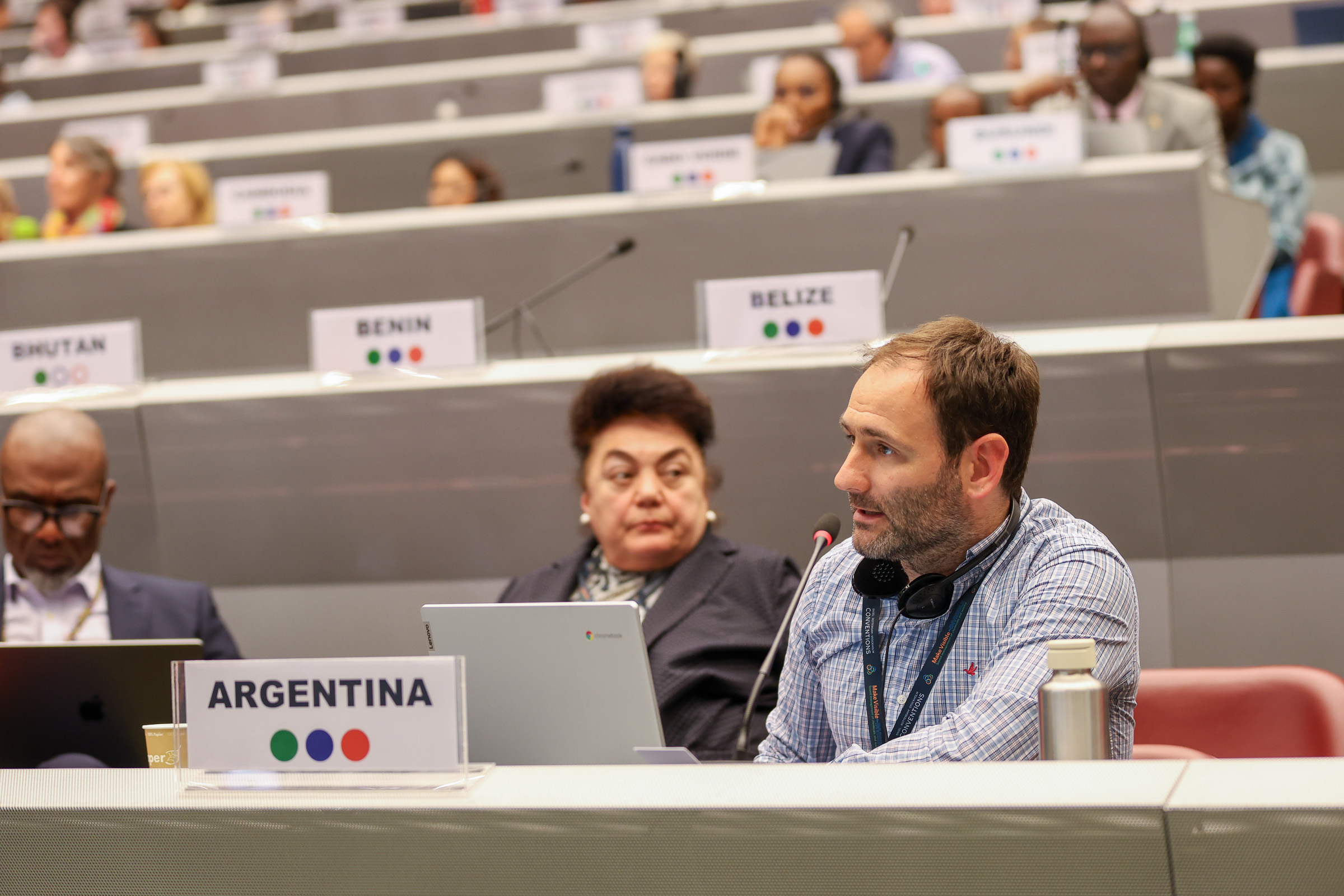
Angel G. Dalmazzo, Argentina
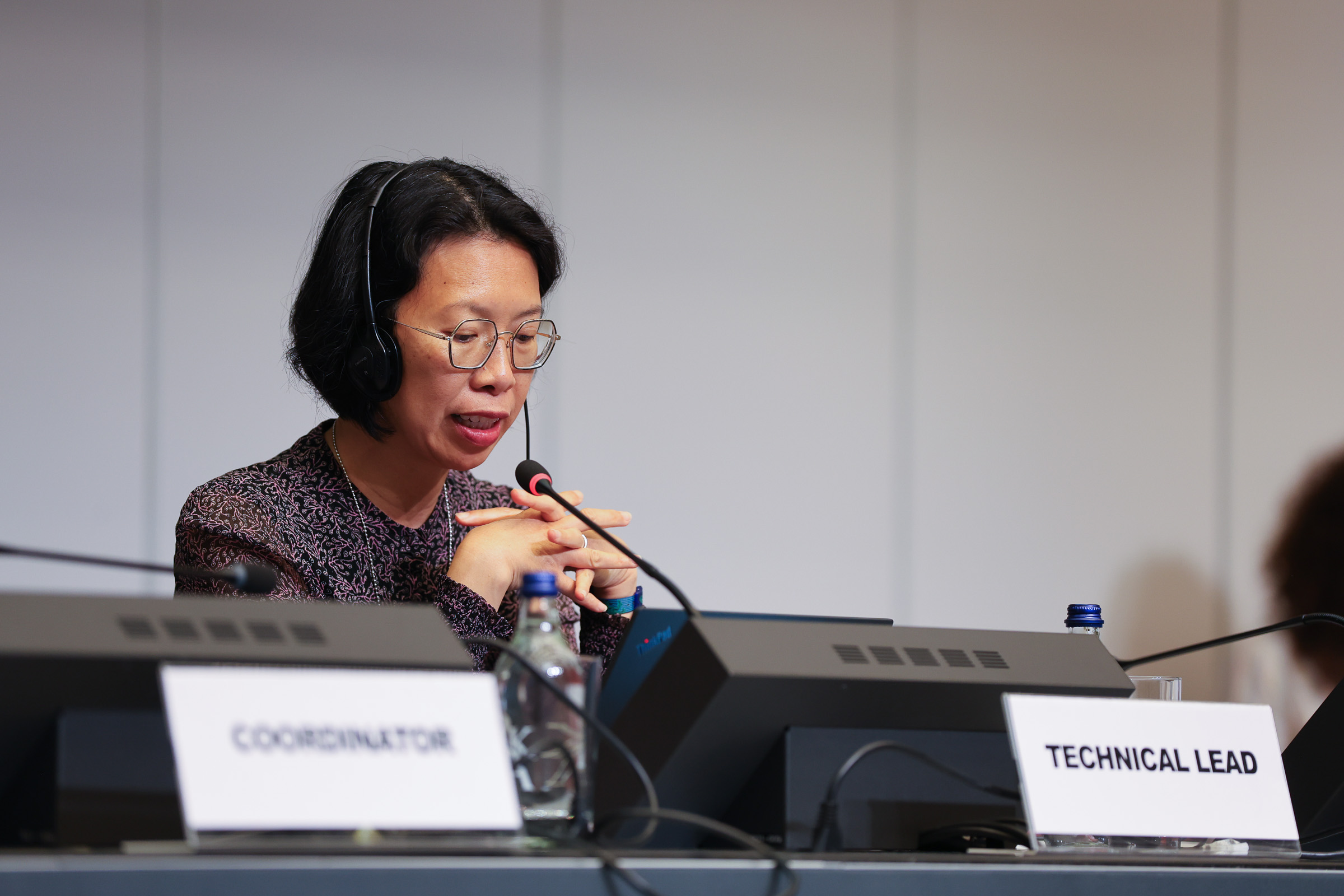
Melisa Lim, BRS Conventions Secretariat
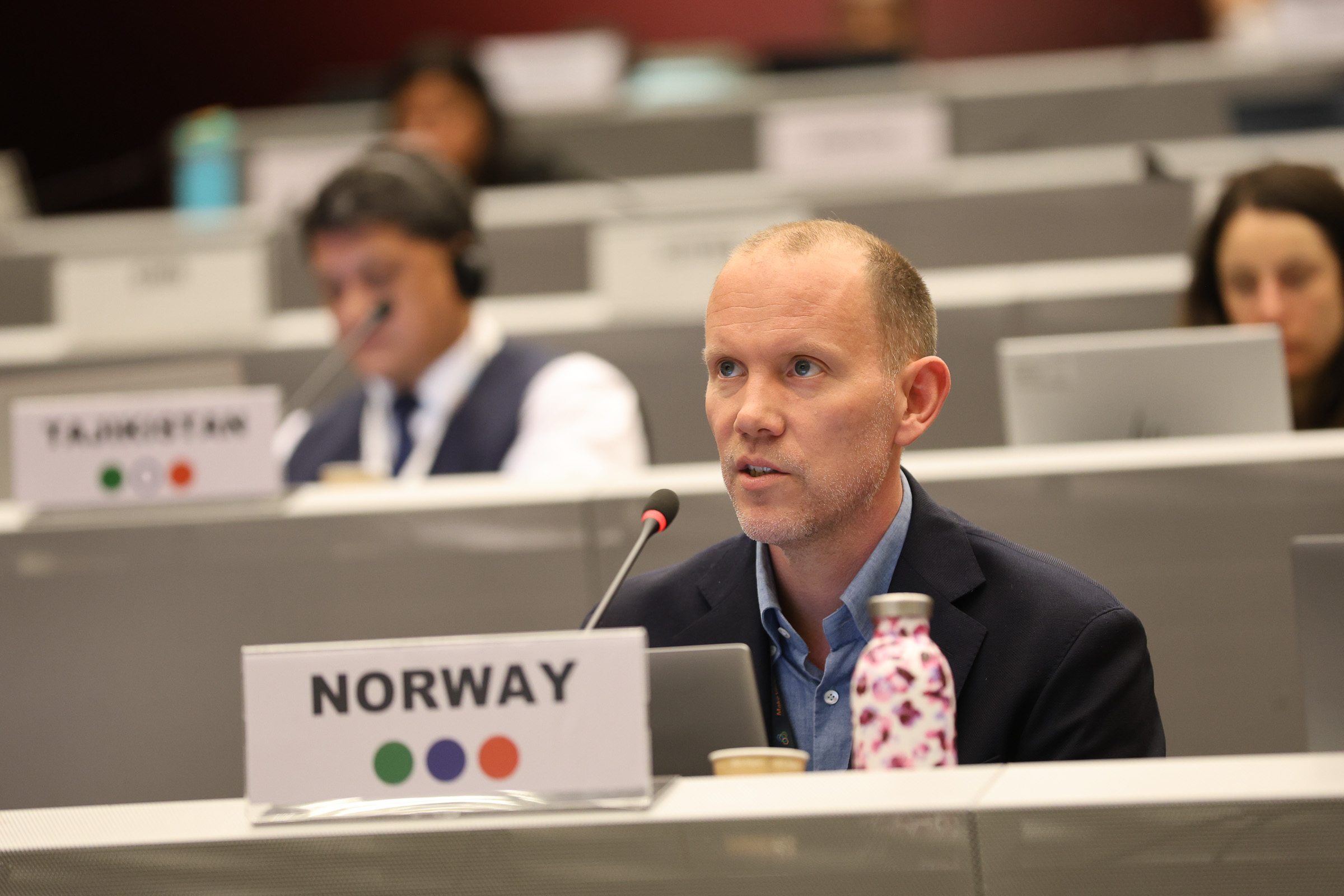
Ole Thomas Thommesen, Norway
Contact Groups
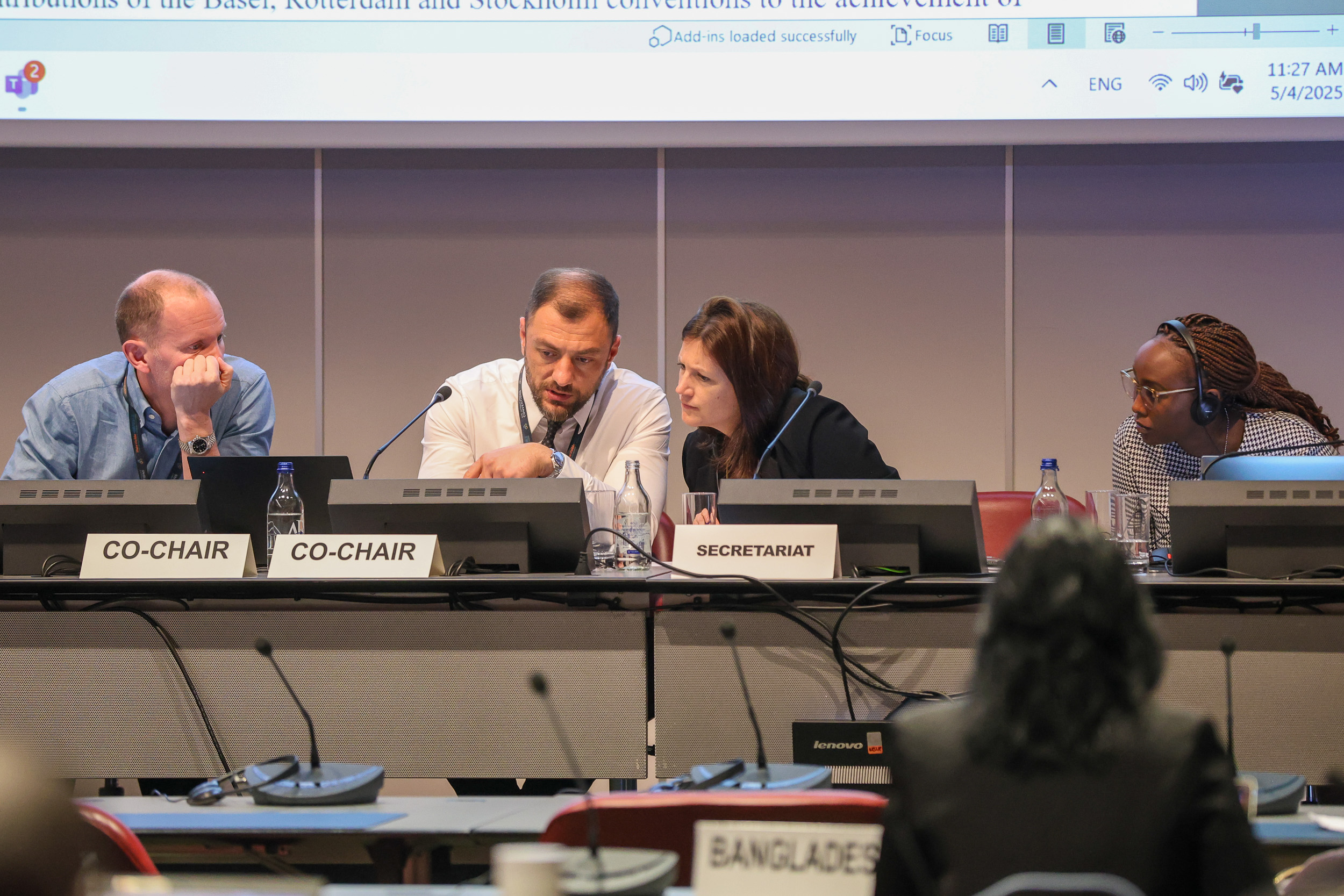
View of the dais during a Contact Group on Basel Convention legal matters
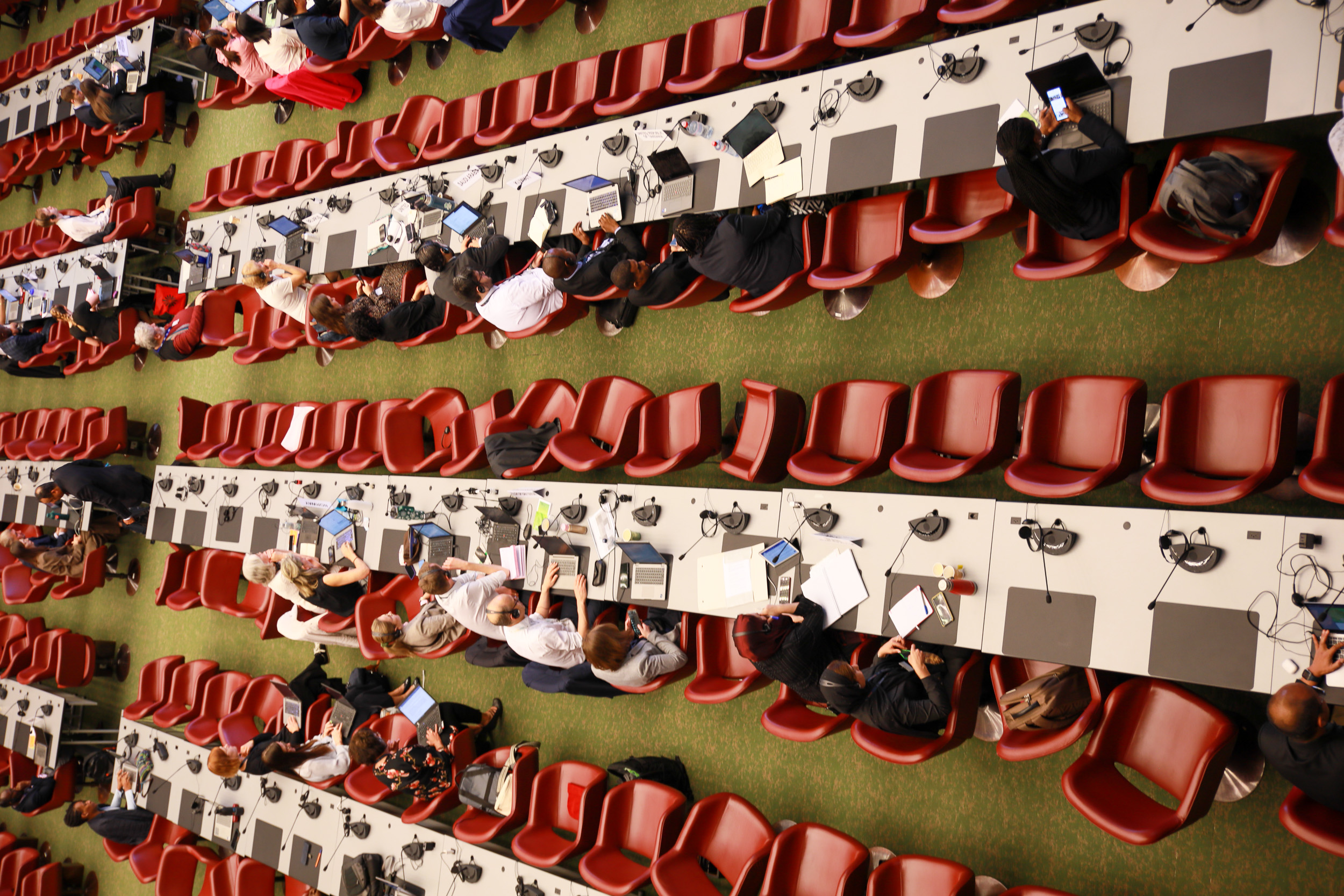
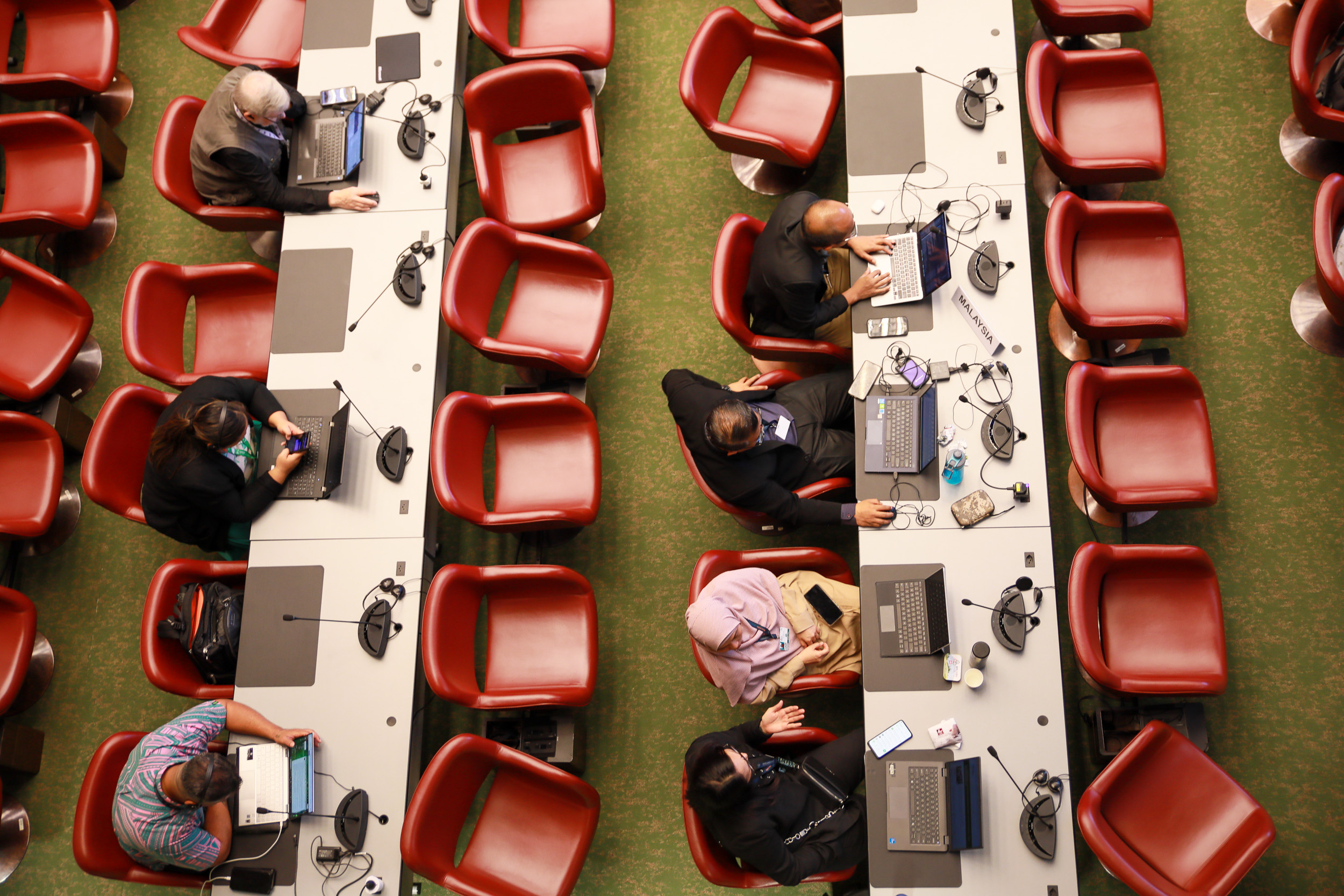
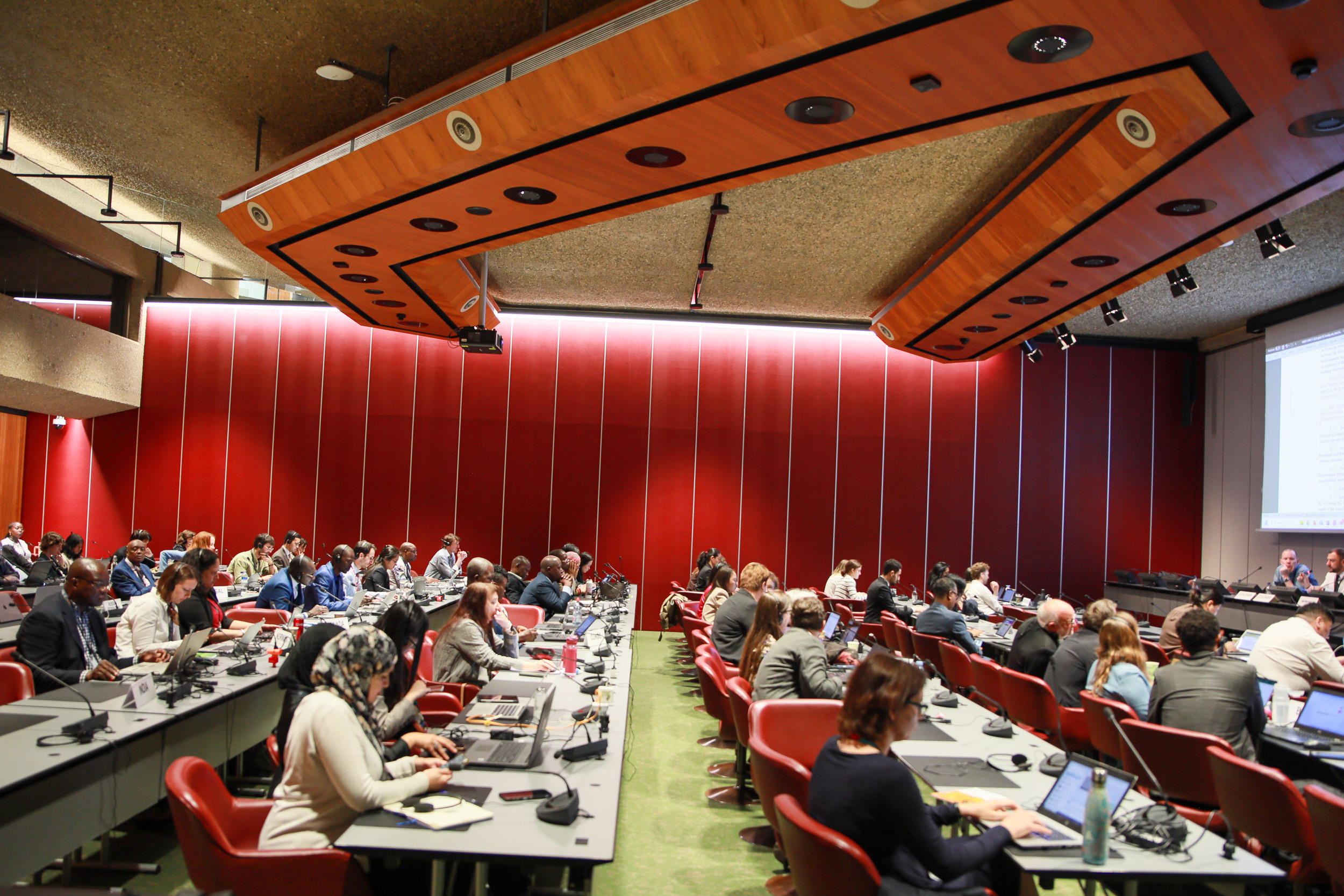
View of the room during a Contact Group on Basel Convention legal matters
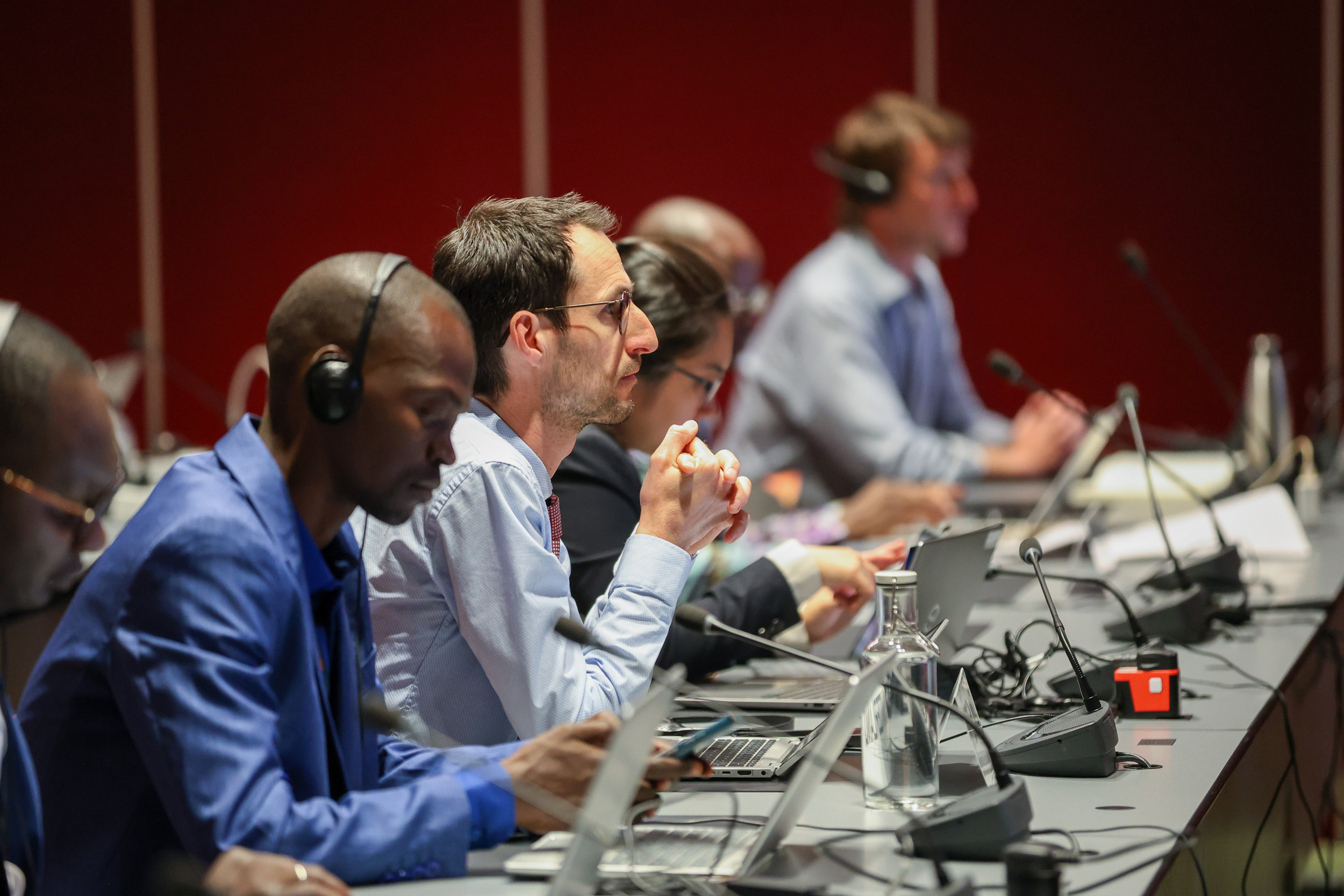
Michel Tschirren, Switzerland
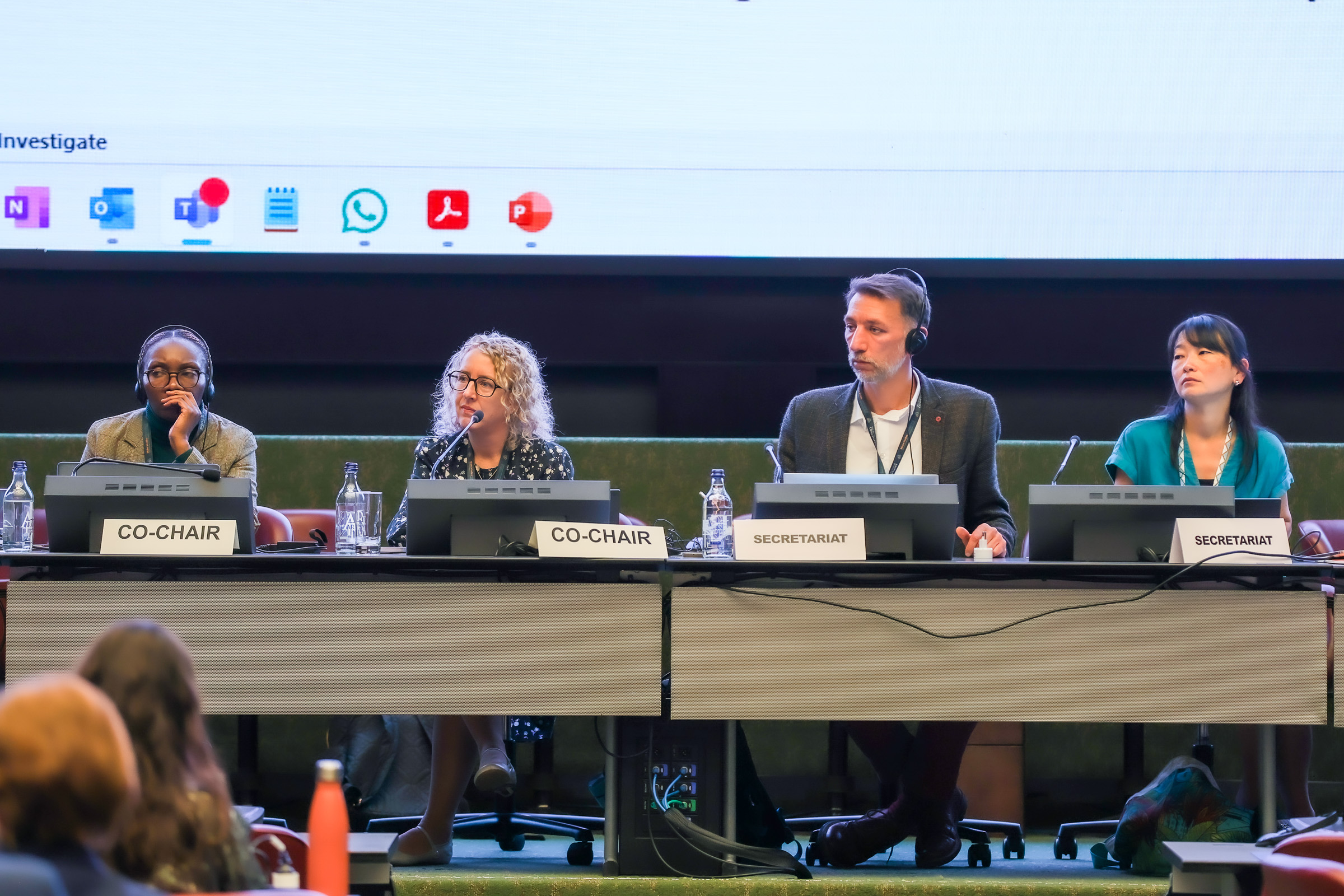
View of the dais during a Contact Group on the Rotterdam Convention listing of chemicals
Between Sessions
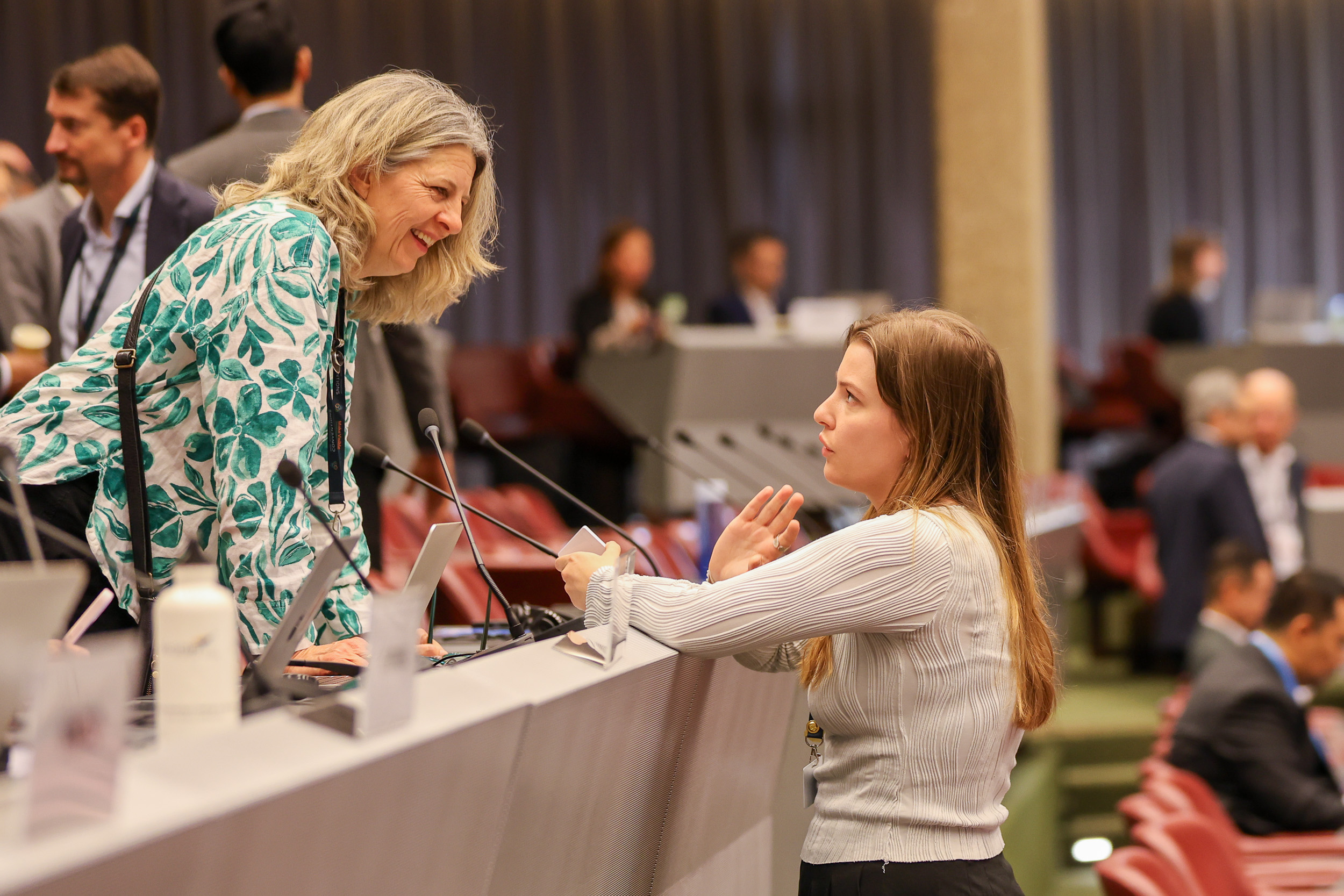
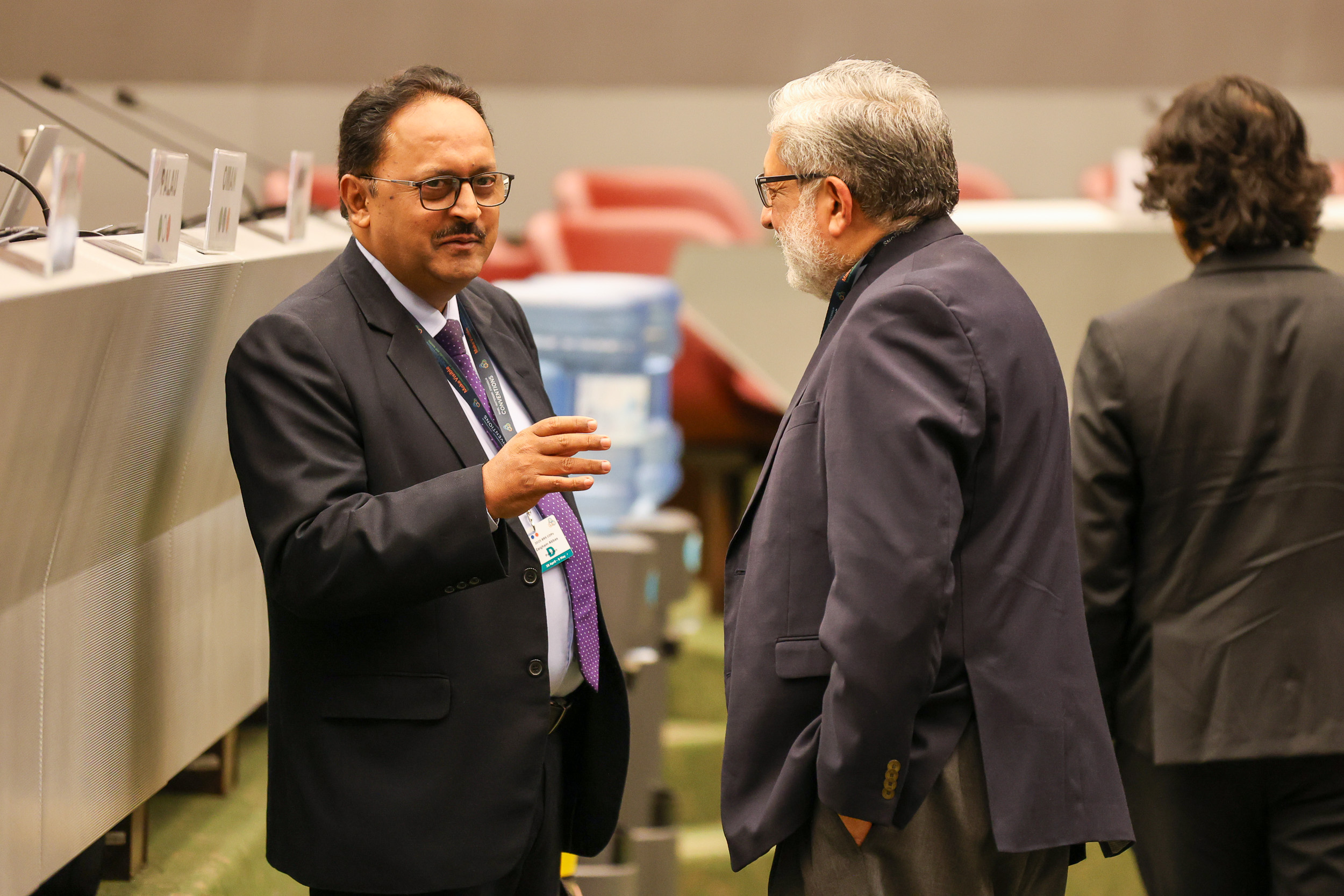
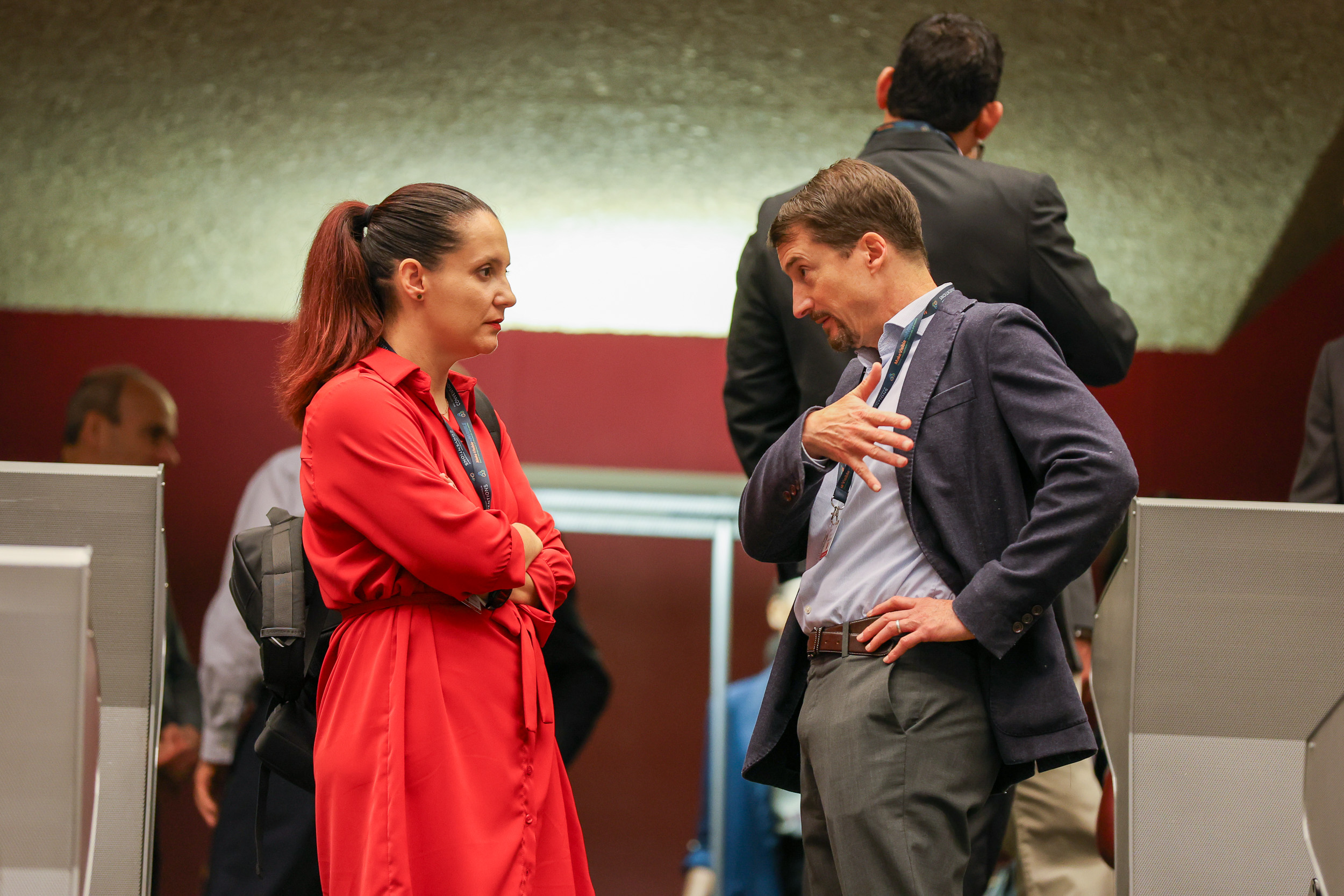
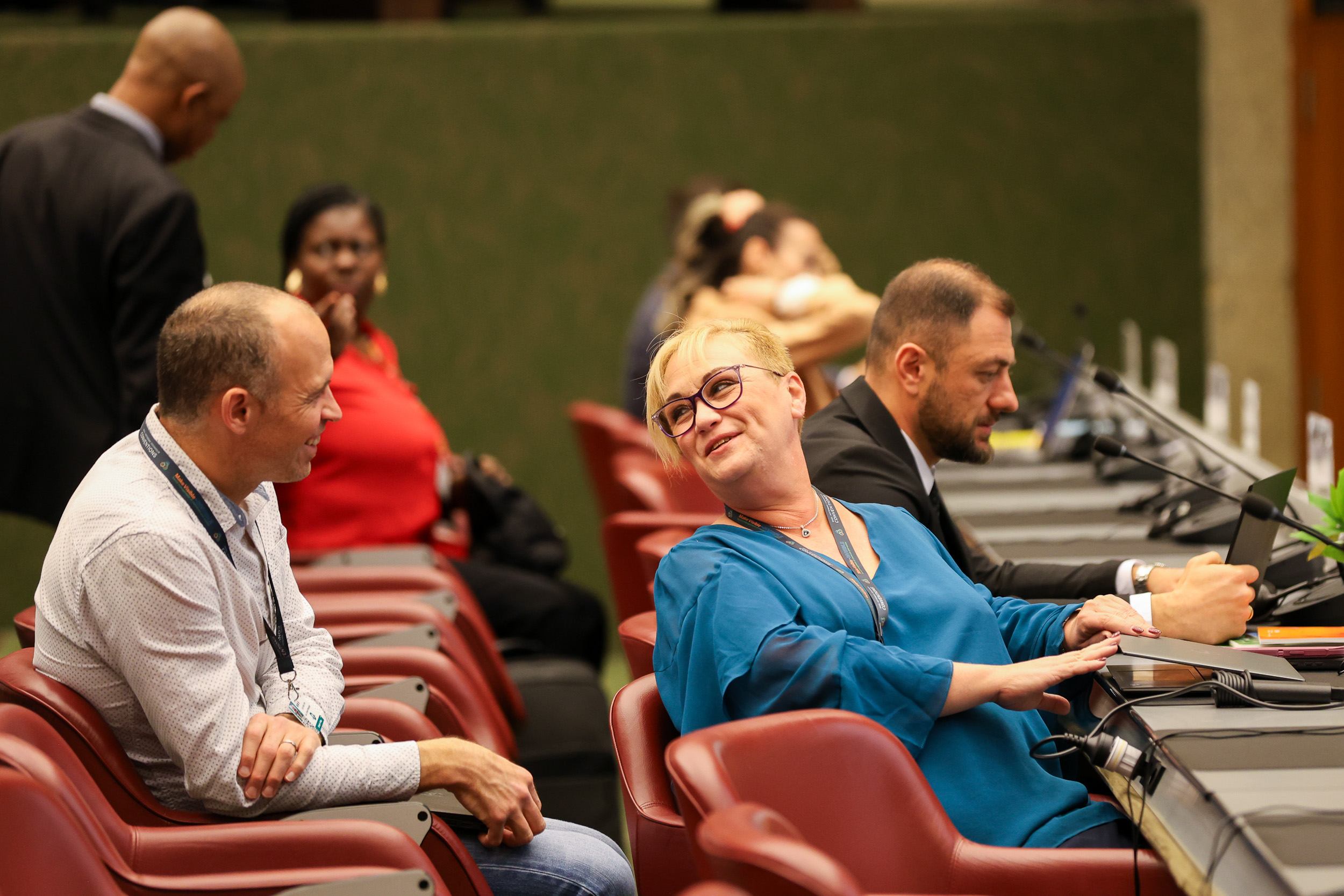
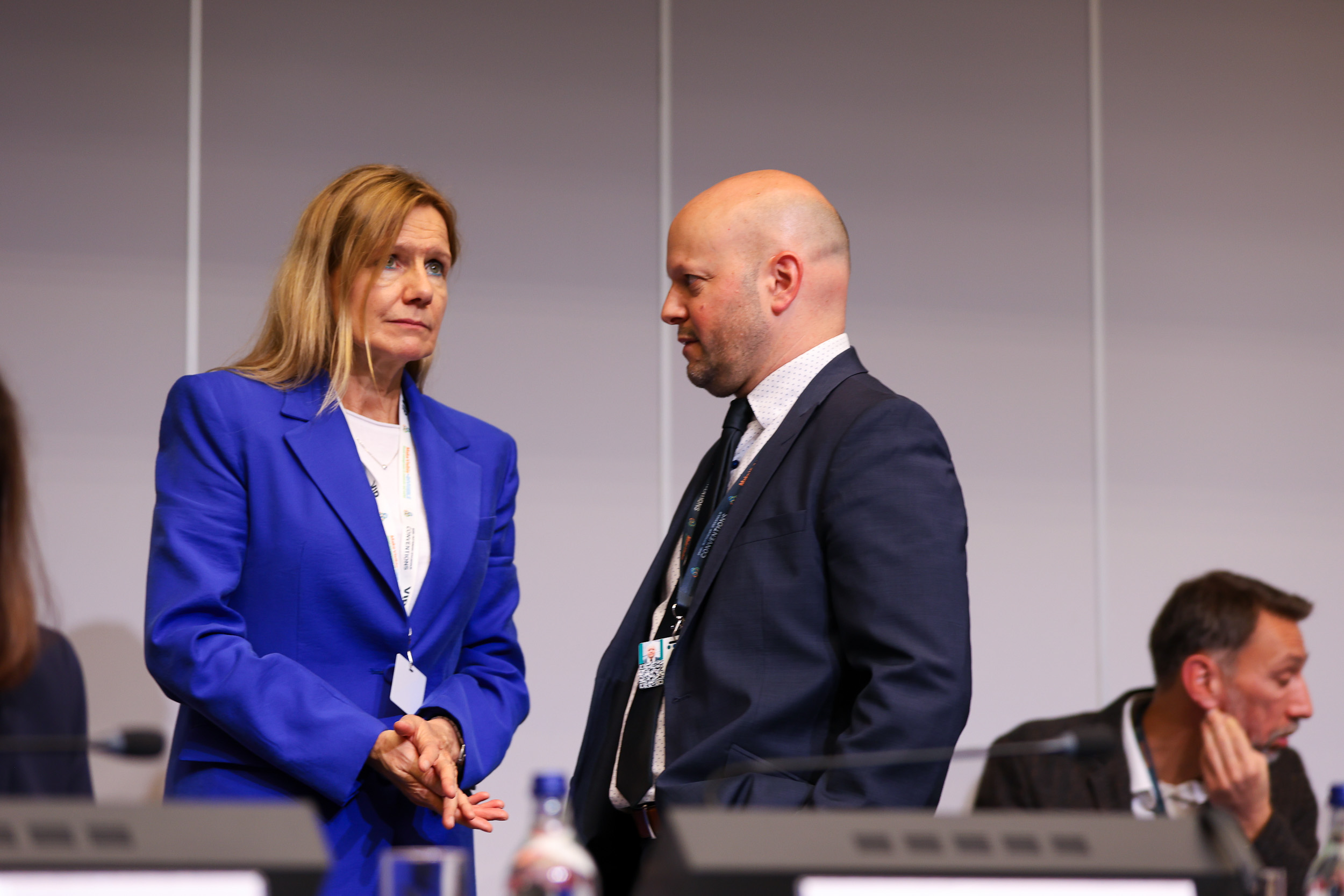
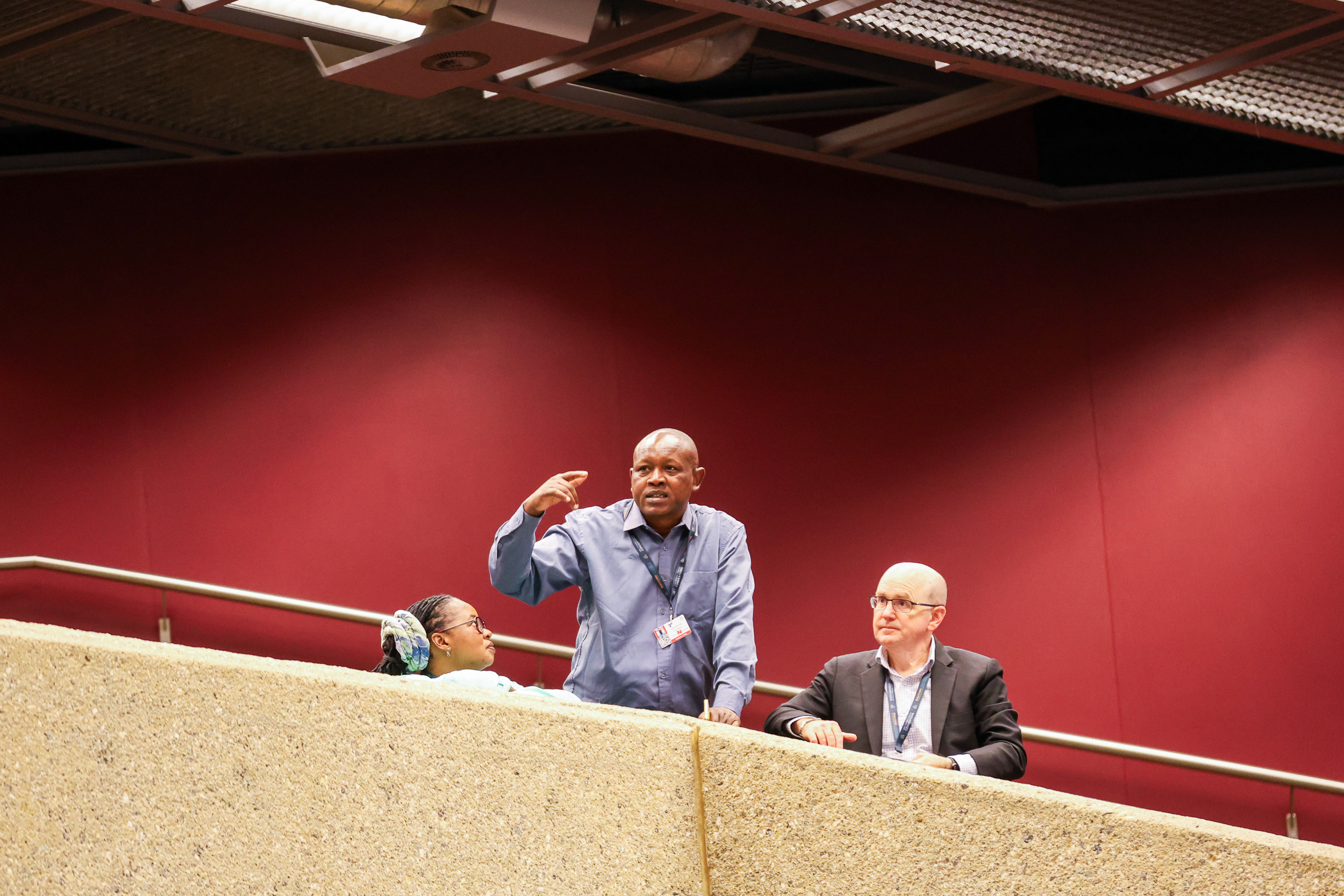
Around the Venue