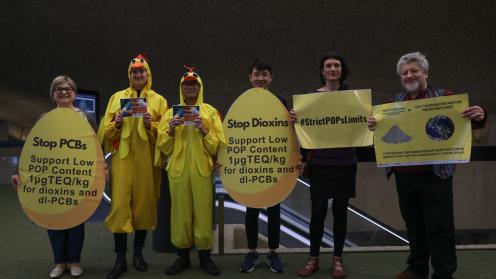
The Stockholm Convention aims to ban some of the toxic chemicals that travel far from where they are produced or used. These persistent organic pollutants (POPs) are found in the Arctic, where they have never been used. Even Inuit women’s breast milk contains POPs that were used in other countries.
Want to dig deeper into today's talks? Read the full Earth Negotiations Bulletin daily report.
Eliminating POPs was the focus of the day. There are three POPs proposed for elimination. For each, there are some time-limited uses still allowed, called specific exemptions. For chlorpyrifos, countries worked to narrow the number of specific exemptions. The list grew to 14, which may allow widespread use of the pesticide. Countries reduced the list somewhat and many hoped it might be shorter soon.
These exemptions help to eliminate POPs production over time while permitting the use of the chemical if there are no affordable, effective alternatives available. Some of the industrial chemicals that could be eliminated are used in fire-fighting foams or in adhesives and sealants.
One POP re-emerged as an issue of concern. UV-328, a chemical used in adhesives and sealants, was listed in Annex A (elimination) in 2023, with some specific exemptions. Ethiopia has called for additional exemptions, based on information that the airline industry cannot find alternatives. It’s the first time that a previously-agreed listing has been reconsidered. For some, it’s important to get it right amid all the complexities of all the various products and chemicals that can be used in something as complex as an airplane. For others, it sets a precedent that could lead to further releases of POPs into the environment.
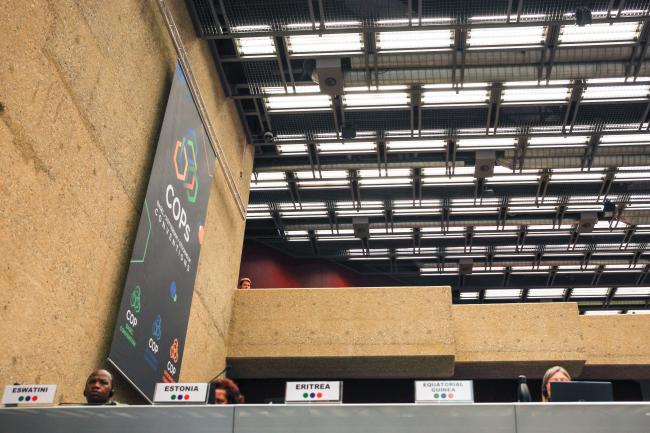
Adding new chemicals multiplies the actions that countries must take to cease production, manage POPs, and report on their efforts. The financial discussions have only just begun, and are expected to continue throughout the meeting.
The Basel Convention provided guidance on future work related to the safe management of waste lead-acid batteries. These waste experts also turned to legal matters, amending the list of disposal operations (in Annex IV) to reflect best practices for all waste streams listed in the Convention. In recent years, the Convention has added plastic wastes and electronic and electrical wastes (e-waste), expanding the scope of the Basel Convention, which might require revising it to ensure it is up to date.
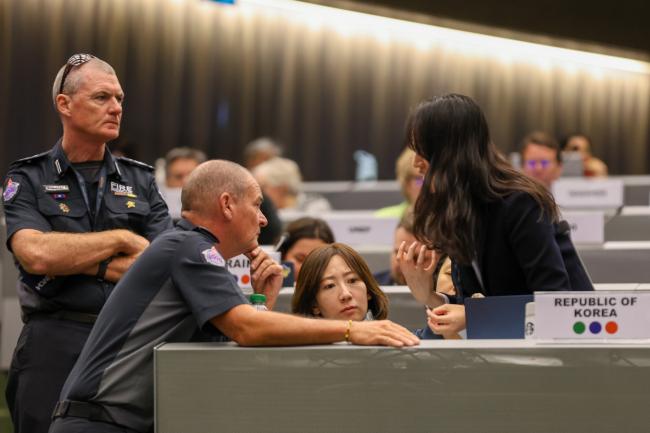
POPs management and financing were front and center in the side events, alongside the need to consider the gender-specific impacts of chemicals. An event focused on the "legacy problems" of POPs, especially efforts to eliminate PCBs. Participants caught up on the negotiations for a new science-policy panel on chemicals and wastes, and on methods to address emerging pollutants.
All ENB photos are free to use with attribution. For this event, please use: Photo by IISD/ENB | Mike Muzurakis
To receive free coverage of global environmental events delivered to your inbox, subscribe to the ENB Update newsletter.
Plenary Sessions
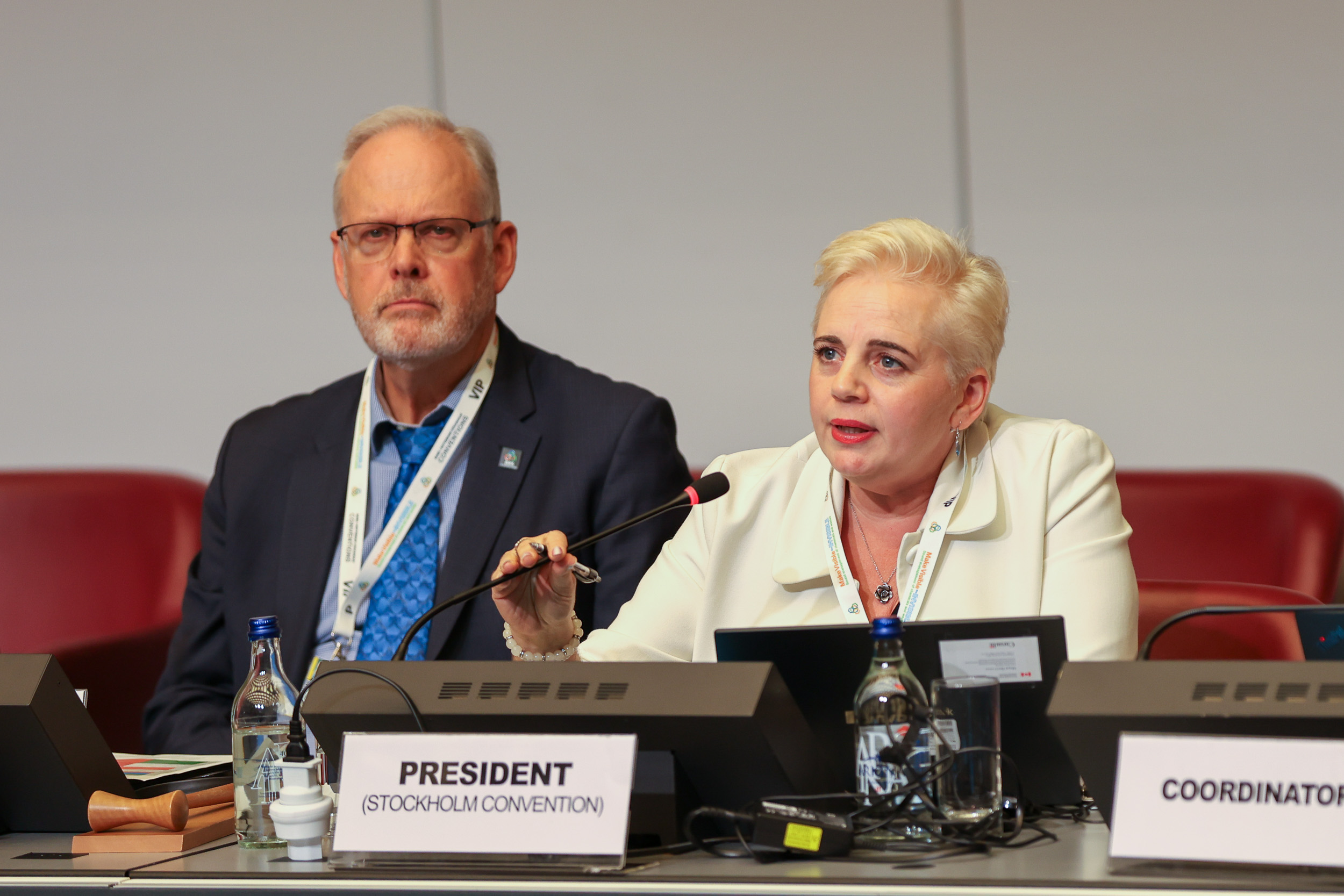
David Ogden, Deputy Executive Secretary, BRS Secretariat, and Stockholm Convention COP12 President Maya Berci
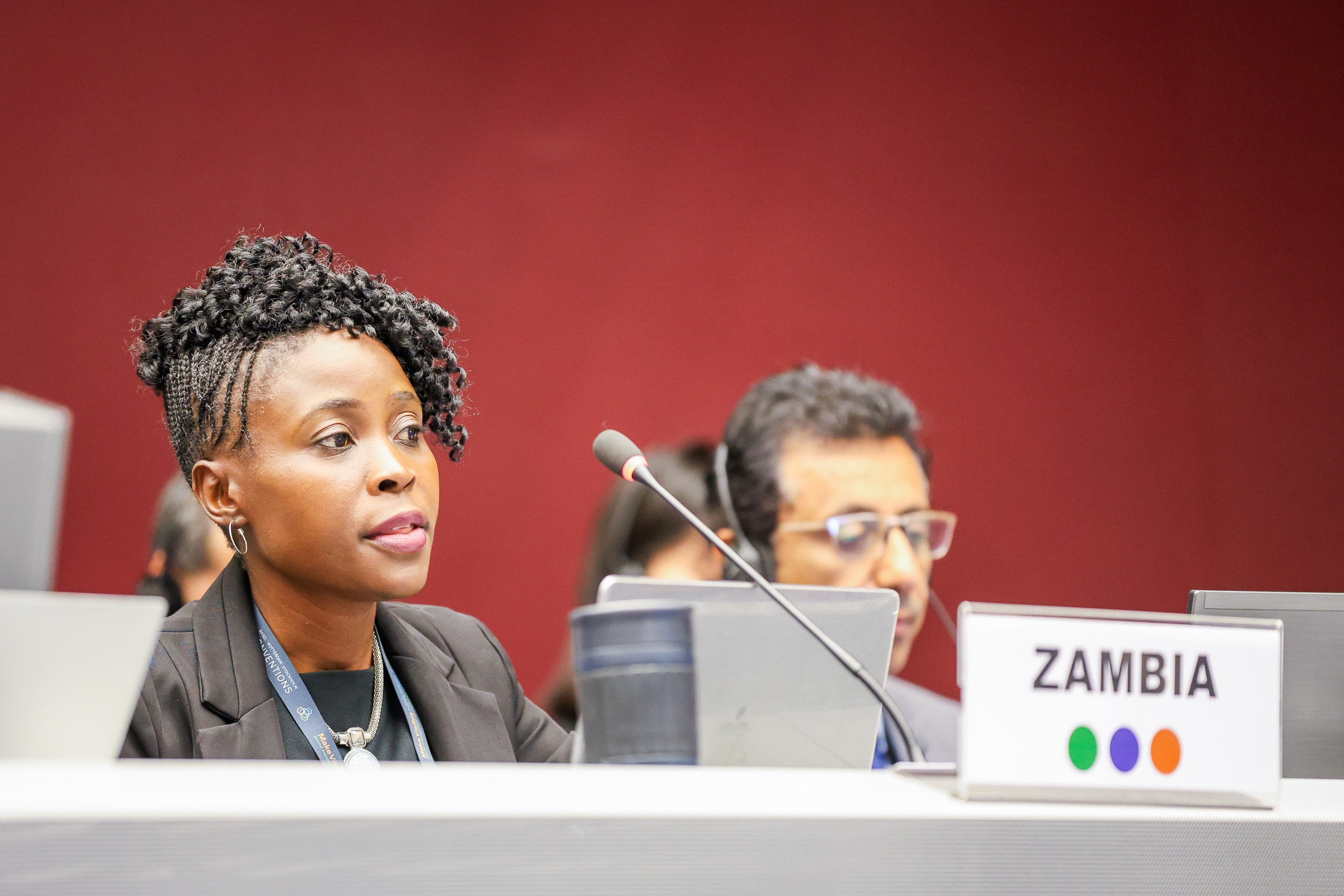
Perine Nkosi Kasonde, Zambia
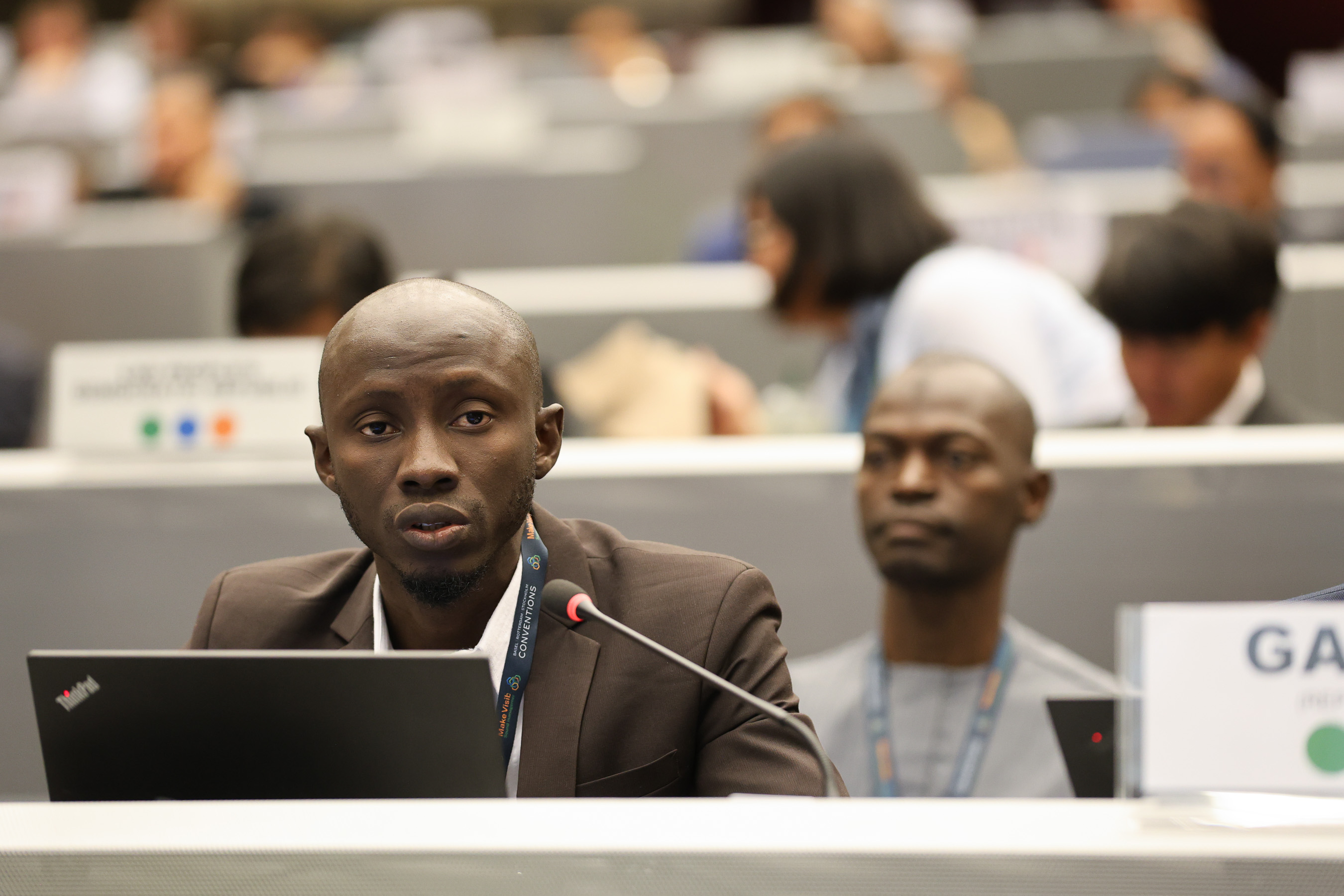
Lamin Jaiteh, the Gambia
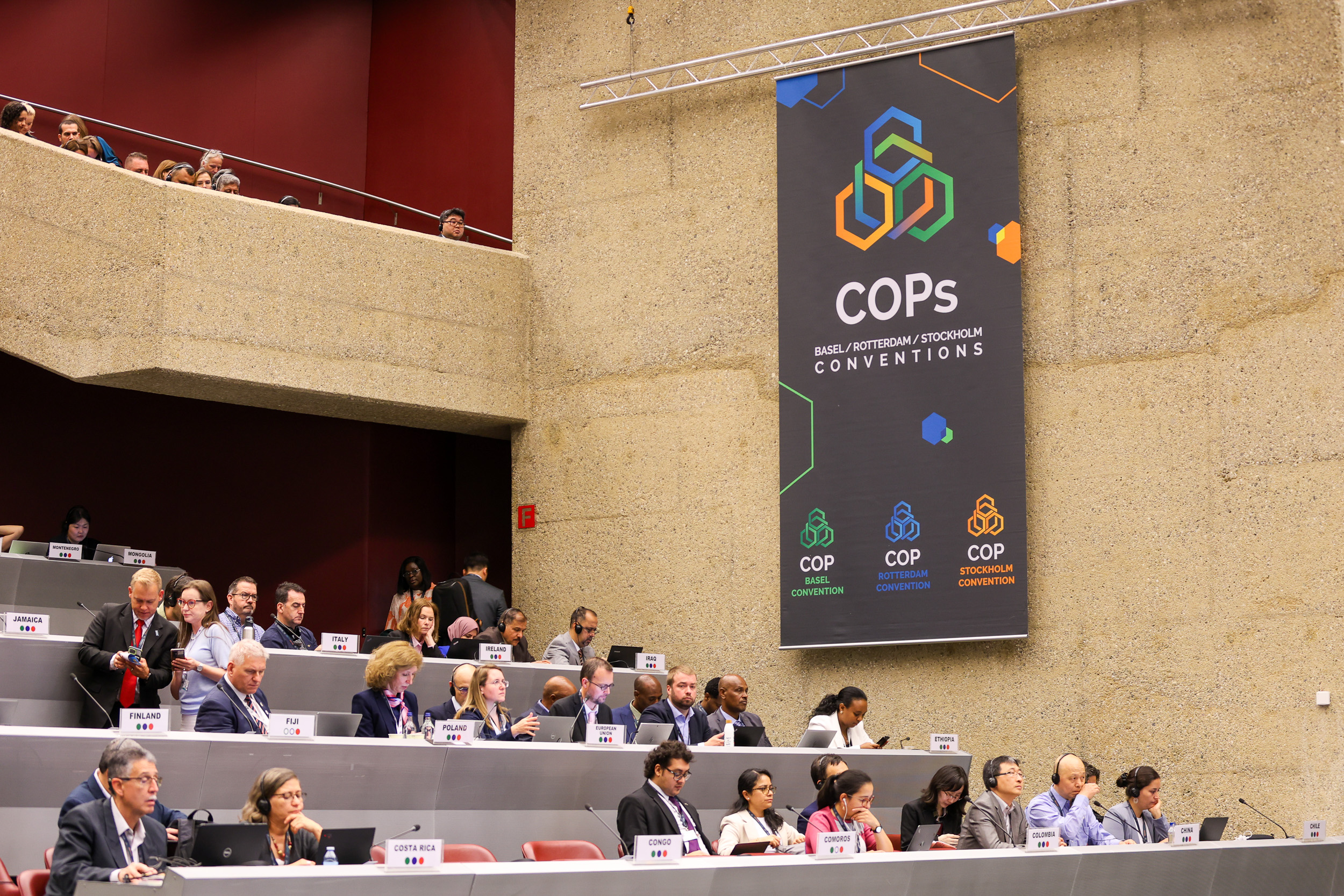
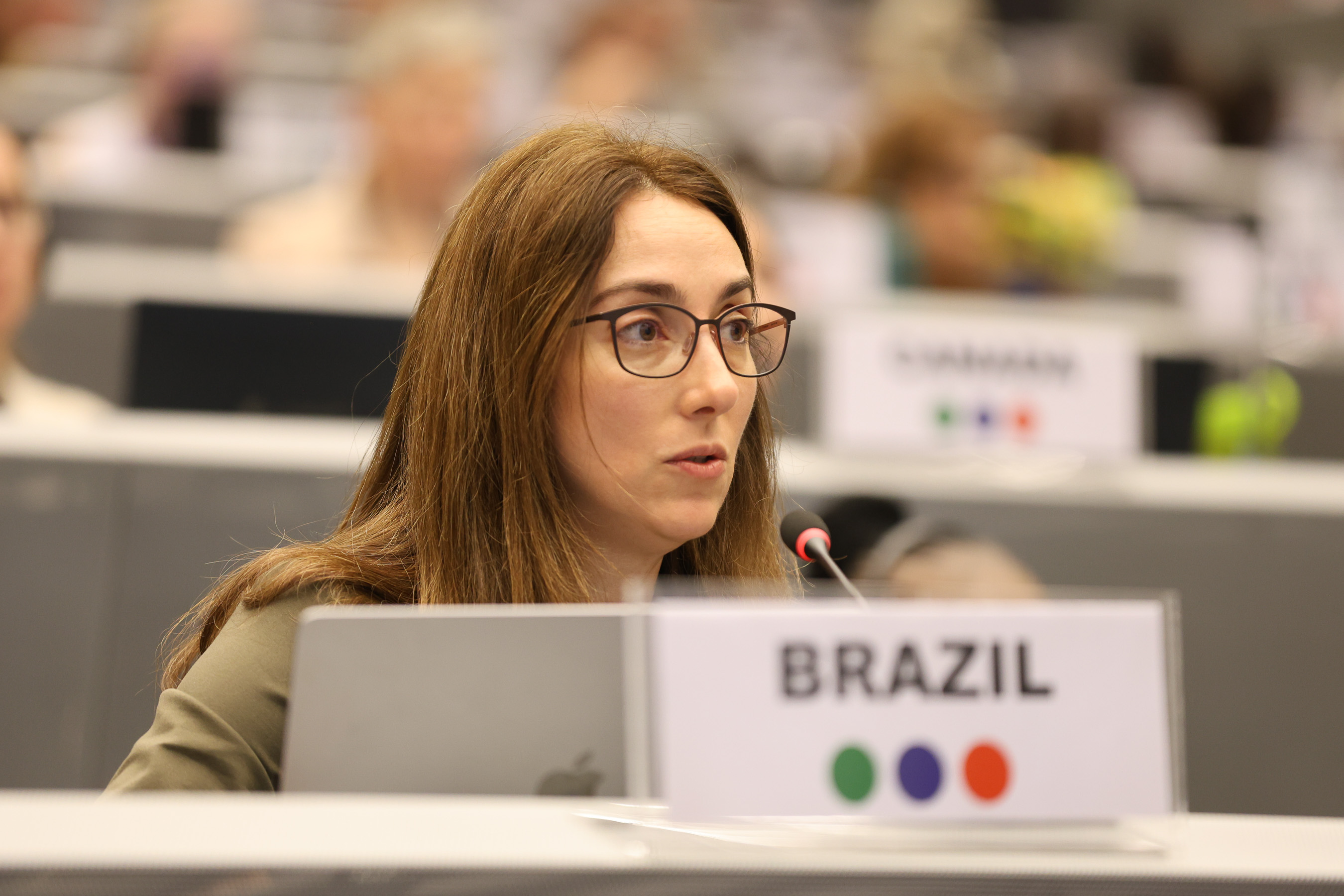
Luciana Melchert, Brazil
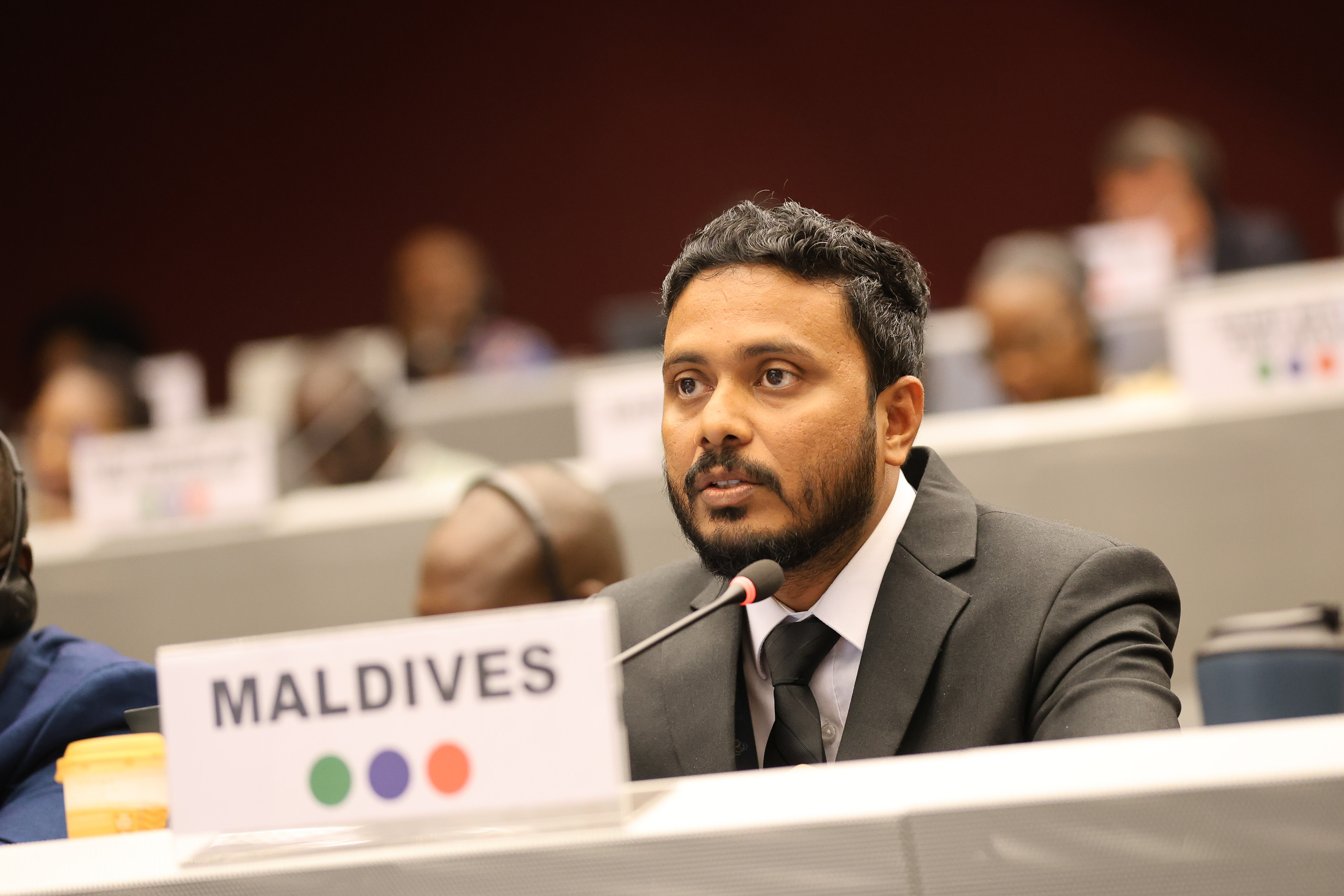
Hassan Azhar, Maldives
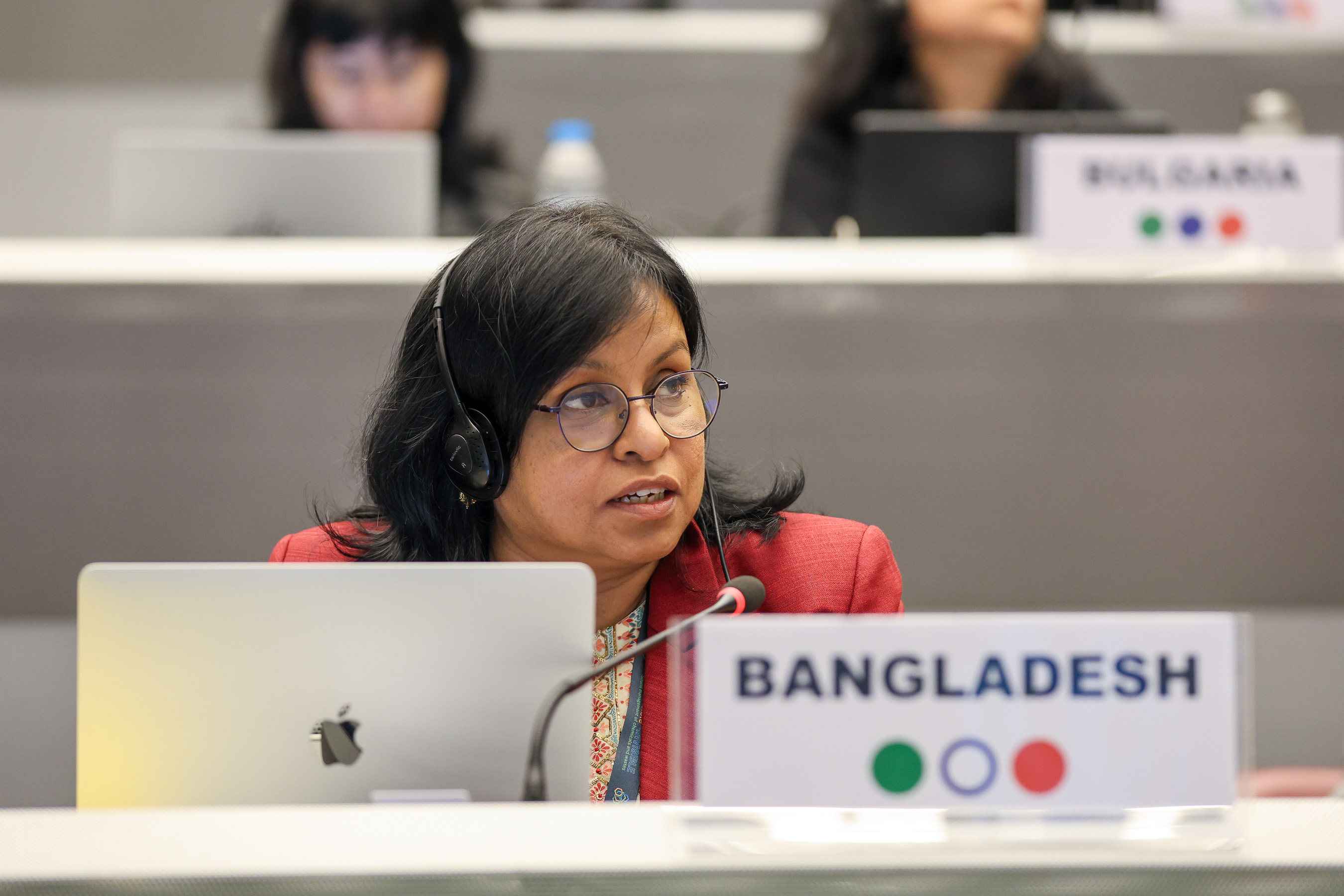
Fahmida Khanom, Bangladesh
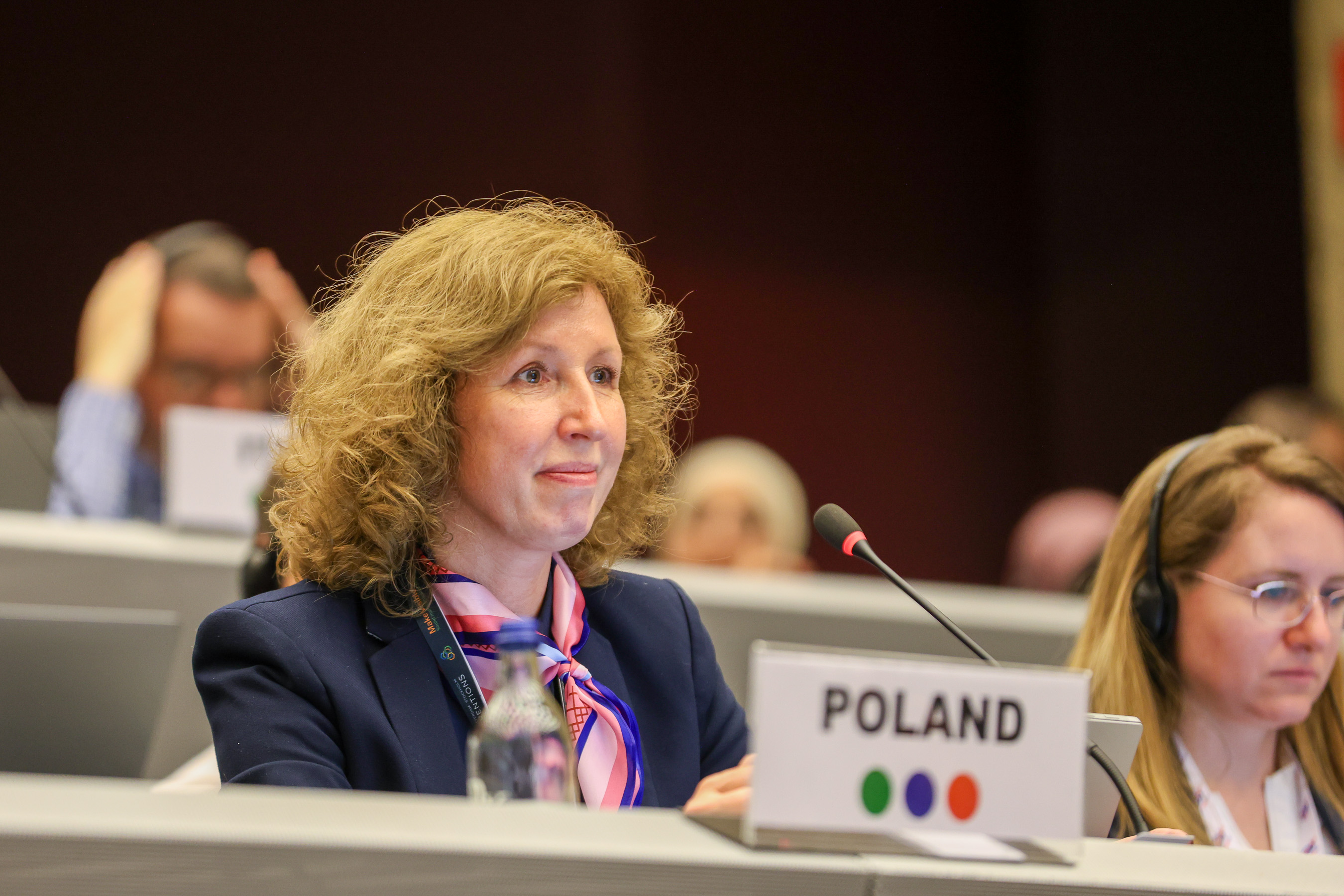
Agnieszka Dudra, Poland, speaking on behalf of the EU
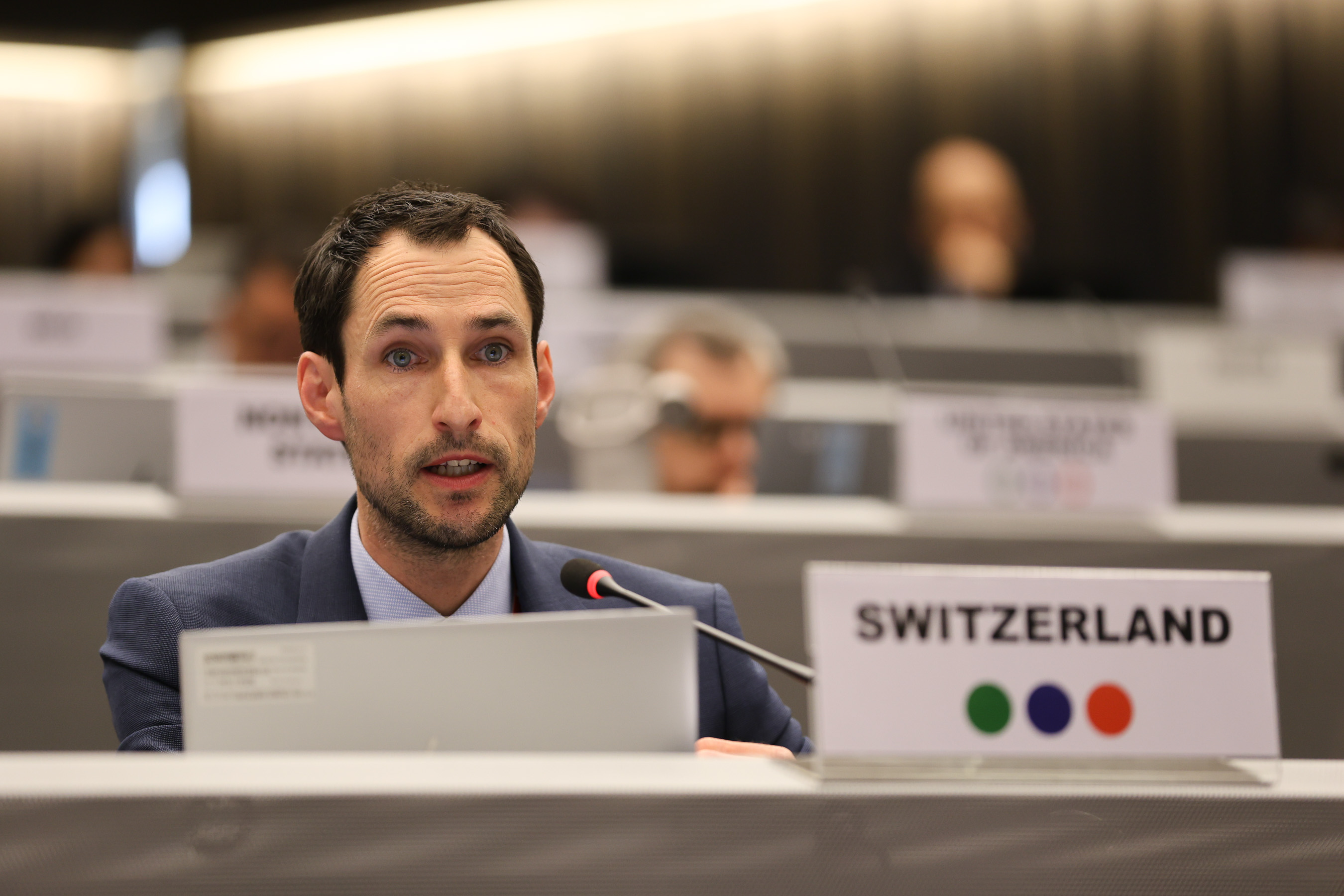
Michel Tschirren, Switzerland
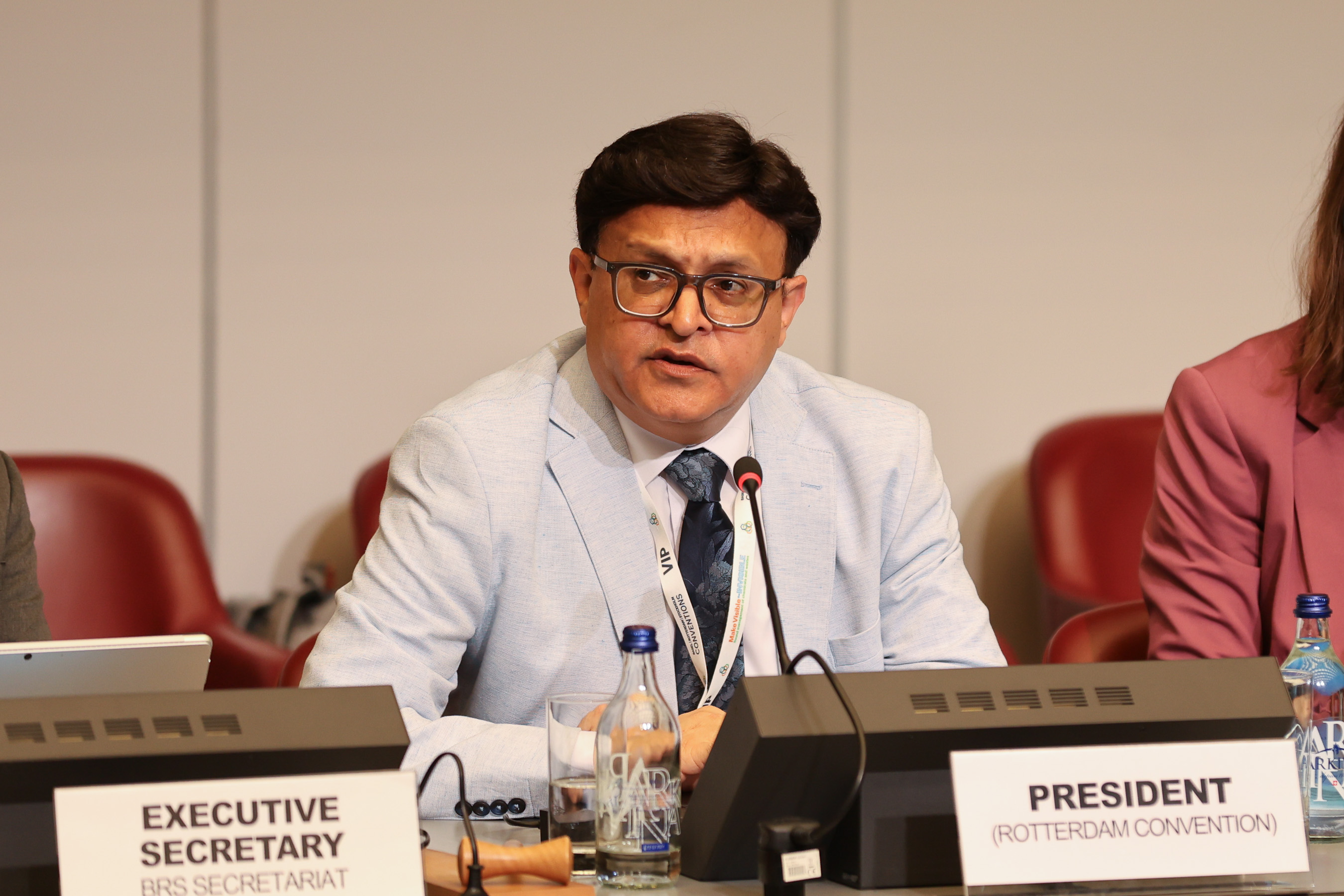
Rotterdam Convention COP12 President Hammad Shamimi
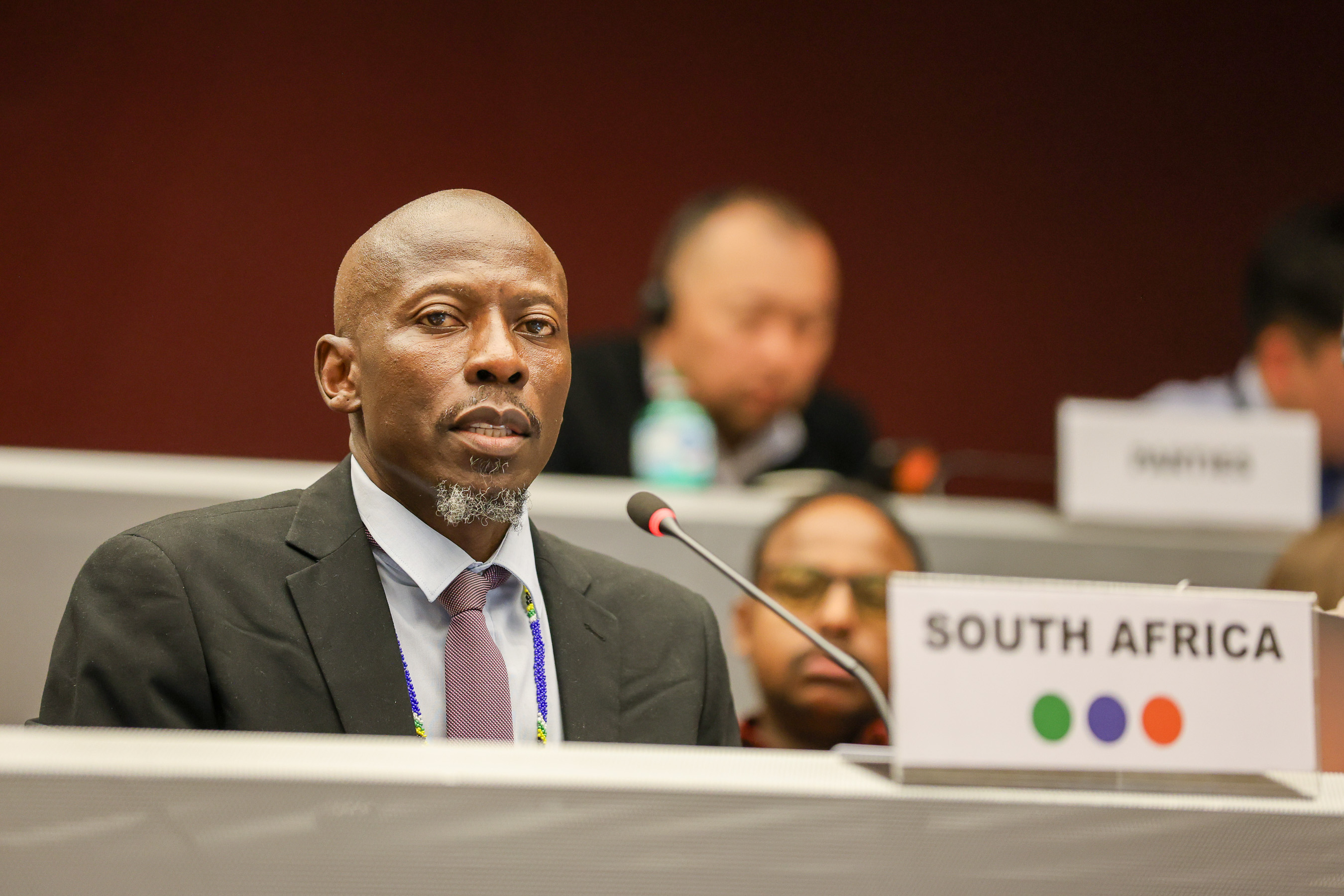
Obed Meringo Baloyi, South Africa
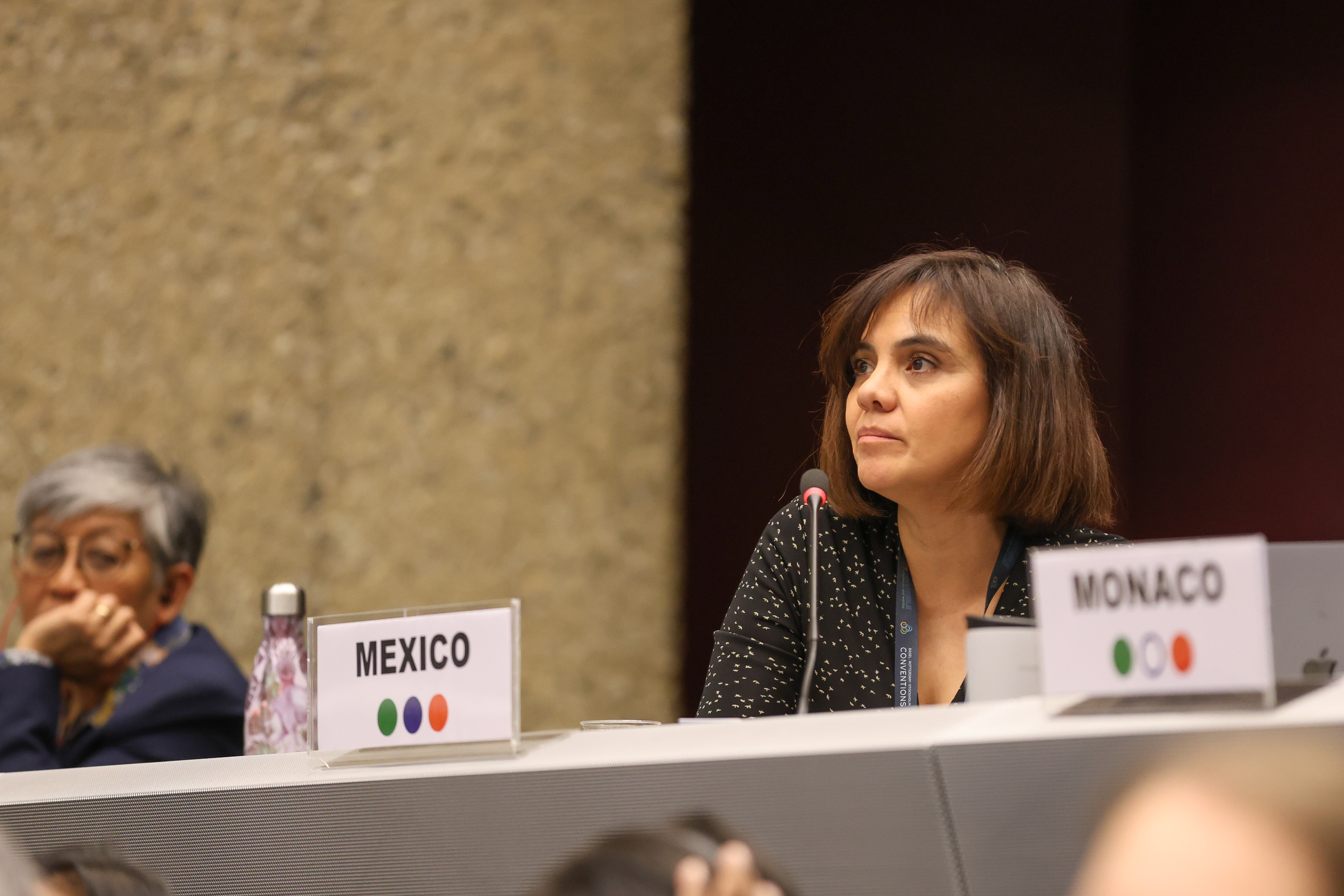
Miriam Medel García, Mexico
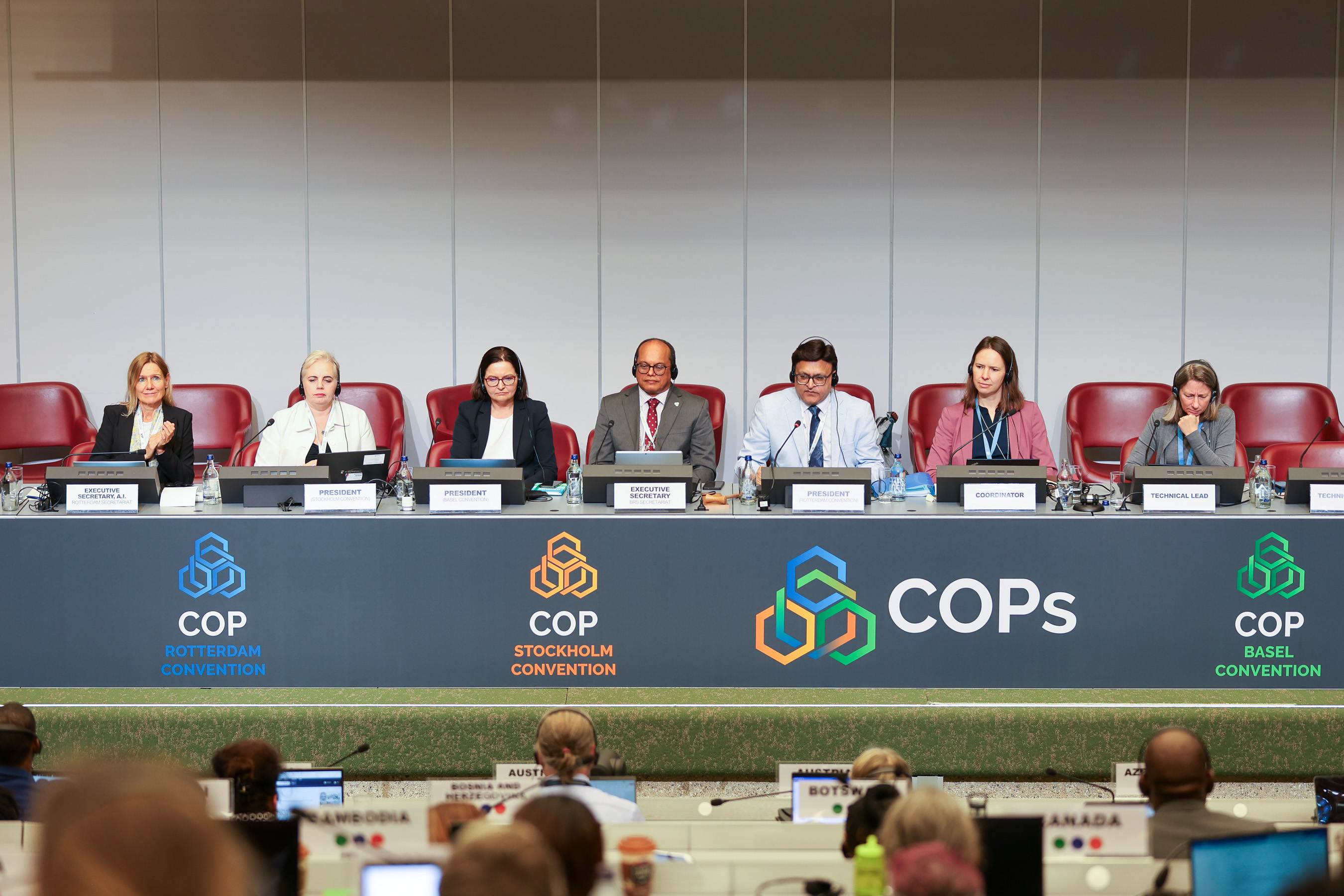
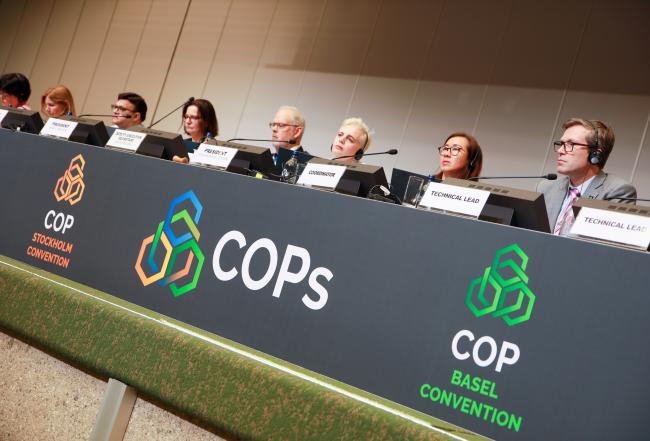
View of the dais during the morning plenary
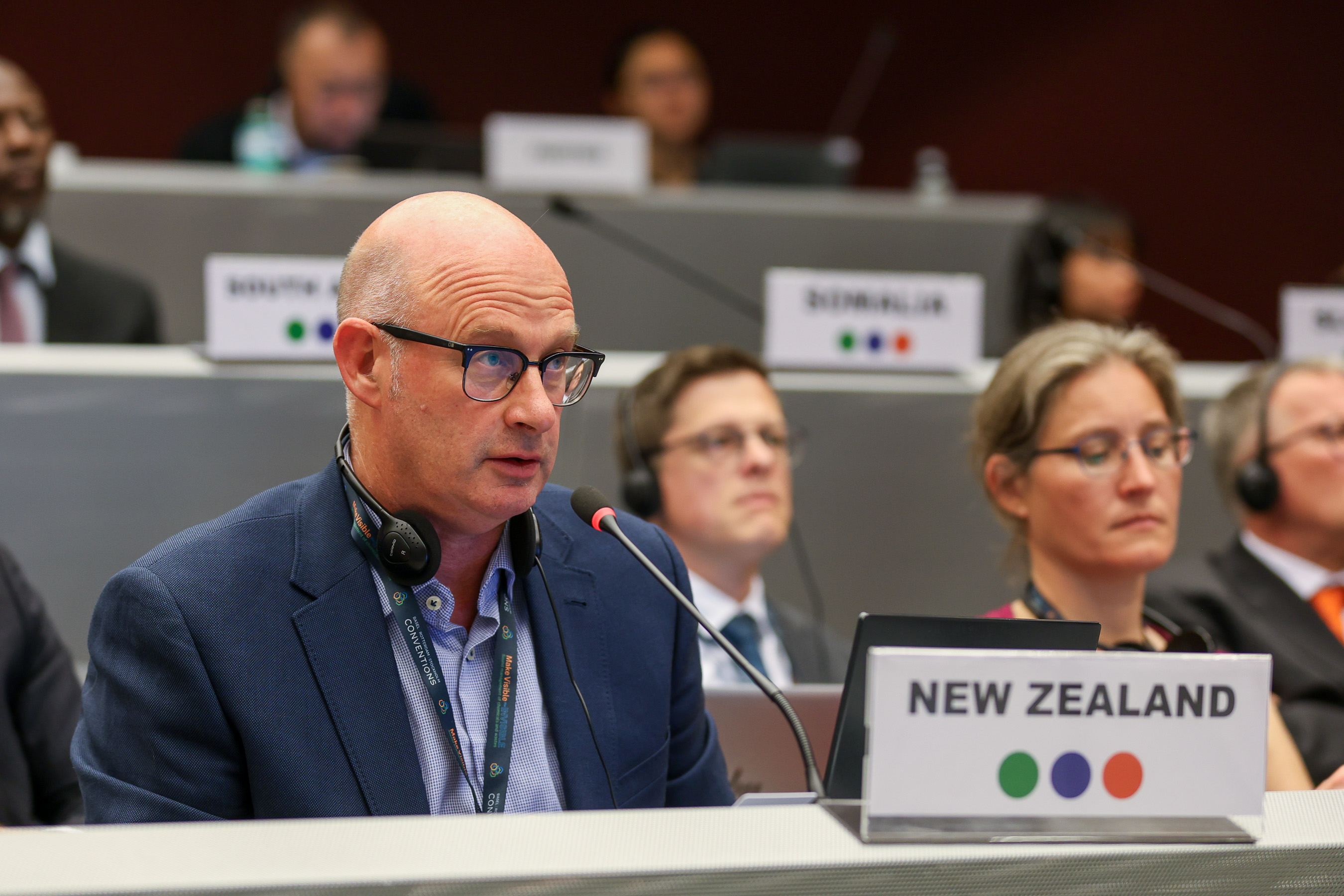
Glenn Wigley, New Zealand
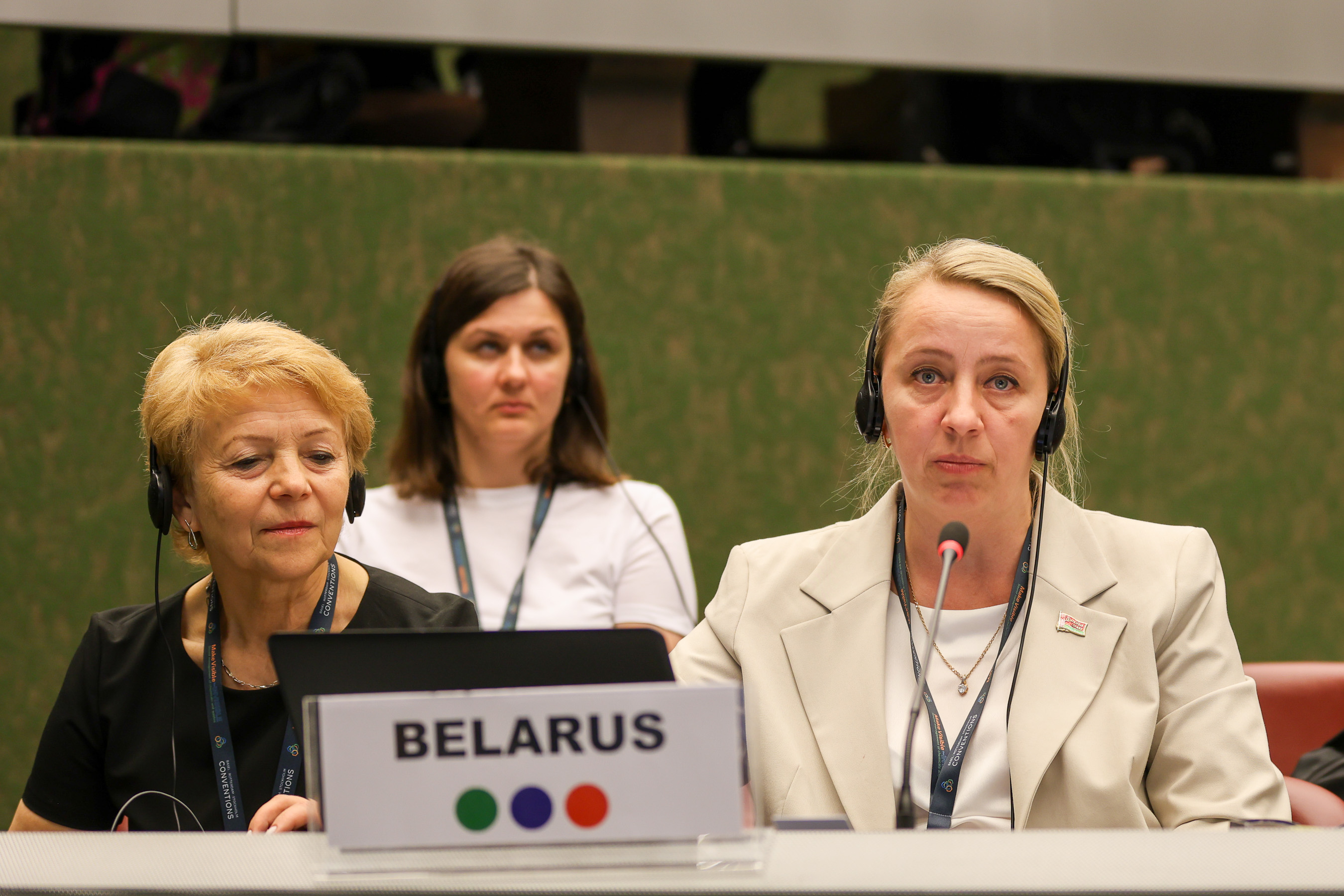
Tamara Kukharchyk and Volha Sazonava, Belarus
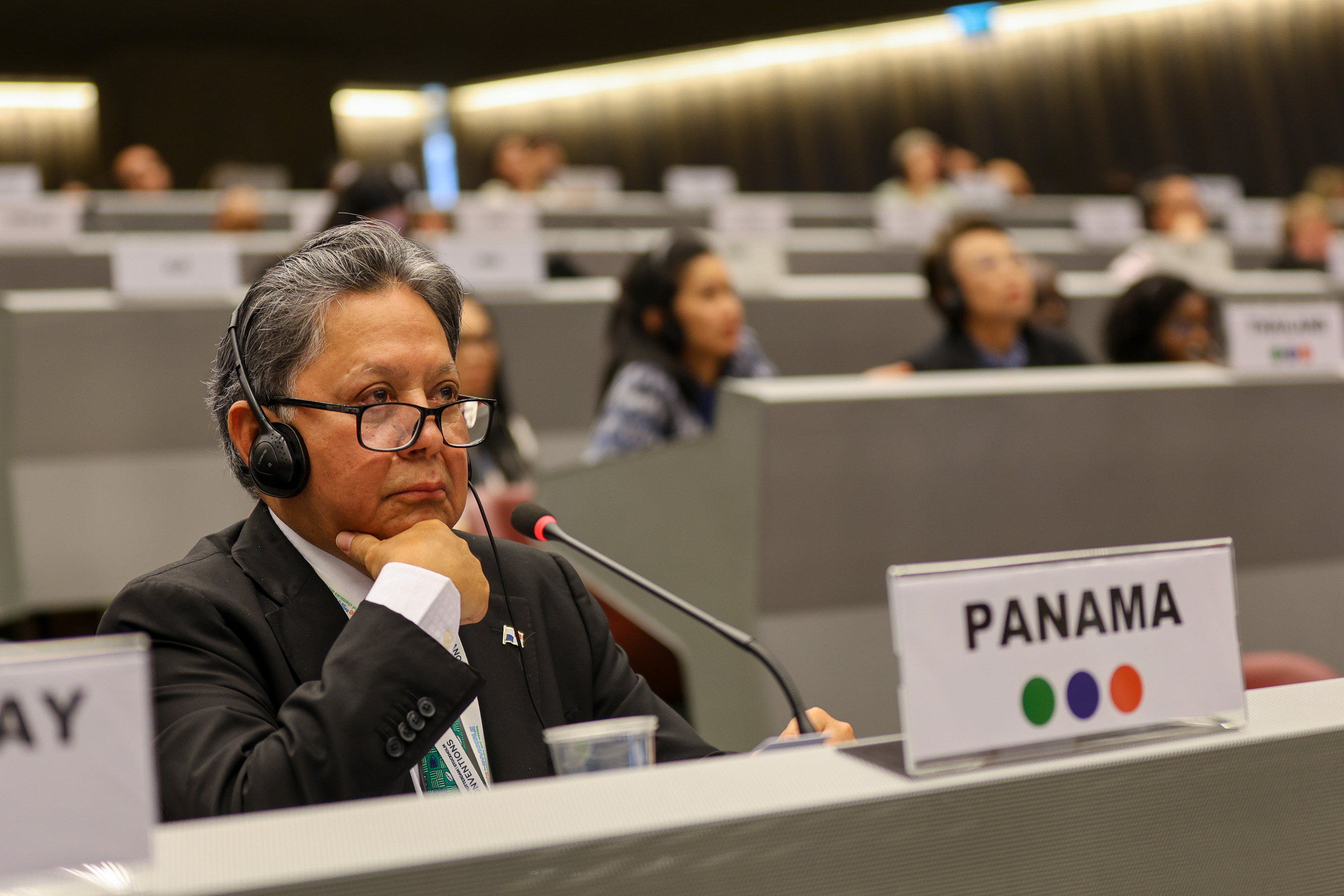
Manuel Alberto Zambrano Chang, Vice Minister of Health, Panama
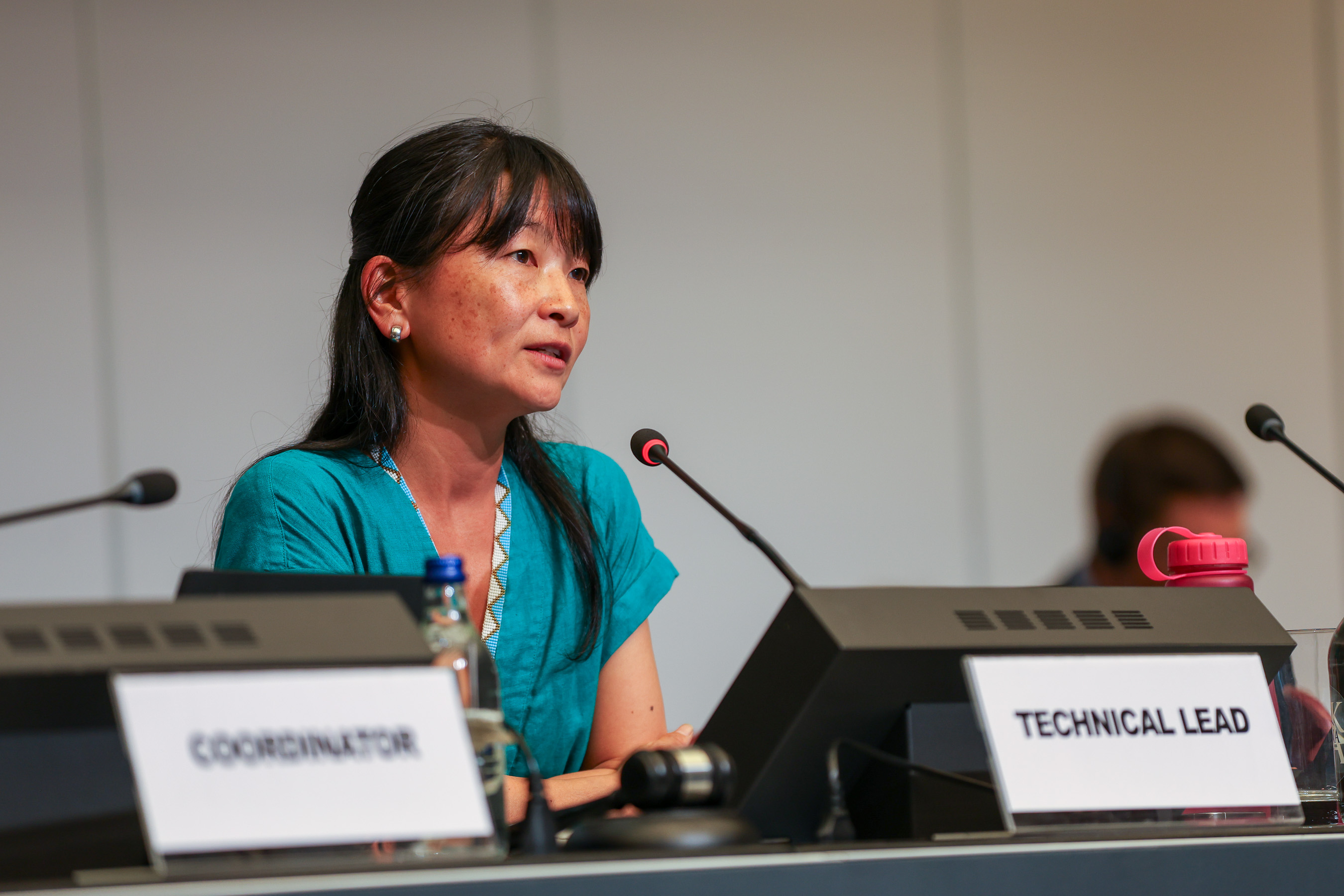
Kei Ohno Woodall, BRS Conventions Secretariat
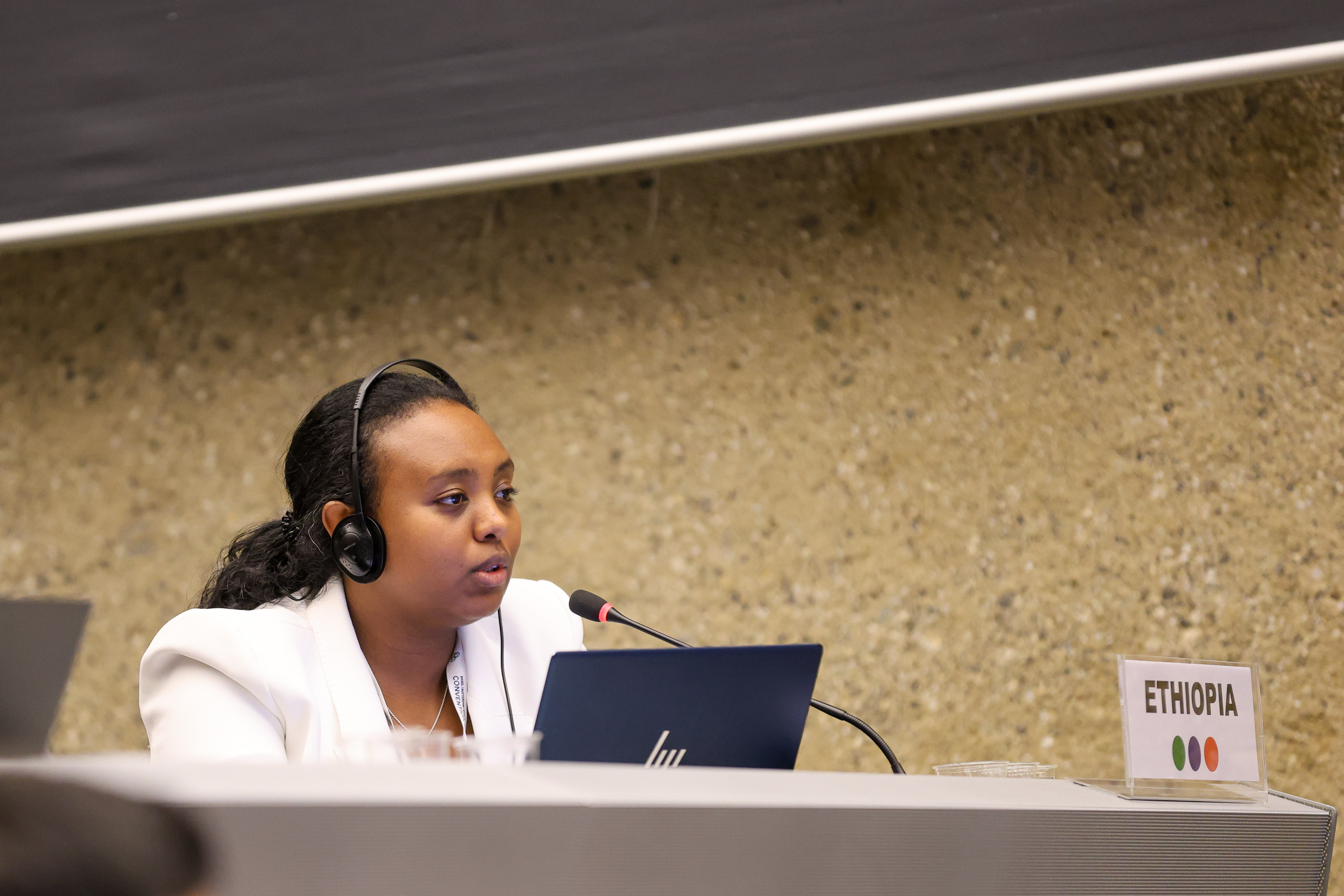
Lelise Neme, Ethiopia
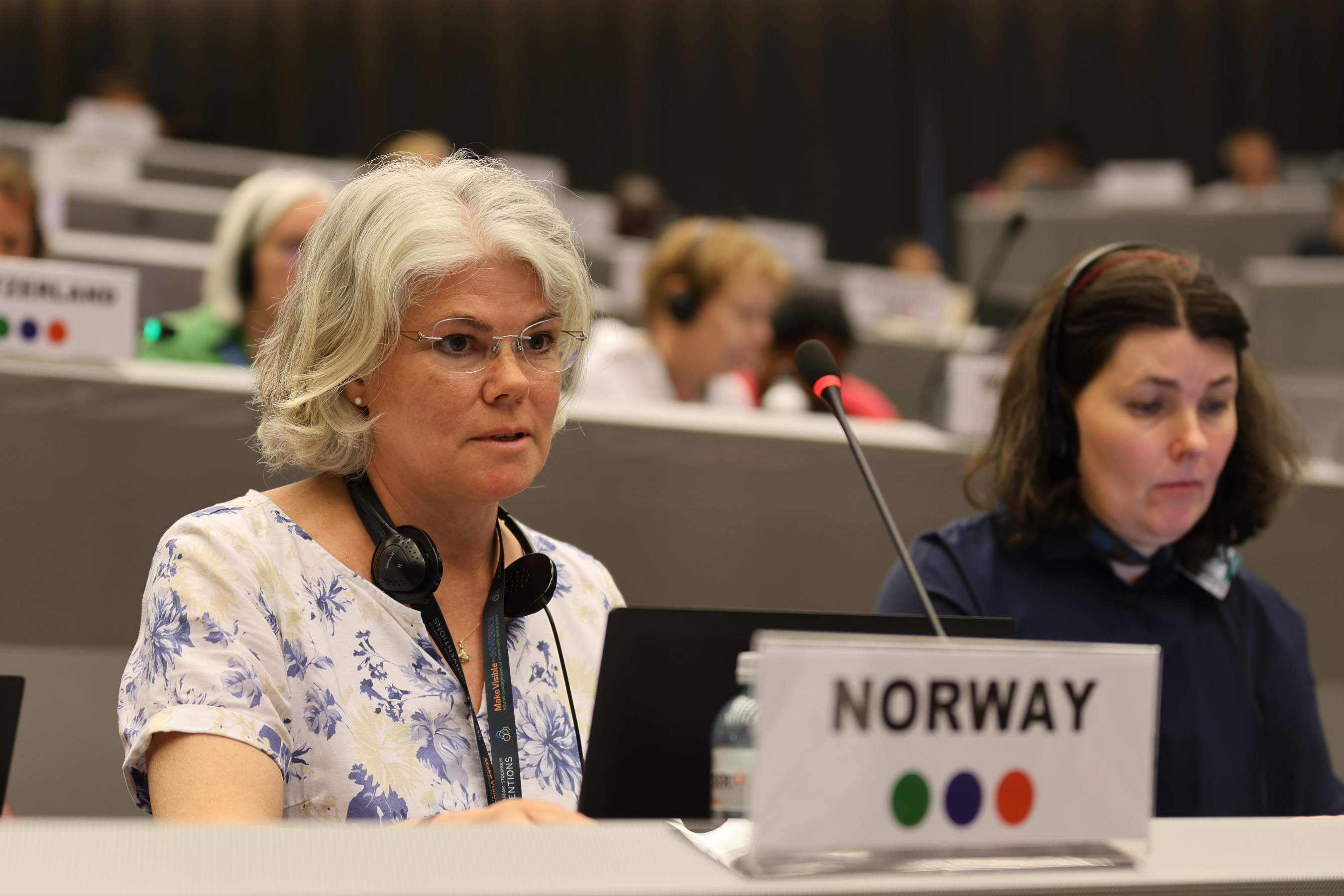
Christel Moræus Olsen, Norway
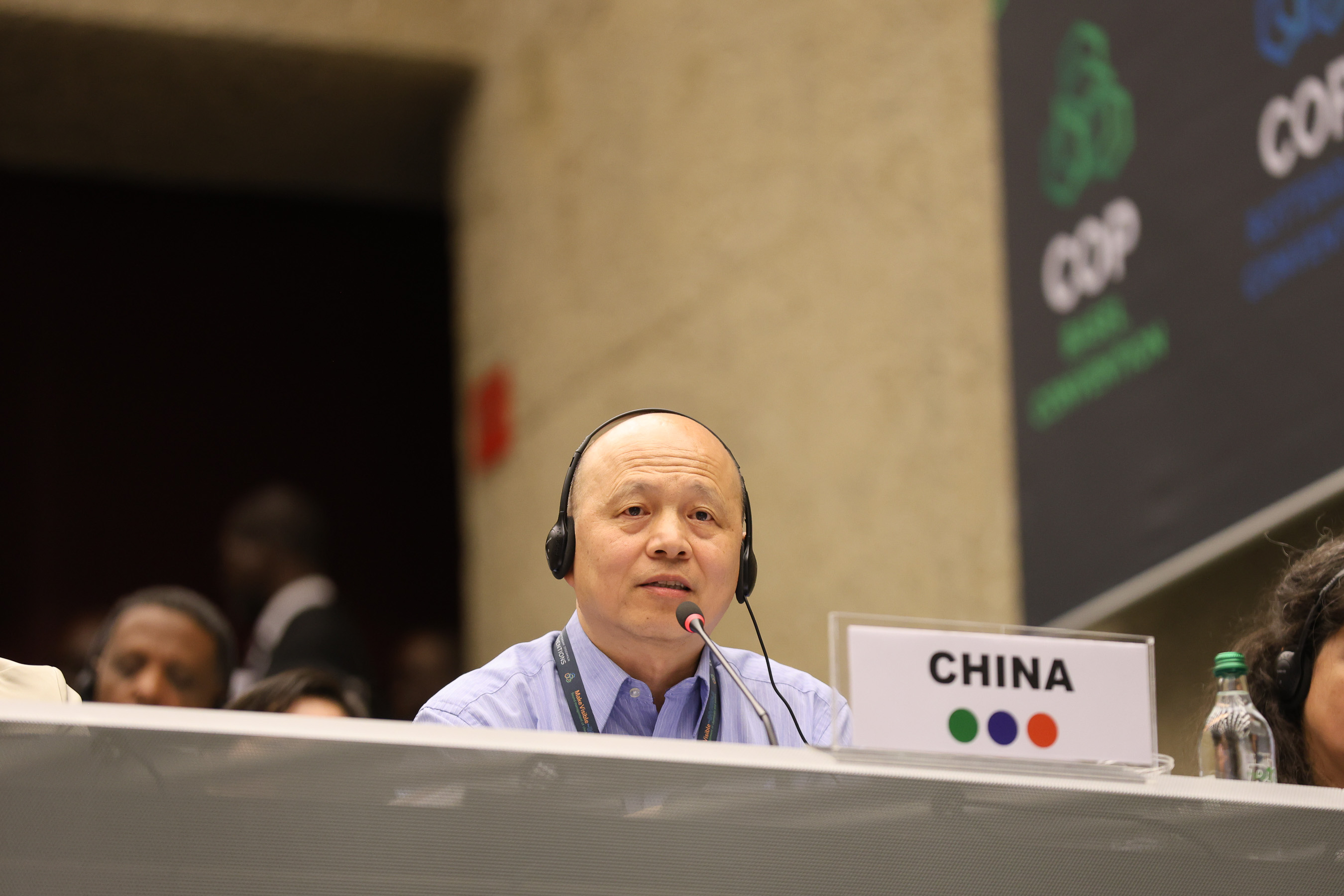
Xiao Xuezhi, China

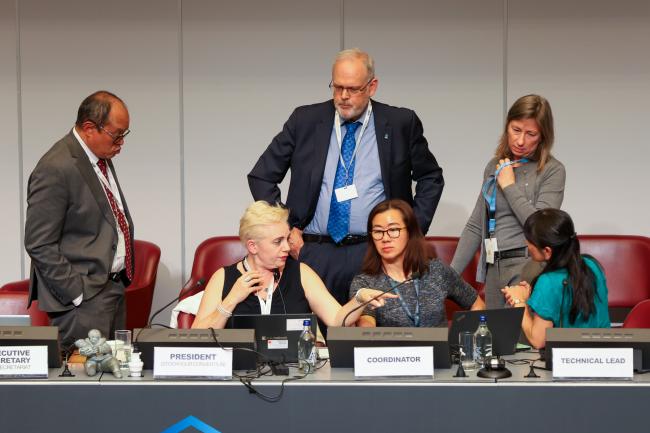
Inuit mother and child soapstone statue that traditionally resides on the Stockholm Convention dais
Contact Groups
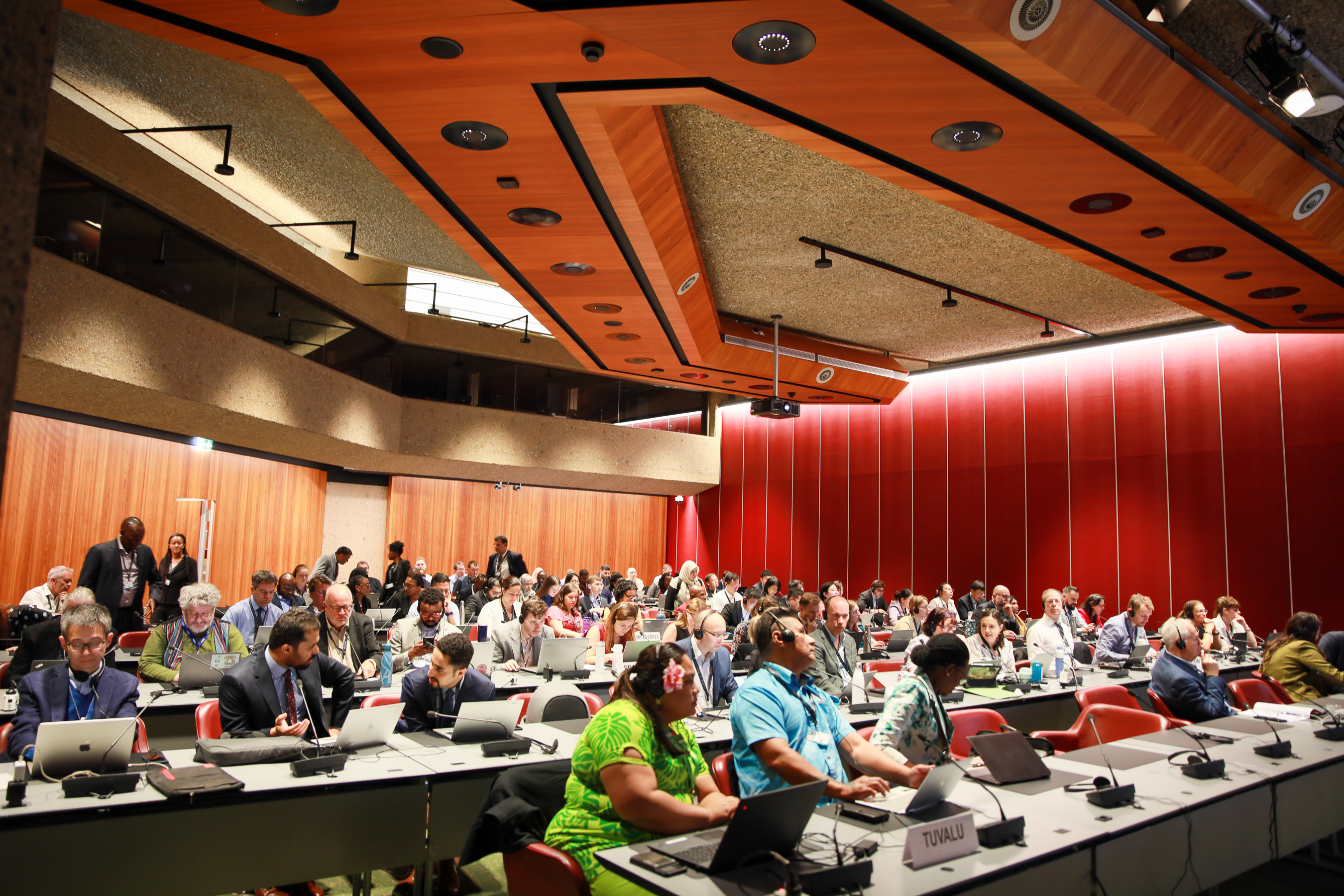
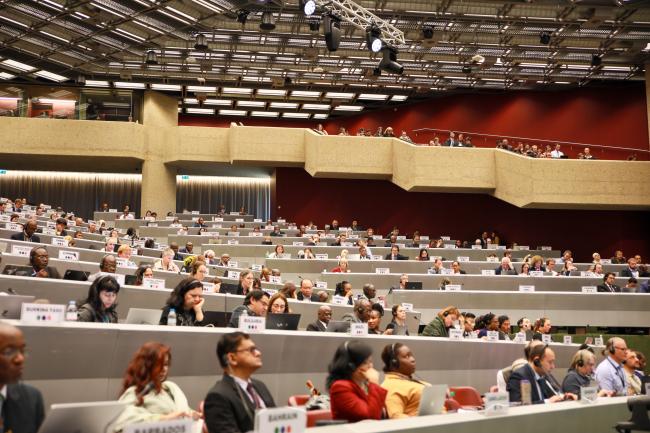
View of the room during a Contact Group on the Basel Convention technical guidelines
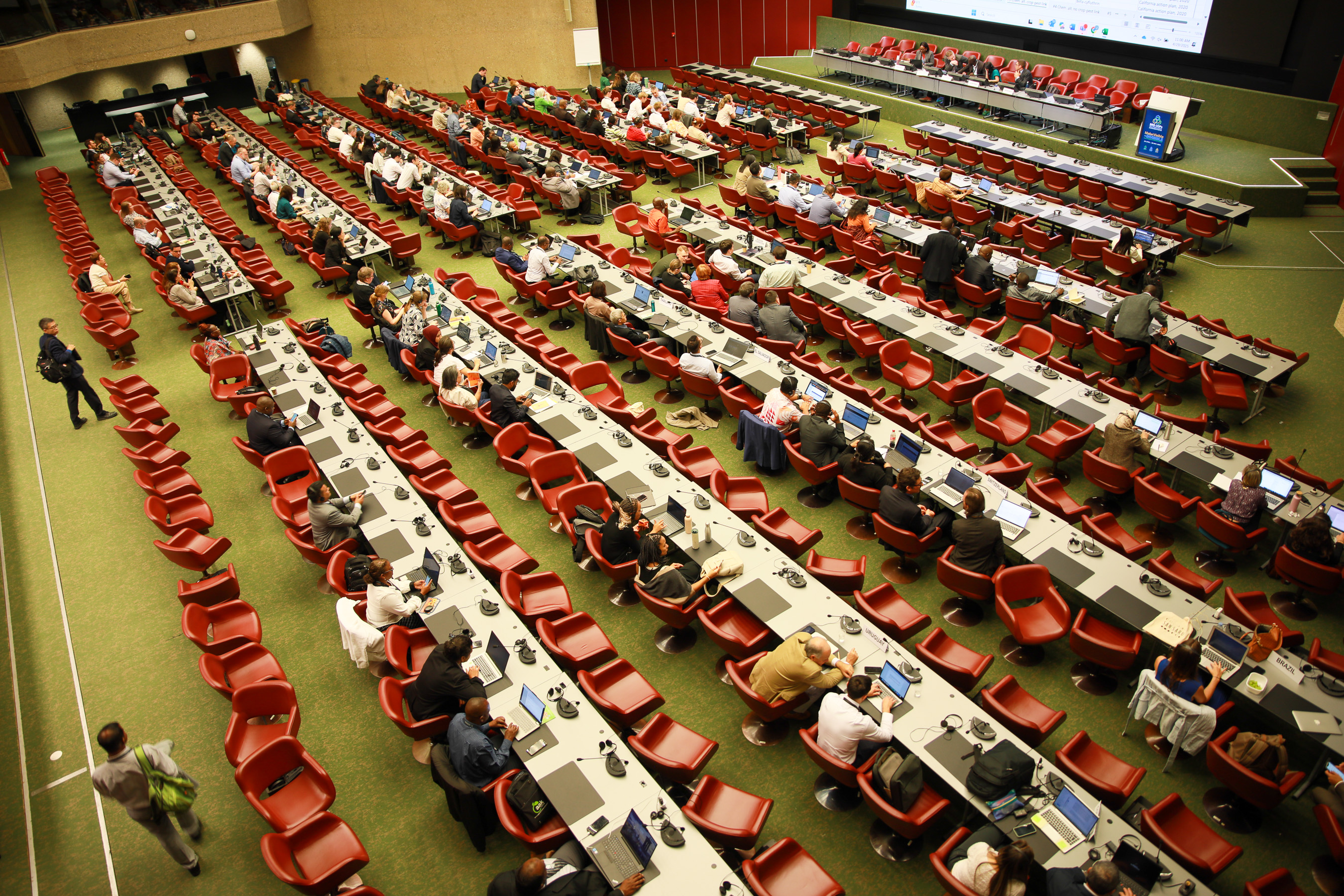
View of the room during a Contact Group on the Stockholm Convention listing of chemicals
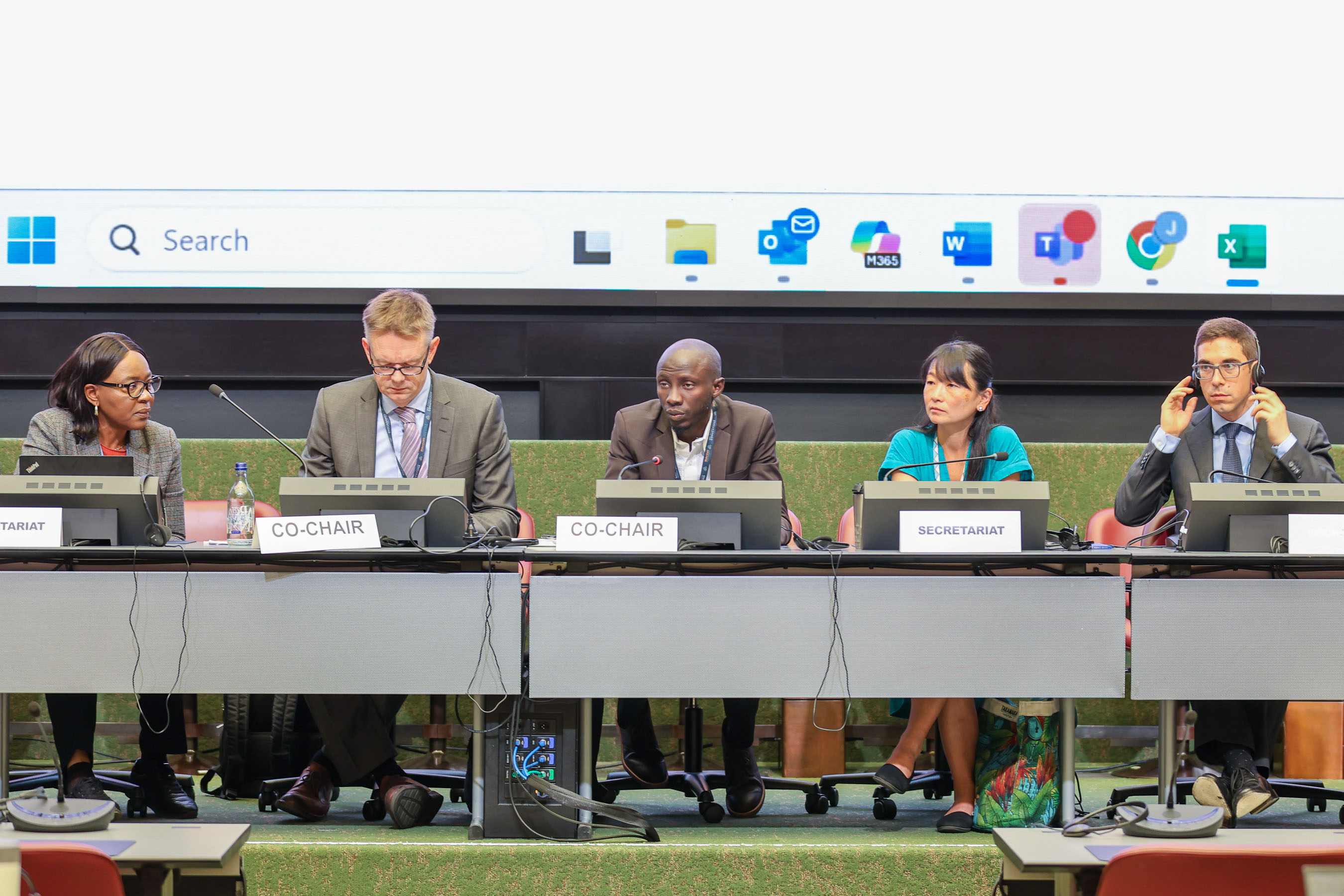
View of the dais during a Contact Group on the Stockholm Convention listing of chemicals
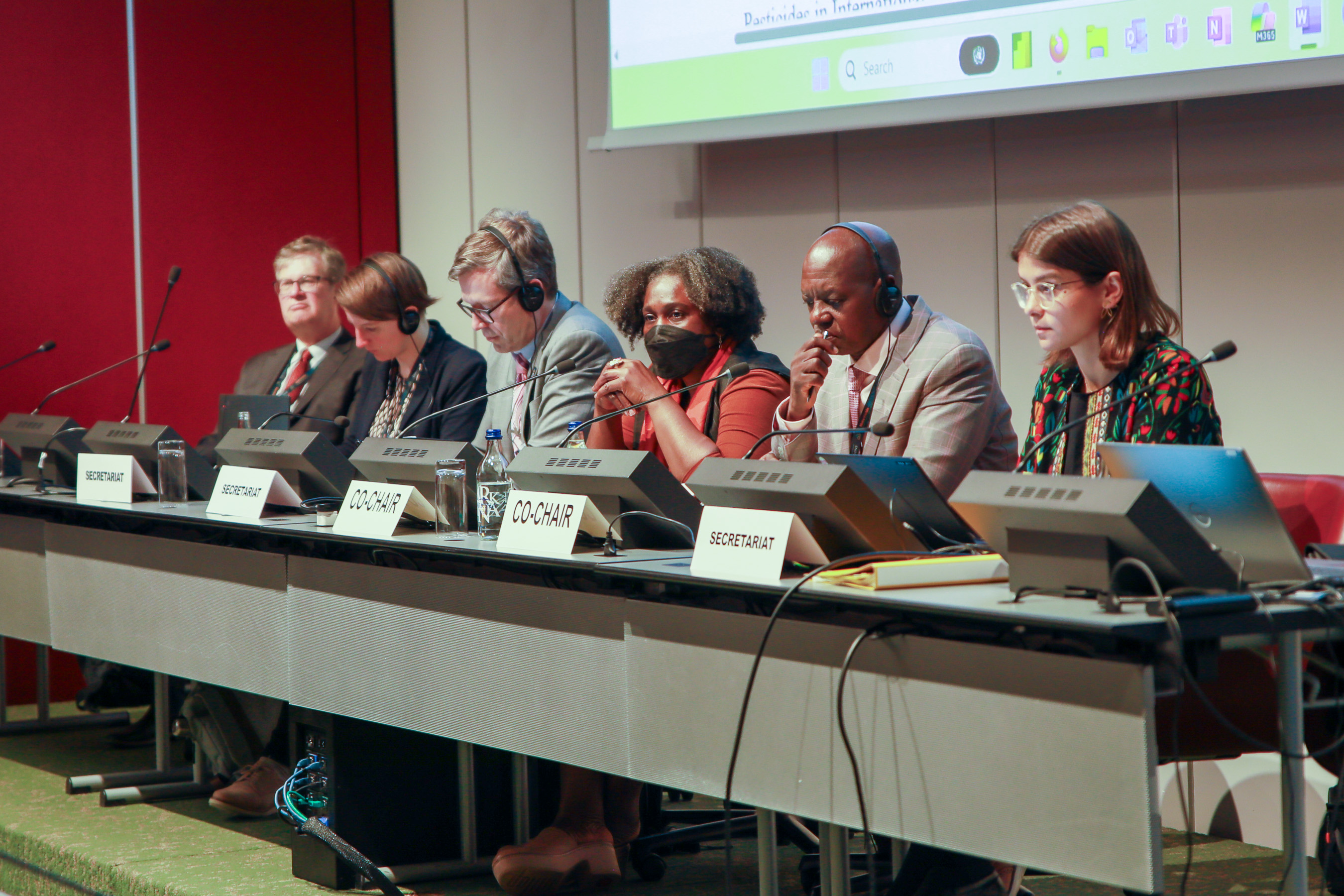
View of the dais during a Contact Group on financial resources
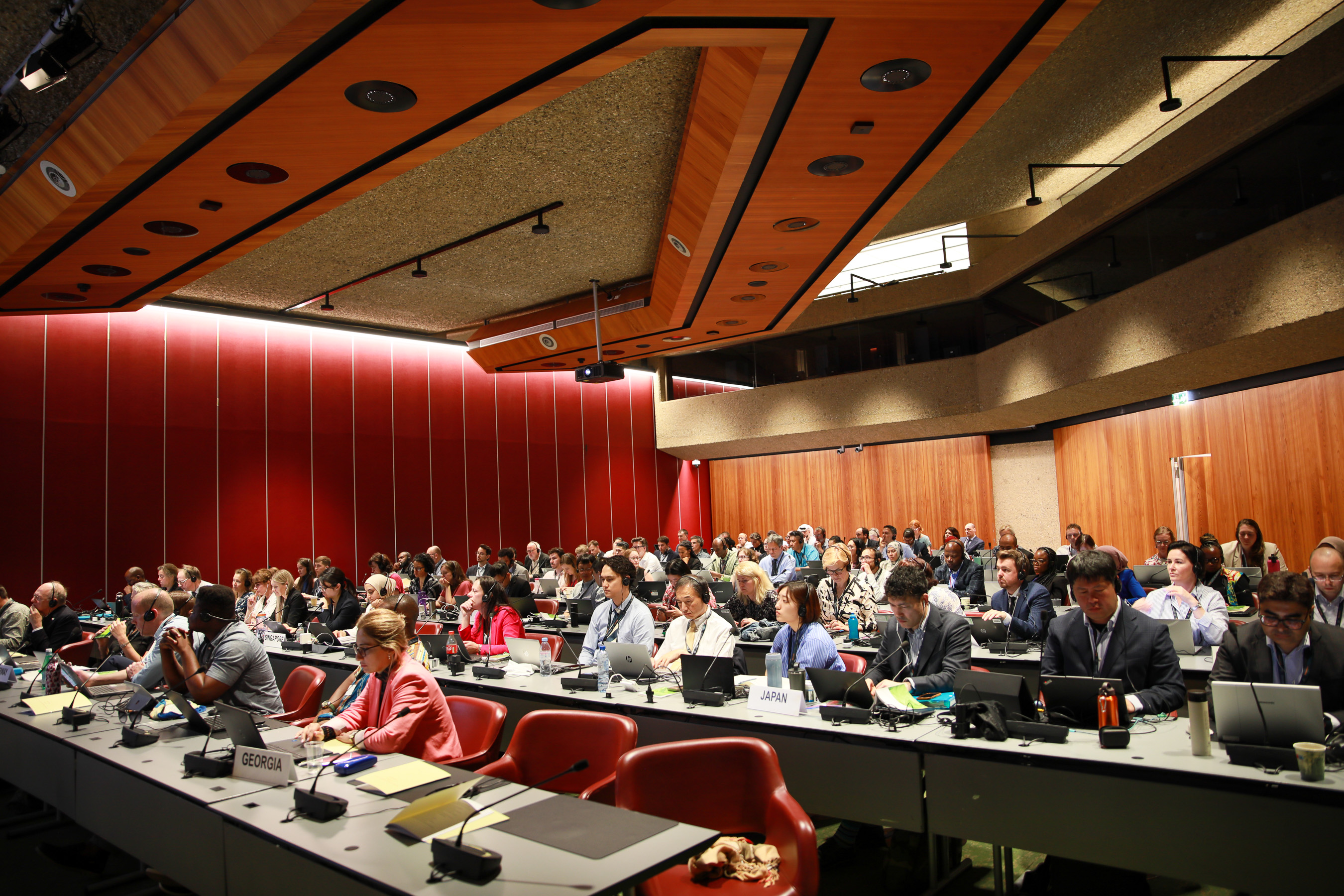
View of the room during a Contact Group on Basel Convention legal matters
Between Sessions
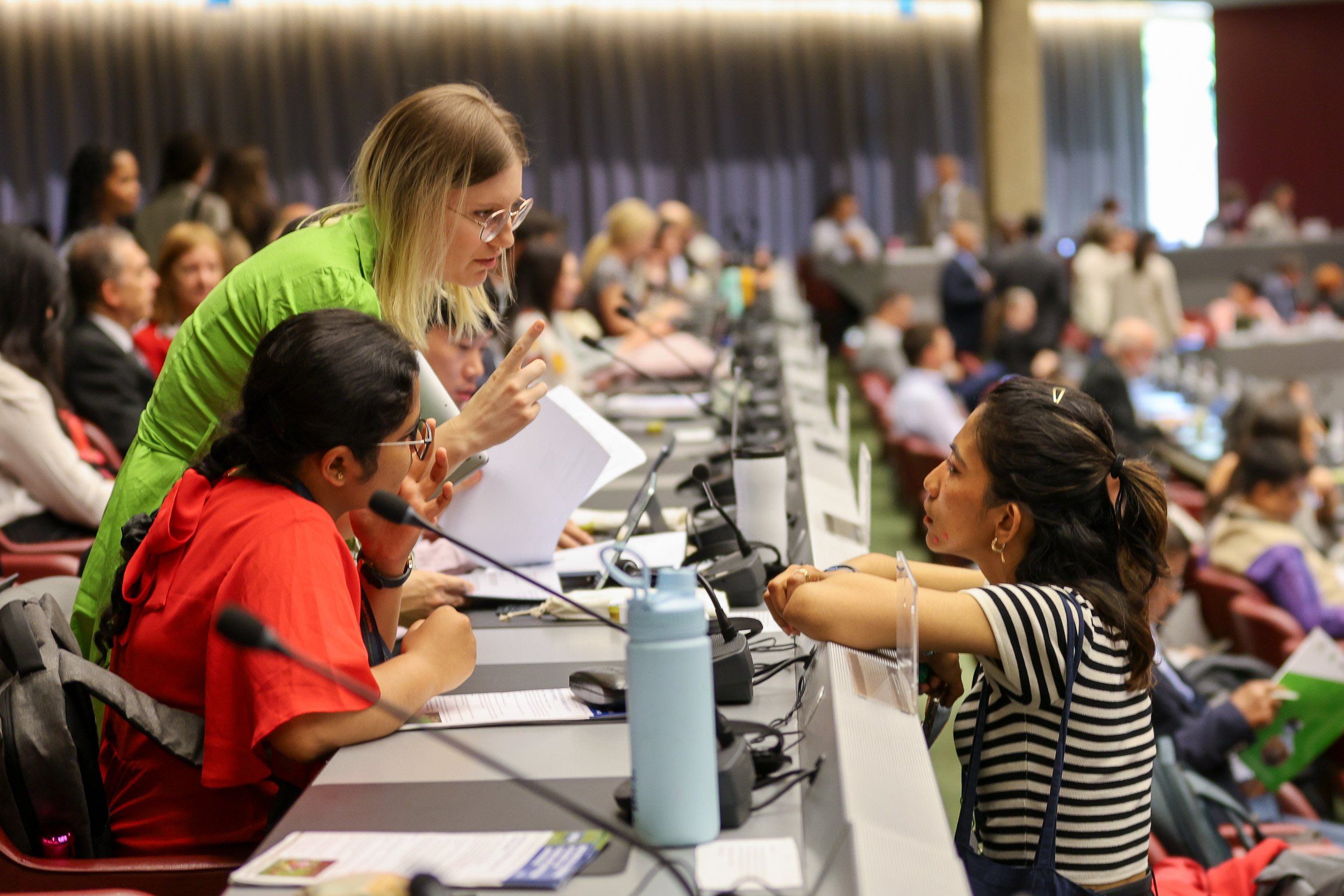
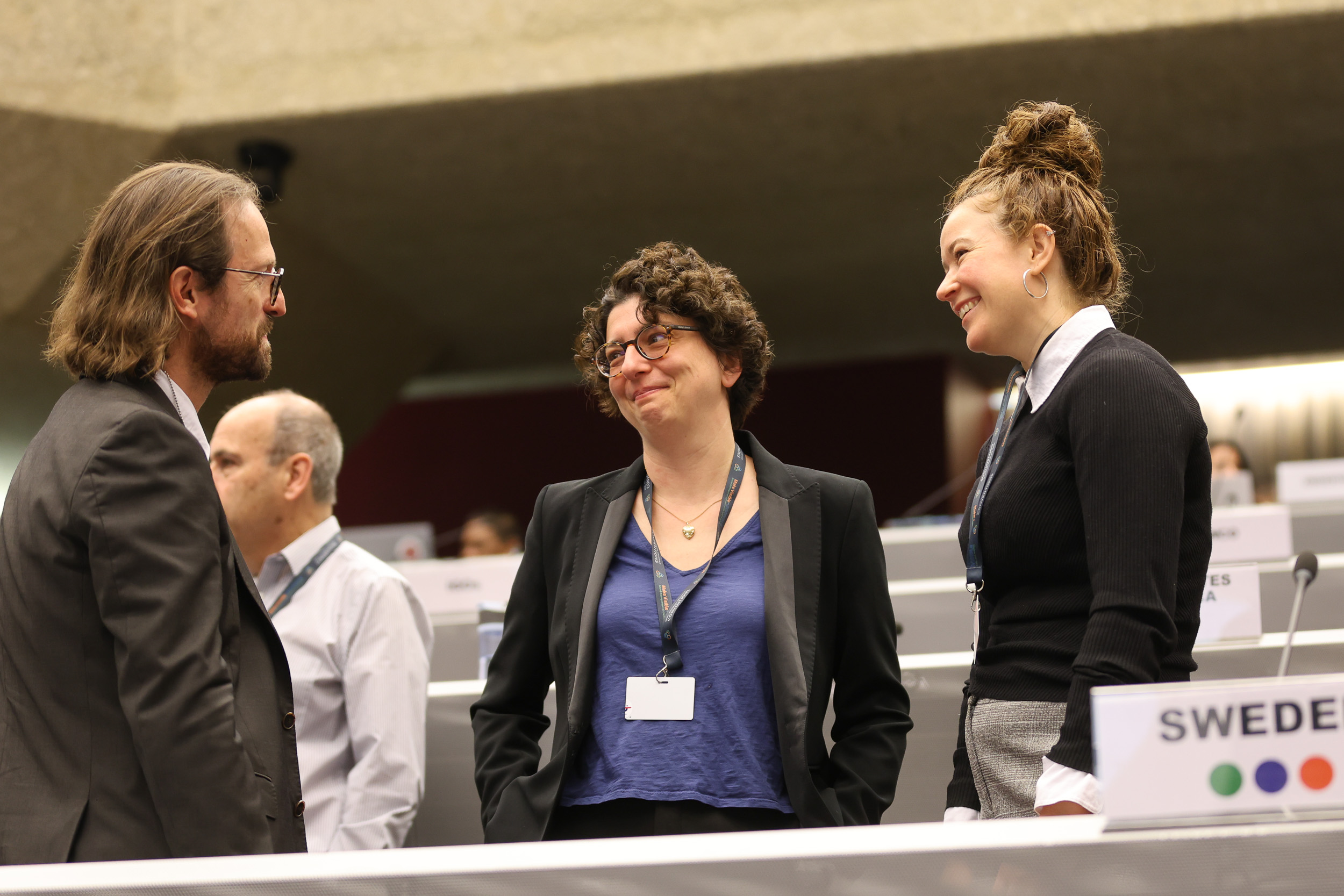
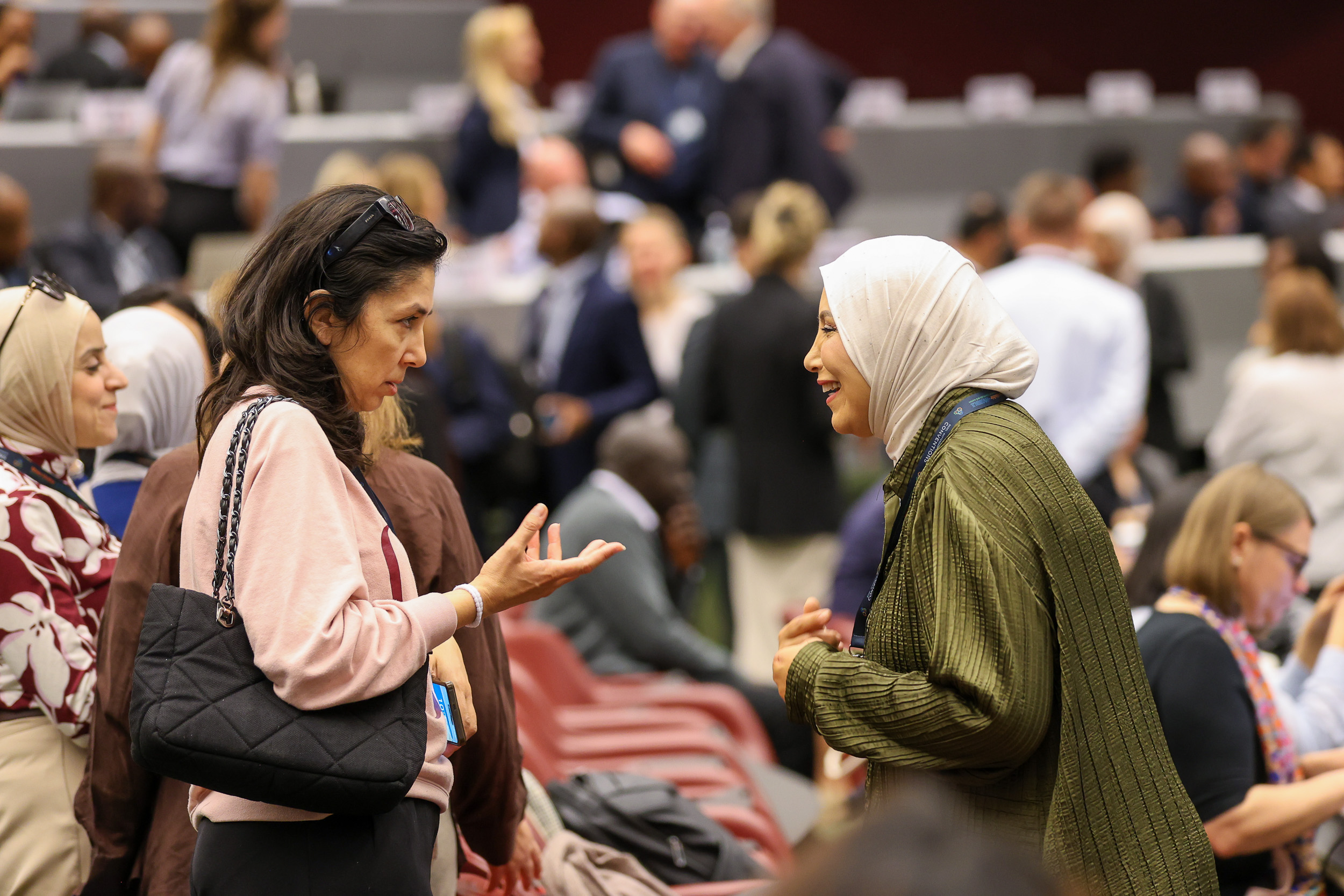
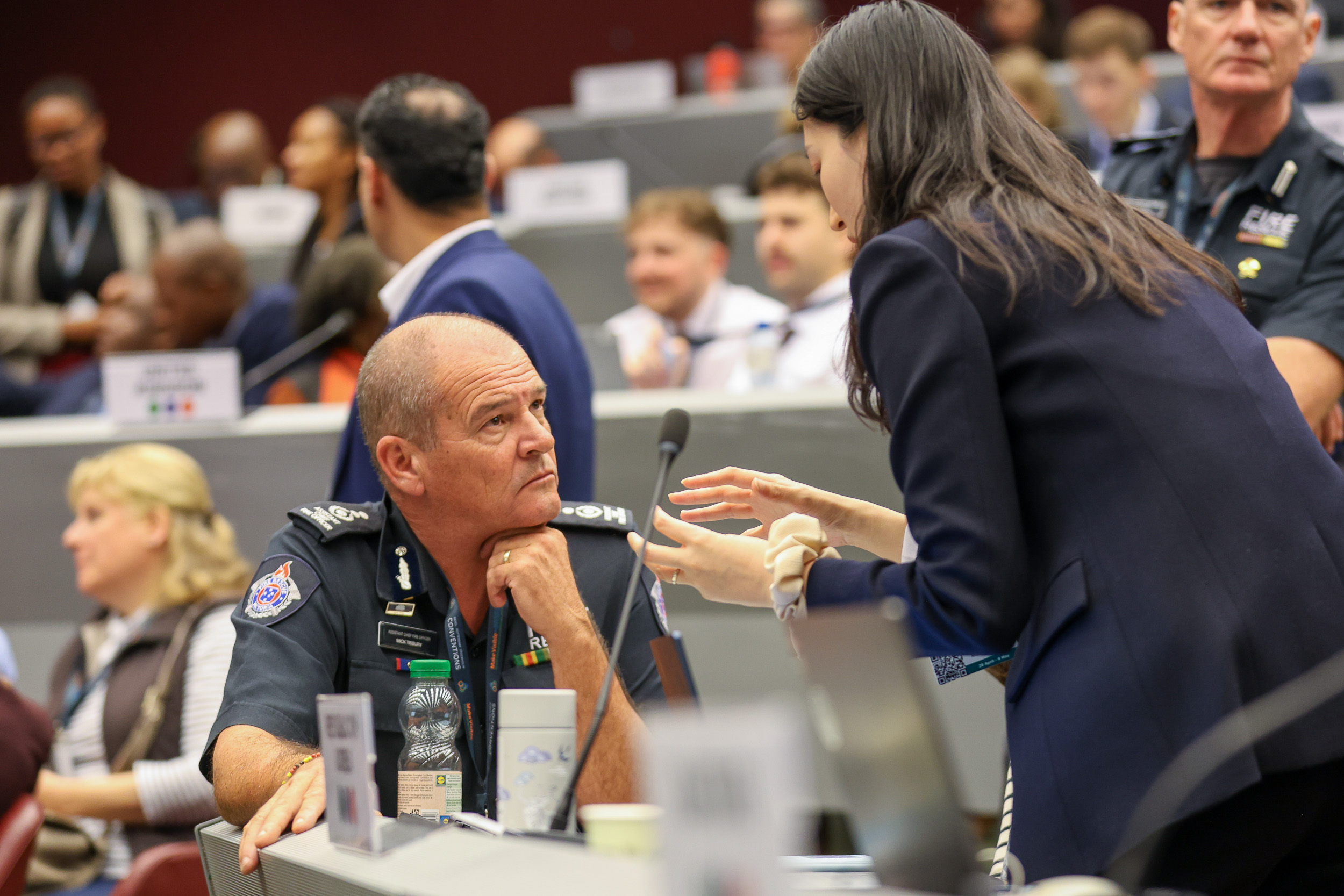
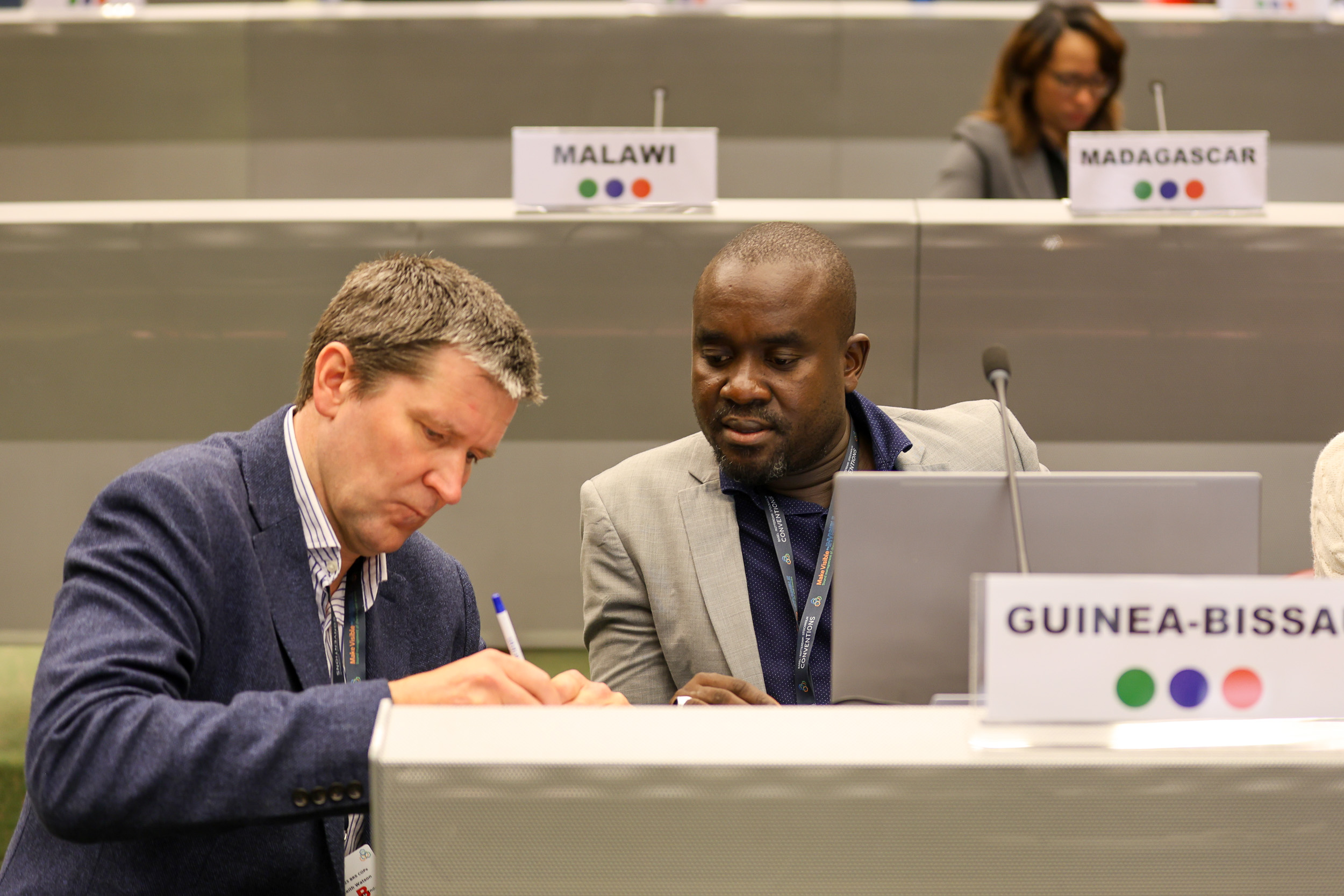
Fair Opening
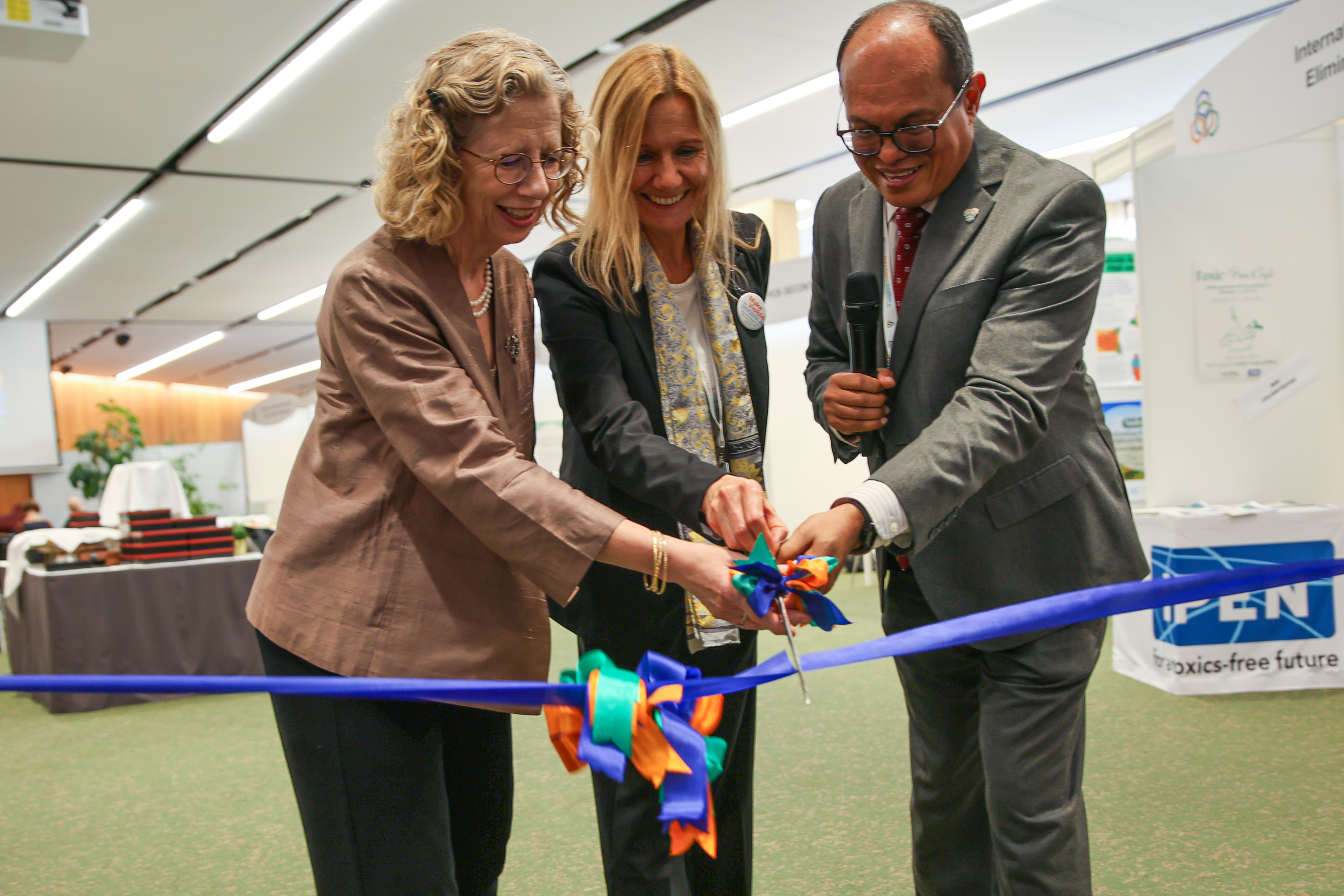
From L-R: UNEP Executive Director Inger Andersen; Christine Fuell, Executive Secretary ad interim, Rotterdam Convention; and Rolph Payet, Executive Secretary, BRS Conventions

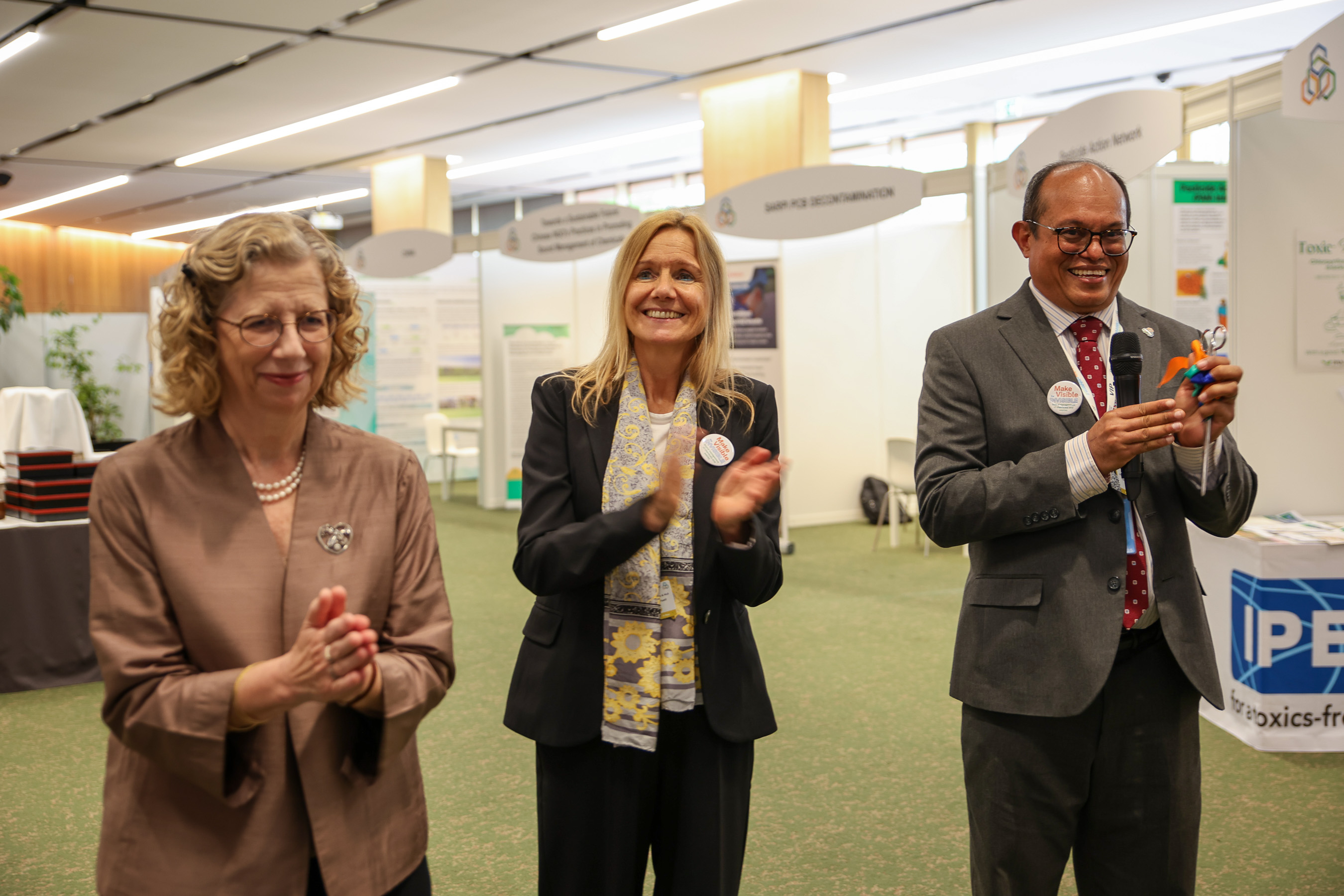
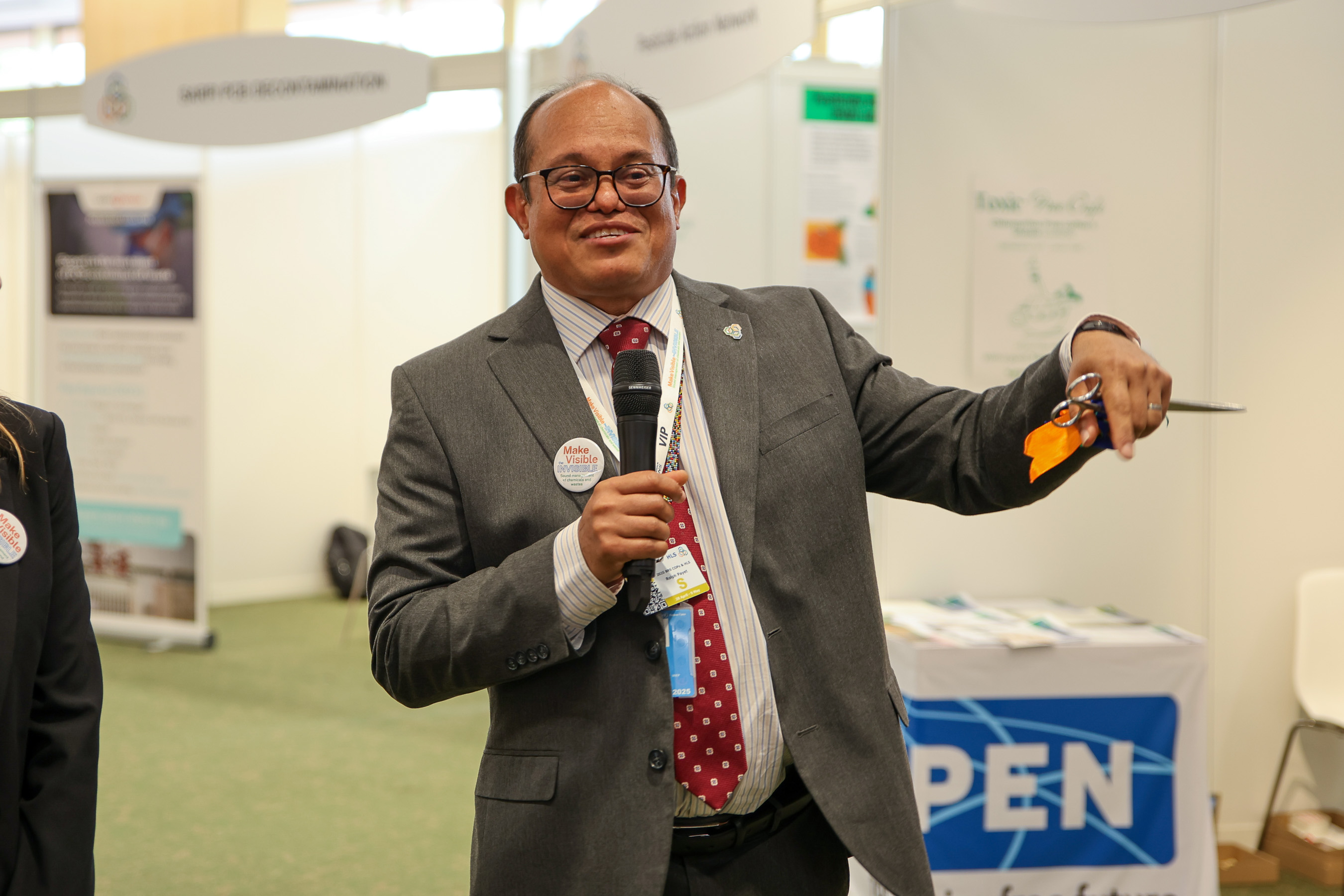
Rolph Payet, Executive Secretary, BRS Conventions
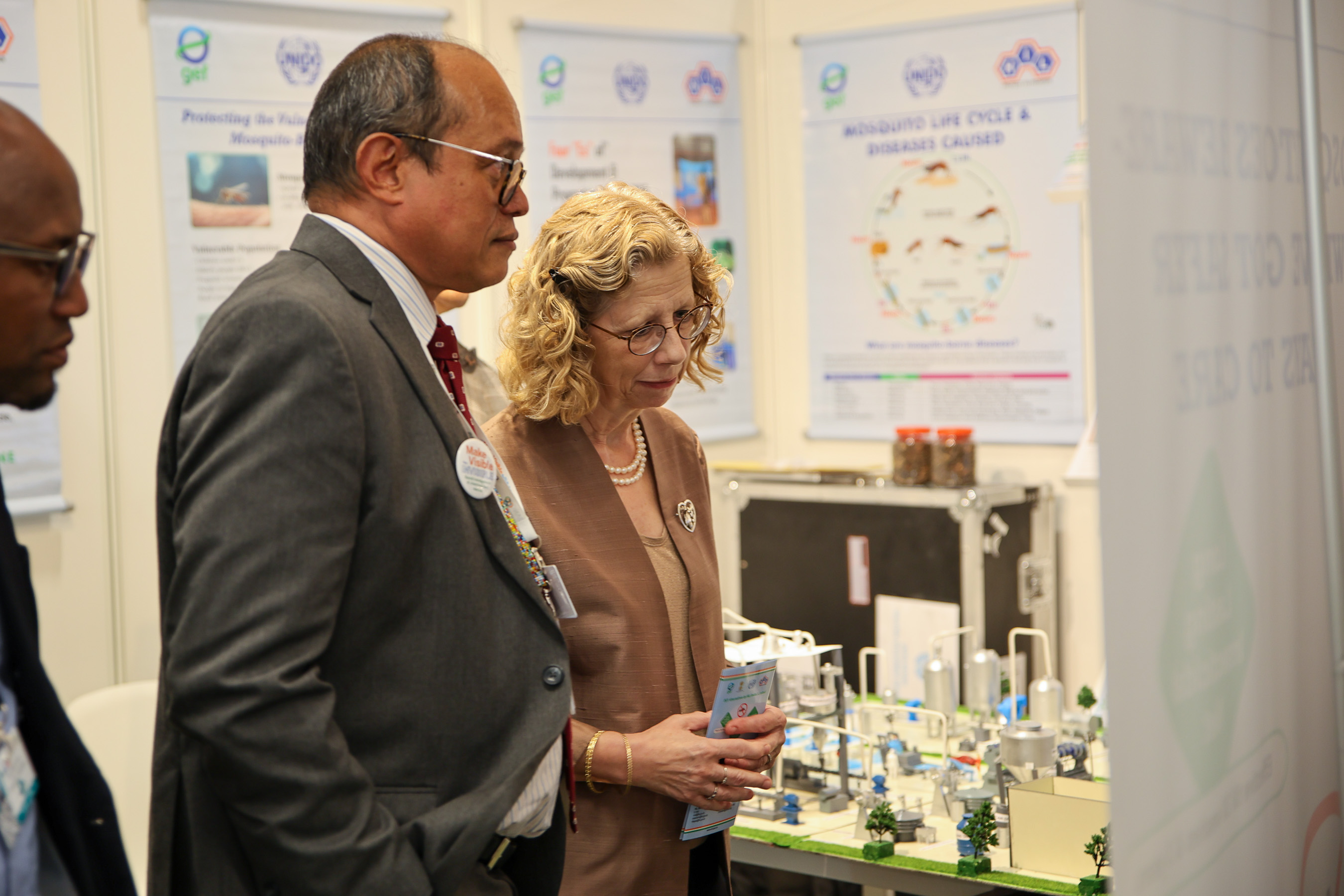

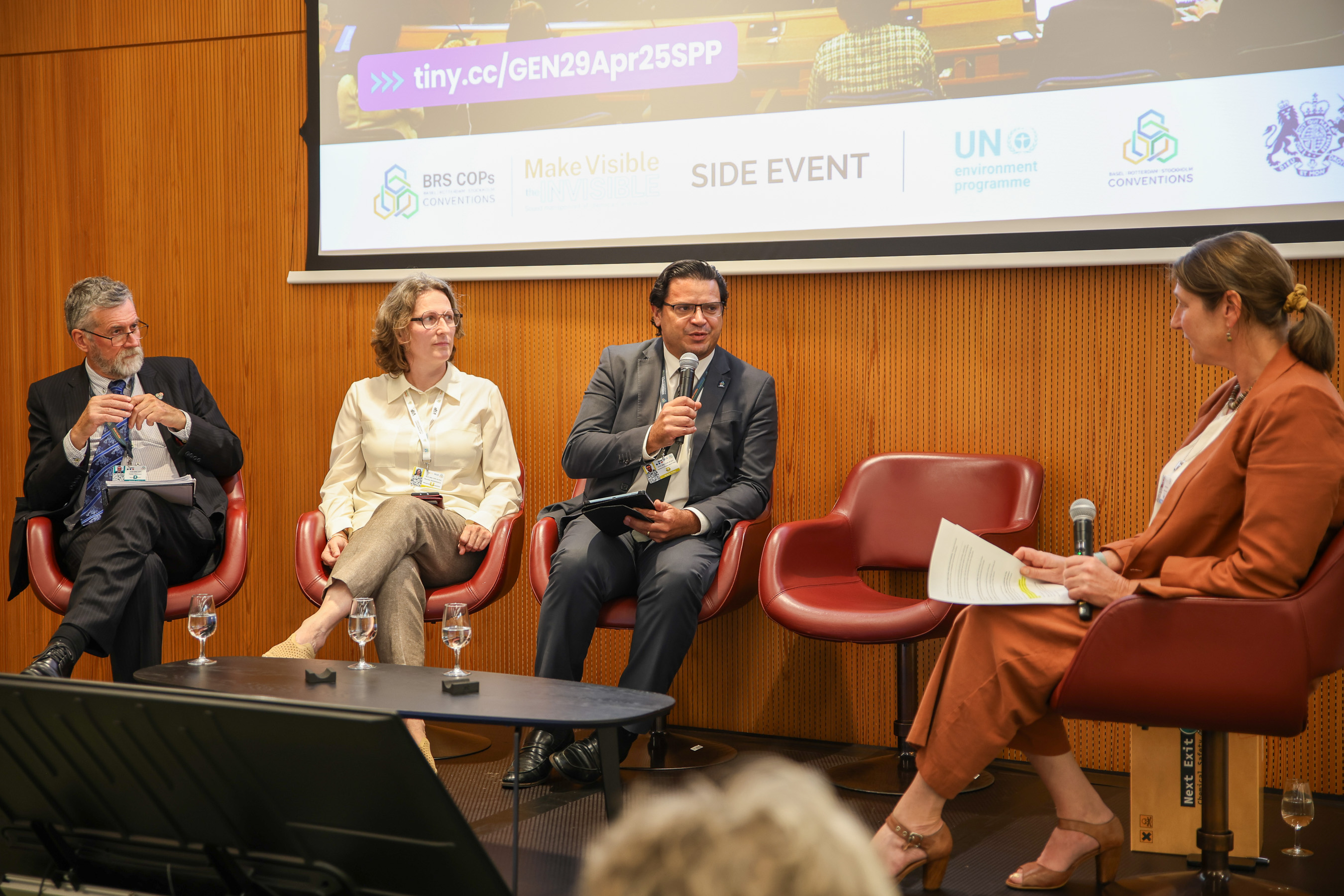
From L-R: Peter Dawson, New Zealand; Monika Stankiewicz, Executive Secretary, Minamata Convention; Adalberto Maluf, Brazil; and Tessa Goverse, UNEP
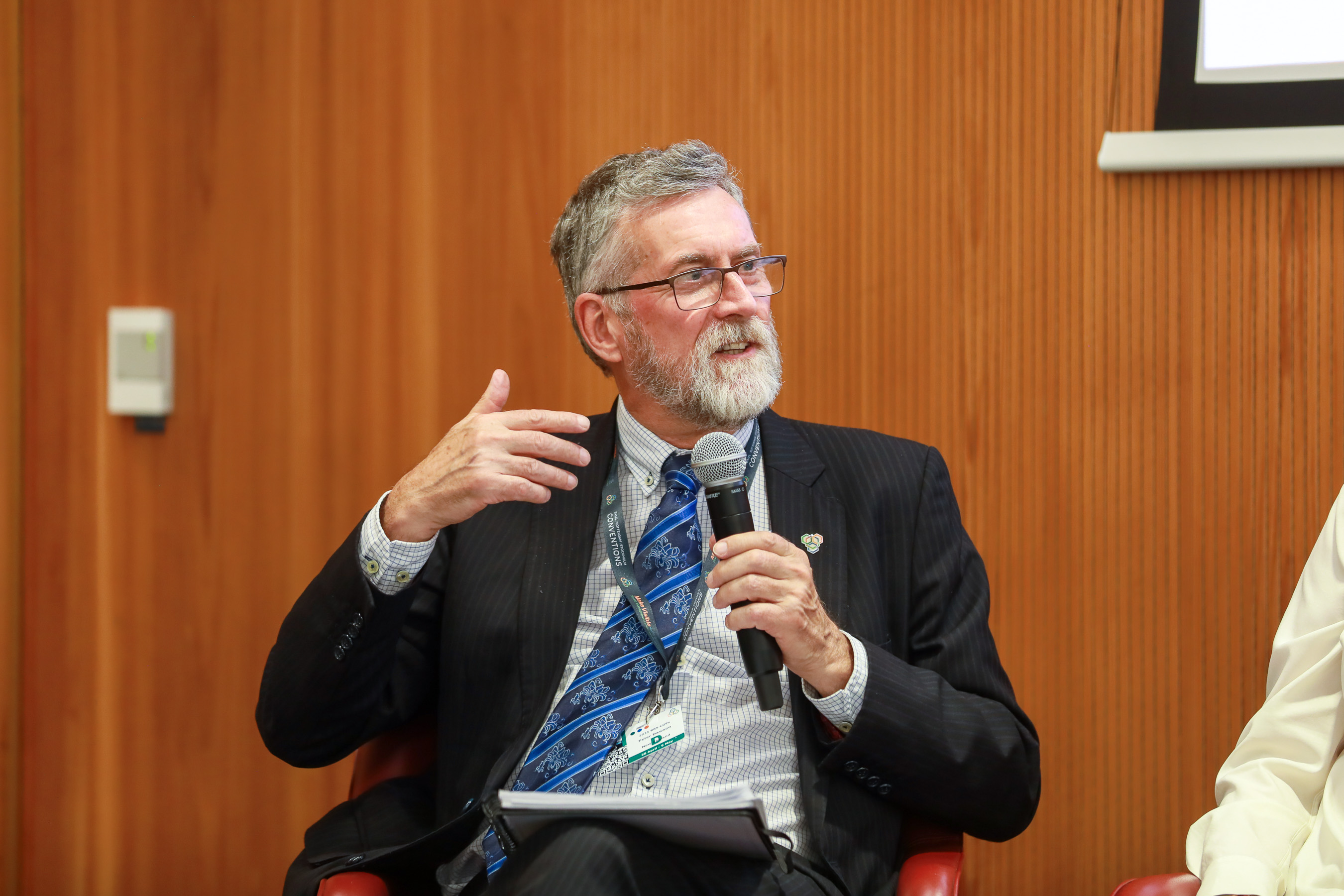
Peter Dawson, New Zealand
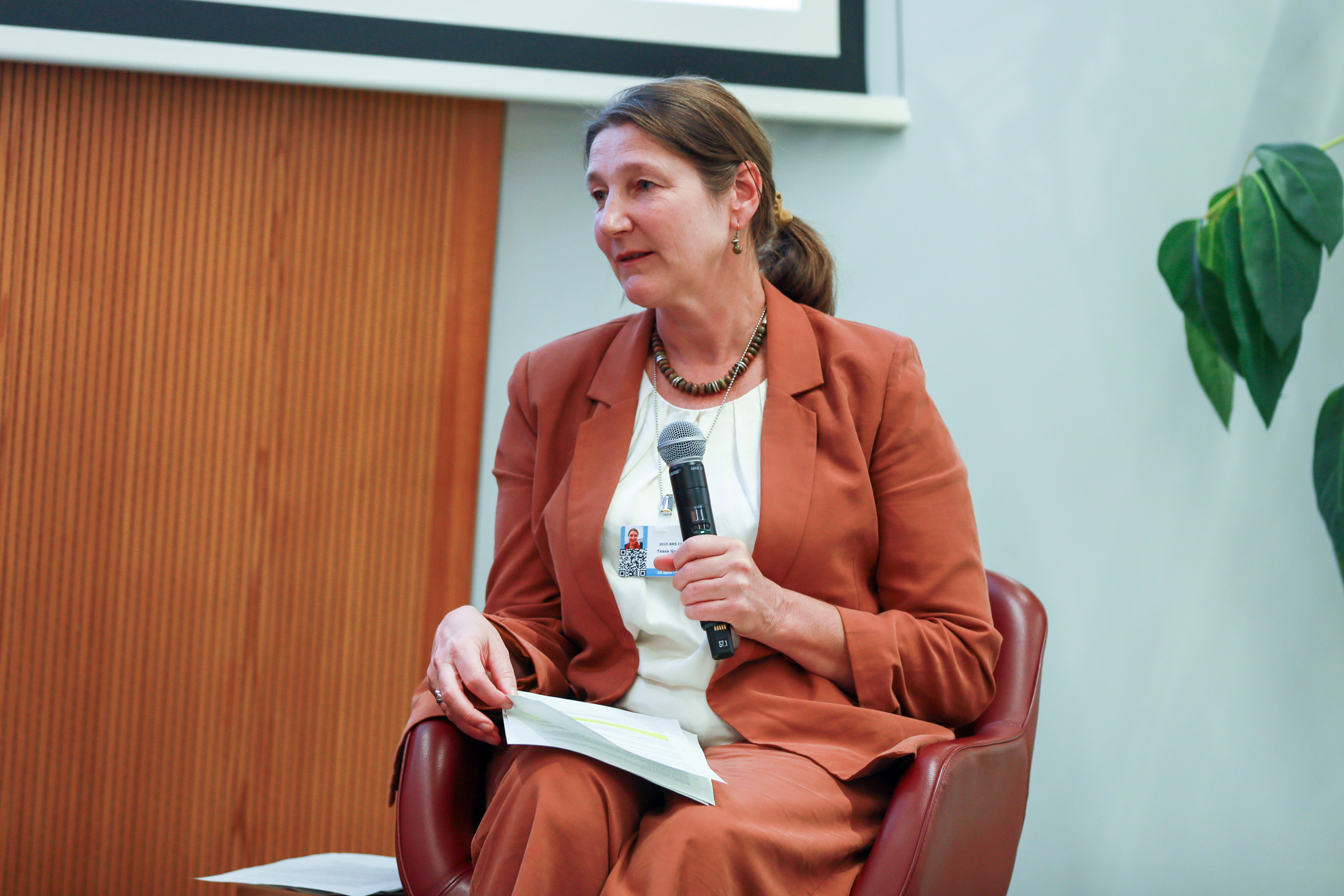
Tessa Goverse, UNEP
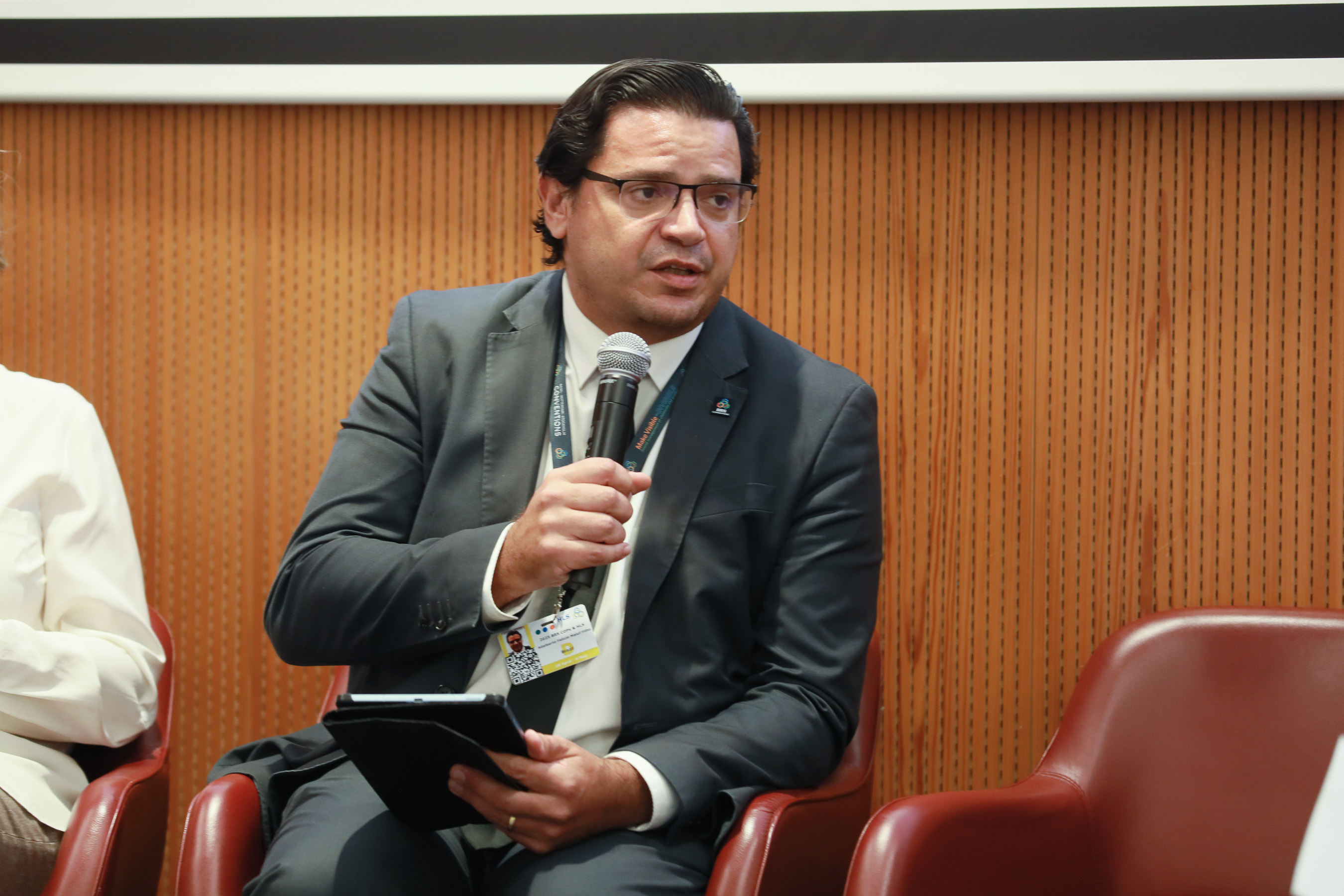
Adalberto Maluf, Brazil

Monika Stankiewicz, Executive Secretary, Minamata Convention