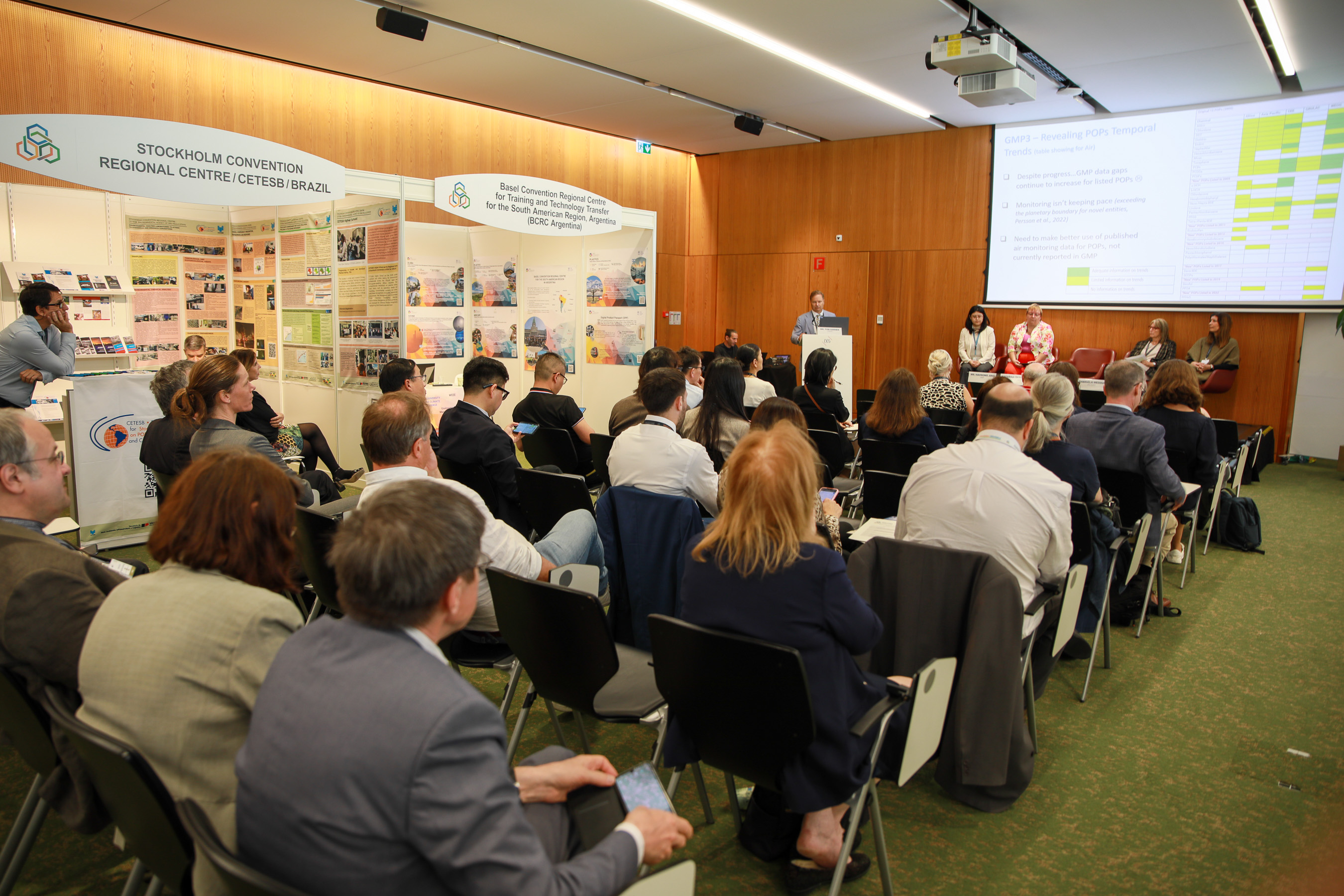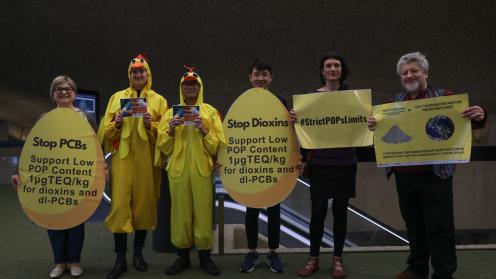
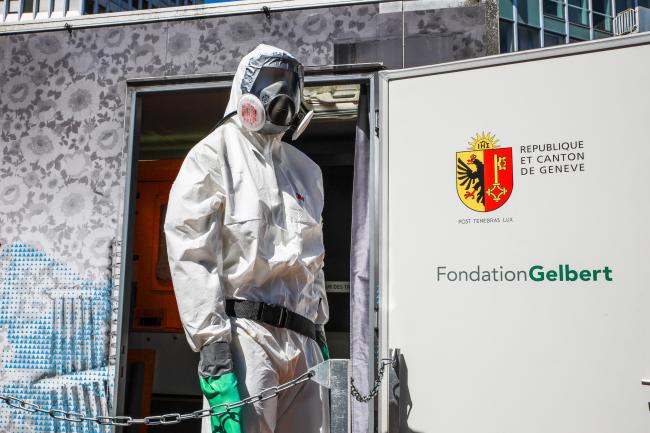
Amid grim global news, chemicals management can offer hope. Global concentrations of many persistent organic pollutants (POPs) are declining or holding steady, according to the Global Monitoring Programme (GMP). It’s a sign that the Stockholm Convention is being successfully implemented. But, as Beth Bechdol, Deputy-Director of the Food and Agriculture Organization, reminded, “We cannot afford to be complacent.”
Several implementation issues were raised under the Stockholm Convention. Even after POPs production is eliminated or reduced, challenges remain because many POPs are used in consumer products. Bromodiphenyl ethers (BDEs) and polychlorinated biphenyls (PCBs) are found in a variety of products, such as plastics and electronic equipment.
Want to dig deeper into today's talks? Read the full Earth Negotiations Bulletin daily report.
The PCB goals to eliminate the use of PCBs in equipment by 2025 and to manage PCB-contaminated equipment safely by 2028 seem out of reach. According to the UN Environment Programme, only 30% of the countries are on track to reach the 2025 and 2028 goals.
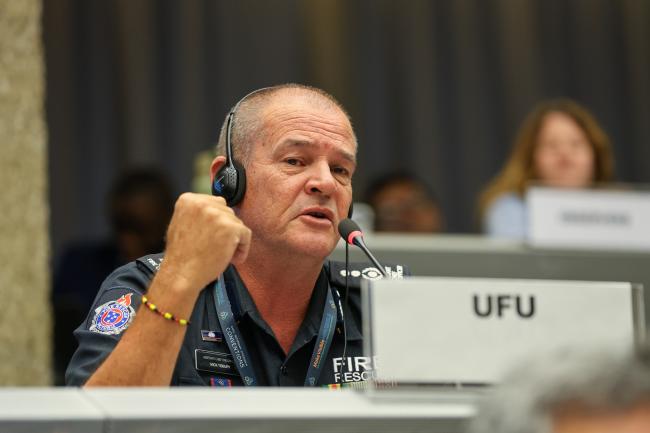
PFOA, or perfluorooctanoic acid, is a forever chemical slated for elimination by the Stockholm Convention. But, for a short time, parties are allowed to use it in fire-fighting foams for the most serious industrial fires. The Republic of Korea, supported by the EU, would like to extend the grace period. It's proven difficult to replace the foams sitting in the tanks. The United Firefighters Union of Australia has led the charge against PFOA foams and decried this move, asking countries "to help save us, so we can save others."
For the Basel Convention, an old waste issue reared its head. Ships are expensive to safely dispose of, prompting some to be illegally stranded on beaches. They contain PCBs, asbestos, heavy-metal paints, and other hazardous materials risking the health of workers trying to recycle the ships and the environment where they are abandoned. The Basel Convention considers ships as potentially hazardous wastes. A new treaty, the Hong Kong Convention for the Safe and Environmentally Sound Recycling of Ships, will soon enter into force. Two treaties will soon govern the same activity, but in slightly different ways. There were calls for legal clarity and worries that the Hong Kong Convention may not be as strong as its older counterpart.
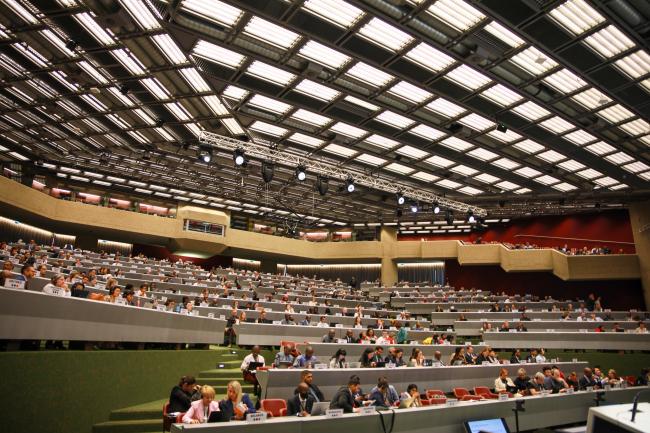
With ministers in attendance, there was a huge range of events to showcase the theme of the meeting, “Making Visible the Invisible.” Some were technical, focusing on POPs in nano and microplastic waste. The global trade in textile wastes is a high-profile example of a problem that is often overlooked, and could benefit from the integrated solutions among the BRS Conventions discussed in another side event.
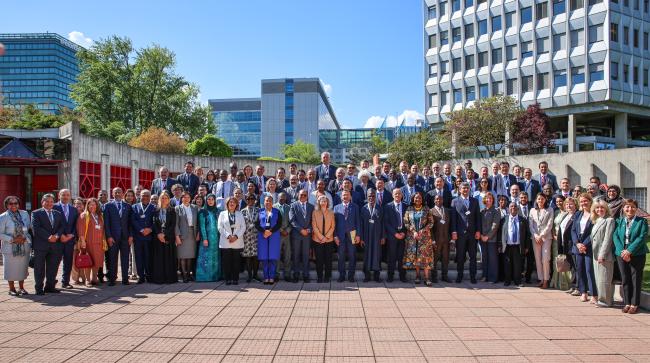
Other events took the approach of bettering our information base to render unseen risks visible. For example, developing a global framework for digital product information systems could help identify chemicals in supply chains. The GMP is the prime example. It assesses the extent people and the planet are exposed to POPs. But it relies on the capacity of laboratories and monitoring centers to ensure coherent data, a challenge that the Global Environment Facility’s new project “Global Chemicals Monitoring Programme” takes up.
All ENB photos are free to use with attribution. For this event, please use: Photo by IISD/ENB | Mike Muzurakis
To receive free coverage of global environmental events delivered to your inbox, subscribe to the ENB Update newsletter.
High-Level Opening
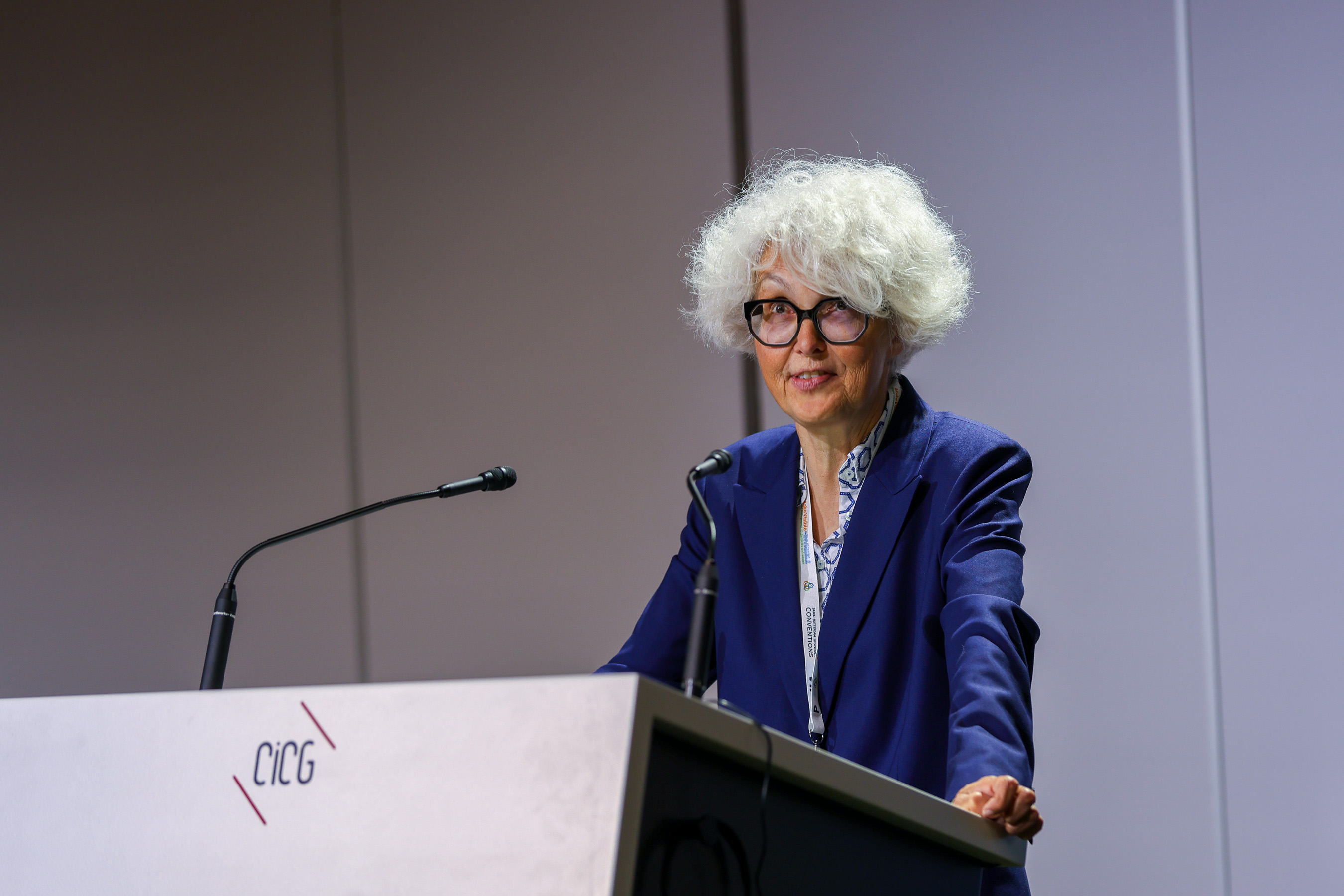
Katrin Schneeberger, State Secretary, Federal Office for the Environment, Switzerland
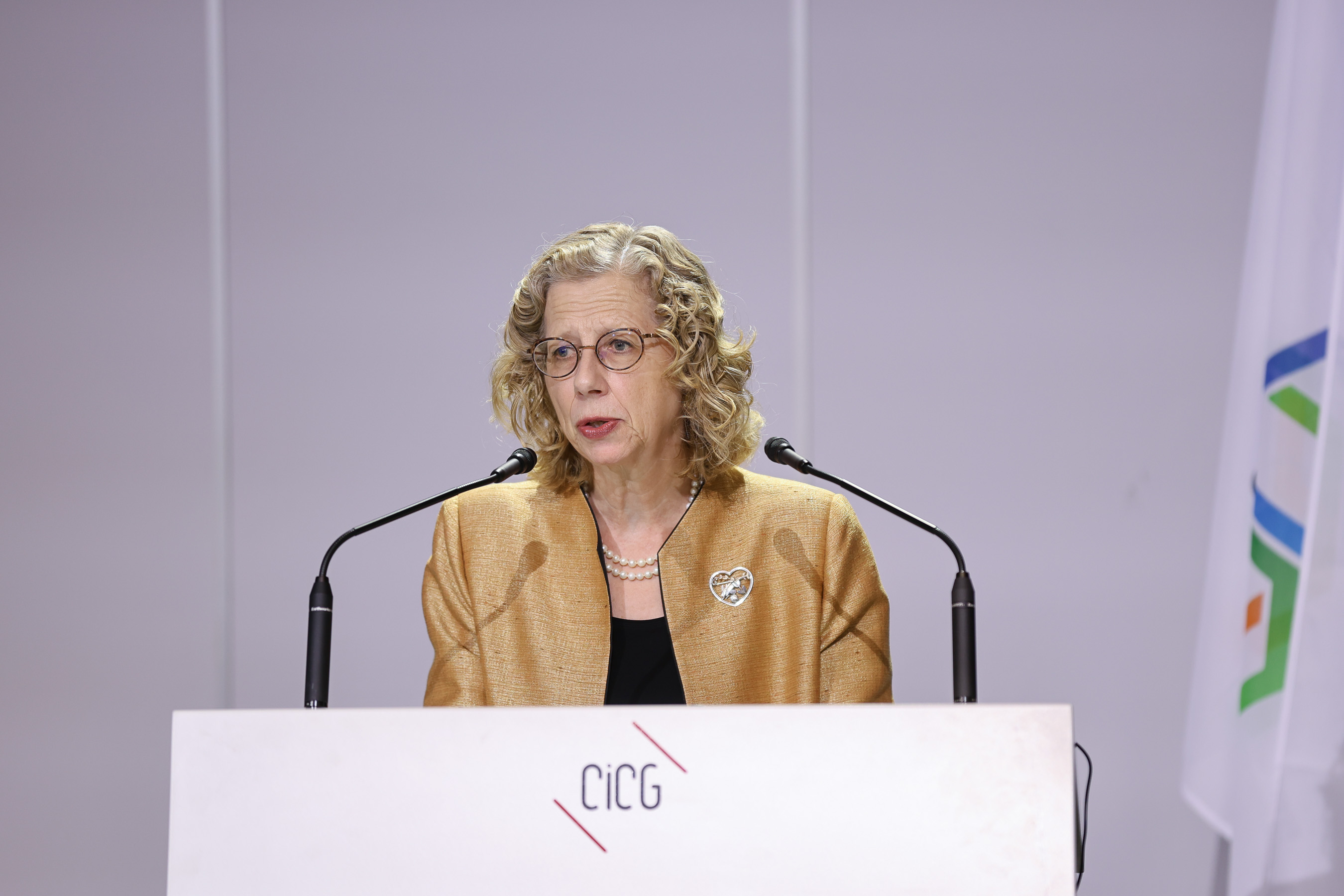
UNEP Executive Director Inger Andersen
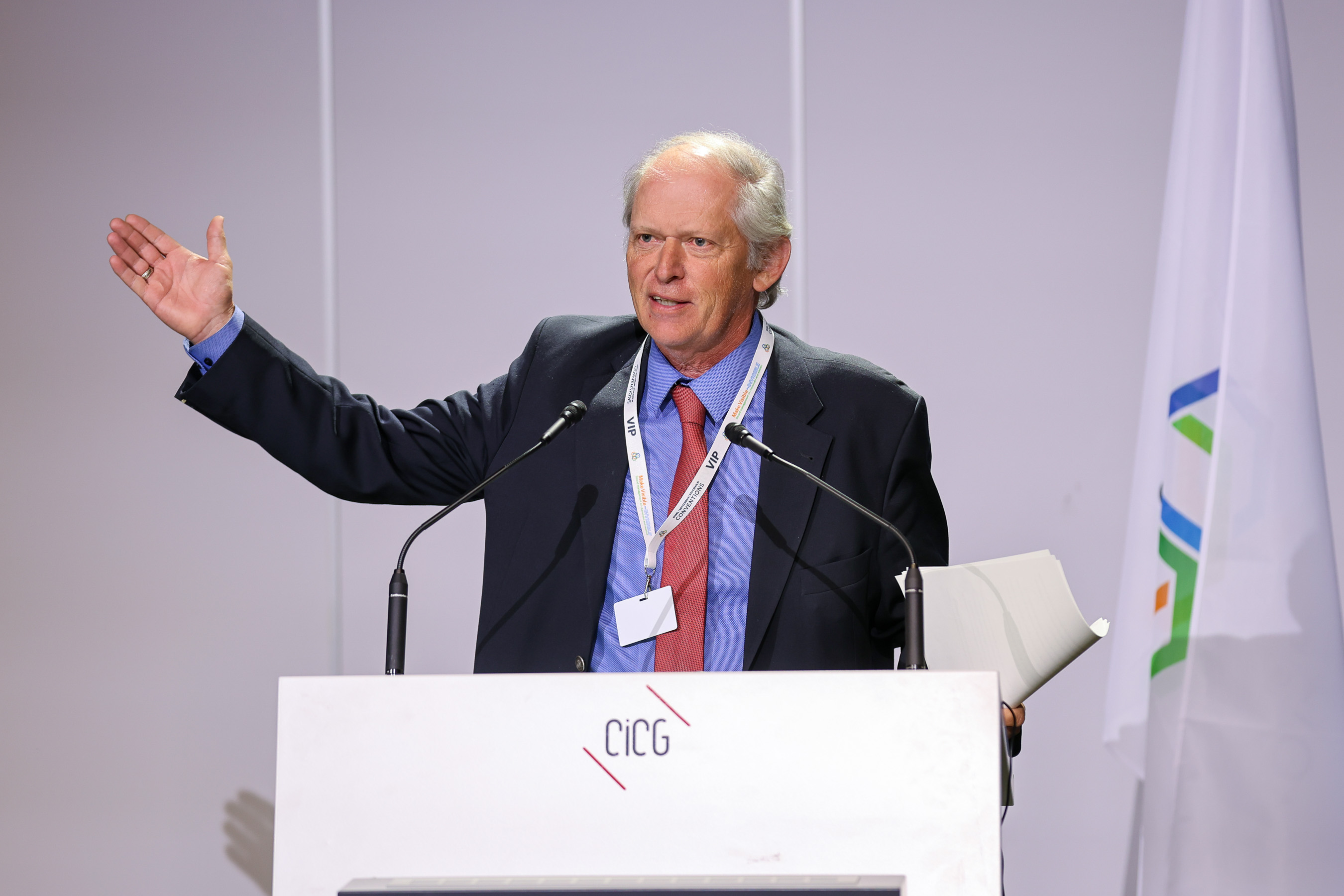
Juergen Voegele, Vice-President for Sustainable Development, World Bank

Rolph Payet, Executive Secretary, BRS Conventions
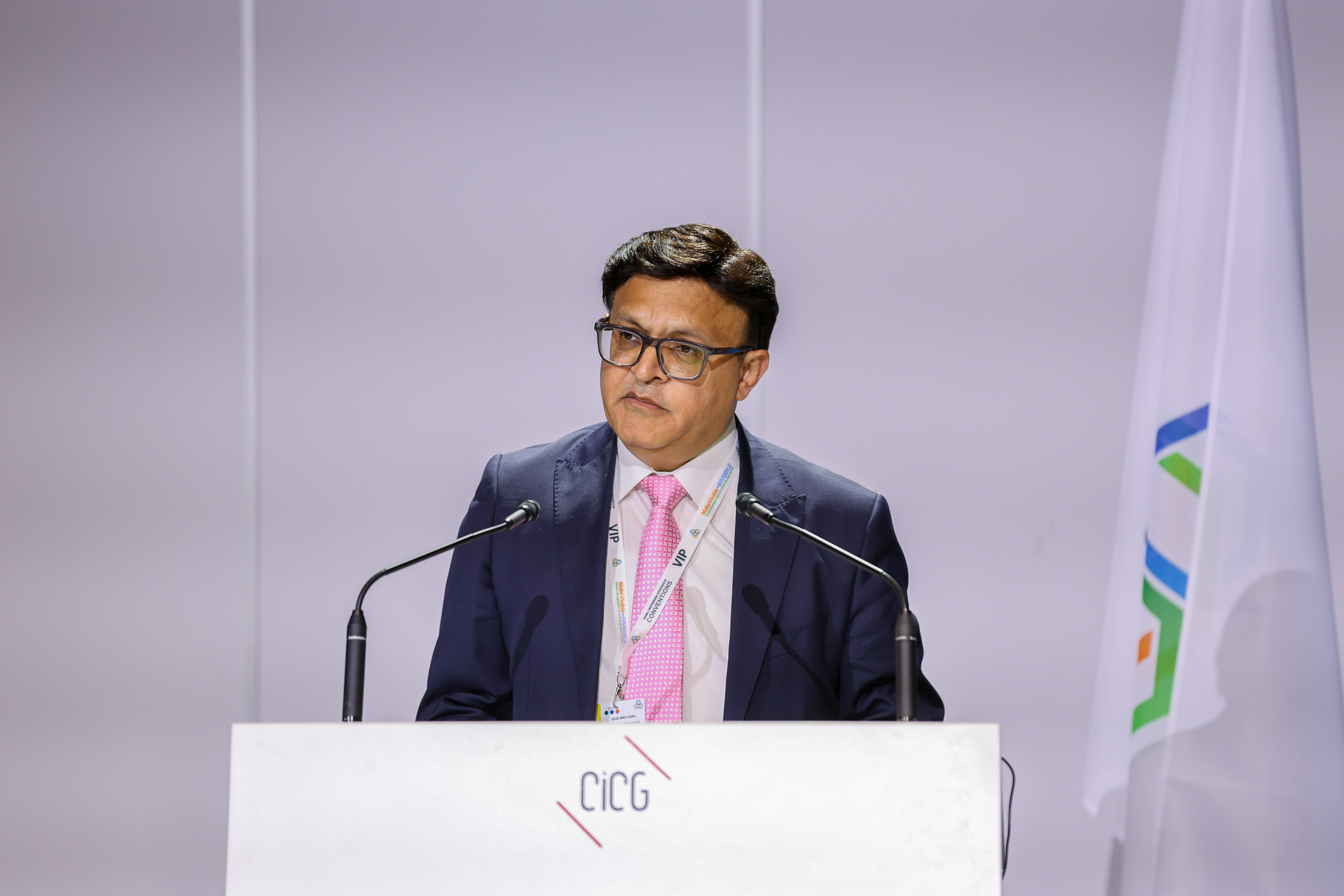
Rotterdam Convention COP12 President Hammad Shamimi
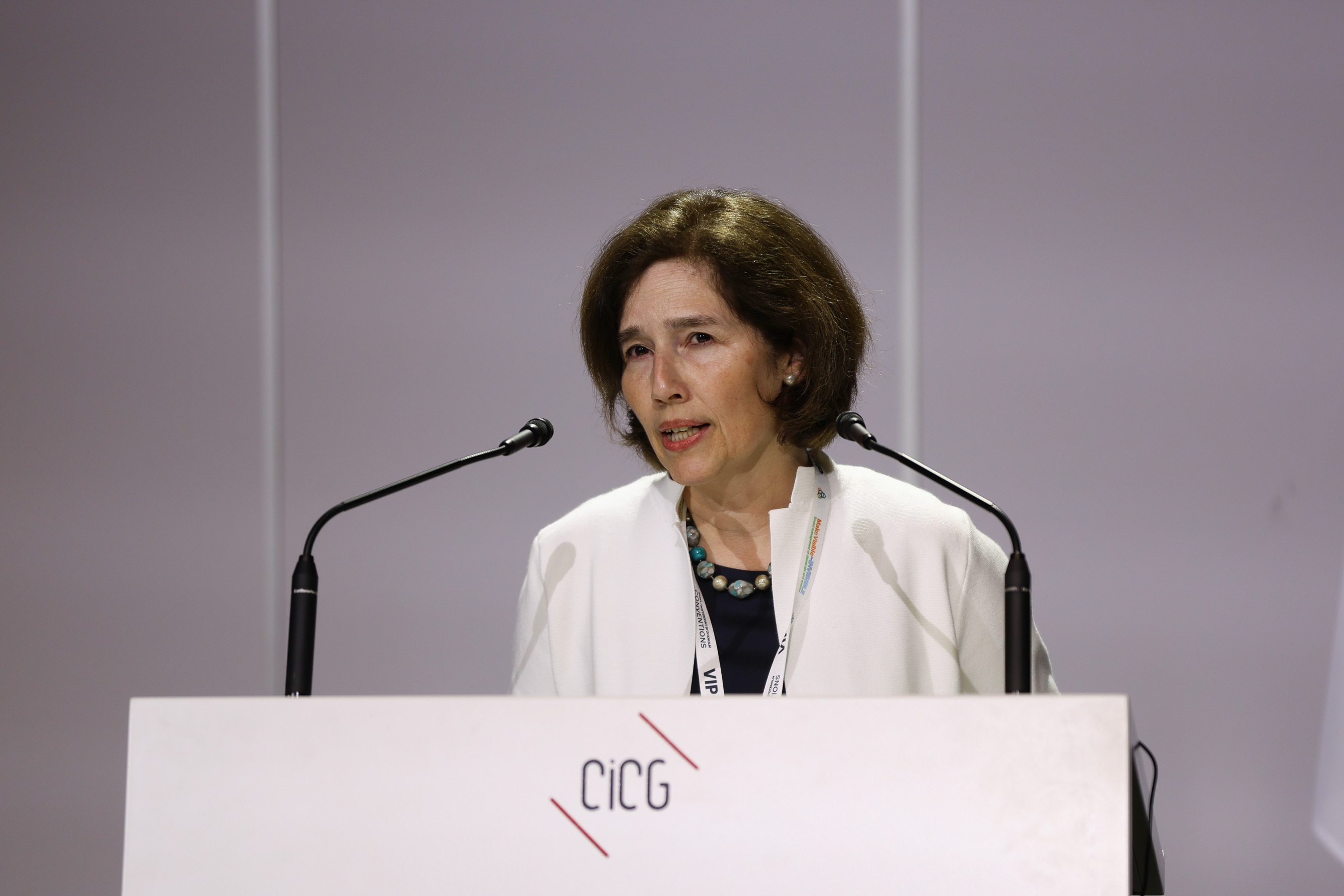
Maria Cristina Cárdenas-Fischer, BRS Conventions Secretariat
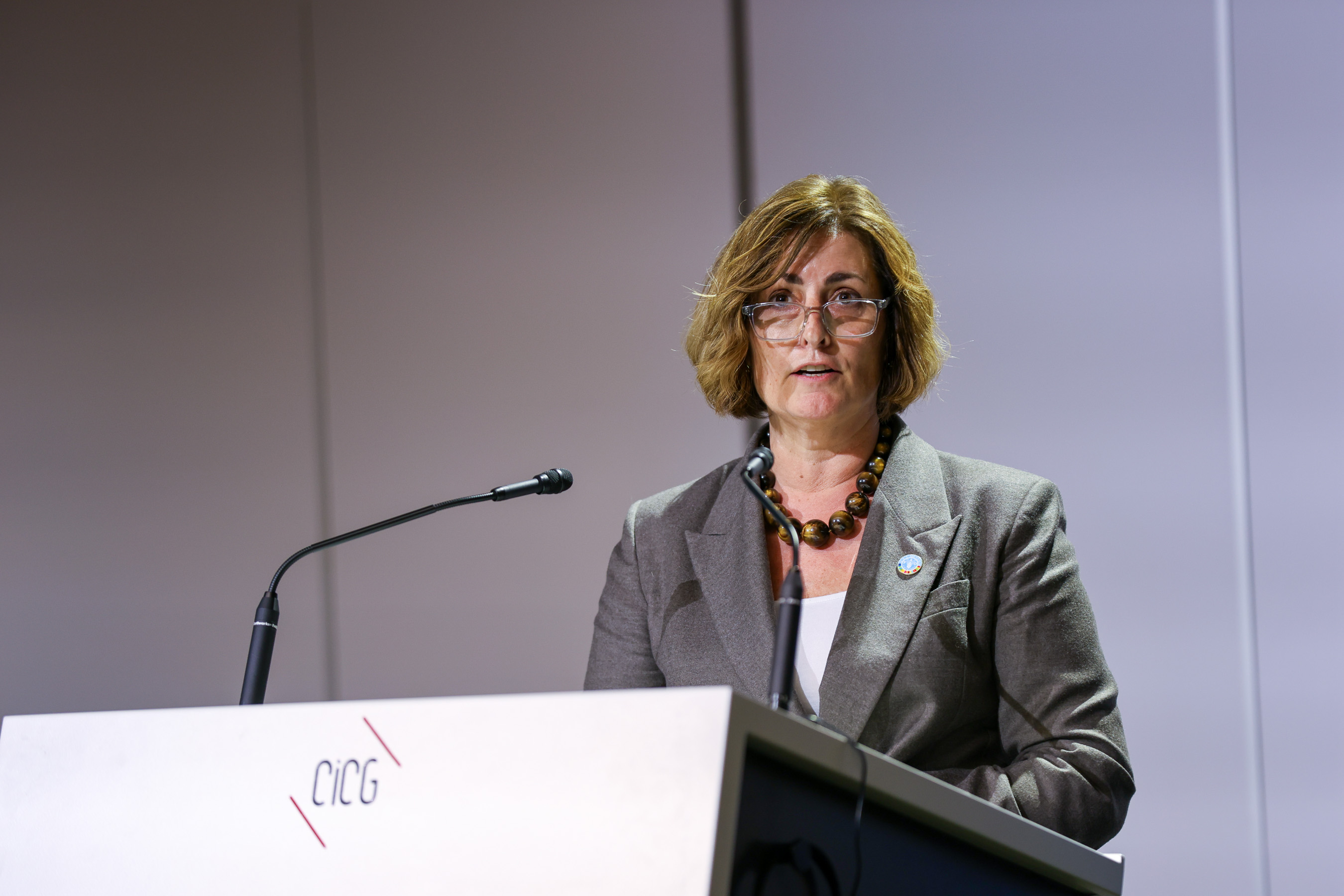
Beth Bechdol, Deputy Director-General, UN Food and Agriculture Organization (FAO)
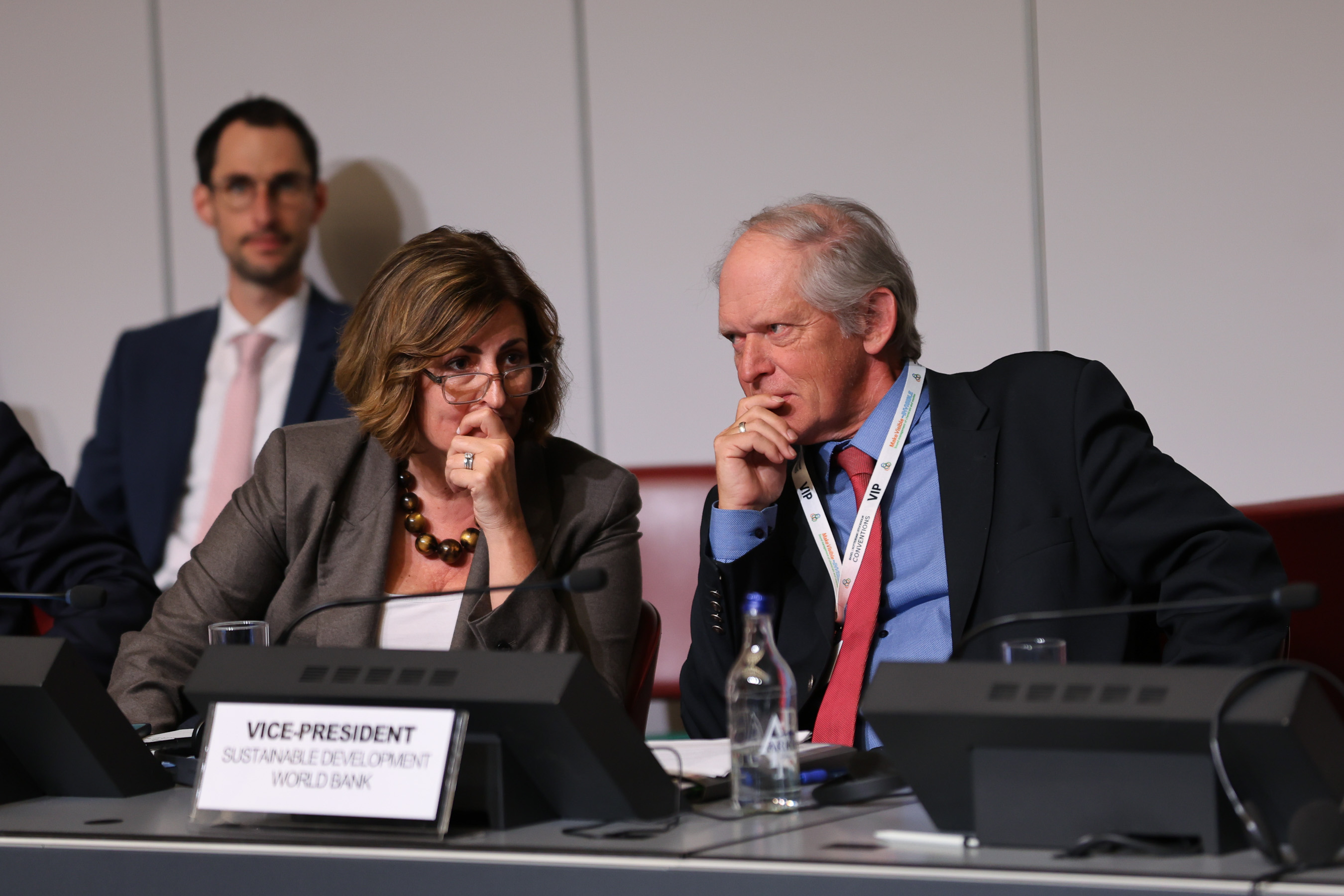
Beth Bechdol, Deputy Director-General, FAO, and Juergen Voegele, Vice-President for Sustainable Development, World Bank

Ministers arriving for the high-level segment opening ceremony
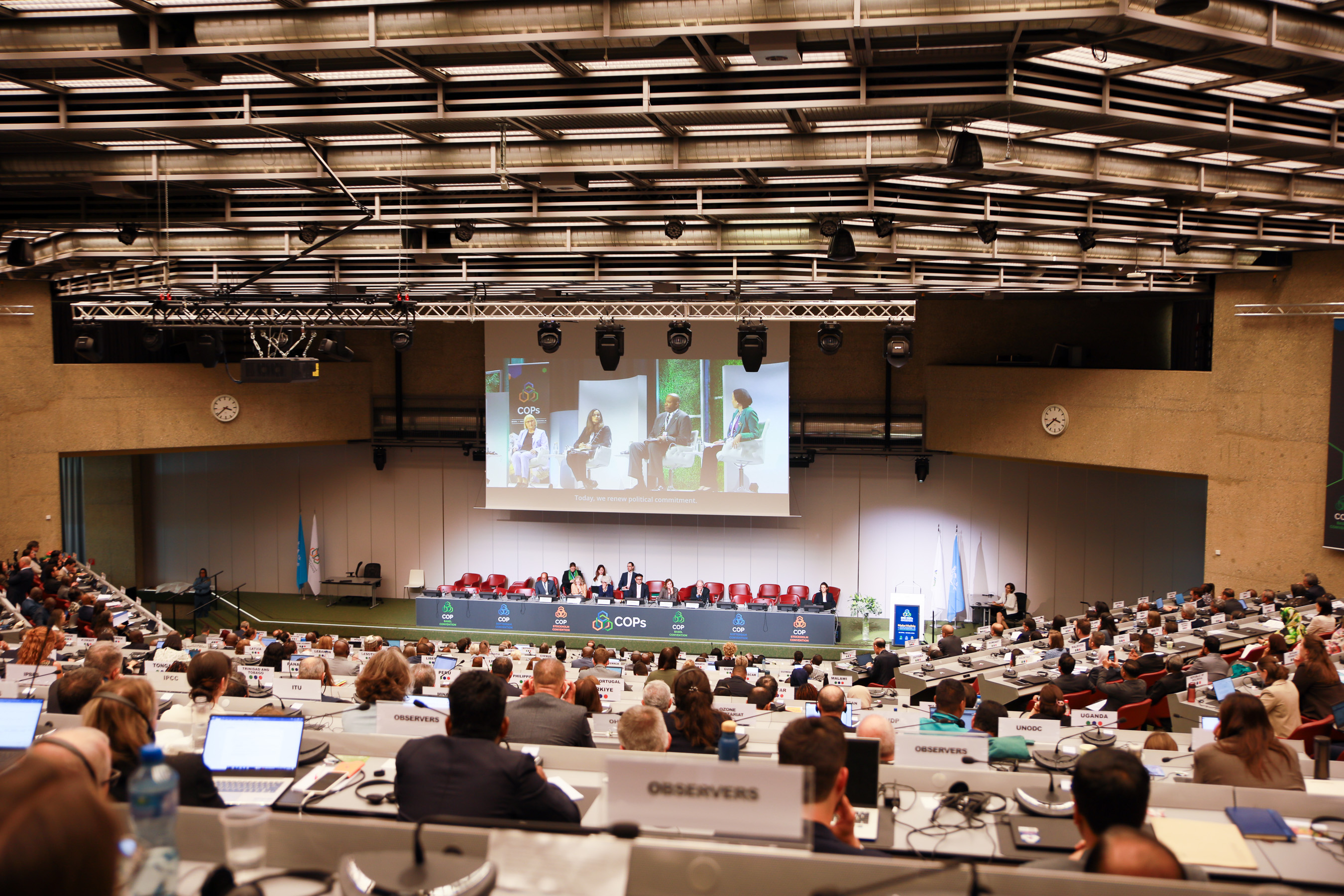
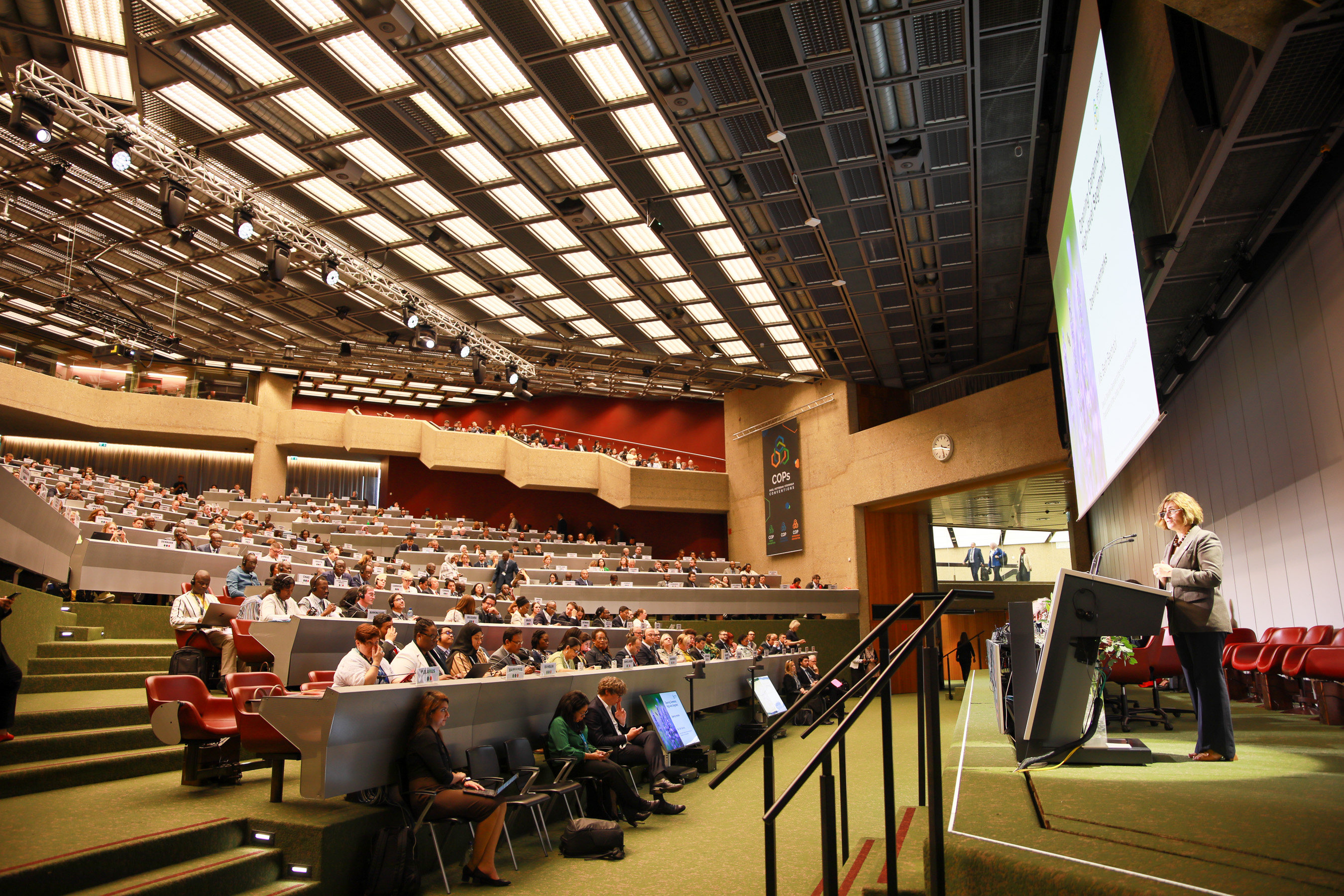
Plenary Sessions
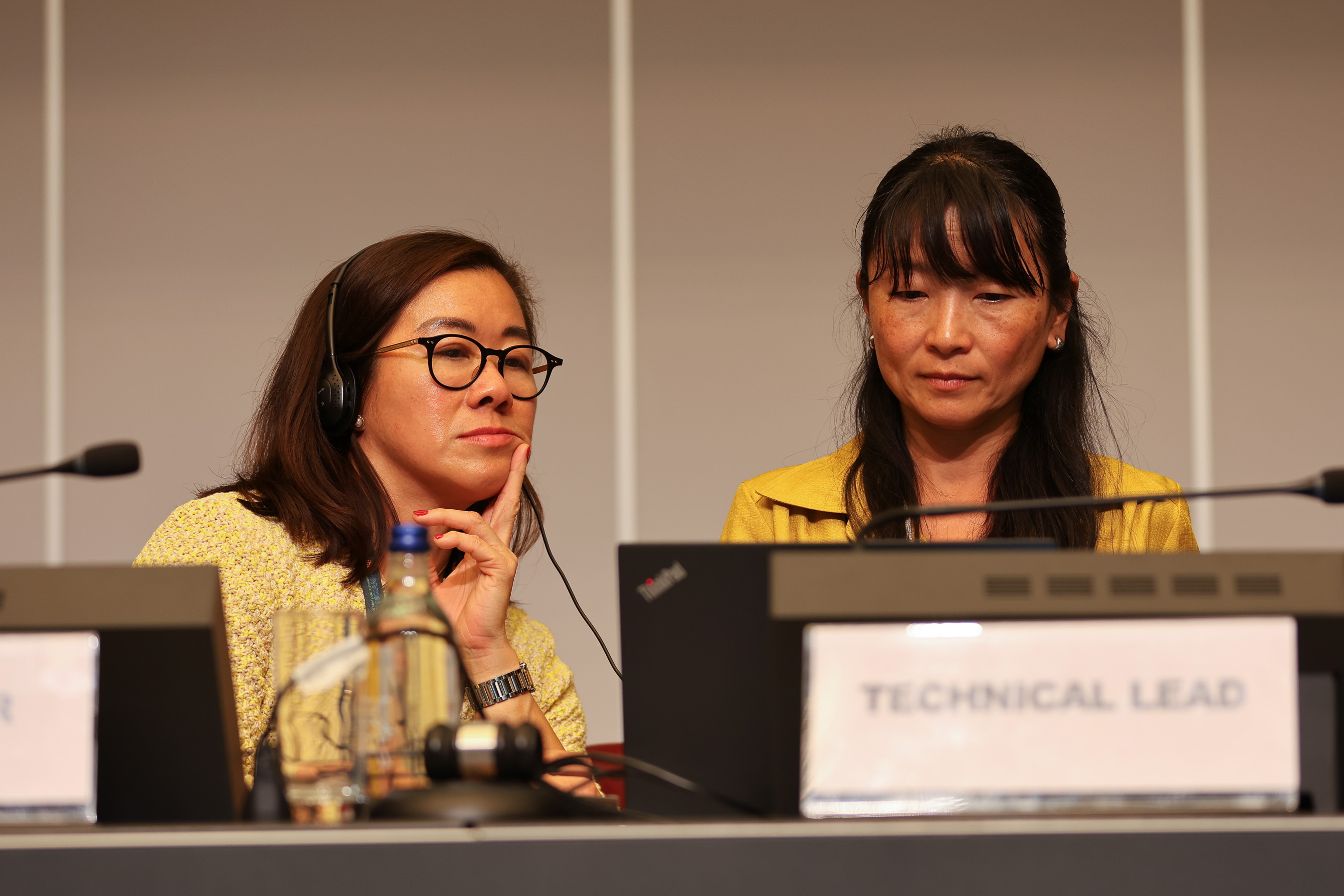
Sharon Rivera and Kei Ohno Woodall, BRS Conventions Secretariat
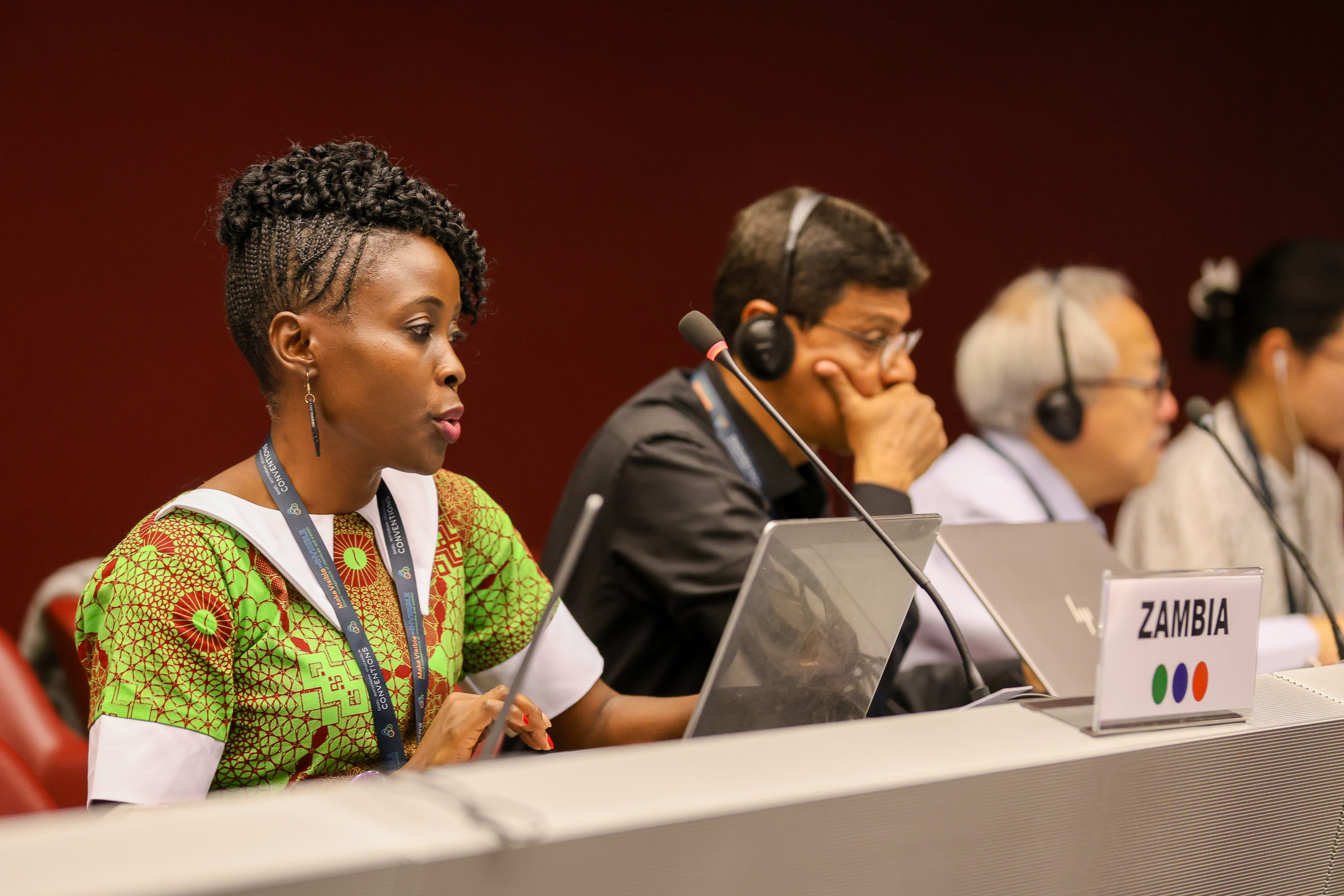
Perine Nkosi Kasonde, Zambia
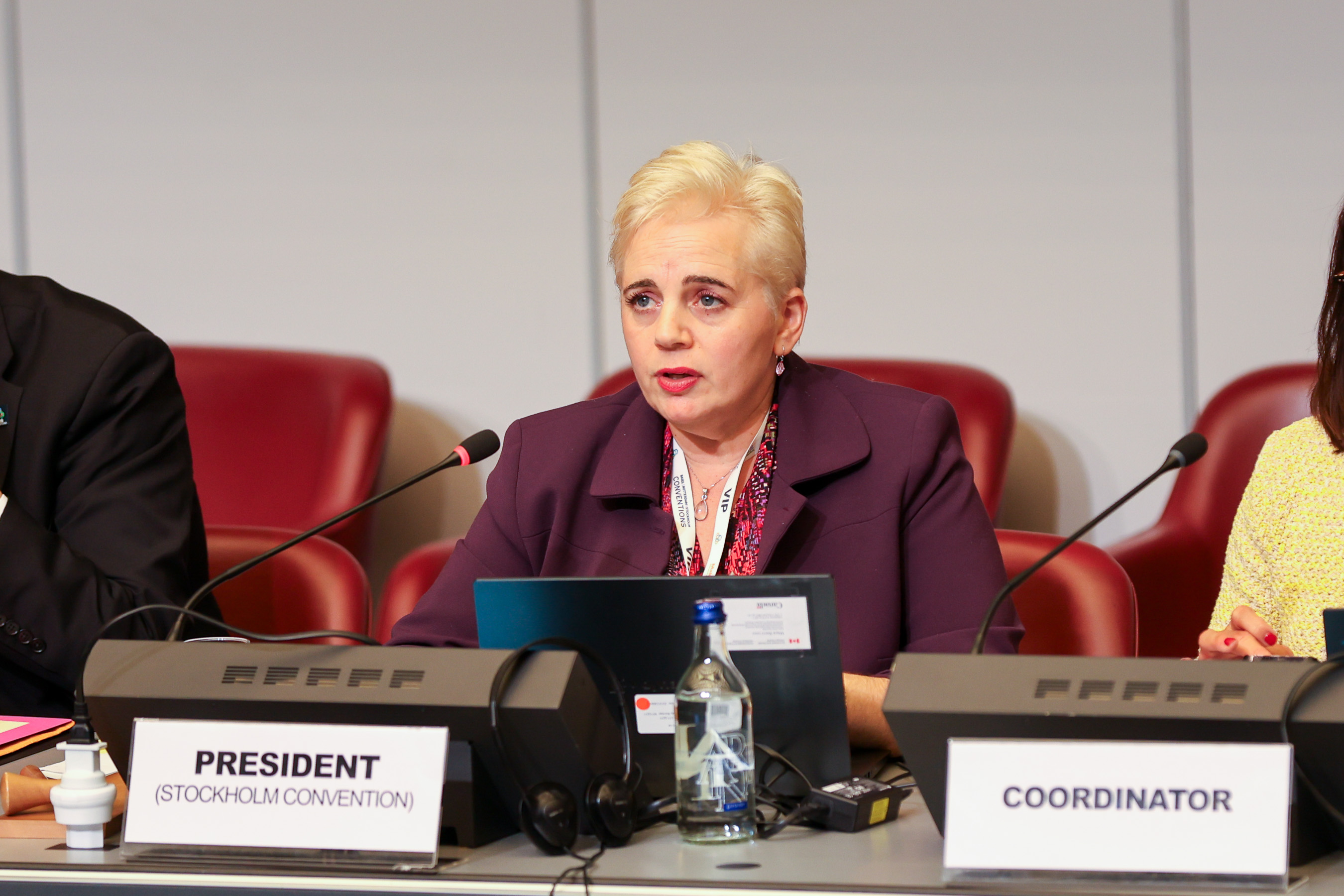
Stockholm Convention COP12 President Maya Berci
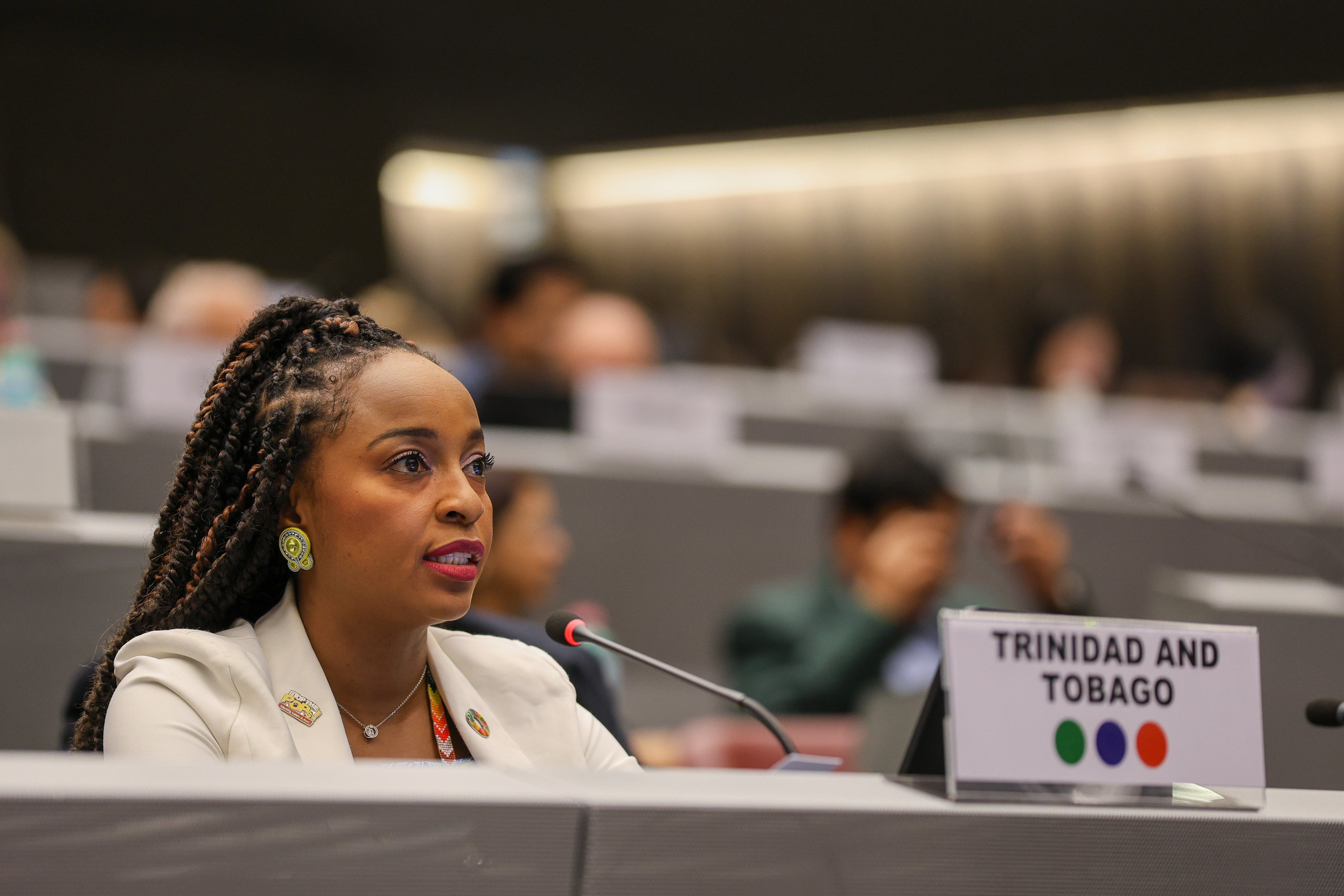
Keima Gardiner, Trinidad and Tobago
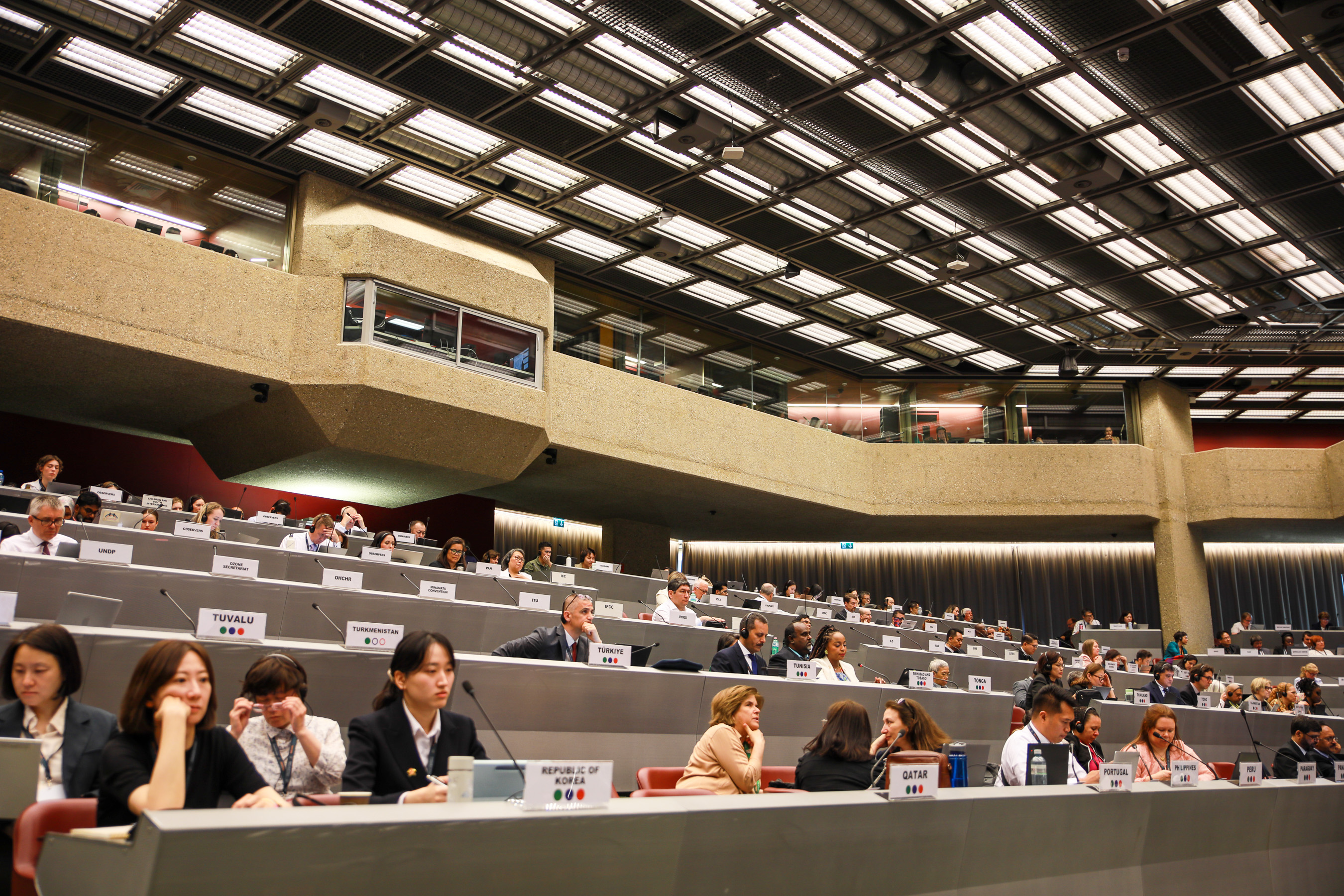
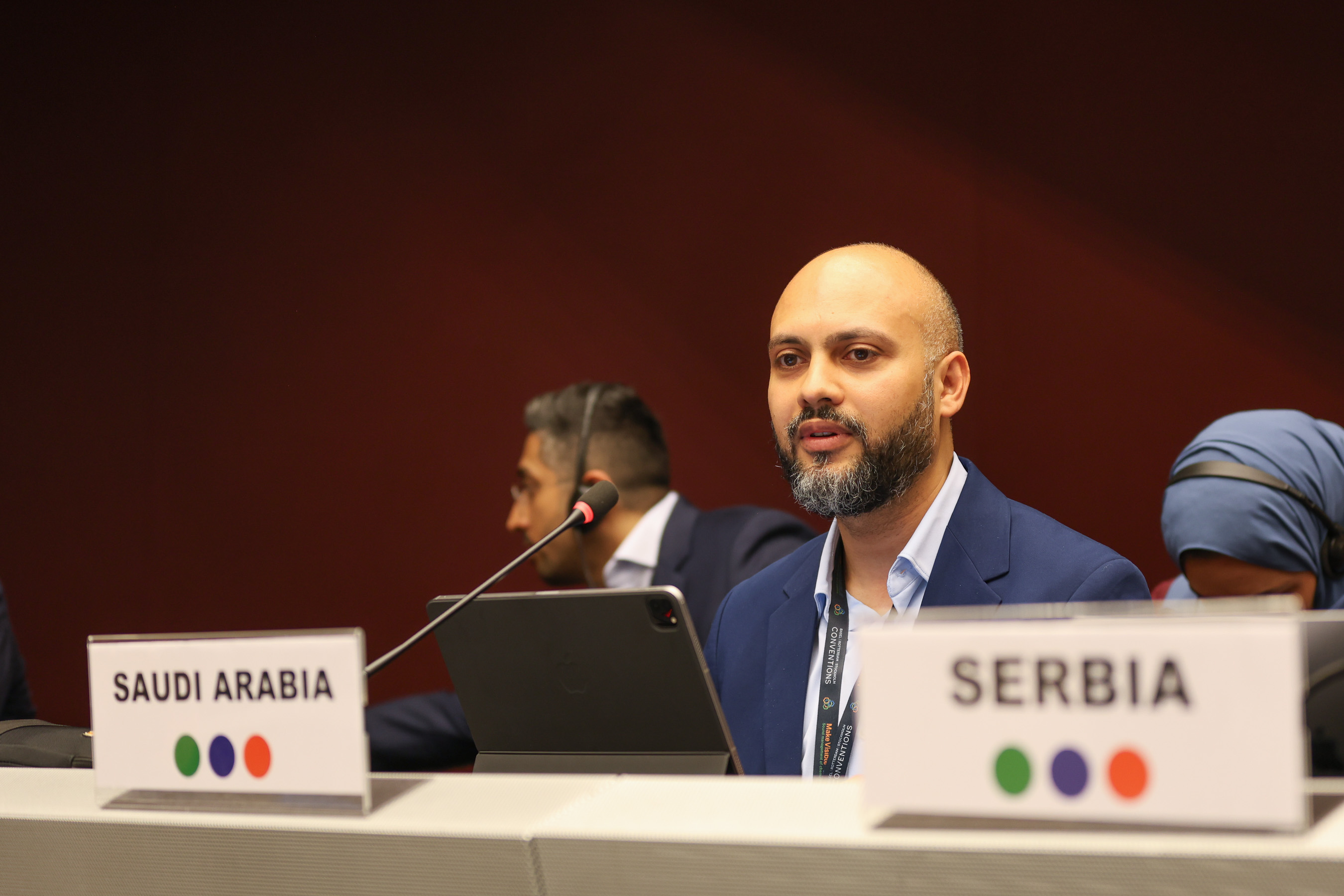
Nawaf Bilasi, Saudi Arabia
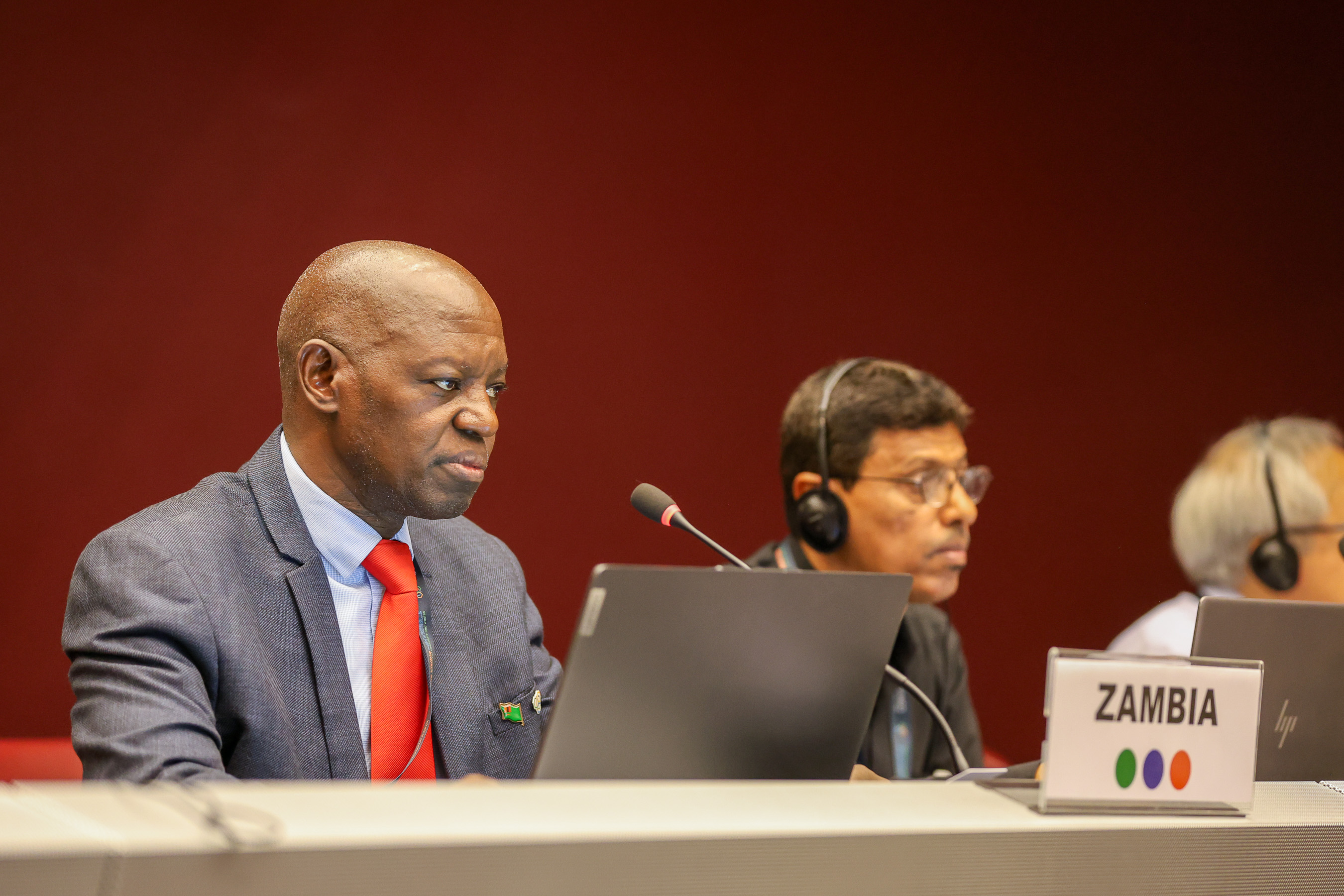
David Kapindula, Zambia
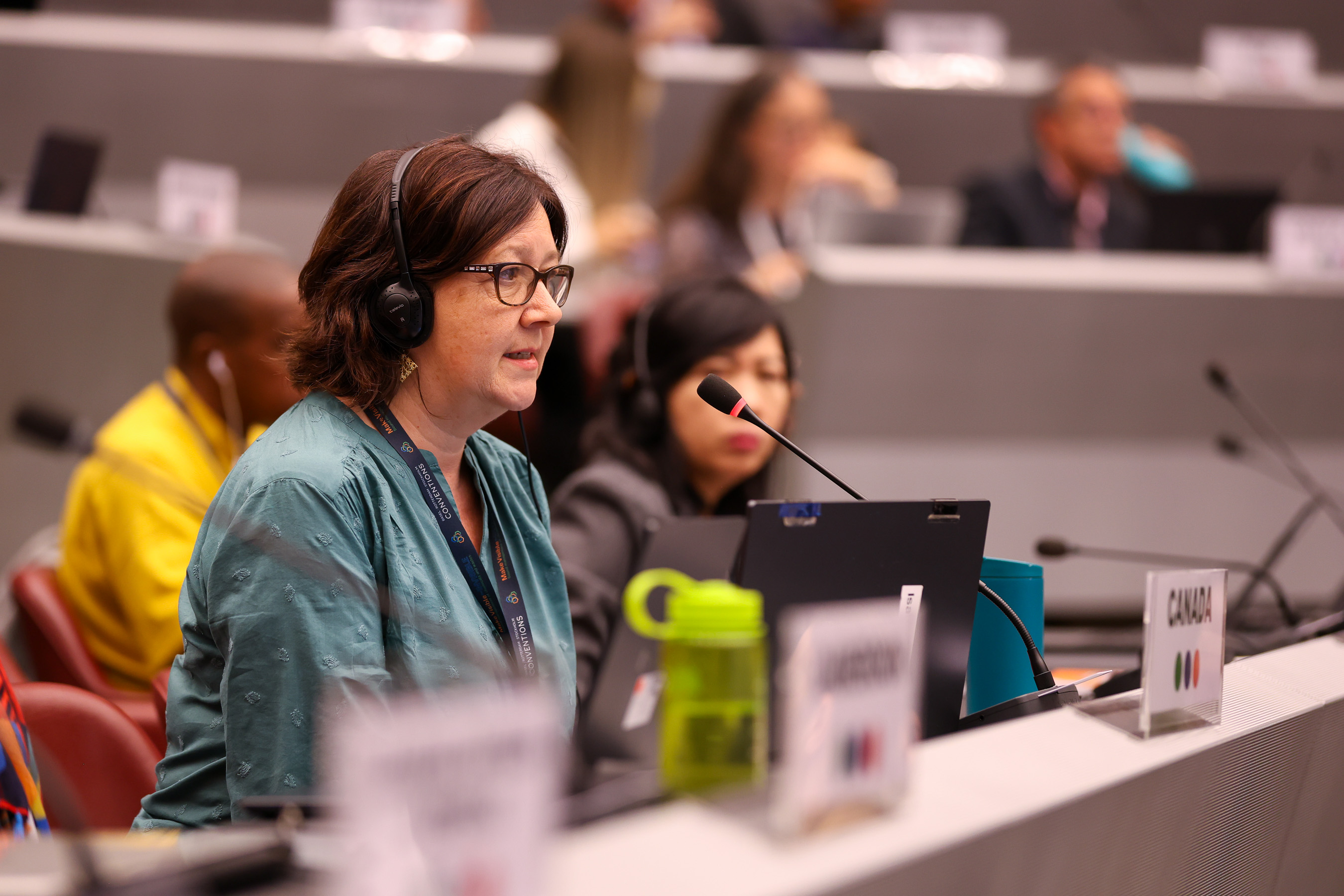
Isabelle Mayr, Canada
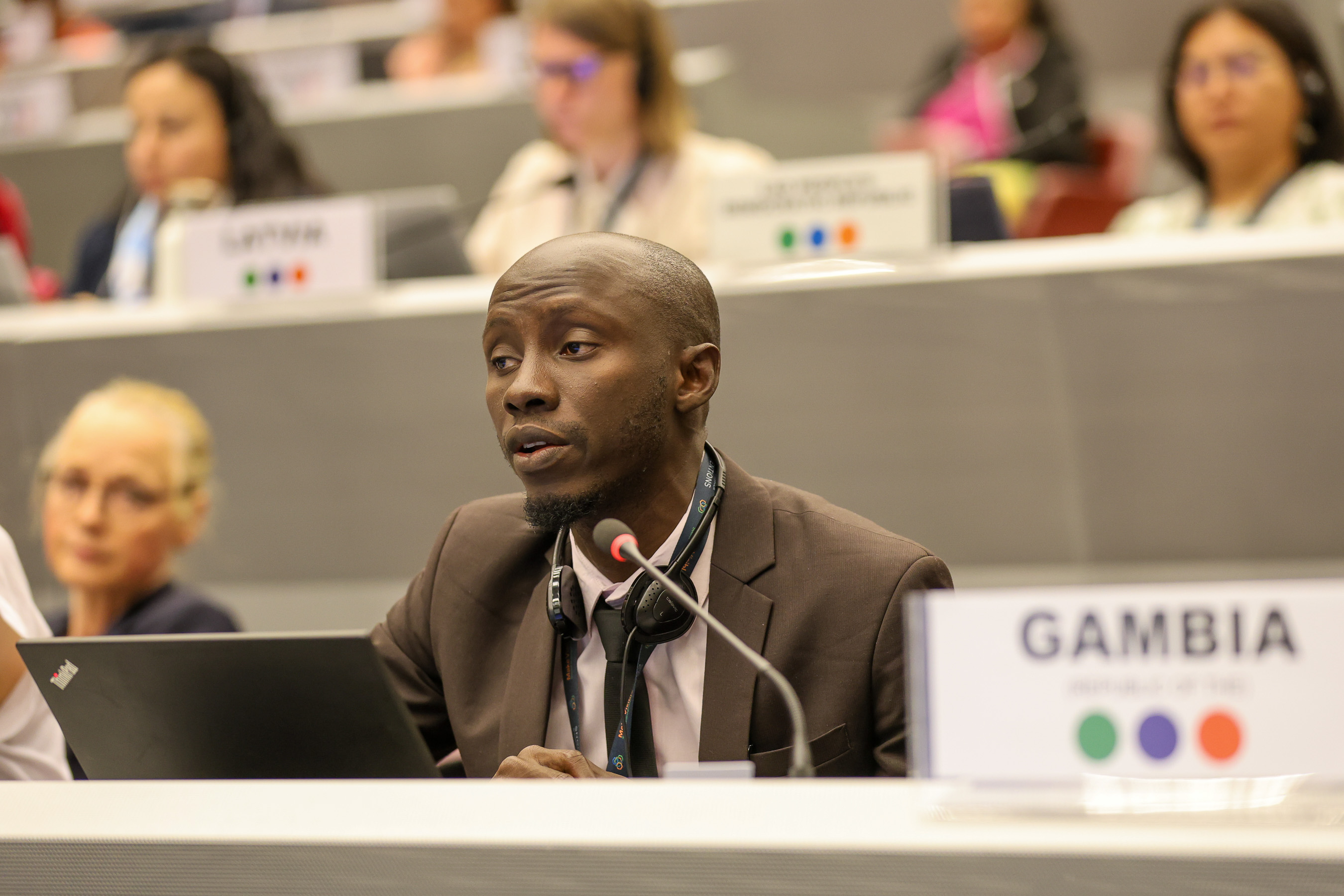
Lamin Jaiteh, the Gambia
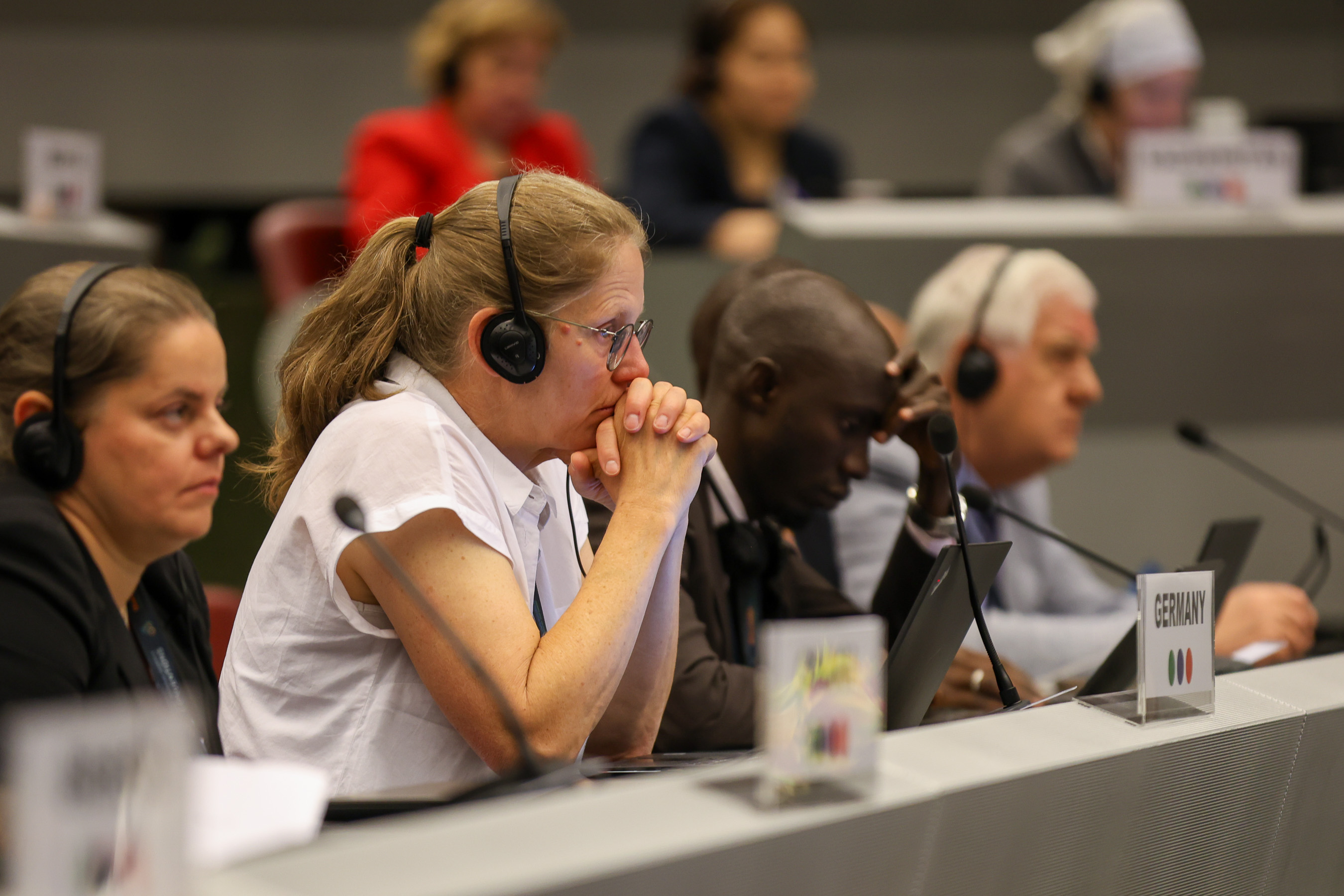
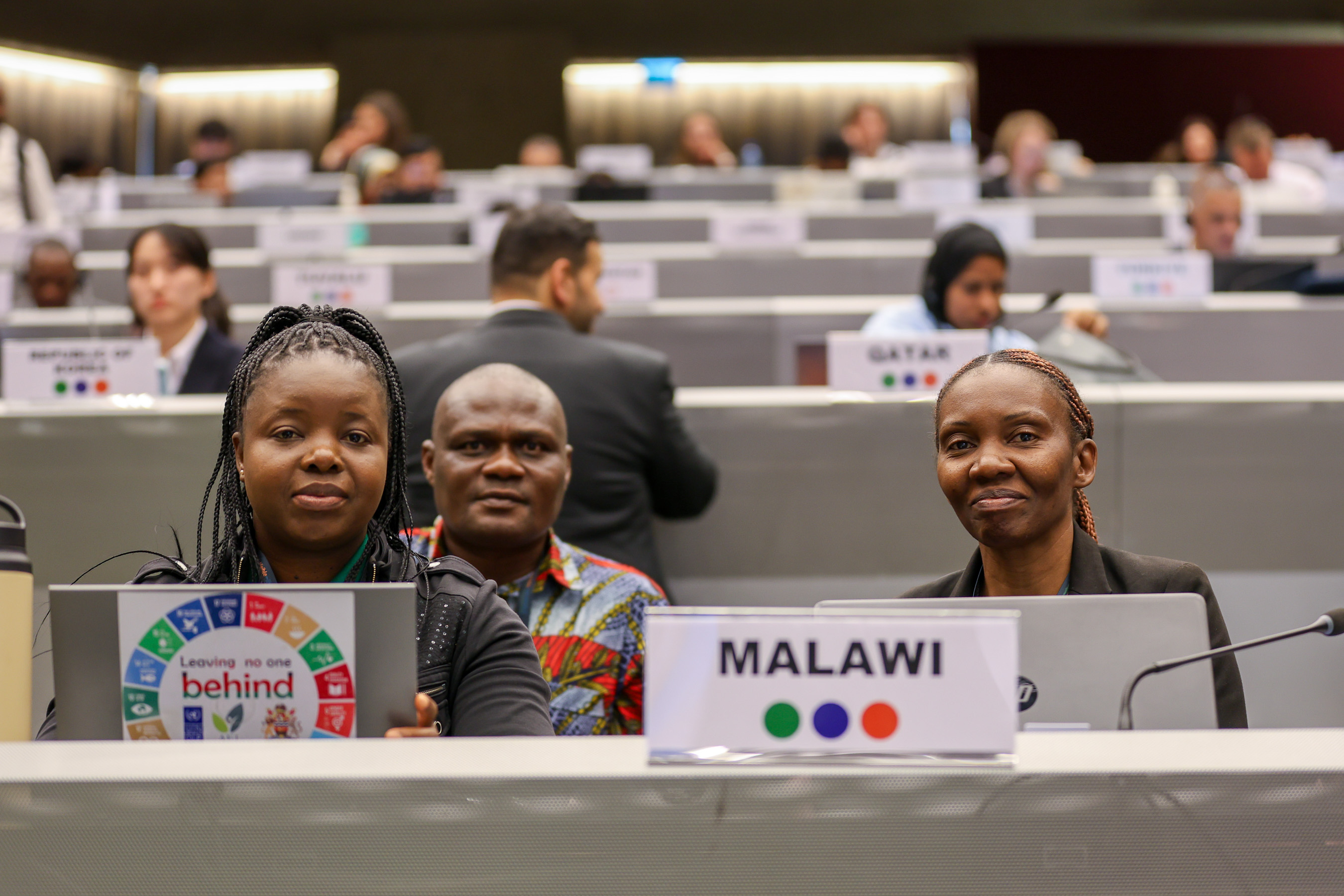
Delegates from Malawi
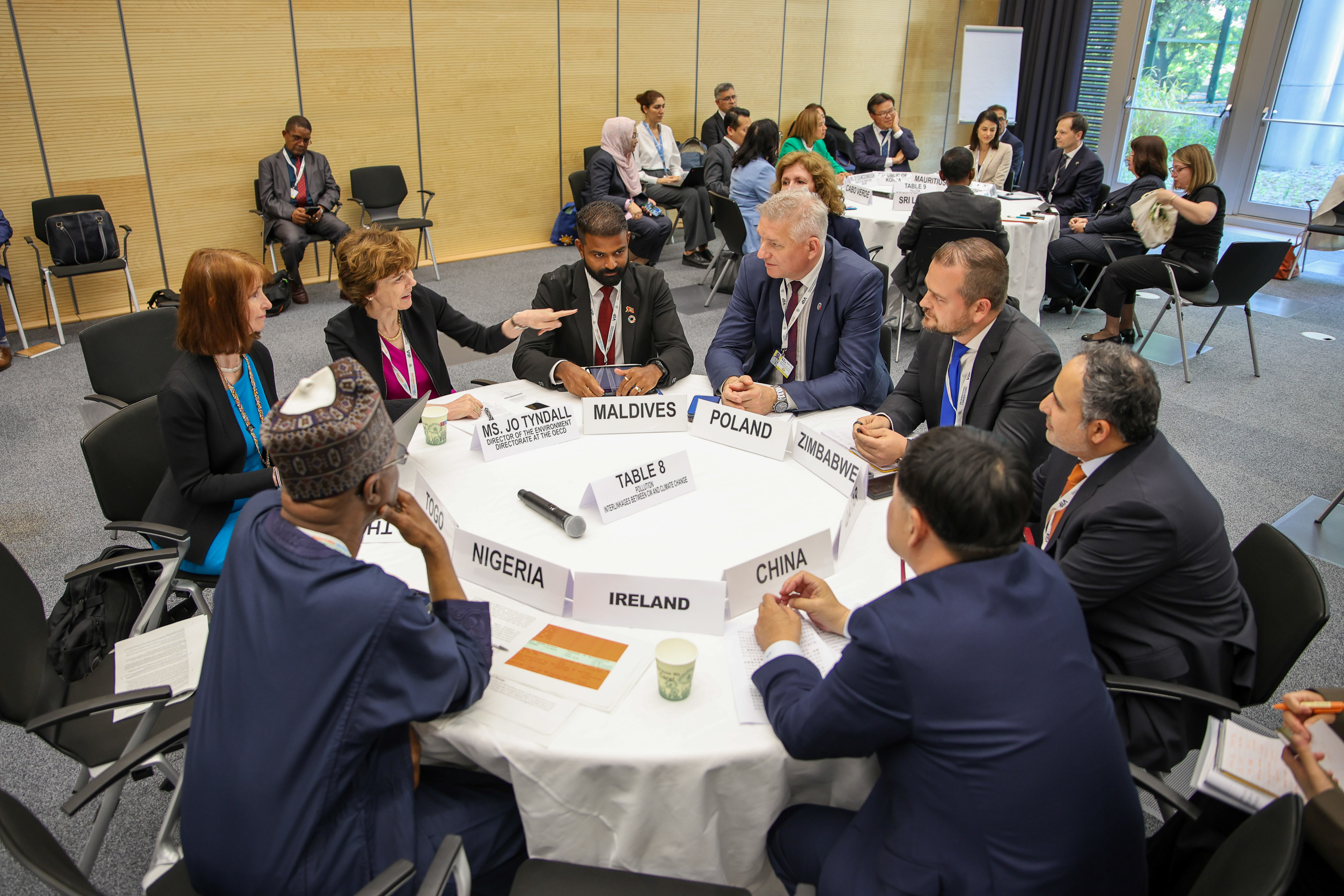
Ministerial Roundtables
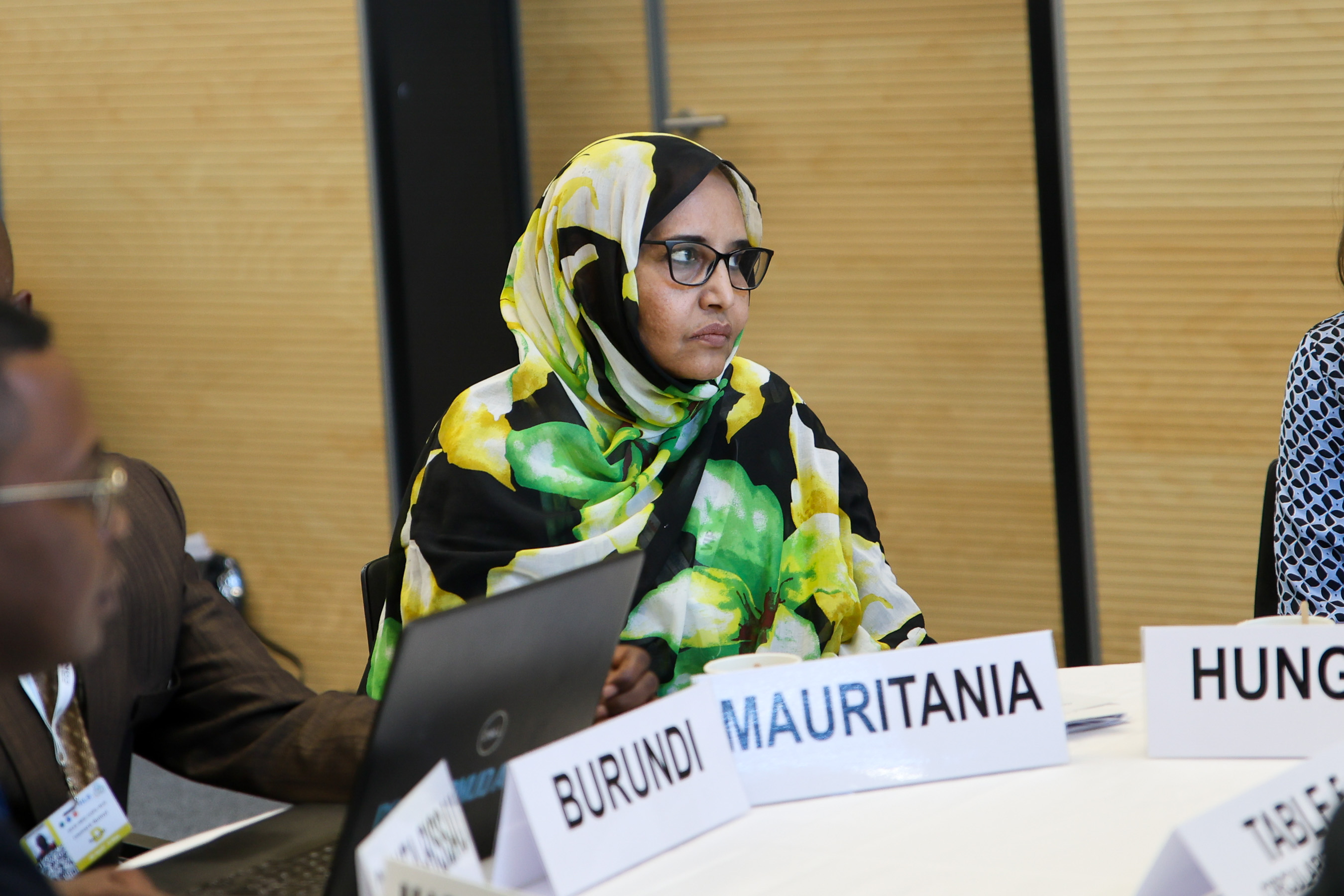
Messouda Baham, Minister of Environment and Sustainable Development, Mauritania
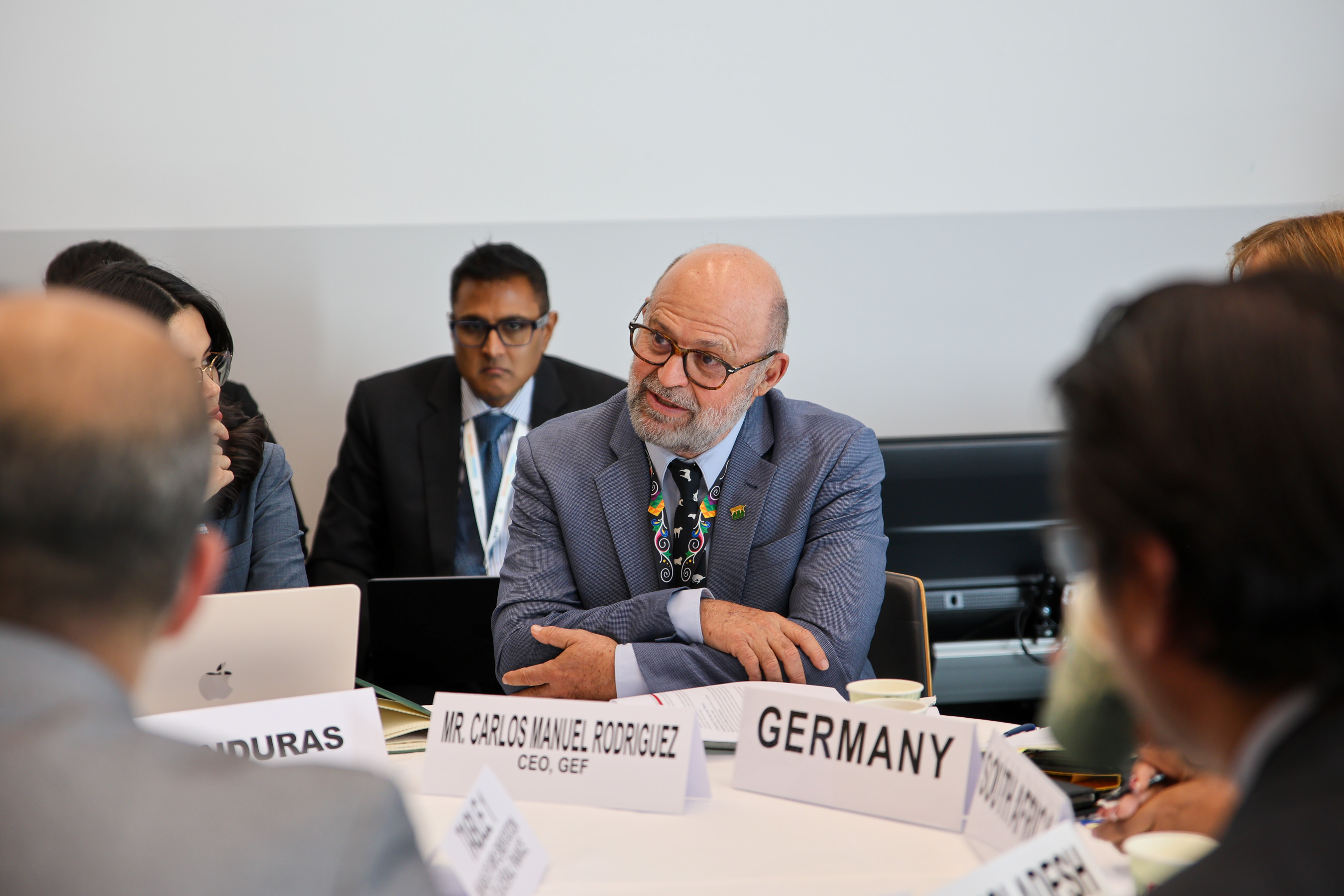
Carlos Manuel Rodríguez, CEO and Chairperson, Global Environment Facility
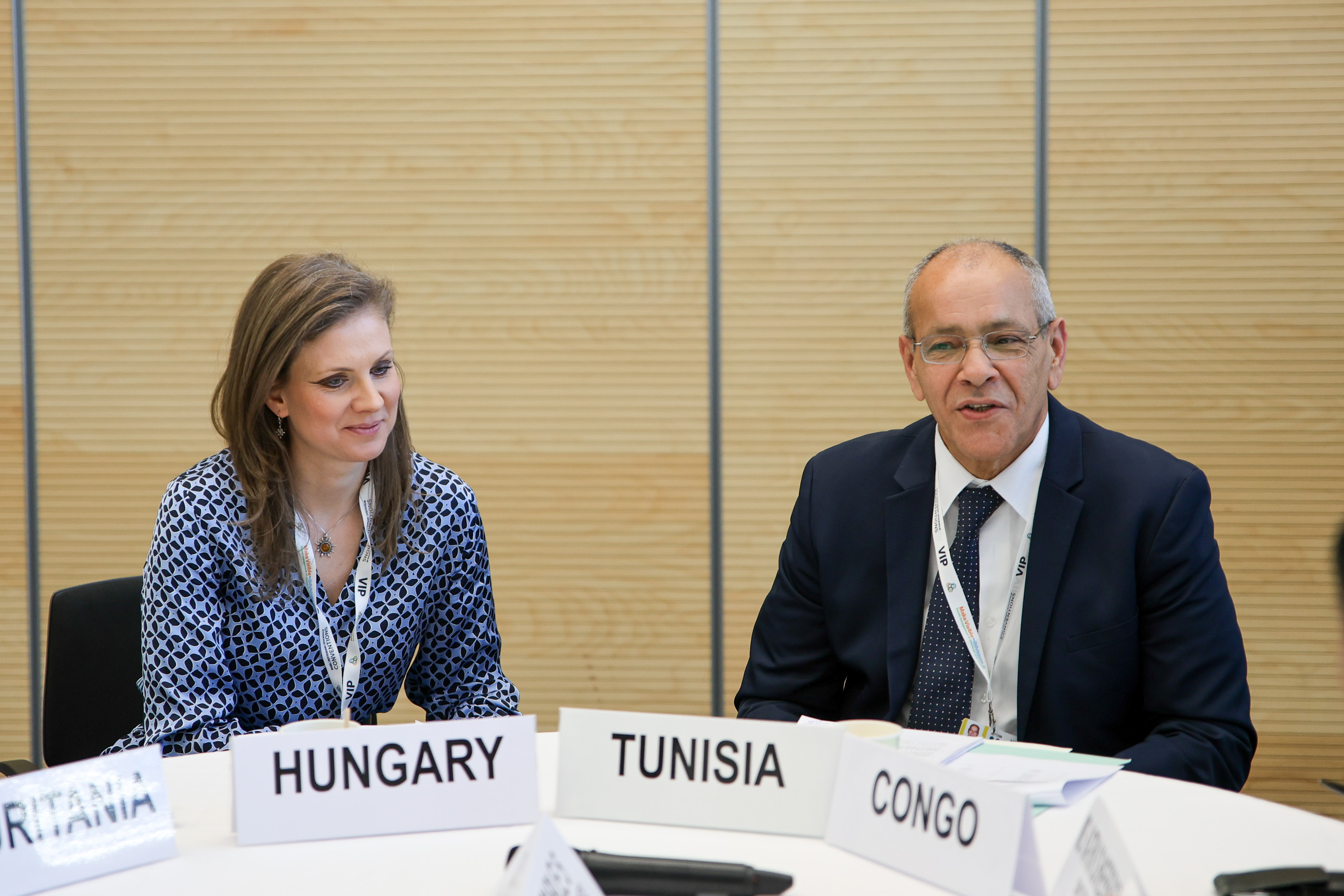
Anikó Raisz, State Secretary for Environmental Affairs and the Circular Economy, Ministry of Energy, Hungary, and Habib Abid, Minister of Environment, Tunisia
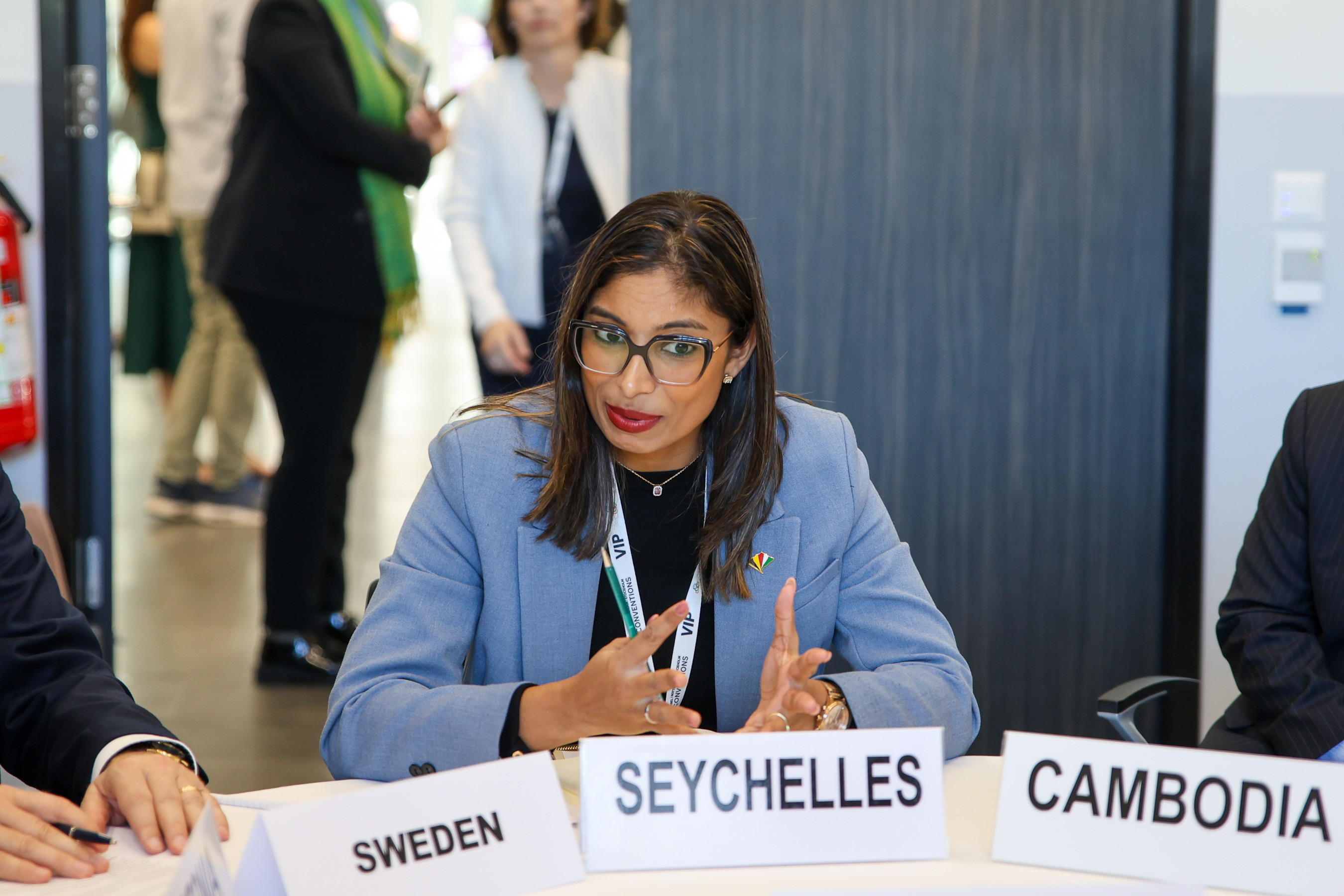
Devika Vidot, Minister of Investment, Entrepreneurship and Industry, Seychelles
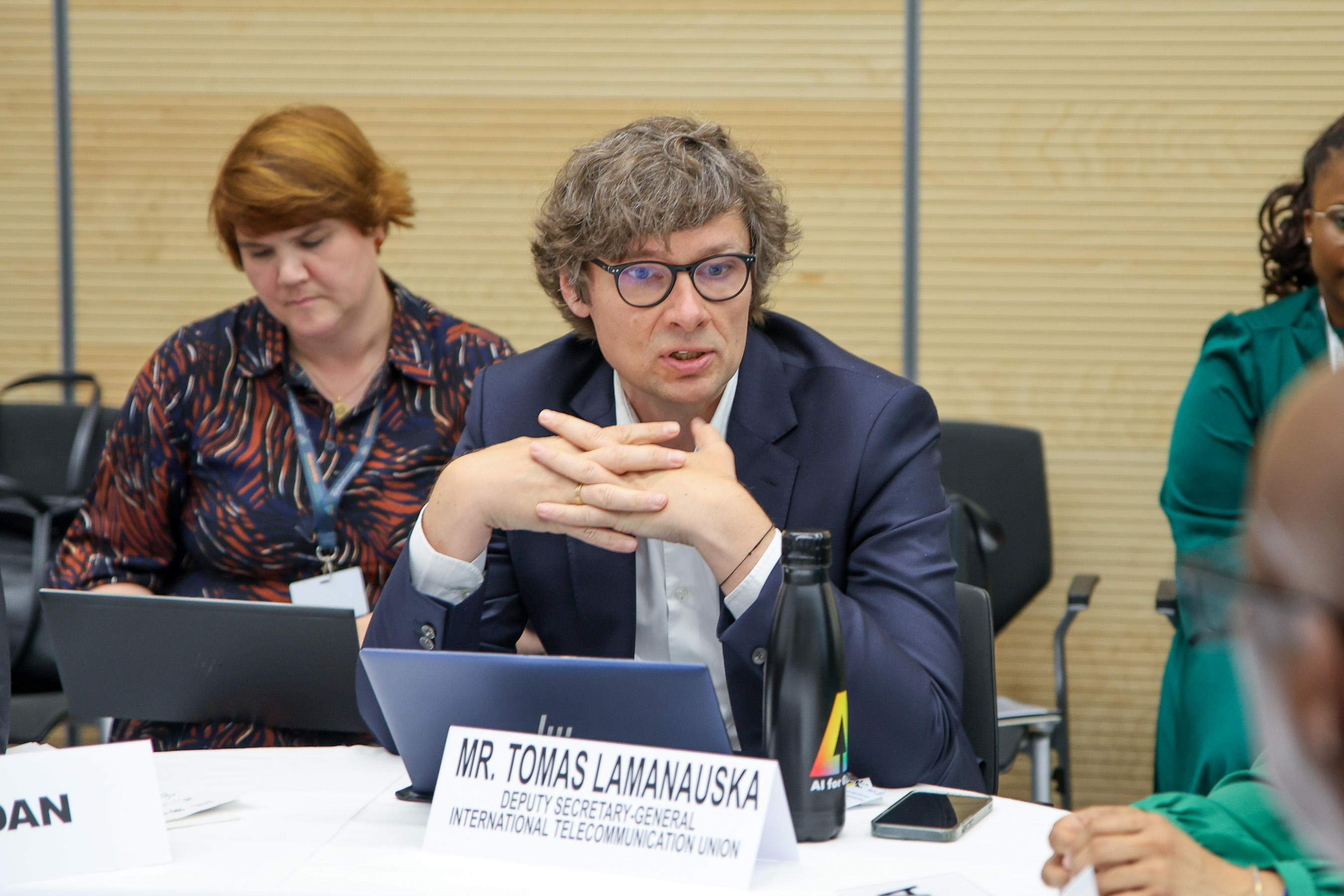
Tomas Lamanauskas, Deputy Secretary-General, International Telecommunication Union
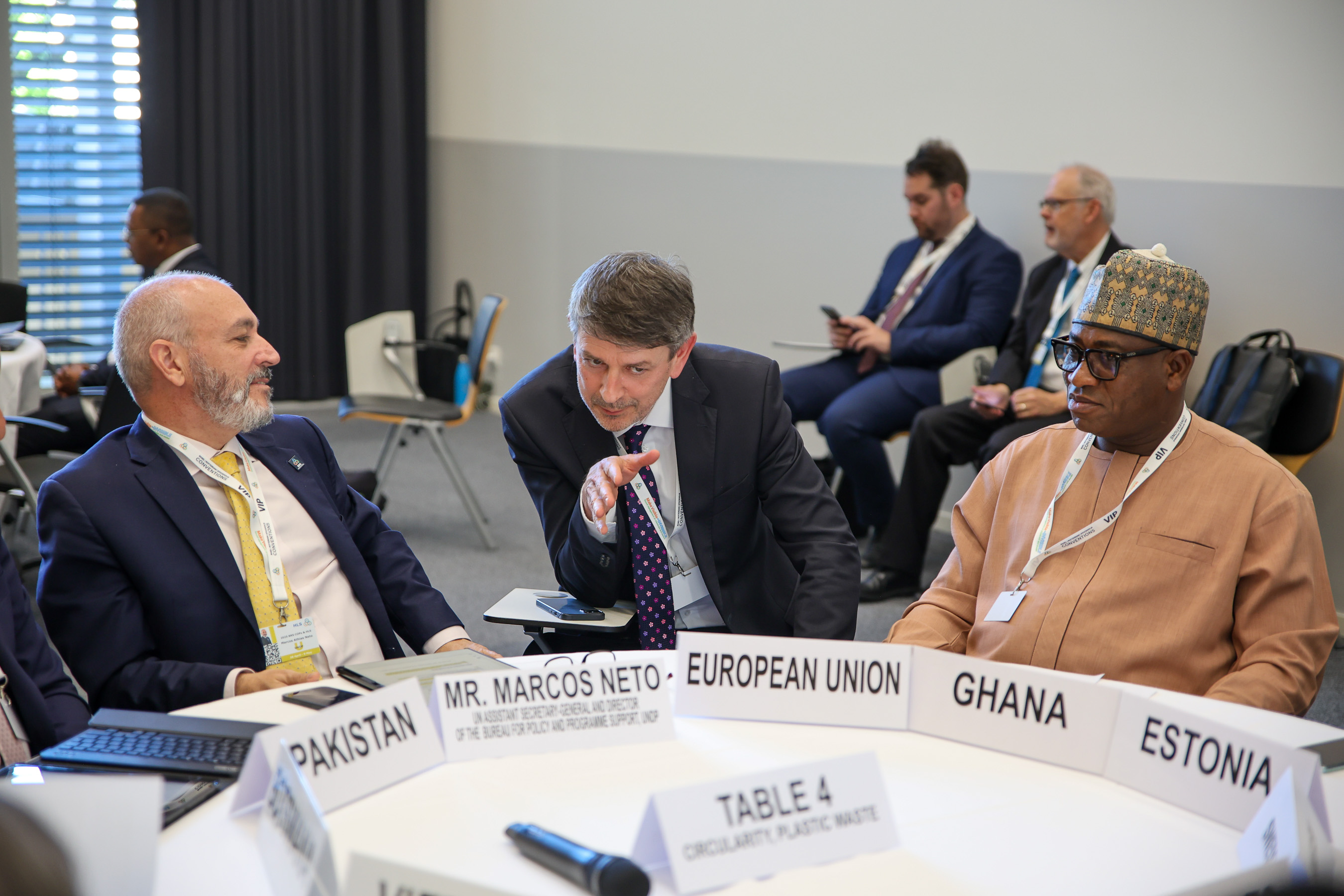
From L-R: Marcos Athias Neto, UN Assistant Secretary-General; Aurel Ciobanu-Dordea, Director of Circular Economy, European Commission; and Ibrahim Murtala Muhammed, Minister for Environment, Science, Technology, and Innovation, Ghana
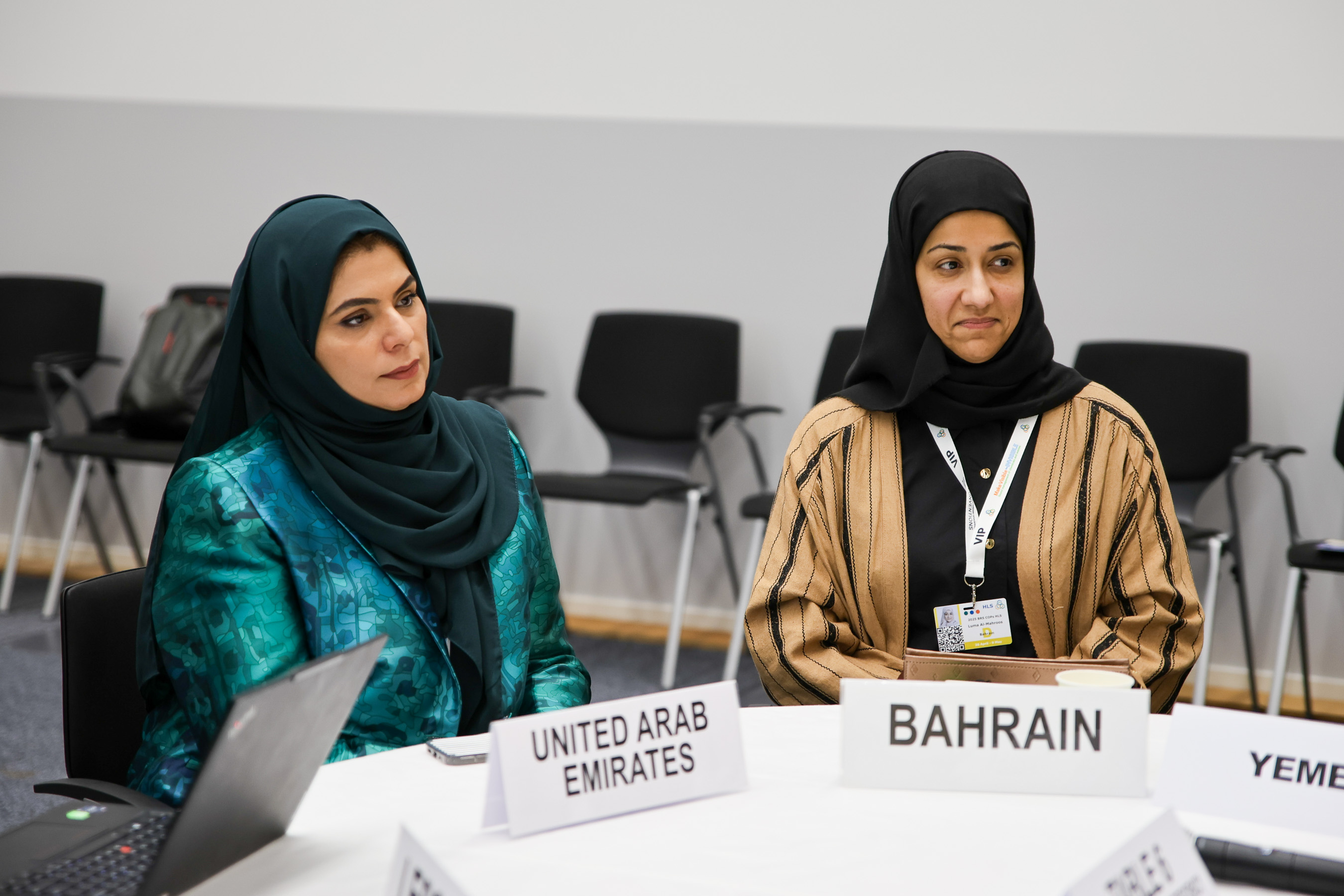
Amna bint Abdullah Al Dahak, Minister of Climate Change and Environment, United Arab Emirates, and Luma Abbas Al-Mahroos, Director of the Environmental Monitoring and Protection Directorate, Bahrain
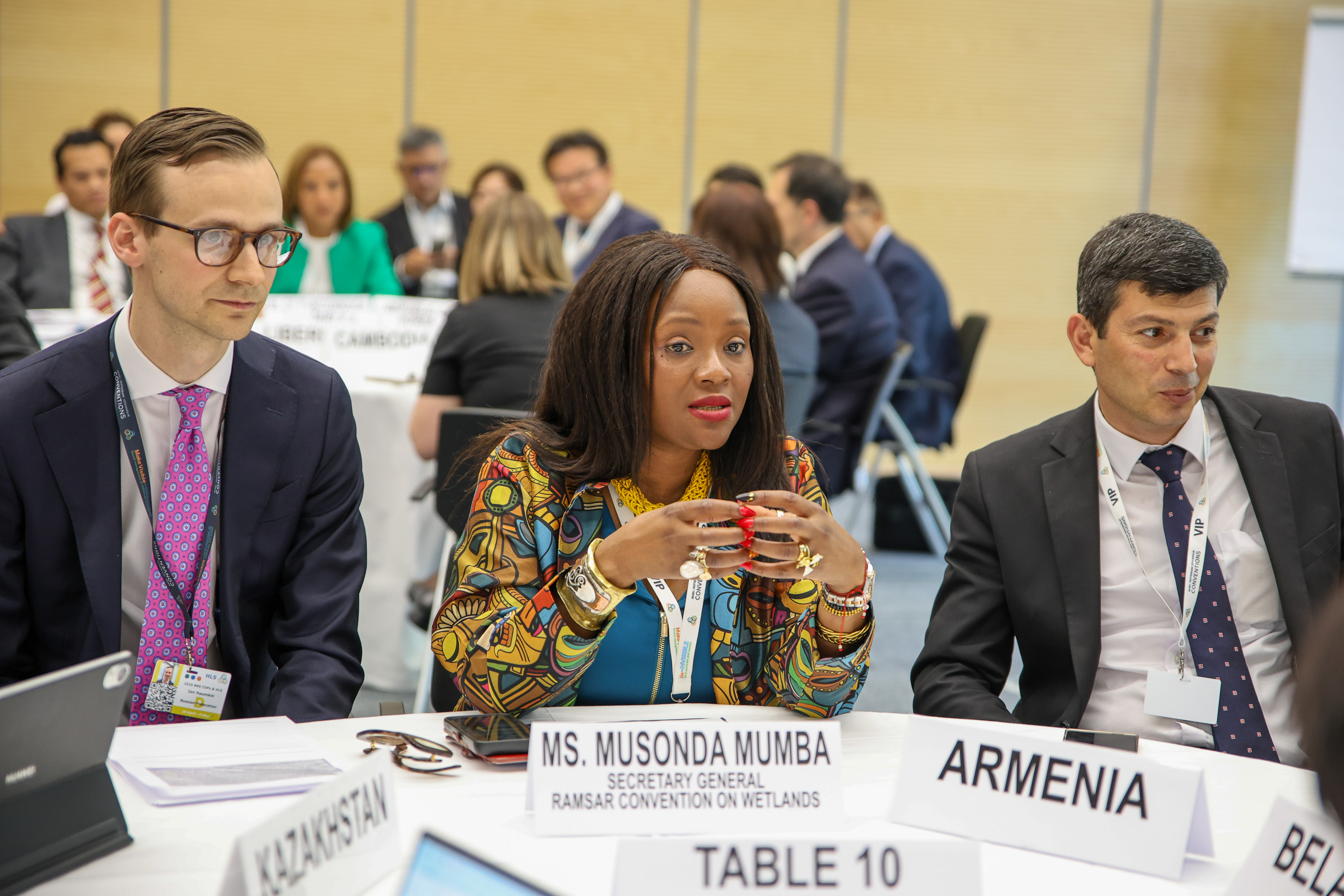
From L-R: Ian Naumkin, Russian Federation; Musonda Mumba, Secretary General, Ramsar Convention on Wetlands; and Tigran Gabrielyan, Deputy Minister of Environment, Armenia
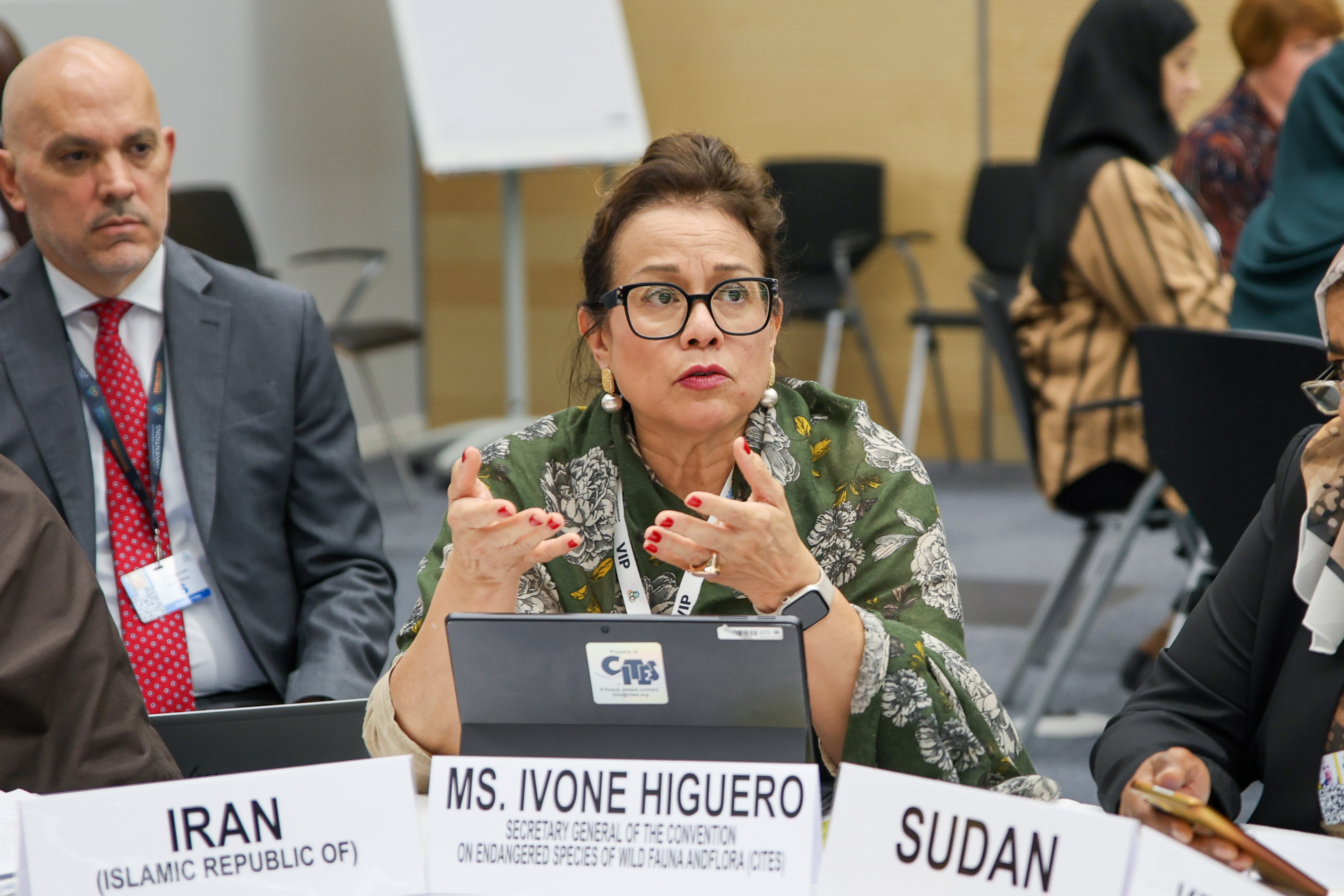
Ivonne Higuero, Secretary-General, Convention on International Trade in Endangered Species of Wild Fauna and Flora (CITES)
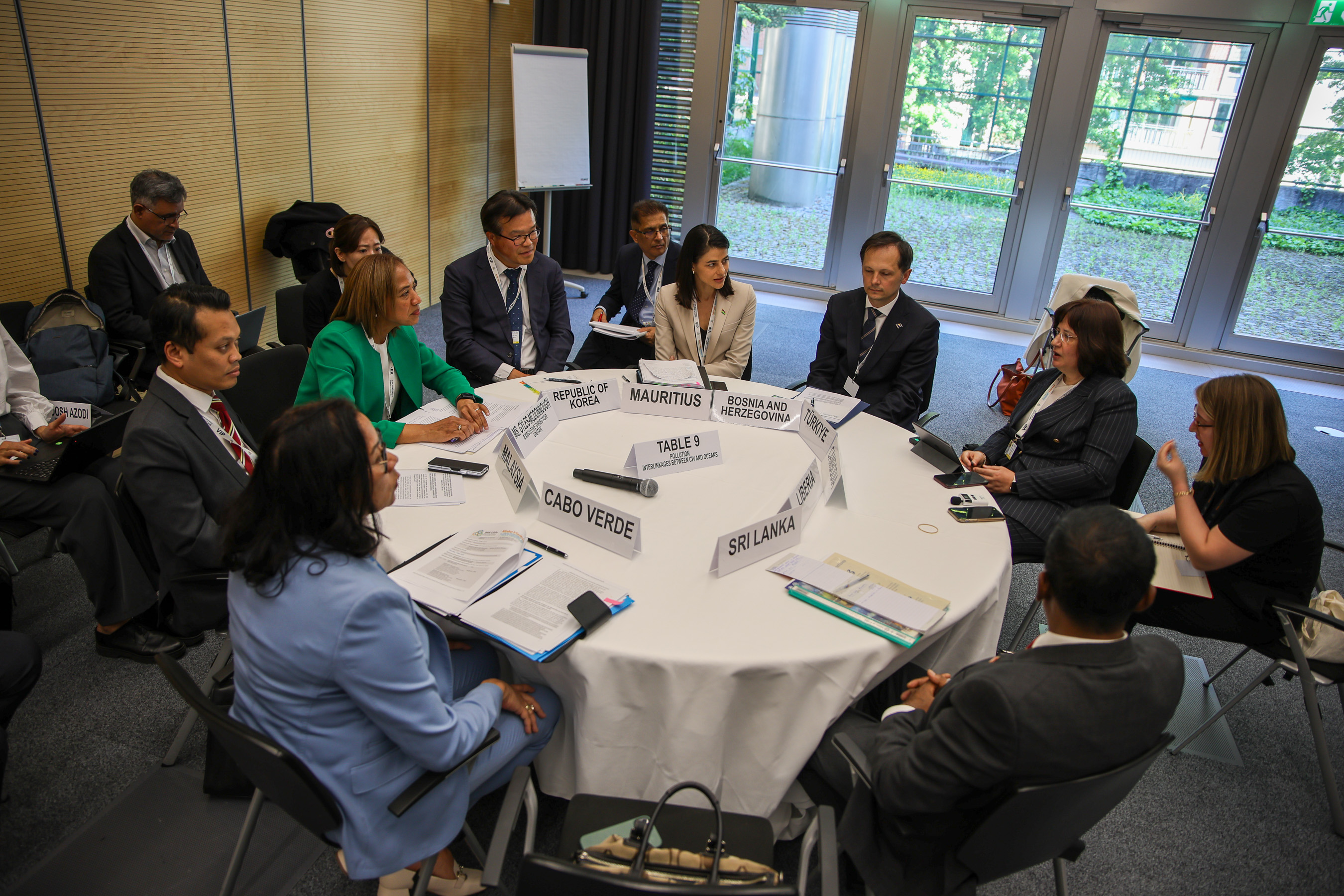
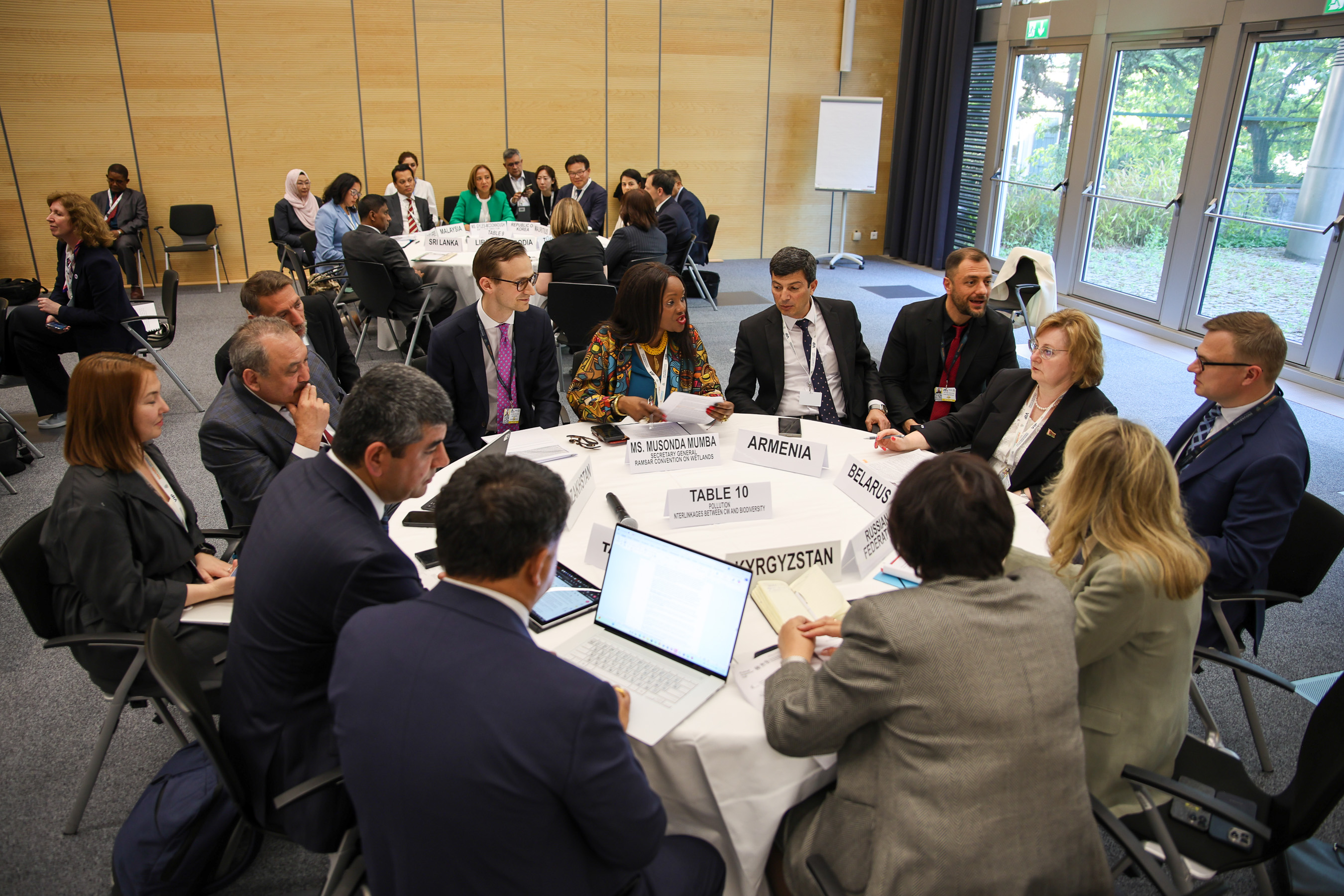
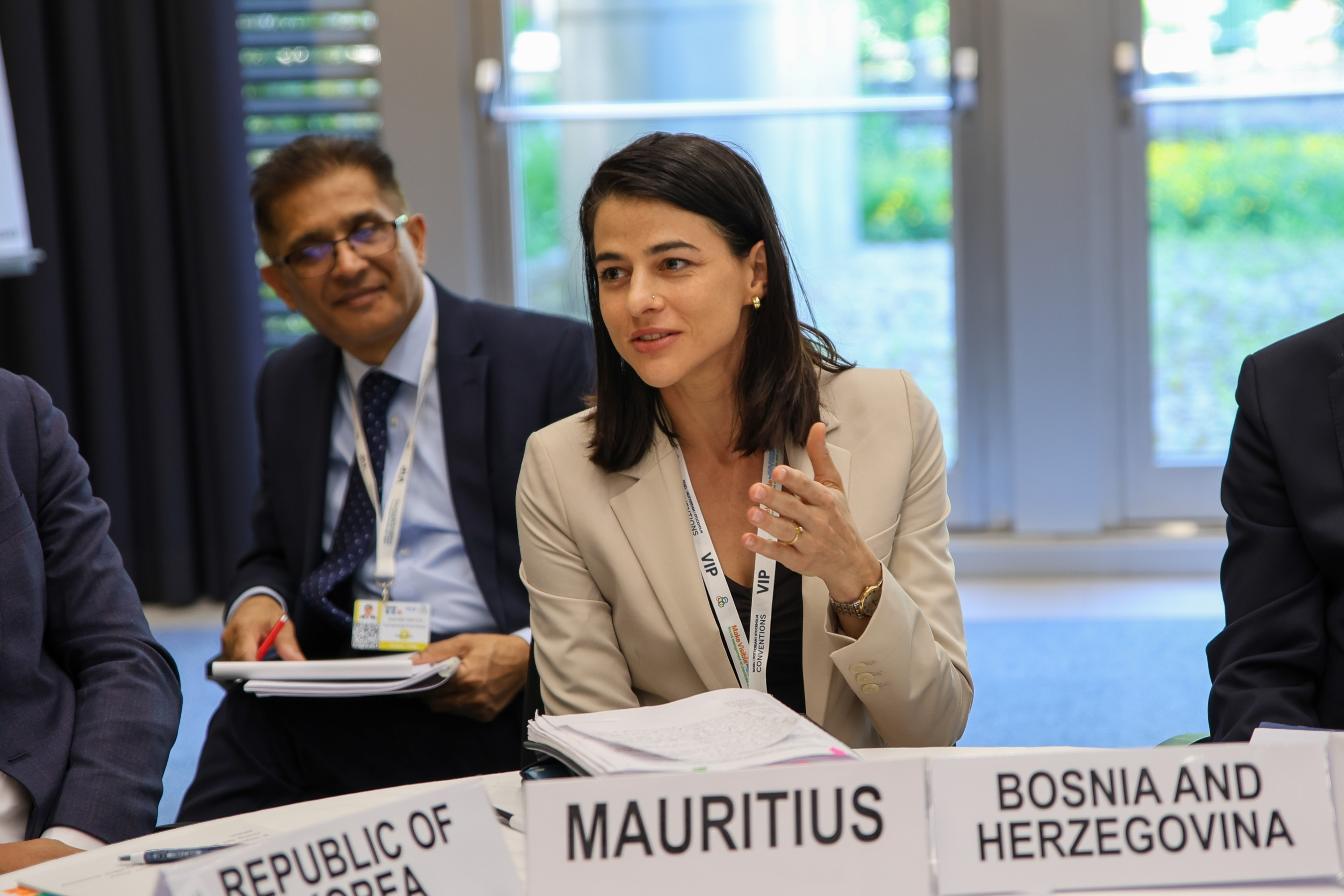
Joanna Bérenger, Junior Minister of Environment, Solid Waste Management, and Climate Change, Mauritius
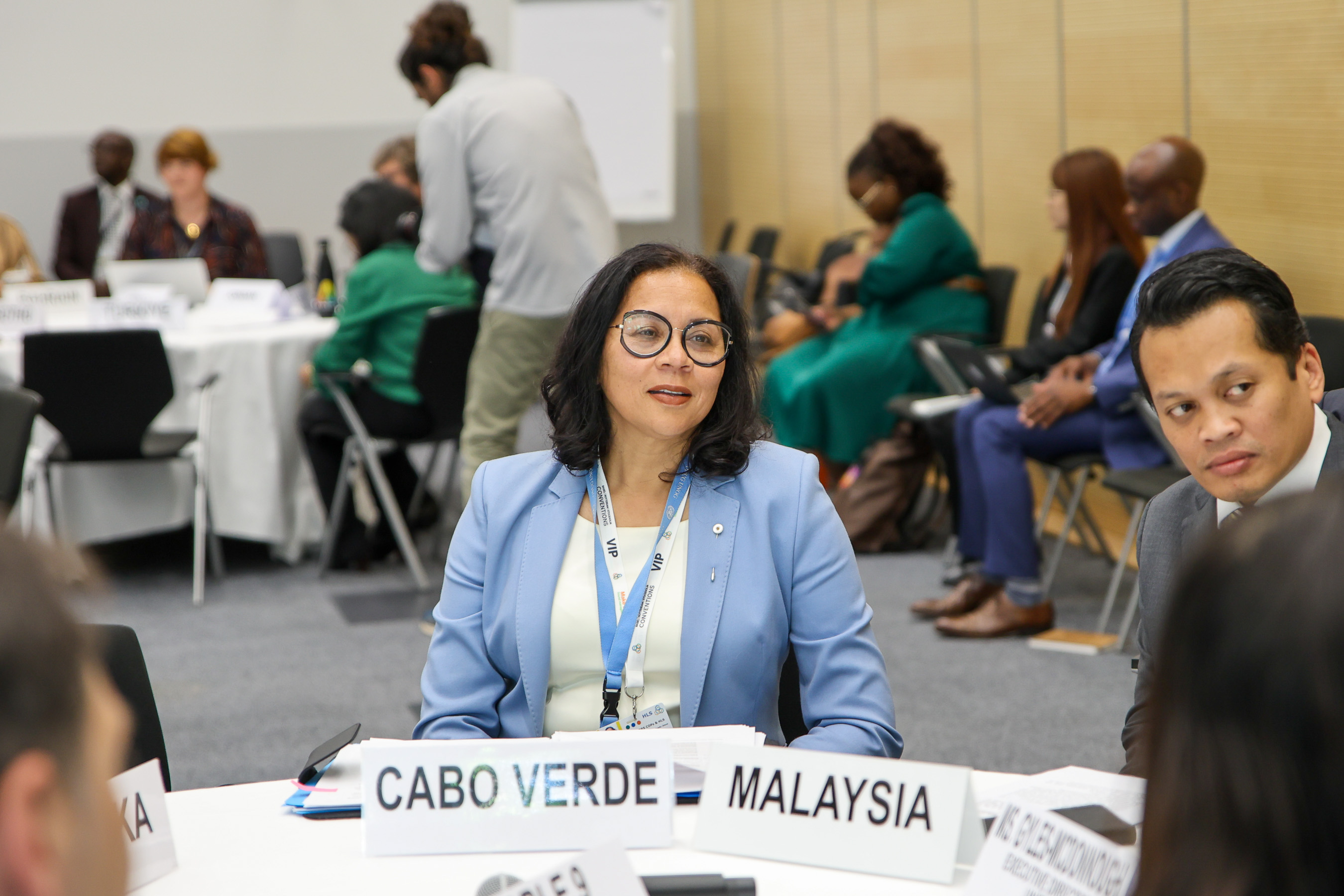
Clara Delgado Jesus, Ambassador to Switzerland, Cabo Verde
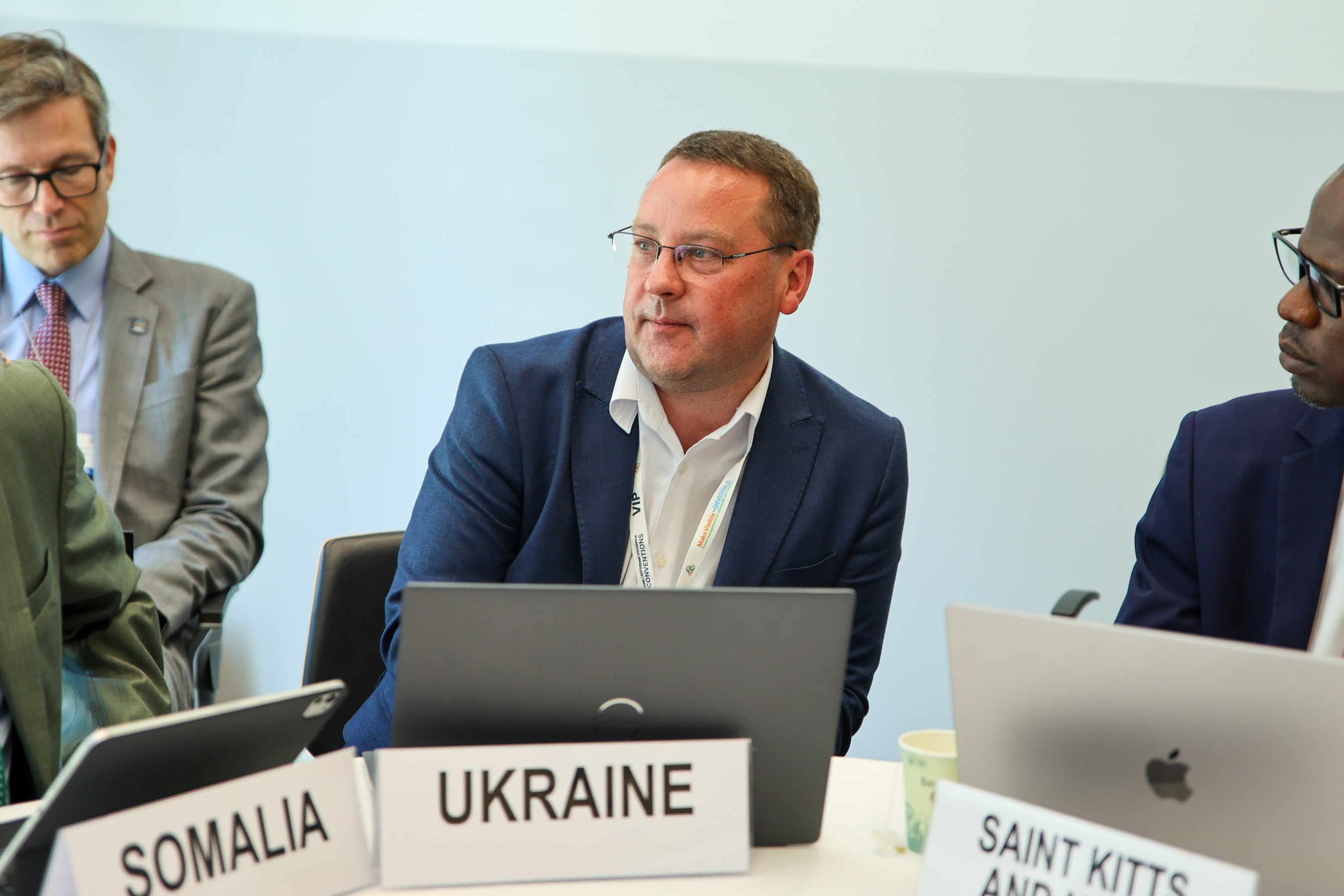
Artem Rybchenko, Ambassador to Switzerland, Ukraine
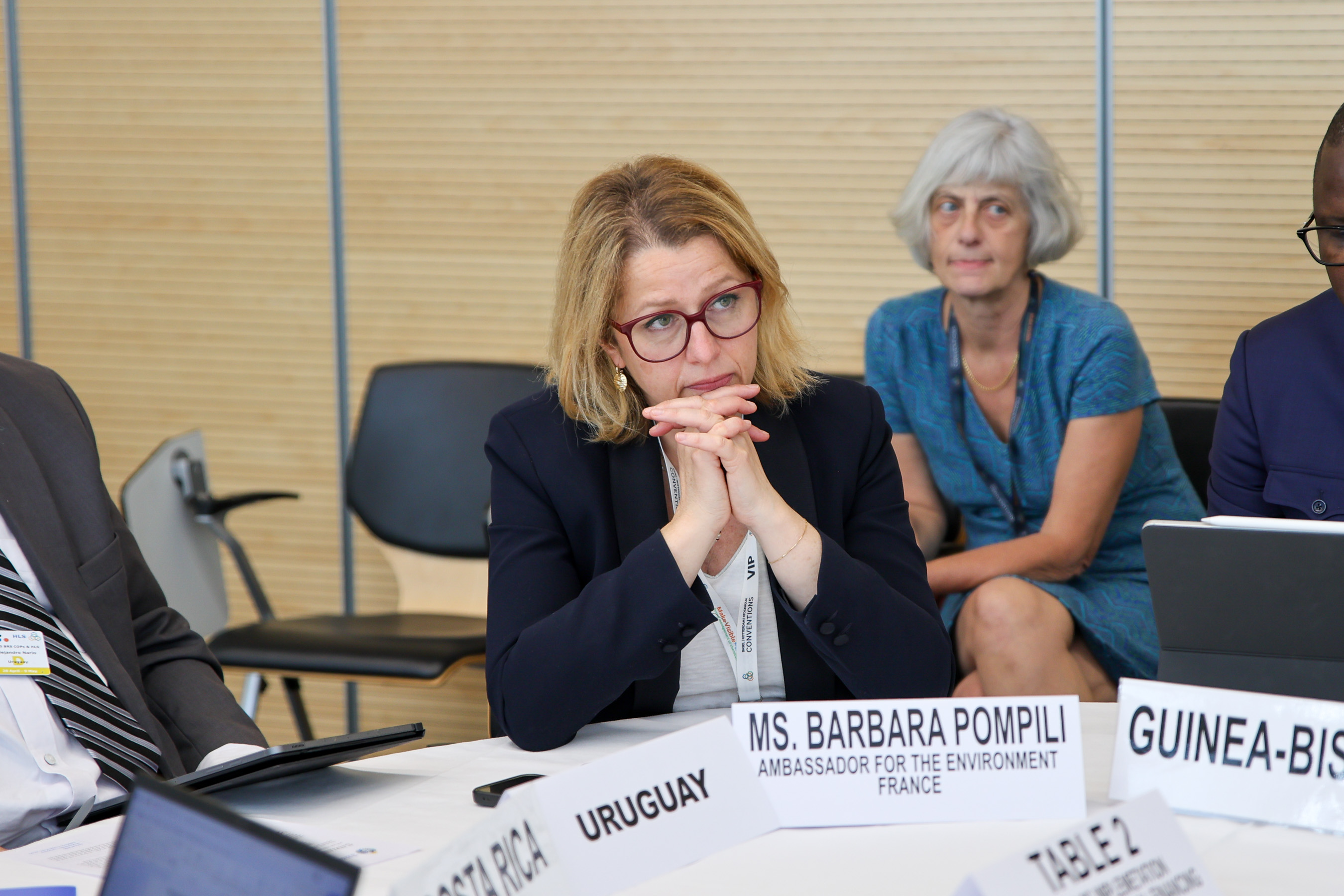
Barbara Pompili, Ambassador for the Environment, France
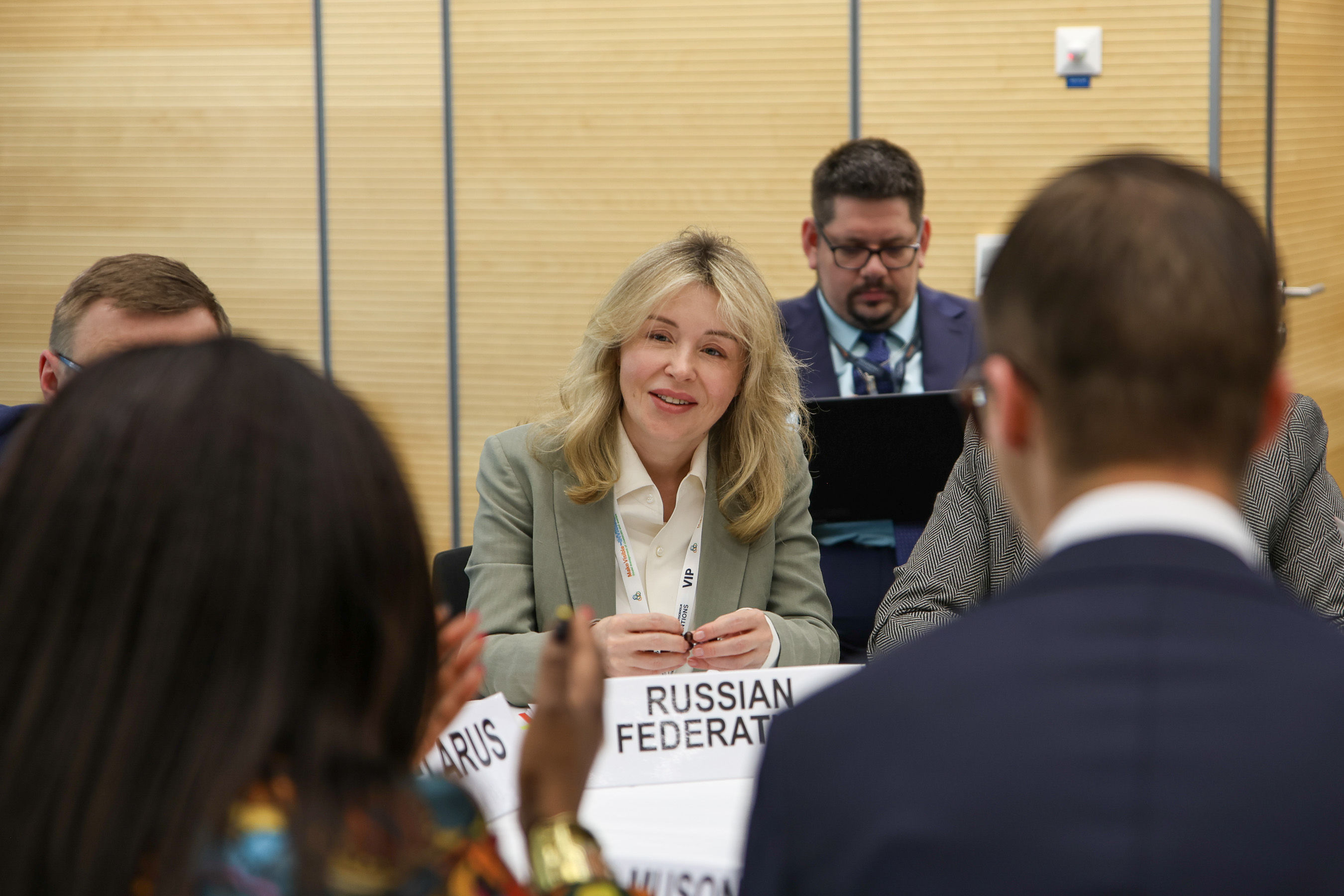
Svetlana Radionova, Head of the Federal Service for Supervision of Natural Resources, Russian Federation
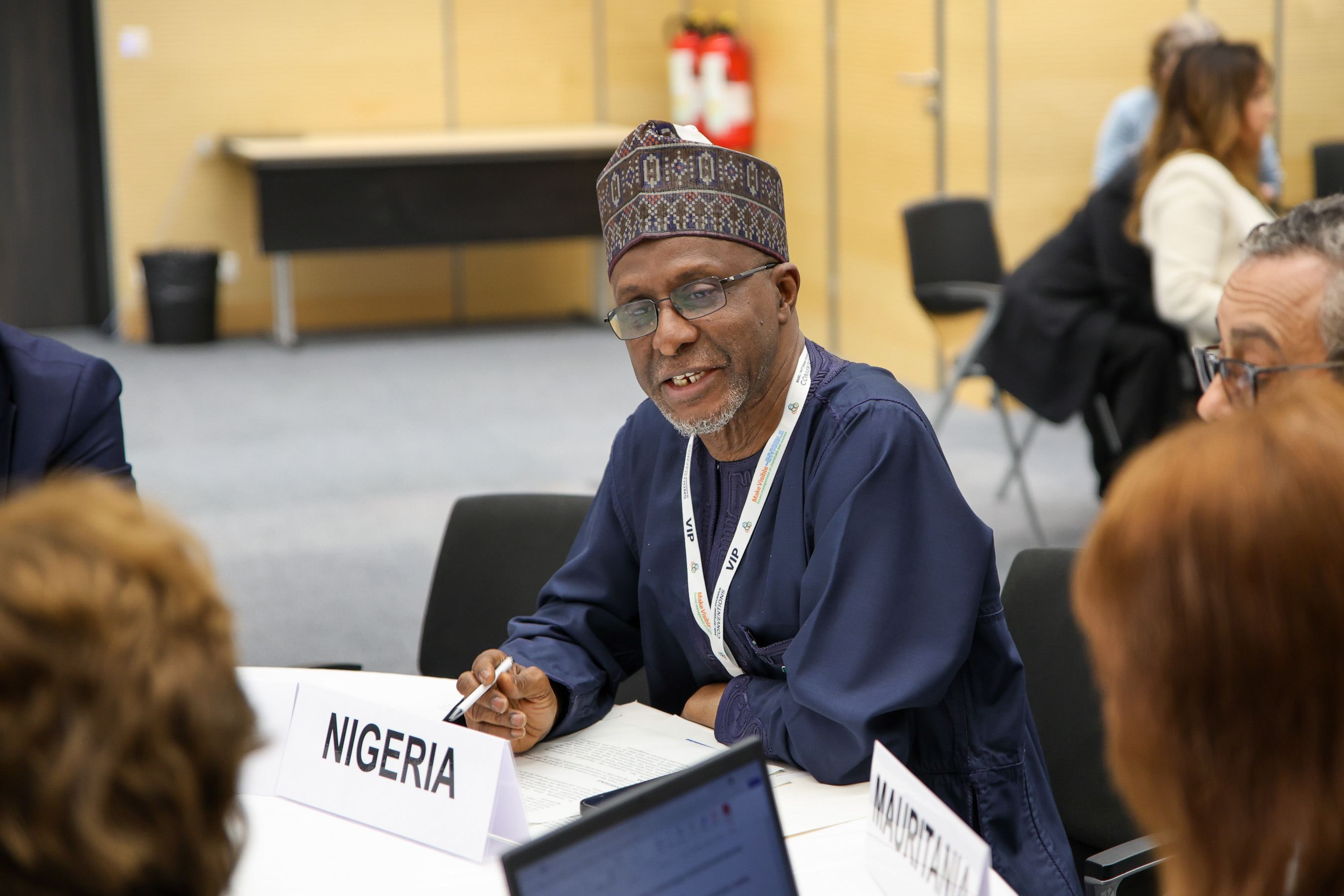
Balarabe Abbas Lawal, Minister of Environment, Nigeria
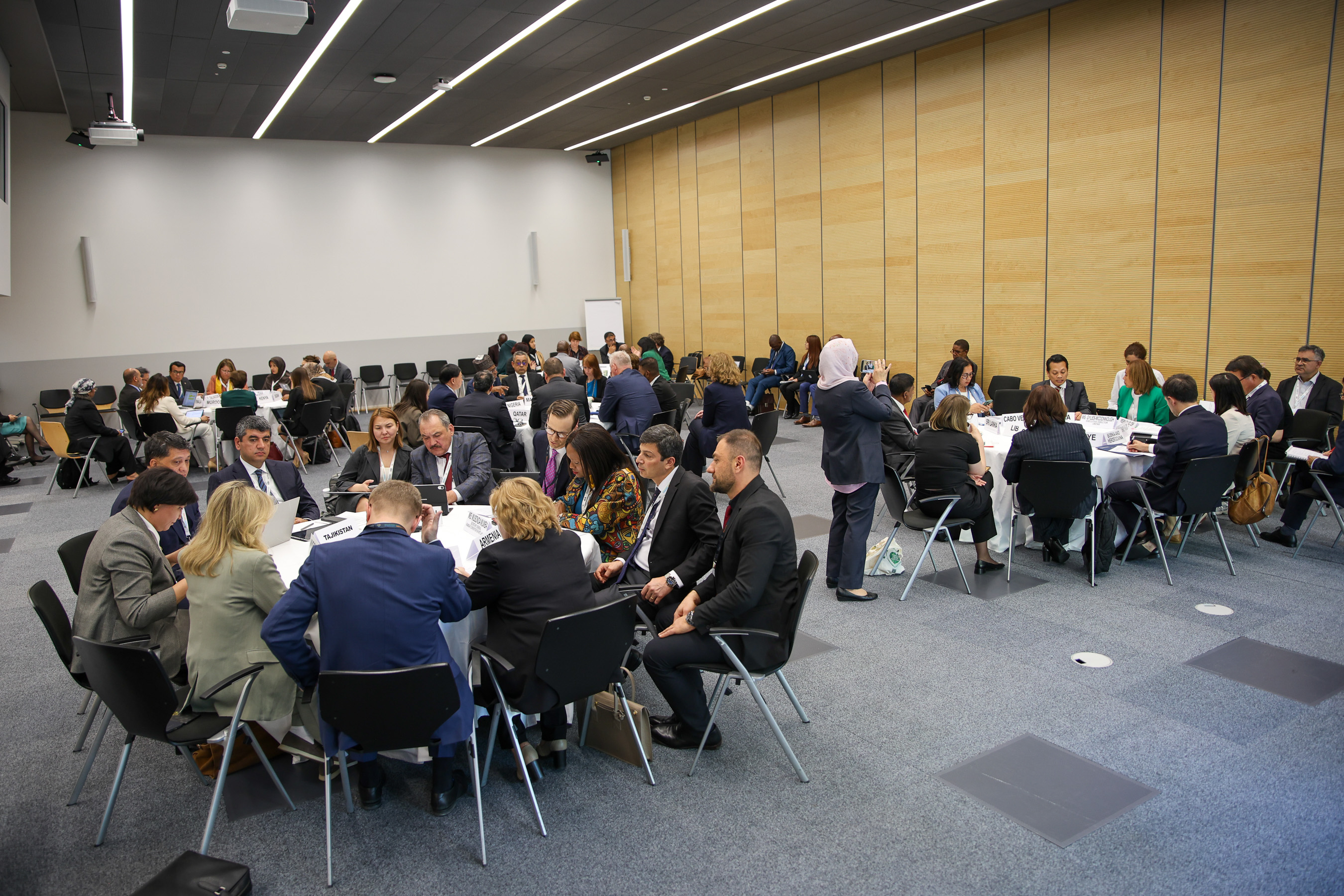
Contact Groups
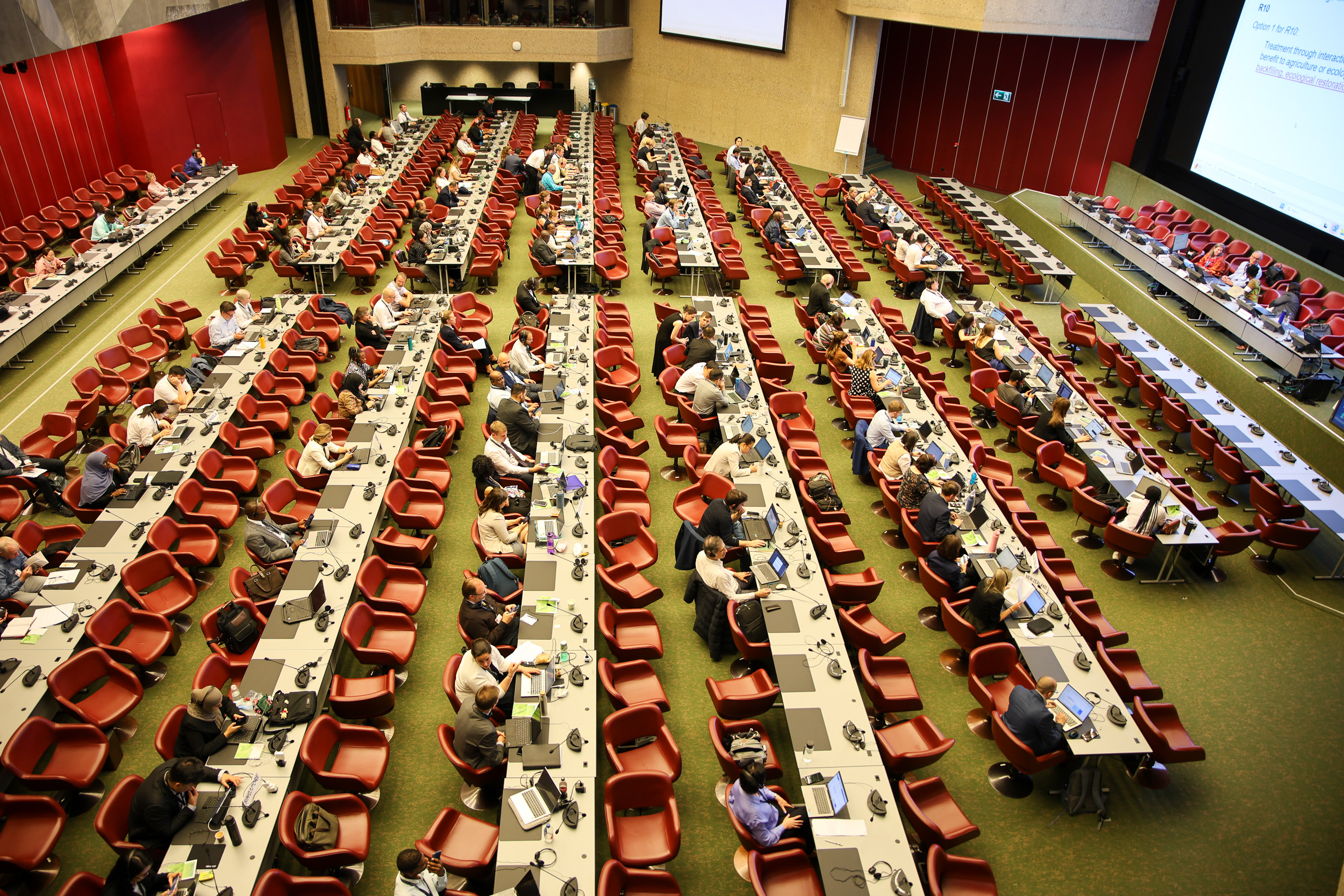
View of the room during a Contact Group on Basel Convention legal matters

Between Sessions
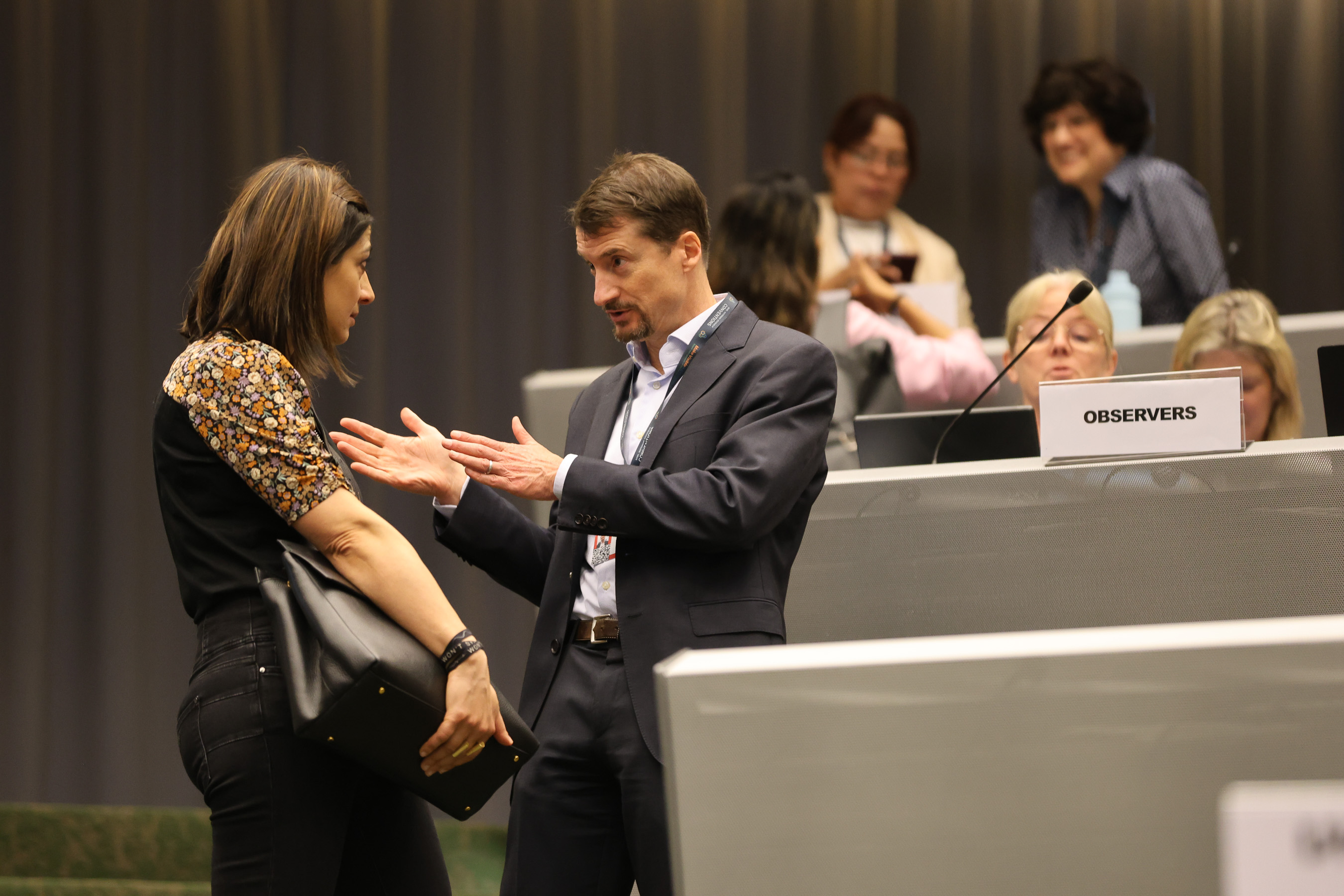
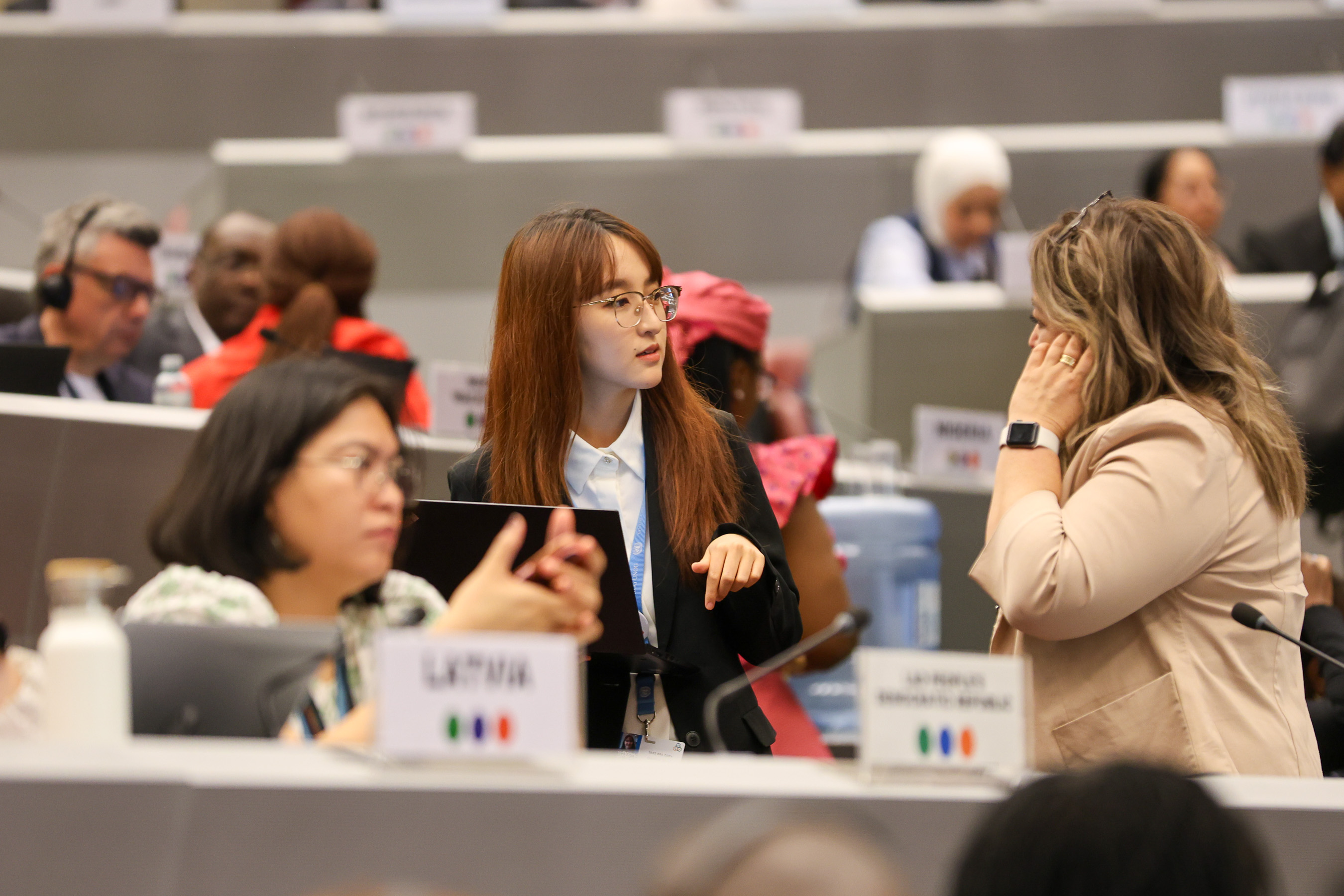
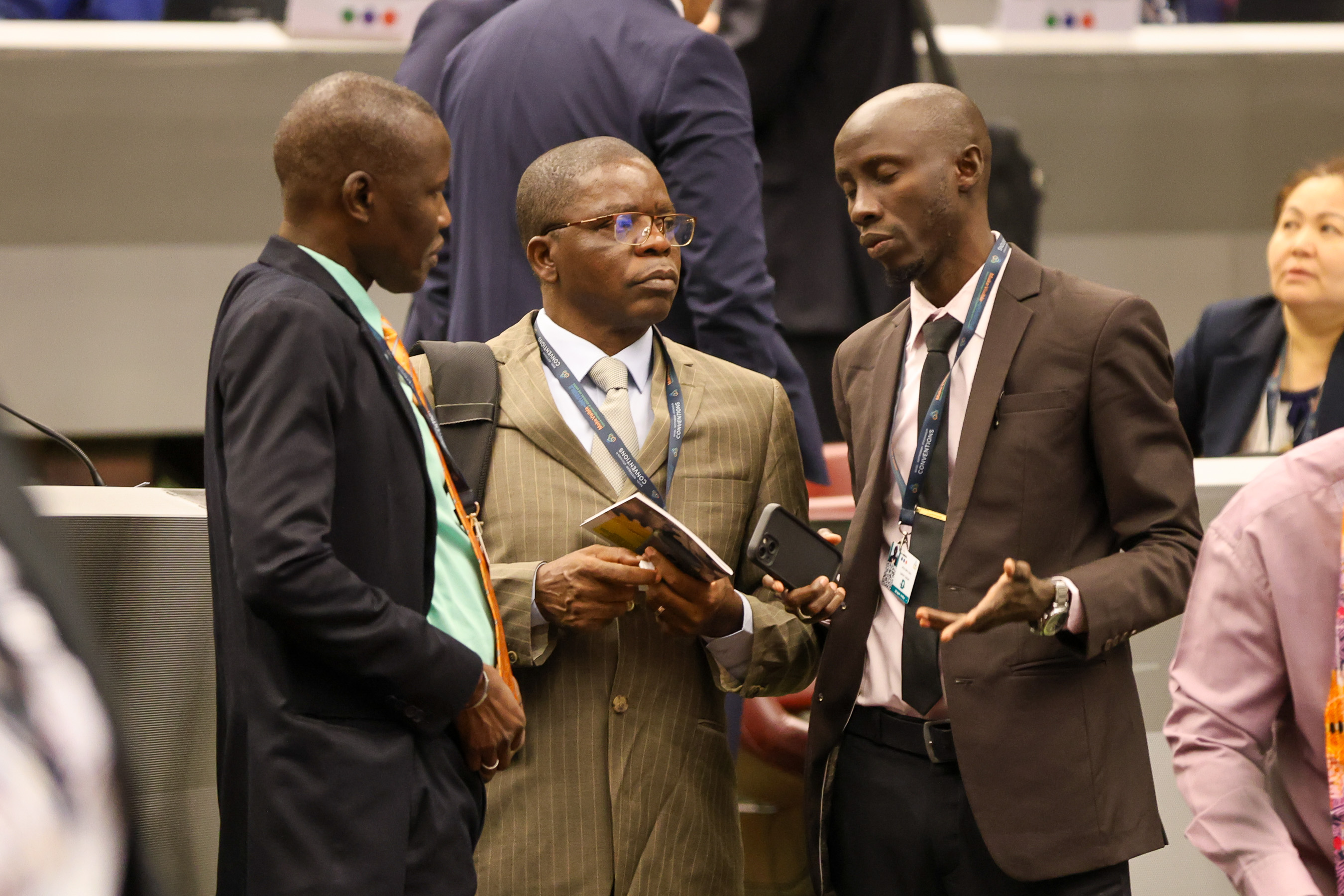
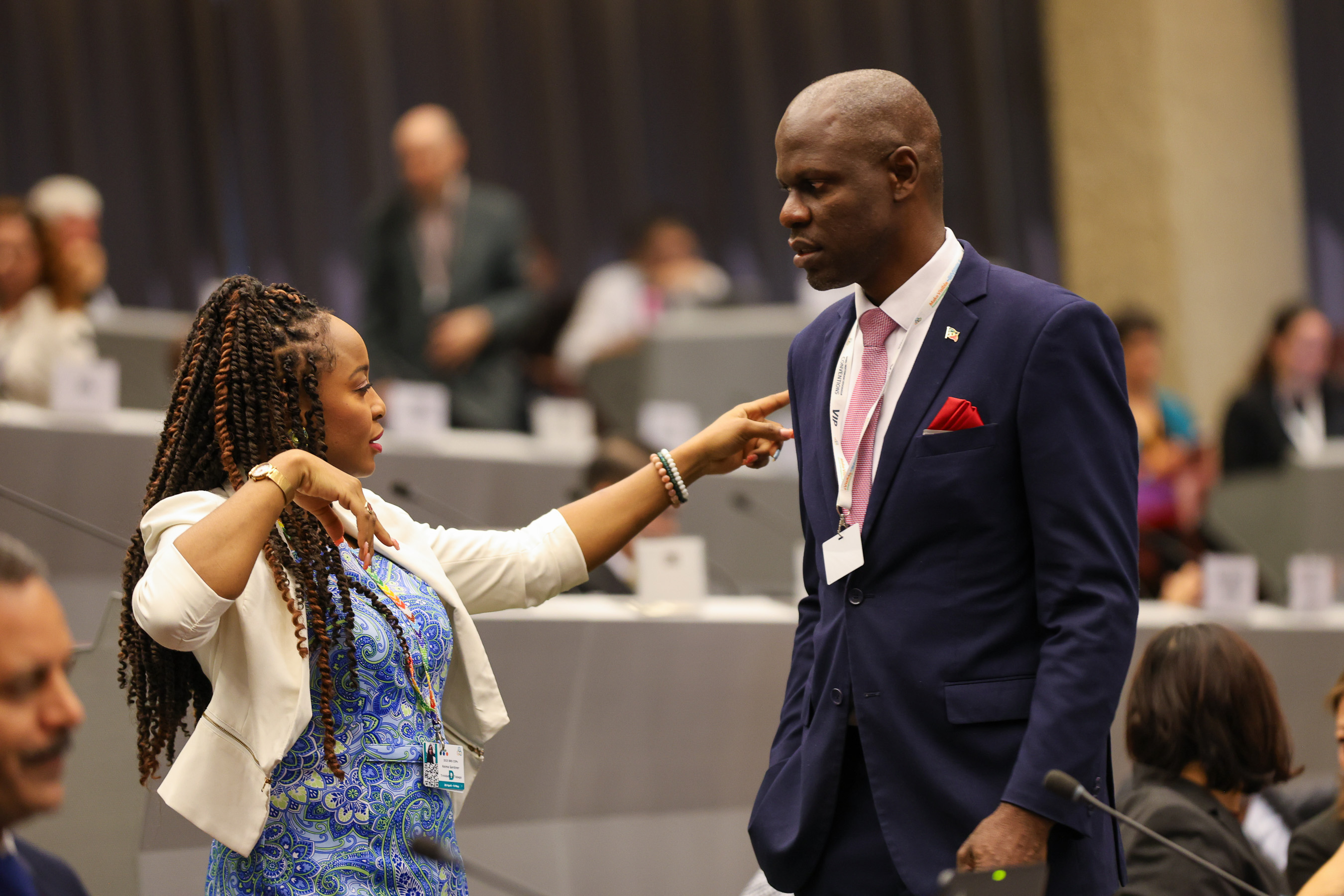
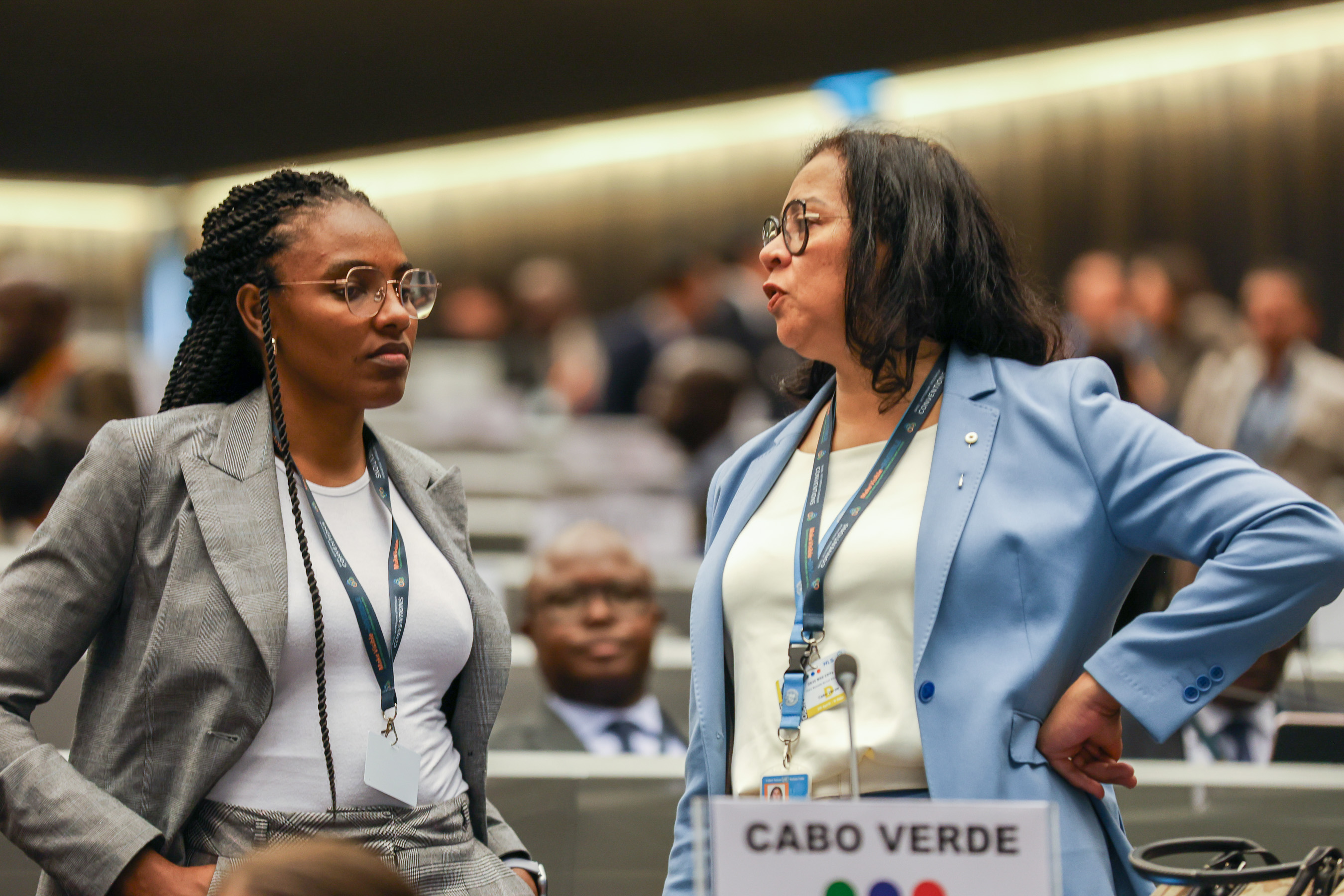
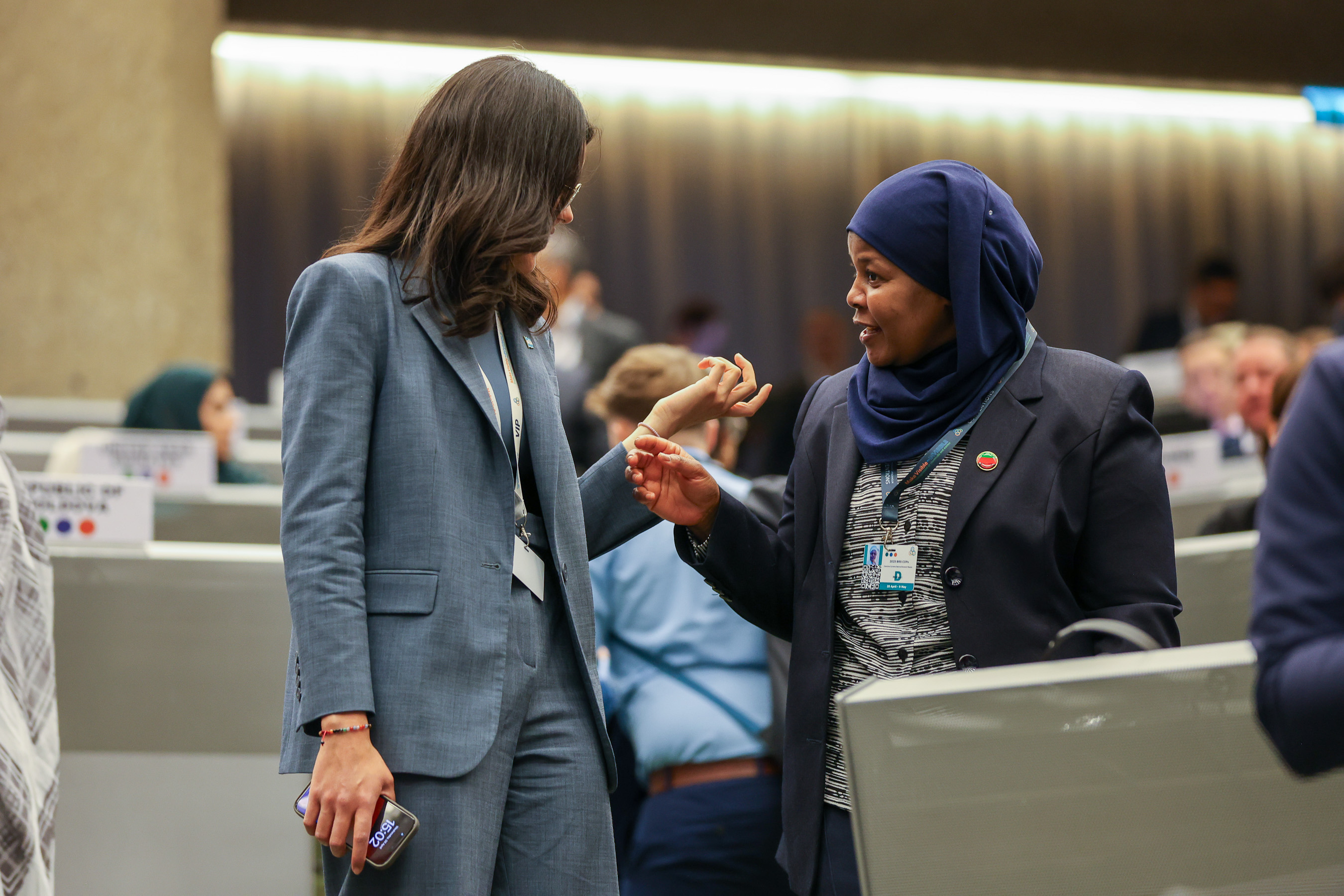
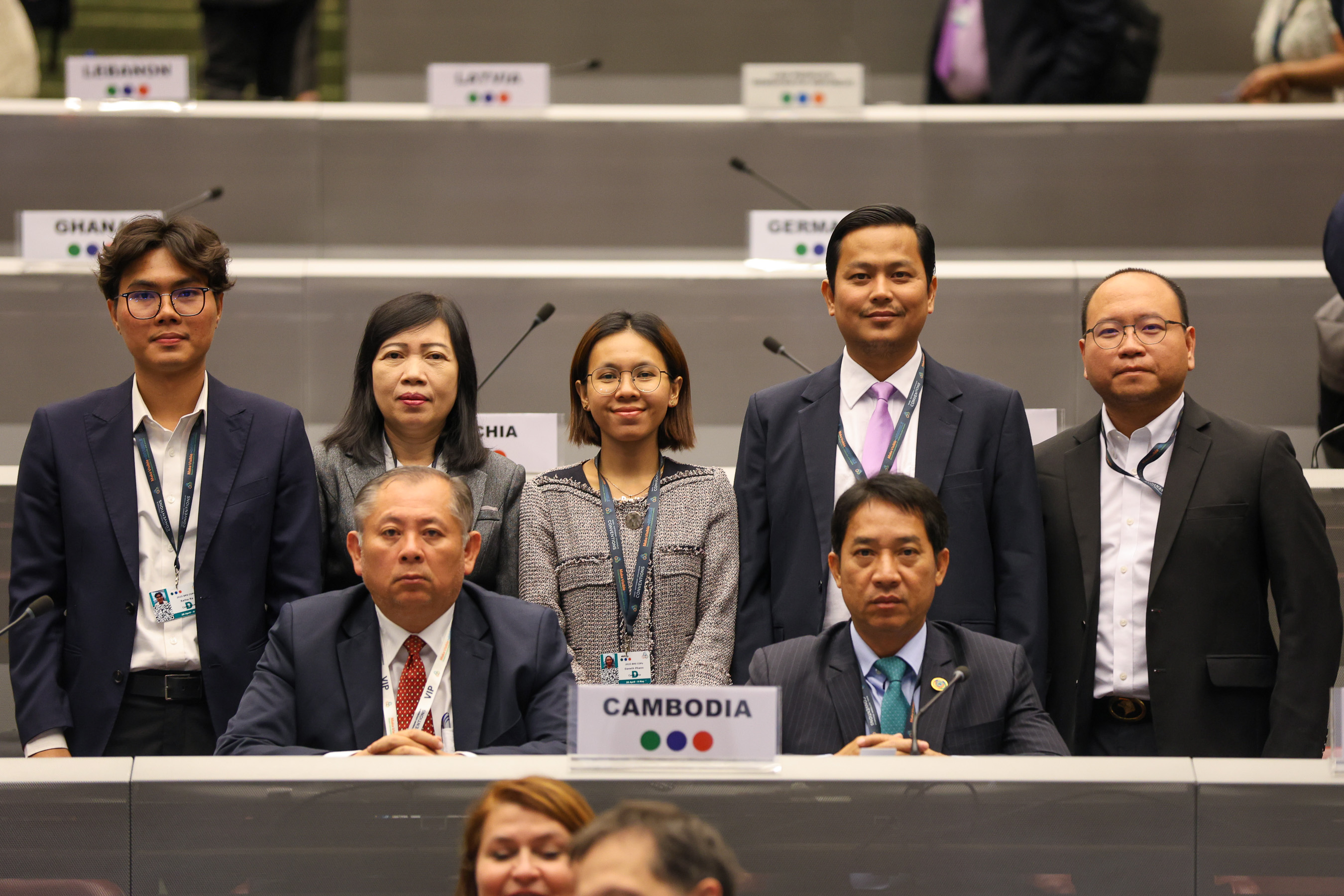
The Cambodian delegation
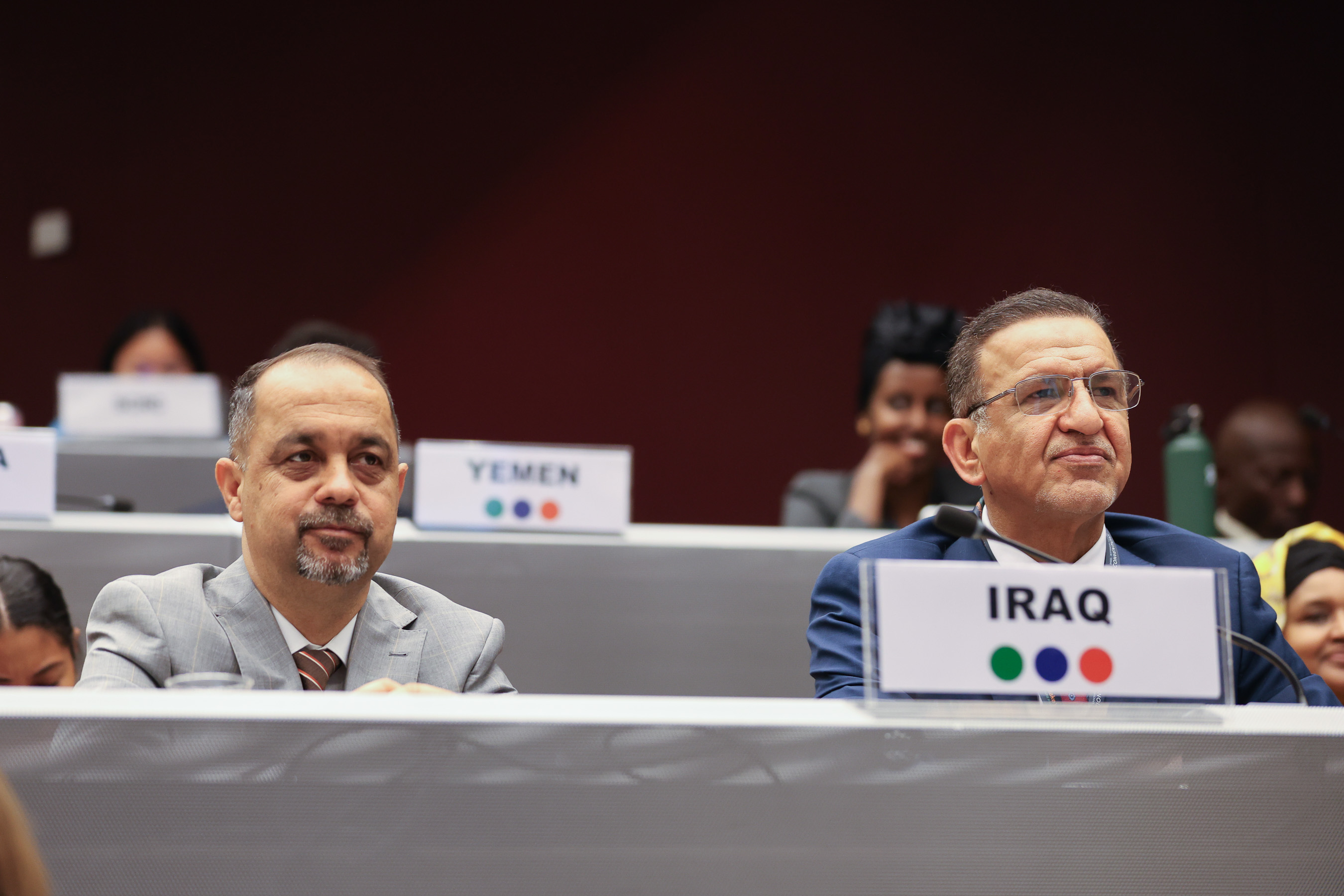
Delegates from Iraq
Making Visible the Invisible: Strengthening the Global Monitoring Plan for Persistent Organic Pollutants under the Stockholm Convention
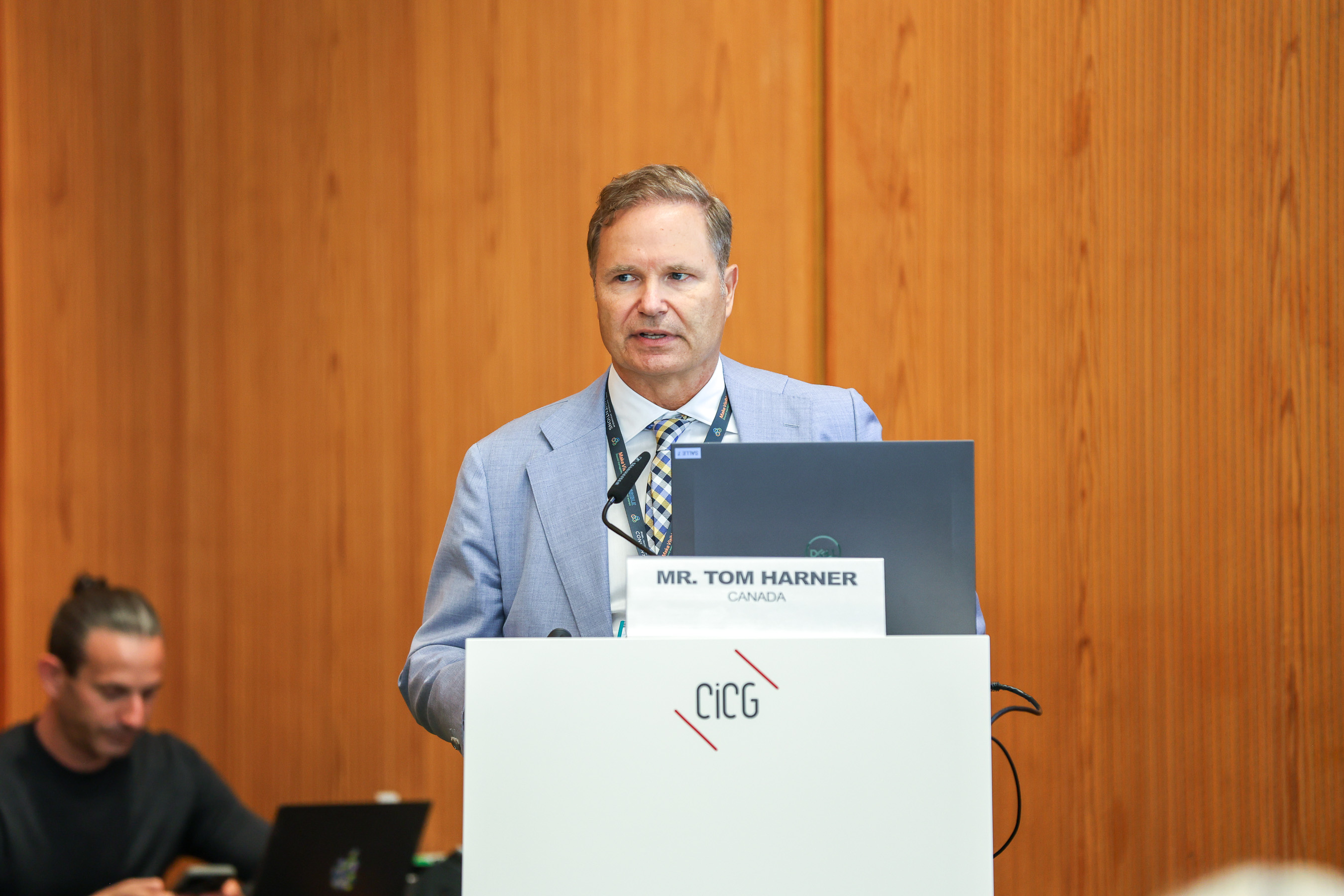
Tom Harner, Canada
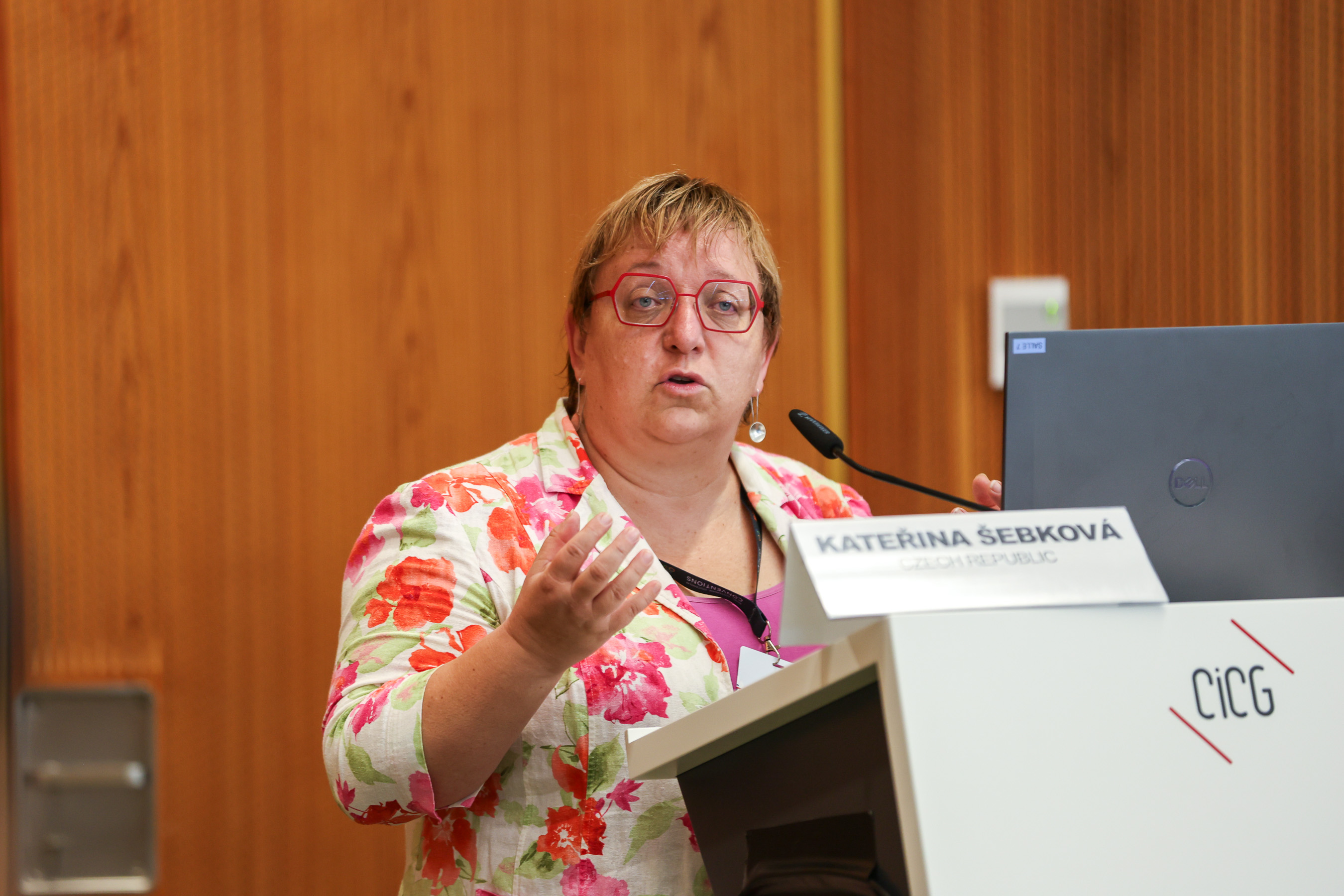
Kateřina Šebková, Czechia
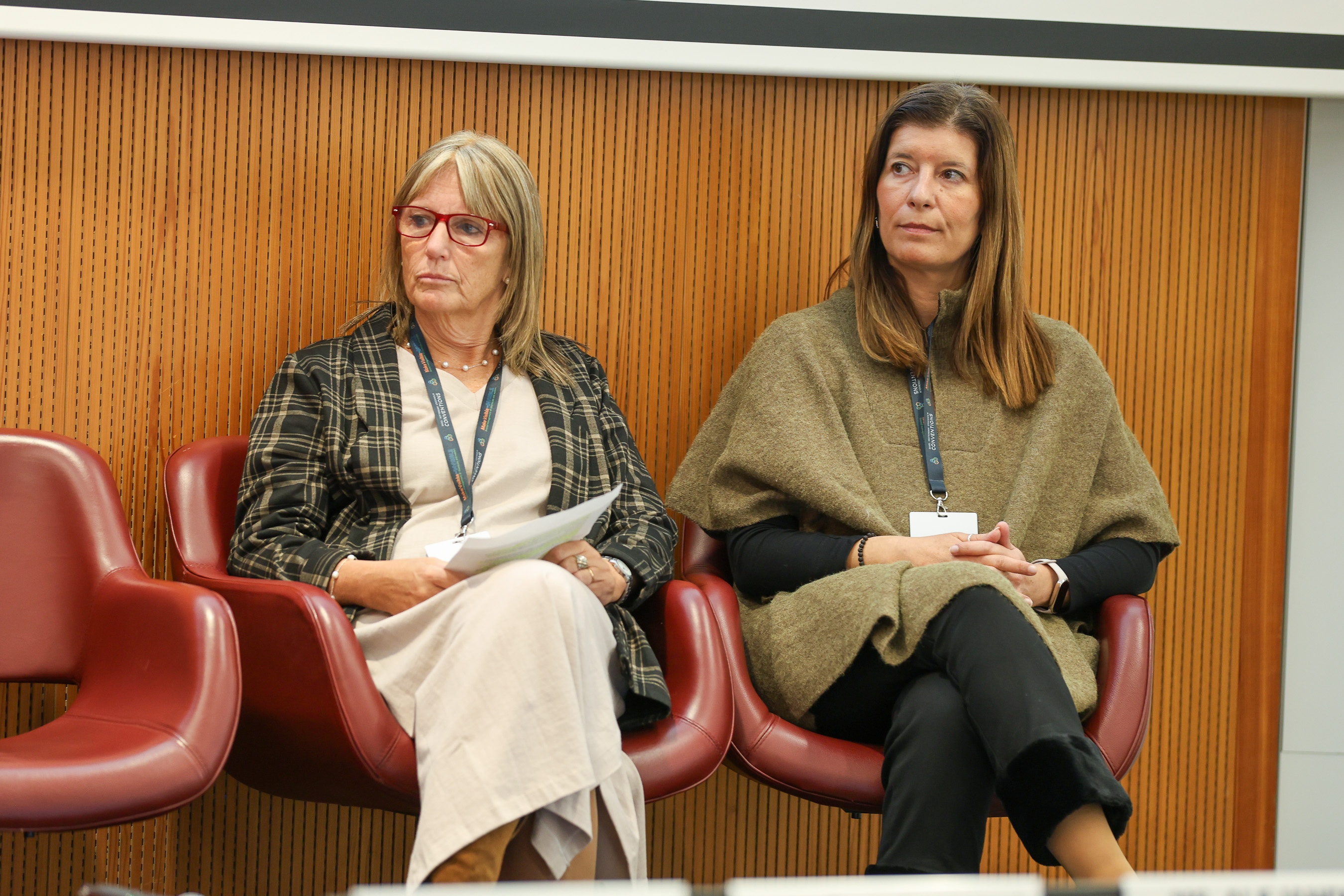
Alejandra Torre and Gabriela Medina, Uruguay
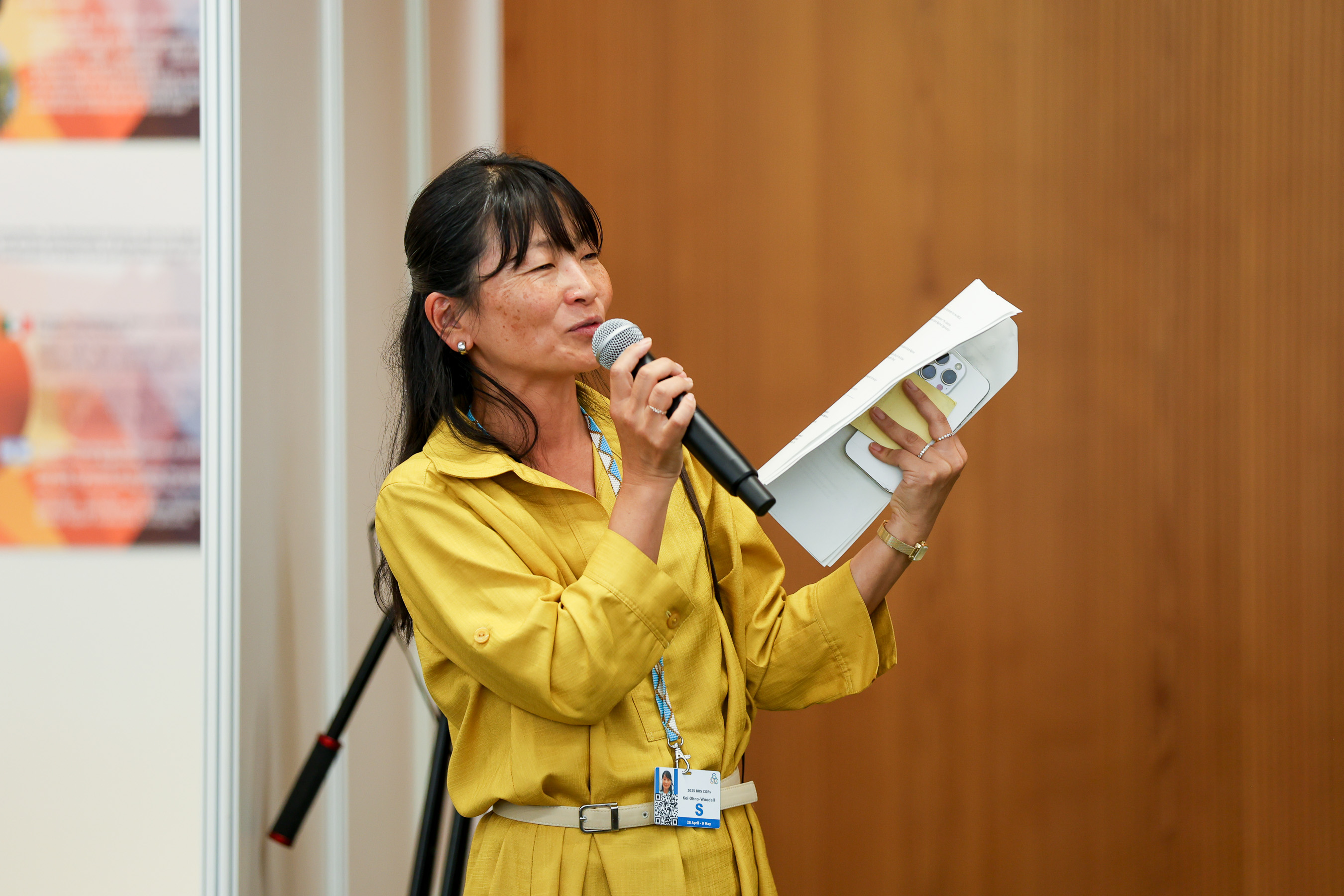
Kei Ohno Woodall, BRS Conventions Secretariat
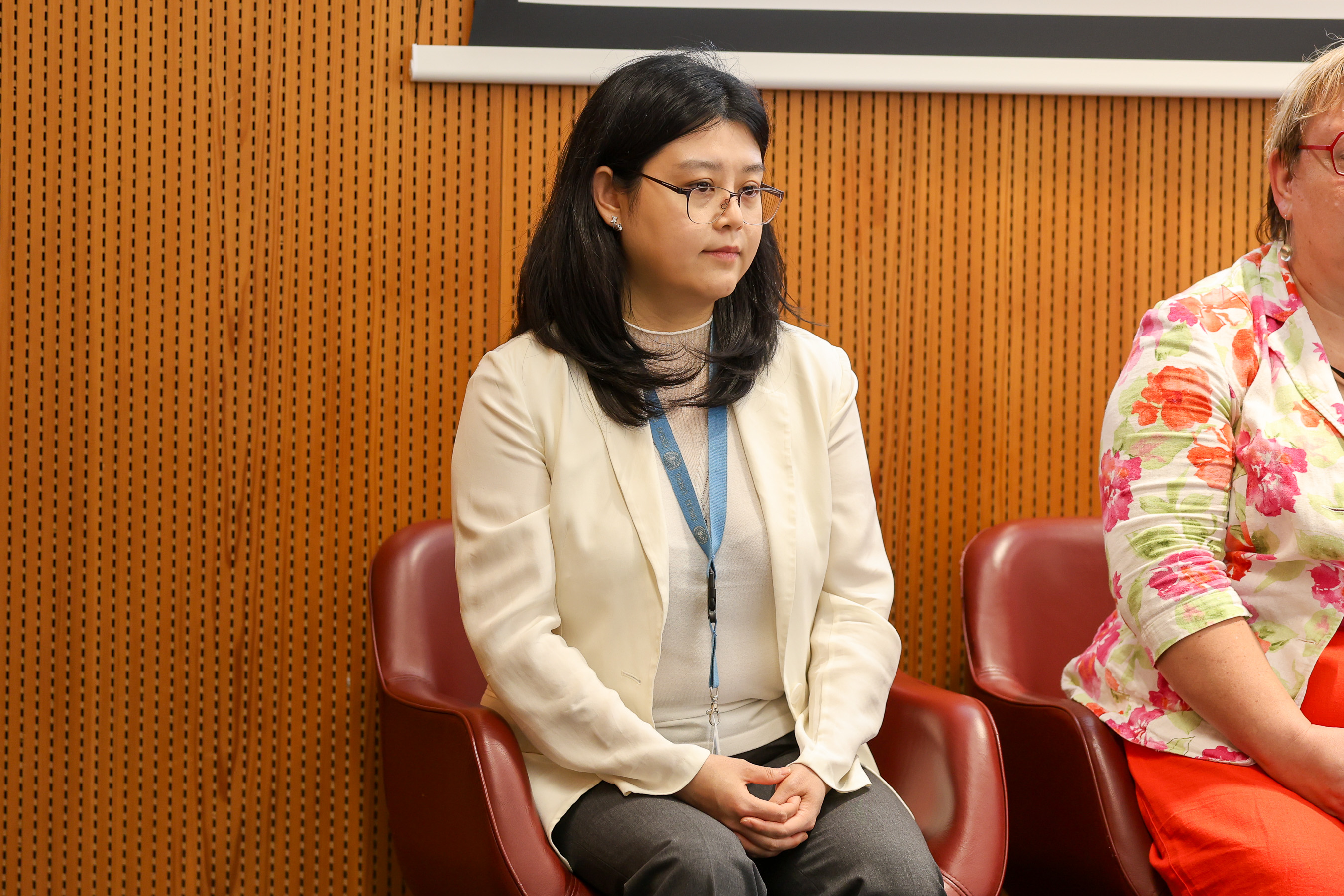
Haosong Jiao, UNEP