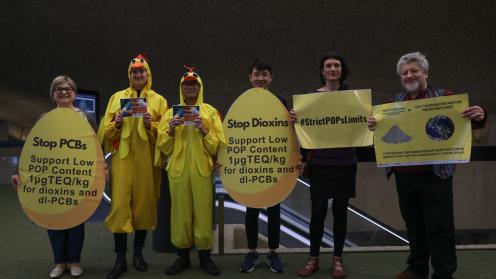
It was a bittersweet day. The Stockholm Convention agreed to eliminate the production and use of two persistent organic pollutants (POPs). In both cases, there was a list of exemptions to the ban, allowing specific uses for five years. For long-chain perfluorocarboxylic acids (LC-PFCAs), the ban represents another step forward to rid the world of “forever chemicals.”
Want to dig deeper into today's talks? Read the full Earth Negotiations Bulletin daily report.
The decision to eliminate the pesticide chlorpyrifos will reduce the emissions of the toxic substance. A growing list of countries have recently banned the chemical, but it isn’t always easy. Canada’s ban, for example, came into effect in 2023. Sales of chlorpyrifos ceased in the European Union at the end of January 2020. Court rulings were sometimes required after some countries’ actions were challenged.

Yet, the decision allows the pesticide to continue to be used on several crops for another five years. The World Food Programme estimates that 1.9 million people are in the grips of catastrophic hunger. It’s difficult to deny countries a commonly used pesticide during a global hunger crisis.
Environmental groups, Indigenous representatives, and the firefighters unions were disheartened that one country's request to keep using fire-fighting foams with forever chemicals was granted. While only for four years, only for “class B” fires (those involving flammable liquids and gases), and only in one country, one observer said, “You’ve agreed to poison these firefighters.”

The Basel Convention started in earnest. As it has with plastics and e-waste, it will try to address a fast-growing problem - textile waste. Globally, approximately 92 million tonnes of textile waste are generated yearly. Only 1% is successfully recycled into new clothes. Developing countries are looking up at mountains of this waste, imported under the guise of recycling or reuse, but increasingly, it is just dumped.
The plastic waste amendments entered into force in 2021. Under these rules, countries have to provide prior informed consent to import plastic waste shipments. They can say no, based on the information available. The hope is that exporting countries, often developed countries, will have to handle more of their own plastic waste.

There is a clear overlap between the Basel Convention’s work on plastics and the ongoing negotiations for a new plastics treaty. This was taken up in a side event that urged greater transparency in the plastics trade to protect health and the environment. Other overlaps were explored by side events.
Chemicals and waste management can help protect biodiversity, including by transitioning away from highly-hazardous pesticides toward safer alternatives. Ships can be illegally traded and dumped, an issue for both the Basel Convention and the Hong Kong Convention on the safe and environmentally sound recycling of ships. Leadership from the Global Environment Facility (GEF) held an “exchange” to discuss resource mobilization across multilateral environmental agreements.

Closer to the chemicals cluster of agreements, an event focused on leveraging the Stockholm Convention’s national implementation plans (NIPs) to help achieve the targets of the Global Framework on Chemicals. NIPs ask parties to prepare an inventory of POPs in their country and consider how to handle these POPs in line with their obligations and sustainable development priorities. They can help countries understand the scale and solutions for their chemical management problems.
All ENB photos are free to use with attribution. For this event, please use: Photo by IISD/ENB | Mike Muzurakis
To receive free coverage of global environmental events delivered to your inbox, subscribe to the ENB Update newsletter.
Plenary Sessions
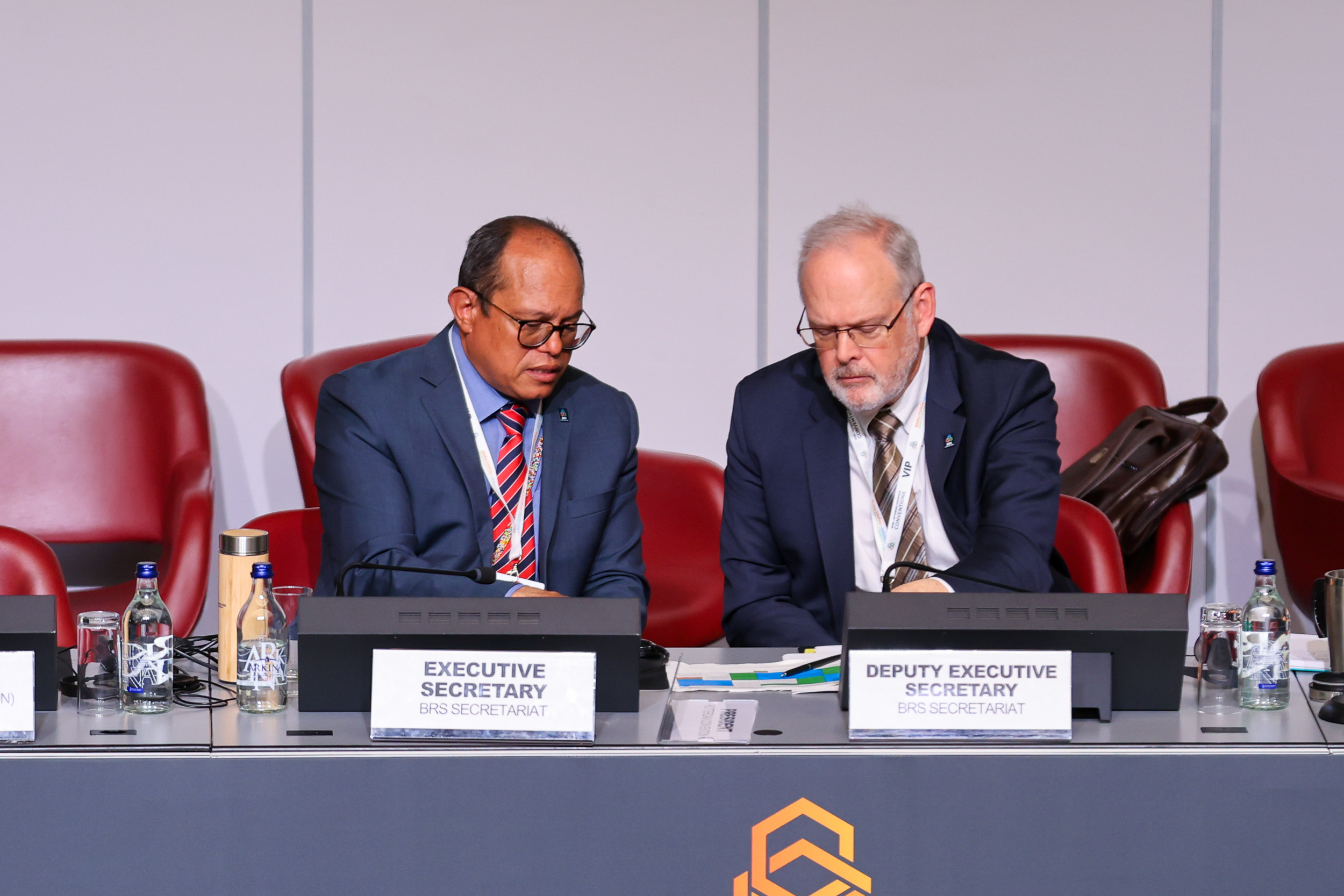
Rolph Payet, Executive Secretary, BRS Conventions, and David Ogden, Deputy Executive Secretary, BRS Conventions
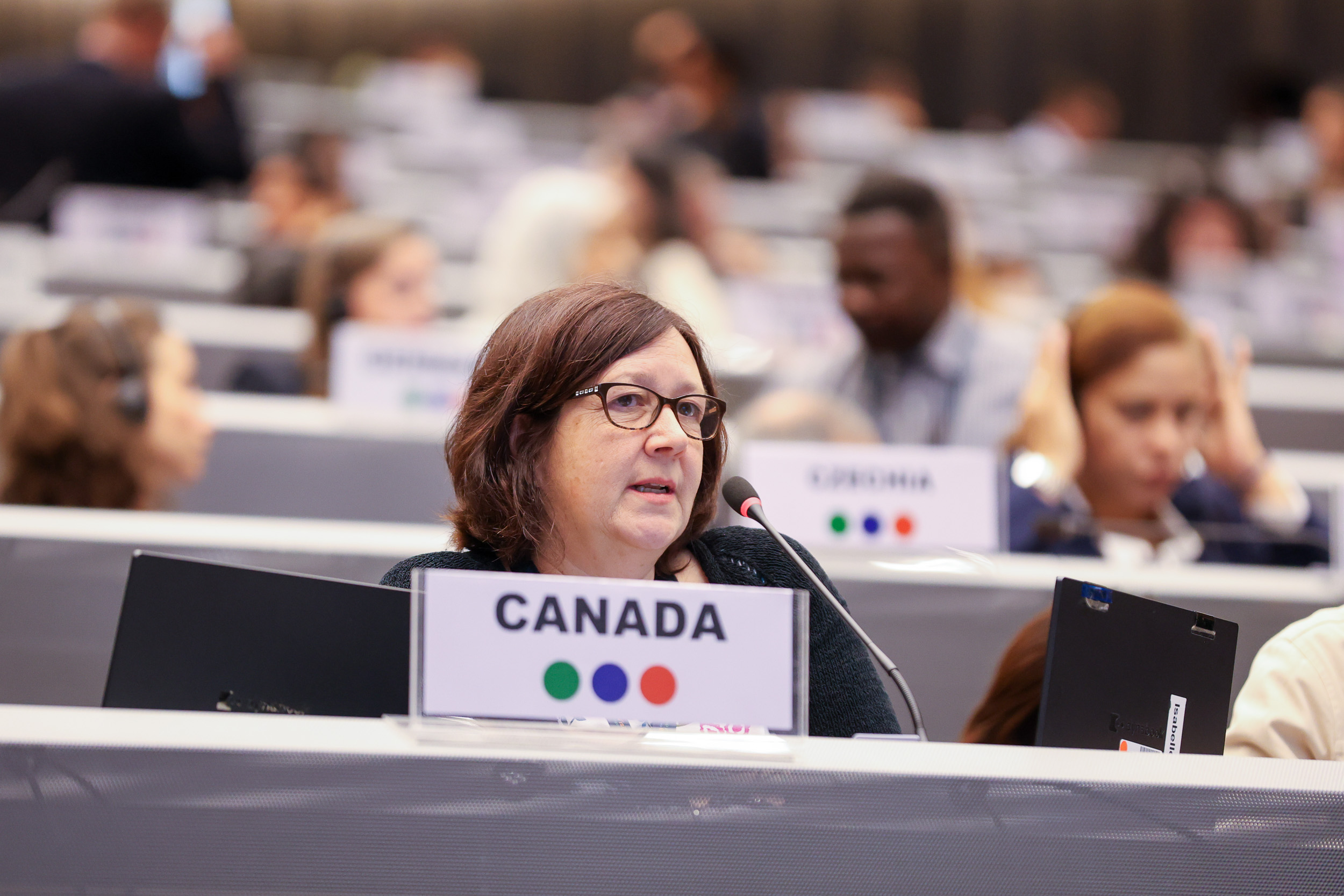
Isabelle Mayr, Canada
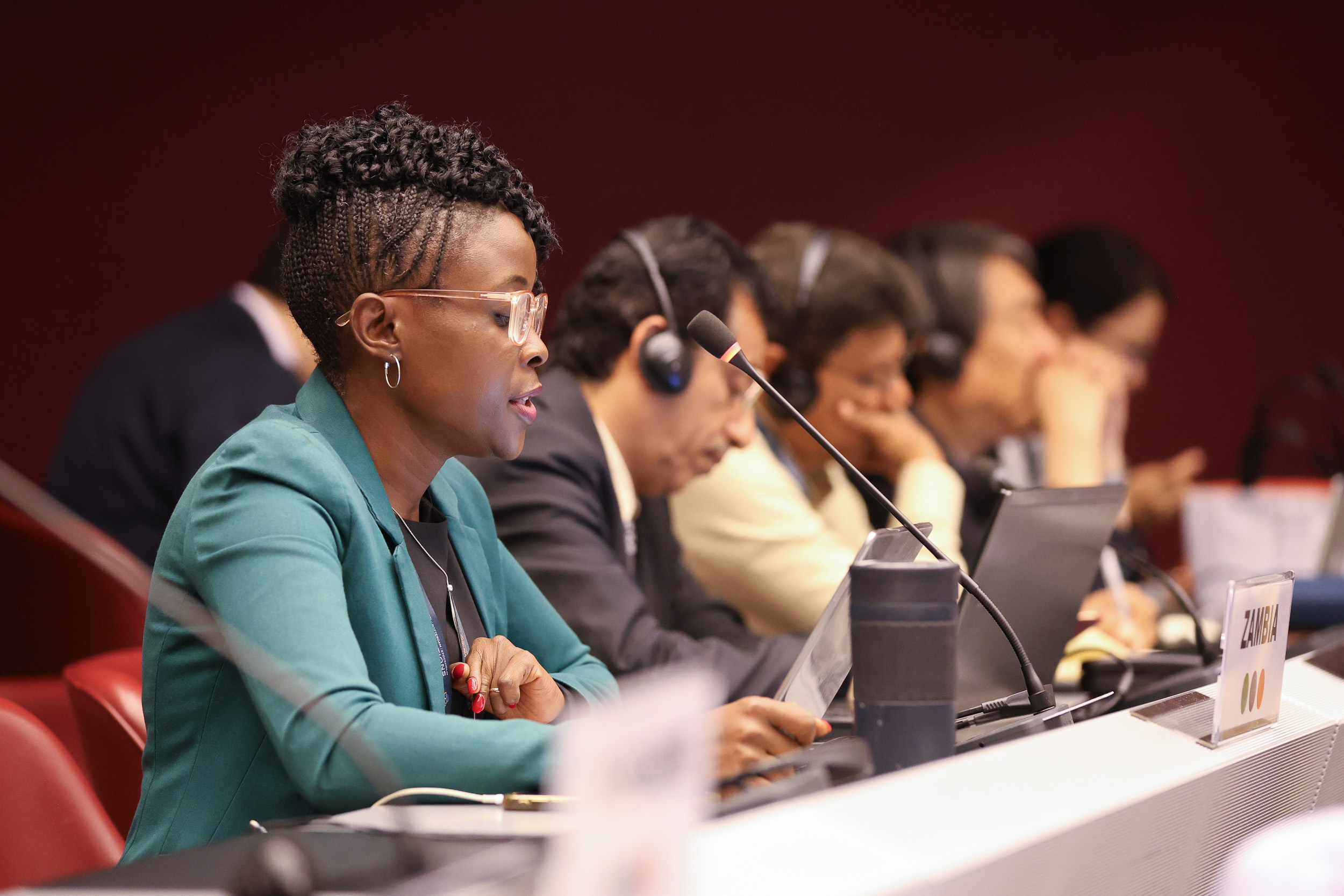
Perine Nkosi Kasonde, Zambia
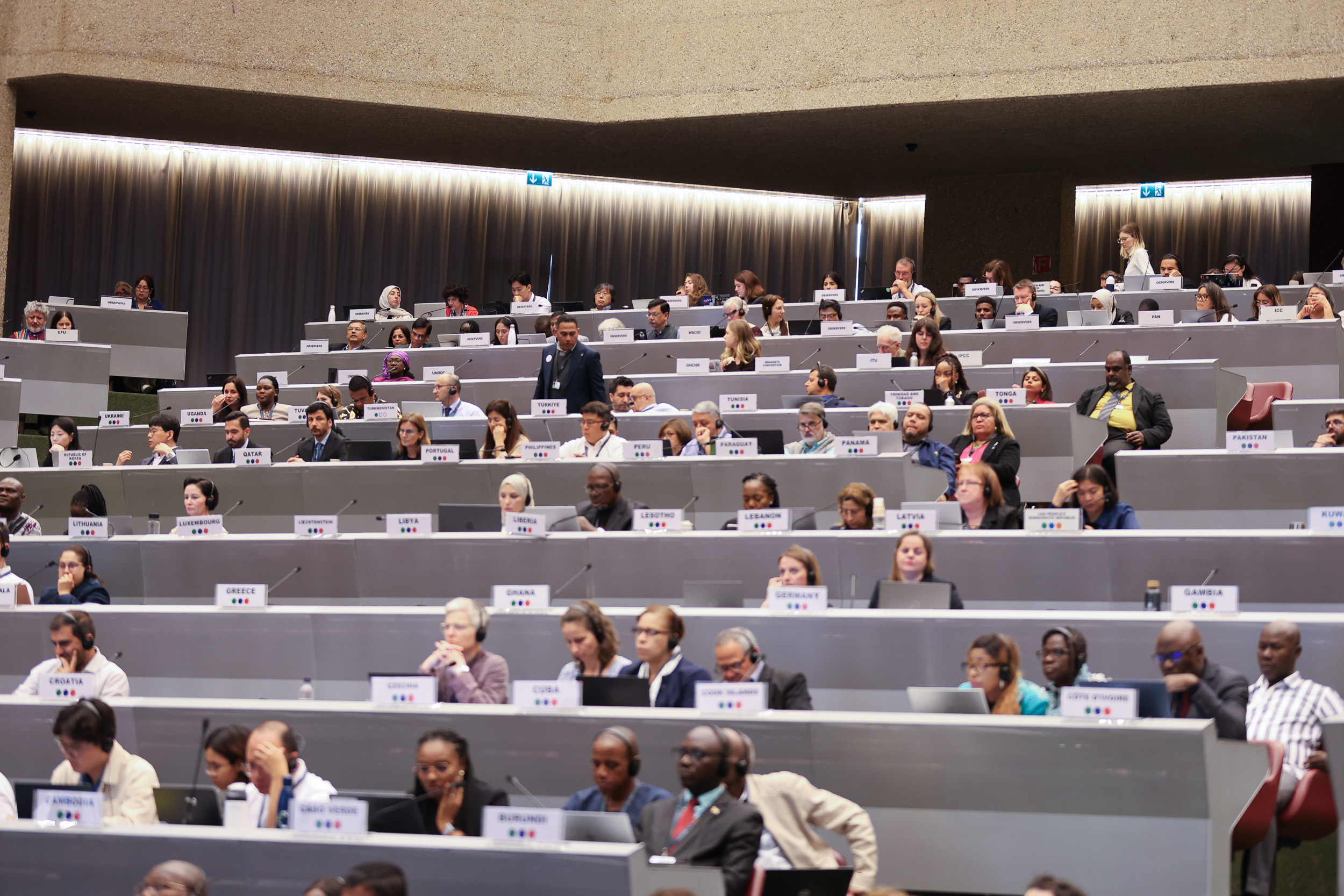
Nawaf Bilasi, Saudi Arabia
Toks Akinseye, UK
Sophie Bernier, Canada
Sonja Dünnwald, Germany
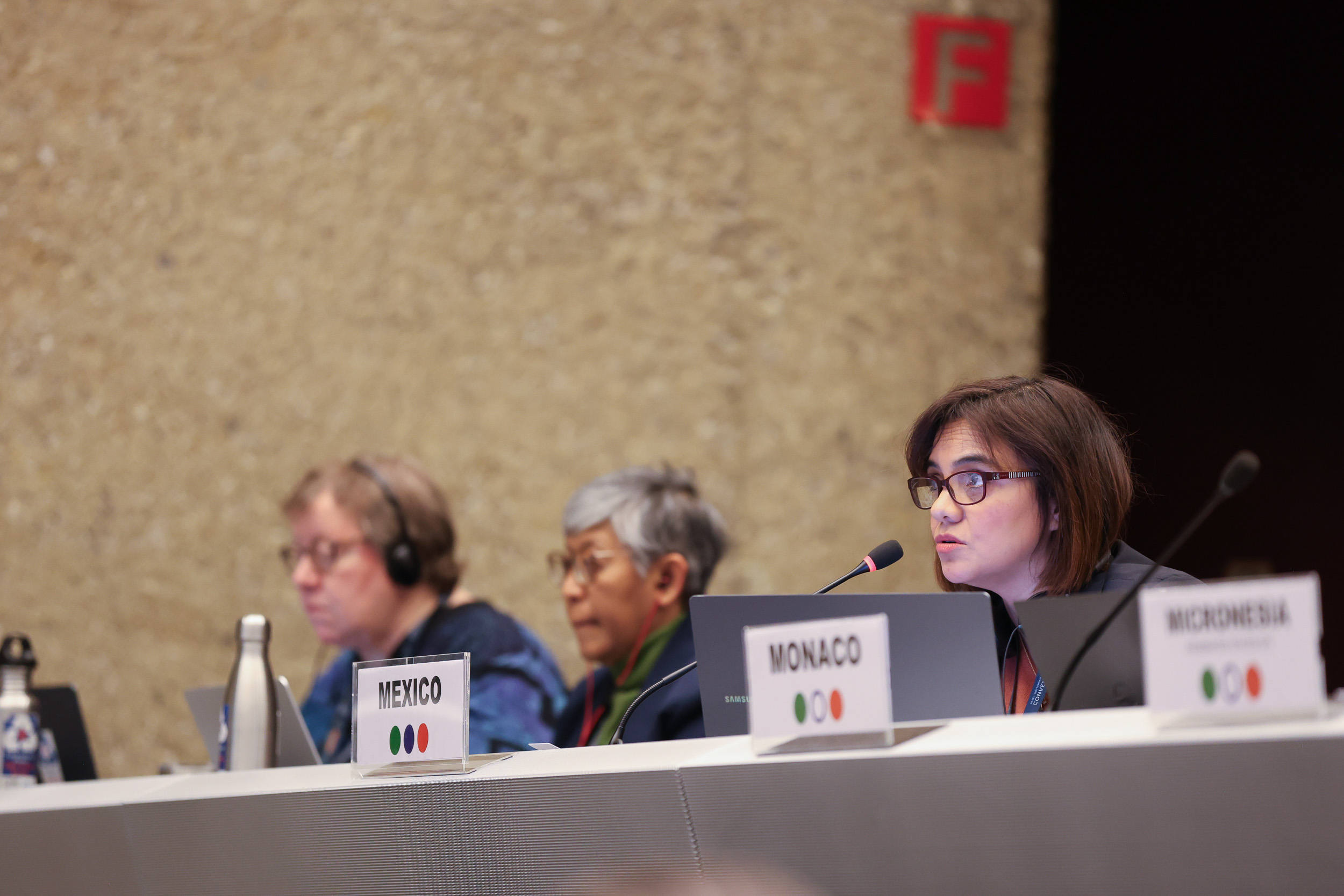
Miriam Medel García, Mexico
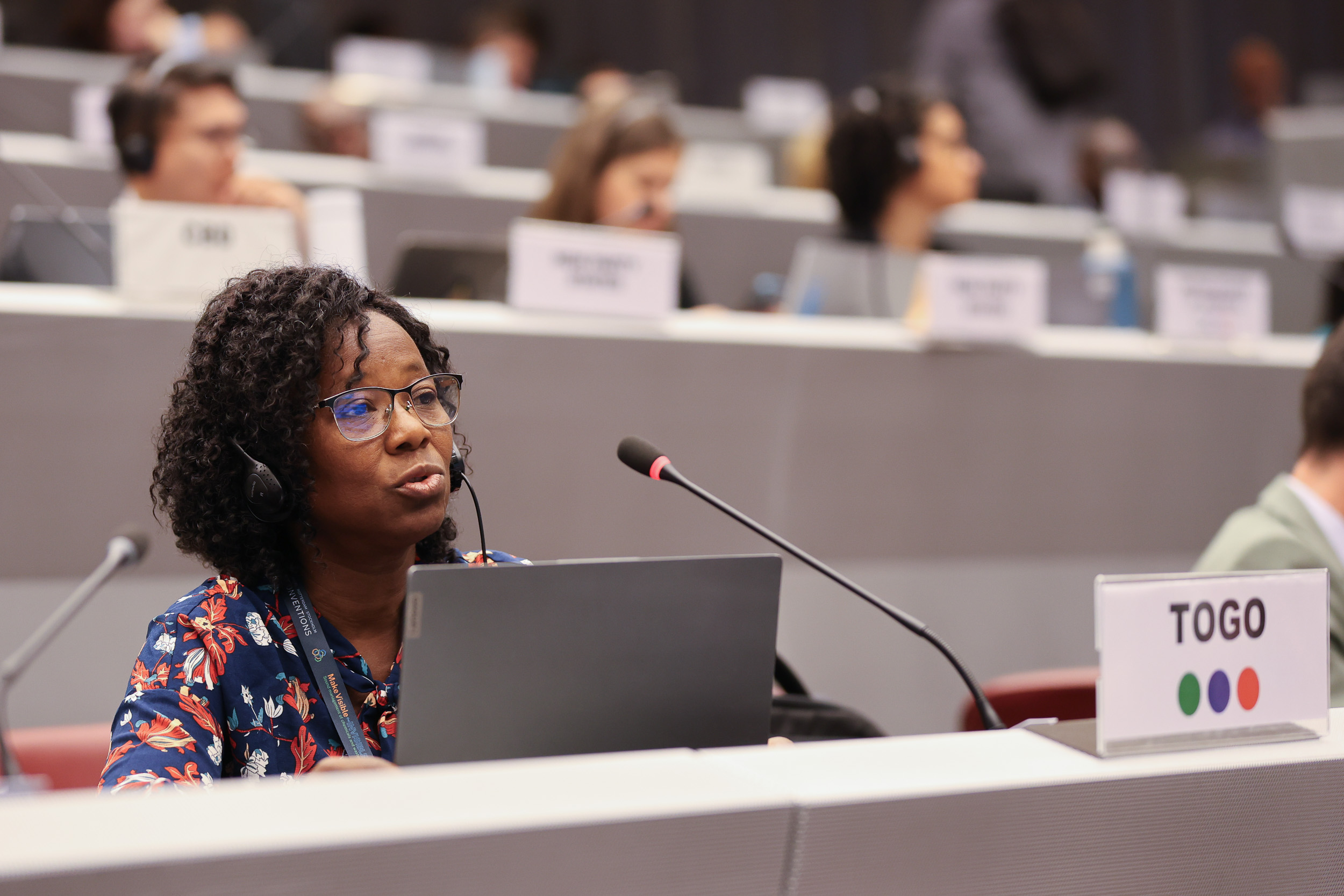
Débi Mawulé Broohm, Togo
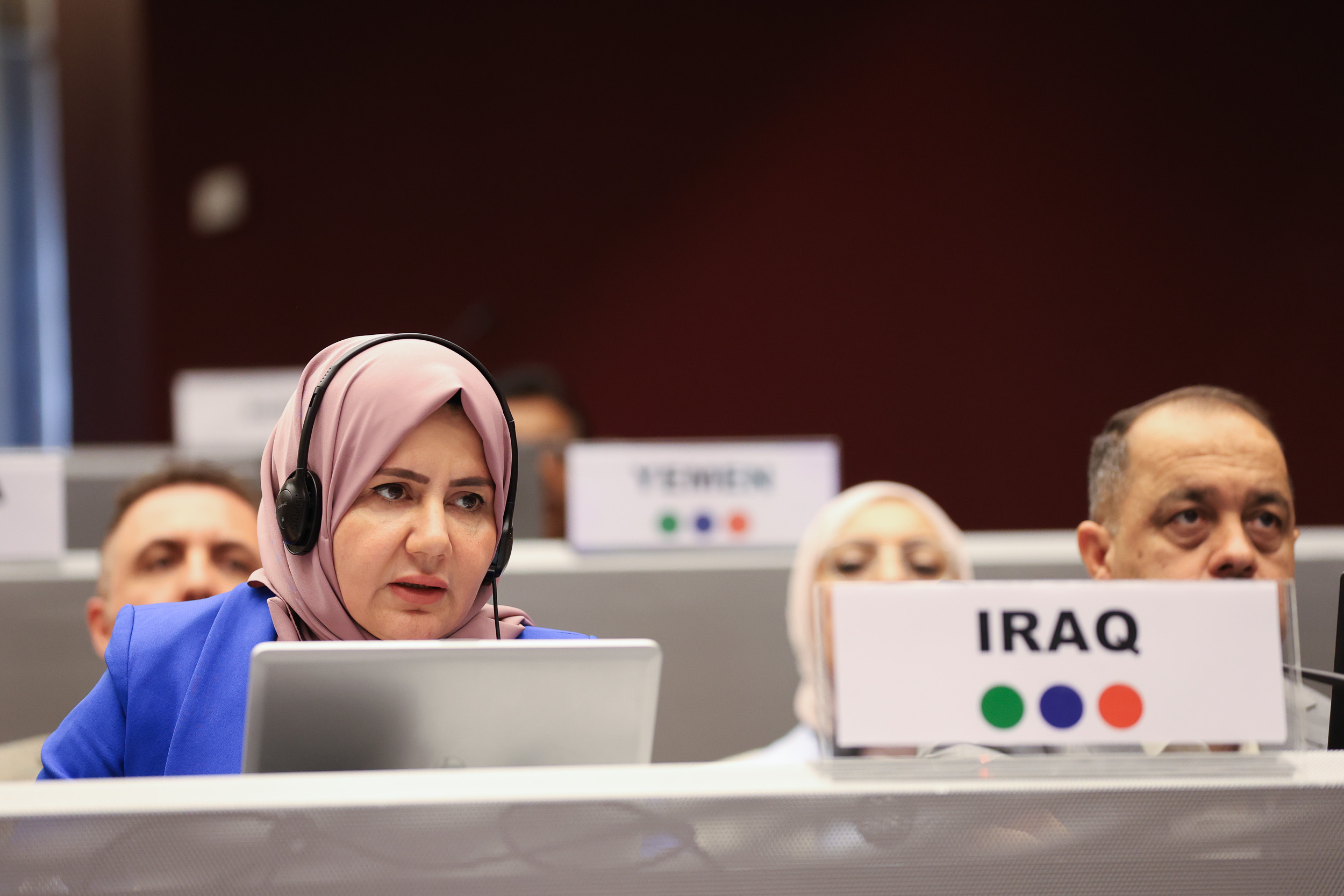
Israa Munqith Abdal Jabbar Albaker, Iraq
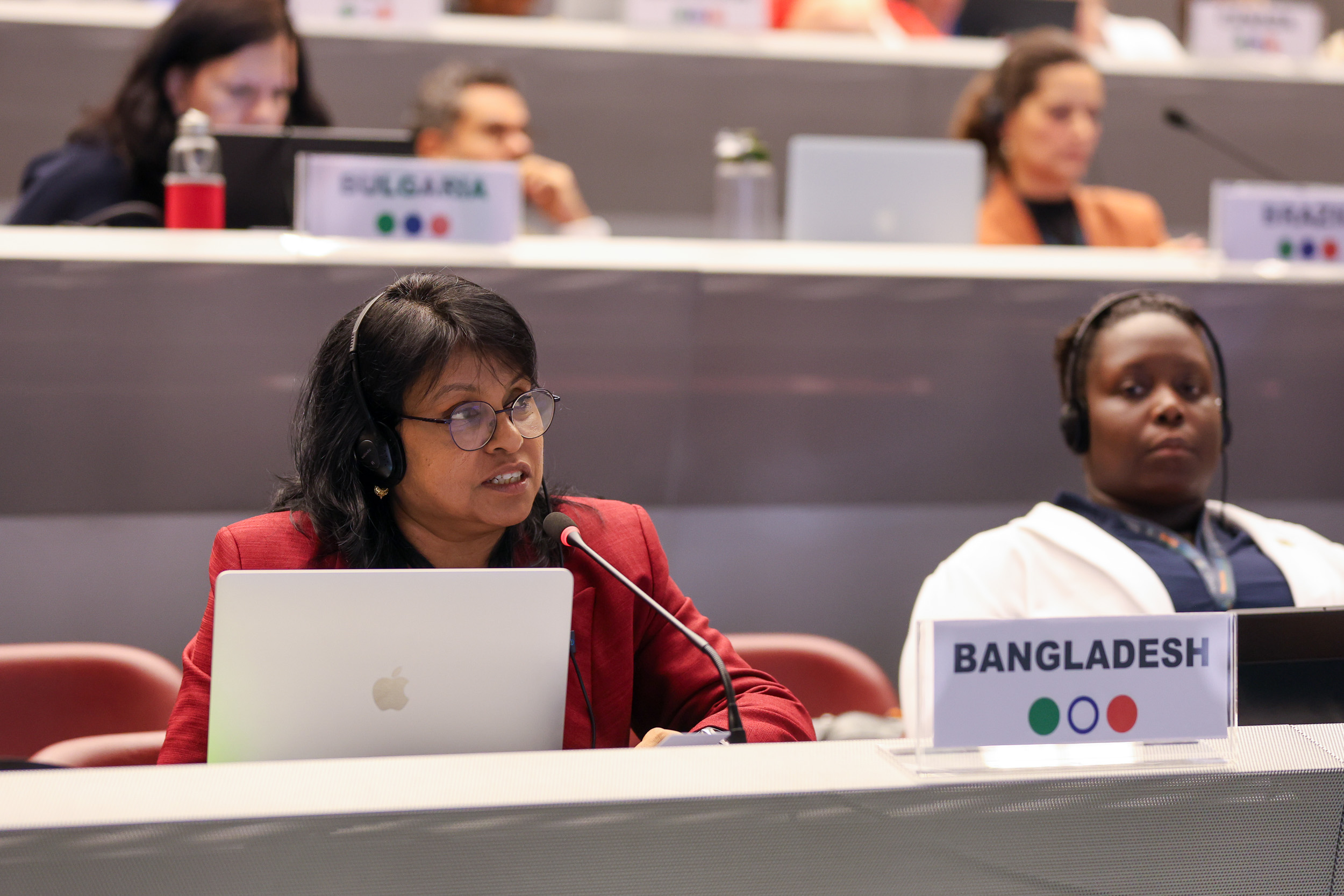
Fahmida Khanom, Bangladesh
Taniela Kepa Siose, Tuvalu
Glenn Wigley, New Zealand
Lina Fortelius, BRS Conventions Secretariat
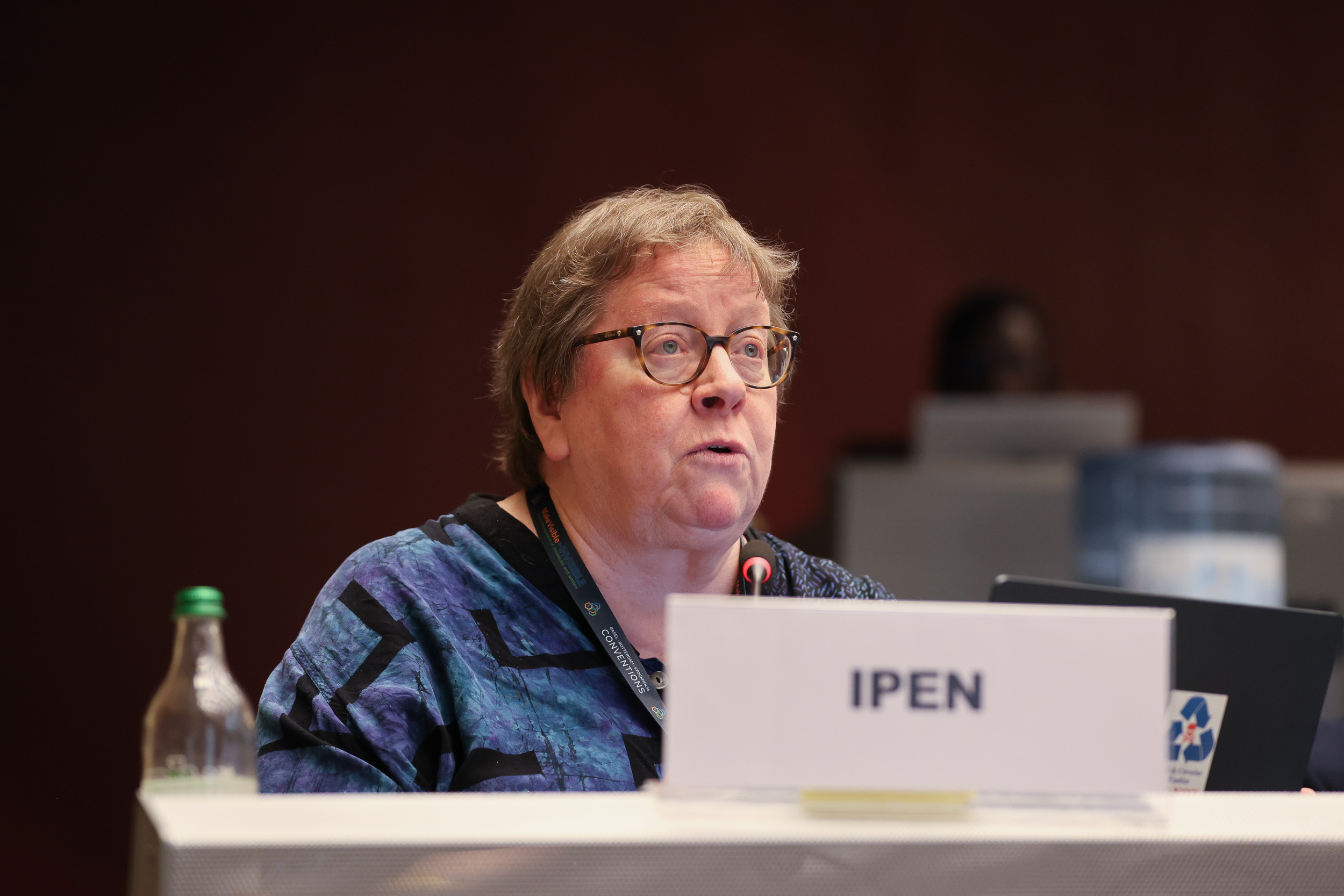
Pamela Miller, International Pollutants Elimination Network (IPEN)
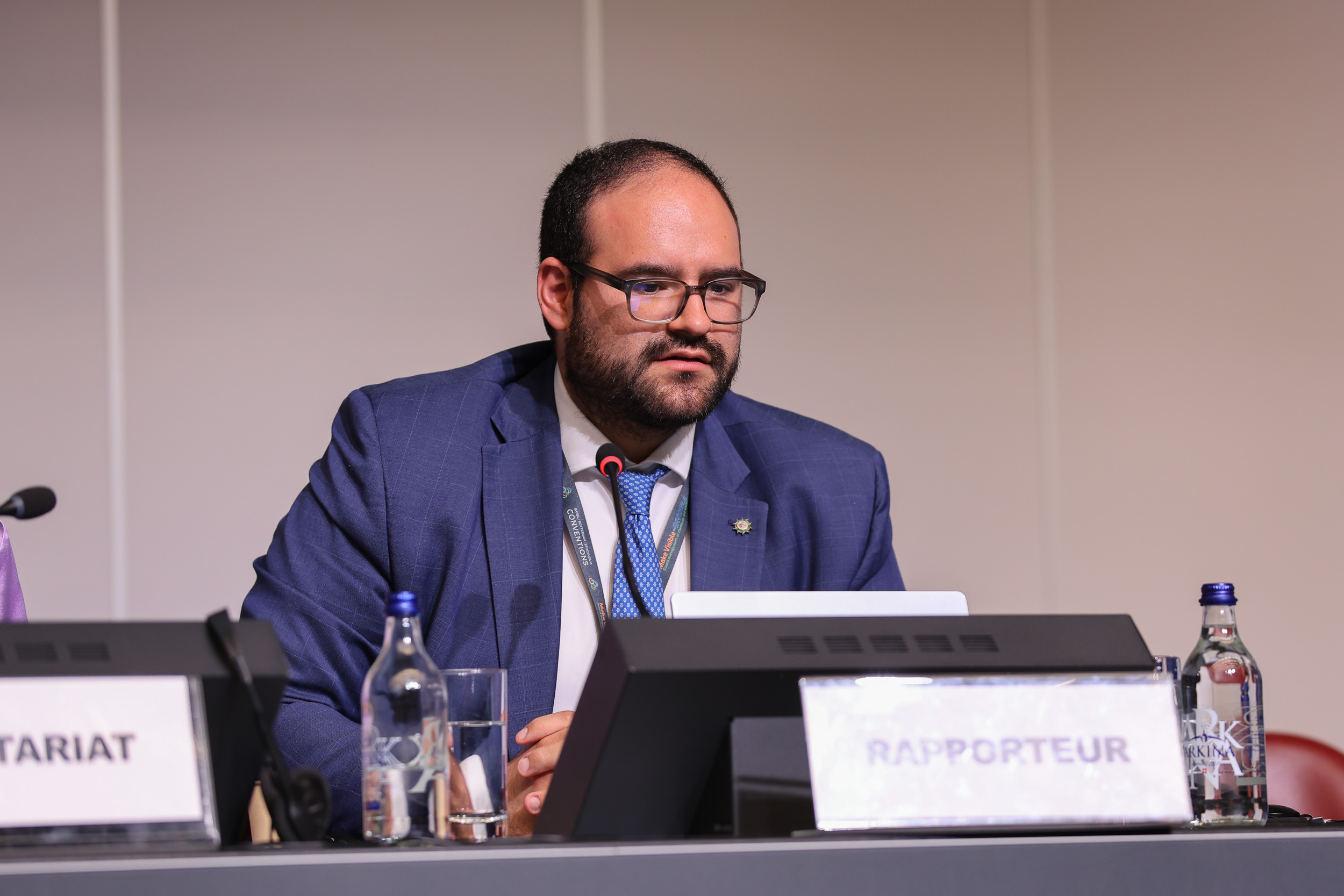
Miguel Eduardo Ruiz Botero, Colombia
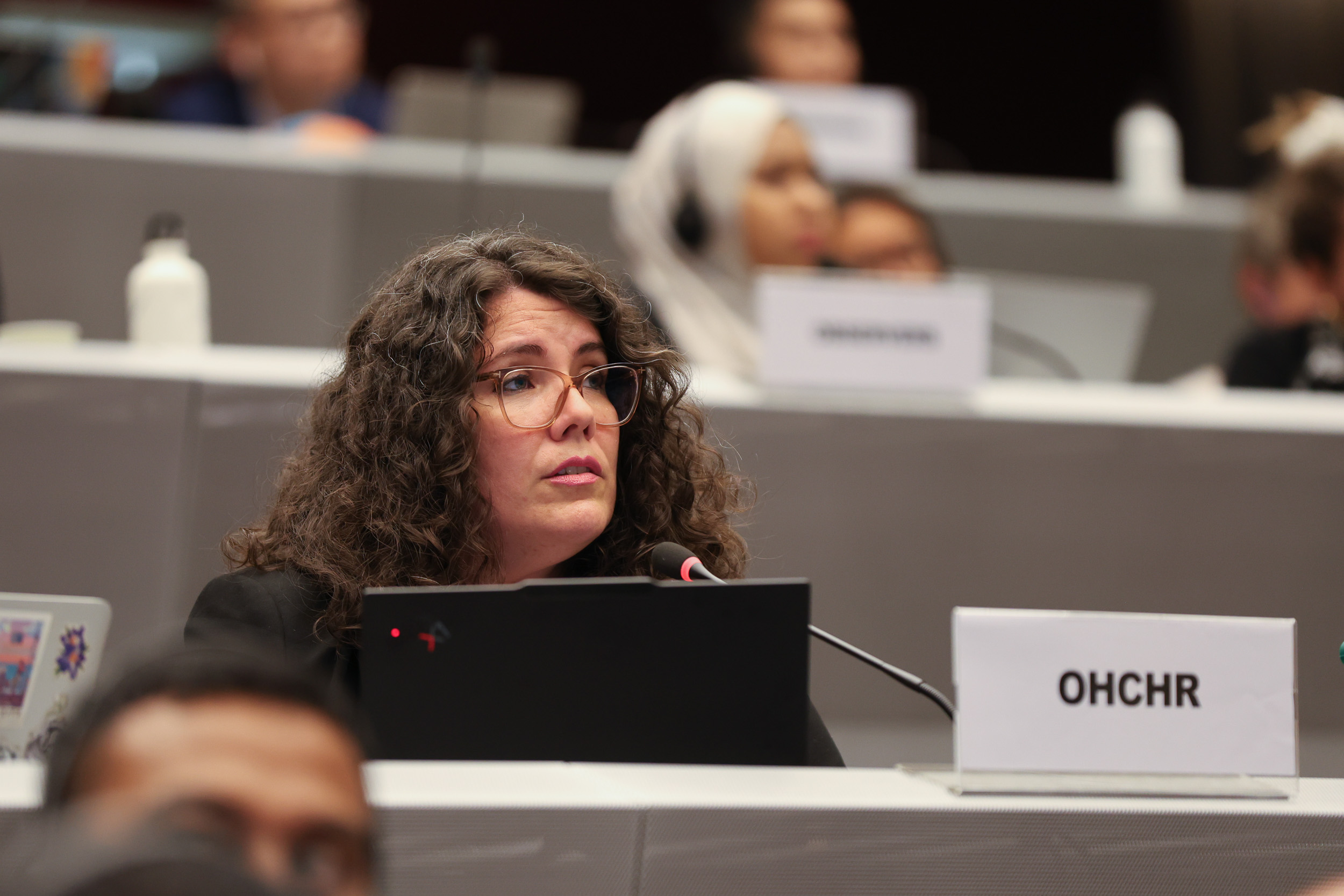
Ana Paula De Souza, Office of the UN High Commissioner for Human Rights
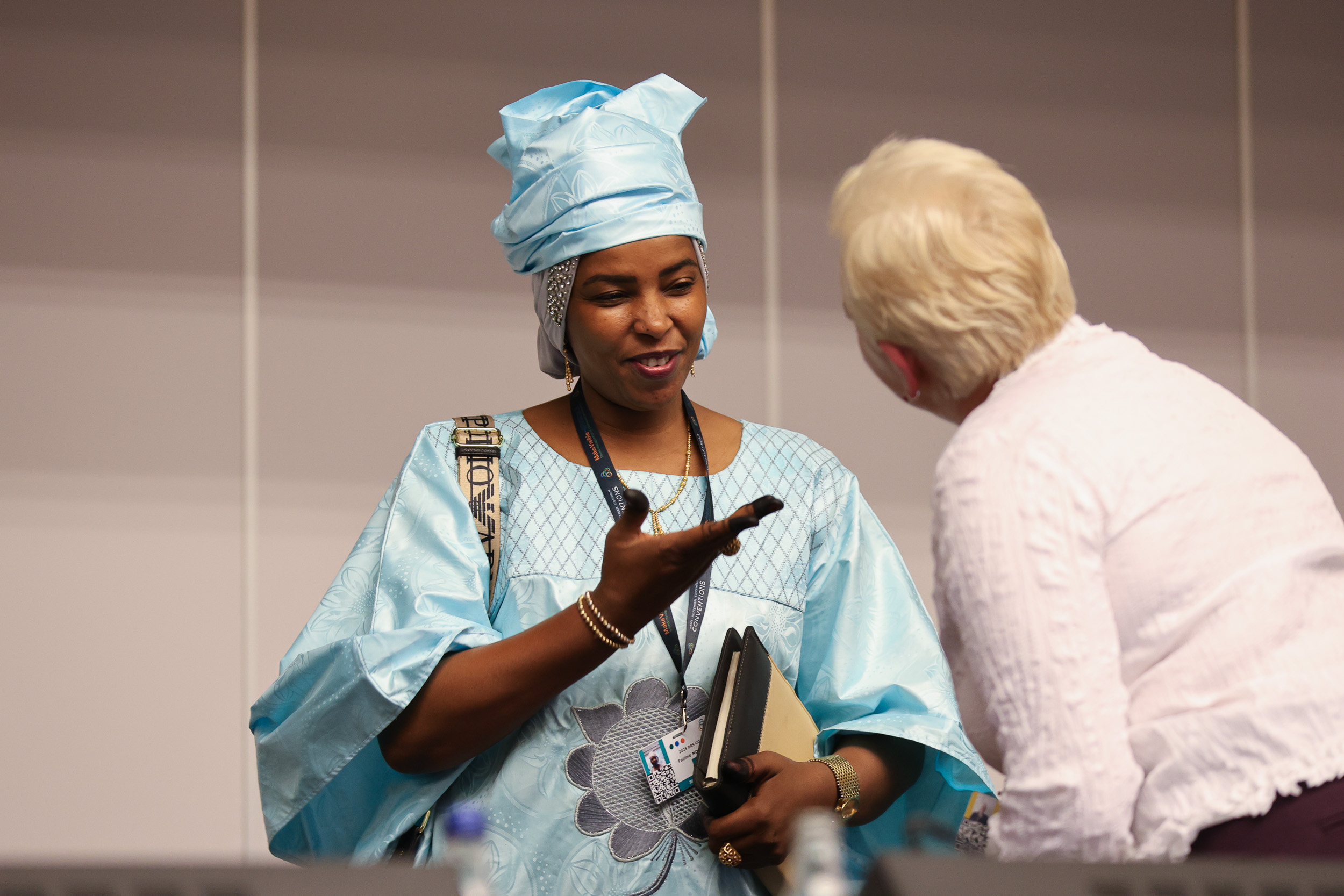
Fatime Nokour, Chad
Contact Groups
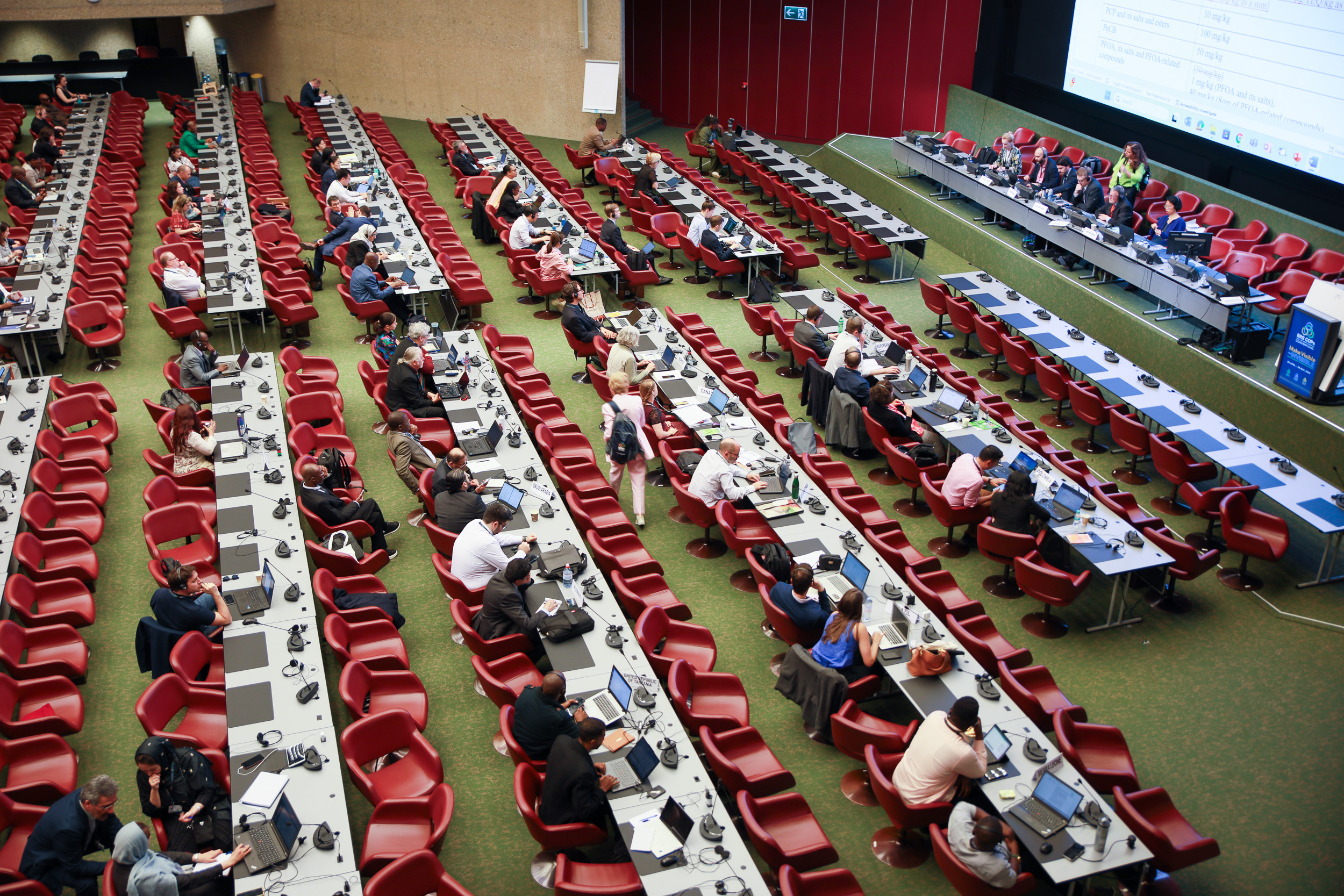
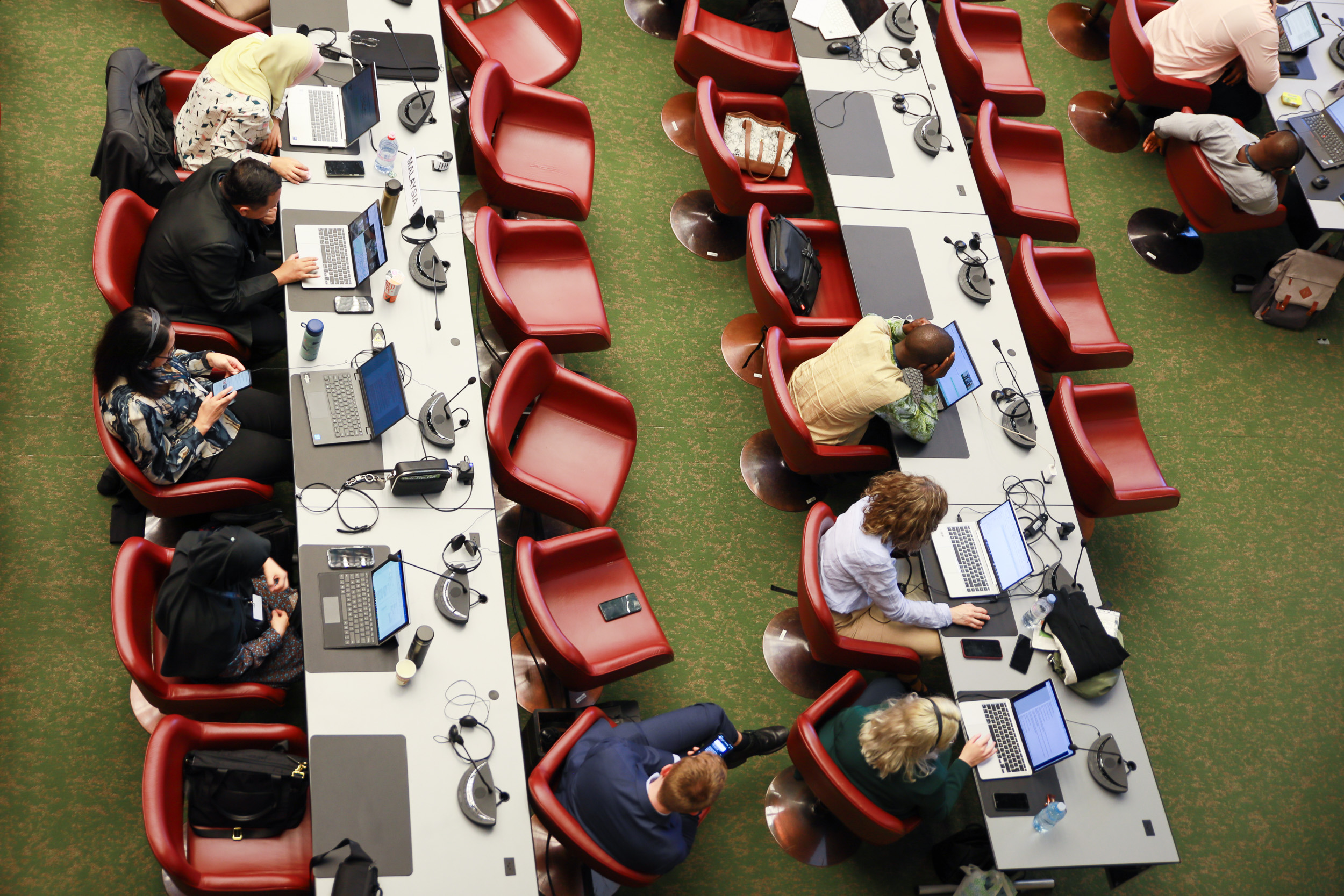
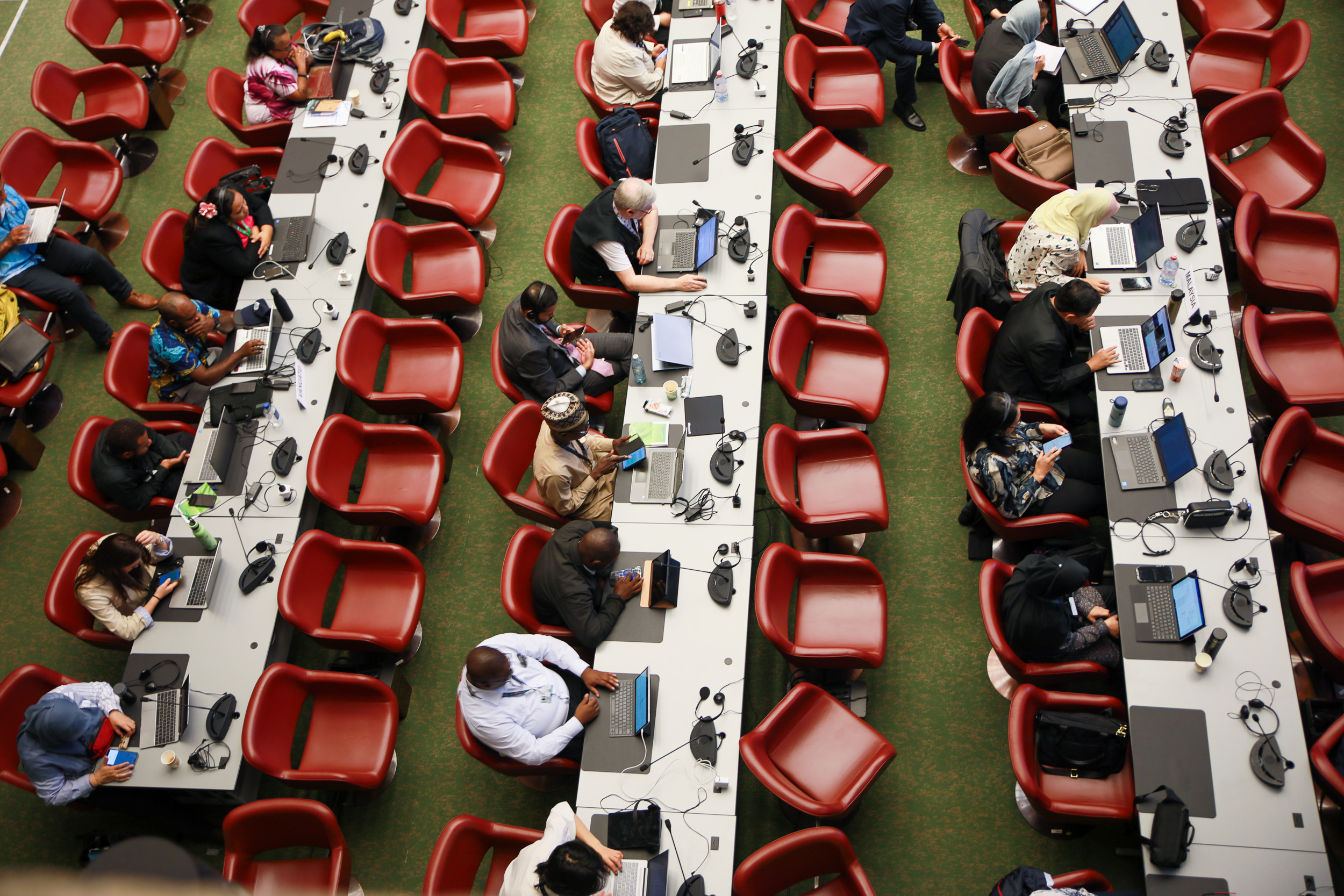
View of the room during a Contact Group on Basel Convention technical guidelines
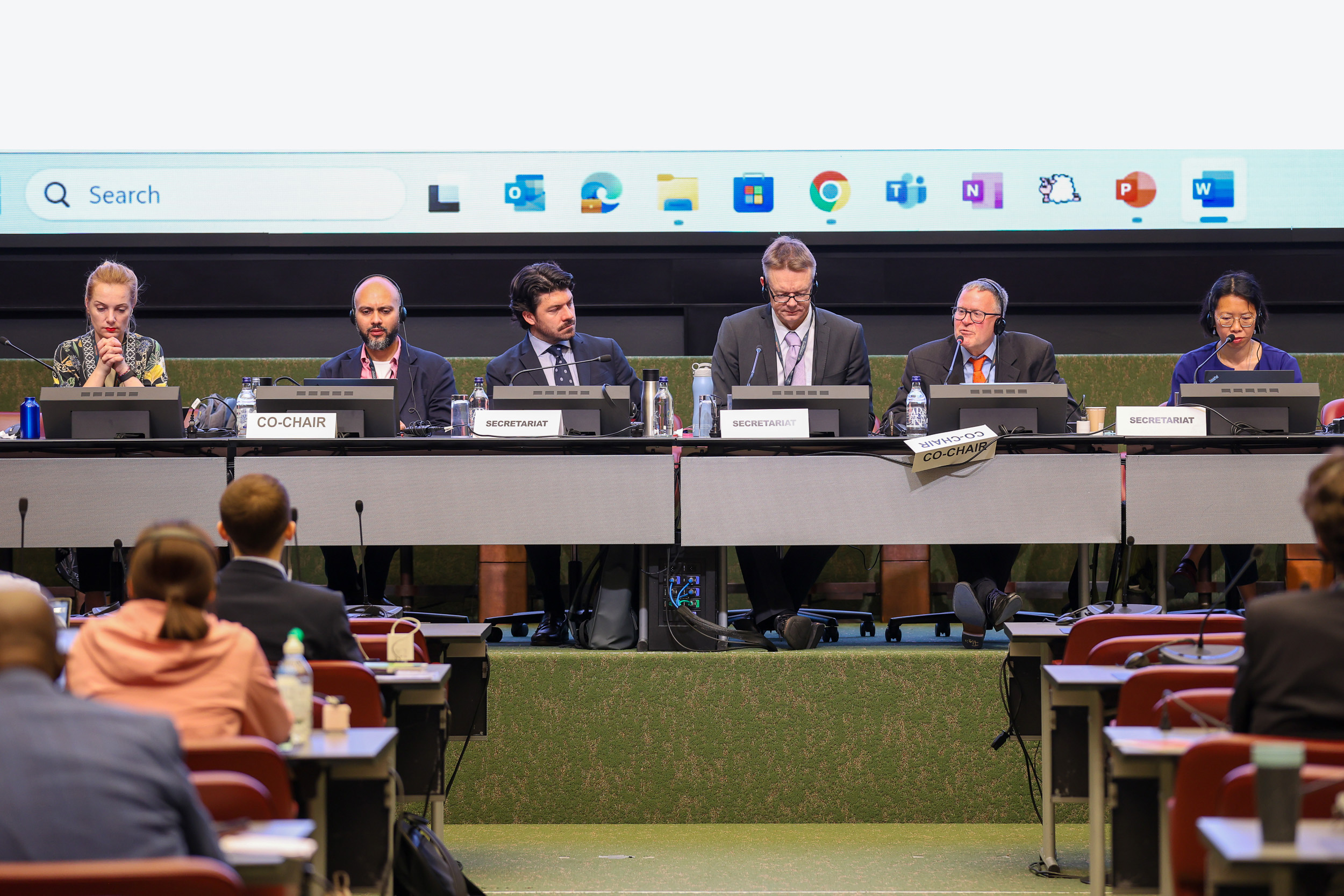
View of the dais during a Contact Group on Basel Convention technical guidelines
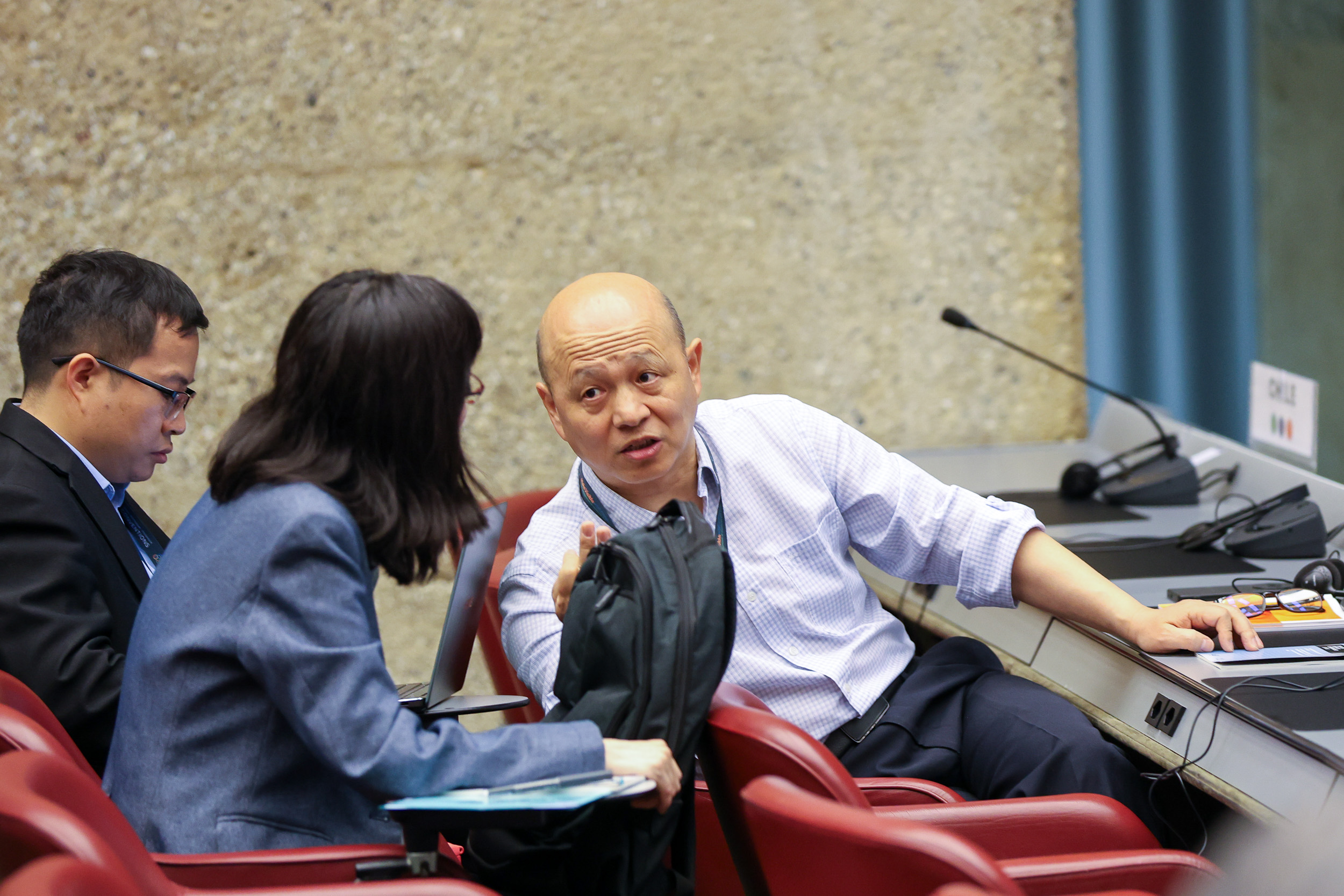
Between Sessions

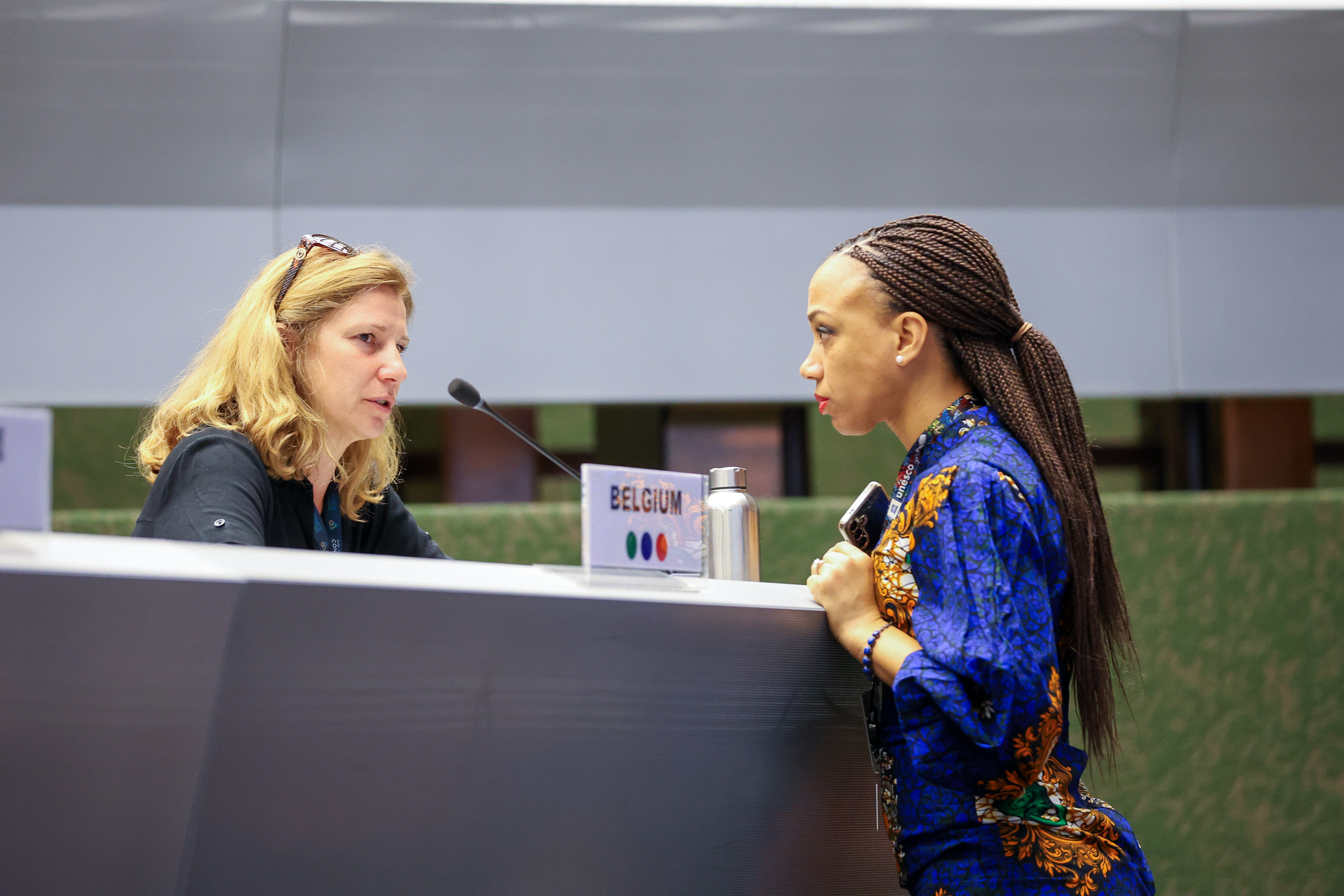


Delegates from Belgium
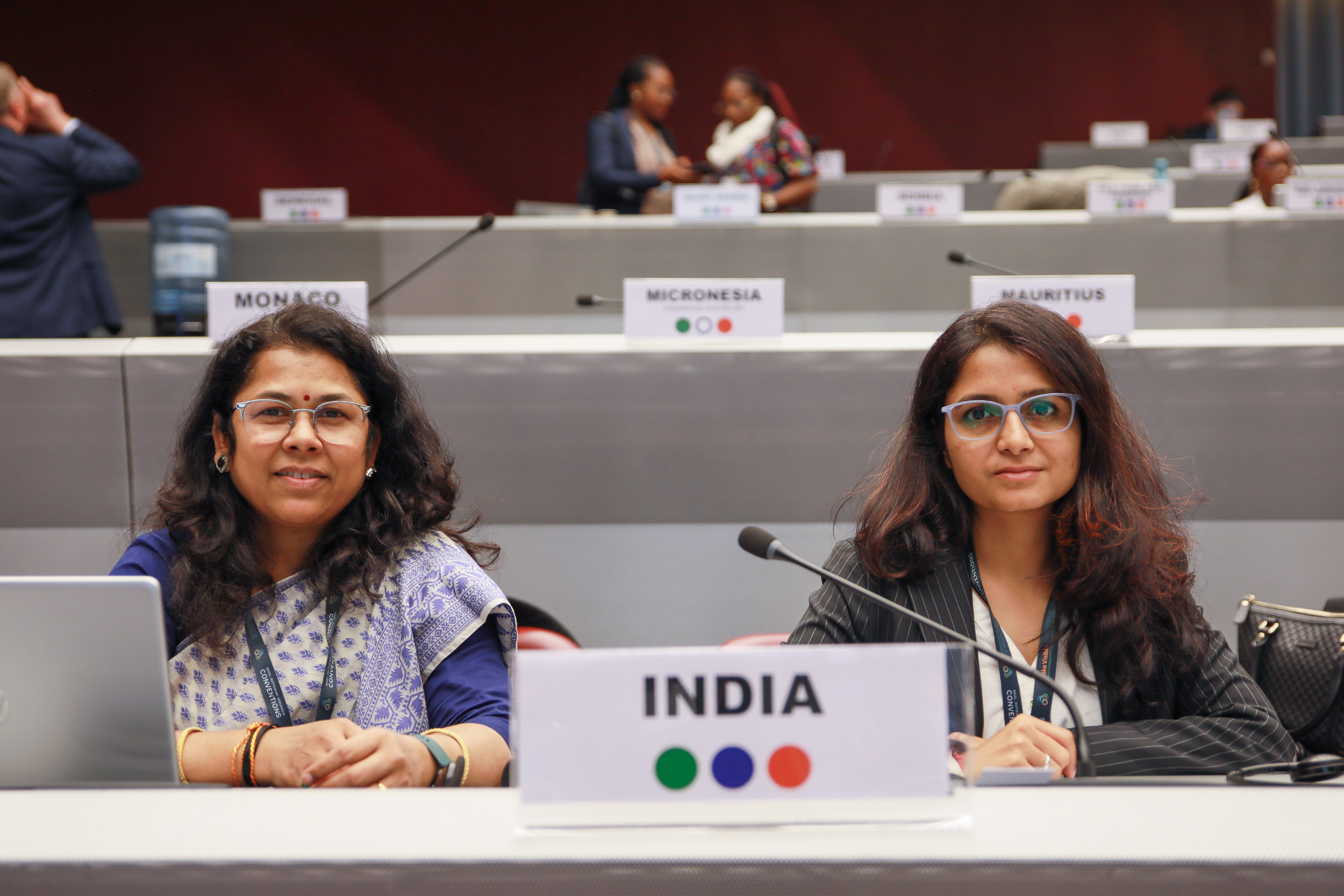
Archana Sinha and Jaya Mewara, India
Bridging Commitments: Unlocking the Power of Stockholm Convention NIP to Achieve the Objectives and Targets of the Global Framework on Chemicals
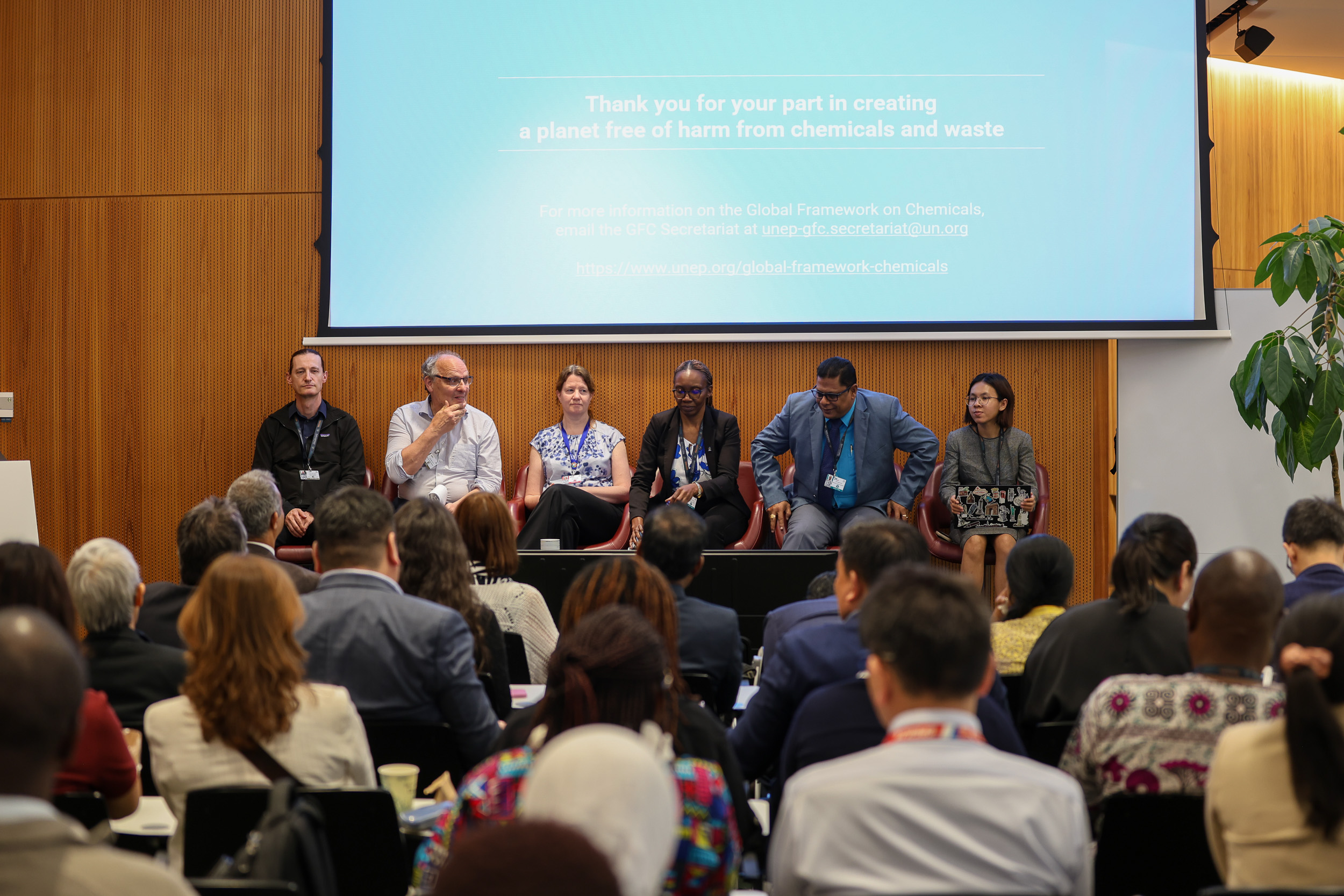
From L-R: Peter Fantke, Goethe University Frankfurt; Harald Schönberger, Expert; Sara Brosché, IPEN; Caroline Theka, Malawi; Suresh Amichand, Guyana; and Daneth Phann, Cambodia
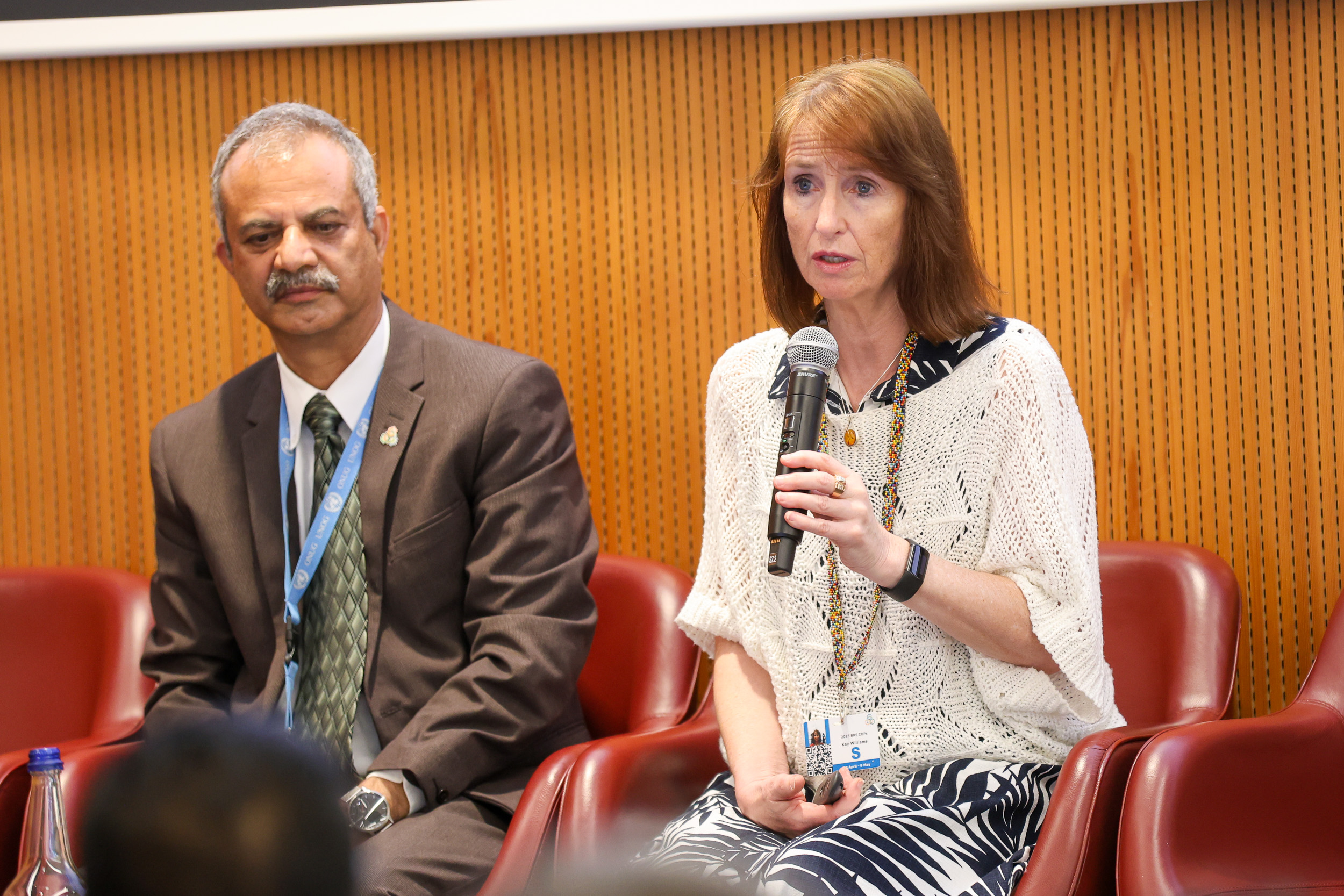
Suman Sharma, BRS Conventions Secretariat, and Kay Williams, Global Framework on Chemicals Secretariat
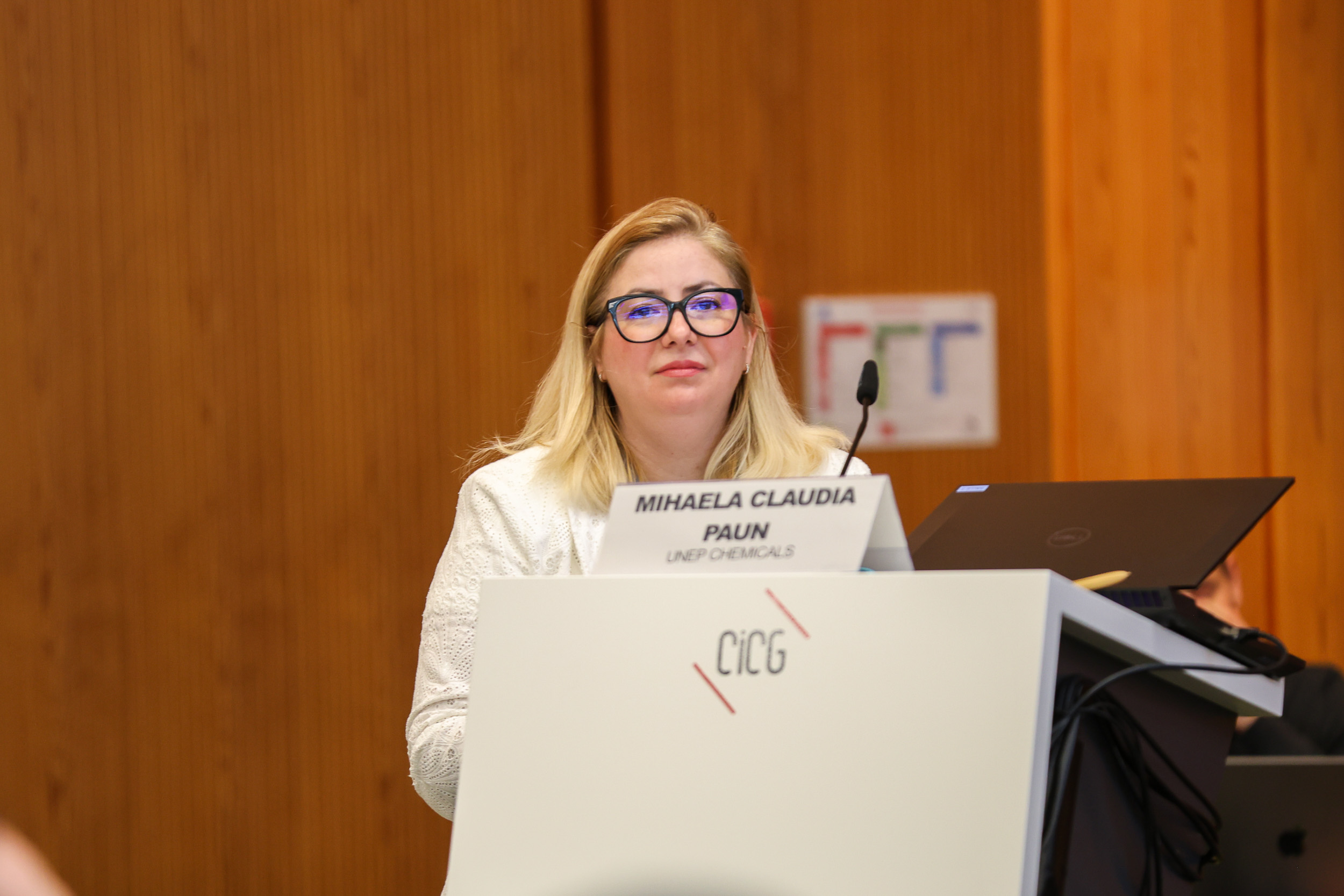
Mihaela Claudia Paun, UNEP
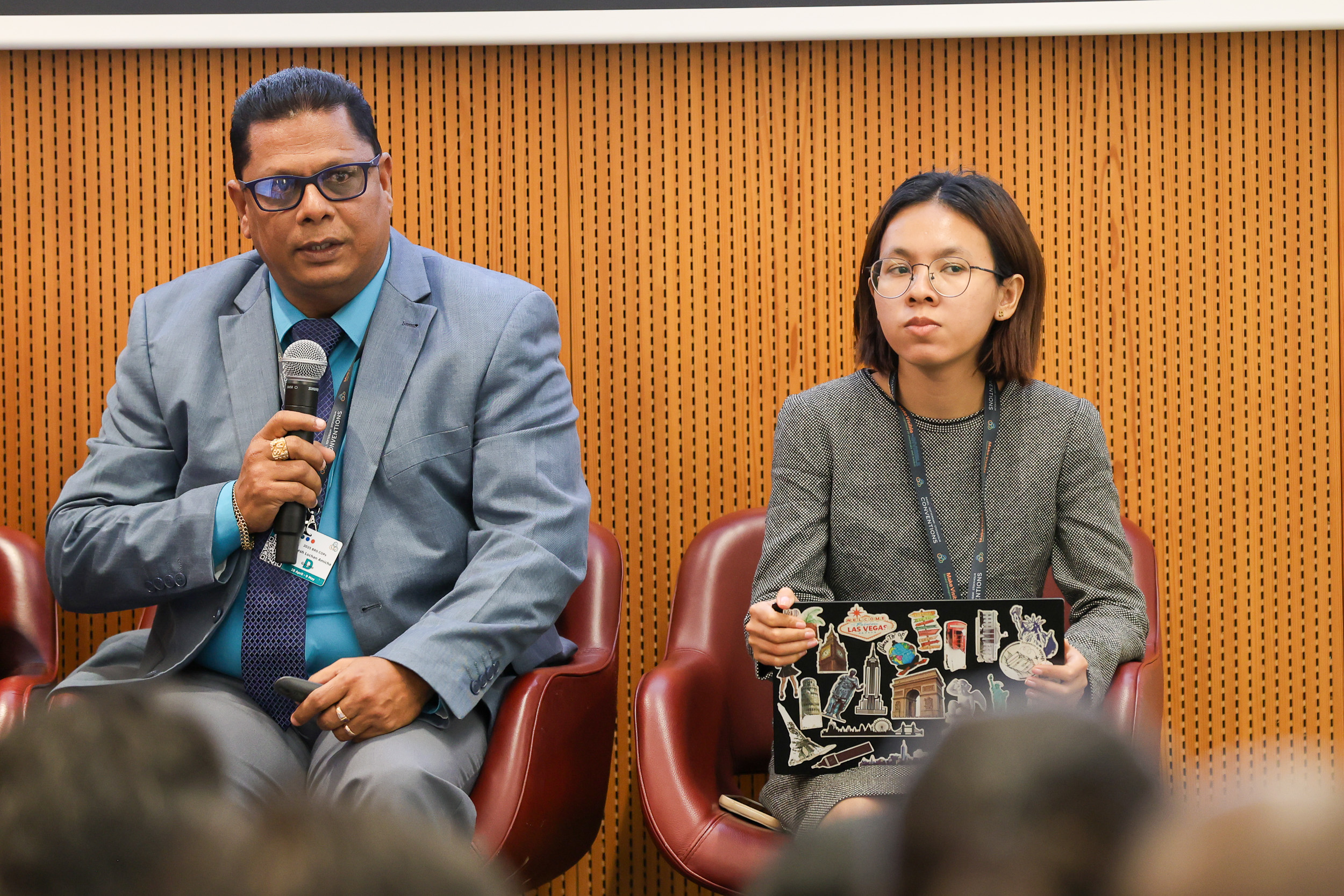
Suresh Amichand, Guyana, and Daneth Phann, Cambodia
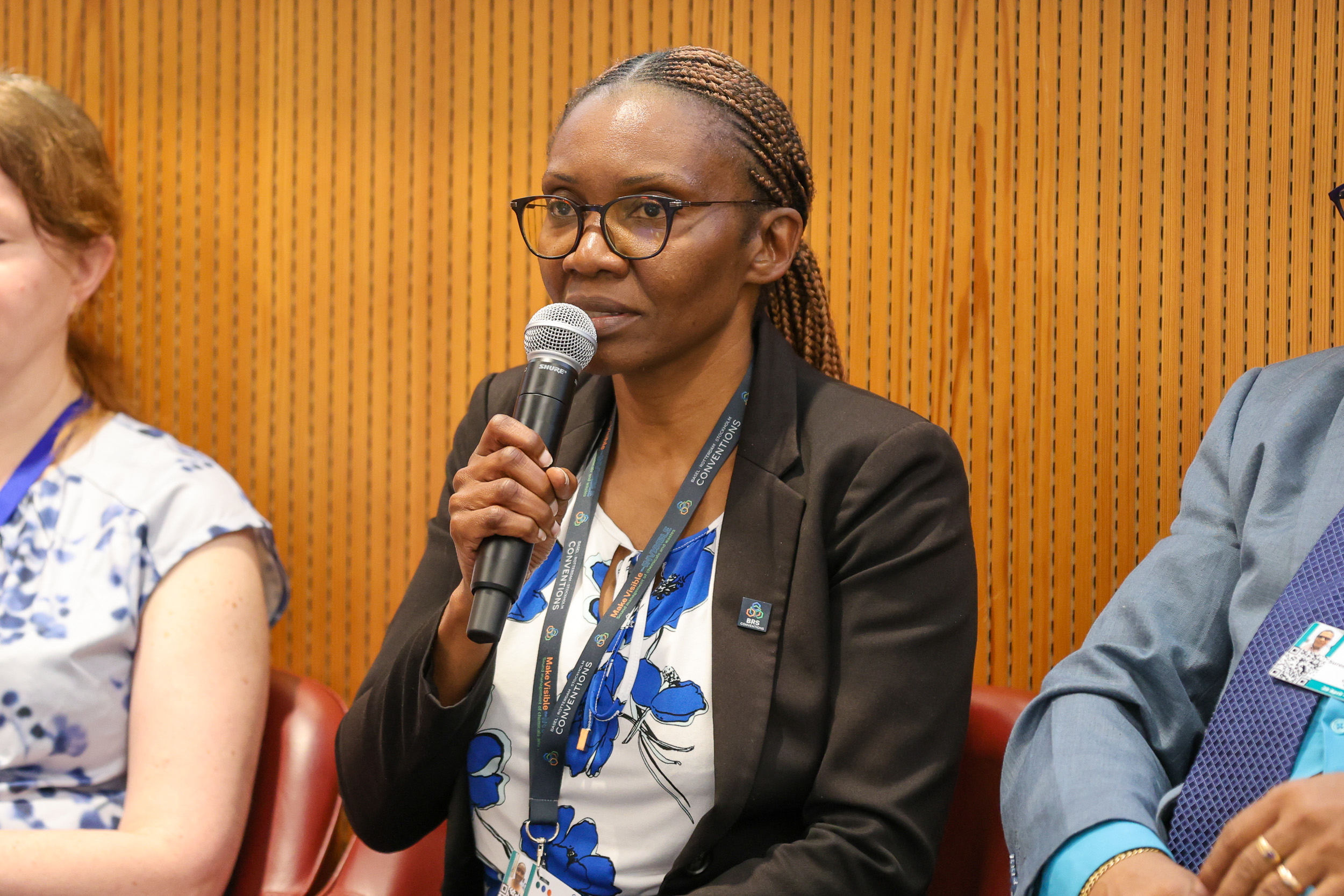
Caroline Theka, Malawi
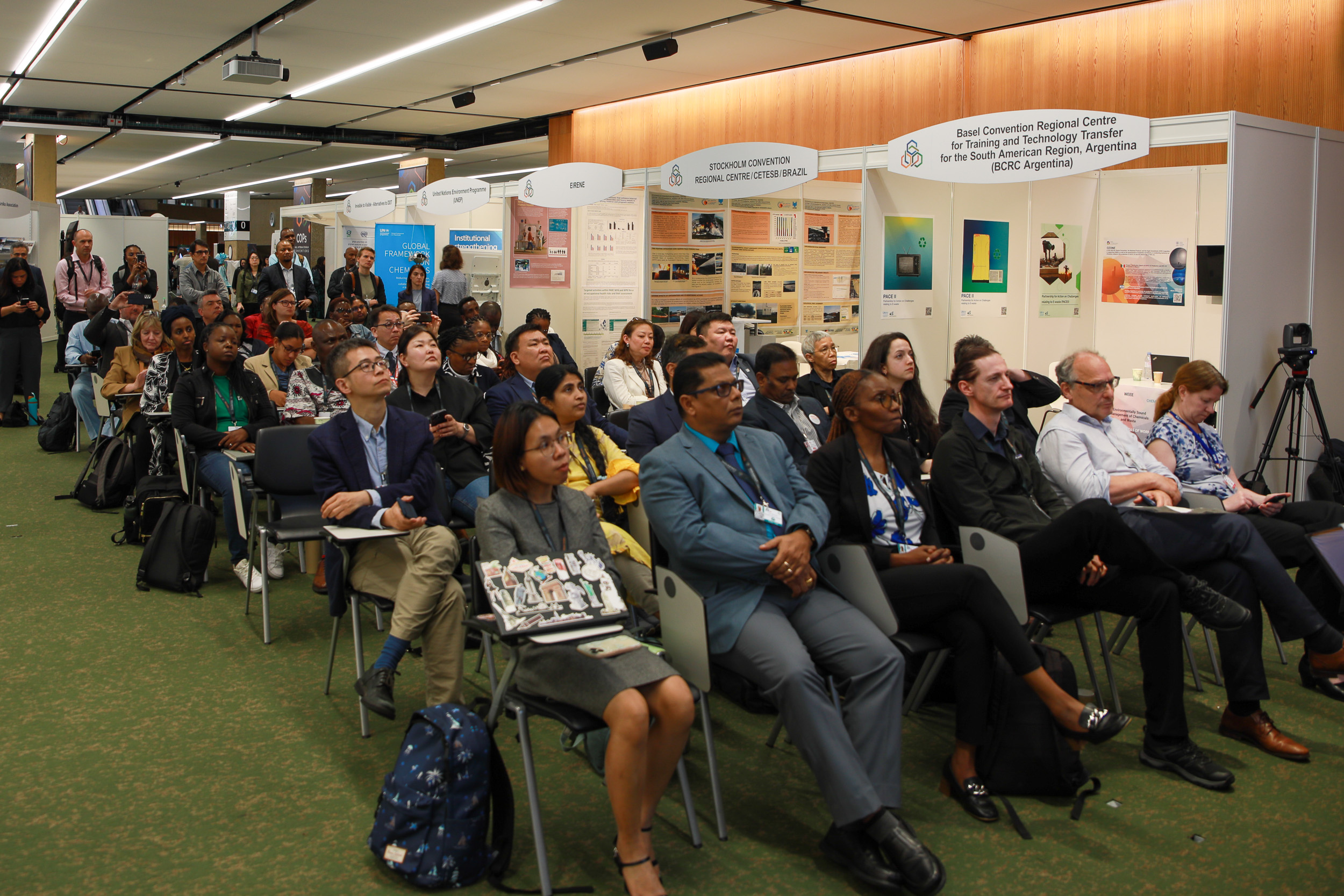
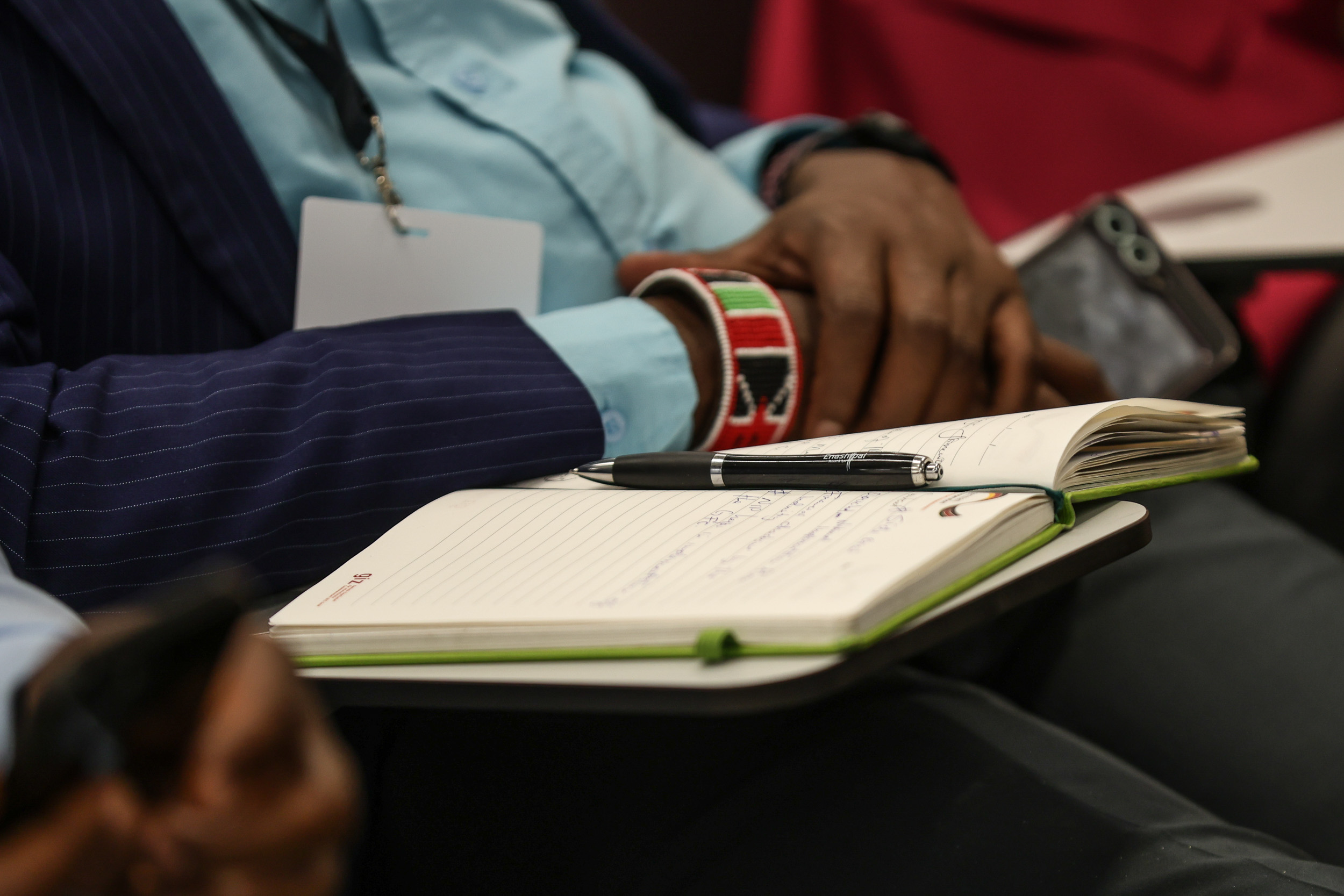
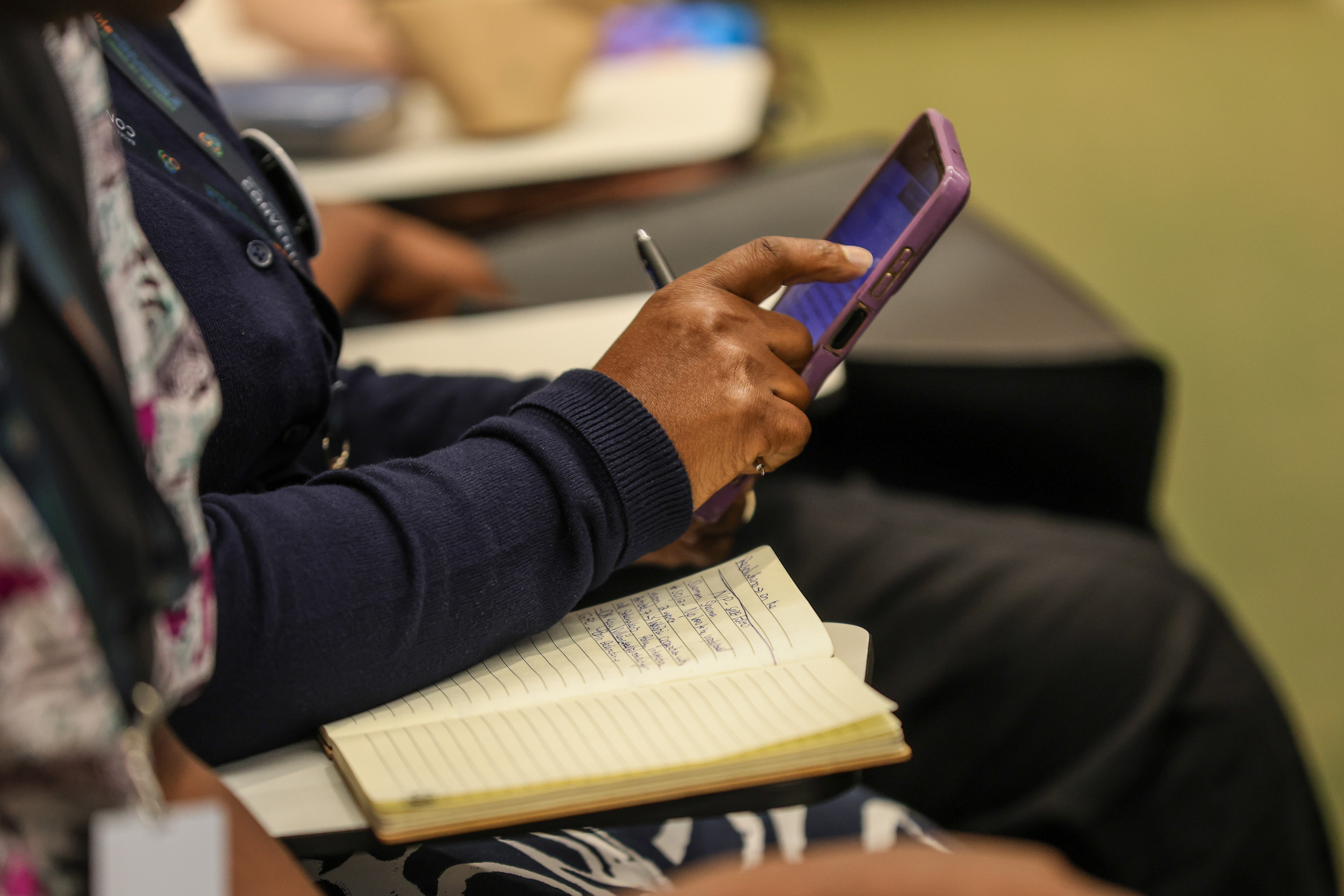

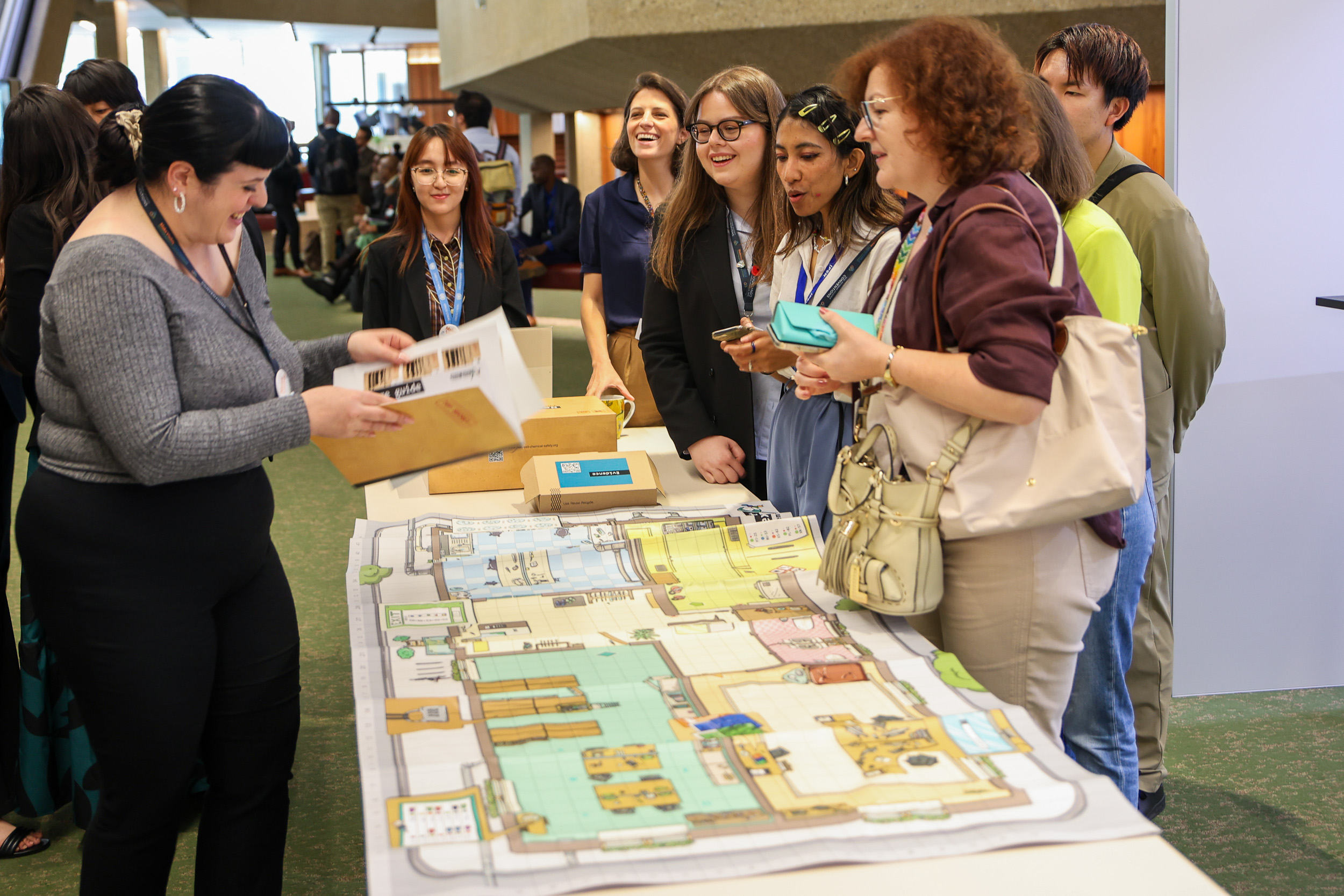
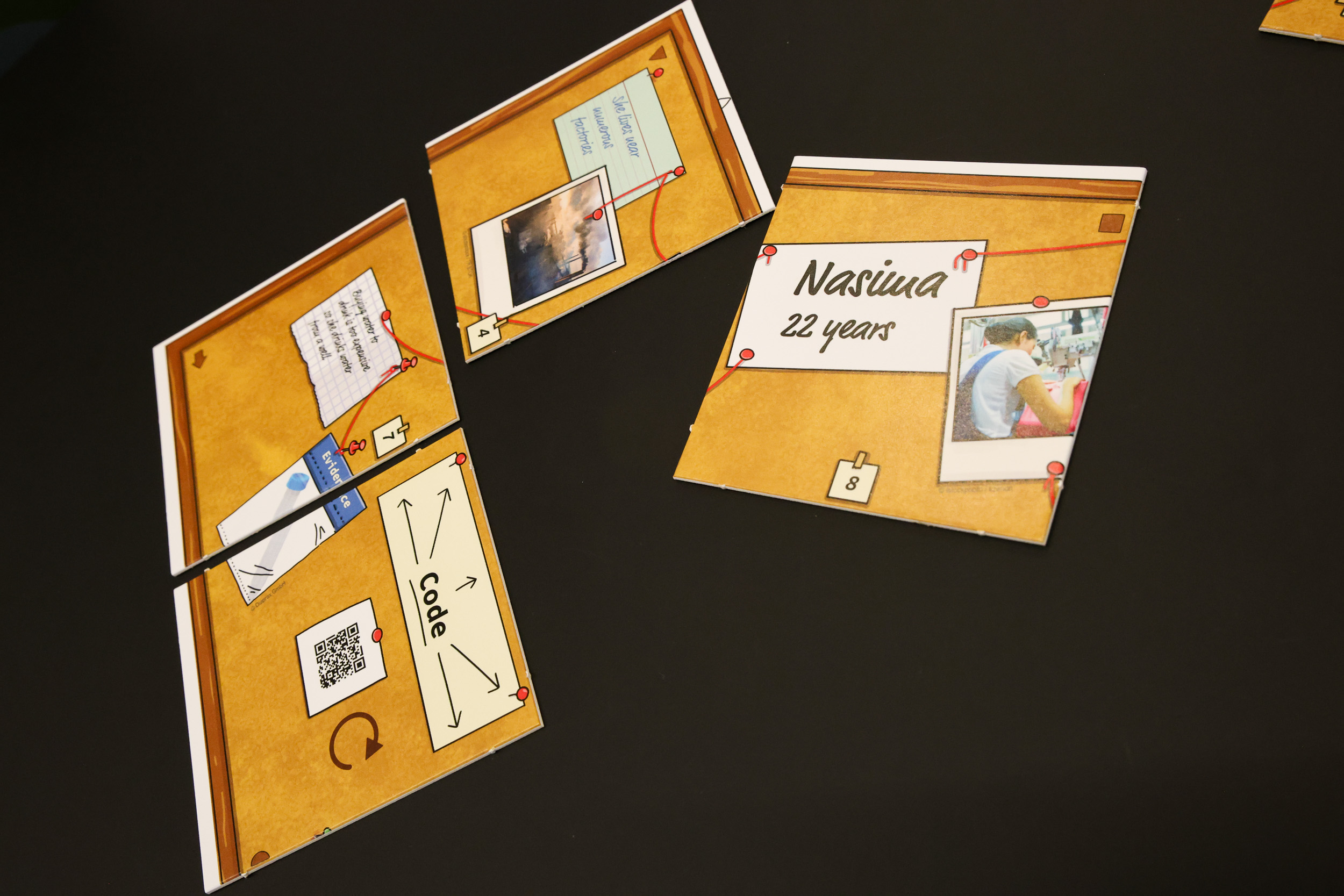
Board Game: Next Exit, Chemical Safety