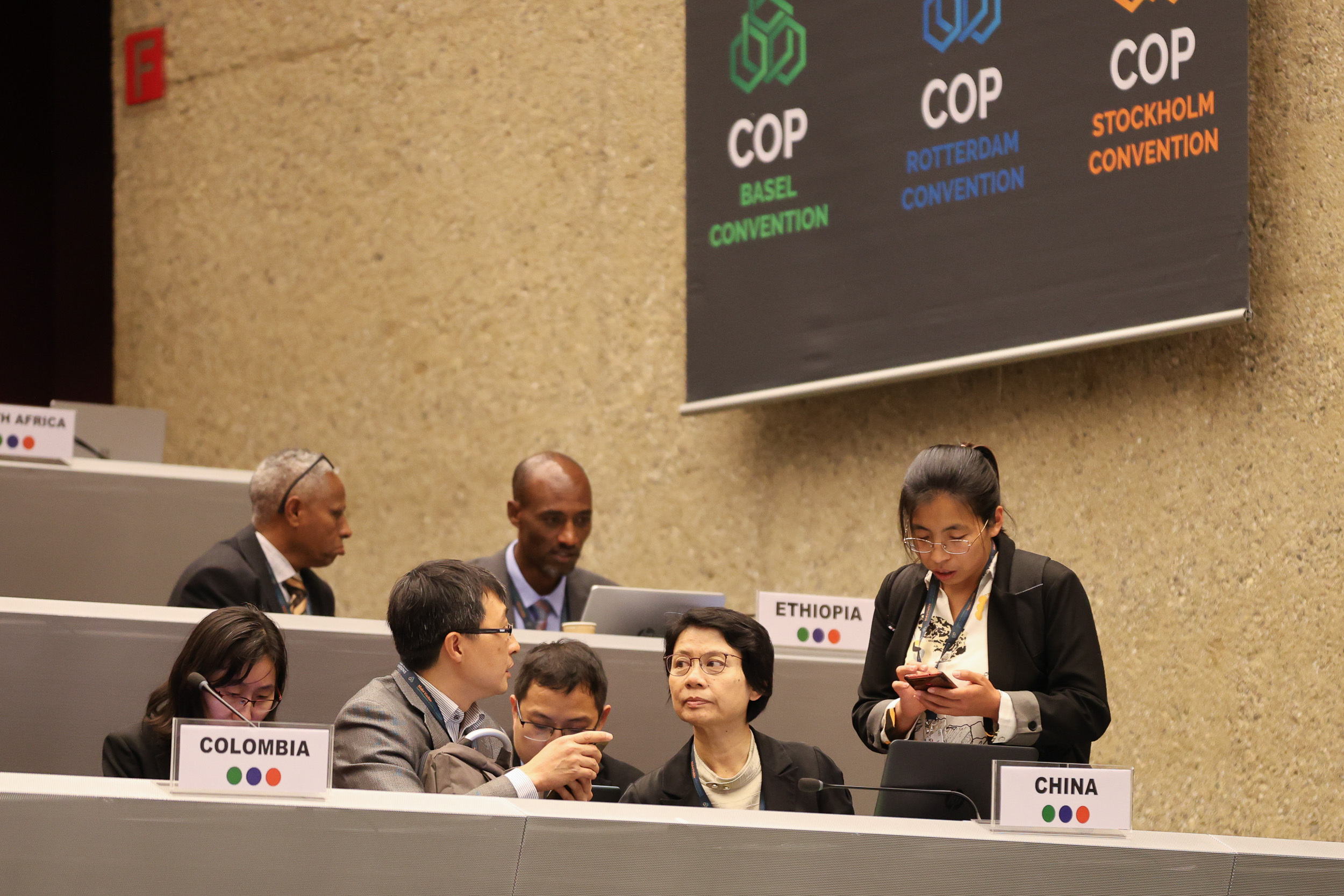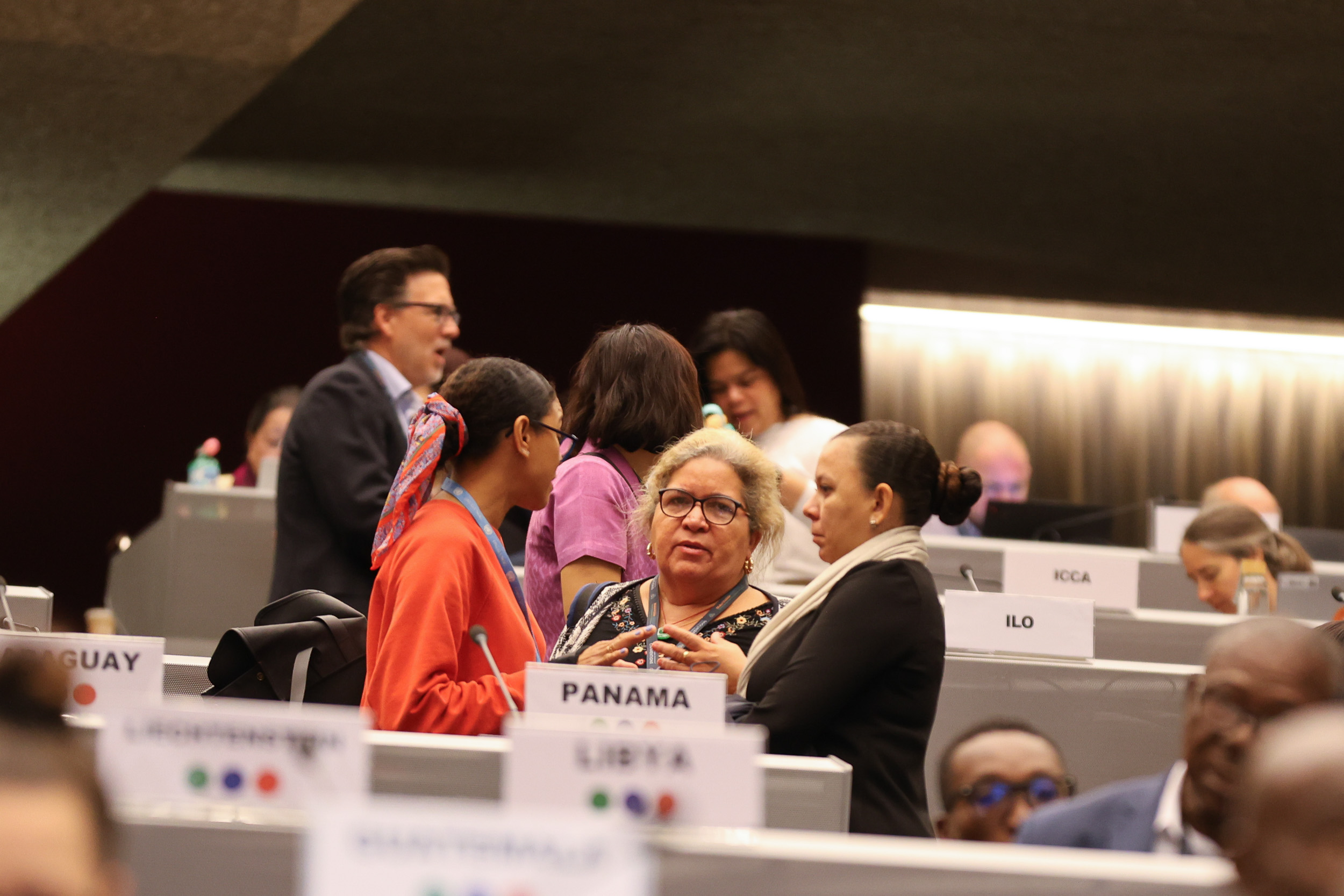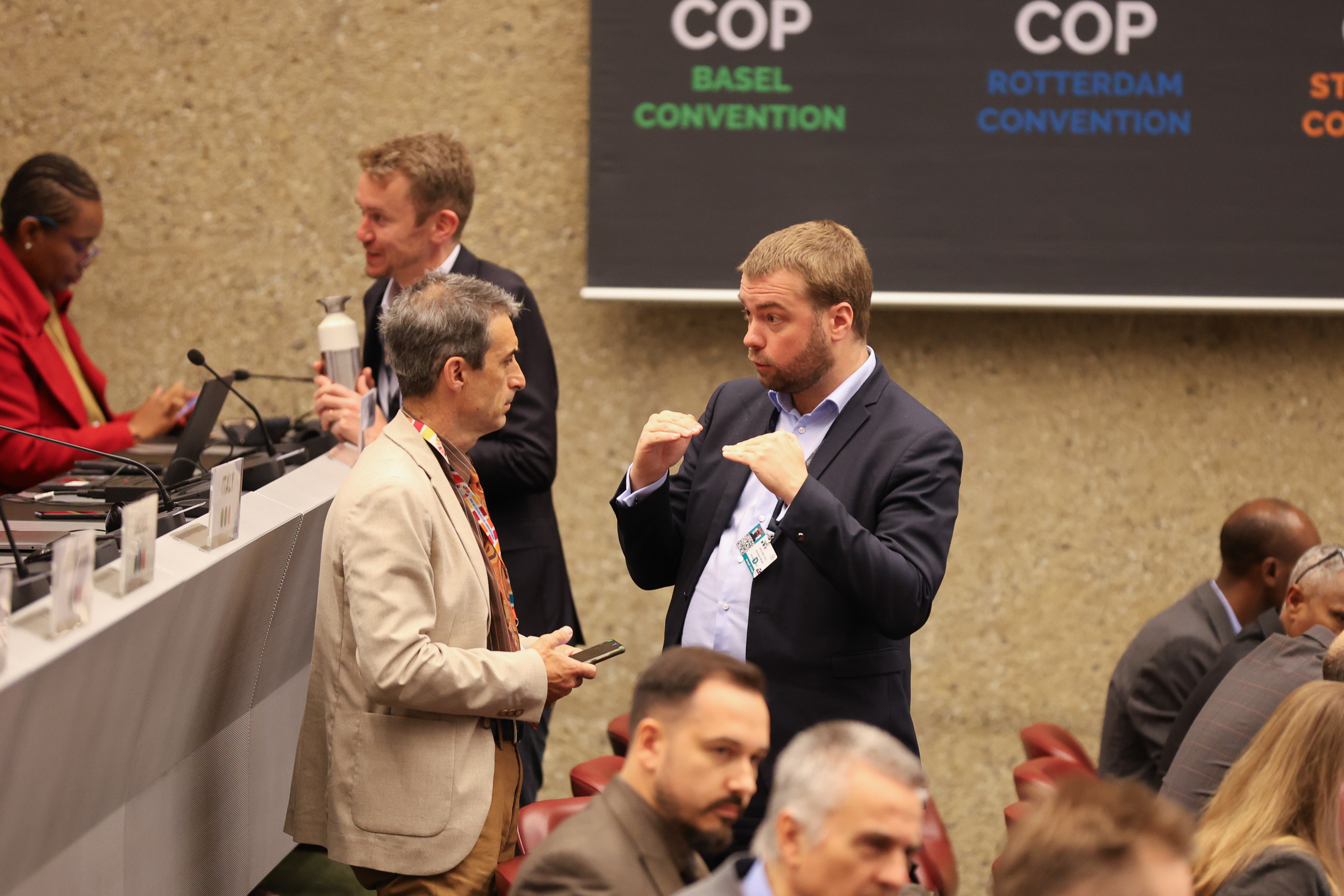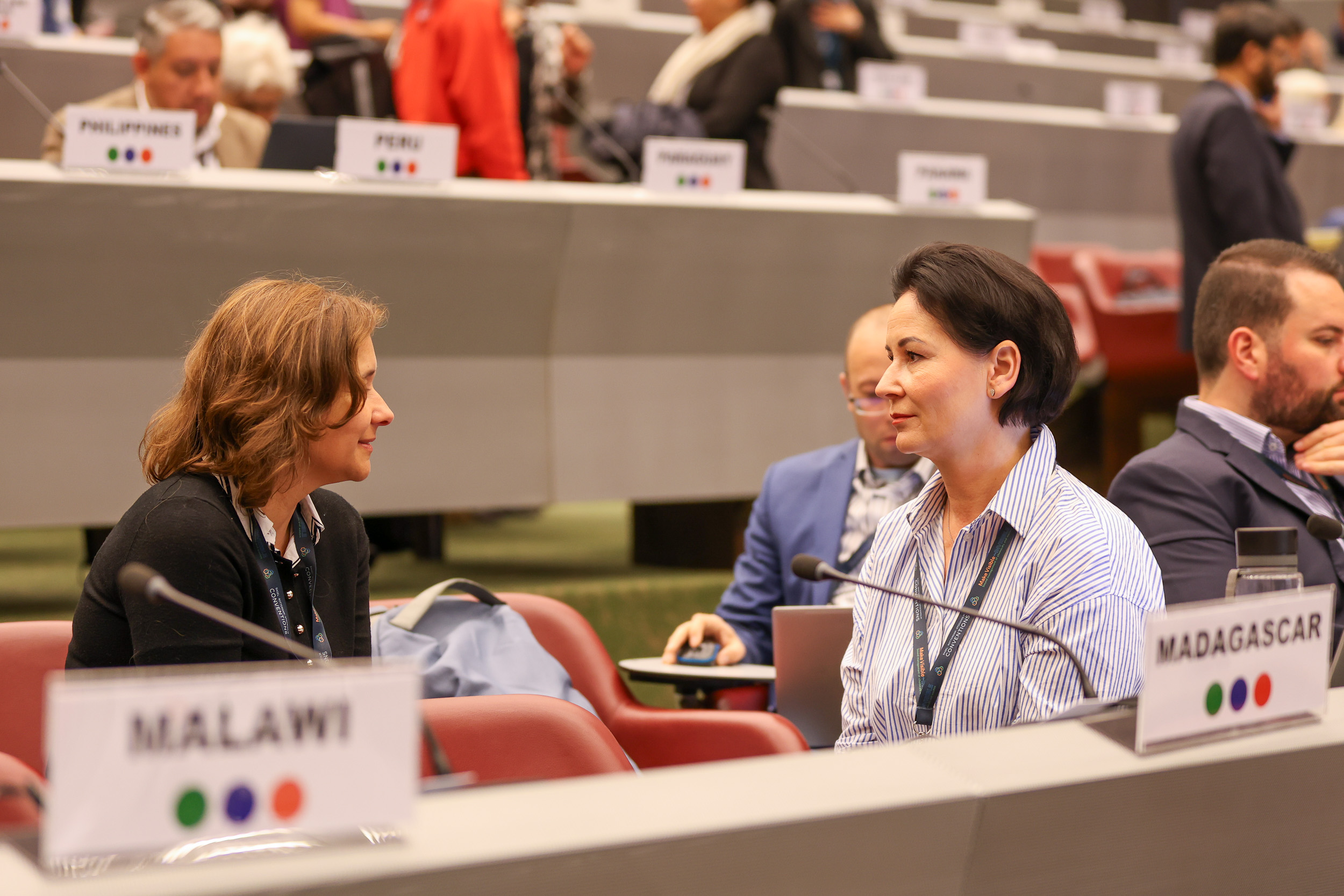
Millions of tons of chemicals and wastes cross borders every year, legally and illegally. The Rotterdam and Basel Conventions manage chemicals and waste trade, respectively. Both Conventions provide information to importers and require their prior informed consent (PIC). They rest on the hope that transparency can give countries more control to help protect health and the environment.
Want to dig deeper into today's talks? Read the full Earth Negotiations Bulletin daily report.
The Rotterdam Convention agreed to list the pesticide carbosulfan in its Annex III, making it part of the PIC procedure. This win was overshadowed by a day filled with discussions on how effectively the Convention is achieving its goals. For some countries, the Rotterdam Convention could have unintentional effects because it might alter pesticides’ availability and price. Some private certification bodies, parties claim, misinterpret a chemical’s inclusion as an indication of a ban, not information provision.
It’s difficult to evaluate these claims and the Convention itself, given the challenge of finding public data on volumes traded before a chemical is listed. After a few countries again blocked several pesticides from being part of the PIC procedure, as they have for years, there was a lingering frustration about how to make the treaty work for developing countries.
The Basel Convention has recently listed plastics and e-waste, both huge and still-growing waste streams with environmental and health impacts. Textiles are another such waste stream. Volumes are rising, and, as some delegates noted in plenary, it is surprisingly difficult to know what is in textile wastes. It could include plastics or harmful chemicals, even persistent organic pollutants. Some want to urgently move this work forward, while others view it as a low priority.
Plastics and e-waste have brought new challenges. The work to update the Basel Convention’s list of disposal operations to better reflect new processes, technologies, and problems associated with modern waste streams is slow. There were doubts if, after six years, it was possible to finish the work at this meeting.
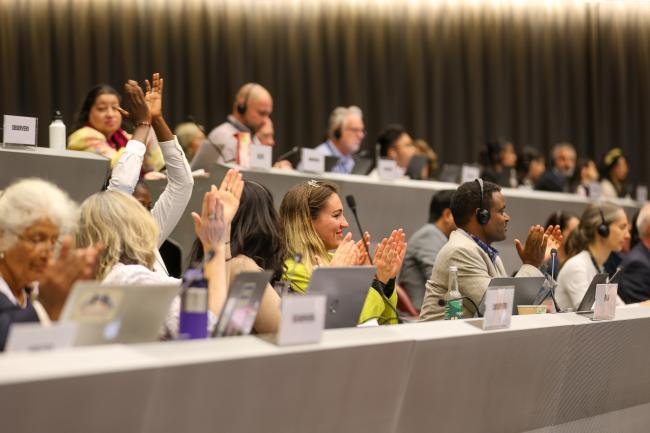
There was applause as the Stockholm Convention negotiators prevailed in sorting out the highly-complex issues raised by medium-chained chlorinated paraffins. Emissions of these substances are rising because of their growing use to make plastics more durable, flexible, and flame retardant. The decision was finalized for possible adoption soon.
There’s a new champion protecting alpine areas and the Arctic from hazardous chemicals and wastes: Felix Neureuther, an Olympic champion alpine skier. Other side events were admittedly more prosaic. The automobile industry shared its perspectives on the successful implementation of the Stockholm Convention, and another event explained information tools and approaches for managing chemicals and hazardous waste. Institutional insights on how compliance committees support parties and how the Bamako Convention can support the Basel Convention in Africa helped participants learn about the approaches of other bodies.
All ENB photos are free to use with attribution. For this event, please use: Photo by IISD/ENB | Mike Muzurakis
To receive free coverage of global environmental events delivered to your inbox, subscribe to the ENB Update newsletter.
Plenary Sessions
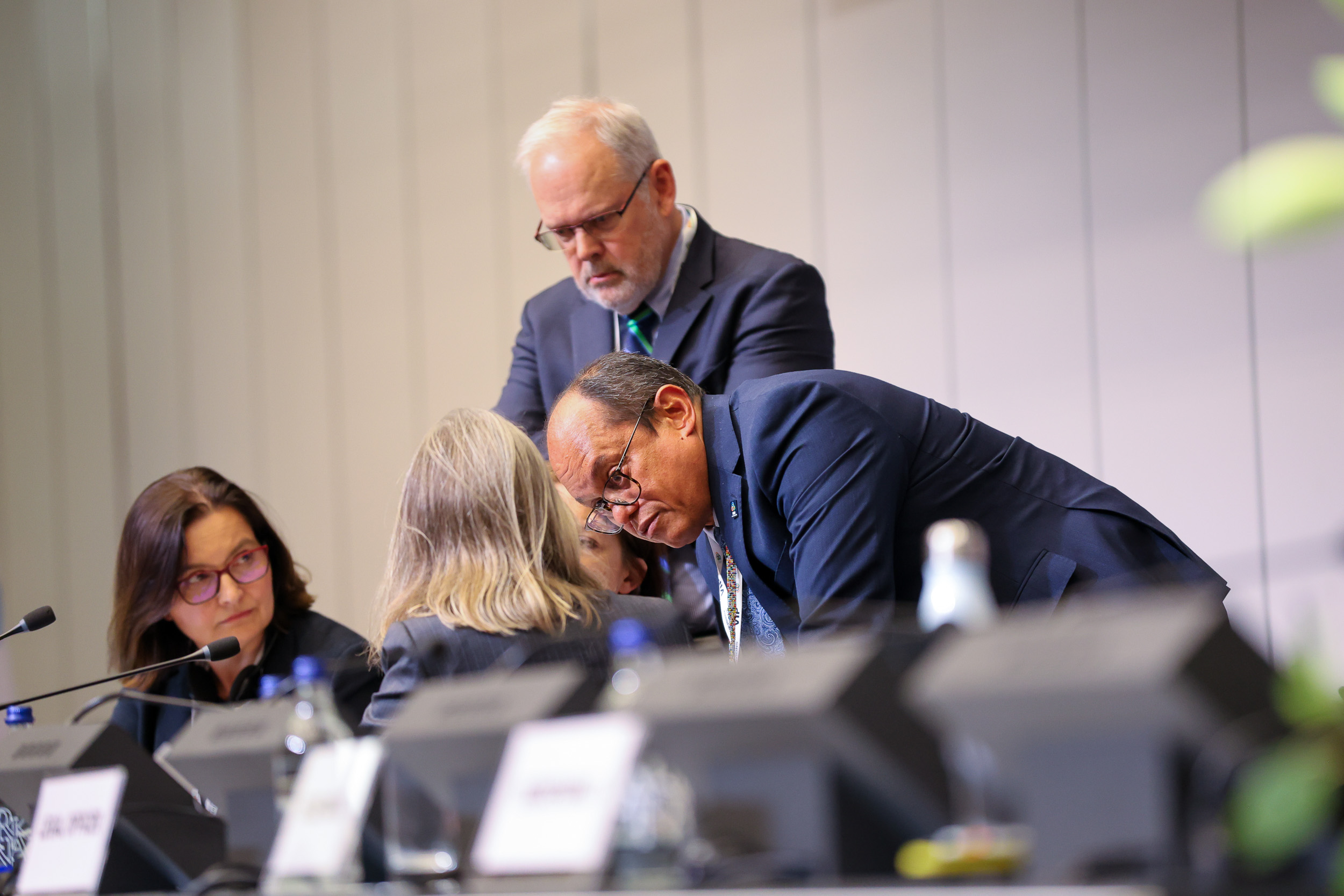
Rolph Payet, Executive Secretary, BRS Conventions (right)
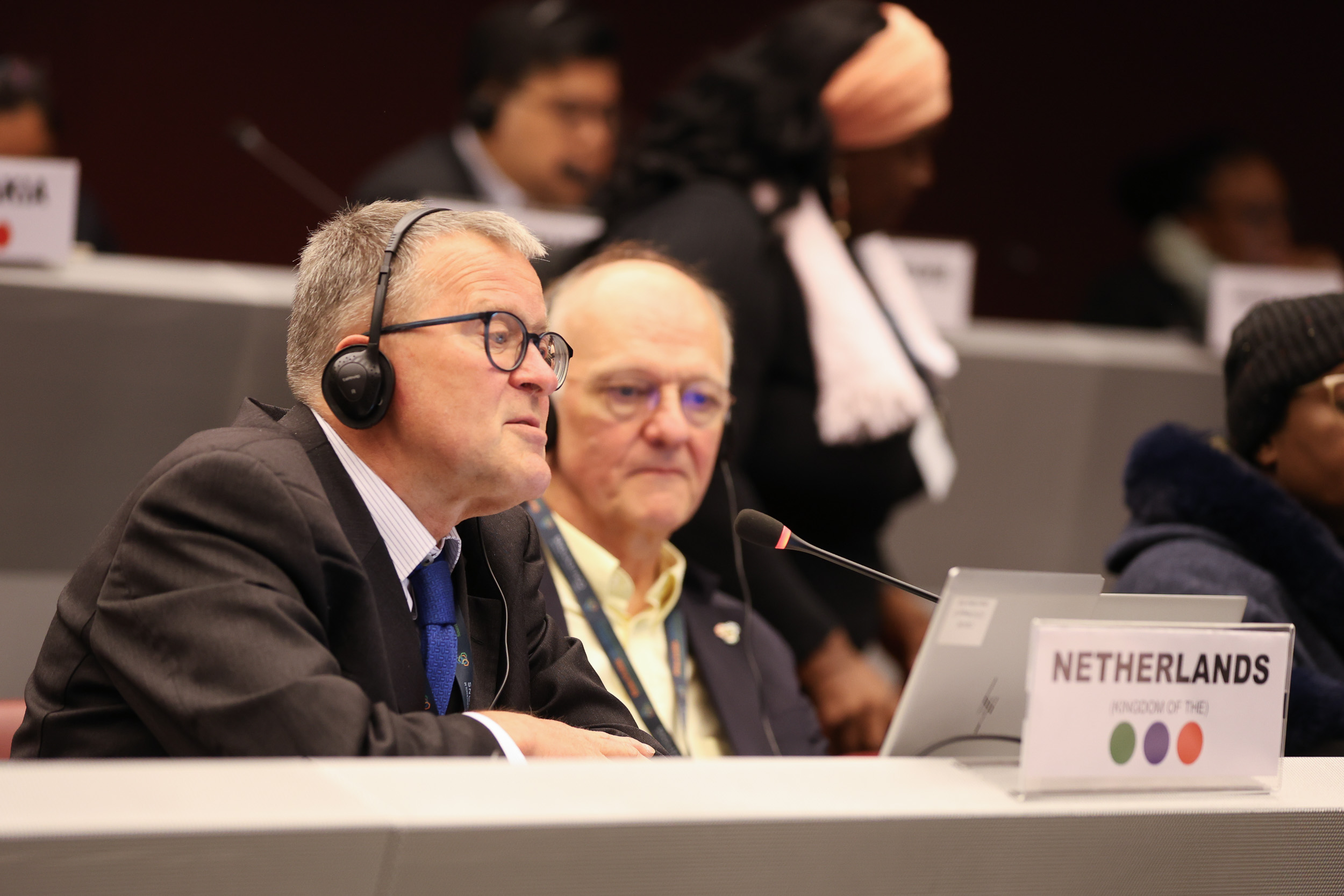
Martien Janssen, the Netherlands
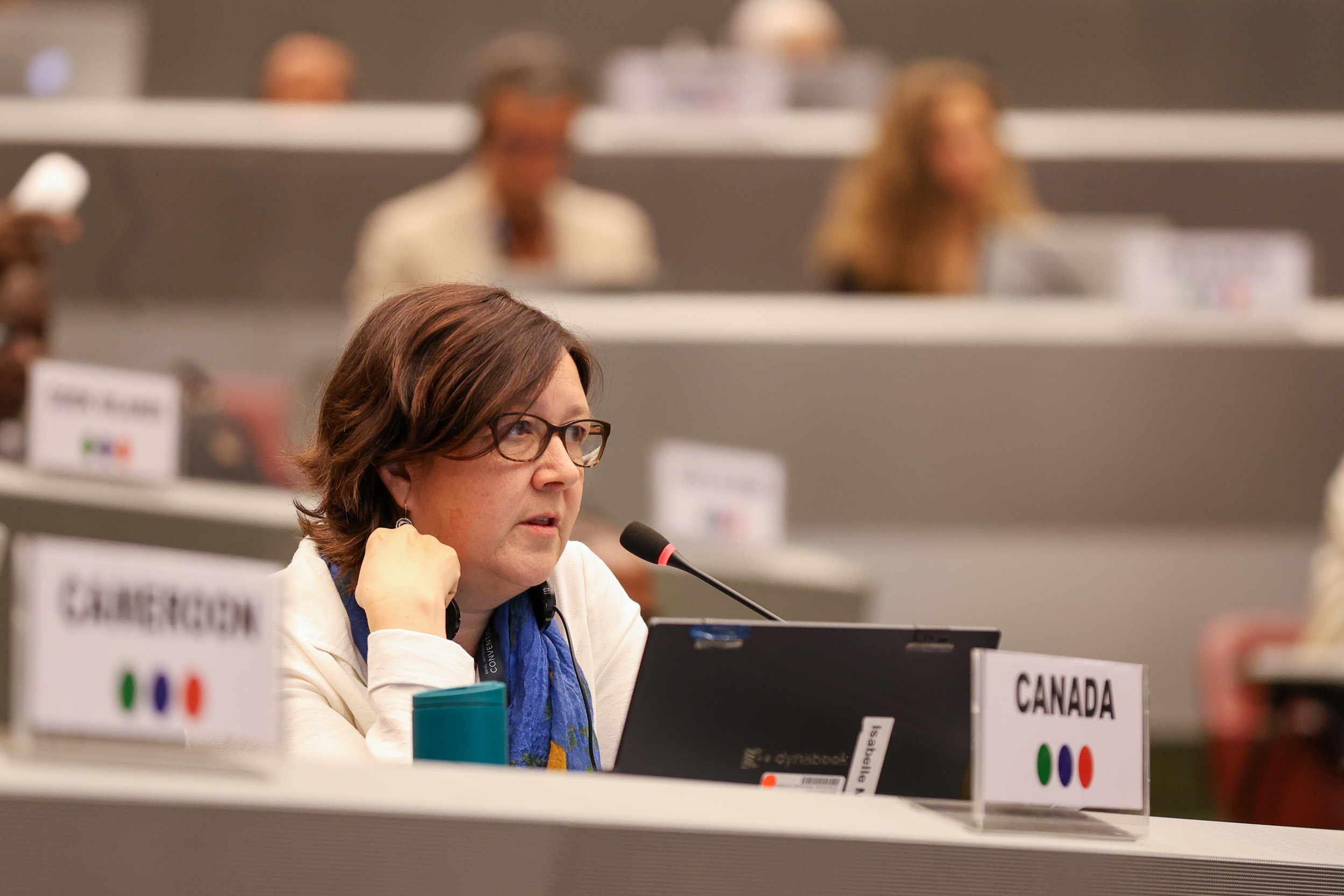
Isabelle Mayr, Canada

Basel Convention COP17 President Anita Sowińska, and Marylene Beau, BRS Conventions Secretariat
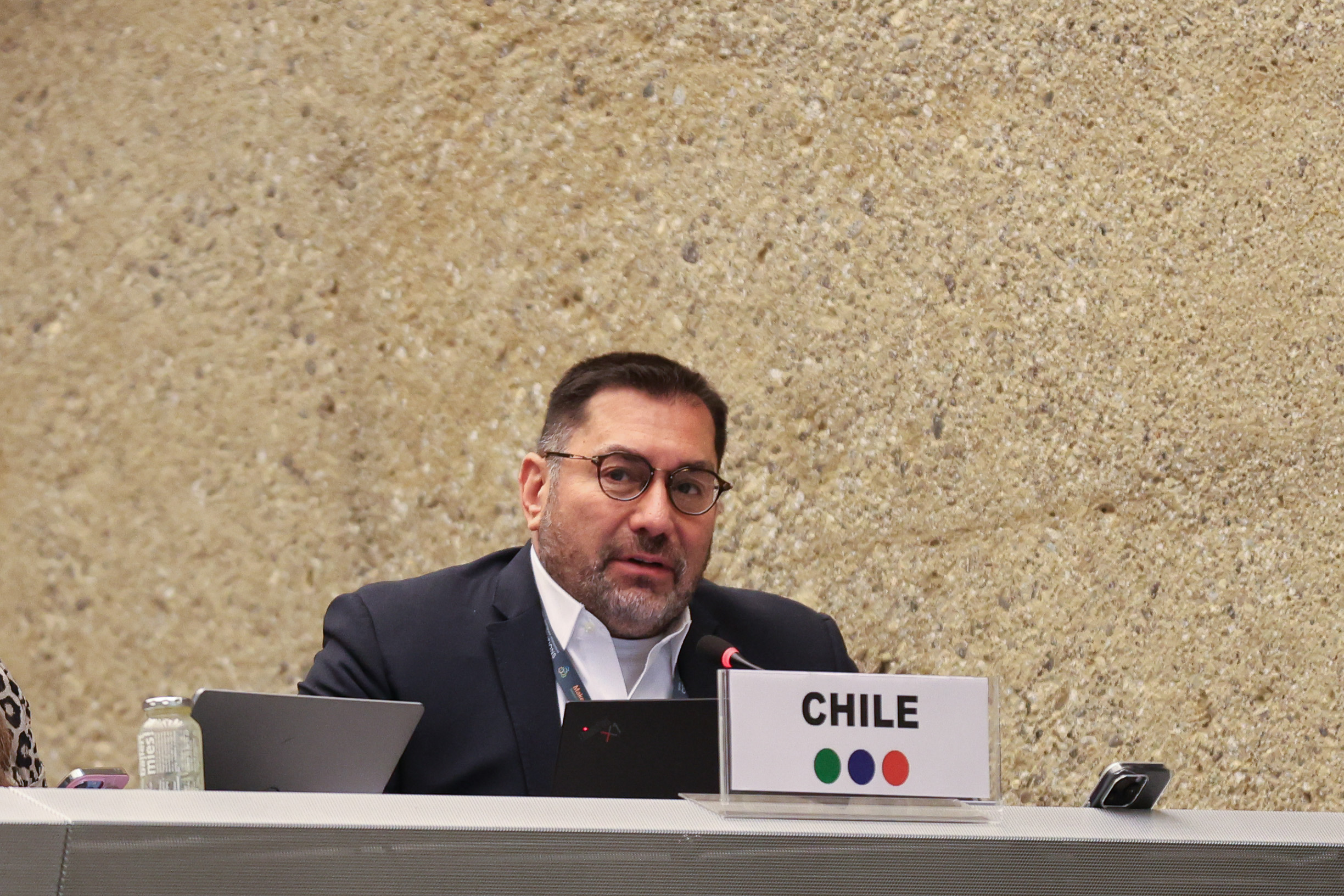
Osvaldo Patricio Álvarez Pérez, Chile
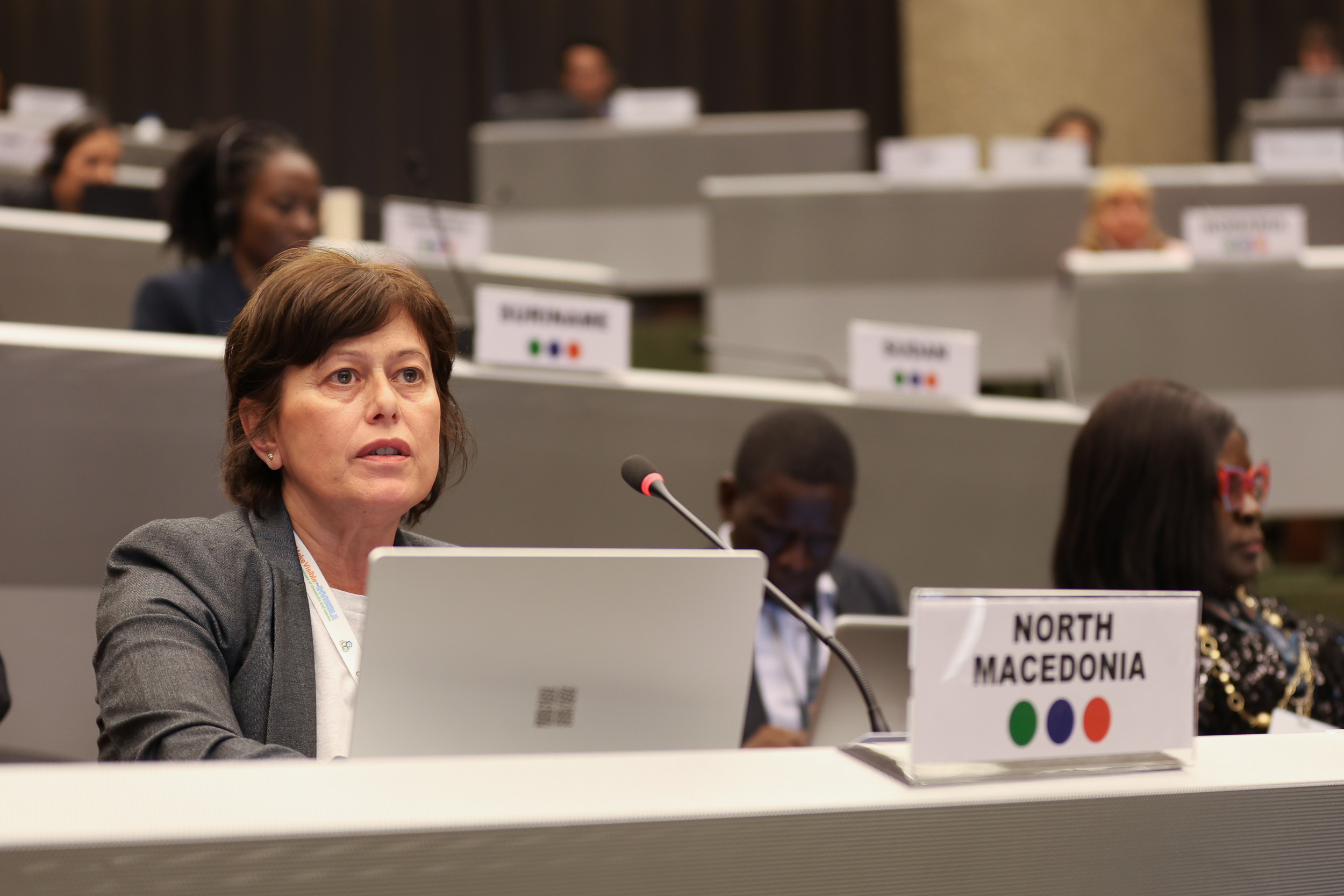
Lendita Dika, North Macedonia
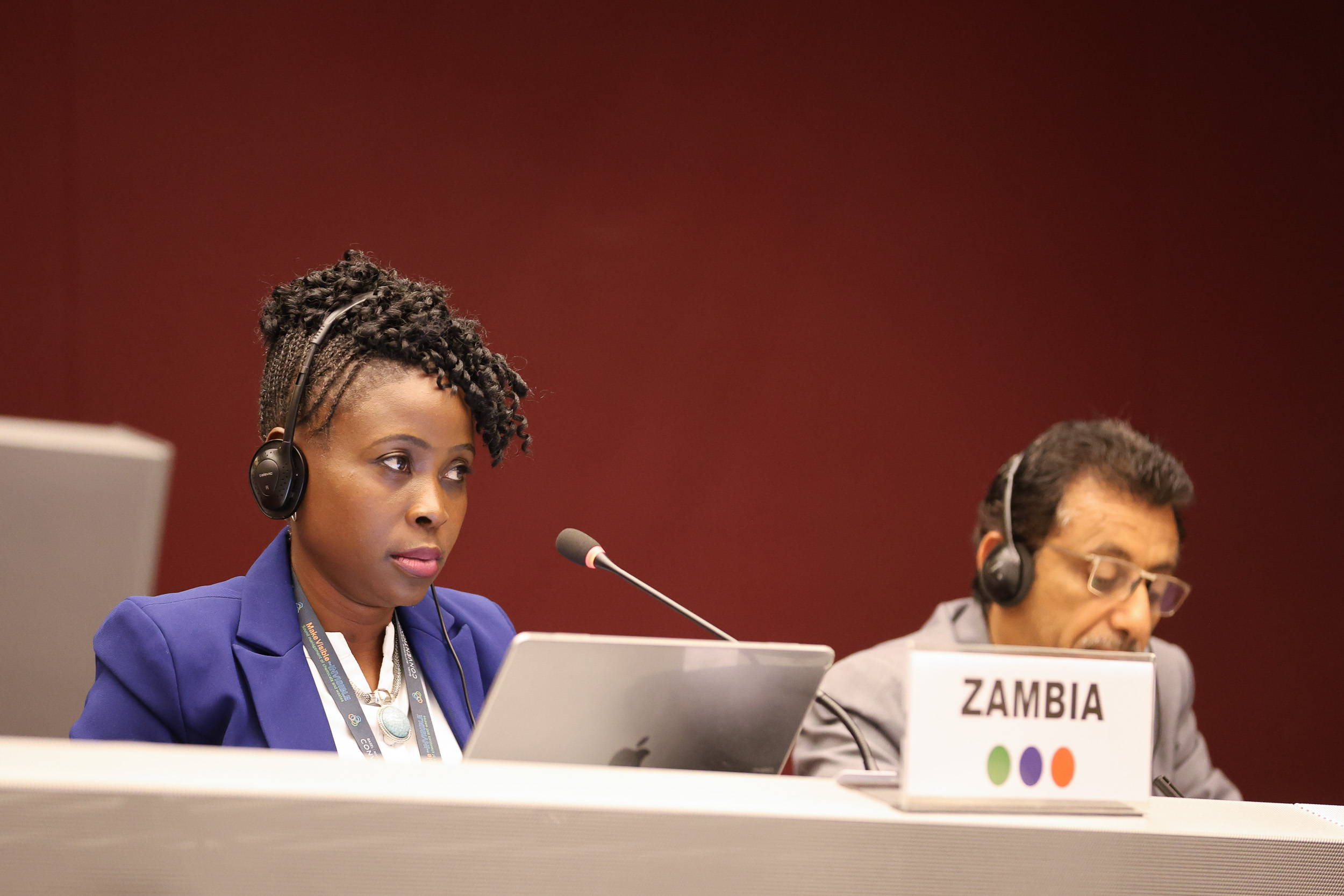
Perine Nkosi Kasonde, Zambia
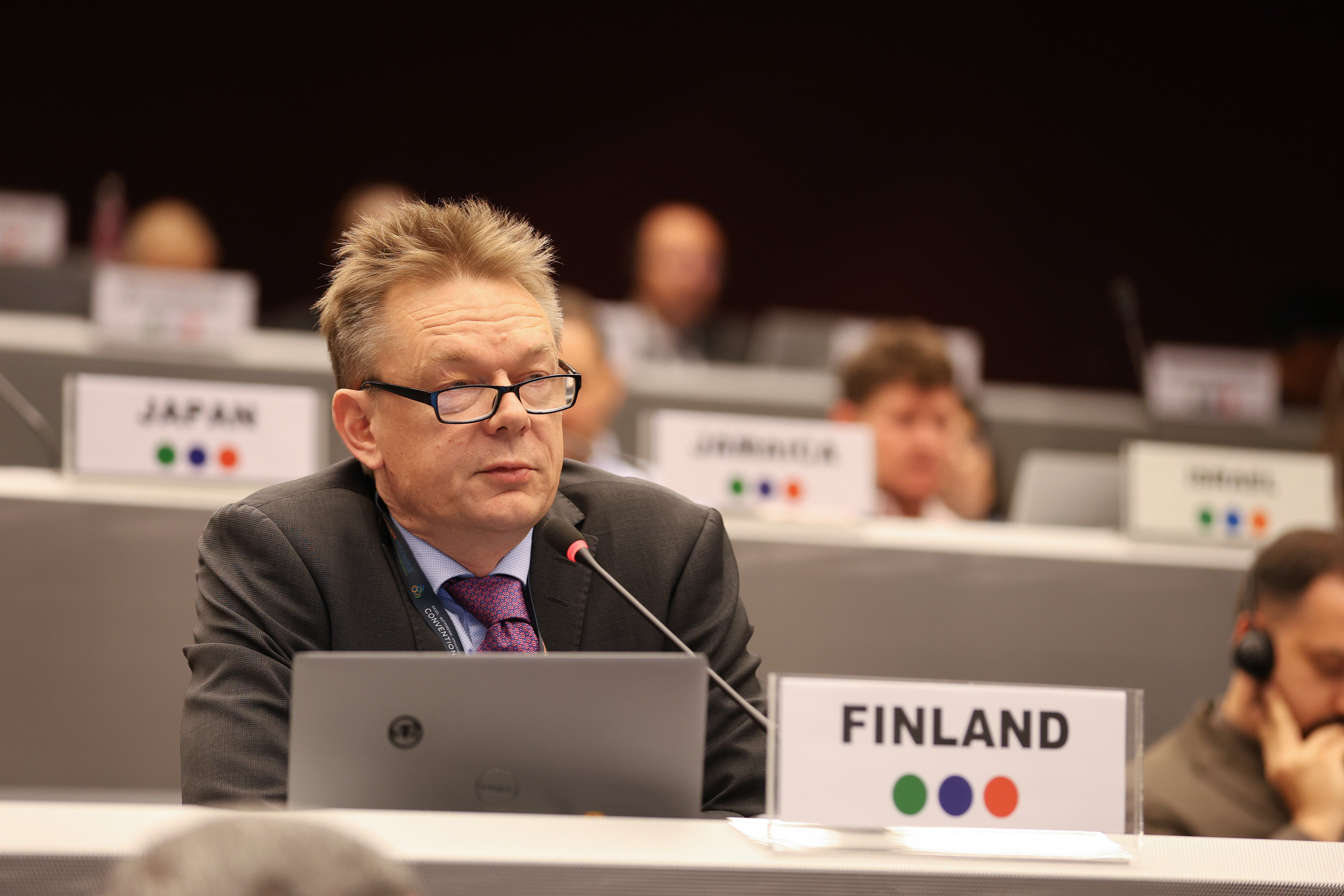
Timo Seppälä, Finland
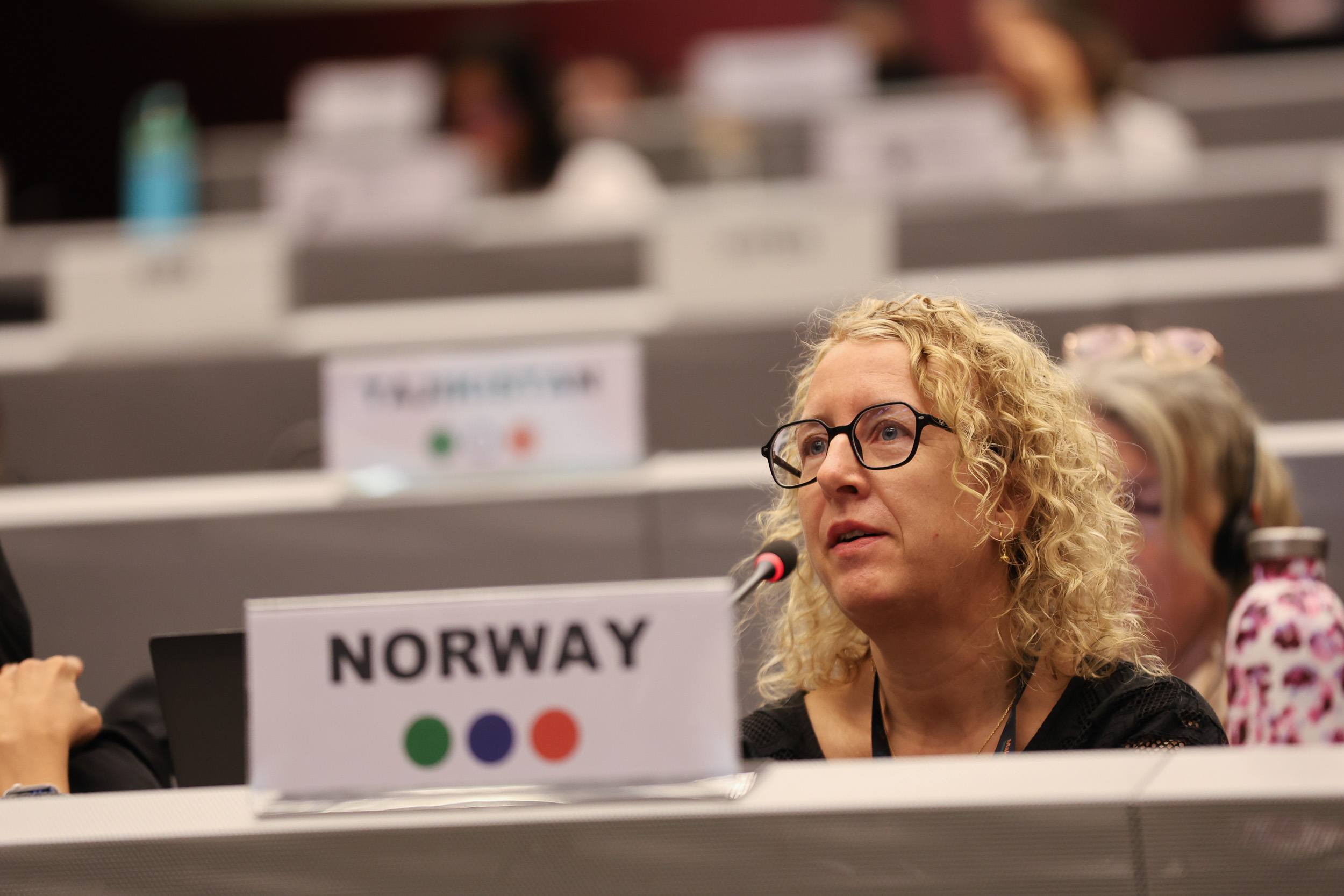
Marit Randall, Norway
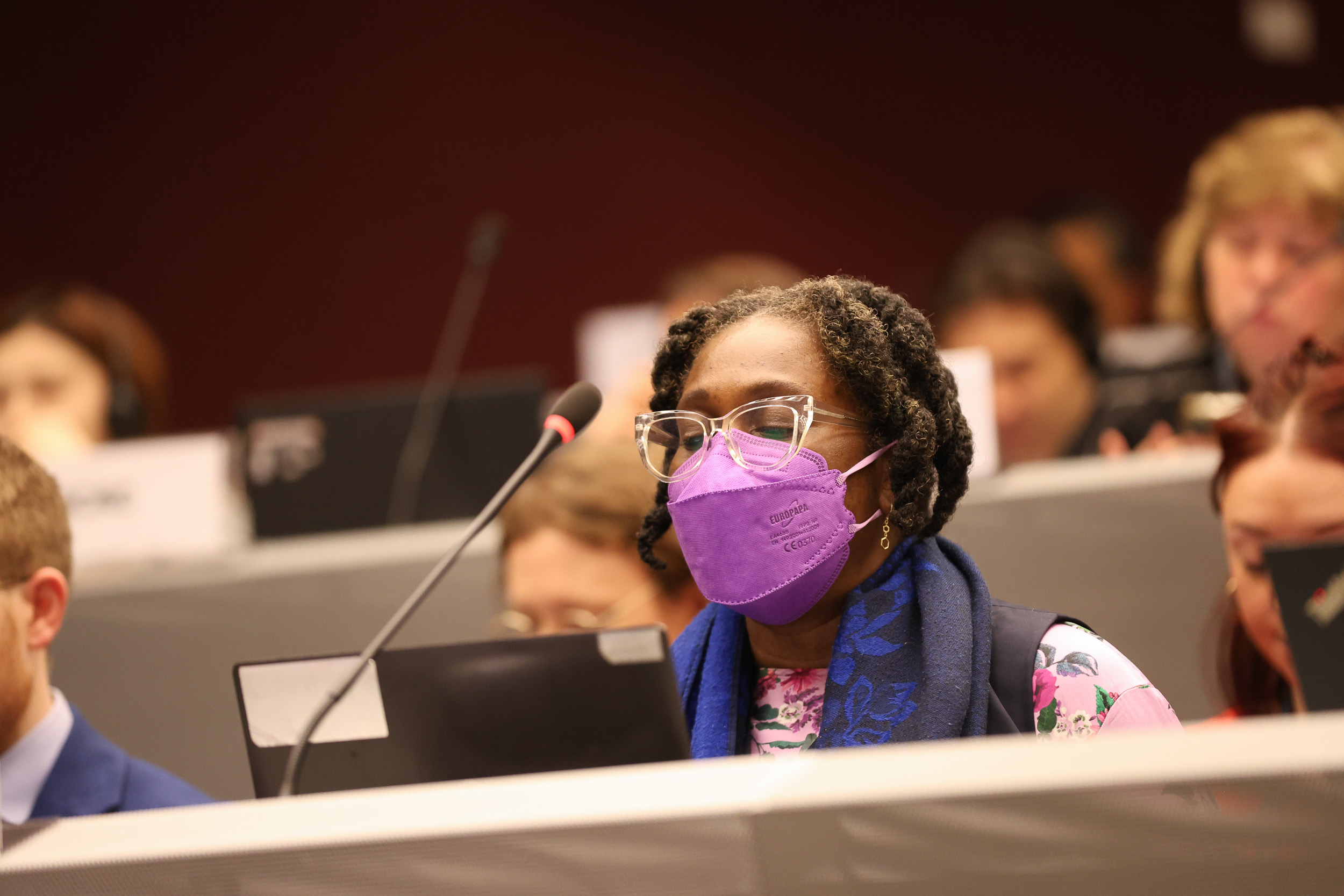
Toks Akinseye, UK
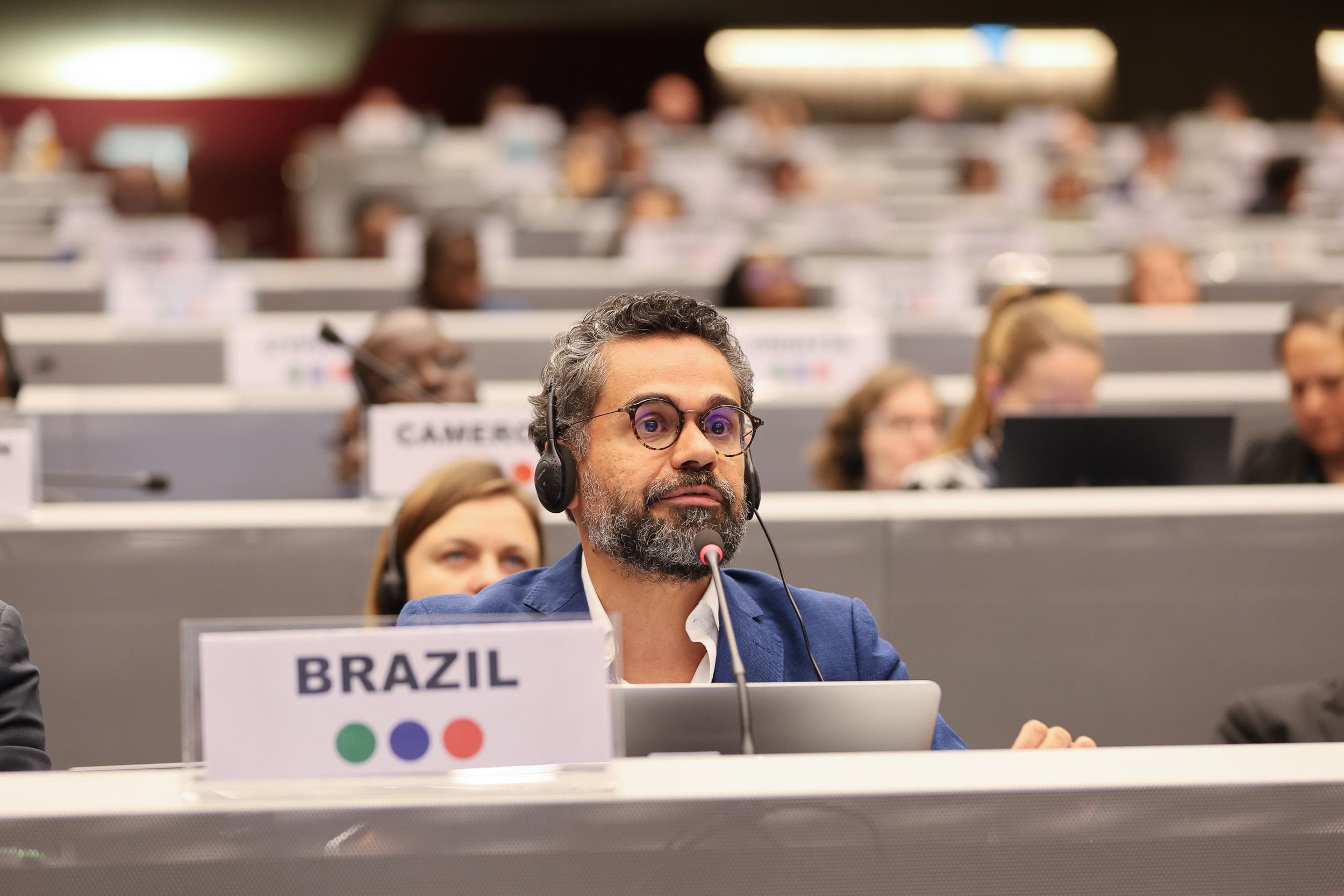
Francisco Nelson Linhares, Brazil
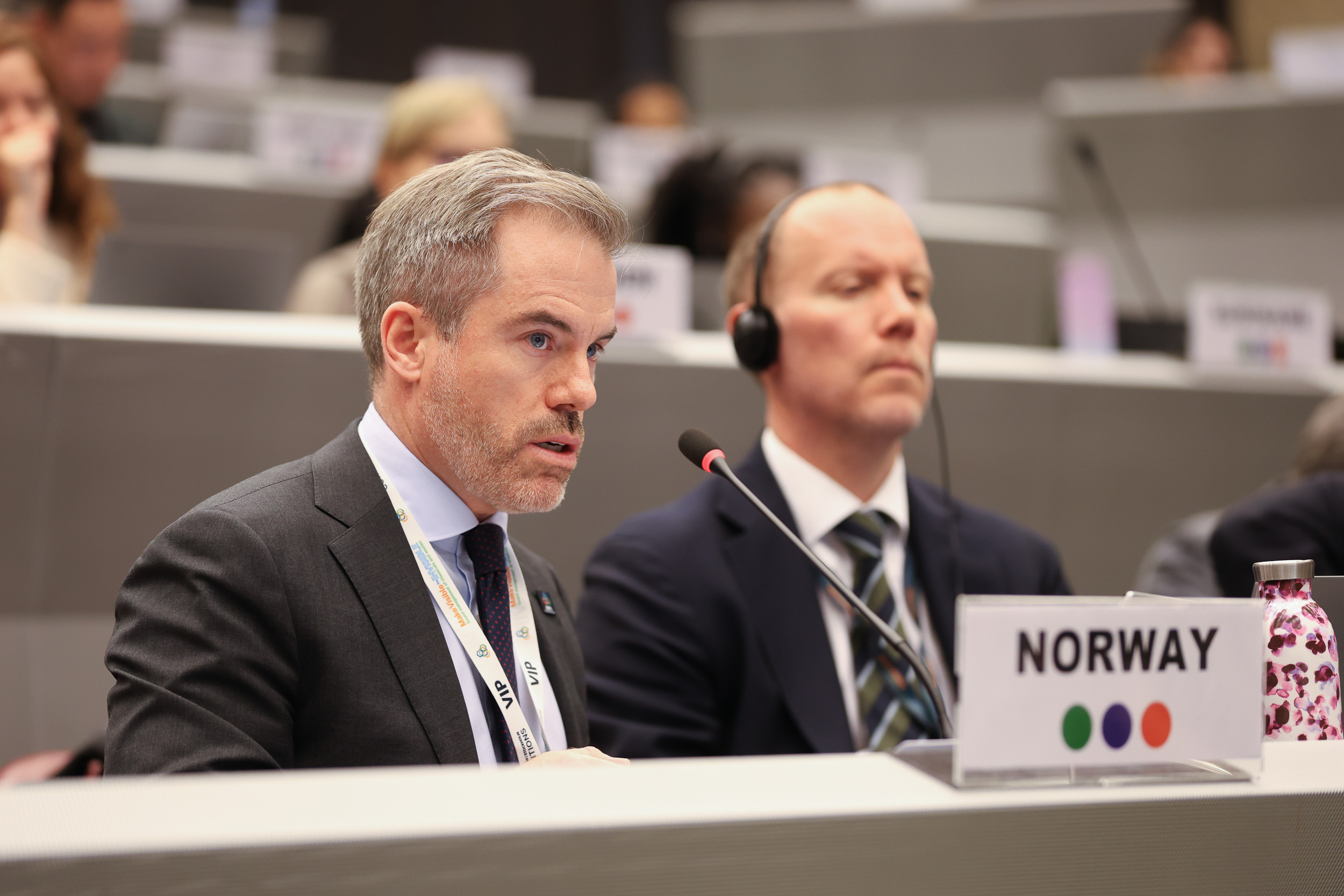
Sverre Thomas Jahre, Norway
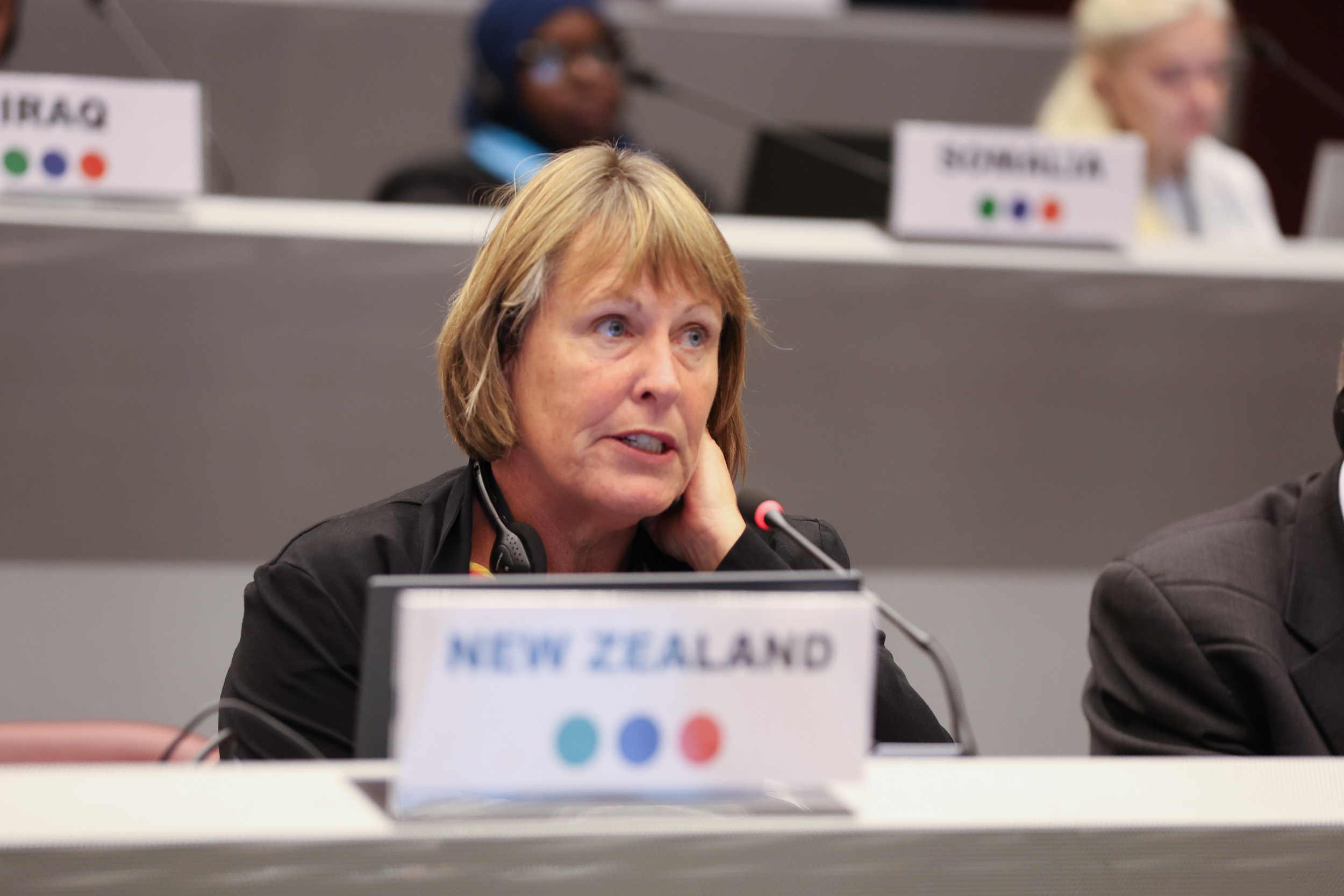
Mariska Wouters, New Zealand
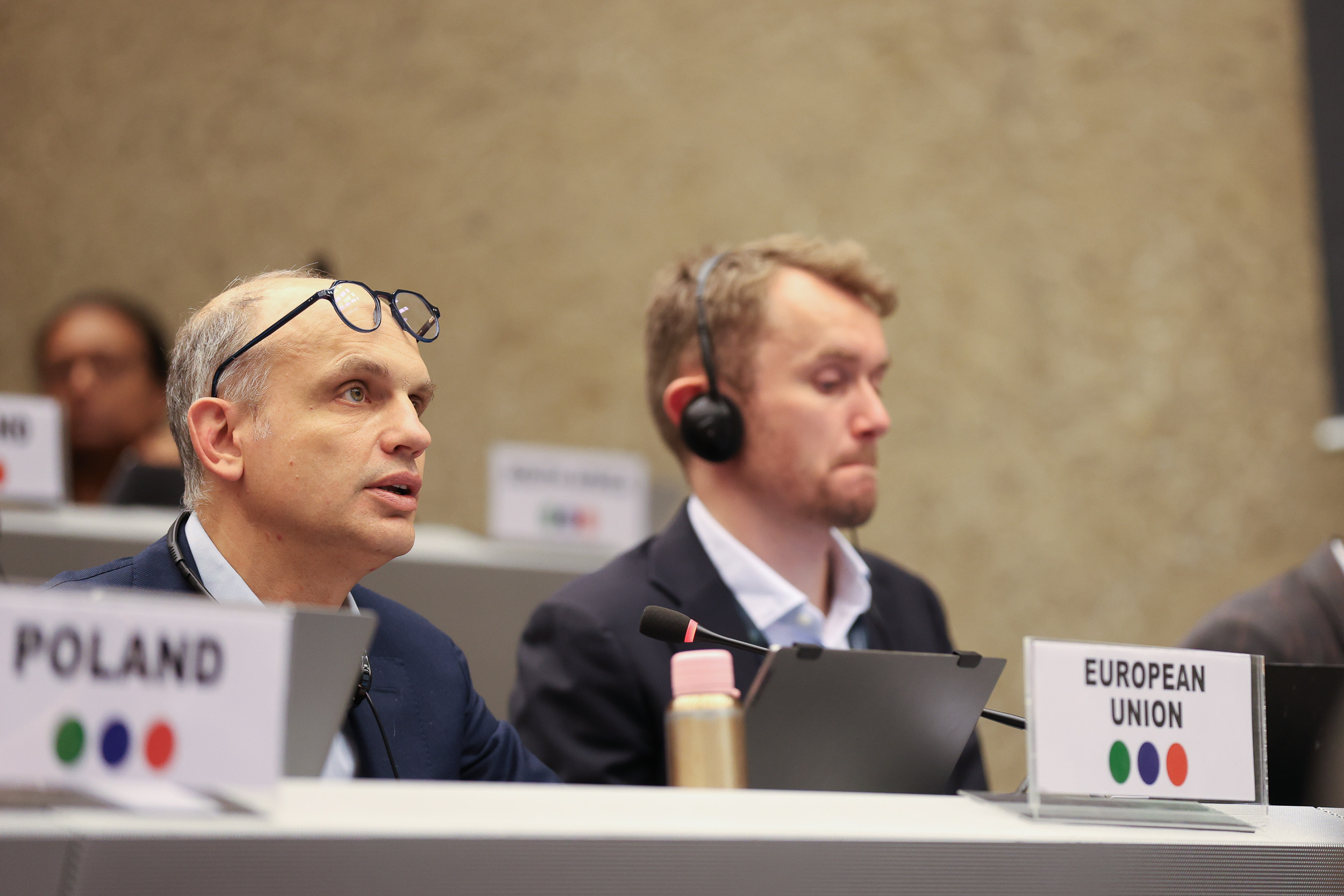
Gaël De Rotalier, EU
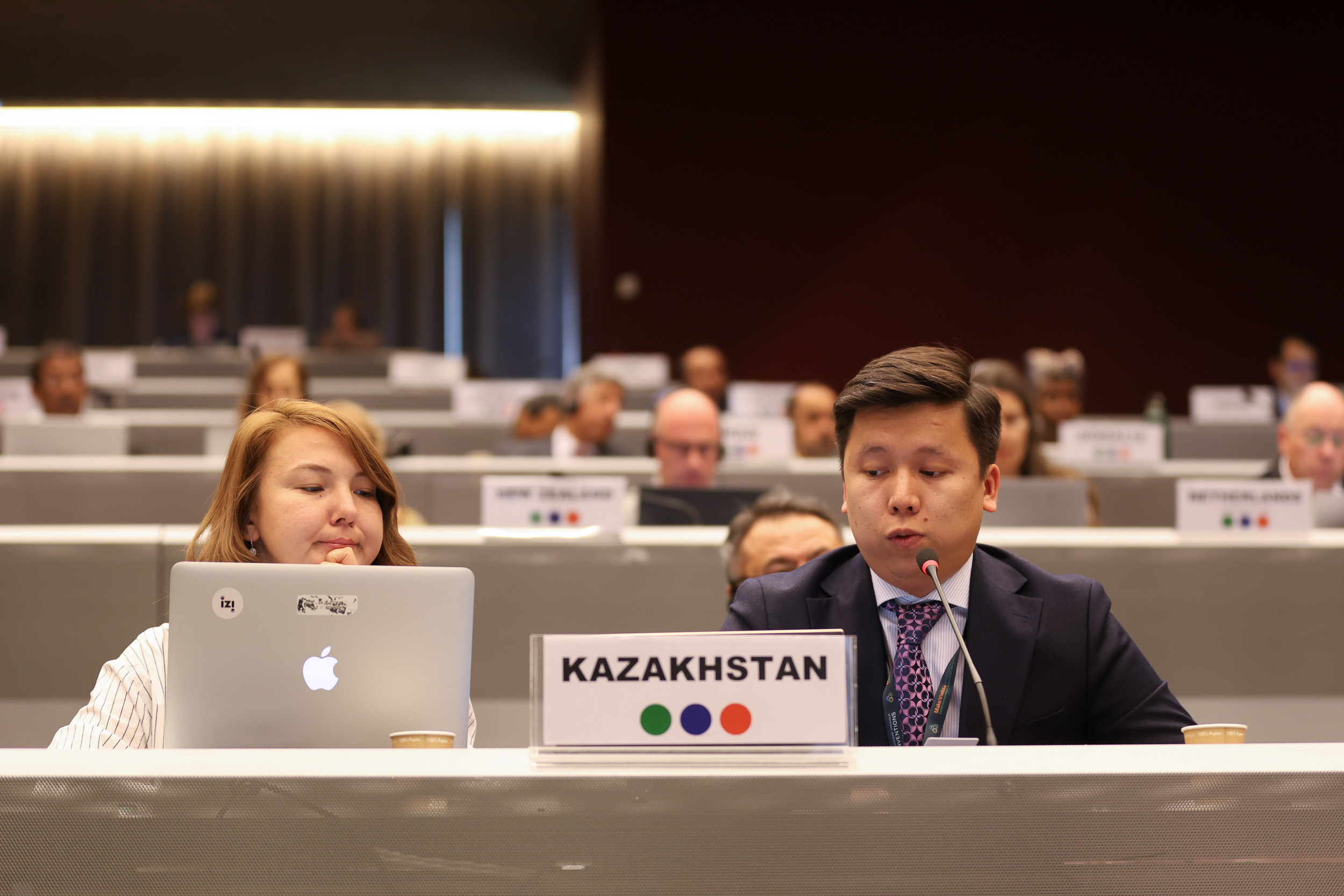
Delegates from Kazakhstan
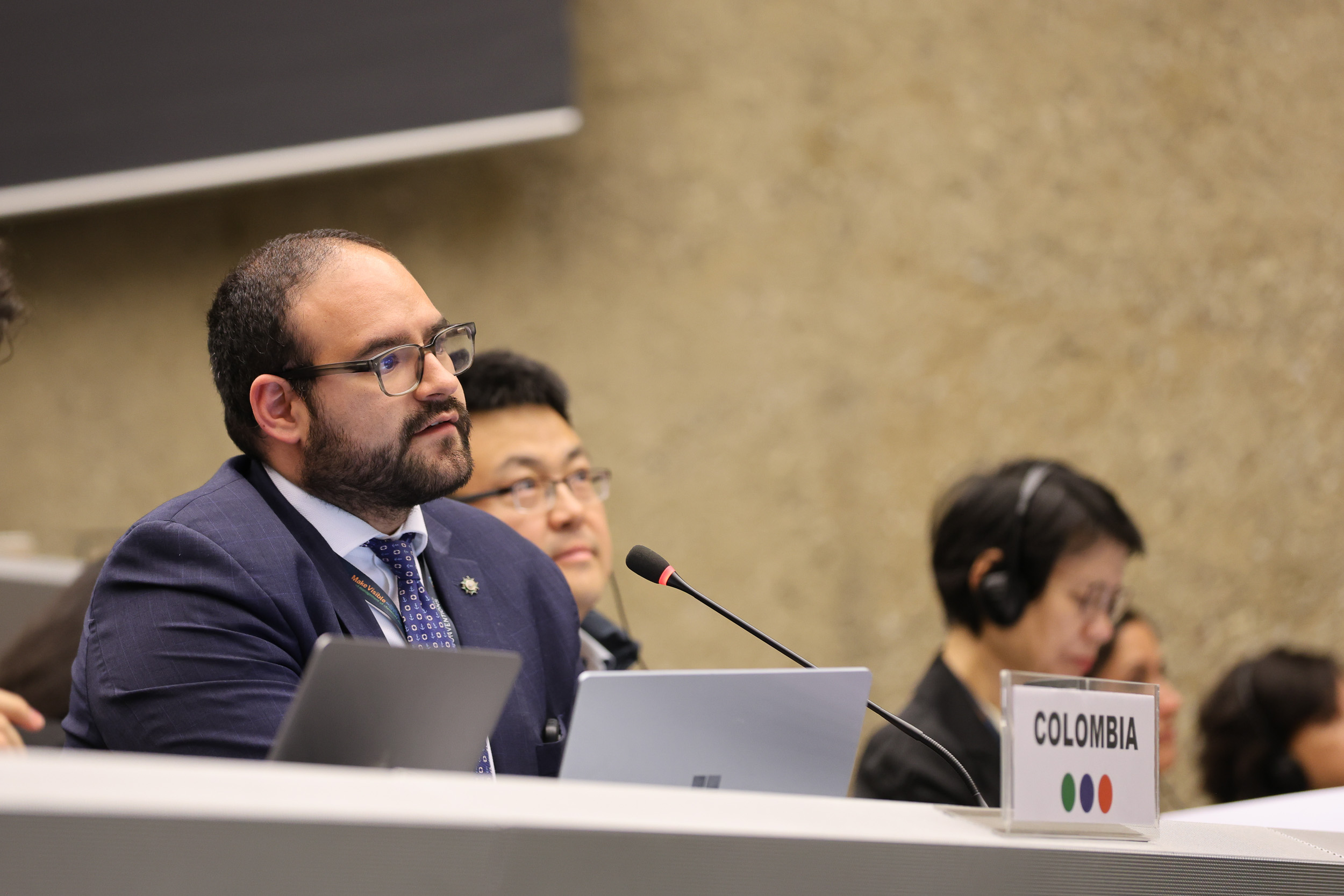
Miguel Eduardo Ruiz Botero, Colombia
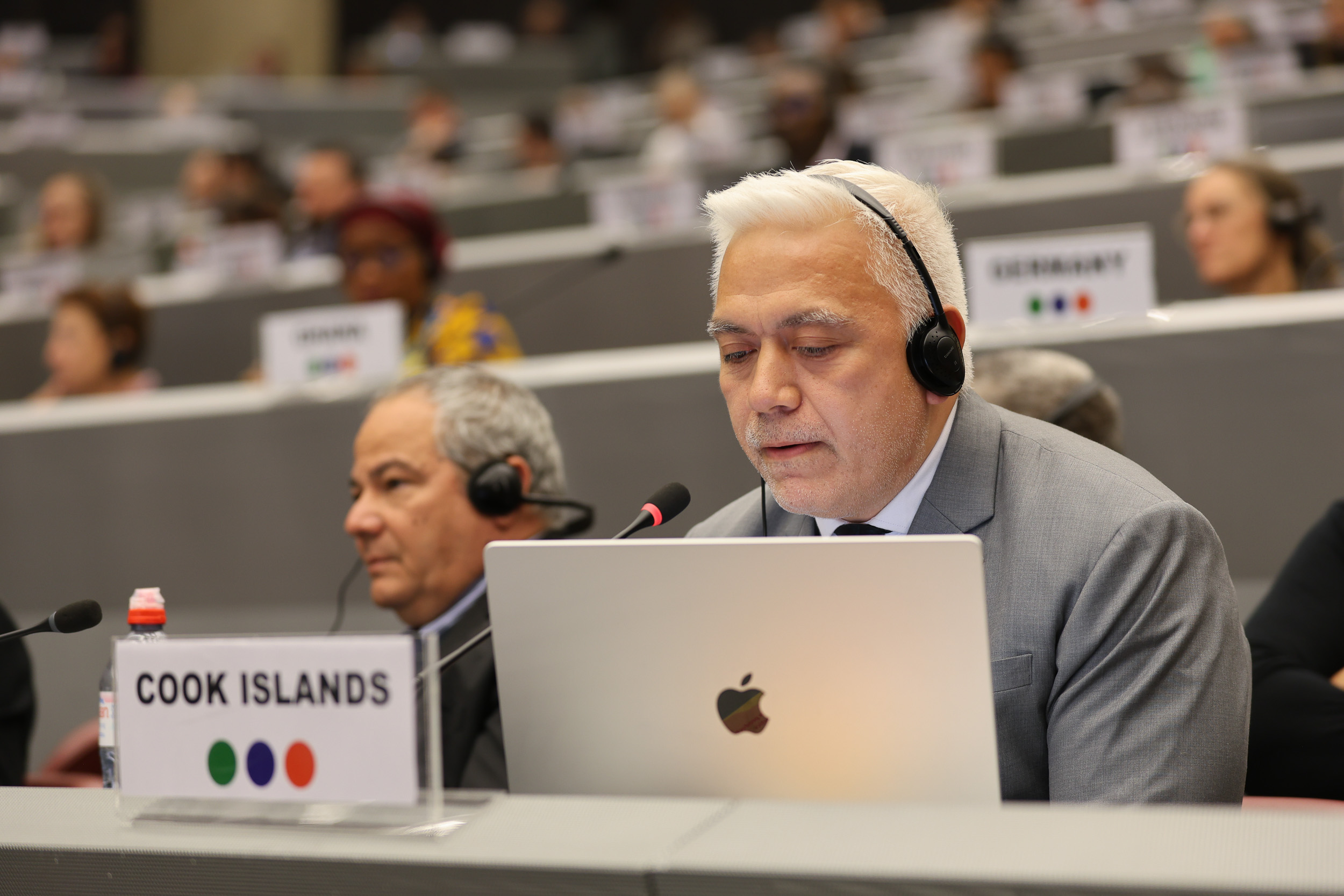
Halatoa Fua, Cook Islands
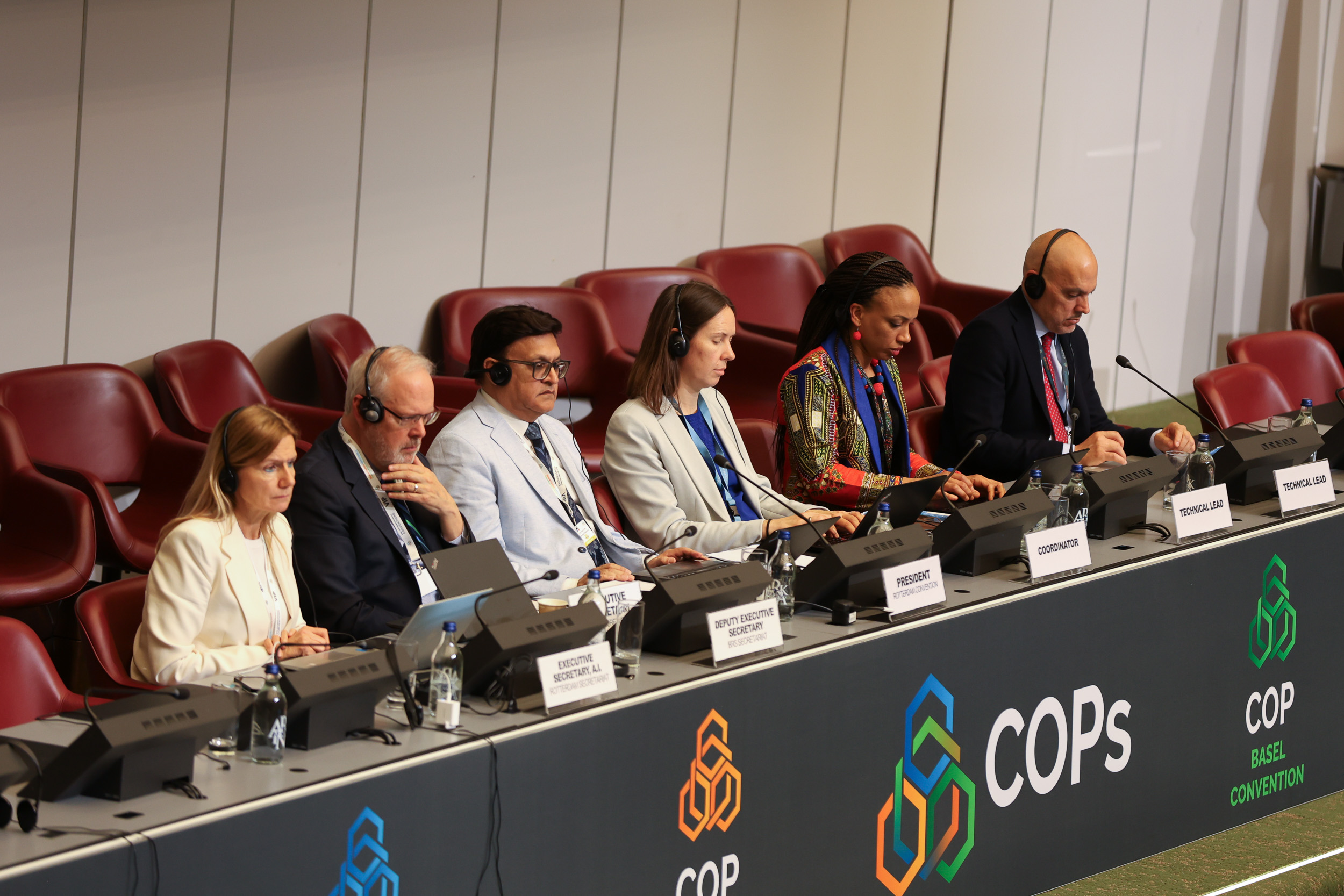
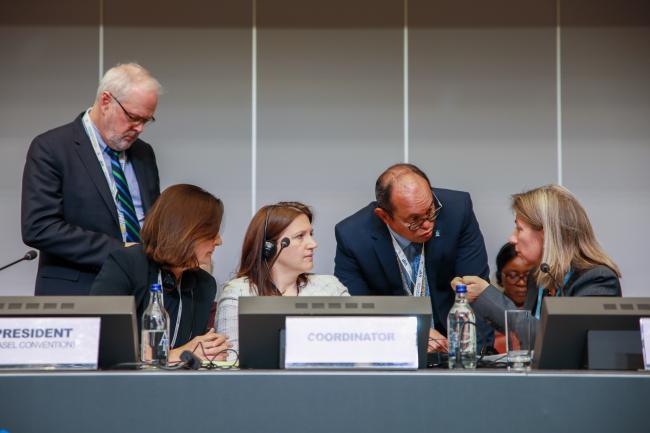
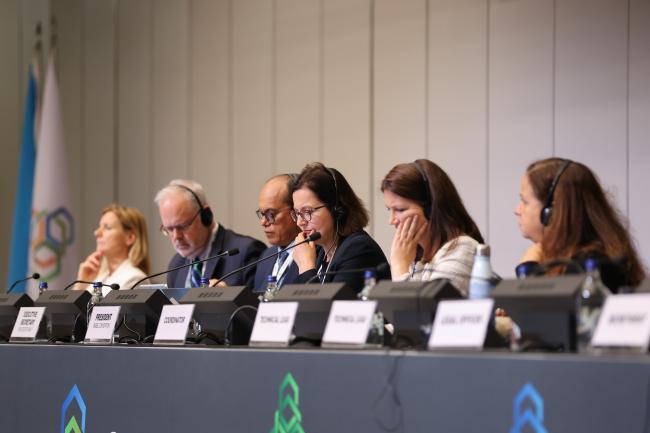
View of the dais during the Rotterdam Convention afternoon plenary
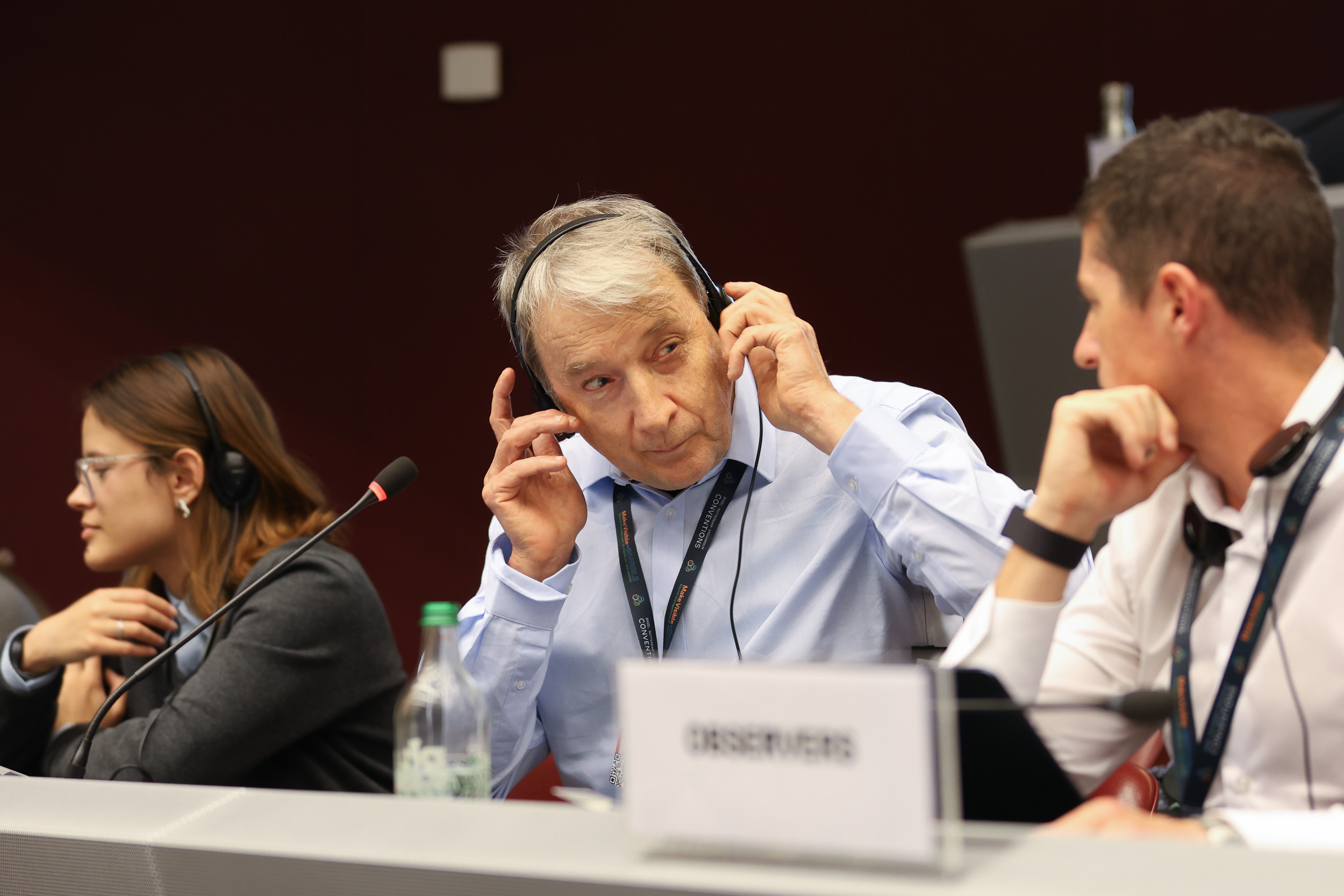
Phillip Hazelton, Union Aid Abroad
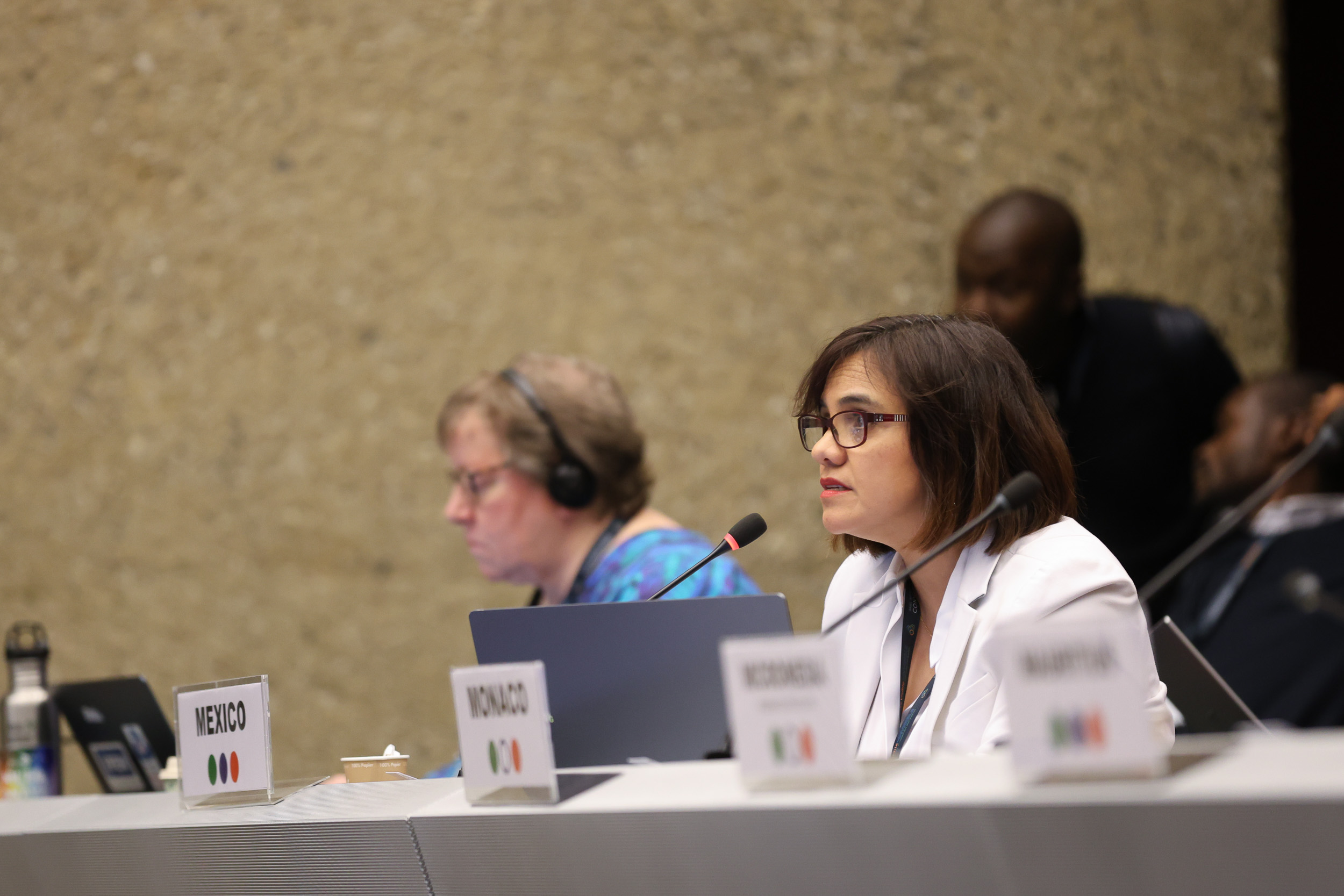
Miriam Medel García, Mexico
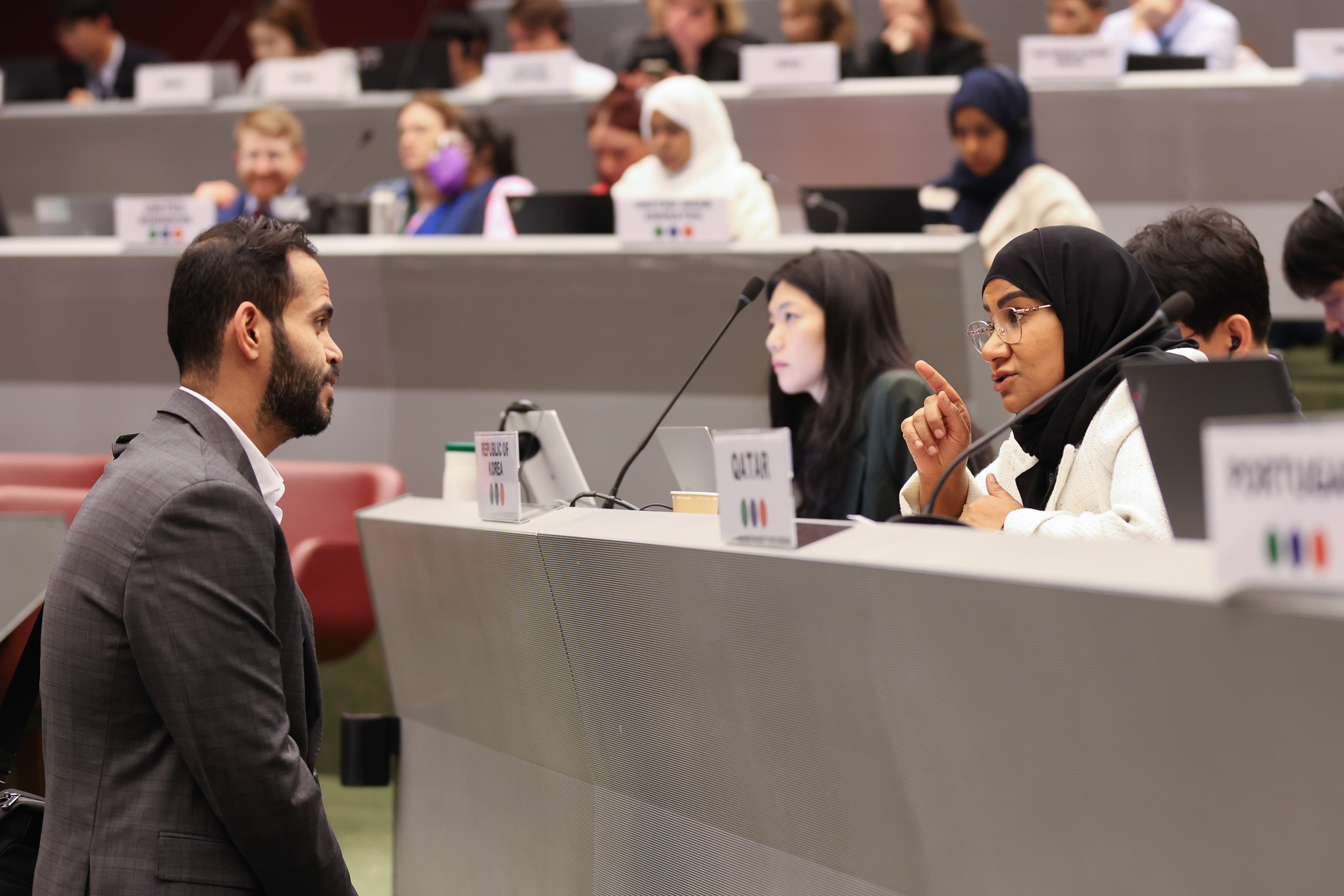
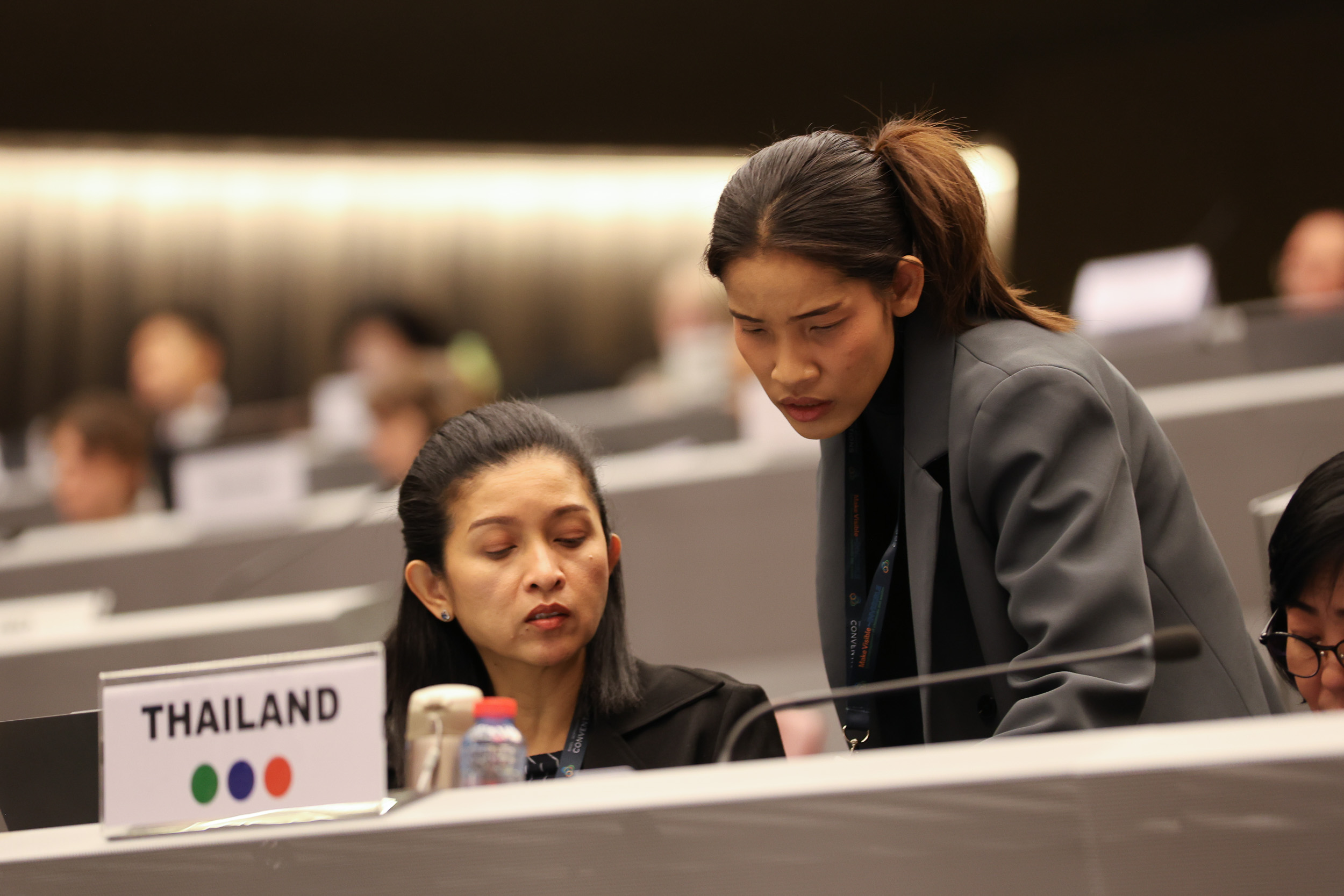
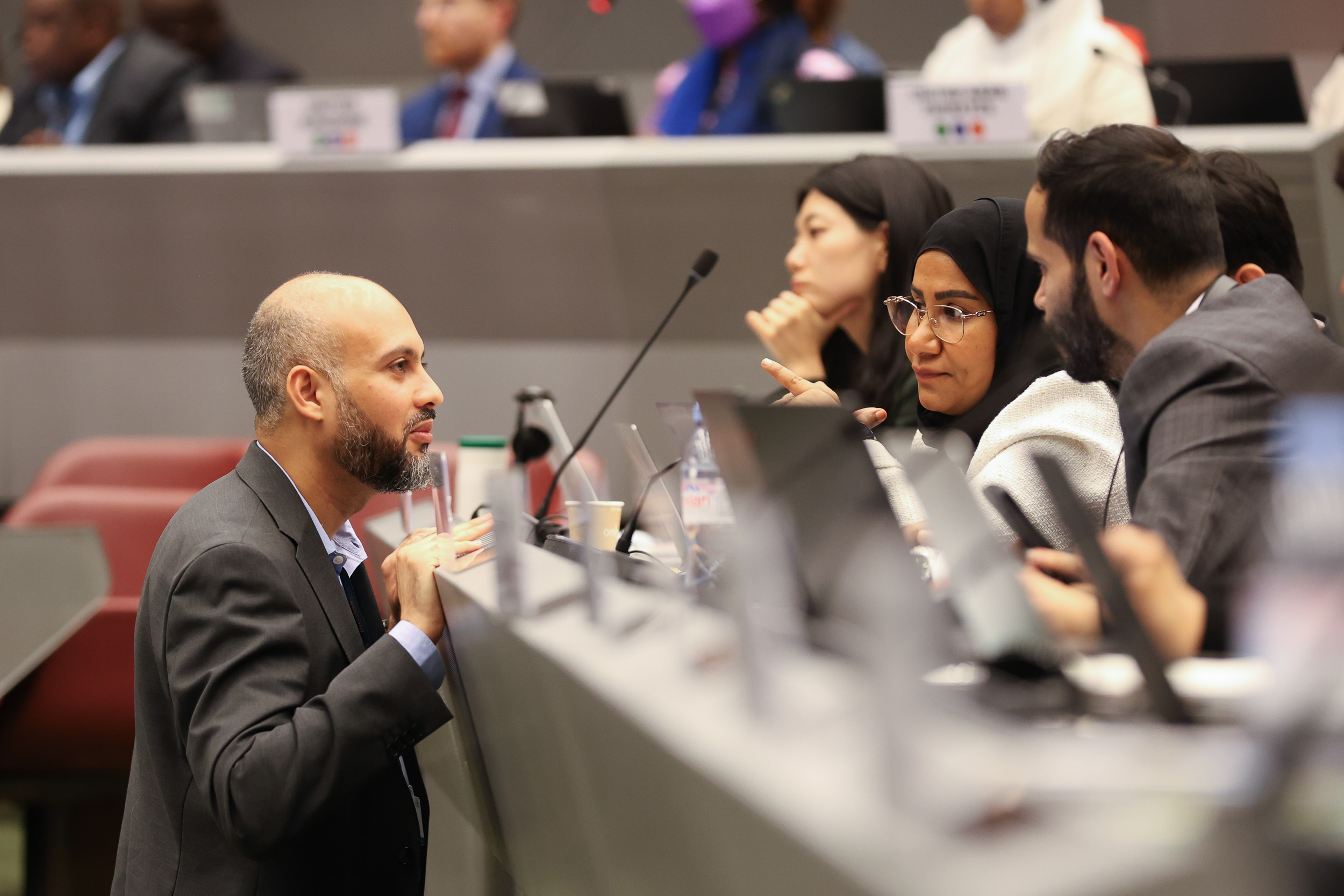
Contact Groups
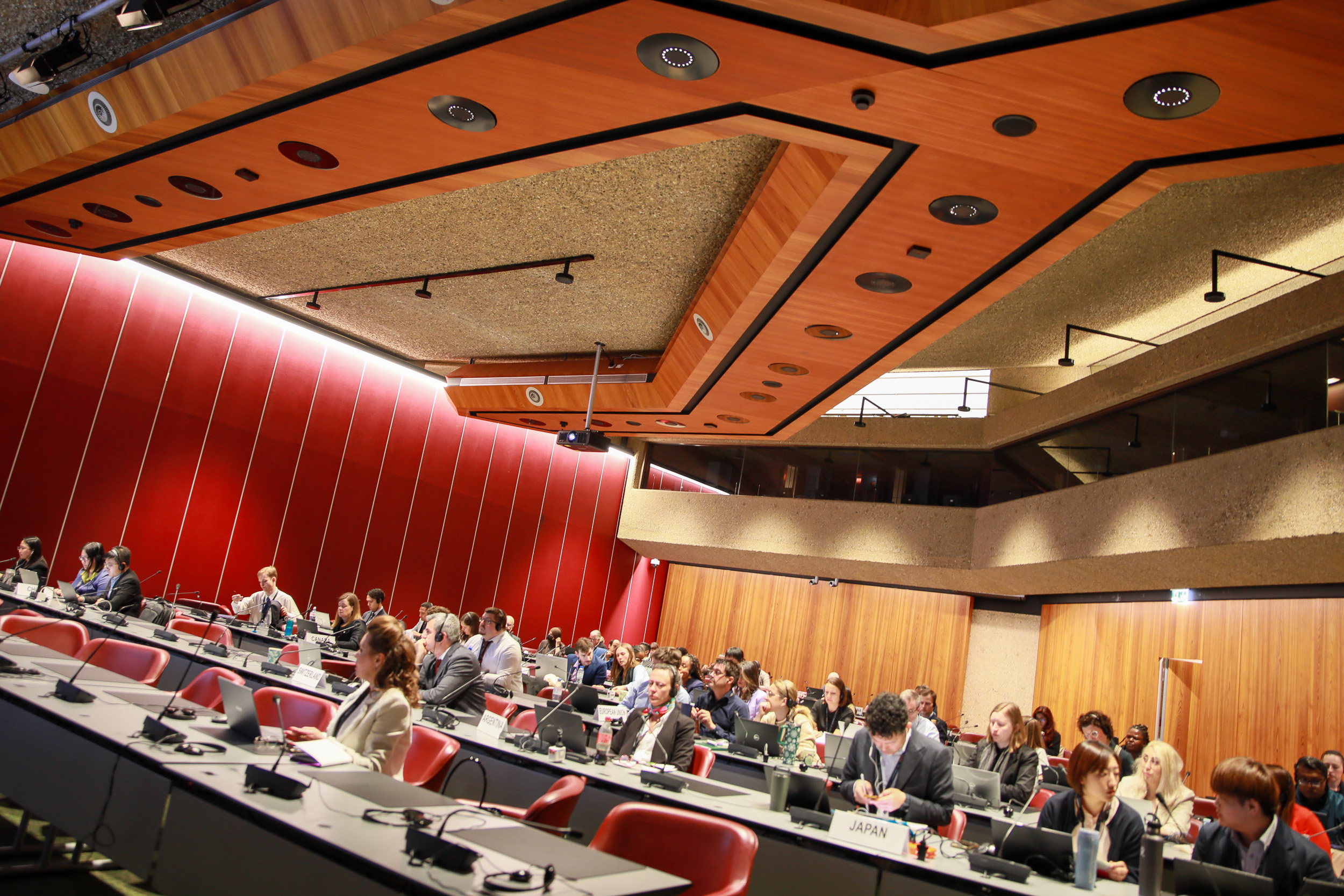
View of the room during a Contact Group on Basel Convention strategic matters
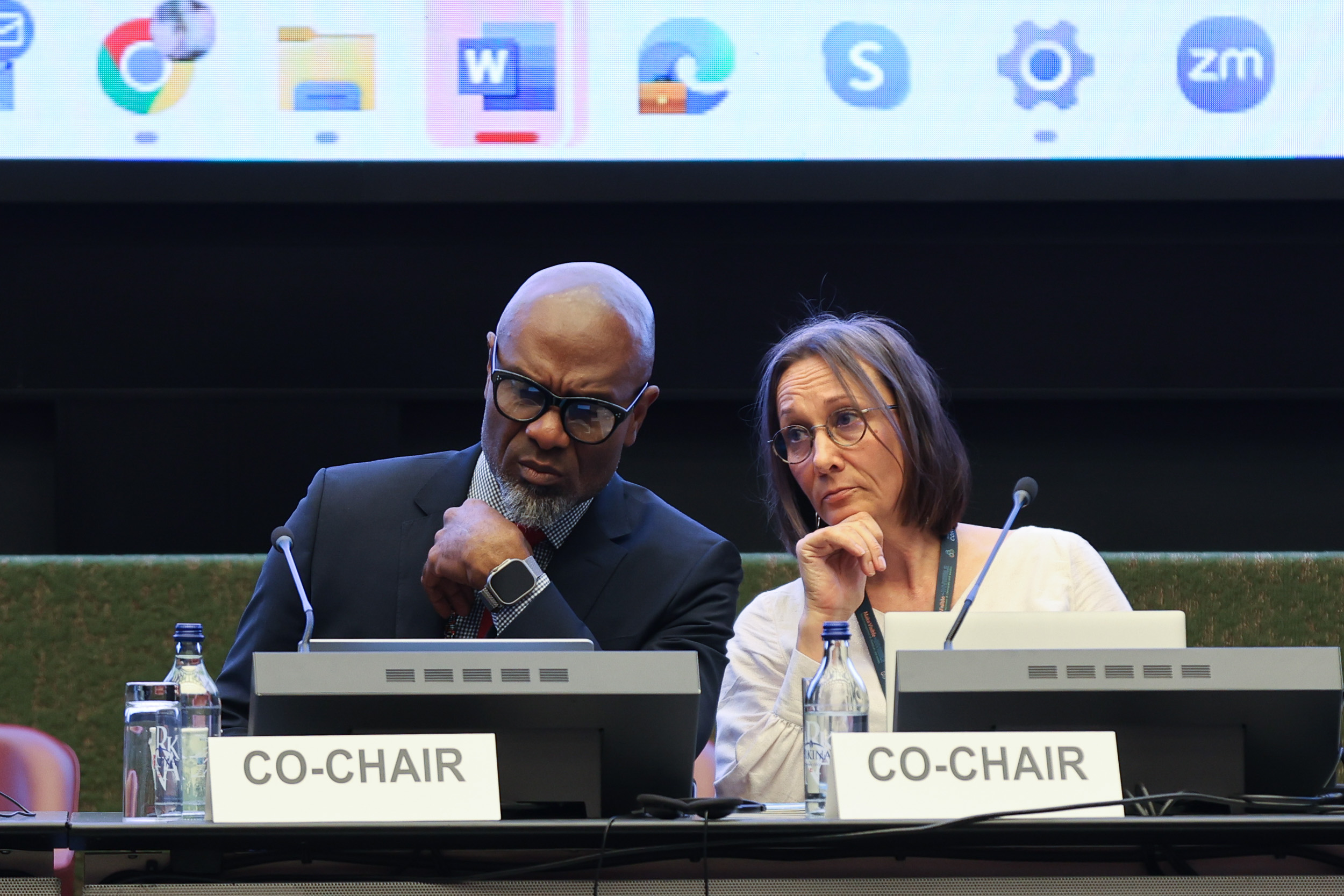
Contact Group on enhancing the effectiveness of the Rotterdam Convention Co-Chairs Linroy Christian, Antigua and Barbuda, and Karoliina Anttonen, Finland
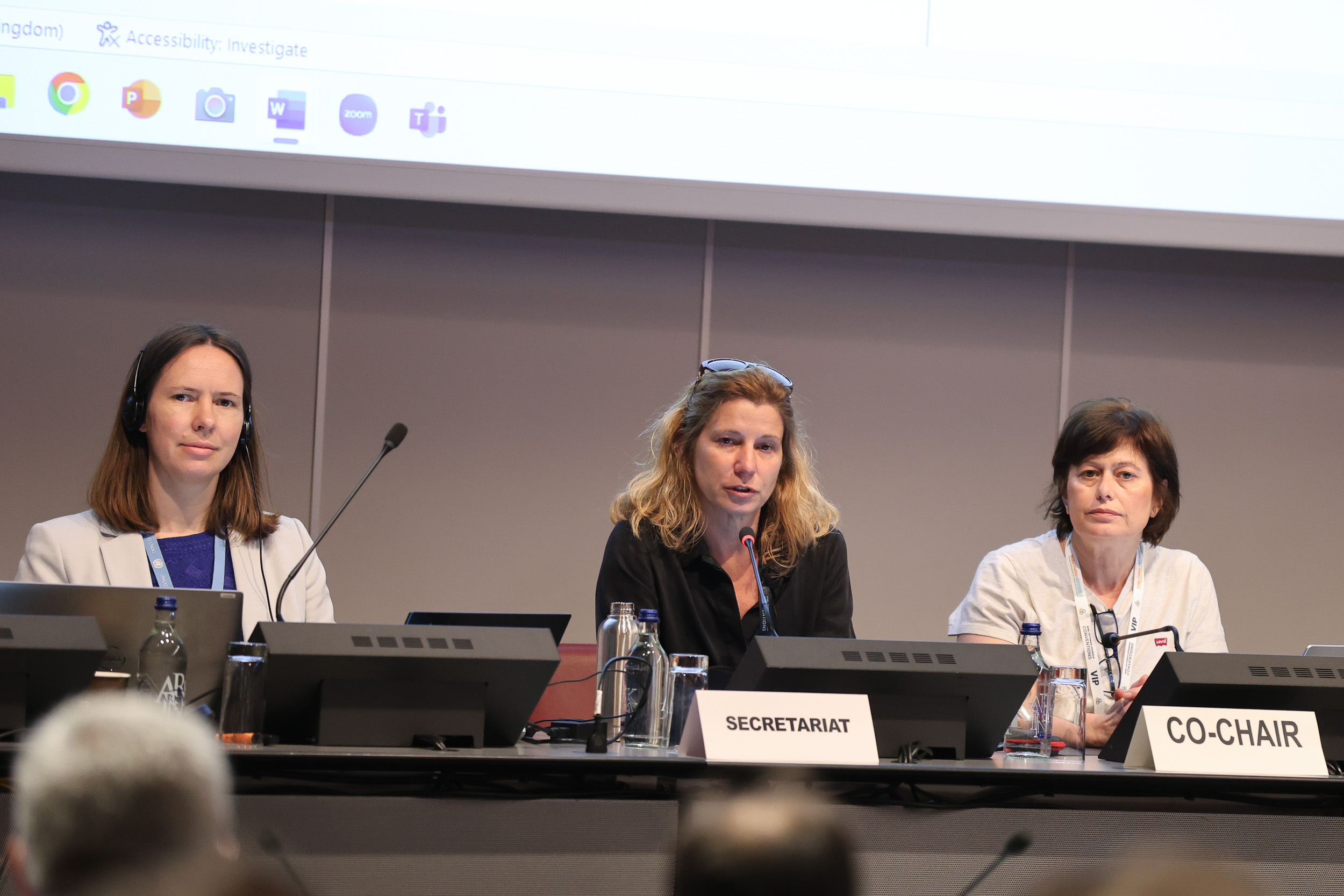
From L-R: Andrea Lechner, BRS Conventions Secretariat; and Contact Group on Basel Convention strategic matters Co-Chairs Ann De Jonghe, Belgium, and Lendita Dika, North Macedonia
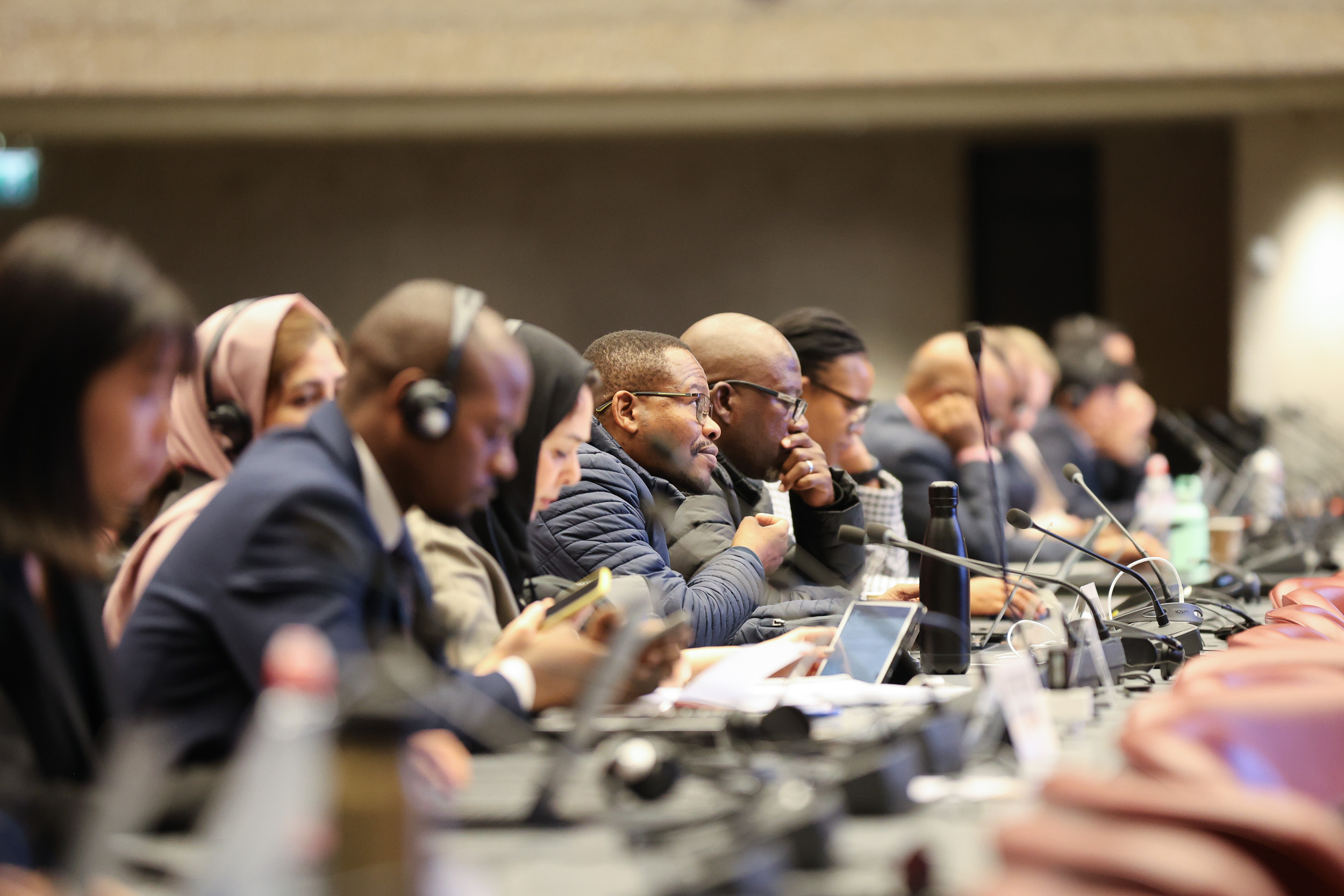
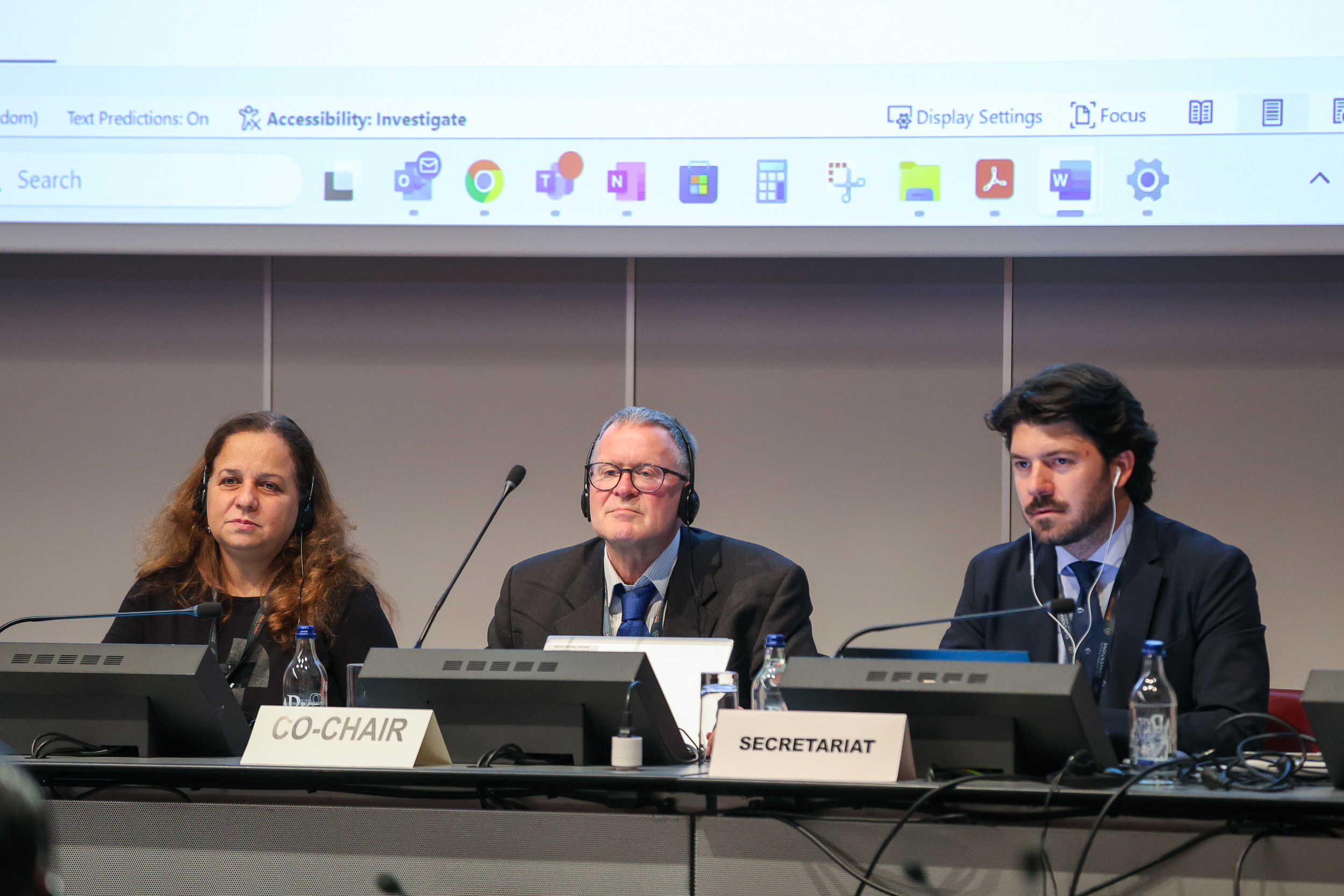
From L-R: Carla Valle-Klann, BRS Conventions Secretariat; Contact Group on Basel Convention technical guidelines Co-Chair Martien Janssen, the Netherlands; and Andrea Cararo, BRS Conventions Secretariat
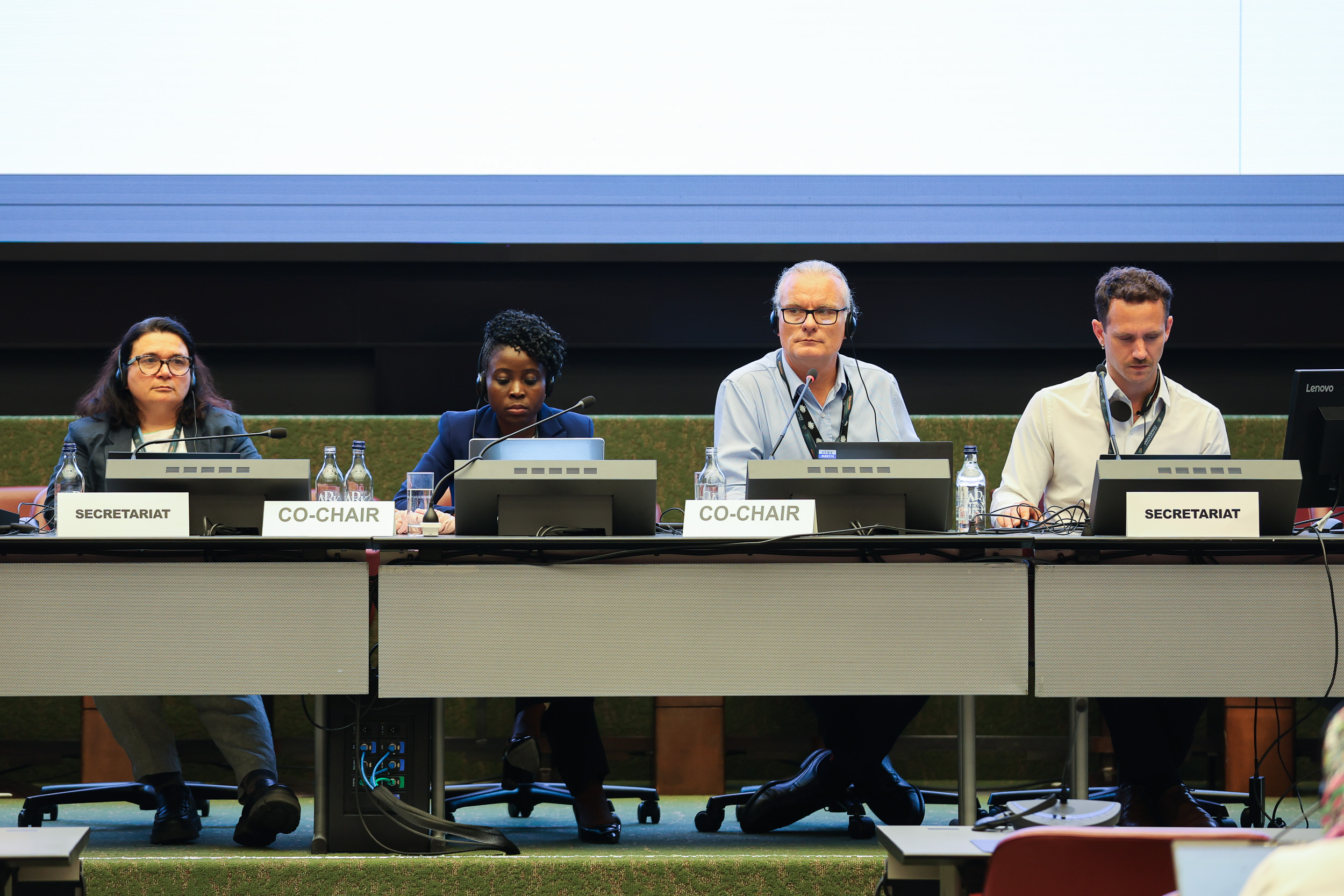
From L-R: Francesca Cenni, BRS Conventions Secretariat; Contact Group on Basel Convention legal matters Co-Chairs Perine Nkosi Kasonde, Zambia, and Jason Dunn, Australia; and Agustin Harte, BRS Conventions Secretariat
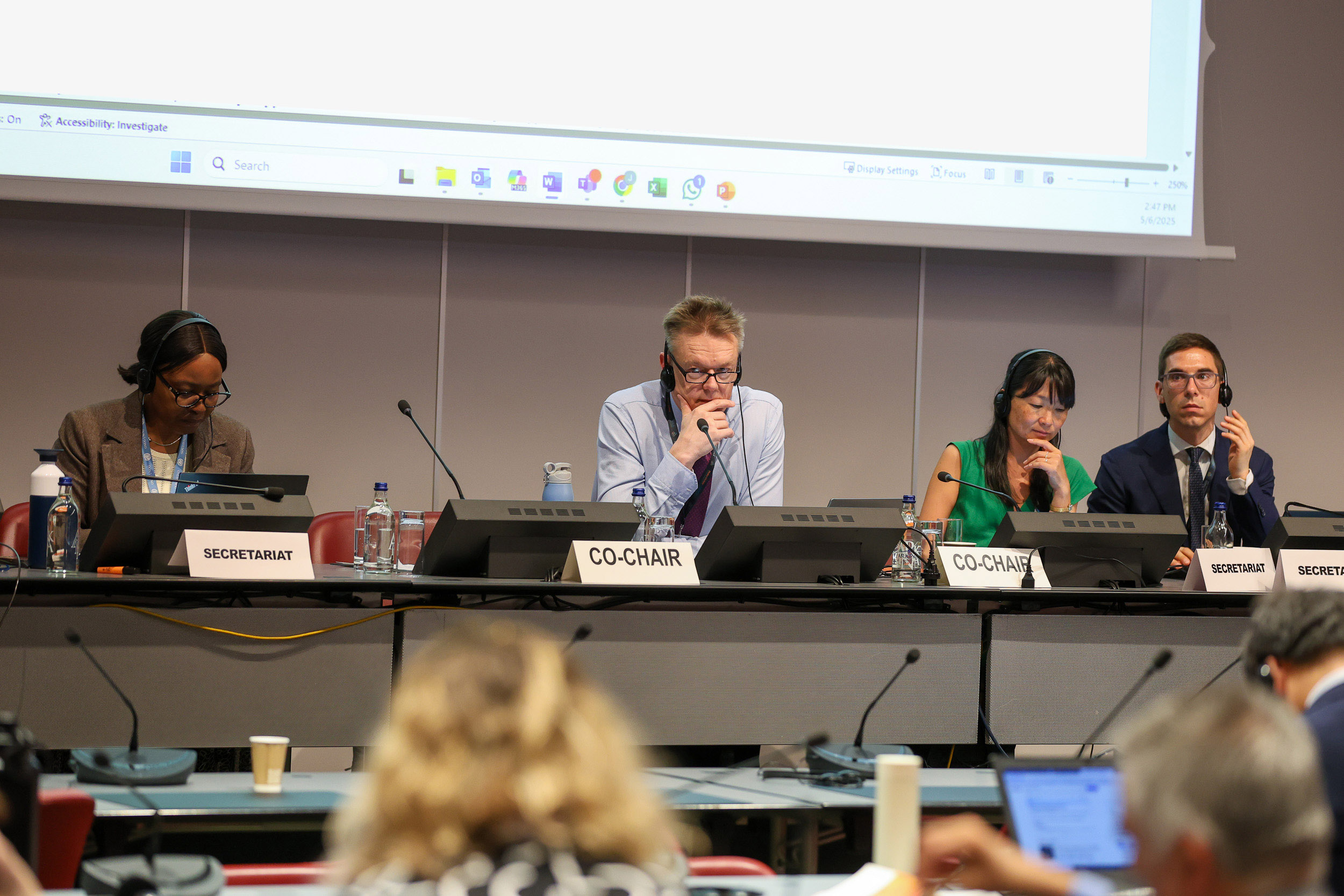
View of the dais during a Contact Group on the Stockholm Convention listing of chemicals
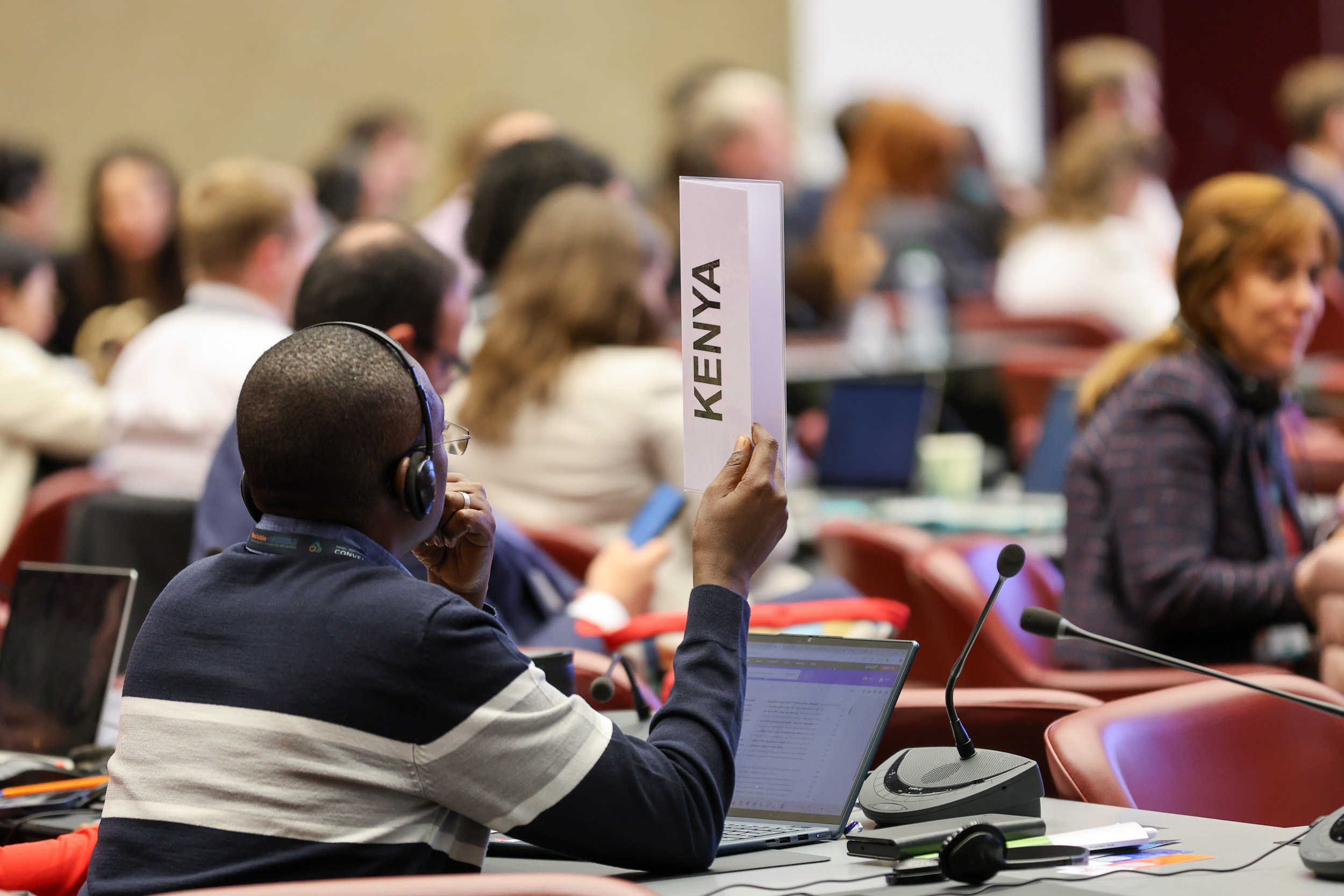
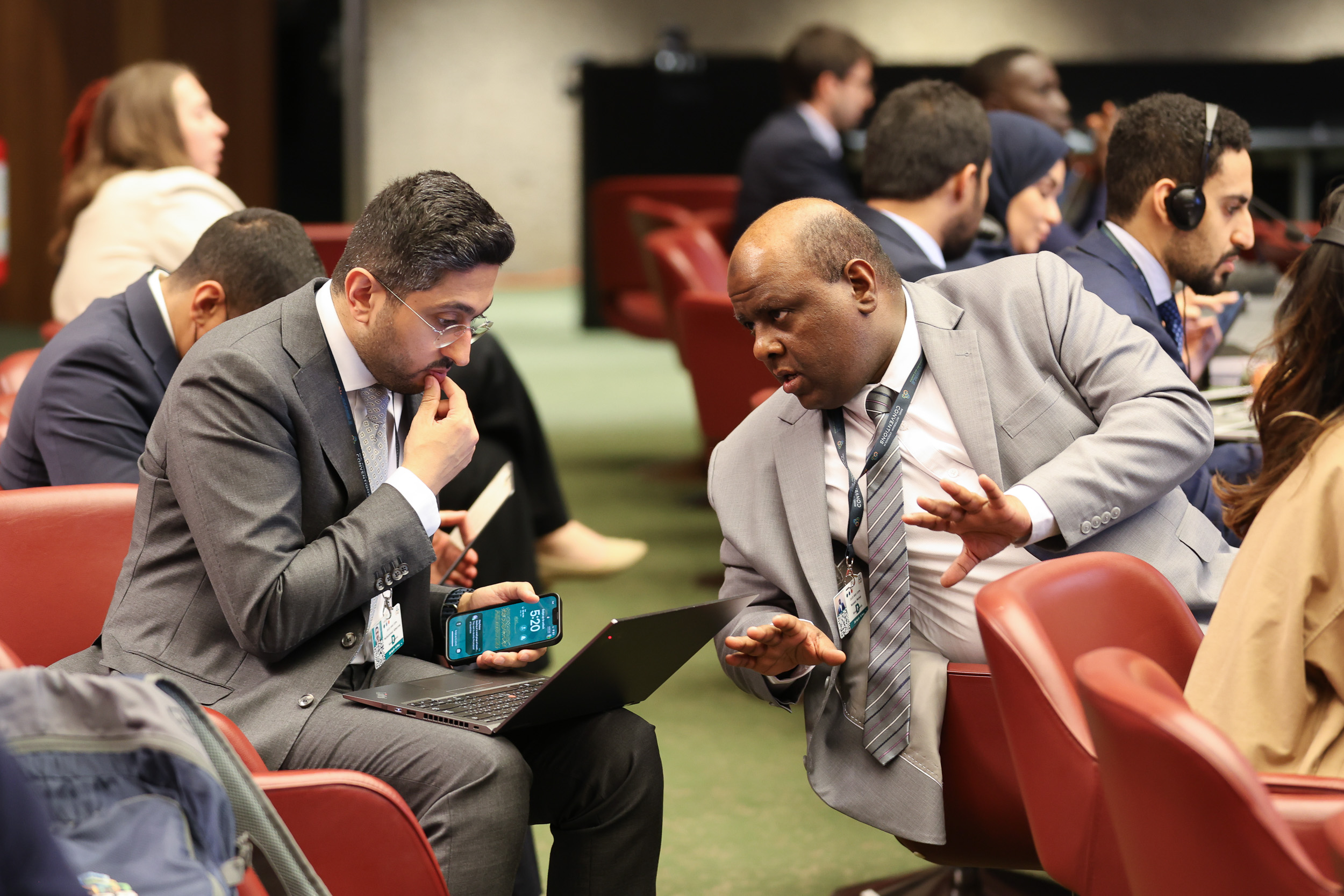
Between Sessions
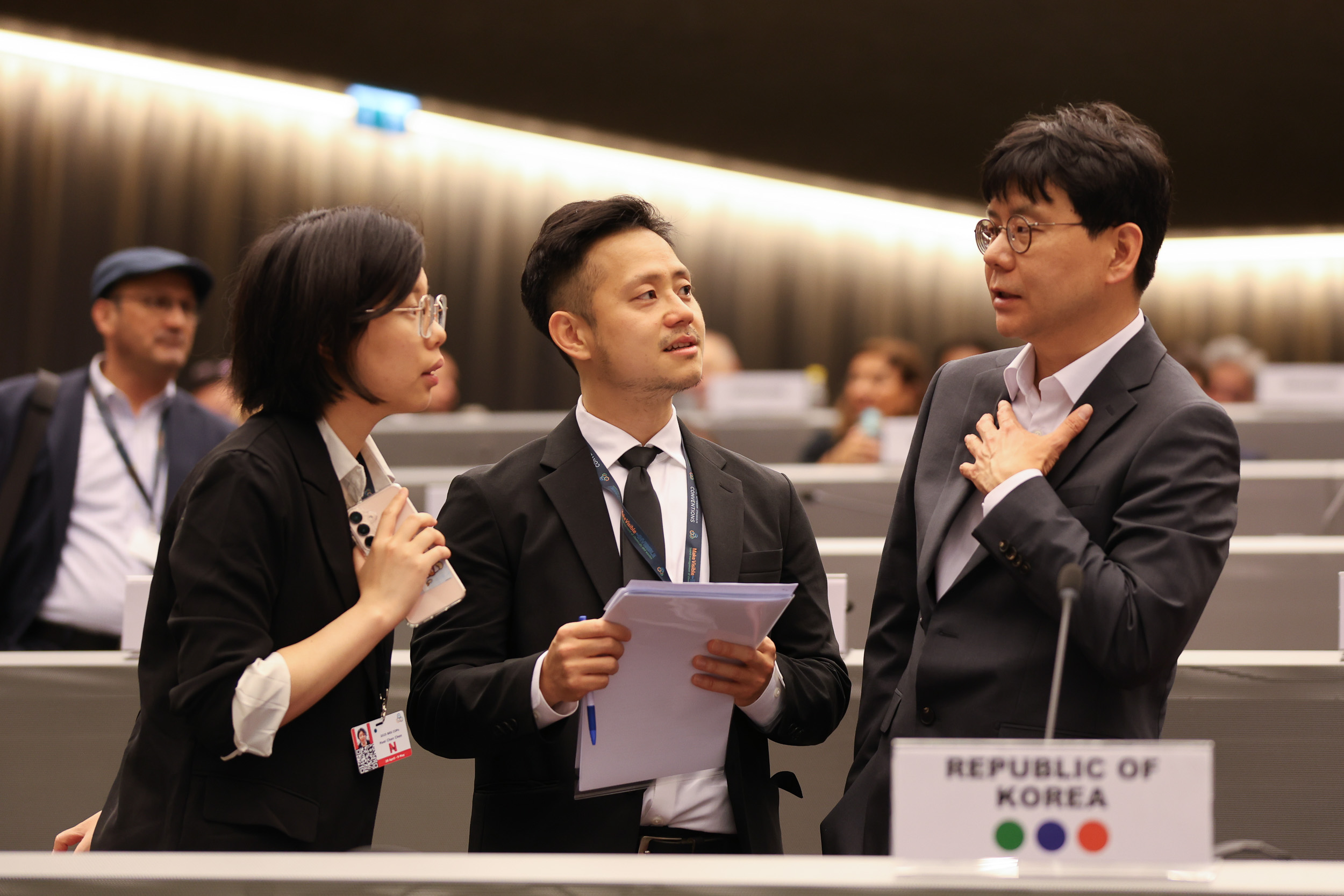
Delegates from the Republic of Korea conferring before the morning plenary
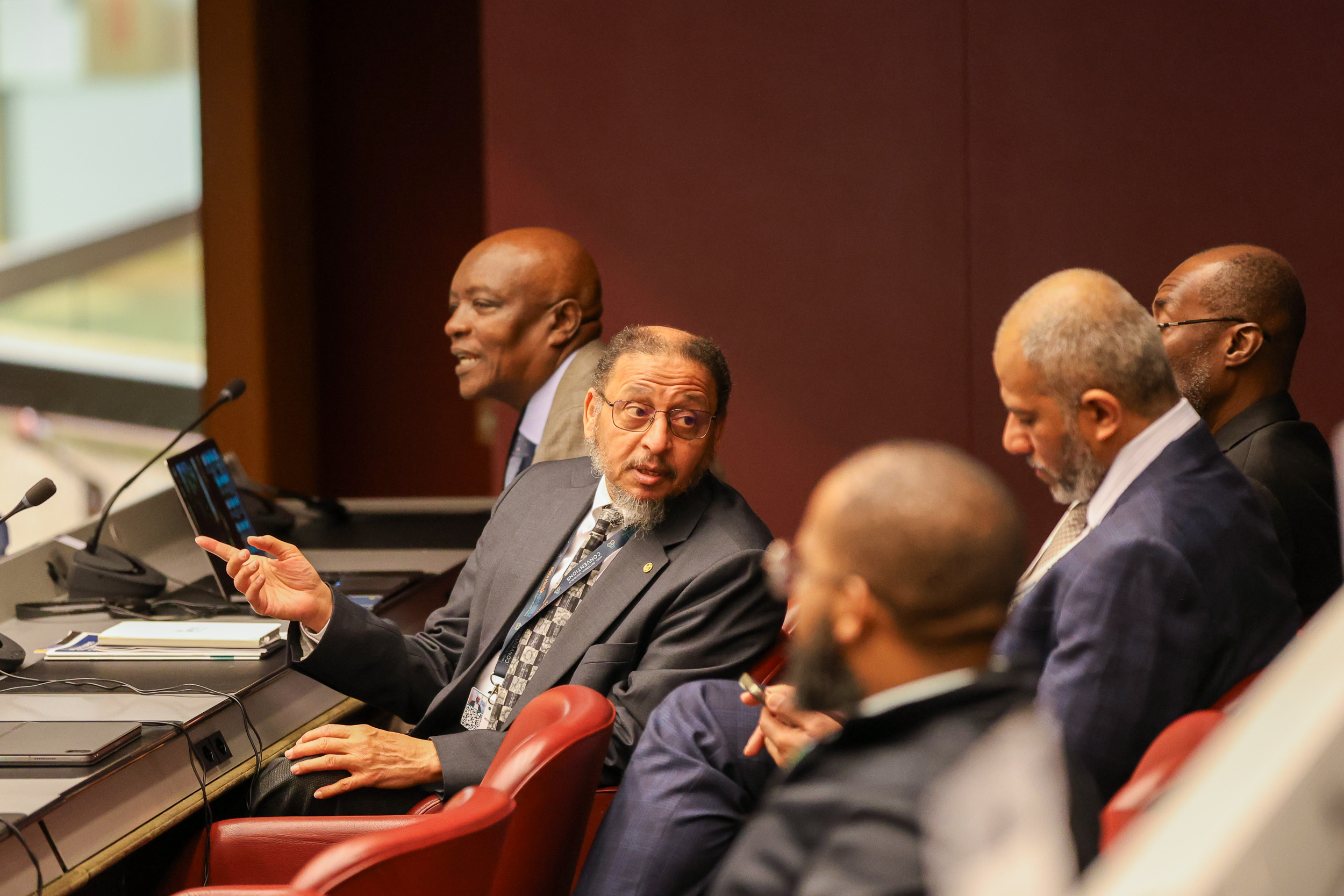
Mohammad Aldosari, Saudi Arabia
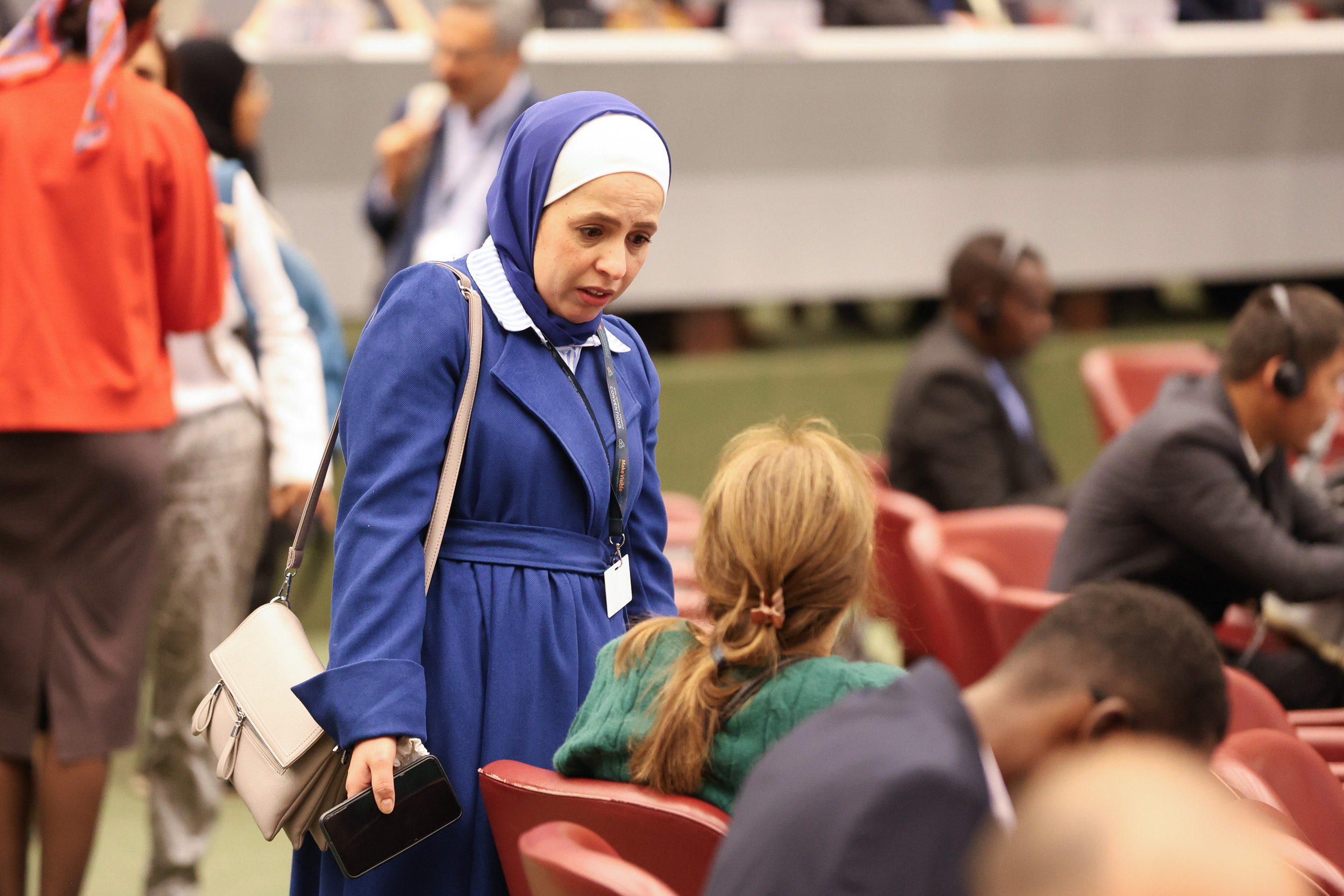
Doaa Abdallah, State of Palestine