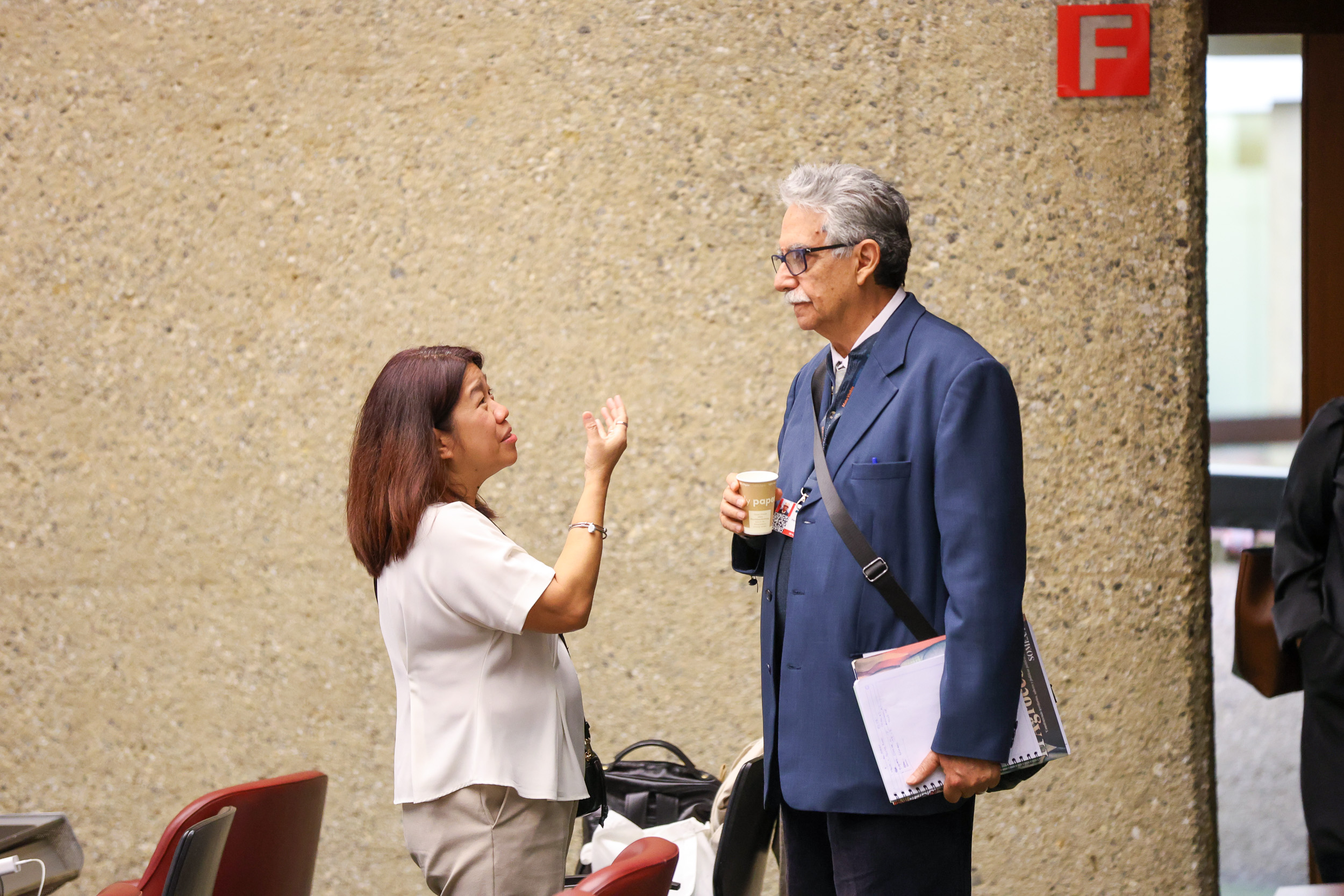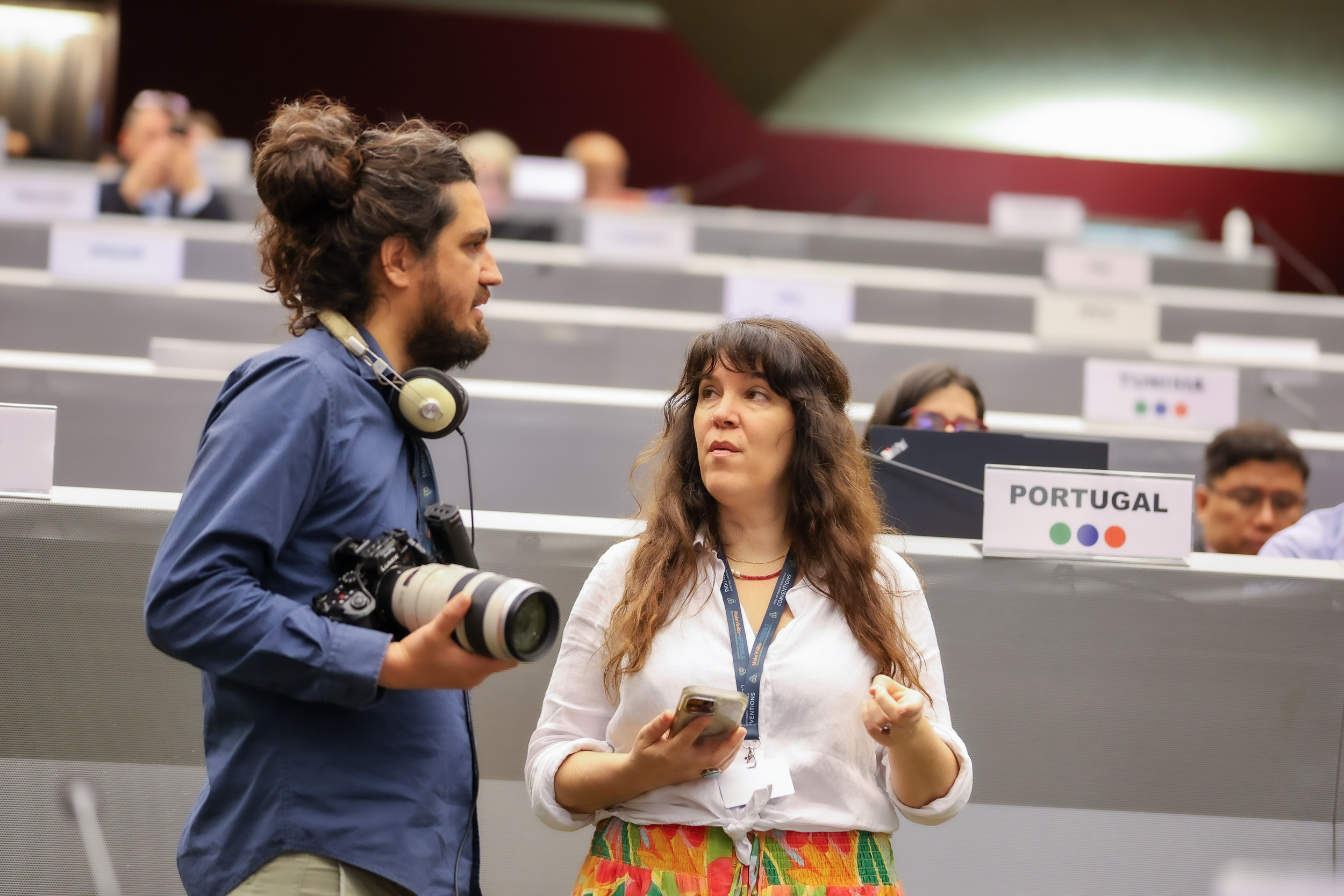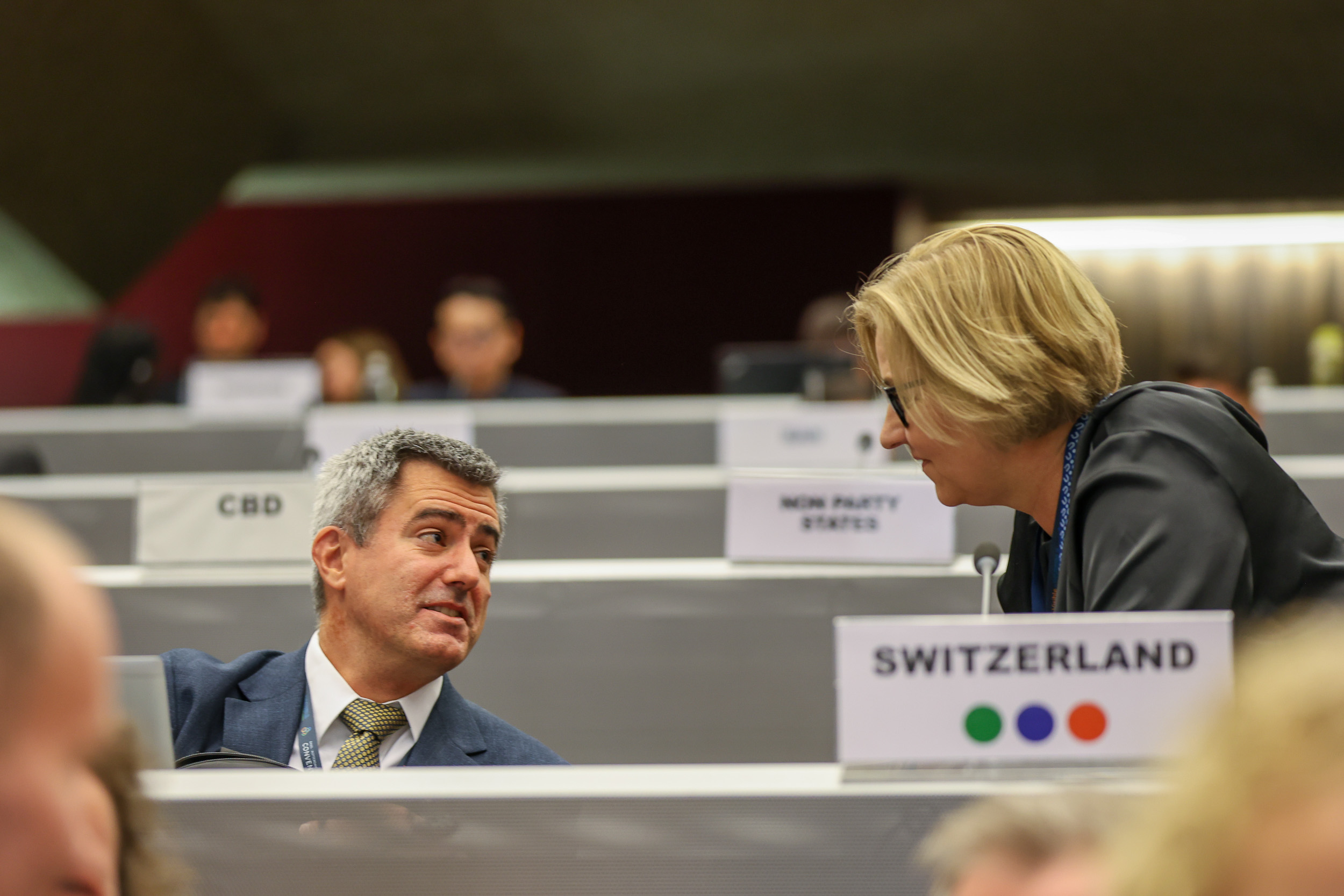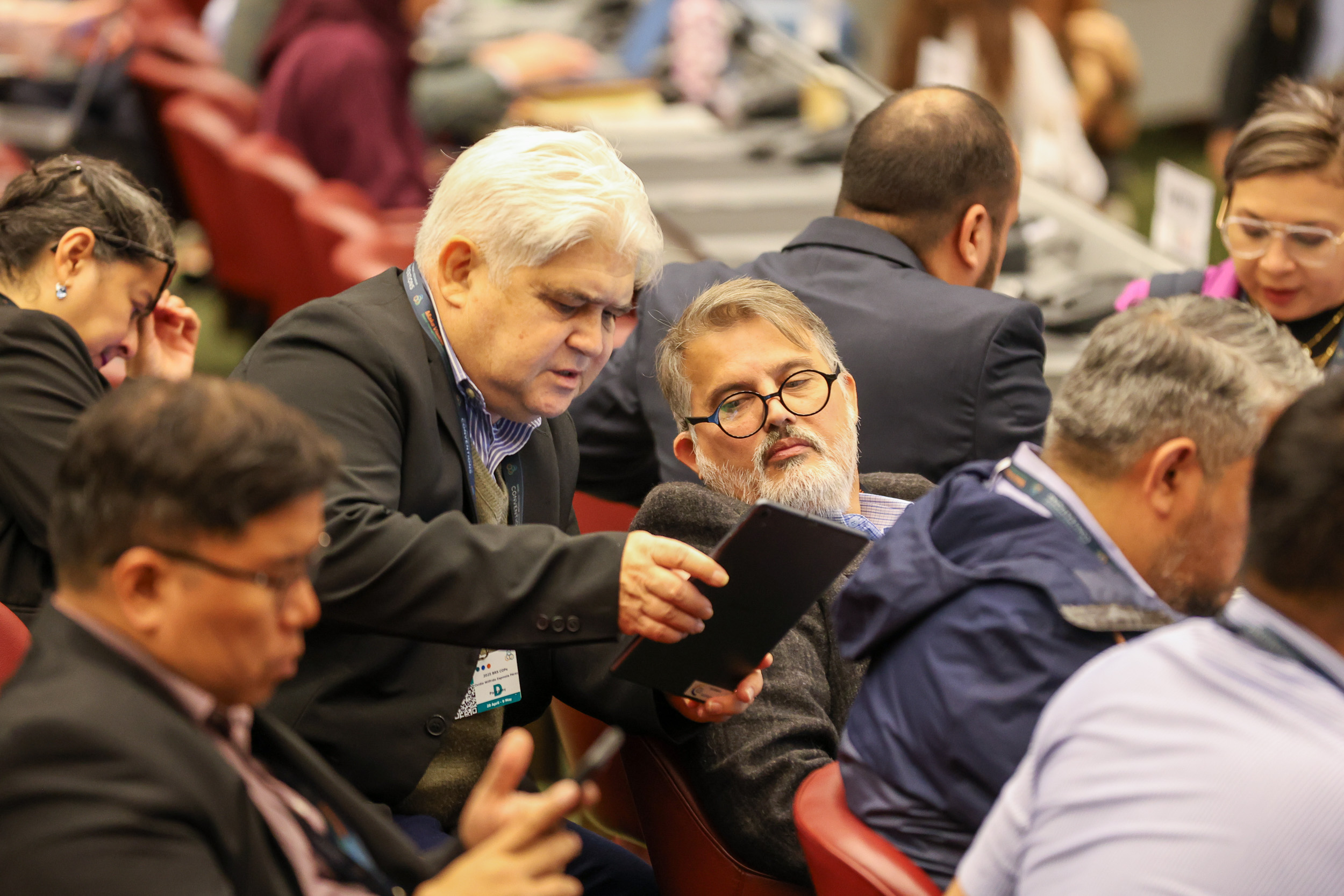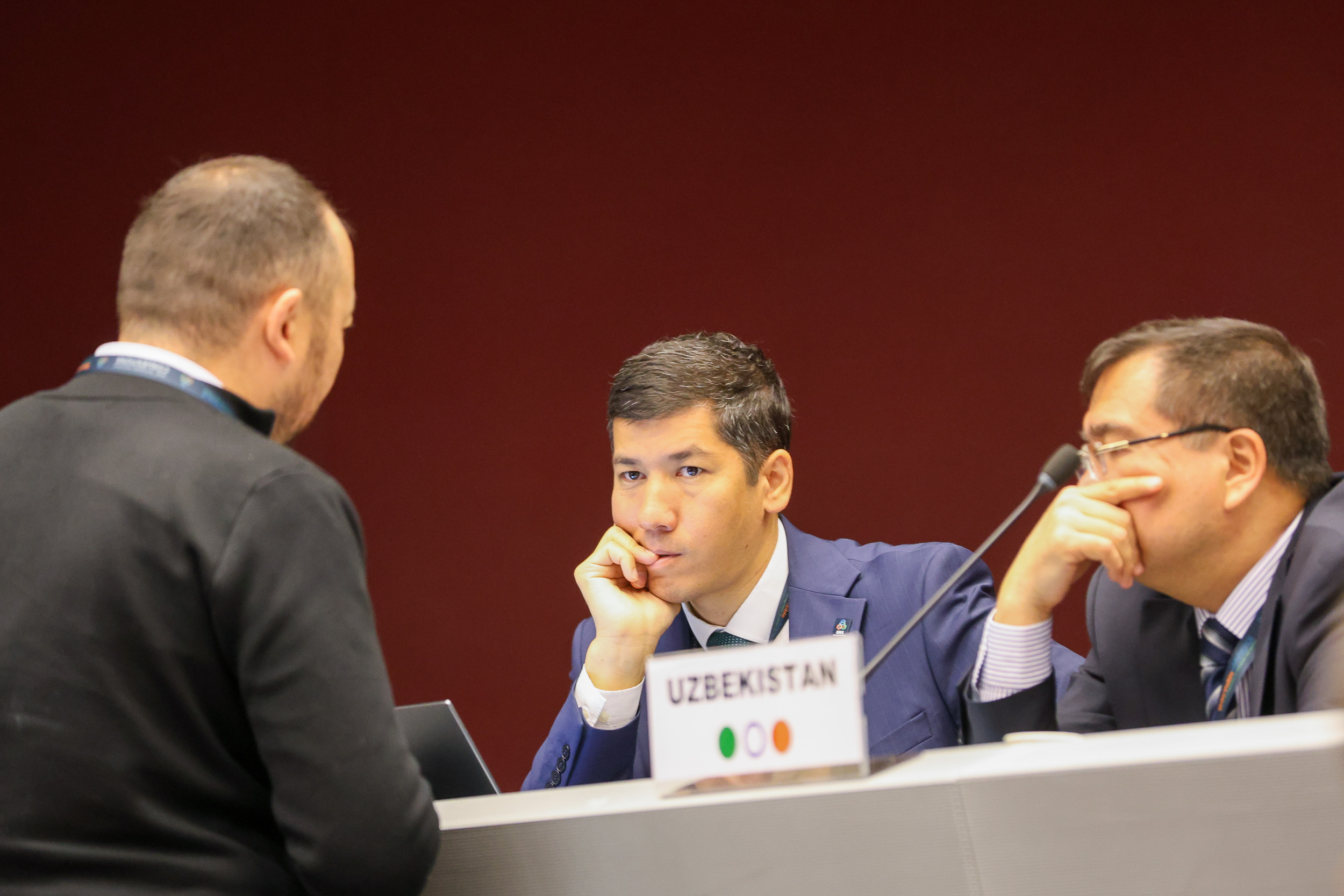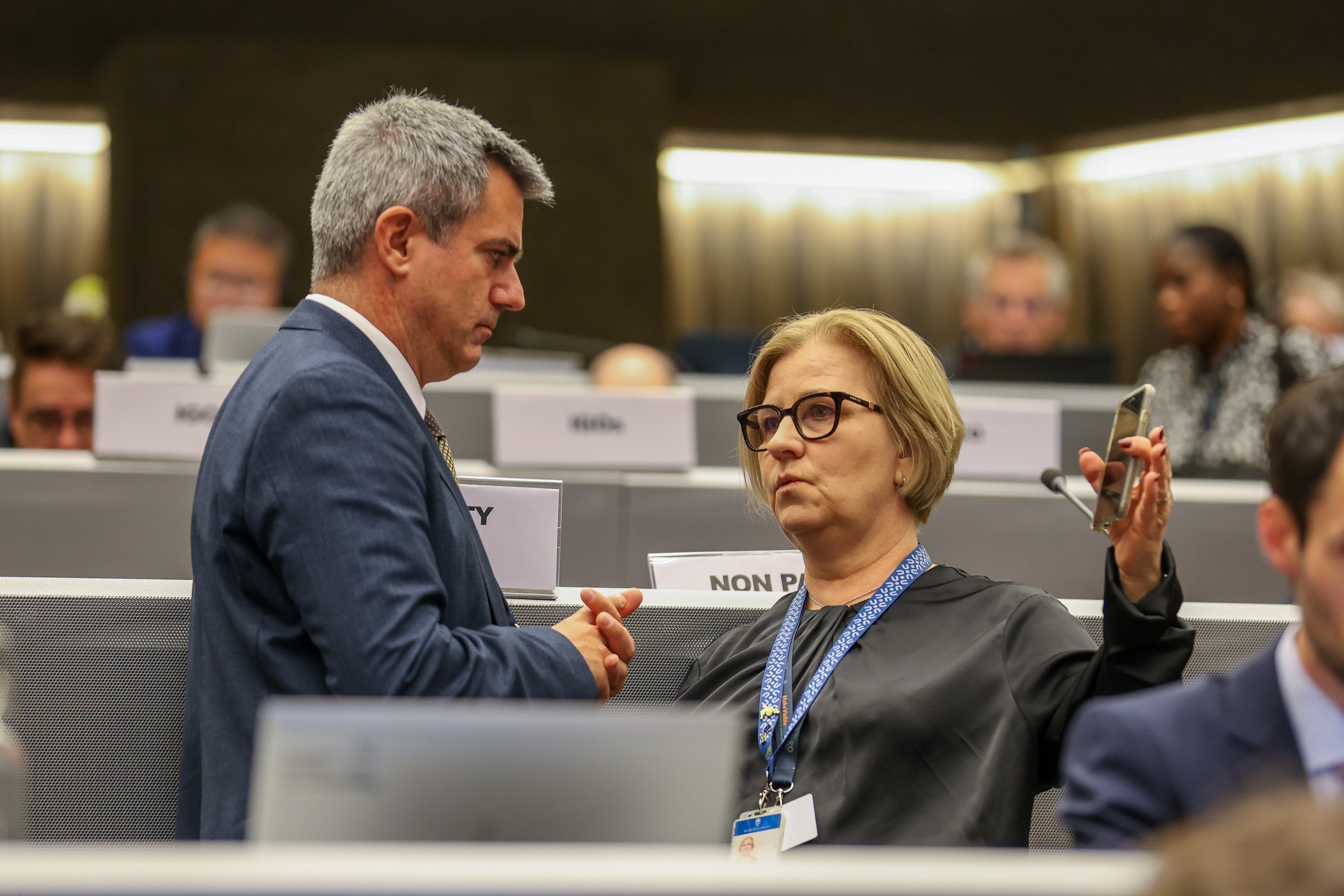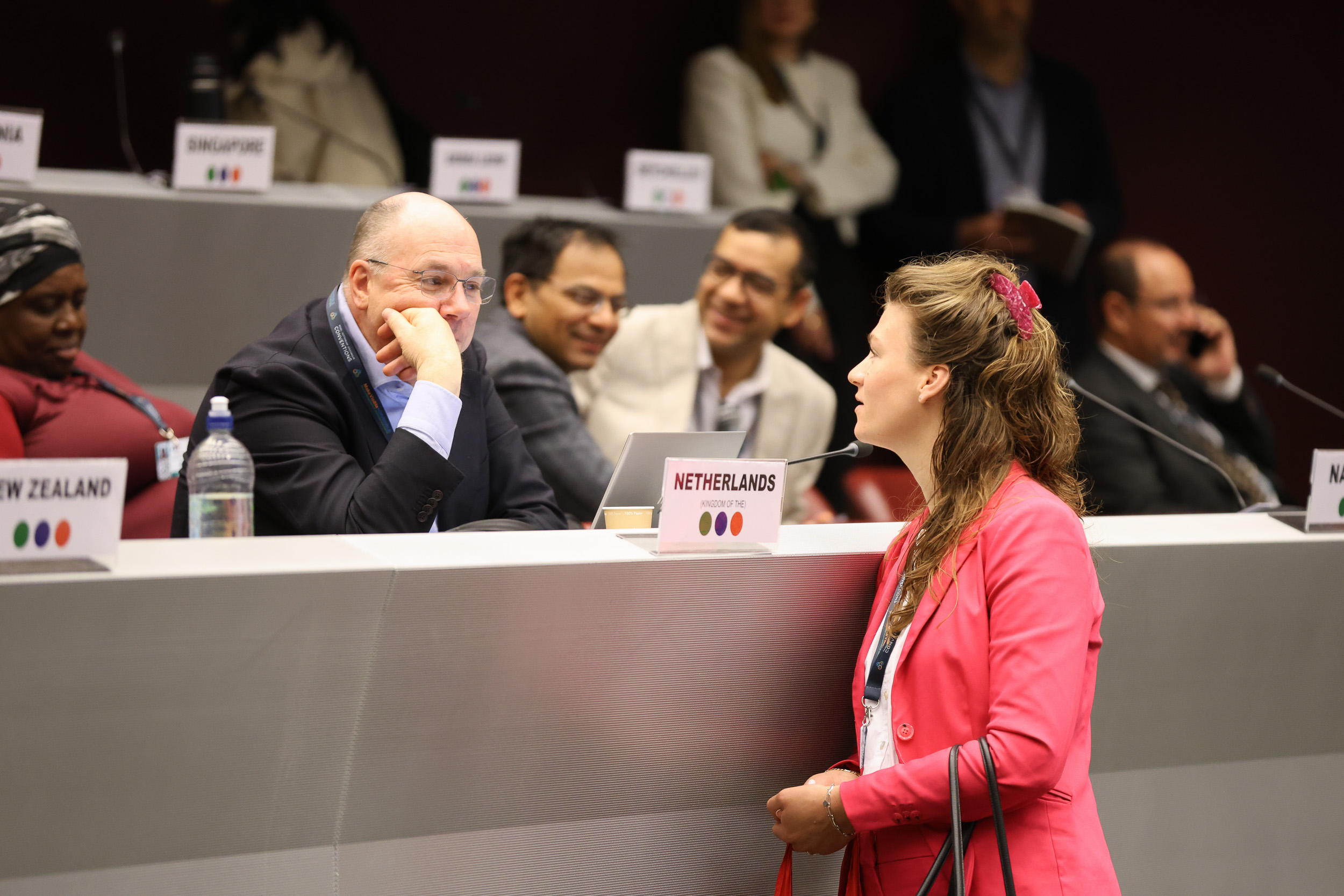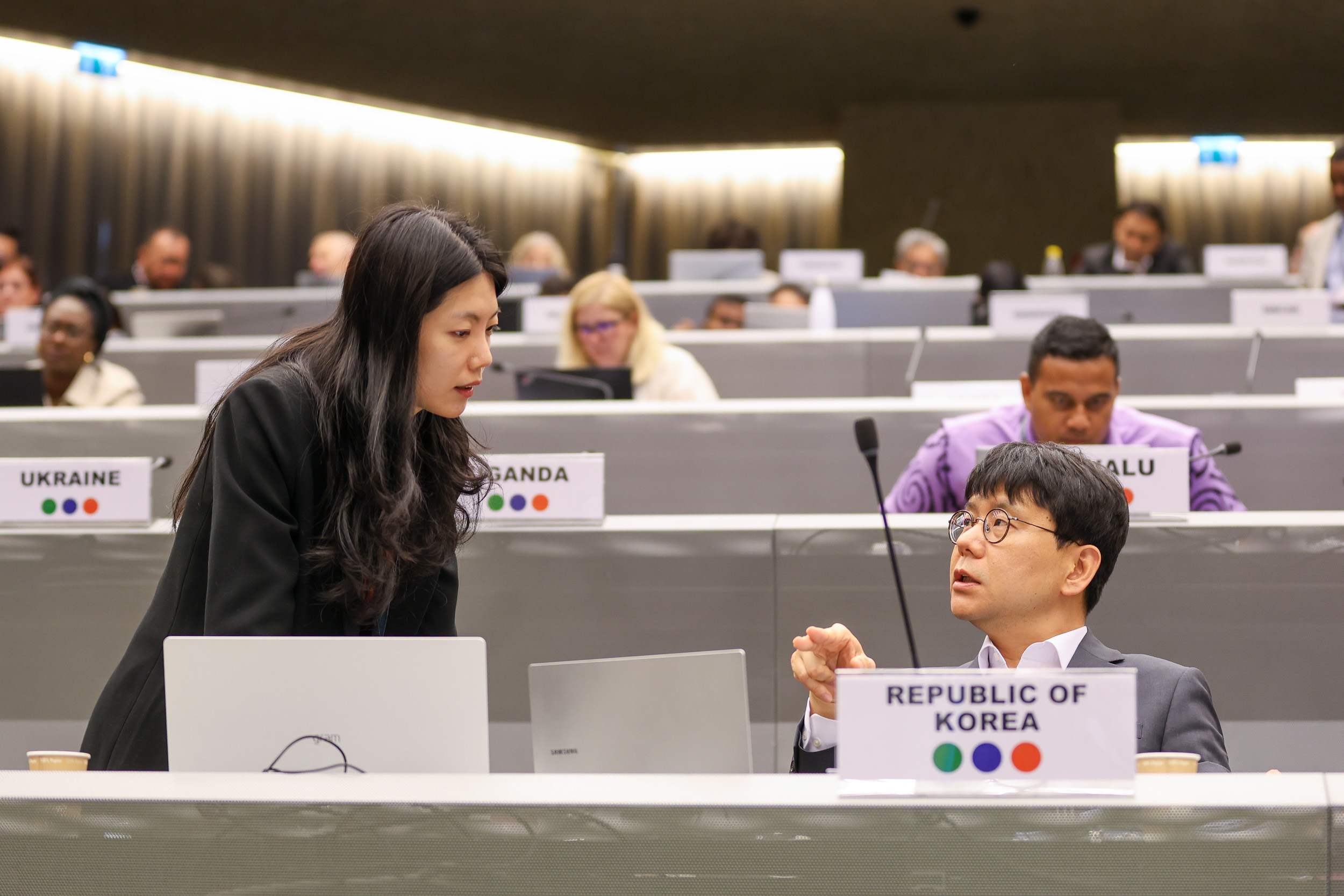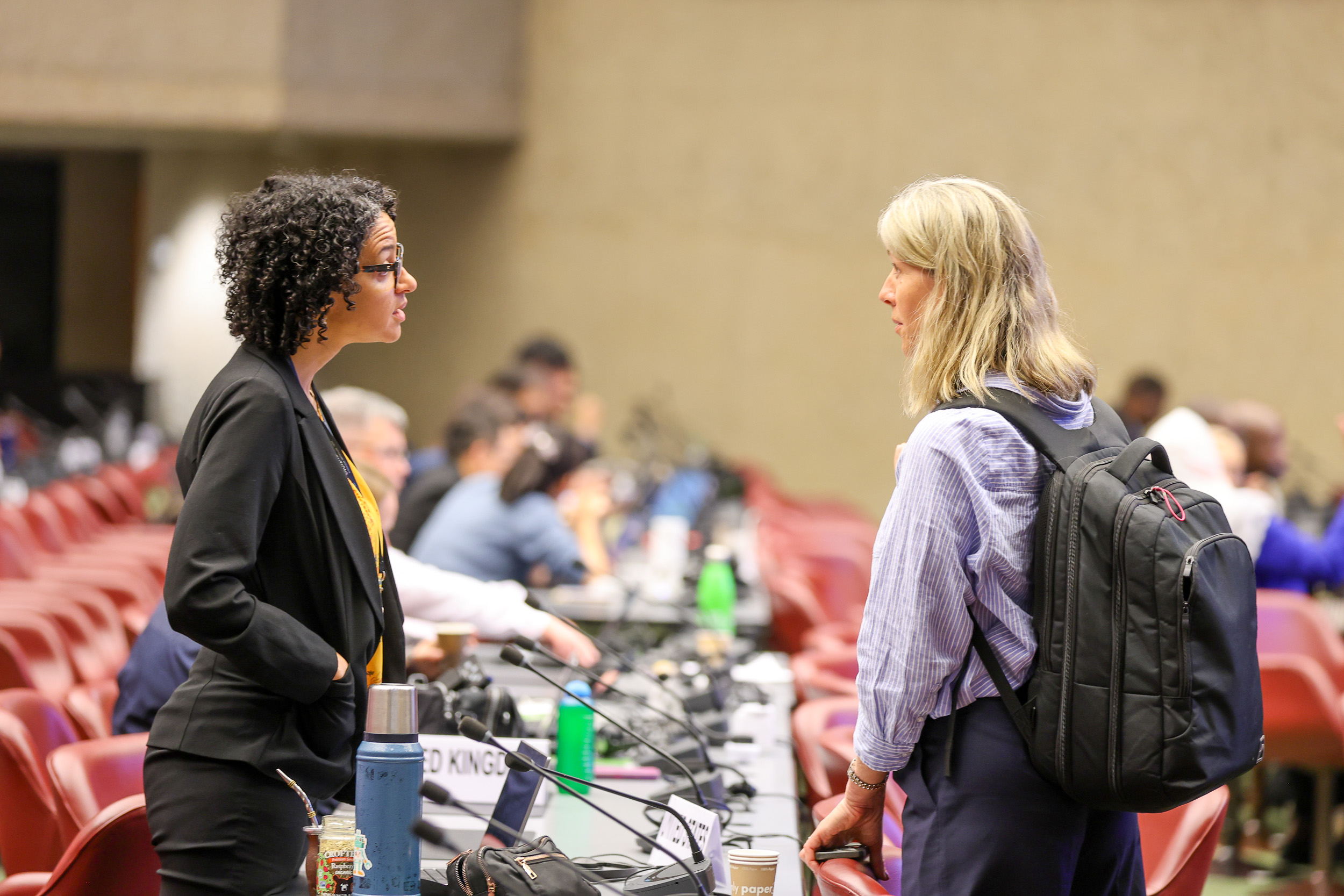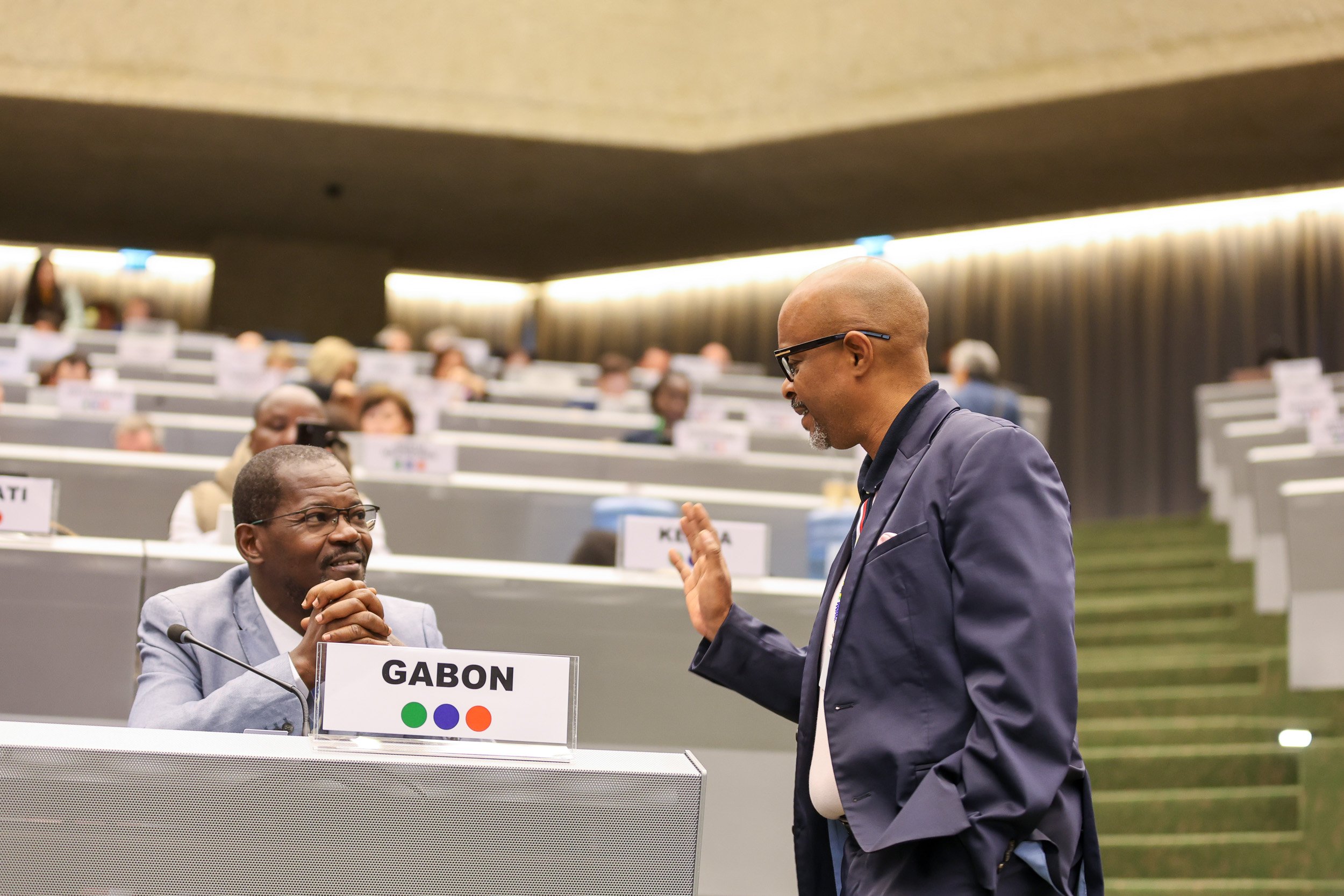
As the Basel, Rotterdam, and Stockholm (BRS) Conventions meeting passed the halfway point, delegates struggled to make progress on multiple workstreams under all three agreements. Seven contact groups met throughout the day, some more than once, trying to complete their mandates – or at least make a noticeable dent in the growing pile of tasks.
Want to dig deeper into today's talks? Read the full Earth Negotiations Bulletin daily report.
Several contact groups on the Basel Convention slowly labored through lengthy texts on legal, technical, and strategic matters. Discussions on financial resources under the BRS Conventions had parties reiterate previously stated positions. On the Stockholm listing, many worried they'd taken a few steps backward when questions on the heavily debated chemical nature of medium-chain chlorinated paraffins (MCCPs) were raised.
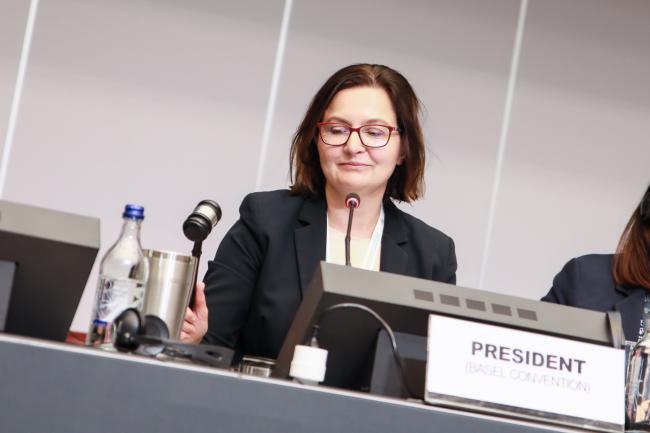
In plenary, delegates stumbled on the well-known roadblock: Rotterdam listing. Having reviewed three proposals – on iprodione, chlorpyrifos, and paraquat, all pesticides – delegates could not agree to list any. While on paraquat and iprodione, the views diverged along the lines of the previous meetings, the refusal to list chlorpyrifos by a few parties raised some eyebrows. Just last week, parties agreed to list chlorpyrifos in Annex A to the Stockholm Convention, which effectively bans the chemical except for several short-term uses. Rotterdam listing is not nearly as restrictive: Annex III substances are subject to the prior informed consent procedure, meaning parties can still import and export as they see fit.
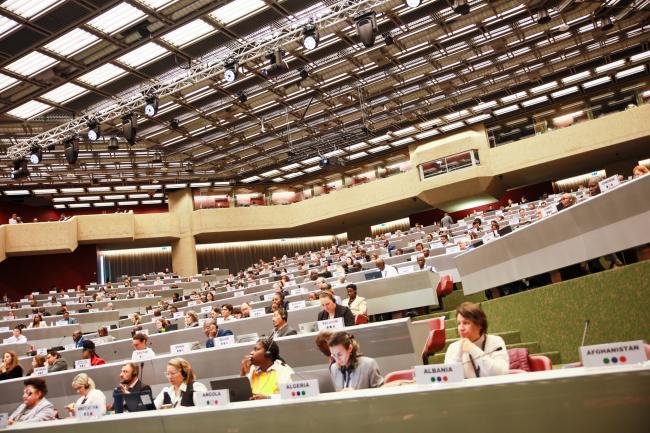
The listing discussions showcased the underlying challenge of the Rotterdam Convention’s effectiveness, a hefty topic that delegates opened for discussion toward the end of the day. There are multiple proposals on the table on how to potentially revitalize the listing process and ensure that the Rotterdam Convention remains relevant. Whether delegates manage to resolve the challenge of a growing listing pipeline, where substances can linger for decades without a way out, will become clearer in the coming days.
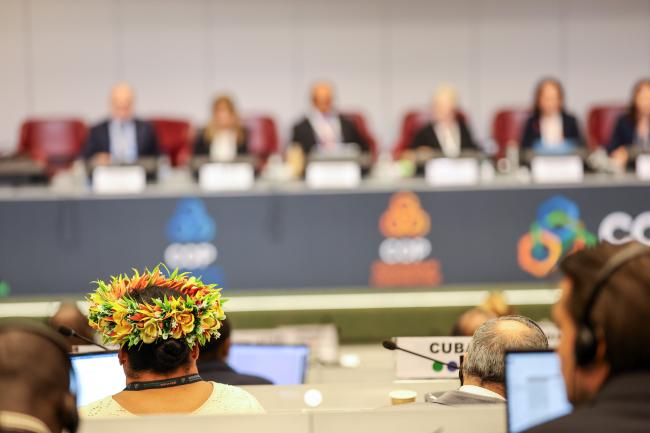
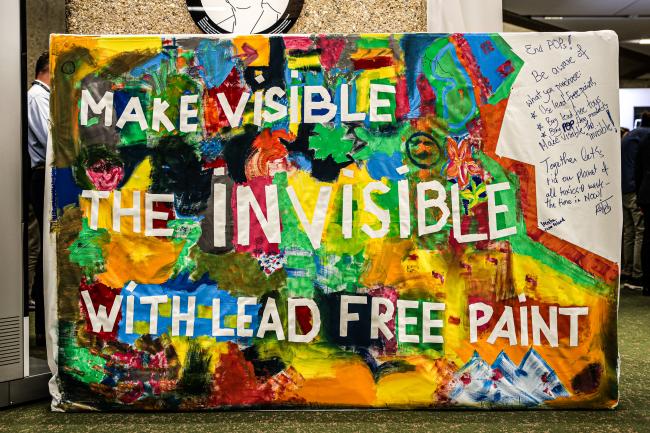
Effectiveness was the timely topic of a side event that relayed the experiences of “invisible occupational victims” of the chemicals that the Rotterdam Convention has yet to list. Elsewhere, circularity seemed to be the theme, whether for minerals and metals, electronics, or refrigerants. Another event explored the synergies and trade-offs between the energy transition and chemical management.
All ENB photos are free to use with attribution. For this event, please use: Photo by IISD/ENB | Mike Muzurakis
To receive free coverage of global environmental events delivered to your inbox, subscribe to the ENB Update newsletter.
Plenary Sessions
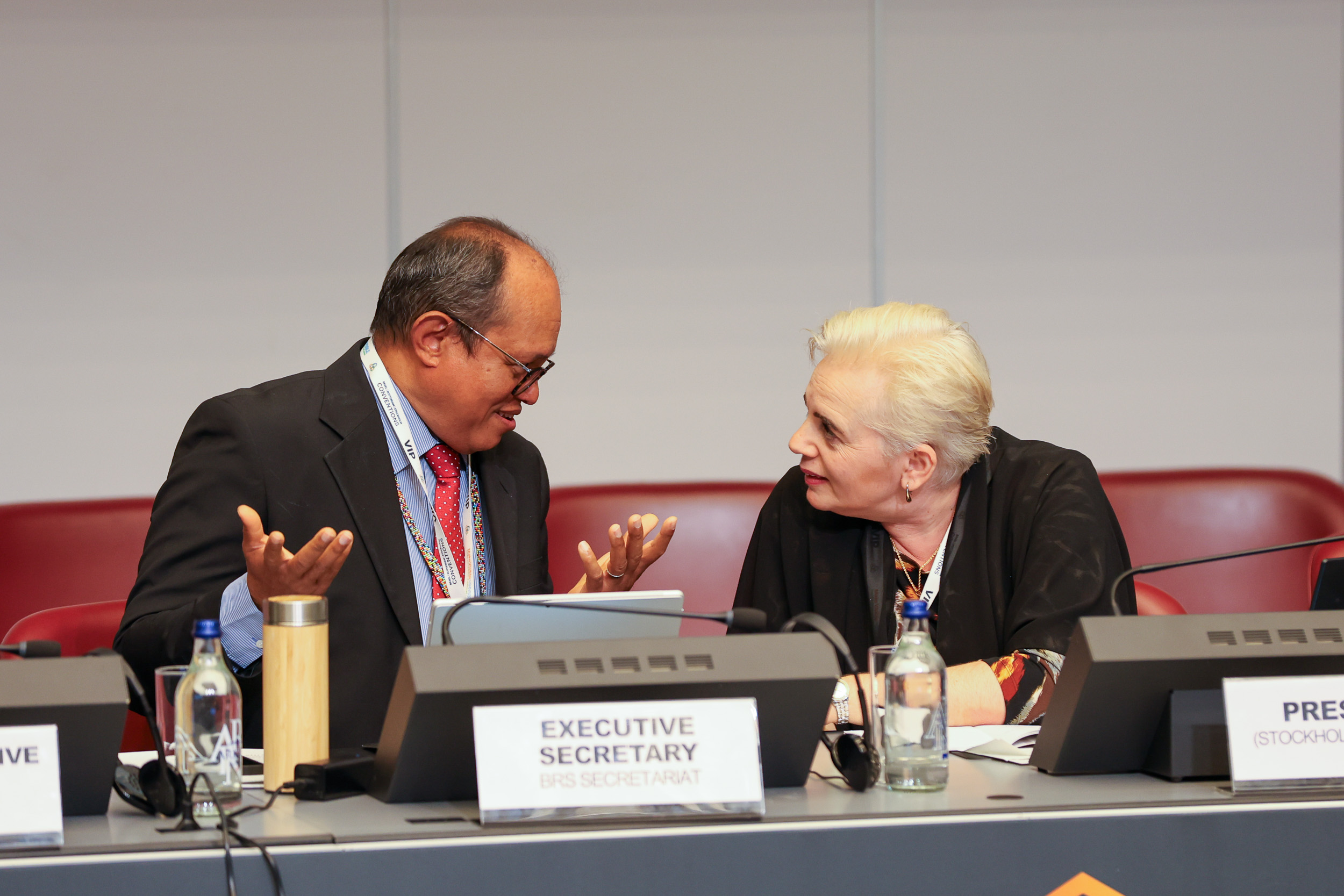
Rolph Payet, Executive Secretary, BRS Conventions, with Stockholm Convention COP12 President Maya Berci
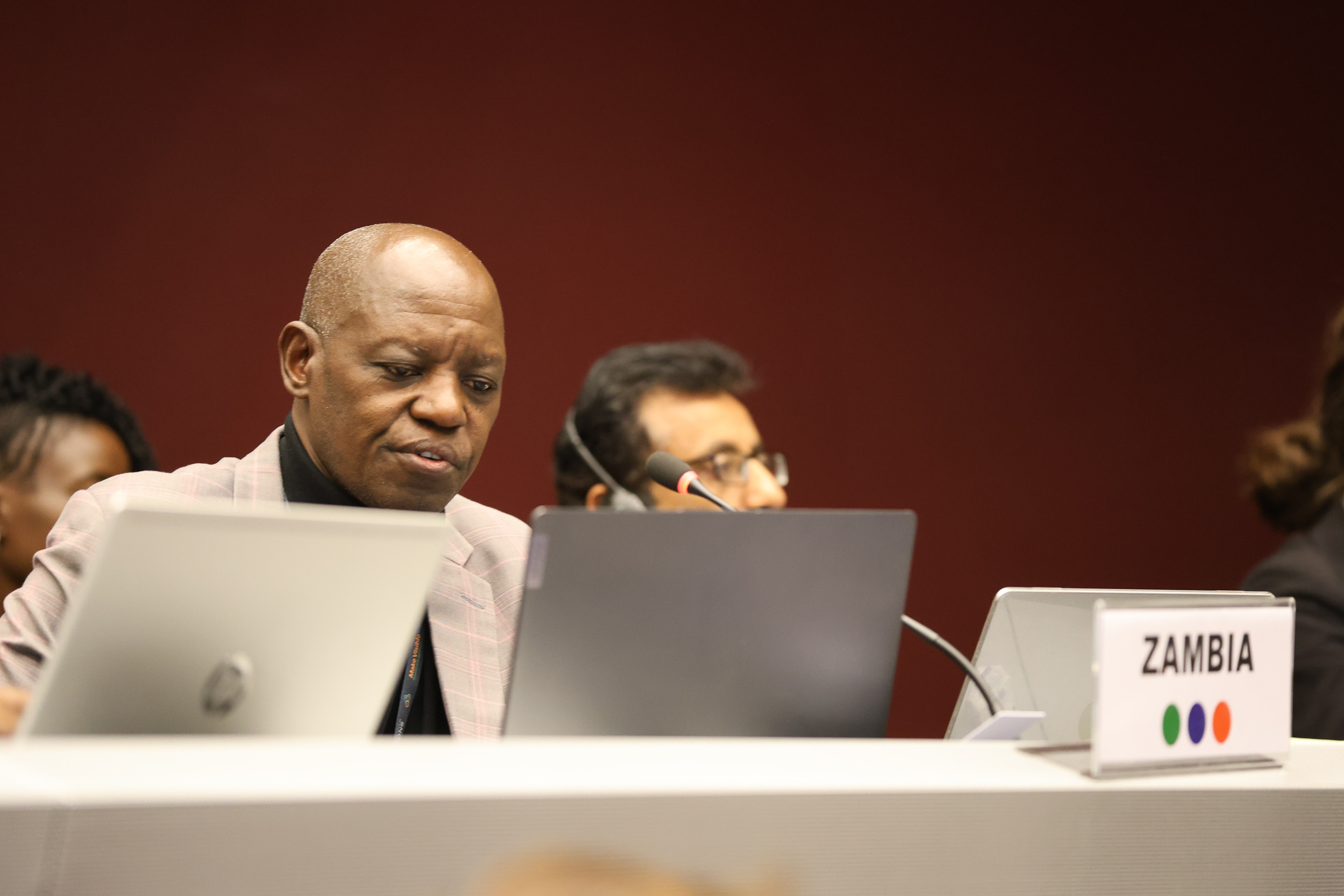
David Kapindula, Zambia
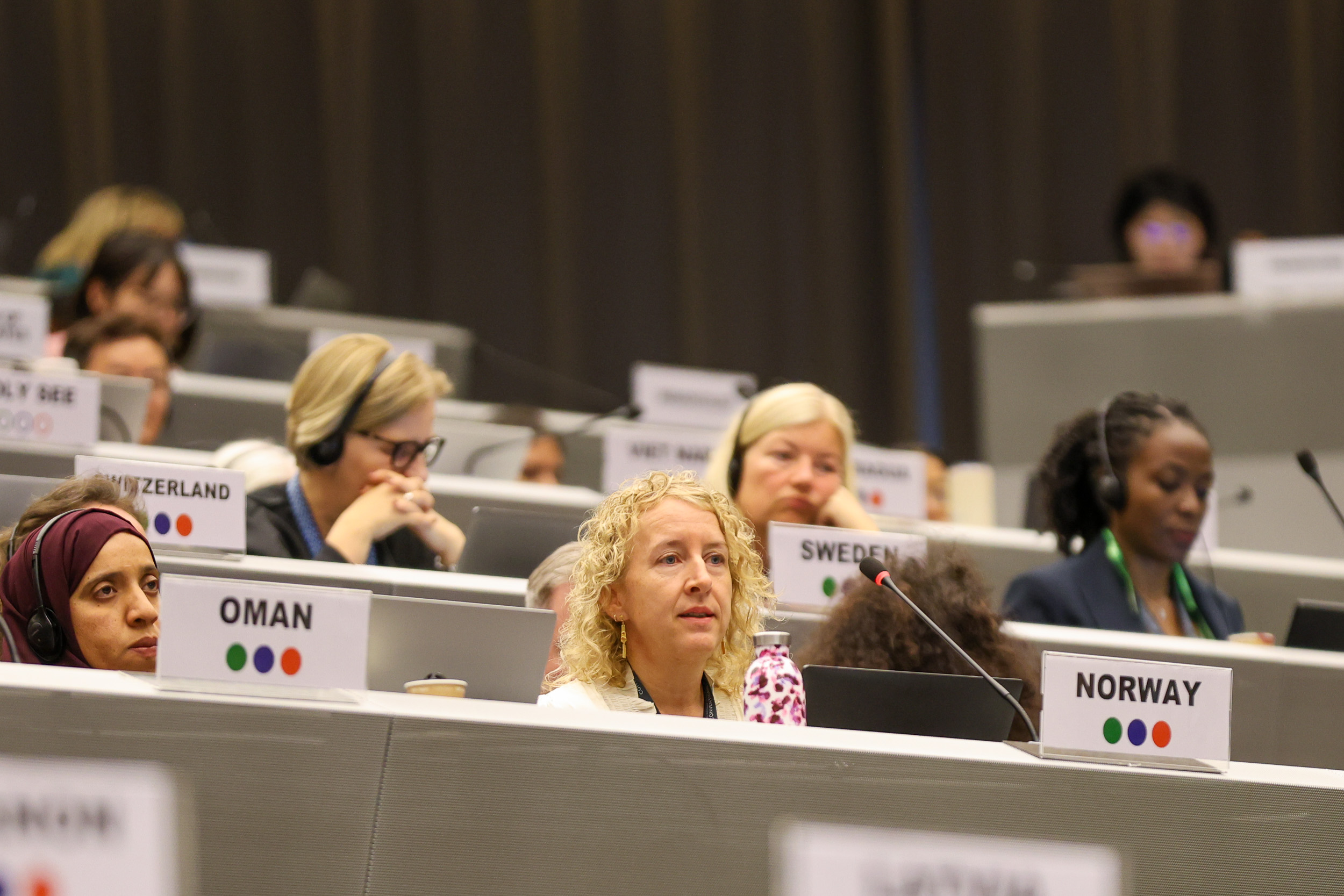
Marit Randall, Norway
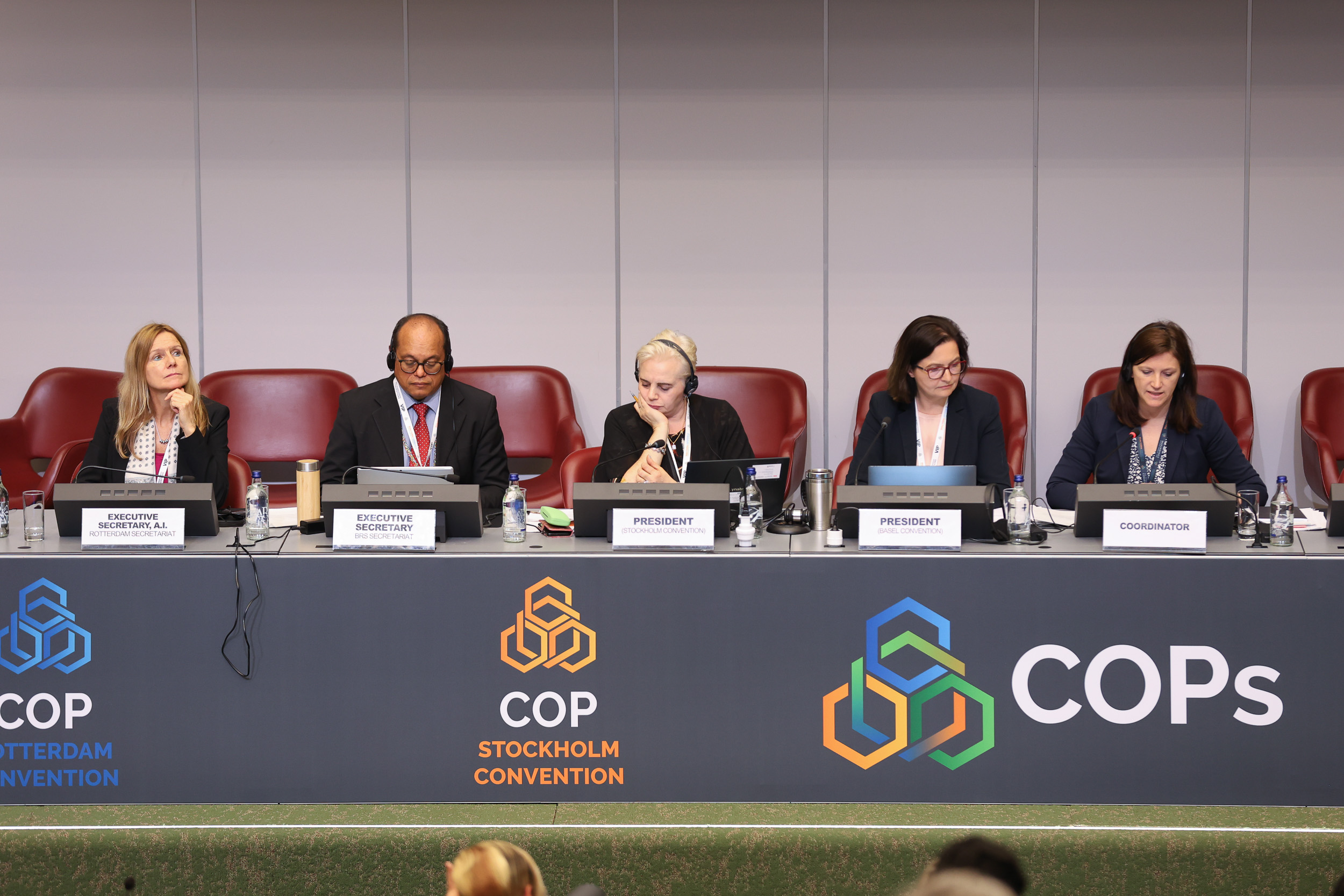
From L-R: Christine Fuell, Executive Secretary ad interim, Rotterdam Convention; Rolph Payet, Executive Secretary, BRS Conventions; Stockholm Convention COP12 President Maya Berci; Basel Convention COP17 President Anita Sowińska; and Marylene Beau, BRS Conventions Secretariat
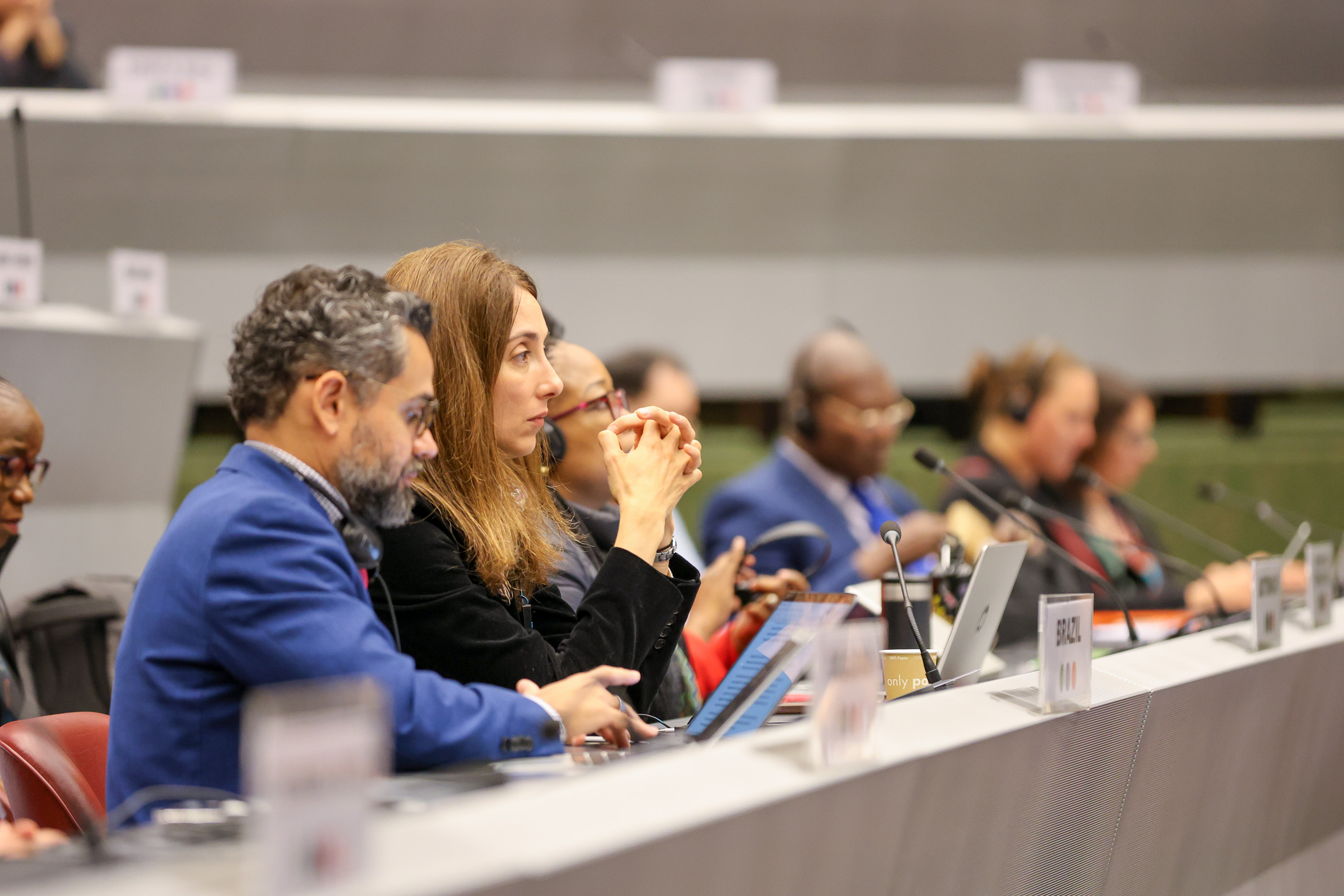
Luciana Melchert, Brazil
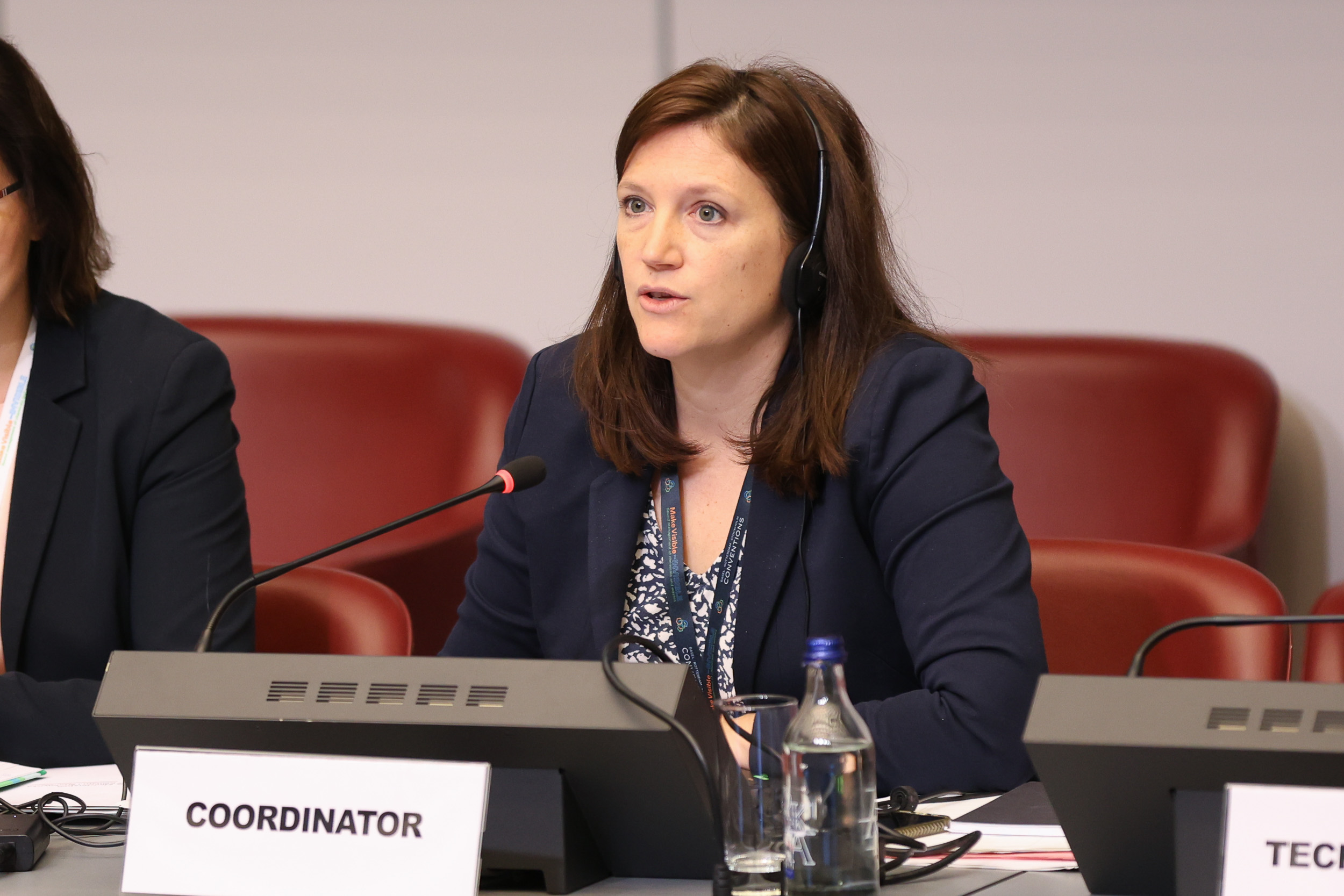
Marylene Beau, BRS Conventions Secretariat
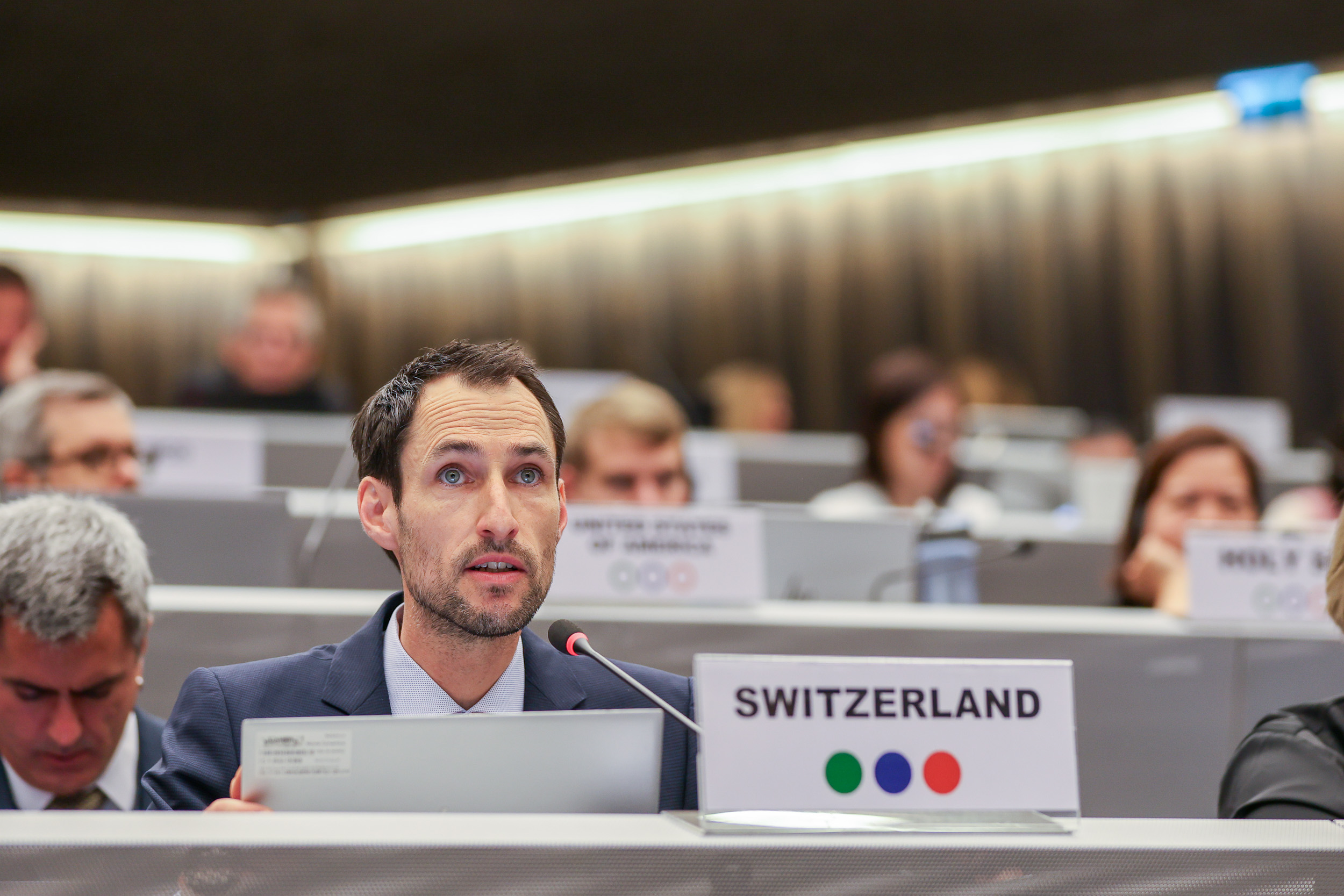
Michel Tschirren, Switzerland
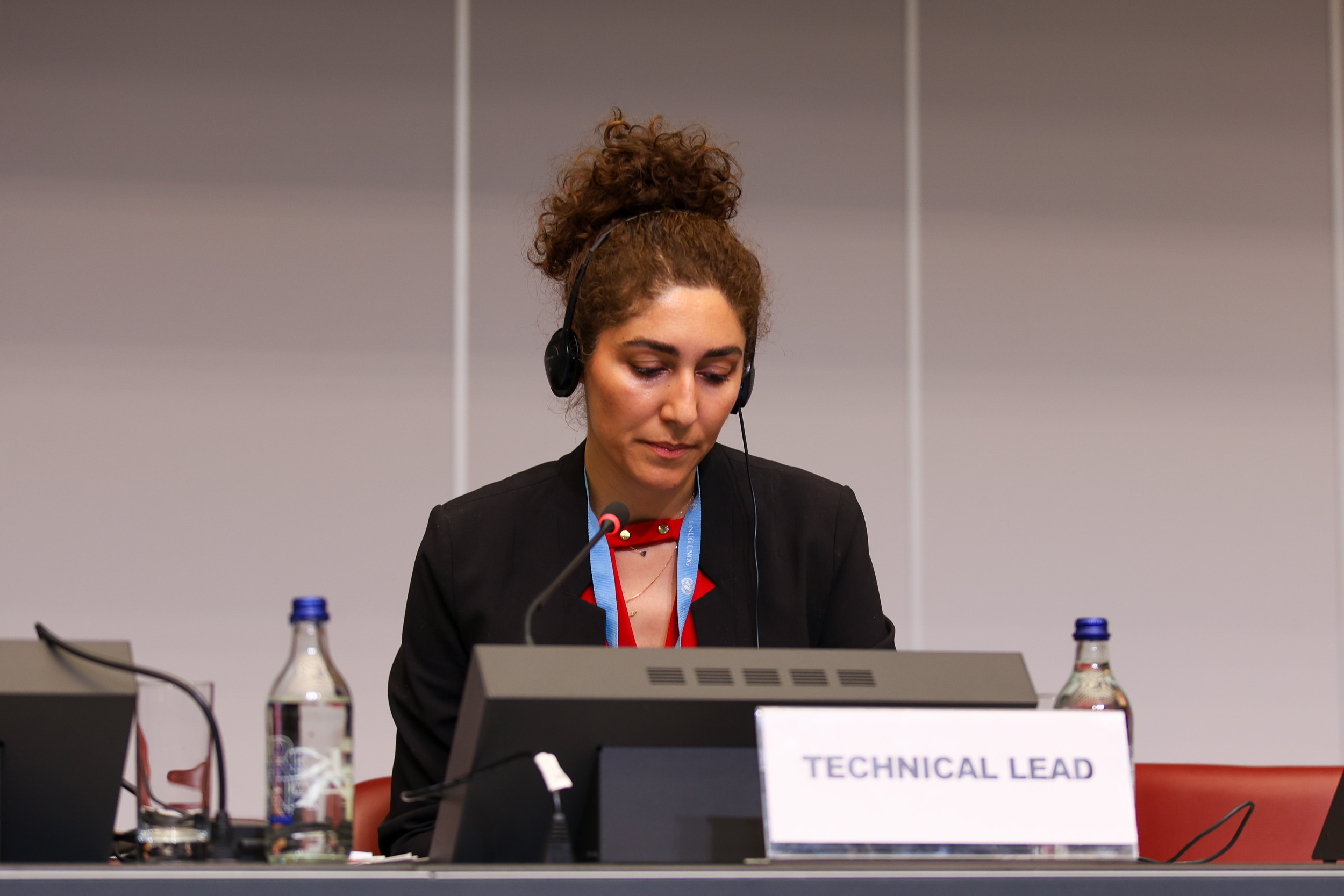
Mehrnoosh Azodi, BRS Conventions Secretariat
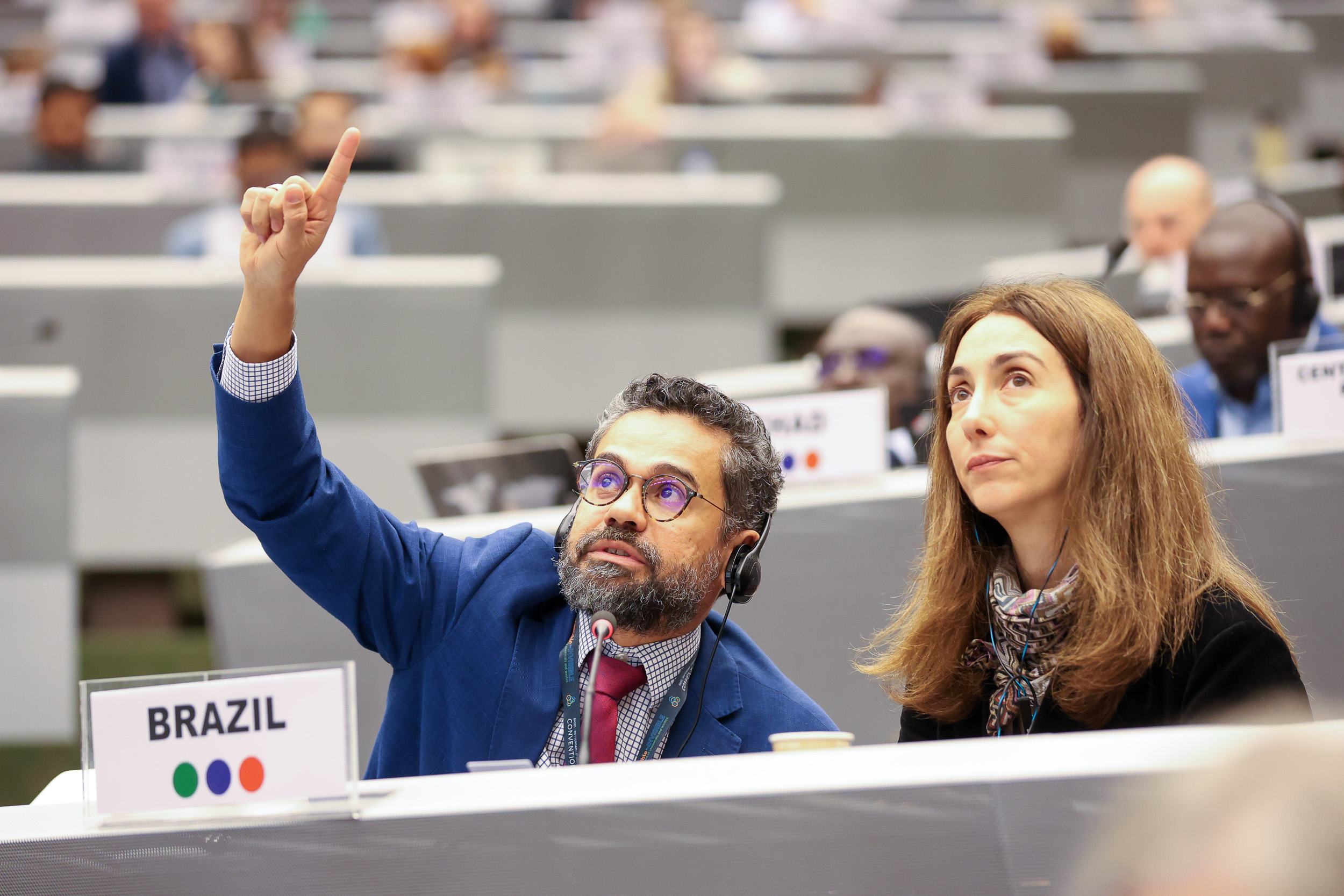
Francisco Nelson Linhares and Luciana Melchert, Brazil
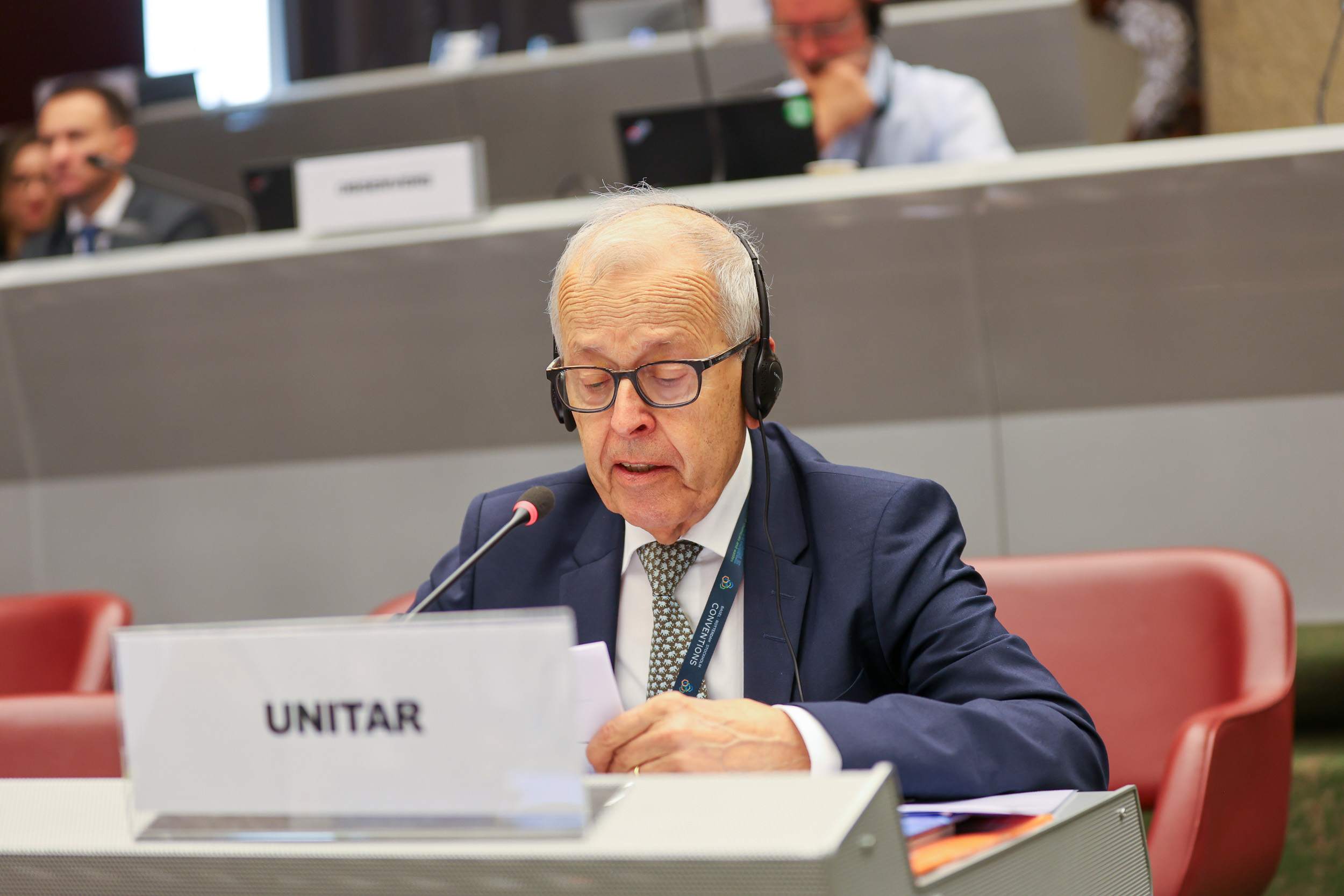
Georg Karlaganis, UN Institute for Training and Research (UNITAR)
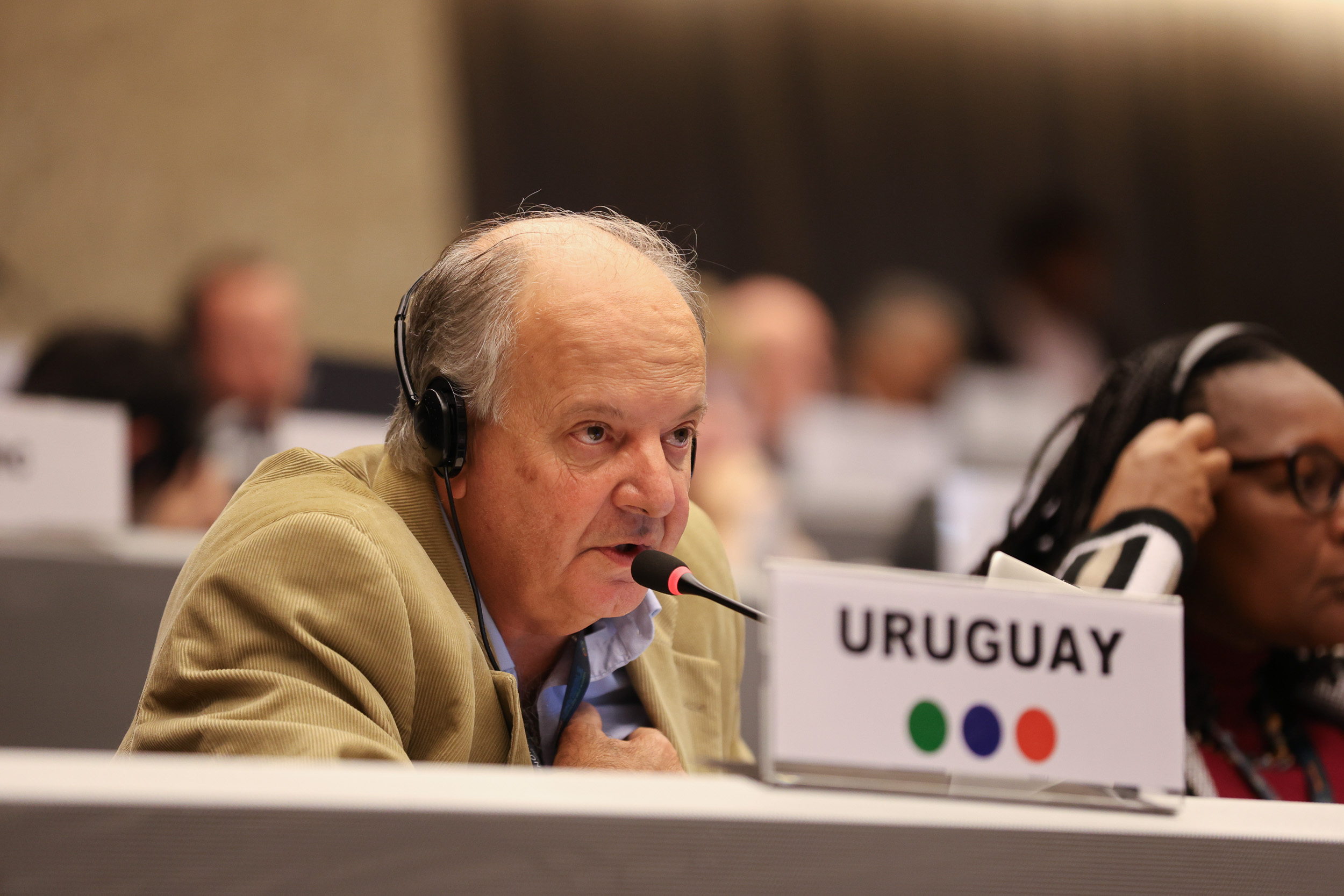
Alex Hughes, Uruguay

Rotterdam Convention COP12 President Hammad Shamimi


Lovish Raheja, Children and Youth International

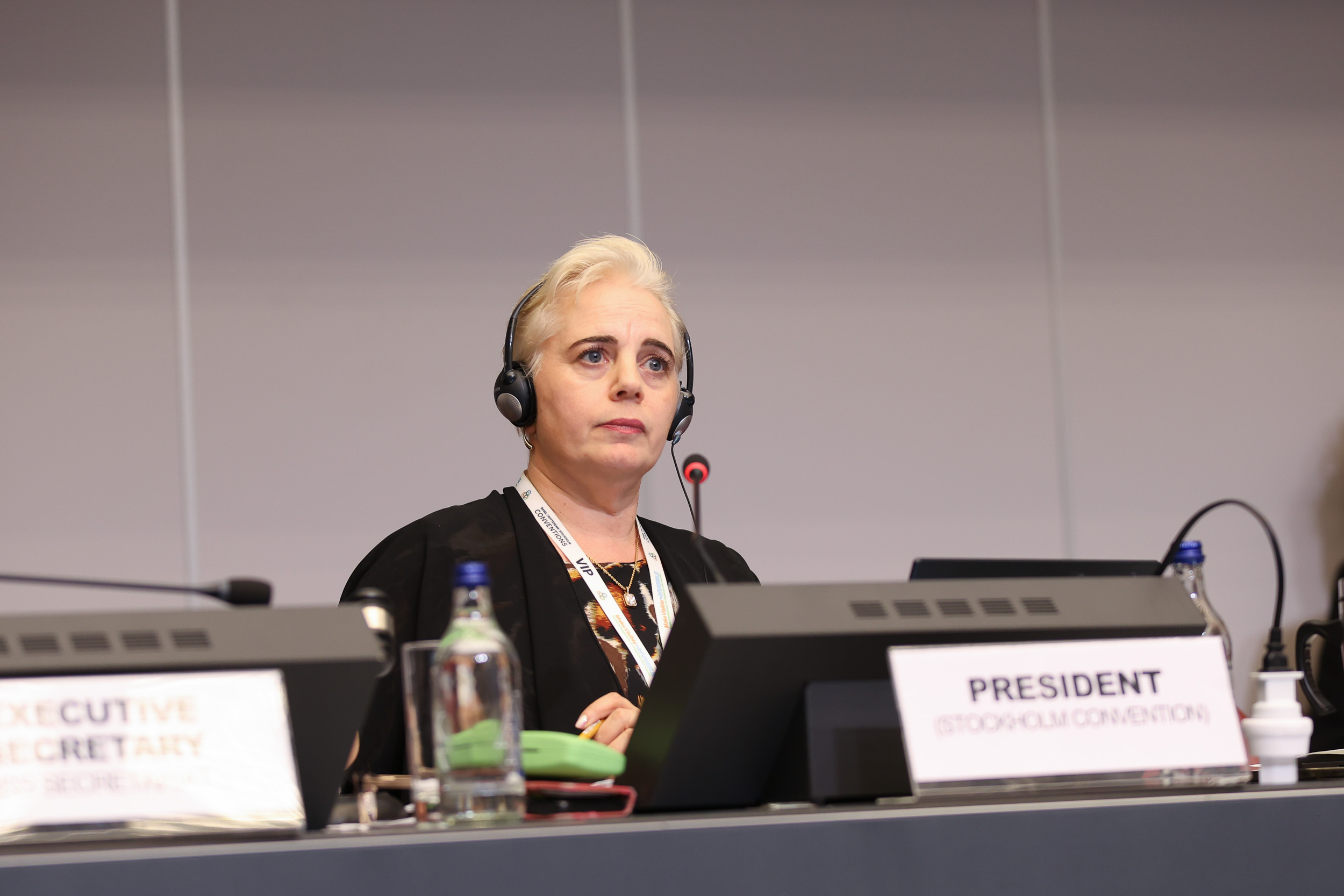
Stockholm Convention COP12 President Maya Berci
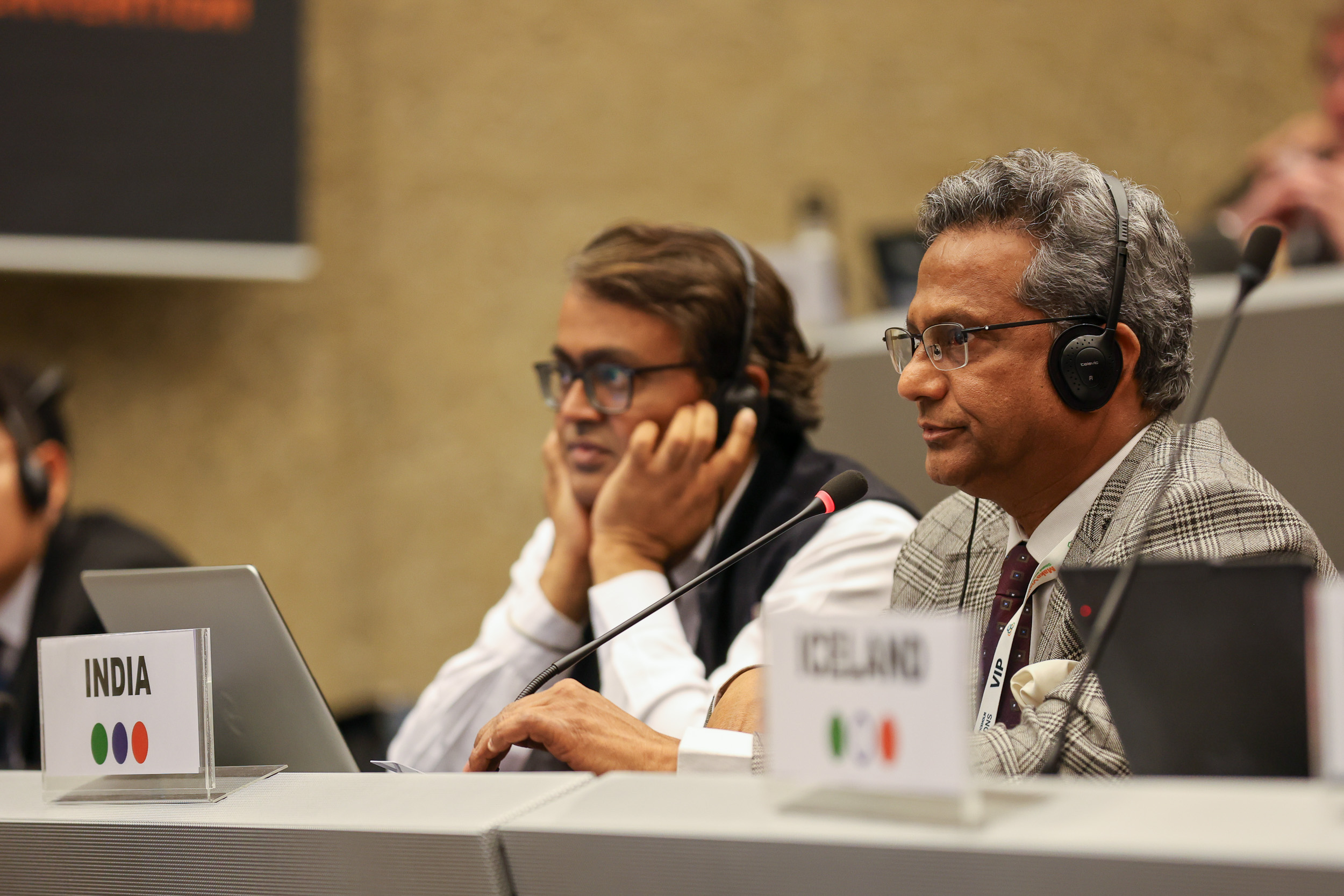
Naresh Pal Gangwar, India
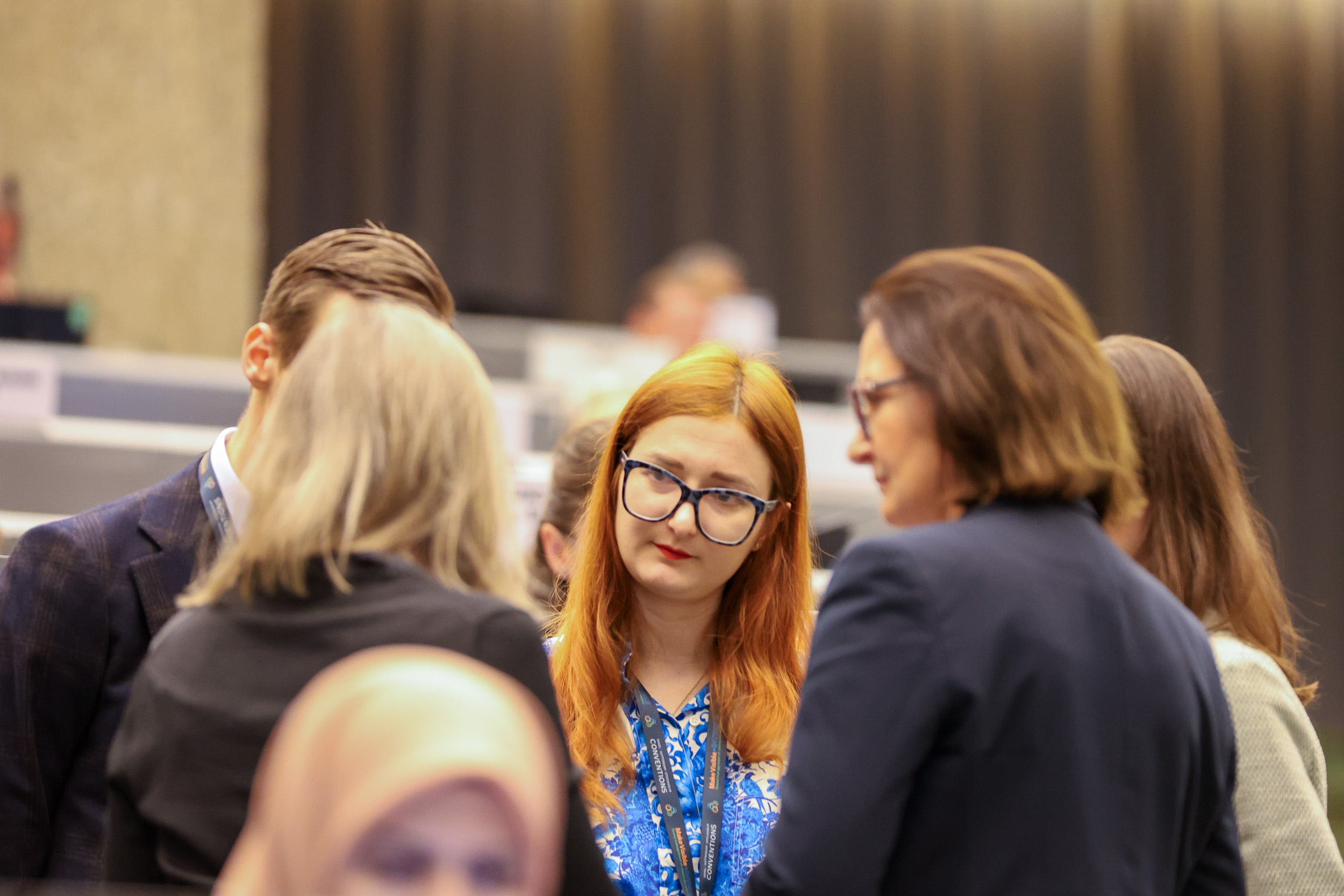

Ron Van Peer, CropLife International
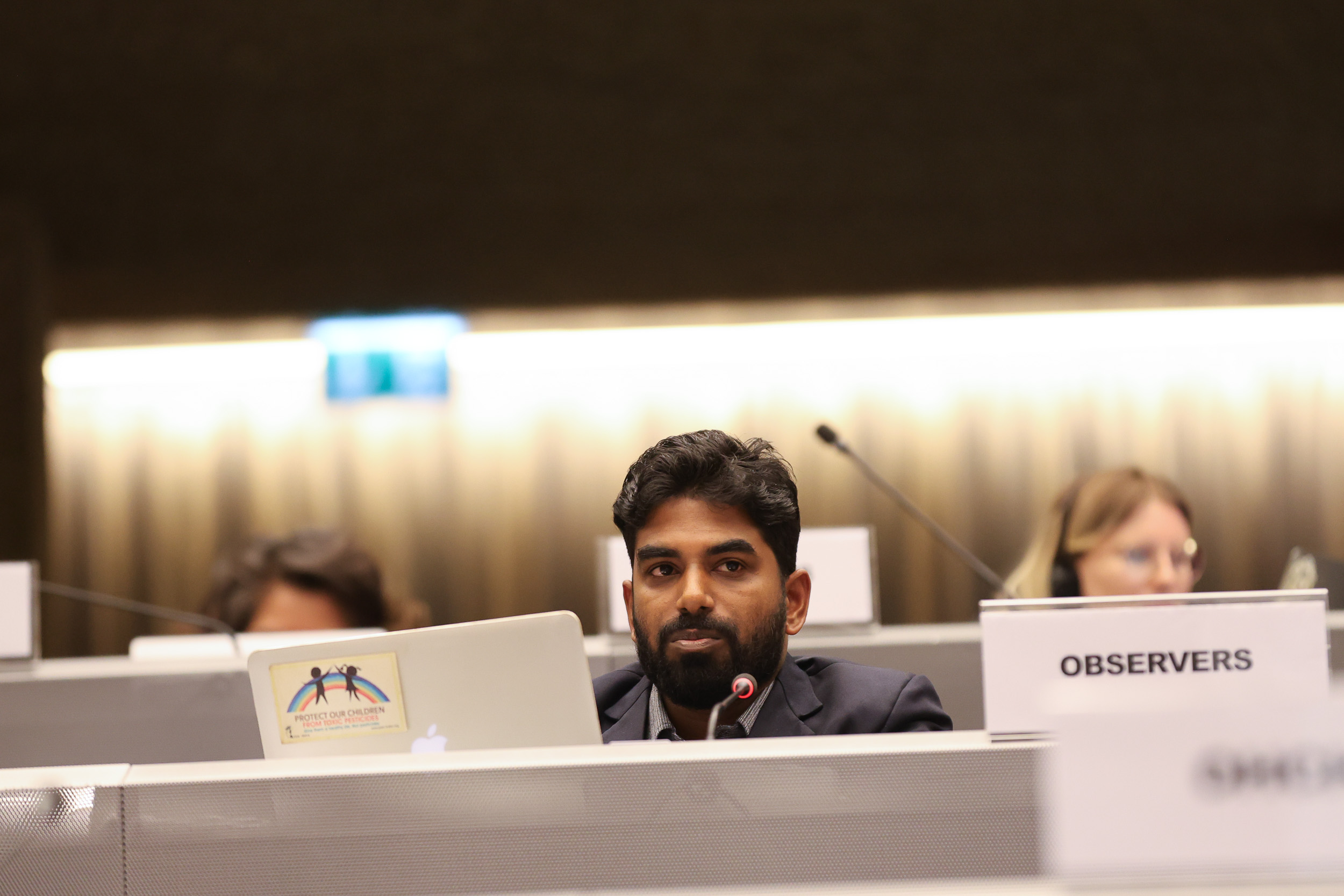
Dileep Kumar, Pesticide Action Network (PAN) India
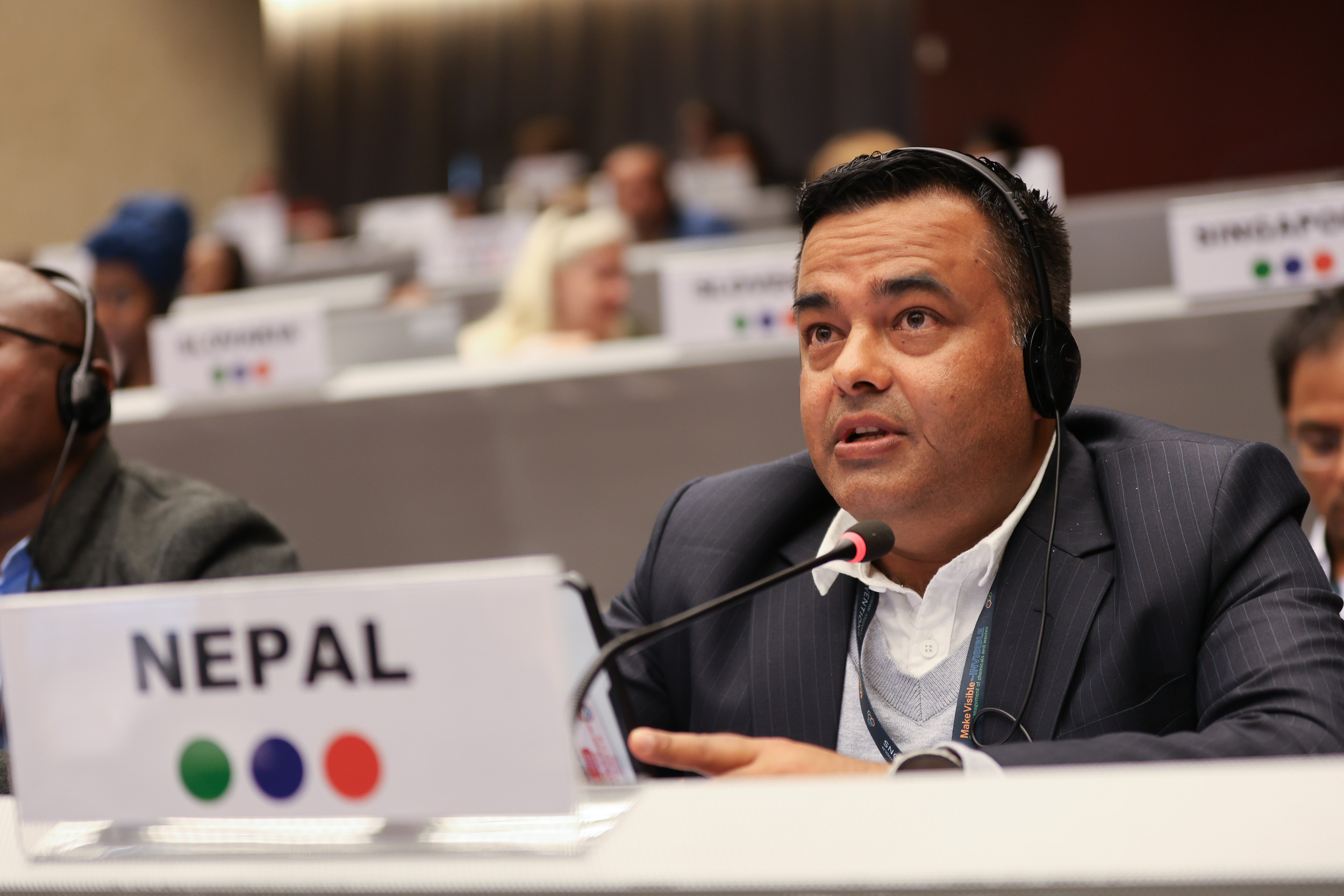
Bhoj Raj Sapkota, Nepal
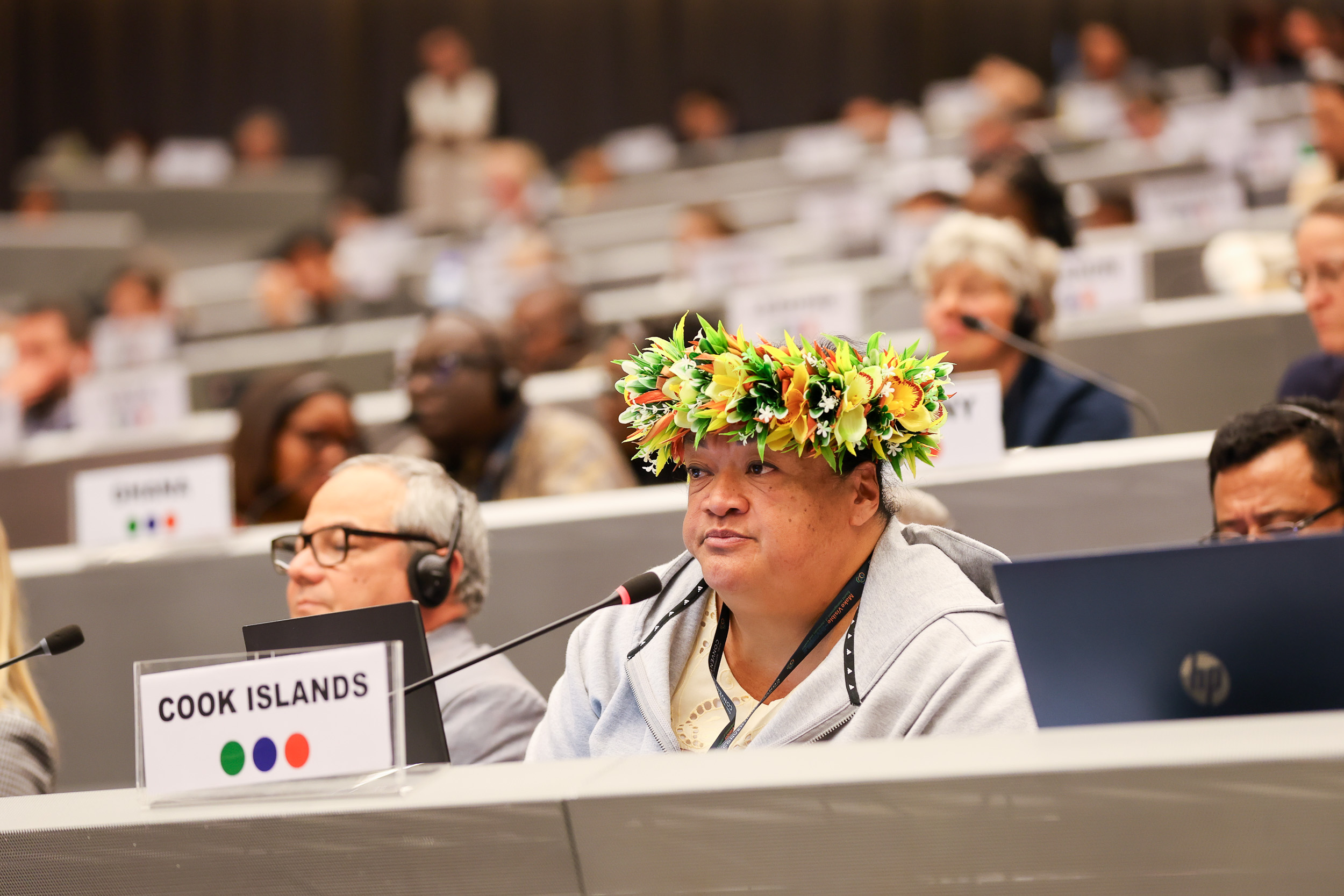
Temarama Anguna-Kamana, Cook Islands
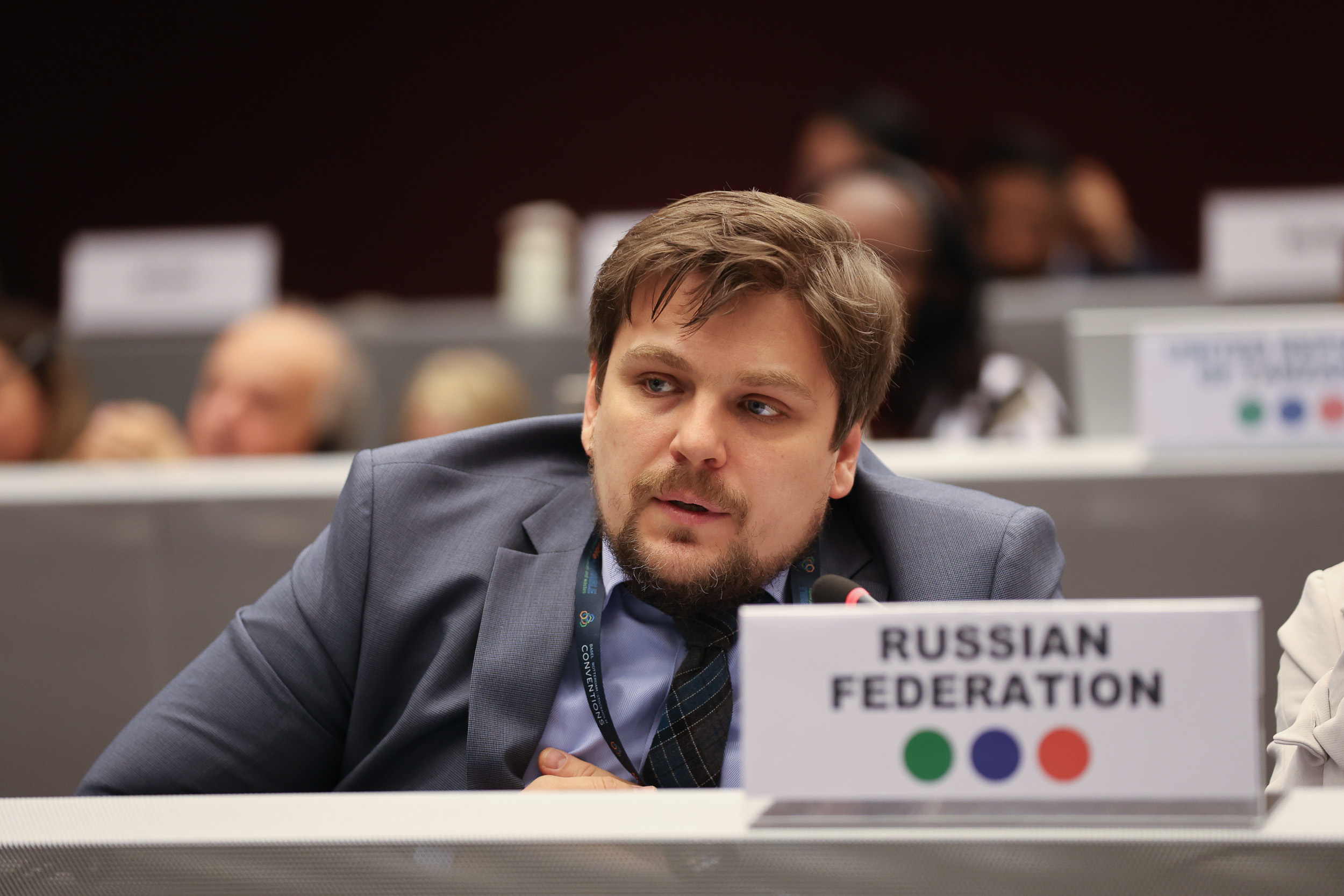
Oleg Senchenko, Russian Federation
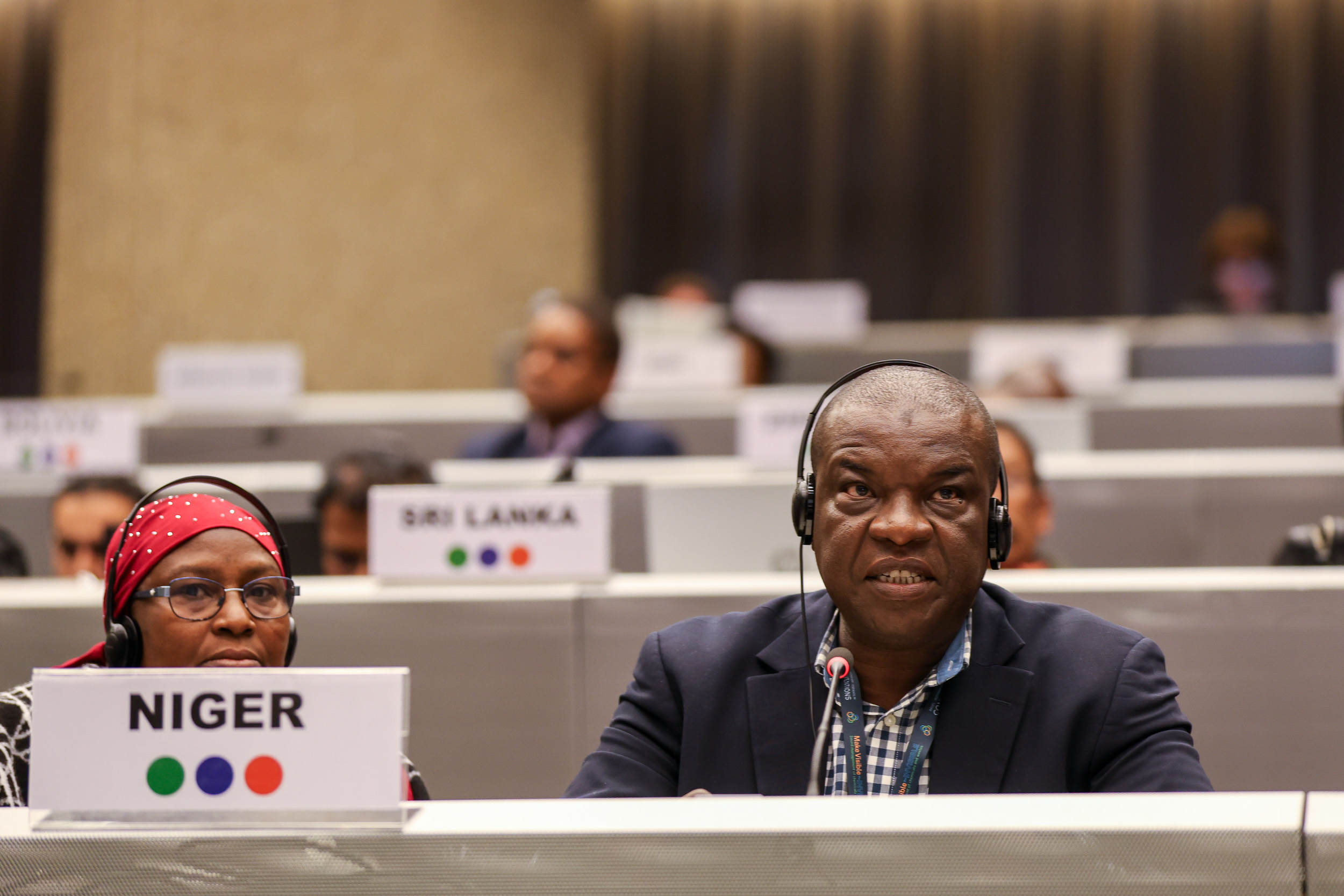
Boubacar Moussa Soumey, Niger
Contact Groups
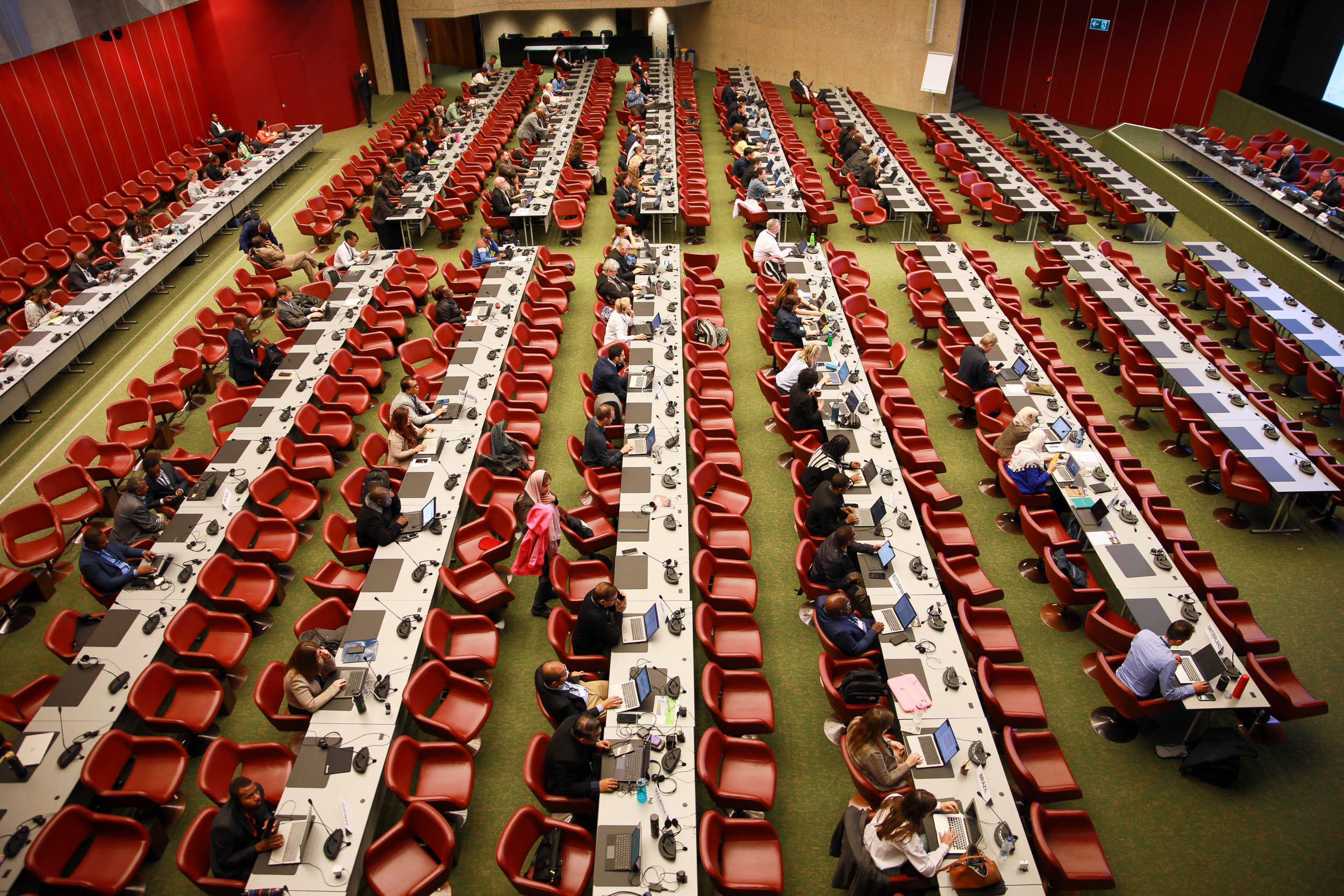
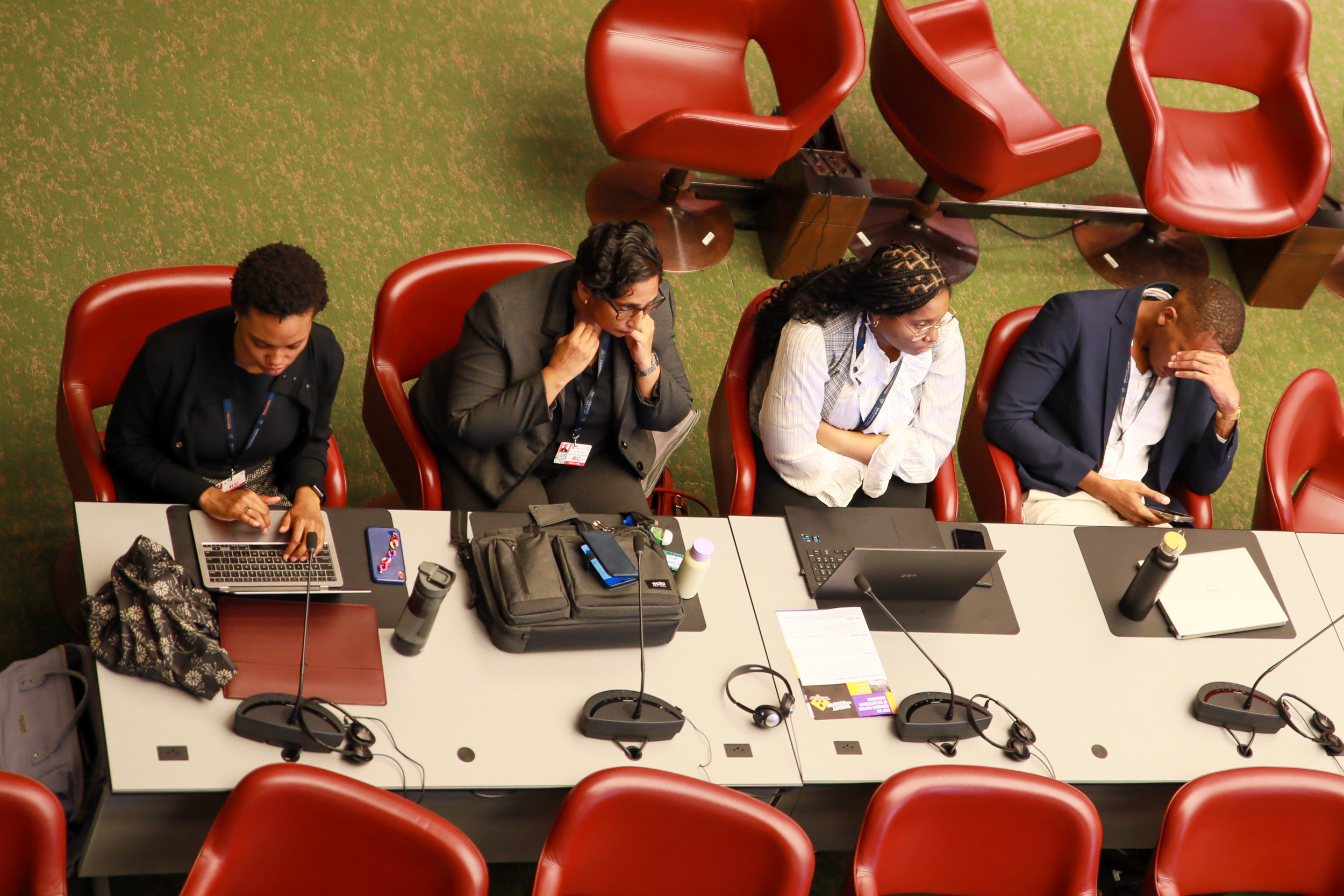
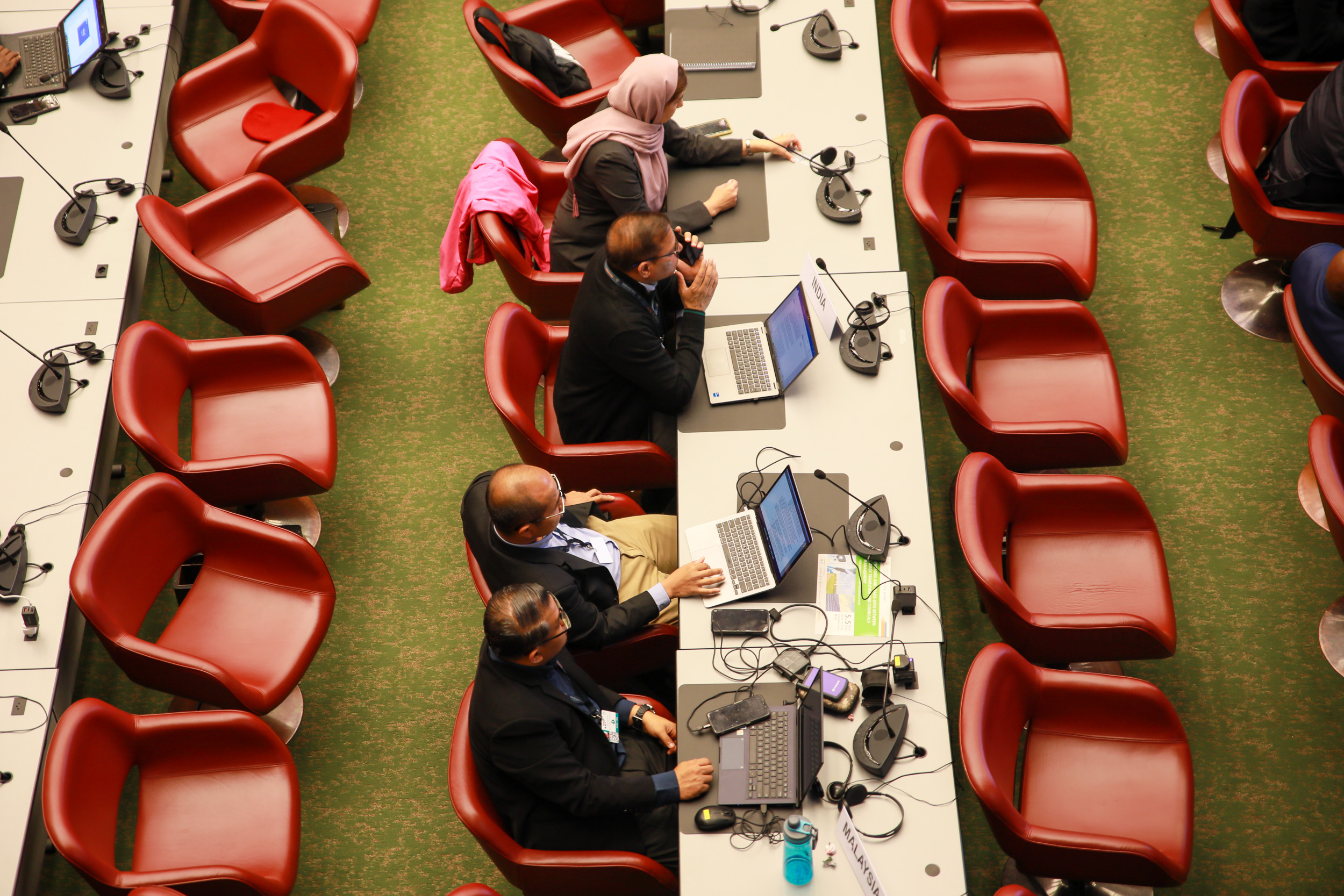
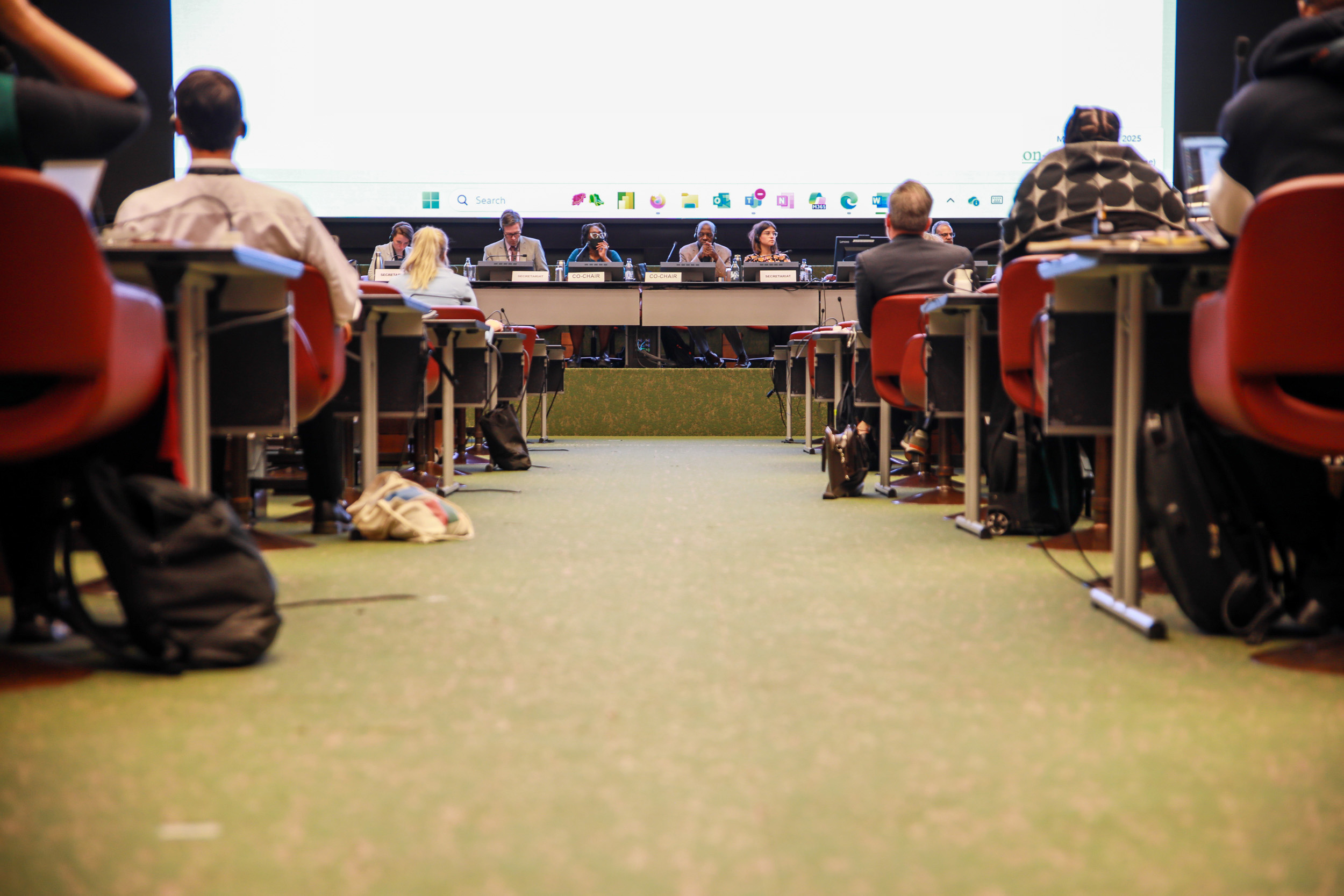
View of the room during a Contact Group on Basel Convention technical guidelines
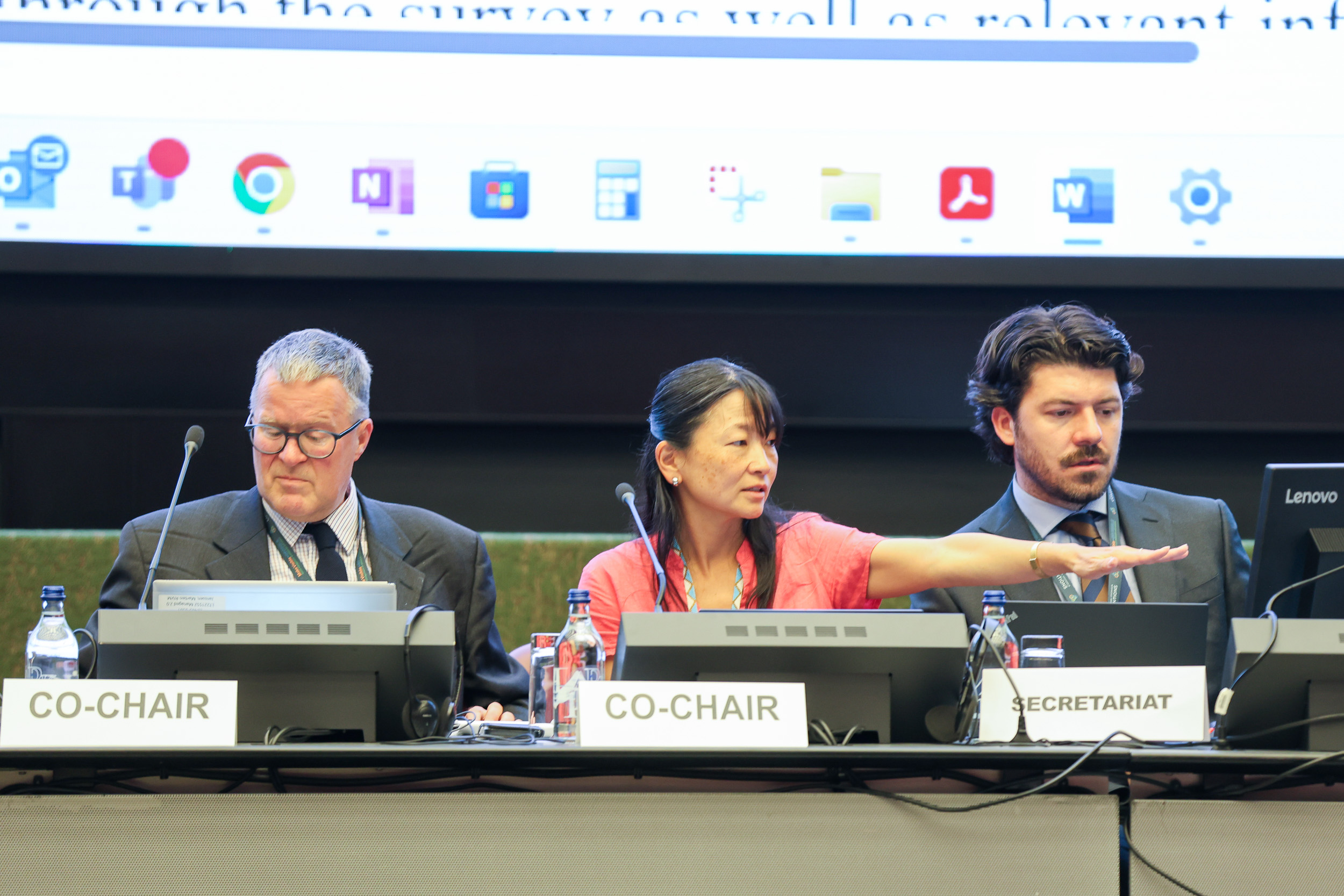
From L-R: Contact Group on Basel Convention technical guidelines Co-Chair Martien Janssen, the Netherlands; Kei Ohno Woodall, BRS Conventions Secretariat; and Andrea Cararo, BRS Conventions Secretariat
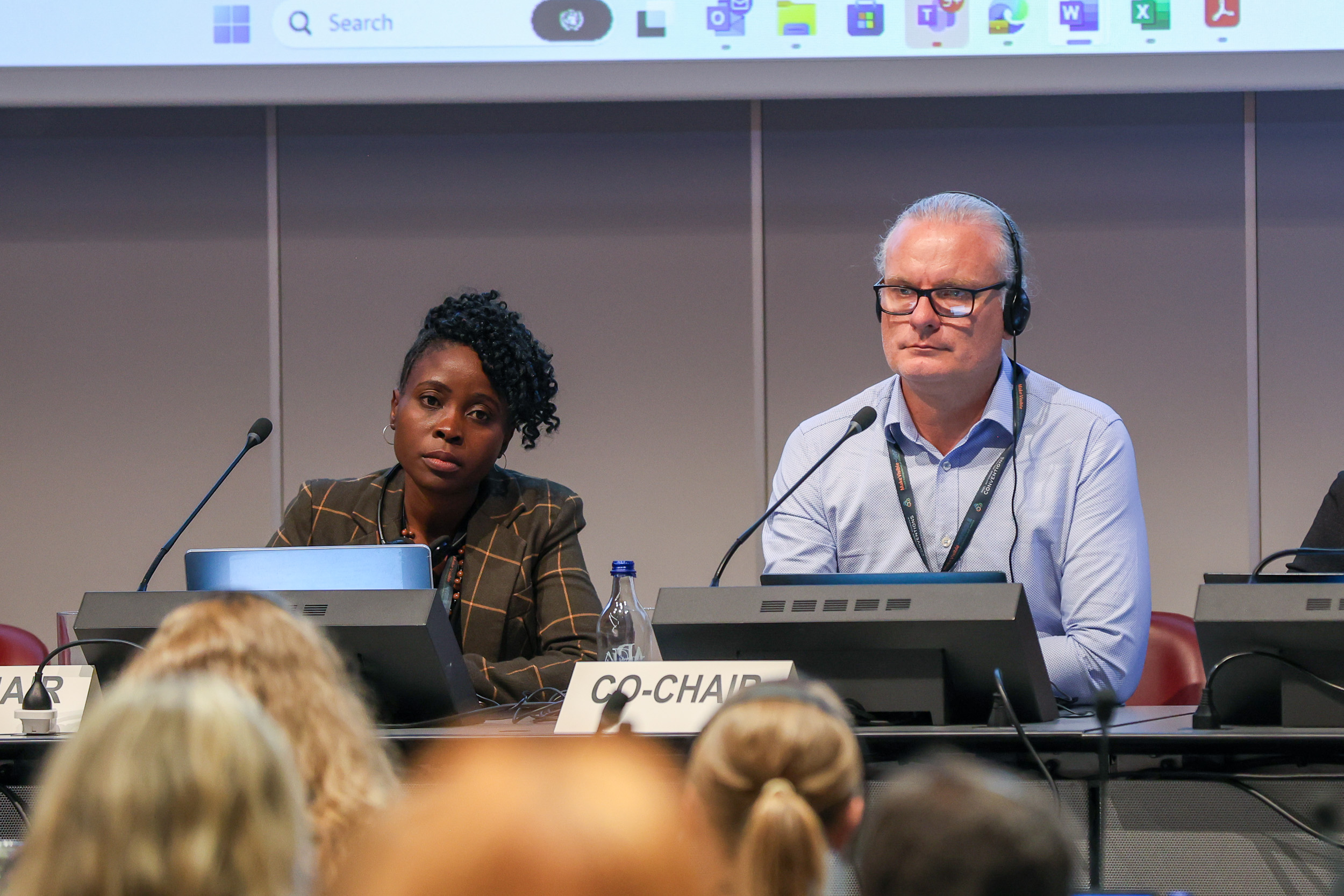
Contact Group on Basel Convention legal matters Co-Chairs Perine Nkosi Kasonde, Zambia, and Jason Dunn, Australia
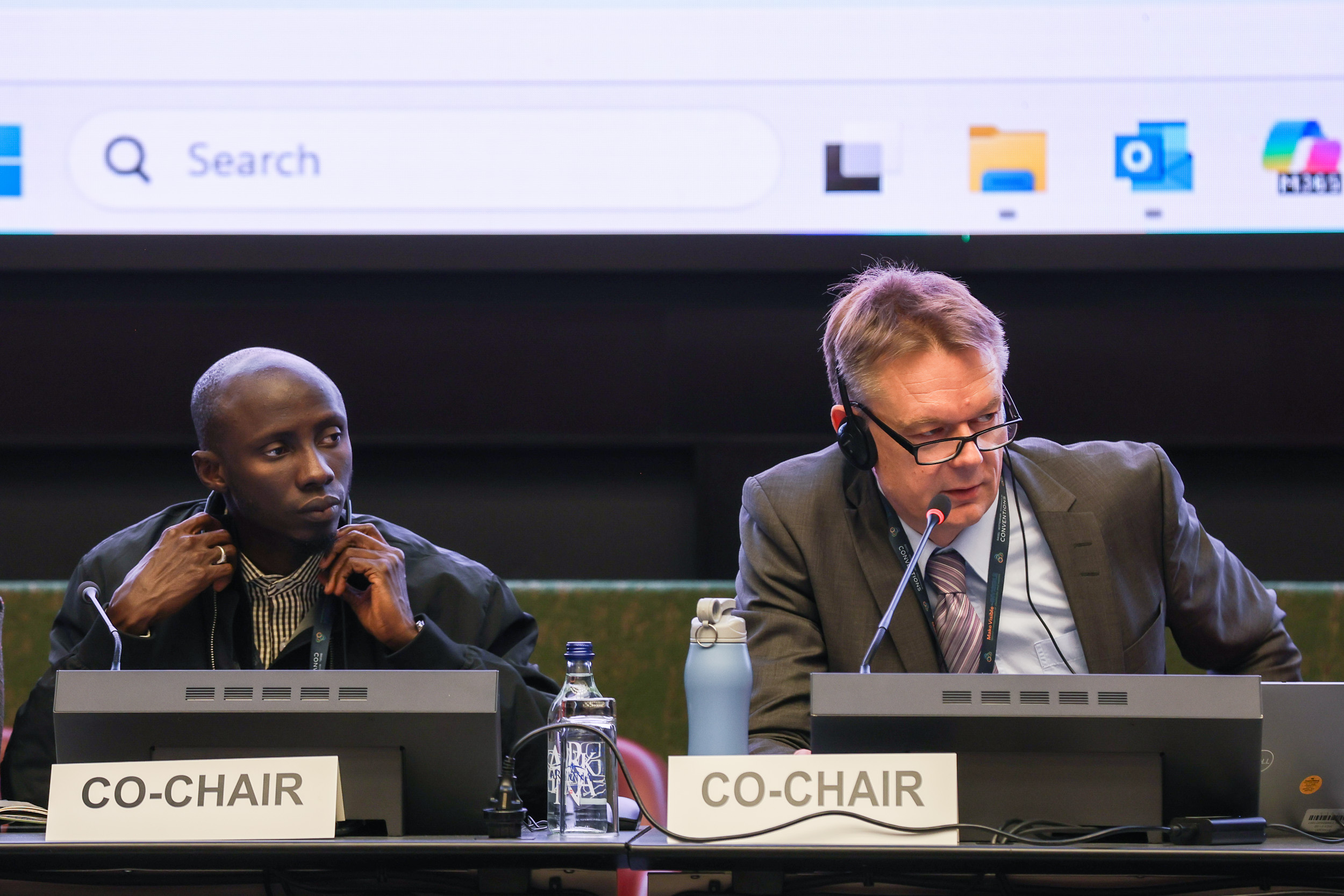
Contact Group on Stockholm Convention listing of chemicals Co-Chairs Lamin Jaiteh, the Gambia, and Timo Seppälä, Finland
Between Sessions