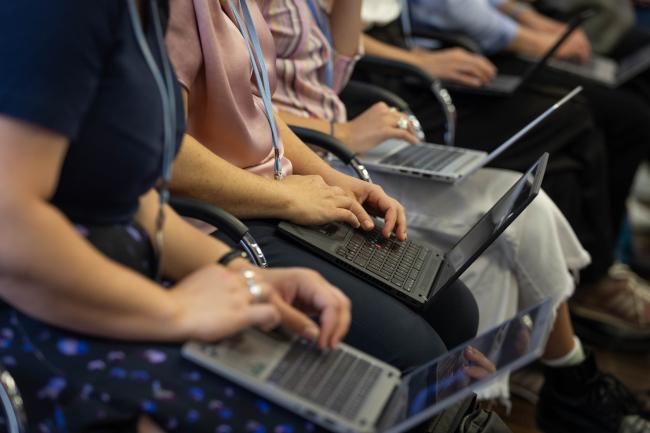
Delegates launched substantive negotiations in a constructive atmosphere, trying to make up for time lost due to the delayed adoption of the meeting agendas. Still, some groups’ discussions were especially heated.
Want to dig deeper into today's talks? Read the full Earth Negotiations Bulletin daily report.
The negotiations on the mitigation work programme (MWP) remained at an impasse. The Alliance of Small Island States pointed out the painfully obvious: the MWP is not delivering on its mandate to scale up mitigation ambition and implementation. To overcome this deadlock, many parties, including the members of the Independent Alliance of Latin America and the Caribbean, urged for the MWP to respond to the first Global Stocktake (GST) under the Paris Agreement and for countries to ramp up their mitigation efforts to achieve the 1.5°C target. This was not to the liking of the African Group, Like-Minded Developing Countries, and Arab Group, with India stressing that many developing countries already have ambitious targets but are not receiving sufficient support to achieve them.
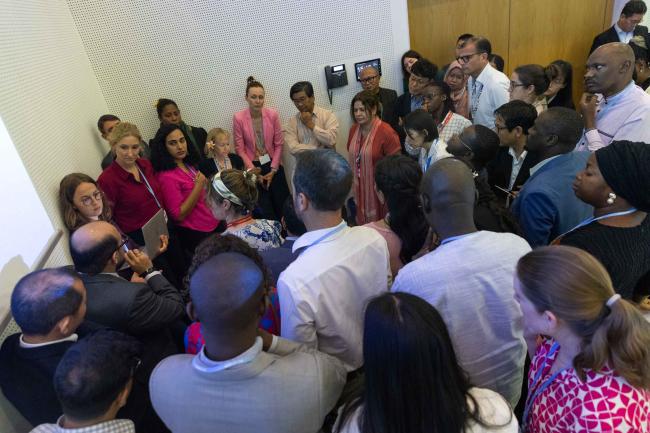
Similar debates are permeating the negotiations on the yet-to-be-operationalized technology implementation programme. While the European Union, Norway, and the UK consider it critical for the programme to support the response to the mitigation-related call in the GST decision, the Arab Group urged alignment with developing countries’ priorities and underscored the need to support carbon capture and storage.
Fossil fuels made their way into a discussion on aligning finance flows with a pathway towards low greenhouse gas emissions and climate-resilient development. John Beard, a former refinery worker from Texas, shared insights from communities on the frontlines of fossil fuel production. Pointing to a report by the Special Rapporteur on Human Rights and the Environment, he alerted participants to the magnitude of fossil fuel-associated pollution and related health impacts, including the emergence of “cancer valleys.”
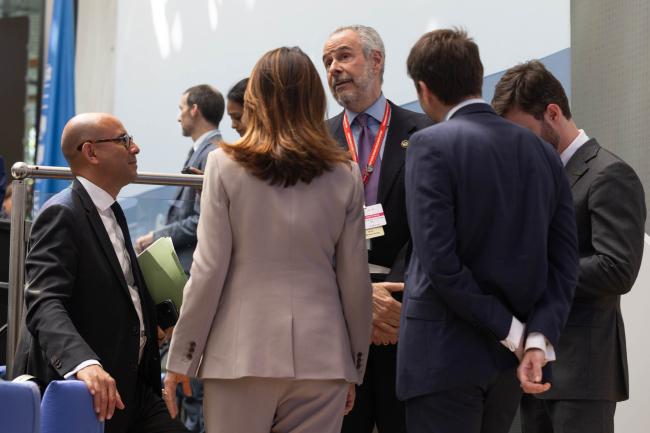
Another finance event, aimed at informing the development of a Presidency roadmap towards mobilizing USD 1.3 trillion for climate action, was much less fiery. Although speakers underscored the roadmap is not a negotiated output, their statements strongly resembled classic negotiating positions. The Arab Group nevertheless managed to raise some eyebrows by suggesting various opportunities for developed countries to raise more revenue to support climate action, including imposing taxes on financial transactions and luxury fashion brand sales.
To receive free coverage of global environmental events delivered to your inbox, subscribe to the ENB Update newsletter.
All ENB photos are free to use with attribution. For SB62 please use: Photo by IISD/ENB - Kiara Worth
Presidency-led Consultation on the the Baku to Belém Roadmap to USD1.3 Trillion in Climate Finance
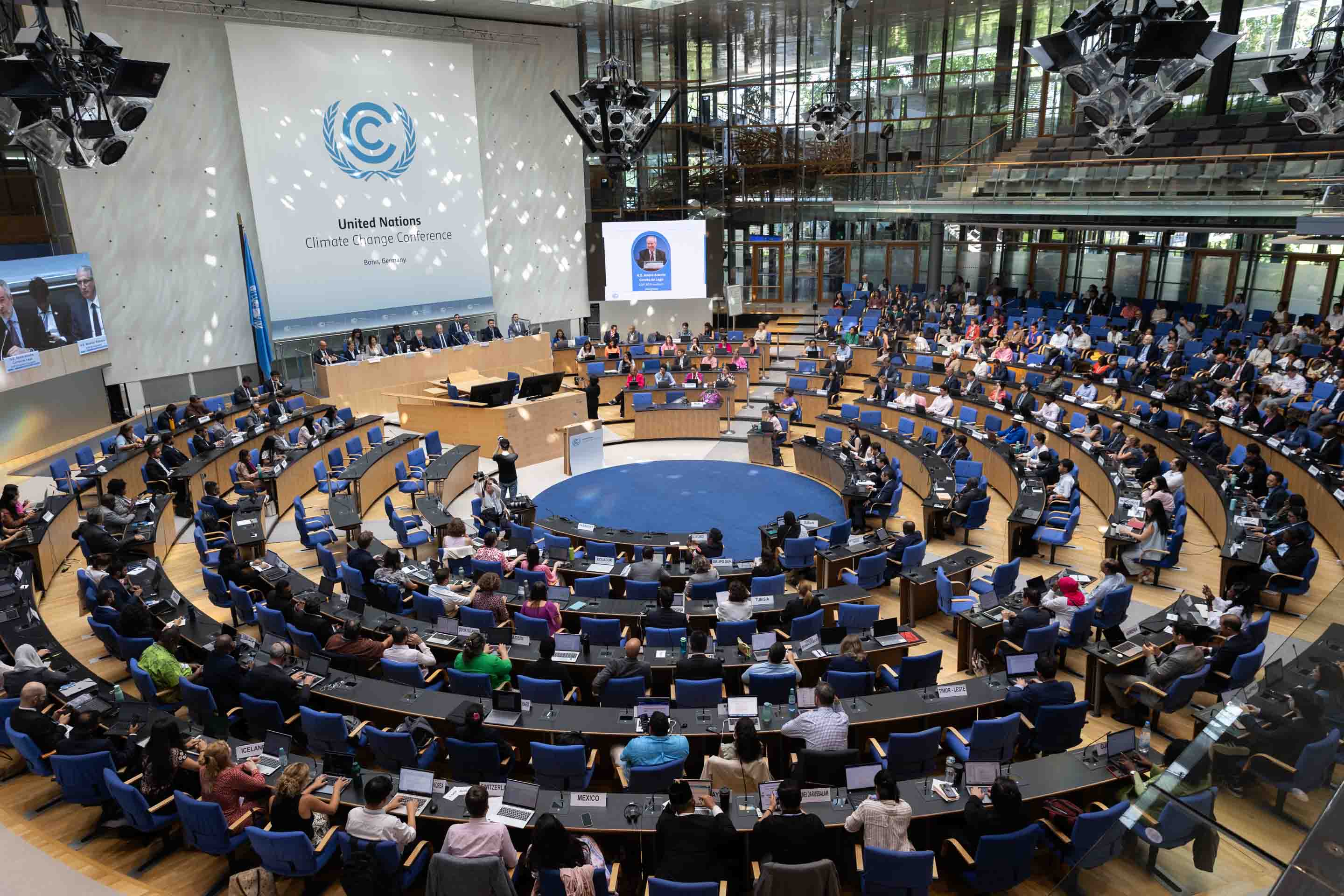
Delegates gather to hear about the roadmap to achieving USD1.3 trillion in climate finance
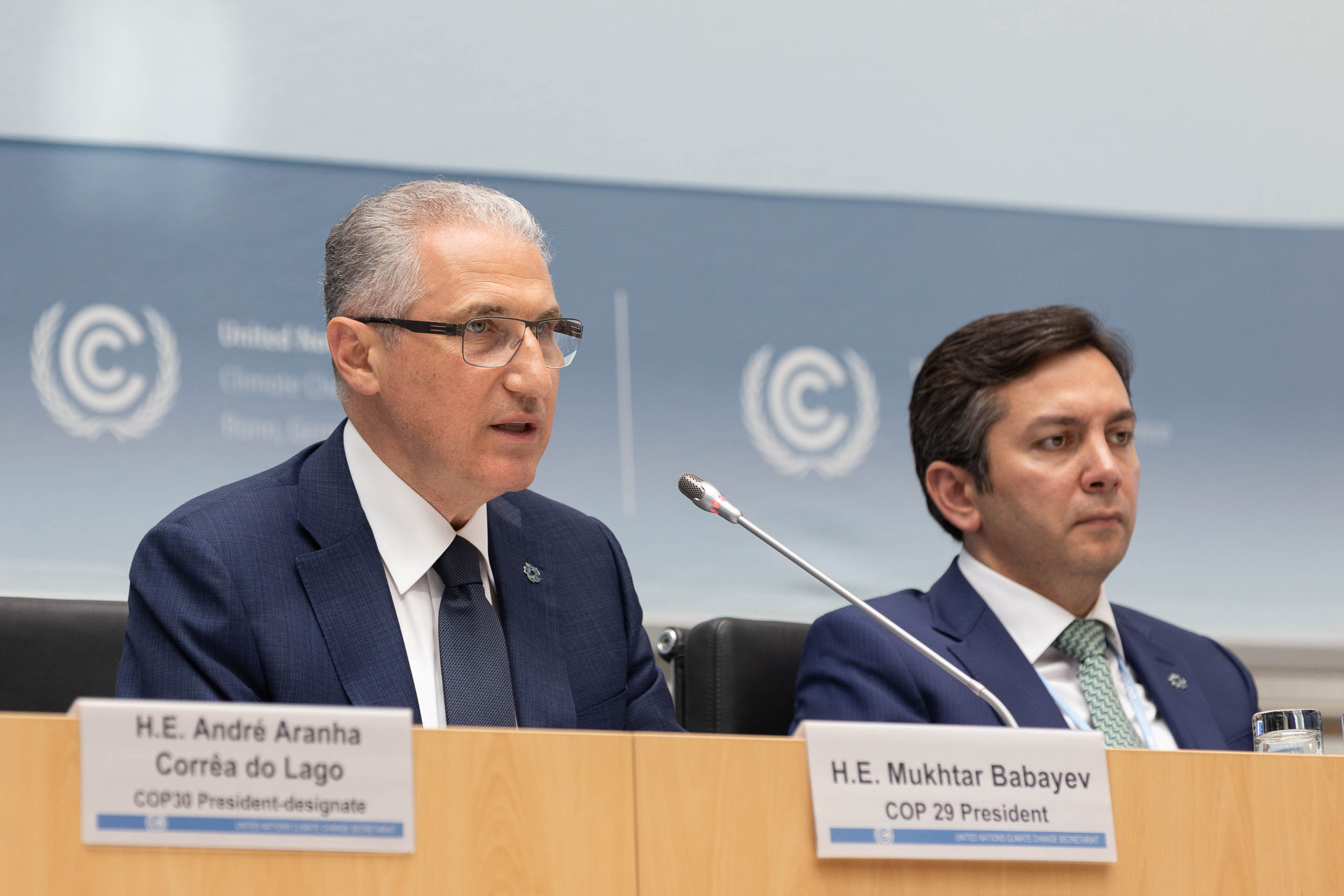
Mukhtar Babayev, COP 29 President
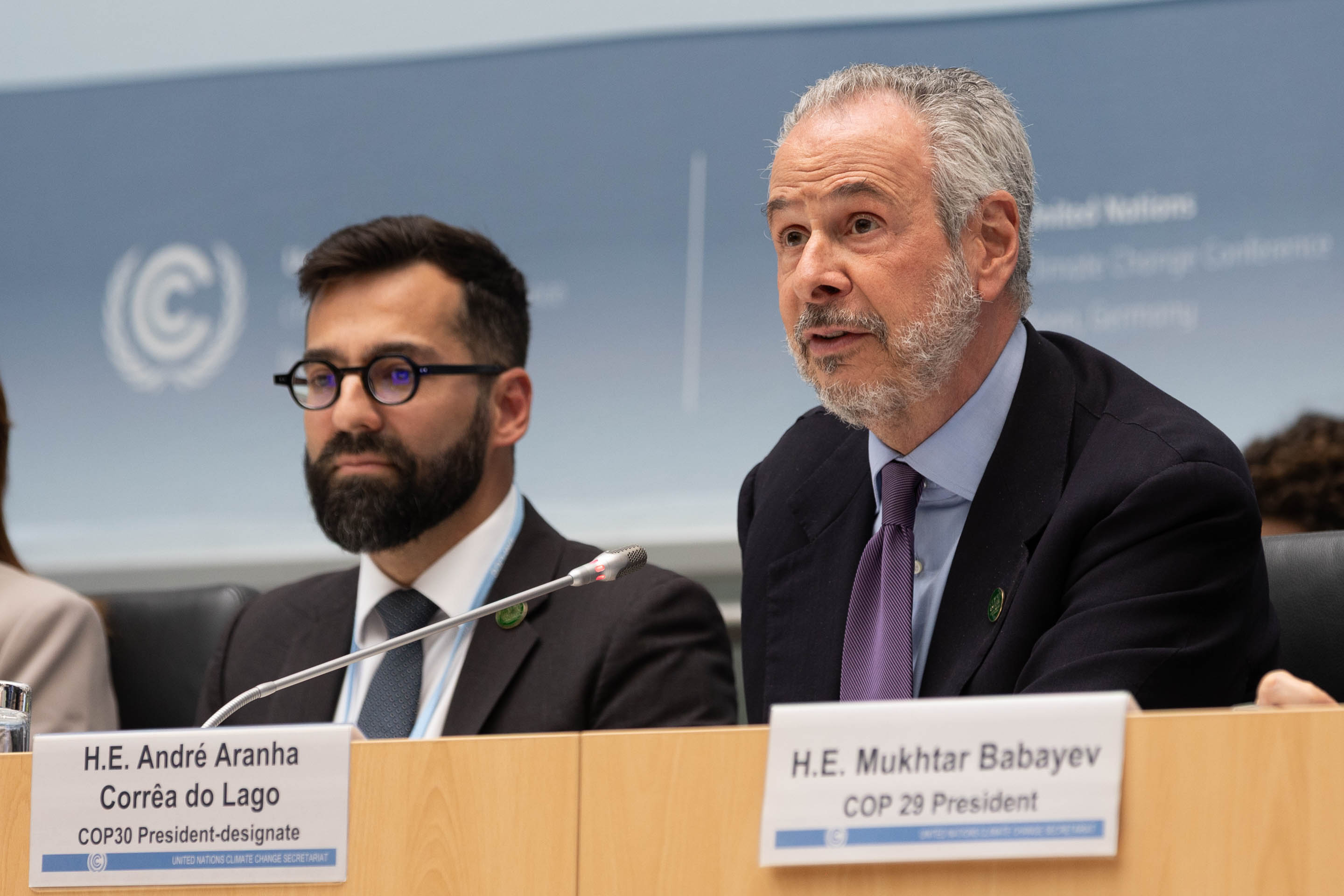
André Aranha Corrêa do Lago, COP 30 President-designate
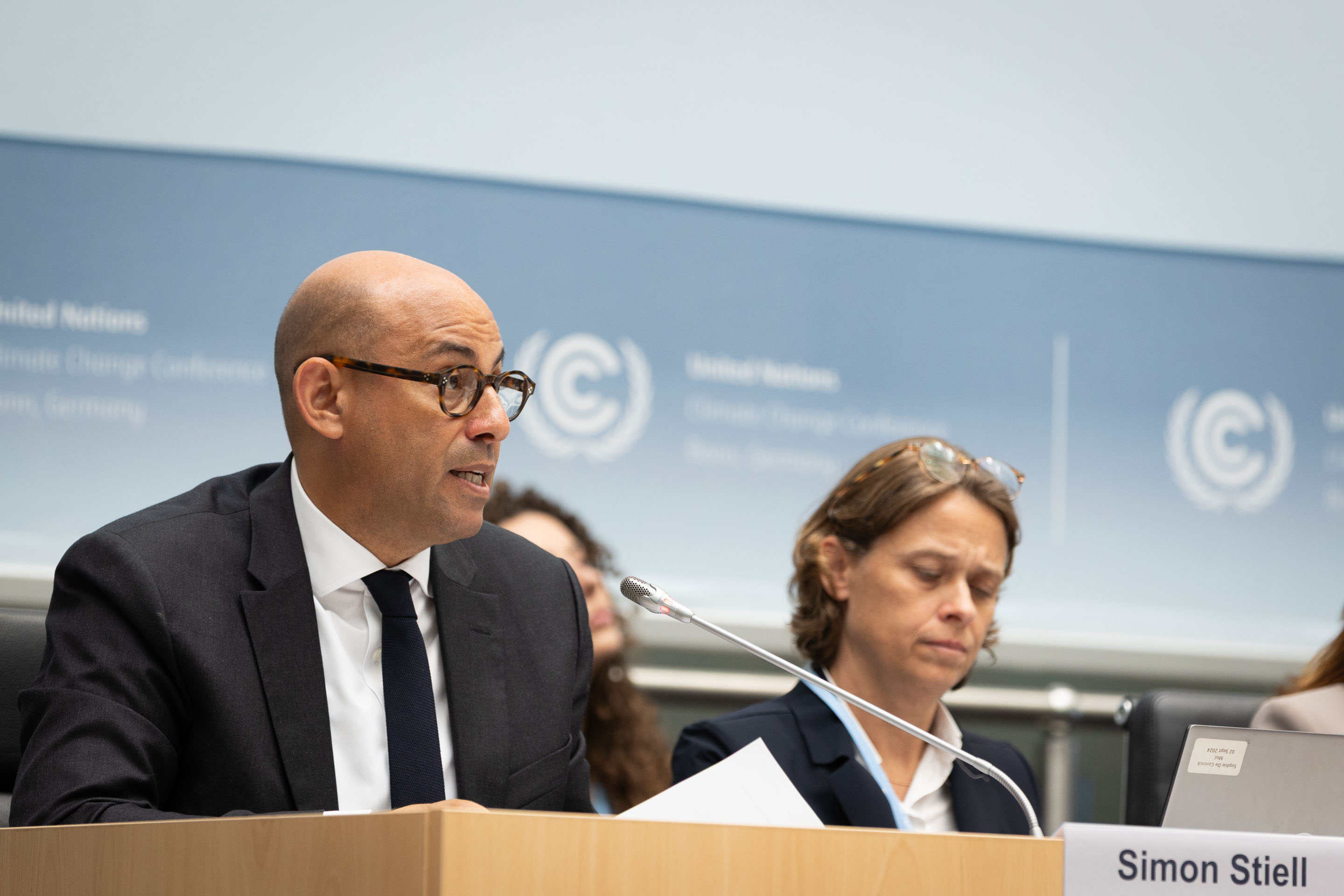
Simon Stiell, UNFCCC Executive Secretary
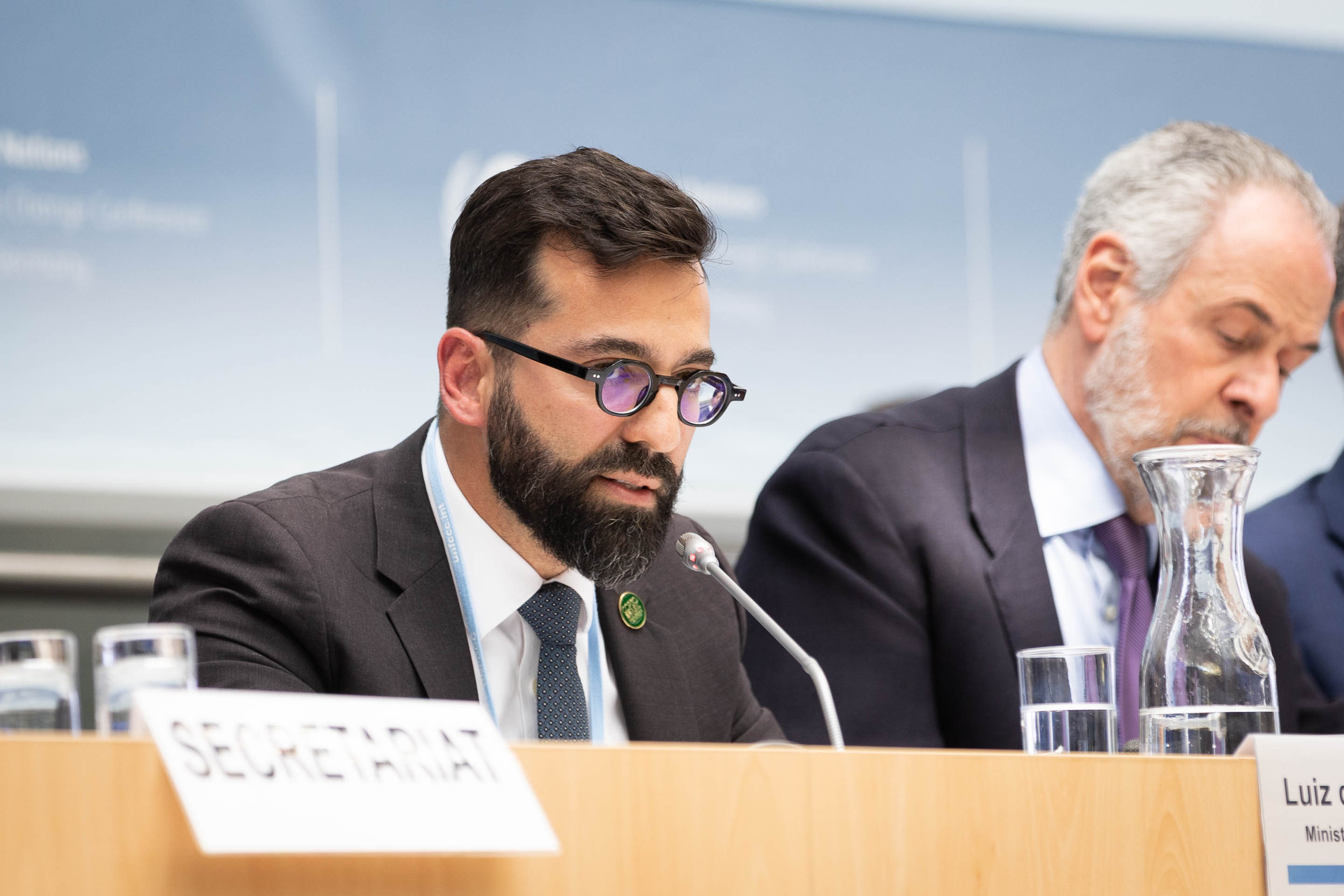
Luiz de Andrade Filho, Ministry of Foreign Affairs, Brazil
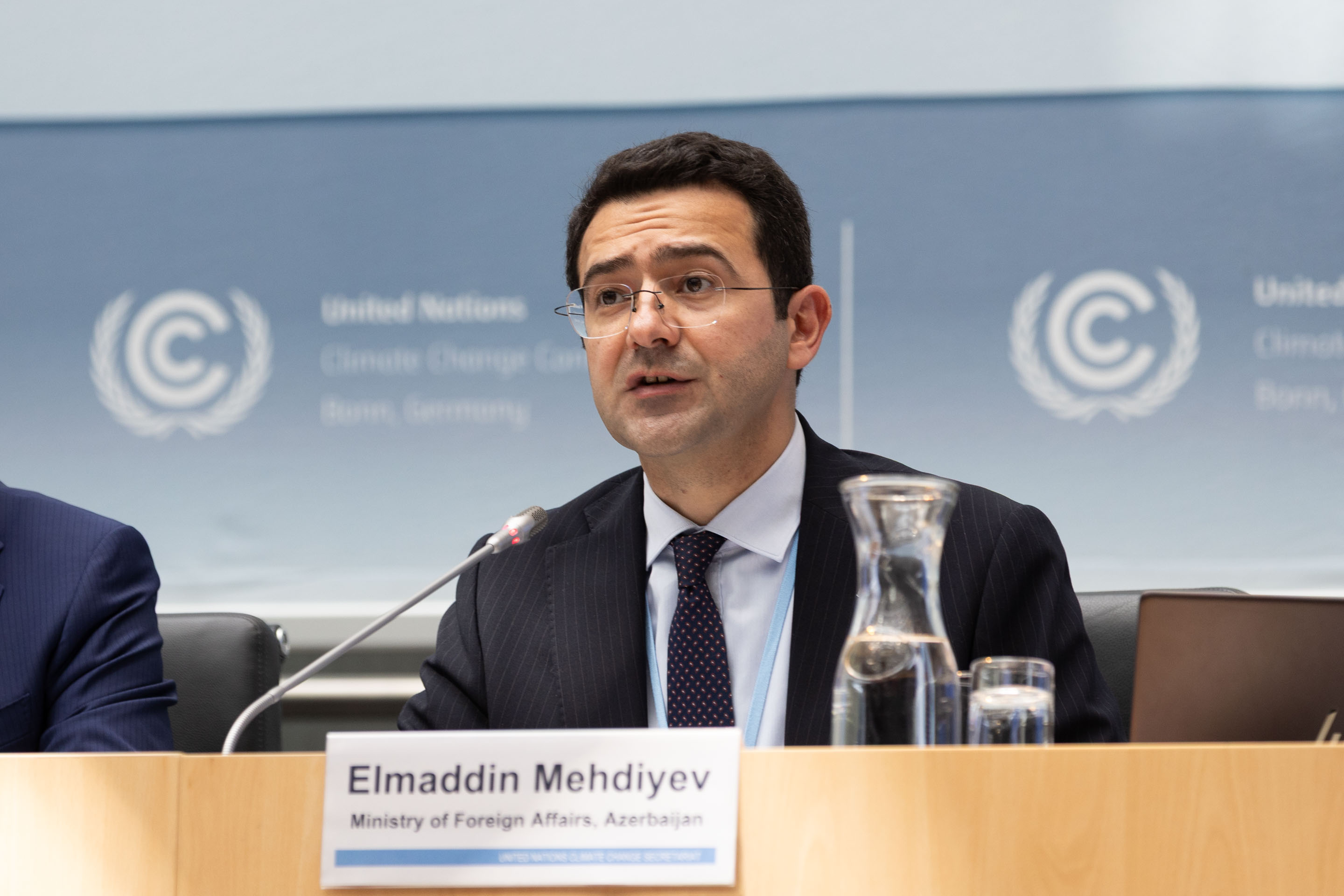
Elmaddin Mehdiyev, COP 29 Presidency


Anne Rasmussen, Samoa, on behalf of the Alliance of Small Island States (AOSIS)
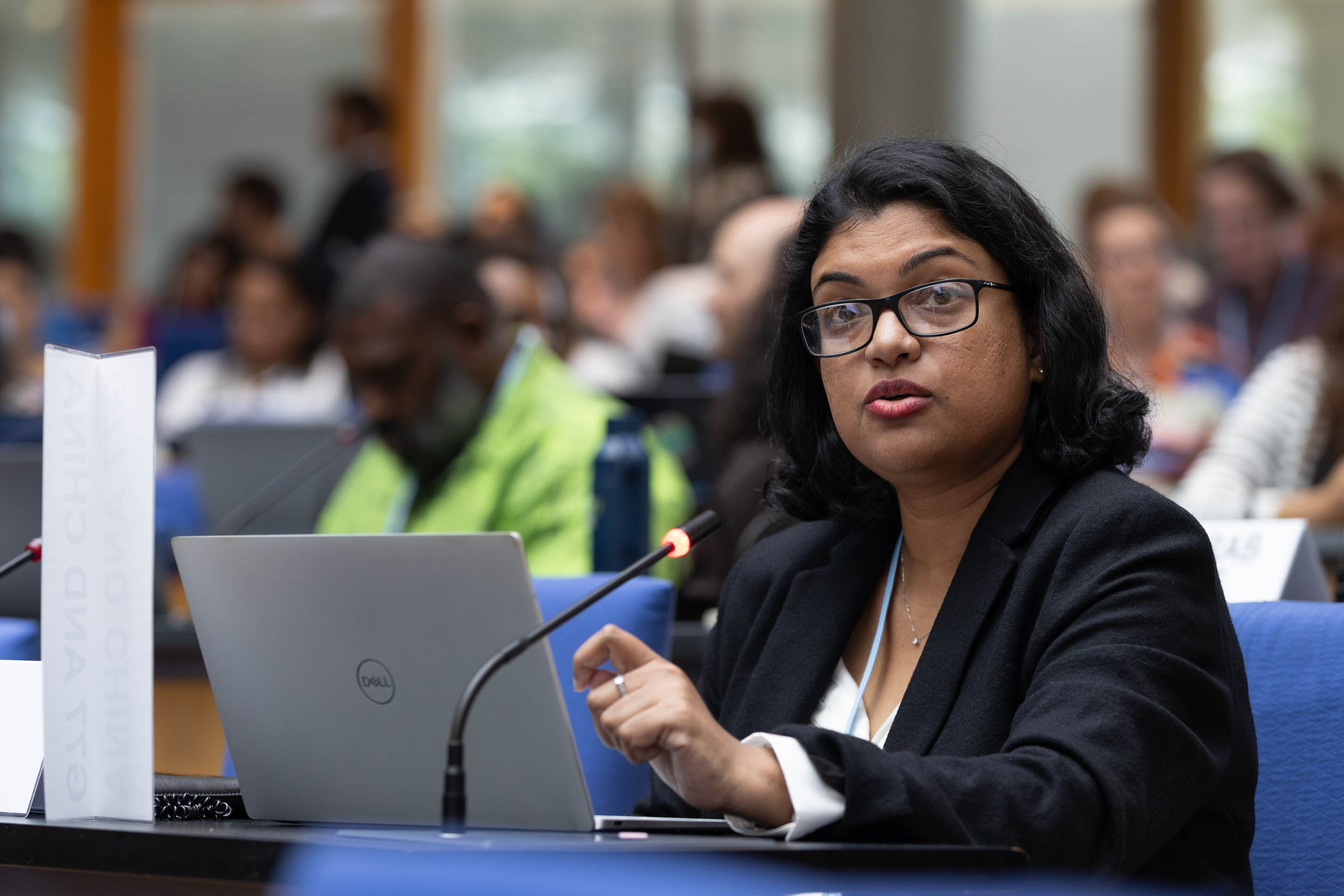
Vositha Vedhani Wijenayake, Iraq, on behalf of the G-77/China
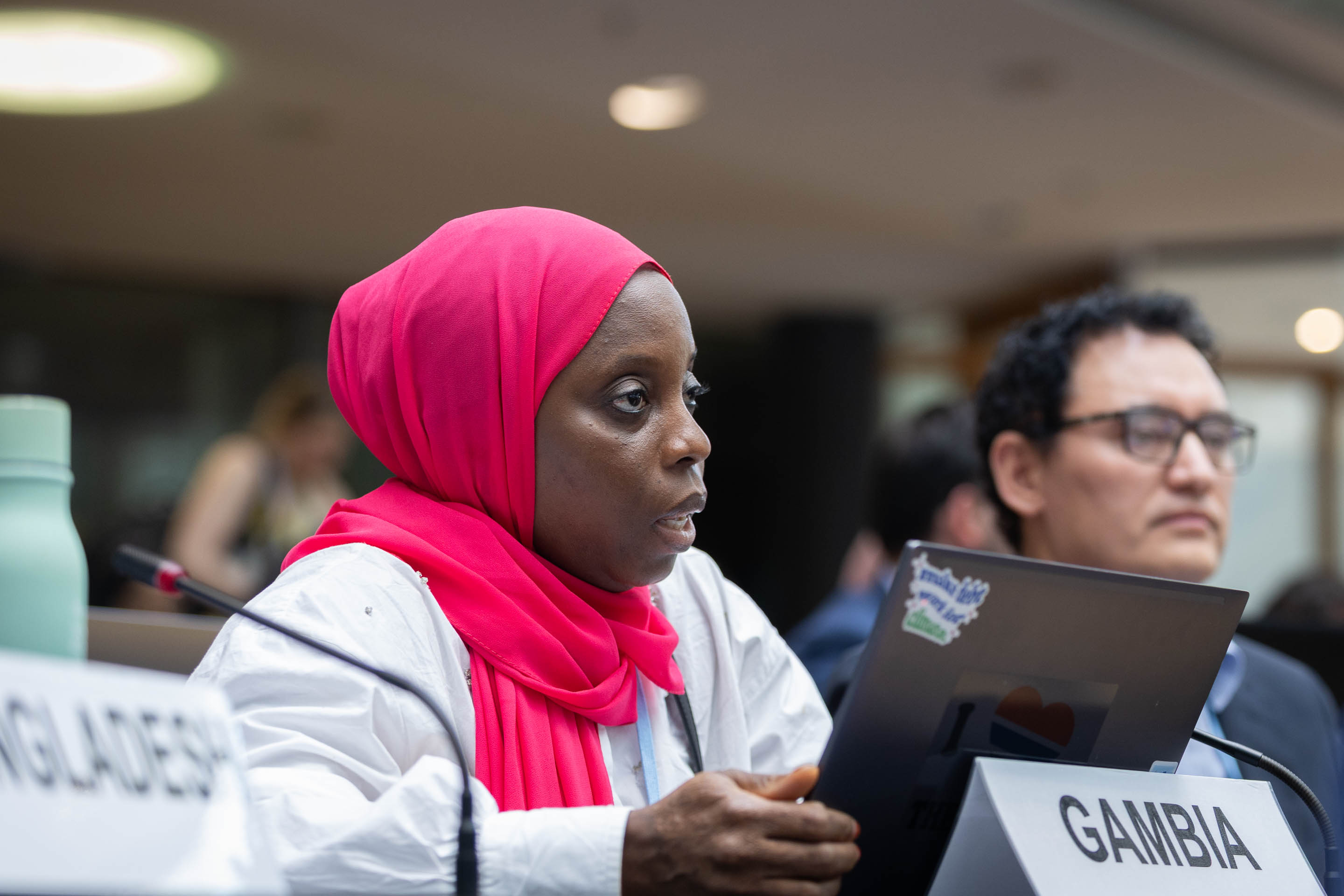
Isatou Camara, The Gambia, on behalf of the Least Developed Countries (LDCs)
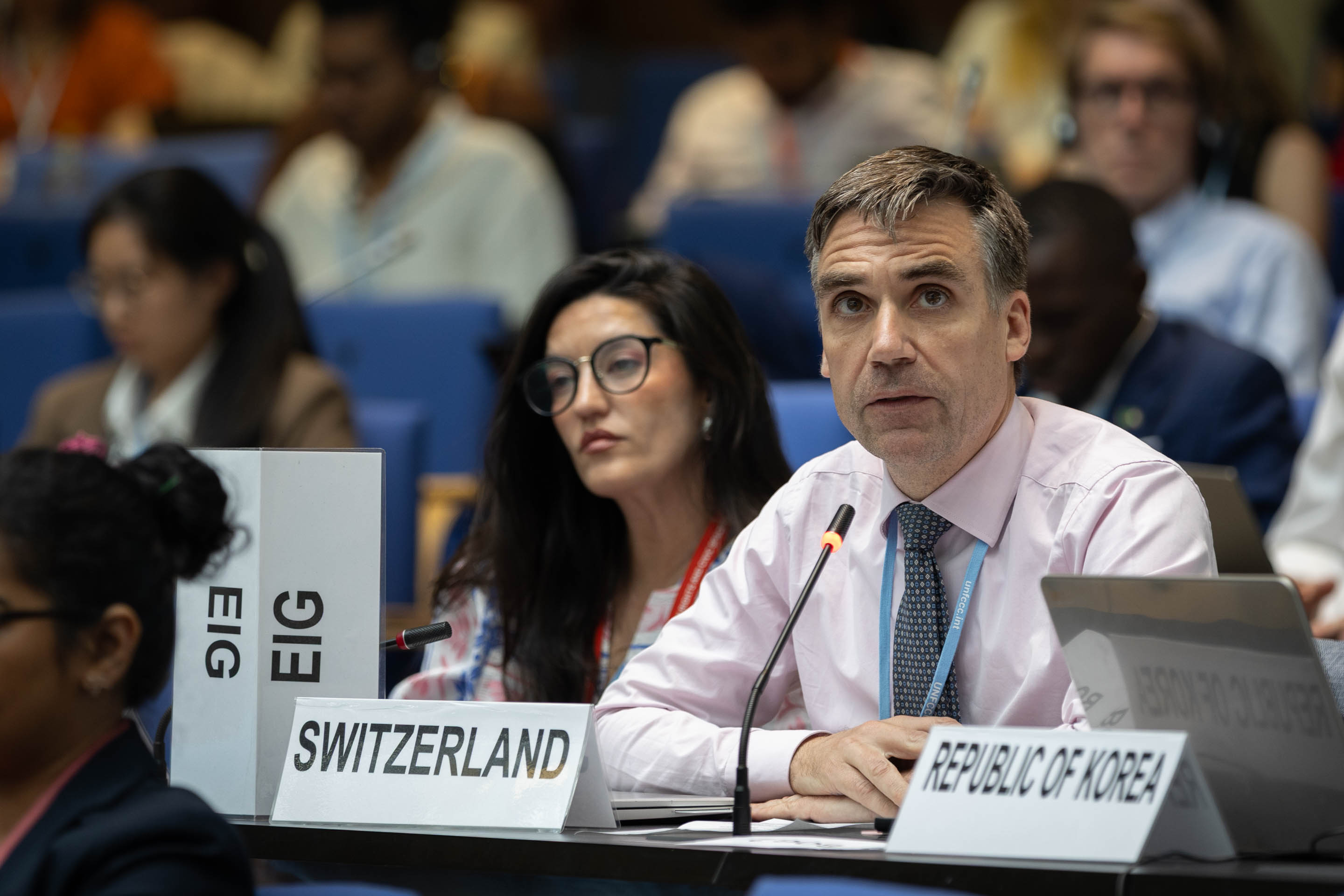
Felix Wertli, Switzerland, on behalf of the Environmental Integrity Group (EIG)
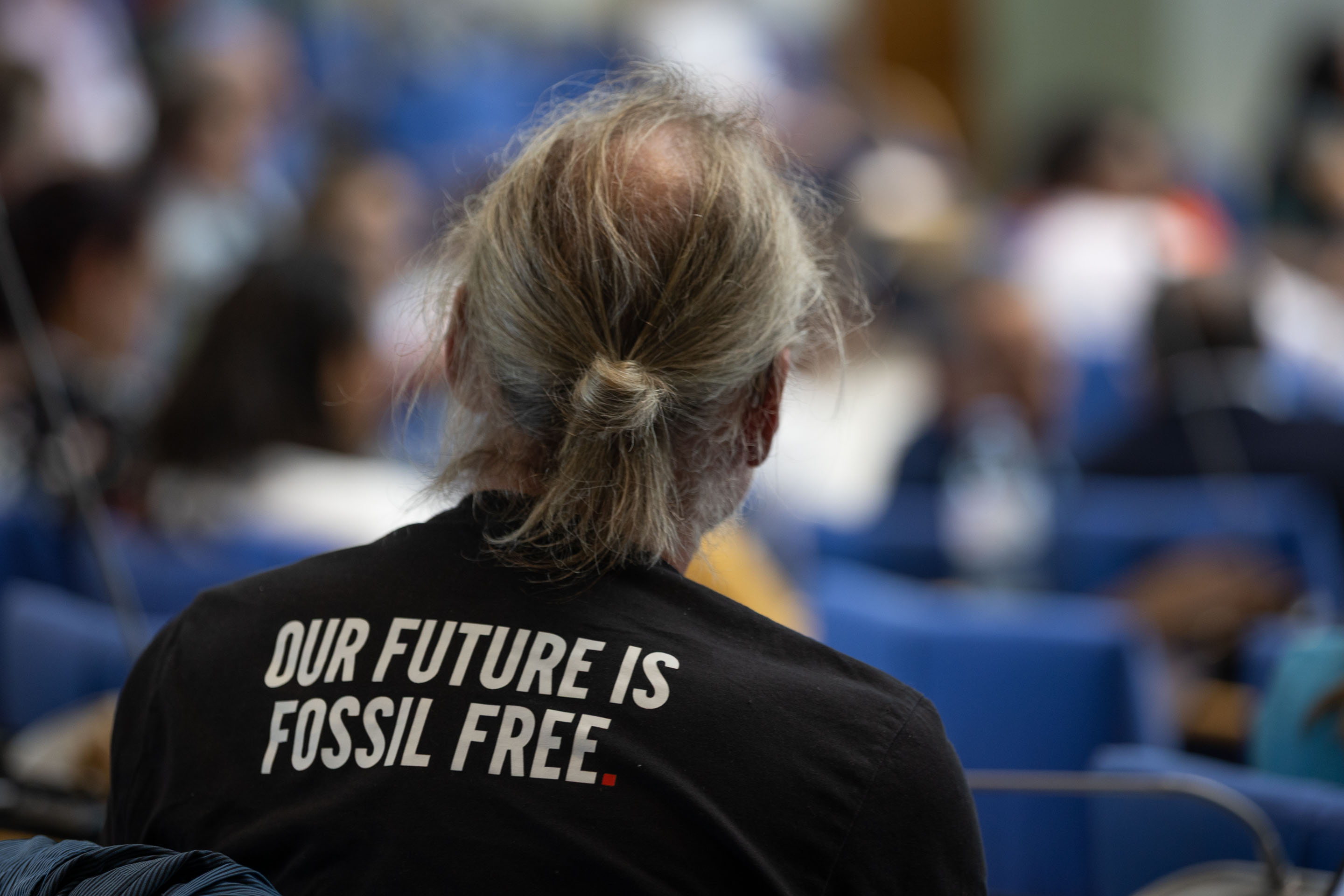
Informal Consultations Throughout the Day
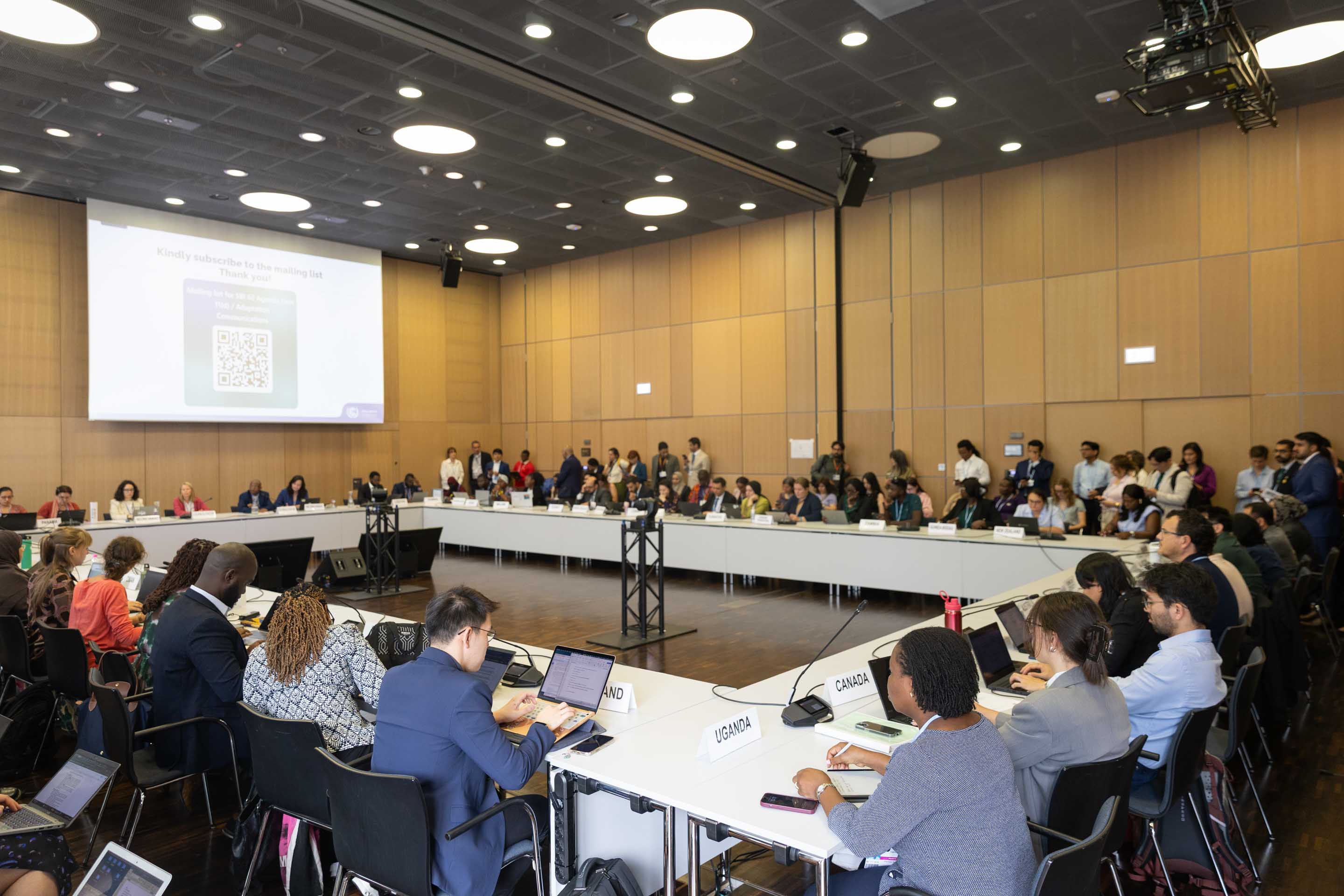
Informal consultations on adaptation communications
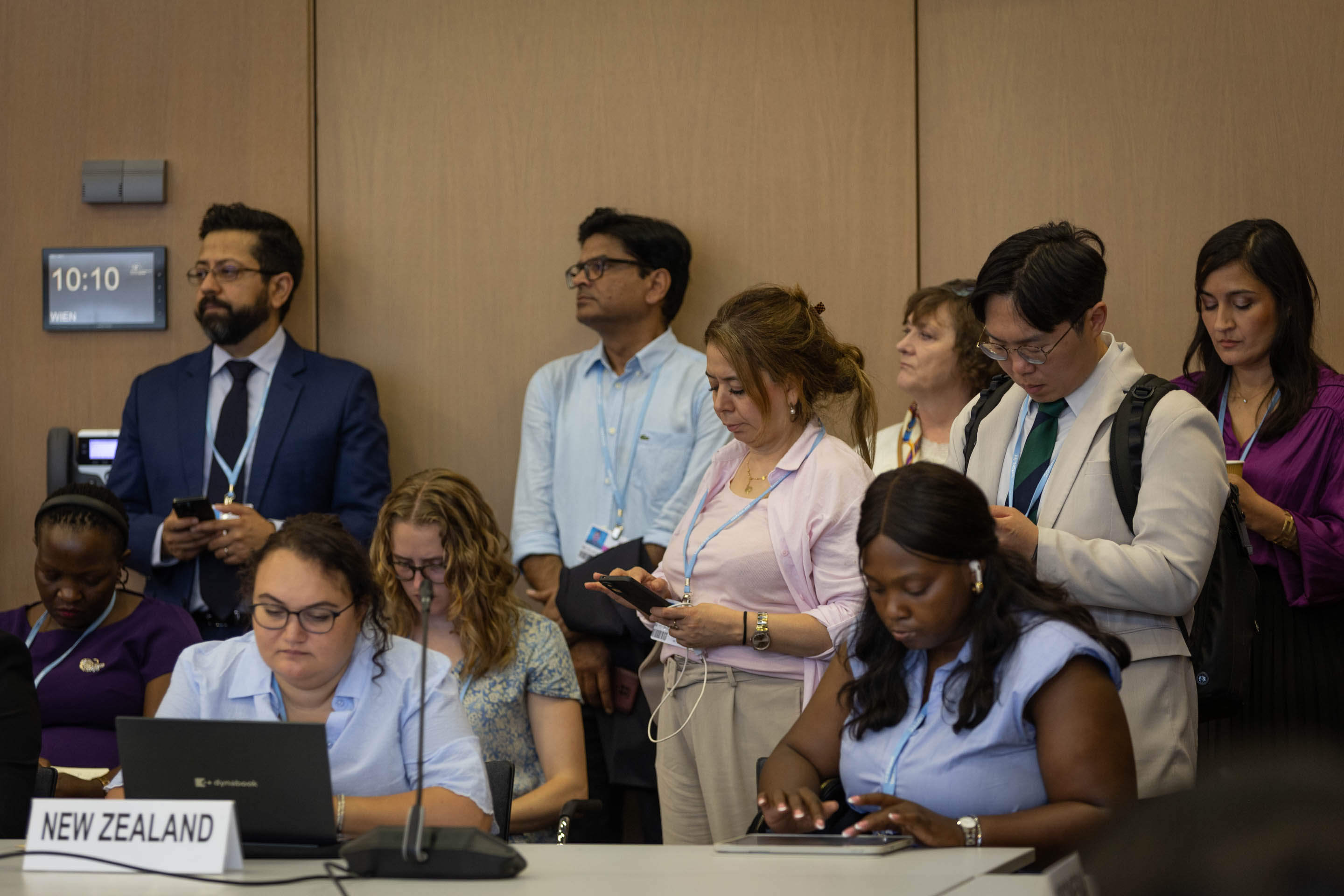
Delegates stand as the room is filled to capacity
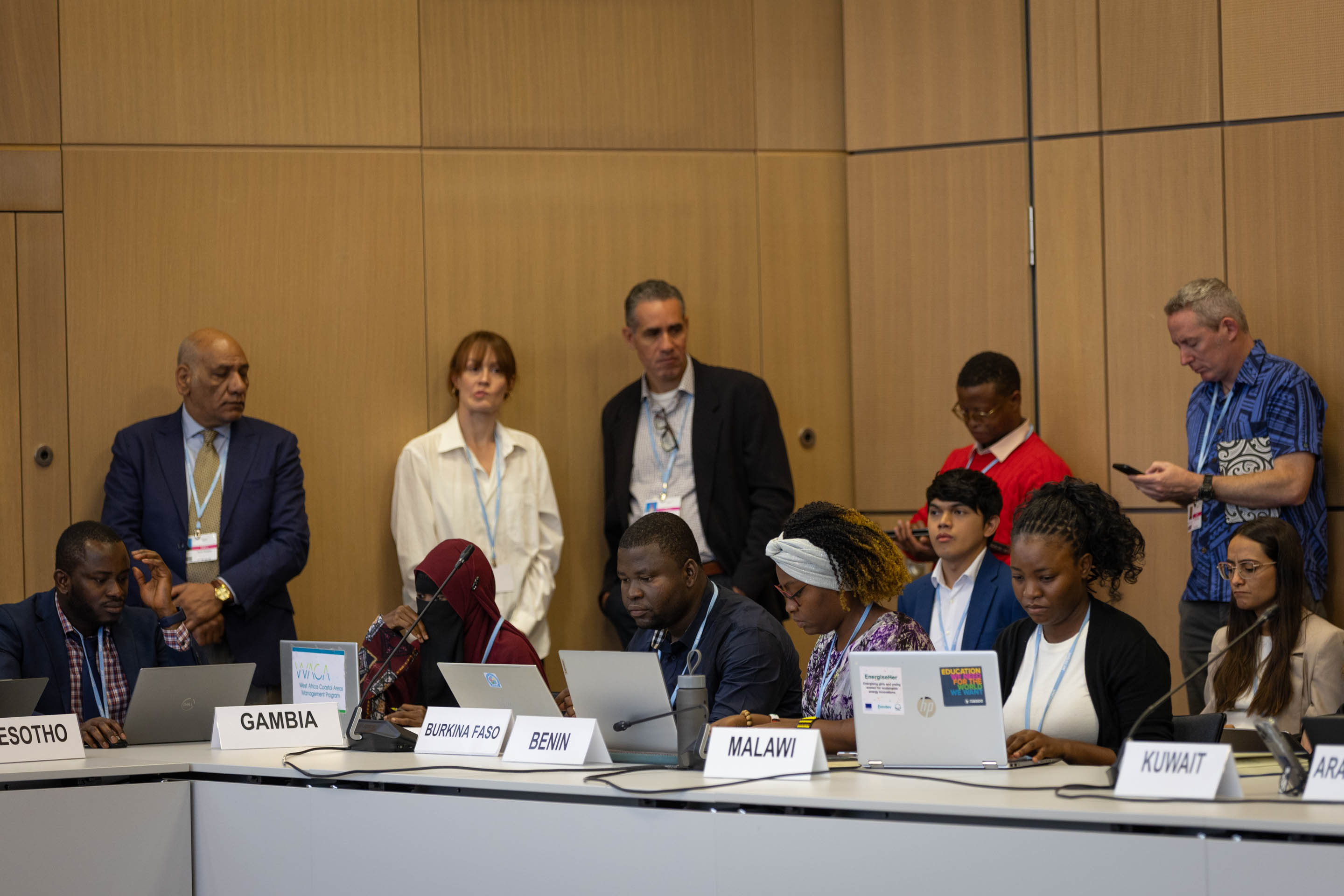
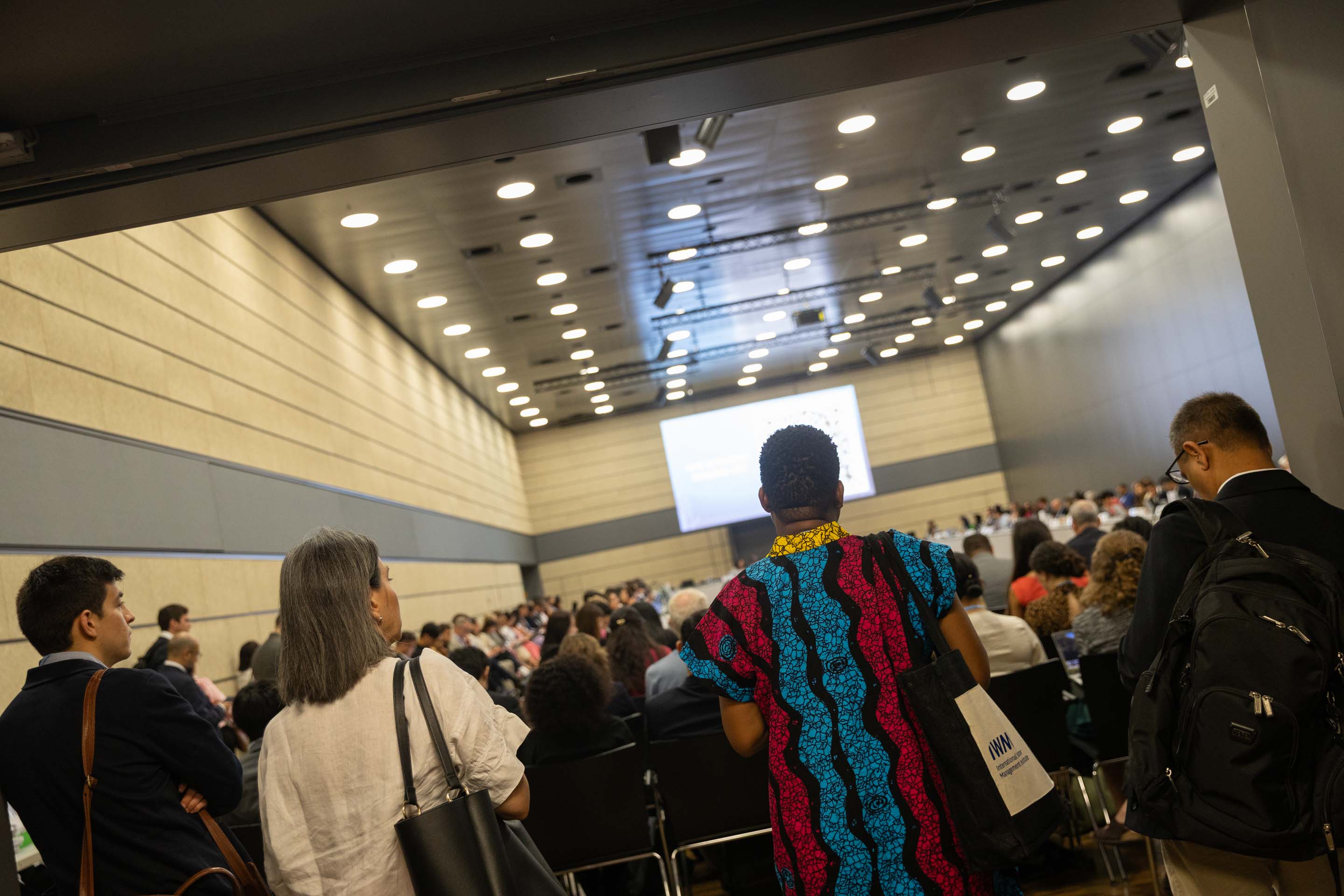
Informal consultations on the dialogue for implementing the Global Stocktake (GST) outcomes
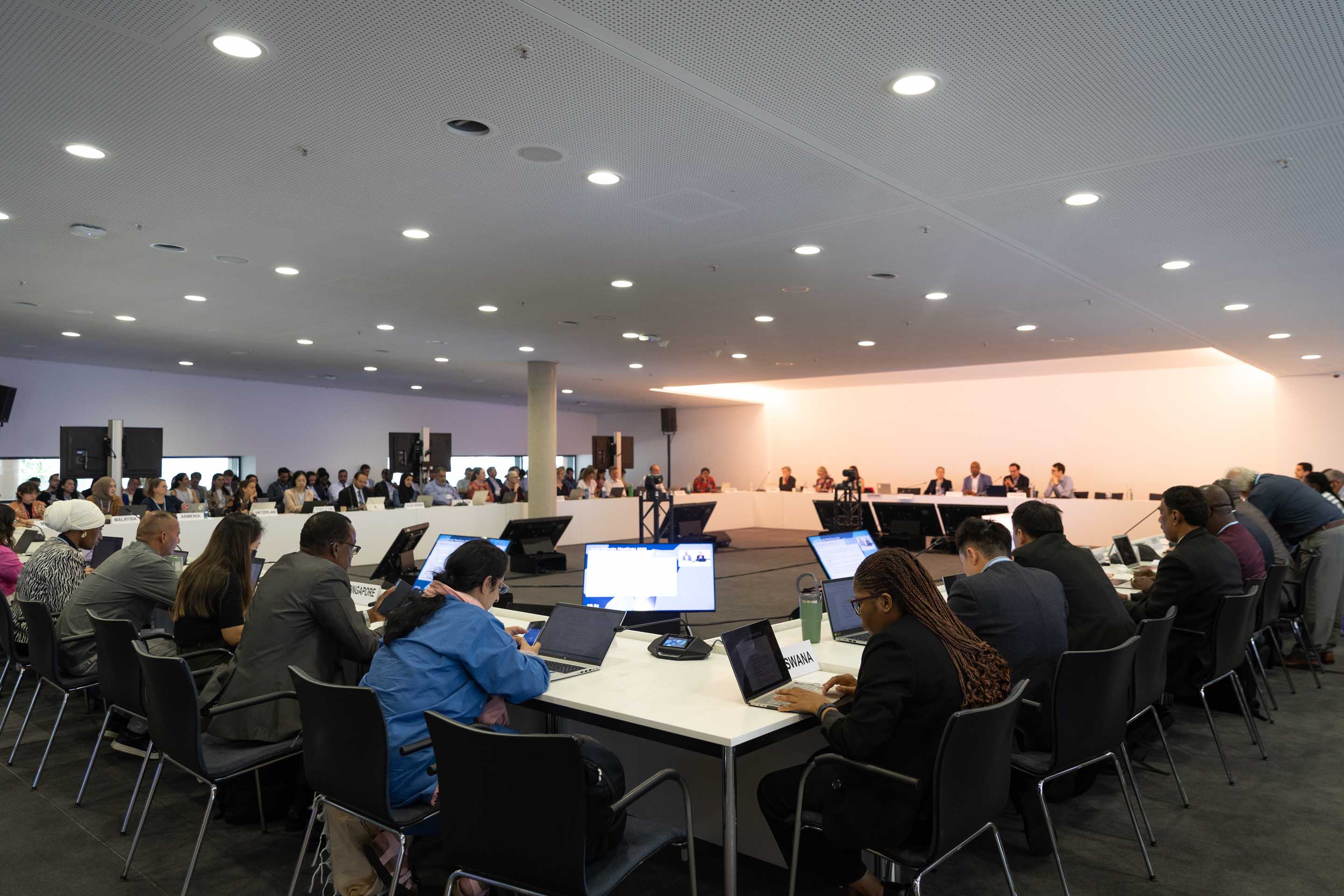
Informal consultations on climate action for agriculture and food security
Workshop on Finance Flow Alignment
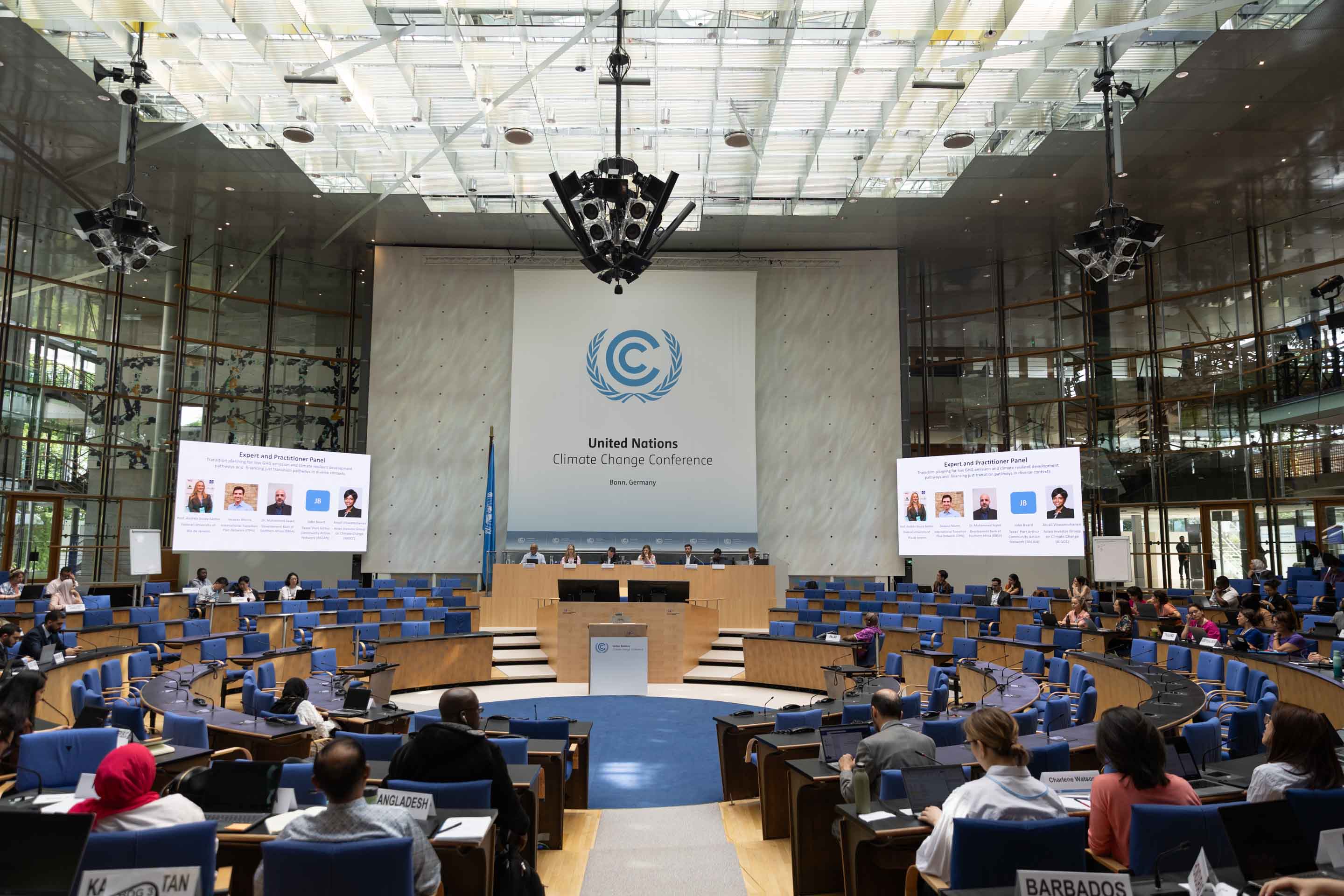
Delegates gather for the workshop on finance flow alignment within the Paris Agreement
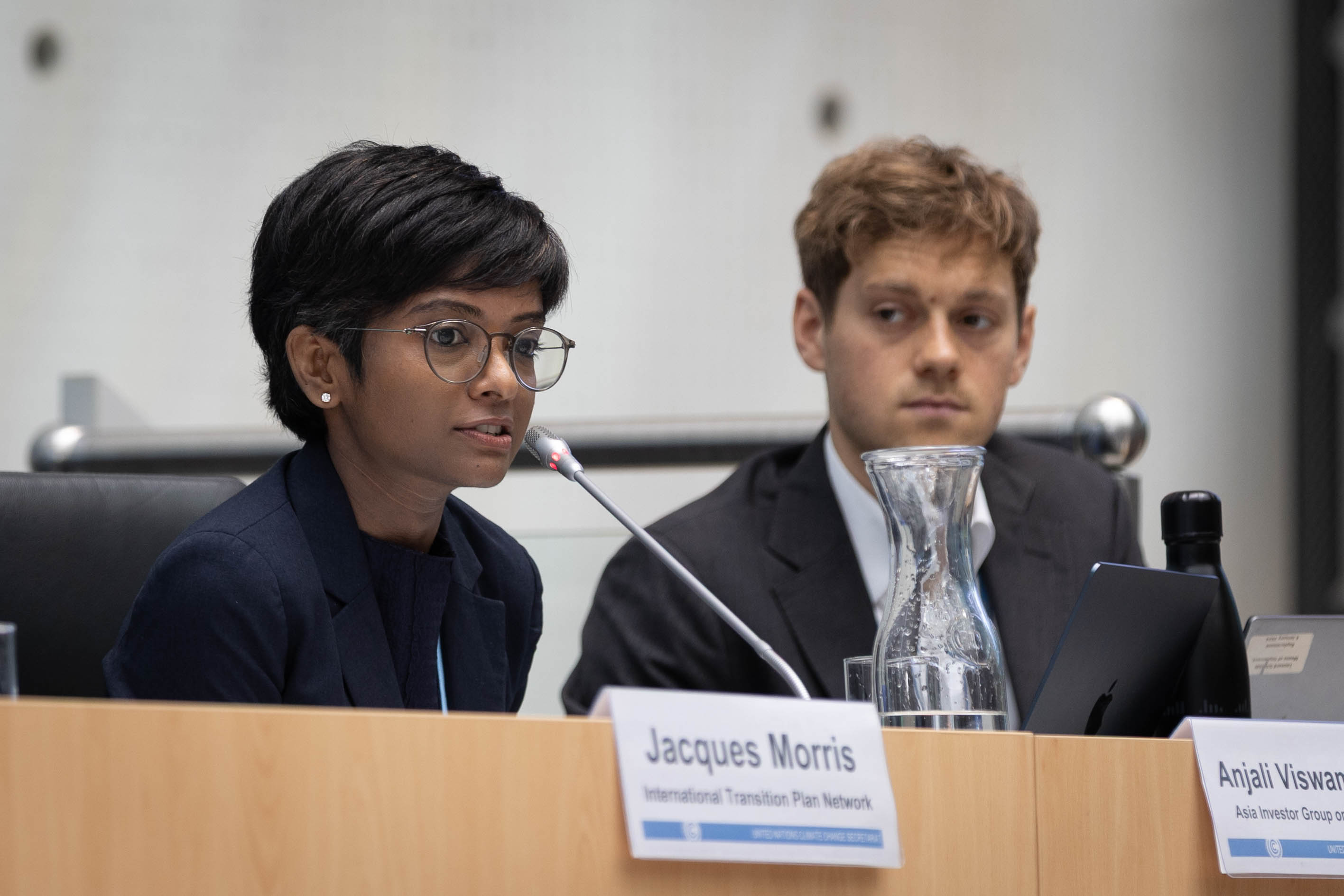
Anjali Viswamohanan, Asian Investor Group on Climate Change
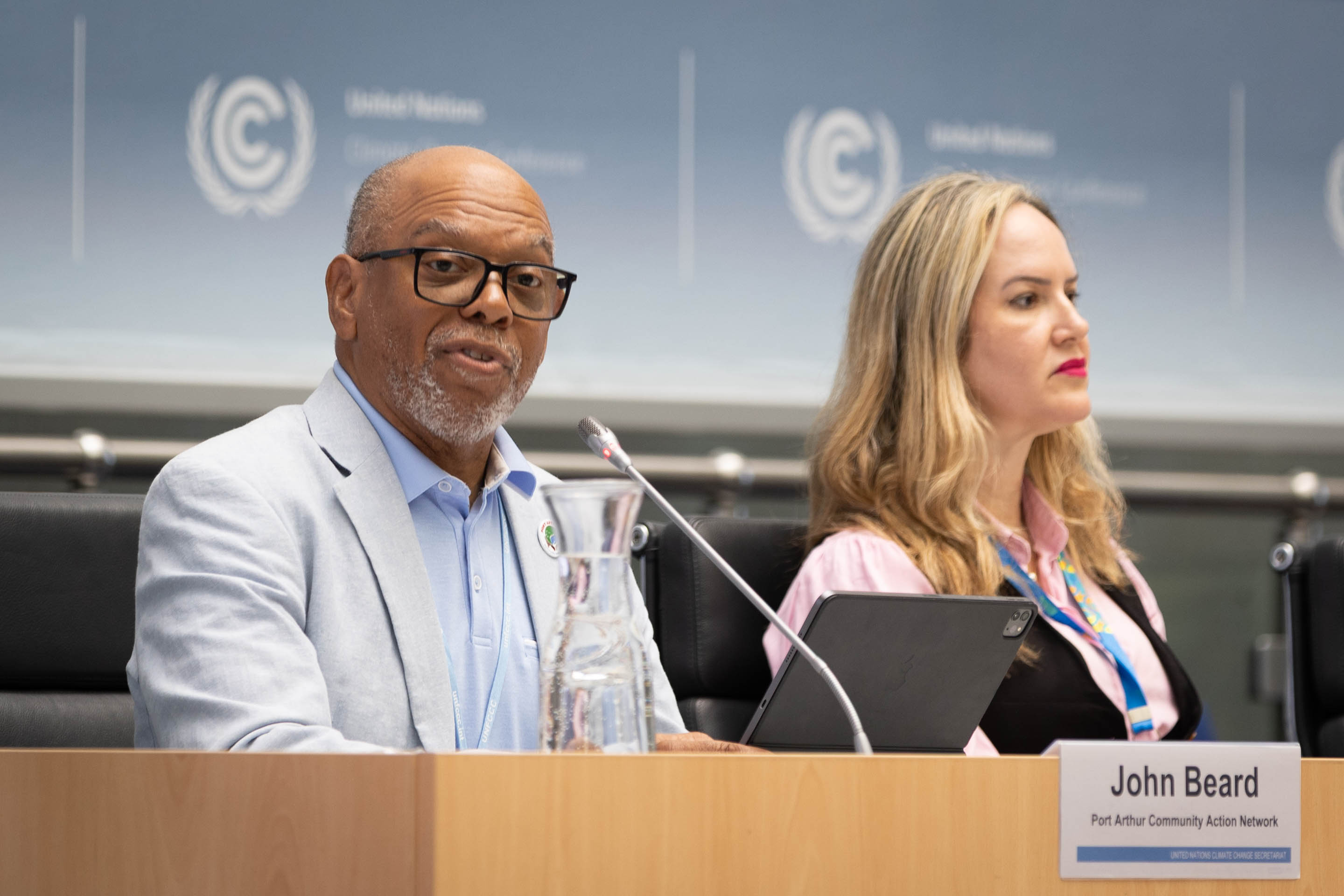
John Beard, Port Arthur Community Action Network
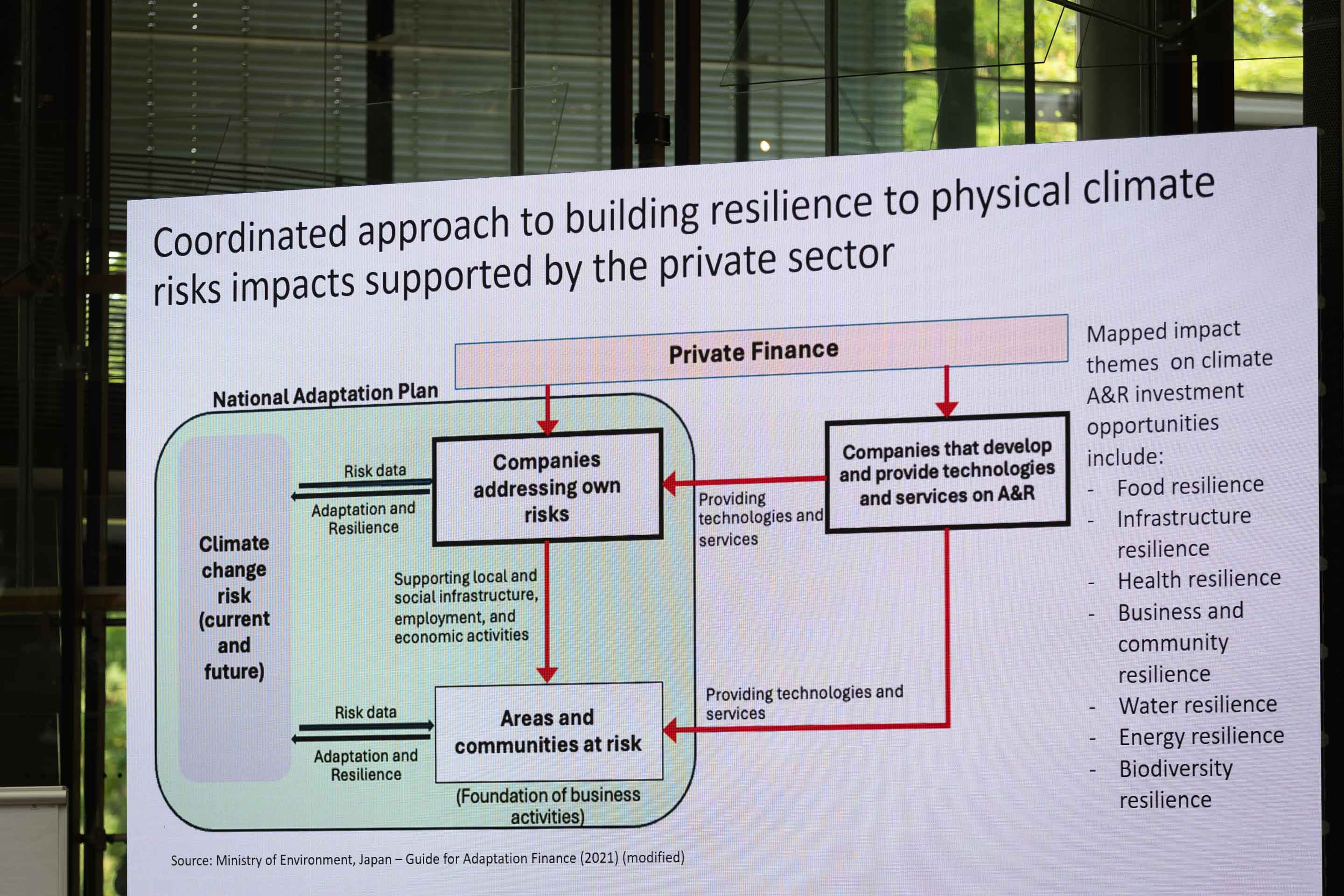
Various presentations are given during the workshop
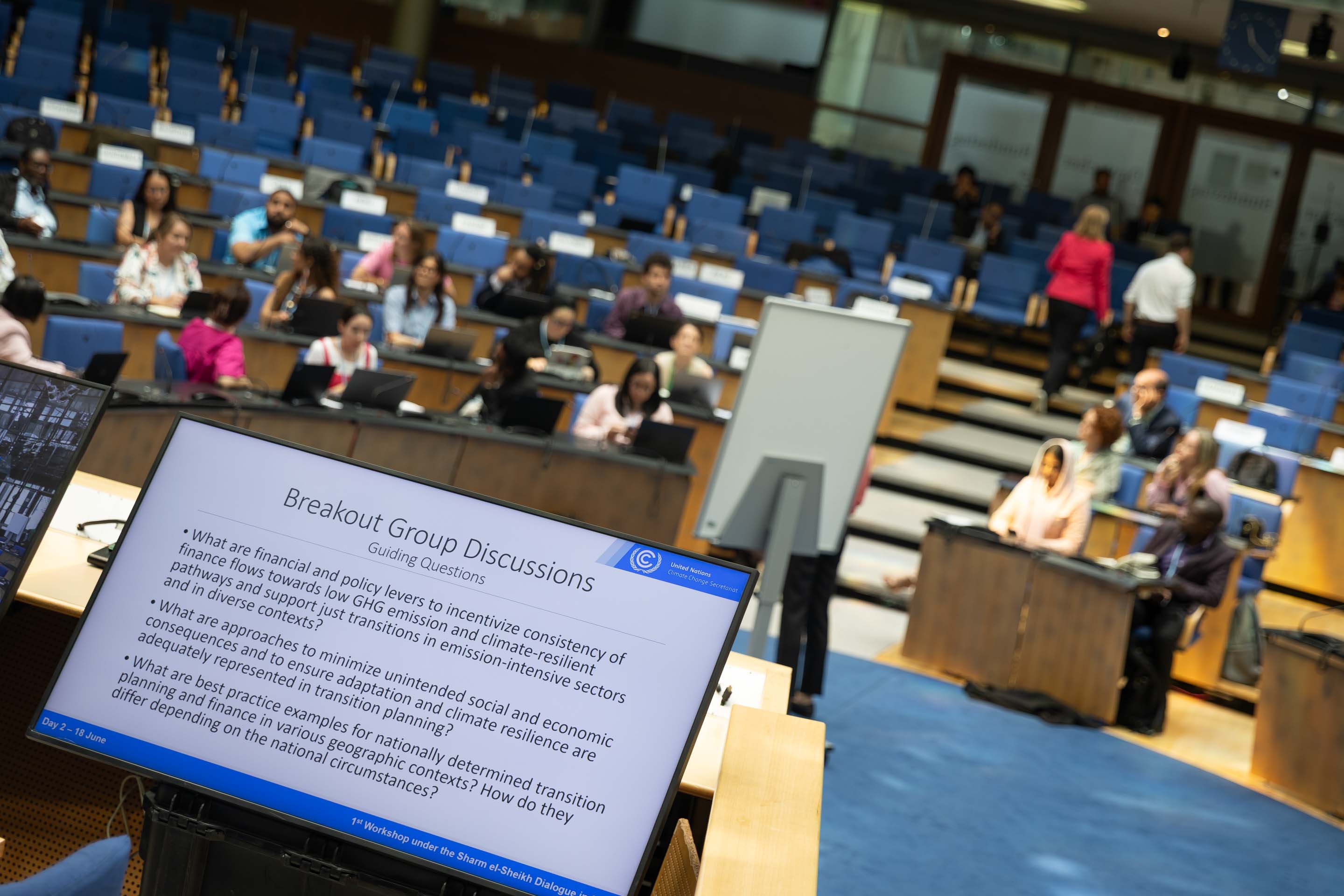
Delegates break out into groups for more in-depth discussions
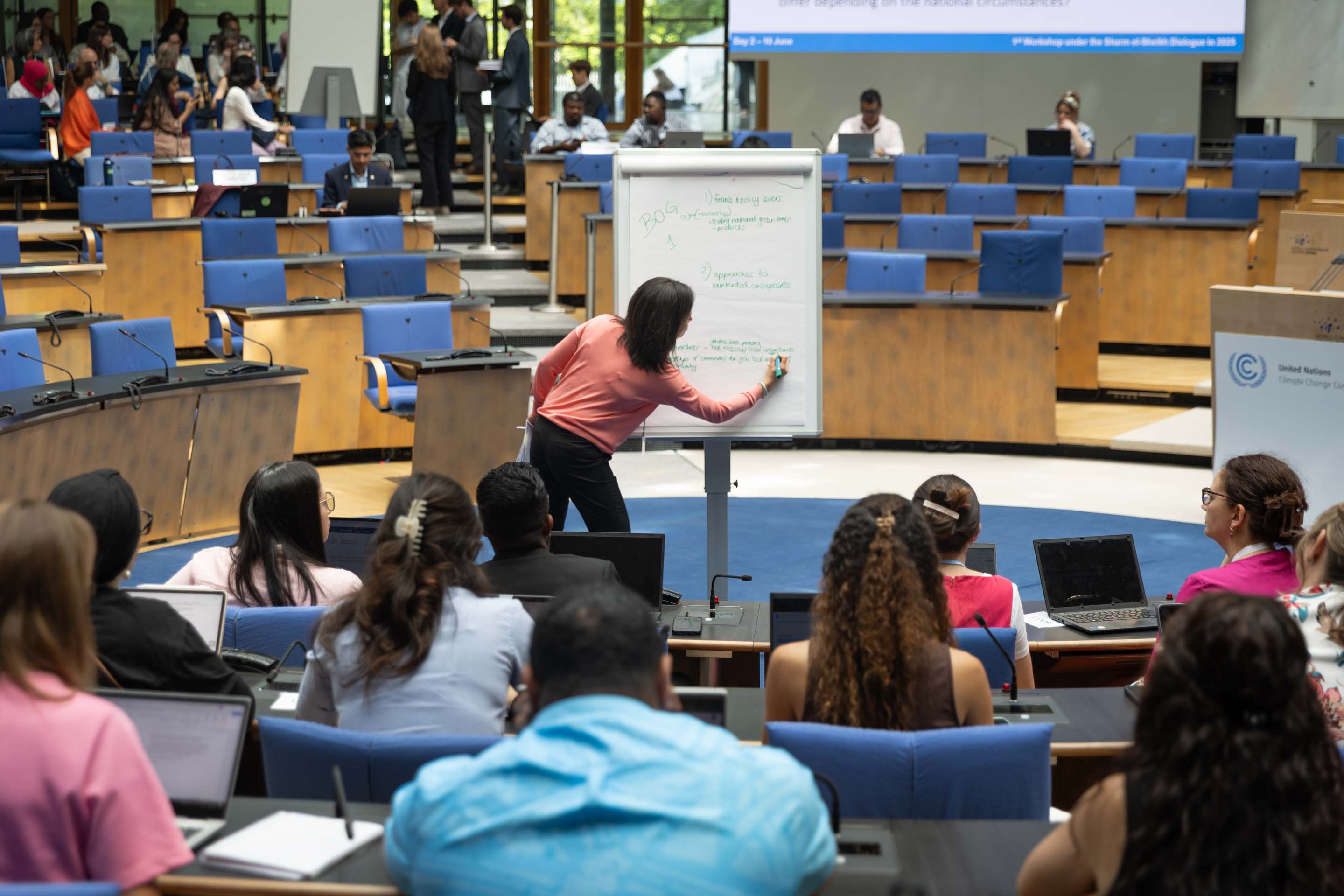
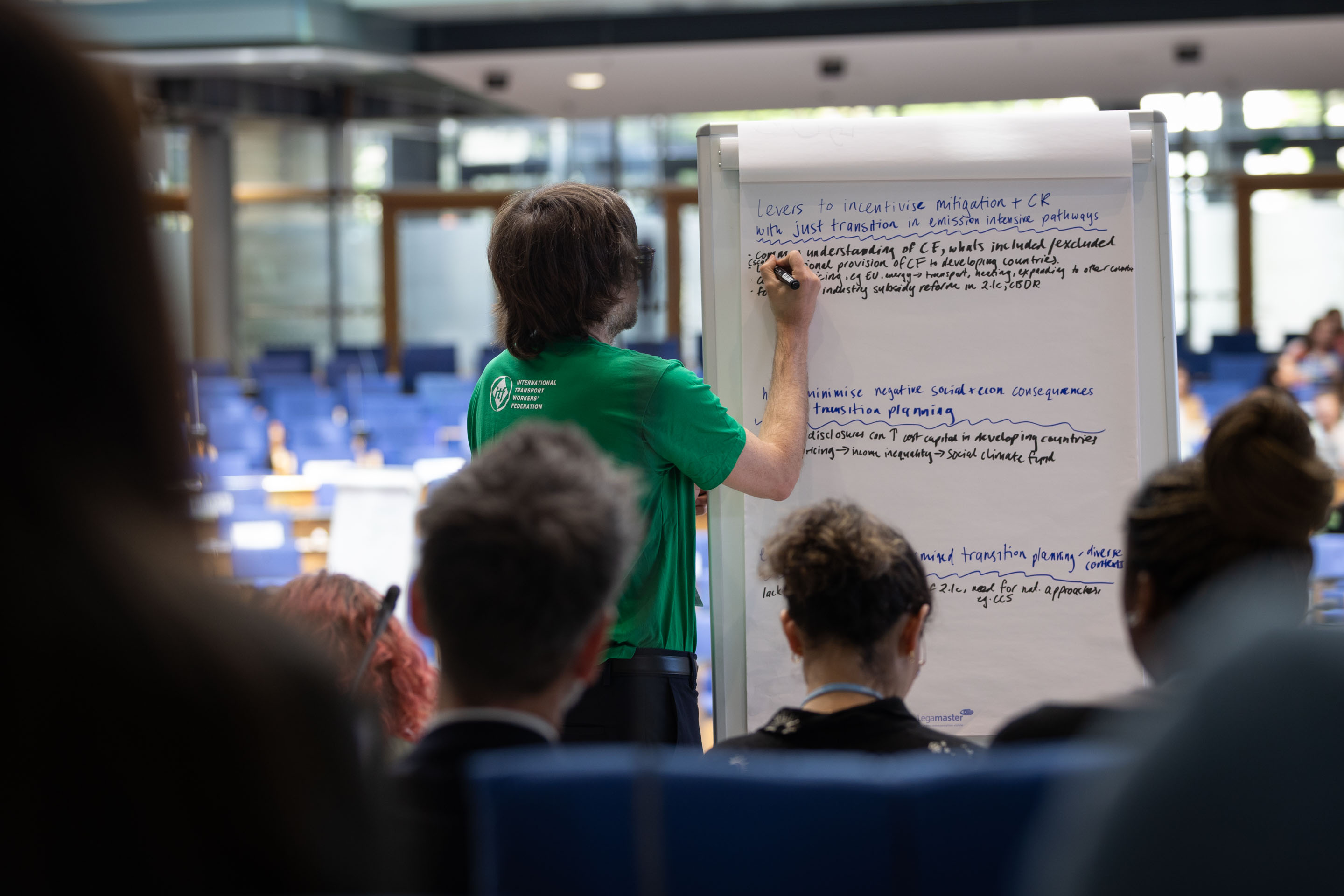
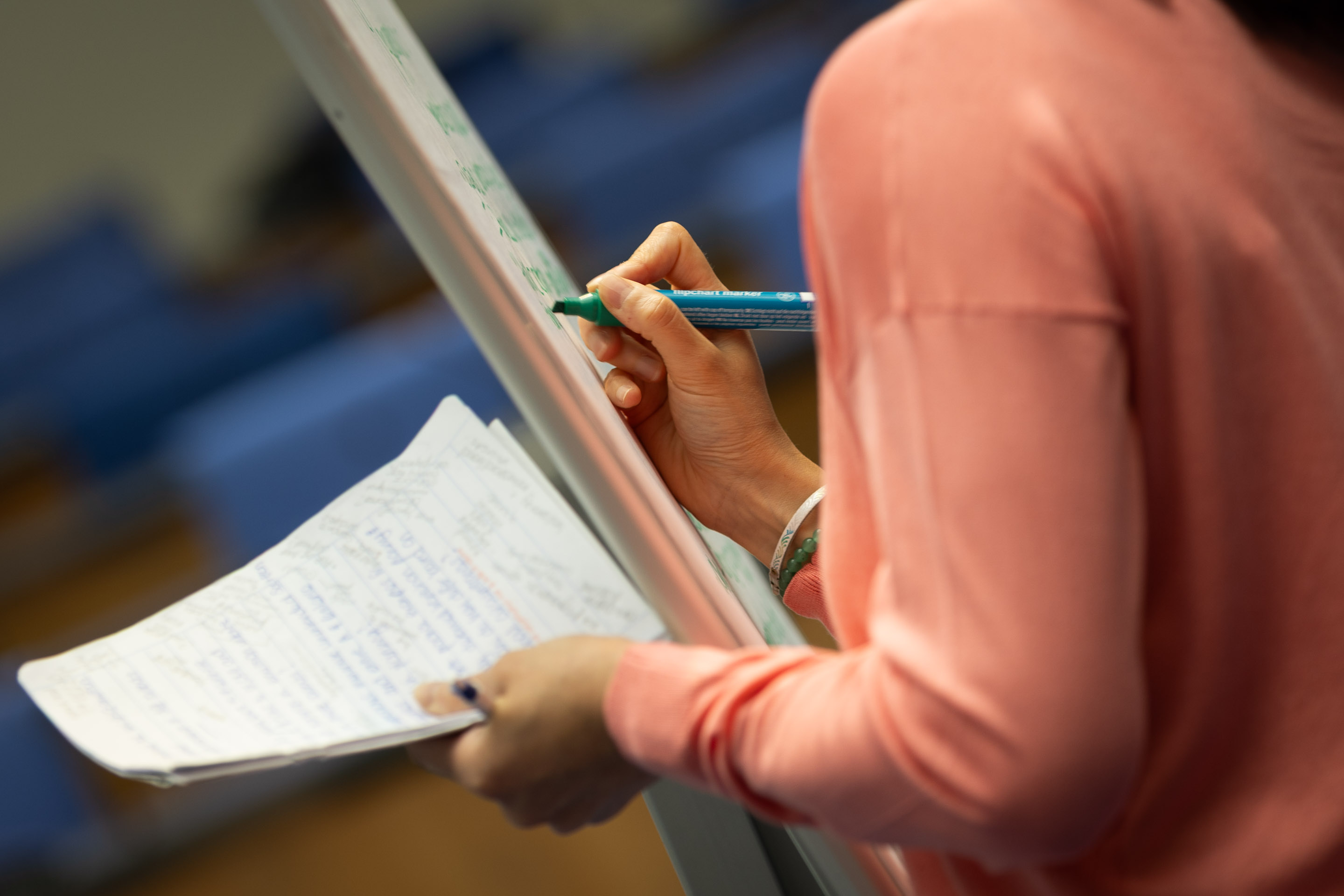
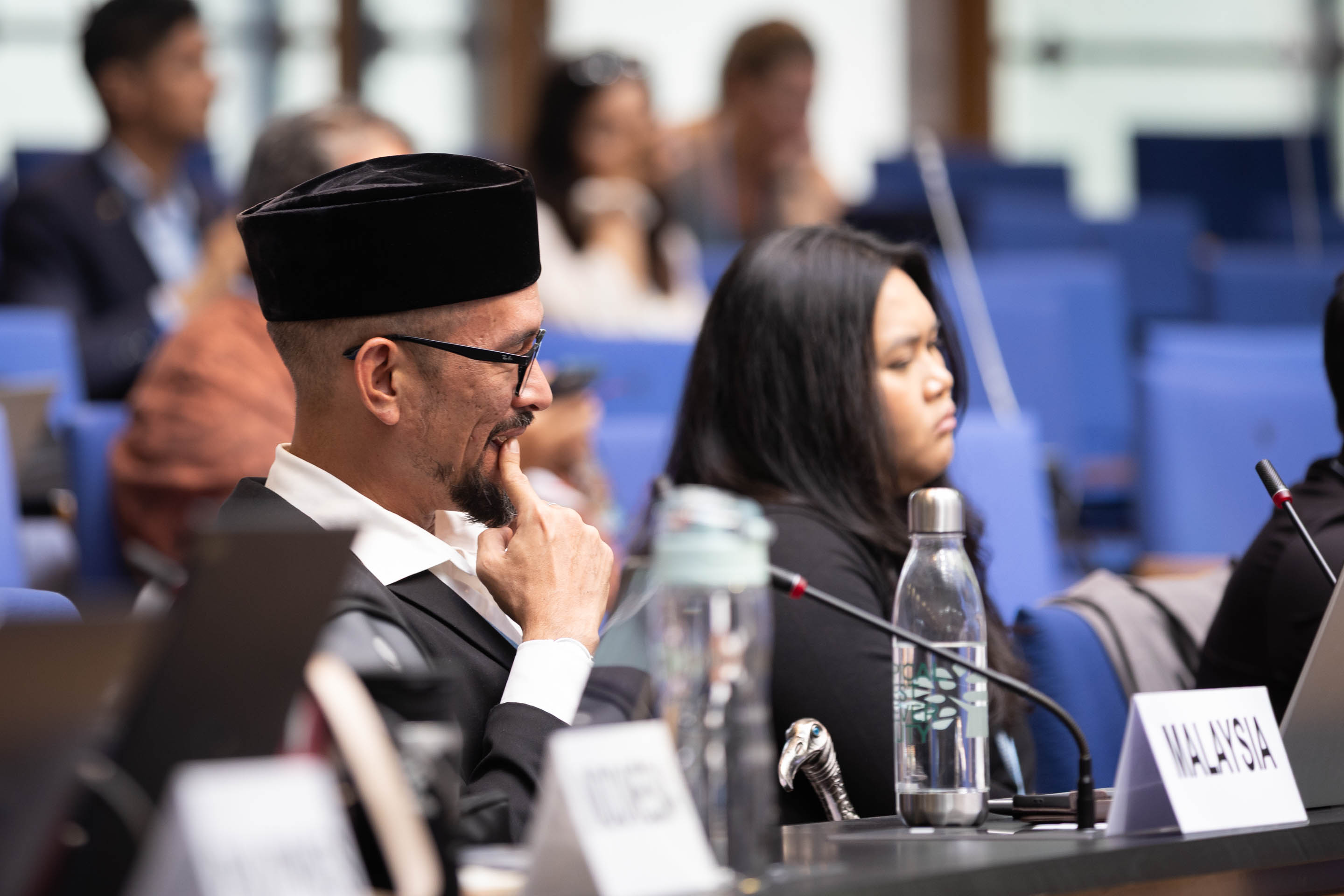
Delegates listen to the discussions
Inclusive Impact Assessment of Response Measures
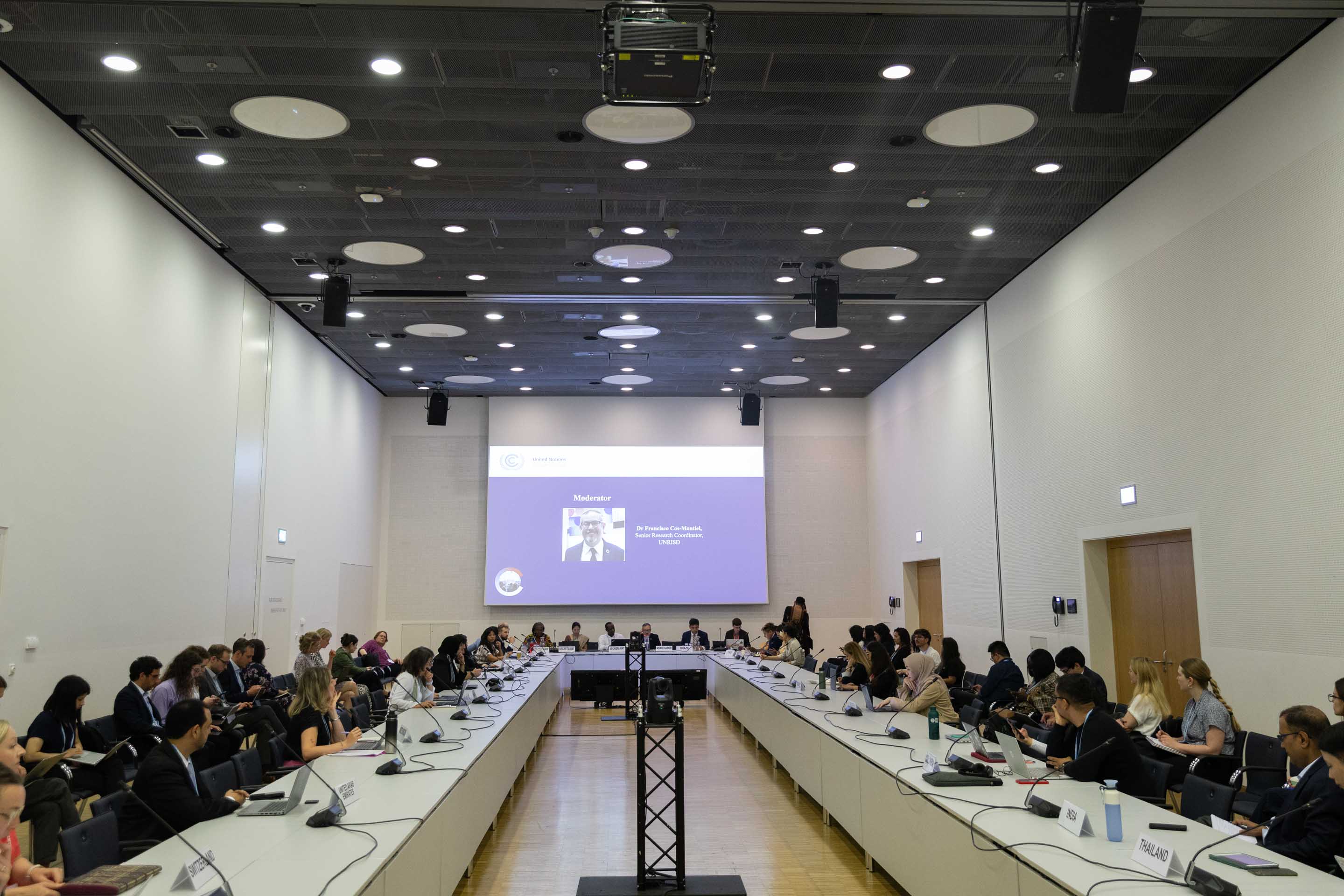
Delegates gather for the session to discuss integrating intergenerational equity, gender, youth, local communities and Indigenous Peoples into response measures
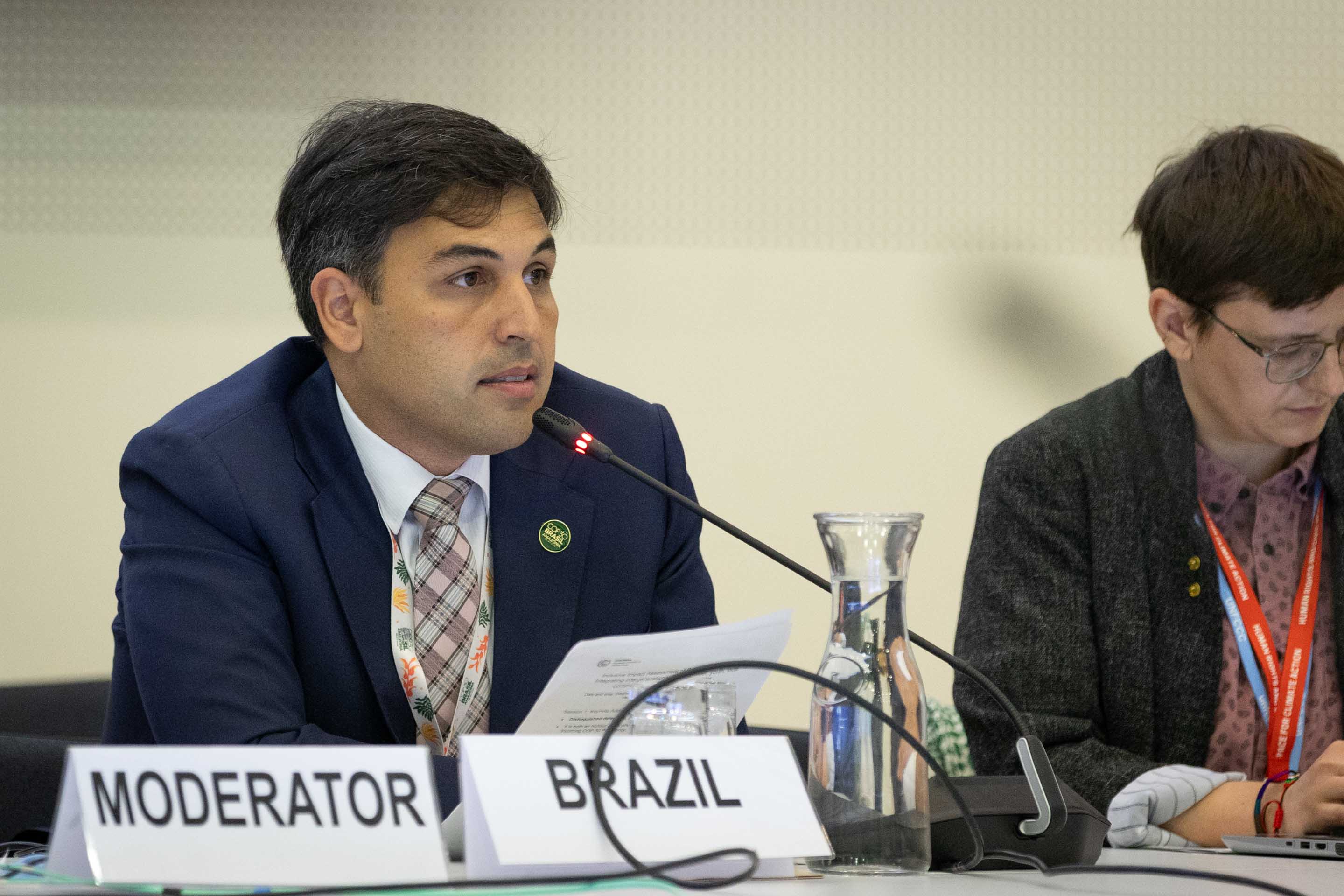
Pedro Nascimento, COP 30 incoming Presidency
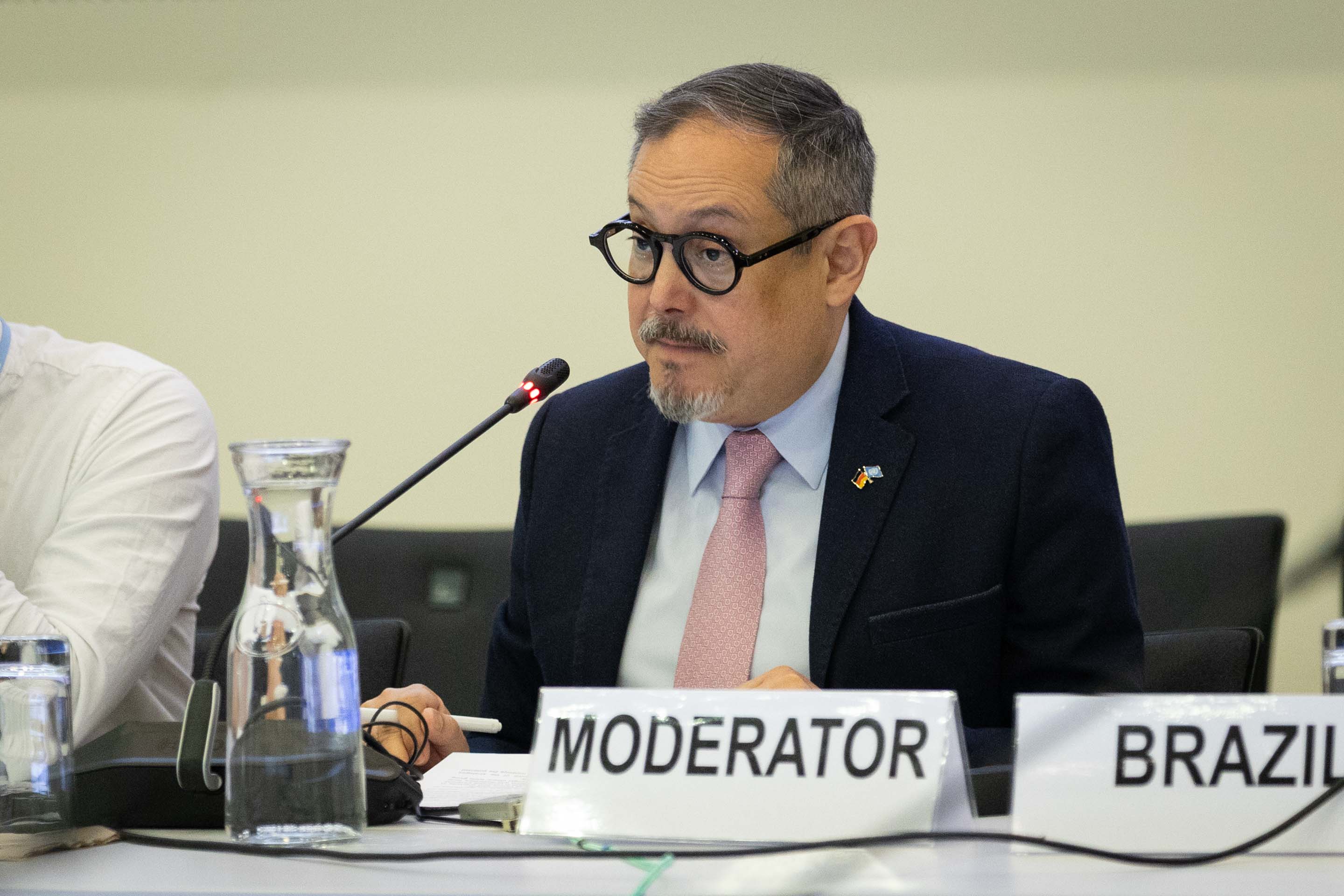
Francisco Cos-Montiel, UN Research Institute for Social Development
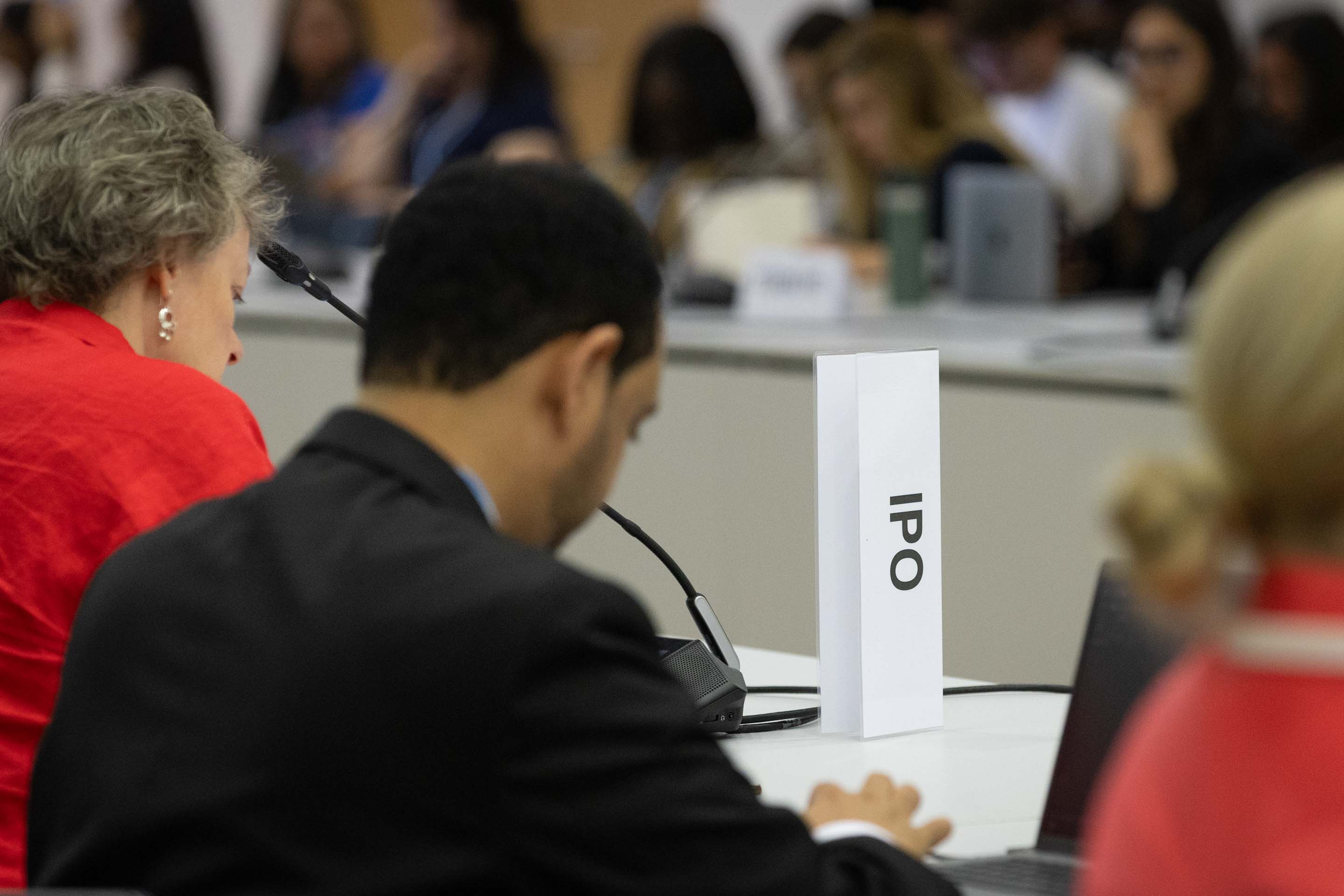
Delegates raise their placards to speak
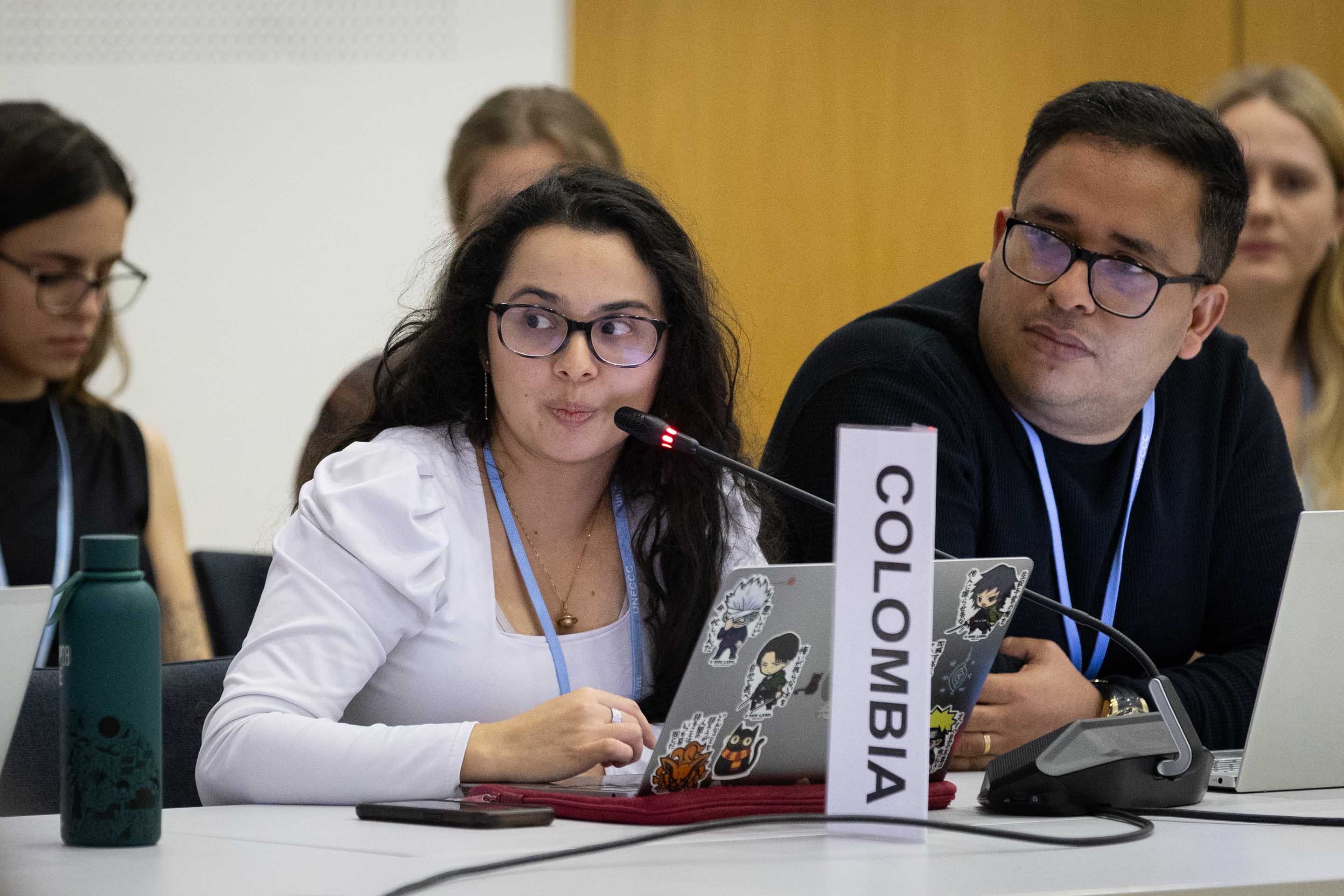
Adriana Gutiérrez Bayona, Colombia
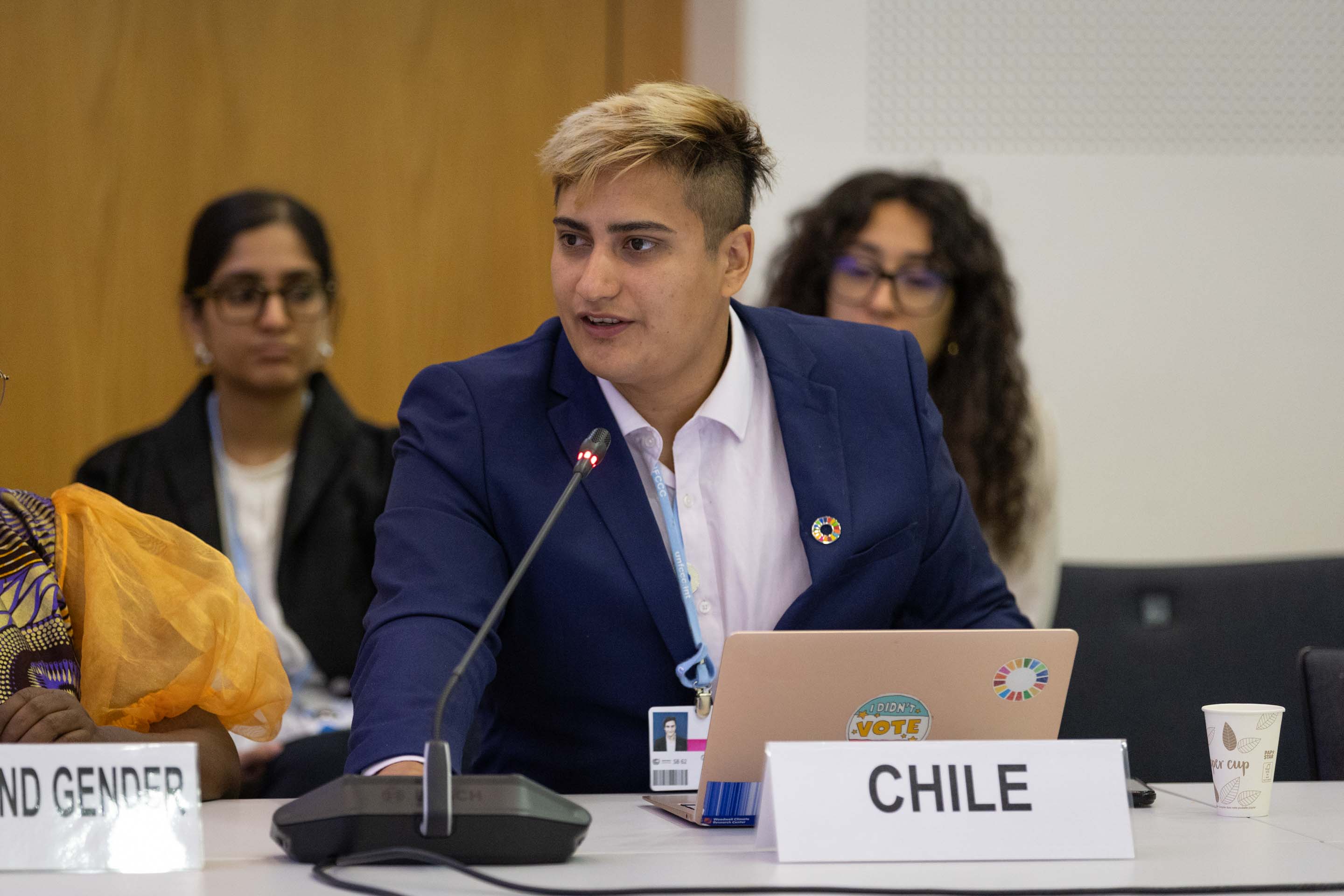
Genaro Godoy González, Chile
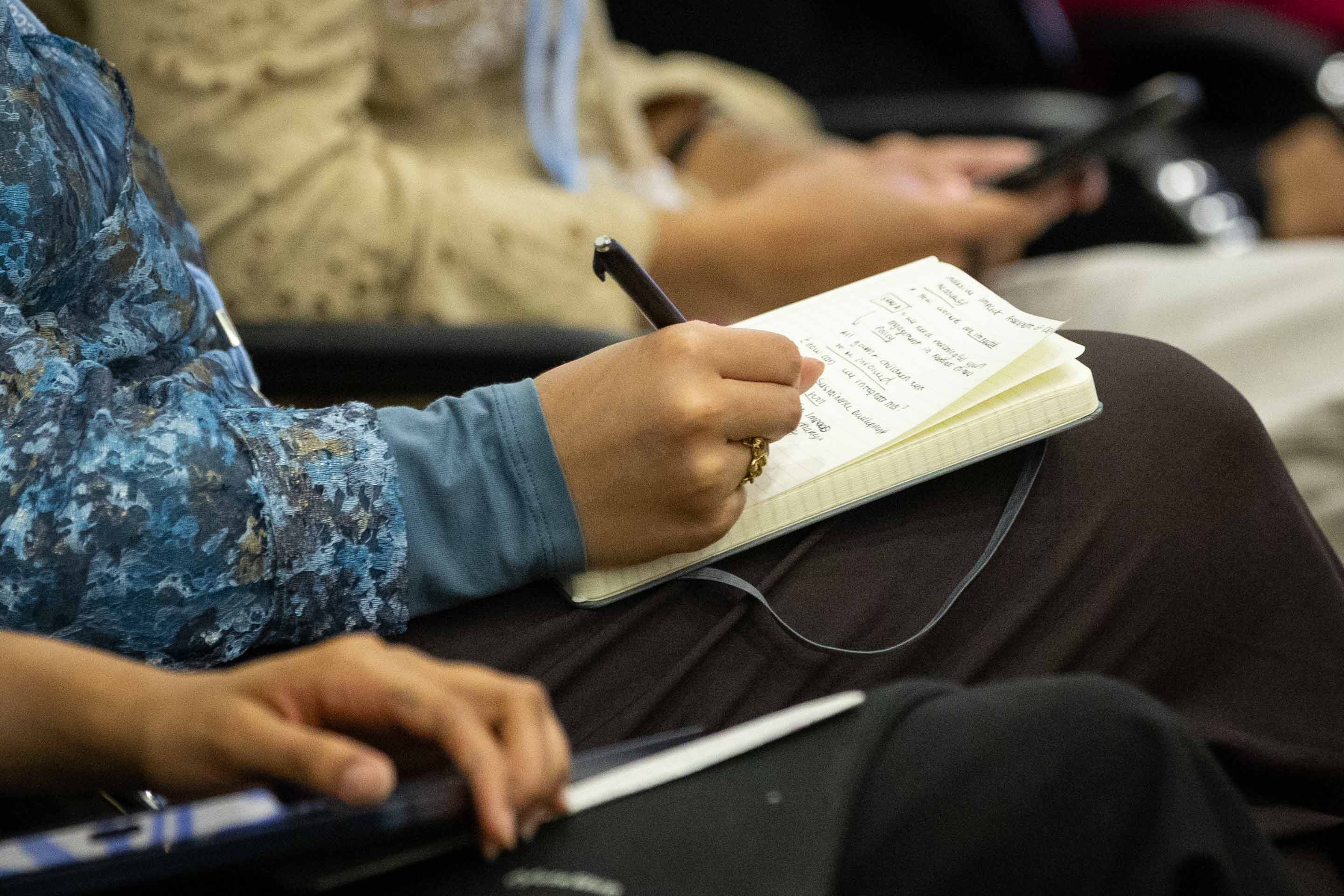
Delegates take note of the ideas discussed
Workshop on Biennial Transparency Reports
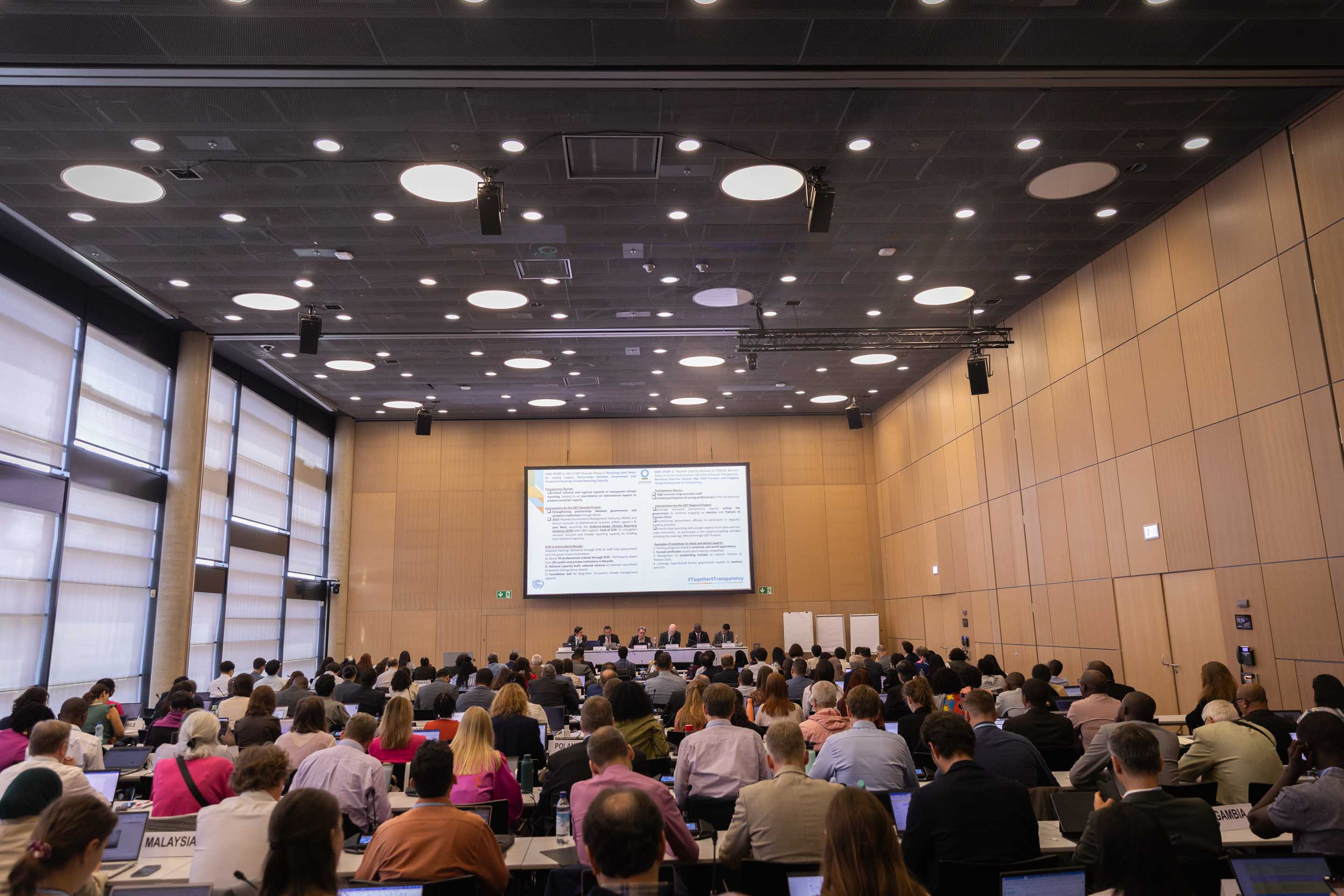
Delegates gather for the workshop to share experiences of preparing biennial transparency reports (BTRs)
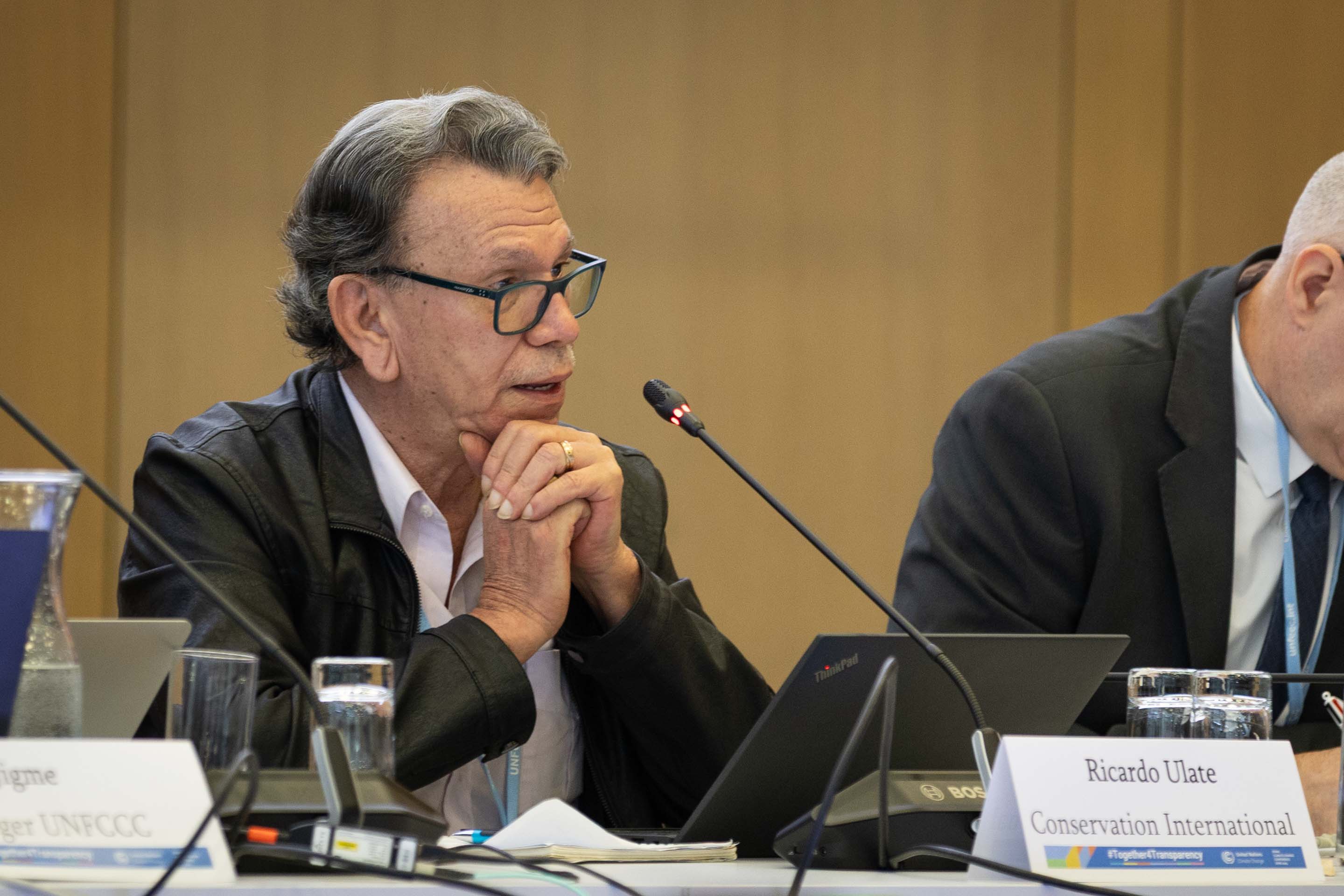
Ricardo Ulate, Conservation International
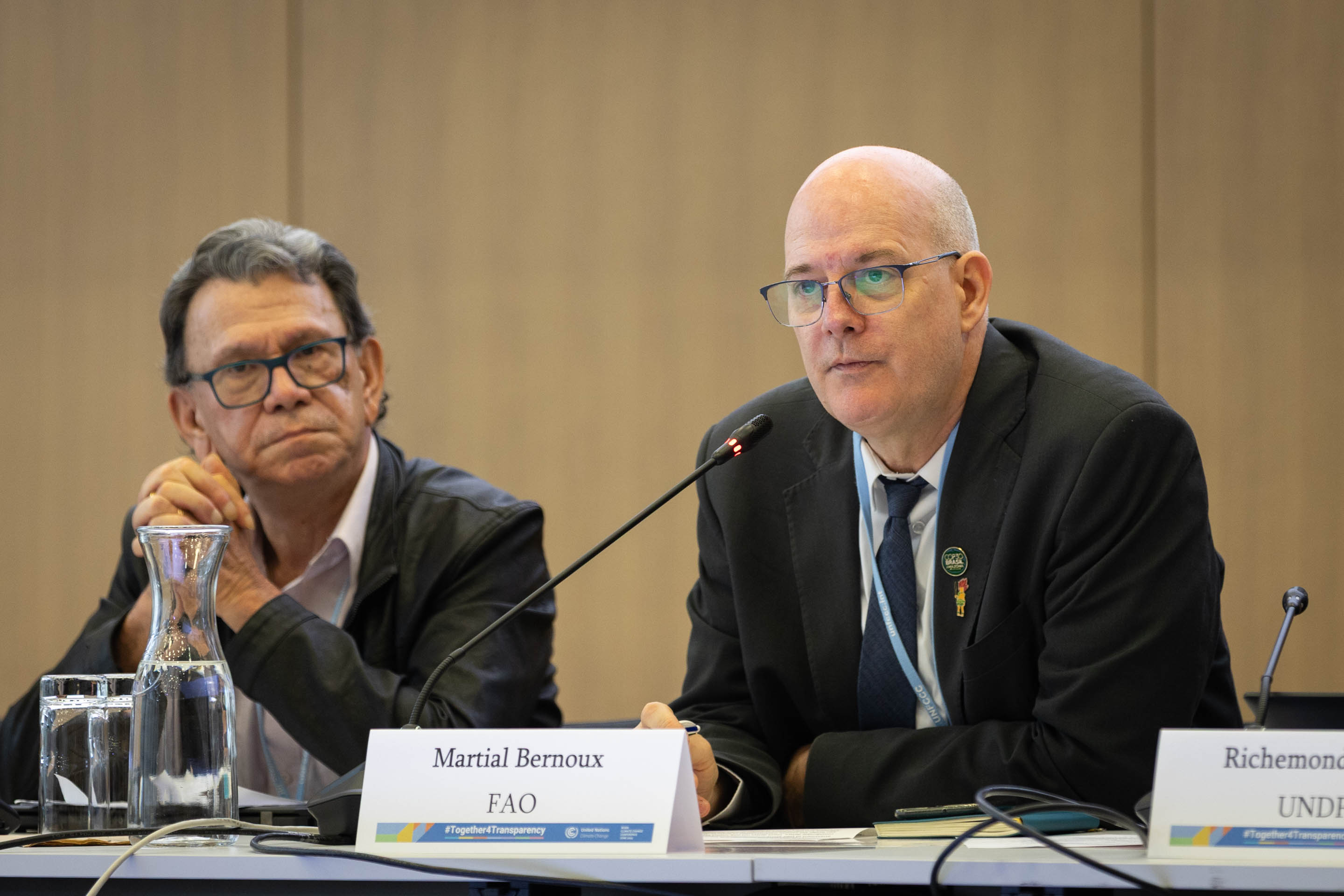
Martial Bernoux, Food and Agriculture Organization of the UN (FAO)
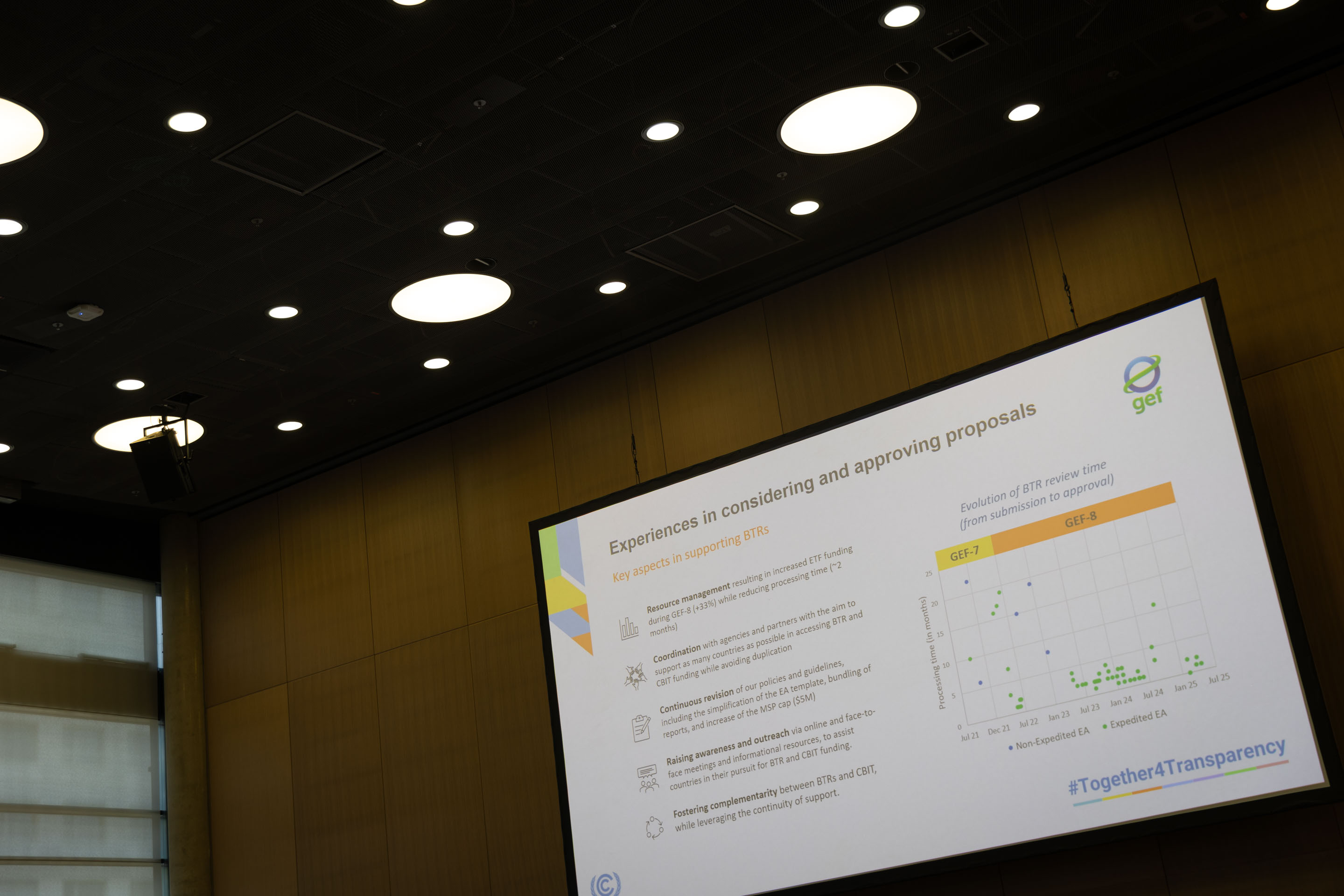
Various slides presented during the workshop help to build understanding about submitting BTRs
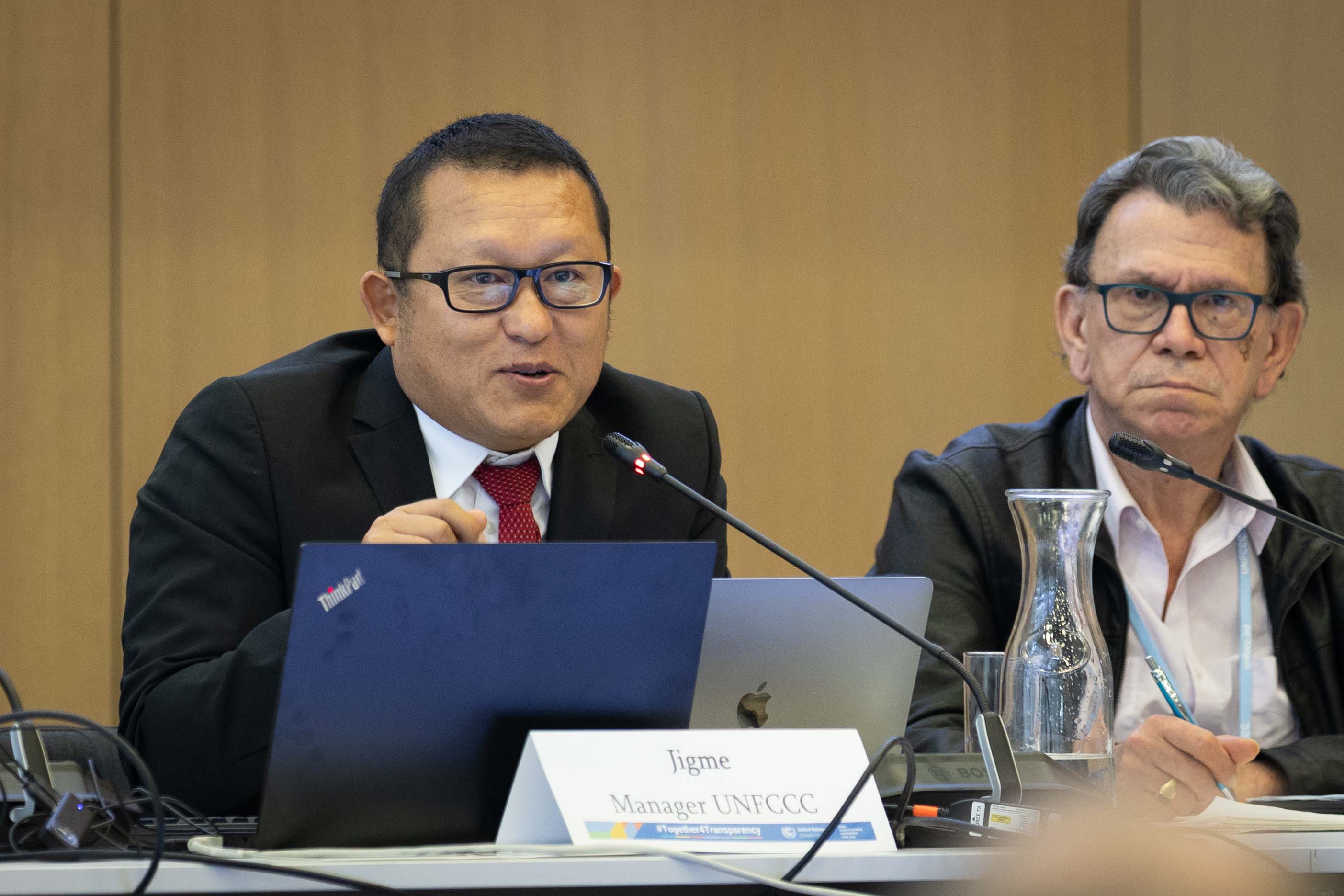
Jigme, Transparency Division, UNFCCC
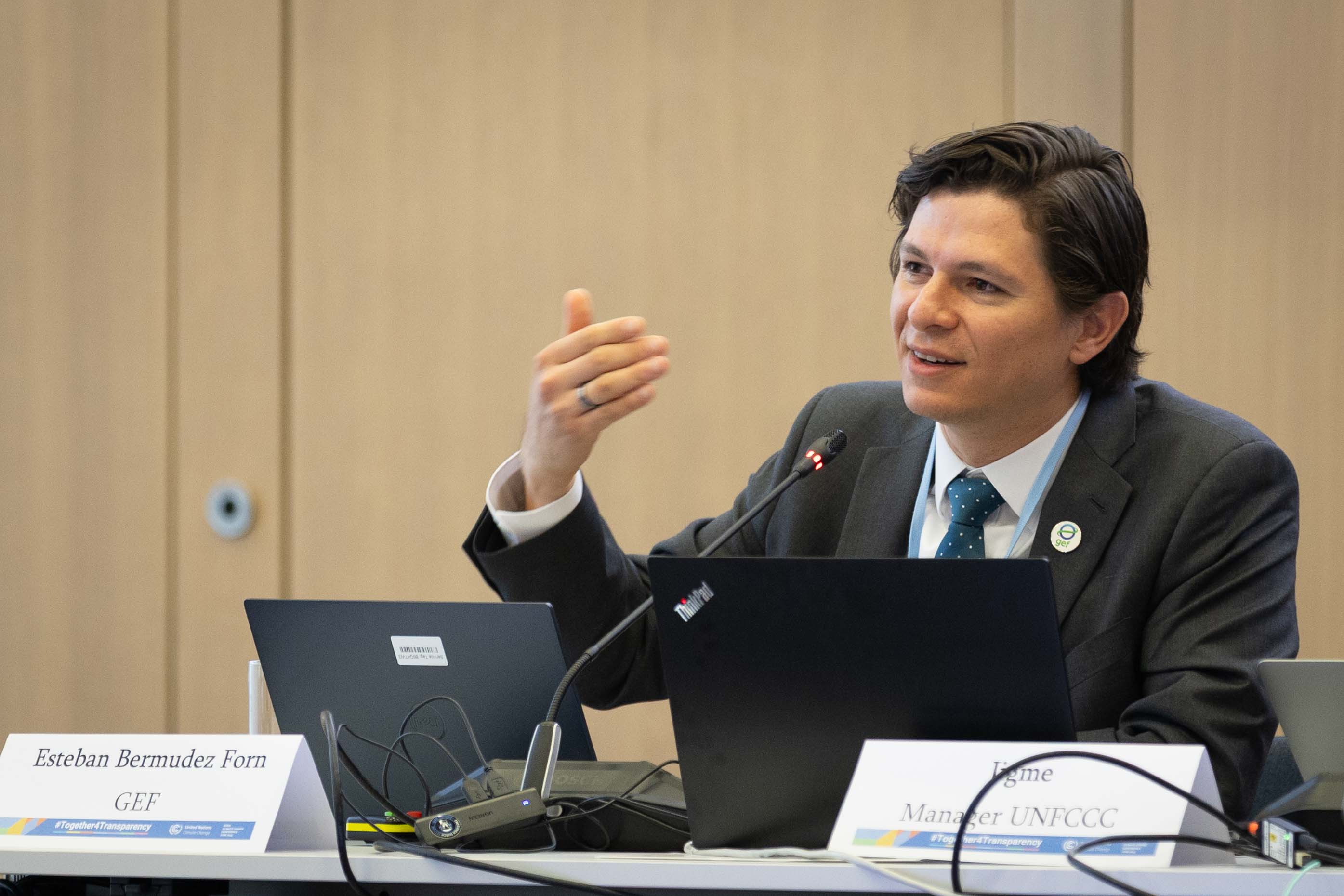
Esteban Bermudez Forn, Global Environment Facility (GEF)
Delegates listen to the interventions
Article 6.2 Ambition Dialogue

Delegates gather for the Article 6.2 ambition dialogue
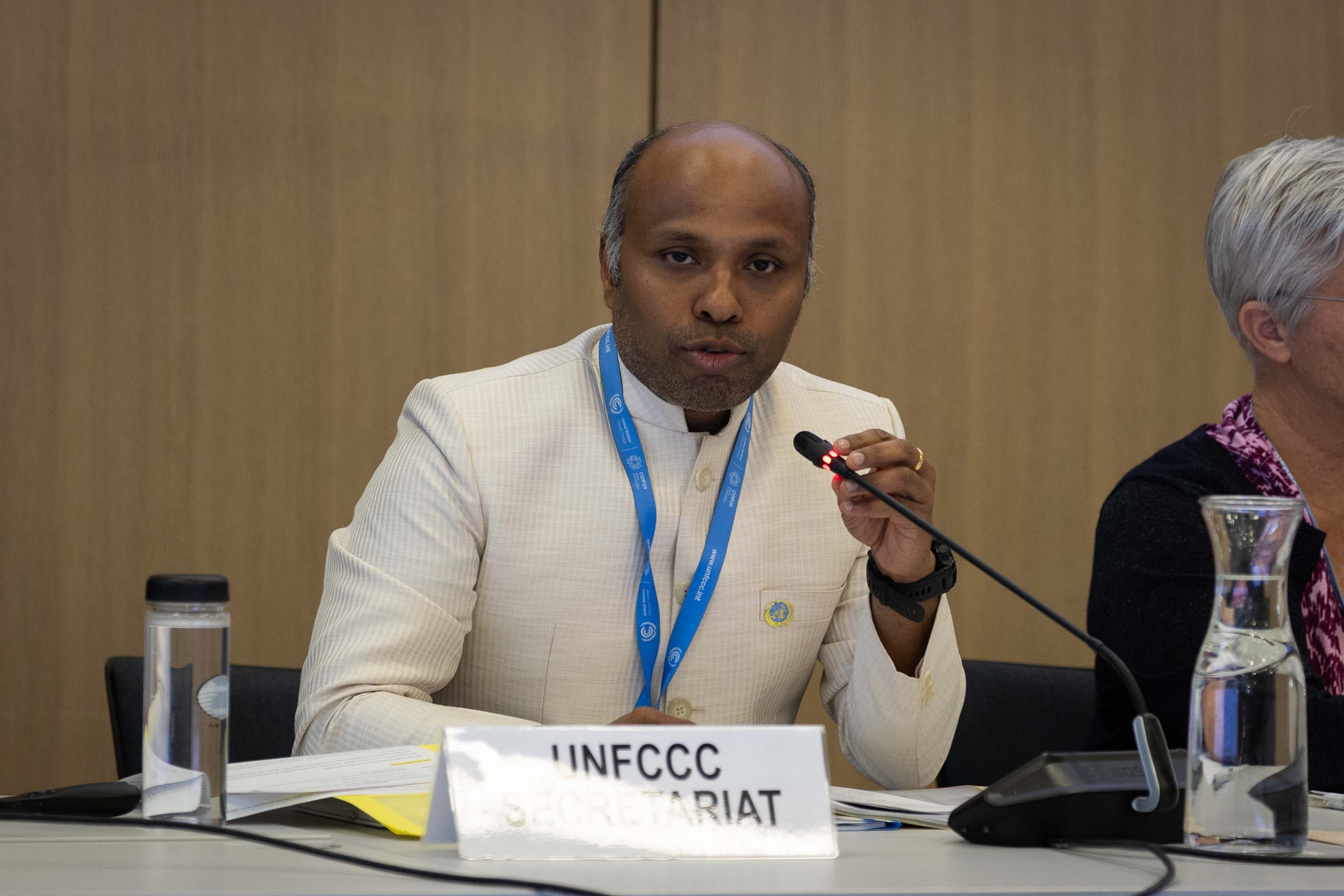
Perumal Arumugam, UNFCCC Secretariat
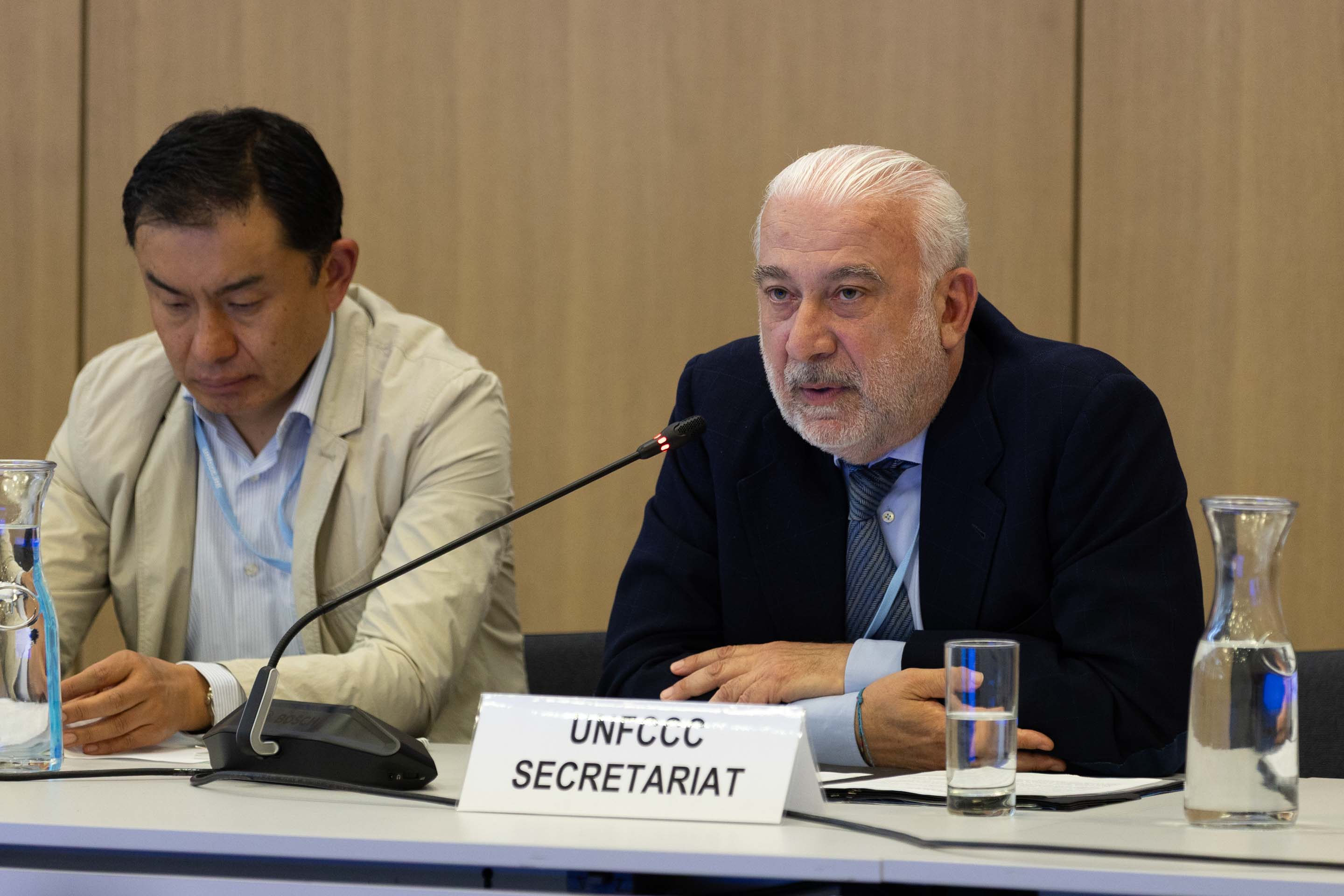
Daniele Violetti, Senior Director, UNFCCC Secretariat
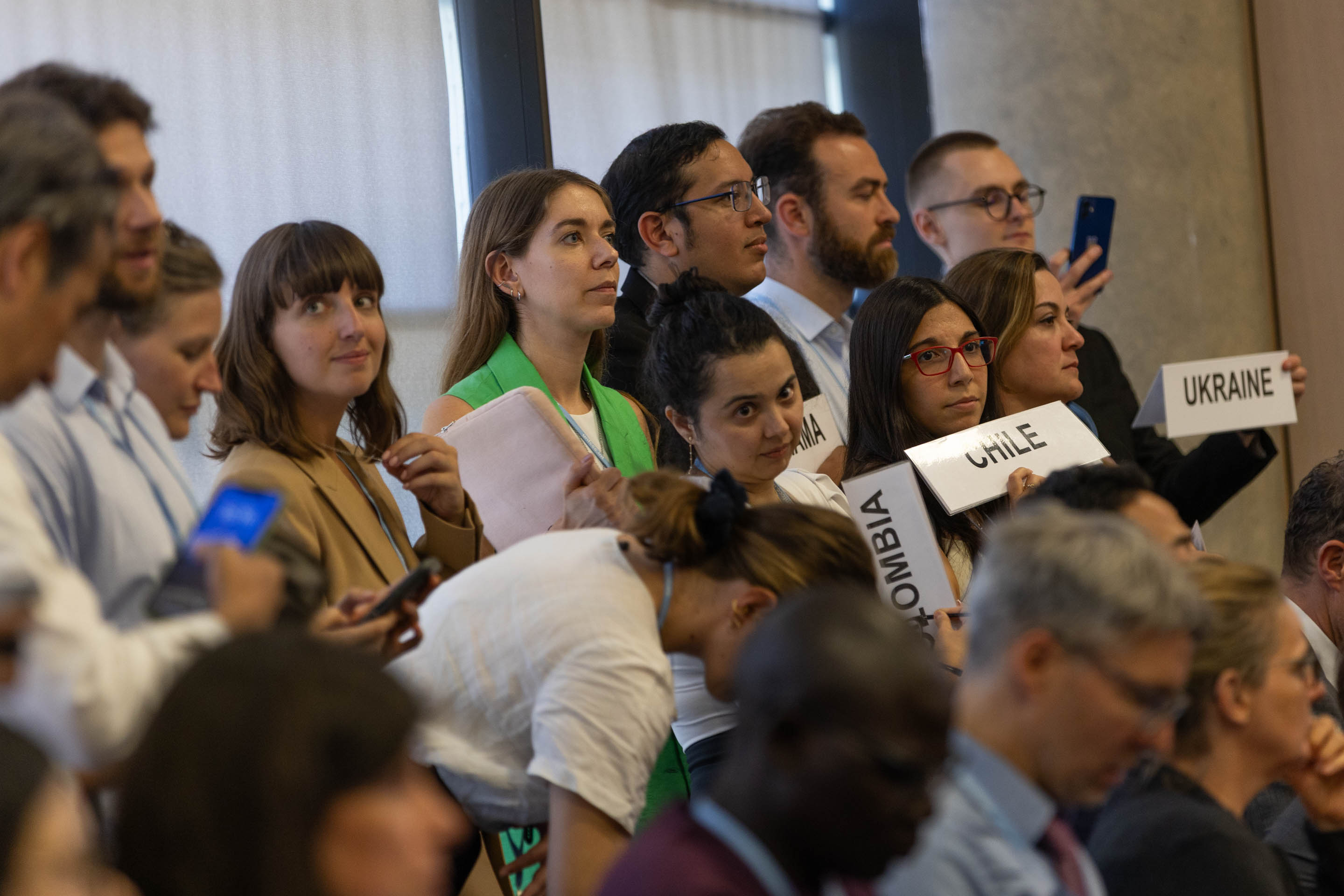
Delegates fill all corners of the room as there is a keen interest in Article 6.2 ambition
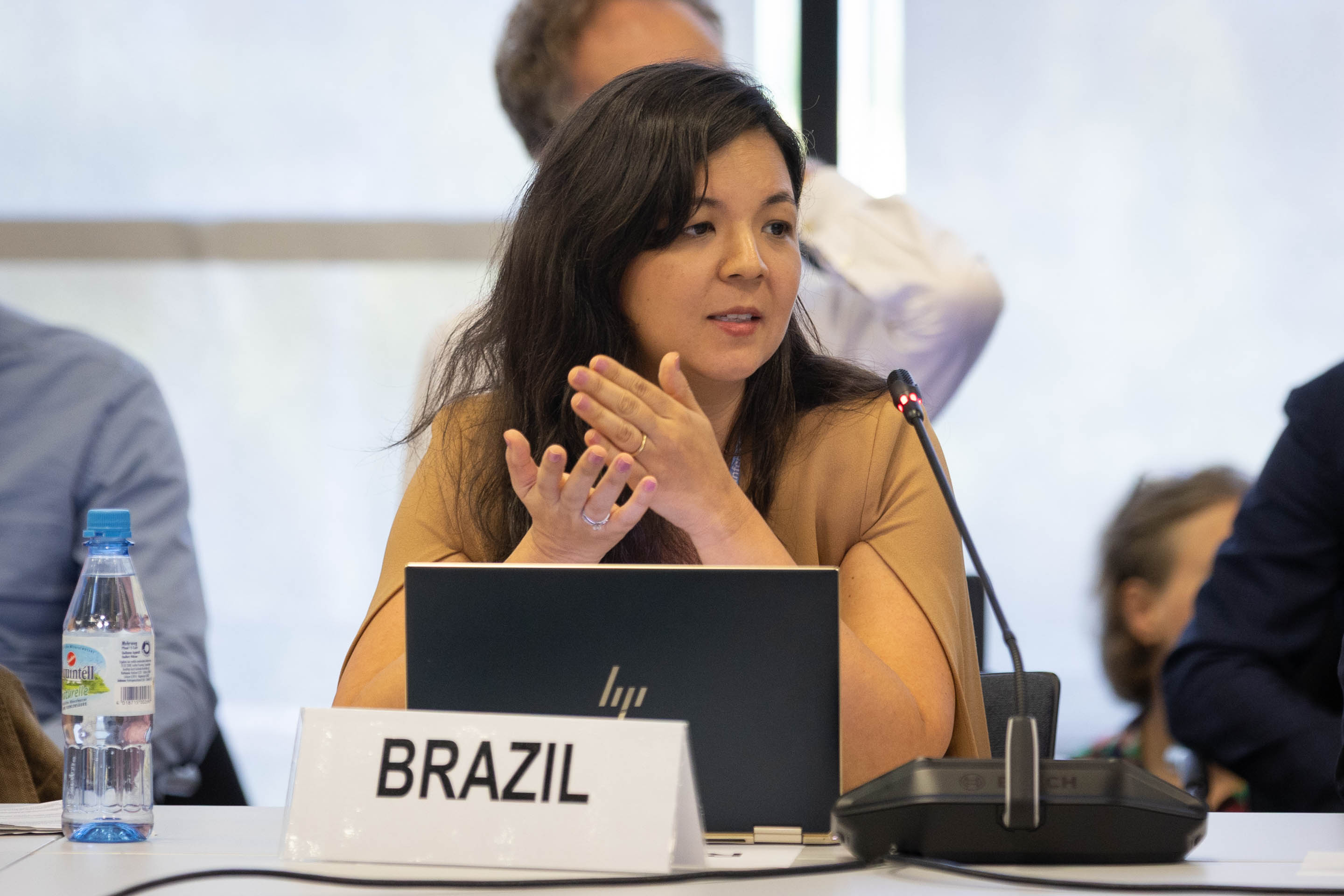
Marina Moreira Costa Pittella, Brazil
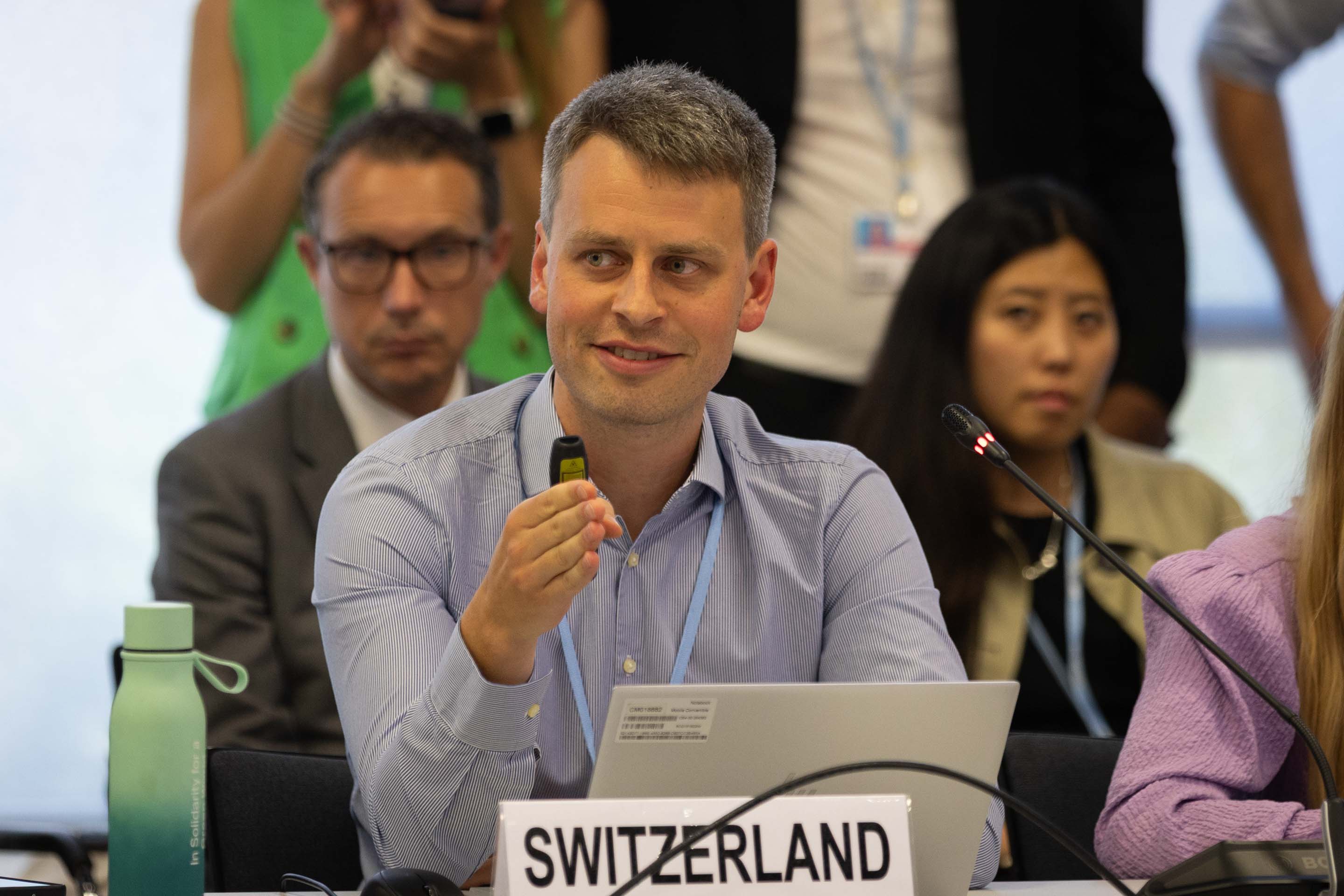
Simon Fellermeyer, Switzerland
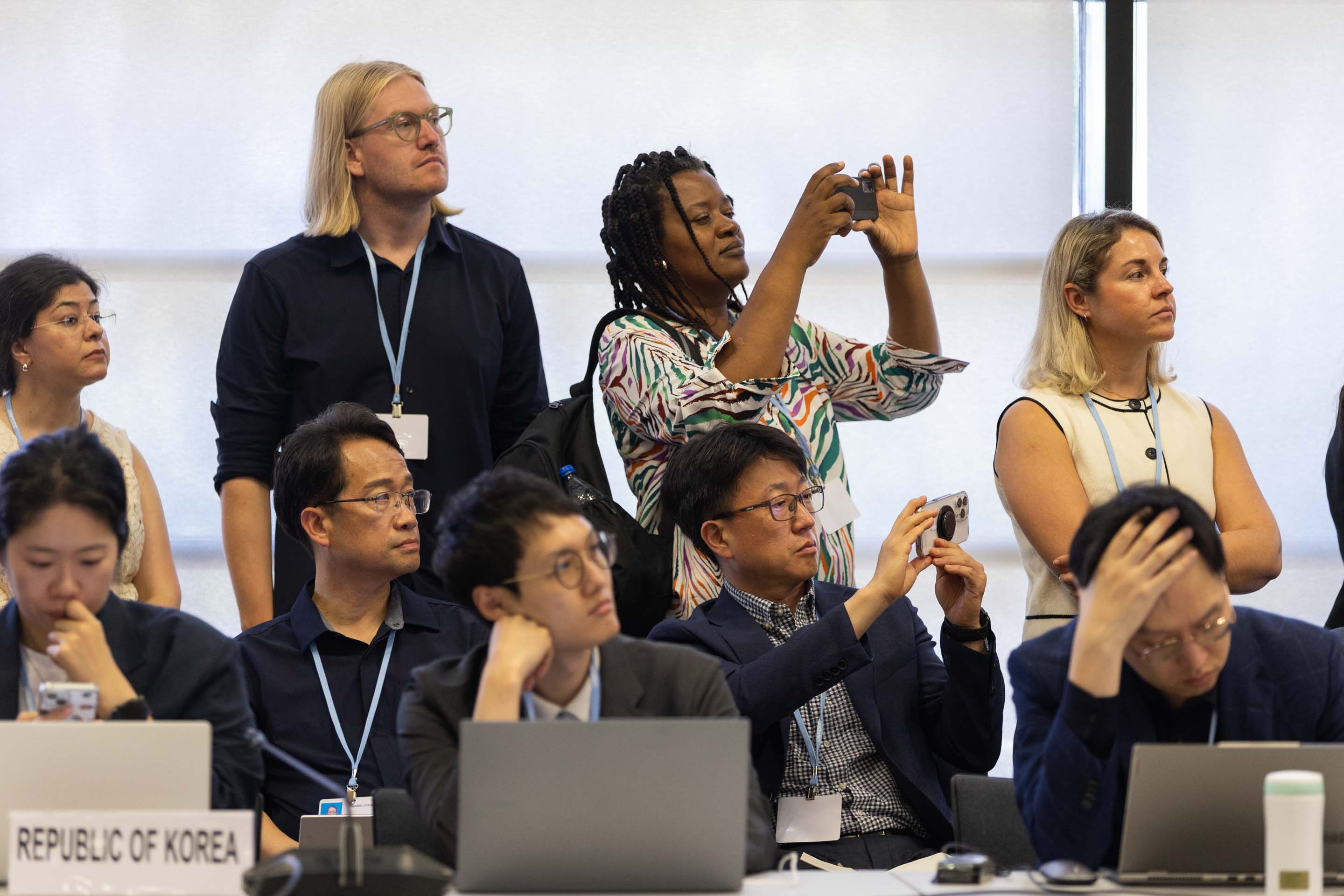
Delegates take photos of the ideas presented
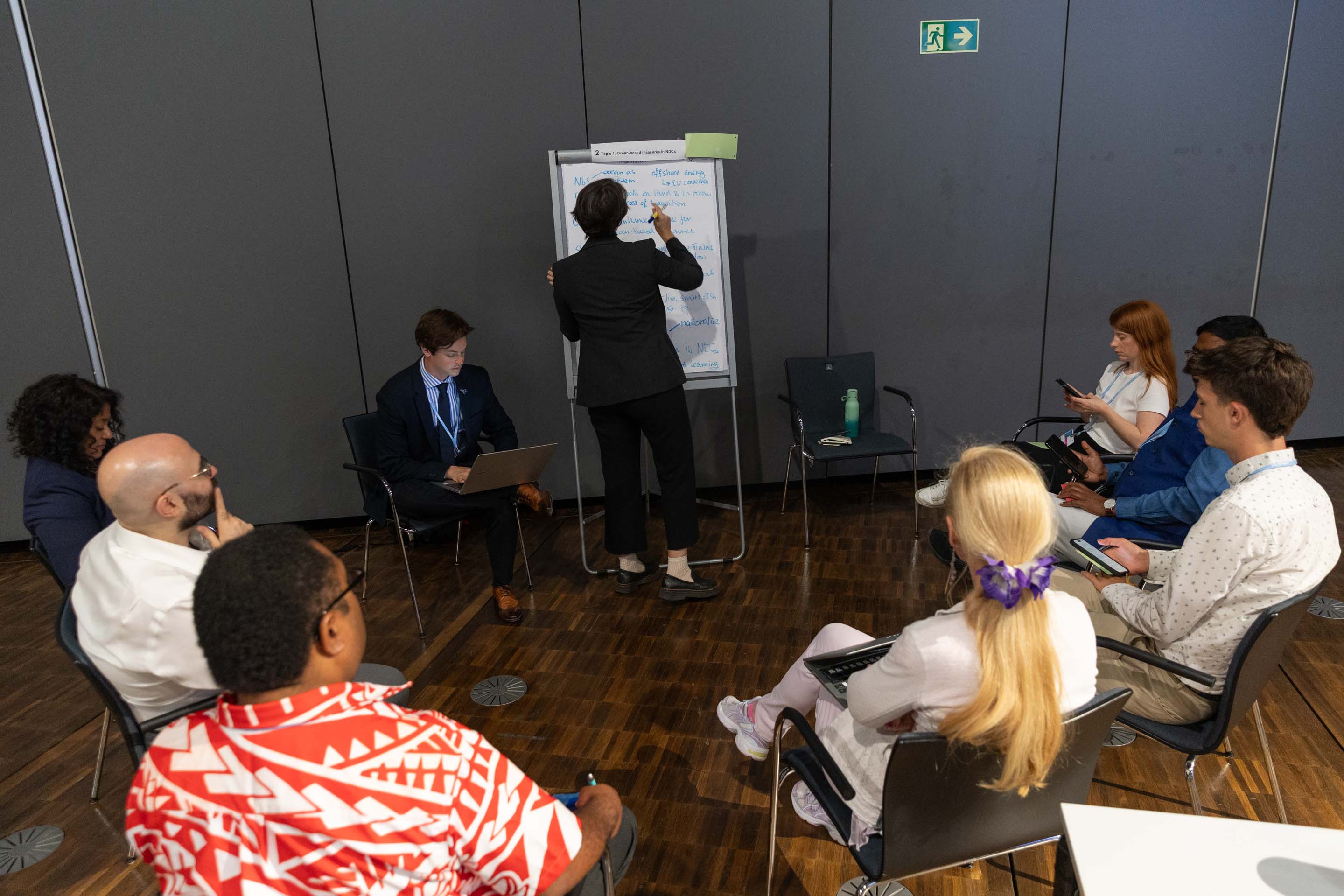
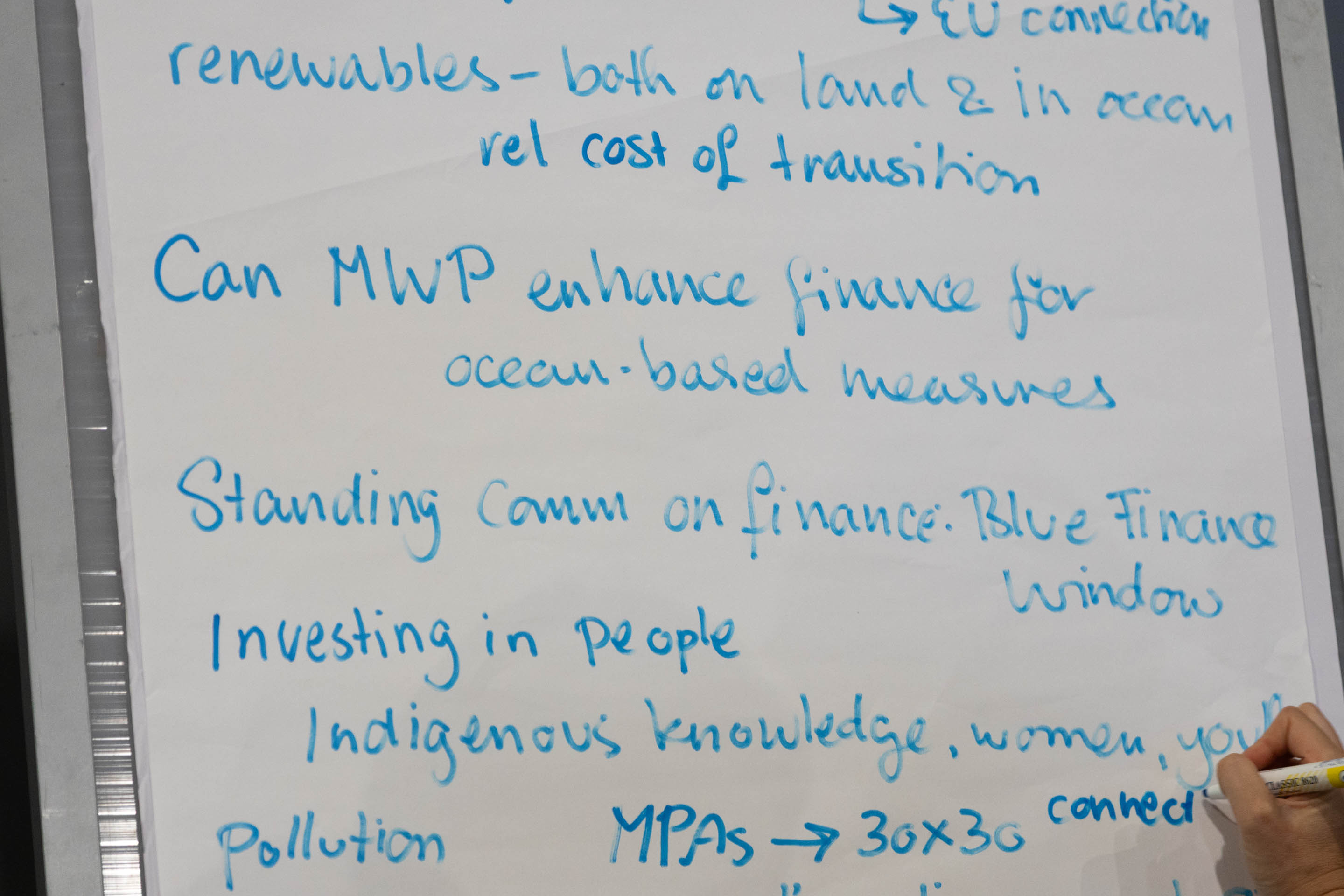
Ocean and Climate Change Dialogue
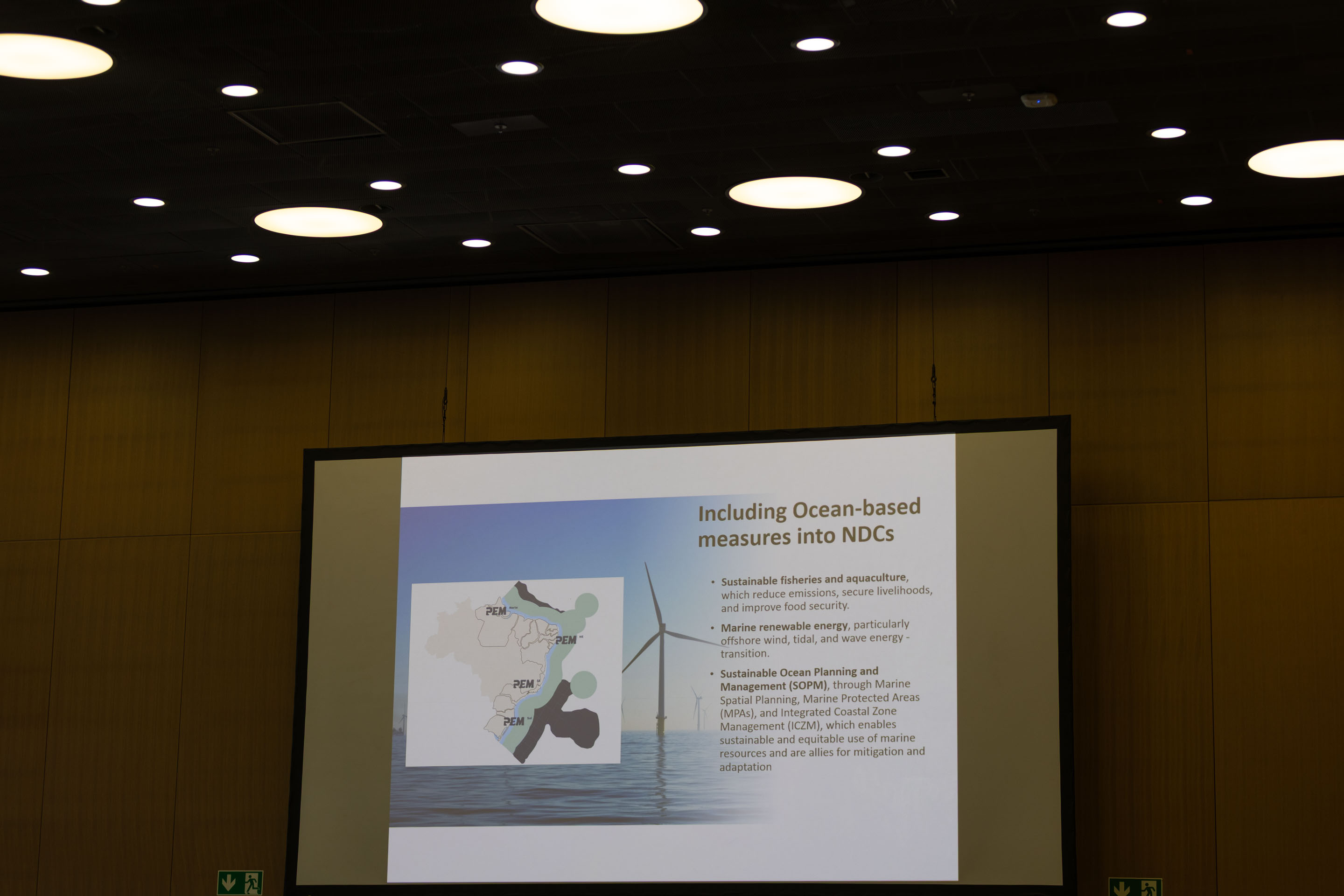
As part of the Ocean and climate change dialogue, participants discuss how to include Ocean-based measures into nationally determined contributions
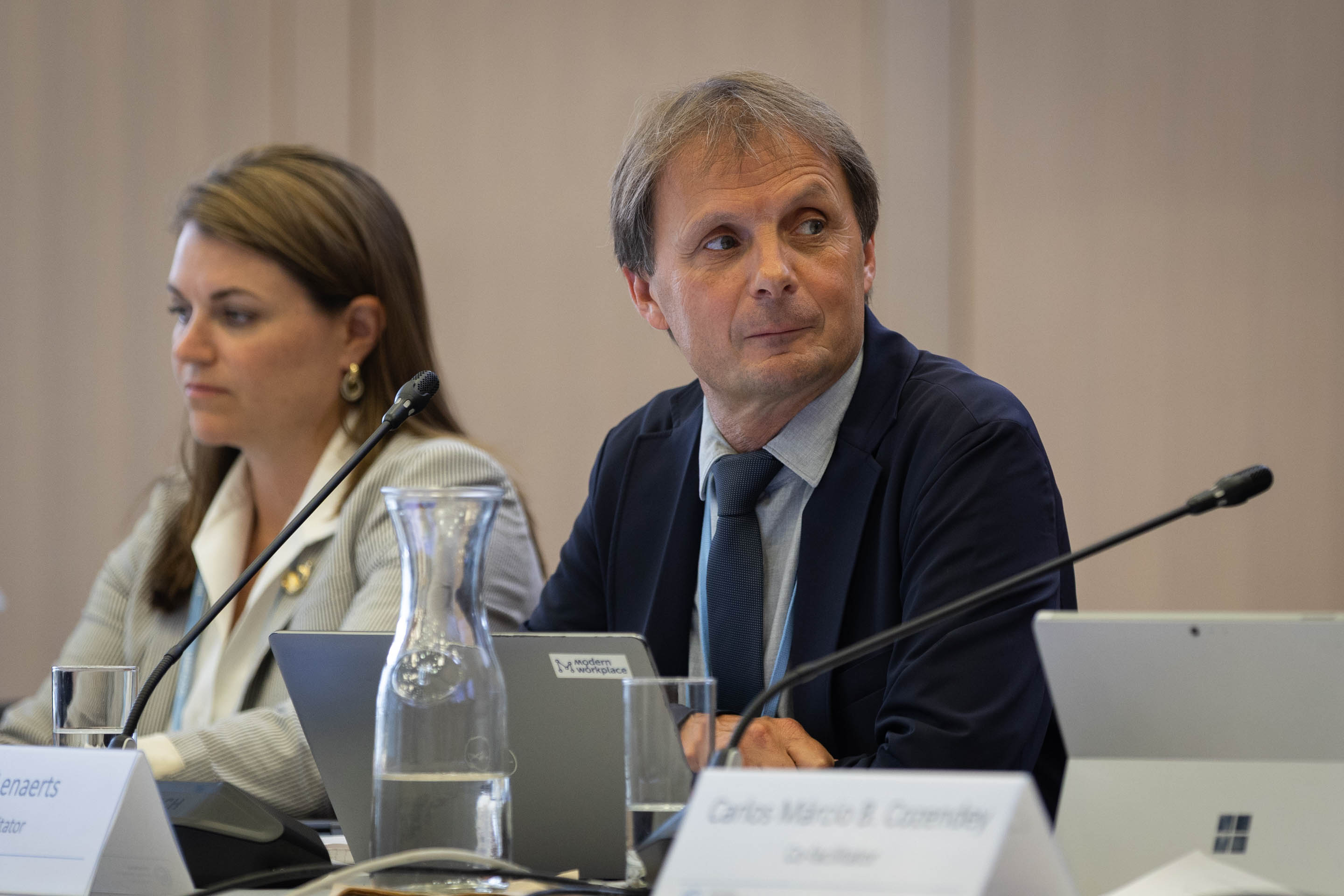
Ulrik Lenaerts, Dialogue Co-Facilitator
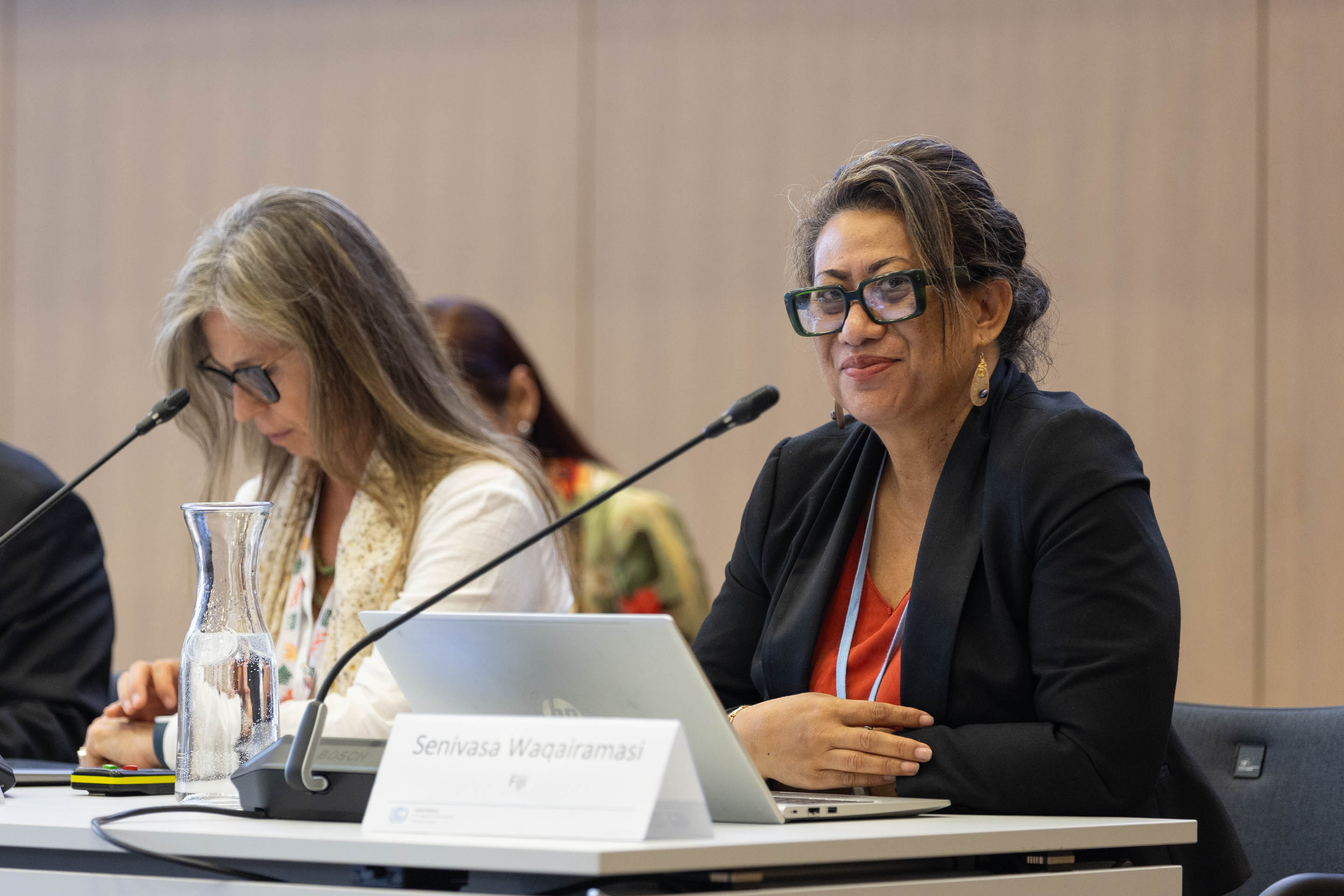
Senivasa Waqairamasi, Fiji
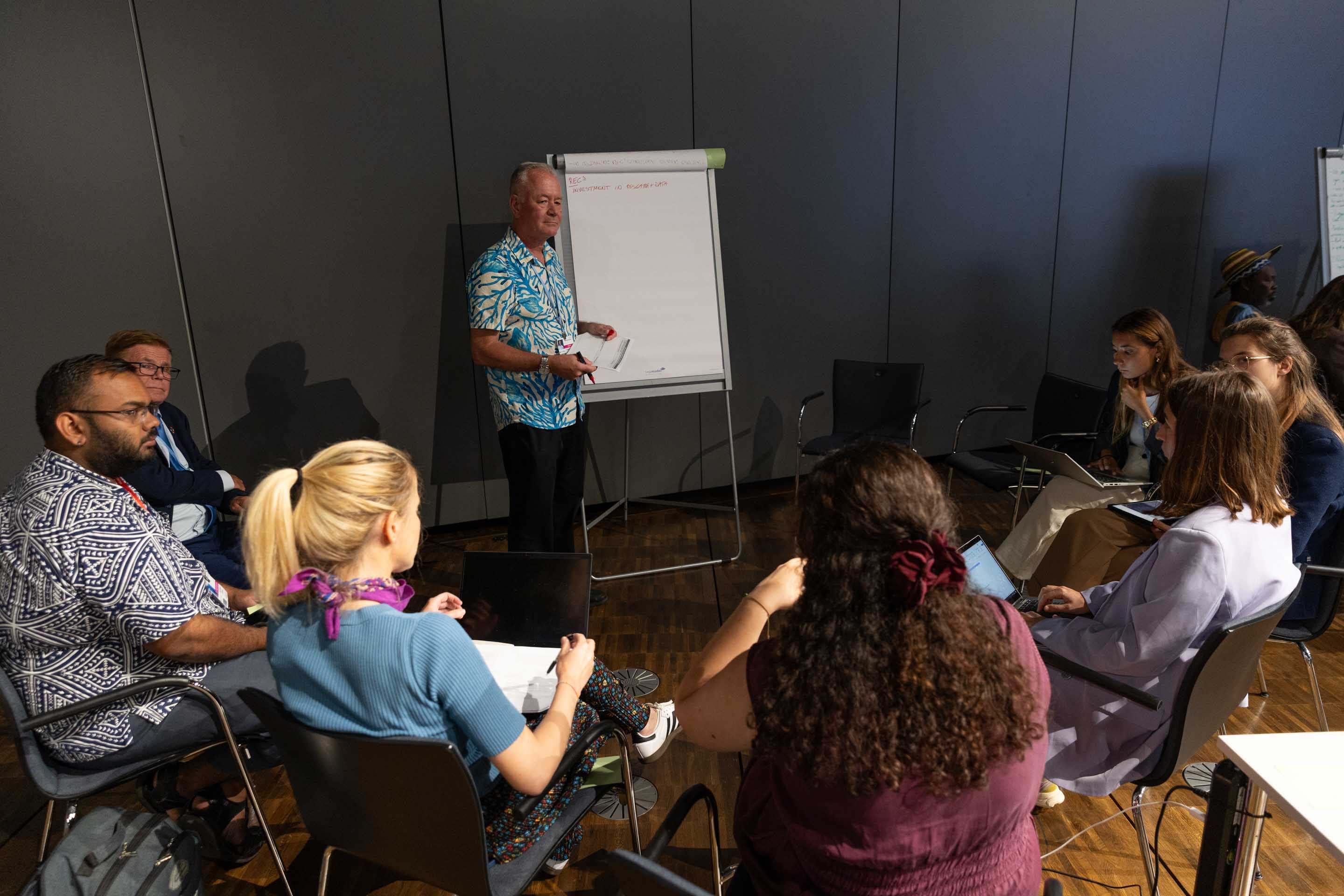
Delegates break out into groups for more in-depth discussions
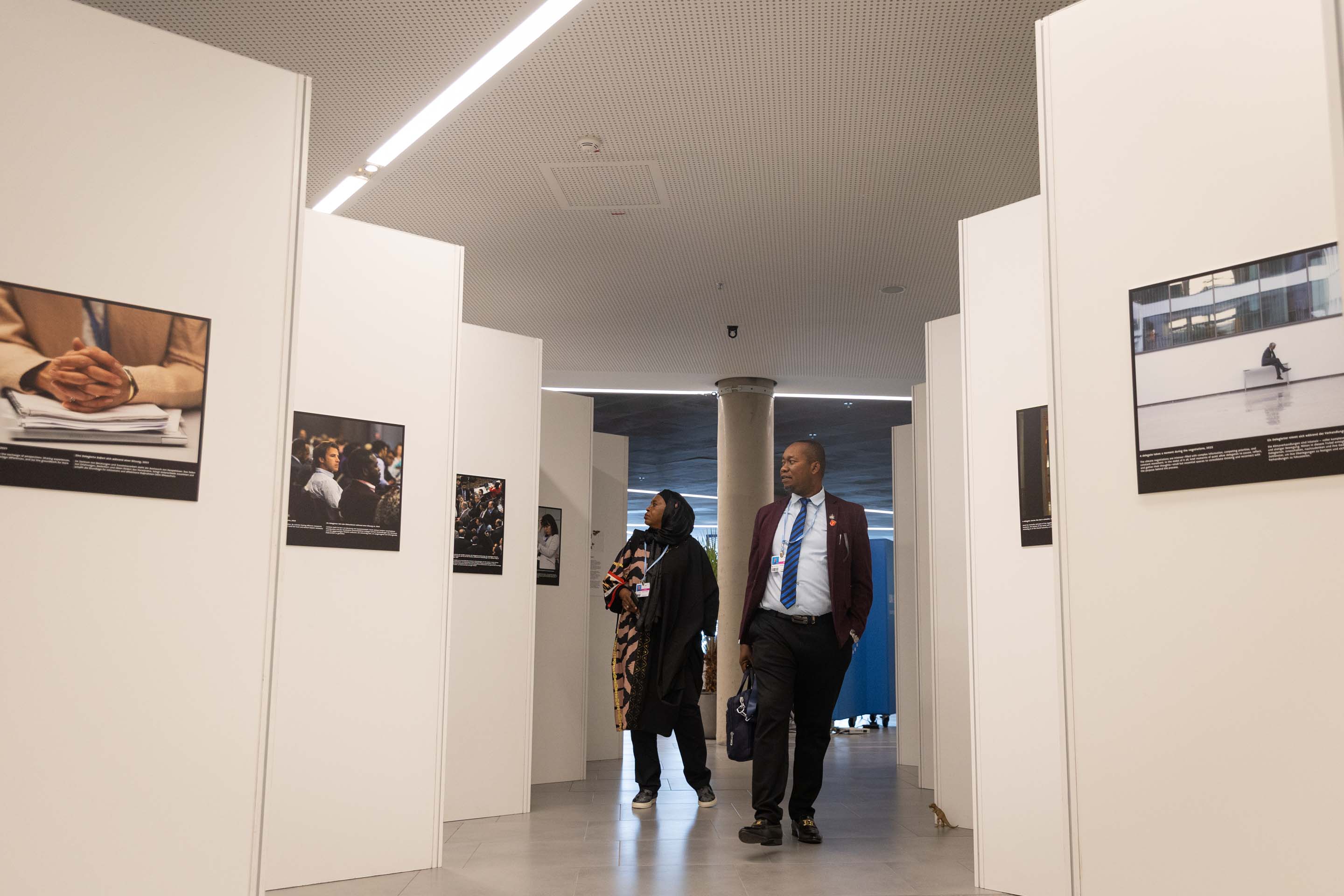
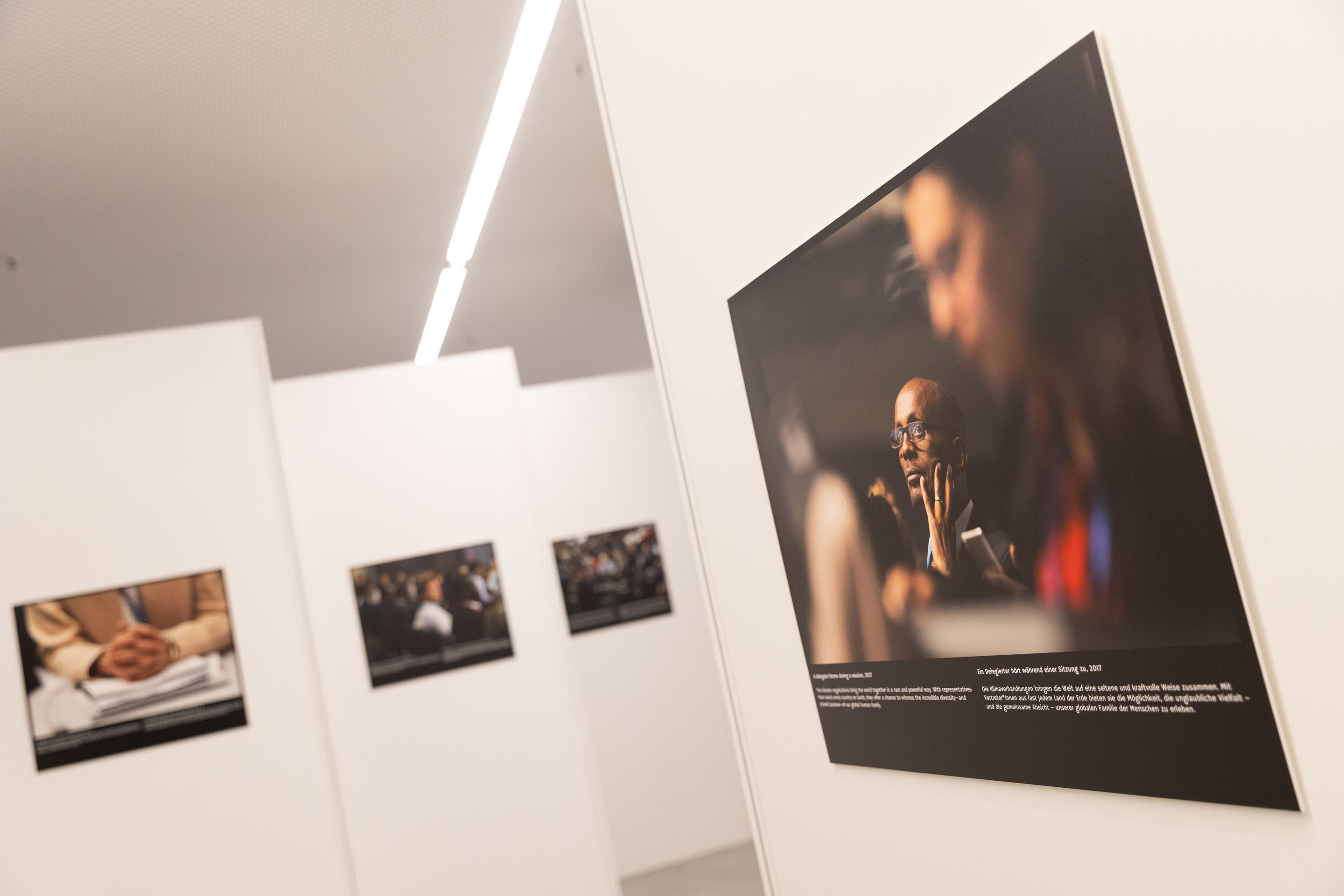
Photography Exhibition - Finding Common Ground
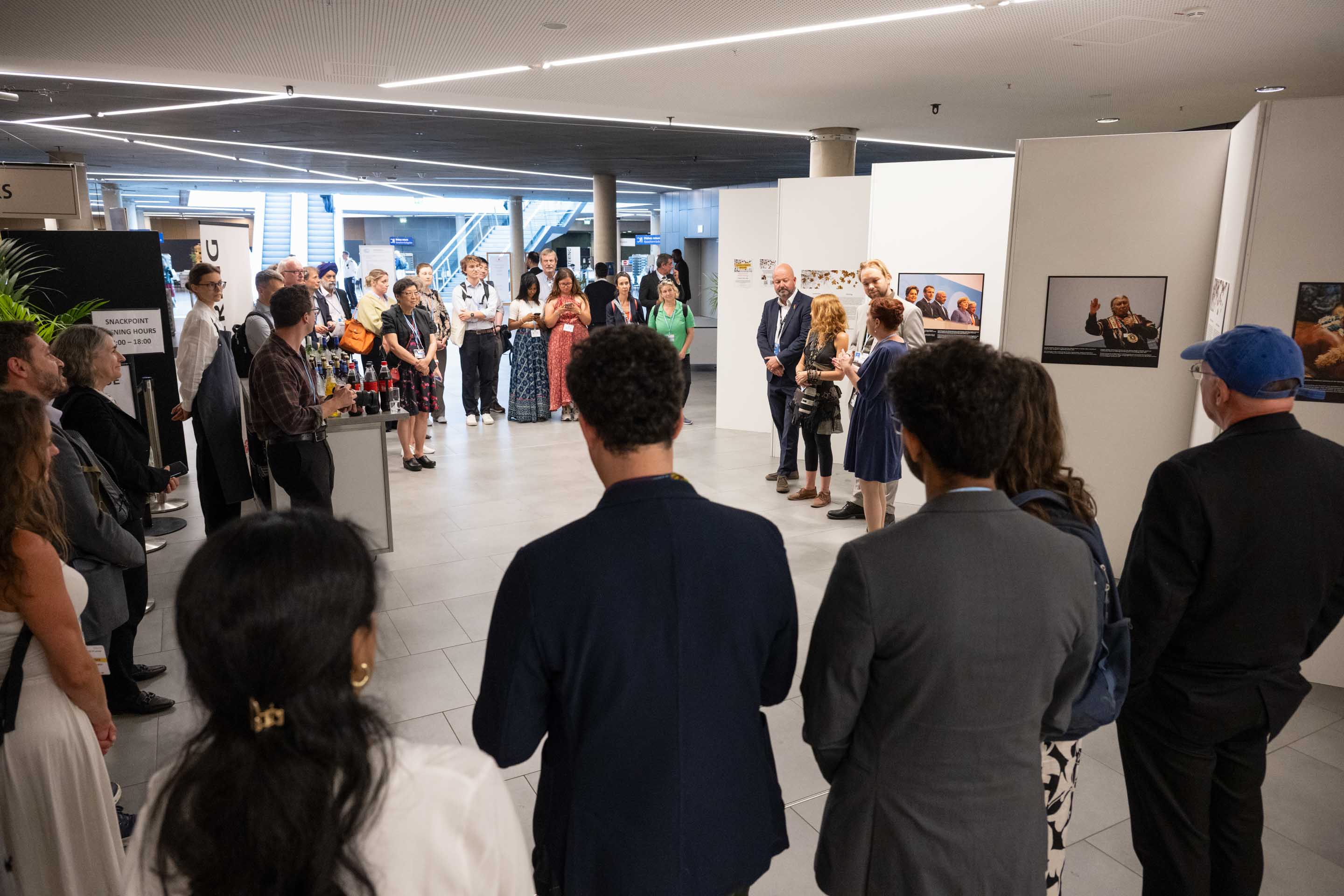
Delegates gather for the official opening of the photography exhibition 'Finding Common Ground', which offers a glimpse into the quieter, yet powerful moments of human connection during climate negotiations, highlighting the important role of multilateralism (Photo: Vugar Ibadov, COP 29 Presidency)
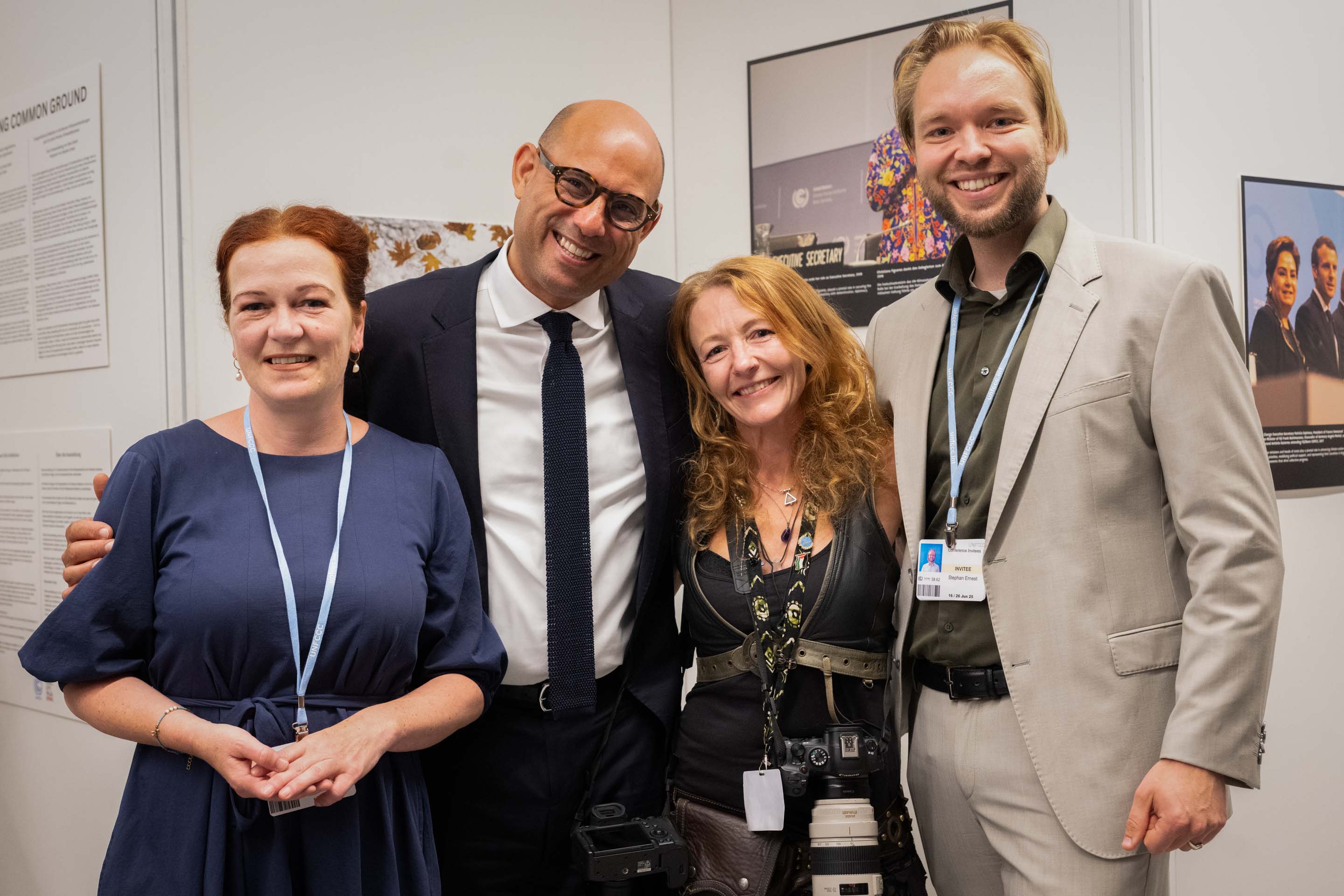
The exhibition is opened with patrons Katja Dörner, Mayor of Bonn, Simon Stiell, UNFCCC Executive Secretary, and Kiara Worth, UNFCCC and ENB Photographer, and Stephan Ernest, City of Bonn, and exhibition producer (Photo: Vugar Ibadov, COP 29 Presidency)
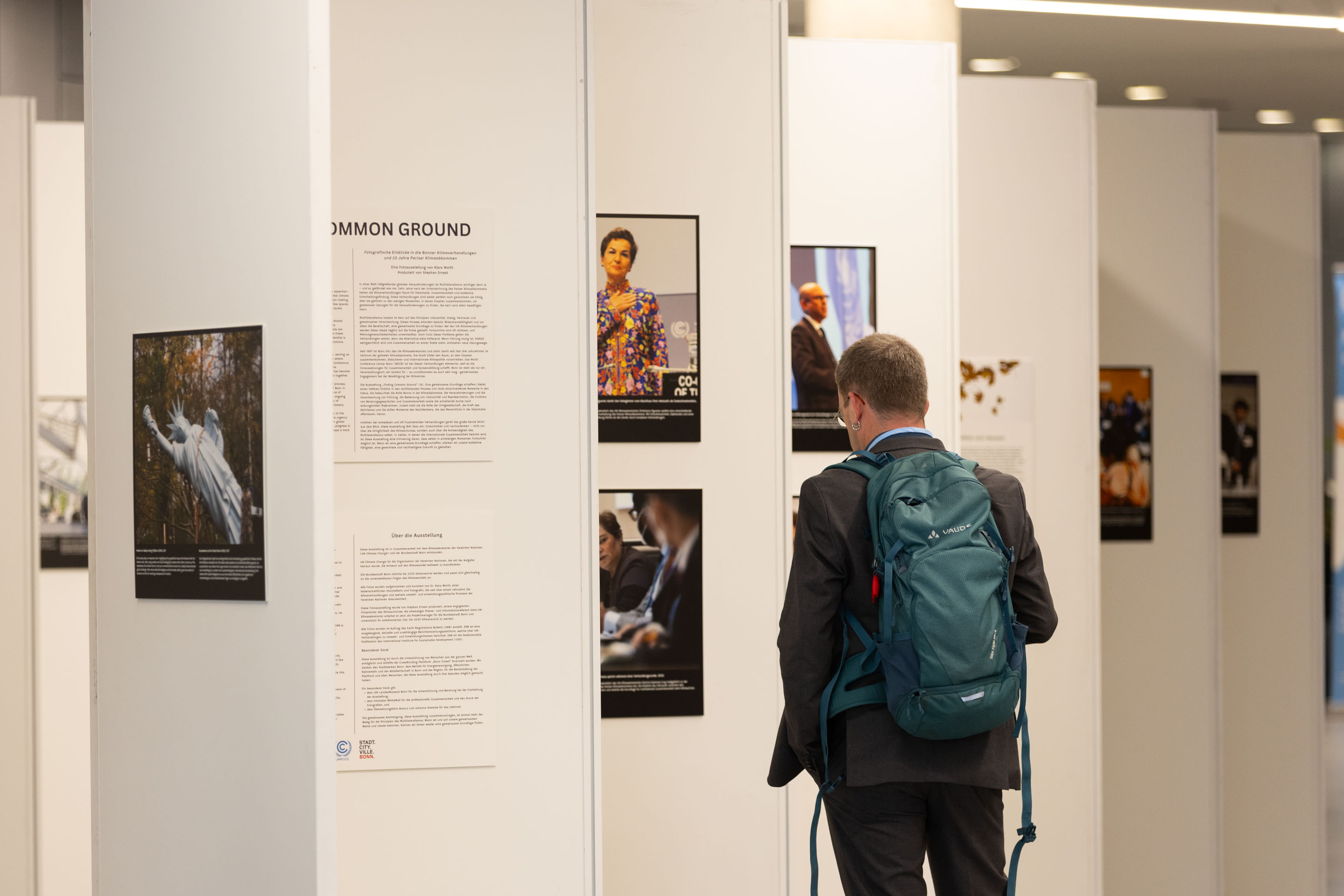
The exhibition explores various themes of multilateralism including leadership, diversity and inclusion, consultation and collaboration, activism, problem-solving, transparency, decision-making and the beauty of humanity
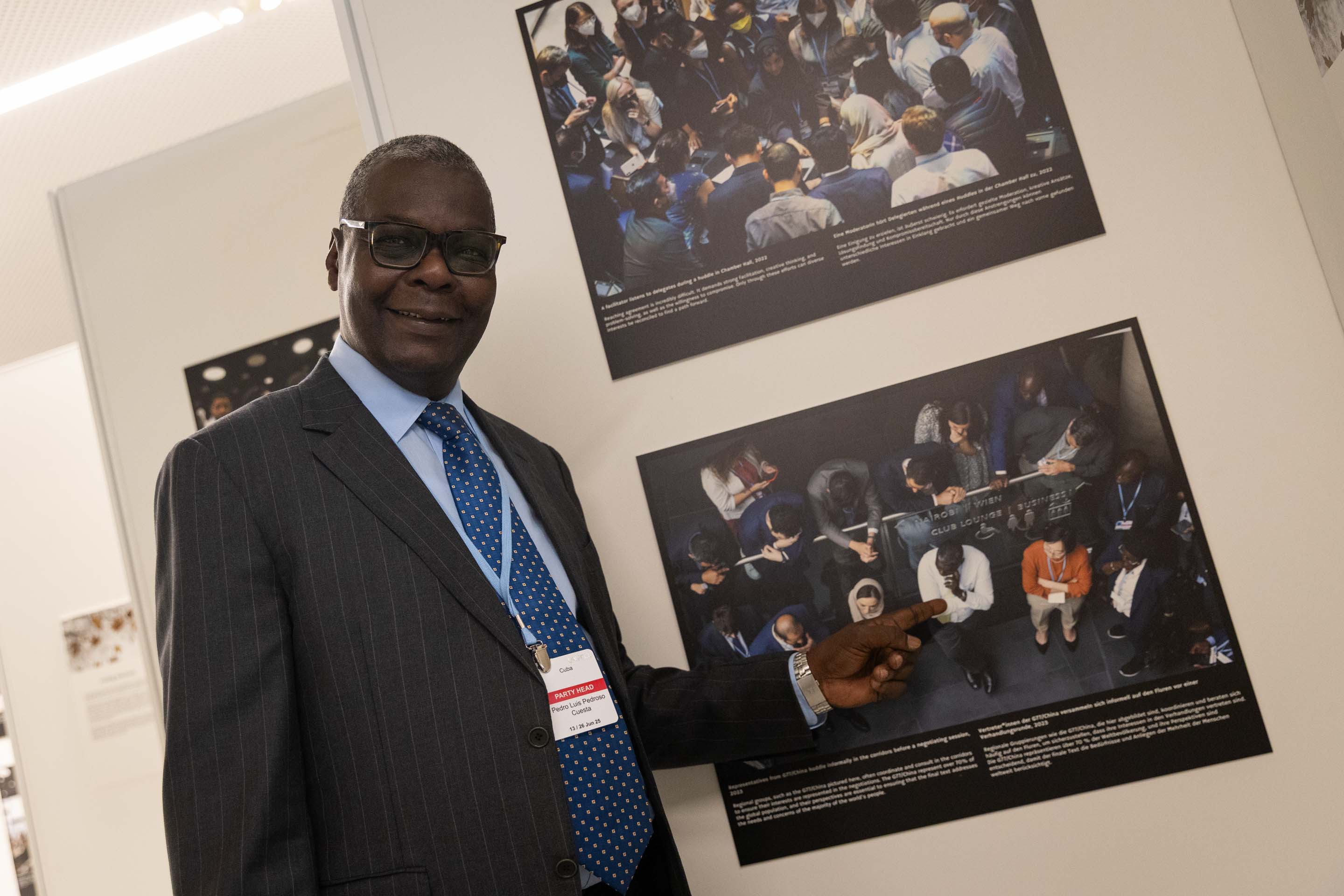
Delegates enjoy finding themselves in some of the photos
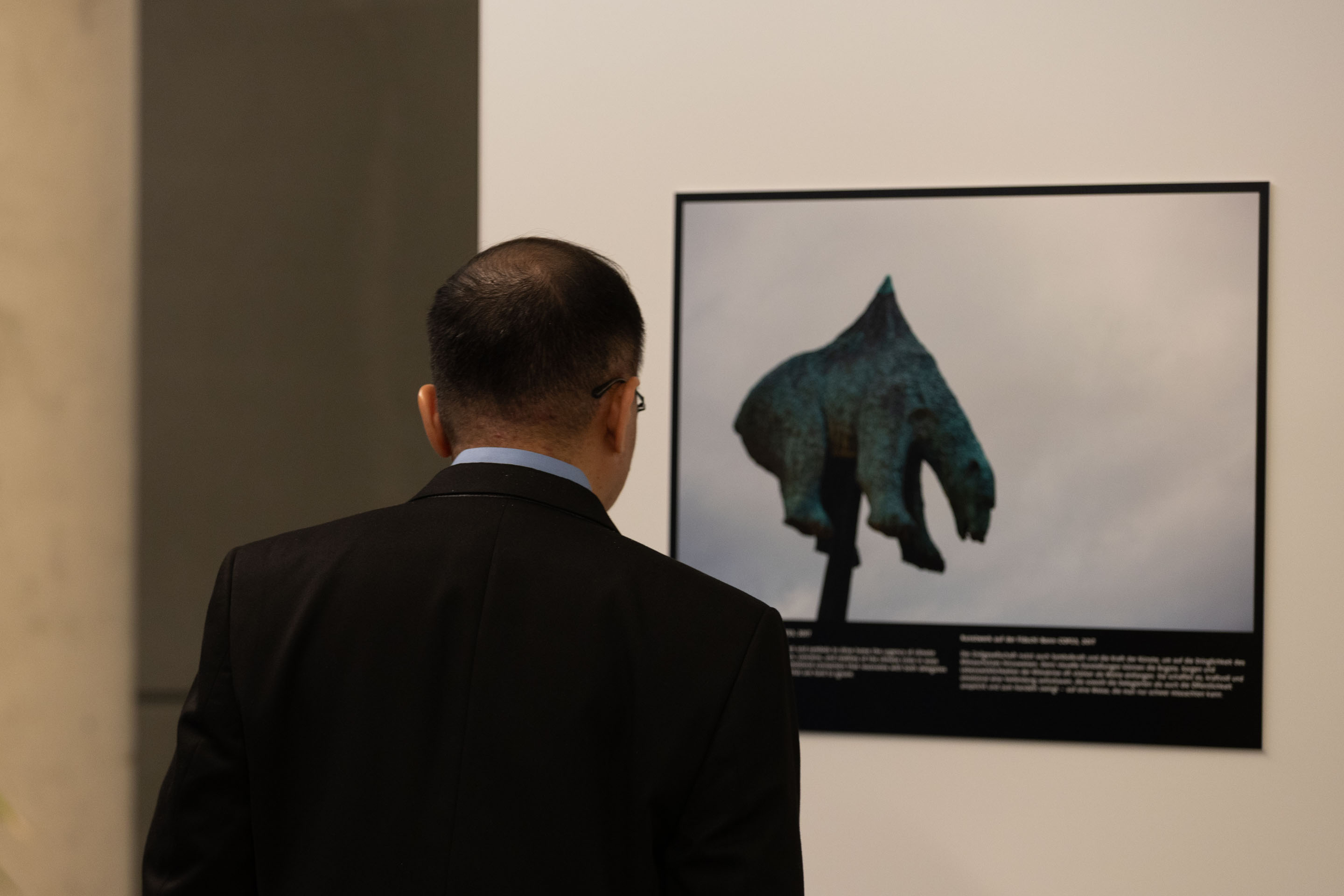
Around the Venue
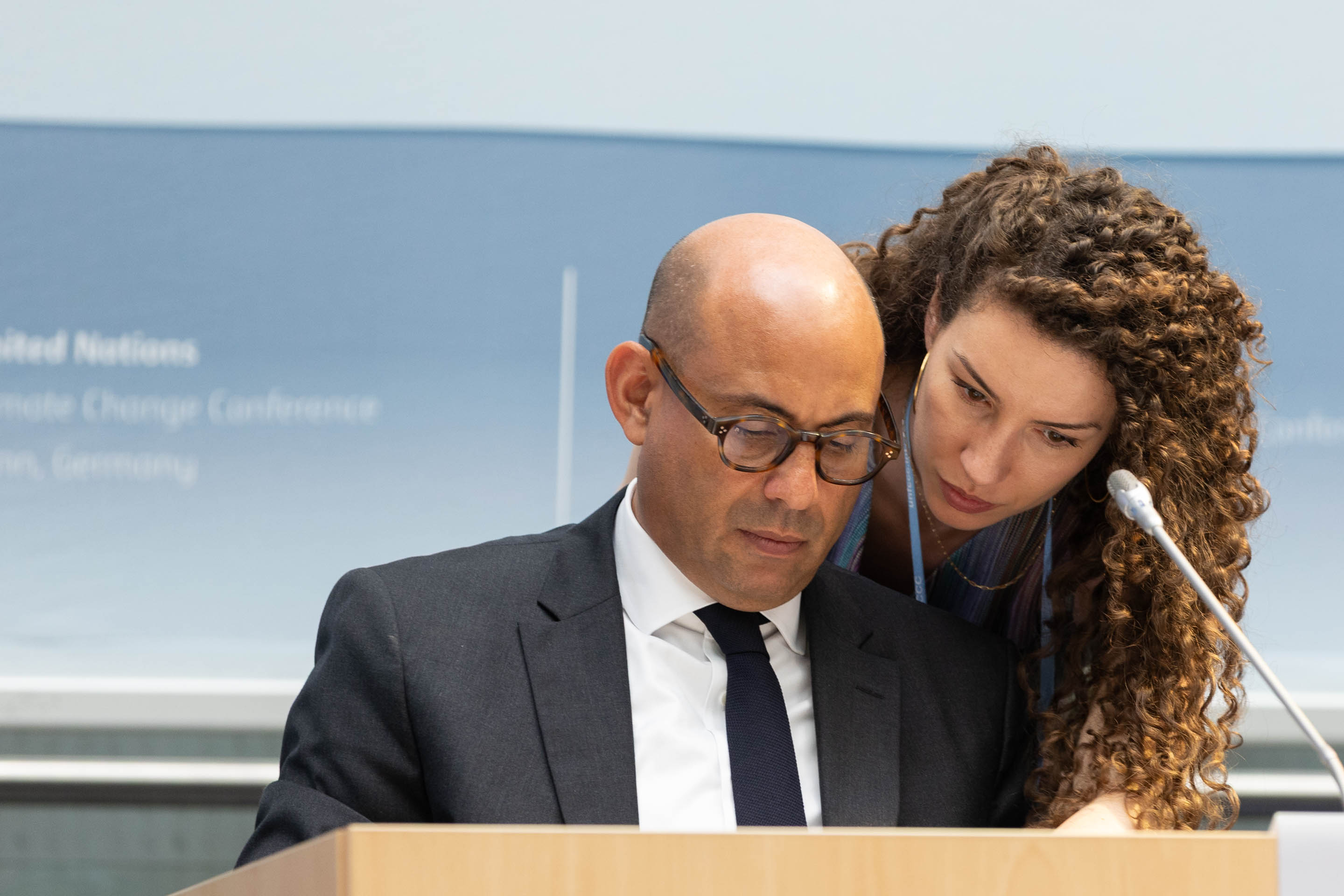
Simon Stiell, UNFCCC Executive Secretary, consults with Joanna MacGregor, UNFCCC Secretariat
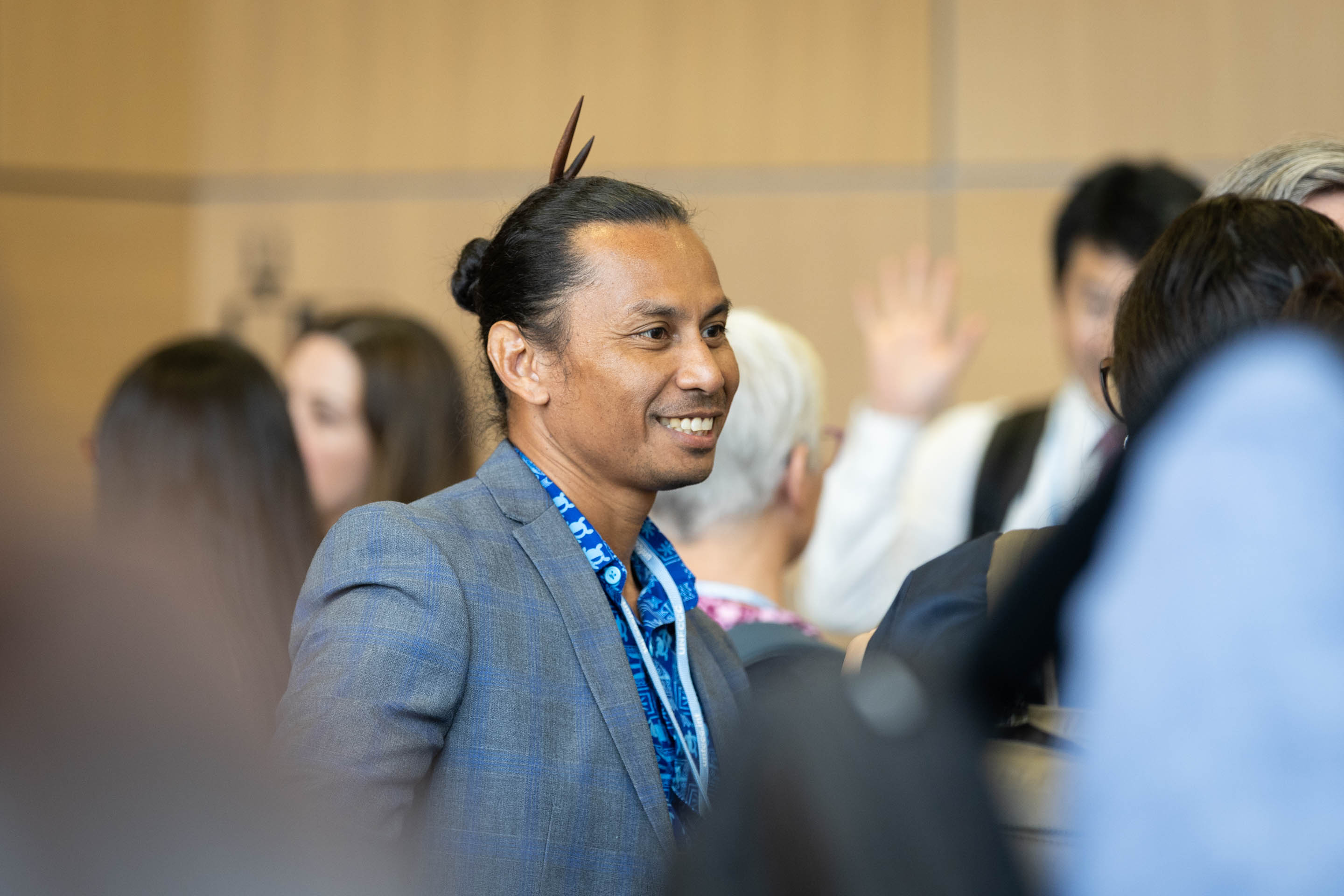
Erbai Xavier Matsutaro, Palau
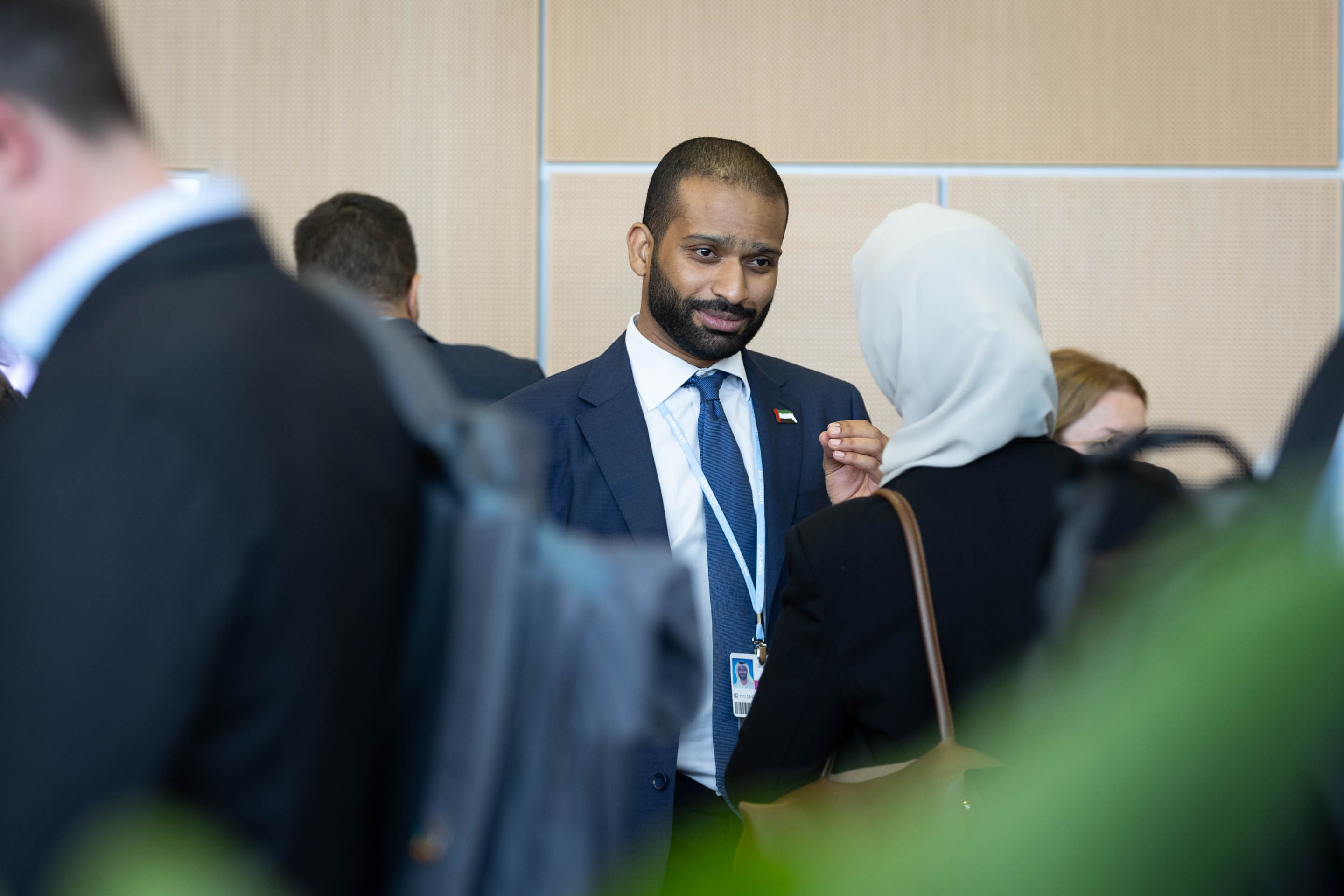
Abdelaziz AlTunaiji, UAE
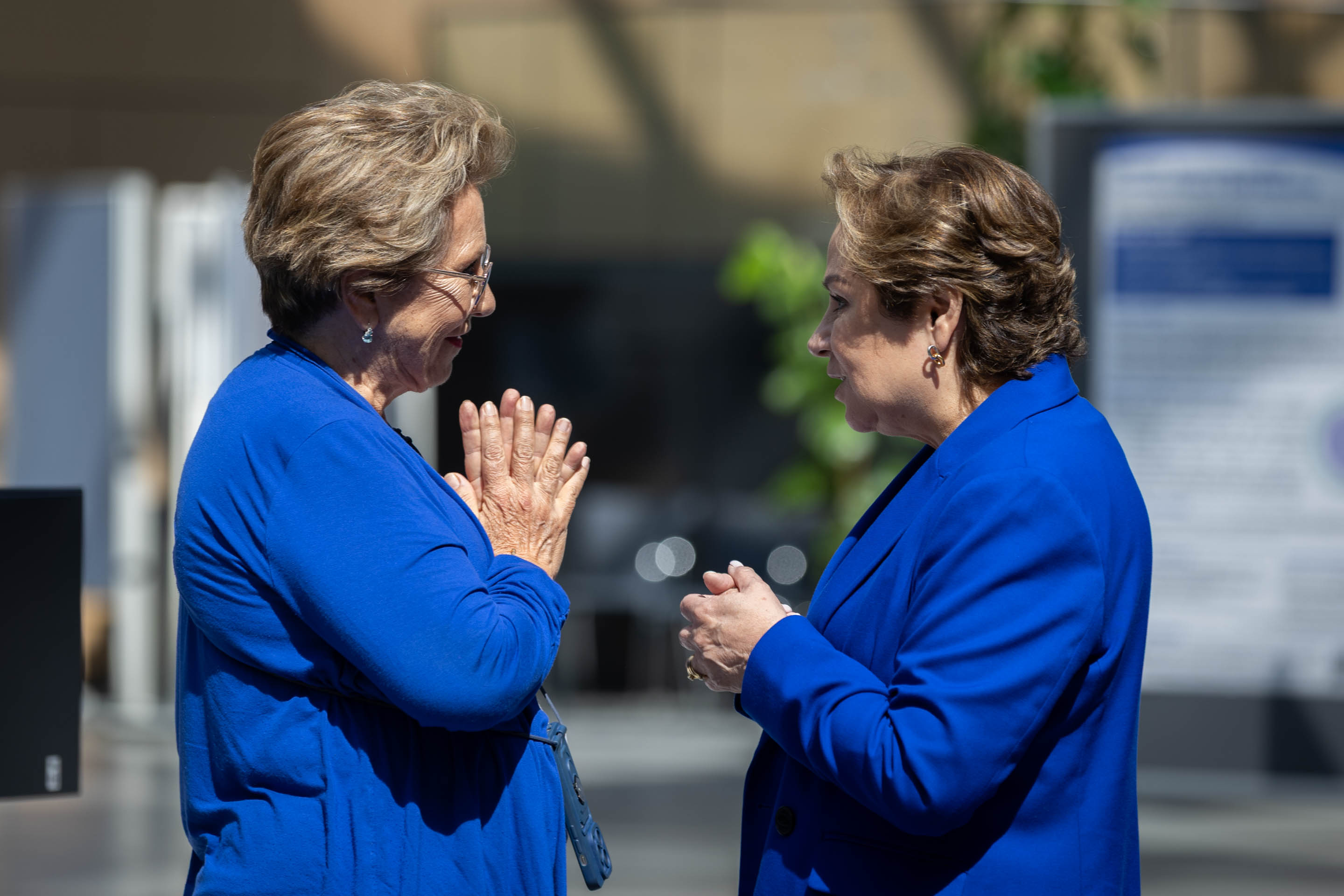
Rita Mishaan, Guatemala, speaks with Patricia Espinosa, COP 30 Presidency Special Envoy for Latin America and the Caribbean
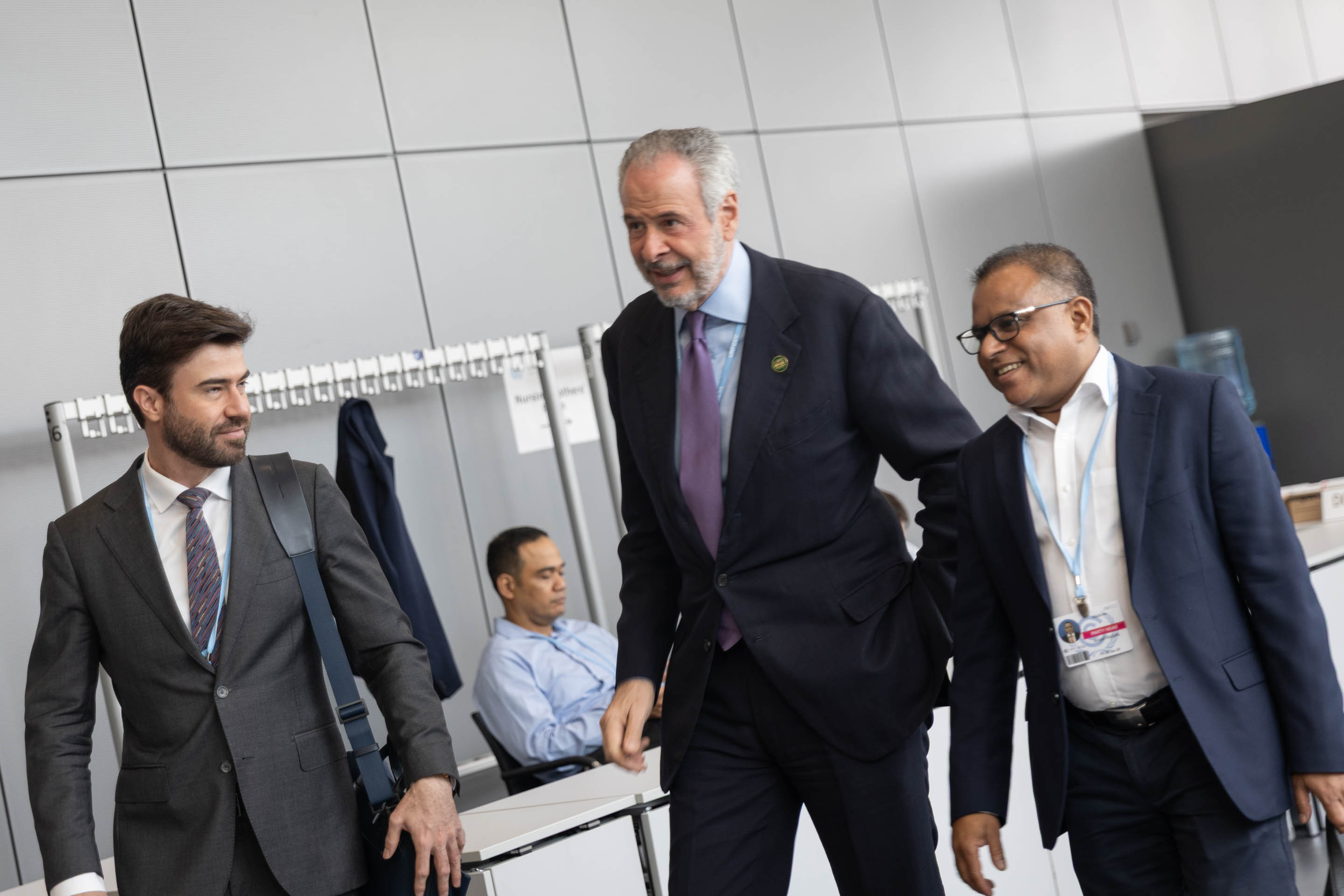
Rafael Da Soller, Brazil, André Aranha Corrêa do Lago, COP 30 President-designate, and Amjad Abdulla, Maldives
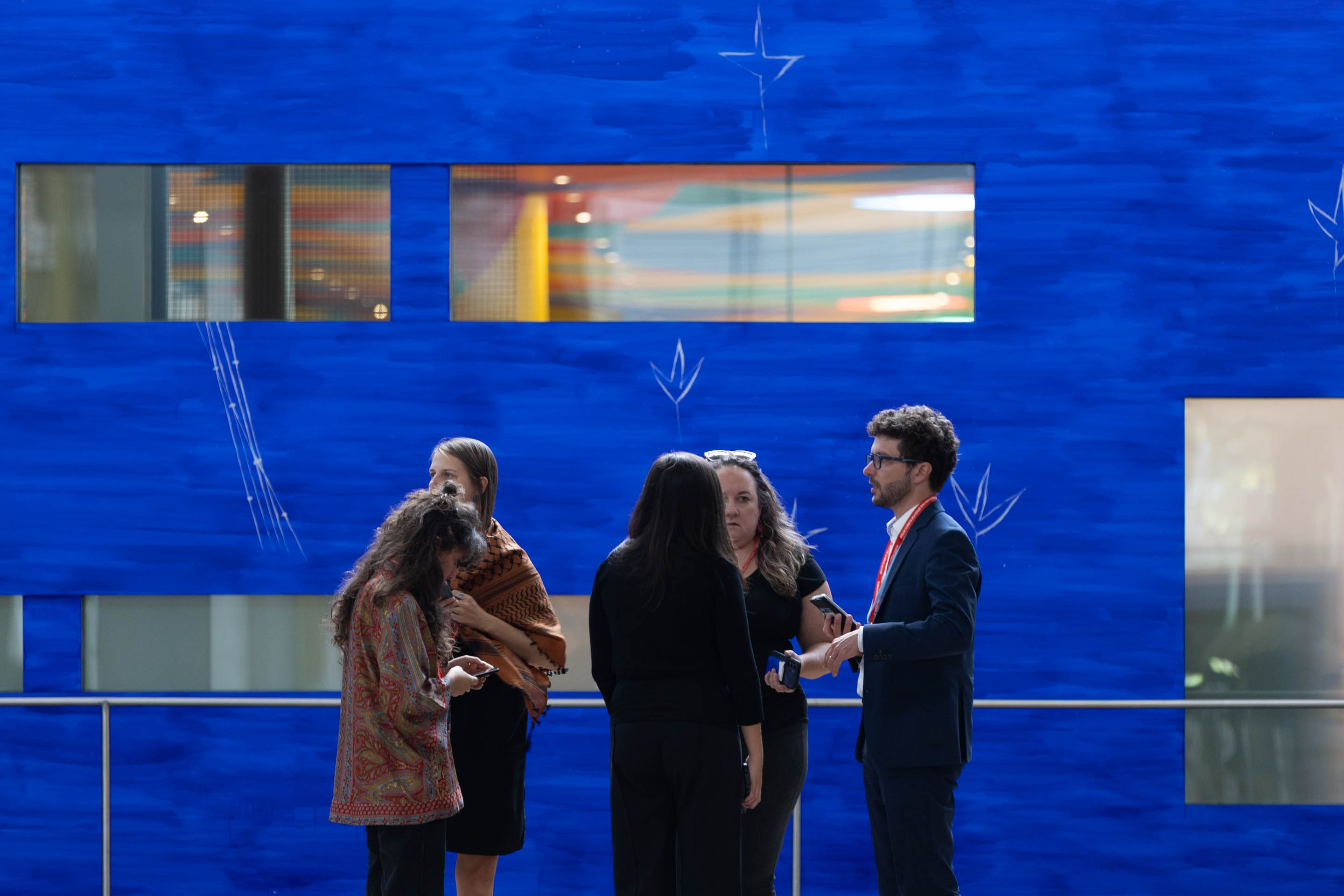
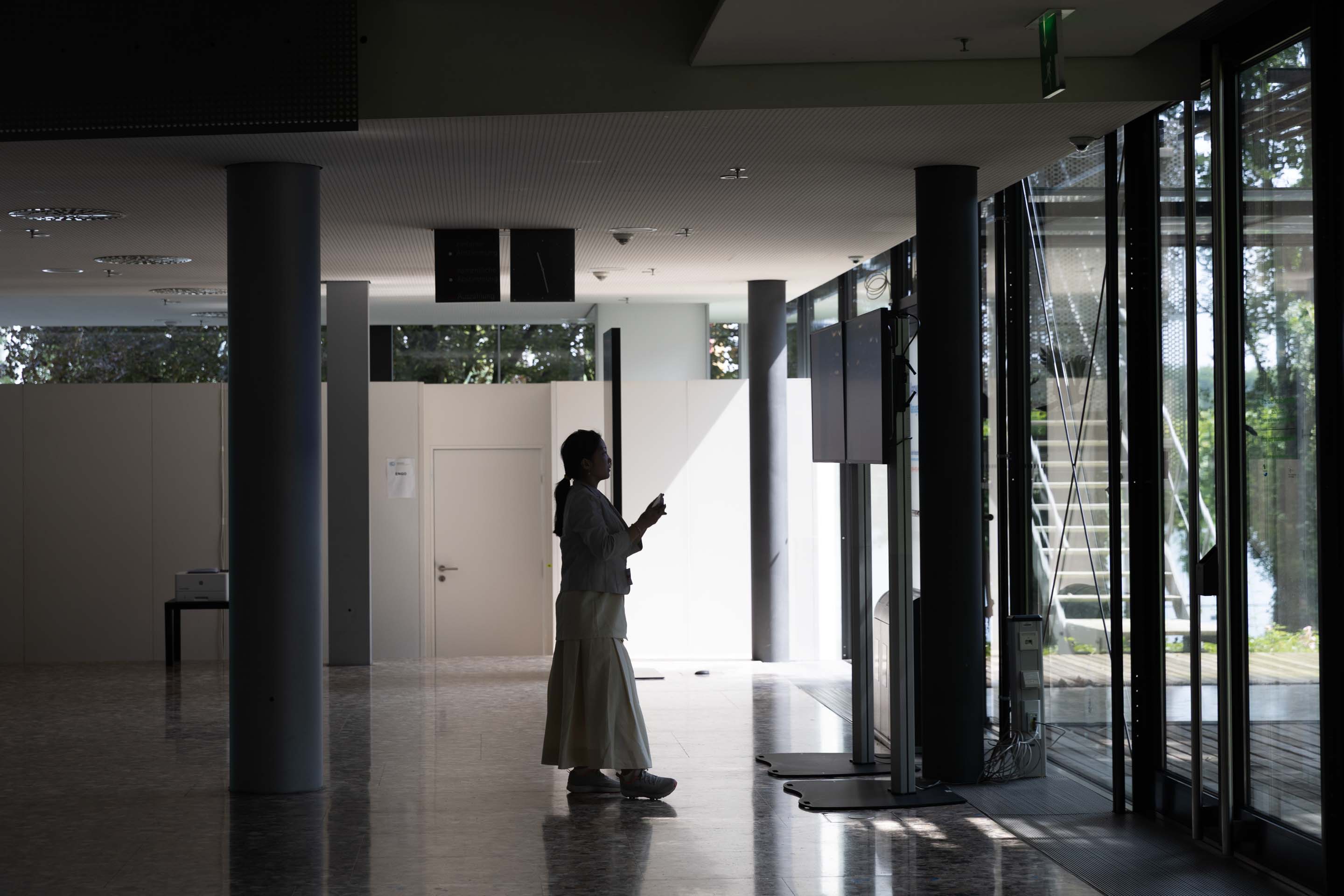
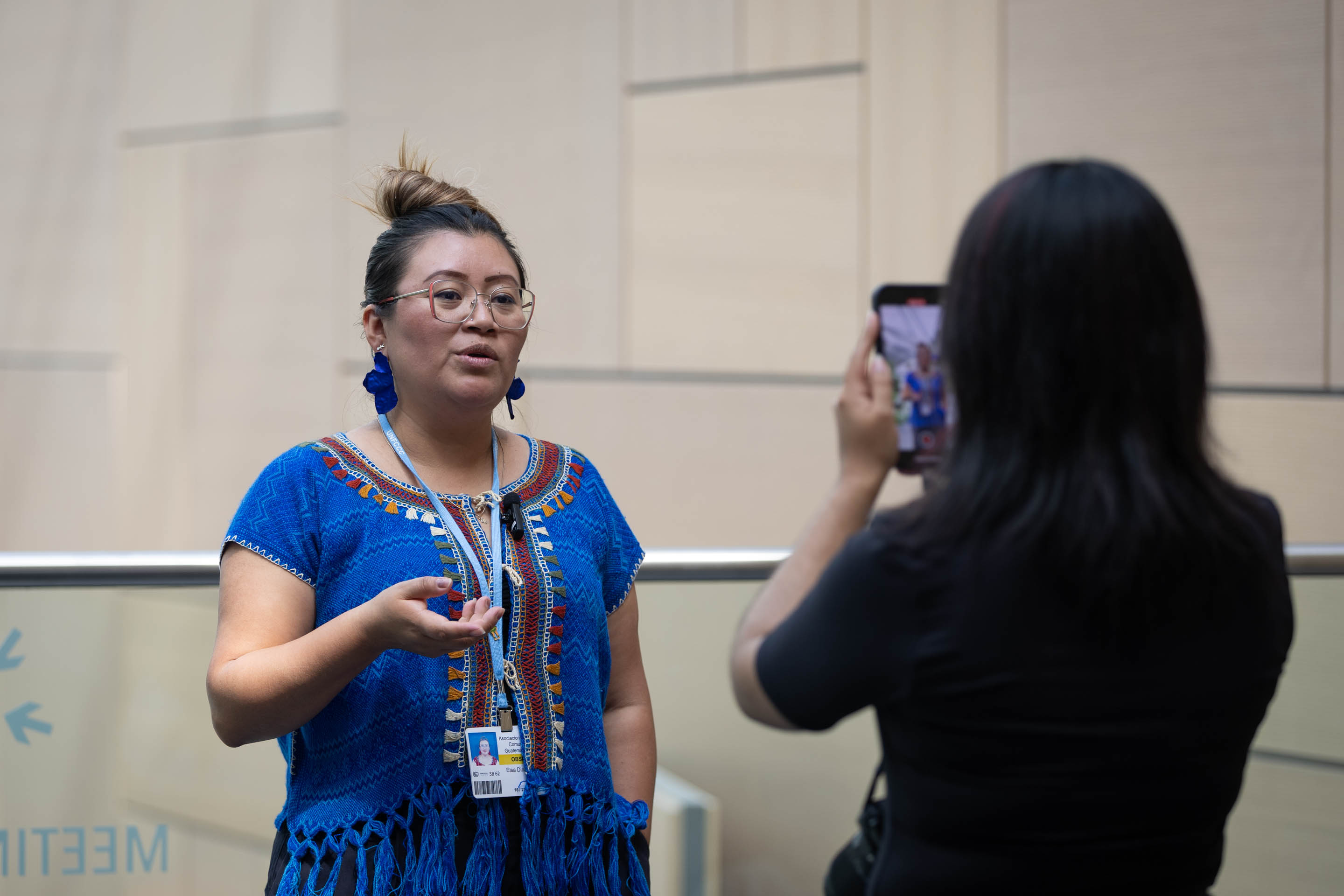
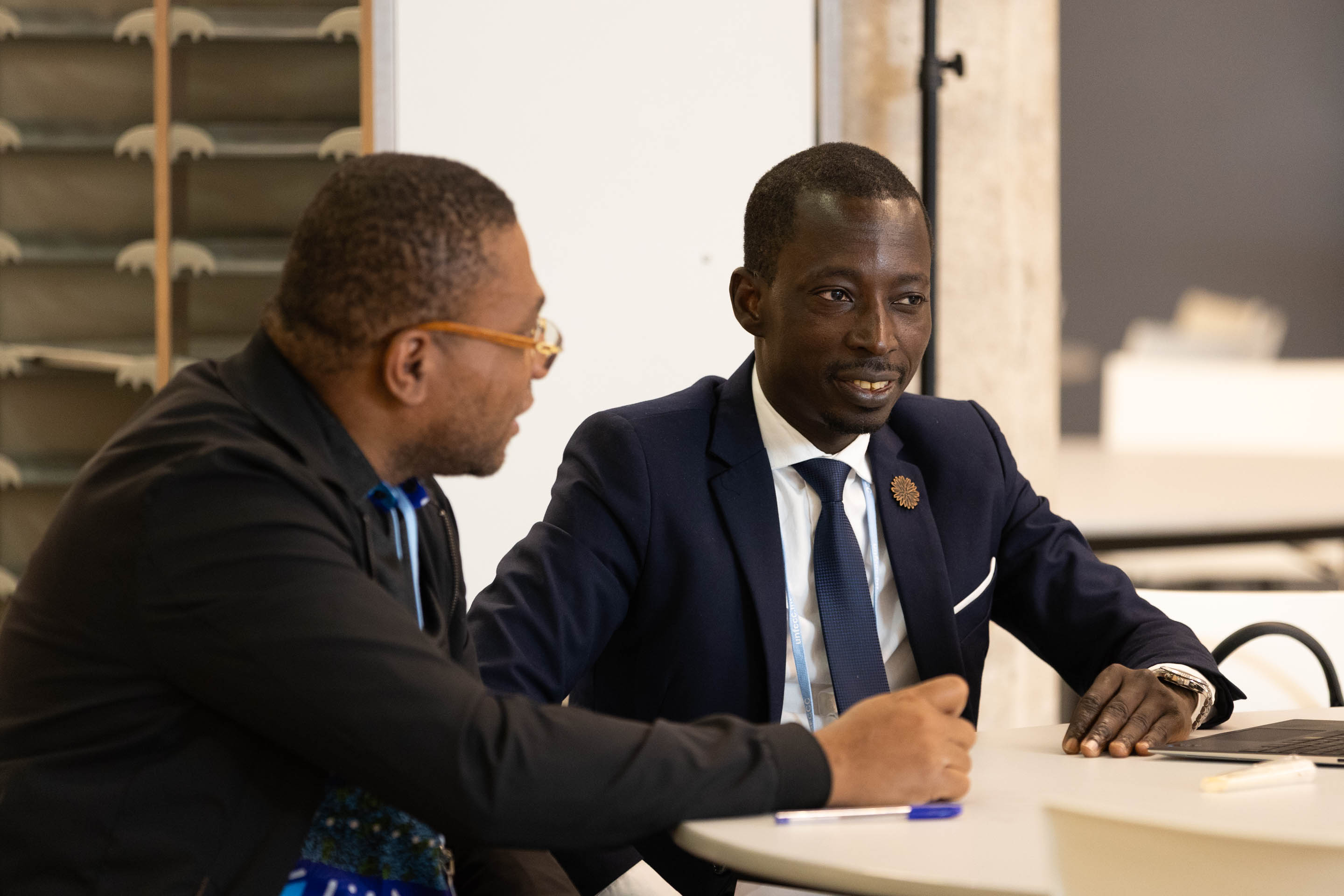
Delegates around the venue
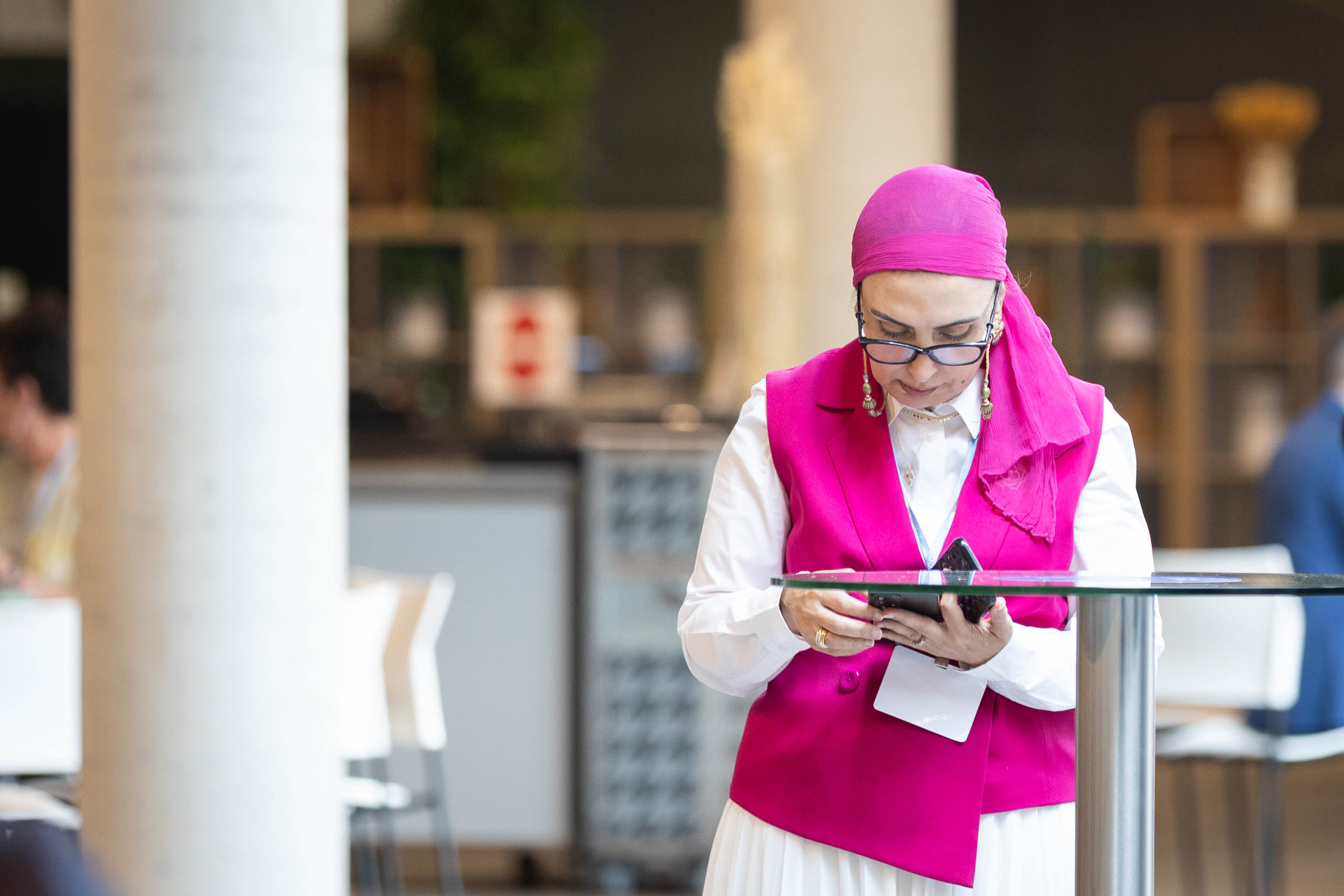
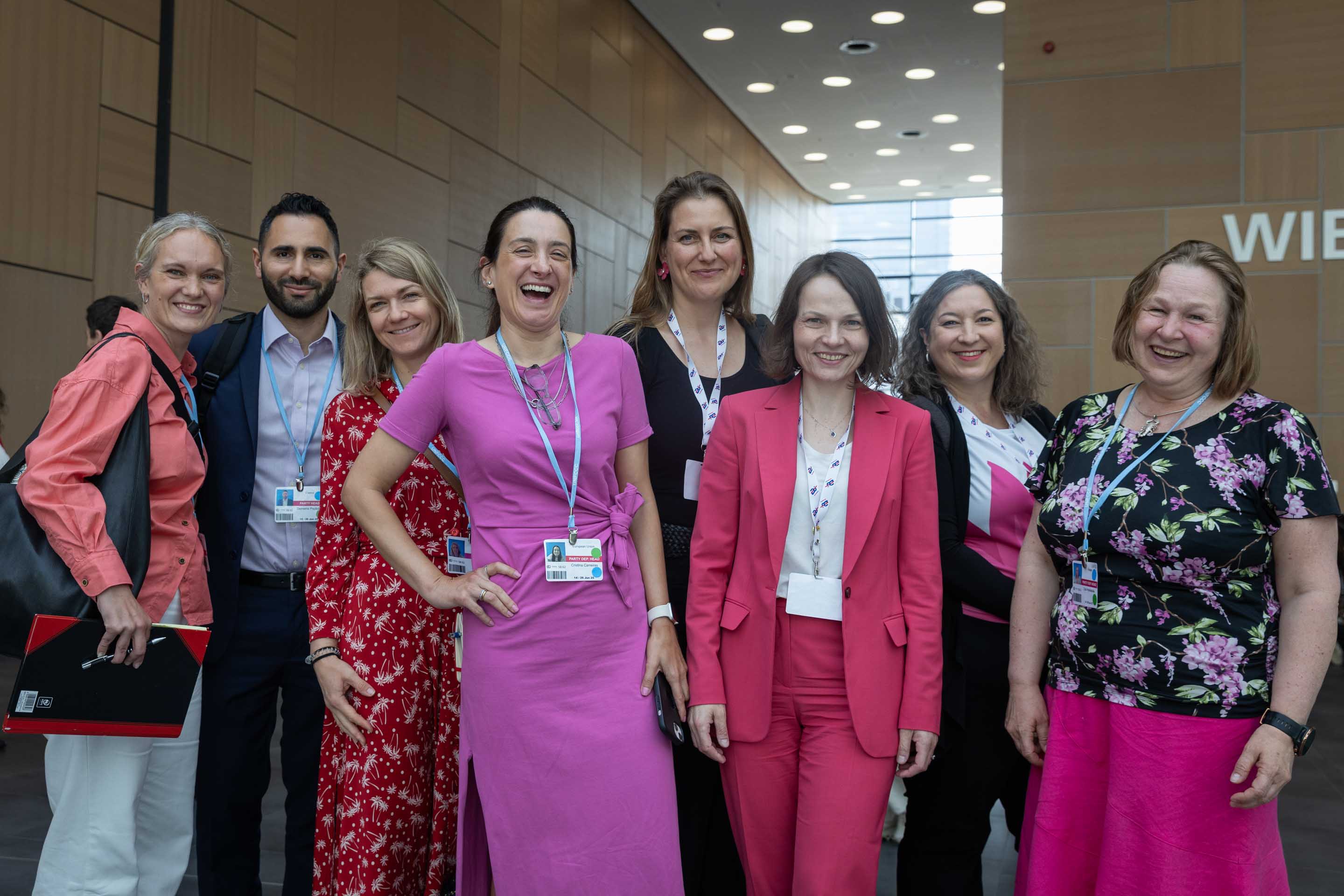
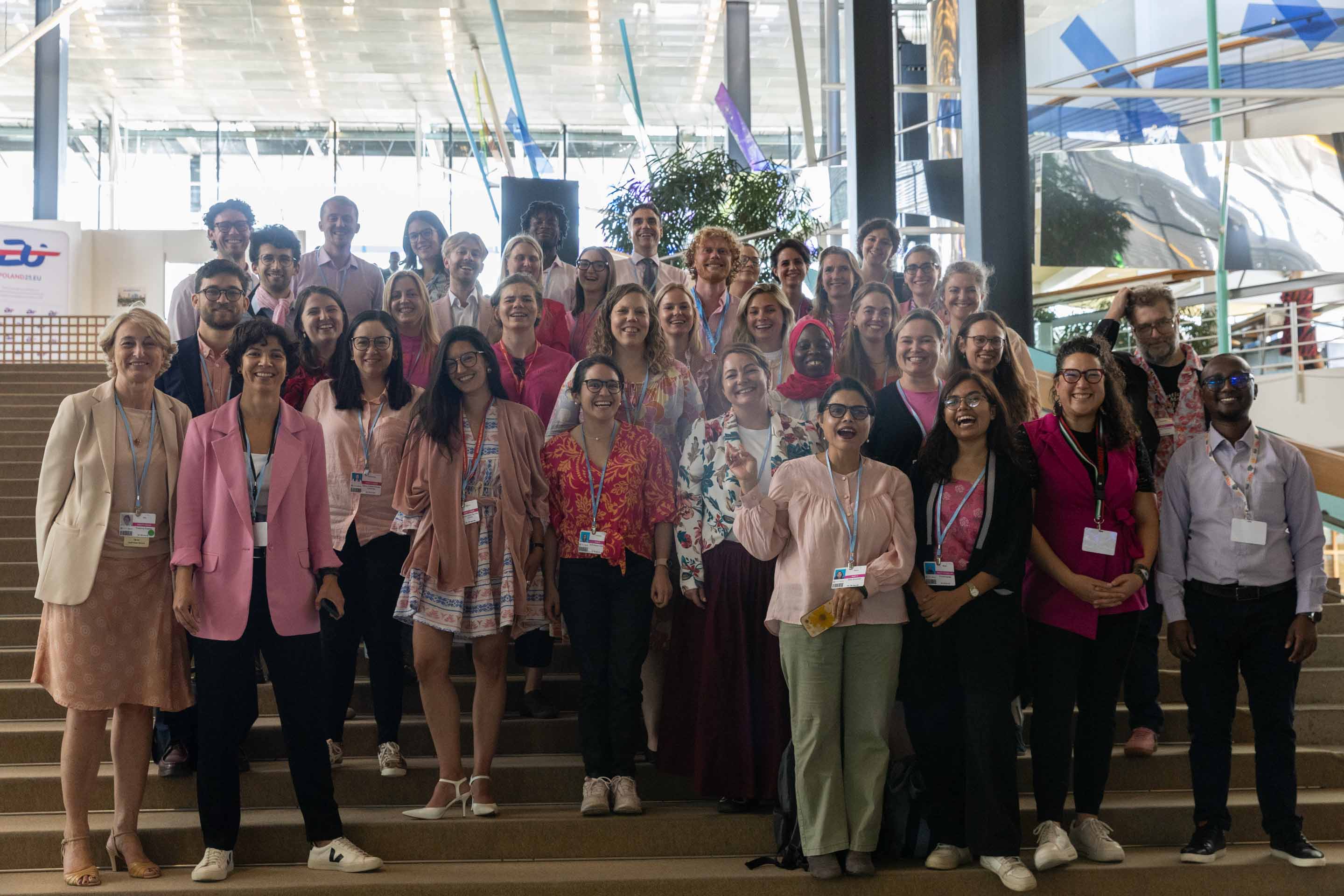
Pink is seen around the venue as delegates raise awareness about the importance of gender-responsive climate finance